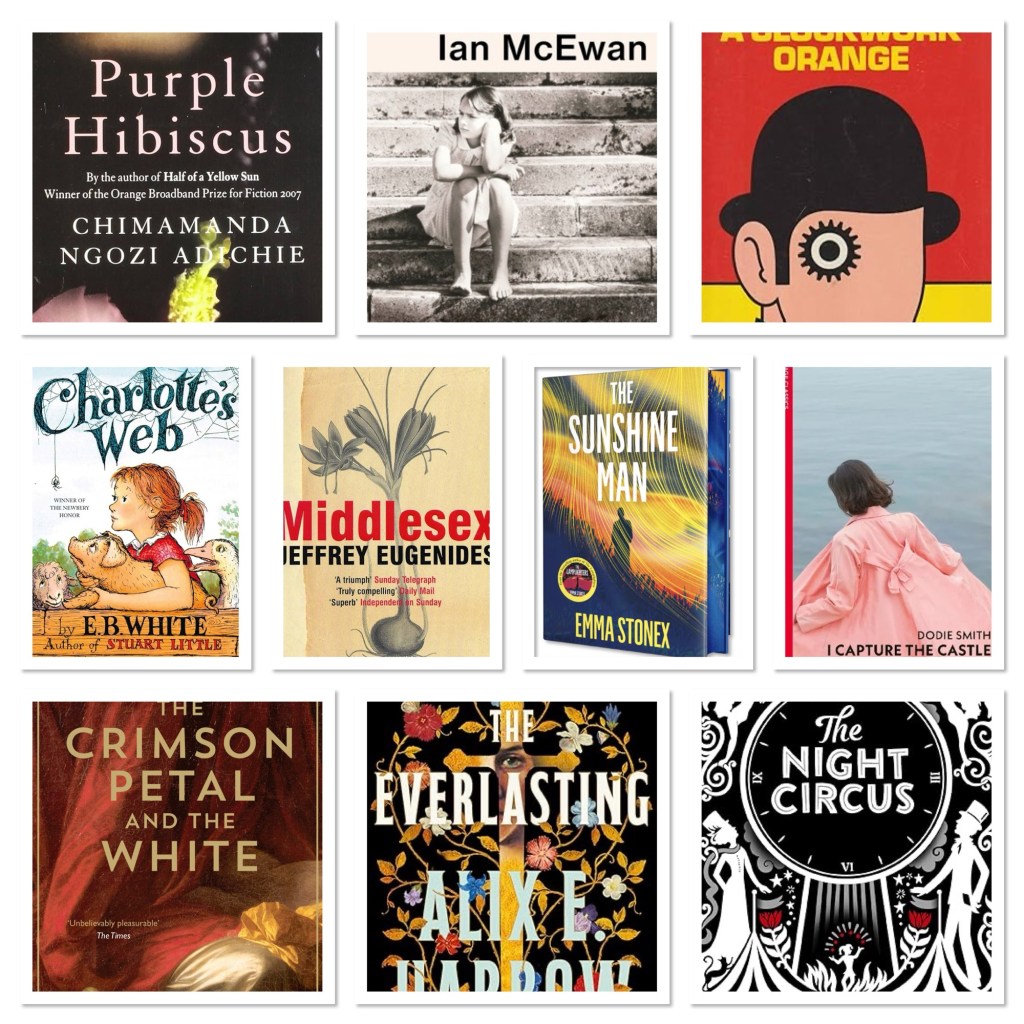
Openings are tricky things. They can make or break a book. As we browse bookshops and pick up unknown titles they have three chances to grab my attentions: the cover, the blurb and the opening lines. More often than not it’s the opener that grabs me, if I read a few lines and want to keep reading then I know it’s for me. It can be a showy first line, something that punches you in the gut or enticing, giving you a glimpse of what’s coming but not too much. Here I’ve gathered just a few of my favourites, old classics and up to date lines that simply won’t let go.
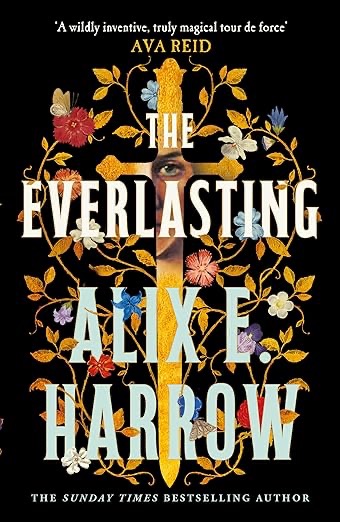
“Several years after the war, during the mid-afternoon hour I generally put aside to fantasize about setting fire to my manuscript and disappearing into the countryside to raise goats, I received a book in the post.”
I’ve enjoyed all Alix Harrow’s work since Ten Thousand Doors of January but I love this opener from her latest novel. She manages to summon up a feeling that’s perhaps common to all writers, but I’ve definitely felt it. She captures that self doubt we feel when the words just don’t come out right, or in my case when they come but aren’t perfect every time. We’ve all had human moments of wondering whether to just leave everything behind and start a smallholding in Wales. I have one every time I watch the news! This is a narrator of with a sense of humour and when I read this I was happy to join them in their journey.
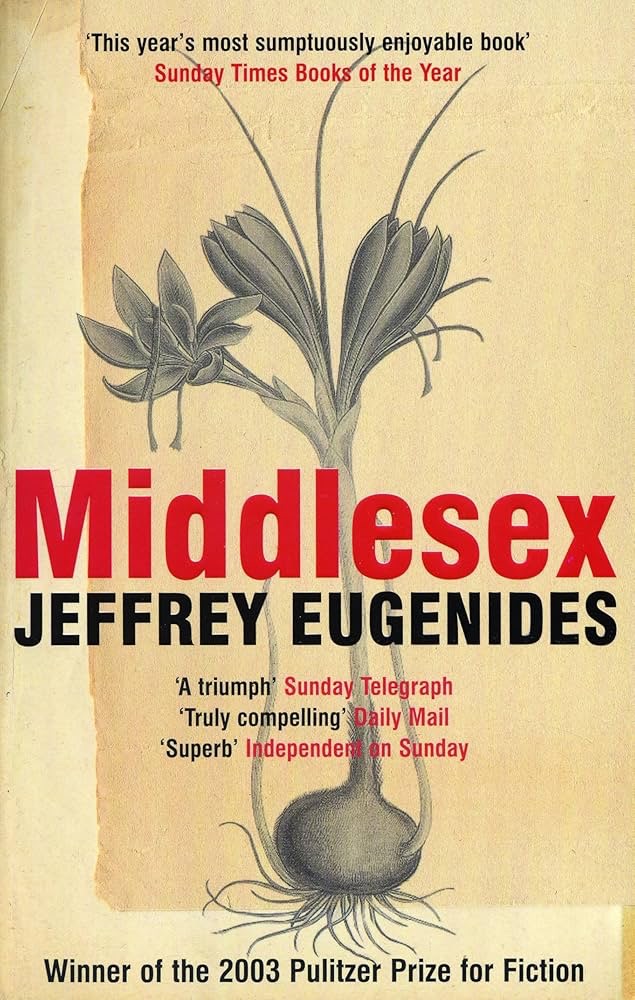
“I was born twice: first, as a baby girl, on a remarkably smogless Detroit day in January of 1960; and then again, as a teenage boy, in an emergency room near Petoskey, Michigan, in August of 1974.”
This is an incredible opening line. I read this while at university when my tutor recommended it, knowing I was interested in bodies that were ‘othered’. It had sat on the shelves for years, but this time I opened it and I was grabbed from the outset. This is a narrator who has gone through something life changing and I wanted to know their story. The way it’s written as a basic fact, with dates and places gives us the medical viewpoint but I knew there’d be much more beneath the surface. I wanted to read about how they’d come to this decision, what difference it made in their life and how it was received by family and friends. What we get is several generations of background history that moulds this family alongside the narrator’s journey.
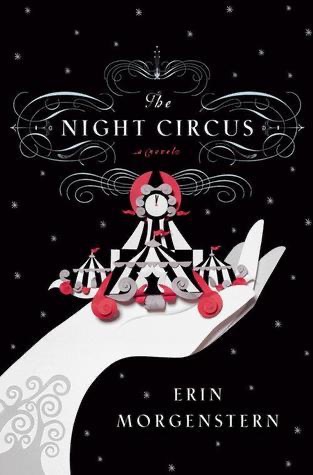
“The circus arrives without warning. No announcements precede it. It is simply there, when yesterday it was not.”
I love this opening. It has intrigue and magic and a sense that this circus isn’t for everyone, it’s for those who happen to find it. It’s ‘appearance’ suggests all sorts of possibilities – time travel, other dimensions, hallucinations.. There’s also a hint of danger and darkness. What happens when you enter? What if it disappears with you in it? The stage is set for adventure.
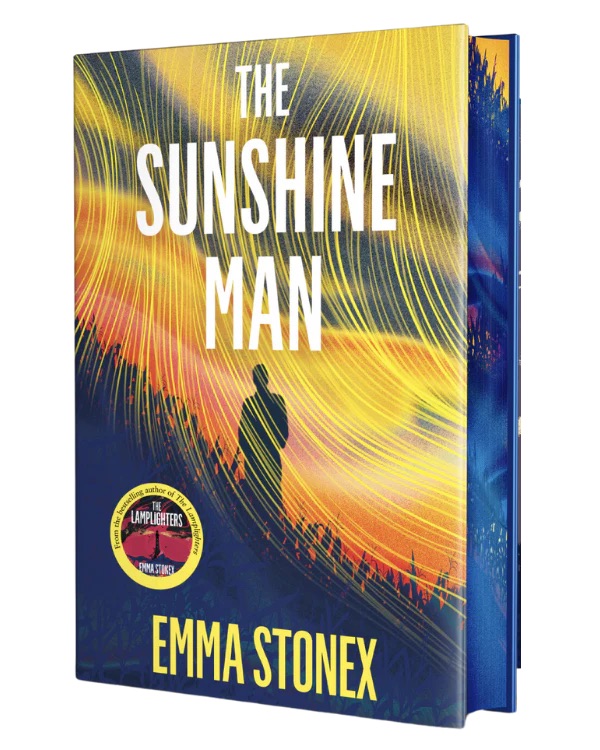
‘The week I shot a man clean through the head began like any other . . .’
Wow! This is quite the opening. Close the book and buy it immediately. My head is already full of questions – why and who is shot? What made the narrator pull the trigger? What’s a normal week for this person and what could have possibly happened in that week to get to this point? It also tells us something about the narrator, the way they state a violent act as if it’s almost incidental to the story – we’ll get to the shooting, but first let me tell you about my week. Brilliant.
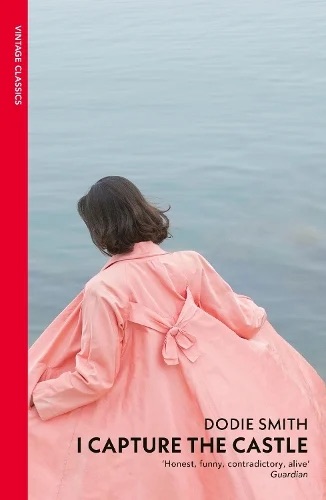
“I write this sitting in the kitchen sink. That is my feet are in it; the rest of me is on the draining board, which I have padded with our dog’s blanket and the tea-cosy.”
One of the most famous opening lines in literature and often quoted in articles like this but I just couldn’t leave this out. I love this so much I have it on a tote bag. I love its immediacy and charm. Cassandra Mortmain’s view of the world is captured in these few words. We know she loves to write and is doing this directly to us. It also tells us something about the chaos of the household if the only place to write is to sit on the draining board with your feet in the sink. She’s trying to create in the chaotic, bohemian and busy family household, something all women writers can identify with. I want to spend time with this narrator immediately.
“Watch your step. Keep your wits about you; you will need them. This city I am bringing you to is vast and intricate, and you have not been here before.”
This is one of my favourite novels of all time and this opening is both intriguing but tempered with a warning. In one sentence we know that this isn’t the London we think we know – in a literary or historical sense. It’s saying this book won’t tell the usual Victorian society story, you’re going to journey into those hidden areas rarely seen or written about. This is a place to be aware, it’s gritty, dangerous and you might easily get lost. Even though there’s danger, you still want to follow this narrator into their world. It also hints that our narrator is wise to the pitfalls of this place, this is their kingdom and there’s pride in their ability to survive there.
“The play—for which Briony had designed the posters, programs, and tickets, constructed the sales booth out of a folding screen tipped on its side, and lined the collection box in red crêpe paper—was written by her in a two-day tempest of composition, causing her to miss a breakfast and a lunch.”
This incredible opening from Ian McEwan tells us everything we need to know about Briony, the crux of this heartbreaking story. It tells us that Briony is clever and multi-talented – she hasn’t just written a play she has single handedly designed promotional material, a ticket office and the tickets. Then she sits down for two days and writes a whole play, becoming so engrossed in her project she forgets to eat. It tells us Briony is determined, obsessional and perhaps a little bossy. She likes to tell stories, but she also likes to control how they’re told.
“Things started to fall apart at home when my brother, Jaja, did not go to communion and Papa flung his heavy missal across the room and broke the figurines on the étagère.”
In her debut novel, the super talented Chimimanda Ngozie Adichie references the novel Things Fall Apart by Chinua Achebe, firmly setting herself into the tradition of Nigerian literature. Achebe’s account of colonialism in a Nigerian community shows how white men used the Christian religion to destabilise a village, until eventually greed dismantled their home, their culture and their traditions. It’s an important comparison to this modern family in a 20th Century Nigeria, where our narrator’s father is determined to uphold Christian values in his family and remain head of the household. Jaja’s small act of rebellion shows that their father has a temper, but the breaking of the figurines foreshadows the destruction of their family unit. This is just the beginning act in their family’s breakdown and is the tip of the iceberg when it comes to their abusive father, but instead of showing his power it hints at how fragile his regime actually is.
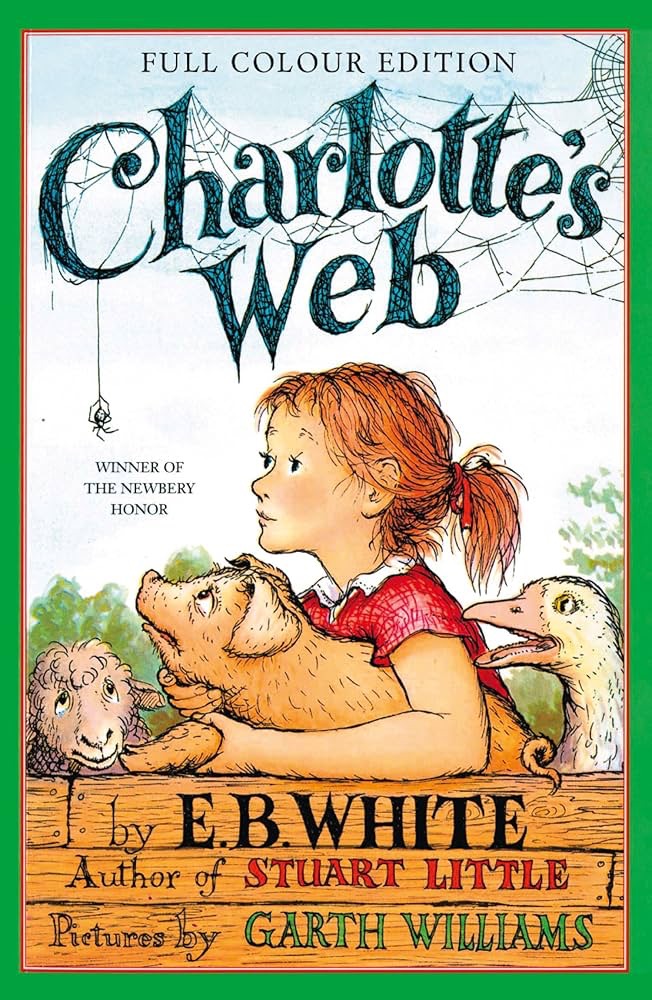
“Where’s Papa going with that ax?” said Fern to her mother as they were setting the table for breakfast.”
This was one of the first books I loaned from the public library and that first line set me up for a lifetime of twists and cliffhangers. I’m listening to the voice of a girl who was potentially my own age and from the cover I assumed she lived on a farm like I had. This opening question suggests Fern’s father was doing something outside his normal routine, something that didn’t make sense to her. It brings in a terrible sense of foreboding – having lived on a farm I was aware of eating animals, but you didn’t need an axe to kill a chicken or a goose. I was scared and a bit confused by it, but I had to know.
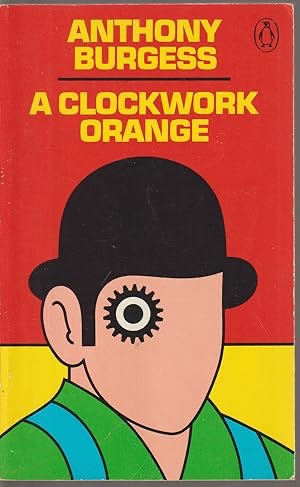
‘What’s it going to be then, eh?’
“That was me, that is Alex, and my three droogs, that is Pete, Georgie and Dim, Dim being really dim, and we sat in the Korova Milkbar making up our rassoodocks what to do with the evening, a flip dark chill winter bastard though dry.”
When my friend Elliot loaned me this book at secondary school these first lines blew me away. What language were they speaking? This was English but not as I knew it. The words were all in the wrong order and felt stilted. I wondered if I’d be able to understand what was going on. He advised me to just keep reading and let the language wash over me and he was right, in a few pages it simply clicked. These lines tell us we’re possibly somewhere in the future and Alex is merely setting the scene, introducing his friends and telling us about the weather. This is a typical introduction, done in a totally atypical way and it’s brilliant.