Posted in Monthly Wrap Up

Best Reads February 2026

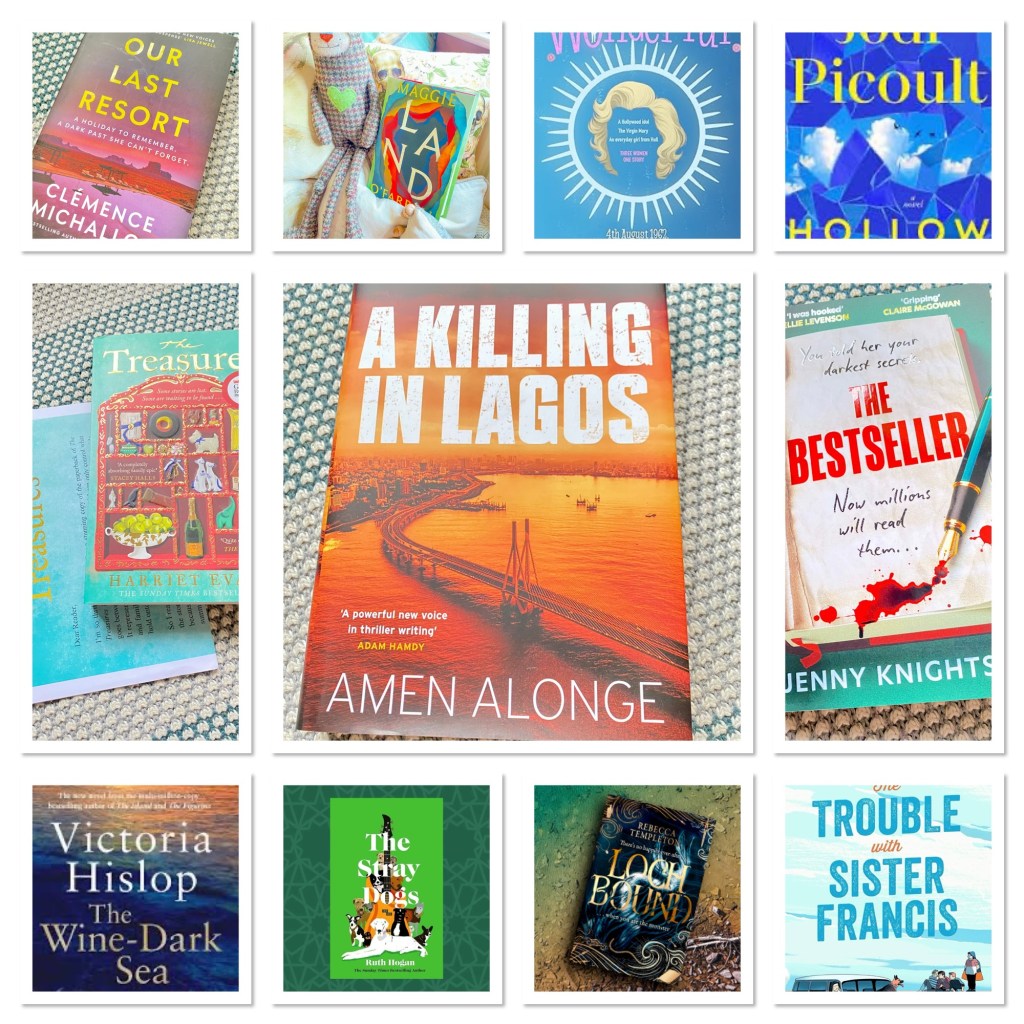
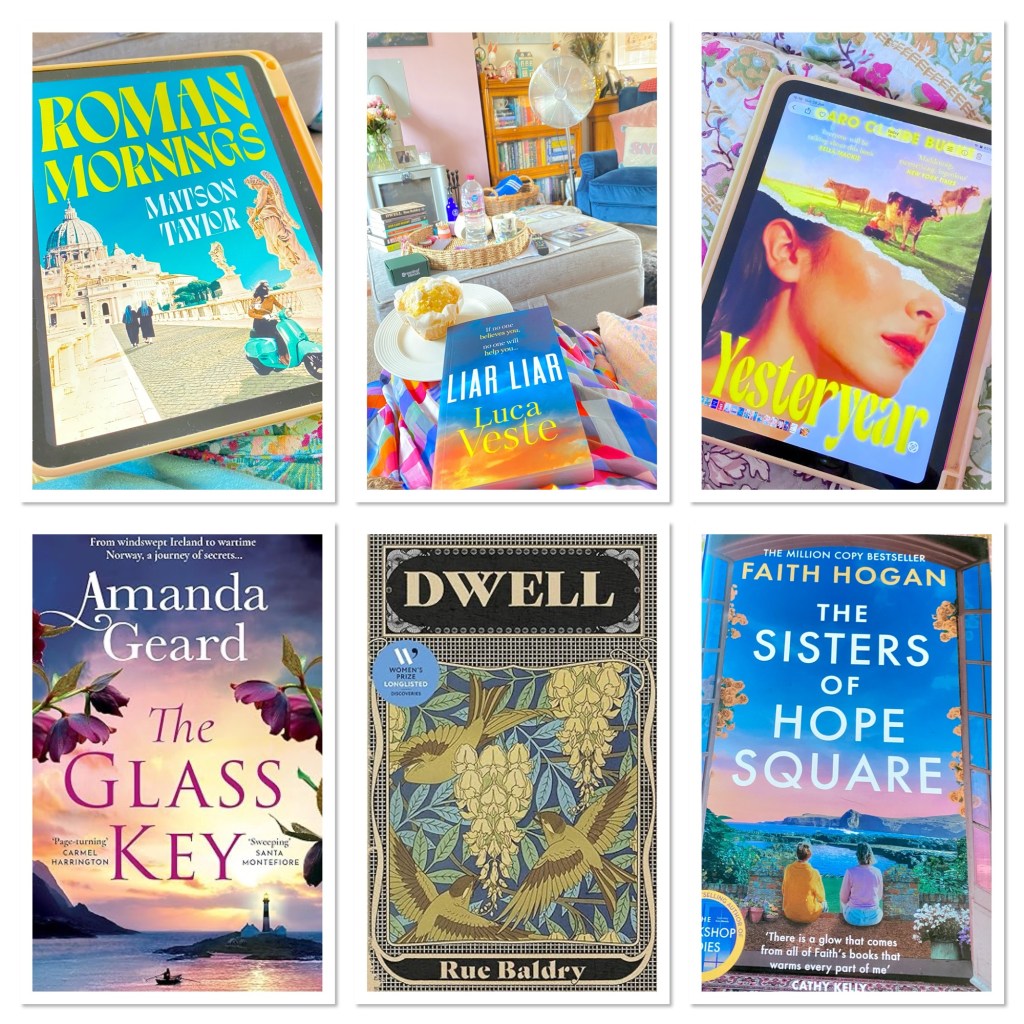
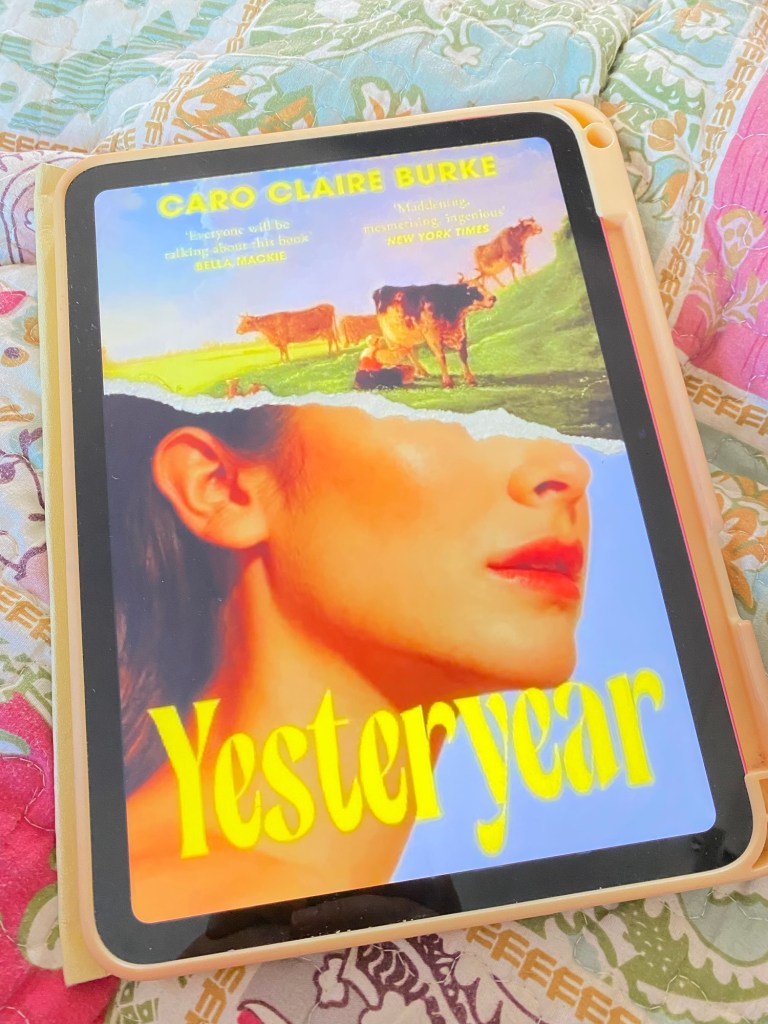
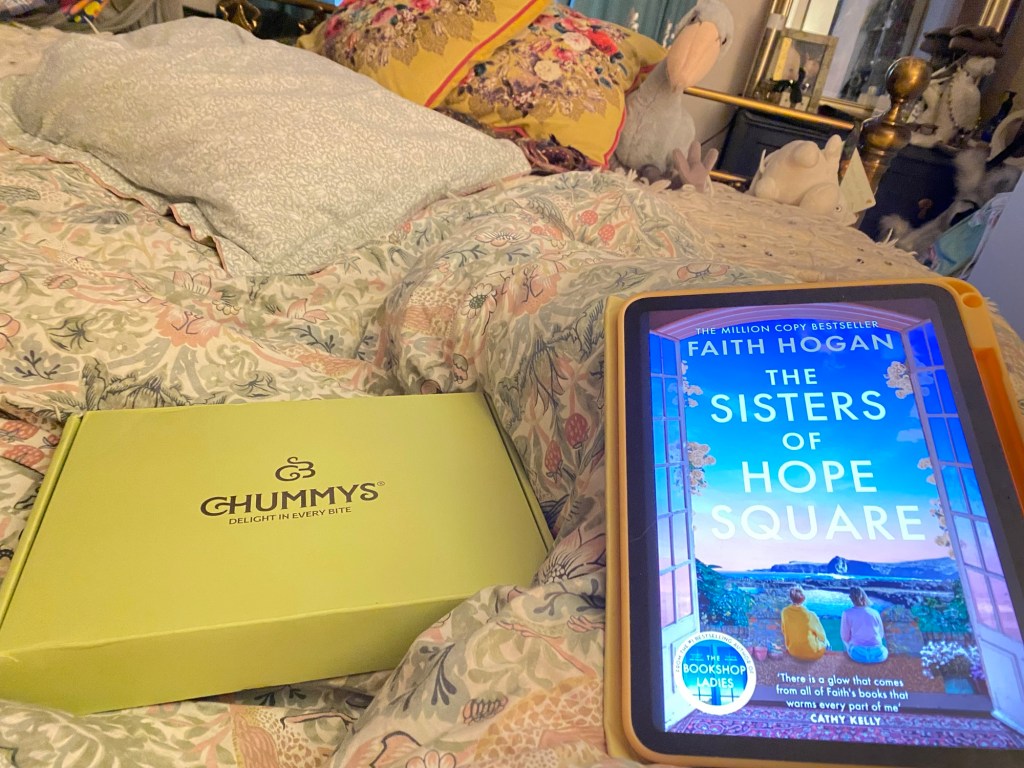
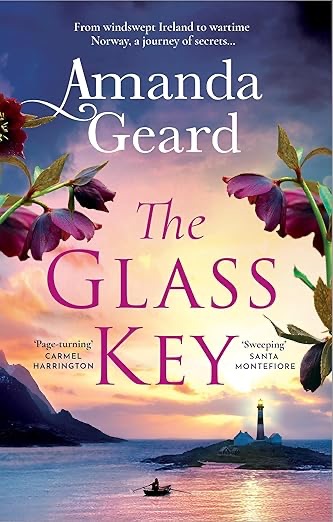
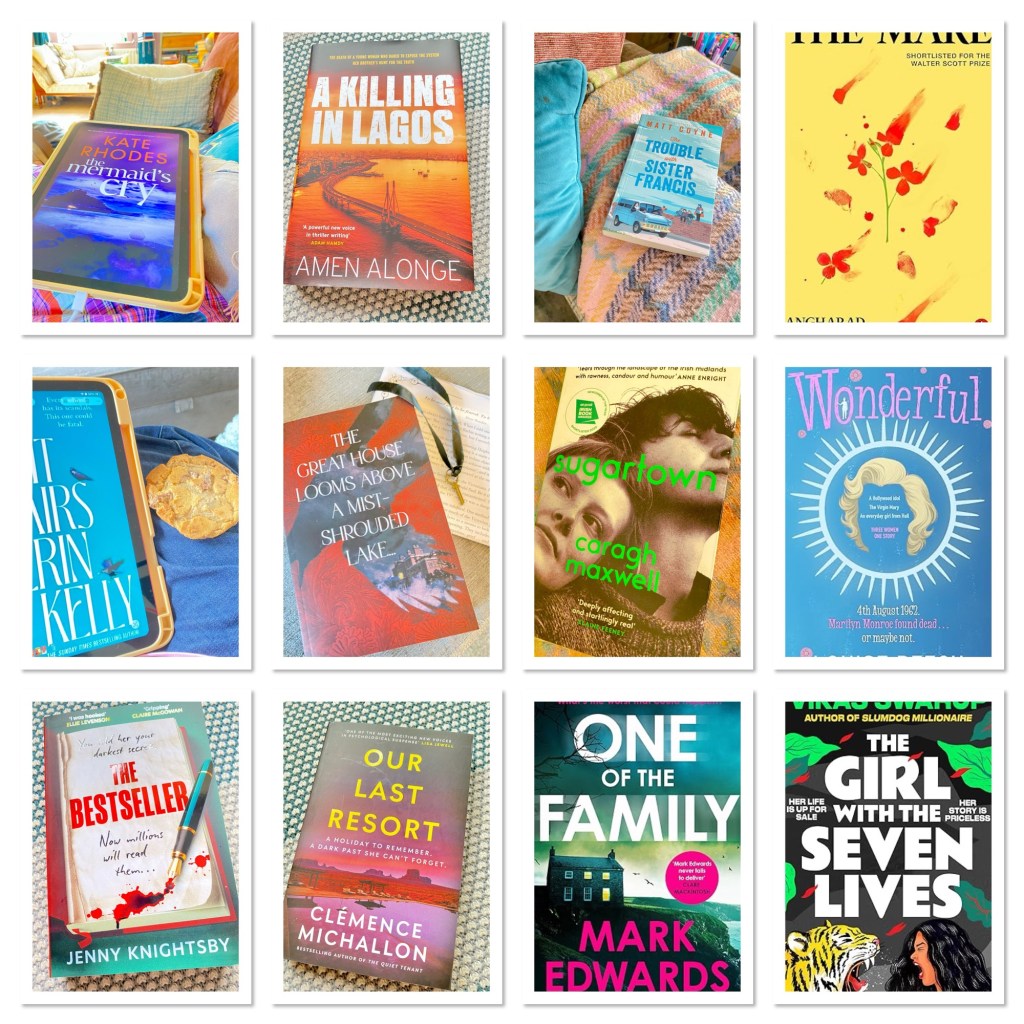
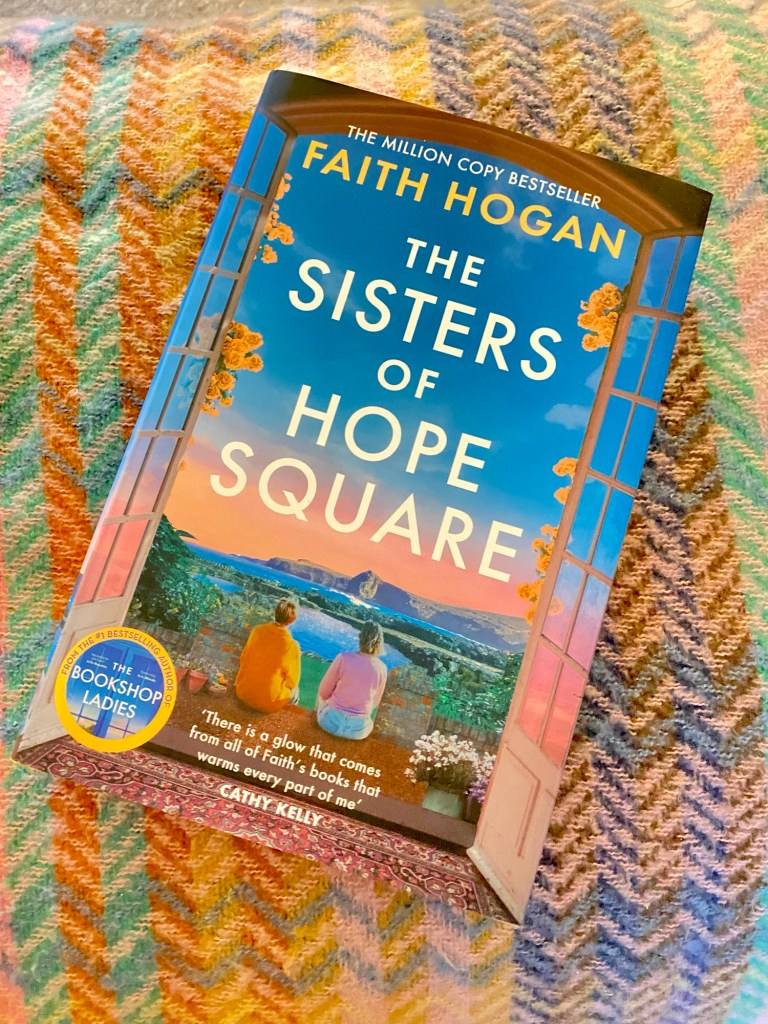
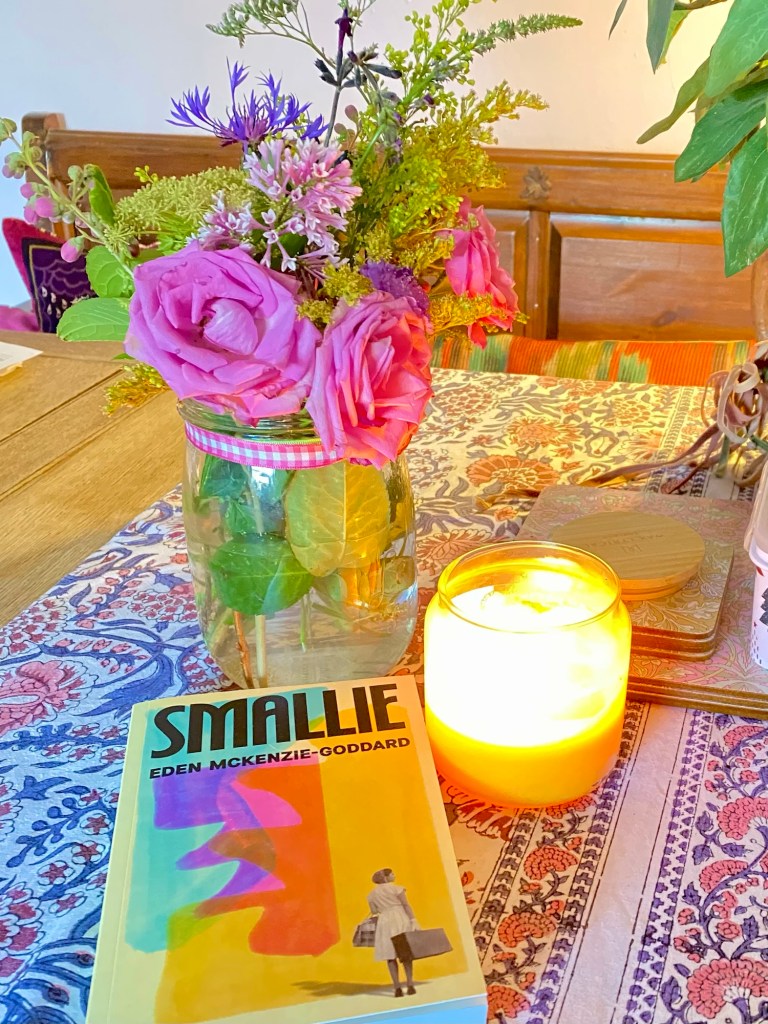
Hello all. Welcome to my February favourite reads. It’s been a busy reading month and thankfully I’ve been feeling less foggy and able to read a lot more. I’ve also found more balance in my reading so I’ve been able to read by choice a lot more too. These are the best ones I’ve read this month, a couple still have full reviews outstanding but I’ll tell you a little bit about why I enjoyed them so much.

This beautiful Pride and Prejudice inspired book is an absolute dream to read and felt like being back with old friends. I had always felt that Elizabeth Bennett underestimated her friend Charlotte Lucas and clearly she was a character whose possibilities played on author and comedian Rachel Parris’s mind too. Taken from the point Lizzie rejects Mr Collins’s proposal, the book takes in events from the rest of Austen’s romance and carries on beyond giving us glimpses into events we don’t get to see, such as the Darcy wedding at Pemberley. It’s told from Charlotte’s perspective but with letters from other characters and glimpses into Mr Collins’s past. These give us an insight into his manner and behaviour, while the letters give us a new slant on other characters too. I felt that Charlotte was pragmatic in her choice of husband and found ways to grow within it – sometimes in spite of Mr Collins and other times because of him, rather surprisingly. She has purpose, status and time to educate herself. Even Mr Collins has to admit she has blossomed, but when a spark is lit with a visitor to Rosings will Charlotte pursue the one thing she doesn’t have – romantic love and passion? I loved this and I’m sure many of you will too. It is pitch perfect, funny, sad and incredibly entertaining.

I have raved about Tracy Whitwell’s series following the adventures of Tanzy, actor and reluctant medium. This is the fifth and final instalment so I wanted to savour it. After her eventful trip to Iceland Tanz is back on home soil and soon makes her way back to her childhood home of Newcastle. Both she and her ‘little mam’ have been experiencing dreams about hangings, in Tanz’s case very alarming ones where she has a bag over her head and a noose round her neck. Her visions are powerful and are accompanied by sudden and torrential storms. Knowing she needs some help here, she asks Sheila to come and join her. They’re soon at the very spot where a travelling witch finder condemned several women to death by hanging. Even more alarming than usual, he seems to be able to see Tanz too, coming at her with his ‘pricker’ – the implement he uses to prod his prisoners to see if they bleed. This is toxic masculinity 17th Century style and Tanz is going to know her new Icelandic guides and all her power to defeat it. There’s the usual eccentric characters, including an Amazon woman dressed ‘like a Valkyrie’ who is also researching local history of witches and a ghostly lady called Mags who is full of mischief when it comes to putting men in their place. This is genuinely scary in parts and is based on historical research of the area. It was great to see Tanz back home again and with a case to solve, a love story to wrap up and a surprise that might determine her future, it’s a great finale to this funny and fierce series.

I’ve been able to catch up on some reading this month and I’ve been dying to get to the latest Kate Sawyer. She is now one of my ‘must buy’ authors and this novel just confirms her status on my shelves. Using the structure of family holidays, this book follows four generations of one family and the secrets they carry. Starting post-war with Betty who is at the seaside with her little girl Margaret and husband Jim, but Margaret doesn’t know the secret romance her mother had with the son of a local factory owner. Jim was a pragmatic choice and he’s a good husband despite the facial injuries and terrible memories he carries. Jim is doing well in his job and a few years later they visit the beach with his American colleagues and a teenage Margaret. There something happens that changes the course of this family. The author takes us through the 20th Century, showing how the changing world shapes the experiences of this family. From a beach on the east coast of England, we see holidays in Cornwall, then abroad as Maggie embraces the opportunities of a her husband’s job as a travelling buyer, and when her brother Tommy invests in and up and coming area of Europe. We see how changes in law and culture make some relationships and break others. The women in this novel are exceptionally well-written and the issues they face from infidelity, domestic violence, infertility and the consequences of a more permissive society opening the door for a more open generation than the one before. Throughout, this is a family that tries its hardest to stay together, even when some members are on the other side of the world. I love complex relationship dynamics so this was an absolute joy to read.

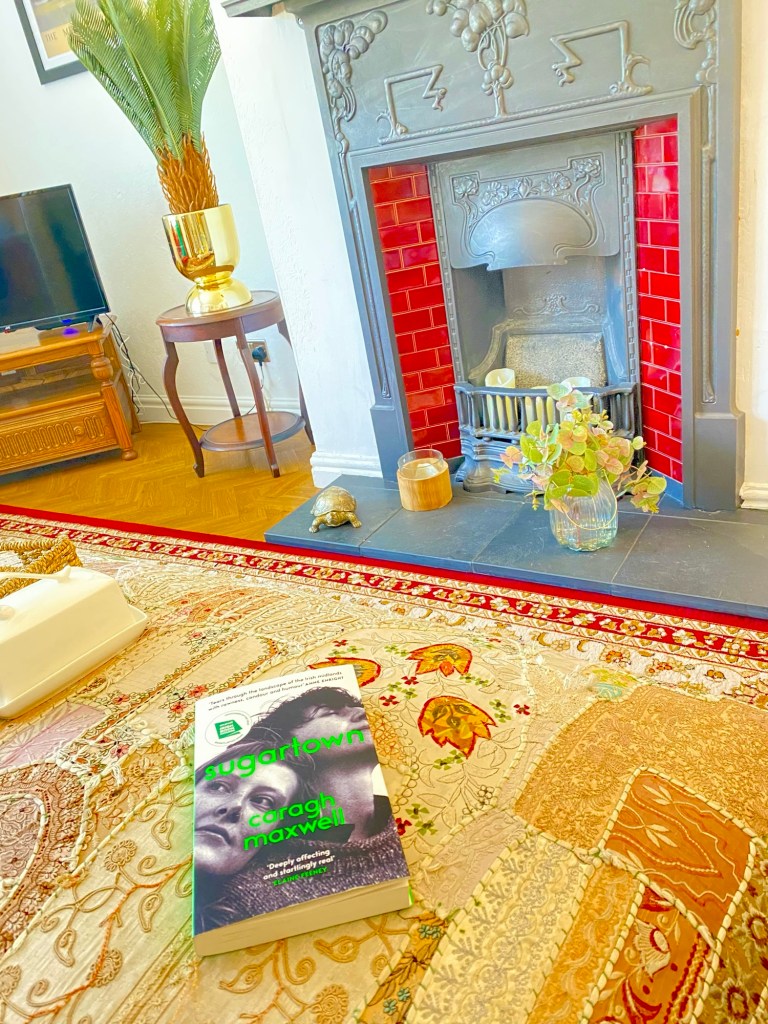
This incredible debut by Rachel Canwell deserves all the praise it’s receiving online. In fact she had a books signing at my local bookshop in Lincoln and had sold out within an hour! Her book is set in the south of Lincolnshire, in the fens and a family who live on the banks of the River Nene at Sutton Bridge. The new swing bridge allows them to visit the village and on the opposite bank a port is being built. Next to their home is a small hospital, readied by their father to serve port workers when everything is finished. One dark and disorienting night the family are woken by a rumbling sound and the splash of things hitting the water, but it’s only in the morning that the full devastation can be seen. The bank has collapsed underneath the new port, the family has lost their occupation and one of its sons, who drowned trying to rescue workers. We meet the three women who tell our story in the 1910s, Eleanor and her sister Lily are the last family members living in the house adjacent to the hospital – still empty and unused. Eleanor has fallen in love with John, the local blacksmith but can’t make plans because of her sister Lily. Lily will not leave the family house, in fact she rarely leaves her bedroom. The loss of her twin brother in the port disaster still affects her daily and she will not allow Eleanor to leave her alone in the house. Eleanor’s best friend Clara is married to their older brother Frank and they live in the village with their children. Clara is married to a bully and she sees one in Lily, who passive aggressively controls her sister. War is looming and as a prisoner of war camp is suggested for the old port site tensions within the community rise. With grief joining domestic violence, manipulation and alcohol issues this family is set for an explosive reckoning. I became so attached to these women and their family’s tragic history that I read it so quickly. I will go back and read it again though. Every element – character, setting, plot – is beautifully done and the historical background took me back to a time when my own grandparents would have been working the land and living next to the River Trent further North in the county. This is an excellent debut that had me absorbed completely. 

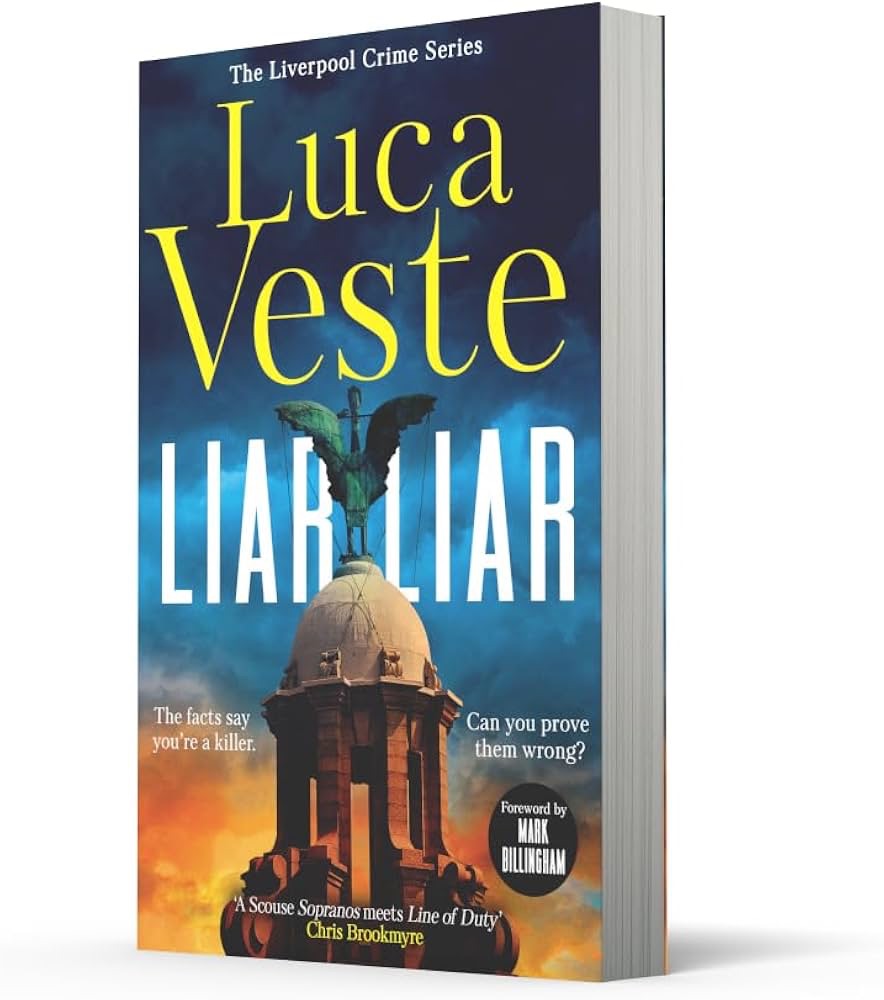
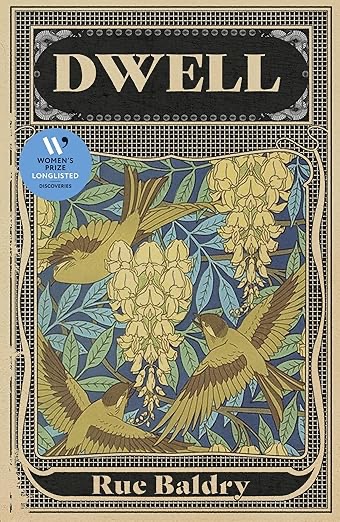
This was an unexpectedly great crime novel set around an auction rooms in Glasgow, a venue where criminal elements mix with rich collectors and eccentric dealers. Rilke is pulled into a difficult situation after his friend Les finishes his prison sentence. When one of the Bowery Auctions regulars, the creepy and questionable Manderson, is killed on the premises it’s only 24 hours till their next auction. In fact Manderson has been stabbed in the eye with one of the antique hat pins they had out for the viewing afternoon. An Edwardian amethyst pin would have had to make its way through a huge hat and into a woman’s long, piled up hair, to keep it secure. Now it’s made its way through Manderson’s eye into his brain and it’s going to take a lot of strength to remove it. Knowing the police will be involved and that Bowery’s will be implicated, perhaps it would be better if it wasn’t obvious that he’s been killed with one of their auction lots. Things get worse when a gangster turns up at Bowery Auctions with Rilke’s mate Les in tow. Ray has a way with a razor and he focuses Rilke with a swipe to Les’s face. Rilke must now investigate who killed Manderson in just ten days or Les will pay the consequences. His investigations will take him to an old school where many ex-pupils have reported sexual abuse, to a brothel named after a questionable film and a girl called Chloe who may or may not be controlled by her boyfriend, Dickie Bird. Will he find the answers that will save Les? More to the point, are the answers to be found outside Glasgow or a lot closer to home? Glasgow is a city that doesn’t hide its darker quarters or episodes in its history and we see them here from pubs to brothels and a particularly creepy old school. The author brings in modern concerns around women using Only Fans and other internet sex work to make ends meet. Can it ever be a feminist thing? There are also issues around coercive control and manipulation, but as Rilke learns it’s easy to get the wrong end of the stick. There’s a familiar jaded feeling around these issues and a knowledge that no matter what’s brought to light, some people will always get away with it. This is a gritty thriller with a streak of humour and some fantastic characters. I’m looking forward to the rest of the series.

Finally this month I’m recommending this brilliant thriller from Tana French, the third in a series featuring ex- Chicago cop Cal and his new life in the small Irish village of Ardnakelty. This is such an atmospheric read that manages to feel isolated, but suffocating at the same time. Cal and his fiancée Lena, who was born here, try to keep out of any local gossip or feuding. However, when young teenager Rachel goes missing one night in a storm both Cal and his woodworking protoge Trey go looking for her. She’s found in the river, after setting out to meet her boyfriend Eugene Moynihan at the bridge. She appears to have drowned but Eugene claims not to have made the arrangement to meet in such terrible weather and when the autopsy comes back it reports that Rachel had swallowed anti-freeze. Is this an accident or suicide. Cal and Lena suspect foul play and with Lena being the last person to see Rachel, staying out of this might not be possible. When Cal appears to side with his neighbour Mart against the Moynihan family tensions rise and Tommy Moynihan, family patriarch, starts to show just how much of Ardnakelty he holds in his power. This is a complex mystery, with risky allegiances and terrible consequences. The Irish dialogue is so beautifully written and there are moments of laugh out loud humour to dispel the tension. This was an incredibly good thriller with plenty of twists and a fascinating central character too.

Here’s a selection from my March tbr:

Posted in Random Things Tours

Fireflies in Winter by Eleanor Shearer 

Nova Scotia 1796. Cora, an orphan newly arrived from Jamaica, has never felt cold like this. In the depths of winter, everyone in her community huddles together in their homes to keep warm. So when she sees a shadow slipping through the trees, Cora thinks her eyes are deceiving her. Until she creeps out into the moonlight and finds the tracks in the snow.

Agnes is in hiding. On the run from her former life, she has learned what it takes to survive alone in the wilderness. But she can afford mistakes. When she first spies the young woman in the woods, she is afraid. Yet Cora is fearless, and their paths are destined to cross.

Deep among the cedars, Cora and Agnes find a fragile place of safety. But when Agnes’s past closes in, they are confronted with the dangerous price of freedom – and of love…

Eleanor Shearer tells stories about fictional people in situations I didn’t even know existed and then makes me root for them so hard that I cry real tears. Cora is our central character and we see everything through her eyes, so it’s no surprise I felt close to her. Cora is so vulnerable and thoughtful. She cares for her unusual ‘family’ – Leah who has brought her up and been a substitute mother and Silas and young Ben who’s still a young boy. It’s makeshift but it’s the only family she has known, ever since Leah found her as a baby. They are ‘maroons’, escaped slaves from Jamaica who settled in Nova Scotia, Canada. Many maroons negotiated peace treaties with the British, but part of that treaty forced them to aid the British in capturing any new runaways. However, Agnes’s freedom is more precarious. She’s out in the forest alone, except for her dog Patience, and it’s a harsh existence with the added fear of discovery. I’m not sure Cora fully understands that her presence and connection to the Maroons settlement adds to that anxiety and doubles her chance of discovery. Cora isn’t hardened to winter in the forest and hasn’t had to hone her survival instincts in the way Agnes has. Something she shows by getting into scrapes in the snow, saved by the ever present Patience. There are different types of freedom in terms of gender and sexuality too. Cora knows that Silas has an expectation that they will be together one day and so far she has avoided this. However, it is there in every confrontation they have; the fear of his resentment and the threat of sexual violence is ever present. Cora doesn’t question her sexuality, she just knows she loves Agnes. Will they have the freedom to be together? 

The environment is an incredibly strong part of this story and here the author excels in creating a Nova Scotia that’s harsh but exceptionally beautiful. I found the time Cora spends in the forest incredibly peaceful to read, the animals, the ice and the frosted trees have a romance, a poetry about them. Yet she doesn’t hide the raw reality of living in it. The girls must trap animals, although Cora frees a white hare unable to kill such a beautiful and mystical creature however hungry they may be. One of my favourite scenes is when Agnes takes Cora out on a boat to visit the whales who appear for them as if by magic. As they sit among these huge creatures one of them lifts their head and looks directly at Agnes and she feels seen for the first time in her life. Not as a woman, or a slave, or a Maroon. Just as Cora, another living being. There are also moments where Mother Nature shows its bite and when Cora falls through the ice I was holding my breath. The suspense of those moments are brilliantly pitched and show us that Agnes’s lifestyle may have magical moments, but it can be lethal. 

I love that Eleanor writes people back into history, we can read the historical facts about settled slaves in Canada but she brings their experiences to life in a way that hits the emotions and helps us to understand. We’re also reminded by Cora that women have choices, sometimes marriage is just another form of slavery. It’s something she’s keen to avoid, even if the offer came from a more loving and kind man like her friend Thursday. She knows herself enough to know it is not for her and she’s not willing to sacrifice herself. Luckily, Thursday is a loyal friend and will help Cora without imposing conditions. When Cora finds out the truth about where she comes from, secrets that have been held for years come flooding out and threaten everything that Cora has known about herself. When Agnes faces a similar reckoning it threatens everything in their future. I was emotional about the little details the author puts into her book such as the braiding of Cora’s hair being the only moment where they’re both present and the ‘love can flow between them unimpeded’. Cora’s loss of her sister also hangs over her and I loved the nature metaphors she uses to express those emotions: 

“Cora cannot stop thinking of her life like a tree, with the branches that split and split again until you reach the highest […] that there’s somewhere, the branches not taken – the world where she stayed with Elsy and Elsy would still be living.” 

However, in everything that happens, one loss hit me the hardest and actually brought me to tears. I loved the still moments created, where Cora learned to be in nature. Where they are both present and entirely in the moment. The fireflies are a symbol for Agnes and Cora, in that they are glowing in the darkest and coldest circumstances. Cora and Agnes have a bond that flourishes where many things don’t survive, they are extraordinary like fireflies in winter. 

Out from Headline Review on 10th February

Meet the Author

Eleanor Shearer is a mixed race writer from the UK. She splits her time between London and Ramsgate on the coast of Kent, so that she never has to go too long without seeing the sea.

As the granddaughter of Caribbean immigrants who came to the UK as part of the Windrush Generation, Eleanor has always been drawn to Caribbean history. Her first novel, RIVER SING ME HOME (Headline, UK & Berkley, USA) is inspired by the true stories of the brave woman who went looking for their stolen children after the abolition of slavery in 1834. The novel draws on her time spent in the Caribbean, visiting family in St Lucia and Barbados. It was also informed by her Master’s degree in Politics, where she focused on how slavery is remembered on the islands today.

Her second novel, FIREFLIES IN WINTER, is a love story set in the snow-covered wilderness of Nova Scotia in the 1790s. When Cora, an orphan newly arrived from Jamaica, glimpses a strange figure in the forest, she is increasingly drawn into the frozen woods. She meets Agnes, who is on the run from her former life. As the two women grow closer, they learn more about love, survival and the price of freedom.

Posted in Squad Pod Collective

Paper Sisters by Rachel Canwell

Lincolnshire, 1914. As the First World War approaches, three women are living, trapped between the unforgiving marsh, the wide, relentless river, and the isolation of the fen.

Their lives are held fast by profound grief, haunted by the spectres of the past. Trapped by the looming presence and eerie stillness of a hospital that has never admitted a single patient.  

Eleanor longs to escape. To make a life with the man she loves, leaving her sister, and all her ghosts behind. Clara’s marriage is crumbling and violent and she yearns for peace and security for both herself and her innocent children. Meanwhile, Lily, a formidable force of will, stands resolute against the relentless tide of change. She will stop at nothing, no matter the devastating cost, to ensure that life, and her family, remain frozen in an unyielding embrace of the past.

The author, Rachel Canwell, grew up with the story of this forgotten hospital. Isolated, stocked weekly and cleaned daily but never admitting a single patient. The hospital was real, tended by her family for over sixty years and set against the ethereal beauty and loneliness of the Fens, is the inspiration for her novel.

The atmosphere in this story perfectly captures the strange isolated feel of Lincolnshire’s fens. I’m Lincolnshire born and bred, further north than the fens but I know the area. It’s a flat, almost featureless place with dykes that drain the fields and the constant smell of vegetable crops in the air. The novel’s focus is on the area of Sutton Bridge, a village with a famous swing bridge built in 1897 across the River Nene. On one bank, an area of several acres is home to a building site where a port is being built and on the other is a hospital, built to service the workers of the port area. Alongside it is the home of the family who will run it. The author’s family waited for many years, ready to run their hospital, but this is not their story. The author opens with a strange and disorienting scene where a family are disturbed by noises at night and venture out in the pitch dark. As they stand on the bank, theres a loud rumble and the sound of heavy things hitting the water. The family can’t see anything, but in the light it’s clear that all their hopes for a future working alongside the port are gone. The bank on the far side has collapsed in the night, even worse one of their sons is missing, presumed drowned, while helping to look for workers. As we join them in 1910 only two sisters remain on the hospital side of the bank, Lily who has barely moved beyond the threshold since her twin drowned and Eleanor who tends to Lily, their garden and the hospital. Their other sibling, Frank, lives down in the village with his wife Clara and their children. It is the three women – Eleanor, Clara and Lily – who narrate our story. 

I felt so strongly about these characters, especially Clara and Eleanor who have always been friends. It soon becomes clear that both are in a similar position. Eleanor is at the mercy of Lily’s health and her moods. She claims to be unable to leave her room and hates to be left alone in the house. Despite being so isolated Eleanor has met and fallen in love with a young man called John who has taken over the village’s smithy. How can she ever plan a future with him if she’s unable to leave the house? Similarly, Eleanor’s friend Clara is at the mercy of husband Frank’s moods and how much he’s had to drink. One of the book’s opening chapters follows the couple and their children on a train to the coast. However, the train hasn’t even left the station and Frank is already belligerent. The author writes this beautifully, with Clara’s hopes for one day of freedom as a family dwindling by the moment. The tension rises as Clara desperately tries to quiet the children, holding herself tightly, too terrified to move and incur his anger. Luckily, his behaviour draws young men from the next carriage and Clara leaves him to fight his own battles. The sudden freedom she and the children have is blissful, laughing as they run down to the sea, removing shoes and socks to jump in the waves. Clara knows her friend Eleanor is under equal pressure, because under a quiet and timid exterior Lily has a core of steel. While Eleanor feels sorry for Lily, trying to respect her grief and many physical symptoms, Clara lives with a bully and she sees beyond Lily’s quiet and apparent shyness, recognising them as control and emotional blackmail. Her interventions at the house, forcing Lily into activity, almost made me laugh. Clara isn’t emotionally attached to Lily so can’t be bullied. This dynamic brings enough tension but soon WW1 will cut a swathe through the men of the village bringing fear and loss in its wake. 

Lily made me furious. Her sly nature is infuriating, always listening where she shouldn’t be and snooping in other people’s things. She seems to struggle with empathy, unable to see what her actions might do to others. Despite keeping her own artefacts of a time when the family were whole, she doesn’t recognise other people’s attachment to keepsakes. She’s quite happy to destroy things if she can’t have her way. John is unsure what to do in order to help Eleanor, if they’re to have a future things must change, but how to bring that about without making things worse? It may not be possible for Eleanor to sever her ties as her sister’s carer. Maybe he will have to come to them and get to know Lily. He doesn’t want Eleanor to think he doesn’t care about her sister, but equally he needs Lily to understand that he’s going to be in Eleanor’s life, whatever that takes. However, when pushed, Lily can be incredibly spiteful and destructive. It’s this selfish streak that sees her making reckless and desperate choices. The only times when we see the girl in Eleanor is when she’s with Clara and their shared history gives us all those elements of female friendship that mean so much – the shared jokes and memories, but also the support both physical and emotional. Eleanor may be in love but it’s Clara who fully knows her and will always hold her up when she can’t support herself. All of these women are trapped: Lily by her memories and fears, Clara by her marriage and Eleanor by Lily and the empty hospital she continues to maintain to her father’s standards. It’s almost a shrine to the dreams of those they’ve lost. Then there’s the isolation of the fen, trapped between salt marsh and the river.

War brings different experiences for Clara and Eleanor, especially when Frank joins up early. It’s like spring comes to Clara’s house because the children can play and make noise, she can run the house in a more relaxed way. She can pop over to sit with Lily giving John and Eleanor some freedom too. John’s is a reserved occupation so he doesn’t have to join up straight away. However, these golden times are short lived. It isn’t long before injury, shell shock and even death reach the village and it’s very hard for any of the women to understand their husband’s or brother’s experiences. Through the male characters we see every consequence of fighting for your country. Meanwhile the women are trying to produce food and help on the land. Even to this day, the fen area of the county still produces huge amounts of vegetable produce, as well as potatoes and flowers. To keep crops growing the farmers need labourers and one solution comes in the form of a prisoner of war camp, situated on the site of the old port, directly opposite Eleanor and Lily. The POWs are mainly German soldiers, who will bunk in cabins and work the fields. The author beautifully shows the tensions between prisoners and those men who’ve been fighting overseas. As a dreaded black edged letter arrives, grief now joins domestic violence, manipulation and alcohol issues. This family is set for an explosive reckoning. I became so attached to these women and their family’s tragic history that I read it so quickly. I already know I will go back and read it again though. Every element – character, setting, plot – is beautifully done and the historical background took me back to a time when my own grandparents would have been working the land and living next to the River Trent further north in the county. This is an excellent debut from Rachel Canwell that had me utterly absorbed and feeling every emotion alongside her characters.

Out now from Northodox Press

Meet the Author

For those close by Rachel will be appearing at Lindum Books on the Bailgate in Lincoln on Saturday 21st Feb from 10.30am

https://www.visitlincoln.com/event/author-shop-signing-rachel-canwell%3B-paper-sisters/104373101/

Posted in Squad Pod Collective

Blank Canvas by Grace Murray 

Introducing an outstanding new voice in literary fiction: a sensual, sharp, and utterly compelling campus novel about grief, reinvention, and the ripple effects of telling lies

If I ever woke up with an ungodly dread ― that I could change it all now, turn around, and confess ― I ignored it. I had never been good, and there was no point in trying now.

On a small liberal arts campus in upstate New York, Charlotte begins her final year with a lie. Her father died over the summer, she says. Heart attack. Very sudden.

Charlotte had never been close with her classmates but as she repeats her tale, their expressions soften into kindness. And so she learns there are things worth lying for: attention, affection, and, as she embarks on a relationship with fellow student Katarina, even love. All she needs to do is keep control of the threads that hold her lie – and her life – together.

But six thousand miles away, alone in the grey two-up-two-down Staffordshire terrace she grew up in, her father is very much alive, watching television and drinking beer. Charlotte has always kept difficult truths at arm’s length, but his resolve to visit his distant daughter might just be the one thing she can’t control?

I found myself unsure who to like in this novel about a student on a liberal arts campus, but I became drawn in by the tangle of lies and complicated emotions around Charlotte and her relationship with Katarina. When Charlotte first sees Katarina on campus she’s not impressed and describes some aspects of her as ugly, but I thought she became fascinated by Katarina’s confidence. This stands out in the work she’s producing and her very clear sense of who she is, she also seems to make friends easily, whereas Charlotte is something of a loner. When they first meet Katarina has a lot of opinions, likening the TV show ‘Married at First Sight’ to our ancestors enjoyment of public executions. She sees no distinction between high and low forms of art. Katarina is an artist who has no trouble in taking her work seriously, whereas Charlotte is full of doubts and struggles to meet the workload. Charlotte doesn’t really know who she is: in the car she checks whether Katarina likes a song before confirming that she likes it too; she starts to dress like Katarina and notices her wardrobe has become ‘theirs’. It’s also clear that she feels different and dislocated from a sense of family, as she notices Katarina’s lock screen on her phone where she and her mother are hugging and smiling for the camera she thinks they look like ‘catalogue people, entirely unreal’. When Katarina and her friends ask about her own family she tells them family life was turbulent, she was uprooted from schools and moved around a lot. She also tells them her father died over the summer. Of course this brings sympathy and less questions, but Tamsyn mentions her misgivings to Katarina: 

“If my dad were gone […] I’d feel insane. Totally scooped out. I wouldn’t be able to chill or smile, or fuck or anything.” 

Charlotte tells Katarina that Tamsyn can’t cope with someone’s grief response being different to her own. Even though Charlotte seems attached to Katarina, she says things that suggest she’s just playing out the role of girlfriend rather than actually being present. There are things she doesn’t like about Katarina, in fact she finds some behaviours disgusting, but pushes the thoughts to the back of her mind. As she analyses how she feels she does mention that she loves her – “in a way. The only way I could”. What she has learned is that her story of her father’s sudden heart attack makes people soften towards her and treat her nicely. Although that comes with its own problems, when the following summer Katarina finds them a working stay in Italy. As they’re fed by Guilia and do the work on her smallholding she finds a sense of peace and even contentment, but she doesn’t know how to process or enjoy these positive emotions.

“There was something bottomless about being content. I knew other emotions well, sought them out. I knew how to be in them, occupy them and how to cover them up, so they looked like something else, all wrapped and packaged.” 

Her need to be so tightly controlled is being tested and there may be something else she can’t control. The father she has buried and mourned in her head has been concerned about the growing distance between him and his daughter. He could simply book an AirBnB and fly out to see her, meet her friends and have a catch up. I felt Charlotte’s tension as she tries to control her every response and remember the lies she has told before and be consistent. I was waiting for everything to collapse and found myself concerned about what that might do to her mental health. I also felt for her father, who comes across as a loving and kind man. I found myself wondering whether her lie was rooted in repressed feelings around her dad. What was she angry about and what had happened in her childhood to leave her with no sense of who she is or what she is worth? During the last third of the book we find the answers to these questions, bringing that hopefulness to the book that began to creep in during their time in Italy. Not only does Charlotte have to deal with the consequences of her lies, she must face the reasons she started to tell them in the first place. This was where I started to feel some emotion for her and I think other readers will too. When I used to work with clients, I would use the brick wall analogy. If the wall is unstable, the builder must take it back brick by brick to where the problem begins and fix it before rebuilding. That’s what Charlotte must now do and I had hopes that she would reconcile with her father, find some inspiration for her final art piece and most of all find her sense of self. 

I was impressed by the author’s depiction of Charlotte’s fragile mental state and sense of self. The novel asks all sorts of questions about what makes us who we are – is it the things we like, the people who love us, our achievements or is there a solid, innate character that determines all these things? Is our sense of who we are fixed and unchanging or is it more fluid? The background of university and Charlotte’s choice of a creative subject is interesting because we create and generate ideas that show aspects of our self and the times we live in. One of the tutors explains this by showing his students a female face that can be seen reproduced in many different ways through centuries and art movements, but it is eventually revealed to be variations on the Madonna. He tells his students that every image is the ghost of all the words and pictures that come before it and that is also true of us. The self we are today is the result of every thing, person or experience we’ve ever known, good or bad. It is only by stripping back and rebuilding, accepting all the parts of our self – even the parts or experiences we don’t like and have caused us pain – that we can be content. In that journey, Charlotte might finally be able to create something she can own and be proud of. 

Meet the Author

Grace Murray was born in 2003 and grew up in Norwich. She has recently graduated from Edinburgh University, where she read English Literature and found time to write between her studies and two part-time jobs. Her short fiction has been published in The London Magazine.


In writing Blank Canvas, Grace set out to explore themes of Catholic guilt and queer identity, clashing moral codes and lies, and the opportunity for reinvention presented by moving between countries and settings. Blank Canvas was written over the course of a year as part of WriteNow, Penguin Random House’s flagship mentorship scheme for emerging talent. Grace Murray won one of nine places on the scheme on the exceptional strength of her writing, selected from a pool of over 1,300 applicants.

Posted in Ten on Tuesday

Ten on Tuesday: Books About Fathers 


Just Ignore Him by Alan Davies

The story of a life built on sand. In the rain.

In this compelling memoir, comedian and actor Alan Davies recalls his boyhood with vivid insight and devastating humour. Shifting between his 1970s upbringing and his life today, Davies moves poignantly from innocence to experience to the clarity of hindsight, always with a keen sense of the absurd.

From sibling dynamics, to his voiceless, misunderstood progression through school, sexuality and humiliating ‘accidents’, Davies inhabits his younger mind with spectacular accuracy, sharply evoking an era when Green Shield Stamps, Bob-a-Job week and Whizzer & Chips loomed large, a bus fare was 2p – and children had little power in the face of adult motivation. Here, there are often exquisitely tender recollections of the mother he lost at six years old, of a bereaved family struggling to find its way, and the kicks and confusion of adolescence. It also bravely relates the years after his mother’s death where he was subjected to sexual abuse by his father.

Through even the joyous and innocent memories, the pain of Davies’s lifelong grief and profound betrayal is unfiltered, searing and beautifully articulated. Just Ignore Him is not only an autobiography, it is a testament to a survivor’s resilience and courage. I’ve always loved Alan and loved his anecdotes on QI and his As Yet Untitled series. He brings the same humorous and loveable narrative voice to this fantastic memoir.


Remember Me by Charity Norman

They never found Leah Parata. Not a boot, not a backpack, not a turquoise beanie. After she left me that day, she vanished off the face of the earth.

A close-knit community is ripped apart by disturbing revelations that cast new light on a young woman’s disappearance twenty-five years ago.

After years of living overseas, Emily returns to New Zealand to care for her father who has dementia. As his memory fades and his guard slips, she begins to understand him for the first time – and to glimpse shattering truths about his past. I loved this wonderful story from Charity Norman, who mines the secrets and complicated emotions of family life perfectly. As Emily’s father deteriorates she learns more about his past and begins to see him as more than her father but as a man in his own right. A man who has secrets.

Are some secrets best left buried?

H Is For Hawk by Helen MacDonald 

The hawk was everything I wanted to be: solitary, self-possessed, free from grief, and numb to the hurts of human life. 

An instant international bestseller and prize-winning sensation, Helen Macdonald’s story of adopting and raising a goshawk has soared into the hearts of millions of readers. This book has just been made into a film with Clare Foy doing the honours as Helen, so it’s a great time to catch this if you haven’t already read it. Fierce and feral, her goshawk Mabel’s temperament mirrors Helen’s own state of grief after her father’s death, and together raptor and human discover the pain and beauty of being alive.

H Is for Hawk is a genre-defying masterpiece on grief, memory, taming and untaming, and how it might be possible to reconcile death with life and love.


Us by David Nicholls

Douglas and Connie – scientist and artist, husband and wife – live a quiet and quietly unremarkable life in the suburbs of London. Until, suddenly, after more than twenty years of marriage, Connie decides she wants a divorce.

Heartbroken but determined, Douglas comes up with the perfect plan: he is going to win back the love of his wife and the respect of Albie, their teenage son, by organising the holiday of a lifetime.

The hotels are booked, the tickets bought, the itinerary planned and printed.

What could possibly go wrong?

This is one of those quietly devastating books that Nicholls excels at and we can slowly see all the reasons Connie and Douglas aren’t suited to one another. They have the type of differences we overlook in the early stages of love and through the years of having a child. Now as their son is in his last summer before university it will be just the two of them. Doug imagines them growing together across their holiday and has his itinerary neatly planned, but will Connie and Albie fit in with his plans? As always while Doug is trying to control life it is busy changing and happening all around him. I loved this story and felt deeply for Doug, whilst also understanding Albie’s anger and Connie’s need to leave.


Big Fish by George Wallace

Do you ever really know your father? 

Like many sons, William Bloom never really knew his father. Edward told him stories too incredible to believe about his exploits as a younger man, but any attempt to find out serious truths have been met with laughter and brush-offs. And that never mattered. But now Edward is dying, suddenly it matters a great deal. 

So William sets out to tell his father’s story, as he imagines it. He tames a giant, is dragged by an enormous fish through a lake and escapes a purgatory of lost dreams. Through legends and myths, William makes Edward into a true Big Fish. I thoroughly enjoyed this as it appealed to my love of complex relationships while also dipping into my interest in monstrous creatures, circus folk and magic realism. It felt like that way we gather round a loved one who is dying and share funny stories about their life, but in fantastical proportions! Having gone through the loss of someone close to me I can understand why we make them larger than life and how important these stories become as the years pass.

The Storied Life of AJ Fickry by Gabrielle Zevin

A.J. Fikry, the grumpy owner of Island Books, is going through a hard time: his bookshop is failing, he has lost his beloved wife, and his prized possession – a rare first edition book has been stolen. Over time, he has given up on people, and even the books in his store, instead of offering solace, are yet another reminder of a world that is changing too rapidly.

But one day A.J. finds two-year-old Maya sitting on the bookshop floor, with a note attached to her asking the owner to look after her. His life – and Maya’s – is changed forever. A.J is that curmudgeonly middle aged man who can be rude and condescending to everyone he meets, but you always suspect there’s a softer side. Maya is the catalyst for that mellowing of his character. Now he has to consider someone other than himself and he dotes on her, with a focus on making sure his little bookworm is kept busy. Maya is just so loveable and as we follow her through life it’s hard to imagine her as anything but a Fikry. I thoroughly enjoyed their father and daughter relationship but also the whole community around Island Books. We get the running of a bookshop with odd customers, book events that fail miserably and the visiting authors. It’s a simply but enchanting story that any book lover will enjoy.

The Twelve Lives of Samuel Hawley

After years spent living on the run, Samuel Hawley moves with his teenage daughter Loo to Olympus, Massachusetts. There, in his late wife’s hometown, Hawley finds work as a fisherman, while Loo struggles to fit in at school and grows curious about her mother’s mysterious death. Haunting them both are the twelve scars Hawley carries on his body, from twelve bullets in his criminal past – a past that eventually spills over into his daughter’s present, until together they must face a reckoning yet to come. Both a coming of age novel and a literary thriller, this explores what it means to be a hero, and the price we pay to protect the people we love most. There’s something really profound about this novel even though it is a simple story. It starts with Samuel teaching his daughter Loo how to shoot with his collection of firearms. They are poor and spend all their time moving from place to place until their return to Olympus where Loo’s maternal grandmother is from. Every time they they’ve moved Samuel sets up a little shrine to Loo’s mother Lily and she hopes to find out more about her. We see the two of them coping with a decision to stay in one place and how Loo starts to form her first relationships. In between we see flashbacks to Lily and Sam’s criminal past. I loved how rich in detail it is and the complex psychology of the characters too.

A Short History of Tractors in Ukrainian by Marina Lewicka 

Two years after my mother died, my father fell in love with a glamorous blonde Ukrainian divorcée. He was eighty-four and she was thirty-six. She exploded into our lives like a fluffy pink grenade, churning up the murky water, bringing to the surface a sludge of sloughed-off memories, giving the family ghosts a kick up the backside. Sisters Vera and Nadezhda must aside a lifetime of feuding to save their émigré engineer father from voluptuous gold-digger Valentina. With her proclivity for green satin underwear and boil-in-the-bag cuisine, she will stop at nothing in her pursuit of Western wealth.

The sisters’ campaign to oust Valentina unearths family secrets, uncovers fifty years of Europe’s darkest history and sends them back to roots they’d much rather forget. Part of my reason for loving this book is how much Vera and Nadezhda’s father reminds me of my late father-in-law Aleksander who had an incredible past. He also had an engineer’s practical mindset and a hilariously tactless turn of phrase that never failed to send me into fits of the giggles – one of my favourites was offering a lady his dining chair at Easter Sunday lunch because she was on a kitchen stool and had ‘a much bigger bottom’ than him. This book is touching, covering all the frustrations of dealing with an elderly relative who will not be helped. It is also laugh out loud funny, with some of the best dialogue I’ve read.


A Heart that Works by Rob Delaney

I came to know Rob Delaney through the brilliant Catastrophe and I was devastated for him when he lost his son Henry. I also deeply admired the way he talked about the loss, so openly and honestly. In his memoir of loss, he grapples with the fragile miracle of life, the mysteries of death, and the question of purpose for those left behind.

Rob’s beautiful, bright, gloriously alive son Henry died. He was one when he was diagnosed with a brain tumour. An experience beyond comprehension, but an experience Rob must share. Despite Henry’s death, Rob still loves people. For that reason, he wants them to understand and I found his approach inspiring. He never reached for cliches or minimised the enormity of his family’s grief, however uncomfortable that truth might be for other people. If he felt like shit about it he said so, but he also acknowledged that with other children at home life had to go on day to day. The world does not stop. His book is just as intimate, unflinching and fiercely funny – exploring his family’s experience from the harrowing illness to the vivid, bodily impact of grief and the blind, furious rage that follows, through to the forceful, unstoppable love that remains. Utterly brilliant and strangely hopeful.


The Good Father by Noah Hawley

Dr Paul Allen is a well-respected man. He lives a happy, comfortable life with his second wife and their family. Until the night when a knock at the door blows his world apart: a hugely popular presidential candidate has been shot, and they say the young man who pulled the trigger is Paul’s son. Daniel, is the only child from his first, failed marriage. He was always a good kid and Paul is convinced this quiet boy is not capable of murder. Overwhelmed by a vortex of feelings, Paul embarks on a mission to understand what happened and why. Following the trail of his son’s journey across America, he is forced to re-examine his life as a husband and a parent, and every decision he ever made.

What follows is a powerfully emotional and suspense-filled quest that keeps you guessing to the very end. This was a great read for my book club several years ago and brought out some very interesting viewpoints and widely different perspectives on parenting. Many of us were scathing of a father who chooses to take promotion on the other side of the US from his young son, who had to be placed on a plane alone to travel from west to east coast to visit his father. Others felt it was important for a parent to prioritise their career. It was interesting to read a book with this storyline from the perspective of a father rather than a mother and all of us enjoyed it immensely.

Posted in Throwback Thursday

Homecoming by Kate Morton 

Adelaide Hills, 1959. At the end of a scorching hot day, in the grounds of a grand country house, a local man makes a terrible discovery. Police are called, and the small town of Tambilla becomes embroiled in one of the most mystifying murder investigations in the history of Australia.

London, 2018. Jess is a journalist in search of a story. Having lived and worked in London for nearly two decades, a phone call summons her back to Sydney, where her beloved grandmother, Nora, has suffered a fall and is seriously ill in hospital.

Seeking comfort in her past, Jess discovers a true crime book at Nora’s house chronicling a long-buried police case: the Turner Family Tragedy of 1959. And within its pages she finds a shocking personal connection to this notorious event – a crime that has never truly been solved . . .

I’ve always picked up Kate Morton’s novels and I don’t really know why this one has sat on my shelves for so long. I made it one of the novels to catch up on in December, when I take a break from blog tours and read what I feel like. It’s a chunky novel and it took some time to get to grips with everyone and their timelines but there’s no mistaking the power of the central image as new mum Izzy and her children are found on their picnic blanket by the creek. The man who makes the discovery assumes they’re asleep, until he sees a line of ants crawling over Matilda’s wrist. It’s such a striking image that it inspires the title of journalist Daniel Miller’s book ‘As If They Were Asleep’. The only person missing is baby Thea and it’s assumed she’s been carried away by wild dogs. The conclusion is that Izzy has poisoned herself and her children, in the grip of post-natal depression and unable to leave them behind. Back at their home, Halcyon, Izzy’s heavily pregnant sister-in-law Nora is waiting for her brother’s family to return. Possibly due to the shock and in a powerful storm, Nora gives birth to her own daughter Polly. Once she leaves for her own home, no one will ever return to Halcyon. Nora’s brother stays in the USA seemingly unable to face what happened to the woman he loved and the children whose voices once filled the house he fell in love with as soon as he saw it. Now, with Nora seriously ill in hospital, her granddaughter Jessie will be drawn into the cold case through Nora’s rambling words and Daniel’s book. What follows is a not just a complex murder case but a tale of mothers and daughters and how intergenerational trauma has an impact, even when it’s a closely guarded secret. 

We’re given various viewpoints through the book and outside sources such as letters, documents and excerpts from Daniel’s book. We travel back to 1959 and Nora’s time at Halcyon and the accounts of various Turners, to Polly’s years growing up with mother Nora at their home near Sydney and Jess brings everything together in the present day. We dip in and out of these timelines and viewpoints and they are layered perfectly by Morton where they will make the most impact. Through this careful placement we build up a picture of characters and their motivations, only to have that impression change when we see a different viewpoint or Jess makes a discovery. My view of some characters changed radically, especially towards the end of the book when we hear more from Polly who has been an absent mother for most of Jess’s life. Nora and Jess have a solid relationship, perhaps closer than most grandchildren have with their grandmother since Jess grew up in Nora’s house until she left for England. She is distraught to arrive and realise her grandmother is more unwell than she imagined. For Jess, Nora has been the perfect example of a formidable woman. She gets things done and Jess has inherited her organisational talents and business-like manner. She feels she has little in common with Polly who is seen by both women as rather unreliable or flaky, a pregnant teenager who left the job of mothering Jess to Nora. I really liked the Nora I saw through Jess’s eyes and I was intrigued to know whether that would track back to 1959 and the young Nora who is pregnant with Polly and staying with Izzy and the children for Christmas. 

I loved how Morton used the landscape, particularly regarding Halcyon – a veritable house of dreams. Michael fell in love with it straight away but it’s interesting how it echoes with his choice of wife and how it sits within the wider Aussie landscape. Described as a Georgian manor complete with its own English country garden strangely situated within the heat of southern Australia. It has a backdrop of boiling heat, ghostly silver gum trees on the horizon and its lush green garden stands out against the parched landscape. There’s something unnatural about it, as if a tornado had picked it up in England and dropped it on the other side of the world. This same description applies to Izzy, her pale and freckled beauty out of place in the brutal heat of that last summer. Michael Turner knew this was the right home for his family because it is the embodiment of his wife. Without tending and daily care, the garden and house would be taken over, becoming yellowed and dry and home to native plats and animals. Does Izzy also need such gentle tending? It is Nora who supplies the most compelling piece of evidence that she was struggling and feeling unable to cope. Jess needs to read the book about the case and have a search round the house before her grandmother comes home. It is only by chance that she gets to read Izzy’s thoughts first hand. Then when Polly arrives there’s a real chance for them to connect and discuss their family history openly and this is where the novel became really gripping. Up to this point we’ve only seen Nora through Jess’s eyes but now we see her through Polly’s eyes and there are so many more layers to this elderly lady, now unconscious in her hospital bed. I started to see her controlling side and her ability to manipulate with her money and status. I began to see Polly in a different light too and felt a huge amount of empathy for her situation and the things she lost. 

It was only towards the end of the book when I realised that there aren’t many men in this family. In fact the only person who has no voice in the novel is Michael Turner. Why did he buy Halcyon, the dream family home and then live in a separate country from them? Polly doesn’t have a man in her life and nor does Jess. Morton keeps the twists and turns coming right up to the end of the novel, some expected and others a complete surprise. She never leaves even the tiniest loose end and that isn’t easy when we see just how far the ripples of this tragedy spread in the community. In the midst of that Christmas and all that comes after, Izzy really has an impact with her beauty and vitality. It is unthinkable that only hours later all that sparkle is simply snuffed out. If you love Kate Morton, this has all the aspects that make her novels so popular – the family saga, the big house and the secrets kept behind closed doors. However, this had the added element of an unsolved crime giving it an addictive quality. Added to that is the length of the book, allowing the story and characters to fully develop, showing fascinating and complex psychological dynamics between each mother and daughter. I can’t believe it took me so long to finally read it.  

Meet the Author

KATE MORTON is an award-winning, Sunday Times and New York Times bestselling author. Her novels – The House at Riverton, The Forgotten Garden, The Distant Hours, The Secret Keeper, The Lake House, The Clockmaker’s Daughter and Homecoming – are published in over 45 countries, in 38 languages, and have all been number one bestsellers around the world.

Kate Morton grew up in the mountains of southeast Queensland and now lives with her family in London and Australia. She has degrees in dramatic art and English literature, and harboured dreams of joining the Royal Shakespeare Company until she realised that it was words she loved more than performing. Kate still feels a pang of longing each time she goes to the theatre and the house lights dim.

“I fell deeply in love with books as a child and believe that reading is freedom; that to read is to live a thousand lives in one; that fiction is a magical conversation between two people – you and me – in which our minds meet across time and space. I love books that conjure a world around me, bringing their characters and settings to life, so that the real world disappears and all that matters, from beginning to end, is turning one more page.”

http://www.katemorton.com

http://www.facebook.com/KateMortonAuthor

Keep up-to-date on Kate Morton’s books and events by joining her mailing list: http://www.katemorton.com/mailing-list

Posted in Ten on Tuesday

Ten on Tuesday: Mother & Daughter Relationships  


Loved and Missed by Susie Boyt

I love the tagline to this novel because it is just so peculiarly British. The phrase ‘shall I be mother’ meaning ‘shall I pour the tea’ must seem so odd to people whose first language isn’t English. It fits perfectly to this book because it’s about all those tiny tasks of motherhood, not to mention the ‘mental load’. It acknowledges a role, but is it a role that can be avoided as easily as it can be adopted? Underlying all those tiny things a mother does are huge acts of care and love, duty, loyalty and service.  I read this book back when I was at university but have never been a mother, until I entered a relationship with a man who had two daughters around eight years ago. So it’s later in life when I’ve started to complain about all the tiny things I do that go unnoticed, usually after Christmas when I have the annual moan of ‘without women there would be no Christmas.” Loved and Missed is about Ruth a schoolteacher and single mother whose daughter Eleanor rebels against her fiercely, before leaving her to bring up her granddaughter Lily when Eleanor can’t. It’s not a plot driven novel, but more of an observance on life as a mum. The title refers to a gravestone that Lily notices with the epitaph ‘Loved and Missed’, which sounds as if love was intended but never quite reached or the target moved at the last moment. This slightly comedic, bittersweet observation sets the tone for a novel that’s about the mundanities of everyday life but also the emotions hidden amongst the endless washing and cleaning. It suggests that motherhood can take many forms and doesn’t always run in linear ways – a truth that rings home for me as the mother to many more people than my two stepdaughters. However, once taken, these bonds can’t be removed. This is a novel about what jt’s like to be in a mother -daughter relationship that may be a rollercoaster at times and at other times just ordinary everyday life. 


Postcards From The Edge

‘I don’t think you can even call this a drug. This is just a response to the conditions we live in.’

 I really do miss Carrie Fisher, whether it’s the 19year old of Star Wars, the cynical friend of Sally Albright or the grumpy and hilarious mother in Catastrophe. A fictionalised look at her own relationship with her mother Debbie Reynolds, made all the more poignant by the fact that we now know that when Carrie died suddenly and unexpectedly, her mother died the day after. She just wanted to be with Carrie, said Reynolds’s son and it tells us how strong that bond is, even when it’s been stretched and almost broken. Susannah Vale is a former acclaimed actress, but is now in rehab, feeling like ‘something on the bottom of someone’s shoe, and not even someone interesting’.  She becomes Immersed in the harrowing, but often hilarious, goings-on of the drug hospital and wondering how she’ll cope – and find work – back on the outside. Then she meets the Heathcliff of addiction, new patient Alex. He’s ambitious, Byronically good looking and is in the depths of addiction. He makes Suzanne realize that, although her life might seem eccentric, there’s always someone who’s even closer to the edge of reason. This is clearly in some ways autobiographical, dealing with that second generation Hollywood problem of following in a parent’s footsteps. There are times when Suzanne would like her mum to be there, but Mum is filming so has to send the maid over instead. It’s quite different from the film, but both are witty and a great read. I often wondered if Debbie Fisher’s role as Grace’s mother in the series Will and Grace had some basis in her relationship with her daughter and it’s possible. 


One Italian Summer by Rebecca Serle

When Katy’s mother dies, she is left reeling. Carol wasn’t just Katy’s mum, but her best friend and first phone call. She had all the answers and now, when Katy needs her the most, she is gone. To make matters worse, the mother-daughter trip of a lifetime looms: two weeks in Positano, the magical town where Carol spent the summer before she met Katy’s father. Katy has been waiting years for Carol to take her, and now she is faced with embarking on the adventure alone. But as soon as she steps foot on the Amalfi Coast, Katy begins to feel her mother’s spirit. Buoyed by the stunning waters, beautiful cliffsides, delightful residents, and – of course – delectable food, Katy feels herself coming back to life. And then Carol appears, healthy and sun-tanned… and thirty years old. Meeting her Mum at this age is going to throw up things Katy didn’t know about. Carol doesn’t recognise her, so her actions are completely unguarded, whereas Katy does know who Carol is and I wondered how long she would be able to keep it to herself. It was interesting to see Katy starting to question whether all aspects of their relationship were positive. Carol has always been so opinionated about how things should be done so Katy and Eric have always gone to her for advice when making decisions. Katy realises she’s never made her own decisions because Carol has always weighed in on everything from what clothes to buy and whether she should have children yet. She always seemed so sure of what to do and Katy has felt inadequate to an extent, unable to weigh up the options and make her own mistakes. There is a bit of anger and resentment here; Why does this Carol seem so go with the flow when her mum always planned everything with military precision? This was another beautiful book from Rebecca Searle, concentrating on the relationships between mothers and daughters and the effect our parents have on our development as people. All set in the magical Italian sun, with a lot of personal reflection and even a little bit of romance thrown in. I loved how the space and the experience gives Katy a chance to re-evaluate her life and the way she’s been living it.

I’m Glad My Mom Died by Jeanette McCurdy

Jennette McCurdy was only six years old when she had her first acting audition. Her mother’s dream was for her only daughter to become a star, whatever it took, and Jennette would do anything to make her mother happy. So she went accepted what her mother called “calorie restriction”, plus weighing herself five times a day and eventually shrinking down to 89 pounds. She endured endless at-home makeovers using knockoff whitening strips, hot curlers, eyelash tint, and gobs of bleach to enhance her “natural beauty.” She was showered by her mother until she was sixteen while sharing her diaries, an email account, and all her earnings. The dream finally comes true when Jennette is cast in a new Nickelodeon series called iCarly and is thrust into fame. But for Jennette, the dream is a nightmare. Overnight, her fake smile and cheesy airbrushed hair-do is plastered on billboards across the country. Of course her mom is ecstatic, ordering her to smile for the paparazzi (with whom she’s on a first-name basis) and sign endless autographs for fans who only know her by her character’s name, Jennette is riddled with anxiety, shame and self-loathing, which manifest into eating disorders, addiction and a series of unhealthy relationships.These issues only get worse when Jennette’s mother dies of cancer. Finally, after discovering therapy and coldly examining the relationship with her mother, Jennette embarks on recovery and decides for the first time in her life what she really wants. Told with raw honesty and equal parts gravity and humor, I’m Glad My Mom Died is a shocking, devastating, and ultimately inspiring story of resilience.


After the Eclipse by Sarah Perry

When Sarah Perry was twelve, there was a partial eclipse – supposedly a good omen for her and her mother, Crystal who were living in rural Maine. But that moment of darkness was a foreshadowing moment: two days later, Crystal is murdered in their home. It then took twelve years to find the killer. In that time, Sarah had to learn how to rebuild her life despite the obvious abandonment issues and the toll of the police interrogation and effects of trauma. She looked forward to the eventual trial, hoping that afterwards she would feel a sense of closure, but it didn’t come. Finally, she realised that she understanding her mother’s death wasn’t what she needed. She needed to understand her mother’s life. So, drawn back to Maine and the secrets of a small American town she begins to investigate. I was stunned by what Perry does with such a dark subject matter. This could have been a tragedy but Perry manages to create warmth and humanity from her story. I was honestly surprised by how hopeful it felt, despite the grief and a search for understanding. Perry shows how the working poor overcome challenges and how strong mothers make choices we can’t imagine in terrible circumstances. With clarity and kindness Perry explains the motivations of people in poverty and is even understanding towards the men in her mother’s life, while managing to make the link between misogyny and violence against women. Something that’s both a cause of violence and a factor in investigating crimes against women. She presents her hometown with so much warmth and the landscape of Maine provides a stunning backdrop to her childhood. This was a beautiful and authentic read. 

Little Fires Everywhere by Celeste Ng

Everyone in Shaker Heights was talking about it that summer: how Isabelle, the last of the Richardson children, had finally gone around the bend and burned the house down. 

In Shaker Heights, a placid, progressive suburb of Cleveland, everything is meticulously planned – from the layout of the winding roads, to the colours of the houses, to the successful lives its residents will go on to lead. And no one embodies this spirit more than Elena Richardson, whose guiding principle is playing by the rules. Mia Warren is an enigmatic artist and single mother, who arrives in this idyllic suburb with her teenage daughter Pearl. She rents a house from the Richardsons and soon Mia and Pearl become more than just tenants. Soon and in different ways all four Richardson children are drawn to this mother-daughter pairing. But Mia carries a mysterious past and a disregard for the unspoken rules that threatens to upend this carefully ordered community. The catalyst for conflict comes when an old family friend of the Richardsons attempts to adopt a Chinese-American baby and a custody battle erupts that dramatically divides the town. A divide that puts Mia and Elena on opposing sides. Suspicious of Mia and her motives, Elena is determined to uncover the secrets in Mia’s past. But her obsession will come at an unexpected and devastating cost. This is an unputdownable thriller that shows us two very different ways of mothering. One is very ordered and focused on achievements, having goals and knowing the right people. The other is more intuitive and emotionally authentic, but also carries baggage from previous lives. It also shows how individual children can’t be approached or parented in the same way. Finally with the adoption storyline she brings in the economic impact of becoming a mother, meaning it’s a hard or impossible choice for some women. Utterly gripping. 


Oranges Are Not The Only Fruit by Jeanette Winterson

This is the story of Jeanette, born to be one of God’s elect: adopted by a fanatical Pentecostal family and ablaze with her own zeal for the scriptures, she seems perfectly suited for the life of a missionary. But then she converts Melanie, and realises she loves this woman almost as much as she loves the Lord. How on Earth could her Church called that passion Unnatural? While this is categorised as a queer coming of age story, it is not Jeanette’s relationship with Melanie that I remember but the relationship between her and her mother. Perhaps because I grew up in an evangelical church environment after being a Roman Catholic until I was ten years old, those scenes at the church and just how intransigent her mother was, stayed with me. This was a book and a tv series I shared with my mother and possibly played a part in her realisations about the church she was in. There’s a horrifying zeal to her mother’s actions. Her religion dominates the life of her household and has effectively placed a barrier between her and her husband. Jeanette’s childhood is a litany of brainwashing that starts the moment she gets up and only stops when she goes to sleep. There is no room to manoeuvre within her rules and expectations, but when Jeanette becomes friends with Melanie it emboldens her to ask the question. If her love for Melanie feels so authentic and natural, how can it be wrong? This thought and the kindness of others in her community is her lifeline. This book showed me what I already suspected was wrong with the teachings of my own mother’s choice of church and how much it had taken over my parent’s lives – thankfully not for too long. I didn’t know at first that this was auto-fiction but I admired Jeanette Winterson so much for writing it, not just because it was a queer love story, but because it questioned evangelical religion and showed how it can devastate the relationship between mothers and daughters. 


Breath, Eyes, Memory by Edwidge Danticat

I always recommend this debut novel of Edwidge Danticat’s. I first read it at university as part of my post-colonial and American literature modules and set off a lifelong interest in Haiti. Sophie has always lived with her aunt in Haiti, but at the age of twelve, she is sent to New York to be reunited with her mother, who she barely remembers. Feeling completely out of place in New York’s Haitian diaspora she longs for the sights and tastes of home, with a mother who only wants to forget. She doesn’t understand why her mother bleaches her skin and doesn’t eat very much, only that she misses her home. There are also her mother’s boyfriends who seem to make the gulf between her and her mum even wider, leaving them no time to get to know each other. After a while she makes friends with a boy in their apartment block and starts to feel heard, but this friendship is a catalyst for terrible actions, family secrets and a legacy of shame that comes from trauma. Sophie knows this can be healed only when she returns to Haiti – to the women who first reared her. What ensues is a passionate journey through a landscape charged with the supernatural and scarred by political violence. 

Danticat evokes the wonder, terror, and heartache of her native Haiti through the women of this family. She depicts the enduring strength of Haiti’s women – with vibrant imagery and a narrative that bears witness to their suffering.


Amazing Grace Adam’s by Fran Littlewood

Is this the best worst day of her life?

Grace is stuck in traffic, it’s a boiling hot day and she’s melting. All she wants to do is get to the bakery and pick up the cake for her daughter’s birthday. Lotte moved out and is living with her father. This is one hell of a birthday cake, not only is it a Love Island cake; it has to say that Grace cares, that she’s sorry, that will show Lotte she loves her and hasn’t given up on their relationship. It’s shaping up to be the day from hell and as Grace sits in a tin can on boiling hot tarmac, something snaps. She decides to get out of the car and walk, leaving her vehicle stranded and pissing off everyone now blocked by a car parked in the middle of a busy road. She’s peri-menopausal, wearing trainers her daughter thinks she shouldn’t be wearing at her age and she’s had enough. So, despite the fact her trainers aren’t broken in, she sets off walking towards the bakery and a reunion with Lotte. There are just a few obstacles in the way, but Grace can see the cake and Lotte’s face when she opens the box. As she walks she recounts everything that has happened to bring her to where she is now, including the secret of how they all got here.

The truth when it comes is devastating, but feels weirdly like something you’ve known all along. Those interspersed chapters from happier times are a countdown to this moment, a before and after that runs like a fault line through everything that’s happened since. As Grace closes in on Lotte’s party, sweaty, dirty and brandishing her tiny squashed cake, it doesn’t seem enough to overturn everything that’s happened, but of course it isn’t about the cake. This is about everything Grace has done to be here, including the illegal bits. In a day that’s highlighted to Grace how much she has changed, physically and emotionally, her determination to get to Lotte has shown those who love her best that she is still the same kick-ass woman who threw caution to the wind and waded into the sea to save a man she didn’t know from drowning. That tiny glimpse of how amazing Grace Adams is, might just save everything.

In A Thousand Different Ways by Cecilia Aherne

She knows your secrets. Now discover hers…

You’ve never met anyone like Alice. She sees the best in people. And the worst. She always seems to know exactly what everyone around her is feeling: a thousand different emotions. Every. Single. Day. In amongst all that noise, she’s lost herself.

But there’s one person she can’t read. And that’s the person who could change her life.

Is she ready to let him in? While this is Alice’s story it all hinges on the relationship she and her two brothers had with their mother. Alice has a form of synasthaesia – an ability to see people’s character and emotions in colour. These auras help to inform her of the mood her mum is in, so she knows when to keep her head down or get out of the way. Alice and her older brother are desperately trying to keep their family together despite their mother’s mental health and the alcohol she abuses to self-medicate. Alice can tell the highs, when her mother might go into a frenzy of baking or creating, imagining she could run her own business. Then there are days she can’t even make it out of bed. The children don’t want to be found out and split up, perhaps even taken into care. Until one day Alice comes home and sees a dark blue colour hovering over her mum and knows she must take action. Alice’s childhood affects her ability to trust, to form relationships and even value herself but one thing she does know is what kind of mother she will be. Years later, Alice’s mother re-enters her life with a terminal illness. She wants to meet her grandchildren and make amends. Can Alice trust her and will she finally be able to process the trauma of her childhood? This was a great read from a writer I don’t usually read. It captures the fear of going home for a child whose parent struggles with their mental health an addiction. It also explores the complexities of time away from that parent, how it can be healing but also difficult to draw those boundaries. It also brings up forgiveness and how it can be just as healing. 

Posted in Netgalley

High Season by Katie Bishop

In the heat of summer, the past can become hazy. . .

For twenty years, Nina Drayton has told herself that she must have seen her sister, Tamara, being murdered by the family babysitter – Josie Jackson. That she doesn’t remember it because she was five, and amnesia is a normal trauma response.

But now, with the anniversary of Tamara’s death approaching and true crime investigators revisiting the case, Nina finds it harder to suppress her doubts.

Returning to her family’s sparkling villa on the Cote d’Azur for the first time since the murder, she wants to uncover more about the summer that changed so many lives.

Because if she was wrong, then she sent an innocent woman to jail – and the real killer is still walking free.

I really enjoyed Katie’s debut novel The Girls of Summer so this was a definite must buy for me. The setting was so evocative and I loved the tension between the two different versions of this small town on the Cote d’Azure. There’s the statement holiday home of the Drayton’s, architect designed and jutting out over the sea as if imposing itself on nature. This house and the parties held there in the summer season are all about the rich heiress impressing her friends and other society families holidaying in the area. From it’s viewpoint on the cliff top, the beach shack and the local dive school seem rather shabby but these belong to the families who live here all year round and are simply trying to make a living. They work hard, long hours in the summer season so that they can make the money for the rest of the year, when the everything closes and people like the Draytons return to London or go skiing in the Alps. Through two timelines we’re shown what happens when these two sets of people collide, sparking an event that changes lives and still affects those involved in the present day. Nina Drayton has returned to sort out her mother’s affairs and decide what to do with the crumbling property they never use. However, her visit has stirred up memories of that summer when her sister Tamara died and she gave evidence that put a young local woman called Josie in prison. Now released, Josie has returned to the dive shop her family owned, now run by her brother and his girlfriend. She will be moving in with them until she can get her life on track, but in the meantime Tamara’s murder has become a social media sensation and a podcaster is in town researching the case. Will Josie be able to build a life for herself with this much publicity surrounding the case and will Nina be able to shake off the uneasy feeling she has about what she saw the night her sister died? 

There were shades of Atonement in this story that explores memory, identity and how we view events at different points in life. As a child Nina gave her evidence, but even after years of psychology training she’s unsure about exactly what she saw. Her husband Ryan asks her outright: 

“How do you know you weren’t making it up? Kids make things up all the time right?” 

It’s the first time anyone has ever had the guts to ask her the very thing she has always wondered. It’s something she has tried to cover up, shove to the back of her mind and starve out of her body. She’s tormented by the elusive nature of her memories, as one summer becomes conflated with several others, just a stream of partying adults and often forgotten children. Josie was in and out of the Drayton’s house that summer, either earning money with her friend Hannah for keeping an eye on Nina and the guests smaller children or by invite when Blake Drayton started to take an interest in her. The author takes us back in time between that summer and the present when Josie has been released from prison. Josie has always claimed to be innocent and her yearning for an ordinary life is very endearing. I felt for her as she struggles to keep hold of her sense of self in a world where other people will only see an ex-prisoner. She may have served her sentence but to others she will always be a murderer, so she’s not expecting to be given a chance. She’s surprised when Nic stops to pass the time of day and asks if she would like to go out. We’re shown exactly who Josie is when she feels uncomfortable in the posh restaurant he takes her to and they ditch their booking for lobster rolls at the beach shack instead. When we see her with her brother or out in the water we can see how at home she is here, in tune with nature and the simple things in life. 

The author uses transcripts from TikTok videos and the true crime podcast to show us how human lives are no more than a commodity to be packaged in sensational one minute reels to keep the conversation going. Engagement is the goal and there’s plenty, showing us exactly what happens when people become gripped by a puzzle to solve forgetting that behind the headlines are real people trying to live their lives. Here the truth is especially elusive. Josie is fixated on the person who is destroying her second chance, just throwing out wild theories and ludicrous cliffhangers for her followers to pass judgement on. Josie has been judged and served her time, so she didn’t expect to be tried in the court of social media opinion once again. We never truly know who is behind the anonymous profile picture, it could be someone next door or it could be someone on the other side of the world. When we go back to that summer we can see that both Tamara Drayton and her brother Blake are damaged by their upbringing. When he shows an interest in Josie she’s unbelievably flattered. She knows there is a gulf between their lifestyles and for a teenage girl attention from the wealthy, good looking Blake Drayton gives her a sense of acceptance. This, much younger Josie, would stay in the posh restaurant because she’s not comfortable enough to say ‘this isn’t me.’ It’s this uncertainty and inadequacy that Blake has noticed, he sees the local girls as expendable but he assures Josie that it’s over with his rich girlfriend and he really likes her. Meanwhile, Josie’s friend Hannah has struck up a friendship with the rich and popular Tamara Drayton. However assured she seems, under the expensive clothes and air of sophistication, Tamara is still a teenage girl struggling with her own identity and lack of support from her mother. As the days become hotter, the tension between these young people is certain to boil over. 

I found the final third of this book impossible to put down. I was waiting desperately for a confrontation between Nina and Josie, something that could help both of them. I wasn’t sure whether these tentative connections would spark another terrible event or whether as adults there could be reconciliation. Would Nina be able to voice her uncertainty and guilt? Would Hannah reach out to her friend, now released and needing to hear about what happened between her and Tamara? At the very least I was rooting for Josie to find a peace within herself. As their present lives threaten to move out of control, Josie starts to have a dream she’s had all her life at times of pressure. A dream of falling.. 

“The future seems to gape in front of Josie, vast and undefined […] a fall from a very high cliff”. 

I really wanted her to think about the times she dives, with all the confidence of someone who’s done this since they were a child. Underneath the water she is both at home and awed by the wonder of what’s living just underneath the surface, especially when she dives for the first time since her release. I wanted her to remember how comfortable she is in the water and realise that it never mattered if she fell: she knows how to swim. 

Meet the Author

Katie Bishop is a writer and journalist based in the UK. Her debut novel, The Girls of Summer published in 2023 with Transworld, UK and St. Martin’s Press, US. Her second novel, High Season, was published in August 2025.

Posted in Squad Pod

Room 706 by Ellie Levenson 

Kate and Vic have been married for a few years after meeting when she was studying in Rome. After a normal morning rush at home she travels into London, on the pretext of doing an interview. However, she has a different destination in mind. This is an appointment she’s been keeping for several years like clockwork. Now she’s caught in the wrong place at the wrong time. She should be travelling home later this afternoon – picking up the kids from school and collecting the rabbit from the vets. Instead she’s trapped in room 706, in a luxury hotel that’s under siege by a terrorist group. How can she explain why she’s here? Even if her body is discovered in the aftermath, everyone will wonder what she is doing here? She has always been very careful, leaving no trace. Now she wonders whether her husband Vic will understand why? As she tries to summon the words that convey just how much Vic and her children mean to her, Kate reflects on all the choices that brought her here. 

I’d read so many great reports of this book and I couldn’t wait to read it, as soon as it arrived last year. It’s such a great premise and has a woman who doesn’t enjoy the constraints of marriage and motherhood. I can honestly say that even I’ve fantasied about holidaying alone for a fortnight, never mind an afternoon in a hotel. Although I couldn’t be bothered by a lover either. This is one of those books that makes the reader go back and forth on what they think of the characters and I can imagine book clubs having long conversations about Kate particularly. After all, society judges women far more harshly than men, especially those who express dislike or even ambivalence about motherhood. I didn’t just focus on Kate, because I felt if I was to understand I needed to look at the whole of her life and the people who’d had the most influence on her. The author takes us beyond those Instagram selfies with the new baby and the false idea it can give of other people’s perfect lives. Here we look at the reality of family life for Kate and how the way we parent is often based on the example of our parents or grandparents. Our ability to parent is also dependent on our work situation as well as the personality or parenting style of the other parent. The author cleverly tells Kate’s story in her own words and then shows through memories, alerts and messages on her phone, as well as mental conversation with people she’s lost, who Kate is and what happened to bring her here. 

We know she loves her husband Vic. While studying in Rome she lived in his Nonna’s apartment, while Nonna had her own place with her grandson Vic who has suffered a nervous breakdown. Despite being ten years older than Kate, Vic is treated as the vulnerable one who needs protection. His brother Tom pleads with her not to hurt his brother and I felt the weight of that placed upon her. Yet Kate has just lost her mother, will she ever get to be the vulnerable one? They are happy and Kate relives so many beautiful memories that show us how much she loves him and their children. Yet there isn’t anyone apart from Vic’s brother to be their support network. Kate and her mum were a duo, no dad around and no siblings either. I loved one moment where Kate asked her mother what it’s like being a single mum. Her mum replies honestly that it’s hard work, but she can choose how they live and the values they have. There’s no one else to negotiate with, no clashing parenting styles or being let down by someone not doing their bit. If you contrast this with the evidence of Kate’s own phone it’s telling. She has an app that divides her ‘to do’ list into things that need to be done now, in the next couple of months, or sometime in the future. She sets reminders to coordinate her life, so ‘to do’ reminders join the reminder to check her breasts, to do her kegel exercises, to do the weekly food order. Meanwhile she places family photos into folders, makes lists of bank passwords, Christmas gift lists and house maintenance jobs. If she dies here, Vic will need to know this stuff. By contrast her male lover simply sleeps. Because he can.

Kate reminisces about a family holiday they took to Italy and reassesses the hours spent on research, price comparing, insurance, bite and sunburn cream, swimwear for the kids and so on. Vic would have simply bought a couple of T-shirts and booked the second or third package deal they saw and it would still have been a good holiday. Vic’s laidback parenting style and his vulnerability mean she’s he person who carries that mental load. Of course some of this is on Kate, as she’s clearly risk averse and overthinks decisions but she also has no significant female support. Since she lost her mum and then best friend Eve, all her relationships outside the home are superficial. Do these things excuse adultery? It will still hurt the ones they love, never mind the psychological reasons for the decision. However, all of that juggling made me understand a little. She has a need for something – rather like an old-fashioned pressure cooker needs to blow off steam. In this time, in an anonymous hotel room what she needs is no strings, no judgement and no backstory. It’s just completely selfish pleasure. Her sex life at home is tender and loving, they consider each other and everything they’ve built together as a couple is part of their sex life. From that unexpected first time with her lover it’s been about taking her pleasure and asking for exactly what she wants. This afternoon, that happens once every few weeks, enables her to be the wife and mum the family need her to be. She’s trying to recapture that carefree young woman who went off to study in Italy, who has clearly been totally changed by everything that’s happened since. It seems ironic that someone who plans everything so carefully, finds herself in a situation that’s absolutely out of her control. 

This is an incredible debut! It’s absolutely pitch perfect. The author carefully lets the tension mount so slowly that while reminiscing we can almost forget where Kate is in the here and now. A prisoner in this room, she has to be silent so they can’t put the television on and they can’t flush a toilet. When the lights and electricity go they’re almost totally cut off from the outside world. It’s an eerie muffled silence, but a quiet that is sometimes broken by heavy footsteps or other hotel guests meeting their fate. You will hold your breath at times. The forced intimacy means she asks questions of her lover that she’s never asked before. She knows nothing about his life, only that he’s married and has been sleeping with her in this way for several years. We know the terrorists are stalking the corridors, one floor at a time, but we don’t know whether they have a master key or a bomb. I realised that despite her family unit, Kate is lonely. What she wants is for someone to see and appreciate her as Kate the woman, not the mum, wife or journalist. You will be compelled to read this as I did, long into the night. It has the pitch perfect pacing and tension of a thriller, but so many psychological layers. Women will identify with Kate, at least some part of her. She very simply wants to be seen, desired and receive pleasure. Surely though, at some point, Room 706 will be next. Kate has had an opportunity to assess and understand her life, to possibly make changes and live more. You’ll have to read to the end to find out whether she gets that chance. 

Out on Jan 15th 2026 from Headline

Meet the Author

Hi, I’m Ellie Levenson. I’m the author of the novel Room 706 which comes out in January 2026. It’s my debut novel, though you may see other books by me online as I was previously a freelance journalist and during this time wrote some non fiction books including one on feminism and one on how to get ideas for features. I have also written various books for children using the name Eleanor Levenson.

Room 706 tells the story of Kate, a happily married mother who meets her lover, James, in hotels every few months as a form of me-time. It might as well be a facial or a shoe-buying habit, she tells herself. Except this time, while cleaning up and getting dressed, she turns on the television and looks at her phone and realises the hotel has been seized by terrorists. How do you tell your spouse that you won’t be home to pick up the kids because you’re at the centre of the incident on the news?

It comes out in January 2026. In the meantime do give this page a follow if you’d like to be kept up to date with my work, and any special offers. And if you do feel able to pre-order, that is super helpful.

Posted in Throwback Thursday, Uncategorized

Throwback Thursday: The Attic Child by Lola Jaye 

“Until the lions have their own historians, the history of the hunt will always glorify the hunter.”
                                                                            Chinua Achebe (Author)

When I was gathering books for the Queen’s jubilee stall at our village book exchange, I could have stuck to the British Isles and its experience of life in the reign of Elizabeth II. However, I wanted to look at the jubilee from a global viewpoint and include the voices of all the Queen’s subjects. For me that includes voices from countries that were once part of our empire, some of whom are now under the Commonwealth banner. I think these other voices are important; those who are literally silenced, but also those who were ignored because were simply not the white, middle class, man that society is used to listening to. This book had a beautiful example of one such voice and I was reading it around jubilee time. Celestine Babbington is recorded for history in a silent form, photographed wearing clothes he didn’t choose and posing with a man whose relationship to him is very problematic. The man, Richard Babbington, is a wealthy explorer who has a love for Africa and a large mansion house in England and by 1907, Celestine is being kept in the attic of that house, only allowed out to work as a domestic slave.

Years later, a young girl called Lowra is suffering the same fate. Locked in the attic as punishment for any transgression since her fate was left in the hands of her resentful stepmother. After her mother died, Lowra’s dad remarried and from that day on her life was punctuated by spells of abuse. While locked in the attic she finds an unusual necklace with clawed hands, unlike anything she’s seen before. There’s also an old-fashioned porcelain doll and a sentence on the wall, written in an unfamiliar language. These are her only comfort, because she feels as if the person that owned them is still with her in some way. As an adult, her stepmother’s abuse still affects her and she’s conflicted when she inherits Babbington’s house. People seem to think she’s lucky and the town is proud of this intrepid explorer. Looking into the house’s history leads her to an exhibition of Babbington’s life, where she sees photographs of Babbington and a young black boy wearing an African wrap and what looks like her necklace, the one from the attic. However, the thing that keeps Lowra transfixed, is the young boy’s eyes. Lowra sees someone filled with sorrow, a fellow sufferer of the darkness inside that house. His name is Celestine Babbington. Lowra wants to find out more about this boy, how he came to be in England and what happened to him after Babbington’s death. She enlists the help of a history specialist called Monty, who has an interest in stories that have not been told, particularly those of empire. Together they start their search for the attic child.

I think anyone who talks about the glory of our empire should be encouraged to read this book. It’s fitting that the opening quote of the book is from the incredible author Chinua Achebe, because his novel Things Fall Apart is a perfect companion to this tale. This time the story is partially told by an innocent victim of our Victorian forays into Africa, a child called Dikembe, who is largely ignorant of the atrocities being carried out by the Belgian forces plundering the natural resources of his homeland. At the time of Dikembe’s childhood, his homeland was named the Belgian Congo, a large area of Africa now known as Zaire, then the Democratic Republic of Congo. Very few Europeans had reached this area of Africa, known for tropical diseases like sleeping sickness. King Leopold of Belgium had urged the Belgian Government to colonise the country, but when they stalled their efforts he decided to take charge himself. He took ownership of the country and named it the Congo Free State in 1885, using his private army the Force Publique to press gang Congolese men and boys to work for him in the production of rubber. No one knows the exact population of the country at this time, but due to exploitation and the exposure to new diseases it is estimated that up to ten million native people died during Leopold’s rule of the country. Dikembe is young enough to stay at home each day with his mother, but he envies his brothers who go off to work with their father every morning. His parents keep him ignorant of the way native workers were treated so it is an utter shock when his father is killed one day. Richard Babbington, based on a real man called Henry Morton Stanley, expresses an interest in Dikembe. He wants to take him back to England and turn him into a gentleman and his companion. Ridden with grief and terrified about what could happen to her youngest son, his mother agrees, knowing this may be the only way to keep him safe. Although his intentions seem pure, isn’t this just another form of colonisation? He then takes away Dikembe’s name, calling him Celestine Babbington.

I found both these children’s circumstances heartbreaking and realised that Lowra’s affinity with this boy is because she sees something in his photographs echoed in her own eyes. I thought the two character narrative worked really well here, but all of the characters are so well crafted that they pulled me into their stories and didn’t let go till the end. We’re with Lowra and Monty on their quest, finding out more about Dikembe’s story and we experience the effect these revelations have on all the characters. It’s moving to see Monty identifying with Dikembe and feeling emotional pain from the injustices he has gone through. Monty still experiences racism and oppression, just in different ways and Lowra can’t be part of that even though she has empathy for how Monty feels. They worked together well and slowly become close by being honest about their pasts and what effect their life experiences have had on them mentally. Lola Jaye has managed to engage the emotions, but also educate me at the same time, because I didn’t know much about the Belgian empire or King Leopold’s exploitation and murder of the Congolese population. However, it was those complex issues of identity and privilege that really came across to me, especially in the character of Richard Babbington. His arrogant assumption that he could give Dikembe a better life is privilege in action, as Dikembe soon finds out that he’s a womanising drunk and the companionship he spoke of only works one way. All he does bestow is money, for clothes and school, but what Dikembe craves is the warmth and love of his mother calling him a ‘good child’. The way this need for love and comfort was also exploited made me cry. I was desperately hoping that by the end, these terrible injustices didn’t stop him living his life to the full, including embracing happiness when the chance came his way. We see this play out for Lowra during the novel, can she ever accept that she is worthy of love? I wasn’t surprised to learn that Lola Jaye is a therapist, because she understands trauma and how it can manifest through several generations. The story doesn’t pull it’s punches so I felt angry and I felt sad, but somehow the author has managed to make the overall message one of hope. Hope in the resilience of the human spirit.

Lola Jayne’s latest novel is The Manual for Good Wives. It came out in 2025 is on my tbr for March. 

Everything about Adeline Copplefield is a lie . . .

To the world Mrs Copplefield is the epitome of Victorian propriety: an exemplary society lady who writes a weekly column advising young ladies on how to be better wives.

Only Adeline has never been a good wife or mother; she has no claim to the Copplefield name, nor is she an English lady . . .

Now a black woman, born in Africa, who dared to pretend to be something she was not, is on trial in the English courts with all of London society baying for her blood. And she is ready to tell her story . . .