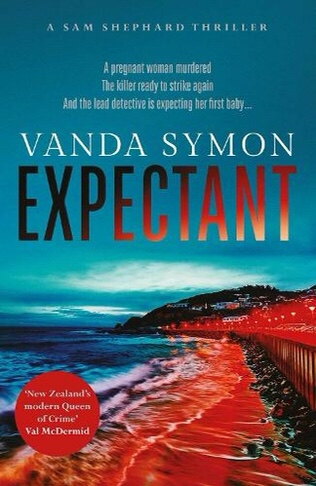
Expectant is the fifth novel in Vanda Symon’s Detective Sam Shephard series and I finished this late last night so I can reveal it’s brilliant and full of tension as the countdown to catch a murderer coincides with the last weeks of Sam’s pregnancy. This great series, set in Dunedin New Zealand, never lets me down. Sam is a fantastic character, who I’d happily go for a drink with. She’s professional and has one of those faces that people trust immediately, meaning she can elicit new leads and confessions from the unlikeliest criminal. She’s stubborn and outspoken, very ballsy and, although she tries her best not to use it, has an incredible swearing vocabulary. She and partner Paul are expecting their first child and she’s working up to two weeks before her due date. They haven’t found time to organise their endless piles of baby kit into a nursery when a case comes in that Sam can’t help but be drawn into. A group of kids who are hoping to tag the wall down a quiet side street find a woman covered in blood and only one of them has the conscience to stay and ring an ambulance. He’s willing to face the music for the graffiti if he can save her. At first it’s thought to be a stabbing, but it soon becomes clear this is something more sinister. A pregnant woman has been subjected to a rudimentary Caesarian and left for dead, even worse there’s no sign of the baby. This must be someone with a certain amount of medical skill. For Sam, who’s at her most vulnerable, it’s scary to think this might have been someone the victim trusted and it makes her more determined to catch her killer.
I found the pace slightly slower than previous novels, but I found that fitting considering that Sam is slowing down too. The days are winding down towards her maternity leave and her due date. In fact the days are dragging as her boss is reluctant to have her start something as important as a murder case before her leave starts. He feels it would be disruptive to the family and her colleagues, so she’s on desk duty, trawling through evidence. That’s before we factor in her physical condition, she’s so big that she gets stuck in some automatic barriers; a brilliant comic moment in this dark subject matter. Luckily it’s partner Paul on hand to lift her clear. Also, with unusual sensitivity, the boss thinks that placing a pregnant woman with the family would be distressing for them. Especially until they find the baby. This isn’t just a murder case, the baby is missing and the reasons why someone would steal a newborn baby are running through the heads of every team member. However, this is where Sam’s pregnancy could be a super power, being an expectant mum means her thoughts are different to the others. Could they provide a breakthrough?
The theme of mothers and their children, particularly daughters, is front and centre in this story. Whether it is Sam’s relationship with her own mother who has concerns about her working this close to her due date. There’s also Sam’s best friend, currently still living with her but due to move away imminently. She has a unique position in Sam’s life and is always there as a shoulder to cry on, but here she provides some important psychological insight. Sam’s need to be involved with this case could be linked to the spare room full of decorating supplies and boxed nursery furniture. There are so many changes coming, might Sam be paralysed from moving forward? Of course it is Sam who makes some major breakthroughs in the case in the final moments before she clears her desk. One of which seems to be a coincidence at first. As the final chapters started to race and fill with tension my heart was pounding. Just as Sam has let her guard down and accepted what’s next in her life, everything she’s looking forward to could be ripped away from her. In fact, if you are pregnant, maybe keep this one for after the birth. I was genuinely scared for her and even though she’s the one who most understood the killer’s motivations, will she still be shocked by their identity? You’ll be holding your breath to the very end with this one. Sam’s vulnerability is terrifying and I was praying that she would be okay while reading. As if she’s a living and breathing human being. That’s the power of Vanda Symon’s writing and how much of that magic she’s poured into this brilliant character.
Published 16th Feb 2023 by Orenda.
Meet the Author
Vanda Symon lives in Dunedin, New Zealand. As well as being a crime writer, she has a PhD in science communication and is a researcher at the Centre for Pacific Health at the University of Otago. Overkill was shortlisted for the 2019 CWA John Creasey Debut Dagger Award and she is a three-time finalist for the Ngaio Marsh Award for Best Crime Novel for her critically acclaimed Sam Shephard series. Vanda produces and hosts ‘Write On’, a monthly radio show focusing on the world of books at Otago Access Radio. When she isn’t working or writing, Vanda can be found in the garden, or on the business end of a fencing foil.
Welcome to 2023 at The Lotus Readers! It’s already looking like a busy one and if January is anything to go by there are going to to be some hot contenders for my round-up in twelve months time. I’m going to be spoiled for choice. There are going to be some new and developing projects this year that I’m excited about and I’m already planning into June. I’m doing a lot more work with the Squad Pod Collective this year and I’m very excited at some of the books and read alongs we have scheduled. On a more personal level I’m hoping to be a better planner this year, with the hope of clearing some of my NetGalley backlog and keeping on top of publisher’s proofs. I want to develop my Instagram account and start work on TikTok too. I have various themes planned throughout the year and new spotlights to bring to you, with poetry and classics featuring more prominently. I’ve also realised I need to tell you all a little bit about me and I must get used to seeing to showing you my face a little bit. Finally I’m hoping to update the website with new photos and a better layout so I’m easier to find. So to kick off this new year, here are my first books of the month for January.
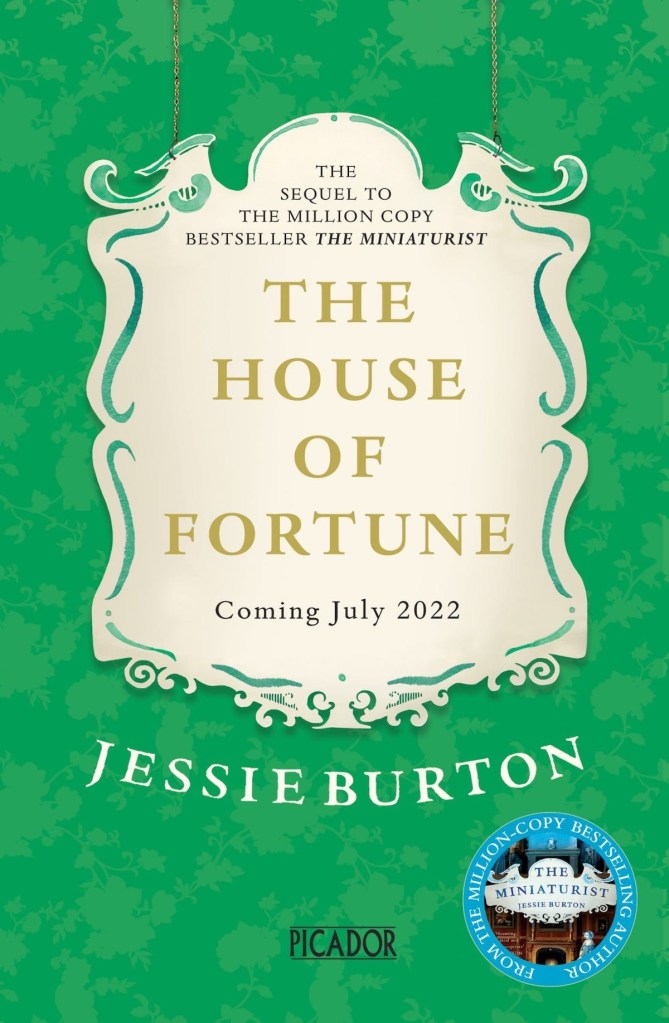
House of Fortune by Jessie Burton
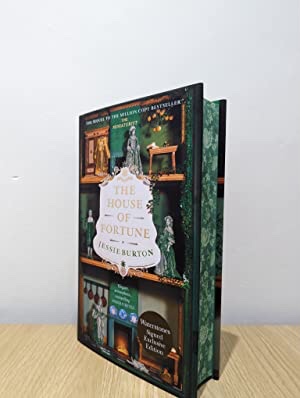
To say I’m a fan of Jessie Burton is an understatement. I am in awe of her writing abilities and love every one of her books, but there’s a soft spot in my heart for her debut novel The Miniaturist. I was transported straight back to 16th Century Amsterdam and whenever I think about the town house where Nella goes to live with her new husband Johannes and his sister Marin, I have an almost synaesthesic response because I can smell it. It’s a mixture of wood panelling and beeswax. Considering how attached I am to this extraordinary tale, there was a certain amount of trepidation in reading her follow up House of Fortune. I’d saved it for the end of the year and it came to me in two special editions, one with spredges in a green pattern and one with a yellow pineapple print. It’s been eighteen years since the events of the first book and Thea’s birthday approaches. As her father Otto is let go by his employer the household is in decline, almost down to the last treasures it can sell to stay afloat. Maybe their only hope for the future is Thea and the family are forced to launch her on Amsterdam society with the hope of finding her a husband with the fortune to keep them afloat. Otto wants Thea to have a choice and with new friend Caspar he has planned to farm Thea’s childhood home, Assendelft, by growing a crop of pineapples. However, Thea has her own plans and when small packages start appearing on the doorstep it’s clear a period of change is on the way. Could this be the miniaturist, up to her old tricks?
I was sucked straight back into Nella’s world as mistress of this extraordinary house. I loved that Burton took us to Nella’s childhood, with the walls of Assendelft full of memories, good and bad. Over the eighteen years since Johannes’s death she has become a force to be reckoned with and this reminds us of how naïve and young she was at the beginning. I felt sad that she had almost written herself off, pinning all their hopes for the future on Marin’s daughter Thea and not even considering that she could be the one pursued by potential husbands. Wealthy widows can be very attractive in the marriage market and nobody knows what Johannes’s arrangements were for his wife. I felt that Nella didn’t want marriage though, having been free for eighteen years it would certainly be hard to adjust to the more conventional woman’s role a husband might expect. I also really enjoyed being taken into the world of the theatre, where Thea is transfixed by the stories being told on stage. Her fear that someone has seen her hanging around backstage, especially since spending time with scene painter Walter, really came across strongly. I felt for her and I wanted Thea to remember what it felt like to be a teenager without her whole family’s fortunes weighing heavy on her shoulders. I was compelled to keep reading, completely caught up in the world of this strange family of outsiders, but also wondering if this time the miniaturist would be unmasked and her purpose revealed. I throughly enjoyed being back in Nella’s world and it renewed my desire to go to Amsterdam to see the original cabinet house that fired up Jessie’s imagination.
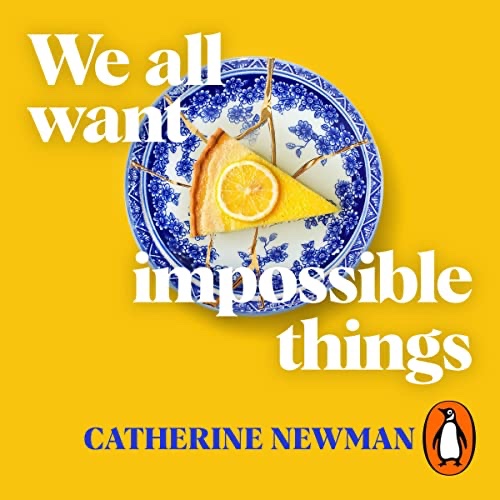
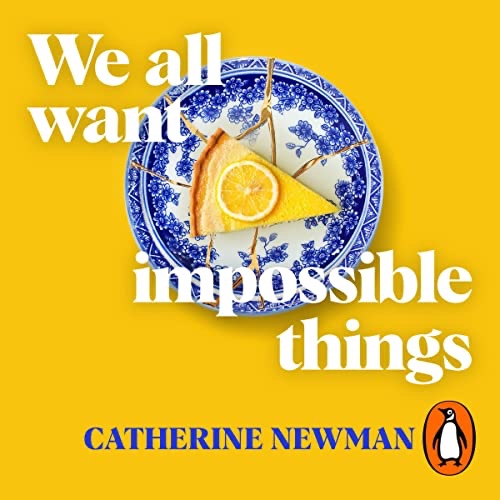
We All Want Impossible Things by
This book was a joy. That’s going to seem odd when I explain what it’s about, but it is joyful and full of life. Even though at it’s centre there’s a death. Ash and Edi have been friends forever, since childhood in fact. They’ve gone through adolescence together: survived school; other girls; discovering boys and even that awkward phase of starting adult life, when one went to college and the other stayed behind. They’ve both married and been each other’s maids of honour and become mothers. Instead of any of these things pulling them apart they’ve remained platonic partners in life. However, now Edi is unwell and decisions need to be made. After years of struggle with being, treatment, remission and recurrence, Edi now has to decide how she’ll be dying. With all the hospices locally being full, Ash makes an offer – if Edi comes to a hospice near Ash, she can devote time to being with her and Edi’s husband can get on with every day life for her son Dash. There’s a hospice near Ash that’s like a home from home, with everything that’s needed medically, but the informality and personal touch of a family. Now Ash and Edi have to negotiate that strange contradiction; learning how to live, while dying.
Ash’s home and family life is so enviable I wanted to be part of it. Her estranged husband Honey is an incredible chef and her daughter seems to have picked up the talent. The author’s descriptions of their meals really did make the mouth water and are their way of contributing and supporting Ash. All of these people are so nurturing, in Honey’s case this is despite he and Ash being separated. Before you think this sounds schmaltzy and sentimental I can assure you that these characters are not perfect. Each has their flaws and their ways of coping, some of which are destructive and possibly difficult for others to understand. Ash particularly has a novel approach to grief, but I understood it. If we look beneath the surface, it’s a way of forging connection with others on the same journey and expressing their love for Edi. It’s also a distraction, a way of leaving all the paraphernalia of death behind and affirming life. That doesn’t mean her behaviour isn’t confusing, especially to her teenage daughter who supplies whip smart commentary, eye rolls and remarkable wisdom. The men in this friendship group seem to understand that their grief is secondary, because Edi is the love of Ash’s life. I enjoyed the little addition of Edi’s other friend – the college friend – who Ash has concerns about. Does Edi like her more than Ash? Do they have a special bond? The author provides us with this loving picture but then undermines it slightly, so it isn’t perfect. We are imperfect beings and no one knows how they will react in a time like this, until we’re there. Catherine Newman shows this with realism, charm, humour and buckets of compassion.
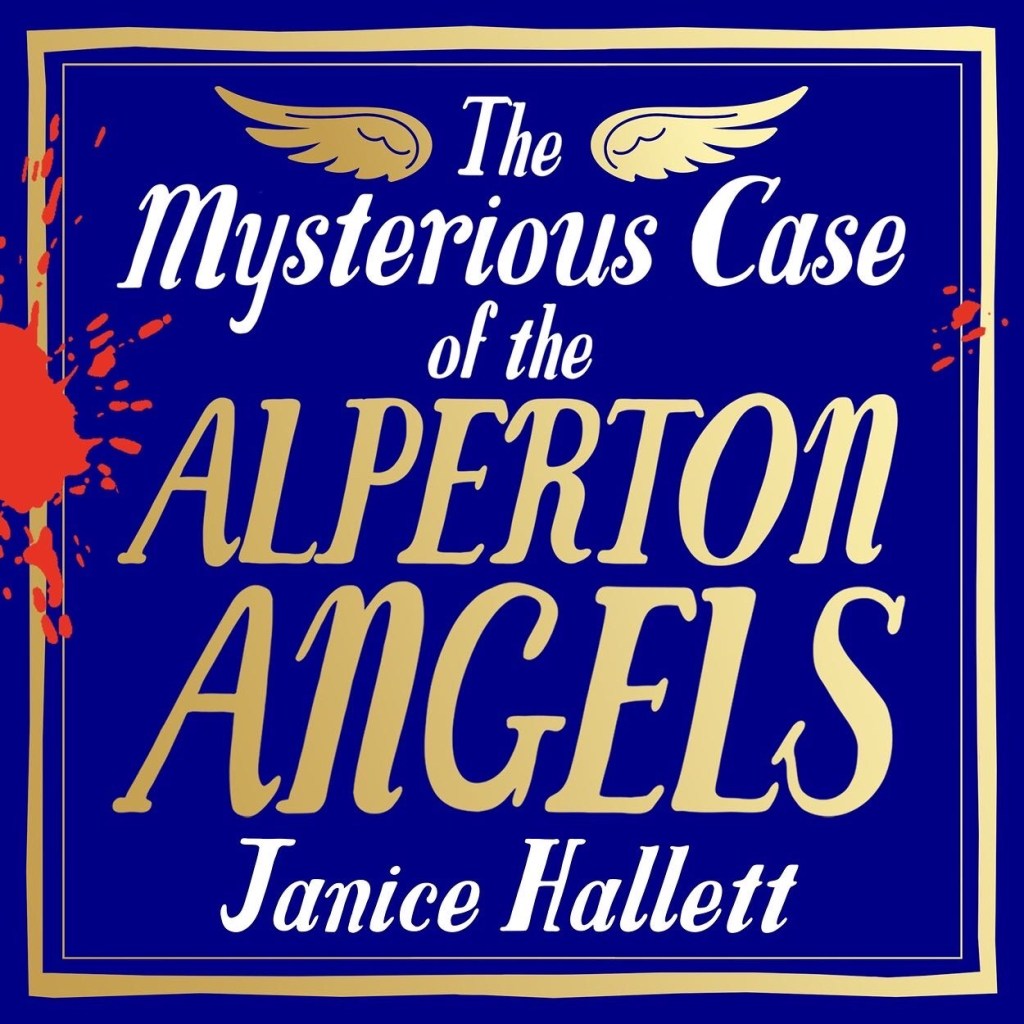
The Curious Case of The Alperton Angels by Janice Hallett.
I was enthralled, addicted and so desperate to find out what actually did happen on the night when the police found a strange cult massacre in a deserted warehouse. Open the safe deposit box. Inside you will find research material for a true crime book. You must read the documents, then make a decision. Will you destroy them? Or will you take them to the police? Everyone knows the sad story of the Alperton Angels: the cult who brainwashed a teenage girl and convinced her that her newborn baby was the anti-Christ. Believing they had a divine mission to kill the infant, they were only stopped when the girl came to her senses and called the police. The Angels committed suicide rather than stand trial, while mother and baby disappeared into the care system. Nearly two decades later, true-crime author Amanda Bailey is writing a book on the Angels. The Alperton baby has turned eighteen and can finally be interviewed; if Amanda can find them, it will be the true-crime scoop of the year, and will save her flagging career. But rival author Oliver Menzies is just as smart, better connected, and is also on the baby’s trail. As Amanda and Oliver are forced to collaborate, they realise that what everyone thinks they know about the Angels is wrong. The truth is something much darker and stranger than they’d ever imagined. And the story of the Alperton Angels is far from over.. After all, the devil is in the detail…
It was hard to review when I didn’t want to let slip any signal or clue, so I won’t comment on the storyline. It’s drip fed to you in the different communications and I loved how we were presented with other people’s opinions and thoughts on the discoveries being made. Who to trust and who to ignore wasn’t always clear and the red herrings, including the involvement of the Royal Family, were incredible. I felt that true crime author Amanda had an agenda, that possibly had nothing to do with the story at hand and was more about a personal grudge. Janice Hallet’s research is impeccable and here she has to cover the early 1990’s and 2003, as well as the workings of the police, special forces and the social services – some of which is less than flattering and even corrupt. I found delving into the True Crime genre fascinating considering how popular it is these days, something I’m personally very conflicted about. This has all the aspects of a sensational True Crime investigation with a more nuanced perspective from other characters to balance things out. I was gripped to the end and the end didn’t disappoint.
River Sing Me Home by Eleanor Shearer.
This incredible debut novel grabbed hold of my mind and heart, never letting go until the final paragraph. I shed tears at several points in Rachel’s journey and she’s a character I won’t forget. We meet her working on a plantation in Barbados, at that strange point after slavery when plantations were instructed to free slaves, but their sense of freedom was short-lived as masters were able to keep slaves for a further six years as apprentices. So, despite being freed the day afterwards started just the same, at the crack of dawn and walking to the cane fields for a day of back breaking work. Having nothing meant that most had no other choice. Rachel is thinking of her children, several lost before they had a chance to live but others scattered to the four winds. Her boys Micah and Thomas Augustus and her girls Cherry Jane, Mary Grace and Mercy all taken from her in different ways. Only Cherry Jane spends a few years nearby as a house slave, but in her superior position she doesn’t acknowledge Rachel who is merely a field hand. One day she decides that she must find her children, she mustknow where they are and what happened to them, even if the news is that devastating final loss. Rachel says that as a slave she plants cane but nothing of her own. However her children came about, Rachel feels that they anchor her in this world and she can’t rest until she finds them. So she runs and with our hearts pounding we follow her.
Shearer uses incredibly evocative detail to bring nature to life in this book and underscore Rachel’s sense of freedom. A river takes them deep into the forest and a community of freed slaves and indigenous tribespeople where one of her sons may be. It also sweeps them along, back to freedom after searching Grenadian plantation for daughter Mary Grace. The whole journey is littered with joys and terrible grief, but Rachel knows she must keep going. She meets others who have started to build a new life, placing the past firmly behind them and never pining for it. They live firmly in the here and now with questions left unanswered and people left behind. For Rachel that isn’t enough. Her children are like the scattered pieces of a broken vase. She doesn’t expect her family to be perfect and knows that there will be cracks and missing pieces. Rachel is putting her broken vase back together and she will pour a substance into the cracks, bringing the pieces together until her past is whole again. The binding substance used in Japanese Kintsugi pottery is usually gold, each crack making the piece more valuable and beautiful. In Rachel’s case the binding substance is love. Love for those here, those found but far away and those gone forever. An all encompassing love symbolised by the bond between a mother and her children.
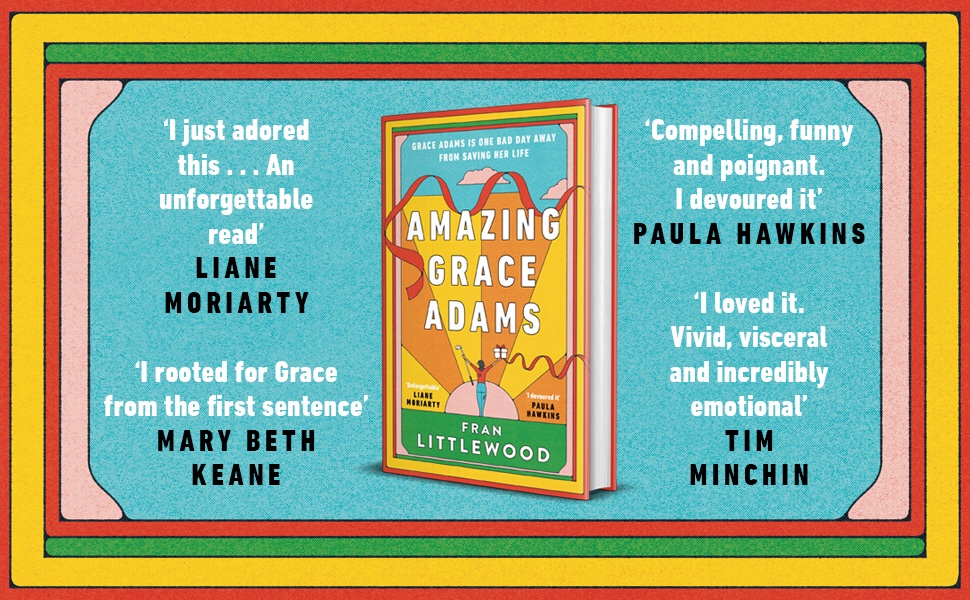
Amazing Grace Adams by Fran Littlewood.
It’s possibly way too early to start picking candidates for favourite books of 2023 – I’m still deliberating over 2022 – but I think this book is certainly going to be in contention. Grace is one of those characters that you fantasise about having cocktails with and you already know you’d have the best time. Grace is stuck in traffic, it’s a boiling hot day and she’s melting. All she wants to do is get to the bakery and pick up the cake for her daughter’s birthday. This is one hell of a birthday cake, not only is it a Love Island cake; it has to say that Grace cares, that she’s sorry, that will show Lotte she loves her and hasn’t given up on their relationship. It’s shaping up to be the day from hell and as Grace sits in a tin can on boiling hot tarmac, something snaps. She decides to get out of the car and walk, leaving her vehicle stranded and pissing off everyone now blocked by a car parked in the middle of a busy road. So, despite the fact her trainers aren’t broken in, she sets off walking towards the bakery and a reunion with Lotte. There are just a few obstacles in the way, but Grace can see the cake and Lotte’s face when she opens the box. As she walks she recounts everything that has happened to bring her to where she is now.
When we first meet Grace she’s living alone, estranged from husband Ben and even from her teenage daughter Lotte. She’s peri-menopausal, wearing trainers her daughter thinks she shouldn’t be wearing at her age and she’s had enough. There’s that sense of the Michael Douglas film Falling Down except when the meltdown comes all she has is a water pistol filled with river water, an embarrassingly tiny Love Island cake and a blister on her heel. Then in flashbacks we can follow Grace all the way back to the start, to when she and Ben met at a competition for polyglots. The truth when it comes is devastating, but feels weirdly like something you’ve known all along. Those interspersed chapters from happier times are a countdown to this moment, a before and after that runs like a fault line through everything that’s happened since. As Grace closes in on Lotte’s party, sweaty, dirty and brandishing her tiny squashed cake, it doesn’t seem enough to overturn everything that’s happened, but of course it isn’t about the cake. This is about everything Grace has done to be here, including the illegal bits. In a day that’s highlighted to Grace how much she has changed what will happen to her relationship to the people she loves most?
All of these books are out now and you can potter along to your local book shop for them. Happy Reading! ❤️📚
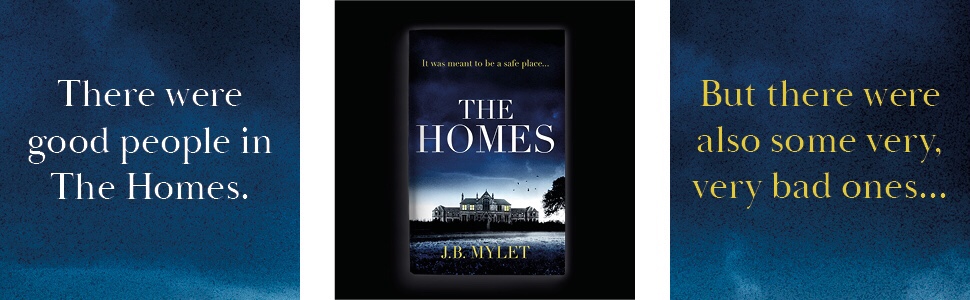
Lesley and Jonesy have been in foster care together ever since they can remember, in the same room and often in the same bed if Jonesy creeps in late at night. Our narrator is Lesley and she stands out as a little different from the other girls in the homes. She’s clever and goes to the grammar school instead of the one on site. She’s good at maths and seeing patterns in things, so what starts happening at the homes seems to her like a puzzle she can solve. Because someone at the homes is killing girls, possibly raping them and killing them. Who could it be?
The Homes are a sprawling institution made up of 30 cottages filled with the orphans of Glasgow and those needing care. So large, it has it’s own hospital, church and school, with every cottage run by a house mother and father with a Christian ethos. Set in the 1960’s and based on the Quarrier’s orphan village near the Bridge of Weir, where the author’s mother spent some of her childhood. He writes these girls as very isolated and dealt with at a distance, not just from their families, but from the staff too. He throws us in at the deep end with a morning that Lesley’s been dreading. Today she has to face the school bully Glenda, who lives a few cottages up. The adults know that Lesley is very likely to take a beating, but they do nothing. As she leaves for her school bus, Lesley can see a crowd of girls gathering at Glenda’s gate hoping for blood. It’s fair to say they get a bit of a surprise when the encounter doesn’t play out the way they expect. I felt as if the children were treated like animals, like when I’ve brought rescue cats home and left them to sort out their hierarchy amongst themselves. Even so, I would worry if any of them were distressed or fighting. These kids are fed, watered and disciplined, but they’re not cherished.
Only once called by her Christian name, Morag is known as Jonesey and she is a larger than life character. I loved the little characteristics that Lesley relates to us, such as the giggling in church, the constant chatter, and the way she often slips into Lesley’s bed at night but still isn’t restful. Even in her sleep Lesley is often woken by Jonesey’s jerking limbs, she’s like a puppy whose brain is asleep but whose body is still on the go. She’s absolutely irrepressible and incredibly loyal to Lesley, often waiting outside for her bus to arrive in the early evening, wriggling like that excited puppy again. By contrast, Lesley is outwardly very quiet. Her inner world is lively though, bright and full of questions. She has a dogged determination that helps her at school with tricky maths problems, but proves to be a nuisance to the police and the perpetrator of these terrible murders. Unfortunately, her amateur sleuthing is not quick enough to save the third victim. In between the case we learn a lot about the upheaval Lesley has suffered in life. She’s visited by her gran mostly, but she isn’t great at answering all the questions Lesley has. She’s clearly very fond of her granddaughter, but doesn’t want to get into the minutiae of why her mother placed her in care. Her mother visits less, but when the answers finally come there are painful truths to process. I was so glad she had Jonesey and her therapist Eadie but I worried for her going forwards and eventually leaving care. I bonded with Lesley, enjoying her intelligence and sense of fun as well as the way she coped with difficult situations.
A bit like Lesley I suspected every character along the way, knowing that people who work with children are not always doing it for the right reasons. There are people at the homes who are there for their own ends. There are various levels of abuse going on in the community. They’re forced into a religious upbringing they may not want and the expectations, particularly of girls, is tied up in that Christian morality. The discipline is down to each house parent and is always strict, but could also be violent and humiliating. At worst these children are preyed upon by the most horrific kinds of abuser and the tension builds towards a conclusion that not only unmasks a killer, but blows the lid open on everything that is wrong with the institution. I thought the historical setting was captured incredibly well, not so much the location but the emotional landscape of the 1960s. This was a time of secrets, when children were seen and not heard and definitely didn’t have rights. A time when young women were still shamed for their burgeoning sexuality and perfectly normal urges and their consequences. This was the time when my mother was growing up and it felt as if the author had the context just right. I thought the author perfectly balanced Lesley’s personal realisations and growth, with the tension of the murder investigation. As the inhabitants of Lesley’s cottage sit down for Sunday lunch with their houseparents, the Pattersons, she has a very grown up revelation. In the space of her week, this is the only time they feel ‘like a big normal family’ and it’s becoming apparent that all adults will eventually let her down. By the end I realised Lesley had drawn me into her story to such an extent I was wondering about her future. Despite the murders being solved, I was reluctant to close the book and leave her behind.
Published by Viper, 26th May 2022.
Meet the Author
J.B. Mylet was inspired to write The Homes based on the stories his mother told him about her childhood. She grew up in the infamous Quarrier’s Homes in Scotland in the 1960s, along with a thousand other orphaned or unwanted children, and did not realise that children were supposed to live with their parents until she was seven. He felt this was a story that needed to be told. He lives in London.
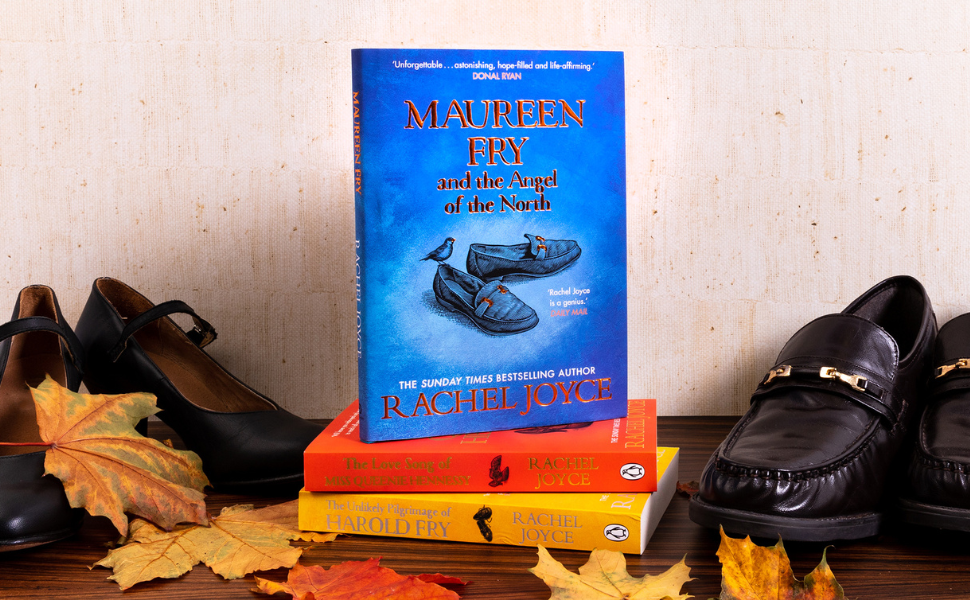
It has been my honour to meet this incredible writer and lovely lady on more than one occasion. The one that really stays with me is her visit to Lindum Books in Lincoln, at a time when caring responsibilities really cut into my ability to have a normal life. Having waited some time for a late carer to arrive I telephoned the book shop to enquire whether Rachel was still there. I was told she would be leaving in a few moments, so I explained what had happened and said I’d rush to get there. When I arrived, she was sat holding her coat and bag, clearly ready to leave, but she had waited for me to arrive because she didn’t want me to miss out. She signed my book and my friend’s book too, chatted about her writing and never showed impatience or a need to rush. I absolutely treasured that thirty minutes, because it showed such kindness and respect for her reader, but also because it was something I managed to do that was just about me. It was about me as a person and something I loved, nothing to do with my caring role. When meeting the NHS or social services about my husband and his care, I often felt overlooked and under appreciated by the powers that be and my personal needs didn’t matter. I often felt that I had lost myself and the things I enjoyed, so this moment mattered and showed an understanding that can be seen in her writing of this trilogy. The latest, Maureen Fry and the Angel of the North, was published late last year and it seems a perfect time to look back on these characters.
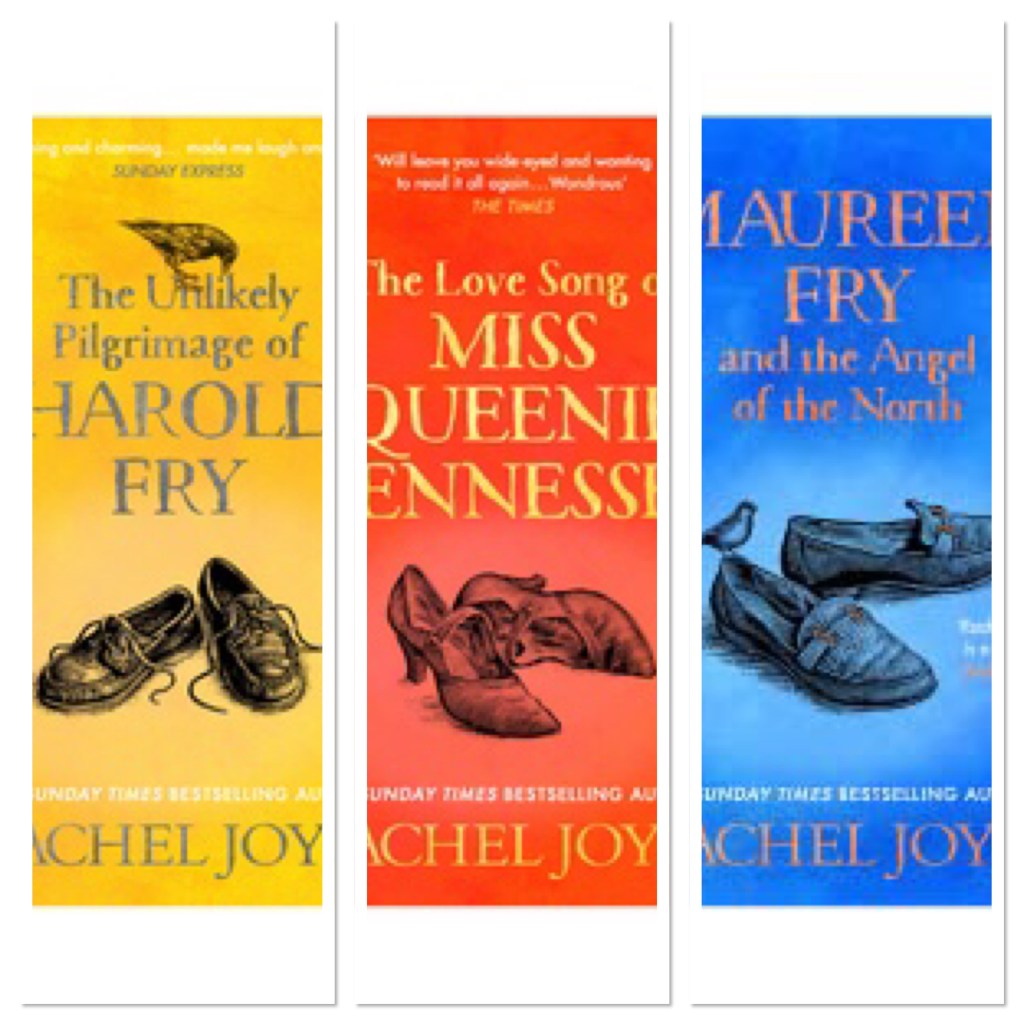
The first in the series, The Unlikely Pilgrimage of Harold Fry came out in paperback in 2013. Harold Fry is a retired gentleman living quietly with his wife Maureen. One morning he pops out to post a letter, with no idea he is about to walk the length of the country. If it had entered his head he might have left with better clothing and something more robust than canvas shoes. We know nothing about Harold when he starts his journey, an idea that pops into his brain during a conversation at a petrol station in the time it takes for the microwave to heat a burger. Rachel trusts her reader and her story, she knows the reader will want to read on, to know more about this man and what has happened in his life to create his need to walk. We begin to understand that what looks to outsiders like a ‘little life’ hides a torrent of emotion and experiences, because as Harold walks and runs he processes his life choices and the feelings that have been building up under the surface. We see his memories of meeting Maureen, set against her current, curtained off, attitude to Harold and to life. His difficult relationship with his son David. The closest friend he has ever had. All of this beautiful, painful and un-examined emotion comes out as Harold walks and his canvas shoes fray. We also get to enjoy his outer world, the people he meets and the kindnesses afforded to him on his journey. We gradually get the context of the letter Harold was replying to, a letter from that closest friend, Queenie Hennessy. Queenie was there for Harold when he most needed someone, but twenty years have passed and she is in a hospice in Berwick-Upon- Tweed in her final weeks. So, Harold’s pilgrimage is towards Queenie. He thinks that as long as he keeps walking and running, Queenie will wait for him.
Rachel is telling us to look beyond the surface for the context of things, starting with the assumption that Maureen and Harold are a settled old married couple with little more going on than their housework routine and fetching the paper every morning. Both are people, with a lifetime’s worth of events, emotions, gains and losses, just like you or me. Elderly people don’t cease to have ups and downs and their marriage, once we know what they have faced, is miraculously intact but still needs tending. I was desperately hoping that Harold’s pilgrimage and some time with Queenie might restore their connection in some way and bring Maureen from behind her barricades. That the further apart they become on the map, the closer they can become emotionally. We are taken through a changing landscape too, noticing nature and seasonal change as well as the sheer beauty of the country we live in without being twee or whimsical. Harold’s journey is a reminder that we can get up and change things, we can renew our relationships with others and ourselves and we can find meaning between the lines. Rachel Joyce reminds us that, if we choose to look, there is always something extraordinary in the every day.
For even more context, Rachel then takes us into the life of Queenie Hennessy – moving her from the sidelines as part of Harold’s story, to the centre of her own intersecting narrative. The Love Song of Miss Queenie Hennessy is my favourite in the series, because it shows how someone can seem to have such a small part in your life, while you can be at the absolute centre of theirs. I also love how Queenie’s story unfolds, as she learns that Harold is making his way up the country on foot towards her, she doesn’t know whether she can hang on for him to arrive. When she confides in one of the hospice volunteers, she comes up with a brilliant suggestion and one that makes so much sense from this writing therapist’s perspective. To alleviate her anxiety and be sure that Harold knows the whole story, the volunteer suggests she writes to him. Not like the first letter, these letters should be honest and atone for the past in a way she hasn’t done for twenty years. So, from her hospice bed, Queenie makes a journey into the past with Sister Mary Inconnue at the keyboard. She admits to her love for Harold, a love given freely and without reward for decades. She tells him of her friendship with his son David and how she tried to help him. She tells him about her cottage and the beloved garden she has created by the sea and its meaning to her and those who visit. Again, the author takes us into an experience we could see as depressing and final, but is actually a beginning that’s both vital and life affirming. Harold’s impending visit and her letter rich with memories and context that may help both Harold and Maureen, allow Queenie to live while dying and create even more meaning to her life.
The final part of this trilogy seems like such a slight novel, when it arrived from the publisher I thought I’d been sent an extract rather than the full book. However, it packs a hefty emotional punch and brought a lump to my throat as we explored Maureen Fry’s inner world and her need for healing as a mother. In Maureen Fry and the Angel of the North, it is time for Maureen to take her own pilgrimage, ten years after her husband’s famous 600 mile journey. Again it’s a letter that sparks the change, a postcard from Kate who helped Harold on his journey telling them about Queenie’s garden which has become the Garden of Relics in Embleton Bay, Northumberland. Kate said there was a monument there that Queenie had built for their son David and this niggled away at Maureen as the months passed. Lots of questions and emotions started to buzz around her head: why had Queenie built this monument? Who gave her the right to do that? Why hadn’t Harold known about the friendship between Queenie and David? When she looked up the garden on the internet, Maureen found lots of people who had visited and enjoyed it enough to comment. Why had they seen this monument to David when she hadn’t? She felt angry and displaced somehow. After a terrible nightmare, where she found David lost and alone in the earth, Harold suggests that perhaps Maureen needs to see this garden for herself? She could see Kate and visit with her. Maureen knows that Harold cares about Kate and that she was kind to him on his journey. She’s some sort of activist and Maureen can’t imagine what she would say to someone like that. They wouldn’t get along.
When Maureen resolves to drive up to Northumberland and see the garden, she prepares for her journey in complete contrast to Harold. It shows the differences in their character and as she packs her sandwiches and her thermos flask I realised that Maureen believes everything can be prepared for and organised. This is why those unexpected side swipes that life deals out from time to time have affected her so badly. She tries to work them out, questions what she could have done differently and potentially blames herself. She learns very quickly, as roadworks take her off the A38 and she’s completely lost, that you can’t prepare for everything and sometimes you have to rely on the kindness of strangers. A lesson that’s repeated until Maureen simply has to give in and be wholly dependent on someone else, perhaps the last person she expected. These experiences open her up to the world in a way she hasn’t before. I won’t reveal what Maureen finds in the garden, but I felt it could be taken two different ways. Before her journey there was a void at her centre that she believed could never be filled and she held it close as a symbol of all she had lost. My hope was that after the journey that void would be become an opening, creating room for all the people she could let in. That’s the thing with Rachel Joyce’s writing, it may seem whimsical, charming and light, but it isn’t. While it might not be dramatic, it deals with the biggest themes in life; growing old, love, identity, birth, death, friendship and personal growth. To borrow that phrase again from Shirley Valentine, these are not ordinary ‘little lives’, they are extraordinary.
Meet The Author
Rachel Joyce is the author of the Sunday Times and international bestsellers The Unlikely Pilgrimage of Harold Fry, Perfect, The Love Song of Miss Queenie Hennessy, The Music Shop, and the New York Times bestseller Miss Benson’s Beetle, as well as a collection of interlinked short stories, A Snow Garden & Other Stories. Her books have sold over 5 million copies worldwide, and been translated into thirty-six languages. Two are currently in development for film.
The Unlikely Pilgrimage of Harold Fry was shortlisted for the Commonwealth Book prize and longlisted for the Man Booker Prize. Rachel was awarded the Specsavers National Book Awards ‘New Writer of the Year’ in December 2012 and shortlisted for the ‘UK Author of the Year’ 2014.
Rachel has also written over twenty original afternoon plays and adaptations of the classics for BBC Radio 4, including all the Bronte novels. She lives with her family near Stroud.
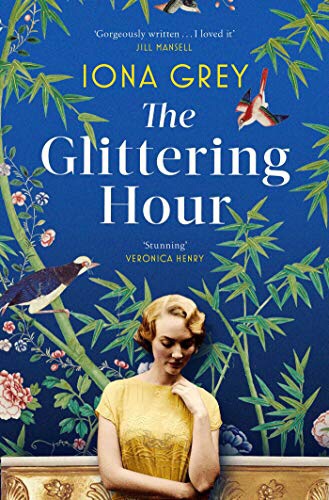
It was a privilege to have the chance to read this beautiful historical romance. Iona Grey has set her novel in the decade post WW1, where a new generation are coping with both a legacy of loss and parents that are still stuck in the hierarchical society of the Edwardian period. Selina Lennox is one of the ‘Bright Young People’, followed by the press from party to party, and determined to the live the full life that their parents, and especially older siblings, have missed out on. Her family are part of an ailing aristocracy that still has its property but is running short on money. Her elder sister is making an advantageous marriage and since the death of their brother in the war they have the pressure of producing a male heir. Selina is being steered towards the heir of a ruby mining business situated in Burma. Rupert is a war veteran, and it is possibly active service that has made him so stiff and taciturn. Selina finds him too serious and prefers the company of her friends and the social whirl of extravagant parties thrown during the season. One night, while careering through London on a treasure hunt, the car she is travelling in hits a cat. Selina can’t leave the poor creature and is horrified to see her friends disappearing into the night, leaving her in a garden square somewhere in Bloomsbury.
Young, struggling artist Lawrence Weston chances upon Selina and offers his help. They climb into the garden and give the cat a proper burial. Selina is drawn by this dark haired young man but also knows she is taking a huge risk disappearing at night with a stranger who isn’t from within her social circle. Lawrence is transfixed by Selina’s golden beauty and feels an instant connection. He knows she is far above him and her family would be horrified. He lives in a shared house and rents a studio where he paints portraits of the aristocracy’s lost sons of war in all their military splendour. This pays the bills, but he would love to be a photographer and as yet no one sees this as art. Realistically, he has no chance with Selina but can’t seem to stay away despite receiving warnings from most of his friends.
Interspersed with this is the story of Selina’s daughter Alice in the years before WW2. Alice lives back on the family estate and is being looked after by Polly who was Selina’s maid. Alice’s grandparents are still in residence, living the values of a bygone age. Miranda has now given birth to Archie, the all important heir for the estate. Selina is in Burma with her husband and we see their journey in a series of letters she writes to Alice. They clearly have a very loving relationship, so it seems strange that Alice is hidden away in the cold nursery corridor? I kept wondering why, if she loves her daughter as much as she seems to, would Selina leave her with a family who show her no affection? Alice has been sent a treasure hunt from her mother and Polly gives her the clues to follow. Solving the clues takes her to different parts of the estate and, in her mother’s words, should tell her how she came to be. This is how Alice comes to know and love the gardens, especially the deserted Chinese House with its old gramophone. What link could they hold to Selina’s past and Alice’s future?
Iona Grey has created a beautiful novel here, filled with moments of joy and sadness. For me, the meaning of the title encompasses both the historical period and the love story at the heart of the novel. The 1920s do stand as a ‘glittering hour’ – a moment of extravagance, partying and glamour, between two world wars. The generation who were young in that period defied the death that had stalked the previous generation in the trenches and were determined to enjoy life while they could. For Lawrence, Selina is his glittering hour, a moment of pure love and beauty that burns bright but can’t burn forever. Grey shows what happens when we dare to break away from the boundaries and societal rules of our class and how the reverberations from this can last for several generations. The love may not last, but the memories can sustain us for a lifetime.
Out now from Simon & Schuster U.K.
Meet The Author
Iona Grey studied English Language and Literature at the University of Manchester, where she also met her future husband on the last night of her three years there. Throwing herself headlong into marriage and babies, she worked (inefficiently, for the most part) in a series of part time jobs before a chance meeting with bestselling novelist Penny Jordan set her back on the path to her teenage dream of writing unashamedly romantic fiction.
She lives in Cheshire with her husband and three daughters. She is the award-winning author of Letters to the Lost, and her new book The Glittering Hour went on sale December 10, 2019. She is currently working on her third novel.
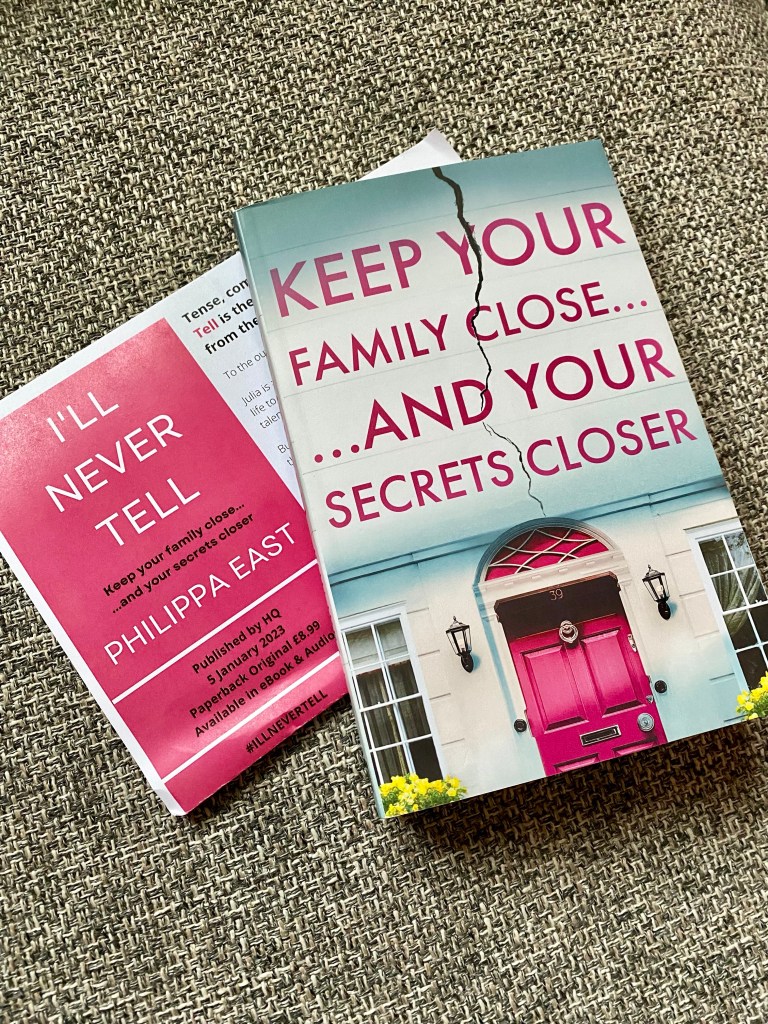
Julia is a lawyer, Paul a stay-at-home dad who has dedicated his life to helping their daughter Chrissie achieve her dreams as a talented violinist. But on the night of a prestigious music competition, which has the power to change everything for Chrissie and her family, Chrissie goes missing. She puts on the performance of a lifetime, then completely disappears. Suddenly every single crack, every single secret that the family is hiding risks being exposed.
Because the Goodlights aren’t perfect. Not even close.
Wow this book is tense! Tense enough to give you a migraine. East has a way of writing that flows so well, but is paced to give a really slow drip drip of information. It’s clear from just the day to day activities of the Goodlights that something is ‘off’ and my brain was skittering all over the place to work it out, rather like Bambi on the ice. The author pulls off a clever trick, by letting the Goodlights speak for themselves. She’s not explicit, but their inner talk and actions allow the evidence to pile up; something is badly wrong here, but the author withholds just enough that we don’t know what is that is. As I read on, my brain was coming up with more and more questions. What’s with Julia’s parents and their strange attitude towards women’s behaviour? Why is Paul so obsessed with his stepdaughter’s career and so rigid with her regime? Is it the result of a thwarted desire in his own life and will Chrissie snap under the pressure? What’s with the strange background conversations between Julia’s mother and Paul? I’m not surprised at all when Chrissie goes missing, the only surprise is that she didn’t go sooner.
I found Paul’s attitude with Chrissie really disturbing. I understand wanting the best for your child, but this is creepy. Not only does he control her potential career and keep her practicing, he looks after her diet, her free time and leaves her with no privacy – even policing her phone, from quickly checking the screen when a notification comes in, to demanding to look through all her messages and emails. Does he have her on such a short lease to prevent something happening, or is he reacting to something that’s happened before? There’s a strange dynamic between Chrissie’s grandmother and Paul. I was disturbed by her attitude towards her daughter and granddaughter with her suggestion that certain behaviours are in the blood and there’s something tainted in their DNA. It’s almost as if they appreciate Paul more than their own flesh and blood. At times Celina speaks to him as if he’s a member of staff. There are pictures hidden in Julia’s childhood bedroom of a time at university when she appears free and perhaps part of a hippy group, implying experimentation with drugs and promiscuity. Celina is concerned that her ‘tainted blood’ has passed to Chrissie and tells Paul ‘I can smell it on her’ giving an unpleasant image of an animal in heat. Was she the instigator of the rigid regime Paul imposed on his stepdaughter or was she merely the gatekeeper? Patriarchies often depend on women to uphold their rules. I felt uncomfortable all the way through this novel, but in retrospect I think this was down to my own experience in an abusive relationship. There’s now something in me that is repulsed by males like Paul exerting power over the women in their family, exerting coercive control and gaslighting those they are supposed to love most. This tells me that the author’s depiction is successful, or it wouldn’t have made me feel this way.
Throughout the novel my brain was drifting back to Jane Eyre and Jean Rhys’s response Wide Sargasso Sea and the anti-heroine Bertha Mason. Bertha (whose name is actually Antoinette) is Mr Rochester’s first wife, doomed to a life locked in an attic, because of her unnatural passions and hereditary madness. She works as a contrast to the still and quiet Jane, who was constantly told to rein in her passionate nature when she was a child. Bertha’s fate could have been Jane’s. However, in her book Wide Sargasso Sea, Jean Rhys gives Bertha a back story where Rochester marries then rejects the wife who was too passionate in the bedroom and enjoyed his advances – the inference being that a wife should meekly accept sexual advances, but not relish them. I felt throughout East’s novel, that a similar misogynistic double standard is at play. When we delve into Julia’s inner world we can see how insidious emotional abuse is, because these ideas are running through her head constantly. She doubts her own instincts and worries that Chrissie’s disappearance is a consequence of her failure to ‘behave’ in the way she’s been taught. Paul and Julia don’t fully communicate either, operating in completely different spheres with him at home and her at work. Law is such a demanding career and Julia works constantly, almost like it’s a penance, rarely interacting with Paul or Chrissie and never involved in her daughter’s strict regime. It’s almost as if she’s abdicated all responsibility for her to Paul, but is that choice or a mistaken belief that he’ll do a better job than her? There’s also the shadowy figure of Francis, someone she doesn’t want near her family and seems to fear. This really is a toxic mix, a family who seem shielded from scrutiny by their money and once you delve beyond appearances, are a million miles away from the ordinary. Will Chrissie be found and is her disappearance down to a malign outside influence as they all suspect? Whatever has happened to Chrissie, you’ll not stop reading till you work out what is so deeply wrong at the heart of this family?
Published on 12th January by HQ
Thanks to HQ and the Squad Pod Collective for my proof copy.
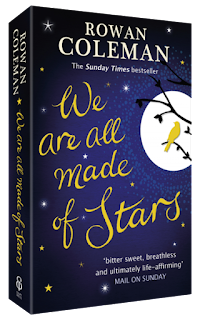
This book was originally published in 2015, but the first time I’ve read it is after reading Rowan Coleman’s novel The Girl at the Window. I do like to feature books as I discover them, rather than trying to chase the latest or next best thing.This may sound weird but I actually picked this up as light relief between a couple of deeply dystopian reads. I think there is an incredible skill in writing about such a serious subject but with such a lightness of touch and an edge of romance. Coleman has a group of characters, all linked to the Marie Francis hospice in some way. The story comes from all their points of view interspersed with letters written from patients in their final days, revealing secrets and emotions that have been held back, offering advice or instructions on where the money has been left.
These letters are written by Stella, who works at the hospice at night, giving her plenty of time to listen to patients and capture their last words. Behind her professional exterior Stella has her own problems. Her night shifts have become a way of avoiding problems at home. Her husband Vinny was a soldier and has returned home after losing his leg in a bomb blast. Now they feel like different people who are unable to connect and Stella runs miles every day to avoid her fear this is the end of their marriage. One of the letters Stella writes leads us to Hugh. Hugh is an academic researcher and collects artefacts relating to death such as death masks, Victorian mourning brooches and photos of dead loved ones. Hugh’s mum left when he was small leaving a suicide note. This personal tragedy has possibly lead to his research and has left him very isolated and scared of connection. When a single mum moves next door with her son, Hugh’s cat Jake starts to spend time there and they name him Ninja. This shared cat brings them closer, but will Hugh be able to form a relationship with his new neighbours and how will he cope when Stella delivers a letter that will change his life?
Finally, we meet Hope who is a young woman with cystic fibrosis recuperating at the hospice before returning home. Hope’s best friend and lifelong hanger on is Ben. They have been close friends for years and he has seen her in the worst moments of her illness. He visits every day at the hospice, and patients and staff start to notice that maybe there’s more than friendship here. Hope doesn’t think so, but she is starting to realise that she is missing out on things in life. Her friendship with a young girl, Issy, begins to make her think. Issy is terminally ill and tells Hope how sad she is to be leaving life when she has experienced so little. She makes Hope promise to live life to the full and try all the experiences Issy has missed out on. This inspires Hope and she asks Ben to help her fulfil this promise, knowing it might change their relationship forever.
It was Hope and Stella’s narratives that most resonated with me. I knew how I wanted their narratives their narratives to end happily. I know how it feels to have your plans cut into by an illness so young, the need to have new experiences and live like any other girl in their early twenties. I remembered the hen nights missed and friends celebrating graduations, weddings and births of their first children when I had none of these things in sight. So I identified with Hope’s need to do as much as possible before time runs out. Yet, I also felt for Stella, who tries her hardest to make people’s last wishes a reality while her own life is falling apart. She gives constantly, at home and the hospice, so when she finds she can maybe reunite two people she throws caution to the wind. I wanted her and Vinny to find their way through their difficulties and come together again, but with his survivor’s guilt and difficulties coming to terms with his amputation it’s no easy task.
This book seems so light and easy to read but is packed full of real, honest and deep emotions across the characters. Maybe I found the subject easy to enjoy, because I’m used to this world. I know people who might read the hospice setting and pass it over, but they’d be missing out. This book relates what life limiting illness is really like; it’s not easy, but you can still live well and all the other parts of life like learning, being fulfilled, finding meaning and feeling love are still very much part of the experience. Within these characters, and the letters Stella writes for her patients, are glimpses of human life that take us far beyond them as patients and closer to them as people.
Published by Ebury Press and available in all formats.
Meet the Author
I’m Rowan Coleman, and I live in England with my husband, 4 children and 2 dogs! The Girl at the Window is my 14th novel is my twelfth novel. I am also the author of the internationally bestselling THE MEMORY BOOK, the double award winning THE RUNAWAY WIFE, and the NYT bestseller THE ACCIDENTAL MOTHER and the Zoe Ball ITV Bookclub pick THE SUMMER OF IMPOSSIBLE THINGS. Growing up dyslexic made my dream of becoming a writer seem impossible, but I never gave up trying and in 2001 I won Young Writer of the Year competition in Company Magazine. This lead to the publication of my first novel, and I’ve never looked back since.
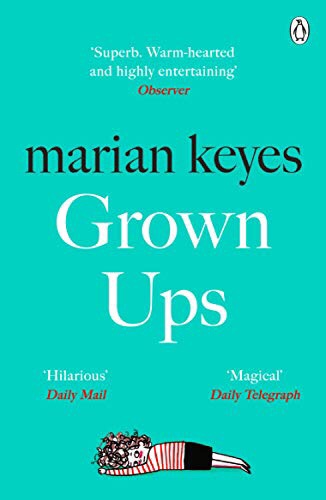
Years ago, when I was a book snob after my English lit degree, I wouldn’t have read Marian Keyes. It was firmly in the category of chick-lit and that meant it would be ‘easy-reading’. The literary equivalent of easy listening music, pleasant but no depth, just tinkling on in the background when I wanted my reads to grab me, make me think and blow me away. It was reading Jojo Moyes ‘Me Before You’ that put me onto Rachel’s Holiday and the Walsh family. Before I knew it I was racing through her back catalogue and loving every minute of it. It helps that she’s also an incredible woman, mad as a box of frogs and funny, enthusiastic about what she loves and chatters on ten to the dozen. She’d fit right in with my family and is one of the first people I’d invite to a fantasy dinner party. If I had to pick one thing about her writing that makes it so good, amply demonstrated in this novel, it’s that she provided a family tree to keep track of the characters and how they were related to each other, but I didn’t need it once. Each and every character was so real and so distinct that I felt I knew them all personally.
Ed, Johnny and Liam are brothers and enjoy a large extended family. Their background isn’t great, in fact their parents are awful people – demonstrated at their golden wedding anniversary when their father’s speech manipulated and put down each of his sons in turn. Ed has never had that feeling of being grounded, of belonging somewhere, until he met his wife Cara. She makes him feel safe. Cara has a head receptionist role at the Ardglass Hotel in Dublin and they have two children. Cara has always had problems with her body image and has been yo-yo dieting ever since Ed met her. She can’t seem to resist bingeing on chocolate and then hates herself for having no will-power, but is this cycle of overeating just a blip or is she heading for something more serious? Jonny and Jessie are the successful pair in the family, running their own chain of specialist food shops and a cookery school. Jessie had the original idea, with Jonny and his best friend Rory Kinsella going to work for her several years later. However, it was Rory who won Jessie’s heart and they were married with two children when he died suddenly. The Kinsella family were like a second family for Jonny, especially Rory’s dad Michael who had been a surrogate father since his own was so lacking. They all grieved together, until two years later when Jonny and Jessie found themselves drawn to each other. Surely the Kinsellas would be happy for them? Now years on, with three more children, and despite being a good husband and stepfather to Ferdia and Saoirse, the Kinsellas had cut themselves off from their former daughter-in-law. It was probably for this reason that Jessie focussed so much time on their family spending time together, all three brothers and their respective families spent Easter and many other holidays together, with Jessie even footing the bill to make it happen. Yet neither had ever really given up hope that everyone would be reunited in time, but time runs out and so does money.
Liam is the youngest brother, an ardent runner in his prime he now had to cycle thanks to a difficult knee injury. Handsome and charming, it never took very long for him to get what he wanted in life. Most would say he had a charmed life, despite his split with wife Paige and her relocation to the US with his two daughters, who are missed terribly by their cousins. In an incredible financial settlement, Liam lives in an apartment in Dublin paid for by Paige. When he meets Nell, a young set designer full of idealism and principles, he has to have her. Nell is beautiful, with cascades of pink hair and a quirky dress sense that comes from never buying anything new. She’s so passionate about art and conveying the message of a play through her set, plus she’s passionate about so many causes. The family love her and she brings her outlook on life to everyone, especially Liam’s nephew Ferdia who has similar opinions but never does anything to back them up. The family are surprised when the couple get married in an ice hotel on the arctic circle. Since the wedding though, despite Nell throwing herself into the family and their rather claustrophobic way of doing everything together, Liam hasn’t seemed the same. He starts to drop out of things she’s planned, branding them boring, and then chips away at her confidence. When she has a good review saying she’s the most exciting new designer in the country – he points out that Ireland is a very small place. He’s also very creepy, ogling his young niece’s friends and his nephew’s girlfriend. Nell is drawn to Ferdia, young, ethical and concerned with social justice, but can they be friends?
I loved how Marian Keyes presents the image of a perfect family that others must see, when they gather for an Easter Egg Hunt at a luxury hotel or holiday together in a Tuscan villa. Then she undermines it by showing that none of these people, or their relationships, are perfect. Her depiction of Cara’s eating problems were familiar to me because I’ve also had that urge to eat my feelings from time to time. I thought the way Cara down played the seriousness of her bulimia was realistic and the resistance to treating it as an addiction also rang true. Her counsellor was also brilliant, firm and not pulling her punches about the road ahead for Cara as a patient. If there was anyone I was rooting for it was Cara and husband Ed. Getting married again when you’re a widow is also something I know about and the relationship dynamics are so fragile. Luckily for me my lat husband’s family were very understanding and I treated them with respect, being up front and letting them know everything early on. I really felt for Jessie, but in the early chapters I really didn’t understand her desperate need for the whole family to get together constantly. There was a moment where she’s laid on a pool lounger with all the kids (bunnies) piled on top of her and she’s supremely happy. Then I got it. The friendship she had with Rory’s sisters Izzy and Keeva was the first real friendship she had and being part of the Kinsella tribe was just as important to her as it was to Jonny. She needed to belong. Strangely I also felt for Nell. I liked her as a person and thought she had been love-bombed by Liam into a marriage without truly knowing who he was. I really loathed him and that’s rare for me. He was lazy, living entirely off his ex-wife and not making any effort to see or maintain his relationship with his children. The way he commented on her talent and gaslighted her made me furious. I wanted Nell to have the romantic happy ending. In this book Marian Keyes has punctured that Instagram perfection many families seem to project these days. It’s also a welcome reminder that we never know what another person is going through, even the person lying next to us. I also found the message that we have to work on ourselves, take responsibility and live authentically, very empowering. I truly enjoyed my time as a fly on the wall with this family and laughed out loud so much that my other half commented on how much I seemed to be enjoying it.
Meet The Author
Marian Keyes is the international bestselling author of Watermelon, Lucy Sullivan is Getting Married, Rachel’s Holiday, Last Chance Saloon, Sushi for Beginners, Angels, The Other Side of the Story, Anybody Out There, This Charming Man, The Brightest Star in the Sky , The Mystery of Mercy Close, The Woman Who Stole My Life, The Break and her latest Number One bestseller, Grown Ups. Her two collections of journalism, Making it up as I Go Along and Under the Duvet: Deluxe Edition are also available from Penguin.
I have to admit to being a HUGE Jessie Burton fan. I picked up The Miniaturist in our tiny bookstore just on the strength of the cover and I wasn’t disappointed. It followed the story of Nella, who has just become married to wealthy Amsterdam merchant Johannes Brandt and has been uprooted from the country to a large home in the city. As a wedding present, Johannes has commissioned a cabinet house based on his incredible home. This is a home of secrets, from Johannes to his rigid sister Marin and even the servants, all have their hidden lives. It’s when Nella commissions pieces from an unseen miniaturist that clues start to emerge. What is the miniaturist trying to tell her and will she see it before it’s too late? I met Jessie at a book event in Lincoln where she read from the book and took questions from the audience. She told us that Nella’s cabinet house was based on an example in the Rijksmusem in Amsterdam, something I’d love to go and look at one day. Someone asked about the mystery at the centre of her debut novel; we never see more than a glimpse of the miniaturist, we don’t know what she wants from Nella or why she sends the tiny figures. Burton said she didn’t want to pin it down or have a big reveal, so there was a suggestion from the audience that she was leaving it open for a sequel. When I found out about House of Fortune, I was excited but also scared. What if it didn’t match up to the debut that I loved?
As soon as I started to read I was right back there in Amsterdam. Jessie is a master at creating atmosphere and her opening is so evocative. The house feels almost claustrophobic and I could imagine the smell of polish and Cordelia’s cooking wafting from the kitchen. This is still a secretive house, where the previous generation’s actions are impacting on the next. We are eighteen years on from the terrible events of Nella’s first year of marriage – Johannes’s horrifying death at the hands of the state and the revelation of his sister Marin’s affair with Otto, their black servant. Her pregnancy was concealed for months under severe layers of black clothing and resulted in the birth of daughter Thea and Marin’s death. Thea is now 18 and Nella is trying to weigh up whether her darker skin might count against her in the marriage market, or whether the Brandt name keeps her just on the side of respectability? She certainly receives her share of gossip and sideways glances, but as they rarely socialise it’s never mattered before. However, things are changing in the Brandt household and Thea may be the only way the family survives. Things are moving behind the scenes, in the same way the scenery moves in the plays Thea loves at the theatre, but who is doing the moving and arranging? Both Nella and Thea have sensed a little frisson, a sense of being watched, followed by the hairs standing up on the back of their necks. When brown paper parcels start to appear on the townhouse steps Cordelia wonders if the miniaturist is back and what is her purpose?
Even now, this strange mysterious figure remains in the shadows, a flash of blonde hair under a hood is all we get and that could be anyone. There are two sets of figures in play here- the ones made for Nella 18 years ago that have been hidden away in a trunk full of Marin’s things in the attic. Then there are new ones, the first being a carving of Walter who is the scenery painter at the theatre Thea frequents every week. He’s completely anatomically correct, possibly because the maker is alluding to how Thea feels about him. Could this perfectly rendered man be an allusion to Thea having knowledge of a man she shouldn’t have? Is her carving a commentary on something that’s already happened or a course of action that could still be avoided? The second gift is a house, a tiny mansion edged in gold that Thea has never seen before, followed by a perfect pineapple. Thea really isn’t aware that their relatively respectable life in the city’s greatest townhouse is built on a house of cards. This unusual family are at a crossroads, no longer able to sustain themselves. They are down to their last painting, Otto has lost his job and there are three mouths to feed plus an historic house to maintain. Nella can see only one option – they must accept some of the social invitations that comes their way and use them to find Thea a rich husband. Otto is less enamoured of Nella’s plan for his daughter. He would like her to have the freedom of love. He has a different plan, involving a botanist called Caspar and Nella’s derelict country home of Assendelft. What neither of them know is that Thea is conducting a private life of her own, one that come crashing down on all of their plans.
I loved that Burton took us to Nella’s childhood, with the walls of Assendelft full of memories, good and bad. Over the eighteen years since Johannes’s death she has become a force to be reckoned with and this reminds us of how naïve and young she was at the beginning. I felt sad that she had almost written herself off, pinning all their hopes for the future on Thea and not even considering that she could be the one pursued by potential husbands. Wealthy widows can be very attractive in the marriage market and nobody knows what Johannes’s arrangements were for his wife. I felt that Nella didn’t want marriage, having been free for eighteen years it would certainly be hard to adjust to a more conventional woman’s role. I also really enjoyed being taken into the world of the theatre, where Thea is transfixed by the stories being told on stage. Her fear that someone has seen her hanging around backstage, especially since spending time with Walter really came across strongly. I felt for her and I wanted Thea to remember what it felt like to be a teenager with her whole family’s fortunes weighing heavy on her shoulders. Otto was a benevolent father, but had no others ideas as to how they could survive without selling the Brandt house. I was compelled to keep reading, completely caught up in the world of this strange family of outsiders, but also wondering if this time the miniaturist would be unmasked and her purpose revealed. I throughly enjoyed being back in Nella’s world and it renewed my desire to go to Amsterdam to see the original cabinet house that fired up Jessie’s imagination.
Meet the Author
Jessie Burton is the author of the Sunday Times bestselling novels The Miniaturist, The Muse, and The Confession, and of the children’s book The Restless Girls. Her novels have been translated into 38 languages, and she is a regular essay writer for newspapers and magazines.
This book was a joy. That’s going to seem odd when I explain what it’s about, but it is joyful and full of life. Even though at it’s centre there’s a death. Ash and Edi have been friends forever, since childhood in fact. They’ve gone through adolescence together: survived school; other girls; discovering boys and even that awkward phase of starting adult life, when one went to college and the other stayed behind. They’ve both married and been each other’s maids of honour and become mothers. Instead of any of these things pulling them apart they’ve remained platonic partners in life. However, now Edi is unwell and decisions need to be made. After years of struggle with being, treatment, remission and recurrence, Edi now has to decide how she’ll be dying. With all the hospices locally being full, Ash makes an offer – if Edi comes to a hospice near Ash, she can devote time to being with her and Edi’s husband can get on with every day life for her son Dash. There’s a hospice near Ash that’s like a home from home, with everything that’s needed medically, but the informality and personal touch of a family. Now Ash and Edi have to negotiate that strange contradiction; learning how to live, while dying.
This is just the sort of book I enjoy, full of deep emotion but also humour, eccentric characters and situations. It takes us through a process of how someone’s life and death changes those around them, with unexpected behaviours and consequences all round. Firstly the environment the author creates is so wonderfully rich and full of warmth, whether we’re at the hospice or in Ash’s welcoming home. She does this with layers of detail, from the decor to the people and some seriously mouthwatering food. The hospice is an absolute wonderland – this may sound like a very weird description, but having had a loved one become terminally ill from multiple sclerosis and not cancer, it was a horrible wake up call to realise there was nowhere for him to die. I would have loved to be in this incredibly nurturing environment that’s more of a family home, where they’re putting comfort and individuality first, with first class medical care always available in the background to play it’s part. I loved the busy kitchen with a cornucopia of treats in the fridge, because here no one is on a diet. Each room is very individual, but there’s are little links between such as the hospice dogs wandering in and out, the smell of someone else’s favourite food, the wandering guitar player or the ever present soundtrack to Fiddler on the Roof from another room. All of these elements come together and create a warm embrace for Edi, but also for her loved ones who spend a lot of time there.
Ash’s home and family life is so enviable I wanted to be part of it. Her estranged husband Honey is an incredible chef and her daughter seems to have picked up the talent. The author’s descriptions of their meals really did make the mouth water and are their way of contributing and supporting Ash. All of these people are so nurturing, in Honey’s case this is despite he and Ash being separated. Before you think this sounds schmaltzy and sentimental I can assure you that these characters are not perfect. Each has their flaws and their ways of coping, some of which are destructive and possibly difficult for others to understand. Ash particularly has a novel approach to grief, but I understood it. If we look beneath the surface, it’s a way of forging connection with others on the same journey and expressing their love for Edi. It’s also a distraction, a way of leaving all the paraphernalia of death behind and affirming life. That doesn’t mean her behaviour isn’t confusing, especially to her teenage daughter who supplies whip smart commentary, eye rolls and remarkable wisdom. The men in this friendship group seem to understand that their grief is secondary, because Edi is the love of Ash’s life. I enjoyed the little addition of Edi’s other friend – the college friend – who Ash has concerns about. Does Edi like her more than Ash? Do they have a special bond? The author provides us with this loving picture but then undermines it slightly, so it isn’t perfect. We are imperfect beings and no one knows how they will react in a time like this, until we’re there. Catherine Newman shows this with realism, charm, humour and buckets of compassion.
Published by Doubleday 12th Jan 2023
Meet The Author
Catherine Newman is the author of the kids’ how-to books How to Be a Person and What Can I Say?, the memoirs Catastrophic Happiness and Waiting for Birdy, the middle-grade novel One Mixed-Up Night, and the food and parenting blog Ben and Birdy, and she edits the non-profit kids’ cooking magazine ChopChop. She is also the etiquette columnist for Real Simple magazine and a regular contributor to the New York Times, O, The Oprah Magazine, The Boston Globe, and many other publications. She lives in Amherst, Massachusetts, with her family. Visit her website at http://www.catherinenewmanwriter.com












 The Lotus Readers