Posted in Squad Pod

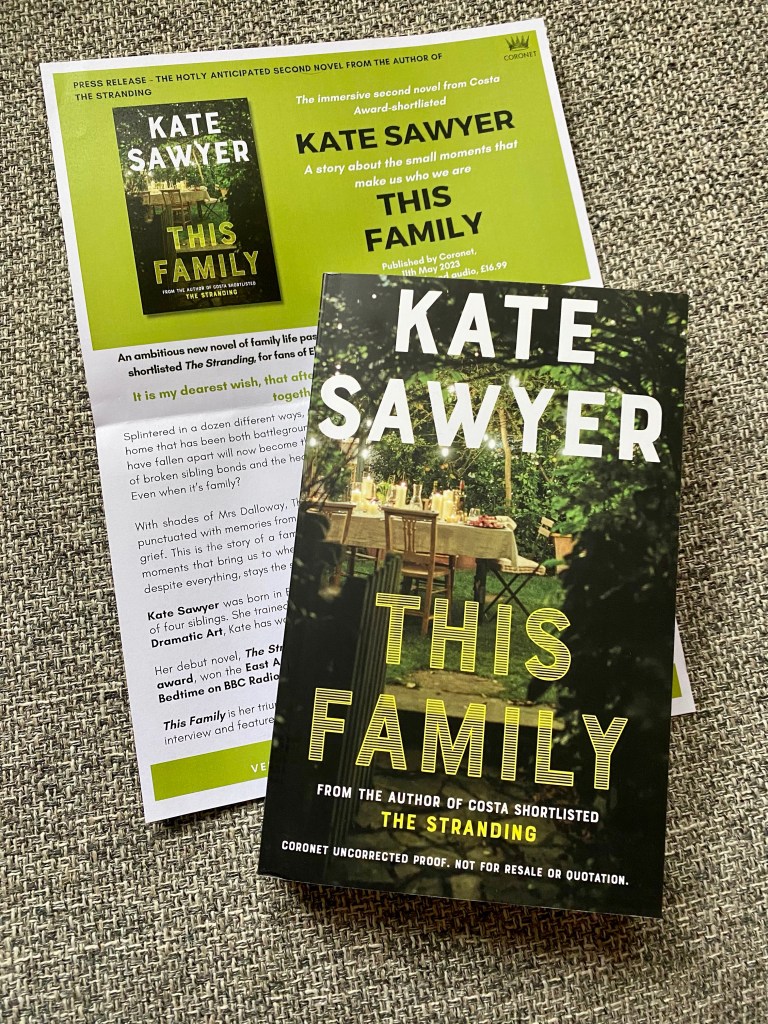
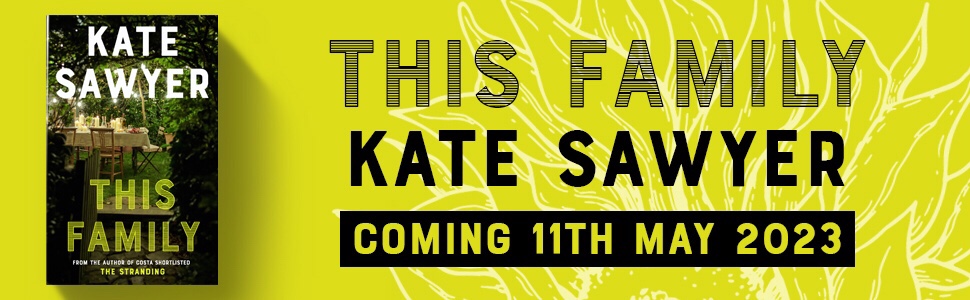
This Family by Kate Sawyer

I fell in love with Kate Sawyer’s imagination and writing skill when I read her debut novel The Stranding, so I was excited when the Squad Pod were able to confirm her new novel for our May book club. I didn’t know what to expect, whether there would be more of the same dystopian themes and emotional intelligence that I’d loved before or something completely different? This Family is different in that it’s set on one day where a family, with all it’s fractures and memories, are celebrating a wedding day. I often read books where I know I’m getting only a fragment of a much bigger picture. Kate Sawyer writes on several levels at once, from the personal to the universal. Each character has their inner world, their current outer world, other times and events, other people’s perspective on the character and events, then national and international concerns. It’s like someone shaking out the contents of my mind into a big jumble and seeing every single thought: I need to get some bread, last night’s dinner party was boring, thoughts of another dinner party years ago where I said something stupid, a worry about my dad’s health, thoughts on the book I’m reading, concern about the state of the health service and the war in Ukraine. Kate constructs her characters with all those levels creating a tapestry of this family’s life and how they all fit together to make a beautiful whole.

This was one of those books where I was conscious of empathising with an older character – Mary – who is getting married today and wants to have just one day where everyone behaves and is thinking of her happiness above their own concerns. She wants Phoebe to stay sober. She wants Emma to speak to her sister. Could her first husband Richard not be a dick? That’s all she wants. Just one day. As the family come together we see aspects of the day from different perspectives with all of the details I’ve mentioned. We see Phoebe’s inner thoughts. Then Mary’s thoughts and impressions of Phoebe. Rosie brings up a global concern – usually climate change, but Mary says it’s banned for one day. There is talk of COVID, the financial crisis, and even small boats crossing the Channel. Life is a tapestry of all these things, multi-layered and with contrasting colours. Kate gives each character their section, but she includes those events over the last few years that have stopped us all in our tracks like 9/11, theBoxing Day tsunami, the London terror attacks. Mary’s thread of worry when she hears of the tsunami, knowing one of her daughters is in Thailand. The thought she might be hurt pushing aside all irritations and harsh words. As a worker in the NHS Rosie’s proximity to the terror attacks and the pandemic cause other’s concern. This family is a jumble of memories, hurts caused, joint history, change, and then those moments of sharp focus when all that matters is their love for each other.
Their relationships are complex and at first it’s hard to know who everyone is and how they relate to each other. In fact the story of Mary is told so slowly I didn’t know who she was marrying until at least half way through the book. Going back over time, characters were married to different people and the relationships change. Even the sisters relationships with each other turn out to be complicated, yet they are still family. Emma’s story hit me deeply, because it was a story of childlessness and grief tearing lives apart. Emma married Michael, who was Phoebe’s best friend at university. Their marriage suffered due to pregnancy loss and when they lose their son, just as Emma was starting to think everything would be okay, it’s Mary that she asks for. She shuts Michael out and starts divorce proceedings, holding tightly to her feelings and unable to take on anyone else’s feelings of loss. Yet Michael will be at the wedding and will Emma be able to face him? There’s also her sister Phoebe to face and she has had a family, including a newborn. There’s a lack of communication between these two sisters, all pent up anger, jealousy and loss that they must put aside at least for today. When the truth of their rift is revealed the scene physically winded me. I felt for Emma, but could also see she’s her own worst enemy at times. It made me think about my own childlessness and the things people have said to me that hurt deeply at the time, but I could see if I held on to them I was hurting myself. At a time of great loss Emma cuts out the very people who might have helped and has missed seeing her niece and nephew.

Phoebe is a real talking point to and discussing her with other members of the squad has been enlightening, with many disliking her intensely. I could see where she’s hurt people with her reckless temper and with her addiction. Phoebe is now sober and married with a family, somewhere it’s hard to imagine her being when we delve into her past. I could understand how the family feel cannibalised by Phoebe’s successful newspaper column and her book, Mary particularly. She tried not to read it because she didn’t want to be blindsided by something her daughter recalls, in her own inimitable way. Phoebe needs her family, but their relationships with her are being slowly devoured, sentence by sentence. I found it interesting that when others recall terrible things Phoebe has done in the past, she really couldn’t see their position because she’s clouded by drink. She feels sorry for herself and can’t see past the self pity to wonder how others feel. As she recalls the terrible thing she said to her sister all the feelings of shame come bubbling to the surface, but she repeats a mantra to herself – ‘I do not hate myself; I hate the actions of my addiction’. She accepts that even though she has made amends, Emma doesn’t have to forgive her or accept her apology. Phoebe can only forgive herself.
I loved the meta-fiction element of how the story is told. Mary comments on the nature of stories, how the same event can be viewed differently by every person who was there just as the book’s structure shows. The wedding, when it finally arrives, feels like a natural full stop. As Mary looks out of the kitchen window and sees the three sisters laughing under the tree that made her want this house, she sees closure. As they laugh in the dappled un light and Emma holds her nephew Albie for the first time something has healed. This beginning – the start of Mary and her husband’s married life – is also an ending. He commits to a new chapter, leaving his first wife behind, but knowing that both he and Mary share their memories. Mary is moving from the house that the sisters have spent their whole lives in. She knows she will miss that tree. But she will no longer have the care of her previous mother-in-law, Irene. She observes that this day is only the end of a chapter, not the end of the book. More will happen, shown in that surprising fragment of an ending. We long for the closed answer, the neat and tidy ending, but that’s not life. Life is unexpected, messy, cruel and joyous. Then the author throws in a shock we aren’t expecting and despite Phoebe having done so much damage to this family, I didn’t want this ending for her. Yet her daughter Clara is only looking back, a memory she grasps at but can’t fully know. Is it a true memory, or is it a memory constructed from other people’s stories of that day? The author is always questioning how we construct reality, whether there is one true account of an event, or whether the story is fragmented, fluid and ever changing? This was a fascinating read psychologically and really made me think about how others see events we’ve shared and how families choose to overlook each other’s faults and bad behaviour, to come together and choose love, again and again.

Published by Coronet 11th May 2023

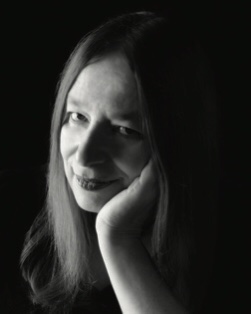
Kate was born in Bury St Edmunds, Suffolk, UK where she grew up in the countryside as the eldest of four siblings, after briefly living with her parents in Qatar and the Netherlands. 

Kate Sawyer worked as an actor and producer before turning her hand to fiction. She has previously written for theatre and short-film. Having lived in South London for the best part of two decades with brief stints in the Australia and the USA she recently returned to East Anglia to have her first child as a solo mother by choice.
Posted in Orenda, Random Things Tours

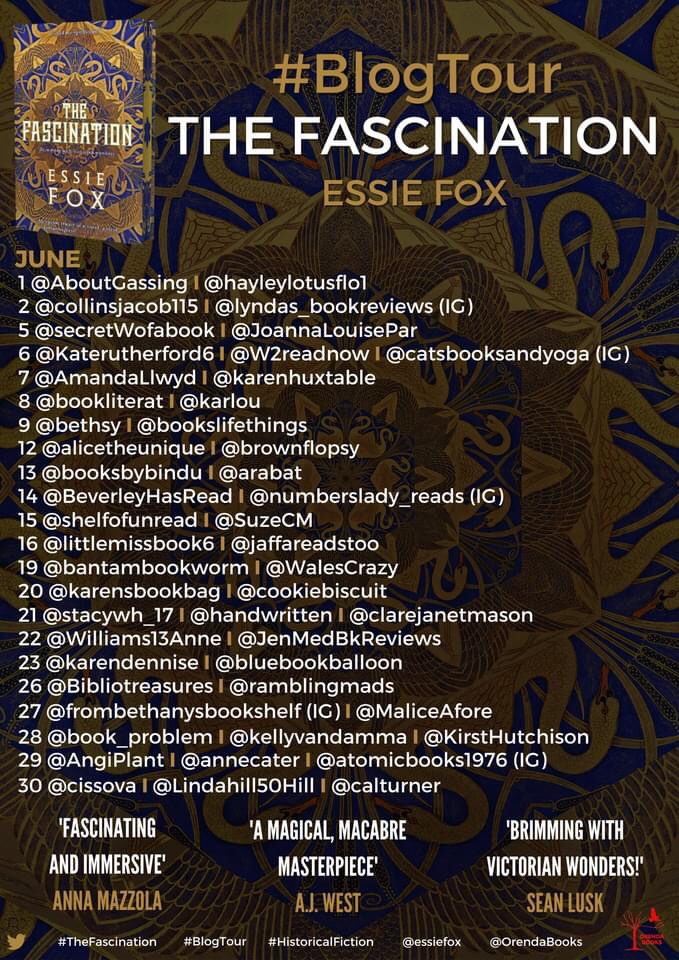
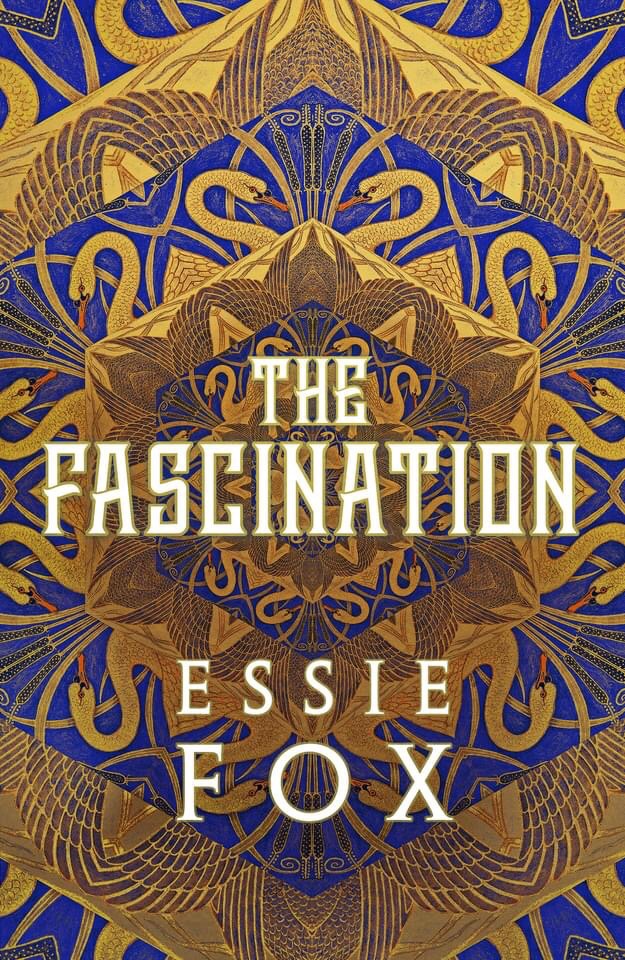
The Fascination by Essie Fox.

Victorian England. A world of rural fairgrounds and glamorous London theatres. A world of dark secrets and deadly obsessions…

Twin sisters Keziah and Tilly Lovell are identical in every way, except that Tilly hasn’t grown a single inch since she was five. Coerced into promoting their father’s quack elixir as they tour the country fairgrounds, at the age of fifteen the girls are sold to a mysterious Italian known as ‘Captain’.

Theo is an orphan, raised by his grandfather, Lord Seabrook, a man who has a dark interest in anatomical freaks and other curiosities … particularly the human kind. Resenting his grandson for his mother’s death in childbirth, when Seabrook remarries and a new heir is produced, Theo is forced to leave home without a penny to his name. Theo finds employment in Dr Summerwell’s Museum of Anatomy in London, and here he meets Captain and his theatrical ‘family’ of performers, freaks and outcasts.

But it is Theo’s fascination with Tilly and Keziah that will lead all of them into a web of deceits, exposing the darkest secrets and threatening everything they know…

Exploring universal themes of love and loss, the power of redemption and what it means to be unique, The Fascination is an evocative, glittering and bewitching gothic novel that brings alive Victorian London – and darkness and deception that lies beneath…

As regular readers to this blog know, I am never happier than when I’m reading a book about the seedy underbelly of Victorian society. I love being able to disabuse people of the notion that the Victorians were so buttoned up they would cover the legs of a grand piano! In fact the Victorians were no different to us, trying to keep a veneer of respectability on the surface whilst having all manner of private interests and lifestyles underneath. Essie Fox has created an absolute phantasmagoria of fairgrounds, travelling ‘snake oil’ salesmen, freak shows and private bestiaries. Her vivid descriptions really grabbed me early on and they create such a strong, colourful sense of place. This is the written equivalent of The Greatest Showman or a Baz Lurhmann film like Moulin Rouge, a dazzling spectacle that tantalises the senses. However, as with all shows, away from the bright lights and trickery there is a darker history and the author doesn’t shy away from showing it to us. There are those addicted to opium to dull their mental and physical pain and others who are dependent on the fake ‘cures’ offered by the twin’s father. Out of all people who are other, some find the relative safety of a troupe or family put together by someone like the Captain, others are less lucky and end up enslaved, forced into degrading displays with no means of escape. There are greedy men, pillaging the world for various specimens of flora and fauna, similarly there are more specialist collecting men like Lord Seabrook who keeps a private collection of human freaks with no understanding that these are people not specimens.

Women are shown to be particularly vulnerable to exploitation. Our central characters, Keziah and Matilda are sold, but are very lucky to end up with the Captain who keeps them and places Matilda in various pantomimes and shows in the West End. There’s a conflict here between our outlook on disability today and that of 150 years ago. We might look at freak shows and displays with distaste, but without a welfare state and with superstition and shame surrounding disabilities and disfigurements, they were a legitimate and lucrative way to earn money. If the decision to display their unusual body was an independent one and they received a decent portion of the money they earned it could allow a person with a disability to support themselves. Matilda has the addition of a beautiful voice, a talent that would interest London theatres rather than a freak show or circus. The vulnerability of all women is shown by those like Mrs Miller, friend and patron of our hero Theo, who admits to an unexpected pregnancy in her youth and a baby born with wings or shoulder blades that developed outside the skin. Her condition left her penniless and abandoned by her lover, then bereaved when she wakes after the birth to be told her child has died. Women with differences were exploited terribly, from freak shows to private displays in gentlemen’s clubs and large private homes, all the way to brothels who had workers for the more unusual tastes. I feared for the twins who are both vulnerable, but especially Matilda who craves the pretty clothes, the bright lights and the adulation of the crowd. The author fills her performances with a sense of wonder as she flies over the heads of her audience with her iridescent fairy wings. Her love for this incredible feeling does lead her down a dangerous path, with Keziah and the Captain worried for her life.

The twins path crosses with Theo’s as they travel with their father and the fairground, but it’s as he meets them again in London that their stories cross over and his fascination with them continues. His father, Lord Seabrook, has a love of human curiosities and the ruthless way he dispenses with his own son made me wonder what lengths he might go to if he sees something he wants for his collection. I enjoyed the crossover between Theo’s interest in medicine as a career and the way he ends up earning a living at Dr Summerwell’s Museum of Anatomy. Obviously, medical researchers are also interested in difference and disfigurement, just with a slightly different gaze. Yet I don’t think Theo expected to be in a shop with leathery bats wings hanging from the ceiling and a model of the insides of a pregnant woman on display. The history of medicine is fascinating and this type of medical study leads to the classification and medicalisation of disability we see today. The author cleverly explains the changes in how disfigurements were viewed in the character of Martha who has a hare lip and wears a veil outside to cover her face. In times past a ‘hare’ lip, now known as a cleft lip/palate, would have been viewed with superstition and it was thought to be caused by a hare startling the pregnant woman. It’s now known that the lip and palate don’t develop properly and it’s usually corrected by surgery. Here Essie Fox tells us about the new operations in the 19th Century using pieces of wood or a piece of flesh taken from the leg to stitch the skin over and close the gap. It shows how something once inexplicable goes from being magical or suspicious to become something medical to be cured. I really enjoyed and appreciated the background research lying underneath the fantastical surface.

This really is a magical bit of storytelling with a couple of great heroines who I was rooting for throughout and a hero I was very unsure of till the end. I admit to being a little bit in love with the Captain with his long silver hair, his musical talent and his lost love. Having a disability myself I was firmly on the side of those thought of as ‘other’ and there are messages here about accepting difference that are just as pertinent in the 21st Century. I also felt there were warnings about over-medicalising difference. Labels are important in some ways, but they can also restrict and mislead. When counselling, if I see people with my disability, multiple sclerosis, I remind them that this is known as the ‘snowflake’ disease; from a distance it’s the same, but when you look closer we’re all uniquely different. This is a wonderfully Gothic tale, but is also full of colour, humour, love and life – in all it’s wonderful forms.

Meet the Author

Essie Fox was born and raised in rural Herefordshire, which inspires much of her writing. After studying English Literature at Sheffield University, she moved to London where she worked for the Telegraph Sunday Magazine, then the book publishers George Allen & Unwin – before becoming self-employed in the world of art and design.

Always an avid reader, Essie now spends her time writing historical gothic novels. Her debut, The Somnambulist, was shortlisted for the National Book Awards, and featured on Channel 4’s TV Book Club. The Last Days of Leda Grey, set in the early years of silent film, was selected as The Times Historical Book of the Month. Her latest novel, The Fascination is based in Victorian country fairgrounds, the glamour of the London theatres, and an Oxford Street museum full of morbid curiosities.

Essie is also the creator of the popular blog: The Virtual Victorian She has lectured on this era at the V&A, and the National Gallery in London.

Posted in Publisher Proof, Random Things Tours

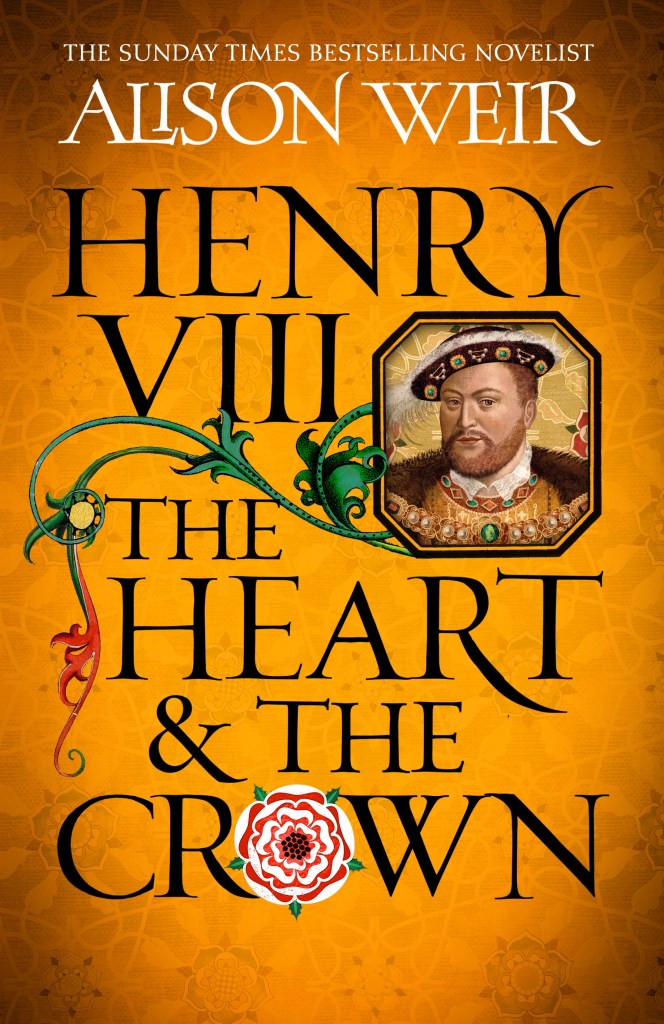
Henry VIII The Heart and the Crown by Alison Weir

I came to this book with quite a store of Henry knowledge – I promise not all of it comes from The Tudors, but this has been a great excuse to dig out the series again and enjoy Henry Cavill in leather trousers. In my previous home I had the alcoves each side of my fireplace turned into bookshelves and one side was all books on the Tudor period. A mix of novels and non-fiction it covered all the usual authors: David Starkey, Phillipa Gregory, Lucy Worsley, Alison Weir and many more. I have read each of Weir’s six wives series and her other novels on Elizabeth I and Lady Jane Grey. Her last novel was based on Elizabeth of York, Henry’s mother and daughter of Edward IV. All of them have been that brilliant mix of sound background research and an ability to get inside the characters and bring them to life. However, you don’t have to read any of her earlier work to enjoy this book, I’m just a Tudor Nerd! I wondered how Henry would fare, given that her previous books have shown great empathy for the position women found themselves in at the Tudor Court, especially where that ill treatment was at Henry’s hands. Interestingly, I read this alongside Prince Harry’s autobiography Spare, something that fascinated me given that Henry VIII’s story is largely influenced by that dynamic of ‘heir and spare.’ Henry is the man who was never intended to be king. Only the death of his brother Arthur, Prince of Wales, opened the way for a king who seemed almost meant to be. How could this well-built, ornately dressed and powerful man of the Holbein portrait not have been the King? It seems strange to think he was probably destined to be Duke of York and of much lesser importance than the huge presence he still is in our royal history. Did I see parallels between the man whose Twitter followers call Good King Harry and this similarly red-haired Tudor spare? Only a few!

I thought what Weir did really well was put Henry’s controversial and bloody reign into context. It’s easy to forget where Henry comes from and how violent and treacherous the route to the Crown was prior to his birth. As Weir explains, Henry’s maternal grandfather was Edward IV, a man who took the crown in the years of fighting between the York and Lancaster royal houses, known as the Wars of the Roses after the county emblems of the white and the red rose. However, it was also known as the Cousin’s Wars and to put that in a modern context it’s as if Princes Harry and William fought for the crown against Princesses Beatrice and Eugenie. It took a concerted effort by Henry’s grandmothers Margaret Beaufort and her rival Elizabeth Woodville to bring both houses together with a royal marriage and the new emblem of the Tudor Rose. Margaret was Henry VII’s mother and fought hard for her son to claim his crown, which he eventually did on the battlefield against Richard III. Elizabeth was Edward IV wife and despite losing both her sons, the rightful heirs to the throne who are believed to have been murdered in the Tower of London, she encouraged her daughter Elizabeth of York to make a political marriage to Henry Tudor, the new King. The emblem of their arranged marriage was a red rose for Lancaster with a white centre for York. These became known as the Tudor Rose and can be seen in many Tudor palaces and churches like York Minster. The country had endured years of in-fighting, from huge battles to hidden murders such as Edward IV and Richard, then Duke of York, allegedly murdering their brother by drowning him in a barrel of malmsey. Henry’s parents brought some stability to the country, despite Henry VII’s constant paranoia about usurpers and the lost Princes from the tower reappearing. If we imagine all of this followed by the death of Henry’s elder brother Arthur who died without heirs, it’s possible to see some of pressure upon the young king’s shoulders. Considering the paranoia he witnessed in his own father and his grandmother Margaret who drilled it into Henry that the only way to keep the crown secure was to have heirs, we can see the seeds of Henry’s own obsessions, paranoia and hatred of betrayal.

Often we only see the later King Henry on television and in fiction, because those latter years of his reign from meeting Anne Boleyn onwards are so dramatic. It’s easy to forget that Henry ruled and lived happily with his first wife and Arthur’s widow Catherine of Aragon from 1509 until he met Anne Boleyn in 1525, although he remained married to Catherine until 1533. There are only fourteen years between his marriage to Anne until his own death in 1547, in which he married, divorced or beheaded four more wives. I loved how Weir captures the earlier and often ignored years of Henry’s reign because we see something of the great prince that all of Europe were talking about. A tall, handsome and robust young man in direct contrast to his brother Arthur, he was also a great horseman and a competitive jouster. He was often reprimanded for missing lessons in order to go hunting or practising in the tilt yard with his companions, usually Charles Brandon. Yet he wasn’t just an imposing physical presence, Henry was very intelligent in that he spoke French and understood Latin and was even taught by the philosopher Erasmus. He could compose music and was an elegant dancer, with a definite eye for the ladies of the court. Even his early happy years with Catherine were littered with affairs, the most famous being Anne’s sister Mary Boleyn and Bessie Blount, both of whom were rumoured to have the King’s illegitimate children. It was interesting to read about Henry’s role in welcoming Catherine as Arthur’s bride and how much he admired her from a very young age. After Arthur’s death he was adamant he wanted to marry Catherine, with a dispensation sought from the Pope for their union. Henry’s father seemed reluctant to solemnise the match, despite a betrothal ceremony taking place. I have read elsewhere that the King had considered Catherine for himself and it was only when the King died that their marriage took place, in fact it was one of the first things Henry did as King. He may not have been faithful physically but there was a constancy in Henry’s feelings for Catherine, he admired her greatly and felt she would be a fitting queen for him.

Weir also shows how different Henry’s court was from his father’s. Henry VII had faults, but he was contemplative, careful when making decisions and had financially secured their reign after finding a depleted treasury due to years of war. Henry wanted to be a generous King, known to keep a a celebratory and ostentatious court. He undertook building new palaces, promoting art and culture, keeping a generous table and was determined to use some of the money saved by his father to take Calais and become King of France once more. He wanted to excel in all things, but this extravagance was also a sign of things to come, developing from generous young King to a petulant and spoiled man with a body ruined by greed, excess and risk taking. The most damaging risk being his jousting accident, where he was knocked out cold for some time and sustained a leg wound that never healed, caused intense pain and smelled terrible due to infection. I have often wondered whether it was possible that he sustained a head injury in this accident, because it does seem to be a turning point in his life, after which he made several questionable decisions. He decreed that his courtiers should acknowledge and accept his relationship with Anne Boleyn as well as his plan to make her Queen. His insistence on this point led to a relationship breakdown with one of his most trusted advisors, Sir Thomas More. The day he executed More was also a point of no return, I believe it haunted him for the rest of his life that he’d killed a good man, a man of God.

Weir made me look at Henry’s early life with more empathy than I have before. She brings to life the childhood loss of his mother (another event in common with our Prince Harry) and the huge impact it had. He remembers her softness and her gentle voice, a memory he needs when his father is preoccupied with duty. Henry has to grow up early, but little reminders of his mum pop up everywhere, especially her smell. I felt he could have been a different man if she had lived. There are some warning signs of the tyrant he becomes, because he’s jealous of Arthur from a young age. Arthur keeps his own court in Wales and Henry would love to have his own court, his own income and a bit of Arthur’s power, not to mention wanting Arthur’s bride from when she first arrived in the country. When all of it becomes his I did wonder whether there was a bit of survivor’s guilt. His father’s paranoia about losing the crown and his over-protectiveness after the death of his first son, mean he keeps Henry from carousing in bars with his friends and preserves some of his reputation for marriage. Weir shows us the weight of that history and expectation on the young prince’s shoulders. It’s something Henry is constantly pushing against, so that when he does unexpectedly become King he is determined to make changes. He has a tendency to promote men who are self-made, above the usual courtiers or advisors of his father’s. He relies on Cardinal Wolsey and after that he promotes Thomas Cromwell, a commoner and son of a blacksmith. The men who advised his father are old now and have known Henry his whole life, they’re aware of a recklessness in the young King that needs reigning in. Newly made men show the deference Henry expects as a King, but being younger and perhaps more aware of the way the world is changing they also allow him to take risks. We also see Henry’s own paranoia emerging when he and Catherine start to lose children, most particularly his two month old son. I felt like I understood Henry better after reading this novel and it was interesting to see some thoughts I’d had about Henry’s personality and behaviour placed in context. I didn’t like him more, but I did feel sorry for him in parts especially in his difficult relationship with his father. Weir provides possible reasons for the cruel and changeable behaviour that made Henry the most famous King in our history. I felt completely immersed in his psyche but also the whole Tudor court because Weir breathes life into a story we all know something about, turning historical caricatures into real people. Their problems also seem less far-fetched given Royal headlines over the last few years, although this spare ended up with the crown.

Many thanks to Headline Review and Caitlin Raynor for my proof copy of this novel and to Anne at Random Things Tours for my place on the blog tour and your support.

Meet the Author

Alison Weird is a bestselling historical novelist of Tudor fiction, and the leading female historian in the UK. She has published more than thirty books, including many leading works of non-fiction and has sold over three million copies worldwide. Her novels include the Tudor Rose trilogy which spans three generations of history’s most iconic family – The Tudors, and the highly acclaimed Six Tudor Queens series about the wives of Henry VIII, all of which were Sunday Times bestsellers. Alison is a fellow of the Royal Society of Arts and an honorary life patron of Historic Royal Palaces.

Posted in Cover Reveal, Squad Pod

Orenda Books and Awais Khan Cover Reveal!!!

Author of the bestselling #NoHonour @AwaisKhanAuthor returns with an exquisite, heart-wrenching, eye-opening new novel #SomeoneLikeHer

And LOOK at this jacket!

The blurb:

A young Pakistani woman is the victim of an unthinkable act of vengeance, when she defies tradition … facing seemingly insurmountable challenges and danger when she attempts to rebuild her life.

Multan, Pakistan. A conservative city where an unmarried woman over the age of twenty-five is considered a curse by her family.

Ayesha is twenty-seven. Independent and happily single, she has evaded

an arranged marriage because of her family’s reduced circumstances. When she catches the eye of powerful, wealthy Raza, it seems like the answer to her parents’ prayers. But Ayesha is in love with someone else, and when she refuses to give up on him, Raza resorts to unthinkable revenge…

Ayesha travels to London to rebuild her life and there she meets Kamil,

an emotionally damaged man who has demons of his own. They embark on a friendship that could mean salvation for both of them, but danger stalks Ayesha in London, too. With her life thrown into turmoil, she is forced to make a decision that could change her and everyone she loves forever.

Exquisitely written, populated by unforgettable characters and rich with

poignant, powerful themes, Someone Like Her is a story of love and family, of corruption and calamity, of courage and hope … and one woman’s determination to thwart convention and find peace, at whatever cost…

Out in August! Pre-order your copies today!

Print – https://geni.us/AXv7bEbook – https://geni.us/6hAyuR

Meet The Author

Awais Khan is a graduate of the University of Western Ontario and Durham University. He has studied creative writing with Faber Academy. His debut novel, In the Company of Strangers, was published to much critical acclaim and he regularly appears on TV and Radio. The critically acclaimed No Honour was published in 2021. Awais also teaches a popular online creative writing course to aspiring writers around the world. He is currently working on his third book. When not working, he has his nose buried in a book. He lives in Lahore.

Posted in Squad Pod

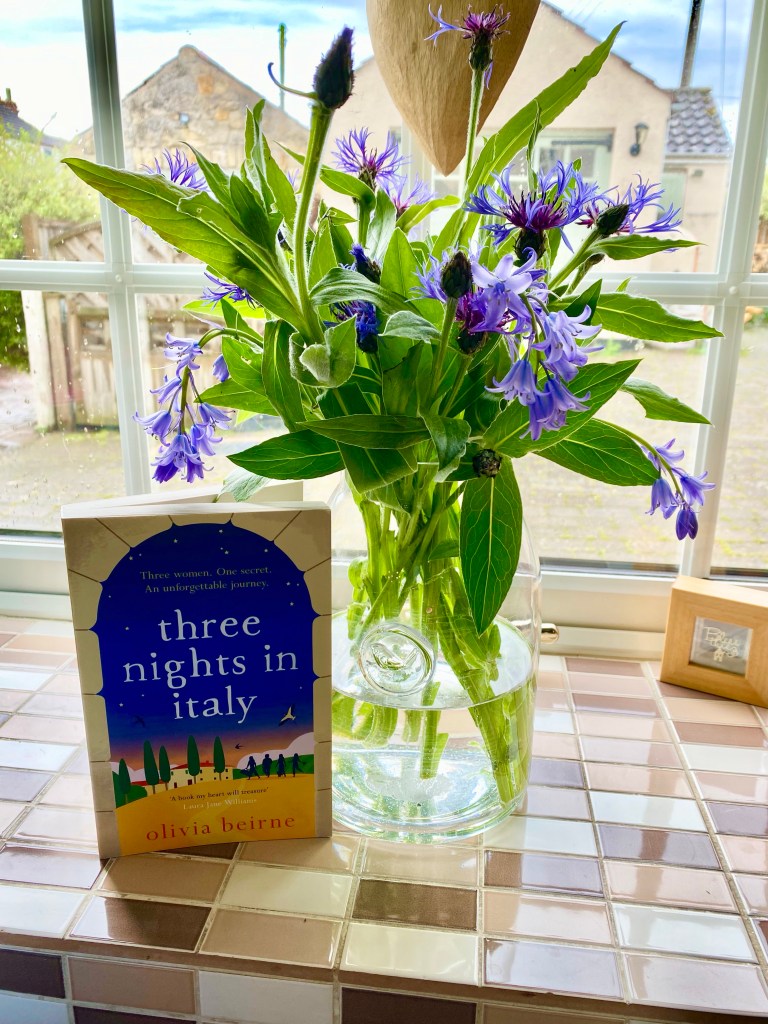
Three Nights in Italy by Olivia Beirne

As this novel opens Zoe has just lost her grandmother, a larger than life, charismatic artist who lived in Italy. Zoe and her mum Ange are left grieving in Cornwall, but they grieve differently and Zoe is worried about her mum, who appears to be in a trance but answers ‘fine’ when anyone asks how she is. Fine is a word banned in my counselling room, so I could understand Zoe’s concern. It’s a form of masking how we truly feel. Uncle Reg is dealing with all the legal and financial stuff, holding an auction of his mother’s belongings only a week after her funeral in Italy. Zoe and Ange plan to stay in Cornwall, but Zoe is uneasy about Uncle Reg and so was I. Her grandma promised her the beautiful emerald engagement ring that she claimed had magical properties. So, when Aunt Fanny turns up after being missing for fourteen years, she encourages them to travel out to Italy. She should know if it’s necessary, after all she was once married to Uncle Reg. With a reluctant agreement from Ange, they agree to travel to Italy for three nights only. They must go to grandma’s house and search for the ring before Uncle Reg even knows they’ve left the country.

Our young heroine Zoe shares the narrative in short, snappy sections with her friend Harriet, Mum Ange, and of course, Aunt Fanny. There are times when her voice gets a little lost amongst these other sparky and formidable women, especially Fanny who has chosen this diminutive of her true name Fenella just to see the blushes it causes. Zoe has stayed in her home town since school and works as a high end wedding coordinator. It’s as if she hasn’t really started in life, adept at creating and delivering the dreams of others she has forgotten her own. I loved her sparky little assistant Kitty who was giving off perky Reece Witherspoon vibes. Zoe hasn’t travelled, had a long term relationship or been to university. Her most important relationship is with close friend Harriet who also seems stuck, but we’re given more access to her inner world and she knows she’s treading water. It’s always been just Harriet and her mum, so it was a shock when Mum met someone and now has a newborn baby. They feel like a family and Harriet has felt like she doesn’t belong. Zoe has also had an all female upbringing made up of Mum and Aunt Fanny, along with holidays in Italy with her grandmother. Mum Ange remembers meeting Fanny just after she married her brother Reg and despite being so different they clicked instantly. Fanny is distinctly upmarket and while Reg always seemed embarrassed that his sister and niece were dressed by Next, Fanny never made her feel like that. With Reg working away the two women became Zoe’s parents and Zoe remembers the shock they felt when Fanny left suddenly and never contacted them till now. Zoe doesn’t have the pizzazz or individuality of her aunt or grandmother and it seems she has really suffered from the absence of these women in her life.

I enjoyed the women’s camaraderie and the way they supported each other. Despite seeming a bit disconnected from Mum at the moment, Zoe is devoted to her and wouldn’t think of leaving while she’s in this trancelike state. Aunt Fanny is the backbone of this group and such a formidable woman in her stilettos and her trademark ice-blonde bob that’s never out of place. She is loud, flirtatious and determined to live life to the full. She seems unbreakable and undaunted, buying everyone’s ticket to Italy, convincing Ange to come, overcoming obstacles and hiking in four inch heels! She grabs every opportunity to have fun and takes adversity in her stride, she even encourages the others to let their emotions out. Yet there are so many questions: where has she been for fourteen years? How does she keep her bob so immaculate? Does she really have a fortune from inventing a nail file? Why does she have other people’s credit cards? And why did she leave in the first place?

There is some romance too, with a love interest for Zoe in red-headed Sam who she meets by knocking a drink over him at the airport and pops up in the most unexpected places. They have a first date in Grandma’s town and I loved the women helping her get ready, just like they would when she was younger and going out. Even our older ladies (my age actually) have their flirtations, but this book is mainly about personal transformation though and finding your authentic self – something that’s not always easy for women who are bombarded with messages about who and how they should be. This is personified by Zoe’s grandmother whose presence is huge, despite her absence. I felt the book would have really benefited from more flashback moments between her, Ange and Zoe. She’s present in the laidback town where she lives, in her hillside home, and most of all in her paintings. The painting that’s a self-portrait of grandma in dungarees with her paint brushes in her pocket, seems to leap off the page with her life force. The depth and number of vivid colours show how vivacious she is and captures her love of life. It’s just so perfectly her, living her best life. I couldn’t bear to think of this stunning painting being sold at the auction. Even more than the engagement ring, it would have been the thing I had to keep. All I kept hoping was that Zoe could take some of grandma’s magic and apply it to her own life, to find out who she truly was and live her own fabulous, authentic life.

Thank you so much to Headline Review, Olivia Beirne and the Squad Pod Collective for the chance to read this book.

Meet the Author

Olivia Beirne is the bestselling author of The List That Changed My Life, The Accidental Love Letter and House Swap. She has worked as a waitress, a (terrible) pottery painter and a casting assistant, but being a writer is definitely her favourite job yet. Three Nights in Italy is her fourth novel.

Posted in Netgalley, Publisher Proof

One For My Enemy by Olivie Blake

After being slowly enticed by the glowing reviews of Olivie Blake’s Atlas Six series, I finally decided to take the plunge with this one. I’m a huge fan of Alice Hoffman so magic, romance and witchery are right up my street. However, this was the same themes but with some added NYC grit and sass.

In New York City, two rival witch families fight for the upper hand.

The Antonova sisters are beautiful, cunning and ruthless, and their mother – known only as Baba Yaga – is the elusive supplier of premium intoxicants. Their adversaries, the influential Fedorov brothers, serve their crime boss father. Named Koschei the Deathless, his enterprise dominates the shadows of magical Manhattan.

For twelve years, the families have maintained a fraught stalemate. Then everything is thrown into disarray. Bad blood carries them to the brink of disaster, even as fate draws together a brother and sister from either side. Yet the siblings still struggle for power, and internal conflicts could destroy each family from within. That is, if the enmity between empires doesn’t destroy both sides first.

I found myself hurled straight into this vivid world. It is earth but harbours a secret; witch families are vying to supply humans with magical pharmaceuticals. I loved the idea that there might be another realm within our own, hiding in plain sight. Baba Yaga has a shop – like Lush but with extra ingredients – whereas the Federovs sell on the streets and in the bars and clubs of the city. The rivalry and language of their industry was very ‘gangster’, with specific territories and penalties for stepping out of line. The patriarchal Federovs and the the matriarchal Antonova sisters. The sisters, although doing the bidding of Baba Yaga, are kept in line by eldest daughter Marya, also known as Masha. The scene that grabbed me was Masha simply walking into the Federovs lair and demanding to see second brother Dima. There has been an issue with territory and Masha believes it is Dima’s fault, so she carries out a terrifying enchantment that leaves Dima totally incapacitated. I was fascinated that youngest brother Lev tries to stop her, but is held back by his brother. Is there an honour code between the families? Even more intriguing is the obvious and immediate chemistry between Dima and Masha. The atmosphere was electric, the air charged with feelings and I was drying to know what had happened before and if these two had historic feelings for each other. If so, Masha is ruthless when it comes to business, but must have been full of hidden emotion. Would she be just as ruthless when protecting her family?

This scene showed me that Masha was confident in her power and very likely the successor to her mother. Masha is overseeing the expansion of their business. I found the idea of pharmaceutical drugs touched by magic fascinating too, I wanted to know more about their effects and whether they were largely benign. Did the customers truly know the power of what they were buying? I wondered about the family’s ethics with regards to black or white magic and was intrigued by how both families used their magic differently. Lev is sent to check out the clubs and see if he can work out the Antonov family’s next move, but he is distracted from his job by a young beautiful woman being hassled by a college student. As soon as he sees her he wants to help her, but already his attraction to her is obvious. She is very assertive and assures him she can look after herself and as Lev follows them out of the club she breaks the student’s nose. Intrigued by her confidence and the way she handled the situation, Lev offers to walk her home. Every block she tells him she can manage, but Lev has fallen in too deep already and the attraction is mutual. They have a passionate encounter down a side street. What Lev doesn’t know is that this young woman is Sasha, youngest of the Antonova sisters. As the pair fall in love, Lev confides the task he’s been given by his brothers. I wondered how she would react and whether she’s think his feelings were genuine or entrapment. Lev’s feelings are genuine and I was already wondering whether this was a repeat of Masha and Dima’s story. More importantly, if it comes to a showdown between the two families, which side would Lev choose?

Considering the amount of characters, they do have depth and feel very real. I think their back stories helped and the Russian folklore woven into their backgrounds seemed to ground them. Koshchei the Deathless is a male protagonist in Russian folklore, usually cast as an evil father figure who imprisons the male hero’s lover. He is called the immortal because he keeps his soul hidden within inanimate objects. Often he would hide his soul inside a tiny object then place it inside another object, perhaps an animal, like a rather grotesque set of Russian dolls. Baba Yaga was originally a supernatural being who hides within the disguise of a grotesque old woman. In a bizarre version of her story, which I love, she lived in a kettle with chicken’s legs – rather like the archetypal witch we all know from fairy tales. She would often take a maternal role and use that to hinder a character from the story. How these archetypes work within this story I’ll leave for you to find out. Then there’s the Romeo and Juliet parallel which certainly gives us the basic plot line of two rival families, where the youngest members of each family are falling in love with each other. That’s really where the comparisons end, because this is a loose retelling so don’t expect specific characters or even the same plot lines. This is a tragedy and it’s genuinely heartbreaking, but with gritty, real violence and it’s bloody consequences, just don’t expect the same victims. I loved that the rivalries are decades old and I think there’s definitely scope for more novels in this setting.

Although I loved Blake’s descriptive prose and enjoyed her characters, I did feel that the central love story lacked a bit of depth. I could tell these characters were in lust because their scenes were hot, but I didn’t feel the love at first. Perhaps that’s because I’m an older reader though and why I was interested in the oldest sister’s story. Also there were so many twists towards the end I had to go back and re-read sections to keep up with what was going on. However, for such a big book, it really fly by and the heady mix of love, power, magic, revenge and tragedy is a winner for sure. The art both inside and on the cover is absolutely beautiful. I feel that I could easily come back to these rival families in the future and it has certainly made me want to check out the author’s previous novels. If you like your love stories dark and laced with magic, violent tragedy and witches this is the book for you. It was definitely the book for me.

Published on 20th April by Tor (Pan Macmillan)

Meet The Author

Olivie Blake is the pseudonym of Alexene Farol Follmuth, a lover and writer of stories, many of which involve the fantastic, the paranormal, or the supernatural, but not always. More often, her works revolve around what it means to be human (or not), and the endlessly interesting complexities of life and love.

​Olivie has penned several indie SFF projects, including the webtoon Clara and the Devil with illustrator Little Chmura and the viral Atlas series. As Follmuth, her young adult rom-com My Mechanical Romance releases May 2022.

Olivie lives in Los Angeles with her husband and baby, where she is generally tolerated by her rescue pit bull. More on Olivie can be found at http://www.olivieblake.com

Posted in Throwback Thursday

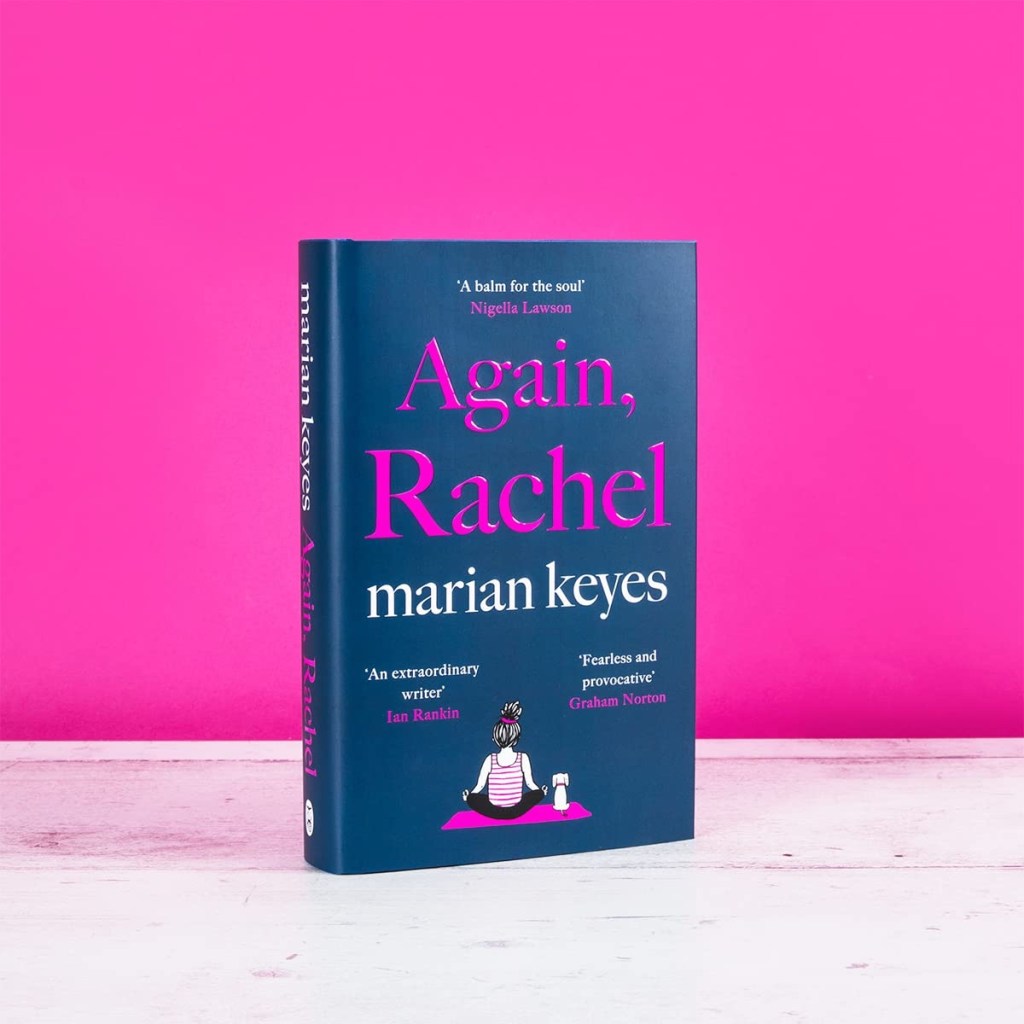
Again Rachel by Marian Keyes

Over the last couple of weeks I’ve had the brilliant experience of buddy reading with my eldest stepdaughter. I bought her Rachel’s Holiday and this sequel Again, Rachel for Christmas and she decided to read them in her down time from revising for her A’Levels. I realised it would be a great opportunity to share the reading experience together. I finished this on my weekend away and I genuinely found it hard to look up from the story. For the author, the anxiety of revisiting a much loved character must be huge, because I felt it too. I’d kept it on one side for this long because of that anxiety. I loved Rachel and the whole Walsh family and I wasn’t sure I wanted to know what happened next. We’re twenty years on from the end of the last book and Rachel is settled, with a job she loves and a happy home. She works as a senior counsellor at The Cloisters – the place where she started her own recovery journey. She owns a beautiful little house and a garden that’s become an unexpected part of her ongoing recovery and mental well-being. She also has a little dog, Crunchie. There’s also a man, Nick Quinliven (known as Quin) who has a penchant for trying new and exciting things from from the latest restaurant to wild swimming and escape rooms. They haven’t said they love each other yet, but he is an important part of her life. Life is great until Rachel hears that Rose Costello has died. Rose was her mother-in-law and although she hasn’t seen her since she and Luke divorced, she does feel an obligation. Should she go to the funeral or not?

Rachel and Luke have never spoken since he left their Brooklyn flat several years ago and cut all contact. I kept thinking what on earth could have separated these two people who really loved each other? Skilfully taking us back and forth in time, Marian Keyes constructs the intervening years as Rachel copes with the unexpected present and the painful past. Rachel’s whole life is upended as she sees Luke for the first time and tries to cope with the emotions of their reunion. However, she’s also plunged deeply into the past and the reasons she and Luke ended. Rachel is emotionally intelligent and knows all about buried trauma, but is surprised when she experiences all of those emotions afresh as if it only happened yesterday. It upsets her equilibrium, but has that sense of calm recovery merely been a front? Rachel hasn’t wilfully deceived others. She’s deceived herself. Is her version of what happened back then even the truth? If given the chance to connect with Luke and unpick their past, should she take it?

Marian Keyes really knows her stuff when it comes to addiction and mental health. It’s always a joy to read her books because they’re so emotionally intelligent. This framework provides so much depth to the characters and their story. Here she shows us a wounded healer, as Rachel struggles through addiction and loss, but still supports clients to achieve psychological change. I love her courage, because anyone who uses their own pain to help others is an incredible human being. I love how Keyes describes group sessions, as Rachel keeps her boundaries and sticks to her script, no matter how strongly she might be identifying with the client or feeling deeply moved by their story. We get to see that conflict in her; as a human being she might want to comfort that person, but as a therapist she must hold back to effect change. She knows that sometimes it’s important to sit with the feelings, to truly feel negative emotions without distractions or outside comfort. They always pass. I loved the wisdom she’s acquired over the years and how she rides to cope with her own trauma the same way.

I was deeply moved by Luke and Rachel’s experience because I’ve been through something similar. It made some parts hard to read, but it was written beautifully and with an accuracy I really appreciated. Keyes offsets the sadness with the usual comic touches, with Walsh family conferences being a great source of humour. All the sisters have their own idiosyncratic characters, causing conflict at times but we know that love is always present. Mrs Walsh is typically overbearing and contrary and her upcoming ‘surprise’ birthday party is an extra source of stress, especially when she decides to invite her ex-son-in-law. Luckily, the meticulously organised Claire has everything in hand, despite also trying to negotiate a session of swinging for her and her husband. Husband Adam is reluctant, but once convinced he becomes so enthusiastic that Claire is furious with him! The love stories are convincing and both Rachel’s current beau Quin and ex-husband Luke have their strengths. I held out hope for Quin and Rachel because I thought they suited each other. However, once Luke is on the scene the chemistry and unfinished business between him and Rachel is undeniable. Quin isn’t the only obstacle either, Luke’s partner Callie is with him in Ireland and seems very determined to keep Rachel close. I didn’t know if Rachel and Luke would be able to move past their history and connect again, as the people they are now. I loved how they tried their hardest to work through what happened, despite the pain it’s clearly causing. Could they possibly remain friends and share their loss, after all only the two of them can fully understand what they went through. Despite knowing that that Rachel didn’t need either man to build a happy life, I knew where my loyalties as we approached the end. Oh what an ending!! I was snap chatting my stepdaughter and we’d both cried buckets at the ending. I was so glad that Marian Keyes had been brave enough to revisit Rachel again.

Published by Penguin 13th April 2023

Marian Keyes is the international bestselling author of Watermelon, Lucy Sullivan is Getting Married, Rachel’s Holiday, Last Chance Saloon, Sushi for Beginners, Angels, The Other Side of the Story, Anybody Out There, This Charming Man, The Brightest Star in the Sky , The Mystery of Mercy Close, The Woman Who Stole My Life, The Break and her latest Number One bestseller, Grown Ups. Her two collections of journalism, Making it up as I Go Along and Under the Duvet: Deluxe Edition are also available from Penguin.

Posted in Netgalley, Publisher Proof

Every Happy Family by Sarah Stovell

‘All happy families are alike; each unhappy family is unhappy in it’s own way’. Anna Karenina Leo Tolstoy

I’ve been wanting to try a Sarah Stovell novel for the last couple of years, because it’s a name that’s come up with other bloggers as someone I would enjoy. This story had me gripped to the very last page. This is the history of a family, but told like a thriller. We know that one central incident is the lynchpin of the whole story, explaining the family’s geography, personalities and dynamics with each other. Yet the incident isn’t laid bare for the reader. We must go back and forth in time, with the truth only revealed in short bursts and from different family member’s perspectives. Minnie is an academic, a professor of sociology and women’s studies and is married to Bert, another academic. Minnie is also the matriarch of the Plenderleith family: Owen, his wife Sophie and daughter Layla; Lizzie who lives in a platonic partnership with Tamsin and has a daughter, Ruby; then there’s baby Jessie and her wife Anna who have had two babies in quick succession. For the first time, Minnie will have her entire family under one roof for Christmas. This is a rare occasion because Owen lives in Australia and everyone leads very busy lives. Plus there is a tension at the centre of this family, something they never talk about, which has led to misunderstanding, distance and fear. Fear that if the incident is brought into the open and talked about, the family might implode. However, Owen hasn’t brought his wife to England and his teenage girlfriend Nora is in the village, sorting out her father’s house after his death. Could Nora be the catalyst that for an explosive Christmas?

The depth of characterisation in these family members is brilliant. I found myself understanding each family member as I read their section of the narrative. Even where their point of view clashed completely with someone else, or where they’re acting from a complete misunderstanding, I could empathise with their position. I fell in love with Lizzie, probably because I am overweight, nearing middle age and have an abusive relationship behind me. There was an instant understanding of her emotional need for calm, quiet and meditation. I also understood her medication, whether it was food or a prescription from the GP. Lizzie left a physically abusive relationship when her daughter Ruby was 16, with her self-esteem and sense of self eroded almost beyond repair. Lizzie is the jolly, overweight sister who jokes about her love of cake and seems outwardly confident, someone who owns her choices. Underneath though, is a animal that stays curled into a ball waiting for the next kick. Perhaps unable to trust men, or even trust her own judgement, she has found solace in a platonic family unit with friend Tamsin and although they perhaps don’t fully understand it, the family accepts it as a life choice and Tamsin is very much part of the family. Twenty years earlier, when Owen started dating Nora, Lizzie made friends with this unusual girl. Nora is the opposite of Lizzie, she looks like a fragile waif that you would want to feed and look after. Having lost her mother at a young age, Nora only had her father and it wasn’t an ideal relationship, so when Owen started bringing her home, his family became Nora’s family too. Minnie is impressed with her son’s choice, because she’s not into fashion or anything superficial, she’s bright, idealistic and wants to change the world. She’s going to spend summers working on conservation projects in different parts of the world and she follows through on her dreams. She might seem frail, but she’s determined and not scared of stepping out into the world alone. She’s so different to Owen but they have a connection that’s natural, deep and all encompassing.

I really did understand Minnie, a woman with so much education, intelligence and personal experience. She is the centre of the incident and takes so much of the blame for what happened, even though her point of view isn’t unreasonable. Minnie is on her second marriage, her first was to Owen and Lizzie’s father who was a drunk. Minnie was trying to hold down an academic position, run a household and two children, but always on tenterhooks for the next crisis to hit. Would she come home from work and find their father had hurt himself, given away the family car or worse? When he died, it was more of a relief than anything but Minnie was burned out. I could see immediately that Minnie was one of life’s ‘copers’. She’s used to picking up the pieces of whatever disaster her family members bring home, always without complaint and assuring them it will be ok. Holding the anxiety and responsibility for everyone creates burn out and resentment. When is it someone else’s turn to hold it together? She just wants one opportunity to fall apart. So when the big incident happened Minnie decided this was one mess she would not be clearing up. The fall out from this decision will last twenty years, compounded by miscommunication, layers of regret and grief, and the blame never apportioned out loud.

When trauma isn’t processed and discussed it grows and can come out in the most unexpected ways. Like on Christmas Day, when at least three generations of the family bring the trauma into the present. I loved how the author brought all those strands together to create this tension filled and momentous day. There’s all the usual stuff; prepping the veg, opening the presents and playing games. Between the celebrations, we’re told parts of the story by those who were there and those who are living in the aftermath. Even the grandchildren are affected, because things that are never spoken about can be misunderstood and blown out of proportion. The sections become shorter and faster towards the end, driving then tension and compelling you to keep reading. This is a brilliant, emotional and addictive read that’s a must read for this spring and would make a great TV thriller.

Published by HQ 30th March 2023

Meet the Author


Sarah lives in Northumberland, England, with her family. She teaches creative writing at Lincoln University. During the Covid pandemic, she was unable to write because her children kept interrupting her, so she started baking instead. She now spends her time writing, teaching, hanging out with her kids, baking fine patisserie and trying to believe her luck.

Posted in Netgalley

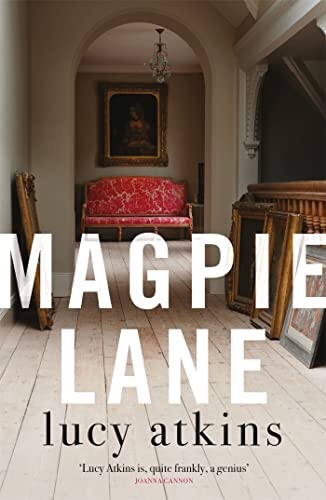
Magpie Lane by Lucy Atkins

One of my April reads is Lucy Atkins’s new novel Windmill Hill, so I thought it was a good opportunity to talk about one of her previous novels. I have been a fan since her very first novel The Missing One and we read it as a book club choice. I have enjoyed all Lucy Atkins other novels and it seems they get better and better. I enjoyed the character of Dee and became drawn in by her straight away. There’s a sense that she doesn’t really belong anywhere, but she is curiously at ease with who she is. Something of an outsider in Oxford, she doesn’t belong to any of the colleges but is one of those invisible people who provide services to those who do belong. Dee is a nanny and makes a very disturbing observation about the academics who use her services – when desperate, people will let a near stranger look after their child. The new master and his wife, Nick and Mariah, hire her after a chance meeting on a bridge early one morning and one hasty conversation. They do not ask for references or do a police check. If they had, they would have found that Dee has a criminal record. It is no coincidence that Mariah restores old wallpaper. She is adept at papering over cracks. She tells Dee that Felicity is selectively mute, that she met Nick after his wife died from a longstanding illness and that they both did everything to get Felicity talking again. There us a stifling atmosphere in the lodgings and the author carefully links the house with the people in it – with both there is a long history being erased and retold through renovation or retelling. Is the start of this couple’s relationship as simple as they portray? Mariah’s chirpy and wholesome exterior might, just like the new decor, hint at a darker, more murky interior world. The house’s history is slowly being unearthed by Linklater, a social historian hired by Nick. It shows how out of step these two characters might really be. Nick wants to disturb and discover the chequered past of their new home, while Mariah is whitewashing it. Linklater discovers family dramas, haunted occupants and a possible answer for the ‘priest’s hole’ in Felicity’s bedroom that may be even more malign than the original poisonous Victorian wallpaper.

Felicity isn’t just mute. She is a very distressed child, seemingly obedient but full of simmering anger and confusion. She roams the house while still asleep, makes patterns on the floor with her collection of bones and artefacts, and seems to be drawn by the ‘priest’s hole’ in the middle of the night. She slowly starts to speak to Dee, but also makes a surprising connection to Linklater when the three of them start to take tea together after school. They are a group of misfits, finding each other and developing trust. There seems to be a distinction made between those who appear genuinely themselves, however odd they may seem, and those who are putting on an act; a natural family forming where there is a forced family unit at home. It has to be significant that the one person Felicity never speaks to at all is Mariah. Dee becomes more than a passing childcare worker, she is deeply involved with this little girl. I like the way the author foreshadows this relationship as Dee sees Felicity for the first time and notices her curls, just like those of another child she once knew. Is this another nanny’s role or is she giving hints of a past we don’t know about? If Dee once had a family what happened to them? This is where we come to discussing Dee’s role as narrator and whether she is not as candid with us as she seems. I kept waiting for a terrible secret to emerge and for Dee’s reaction to being exposed. The tension is ratcheted up when we learn that Felicity has gone missing and the narrative passes back and forth between the present day and what has happened in these character’s pasts.

I enjoyed the ending, although I raced there a little too quickly. I was desperately hoping for a happy ending for both Felicity and Dee. Watching Mariah and Nick’s ‘perfect’ life completely implode was oddly satisfying. With her perfectly calm exterior ravaged by the birth of her first child, Mariah struggles to function normally and seems haunted by Felicity’s mother Ana. She starts to spend days in pyjamas while coping with a colicky baby and this break in her usually ordered world threatens to break her. I was left feeling that Nick and Mariah didn’t deserve Felicity, but was that what the narrator wanted me to feel. I was left wondering whether I’d been manipulated all along. As the police wondered and questioned, the reader does the same. Is Felicity as disturbed as Dee would have us believe? Or was Nick right in his assessment that it was Dee’s presence, her inability to sleep, her encouragement in discovering something supernatural and the constant buckets left in the kitchen to bleach animal skulls that are to blame? Finally, I liked the way maths was used as a theme in their interactions; Dee’s proof is an example of how something seemingly factual and definite can still be manipulated. A maths problem can have two correct answers. It simply has to be worked out differently. Which version do we trust? This is an intelligent, psychological, thriller that keeps you guessing long after reading, Lucy Atkins has done it again! A great read.

Meet the Author

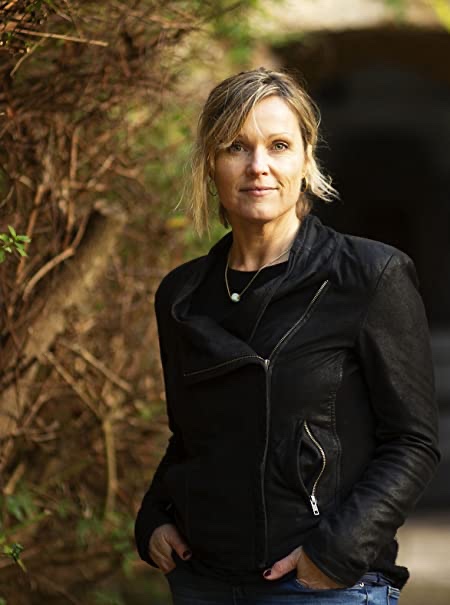
Lucy Atkins is an award-winning British author and journalist. Her latest novel, MAGPIE LANE, was picked as a ‘best book of 2020’ by BBC Radio 4’s Open Book, the GUARDIAN, the TELEGRAPH and GOOD HOUSEKEEPING MAGAZINE. Her other novels are: THE NIGHT VISITOR (which has been optioned for TV), THE MISSING ONE and THE OTHER CHILD. Lucy is book critic for The Sunday Times and has written for publications including the Guardian, the Telegraph, the Times, and many magazines. She teaches on the creative writing Masters degree at the University of Oxford. 

She has written several non-fiction books including the Amazon #1 parenting guide, FIRST TIME PARENT (Collins). 

For news, events and offers see http://www.lucyatkins.com

Follow Lucy on Twitter @lucyatkins Instagram @lucyatkinswriter

Posted in Netgalley, Publisher Proof

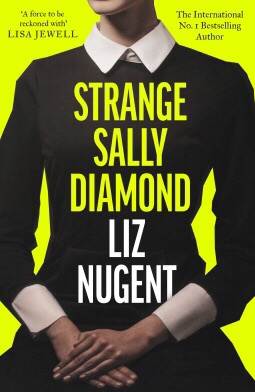
Strange Sally Diamond by Liz Nugent

The first thing I have to say is ‘Wow! What an opening.’ I read the first page then went to find my other half so I could read it to him. He’s one of those people who say ‘just chuck me in a bin bag’ so I thought he’d love it too. Of course it’s horrifying, but I also found it blackly comic and with Irish ancestors myself I can honestly say it’s an Irish trait. We laugh at the story of Mother – my great-grandmother – putting her head in the oven and wondering why it was taking too long. Slowly realising it was an electric oven. Tragic, horrifying, but hilarious at the same time. I felt this all the way through the story of Sally Diamond, a young woman having to negotiate a new life after the death of her incredibly protective father. He was an academic doctor and it turns out Sally was his subject. He leaves Sally letters to read after his death to give her all the information about what to do next. However, Sally can be very literal and by carrying out his verbal wishes to be in a bin bag, it turns out she may have committed a crime. Luckily family friend and GP Angela comes to the rescue, explaining to the police that Sally is ‘different’ she’s been sheltered and her childhood before her adoption was very traumatic. In fact her father left specific instructions in his letters, but as Sally points out he should have labelled the envelope ‘open this as soon as I’ve died’. Sally learns that she was born in terrible circumstances and it’s only chance that saved her. How will Sally cope with the detailed news about her past and how will she integrate into the community and learn how to manage by herself?

I found Sally rather endearing, despite her tendency to ask personal questions and disappearing to play the piano when things get too much. Sally knows that her mother died, in fact she committed suicide after their escape. Sally was born Mary Norton, in a locked extension attached to the home of Connor Geary and his son. Sally’s mother was abducted by Geary and brought back to the specially built annex where he chained her to the radiator. Denise Norton was subjected to all forms of abuse and violence and gave birth to her daughter in captivity. They were only found when a burglar broke into the house and Denise shouted to him ‘I am Denise Norton’ over and over, in the hope he’d tell the authorities. Sally doesn’t remember anything about her earliest years, but when she’s sent a grubby, old teddy in the post she knows instinctively that he’s hers. Sally was adopted by the husband and wife psychologist team who were treating her and her mother after they left hospital. After a short space of time, it became clear that Denise would not recover well and it was decided that in order for her to develop, Mary must be removed from her mother. Tragically, as soon as this happened, Denise committed suicide. Ever since, and with the new name Sally, she has lived an isolated rural life in Ireland. Sally has her quirks: she asks deeply personal questions; she would tear out her hair if upset; she could be extremely violent. As we followed Sally’s journey it started to feel really uplifting and I was so happy for her, finding the ability to live a fuller life would be a real happy ending to the story.

Then the book changes and we’re listening to a boy called Peter from New Zealand, having emigrated from Ireland. I found Peter’s father terrifying, he is a misogynist and incredibly controlling to the extent of telling his son he has a rare disease that means he can’t touch other people. This lie will have terrible consequences, when Peter tries to make connections with others. Slowly a terrifying story emerges about their home in Ireland and the ghost who lived through the wall. Sometimes he’d hear the shrieks and moans from that room. When Peter was left to be looked after by the ghost, something terrible happened and the trauma has stayed with him for life. I felt so moved by Peter’s story, but terrified by what he could become. I felt as if the loss of his friend Rangi that was the turning point. Peter can also be extremely violent and even though he is assailed by guilt afterwards, the damage is done. I hoped and hoped for a point of redemption for him. When his father starts to build a barn and look for another victim he has no choice but to be complicit. If something happened to his father, would he able to come clean and let them victim go? Does he ever wonder about what happened to his mother’s family in Ireland?

I was hoping that these two damaged people would get to meet each other. Both of them need family and a sense of where they’re from, even when the truth is awful to comprehend. The author has such a talent for playing with the reader’s emotions, letting us feel for a character then finding out they’ve done something terrible or making us feel sorry for a character we dislike, because of something they’ve experienced. Her characters are always complicated and flawed, but this was the next level. I loved watching Sally start to thrive with the support of those around her. She uses the money she inherits to renovate a cottage closer to the village. She starts to build relationships with her dad’s sister Aunt Christine and her Uncle Mark too. The high point is a lovely party at Sally’s cottage with a bouncy castle for the kids, which she is even persuaded to try herself. Then a stranger from New Zealand turns up at her door and I was riveted to the story from then on to see how this will affect Sally. Can two damaged people console and support each other, or will they drag each other down? We are about to witness the difference of growing up on opposite sides of the wall. This was a fascinating novel, especially if you love psychological thrillers and studying how someone’s start in life contributes to the person they are. I was also fascinated with the idea that those who heal can also hurt. When your adopted child is also your subject, your academic reputation and possibly even your funding, lines become blurred. I desperately wanted a happy ending for Sally because she’d made so much progress but can so much trauma ever be left behind? The author created a character that I was so emotionally invested in, she will definitely stay with me. She’s so complex and nuanced that she felt completely real to me. The book is incredible and is up there with my top reads of this year, it’s one of those that will keep coming back to me until eventually I grab it from the shelf and read it again.

Meet the Author

Liz was born in Dublin in 1967, where she now lives. She has written successfully for soap opera, radio drama, television plays, short stories and animation for children.

Liz’s first novel Unravelling Oliver was published to critical and popular acclaim in March 2014. It quickly became a firm favourite with book clubs and reader’s groups. In November of that year, it went on to win the Ireland AM Crime Novel of the Year at the Bord Gais Energy Book Awards and was long listed for the International Dublin Literature Prize 2016. She was also the winner of the inaugural Jack Harte Bursary provided by the Irish Writers Centre and the Tyrone Guthrie Centre in Dec 2014. Her second novel, Lying in Wait, was published in July 2016 and went straight to number 1 where it remained for seven weeks. Liz won the Monaco Bursary from the Ireland Funds and was Writer in Residence at the Princess Grace Irish Library in Monaco in Sept/Oct 2016. In Nov 2016, Lying in Wait won the prestigious RTE Ryan Tubridy Listener’s Choice prize at the Irish Book Awards.

Aside from writing, Liz has led workshops in writing drama for broadcast, she has produced and managed literary salons and curated literary strands of Arts Festivals. She regularly does public interviews and panel discussions on all aspects of her writing.