I am a huge fan of Damon Albarn – I haven’t gone crazy, this is relevant – from the first 12 inch Blur single I bought in 1989, to Gorillaz and all the solo projects in-between I’ve been there. For me, the most amazing piece of work he’s composed is Monkey: The Opera which I went to see at the Royal Opera House in Covent Garden and then again at Lincoln Centre in NYC. I’d seen the ‘Monkey Magic’ series when I was a child, me and my brother loved the hilarious and badly dubbed chronicles of Monkey and his quest. However, in the opera house, when the music started and the curtains opened this Monkey was simply magical, like a window to another world. The music was exquisite and the set was just incredible, with floating clouds and giant bamboo, underwater realms and ancient gods and spirits lurking above while Monkey learns what his journey is about. I’d honestly never seen anything like it. So, when I picked up this beautiful book I put the music on so I had a soundtrack to my reading experience and it fitted together beautifully. Used to Greek, Roman and Celtic mythology, Albarn’s soundtrack felt like fitting music for the entirely alien, but rich and evocative mythology I was becoming immersed in.
This incredible debut novel from Sue Lynn Tan is a mix of mythology, spirituality, magic and Bildüngsroman- that wonderful and almost untranslatable word that relates to books focused on a young person growing up. Our heroine is Xingyin a young woman who has grown up on the moon, hidden from a powerful Celestial Emperor who placed her mother Chang’e in exile for the theft of his elixir of mortality. Xingyin’s life has been a lonely one and as she grows she longs for new experiences and places. Now Xinying is coming into her power and as her magic increases, she is discovered. Now she must flee the moon and leave her mother behind, knowing that she’s pitted against the most powerful immortal leaving both their lives at risk. Alone, powerless, and afraid, she makes her way to the Celestial Kingdom, a land of wonder and secrets. Disguising her identity she works as a servant, but then seizes a lucky opportunity to train in the Crown Prince’s service. Xingyin starts learning to master archery, magic, and the strange attraction between her and the emperor’s son. I loved being back in a world within the clouds. The author’s beautifully lyrical language is so vibrant and she really does bring this stunning world to life. This celestial realm is woven from layers of description about the clothing, the food, the buildings and the unique magical elements, creating a setting and atmosphere that’s suitably awe inspiring.
I found Xingyin’s inner journey interesting too, because she develops so much from the naïve young girl at the beginning. I loved that she is following a path to be a warrior, something that seems rare for women in Western mythologies. I learned so much about Chinese culture through her obligations to family, particularly the mother/daughter relationship and the concept of honour and how it informs her ambitions. Her focus is to free her mother from exile and this brings out an incredible determination in Xingyin. She starts out unable to fend for herself and she shows both patience and grit, achieving each goal on the way to her destiny. She has to learn the history of these Immortal Realms in order to negotiate her way forward. She also has to practice her magic and the find the best way to utilise it in her quest. I loved how the author kept a steady pace in these early sections, the slower pace echoing that Xingyin is only at the beginning of her journey and she feels those same emotions we do when our goals are still so far away. The pace really speeds up when Xingyin has undergone her initial training and the army leaves to test it’s recruits in battle. I really enjoyed the extraordinary monsters from Chinese legend that the army must defeat for Xingyin to really fulfil her potential as a battle-hardened warrior. The author beautifully describes that uncertainty and fear soldiers must feel before a battle – the self-doubt that can creep in and takes hold. Yet Xingyin manages to feel this and still maintain her warrior-like demeanour. She isn’t just a killing machine. Throughout her endeavours she has kept her own deep seated sense of morality and a self-awareness that allows her to set boundaries.
Aside from Xingyin’s quest there is also an element of romance in the novel; a love triangle that does dominate in parts and takes up an enormous amount of her head space. I wasn’t sure I needed the romance for the book to work, but I guess it’s part of a young girl’s journey into womanhood. She is torn between two men and seems on a rollercoaster of trying to understand her feelings for both. One minute she’s berating her own fickleness in wanting one and then the other, then is angry that whatever they do she can’t let either one of them go. I think the author is trying to capture the immaturity of relationships at this age and I felt the romance might have been pitched at a YA audience who would understand the angst better than this middle-aged reader. I didn’t want the romance to take over the storyline and distract Xingyin from her own journey and potential. I don’t read a enormous amount of fantasy, but this was a complete escape from normal everyday life and I found myself lost in it’s imagery and those wonderful mythical creatures. The author has a boundless imagination, shown in the sheer scale of this work and how she paints her world with words so that it’s beautifully rich, evocative and ultimately, enchanting. I’m looking forward to diving into her world again for the sequel to this incredible debut novel.
Published 20th Jan 2022 by Harper Voyager
Meet the Author
Sue Lynn Tan writes stories inspired by the myths and legends she fell in love with as a child. After devouring every fable she could find in the library, she discovered fantasy books, spending much of her childhood lost in magical worlds. Daughter of the Moon Goddess is her debut, the first in the Celestial Kingdom duology – a fantasy of immortals, magic and love, inspired by the beloved legend of the Chinese moon goddess, Chang’e.
When not writing or reading, she enjoys exploring the hills, lakes, and temples around her home. She is also grateful to be within reach of bubble tea and spicy food, that she unfortunately cannot cook.
The Ghost Woods is the third book I’ve read by C.J. Cooke and I’m convinced she’s getting better with each novel. This brilliant mix of historical fiction, women’s history, Scottish folklore and the supernatural had me transfixed. We follow two young girls struggling with the realities of becoming pregnant out of wedlock in mid-Twentieth Century Scotland. In 1965, Pearl Gorham is sent to Lichen Hall, a large 16th Century private house set in the middle of woodland and home to a wealthy couple and their grandson. Pearl is 22 and heavily pregnant, until now she’s been working as a nurse, but she’s being driven to Lichen Hall. The family here look after young women ‘in trouble’ and find adoptive parents for their babies. Five years earlier in Dundee, Mabel Haggith is at the doctors with her mother and has just found out that she’s pregnant. Her mother is furious, but Mabel is confused, how can she be pregnant when she hasn’t done anything wrong? To make sense of her predicament, Mabel assumes it must be the ghosts that live inside her that have made her pregnant, she can feel one in her knee right now. Her mum and stepfather decide Mabel must go to a mother and baby home, but Mabel has heard what can go on in those places. She decides to go to Lichen Hall instead, where she’ll have her baby and hopefully adoptive parents will be found. As long as they don’t mind having a ghost baby of course.
What they find at Lichen Hall is an eccentric and isolated family called the Whitlocks. Mrs Whitlock is most definitely in charge, but is dealing with her husband and son’s issues as well. Mr Whitlock was a professor of biology, focused on the more unusual types of fungi and the symbiotic relationship between them and humans. However, more recently dementia has made his behaviour rather erratic. He has taken to wandering and wearing eccentric combinations of clothing, some of which are more revealing than others. Son, Wolfie, is a complex boy with erratic moods and explosive behaviour when frustrated. Mrs Whitlock herself is a strange mix of pleasant and welcoming, then suddenly cold, distant and even mean. Into this bizarre setting come girls who need help, empathy and care. Of course there are also other residents: Morwen who appears to be the only servant when Mabel arrives, as well as the other girls there to have their babies. Who will tend to these girls when they go into labour in this remote place? With folkloric stories of witches and evil fairies around, plus a deliciously Gothic house, full of atmosphere and and an infestation of fungi, that doesn’t seem to be as straightforward as they might have thought.
I loved this strange gothic mix of the horrors of nature and the supernatural. In the room where he keeps his favourite specimens, Mr Whitlock has a wasp that’s been taken over by a fungus. The life cycle starts when people simply breath in the spores, but then they grow inside the insect until it bursts out of their body. Monstrous births have a rich seam in gothic fiction and it feels like there may be parallels here, especially for Mabel and her ghost baby. By the time Pearl arrives, this mini example of a parasitic fungus is overshadowed by the fungal takeover in the west wing. Despite being closed off, she finds spores growing and multiplying on the stairs. Will it eventually take over the whole of Lichen Hall? There is a sense in which the girl’s pregnancies do seem monstrous. There are descriptions of their babies’ movements such as seeing a tiny foot stretching out the skin on their abdomens, which is amazing but strange all at the same time. Mabel’s boy is beautiful, but its not long before she notices the strange lights appearing from under his skin. What do they signify? Is this the legacy of the ghosts? The atmosphere feels isolated and wild, but weirdly suffocating and claustrophobic at the same time. When walking outside it’s best not to go into the woods where a shadowy figure awaits. It’s terrifying when one of the girls falls trying to escape this creature and it grabs her leg, seemingly able to make clear it’s intention to get ‘inside’ her skin.
The book works really well because the girl’s vulnerable position creates empathy and interest in the reader. We don’t want to see them harmed so there’s tension from the outside as well as that sense of foreboding we get from the atmosphere. I found the parts where the girls are struggling with giving up their babies, terribly moving, especially when some are given no warning or chance to say goodbye. The Whitlocks can only act like this due to the shame attached in society to an unmarried mother. We can see a change in attitudes between Mabel and Pearl’s time at the hall even though its only 6 years. Mabel is very ignorant of sex and motherhood, whereas Pearl is older and a nurse so she has more agency in her decisions. She also slept with a man at a party, after falling out with her true love Sebastian. When he turns up after all this time to the hall, they share a romantic picnic and he declares his love for her. It’s a ray of hope in an otherwise gloomy prospect for the residents of the hall. Pearl chooses to make love with Sebastian, showing a young woman making choices about her sex life, choices that don’t seem as bound up with shame and stigma. For Mabel, her early days at the hall are softened by servant Morwen, who seems to do everything for the family – besides looking after Wulfric. She helps the girls give birth too, a skill that’s severely tested if two girls are in labour at once. The new girls are also expected to help with Wulfric when they can. Mrs Whitlock’s present of some hens and wood to build a coop, felt doomed to failure to me. His erratic behaviour up to this point leaving me constantly in fear for the chicken’s lives. One question kept recurring to me, time and time again. Why are the Whitlocks taking these girls in? Could it be for free labour or is there another, more sinister reason, because the Whitlocks do not seem to be particularly charitable souls.
This is an intensely creepy book from the beginning, but as we start to find new clues it becomes more disturbing still. The strange notes that read ‘Help me’ can only be from one of the hall’s residents but who? Has Mr Whitlock had a more lucid moment? Is it a despairing mother to be who wishes to keep her baby? To be honest, by the time both Mabel and Pearl have been with the Whitlocks a few days, I was screaming at them to get out. It seems strange to me that no one enforces the girl’s stay, so there’s only one reason for their obedience and I think that is shame. Each girl is infested by this destructive emotion: they’ve been made to feel shame because of their behaviour, their condition and their lack of a man to stand by them. In one girl’s case, shame has affected her so strongly that she’s pushed a lot of her experiences into a little box in her mind and keeps them under lock and key. Denial is a very powerful tool that shuns truths that are so scary they would overwhelm us. It’s so terribly sad that the girl’s shame creates an opening for others to exploit and exert power over them, but will they succumb? Or will they find strength from somewhere to resist and discover the truth about this mouldy house and family who live there. This book is a brilliant mix of women’s history, gothic fiction and both psychological and physical deterioration. I’d been a little wary of mushrooms since Silvia Moreno Garcia’s Mexican Gothic, now I’m definitely keeping a lookout for fairy rings when I walk the dogs in the woods.
Published 13th Oct 2022 by Harper Fiction
Meet The Author
C J Cooke (Carolyn Jess-Cooke) lives in Glasgow with her husband and four children. C J Cooke’s works have been published in 23 languages and have won many awards. She holds a PhD in Literature from the Queen’s University of Belfast and is currently Senior Lecturer in Creative Writing at the University of Glasgow, where she researches creative writing interventions for mental health. Two of her books are currently optioned for film. Visit http://www.cjcookeauthor.com.
There are so many great books this autumn, but I’ve narrowed it down to those I have and I’m looking forward to reading the most. It’s all here, from spooky Halloween reads to feel-good fiction, thrillers to historical fiction and a splash of horror. Here’s a little preview of these great books.
In the midst of the woods stands a house called Lichen Hall. This place is shrouded in folklore – old stories of ghosts, of witches, of a child who is not quite a child. Now the woods are creeping closer, and something has been unleashed.
Pearl Gorham arrives in 1965, one of a string of young women sent to Lichen Hall to give birth. And she soon suspects the proprietors are hiding something. Then she meets the mysterious mother and young boy who live in the grounds – and together they begin to unpick the secrets of this place. As the truth comes to the surface and the darkness moves in, Pearl must rethink everything she knew – and risk what she holds most dear. I loved this author’s previous book The Lighthouse Witches and I can’t wait to get stuck into this one.
Published on 13th October 2022 by HarperCollins
I loved Caroline’s first two novels, both set in the aftermath of WW1 and full of historical detail, characters to empathise with and that chaos that seems to thrive in war’s aftermath. Between the two World Wars the country was in a state of flux, with huge changes in class structure, gender and the finances, both public and personal. This book is set in England, 1932, when the country was in the grip of the Great Depression. To lift the spirits of the nation, Stella Douglas is tasked with writing a history of food in England. It’s to be quintessentially English and will remind English housewives of the old ways, and English men of the glory of their country. The only problem is –much of English food is really from, well, elsewhere and can one cookbook really manoeuvre people back into those pre-war roles?
Stella sets about unearthing recipes from all corners of the country, in the hope of finding a hidden culinary gem. But what she discovers is rissoles, gravy, stewed prunes and lots of oatcakes. Longing for something more thrilling, she heads off to speak to the nation’s housewives. But when her car breaks down and the dashing and charismatic Freddie springs to her rescue, she is led in a very different direction . . . Full of wit and vim, Good Taste is a story of discovery, of English nostalgia, change and challenge, and one woman’s desire to make her own way as a modern woman.
Published on 13th October 2022 by Simon and Schuster U.K.
Rachel Joyce is one of those authors I’ve had lick to meet twice, at book signings, where I’ve been one of the last people to queue with my old books under my arm and her latest in my hand. Her last book Miss Benson’s Beetle was an incredible read about extraordinary women. Now she reverts to a series of books that have celebrated very ordinary people doing extraordinary things and Mrs Fry is no exception. Ten years ago, Harold Fry set off on his epic journey on foot to save a friend. But the story doesn’t end there. Now his wife, Maureen, has her own pilgrimage to make.
Maureen Fry has settled into the quiet life she now shares with her husband Harold after his iconic walk across England. Now, ten years later, an unexpected message from the North disturbs her equilibrium again, and this time it is Maureen’s turn to make her own journey. But Maureen is not like Harold. She struggles to bond with strangers, and the landscape she crosses has changed radically. She has little sense of what she’ll find at the end of the road. All she knows is that she must get there. Maureen Fry and the Angel of the North is a deeply felt, lyrical and powerful novel, full of warmth and kindness, about love, loss, and how we come to terms with the past in order to understand ourselves and our lives a little better. Short, exquisite, while it stands in its own right, it is also the moving finale to a trilogy that began with the phenomenal bestseller The Unlikely Pilgrimage of Harold Fry and continued with The Love Song of Miss Queenie Hennessy.
This is a slender book but it has all the power and weight of a classic.
Published by Doubleday 20th Oct 2022. Kindle Edition available from 5th October.
I have already started this book and had a nightmare of epic proportions the very first night. I’m suggestible and have a wild imagination, but I think the opening to this book is strangely unsettling. I felt uneasy, even though the chapters I read didn’t have any particularly terrifying events. It’s the strangeness that creeps up on you.
Superstitions only survive if people believe in them… Renowned academic Dr Sparling seeks help with his project on a remote Irish village. Historical researchers Ben and Chloe are thrilled to be chosen – until they arrive. The village is isolated and forgotten. There is no record of its history, its stories. There is no friendliness from the locals, only wary looks and whispers. The villagers lock down their homes at sundown. It seems a nameless fear stalks the streets, but nobody will talk – nobody except one little girl. Her words strike dread into the hearts of the newcomers. Three times you see him. Each night he comes closer… That night, Ben and Chloe see a sinister figure watching them. He is the Creeper. He is the nameless fear in the night. Stories keep him alive. And nothing will keep him away..
Published by Head of Zeus/ Aries 15th September 2022.
I’m a sucker for historical fiction with a gothic edge, so this really captured my imagination as soon as I read the blurb. Obviously my counsellor brain is always ready for tales of supposed madness and hysteria too.
I must pull myself together. I had to find Dr Rastrick and demand my immediate release. My stomach knotted at the prospect, but I knew I was perfectly sane and that he must see reason.
In 1886, a respectable young woman must acquire a husband. But Violet Pring does not want to marry. She longs to be a professional artist and live on her own terms. When her scheming mother secures a desirable marriage proposal from an eligible Brighton gentleman for her, Violet protests. Her family believes she is deranged and deluded, so she is locked away in Hillwood Grange Lunatic Asylum against her will.In her new cage, Violet faces an even greater challenge: she must escape the clutches of a sinister and formidable doctor and set herself free. This tantalizing Gothic novel from Noel O’Reilly tells a thrilling story of duty and desire, madness and sanity, truth and delusion from within a Victorian asylum.
Published by HQ 8th December 2022
Spring 1937: Teresa is evacuated to London in the wake of the Guernica bombing. She thinks she’s found safety in the soothing arms of Mary Davidson and the lofty halls of Rochester Place, but trouble pursues her wherever she goes.
Autumn 2020: Corrine, an emergency dispatcher, receives a call from a distressed woman named Mary. But when the ambulance arrives at the address, Mary is nowhere to be found. Intrigued, Corinne investigates and, in doing so, disturbs secrets that have long-dwelt in Rochester Place’s crumbling walls. Secrets that, once revealed, will change her life for ever . . .
Who is Mary Davidson? And what happened at Rochester Place all those years ago? Set between the dusty halls of Rochester Place and the bustling streets of modern-day Tooting, this emotive, intricately layered mystery tells the spellbinding story of two people, separated by time, yet mysteriously connected through an enchanting Georgian house and the secrets within its walls.
Published by Penguin 8th Dec 2022
I always look forward to an Orenda book, because I know I’m going to great a fantastic and often thought provoking read. I’m on the blog tour for this in November and I’m looking forward to this one. James Garrett was critically injured when he was shot following his parents’ execution, and no one expected him to waken from a deep, traumatic coma. When he does, nine years later, Detective Inspector Rebecca Kent is tasked with closing the case that her now retired colleague, Theodore Tate, failed to solve all those years ago.
But between that, and hunting for Copy Joe – a murderer on a spree, who’s imitating Christchurch’s most notorious serial killer – she’s going to need Tate’s help … especially when they learn that James has lived out another life in his nine-year coma, and there are things he couldn’t possibly know, including the fact that Copy Joe isn’t the only serial killer in town…
Published by Orenda Books Nov 10th 2022
In between the serial killers, ghostly apparitions and terrifying ‘creepers’ I need some light relief. I was looking for something warm and uplifting and this could be it. Newly installed at All Souls Lutheran, Mallory “Pastor Pete” Peterson soon realizes that her church isn’t merely going through turbulent waters, but is a sinking ship. With the help of five loyal members of the Naomi Circle, the young, bold minister brainstorms fundraising ideas. They all agree that the usual recipe book won’t add much to the parish coffers, but maybe one with all the ingredients on how to heat up relationships rather than casseroles will…
Pastor Pete has her doubts about the project, but it turns out the group of postmenopausal women has a lot to say on the subject of romance. While Charlene, the youngest member at fifty-two, struggles with the assignment, baker-extraordinaire Marlys, elegantly bohemian Bunny, I’m-always-right Velda, and ebullient Edie take up their contributions enthusiastically. After all, their book is really about cooking up love in all its forms. But not everyone in the congregation is on board with this “scandalous” project. As the voices of opposition grow louder, Pastor Pete and these intrepid women will have to decide how hard they’re willing to fight for this book and the powerful stories within—stories of discovery, softened hearts, and changed lives.
Published by Lake Union 6th December 2022
Although this book is already out I’m saving it for the autumn, because it’s one of my Squad Pod’s Book Club reads. I loved Quinn’s debut novel The Smallest Man so I’ve had my eye on this for a while. I also love unusually named heroines, ever since Mary Webb’s Precious Bane, and Endurance Proudfoot is a brilliant invention. It’s usual, they say, for a young person coming to London for the first time to arrive with a head full of dreams. Well, Endurance Proudfoot did not. When she stepped off the coach from Sussex, on a warm and sticky afternoon in the summer of 1757, it never occurred to her that the city would be the place where she’d make her fortune; she was just very annoyed to be arriving there at all.
Meet Endurance Proudfoot, the bonesetter’s daughter: clumsy as a carthorse, with a tactless tongue and a face she’s sure only a mother could love. Durie only wants one thing in life – to follow her father and grandfather into the family business of bonesetting. It’s a physically demanding job, requiring strength, nerves of steel and discretion – and not the job for a woman. But Durie isn’t like other women. She’s strong and stubborn and determined to get her own way. And she finds that she has a talent at bonesetting – her big hands and lack of grace have finally found their natural calling. So, when she is banished to London with her sister, who is pretty, delicate and exactly the opposite to Durie in every way, Durie will not let it stop her realising her dreams. And while her sister will become one of the first ever Georgian celebrities, Durie will become England’s first and most celebrated female bonesetter. But what goes up must come down, and Durie’s elevated status may well become her undoing…
Published by Simon and Schuster 21st July 2022.
There are a few formidable women in my autumn reading and this is another brilliant historical fiction novel for the list. This is billed as a ‘rich and atmospheric’ new novel from prize-winning author Sally Gardner, set in the 18th century between the two great Frost Fairs. Neva Friezland is born into a world of trickery and illusion, where fortunes can be won and lost on the turn of a card. She is also born with an extraordinary gift. She can predict the weather. In Regency England, where the proper goal for a gentlewoman is marriage and only God knows the weather, this is dangerous. It is also potentially very lucrative.
In order to debate with the men of science and move about freely, Neva adopts a sophisticated male disguise. She foretells the weather from inside an automaton created by her brilliant clockmaker father. But what will happen when the disguised Neva falls in love with a charismatic young man?
It can be very dangerous to be ahead of your time. Especially as a woman.
Published by Apollo 10th November 2022.
Will Carver is an incredible writer and his imagination knows no bounds. His books are always so completely original.
Eli Hagin can’t finish anything. He hates his job, but can’t seem to quit. He doesn’t want to be with his girlfriend, but doesn’t know how end things with her, either. Eli wants to write a novel, but he’s never taken a story beyond the first chapter. Eli also has trouble separating reality from fiction.
When his best friend kills himself, Eli is motivated, for the first time in his life, to finally end something himself, just as Mike did… Except sessions with his therapist suggest that Eli’s most recent ‘first chapters’ are not as fictitious as he had intended … and a series of text messages that Mike received before his death point to something much, much darker…
Published by Orenda Books 24th November 2022.
This book sounds like a very dark fairy tale and aren’t they the best ones? An ancient, mercurial spirit is trapped inside Elspeth Spindle’s head – she calls him the Nightmare. He protects her. He keeps her secrets. But nothing comes for free, especially magic.
When Elspeth meets a mysterious highwayman on the forest road, she is thrust into a world of shadow and deception. Together, they embark on a dangerous quest to cure the town of Blunder from the dark magic infecting it. As the stakes heighten and their undeniable attraction intensifies, Elspeth is forced to face her darkest secret yet: the Nightmare is slowly, darkly, taking over her mind. And she might not be able to fight it. This is a gothic fantasy romance about a maiden who must unleash the monster within to save her kingdom.
Published by Orbit 29th September
Twelve-year-old Bird Gardner lives a quiet existence with his loving but broken father, a former linguist who now shelves books in a university library. Bird knows to not ask too many questions, stand out too much, or stray too far. For a decade, their lives have been governed by laws written to preserve “American culture” in the wake of years of economic instability and violence. To keep the peace and restore prosperity, the authorities are now allowed to relocate children of dissidents, especially those of Asian origin, and libraries have been forced to remove books seen as unpatriotic—including the work of Bird’s mother, Margaret, a Chinese American poet who left the family when he was nine years old.
Bird has grown up disavowing his mother and her poems; he doesn’t know her work or what happened to her, and he knows he shouldn’t wonder. But when he receives a mysterious letter containing only a cryptic drawing, he is pulled into a quest to find her. His journey will take him back to the many folktales she poured into his head as a child, through the ranks of an underground network of librarians, into the lives of the children who have been taken, and finally to New York City, where a new act of defiance may be the beginning of much-needed change.
Our Missing Hearts is an old story made new, of the ways supposedly civilized communities can ignore the most searing injustice. It’s a story about the power—and limitations—of art to create change, the lessons and legacies we pass on to our children, and how any of us can survive a broken world with our hearts intact. This sounds absolutely epic and I’m so excited to have been granted a copy on NetGalley, so I’ll keep you all informed.
Published 4th October 2022 by Penguin Press
1643: A small group of Parliamentarian soldiers are ambushed in an isolated part of Northern England. Their only hope for survival is to flee into the nearby Moresby Wood… unwise though that may seem. For Moresby Wood is known to be an unnatural place, the realm of witchcraft and shadows, where the devil is said to go walking by moonlight. Seventeen men enter the wood. Only two are ever seen again, and the stories they tell of what happened make no sense. Stories of shifting landscapes, of trees that appear and disappear at will… and of something else. Something dark. Something hungry.
Today, five women are headed into Moresby Wood to discover, once and for all, what happened to that unfortunate group of soldiers. Led by Dr Alice Christopher, an historian who has devoted her entire academic career to uncovering the secrets of Moresby Wood. Armed with metal detectors, GPS units, mobile phones and the most recent map of the area (which is nearly 50 years old), Dr Christopher’s group enters the wood ready for anything. Or so they think. I love the mix of historical fiction and a touch of the supernatural so this one is a definite title for the TBR.
Published on 13th October by S
If someone says gothic, paranormal, romance to me, I’m there with bells on! As a lifelong fan of Wuthering Heights it’s very much my sort of thing. 1813. Lizzie’s beloved older sister Esme is sold in marriage to the aging Lord Blountford to settle their father’s debts. One year later, Esme is dead, and Lizzie is sent to take her place as Lord Blountford’s next wife.
Arriving at Ambletye Manor, Lizzie uncovers a twisted web of secrets, not least that she is to be the fifth mistress of this house. Marisa. Anne. Pansy. Esme. What happened to the four wives who came before her? In possession of a unique gift, only Lizzie can hear their stories, and try to find a way to save herself from sharing the same fate. This sounds to me like a Bluebeard type tale and perfect for a cozy autumn afternoon in front of the log burner.
Published 24th November 2022 by Penguin.
Three women Three eras One extraordinary mystery…
1899, Belle Époque Paris. Lucienne’s two daughters are believed dead when her mansion burns to the ground, but she is certain that her girls are still alive and embarks on a journey into the depths of the spiritualist community to find them.
1949, Post-War Québec. Teenager Lina’s father has died in the French Resistance, and as she struggles to fit in at school, her mother introduces her to an elderly woman at the asylum where she works, changing Lina’s life in the darkest way imaginable.
2002, Quebec. A former schoolteacher is accused of brutally stabbing her husband – a famous university professor – to death. Detective Maxine Grant, who has recently lost her own husband and is parenting a teenager and a new baby single-handedly, takes on the investigation.
Under enormous personal pressure, Maxine makes a series of macabre discoveries that link directly to historical cases involving black magic and murder, secret societies and spiritism … and women at breaking point, who will stop at nothing to protect the ones they love. I’m so excited about this one I’ve ordered a special copy from Goldsboro Books it’s simply stunning and I’m dying to read it.
Published by Orenda Book on 15th September 2022
Bleeding Heart Yard by Elly Griffiths
Another stunning cover here. From the author of the Ruth Galloway crime series this is a propulsive new thriller set in London featuring Detective Harbinder Kaur. A murderer hides in plain sight – in the police. DS Cassie Fitzherbert has a secret – but it’s one she’s deleted from her memory. In the 1990s when she was at school, she and her friends killed a fellow pupil. Thirty years later, Cassie is happily married and loves her job as a police officer.
One day her husband persuades her to go to a school reunion and another ex-pupil, Garfield Rice, is found dead, supposedly from a drug overdose. As Garfield was an eminent MP and the investigation is high profile, it’s headed by Cassie’s new boss, DI Harbinder Kaur. The trouble is, Cassie can’t shake the feeling that one of her old friends has killed again. Is Cassie right, or was Garfield murdered by one of his political cronies? It’s in Cassie’s interest to skew the investigation so that it looks like the latter and she seems to be succeeding.
Until someone else is killed…
Published on 29th September 2022 by Quercus
And I can’t believe I forgot…..
I possibly forgot this one because I’ve already read and reviewed it for NetGalley and it really is a cracker. After going in a slightly different direction with her last two novels, Jodi Picoult is back in her usual territory here. After teaming up with author Jennifer Finney Boylan, from a Twitter conversation, Picoult is back to tackling a controversial issue with a tense legal case at the centre of the drama.
Olivia fled her abusive marriage to return to her hometown and take over the family beekeeping business when her son Asher was six. Now, impossibly, her baby is six feet tall and in his last year of high school, a kind, good-looking, popular ice hockey star with a tiny sprite of a new girlfriend. Lily also knows what it feels like to start over – when she and her mother relocated to New Hampshire it was all about a fresh start. She and Asher couldn’t help falling for each other, and Lily feels happy for the first time. But can she trust him completely? Then Olivia gets a phone call – Lily is dead, and Asher is arrested on a charge of murder. As the case against him unfolds, she realises he has hidden more than he’s shared with her. And Olivia knows firsthand that the secrets we keep reflect the past we want to leave behind - and that we rarely know the people we love well as we think we do. Each author has written the story from a different character’s perspective, sometimes taking us back in time to understand their experiences. I don’t want to ruin your enjoyment so I won’t give you any more of the plot, but I will say it’s a belter of a novel that will make you question your own prejudices.
Published on 15th November 2022 by Hodder & Stoughton
You have to indulge me with this review, because it’s quite a personal response to Kirsten Miller’s novel. It had to be personal, because as a peri-menopausal woman, I fell in love with the idea of a latent power that women can tap into at an age when we are often dismissed as ‘past it’. An age I’ve now reached. ‘The Change’ was a whispered word in my family. At my Grandma’s house there was a clear dividing line at the front door, right into the living room for my Grandad and left into the dining room for my Grandma. I was the only granddaughter and I did spend a lot of time with Grandad, but the other room with my two aunties, Grandma and Mum was where secret feminine conversations took place. ‘The Change’ was first overheard when I was just getting used to my periods starting. Older family members were struggling with the symptoms of menopause. Now, thirty years later I’m experiencing symptoms of peri-menopause and I realise we never really had full and frank conversations about it. Starting my periods was traumatic. I was constantly worried about leaking through my clothes, particularly at school. I was embarrassed that sometimes I had to take my bag to the toilet with me from the classroom and I was mortified that to get out of swimming I had to shout out, in front of everyone, that I had my period.
I’d started my period in my first week of secondary school, in the same summer that I broke my back so I went through an enormous amount of change. I felt tied down and I certainly wasn’t the same tree climbing, dog walking tomboy I had been up till now. I’m thinking that menopause is going to have another seismic effect. I’m already finding it difficult to contain symptoms like sweating and hair loss, but I don’t want to lose myself. I love that menopause is starting to be talked about thanks to media celebrities like Davina McCall and I’m trying to be open and honest talking about my experiences with friends. So I was really up for reading a book about women who are moving towards middle age. Women become more interesting as they get older, more confident and full of wisdom and experience. I certainly found that in my friends and in the characters of this book who I fell immediately in love with. They are definitely meant to be a trio.
Nessa: The Seeker Jo: The Protector Harriett: The Punisher
Each woman finds herself bestowed with incredible powers. When Nessa is widowed and her daughters leave for college, she’s left alone in her house near the ocean. Finally, she has time and quiet hours to herself, and she hears voices belonging to the dead – who will only speak to her. They’ve possibly always been there, but she’s been too busy with her family’s needs to hear them. Harriett is almost fifty, her marriage and career have imploded, and she hasn’t left her house in months. Her house was the envy of the neighbourhood and graced the cover of magazines, but now it’s overgrown with incredible plants. Harriett realises that her life is far from over – in fact, she’s undergone a stunning metamorphosis.
Jo has spent thirty years at war with her body. The rage that arrived with menopause felt like the last straw – until she discovers she’s able to channel it, but needs to be able to control it too. The trio are guided by voices only Nessa can hear and discover the abandoned body of a teenage girl. The police have already written off the victim. But these women have not. Their own investigations lead them to more bodies and a world of wealth where the rules don’t apply – and the realisation that laws are designed to protect villains, not the vulnerable.So it’s up to these three women to avenge the innocent, and punish the guilty…
The time has come to embrace The Change.
I loved these women, they were powerful, sexy, sassy and deeply committed to their fellow women – dead or alive. Some might call them witches, but isn’t that a man’s name for a woman who won’t be controlled? Harriett is wonderful! She’s unapologetically sexy and partakes of beautiful men or women when she fancies, but doesn’t feel a need to be attached. She lets her garden run riot and has her own methods for dealing with those who complain. I loved her fearlessness and sense of humour. Nessa has a gift that’s past down through the generations, but has laid dormant till now. I loved that Nessa’s situation is a positive spin on the empty nest, although her gift is not one most people would want. I loved her compassion for the girls she sees and her drive to help, to the extent of taking a ghost home with her. Jo’s gift felt like the embodiment of the rage a lot of women feel about the injustices of the world we live in. The author tells us tales about what women face every day: husbands who control their lives; young girls preyed on by their sport’s coach; vibrant and intelligent women overlooked for promotion; creative women having their ideas stolen by men; women excluded from the gent’s club where a group of millionaire men rule the world. These women are determined to speak out, be open about what women’s lives are like and educate other women to speak their truth and feel their power. It’s inspiring and exhilarating.
The mystery of the serial killer is compelling and really keeps you reading. I kept picking this up in every spare moment, wanting to spend time with these women and see where their investigations lead. I really loved the clever way the author took on the concept of serial killer stories while writing one. She addresses the popularity of crime thrillers and true crime podcasts and how they appeal to men. They’re written as if the victims are expendable and the killers get special nicknames as if they are comic book villains. I’ve often thought this about the Yorkshire Ripper. He’s notorious, but I couldn’t tell you a single name of his victims. There is a truth about the world right at the heart of her story. It comes to light when the women involve the police. There are women in the world who matter and there are others who are worthless, both to law enforcement and to the powerful men encountered in this book. They can be dismissed, because they’re sex workers, or drug addicts, or live in poverty. The Yorkshire Ripper’s first victims were possibly sex workers, then a young girl was attacked after walking home from a night out. She was perceived, by law enforcement and the media, as coming from a decent family. Media headlines screamed that the Ripper had taken his first ‘innocent’ victim. The implication being that the other victims deserved their fate. The author really got this message across, but without losing any of the power, the tension or the desperate need to see the killer caught. Finally, I have to say something about magic realism and being a huge fan of Silvia Moreno-Garcia and Alice Hoffman, I’ve been reading some of the best writers in the genre. Miller’s story is so strong and the characters so well constructed, that I never felt a sense of disbelief. I have quite a collection of magic realism starting with my teenage love for Fay Weldon’s Life and Loves of a She-Devil and Angela Carter’s short stories. This book can easily sit next to my favourites. It really is that good.
Meet The Author
Kirsten Miller grew up in a small town in the mountains of North Carolina. At seventeen, she hit the road and moved to New York City, where she lives to this day. Kirsten’s first adult novel, The Change, is a feel good feminist revenge fantasy–with witches. The Change is a Good Morning America Book Club pick for May 2022. Kirsten also the author of over a dozen middle grade and YA novels, including the acclaimed Kiki Strike books, which tell the tale of the delinquent girl geniuses who keep Manhattan safe, and How to Lead a Life of Crime. She is not the Kirsten Miller who wrote All That Is Left (which appears on the list of the books she’s written), but she assumes that Kirsten is lovely and talented.
This was one of those books where it only took a couple of pages for me to be ‘in’ the author’s world and completely convinced by her main character. Meredith hasn’t left her house for more than a thousand days, but her inner world is so rich and full. She was absolutely real to me and I could easily imagine having a coffee and a catch up with her. We meet her at a crossroads in life. She’s trying to make changes. Her daily life is quite full, she works from home as a writer and between work she bakes, exercises by running up and down the stairs, reads and fills in jigsaws of amazing places from all over the world. The jigsaws are the key. Meredith doesn’t stay inside from choice, just standing outside her front door gives her a wave of rising panic. Meredith feels a terrible fear, her heart starts hammering out of her chest, her throat begins to close and she feels like she’s going to die. However, as she looks at yet another jigsaw of something she’d love to travel and see in person, she becomes determined to live a fuller life. Meredith has sessions with an online counsellor and a new addition to her weekly calendar is a visit from Tom, who is a volunteer with a befriending society. With this support and that of her long time best friend Sadie, can Meredith overcome her fear and come to terms with the events behind her phobia?
The author tells Meredith’s story on a day by day basis, with the amount of days she’s spent indoors at the beginning of each chapter. There are also flashbacks that take us to Meredith’s childhood, living at home with her mum and sharing a room with big sister Fi. Underpinning her childhood is such a well-constructed tale of psychological dysfunction. Of course all families are dysfunctional in their own way, but Meredith’s broke my heart. Her mother is inconsistent in the way she treats her daughter, as Fi later says, their mother was horrible to both of them, but saved her fiercest venom for Meredith. She would insult her youngest daughter’s dark hair and withheld medical attention when Meredith developed eczema. She tells her itchy, uncomfortable child that she has faulty genes and it takes Fi to engineer a visit to the GP without their mother knowing. Meredith can remember happy times or at least times where she felt safe, such as a memory of being freshly bathed and drying off in front of the fire with hot chocolate. Fi and Meredith lie in bed at night conjuring up a future where they leave home and get a flat together, finally leaving their Mum to her bitterness and the alcohol. If it’s true that our self image is made up of those rules our parents tell us about ourselves and life, then Meredith is left with low self-esteem, no sense of security and the sense that she is strange or tainted in some way. It’s a recipe for mental ill health and it’s amazing that Meredith grows into such an intelligent and kind-hearted woman. It’s even more amazing that it’s Meredith who has the strength to leave.
I truly enjoyed the friends Meredith manages to make along the way and the resourceful way she tries to make herself part of the outside world from her living room. She chats in a forum of people struggling with their mental health and Celeste becomes a particular friend, even going as far as visiting Meredith and cementing their friendship in person. I loved how her befriending visits with Tom develop, because at first Meredith is slightly suspicious of his motives and keeps the extremities of her condition to herself. They have a drink together and stay in the kitchen doing one of her jigsaws, but soon they’re baking together and the relationship is becoming more of a two way street. Less befriending and more of an actual friendship. They share and Meredith realises that other people around her struggle too in their own ways. She even strikes up a friendship with a little boy who comes to ask if she wants her car washed. The upsurge of positivity in her current life is exhilarating to read, but it’s also necessary because I knew that I was also getting closer to finding out what had brought Meredith home one day, close her door and not go out again. Claire Alexander balances this beautifully and where many authors might have gone for the schmaltzy ending, she doesn’t. She keeps it realistic and in doing so made me aware of everything that Meredith has had going for her all along. She’s so self-aware, independent and knows who she is. Above all, even as she starts to overcome her demons she’s determined to do it on her own two feet. She appreciates support, but gives it as well. She doesn’t want to become dependent on an emotional crutch. Meredith is perfectly ok. Alone.
Published by Penguin 9th June 2022
Meet the Author
Claire Alexander lives on the west coast of Scotland with her husband and children. She has written for The Washington Post, The Independent, The Huffington Post and Glamour. In 2019, one of her essays was published in the award-winning literary anthology We Got This: Solo Mom Stories of Grit, Heart, and Humor. When she’s not writing or parenting, she’s on her paddle board, thinking about her next book.
A TENSE, TICKING-BOMB THRILLER SET IN A GRITTY NEAR-FUTURE LONDON
LONDON 2027
Terrorists deploy London Black, a highly sophisticated nerve gas, at Waterloo Station. For ten percent of the population – the ‘Vulnerables’ – exposure means near-certain death. Only a lucky few survive.
LONDON 2029
Copy-cat strikes plague the city, its Vulnerable inhabitants kept safe by regular Boost injections. As the anniversary of the first attacks draws near, DI Lucy Stone, a guilt-ridden Vulnerable herself, is called to investigate a gruesome murder of a scientist. Her investigation soon unearths the possibility that he was working on an antidote – one that Lucy desperately needs, as her Boosts become less and less effective. But is the antidote real? And can Lucy solve the case before her Boosts stop working?
I felt thrust into a post-apocalyptic London in this mix of dystopian thriller and police procedural. I was immediately on board with our narrator Lucy, a super sweary and ballsy detective. A very young DI who’s well known amongst colleagues for not taking any bullshit, but also bringing with her a huge amount of baggage. She has a tough exterior, even using boxing to cope with her mental health, but is constantly treading a fine line between losing her temper and having a panic attack. She is also a ‘super recogniser’ – able to recognise anyone if she has seen them before, even if it was just passing them in the street. It’s quite something to read how her brain works as she almost shuffled through the faces stored in her brain like a game of Guess Who. Her constant medical issues are enough to induce panic as she faces measuring her Boost levels constantly, then worries when they seem low for that time of day. There’s also the event that happened – a terrible trauma that she hates to recall and doesn’t talk about. All of this creates quite a flawed and frustrated character, but I did see past a lot of the guarded behaviour and found her quite endearing. Maybe because she has this huge vulnerability. Flashbacks take us to her life before the Waterloo Station event and the normal life she’s known is suddenly eroded. Her pharmacist boyfriend realises she’s a ‘Vulnerable’, but thinks she’s safe because of all the Boosts they have at the hospital pharmacy. It’s when he realises that there aren’t enough and doses will have to be rationed that the scale of what has happened hits him. They have gone from a world where anything they need is accessible to them to one where their security, health and welfare is in doubt. It’s such a massive shift in their living standards it’s hard to comprehend. When we come back to Lucy’s present and see her psyching herself up to inject, the reality of how reliant she is on these booster injections is visible in her black and bruised abdomen.
I found it hard to believe that this is a debut novel, it’s incredibly well plotted and so imaginative. It’s hard enough to create a dystopian thriller that’s believable, but I think the plausibility was helped by recent terrorist attacks and the pandemic. We know now that these things can happen so the deployment of London Black seems like a possible future event, as scary as that is. I thought it was clever that even society’s language has been changed by the attack, in much the same way that we have new phrases and words in common use since the start of the pandemic. The idea of being a ‘vulnerable’ scared me, so Lucy’s determination to take part in the world and investigate this murder impressed me. The severity of the symptoms is horrifying so I’d be locked in my flat with a food delivery service on speed dial. I really did have a constant low level anxiety throughout. However, the murder case is so intriguing I couldn’t put the book down. Who would kill a man that might have the antidote the world is looking for? It’s Lucy’s only hope for a normal life so her determination to solve the murder is understandable. I really loved her developing relationship with DI King and would love to see more of them both going forward in future novels. The author has plotted a great crime novel on the back of a dystopian thriller. It’s anxiety inducing, compelling and has a complex heroine that I was rooting for throughout.
Published by Pushkin Vertigo April 2022.
Meet The Author
Jack Lutz lives in London with his wife and daughter. He is fascinated by the city he calls home and loves to read about and explore it. The idea for London in Black came to him as he changed trains on the Tube. London in Black is his first novel.
This book really was fun with a capital F! If you enjoy Jane Austen or Bridgerton then this is a book you’ll love. It has that clever ability to be frothy and witty, while actually bringing up some important issues, especially about the woman’s role in Regency society. It takes a look at class and what is really expected of those in the very highest society, or the ‘ton’ as they are dubbed here – I’ll be honest and say I’ve watched two whole series of Bridgerton and wondered what ‘ton’ meant, now I’ve finally looked it up! This brilliant debut rackets along at a fantastic pace, with glorious balls and luxurious fashions one minute, then adventurous rescues the next. Our heroine is Kitty Talbot, eldest of five girls who live in the Dorset countryside. As the book opens Kitty is responsible for her sisters, since both of their parents have died. Mr and Mrs Talbot were ostracised from high society before the girls were even born and the family have lived a relatively quiet life. Unfortunately, Mr Talbot had kept a taste for the gaming tables and while his debt grew he also turned to drink. On their death Kitty was left in charge of four sisters, a badly trained dog, a leaking roof and a threat from the debt collectors that payment must be made soon. Luckily, four years ago Kitty secured a proposal of marriage from Mr Linfield, a local squire with a reasonable fortune. Horrifyingly though, a few months before their debt is due, Mr Linfield withdraws his offer of marriage, leaving Kitty solely responsible for her sister’s home and their future. There is only one solution; Kitty needs a fortune and she needs it fast. So, she pawns the last of their mother’s jewellery for costs and decides that she and her sister Cecily will visit their Aunt Dorothy in London where they may be able to gain introductions into society. The season has begun and every eligible bachelor with a fortune will be in attendance. Can Kitty find her fortune before her time runs out, or the secrets about their parent’s departure from London are made known?
As with Austen, there are serious issues and themes underneath the glamour and witty repartee. There’s an absolute honesty in what Kitty is trying to do, both with her family and herself, if not with her potential suitor. She soul searches about whether she can live with the decision to marry purely for financial protection, but when she thinks of her sisters she finds she can live with it quite comfortably. She knows each of them so well, that she can imagine their future needs – the one who wants to learn, the one who needs to marry for love and the one who might never marry. She’s happy as long as her sacrifice means they can have what they need and I found that an admirable quality. Yet, polite society and certainly those of the ‘ton’ find this deceitful and vulgar. The author is highlighting the double-standard here, it’s only Kitty’s gender and class that make her actions vulgar. Men in high society can pick the most eligible woman based on her looks, her age, her child-bearing possibilities and even her fortune, should his be lacking. Should a society gentleman, even a Duke, chooses a young woman of a lower class to him then his actions are accepted. There may be gossip, but whether it’s for love, lust, money or breeding ability no one truly cares as long as she is of good character and virtue. Kitty is simply doing the same, there’s a commodity she needs and marriage is her only means of achieving it. In the ballrooms and salons of London, all young women in the act of finding a match are sparing with the truth. They are making the best of their looks, inventing accomplishments and laughing at awful jokes. They make themselves less: less intelligent, less witty, less feisty. They have to flatter, make the man seem superior in all these things. So, why is Kitty’s plan any different? Her class is the deciding factor, breeding being all important for men of the peerage particularly, it is desirable to meet a woman of a similar class and not marry down. It is Kitty’s dishonesty about her class and lack of money that condemn her.
Once settled at her Aunt’s house, they ‘accidentally’ meet the de Lacey family, one of the most respected families here for the London season. It is the younger son Archie that Kitty thinks might be a suitable candidate and since Cecily went to school with his younger sister Amelia they have a connection. However, it’s with Archie’s elder brother that Kitty can be truly open and honest. James is now Lord Radcliffe after the death of his father but has spent most time at their country seat in Devon. He is in hiding, alongside fellow officer Captain Hinsley, with whom he shared the experience of fighting at Waterloo. He’s superior, intelligent and doesn’t suffer fools, but he’s also holding a lot of emotions in check and felt he wasn’t ready to be the head of his family. Once alerted to the possibility of an alliance between Archie and a young woman who appears to have no breeding or family fortune, he rides back to London determined to sever the connection. He and Kitty’s exchanges are probably the most honest and equal in the book, as well as making me laugh. He can see her ability to charm and once they’ve been honest with each other they seem to relax in each other’s company and Kitty grows in confidence. She makes it clear that no matter what he may see her as – a fortune hunter – her only other choice is to let the family home go and for the sisters to look for paid work that will separate them. I admired her honesty and her ability to see the objections to fortune hunters as hypocrisy. The whole London season is about making matches, sometimes for very similar reasons to Kitty’s own.
I thoroughly enjoyed the ups and downs of her mission and her determination to become an integral part of the season. The setting is beautifully described, especially the culture shock of a dirty and sooty London as compared to the country. I loved the image of higgledy-piggledy buildings that are bowed or look ‘haphazardly drawn as if by a child’. The detailed description of the latest fashions and how the girls have to craftily accessorise so they look like they’re wearing something new. Even so, Kitty is outed in the mind of Lady Radcliffe who notices a shoe with a wooden button that marks them out as from Cheapside. There are also other plot lines that feed into the central premise that work very well too: the story of Kitty and Cecily’s parents and why they were unwelcome in polite society; the identity of Aunt Dorothy and her reluctance to follow Kitty’s forays into high society; Kitty’s insistence that Cecy isn’t looking for a husband while her sister has her own plans; Archie’s discovery of gambling clubs and the predatory lords who frequent the clubs looking for young, inexperienced men who are about to come into their fortunes. I felt the author had the balance just right between humour and frivolity and the darker sides of the story. It gallops along at a jolly pace and it’s very easy to keep on reading into the night. The excitement peaks one evening as two very different rescue missions are undertaken; one to save a reputation and the other to save a fortune. These missions are taken at a breakneck pace and it’s impossible to put the book down once you’ve reached this point – you will simply have to keep reading to the end. The author has written a wonderfully satirical and deceptively light novel, with plenty of intrigue and some darker undertones. I enjoyed the Talbot sisters and wondered whether we’d be seeing more of them in the future, if so they’ll definitely be on my wishlist.
Published by Harper Collins 12th May 2022
Meet The Author
Sophie has spent years immersed in the study of historical fiction, from a dissertation on why Georgette Heyer helped win World War Two, to time spent in dusty stacks and old tomes doing detailed period research when writing this book. Her love and passion for historical fiction bring a breath of fresh air and a contemporary energy to the genre. Sophie hopes to transport readers to Regency London, where ballrooms are more like battlegrounds.
A Lady’s Guide to Fortune-Hunting is Sophie’s debut novel and it has already sold in twenty territories worldwide.
This book feels like an epic. A familial version of The lliad, the very first play that Cristabel puts on in the family’s theatre by the beach, formed from the jawbones of a whale. It washed up on the beach and was claimed for the Seagraves by Cristabel who is the orphan cousin of the family. Cristabel doesn’t really fit anywhere. She loves adventure, activity, and endeavours, climbing, running and conquering the Seagrave estate rather than being the lady her stepmother would expect, if she could be bothered. The Seagrave children are an odd bunch, brought up by staff and each other, while their parents stay in bed late, are never without houseguests and like to drink as early as it is socially acceptable to do so. This is the story of the heir and the spare. Jasper Seagrave brings his new wife home to the Chilcombe Estate and Rosalind is thrown into being mistress of the house and stepmother to his daughter Cristabel. There are definite vibes of Rebecca in this beginning, with a much younger wife slightly overawed by her new home and struggling to find her place. The ghostly presence in this case being Cristabel, creeping round corridors and the attic, having ‘boy’s own’ adventures with imaginary friends. Rosalind is happy to have bagged an aristocratic husband, considering they’re in very short supply since the war. That is until the ‘spare’ arrives. Willoughby is everything his elder brother isn’t, a dashing war hero fascinated by speed whether it’s a new car or learning to fly. There’s an immediate attraction, deepening when Rosalind is on bed rest in the last stages of pregnancy and Willoughby keeps her company. Is the Chilcombe estate about to lapse into scandal and what will become of Cristabel?
Joanne Quinn’s incredible debut begins at the end of WW1 and takes us all the way through WW2. The attention to detail is incredible and I felt completely immersed in this family’s history and the times they’re living in. This period saw huge changes for the aristocracy, often forced by the loss of two generations and bankruptcy due to death duties. Estates were sold off or had their use changed in order for the family to survive. The class boundaries became blurred as servants and masters fought together and unexpected bonds were created. Women had grown used to different roles, possibly nursing or working in factories or shops, and not all wanted to go back to a domestic role. There were also less men, so the marriage market changed and many society women, like Rosalind, had to be open to marrying men they might have previously overlooked. The author reinforces this sense of change by echoing it in the setting. When Rosalind first arrives at Chilcombe she is disappointed in the old fashioned country decor, all wood panelling and animal heads. She gradually brings the house into the 1920s with glamorous furniture and wallpaper, perhaps more suited to a London house than the country estate. The animals are banished to the attic, including a stuffed baby elephant on wheels intended as a gift to Cristabel from her mother. In fact Cristabel herself is treated rather like an unwanted piece of decor, stuffed into the attic with only the maid Maudie for company, her tomboyish ways out of step with her elegant and ethereal stepmother. As war looms again, the estate changes accordingly, with its garden turned over to vegetables and the people left behind pulling together as a team whether they are a Seagrave or the servants. They find themselves communing together in the kitchen, with all the elegant furniture sitting around like a piece of jewellery that’s too dressy for everyday wear.
The Seagrave children are the main focus of the novel, Cristabel, Flossie and Digby, each one a cousin or half-sibling they cleave together tightly due to parental neglect. Flossie is the child of Jasper Seagrave and Rosalind and I did find my heart warming to her. Nicknamed ‘The Veg’ thanks to an unfortunate resemblance to a vegetable when she was a baby, I sensed Flossie’s vulnerability. Her mother is beautiful and willowy, a perfect shape for her time, rather like an Art Deco statuette, but Flossie hasn’t inherited that elegance or poise. She’s rather like her father Jasper, a little bit awkward and not very good at asserting herself. WW2 tests Flossie’s metal and she responds with duty, grit and determination. It’s as if by pulling on her old clothes, mucking in with the servants and creating her garden at the whalebones she finds herself and becomes okay with who she is. Her friendship she cultivates with the German prisoner of war is so touchingly beautiful and fleeting. She’s a good person who can see the best traits in someone and bring them out. With both siblings away on special operations, it’s Flossie who has to find a way of keeping Chilcombe and run the estate. Digby, the son of Rosalind and Willoughby Seagrave, has the advantages of being the son and heir, but also seems like the one Seagrave who was wanted. Cristabel, belonging to Jasper and his first wife, is almost invisible. The chapter where her parents meet is unbelievably touching and I found myself bereft for Cristabel, because she would never know how much she was loved and wanted. Flossie is perhaps a reminder of those months when Rosalind was Jasper’s wife, something she seems to view with distaste. Digby could have been resented by his siblings, but both girls adore him. His love for acting shines through from being a little boy, when the theatre has a profound effect on him. So much so, that he’s still on the stage years later. To some extent, Cristabel is his parent and he looks up to her, happy to follow on in whatever escapade she has planned next.
It is Cristabel who is the hero of this book, from the child who has to crawl in bed with one of the maids for comfort and affection, to a special operative in occupied France, she is a survivor. Full of ideas, her determination to claim the beached whale is almost comical, couched in the very male language of expedition and discovery. Once only the bones are left, it takes someone equally creative and energetic to help establish the Whalebone Theatre. A visiting artist, scandalously living in the cottage with his wife and identical twin lovers, imagines walking through the creatures jawbone to reach the theatre (a space repurposed for Flossie’s vegetable garden during WW2). They create a script from Homer’s work and utilising Rosalind’s skills and interest in design, make a seating area and light the way to a stage that has the sea as a backdrop. Their plays succeed in bringing everyone together in the endeavour, each with a part to play whether it’s on stage, setting up, or making flyers for the village. These happy parts of her childhood take on such a nostalgic element, especially years later when she’s crouched in a ditch in occupied France trying to survive. There’s a sense in which the whole ensemble and even the villagers bring up this little girl and I loved the knowing way people would assume some daring escapade was the work of Miss Cristabel. I felt most sorry for her when we learn that her story could have been so different. Jasper is knocked off his feet by this woman who wants to talk to him at the hunt and appears immune to the charms of his notorious brother. The paragraph where Jasper recalls how in tune they both were and how brilliant and capable she was of running the estate with him. I can see a great deal of her mother in Cristabel and I was moved by the joy they felt in finding out they were going to be parents. The stuffed baby elephant they install with wheels for their baby shows that they imagine her like a little Maharaja, riding her elephant around the house.
Cristabel’s war years are incredibly intrepid and there are scenes where I was scared for her. The languid inter-war years seem decadent by comparison with these more sparse and disjointed episodes showing all three Seagraves in different parts of the world. I thought the pace really picked up as we followed Cristabel on her missions, parachuting into occupied France as a messenger, often with German soldiers a hair’s breadth away from discovering her. One scene with a German officer is so real I felt sick for her! She proves that her ‘adventures’ were not just an affectation. She is willing to put herself on the line, proving her aptitude for work as a operative, but also such incredible bravery. The final days of Nazi rule in Paris are tense, nail-bitingly so, but I didn’t fear for her. I had a sense Cristabel would survive no matter what. I thought this was an incredible depiction of life through the war, whether from Flossie’s more domestic side including service as a land girl to Cristabel and Digby’s seemingly more dashing exploits. His sister’s determination to find Digby showed that these children loved and cared for each other so deeply, probably because they had been left to their own devices. For Cristabel, it is servant Maudie who shows her what a mother’s love should look like and she in turn, mothers her little brother and sister. The author shows what a toll both wars took on people and the rapid changes they forced on society. I won’t reveal whether any of our characters survive, but Cristabel remembers a saying, that war can bring out the best in people. There are those who shine through difficult days and in their own ways I think the Seagrave children all stepped up to the mark. Most importantly the loving bond they had as children, stood firm and could not be broken.
Published 9th June 2022 by Fig Tree (Penguin)
Meet The Author
Joanna Quinn was born in London and grew up in Dorset, in the South West of England, where her “brilliant, beguiling” debut novel The Whalebone Theatre is set.
Joanna has worked in journalism and the charity sector. She is also a short story writer, published by The White Review and Comma Press among others. She teaches creative writing and lives in a village near the sea in Dorset.
The Secret of Karabakh had a very intriguing blurb and a powerful opening prologue that drew me in. The horrifying image of a child killed by soldiers while trying to flee a war had a deep resonance, due to reports of such atrocities coming out of Ukraine every day. The way the author describes the child’s ‘pink woolen scarf decorated with chocolate-brown rabbits and butter-yellow ducklings’ contrasts the innocence and softness of the child with the rocky terrain, the gunshots and the lack of mercy shown. It’s a vivid and terrible scene that stays with you throughout.
Then we meet Alana Fulton a committed and gifted student of archaeology completing her PhD at Cambridge University. Her background is surprisingly privileged and we see her meeting her mother at the Dorchester Hotel in London. Her parents find it difficult to understand her fervour for her studies when she could have had all the opportunities their wealth offered her. There’s even a film star boyfriend who she’s keeping at bay with her devotion to study, much to her mother’s confusion. Yet this tea with her mother marks the day her life turns upside down. First she notices a strange man staring intently at her on the street and to avoid him she jumps into a cab for Kings Cross station. Her relief as the doors of her train close and they set off for Cambridge, is wiped out when she sees the same man running down the platform after the train. Her fear is compounded when she reaches her university rooms. Usually her college is the place where she finds calm and feels most like the real her, but when she finds her room wrecked she is shaken. Nothing seems missing at first, and it’s only after the police have gone and Alana starts to tidy that she realises her hair brush and toothbrush are missing. The police start investigating, but there are two questions at the forefront of her mind: who was the man asking for her at the porter’s gate? Who sent the anonymous note, telling her she’s not who she thinks she is and warning her she’s in danger?
Alana isn’t sure who she can trust and she’s shocked to find out the identity of the man asking for her at university. Someone she knows well is now the focus of the police. These early sections didn’t gel with me at first, because I didn’t connect with Alana. Despite that I thought the author had paced the action and revelations very well. As Alana and her boyfriend go on the run, there was a very spy film feel to the action, at they take a private jet to Switzerland. The pace doesn’t let up as they are followed by foreign attackers and if this were a movie, Alana would definitely be the star. She doesn’t come across as a damsel in distress type and seems completely capable of rescuing herself. This makes it even more ironic when we find out her boyfriend has accepted payment in diamonds for keeping her safe. But who has made the payment and which side of this unknown conflict are they on? I was most interested in the psychological journey of Alana, arising from her confusion about the message questioning her identity. Like many people she has memories of childhood, but if she tries to think back to her pre-school years it’s not just hazy, there’s a great big blank. Underneath that blackness is an emotion, a combination of ‘bewilderment and simmering fear’ that she can trace throughout her early school years, but gradually fritters away until she hits adolescence, when it’s gone. This is a raw emotion, the result of a base or primal fear, and this kept me invested in the story, because I really wanted to know where that feeling was from.
In-between the action are personal stories from a war I knew nothing about, the Nagorno-Karabakh war between Azerbaijan and Armenia. This is a real life border conflict, but when we look deeper it’s not just about territory, but natural resources and cultural histories too. The conflict has been ongoing since the 1980s, with various flares into full scale war over the years and has only recently been more settled, but with only some of the issues resolved. It was the dissolution of the Soviet Union that sparked rising ethnic tensions between Armenian and Azerbaijani people especially in the Nagorno-Karabakh region – an enclave of South-West Azerbaijan with majority ethnic Armenian people. It seemed clear that this area was linked to Alana, but how?
From Switzerland onwards these questions are answered in a story filled with action and discovery for Alana, and I found this part of the book much more gripping and memorable. I was interested in how Alana copes with these revelations mentally, as her past and present collide. Those vague emotional memories from childhood come to the fore again as she learns the truth of who she is. More terrifying and muddled childhood experiences start to emerge and Alana will have to find reserves of determination and courage to piece everything together. I thought it was great that those qualities Alana’s parents really didn’t understand, came from this history she knew nothing about. It was also interesting how the author showed our emotional memories as stronger and longer lasting – it’s why sometimes a piece of music makes us feel a certain way, but we don’t know why. Alana’s memory still carried emotional trauma, despite her not remembering the details or the place. I thought the author’s use of research really added to the story and helped my understanding of the complex history of the region. I finished the book satisfied with the story, but wanting to know more about Nagorno-Karabakh and other areas left in difficulties as the Soviet Union disbanded. This was a clever mix of historical fiction and action thriller, with an incredibly strong sense of place.
Meet The Author
Fidan Bagirova is a writer, sculptor and multimedia artist. She was born in Geneva, to parents from Azerbaijan. They, like hundreds of thousands of others, lost everything during the Armenian invasion described in The Secret of Karabakh, and for Fidan, writing this novel has been a way of expressing her longing for the Azerbaijani people’s identity and stolen heritage.
In the wake of this talented writer’s new novel Devotion, for this week’s Throwback Thursday I decided to look at her debut novel Burial Rites. Set in Iceland in 1829 and based on a true story, we follow the final days of Agnes; a young woman accused of the murder of her former master. Housed at an isolated farm until her execution, Agnes is accompanied by Tóti, a priest she has mysteriously chosen as her spiritual guardian. The family are horrified to be housing a murderer, but as time goes on and her death looms closer, they start to listen to Agnes and hear a different side to the sensationalised story they’ve accepted as truth. How can Agnes cope with her impending death and the realisation that history will define her: as a murderess, a monster, a woman without mercy?
The first thing that comes to mind when I think about this book is the stark scenery and the way it’s linked to Agnes’s emotions. She reminded me of my favourite literary heroine Jane Eyre, in that she’s so passionate, with every emotion unfiltered, raw and open for the reader to see. Jane is condemned as too passionate when she’s a child, but even though she learns to rein her emotions in as an adult, there are glimpses of her true nature in her eerie paintings and her feelings for Rochester. Jane’s warning of what happens when a women’s passions are unbound, comes in the shape of Bertha Mason, Rochester’s wife and the madwoman in the attic. Bertha acts on her feelings immediately; her anger leads to the burning of Rochester’s bed and the wounding of her brother Richard. However, in his explanation after their abandoned wedding, Rochester tells Jane of mood swings and childlike behaviour, but also hints at an unladylike lust that’s unbecoming in a wife. This is certainly implied strongly in Jean Rhys’s impressive post-colonial prequel Wide Sargasso Sea, where his wife’s enthusiasm in the bedroom feels unchaste and his claims of being duped by her family might relate more to her virginal state than her potential for insanity. Agnes is similarly passionate about her lover:
“I cannot think of what it was not to love him. To look at him and realise I had found what I had not known I was hungering for. A hunger so deep, so capable of driving me into the night, that it terrified me.”
Just as Jane’s heartbreak and spiritual battle after her flight from Thornfield is characterised by the biting wind and lack of shelter of the bleak moorland, Agnes seems so deeply in tune with her Icelandic surroundings. The claustrophobic atmosphere of her final days is heightened by being sequestered in someone else’s space and marooned in the middle of an Icelandic winter. There is nothing soft here. The relentless freezing air and sparse vegetation echo the frozen glares of the women in the family, the barren and friendless days that count down slowly without joy or pleasure to make them bearable. Both the landscape, and Agnes herself, are haunting and have stayed with me way beyond the final pages.
I love how the author plays with the idea of self and it’s construction in fiction. She takes a real person, with a real criminal case against them and starts to give them thoughts and feelings. The Agnes Magnússdóttir she could read about in records and news reports is a distant, lifeless, individual. In fact any contemporary writing about her that gives more than the bare facts, is only one person’s idea of who she was and what her motivations might have been. It’s a false self and what Kent tries to do is breathe life into Agnes, to create a real person with thoughts and feelings, someone we can perhaps start to understand and empathise with. I love though how Agnes has an awareness of this and how even in Kent’s story, she isn’t real. She explains that people will think they have a sense of who she is through her perceived actions, but that isn’t her. She knows she will be labelled and for some people that will forever define her, but only she knows her true character and her true motivations. How can a woman hope to survive when her very life is dependent on the stories told about her by others, rather than her own word?
“They will see the whore, the madwoman, the murderess, the female dripping blood into the grass and laughing with her mouth choked with dirt. They will say “Agnes” and see the spider, the witch caught in the webbing of her own fateful weaving. They might see the lamb circled by ravens, bleating for a lost mother. But they will not see me. I will not be there.”
Paperback Published by Picador 27th Feb 2014
Meet The Author
Hannah Kent’s first novel, the international bestseller, BURIAL RITES, was translated into over 30 languages and won the ABIA Literary Fiction Book of the Year, the Indie Awards Debut Fiction Book of the Year, the Prix Critiqueslibres Découvrir Étranger, the Booktopia People’s Choice Award, the ABA Nielsen Bookdata Booksellers’ Choice Award and the Victorian Premier’s People’s Choice Award. It was shortlisted for the Women’s Prize for Fiction and the Guardian First Book Award, the Stella Prize and the International IMPAC Dublin Literary Award, amongst others. It is currently being adapted for film by Sony TriStar.
Hannah’s second novel, THE GOOD PEOPLE, was translated into 10 languages and shortlisted for the Walter Scott Award for Historical Fiction, the Indie Books Award for Literary Fiction, the ABIA Literary Fiction Book of the Year and the Readings Prize for New Australian Fiction. It is currently being adapted for film by Aquarius Productions.
DEVOTION, Hannah’s third novel, will be published in November 2021 (Australia) and February 2022 (UK & Ireland) by Picador.
Hannah’s original feature film, Run Rabbit Run, will be directed by Daina Reid (The Handmaid’s Tale) and produced by Carver and XYZ Films. It was launched at the Cannes 2020 virtual market where STX Entertainment took world rights.
Hannah co-founded the Australian literary publication Kill Your Darlings. She has written for The New York Times, The Saturday Paper, The Guardian, the Age, the Sydney Morning Herald, Meanjin, Qantas Magazine and LitHub.
Hannah lives and works on Peramangk country near Adelaide, Australia.
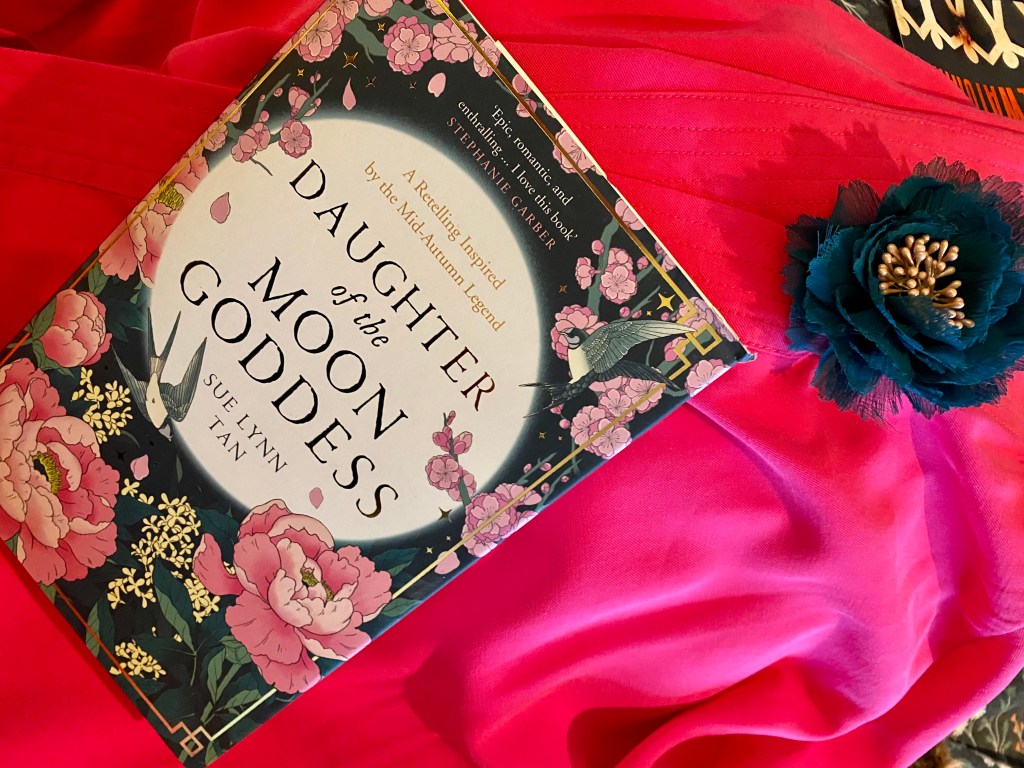

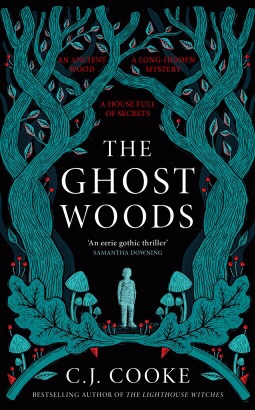



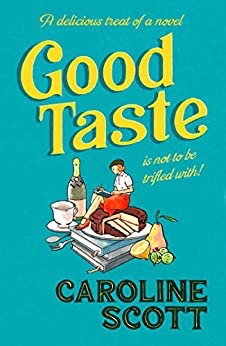

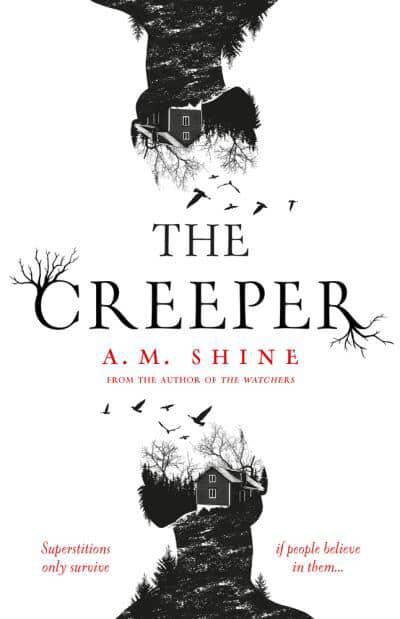

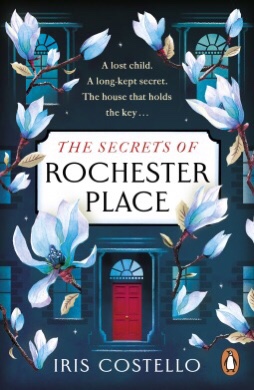


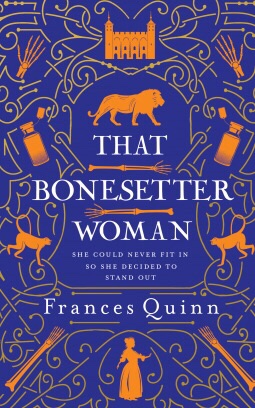

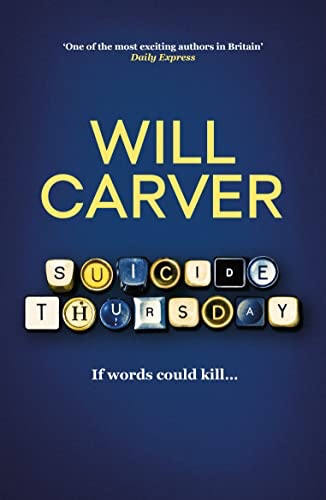
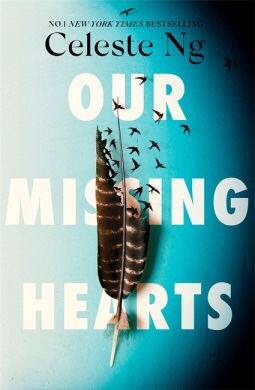


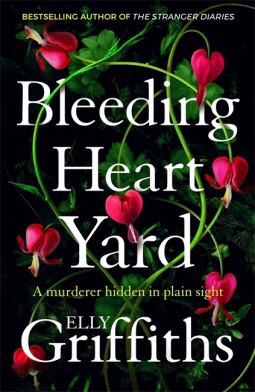
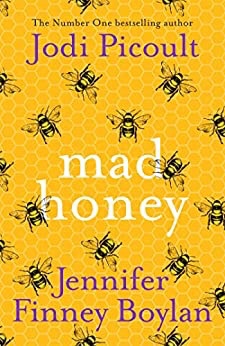



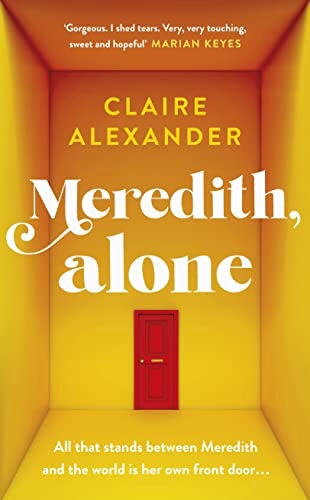


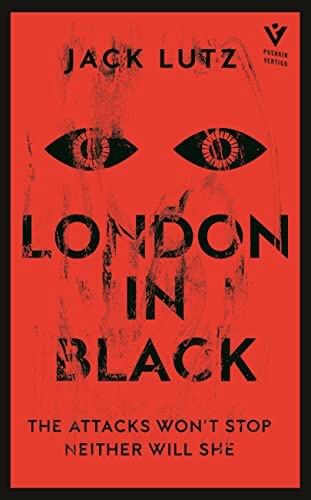








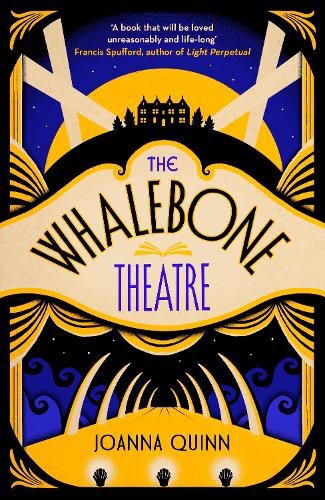
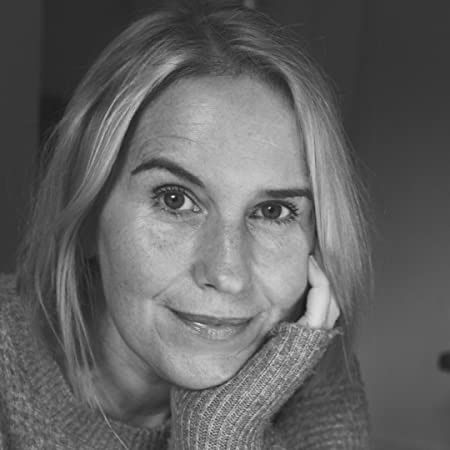
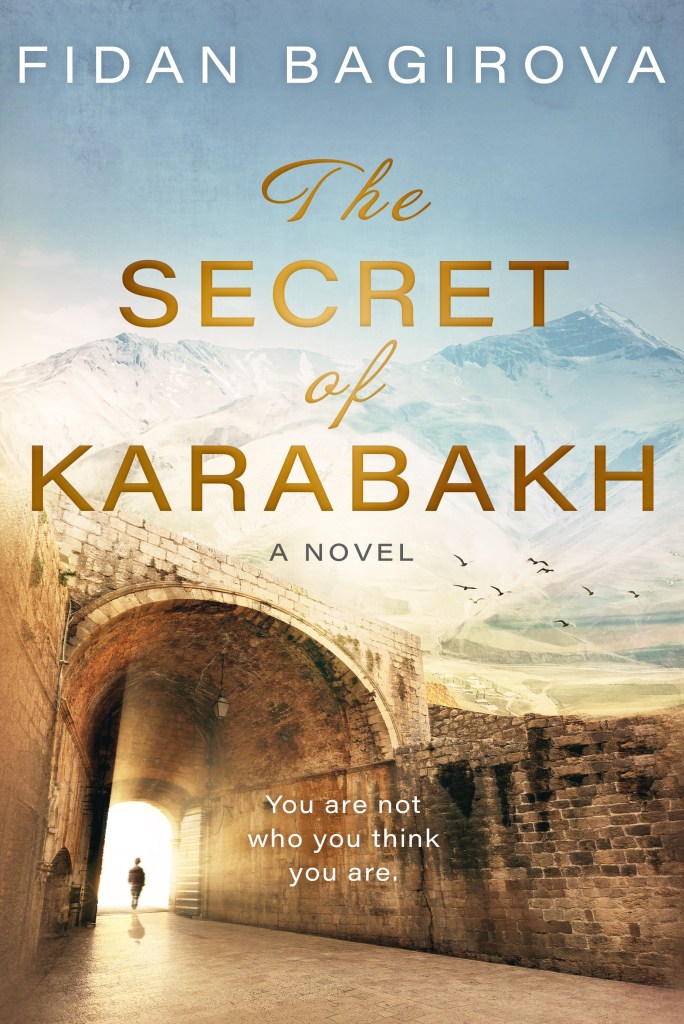


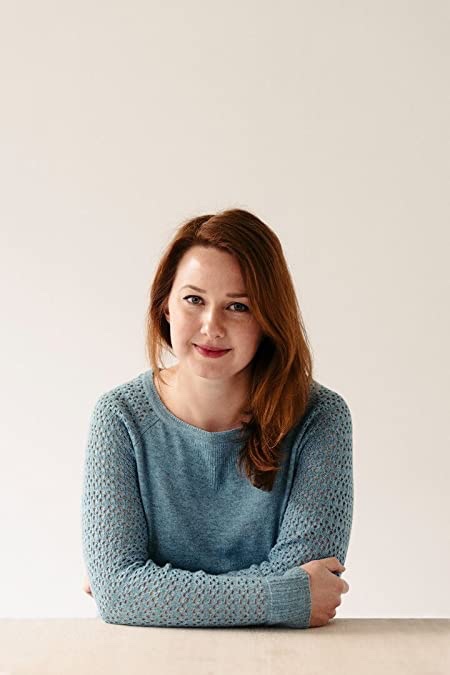
 The Lotus Readers