A lavish 70th birthday party. A body found on a storm-lashed beach. And a secret that someone is dying to tell…
Famed children’s author Dame Eleanor Kingman has summoned her family and friends to her exquisite manor house on the cliffs. They’re celebrating her birthday – and her latest number one bestseller in her series of books based on a mother fox and her cubs. But the night before the party, Eleanor receives an email: an email that threatens to expose the lie she’s kept up for over half a century.
Someone knows her secret. Is it her estranged literary agent? Is it her ex-husband, to whom she no longer speaks? Is it the nanny she fired all those years ago, who always did have a knack for storytelling? Or is it one of her three daughters, all of whom have a stake in the publishing empire she has built…
With a TV crew arriving to film a documentary of her life, Eleanor needs to find out who sent the email – and preserve her multimillion-pound career.
But when push comes to shove, and it’s time to tell the truth – will anyone actually believe her?
Eleanor Kingman is holding a huge 70th birthday party at her Cornish house that sits on the cliffs overlooking the sea. It’s a massive undertaking, even without the addition of a TV film crew who are filming the run up to the big day and interviewing Eleanor and her daughters. Her eldest two daughters have working roles alongside their mother. Gilly is her assistant, co-ordinating both the celebration and the TV crew. Rachel is her accountant, keeping track of the royalties and the spending. Her youngest, Delia will no doubt arrive early or late, she is a lifestyle influencer documenting her travels and the journey she’s taken as an addict. However, each daughter has her own secrets and the resentments between them and their mother threaten to boil over. There are hints of menace, such as the strange man who approaches Eleanor’s much loved spaniel Edith as she’s being walked by Rachel’s children. Then an older couple are seen trespassing on Eleanor’s land, claiming to have taken the wrong route while on a caravan holiday close by. There’s also the early arrival of her illustrator Ayisha, who has steeled herself to talk about her cut of the profits. Alone these things mean nothing, but Eleanor is jittery as the interview approaches and only she knows why. She has been receiving blackmail threats making it clear that they know her secret and are more than willing to expose her. Who are they coming from? What do they know? Eleanor doesn’t know if this is personal or about her work. However, she isn’t the only one in the family to have secrets. Each sister has something they’re hiding from their mother and each other. This night is really going to go off with a bang!
Eleanor is an interesting character and has a distinct style and way she presents herself. As she’s retiring to her room on the afternoon of the party she knows she needs to rest but thinks about what she needs to do ‘to reassemble herself with hair, make-up, fine jewellery, exquisite clothes. To reconstruct Dame Eleanor Kingham.’ It’s as if she is an actress with a role or that over the years people have developed an expectation of how a popular children’s author should appear. The party will be lavish but Rachel can testify that in other ways her mother does count the cost, even making sure food is used past it’s sell by date. There’s also the fact that she pays her daughters below market rate, in fact it could be said that she’s lavish with herself but not so much with others. This could go back to years of frugality as a young woman at university, then as wife of an author whose own ambitions have taken a back seat to his genius. The author gives us flashbacks to show Eleanor’s earlier life, including her writing at the kitchen table late at night, exhausted and wondering if her writing will ever be noticed. There’s a certain ruthlessness in her and a steely determination, in fact her first book had the vixen killing and eating a weak cub for her and other cubs survival. Her agent decided it was too grim a detail for a children’s story, no matter how accurate it might be in nature. This also tells us she is willing to bend or alter a narrative, if it allows her to succeed.
I felt particularly sorry for Gilly who is really working hard to keep things running well in the last few days, with very little credit or thanks. I was really glad there was a flirtation for her. With an attractive camera crew around and Ned the director being particularly handsome there’s certainly opportunity. Gilly is the little overlooked dormouse who scurries everywhere, quietly making everything happen. Rachel is in a world of trouble when her husband Tom finally tells her a secret he’s been keeping and she’s furious. He needs money, fast. Will Rachel be pushed into something unthinkable? I found Delia incredibly irritating! One of those influencers who always appears picture perfect, on a picturesque beach with pearls of wisdom for her thousands of followers. None of it is original and it’s borderline dishonest. She is sober at the moment, but has a gatecrasher coming for the party. Will the tension tip the balance for her? None of these people are particularly likeable, with Rachel’s husband being a candidate for a good slap at the very least – he made me furious. All of this will come crashing to a head on the big night and I was constantly second-guessing which would bring the author’s world crashing down or whether she’d manage to solve it all in her own inimitable style. This is a book that you won’t put down in those final chapters. Vaughan really is a master at drip feeding clues and reveals, keeping me hooked. It’s brilliantly paced, the characters and their dynamics are so complex. There’s also a cleverly created gap between professional personas and the real life person, whether it is a children’s author or an influencer. Honestly these characters are hard to like but there’s nothing like the schadenfreude of seeing some of them meeting their fate.
Out on 26th March from Simon and Schuster UK
Meet the Author
Sarah Vaughan read English at Oxford and spent eleven years at the Guardian as a news reporter and political correspondent, before leaving to write fiction. Her first two novels were followed by her first psychological thriller, Anatomy of a Scandal: a Sunday Times top five bestseller, Richard & Judy pick of the decade, and global number one Netflix adaptation starring Sienna Miller, Michelle Dockery and Rupert Friend. Her fourth novel, Little Disasters, was a Waterstones thriller of the month and developed as a number one Paramount Plus show. Her fifth novel, Reputation, was a Sunday Times thriller of the month and is currently in development by the team who made Anatomy of a Scandal. Based on a True Story is her sixth novel.
A million-copy international bestselling author, her books have been published in twenty-seven countries.
Ten years ago, Hope left Somerset with a fatal secret and a broken heart. She has spent a decade in the shadows, living a quiet life of penance to protect the man she once loved – the world-famous author Ambrose Glencourt.
YOUR LIFE IS NOT YOUR OWN.
Then, she opens his latest bestseller. To the world, it’s a brilliant work of fiction. To Hope, it’s a betrayal. Every private moment, every dark truth, and every ‘fatal disaster’ from that summer is laid bare on the page.
YOUR TRUTH IS A LIE.
But Ambrose has changed the ending. In his version of the story, Hope isn’t the victim. She’s the villain.
Now, Hope must step out of the shadows to reclaim her narrative. But in a world of glamorous elites and whispered secrets, who will believe the word of an unreliable woman against the word of a literary icon?
Two narrators. One truth. And a secret worth killing for.
I was blown away by Araminta Hall’s last novel, because of how bold and timely it was. I wondered whether she could write something that would capture the world as it is now, crazier and more disturbing by the week. Well it turns out she can. Hope Jenkins takes a job with author Ambrose Glencourt as his personal assistant at his home, Shadowlands. Rosie, as he likes to be called, described the shadowlands as a place of imagination. However, its other meaning gave me a sense of foreboding – a thin place, the hinterland between life and the next, place filled with ghosts and spirits. It made me wonder, was this a place where the line between the real and the imaginary is blurred? The setting is the archetypal bohemian mansion, showing a lot of wear and tear, but still beautiful with idyllic grounds. The sort of place where books and art are piled everywhere, but the dishwasher is held closed with cord and a wooden spoon. Hope is stunned by her surroundings, it’s nothing like her mum’s flat and Rosie’s wife Delia is a fragile beauty who was a model for the artist Siegel when she was younger. Again though, little things stayed in the mind. The way that they call their staff by their Christian names in front of visitors, but Mrs A and B in private seemed odd. Delia seemed very keen to downplay her own artistic ambitions, always saying it’s just a hobby when she has her own studio and Hope can see she’s very talented. Then there’s a painting – in Rosie’s study, amongst the bookshelves he has a nude painting of a very young Delia with her legs wide open. It makes Hope uncomfortable and and she wondered whether that was why he kept it so public, or whether he liked to make other men desire his wife?
I felt like Hope was dazzled by the Glencourts and the relationship seemed unequal. Whereas staff seemed to stay in the garden and kitchen, Hope and another guest at the house eat and socialise with the couple. Tom is introduced as someone who Delia has worked with when teaching pottery at an outreach for addicts. He and Hope have afternoons to spend together when Rosie has finished working for the day and it’s clear there’s chemistry. Yet I wondered why had Rosie and Delia taken Tom in and what exactly is the nature of their relationship? Is he as taken in as Hope is by this bohemian utopia? Perhaps not, as he discloses more secrets about the couple and explains:
‘I’m not sure Rosie means everything he says, I think it’s more that he entertains himself by making people feel uncomfortable.”
Little unexpected touches and comments made me uneasy about Rosie and there’s a very uncomfortable dinner scene that made me feel sick and awkward. Rosie’s dinner guests became horribly familiar, men who think their sex and status gives them licence to manipulate and bully others. We can feel the pressure of that summer building as the heat rises and I was utterly absorbed by it.
Then we’re taken ten years later and Hope wants to make a statement to the police. We meet our narrator Nat, a young detective trying to get through her day and get home to her wife and kids on time. Nat is our narrator, coming into this ten year old world in our stead and trying to work out whether Hope is just a crank or a mad fan. However, there’s something about this Hope, a strange, sad lady and her journal, from a summer ten years before that catches her attention. This is an utterly different Hope, in fact she’s a woman transformed from that dreamy girl who fell in love with a lifestyle so far from her own. Now she’s working in a school office and doesn’t appear to be looking after herself. She returned home that summer in a state of delirium and shock and it looks like her life hasn’t recovered, although underneath the exterior there’s still a nurturing instinct and an ability to identify victims of abuse. She’s alerted by news of Ambrose Glencourt’s long awaited sequel to The Ruined Girl, his most famous and celebrated novel. Hope buys the first novel and as she reads she becomes more and more angry. This is Rosie’s version of that summer’s events written down for all the world to read and the character based on Hope is definitely the villain of the piece. He has taken the truth and twisted it. The only thing Hope has is her journal and as Nat reads Hope’s journal she does start to wonder whether there’s some truth in this? She’s experienced manipulation and abuse and something about this presses that trigger. She decides to visit Shadowlands for herself and meet the Glencourts, because even if Hope is mistaken about what ended her work with Rosie, something at Shadowlands feels wrong.
The structure is so complex, playing with stories and asking questions about how they’re told and who gets to tell them. Rosie made my flesh crawl a little, with the arrogant assumption that he can feast on anything to fuel his imagination and continue the important business of making literary art – there’s no downgrading his talent, unlike Delia’s. I really felt how much easier it is to work as a writer when you have money to support you and a mansion to live in. He discards all distractions, even those he’s created himself. I didn’t like his friends either and their little games, enjoying their ability to make someone much younger uncomfortable. Hope wants to be like him, to be able to “make language work that way as if it belonged to me”. What she didn’t realise back then was that there’s no one way to write, because each unique voice is just as valid. It just that certain voices are more likely to be heard because they follow the established narrative. Hopefully, we don’t have to sound like rich, middle aged white men any more. Hope has seen through the shiny exterior of Shadowlands and knows they’ll look down on Nat with her cheap suit and London accent. But could Rosie’s assumption of superiority be his downfall? This book sits perfectly alongside the #MeToo movement and the Epstein Files in that it’s a world operating on the assumption of silence. Hope isn’t silent any longer. Incredibly tense, twisty and timely, I was utterly under its spell from the first few pages. Ambrose Glencourt claimsthat in fiction “it’s much easier to blow a body apart than put it back together again.” For Hope’s sake I read this voraciously, full of rage and with everything crossed that Araminta Hall could do what Ambrose Glencourt couldn’t.
Out March 5th from MacMillan
Meet the Author
Araminta Hall has worked as a writer, journalist and teacher. Her first novel, Everything & Nothing, was published in 2011 and became a Richard & Judy read that year. Her second, Dot, was published in 2013.
She teaches creative writing at New Writing South in Brighton, where she lives with her husband and three children.
Araminta Hall’s novel Imperfect Women has been adapted for television by AppleTV starring Elizabeth Moss and Kerry Washington
A killer is hunting Auckland’s homeless. No one cares. No one but Max. These are his people.
Max Grimes is homeless, living on the streets of Auckland – among the forgotten, the invisible. But now someone is hunting the homeless, killing them one by one. No one cares. Except Max.
Trying to put his shattered life back together, Max is pulled into a deadly game when a face from his past reappears, reopening wounds he thought were long buried.
As whispers of a Grim Reaper spread terror through the city, Max must race against time – not only to find the killer, but to outrun the ghosts chasing him.
Because if he fails, he’ll be next.
I thoroughly enjoyed spending time with Max Grimes again, back on the streets of Auckland where he was once a detective and is now homeless, although has at least found shelter in a building under renovation. I was also utterly absorbed by this story, that goes to unexpected places as Max tries to find a killer, before the killer finds him. The plot is so well constructed, with a blend of the personal and professional aspects of Max’s life becoming dangerously interlinked as a killer stalks street sleepers in the city centre district. It immediately made me angry that someone would prey on such vulnerable people, but not a surprise in the current climate where the vulnerable seem to be easy prey for everyone to comment on and abuse. I’ve seen the rise of ableism over the last year or two, which has become toxic to any person with a disability, asylum seekers or anyone perceived to be problematic for society on social media. Working my whole life in mental health, I know the complexities that combine to leave someone where Max Grimes is. In his case a daughter addicted to crystal meth and a boyfriend who cut her throat while high on the same poison. Lives break down for a multitude of reasons, but usually loss and abuse of some sort has contributed to the mental health crises that I would deal with. Particularly long term users of the mental health team services and high up on my priorities is to keep someone in their home by helping maintain finances and hold on to their tenancy. Sadly, with all the will in the world, this does not work and people would become vulnerable, homeless and prey to anyone looking for people to manipulate and harm. So I found myself asking: is this killer simply preying on those who are vulnerable because they’re seen as easy targets or is this killer trying to make a point?
Despite having left his job behind a long time ago, Max is still a police officer at heart. He gets up early and walks a set ‘beat’ through the streets, checking on those he knows or believes to be struggling. It’s no surprise that he’s one step ahead of the police when it comes to adding these deaths up and asking questions, approaching fellow detective Meredith when he thinks something is ‘off’. Detectives don’t necessarily have a specific patch, they work cases not streets, so the deaths of a couple of homeless people in a cold snap wouldn’t even cross their desk. By the second death Max is sure something is wrong. What he finds most troubling is that it’s someone who mentions the killer as the Reaper who is next to die. As he walks his usual path the next day he makes a note of who talks about a serial killer and plans to keep an eye on them. Meredith gets her boss to agree to treat the third death as a crime scene and if there’s anything to suggest murder, then the previous two bodies will be examined. The questions are mounting up for both Meredith and Max. People who live on the streets are suspicious and vigilant, so how is the killer getting close to their victims? How is he circumventing that natural mistrust of others that he knows the victims would have had? In between his investigations, Max’s past creeps up on him quite literally in the library where he spends the morning in the warmth reading the news and using the internet. Shane McFarlane is the last person he wants to talk to, since his son killed Max’s daughter he’s avoided him at all costs. It makes Max feel vulnerable that he finds him so easily, maybe a wake up call that his own vigilance needs to be stepped up. He asks Max if he’ll work as a private investigator for him and find the man who supplied the meth to his son. Max certainly could do this and he feels empathy for McFarlane’s anger towards the dealer, but can he work alongside this man in exacting revenge?
I love how Vanda Symon writes her characters, because whether it’s Meredith or Max we’re straight into their inner lives and how they see the world they live in. She doesn’t do superfluous description of character or appearance, she simply lets them live their lives and think their thoughts and leaves everything else up to the reader. Even when it comes to the short chapters narrated by the Reaper she sticks to this inner world, so when the clues start to add up for Meredith and she realises something about him we’re as surprised as she is. It also adds another layer of grey to this world when we realise the reasons behind the Reaper’s eventual plan. The author also weaves in the politics of the city and this time by alluding to gentrification, historic abuse and the Mayor’s plans for removing the homeless from the centre of Auckland. At a press conference he talks about homeless people as if they are vermin, suggesting that the case gives them an opportunity to remove this group of people from harm, while also stopping them from harming the city. I loved Meredith’s urge to shut his mouth for him and how her experience of his wandering hands at a party ties into worldwide events such as the Epstein files, not mentioned by name but certainly in Meredith’s experiences and thoughts. She laments that women in public life are held to different standards to men and get the lion’s share of abuse with appalling misogyny the norm on social media. She refers to ‘Teflon’ men ‘and they had all been men. Narcissists and psychopaths who believed they were untouchable, above the law.’ She also laments the keyboard warriors in local papers making comments about putting the killer on the city payroll and congratulating him for moving these bums off the streets, dehumanising the victims completely. Her relationship with Max shows she doesn’t think like this, she respects him and his investigative skills. When he’s badly beaten she’s desperately concerned and when suspicion starts to fall in his direction she has some very hard choices to make. I wondered whether this might be the end of their friendship?
Vanda has written another brilliant thriller here, full of clever clues and reveals. However, her incredible empathy and compassion for a vulnerable section of society means the victims are not just sensationalism or a means of moving the plot forward. Max makes sure that we know about these victims and that their deaths are investigated with the same vigour as any other member of society. I felt like this case really is make or break for the trust between Max and Meredith and I hoped that even when the only choice was to bring Max in for questioning, they would find a way of working together to uncover the truth. By this point in the book I couldn’t put it down because I was so desperate for the evidence to be wrong and the tension was unbearable. This is not a black or white, right or wrong type of story either. The author brings out all the shades of grey in her characters, making sure we remember that human beings are complicated and when lives go off the rails there’s always a story behind it, whether it is a personal grief or loss, abuse or mental heath crisis. After all, whether a police officer, killer, or victim we all have a back story.
Out March 18th from Orenda Books
Meet the Author
Vanda Symon lives in Dunedin, New Zealand. As well as being a crime writer, she has a PhD in science communication and is a researcher at the Centre for Pacific Health at the University of Otago. Overkill was shortlisted for the 2019 CWA John Creasey Debut Dagger Award and she is a three-time finalist for the Ngaio Marsh Award for Best Crime Novel for her critically acclaimed Sam Shephard series. Vanda produces and hosts ‘Write On’, a monthly radio show focusing on the world of books at Otago Access Radio. When she isn’t working or writing, Vanda can be found in the garden, or on the business end of a fencing foil.
It is a summer day unlike any other Margaret has ever known.
The Smith family have left the town where they live and work and go to school and come to a place where the sky is blue, the sand is white, and the sound of the sea surrounds them. An ordinary family discovering the joy of getting away for the first time.
Over the course of the coming decades, they will be transformed through their holiday experiences, each new destination a backdrop as the family grows and changes, love stories begin and end — and secrets are revealed.
Getting Away takes us into the lives and the secrets of four generations of the Smith family, through their holidays. From an east coast beach in the UK just after the war to the early 21st Century, Maggie is central to this, moving from childhood to old age. Through each character in the novel, the author creates snapshots of the century from Maggie’s father Jim and his war injuries to an renewed openness about individual sexuality and her brother Tommy having to police the first Pride in London. He’s worried about the lads at work and their response, he’s not keen either but change is the only constant. We can also see the huge changes in social mobility across the generations. We start with Jim and Betty and their daughter Maggie just affording a day at the beach with a picnic brought from home. Later, Maggie’s brother Tommy and his wife Debbie buy an apartment in Spain and then her granddaughter Melissa is the first in the family to go ‘travelling’ as a young woman as opposed to having a holiday. The shifts are seismic when seen together like this and it made me realise that my own grandchildren will look at me and my husband and realise we were born in the last century. Just like I did with my grandma who was born in 1913, they’ll probably imagine all the changes we’ve seen in that time. That’s what reading this felt like, as morals, finances and our ability to connect with others changes beyond recognition. When Robert takes a holiday with his friend Fitz while Susan is pregnant, they have to send a telegram to one of his destinations to get him to come home urgently. By the next generation, Melissa is island hopping around Asia and keeps them all updated via Instagram and her blog. What is amazing about Kate Sawyer is this doesn’t feel contrived and all these things in the background are just that, because the real drama is happening within this family and the secrets each generation keeps from the next.
Maggie is at the centre though and hers is the most carefully guarded secret. I loved how she and her mother Betty slowly grew to understand each other, but also how one secret breeds another. Her husband Alec knows Maggie is vulnerable when he meets her on a break with her friends, but he’s looking for a wife who won’t make demands and will be happy to travel around the world for his job buying fabric. He is a protector and he remains that way throughout her life, although things do change within their marriage. Maggie has panic attacks near the sea, although her friends don’t know why. We know something happened on a day by the sea when the Americans from Jim’s work travelled with them, but she keeps the secret for decades. However, she isn’t the only one with a huge secret. Maggie’s brothers couldn’t be more different. Tommy comes across as very brash and often drunk, very proud of how well he’s doing at work and happy to splash the cash around. Robert is the baby of the three and a lot more sensitive than his brother. I rooted for him and his girlfriend Susan who he’s desperately in love with. As secrets start to come out their relationship suffers, but I was sure they’d never stopped loving each other. Their children are the final generation we get to know, but it felt like Robert was impacted most by decisions made about his life, even though it was a common choice in that situation. I love how this author writes about her character’s inner lives, she even makes me root for people when their behaviour isn’t great. Once I’m a few chapters in these are real people and I’m feeling every one of their emotions.
Having once had a spectacularly bad holiday with my lovely family I was amazed that they all persevered over years. There are all those little details about each character and how they irritate each other. When they undertake a trip to Florence with Maggie, Betty is exhausted and the others are bored. Maggie likes to stride about the city while her husband Alec is working, sight-seeing and learning about art, architecture and the local food. With all good intentions she wants to make sure those she loves get the most out of being here, but everyone else wants some shade and a cold drink. Tommy is more of a drink by the pool and English food sort of person, it’s clear he has a drinking problem and it doesn’t help his temper. Bringing us into the 21st Century, I loved how Joe and his husband Piotr’s daughter Maja has travelled all over the world when she’s only a toddler. This family have gone from greenhouse tomatoes by the North Sea to being more like the Americans who visited Jim and Betty and scoffed at how backward the British seemed. They also go through every complicated situation a family can, with secrets, affairs, divorce, violence and the addition of those who become ‘found family” like Robert’s lifelong friend Fitz and his daughter. I loved that their friendship survived huge upheaval and betrayal, and that it happened on a holiday pilgrimage. I particularly enjoyed Maggie’s solo holiday after her divorce and her sexual adventure, beautifully written and much needed in order to heal from the past and claim her future as a desirable woman. Maggie’s favourite book is A Room With a View so she felt like a kindred spirit and the passion in that book obviously appealed to this woman who had to reach middle-age before desire was a priority. I loved that this family kept its in-laws close, even after divorce and we can see that as everyone comes together for Joe’s wedding. I became utterly absorbed by this family, so much so I felt like I’d seen one of them as a client. It emphasises the secret complexity of everyday lives and made we think about the fascinating narratives in both sides of my own families. The ending felt like the best one we can ever hope for, which is a family taking time and trying to heal together.
Out now from Zaffre Books
Meet the Author
Kate was born in Bury St Edmunds, Suffolk, UK where she grew up in the countryside as the eldest of four siblings, after briefly living with her parents in Qatar and the Netherlands.
Kate Sawyer worked as an actor and producer before turning her hand to fiction. She has previously written for theatre and short-film.
Having lived in South London for the best part of two decades with brief stints in the Australia and the USA she recently returned to East Anglia to have her first child as a solo mother by choice.
Rachel (Rocky) is seemingly living her best life as the irreverent, funny beating heart of her family. Her ageing father is his unique, adorable self; daughter Willa is prone to bouts of existential angst whilst berating the fact that her mother has zero filter; husband Nick is steady, logical, sometimes infuriating.
They are messy, they are flawed, they are completely, ridiculously normal.
And like most normal people, Rocky worries about what might happen next. So when a former classmate of her son Jamie dies in a seemingly random accident, Rocky becomes obsessed.
For if accidents can happen – and they do – is it truly safe to love anyone?
Fresh, honest, laugh out loud funny and genuinely relatable, WRECK follows Rocky and her family through one rollercoaster year as they negotiate the unpredictable and beautiful messiness of life.
I don’t know how Catherine Newman does it, but I feel so at home with Rocky as if she’s a really close friend who you can tell anything to. After Sandwich, we meet the family at home, getting over Grandma’s death and getting back into the swing of life. Rocky’s dad has been living in their outside shed since his wife died and daughter Willa is also at home. Newman lets us live alongside these characters as part of the family and I adore their humour and their warm, chaotic household – not to mention their food always sounds incredible. Rocky is a freelance writer and doesn’t have regular work coming in, so when a young man is killed in his car on the nearby railway crossing she becomes fixated on what happened. If anything Rocky is over empathetic, she can’t stop thinking about how devastated his family must be and trying to work out how it happened. Meanwhile, a strange rash appears on her shoulder and while she’s having a check on sun damage her dermatologist suggests they look into it. This turns out to be a good call as it begins to appear elsewhere on her body. A biopsy of the skin and some bloods should solve the mystery but it becomes a deep rabbit hole with many frightening possibilities.
I am not overstating when I say this book could save my life! As Rocky’s symptoms started to mount I kept reading bits out to my husband and looking up the terms, wondering if somehow the author had magical access to my medical records. I identified so strongly with this story of living while unwell because this has been the last eighteen months of my life. I had two breaks in my spine as a child causing issues with pain and the use of my right arm and shoulder. I was also diagnosed with multiple sclerosis at 21. However I have always had a collection of symptoms that didn’t fit with that diagnosis. With increasing arthritis in my lumbar and sacral spine my pain management consultant asked for a full body MRI. I couldn’t have prepared myself for the list of problems that unfolded. Not only did I have arthritis and impingement of peripheral nerves, I also had a narrowed spinal canal in places, potentially causing issues with my spinal cord. However, I also had a lesion in my spine, one in my spleen and several growths on my thyroid. All of these things are being dealt with by separate specialists, but Rocky’s story popped a little light bulb over my head. Surely I had to ask the question – what if all these issues are connected? I’ve already been told it’s likely I have Hashimoto’s disease and it’s being treated, but I’m having biopsies and I’ve asked to see an endocrinologist to flush out whether it’s one of diagnoses that Rocky is facing. I recognised the sudden feeling that your body is falling apart and is even working against you. I’ve felt that terrible fear that there’s a ticking time bomb somewhere in your body and almost becoming divorced from it. I could see that Rocky felt better when she did something physical such as going to a dance group or plunging into an icy lake, because her body works for her and becomes part of her again.
This author knows how it feels to be going through all the volatile changes of menopause, while simultaneously supporting young adult or teenage children and elderly parents. It’s a hell of a balancing act while getting used to a body that puts on weight where it never has before, thins all the things you want to be lustrous and thick and thickens all the bits that used to be slender. She captures what it’s like to feel invisible to most of the world, but the absolute beating heart of the home. The generation gap is also brilliantly portrayed when Rocky and Willa try to take grandad to a juice bar, his grumpiness giving the perfect edge this warm and nurturing family. While Rocky’s husband is like a little moon, constantly orbiting his wife and tending to those little things like cheesy nachos in bed. It’s interesting when this very liberal family have to cope with family members whose views are not like their own. Jamie and his wife Maya visit from New York for Thanksgiving and it’s clear their values are different, especially when Rocky makes a discovery about her son. He works for a company that consults for businesses, finding ways to make them more profitable and openly says to his mum that he just loves money. Even though she doesn’t agree, Rocky is never happier than when all her children are under her roof.
‘“Yayy, I say. All the kids back under my roof! When I send out my ESP stealth probe in the night to check on everybody, they’ll be in their proper beds”.
Mostly I love the emotion and atmosphere of this author’s novels. I live for a messy pile of books by the couch, usually with a pint mug of tea within reach and the dog and cats all quietly snoozing in their own places. That’s exactly what this family has, an untidy but welcoming house with cats everywhere and always gorgeous food on the go. It feels very conscious of the seasons too as summer turns to autumn and winter, with festivals like Halloween playing their part – I loved the moment when Rocky tries to do the trick or treat routine on the porch not realising the young woman is Willa’s date. Every festival is marked with excellent food, followed by a long tramp through the nearby woods and foraging for things. I always want to be part of their world and feel like I’ve lived with them for a while once the story ends. As my story continues I’m going to take a bit of Rocky’s dermatologist’s wisdom with me. When he gives his diagnosis Rocky is taken aback and he acknowledges her feelings but tempers it with some advice:
“Yikes, I said, and he said, ‘a little bit of yikes. You can visit with the fear but don’t hire a van and move there.”
Out Now from Doubleday
Meet the Author
Catherine Newman is the New York Times bestselling author of Sandwich and We All Want Impossible Things, which was also chosen for the Richard & Judy Book Club. She is also the author of the memoirs Catastrophic Happiness and Waiting for Birdy, and the bestselling children’s book How to be a Person. She is a regular contributor to the New York Times, O, The Oprah Magazine, Cup of Jo, and many other publications. She writes the Substack newsletter Crone Sandwich and lives in Amherst, Massachusetts, with her family.
To qualify that title I’d like to admit that I have far more must buy authors than ten, so this will come in two parts. I thought I’d share with you those authors I’ve been buying without even reading the blurb for years and how my interest started. These are authors I give shelf space to because only a real, solid book will do.
Unlike most people my first Alice Hoffman novel wasn’t Practical Magic and I’d never seen the film either. I was at university in the early 2000s as a mature student and I was reading a literary supplement one Sunday when I saw a review for her book Blackbird House, a collection of stories based around a farmhouse in Cape Cod. Each story builds a continuous narrative through the sense of this place and it’s residents from a lonely fisherman, to an orphan living with a disabled blacksmith and Violet who is a bookish farm girl raising a family through to the 1950s when her grandson brings his Jewish wife to the farm, having survived the Holocaust. From these stories we can see many of the themes that run through Hoffman’s work: magic realism, small towns, the Holocaust and women’s power. I followed this with Blue Diary, a very different tale of love and what we know about those closest to us. Now I pre-order as soon as I see a new book because I’ve never been completely disappointed by any of her work. I love her ability to weave magic into her tales, the lyrical and atmospheric way she creates a sense of place and the way she uses historical events. Here are my three favourites:
Blue Diary – a wife is stunned as her picture perfect life falls apart, when her husband is arrested for the murder of a young girl.
The Museum of Extraordinary Things – CoralieSardie wants to escape the Coney Island freak show where she grew up and performed as a mermaid for her tyrannical father.
The Marriage of Opposites – We’re whisked off to St. Thomas where a young woman embarks on a forbidden relationship and becomes mother to the impressionist painter Camille Pissaro.
My first Jodi Picoult was My Sister’s Keeper like a lot of other people. I read the book way before seeing the film and I was bowled over by how emotional I was about this little girl who didn’t want to be used as a donor for her elder sister anymore. Anna applies to the court for medical emancipation when she is told by her mother she will be donating a kidney to her sister Kate who has a form of leukaemia. I hated this mother who essentially neglects the emotional needs of her eldest and youngest children, because all of her attention is on keeping Kate alive. Anna was deliberately conceived as a donor, with her umbilical cord being used to harvest stem cells and for a while this works. Sadly Kate has relapses and while I was sad for her parents, I couldn’t believe the pressure being placed on this little girl as if her only use is as spare parts. The ending absolutely devastated me and I was so angry. While the novel has its faults I found myself unable to put it down and slowly I worked my way through everything else Jodi had written. Since her novel Nineteen Minutes I’ve been buying them as soon as they’re released. I’ve met Jodi on a couple of occasions and found her so friendly and willing to share her process and talk through the issues raised by her books, she now has the most banned novels in US school libraries because of those subjects. My favourites are:
Plain Truth – an Amish community is shocked when a baby is found dead in one of their barns bringing the outside into their closed community and accusations to one of their young women.
Small Great Things – what happens when a couple who are white supremacists come into a maternity ward but refuse to have black nurse Ruth deliver their baby?
By Any Other Name – an incredible book that poses the question of whether Shakespeare’s plays could have been written by a woman, but submitted by a man. In the present day a female playwright enters a competition with an ambiguous name that disguises her gender.
I borrowed Patrick Gale’s book Notes on an Exhibition from the library and became engrossed in this story about a Newlyn artist and her family, not to mention a secret they’ve been carrying for many years. I love reading about artists, which was why I picked the book up but I also loved the dynamic in the family and how their mother’s mental health affected the everyone. I then looked out for his novels when browsing bookshops and read The Cat Sanctuary, a novel about an a photographer and her novelist lover Judith who live on a remote part of Bodmin Moor. When carrying out an assignment in Africa, Joanna meets Judith’s sister Deborah who is newly bereaved. She brings Deborah back to Bodmin and unleashes an emotional nightmare. I love how he constructs these deeply unhappy or flawed characters, showing us their layers and the reasons why they act as they do. I also enjoy the tension between his characters who live an alternative lifestyle and a society that isn’t very accepting. Having met criticism about his writing of women early in his career, I believe he has deliberately written from a female perspective and I enjoy the way he writes women. My favourites are:
Notes on an Exhibition – Artist Rachel Kelly struggles with bi-polar disorder, having deeply creative manic episodes followed by deep lows. It’s a pattern that affects the whole family and when she dies she leaves a legacy of art and family secrets.
A Perfectly Good Man – 20 year old Lenny Barnes is paralysed in a rugby accident and makes the decision to end his life, in the presence of priest Barnaby Johnson. His death sets in motion a chain of events that lead us to explore what makes a ‘good’ man.
A Place Called Winter – Harry Cane is a husband, father and pillar of the community so when a love affair threatens that existence and potentially brings the police to his door he makes a decision. Abandoning his wife and child he signs up for the pioneer life in Canada.
My mum leant me Charity Norman’s 2012 novel After the Fall which I think might have been an Oprah book club pick that follows the aftermath of an accident in a family home. The Macnamara family live in a remote area of New Zealand on a farm and disaster unfolds one night when the five year old son Finn has a fall. He has fallen from the first floor verandah and has life threatening injuries, having to be airlifted to hospital. His mother Martha, explains to paramedics that he had a fall while sleepwalking, but when she arrives at the hospital she’s hit with a lot of questions she wasn’t expecting. Questions she isn’t prepared to answer. As the novel takes us back in time, we see that when they moved to this remote east coast of the North Island, it came to mean different things for each family member. For 16 year old Sacha it was the beginning of a nightmare that would drag in her whole family. I loved the psychology of the family members, their dynamics and how by trying to keep everyone safe and together, terrible things can happen. I talked about it with my sister-in-law who lives in that part of New Zealand and I’ve read every one of her novels since. A little like Jodi Picoult, Charity Norman writes about families and a societal issue they’re facing. Over the years she’s explored grandparents having to deal with the man who killed their daughter wanting to see his children, a family man who believes he’s transgender and how family members can be radicalise by a cult or the internet. She likes to mix people from very different backgrounds and put them in tough situations or show how a family deal with long held secrets. Her writing evokes so many emotions and my favourites are:
The Son-in-Law – Hannah and Frederick are grandparents bringing up their three grandchildren. They witnessed their father Joseph kill their mother and he is about to be released from prison. Joseph lost everything that day, all he has left are his children who he’s not allowed to see. How will the family cope when their ordered lives are disturbed by the legal implications of their father’s release?
Remember Me – Emily returns to New Zealand to care for her father who has been diagnosed with dementia. As she tries to support him, so many memories of this place come back to her, including the disappearance of neighbour Leah Patrick who never came home from a hike.
Home Truths – Livia and Scott have a great life, good jobs and a nice home in Yorkshire with their two children. When Scott’s brother dies he desperately looks for someone to blame, falling down a rabbit hole of internet chat rooms, alternative medicine and conspiracy theories.
As regular readers will know I love a spooky gothic novel and Laura Purcell is an absolute master of the genre. I picked up her book The Silent Companions when it first came out, simply from reading the blurb in a bookshop. I love historical fiction and I also have a love of ghost stories. I do love horror, as you will see below I became a teenage fan of Stephen King, but I prefer it to be psychological and a slow creeping sensation rather than jump scares and blood. For example I love the short ghost stories of Susan Hill because they are atmospheric, ambiguous and unsettling. I fell in love as soon as I read this first Purcell novel which opens with Elsie Bainbridge in custody and awaiting her execution after burning down her house and being the only survivor. She is now mute, but a doctor at the prison suggests she write her story and we follow that narrative. We realise she was widowed and pregnant when she inherited the estate from her husband and was then in charge of the remaining servants and a diary from the 1600s written by an ancestor called Anne. Each narrative is fascinating and incredibly creepy. I had never come across the concept of silent companions before, but since I’m scared of masks, waxworks and ventriloquists dummies they were definitely perfect nightmare fodder. I have pre-ordered every book since and she doesn’t disappoint.
The Silent Companions
Bone China – Louisa Pinecroft’s family has been wiped out by TB, but her father believes he can benefit the symptoms with sea air and conducts an experiment. At his Cornish home Morvoren, he houses prisoners with the conditions on the cliffs believing it will cure them. Years later, nurse Hester Why is engaged to work at Morvoren House to look after the now mute and paralysed Miss Pinecroft but she struggles to settle in this strange house with it’s strange servants and odd rituals.
The Shape of Darkness – Agnes is a silhouette artist struggling to make ends meet in Victorian Bath. When one of her clients is killed after leaving her house, then another, she engages a child who is a medium to root out their killers.
I LOVE this incredible author and she is quite a recent addition to my must buy list, but her books are just so strong. She writes stories about women, often facing huge changes in life who are touched by something supernatural. My first encounter was her second novel, The Lighthouse Witches, and I chose it after the reading the blurb on NetGalley. I was absolutely hooked. In a remote coastal area of Scotland stands a lighthouse where Liv moves with her two daughters. They’re warned by locals that this place was used for burning accused witches and might be cursed. However, Liv doesn’t believe in curses or witches for that matter. There is a strange, neglected child who turns up from time to time at the cottage and the lighthouse does have a strange energy, but Liv throws herself into her painting and pays it no mind. Yet only months later, her daughter Luna is the only one left. Twenty years later, Luna sister turns up out of the blue like nothing happened all those years ago. In fact she hasn’t aged or changed in any way. This is an extraordinary story, full of atmosphere and touching on the history of witches as well as other, strange and far-fetched tales. I went back and read her debut The Nesting and knew this author was for me. Each book is its own story and my favourite three are:
The Haunting in the Arctic – In 1901 a woman wakes aboard ship, stolen away by crew looking for entertainment on their journey. Decades later the Ormen is a wreck and the only body aboard is mutilated and his cabin locked from the inside. In the present, urban explorer Dominique is travelling to the tip of Iceland to the resting place of the Ormen. However she won’t be exploring alone. Something is with her and it wants revenge.
The Lighthouse Witches
The Last Witch – Innsbruck in 1485 and wealthy wife Helena is keeping house and looking after the children, but when the family’s footman dies she finds herself accused of murder and being a witch. Imprisoned with six women, they use a witch’s totem to ask for help and unleash a spirit that may be more dangerous than their original fate.
I was loaned two historical fiction books by a friend back in the late 1990s, one being Katherine by Anya Seton which is a well known novel about a woman who lived in our area of Lincolnshire and became Queen, the second was a Phillipa Gregory book called The Wise Woman. There were some similarities in that our main character Alys was in love with a feudal Lord, far above her in status very like Katherine and John of Gaunt. Alys is left with nothing but her cunning and magical abilities when the nunnery she’s been sheltering in is destroyed by Thomas Cromwell’s soldiers and its funds diverted to Henry VIII’s treasury. When she falls in love she has to tread a very fine line, her powers will always be in demand but if her magic doesn’t bring the answers those in power want, she’s immediately in danger. Then her only choice will be between the fire and the rope. I found this gripping and being fascinated by the Tudors all my life I soon became drawn in to her Tudor series. Then her ‘cousins war’ series began and I started to learn even more about incredible women who have ended up in our Royal ancestry. Weirdly, after years of reading so much on these two adjoining periods, my mother started to research our ancestry and found we were related to Jacquetta of Luxembourg. Jacquetta is known as matriarch of the Woodville family and was the mother of Elizabeth Woodville who married Edward IV and grandmother to Elizabeth of York who was the mother of Henry VIII. it made me wonder if we’re drawn to certain things for a reason or whether, like Jacquetta, there is a little touch of witchery in us. It’s so hard to pick only three books but here are my favourites.
The Virgin’s Lover focuses on the relationship between Queen Elizabeth I and Robert Dudley, often misrepresented in films about Elizabeth. They were friends when she was a princess in exile, but now she is on the throne of England. Her advisors say she must marry. Robert Dudley is a powerful man and has quickly become the Queen’s favourite, but he isn’t welcomed by everyone and her closest advisor Robert Cecil views him as a problem. No courtier wants to be usurped by another, so maybe a foreign prince would be better? Elizabeth must put her kingdom first.
The White Queen is the story of Elizabeth Woodville who catches the eye of the future Edward IVwhile welcoming his army back from battle. They marry in secret, as Elizabeth’s lowly status and widowhood mean she wouldn’t be his advisor’s choice. Her beauty is captivating and we follow her rollercoaster of a life after Edward’s death as different factions war over the throne and her two sons are imprisoned and disappear from the Tower of London – a mystery unsolved to this day.
The White Princess follows Edward IV’s eldest daughter Elizabeth who has a difficult childhood often spent in sanctuary under Westminster. She is invited to court by her uncle Richard III and goes on to marry his conqueror Henry Tudor as a way of bringing the houses of Lancaster and York together. It’s an uneasy reign, but her second son is crowned Henry VIII.
I’ve been reading Stephen King ever since I was a teenager. For a few summers my friend Cindy and me would spend some of our summer holiday in the Yorkshire Dales having time with her dad, his wife and her five year old half brother. I remember being so excited when I was 18 and drove us there in my own car for the first time. We’re both from the country so would spend our time wandering around the countryside with her dad’s dogs, visiting the pig farms where he worked and watching films or reading in the garden. It’s the only house where I ever had a genuine supernatural experience and it scared us out of our wits! I swear Cindy levitated off the floor onto the couch. Her step mum loved horror and while I don’t like gore, I do love a good ghost story. She would lend me Dean Koontz and James Herbert, but I fell in love with Stephen King. His writing was mesmerising and when I returned home I visited a second hand bookshop at our local antique centre to build my collection. I couldn’t believe how prolific he was and years later he’s still writing at an incredible rate. My first of his novels was Salem’s Lot and I thought it was a great modern vampire story – it made sense that a vampire would work with antiques. What’s so exciting about King is that he’s so prolific I haven’t yet read everything he’s written, so I have a few sitting on the bookshelves I can delve into when I have the time. My favourites are:
The Shining – Jack Torrance is a recovering alcoholic struggling to write and takes a job as the winter caretaker of The Overlook Hotel. Once Mr Halloran has shown them the ropes it will be Jack, his wife and son Danny who has ‘the shine’ a psychic ability that’s very powerful. They’re alone in this isolated place so who are the twin girls standing in the corridor, or the people in masks going up and down in the lift and the woman in 217 – utterly terrifying. As Jack is drawn further in by the hotel and drink, can Danny use his shine to save them all?
Misery – one of the oddest things about this book is the accident King had not long after it was published, a car wreck in the snow that left him in the same position as Paul Sheldon. Paul had killed off his long term character Misery Chastain and he’s ecstatic, but Annie Wilkes isn’t. When Paul wakes up unable to move in Annie’s home, she’s very angry with him. She suggests that Paul write another Misery book and if he’s good, she’ll nurse him and keep him alive.
ITis a problematic novel but I have to admit I found it utterly terrifying when I first read it. Pennywise the clown has stayed with me forever and I don’t like circuses, clown masks or dummies. In Derry, Maine a group of children will have to battle a terrible evil. Bill’s brother is dragged into the sewer by a clown who has a red balloon as a calling card. Years later the whole gang must return and battle IT one last time.
Like most people I came to Joanne’s work when Chocolat came out and I borrowed it from the library after reading the blurb. I love the mix of food, magic and Vianne who is one of my favourite characters in fiction. That first book felt like a beautiful gift and I didn’t want to leave her world. Vianne is a strong and determined woman who uses her skills to add a little bit of spice to life and of course that magic is sprinkled into her confections. Her shop is like a warm hug, where there is always someone to talk to and a sweet treat to have alongside your coffee or hot chocolate. Vianne’s gift means she knows everyone’s favourites and she becomes the village’s therapist soon knowing all their secrets and troubles. The only person she can’t draw in with her beautiful window displays is the village priest, a born ascetic who hates watching Vianne bewitch his congregation by giving them what they crave. With Easter not far away, the battle lines are drawn. It’s no surprise that my favourites are all from this series, although I do have all her other titles too. I reread these books regularly and I think that’s the sort of book that should have shelf space.
Chocolat
Vianne – Sylvianne Rochas has just lost her mum and the wind blows her to the seaside town of Marseille where she finds a job in a local bistrot, with a room above. She convinces the owner to let her cook, using his late wife’s recipe book. When a new friend teaches her to make chocolates, she adds a whisper of chocolate spices to the recipes. However, she knows this isn’t forever, she has a few months till her child is born then she’ll be on her way again…
The Strawberry Thief- Vianne has settled in her chocolate shop but the winds of change blow frequently here. When the owner of the florist shop across from Vianne’s dies suddenly, he leaves a parcel of land to her youngest daughter Rosette and a confession to Reynaud, the priest. A new shop will open up in place of the florist, a mirror to Vianne’s and perhaps a challenge of sorts?
I had to mention a crime series here because they’re often the series we end up collecting and I promise you I do have many other crime authors I follow avidly. Back in 2012 I bought my first house and lived alone for the first time in my life. It was following a bad break up and I was looking forward to having my own peaceful little haven. I bought a little barn conversion in a village that was a dead end, cut off by the river. I soon realised this was a fascinating village of friendly and eccentric people who really made me feel welcome. Not long after I arrived, an elderly lady and her daughter moved in across the road and because both me and the mum had health problems we were at home a lot. Jane called me over not long after they moved in to go through their books. They’d had shelves built in the new conservatory and both of them had a huge collection, so they were letting go of any extra copies. She guided me towards Elly Griffiths and I became a huge fan almost instantly. I fell utterly in love with archaeologist Ruth Galloway – who I imagine as a red haired Ruth Jones – because she’s most definitely the sort of woman I’d love to be friends with. She’s intelligent and well read and has that slightly dishevelled feel of a woman who knows her brain and her soul are the most important parts of her. She’s a little overweight and her hair never does what she wants it to. I can definitely relate. Her work and all of the history behind it is fascinating and has lead her to friends like Cathbad, the local druid and medicine man. Each case has its own twists and tension, often taking in local Norfolk history. Then there’s Ruth’s personal life running alongside and her incredible chemistry with DI Nelson who I imagine as Phillip Glenister. I love Ruth’s isolated home on the salt flats, always looking out to sea and giving her the peace and quiet she craves. The series has now ended and I will miss Ruth because she has slowly become part of my life for the past 14 years.
The Crossing Places – the first in the series has Ruth called in when a child’s bones are found on the Norfolk coast. Could they be the bones of a child who went missing ten years ago or are they much older. DCI Nelson has received cryptic anonymous letters ever since that ten year old case, could this find bring closure? When another child goes missing Ruth may have to face the fact she’s in danger.
The Night Hawks – Night Hawks are a group of detectorists who comb Norfolk beaches for treasure, but this time they’ve found a body. Ruth is interested in the treasure – a hoard of Bronze Age weapons – but Nelson wants her opinion on the body. It turns out to be a local man just released from prison. He’s also working a double suicide/ murder at Black Dog farm, where according to local legend there’s a spectral hound that appears before you die. As Ruth supervises a dig for bones, she finds the skeleton of a huge dog.
The Last Remains – the final book in the series finds Ruth preoccupied with her personal life and the potential closure of her department at the university. She’s called in when a cafe renovation reveals a walled up skeleton in King’s Lynn. The body is of a young student who went missing in the 1990s from a course run by Ruth’s old tutor and where her friend Cathbad was also a student. Cathbad, weak from his brush with Covid, goes missing and it’s a race against time to find him and the killer.
On a cold night in a remote Irish village, a girl goes missing.
Sweet, loving Rachel Holohan was about to be engaged to the son of the local big shot. Instead, she’s dead in the river.
In a place like this, her death isn’t simple. It comes wrapped in generations-old grudges and power struggles, and it splits the townland in two. Retired Chicago detective Cal Hooper has friends here now and he owes them loyalty, but his fiancée Lena wants nothing to do with Ardnakelty’s tangles. As the feud becomes more vicious, their settled peace starts to crack apart. And when they uncover a scheme that casts a new light on Rachel’s death and threatens the whole village, they find themselves in the firing line.
This was a new series to me, but having read some of Tana French’s earlier novels such as In The Woods I knew it would be something I’d enjoy. I love her writing and here it is such a beautiful balancing act. This is a slow burn novel that’s beautifully atmospheric and manages to convey both moments of high humour and menacing evil. The small village of Ardnakelty is a quagmire. It’s described as gloomy, misty and wet most of the time. There’s something about the weather that’s oppressive and any walk outdoors is liable to leave you muddy and wet. It seems like a harmless place, but it’s full of pitfalls and weeds that can drag you under. The emotional quagmire is impossible to avoid if we look at it through Lena’s eyes. It is so remote, but anyone like Cal thinking they’ve come here for quiet and to avoid other people is in for a shock. He already has Trey, a teenage girl from a difficult family who is like an adopted daughter to him. How much more tied to this place might he become? Villages like this have one shop and one pub and everyone frequents them so eventually there’s a passing acquaintance with everyone. This is a place where neighbours are more like family. They’ve known each other forever, and their mothers knew your mother too. This could be seen as a bonus, but the author depicts it as spider’s web that once you’re stuck it’s impossible to escape. The only question is, who is the spider?
“The cloud is high tonight, letting through a haze of moonlight here and there so that streaks of fields rise ghostly out of the darkness and the air has an icy bite that burrows to the bone.”
The plot reveals itself slowly and once Cal and Trey find the body of local teenager Rachel in the river, the tension starts to build in this small community, until it’s pushed to breaking point. It made me feel angry and utterly powerless in parts. Rachel had been going out with Eugene Moynihan for years and it was apparently Eugene she had been out to meet on that night. Was this a tragic accident or is something more insidious going on? Rachel’s family are devastated and Lena is shocked to find out she was the last person to see her that night. The village gossip is in overdrive with different theories, but the narrative that seems to be emerging is that Rachel might have committed suicide. Cal doesn’t think so, but most people daren’t think anything different. The Moynihans are a big deal in Ardnakelty, living in a huge house with all mod cons and Eugene’s dad Tommy has a finger in every lucrative pie. Cal is told no one is going up against the Moynihans, because Tommy has all the right friends in very high up places. There was part of me that could see this story as an allegory for what’s happening in the world – a money-hungry bully, who is always looking for the next chance and has such a hold over people he could get away with almost anything.
Underneath this main mystery is the narrative of Cal and Lena’s relationship, in fact very early on we get a conversation about their wedding. Despite being engaged, Cal and Lena are still in two separate houses and have made no wedding plans. This suits them, but Lena’s sister Noreen who runs the shop is forever warning them. If they don’t book something round here they’ll lose the only venue. There’s Cal’s worries about Trey who is hoping to gain an apprenticeship as a joiner, has exams to get through and trouble at home where the landlord seems to want them out of their house. All of these things weave in and out of each other, seemingly unconnected but as with everything here patterns and connection exist under the surface. Tommy and Eugene pay Cal a visit, as an outsider maybe he’s the best person to investigate this? Cal refuses but is left with the feeling that will count against him. If he’s to ask any questions he’d rather do it alone, with no one controlling the narrative. What he doesn’t know is that Lena is already asking questions and because she’s from this place she knows who to ask. It’s clear sides are forming, even in the way people arrange themselves at the wake. Cal is with Trey but also his neighbour Mart, the only locals he feels any allegiance to. While Lena is drawn to a women’s table, containing everyone she went to school with and usually avoids. She doesn’t want to join sides, but with Cal increasingly pulled into Mart’s group she knows there’ll be pressure from the Moynihans. Maybe there’s a positive to being part of Ardnakelty, but she can’t see it as yet.
I loved the build up of tension in this small village and the wonderful way the author balances that with humour. There’s a scene with Mart and a squirrel that’s comedy gold and made me laugh out loud then read it to my husband. Mostly it’s the juxtaposition of things; a gang of masked men is menacing, but has a more comical touch when some are Wolverine and other varied superheroes. As the situation escalated I felt angry and powerless to stop what was happening. It wasn’t so much the brawls, it was the quiet threats and controlling nature of what was happening, particularly to the women involved. Tommy Moynihan made my skin crawl but so did Noreen’s mother-in-law Mrs Duggan, the perfect example of someone who appears powerless but actually controls the household and watches the to and fro of the village from her armchair. This fight could knit Cal, Lena and Trey into this place’s history. They could commit to being lifelong Ardnakelty people but if they are, they must find out what’s behind Rachel’s death and end Tommy’s dominance over the place. I became so drawn into this world that I was genuinely upset by the loss and how far apart Lena and Cal become. I loved that he didn’t crowd her and gave her the space to be her own person. I also loved the way he parented Trey and responded to her new relationship. This is an intricate and carefully balanced thriller that’s perfectly grounded in its rural Irish setting. Cal learns that the villager’s allegiance to their land runs deep and they are willing to put absolutely everything on the line for it, even their lives;
“Their tie to their land is different, not in its intensity but in its nature: rooted thousands of years deep, through strata of dispossession, famine, bloody rebellion. This land has been reclaimed and that changes things.”
Out 2nd April from Penguin
Tana French is the author of In the Woods, The Likeness, Faithful Place, Broken Harbor, The Secret Place, and The Trespasser. Her books have won awards including the Edgar, Anthony, Macavity, and Barry awards, the Los Angeles Times Award for Best Mystery/Thriller, and the Irish Book Award for Crime Fiction. She lives in Dublin with her family.
I couldn’t stop talking about Tracy Sierra’s debut novel Night Watching. I inhaled it and I have been lending and buying it for everyone around me since. So I approached her second novel with trepidation, would it be as good as the first? Well I can set your mind at rest. This novel is incredible. The ‘stayed in bed almost all day to keep reading it’ type of incredible. The plot is simple enough. A young boy named Zach is taken by his father on a ‘boy’s trip’ to the wilderness with people he hopes will invest in his business. This is a part of the country he visited often with his mother who taught him everything he knows about skiing these mountains and survival. As they settle into their cabin and make it ready for guests it’s clear that Zach is an innocent boy, easily ordered around by his dad who’s angry that his secretary Ginny hasn’t been up to prepare the cabin as she promised. As they settle in for their first night, Zach is convinced something is lurking around especially when he has the visit the outside toilet alone and in the dark. The noises and shadows are like nothing he’s heard before. Could a monster be up here with them in the mountains? Possibly. But sometimes, monsters aren’t always what we expect.
This author is fast becoming a master of complex and painful family dynamics with an edge of horror. This monster in the snow brought back memories of the first time I read The Shining and there are parallels in the isolated mountain setting, the pressure cooker of people forced together and the young, innocent boy at the centre of the tale. This wilderness is somewhere Zach knows very well, having come up here regularly with his mum and sister and this was one of my first questions. Where are the women in this story? We know Zach came up here with groups of women and their kids, but his mum, sister and even the expected Ginny are nowhere. In a small vignette at the beginning we see a previous trip and Zach’s mum explaining how to check the snow for the likelihood of an avalanche. She impresses upon him the importance of turning back, even if the risk is small it’s not worth taking. It’s clear very early on that Bram, his father, doesn’t have the same attitude to risk. He’s the sort of guy who thinks men take risks and would rather show bravado to his guests than follow the advice of his wife through Zach or the guide that comes with the cabin.
Zach is a beautiful narrator and he’s written with such care, everything he thinks or tells us maintains that innocent, slightly anxious voice. I desperately wanted to protect him and get him out of this situation. As adults we wear masks – the one we wear for our job for example or the ‘telephone voice’ many of us use without really intending to. Children don’t and that creates a tension, especially in an environment where the whole purpose is to impress and sell yourself. Bram makes it clear that these men expect a winner and he has to act like one. Heartbreakingly, Zach has a soft toy he’s smuggled up there but knows it must remain hidden or risk it disappearing. Bram can’t have a weak son. This idea of wearing different masks is beautifully depicted as Zach takes us back to an evening at home where his mother has returned home late and a little drunk. He listens in silence to their argument and curses his mother because she knows the rules. Why does she set out to make him angry? Zach describes his father’s other side as his ‘underself.’
“For Christmas two years ago, someone had given his sister a stuffed octopus that could be flicked inside out. Flip one way, pink, fuzzy and smiling. Flip the other way, green, slick and glowering […] switching outerself to underself.”
He also has this horrible realisation, that we all have at some point in our childhood, that other people might dislike your parent or think they’re an idiot. As they set out and he watches his interactions with the other men he notes that they can see through Bram. The guide sees he knows nothing and Bram’s need to own the best of everything means his mountain gear is flashy, it looks too new. The only other kid on the trip is Russ and he makes it clear that he knows exactly what type of Bram is because his dad is exactly the same:
“My dad, yours? They’re selfish. They nearly got us killed. And for what? Steve said you and me shouldn’t have skied it and they ignored him, because god forbid they don’t get to do exactly what they want.”
How scary must it be as a child to learn that your parent is willing to take huge risks with your life for money? Even worse, Zach finds something that makes him wonder; if his dad has an underself, does everyone else? Coming at this from a psychological viewpoint I loved the way Zach describes his concerns about the men he’s with and his father in particular. The environment brings its own dangers with further snowfall and too many risks taken. Survival becomes a question between which is safest – taking the chance with the environment or staying indoors which is undoubtedly warmer and locks out whatever it is that Zach saw the night he ventured to the outside toilet. There’s always a tipping point and the pressure the author builds is almost unbearable. My heart was in my throat during those final chapters because I felt so protective of this incredible little boy. Tracy Sierra is able to evoke that heart thumping fear we feel as children, sometimes when we’re doing nothing more dangerous than lying in bed in the dark. With Zach she explores the difference between a manageable fear that’s no more than a calculated risk with the right understanding and techniques, the fear that simply comes from encountering something we’ve never seen before and the fear we don’t want to acknowledge because it makes us face a terrible truth.
Out Now From Viking Books
Meet the Author
Tracy Sierra was born and raised in the Colorado mountains. She currently lives in New England in an antique colonial-era home complete with its own secret room. When not writing, she works as an attorney and spends time with her husband, two children, and flock of chickens
Cathy’s Ghost At The Window – Wuthering Heights by Emily Brontë
Those Brontë girls did like a haunting. I can’t join the debate on the latest Wuthering Heights adaptation as I’ve not bothered to see the film yet, but I’m not keen on the lurid colours or on Margot Robbie as Catherine. Catherine is a little wild thing, she tramps about on the moors in all weathers and is muddy, dark and moody. Barbie she is not. I don’t know how far this adaptation goes into the supernatural aspects of the novel, but I love it when that plays a part. The 1970’s adaptation with Timothy Dalton as Heathcliff shows both of them with wild, knotted hair and covered with dirt. Heathcliff tries to dig Cathy up after her burial and her ghost lures him back to Wuthering Heights where he’s shot by Hindley so they can haunt the moors together. It completely throws away half of the book but the casting and their portrayal of these characters is as close to my impression of them both as I’ve ever seen. The only truly supernatural scene in the novel is thrillingly creepy and occurs as Mr Lockwood, who has come to visit his new neighbours, is stuck at Wuthering Heights overnight due to a storm. He’s placed in a bedroom where Catherine Earnshaw’s name is carved into the bed and the wind is buffeting the trees outside. When he first wakes he thinks a branch is tapping at the window, so he opens the latch:
“ I must stop it, nevertheless!’ I muttered, knocking my knuckles through the glass, and stretching an arm out to seize the importunate branch, instead of which, my fingers closed on the fingers of a little, ice-cold hand! The intense horror of nightmare came over me; I tried to draw back my arm, but the hand clung to it, and a most melancholy voice sobbed, ‘Let me in – let me in!’
‘Who are you?’ I asked, struggling, meanwhile, to disengage myself.
‘Catherine Linton,’ it replied, shiveringly (why did I think of Linton? I had read Earnshaw. twenty times for Linton), – ‘I’m come home, I’d lost my way on the moor!’
As it spoke, I discerned, obscurely, a child’s face looking through the window. Terror made me cruel, and, finding it useless to attempt shaking the creature off, I pulled its wrist on to the broken pane, and rubbed it to and fro till the blood ran down and soaked the bedclothes; still it wailed.
‘Let me in!’ and maintained its tenacious grip, almost maddening me with fear.”
Thrillingly creepy!
Lucy Has Tea With Mr Tumnus – The Lion, The Witch and the Wardrobe.
Mr Tumnus is a delightful fellow and as a child I desperately wanted to find my way into Narnia so we could be friends. In fact I had an hilarious conversation with a friend where she heartily agreed that she’d like to meet Mr. Tumnus – but the James McAvoy version. She didn’t have tea in mind either! I was horrified. I just wanted to have crumpets in front of the fire with him. I did have a wonderful elderly friend for several years who had a big antique filled Victorian house and a ‘gentleman’s club’ decor. He wore brocade smoking jackets, brooches and had curly blonde hair like a cherub. He would have me round for tea and I loved his comfy wingback armchairs and the various clocks ticking away. I felt so cozy there. I still have his chairs in my study and still get that feel when I sit in them to read.
“And really it was a wonderful tea. There was a nice brown egg, lightly boiled, for each of them, and then sardines on toast, and then buttered toast, and then toast with honey, and then a sugar-topped cake. And when Lucy was tired of eating the Faun began to talk. He had wonderful tales to tell of life in the forest. He told about the midnight dances and how the Nymphs who lived in the wells and the Dryads who lived in the trees came out to dance with the Fauns; about long hunting parties after the milk-white Stag who could give you wishes if you caught him; about feasting and treasure-seeking with the wild Red Dwarfs in deep mines and caverns far beneath the forest floor; and then about summer when the woods were green and old Silenus on his fat donkey would come to visit them, and sometimes Bacchus himself, and then the streams would run with wine instead of water and the whole forest would give itself up to jollification for weeks on end. “Not that it isn’t always winter now,” he added gloomily. Then to cheer himself up he took out from its case on the dresser a strange little flute that looked as if it were made of straw and began to play. And the tune he played made Lucy want to cry and laugh and dance and go to sleep all at the same time.”
Dracula’s Brides Seduce Jonathon Harker – Dracula by Bram Stoker
When I was at university, presentations were the bane of my life. I absolutely hate public speaking. I decided to look at sexuality in Dracula and spoke for twenty minutes with video clips and a portfolio to discuss four scenes in the novel: Lucy’s 3 suitors all give her blood; Van Helsing and the suitors visit the crypt to kill Lucy and stop her undead wanderings; Dracula tries to seduce Mina; my favourite scene though is when Dracula’s brides try their best to corrupt Jonathon Harker on his visit to Transylvania. I love the drama of this scene and how interesting it is that the fantasy of one man and several women was alive and well at the end of the 19th Century. It is Dracula who stops the women, making it quite clear that Jonathon is his – bringing some interesting sexual ambiguity. Does he wish to seduce Jonathon or kill him? The three brides are a parallel to Lucy Westenra’s three suitors, there to show her insatiable sexuality in contrast to the angelic Victorian ideal, Mina. I remember back to the 1990s and the Keanu Reeves version of Jonathon Harker with one of the brides played by the stunning Monica Bellucci. I used this for my presentation and managed to impress a couple of goth students who thought I was pretty boring up till then.
“I was afraid to raise my eyelids, but looked out and saw perfectly under the lashes. The fair girl went on her knees, and bent over me, fairly gloating. There was a deliberate voluptuousness which was both thrilling and repulsive, and as she arched her neck she actually licked her lips like an animal, till I could see in the moonlight the moisture shining on the scarlet lips and on the red tongue as it lapped the white sharp teeth. Lower and lower went her head as the lips went below the range of my mouth and chin and seemed to fasten on my throat. I could feel the soft, shivering touch of the lips on the supersensitive skin of my throat, and the hard dents of two sharp teeth, just touching and pausing there. I closed my eyes in a languorous ecstasy and waited – waited with beating heart.”
The Costume Ball at Manderley – Rebecca by Daphne du Maurier.
My favourite scene in one of my favourite books of all time is when the terrifying housekeeper Mrs Danvers really shows her hatred for the second Mrs de Winter. Having planted the idea of a costume ball in her head, Mrs Danvers also makes the suggestion that she should look at the paintings on the long gallery for inspiration. There is a beautiful portrait of one of her husband Maxim’s ancestors, Lady Caroline de Winter, in what looks like an 18th Century dress. Mrs de Winter is so excited, she sends for a copy and even tells Maxim she has a surprise. Yet when she appears at the top of the stairs, with Maxim waiting below, everyone who looks up gives a gasp of disbelief. His sister Beatrice even says the name ‘Rebecca’. At the last costume ball held at Manderley, Rebecca had worn the very same thing. There can now be no doubt in her mind that Mrs Danvers meant this to divide them. Their confrontation takes place in the wing of the house that she’s forbidden to enter, Rebecca’s rooms filled with the sound of the sea.
“You’ve done what you wanted, haven’t you?” the heroine says. “You meant this to happen? Didn’t you?” The replies are both defensive and obsessive, accusing her of trying to take Rebecca’s place when no one can and reminiscing about her former employer in a way that borders on love. She says Maxim will always love Rebecca because “she had all the courage and spirit of a boy.” She talks about their evening routine, how she would brush her hair and shows how sheer her lingerie and nightwear were. She was so perfect every man loved her – Maxim, Frank Crawley the estate manager and even her own cousin Jack Favell. She drove them mad with jealousy but ‘it was all a game to her.” She came to ‘Danny’ and laughed at them all. There are definitely sapphic overtones here, but as Mrs de Winter looks out of the open window her voice changes and becomes soft and suggestive. “Why don’t you go? … He doesn’t want you, he never did. He can’t forget her… It’s you who ought to be dead, not Mrs. de Winter.” As they look down to the terrace, way below; Mrs. Danvers urges her to jump, to end it all on the stones below. “There’s not much for you to live for,” she insists, “Why don’t you jump now and have done with it?” Her voice is hypnotic and the heroine looks down and considers jumping. Suddenly, a bang signals a ship that’s run aground in the cove and she’s shaken out of her trance. This is such a creepy and emotionally manipulative scene, adapted perfectly in the 1940s Hitchcock version of Rebecca with the perfect Mrs Danvers.
The Letter Scene – Persuasion by Jane Austen
Oh I do love this one of Jane Austen’s novels and the letter scene is one of the most romantic in all literature. After having his proposal refused by Anne Elliot, on some terribly bad advice from a friend, her suitor joins the Navy. He returns several years later and they are once again thrown into each other’s company. Anne is a little like Jane Eyre, in that her family think her plain and insignificant. She does not expect to get married now. When she and Captain Wentworth meet again they talk but there’s a reserve between them and although Anne knows her feelings haven’t changed she assumes his interest is in the younger ladies of their party. In a small gathering of people in Bath, Wentworth sits down at a desk in the corner and begins to write a letter. When he leaves Anne is surprised to find it’s for her and she could not have guessed the contents. *swoon*
“I can listen no longer in silence. I must speak to you by such means as are within my reach. You pierce my soul. I am half agony, half hope. Tell me not that I am too late, that such precious feelings are gone for ever. I offer myself to you again with a heart even more your own than when you almost broke it, eight years and a half ago. Dare not say that man forgets sooner than woman, that his love has an earlier death. I have loved none but you. Unjust I may have been, weak and resentful I have been, but never inconstant. You alone have brought me to Bath. For you alone, I think and plan. Have you not seen this? Can you fail to have understood my wishes? I had not waited even these ten days, could I have read your feelings, as I think you must have penetrated mine. I can hardly write. I am every instant hearing something which overpowers me. You sink your voice, but I can distinguish the tones of that voice when they would be lost on others. Too good, too excellent creature! You do us justice, indeed. You do believe that there is true attachment and constancy among men. Believe it to be most fervent, most undeviating, in
F. W.
I must go, uncertain of my fate; but I shall return hither, or follow your party, as soon as possible. A word, a look, will be enough to decide whether I enter your father’s house this evening or never.
The Kiss – A Room With A View by E.M.Forster
This beautiful scene in A Room With A View is one of the most romantic moments in all literature for me and it all starts with a mixed group going to see a view. Our heroine Lucy Honeychurch is with her chaperone Charlotte, a rather strait laced character who is surely one of the most annoying women in fiction. Joining them are the novelist Eleanor Lavish, Mr Beebe who is a vicar and another clergyman who lives in Florence and is giving directions. Much to the disgust of Charlotte, Mr Beebe has also invited George Emerson and his father who they meet at dinner in their pensione. They committed a huge sin in Charlotte’s eyes of offering to swap rooms with the ladies, after overhearing Lucy complain they don’t have a view. The Emersons are of unknown origin and George has a job with the railways, definitely not the sort of people the Honeychurches would usually associate with. There is an argument because one of their drivers has brought along his girlfriend. They are flirting together and he has placed his arm round her, keeping her close. The Florentine vicar insists they stop and the girlfriend must walk behind because their behaviour is unseemly. Mr Beebe objects, surely they are doing no harm. This exchange is there to signal where the line is for different classes of people, the young couple are acting completely normally, but stiff Edwardian etiquette deems it unsuitable in the presence of a young woman like Lucy. When Eleanor and Charlotte are sitting in a field, gossiping, Charlotte becomes aware that Lucy is listening and suggests she look for Mr Beebe. With her rudimentary Italian Lucy asks the driver whether he knows where the gentlemen are and he directs her towards a field full of flowers:
“She wandered as though in a dream, through the wavering sea of barley, touched with crimson stains of poppies. All unobserved, he came to her…There came from his lips no wordy protestations such as formal lovers use. No eloquence was his, nor did he suffer for lack of it. He simply enfolded her in his manly arms…”
This scene in the Merchant Ivory adaptation, with Helena Bonham Carter as Lucy and the late Julian Sands as George is depicted in a field of poppies and the chemistry is off the charts.
Pip Meets Miss Havisham – Great Expectations by Charles Dickens
There’s no shortage of unusual and tragic women in Dickens but Miss Havisham is an absolutely glorious creation. That first meeting, when Pip is only a child is one of the best entrances in literature and I don’t need to add anything.
“In an arm-chair, with an elbow resting on the table and her head leaning on that hand, sat the strangest lady I have ever seen, or shall ever see.She was dressed in rich materials—satins, and lace, and silks—all of white. Her shoes were white. And she had a long white veil dependent from her hair, and she had bridal flowers in her hair, but her hair was white. Some bright jewels sparkled on her neck and on her hands, and some other jewels lay sparkling on the table. Dresses, less splendid than the dress she wore, and half-packed trunks, were scattered about. She had not quite finished dressing, for she had but one shoe on—the other was on the table near her hand—her veil was half arranged, her watch and chain were not put on, and some lace for her bosom lay with those trinkets, and with her handkerchief, and gloves, and some flowers, and a prayer-book, all confusedly heaped about the looking-glass.
“But, I saw that everything within my view which ought to be white, had been white long ago, and had lost its lustre, and was faded and yellow. I saw that the bride within the bridal dress had withered like the dress, and like the flowers, and had no brightness left but the brightness of her sunken eyes. I saw that the dress had been put upon the round figure of a young woman, and that the figure upon which it now hung loose, had shrunk to skin and bone.”
“Once, I had been taken to see some ghastly waxwork at the Fair, representing I know not what impossible personage lying in state. Once, I had been taken to one of our old marsh churches to see a skeleton in the ashes of a rich dress, that had been dug out of a vault under the church pavement. Now, waxwork and skeleton seemed to have dark eyes that moved and looked at me. I should have cried out, if I could.”
The Wedding Eve Dream – Jane Eyre by Charlotte Brontë
Mr Rochester’s courting of his employee, the governess Jane Eyre, is certainly unorthodox and in a modern context throws up so many concerns – the deceit, manipulation, blowing hot and cold, not to mention disguising himself as a gypsy to tell her fortune. Very odd indeed. But all that is nothing when we learn of his treatment of Bertha Mason, his imprisoned and allegedly insane wife. On the eve of their wedding, Jane is ignorant of all this and is going to sleep with her dress and veil hung on the wardrobe, ready for the morning. When she wakes it is still night but candle is lit and someone is in the room.
“It seemed, sir, a woman, tall and large, with thick and dark hair hanging long down her back. I know not what dress she had on: it was white and straight; but whether gown, sheet, or shroud, I cannot tell… Fearful and ghastly to me—oh, sir, I never saw a face like it! It was a discoloured face—it was a savage face. I wish I could forget the roll of the red eyes and the fearful blackened inflation of the lineaments… This, sir, was purple: the lips were swelled and dark; the brow fur rowed; the black eyebrows widely raised over the bloodshot eyes.”
There’s so much to take apart in this incident from Bertha being without the normal garments a proper woman would wear. She is unkempt and the words used, such as ‘blackened’, ’discoloured’ and ‘savage’, can be debated by post-colonial students for hours. There’s also an interesting doubling going on, is Bertha a version of what the young, passionate Jane could become if she doesn’t keep her feelings in check? She mistakes her for the Vampyre, recently written about by Polidori, but this is the culmination of several haunted or violent incidents at Thornfield Hall. Strangely, Mr Rochester thanks God that Jane did not come to any harm. However, the visitor did take her veil and tore it completely in two. This was no dream.
Angel and Tess at Stonehenge – Tess of the D’urbervilles by Thomas Hardy
Tess is such an awfully tragic tale and it drives me crazy that she isn’t better supported by her family, when they are the ones who put her in the path of creepy Alec D’urberville in the first place. Even worse, by terrible quirk of fate, when she gets a second chance with Angel Clare and decides to tell him about her past it doesn’t go to plan. She writes everything in a letter and slips it under his door the night before the wedding. She assumes he’s seen it and they marry, but we know the letter has been hidden under a mat at the door. When he hears the truth he leaves, so Tess feels she has no choice but to go back to Alec for protection. I would love to give Angel Clare a slap or two. The final scene, where Tess and Angel are reunited but fleeing from the law, they rest at Stonehenge. Setting aside everything that happens afterwards, I find this scene devastating. Tess is a woman abused and brought low by men. Her life has been so tragically hard and sad she feels that all she deserves are those few hours of happiness she has spent with Angel.
“He heard something behind him, the brush of feet. Turning, he saw over the prostrate columns another figure; then before he was aware, another was at hand on the right, under a trilithon, and another on the left. The dawn shone full on the front of the man westward, and Clare could discern from this that he was tall, and walked as if trained. They all closed in with evident purpose. Her story then was true! Springing to his feet, he looked around for a weapon, loose stone, means of escape, anything. By this time the nearest man was upon him.
“It is no use, sir,” he said. “There are sixteen of us on the Plain, and the whole country is reared.”
“Let her finish her sleep!” he implored in a whisper of the men as they gathered round.
When they saw where she lay, which they had not done till then, they showed no objection, and stood watching her, as still as the pillars around. He went to the stone and bent over her, holding one poor little hand; her breathing now was quick and small, like that of a lesser creature than a woman. All waited in the growing light, their faces and hands as if they were silvered, the remainder of their figures dark, the stones glistening green-gray, the Plain still a mass of shade. Soon the light was strong, and a ray shone upon her unconscious form, peering under her eyelids and waking her.
“What is it, Angel?” she said, starting up. “Have they come for me?”
“Yes, dearest,” he said. “They have come.”
“It is as it should be,” she murmured. “Angel, I am almost glad—yes, glad! This happiness could not have lasted. It was too much. I have had enough; and now I shall not live for you to despise me!”
She stood up, shook herself, and went forward, neither of the men having moved.
“I am ready,” she said quietly.”
The Mad Hatter’s Tea Party – Alice in Wonderland by Lewis Carroll
I blame Lewis Carroll for so many things – my fascination with weird looking birds, taxidermy, anthropomorphic animals and my collection of hares. I have dodos, Alice tea sets, several hares including a bespoke Mad March Hare complete with Victorian dress, top and pocket watch, and a five foot white rabbit who stands in the hall. The tea scene is definitely my favourite and it doesn’t require explanation. Just to say, the pictures underneath are from an Alice themed afternoon tea at The Sanderson hotel in London. Utterly brilliant afternoon and less grumpy than this one:
“There was a table set out under a tree in front of the house, and the March Hare and the Hatter were having tea at it: a Dormouse was sitting between them, fast asleep, and the other two were using it as a cushion, resting their elbows on it, and talking over its head. “Very uncomfortable for the Dormouse,” thought Alice; “only, as it’s asleep, I suppose it doesn’t mind.”
The table was a large one, but the three were all crowded together at one corner of it: “No room! No room!” they cried out when they saw Alice coming. “There’s plenty of room!” said Alice indignantly, and she sat down in a large arm-chair at one end of the table.
“Have some wine,” the March Hare said in an encouraging tone.
Alice looked all round the table, but there was nothing on it but tea. “I don’t see any wine,” she remarked.
“There isn’t any,” said the March Hare.
“Then it wasn’t very civil of you to offer it,” said Alice angrily.
“It wasn’t very civil of you to sit down without being invited,” said the March Hare”.
When 18-year-old Christian Shaw is found dead in an Edinburgh park, the city reels – and the shock only deepens when police charge her best friends, Eliza Lawson and Isobel Smyth, with her murder.
As social media explodes and headlines scream for justice, rumours of bullying spiral into something darker: whispers of rituals, obsession, and a teenage pact gone wrong.
Matthew Phillips, a respected heart surgeon, is called for jury duty on the case. But as the trial unfolds – and the girls reveal a chilling defence no one saw coming – he begins to question everything: the motives, the evidence, even his own judgement.
Who’s telling the truth? Who can be trusted?
And what really happened to Christian Shaw?
Let the Witch Trial begin . . .
I finished this book and had to give my head a little shake wondering what I’d just read. Harriet’s one of those writers where I end up devouring the book in a couple of sittings and then wish I’d taken my time because it’s come to an end! This grabs you from the very start as we follow Matthew, an esteemed heart surgeon, for jury duty. He is without question the perfect juror – intelligent, used to making life and death decisions and level headed. However, due to his job he could have easily been excused from jury duty so why does he stay? His colleagues seem incredibly annoyed that he has disappeared and is uncontactable for the foreseeable, because it turns out this is a complex murder case. Although Matthew seems an upstanding character he does seem remarkably keen on having a murder case and with this one he’s truly found the most intriguing. This is one of the most complicated and unlikely cases threaded with fanciful notions of devil worship and witchery. Matthew is our eyes so we view the case at the same time he does, as each witness takes the stand for cross examination. What they must prove is this point of Scottish law:
“Murder is constituted by any wilful act causing the destruction of life, whether wickedly intended to kill, or displaying such wicked recklessness as to imply a disposition depraved enough to be regardless of consequences.”
Put simply, the prosecution must prove that the defendants Isobel and Eliza knew that their friend Christian had a heart condition but were reckless enough to bully and fill her with such fear it killed her. Because of the immediacy of the narrative, the reader drinks in each gasp from the gallery and every revelation from the witness box, so much so that it was halfway through the book before I stopped to wonder how such a case could have made it’s way to court? Can someone deliberately frighten someone to death?
Matthew is observant, he has weighed up his fellow jurors and which ones might be trouble. He has checked out the defendants and wonders whether their appearance might prejudice the witnesses and jurors. Eliza is dressed well, whereas Isobel’s demeanour is surly and uncooperative. She looks down at the floor mostly and has a gothic appearance. She is being painted as the ringleader, but is she or are people being swayed by how she looks? The author adds small details that you barely notice at first such as Matthew’s own appearance. Fully suited and booted on his first few days, he is soon without a tie and then in jeans. His hygiene slips too and a rash starts to affect his hands, itching so badly during the evidence he struggles not to move. He drinks more and avoids his family, staying in his small apartment in the city. There’s also the strange journalist who catches his eye, then seems to disappear. One night she appears at his flat with a bottle and an ouija board, wishing to discuss the more gothic aspects of the case. The suggestion that the girls are practising witches is salacious enough to gain the headlines, but Matthew knows he shouldn’t be talking about the case at all. However, we as the reader are compelled to enjoy the suggestions of animal sacrifice, tarot cards and trying to summon the devil. It’s easy to forget that at the heart of this case are two young girls, who may have been unpleasant and even wicked but surely not criminal? We believe our narrator still, but should we? There are multiple layers to the books final chapters, something that this writer excels at. The occult elements are truly vivid and I found myself engrossed and even believing them in part. This is one of those books, where, like The Sixth Sense, you’ll be going back to see how you missed certain things. The final twists left me awe struck. This is a belting thriller, utterly addictive and compelling to the final page.
Out now from Wildfire Books
Meet the Author
Harriet Tyce was born and grew up in Edinburgh. She graduated from Oxford in 1994 with a degree in English Literature before gaining legal qualifications. She worked as a criminal barrister for ten years, leaving after having children. She completed an MA in Creative Writing – Crime Fiction at UEA where she wrote Blood Orange, the Sunday Times bestselling novel, winner of a gold Nielsen Bestseller Award in 2021. It was followed by The Lies You Told and It Ends At Midnight, both also Sunday Times bestsellers. A Lesson in Cruelty was published in 2022 and met with great critical acclaim and her fifth novel Witch Trial will be published on 26 February 2026. She is a contestant on series 4 of The Traitors. Follow Harriet on Instagram @harriet_tyce and find her Facebook page @harriettyceauthor.
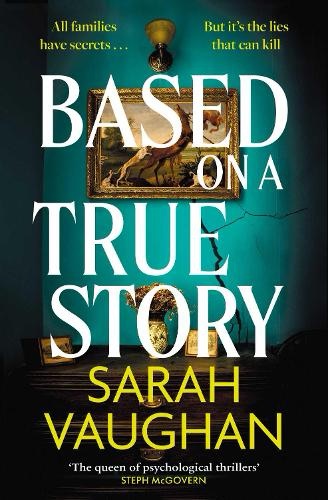

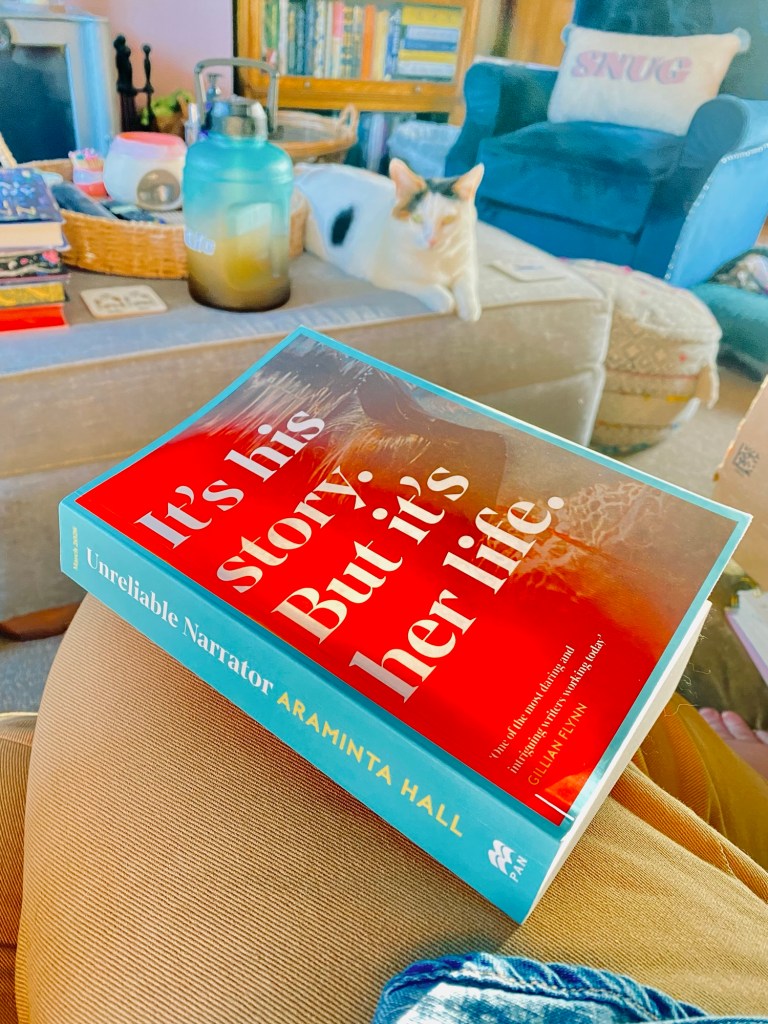
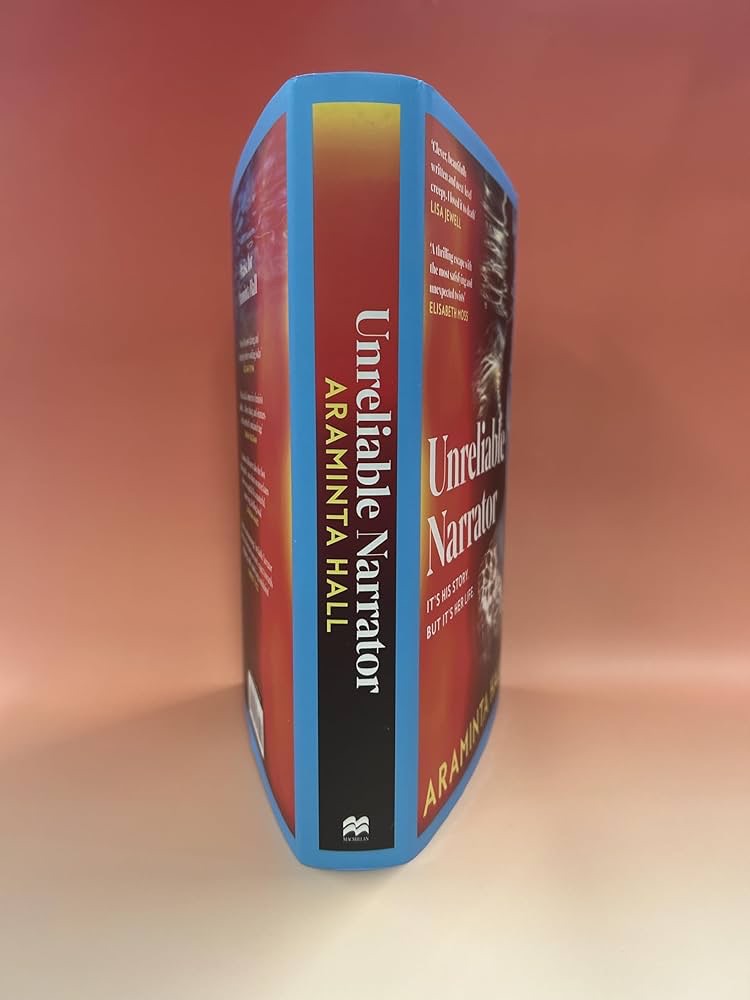


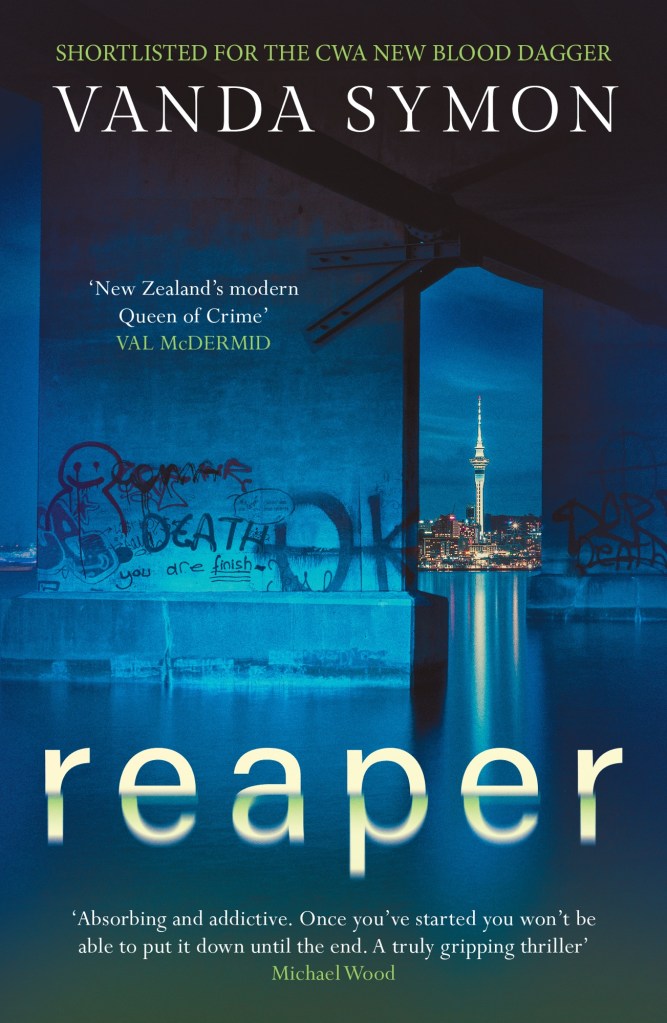
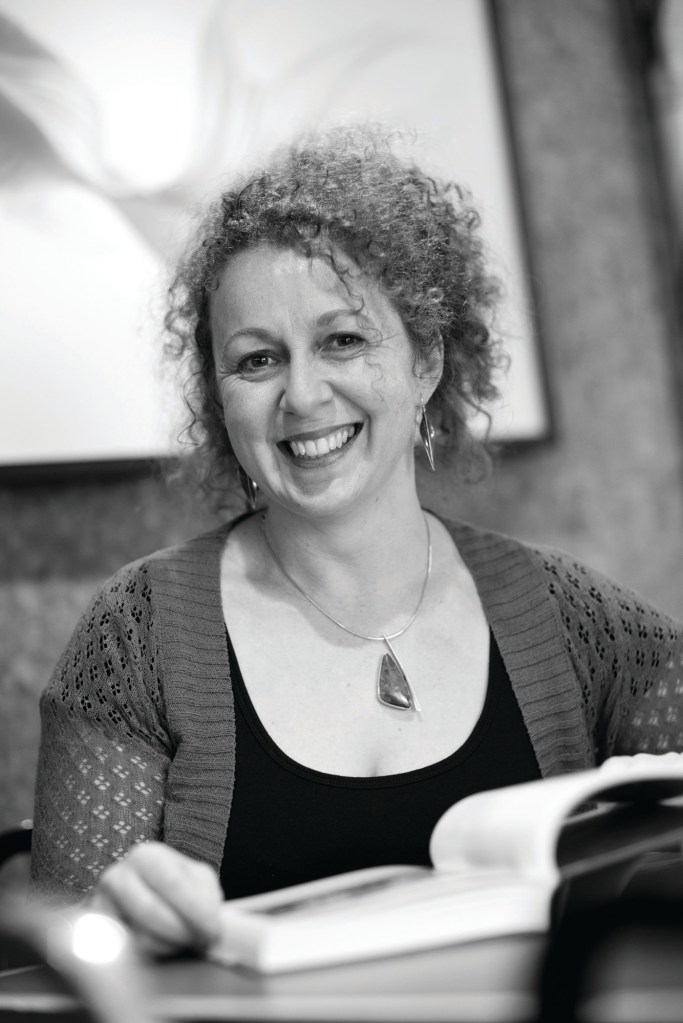
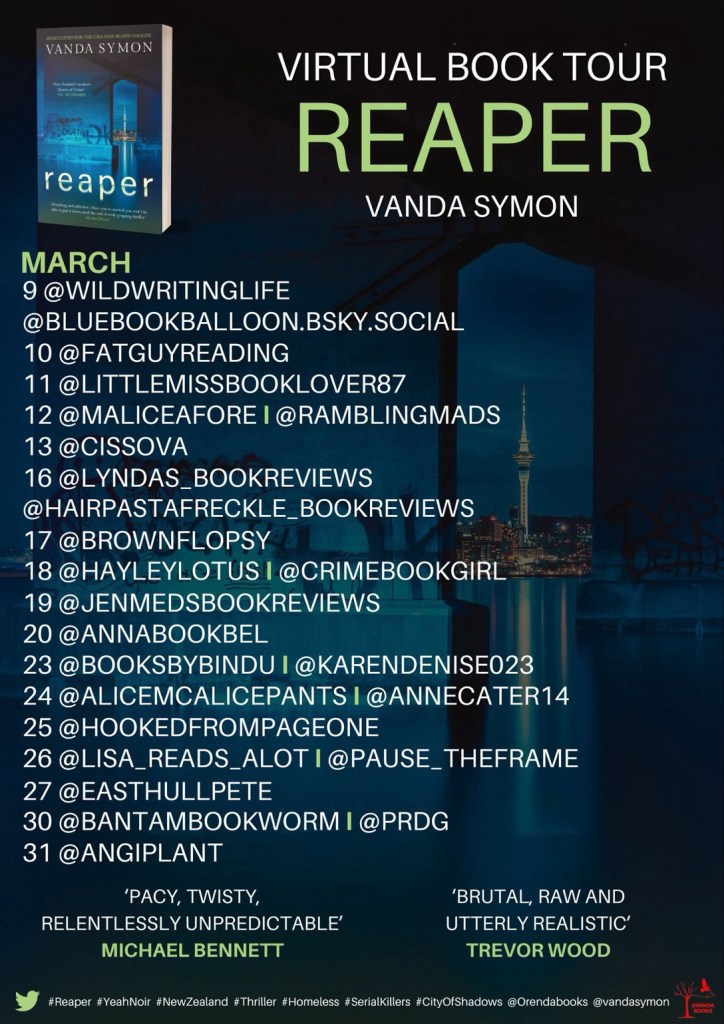

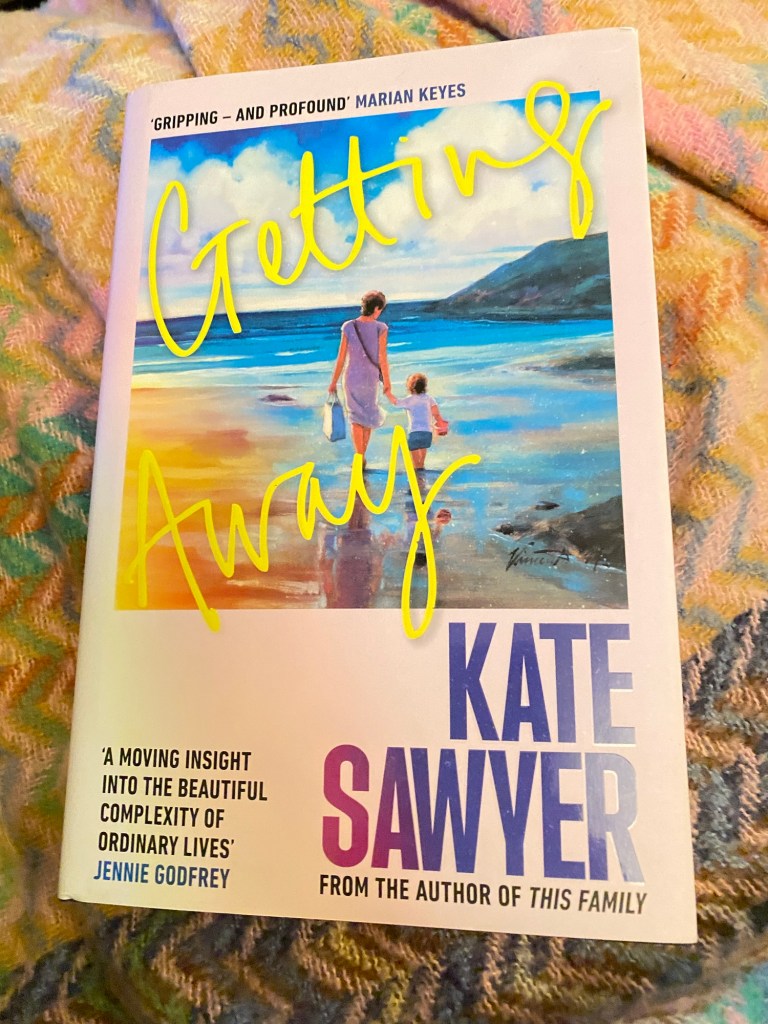



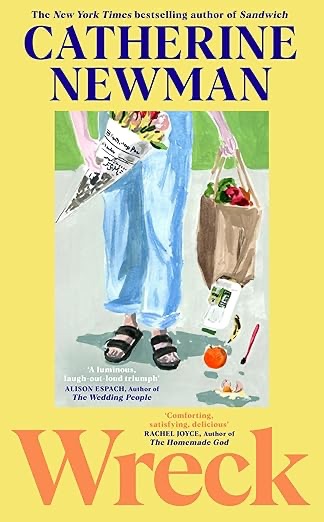

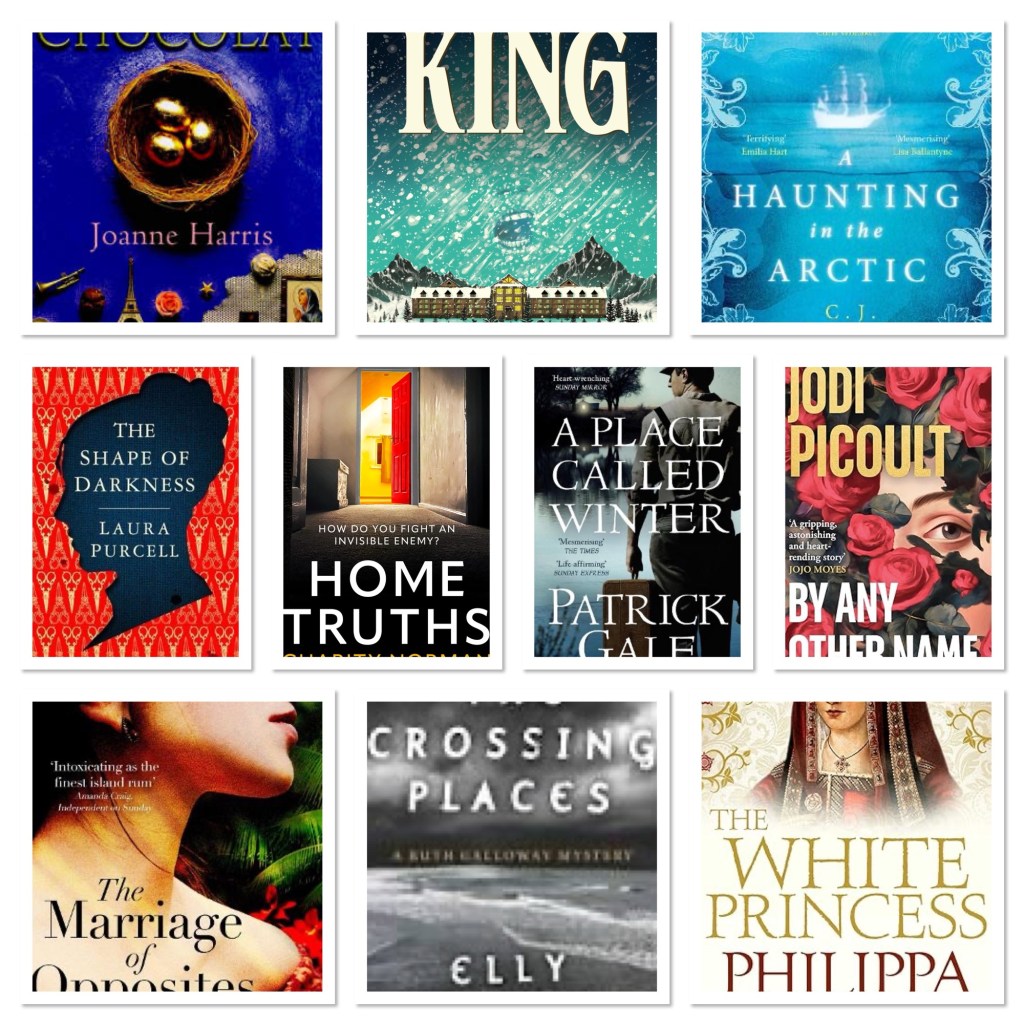
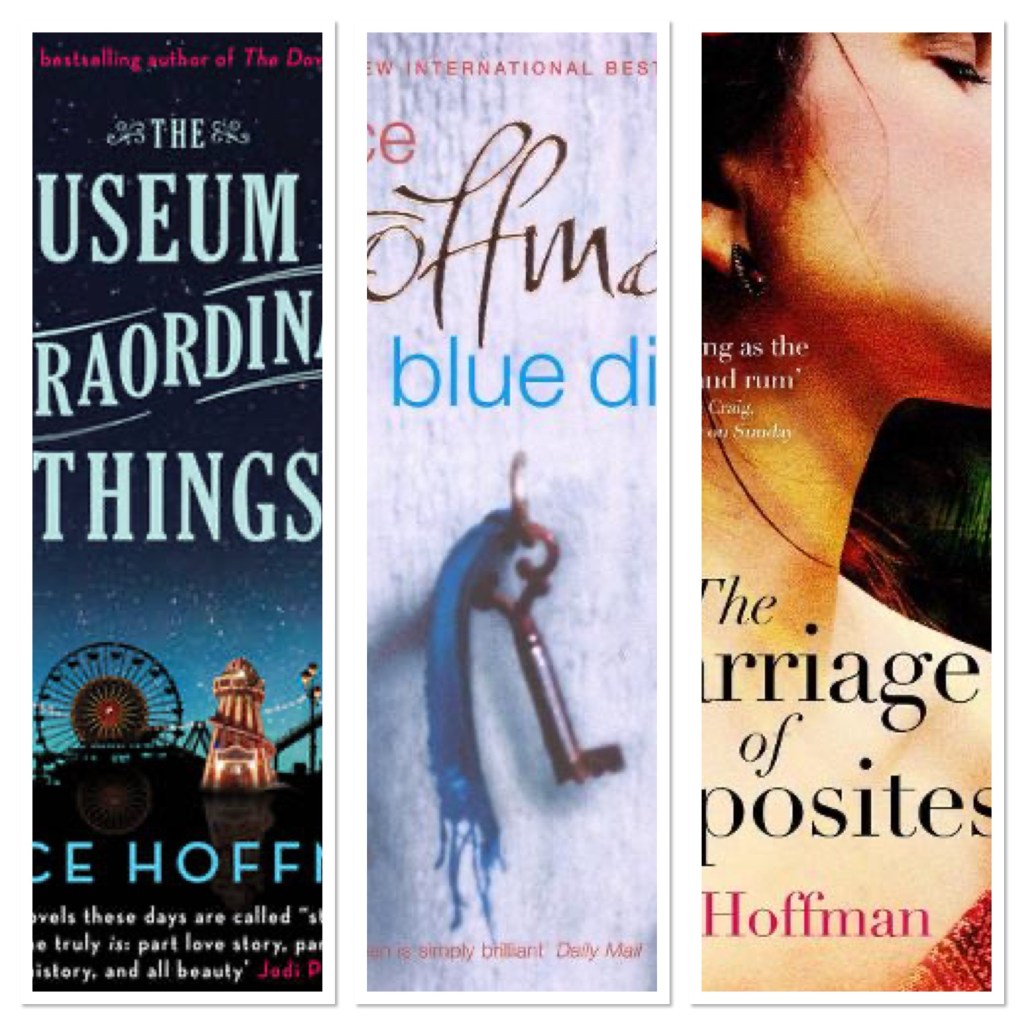
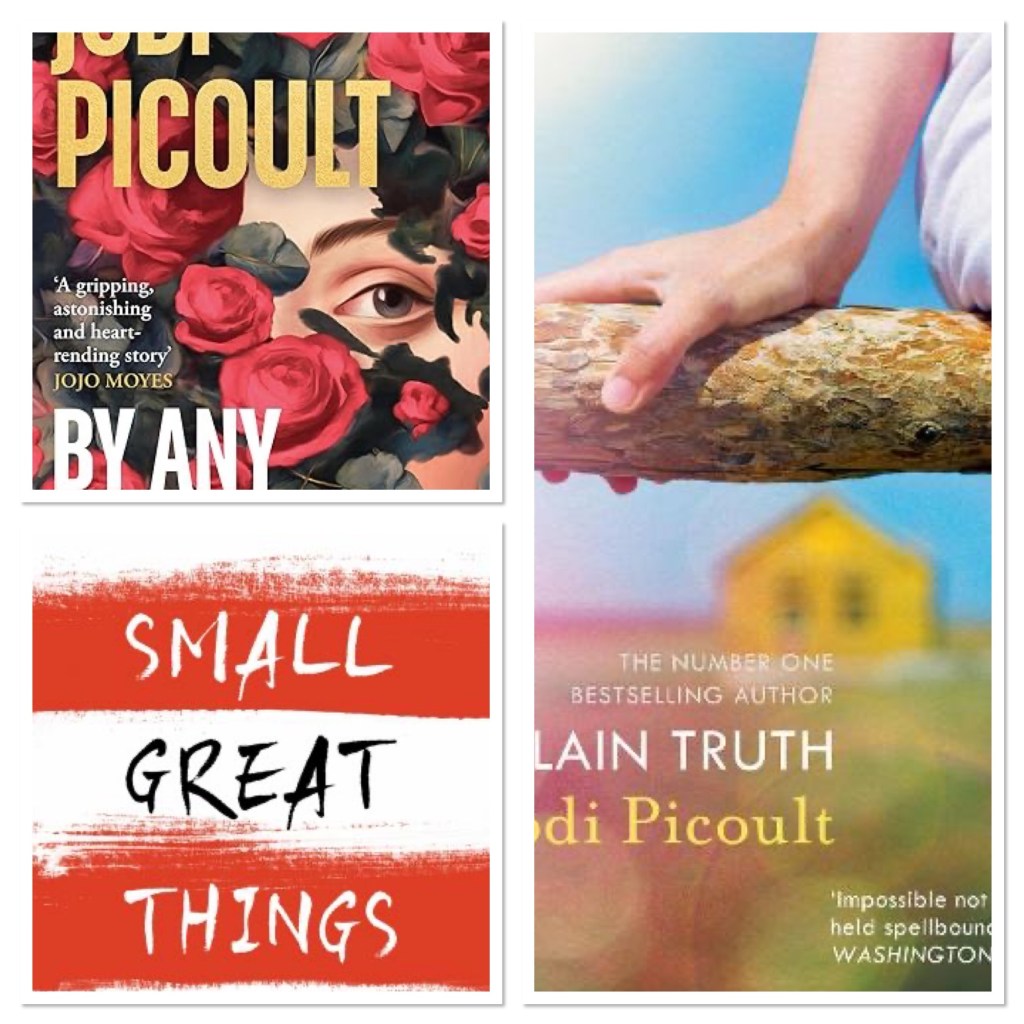
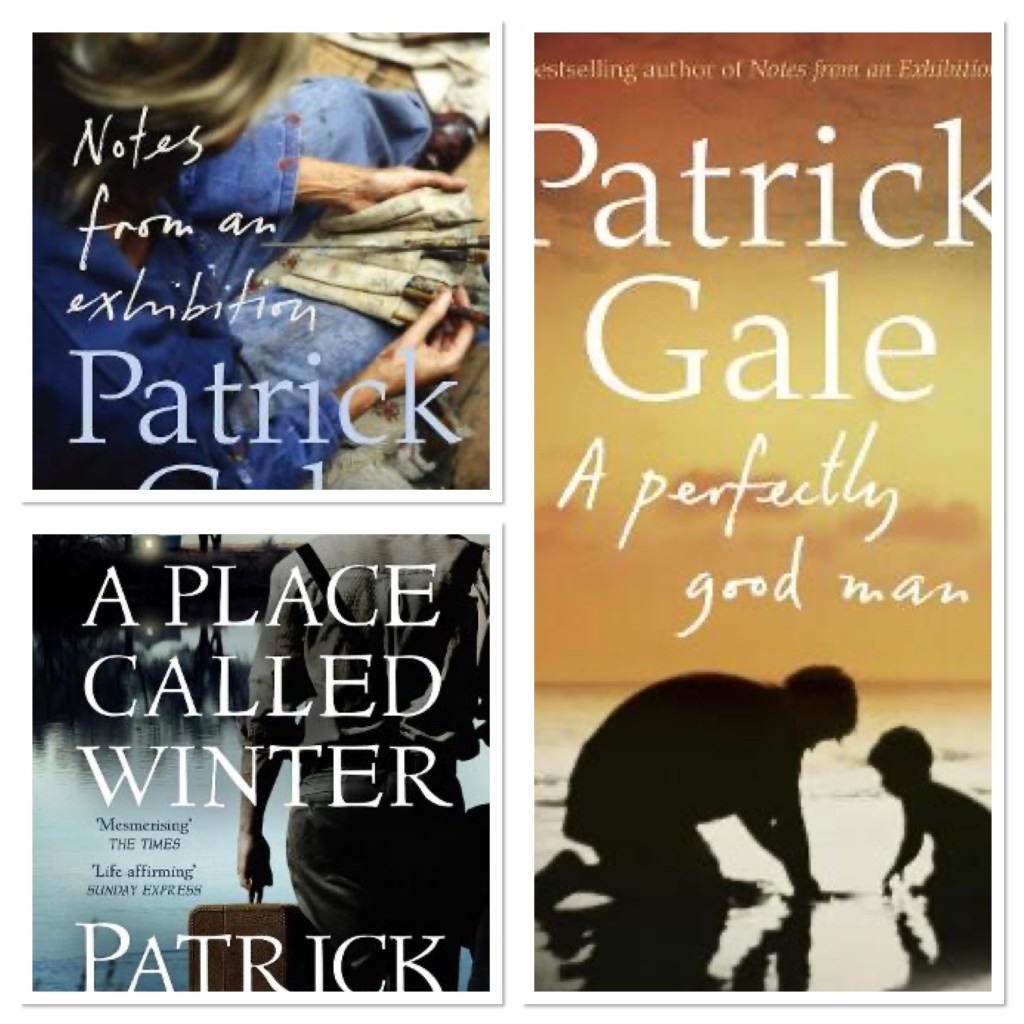
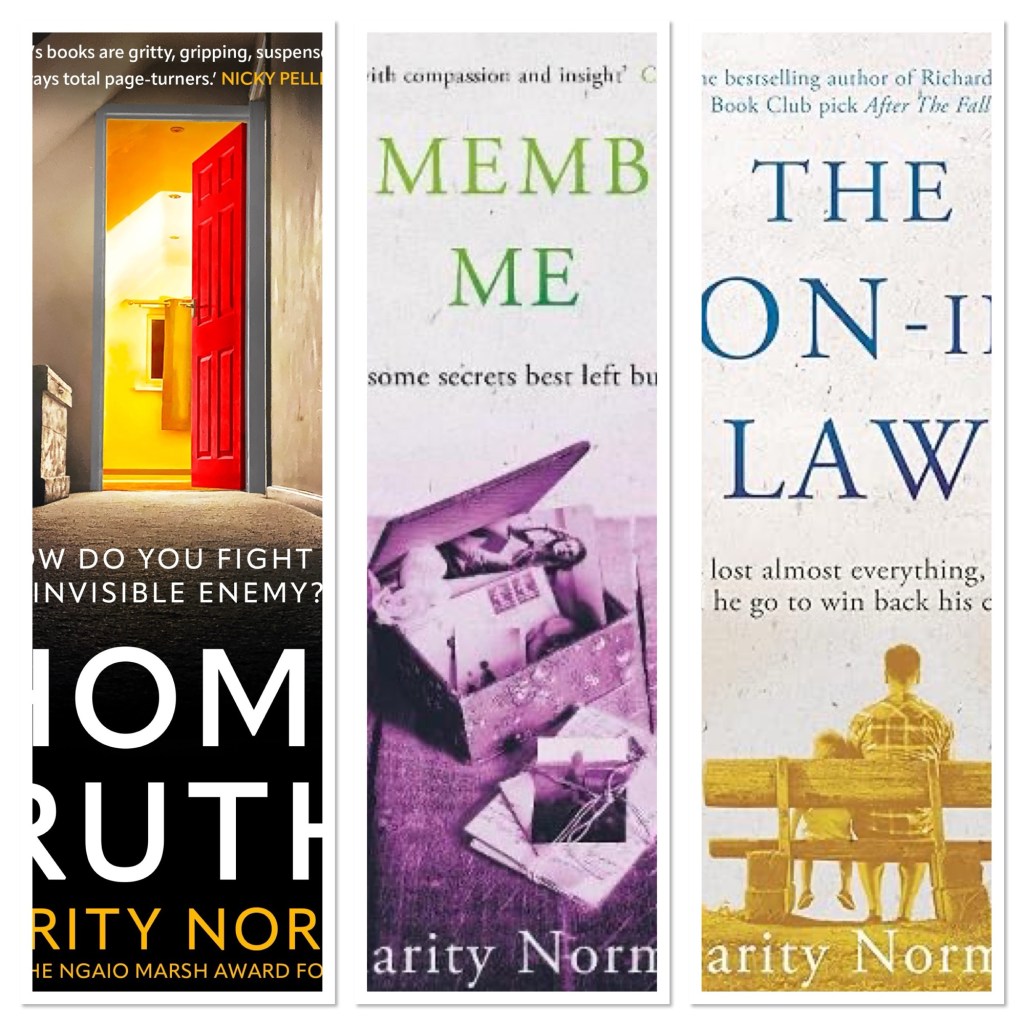
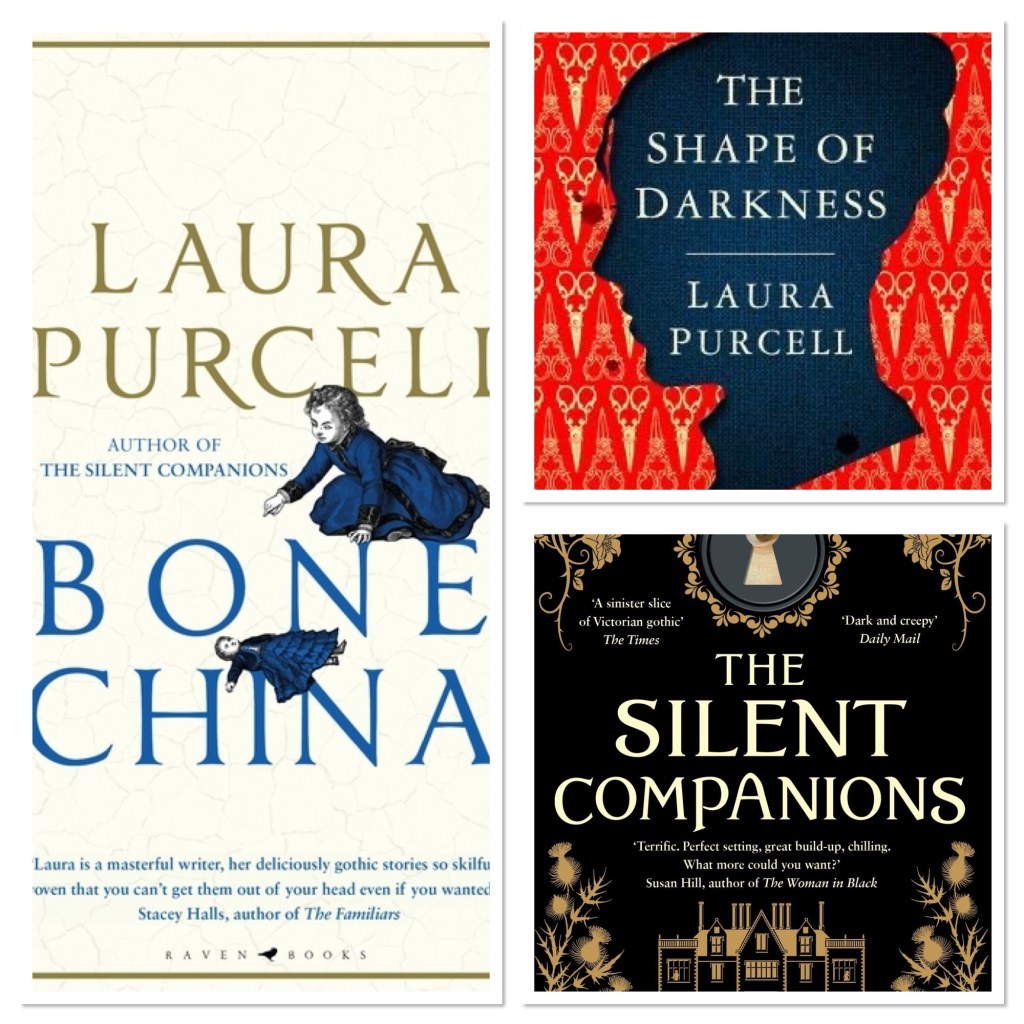
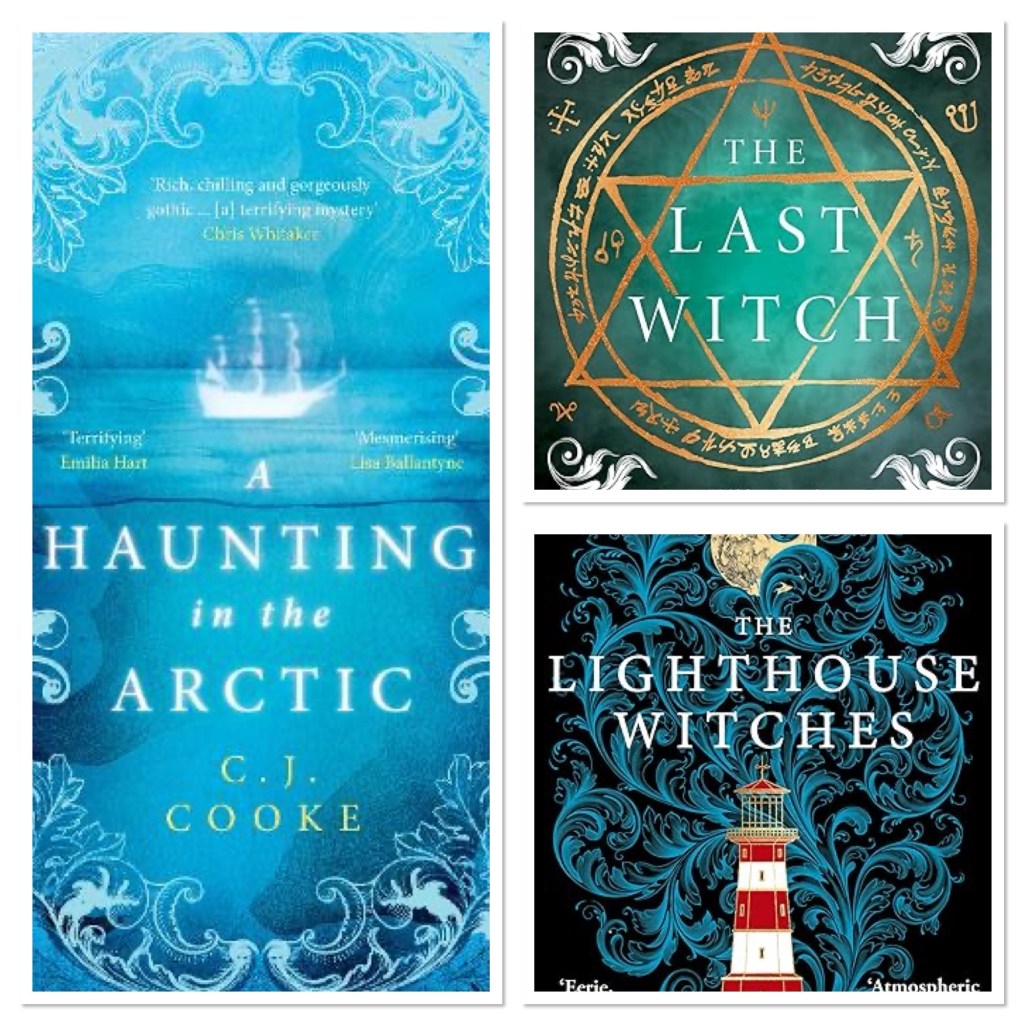
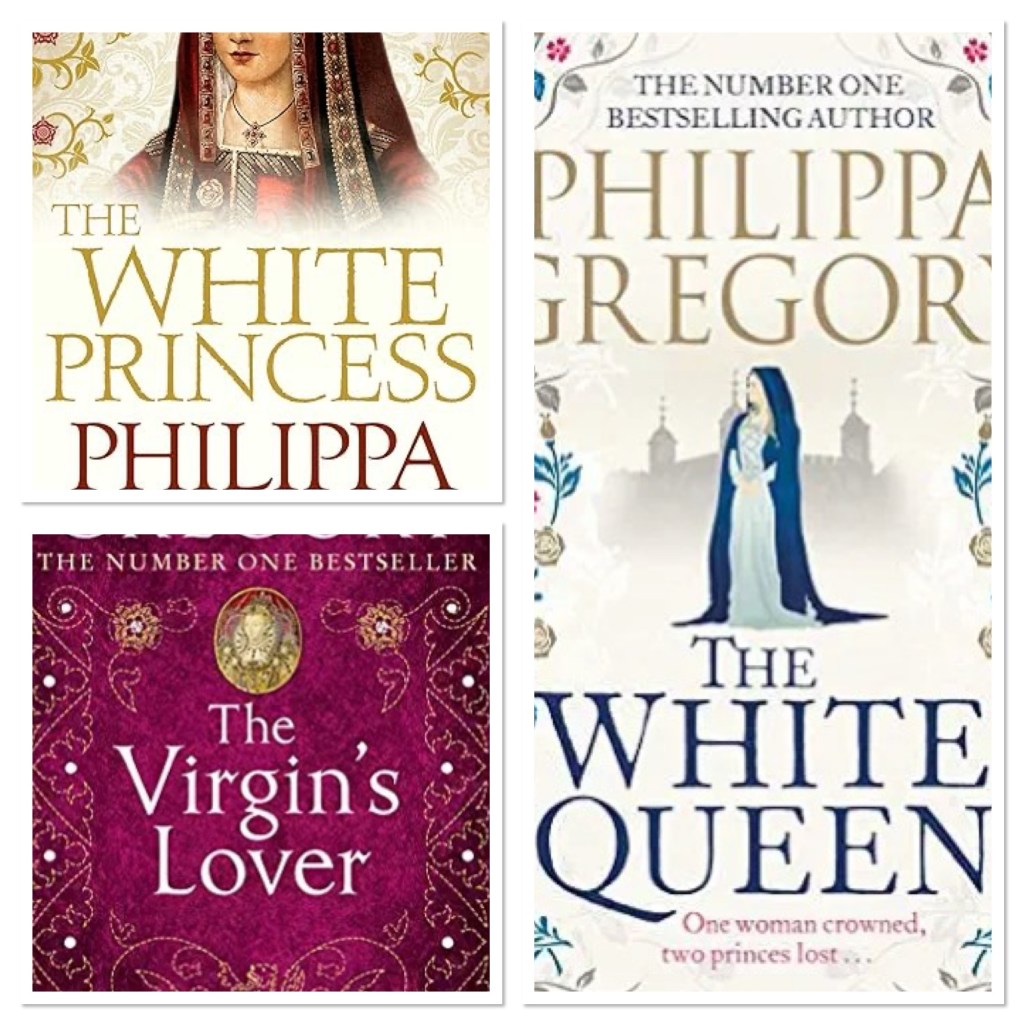
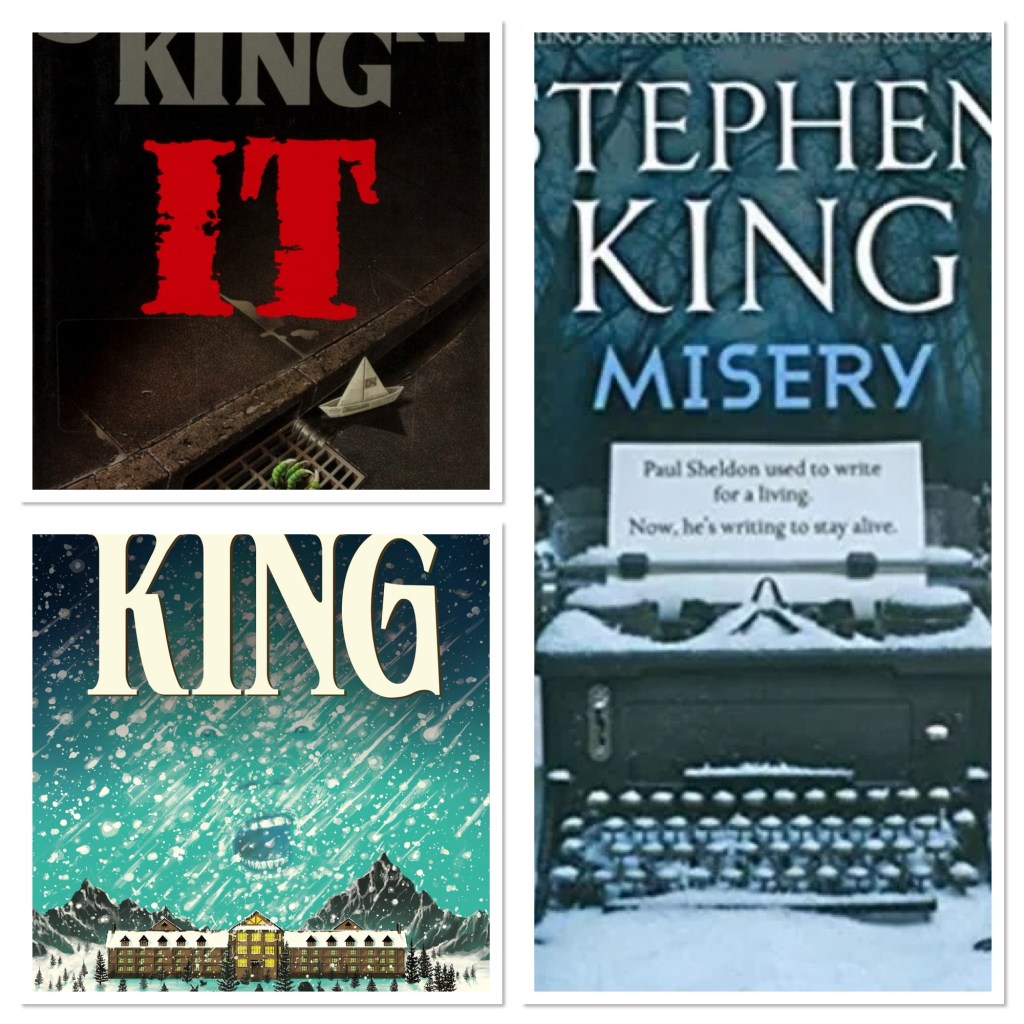
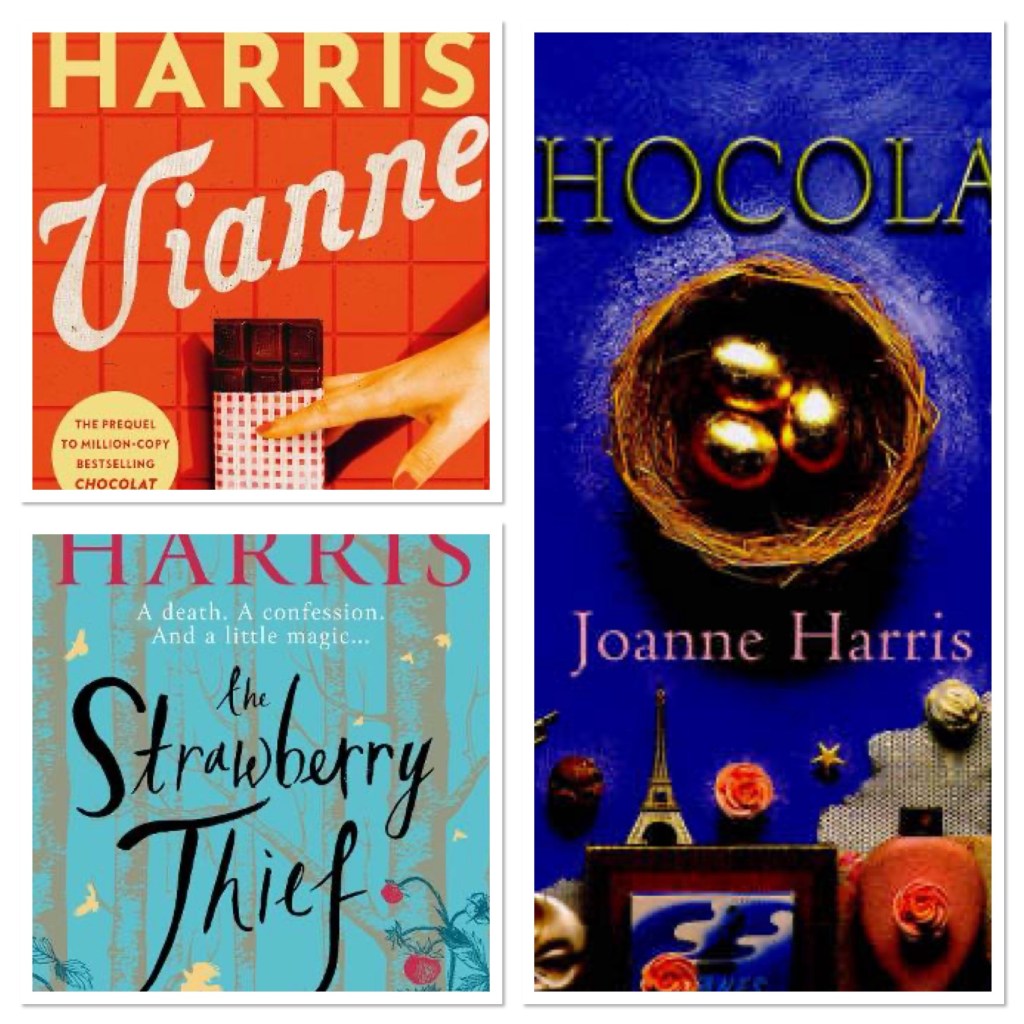
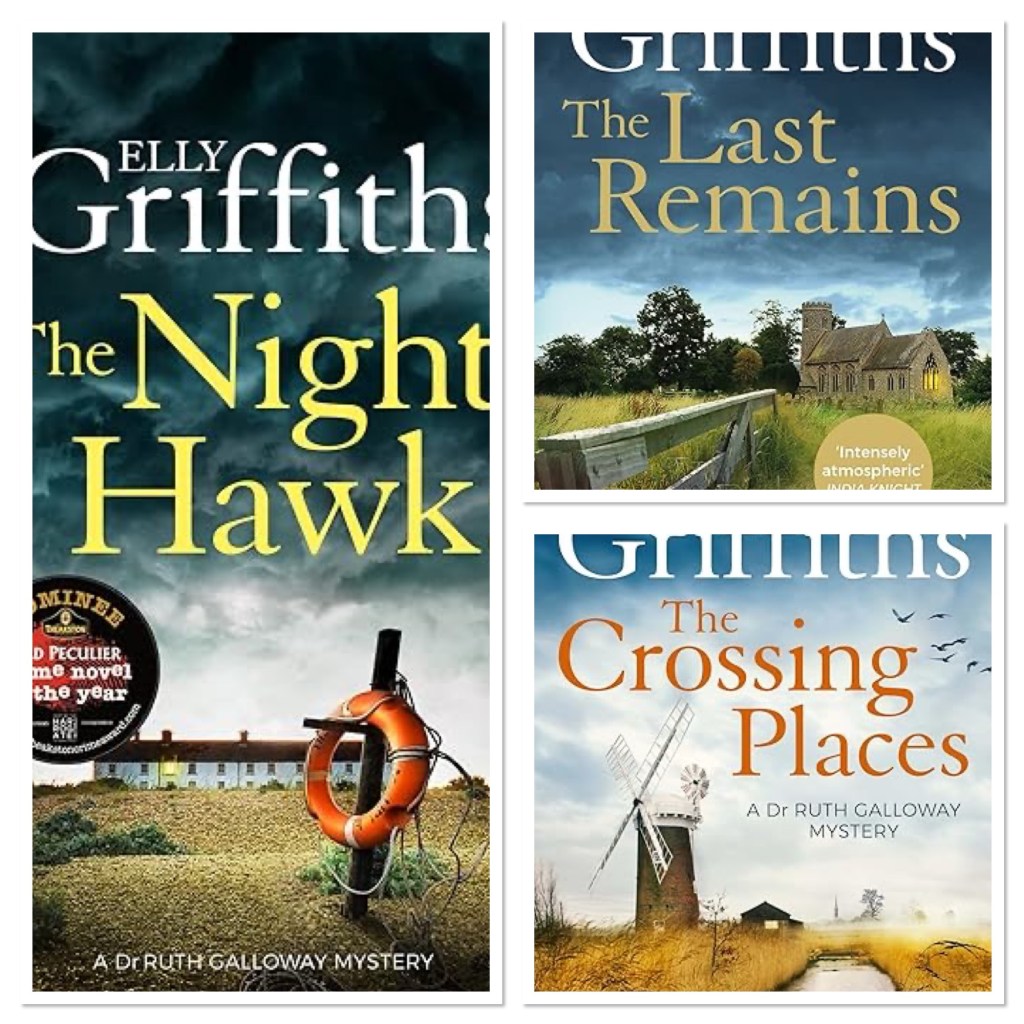
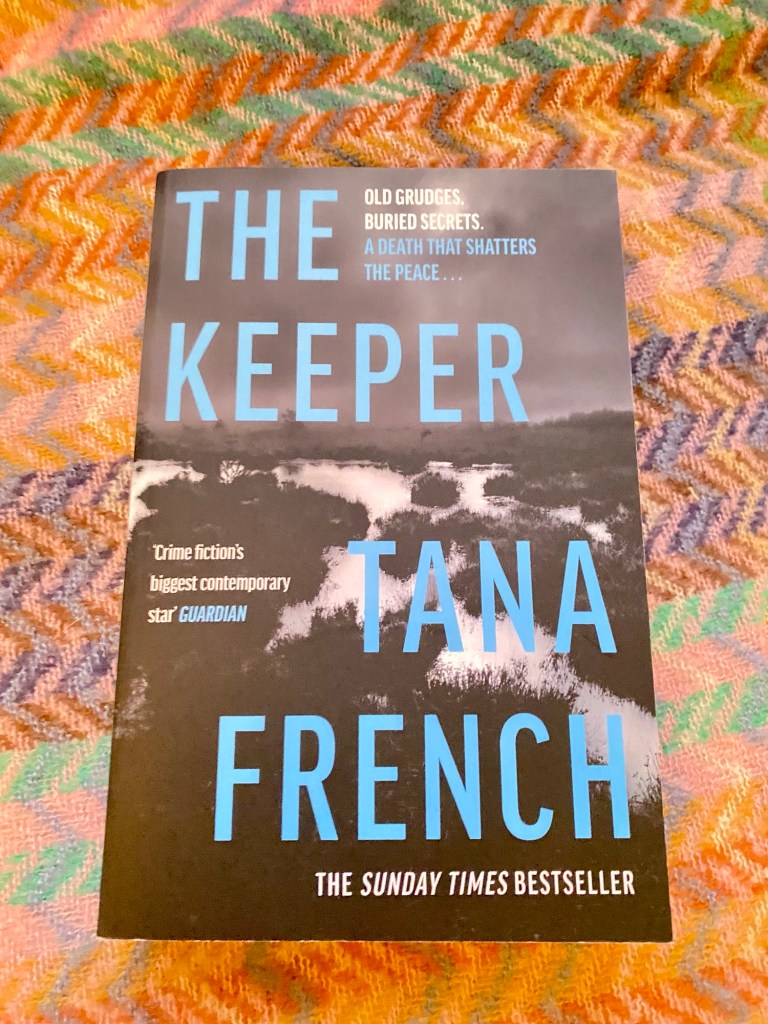
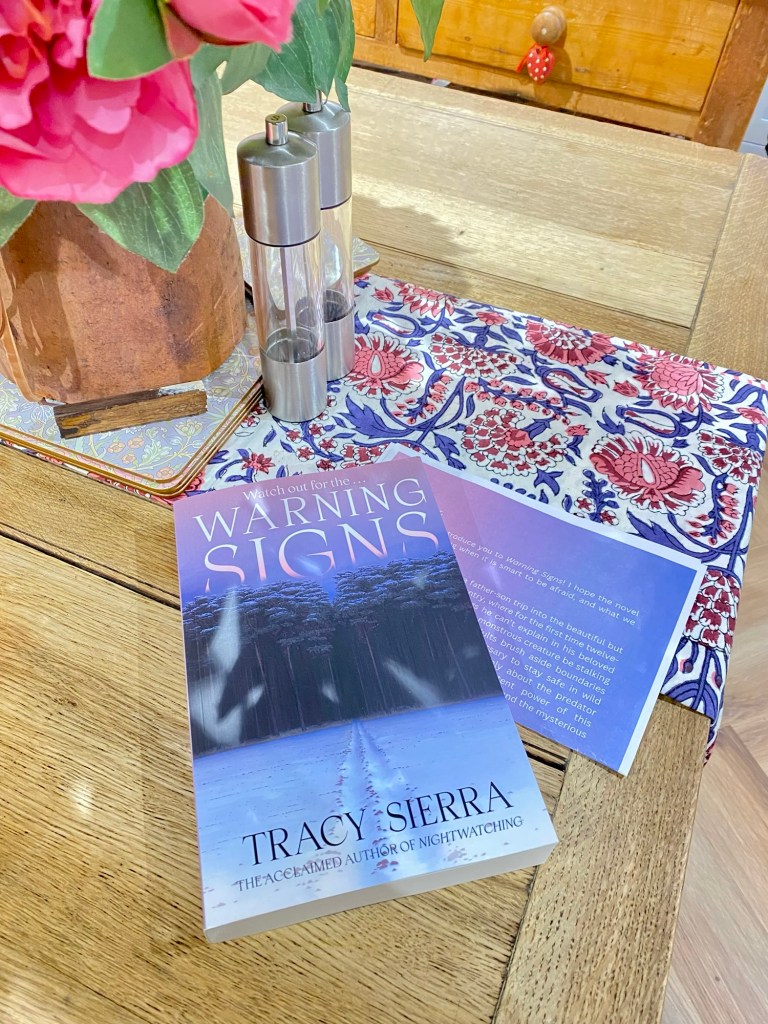

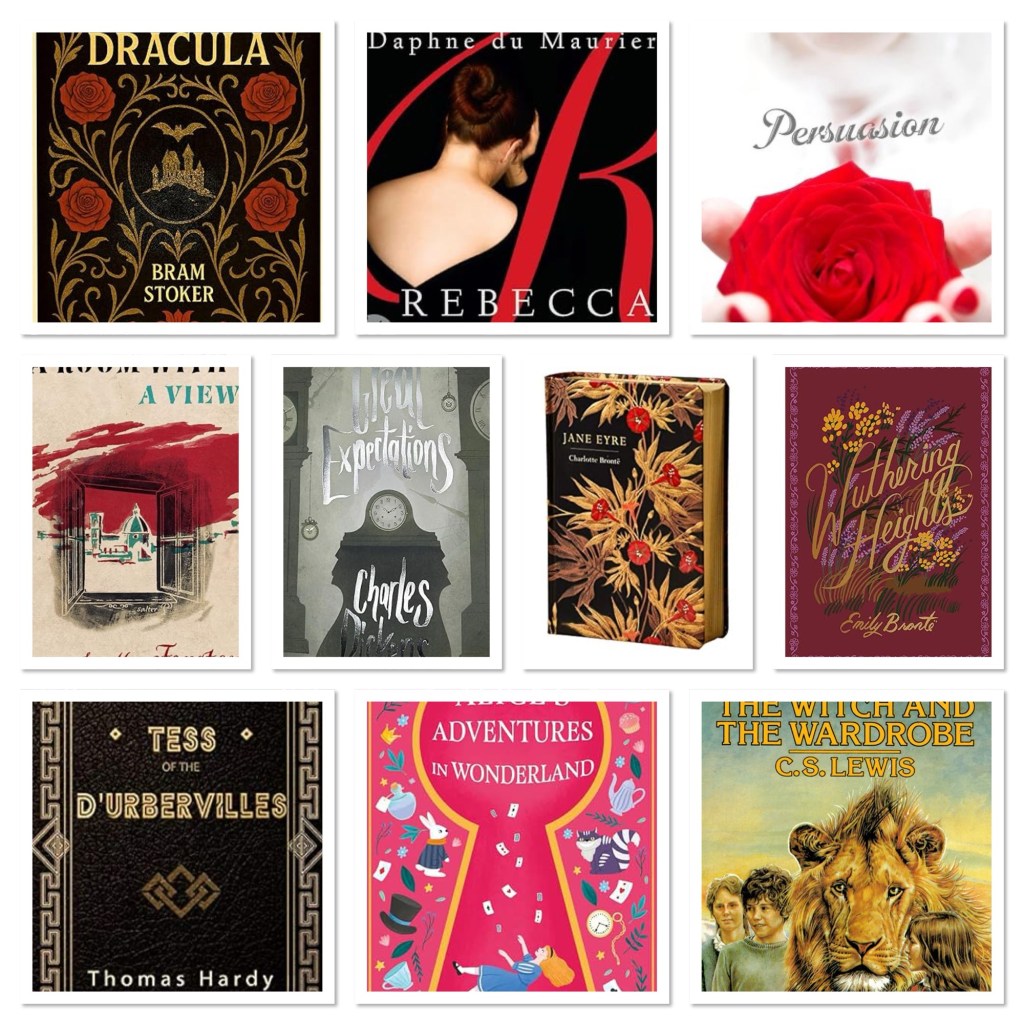
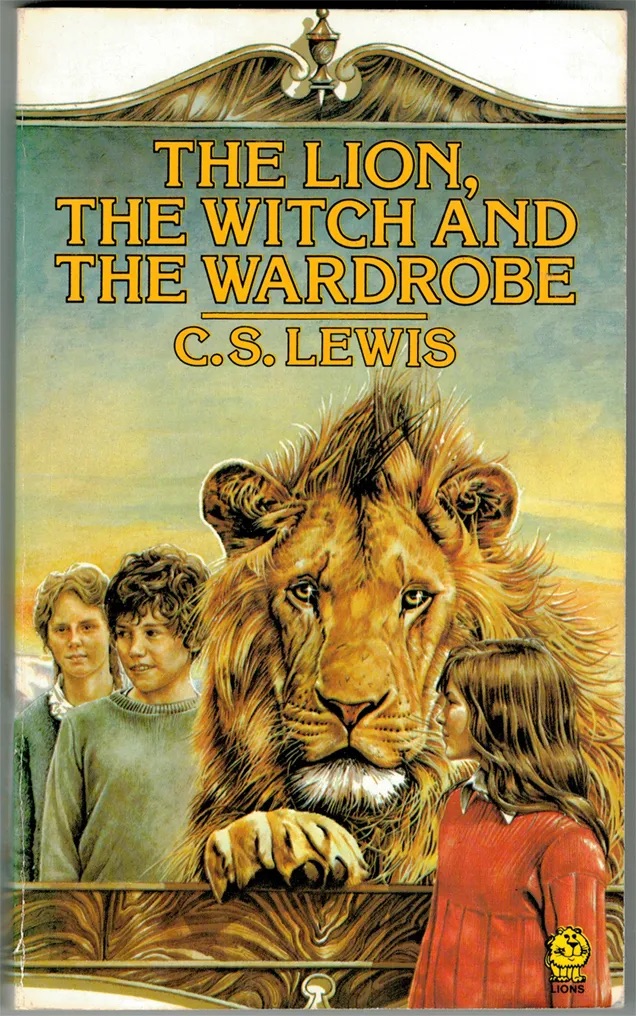
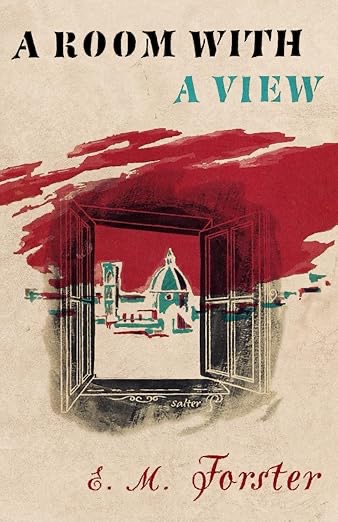
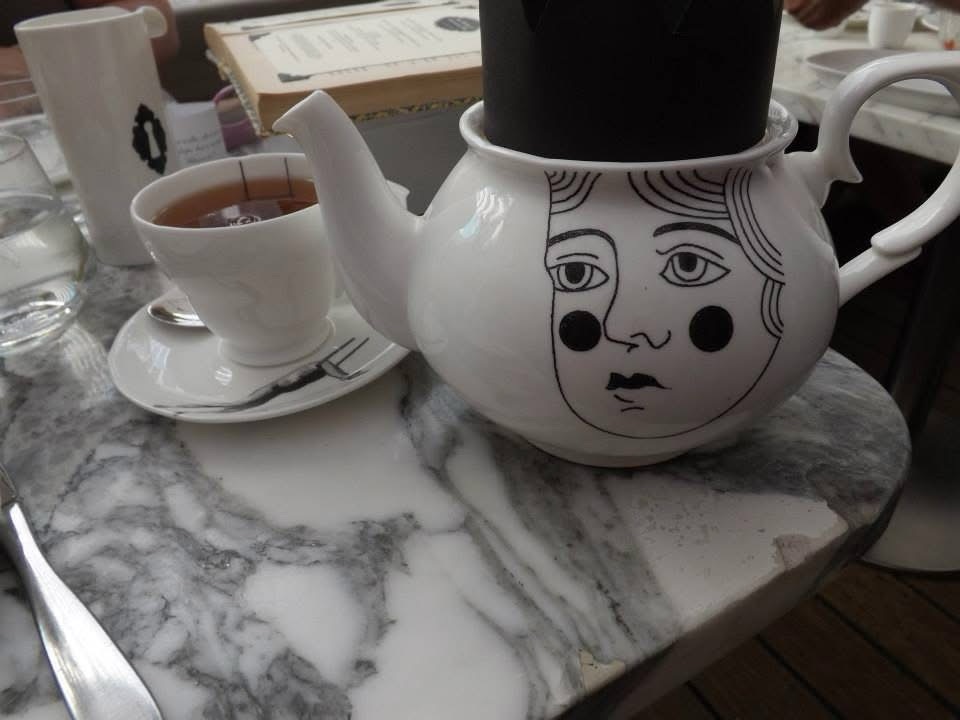
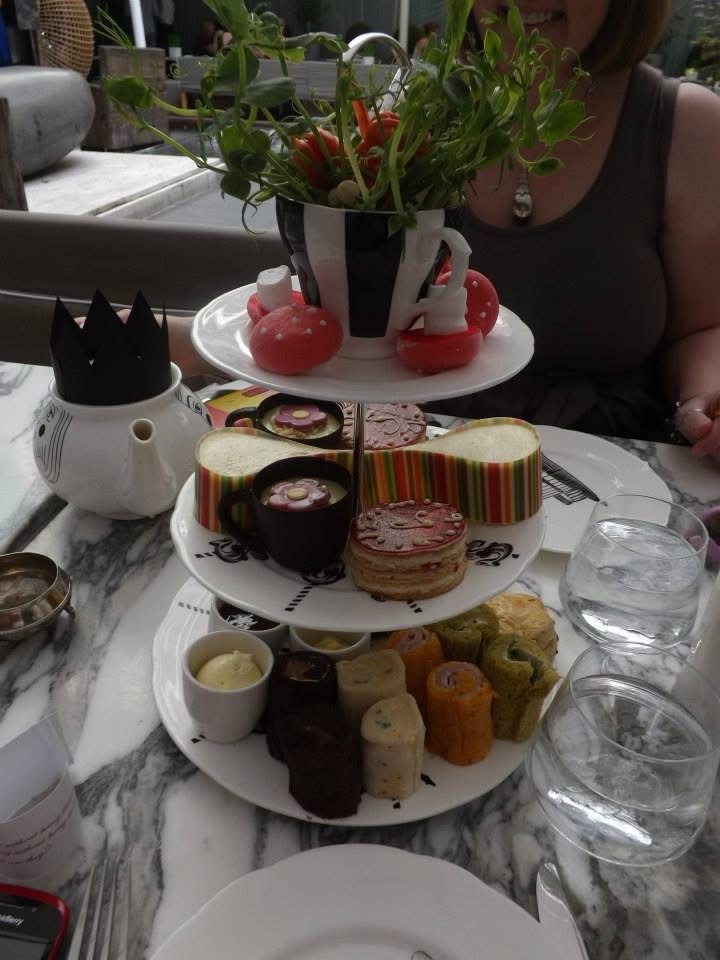
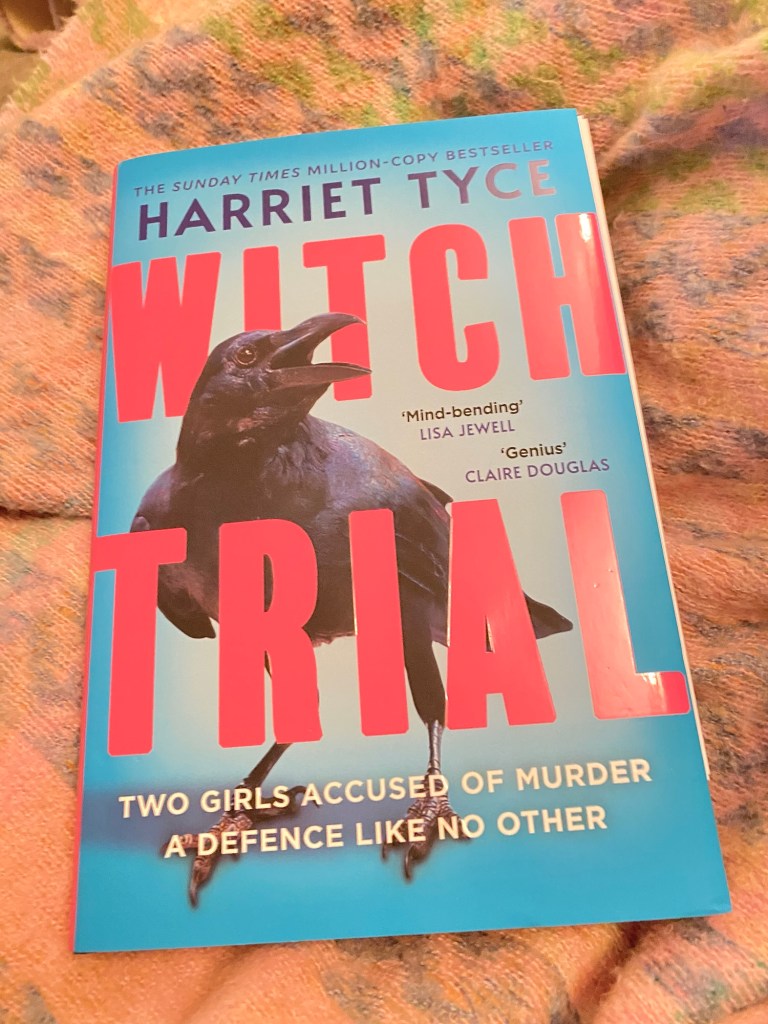

 The Lotus Readers