On my holidays I visited the loveliest little bookshop and I do like to share new book haunts with everyone. Gallovidia Books is in the Scottish Town of Kircudbright (pronounced kir-coo-bree if you want to avoid being laughed at like my husband did when I tried to pronounce it). Kirkcudbright has a sheltered position in the estuary of the River Dee on the north Solway shore and is a busy fishing port, behind the harbour the streets have housed generations of creative artists. This is clearly a tradition maintained today because there’s a flourishing colony of painters and craftworkers with lots of pop-up shops and galleries to look at. This has led to it being called “The Artists’ Town“. Other well known features of the town are the pastel coloured houses and wide streets. Set on a corner, Gallovidia books is a quirky little shop, but what it lacks in size it makes up for in its beautifully presented stock and a cute children’s nook.
The Children’s Nook
I found plenty of signed books, including one by my comedy hero Bob Mortimer that I was very pleased about. There were also a great range of classics in special editions and I couldn’t resist yet another copy of Wuthering Heights, this one with illustrations, maps and letters.
Classics Display
The lovely owner was incredibly welcoming and we bonded over a pet hate of people photographing books then loudly declaring they’ll buy it on Amazon. I always ask when I want to photograph bookshops for that very reason. Stewart knew a lot about the books I’d chosen and his wife Elizabeth has been in touch since to ask if I’d let them know how I get on with another choice – John Banville’s Venetian Whispers which came highly recommended. Another collection of mine is books set in Venice and I’m itching to start it. The couple opened the shop in 2021 with experience in library work and the arts in general. Stewart was founder of the Louder in Libraries projects and he’s booked both Sam Fender and Adele as she started her career. Elizabeth’s background is in youth community projects with a passion for connecting young people with books.
There were some lovely bookish and stationery extras including some cute little notecards with a book print that I can when I’m sending a giveaway book. All in all it was a lovely visit and I’ll certainly return.
If you’d like to know more about Gallovidia Books you can visit their website
I loved this book. It drew me in immediately and two days after I finished it I can’t let go of it. I can’t start another book. It’s left me bereft. Our setting is 18th Century London and George II is on the throne. On St James’s Street is a confectioner’s shop called the Punchbowl and Pineapple and running it is the newly widowed Hannah Cole. This was her grandfather’s shop and has been handed down the family. Her father realised he needed an apprentice to pass on his skills and to work with Hannah, so he employed a young lad called Jonas Cole. Jonas and Hannah grew close and fell in love, with Hannah losing her father only a few days after they were married. So until a couple of days ago Hannah and Jonas ran the shop, with Hannah becoming quite an accomplished businesswoman. Jonas could be hard and ruthless in his business dealings and of recent years they had grown apart, with Jonas often spending evenings away from home. Then two nights ago he did not return and was found further down the Thames minus his money, his watch and several teeth. Hannah has had to borrow, especially to re-open after his death, something that caused a minor scandal so soon. She can’t afford to be closed and is waiting on their savings being released from the bank so she may pay her suppliers. Then Henry Fielding pays a call. In his role as magistrate rather than novelist, he explains that all money will remain frozen while he investigates Jonas’s death. He isn’t sure this is a simple robbery and wonders whether he should be looking into his business or personal dealings. He informs Hannah that Jonas had money in the bank, more than the £200 she knew about. Fielding explains he wants to be sure that the money was obtained legally and above board. Luckily, at Jonas’s funeral Hannah meets William Devereux. An acquaintance of Jonas, he has never met Hannah before but is very sympathetic to her plight. He promises to visit her shop and discuss how he may help her with Fielding and Jonas’s life outside the home – was he gambling, womanising or getting into shady business dealings? He also mentions a delicacy his Italian grandmother used to make called iced cream. It has all the ingredients of a custard, but flavoured with fruit or chocolate and is then frozen and eaten as a desert. Hannah resolves to let William help her and to master the art of ice cream, but are either of them being fully honest with each other about who they are and what their purpose is?
As with all Laura’s books we become fully immersed in the setting straight away and it’s the little details that stand out and make us believe in this world. I loved the descriptions of Hannah’s various confections and the way she can tell what people will choose, not to mention what it says about them.
“He paused to take a bite of his Piccadilly Puff, washing it down with a generous gulp of green walnut wine. It is a favourite choice of the sybarite: the silken sweetness of the custard, the crunching layers of puff paste, the dusky depths of the spices mingling with the sourness of lemon. I might have guessed that Mr Fielding was a man who struggled to keep his appetites in check.”
I believed in Hannah as a businesswoman and confectioner very quickly thanks to these details and as she narrates she tells us her hopes and dreams, including a joint dream of her and Jonas, to buy the empty premises next door and extend the shop so they could have more tables and chairs, especially when her iced cream starts to become popular. I think we always imagine that people from the 18th and 19th Century are very genteel and well behaved, this comes of too many Austen adaptations and strange hybrid historical settings like Bridgerton. While lovely to watch they give us little idea of what these centuries were like for those of the lower classes in society and women who worked. Real life 18th Century London was rather more colourful than Pride and Prejudice, as depicted in some of Fielding’s novels like Tom Jones and Daniel Defoe’s Moll Flanders. The author gives us the dirt and the bawdy side of London life when Hannah takes a trip to the theatre.
“The playhouse crowd gave a wide berth to the nest of alleys around the back of the Theatre Royal, home to brothels and bath houses, gin shops and squalid taverns. The residents started drinking over breakfast and then kept going. Groups of ragged men stood about on corners. One lot were fighting, skidding in vomit. Half-naked women leaned from the upper windows shouting encouragement.”
The King openly has a mistress and there are brothels and gaming rooms everywhere, operating just on the edge of the law. This is a book with every vice on display, even when if it is just cake. As Hannah points out when she’s evaluating Fielding, every man has his personal struggle. She is incredibly astute when it comes to assessing character and has Fielding’s own psychological make-up worked out through reading his novels. William Devereux appears to be equally astute, visiting Fielding’s rooms he notes the perfectly bound volumes of his own books and the wine glasses etched with the crest of Eton College, it’s students described beautifully as the “school of the most selfsatisfied fucksters in the kingdom.” I thought there were some brilliant choices in terms of the book’s structure and the way the story passed from Hannah to William was brilliant. Often when reading from NetGalley there are little mistakes or quirks to the format that can ruin the reading of the book, but here reading from NetGalley was a benefit because with no gaps or idea how far I was into the book, when the shocks came they were huge. The author has cleverly used aspects of modern thriller writing and applied them to her story, so there are twists and turns aplenty. She uses sudden unexpected confessions or statements that mean we know something no one else does. Other times a character suddenly changed their demeanour or had a different inner compared to their outer voice that made me go back a few pages in confusion. Then just as I become comfortable with my narrator, they switched back again.
This is definitely a cat and mouse game between three characters, a battle of wits where you’re never quite sure who is on the right side. Fielding appears to be pursuing this case to make his point to parliament that a national police force is needed to deal with crimes like murder. He also has a good point, Jonas’s watch had belonged to Hannah’s father and had a Russian Imperial Eagle on the case. If that had been stolen, every pawn shop and jewellers in London would have remembered someone trying to sell it. So where is it? Has the thief taken it to be sold elsewhere or is it still with a murderer rather closer to home? Devereaux seems like a gentleman, he introduces Hannah to friends who seem wealthy and of good status and they all vouch for his honesty and charity. He even seems to be thinking of making a young boy belonging to a distant relative his ward, in order to give him a better life. Hannah had a hard life at Jonas’s hands, especially when she found she was unable to have children something they both wanted. I loved the author’s detail of them both saving some urine to pour on a seedling and if the seedling grew they were believed to be fertile. Hannah’s didn’t grow and she felt her husband hardened his heart to her at that point and perhaps looked elsewhere. She has her head turned by the handsome gentleman who wants to find out where Jonas was going at night and intervening with Fielding on her behalf. He wants to help her keep her shop too and his iced cream idea is proving a huge hit, with even an impromptu visit from the King’s mistress who reassures Hannah that a hint of scandal is not necessarily a bad thing: “virtue matters rather less once you are rich.” Devereaux has some ideas in that area, that maybe rather than leave her money in the bank she might like to meet some of the people who’ve invested in a company of his called Arcadia, based in a place called Bentoo. Is he genuine or not? Does he have feelings for her, because Hannah’s starting to have stirring feelings she hasn’t had for years. Surely though Devereaux’s interest wouldn’t lie in the direction of an older widow?
I was utterly entranced in this novel from the first page to the last, especially as the tensions mounted in the final third when Fielding makes his move. However, just when you think you’ve worked everything out another twist will come along and surprise you. I was rooting for Hannah to come out on top, but was very scared for her in parts. For both her heart and her liberty! I wanted her to live out her days as the grand proprietress of the Punchbowl and Pineapple. I very much feared that Fielding had the desire to see her face the hangman’s noose. While I didn’t trust Devereaux at first I did wonder if he had feelings for Hannah or whether he was some sort of confidence trickster. There is certainly sexual chemistry by the bucketload. I was working out in my head who might play Hannah in a film or TV adaptation because it would be a brilliant period thriller with lots of raunchy scenes perfect for Netflix. I was honestly hypnotised by this story and Laura’s talent. Bravo on such a fantastic story that I’m still thinking about four days after finishing it. Go beg, steal or borrow a copy of this one, it’s a cracker.
Out now from Mantle Books
Meet the Author
Laura Shepherd-Robinson is the award-winning, Sunday Times and USA Today bestselling author of three historical novels. Her books have been featured on BBC 2’s Between the Covers and Radio 4’s Front Row and Open Book. Her fourth novel, The Art of a Lie, will be published in Summer 2025. She lives in London with her husband, Adrian.
I’ve never been to Vienna but it’s very firmly on my list of places I’d like to visit. Firstly I love Klimt with a passion and have been to any and every exhibition of his work, but never in his homeland. I’m also interested in Freud, for obvious reasons. I’d like to eat a piece of Sachertorte there too. For now I’ll have to keep reading books set in the city.
Set in 1938 in London and Vienna, this is a tense and atmospheric thriller told from within a climate of uncertainty and fear as World War Two threatens. As war looms over Britain and there is talk of gas masks and blackout, people are understandably jumpy and anxious. Stella Fry, has been working in Vienna for a Jewish family and returns home with no job and a broken heart. She answers an advertisement from a famous mystery writer, Hubert Newman, who needs a manuscript typed. She takes on the job and is shocked the next day to learn of the writer’s sudden, unexplained death. She is even more surprised when, twenty-four hours later, she receives Newman’s manuscript and reads the Dedication: To Stella, spotter of mistakes. Harry Fox, formerly of Special Branch and brilliant at surveillance, has been suspended for some undisclosed misdemeanor. He has his own reasons for being interested in Hubert Newman. He approaches Stella Fry to share his belief that the writer’s death was no accident. What’s more, since she was the last person to see Newman, she could be in danger herself.
It is 1966, and Robert Simon has just fulfilled his dream by taking over a café on the corner of a bustling Vienna market. He recruits a barmaid, Mila, and soon the customers flock in. Factory workers, market traders, elderly ladies, a wrestler, a painter, an unemployed seamstress in search of a job, each bring their stories and their plans for the future. As Robert listens and Mila refills their glasses, romances bloom, friendships are made and fortunes change. And change is coming to the city around them, to the little café, and to Robert’s dream.
A story of the hopes, kindnesses and everyday heroism of one community, The Café with No Name has charmed millions of European readers. It is an unforgettable novel about how we carry each other through good and bad times, and how even the most ordinary life is, in its own way, quite extraordinary.
Hedy Lamarr possessed a stunning beauty. She also possessed a stunning mind. Could the world handle both?
Her beauty almost certainly saved her from the rising Nazi party and led to marriage with an Austrian arms dealer. Underestimated in everything else, she overheard the Third Reich’s plans while at her husband’s side, understanding more than anyone would guess. She devised a plan to flee in disguise from their castle, and the whirlwind escape landed her in Hollywood. She became Hedy Lamarr, screen star.
But she kept a secret more shocking than her heritage or her marriage: she was a scientist. And she knew a few secrets about the enemy. She had an idea that might help the country fight the Nazis…if anyone would listen to her.
A powerful novel based on the incredible true story of the glamour icon and scientist whose groundbreaking invention revolutionised modern communication, The Only Woman in the Room is a masterpiece.
The year is 1853, and the Habsburgs are Europe’s most powerful ruling family. With his empire stretching from Austria to Russia, from Germany to Italy, Emperor Franz Joseph is young, rich, and ready to marry.
Fifteen-year-old Elisabeth, “Sisi,” Duchess of Bavaria, travels to the Habsburg Court with her older sister, who is betrothed to the young emperor. But shortly after her arrival at court, Sisi finds herself in an unexpected dilemma: she has inadvertently fallen for and won the heart of her sister’s groom. Franz Joseph reneges on his earlier proposal and declares his intention to marry Sisi instead.
Thrust onto the throne of Europe’s most treacherous imperial court, Sisi upsets political and familial loyalties in her quest to win, and keep, the love of her emperor, her people, and of the world.
With Pataki’s rich period detail and cast of complex, bewitching characters, The Accidental Empress offers a glimpse into one of history’s most intriguing royal families, shedding new light on the glittering Hapsburg Empire and its most mesmerizing, most beloved “Fairy Queen.”
Erika Kohut teaches piano at the Vienna Conservatory by day. By night she trawls the city’s porn shows while her mother, whom she loves and hates in equal measure, waits up for her. Into this emotional pressure-cooker bounds music student and ladies’ man Walter Klemmer.
With Walter as her student, Erika spirals out of control, consumed by the ecstasy of self-destruction. A haunting tale of morbid voyeurism and masochism, The Piano Teacher, first published in 1983, is Elfreide Jelinek’s Masterpiece.
Jelinek was awarded the Nobel Prize For Literature in 2004 for her ‘musical flow of voices and counter-voices in novels and plays that, with extraordinary linguistic zeal, reveal the absurdity of society’s clichés and their subjugating power.
The Piano Teacher was adapted into an internationally successful film by Michael Haneke, which won three major prizes at Cannes, including the Grand Prize and Best Actress for Isabelle Huppert.
Vienna at the dawn of the 20th century. An opulent, extravagant city teeming with art, music and radical ideas. A place where the social elite attend glamorous balls in the city’s palaces whilst young intellectuals decry the empire across the tables of crowded cafes. It is a city where anything seems possible – if you are a man.
Edith and Adele are sisters, the daughters of a wealthy bourgeois industrialist. They are expected to follow the rules, to marry well, and produce children. Gertrude is in thrall to her flamboyant older brother. Marked by a traumatic childhood, she envies the freedom he so readily commands. Vally was born into poverty but is making her way in the world as a model for the eminent artist Gustav Klimt.
None of these women is quite what they seem. Fierce, passionate and determined, they want to defy convention and forge their own path. But their lives are set on a collision course when they become entangled with the controversial young artist Egon Schiele whose work – and private life – are sending shockwaves through Vienna’s elite. All it will take is a single act of betrayal to change everything for them all. Because just as a flame has the power to mesmerize, it can also destroy everything in its path…
It’s Ball Season in Vienna, and Maria Wallner only wants one thing: to restore her family’s hotel, the Hotel Wallner, to its former glory. She’s not going to let anything get in her way – not her parents’ three-decade-long affair; not seemingly-random attacks by masked assassins; and especially not the broad-shouldered American foreign agent who’s saved her life two times already. No matter how luscious his mouth is. Eli Whittaker also only wants one thing: to find out who is selling American secret codes across Europe, arrest them, and go home to his sensible life in Washington, DC. He has one lead – a letter the culprit sent from a Viennese hotel. But when he arrives in Vienna, he is immediately swept up into a chaotic whirlwind of balls, spies, waltzes, and beautiful hotelkeepers who seem to constantly find themselves in danger. He disapproves of all of it! But his disapproval is tested as he slowly falls deeper into the chaos – and as his attraction to said hotelkeeper grows. Diana Biller’s The Hotel of Secrets is chock full of banter-filled shenanigans, must-have-you kisses, and romance certain to light a fire in the hearts of readers everywhere.
Vienna, 1913. It is a fine day in August when Lysander Rief, a young English actor, walks through the city to his first appointment with the eminent psychiatrist Dr Bensimon. Sitting in the waiting room he is anxiously pondering the particularly intimate nature of his neurosis when a young woman enters. She is clearly in distress, but Lysander is immediately drawn to her strange, hazel eyes and her unusual, intense beauty. Her name is Hettie Bull. They begin a passionate love affair and life in Vienna becomes tinged with a powerful frisson of excitement for Lysander. He meets Sigmund Freud in a café, begins to write a journal, enjoys secret trysts with Hettie and appears – miraculously – to have been cured. Back in London, 1914. War is imminent, and events in Vienna have caught up with Lysander in the most damaging way. Unable to live an ordinary life, he is plunged into the dangerous theatre of wartime intelligence – a world of sex, scandal and spies, where lines of truth and deception blur with every waking day. Lysander must now discover the key to a secret code which is threatening Britain’s safety, and use all his skills to keep the murky world of suspicion and betrayal from invading every corner of his life. Moving from Vienna to London’s West End, from the battlefields of France to hotel rooms in Geneva, Waiting for Sunrise is a feverish and mesmerising journey into the human psyche, a beautifully observed portrait of wartime Europe, a plot-twisting thriller and a literary tour de force from the bestselling author of Any Human Heart, Restless and Ordinary Thunderstorms.
The artistic stagnation of Vienna at the end of the nineteenth century was rudely shaken by the artists of the Secession. Their works at first shocked a conservative public, but their successive exhibitions, their magazine Ver Sacrum and their dedication to the applied arts and architecture soon brought them an enthusiastic following and wealthy patronage. With 60 new colour illustrations, this classic book, now in its third edition, brilliantly traces the course of this development, of the Wiener Werkstätte that followed, and the individual works of the artists concerned. The result is a fascinating documentary study of the successes and failures, hopes and fears of the members of an artistic movement that is so much admired today.
This is the true story that inspired the movie “Woman in Gold” starring Helen Mirren and Ryan Reynolds. Anne-Marie O Connor brilliantly regales us with the galvanizing story of Gustav Klimt’s 1907 masterpiece, the breathtaking portrait of a Viennese Jewish socialite, Adele Bloch-Bauer. The celebrated painting, stolen by Nazis during World War II, subsequently became the subject of a decade-long dispute between her heirs and the Austrian government.When the U.S. Supreme Court became involved in the case, its decision had profound ramifications in the art world. Expertly researched, masterfully told, “The Lady in Gold” is at once a stunning depiction of fin-de siecle Vienna, a riveting tale of Nazi war crimes, and a fascinating glimpse into the high-stakes workings of the contemporary art world.
Seventeen-year-old Franz Huchel journeys to Vienna to apprentice at a tobacco shop. There he meets Sigmund Freud, a regular customer, and over time the two very different men form a singular friendship. When Franz falls desperately in love with the music hall dancer Anezka, he seeks advice from the renowned psychoanalyst, who admits that the female sex is as big a mystery to him as it is to Franz.
As political and social conditions in Austria dramatically worsen with the Nazis’ arrival in Vienna, Franz, Freud, and Anezka are swept into the maelstrom of events. Each has a big decision to make: to stay or to flee?
I’ve had a lovely reading month, with the subject of love and relationships being at the centre of most of my best reads in June. Possibly due to it being wedding season, romance seems to have been in the air and all my reads looked at it in a very different way. A couple are set in the present day but others range from the late 18th to the mid- 20th Century. Yet there was a sense of familiarity, with each book showing the difficulties in how women and men relate to each other and negotiate the rules of their relationship. Women seemed to wait an awful lot, trying to balance a career and a relationship not to mention children and home life. Some women were waiting for proposals, for a man to commit, to be faithful, or for life to begin. They bring up the age old question of women having it all and whether that’s ever possible. There’s also a lot of travel involved from the UK, to America, Italy, France, Switzerland, India and Australia. I hope you all have a great tbr lined up for July and I’ll see you on the other side.
Walnut Tree Island sits in a tributary of the Thames and back in the 1960s its part derelict became a sought after music venue, thanks to the work of its owner George. Based on Eel Pie Island, Walnut Tree is a harmonious combination of up and coming musicians, artists and picturesque riverboats and in 1965 is a weekly Mecca for young people. One of them is Mary Star, a young girl with a beautiful voice and a head full of dreams. It’s there one night when musician and up and coming front man Ossie Clark notices Mary in the crowd as she’s hoisted up on someone’s shoulders. Ossie is about to hit the big time, but he’s captivated by Mary and when he meets her he encourages her to sing with him. They are so in love and lay down in the grasses by the Wilderness – the most beautiful part of the island. When reality hits Mary knows she has to make a choice for both of them, although Ossie doesn’t reject the idea of becoming a father. He asks her to go to America with him, but the adults in her life, including George, make her realise how difficult that’s going to be. There will be compromises and although Ossie can’t see it now, what if he resents her and their baby? She’s left with her baby Ruby and a broken heart, but also a place to live on the island gifted by George.
Years later her granddaughter Jo experiences first love on the island. Used to running wild between Mary’s cottage Willows and houseboats, she meets George’s grandson Oliver when he visits the island. He’s the island’s heir, but such things don’t matter to young people and they have a magical summer thinking their love is all they need to sustain them. Now Oliver has returned from NYC as the new owner of Walnut Tree Island which has become a thriving community of musicians and artists all supported by Mary who is the mother of the community. The whispers over what might happen to the island start fairly quickly, not least the ownership of Willows that has always been a verbal agreement with George. Jo now teaches art to children in one of the houseboats. Once an incredible artist she seems to lose her confidence in creating and her career never fully got off the ground. How will she cope with Oliver back on the island, as handsome as ever, but with a touch of New York sophistication? More to the point, how will Oliver feel seeing Jo again? It’s not long before the red-headed firebrand is at his door, fighting on behalf of Mary and the rest of the community. But does she really know what his plans are? Changes are coming to the island, but some things are as constant as the river flows. Could their love be one of them? This is a captivating and magical read, thanks to its romantic setting and relatable female characters. An excellent holiday read.
Emily and Freddie have been through the mill of late. After a terrible accident when they were on holiday, Freddie has surprised her with the home of their dreams. Emily fell from a cliff on a group holiday and not only did she break her leg in several places, she then developed sepsis and almost lost her life. Now she’s in recovery, still walking on a stick and has been thrust into a whole new life. Larkin Lodge sits just outside a village on the edge of the moors and could be their dream home, but Emily can’t believe Freddie made this huge decision without her. The house is gothic and in the mists and murk of winter it looks a little isolated and spooky. However, she can see that in spring the views will be incredible. As Freddie continues to work in London, Emily spends a lot of time alone and starts to feel uneasy. Sudden drafts and disgusting smells, then heavy footsteps moving across the second floor are unnerving. Freddie is convinced she’s struggling with post concussion syndrome and calls her ITU consultant for advice – much to Emily’s disgust for doing this behind her back. As she starts to look into the history of the house and questions some of the locals, all the different parts of her life start to fall apart. Secrets start to come to light and Emily wonders if the house is having an influence on her.
Emily is a sympathetic narrator although she’s not entirely reliable. It must be so disorientating to wake from a coma and know that your body has been present but your mind has been somewhere else. Added to that is the risk of ICU psychosis – a common condition causing auditory hallucinations, nightmares, sleep disturbances and paranoia. The author cleverly creates tension between what we know about Freddie and Emily and what they know about each other. They’re both keeping secrets and Freddie projects all their problems on to her. Even when she’s quite measured and reasonable or accepts his apologies he becomes angrier. Just occasionally he pauses and wonders where these thoughts are coming from? Is it the shock of Emily’s fall still working on him or is something more insidious at work? Of course it wouldn’t be a Sarah Pinborough novel without a supernatural element and this one is genuinely scary. It begins with the window on the landing, seemingly opening of it’s own accord. When she starts talking to older locals about the house there’s a moment that genuinely made the hair stand up on the back of my neck! The chapters from the raven’s perspective are very touching as well as creepy. Was this an edge of the seat thriller or a ghost story? We’re never quite sure, but I felt compelled to keep reading and find out. Sarah Pinborough is the Queen of this type of gothic thriller and this was another brilliant read, keeping you guessing till the very end.
This book is definitely up there for my book of the year so far and it will take something momentous to knock it from that position. It’s the story of Mary Shelley and the origins of her novel Frankenstein which became a staple of the horror genre. I’d always known that it was a novel of monstrous birth, but the author has pulled all the ideas together so we can see the psychological background of the novel. I loved the idea that her story is stitched together by fragments, just like the monster himself. Her own emotions and thoughts feed into the emotions of the abandoned monster. She thinks of medical experiments and stories of medical students digging up bodies and stealing them for dissection. Frankenstein leaves his monster just as Shelley left Mary and their baby in squalor in London at the mercy of bailiffs. Frankenstein can be read as a criticism of men, creating with no thought for the thing they’ve created. Victor Frankenstein goes to sleep expecting his creature to die and feels nothing. The creature feels a combination of Mary’s grief and abandonment, having lost her mother at birth and then the losing of her father, as she runs away with Shelley, a married man. William Godwin brought Mary up to have a rebellious spirit and think for herself, but rejects her when she lives by these principles. Mary is this bewildered and angry creature and she gives her monster the equivalent of philosopher John Locke’s tabula rasa – the blank slate of a small child ready to experience nature, love and all that is beautiful. He embodies the nature/nurture debate in that the creature isn’t born evil, it’s other people’s cruel treatment of him that makes him monstrous. Her writing helps process all these feelings and. working through them makes her feel hopeful for the first time. She might return to London with her son and instead of being beholden to Shelley or her father, she could keep them both with her own writing.
Typically, blinded by his own arrogance Shelley doesn’t see himself in Victor Frankenstein at all. The book, like the creature at its centre, will be sent out into the wilderness looking for a creator. She’s fairly sure it will find one because she knows it’s special. Caroline’s book is an absolute masterpiece and made me think about Frankenstein from so many different angles. Caroline Lea’s Mary take us through the psychological angles and brings to life her relationship with Shelley, often told in a rather salacious or romantic way without any thought to the inequality between them. It traces the genesis of this incredible novel. It is stitched together from so many different parts, but here we can see them all and understand the circumstances they come from. What she’s written is a Bildungsroman, a novel of Mary growing up from girl to womanhood. Frankenstein is the chronicle of that birth, as messy, terrifying, horrific and momentous it is, it is also the genesis of Mary Shelley the writer.
London 1990s – An up and coming French composer called Stan is invited to arrange music for a stage production of Dorian Gray. Although the play is never staged, he does meet Liv and she becomes the love of his life. They live together, joined by a daughter called Lisa. Their happiness fuels his senses with vibrant colours and melodious music. Paris, Present Day – Stan lives in France at the Rabbit Hole, a house left to him by his aunt. He now shares his life with Babette, a lifeguard and mother of a teenage boy of Lisa’s age. They also share their home with Laïvely, a machine built by Stan and given Liv’s voice. As Stan becomes more engrossed in his past Laïvely starts to take on a life of her own. His life is about to implode.
Stan presents his life in two narratives, the present in France and the past where he was at his most creative, happy and in love. His relationship with Liv is almost idyllic. Anything he relates of his present can only suffer in comparison. We learn that he and Babette are compatible, but there is none of the life and vivid colour that comes from his reminiscence. We are all nostalgic about the past, but no relationship can be perfect especially when cramped into the average London apartment with a small baby. While it is touching and romantic, the cynic in me wondered was this a true picture? As for Liv, she is in technicolour in Stan’s flashbacks with her vivid red hair. However, all that life is now reduced to a communication device and no matter how Stan cuddles Laïvely to him, she is inanimate, merely a machine. In what way is this a fitting representation of the love of his life? The author brings the truth to light brilliantly and I feared Stan’s mind was splitting. Stan seems to imagine that he and Liv would have lived in this harmonious way forever, but as the truth emerges Stan’s perception of himself starts to shatter. Babette finds him catatonic and soaking wet, having to place him in a hot bath and slowly bringing him back to himself. It’s the most nurturing, selfless and loving part of the book and it’s all the more sad that he hasn’t before recognised or rewarded her love and loyalty. He also realises that there were times he was too distant and distracted with Liv, that he stopped paying her attention. It was as if he had imagined them always walking towards a common goal but truthfully, he knows they were out of pace with one another. As the ‘tick, tock’ of the clock at the Rabbit Hole reminds us that the end is approaching we fully comprehend this heartbreaking story. This is no ordinary loss and it’s clear that Stan has never faced the truth of their final days until now. This is an emotional end that has one final twist to impart and it is devastating. It seems that Stan has always held on to Liv’s portrait, but is was a ‘painting turned against the wall’, keeping it’s secrets until that final terrible reveal.
It was so lovely to be back in Adriana Trigiani’s world. It always feels like a hug in a book! Jess (short for Guiseppina Capidimonte Baratta) is an artist who designs pieces made with marble, everything from a garden fountain to a baptismal font. She lives with her family in the New Jersey town of Lake Como. Ever since she finished school Jess has worked with her uncle Luis at his marble business, shipping newly quarried Italian marble to the United States. Jess is at a stage in life when she’s longing for something new. After divorcing her childhood sweetheart and local heartthrob Bobby Bilancia she’s been living in her parent’s basement. Their mothers, who have a long held friendship, are openly praying for their reconciliation. Jess could see her whole life mapped out, in fact her namesake Aunt Guiseppina has given her the blueprint – the maiden aunt, chief baby sitter for her sibling’s kids, cook and bottle washer for family dinners, and eventually caring for their elderly parents. When the family experience an unexpected loss, coupled with financial worries, secrets come tumbling out of every closet. Jess decides to take the trip to Italy that had been planned for work. Now she’ll use it as a change of scene rather than just a work trip. Finally, she will see her ancestor’s homeland. Taking us to Lake Como via Milan, Jess falls in love with Italy and all it has to offer.
This story is a common narrative in the author’s novels. A young, ambitious and talented woman is looking for a lucky break or a foothold in the family business and has an adventure. Jess is slightly different in that she’s older and has already found her Prince Charming once. Stressful situations usually floor Jess, who has suffered from anxiety all her life. The family carry brown paper bags wherever they go. Yet Jess has withstood the questions and judgement about her divorce and sticks with her decision, only confiding in her online counsellor and her journal. She sets out to her Uncle Louis’s hometown to visit the marble quarries that supply their marble but also meet with local stonemasons who use it. It should be useful for her work but also give her the head space she needs after the divorce, her loss and those family home truths that left her very angry with her parents. When she meets Angelo Strazzi, a talented local craftsman, there’s instant chemistry and future possibilities start to open up. As always Italy is a revelation and Trigiani writes about it in a way that only an Italian American can. There’s familiarity and nostalgia that comes from knowing her family are from here, but there’s also the wonder and magic of the tourist view too. It’s the best of both worlds. Mostly I loved that Italy seems to set Jess free, in her own right. She’s away from a community that claims to know her better than she knows herself, but also from the suffocating combination of her own family and that of her ex-husband. Free from a future that she and her family saw for her – that of the maiden aunt. Maybe it’s the mountains but Jess can breathe in Italy. I came out of the novel feeling like I’d been on holiday. I won’t ruin the book by telling you what Jess’s choices are, but the ending isn’t the only important thing. I hope you enjoy the journey as much as I did.
I was three quarters of the way through this novel before I found out it was based on a true story. Zara was a fashion designer, founding a dress shop called Magg with her best friend Betty in her twenties. Freeman’s novel follows Zara’s life from her meeting with Harry Holt and their relationship, which would dominate most of her life. The novel takes us on her travels, into her career as a fashion designer and businesswoman and the volatility of her relationship with Holt. Harry comes across as a selfish and ambitious man, who clearly loved Zara but was slow to commit and couldn’t curb his womanising ways. Zara is constantly waiting, whether it’s for him to propose marriage or to be faithful to her. She is torn between wanting a monogamous relationship or accepting both Harry’s love and the fact it comes with many compromises on her part. I’m not sure I could have made those compromises, but despite breaking off their relationship and even marrying an officer from the British Army and living in India, she finds it impossible to leave behind those feelings. Aside from her love life, Zara is a remarkable woman and one of those multi-tasking geniuses I envy. She managed to create an empire that paid for the couple’s holiday homes on different parts of the Australian coast and even when on political trips abroad, particularly as Harry was moving towards becoming prime minister, she used local fashions as inspiration and bought fabric to be shipped back. I had to remind myself I was reading a historical novel when frustrated with societal expectations and attitudes, because Zara was such a modern woman and seemed ahead of her time.
As always I have a loose tbr for July while I’m project managing our kitchen renovation. I’ll be frazzled by the time it’s done as I hate change and noise, but I’ll need to be at home so lots of reading time ❤️📚
Beautiful and mysterious Venice has been the backdrop for many stories. It’s beauty, endless winding streets and romantic canals inspire the creativity in film-makers, musicians, artists and writers. Vivaldi, Byron, John Ruskin all fell in love with it’s charms.
The first book that placed Venice on my travel list was What Katy Did Next by Susan Coolidge. I’d read the earlier books in the series, but read this when I was in hospital. I broke my back when I was eleven and I was laid flat for a long time and devoured all sorts of books. I felt an affinity with Katy who had her own accident at the end of the first book, falling from a broken swing. As an adult she’s employed as a companion and nanny for a woman travelling with her young daughter. Their last stop is Venice and the carnival. I remembered Katy sitting on their hotel balcony watching a procession and having sweets and trinkets thrown up to her by the passing revellers. Of course the darker side of carnival and the eeriness of the city didn’t occur to me until I was much older, but that’s the city’s magic I think, the beauty and the decay. Here are a few of my favourite books that feature Venice:
Venice Classics
This edition contains five stories of suspense, mystery and slow, creeping horror, Daphne Du Maurier’s Don’t Look Now and Other Stories includes an introduction by Susan Hill, author of The Woman in Black and her own novella set in Venice The Man in the Picture.
John and Laura have come to Venice to try and escape the pain of their young daughter’s death. But when they encounter two old women who claim to have second sight, they find that instead of laying their ghosts to rest they become caught up in a train of increasingly strange and violent events. It makes the reader the third person in the couple’s marriage, let into their innermost thoughts and intimate moments. The atmosphere she creates leaves the reader uneasy and unsure. Then that totally unexpected ending hits you right in the gut.
I thought of this cover when I took the main picture. Milly Theale, an American heiress in London, is young, hungry for life, and terminally ill. There she meets the dazzling beauty Kate Croy. Unbeknownst to Milly, Kate is madly in love with an old acquaintance of hers, Merton Densher, a young journalist who has everything a woman could want—except money.
Intensely aware of her new friend’s fate and coveting her fortune, Kate secretly spurs Merton to seduce and marry Milly. But their scheme to inherit her wealth does not go according to plan, and Kate and Merton learn that deceit alters love, and love, deceit. This is a novel that needs perseverance, but is rewarding for people who enjoy character driven fiction that takes it’s time. There are no action sequences here, just manipulation and a lot of passive aggression as Milly slowly tortures Kate and Merton with her forgiveness.
Historical Fiction
Venice, 1486
Here I have to share two of my favourite novels of last year. The first is Tracy Chevalier’s The Glassmaker. Across the lagoon lies Murano. Time flows differently here – like the glass the island’s maestros spend their lives perfecting.
In secret, Orsola Rosso learns to craft glass. As a woman, she must flout convention to save her family from ruin. We follow her through hundreds of years of war and plague, tragedy and triumph, love and loss. Skipping like a stone across the centuries, The Glassmaker is a virtuoso portrait of a woman, a family and a city that are as everlasting as glass. I absolutely loved this novel that takes us from the 15th Century to the present, which also happens to be Orsola’s life span. I loved the strength and adaptability of this incredible young woman, who makes herself a vital part of her family’s glassmaking business.
I was bowled over by this gorgeous debut from Harriet Constable about Anna Maria Della Pieta. A young woman who was left with the nuns at a Venice orphanage when she was just a baby. Anna Maria may have no name, no fortune, no family. But she has her ambition, and her talent.
Anna is a sparkling ball of energy and ambition. Her best hope lies in her teacher, Antonio Vivaldi. Soon she is his star pupil. But as Anna Maria’s star rises, not everyone is happy. Because Anna Maria’s shining light threatens to eclipse that of her mentor…
She will leave her mark, whatever it takes. Her story will be heard. This is an incredible novel, woven around a real person that brings 17th Century Venice to vivid life.
Crime Fiction
I started reading the Commissario Brunetti series after I’d been to Venice for the first time and it was great to read about a character who lives in modern Venice. I’d felt that contradiction: the gratitude for being able to visit the city, whilst also acknowledging the damage the sheer amount of visitors are doing to the city. There are less Venetian born residents of the city every year. Something that saddens me, but doesn’t quell that urge to visit again. Here I could read about someone living everyday life in that city. My other reason for reading this was that my hotel was in a piazza behind La Fenice and we decided to cut behind the opera house to find a quicker route. When it is dark, there is nothing creepier than those tiny little streets behind La Fenice!
The twisted maze of Venice’s canals has always been shrouded in mystery. Even the celebrated opera house, La Fenice, has seen its share of death … but none so horrific and violent as that of world-famous conductor, Maestro Helmut Wellauer, who was poisoned during a performance of La Traviata. Even Commissario of Police, Guido Brunetti, used to the labyrinthine corruptions of the city, is shocked at the number of enemies Wellauer has made on his way to the top – but just how many have motive enough for murder? The beauty of Venice is crumbling. But evil is one thing that will never erode with age.
Phillip Gwynne Jones’s Nathan Hunt series is set in Venice, where Hunt is Great Britain’s Honorary Consul and finds himself drawn into the world of crime. This time he’s asked by the British Ambassador to look into the death of a British Art Historian called Dr Jennifer Whiteread. On the night of 12 November 2019, the worst flooding in 50 years hits the city of Venice. 85% of La Serenissima is underwater. Gale force winds roar across the lagoon and along the narrow streets. The body of Dr Jennifer Whiteread is found floating in a flooded antique bookshop on the Street of the Assassins. The local police are trying hard to restore order to a city on its knees, Nathan Sutherland – under pressure from the British Ambassador and distraught relatives – sets out into the dark and rain-swept streets in an attempt to discover the truth behind Whiteread’s death.
The trail leads to the “Markham Foundation”, a recent and welcome addition to the list of charities working to preserve the ancient city. Charming, handsome and very, very rich, Giles Markham is a well-known and popular figure in the highest Venetian social circles, and has the ear of both the Mayor and the Patriarch. But a man with powerful friends may also have powerful enemies. And Nathan is about to learn that, in Venice at least, angels come in many forms – merciful, fallen and vengeful. This thriller is part of a series, but can be read as a stand alone thriller with a fantastic and mysterious backdrop.
Non-Fiction
Who hasn’t dreamed, after a particularly mind-numbing meeting, or in the midst of another punishing five-thirty commute, of chucking it all and packing off to the enchanting canals and mysterious alleyways of Venice? Globetrotting writer Paula Weideger not only dreamed the dream; she and her partner actually took the leap. VENETIAN DREAMING charts the course of Weideger’s passionate love affair with one of the world’s most beautiful cities. Weideger opens her book with the wry, mishap-strewn account of the search to find a place to live which eventually takes her to the world famous Palazzo Dona delle Rose, the only palace in Venice continuously occupied by the family that built it. She weaves the past lives of the family Dona with her own present adventures, creating a tapestry that captures at once the grand heritage and imperilled labyrinth as she gives a lively, riveting and eye opening tour of the city. She explores the centuries old streets, meets locals from noblemen to shopkeepers and artists, makes peace with the ghost of Peggy Guggenheim and explains how Ishmael Merchant and James Ivory almost dislodged her from her home, and more.
“Francesco’s Venice”, now available in paperback, is the extraordinary story of the life of this intriguing city, told by a descendant of an old and distinguished Venetian family. Francesco explores Venice’s remarkable history, from the fifth century when the first settlers retreated to the safety of the lagoon and began to create their homes on its tiny islands, through its glorious years as a successful maritime nation, adept at trade, exploration, diplomacy and protecting its independence, to the fragile city of the twenty-first century. He vividly brings to life the places, events and people, including a colourful array of his own ancestors, that have sculpted this living theatre through the ages. Beautifully illustrated with stunning images by John Parker, “Francesco’s Venice” celebrates the mesmerizing beauty and surpising strength of this unique city.
Romantic Fiction
Caroline Grant is struggling to accept the end of her marriage when she receives an unexpected bequest. Her beloved great-aunt Lettie leaves her a sketchbook, three keys, and a final whisper…Venice. Caroline’s quest: to scatter Juliet “Lettie” Browning’s ashes in the city she loved and to unlock the mysteries stored away for more than sixty years.
It’s 1938 when art teacher Juliet Browning arrives in romantic Venice. For her students, it’s a wealth of history, art, and beauty. For Juliet, it’s poignant memories and a chance to reconnect with Leonardo Da Rossi, the man she loves whose future is already determined by his noble family. However star-crossed, nothing can come between them. Until the threat of war closes in on Venice and they’re forced to fight, survive, and protect a secret that will bind them forever.
Key by key, Lettie’s life of impossible love, loss, and courage unfolds. It’s one that Caroline can now make right again as her own journey of self-discovery begins.
Can a city hold the key to happiness?
”This isn”t a mid-life crisis OK? For a start I”m not old enough yet to have one of those. I”m calling it a happiness project. I”ve stolen an entire summer from my life and by the time it”s over I plan to leave this place with a list in my hand. The ten things that make me happy, that”s all I want to know. How difficult can it be? They may be small things – a perfect cup of coffee, a day without rain – or bigger ones. It”s still the beginning so how can I know?”
Addolorata Martinelli knows she should be happy. She has everything she thought she wanted – her own business, a husband, a child. So why does she feel as if something is missing? Then when her restaurant, Little Italy, is slated by a reviewer, she realises that she”s lost the one thing she thought she could always count on, her love of food.
So Addolorata heads to Venice for a summer alone, aiming to find the ten things that make her happy. Once she”s found them, she”ll construct a new life around her ten things, but will they include her life in London?
Shatter Creek is the second novel in Reynold’s Casey Wray series, set in Hampstead County Police Department on Long Island. The department has been under investigation and the corruption reached to the very top. Casey’s boss and mentor, Ray Carletti, was found to be a dirty cop and it’s clear that she’ll have to do a lot of proving herself to the new Lieutenant. Until then she’ll suspect Casey of being a corrupt cop, who managed to elude the investigation. She’s also under pressure from the Mayor/DA’s office, in fact it seems like Casey is piggy in the middle between the two, vying over who gets the news first. When there’s a double shooting outside a gym in Rockport, Casey and partner Billy Drocker are first on scene. A woman has been shot just outside the gym entrance, but there’s also a second victim slightly further away down a side road. Luckily, Casey finds an off duty cop already there, tending to his wound so she’s free to chase down the shooter. After trying a few side streets, she realises that there are too many possible escape routes for her to cover. It’s like he disappeared and Casey is left trying to work out who was the target. The two victims have nothing in common. The male victim leaves a wealthy widow who has contacts in the mayor’s office – the last thing Casey needs. Surely a self-made man who could afford a home on Shatter Creek has his fair share of enemies though? Then comes the shooting of another woman outside her home and they uncover a link. Both female victims turn out to be just two in a line of women strung along by potential suspect, Adam Ryker. He has a reputation and not just as a womaniser but as a man who likes to control women. Casey has more questions than answers: Who are the couple seen in a car taking photographs? Could one of Ryker’s girlfriends have hired a hit? Why did the male victim have Casey’s phone number on a business card? This is an incredibly complex case, in particularly tough circumstances and Casey needs to solve it, not just to take a murderer off the streets but to prove she isn’t the cop that her new lieutenant thinks she is.
Wow, this really was a labyrinthine case! Full of red herrings and distractions from an endless parade of women claiming to be in a relationship with their suspect and a lot of political machinations behind the scenes. Casey really is in a tough situation and I don’t mind saying that I might have gone for the potential transfer or the unexpected job offer she gets. It’s clear right from the start that her new Lieutenant doesn’t even want to give her a chance. Whatever happens, this case has placed her at a crossroads and if she stays she’s going to have to solve this fast and prove her worth. There is one key witness, a woman with red hair carrying a little girl who seemingly disappeared from the gym during the shooting. Where does she fit? Casey was already in an impossible situation and now she has to rein in her rookie partner who is a little over enthusiastic. She’s still grieving the death of her previous partner, a fact that still hits her hard in the gut whenever she thinks of him. When she meets ex-cop McTeague in a bar, both for information and a catch up, he offers her a way out. Would she want to come and work for him? She’d still be using her skills, but with steadier hours, less politics and doing things on her own terms. She allows herself to think about it, but knows that she has to solve this case first. I’m not sure whether it’s professional pride, a determination to show she’s not dirty or that urge to serve and protect the public. Probably a bit of all three.
Casey is a people pleaser underneath, someone who finds it hard to say no and struggles to let cases go. It’s the reason she becomes caught in the headlights of Rita Zangetty, the chief of staff to the County Executive Franklin Gates. Zangetty wants someone inside who can keep her abreast of this case, but also the ongoing review of the whole police department. A part of her had expected to be placed in the acting lieutenant’s role after being cleared of any wrong doing. She’d put in her application, not even expecting an acknowledgement so to be shortlisted and interviewed gave her hope. To be placed under someone completely new, with no warning was a blow to her confidence. The shootings happen only 24 hours later. When evidence emerges that puts Casey even further under the spotlight I was surprised. Could Casey possibly be as bad as Carletti? I loved her conversations with the dead man’s wife, out at their incredible home on Shatter Creek. There’s a sense that here are two opponents who have the measure of each other, they’ve finally met their match. As Casey starts to interview the previous partners of Adam Ryker it seems like she’s set on a direction, but she’s still juggling questions in her mind. Questions that won’t go away. Why is the woman she saw reading in a bar still on her mind? What was it about the meeting with McTeague that’s bugging her? Who is the man seen taking photographs, not just near the crime scene but at different locations throughout the case – almost like they’re working in parallel. When the truth slowly starts to dawn on Casey she takes us with her at a breathtaking pace, leading a totally unexpected and heart-stopping show down. This was a gritty, inventive and compelling thriller, with a lead detective who’s dogged and determined to find the truth – even when it’s a truth she doesn’t want to face.
Out now from Orenda Books
Meet the Author
Rod Reynolds is the author of five novels, including the Charlie Yates series. His 2015 debut, The Dark Inside, was longlisted for the CWA New Blood Dagger, and was followed by Black Night Falling (2016) and Cold Desert Sky (2018); the Guardian has called the books ‘Pitch-perfect American noir.’ A lifelong Londoner, in 2020 Orenda Books published his first novel set in his hometown, Blood Red City. The first in the Casey Wray series, Black Reed Bay, published in 2021, was shortlisted for the CWA Steel Dagger, with its long-awaited sequel, Shatter Creek, out in 2025. Rod previously worked n advertising as a media buyer, and holds an MA in novel writing from City University London. Rod lives with his wife and family and spends most of his time trying to keep up with his two daughters.
It’s been a busy month at home so there’s been a little bit less reading, but what I have read I’ve really enjoyed. As is often the case it’s a straight split between historical fiction and crime. Weirdly it’s also a straight split between debuts and books that are the third in a series. There are some definite contenders for my favourite books of the year too. I hope to be reading a bit more in May, getting back into my stride with a couple of blog tours and a read with my squad ladies too. One things for sure, I’ve enjoyed mood reading so much that I’m not going to overload myself with tours going forward. I’d forgotten the joy of picking up whatever suits, rather than having a rigid schedule, My bank holiday is going to be quiet with plenty of reading and journaling. We’re planning to spend some of it outdoors, accompanying my other half fishing. Just us, the dog, my comfy camp bed and outdoor cooking. Usually I end up sharing my bed with the dog because it’s so comfy. I’ll also be taking a book of course. ❤️📚
I really do enjoy my time spent in Molly the Maid’s world. It’s one of those books where I find myself smiling as I read. It only takes a couple of sentences for me to feel like I never left her world. In some ways her life could be seen as unchanged. She’s still Molly, as wholly herself as ever, living in her late grandmother’s flat with her fiancé Juan, chef at the Regency Grand. In other ways things have changed, Molly manages the maids and has become ‘Events Manager’ so she’s definitely gone up in the world at work. Two events loom in the near future – Molly and Juan’s wedding at City Hall is on the horizon – but today the two darlings of the antique world are filming an episode of their TV show in the tearoom of the hotel. Beagle and Braun, known jointly as the Bees, are the married presenters of ‘Hidden Treasures‘. A show runs like our own Antique Roadshow where people queue to have their valuables appraised. Before they leave the flat that morning, Juan suggests Molly takes her grandmother’s box of treasures, including a highly decorated egg. When the Bees see this particular treasure their eyes light up. They seem to know immediately that this is very special and they must have it on camera. As the cameras roll they tell Molly that this looks like a lost Russian imperial egg, the prototype for all the ones that follow. It’s one of a kind, decorated with rubies and emeralds by Faberge himself. Now worth several million dollars. Molly doesn’t seem to take the news in and wants to carry on as normal, but as the clip is shared online that becomes impossible and Mr Preston has to take them home. Will life ever be the same again? Things go from bad to worse when during an auction at the hotel the egg disappears, despite being on a plinth and glass case in the middle of the stage. Now Molly must work with Detective Stark to find it, but this is a search that will take us back into the past. Molly really does prove in this novel that she’s a ‘good egg’, pardon the pun. No temptation lures her from the things she values – her job, Juan, Mr Preston and her flat. It was interesting to get some back story on her grandmother too and understand why she brought Molly up the way she did. This is a charming and heartwarming novel and a brilliant trilogy to delve into if you haven’t already.
The Show Woman has been on my TBR since January and I was delighted to be accepted for a NetGalley ARC. I love all things circus, fairgrounds, mediums and freak shows so I was drawn straight away but this was so much more than I expected and has a lot in common with The Eights. Set in 1901 we meet Lena who has lost her father and after his death was left with his carousel and their caravan. She sells the carousel and has the idea of creating the first all-female show with herself as a ringmaster. The only female show woman is Serena Lind and she’s a hard, bitter and vengeful woman who rules her circus with a rod of iron. So when Violet meets with Lena about leaving Lind’s and becoming a trapeze artist for the new show, it sets a scene for what follows. With Rosie and her pony Tommy they have a bareback rider and Carmen the dancer and acrobat makes their four. With an old tent they start to practice and be ready for the next season and with a bit of help from Violet’s brother Harry, they start to become known. This is a story of revenge, friendship, love and women making their own way in the world. I loved how the women bond, living together in the caravan and travelling from show ground to show ground. Lena has the makings of a brilliant show woman but first she needs to find out who is trying to sabotage their circus. Lena becomes the head of this a community that fully supports each other, who listen and understand the circumstances and pain that has brought them here. I was rooting for all of these women and not just the show, but their new found independence and friendships. It was those evenings where they were talking in the caravan after a show, too full of adrenaline to sleep. Or the warm and sunny days when they got chance to swim in a local lake or river, to wash their hair. Then there were the joint efforts to save Rosie’s pony. It’s these moments that are just as magical for these women as the seconds before Violet lets go and flies through the air.
This was another novel set in the early part of the 20th Century, this time just after WWI. It also features four young women but these meet in the hallowed halls of Oxford University where they will be the first female cohort to be awarded a degree for their studies. Nicknamed the ‘Eights’ because of the room numbers on their corridor, Beatrice, Ottoline, Marianne and Dora are very different, but soon become firm friends as they navigate their first year. Beatrice is political, has a feminist and suffragette mother and is used to being noticed, as she’s usually the tallest woman in a room. Marianne is a scholarship student, but she seems to have secrets, including why she returns home every other weekend. Ottoline (Otto) comes from a wealthy family, but is haunted by her war experiences in a nursing role. She’s had symptoms of PTSD ever since, but also feelings of shame that she couldn’t do her duty. Dora also struggles with the consequences of war, having received the dreaded letter from her fiancé Charles’s regiment to inform her he’d been killed. Just two weeks later her brother George also lost his life. Being so close to Charles’s university only serves to keep him at the forefront of her mind. This seemingly random allocation starts strong friendships as the girls help each other negotiate their university work, their memories of the war and being taken seriously by their male counterparts. I loved every one of these characters and it was wonderful to watch them grow and help each other navigate the choppy waters of academic problems, financial worries, matters of the heart and the terrible experience of loss. I was so sorry to turn the final page and leave their world.
I’ve been re-reading Stig Abell’s Jake Jackson series after winning the latest instalment, The Burial Place, in a Twitter giveaway by the author. This is book number three and while Jake and his ‘team’ tangled with an international criminal gang in the last book, The Burial Place is more of a home grown mystery. There has been an archaeological dig close to Little Sky and a hoard of treasure found nearby. The ownership of this treasure is in dispute because it’s unclear who owns the land where it was found. Meanwhile, work carries on for the archaeologists, academics and local enthusiasts who have been working on the site but when a body is found it must shut down. It’s hard for new DCI McAllister to understand the motive and being new to the area he enlists Jake’s help, both for his investigative skills and his local knowledge. The community are aware that several nuisance letters have been sent to the dig office and various people who’ve worked on the site. They’re a strange mix of threats, Bible verses and ancient prophecies signed off by Wulfnoth – an ancient Briton from the area. They promise a terrible end for the dig and whoever benefits from the treasure found. Can Jake find the killer before anyone else is hurt? Looking at themes of belonging and sacred land, this is a quieter novel but no less deadly. A definite team have formed around Jake, a family of sorts who both work and relax together. There’s also the continuation of the romance between Jake and local vet, Livia and an appearance from his ex-wife Faye that brings about much soul searching and healing. Thankfully he has Little Sky as his sanctuary when things get too noisy and stressful. The home left to him by his Uncle Arthur, shows he clearly knew his nephew very well.
I started the year wanting to read more non-fiction, something I usually do when I need a literary ‘palate cleanser’. We all get those slumps or brain fog moments because we’ve not stopped reading for weeks. My usual pick -me-up is to grab a memoir or psychology book and for some reason that always works. So I want to share with you a few of the books I’ve read or that are on my TBR and wishlist.
Books I Re-Read
This book was one I picked up during my training in counselling. I was working with people who have acquired a disability through disease or trauma and I was really interested in how people process such a huge change in life. There’s such a long grieving process for what is lost, including the life they were expecting to have. This is the effect of a physical illness or disability on mental health. This book made me think about the opposite effect though, the effect thar emotional trauma has on the body. Mental pain, felt bodily, can be devastating for sufferers, their families and future generations. If you think about something mentally painful that has happened to you – the loss of a loved one or pet, workplace or exam stress, the breakdown of a friendship or relationship – now think about your behaviour or responses at that time. Some of them will be mental but others will be physical: feeling sick or losing your appetite; having a headache or migraine; sleeping more than usual or insomnia. Some people are unable to feel mental pain until they feel it in the body, in fact most of you will have thought about how stressed you’ve been when your shoulders feel tense or a headache is creeping up on you. It’s believed some people never feel mental pain immediately when the trauma is happening and the body stores it, converting it into physical symptoms. Written by one of the world’s experts on traumatic stress, this book offers a bold new paradigm for treatment, moving away from standard talking and drug therapies and towards an alternative approach that heals mind, brain and body.
I’m a huge fan of Brené Brown and as a perfectionist I get a lot out of her work on accepting imperfection. I’ve always wanted to write a book but I’m impeded by imposter syndrome and fear of failure. In this book she approaches this as both a social scientist and a friend. She tells the truth, makes us laugh, and even cry with you. And what’s now become a movement all started with The Gifts of Imperfection. She doesn’t just give us statistics and words on a page, but creates effective daily practices called the ten guideposts to wholehearted living. These guideposts help us understand the practices that will allow us to change our lives and families, they also walk us through the unattainable and sabotaging expectations that get in the way. I found this incredibly helpful and I dip in and out of the book when I’m having imposter moments or have fallen out of practice with my writing.
My Non- Fiction TBR
I am a huge fan of Caitlin Moran and have been since her NME days in the 1990s. Her How to be a Woman book is my go to gift for teenage girls. Her writing is frank, raw, informative and hilariously funny. She lays out her teens for us as she struggled with identity, menstruation, weight gain and having so many siblings exploring masturbation was almost impossible. She talks about the things no one talks about openly and with my book group it really opened up some difficult conversations. Here she takes a look at men, at a time where misogyny is a daily occurrence and men like Andrew Tate are inciting hatred of women online. Written before the recent drama Adolescence, she proposes it has never been a more difficult time to be a teenage boy. And, therefore, there has never been a more difficult time to be the parent of a teenage boy.
We’ve all read the headlines, boys are failing in education; facing a hopeless jobs market; getting their sexual education from violent pornography; and being endlessly targeted by online influencers who, yes, tell them to make their beds, and go to the gym – but also push dodgy cryptocurrency schemes, and think the best place for a woman is ‘working in a Romanian sex-dungeon’. She opens with a group of angry teenage boys claiming feminism has ‘gone too far’, and asks: what do boys actually mean when they say that? Are all angry boys, underneath everything, scared? What happens when your son becomes a fan of Andrew Tate? And why do one-in-ten gym-going boys say they’ve felt ‘suicidal’ about their bodies?
Having spent a decade writing about women, girls, and their problems, Caitlin Moran found that, in reality, boys and girls have more in common than they think. Women have spent decades trying to feel better about their bodies; trying to find positive role-models; and feeling angry, and scared, about their place in the world. If feminism has ‘gone too far’ is it because we have started to solve these problems? And, if so, what can boys, and men, learn from this? I am possibly the only person who hasn’ t watched Adolescence yet and I’d like to read this first.
I’m a big believer, whether it’s with friends or in therapy, I’m giving people permission to say the unsayable. In fact this is probably most useful in my conversations with Mum who has to deal with a parent who’s definitely in denial and is so focused on appearing nice to others that it’s pretty much impossible to have an honest conversation. So we make an effort as I’m in middle age and she’s in old age, to be honest with each other and say ‘this made me angry’ or ‘that made me feel sad.’ I thought the title of this book was definitely one of those unsayable things! This memoir by iCarly and Sam & Cat star Jennette McCurdy about her struggles as a former child actor—including eating disorders, addiction, and a complicated relationship with her overbearing mother—and how she retook control of her life.
I didn’t know Jennette until my stepdaughters explained she’d been acting since she was six years old when she had her first audition. Her mother’s dream was for her only daughter to become a star, and Jennette would do anything to make her mother happy. So she went along with what Mom called “calorie restriction,” eating little and weighing herself five times a day. She endured extensive at-home makeovers while Mom chided, “Your eyelashes are invisible, okay? You think Dakota Fanning doesn’t tint hers?” She was even showered by Mom until age sixteen while sharing her diaries, email, and all her income.
Jennette recounts all this in unflinching detail—just as she chronicles what happens when the dream finally comes true. Cast in a new Nickelodeon series called iCarly, she is thrust into fame. Though Mom is ecstatic, emailing fan club moderators and getting on a first-name basis with the paparazzi (“Hi Gale!”), Jennette is riddled with anxiety, shame, and self-loathing, which manifest into eating disorders, addiction, and a series of unhealthy relationships. These issues only get worse when, soon after taking the lead in the iCarlyspinoff Sam & Cat alongside Ariana Grande, her mother dies of cancer. Finally, after discovering therapy and quitting acting, Jennette embarks on recovery and decides for the first time in her life what she really wants. I received this for Christmas and I know I’m going to love it.
Another book I bought at Christmas, but I haven’t managed to read it yet. I had heard of 10 Rillington Place as a murder site but hadn’t read the story. In London, 1953. Police discovered the bodies of three young women hidden in a wall at 10 Rillington Place, a dingy terrace house in Notting Hill. On searching the building, they found another body beneath the floorboards, then an array of human bones in the garden. But they had already investigated a double murder at 10 Rillington Place, three years ago, and the killer was hanged. Did they get the wrong man?
A nationwide manhunt is launched for the tenant of the ground-floor flat, a softly spoken former policeman named Reg Christie. Star reporter Harry Procter chases after the scoop. Celebrated crime writer Fryn Tennyson Jesse begs to be assigned to the case. The story becomes an instant sensation, and with the relentless rise of the tabloid press the public watches on like never before. Who is Christie? Why did he choose to kill women, and to keep their bodies near him? As Harry and Fryn start to learn the full horror of what went on at Rillington Place, they realise that Christie might also have engineered a terrible miscarriage of justice in plain sight. In this riveting true story, Kate Summerscale mines the archives to uncover the lives of Christie’s victims, the tabloid frenzy that their deaths inspired, and the truth about what happened inside the house.
I love fashion and have quite a collection of fashion books, mainly from visiting exhibits and museums. Zandra Rhodes is fascinating because she’s an unapologetic maximalist. In this insightful memoir, Zandra shares her life story for the first time. Told through a variety of mementos collected over the years, it is a vibrant account filled with rockstars and royalty, of life-changing friendships and poignant reflections on her personal triumphs and tragedies, as well as the fears, sacrifices and pressures that come with being an era-defining designer.
Full of poignant reflections and life lessons on achieving success while defying convention, Zandra takes the reader right alongside her as she recounts being inspired by her avant-garde mother to her time at the Royal College, from a road trip to Rome with Ossie Clark and Celia Birtwell, to opening her first London store thanks to a kind loan from Vanessa Redgrave with Joe Cocker singing With a Little Help From My Friends, from hanging out with Andy Warhol and Halston in New York’s Studio 54 to lifelong friendships with legends such as Karl Lagerfeld and Diana Vreeland; from designing for everyone from Freddie Mercury to Diana Ross, Princess Dianato Barbra Streisand to founding the Fashion and Textile Museum.
Capturing the rich and unexpected life of a British icon, this memoir explores what it is to defy the norm.
I must admit that the cover drew me to this book and I didn’t initially realise this was a true crime book. In April 1929, the body of British artist Olive Branson was found submerged in a water tank outside her farmhouse in a picturesque Provence village. Dressed only in a pink shirt and stockings, she had a bullet hole between her eyes and a revolver by her side.
Was it suicide – or murder?
The initial investigation concluded suicide, but under pressure from Olive’s family to conduct a murder enquiry, city detective Alexandre Guibbal was brought in to reopen the case. Examining never-before-seen evidence, acclaimed true crime writer Susannah Stapleton builds a vivid and absorbing picture of an unconventional life and a violent death, and an investigation that shines a bright light on a village simmering with resentments and dangerous rivalries . . .
On My Wishlist
Last year I read two books based within the history of witch hunters in Scotland and I became fascinated with the truth behind these stories so I’ve been waiting for this to come out. As a woman, if you lived in Scotland in the 1500s, there was a very good chance that you, or someone you knew, would be tried as a witch. Witch hunts ripped through the country for over 150 years, with at least 4,000 accused, and with many women’s fates sealed by a grizzly execution of strangulation, followed by burning.
Inspired to correct this historic injustice, campaigners and writers Claire Mitchell, KC, and Zoe Venditozzi, have delved deeply into just why the trials exploded in Scotland to such a degree. In order to understand why it happened, they have broken down the entire horrifying process, step-by-step, from identification of individuals, to their accusation, ‘pricking’, torture, confessions, execution and beyond. With characteristically sharp wit and a sense of outrage, they attempt to inhabit the minds of the persecutors, often men, revealing the inner workings of exactly why the Patriarchy went to such extraordinary lengths to silence women, and how this legally sanctioned victimisation proliferated in Scotland and around the world.
With testimony from a small army of experts, pen portraits of the women accused, trial transcripts, witness accounts and the documents that set the legal grounds for the hunts, How to Kill A Witch builds to form a rich patchwork of tragic stories, helping us comprehend the underlying reasons for this terrible injustice, and raises the serious question – could it ever happen again?
Out on 15th May from Monoray
I loved Eat, Pray, Love when I read it and hoped Elizabeth Gilbert had found happiness with the man she met in Bali towards the end of the novel. Then I was vaguely aware that her life had become tumultuous. This memoir details that time. In 2000, Elizabeth Gilbert met Rayya. They became friends, then best friends, then inseparable. When tragedy entered their lives, the truth was finally laid bare: the two were in love. They were also a pair of addicts, on a collision course toward catastrophe.
What if your most beautiful love story turned into your biggest nightmare? What if the dear friend who taught you so much about your self-destructive tendencies became the unstable partner with whom you disastrously reenacted every one of them? And what if your most devastating heartbreak opened a pathway to your greatest awakening?
All the Way to the River is a landmark memoir that will resonate with anyone who has ever been captive to love – or to any other passion, substance or craving – and who yearns, at long last, for liberation.
Out on 9th September 2025 from Bloomsbury Publishing
Who doesn’t love Kathy Burke? She’s an absolute treasure. I loved the documentaries she did for Channel 4. Just following her on X keeps me amused so the idea of a memoir is so exciting. There’s only a short blurb for this one but it’s already on my birthday list.
Even when she was a kid in Islington, Kathy Burke did things her own way. After gaining a place at the Anna Scher Theatre when she was a teenager changed the course of her life, she became an actor in 1982. By the mid-1990s Kathy was a household name. Whether you know her as the beloved Perry, for her award-winning acting, or for being proudly woke and calling out tw*ts on social media, Kathy has always had a mind of her own. Funny and wise, this is her memoir.
What an incredible book this is. Encouraged by Oprah Winfrey I picked it up and was utterly hooked by that first line. What is 124? I assumed it was a house number, but how could a house be spiteful? Equally we don’t equate babies with venom, venom causes death not life. Straight away we know something is very wrong with this household. Does Beloved take a bodily form because of that venom? Does she want revenge? I choose to think she’s a physical manifestation of Sethe’s guilt and grief, but also a reminder that slavery casts a very long shadow.
“Watch your step. Keep your wits about you; you will need them. This city I am bringing you to is vast and intricate, and you have not been here before. You may imagine, from other stories you’ve read, that you know it well, but those stories flattered you, welcoming you as a friend, treating you as if you belonged.”
I love narrators that address me directly and here the lines make me smile. It feels like someone is trying to beguile me. Sugar- a 19 year old prostitute tells us that all the novels we’ve read about Victorian London don’t depict the truth. In fact they mislead us. We think we’re visiting an age of propriety where an ankle can’t be shown. Sugar will show us the unvarnished truth and we can’t resist following.
“The past is a foreign country. They do things differently there.”
My first introduction to this book was through the 1970s film, shown to me by my mum. I read all of L.P. Hartley’s books from there, but I don’t think I ever forgot Julie Christie and that hot, humid summer. That slow build of tension.This is such a brilliant opening line that they are the first words we hear in the film adaptation. This book is about loss of innocence and how rigid social structures cause emotional damage. Again, that damage is passed down the generations. As a lover of historical fiction this line offers a doorway into the past and I’m always keen to step through.
“There was someone in the house.”
This is a very recent addition to my list, but it’s a deceptively simple line that touches something primal in us. Many people have the dream that there’s an intruder in their home. This line sends a chill through the reader, the one that happens when we hear a strange noise in the night. Is that the cat? Did we lock the back door? I defy anyone to put the book down after reading that line, because you just have to find out what happens next, not exactly sure whether what we’re reading is real or a dream.
“I was born twice: first, as a baby girl, on a remarkably smogless Detroit day in January of 1960; and then again, as a teenage boy, in an emergency room near Petoskey, Michigan, in August of 1974.”
What an opener! The author gives us everything – where we are, a time and the most unexpected aspect of our narrator’s life. Yet we immediately want to know more. Calliope was once identified as a girl, but he was always sure he was a boy. Can there be anything left to tell us? It turns out that this is perhaps the least extraordinary part of the tale. We then go back a few generations to to an embattled Greece and Turkey for a family secret that may explain Cal’s existence.
“I write this sitting in the kitchen sink. That is, my feet are in it; the rest of me is on the draining-board, which I have padded with our dog’s blanket and the tea-cosy.”
This is Cassandra Mortmain’s story and the first thing we learn is that writing is important to her and she lives somewhere where it’s hard to find a suitable and comfortable position to do it. This is largely due to her untidy, bohemian family and the damp, tumbledown castle they live in. It’s a great opener that makes you want to discover why Cassandra is forced to the sink and what the rest of the family are like – including a step-mother who has a penchant for random nudity. I have a tote bag with this quote on because I love it so much.
“My trial starts the way my life did: a squall of elbows and shoving and spit.”
This is an interesting opener that, like others here, plays with the famous classic Victorian opening of David Copperfield by Charles Dickins. David’s story is chronological and opens with his birth, though he concedes he doesn’t actually remember it. This shows birth is more brutal and bloody than that, in fact it feels like a fight. What sort of woman comes in to the world like this? More to the point, who would tell their child such a graphic tale of their birth? It makes the reader want to find out, because surely this girl is a scrappy little survivor.
“What’s it going to be then, eh?’ That was me, that is Alex, and my three droogs, that is Pete, Georgie and Dim, Dim being really dim, and we sat in the Korova Milkbar making up our rassoodocks what to do with the evening, a flip dark chill winter bastard though dry.”
I probably wouldn’t ever have read A Clockwork Orange but I was in love with my friend Elliot and he’d just finished it. He offered it and I thought we could talk about it afterwards so I took it. I read these first lines and wondered what the hell sort of world this was, but my second thought was what sort of incredible imagination came up with this? It’s confronting, confusing and absolutely brilliant.
“So now get up.” Felled, dazed, silent, he has fallen; knocked full length on the cobbles of the yard. His head turns sideways; his eyes are turned toward the gate, as if someone might arrive to help him out. One blow, properly placed, could kill him now.”
Hilary Mantel does an amazing thing with this novel – she takes a historical figure we know well and possibly dislike, but somehow makes us want to know his story. This sudden, violent opener elicits sympathy from the reader. It’s a brutal start, the thought of hitting a cobbled yard with such force made me wince. Why has he been assaulted and by who? She hooks us in and makes us realise that everyone has a varied and complicated story. That we can feel empathy for someone we don’t like very much.
“An icy rush of air, a freezing slipstream on the newly exposed skin. She is, with no warning, outside the inside and the familiar wet, tropical world has suddenly evaporated. Exposed to the elements. A prawn peeled, a nut shelled.
No breath. All the world come down to this. One breath.”
Another first few lines that bring back David Copperfield for me. One of the issues is that David narrates his own birth, when he couldn’t possibly have known what happened. This birth is not narrated by the baby. but narrates how the baby might feel and understand coming into the world. The distinction of outside and inside, the cold and the description of a peeled prawn immediately evoke fragility and vulnerability. The world is hostile in the first minutes of baby Ursula’s life and we want to protect her and see her grow.
How did the month of love treat you? In typical form I’ve not been reading romance novels, but instead I’ve been reading about witches, murderous ghosts, grooming psychopaths, Icelandic spirits and a time detective. It’s been a very much needed month of distraction and escape. I’ve moved from London to Iceland, Manchester to Alaska, Victorian London and the island of Shakespeare’s The Tempest. All are a little scary in places, but I devoured all of them. So my health issues continue and I’ve been having tests so it’s great to have had some lovely proof copies to take along with me and enjoy in the waiting room.
Fiona Smith is new on the street and is trying to get to know her neighbours. Ethan and Emma Dove seem like a lovely couple, in fact they’re the ideal family. Their kids Dylan and Rose are targeted by the two tearaways who live across the road who circle the other teenagers on their scrambler bikes, as their German Shepherds circle their terrified cockapoo Lola. Fiona intervenes and when later one of the boys has a terrible accident their parents are convinced someone caused the tyre blowout that resulted in a head injury. It couldn’t have been Fiona could it? The boy’s parents can’t find a trace of Fiona online so no red flags. However, the elderly lady called Iris who lives on the corner, she’s sure she’s seen Fiona before but can’t quite put her finger on where. When Fiona offers to look after Ethan and Emma’s daughter Rosie for the summer she has definitely become a feature in their lives. Their son Dylan is unsure. He definitely doesn’t need a babysitter, but it isn’t just that. Fiona unnerves him. He’s noticed that when no one is looking her expression becomes neutral, like a robot. Rose is enraptured though and they begin to visit Fiona’s favourite places and play chess together when it’s raining. All the time Fiona is monitoring Rose. Has she seen a glimmer of herself in this ordinary seeming teenage girl? As Fiona starts to test out Rose’s limits, Ethan and Emma are oblivious to what’s happening to their daughter. There are some heart-stopping moments as the novel comes towards the final showdown and I was absolutely gripped. In fact if you want a thriller thats hard to put down, go for any of Mark Edwards’s novels. You wont’s be disappointed.
Our story starts in 1768 on a sugar cane plantation in Jamaica, where a slave rebellion has been brewing. The signal will be sent to all the slaves by drum and Daniel has heard their rhythm. He needs to get to the house where his sweetheart Adanna works for the mistress. When Daniel realises the house is already ablaze he leaves with his little sister Pearl, hoping to find a way to get off the island. His story then jumps to 1782 and the aftermath of the War of Independence where free slaves who fought for the British were promised a new life in England. Daniel was one such soldier under Major Edward Fitzallen, whose life he saved. Edward and his wife Elizabeth have taken Daniel and Pearl under their wing, but when Edward is wounded he knows he wants to ensure that Daniel and Pearl have a future in England and calls witnesses to his signature on a new will and testament. It hands all his worldly goods over to Daniel, telling him to call on his brother James to inform him of Edward’s demise and Daniel’s new position as his heir. Daniel naively expects the Fitzallen brothers to be equally honourable and he underestimates James who drugs Daniel, then throws the new will and all proof of Daniel’s claim and rank into the fire. Now Pearl and Daniel are abandoned in London with nothing. This is such meticulously researched historical fiction, where you’ll become utterly immersed and enthralled by Daniel and Pearl’s struggle to survive.
I couldn’t wait to read this, after reading the third book in this series earlier in the year. So I snagged it on NetGalley and read it immediately full of anticipation. I wasn’t disappointed. I love Tanzy and her adventures, usually she’s confined to the UK but this time she’s a little further afield. When she meets charming Icelandic giant Einar in a bar I did wonder whether vampires were about to debut in the series. His ability to ‘glamour’ Tanz seemed almost supernatural. Soon they’re sharing champagne and a bit of naked dancing too. When he invites her to his holiday cabin in Iceland to get some writing done, she decides to be impetuous and throw caution to the wind. This impulsive decision takes her to an isolated cabin with log burners, cosy decor and of course the odd spectre or two, After their first night together Tanz wakes up alone, without even a note and no plans for Einar’s return. She’s annoyed but not heartbroken. At the least she has a few days holiday in a country cabin for free and time to process her last case. Maybe she could start working on ideas for her own play? However, Iceland has its ghosts just as much as London. Did Tanz really think they would leave her alone? She will only succeed in this case if she relies on the help of others, neighbour Birta and taxi driver, Thor.
She also has a lot of self-reflection to do. Why won’t she let good men love her? It works well with the unfolding of the mystery around the cabin and how the choices we make because of desire are often destructive and life-changing. It seems we can be left with so many regrets that they follow us into the afterlife. I enjoyed some of the final revelations, particularly around the character of Birta. This is another solid addition to the Accidental Medium series and I felt like I’d spent a few hours with an old friend. I have a list of literary characters I’d love to have for dinner and Tanzy is definitely there at the table, possibly next to Mr Tumnus. Although she’d have to promise not to flirt with him.
This was a very spooky second visit to the unusual police department, housed in Manchester’s Tib Street Ballroom. We follow DI Andy Joyce, his team and their consultant Peggy who has some otherworldly skills and expertise. We’re at the Palace Theatre, where the cast are struggling to rehearse their play thanks to a dark, swirling and angry spirit. For some reason it wants them dead or the play cancelled at the very least. Lady Bancroft’s Rose has been performed only three times since 1922, but there has been a mysterious death each time. Particularly affected is Lavinia, a blonde actress who has taken over the play’s main role, since the original actress is now too traumatised to continue. Lavinia seems to be the focus of most of the spooky activity and she’s quite happy to cast Andy in the role of her rescuer – cue a few eye rolls from Peggy. More disturbing than the theatre is Andy’s home, the same cottage he grew up in with mum Agatha and brother Rob. While he knows Rob is there, he’s never been a difficult or angry ghost. Now strange things have started happening that make him think the ghost is angry, leading his guilt over Rob’s death to go into overdrive. With Andy and Peggy at odds with each other, will he ever found out what’s going on? I thought the author managed to combine all the elements of her story well, although it wasn’t the theatre case that caught my attention most. It was the terrifying scenes at Andy’s house and the ‘will they, won’t they” of him and Peggy. I love the humour laced through the action, especially the North West tone. I love that female characters are in the thick of the action and Marnie is honestly the ghost that keeps on giving. Part three of this fabulous series is coming soon.
I was utterly mesmerised by this unusual grown-up fairy tale. Having read the author’s work before I was expecting a certain strangeness and this story definitely delivered. It’s hard to write about without revealing anything and you need to go into this book without spoilers. The story is told through the eyes of Birdie and her little girl Emmaleen. Birdie is a young, single mum. She’s living in a cabin out behind the bar where she works for Della. Birdie is just getting by. She has a wild spirit and although she loves Emmaleen, she’s not the most consistent parent. We meet her on a beautiful morning where she has woken up from the night before relatively unscathed. Yes, she’s a bit hungover and she knows Della is going to have words for her when she goes into work. For now though, the woods and creek are calling her, so she takes her fishing rod and leaving Emmaleen asleep and alone she walks through the trees and down to the water. When she gets back to the cabin, Emmaleen is gone. It’s a man called Arthur who eventually emerges from the woods with Birdie’s daughter on his shoulders and she’s never been more relieved. She knows Della will have something to say about this and she does move her onto the day shift, as a comment on her partying and parenting lifestyle. She has to bring Emmaleen into the lodge with her, but she sits colouring and doesn’t pester while she’s trying to work. Arthur comes in most mornings. She’s fascinated by this strange, wild man. Birdie thinks he smells of wild places, mossy and like earth. When he asks Birdie if she and Emmaleen would like to make a home out there in the mountains, there is only one answer. Yes. But there’s a hidden animal pelt under the earth near the cabin and caribou bones under the bed. How long before Birdie and Emaleen learn the terrifying truth about Arthur? I had a real maternal fondness for this young woman and her acceptance of this taciturn young man. Love comes in so many different forms and even though I could feel something looming on the horizon for this new little family I was hoping against hope for the transformative power of love.
I was entranced by this beautifully lyrical tale of the unseen sorcerous of Shakespeare’s The Tempest. This is my favourite Shakespeare play because I love its atmosphere and the use of musical sounds to conjure up this enchanted island, ruled by the magician Prospero. Sycorax isn’t present in the play, but is mentioned as a sorcerous and mother of Caliban, who is depicted as a monster and a slave to Prospero. The author wants to give Sycorax a voice, one that she doesn’t have in the play, to tell us in her own words what it was like to be treated with suspicion and cruelty. Sycorax’s story is an emotional one as she wrestles with her identity, her illness, her powers and the loneliness of being an outcast. Each time her powers grow the more isolated she becomes.The author is clearly so passionate about this book and giving her central character a voice and I think she achieves it beautifully.
The story unfolds slowly while the author immerses us in the world Sycorax inhabits, at first with her parents. I really felt like I was in the presence of a magical being and it was the sounds that really grabbed me – the tinkle of sea shells on her mother’s anklets, the sounds of the sea, the lazy buzz of the honey bees they keep. By creating this mindful and harmonious background the author makes sure that when something does interrupt, it tears through this idyll and comes as a shock. These shocks are usually driven by men. There’s a constant sense of give and take between Sycorax and her universe. Strangely the more she’s affected by illness, the more powerful she becomes. The power comes in the shape of wisdom and resilience, things that come with time and getting to know how your illness affects you. By working with it, Sycorax knows what her body can do and how much activities will take out of her. Beautiful young women with unusual powers rarely go unnoticed and unexploited. Nydia has written a beautiful piece of work that takes us full circle to The Tempest. She’s managed to bring 21st Century injustices to the forefront without losing any of the magical beauty of the original play.
That’s all for now, but here’s a quickly glimpse of my March TBR.
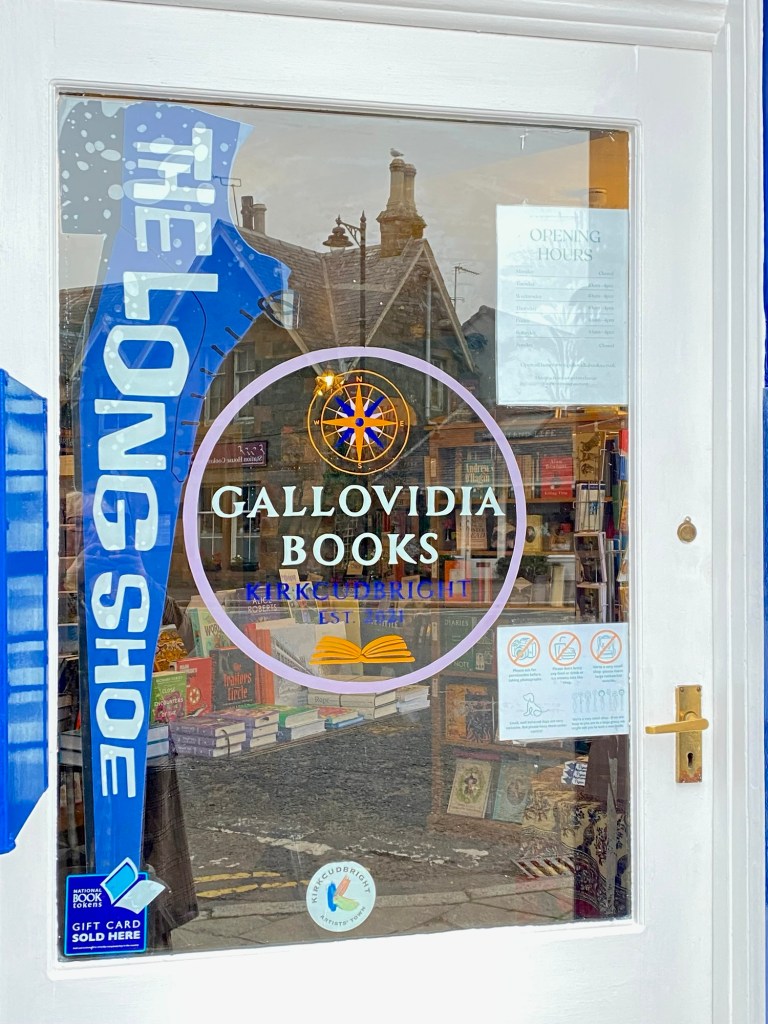

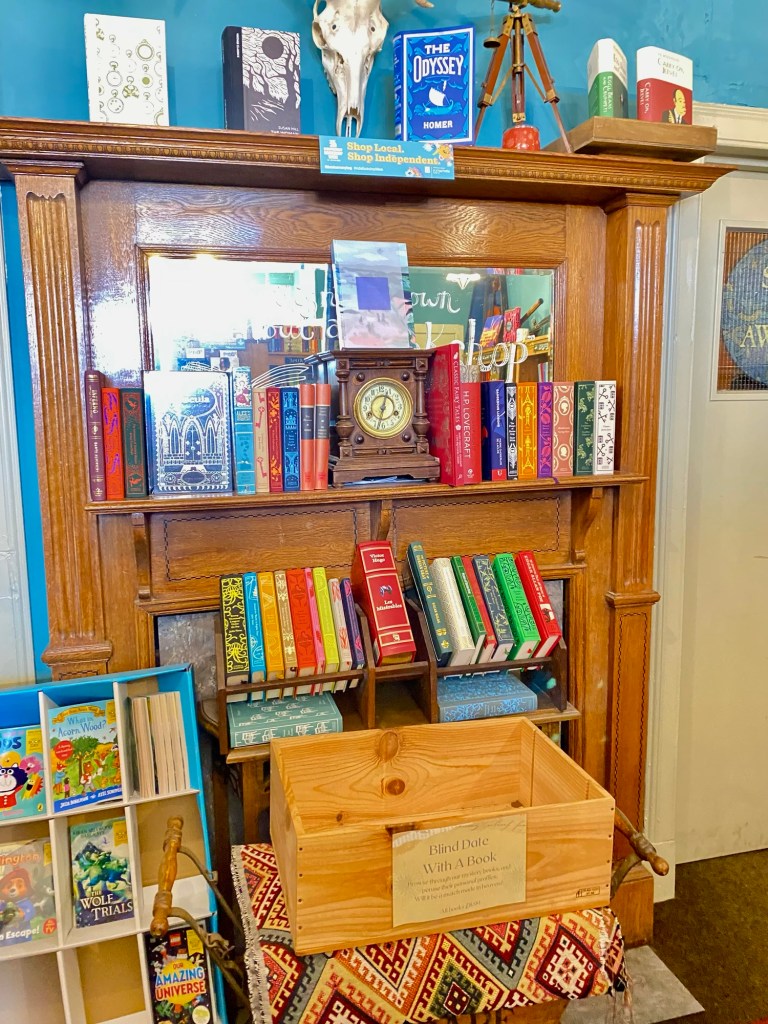
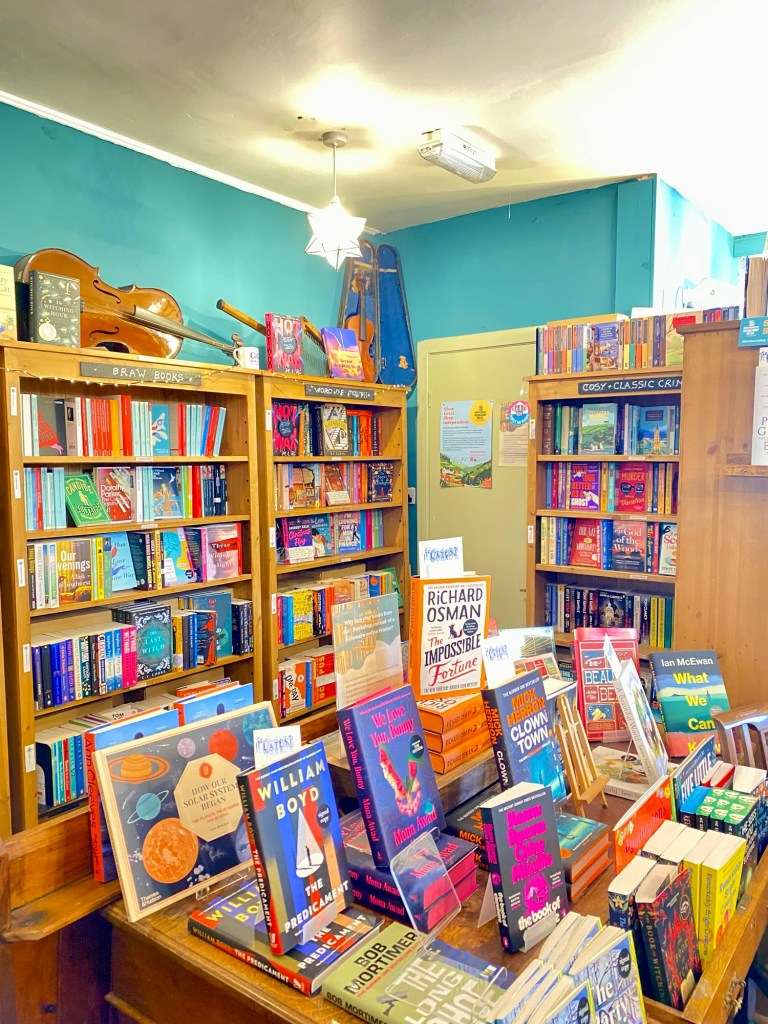

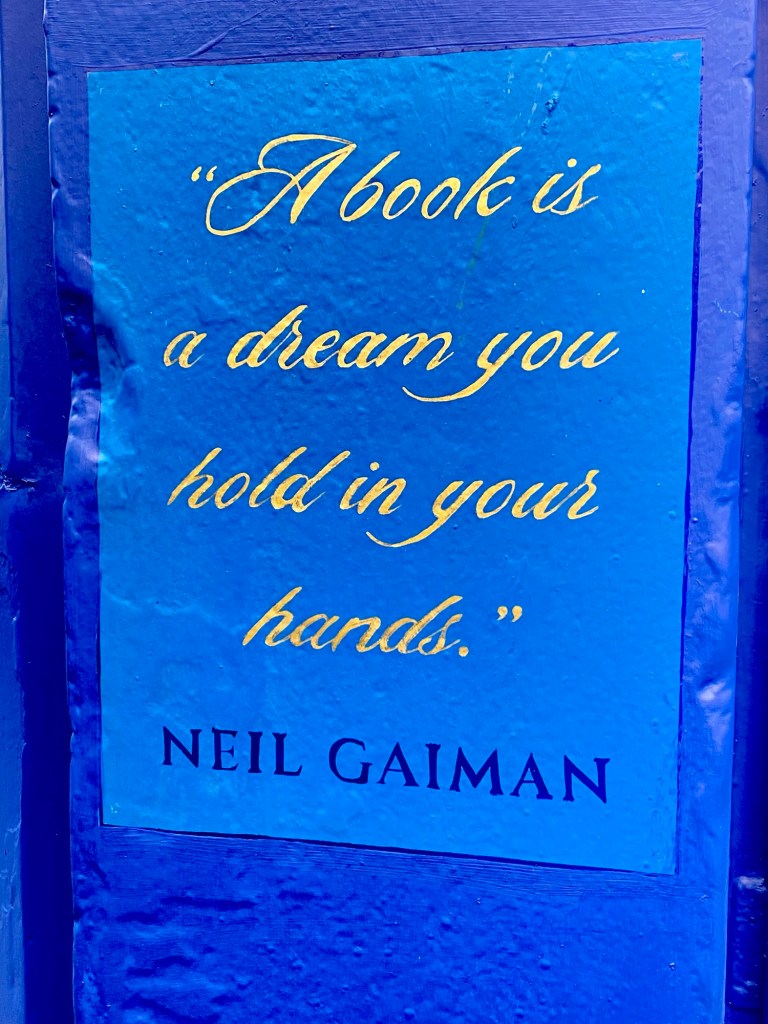

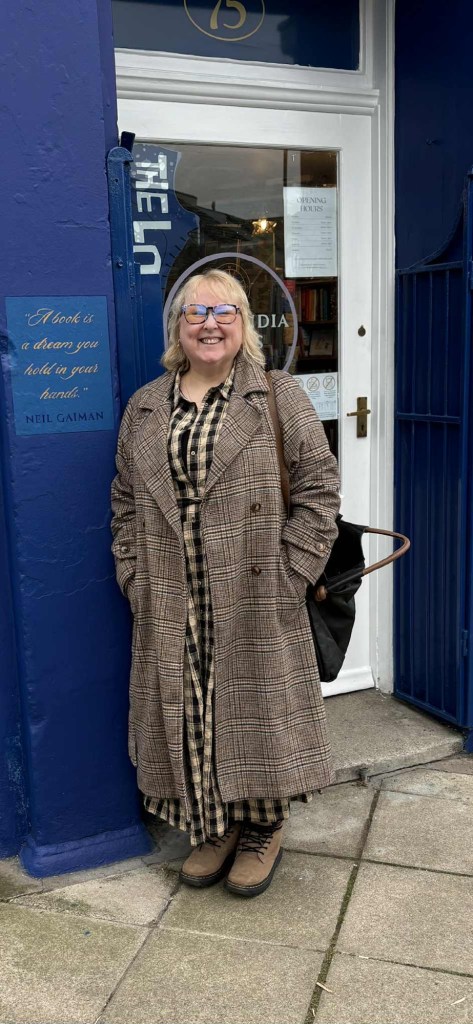
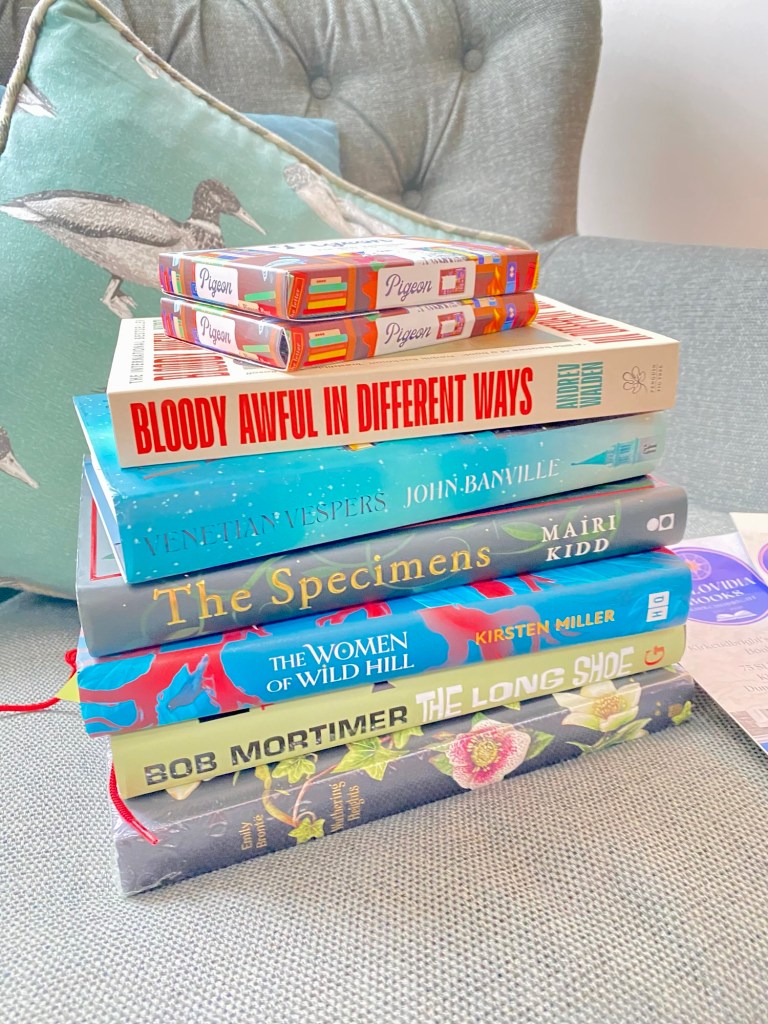
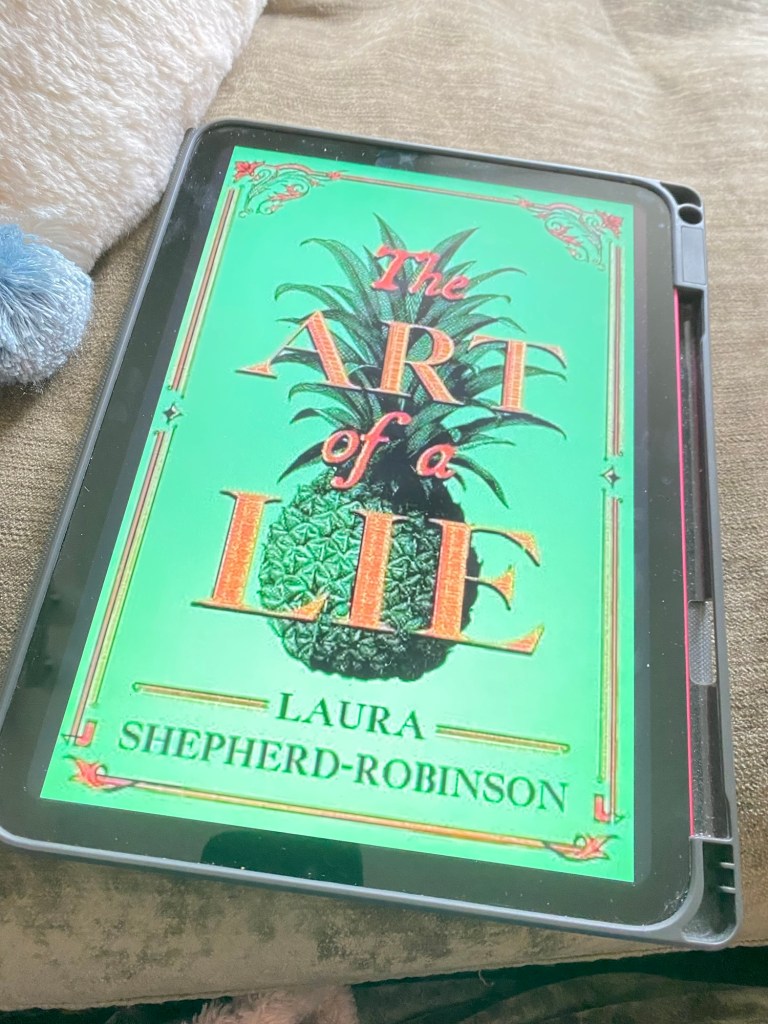

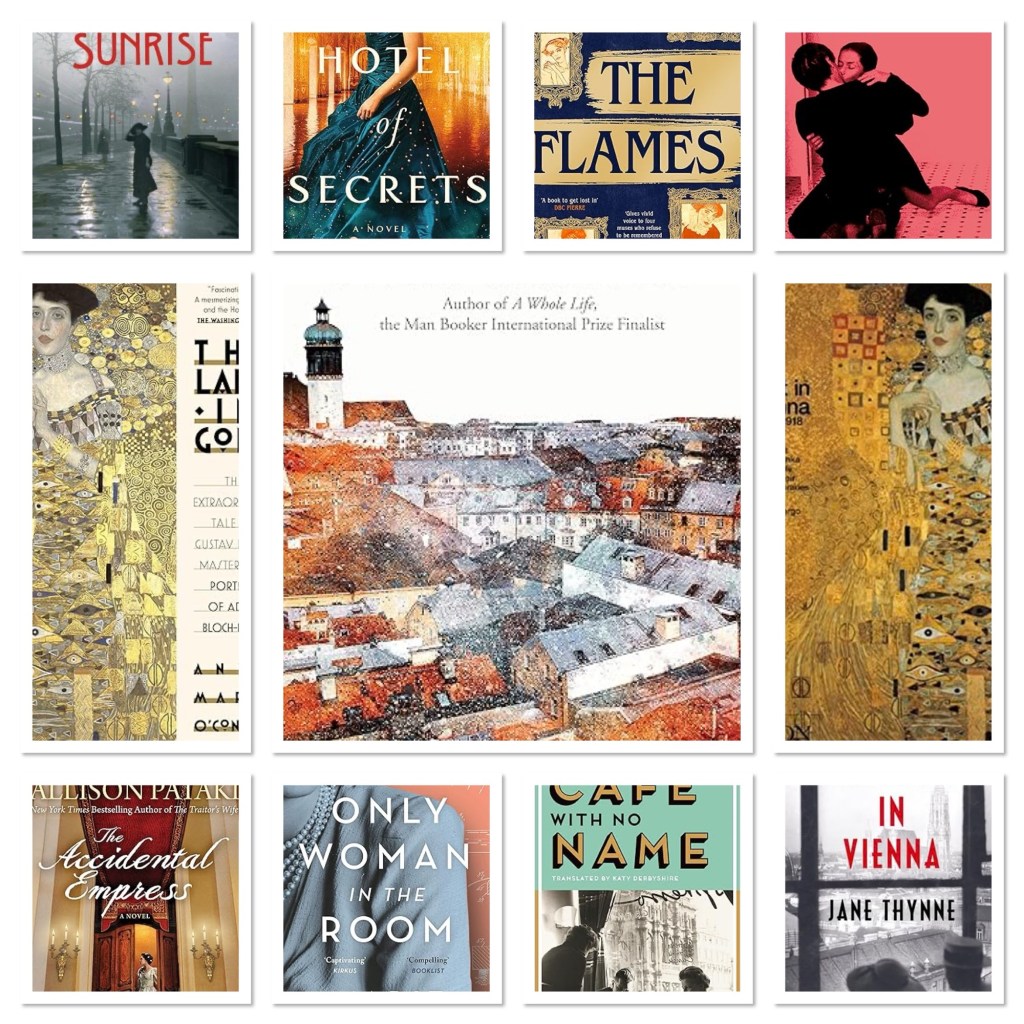
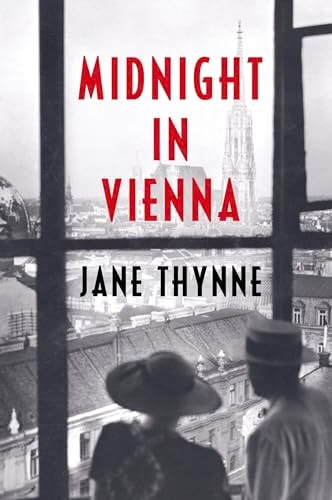
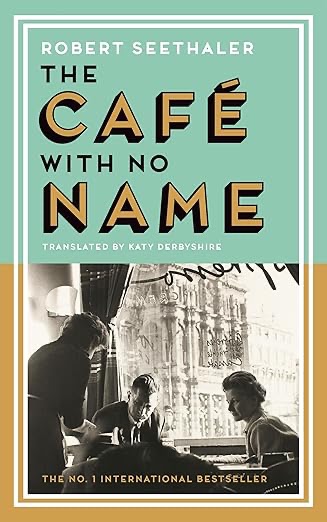
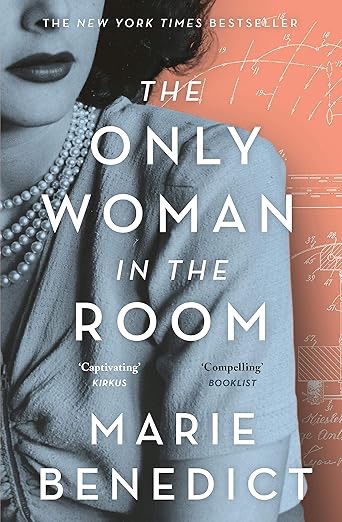
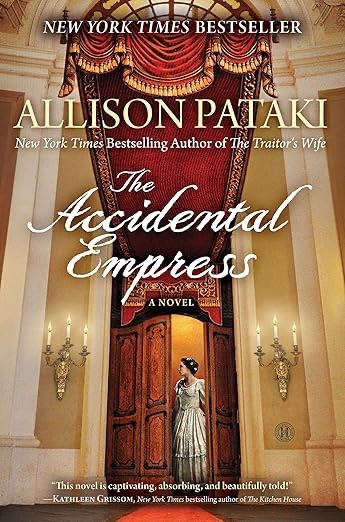
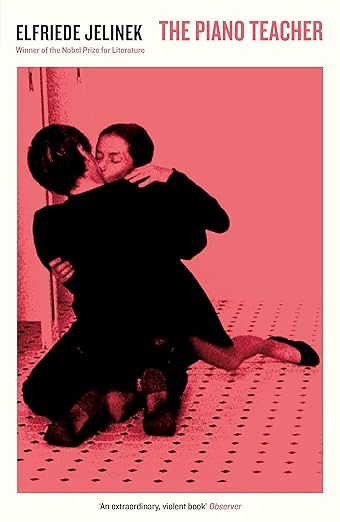
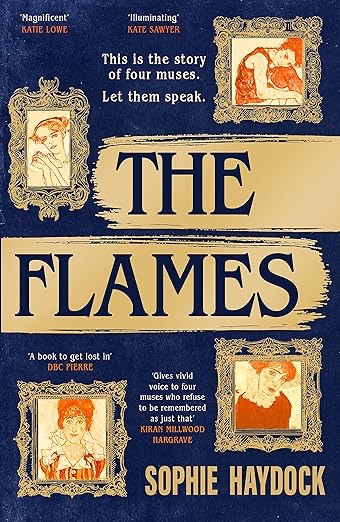
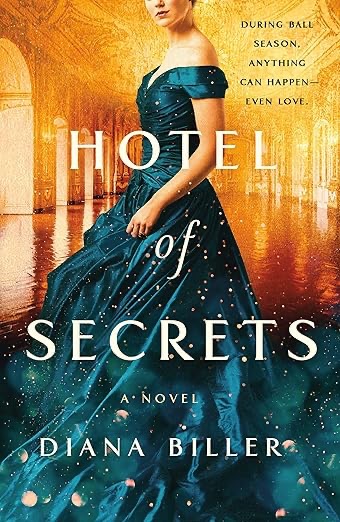
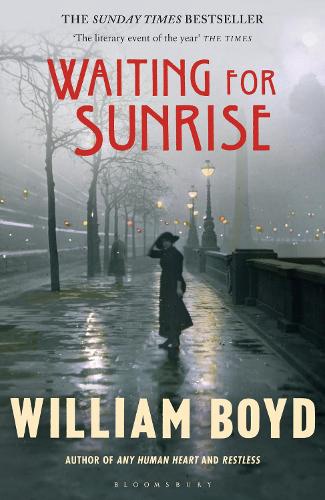

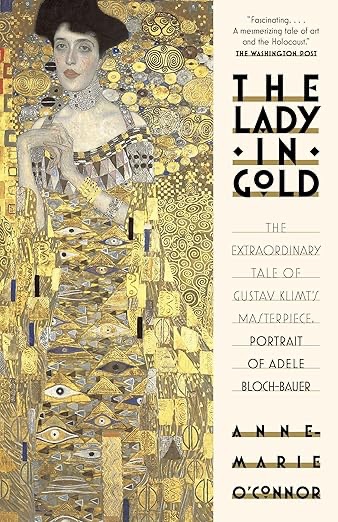



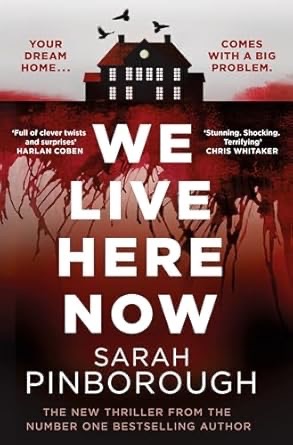
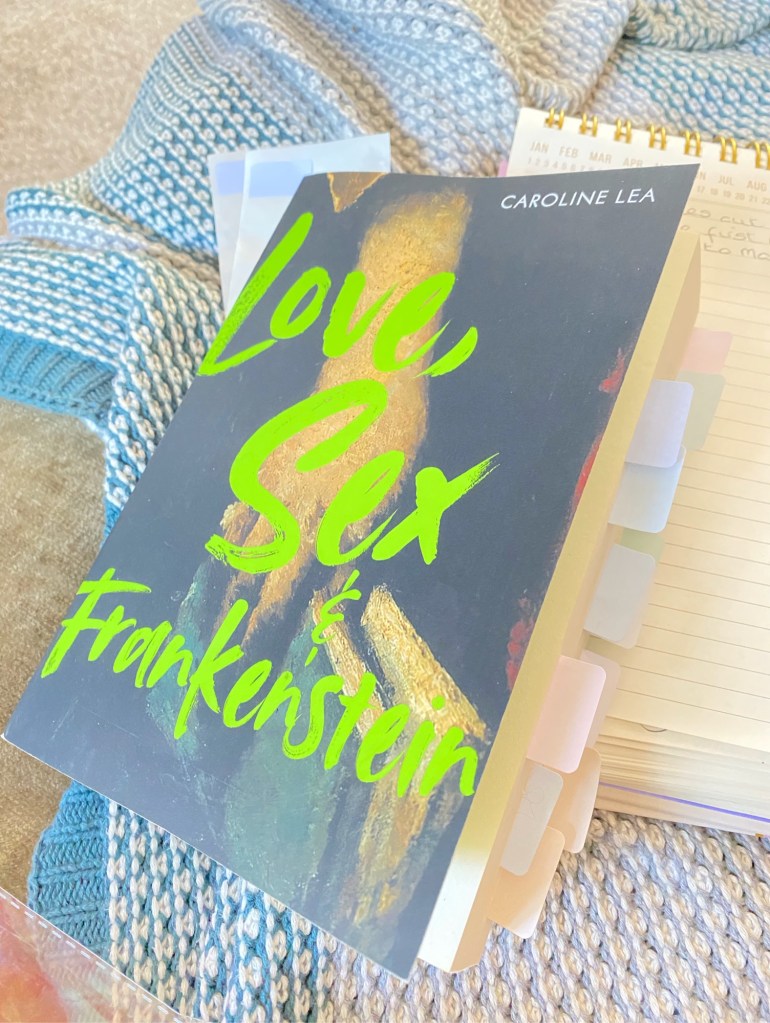

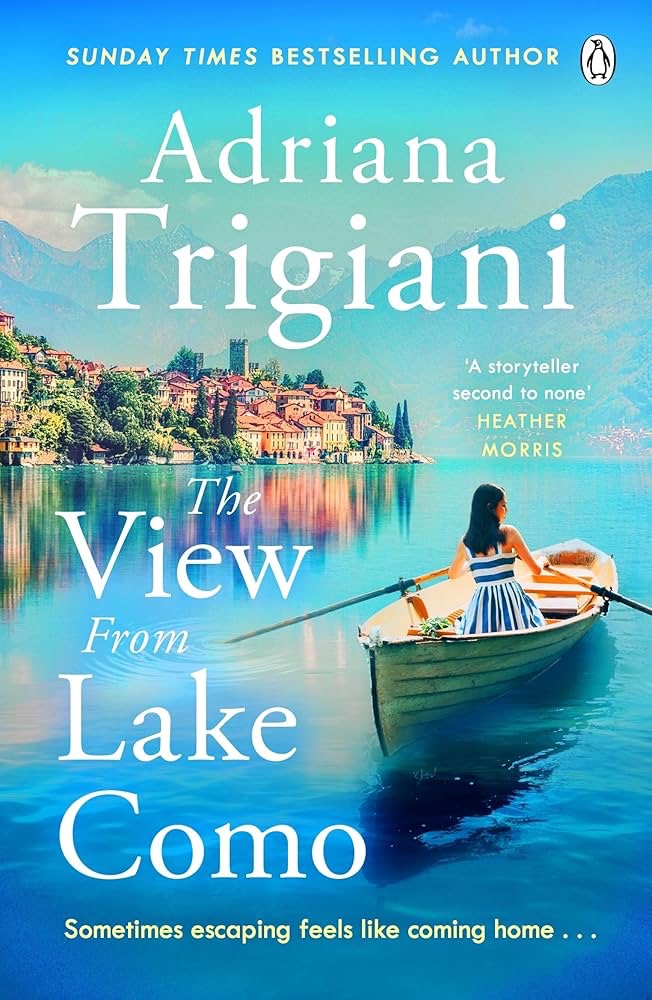


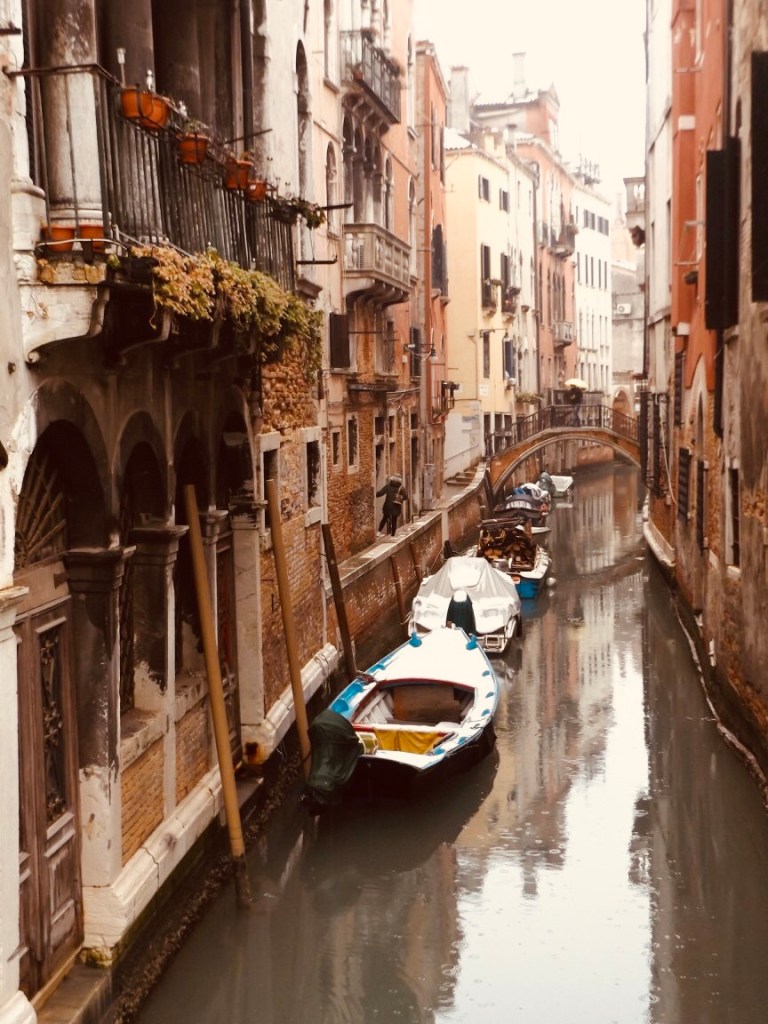
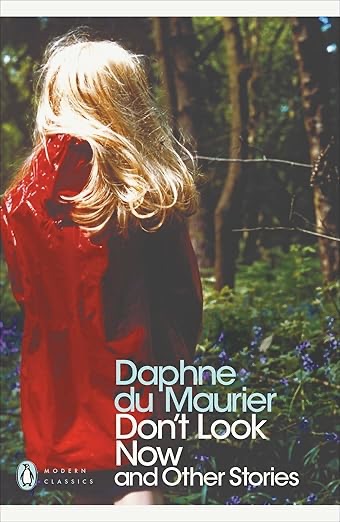
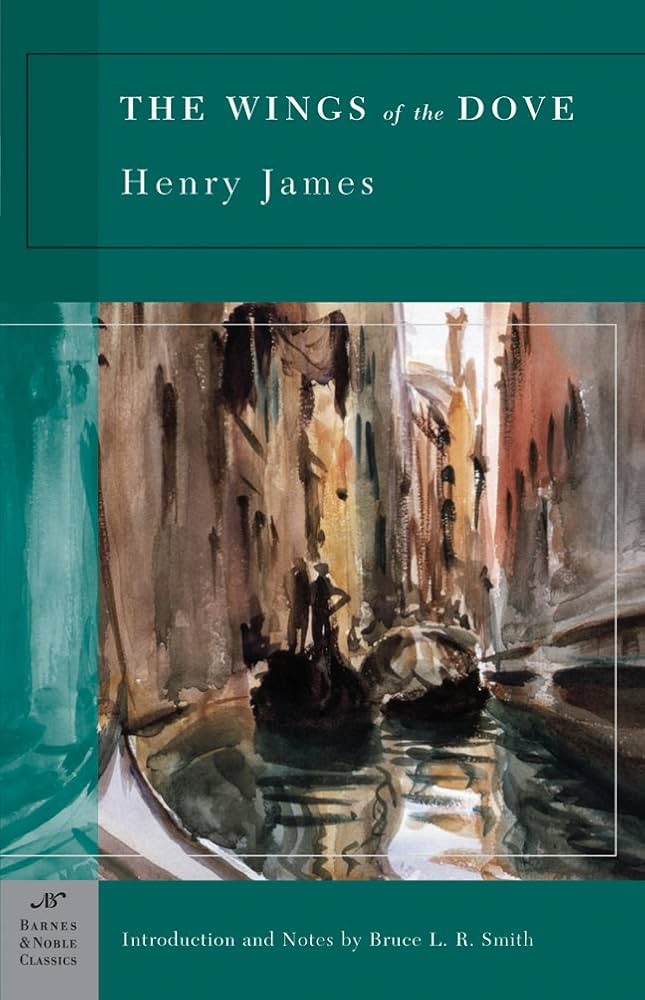
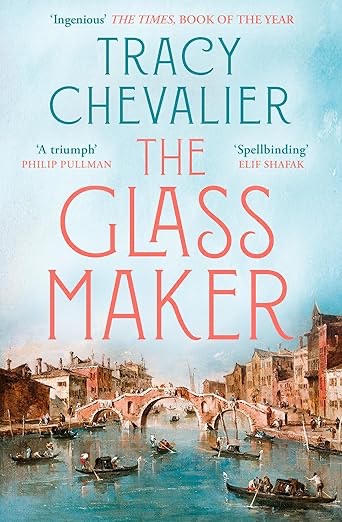
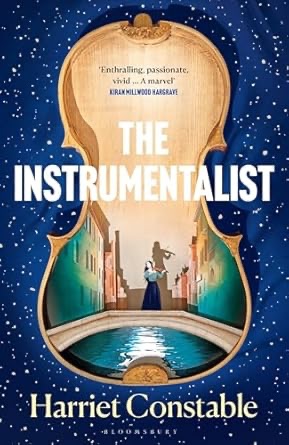
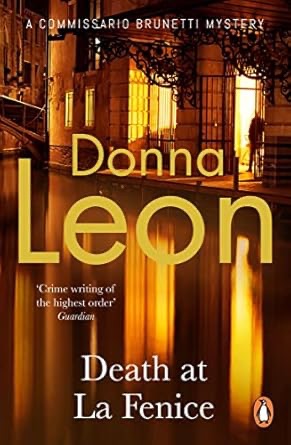
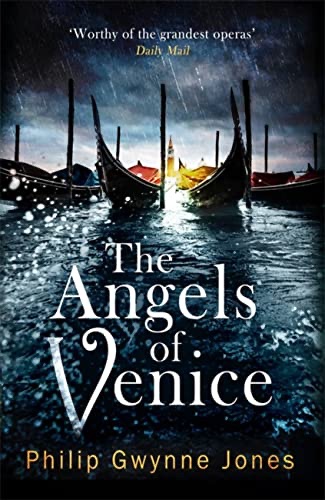
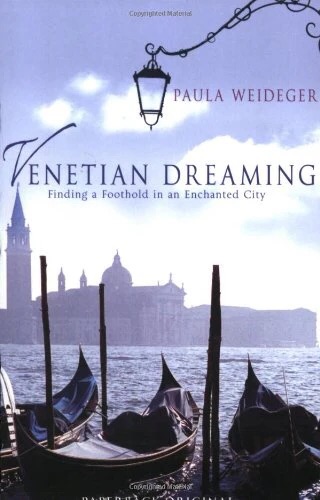
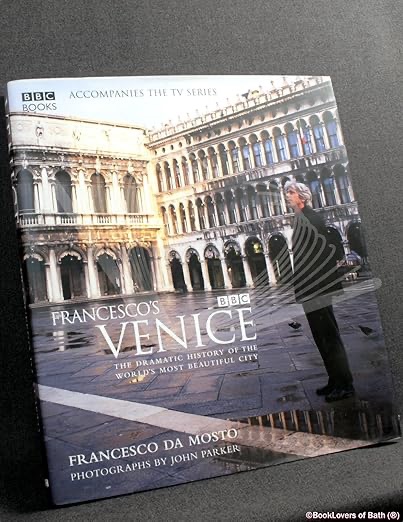
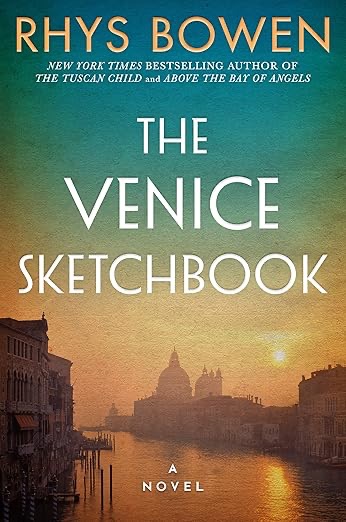
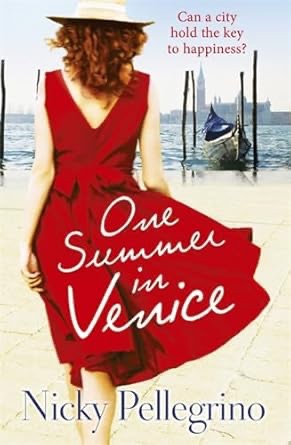
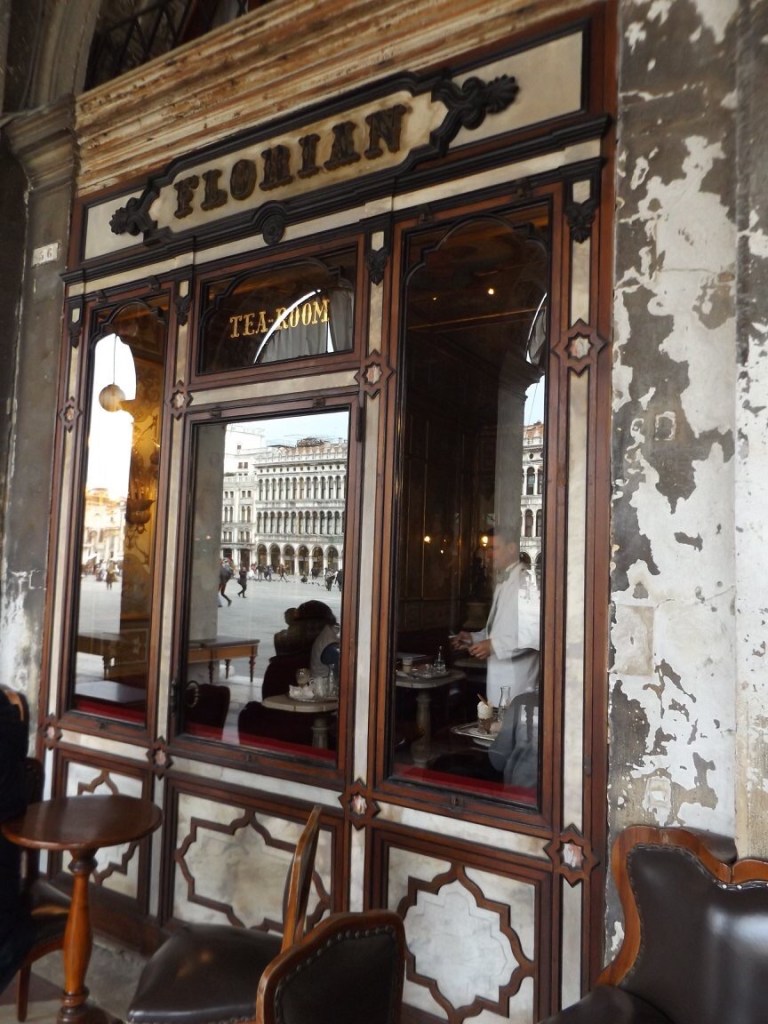
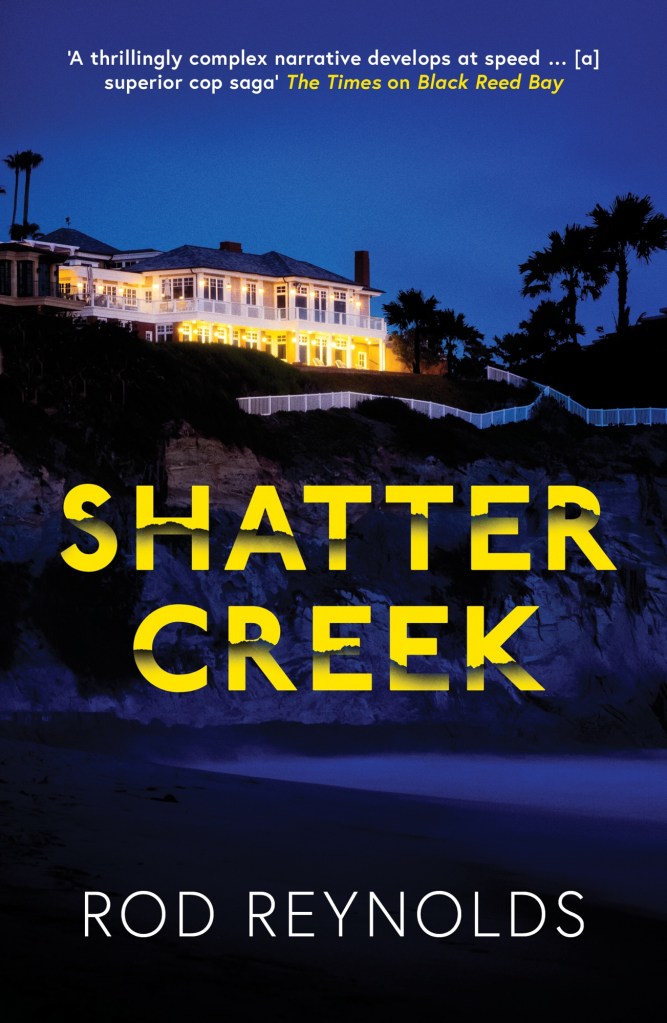
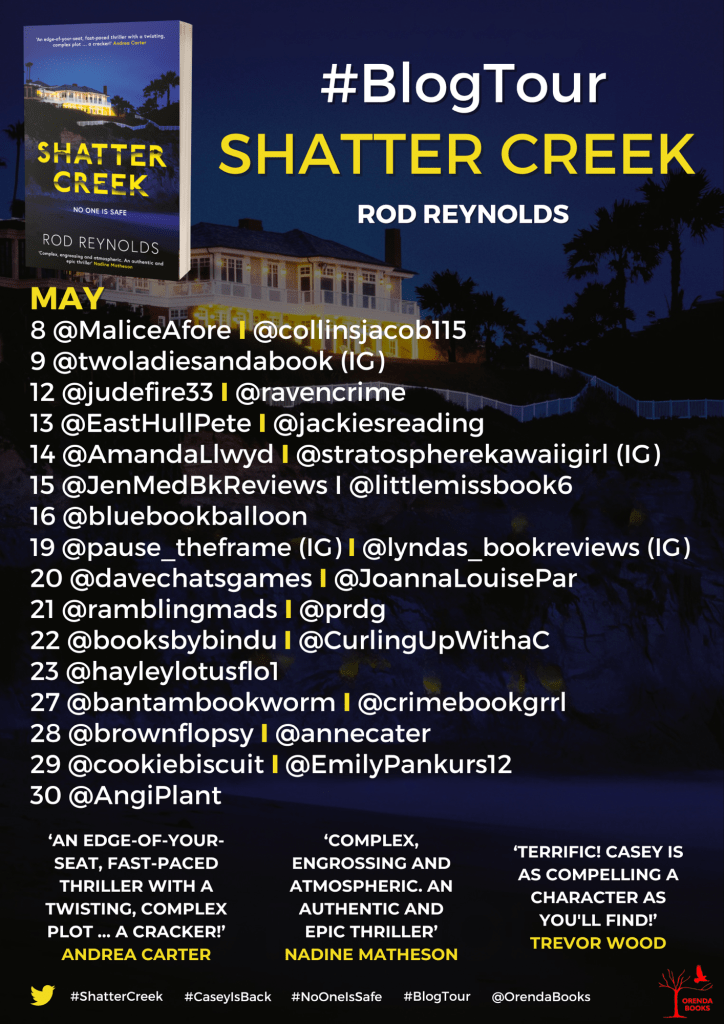



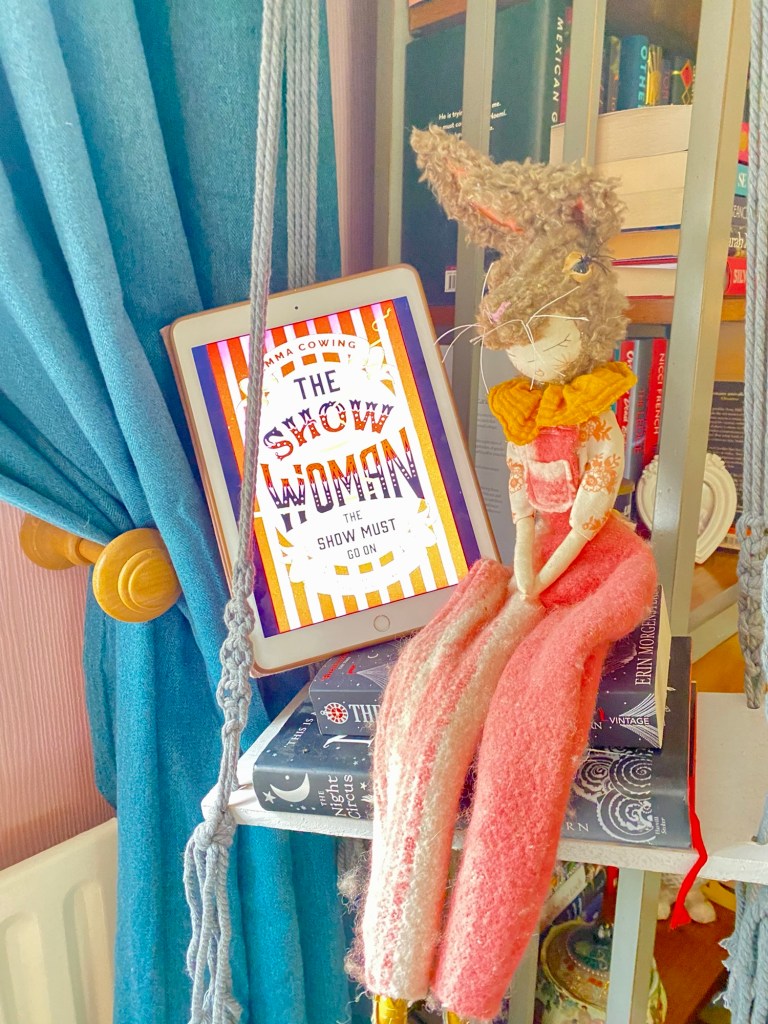

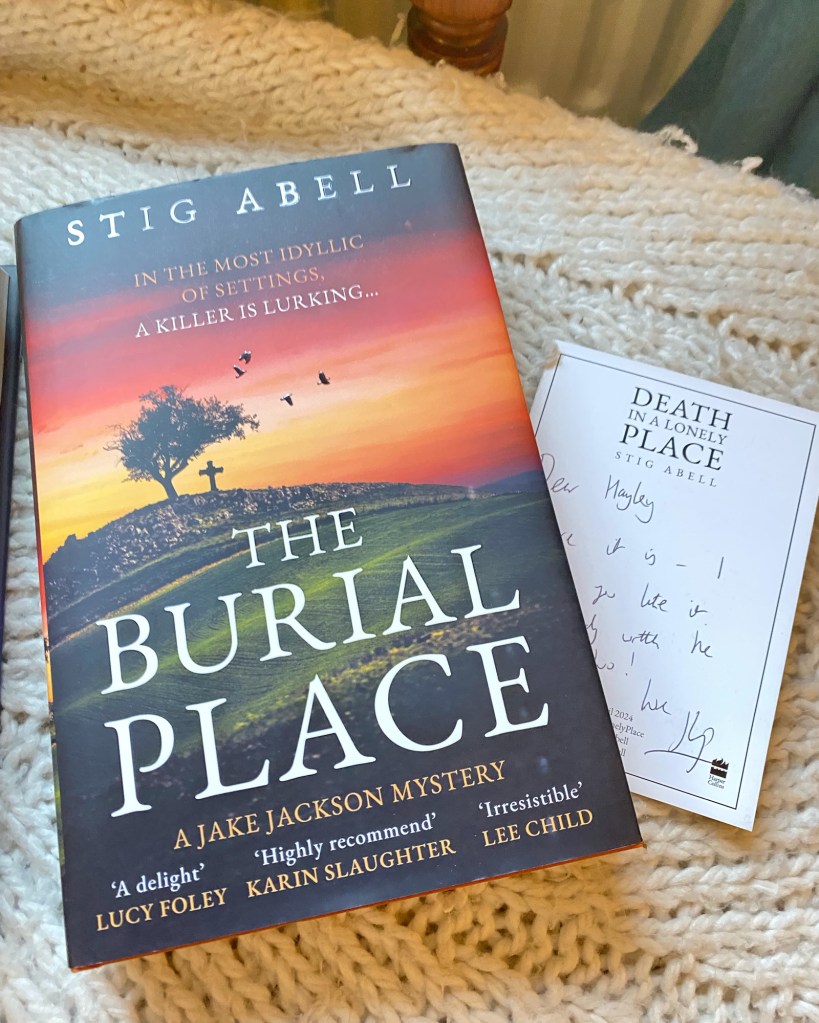

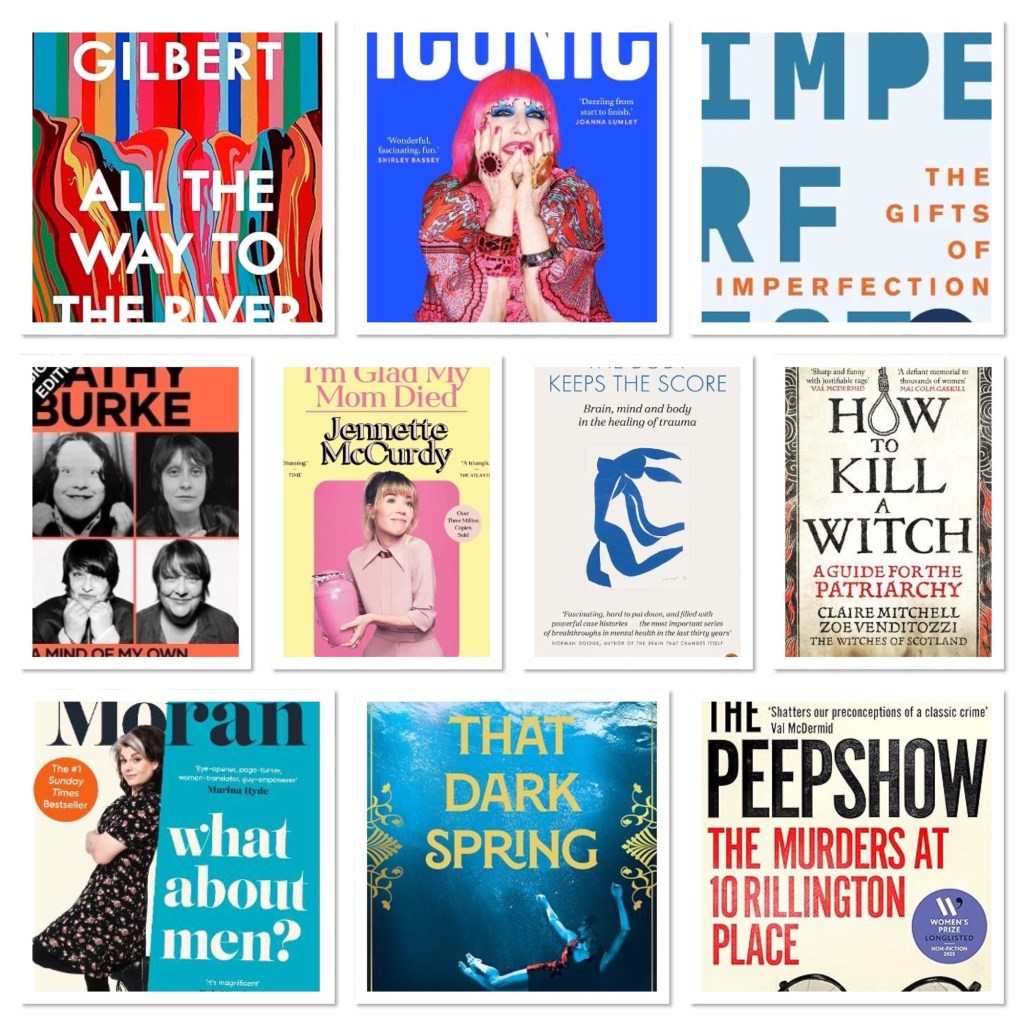
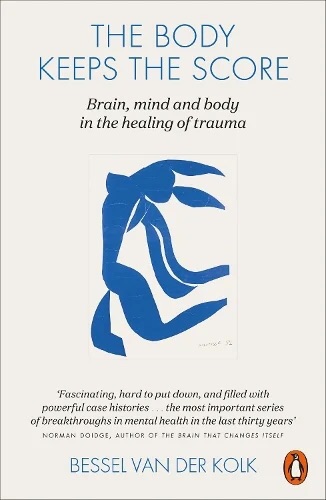
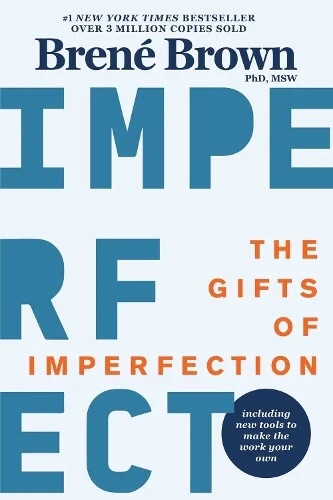
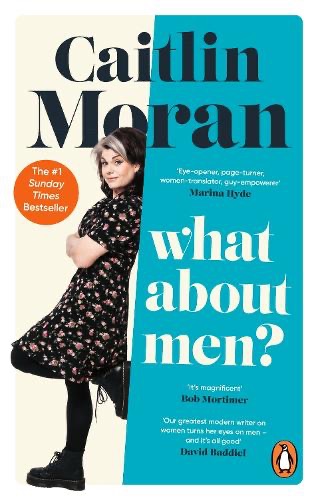
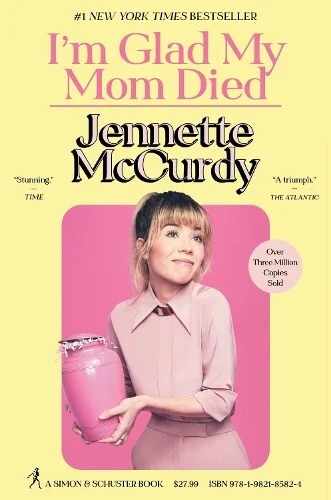
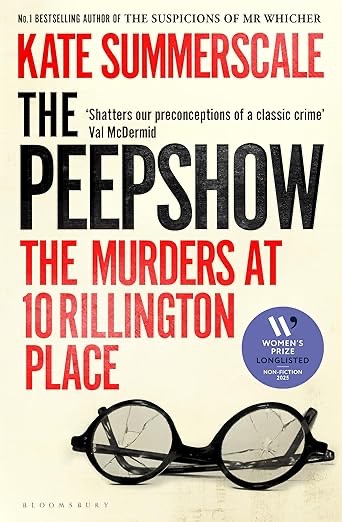

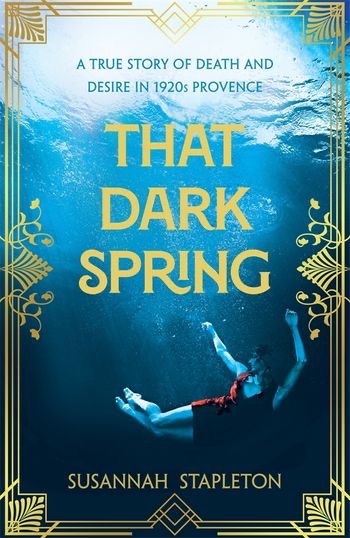
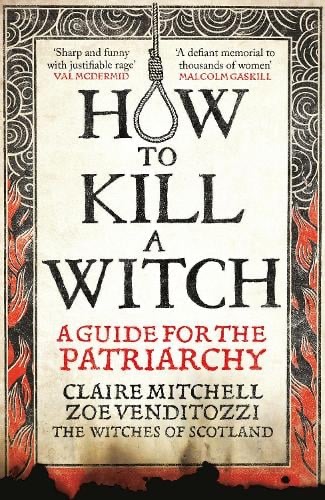
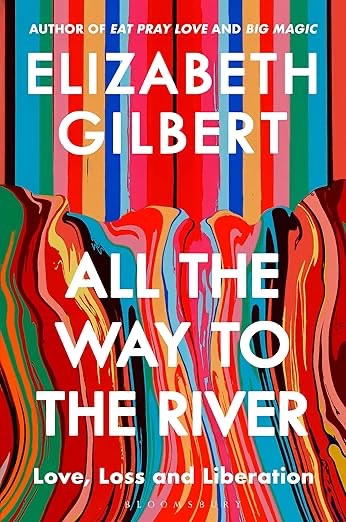


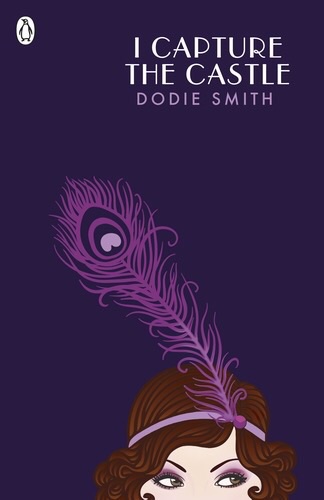
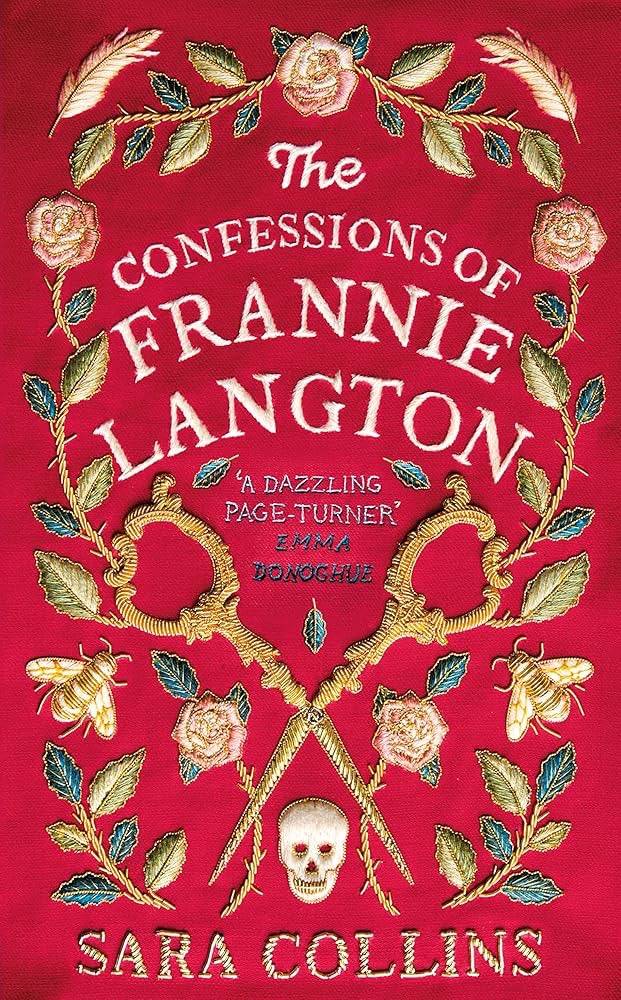

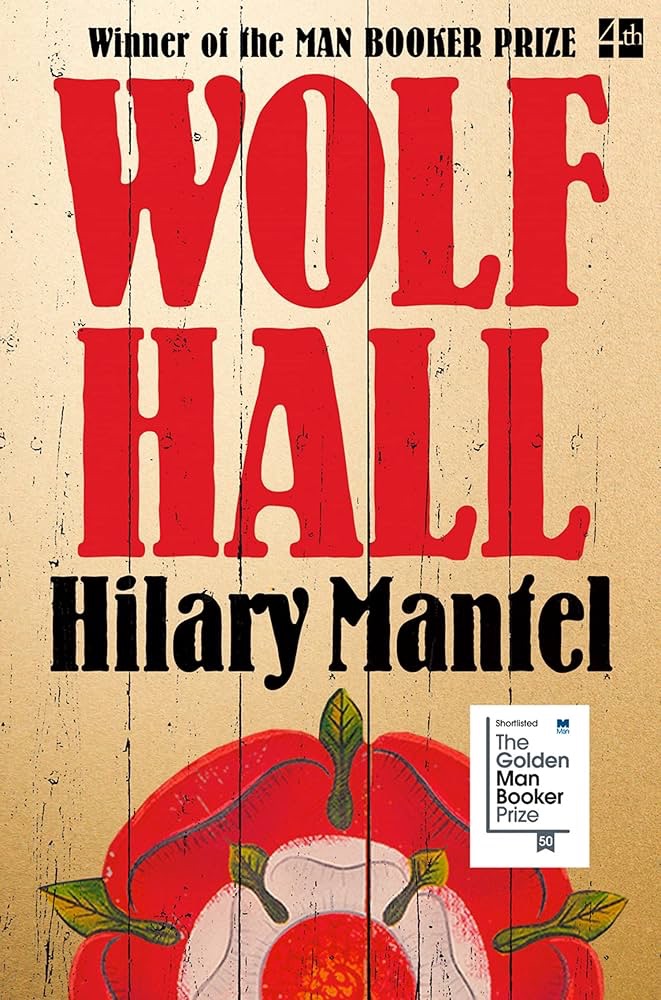
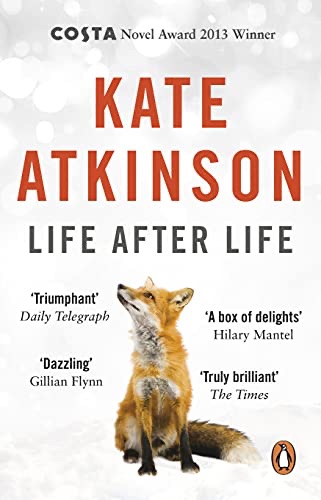
 The Lotus Readers