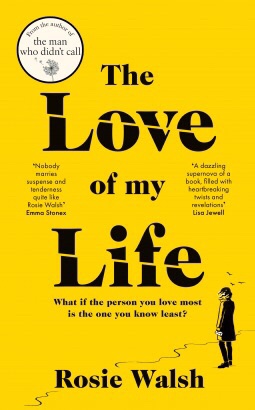
I’ve been putting together a list of all the summer releases I’m looking forward to and one of my most anticipated books is Rosie Walsh’s The Love of My Life. So I thought it was a great time to look back on her last novel which I absolutely loved.
I read this in two long bursts – one of which started at 3am. It’s a book I couldn’t put it down because all I wanted was these two people back together. The harsh realities of grief and lifelong family rifts are well drawn and believable. All of these people are trying to move forward despite their lives missing a beat one day on a country road, where a split second decision has lifelong consequences. This book explores grief, loss, loyalty, loneliness and the incredible ability the human heart has to heal.
Sarah has a 7 day whirlwind romance with Eddie. They meet by chance on a country road while Sarah is visiting her parents. She thinks Eddie just might be the one. But, Eddie goes away on holiday and she never hears from him again. Is Eddie a heartless playboy who never intended to call? Did Sarah do something wrong? Or has something terrible happened to him? Instead of listening to friends and writing this off as a one night stand, Sarah begins to obsess and is determined to find the answer. Every clue she has comes to a dead end and she is in danger of completely losing her dignity. As her time back home in the UK starts to run out, Sarah looks for clues to track Eddie down. What she hears is confusing her further. His friend doesn’t give the simple answer, that Eddie has moved on, but gives her a warning; if she knows what’s best for her, she needs to stop looking for Eddie
I quickly became invested in Sarah and Eddie’s story. I think we’ve all been subjected to the watched phone that never rings and how crazy it can make us. It could have made me dislike Eddie early on, but for some reason I never did. I’m definitely a hopeless romantic so I seemed to accept Sarah’s hope that this could still work out. The other characters in the novel are also well-written and compelling. I’m a therapist so I was particularly interested in Eddie’s mother and her mental ill health. I think her symptoms and the way she manipulated Eddie showed a streak of narcissism. She finds it impossible to see this situation from his point of view, only how it affects her. Anything that threatens their dynamic as carer and patient is a huge threat to her and she responds with emotional blackmail and hostility. Eddie is as much a prisoner of her mental ill health as she is. I also had empathy for Sarah’s friend Jenny who is struggling to conceive and undergoes IVF treatment to the point of financial ruin. Her character probably leapt out at me because I’m also not able to have children, and know how difficult it can be to come to terms with. Her stoicism and determination to support her friend in the face of her own loss is very moving.
I stayed up late to finish the book, because I had everything crossed that the mystery would be explained and these two people could move forward together. To different degrees, all the novels characters are imprisoned by the past and losses they can’t accept. My husband died when he was 42 and I was 35. It’s like a chasm opened up and I had to choose between staying on one side forever, with the past and my feelings of loss and fear. Or I could choose to jump over that chasm into a new future. I never forget what happened or the love I have for Jerzy, but twelve years later I have a wonderful partner and two beautiful stepdaughters. Thankfully, I had the bravery to move forward knowing I can’t lose my memories of the past but I still have a future full of possibilities I never imagined. That’s what the characters in the novel are trying to do. Grief is different for everyone and there are always tensions between those who are trying to heal and those who can’t imagine healing because it feels like a betrayal. Rosie Walsh draws these different threads together beautifully, creating a bittersweet novel that captures that moment of choice – to draw on our reserves of resilience, jump over the chasm and live again.
Meet the Author
Rosie Walsh is the internationally bestselling author of two novels, the global smash hit THE MAN WHO DIDN’T CALL, and – new for 2022 – THE LOVE OF MY LIFE, a heart-wrenching, keep-you-up-all-night emotional thriller, which was an instant New York Times bestseller and stayed in the German top ten for several weeks.
Rosie Walsh lives on a medieval farm in Devon, UK, with her partner and two young children, after years living and travelling all over the world as a documentary producer and writer.
The Man Who Didn’t Call (UK) / Ghosted (US) was her first book under her own name, and was published around the world in 2018, going on to be a multimillion bestseller.
Prior to writing under her own name she wrote four romantic comedies under the pseudonym Lucy Robinson. When she isn’t parenting or writing, Rosie can be found walking on Dartmoor, growing vegetables and throwing raves for adults and children in leaking barns.
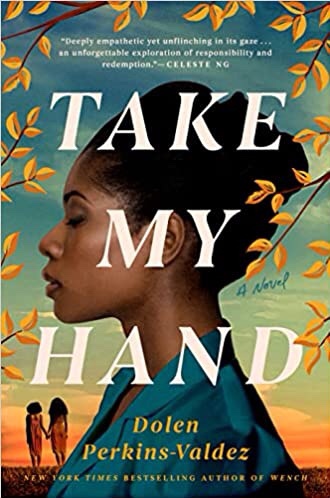
“A year never passes without me thinking of them. India. Erica. Their names are stitched inside every white coat I have ever worn. I tell this story to stitch their names inside your clothes, too.”
Wow! This novel absolutely blew me away. In fact I loved it so much that my other half kept asking whether I was ok and I couldn’t understand why, until I looked at the clock and three hours had gone past without me speaking. I was three quarters of the way through the book and even went to bed early so I could finish the story. This writer pulled me in from the very first page and Civil was as real to me as my poor other half. I’ve been interested in eugenics since I wrote my undergraduate dissertation on disability and 20th Century literature. I knew a lot about the movement in the U.K., US and Germany in the lead up to WW2, but this book shocked me because I had no idea that forced sterilisations were still happening in the 1960s and 70s. I knew this had happened in earlier in the century with Native American communities, so I shouldn’t have been surprised that it was still happening to African American women, especially where the woman has a disability too. I think this jumped out at me, because people with disabilities are having a very hard time currently, something that able-bodied people aren’t always aware about. For example, the University of York published research in the BMJ Open that concluded the joint impact of cuts to healthcare, public health and social care since 2010 caused at least 57,550 more deaths of disabled people than would normally have been expected between 2010 and 2014. Disability groups place the figure at 120,000 deaths over a seven year period and some activists even think that the government’s COVID policies were based on herd immunity and eugenics. It seems like eugenics never really goes away.
This novel shows how our biases and emotions feed into the work we do within the caring professions. Having worked in mental health and disability as a support worker, advocate and counsellor, I did identify strongly with Civil and the way she became involved with the Williams family. As a nurse, Civil is professional and is aware of things like codes of practice and ethics, but we are never the finished article and Civil’s naïvety plays a huge part in how she works. Civil has been brought up to care for and look after others as part of her Christian faith. However, there are other personal circumstances that she isn’t aware of taking into work with her. Civil’s mother struggles with depression and events that took place in her personal life have also left her vulnerable, particularly where it comes to her nurturing instincts. Her very name brings to mind civil rights, equality and fairness, so it’s not a surprise that where she sees injustice she’s willing to fight. The Williams girls are her very first patients and she is sent out on a home visit to give them a Depo Provera injection, a long term method of contraception. When she notices that India is only 11 years old her brain immediately starts questioning, who put this little girl on this injection, has anyone asked if she has a boyfriend or worse, is she being preyed upon? We are privy to her thoughts and her shock at the way the family are living is evident. Her first thought is that she must do something for them, get them away from the dirty shack where their clothes seem to be stored on the floor. What she does notice is that the girls smell and when she finds out they don’t have sanitary towels, she decides to buy some for them from her own money. This is the first line crossed and although Civil’s actions are generous and could change the family’s lives for the better, it’s a boundary crossed. This makes it so much easier to cross even further as time goes on.
I thought the author grasped the complexity of Civil’s feelings and her role in the girl’s lives beautifully. Civil knows that she should be following instructions, asking her supervisor the questions that have come to mind, and advocating for the girls. Yet she knows that just by talking to the right people and calling in a few favours she could get the girls some clothes, find a job for their father, perhaps get them a new flat in town. What she doesn’t realise is that she’s acting from a bias, not racism but a classism of sorts. Civil’s parents are a doctor and an artist, they live in a nice home and have a certain status. She has walked in to the Williams’s home and assumed they want to move, go to school, and have better things. She’s looking at them through her own world view, instead of moving into theirs and then takes their agency away by filling in forms on their behalf. Her heart is in the right place, but she’s mothering the girls; the girls have lost their mother and Civil has maternal feelings to spare. It’s a co-dependent dynamic that could get complicated and painful on both sides. Her nursing instinct is to gain the girl’s trust and find out who put them on contraceptive injections, especially when India hasn’t even started her period. There are no boys around where they live and neither girl goes to school. As she confides in fellow nurse Alicia and friend Ty, they start doing some research. There are many conclusions they could draw: the federal government could be experimenting on poor black communities; there could be a programme of stopping certain groups in society from reproducing; the government are leaving local employees to make decisions based on their own biases about poor communities; their supervisor believes the Williams girls aren’t safe and could be open to abuse from within the family. All are based on so many assumptions, but what was angering me was that no one had sat down with the family and asked the questions about the girl’s development, access to the opposite sex, or India’s ability to make decisions. Life changing decisions are being made, based on judgments made with no real evidence.
Judgement is at the heart of this terrible case, I won’t reveal more about the decisions made, but it does lead to a court case and repercussions for everyone involved. The colour of the family’s skin, their poverty and the death of the girl’s mother has led to assumptions about the girl’s morals and safety but also the possibility that a black man is not safe, even around his own children. India is non-verbal, but whether that’s through trauma or a learning disability is not clear. Civil’s superiors have decided that it would be disastrous to bring a child into this family, but it’s amazing to see how much the Williams do change over the course of the novel. Civil has taken the decision to act on behalf of the girls, rather than making suggestions and motivating them to advocate for themselves. The changes we see in them, just from having different surroundings, is incredible. Civil believes that we adjust our standards according to where are in life, so once their home becomes a clean, dry space they start to look after it. Civil’s happiness when she sees the girl’s grandmother has bought guest towels for the bathroom is so funny, because these are her standards, what she sees as the correct way to do things, without question. I could see her attachment to the girls growing, the way she brings her support network into their lives also leaves their lives further enmeshed with hers. How will they separate themselves? If Civil takes their part in their court case, she may lose everything, so what happens when the Williams start to have confidence to make their own decisions? What if Mace meets a woman – a potential stepmom for the girls? I wondered if Civil would cope were these girls taken away from her, whether by her work or by changes in the Williams’s circumstances.
The author weaves fact into fiction so seamlessly here, with contemporary medical research questioned and the family’s meeting with real life senator Teddy Kennedy. This grounds the book beautifully and it feels even more true to life; the girls aren’t real, but I’m guessing that this story could be the reality for many poor, young, African American women. I thought Civil’s home life was really interesting, especially when her Aunty arrived and talked plainly about her Mum’s depression. Even in a household where there are always guest towels, there are struggles and issues that are overlooked, either due lack of understanding or through avoidance of something too painful to acknowledge. In fact there’s a way this whole episode is fuelled by avoidance, because if Civil buried herself in this family’s trouble she could avoid her own loss. The present day sections are evidence of that avoidance, because we see Civil finally having to confront and process feelings long buried. She’s close to retirement, yet is still haunted by what happened back then. There are positives in her visit back home, in that her relationships have adjusted so there’s more equality with some people than there was back then. I was left with a sense of how incredible women are, the strength we have to survive life altering circumstances and what can be achieved when we support each other.
Meet The Author
Dolen Perkins-Valdez is the New York Times bestselling author of WENCH, BALM, and the forthcoming TAKE MY HAND. *USA Today* called WENCH “deeply moving” and “beautifully written.” *People* called it “a devastatingly beautiful account of a cruel past.” *O, The Oprah Magazine* chose it as a Top Ten Pick of the Month, and NPR named it a top 5 book club pick of 2010. Dolen’s fiction has appeared in The Kenyon Review, StoryQuarterly, StorySouth, and elsewhere. In 2011, she was a finalist for two NAACP Image Awards and the Hurston-Wright Legacy Award for fiction. She was also awarded the First Novelist Award by the Black Caucus of the American Library Association. Dolen received a DC Commission on the Arts Grant for her second novel BALM. Publishers Weekly writes “Her spare, lyrical voice is unsentimental yet compassionate.” Library Journal writes “No sophomore slump is in evidence here. Readers who were captivated by Perkins-Valdez’s first novel, Wench, will be intrigued by the post–Civil War lives of three Southern transplants to Chicago.” Dolen is an Associate Professor of Literature at American University. A graduate of Harvard and a former University of California President’s Postdoctoral Fellow at UCLA, Dolen lives in Washington, DC with her family.
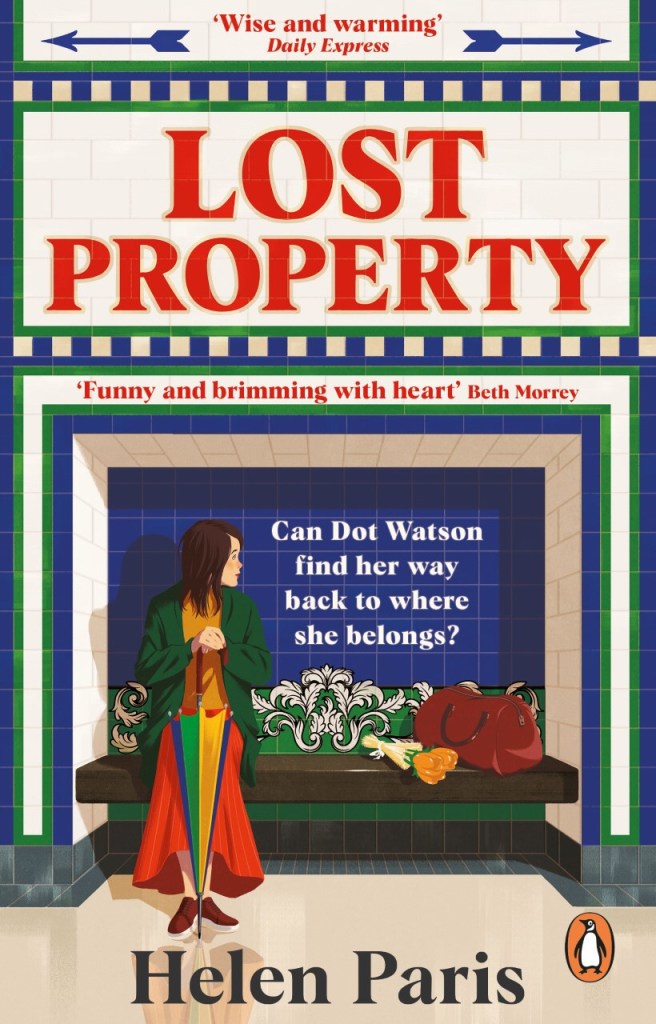
It took me about five pages to be drawn into Dot Watson’s quirky world and her love for the lost property office in which she works for London Transport. If anything is lost, be it on a cab, bus or train this is where honest people bring their found items. Dot is like the backbone of the office and the other workers would be lost without her. A lover of proper procedure and organisation, Dot is the ‘go to’ employee for anyone starting work with the team, or just to answer a question about an item. Dot thinks lost things are very important, almost like an extension of that person. Their lost item can tell her a lot about the person they are and she fills the lost luggage tags with as much detail as possible so that they have the greatest chance of locating it. Dot believes that when a person is lost to us, their possessions can take us right back to the moment they were with us. When Mr Appleby arrives at the office to find his lost piece leather hold-all it is what the case contains that moves Dot. Inside is a tiny lavender coloured purse that belonged to his late wife and he carries it everywhere. Something inside Dot breaks for this lonely man and she is determined she will find his hold-all. Her search becomes both the driving force of Dot’s story and the key to unlocking her own memories.
Dot has been working at the lost property office for years, but it isn’t the life she expected to be living. In her early twenties, travel was her main driving force in life and she was living the dream in Paris. Being multi-lingual Dot had exciting plans to travel the world, but all her dreams come to a halt when her father dies suddenly and traumatically, by throwing himself in front of a train. Dot’s relationship with her father was complicated, as he doted on her and they spent a lot of time together. However, as the youngest child by some years and because she hero worshipped her father, she didn’t always see things clearly. There are secrets at the heart of the family, kept for all the right reasons, but causing misunderstanding and resentment. When her father died Dot rushed home, but the trauma of his death affects the whole family deeply and it seems to put Dot’s life on hold. Now her collection of travel guides are her window on the world she once wanted to explore, but she is firmly stuck in her mum’s flat and still working in a job that was once a stop gap. Her only other activity is her regular visit to her mum in the nursing home. While her sister lives further afield, she constantly rings Dot to remind her of things and get updates on their Mum. She is pressuring Dot to get the flat viewed and sold so their lives can start again, but Dot is avoiding her. To add to her family stress, Neil from work is promoted to be their manager and the changes he wants to bring in are also disturbing Dot. He wants to reduce the amount of time they keep items, but what if something goes to auction and they can’t get it back? Dot seems to freeze, staying in the lost property office at night and looking tirelessly for Mr Appleby’s hold-all.
Dot is such a sympathetic character. She’s funny, resourceful and actually quite formidable when at full strength. We go back and see a naïve young girl, for whom Daddy is the centre of the universe. They spend a huge amount of time together which she has always viewed as the result of having a special relationship. As she goes back its interesting to see how others viewed the same events, with totally different conclusions. Their family story is so sad and brings home to us the benefits of living in such a tolerant and open society today. If Dot has been viewing her life through the wrong lens, how will she cope when she finally sees it all? Dot thinks she’s weak, but she’s actually incredibly strong. Some of the things she goes through, not just in the past, but during her time sleeping at the property office are really traumatic. She will take more time to process it all, but I loved the author’s importance in the human power to change, to take stock and move forward with life. I think the writer has been clever in her debut novel to write a light, uplifting story, but with so many darker layers underneath. It’s a real accomplishment to imbue a character that could have become a caricature, with life and authenticity. I love her optimism too, leaving us with the knowledge that no matter what the trauma, we have the power to change ourselves and our lives for the better. I heartily recommend this book to other readers, but they must prepare to fall in love with it as I did.
Meet The Author
Helen Paris worked in the performing arts for two decades, touring internationally with her London-based theatre company Curious. After several years living in San Francisco and working as a theatre professor at Stanford University, she returned to the UK to focus on writing fiction. As part of her research for a performance called ‘Lost & Found’, Paris shadowed employees in the Baker Street Lost Property office for a week, an experience that sparked her imagination and inspired this novel.
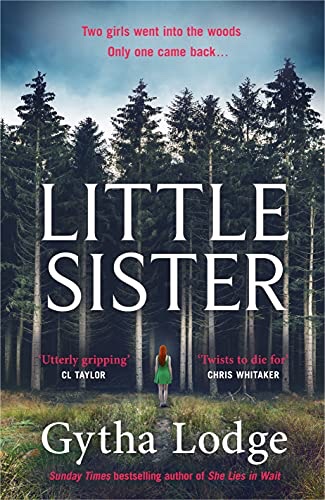
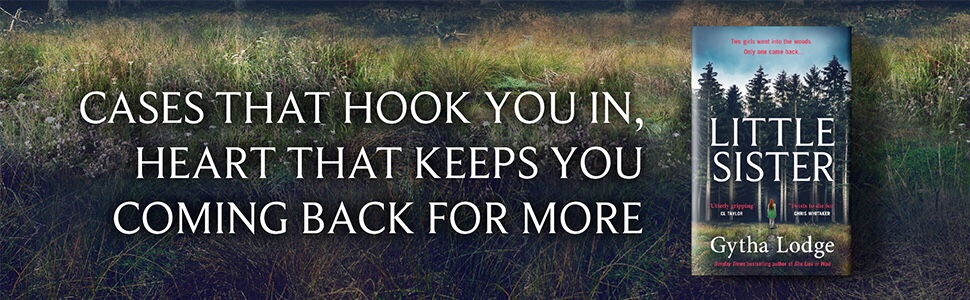
Two sisters went missing. Only one of them came back . . . ________
A teenage girl wanders out of the woods.
She’s striking, with flame-red hair and a pale complexion. She’s also covered in blood.
Detective Jonah Sheens quickly discovers that Keely and her sister, Nina, disappeared from a children’s home a week ago. Now, Keely is here – but Nina’s still missing.
Keely knows where her sister is – but before she tells, she wants Jonah’s full attention . . .
Is she killer, witness, or victim?
And will Jonah find out what Keely’s hiding, in time to save Nina?
Last year I was lucky enough to receive a prize from Gytha Lodge and now have three of her hardbacks, all individually signed. I haven’t had chance to read them and as I was granted access to this fourth novel in the series on NetGalley I decided to dive in and hope it would work as a standalone novel. I needn’t have worried at all. This was immediately accessible, yes there were aspects of Jonah’s life that I’m looking forward to finding out more about, but on the whole I could enjoy the mystery without feeling like I didn’t know my protagonist.
The opening scene is absolutely brilliant, vivid and shocking at the same time. Jonah sits in a warm beer garden with his baby in a pram at his side. He’s musing on life and his recent choice to return to a relationship with the mother of his child, leaving behind a burgeoning relationship with Jojo who he misses enormously. It takes a moment for him to notice the young woman who has come into the garden. She has red hair and her hands and chest are covered in blood. While others simply stare in shock, Jonah rings his partner Michelle to pick up the baby, then moves over to the girl and offers to get her a drink. They sit and her story starts to come out, but this is going to be a tricky interview and investigation. Jonah wants to take his time, go gently and not rush this young woman, who could be a victim, but could also be a suspect. Then she makes a revelation. Her name is Keeley and her sister is Nina, this could be Nina’s blood and of course they need to find her, but first Keeley wants to tell them a story.
Nina and Keeley have spent their entire childhood in care. Bouncing from children’s home to foster parent, they seem to have been magnets for predators at an early age. There are two foster homes where their placement failed. One was at the Murray-Watts, who live in a large house in the country with their son Callum and the right type of Range Rover. However, Keeley remembers a regime of cruelty and starvation, where their foster father was always pitting the children against each other and for punishment would lock them in a dark basement for days. His wife Sally might not be so cruel, but she never failed to do his bidding. From there to the Pinders, their home is a huge contrast situated on a council estate. There the girls made a complaint of sexual assault against their foster father who groomed them with trendy clothes, alcohol and watched Gossip Girl with them. This was all fine until he started to want things in return. The problem with these accusations is that nobody believed them, and even though they were removed from the homes in question, no one was prosecuted. Jonah and his excellent team have to tread a very fine line. Keeley comes across as cold and calculating one moment, but then like a broken little girl the next. Which is an act? Or are they both the same girl? Either way she won’t compromise; Jonah listens to her full story or she won’t tell them where Nina is. Time is ticking and if Nina is severely injured will she last to the end of the story?
I thought Keeley was a fascinating character, psychologically flawed and clearly traumatised by their past, however much of it is true. The girl’s social worker seems very sure that all the claims are false, just girls making up stories. However, it’s clear that some aspects of the girls accusations are true. So, if someone makes multiple accusations does it mean they’re all false? The book kept me guessing and there were times when I wondered whether I even trusted Keeley with her own sister. The chapters based around Jonah and the investigation are interspersed with Keeley’s first hand testimony. She shows all the traits of a psychopath; has she always been this way or has she been created by the treatment of those meant to care for her? If Nina has been subjected to the same treatment won’t she be afflicted psychologically too? I was also dying to know where these foster parents were. Pinder is giving the same story as the girl’s social worker, but the Murray-Watts have completely disappeared. Did the girls have help to weave a twisted treasure hunt for the police? I started to wonder if Keeley had known that Jonah was in the beer garden that day. She seems to be fascinated with his team so could one of them have come across the girls before?
There are some very dark stories here and they could be distressing for people who’ve gone through a similar experience, but it’s that darkness that keeps the reader wanting the truth and to see those responsible punished. If Keeley has planned how to elicit sympathy from the police, she certainly knows what she’s doing. As readers we are pulled along with Jonah from distress and empathy to disbelief and a sense that something is very, very wrong either with Keeley or the system. This is a great mystery, with huge twists in store and a police team I enjoyed getting to know. Now I’m looking forward to going back to the first novel in this series and filling in the gaps in my knowledge, while enjoying even more of this talented writer’s incredibly creative plots and dark, brooding atmosphere.
Meet The Author
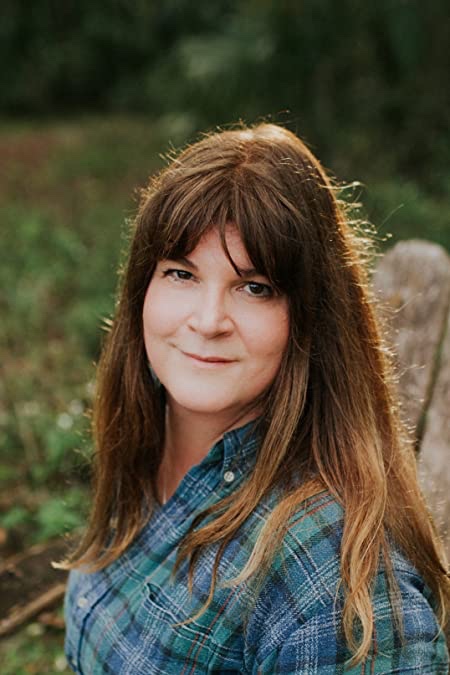
Gytha Lodge is a multi-award-winning playwright, novelist and writer for video games and screen. She is also a single parent who blogs about the ridiculousness of bringing up a mega-nerd small boy.
She has a profound addiction to tea, crosswords and awful puns. She studied English at Cambridge, where she became known quite quickly for her brand of twisty, dark yet entertaining drama. She later took the Creative Writing MA at UEA.
Her debut crime novel, She Lies in Wait, has been published by Penguin Random House in the US and UK, and has also been translated into 12 other languages. It became an international bestseller in 2019, and was a Richard and Judy book club pick, as well as a Sunday Times and New York Times crime pick.
Watching From the Dark, her second novel, was released in February 2020, with her third book lined up for spring of 2021. This fourth novel is published on 28th April 2022.
After the untimely deaths of her aunt and mother, young Riley Mays moved from Chicago to her cousin’s Wisconsin farm. Here she found solace in caring for her extraordinary adoptive brother, exploring the surrounding wild nature, and gazing at the mystical moon—a private refuge in which she hides from her most painful memories. But ten years later, now twenty-one, Riley feels too confined by the protective walls she’s erected around herself. When a stranger enters her family’s remote world, Riley senses something he’s hiding, a desire to escape that she understands well.
Suffering from writer’s block, bestselling novelist Vaughn Orr has taken to the country roads when he happens upon the accommodating, if somewhat unusual, Mays family. He’s soon captivated by their eccentricities—and especially by Riley and her quiet tenacity. In her, he recognizes a shared need to keep heartbreaking secrets buried. As the worst moments of their lives threaten to surface, Riley and Vaughn must find the courage to confront them if they’re to have any hope of a happy future. With the help of Riley’s supportive family, a dash of everyday magic, and the healing power of nature, can the pair let go of the troubled pasts they’ve clung to so tightly for so long?
This is a book about people who have tragic secrets and a real need to process their experiences and heal. Both farm dwelling Riley and writer Vaughan have a similar need to disappear and escape from their physical four walls and the boundaries of their minds. Both are affected by trauma and really need to face it rather than avoid it, if they want to recover. Perhaps these two people with secrets in their past could attempt a slow recovery together. As is the norm for this writer, healing comes from nature, nurture, friendship, family and understanding.
The book is so beautifully written it’s easy to become mesmerised by the language and it’s this that first pulled me into the novel. I love atmosphere and description so this lyrical start was perfect for me. The story is definitely a slow burn, but the sense of place and emotion is hypnotic. The author plays with ideas of darkness within people and how we see ourselves – do we ever see ourselves as we truly are? People who’ve experienced trauma might find it hard to be their authentic selves, because how they feel can be dark, sad and fearful. Riley and Vaughan seemed to have embraced that darkness as part of their identity, when actually there’s so much about them that is lightness and joy. Sometimes, it’s easier to say you love the darkness than it is to do all the work it takes to cast it off. The novel is mainly that personal journey, moving towards the light with the help of family, nature and a little touch of spirituality too.
The moon imagery is interesting, because there is something magical about it: it’s pull on the earth, the seemingly magical way it controls tides and perhaps even moods. There is an otherworldly feel to the author’s imagery that takes us to an earth that is ours, but with some interesting quirks and a touch of surrealism. Here the love of the family is connected firmly to nature, space, and the galaxy. I didn’t need to believe this, I just went with it and enjoyed the journey. I was also touched by a couple of minor characters, Sachi and Kiran. Sachi has such a passion for Indian food and surrealist art and I love people who are passionate and excited about things. She is open hearted and happy to take in anyone, which she does with Riley and Vaughan. There’s an earth mother element to her nature which I loved. Kiran is only eight years old, but is an outstanding little fellow with so much character packed into his meagre years. He feels more comfortable dressed in girl’s clothing, collects fossils and takes apart clocks in order to make magic!
Around her own love of nature and spirituality, Vanderah weaves the story of two strangers who somehow understand each other deeply. The author takes the reader on a lyrical journey from the very depths of their tragic childhoods towards a place of healing; a healing that comes from the consolation of nature, the love of family, the nurturing of self-worth and the understanding that they deserve full and happy lives. I love description, atmosphere and characters who are unique and full of depth, so this story of emotions, regrets, and haunting memories, not to mention the glimpse of hope, was bound to capture my heart.
Published 22nd March 2022 from Lake Union Publishing.
Glendy Vanderah worked as an endangered bird specialist in Illinois before she became a writer. Originally from Chicago, she now lives in rural Florida with as many birds, butterflies, and wildflowers as she can lure to her land. Where the Forest Meets the Stars is her debut novel. Visit Glendy online at http://glendyvanderah.com/
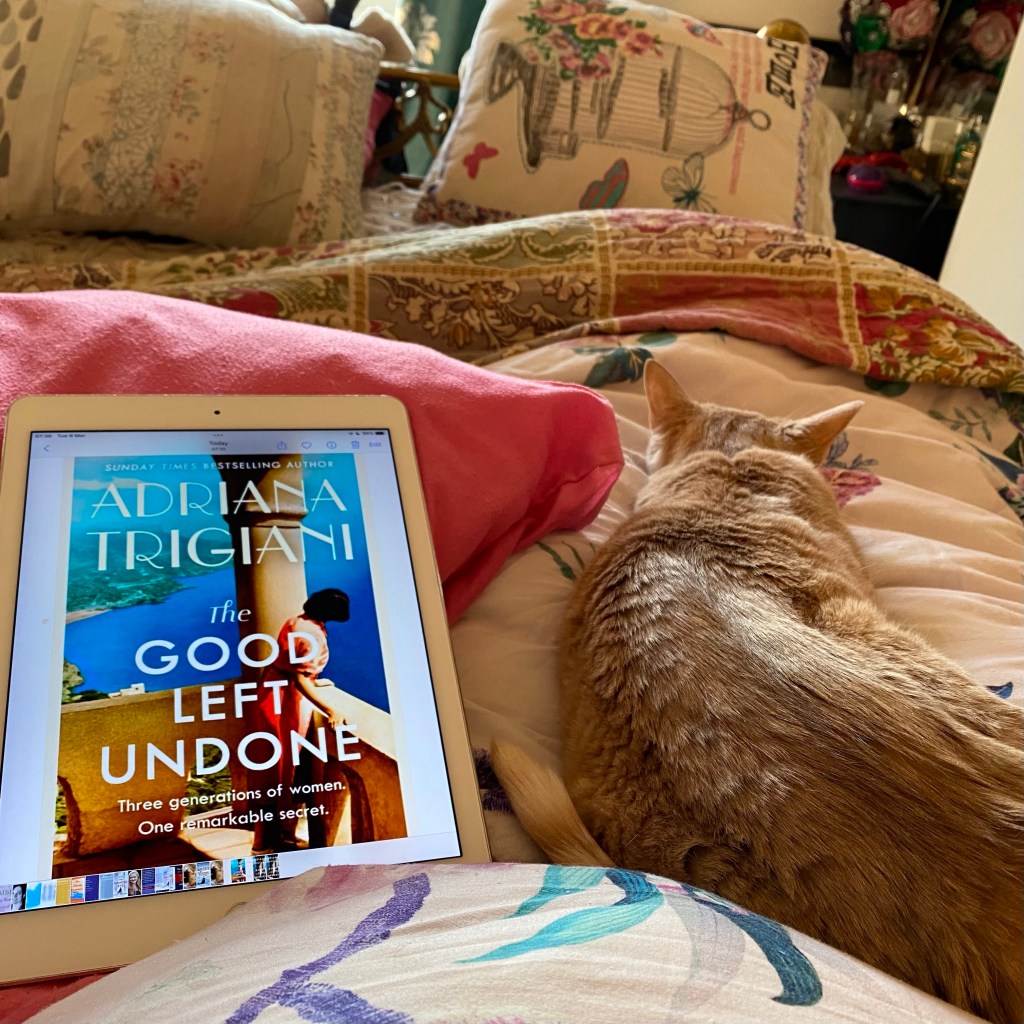
Wow! What a reading month I’ve had. It’s been a tough month, but I’ve been kept going by my bookish friends and being able to escape into the very different worlds of these books. I’ve been to China, America, Italy, Scotland, New Zealand, Russia, Australia and London! It’s been a great distraction. I lost my familiar and reading buddy this month, very suddenly. I’d had my cat Baggins since he was one and rescued as feral from a scrapyard. Slowly we became inseparable and now I feel genuinely lost without him. I’ve included some of his pictures at the end of the post, where he’s using me as a cat bed while I read.
Remember Me by Charity Norman
I love Charity Norman’s books. She takes big sensitive and divisive issues and brings them to an everyday human level. She’s written the story of two grandparents, who are the guardians of their grandchildren and fighting the request for visitation from their father, the man who killed their daughter. She wrote about Luke, a middle aged father and husband who has the bravery to come out as transgender. Last time she wrote about a shooting in a local coffee shop and the interesting people held hostage together. This time we follow Emily, a children’s illustrator from London, who grew up in Hawkes Bay, New Zealand. She’s telephoned by her father’s neighbour Raewynn, because he’s had an accident and it’s clear his dementia is deteriorating. As Emily tries to look after her father she realises he’s still very distressed by the disappearance of Raewynn’s daughter, which happened twenty years before. Her father had been the local doctor and spent a lot of time supporting Raewynn who’s husband had Huntington’s Disease. Emily was the last person to see the missing young woman alive, and her father was the first person to take a group up to the mountains to search for her. Is there more to his distress than meets the eye? The more he deteriorates, the more secrets he unwittingly lets slip. This story was heart breaking and incredibly moving. Norman writes about long term health conditions with such honesty and reminds patients are always a human being first.
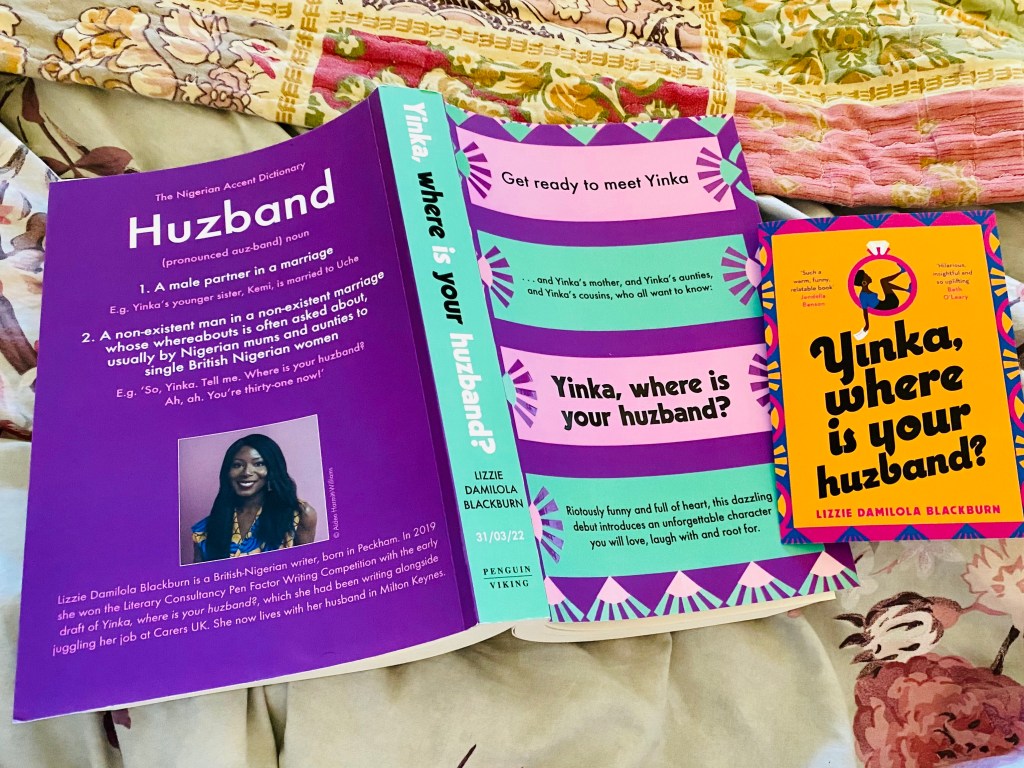
I fell in love with this story on the first page as the author describes a nightmare baby shower where Yinka’s Nigerian mum and aunties all pray out loud,for her to soon find a ‘huzband’. Look at her baby sister Kemi! She already has a husband and a baby on the way. This is about the pressure that a young woman gets from her British Nigerian family. Despite having a degree from Oxford and a great job with an investment bank, they worry that Yinka is in her thirties and might get left on the shelf. I loved the comic potential in these scenes with her family and all the ‘aunties’ in her community. They are always trying to match her with some young man at church and I recognised this type of pressure because it seems common in evangelical churches. I’ve been through it myself. The book poses some great questions about identity and self-worth. Should Yinka’s worth be measured by having a man, having a career or how she looks? Yinka has cut her hair, keeping it short and natural, but is pressured to use wigs or have a weave in order to look more feminine. One potential suitor is very judgemental, surprised she doesn’t speak Yoruba and doesn’t cook proper Nigerian food. What sort of wife will she be? This is a funny and moving book about authenticity, self-worth, finding someone to be with (if you want that) and learning it’s okay to be a single woman.
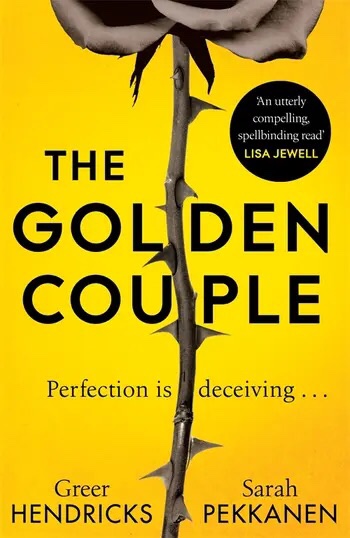
If counsellor Avery Chambers can’t fix you in ten sessions, she won’t take you on as a client. She helps people overcome everything, from domineering parents to assault. Her successes almost help her absorb the emptiness she feels since her husband’s death. Marissa and Mathew Bishop seem like the golden couple, until Marissa cheats. She wants to repair things, both because she loves her husband and for the sake of their 8-year-old son. After a friend forwards an article about Avery, Marissa takes a chance on this maverick therapist, who lost her license due to controversial methods. When the Bishops glide through Avery’s door and Marissa reveals her infidelity, all three are set on a collision course. Because the biggest secrets in the room are still hidden, and it’s no longer simply a marriage that’s in danger. This is an absolutely cracking read, compulsive and clever. All counsellors feel restrained by their governing body at times, so it was interesting to see the idea of a therapist working openly and unapologetically outside that. Avery has interesting methods that seem to position her between counsellor and private investigator! It’s very confrontational and it’s impossible for the client to hide or or tell half truths. Meanwhile, in the background, there’s another case lurking, the result of Avery’s lack of boundaries with a client who was struggling over whether to be a whistleblower. There’s plenty of action and intrigue here, the pace never lets up and you will want to keep reading just a bit more before bed so get ready for some late nights.
This book is an absolute ray of sunshine, which might seem strange considering it’s a book about grief. Katy has just lost her Mum and is devastated. The loss has her questioning everything in her life, including her marriage to Eric. At the wake, Katy tells him she isn’t sure if they should be married anymore. Her Mum Carol was her absolute world, there for everything from a recipe, to a night out, for shopping and for what to do when something went wrong. She was just so sure of everything and Katy isn’t. How could she have left her so ill equipped to deal with life? Katy had booked a trip for both of them to the Italian town where Carol spent time before she was married. Carol spent a summer in Positano, a picturesque town on the Amalfi coast. Maybe if Katy still takes the trip she will be able to recapture something of her mother and get some space from the burning questions about her marriage? The author’s descriptions of Italy are so vivid you will feel the sun and sea spray on your face. The food sounds utterly mouthwatering and the hotel’s balcony view is to die for. For Katy it feels as if her mother’s spirit has been caught up in this place. Yet it’s still a surprise when she sees a familiar young woman bringing her post to the hotel to be sent out. Katy is overcome and collapses, but when she comes round the woman is leaning over her, ready to help. There’s no mistaking her, it’s Carol, but from her Italian summer. She has no idea how her mother has stepped into the present, but Katy isn’t going to pass up the chance to spend time with her and be shown round the Positano her mother loved. This is a magical story, full of wisdom and with a bit of romance thrown in too. You will want to book a holiday to Italy immediately.
This is another book set in a far flung place, this time it’s Tasmania, 1886. The Brightwell family has sailed from England to make their new home in Western Australia. Ten-year-old Eliza knows little of what awaits them in Bannin Bay beyond stories of shimmering pearls and shells the size of soup plates – the very things her father has promised will make their fortune. Ten years later, as the pearling ships return after months at sea, Eliza waits impatiently for her father to return with them. When his lugger finally arrives however, Charles Brightwell, master pearler, is declared missing. Whispers from the townsfolk point to mutiny or murder, but Eliza knows her father and, convinced there is more to the story, sets out to uncover the truth. She soon learns that in a town teeming with corruption, prejudice and blackmail, answers can cost more than pearls, and must decide just how much she is willing to pay, and how far she is willing to go, to find them. Lizzie Pook creates this place, making it so vivid it’s a complete assault on the sense. It’s like an alien landscape, so different from Victorian England, and it changes Eliza. Her sense of adventure takes over as she tries to negotiate the town’s seedy underbelly of corruption, the terrible way the English treat the aboriginal people and finally jumps on a boat with an unlikely crew and sets about finding her father herself. If you like feminist heroines then you’ll love this brilliant debut novel.
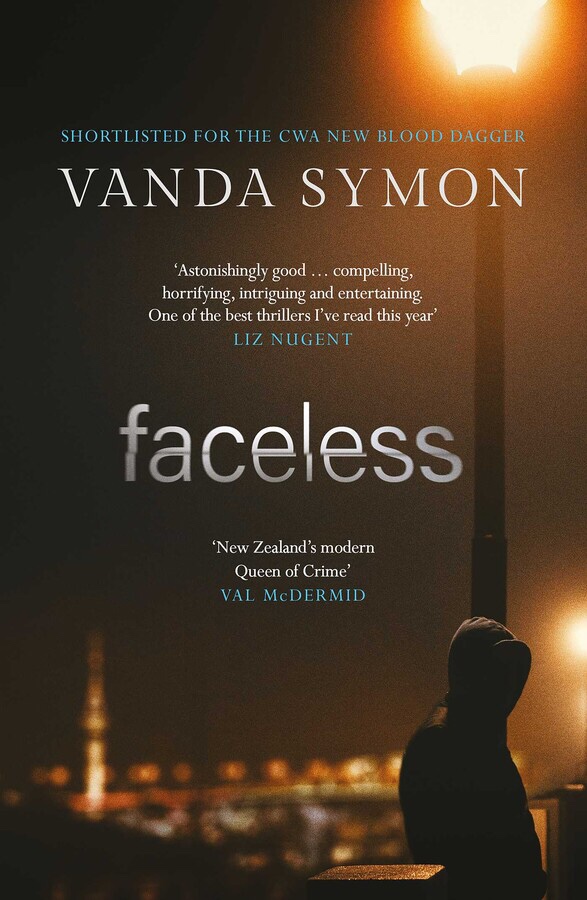
Vanda Symon is a brilliant storyteller and this latest novel is typical of her minimalist style. She lets her three main characters tell the story for her, a young street girl called Billy and a hardened homeless veteran called Max. Ever since Billy stumbled into the same doorway one cold night, she and Max have had a connection. He showed her how to use cardboard boxes to keep warm and where to find the best thrown out food. They have a pact to take care of each other and wherever they go in the day, they always make their way back to the same adjoining doorways at night. So, when Billy doesn’t appear one night, Max knows something is wrong. He needs to find her, but where to start in a city of this size and will anyone take him seriously? The problem is that Billy has stumbled into someone having a very bad day indeed. Bradley is exhausted. Over-mortgaged, overworked and under appreciated, he is reaching the end of his tether. Having neglected his family all weekend to work, Bradley has been in the doghouse with his wife Angie. Yet it’s not enough for his boss who doesn’t seem to appreciate that five people used to do the same job Bradley is now doing alone. Bradley sees the prostitutes on their usual patch as he drives home and knows he wouldn’t have the nerve to approach them. Then he sees a young, tomboyish girl standing a little way from the others. She’s not a regular and he is less intimidated by her. When their interaction goes wrong and he hits her, Bradley is surprised by how much it calms his stress. So, he ties her up with cable ties and takes her to an empty building he owns. He might come back tomorrow. Max needs someone to take him seriously, but will he have the nerve to approach the police and what’s stopping him? This is another thriller to devour with characters you will develop real empathy for. Absolutely brilliant.
This novel is so beautiful, inside and out. This is a story of inter-generational trauma, set in three sections, each one from the point of view of a family’s next generation. We start in China around the time of WW2 when Meilin and her son Renshu are having to flee their home due to the advancing Japanese army. The descriptions of this terrible journey are so vivid and have extra resonance after watching streams of Ukrainian people fleeing their homes at a moment’s notice. Renshu is distressed by the noise of incoming bombers, but also hates going into the underground shelters. There are too many people and not enough air, with the endless bombing above drowning out his thoughts. To keep her son calm on these journeys they have to make from city to city, and eventually to Taiwan, she tells him folktales. One being of Peach Blossom Spring, where a fisherman climbs through an opening in a cave and finds a beautiful valley with an orchard of blossoming peach trees. There is only once catch to this beautiful Eden he has found, if he chooses to stay he can never go home, but if he chooses to go home he will never be able to find this place again. I love how this story becomes a metaphor for life, as Meilin’s sacrifices for her son get him all the way to university in Taiwan, then for post-graduate study in America. For Renshu, or Henry as he now wants to be known, America holds so much promise. It is where he meets his wife Rachel and the birthplace of his daughter Lily, but he worries about his mother and thinks a lot about where he has come from. The scars of a childhood spent at war are all too evident and he misses his mother. Meilin, in her patient and wise way, tells him to grow an orchard. A thoroughly beautiful book from this talented debut author.
Baggins resting while I begin next month’s reading.
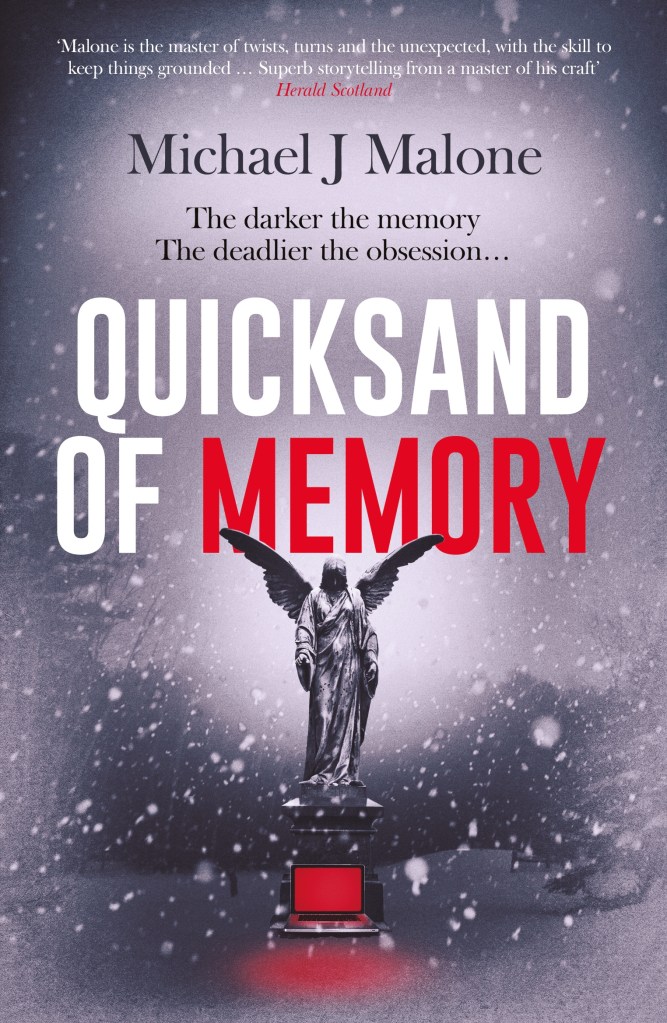
Jenna is trying to rebuild her life after a series of disastrous relationships. Luke is struggling to provide a safe, loving home for his deceased partner’s young son, following a devastating tragedy. When Jenna and Luke meet and fall in love, they are certain they can achieve the stability and happiness they both desperately need.
And yet, someone is watching. Someone who has been scarred by past events. Someone who will stop at nothing to get revenge…
I was looking forward to this latest novel from Michael Malone, because he writes intelligent thrillers that unfold at their own pace. Some thrillers move so quickly I have to re-read the ending to work out what happened, but he never prioritises action or quick shocks over the story or development of character. This grounded and realistic way of letting the story unfold is what really works about his writing and I was eager to get started. Loss and the ways it affects generations of families is the central theme of this latest novel, where we meet Luke who has just lost his partner and become sole parent to his young stepson. Luke is trying to cope with his own grief while supporting his stepson and trying to establish his own counselling practice. However, there are other losses in Luke’s past, some of which he’d rather not revisit. He had terrible car accident as a young man which left his best friend dead. While we’re wondering about Luke’s version of the accident and exactly what was going on between him and his friend, he starts working with a new client. When she was a teenager, Jenna had a boyfriend who was killed. She still feels bad over where their relationship was when she lost him, because she had doubts about being with him and there were huge secrets she hadn’t shared with him. Jenna isn’t sure whether Luke is the counsellor for her and doesn’t book another appointment with him. Does Luke pursue his client and is his interest purely in helping her?
Grief has kept him away from the therapy room, but now Luke needs to prioritise creating a reasonable income for him and stepson to live on. He takes a client by the name of Jamie, but is Jamie who Luke thinks he is? From a counsellor’s perspective Luke doesn’t have great boundaries and the counsellor in me could see he was setting himself up for costly law suits or a hearing about his professional standards and fitness to practice. He sees Jenna after she was a patient and thinks they have a spark, but can he pursue feelings for her without repercussions? He also spends time with Jamie outside of sessions and even trusts him with his stepson incredibly quickly. Luke doesn’t allow time for a person’s character to reveal itself and instead depends on his own gut when making judgements about others, but that judgement seems impaired. He isn’t consulting with a supervisor and we don’t see him consulting his ethical framework. The three basic principles of counselling are empathy, unconditional positive regard and authenticity and while Luke certainly has skills in the first two areas, his authenticity is non-existent.
Luke has secrets. In fact he has a link to his clients that’s hidden and not just from the reader either. Luke isn’t being honest with himself about who he is and while counsellors shouldn’t tell clients their life story, his background should have been disclosed to his professional body. How can Luke expect a client to trust him, when he isn’t even honest with himself? He’s not being authentic in his own life and relationships. Jenna is looking forward to working on herself when she arrives at Luke’s garden counselling room, but something stops her from returning. It’s when they later form a friendship that Luke might have discussed his past, but he doesn’t. Luke does have some great counselling qualities and is an incredible stepfather, but its almost as if he feels these life changes have cancelled out everything that went before. His past unveils itself like a set of Russian dolls, each one looking finished, but with yet more revelations to come. What he ultimately learns is that by compartmentalising certain experiences and keeping secrets, he has even been kept from the full truth about his own actions and could have been saved from years of self-criticism and guilt.
Malone is brilliant at creating characters, with unexpected pasts and incredibly human flaws. I love that conflict his characters create within me about who I’m rooting for and why. Jamie’s sister Amanda feels incredibly vengeful, but there’s some empathy in me for the way she was changed forever by a series of losses when she was a child. Having lost her family she is buffeted about by the care system and further separated from her brother Jamie. Her entire energy is focused on revenge and she manages to pull Jamie into her machinations by triggering his guilt for getting an easier ride as a child. Jamie is torn between loyalty to his sister and anger at the people he’s been told are responsible and on the opposite side, his own more measured judgement on events and the people he meets on her quest for revenge. It’s clever how Malone links everyone in the book and carefully drip feeds information on them, allowing our opinion to twist and turn. There are sequences that are meandering, letting us find out piece by piece what happened in the past, or slowly revealing a character. Then there are gripping events that have your heart racing and the pages turning quicker so you can find out what happens next. Every single character is bogged down in the quicksand of the title, trying to shake free from those historic events that trigger disturbing memories. Only when they resolve these memories can they start to live in the present and they are all at a different point in their journeys. Counsellors believe that every client is capable of change and I like the way that this hope of resolution is woven into the book, even for those characters who think themselves irredeemable. This is another complex, gripping and emotionally intelligent work from Malone who is fast becoming one of my ‘go to’ writers.
Published 9th December 2021 Orenda Books
Michael Malone is a prize-winning poet and author who was born and brought up in the heart of Burns’ country. He has published over 200 poems in literary magazines throughout the UK, including New Writing Scotland, Poetry Scotland and Markings. Blood Tears, his bestselling debut novel won the Pitlochry Prize from the Scottish Association of Writers. His psychological thriller, A Suitable Lie, was a number-one bestseller, and the critically acclaimed House of Spines, After He Died, In the Absence of Miracles and A Song of Isolation soon followed suit. A former Regional Sales Manager (Faber & Faber) he has also worked as an IFA and a bookseller. Michael lives in Ayr.
Children’s books aren’t my usual fare, but I decided to make an exception for this book based around childhood fears just in time for Mother’s Day. This is the third book in Fransie Frandsen’s Alexander’s Questions series, written with the purpose of helping parents and children explore emotions. Frandsen’s work as an art psychotherapist has given her so much insight into the need for tools like this for opening up communication. From my experience as a counsellor for adults, I know that it isn’t always an event that affects a child into their adult years, but being unable to talk about it. Frandsen knew that to foster healthy bonding or attachment good communication is vital so made these books in the form of questions and answers the cornerstone of her book series.
There are many reasons why healthy communication isn’t established. It could be through lack of opportunity to talk or a parent who doesn’t know how to initiate that conversation. Children may also lack the emotional language to express how they’re feeling. This is where a picture book like this is an incredible tool for establishing healthy communication between parent and child. It allows parent and child to look at the book and make meaning out of the pictures alongside the words together. Small children don’t always have a word for how they feel emotionally, but might recognise physical symptoms of that emotion such as crying and sadness. Reading together helps to explore feelings and start to put names to them. Frandsen believes this is an investment into their future, teaching them to have open conversations about emotions both with you and within their own adult relationships.
The book has lovely illustrations that introduce us to Alexander and his observations about monsters. He starts to make a list of all things monstrous – the monster under his bed, Daddy’s monstrous problems at work. Baby T is scared of his rumbling tummy and cries for his dinner. The neighbour is scared of finding poo in his garden. What he really wants to know though, is about Mummy, is she afraid of monsters? He finds out there are famous monsters and she’s not scared of those. He realises some monsters can be hidden, others can be seen and some live only in our heads. I think probably the most important thing he learns is that everyone’s monsters are different. They are in unusual shapes and different sizes, but what some people are scared of others don’t find frightening at all. We are all individuals with different monsters and that’s okay.
Frandsen’s experience as an artist makes this a thoroughly engaging book full of colour, different fonts, photographs and illustrations to engage young children. The story is funny – Alexander’s quest is started so he can avoid eating his broccoli. It showcases all of Frandsen’s skills in her field, working as a story while also helping parents foster better communication with their child. She has used the form of reading a book together, common in most households, so it doesn’t put pressure on the child to speak directly about their fears. It just opens the door to exploring what can be seen as a negative emotion, something that as adults we might dismiss (there are no monsters under the bed) or take away (mummy will keep the monster away). It is better to be there and help the child to conquer their own fear. Perhaps by inviting them to talk about what scares Alexander and whether it scares them. It could go onto interesting work in drawing or making their monster – something I’ve done just as successfully with adults who have disabilities. This lets the child know we all have things we’re scared of and ways of coping with that, the first one being to talk.
When I look at the covers above and realise these are just the summer releases I’m excited about I’m startled by what a great year this is for books so far. Some of them I’ve already read thanks to NetGalley and some very kind publishers, some are still on my TBR (I’ll be honest and admit I’m always behind) and others are pre-ordered and I’ll be reading them at the same time as everyone else. I also pre-order some when I’ve had a proof or NetGalley book, because some books are for keeps. Yes, I know I have a book problem. I’m going to give you a little taster of each one and why I’m so excited about it. If it means adding books to your TBR or wishlist I can’t apologise because I enjoy sharing the book love!
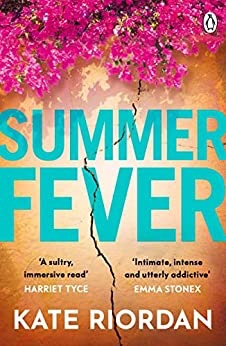
I really can vouch for this book because I’ve already experienced how tense and gripping it is. Nick and Laura have fulfilled their dream, owning an Italian villa as a holiday destination and trying to paper over the cracks in their marriage. When their first guests Madison and Bastian arrive, neither is who they claim to be. As the heat rises, the tension is unbearable. Could there be a betrayal before the summer ends? Just like her previous novel, this is full of atmosphere, secrets and a sizzling sexual tension. The perfect holiday read.
Out now from Penguin Michael Joseph
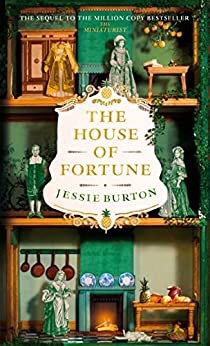
Oh my goodness I’ve been waiting for this. I am a huge fan of Jessie Burton and The Miniaturist is one of my all time favourite novels. I went to see Jessie at a Q and A in Lincoln and she was asked about the unanswered questions of the novel – mainly who was the Miniaturist and what was her purpose? What we do know is we are returning to Amsterdam and the same house, where Thea Brandt is reaching her 18th birthday. The family’s fortunes are in decline, with her father Otto and Aunt Nella arguing and struggling to pay the bills. When an invite arrives for a society ball, might their fortunes be turning or, as Nella wonders, could it be the miniaturist isn’t finished with her yet? I truly can’t wait.
Out7th July from Picador
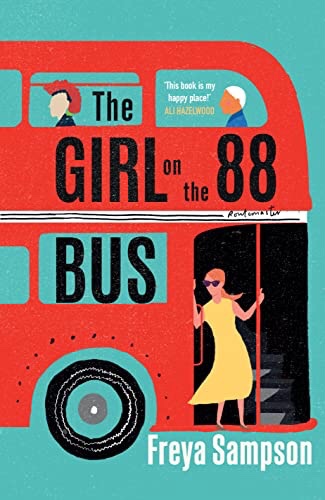
I was recently sent the cover reveal for this new book from Freya Sampson and it looks like another feel-good novel to look forward to. Libby Nicholls reaches London, broken-hearted and with life in tatters. Elderly pensioner Frank is the first man she meets on the bus. He tells her that in 1962 he met a red-haired girl on the number 88 bus. They planned a date at the National Gallery, but Frank lost the ticket with her number written on it. For sixty years, he’s ridden the same bus trying to find her. Libby gains the help of an unlikely companion and makes it her mission to help Frank’s search. As she begins to open her guarded heart to new connections, Libby’s tightly controlled world expands. But with Frank’s dementia progressing quickly, their chance of finding the girl on the number 88 bus is slipping away. Libby wants Frank to see his love one last time and her quest is teaching her to embrace life and love before it’s too late. I just know tears will be jerked and I will be uplifted by this lovely story.
Out 9th June from Zaffre Books
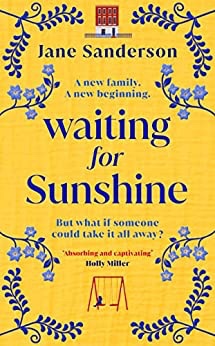
I truly loved Jane’s first novel MixTape so was given the chance to read this one early and what a thoughtful, emotional and compassionate read it is. As someone who can’t have children it really touched me personally. Chrissie has always wanted to be a mother. After months of trying to adopt, she and her husband Stuart finally get the news that a little girl named Sunshine is waiting for them.
Abandoned at a young age, the child comes to them without a family history, and it feels like a fresh start for all of them. But when fragments from Sunshine’s previous life start to intrude on her new one, the little girl’s mysterious past quickly becomes Chrissie’s greatest fear…
Published by 21st July 2022 by Bantam Press
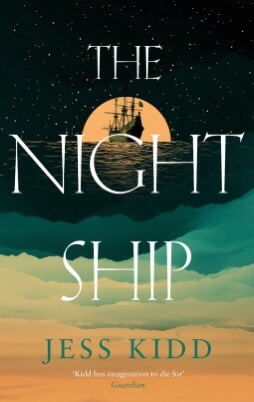
1628. Embarking on a journey in search of her father, a young girl called Mayken boards the Batavia, the most impressive sea vessel of the age. During the long voyage, this curious and resourceful child must find her place in the ship’s busy world, and she soon uncovers shadowy secrets above and below deck. As tensions spiral, the fate of the ship and all on board becomes increasingly uncertain. 1989. Gil, a boy mourning the death of his mother, is placed in the care of his irritable and reclusive grandfather. Their home is a shack on a tiny fishing island off the Australian coast, notable only for its reefs and wrecked boats. This is no place for a child struggling with a dark past and Gil’s actions soon get him noticed by the wrong people. The Night Ship is an enthralling tale of human brutality, providence and friendship, and of two children, hundreds of years apart, whose fates are inextricably bound together.
Published by Canongate Books 4th August.
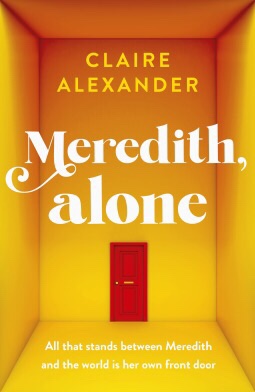
Meredith Maggs hasn’t left her house in 1,214 days.But she insists she isn’t alone.
She has her cat, Fred. Her friend Sadie visits when she can. There’s her online support group, StrengthInNumbers. She has her jigsaws, favourite recipes, her beloved Emily Dickinson, the internet, the Tesco delivery man and her treacherous memories for company.
But something’s about to change.
First, new friends Tom and Celeste burst into her life, followed by an estranged sister she hasn’t spoken to in years, and suddenly her carefully curated home is no longer a safe place to hide.
Whether Meredith likes it or not, the world is coming to her door. This sounds like an emotional but uplifting and hopeful read.
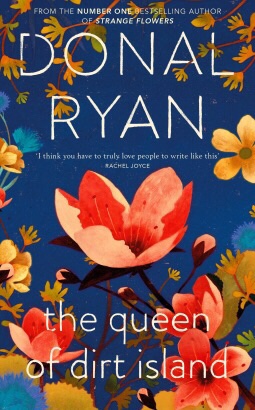
The Aylward women are mad about each other, but you wouldn’t always think it. You’d have to know them to know – in spite of what the neighbours might say about raised voices and dramatic scenes – that their house is a place of peace, filled with love, a refuge from the sadness and cruelty of the world.
Their story begins at an end and ends at a beginning. It’s a story of terrible betrayals and fierce loyalties, of isolation and togetherness, of transgression, forgiveness, desire, and love. About all the things family can be and all the things it sometimes isn’t. More than anything, it is an uplifting celebration of fierce, loyal love and the powerful stories that last generations. This grabbed me with its gorgeous cover and the description of this family that sounds so much like my own.
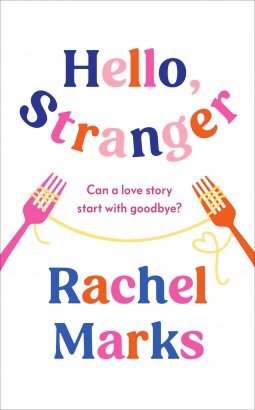
From their very first date, Jamie and Lucy know they’ve met THE ONE. They’re as different as night and day. Jamie’s a home bird, while Lucy’s happiest on holiday. He has a place for everything – she can never find her keys.
Yet, somehow, they make each other happier than they ever thought possible. So why does their story start with them saying ‘goodbye’? And does this really have to be the end. . . ? Relatable, romantic and heartbreakingly real, HELLO, STRANGER proves that the best love stories often have the most unexpected endings. I love this author’s relatable characters and subtle humour about life. Published by Michael Joseph 18th August
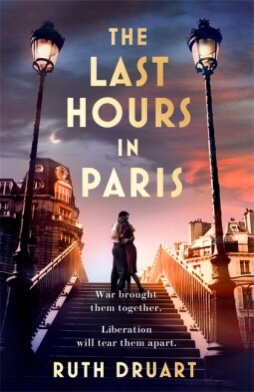
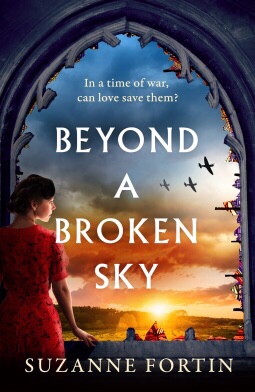
Paris 1944. Elise Chevalier knows what it is to love…and to hate. Her fiancé, a young French soldier, was killed by the German army at the Maginot Line. Living amongst the enemy Elise must keep her rage buried deep within. Sebastian Kleinhaus no longer recognises himself. After four years spent fighting a war he doesn’t believe in, wearing a uniform he despises, he longs for a way out. For something, someone, to be his salvation.
Brittany 1963. Reaching for the suitcase under her mother’s bed, eighteen-year-old Josephine Chevalier uncovers a secret that shakes her to the core. Determined to find the truth, she travels to Paris where she discovers the story of a dangerous love that grew as a city fought for its freedom. Of the last stolen hours before the first light of liberation. And of a betrayal so deep that it would irrevocably change the course of two young lives life for ever.
Published 7th July by Headline Review
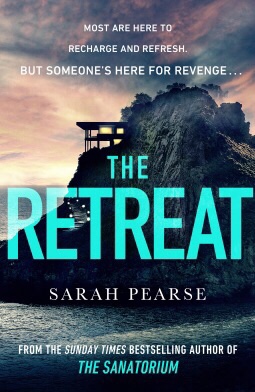
This is a warning for all our guests at the wellness retreat.
A woman’s body has been found at the bottom of the cliff beneath the yoga pavilion. We believe her death was a tragic accident, though DS Elin Warner has arrived on the island to investigate. A storm has been forecast, but do not panic. Stick together and please ignore any rumours you might have heard about the island and its history. As soon as the weather clears, we will arrange boats to take you back to the mainland.
In the meantime, we hope you enjoy your stay.
Published 21st July by Bantam Press ___________________________________
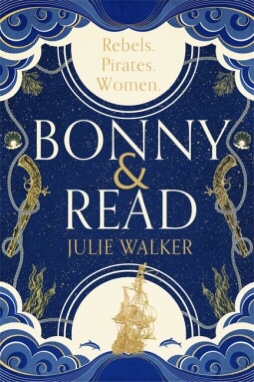
Rebels. Pirates. Women.
Caribbean, 1720. Two extraordinary women are on the run – from their pasts, from the British Navy and the threat of execution, and from the destiny that fate has written for them. Plantation owner’s daughter, runaway wife, pirate – Anne Bonny has forged her own story in a man’s world. But when she is involved in the capture of a British merchant ship, she is amazed to find another woman amongst the crew, with a history as unconventional as her own. Dressed as a boy from childhood, Mary Read has been a soldier, a sailor, a widow – but never a woman in charge of her own destiny. As their exhilarating, tumultuous exploits find fame, the ballad of Bonny and Read is sung from shore to shore – but when you swim against the tide of history, freedom is a dangerous thing…
Published 3rd August by Hodder & Stoughton.
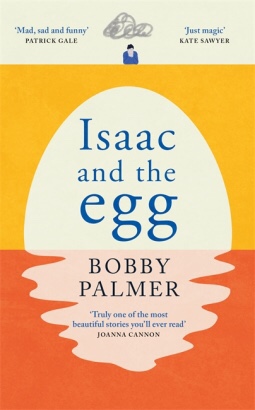
A young man walks into the woods on the worst morning of his life and finds something there that will change everything.
It’s a tale that might seem familiar. But how it speaks to you will depend on how you’ve lived until now.
Sometimes, to get out of the woods, you have to go into them. Isaac and the Egg is one of the most hopeful, honest and wildly imaginative novels you will ever read.
Published 18th August by Macmillan Review.
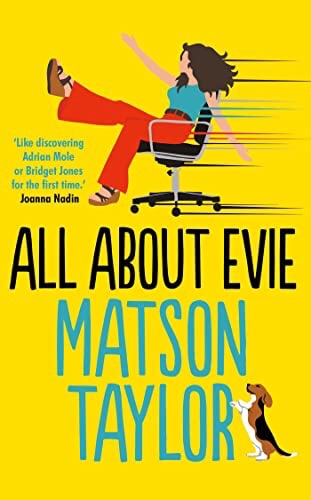
Ten years on from the events of The Miseducation of Evie Epworth, Evie is settled in London and working as a production assistant for the BBC. She has everything she ever dreamed of (a career, a leatherette briefcase, an Ossie Clark poncho) but, following an unfortunate incident involving a Hornsea Pottery mug and Princess Anne, she finds herself having to rethink her future. What can she do? Is she too old to do it? And will it involve cork-soled sandals?
As if this isn’t complicated enough, her disastrous love life leaves her worrying that she may be destined for eternal spinsterdom, concerned, as she is, that ‘even Paul had married Linda by the time he was 26’. Through it all, Evie is left wondering whether a 60s miseducation really is the best preparation to glide into womanhood and face the new challenges (strikes, power cuts, Edward Heath’s teeth) thrown up by the growing pains of the 70s.
With the help of friends, both old and new, she might just find a way through her messy 20s and finally discover who exactly she is meant to be…
Published by Scribner U.K. 21st July.
There are two men in my life. But this is not a love triangle.
Mara Williams reads her horoscope every day – but she wasn’t expecting to be in a whole other country when destiny finally found her. Just as a fortune teller reveals that her true love is about to arrive, a gorgeous stranger literally walks into her life. And now Mara is determined to bring them together again . . . Surely even fate needs a nudge in the right direction sometimes?
But while Mara is getting ready for ‘the one’, the universe intervenes. Her new flatmate Ash is funny, and kind, and sexy as hell . . . There was no predicting this: it’s as if her destiny just arrived on her doorstep.
So will Mara put her destiny in fate’s hands – or finally trust herself to reach for the stars?
Published by Penguin 7th June
2022. Stained-glass expert Rhoda Sullivan is called to Telton Hall to examine a window designed by an Italian prisoner of war during WW2. It should be a quick job but when she and the owner’s son, Nate Hartwell, discover a body underneath one of the flagstones in the chapel, Rhoda cannot let the mystery go. She knows what it’s like to miss someone who is missing – her twin brother disappeared just before their eighteenth birthday, and she has been looking for him for nearly a decade. But when the threats start, it’s clear someone doesn’t want the secrets of Telton Hall to come to light.
1945. Alice Renshaw is in trouble. Pregnant and alone she is sent away to hide her shame and taken in by Louise Hartwell who has a farm in Somerset worked by prisoners of war. As the weeks pass, Alice finds solace in new friendships, but not everyone at Telton Hall is happy about it. And even though peace has been declared in Europe, the war at home is only just beginning…
Published by Aria 21st July
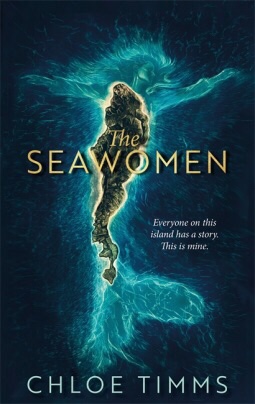
Esta has known nothing but Eden’s Isle her whole life. After a fire left her orphaned and badly scarred, Esta was raised by her grandmother in a deeply religious society who cut itself off from the mainland in the name of salvation. Here, fear rules: fear of damnation, fear of the outside world and fear of what lurks beneath the water – a corrupting evil the islanders call the Seawomen. But Esta wants more than a life where touching the water risks corruption, where her every move is watched and women are controlled in every aspect of their lives. Married off, the women of the island must conceive a child within their appointed motheryear or be marked as cursed and cast into the sea as a sacrifice in an act called the Untethering.
When Esta witnesses a woman Untethered she sees a future to fear. Her fate awaits, a loveless marriage, her motheryear declared. And after a brief taste of freedom, the insular world Esta knows begins to unravel… I’m currently reading this and finding it deeply unsettling.
Published by Hodder Studio 14th June.
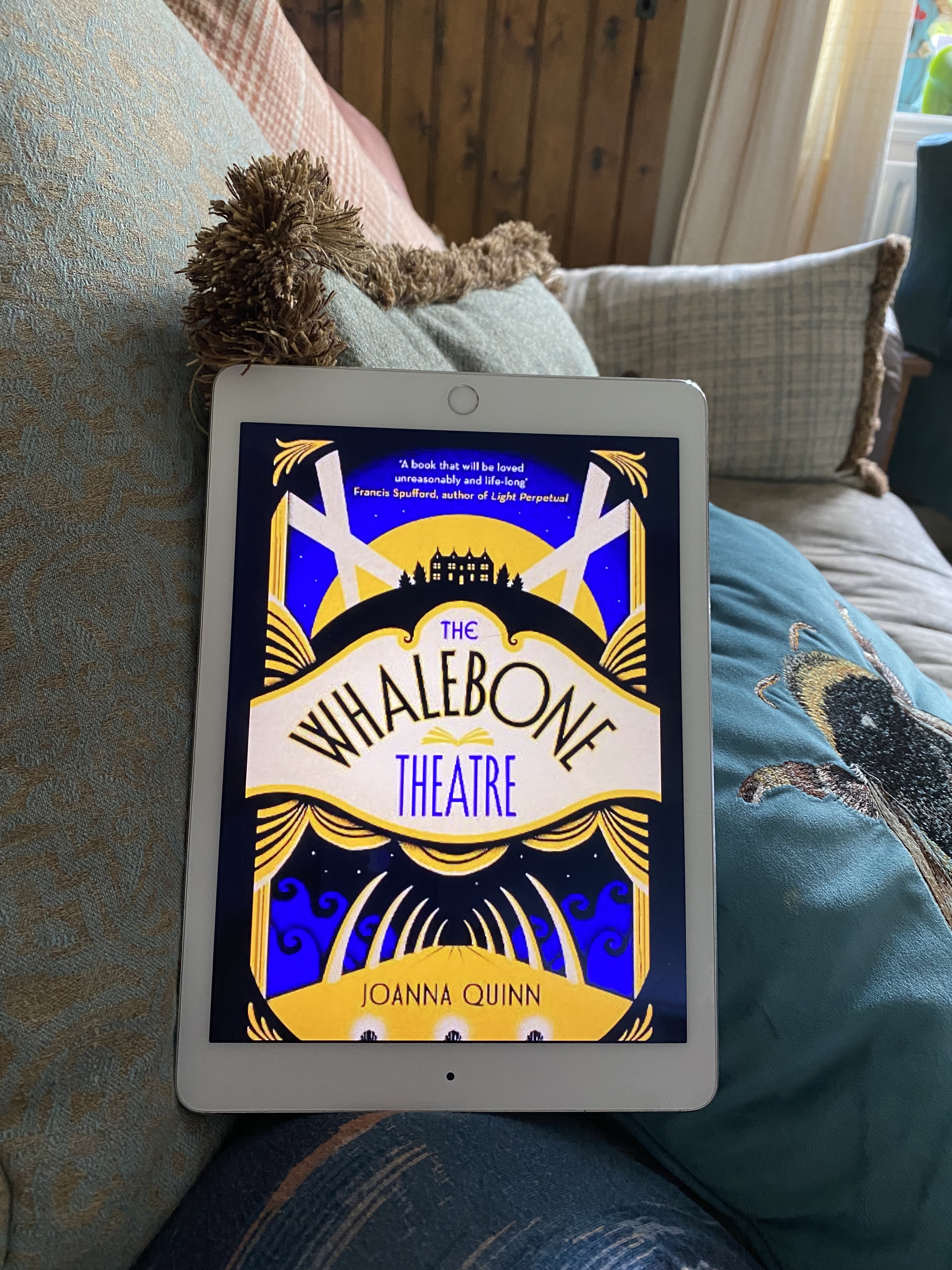
‘Maudie, why are all the best characters men?’ Maudie closes the book with a clllump. ‘We haven’t read all the books yet, Miss Cristabel. I can’t believe that every story is the same’
Cristabel Seagrave has always wanted her life to be a story, but there are no girls in the books in her dusty family library. For an unwanted orphan who grows into an unmarriageable young woman, there is no place at all for her in a traditional English manor.But from the day that a whale washes up on the beach at the Chilcombe estate in Dorset, and twelve-year-old Cristabel plants her flag and claims it as her own, she is determined to do things differently.
With her step-parents blithely distracted by their endless party guests, Cristabel and her siblings, Flossie and Digby, scratch together an education from the plays they read in their freezing attic, drunken conversations eavesdropped through oak-panelled doors, and the esoteric lessons of Maudie their maid. But as the children grow to adulthood and war approaches, jolting their lives on to very different tracks, it becomes clear that the roles they are expected to play are no longer those they want. As they find themselves drawn into the conflict, they must each find a way to write their own story…
Published by Fig Tree 9th June 2022.
I have held you every night for ten years and I didn’t even know your name. We have a child together. A dog, a house.
Who are you?
Emma loves her husband Leo and their young daughter Ruby: she’d do anything for them. But almost everything she’s told them about herself is a lie.
And she might just have got away with it, if it weren’t for her husband’s job. Leo is an obituary writer and Emma is a well-known marine biologist, so, when she suffers a serious illness, Leo copes by doing what he knows best – reading and writing about her life. But as he starts to unravel her past, he discovers the woman he loves doesn’t really exist. Even her name is fictitious.
When the very darkest moments of Emma’s past life finally emerge, she must somehow prove to Leo that she really is the woman he always thought she was . . .
But first, she must tell him about the love of her other life.
Published by Mantle 23rd June 2022.
I’m so happy to have such an exciting and full summer of reading ahead of me, and this is just the books I’ve been expecting. I’m sure there will be many more that grab me by surprise. I’m hoping to avoid the siren call of blog tours so I have some free reading time. I’ve treated myself to a brand new garden parasol in hot pink so I’m imagining myself lounging around outdoors a lot, whiling away my staycation in the best way I know how. Happy Summer Reading! ❤️📚
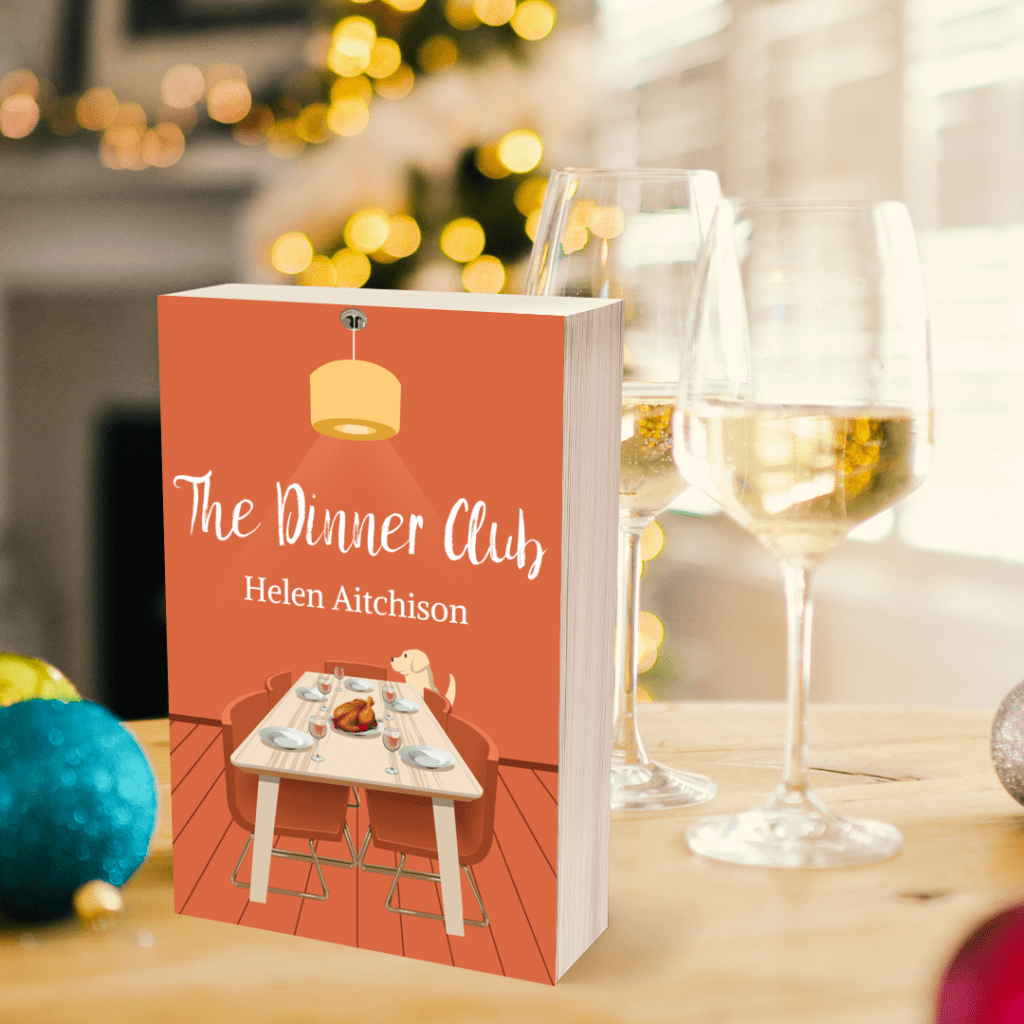
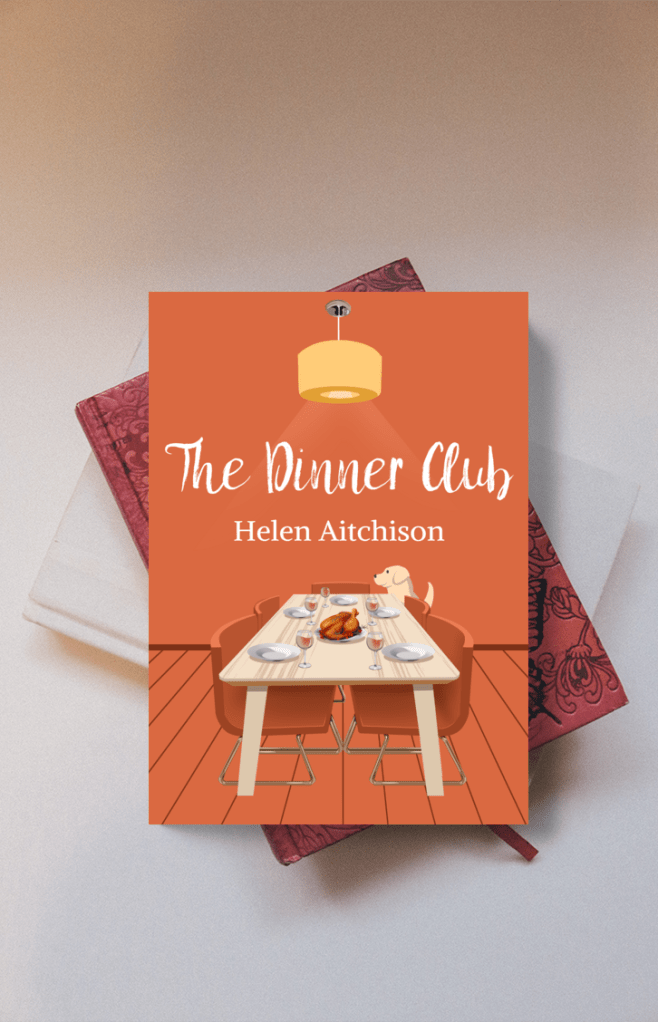
I love my food and food based books are some of my favourite reads, in fact my book club have been dealing with my book based bakes for some time now. I would either find a recipe in the book and replicate it or, even if all I had was a list of the main ingredients, I would create something very unexpected. That’s how I ended up with my recipe for Honesty Cake, an Alice Hoffman book invention with sour cherry and star anise as the only named ingredients. Here it wasn’t so much the food that would have brought me to the table, but the five characters brought together by a card on the notice board of a local supermarket. Each of these characters has a secret and in a way it’s these secrets that bring them together as much as the food. They need a stranger to hear them, to accept their secret without judgement and give support. It’s Derek who is inspired to start the club after his wife of forty years leaves him suddenly. After constant control and criticism, her absence is almost a relief, buts it’s also a loss and Derek is floundering a little with household tasks like cooking and food shopping. After a lifelong struggle with his weight Derek decides to try some different foods and teach himself how to cook. However, there’s something else Derek has been keeping under wraps and would like to experiment with more, maybe with new friends he can do that?
Alongside Derek are four other people, each carrying their own secret. Grieving widower Eddie, is becoming so focused on what’s missing from his life he’s forgotten to concentrate on what he does have, as his relationship with his young daughter starts to be swallowed up by the black hole inside him. Florence is an octogenarian looking for one last adventure and helped by her carer Jessie. Violet needs somewhere to go that isn’t ruled by her abusive husband, in the hope she can make friends and build her confidence enough to leave one day. Cara is in a very lonely place after ageing out of the care system, so she wants to meet people she can make friends with. A disparate group of people, all longing for the same things, but worried that their secrets might hinder that search for connection.
I fell a little bit in love with Derek, being on the plump side myself I could really identify with how he felt. Having had a partner who would use my weight to knock my confidence, I could feel how confused he was when his wife would cook Friday night ‘feasts’ for them both, then moan about how fat he was getting. She was setting him up to fail and I really couldn’t stand her. I could connect with his sense of food as a celebration so strongly and when he started to plan meals and cook from scratch I felt so proud of him, even though we’d only just met. I could see his life opening up as we followed him joyfully wandering the supermarket and, even though he’s nervous, getting ready to reveal his secret to an old friend.
The point of view changes every few chapters so we are party to the richness of these character’s inner worlds: their dreams and hopes for the future; their fears; then their growing self-love as the group progresses. It’s uplifting to hear and see each one becoming more confident and even moving towards self – acceptance. The issues covered are difficult and as the dinner club becomes a support group we see the character’s facing grief, domestic violence, and loneliness. Yet it never feels too much. It’s moving and poignant, but balanced with the joy and positivity that can only come from living as your authentic self. These people are warm, generous and kind to each other, all wrapped up with some very good food. What more could a reader ask for? This is one that I’ll keep in mind, for the when someone on BookTwitter asks for a fun, uplifting read, because this book is definitely joyous.
The Dinner Club by Helen Aitchison Release date: 11th March 2022



















 The Lotus Readers