Posted in Random Things Tours

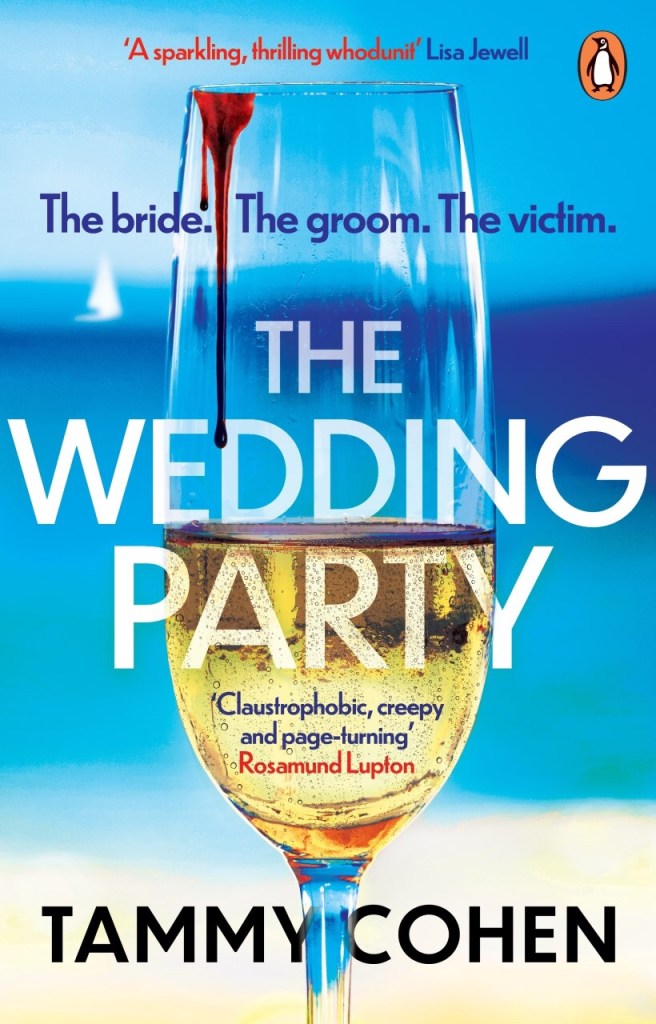
The Wedding Party by Tammy Cohen.

This was a real turn up for the books as they say. I’ve been ill for a few days with a virus – not that one – so I’ve been bundled up in bed, not really able to bear much noise or fuss. Yesterday morning I picked up this book, I’ve never read the author but had decided to give her a try for this tour. I’m so glad I did because once I’d started, that was me engrossed for the whole day. I read it in four hours straight and enjoyed it immensely. The action all takes place at a wedding venue hotel on the island of Kefalonia. Lucy has been planning her wedding to Jase for a very long time and she’ll be okay as long as everything she’s planned is perfect, down to the last napkin. However, she’s about to find out that once you bring other people into the equation, plans can veer off course. There’s her alternative sister Jess who has promised to behave but turns up with a stranger in tow and a psychedelic dress instead of the tasteful dusky pink they’d agreed on — not to mention her dyed pink hair will turn a straggly peach colour once she hits the sea. There’s a strange old lady who they met washing her breasts in the airport toilets, but who now seems to be everywhere. Best man Gil, who used to be Jess’s boyfriend, is here with his wife Zoe, with all the tension that could cause. Surely Lucy can rely on the older generation to behave? Her mum Hazel and Dad Dom are solid, and although they’re irritatingly close, Jase’s mum Cora is lovely. Thank God though for her best friend Shelley, who is an absolute rock and would have been a better maid of honour than her sister. There’s also wedding planner Nina, who has everything in hand, except perhaps the small matter of money. What could go wrong?

The setting was wonderful, with beautiful descriptions of stunning sunsets over the beach – Lucy has chosen this hotel specifically because although it might be a bit shabbier than some of its counterparts on the other side of the island, they can’t create a wedding at sunset. A perfect photograph for Instagram of course (I loved how even on her wedding day Lucy is itching to update her status). The author’s descriptions of olive trees, swaying grasses full of poppies, the scent of honeysuckle on the breeze, all made me want to fly out there tomorrow. I was fascinated with the idea of illusion, what’s real and what isn’t and which we present to the world. This applied to the people present as well as the online content Lucy keeps imagining in her head. When Jase said he would have married her in a registry office with none of the fuss, it really makes her think. Who was all this expense and stress for? Even wedding planner Nina has been seduced by an illusion, that of the island as an idyllic place to set down roots, but also in destination weddings themselves. She’s placed her entire financial future into a house she doesn’t fully own (thanks to local land laws) and the certainty that people will always want to buy into the dream of a destination wedding. It seems like she must have a wonderful lifestyle, but actually the island is deserted and bleak out of season and she’s literally one pay cheque from going bust. Especially when the people who buy into this illusion can’t always afford it. Almost everyone in the wedding party is hiding something. Jess, although irritating to her sister, is actually the most open and authentic person there. She just needs some self-awareness and discretion. Gil is possibly the only other member of the group with no secrets and is seemingly devoted to wife Zoé and seems to understand her, despite her brittle exterior. I enjoyed some of the evening dinner, when a lot of the smaller secrets are out in the open and people can really get to know each other, on a deeper level.

If you simply want a good thriller read, this book really delivers. We know something goes drastically wrong because in-between the story are transcripts of police interviews with members of the wedding party. The author is very skilled in giving away snippets of information, enough to get your brain whirring, but not enough to work it out. This keeps you reading just one more chapter. There are also therapy journal entries – which I loved because it’s something I ask my clients to do – but we don’t know which member of the wedding party they belong too. Every so often there’s a delicious red herring thrown in, like the groom disappearing during a dare on the fishing trip. There’s also the rising tension and suspicions of each other, even the married couple are keeping some secrets close to their chests. Watching them try to avoid being exposed, made me cringe. There are also some comedic moments, in the descriptions and behaviour of old lady Vivienne particularly, but also I the eccentricities and foibles of those in the wedding party. The author is adept at showing us aspects of human behaviour that feel totally authentic – such as the shopping day the women have, where almost everyone rejects their purchases as something they’ll never wear as soon as they return to the hotel. She also nails that feeling of loneliness, and how having no family leaves you rootless and free-floating. There’s nothing to ground you. It’s this understanding of human behaviour that made me feel there’s something subtly different going on. Underneath the thriller there’s an underlying message that I felt really elevated this above the ordinary and said something about the times we’re currently living in. It’s the old cliché of walking a mile in someone else’s shoes, because some suspicions that arise in the novel, say more about that character’s prejudices than the person under suspicion. Once the secrets are in the open and disagreements are resolved, there are a lot of deep conversations and apologies to be made. We can never know what another person has gone through and while our brain may well go into overdrive when we’re unsure about someone, I felt the author was telling us to hang back a bit, find out more and be kind.

Published by Black Swan, 19th August 2021.

Meet The Author

Tammy Cohen is the author of six psychological thrillers, the latest of which is Stop At Nothing. She is fascinated by the darker side of human psychology. Her books explore how ‘ordinary’ people react when pushed into a corner, the parts of ourselves we hide from the world – and from ourselves. Previously she also wrote three commercial women’s fiction novels as Tamar Cohen debuting with The Mistress’s Revenge which was translated all round the world. In addition, she has written three historical novels under the pseudonym of Rachel Rhys. The first, Dangerous Crossing, was a Richard & Judy book club pick in Autumn 2017. She is a member of the Killer Women crime writing collective and lives in North London with her partner and three (allegedly) grown up children and her highly neurotic rescue dog. 

Visit http://www.tammycohen.co.uk to find out more, or find her on facebook or twitter as @MsTamarCohen or on Instagram as @tammycohenwriter
Posted in Random Things Tours

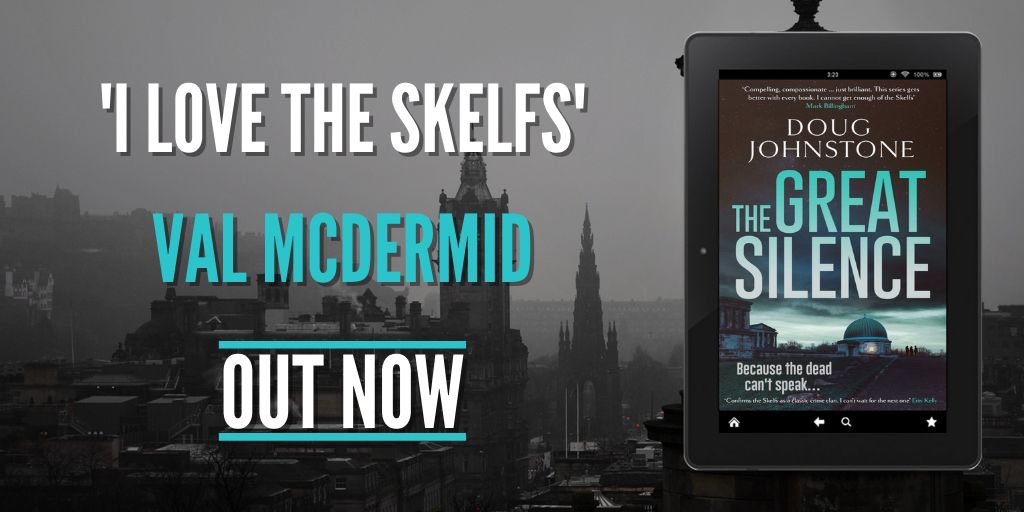
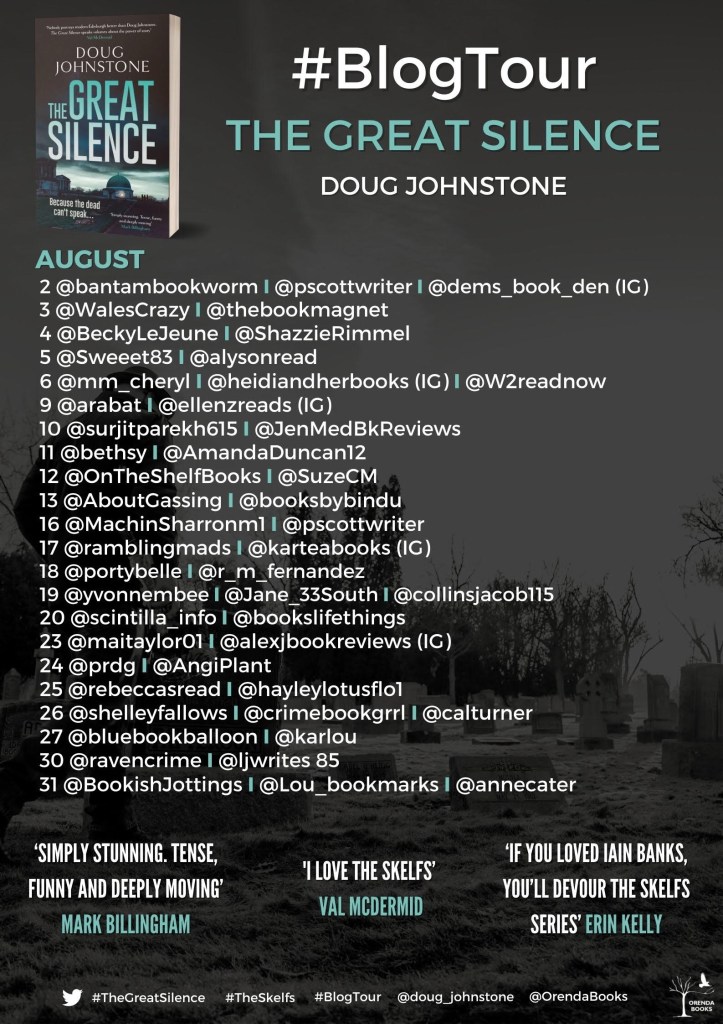
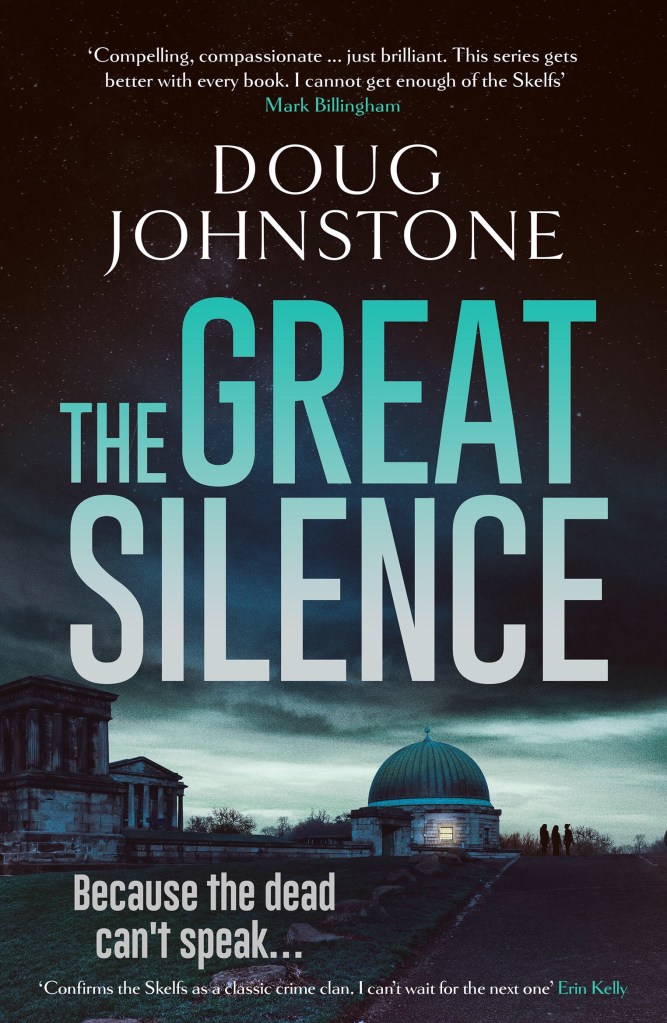
The Great Silence by Doug Johnstone.

Why is it always so difficult to write blog posts for books that I absolutely love?? I have already created two new hashtags for this third novel in the Skelf family series. The first was #bookbereavement, because when I finished it I wanted to turn straight back to the first page and start again. The second was #Skelfaholic and I am a fully paid up member. It is agreed that if this series ends (please no!) then we Skelfaholics will be holding a wake by drinking whiskey in a funeral home, followed by star-gazing at the observatory. It’s hard to put across how much I love the Skelf women, their cases, and the way they manage to conduct their funeral business with such dignity, and their investigation business with more balls than most men. I read this book almost as soon as I received it, and I’ve been sitting on it excitedly ever since, desperately trying not to say anything until the blog tour. Now I can happily say Doug Johnstone has done it again. This is a fantastic read.

For those who are new to the series, the Skelf women are three generations living under the same roof: Dorothy the grandmother, Jenny the mother, and Hannah the granddaughter. They ‘live above the shop’; their businesses being a strange mix of funeral directors and private investigators. Oh and Dorothy is a music teacher too, so there are often teenagers wandering in and out and playing the drums. In fact there are often waifs and strays under the Skelf’s roof. Hannah’s girlfriend Indy was one of their waifs, brought into the fold when her parents died and the Skelfs organised their funeral. She now looks after the funeral business with the same calm and dignity she brings to Hannah’s life. Einstein the dog arrived when a police chase ended with a van crashing nose first into one of their graves, during the funeral. The dog was in the van and with his owner now dead, he became part of the Skelf household and a companion of Schroedinger, the cat. Jenny mainly works on the private investigation side, but has a lot of her time taken up by her ex and Hannah’s father, Craig. He escaped prison and is possibly closer than they think. Finally, there’s Hannah, starting her PhD with the astrophysics department and pondering the question of why other life in the universe has never tried to contact us – the ‘Great Silence’ of the title.

As usual the book begins with a strange event. Dorothy takes Einstein for a walk in the park and he fetches a human foot, even more strange is that it appears to be embalmed. This embroils Dorothy in a very unusual case that could be deadly. Jenny is dealing with the aftermath of her ex-husband’s actions in the last book, she’s still healing emotionally and potentially regretting the end of her relationship with painter, Liam. She misses him, and wonders if perhaps they could rekindle something. Then the other daughter of her ex-husband disappears. Jenny wonders if her life will ever be free of this man, as she joins forces with the other woman in Craig’s life to find her daughter. Finally, Hannah is facing massive changes in her academic and personal life. In a sense she’s being pulled between past and future. Her graduation becomes a double celebration when Indy proposes, but then she’s pulled into the past when their flat is broken into and someone makes it clear they still want to be part of her life. Her academic supervisor José asks her if she’ll look into one of the central questions of astrophysics, if there is extraterrestrial life, why haven’t they replied to our messages? He has had a reply, but doesn’t know where it’s come from. Is it really from another life form or is someone playing game with him?

There’s so much packed into this novel, but Doug Johnstone never loses a thread. Each storyline is given equal time and care. As I was reading the novel and writing this review, my partner saw my search history on my iPad and looked confused. I had tabs open for SETI (an institute set up to search for possible extraterrestrial life), the embalming process, numbers of big cats kept in domestic homes in the U.K, and Hindu funeral rites. Yes, the author does go to all these different places in the novel, not to mention the Italian gigolo and elderly lady, and they all interweave harmoniously. I love the unexpected situations they find themselves in, such as Indy and Hannah taking a walk in the park and encountering a black panther. I also love how these women throw off expectations and be themselves. Dorothy is an elderly lady, but she goes to clubs when one of her students is playing a gig, and has a healthy sex life with her long time friend and police contact, Thomas. She’s investigating the ‘foot’ incident, which becomes more urgent once another foot turns up, this timbelonging to someone different. She’s also investigating the panther incident and visits experts keeping wildcats at their homes. In between she’s supporting Abi, now living with the Skelfs, who gets a huge shock when a man claiming to be her birth father shows up.

Jenny has to face her ex- husband and there is a sense that this might be their final showdown. They had originally thought he’d be far away in another country, but with huge estates covering thousands of acres in Scotland, it’s not inconceivable that he’s been hiding close by all along. The strength of both Hannah and Jenny in facing him again, is amazing. They’re scared – so much so that Hannah and Indy move back in to the family home – but know that the only way to stop this man ruling their lives is to find him and have him locked away again. I felt for Jenny, who had just turned a corner emotionally and was considering her life moving forward, and whether she wanted to remain alone. She’s also investigating on behalf of a brother and sister who are concerned their elderly mother is being misled by an Italian playboy. As usual Jenny is professional with her investigation, but uneasy about her clients and their motives. Meanwhile, behind all these fireworks, the kind and loyal Indy is having a crisis about her grandparents. They are traditional, but to Hannah’s surprise they want to fly over from India for their wedding. They don’t mind their granddaughter marrying a woman it seems, but they do have a huge request relating to the death of Indy’s parents. Leading to some very hard choices for Indy, who I’m especially fond of.

Doug Johnstone is so many things at once: a gritty crime writer; a poet; a philosopher; a lover of the city where he bases this series; and an incredible writer of women. Johnstone writes real women, women who are intelligent, ballsy and true to themselves which is why I love them so much. One philosophical idea that stood out to me was ‘sonder’. It’s a word I’ve become aware of because it’s the title of my work in progress – where there are people in a difficult situation desperately trying to understand each other. Sonder is the sense I often get in a very busy train station when I look around at all the people and realise that every one of them has a complex and unique life just like mine. It’s the name of a cafe that Hannah visits near the university campus and as she sits there after her graduation, with Indy, Jenny and Dorothy she realises something. These three women come into people’s lives at a terrible moment, but have the ability to treat each person’s grief as if it was the most important thing to them. It reminded me of bringing a client into my counselling room, creating a safe space where, for an hour, the most important thing in the room is this person and whatever they bring to talk about. I think this is possibly why I feel such a strong kinship with these women. Jenny will take a drink with a homeless person and pass the time of day and Dorothy will connect with a young person fifty years her junior and make them feel welcome. I hope a little of the Skelfs rubs off on all of us. If you’ve never read the series, then do yourself a favour and buy all three. You won’t regret it. There was something about this book that felt like a finale, but I’m hoping against hope there’s more to come from these characters who I love. I’ll miss them, till next time.

Published by Orenda Books, 19th June 2021

Meet The Author.

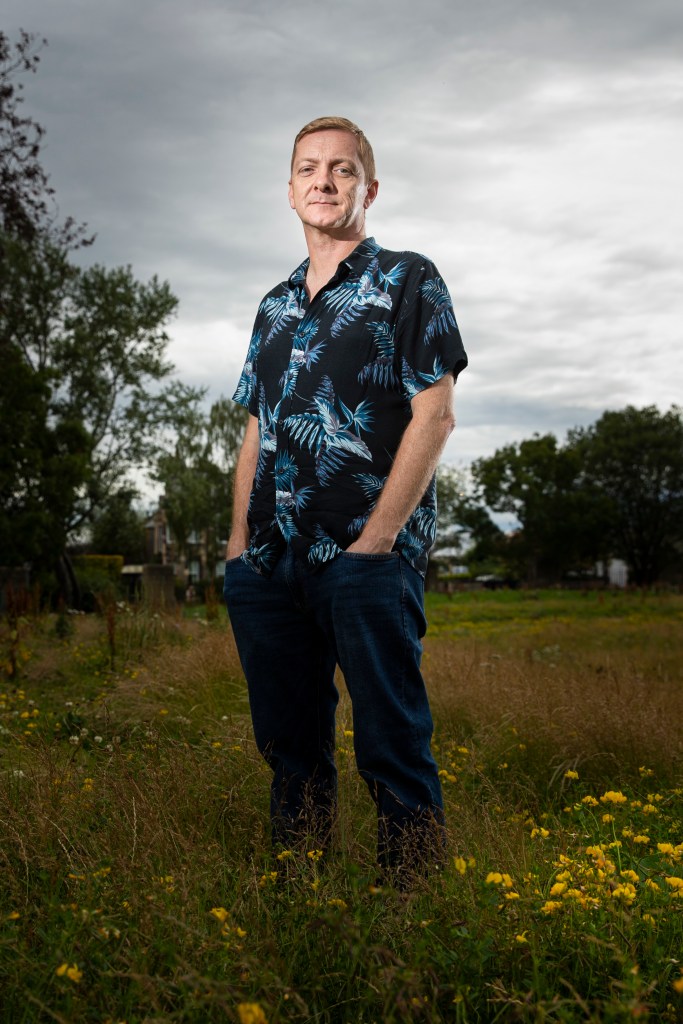
Doug Johnstone is the author of eleven novels, most recently The Big Chill, the second in the Skelfs series, which has just been optioned for TV. In 2020, A Dark Matter, the first in the series, was shortlisted for the McIlvanney Prize for Scottish Crime Novel of the Year and the Capital Crime Amazon Publishing Independent Voice Book of the Year award. In 2019, his thriller Breakers was also shortlisted for the prize. Several of his books have been bestsellers and award winners, and his work has been praised by the likes of Val McDermid, Irvine Welsh and Ian Rankin. He’s taught creative writing and been writer in residence at various institutions, and has been an arts journalist for twenty years. Doug is a songwriter and musician with five albums and three EPs released, and he plays drums for the Fun Lovin’ Crime Writers, a band of crime writers. He’s also player-manager of the Scotland Writers Football Club. He lives in Edinburgh. –This text refers to the paperback edition.
Posted in Publisher Proof, Random Things Tours

Girls Who Lie (Forbidden Iceland Vol 2) by Eva Björg Aegisdottir

I was meant to be reading this for the recent Random Things Tour, but have been taking a break for family stuff and my health. However, I did read Vol 1 of this series last year so found it very difficult to see the next novel on my TBR and not dive in. So here are my thoughts, a little late, but surely it’s always good to hear someone praise your work? No matter how late they are.
The author opens the novel on a freezing cold day and a bleak volcanic crime scene, immersing us straight into both the story and the landscape. Two boys, wandering on the local lava fields have found a body in a small cave. They frightened themselves at first into thinking they’d found a black imp, the body was so dark. However, our heroine and police investigator Elma, believes it may be the body of Marianna, a single mum who disappeared from town seven months previously. Thought to have committed suicide, Marianna left a short and cryptic note on the kitchen table for her daughter Hekla, then was never seen again. Now, it’s clear that this is a murder, and as Elma reviews the files from the previous year, when this started as a missing person investigation, she finds the work less than satisfactory. She can see so many unanswered questions to follow up. Hekla is now in foster care, with a couple who have fostered her many times, before when Marianna was struggling or disappeared. Now Elma’s team will have to wade into the previous investigation, social services files and the difficult life of a children whose parent simply struggled to cope.
I loved the complex psychology behind this story of teenage pregnancy, family expectations and how to be a parent. Added to that is othe challenge of preventing emotional pain passing to another generation. Our investigation is interspersed with a narrative of a young teenage girl who tells us about her life as the mother of an unwanted child. Her identity is not revealed and we don’t know this girl’s connection to the main plot, but her narrative is sad and traumatic to read both for her and her baby daughter. Meanwhile Elma is beginning to understand the difficult and disconnected relationships that surrounded Marianna and her daughter. Hekla was first placed with foster parents at the age of three when Marianna left her home alone while she went on a drug binge. Hekla’s foster parents were a wealthy, stable couple who made no attempt to hide how much they would have loved to take Hekla on permanently, but Child Protection Services had a policy of trying to keep children with their birth families as much as possible. Elma can see the theory behind this, but starts to wonder whether it’s a policy that actually fails children in practice. So, Hekla leads a life of moving back and forth between Marianna, who was harsh and belittled her daughter, and a foster mother who wanted to be more than her support family. If Hekla had been given the choice, she would have chosen to stay with her support family, but instead was pulled between them, both literally and emotionally. She describes how she feels:

It’s strange to be six years old and feel as if you’re a black stain on a white sheet. As if the world is in headlong flight and all you can do is grab hold and try not to fall off.’

Trying to act as gently as possible, Elma must speak to both Hekla and her support family about inconsistencies in their stories. She doesn’t want to cause more distress, but Hekla is a girl of secrets and perhaps lies too. There are parts of this story that might be upsetting for someone who has been through the care system or had a dysfunctional parent. Marianna is barely able to cope with her own life, never mind being a parent. I love that we are party to Elma’s thought processes around the case, and on her private life. As she reflects at the end of each day, the author hints strongly at unresolved trauma in Elma’s own past. There’s also the dilemma in her private life, where the loss of her partner to suicide has affected her more than she lets on. She’s not ready to have real, deep feelings for someone, preferring no strings encounters. Yet she does have feelings for someone, and if she doesn’t act on them, will it be too late? The proximity of her family, and the support she receives from them, is both helpful and irritating by turns. This is her home town, so she knows all the allegiances and quirks of the community, something which can have its own problems when investigating such an emotive crime.

The first half is slower and more thoughtful, giving the reader time to soak up the atmosphere and Hekla’s experiences. In the second part, the pace quickens and the past also catches up as our mystery narrator is revealed – a reveal that had me reassessing everything I’d thought before. In a world where every thriller boasts twists and turns galore, this one packed a punch, was truly clever and had played with my misconceptions of who it might be. Another thing that really hit home for me, as the stepmum to two teenage daughters, was just how damaging the constant wrangling between co-parents becomes. I thought the character of Hekla was pitched perfectly, with a deep understanding of being a teenage girl. She showed that need to belong, to be accepted, whilst also feeling complete isolation – that nobody in the world understood her or had felt what was going in on her head. This is an age where being singled out as different is painful, it takes time to work out that your originality is your super power. This was a tense and compelling read, with undercurrents of deep melancholy that seemed to come from Elma and the forbidding landscape. This was a psychologically astute murder mystery, with deep empathy and a strong sense of place. I would recommend it highly.

Meet The Author

Born in Akranes in 1988, Eva moved to Trondheim, Norway to study MSc in Globalisation when she was 25. After moving back home having completed her MSc, she knew it was time to start working on her novel. Eva has wanted to write books since she was 15 years old, having won a short story contest in Iceland. Eva worked as a stewardess to make ends meet while she wrote her first novel, The Creak on the Stairs. The book went on to win the Blackbird Award, was shortlisted (twice) for the Capital Crime Readers’ Awards, and became a number one bestseller in Iceland. Eva lives with her husband and three children in Reykjavík, and she’s currently working on the third book in the Forbidden Iceland series.

Posted in Random Things Tours

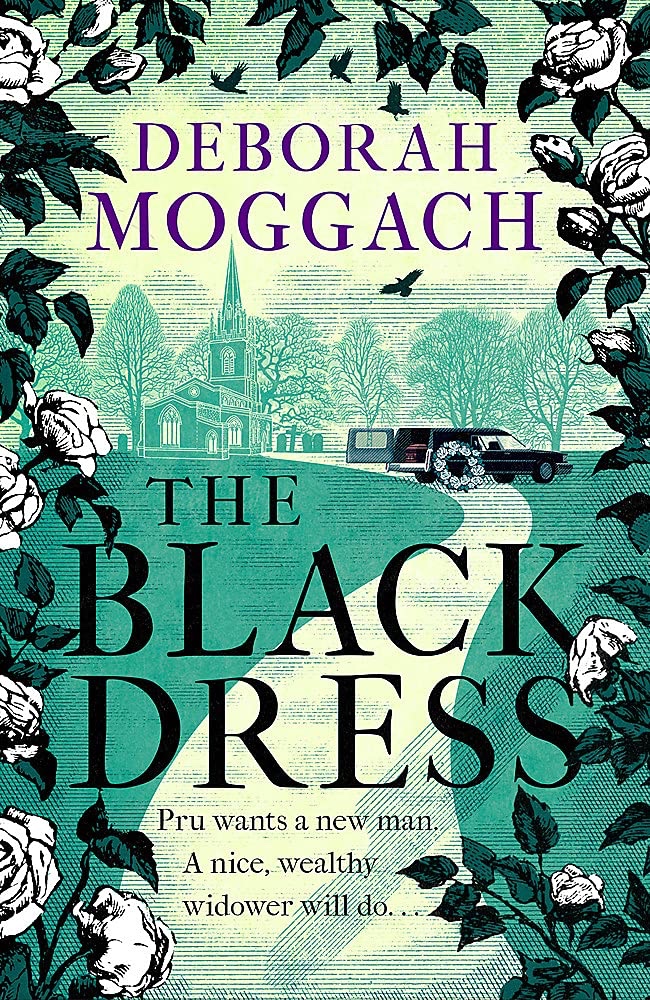
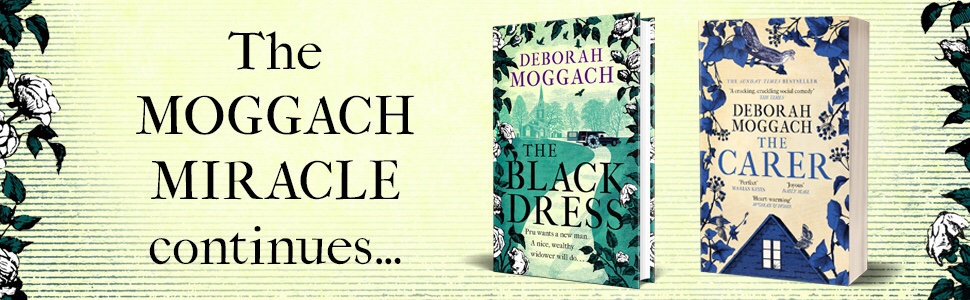
The Black Dress by Deborah Moggach.

I truly enjoyed Deborah Moggach’s last novel The Carer thanks to it’s depiction of family dynamics. She showed the problems common to ‘the middle’ where both children and parents need us in equal measure, but mostly that difficult decision about ‘caring’ for an elderly relative and the compromises we have to make. This novel concentrates more on growing older in the 21st Century with all it’s difficulties and choices to face. More people over 50 are facing huge life changes and are emerging from broken relationships into a world that’s moved on several decades. They face the daunting prospect of internet dating, cat-fishing, swiping right and learning to navigate through it all. I think we all imagine there’s an age where we grow up and become adults. We expect wisdom to set in, the risks and mistakes to be less and for us to be settled in who and where we are. Of course I’ve reached middle age and don’t feel any where near being a real adult. I’ve realised I’m still the same heart on sleeve, leap of faith, in love with love, risk taker that I’ve always been. There’s growth from experience, but my essential character has not changed. However, I identified with Pru, who is weathering this massive life change, then sees a black dress in a charity shop and wonders what if I was someone different for a while?

Pru’s husband has walked out and has set up home in their little holiday cottage by the sea. Her only consolation is her friend Azra, always a little too wild and boho for Pru’s husband’s taste, but a great solace as she contemplates living the rest of her life without her other spoon. To be honest with herself, it’s not really him that she misses. She misses their life together – the past memories of playing on the beach with the children, always having someone next to her in bed, and those in-jokes that they would only get together. Now the bed feels huge and Pru feels numb and bewildered. In something of a daze, she has to attend the funeral of an old friend, but at the church she notices that something’s not quite right. There are people she expected to see, who aren’t here. As she listens to the hymns and the eulogy she wonders why it doesn’t sound like the friend she knew. Then the penny drops – she’s at the wrong funeral. Yet somehow she gets swept along with it and finds she has a good time, conversation, a few drinks and banter with some of the other guests. So when she sees the black dress hanging there, she allows herself to wonder why not? Maybe she will meet a nice widower to bring some excitement into her life. With this in mind she starts to buy the paper and circle the obituaries.

It is Azra who points out that what Pru is experiencing is grief. The loss of a decades long marriage is enormous and it’s very clear she’s not thinking straight. Whenever she talks to her husband she doesn’t get a clear idea about why he wanted to leave. This is what she feels she needs to know and understand, before she can move forward. Yet, as she finds out, sometimes the truth is worse than not knowing. Now she can add anger to the list of emotions cycling through her head. In the midst of this she attends her first chosen funeral. The deceased is a woman of her own age and used to be a nurse, so her story will be that they lost touch after doing their nursing training together all those years ago. The widower seems a lovely man, devastated by his wife’s death and eager to hear stories about nursing college. Pru is welcomed back to the family home and meets the couple’s grown up children. She thinks there might be something there with this man, given a little time and the right encouragement. That’s if she had a reason to go back to the house of course? As she leaves her wrap behind as well as her number, in case he ever wants to talk some more.

Pru’s audacity really grabbed me. Yes, what she’s doing is crazy and there’s a good chance one of her escapades will go wrong. In that sense it’s a bit like watching a car crash, you can’t bear to look but you can’t look away either. Of course at first she’s looking for comfort, someone who understands the loss she has experienced maybe, and there’s an element of acting out on the anger she feels about her husband’s lies and betrayal. However, the sheer nerve it would take to walk into a stranger’s funeral and play another version of yourself for the day shows she has some sass and attitude. Whenever it goes wrong, and it does, she doesn’t stop taking those leaps of faith just to move forward. Yes, there are less messy and dangerous ways of grieving a lost relationship, but this is Pru’s way. It doesn’t matter where the next step takes her, as long as it’s away from those painful feelings and fear of loneliness. It’s in these early stages that a lot of the comedy lies too, just in the situations she places herself. There’s a kind of bravery in her actions, but a hint of madness too and I wasn’t sure which way Moggach would take her story. As it turns out, a much darker direction than I expected, but so very delicious too.

As Pru takes more risks and trusts the wrong people, her solutions take a darker turn. There were times when I wanted her to keep still for a moment and think, or even better, to feel the conflicting emotions she’s trying to stuff deep down inside. There’s a moment, where one of her beaus takes her on a helicopter ride down to an uninhabited island formed from sandbanks. As she steps onto this pristine sand, where no one else has been, there’s a brief spell of peace. Once the rotors stopped turning and she stops for a moment, I felt a sense of relief that everything was quiet. She’s in a space between places, somewhere she’s never been and that holds no memories. This moment feels like a metaphor for how Pru’s journey could have been, if she’d taken more time and space to think and explore how she really wanted the rest of her life to look. In the spiral of activity she’s missed things; if she’d struck up a friendship with that first widower, rather than a relationship, they might have been a comfort to each other, she brushes aside overtures of friendship from Pam across the road who’s always seemed a bit boring, but might have proved to be a great friend, and she might have come to terms with what happened. Now though, she’s in a spiral downwards.

It’s hard to categorise this novel, because although it feels like a light, easy read, it’s incredibly complex. I would struggle to place it in a genre, because it’s drama, tragedy, comedy, and thriller. Despite covering themes of infidelity, coercive control, death and grief it’s also warm and witty. The author does an excellent job of lampooning middle class morés, shown when Pru takes a rough diamond of a boyfriend to a party with friends. Moggach then pulls off an incredible reveal, worthy of any thriller and I really hadn’t seen coming. So much so that I had to go back and look for how I’d missed it. It was brilliantly well done. Then there’s Pru herself, a central character you can’t help but fall in love with. She’s far from perfect, in fact at times she’s conniving, manipulative and full of revenge, but she’s also warm, caring, funny and at her best she’s full of zest for life. Yet underneath it all, she’s lonely and very vulnerable. There are darker moments towards the end that made me worry for Pru, and they show how easy it is to be preyed upon by others when we’re this vulnerable. I loved being able to read about a woman of a certain age still having an exciting life, when often women over 50 are dismissed as uninteresting. Pru enjoys socialising, dressing up and having sex too. Despite her faults, I was hanging on till the last page hoping that Pru battled through – even if her methods were … unexpected. This wonderful book cements the author’s reputation with me, as a writer whose next book I would buy without hesitation.

Meet The Author

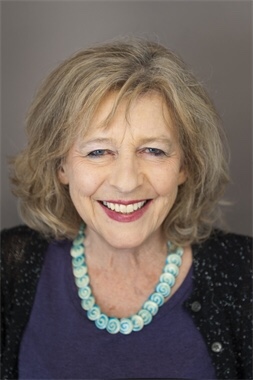
Deborah Moggach, OBE, is a British novelist and an award-winning screenwriter. She has written twenty novels, including Tulip Fever, These Foolish Things (which became the bestselling novel and film The Best Exotic Marigold Hotel), and The Carer. She lives in London.

Posted in Random Things Tours

The Beresford by Will Carver.

This was my first introduction to the work of Will Carver. My fellow bloggers and Squad Pod members kept telling me about how great his writing is, but I’d not taken the plunge till now. I started the book last night and finished at lunchtime today, because I was hooked from the end of the first chapter.

Abe Schwartz lives in a one-bed furnished flat. An apartment building called The Beresford. The bell rings and he’s the one opening the front door to a stranger. Before that, he’s dragging a dead body into his room, mopping up blood and asking himself, What the hell just happened?

Maybe I’m a bit weird, but a cracking beginning like that really is so darkly delicious I can’t help but read on. I was then blown away by the originality and inventiveness of the writer and the explosion of historic and popular culture references the book created in my mind.

The Beresford is an old forbidding looking building in the city. In my imagination this first conjured up the Gothic towers of the Dakota Building, where John Lennon lived and was killed back in 1981. Inside The Beresford are a number of apartments, bigger and better appointed than you would expect for the money. They even have large roll top baths. The perfect size to dismember and dissolve a body. The building is presided over by a lovely old lady called Mrs May, who starts every day the same way. By brewing a coffee while the taps run, then enjoying a bath with bubbles, followed by eggs with her cold coffee. She has a routine, and is found at the same time every day pruning the roses in the front garden. As any fan of the film The Ladykiller’s knows, you should never underestimate sweet looking, little old ladies. Of course she has time to pray each day, but to whom and for what? In fact when I first encountered Mrs May praying, I hoped there would never be a film version of the book. She knows everything that happens at the Beresford because the same thing happens over again – some people leave and some people just disappear. Occasionally they stay. For a price.

The atmosphere is strangely claustrophobic and reminiscent of Rosemary’s Baby. I loved the tone of our narrator, who is quite matter of fact, and cleverly combines both horror and humour. I also loved the sense of history the author creates about this quirky building. These stories and urban myths reminded me of a documentary I’d watched about the Chelsea Hotel, again in New York, showing how each generation of residents impacted on it’s history: from the original collective of 1920’s writers; 1960’s musicians and artists like Janis Joplin and Leonard Cohen; from the death of Dylan Thomas in the 1950’s to Sid Vicious killing Nancy nearly thirty years later. It’s legends are almost bigger than the hotel itself and it’s often claimed as the most haunted hotel in NYC. It’s somehow bigger than just a building, it’s almost an instant portal to the past. The Beresford is described in a similar way is as if it could only belong on old news reels or sepia photographs. Yet there it is, still standing on the sidewalk in the 21st Century. The myths about The Beresford give the place a sense of longevity – it was there before you and sure as hell will be there after you. Sid Vicious told the Associated Press that the Chelsea Hotel “…is a vortex – an artistic tornado of death and destruction and love and broken dreams”. I think second floor Beresford resident Sythe, artistic impressionist and sometime pyromaniac, would probably say the same thing.

Interspersed with the comings, and often darkly humorous, goings of the residents are sections entitled ‘What do you Want?’ We don’t know who the speaker is, although I will admit I imagined a few of these monologues in the voice of Laurence Fishburne as Morpheus from The Matrix. It’s as if we are having our world explained to us, but in a way that lifts the scales from our eyes. This is what’s really going on. These sections address beauty pageants, social media usage and even the way we buy our books. We like to think we ‘discover’ something in a bookshop, but we’re directed to it by placement, marketing, and demographic. Or perhaps by book bloggers? They know so much more about us than we think they do. Ever talked briefly about a subject at home then found an advert for the very same thing on your iPad? It’s listening. In a piece that I loved because it’s unsettling and so close to the truth, our narrator tells us:

You are being told what to watch, who to vote for, which team to support and which God to believe in. You want the truth? All of these things serve to obscure the greatest lie of all. The fruit and vegetables are placed at the front of the supermarket because the colours draw you in. Everything behind is bad for you. But you just see the colours. You buy into them. You believe them. It’s easy to do as you are told.

You are not where you think you are.

Finally, when lovely, peppy, young Christian Blair joins the residents she strikes up a friendship with Abe. Mrs May thought they might get along, just like Mrs May knows a lot of other things. There’s nothing she doesn’t know about the residents of her building. He takes her to the building’s side entrance where they get into the Art Deco lift to access other apartments and convention suites. The side where they live is just two floors with it’s own front entrance, but this is bigger, especially at the top, where apparently a couple fell to their death on the sidewalk. Abe calls this side the ‘bad side’. There’s a man who sees them and calls out. The couple break into a run for the old elevator and hope he doesn’t get there before the slow mechanism starts to move. They then burst out into the street laughing. Maybe one day the author will venture further into the other side of The Beresford? If so, I’ll be waiting – but I’ll probably stick to reading in the daylight hours.

Meet The Author


Will Carver is the bestselling author of the January Series – Girl 4 (2011), The Two (2012), The Killer Inside (2013), Dead Set (2013) – and the critically acclaimed Detective Pace series, which includes Good Samaritans (2018), Nothing Important Happened Today (2019) and Hinton Hollow Death Trip (2020), all of which were selected as books of the year in mainstream international press. The books in this series have also been longlisted/shortlisted for the Amazon Readers Independent Voice Award, Goldsboro Books Glass Bell Award, Not The Booker Prize and the Theakston’s Old Peculiar Crime Novel of the Year Award. Will spent his early years living in Germany, but returned at age eleven. He studied theatre and television at King Alfred’s Winchester, where he set up a successful theatre company. He currently runs his own fitness and nutrition business and lives in Reading with his children.

Posted in Random Things Tours

The Lost Girls by Heather Young.

This slow, but sinister tale concerns three generations of the Evans family. The Evans women that is. In 1935, Emily Evans vanishes from her family’s summer cottage, set by a lake in a Minnesota backwater. The woods are searched, the lake is dredged, but there is no sign of Emily – the child their mother dotes on the most. Unable to leave the place their sister vanished, Lucy and Lilith Evans go through their father’s subsequent suicide and nurse their mother till she too dies,

Sixty years later, Lucy the quiet middle sister, starts to write the story of that summer, when everything changed. She writes for her Great-Niece Justine and hopes she will understand what happened and set things right. She knows Justine will find it, because she chooses to leave her the house in her will and it comes at the right time. Justine has two daughters and lives with her boyfriend Patrick, but of late his behaviour has worried her. Does he just care about where she is and what she’s doing, or is he controlling her? The house on the lake becomes their refuge, their only neighbour is a taciturn old man who lives at the lodge.

The author tells her story through Lucy and Justine, across the two timelines, as the old mystery and the new drama play out. It’s a structure that works because the past always illuminates the present. The story starts out slowly, setting the scene and giving the reader a deep understanding of these characters and their motivations. The early chapters are almost hypnotic, then the pace builds. By the time both stories reached a crescendo, I was completely drawn in and my partner had to keep me supplied with of tea. I simply didn’t want to move till I finished it.

There’s an incredible sense of place in the novel. We see the lake at different times. In 1935 it’s summer and the family are there all week, with their father joining them from town at the weekend. We see the place as a child would see it: pools to swim in, trees to climb, forests to explore and under one of the cottages some kittens to play with. The place has a warmth and benign feel to it on the surface, that is at odds with an undercurrent that keeps bubbling up. Lilith wants to be more grown up than she is, dressing up a little and sitting with the slightly older kids. Lucy’s voice is anxious constantly where her sister’s antics are concerned, but it’s not clear where the fear comes from. Is she just afraid of her older sister leaving her behind or is something more sinister at play? There’s also a definite ‘middle child’ feeling to her observation that Lilith is catching her parent’s attention by pushing their religious boundaries, and baby Emily is never away from their mother’s side. Emily is definitely the favoured child, but again there’s something odd about the way their mother clings to her, sleeps with her every night and becomes hysterical if she slips out of sight.

By comparison, when Justine and her girls arrive at the lake house it is winter. Instead of feeling like a place to holiday, the landscape is bleak and the remoteness feels threatening. There’s constant talk in town of storms to come, people preparing to be snowed in and getting their supplies. Instead of being a welcoming family home, the cottage has definitely seen better days and there is a haunted quality to it. It’s not just the portrait of Emily set above the mantle with two candles under it. It’s not just that Justine feels like the child’s dark eyes follow her round the room, there’s a sadness and a sense that something terrible happened here, like an imprint left on the air. Matthew at the lodge house also seems a little scary on the surface, but he does plough the drive for the girls to get to school and Justine finds he’s left her a brand new snow shovel just before a blizzard hits. It felt like the remaining Evans girls has needed a place to heal together, without a man in tow. However, the place itself needed to heal and only this generation of the Evans girls could do it.

There are clues everywhere, and different characters hold separate parts of the puzzle. Justine doesn’t want to be like her mother is, always running to the next place and never feeling settled and at peace. She doesn’t want it for her girls either. When danger does come to the lake for a second time, will Justine be the Evans girl who makes the right choices? This was a slow burning tale, that crept up on me and drew me into this sixty year old mystery. I was compelled to read to the end and find what secrets were buried at the lake, and what sort of closure the remaining Evans girls could find.

Meet The Author

Heather is the author of two novels. Her debut, The Lost Girls, won the Strand Award for Best First Novel and was nominated for an Edgar Award for Best First Novel. Her second novel, The Distant Dead, was nominated for an Edgar Award for Best Novel and named one of the ten best mystery/suspense books of 2020 by Booklist. A former antitrust and intellectual property litigator, she traded the legal world for the literary one and earned her MFA from the Bennington Writing Seminars in 2011. She lives in Mill Valley, California, where she writes, bikes, hikes, and reads books by other people that she wishes she’d written.

Posted in Random Things Tours

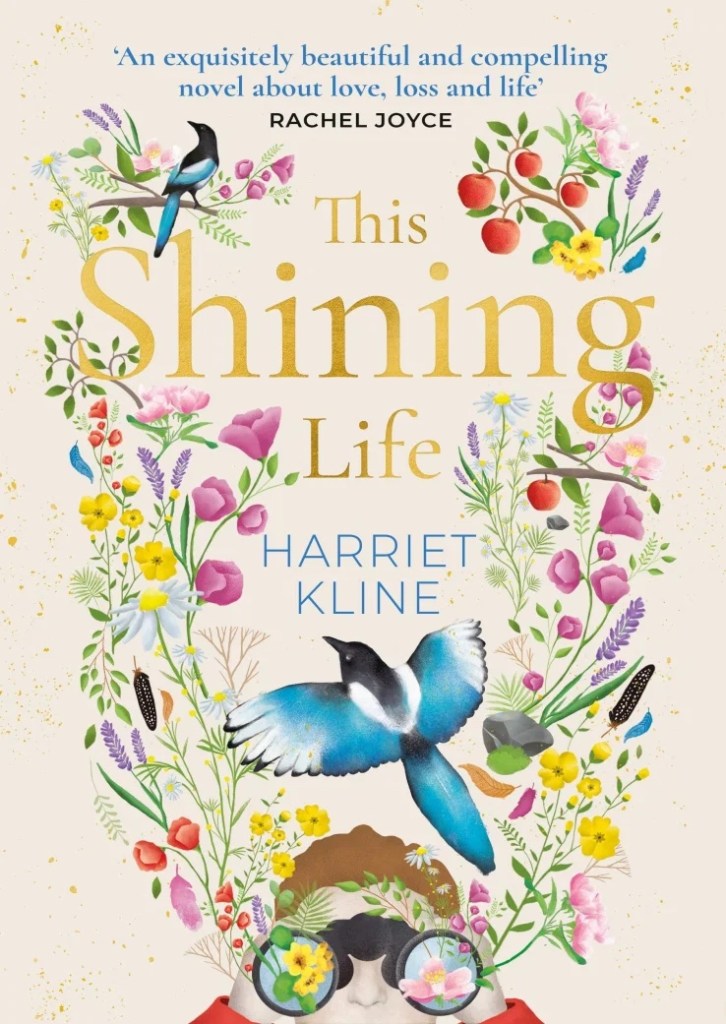
This Shining Life by Harriet Klein

Wow, this is heartbreakingly sad, but so beautiful too. Rich is dying. Funny, charming, Rich has a love of cheese and throwing parties. He has a son called Ollie who is neuro-diverse and a wife called Ruth who is coping with so much anyway, how will she cope with his death? The book covers Rich’s attempts to live, while dying. There’s also the aftermath of his death where Ruth and Ollie have to learn how to cope without the most important person in their life. Ruth finds it very hard to accept that her time with Rich is now limited and she has no idea when he will die. As time passes, Ollie finds it harder too. He doesn’t understand what it means to die. So, Rich devises a plan and involves his son in choosing gifts for those he loves, as something to remember him by. Ollie loves puzzles and he sees the presents as clues – he thinks each gift has a hidden meaning that his Dad chose to teach him the meaning of life.

The story is told through the important people in Rich’s life and it begins with Ollie. Ollie has realised that the gifts went to the wrong people and he must rectify the mistakes, because otherwise he’ll never understand life or death. He is starting to come apart at the seams but has anyone noticed? Ruth is struggling to cope with his obsessive rituals and her grief is all encompassing. In counselling we refer to ‘complicated grief’ – this can happen when a death is: unexpected with things unresolved or left unsaid, a sudden decline or an accident, the result of a crime, long-term health related with caring roles attached, complicated by circumstances such as being out of touch or at odds with each other, or where a disease is hereditary. Here, Ruth and Ollie haven’t really had time to prepare and their lives have had to adapt very quickly. Ruth can’t fall apart because she has to be there for Ollie, but it is wearing her down and she needs to deal with her own feelings too. I liked the way the author brought in other voices, from Ruth’s family to Rich’s own mother and father, each with their own grief and needs.

The author is a great observer of human behaviour and family dynamics. We can see how grief passes through this family, less like ripples on a pond and more like a shockwave passing through everyone in the vicinity. I talk with clients about the circle of grief – this is a series of concentric circles with the person experiencing the bereavement in the centre, next their spouse or partner, then in layers outwards until we get to the wider community. This is a simple tool that works well in the context of working with an individual because in that space, they are the afflicted person. We show how grief is expressed outward – with people in the outer circles expressing grief outward to family, friends, then they go to workmates or the wider community. Then comfort is expressed inwards, with those in outer circle ‘shoring up’ those further in, giving them the strength to support those in the inner circle. People in the outer circles should not be expecting comfort from those in the centre. Yet, grief is rarely so neatly expressed and the circles are often breached. This could be because of narcissism or lack of boundaries. However, more likely, what happens is shown very clearly in this book. Everyone is at the centre of their own circle. Ruth has to show comfort outward to Ollie and to Rich’s parents who are both struggling with their own grief and the added complication of dementia. Some people simply can’t put another’s needs in front of their own.

When we face a huge upheaval or loss in our lives, we experience it through our own filter. Made up of our own experiences, the emotions we find it easy or difficult to express, our own bias or prejudice. The author has written such an authentic story of loss by exploring each character’s filters, their earlier life experiences and the unique relationship they had with Rich. We each grieve in a unique way because of the unique way we connected with that person. In dying, Rich has given them all the secret, of the meaning of life. It’s in the connections we have with another person and in a way Ollie is right – the gifts do hold the secret. Rich has bought each person something he thinks will remind them of him, in the context of the relationship they had. Knowing each person will miss him in a different way. His life was all about encouraging other’s to enjoy everything life offers and all its variety. I thought the book was emotionally intelligent, full of complex and interesting characters and explored beautifully what happens when such a big personality is taken from a family. A final mention must go to that beautiful cover, with Ollie using his binoculars to focus on the beautiful variety of life in the world. Simply stunning.

Meet The Author

Harriet Kline works part time registering births, deaths and marriages and writes for the rest of the week. Her story Ghost won the Hissac Short Story Competition and Chest of Drawers won The London Magazine Short Story Competition. Other short stories have been published online with Litro, For Books’ Sake, and ShortStorySunday, and on BBC Radio 4. She lives in Bristol with her partner and two teenage sons.

Posted in Random Things Tours

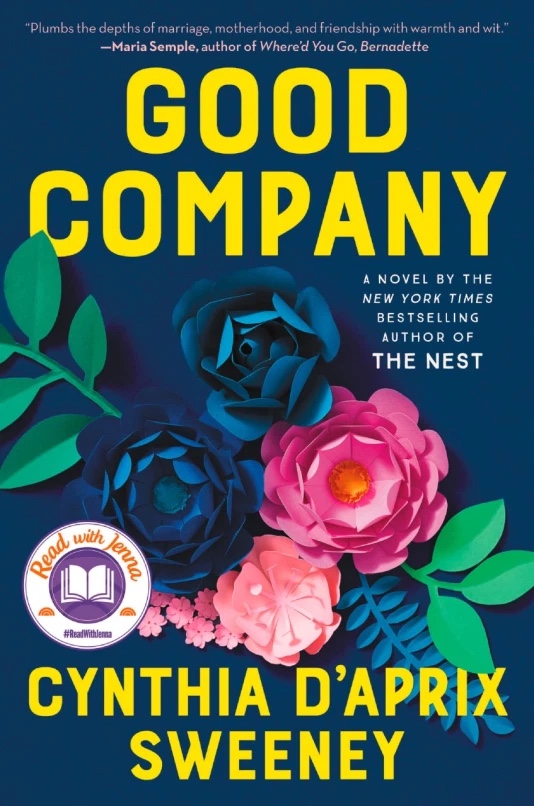
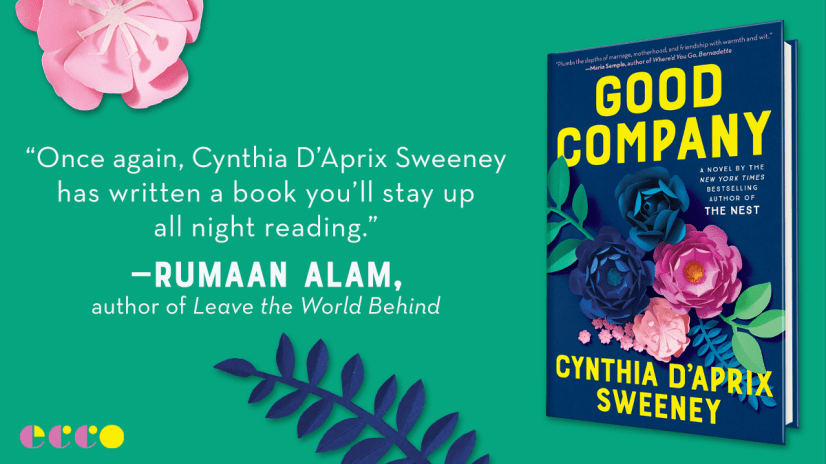
Good Company by Cynthia D’aprix Sweeney

Flora and Julian struggled for years, scraping together just enough acting work to raise their daughter in Manhattan and keep Julian’s small theatre company—Good Company—afloat. A move to Los Angeles brought their first real career successes, a chance to breathe easier, and a reunion with Margot, now a bona fide television star. But has their new life been built on lies? What happened that summer all those years ago? And most importantly, what happens now?

GOOD COMPANY follows two couples entering the midpoint of their lives, against the backdrop of the New York theatre scene and Hollywood. It tells a story of what it means to, as the author says, “truly love but never truly know another person”.

By chance this week I’ve read two books that focus on that mid-point in life, either that or the universe is trying to tell me something. It seems to be a time of shake-ups and regrets. The time when we look at life and either wonder where our younger selves and their vitality disappeared to, or take stock and realise if we don’t make our dreams a reality soon, we never will. It’s the archetypal mid-life crisis on one hand and we shake things up – buy a motorbike, a sports car or trade in our partner for a different type of ‘racy little number’. Other people throw out the ordinary life and go travelling, create a micro-brewery or start a bucket list. For me it means getting some writing experience and gaining confidence with an MA, while finally sitting down and starting to write my book (wish me luck).

Flora meanwhile, is feeling the need to catalogue the years of mementos and evidence of what she and husband Justin have achieved in life. Whether it’s through the theatre group Good Company that they work on together, or through the family they’ve created. The author sets the scene with something familiar that we’ve all done, clearing out old cupboards and storage spaces we’ve been neglecting for years. Flora is looking for a photograph, but is also enjoying reminiscing over the years they’ve spent together professionally and personally. The photo she’s looking for is from when their daughter Ruby is about five years old and they’re staying in Julian’s family mansion in upstate New York for the summer. At the bottom of the filing cabinet she finds it, an envelope of photographs marked ‘KEEP’ from that very summer. Under it is another envelope with an object in, so Flora opens it to find Julian’s wedding ring. This is nothing new. He’s had at least three since they’ve been together. However, on closer inspection this is their first ring, she had engraved especially for him. We all know that feeling. When you discover something that makes the bottom fall out of your world. Julian claimed to have lost this ring on their summer vacation, somewhere outdoors. So how did it get here, carefully sealed and buried under years of family detritus?

We also get to take a look at Flora’s friend Margot, who alongside Ben and Julian used to tread the boards with Good Company. She was one of those friends so interwoven in their lives she’s like family. In fact a five year old Ruby was so taken with Margot that she was always on her knee and being cuddled. Another photo from that summer shows them all, each intertwined in some way with the other. When people are that close, boundaries can be forgotten and it’s hard to see where your ‘self’ ends and the other begins. When one boundary is crossed, others can be breached too. We see that Margot could be overbearing, even interfering, especially back when Flora is planning to marry Julian. Now a famous actress, with a lead role in a hospital soap, we start to see her personality emerging during an interview with a very well informed journalist. It’s clear that she’s well versed in avoiding the difficult question and very willing to manipulate to get what she wants.

I found the setting fascinating, whether it was a beautifully realised New York or sunny LA I felt like I’d escaped into a different world world while reading. I love the idea of Broadway, it was the only thing I wanted to do when I turned 40 – go to Manhattan and see a Broadway show. To be able to read behind the scenes made me feel like I was reading an episode of Smash, a series that I used to watch with a stupid grin on my face. I love to see people perform so it was an absolute joy to have that feeling after being barred from live theatre for so long now. As we sit back and observe the ins and outs of these characters, we can really observe and analyse their behaviour. We see the individual behaviour but also how it feeds into the group dynamic. I could see the established roles, the shorthand they have developed when communicating, and some undercurrents that even the group aren’t aware of. Margot’s controlling ways have followed her through life, Julian is more passive and even powerless in some situations, and Flora is awakening to the fact that sometimes the individual is more important than the group. Many people in middle age are ‘stuck’ in friendship dynamics that are unhealthy and need to change. It can be impossible to change within the group and only by walking away can the individual put themselves first or initiate change in their own life. Our friends can be used to us being one way and may even actively try to manipulate or force us to stay in our little box. I could see all of this here and for a therapist it’s a delicious psychological puzzle to unravel.

I can see why the author’s debut novel was such a success. This was a great character driven read, with a great sense of place to get lost in. I became fully immersed in Flora’s life and all the complexities of these interwoven friendships and marriages. A wonderful ‘holiday read’ to get lost in from a novelist well-versed in the dynamics of people and their friendship circles. It might even make you think about your own friendships. I must just mention that stunning cover art too.

Thanks to Anne Cater at Random Things Tours and Ecco Harper Collins for having me on the tour.

Meet The Author

Cynthia D’Aprix Sweeney’s debut novel, The Nest, was a smash success, receiving widespread critical acclaim and named a Best Book of 2016 by many, including The Washington Post. Much of what made The Nestbeloved is back in play with GOOD COMPANY, including Sweeney’s distinctive wit and her incisive examination of the way people, and their relationships—with others and themselves—evolve over decades.

Posted in Random Things Tours

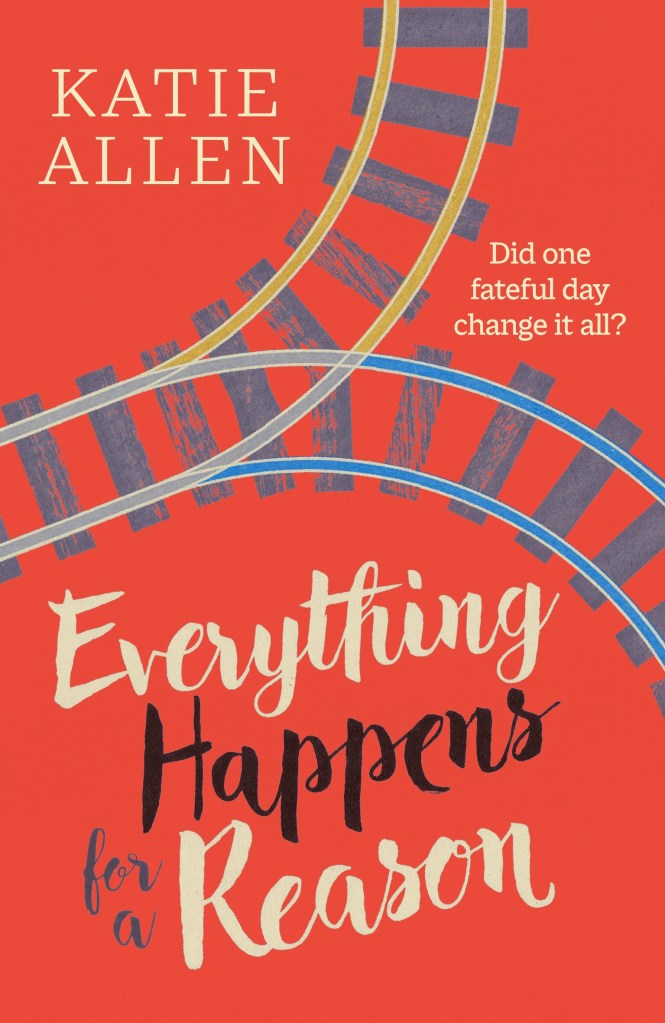
Everything Happens For a Reason by Katie Allen.

Mum-to-be Rachel did everything right, but it all went wrong. Her son, Luke, was stillborn and she finds herself on maternity leave without a baby, trying to make sense of her loss.

When a misguided well-wisher tells her that “everything happens for a reason”, she becomes obsessed with finding that reason, driven by grief and convinced that she is somehow to blame. She remembers that on the day she discovered her pregnancy, she’d stopped a man from jumping in front of a train, and she’s now certain that saving his life cost her the life of her son.

Desperate to find him, she enlists an unlikely ally in Lola, an Underground worker, and Lola’s seven-year-old daughter, Josephine, and eventually tracks him down, with completely unexpected results…

Both a heart-wrenchingly poignant portrait of grief and a gloriously uplifting and disarmingly funny story of a young woman’s determination, Everything Happens for a Reason is a bittersweet, life- affirming read and, quite simply, unforgettable.

When I first talked to Karen Sullivan at Orenda about this incredible book – part of the Jubilant June publishing event – she told me I would cry but I would love it. She was right. I did cry. I cried buckets. I did love it too. This novel reminded me so much about my own loss. I cried for Rachel, I cried for the author, and I cried for anyone who has suffered this terrible loss. Mostly, and selfishly, I cried for myself. I do know the profound sense of loss Rachel goes through, because I lost three pregnancies, one with twins, when I was in my twenties. Of course these were miscarriages, not full term pregnancies, and as someone once tactfully told me ‘better to lose them earlier, than to actually have to give birth, or to have your baby die after a few days’ as if we were playing some sort of ‘Grief Top Trumps’. I was told many things in the months after each miscarriage: there was probably something wrong with the baby; we don’t always understand God’s plans; maybe it wasn’t meant to be. People don’t say these things because they’re malicious. They say these things because they don’t know what to say and silence seems unacceptable. The most useful thing anyone said was from the nurse who discharged me the first time. I was so traumatised by the past 24 hours I was staring ahead, not really seeing and not really listening. She touched my hand and said ‘it isn’t your fault, remember that’.

However, as it happened again and again, I did feel guilty and wracked my brain looking for things I might have done wrong. Rationally I knew it was not my fault, but I wasn’t always rational. Was this to do with my MS? Did I take a tablet I shouldn’t? Should I have helped in the charity shop sorting and labelling clothes, moving boxes? I wasn’t trying for a baby so was it the lack of vitamins? No folic acid? My body felt like such an inhospitable place. It was already attacking itself, now it was attacking my babies. Is it because I shouldn’t be a mum? Did I have a right to bring a baby into my already imperfect world, with my imperfect body? My brain switched off. My heart broke. I was told I had incomplete miscarriages, the baby dies but doesn’t ‘come away’. I then had to read and sign a clinical form that referred to my baby as the ‘products of conception’ and was headed ‘Consent for Termination’. My guilt clicked in again. What if they were wrong and I was killing my baby? To really complete the trauma I contracted an infection after my third miscarriage, and the doctor who had to examine and admit me to hospital actually slapped me on my bare leg because I wasn’t moving fast enough. I felt like my body wasn’t mine anymore. It broke my relationship. It took me on a long, painful journey of finding out that becoming a Mum was going to be more difficult for me because I had Hughes Syndrome, a clotting abnormality. It would be so difficult that I had to choose my own mental health over becoming a mother. I couldn’t make sense of what I’d done wrong to deserve this, on top of my other disabilities.

This is all our central character, Rachel, is trying to do. She wants to make sense of why her baby, Luke, died. She latches onto a platitude and weaves a story around it. If everything does happen for a reason, what could that reason be? Then she thinks of that fateful day when she stopped a stranger from jumping in front of a train, the same day she found out she was pregnant. What if he’d been meant to die? Then, because he was saved, someone else had to die in his place. It’s not clear if she truly believes this, or whether she has to think a greater purpose is at play, because if Luke’s death is without a reason she will fall into the abyss. So, we follow her search for the man she saved. Maybe if she sees him making the most of his second chance at life, she can accept her loss. There is, of course, sadness and grief on the journey, but there’s also humour and the hope that Rachel will work through the worst of her loss and find some peace and acceptance in this awful situation.

The writer is incredibly courageous to take her experiences and lend them to Rachel for the purposes of the novel. As we follow her ‘non-maternity leave’ she tells her story with such a frank, raw, and brutal honesty. This could be a difficult read for someone only just going through the same experience, but for me, I felt like someone had finally seen the pain I was carrying. I would no longer have to stand in the Post Office queue, watching people going about their business, with a terrible inner urge to scream ‘my baby died’. Rachel’s story is told through a series of emails addressed to the son she’s lost. In this private correspondence she can express her worst fears and nothing is left unsaid. There is also a sense for her, that she can send them somewhere; that somehow, Luke can see them. The authenticity of this stream of consciousness can only be achieved by letting us delve deeply into Rachel’s feelings and state of mind. It seems so authentic, because it is. Katie has delved into her very soul for this novel and welcomed us in. I can’t thank her enough. I admire her enormously. It inspires me to keep going, to keep writing my own story.

The fact that this is Rachel’s world means that everyone we meet, we can only see through her eyes. I really enjoyed some of these characters and they do bring balance to a tough story by creating some of the lighter, more humorous moments. Josephine, the daughter of a woman who helps Rachel in her search, has an offbeat humour that I really enjoyed. She really doesn’t have the ability to filter her thoughts before they come out of her mouth, and while that’s always funny, it can also be very insightful in a quirky way. The author has a unique ability to affect the reader’s emotions in one way and then switch them round again very quickly. Rachel’s family mean well when they help and hope she can ‘move on’ from her grief. Some don’t fully understand her quest and want the very best for her. I found myself understanding their confusion and agreeing with their wish that she heals emotionally. The next second I’d be furious, because something has been said that’s so glaringly insensitive. I’d want to turn the air blue with a few ‘F’ words.

I know I have rambled about my own experiences here and maybe I haven’t said enough about why you should read the book. However, I can honestly say this is the book about the loss of a baby, and the chance to be a mother, that is the most authentic I have ever read. I felt represented by this story and by this talented debut author. It’s unique structure, it’s rawness and ability to plumb the depths of despair, while still making you laugh and dare to hope, is simply extraordinary. It is beautifully written and captures our human need to make sense of something that is senseless. No one should be told how to grieve. Each person, and each individual loss is different. We humans find it difficult to accept that some life-experiences have no explanations or answers. When we can’t find meaning, we create it. So, we tell each other stories.

I’d like to say a big thank you to Karen at Orenda for putting this book in front of me months ago, then waiting patiently for my response. I’d also like to thank Anne Cater for letting me ramble like this on the blog tour.

Meet The Author

Everything Happens for a Reason is Katie’s first novel. She used to be a journalist and columnist at the Guardian and Observer, and started her career as a Reuters correspondent in Berlin and London. The events in Everything Happens for a Reason are fiction, but the premise is loosely autobiographical. Katie’s son, Finn, was stillborn in 2010, and her character’s experience of grief and being on maternity leave without a baby is based on her own. And yes, someone did say to her ‘Everything happens for a reason’.
Katie grew up in Warwickshire and now lives in South London with her husband, children, dog, cat and stick insects. When she’s not writing or walking children and dogs, Katie loves baking, playing the piano, reading news and wishing she had written other people’s brilliant novels.

Posted in Random Things Tours

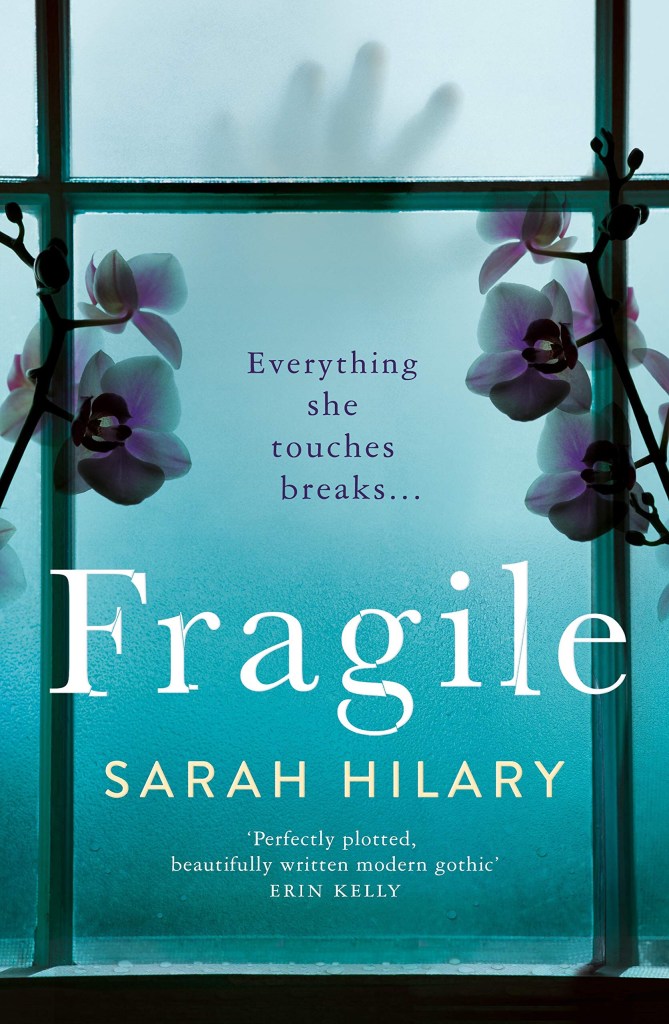
Fragile by Sarah Hilary.

There’s a lot packed into this complex thriller about human relationships, traumatic childhoods, damaged adults, social justice, and the differences between those who are deemed to be respectable and those society deems outcasts. It’s an addicting and sometimes uncomfortable read, but it’s themes pour scorn on those who dismiss genre fiction as having nothing important to say. Across two timelines, one current and one a year in the past, we follow our main character Nell. Currently she’s homeless and her lover, Joe, has disappeared into the night with a well- groomed older woman. Nell tracks them to a tiny house, almost impossibly narrow, and invisible from certain points in the street. It’s a three storey, possibly Victorian town house and must be worth a fortune. Waiting impatiently for Joe to emerge she spends her last handful of change on a cup of tea in order to sit in the warmth of a cafe. The only person who comes out is a young girl with a blonde plait hanging over her shoulder. As she comes in for a drink Nell makes a choice to go over and talk to her and finds out she’s been interviewed for a position as assistant to the house owner – a man. In her desperation to find Joe, Nell decides she needs to get inside that house and comes up with a plan.

In her past, Nell has been in the care system, ending up in a group home in Wales with a foster carer called Megan Flack. She is a career rather than a vocational carer, collecting the money but rarely doing the job. She is neglectful at best, but there’s much more going on under the surface. Nell has learned to look after a home because she was always picking up the slack with housework, cooking and mothering the younger children, particularly the cute 6year old Rosie who clings to Nell. When Joe first arrives at the home Nell is knocked sideways by how beautiful he is. Two teenagers under one roof, with plenty of time to themselves creates the perfect opportunity and they are soon joined at the hip. In the heat of the summer they go bathing at a nearby pool, but Joe doesn’t always want the younger kids there and Nell is having to make hard choices. What has happened to cause the pair to flee their foster home? They end up in London, sleeping on the streets, until one night Joe disappears into Starling Villas.

The book’s structure is clever and works really well to pace the action and build tension. We learn a little bit more about the present, then go back into the past; a past that constantly updates and informs the present again. There was a growing sense of unease, as I got further into the book. I was never sure who was truly playing who. Caroline was unnerving and hard to like, because she never seemed to show any vulnerability. Megan was worse though; cold,manipulative and completely without empathy. The thought that there are people like this looking after children who are already traumatised and suffering from attachment issues. There was a social conscience here. The fact that a magistrate, a man who decides the fate of children like this, can be licentious and exploitative behind closed doors shouldn’t be a surprise, but somehow it was. There was something about Robin that I trusted, despite all the evidence to the contrary. We all know that status is conveyed according to how people appear and what they own. We might automatically assume that the well-read man living at Starling Villas is a fine, upstanding citizen. We also might assume that those brought up in the care system, the homeless and the hopeless, are capable of just about anything. What did drive Nell and Joe to pack and leave Wales, so suddenly? Why is Megan still seeking them out?

Nell is a wonderful character, all tough exterior but marshmallow inside. Her vulnerability is evident in her interactions with Robin, her new employer. She’s a hard worker, trained by a foster mother who seems to have hated some of her charges as much as doing anything that made her break a sweat. Nell’s been a mother figure at an age when she still needed one herself. She’s used to making a home too, making the best of the meagre things she can find to enhance her surroundings and lift her spirits. She’s tough enough to survive most things, even a winter on the streets in the capital, but the things that have happened to her still haunt her mentally. She’s been let down so many times it shouldn’t hurt anymore, but it does, especially when she’s let her guard down and softened slightly. Even though some of her behaviour is morally questionable, she’s so young and has had so few chances in life, I found myself rooting for her. The author’s knowledge about a childhood spent in care and what it can do to the rest of your life shows research, listening to personal accounts and experience. Not everybody survives, some will be institutionalised for the rest of their lives, while those who do survive the system don’t always leave unscathed. I think this was represented so well through the characters in this novel. Thankfully, not all foster parents are like Megan Flack.

This was a great read, compelling and difficult to put down once you’re hooked by the story. Every character has nuance and flaws, meaning in both the past and current narrative, you’re never quite sure who to trust or what to believe. I was haunted by little Rosie, just like Nell is. The author has created an addictive thriller, but given it heart and poignancy too. I was completely drawn in until the very last page and the ending was beautifully written.

Meet The Author

Sarah Hilary’s debut novel, Someone Else’s Skin, won the 2015 Theakston Old Peculier Crime Novel of the Year and was a World Book Night selection. The Observer’s Book of the Month (‘superbly disturbing’) and a Richard and Judy Book Club bestseller, it has been published worldwide. No Other Darkness, the second in the series, was shortlisted for a Barry Award in the U.S. Her D.I. Marnie Rome series continues with Tastes Like Fear, Quieter Than Killing, Come and Find Me, and Never Be Broken. Fragile is her first standalone novel. –This text refers to an out of print or unavailable edition of this title.