‘Holding her robust infant, Beatrix murmured a prayer in her native Dutch. She prayed that her daughter would grow up to be healthy and sensible and intelligent, and would never form associations with overly powdered girls, or laugh at vulgar stories, or sit at gaming tables with careless men, or read French novels, or behave in a manner suited only to a savage Indian, or in any way whatsoever become the worst sort of discredit to a good family; namely, that she not grow up to be een onnozelaar, a simpleton. Thus concluded her blessing — or what constitutes a blessing, from so austere a woman as Beatrix Whittaker.’
Some people didn’t know Liz Gilbert until the film ‘Eat, Pray, Love’ came out, in fact I was surprised to learn how many people hadn’t known about or read the book. I’d really enjoyed the book and found the film ok, but thought it didn’t dwell enough on the psychological and spiritual aspects of her journey. It had a mixed reception at my book club where some really identified with her character, but others were screaming how lucky she was to have a publisher willing to fund her trip of a lifetime during her divorce as many have to continue getting the kids to school, going to work and only having the millisecond before sleep hit them to have anything resembling a spiritual or self-aware thought. I’d not expected the anger and jealousy that it evoked in some readers. So it was with trepidation that I approached her novel The Signature of all Things. If I’m honest I probably wouldn’t have sought it out, but I was in one of my favourite bookshops while on holiday in Wales and I saw it in the second hand section. It was such a beautiful book that I had to buy it and I flicked through it back at the holiday cottage, then was sucked in very quickly and all my planned reading went out of the window. I was stunned to be sailed around the globe from London to Amsterdam, Peru and Tahiti. Even more exciting was the heroine, Alma Whittaker, daughter of a famous explorer, plant hunter and botanist. I was drawn to her intelligence, her busy mind, her assertion that she is the equal of any man and the depths of her feelings.
The book begins be setting up Alma’s early life and family situation, so we meet her father and his beginnings in botany as a boy apprentice to a plant hunter- actually a punishment for some very sneaky thefts from Kew Gardens. His incredibly enterprising ideas mean that by the time Alma is born he is a very rich man, with a mansion in Philadelphia. His fortune has been made in the quinine trade, a medicine extracted from the Cinchona tree found in Peru then traded and grown around the world to produce a drug for malaria. At his home, White Acre, he and his wife have two daughters: Prudence their adopted daughter who follows an extraordinary path into abolitionism and Alma. Alma is a tall, large-boned girl who is described as ‘homely’, but is intelligent, determined and secretly contains well pools of sexual curiosity, all qualities that seem unusual for her gender in this time period. Her father’s belief that all people should be given the opportunities that enable them to manage others and excel in their own chosen field governs the household. ‘All’ really does mean all in William’s case and his daughters are given a thorough education at home, rivalling any man. Both he and his Dutch born wife are clearly progressives and Alma flourishes with the opportunities they give her to become a very accomplished botanist in her own right and perfectly able to develop her own projects and command the voyages necessary to hunt for the plant she has set her heart on. Unexpectedly, at an age when scholarly spinsterhood is expected to be her path, a painter visits White Acre and Alma falls deeply in love. This painter believes Joseph Boehme’s philosophy that all of nature contains a divine code, every flower and every creature – such as the Fibonacci sequence. Their two interests combine and while Ambrose is a utopian artist, often found to be painting orchids rather than studying them in a lab, they do have the same passion for nature. Where he saw life as divine and a guardian angel watching over him, Alma saw a life as a struggle where only the fittest survived, something she found out for herself when exploring:
“Then — in the seconds that remained before it would have been too late to reverse course at all — Alma suddenly knew something. She knew it with every scrap of her being, and it was not a negotiable bit of information: she knew that she, the daughter of Henry and Beatrix Whittaker, had not been put on this earth to drown in five feet of water. She also knew this: if she had to kill somebody in order to save her own life, she would do so unhesitatingly. Lastly, she knew one other thing, and this was the most important realization of all: she knew that the world was plainly divided into those who fought an unrelenting battle to live, and those who surrendered and died.“
Of course, this love is not the end of Alma’s story. Liz Gilbert isn’t going to let a man eclipse Alma or create a sappy rom-com ending to such a strong, feminist story. Alma and Ambrose represent two great schools of thought in the 19th Century, that of the spiritual and the scientific. These two schools of thought had equal status and often intermingled to this point, but as the century progressed a complete separation occurred where spirituality became a belief without reason and science became fact without a divine sense of wonder. Could the common ground that Ambrose and Alma thrive upon at first, survive the divide between their two disciplines? Make no mistake though, Alma is the protagonist here and she’s one of my favourite characters ever. I loved her drive (sadly lacking in this writer) and her preservation of it, no matter what. She can speak five languages at five years old! Oh and two dead ones. Her educational achievements aside, it was her confidence and self-belief that stood out to me. Yet here we are two centuries later in a crisis of confidence, with an epidemic of imposter syndrome and doubts about how to be women. Alma is wholly herself, even when at times that might seem steely, reserved and abrupt. She believes that everyone is the master of their own self, including women. It is sad that the introduction of Prudence to their family is the catalyst for Alma experiencing negative self- thoughts. She wishes to keep Prudence, who has been staying with the Whittakers since a family tragedy, but her presence is an opportunity for comparison – the ultimate thief of joy. Alma realises for the first time that she is not beautiful. She retreats into her work at moments of doubt or unhappiness, even extreme heartbreak and loss. It is her refuge and the one area of life that she can control and that she continues to be confident in. I truly admire her ability to continue. To live.
The research that Liz Gilbert must have undertaken for the verisimilitude of this novel is colossal. She writes with a 19th Century sensibility, keeping Alma completely grounded in her place and time. The first rule of creative writing – show, don’t tell – is so strongly in place that I felt like I was with Alma, only seeing or hearing things at the same moment she does. This brings such an immediacy to the novel that it gallops on at quite a right, especially considering this is the story of a 19th Century dowdy and academic spinster. It’s a book that a lot of people might not consider reading from the blurb, which is why it needs to be highlighted in this way. It ranges across biology, exploring, business, philosophy, science, the mystical and yes, the sexual. There are secrets kept all the way to the end that I really didn’t expect at all. I have to say that my favourite review of this book is a negative one. Mainly because it made me laugh out loud, but also because it unwittingly makes you want to read it.
“I was actually enjoying this and then at 49% a spinster has a spontaneous orgasm from holding hands with a dude in a closet.”
left by Goodreads Member, Sylvia, October 2nd 2015
I don’t know about you, but I’d want to read that book!
Meet the Author
Elizabeth Gilbert is the #1 New York Times bestselling author of Eat, Pray, Love, as well as the short story collection, Pilgrims—a finalist for the PEN/Hemingway Award, and winner of the 1999 John C. Zacharis First Book Award from Ploughshares. A Pushcart Prize winner and National Magazine Award-nominated journalist, she works as writer-at-large for GQ. Her journalism has been published in Harper’s Bazaar, Spin, and The New York Times Magazine, and her stories have appeared in Esquire, Story, and the Paris Review.
“When the house was complete, in February of 1870, Eleanor Starling took up residence and stayed there until her death in 1886. There is substantial evidence that she devoted the remaining years of her life to the study of the place she later called “Underland.” She believed, according to the notes and journals found by her successors, that there was another world beneath, or maybe beside, our own—a terrible, vicious world, populated by monstrous beings. She believed that there were cracks between that world and our own, places where things might leak through, and that one of these rifts lay underneath Eden, Kentucky.”
Starling House sits on Starling land and can’t be fully seen from the roadside, except for a pair of iron gates that are so intricate and sinuous it wouldn’t be a surprise if they started to move and become a living, writhing being. Opal passes the house daily as she takes a short cut from one of her jobs to another and she’s intrigued by the house, especially the one amber lit window, high up in the attic room. There she imagines Eleanor Starling, living the solitary life of an author trying to follow up their first extraordinary book. Opal loved Eleanor’s children’s book Underland described as a much darker Alice in Wonderland where a girl called Nell is under the ground with a weird array of beasts (all of which look like a member of the animal kingdom, but at the same time not at all). Opal’s life is a gruelling slog from the motel room she shares with brother Jasper, to her cleaning jobs then back to supervise homework and share their measly evening meal. It only takes one small difference in their routine to shake everything up and bring huge change to their lives. Opal pauses her route home and stops at the iron gates of Starling House. She holds on to the iron, but immediately finds her hand is slick with blood. More disturbingly, she feels the gates give, almost as if her blood is the key. She looks up to see that a tall, thin and rather bedraggled man has appeared in front of her. He looks her in the eye and says one word. Run!
[The town] “liked the Starlings even less. They’re considered eccentrics and misanthropes, a family of dubious origin that has refused for generations to participate in the most basic elements of Eden’s civil society (church, public school, bake sales for the volunteer fire department), choosing instead to stay holed up in that grand house. […] It’s generally hoped that both they and their house will fall into a sinkhole and rot at the bottom, neither mourned nor remembered, and—perhaps—release the town from its century-long curse.”
Arthur, the bedraggled man, is the current Starling living in the house and it isn’t long before Opal is drawn back into his presence. Arthur seems to be torn. He’s drawn to Opal, but so is the house. It seems unfair to strike up a friendship with her knowing that the house wants her and what that will mean for her life. Yet he asks her if she will clean for him and offers enough money that Opal can’t refuse. He is concerned about this flame haired waif that is now in his midst and he can’t help but offer her a winter coat, then his old truck. Are these genuine gifts, or is Arthur trying to assuage his guilt for doing the house’s bidding? The house almost seems to sigh and settle as Opal cares for it, like a cat stretching with pleasure when stroked. She does wonder about the crude symbols scratched into the wooden doors, that match Arthur’s tattoos. Every conceivable symbol to ward off evil is either scratched, painted or hung around the house. How do you ward off something that strikes from within? Opal is then approached by a woman in a suit, who seems to know a lot about Opal and the Starling House. She wants Opal to take photographs and pass on information from the inside of the house. Firstly she seems like any old local official, but becomes more sinister when Opal is reluctant to help, finally making threats against Jasper. Now she has no choice, but she’s surprised by her own emotions; it’s harder to betray Arthur Starling than she expected. Is it really the house she’s drawn to, or is it Arthur?
“Eleanor Starling left no record of why she built such a vast and strange house, but the oldest and best-loved book in her collection was a copy of Ovid’s Metamorphoses. It has been suggested by subsequent Starlings that she was not building a house but a labyrinth, for much the same reason the King of Crete once did: to protect the world from the thing that lived inside it.”
Opal isn’t easily afraid and I knew, just from that opening, she wasn’t done with Starling House. More to the point, the house isn’t done with her. I admired this plucky girl who is only just getting by in life and does everything for her brother Jasper. She desperately wants him to get away from Eden, Kentucky, because he has so much talent but also because nobody with any sense stays in Eden. She is saving for the fees of a private school she has seen, somewhere that would give him prospects and he would meet the right sort of people. She’s so set on this plan, she hasn’t bothered to ask what Jasper wants. Her heart is in the right place though. She doesn’t love many things, but when she does Opal loves like she does everything else – fiercely. Her existence is all work, striving just to survive but Opal is so intelligent, in fact one of the only places in town she visits religiously is the library. The librarian Charlotte is perhaps the closest thing to a friend she has. The truth is that Opal feels enormous guilt over the terrible car accident that killed their mother and what she sees as the decision she made to survive:
“ I’m fifteen and cold water is pouring through the windshield. The glove box is open, spewing pill bottles and plastic utensils. Mom is beside me, her limbs drifting gently, her hair tangling with the tacky dream catcher she pinned to the car roof. I’m reaching for her hand and her fingers are slick and limp as minnows and I might be screaming—Mom, come on, Mom—but the words can’t make it past the river? Then it goes very quiet and very dark. I don’t remember letting go of her hand, but I must have done it. I must have crossed her name off the list in my head and swum for the surface, abandoning her to the river bottom.”
I loved the psychological aspects of the story. The house has an identity and it knows who has the right stuff to live there and keep up the fight. I wondered whether the monsters were real or a manifestation of the occupant’s mental state. The thought of the monsters in our heads being able to run free in the world is definitely a terrifying one. The author builds the two worlds within the novel with contrasting techniques: short, blunt descriptions create Eden with it’s power plant and functional buildings, whereas Starling House and it’s labyrinthine tunnels are given long, descriptive passages that bring it to life. If something in Opal or Eleanor’s world is inexplicable she allows it to be unfinished or confused. Some of the monsters are beautifully described as ‘like a cat, but not quite’ or other strange combination that leaves gaps in the image for the reader to fill with their own imagination. This is an author that knows, the things we can’t see or comprehend are the most frightening.
When we finally get to Eleanor’s life story it is disturbing and sad, showing how unresolved trauma can project outwards into something monstrous. There’s a feminist thread here too in the truth about Eleanor’s life with the Gravely men and Opal recognition that her mother was shunned by the town, not just for liking sex but for not being sorry about it. In a reversal of the usual damsel in distress story, Opal is the architect of her own life and is determined to rid Starling House of it’s monsters and save Arthur. I was biting my nails in the final chapters, desperately wanting her to succeed! I’ve never doubted Alix E. Harrow’s talent or imagination. I’ve been a fan since her first novel, but this is her best yet. I’ve been reading that it’s a reimagining of Beauty and the Beast, and I can see that. However, Underland felt like the very darkest Alice in Wonderland to me. In both cases, all the ‘Disney-fied’ prettiness has been swept away. In it’s place are monsters that defy all description and a love story that’s more swords and thorns than hearts and flowers. It’s an absolute feast for the imagination and the perfect dark fantasy read for October.
I wouldn’t have imagined back at the beginning, that we would get this many books down the line with private investigators Cormoran Strike and Robin Ellacott. In fact after the last book I thought the author had hit a wall with ideas or was trying to hard to be up to the minute with technology and new trends. I was pleased to find that this was a much better investigation. Full of tension and very dark in tone, this book delves into a church that’s really a cult, every bit as huge and secretive as Scientology. This is a tale of abuse: financial, physical, sexual and spiritual. In parts it is hard to read but compelling and fascinating to see how it’s teaching affect the people who follow it, but also our investigative duo. Sir Colin Edensor approaches Strike to try and bring his son home from the United Humanitarian Church’s compound in Norfolk. Chapman Farm claims to be self-sufficient, growing fields of vegetables and keeping animals, as well as undertaking evangelical work on the streets of Norwich. Sir Colin’s son Will has been part of the UHC for several years and would seem completely indoctrinated. He’s failed to get him out before, but desperately wants him home to see his mother who is dying of cancer. How will Strike and Robin go about their task?
The best way to discredit the church and get close to Will would be for someone to go in undercover. It would be better if that was a woman and Robin volunteers. Strike is reluctant to agree, but can’t come up with a sensible reason for that instinct, knowing his reluctance is probably down to his growing feelings for his partner. However, their other female investigator Midge is covering a famous actress who has a father and son stalker team who want to kidnap her. Robin is adamant it should be her and creates a persona called Rowena, who visits their London base for a ‘service’ with just the right clothes to suggest she has money, borrowed from Strike’s half-sister Prudence. It’s agreed that Robin will go to Chapman Farm for an induction period but they pick a place on the perimeter fence to leave a fake rock. Every Thursday Strike will leave a letter under the rock for Robin to find and she will leave a reply, if she wants to come out she can let them know and they will use blot cutters on the fence and bring her out.
As regular readers will know, Strike and Robin are one of my favourite literary couples, but I’ve been wondering during the last two novels how long she can keep them apart? There’s also a trend for putting Robin in danger to evoke feelings in her partner. Here I was genuinely worried for Robin before she even went into the farm. I could understand her wanting to assert her ability to go undercover and her authority as partner to make the choice – it shouldn’t have to be okayed by Strike. Yet as a person Robin has certain life experiences that a church like this could see as weaknesses to exploit: the rape she suffered at university, the knife attack on her first case that left her with PTSD, there’s also the fall out from her marriage to Matthew and her undisclosed feelings for Strike. These chinks in her armour will be seen by people used to exploiting others. I think there are times when asserting your authority and taking a feminist stance are admirable, but not at the expense of your own safety. ‘Rowena’ is noticed straight away by recruiters at the London temple and after a few attendances, Rowena is taken to Chapman Farm and starts at the bottom of the pile, working in the fields and mucking out the animals. In between there are services or talks about the church’s purpose, bombarding new recruits with images of everything that’s wrong in the world until their current place seems like one of safety. Then a process of breaking recruits down begins – lack of sleep, restricted food or fasting, manual labour and strange interventions and group therapy where the individual is broken down mentally. All of this starts to have a detrimental effect on Robin, but the most disturbing practices are around familial relationships. Children are taken to a dormitory and school so they are no longer a family unit but belong to everyone. Family groupings outside the UHC are rubbished as false attachments that should be broken immediately. Then there’s the spirit bonding. On the farm there are pods called ‘retreat rooms’ there expressly for the purpose of when someone approaches you and asks for sex. Emotional bonding is not the norm, sex is just another form of service, given freely with no ties. What will Robin do if approached?
There were times when I found myself a bit lost on who was who because the cult has so many members and their relationships are complex. There are also complications about the names they have for themselves. I think the author could have achieved the same effects and build up of tension within the farm with less characters and a shorter process of indoctrination. I also felt that Robin would have struggled to come out more than she did. The PTSD seemed mild considering what she’s seen and heard. The experience of looking after a disabled child who isn’t receiving the medical care he should was horrifying and was the main experience she struggled to shake off. The neglect was terrible and Robin desperate wanted him found by the police. However, she was cornered in the retreat room by a naked Will Edensor and was sexually assaulted by the church leader, but once she’s out it’s never mentioned and she doesn’t even tell Strike or Detective Murphy, her boyfriend. I wondered if this might be revisited in the future but it did seem odd to leave it hanging. I also started to be confused by the ex members that Strike was interviewing and where they’d fit into the hierarchy. There was so much detail surrounding the doctrine of the cult and it’s different prophets that I felt the other cases disappeared into the background. In fact one case seemed to be there only to serve as a distraction for Strike at a strategic point. Nevertheless, the tension built as Strike started to unravel the truth and Robin was still inside.
All that being said this was a much better novel than the last in the series. I was totally engrossed in it by half way through and barely surfaced till the end. Of course there is the question of Robin and Strike’s relationship. Ex-girlfriend Charlotte comes to the fore again, trying to lure him back in with an unforgivable lie. I was hoping he would see the manipulation, especially since he’s on his own and can’t run anything past his best friend. He’s wrestling with risking all that he’s built in terms of his business and their friendship if he tells Robin that Charlotte has been right all along, he does love her. Can he find the courage to tell her?
Meet the Author
Robert Galbraith’s Cormoran Strike series is classic contemporary crime fiction from a master story-teller, rich in plot, characterisation and detail. Galbraith’s debut into crime fiction garnered acclaim amongst critics and crime fans alike. The first three novels The Cuckoo’s Calling (2013), The Silkworm (2014) and Career of Evil (2015) all topped the national and international bestseller lists and have been adapted for television, produced by Brontë Film and Television. The fourth in the series, Lethal White (2018), is out now.
Robert Galbraith is a pseudonym of J.K. Rowling, bestselling author of the Harry Potter series and The Casual Vacancy, a novel for adults. After Harry Potter, the author chose crime fiction for her next books, a genre she has always loved as a reader. She wanted to write a contemporary whodunit, with a credible back story.
J.K. Rowling’s original intention for writing as Robert Galbraith was for the books to be judged on their own merit, and to establish Galbraith as a well-regarded name in crime in its own right.
Now Robert Galbraith’s true identity is widely known, J.K. Rowling continues to write the crime series under the Galbraith pseudonym to keep the distinction from her other writing and so people will know what to expect from a Cormoran Strike novel.
After a few years building on the Practical Magic series, I was looking forward to seeing what Alice Hoffman would come up with next. She has based her story around the writer Nathaniel Hawthorne and his classic novel The Scarlet Letter and introduces us to two young women facing difficulties. Ivy is from a rich Boston family and when she finds herself pregnant at 16, she truly expects support. The father of her baby retreats into his wealthy family and the elite university he’s due to attend, taking no responsibility for the predicament they’re both in. Facing her pregnancy alone she talks to her parents who also wash their hands of her, not wanting the stigma or embarrassment. Ivy decides to leave home and climbs out of the bedroom window, setting out to see a friend who she knows will have an idea. She suggests they leave together and make their way out to a religious community she’s heard of in Blackwood, Massachusetts, with a charismatic leader called Joel Davies. When her father decides to look for her several months later he finds the worst, Ivy has a little girl called Mia and has become the leader’s wife. Mia grows up in Joel’s community and he decides who is in favour and what is a transgression. Everyone is punished, but the women particularly so – they might have their hair cut off or even be branded with a letter. Women are not allowed reproductive rights, but nor do they get to keep their children. Children belong to everyone and after a few days with their mother, sleep in dormitories. Books are not allowed and as she grows up books are Mia’s particular downfall. She finds her way to the public library and starts to read American classics like Little Women and Huckleberry Finn. Then she finds a copy of The Scarlet Letter, beautifully bound and very old. On the fly leaf is a dedication:
To Mia. You were mine and mine alone.
Is it perhaps her mother, who does show her special attention despite the rules. She tucks the book into her dress and keeps it. Reading in the barn, where she has loosened a board to keep her treasures behind. She has a small landscape painting of the view from the community’s buildings. Land that was left to Joel by his first wife Carrie. Carrie was also a rich girl, but one who had assets to bring to this Puritan community. Carrie was a great painter, but was often punished lest she become too vain about it. On the back of this painting is an inscription about the lands she owns and a promise that Joel will get to keep it ‘as far as the eye can see’.
One day during the apple harvest, a terrible accident happens and Ivy is killed. Mia is distraught, but as her mothers body is carried away she grabs the red boots that Joel uncharacteristically bought for her mother to have as a keepsake. She knows that now it’s either run or stay forever. Grabbing The Scarlet Letter and the painting she takes a leap, out of the bedroom window and across the fields to the library. The librarian had noticed Mia lurking in there, reading in the warmth. She had a feeling the girl was in trouble so she gave her a key and invited her to let herself in if she is ever in danger. She understands that to keep Mia safe they mustmove quickly, so she packs up the car and takes her somewhere he won’t know, because nobody knows. She has a long-term partner, a woman she doesn’t live with but trusts implicitly. She knows that with them, Mia should be able to thrive without the community breathing down her neck, to go to school and read to her heart’s content and have the life she has dreamed up for herself.
She also sensed that Joel was a man who wouldn’t give up Mia without a fight.
Of course it wouldn’t be an Alice Hoffman without something magical happening and here Mia experiences a time slip and finds herself in the same time and place as her hero Nathaniel Hawthorne. He hasn’t yet written The Scarlet Letter, in fact he’s on the verge of giving up writing altogether. When he meets Mia their connection is instant despite the centuries between them. They start a love affair, but what will the consequences of that be? Anything they do will change the future. Could her presence in his world mean that the very book that brought her here, no longer exists? In fact the consequences of their love could be even more life changing for both of them. Can she stay in his world? Is there any way he could come into hers? Mia is becoming aware that Nathaniel may have to sacrifice his writing for them to be together and she’s not sure she can let him do that. All the while, her father Joel is still watching and waiting.
I loved the play on The Scarlet Letter here because it shows us how powerless women have been across the centuries. I loved how Alice Hoffman creates this magical setting. The landscape, particular the woods and river, feel like something out of A Midsummer Night’s Dream. It would be easy to dismiss her work as whimsical and romantic, but underneath is a fierce feminist manifesto and an equally fierce defence of the written word. I was aware as I read the novel that it could go the same way as other books that have supported women’s reproductive rights and end up banned. The way the religious community prevent women from controlling their own fertility is a representation of what’s happening in some states of America. Abortion has always been a controversial topic in the US and the rights of women in some areas have reverted back to the early 20th Century. Jodi Picoult often cites Alice Hoffman as her favourite writer and a huge influence on her own work. In some states of America Jodi Picoult’s work is banned from libraries and schools because it concerns issues like abortion, teenage pregnancy, fertility treatment and same sex marriage. Here Hoffman is hugely critical of a community that doesn’t value women’s education, burns books and leaves them with no rights over their own bodies. There’s a part of her magical landscape where desperate women have taken matters into their own hands. They’ve taken herbs or potions to end their pregnancies and have created a burial place for the children they’ve lost and those they can’t bear to have.
Mia’s surrogate parents are the antithesis of Joel’s community. They are intelligent and progressive women who actively encourage questioning and reading. They remind Mia that no matter how moral and righteous a community might seem, if it restricts education, burns books and controls women, believing them to be inferior to men, then it is on the way to being fascistic. It’s so sad that Joel won’t let women read but then uses letters to punish them and control their behaviour, by literally branding them into the skin in a ceremony. Instead of wearing a scarlet letter, an adulteress would be branded on the upper arm with a letter ‘A’. Words and books are the source of our knowledge and that scares men like Joel. This is a brave book and will probably be underestimated, but women have been speaking their truth in ways that fly under the radar for centuries; films or books dismissed as ‘chick lit’ or ‘rom coms’; jingly, bright pop music with dark or subversive lyrics; pretty pink fashion branding the wearer as stupid, like Elle in Legally Blonde. I think there are people who will see the beautiful landscape, the time travel and magical feeling of this nook and underestimate it. I’m hoping readers look for the deeper themes here and see what Alice Hoffman was doing when choosing to use The Scarlet Letter. It’s a much beloved classic that she clearly loves, but it’s also a perfect basis for a story about these women. The ending is perfect for the autumn in that it’s bittersweet. We love the beautiful fall colours, particularly in the part of the USA where the book’s set. Those brightly coloured leaves bring us joy, but they’re also signalling an ending. The beauty of loss. 🍂
Published on 17th August by Scribner
Meet the Author
Alice Hoffman is the author of thirty works of fiction, including Practical Magic, The Dovekeepers, Magic Lessons, and, most recently, The Book of Magic. She lives in Boston. Her new novel, The Invisible Hour, is forthcoming in August 2023. Visit her website: http://www.alicehoffman.com
Aisling would do anything for her family – but can she protect a killer?
I had about three false starts with this book. Having read all her other books in the series when I won them in a competition on Twitter, I was intrigued to see what was next. I would read a bit, then a blog tour would come along or an urgent bit of bookpost would fall through the door and I would have to set it aside. I was so glad to finally get going with it again on holiday and it didn’t take me long to race through to the finish. The story gained both momentum and tension from about chapter four onwards. We’re back with Detective Chief Inspector Jonah Sheen’s team as the uncertainty of his private life is overshadowed by a terrible case and a man nicknamed the Bonfire Killer. He has killed two women already and the police have very little to go on. Then single mum and game developer Aisling, puts her DNA on an ancestry site. She’s thrilled to find a match, but that piece of her she felt was missing might come with some serious baggage – starting with an interview with CID. Aisling’s DNA is a match to the crime scene and possibly the Bonfire Killer himself, so the police have their eye on her two sons, Ethan and Finn, as well as her long lost father. There are secrets in this family, not limited to her missing parent. Will she be willing to unearth a painful past to prevent someone else suffering a painful future?
Aisling is an interesting and unexpected central character, with a life that isn’t everything it seems. She has gone to great lengths to avoid her past and she isn’t the only one in the family. Her father, Dara Cooley, went missing years before. As the team try to crack the case, they break into smaller working groups to find Dara Cooley, chase up the DNA and interview suspects that arise, and investigate a stud farm where a horse has been taken and killed, then burned on a pyre. Could it be linked to the case? The detectives spend time with the farmer and his two sons, trying to establish who would want to hurt their mare, Merivel. There are so many blind alleys and red herrings, but they have to be followed just in case one of them leads to a breakthrough. I loved the complications around an Irishwoman named Anneka Foley and her potential relationship to the case. One of Aisling’s sons is in a band, that one of the killer’s victims had a fascination with and that’s before we get to the exploration of Aisling’s own teenage years. I was suspicious, but loved Aisling’s loyalty to her sons. Her ‘first love’ story was so relatable and digging into the past can stir up a lot of feelings, especially when an unexpected visitor turns up. She’s unusual, a gamer who likes to play at home with her sons, but is also quietly very successful as a developer in her own right. She’s been tough and dedicated to her boys. Can she come to terms with her past and open herself up to a different future?
The team are on form, but I particularly loved the subplot around Juliette who is receiving unwanted attention from an old boyfriend. At a couple of crime scenes there have been markers that he might be around again: her favourite hot coffee and a waterproof jacket left on the bonnet of her car on a cold wet night. We see the strain she’s under, but she still does her job. It’s a subplot that seemed to have petered out but now returns with deadly consequences. This was a story I’ll love to see concluded in the next book. Then there’ Jonah’s private life, where trying to do the right thing seems to have backfired spectacularly. How does he extricate himself from this without causing further harm? Will the right path still be open to him when he does? With a fascinating background of Ireland’s poverty and the ways in which people struggled with a restrictive religious society, this is a fascinating thriller with so many different aspects to it. Gytha Lodge brings all these seemingly disparate strands together and successfully resolves most of them, only leaving us with one cliffhanger. But it is a humdinger of a cliffhanger! All of this as well as a atmosphere and tension you could cut with a knife, this is another brilliant read from a consummate crime writer.
Meet the Author
Gytha Lodge is a multi-award-winning playwright, novelist and writer for video games and screen. She is also a single parent who blogs about the ridiculousness of bringing up a mega-nerd small boy.
She has a profound addiction to tea, crosswords and awful puns. She studied English at Cambridge, where she became known quite quickly for her brand of twisty, dark yet entertaining drama. She later took the Creative Writing MA at UEA.
Her debut crime novel, She Lies in Wait, has been published by Penguin Random House in the US and UK, and has also been translated into 12 other languages. It became an international bestseller in 2019, and was a Richard and Judy book club pick, as well as a Sunday Times and New York Times crime pick.
I’ve had this fascination with Henry’s wives and the whole Tudor dynasty since primary school, as I wrote about earlier in the week. It was my introduction to Philippa Gregory when I was in my twenties that really started the ball rolling. I started to learn about the women’s perspective behind these historical facts we all learn. I’d never known that Henry VIII had an affair with Anne Boleyn’s younger sister Mary or that it’s possible she had the King’s children just like Bessie Blount. I learned more about the political and religious machinations that hide behind the six marriages and their tragic ends. I hadn’t known about the uneasiness within Henry’s aristocratic courtiers and advisors about the commoners he was bringing in to advise him, such as Cardinal Wolsey and Thomas Cromwell. There were aspects of the Queen’s roles in events that opened up to me, such as their religious allegiances and how the marriages cemented Henry’s beliefs at the time and signalled his intentions to the rest of the world. I’d never known about how ladies in waiting were chosen or trained, often shipped to grand houses with aristocratic women overseeing their education. I’d also become fascinated about women on the periphery like Jane Rochford, who’d been married to Thomas Boleyn and had to give evidence against her own husband, then years later oversee the young Queen Katherine Howard only to be drawn into treachery yet again. I’d become interested in Bess of Hardwick after buying a book about her at Chatsworth House then going to an exhibition about her, including the household accounts written in her own hand. I knew that Chatsworth had been one of the houses where Mary, Queen of Scots was held, but not what her captivity did to her marriage and her reputation with Elizabeth I. There is such a rich seam of Tudor fiction in these areas, but I’m going to recommend some of my favourites that you will probably know, then some you might not as well as those still sitting on my TBR.
Great for Beginners
This is a great beginning because it’s outside the Queen’s series and deals with characters outside the actual court. Set in 1568, Elizabeth I has been on the throne for ten years, but hasn’t married and won’t choose a successor. Mary Queen of Scots has been forced to flee her own lands, due to rebellions and rash actions in her choice of husband. Her enemies have used her weaknesses and their perceptions of women to unseat her, leaving her on the mercy of her cousin, Elizabeth I. However, Mary is Catholic and advisors to the Queen don’t want to risk their already weak position against Catholic France and Spain. They also worry about her infant son James, another threat to the throne. Elizabeth’s advisor and spy master William Cecil comes up with a plan, Mary will be kept under house arrest, living with all the luxury a Queen should expect but unable to leave. He has to find a suitable couple to house Mary and decides upon Bess of Hardwick and her new husband George Talbot, who reside at Chatsworth House. Mary does not accept her house arrest though, bringing George Talbot under her spell and plotting to regain her throne in Scotland. Bess sees her husband’s deference to the young Queen and knows that if they are linked to her plotting, William Cecil will make sure they face the Tower or even the block. This is an interesting angle on Mary as we see her through the eyes of another woman, a very shrewd and intelligent woman who has managed to amass her own fortune along with estates and land left to her by her previous husband. I felt pulled into Mary’s story and despite feeling very sympathetic towards her I also felt angry on Bess’s behalf. Neither woman wanted to be in this position and I felt that frustration.
Set in 1539. It’s time for Henry to find a fourth wife after the tragic death of Jane Seymour. He has the heir and now he needs to have a spare. Since he is head of the church in England, it seems wise to take a Protestant Queen and Anne of Cleves fits the bill. Chosen from the painted likeness on the book’s cover and organised by Thomas Cromwell. The marriage falters immediately, when Henry dresses as a commoner to surprise his newly arrived wife to be she doesn’t even recognise him. Aggrieved, Henry tells Cromwell he finds her undesirable because she has too much flesh and smells unpleasant. His advisors are asked to pay court to the teenage Katherine Howard while a divorce agreement is reached. Anne Boleyn’s sister-in-law Jane Rochford returns to court and becomes close to the new Queen, desperately trying to cope with a young naïve and rather silly girl on one hand and the tyrannical Henry on the other. When Katherine starts to play dangerous games with Henry’s servant Thomas Culpepper, will Jane be able to avoid the block a second time? I love this period of the wives’s story because I think Anne of Cleves is the shrewdest of his wives, accepting his terms to live alone like his sister immediately and setting up home in palaces vacated by Wolsey and the Boleyn family. In fact the King got along very well with Anne and often joined her for dinner or to play chess in the evening. By contrast Katherine Howard’s tale is tragic and her eventual death is desperately sad as her courage fails her and she begs for her life.
Wider Reading
I have so much sympathy for this poor girl who is caught in a power play between political and religious factions. Jane Grey was the great niece of Henry VIII, a descendent of his closest friend Charles Brandon, Duke of Suffolk and Princess Mary – Brandon didn’t seek permission to marry Henry’s sister and their friendship faltered. Jane was actually the cousin of Edward IV, Mary I and Elizabeth I. At only 16 years old she is forced to marry into a powerful family – the Dudleys – as part of a plan to usurp the throne. When Edward IV dies, they decide to install Jane and her husband Guildford Dudley on the throne before Edward’s sister Mary can travel to London. The book is fascinating even if you do know the story of this nine day Queen and adds that human element behind the facts. Weir presents Jane as manipulated and physically abused by the powerful men who were desperate for her to take power on their behalf. There was the religious concern about having a Catholic queen on the throne and her allegiances with Spain. Would Mary return England to the Catholic faith? Might she seek a Catholic marriage with one of her European allies? Jane was a devout Protestant to the end, in fact it sustained and strengthened her when held in the Tower of London. I felt her dread towards the end and I felt so sad for her because she had so little control or peace in her short life.
The woman who outlived Henry VIII still had a tragic end. Her true love was Thomas Seymour and she expected after her first husband had died that she would have a husband of her choosing. Unfortunately Henry got there first with a surprise proposal and no one is allowed to refuse the King. Clever and sensible, she is known for being able to appease an increasingly cantankerous Henry. However, there is so much more to Katherine Parr than being a nursemaid to elderly husband. She published a religious text and proved a great stepmother to all of Henry’s children who joined them at court. It seemed as if love and motherhood had passed this woman by. After Henry’s death Thomas Seymour does jump in, determined not to miss the moment but with almost unseemly haste. Katherine thinks that finally she can have a husband of her choosing and love is on the cards. However, does Thomas have other plans? Could it be that Katherine’s house guest, the very young and spirited Elizabeth, is the reason he’s so keen on a quick marriage? As they marry and live together, Katherine soon becomes pregnant but her age and health are against her. With a wife on bed rest, Thomas has plenty of time on his hands and too little to do. Will Katherine know the happy family she always wanted? This book sticks closely to historical fact and is a fascinating read about one woman’s hopes and dreams dashed by duty.
The Tudors in Context
Hilary Mantel’s incredible Tudor trilogy starts with this introduction to Thomas Cromwell, set in the 1520’s when he was clerk to Cardinal Wolsey. His rise from lowly blacksmith’s son is a fascinating one and his eventual succession to Wolsey’s role as chief advisor to Henry VIII was not liked by aristocratic courtiers. Usually appointments like this were filled by dukes or earls, often from very specific families who traditionally held senior roles at court such as the Seymours. Wolsey is removed from office for failing to secure an answer to the King’s ‘Great Matter’, his divorce from Katherine of Aragon based on a biblical verse that states if a man should marry his late brother’s wife they will be childless. Henry did receive a special dispensation to marry Katherine when she was his heart’s desire, but several miscarriages later and only one daughter to succeed him, Henry is desperate for a male heir. Thomas is ambitious. He’s also a bully, with the ability to charm and manipulate to get the result he wants. He handles the King’s vacillations between romantic desire and murderous rage. He is pursuing Anne Boleyn who is not succumbing to his offer to be his exclusive mistress. She’s seen many women discarded by Henry, including her own sister and she’s playing a different game. Thomas is keen to install Anne as Henry’s wife because she shares his Protestant leanings and has a reformer’s agenda. Can Thomas secure Henry’s divorce and set in motion the English reformation? This is a different viewpoint on Henry and the turbulent moods that are starting to control both him and the court.
Elizabeth is a fascinating woman who grows up in the most tumultuous period in royal history: the Wars of the Roses or the Cousin’s War as it’s also known. She was the daughter of Edward IV and his wife Elizabeth Woodville, sister of the two lost princes in the tower, courted by her own uncle Richard III, but eventual wife of Henry VII and mother of Henry VIII. As Henry VII takes the throne from Richard III in battle, Elizabeth and her family are in a very precarious position. Her father’s death left the family fleeing to sanctuary as allegiances changed all around them. There are rumours she has been the mistress of Richard III. There is still no sign of her two younger brothers, Edward IV’s rightful heirs who were placed in the tower by her uncle and thought to be dead. As the Lancaster side take the throne she expects to live in sanctuary again, but her mother Elizabeth Woodville is a survivor and is in correspondence with the new King’s mother, the formidable Margaret Beaufort. She knows that her son’s reign is controversial and he needs to create a more peaceful England in order to secure the throne for his successors. Lancaster and York need to unite and Elizabeth is the last York princess. Their marriage is a symbol of peace an to represent that the white rose and the red rose are combined to create the symbolic Tudor rose, visible in many Royal palaces and historic buildings. Elizabeth presents a united front to the country, but their union was difficult. Henry was a paranoid man who dreaded Elizabeth’s brothers being found and was often suspicious of her mother too. This novel takes us into that marriage and sets the scene for Henry VIII’s unexpected reign, after the death of his brother Arthur, Prince of Wales. See also Philippa Gregory’s novel The White Princess.
My Tudor TBR
This is the third and final book in Hilary Mantel’s trilogy on Thomas Cromwell and takes us into his final years as Henry’s advisor. The book starts in 1536 when Anne Boleyn is decapitated with a french sword when Cromwell’s fortunes may be at their peak. Henry is settled with Jane Seymour who is expecting a baby. Calm reigns at court. Behind the scenes, Cromwell still has much to think about: rebellion, traitors and spies both at home and abroad. Can the nation shake off it’s Catholic past and move on? Or do the dead continually return to haunt us? The execution of Thomas More is playing on Henry’s mind particularly at this time. For Cromwell, the Spanish ambassador whispered something in his ear. A though that will not go away. Henry will turn on him too. As he always does in the end. With no family, title or private army behind him, Thomas has no one to defend him. It’s a lonely place to be, reliant solely on your own cunning to survive. This thought comes to life as the Queen dies and the lives of predator and prey move to their inevitable end. I know what happened to Thomas Cromwell, in fact I had to close my eyes when watching The Tudors and seeing his fate. That doesn’t stop me from wanting to read this book though, because Mantel’s research is extensive and she has an almost spooky ability to get inside a character’s mind and portray what those dry historical facts felt like. I must admit to being a little daunted by the size of this, so I think I’m going to separate it into readable sections and make it a daily reading goal.
I have this on the pile of books by the bedside, mainly paperbacks I’ve picked up from charity shops and second hand bookshops. It seems to provide or imagine a back story for Henry’s fifth wife that makes her plight even more tragic. Katherine is only twelve when she is sent to the home of the Duchess of Norfolk, a place where girls from aristocratic families go to train as ladies in waiting. As a member of the Boleyn family, this is a normal placement but she must have been aware of the terrible end her cousin met at Henry’s hands. Cat Tilney, another girl living in the house, is suspicious of Katherine. She thinks she’s only interested in clothes and boys, but is eventually drawn in by the young girl and they become close confidantes. When Katherine is called to court and drawn into the King’s orbit, Cat becomes her lady-in-waiting. Henry has set aside Anne of Cleves and despite Katherine only being 17 his advisors present the young girl as a possible successor. Henry is charmed by this charming young girl and at first married life is enjoyable on his side. However, Katherine is married to a much older man who is now in ill health and has a permanent leg ulcer that smells terrible. A rumours start to filter through the ladies-in-waiting that Henry can’t perform in the marital bed, whispers start to reach courtier’s ears about Katherine’s conduct. Girls that came from the Duchess of Norfolk’s home may have been entertaining much older men. In fact her present conduct is worse, because she’s already having an affair with King’s manservant Thomas Culpepper. Katherine is terrified and implicates others, including her childhood sweetheart Francis. Unknown to her though, Francis is now in a serious relationship with Cat Tilney. With Francis in the tower, Cat could save him, but but only by implicating the Queen and ensuring her death. I’m fascinated in reading this take on Katherine’s early life, which seems to show how vulnerable young women were at court and how they were always blamed for men’s actions.
I hope this gives you some ideas about where to start with historical fiction about The Tudors. It isn’t an exhaustive list and there’s plenty of non-fiction from various historical that’s equally fascinating, not to mention the debate on how male and female historicans often interpret material very differently and with potential bias. I do think Henry is more understandable when put in the context of his father’s reign. Henry wasn’t meant to be King and was allowed to spend time carousing with friends like Charles Brandon rather than learning about the constitutional obligations of the crown. Henry was an intelligent young man in terms of history, philosophy and religion, but wasn’t schooled in duty and service in the same way as his brother Arthur. He was also left at court with women: his mother, both grandmothers and his sisters were said to have spoiled him. His relationship with his father was complex considering he was the spare, but he was at court to see his father’s paranoia, his alleged affairs and his vacillating over whether Henry could marry Katherine of Aragon.
I’m interested in research that looks at the Tudor’s medical history. Henry’s jousting accident during his relationship with Anne Boleyn was a bad one, with Henry knocked out for some time afterwards. It is very possible he sustained a head injury at that time, not to mention the leg injury which became ulcerated and impossible to heal. The pain and restrictions of this ulcer certainly contributed to his obesity and terrible mood swings in later years. It is likely he was also impotent after his marriage to Jane Seymour, providing more insight into his comments on Anne of Cleves’s desirability; there was nothing wrong with him, she was too unattractive. I have also read about possible chromosomal abnormalities that might explain why both his first wives were unable to produce a male heir, with all male babies being miscarried or dying within a few days or weeks of their birth. Edward IV was a sickly child and died very young too, while his sisters Mary and Elizabeth lived into adulthood. All of this adds to our understanding of the Tudor’s reigns, but can’t fully excuse a man who was cruel and tyrannical. It does however give us insight into the experiences of the Tudor Queens and their daughters, most of whom met tragic ends either wholly or in part caused by men.
She is a stay-at-home mother of three with boundless reserves of patience, energy and love. After being friends for a decade, this is how Liz sees Jess.
Then one moment changes everything.
Dark thoughts and carefully guarded secrets surface – and Liz is left questioning everything she thought she knew about her friend, and about herself.
As regular readers know, between my blog tour and current fiction reads I always like to go back and read an author’s earlier works. I thoroughly enjoyed this novel from Anatomy of a Scandal writer Sarah Vaughan, first published in 2020. It starts with an ordinary evening on duty for Liz, who is a registrar in paediatrics. She’s called down to A&E to see a ten-month-old baby presenting with strange symptoms. She’s been vomiting, and seems drowsy but doesn’t have a temperature which rules out a virus or infection. However, Liz is familiar with this particular baby girl, because she belongs to her best friend Jess and she’s definitely not acting normally. Jess has always seemed an absolute natural when it came to motherhood, certainly more than Liz. Jess made parenting seem easy, spending so much time making sure her children have the right foods, and lots of activities to try and nurture their minds. She’s the stay at home full time parent, but where Liz would struggle without working, Jess seems born for the role. Yet, this is not the same Jess that Liz knows outside of work – she’s edgy and claims her daughter had a fall. All children fall and through no fault of the parent, but the accident Jess describes doesn’t account for the boggy head injury that Liz can feel at the back of her baby’s head. Why would Jess lie?
Told through different perspectives, from Jess to Liz, this is a brilliant domestic thriller with tension so tight it might snap. This tension in the writing echoes Jess’s mind, at any time she might completely unravel but that doesn’t mean she hurt her baby. Vaughan is exceptional at drip feeding us a little at a time. A tiny bit of extra information here. A new viewpoint there. But never more than you need to keep the story flowing. It’s a powerful and emotive story, but Vaughan never descends into sentimentality or melodrama, this is sharp, addictive and never slows down, insisting you read another chapter, then another.
She is painfully honest about parenthood, so much so that it’s painful to read at times. Especially when the perspective shifts to one of the children and we’re suddenly reminded in the midst of all this, just how vulnerable they are. We are never really aware, until it happens to us or a close friend or family member, just how transformative giving birth can be. Some births are difficult, violent even. Yes, it’s a time of incredible joy and celebration, but my friends were exhausted in those first few days. Exhausted to the point of being almost catatonic. They were uncomfortable, dealing with caesarean scars and infection, stitches, painfully swollen breasts so that every bit of them seemed to be either hurting or leaking! It didn’t look like fun to me and there was a small part of me that was a little bit glad I couldn’t have children. We hear comedians and celebrities publicly talking about how difficult parenting can be and it isn’t just the body that’s affected. The birth can leave you feeling traumatised. The lack of sleep wears you down and you can’t remember things. Then your mind can play tricks on you. Are you really up to this? What if you’re not doing this right? Some women don’t bond with their baby straight away then berate themselves for being terrible mothers. We know so much more about post-natal depression and post-partum psychosis these days, but women still get missed because they’re too scared to say how they feel. If you’re having thoughts of harming your baby, how can you tell anyone?
I think this story that will resonate with many women. Jess and her baby really do pluck your heartstrings. At first I was so suspicious, because she’s cagey and closed off. I couldn’t understand why you would wait nearly six hours to get help for an obvious head injury. I was pretty sure where the narrative was going, but then the author surprised me with a new perspective and a huge twist that was really unexpected. This is a far darker path than I’d expected. Domestic thrillers are one of my a favourite genres and this is up there with the best. It really delves under the layers of motherhood and overturns that old expectation that every woman is naturally maternal. That post-natal depression can happen to anyone, even when they’ve not experienced it with their other children. It brings home to the reader that looking after a newborn baby is a giant undertaking and it how vital it is to ask for help. This is such a perceptive novel with an unexpectedly treacherous conclusion. Sarah Vaughan is an incredibly clever writer, balancing both our sympathy for Jess and her baby, but also our thriller reader’s desperation to uncover what has happened.
Published by Simon and Schuster 2020
Meet the Author
Sarah Vaughan is the international bestselling author of the Number one Netflix TV series, Anatomy of a Scandal, and four other novels. A former journalist, she read English at Oxford before training at the Press Association and spending 11 years at the Guardian as a news reporter and political correspondent. After having her second baby, she left to freelance, and eventually to write fiction. Two women’s fiction novels followed before Anatomy of a Scandal, her 3rd novel and her first courtroom drama/psychological thriller, heralded a new direction and became an instant international bestseller. Sold to 24 countries, it was also a Sunday Times top five bestseller, spending 10 weeks in the top 10 charts; a kindle number 1 bestseller; and one of Richard & Judy’s best dozen books of the decade. In April 2022, it dropped as a six-part Netflix mini-series, written by David E Kelley and Melissa James Gibson, and starring Sienna Miller, Michelle Dockery, and Rupert Friend. In its first 3 days, it debuted at number 3 worldwide and was the number 1 most watched Netflix TV show in multiple countries, including the UK and US. In its first 3 days alone, it notched up 40.28 million viewing hours.
Little Disasters, published during the first and third lockdowns, was a Waterstone’s Thriller of the Month and is in the process of being adapted for a UK broadcaster. It was also WH Smith paperback of the month, a Kindle bestseller, and has been published in the US and various other countries. Reputation, published in March 2022, has also been optioned by the team behind Anatomy of a Scandal with a view to being developed for TV. It will be published in the US in July, and in various other countries throughout the year
Elizabeth Noble’s domestic drama is focused around a solid group of friends. Six women and their husbands have been a ‘pack’ for several years after chat at the school gates led to lunches, then dinners and now regular get togethers like their annual May Day bank holiday. Traditionally this weekend is always spent together, sometimes abroad but usually at Annie’s picturesque holiday cottage. Annie loves sharing her home with her closest friends and is the best host, often heading down there a couple of days before the others to air the house out and prepare the bedrooms. This is where the ripples begin. In previous years Annie remembers all the kids coming along, playing in the pool and shrieking with laughter. More recently it’s just been the adults and the first day usually involves getting out of travelling clothes and spending the afternoon by the pool, the men in their swimming shorts and the women in sensible Boden one piece swimsuits, an unspoken rule. Kit and Natalie are late for everything and this weekend is no exception, so everyone is already lounging outdoors when Natalie joins them. This is the moment that everything changes, as Natalie strolls out in a high legged red bikini walks the length of the pool and climbs in. The red is as subtle as a matador’s cape, but will anyone take up the challenge? All the women know without speaking that this is a betrayal of the sisterhood, an open sexual invitation, a red flag. Even a couple of the men mention it, later on in bed with their wives they say it was a statement, pure theatre, something that shouldn’t be a surprise considering Natalie is an actress. Yet her husband Kit barely seems to notice.
However, one of the husbands noticed a long time ago that Nat is beautiful. In fact over twenty years there have been several moments – a glance, a brush of the fingers, a hand that lingers on a shoulder, a kiss that strays from the cheek to the edge of the mouth. Will this now become something more? The author lets the tension rise beautifully. She perfectly captures how one action acts like a ripple in a pond within a group like this. It would affect every one of the friends and the next generation who have grown their own friendships over the years. Natalie is feeling restless and expressing that in her clothing and changing her routine. She and husband Kit have a small flat in London that she can pop to on the train and visit galleries or go shopping. Previously she’s been held to the routine of children at home but now she’s free from that and has time for herself. Her husband Kit seems absolutely solid and a great dad, but Natalie misses that frisson of attraction and electricity between two people. So, when she and Dom accidentally bump into each other in London she doesn’t have anywhere to be or to rush back for, so they can enjoy the warmth of a city evening. Joining others who are sat on the embankment, looking at the river and enjoying a bottle of wine or ice cream. The heat between them is obvious, but there’s always been something to stop them before. Dom loves his wife, she’s solid and dependable but their sex life has dwindled of late and they don’t seem to have made the transition back from family to being a couple again. His attraction to Natalie, something he felt at their very first meeting, has never diminished. What if they now have a chance to be together? Whereas Natalie seems to agonise over her husband and children finding out, Dom doesn’t seem to think about the catastrophe this would cause.
Noble has written their characters very carefully so that I really did care about Natalie despite her actions. I enjoyed her relationship with daughter, listening to Temple’s marriage problems and going away with her for the weekend for some quality time. Natalie’s issues were largely her own and they had nothing to do with her relationship with Kit. Dom’s wife Sarah was very organised, something that seemed to fit with her job as a schoolteacher. She often organised group get togethers and was very family orientated. She knew that her sex life with Dom had slipped a bit of late but she wasn’t too worried. She thought that sex did tend to dwindle a little when people reached middle age and had been together so long. That didn’t mean they didn’t love each other. However, she had really been too busy to stop and think about whether they actually did still love each other. The author’s ability to get inside the mind of these characters was incredible and I enjoyed how the story was split between various different members of the group, including the next generation who were facing changes of their own. I loved how the women tried to remain friends with each other, despite everything that was happening around them.
While this intense drama was going on it was balanced by a peek into these couple’s lifestyle. I coveted Annie’s holiday home with it’s old fashioned charm. The events they’re all invited to, such as one of their daughter’s weddings being held in the garden at home, were lavish and beautifully arranged. These were dreamy interludes between the domestic drama that I drifted through, thoroughly enjoying how lovely they were. There was also a gorgeous little romance developing between two of the next generation, who had spent years climbing trees and running through sprinklers in each other gardens, but were now confused because their feelings were changing. In the main it was the women who stood out in this novel, whereas a lot of the husbands simply faded into the background. These were strong women, having to keep afloat careers, family commitments, parents and marriages. These are the ‘middle’ years where children still need you and parents start to rely more on their children. It’s a little like spinning plates, but at least these ladies had gorgeous homes and getaways. Let’s be honest, no one here is struggling on minimum wage. It’s gloriously gossipy though and I felt like a thoroughly spoiled fly on the wall by the end. Perfect for by the pool reading, this really was an enjoyable and addictive domestic drama.
Meet the Author
Elizabeth Noble is the internationally bestselling author of The Reading Group, The Friendship Test, Alphabet Weekends, and Things I Want My Daughters to Know. She lives in New York City with her husband and their two daughters.
Wow! This is a searingly raw story, simmering with righteous anger and injustice. Set on a boiling hot summer’s day, you can almost smell the tarmac and diesel fumes. You can hear the traffic noise and feel the agitation and impatience of people trying to get to work without exchanging a word with anyone else. It’s too hot to breathe let alone exchange a friendly word. I had the unnerving experience of reading our heroine’s thoughts and hearing my own words. During the day from hell that Em was experiencing, it felt like some of my own thoughts and frustrations were running round her head. They just need awakening. I have to be honest and say that my age is more in line with another heroine from earlier this year – Amazing Grace Adams – who had her own walk of rage, fuelled by love. However, Em’s voice is a millennial war cry that becomes a national phenomenon in the space of a day. As she leaves her landlord’s bed that morning she expects to look smart for work, especially since she has a HR meeting and expects to be offered a permanent role after completing three months maternity cover with great results. Finally she’s catching an evening flight back home to Spain for her little sister wedding. Her actual day is a complete clusterfuck!
It was her very first thoughts and actions as she woke in the morning that started to build that inner fury in me. First of all her name isn’t Em, or Emily and not even Emma. It’s Emygdia. Everyone shortens it for her. To something that’s more manageable for them. This is an indication of what’s to come and references all those things about women that people find ‘too much.’ Em gets up quietly, so as not to disturb her landlord Matt – son of a Tory MP and an absolute dick. She wouldn’t want to wake him up. She gathers her clothes quietly and scurries away as if she has done something wrong. It’s Matt who’s in the position of power. It’s Matt who has a long-term girlfriend. It’s Matt who started this little fling. Yet it’s Em who has to leave the flat to accommodate his weekend with the saintly Rebecca. It’s Em who shouldn’t be so sexy and irresistible. It’s Em who buys into this bullshit and scurries quietly to her own room as if nothing has happened. As if she doesn’t exist. It made me wonder, what is it she’s so scared of? In fact, what are women so afraid of?
‘you warm-blooded Mediterranean types’, he says ‘all that passion eh? You can’t control yourselves.’ Ah yes the Spanish thing. He talks about that a lot. My long thick hair, the way I use my hands when I talk, my olive skin, how red my lips are, how dark my eyes are, how round my breasts are. What do English girls look like in bed then? Maybe they just lie there silent, pale and still. I doubt it. Maybe that’s just Rebecca.’
This sets up a central idea in the book and it’s title. It’s classic Madonna-Whore complex, the misogynistic idea that there are women you sleep with and women you marry. ‘Emmy’ as Matt calls her, is definitely the former. Like obliging little opposites of a dichotomy Rebecca and Em have never met, but Em has Facebook stalked her. Rebecca, who hates being called Becca, isn’t a large breasted, wild haired, sexy inconvenience. She’s a pale, pretty girl who wears her hair in plaits at the weekend and has a rabbit called Sniffles. She dislikes spicy food and even her favourite colour is mild – who likes mint? She wears loose sundresses and flat sandals. Her figure can’t be seen. She even has freckles. Could anyone be less threatening? This is the type of woman men like Matt idealise, they are the wives and mothers, not to be sullied or degraded in any way. This type of thinking also applies to serial killers. As the character of Rose explains, while men are killing women who deserve it they’re notorious, they’re given sexy nicknames and people make documentaries about them. It’s ok to kill the ‘Ems’ of this world: immigrant girls, homeless girls, nagging wives, pushy girlfriends, women who sell themselves, who wear slutty clothes, who walk home late at night. It’s only when they kill the ‘Rebecca’ types that people sit up and take notice. Girls who are nice, who don’t take risks, who don’t deserve it, who are innocent little angels. This attitude is prevalent in real life, I remember it from both the police and the media during the Yorkshire Ripper investigation. It starts small. Men shout ‘cheer up’ or ‘give us a smile’ as if we owe them a nice expression! As if we owe them pretty. Then there’s the man who wants to buy you a drink, to put their arm round you or touch your waist. It’s a continuum that, at it’s most extreme, encompasses those who use, abuse and even kill. Em has encountered all of these types before – the sexual harassment that costs her a job, the violent father, the user landlord and those she meets throughout the day right up to the London Strangler.
I loved how the author wrote about the body and how ‘other’ women’s natural bodily functions seem to be. There’s a disgust conveyed by men that women buy into and internalise. The shame of being caught out by a period in a public place must be a lot of women’s worst nightmare. When I read it I physically cringed on Em’s behalf. It was interesting that this was the point she meets Rose, who simply accepts this woman she’s just seen cleaning herself up and having to pee outdoors. It doesn’t make her look away or form a value judgement. This isn’t the only bodily function that Em is trying to avoid – sweat, sore armpits where her blouse was too tight, foot blisters – they’re all unladylike and shouldn’t be seen. I go loopy when I see Naked Attraction where women’s vulvas are often praised as ‘all neat and tucked in’ and ‘hygienic’ for having no pubic hair. Apparently we should also have a thigh gap and be in proportion. Sometimes they seem keen to erase so much of us, it’s a wonder we don’t just disappear. Rose is the furious feminist voice in the novel and she’s almost like a mentor to Em, listening and giving frank advice where needed plus the odd political rant here and there. She is her own woman and lives life on her terms. Could Em ever be like that? Could she acknowledge with her friends and her religious family that the love of her life is Nikki, a woman? Could she live a happier life focused on what she loves? Em seems to realise that her destiny is to be an example. Only she can discover which direction to go and the best way to achieve it.
Out now from Headline and currently 99p on Kindle
Meet The Author
Natali Simmonds began her career in glossy magazines, then went on to manage marketing campaigns for big brands. She’s now a creative brand consultant, freelance writer, and fiction author, writing gritty and unflinching stories full of complex women and page-turning suspense (and sometimes a little magic).
Simmonds’ dark, feminist thriller debut, Good Girls Die Last, has been optioned for a television series by STV. As N J Simmonds, Natali penned the fantasy trilogy The Path Keeper and Son of Secrets, and in 2022 was shortlisted for the RNA Fantasy Award for the last book in the series, Children of Shadows. She’s one half of paranormal romance author duo, Caedis Knight, and has also written for manga.
When she’s not writing or consulting, she’s a columnist for Kings College London’s ‘Inspire The Mind’ magazine, and lectures for Raindance Film School. Originally from London, Natali now divides her time between Spain, the UK, and the Netherlands where she can be found drawing, reading in her hammock, or complaining about cycling in the rain.
Over the last couple of weeks I’ve had the brilliant experience of buddy reading with my eldest stepdaughter. I bought her Rachel’s Holiday and this sequel Again, Rachel for Christmas and she decided to read them in her down time from revising for her A’Levels. I realised it would be a great opportunity to share the reading experience together. I finished this on my weekend away and I genuinely found it hard to look up from the story. For the author, the anxiety of revisiting a much loved character must be huge, because I felt it too. I’d kept it on one side for this long because of that anxiety. I loved Rachel and the whole Walsh family and I wasn’t sure I wanted to know what happened next. We’re twenty years on from the end of the last book and Rachel is settled, with a job she loves and a happy home. She works as a senior counsellor at The Cloisters – the place where she started her own recovery journey. She owns a beautiful little house and a garden that’s become an unexpected part of her ongoing recovery and mental well-being. She also has a little dog, Crunchie. There’s also a man, Nick Quinliven (known as Quin) who has a penchant for trying new and exciting things from from the latest restaurant to wild swimming and escape rooms. They haven’t said they love each other yet, but he is an important part of her life. Life is great until Rachel hears that Rose Costello has died. Rose was her mother-in-law and although she hasn’t seen her since she and Luke divorced, she does feel an obligation. Should she go to the funeral or not?
Rachel and Luke have never spoken since he left their Brooklyn flat several years ago and cut all contact. I kept thinking what on earth could have separated these two people who really loved each other? Skilfully taking us back and forth in time, Marian Keyes constructs the intervening years as Rachel copes with the unexpected present and the painful past. Rachel’s whole life is upended as she sees Luke for the first time and tries to cope with the emotions of their reunion. However, she’s also plunged deeply into the past and the reasons she and Luke ended. Rachel is emotionally intelligent and knows all about buried trauma, but is surprised when she experiences all of those emotions afresh as if it only happened yesterday. It upsets her equilibrium, but has that sense of calm recovery merely been a front? Rachel hasn’t wilfully deceived others. She’s deceived herself. Is her version of what happened back then even the truth? If given the chance to connect with Luke and unpick their past, should she take it?
Marian Keyes really knows her stuff when it comes to addiction and mental health. It’s always a joy to read her books because they’re so emotionally intelligent. This framework provides so much depth to the characters and their story. Here she shows us a wounded healer, as Rachel struggles through addiction and loss, but still supports clients to achieve psychological change. I love her courage, because anyone who uses their own pain to help others is an incredible human being. I love how Keyes describes group sessions, as Rachel keeps her boundaries and sticks to her script, no matter how strongly she might be identifying with the client or feeling deeply moved by their story. We get to see that conflict in her; as a human being she might want to comfort that person, but as a therapist she must hold back to effect change. She knows that sometimes it’s important to sit with the feelings, to truly feel negative emotions without distractions or outside comfort. They always pass. I loved the wisdom she’s acquired over the years and how she rides to cope with her own trauma the same way.
I was deeply moved by Luke and Rachel’s experience because I’ve been through something similar. It made some parts hard to read, but it was written beautifully and with an accuracy I really appreciated. Keyes offsets the sadness with the usual comic touches, with Walsh family conferences being a great source of humour. All the sisters have their own idiosyncratic characters, causing conflict at times but we know that love is always present. Mrs Walsh is typically overbearing and contrary and her upcoming ‘surprise’ birthday party is an extra source of stress, especially when she decides to invite her ex-son-in-law. Luckily, the meticulously organised Claire has everything in hand, despite also trying to negotiate a session of swinging for her and her husband. Husband Adam is reluctant, but once convinced he becomes so enthusiastic that Claire is furious with him! The love stories are convincing and both Rachel’s current beau Quin and ex-husband Luke have their strengths. I held out hope for Quin and Rachel because I thought they suited each other. However, once Luke is on the scene the chemistry and unfinished business between him and Rachel is undeniable. Quin isn’t the only obstacle either, Luke’s partner Callie is with him in Ireland and seems very determined to keep Rachel close. I didn’t know if Rachel and Luke would be able to move past their history and connect again, as the people they are now. I loved how they tried their hardest to work through what happened, despite the pain it’s clearly causing. Could they possibly remain friends and share their loss, after all only the two of them can fully understand what they went through. Despite knowing that that Rachel didn’t need either man to build a happy life, I knew where my loyalties as we approached the end. Oh what an ending!! I was snap chatting my stepdaughter and we’d both cried buckets at the ending. I was so glad that Marian Keyes had been brave enough to revisit Rachel again.
Published by Penguin 13th April 2023
Marian Keyes is the international bestselling author of Watermelon, Lucy Sullivan is Getting Married, Rachel’s Holiday, Last Chance Saloon, Sushi for Beginners, Angels, The Other Side of the Story, Anybody Out There, This Charming Man, The Brightest Star in the Sky , The Mystery of Mercy Close, The Woman Who Stole My Life, The Break and her latest Number One bestseller, Grown Ups. Her two collections of journalism, Making it up as I Go Along and Under the Duvet: Deluxe Edition are also available from Penguin.

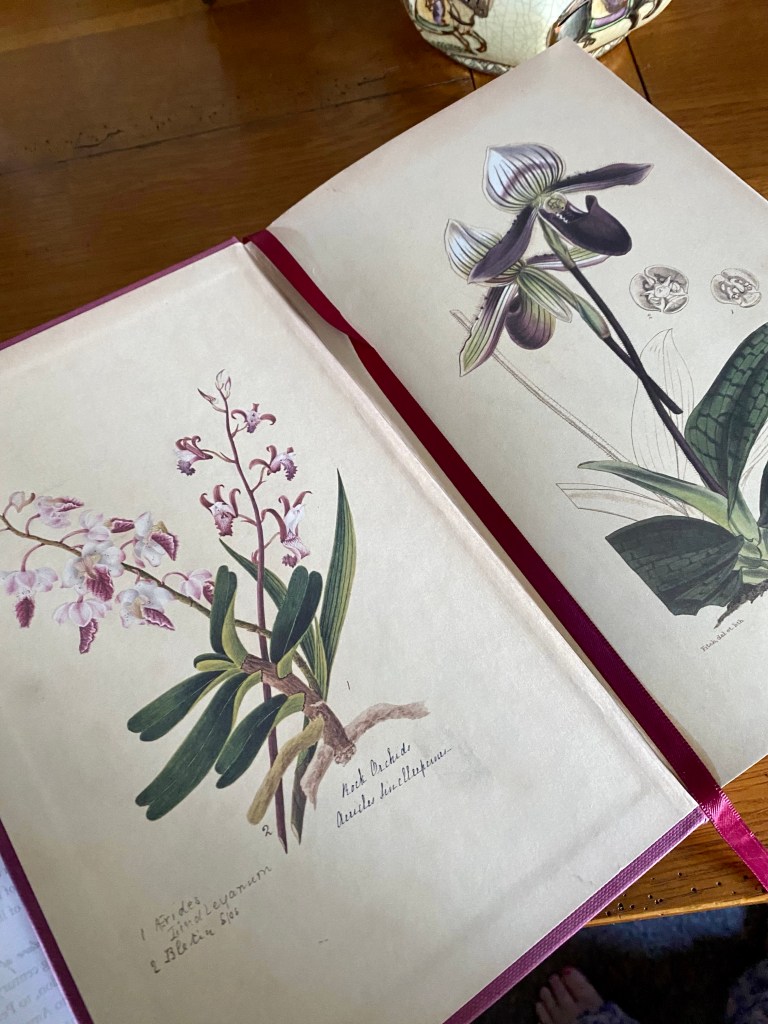
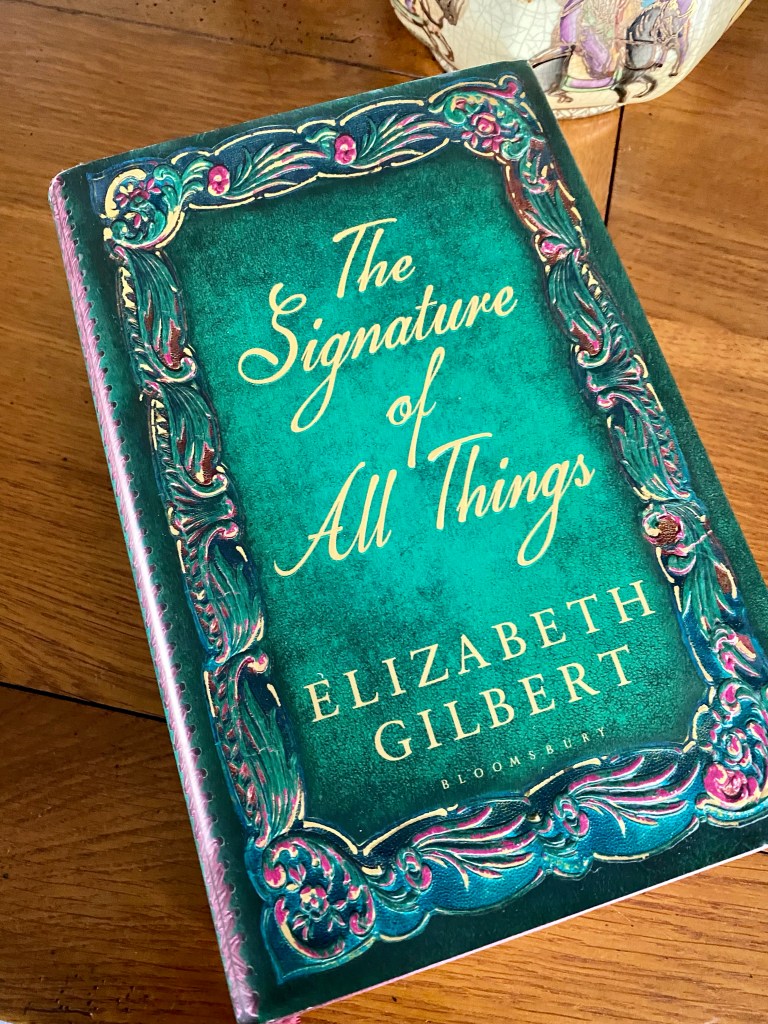

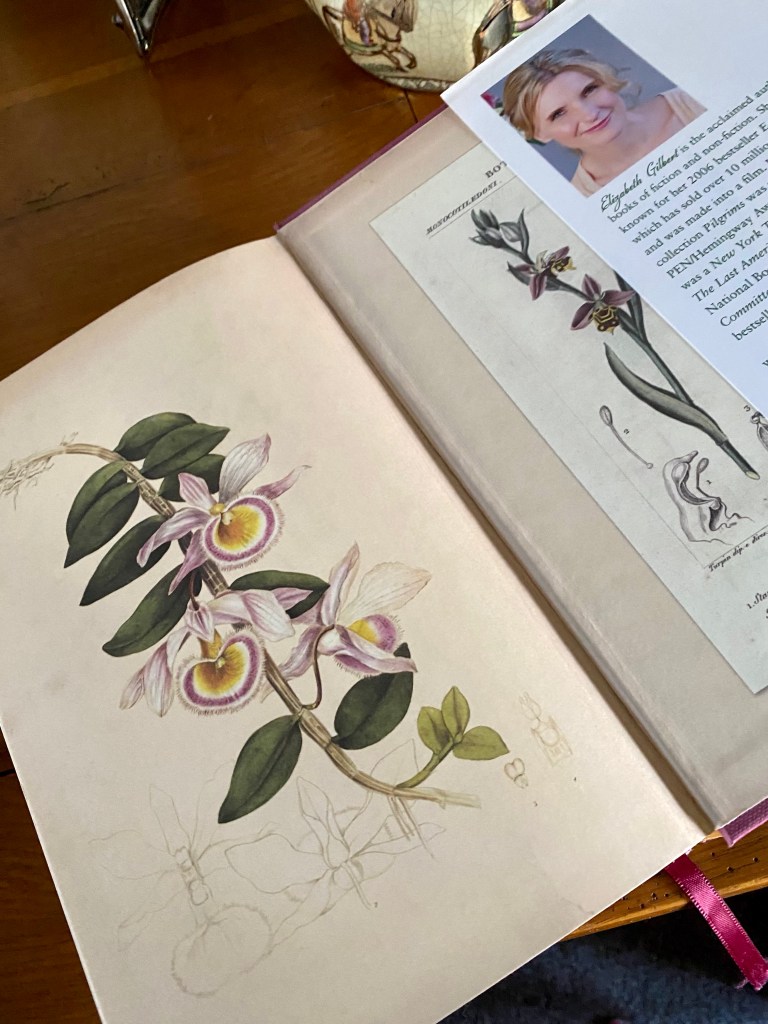






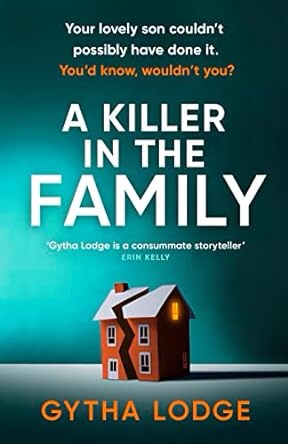

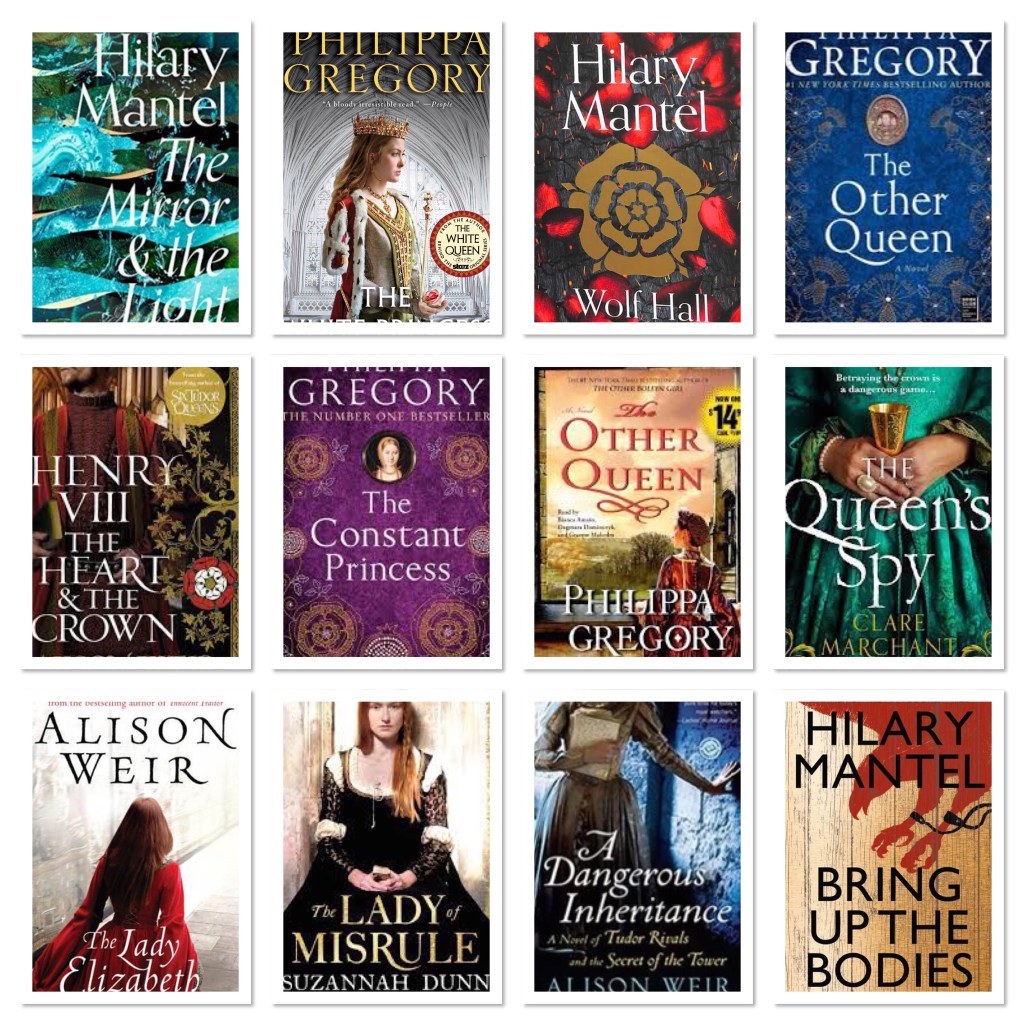


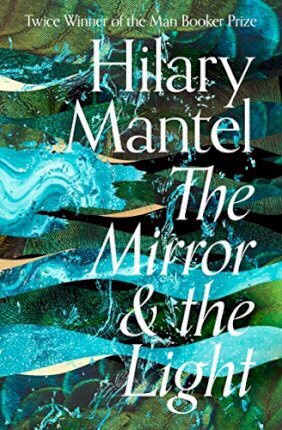

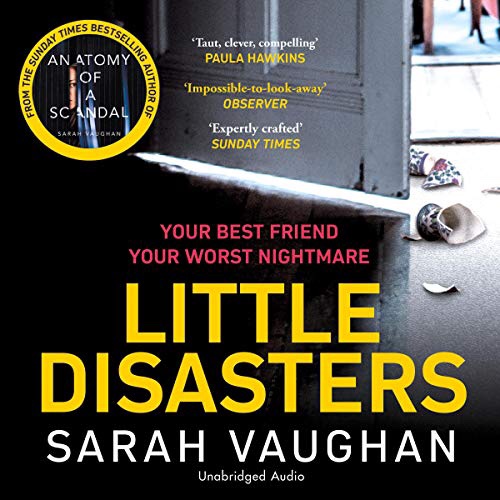

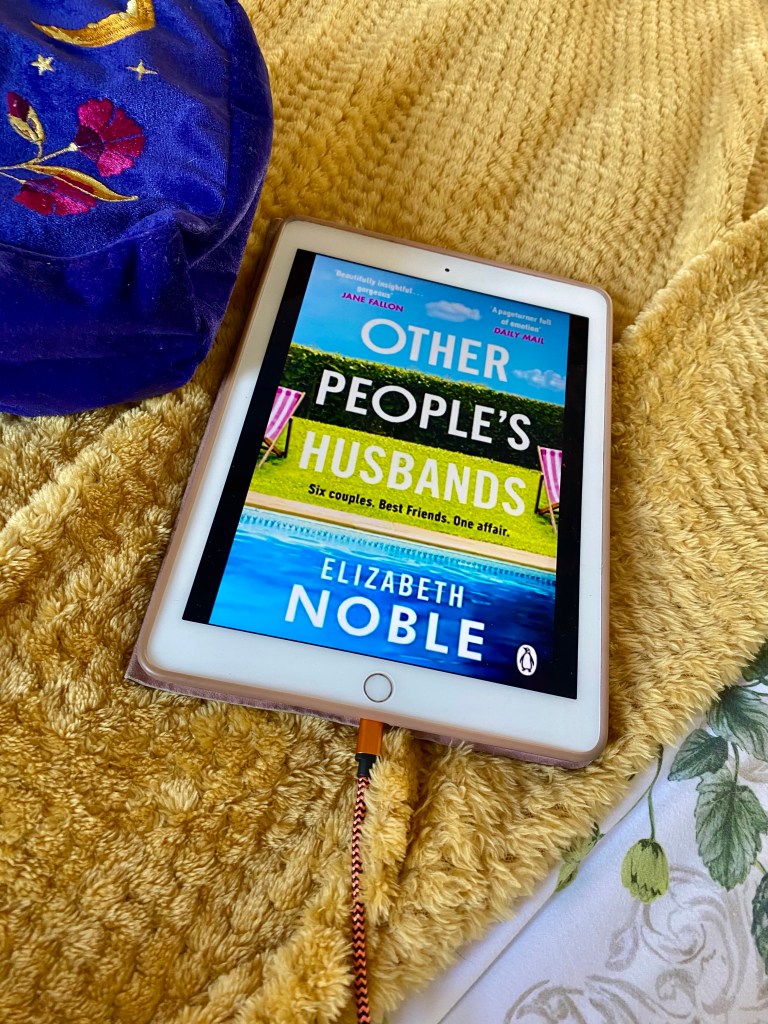

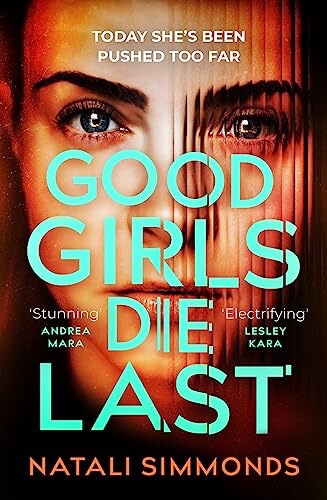

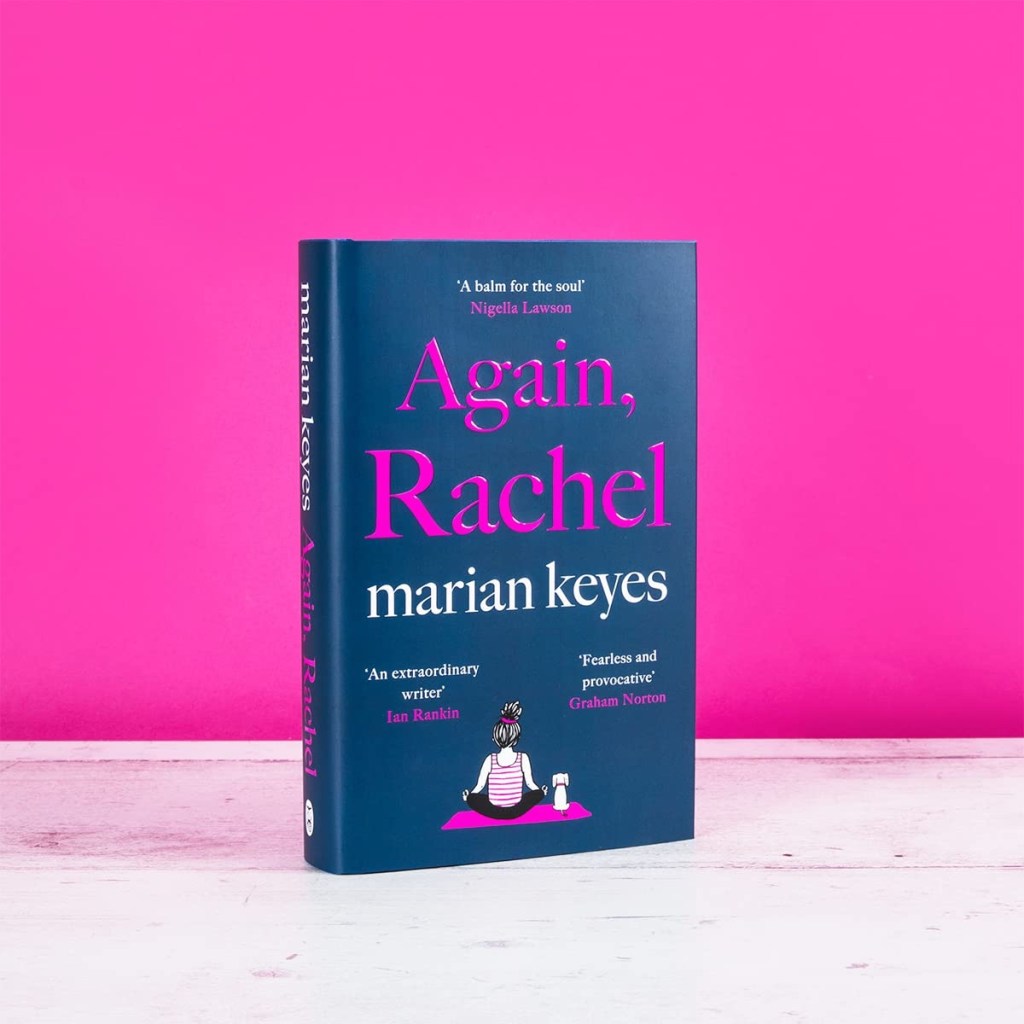

 The Lotus Readers