‘There’s only control, control of ourselves and others. And you have to decide what part you play in that control.’
Cast your eye over the comfortable north London home of a family of high ideals, radical politics and compassionate feelings. Julia, Paul and their two daughters, Olivia and Sophie, look to a better society, one they can effect through ORGAN:EYES, the campaigning group they fundraise for and march with, supporting various good causes.
But is it all too good to be true? When the surface has been scratched and Paul’s identity comes under the scrutiny of the press, a journey into the heart of the family begins. Who are these characters really? Are any of them the ‘real’ them at all? Every Trick in the Book is a genre-deconstructing novel that explodes the police procedural and undercover-cop story with nouveau romanish glee. Hood overturns the stone of our surveillance society to show what really lies beneath.
I’m so glad that Renard Press gave me the chance to read this book, because otherwise I might not have come across this author and a truly great read that kept me thinking throughout. Our opening chapter takes us on a tour of a family home, the narration giving us the impression that all isn’t as it might first appear. Even as we’re being told about their decorative bowl made from a melted vinyl record and the model art we are invited to question it. Does the socio-economic group the family belong to fit with the professions and workplaces shown on their lanyards? Both have charity sector jobs that might hint at left wing political views, but the author is inviting us to look deeper to think that maybe, in this surveillance age we are being fed an impression of something. Think about how we edit our own lives to fit social media and wonder whether we’re being fed what we want to see.
This is such a clever book, one that tricks us with what we expect to see. Meanwhile underneath there is something far more sinister going on, or is there even another layer beneath that? This is a real genre-bending novel that manages to be a family drama, a spy thriller, meta- fiction etc. I loved the author’s slightly off kilter narration:
‘On a Tuesday this man, the father, has nothing to do in the afternoon and wanders away from the café where he was having lunch, not far from Upper St. and up a cul de sac and into a pub. It’s his usual routine when he isn’t meeting her, the mother, his wife, to walk home’.
The form of address reminded me of writing the method for a science experiment at school. It invites us to observe the characters, rather like people being experimented upon. We’re observing them – almost as if we’re testing them or following them. Is this father behaving like this sort of father should? On the face of it Paul is a mild mannered father of two teenagers with a slightly tragic love of Captain Beefheart. Then we’re told he’s tested on his Beefheart knowledge by his superiors. He’s playing a role and just like the descriptions of his home, it reads like stage instructions or a screenplay. The narrator is checking off his list of props, making sure they’re in position for when ‘this family’ walk back in. Absolutely nothing is as it seems.
Even as this ‘normal’ family live their normal life, they have conversations that have dual meaning. As the father has a conversation with one of his daughters, I felt like I was listening in to a coded message! There’s clearly intelligence here in this family, but interwoven with high ideals, morality politics and compassion for the human condition. You can’t sleepwalk your way through this book, I was thinking, constantly, wondering what would be revealed about these family members and what they’re really up to. Then the journalist appears, young, ambitious and sure she’s stumbled upon a story here; perhaps she holds the truth about this family’s real identities, and then chaos ensues.
The author keeps that atmosphere of mystery throughout, about what is being hidden. As Paul walks along in one section the narration of his journey includes every CCTV camera on his route. Then redacted parts of the narration start to blank out certain cameras and places. I’d originally thought Paul was noting the cameras on his journey, aware of being watched. Then reaching the redacted parts made me realise someone is watching him, observing his route and then redacting the parts they don’t want to be seen. I desperately wanted to know why? The level of tension keeps the reader hooked until the book is over and one tiny footnote can make you rethink everything you read before. It’s a comment on the sheer amount of surveillance, a theme throughout.
I loved the way the author looks at the construction of self, do we have a fixed identity that remains unchanged at it’s core? Alternatively, our sense of self could be seen as constantly changing and updating itself. He also explores how others perceive us and how different it is from how we see ourselves. Someone might encounter us on a bad day and perceive us as a rude or grumpy person, whereas friends wouldn’t recognise this description. I loved Paul’s discussion with his boss about how our version of ourselves is only one of many versions. He describes an encounter with two housemates when they were working building sites around the time of the Freddie Mercury Tribute Concert. He asked if anyone had played ‘Another One Bites The Dust’ and they immediately round on him thinking he’s making a homophobic joke. In reality he just loved tracks where John Deacon’s bass playing is the star, like on Under Pressure. No matter what he did those men will always think he’s the sort of person who makes derogatory comments about ‘gays and Freddie and dead young men’. These ideas are all the more pertinent when you think that Paul may well be playing a part. When you do that for years, at what point does your real character bleed into your cover identity? How do you ever leave that role behind?
This book was smart, funny and so perfect for the world we now live in where everything we do is documented – mostly by ourselves on social media, making it even easier for those agencies that watch. I found myself smiling and laughing in parts, because this book looks at the world through a cynical and satirical lens. The author is holding a mirror up to our society whether they’re trying to make sense of it or lambast it. I want to re-read it as well, with the knowledge I’d gathered along the way. It’s rare to find a book that entertains, informs and grips you from the first page, but in addition it also made me slightly paranoid! I’ve always been sceptical, but I’m not sure I’ll ever trust our institutions again.
Meet The Author
Iain Hood was born in Glasgow and grew up in the seaside town of Ayr. He attended the University of Glasgow and Jordanhill College, and later worked in education in Glasgow and the west country. He attended the University of Manchester after moving to Cambridge, where he continues to live with his wife and daughter. His first novel, This Good Book, was published in 2021.
This novel was a wonderful surprise when Sandstone Press kindly granted me a copy. We were only three weeks into January and I’d fallen immediately in love with a new literary heroine. I absolutely adored Sybil and felt so at home in her company I just kept reading all day. I then finished at 11pm was bereft because I wouldn’t be with Sybil any more. Yes, this is what happens to avid readers. We fall head over heels with a character, can’t put the book down, then suffer from book withdrawal. All day I was grumpy and reluctant to start a new book.
Sybil’s life is puttering along nicely. She has a job she enjoys at a London museum – Royal Institute of Prehistoric Studies (RIPS). There she produces learning materials, proof reads and indexes archaeological publications. She also helps people with research enquiries. She has a great boyfriend, Simon, who is a chef and likes to make her bread with obscure grains. Her quiet, settled life is turned upside down when she, quite literally, bumps into an old nemesis from her university days. Sybil and Simon have gone ice skating, where they spot Helene Hanson, Sybil’s old university lecturer. Sybil doesn’t want to say hello, after all Helene did steal some ideas from Sybil’s dissertation to further her own research into the Beaker people. They try to make their way over, very unsteadily, and end up careering into Helene’s group. In Sybil’s case she’s only stopped by the wall of the rink. She has a nasty bang on the head, and from there her life seems to change path completely. Only weeks later, Helene has stolen Sybil’s boyfriend and in her capacity working for a funding body, she has taken a huge interest in RIPS. Now Sybil’s workplace will be selling Helene’s range of Beakerware (TM) in the gift shop and they even welcome her onto their committee as chair of trustees. Sybil’s mum suggests a mature exchange of views, but Sybil can’t do that. Nothing but all out revenge will satisfy how Sybil feels. She’s just got to think of a way to expose that Helene Hanson as a fraud.
First of all I want to talk about the structure of the novel. As Sybil’s life starts to unravel, so does her narration. A suggestion from a friend leads Sybil to a poetry class at her local library, so prose is broken up with poetry and very minimal notes of what Sybil has seen that she hopes to turn into haiku. Haiku is a Japanese form of poetry with a set structure of thirteen syllables over three lines in the order of 5, then 3, and then 5 syllables. Having lived next to a Japanese meditation garden for several years I started to write and teach haiku as a form of meditation. It’s a form linked to nature and is very much about capturing small moments. So if Sybil sees something that might inspire her, it makes its way into her narration. I loved this, because I enjoy poetry, but also because it broke up the prose and showed those quiet still moments where Sybil was just observing. She works with found objects – most notably a little teacup, left on a wall, that has ‘ a cup of cheer’ written on the side. There’s a very important reason for the fragmentary narration, that I won’t reveal, but I loved it and thought it was so clever. Many of my regular readers will know why I connected with this narrative voice. It could be that this is the only visible symptom of the chaos in Sybil’s mind as she goes through a massive shift – physically from one flat to another – but also a mental shift towards living alone, to coping with her nemesis constantly popping up and to the heartbreak she’s gone through. We’ve all had to start new chapters in life so her situation is easy to relate to.
Helene’s organisation brings much needed funding to the museum, but with it come obligations. As chair of the trustees, she wants to change the very structure of the building and some of the precious display spaces might be sacrificed. Her commercial enterprise, recreating Beakerware (TM) for the museum gift shop, means the shop expanding into other areas. Exhibits that have been on display for years will be moved into storage to make room and Sybil dreads Helene using Simon as the face of the range, imagining giant posters of her ex greeting her every morning at work. To add insult to injury Helene even inserts herself into Sybil’s everyday job by adding a section into her boss Raglan’s upcoming book meaning that Sybil has to index Helene’s writing. Could there be a chance here, for Sybil to gain some satisfaction? However, as Sybil’s mum hints, revenge can be more damaging to the person seeking it. This book is character driven and they’re brilliantly drawn, funny, eccentric and human. Sybil’s boss Raglan Beveridge – who she observes sounds like a cross between a knitted jumper and a hot drink – is such a lovely man, easily swayed but kind and tries to ensure that Sybil is ok. I enjoyed Bill who she meets several times across the book, in different situations. He’s calm, funny, thoughtful and shows himself to be a good friend to Sybil, even while she’s barely noticing him! Helene seems to hang over everything Sybil does, like an intimidating black cloud promising rain to come. She is a glorious villain in that she has very few redeeming features, and tramples all over Sybil’s world at home and at work. The author cleverly represents this in the very structure of RIPS. Sybil likes her slightly fusty, behind the times little museum. There’s a sense in which it is precious, that the spaces within shelter some eccentric and fragile people. They’re like little orchids, who might not thrive anywhere else. They’re introverts, so need familiarity and quiet. How will they survive Helen’s onslaught?
On the whole this was a quiet book. As I was reading it, I was totally. engrossed and the outside world was muffled for a while. It reminded me of those mornings after snowfall, when the outside world is silenced. I felt a deep connection with Sybil. She’s offbeat, quirky and has a dark sense of humour. We meet her at her lowest point and while we’ve all been heartbroken, this was much more than that. I’ve been broken by life just once, but I was a like a vase, smashed into so many pieces I didn’t know if I could pull them all back together. Even if I did, I knew I would never be the same person. This is the process Sybil is working through and her grief is central to the novel. My loss felt so huge that it affected my actions – I left doors unlocked when I went out, forgot to pay bills, and started to make mistakes at work. I had always prided myself on being very ‘together’ and here I was falling apart. I discovered Japanese art that healed me in some way – it’s called Kintsugi and it’s the art of repairing broken ceramics with liquid gold or other contrasting metal. It shows the cracks, the evidence that this piece has been through something, but it’s still whole and it’s still beautiful. I feel this is Sybil’s journey and what she needed to hear was broken things can still be beautiful. This was a thoughtful novel, with serious themes but a lovely hint of humour running through. I still love it now, a couple of years later and my finished copy has pride of place on my bookshelves.
Q & A with Ruth Thomas.
1. The Snow and the Works on the Northern Line is very character driven – did the idea for the story or Sybil come first?
The setting came first, in fact. I wanted to write about a fusty old institute, and that’s how the Royal Institute for Prehistorical Studies (RIPS) began. I also wanted to write about Greenwich Park. It’s an early memory from childhood. I remember it being a beautiful but rather melancholy place.
2. The RIPS is a wonderful setting! Could you tell us a bit about it, and why you set The Snow and the Works on the Northern Line in a museum?
I love museums, especially small old-fashioned ones. They have so much character and lend themselves to description. I also wanted to tell the story of a museum artefact – how it fitted into someone’s life in the 21st century as much as the time when it was made.
3. Sybil’s voice is brilliantly handled – did you do anything in particular to pin that down when you started working on the novel, or to get in the zone each time you sat down to write?
I don’t think too much about voice before I begin – I just start with my own take on things, and after a while a character and voice shapes itself around those observations. I think the mood your character’s in has a big effect on the way they tell their story.
4. Quite early on in the book, Sybil joins ‘Poetry for the Terrified!’ at North Brixton Library – could you tell us a bit about that?
I love poetry but am a bit rubbish at writing it! I thought I’d harness that inability for Sybil too. At school, we were always supposed to find poetry profound. It can be fantastic and moving, of course, but sometimes you have to discover that in your own time.
5. One of the themes that stood out while reading The Snow and the Works on the Northern Line was grief – we’d love to hear about how you explored different aspects of grief.
I wanted Sybil’s grief to be reflected elsewhere in the book too. She thinks she’s alone with her heartbreak, but that’s one of the qualities of grief – you don’t necessarily know others are going through something similar. I also wanted to explore sorrow without writing a very sad book!
6. Was any of the office politics/social etiquette inspired by real life?
I love office politics! It’s one of the things I really missed during lockdown. Small-scale conversations and seemingly trivial things are what make me tick as a writer. At the momentI’m just having to focus a bit more on remembering the details.
Thank you so much to Sandstone Press and the SquadPod Collective for inviting me to share this lovely book with you again and thank you to Ruth Thomas for her contribution to this post.
Today as part of the Bookstagram tour for Julia Vaughan’s new novel Grave Issue, I’m spotlighting and sharing an extract from the novel.
Grave Issue is the second book in the DCI Kath Fortune series of novels and is released on 16th September 2022. This follows on from Daisy Chain, Julia’s debut novel.
“Who killed Abraham and Esther Downing in the 1970s?
What is the significance of the seven tiny skeletons unearthed in the garden of Downing’s cottage?
And why does no-one care?
As DCI Kath Fortune and her cold case team deep dive into their second investigation, they come up against a wall of silence surrounding the reclusive couple. With Kath trying to piece together the clues and keep her personal and professional relationships on track, her past comes back to haunt her with time running out on all counts.”
Extract.
6th March 1963
Now it begins. New life comes again—surely my last chance. The good Lord blessed me with fertility, but my work is nearly done now, and I know that He can take away the gift of life. I must write quickly now. A spends less time in the fields now that I am close to my time. My new waters cover the stains of the seven birth waters gone before. The bare boards soak in the fluid that the child no longer needs to live inside me. The pains come now. Soon, A will come with the rope to pull the life from my body. There’s the scream of the back door. He moves about beneath me. I pray for God’s love…God’s love and forgiveness through the pain. Always and Ever.
Chapter One
‘What time do you call… Oh!’ Ruth halted her admonishment as Kath stepped into the room. Kath grinned and rubbed the back of her now naked neck. ‘Yeah… thought it was time for a new look.’ She threw her bag onto her desk, soaking in the admiring glances from her team. ‘Makes you look months younger,’ Shirl said, laughing and pointing at her boss. ‘You look great, Boss. Really suits you.’ Marvin continued pouring coffee into mugs as Kath sat down. ‘Well, I was looking a bit like Worzel Gummidge’s half-cousin.’ She’d made a sudden decision the day before and called up her hairdresser of many years, who always came to her house and worked her magic. She felt lighter in spirit and now in hair as she and her colleagues had wrapped up their first cold case. ‘New look for a new man.’ Ruth accepted her mug from Marvin, and Kath laughed. ‘Old man, you mean. I mean… no, not old… Oh, you all know what I’m trying to say.’
Kath had reignited her relationship with her school sweetheart, Lenny. The young love that had brought them together across algebra and Romantic poets had survived the intervening time and his marriage of many years. Now, his marriage had ended, and they were moving forward into a new era of love and companionship. Marvin pointed to a newly labelled box in the corner. ‘I’ve put all the paperwork in there. Case closed.’ Kath nodded. ‘Onwards and upwards now, guys.’ She swivelled in her chair to face Byron Lord, the civilian member of the team, who had been invaluable in their first case and in bringing together all the details to find the murderer of five-year-old Daisy Prospero. Kath felt his skills in finding hidden information secreted within the wheels of the dark web were going to continue to be key in all their cases. He had proved his worth and, as a reward, Kath had suggested that he might like to choose their next case from the hundreds stacked in the boxes lining the back wall of the office. ‘Byron, what do you think? Are you happy to choose the next case? I don’t want you to feel any pressure but I want to ensure you feel as much a part of this team as anyone else. ‘Byron nodded, his waist-length hair falling forward as he reached for a folder on his desk. He stood up and handed the manila file to Kath. He did appreciate the responsibility. He had come into an already established group of detectives who had worked together on active cases for some years. Ruth, Kath and Shirl go back many years previous, Marvin a more recent addition but still with experience under his belt. Byron’s skills as a ‘technical wizard’, as Ruth called him, had proved so important in their first case, and he felt useful and enthusiastic about his new role.
‘Have you lost weight, Byron?’ Ruth pinched taut flesh through his T-shirt, and he skipped out of her reach, smarting at the harshness of her fingers. ‘No.’ Byron sat down and hid behind his two huge monitors. ‘I’m naturally skinny. Runs in the family.’ ‘I’m naturally jealous.’ Ruth patted the spare roll of fat around her middle. ‘Look at it this way.’ Shirl stood up and took the lid off the biscuit tin next to the kettle, her finger poking around in the crumbs. ‘You’re providing a warm and comfortable home for Mr Gregg and Mr Kipling.’ ‘Cheeky cow.’ Ruth tried a tone of superiority, but she couldn’t pull it off, knowing that her over-enjoyment of certain food groups had not helped her post-menopause weight gain. ‘And you can talk… get your hand out of there.’ Shirl pulled her hand out of the tin and licked the few measly crumbs off her finger. ‘Talking of Mr Gregg…’ Kath smiled, reached into her bag and pulled a twenty pound note from her purse. She flourished it at Shirl, who grabbed it, smiling. ‘Yes, go to Greggs, get us all some sustenance.’ ‘Salad for Ruth, obviously,’ Shirl said, grabbing her coat from the back of the door. ‘Fuck off,’ Ruth replied.
‘I’ll take a look at this whilst Shirl goes into the depths of Madeley, and we’ll discuss it when she gets back.’ Kath opened the manila folder. ‘I’ve done some notes for everyone.’ Byron patted a pile of the folders on the edge of his desk. Shirl disappeared down the stairs, and there was a companionable silence as Kath skimmed through the file and Marvin and Ruth tapped away on keyboards, answering emails and starting new documents ready to receive the information Byron would input for them. Kath read quickly, nodding to herself, then grabbed her cigarettes and made her way outside. Shirl was just reversing her car out of the rear car park when Kath stopped her. Shirl opened her window. ‘Don’t get me anything; feed the others.’ Shirl looked her boss up and down. ‘This new diet of yours is paying off. New hair, pounds dropping off. What’s going on?’ Shirl knew Kath too well, and Kath was not about to reveal the secret behind her weight loss. A Volvo stopped in the road, indicating to turn in but unable to because Shirl was in the way. ‘Go.’ Kath waved her hand in apology to the PCSO trying to get into the station, who was building up a stream of traffic behind him. ‘Fine.’ Shirl was still muttering as she closed the window and reversed quickly, turning off up Madeley High Street—a short distance that would not have taken her long on foot. But Shirl didn’t walk anywhere she didn’t have to.
Kath stood back as the Volvo turned in and the traffic continued down Legges Way into the Ironbridge Gorge. She lit a cigarette and walked a little way down the path that led down from the police substation, opening onto a wild grass area with woodland fringing it, the rooftops of the Sutton Hill housing estate visible in the distance. She paced and smoked. The pounds were indeed dropping off at an amazing rate, but Kath couldn’t tell anyone it wasn’t a new diet or exercise regime but the relief in the knowing that she had truly got away with murdering an aged paedophile over twenty years ago. She had kept her secret past hidden for so many years now, and there was every reason to believe she could carry on doing so. She skirted dips in the packed earth pathway, softened by the regular nightly September rain. Byron had picked an interesting case: two bodies unearthed in Broseley, a mile up the hill from the gorge, one male and one female and seven tiny bodies buried alongside them. This was truly a cold case, the bodies of the seven infants only being found eight years later in 1983 when a developer brought in excavators to demolish a rundown cottage in a large expanse of land bordered by woodland off the main road.
Kath flicked her cigarette butt into the long grass as Shirl returned to the car park at the back of the station, brandishing bags from the bakery. The thought of the contents of the bags made Kath feel slightly queasy as she caught up with her colleague. They made their way back through the small station and up into their office, the smell of fresh pastry and meat wafting into the nostrils of Marvin, Ruth and Byron. As Shirl passed around the assorted bags, Kath sat down and patted the folder on her desk. ‘Okay, guys, our new case is an old one—eighties and beyond, I think.’ Byron looked at Kath and nodded. She knew he would have already done some work in the hope that she would agree to his choice. Marvin and Ruth chewed on their steak slices. ‘We have two adult bodies—one male, one female—both murder victims, according to the initial report, but that’s not all.’ The chewing stopped, and all eyes turned to Kath. ‘As if that isn’t enough of a tragedy, we have seven small bodies as well. Babies. Seven dead babies.’ The team looked at each other and then back at Kath as Shirl sat down in her chair, turned her back on her colleagues and blinked away tears of sorrow and memory.
Chapter Two
The sun had finally broken through the clouds, warming the bones of the old man in the churchyard. He stretched and put his hands onto the small of his back, pressing the kinks out of his eighty-five-year-old spine. The trees surrounding the pretty Norman church were still hanging onto their leaves, reluctant to let the autumn season have its way. A pair of magpies squabbled at the top of the biggest oak tree, their harsh chatter the only sound in the quiet of the countryside. A tall man of slight build emerged from the dark interior of the church. He raised a hand in greeting to the other man, walking slowly towards him and glancing up at the sky. ‘Morning, Sam.’ He placed his hand on the man’s shoulder. ‘God’s majesty in all His glory.’ ‘Reverend.’ Sam Williams tipped his cap, holding the rake upright, tines resting against the grass. ‘It’s looking lovely, Sam. As usual.’
Sam nodded his thanks. ‘I’ve been bringing on some roses at home, thinking of clearing that patch down there.’ He pointed to the left of the church, where some of the oldest gravestones rested. ‘Get them nettles cleared. Good soil, sun and shade. Should bring on a nice display in years to come.’ Reverend Michael Thomas smiled. ‘A rose garden. Joyous. The Lord has blessed you with a great gift. I, myself, cannot tend a houseplant.’ Sam gazed off into the distance. ‘Your gift is with people, Reverend, not plants.’ ‘You’re very kind.’ Reverend Thomas pushed his hands into the pockets of his jacket, his dog collar moving with the motion of his Adam’s apple as he swallowed several times, knowing what he was about to say would break the moment. He moved forward a few strides, coming to stand and look at the side of the church where a lone stone, small and sunken, sat apart from all other gravestones in the bucolic churchyard. The earth around the stone was barren. A few rogue blades of grass pushed valiantly through the tired earth and a single dying dandelion held onto its last few fluffy seeds. He kept his back to Sam, knowing the reaction that would come with his next words. ‘Maybe we could try some bulbs here, for next year.’ Sam approached the vicar but stayed a little way back. ‘I tell you every year, Reverend, and I’ll repeat myself once more: I’ll not tend to this.’
The vicar sighed and his shoulders dropped. ‘His sins have been forgiven by the highest order in the land. Yet you still judge him.’ Sam coughed, and a globule of phlegm sailed past Reverend Thomas’s shoulder and landed on the leaf of the dandelion. ‘The Lord can forgive whoever He likes, that’s His job and well He does it. But you know me, Reverend… you’ve known me many years. Those of us who know won’t forgive and won’t ever forget, and I’ll not plant beauty in poisoned soil. Won’t grow anyway, you know that.’ He turned and walked back to continue raking up the small leaves that drifted on the winds from across the neighbouring fields. The vicar knew Sam was right. Ever since the body had been buried, the surrounding soil seemed against supporting life. No worms turned the earth. Any seeds dropped naturally by passing birds that would have flourished anywhere else on landing would not survive in this bare section of the churchyard. A large twig had lodged itself against the gravestone, and the reverend leant forward to move it. He was unaware of the thorny spines until it was too late. He straightened up as he winced and sucked the circle of red blooming from his finger. ‘Damn you, Abraham Downing,’ he muttered.
Chapter Three
They’d all spent twenty minutes or so quietly eating and looking over the notes Byron had provided and now Kath was eager to get into it. ‘So, thanks to Byron for the abridged notes of the case,’ Kath said, waving her copy of the paperwork. ‘We pare it down to the bare facts. Feel free to offer ideas, suggestions.’ Kath moved the front sheet further away from her face, trying not to look as though she was squinting. ‘Get some glasses, woman,’ Ruth said, trying to hold in a laugh. ‘I’m fine. Leave me and my eyes alone.’ Kath shook the paper and cleared her throat. ‘Two adults, Esther and Abraham Downing. Police were called when a dog walker discovered Abraham’s body.’ ‘Thank god for dog walkers,’ said Marvin. ‘Indeed. He was lying in front of his cottage with his head caved in,’ Kath continued. ‘A shovel, covered in blood, lay next to him. Presumed murder weapon. Police discovered a shallow grave containing the body of his wife, Esther. Cause of death: shotgun blast to the torso. Said shotgun was inside the house. Only one cartridge discharged. So, the first question is, why two different weapons?’
Shirl lay back in her office chair, almost horizontal. ‘Ruth, you’re gonna wear a hole in the carpet.’ Ruth was pacing at the other end of the office. She did her best thinking on her feet, the movement seeming to aid her brain in putting thoughts together in some sort of natural order. She liked her external world to be clean and ordered, everything in place, and now her brain was in chaos mode, trying to unscramble the information. ‘My question is, why was one body buried and the other left exposed?’ ‘Marvin.’ Kath pointed at him, and he sat up straight at his desk. ‘You’re the killer. Go.’ ‘Erm… well, I go to shoot Abraham, but Esther gets in the way.’ Kath nodded. ‘Okay. Shirl?’ Shirl tossed her papers onto her desk. ‘Why wouldn’t Abraham stop you?’ She peered at Marvin, who was tapping his pen against his forehead. ‘He can’t get to me in time.’ ‘So, why not turn the gun on Abraham and shoot him?’ Shirl asked. ‘The gun…’ Marvin struggled to focus his brain, trying to insert himself into the killer’s head. ‘Okay, how about the gun jams?’ He smiled and held out his hands. ‘So, I throw the gun to one side and pick up the nearest weapon, which is the shovel. I bash him in the head. Job done.’ ‘Maybe Abraham wasn’t there when Esther was shot,’ said Ruth, still pacing. ‘So, why didn’t he report it?’ Marvin was throwing questions out now. There was a moment of silence. ‘Okay,’ Byron said. ‘But why would you bury Esther and not Abraham?’ They all turned to Marvin for an answer. ‘I… don’t have time.’ Kath nodded. ‘It can take a while to dig even a shallow grave.’ ‘Is that the voice of experience talking?’ Ruth laughed, and her colleagues joined in. Kath feigned indignation but her insides flipped at the thought of her teammates discovering her own murderous past. She needed to bring the discussion back to the case in hand. ‘Marvin, why didn’t you bring your own weapon with you if you meant harm to them?’ The office was silent as Marvin processed the question. ‘I didn’t mean to do it; it was spur of the moment, so I used what was already there.’
Ruth nodded, flapping her own paperwork and causing a draft. ‘But why did you put the gun back inside the cottage? The shovel was outside, next to Abraham’s body, but the gun was inside.’ ‘Maybe…’ Marvin shrugged. ‘I’ve got nothing.’ Byron picked up the thread. ‘Maybe someone else killed Esther, and Marvin—sorry, the killer—found out and Abraham’s murder was something else entirely.’ Kath went back to her notes. ‘Autopsy showed Esther’s approximate day of death was the same as her husband’s.’ ‘Which was?’ Shirl asked. ‘August sixteenth 1975,’ said Byron. ‘No one heard the gunshot and thought to go and see what had happened?’ ‘Everyone’s got a shotgun in that neck of the woods, pardon the pun,’ said Kath. ‘It’s the regular form of maintenance, shooting foxes and such. All the farmers have one, and the cottage is quite remote, set back in woodland away from the main road, no other houses around.’
The cottage in question, at the heart of the case, was still standing but was a shell of a construct. With no traceable relatives, the Downing property had passed, after many years, into trust, and there was no possibility of selling the land to build on. Broseley was full of sinkholes from its mining history, and portions of woodland and road had slowly disappeared over the years as the land shifted and tree roots snaked their way through the underbelly. The cottage could just about be seen from the main road running from Broseley centre down the Ironbridge. In times of torrential, prolonged rainfall, the whole area in front of the cottage turned into a mini lake fringed by ancient trees and scrub. The cottage was still standing, despite the shifting of the land around it. The roof was all but gone, the window spaces resembling empty eye sockets. ‘You’ve picked a good one here, Byron.’ Ruth stopped pacing and perched on the edge of one of the tables in front of the window. ‘Sorry.’ ‘No, don’t apologise.’ Kath grabbed her cigarettes and stood up. ‘I think what Ruth is hinting at is that this all happened in the mid-1970s. Forensics was sketchy, nothing at all like we are now blessed with, and there is practically a whole generation that has died off, so witnesses are few and far between.’ ‘Didn’t anyone miss the Downing couple?’ Byron asked. ‘Surely someone would have said that they hadn’t seen them around and gone to check if they were okay.’ ‘Can’t answer that one,’ Kath said. She headed for the door, and Shirl got up to follow her. ‘It’s the babies,’ said Byron quietly.
Everyone turned to look at him. He lowered his head, his curtain of hair falling forward to cover his face. ‘I had a baby brother.’ No one moved, not wanting to break the spell. Byron took a deep breath and looked up. ‘I was seven, I think. So excited to have a brother. But he died when he was around three months old. Sudden infant death syndrome.’ ‘Oh, mate.’ Marvin moved to him and put a hand on his shoulder, wanting to give him a hug but feeling it was maybe too much. ‘It’s okay.’ Byron gave a weak smile. ‘Mum called him Percy. He was adorable.’ Shirl’s sudden movement made them all start, and she pushed past Kath and headed down the stairs. Kath frowned and looked over at Ruth, who shrugged and raised her eyebrows. ‘There’s no explanation for SIDS. I guess I just want to try and find out what happened to those seven little babies.’ Byron moved to the coffee machine, and Kath rubbed his back lightly as she passed him on the way to meet Shirl downstairs for a much-needed fag break. ‘We’ll find out, won’t we, guys?’ Kath looked over her shoulder at Marvin and Ruth, who muttered words of encouragement, and she continued downstairs to find Shirl smoking underneath her favourite tree next to the Madeley station.
That was the part of the case they were all not talking about: the seven baby bodies found in graves at the side of the cottage. It wasn’t until the council had released the ground many years after the deaths of the Downing couple that the graves had been unearthed. A developer had made inroads into looking at the prospect of using the land for building houses and had used a team of surveyors to look at the potential of the ground if the council was willing to let it go for the right price. The seven bodies had seemed to be a forgotten aspect as the police had concentrated their efforts on looking for Abraham and Esther’s murderer. Now, the babies were most definitely in Kath’s sight, and the team would be investigating their deaths just as thoroughly as the two adult bodies. The case wasn’t so much cold as frozen. Although the adult bodies had been discovered in 1975, the corpses of the seven babies had only been unearthed, literally, when developers had been testing the soil. The officer in charge had amazingly had the bright idea of getting a local archaeological group to take a look, realising they may have some relation to the case of the two adults found murdered on the same spot eight years earlier. The would-be archaeologists had surmised the tiny bodies might even have stretched back into the 1960s, but the focus had been on the adults, and the seven skeletons were considered a mystery not worth the time and effort of investigation.
‘You okay?’ Kath lit up and waited for Shirl to speak. Shirl kicked at the mass of leaves already forming in the September sunshine under the tree. ‘I have to show you something.’ Shirl exhaled a plume of smoke and looked at her boss and friend of many years. ‘Will you take a ride with me?’ ‘Of course, mate, whatever you need. We’ll go after we’ve finished these, okay?’ Shirl nodded, took one last drag and dropped her cigarette butt, crushing it with force into the leaves. ‘Thanks, yeah. I’ll see you up there.’ Kath looked up at the branches as Shirl went back into the station. ‘Always another mystery.’ She flicked her cigarette butt into the road and followed Shirl inside. The churchyard was quiet. A woman sat on a bench against the front wall of the church, hands clasped in her lap. The only other person was a man collecting grass cuttings from an old lawnmower. He moved to an area on the far side where the oldest graves leant at impossible angles against the low perimeter wall and deposited the grass into a boxed construction that appeared to be some kind of compost heap. Planks of new wood encased the cuttings and decaying flowers, and the elderly man stepped into the box and began trampling the contents.
Kath followed Shirl to a gravestone to the right of the lychgate. She still had no idea why Shirl had asked her to come but knew that her friend and colleague would tell her when she was ready. Shirl had seemed unsettled ever since Byron had produced the new case for the team. The gravestone was an old one, rounded at the top and bearing two names. ‘Oliver and Mary Carling,’ Kath murmured as Shirl lay a small posy of roses against the headstone. They had stopped off at a florist on the way, Kath again choosing not to ask questions. Shirl patted the grass and stepped back. ‘My grandparents,’ she said. ‘And also the resting place of Rose Thompson.’ Kath waited, watching her friend as she took deep breaths. Shirl turned to Kath and pulled her cigarettes from her pocket. Kath waited as she lit one. Shirl looked up at the clear sky and exhaled a large plume of smoke. ‘My firstborn. My daughter.’ ‘Oh, Shirl.’ Kath put her hand on Shirl’s arm, searching for the right words to comfort her friend. She had not seen this coming. ‘Tell me about her.’ ‘She breathed for two hours. Short, snuffly breaths. We were told she probably wouldn’t live very long. Heart defect.’ Shirl paused and took another deep drag of nicotine. ‘It was there on the scans. They said they couldn’t do anything but wait until she was born and then they could perhaps look at operating once she was strong enough, but even then, she might not survive the surgery.’
Shirl wasn’t known for being overly emotional and she kept it together now in the warm sunshine, with the sound of birdsong and the hum of tractors in the far fields. ‘You must have been really young.’ Kath took out her own cigarettes and lit one. Everyone knew that Shirl had four sons, two sets of twins, grown men now, who Shirl and her husband adored. Shirl nodded. ‘Eighteen. Both of us. We knew we wanted a family straight away, and I was pregnant when we got married, here in this church.’ ‘And she’s buried here?’ Kath stared at the gravestone, confused, failing to find another name on it. ‘There’s a centuries-old tradition where babies who died were often buried with a grandparent or elderly lady so they could take care of them in… Heaven, I guess, or wherever.’ Kath smoked quietly and let her friend talk, amazed at the revelation. They had known each other for over eighteen years and Kath had not had any clue. Shirl had been very careful to keep this little part of her past well and truly buried. She suspected that very few people knew this story, and she was humbled that Shirl could share it with her.
‘My family have been buried here for generations.’ Shirl pointed across the churchyard, next to the makeshift compost heap. ‘Great-great-grandparents over there, great-uncles next to them. We asked if Rose could be buried with my grandmother.’ ‘That’s lovely,’ said Kath. ‘Comforting, I should think. For all of you.’ Shirl nodded and looked at her burned down filter, flicking off the remaining ash and putting it in her pocket. ‘I understand now why this case has hit a nerve. We don’t have to carry on…’ Shirl held up her hand. ‘It’s fine. It’s time.’ She gave a weak smile. ‘It just made me sad when we started out. I mean, we were looking at the murder of two adults, then the dead babies turned up…’ She moved away, and Kath followed, keeping hold of her filter until she could flick it into the road. ‘Any time you want to talk about her, you know you can come to me now. Right?’ Shirl turned and embraced Kath. ‘Thank you. But it’s all good. I have one day a year—her birthday—when I cry and come here to talk to her, tell her about her brothers, our lives.’ Kath released her and stepped back. ‘June fourteenth. You have it off every year.’ Shirl smiled. ‘What a good detective you are.’
They got into Shirl’s car and sat looking out across the fields. ‘It’s weird how Byron picked up on this case,’ Shirl said. ‘And how we now have this strange connection. Not that he knows.’ ‘I don’t know… it might have something to do with Lane,’ Kath replied. Shirl turned in her seat to face Kath. ‘Go on.’ Lane Petreus was the psychic who had helped the team on their first case a few weeks previous. Kath had watched the interaction between her and Byron as she’d said goodbye. ‘I think Byron has some… capabilities that even he doesn’t know he has. We can’t explain it, and we don’t want to because we just accept that it is what it is, but maybe Byron was just guided somehow to pick this case.’ ‘Okay, I’ll take that. You may be right. He’s an extraordinary young man.’ Shirl paused. ‘Have you thought about inviting Lane onto this case?’ Kath had been wrestling with the idea. The team was still in its infancy, and she didn’t yet know if Lane could be a permanent part of the team, even if it were possible and it was what Lane desired. Her talent was in great demand, and Kath felt a little selfish in asking Lane to commit completely to them. ‘I don’t honestly know yet. I kind of feel we should press on as we are. If we hit a stumbling block and Lane is available to us, then maybe we can consider calling her in. What do you think?’ Shirl nodded and started the car. ‘I think your instincts are spot on, as ever. You’ll make the right call when the time comes.’ She nosed the car forward and headed back to the station, considering the idea of sharing an intimate piece of her past with the rest of the team.
Grave Issue Julia Vaughan Cahill Davis Publishing Limited
I’ve been struggling over the last couple of weeks, probably since the procedure on my back and short term increase of medication, I’ve struggled to connect fully with a book and to remember all the plot points in those twisty – turny thrillers I usually love. Often when I’m like this I find the best thing to read is non-fiction, which in my case usually means history or memoirs. So for the next few Sundays I’m going to feature some of the non-fiction books I’ve enjoyed and those that have changed my life.
An Evil Cradling by Brian Keenan
I wouldn’t have read this amazing piece of writing, had it not been set for my Autobiography class at university. It is an absolutely stunning book, for it’s story, it’s language and how Keenan tries to hold on to his sense of self when everything that normally defines us is stripped away. The Irish writer was teaching in Beirut in the 1980’s, when he was taken hostage by Shi’ite Militia Men, he was held for four years, much of his time with the British writer John McCarthy. What Keenan manages to do is convey the fear, the indignities, the atrocities and the endless hours of waiting. He muses on what it is that makes us ‘us’. Usually when we are asked what makes us who we are we tend to list the foods, music, sport or pastimes we love. I might feel defined as a rock music fan, who loves Italian food, Woody Allen films and reading novels. However, if we imagine all those things taken away, who do we become? While keeping us abreast of day to day events, Keenan goes inside himself to ask who he is when he isn’t observed or compared to another. He has to consider whether it is easier to let his psyche split into many different pieces that may be impossible to assemble should he survive? Or should he try to keep his sense of a cohesive self, if indeed there is one, and if he reminds himself daily of who he is will it help him survive. It’s hard to imagine the situation Keenan is in and how deprived he is of sensory information, so much so that just seeing an orange inspires this passage:
‘I want to bow before it. Loving that blazing, roaring, orange colour … Everything meeting in a moment of colour and form, my rapture no longer abstract euphoria. It is there in that tiny bowl, the world recreated in that broken bowl. I feel the smell of each fruit leaping into me and lifting me and carrying me away. I am drunk with something that I understand but cannot explain. I am filled with a sense of love. I am filled and satiated by it. What I have waited and longed for has without my knowing come to me, and taken all of me.’
Three Things You Need to Know About Rockets by Jessica A Fox
This was one of those books I simply fell upon while on holiday in Northumberland as I was browsing in Cogito Books at Hexham. For some reason this appealed to me as a holiday read because it felt light and had an escapist quality. Fox is living a life I can’t imagine, in a sublet house that has a lovely garden for meditation and she has a job working as a story teller, at NASA of all places. When she’s hit with redundancy she feels a need for a change of direction and Googles ‘second hand bookshops in Scotland’, dreaming of a quiet bookish retreat. She finds a bookshop in Wigtown where there is a book festival in the summer and they want voluntary help, with accommodation included. She fires off an email which starts an incredible journey geographically and emotionally.
She arrives in Scotland and is welcomed into the home and shop of Euan, where she’s due to spend a month. It’s not long before it’s clear there are feelings between these two book lovers, but they are very different people. Jessica’s is enthusiastic and wears her heart on her sleeve whereas Euan is all reserve and doesn’t want to define or commit to the relationship. When she returns to Scotland for a second time, she makes it clear that she needs to know he is as committed to this as she is and sets an ultimatum. She will return to the US and if he wants a relationship with her he must come out to get her before a certain date. Heartbroken, she returns to her parents house and tries to put her life back together again, thinking that she must move forward in case he doesn’t come. This isn’t soppy or sentimental, as Jessica relates a good amount of personal growth too. She learns to slow down, after living in a city where everything is available at any time of day, and has to accept that in Wigtown going for a walk or seeing some Highland Cattle is quite enough incident in one day. I truly enjoyed this and look forward to reading Euan’s story, under his real name Shaun Bythell.
Small Dogs Can Save Your Life by Bel Mooney
Although this is now packaged in a cutesy pink way, it’s quite a powerful memoir about loss and finding one’s identity against, written by journalist Bel Mooney and relating some of the most painful times in her life. Married for thirty-five years, Bel recounts the life shattering experience of her husband coming home and telling her he was in love with someone else. He had met an opera singer through his work and it had been an instant understanding between them. Through her pain, Bel could recognise this as love and he left the family home. While still in shock and starting to negotiate the terms of their divorce, Mooney rescued a small Maltese dog called Bonnie. Her story recounts the growth of her bond with this little rescue dog and how the simple act of looking after an animal can aid the process of recovery. The small steps it required to look after her small dog were the first tentative steps towards finding a new life, when she couldn’t even imagine what it might look like. When her husband’s new partner was suddenly diagnosed with terminal cancer, she even finds the strength to be loving and compassionate despite her own pain.
I know the power of a dog to heal. After the death of my husband I’d managed to do no more than put one foot in front of the other for about six months, when I bought a tiny cockapoo puppy. I collected him on New Year’s Eve and we settled in to a night in front of the fire with the TV on. I was watching the film Finding Neverland and the sequence where the boy’s mother slowly slips away while they perform a play for her really hit a nerve with me. The weight of the past six months seemed to suddenly become unbearable and for the first time in my life I actually considered what a relief it might be to not be here anymore. I knew I had enough medication in the house to do the job. The thing that stopped me was the bundle of fur I’d brought home that afternoon. In the battle going on inside my head I kept coming back to how scared and bewildered he would be. His first night away from his litter I couldn’t do that to him. Rafferty has been by my side ever since and on those days where I couldn’t face coming out from under the duvet, having to get up and let him out in the morning forced me to keep going. He’s now fifteen and his health is failing, but I’m still there each day supporting him like he’s supported me. Without him, I wouldn’t be here. So it seems that books and small dogs can save your life.
Yay! Tuva is back!! My current favourite literary heroine is back investigating another story in the remote and slightly quirky surroundings of the town of Gavrik, in Northern Sweden. We left Tuva at the end of Bad Apples on a cliffhanger, but Will Dean throws us straight into the action and the frozen forest. As Tuva is driving she finds a hunting dog at the side of the road, armoured but still injured. It’s owner isn’t far away and he blames wolves. As she rushes the dog and his owner to the vet, Tuva wonders if there are such wolf packs roaming the land close to Gavrik? She doesn’t know it yet, but there’s more than one type of wolf close by.
And when there’s a pack on the hunt no one’s safe….
Rose Farm is a closed community, home to a group of survivalists and completely cut off from the outside world. Until now. When a young woman goes missing within the perimeter of the farm compound Tuva must try to talk her way inside the tight-knit group to find her story.
In a frantic search, Tuva attempts to unmask the culprit and gains unique access to the residents. But soon she finds herself in danger of the pack turning against her – will she make her way back to safety so she can expose the truth?
At first, Tuva seems somewhat settled into everyday life, but sadly we soon find all is not well in her world. Her lover Noora, a Gavrik police officer, was shot in the last novel. She didn’t die, but nor did she recover. Noora now lies in a persistent vegetative state, uncommunicative and requiring round the clock care. Tuva’s emotions are complicated, she’s grieving for someone who is not here, but who hasn’t left either. It is Noora’s mother who has stepped in to care for her daughter. With incredible care and compassion, she has suggested that Tuva return to her work and life in Gavrik, while still accepting her as a vitally important part of Noora’s life.
The story of the missing girl is an intriguing one and perhaps less fast paced than the last novel. Elsa Nyberg was reported missing by her father and was last seen around the Rose Farm complex. Tuva takes a look at the heavily guarded compound, surrounded by high perimeter fencing, ditches, barbed wire and a military trained security man, always seen with a large dog by his side. It’s a bit of a contradiction, as two businesses run from the farm and are open to the public; a shop and café, plus a spa. There are definitely public and private faces in this community. On the quiet this community is nicknamed the ‘Wolf Pack’, a group trained to military standards, armed to the teeth and ready for the apocalypse. Or maybe they’re simply a benign group of ‘preppers’ with an underground bunker and a pantry full of tinned food? The central figure is a slightly reclusive figure called Abraham, a painter and philosopher who is ready for the end times. Tuva senses a story, especially when she finds out that a few decades before the resident farmer went berserk and almost killed his whole family before killing himself. The only survivor was a baby, just a few months old. Tuva wonders if history is repeating itself.
I am always amazed with Tuva’s tenacity, but also her audacity when investigating her stories. She is always brave, often to the point of recklessness. She certainly puts herself at the centre of things, driving onto the public part of the compound and engaging with those community members who work in the cafe and spa. At some points she even finds her way onto the private areas of the estate, even inside the main house where she finds some disturbing evidence of Elsa’s presence. I wasn’t as terrified for her life as I was in Bad Apples, but there was one section where security guard Andreas invites her to try the Wolf Pack’s underground obstacle test – if a potential member doesn’t complete the course they are not tough enough to join. The narrow underground chamber and tunnel fill with water, so that the tunneller must hold their breath and dive through and under small submerged areas. I couldn’t believe it when Tuva took up the challenge and disappeared underground, the tension ratcheting up by the second. This scene really tapped into my claustrophobia and left me a bit breathless! It reminded me how badass Tuva really is.
The murder is gripping and I was interested to know if any of the residents at Rose Farm were involved in it’s past tragedy. I was interested in how Tuva infiltrated online survivalist forums to get the low down on community members and to gauge what their beliefs and aims might be. Although any group has it’s weaker links and I started to wonder whether Abraham was who he seemed or was it an alias for someone else? In a complete contrast to the last book, this time people are not covering who they are with masks. Here we have wolves masquerading as everyday people. When Elsa’s body is found there is an ancient symbol tattooed in white ink on the back of her neck. It’s not anything that Tuva’s seen before, but does suggest an element of the occult or perhaps another part of the group’s initiation ritual. We’re used to quirks in Tuva’s investigations and all of the quirks from previous books are still here, such as the Troll sisters and the comically awful toppings offered at the pizza restaurant. There’s always a question of whether the remoteness breeds eccentricity, or whether eccentric people choose to pursue their way of life in an out of the way place. There are certainly more than the average share of murderers and Tuva is determined to find the truth, even if it places her in danger.
However, I do think this was a more subdued, thoughtful Tuva than in previous books. She’s valuing the people around her more, such as Lena and Tammy. She makes time to eat with Tammy out at the food truck and at home and even pursues the bond she’s made with the boy next door. I found it very touching that after a tough day she went to her neighbour and ask if she could read him a bedtime story, gaining comfort from the ritual. It’s a habit she’s started with Noora too, reading to her over FaceTime in the evening. She muses on her apartment, more as a home rather than just a place to crash when she’s exhausted. She wonders whether her memories of Noora in the apartment are too traumatic, but decides that she gains comfort from knowing they spent time together there. I was incredibly moved by the time she spends with Noora and the powerful feeling of belonging she gets simply by lying next to her. They don’t have to speak or hear in order to communicate. In fact, Tuva doesn’t have to struggle to communicate, which she often does, especially if her hearing aids are damaged or lost. With Noora she can take her hearing aids out and just ‘be’ and there is peace in that.
Published by Point Blank 8th September 2022
Meet The Author
Will Dean grew up in the East Midlands, living in nine different villages before the age of eighteen. After studying law at the LSE, and working many varied jobs in London, he settled in rural Sweden with his wife. He built a wooden house in a boggy forest clearing and it’s from this base that he compulsively reads and writes.
This was a deliciously clever and fiendish tale from an author I’m starting to trust when looking for a thrilling read. This was so difficult to put down and was eerily reminiscent of one of Agatha Christie’s novels that I made a note of it, then I saw it mentioned in the finale, so I won’t ruin it by saying which one. As the tide comes in, the Darker family are congregating at the family seat for the matriarch’s birthday. Seaglass is a large house on an island with only a causeway linking it to Cornwall, so at high tide it is completely cut off from the rest of the world. The book’s action all takes place in the space of one high tide and the final Darkers are rushing across the causeway to get there on time. Gathered at Seaglass are a motley crew of Darkers across four generations from Gran down to her great-granddaughter Beatrice known as Trixie. In between are the son ?? a famous, but not wealthy conductor, his ex-wife Nancy and their three daughters Rose, Lily and Daisy. Not forgetting Popper the family dog. One latecomer is a young man called Connor, an unofficial family member who turned up on Seaglass’s beach one morning when the Darker sisters were small. Gran noticed that Connor was bruised and neglected, so from that moment she took him and his alcoholic father under her wing. One second is all it took for every Darker woman to fall in love with this lonely boy who has lost his mother.
Now Connor has arrived the games can begin and it’s soon clear that if any of the Darker family survive till low tide in the morning, they’ll be very lucky indeed. I loved how the author built the atmosphere. Seaglass is a labyrinthine house, but each downstairs room is arranged around a central hall and are linked by doors, so that when the girls were little they could open the space up and Lily would roller skate in circuits around the house. I really wanted their grandmother’s study: filled with books and art supplies that produced her beloved children’s books. Her first book was Daisy Darker and was inspired by her youngest granddaughter, who was found to have a heart defect when she was a child. I loved the family’s eccentricities and traditions, such as the clocking in machine at the front door where every family member has a card to punch in and out. There’s a blackboard wall in the kitchen, for impromptu poetry, and at the kitchen table there are individual chairs, painted for each family member – of course one is covered in daisies, just like Daisy’s converse trainers. We get a sense of the family’s longevity in their collections and special treasures, such as the bone and seaglass Scrabble set, bought by Gran’s agent and set to play a special part in the night’s proceedings.
Published by Macmillan 18th August 2022
Meet the Author
Alice Feeney is a New York Times million-copy bestselling author. Her books have been translated into over twenty-five languages, and have been optioned for major screen adaptations. Including Rock Paper Scissors, which is being made into a TV series by the producer of The Crown. Alice was a BBC journalist for fifteen years, and now lives in Devon with her family. Daisy Darker is her fifth novel.
You can follow Alice on Instagram/Twitter: @alicewriterland
I wrote this review a fortnight ago, before the events of the last week. I’m always torn at times when there’s huge royal news, because I’m caught up between my ideals and the sheer spectacle of the event. It’s a trick that Kings and Queens have used throughout history, knowing that they are unpopular with some elements of society, they use the pomp and ceremony to charm and overwhelm them. I’ve lost count of how many times I’ve heard someone interviewed this week and they’ve said ‘I’m not really a Royalist, but the Queen’s done a great job, or has been a constant presence in my life.’ In a time of recession and a cost of living crisis, I have still seen people subjected to a ‘pile on’ on social media if they’ve dared to suggest that the state funeral will be costing a fortune. Heaven forbid they mention the problematic aspects of Queen Elizabeth’s reign from imperialism to her steadfast support of her son Andrew. I think when someone has lived as long as Queen Elizabeth, there will always be societal changes that cast earlier choices in a bad light. However, I do have a complex relationship with the Royal Family, from really loving Princess Diana when I was a little girl, to learning more about the aspects I find worrying, such as the denial of the Queen’s two Bowes-Lyon cousins who had multiple disabilities and were placed in an institution, but declared as dead. I hate the way Diana and now the Duchess of Suffolk were treated and how the love lives of Princess Margaret and even the now King, Charles III, were meddled with by older family members. I was shocked to realise that Prince Phillip’s sisters were married to members of the Nazi Party. The goings on behind the scenes are always fascinating though. The shadowy men in grey suits who actually run the show, schooled in the constitution and making sure that what comes first is the crown above all. It was this behind the scenes fascination that brought this book to my attention. I’ll admit that I’m usually a bit of a snob when it comes to celebrity books. Comedians and journalists are writing all the time, but when someone’s a presenter I never know what I’m going to get from a novel. I gave this a go because of how interested I am in the history of the Royal Family and I should admit to being an avid watcher of The Crown. I thought the story might be diverting at least, but I was actually pleasantly surprised to find myself truly involved with the story of Crawfie.
Fern Britton’s novel takes us back to London between the wars, a rather turbulent time of constant change; socially, economically and culturally. We travel back and forth between 1932 and 1936. In 1932 Marion Crawford is looking forward to a career as a teacher, when an opportunity presents itself. Unexpectedly, she is offered the role of governess to two Princesses. Elizabeth and Margaret are the granddaughters of George V from his second son, the Duke of York and his wife Elizabeth Bowes-Lyon (our Queen Mum). Just four years later and a huge change rocks the royal household, George V’s death paves the way for his eldest son David to succeed him as King. Choosing the regnal name Edward VIII, he is a rather controversial figure amongst the establishment, often disregarding court protocol and conventions and sometimes appearing too political. Edward causes concerns in his choice of companion too, the twice divorced American Wallis Simpson. His abdication, to marry the woman he loves changes the course of history and everyday life for the princesses and their governess. This unexpected constitutional crisis means Crawfie’s life will change forever. It has already been an adjustment to become part of a royal household and now she finds herself in this new position with new responsibilities – governess to the future Queen. The author really does portray this change well, always relating back to how this feels for our heroine, an ordinary young girl given extraordinary responsibility. Marion Crawford is our representative in this novel; the ordinary person living in the extraordinary. As a result we see familiar events from history made immediate and brought vividly to life, with the same sense of wonder and bewilderment that Crawfie feels.
I felt I was in the hands of an expert storyteller as this novel unfolded and I did feel Crawfie’s trepidation at the changes this brought to her life. It was so refreshing to see a well documented part of history told from the angle of a worker in the household, but someone who is neither upstairs or downstairs, but in that liminal role of governess. She is respectable, but not royal. She works for the family, but isn’t a servant. It’s a unique position, but sometimes a lonely one too. She is at the very heart and the future of the Royal Family, but will never be one of them. The author really brought this home to me, the individual working with the Royals must be available whenever they’re needed, no matter how lowly the position. It’s her future and position in this household that Crawfie must consider when she falls in love with George. He may be the love of her life, but can she choose him over her life with the princesses? I loved the sense of loyalty she feels, both to the Crown and her young charges. If she chooses them, their lives will become her life and they will be her children. Would this loyalty be repaid?
I won’t spoil the book by talking about the reality of Marion Crawford’s decision at this time and how her life played out, but she was torn between George and the royals her entire life. The author has told a story that’s an incredible glimpse into the Royal Family at this turbulent time. I felt like I was there as a fly on the wall! I ended up whipping through the story so quickly, possibly because it flows beautifully. There is no doubt about the extensive research that’s gone into the novel, but it wears this research lightly and never lapses into telling us what happened rather than showing us. This is both charming and thought provoking, giving us a glimpse of what it means to have a sense of duty, whether as a Queen or her governess. This was made all the more poignant this week, when most people who were asked what they admired about our Queen said it was her incredible sense of duty. Of course that duty can be eased by the riches and privilege of being a head of state. It must be so much harder to have such a strong sense of duty and loyalty without those benefits or the companionship of a family. Fern Britton has really brought a minor player in the history of our Royal Family to life with this novel and it would draw me to her writing in the future.
Published by Harper Collins 9th June 2022.
Meet The Author
Fern Britton is an English television presenter and journalist who has worked in current affairs and Newsrooms since 1980. In the 1990’s she hosted Ready Steady Cook for the BBC and through the 2000’s presented ITV’s flagship daytime magazine This Morning. Since then she has discovered the joy of writing novels and The Good Servant is her tenth. It is a breakaway from her usual theme of Cornish village life by the sea. The Good Servant focuses on a real woman who spent her twenties and thirties devoted to Princess Elizabeth and Princess Margaret as children. Fern lives in Cornwall with her four children and three cats.
A notebook full of secrets, two untimely deaths – something sinister is stirring in the perfect seaside town of Morranez…
It’s summer and holidaymakers are flocking to the idyllic Brittany coast. But when first an old traveller woman dies in suspicious circumstances, and then a campaign of hate seemingly drives another victim to take his own life, events take a very dark turn. Mila Shepherd has come to France to look after her niece, Ani, following the accident in which both Ani’s parents were lost at sea. Mila has moved into their family holiday home, as well as taken her sister Sophie’s place in an agency which specialises in tracking down missing people, until new recruit Carter Jackson starts.
It’s clear that malevolent forces are at work in Morranez, but the local police are choosing to look the other way. Only Mila and Carter can uncover the truth about what’s really going on in this beautiful, but mysterious place before anyone else suffers. But someone is desperate to protect a terrible truth, at any cost…
Louise Douglas’s latest novel has a slow start, but then drew me in as it delved into the past and the Balkan War. We are in a small seaside town in Brittany where Mila and her cousin Sophie grew up. Now Mila is back with her life turned upside down. In London she was starting to write her novel and enjoying her relationship with boyfriend Luke, in fact they have even talked about marriage. Then across the channel something terrible happens. Sophie and her husband are lost at sea, leaving their teenage daughter Ani an orphan. Mila’s aunt asks her to travel over to Brittany, to help with their business and bring some comfort to Ani. Mia and Ani have been living in the sea house for a few months now and Mila has so many mixed feelings about looking after her niece. She loves Ani, but isn’t sure she’s very good at being a parent. She finds it hard to have the tough conversations and thinks that Ani will be much better off when she flies out to the Swiss boarding school she’s enrolled at for the new term. Mila is sure they’ll be better trained to deal with a bereaved teenage girl than she is. When Ani disappears one afternoon, Mila finds her at an old camper van in a nearby field where an elderly lady appears to be living. Gosia looks like shes been living on the road for a long time and Mila is concerned about her, but first needs to get Ani home. However, the very next morning she notices smoke rising up from the field where Harriet’s camper van was parked. By the time she gets there Gosia has died.
Gosia’s death is the first in a series of disturbing events for Mila. Mila’s aunt continues to run the investigations business she set up with Sophie, and in the short term Mila has been helping out. However, for the long term her aunt has hired someone from the girl’s past and as soon as Mila hears Carter Jackson’s bike roaring into town she knows there’s unfinished business. Mila had complicated feelings for Carter, made even more painful by the fact he was so clearly in love with Sophie. Mila isn’t happy with him being back in the area, doesn’t know if she can trust him and hates those painful adolescent feelings he reawakens. Close to the sea house, there is an archaeological dig taking place at a series of dolmans or ancient dwelling places. The wife of the dig’s professor has been in to the agency to ask if they will follow her husband, because she has suspicions about him being involved with someone on the dig. Mila thinks it’s just the sort of PI work the company doesn’t get involved with, but with Carter happy to take the assignment and the money needed by the business they go ahead. When photographs turn up showing the professor meeting a young girl, local tensions start to build. Especially when someone blows up the image and fly-posts them around town with the title ‘Professor Pervert’. When the professor goes missing Mila starts to wonder if they’ve been paid to frame an innocent man. Then he turns up dead, an apparent suicide that Carter and Mila think may be staged. What does the professor know and is there a link between him and Gosia?
I found Mila a bit frustrating if I’m honest. It’s clear that all Ani needs is someone to show they love her and that they want to be with her. Mila feels constantly between things and her niece is actually very wise when she points out that Mila is constantly saying she needs to get back to her life, as if what she’s doing now isn’t living. What has happened in Morrannez to change Mila? Is it the slowed own pace of life, or that feeling of being home? Is she actually enjoying the parenthood she feels has been thrust upon her? She says she wants to be with Luke, but only ever calls him to ask for his police perspective on the case. She can write wherever she is so does she even want the life she had in the UK any more? I knew what I wanted to happen, mainly for Ani’s sake more than anything as she’s already been left by two parents. The case really gelled for me as Mila comes across clues such as Gosia’s scrapbook/ journal and the video clip she watches from the Bosnian war. This piece of film is such a moment of horror amongst the lighter tone of the book so far, that it has a huge impact. The politics and complexities of the Balkan War are well researched and it was so interesting I wished it had been introduced earlier in the novel, perhaps as a separate time strand. I felt as if I was really gripped by the mystery for the first time, but it didn’t seem long before the e-book ended. This might not seem so jarring when reading a physical copy as we get more sense of where we are in a novel when we’re turning the pages. I truly enjoyed the way the threads of the case linked back in history and I also liked the short trip back to Sophie and Mila’s teenage years to get a flavour of their friendship. The relationship between Ani and Mila tugged at my heartstrings though and kept reading in the hope that Mila would find a way of being with Ani and perhaps staying in France where I felt she belonged.
Louise Douglas is the bestselling and brilliantly reviewed author and an RNA award winner. The Secrets Between Uswas a Richard and Judy Book Club pick. She lives in the West Country.
You can find out more about Louise using the following links.
As all subscribers and Twitter followers must know by now, I am a huge fan of The Skelf series. I’m a Skelfaholic and I’m in a strange cycle of waiting for the next book to be published, devouring it overnight, then longing for the next one again. It’s even worse this time because I have it on good authority that this could be the penultimate book in the series. So one more book and no more Skelfing! I’m going to be like a weasel with a sore head when I have to go cold turkey. It has been wonderful to be back in Edinburgh with this family of three: part private investigators, part undertakers and all round incredible women. For those who haven’t met them yet, the Skelfs are three generations of women. Grandmother Dorothy is in her seventies, but is still active in both the investigative and the funeral parts of the business. In her spare time she still drums like a badass and has a lover almost twenty years her junior. Daughter Jenny is back home, living above the business and struggling with memories of psychopath ex- husband Craig. She’s drowning her pain with alcohol and sex.
Jenny’s daughter Hannah is now a PhD student, working in the astrophysics department, but still finding time to help out in the family business. She’s now married to girlfriend Indy, is feeling settled and might be slowly moving past what happened to her father. Each novel begins with a memorable opening scene and here we kick off with a fist fight at a funeral. The women are also brought diverse and unusual cases, both for funerals and their PI work. A gentleman approaches Dorothy after his wife’s funeral, to ask if they can help him deal with a nighttime visitor. He believes his wife’s spirit is punishing him and he has the bruises to prove it. Hannah is approached by Laura at university, the young woman claims to know her, but Hannah has absolutely no recollection of her. When Laura starts to turn up wherever Hannah goes, she starts to suspect mental health problems, but nothing dangerous. She stops being harmless the closer she gets to the family, especially when Hannah drops into the funeral parlour and finds Laura talking to Indy. Laura wants them to do her mother’s funeral, but Hannah thinks it’s unwise. How can she let this fragile girl down gently?
Aside from their cases Johnstone also picks up those storylines that weave throughout the novels. In the main we are drawn back to Craig, Jenny’s ex-husband and Hannah’s father, who is still haunting the family. Jenny is the most visibly affected by her interactions with Craig’s family, most notably his sister, who seems to have inherited his ability to manipulate and turn to violence to get what she wants. Will Craig ever leave them alone and will Jenny be able to tread the line between her own pain as his ex and Hannah’s pain as his daughter. Both tend to overlook the grief that Dorothy still feels at the loss of her own husband Jim, complicated now by her relationship with police detective Thomas. Indy’s grief is also overlooked a lot, especially since she’s just gone through disinterring her parents in order to give them the cremation in line with their faith. Hannah and Jenny bring the drama and it’s Jenny I was particularly worried about. She’s getting messy, day drinking and embarking on a highly controversial sexual relationship with the wrong person. She never wakes up feeling better, but in the moment she has to drown out the constant pictures in her head. It’s clearly PTSD and she’s in danger of drawing others into her drama, especially Archie who works for the funeral business. Can she rein her behaviour, when professional help seems doomed to failure at this point?
Aside from these incredible women, and the lovely Indy of course, the things I most love about these books is Doug Johnstone’s love for Edinburgh and the way he weaves incredible ideas, philosophy and physics into his novels. I’ve not been to Edinburgh since I was in my twenties, but the way he describes the city makes me want to go back. He doesn’t sugar coat the city either, there’s good and bad here, but as a whole these books are a poem to a place that’s in his soul. Dorothy muses on her home town a lot in this novel and considering she was born in America, this place is her heart’s homeland. She ponders on the people this city produces, including her husband and child, the history, and the architecture almost as if she’s taking stock. She concludes that she’s a person who always looks forward to where life’s going, but grief and loss are like the waves and there’s no telling when it will wash ashore again. Jenny tends to frequent the less salubrious areas of the city. She’s stuck. Her past has quite literally washed ashore and the problem with losing someone is you’re not the only one grieving and everyone grieves differently. She’s not mourning Craig as he truly was. She’s grieving the loss of all that hope; the hope they both had for the future on their wedding day and when Hannah was born. Similarly Craig’s mum and sister aren’t missing the Craig who committed all those terrible crimes. Violet misses the little boy she had and the life she wanted for him and his sister just misses her baby brother.
I loved the elements of Japanese spirituality and having read Messina’s novel The Phonebox at the Edge of the World, I loved the concept of the wind phone. I’ve always thought that a good way of letting go of the past, especially when you’re struggling emotionally, is to make a physical gesture or step in the direction you want to go. That might mean taking off a wedding ring when you’re getting divorced, or moving house to somewhere that isn’t filled with old memories. I found talking to my late husband in my head a bit strange and it only made me miss him more. So I wrote to him in my journal instead. To have a phonebox dedicated to speaking with those who have died seems a very effective way of keeping them in the present with you, but in a controlled and deliberate way. I was reminded of the Samuel Beckett quote:
“Memories are killing. So you must not think of certain things, of those that are dear to you, or rather you must think of them, for if you don’t there is the danger of finding them, in your mind, little by little.”
Hannah seems to be the person who’s most accepting of her losses. She always seems older than she is and with Indy alongside her she has all the support she needs. There’s so much wisdom in these two young women, honed from a combination of Indy’s spirituality, years of working with grieving families and Hannah’s physics knowledge, especially where it tries to explain the universe. The supermassive black holes that are thought to be at heart of every galaxy are mysterious. We know that they have a huge power that acts like a magnet, drawing in items from across the universe into the void. Each of the Skelf women have their own grief to bear, a black hole at the centre of their heart. Each must find their own way to remember a little, to prevent becoming overwhelmed by their memories. To prevent that black hole from drawing in every part of them. Only by reconciling this, can they live in the present moment and make plans for their altered future, a future I can’t wait to read about.
Meet the Author
Doug Johnstone is the author of twelve novels, most recently The Great Silence, described as ‘A novel [that] underlines just how accomplished Johnstone has become’ by the Daily Mail. He has been shortlisted for the McIlvanney Prize for Scottish Crime Book of the Year three times, and the Capital Crime Best Independent Voice one; The Big Chill was longlisted for Theakston’s Old Peculier Crime Novel of the Year. He’s taught creative writing and been writer in residence at various institutions, and has been an arts journalist for twenty years. Doug is a songwriter and musician with five albums and three EPs released, and he plays drums for the Fun Lovin’ Crime Writers, a band of crime writers. He’s also player-manager of the Scotland Writers Football Club. He lives in Edinburgh.
I drive my family and friends crazy every January, complaining about New Year’s Resolutions and explaining why they rarely work. It’s a combination of: the proximity to Christmas – just the week before we’re being told to stuff our faces and fill our shopping trolleys to overflowing; the post-Christmas blues when everyone returns to life as normal; the cold weather and dark nights; the financial squeeze post- Christmas. We’re already dealing with so much this time of year, why would we decide this was the optimum time to start that boot camp or stringent diet? To start denying ourselves? I always say to clients that if they must make resolutions at all, make them positive resolutions. The only one I’ve ever kept was to go to the cinema once a week and that lasted several years, because it was adding something to my life rather than taking it away. I don’t know whether it’s years and years of conditioning as a child, but I always have more get up and go in the autumn. I had a childhood love of new stationery that has never left me, so it’s almost in my DNA that I organise myself at this time of year. The summer is so tough for people with MS, especially when the temperatures are creeping ever higher, so I feel a physical as well as a mental lift in September. It just so happens that September is ‘self-improvement month’ so I thought I’d share with you some of the books that have helped with my self-growth over the years and ones I recommend again and again to clients and friends.
The Happiness Project by Gretchen Rubin
This book brings back fabulous memories for me because I bought it in the gift shop of New York Public Library on my 40th birthday trip. That week was the start of new patterns in my life anyway, because I was recovering from widowhood swiftly followed by a disastrous abusive relationship. I’d bought my own home for the first time and I was looking for ways to work on my self. I had some counselling, started a weekly meditation class and was looking for a calmer, happier life. Gretchen Rubin’s original career was in law, but when she became an author she started the happiness project, inspired by a moment on a city bus when she looked out at the rainy day and thought ‘the days are long but the years are short’. She started by casting around for the latest research, theories, activities and programs that claimed to boost happiness. Taking us all the way back to ancient wisdom through to lessons in popular culture, she tries everything and reports back candidly on what worked for her and what didn’t. Some of the advice is practical – she looks into the catharsis of getting rid of belongings, the latest wisdom on organising life to reduce stress, and whether money really is the root of evil. In fact Rubin is very honest about this and admits that yes, having enough money to be comfortable does help in lifting mood. However, happiness doesn’t continue to rise the richer we get. The secret is to have just enough. Ultimately we would all gain from carrying out our own project, but the most universal advice for happiness Rubin found was novelty and challenge. We should never settle for routine or stop challenging ourselves, two things that also stop us from growing old mentally. The latest edition of this book has an interview with the author, an insight into other people’s happiness journeys, plus and a guide and free resources to plan your own happiness journey.
Harper Paperbacks, Anniversary Edition. 30th October 2018
The Gifts of Imperfection by Brené Brown.
What is it that stops us from taking risks and being vulnerable in life? Usually it is the fear of failure. The fear of falling flat on our faces in from of the world. We strive to appear perfect. I love all of Brené Brown’s work, but as someone who is trying to find the confidence to write, it’s this book that’s closest to my heart at the moment. Brown’s work is rooted in social science and while she’s an academic and rigorous researcher, she has a way of expressing her ideas that feels as if you’re talking to a friend over a coffee. It seems that all we do in this age of social media, is list our imperfections. Usually that means those on the outside, as we try to accept our bodies while looking at photographs that are edited and filtered until they bear no resemblance to the person to a human being. When it comes to our intelligence, fear of failure can actually impede our learning. Studies have shown that girls in their first couple of years at secondary school, a very vulnerable time of their development, are so self-conscious in front of their male classmates that they stop participating in school discussions. Even as adults we avoid trying new things because we don’t want to fail. Starting my blog was partly to get used to writing daily. I’d always wanted to write a book, but was so scared of finding out I wasn’t good enough. I had to build up confidence slowly, but it constantly plagues me that I might fail miserably, even though I tell my stepdaughters that they haven’t failed if they keep trying. Brené Brown’s book was a huge influence on my thinking, because she talks about those times where there’s risk and we are vulnerable. We tend to avoid vulnerability, because we see it as a weakness, almost as a negative feeling. She argues that vulnerability is actually a strength, because we’re vulnerable when doing something new or making a change. We can’t grow and learn, unless we allow ourselves to be vulnerable. When we hide ourselves, we’re actually shutting ourselves off from finding those true connections and the things that bring true meaning to our lives.
Published by Penguin 17th January 2013. Now on Netflix as The Call to Courage.
The Unexpected Joy of the Ordinary by Catherine Gray.
Something in society shifted during lockdown. It was probably the first time that adults of my age (mid-late 40’s) faced an international crisis. For weeks we were thrown back on our own resources, unable to socialise or go outside for entertainment. I felt I had a head start here because having had a disability for most of my life I already have to rely on myself for reassurance, comfort and entertainment. I’ve spent long periods in hospital or convalescing at home since I was about 11 years old so I can honestly say that through lockdown I was never bored or disenchanted with day to day life. I think I learned a long time ago to find happiness in the small stuff. So I was interested in this book that aims to teach people why they feel dissatisfied with everyday life and how to find happiness in ordinary existence.
The author claims it’s not us being brats. There are two deeply inconvenient psychological phenomenons that conspire against our satisfaction. We have ‘negatively-biased’ brains, which zoom in on what’s wrong with our day, rather than what’s right. Of course back in the mists of time, this negative bias kept us alert and stopped us being ambushed by the wildlife that used to eat us, but now it just makes us anxious. She also cites something called the ‘hedonic treadmill’ a drive we all have that keeps us questing for better, faster, more, like someone stuck on a dystopian, never-ending treadmill. Thankfully, there are scientifically-proven ways to train our brains to be more positive and to take a rest from this tireless pursuit. Catherine Gray knits together illuminating science and hilarious storytelling, unveiling captivating research that shows big bucks don’t mean big happiness, extraordinary experiences have a ‘comedown’ and budget weddings predict a lower chance of divorce. She reminds us what an average body actually is, reveals that exercising for weight loss means we do less exercise, and explores the modern tendency to not just try to keep up with the neighbours, but also the social media elite. I found this gave me the background to something I already knew in my heart, but for others this could be a life changing read.
Published by Aster 26th December 2019.
Living Well With Pain and Illness by Vidyamala Burch.
I’ve had chronic pain since I was eleven years old and I broke bones in my spine doing a somersault in school. Since then I’ve been diagnosed with Multiple Sclerosis. At the age of 40 I’d pretty much been round the block when it came to treatments and I was very wary of anything that promised to help or cure my condition. I was especially suspicious of anything that claimed to work on my physical condition through the mind. Any sort of faith healing or therapy that claimed to help me ‘think myself better’ was guaranteed to raise my blood pressure a few notches. So when I came across this woman I probably wasn’t the most receptive reader. However, Vidyamala Burch has suffered with chronic pain for over 30 years due to congenital weakness, a car accident and unsuccessful surgery. That made me sit up and listen. Knowing she is now a wheelchair user reassured me that she wasn’t trying to claim a cure or even that mindfulness would reduce my physical pain, only that mindfulness could reduce my instinct to fight with the pain. Burch identifies that it is our resistance to pain which causes it to be so distressing and miserable. We don’t want it to be happening to us, and we wish we weren’t experiencing it. Instead she suggests we accept it.
LIVING WELL WITH PAIN AND ILLNESS is her practical guide to living with and managing chronic pain through the principles of mindfulness. We must develop a calm awareness of our bodies and the pain we’re in. If we let go of the frustration and suffering that we associate with the pain, our perception of that pain will reduce.Vidyamala Burch uses easy-to follow breathing techniques and powerful mindfulness meditations to teach us how to live in the present moment. LIVING WELL WITH PAIN AND ILLNESS includes helpful illustrations, offers effective ways of managing chronic pain and is a must-read for all sufferers. I found it life changing, not because my pain went away, but because I stopped fighting and resenting it. I learned to meditate on my pain, to learn how it varies over a period of time and how much I can cope with.
Published by Piatkus 3rd March 2011. Vidyamala Burch is the founder of the Breathworks centre.
How To Be A Woman by Caitlin Moran.
I came across Caitlin Moran’s book at exactly the right time. I was hitting 40, coming out of an abusive relationship and buying a house to live by myself for the first time. I knew I needed to heal and along with the more practical and spiritual reads this one was much needed. It was honest, feisty and funny. Caitlin Moran is a breath of fresh air. I understood her background and that wildly romantic teenage fantasy life she had from her reading. I used to trudge the countryside in my wellies hoping to meet my very own Heathcliff. We had no money, untruly animals and a Labrador I could whisper all my secrets too. This book taught me that it was ok to do what I wanted and I could bypass all the rubbish that comes with the modern ideal of womanhood. I could spend time on looking nice, but not to take on the botoxed, contoured, epilated, pouting and filtered norm. I started to prefer photos that showed who I am inside. I took away from this book that it was okay to wear Dr Martens all the time, that maybe I needed to curb my spending and to accept my body as it is – it might never be better than this. In places, her honesty taught me to be brave about making decisions for my life and not to romanticise my love life. Instead, when I was ready, I would hope to meet a best friend; someone kind, caring and could make me laugh so much I nearly wet myself. This book takes us back to a feminism I could get on board with after twenty years of Spice Girls ‘girl power’ bullshit. She takes on the adolescent horror that comes with periods, a perfectly normal biological function, but overlaid with secrecy and shame. She also discusses body hair, the porn industry, childbirth and abortion. You might not agree with everything she says and does, but every woman can take something away from this book. I buy it for every young woman in my life too, when they reach an appropriate age to relate to those adolescent experiences.
Published by Ebury, 1st March 2012.
I think it’s best to take Self-Improvement Month as an opportunity for self-care. Self-care can be many things, but it’s not all afternoons at a spa – especially now that we’re in this cost of living crisis. It’s not necessarily about treating ourselves, but is more about creating time to take stock of life so far. Which areas of your life need work and how can you add time for self-reflection and recharging into daily life? I try to find time for a short journal entry every day. I still try to see a new film once a week. Since I recently had a back procedure I’m setting aside time to walk with the dog once a day, however far I can manage it. Again these all add to my life, instead of taking something away. Maybe the best thing we can do is accept ourselves as we are and learn to enjoy the small things in life. Be kind to yourself ❤️



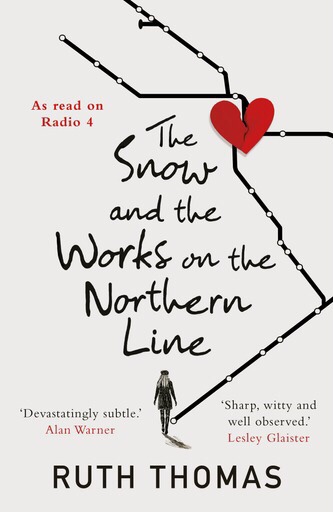
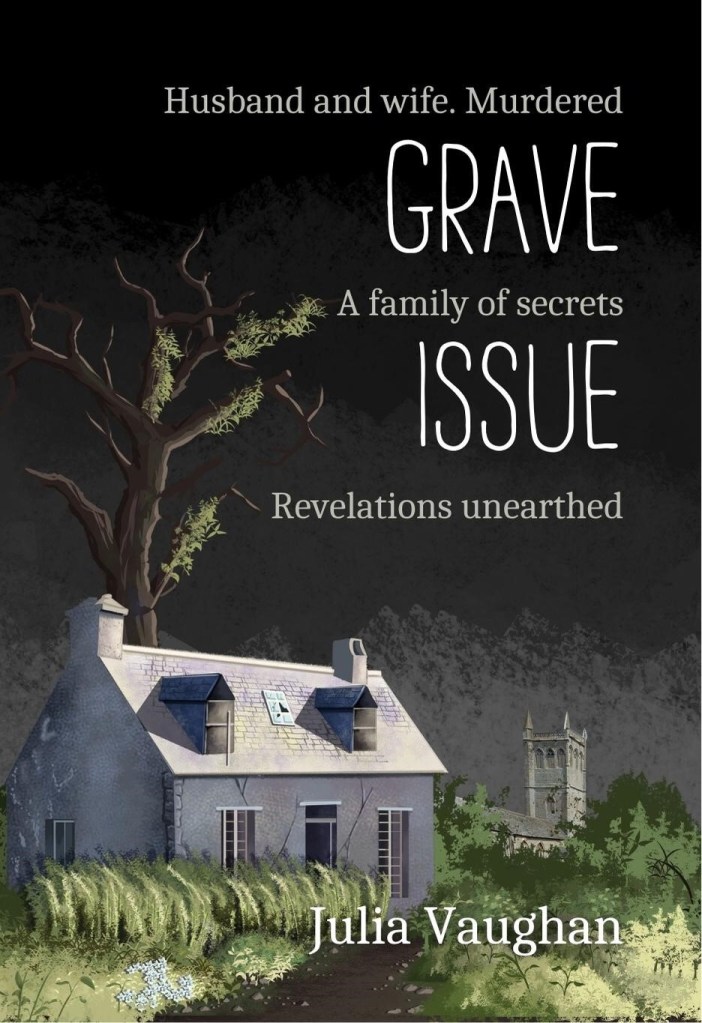
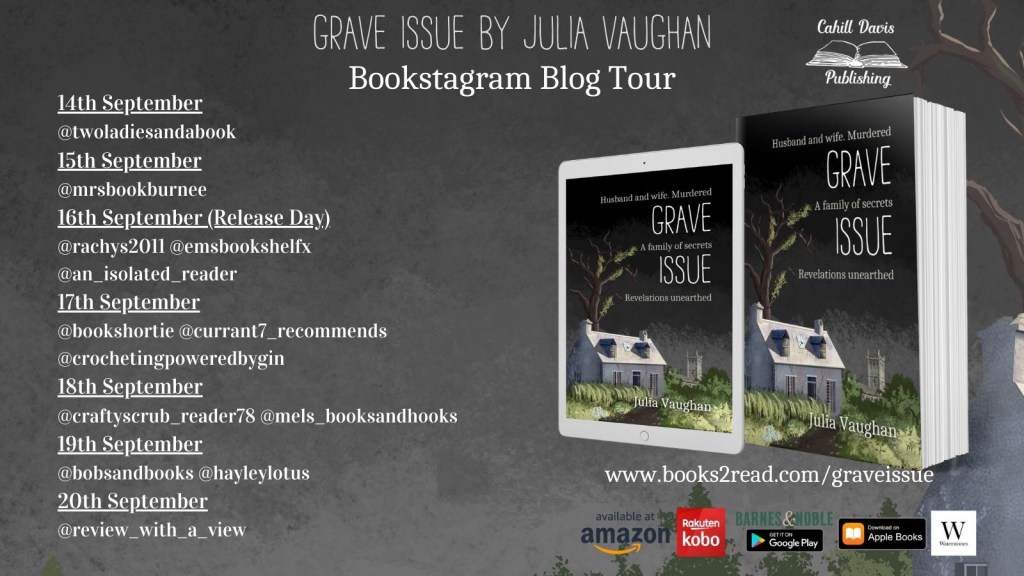








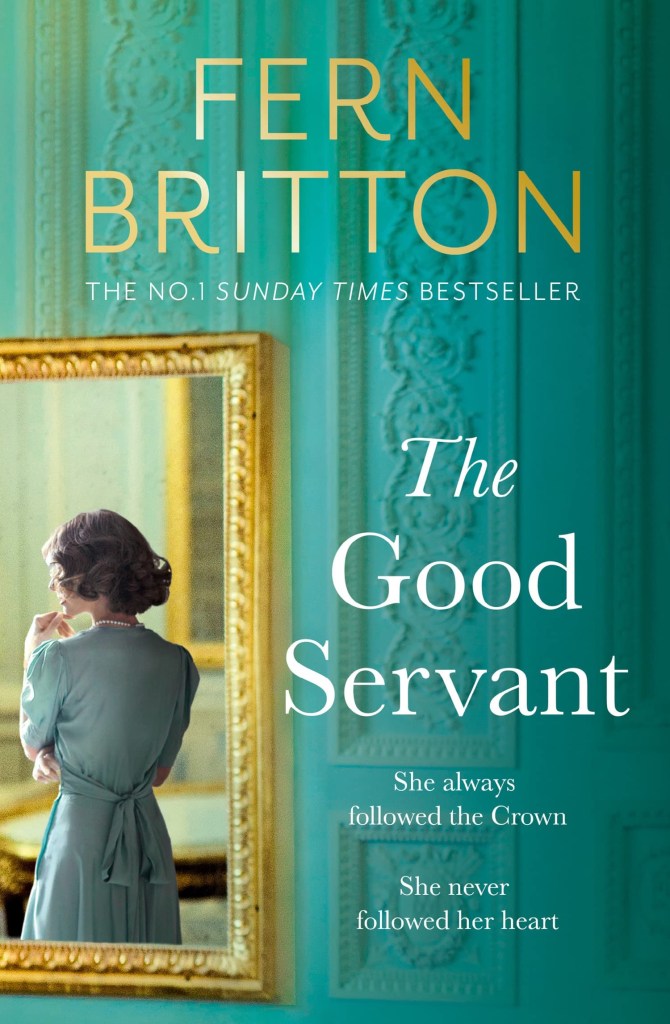
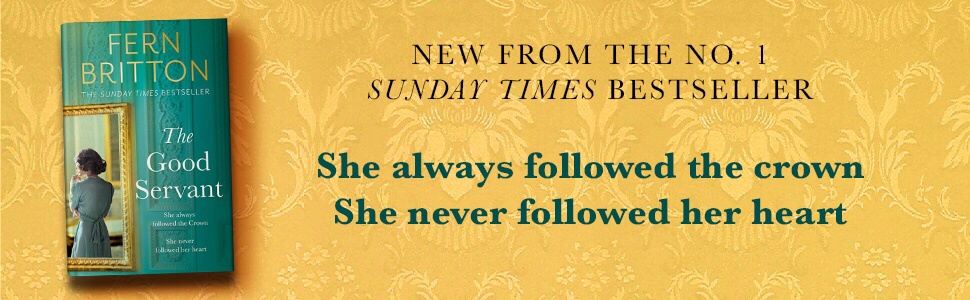

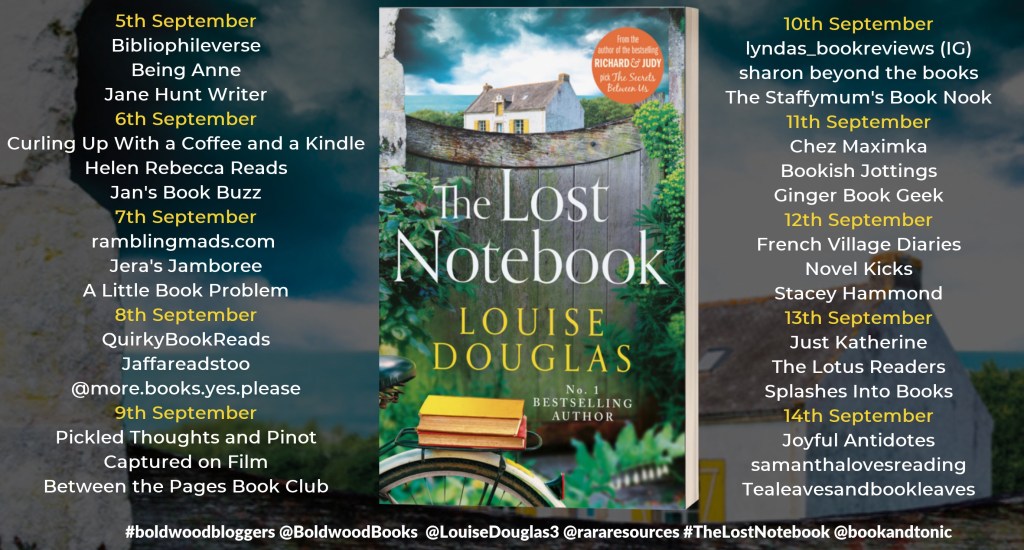






 The Lotus Readers