Blog Feed

Posted in Netgalley

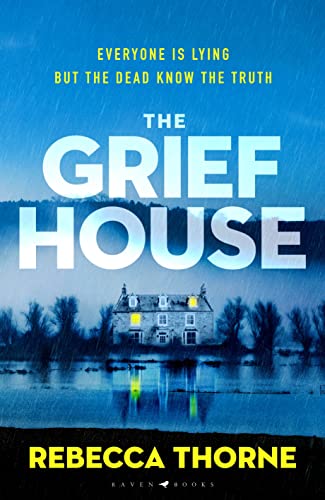
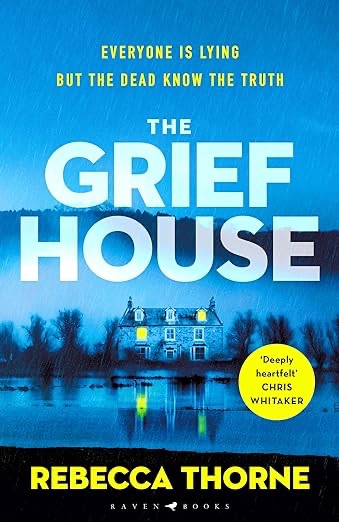
The Grief House by Rebecca Thorne

‘She searches for ways to stop feeling so lonely you fear your brain will melt and your heart will stop and your skin will never be touched again. She searches for ways to make herself feel better. The online forum has been a lifeline. A lifesaver. She can chat to counsellors when she needs to or other women who struggle with similar issues. Every week she receives a piece of advice to help her on the road to recovery or, as she calls it, the road to normality. The path to living a life.’

Blue makes a decision to deal with her unresolved grief and trauma with a residential course she sees advertised when she’s at a low ebb. At Hope Marsh House participants are offered counselling, art therapy and meditation with married couple Molly and Joshua Park. Blue has been struggling for a long time, culminating in the death of her mother with whom she had an uneasy relationship. However her grief journey begins with the loss of her stepfather Devlin, a rotund man with a fondness for kaftans and a talent with tarot. His own skills are based in clever observation, carefully worded open questions and more than average perception, but in Blue he recognises something he isn’t. A lonely child with strong, natural,psychic abilities. Prior to meeting Devlin, Blue’s mother has managed a rather haphazard upbringing at best with choices for Blue that are based in her own problems and inadequacies rather than what’s best for her child. Blue has been home-schooled but any learning was provided by magazines, television and whatever books Blue could lay her hands on. As a result she had no friends and was thought of as weird by the kids nearby. Her mother is equally isolated, not helped by the fact they move constantly. What exactly are they running from? So, Devlin’s attention is welcomed by both mother and daughter. Losing him to a heart attack was devastating and Blue became parent to her heartbroken mother, taking responsibility for her mum’s worsening mental health, the family’s income and single-handedly running Devlin’s mediumship business. Maybe it will take a place like Hope Marsh House to deal with the lonely and exhausting rut Blue finds herself in? It will be kill or cure….

‘And how long have you had your … talents?’ he said. Blue didn’t know what to say. Was hitting a saucepan with a wooden spoon a talent? Was babysitting a toddler in a dry bath whilst her mother cried herself to sleep a talent? She could wash her own clothes in the steel kitchen sink, she could heat soup and tins of beans, she could sing all the words to ‘May the Circle Be Open’. Is this what the strange man meant? She was five years old. She didn’t know.’

The author tells Blue’s story using different timelines: one gives us the present and focuses in on the retreat at Marsh House, while the others are in flashbacks to Blue’s life before her trip and further back in vignettes of her childhood. The flashbacks give us the building blocks of Blue’s personality and the strange abilities she has. She is a little girl simply longing for love and care, we can see this from the way she blossoms if praised by Devlin. Even more than that, the most powerful thing Devlin does is seemingly very simple – when Blue comes off stage, Devlin simply asks ‘are you ok, lass’? These four words mean more to her than anything else because they bypass the person she is on stage and the money her gift can make them and instead asks how she is. He knows and acknowledges what this gift costs her and how arduous a whole show can be, but mainly it’s just a dad checking in on his daughter. It means a lot to Blue, who has probably never been asked if she’s ok before. No one has ever cared enough. It is his care of her that she misses so deeply. I wondered if there were elements of personality disorder. Does Blue know who she is? When Devlin lives with them she’s at her happiest, but I was confused about her relationship with the other two children who live with them – Bodhi and the baby. They seem to be there, but she rarely relates to them. In fact she actively seems to avoid them and almost looks past them if they appear in her eye line.
Other short sections of the book include a story about a loving married couple who haven’t been able to have children, but look after a little girl who lives in a nearby flat with her elder brother. Unfortunately he is a drug addict and the couple, James and Marie, provide that stable family unit for Jessica. They dread something happening to Jessica’s brother because she could then be taken away from them. I knew that this couple related to Marsh House in some way, but I wasn’t sure how. Why does Blue keep hearing the same three girls names, Jessica, Eleanor and Lauren? Who is the strange long haired girl that appears in Sabrina’s room and opens the door when they’re not there. When she appears Blue starts to feel sick and a feeling of dread comes over her, a couple of times she comes close to passing out. The apparitions also have a way of spoiling her food, making it smell like rotten eggs or rubbish bins. They want to be noticed, but what are they trying to tell her?

The retreat itself is disturbed by a storm and the nearby river bursting it’s banks, threatening the house itself. Instead of the therapy they’re supposed to be receiving Blue and the other able bodied participant Sabina, help Mr Park with unblocking debris from the bridge to help the river flow on it’s normal path. The only other resident is Milton, an older man who uses a wheelchair and seems weakened by a lung disease that causes coughing fits. He’s been to the retreat several times, but seems incredibly grumpy with Molly and her husband. He also avoids any of the activities and even rebuffs Molly’s late night cocoa ritual. Is he just one of life’s misanthropes or is there more going on? Obviously, as a therapist, it’s Molly I’m fascinated with. I’ve been through a major bereavement and have run courses like the ones Molly advocates using a combination of meditation and group therapy using creative writing and art. I found her manner with the participants overwhelming at times. Even before the flood interrupted the normal flow of things there was a boundary issue that I couldn’t put my finger on. As time went on I realised the couple had no children, so who is the little girl in the picture that’s hidden in their own private sitting room? Who is the girl that Blue can see, if no children have lived there? Molly seems to mother her guests. It’s difficult to create clear boundaries when working in your own home and especially when participants are also eating with you and staying overnight. However, there’s something about the way Molly nurtures her clients that feels off. There’s a power imbalance at play, almost as if she is the parent and they are children. It’s this element in her personality and the care she gives that Milton seems to resist or even reject outright. Blue is particularly susceptible to her methods, because she has never had a nurturing mother figure. I felt protective towards Blue (my own maternal instinct at play) and my instinct was telling me she needed to keep her wits about her. The author created a sense of impending doom and as the worst of the storm hit it felt like a warning.

I don’t want to reveal any more, because I think the the story unfolds at the right pace and the truths are revealed slowly. The revelations come in both timelines, as Blue unearths the truths about her mother Bridget by looking through archived newspapers in the library. The secrets come out as if they’ve always been there in Blue’s mind, she just needed something to unlock the door. There will be moments at Hope Marsh House where you wonder what’s going on, placing you in exactly the same position as our main characters. The reader discovers the answers when the characters do so we feel their disorientation, confusion and fear. There were one or two moments that were genuinely terrifying! I enjoyed the growing bond between the three guests at Marsh House, something that Blue has never had before and exactly what she needs. I stayed up late to get to the end and I wasn’t disappointed, although it did lead to some disturbing dreams that night. This was a really great read with a perfect balance between psychological thriller and haunting, gothic tale.

Published Jan 18th by RAVEN Books

Meet the Author

Rebecca lives in the West Country with her family and their cat. She has written two best-selling novels under the name Rebecca Tinnelly: Never Go There and Don’t Say A Word, both published with Hodder.
Posted in Squad Pod

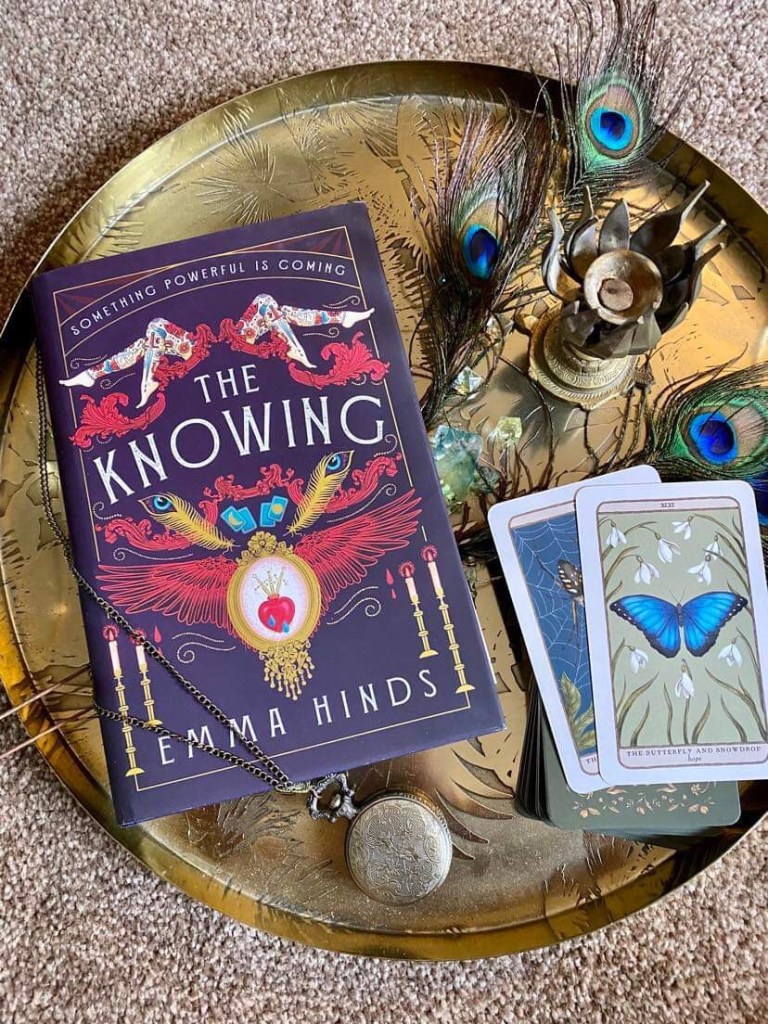
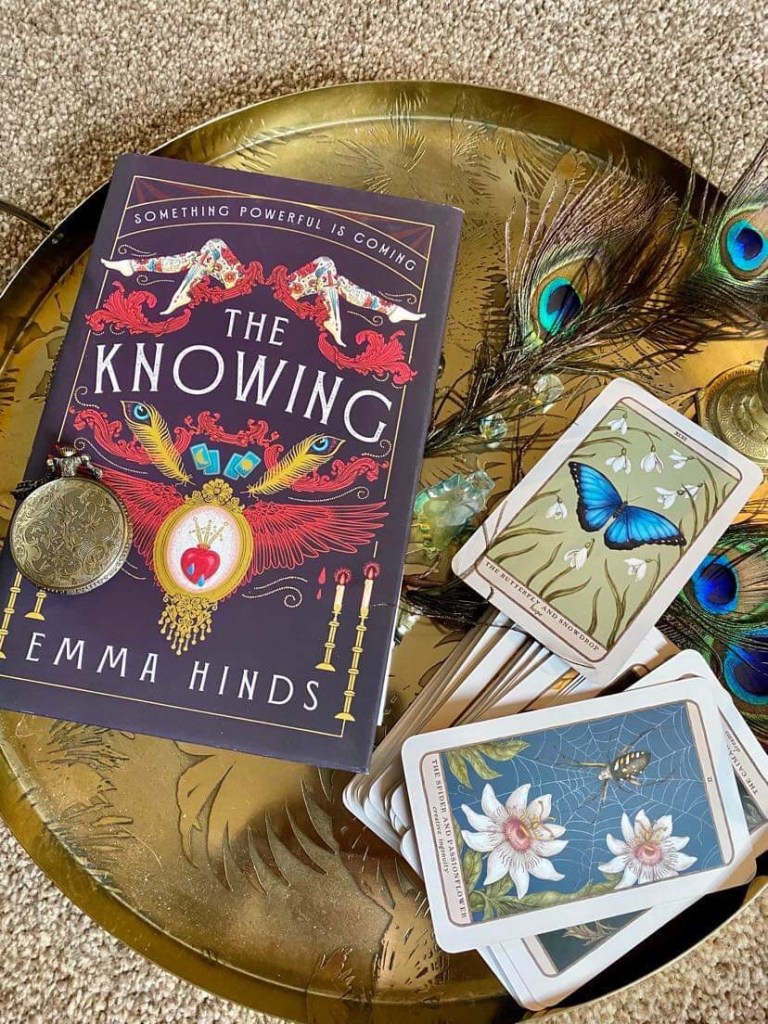
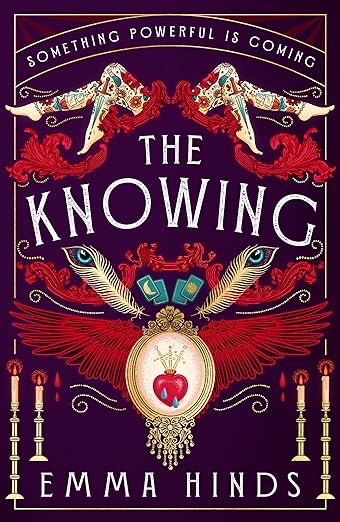
The Knowing by Emma Hinds

If this author had a certain readership in mind when writing this debut novel, she might as well have had a picture of me. I would have picked this book up on the strength of the cover alone. Three of my all time favourite books are: The Crimson Petal and the White set in the seedier areas of 19th Century London with a heroine is a prostitute called Sugar; The Night Circus that appears without warning, held together by real magic and the result of an epic battle between two magicians; The Museum of Extraordinary Things where our heroine is a mermaid, exhibited in a freak show at Coney Island. See what I mean? It’s perfect for me. The blurb promised me a tattooed mystic, a show run by a prostitute with dwarfism and real life New York gangs and Barnum as their contemporaries. It’s quite a heady mix and I was enthralled from page one. Flora is a tattoo artist and mystic, in an abusive relationship with a tattooist called Jordan, a member of an Irish gang the Dead Rabbits. She longs for escape from the slums of Five Points and the degrading relationship she’s been in since she was a teenager. Then she meets Minnie, a beautifully dressed woman whose dwarfism has led her to a career as a circus and freak show performer. Minnie promises Flora a career and life in an opulent town house uptown, not to mention her freedom. However, the freedom she’s promised comes with certain conditions.

Flora stays with Minnie, in her palatial bedroom and bathroom within the townhouse that belongs to her lover, Chester Moreton. Avoiding Chester’s advances seems to be one condition of Flora’s freedom, along with constant worry about being found by Jordan’s friends in the Dead Rabbits gang. She’s to earn her keep as a mystic, with her tattoos and tarot cards the centre of attention. Minnie knows that Flora’s skills run deeper, although she’s always been warned to hide them and ‘tell nuthin’. Flora’s gift is ‘the knowing’ an ability to summon the dead that’s always on the periphery of her performances, but kept at bay by Flora’s willpower. It’s when she’s pushed into allowing her spirit guide to break through that the trouble begins. At the Hotel du Woods she exposes the abuser and killer of a young boy, setting in motion a chain of events including suicide, murder and madness. Flora and Minnie escape and voyage to Manchester, where they try to survive on what they can earn from sex work and Flora’s tarot readings, but the past is never far behind and once again Flora finds herself at the centre of a love triangle where obsession and betrayal are medicated with drugs and alcohol and a tragic end seems inevitable.

I felt fully immersed in the novel immediately as the author creates an incredible sense of place. Five Points is grimy, deprived and controlled by gangs. I loved how the author used the grotesque throughout the novel and particularly where she’s describing the slums of New York and Manchester, filled with rats, unwashed bodies and an ever present grime that’s sticky on the skin. This took me straight back to university and Kristeva’s theory of abjection. The things that women’s bodies can do are magical or monstrous. Flora’s body is a conduit, allowing the dead to speak through her. Minnie’s body is seen as grotesque by others, but she wears angel’s wings and when she’s in bed with Flora it’s the softness of her skin that’s noticed first. All women have a transformative power to produce another life, when their pregnancy isn’t terminated by the men in their lives. The author doesn’t hold back when describing the reality of life for women, particularly women like Flora who haven’t had choices. Bodies seem divorced from minds when it comes to sex with men, as torsos become slabs of meat, breaths are whisky sour and skin is raw, red and broken. Sex is rarely consensual and always comes with violence. It’s a grim world so any chance to escape into a better future is welcome. The gentle and pleasurable attentions of Minnie are a promise of things to come, where Flora could have choices and sexual experiences that come from a loving place instead of a place of ownership.

No one here is perfect. Each character is morally grey and I loved that complexity in their personalities and the ambiguity it brought to their actions. I was also transfixed by the sheer power of Flora’s ‘knowing’. Mediumship has become something of a joke these days, a formulaic stage show where people are picked out of the audience and told that Grandad left the priceless clock in the attic or under the floorboards. It’s always benign and a little bit boring. Flora’s spirits are not there to guide her and they’re definitely not benign. They want to expose truths, tell the subject’s darkest secret and even mete out punishment where necessary. The first seance at Hotel du Woods is successful from one viewpoint – the spirits do come through – but a disaster from the other side when a vengeful spirit talks a man into killing himself. No one will be booking them again! Flora will have to learn how to control the spirit’s power and keep the vengeful ones at bay. Strangely, for a story where our main character is prevented from carrying children, this felt like a story about mothers too. It’s about the lack of a mother when growing up and how the lack of motherly love and protection feels, but it also shows the people who fill that void and become mother figures. This could be a difficult read for some, especially the sexual violence, but it would have been the daily reality for women living in 19th Century slums and for some women in upper Manhattan townhouses. I desperately wanted Flora to survive and have the right people around her, to give her the feeling of being loved and wanted. This is an addictive read of vengeance, betrayal and obsessive love and I couldn’t stop reading until I knew the truth of Flora’s fate.

Meet the Author

Emma Hinds is a queer novelist and playwright from Manchester. She focuses on untold historical Queer narratives and her debut novel, The Knowing, from Bedford Square Publishers is coming in January 2024.

Posted in Netgalley

The Grief House by Rebecca Thorne


‘She searches for ways to stop feeling so lonely you fear your brain will melt and your heart will stop and your skin will never be touched again. She searches for ways to make herself feel better. The online forum has been a lifeline. A lifesaver. She can chat to counsellors when she needs to or other women who struggle with similar issues. Every week she receives a piece of advice to help her on the road to recovery or, as she calls it, the road to normality. The path to living a life.’

Blue makes a decision to deal with her unresolved grief and trauma with a residential course she sees advertised when she’s at a low ebb. At Hope Marsh House participants are offered counselling, art therapy and meditation with married couple Molly and Joshua Park. Blue has been struggling for a long time, culminating in the death of her mother with whom she had an uneasy relationship. However her grief journey begins with the loss of her stepfather Devlin, a rotund man with a fondness for kaftans and a talent with tarot. His own skills are based in clever observation, carefully worded open questions and more than average perception, but in Blue he recognises something he isn’t. A child with strong psychic abilities. Prior to meeting Devlin, Blue’s mother has managed a rather haphazard upbringing at best, making choices for Blue that are based in her own problems and inadequacies rather than what’s best for her child. Blue has been home-schooled but any learning was provided by magazines, television and whatever books Blue could lay her hands on. As a result she had no friends and was thought of as weird by the kids nearby. Her mother is equally isolated, not helped by the fact they move constantly. What exactly are they running from? So, Devlin’s attention is welcomed by both mother and daughter. Losing him to a heart attack was devastating and Blue became parent to her heartbroken mother, taking responsibility for her mum’s worsening mental health, the family’s income and single-handedly running Devlin’s mediumship business. Maybe it will take a place like Hope Marsh House to deal with the lonely and exhausting rut Blue finds herself in? It will be kill or cure…. 

‘And how long have you had your … talents?’ he said. Blue didn’t know what to say. Was hitting a saucepan with a wooden spoon a talent? Was babysitting a toddler in a dry bath whilst her mother cried herself to sleep a talent? She could wash her own clothes in the steel kitchen sink, she could heat soup and tins of beans, she could sing all the words to ‘May the Circle Be Open’. Is this what the strange man meant? She was five years old. She didn’t know.’

The author tells Blue’s story using different timelines: one gives us the present and focuses in on the retreat at Hope Marsh House, while the others are flashbacks to Blue’s life before her trip and further back in vignettes of her childhood. The flashbacks give us the building blocks of Blue’s personality and those strange abilities she has. She is a little girl simply longing for love and care, we can see this from the way she blossoms if praised by Devlin. The most powerful thing Devlin does is seemingly very simple – when Blue comes off stage, Devlin simply asks ‘are you ok, lass’? These four words mean more to her than anything else because they bypass the person she is on stage and the money her gift can make for the family and instead asks how she is. He knows and acknowledges what this gift costs her and how arduous a whole show can be, but mainly it’s just a dad checking in on his daughter. It means a lot to Blue, who has probably never been asked if she’s ok before. No one has ever cared enough. It is his care of her that she misses so deeply. I wondered if there were elements of a personality disorder in Blue. Does she even know who she is? When Devlin lives with them she’s at her happiest, but I was confused about her relationship with the other two children who live with them – Bodhi and the baby. They seem to be there most of the time, but she rarely relates to them. In fact she actively seems to avoid them and almost looks past them if they appear in her eye line. 

Other short sections of the book include a story about a loving married couple who haven’t been able to have children, but look after a little girl who lives in a nearby flat with her elder brother. Unfortunately he is a drug addict and the couple, James and Marie, provide that stable family unit for Jessica. They dread something happening to Jessica’s brother because then she could be taken away from them. I knew that this couple related to Hope Marsh House in some way, but I wasn’t sure how. Why does Blue keep hearing the same three girls names, Jessica, Eleanor and Lauren? Who is the strange long haired girl that appears in Sabrina’s room and opens the door when they’re not there. When she appears Blue starts to feel sick and a feeling of dread comes over her, a couple of times she comes close to passing out. The apparitions also have a way of spoiling her food, making it smell like rotten eggs or rubbish bins. This little girl wants to be noticed, but what is she trying to tell her? 

The retreat itself is disturbed by a storm and the nearby river bursting it’s banks, threatening the house itself. Instead of the therapy they’re supposed to be receiving Blue and the other able bodied participant Sabina, help Mr Park unblock debris from the bridge to help the river flow on it’s normal path. The only other resident is Milton, an older man who uses a wheelchair and seems weakened by a lung disease that causes coughing fits. He’s been to the retreat several times, but seems incredibly grumpy with Molly and her husband. He also avoids any of the activities and even rebuffs Molly’s late night cocoa ritual. Is he just one of life’s misanthropes or is there more going on? Obviously, as a therapist, it’s Molly I’m fascinated with. I’ve been through a major bereavement and have run courses like the ones Molly advocates using a combination of meditation and group therapy with creative writing and art. I found her manner with the participants overwhelming at times. Even before the flood interrupted the normal flow of things there was a boundary issue that I couldn’t put my finger on. As time went on I realised the couple had no children, so who is the little girl in the picture that’s hidden in their own private sitting room? Who is the girl that Blue can see, if no children have lived there? Molly seems to mother her guests. It’s difficult to create clear boundaries when working in your own home, especially when participants are also eating with you and staying overnight. However, there’s something about the way Molly nurtures her clients that feels ‘off’. There’s a power imbalance at play, almost as if she is the parent and they are children. It’s this element in her personality and the care she gives that Milton seems to resist or even reject outright. Blue is particularly susceptible to her methods, because she has never had a nurturing mother figure. I felt protective towards Blue, my own maternal instinct was at play and my it was telling me she needed to keep her wits about her. The author created a sense of impending doom and as the worst of the storm hit it felt like a warning. 

I don’t want to reveal any more, because I think the the story unfolds at the right pace and the truths are revealed slowly. The revelations come in both timelines, as Blue unearths the truths about her mother Bridget by looking through archived newspapers in the library. The secrets come out as if they’ve always been there in Blue’s mind, she just needed something to unlock the door. There will be moments at Hope Marsh House where you wonder what’s going on, placing you in exactly the same position as our main characters. The reader discovers the answers when the characters do so we feel their disorientation, confusion and fear. There were one or two moments that were genuinely terrifying! I enjoyed the growing bond between the three guests at Hope Marsh House, something that Blue has never had before and exactly what she needs. I stayed up late to get to the end and I wasn’t disappointed, although it did lead to some disturbing dreams that night. This was a really great read with a perfect balance between psychological thriller and haunting, gothic tale. 

Out on 18th Jan 2023 from Raven Books

Posted in Squad Pod

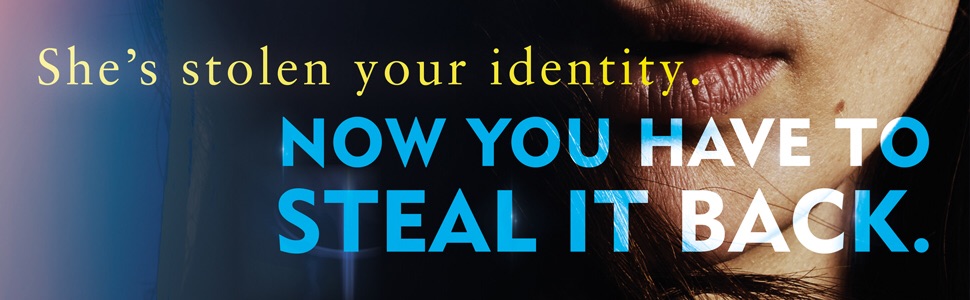
First Lie Wins by Ashley Elston

Everything she is about to tell them is a lie…

Evie Porter has everything a girl could want: a doting boyfriend, a house with a picket fence, a fun group of friends.

The only catch: Evie Porter doesn’t exist.

First comes the identity. Once she’s given a name and location by her employer, she learns everything there is to know about the town and the people in it.

Then the mark: Ryan Sumner.

The last piece of the puzzle is the job. For Evie, this job feels different. Ryan has gotten under her skin and she’s started to picture another kind of life for herself – one where her boss doesn’t pull the strings. But Evie can’t make any mistakes. Because the one thing she’s worked her entire life to keep clean, the one identity she could always go back to – her real identity – just walked right into this town. A woman, who looks just like her, has stolen her name – and she wants more. As Evie’s past begins to catch up with her, can she stay one step ahead to save her future?

Evie has never seen herself as the sort of girl who could have everything. The things many young girls dream of -marriage, security, family – have never really factored in her life, especially since she started working for the man on the end of the telephone. They’ve never met in person, but he is able to control her whole life even the person she’s going to be. From petty theft and credit card fraud she has been noticed by the boss and honed into one of his best operatives, able to throw on a new identity and slip into the mark’s life within a matter of days. Strangely, despite her criminality, the writer managed to make me feel empathy for Evie and even root for her a little bit. Her relationship with Ryan is at a stage where the friends are asking questions and want to meet this new woman. It’s a small town where everyone knows everyone else, especially the moneyed circles that Ryan grew up in. The rules dictate that he can dabble where he likes when it comes to liaisons, but when it comes to settling down it should be within their hallowed circles. An outsider might be tolerated if they’re rich, but Evie isn’t and neither is she one of them. As she dresses for a lunch date with the women from his circle of friends I found myself willing her to succeed. She’s clever in how she dresses – a bit like them but with a boho edge, enough to be accepted but still seem as an individual. I was nervous for her because it felt like she was being dropped into a shark tank and I had to keep reminding myself that Evie is the shark. As the weeks go by she’s starting to think she can relax, when she’s thrown a curve ball. At a horse racing event Ryan introduces her to a couple she’s never met before, a man who he clearly knows well with a woman who is closer to home than either of them realise. This is an old friend, but he’s with a woman Ryan doesn’t know and when she introduces herself Evie realises that her boss is playing games. The woman introduces herself as Lucca, Evie’s real name. Could she be about to lose the only thing that belongs to her – her true identity?

The author cleverly uses shorter chapters in between the main timeline that take us back through Evie’s previous jobs. They are glimpses into her past, teasing the reader with tidbits of information until we finally meet the real Evie. Sometimes our questions are answered and other times we’re surprised by a revelation that takes us in a different direction. We see how she’s pulled into her boss’s orbit, then tested until she’s the best operative he has. There’s a sadism and an element of gaslighting in what he does, sometimes sending multiple people on the same job to see who gets there first – the first prize is staying on his payroll. Although, people don’t get to just walk away from his employment because they know too much. So far Evie has had a great track record, earning well and staying on his good side, but on the last job something went wrong, could this new game be her punishment? There are only two people who Evie trusts, one is her fellow operator Devon – a man she employs to keep her safe and one step ahead of the competition. They have become close over time and he is her family. The other person is George, a messenger man for the boss who brings her the paperwork for each new identity. Can she really trust both of them? Oddly, even though she knows there must be something dodgy about him, she’s starting to trust Ryan more too and that’s a dangerous place to be. She knows there must be something dodgy about his haulage operation, because why else would she be here? Yet, even though this started as a job she feels they’re growing closer. It’s a rare feeling that’s never happened to her before. Could her fake relationship be developing into something real? The author keeps us guessing to the final pages and it’s so tense as Evie has to question the loyalties of those closest to her and juggle her burgeoning feelings for Ryan. Could he be playing her too? Has the boss pitted them against each other to see who comes out on top?

I enjoyed the back story of how Evie had ended up in this life of criminality. It was interesting to see her pluckiness and street smarts pitted against the women in Ryan’s circle. They’re so awful that I was rooting for her. The author has created an original and pacy thriller, full of intrigue and adrenaline filled moments. I found my usual loyalties and moral code turned completely on their head and was left hoping the con artist would win.

“There’s an old saying: The first lie wins. It’s not referring to the little white kind that tumble out with little to no thought; it refers to the big one. The one that changes the game. The one that is deliberate. The lie that sets the stage for everything that comes after it. And once the lie is told, it’s what most people believe to be true.”

Published by Headline 2nd January 2024

Ashley Elston lives in North Louisiana with her husband and three sons. She was a wedding and portrait photographer for ten years so most of her Saturday nights included eating cake, realizing no shoe is comfortable after standing for more than six hours and inevitably watching some groomsman do the alligator across the dance floor. Now, Ashley helps her husband run their small business and she writes as often as possible.

Posted in Squad Pod

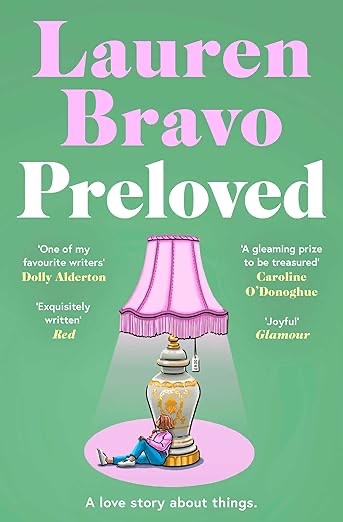
Preloved by Lauren Bravo

Gwen is coasting through life. She’s in her mid-thirties, perpetually single, her friends are busy procreating in the countryside and conversations with her parents seem to revolve entirely around the council’s wheelie-bin timetable.

And she’s lonely. But then, isn’t everyone? 

When she’s made redundant from a job she hardly cares about, she takes herself out for a fancy dinner. There she has the best sticky toffee pudding of her life and realises she has no one to tell. She vows to begin living her life fully, reconnect with her friends and family, and finally book that dentist’s appointment. 

Gwen decides to start where all things get a second chance: her local charity shop. There, with the help of the weird and wonderful people and donated items bursting with untold stories, Gwen will find a way to move forward with bravery, tenacity, and more regular dental care.

Dazzlingly witty, Preloved is a tale about friendship, loss and being true to yourself no matter the expectations. Lovingly celebrating the enduring power and joy of charity shops.

I absolutely loved this charming book about Gwen’s experiences volunteering in a charity shop, but so much more besides. Gwen has lost her job and this catalyst starts a new train of thought. Maybe instead of jumping into the next thing that comes along, she could budget her redundancy money and spend the summer taking stock. Gwen lives alone and some distance from her family, but she hasn’t struck up any meaningful friendships either. She’s alone a lot of the time. She desperately wants change but doesn’t know how to get there. So she takes a voluntary role at her local charity shop a couple of days a week, giving her time to work out what’s next in a more focused way. I felt for Gwen immediately and identified with the life crisis she’s in, having just turned 50 and facing the very real possibility that I might never be well enough to work has felt strange. I’ve never been a focused, goal setting type so I got Gwen’s tendency to drift into work without a plan. As everyone else was leaving sixth form knowing what they wanted to do, I had no clue. It took years for me to move into mental health and my own ill health provided the emotional kick up the bum – if I didn’t choose something I could do flexibly and get some training completed – my MS could advance and I was going to run out of time. Some people do simply drift, but with Gwen I knew there was an underlying reason. Her inability to call her parents and tell them about her redundancy was a powerful first clue. Did she want to avoid making them worry? Would they be angry or disappointed in her? 

Gwen tells her story and she’s a great narrator. We slowly start to build up a picture of the way she relates to others and how limited her support system seems to be. As mentioned she seems estranged from her parents and her best friend Suze has become a mum, such a big life change that means there’s less room for friends. As she gets to know the other volunteers at the shop there’s an opportunity to make friends. One lady in particular strikes up a friendship, inviting Gwen round for dinner to get to know her. The charismatic and energetic Connie is a blast of fresh air rather than a breath. She’s full of ideas to Gwen participating in life again which is inspiring and exciting, but also ever so slightly exhausting. There’s even a touch of romance too, although that’s never the real focus. The author knows this is Gwen’s story and if there is change it has to come from within herself. Only Gwen has the power to change her life and make it fulfilling again. In between the chapters there are small, magical snippets about objects or clothing that’s found it’s way to the charity shop, invariably telling a story about the person that’s donated it or the person who decides to buy it. I loved these little gems because they highlight the importance of these transitional items in their owner’s lives, but also the role of the charity shop in it’s community. They serve a practical purpose in terms of recycling, but also a community purpose because staff know people who pop in on certain days, whether they might need some company and if they don’t turn up, checking if they’re okay. They are places where lonely people can expect a cheery smile and a chat. It sounds simple, but these little interactions can be the highlight of someone’s day. 

However, what the author captures most beautifully is the magic of charity shops. How many of us bookish types have been thrilled with a find from the bookshelves – for me it was a pristine folio society edition of Isak Dennison’s gothic tales. We might find: the perfect pair of vintage shoes; a 1990’s grunge dress that’s come full circle again; old China tea sets that will look beautiful at an afternoon tea party. You never know what might jump off the rails or shelves and become a precious ‘find’ rather than someone else’s clutter or trash. I love that, in a way, Gwen is like one of these objects – made redundant and sitting patiently in place until a new future opens up before her. However, before that happens she must go through the process of clearing out, sorting through the rubbish and throwing out what’s broken. For Gwen that means confronting a life changing event that’s so painful it’s blocking her whole life. I was rooting for her, right up to the very last page.

Published on 18th January 2024 by Simon and Schuster UK

Posted in Random Things Tours

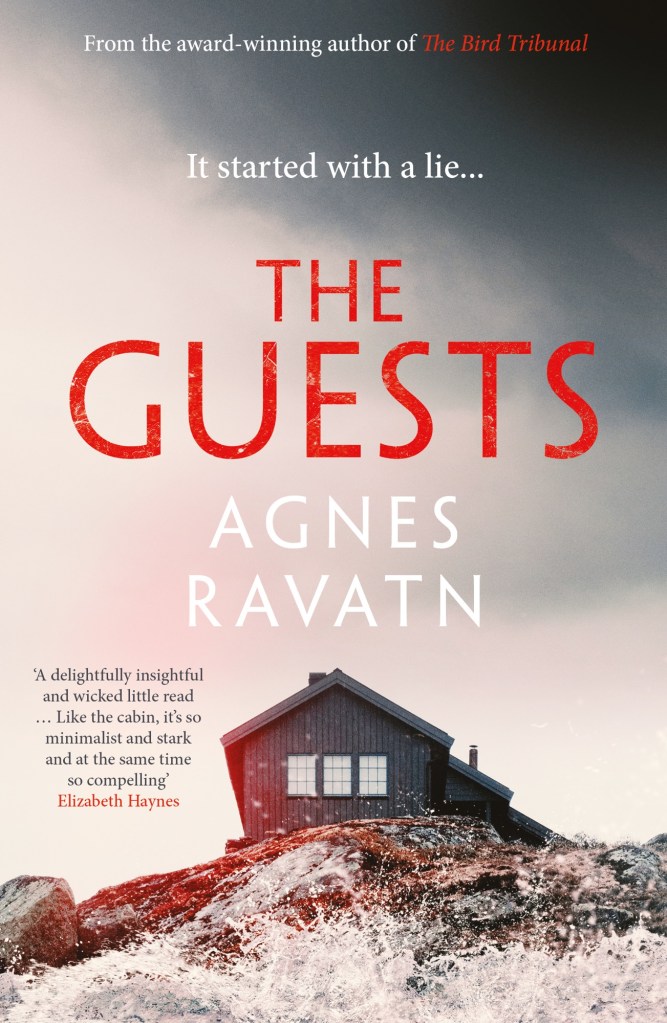
The Guests by Agnes Ravatn


It started with a lie…
Married couple Karin and Kai are looking for a pleasant escape from their busy lives, and reluctantly accept an offer to stay in a luxurious holiday home in the Norwegian fjords.


Instead of finding a relaxing retreat, however, their trip becomes a reminder of everything lacking in their own lives, and in a less- than-friendly meeting with their new neighbours, Karin tells a little white lie…


Against the backdrop of the glistening water and within the claustrophobic walls of the ultra-modern house, Karin’s insecurities blossom, and her lie grows ever bigger, entangling her and her husband in a nightmare spiral of deceits with absolutely no means of escape…

This is a slow burn novel, with a cast of characters that I wasn’t even sure I liked, yet somehow it gets under your skin. It says a lot about the way we want others to perceive us and how appearances can be deceptive. Karin works in local government, in the planning office, and her husband Kai is a joiner by trade and has his own business. Iris, a woman Karin once knew and dislikes, has offered Kai the job of renewing some steps on the jetty of her family’s holiday home. It’s in a very exclusive area of the Norwegian Fjords that’s a playground for the upper middle classes. From the start Kai seems more comfortable about accepting the holiday for what it is – an experience they’d never afford themselves and they might as well enjoy it. Karin is more conflicted and not just because the owner is Iris. Iris found herself a very rich husband, who started out selling solar panels. Karin’s discomfort worsens when she finds out how Mikkel has made his fortune. He invented a search engine with an algorithm that sorts and compiles publicly available data into a report to inform the potential buyer of a new home. However, instead of the usual data we’re used to on RightMove or Zoopla, this provides information that seems a little more intrusive. With the touch of a button the potential buyer can find out:

Salaries, professions, nationalities. Political leanings, religious affiliations, previous convictions, plus links to any social-media profiles they might have. The average grades and results of any national examinations in all schools within the catchment area. The ethnic composition of each individual class at each individual school and nursery in the area. A pie chart showing annual salaries within the neighbourhood, all handily compiled in one diagram. And all of this within a radius of your choosing!

Karin is horrified by the implications of the search. It means people can avoid having neighbours of a different ethnic origin if that’s important to them. They can make sure their children are mixing with others of the ‘right’ class and educational attainment. It allows people’s prejudices to determine their postcode and creates upper class enclaves that exclude people like her and Kai. The children of the buyers would be brought up to look down on others and believe that any weakness in life warrants contempt. There’s a wonderful line where Karin comments on how incredible it is to start your working life selling solar panels and ending up pushing social segregation. While out walking along the water’s edge, Karin comes across some other cabins and a man fishing. As she nears him he tells her she’s on private property. Karin turns back, seething about his rudeness, but she has also recognised him as the author Per Sinding. She hasn’t read any of his novels but she has read and enjoyed those of his wife, Hilma Ekhult. Karin believes Ekhult is a wonderfully authentic author, the ‘real deal’. So when they bump into them later while out on the boat, Karin has a moment of madness and tells the couple that she and Kai own the house and claims to have invented the property search engine she despises. Now seen as the ‘right sort’ of people, they are invited for dinner and now the couple must keep up the pretence.

The tension is incredible as these couples continue to meet. Even just Karin’s internal tension as she veers between thinking she’s getting one over on the famous couple but perhaps underneath she wants to be accepted by them. Kai is a more laid back character, going along with the ruse but really not bothered by what these people think of him. In fact he and Per get along rather well, but would they if they’d met in different circumstances? I was on tenterhooks waiting to see if Karin would break, but in her paranoia she starts to suspect everyone. She views their holiday home on GoogleEarth and sees Kai’s van there, but how could it be? The picture is months ago. Could he have known Iris before they ‘accidentally’ met? The twists are great and though I didn’t like the characters I was fascinated by the way they interact with each other and on what terms. This is beautifully written and very psychologically astute, and the author has her finger on the pulse of modern society’s preoccupations, goals and rules of engagement. If like me you enjoy people, society and how we fit together (or don’t) then this is a great read for you.

Meet the Author

Agnes Ravatn is a Norwegian author and columnist. She made her literary début with the novel Week 53 in 2007. Since then she has written a number of critically acclaimed and award-winning essay collections, including Standing, Popular Reading and Operation Self-discipline, in which she recounts her experience with social-media addiction. Her debut thriller, The Bird Tribunal, won the cultural radio P2’s listener’s prize in addition to The Youth’s Critic’s Prize, and was made into a successful play in Oslo in 2015. The English translation, published by Orenda Books in 2016, was a WHSmith Fresh Talent Pick, winner of a PEN Translation Award, a BBC Radio Four ‘Book at Bedtime’ and shortlisted for the Dublin Literary Award and the 2017 Petrona Award for Best Scandinavian Crime Novel of the Year. Critically acclaimed The Seven Doors was published in 2020. Agnes lives with her family in the Norwegian countryside.

Posted in Sunday Spotlight

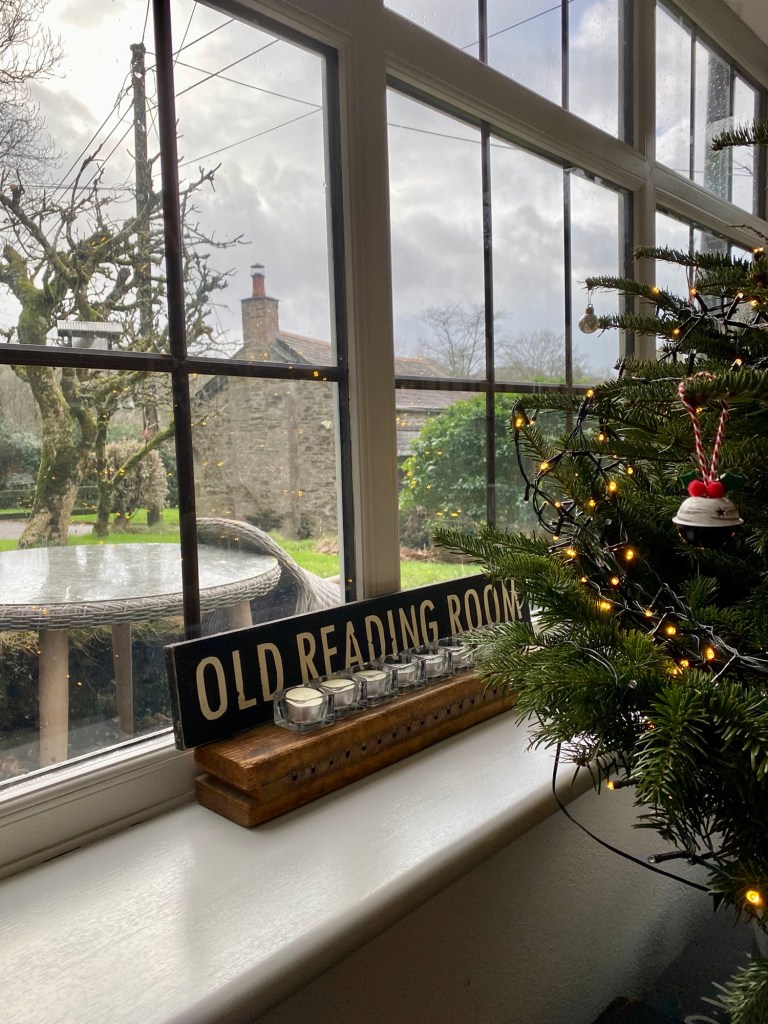
The Old Reading Room Honeymoon.

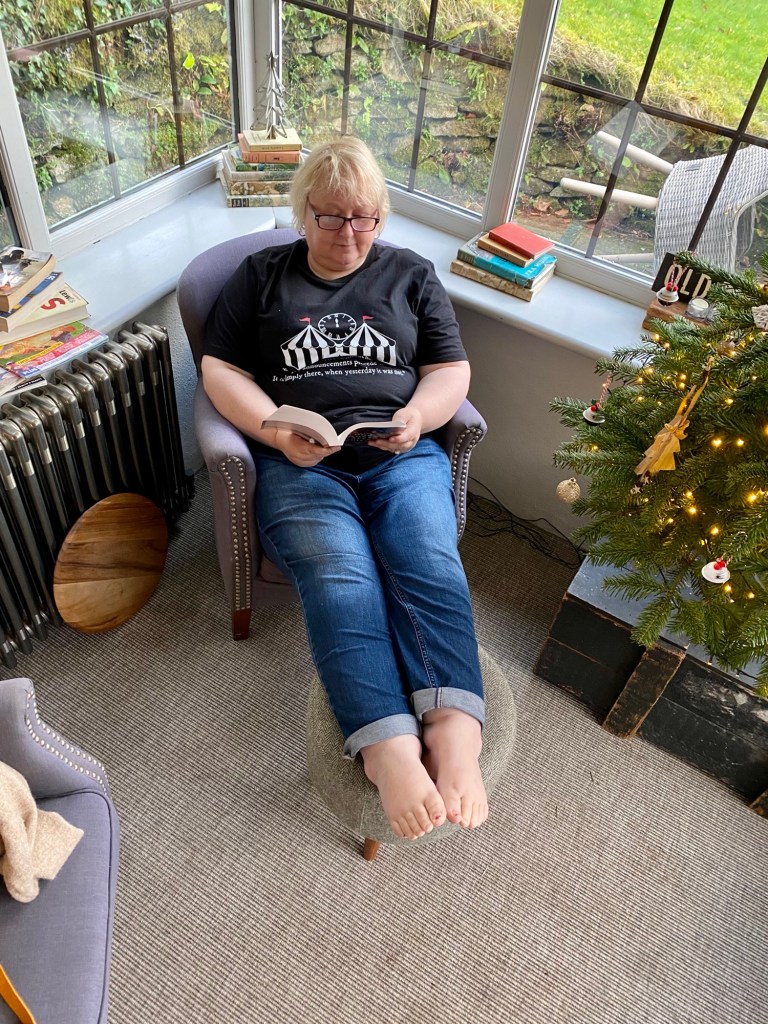
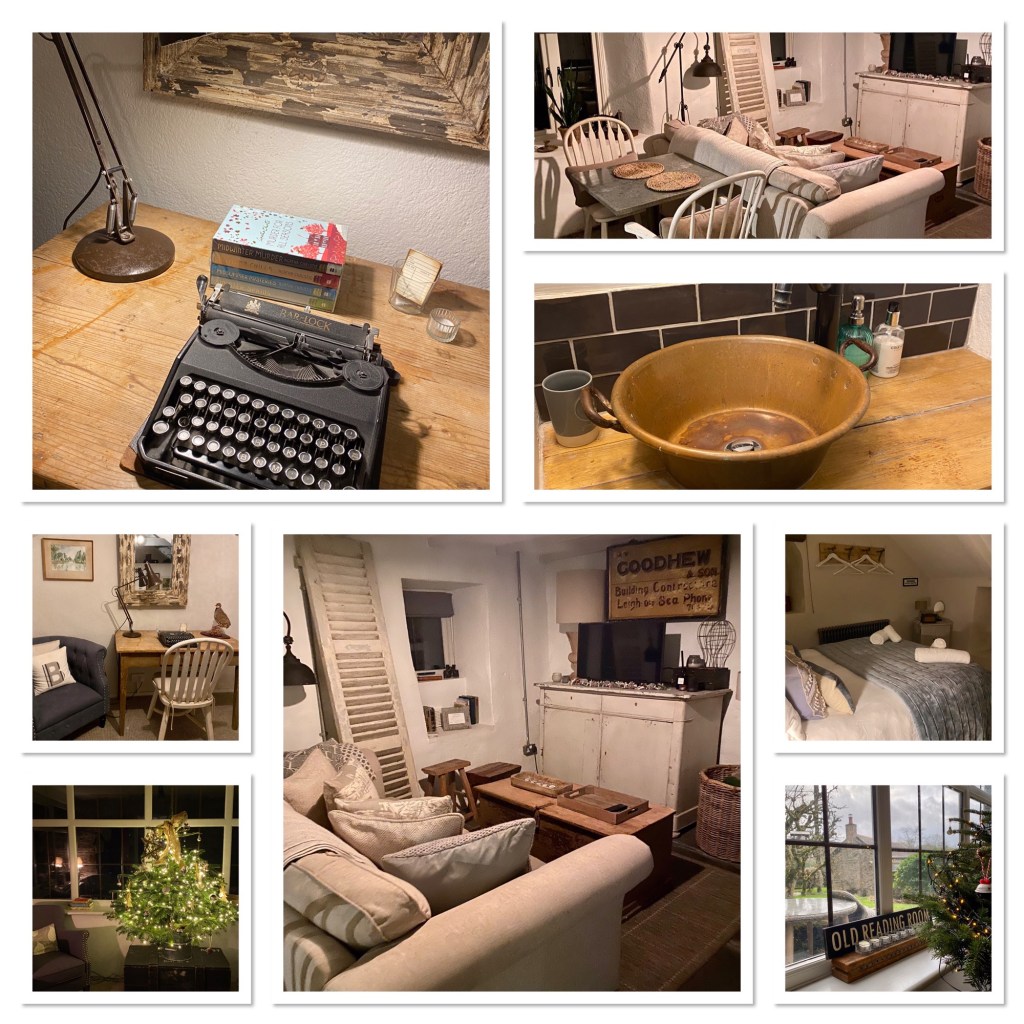
I’ve spent the last two weeks celebrating both the New Year and our recent marriage in a little cottage in Cornwall. We were married on the 22nd December and although I’ve always fancied a Christmas wedding, the reality was a little more stressful than I anticipated. So rather than wander off abroad we decided to stay in the U.K. and find somewhere special to stay with our new puppy ( I know, utter madness) down in Cornwall. I was very lucky to find this rustic and relaxing cottage several months before and had been hoping for an excuse to go, because it was a little more expensive than we usually go for. Aside from the cottage’s look, rustic and relaxing, there was a special meaning for me because of what the building was originally used for; a reading room for local miners and their children, who were often working alongside them.

Cornish mines employed children for many different roles, but usually for ‘surface’ work which might include washing down the mined stones in long troughs. In the middle of the 19th Century, the working day for a child was very long, usually between 7am and 5.30pm, with a daylight hours working arrangement in the winter. Many children also had a long walk to work of up to several miles, meaning the day didn’t end at 5.30pm. For example, a young woman called Martha Buckingham, was working at Consolidated Mines at the age of ten. In order to reach work for 7am she had to get up at 4am ready for a two mile walk. She would retire to bed at 9.30 pm, leaving little time for anything but sleeping, walking and working. Sundays were the only days that might provide leisure time. With little to no schooling many of these children would have been illiterate and while reading rooms were often set up to create an alternative to the pub for adults, some seem to have focused on encouraging reading for children. Reading Rooms were provided even in small villages and towns, funded by often the church and local landowners, mainly for the working classes and their children, reflecting contemporary attitudes to philanthropy, recreation and self-help. Of course the mines benefitted from having sober and literate workers too.

Books, magazines and newspapers became more accessible for everyone and learning to read was encouraged. It amazed me that even in such a small, isolated area this place had been providing a haven for people to read. Essentially a small cottage that had been left derelict is now a holiday home and everywhere in the cottage there was a sense of it being like an old school room. The slate floor and rustic wood finish everywhere felt authentic and even the cupboards and shelving wouldn’t have looked out of place in an old school or library. Everything was worn, a little bit battered, but serviceable. It had a really quiet feel to it and when I was reading in the garden room all I could hear was the gentle tick of the clock and the sound of the river flowing past (although it did become a bit of a roar on about day 4 and I wondered if I should have taken flippers and a snorkel).

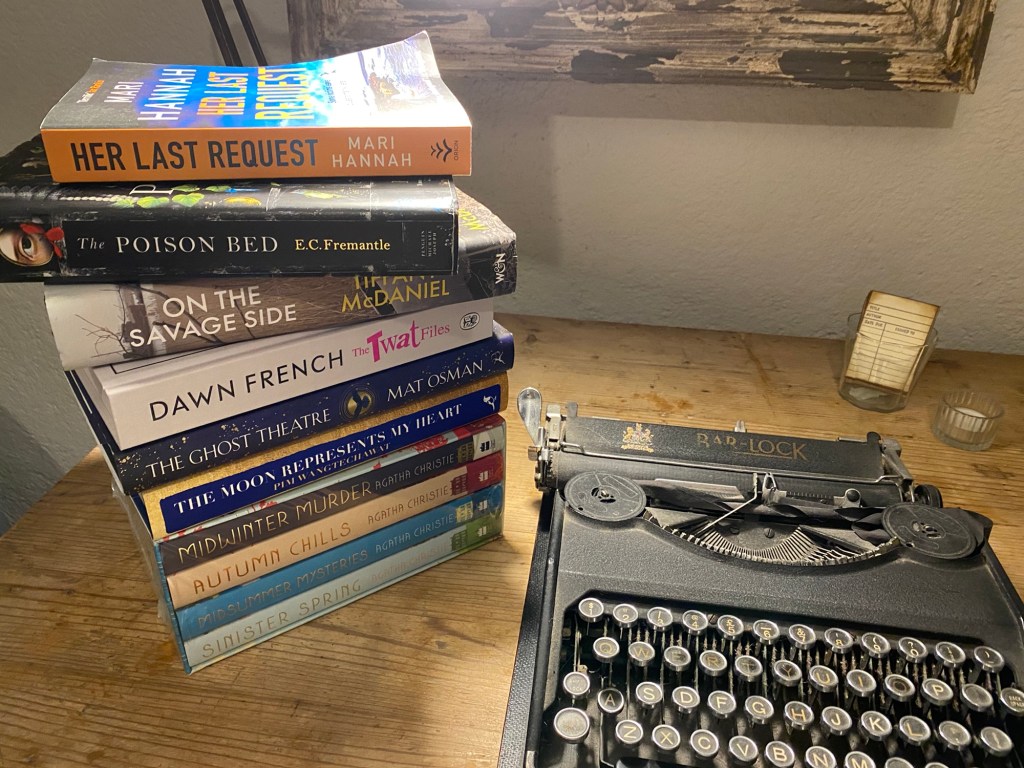
Styled everywhere with old books, lamps and an incredibly old typewriter it was the perfect place for a bookish person to feel at home. Thankfully while there I even got my reading mojo back and managed to read the following books with reviews on the way:

Preloved by Lauren Bravo

The Collapsing Wave by Doug Johnstone

First Lie Wins by Ashley Elson

One of the Good Guys by Araminta Hall

Into the Uncanny by Danny Robins

Meet Me When My Heart Stops by Becky Hunter.

The Guests by Agnes Ravatn.

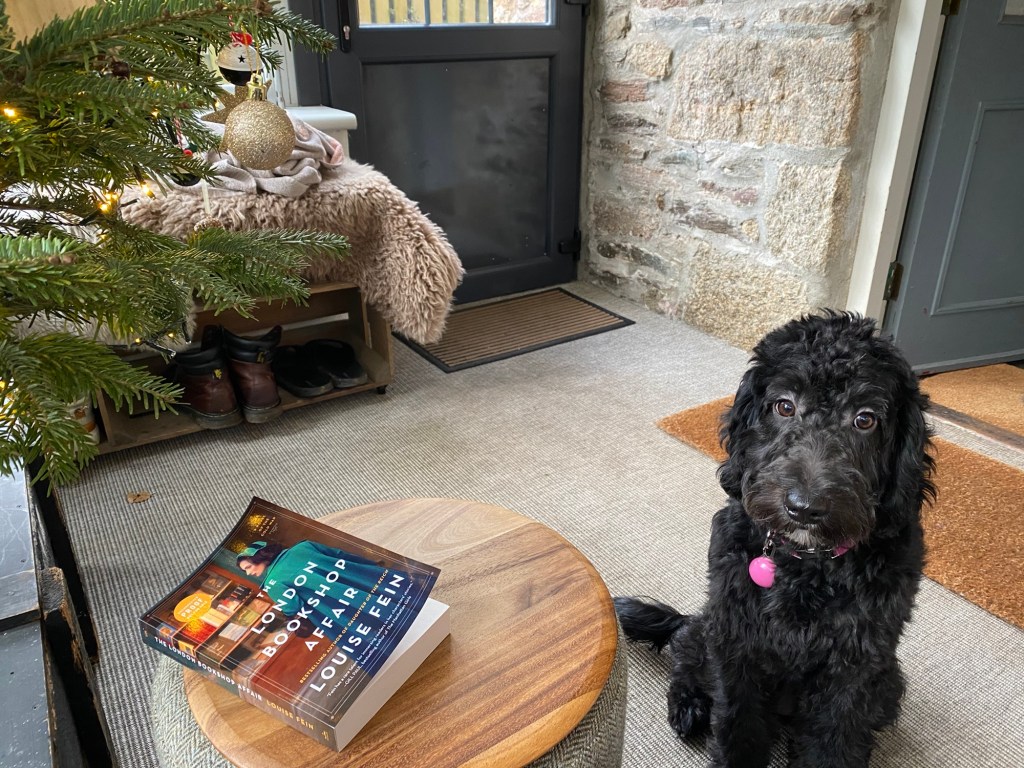
If you’d like to look at The Old Reading Room the link to the holiday site is listed below. It is expensive but I wanted my honeymoon to be special and with a nine month old goldendoodle on our hands there was no way we could go abroad. It was worth it to stay somewhere with that history and feel about it, it made me feel that rather than rushing around to see this or that attraction I could just read and take in my surroundings instead.

https://boutique-retreats.co.uk/luxury-cottages-cornwall/bodmin-moor/the-old-reading-room-270.html

Posted in Writing Therapy

Ten Bookish Thoughts For A New Year

I’m lucky enough to have spent the first two weeks of the New Year on honeymoon in Cornwall. It’s been blustery, wet and very brisk ( a Lincolnshire euphemism for those mornings when it’s so cold and the rain so hard that your face feels like it’s been pebble-dashed ). I wouldn’t have it any other way though. I love the brisk cold followed by a hot brew, a roaring fire and a good book. I love winter beaches and meeting other nutters out walking their dogs on New Year’s Day while the Atlantic batters the shore. It’s wild and beautiful. If I want something more sheltered and sedate we are no further away from the opposite coastline with it’s pretty coves, creeks and Daphne Du Maurier style private shingle beaches along the Helford River. There I can pretend to be the second Mrs De Winter, walking Jasper along the beach below Manderley. I’m also staying somewhere rather special – a place I’m going to tell you all about tomorrow. I’ve brought with me an iPad full of January book releases so I can get ahead of my blog tours, but also enjoy some NetGalley picks. Inevitably New Year gets us all thinking about how we’ve been living and the changes we might want to make. As regular readers know, I don’t believe in New Year’s Resolutions but I do have some thoughts about how I want my bookish adventures to continue.

1. Making more sensible reading choices – it’s so easy to be lured by blog tours and the organisers I work with do have some incredible titles coming up. However, the more blog tours I do the more my NetGalley list comes to a standstill and older books might never get a look-in. Despite my shelves groaning with second hand books I rarely find time to read one, having been lured away by shiny new releases. So I’m going to do a maximum of two blog tours per month so I can choose every other book I read. Whether it’s from NetGalley, my second hand purchases or the physical proofs I get sent it brings some freedom back to my reading. It’s so easy to get caught up in the race to get the newest proof or next year’s must have new book. I don’t want to lose the joy I’ve always had in reading and writing about books.

2. Writing About Second-Hand Books – I love to find an absolute bargain when browsing through the second-hand books and plan holidays around browsing some of my favourite second-hand haunts. A lot of people can’t afford the latest book, or the myriad of special editions that I’m susceptible to – honestly I need an addiction clinic for this particular vice. So I’m going to be featuring more of my charity shop bargains and recommending great second hand books to pop on your buying lists when you’re trawling Oxfam or some of the fantastic second hand haunts around the country. There are so many great reads out there and they don’t have to be the latest big thing.

3. Featuring ‘Gift’ Books – Like a lot of my bookish friends I received some brilliant books for Christmas and some were what I’d call ‘gift’ books. They might be a special copy of a novel, including illustrations or be a non-fiction subject I’m interested in. My other half knows I love books around creativity, fashion, Art Nouveau and the Pre-Raphaelite movements, well-being, animals, costumes for the theatre or ballet. Or very specifically I love Liverpool, Moomins, Chatsworth House and anything to do with Liberty. This Christmas I was treated to a beautiful gift edition of The Girl of Ink and Stars, a biography of Tove Jansson and her creation of the Moomins, a stunning book about Jane Austen’s wardrobe and another about using ‘free’ embroidery as a technique for improving well-being. I often think that I should photograph and share them with followers and I’m going to resolve to do it this year, maybe even use TikTok a little more.

4. Saying No – this is a tough one for a people pleaser, but I do feel the need to say no more often. This is about saying no and protecting my time to read and write first of all. It’s easy to get sidetracked by other people or housework. There’s also that difficulty all workers from home have, that because it isn’t paid work or just because you’re at home it’s okay to drop in unannounced. I’ve got to learn to say that I have a little work to do. If someone pays me a long afternoon visit and I have blog post imminent or have been on fire with my own writing, I have to make up those hours. I need to write that blog in the evening or hope that the inspiration has lasted. I do love people feeling able to pop in though so this is going to be a tough one to break. Also this links back to numbers 1 and 2 in that I will have to say no to some books this year too.

5. Book Sluttery – twenty years ago when I first met my late husband, Jez, I was catapulted into a different world when it came to money. I’d been skint most of the time, on disability benefits but doing up to ten hours a week of permitted work meant that I had to pay rent. Usually after bills, I had approximately £20 to cover food for me and my cats, then after that any sort of socialising or personal spending. His financial advisor came to see us after we moved in and I was utterly fascinated with the way he created a budget. I know you’re a bit of a film and book person so that needs to be factored into the budget. I explained that I usually only spent on myself after everything else was paid. He taught me that if I didn’t split whatever amount left I had into portions for each hobby, I would never do anything or I would overspend. He was right. So I have given myself a monthly book budget because we know I’m going to buy them, but at least I won’t be tempted into bookish incontinence. I remain a bookslut, just hopefully a more sensible one.

6. Championing My Own Writing – one of my most read blogs from last year was about what I called ‘literary glimmers’, those beautiful shining moments in a book where an incredible landscape transports you to another place, where an incredible first kiss whisks you back to a memorable moment, or where a truth becomes so evident you can’t ignore it. This year I’d like to write more blogs like that or maybe share some poetry. I’d like people to hear my narrative voice and see what they think. I’m not going to hide the fact I have a WIP.

7. More Focus on the Squad Pod Collective – you may or may not know that I am a member of the Squad Pod Collective. This group of bookish friends became very close during COVID, keeping a chat group running on Twitter and another on WhatsApp. It was mainly personal support while we all shielded, home-schooled and were furloughed. Of course the talk often did turn to books and now the Squad has developed enormously, having a monthly book club choices, read-alongs and author interviews which is really exciting. I’m hoping to be able to give more focus to the squad this year and join in more with online chats and read-alongs.

8. The Therapeutic Aspect of Books – I have until very recently, been studying for an MA in Creative Writing and Well-being. However earlier last year I had to accept that my health was deteriorating too much to continue. It was a sad choice, but I have MS and there are days every week where I don’t even end up out of pyjamas. Reading has always been my ally when I’m struggling and I can still read or write unless I’m feeling really unwell and have to take a complete break. I love keeping my brain active and learning is a big part of my life so I’ve signed up for online courses in writing and bibliotherapy. When counselling I’ve often recommended books to clients and I’m interested finding out more. There are no set deadlines and I can do as much as I want when I can, so it’s perfect for my up and down life. Im also going to share some therapeutic books with you and share what they’ve done for my health and well-being.

9. Sharing Great Book Haunts – wherever my husband and I go on holiday or weekend breaks I have to spend one day on a bookshop visit. I have a favourite haunt everywhere we go and I’d like to spend more time this year telling you all about them.

10. Saying Yes Too New Experiences I suppose number 8 is part of this, but I think it’s unhealthy to be in a rut and never try anything new. So I’m going to say yes to things: meeting new book friends, trying some bookish events, finally learning how to use TikTok. I know health is going to dictate some of these, but I’m feeling determined!

So that’s just a few thoughts for my bookish year ahead and I’m excited about the amount of incredible books coming up. It seems that every year gets better and I have to spend a lot of December trying to wrangle a top 20 out of so many great reads. I’m looking forward to it. Let me know what you’re looking forward to this year or any changes you’re thinking of making to your blogging life.

Posted in Netgalley

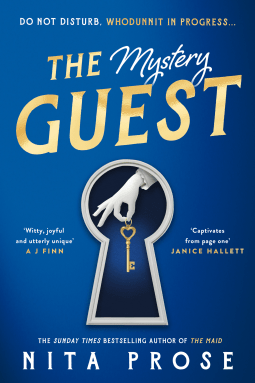
The Mystery Guest by Nita Prose

Molly the maid is back! Back in a new adventure, but still living in her grandmother’s apartment, which she now shares with partner Juan Marco, and still working at the Grand Regency Hotel. Juan is on a long awaited trip, visiting family, but Molly decided to stay behind in order to supervise a really important event at the hotel. Mystery writer Mr J.D. Grimthorpe is using the newly decorated Art Deco tea rooms to make an announcement to his fans and the press. Molly knows that Mr Grimthorpe is a very particular man, a knowledge that goes beyond the average bit of research, so it must be her that oversees how he’s looked after. Against most people’s judgement she has chosen her protege Lily to prepare his tea cart, because she’s sure that she’s passed on the requisite skills for her to make a success of it. However, at the crucial moment something goes badly wrong. As Mr Grimthorpe reaches out to his personal honey pot to add just a little sweetness to his tea, a hush descends. As he takes a drink however, chaos ensues. He suddenly plummets to the ground, dead. Molly knows that Lily will be terrified especially since it’s ‘always the maids fault.’ As a detective appears to take on the case, Molly’s skills in observation and brilliant memory turn out to be useful. Yet Molly has another insight that she hasn’t disclosed to her boss or the police. She has met J.D. Grimthorpe before and her memories of that time are not the most flattering to the famous author.

Nita Prose gives us a dual narrative, but both of are Molly. We follow the aftermath of Mr Grimthorpe’s death, but also go back to Molly’s childhood when she is taken to the Grimthorpe mansion by her grandmother who is their maid. Neither narrative is simple, but Molly’s different way of observing the world and her incredible memory create an exciting and complex journey. In one we see Molly’s childhood perspective and we understand that wide-eyed wonder of visiting such a rich house with all its treasures including a Faberge egg! Through a mishap with the egg, Molly is assigned a job in the silver room, polishing all the cutlery. This is supposed to be a punishment, but Mrs Grimthrope has no idea that cleaning is Molly’a idea of fun. I loved following this unique little girl as she uses her privileges to get into every nook and cranny of the house. It’s very atmospheric, quiet with just the steady tap tap of the keys on a typewriter as Grimthorpe creates his next masterpiece. Usually she uses his well stocked shelves to read, particularly the classics like Great Expectations. Molly discovers that if she attempts to take a particular book from the shelf it opens a secret door into his study. This proves to be a vital discovery that will shape their lives forever.

In the present, Molly is making great progress by thinking back to that time all those years ago for clues. When Grimthorpe keeled over nobody noticed what happened to the tea cart, but when it’s inspected they realise two items are missing – his particular honey pot and spoon plus a signed copy of his latest book. With so many super fans and book bloggers around that day, it could have been one of a hundred people, either looking for a macabre souvenir or looking for a good way to make some quick money – the moment Grimthorpe died his books suddenly became more valuable, especially the one he’d only just signed. Molly wants to check out local pawn shops and book collectors to see if anyone has recently brought the book in. Meanwhile suspicion falls on Lily as she knew it would, she needs all the support someone like Molly can give her.

I love Molly as a character and her development in the last novel was an important part of the story. Here we see her take another person under her wing. In the interviews, the others were not impressed by Lily but Molly knew she had all the skills to become the perfect maid. She might be quiet and introverted but that meant she wouldn’t waste time talking with colleagues or guests. She might have a polite and deferential way of talking to the customers too. Molly can clearly see something of her old self in this nervous and slightly strange girl. Molly is now head maid so has the hiring and firing power, and she’s certainly found some brilliant staff for the Regency so she is trusted. Lily shines under Molly’s directions which is lovely to see, but other members or staff are suspicious of her, especially Cheryl who is a loud and greedy chancer! I thought Lily’s manner became confusing, especially after Grimthorpe’s death. She keeps repeating that ‘loose lips sink ships’ but not elaborating on the meaning. She needs careful handling and Molly knows how to manage her. I loved how impressed the detective is with Molly, and the respect that builds between them.

Mr Preston, the doorman at the Regency, is still there and still having lunch every Sunday at Molly and Juan’s flat. His relationship with Molly becomes more significant here, not just because of the investigation but because Molly is delving into her past. Mr Grimthorpe had a very closed circle of people he trusted, including his wife, Molly’s grandmother and the secretary who faithfully turned his notes and verbal ramblings into a proper plot. It was her fingers making the steady clacking sound that was the heart beat of the house. Delving this far back brings up memories for Molly, including the reasons they were banished from this inner circle. She also has to process memories of her mother, someone barely mentioned during her upbringing. Despite having a happy and healthy family unit with her grandmother, Molly still missed her mum desperately and always wondered what happened to her. The mystery is interesting and kept me guessing throughout, with me almost thinking Nita might do something wholly unexpected and pin the blame on Molly. However it’s the love of Molly that will draw readers to this story and the fact that the mystery fills in some holes in her background is a huge bonus. I found myself finishing the book, hoping that Nita Prose would be kind enough to give us at least one more adventure with this charming and unique character.

Out on 18th Jan from Harper Collins

Meet the Author

Nita Prose is the author of The Maid, which has sold more than 1 million copies worldwide and was published in over forty countries. A #1 New York Times bestseller and a Good Morning America Book Club pick, The Maid won the Ned Kelly Award for International Crime Fiction and was an Edgar Award finalist. Her second novel, The Mystery Guest, publishes in November 2023 in North America (January 2024 in the UK). Prose lives in Toronto, Canada, in a house that is moderately clean.

Posted in Squad Pod

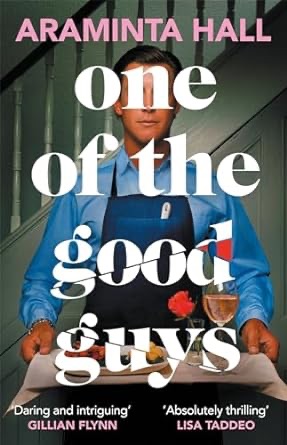
One of the Good Guys by Araminta Hall

Cole is the perfect husband: a romantic, supportive of his wife, Mel’s career, keen to be a hands-on dad, not a big drinker. A good guy.

So when Mel leaves him, he’s floored. She was lucky to be with a man like him.

Craving solitude, he accepts a job on the coast and quickly settles into his new life where he meets reclusive artist Lennie.

Lennie has made the same move for similar reasons. She is living in a crumbling cottage on the edge of a nearby cliff. It’s an undeniably scary location, but sometimes you have to face your fears to get past them.

As their relationship develops, two young women go missing while on a walk protesting gendered violence, right by where Cole and Lennie live. Finding themselves at the heart of a police investigation and media frenzy, it soon becomes clear that they don’t know each other very well at all.

This is what happens when women have had enough.

Wow! This blows your eyes wide open. I warn you not to start reading at night, unless like me you have a total disregard for tomorrow. Even if I wasn’t actively reading it, I was thinking about it. Cole has moved to a remote part of the coast for a total life change after the collapse of his marriage. Cole considers himself one of the good guys. In fact he would probably call himself a feminist. So the marriage breakdown and Mel’s reasons are inexplicable to him. He was proud of Mel, who was launching her own business, but as they crept towards their late thirties he was starting to wonder if they were leaving it a bit late to start the family they both wanted. After trying for a while, they’d decided on IVF which he knows was more gruelling for Mel than him, but was she really giving their embryos their best chance? Always working late, not eating properly and popping back to work after implantation were all endangering their chances of a viable pregnancy. Despite cooking and caring for her, and supporting her business dreams, Cole is now facing a pile of legal papers on the kitchen table – divorce papers, financial settlements and perhaps most hurtful, a form agreeing to destruction of their final three embryos. What can he have done to deserve this?

As he slowly heals he notices someone is living in the old coastguard’s cottage, a woman he can’t stop watching. She seems so feminine, but yet grounded enough to put her wellies on with her dress while she’s gardening. She is an artist and when they meet a party she introduces herself as Lennie. When he asks what it’s short for she tells him it’s Leonora. No one calls her that but Cole insists. It suits her better he tells her, softer and more feminine. Could the two of them strike up a friendship, or even more? In the background, getting air time on radio and television, are two young women in their twenties who have decided to take on a challenge – a fitting continuation of the work done by women’s movement in the 1970’s. They want to highlight the daily misogyny and violence against women that’s endemic in society. So they plan to walk over 300 miles of the coastal path, camping out each night in a tent. They know that this is dangerous but they want to support a domestic violence charity and raise as much awareness as possible for those women and girls living in daily fear of violence. However as the girls go missing one night it seems they may have fallen victim to their own cause. Could they have become lost and died from exposure? Could they have misjudged their steps and fallen from the cliffs? Or has something far more sinister happened – one of their online trolls following through on comments like ‘you deserve to be raped’.

I loved the way the author put her story together, using fragments from lots of different stories and different narrators. Just when we get used to one and start to see their point of view, the perspective shifts. I thought this added to the immediacy of the novel, but also reflected life and the constant bombardment of information and misinformation we sift through every day. As well as Cole we have narration from Lennie and Mel interspersed with transcripts of radio shows and podcasts, Twitter threads and TV interviews. All give their perspective or commentary on the casual misogyny and violence against women that almost seems like the norm these days. Just like real life the book sometimes felt like a merry-go-ground of opinion, counter argument and trolling. Sometimes I was left so twisted around I wasn’t sure what I thought any more. The only thing I was sure about was much I disliked every single character, but I couldn’t stop reading them either. I would believe one narrator, but then later revelations would blow what I thought right out of the water. As the missing person’s case continues, everyone is weighed up then torn apart on social media and in the press. It made me ask questions: about the nature of art and it’s ethics; about whether all men truly hate women; to what lengths do we go to protest; when is enough, enough? It’s been over a week since I finished this extraordinarily controversial story and I still can’t stop thinking about it. Is it too early to predict a book of the year? I don’t think so.

Thanks to Macmillan and The Squad Pod Collective for my proof copy of this amazing novel.

Meet The Author

Hello, I’m a writer of thrillers and a lover of stories. 

My latest book, ONE OF THE GOOD GUYS, was inspired by a groundswell of anger I’ve been feeling myself and amongst the women I know. Because if we don’t feel safe in the world, then it’s still a very unequal world. This is my answer to what happens when women have had enough of being scared.

I hope you enjoy this tense story set in a remote seaside location. I’d love to know if you guess the twist – I’m on instagram and X @aramintahall 

And, if you do enjoy this one, I’ve published five other novels, EVERYTHING & NOTHING (2011), DOT (2013), OUR KIND OF CRUELTY (2017), IMPERFECT WOMEN/PERFECT STRANGERS (2019) & HIDDEN DEPTHS (2021