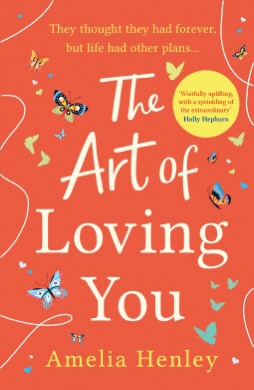
Oh my goodness this beautiful novel really did pull at my heartstrings. It was stunningly romantic and reduced me to a hormonal weeping mess. I just knew something was going to happen to this lovely couple, because everything was perfect in their world and they were embarking on a project to help others. Libby and Jack were bringing to life his dream by developing an arts centre/retreat for underprivileged children. They already had the keys to the property and were ready to go, when a phone call changed everything. Just as I’d fallen in love with this gorgeous couple, the author shatters their lives. I don’t want to ruin the plot for everyone, so I’m not going to talk about what happens, but I am going to talk about the characters.
Libby is our narrator and I really felt for her so much. Her world has been so rocked that she’s struggling to trust anything or anybody. She’s scared of everything, because now she knows that the worst things we imagine can happen. The author cleverly lets Libby drop little hints and ideas about what’s coming next, they work like cliff hangers, so that I kept jumping to the next chapter and reading a bit more. Just a head’s up – can end up half way through without realising!
I loved Sid, just loved him. He has just moved into a care facility, because he needs extra support, and gifted Libby and Jack his house. This is the only way they’re able to realise Jack’s dream of opening the arts centre. Sid is like a surrogate grandfather to the couple, and the way his relationship develops with Libby as the novel progresses was really touching. At a time when she feels hopeless and lost, he is so supportive, positive and uplifting. I wanted my own Sid for his wise advice alone. I would love to read a whole book about Sid’s past, because I want to know how he came about his philosophy on life.
Although the book has an obvious film inspiration, I kept thinking of the moment at the end of the Steve Martin film Parenthood. He’s panicking because he walked out on his job and his wife has just announced she’s pregnant with baby No 4. His grandma starts to talk about the fairground, and while other people like safer rides like the dodgems, she loved the rollercoaster. He doesn’t get it at first, but later at his children’s play when everything starts to go wrong, he realises that instead of panicking, he could just laugh and go with it. Sit back and enjoy the ride. It makes you realise that how you view life is always a choice.
I don’t know much about the author, but I’d hazard a guess that this is someone who’s life experience has informed these characters and their situation. Truth and real pain shines out from these pages. Readers can tell if a person’s writing comes from their heart, and this truly does. It seems easy to dismiss ‘romance’ as something silly and frivolous when it isn’t. Love, real love, changes our lives. We move house for love, we change lifestyle, we make lifelong commitments. If we think about the love we have, from partners, friends, family, it’s without doubt the most uplifting thing in our lives. When we lose someone we love it’s devastating and life altering. Yet, we still love. This inner hope and endless capacity to love, is the most important thing we can write about, because it’s the most important thing in our lives. I felt the writer understood this. The story teaches us not to waste time, to hold on tight to those we love and to love life even when it isn’t ‘all beer and skittles’.
Published21st July 2021 by HQ
Meet The Author
Amelia Henley is a hopeless romantic who has a penchant for exploring the intricacies of relationships through writing heart-breaking, high-concept love stories.
Amelia also writes psychological thrillers under her real name, Louise Jensen. As Louise Jensen she has sold over a million copies of her global number one bestsellers. Her stories have been translated into twenty-five languages and optioned for TV as well as featuring on the USA Today and Wall Street Journal bestsellers list. Louise’s books have been nominated for multiple awards.
“I write this sitting in the kitchen sink. That is, my feet are in it. The rest of me is on the draining board, which I have padded with our dog’s blanket and the tea-cosy.”
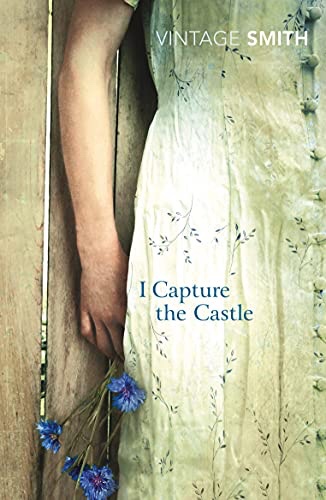
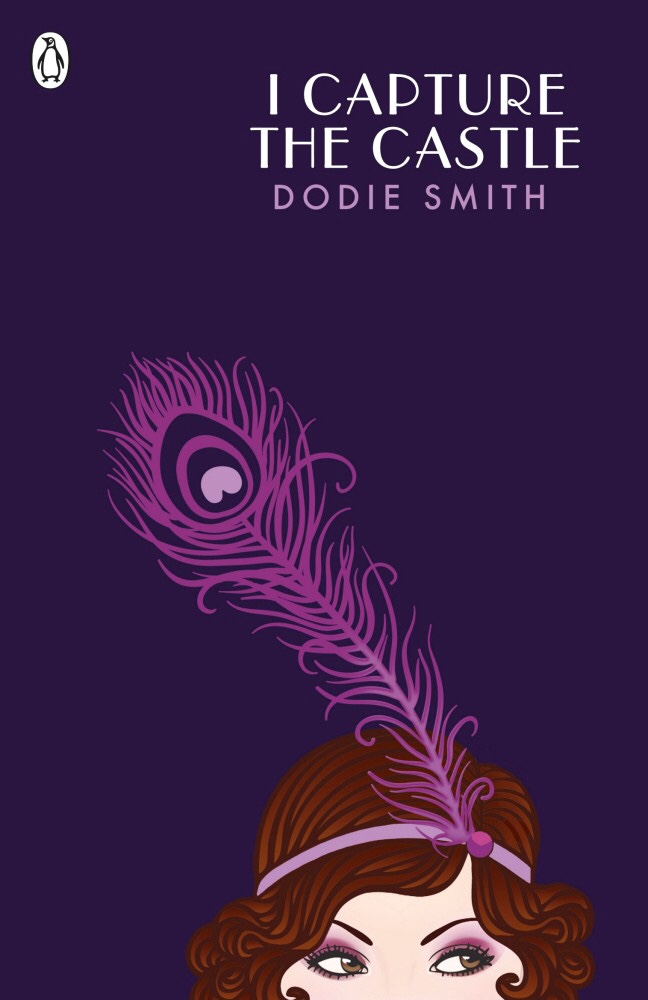
I’m going a long way back in time for Throwback Thursday this week. I read this book in my early teens, but still hold it close to my heart. I’d read 101 Dalmations much earlier and hadn’t realised that the author had written anything other than children’s books. The truth is I’d been waiting my whole life for a heroine like Cassandra Mortmain. There are a lot of different influences to blame for turning me into the adolescent I was. Years trawling round stately homes had given me a yearning for a house I could hide in. We lived in a 1960’s bungalow with just enough rooms to live in, but I longed to hear lines like ‘ Hayley? No I haven’t seen her since breakfast. Could she be in the pink drawing room?’ Period dramas, particularly 1970s productions of D.H. Lawrence novels and L.P. Hartley’s TheGo-Between , both loved by my mum, had left me hankering after a wardrobe of full, floaty skirts and the sort of accessories that looked out of place. Like tramping down to the village shop wearing a feather boa, ten layers of petticoats, whilst dragging a grumpy spaniel. I would constantly imagine I was in a book or a film, walking the poor dog’s legs off while hoping to meet a man who looked like Mr. Rochester and lived in a Gothic mansion, minus the mad wife.
I also developed a fascination with Edith Holden thanks to the TV series of Country Diary of an Edwardian Lady and I even wrote off for a pack about the series. We already had the book, so I bought a sketchbook and some watercolour pencils with my pocket money. My brother and I would go out early, him with his fishing gear, and me with my books and paints. There was an old track down to the woods with a drainage dyke running alongside. About halfway down there were two willow trees that had bent so far over the water it was possible to climb up and lay down along the trunk. My brother would fish from his tree, and in mine I would paint flowers and butterflies and read my book. It was the closest thing I had to room of my own. So, in finding Cassandra Mortmain I felt like I’d found exactly who I was supposed to be. I wasn’t meant to be Hayley Baxter, lives in a sixties bungalow, with a working class family and no money. I was meant to be the broken down castle, bohemian sort of poor. Where parents were trying to make money from art, roof leaks dripped into buckets instead of being fixed and they were invited to tea by the landed gentry or their new American millionaire estate owners.
I loved Cassandra Mortmain’s confidence. She was determined she was going to be a writer and nobody told her she couldn’t be, so she was always curled up in some unlikely place, writing in her journal. If I said I wanted to write novels, my close family were supportive – my mum had always wanted to write. Wider family and friends would say ‘well, as long as you do well at school and have something to fall back on.’ There were aunts and uncles who would have been bemused if I walked constantly around with a journal and pen. Writing was seen as something you had to do – you wrote a letter, or a postcard – but not something pleasurable that you devote time to. That came much later, when I had my own home and my own wardrobe of floaty skirts. When I first read her story I was much like Cassandra herself, there were parts of life that she was recording without really knowing their importance or meaning. Although she narrates her own story, as an older reader there were things I understood that Cassandra didn’t as yet. This is a story of growing up and leaving some of that innocence of youth behind.
I thought on first reading that her sister Rose was incredibly beautiful, but grumpy and not very nice to be around. However, reading her years later I could see that because Rose was older, she understood more about the realities of life. For her, the broken roof and the lack of income were not romantic, but a real problem that needed fixing. Their father’s only published book can’t keep them forever and his writer’s block makes him a very difficult man to live with. Rather comically the women lock him in his study, in the hope that inspiration will strike when he’s forced to stare at his typewriter. It’s very clear to Rose that they are in dire financial straits. This is where the book takes on some Austen-like romantic tropes, as the Cotton family come to visit the estate where they are the rightful heirs and the Mortmains are their tenants. Mrs Cotton brings her two sons, the eldest Simon being the rightful heir, and Neil, the younger son. Simon is ‘detestably bearded’ but the most eligible and able to rescue the Mortmains from their current circumstances. Cassandra’s father and stepmother Topaz are seen as delightfully eccentric by the Cottons and the whole family are invited for dinner. This is where the romantic problems begin, as Simon is besotted with the beautiful Rose, and as Cassandra develops a crush on Simon, she is in turn adored by the Mortmain’s servant and helper, Stephen. Stephen is incredible handsome, but the Mortmain girls are about to find out that the heart is an unruly organ and wants what it wants. Despite this, it isn’t long before Rose announces her engagement to Simon. This solves so many of the Mortmain’s problems – it’s as if one of the Bennett sisters actually accepted Mr Collins. As the preparations for the wedding gather pace, Rose and Cassandra spend more time with the Cotton brothers.
Simon finds that he gets on well with Cassandra. He is the more cerebral of the brothers and while Rose is beautiful, she is not blessed with brains. Yet, Cassandra is too young for romance, and a very touching friendship starts to develop. The younger brother, Neil, is more stereotypically American, loud, brash and very active. He and Rose are usually swimming or messing around in boats, with Neil often play fighting or indulging in horse play. Cassandra has never seen her sister so lively, actually forgetting to be lady like and being in the moment. Everyone is touched to see Rose so happy, and assume it is her approaching wedding. To an adult reader the attraction between these two beautiful people is obvious, but Cassandra is stunned to find out they have run away together. If we hark back to Austen, her sister has turned out to be more of a Lydia than a Jane. How can the Mortmain’s fortunes be improved by their daughter’s marriage to the second son?
This is a novel drenched in charm and nostalgia. Interestingly, it was written by Smith when she was living in America, and that may explain it’s rose-spectacled view of England. There is something slightly melancholy in that we’re watching a young girl lose the charming innocence that makes her narration a delight to read. She falls in love, but not with the person who adores her and sees the devastation that can be caused by betrayal and jealousy. We realise, as Cassandra grows up in front of us, the chaos of a household run by adults who have no money and no rules, the embarrassment of having a stepmother who will happily walk around in the nude and that moment when you find your own sister inexplicable, because you understand storybook romance, but not adult desire. Cassandra is mostly in love with life. One character describes her as ‘the insidious type–Jane Eyre with of touch of Becky Sharp. A thoroughly dangerous girl.” Her narration makes even minor characters jump off the page and straight into your heart. Finally, I loved how Cassandra leaves us with an open ending. We shouldn’t be surprised that some loose ends are left dangling, because she has told us how much she hates ‘a brick wall happy ending.’ I think it’s true to say that in me, she found a reader as romantic about life as she is. This is one of those books I’ll re-read again and again, so I’m on the look-out for a very special copy to put on my forever shelves.
You’ve got no idea what you’re dredging up. You’re going to ruin everything.
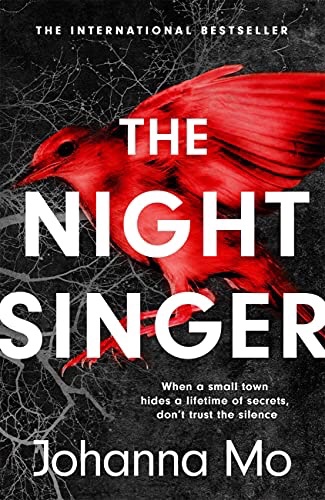
The past is not going to stay buried in this unputdownable crime novel, the first in a series featuring Detective Hanna Duncker. Fans of Ragnar Jonasson and Ann Cleeves will be gripped by this moving and atmospheric crime novel, already a bestseller in Sweden. Hanna Duncker has returned to the remote island she spent her childhood on and to the past that saw her father convicted for murder. In a cruel twist of fate her new boss is the policeman who put him behind bars. On her first day on the job as the new detective, Hanna is called to a crime scene. The fifteen-year-old son of her former best friend has been found dead and Hanna is thrown into a complex investigation set to stir up old ghosts.
Not everyone is happy to have the daughter of Lars Duncker back in town. Hanna soon realises that she will have to watch her back as she turns over every stone to find the person responsible…
I was drawn deeply into Hanna’s world straight away in this brilliant piece of Scandi Noir. This is the first in Johanna Mo’s Island Murders trilogy, and is already a hit in Sweden. Hanna has returned to her home town of Öland for a post in the local police force. She has to hit the ground running though, because instead of quietly getting to know her colleagues, she is straight onto a crime scene. The body of a young 15 year old boy has been found and everything points to murder. Hanna is partnered with Erik and tasked with breaking the news to the boys family, but there’s one problem. The murdered boy’s mother Rebecka, went to school with Hanna and recognises her the minute she opens the door. If she’d hoped to keep her past secret, or at least in the background, this case will blow her identity wide open. Joel’s birth father also went to school with Hanna and has a reputation for being a bully, in fact Rebecka has openly admitted he was violent during their relationship. Could he possibly have killed his own son? It’s clear that Hanna could be very beneficial to the enquiry – Rebecka trusts her instantly and confides in her on their first visit. Yet her ex-husband Axel, now a well-known businessman in Öland, seems antagonised by Hanna’s presence. In his first interview, Axel tries to manipulate and wrong-foot Hanna by bringing up their past, even twisting the truth to hurt her. He even notices her ‘tell’, because when she’s anxious her fingers automatically rub her arm where her nightingale tattoo is.
‘She wanted to tear back the black material covering her tattoo of a nightingale, the bird that would help keep the darkness at bay. After her mother’s death, her grandmother had given her a small wooden nightingale to keep by her bedroom window. She claimed that because nightingales sing at night, it would help Hanna with her nightmares, but her bad dreams hadn’t gone anywhere. When she complained, her grandmother had stroked her cheek and said: I know those dreams are horrible, but they would be even worse without the bird. Those words had taken hold, and Hanna had kept the bird ever since’.
Yet there’s a worse secret in Hanna’s past than anything that happened at school. She is Lars Duncker’s daughter and his conviction for murder 16 years earlier is still fresh in a lot of the local’s minds. Can her past stay where it belongs, enabling Hanna to remain focused on who murdered Joel? Could being the daughter of a murderer actually help her to solve the crime she’s investigating? Or will being Lars Duncker’s daughter draw attention away from the case?
Johanna Mo
I loved the structure of this novel, as one timeline follows the investigation and the other tracks the preceding 24 hours, from Joel’s point of view. I found the second timeline really emotional, because this is Joel unfiltered, as only his closest friend knows him. We learn things about him and his life that his parents don’t know, some of which really hit me in the heart as a step-mum of teenagers.
‘As usual. Mum won’t believe him if he tells her how dark and ugly he is inside. She won’t believe what he is thinking about doing. Everything he has already done. But he’s so tired of acting. Of pretending to be someone he isn’t’.
The thought that they might keep things to themselves, scared of my reaction, made me so sad. Yet, this felt like an honest depiction of teenage life, where our friends rather than our family probably know us best. Where crime fiction is often focused on action, or the thrilling twists and turns, this felt quieter and more real. In fact the reason I originally started to read and watch Scandi Noir was because it depicted how violent crime affected the families and friends involved. This reminded me of a another crime writer I read this month, Eva Björg Aegisdottir, who does this very well in her Forbidden Iceland series. It felt like a more feminine gaze showed the devastation caused emotionally. From Joel’s nuclear family and slowly tracking outwards to friends, teachers, neighbours we see all the victims of a murder. Joel’s story takes centre stage, rather than his killer.
I thought the detail of the case was incredible, with every little lead followed up until the truths of the whole town start to come to light. A murder investigation unearths all kinds of secrets and lies before it can be solved. It was interesting to watch Hanna as she tries to settle back in to her home town, and make friends with her colleagues. The author cleverly shows how both she and Erik could come out of an interaction with very differing ideas about what the other one thinks. Hanna assumes people will be prejudiced against her when they find out whose daughter she is, and some are, because someone is ringing her work phone with silent calls which escalate to sounds of a fire burning and a blood curdling scream. As each narrative came closer to revealing the answers, the tension started to build. I liked that the story dealt with a very timely issue and all aspects of the case felt well resolved. However, when it comes to Hanna’s own story, there were enough loose ends left to explore in more detail over the next couple of books. I would recommend this to all crime lovers, but particularly those who enjoy an intelligent, complex and emotional crime novel that focuses on the victims rather than fetishising the killer.
Published 3rd August 2021 by Headline Review
Check out the rest of the blog tour for more about The Night Singer.
Thanks to Headline Review for inviting me on the blog tour.
When Grace returns to Abi’s life, years after they fell out at university, Abi can’t help but feel uneasy. Years ago, Grace’s friendship was all-consuming and exhausting.
Now happily married, Abi’s built a new life for herself and put those days behind her. And yet as Grace slips back into her life with all the lethal charm she had before, Abi finds herself falling back under her spell…
Abi’s husband, Rohan, can’t help but be concerned as his wife’s behaviour changes. As their happy home threatens to fall apart, he realises that there’s something deeply unnerving about Grace. Just what influence does this woman have over his wife, and why has she come back now?
I seem to have read a few books in the last year that focus on the dynamics of female friendship. From the teenage years of Madam, where the school regime pits the girls against each other, to the middle aged years of The Nearest Thing to Crazy where a woman forms a friendship with a newcomer to the village and regrets it bitterly. This seems like a very rich mine for writers to delve into and this is an interesting addition to these psychological thrillers. Our oldest friends, so the saying goes, remain friends because they know where the bodies are buried. Our ‘besties’ are often the closest person to us in life, and in my experience have held me up when times have been too hard to keep going. When these close relationships go wrong, the mental scars can last a lifetime. Abi and Grace’s relationship seemed to become toxic at university, when Abi suspected Grace of trying to control her life. Soon after university Abi married Rohan and now they are renovating a house together. The house was derelict and as they’ve settled into it and started with their plans, Abi feels the years of history in the old house. The creak on the stair created by decades of weary feet. The sense of owners long gone and the weight of their memories.
When Grace writes to say she’s coming to the U.K. after years working abroad, the timing is serendipitous. Rohan has to work in New York for a while. Abi is going to be creating pieces for an art exhibition. Grace needs a place to stay till she finds her feet, and Abi feels enough water has passed under the bridge, maybe it will be fun to reconnect with her old friend? She’s probably changed in the intervening years and a catch up could be just what she needs to inspire her art. Besides it will be nice to have some company while Rohan is away.
It turns out that Abi is right, she does find her house guest inspiring and I was drawn in to the author’s descriptions of her work which were vivid and full of life. Her output soars and she’s making great headway into the pieces needed for her exhibition. I was interested in the psychology of creativity and the author taps into that long term link between artistic success and the deterioration of the mind. As Abi’s art is elevated, the rest of her life is soon suffering. It seems that maybe Grace has not changed after all. Abi can recognise her controlling behaviour and the passive aggressive way she deals with conflict, but wonders if she can handle it until her work is ready. No artist wants to give up their muse and Abi thinks that because she can recognise the behaviour, she won’t be manipulated. It’s like watching a fly edging ever closer to a spider’s web.
We know there has been a traumatic event in Abi’s past because the author drip feeds us little snippets of the past, in order to increase the tension. What this also does is create a bit of suspicion around our narrator. She values honesty in herself and others, even where it might sound harsh, but is she affording us the same honesty? Should we really trust our narrator. I thought the author cleverly linked the state of the house with Abi’s state of mind. She starts to neglect the house, becoming ever more hyper-focused on her paintings. Her life is starting to fall apart. Her in-laws are very concerned, but are struggling to intervene. As Rohan returns he notices a change in his wife, but puts it down to a fierce burst of creativity. However, as time passes he starts to wonder whether this friendship is healthy for his wife and their marriage. Yet, Grace seems to possess an incredible charm. Will she start to manipulate him too? There are interspersed sections that read like formal interviews with Rohan, but we don’t know if they’re with a lawyer, the police, a psychiatrist..? This had the effect of making me race forward with the book, dying to know how it unfolds. In the end though, it was best to just sit back and let the twists and turns reveal themselves. This was a competent and enjoyable thriller, with a fascinating and dangerous female friendship at the centre.
Published HQ 5th August 2021
Anna became a published author after the manuscript for her first novel, ‘Coming Home’, won the Montegrappa Prize for First Fiction at the Emirates Airline Festival of Literature in 2013. The book itself was published in 2015 and, since then, she’s written three more novels in the ‘domestic noir’ genre: ‘The Disappearance’, ‘The One That Got Away’ and ‘I Know You’.
On her Amazon author page she admits that she likes to set things up for her readers so they think they know what’s happening and then, very gently, she starts to pull the carpet out from underneath so that the reader– and often the characters themselves – are never quite sure what’s really going on. Scratch the surface of her characters’ lives and you’ll always find something dark going on. She’s currently working on a fifth book, which will be something slightly different.
She live in Dubai, UAE, with her husband, two children and a little Tonkinese rescue cat. She writes every day while the cat sleeps alongside her on a pile of old manuscripts. Writing isn’t an easy job, but she wouldn’t change it for the world.
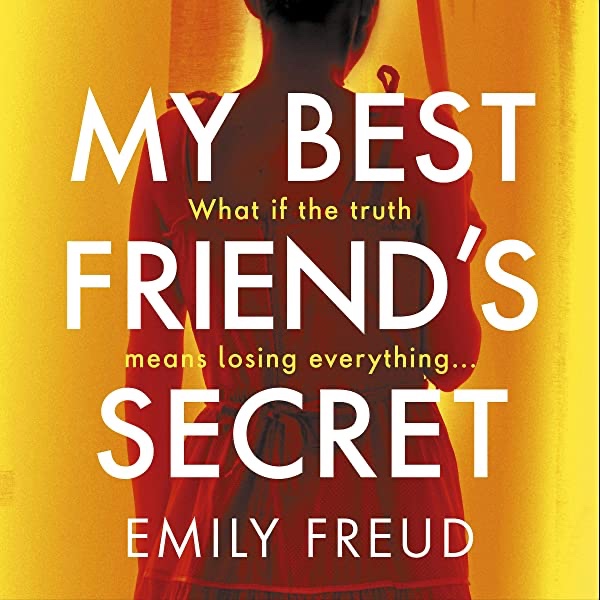
Kate Sullivan has a beautiful home, a job she loves and a handsome fiancé: all she’d ever dreamed of since getting sober and painstakingly piecing her life back together.
But a chance encounter with her old best friend Becky threatens Kate’s newfound and fragile happiness. Kate remembers nothing of their last drunken night out, the night Becky broke off their friendship without warning or explanation.
With Becky back in her life, Kate is desperate to make amends for the past. For the closure she craves, Kate needs to know what she did that ruined everything.
But what if the truth is worse than Kate could have imagined?
This novel gripped me from the beginning and I could relate this back to being a young woman, unsure of my place in the world and being uncomfortable in my own skin. It’s depiction of how our fears and demons can shape us if we let them, and the dangers of self-medicating our anxiety and lack of confidence. It was such a thoughtful and honest exploration of female friendship and what can happen when those bonds are broken. As is usually the case in this type of domestic noir when the novel opens Kate appears to have everything. She’s just about to marry her American fiancé Ben, they have a beautiful home and she’s settled into a job she loves as a teacher. However, all of this hasn’t come easily for Kate, because she spent a few of her young adult years totally out of control. Thanks to the 12-step programme she has found a way out of alcoholism, and is on an even keel.
Yet, her past does threaten her perfect future when she meets an old friend by chance. Back in her wilder, drinking, days Becky was a partner in crime. In fact the pair were best friends, until one drunken night out, after which Becky never spoke to Kate again. Kate has no memory of that night. On meeting Becky, she feels the need to make amends for whatever happened that night, even though she doesn’t remember what she’s done wrong.
What distinguished this book from the average thriller was Freud’s compassionate and thorough understanding of alcoholism and the psychological journey individuals take when they embark on their recovery with AA. It was beautifully written, slightly slow in parts, but infused with a creeping unease throughout. I loved the psychological ins and outs of Kate’s journey, because we are inside her mind as she battles her past and tries to hang on to the life she loves. Freud really does nail the complexity of our inner voices and how they can trip us up and knock us off balance. That endless negative chatter that tells us we can’t do this, we’re not worthy and don’t deserve the good things we have in our life. I felt so much empathy for Kate and wanted her to be resilient enough to resist the chatter, and stay on course. I thought the author showed incredible knowledge and compassion for how childhood trauma affects our lives, particularly the struggles to form good, solid relationships. This was a powerfully written thriller, and I will be looking out for whatever the author writes next.
Meet The Author
In her other life, Emily Freud makes TV. She has over ten years experience in development and production and has worked on some of the most loved, talked about and award-winning series in recent years. Credits include: Educating Yorkshire, First Dates, and SAS: Who Dares Wins. This lifelong fixation with story and character is the thread that runs through her work, and ultimately led to the pursuit of a writing career.
‘My Best Friend’s Secret’ is her debut novel, published by Quercus.
I was meant to be reading this for the recent Random Things Tour, but have been taking a break for family stuff and my health. However, I did read Vol 1 of this series last year so found it very difficult to see the next novel on my TBR and not dive in. So here are my thoughts, a little late, but surely it’s always good to hear someone praise your work? No matter how late they are.
The author opens the novel on a freezing cold day and a bleak volcanic crime scene, immersing us straight into both the story and the landscape. Two boys, wandering on the local lava fields have found a body in a small cave. They frightened themselves at first into thinking they’d found a black imp, the body was so dark. However, our heroine and police investigator Elma, believes it may be the body of Marianna, a single mum who disappeared from town seven months previously. Thought to have committed suicide, Marianna left a short and cryptic note on the kitchen table for her daughter Hekla, then was never seen again. Now, it’s clear that this is a murder, and as Elma reviews the files from the previous year, when this started as a missing person investigation, she finds the work less than satisfactory. She can see so many unanswered questions to follow up. Hekla is now in foster care, with a couple who have fostered her many times, before when Marianna was struggling or disappeared. Now Elma’s team will have to wade into the previous investigation, social services files and the difficult life of a children whose parent simply struggled to cope.
I loved the complex psychology behind this story of teenage pregnancy, family expectations and how to be a parent. Added to that is othe challenge of preventing emotional pain passing to another generation. Our investigation is interspersed with a narrative of a young teenage girl who tells us about her life as the mother of an unwanted child. Her identity is not revealed and we don’t know this girl’s connection to the main plot, but her narrative is sad and traumatic to read both for her and her baby daughter. Meanwhile Elma is beginning to understand the difficult and disconnected relationships that surrounded Marianna and her daughter. Hekla was first placed with foster parents at the age of three when Marianna left her home alone while she went on a drug binge. Hekla’s foster parents were a wealthy, stable couple who made no attempt to hide how much they would have loved to take Hekla on permanently, but Child Protection Services had a policy of trying to keep children with their birth families as much as possible. Elma can see the theory behind this, but starts to wonder whether it’s a policy that actually fails children in practice. So, Hekla leads a life of moving back and forth between Marianna, who was harsh and belittled her daughter, and a foster mother who wanted to be more than her support family. If Hekla had been given the choice, she would have chosen to stay with her support family, but instead was pulled between them, both literally and emotionally. She describes how she feels:
‘It’s strange to be six years old and feel as if you’re a black stain on a white sheet. As if the world is in headlong flight and all you can do is grab hold and try not to fall off.’
Trying to act as gently as possible, Elma must speak to both Hekla and her support family about inconsistencies in their stories. She doesn’t want to cause more distress, but Hekla is a girl of secrets and perhaps lies too. There are parts of this story that might be upsetting for someone who has been through the care system or had a dysfunctional parent. Marianna is barely able to cope with her own life, never mind being a parent. I love that we are party to Elma’s thought processes around the case, and on her private life. As she reflects at the end of each day, the author hints strongly at unresolved trauma in Elma’s own past. There’s also the dilemma in her private life, where the loss of her partner to suicide has affected her more than she lets on. She’s not ready to have real, deep feelings for someone, preferring no strings encounters. Yet she does have feelings for someone, and if she doesn’t act on them, will it be too late? The proximity of her family, and the support she receives from them, is both helpful and irritating by turns. This is her home town, so she knows all the allegiances and quirks of the community, something which can have its own problems when investigating such an emotive crime.
The first half is slower and more thoughtful, giving the reader time to soak up the atmosphere and Hekla’s experiences. In the second part, the pace quickens and the past also catches up as our mystery narrator is revealed – a reveal that had me reassessing everything I’d thought before. In a world where every thriller boasts twists and turns galore, this one packed a punch, was truly clever and had played with my misconceptions of who it might be. Another thing that really hit home for me, as the stepmum to two teenage daughters, was just how damaging the constant wrangling between co-parents becomes. I thought the character of Hekla was pitched perfectly, with a deep understanding of being a teenage girl. She showed that need to belong, to be accepted, whilst also feeling complete isolation – that nobody in the world understood her or had felt what was going in on her head. This is an age where being singled out as different is painful, it takes time to work out that your originality is your super power. This was a tense and compelling read, with undercurrents of deep melancholy that seemed to come from Elma and the forbidding landscape. This was a psychologically astute murder mystery, with deep empathy and a strong sense of place. I would recommend it highly.
Meet The Author
Born in Akranes in 1988, Eva moved to Trondheim, Norway to study MSc in Globalisation when she was 25. After moving back home having completed her MSc, she knew it was time to start working on her novel. Eva has wanted to write books since she was 15 years old, having won a short story contest in Iceland. Eva worked as a stewardess to make ends meet while she wrote her first novel, The Creak on the Stairs. The book went on to win the Blackbird Award, was shortlisted (twice) for the Capital Crime Readers’ Awards, and became a number one bestseller in Iceland. Eva lives with her husband and three children in Reykjavík, and she’s currently working on the third book in the Forbidden Iceland series.
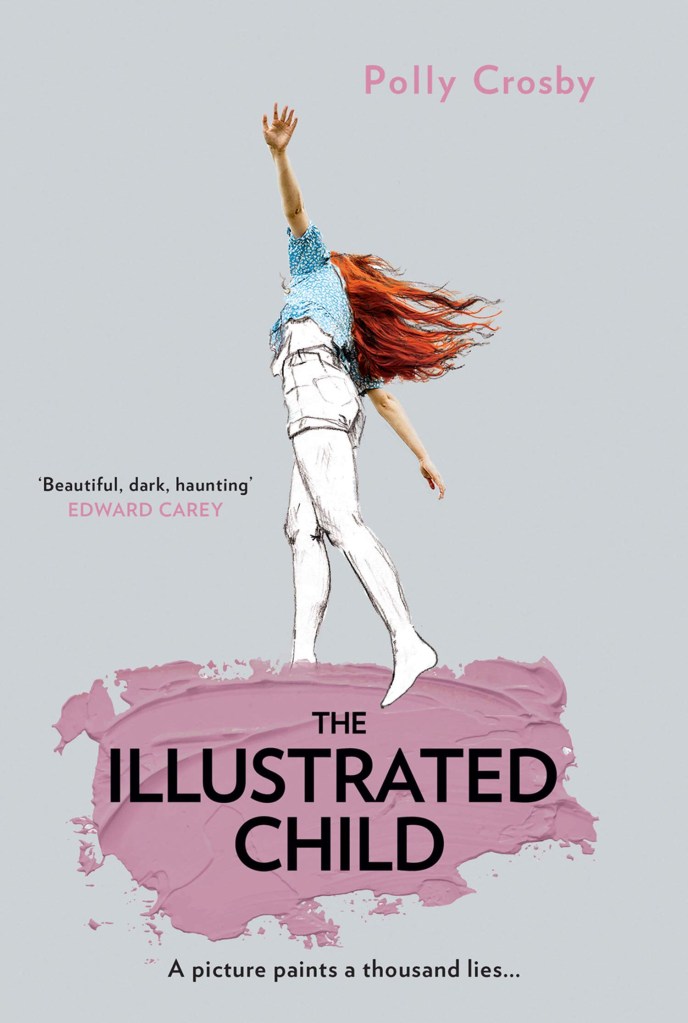
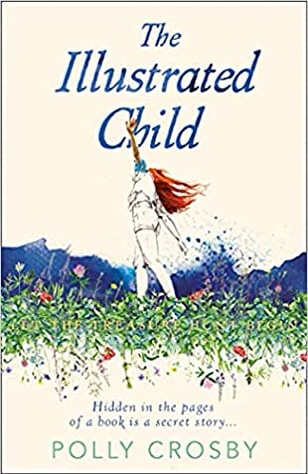
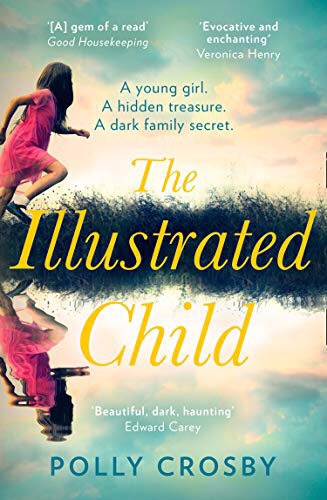
This beautiful and original book hit me straight in the heart and I was reading the last few pages with a massive lump in my throat. Romilly Kemp lives in the run down Bräer House with her father Tobias, an artist who is both inventive and eccentric in equal measure. This situation reminded me of a classic favourite I Capture the Castle, but Romilly’s story is much more than a coming of age tale. Romilly and her father live alone and are struggling for money, when Tobias has an idea for a children’s book based on his daughter. Featuring his original illustrations, the books follow Romilly and her Siamese cat Monty through a series of adventures at the circus, in a windmill and at Christmas. She is preserved forever as a 9 year old in her patchwork dress and her red hair flying behind her. Romilly loves looking for the tiny little additions to his main illustrations – a tiny mouse holding a forget-me- not, two miniature hares boxing, and sometimes Romilly herself being chased by a animal. The public fall in love with the books and the idea grows that there is some sort of treasure hunt contained in the pages leading to trespassers at Bräer and some horrible encounters with reporters and photographers.
Romilly can see secrets of a different kind in the pages her father has drawn, but she’s used to secrets. She hasn’t seen her mum for so long she’s largely forgotten her and they have no other family. Where does her friend Stacey go when she is missing for weeks? Who is the beautiful, pink costumed circus lady she meets who knows her father? She notices differences in the way she’s drawn in the book and also a very faintly painted lady in the background often with her head in her hands. Her dad gives her a puzzle box he’s made, which starts to tick when it’s her birthday releasing a memento or object that’s important to her – Monty’s silver bell, a pink feather. When her dad’s memory starts to fail, Romilly wonders if all these clues are for her, or are they triggers for her dad’s memory? More importantly, I was starting to wonder who would look after Romilly and what had torn this close family apart?
is meant to be home schooled, but has no real curriculum or structure. There are times when heat and food are scarce, and set mealtimes never seem to happen unless someone is visiting. As Tobias declines, Romilly is having to cope alone with no family to help. I wanted to swoop in and look after her and Monty. There’s no doubt that she’s independent, resourceful and intelligent, but is that innate or something she’s had to develop having been left to fend for herself so often? There’s a deep understanding of the psychology of a child in this position underlying Romilly’s story. Even her name means ‘strength’ and she has so much, using it to defend her tiny family and her home.
Underlying all of this is an understanding of trauma and how grief can tear apart the strongest families. In one part of the book Tobias explains to his daughter that people grieve in different ways and sometimes that means doing it apart. I know grief well, and at different stages in my journey I’ve done things differently, avoided certain places and people. At first I struggled to talk to anyone who was as shattered by my husband’s death as I was. I couldn’t deal with anyone else’s needs, only my own. I was very angry with people who turned out for the funeral claiming a relationship with my husband, who I had never met in the seven years we’d been married, the last four of I’d been caring for him 24/7. Later I wanted to seek out people who grieved as strongly as I did because we could reminisce and understand each other’s profound sadness. When reading the book I found myself both very angry with Romilly’s mother because I felt she was selfish, but I also sympathised and understood her decision that she shouldn’t be a parent. There were parts of the novel where I felt nobody understood or fully cared how much their decisions impacted on this little girl. I was so profoundly sad for her and at that point where she realised she needed help, she allowed herself to be vulnerable which must have been so difficult for her.
This is a beautiful book: it’s invocation of childhood and play; the magical atmosphere of Bräer and it’s surroundings; the stunning artworks done by Tobias and the complex history he’s trying to convey. I loved how the author showed objects sparking memories, for Romilly, but also for Tobias who, befuddled by dementia, recognises his daughter through Monty’s silver bell. I hadn’t unravelled the mystery so I could sit back and enjoy it as it played out and when the truth was finally revealed everything made sense, even if I did think Tobias could have handled it so differently. I have a particular affinity with hares, so his drawing under the book’s dust jacket of the two hares was particularly moving. What I loved most was the way the author showed a difficult childhood still being magical and full of memories. I think we can probably all look back and remember times that feel golden to us, but might be very different from our parent’s perspective. Romilly’s freedom, her ability to invent and imagine, to follow her own interests when mixed in with the magical circus, the panther stalking the area round the village and buried treasure seem magical. How much of this would she be willing to trade for security, routine and someone to care for her? This book will stay with me for a long time and is a definite candidate for my ‘forever shelves’.
Meet The Author
Polly Crosby grew up on the Suffolk coast, and now lives with her husband and son in the heart of Norfolk.
Her debut novel, The Illustrated Child (The Book of Hidden Wonders in the US and Australia) is out now.
In 2018, Polly won Curtis Brown Creative’s Yesterday Scholarship, which enabled her to finish her novel. Later the same year, The Illustrated Child was awarded runner-up in the Bridport Prize’s Peggy Chapman Andrews Award for a First Novel. Polly received the Annabel Abbs Creative Writing Scholarship at the University of East Anglia, and is currently working on her second novel.
I’m so happy to be part of the Squad Pod’s first blog tour for this unusual but uplifting book by Tim Ewins. To describe what it’s about is quite difficult, and I loved Tim Ewins’s own words in his interview with Emma from Emma’s Biblio Treasures blog: ‘I can tell you a bit about the book in a very literal sense: It’s about a bloke on a beach that meets a kid on a beach and tells that kid his life story. They both get drunk and watch a cow dance to dance music.’
Of course there’s much more to it than that, it’s philosophical, romantic, humorous and uplifting. A man called Jan and a teenager called Shakey meet on a beach in Goa. Shakey dismisses Jan as a ‘moustache’ – slightly boring, set in his ways and unable to have a good time. Jan dismisses Shakey as a vest. Vests are kids who come out to Goa and pretentiously think they have found themselves by visiting one beach and one club. They go back home, pretending to be enlightened and changed by their visit to Goa, despite having no experiences at all except alcohol and a bar. However, the two do meet and sit having a drink together. Shakey wants to know what has kept this moustache coming back to this beach time and time again. So he is told a love story, how Jan is in love with a woman (also called Jan). ManJan and WomanJan have come in and out of each other’s lives over the years, but this time she hasn’t come back in. So ManJan sits on this beach, that’s special to them both, and hopes for her to appear.
The only other living creature close to them on the beach is a cow and she gets her own short chapter. This may seem totally off the wall and quirky, but go with it. As I was reading I thought there were a lot of similarities between ManJan and the cow. Both have a set daily routine involving the beach and both are evolving alongside the place. When ManJan first came to Goa this place was unspoiled, much quieter and less commercialised. Now it’s full of vests like Shakey, dance music and glow sticks. Yet ManJan finds Shakey a good listening ear, so maybe there’s more to these vests than meets the eye? The cow meanwhile, weaves happily between tourists and even finds herself meditatively nodding along to the thumping dance music.
We hear ManJan’s story and the curious way certain things keep cropping up in his life, like the fishing he thought he’d left behind in England, but crops up again in Scandinavia. WomanJan also turns up for the first time in Sweden and steals his passport, leading to a caper through, Europe, Russia and India. Each destination is beautifully evoked, in very few words we know exactly where we are. In each location an unusual array of characters come into the orbit of this couple and have an influence on their journeys. Then between each section of the story are the animal scenes, throwing light on the human situation or a particular character in some way, which is so clever. Throughout, ManJan and WomanJan keep bumping into each other and eventually love happens. However, this is the longest time they’ve been away from each other, they’ve always found each other in the past. When tragedy ripped them apart, he assumed they’d simply run into each other again, but maybe they won’t this time.
I thought this was one of the more quirky novels I’d ever read and it is unusual in structure and characters. It’s a love story, travelogue, meditation, comedy and tragedy all in one. What Ewins does, rather brilliantly, is keep the balance between these elements, using the animal chapters as literary palate cleansers. In the end though, all these disparate strands come together to create a beautiful story about being human and doing what E.M.Forster suggested was our purpose on earth – to connect.
Meet The Author
Tim Ewins had an eight-year stand-up career alongside his accidental career in finance, before turning to writing fiction. He has previously written for DNA Mumbai, had two short stories highly commended and published in Michael Terence Short Story Anthologies, and had a very brief acting stint (he’s in the film Bronson, somewhere in the background). He lives with his wife, son and dog in Bristol. We Are Animals is his first novel.
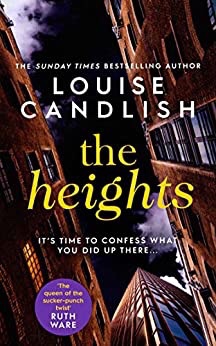
I feel slightly sucker punched only seconds after finishing this fantastic new thriller from Louise Candlish – a name I only came across when it appeared as a ‘you might also like’ recommendation on Amazon, but is now top of my list when it comes to twisty, delicious and impossible to put down thrillers. After the final twists in The Heights I think this might be her best yet. She has an incredibly incisive way of portraying middle class southern morés and the way they change and mutate under immense pressure. It’s like reading a weaponised Jane Austen for the 21st Century; what if Willoughby had been a killer or Wickham had kidnapped then killed Lydia? These are the same type of people, centuries apart, but still playing out gender and class politics. Except now it’s from a beautiful Victorian semi (with a large family room leading to bifold doors into the garden with pizza oven).
Kieran Watts has been dead for over two years. Yet, there he is, on the roof terrace of an exclusive building in Shad Thames. Called the heights – all lower case – this is a tall, thin building that you might not notice at all, had you not been standing in the window of the flat opposite. There are subtle changes. The physique for a start has had some work. There may even be a touch of plastic surgery here and there, but you know it’s him. Even though he’s meant to be dead. You were sure he was dead, because you were the one who had him killed.
Ellen Saint lives with husband Justin, their daughter Freya and Ellen’s son Lucas from her previous marriage to Vic. They really are the perfect family unit, with a shared parenting ethos for Lucas and everyone getting along well. Lucas is a bright teenager, possibly on course to apply to Oxbridge, who loves gaming and spending time with friends and girlfriend Jade. Then along comes Kieran Watts. Kieran moves nearby after being taking into care and placed into a foster home with Prisca. This puts him into the catchment area for Lucas’s school and on Kieran’s first day, Lucas is asked to ‘buddy’ Kieran and help him settle in. The two boys really hit it off and from here starts a spiral that’s only travelling one way, towards tragedy. Firstly, Lucas goes out a lot with Kieran and some older kids, who have cars. Then his grades start to slip and he uses bad language at home. Ellen fears his late nights, mornings in bed and red- rimmed eyes are down to drugs. She tries to reduce his time with Kieran, but only succeeds in pushing them together. Lucas and his girlfriend Jade, find Kieran funny. Ellen doesn’t. She sees the way Kieran looks at her. It’s bad enough when he’s dead behind the eyes, but when focused on her, Ellen sees defiance, challenge and threat. Tragedy strikes one evening, as the boys are out in Kieran’s car and veer off road into a lake. Kieran escapes, but Lucas’s seatbelt is jammed. Ellen can stop imagining her son in his final moments of realisation, panic and terrible fear. Kieran will be made to pay for this.
Ellen is a very single-minded character and I was never sure whether I liked her or not. There are times I think she was a snob, only wanting her son to be with other middle class kids. She also seems to be obsessed with Lucas at the expense of her daughter. Obviously she loves her children, but how much of her interest in Lucas is fuelled by his good looks, his academic prowess and future promise as a potential Oxbridge student. There is an element of Ellen’s concern which is caught up in what others think. She’s still very close with Vic, Lucas’s father, but he has a very different way of parenting. He has no qualms about Kieran, and let’s them hang out at his place. Ellen likes to think that she and Vic are on the same page and is proud of their ability to co-parent alongside her new husband Justin, but is Vic really in tune with Ellen’s values? I kept wondering if this small act of undermining Ellen, was a sign of greater betrayals to come. Similarly, Ellen acts unilaterally as soon as she sees Kieran at the heights. I was surprised that she never once talked with Justin, so they don’t work together on this discovery. After Kieran was sentenced for his part in Lucas’s accident, Ellen starts a media campaign about stronger sentencing for deaths caused by dangerous driving. However, Vic is her partner in this with Justin holding the fort at home. Don’t they agree? Or does Ellen simply disregard his feelings? Her love for her son and her deep sense of grief are driving her forwards and are stronger than her feelings for either husband or her daughter.
As usual Louise Candlish has written a fantastic thriller here. It has all the ingredients that keep you reading till the early hours. Short, snappy chapters keep the pace and tension throughout. There are twists and turns galore! Her incredible ability to analyse and dissect human nature is forensic in its detail. She lampoons middle class concerns here perfectly, from Ellen’s home that Vic remarks is just the right location and style for his ex-wife, to her determination that Lucas is Oxbridge material and shouldn’t be dragged backwards by someone like Kieran. Her children, on the other hand, are more than happy to mix with friends from different backgrounds. Ellen would probably consider herself liberal, but her actions and attitude betray other, perhaps more conservative values. Her very public campaign for longer sentencing seemed to be a distraction, something to throw herself into that potentially delays her grief. It was fascinating to see how such a seismic loss, affects each family member differently. This combination of raw family emotion and tense, thrilling, revelations makes for an incredibly intelligent and enjoyable read that’s impossible to put down until you read the final page.
Meet The Author
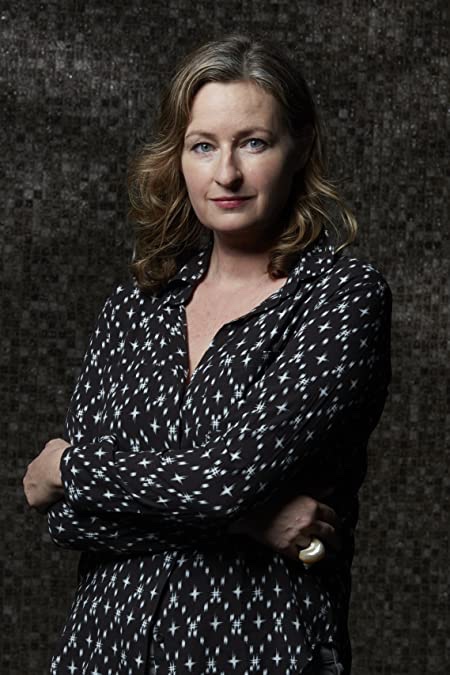
Louise Candlish is the author of 15 novels, a fact she can’t quite believe herself. THE HEIGHTS is her newest – Louise Candlish describes it as a ‘twisty revenge thriller whose narrator, Ellen, has a strange fear of heights known as ‘high place phenomenon’. You could say she’s my most Hitchcock-inspired character yet! I can’t wait for you to read it and share your thoughts.’
‘A bit about me: I live in a South London neighbourhood not unlike the one in my books, with my husband, teenage daughter, and a fox-red Labrador called Bertie who is the apple of my eye. Books, TV and long walks have been my top sanity savers during recent times. Oh, and wine’. From her Amazon Author page.
This month has been something of a break from writing, since a perfect storm seems to have hit our household. The opening up from restrictions hasn’t felt much like a reprieve to us, despite being double vaccinated. This may be because we know someone hospitalised with COVID-19 despite their vaccinations, and I still have an underlying condition that makes me vulnerable. The house had its obligatory ‘three things go wrong at once’ – the most spectacular being the afternoon I pulled the bath plug out, but instead of the water draining in the usual way it poured through a hole in the kitchen ceiling onto our island and hob. So when my partner suddenly became unwell a couple of weeks ago, I knew I had to take a break. It was just in time, because since then my multiple sclerosis has flared back up – probably due to stress and the weird jumps in temperature we’ve been having. So, instead of reading for blog tours, I’ve read what I wanted and I’m taking my time writing it up. I had enough drafts written to keep the blog ticking over, but not anything as organised as usual. We bloggers are a conscientious bunch, especially my fellow #SquadPod members, so having to let people down in this way really does hurt. Even when we know it’s for our own good. So I’ve been a bit frustrated, but despite this I have really enjoyed my reading picks this month and here are my favourites.
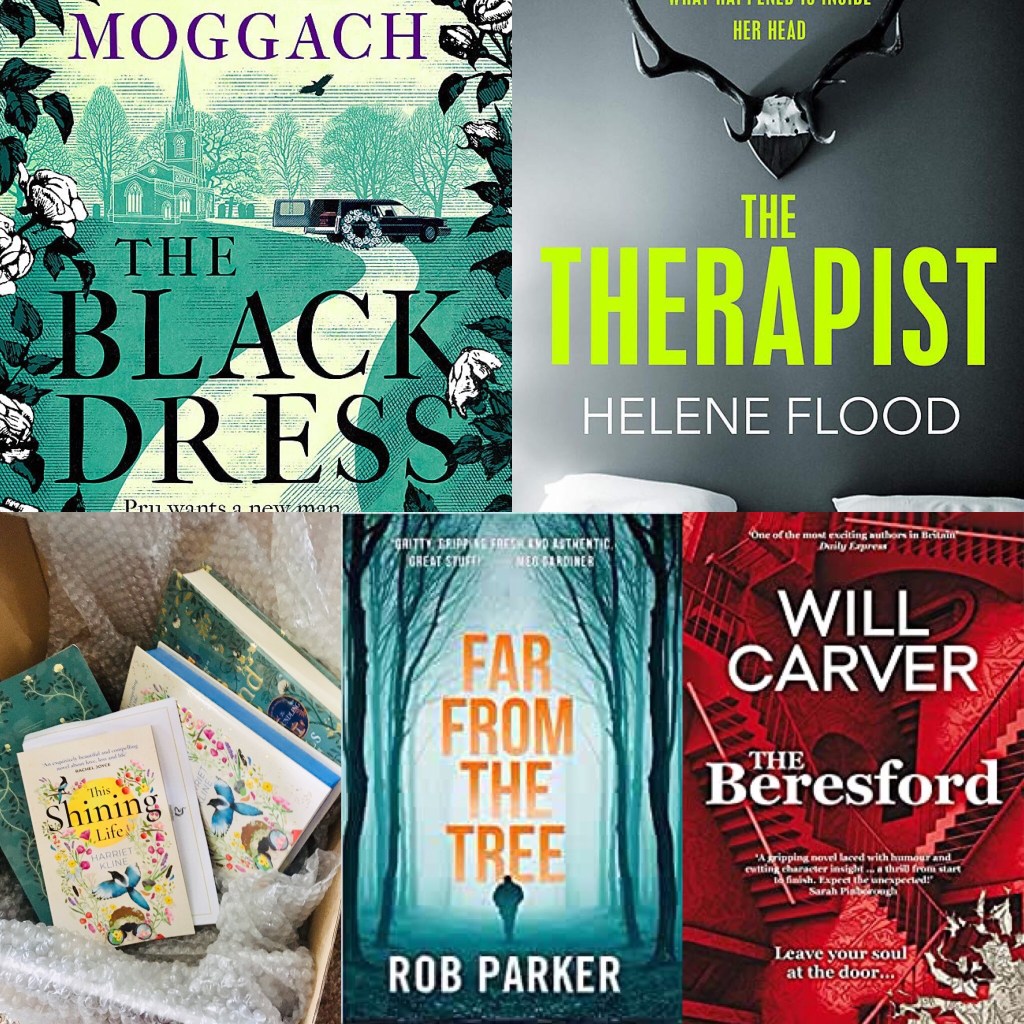
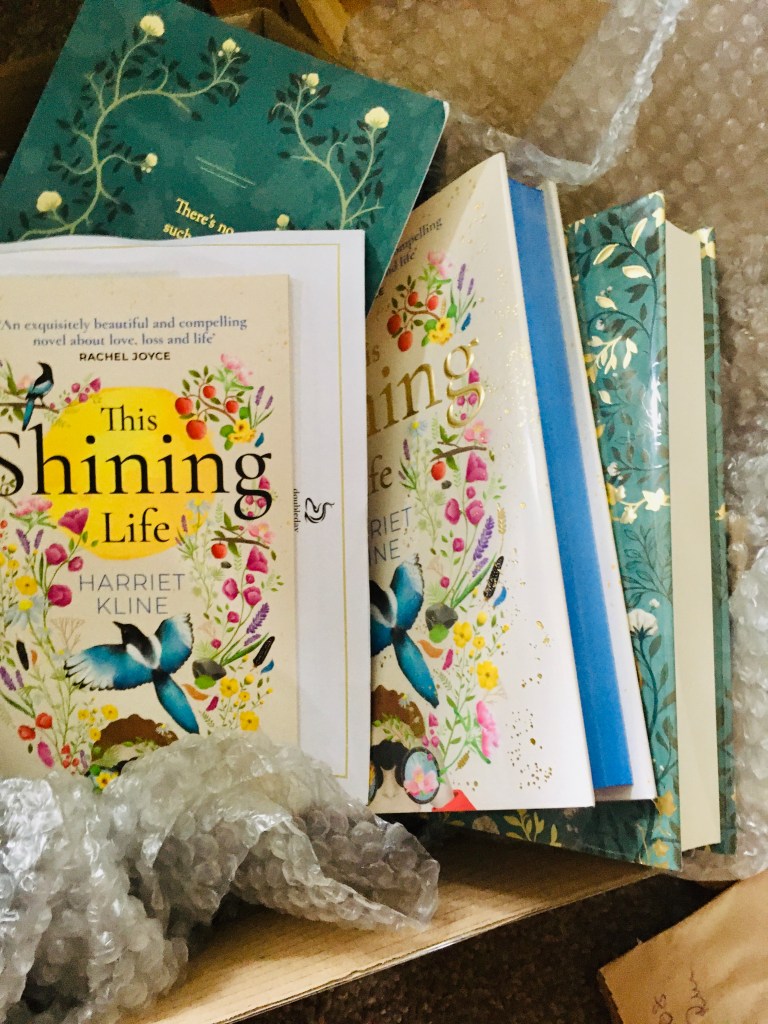
This Shining Life is one of those novels that I enjoyed so much and had such a beautiful cover that I splurged and bought the Goldsboro Books edition. I took this photograph to show people that bloggers do buy finished copies of books, even when they have a physical proof. I keep them all in a special cabinet in my dining room. This is a very special book about love and loss. Rich is a life and soul of the party type of man. So when he dies it’s very hard for his family to make sense of the huge Rich-shaped hole in their lives, especially for his son Ollie who is on the autistic spectrum. What the author shows brilliantly, is that when we face a huge upheaval or loss in our lives, we experience it through our own filter. Made up of our own experiences, the emotions we find it easy or difficult to express, our own bias or prejudice. The author has written such an authentic story of loss by exploring each character’s filters, their earlier life experiences and the unique relationship they had with Rich. We each grieve in a unique way because the way we connected with that person is unique. In dying, Rich has given them all the secret of the meaning of life. Ollie thinks the gifts Rich has left for them hold the secret. Rich has bought each person something he thinks will remind them of him, in the context of the relationship they had. Knowing each person will miss him in a different way. I thought the book was emotionally intelligent, full of complex and interesting characters and explored beautifully what happens when such a big personality is taken from a family. A final mention must go to that beautiful cover, with Ollie using his binoculars to focus on the beautiful variety of life in the world. Simply stunning.
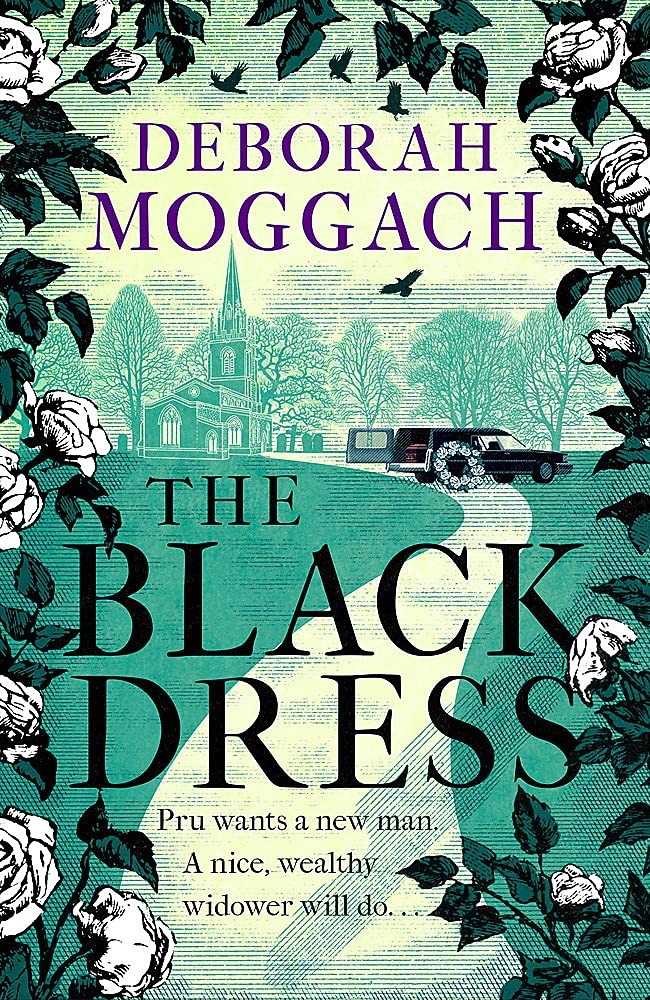
Next up is Deborah Moggach’s latest, The Black Dress. I loved her novel The Carer from last year so hoped this would be just as good. Actually this was better, probably her best novel to date. Pru’s husband has walked out and has set up home in their little holiday cottage by the sea. Her only consolation is her friend Azra, always a little too wild and boho for Pru’s husband’s taste, but a great solace as she contemplates living the rest of her life without her other spoon. To be honest with herself, it’s not really him that she misses. She misses their life together – the past memories of playing on the beach with the children, always having someone next to her in bed, and those in-jokes that they would only get together. Now the bed feels huge and Pru feels numb and bewildered. In something of a daze, she has to attend the funeral of an old friend, but at the church she notices that something’s not quite right. There are people she expected to see, who aren’t here. The eulogy doesn’t sound like the friend she knew. Then the penny drops – she’s at the wrong funeral. Yet somehow she gets swept along with it and finds she has a good time, conversation, a few drinks and banter with some of the other guests. So when she sees the black dress hanging in a charity shop, she allows herself to wonder why not? Maybe she will meet a nice widower to bring some excitement into her life. With this in mind she starts to buy the paper and circle the obituaries in the funeral section. Despite covering themes of infidelity, coercive control, death and grief it’s also warm and witty. I thoroughly enjoyed the black humour. The author does an excellent job of lampooning middle class morés, like a 21st Century Austen, then in the next breath she pulls off an incredible reveal, worthy of any thriller and I really hadn’t seen it coming. Pru is a central character you can’t help but fall in love with. She’s far from perfect, in fact at times she’s conniving, manipulative and full of revenge, but she’s also warm, caring, funny and at her best she’s full of zest for life. Yet underneath it all, she’s lonely and very vulnerable. I loved being able to read about a woman of a certain age, still having an exciting life, when often women over 50 are dismissed as uninteresting. Pru enjoys socialising, dressing up and having sex too. Despite her faults, I was hanging on till the last page hoping that Pru battled through – even if her methods were … unexpected. This wonderful book cemented the author’s reputation with me, as a writer whose next book I would buy without hesitation
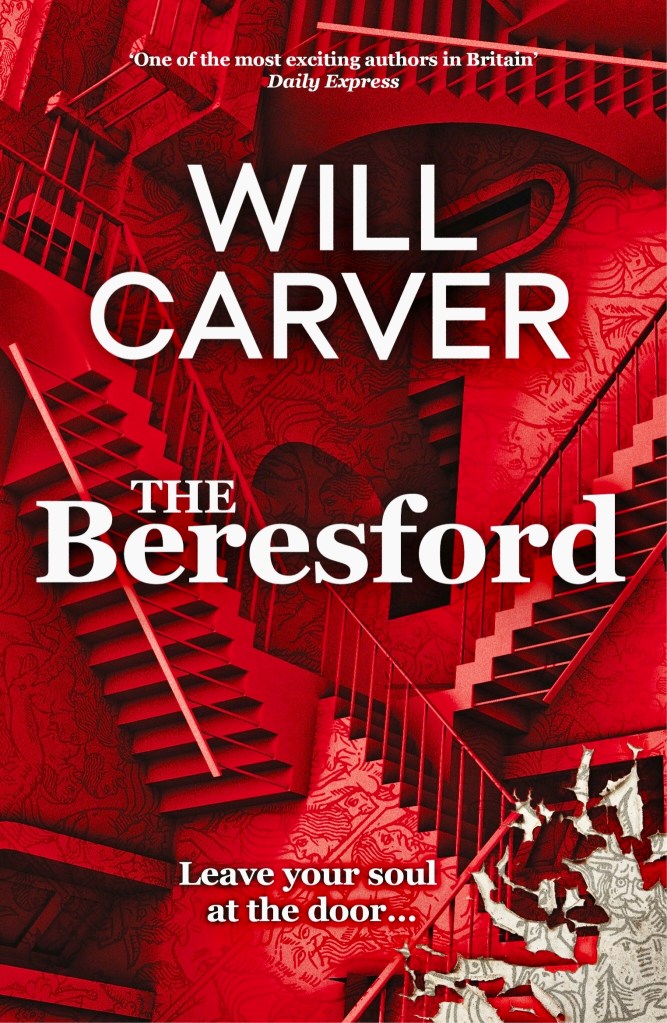
This was my very first Will Carver novel and I came away wondering where he’d been my whole life. This novel had such a darkly, delicious opening that I kept smiling to myself. The Beresford is an old forbidding looking building in the city. In my imagination this conjured up the Gothic looking Dakota Building, where John Lennon lived and was killed back in 1981. Inside The Beresford are a number of apartments, bigger and better appointed than you would expect for the money. They even have large roll top baths. The perfect size to dismember and dissolve a body. Resident Abe finds that as soon as one tenant ‘leaves’ another will ring the doorbell in sixty seconds. The building is presided over by a lovely old lady called Mrs May, who starts every day the same way. By brewing a coffee while the taps run, then enjoying a bath with bubbles, followed by eggs with her cold coffee. She has a routine, and is found at the same time every day pruning the roses in the front garden. As any fan of the film The Ladykiller’s knows, you should never underestimate sweet looking, little old ladies. She knows everything that happens at the Beresford because the same thing happens over again – some people leave and some people just disappear. Occasionally they stay. For a price. I loved the dark humour, the unexpected murders and the characters who pass through – sometimes in seconds! Maybe one day the author will venture further into the other side of The Beresford? The side Abe calls ‘the bad side’. If so, I’ll be waiting – but I’ll probably stick to reading in the daylight hours.
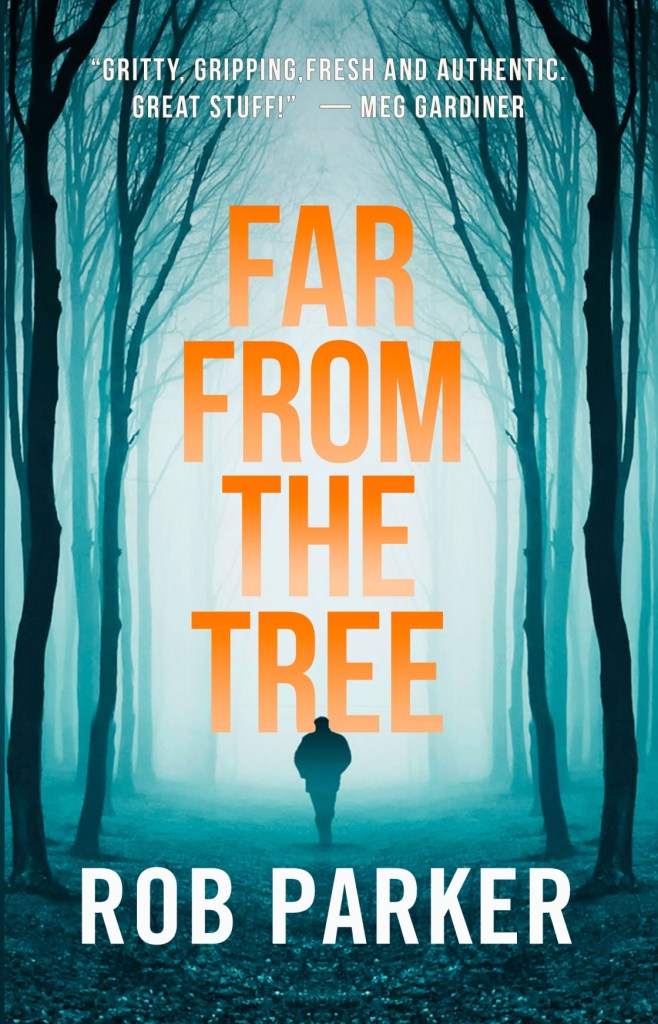
Rob Parker is another author I’ve never read before and I was told I would enjoy his writing. I jumped at the opportunity to read this and truly enjoyed it. I loved that this novel was partially set in my family’s stomping ground around Liverpool. The fact that I knew every setting as the story unfolded added to the gritty reality of this brilliant crime novel. DI Foley’s life becomes very complicated when a trench containing 27 bodies, in various states of decomposition, turns up in woodland on his Warrington patch. It encroaches on family life immediately as he has to leave his son’s own christening to attend and his wife Mim has to hold the fort. However, things become even more complicated, and terrible, for his family, when one of the 27 turns out to be Brendan’s nephew Connor. Criminality isn’t that far away when it comes to the male members of Brendan’s family, the most sinister being his father. What this novel shows is that whether you are a criminal or police officer, when your family are on the line, it’s surprising how blurred the lines between good and bad really get. There’s no holding back on how bloody and terrible these crimes can be, and it was slightly disorientating to see so much violence in a place I visit for fun. Even with something we imagine is very black and white, like the law, there are always shades of grey. It’s simply a case of how much compromise we can live with and how far the apple really does fall from the tree.
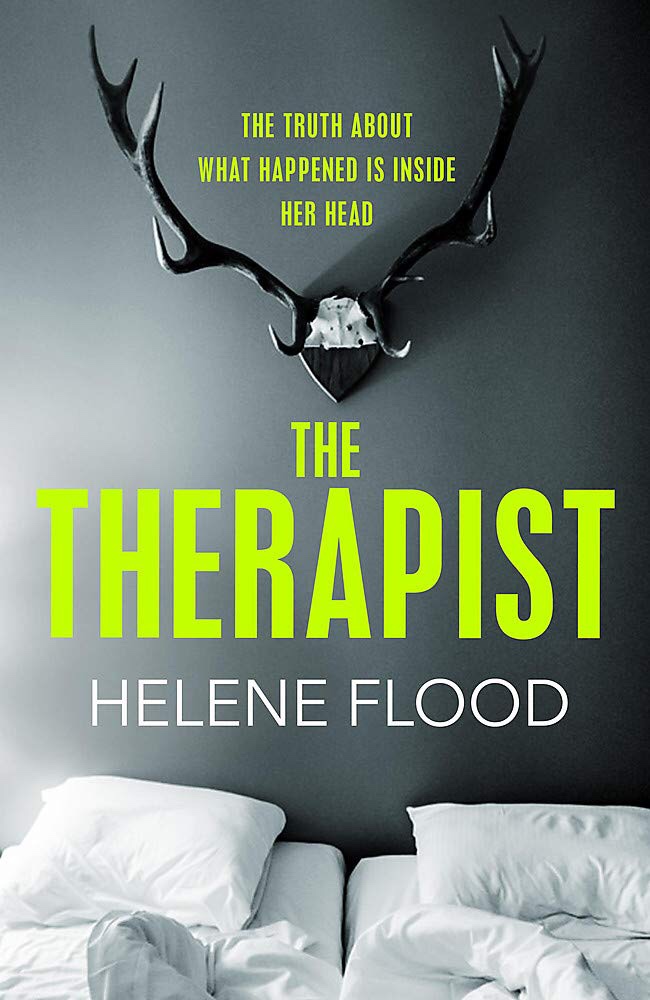
Helene Flood has written a fascinating thriller about a therapist, set in Oslo. It’s complexity of character and their motivations probably comes from the fact that the author is a psychologist. Straightaway, I was invested and really excited me to get inside the character’s minds. On a normal Friday when Sara is getting ready to see her three clients, her husband Sigurd is on a boy’s weekend. He has even called her by lunchtime to tell her he arrived safely. The truth is that Sigurd never arrived at all. The author keeps us brilliantly on edge with red herrings and reveals galore. We see the police through Sara’s eyes, which might explain why they seem curiously non-committal about everything. We never truly know how they feel about Sara or where the investigation is going. Obviously she is a possible suspect. However, there are points in the investigation, when Sara is sure there is an intruder at the house, where they seem indifferent to her worries and her safety. I was never quite sure whether Sara was the ultimate unreliable narrator and would turn out to be implicated in her husband’s disappearance. She seemed detached from the reality of it, even within the context that their relationship has deteriorated over time. The ending was a surprise and the double reveal was beautifully done, and very satisfying. I stayed up late to finish the last few chapters, because I was so hooked on the story. This was a psychological thriller I would definitely recommend.
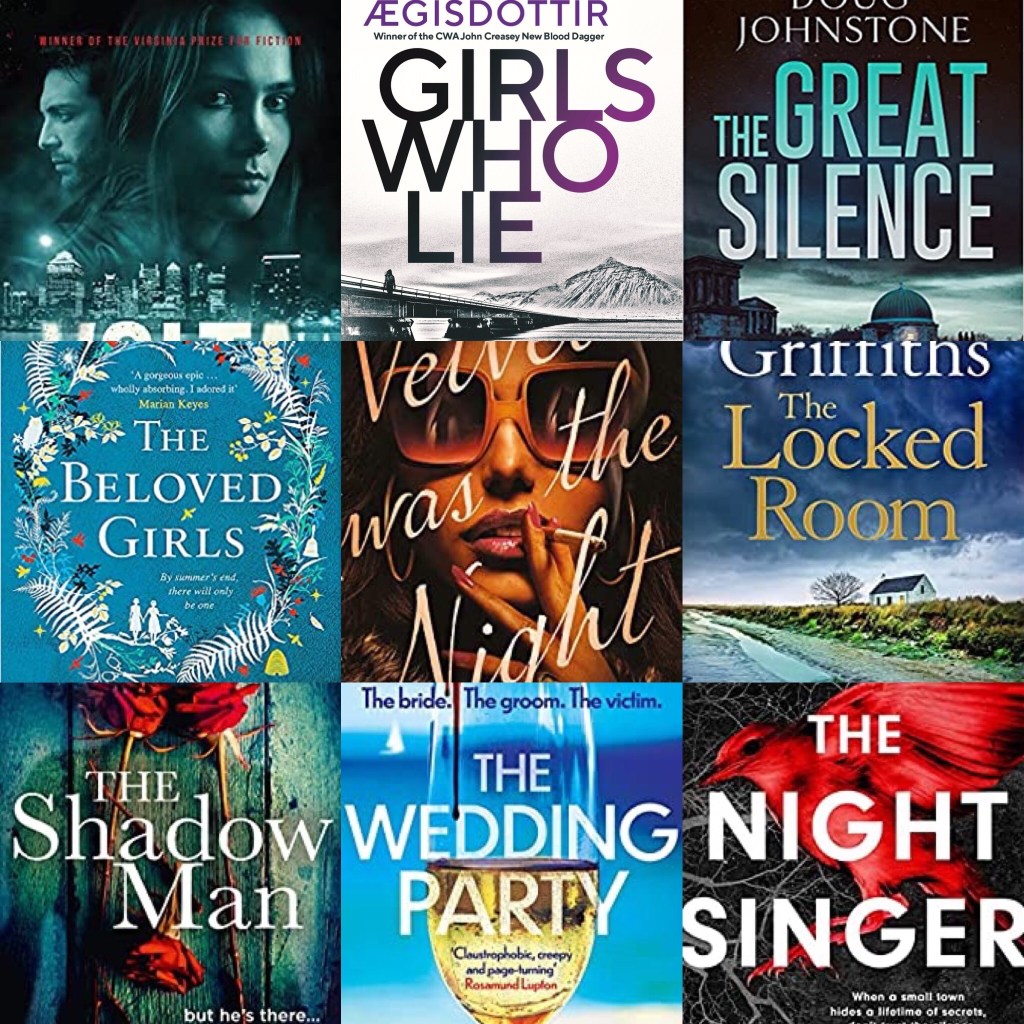
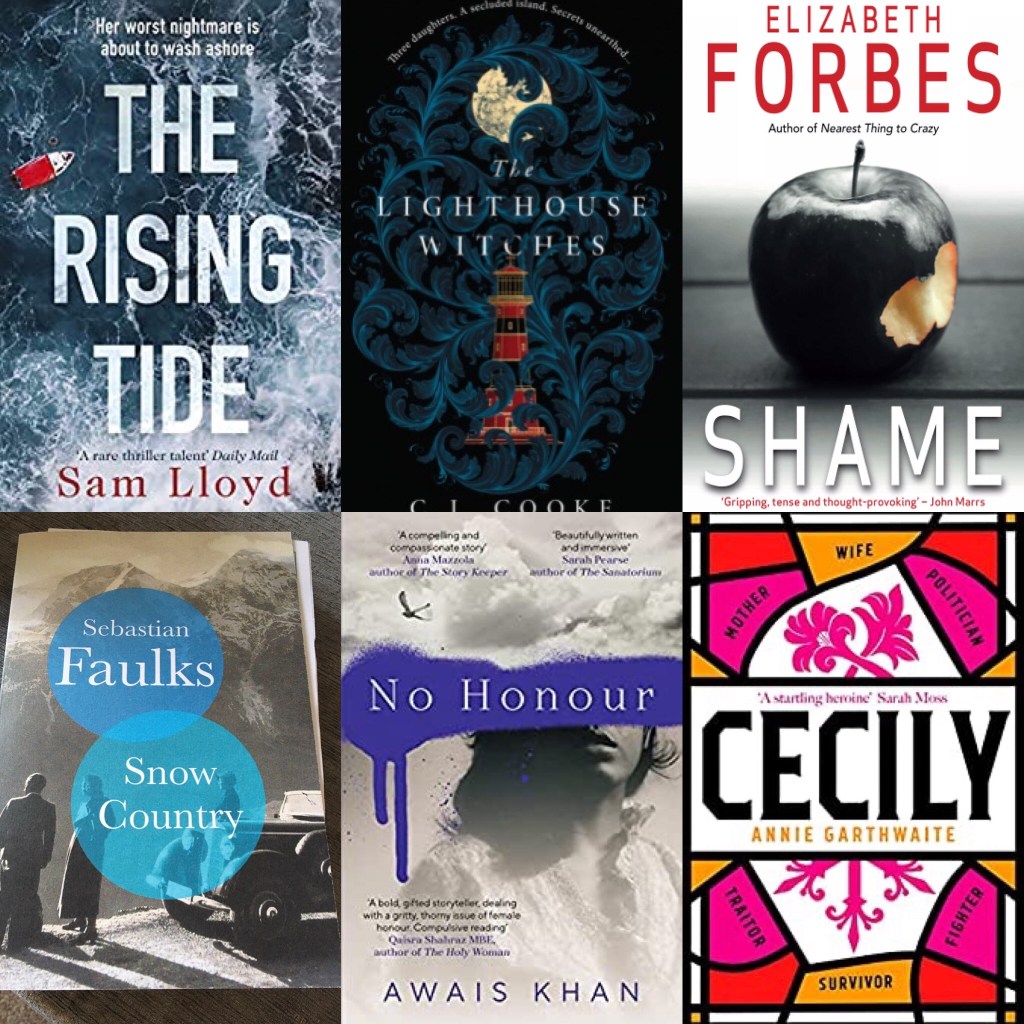
So that’s this months recommendations. I’m not sure what August will bring, except for an Orenda blog tour so I have a lot of choice. Here’s my tentative TBR for August.
















 The Lotus Readers