One by one, she undid each event, each decision, each choice. If Davy had remembered to put on a coat. If Seamie McGeown had not found himself alone on a dark street. If Michael Agnew had not walked through the door of the pub on a quiet night in February in his white shirt.
I came late to this incredible story of love set in Ireland, a story that reaches across the barriers of age, religion and fidelity. I was first sent it in 2022 and read it once, then decided to read it again before watching the television series. On an ordinary day Michael Agnew walks into the pub belonging to Cushla’s family and a chain of events is set in motion that can’t be undone. Cushla teaches seven year olds who already know phrases like rubber bullet and petrol bomb, everything is upside down so why wouldn’t the married, Protestant barrister lock eyes on the Catholic schoolteacher half his age. As Cushla tries to help her pupils, particularly Davey McGeown, and deal with her alcoholic mother, she conducts a secret love affair, but there are forces moving beyond her control. As she desperately tries to keep all the disparate parts of her life under control and apart, they are on a collision course. I couldn’t stay away from this brilliant book, feeling so much for this young woman who simply falls in love in a place that’s far from simple. Her relationship with her mother is fascinating and as she moves in very different circles with Michael we feel her self-consciousness and doubt about herself. This is a place and time with very different rules to ours and their impact is utterly devastating.
We experience everything through Cushla, a young girl who works as a schoolteacher by day and struggles with boundaries. She goes above and beyond for Davey McGeown, with lifts home from school and loaning books to him and his teenage brother Tommy. When their father is severely beaten by paramilitaries she continues to help, at a potentially huge cost to her family’s safety. I loved her instincts to help but also understood her brother’s warning. Her home life can be a struggle, her mother Gina made me hugely angry with her drinking and self-pity. Sometimes she’s fit for nothing but bed, then on other occasions she can pull it together, especially if there’s a situation where she can be the centre of attention. It is this formative relationship that makes Cushla a ‘rescuer’ and leaves her open to being exploited. We see her relationship with Michael through her eyes only, the attraction is instant and mutual but only develops when he asks if she’ll teach him and his friends the Irish language. At first she feels a fool, taking her school books to people with advanced qualifications who are so much older than her. We never know Michael’s motivations, although he does seem to fall in love with Cushla we don’t know if the lessons are a manipulation. A means of spending time with her. I was watching to see if he was practised in adultery, is he a serial seducer of young women? No one mentions his wife in the small circle of friends she meets. There’s a huge power imbalance between them and Cushla never really thinks about his other life, until it’s right in front of her.
Love of any sort seems gentle and tender when placed against the backdrop of the troubles. Beatings and bombs are a regular occurrence. Violence is never far away. Killing is mentioned with regret and reverence, but still more casually than you’d expect. However, it is devastating to those left behind. As Cushla’s love affair with Michael intensifies so do political tensions in the town. Cushla’s attention is drawn by dramatic events close to home, totally unaware of where the real danger lurks, with tragic results that left me heartbroken. I loved the naivety of Cushla and her wish to make other people’s lives better. She’s less good at looking after herself and the secrets she keeps mean that when tragedy does strike she cannot share it and is utterly alone. It is only with the backdrop of this tragedy that Cushla sees how fragile peace and love can be. Her life is like a hall of mirrors, with events looking different depending on which position they’re viewed from. If Michael hadn’t stopped by the bar that night. If she’d never helped Davey McGeown. A photograph she finds in the bar shows that night and to those people drinking in the bar this is as close as she and Michael are, only she knows different
“Michael standing at the counter […] Cushla’s hands were just in the frame, slipping a beer mat under his whiskey, his outstretched fingers almost touching her wrist.”
This is an incredible debut from Louise Kennedy that captures the naivety of youth while also exploring infidelity, betrayal and complicated raw grief. This may be a secret love but is no less powerful for that.
Well it’s been a very interesting year and for my little community of friends and family, quite a tough one in a lot of ways. I’ve had my health struggles, including a cancer scare I could have done without, and our new kitchen turned into a total kitchen renovation. The entire contents of our kitchen were in my study for five months and I’m only just getting things back to normal. For my reading life this has meant periods where I simply couldn’t read because I couldn’t focus. So reviews have been late and I’m still reading a lot of my NetGalley books from the summer. My Goodreads challenge has been missed by a mile. Yet in all of this I’ve read some incredible books and I’ve finally managed to gather a list of the ones I’ve most enjoyed and a list of honourable mentions that I couldn’t ignore. There’s no particular order but each one has been a book of the month and I chose those I couldn’t stop thinking about whether that’s because it was so gripping and or hit my emotions hard.
For years and years, when I’m asked the question which book has hit me hardest emotionally I’ve always had to say One Day by David Nicholls. Now I’ll be able to say that Leaving absolutely tore my heart out. Warren and Sarah dated for a while in their college years and she had ended it. Yet they never stopped thinking about each other. Sarah is divorced and lives alone in her country home with her dog Bella for company. She has a daughter, but she’s married and lives a long way from her mother with her husband and Sarah’s two grandchildren. Sarah works at a gallery, working on an exhibition about the Bloomsbury Group. Warren lives just outside Boston and has his own architectural practice in the city. He’s married to exactly the sort of wife he has needed: attractive, a good hostess and great mum to their daughter Kattie who is an older teenager. However, his wife is also a snob, very aware of who should be in their social circle and how things should be done. They can’t talk about current affairs together, listen to an opera or read the same books. Perhaps their marriage has always been like this, but feels empty since he saw Sarah again. Can he spend the rest of his life in his marriage as he promised or can he be with Sarah? If he leaves what price will he have to pay? And if he doesn’t can he live without that kind of love?
Everything about this novel rings true, from the details that set each scene to the love story that binds everything together. It’s exquisitely written, drawing you in so very slowly, then unravelling quickly to it’s emotionally devastating conclusion. Once an affair starts to turn into something more, so many decisions have to be made and the sacrifices those choices will create become stark and very real. Sarah has imagined living with Warren, but she’s always thought of them at her home. This is where she rebuilt herself after her divorce. It’s a place she loves and doesn’t think she can give up. Arguably, Warren’s choices are even more difficult. He knows if he does this, his relationship and happiness with Sarah will come at the cost of someone else’s feelings. On the scales does one happiness outweigh another? Or are some costs simply too great?
Robin is exactly half way through his life. Like Mark Twain before him, Robin came into the world with Halley’s Comet in 1986 and fully expects to go out again when it returns in 2061. Recently he’s had a huge life change. He’s moved back to his home town of Eastgate to care for his sick father, who due to his disability has had one accident too many. Robin had a well-regimented life in London with girlfriend Gemma. He also had a boring well-paid job as an accountant. Now everything has been thrown up in the air and he’s living in a tiny bedroom surrounded by boxes he hasn’t unpacked. He’s trying to forge a relationship with a father who can’t communicate and who he never connected with as a child. There are childhood ghosts to face and a new connection with Astrid, fellow outsider and professor at a nearby university. She’s brutally straightforward and Robin has never met anyone like her. She’s also hiding something, but he’s hiding even more from her. Can Robin make friends, help his father and accept this is the next chapter of his life, rather than a blip? This was a great book that’s simply joyful to read, even while addressing some really difficult themes. When we find out why Robin is so adamant about his comet theory – while being forced to evaluate his choices by a strident Astrid – it all becomes clear. A heart-breaking tale emerges, as Robin is faced with yet another loss and learns life is just messy, terrifying, random and heart-breaking. This story is infused with beauty, humour and hope because life is beautiful and joyous too, if you let it be.
London 1883
Rebecca and husband George run Evergreen House as a home for young girls and their illegitimate children, often called a house for ‘fallen women’. Previously, Rebecca’s sister Maddie was the woman of the house and the wife of Dr Everley. Maddie is recovering well after being on trial for the murder of her baby and the revelation that the Everley family had a tradition of hideous experimentation on the bodies of babies to create strange chimeras. Rebecca knows their tenure here is precarious. The Everley family still own the house, but with Dr Everley dead and his sister Grace in a prison asylum no one currently needs it. The small household are very close so all are devastated when the cook and centre of their household, Rose, is murdered and this isn’t the end of the mysterious events at Evergreen. Rebecca fears the past is coming back to haunt them, the murderous and twisted legacy of the Everley family is hard to ignore. What was a sanctuary is becoming dangerous as the evil presence continues its work. With the charity board also tightening their grip on the house, Rebecca must draw out the murderer and discover their purpose. This was a tense and atmospheric read. I could feel the warmth and happiness slowly being sucked from Evergreen House. There were heart-stopping moments, especially towards the end. This is the perfect gothic mystery, especially for fans of historical fiction who like a touch of feminism on the side. This is a must-buy, for the engrossing story and for the gorgeous cover too.
This was a NetGalley read that sounded fascinating and really did grab me from the off. Dani has been hitting rock bottom. Her eating disorder is out of control and her mental health has meant suspending her place at university where she was studying English Literature. She’s now living in a flat with her sister Jo and her boyfriend Stevie, having to share with his daughter Ellie when she’s there for weekends. She’s working as a pot-washer to pay the bills, but longs to go back to university. Despite having very little money, she decides to see a therapist and has a session with Richard. She feels at home in Richard’s room, it’s quiet and smells of books and furniture polish. She feels like he listens and he seems perceptive, noticing her low self-esteem and anxiety. So she takes the decision to have further therapy with him, although he’s expensive. She starts to feel more positive, greatly reducing her bingeing and purging cycle. Of course as counselling boundaries start to be overturned Dani starts to spiral. There are behaviours and revelations I won’t go into for fear of ruining the suspense and eventual outcome, but I was genuinely scared that Dani couldn’t pull back from the mess she was in. When someone has listened to your innermost thoughts they are a formidable agent for change but an even more powerful opponent. I had everything crossed that I’d underestimated Dani and that she could find those reserves to get through to the other side. This was a fantastic debut novel, full of suspense and stirred the emotions of the reader with finesse.
Nina and her daughter Ash live in the bougie seaside town of Whitstable in Kent. They are grieving for husband and father Paddy, who was killed when a man having a mental health crisis pushed him into an oncoming train. Ash has been living at home since her own mental health deteriorated and she was eventually diagnosed with borderline personality disorder. She’d just come home to recover when Paddy was killed. When her mum receives a parcel in the post Ash is intrigued. It’s beautifully wrapped, with a note inside from a man who has heard about Paddy’s death. He used to work with him in the 1990s and the gift wrapped box contains a Zippo lighter he borrowed but never returned. Since then Paddy has built a restaurant empire, with his flagship restaurant in Whitstable and two others down the coast. Nick’s note explains he is now a troubleshooter, brought into eateries and hotels to assess what’s not working and put it right. There is of course a number, should Nina wish to thank him for his thoughtfulness. Over the next few months Nick and Nina start to WhatsApp each other and then go out for a drink. Ash is glad to see her mum with a glow, but there’s something about Nick that’s just ‘off’. She can’t be sure and maybe she’s viewing this situation through her own grief or her personality disorder, but something isn’t right. She needs to find out more about him before he becomes a permanent fixture.
I galloped through this book as we went backwards and forwards in time, every time learning a little more and inching towards the truth. I loved the fragile Ash who is at that stage of recovery where she doesn’t fully trust her own mind. Is she making too much of this? Is she just paranoid? Worst of all, if she finds something questionable, will her Mum even believe her? She’s so lonely at this point, she doesn’t have many friends to talk to and feels bad she’s had to bounce back home at her age. Her mum deserves to be happy and she might ruin it all. Just when you think you have all the answers, the author takes it to the next level! This book is like a twisted knot in a necklace. It takes a long time to loosen it, but suddenly the whole thing unravels before your eyes. This is masterful thriller that absolutely begs to be devoured in a couple of sittings, from an author who gets better and better.
I have to be honest and say this book blew me away. I was so engrossed in Ciara’s story that when I was at 50% of the way through I just decided to sit for an afternoon and finish. No distractions like music or telly, just total silence and when I finished I sat in that silence and I could feel, bodily, every step of her emotional journey. It’s the story of a woman trying to leave a relationship that is tying her down and eating her alive. Everything she was before – bright, intelligent and full of life – has been worn away. Enduring her husband’s treatment, as well as having two children in four years, mean Ciara has had enough. She can see his behaviour as a pattern and despite being absolutely terrified she needs to find the strength to go. Ciara has no real support, her family is Irish but live in London and despite her yearning to see her mum and sister the law states that she can’t take the children out of Ireland without the written permission of their father. Her only option is the housing office, to present as homeless. Will Ciara have the strength to stay away and build a new life for herself? This is not a comfortable read, especially if you’ve been through an ordeal like Ciara’s. What helps is when an author is brave enough to use their own experience or extensive research to get it right for readers who’ve survived abuse. Roisin O’Donnell has written this so carefully and made Ciara’s life so real that I felt seen. I read on, hoping with all my heart that Ciara would make it through and build a new life. Underneath my fear I was storing up hope for her. I hoped she knew how much strength she had. She could leave. After all, I once did.
The story unfolds slowly while the author immerses us in the world Sycorax inhabits, at first with her parents. Taking her cue from Shakespeare her prose is lyrical and poetic. I really felt like I was in the presence of a magical being and it was the sounds that really grabbed me – the tinkle of sea shells on her mother’s anklets, the sounds of the sea, the lazy buzz of the honey bees they keep. I felt as if I was cocooned on a Caribbean island and strangely relaxed too. Sycorax’s ongoing inner strength and determination to find her own identity in a world that shuns her, is something to truly admire. Because of this she is vehemently hated among the townsfolk, especially men because she won’t conform or disappear. There’s a constant sense of give and take between Sycorax and her universe. Strangely the more she’s affected by illness, the more powerful she becomes. The power comes in the shape of wisdom, resilience and acceptance. I was moved when Sycorax was taken to a woman in labour by a friend of her mother’s, teaching her how to help and support. Sycorax kneels by her head, holding it gently and singing a song in a rhythm. She slows down the woman’s breathing and draws her attention to the ebb and flow of the pain and allows her to work with contractions rather than fight them. That’s what I’m going to take away from this beautiful book, to remind myself of the ebb and flow in life and in my own body.Nydia has written a beautiful piece of work that takes us full circle to The Tempest. She’s managed to bring 21st Century injustices to the forefront without losing any of the magical beauty of the original play.
There’s a constant sense of give and take between Sycorax and her universe. Strangely the more she’s affected by illness, the more powerful she becomes. The power comes in the shape of wisdom, because people with chronic illness understand things about life that other people won’t get in a lifetime. It’s also about resilience, something that comes with time and getting to know how your illness affects you. By working with it, Sycorax knows what her body can do and how much activities will take out of her. Everything is a bargain and when she has to take to her bed she counts rest as an activity. I love that Nydia puts her own wisdom into the character, in the need to measure out energy daily and live with constant pain. Everything Sycorax goes through and learns about her illness, we follow and it was moving to hear words that have gone through my own head. I’ve woken up in agony, out of nowhere, trying to work out what tasks are absolutely necessary and which can wait. I was moved when Sycorax was taken to a woman in labour by a friend of her mother’s, teaching her how to help and support. The woman is screaming and thrashing, so Sycorax goes and kneels by her head, holding it gently and singing a song in a rhythm. She slows down the woman’s breathing and draws her attention to the ebb and flow of the pain. It calms the woman and allows her to work with contractions rather than fight them. This is something I do when in pain and something Ive taught clients with chronic pain. Even severe pain is rarely continuous agony. It has a pattern, a shift, an ebb and flow. If you tune into the ebb and flow of pain you can go with it rather than fight it. That’s what I’m going to take away from this beautiful book, to remind myself of the ebb and flow in life and in my own body.
This fantastic novel from Emily Critchley fit the bill for an early 2025 read perfectly and was the only thing that drew me away from watching Black Doves all in one go! Our heroine is Gillian Larking, a rather invisible girl at boarding school who does her best to fit in but has no real friends. Gillian has lost her mother and with her dad working in Egypt she feels very much alone. However, when she gets a new roommate that feeling starts to change. Violet is a bright, lively girl whose first goal is to break school rules and sneak up onto the school roof to check out the view. Despite her mischievous and seemingly confident nature, Violet is anxious and has a series of rituals to perform that help her cope. She is also prone to emotional outbursts when things become overwhelming. Gillian is seemingly more aware that as young ladies of a certain class they must manage their emotions. Girls in packs tend to sniff out weakness or odd behaviour and she worries whether Violet’s rituals, or ‘undoings’ as she calls them, could affect both their positions at school. As Christmas approaches Gillian is delighted to receive an invitation from Violet to spend the holidays with her family at Thornleigh Hall. There she is dazzled by their slightly shabby country home, being waited on by the servants and Violet’s rather beautiful older sisters. Emmeline, the oldest and definitely in charge, wafts around in old Edwardian gowns whereas Laura is a rather more modern and fragile beauty. Both girls accept Gillian as one of their own, but their new friendship is tested by a terrible accident on Boxing Day that will reverberate through the years. This was an enthralling and fascinating look at a tumultuous time in history ( post WW1) and its effects on one aristocratic family, observed through the eyes of a naive visitor. The author has created an incredible atmosphere that drew me in so strongly I felt like I was there. This is an amazing debut from Emily Critchley and I look forward to reading more of her work.
This thriller grabbed me straight away and never let go! The pace was fast, with short punchy chapters containing the narratives of five men each linked in some way to a woman called Katie. Each man has his own name for this woman and their narratives tell us her story as they see it. John is her father, Gabe is her childhood friend, Conrad is her lover, Tarun is a lawyer and Max is a journalist. Each one thinks they know her, each one presents a different face. But who is she and which is her real identity? Is she a combination of all five or nothing like this at all. It’s a timely, compelling and addictive story that you’ll want to finish in one go.
The murder committed at March House has killed four very important men at once. Lucian is March House’s owner, presiding over the private members club for the richest and most influential men in the UK and their guests. His guests that night were Harris Lowe, Lucian’s new right hand man, Dominic Ainsworth MP and Russian millionaire Aleksander Popov. They appear to have been murdered with an incredibly expensive bottle of brandy laced with poison. Only one person has been serving the party all evening and that is waitress Katie. She is soon under arrest, but what possible motive could she have had to kill these men? Yet when police apprehend her she is reported as saying ‘they got what they deserved’. Is this an admission of guilt or an acknowledgment that whoever killed them, did the world a favour? Every so often a book comes along that captures a moment and this definitely does. It isn’t the first book I’ve read where online radicalisation is part of the story and how dangerous it can be to become drawn in by conspiracy theorists. It reminded me of how women who are seen as controversial, such as Caroline Flack or the Duchess of Sussex, are presented and packaged by the media. There’s misogyny at the root of this and it’s the same with the male characters in the book who package Katie into roles and personalities that absolve them for the harm they cause and assuages their guilt. This is brilliantly done by the author who doesn’t put a foot wrong in the characterisation and pace of this novel. It’s fast moving and she doesn’t waste a single word, keeping you gripped by what might happen next. We’re never sure on what has happened or who is responsible and the courtroom scenes are brilliant meaning it was impossible to put down – there was one late night where I completely wrote off the following day for anything useful. This is powerful and will make you angry, but you won’t be able to stop those pages turning.
As autumn deepens into darkness in Lidingö, on the Stockholm archipelago, the island is plunged into chaos: in the space of a week, two teenagers, the son of the island’s mayor and that of a powerful businessman, are brutally murdered. Their bodies are left deep in the forest, dressed in white tunics with crowns of candles atop their heads, like offerings to Saint Lucia. Maïa Rehn has fled Paris for Lidingö, trying to come to terms with the death of their only daughter. But when the murders shake the island community, the former police commissioner is drawn into the heart of the investigation, joining Commissioner Aleksander Storm to unravel a mystery as chilling as the Nordic winter. It becomes clear that a wind of vengeance is blowing through the archipelago, unearthing secrets that are as scandalous as they are inhuman. I loved the timing of this novel from Johanna Gustawsson, her second set on the island of Lidingö in the cold, dark run up to Christmas. Some of the themes were very timely, such as incel culture, grooming and consent. I found it fascinating that Swedish law reform in 2018 placed the emphasis on positive consent, so that rape was no longer defined by saying no, but by actively saying yes. It recognises that freezing and becoming unresponsive are normal survival instincts not consent, so threat and physical force don’t have to be present for an incident to be defined as rape. When we are finally taken to the night that sets these events in motion it is devastating and hard to read, but that’s how it should be. This incident is like a veil of darkness triumphing over light. It’s as if the island loses its innocence. I loved that the answers don’t come easily and the tendrils of the aftermath are everywhere. This is a vivid, symbolic and haunting crime story and the truth is devastating – a gradually revealed horror that has echoed down the generations of this isolated community.
This was the perfect autumn read – a sinister mystery filled with atmosphere and a slowly building sense of menace. Evelyn Dolman embarks on his honeymoon with his new wife Laura and it proves to be anything but the honeymoon he expected. The couple are greeted by servants at their lodgings, but soon the landlord of Palazzo Dioscuri is there to introduce himself and tell tales of his grand and adventurous family ancestors. Evelyn fought hard for Laura’s hand, knowing she was far above him in terms of class and finances as he is merely a struggling writer, but he’s looking forward to getting away. Despite the rot and instability underneath some of the grand palazzos they saw from the vaporetto Evelyn is still dazzled by the faded beauty, the light and the history of this group of islands that make up the city. So, with Laura settling in early for the night he decides to go for a walk and perhaps a drink somewhere close by and she suggests Florian, a cafe that first opened in 1720 and still serves Venetian visitors today. A chance meeting is followed by a night of drinking and one unforgivable act. So when he wakes in the morning, sluggish and nauseous and finds his wife isn’t next to him in bed, he imagines she has taken herself to another room. However, as the morning progresses it becomes clear that Laura has simply disappeared.
This is a mystery as labyrinthine as the city itself and despite having only one narrator we are left with so many questions. There are clues to what is transpiring here but they are subtle. The writer has incredible sleight of hand and it reminded me of The Sixth Sense and how many clues are missed on the first watch of the film but once you know they seem so obvious. Each character is slippery and elusive with an unpredictable quality that felt dangerous. I loved the uncanny feeling the author created which grows organically from the city. This is a sparking jewel of a city that’s risen from the mud and brackish waters of the lagoon. One day it may be completely under water, but the decay isn’t what you see when you first visit. Venice bewitches you with its golden domes, coloured glass and the way sparkling light from the surface of the water bathes everything in a soft light. Banville captures this ‘double’ city utterly, describing the timeless romance of a gondolier serenading his passengers but also the jarring sound of the vaporetto. He links this duality with human nature, our surface selves and the real us, even the parts we avoid and keep locked away. Everything about this novel is a conjuring trick and I fell head over heels in love with it.
I can’t fully express how happy I am to have Jimmy Perez back! Now in the Orkney islands, where he grew up. Sadly, as a storm blows in and the islands shut down, a huge loss is about to hit the community. Jimmy’s childhood friend Archie is found dead at an island landmark. He’s been hit on the head by one of the story stones, taken from the island’s museum. Now Jimmy will have to investigate the murder in the run up to Christmas, along with his boss and partner Willow. Only the reader and perhaps Willow know the depth of feeling that runs underneath Jimmy’s calm exterior. We are privileged in knowing the depth of his grief for his previous partner Fran, the mother of his stepdaughter Cassie. He’s now dad to James with another baby on the way. We can see the love and the anxiety he has about both his children, brought to a head when James becomes lost on Christmas Day. Part of Jimmy hates delving into the private lives of people he’s so close too, but then his knowledge and understanding of this small community is also a strength. He finds out things he didn’t know about his friend: an unexpected relationship with an island newcomer; a secret investment in the hotel and bar; financial difficulties at the farm. The killer made a point with their choice of weapon because they managed to get access to the heritage centre then lugged the stones to the murder site. But what was the point? Did they think Archie was betraying the community or the history of the islands? Is the inscription a clue? To have lured Archie out to such a remote spot in a storm means the site or the weapon must have been important to him.
Anne Cleeves creates a beautiful atmosphere in this novel, her descriptions of this series of islands are both beautiful and savage, echoing its residents who are inextricably linked to each other and their shared ancestry. The storm really sets the scene of just how remote this community is and how they must pull together to get through difficulties, even where they don’t like each other. I really loved Willow, just as dedicated to her work as Jimmy, her pregnancy doesn’t hold her back at all. The case is fascinating, covering potential adultery, family tensions, environmental disagreements and historical conflicts, as well as academic jealousy. As everyone gathers on Christmas Day for The Ba my nerves were like violin strings! It’s this gradually rising tension alongside the beautifully drawn relationships that make Anne Cleeves’s novels. Jimmy has always had incredible empathy for others, feeling his own loss alongside theirs and understanding behaviour that might at first glance seem inexplicable. This is a hugely welcome return for Jimmy, both in a different landscape and place in life. Hopefully it’s the first of many.
With the fate of her missing sister, Ísafold, finally uncovered, Áróra feels a fragile relief as the search that consumed her life draws to a close. But when Ísafold’s boyfriend – the prime suspect in her disappearance – is found dead at the same site where Ísafold’s body was discovered, Áróra’s grip on reality starts to unravel … and the mystery remains far from solved. To distract herself, she dives headfirst into a money-laundering case that her friend Daníel is investigating. But she soon finds that there is more than meets the eye and, once again, all leads point towards Engihjalli, the street where Ísafold lived and died, and a series of shocking secrets that could both explain and endanger everything. I’ve been hooked on the story of Áróra and Ísafold for a few years now and the tension has slowly gripped the reader ever tighter with each novel as more revelations come to light. The combination of Áróra’s skills as a financial investigator, plus the skills and powers of detectives Daniel and Helena, complex cases are profiled and attacked from different directions, make them a formidable team. We’ve always had suspicions but have never known who killed Ísafold. We want this mystery resolved, but I didn’t feel any of that racing tension or triumph that I often get when a killer’s revealed. This was just so desperately sad and I had to take a moment for this under confident woman who was so far out of her depth. If I had feelings of loss, I knew it would devastate Áróra. The question is, if she does get all the answers she needs, what will Áróra do next? Unlike her sister, she has a clear sense of what she needs to be happy and fulfilled. She makes decisions based on self-knowledge and it remains to be seen whether Daniel is a part of that eventual happiness. A brilliant and emotional ending to a fantastic series.
It’s delightful to be back in the hands of a consummate storyteller like Val McDermid. I feel like her characters are real people going about their business and we just drop into their world from time to time. Here the Historic Cases Unit are working two cases: the death of a high-end hotel manager and the identity of a body found after a landslip in heavy rain on the M73. Tom Jamieson’s death is flagged up by his brother in New Zealand. Thought to be accidental, new footage shows someone behind Tom as he leaves the hotel and enters the staircase where he met his death. This man must at have seen Tom’s fall, or is his presence even more sinister? The body in the M73 is the body of an investigative journalist, thought to have killed his pregnant girlfriend before going on the run about eleven years ago. I was hooked by evidence that led to a secretive book club of successful men who met once a month in Edinburgh. They’re named the Justified Sinners, but is the Calvinist name a joke between literary friends or something more? Have they stumbled upon an unofficial Freemasons’ club? The team start to wonder about the benefits of becoming one of the twelve and whether those benefits are worth subterfuge or even criminal acts. I think the team are feeling overwhelmed, even without the quagmire surrounding the Justified Sinners and Sam’s quest for the truth. The outcome isn’t straightforward and there were people to blame that I genuinely didn’t expect. This is an enthralling read from a writer at the very top of her game. Someone who knows exactly how to pitch a story and keep the reader engrossed until the final pages. She knows that the joy of a book is in the journey and that sometimes we don’t get the answers we expect.
This book taught me so much about the French Revolution and the aristocrats who left France for British shores and were welcomed in high society. Edmée has somehow made her way to Britain, despite seemingly being an ordinary citizen. She is now being offered at a ‘wive’s sale’ by her husband’s brother, but this potential chapter can’t be worse than her last. For Duval Harlington it’s something he would never usually countenance, but his circumstances are uniquely desperate. Having been recently released from prison by the French, he is returning to Britain and is met by a family servant who bears bad news. Duval Harlington has become Lord Harlington after the recent death of his father. Although he has the title, his right to the ancestral home of Muchmore and his father’s wealth is rather more complex. Duval’s father installed a distant relative, Mr Carson, to manage the day to day running of the estate. So his will has an interesting stipulation; in order to claim his inheritance Duval must be married and he has only two days to achieve this. So when his servant points out the wife sale it seems like a means to an end. Duval notices a young woman being led around the room by a scarf round her neck, with shorn hair and a veil covering her face. When the buyers call out for it to be removed he’s shocked to see that someone has recently beaten her very badly. On impulse he puts up his hand and bids for her, his intention being to marry her quickly and claim his inheritance, then seek an annulment. However he does find Edmée fascinating and with the Mr and Mrs Carson ready for a fight this might not be as easy as he thinks. I enjoyed the fascinating social history and Duval isn’t your average privileged heir. Edmée would never normally be his wife either. In discussion on the revolution, Sir Wifred points out that its biggest folly was that all people should be equal, meaning men and women. Duval surprises him by stating that in his view “it was one of the most exciting things to have come out of the revolution.” It’s a hard read when it portrays women’s struggles through life and I was hoping for Edmée to have a happy ending. It was clear though that this might not be the case as she disappears after their first ball at the estate, making for a tense read in those final chapters. The book has a mix of hardship, adventure and mystery interlaced with the romantic possibility of an unlikely match being perfect, if only Duval can find her.
They said I would swing for the crime, and I did . . .
1724. In a tavern just outside Edinburgh, Maggie Dickson’s family drown their sorrows, mourning her death yet relieved she is gone. Shame haunts them. Hanged for the murder of her newborn child, passers-by avert their eyes from her cheap coffin on its rickety cart. But as her family pray her soul rests in peace, a figure appears at the door. It is Maggie. She is alive.
Bruised and dazed, Maggie has little time for her family’s questions. All that matters to her is answering this one: will they hang her twice? Kate Foster is a brilliant advocate for the women she finds in historical documents, often in dire situations for ‘crimes’ it’s hard to comprehend today. Maggie and her younger sister Joan have grown up in a village known for its fishing and the strong, hardworking women that mend the nets and clean the fish ready for market. It’s a hard life and not one that Maggie wants forever. So, when Patrick Spencer walks into their cottage one evening, with his sparkling eyes and easy charm Maggie sees someone like her, who wants to make their own luck. He has come to ask her father if he could store ingredients for perfume? Maggie isn’t the beauty of the family and isn’t even the favourite either, but she knows that if Patrick is looking for a wife to support and help him in business that she’s the best choice. When he takes her out walking one evening she hopes that perhaps he’s seen someone as ambitious and hardworking as he is. Their courtship and marriage are a whirlwind and they’re soon living in a bungalow closer to the centre of the village. Only months later it’s a terrible shock when a press gang visits the inn and takes Patrick into the navy. Maggie has few choices and as the days go by she’s ever more sure that she’s having a baby, if she leaves it must be now. However, it’s not long before she’s standing in front of the justices to answer charges of concealing a pregnancy and infanticide. I am amazed by Kate Foster’s talent, that she finds these cases from Scottish history and breathe life into them. She actually fleshes out these characters and places with what must be endless research and creates women who feel like they could be one of us, with hopes, dreams and incredibly relatable mistakes. I loved the idea of the scar round Maggie’s neck as a mourning necklace. There’s something about seeing inner wounds made visible that resonates strongly with humans. Maggie could see her scar as a mark of shame, to be covered, but she chooses to wear it with pride because it is proof that her little girl lived. This is the best of Kate Foster’s novels so far.
This book drew me in immediately and two days after I finished I still couldn’t start another book. Our setting is 18th Century London and George II is on the throne. On St James’s Street is a confectioner’s shop called the Punchbowl and Pineapple and running it is the newly widowed Hannah Cole. This was her grandfather’s shop, then her father’s but she was his only child. He needed an apprentice to pass on his skills and he employed a young lad called Jonas Cole. Jonas and Hannah grew close, with Hannah losing her father a few days after they married. Until two days ago the couple ran the shop, with Hannah becoming an accomplished businesswoman. Jonas was hard and ruthless though and of recent years they had grown apart. Jonas often spent evenings out, but two nights ago he didn’t return and was found further down the Thames minus his money, his watch, several teeth and his life. Hannah had to borrow to re-open after his death and caused a minor scandal. She can’t afford to be closed and is waiting on their savings being released to pay her suppliers. Then Henry Fielding pays a call in his role as magistrate rather than novelist. He explains that all money will remain frozen while he investigates Jonas’s death. Luckily, at Jonas’s funeral Hannah meets William Devereux. An acquaintance of Jonas, he has never met Hannah before but is very sympathetic to her plight. He promises to visit her shop and discuss how he may help her with Fielding and Jonas’s life outside the home – was he gambling, womanising or getting into shady business dealings? He also mentions a delicacy his Italian grandmother used to make called iced cream. It has all the ingredients of a custard, but flavoured with fruit or chocolate and is then frozen and eaten as a desert. Hannah resolves to let William help her and to master the art of iced cream, but are either of them being fully honest with each other about who they are and what their purpose is? As with all Laura’s books the setting is incredible and it’s the little details that stand out and make us believe in this world. I loved Hannah’s various confections and how she knows what people will choose and what it says about them. I was entranced from the first page to the last, especially as the tensions mounted in the final third when Fielding makes his move. However, just when you think you’ve worked everything out another twist will come along and surprise you. I was rooting for Hannah to come out on top, but was very scared for her in parts. I was honestly hypnotised by this story and Laura’s talent. Bravo on such a fantastic story that I’m still thinking about it months after finishing it. Go beg, steal or borrow a copy of this one, it’s a cracker.
I love Emma Donoghue’s work, especially her historical novels and this one is a fantastic story based on real events. Many books have passages on public transport but I loved how the writing sped up as we went along and how people are forced to exist together for the time of that journey. There is such a mix of generations, classes and genders that there’s potential for desire, tension and misunderstandings. The fate of one of them, is the fate of all of them. Set in 1895 when a train did crash onto the platform at Montparnasse, Donoghue places us very definitively in the fin de siecle, with every little detail. It isn’t just her description of the train, it’s the character’s clothing and their attitudes. There’s certainly a shift from the Victorian ideals that have held firm throughout the 19th Century. In one journey we can see women being more outspoken, having a definite sense of purpose, and a need to determine their own destiny. I was absolutely fascinated with Mado. She stands out more than she realises, with her androgynous clothing and short hair, not to mention the lunch bucket she’s clutching as if her life depends on it. She’s a feminist, an anarchist and her own internal struggle is so vivid that I could feel the tension in her body as I read. She seems contemptuous of many of her fellow passengers, particularly the men, knowing that the Victorian feminine ideal is simply a role women are forced to play. The author takes us far beyond the beautiful period costumes and shows the reality of train travel – ladies having to relieve themselves in a handy receptacle while the men look away, the inconvenience of a heavy period on a long journey, the strange contents of some traveller’s picnic bags as duck legs and creamed leeks make an appearance! It becomes much more than you expect at the beginning, although Donoghue has never let me down yet. I loved how she ended the novel, I don’t read the blurb or reviews of a novel I’m about to read and come to it completely fresh, so I didn’t expect it and appreciated it all the more. Donoghue’s ability to see the unexpected, the downtrodden, the extraordinary and the silenced voices in a story and it’s place in time, is at it’s peak here. These anonymous and ordinary train carriages are made fascinating and unique by the character’s inside it. Through them she drives the story along faster and faster, until you simply have to go with it and read through to the end.
This book has featured in many end of year lists and it’s not surprising. I bought this book on holiday and as I looked through the purchases in the pub I read the first few lines, then read the whole chapter and I told my other half it was something special. In 1987 Cora is going to register the birth of her baby boy. His name has been settled on for some time. Cora’s husband Gordon has chosen his own name for his son, but it wouldn’t be Cora’s choice. Her choice would be something that doesn’t tie him so obviously to his father. She thinks Julian would suit him. Little sister Maia looks in the pram at her brother and decides he looks like a he should be called Bear. All of these options swirl around in Cora’s head. In this moment, Cora has the power to make a choice and it’s done. It can’t be changed. What would happen if she went with Julian or even Bear? In the short term Gordon would be furious. How bad would it be this time? Long term, would it change her baby’s character or path in life? That’s exactly what Florence Knapp does. The book splits into three narratives and we discover what happens to this whole family, depending on Cora’s baby boy’s name. Each of three arcs has its share of joy and heartache as Cora’s children cope with the aftermath of that day in 1987. Each narrative has its moments of emotion where you have to look up from the book and breathe for a moment. Just to take it in. However, one narrative broke me. I was reading quietly in the same room as my husband and I actually responded out loud. He had to give me a cuddle because I did have tears coming and I’m astonished by the writer’s ability to absorb the reader to that degree. To make words into a flesh and blood person I can shed tears over. This is an absolutely incredible debut with a brilliant grasp of domestic abuse and how it affects every member of a family, their friends and even neighbours. She depicts how the children and grandchildren in this chain have to consciously break the chain. As a daughter and a wife of two men who’ve survived violence in the home I know the struggle to change things and I felt the truth of Knapp’s depiction. I had no doubt it would be on this list in December.
I love Rachel Joyce’s work and her ability to show complexity in domestic relationships. Here we see the complex relationships within a family who have a famous father. Vic Kemp is a painter and the family in question are Vic and his four children – Netta, Susan, Iris and Goose (short for Gustav and the only boy). They’ve been parented by Vic and a series of au pairs after the sudden death of their mother just after Iris was born. Their father’s art came first always and the conditions he needed in order to create were paramount so the oldest girls often played the mother role for Iris and Goose, especially when Vic inevitably slept with the au pairs. Vic was not an artist celebrated by the establishment. The description of his paintings brought Jack Vettriano to mind, criticised heavily by the art world, but very popular with the public. Many of the paintings had a sexual element to them, a sort of soft BDSM theme, except for his only painting of one of his children, Iris. Depicted on the beach with a sandcastle and a man in the background, it brings up mixed memories for Iris. Now grown up, his children are stunned when Vic starts losing weight and drinking green, sludgy health drinks. His diet is being looked after by his new girlfriend, 27 year old Bella-Mae, who none of his children have met. Within weeks they’re engaged and Netta suggests that they stand back and give it the space it needs to fizzle out, but a couple of weeks later Vic announces their marriage with a single photograph from the family home in Orta on Isola Son Guilio. Only two days later Netta is stunned by a phone call from a stranger claiming to be Bella’s cousin. Vic has drowned after a morning swim in the mist. Why would Vic go swimming in the mist? His children come together to travel to Orta, to finally meet their new stepmother and to find out whether she has killed their father.
I enjoyed the different personalities of the Kemp siblings and how Bella becomes a mirror through which each of them evaluate their lives. It’s psychologically fascinating and I was absolutely transfixed! I couldn’t work out whether deliberate manipulation was at play or if grief and the new outsiders were changing opinions. Is Bella a destructive force or a helpful one? Some revelations will be explosive and take place in the open air- one particular meal is cataclysmic. Other revelations are quieter, insidious or internal but no less devastating. This is therapy, but without the care and ethics. No one will come out of this trip unaffected. The author made me think about how we view artists and our expectations of them – whether they are potters, painters or writers. We read about their messy and eccentric lives with fascination, but we don’t always consider the damage they do to those closest to them. This was such a beautifully complex study of a family’s dynamics, the way we mythologise people within our family and the stories we choose to represent us. This is a very different novel for the author but it’s definitely built on her ability to present very deep emotions and the truth of human experience.
Probably every English Graduate who specialised in Gothic Fiction has fantasised about that stormy night, in a house on the edge of a lake near Geneva. That night was supposedly the genesis of the first vampire story – Polidori’s The Vampyre – and Mary Shelley’s classic horror, Frankenstein. It always seemed strange to me, how two iconic horror legends were conjured up in the same place on the same night. Yet, everything those writers experienced in their young lives is fuel for their creativity and the setting is definitely strange and unsettling. Caroline Lea paints a picture of the lake becoming monstrous. Something magical but evil too with a sky that is dark, trees like ‘funeral lace’ and ash raining down. Local people have noticed that at times the lake throws up strange shadows and clouds, some that look like sky cities floating in the air. When they find a man called Karl Vogel drowned in the lake with his eyes turned from brown to blue marble – they are shocked, but this is a place of transformation. It’s as if nature is creating the perfect circumstances for monsters to be born.
This incredible book. is a brilliant combination of historical and horror fiction, with a large side order of feminism – all of my favourite things. Every time I read this book I couldn’t help but say ‘wow’. Firstly the historical settings were incredible. The author really captures 18th Century London with Mary’s filthy lodgings a bleak place to look after a baby – the reality of life as the mistress of a poet who does not pay his debts and has retreated back to his family home. The Geneva setting is glorious and it’s clear why frozen mountains, cavernous lakes and the arctic feature heavily in Frankenstein. It’s where Mary goes to have time to think, away from the chaos and hedonism indoors. In Mary’s dark night of the soul she hears her mother, Mary Wollstonecraft’s voice, encouraging and coaching her until Mary’s able to breathe again and see a clear way to support herself – by selling her writing. Will she be able to cope with Shelley’s inconstancy and learn to be independent? I loved that the story of Frankenstein’s monster is stitched together by fragments, just like the monster himself. Mary thinks of medical experiments and stories of medical students digging up bodies for dissection. Then she has to give the creature an internal monologue, that’s ripe with emotions she has felt. Mary’s book, like the creature at its centre, will be sent out into the wilderness looking for people to love it and it will find one because she knows it’s special. Caroline’s book is an absolute masterpiece and made me think about Frankenstein from so many different angles. It brings to life her relationship with Shelley, often told in a rather salacious or romantic way without any thought to the inequality between them. What Caroline has written is a Bildungsroman, a novel of Mary growing up from girl to womanhood. Frankenstein is the chronicle of that birth, as messy, terrifying, horrific and momentous it is, its birth being the genesis of Mary Shelley the writer. .
I loved this book about four women brought together creating an all- female mini circus. Lena is the show woman of the title and as well as managing all their finances and planning, she is the ring mistress. Violet escapes another circus to become their trapeze artist. Rosie is their bareback rider, while Carmen can be a musician, acrobat and dancer whose costume is a swirling rainbow of ribbons. Set in 1910, we meet the Grand Dame of the show circuit in Scotland – Serena Linden. Serena is the show woman behind Linden’s Circus renowned throughout Scotland and the only circus to perform at Balmoral for Queen Victoria and the royal family. Serena is the old guard who has inherited her circus from her father. She is old, arthritic, bitter and quite capable of settling scores with trickery and violence. She particularly likes to thwart those who flee her employ and move to other shows or even worse,start their own. Lena’s father has died and leaves just their caravan and his carousel. She’s advised to sell it if she wants to have a life, because her best options are to find a husband or a factory job. That’s until Violet arrives with a proposition. Violet is known for her flame red hair and by fairground people as the greatest trapeze artist that’s ever lived. What if they started their own show? They’re both outcasts and have nothing to lose, so they start to look for performers and find two more women: Rosie who has practiced bareback riding with her pony Tommy for years and Carmen, a beautiful Spanish girl with luscious black hair, performs acrobatics in her rainbow ribbons. With Lena as ringmaster she becomes the head of this family, determined to keep them together. Can they become a community that fully supports each other, who listen and understand the circumstances and pain that has brought them here. I was rooting for all of these women and not just the show, but their new found independence and friendships. It was in those evenings where they were talking in the caravan after a show, too full of adrenaline to sleep. Or the warm and sunny days when they got chance to swim in a local lake or river, to wash their hair. It’s these moments that are just as magical for these women as the seconds before Violet lets go and flies through the air.
As Vianne scatters her mother’s ashes in New York, she knows the wind has changed and it’s time to move on. She will return to France, solo except for her ‘little stranger’ who is still no bigger than a cocoa. Drawn to the sea she blows into Marseille and a tiny bistrot where owner Louis is stuck, struggling with grief for decades after losing his wife Margot. She charms herself into a waitressing job for bed and board and starts to cook for his regulars using Margot’s recipe book. Louis has one stipulation, she mustn’t change the recipes at all. She revives the herb garden and starts to make friends, including Guy who is working towards opening a chocolate shop. This is going to be the place to have her baby, but then she must move on. She can see her child at six years old, paddling by some riverboats tethered nearby, but she can also see the man her mother feared. The man in black. Vianne has inherited a peculiar kind of magic that urges her to fix the lives of those around her and give them what their heart truly desires. This is fine when it’s discerning their favourite chocolate, but can cause problems when it becomes meddling. Her mother always warned her that she shouldn’t settle too long in one place.
What a joy it was to be back in Vianne’s world. It’s being back with an old friend and in a couple of sentences we’d picked up where we left off. This is a younger Vianne, aware of her burgeoning abilities, but inexperienced in the power she holds and it’s effects on others. Part of that ability is a natural charm and willingness to work hard. She takes time to win people over. She’s happy to take on a challenge whether it’s the recipe book, the garden or the chocolate shop. She merely softens the edges of all this with a ‘pretty’ here and there or tuning into someone’s colours. The details and images they conjure up are always the best part of this series for me, because they take me on a visual journey. The author weaves her magic in the detailed recipes of Margot’s book, the incredible chocolates that she and Guy create and the decorative details of their display window with it’s origami animals and chocolate babies. The most beautiful part is how Vianne brings people together. Yes, it’s partly magic but it’s also her kindness and lack of judgement. It’s when we see what Vianne can accomplish that we see her at her best – thinking forward to her Easter display window in her own shop or the meals cooked for friends under starlit skies. Vianne is a glowing lantern or a warm fire, she draws people to her light and to bask in her warmth. This is also why readers who love the Chocolat series return again and again. We simply want to be with Vianne and that’s definitely a form of literary magic.
I pre-ordered this book as soon as I read the blurb because there was so much about this story of four pioneering women who attend Oxford University and are the first cohort to gain an actual degree. The four women arrive at Oxford in a time of great upheaval. The First World War has ended and women have just been awarded the vote. Beatrice comes from a progressive family, with a suffragette mother who attended Oxford herself despite being unable to graduate like the men. Beatrice is very political, obviously a feminist and is used to being noticed, as she’s usually the tallest woman in a room. Marianne is a scholarship student, but she seems to have secrets -she returns home every other weekend and struggles financially. Ottoline (Otto) comes from a wealthy family, but is haunted by her war experiences as a nurse. Dora also struggles with the consequences of war, after a letter from her fiancé Charles’s regiment to inform her he’d been killed, then only two weeks later her brother George also lost his life. These four girls are assigned to a corridor where the rooms start with the number eight, giving them their affectionate nickname. This seemingly random allocation starts strong friendships as the girls help each other negotiate their university work, their memories of the war and being taken seriously by their male counterparts. I loved every moment I spent with these young women. They are all equally interesting and important so I couldn’t pick one I gelled with most. This is a favourite time period for me so I loved the clothing, the outings, the rising tide of women wanting more from life than a ring and motherhood. These women are the birth of who we are now and I think the author was really successful in portraying issues that are still relevant. As we see women’s rights being eroded and the misogyny on social media, this is also about how men treat women. Whether it’s the control wielded by a father figure or professor, the deception and double-standards men use to manipulate women, the sexual predator or abuser, taking a chance moment or a position of power to commit violence. I believe that just the chance to pursue their education with the freedom men take for granted, is a huge step for the women in terms of status but also self-confidence. However, it is the friendship of these four women, first and foremost, that helps them grow. Their unflinching support and understanding of each other is beautifully drawn and brings to mind something I’ve always said to women on my ‘authentic self’ workshops; men may come and go, but it’s the women in your life who will hold you up’.
Our story starts in Jamaica 1768 on a sugar plantation where a slave rebellion has been brewing. The signal will be sent to all the slaves by drum and Daniel has heard their rhythm. He needs to get to the house where his sweetheart Adanna works for the mistress, the house slaves aren’t in on the secret and the field slaves might harm the house slaves, perceiving their lives to be easier and their loyalties divided. When Daniel realises the house is already ablaze he leaves with his little sister Pearl, hoping to find a way to get off the island. His story then jumps a decade to the aftermath of the War of Independence where black servants who fought for the British were promised a new life in England. Daniel was one such soldier fighting with the British under Major Edward Fitzallen, whose life he saved. Daniel and Pearl were taken under their wing, affording them a level of education and independence unusual for Jamaican slaves. When Edward is wounded he wants to ensure that Daniel and Pearl have a future in England and calls witnesses to his signature on a new will and testament. It hands all his worldly goods over to Daniel, telling him to call on his brother James to inform him of Edward’s demise and Daniel’s new position as his heir. Daniel naively expects the Fitzallen brothers to be equally honourable and he underestimates James who drugs Daniel then throws the new will and all proof of Daniel’s claim and rank into the fire. Now Pearl and Daniel are abandoned in London with nothing.. They end up amongst the people of The Rookery an underground community with a brutal leader. The novels of Jane Austen were written only a few years after this book was set, because in them we never hear of people like this. It’s easy to forget that not everyone lives in the countryside and working class women are out there working, not waiting at home with an embroidery hoop on their lap hoping for a gentleman caller. Comparing this world with Austen’s shows how urban, dynamic and exciting London is but very dangerous too. I came away with everything crossed for Daniel and Pearl. I was so immersed that it felt strange to look up and find myself back in my own living room. This is a fantastic historical novel; vivid and dark, but ultimately hopeful
I was entranced by this beautifully lyrical tale of the unseen sorcerous of Shakespeare’s The Tempest. This is my favourite Shakespeare play because I love its atmosphere and the use of music to conjure up this enchanted island, ruled by the magician Prospero. Sycorax isn’t even present in the play, but is mentioned as a sorcerous and mother of Caliban who is depicted as a monster and a slave to Prospero. The author wants to give Sycorax a voice, one that she doesn’t have in the play, to tell us in her own words what it was like to be treated with suspicion and cruelty. Sycorax’s story is an emotional one as she wrestles with her identity, her powers and the loneliness of being an outcast. However, nothing makes men more fearful than a woman with knowledge and if she won’t behave or remain hidden might they attempt to silence her? In spite of everything she faces, Sycorax remains strong, a strength that could be attributed to her upbringing with her tenacious and otherworldly mother. Sycorax’s ongoing inner strength and determination to find her own identity in a world that shuns her, is something to truly admire. Because of this she is vehemently hated among the townsfolk, especially men because she won’t disappear. I admired Sycorax’s strength, just her ability to keep getting up each day and going on. Everything they try to be rid of her just doesn’t work. Described as born of the sun and moon and shaped by fire and malady gives us a sense of her resolve, she’s hard as forged iron. Nydia has written a beautiful piece of work that takes us full circle to The Tempest. She’s managed to bring 21st Century injustices to the forefront without losing any of the magical beauty of the original play.
So that’s my favourites list for 2025. Wishing you a Happy New Year and Happy Reading in 2026. ❤️📚
Winter is the time to snuggle indoors without guilt; to curl up on the sofa with a good book or a box set, a hot drink or a wee whisky to hand.
Val McDermid has always had a soft spot for winter: the bitter clarity of a crisp cold day, the vivid skies over the Firth of Forth, the crunch of frost on fallen leaves and the chance to be enveloped in big jumpers and thick socks.
In Winter, she takes us on an adventure through the season, from the frosty streets of Edinburgh to the windblown Scottish coast, from Bonfire Night and Christmas to Burns Night and Up Helly Aa. She remembers winters from childhood, the thrill of whizzing over a frozen lake on skates, carving a ‘neep’ (swede) for Halloween and being taken to see her first real Christmas tree in the town square, lights twinkling bravely in the dark Scottish winter night.
I was really interested to read Val McDermid’s Winter because I feel like it’s such a maligned season and it’s one that I enjoy. I’m a big fan of cozying up by the log burner with a mug of tea and a great book or film. I love crisp mornings where your cheeks feel pinched and seeing your own breath is still a novelty. I find myself able to do more in Winter, because somehow I feel invigorated by the cooler weather. I love winter festivals like Bonfire Night and a proper long Christmas – the full twelve days. It was joyous to find someone else who is able to enjoy winter in the same way I do and this book is definitely a celebration of the season I hear a lot of moans and groans about. Using creative non-fiction Val takes us through her favourite elements of winter in Scotland touching on nature, local customs and the memories they bring, as well as the comfort of resting and enjoying winter food.
The narrative was personal and very intimate too, like a stroll with a wise and knowledgable friend. There’s also a forthrightness in her character that I relished. One of my favourite things was her idea of being in step with the season because it’s an important part of how I live my life. I think we are part of an earth that has its rhythms and tides so it’s better for our wellbeing if we live with what our season and body tells us to. This season tells us to eat hearty stews and soups. It tells us to hibernate like bears – nights in watching films with a fire and sofa blankets. It tells us to gather with friends and celebrate light shining in the darkness. Whether we celebrate Hanukkah, the winter solstice, Christmas, Diwali or enjoy a good burn up on Bonfire Night it’s about lighting up the darker months and staving off the melancholy that can come in winter. Val tells us about Scottish traditions of carving turnips at Halloween and the incredible sight of the Norse festival Up Helly Aa which takes place across several islands in January, culminating in the Lerwick torch lit procession which is a real spectacle. I felt nostalgic for a time when the twelve days of Yule were just that and concluded with Twelfth Night festivities where the Lord of Misrule takes charge for a few hours. It was this and the Orkney Christmas Day tradition of The Ba’ that remind me of an old tradition called the Haxey Hood that at least three generations of my family participated in. It takes place on January 6th every year in the small village of Haxey in the Isle of Axholme. There is a Lord of Misrule and a Lady who drops her leather hood so two competing teams can play a long, arduous game to return it. The two teams have to get it back to whichever village pub they play for and it can carry on till nightfall. It’s best described as a cross between rugby and tug of war and results in a few hundred sweaty and muddy men either celebrating or commiserating in the pub.
My dad’s days of playing are over now but I loved that it elongated Christmas into January and I still keep to that tradition – in fact I can get quite grumpy when people ask me how my Christmas was when it’s Boxing Day! Or when I see people on Facebook who have their tree back in the loft on the 27th December. I spend the whole week saying ‘it’s still Christmas!’ I also get annoyed when people announce a diet on New Year’s Day! What a ridiculous idea it is to diet when our bodies are naturally telling us to eat as if we’re hibernating and there’s a mountain of Christmas food left to eat. Spring is the obvious time for renewal and rebirth, the perfect time to start new resolutions. We should be slower instead of wishing our lives away. We should stop and listen to what the season and our bodies are telling us, instead of being regulated by what’s in the supermarket. I found myself having these dialogues with the author in my head and I can easily see how I’d use the book as prompts for writing therapy. She tells us about Mardi Gras in New Orleans, a February festival, and it reminded me of the carnival and a particular February week in Venice when it unexpectedly snowed. It was magical and there was an excitement in the air as soon as we woke up. Someone had built a snowman outside with olive tree branches for arms and we walked to Florian, the famous cafe on St Mark’s Square and had a very indulgent afternoon tea and a hot chocolate that was thick, silky and warmed me to my boots.
It’s impossible to read or write a review of this beautiful little book without it conjuring up memories of your own. The illustrations are beautiful too and complement the writing perfectly. It felt like sharing winter memories with a friend and Val’s love of puffins has further cemented her place at my fantasy dinner party. The narrative rambles but it works, perfectly echoing her plea for a steadier and quieter pace of life in this season. Her writing style is lyrical and she draws you into something as simple as a winter walk, a skill I’ve always loved in her crime fiction. It’s perfect for keeping by the bed and dipping in and out of, rather like poetry. I was taken back to childhood and felt like I was given permission to claim this season for resting, relaxing and taking stock of- something I tend to do in that odd week of ‘betwixtmas’. I believe that the more we can go with the natural world rather than allowing the media, retail industry and other people to set our rhythms, then the healthier we’ll be mentally. Celebrate this season, relish its festivals and that Scandinavian hygge that we all read about a few years ago. If we accept this season for what it is, instead of wishing it was something else then we’ll be a lot happier. If you’re looking for a last minute Christmas present for a reader in your life then this is the perfect option.
Meet the Author
Val McDermid is a number one bestseller whose novels have been translated into more than forty languages, and have sold over eighteen million copies. She has won many awards internationally, including the CWA Gold Dagger for best crime novel of the year and the LA Times Book of the Year Award. She was inducted into the ITV3 Crime Thriller Awards Hall of Fame in 2009, was the recipient of the CWA Cartier Diamond Dagger in 2010 and received the Lambda Literary Foundation Pioneer Award in 2011. In 2016, Val received the Outstanding Contribution to Crime Fiction Award at the Theakstons Old Peculier Crime Writing Festival and in 2017 received the DIVA Literary Prize for Crime, and was elected a Fellow of both the Royal Society of Literature and the Royal Society of Edinburgh. Val has served as a judge for the Women’s Prize for Fiction and the Man Booker Prize, and was Chair of the Wellcome Book Prize in 2017. She is the recipient of six honorary doctorates and is an Honorary Fellow of St Hilda’s College, Oxford. She writes full-time and divides her time between Edinburgh and East Neuk of Fife.
She survives four queens. Will she fall to a tyrant?
Philippa Gregory brings the Boleyn traitor into the light in an explosive story of one woman’s survival in the treacherous heart of the Tudor court.
It’s been a while since author and historian Philippa Gregory delved into the lives of the Tudors, but what a character to come back to. I’ve always been interested in those women who survived Henry VIII, not just Katherine Parr but Mary Boleyn, who was the subject of Phillipa’s first book and managed to spurn court and live in the countryside with her husband and children. There’s Anne of Cleeves who had the common sense to take an annulment and lived the rest of her life as a wealthy woman. Then there’s Jane Boleyn, one of those fascinating people who seems in the background and very unimportant. In fact when I first read about Anne Boleyn her sister-in-law was no more than a functionary, a lady-in-waiting with no bearing on the main story. However, the more I read, the more interesting little snippets occurred to me. She’s named as someone who betrayed their own husband in the trial Henry VIII held against Anne and three men who were close to her, including her brother and Jane’s husband, George Boleyn. I wondered why he wanted to prove incest against Anne, when her adultery was treason anyway. This was a claim that had anger and spite behind it, that wanted to taint and bury the name Boleyn and with Jane surviving the fall it seemed likely that she had provided this salacious claim, perhaps jealous of her husband’s close relationship with his sister. Maybe she was just lucky, but Jane survived four queens, serving as lady in waiting from Katherine of Aragon to Katheryn Howard. That shows she was accomplished at court and able to weather the changes under a very unpredictable king. She survived the change from Roman Catholicism to the Church of England and the huge change in Henry’s court when he became less dependent on the opinions of his dukes and more on the commoner Thomas Cromwell. So I was really looking forward to reading more about this woman and her perspective on a story we know very well.
Of course there was a certain amount of repetition, but that’s my fault for having read everything there is to know about Henry’s court. Even though we’re firmly in Henry’s time, this book felt strangely contemporary in its themes. As it goes along we start to see Henry the tyrant emerge from the sought after and enlightened prince he once was, possibly due to the blow on the head he suffered while jousting. Now America is in the grip of a similar man, they’re both petty, vindictive, vengeful and willing to manipulate the truth to get the outcome they want.
“Pity about the horse” my father says […] “the King had him beheaded”.
By the time we reach Cromwell’s search for a new wife, after the death of Jane Seymour, Henry seems on the brink of insanity and no one can say no to his demands. A whole court revolves around his wishes, no matter how irrational they may be.
“The King kills those closest to him […] he loves them at first, calling them to his side to make himself shine and then he cannot tolerate that they eclipse him.”
Philippa writes a brilliant scene based on what we know of Anne of Cleeve’s arrival in the country. We know she spoke very little English or French, but she also had no experience of Henry. One of his foibles was dressing up and fooling people with his appearance. He failed to realise that his sheer size, not to mention his gait which was affected by the wound on his leg, meant he was likely to be identified whatever mask or disguise he wore. Used to the pandering of his courtiers who would pretend not to know him, he was horrified when he burst into Anne’s room dressed as a beggar and she failed to recognise him, even flinching at his touch. It’s was an appalling first impression and Philippa writes Jane as desperately trying to stop it from happening. Jane had spent time with the German bride and knew she wouldn’t get the King’s humour, pleading with Cromwell to stop him. However, it was too late and this woman’s reaction to him would have been a huge dent to his pride. This rejection doomed their relationship before it started, with Henry claiming she was overweight, her breasts were slack and she had a strange smell – a rather bold claim considering Henry’s persistently infected leg and his courtiers having to hold perfume to their noses to disguise the smell. The annulment was swift and Henry’s eye was drawn to a new girl at court, the fifteen year old Katheryn Howard.
Of course, there is also a contemporary parallel between Katheryn Howard’s past at her aunt’s home and Epstein scandal. She was supposedly being trained as a lady-in-waiting but Gregory’s past novel about Katheryn’s short time as Queen reveals that this finishing school in Norfolk is a magnet for the men of the area who are allowed to visit the girls at night. Katheryn has always been portrayed as promiscuous and it is thought by more recent historians that she was sexually active from a very young age of about twelve to thirteen. We would now consider this grooming of a minor for sexual exploitation and it’s worth remembering that she was executed for treason due to her infidelity with Thomas Culpepper, who had been the King’s favourite, but also for adultery with young men she met before she’d ever come to court. Henry changed the law specifically to charge her with this when he had the evidence to sign her death warrant anyway. He’s not alone in his predilection for young women. His best friend Charles Brandon, Duke of Suffolk, has a young ‘ward’ who lives at Grimsthorpe Castle in my home county of Lincolnshire. As a middle aged man he thinks nothing of marrying her as soon as she’s of age and taking her property as his own. He’s also a lot less appealing when I’m not imagining Henry Cavill who played him in The Tudors. I found the scenes where Henry is brought to Katheryn’s bedchamber almost unbearable to read, but I can’t deny that they are well written. Henry is described as bloated, sweating and leaning upon his courtiers who have to heave him into bed with this young girl. We know he is likely to be impotent at this point in his life, but the fact that this tiny girl has to try and initiate sexual activity with him made me feel sick. I felt a tremendous pity for her and a hope that she found some moments of happiness and love in her short life.
Gregory writes Jane as a woman who lost her husband, her status and her role as a mother to serve this tyrant King’s court. It’s so fascinating to read how she stays within the King’s good graces for such a length of time. Here the author writes an alliance that might explain that, but we can see she’s intelligent in her own right, speaks several languages, is good at reading people and has a shrewd ability to sense which way the King might drift next. I found myself admiring her quick thinking and felt she could have easily been a politician or spin doctor in modern times. Something that stood out strongly in this novel was the misogyny, which wasn’t surprising but still felt desperately unfair. After Henry suffers his jousting accident he is unconscious for anything from 45 minutes to a couple of hours, with Anne distraught and by his side. Later she miscarries and as awful as that experience is, having been there more than once, what struck me was the shame and guilt she was made to feel. The rush to clean her up and change the bed, making sure it’s all presentable and the Queen looks well enough to accept a visit from the King. Her brother George is the only man who goes to bring comfort, not caring what state she is in. This belief that women are unclean and should come to a marriage bed untouched, no matter how experienced her new husband may be, does breed a resentment and fury into those women. That can start to question in their own mind but it can’t be voiced yet. This is about little rebellions and pushing the boundaries of the powers they do have and Jane is very good at this, knowing which powerful men to trust and those to placate. I found the book gripping even though I knew the outcome would not change and I think that’s a great skill to have. Gregory takes people we know from school and history books and makes them into living breathing humans, with wants and needs that are no different from ours. I felt Jane’s loneliness and this was perhaps why she helped Katheryn in her love affairs. Both have had very little love in their lives and for Jane living this vicariously was so tempting, but very dangerous. This was an interesting look at the Tudor court from the viewpoint of a character whose position makes her almost invisible but also a very compelling witness.
Meet the Author
Philippa Gregory is an internationally renowned historian and novelist. She holds a PhD in eighteenth-century literature at the University of Edinburgh and is a fellow of the Royal Historical Society and the Universities of Sussex and Cardiff, an honorary research fellow at Birkbeck University of London and she was awarded a CBE in the Queen’s Birthday Honours for her services to literature and to charity. Her novels have been adapted for stage and screen and in 2023 she published her groundbreaking history book, Normal Women – 900 Years of Making History, which was also released as a podcast, a teen edition and a series for young children.
As Christmas comes to the west cost of Iceland, a corpse is found in a fish farming pond. Detective Hildur Rúnarsdóttir and trainee Jakob Johanson barely have time to start their investigation before another body is discovered. And soon a third.
While investigating the case, Hildur’s lost sister weighs heavy on her mind. Meanwhile, Jakob travels to Finland for the hearing of his fraught custody battle, that leaves him facing dire consequences. As the number of deaths continues to grow, Hildur and Jakob are desperate to catch the killer before they strike again.
If I said to you ‘horse vampire crime spree’ you’d probably think I’d gone bonkers, but that’s just a small part of what might be going on in this Icelandic thriller from Satu Rämö. When a body is found suspended by hooks in an Icelandic fish farm in the run up to Christmas, Detective Hildur is put in charge of the investigation, by her objectionable boss Jonas. Hildur’s partner Jakob’s mind isn’t on the job but on his custody battles, so she’s working alone a lot of the time and we’re in it with her, party to her thoughts and theories. So when a second victim has her hair burned off with a candle, a strange idea starts to form. Could the attacker be basing their methods on the Icelandic tradition of the Yule Lads? I’m an avid QI fan and without it I would have known nothing about this particular tradition of thirteen mischievous troll-like creatures who come down from the hillsides and play tricks on people. The translations of their names include Spoon Licker, Pot Scraper and Sausage Swiper, something I have never forgotten since. The case is interesting psychologically, but there’s a lot more going on here and I found myself sidetracked by the lives of the detectives. I did find it a bit slow to get going and I think it was when these family stories developed that I became gripped.
Jakob is rather fascinating – a taciturn character who has the unlikely hobby of knitting. In fact he’s so compelled to knit, that he’s able to do it in the car while Hildur is driving and in waiting rooms. It’s clearly displacement activity and we learn that Jakob has a son with his estranged partner Regina who has taken him out of the country to Finland. Although Jakob is fighting this, he’s now at the mercy of a foreign legal system and is having to fly over to attend court which affects his job and leaves Hildur coping alone. In the midst of her investigation Jakob calls Hildur to give her some shocking news, he has been arrested on suspicion of murder. Regina and the new man in her life have been shot dead in their vehicle while in a car park. Worse than this, a witness has described someone who looks remarkably like Jakob as being in the vicinity before the shooting. He has access to a gun and is in a contentious court battle with the deceased, he knows his chances aren’t good and asks for Hildur. Surely, if she had even the smallest suspicion of Jakob being guilty, Hildur wouldn’t fly to his aid without question?
Underneath everything, this is a novel about family. The estrangement between Hildur and her sisters is so painfully believable and we can see the effects of generational trauma in the family. Their mother was an alcoholic, leading to neglect and one sister being very badly burned. We’re reminded of those small traditions families have that make celebrations personal and bind us together. Yet the story is also full of secrets people are keeping from each other and things they can’t talk about, until the right person comes along to unlock that emotion.
“She knew from experience that she had a hard time forming attachments with anyone who hadn’t known grief.”
This was such an eloquent description of how grief feels, almost like living on a different plane of existence to others. I felt this deeply when in the depths of grief and ever since I’ve been unable to do small talk and my tolerance levels for certain people and activities have lowered significantly. Some doors can only be opened with experience. What kept me reading was Jakob’s situation and the incredibly difficult opening flashback of three boys playing by a lake, a quietly devastating scene with ripples that must have spread through the community for years. The haunting and secretive nature of that event sets the tone for the rest of this novel, a perfect reading choice for those who like their Christmas nostalgic and a little bleak.
Translated by Kristian London
Meet the Author
Hæ hæ! My name is Satu Rämö, I’m a Finnish-Icelandic author of bestselling nordic blue crime series called HILDUR. International rights are sold to 20+ countries and d during the first 2,5 years HILDUR books have sold over one million copies worldwide.
I was born in Finland in 1980 and moved to Iceland twenty years ago as an economics exchange student. Instead of macroeconomics I ended up studying Icelandic culture, literature and mythology.
Living in Iceland, I have written extensively about Nordic culture and life in the North Atlantic, blending my firsthand experiences into my novels.
I live with my family in the small town of Ísafjörður in northwest Iceland. I love ice cream, rye bread and sparkling wines. I drink my coffee with cream as often as possible.
My crime fiction debut Hildur (2022) changed the game for me as an author, totally. HILDUR-series is Icelandic-Finnish nordic blue crime fiction that takes place in a small village in the Westfjords of Iceland. Nordic blue is similar to nordic noir but more human. The stories are from the darker sides of the Nordic society but they also follow how people are dealing with each other in life in general.
Finnish Take Two Studios will shoot the HILDUR series in Iceland with an Icelandic co-production.
Turku City Theather stages HILDUR on their Main Stage in autumn 2024–2025.
I just love writing!
You can chat me your thoughts in Instagram at @satu_ramo I hope to hear from you 🙂
ONE TRIAL. FIVE TRUTHS. BUT ARE THEY READY FOR HERS?
When a waitress is charged with murdering four men at an exclusive private club, her personal life and upbringing are thrust into the spotlight. During the trial, people closest to Katie start to question what they know about her.
Her father remembers the sweet schoolgirl.
Her childhood friend misses her kindness and protection.
Her lover regrets ever falling for her.
Her lawyer believes she is hiding something.
A journalist is convinced she is a cold-blooded killer.
To each of them she’s someone different. But is she guilty?
This thriller grabbed me straight away and never let go! The pace was fast, with short punchy chapters containing the narratives of five men each linked in some way to a woman called Katie. Each man has his own name for this woman and their narratives tell us her story as they see it. John is her father, Gabe is her childhood friend, Conrad is her lover, Tarun is a lawyer and Max is a journalist. Each one thinks they know her, each one presents a different face. But who is she and which is her real identity? Is she a combination of all five or nothing like this at all. It’s a timely, compelling and addictive story that you’ll want to finish in one go.
The murder that has taken place at March House has killed four very important men at once. Lucian is a businessman and owner of March House, a private members club for the richest and most influential men in the UK and their guests. His guests that night were Harris Lowe, Lucian’s new right hand man, Dominic Ainsworth MP and Russian millionaire Aleksander Popov. They appear to have been poisoned with an incredibly expensive bottle of brandy laced with poison. Only one person has been serving the party all evening and that is waitress Katie. She is soon under arrest, but what possible motive could she have had to kill these men? Yet when police apprehend her not long after she’s left work for the evening she is reported as saying ‘they got what they deserved’. Is this an admission of guilt or an acknowledgment that whoever killed them, did the world a favour?
It’s hard to get to know Katie because she is simultaneously a wildcat, a conspiracy theorist, a squatter, a farmhand, a waitress or the accused. These are just some of the descriptive words used to label her by the men in her life, but we have to remember that they are viewing her through their own lens. How much can we trust their impressions of her and do we accept that they’re telling the truth? She’s clearly beautiful, even without the ‘right’ clothes she has something that men desire. Conrad feels this when she’s helping out with the pigs on her uncle’s farm but then is shocked when she turns up at his club and his boss Lucien clearly desires her too. Both of them see a sex object rather than the young, troubled woman in front of them. John still sees his little girl, unable to equate the terrible crime she’s accused of with his daughter. However, we learn that she’s always been sympathetic and perhaps a little soft where his daughter is concerned whereas her mother sees her as a naughty child who grew up still getting into trouble. If anyone sees a more rounded Katie it’s her childhood friend Gabe, even if he is in love with her. She pulls him into her internet wormhole of conspiracy theories and he follows her down to London, ready for direct action to change everything that’s wrong with society. Yet when he gets there, Katie is living in a squat and has moved on in her belief system. Gabe has fallen under the spell of the elusive Mr E who appears in the comments under YouTube videos, disparaging the rich and the corruption within the system. He’s saddened to find her working at March House, the centre of online rumours about secret cabals and the ‘real’ people who run the world. He sees the Katie who had these beliefs as the real Katie and now she doesn’t believe or belong to him anymore. Similarly, Conrad sees her as this beautiful, innocent farmhand:
“You’d taken on a hazy, pure quality, a perfume ad of a person. In the cafe you looked ordinary.”
Every so often a book comes along that captures a moment and this definitely does. It isn’t the first book I’ve read where online radicalisation is part of the story and how dangerous it can be to become drawn in by conspiracy theorists. We tend to use the word grooming when it refers to children, but young adults and people with learning disabilities are also vulnerable and political or conspiracy theories seem to be changing the way people view the world without them even leaving the house and experiencing it for themselves. The echo chambers created when we look at certain subjects means people can be left thinking they have the majority viewpoint, no matter how crazy or extreme the ideas. Conspiracy theories are popular because it gives explanations for events that are incredibly complex and totally outside of our control. The realisation that a small group of individuals could hijack a few planes and attack the most powerful cities in the USA is almost too scary. People didn’t want to feel that their country was that vulnerable and open to attack, so they created stories that their own government must have been involved. Mr E directs his followers to March House as the real seat of power and their list of members could easily feed into that narrative. There is no doubt that some dodgy deals and introductions go on there, but the difficulties facing the country are international and much more complex than a few smoking men in a private room, but for some, life being random chaos is a scary prospect.
At the centre of all this is Katie, a lost young woman unsure of who she is and what she wants from life. With no plan or purpose, she lurches from one crisis to the next never feeling safe or grounded. The novel made me angry, especially with Conrad and Max who want to use and exploit Katie. Conrad has the audacity to suggest his connection to her was flimsy at best:
“I could barely even remember your real name. You had come onto me so hard, when I looked back, that in a way it was embarrassing. I was embarrassed for you”.
I was furious and desperately wanted him pulled apart in court by her barrister Tarun. It reminded me of how women who are seen as controversial, such as Caroline Flack or the Duchess of Sussex, are presented and packaged by the media. There’s misogyny at the root of this and it’s the same with the male characters in the book who package Katie into roles and personalities that absolves them for the harm they cause and assuages their guilt. This is brilliantly done by the author who doesn’t put a foot wrong in her characterisation and the pace of this novel. It’s fast moving and she doesn’t waste a single word, keeping you gripped by what might happen next. We’re never sure on what has happened or who is responsible and the courtroom scenes are brilliant meaning it was impossible to put down – there was one late night where I completely wrote off the following day for anything useful. This is powerful and will make you angry, but you won’t be able to stop those pages turning.
Meet the Author
Nicci Cloke is an author and editor based in Cambridgeshire. Her novels have been published in twelve languages, and she has previously worked as a nanny, a cocktail waitress and a Christmas Elf. Before being published, she was a permissions manager, looking after literary estates including those of Sylvia Plath, Ted Hughes and T. S. Eliot, and was also communications manager at the Faber Academy.
Be whisked away to Greece with this dual narrative novel set on the Greek Islands. Greek cottage. Price: One Euro. Skye doesn’t make impulsive decisions. But when she sees a derelict Greek cottage for sale by lottery, she enters with dreams of a fresh start. However, her heart sinks as she pushes open the tattered blue door weeks later. Can this wreck ever be her home? Then Skye finds a bundle of letters hidden in the fireplace, their faded pages drawing her in with a story of long-forgotten love, tragedy, and unbelievable bravery during WW2. But all the while, Skye’s own past is circling. No matter how far she goes, fate is never far behind…
I throughly enjoyed this novel that treads the difficult line between feeling escapist while looking back to harrowing events in the island’s history. The people who buy the one Euro houses bring an optimism and sense of renewal to the island. The current residents of the island are a joy, incredibly generous with the new arrivals and particularly Andreas who is the builder commissioned to renovate the houses. He is hospitable, showing Skye around her new home and chatting ideas, but he goes above and beyond when he realises she is staying in the empty house so brings her groceries and coffee. When some of the other residents arrive the place is full of camaraderie and new friendships. These are mainly women. Joy is an artist from Australia who clicks with Skye straightaway. There are three sisters, one of which is a builder determined to renovate in her own way much to Andreas’s disgust. As Skye wanders through her house alone, taking in the sea view from the attic room we get a sense of freedom and independence from her, possibly a feeling she hasn’t had for some time. All of this activity is exciting and hopeful, a light-heartedness that’s at odds with the reasons Skye left the UK and her new home’s sad history. Skye and Andreas find Nazi dog tags and a stash of letters in a half collapsed wall, so they know these are from the time of occupation, when Italian and German soldiers were present in the islands. It’s more troubling when remains are unearthed in the garden, some of which appear to be human. What has happened on this particular street?
I found Katerina’s letters and the times we delve back into the island’s history so vivid and there were scenes so memorable, I don’t think I’ll forget them. It really engaged my emotions and I fell in love with Katerina when we first meet her as she’s climbing to reach her goats. Her relationship with the little three legged goat is so touching. It’s also the reason she meets Stefanos, as her goat climbs a little higher than she should considering her poor balance. Katerina tucks her skirt into her knickers and shows off her own climbing skills. It feels like love at first sight for these two, but war will get in the way of their courtship. This heroine is bold and brave and even though she faces some terrible events she never loses her determination or her love. This is a turn around for the girl who scorned her sister’s marriage and the constraints it placed on her.
“Love, such a stupid thing. She was eighteen, strong, healthy and free to roam between chores. A man would not let her behave in such a way.”
I found the islander’s experiences at the hands of their occupiers harrowing. They take everything they can from the villager’s stores of food, requisition their animals and leave them starving slowly. Katerina can see her sister is becoming frail, but doesn’t realise what she’s enduring in order to secure the tiny amount of food they have. One particular soldier takes an interest in her and she knows he won’t take no for an answer, even though she is expecting to marry Stefanos if he comes home. As she symbolically tries on her mother’s wedding dress she feels the strength of the older generation with her. This is a strength she sees when encountering an elderly man on the beach who greets her warmly then simply walks away into the sea, unable to cope with what is happening on the island and knowing the young need to be priority when it comes to resources. It’s the young who have to fight, including Stefanos and her sister’s husband, but it’s easy to forget that occupied women are also fighting in their own way. That might be foraging for food, hiding supplies from the occupiers, or even collaborating to survive – something that women were often punished for by their community, but is understandable when there are children to feed and refusal only means they take what they want anyway. Katerina’s principles are steadfast, even when starving and pregnant, but they also lead to devastating consequences. I loved the author’s focus on women helping women, even across the barriers between them.
Skye arrives in a timid state, but blossoms on the island. She has come through a period of grief after losing her father, but there’s something more in the way she reacts to men and in the joy she takes in making her own choices for her new home. She gains the confidence to tutor some of the children and her friendship with the bold and liberated Joy seems to be exactly what she needs. She also builds a good relationship with Andreas, they work well on the house together and he quickly learns her boundaries. If something has to be done his way because of safety or local regulations he stands his ground, but all other decisions belong to Skye. He literally gives her own power back to her by remaining respectful and passive with decision making. It’s a marker of how broken the mother daughter relationship is, that Skye’s mother turns up on the island with her husband. If I’d disappeared across the continent with no forwarding address my mum would know something was very wrong back home. The author illustrates so well how grief is life-altering, leaving us potentially vulnerable to those who seem to offer love and protection, but actually want to control. With a total break from her usual life and the new people she has around her, I hoped Skye would have enough strength to break from relationships that have become abusive. It emphasises ‘found family’ and shows that community is vitally important to our wellbeing.
This was a fabulous read, a dual narrative storyline where both timelines held my interest and kept the pages turning. Of course Katerina’s experiences have more power because of the horrors they faced during occupation. I also particularly loved Katerina’s bond with Chrysi her little goat, a relationship that was so touching it brought me to tears. Skye is also fighting for her survival, to build a life that’s how she wants it and the freedom to make her own choices and mistakes. I loved the hint of romance that didn’t overpower or devalue the serious points being made about the strength of women and their supportive bonds with each other. The historical finds that are made really piqued my interest and it was fascinating to see Katerina’s story slowly uncovered and I have wondered since finishing what she might have done next. There is loss, domestic abuse and sexual violence which can be a tough read if you’ve been through it, but all are handled well and felt authentic. I felt Katerina’s despair when she realises she no longer ‘feared the enemy, not their guns and bombs. It was the sorrow that terrified her.’ Like Skye she realises that she must use this as a strength going forward. I was rooting for both women throughout, dealing with the oppression of men and finding their own path.
Meet the Author
My career as an author really began when I won The Great British Write Off competition in 2014 with a short story called The Wedding Speech. It was the first time anyone in the publishing industry had looked at my writing, and their collective advice and guidance gave me the confidence to complete a proper novel. My Map Of You was the result.
I write escapist fiction because travel is in my soul. My books are about all facets of life and often feature a love story. Getting inside the hearts and minds of my characters continues to fascinate me, as does searching the globe for settings in which to set their stories. I have scaled mountains in Sri Lanka, watched fireworks over Lake Como, swam in crystal clear Croatian waters, made wishes in Prague, hunted for orange houses in Mallorca, fallen off chairs in French bistros and wept over the beauty of the stars in Zakynthos – and these experiences are just the tip of the iceberg.
Each of my novels comes with a promise: to take my readers on an adventure and leave them with hope in their hearts. I hope you enjoy reading them as much as I love writing them.
As the clock ticks towards the millennium – and the threat of a potentially new apocalyptic reality – Jonny Murphy is sent to investigate the discovery of a child’s body on a deserted swamp island, fifty miles from London. What he finds is more than just a tragedy, it’s a warning. Something big is coming … Can Jonny stop it? Should he?
London, Christmas 1999. The world is on edge. With the new millennium just days away, fears of the Millennium Bug are spiralling – warnings of computer failures, market crashes, even global catastrophe. But fifty miles east, on the frozen Blackwater Island, a different kind of mystery unfolds. A child’s body is discovered on the bracken, untouched by footprints, with no sign of how he died. And no one has come forward to claim him.
At the International Tribune, reporter Jonny Murphy senses something is off. Police are appealing for relatives, not suspects. An anonymous call led officers to the scene, but no one knows who made it. While the world fixates on a digital apocalypse, Jonny sees the real disaster unfolding closer to home. With just twenty-hour hours before the century turns, he heads to Blackwater – driven by curiosity, desperation, and the sting of rejection from his colleague Paloma.
But Blackwater has secrets buried deep in the frozen ground. More victims – some dead, others still paying for past sins. And when Paloma catches up to him, they stumble onto something far bigger than either of them imagined. Something that could change everything. The millennium is coming. The clock is ticking. Can Jonny stop it? Should he?
I went into this novel quite late, so I was incredibly pleased to find that this is definitely a gripping, read in one sitting type of thriller. This is Sarah Sultoon’s third novel featuring investigative journalist Jonny Murphy, but could very easily be read as a standalone. For people like me, old enough to be an adult at the time of the possible ‘millennium bug’, I remember the panic and the predictions that planes would fall out of the sky, banking systems would collapse and the apocalypse would begin. I remember the money spent trying to mitigate its potential effects but like the British seem to do, we gathered with friends and family anyway and set off fireworks in the freezing cold and precisely nothing happened. It feels like an innocent time now, when we think that 9/11 came only 18 months later, followed by going to war in Afghanistan and Iraq and then years of austerity followed by a pandemic. It’s certainly been turbulent ever since. My dad was convinced that the bug was a made up bogeyman, allowing technology companies and their shareholders to clean up by proposing to ‘fix’ something that didn’t exist. Maybe he was right. We don’t call him Fox Mulder for nothing.
Here Sarah Sultoon has created a fast paced thriller that plays out in the days before Millennium Eve. The timing gives us a countdown, but believe me this story creates its own tension. The setting of Blackwater Island is familiar but alien at the same time. Situated in an inlet only 50 miles from London and with a direct route by boat into the Channel and the Thames this place is hiding in plain site. Beyond the last village, the terrain feels like the eerie marshlands at the beginning of Charles Dickens’s David Copperfield. The mist is so thick someone could be standing next to you and the black, viscous mud has the feel of quicksand. It sucks all explorers into its depths and is enough to put anyone off reaching the island itself. As if that wasn’t enough, the author brings elements of folk horror to the narrative as Jonny is warned off by very unfriendly and odd locals. The only place to stay is an old inn in the village, but the landlady isn’t very welcoming. She warns him that the only resident of Blackwater is Inka who is depicted in a framed picture behind the bar and on graffiti near the island:
“it’s apparently a picture of a ghost that’s been haunting Blackwater since the Dark Ages. Our landlady told me some mad story about a mythical Icelandic warrior named Inka with a diamond-tipped spear and a mermaid’s tail.”
Jonny is canny enough to know when he’s being warned away from something and it only sets his investigative skills tingling. On the other hand, actual protection for the crime scene is very thin on the ground. He meets the only police officer in the area and she feels like she’s been dumped in the backwaters of Essex with no support or back up. The facts are that the body of a boy was found on the island with no visible cause of death, but the weirdest part is that he was dressed like an extra from Oliver! His Victorian urchin clothing is so incongruous, but could mean anything from local amateur dramatics to time travel. It’s once Jonny manages to get on the island that answers start to come and it was nothing I’d considered.
Jonny is a rather fascinating character. He’s absolutely determined to track down his story and has defensive walls a mile high where friendship and romance are concerned. Yet he does have empathy and tries to take the honourable route where possible. He clearly has feelings for photographer Paloma, but has been determined not to pursue them, not wanting to inflict himself on someone else. What does he know about himself that makes him hesitate? Will the story always come first? The scariest part of the whole story is that it’s believable and the afterword really does show that sometimes, what feels far fetched, is only the beginning. Taking in biological experimentation and weaponry, black ops, government conspiracies and the price paid by the locals caught up in it, it’s the writing and the very real atmosphere at the time that makes this a believable story. Jonny’s mission becomes unbearably tense as he has to make it to the centre of London with the city’s ’River of Fire’ fireworks display under threat. Thousands are gathered to hear Big Ben strike midnight and the start of a new century. Jonny fears they may be the target, but there’s also the press area where Paloma is hoping to catch the display on camera, no matter his reservations he’s determined to save her. Events and emotions build and I was half expecting a huge explosion, but Sarah Sultoon is more subtle than that and the fear here is insidious. It warns us not to trust those in authority, to question and investigate everything – an instinct that in real life seems to have been lost since the pandemic. Jonny is a brilliant hero because he has that instinct still and a moral compass that guides his work, something that’s a rare combination. This is incredibly tense, gripping and packed full of action with the added nostalgia of millennium memories.
Out now from Orenda Books
Meet the Author
Sarah Sultoon is a novelist and journalist, whose prior work as an international news executive at CNN has taken her all over the world, from the seats of power in both Westminster and Washington to the frontlines of Iraq and Afghanistan. She has extensive experience in conflict zones, winning three Peabody awards for her work on the war in Syria, an Emmy for her contribution to the coverage of Europe’s migrant crisis in 2015, and a number of Royal Television Society gongs. As passionate about fiction as nonfiction, she recently completed a Masters of Studies in Creative Writing at the University of Cambridge, adding to an undergraduate degree in languages, chosen mainly so she could spend time itinerantly travelling the world. She likes running, Indian food, cocktails, playing sport with her children and throwing a ball for her dog, order dependent on when the cocktails are consumed.
I love spending time in beautiful gardens. One of my favourite childhood places was Chatsworth House, mainly because I had delusions of grandeur and wanted people to ask ‘have you seen Hayley?” “This morning she was in the library.” I also loved the garden because it has such an incredible mix: cozy hiding places (I think I’ve always been Jane Eyre hiding in the window seat), highlights like a bronze willow tree that sprinkles water and creates rainbows, huge tropical conservatories and grand vistas that open up to reveal incredible views of the Peak District. My favourite place was The Grotto, a stone building next to a large pond that was like a bandstand with a pointed roof and open sides. I imagined sitting there and reading, able to look out over the valley below. Gardens are powerful places that can evoke so many different emotions and I was fascinated with our heroine Julia who is a garden restorer. This means having all the landscaping skills and plant knowledge of a gardener with an emphasis on the history of the place. It gives Julia’s job an added emotional element whether the client is trying to recreate a garden from their ancestral past or a garden that existed within the client’s lifetime, potentially bringing up the feelings it once evoked and whatever led to it’s destruction or decline. Here it is WW2 that interrupted the garden’s original beauty, particularly the moonlit garden that was repurposed as a kitchen garden to supplement rationing. Based mainly around greenery and white flowering plants, the emphasis was placed on plants the would reflect moonlight or only flowered at night. Julia’s client Margaret does remember the garden from before the war, but is struggling to convey to Julia the details. The 92 year old lady of the manor is rather enigmatic, but steadfast in her instructions that it should be exactly as it was. So Julia must do some digging into the family’s historical documents and photos so she can hopefully give Margaret those feelings once again. However, digging into the archives will unearth more than plants as family secrets come to light.
“Moon gardens were often believed to be deeply spiritual places, where the barrier between the dead and the living thinned.”
The author tells the story in a dual timeline with two narrators. In the present day timeline we follow Julia’s perspective and her strange position of living in Havensworth Manor with her nephew while she fulfils her contract. It’s a slightly awkward situation, with Julia worrying about the disruption of the house’s quiet, slightly stifling atmosphere. Margaret is her client, but she is often restricted from seeing her by Andrew, Margaret’s nephew who is also a GP. Bringing a curious and excited child into the mix does bring its moments, but there’s a sense of these newcomers bringing the manor back to life again. Sam bursts into this careful and structured home with all the innocence, excitement and curiosity you’d expect from a small boy and he’s a delightful character. Where Julia feels she has to be careful around Margaret, Sam asks the questions that Julia can’t, having been steered away from certain topics like the war by Andrew. More specifically the family don’t talk about Margaret’s sister Irene, but it’s clear that Irene and the garden have a strong link. When Julia finds a sketchbook filled with botanical drawings she is fascinated. In fact the book is a florilegium – where specific flowers are drawn together with their meanings underneath. The Victorians were fascinated by the language of flowers and this artist had a gift for expressing meaning through her flower drawings. We learn that Margaret’s elder sister Irene was the artist, but the two became estranged during the war when Irene fled the family home and brought disgrace on her family. Having both lost a sister, Julia and Irene could connect, with Julia still unable to separate the disparate emotions of grief and anger. Might this common experience help her with the garden?
I felt like the book was a little slow to reveal things in the first third and I didn’t connect with Julia, who sometimes felt more like the catalyst for Irene’s narrative than a fully rounded character in her own right. However, Irene’s story immediately grabbed me as we heard how her life unfolded in her own words as compared to the family version in which she never saw her family or the manor again. All Irene wanted to do was go to art college but her parents refused, even though she was talented enough to be accepted. Art was a pastime for a lady, not a profession. Irene’s life at Havenworth is limited, leaving her both naive and frustrated. This is the perfect combination for James Atherton, a handsome RAF officer to sweep her off her feet, when he comes to stay with her brother. She has her head turned by his flattery, especially when it’s about her work and the romantic symbolism and sentiment of flowers and gestures. When he asks her to run away to London and marry him she only pauses to think about how hard it will be leaving Margaret. She’s soon in the thick of London nightlife, meeting new friends and shopping in Selfridges never stopping to wonder where the money is coming from. London is now in the thick of the Blitz and Irene will have to face the reality of her new life, especially when she’s asked to make a choice she could never have imagined. Her narrative gives the book its urgency and drama as WW2 slices through the life of this family like a knife. The author brings home the differences between life before and during the war, both at Havenworth and in the city, particularly for women. There’s a sense in which Julia and Sam’s presence thaws this family riven with secrets, they bring life into a largely silent house and although Julia worries that Sam might be too much, he seems to work his charm on Margaret and Andrew. As the garden starts to come back to life so do they, actually connecting as a family when it finally gives up its secrets.
Out now from Lake Union Publishing
Meet the Author
Sara Blaydes has been obsessed with books ever since she demanded her parents teach her to read at four years old so she could steal her older brother’s comic books. It was only natural she start crafting stories where she, a perpetual daydreamer, could escape into worlds of her own creation. She currently lives in British Columbia with her handsome husband, two amazing children, and an overly anxious Boston terrier. She believes books are magic, summer is the best season, and parsley is never optional.
Ten years ago, the Harper family disappeared. Their deserted cottage was left with the water running, the television playing cartoons, the oven ready for baking. The doors were locked from the inside. Overnight, the sleepy village of Nighbrook became notorious as the scene of the unsolved mystery of the decade, an epicentre for ghoulish media speculation.
For crime journalist Naomi, solving the case has turned into an obsession. So now, with Ivy Cottage finally listed for sale, it’s her chance to mount an investigation like no other. And her husband and stepdaughter don’t really need to know what happened in their new home… do they? But Nighbrook isn’t quite the village she expected. No one wants to talk to her. No one will answer her questions. And as she becomes increasingly uneasy, it’s clear that the villagers are hiding something—that there is something very dark at the heart of this rural idyll. And the deeper she digs, the more it seems her investigation could be more dangerous than she ever imagined… In raking up the secrets of the past, has she made her own family the next target?
I came to this novel on the recommendation of another blogger and it’s certainly a page turner. Ivy Cottage isn’t the average house. It’s isolated from the village, tucked away in a forest clearing and inside it’s the archetypal haunted house – dated and untouched, full of cobwebs and creaking sounds. It feels like a house whose history is imprinted on the atmosphere. We also don’t know who can be trusted in this village. At first people are all smiles and welcome, so much so that Naomi takes cakes to the local cafe and the family gets to know local police officer Lloyd, who calls in to introduce himself. The tension is created by intervening chapters that delve into the past and cast doubt on characters that have seemed friendly in the present. They open up questions: why is a girl called Grace slipping out of the cottage in the dead of night and playing in the woods? Why is Lloyd watching? Is he trying to keep her safe or does he have more sinister motives for watching his ‘moonlight girl’. The author also creates disquiet in the reader with odd incidents that have no explanation. We don’t know who is responsible for locking Naomi in the attic one morning. Is her new stepdaughter Morgan resentful or actively dangerous? Who is the teenager talking to online? I found myself full of questions.
I did have a lot of sympathy for Morgan who doesn’t seem to be such a bad kid, considering her circumstances. I found myself cross with her father Ed and Naomi for destabilising her, especially when she’s already estranged from her mother. Naomi and Ed have married in a whirlwind, then have taken Morgan from everything she knows into the middle of nowhere. They’re barely in Ivy Cottage when Ed announces he’s travelling to Scotland to track down Morgan’s mother who we’re told is an addict and has a life full of drama. It’s not hard to work out that Morgan must feel abandoned by both parents and is now stuck in this creepy house with a woman she barely knows. I felt quite angry with Naomi already, but when we realise she’s dragged her new family into her scheme to investigate the previous owners it seems positively reckless. Not even Ed knows the house’s past so Naomi has started a marriage by lying to everyone. To put a vulnerable teenager into this dangerous environment is at best selfish and at worst callous. Morgan is sullen and angry, which is understandable. When Naomi’s sister turns up she encounters Morgan wandering in the night and decides to give her a few ‘home truths’ which I found particularly spiteful. It’s no surprise that Morgan has started talking to strangers on the internet and wanders outside at night to meet new friends like Dawn, not knowing that she’s putting herself in danger. Can she trust anyone in this village?
More tension is created by intervening chapters that delve into the past and the unusual life of a young teenage girl called Grace, part of the family who disappeared from this house. She has a very restricted life, plagued by unusual symptoms and even allergic to light. This level of control has led to her sneaking out at night and wandering through the forest, but out there she isn’t alone. Someone watches Grace and we’re not sure whether they’re benign or a danger. I’d worked out what was going on within the Harper family early on, but that’s only a small part of the mystery around Ivy Cottage and their disappearance. When Dawn asks Morgan to sneak out at night they play with an ouija board in the old church and Grace seems to speak to them. It unnerves Morgan but she’s not sure whether it’s a spectral Grace or Dawn she should be wary of. What we do realise is that there are still people lurking in the woods so Morgan and Naomi feel like sitting ducks. There are several twists and turns from here, with a double showdown coming – one for Naomi and Morgan and one in the past – it was nail-bitingly tense. I was also curious about the future of this whirlwind family if they came out of this alive. Would Ed forgive Naomi for lying to him and putting his daughter in unnecessary danger? Could they carry on living at Ivy Cottage? As the night of the Harper disappearance also unfolds I was on tenterhooks. The house was left with half-eaten food on the table as if they were spirited away with no warning. If Grace and her family came out of their ordeal alive, where are they and why did they leave the village? If they’re dead, then who is to blame? With mind games being played and a scene that may just have put me off cake, I’d have been packing my bags very quickly. I did feel there was a twist or two I didn’t need, but the author paints a brilliantly spooky atmosphere around the cottage and it’s hidden past. I didn’t know who to trust out of the villagers and my judgement was completely wrong! This was gripping and is one of those thrillers you’ll devour in a weekend.
Thomas and Mercer Jan 2022
Meet the Author
New York Times, USA Today, Washington Post and International #1 Bestselling Author. Shortlisted by the International Thriller Awards for best ebook 2017, the Killer Nashville Best Police Procedural 2018 and the Audie awards 2022. Over 1.8 million books sold.
Caroline originates from Ireland and now lives in a woodland village outside the city of Lincoln. A former police detective, she has worked in CID and specialised in roles dealing with vulnerable victims, high-risk victims of domestic abuse, and serious sexual offences. She now writes full time.
Caroline writes psychological and crime thrillers. Her stand alone thriller Silent Victim reached No.1 in the Amazon charts in the UK, USA and Australia and was the winner of the Reader’s Favourite Awards in the psychological thriller category. It has been described as ‘brilliantly gripping and deliciously creepy’.
The first in her Amy Winter series, Truth And Lies, is a New York Times bestseller and has been optioned for TV.
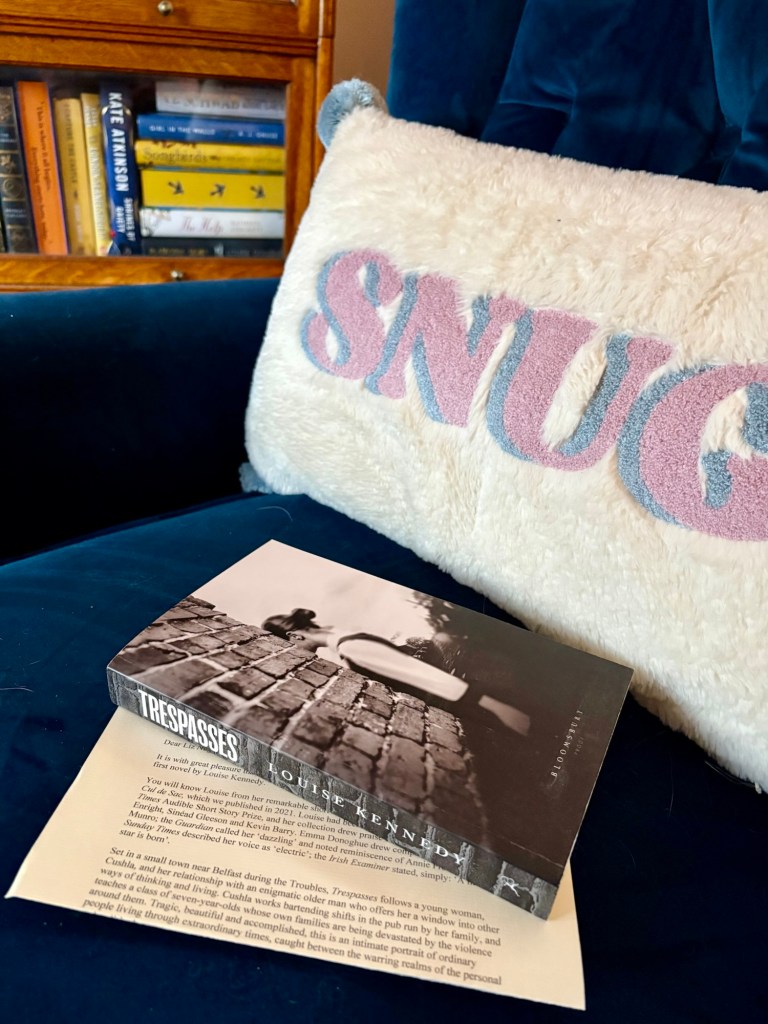
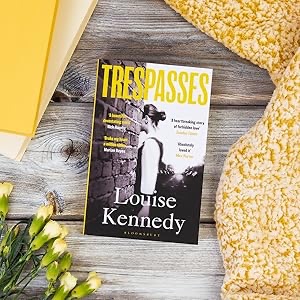

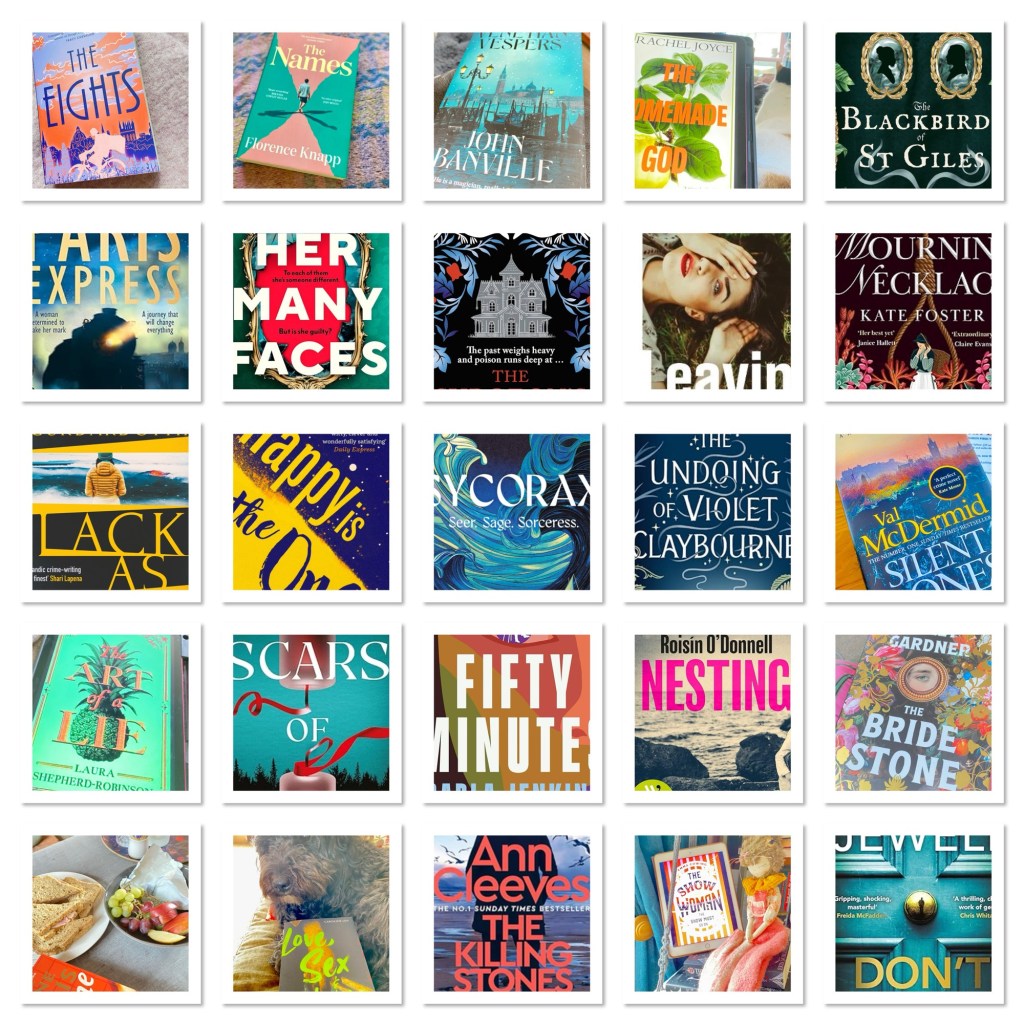
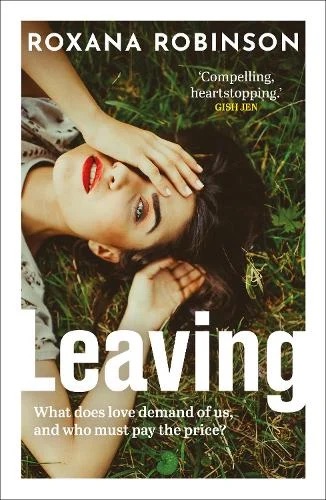
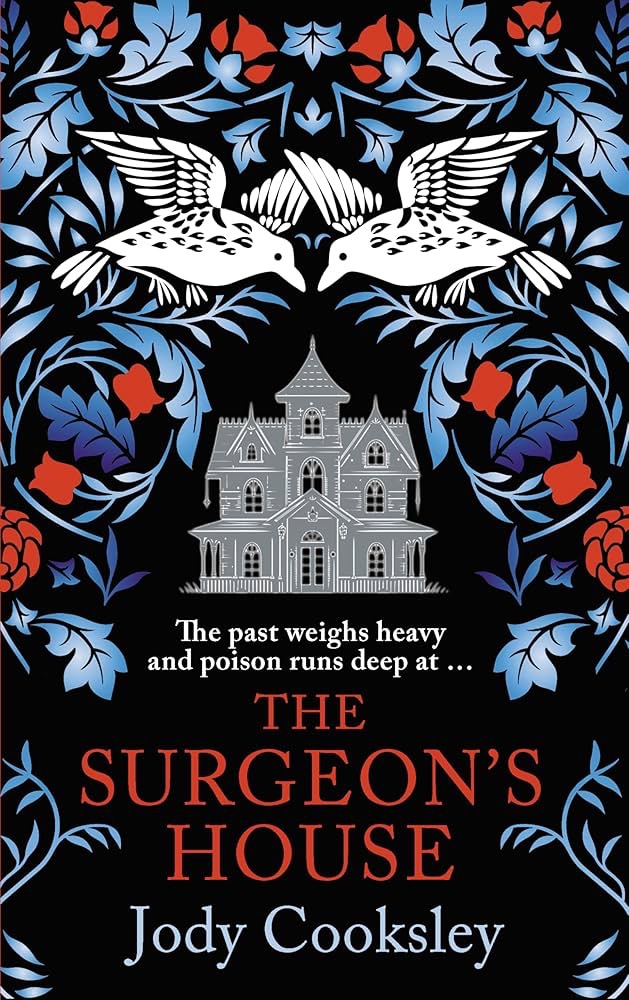

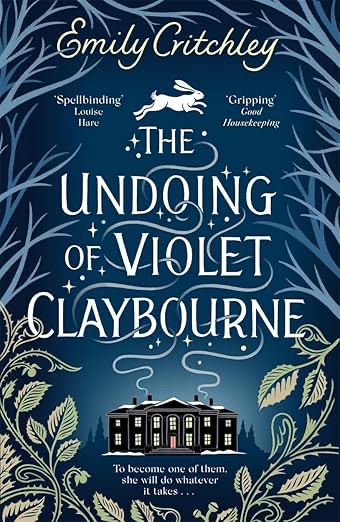
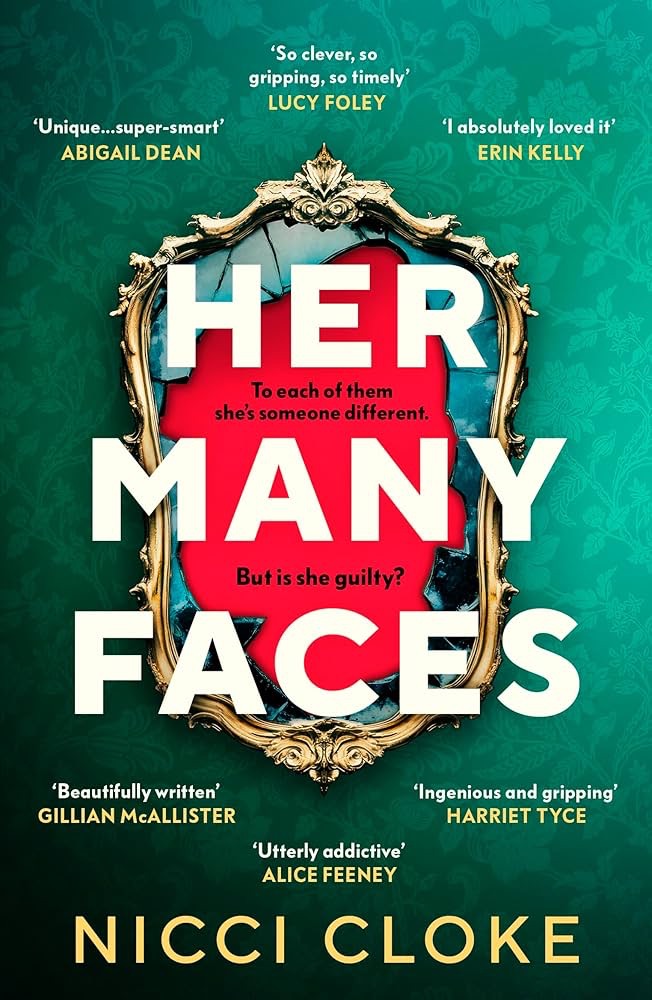
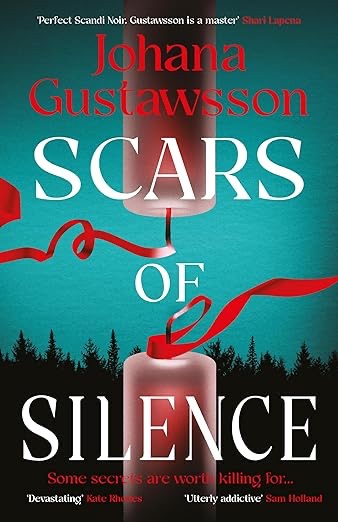
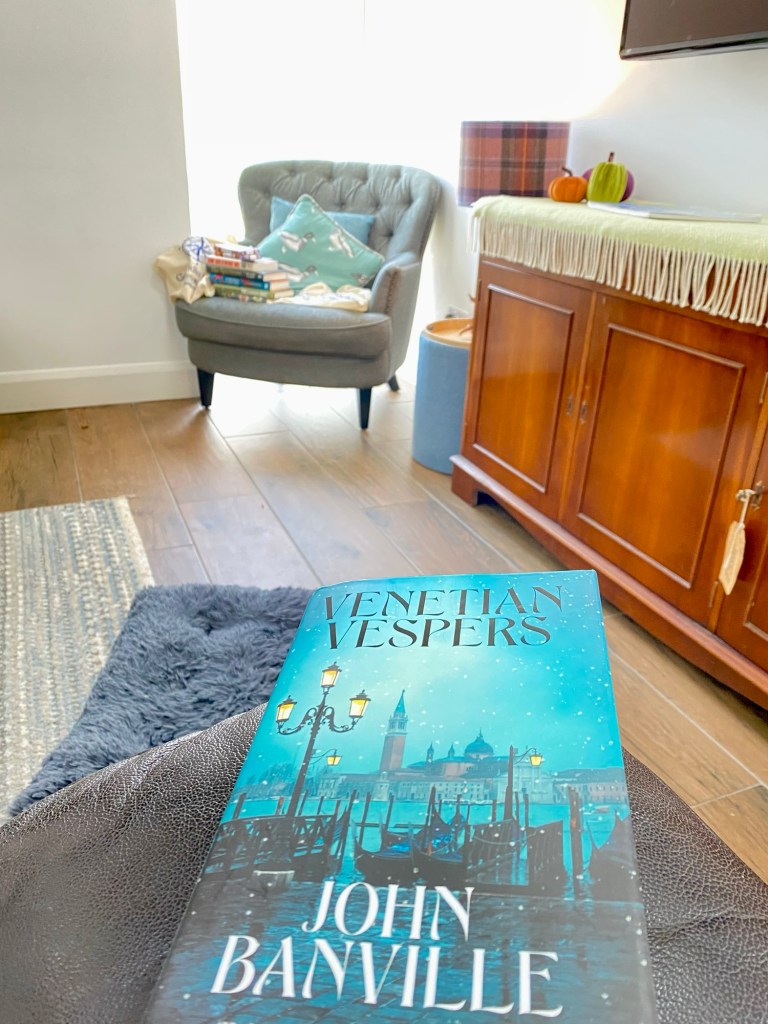
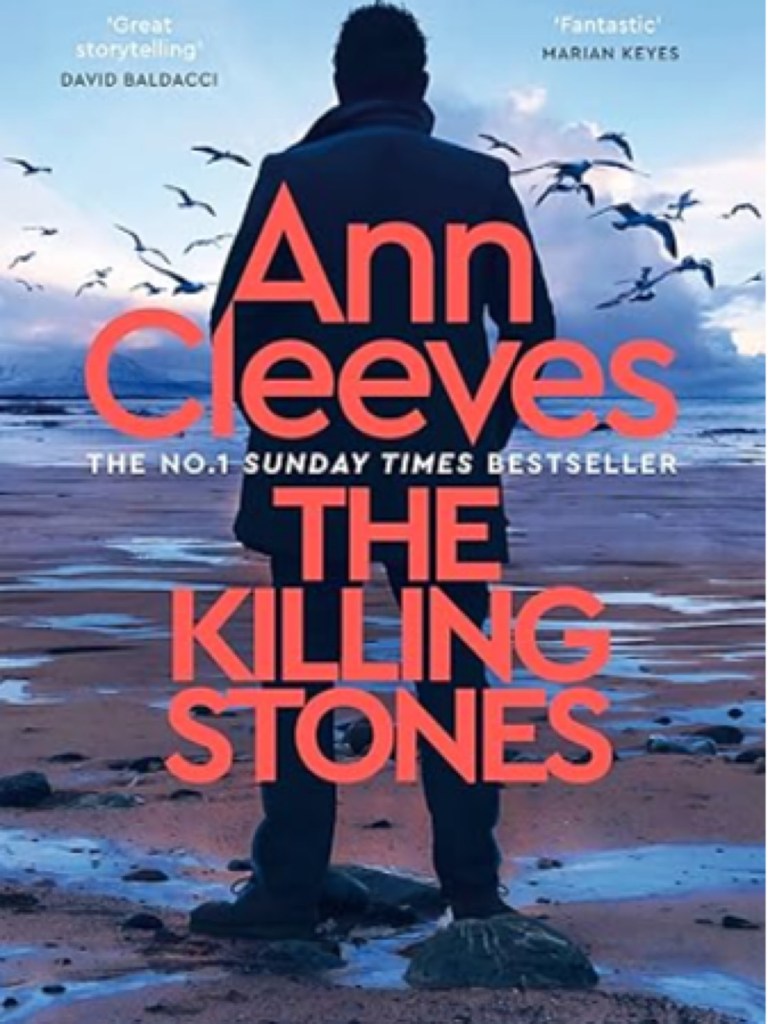
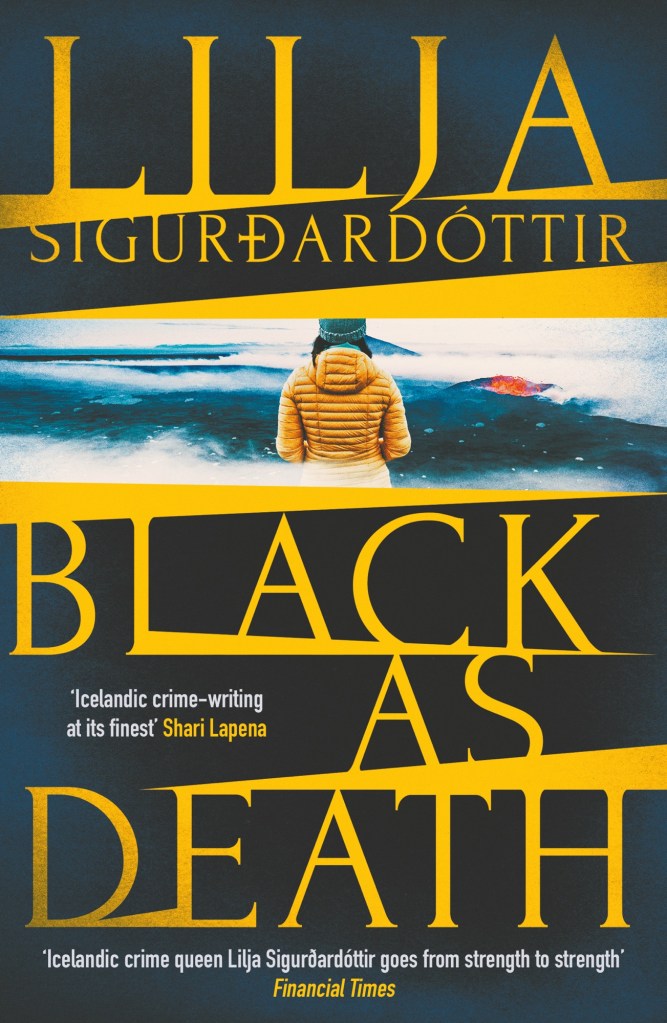
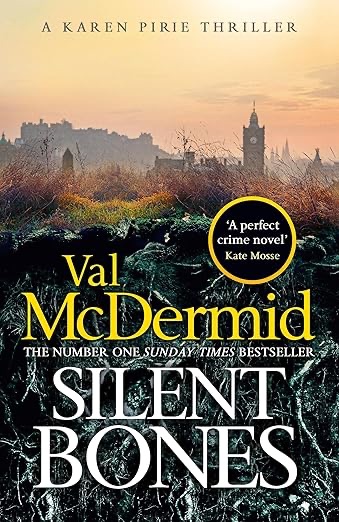

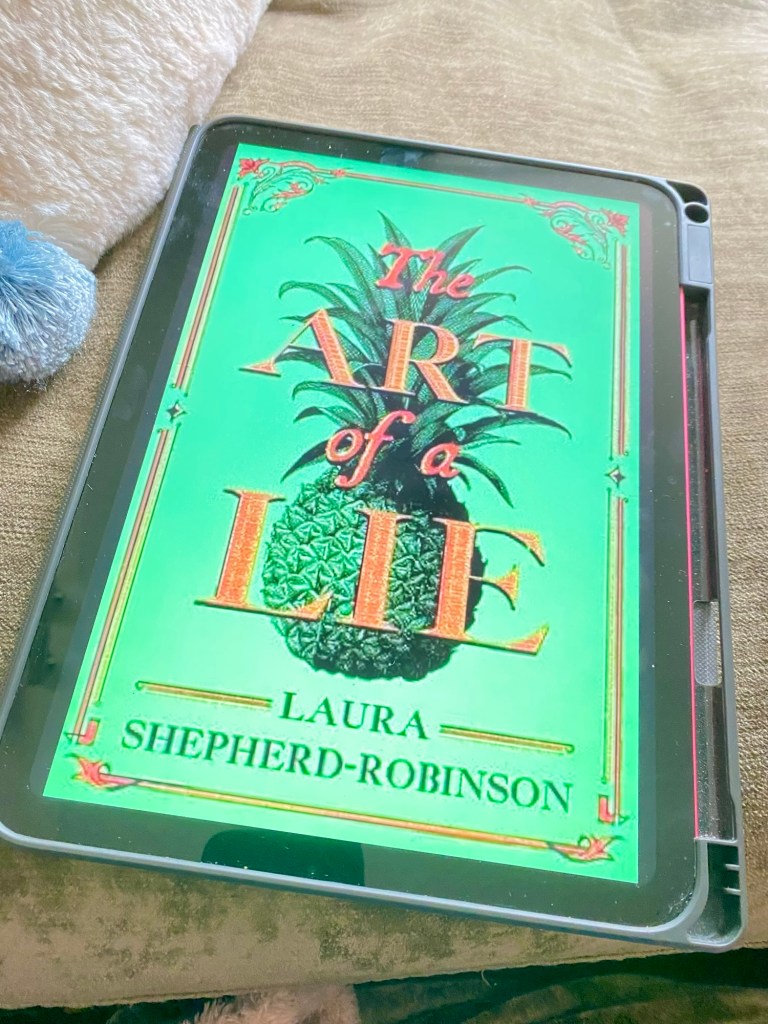
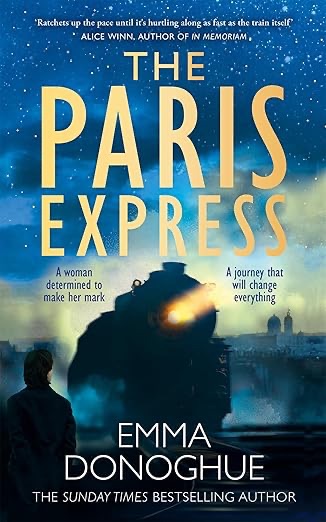
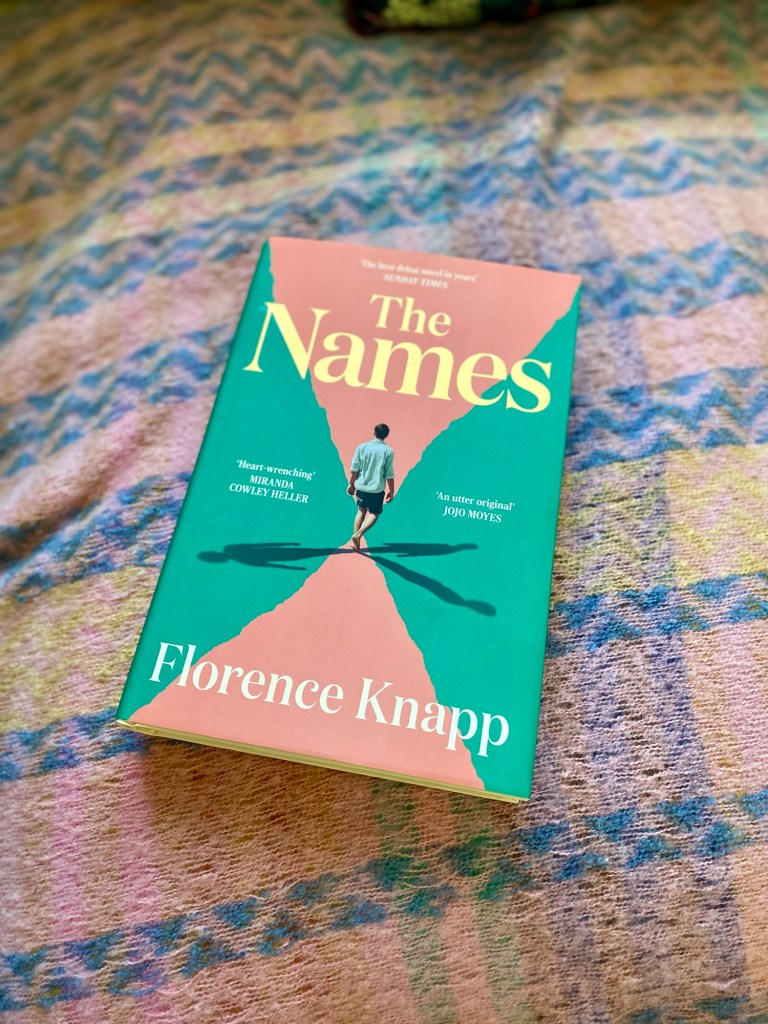
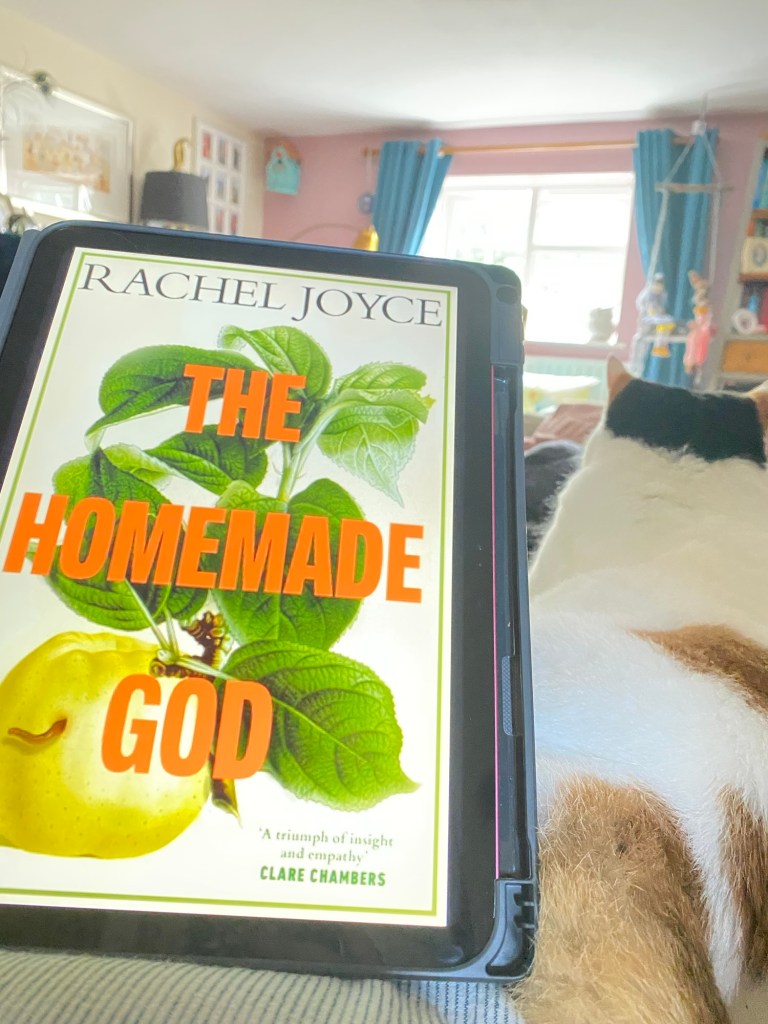
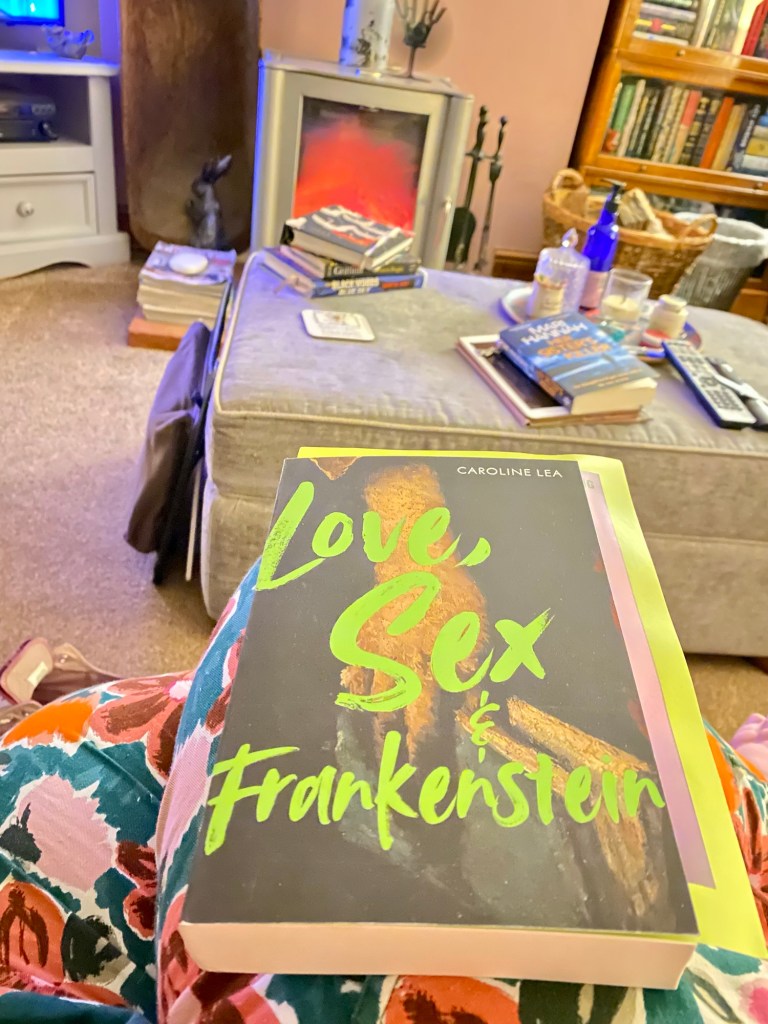
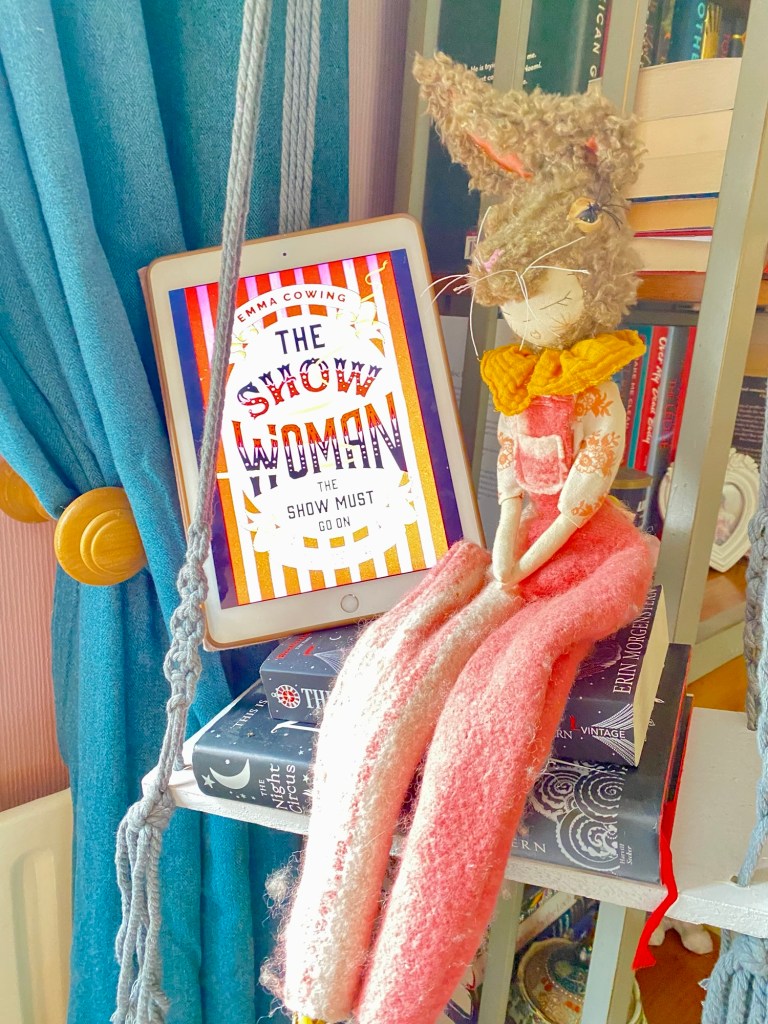
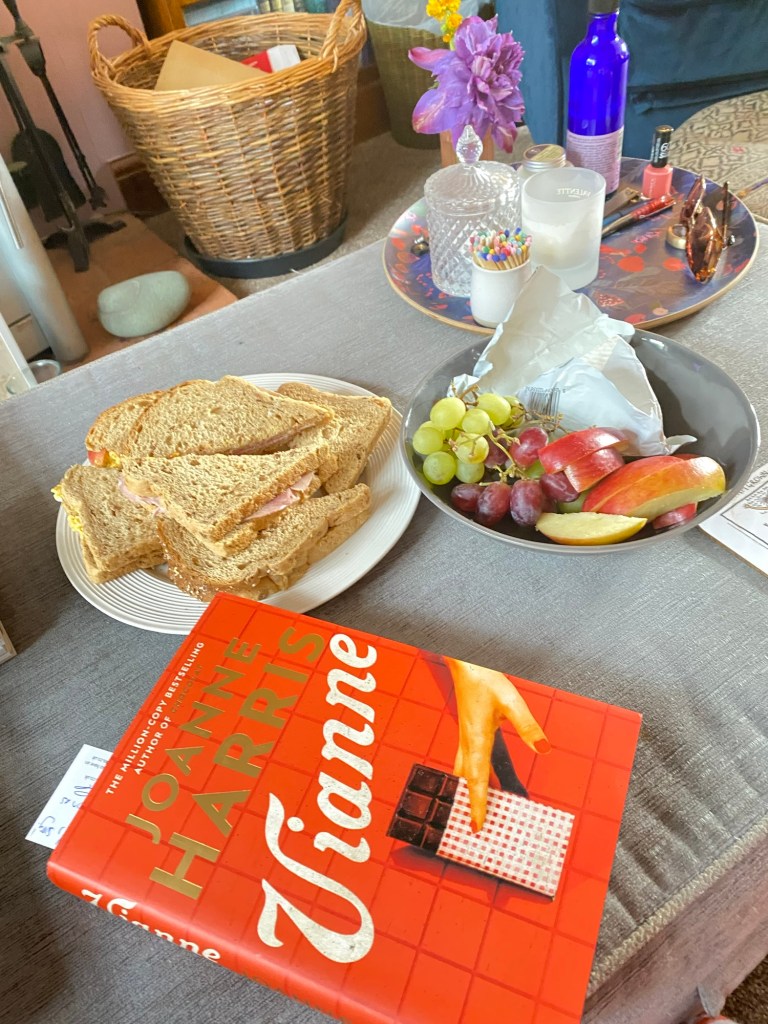
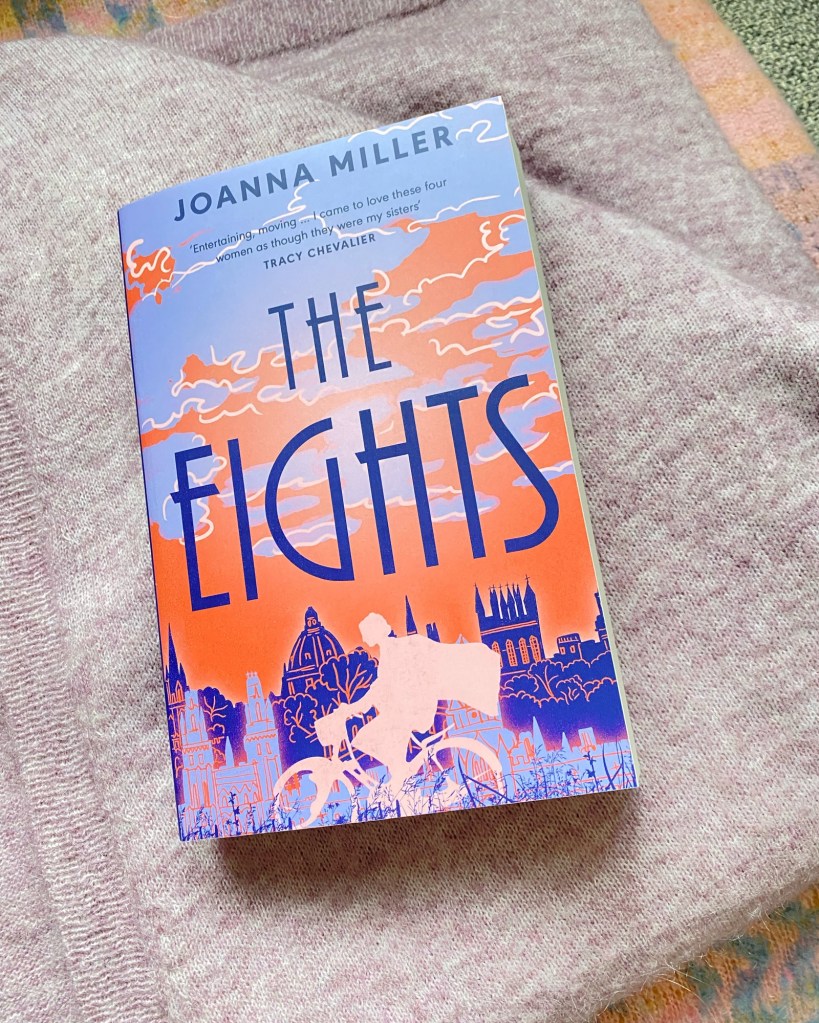
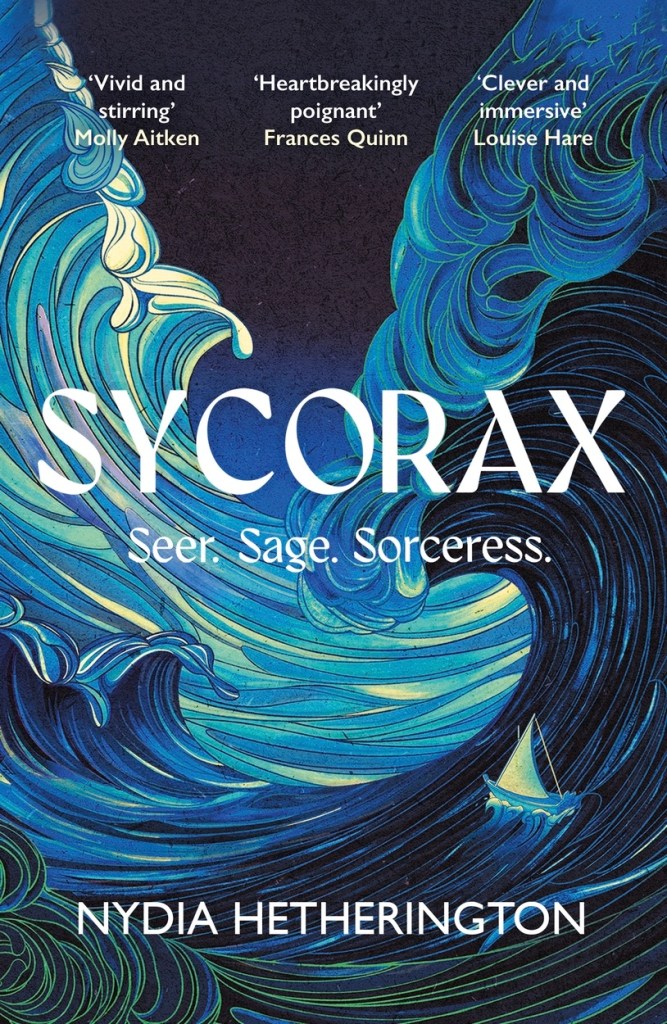
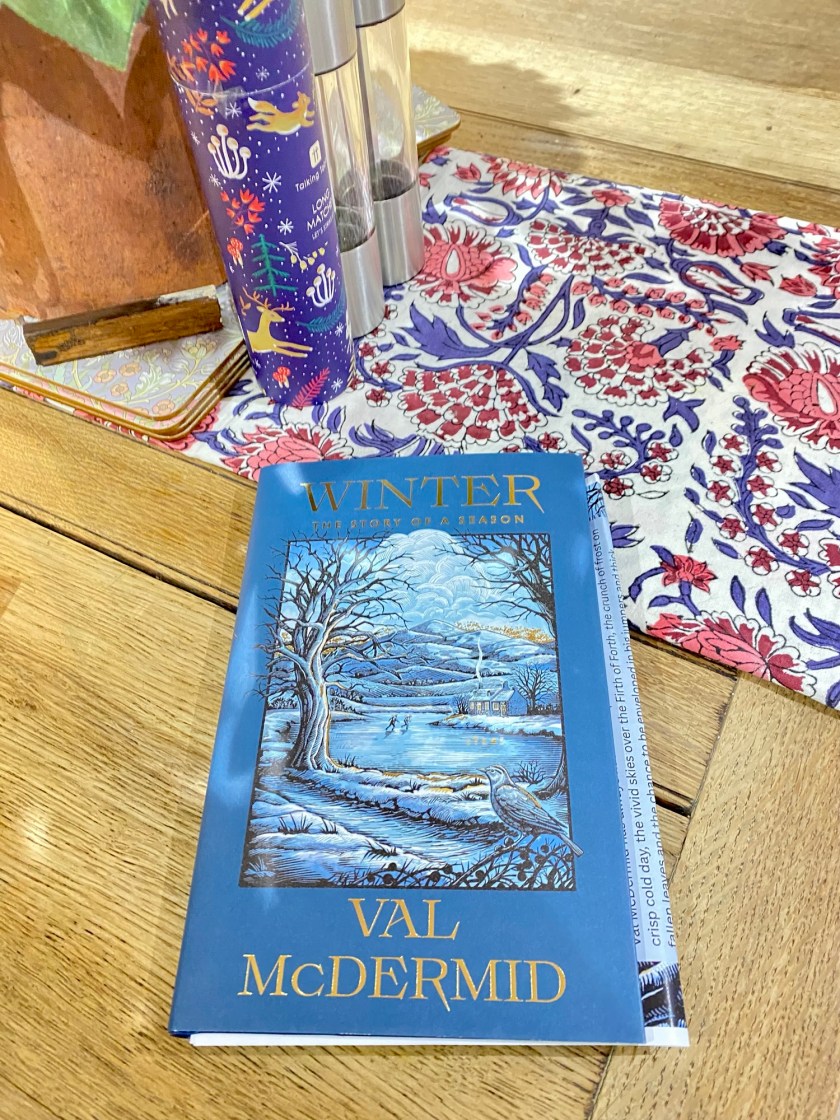



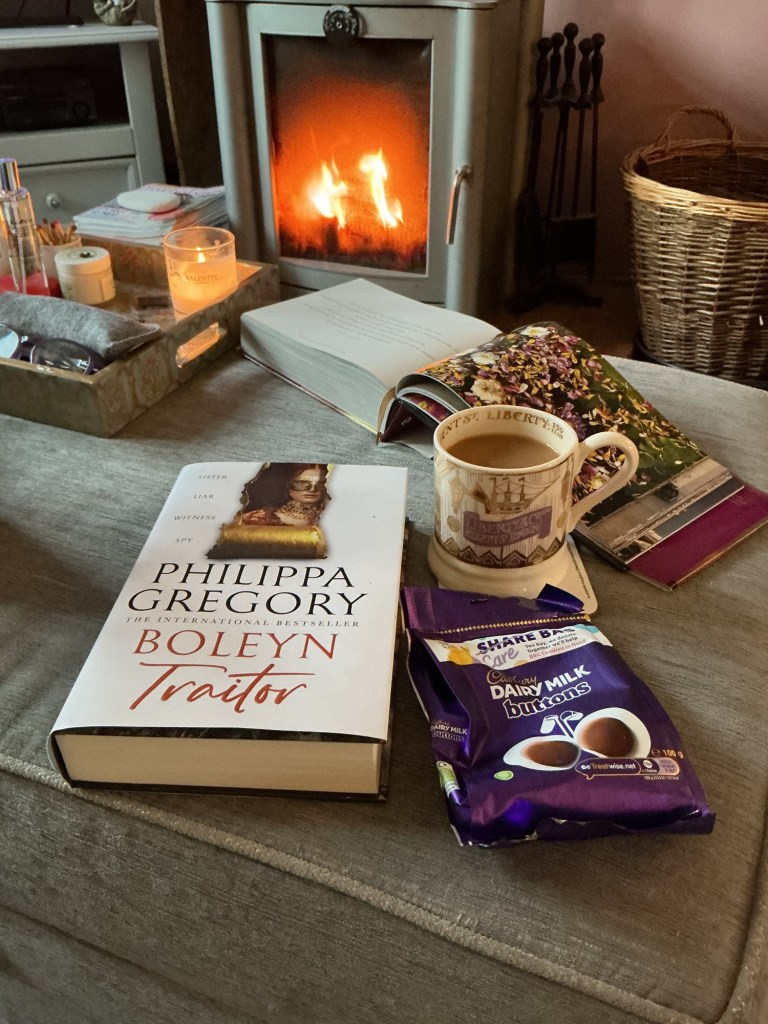
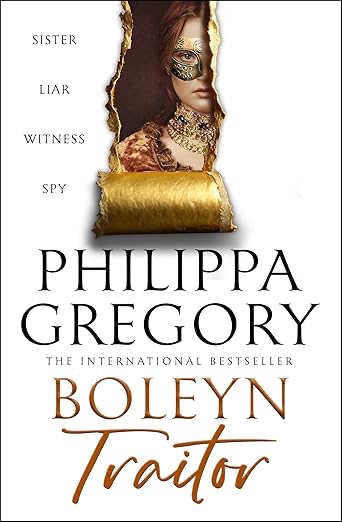


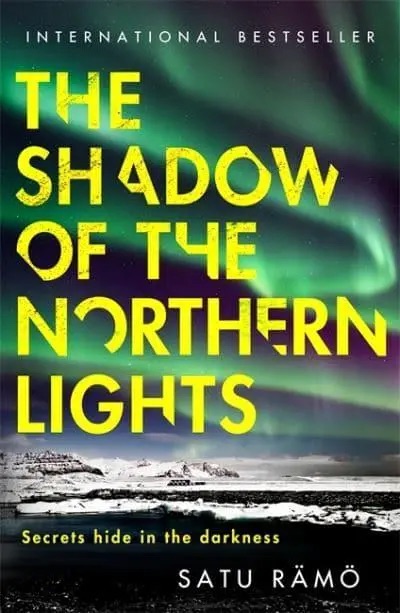

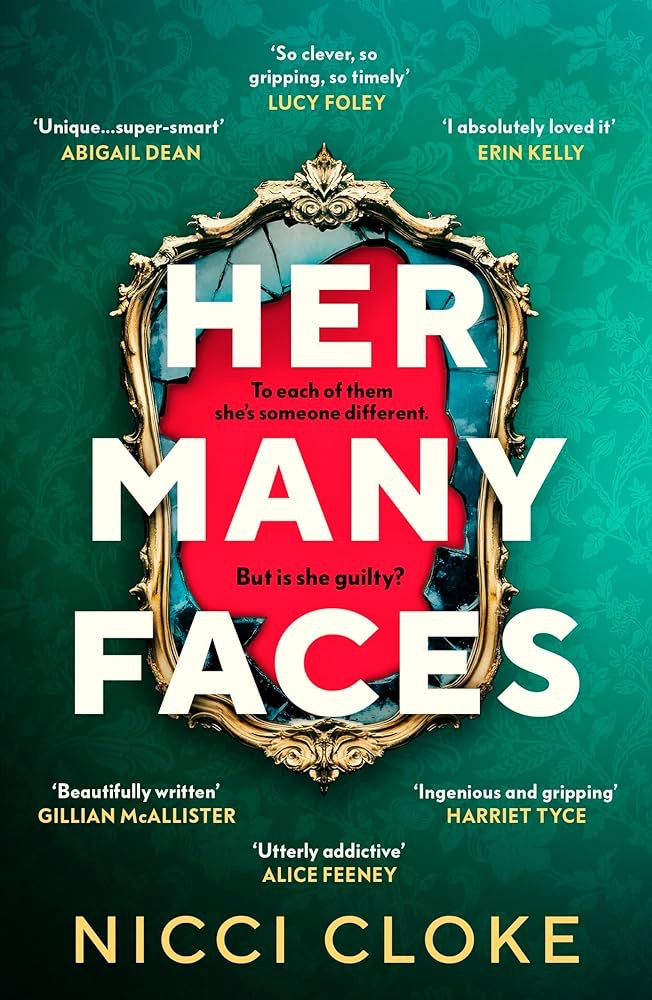


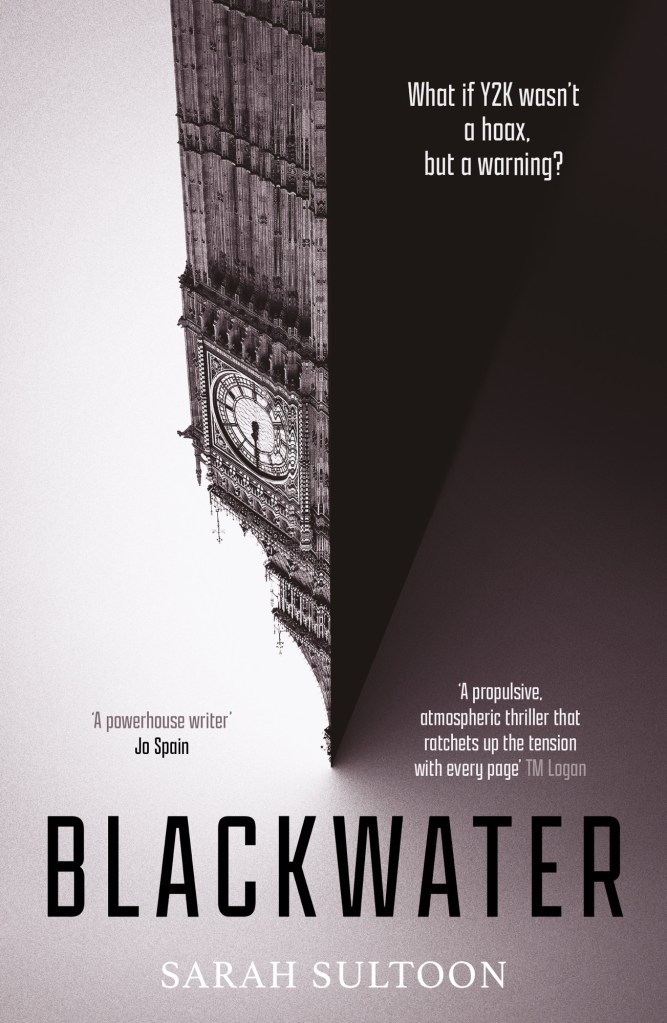
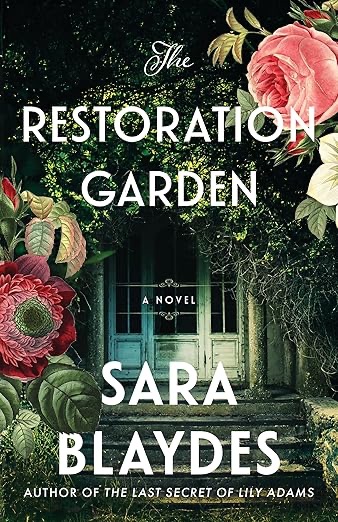

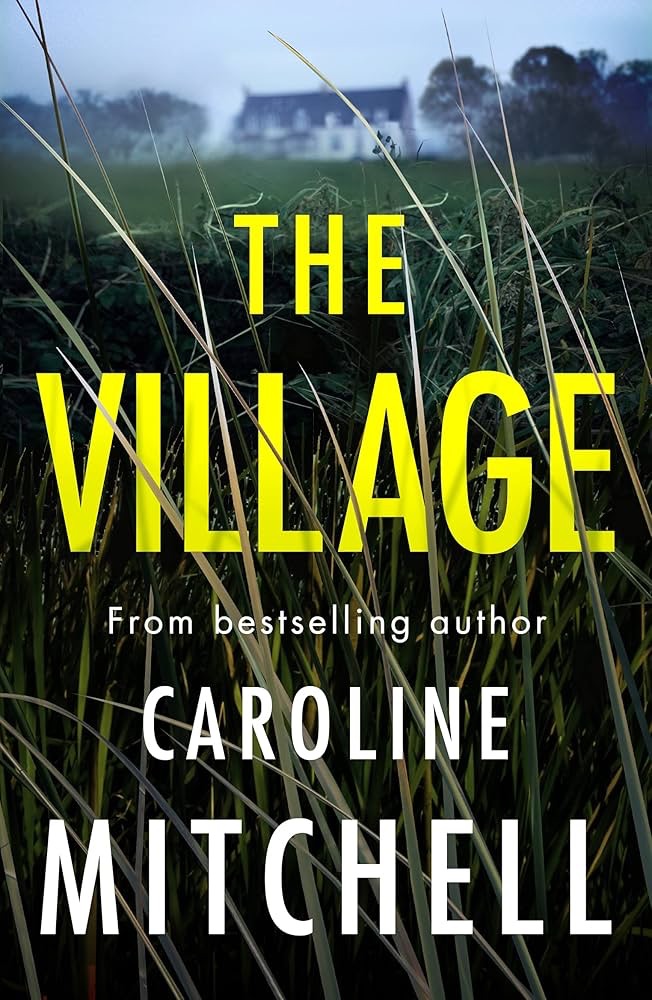
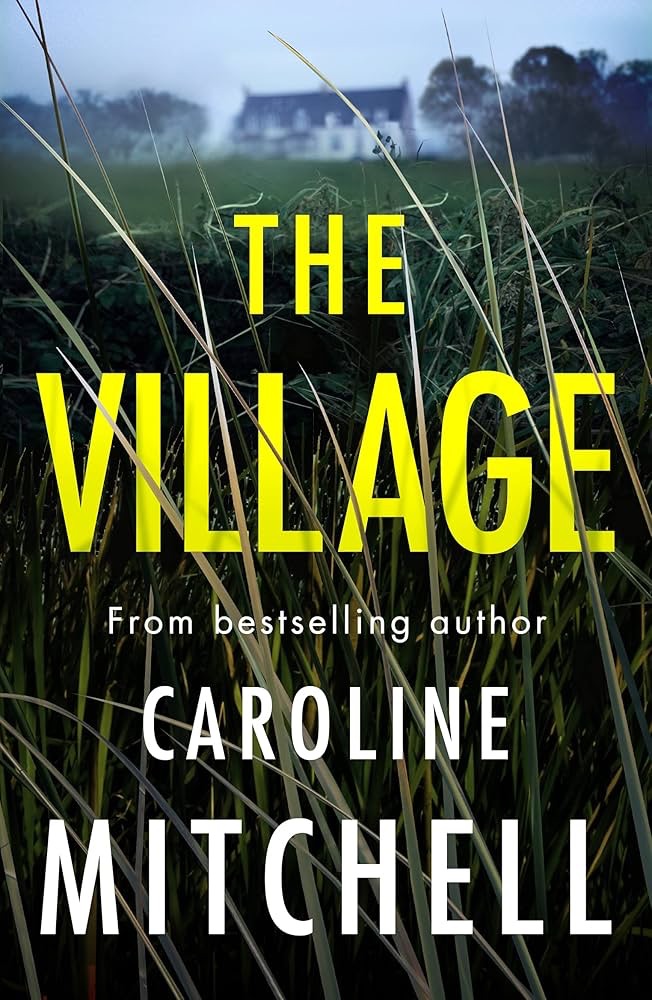

 The Lotus Readers