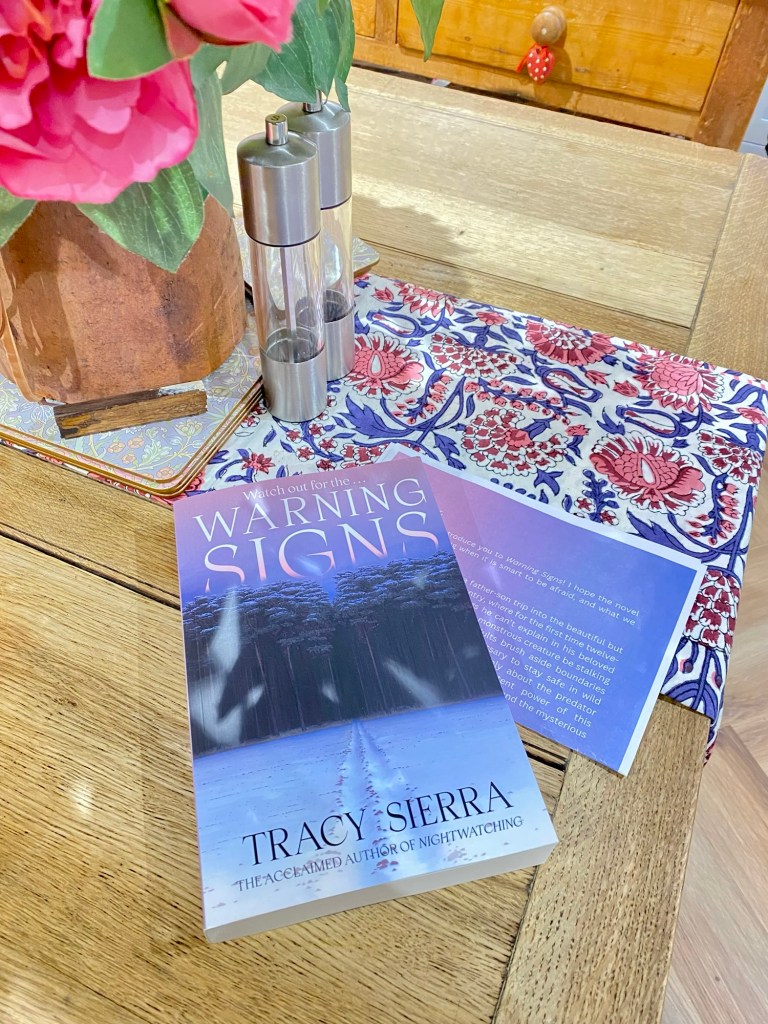
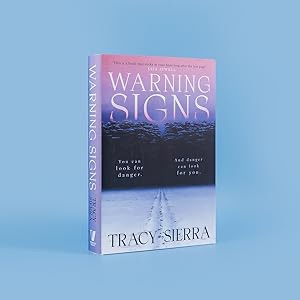
I couldn’t stop talking about Tracy Sierra’s debut novel Night Watching. I inhaled it and I have been lending and buying it for everyone around me since. So I approached her second novel with trepidation, would it be as good as the first? Well I can set your mind at rest. This novel is incredible. The ‘stayed in bed almost all day to keep reading it’ type of incredible. The plot is simple enough. A young boy named Zach is taken by his father on a ‘boy’s trip’ to the wilderness with people he hopes will invest in his business. This is a part of the country he visited often with his mother who taught him everything he knows about skiing these mountains and survival. As they settle into their cabin and make it ready for guests it’s clear that Zach is an innocent boy, easily ordered around by his dad who’s angry that his secretary Ginny hasn’t been up to prepare the cabin as she promised. As they settle in for their first night, Zach is convinced something is lurking around especially when he has the visit the outside toilet alone and in the dark. The noises and shadows are like nothing he’s heard before. Could a monster be up here with them in the mountains? Possibly. But sometimes, monsters aren’t always what we expect.
This author is fast becoming a master of complex and painful family dynamics with an edge of horror. This monster in the snow brought back memories of the first time I read The Shining and there are parallels in the isolated mountain setting, the pressure cooker of people forced together and the young, innocent boy at the centre of the tale. This wilderness is somewhere Zach knows very well, having come up here regularly with his mum and sister and this was one of my first questions. Where are the women in this story? We know Zach came up here with groups of women and their kids, but his mum, sister and even the expected Ginny are nowhere. In a small vignette at the beginning we see a previous trip and Zach’s mum explaining how to check the snow for the likelihood of an avalanche. She impresses upon him the importance of turning back, even if the risk is small it’s not worth taking. It’s clear very early on that Bram, his father, doesn’t have the same attitude to risk. He’s the sort of guy who thinks men take risks and would rather show bravado to his guests than follow the advice of his wife through Zach or the guide that comes with the cabin.
Zach is a beautiful narrator and he’s written with such care, everything he thinks or tells us maintains that innocent, slightly anxious voice. I desperately wanted to protect him and get him out of this situation. As adults we wear masks – the one we wear for our job for example or the ‘telephone voice’ many of us use without really intending to. Children don’t and that creates a tension, especially in an environment where the whole purpose is to impress and sell yourself. Bram makes it clear that these men expect a winner and he has to act like one. Heartbreakingly, Zach has a soft toy he’s smuggled up there but knows it must remain hidden or risk it disappearing. Bram can’t have a weak son. This idea of wearing different masks is beautifully depicted as Zach takes us back to an evening at home where his mother has returned home late and a little drunk. He listens in silence to their argument and curses his mother because she knows the rules. Why does she set out to make him angry? Zach describes his father’s other side as his ‘underself.’
“For Christmas two years ago, someone had given his sister a stuffed octopus that could be flicked inside out. Flip one way, pink, fuzzy and smiling. Flip the other way, green, slick and glowering […] switching outerself to underself.”
He also has this horrible realisation, that we all have at some point in our childhood, that other people might dislike your parent or think they’re an idiot. As they set out and he watches his interactions with the other men he notes that they can see through Bram. The guide sees he knows nothing and Bram’s need to own the best of everything means his mountain gear is flashy, it looks too new. The only other kid on the trip is Russ and he makes it clear that he knows exactly what type of Bram is because his dad is exactly the same:
“My dad, yours? They’re selfish. They nearly got us killed. And for what? Steve said you and me shouldn’t have skied it and they ignored him, because god forbid they don’t get to do exactly what they want.”
How scary must it be as a child to learn that your parent is willing to take huge risks with your life for money? Even worse, Zach finds something that makes him wonder; if his dad has an underself, does everyone else? Coming at this from a psychological viewpoint I loved the way Zach describes his concerns about the men he’s with and his father in particular. The environment brings its own dangers with further snowfall and too many risks taken. Survival becomes a question between which is safest – taking the chance with the environment or staying indoors which is undoubtedly warmer and locks out whatever it is that Zach saw the night he ventured to the outside toilet. There’s always a tipping point and the pressure the author builds is almost unbearable. My heart was in my throat during those final chapters because I felt so protective of this incredible little boy. Tracy Sierra is able to evoke that heart thumping fear we feel as children, sometimes when we’re doing nothing more dangerous than lying in bed in the dark. With Zach she explores the difference between a manageable fear that’s no more than a calculated risk with the right understanding and techniques, the fear that simply comes from encountering something we’ve never seen before and the fear we don’t want to acknowledge because it makes us face a terrible truth.
Out Now From Viking Books
Meet the Author
Tracy Sierra was born and raised in the Colorado mountains. She currently lives in New England in an antique colonial-era home complete with its own secret room. When not writing, she works as an attorney and spends time with her husband, two children, and flock of chickens
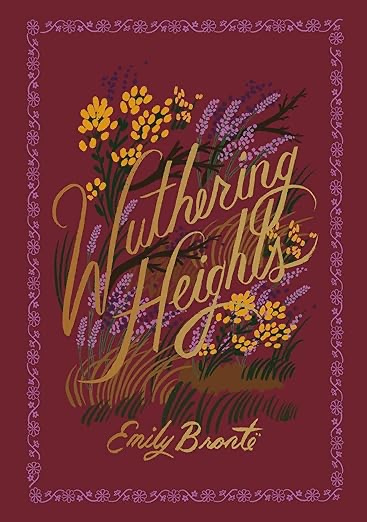
Cathy’s Ghost At The Window – Wuthering Heights by Emily Brontë
Those Brontë girls did like a haunting. I can’t join the debate on the latest Wuthering Heights adaptation as I’ve not bothered to see the film yet, but I’m not keen on the lurid colours or on Margot Robbie as Catherine. Catherine is a little wild thing, she tramps about on the moors in all weathers and is muddy, dark and moody. Barbie she is not. I don’t know how far this adaptation goes into the supernatural aspects of the novel, but I love it when that plays a part. The 1970’s adaptation with Timothy Dalton as Heathcliff shows both of them with wild, knotted hair and covered with dirt. Heathcliff tries to dig Cathy up after her burial and her ghost lures him back to Wuthering Heights where he’s shot by Hindley so they can haunt the moors together. It completely throws away half of the book but the casting and their portrayal of these characters is as close to my impression of them both as I’ve ever seen. The only truly supernatural scene in the novel is thrillingly creepy and occurs as Mr Lockwood, who has come to visit his new neighbours, is stuck at Wuthering Heights overnight due to a storm. He’s placed in a bedroom where Catherine Earnshaw’s name is carved into the bed and the wind is buffeting the trees outside. When he first wakes he thinks a branch is tapping at the window, so he opens the latch:
“ I must stop it, nevertheless!’ I muttered, knocking my knuckles through the glass, and stretching an arm out to seize the importunate branch, instead of which, my fingers closed on the fingers of a little, ice-cold hand! The intense horror of nightmare came over me; I tried to draw back my arm, but the hand clung to it, and a most melancholy voice sobbed, ‘Let me in – let me in!’
‘Who are you?’ I asked, struggling, meanwhile, to disengage myself.
‘Catherine Linton,’ it replied, shiveringly (why did I think of Linton? I had read Earnshaw. twenty times for Linton), – ‘I’m come home, I’d lost my way on the moor!’
As it spoke, I discerned, obscurely, a child’s face looking through the window. Terror made me cruel, and, finding it useless to attempt shaking the creature off, I pulled its wrist on to the broken pane, and rubbed it to and fro till the blood ran down and soaked the bedclothes; still it wailed.
‘Let me in!’ and maintained its tenacious grip, almost maddening me with fear.”
Thrillingly creepy!
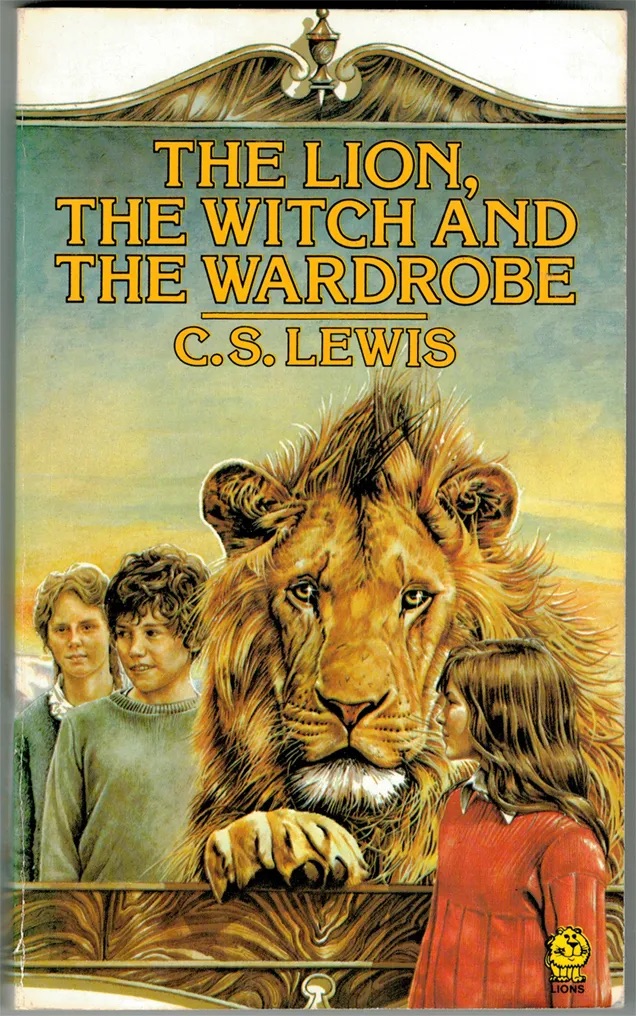
Lucy Has Tea With Mr Tumnus – The Lion, The Witch and the Wardrobe.
Mr Tumnus is a delightful fellow and as a child I desperately wanted to find my way into Narnia so we could be friends. In fact I had an hilarious conversation with a friend where she heartily agreed that she’d like to meet Mr. Tumnus – but the James McAvoy version. She didn’t have tea in mind either! I was horrified. I just wanted to have crumpets in front of the fire with him. I did have a wonderful elderly friend for several years who had a big antique filled Victorian house and a ‘gentleman’s club’ decor. He wore brocade smoking jackets, brooches and had curly blonde hair like a cherub. He would have me round for tea and I loved his comfy wingback armchairs and the various clocks ticking away. I felt so cozy there. I still have his chairs in my study and still get that feel when I sit in them to read.
“And really it was a wonderful tea. There was a nice brown egg, lightly boiled, for each of them, and then sardines on toast, and then buttered toast, and then toast with honey, and then a sugar-topped cake. And when Lucy was tired of eating the Faun began to talk. He had wonderful tales to tell of life in the forest. He told about the midnight dances and how the Nymphs who lived in the wells and the Dryads who lived in the trees came out to dance with the Fauns; about long hunting parties after the milk-white Stag who could give you wishes if you caught him; about feasting and treasure-seeking with the wild Red Dwarfs in deep mines and caverns far beneath the forest floor; and then about summer when the woods were green and old Silenus on his fat donkey would come to visit them, and sometimes Bacchus himself, and then the streams would run with wine instead of water and the whole forest would give itself up to jollification for weeks on end. “Not that it isn’t always winter now,” he added gloomily. Then to cheer himself up he took out from its case on the dresser a strange little flute that looked as if it were made of straw and began to play. And the tune he played made Lucy want to cry and laugh and dance and go to sleep all at the same time.”
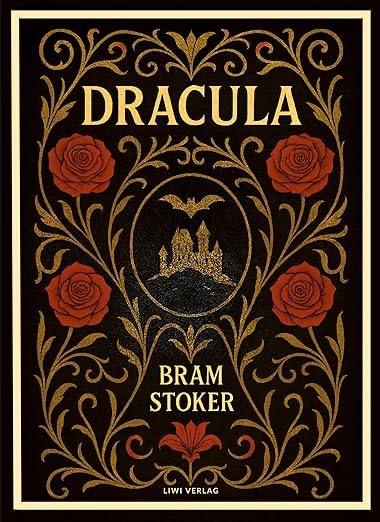
Dracula’s Brides Seduce Jonathon Harker – Dracula by Bram Stoker
When I was at university, presentations were the bane of my life. I absolutely hate public speaking. I decided to look at sexuality in Dracula and spoke for twenty minutes with video clips and a portfolio to discuss four scenes in the novel: Lucy’s 3 suitors all give her blood; Van Helsing and the suitors visit the crypt to kill Lucy and stop her undead wanderings; Dracula tries to seduce Mina; my favourite scene though is when Dracula’s brides try their best to corrupt Jonathon Harker on his visit to Transylvania. I love the drama of this scene and how interesting it is that the fantasy of one man and several women was alive and well at the end of the 19th Century. It is Dracula who stops the women, making it quite clear that Jonathon is his – bringing some interesting sexual ambiguity. Does he wish to seduce Jonathon or kill him? The three brides are a parallel to Lucy Westenra’s three suitors, there to show her insatiable sexuality in contrast to the angelic Victorian ideal, Mina. I remember back to the 1990s and the Keanu Reeves version of Jonathon Harker with one of the brides played by the stunning Monica Bellucci. I used this for my presentation and managed to impress a couple of goth students who thought I was pretty boring up till then.
“I was afraid to raise my eyelids, but looked out and saw perfectly under the lashes. The fair girl went on her knees, and bent over me, fairly gloating. There was a deliberate voluptuousness which was both thrilling and repulsive, and as she arched her neck she actually licked her lips like an animal, till I could see in the moonlight the moisture shining on the scarlet lips and on the red tongue as it lapped the white sharp teeth. Lower and lower went her head as the lips went below the range of my mouth and chin and seemed to fasten on my throat. I could feel the soft, shivering touch of the lips on the supersensitive skin of my throat, and the hard dents of two sharp teeth, just touching and pausing there. I closed my eyes in a languorous ecstasy and waited – waited with beating heart.”
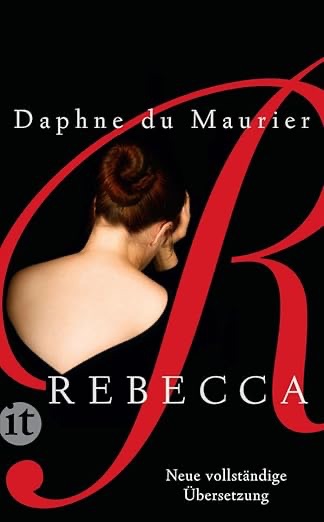
The Costume Ball at Manderley – Rebecca by Daphne du Maurier.
My favourite scene in one of my favourite books of all time is when the terrifying housekeeper Mrs Danvers really shows her hatred for the second Mrs de Winter. Having planted the idea of a costume ball in her head, Mrs Danvers also makes the suggestion that she should look at the paintings on the long gallery for inspiration. There is a beautiful portrait of one of her husband Maxim’s ancestors, Lady Caroline de Winter, in what looks like an 18th Century dress. Mrs de Winter is so excited, she sends for a copy and even tells Maxim she has a surprise. Yet when she appears at the top of the stairs, with Maxim waiting below, everyone who looks up gives a gasp of disbelief. His sister Beatrice even says the name ‘Rebecca’. At the last costume ball held at Manderley, Rebecca had worn the very same thing. There can now be no doubt in her mind that Mrs Danvers meant this to divide them. Their confrontation takes place in the wing of the house that she’s forbidden to enter, Rebecca’s rooms filled with the sound of the sea.
“You’ve done what you wanted, haven’t you?” the heroine says. “You meant this to happen? Didn’t you?” The replies are both defensive and obsessive, accusing her of trying to take Rebecca’s place when no one can and reminiscing about her former employer in a way that borders on love. She says Maxim will always love Rebecca because “she had all the courage and spirit of a boy.” She talks about their evening routine, how she would brush her hair and shows how sheer her lingerie and nightwear were. She was so perfect every man loved her – Maxim, Frank Crawley the estate manager and even her own cousin Jack Favell. She drove them mad with jealousy but ‘it was all a game to her.” She came to ‘Danny’ and laughed at them all. There are definitely sapphic overtones here, but as Mrs de Winter looks out of the open window her voice changes and becomes soft and suggestive. “Why don’t you go? … He doesn’t want you, he never did. He can’t forget her… It’s you who ought to be dead, not Mrs. de Winter.” As they look down to the terrace, way below; Mrs. Danvers urges her to jump, to end it all on the stones below. “There’s not much for you to live for,” she insists, “Why don’t you jump now and have done with it?” Her voice is hypnotic and the heroine looks down and considers jumping. Suddenly, a bang signals a ship that’s run aground in the cove and she’s shaken out of her trance. This is such a creepy and emotionally manipulative scene, adapted perfectly in the 1940s Hitchcock version of Rebecca with the perfect Mrs Danvers.
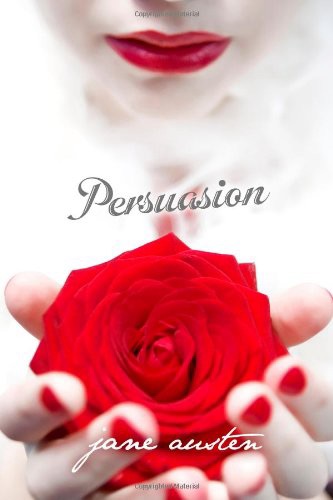
The Letter Scene – Persuasion by Jane Austen
Oh I do love this one of Jane Austen’s novels and the letter scene is one of the most romantic in all literature. After having his proposal refused by Anne Elliot, on some terribly bad advice from a friend, her suitor joins the Navy. He returns several years later and they are once again thrown into each other’s company. Anne is a little like Jane Eyre, in that her family think her plain and insignificant. She does not expect to get married now. When she and Captain Wentworth meet again they talk but there’s a reserve between them and although Anne knows her feelings haven’t changed she assumes his interest is in the younger ladies of their party. In a small gathering of people in Bath, Wentworth sits down at a desk in the corner and begins to write a letter. When he leaves Anne is surprised to find it’s for her and she could not have guessed the contents. *swoon*
“I can listen no longer in silence. I must speak to you by such means as are within my reach. You pierce my soul. I am half agony, half hope. Tell me not that I am too late, that such precious feelings are gone for ever. I offer myself to you again with a heart even more your own than when you almost broke it, eight years and a half ago. Dare not say that man forgets sooner than woman, that his love has an earlier death. I have loved none but you. Unjust I may have been, weak and resentful I have been, but never inconstant. You alone have brought me to Bath. For you alone, I think and plan. Have you not seen this? Can you fail to have understood my wishes? I had not waited even these ten days, could I have read your feelings, as I think you must have penetrated mine. I can hardly write. I am every instant hearing something which overpowers me. You sink your voice, but I can distinguish the tones of that voice when they would be lost on others. Too good, too excellent creature! You do us justice, indeed. You do believe that there is true attachment and constancy among men. Believe it to be most fervent, most undeviating, in
F. W.
I must go, uncertain of my fate; but I shall return hither, or follow your party, as soon as possible. A word, a look, will be enough to decide whether I enter your father’s house this evening or never.
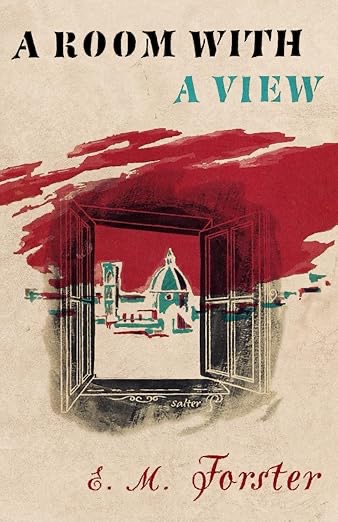
The Kiss – A Room With A View by E.M.Forster
This beautiful scene in A Room With A View is one of the most romantic moments in all literature for me and it all starts with a mixed group going to see a view. Our heroine Lucy Honeychurch is with her chaperone Charlotte, a rather strait laced character who is surely one of the most annoying women in fiction. Joining them are the novelist Eleanor Lavish, Mr Beebe who is a vicar and another clergyman who lives in Florence and is giving directions. Much to the disgust of Charlotte, Mr Beebe has also invited George Emerson and his father who they meet at dinner in their pensione. They committed a huge sin in Charlotte’s eyes of offering to swap rooms with the ladies, after overhearing Lucy complain they don’t have a view. The Emersons are of unknown origin and George has a job with the railways, definitely not the sort of people the Honeychurches would usually associate with. There is an argument because one of their drivers has brought along his girlfriend. They are flirting together and he has placed his arm round her, keeping her close. The Florentine vicar insists they stop and the girlfriend must walk behind because their behaviour is unseemly. Mr Beebe objects, surely they are doing no harm. This exchange is there to signal where the line is for different classes of people, the young couple are acting completely normally, but stiff Edwardian etiquette deems it unsuitable in the presence of a young woman like Lucy. When Eleanor and Charlotte are sitting in a field, gossiping, Charlotte becomes aware that Lucy is listening and suggests she look for Mr Beebe. With her rudimentary Italian Lucy asks the driver whether he knows where the gentlemen are and he directs her towards a field full of flowers:
“She wandered as though in a dream, through the wavering sea of barley, touched with crimson stains of poppies. All unobserved, he came to her…There came from his lips no wordy protestations such as formal lovers use. No eloquence was his, nor did he suffer for lack of it. He simply enfolded her in his manly arms…”
This scene in the Merchant Ivory adaptation, with Helena Bonham Carter as Lucy and the late Julian Sands as George is depicted in a field of poppies and the chemistry is off the charts.
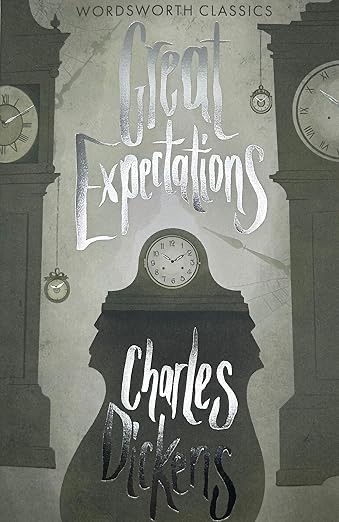
Pip Meets Miss Havisham – Great Expectations by Charles Dickens
There’s no shortage of unusual and tragic women in Dickens but Miss Havisham is an absolutely glorious creation. That first meeting, when Pip is only a child is one of the best entrances in literature and I don’t need to add anything.
“In an arm-chair, with an elbow resting on the table and her head leaning on that hand, sat the strangest lady I have ever seen, or shall ever see.She was dressed in rich materials—satins, and lace, and silks—all of white. Her shoes were white. And she had a long white veil dependent from her hair, and she had bridal flowers in her hair, but her hair was white. Some bright jewels sparkled on her neck and on her hands, and some other jewels lay sparkling on the table. Dresses, less splendid than the dress she wore, and half-packed trunks, were scattered about. She had not quite finished dressing, for she had but one shoe on—the other was on the table near her hand—her veil was half arranged, her watch and chain were not put on, and some lace for her bosom lay with those trinkets, and with her handkerchief, and gloves, and some flowers, and a prayer-book, all confusedly heaped about the looking-glass.
“But, I saw that everything within my view which ought to be white, had been white long ago, and had lost its lustre, and was faded and yellow. I saw that the bride within the bridal dress had withered like the dress, and like the flowers, and had no brightness left but the brightness of her sunken eyes. I saw that the dress had been put upon the round figure of a young woman, and that the figure upon which it now hung loose, had shrunk to skin and bone.”
“Once, I had been taken to see some ghastly waxwork at the Fair, representing I know not what impossible personage lying in state. Once, I had been taken to one of our old marsh churches to see a skeleton in the ashes of a rich dress, that had been dug out of a vault under the church pavement. Now, waxwork and skeleton seemed to have dark eyes that moved and looked at me. I should have cried out, if I could.”
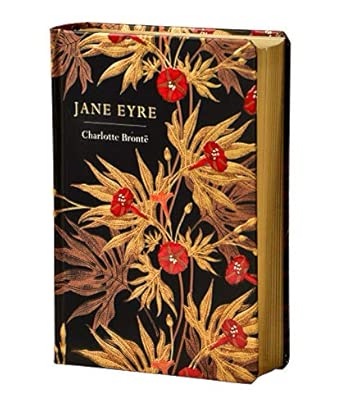
The Wedding Eve Dream – Jane Eyre by Charlotte Brontë
Mr Rochester’s courting of his employee, the governess Jane Eyre, is certainly unorthodox and in a modern context throws up so many concerns – the deceit, manipulation, blowing hot and cold, not to mention disguising himself as a gypsy to tell her fortune. Very odd indeed. But all that is nothing when we learn of his treatment of Bertha Mason, his imprisoned and allegedly insane wife. On the eve of their wedding, Jane is ignorant of all this and is going to sleep with her dress and veil hung on the wardrobe, ready for the morning. When she wakes it is still night but candle is lit and someone is in the room.
“It seemed, sir, a woman, tall and large, with thick and dark hair hanging long down her back. I know not what dress she had on: it was white and straight; but whether gown, sheet, or shroud, I cannot tell… Fearful and ghastly to me—oh, sir, I never saw a face like it! It was a discoloured face—it was a savage face. I wish I could forget the roll of the red eyes and the fearful blackened inflation of the lineaments… This, sir, was purple: the lips were swelled and dark; the brow fur rowed; the black eyebrows widely raised over the bloodshot eyes.”
There’s so much to take apart in this incident from Bertha being without the normal garments a proper woman would wear. She is unkempt and the words used, such as ‘blackened’, ’discoloured’ and ‘savage’, can be debated by post-colonial students for hours. There’s also an interesting doubling going on, is Bertha a version of what the young, passionate Jane could become if she doesn’t keep her feelings in check? She mistakes her for the Vampyre, recently written about by Polidori, but this is the culmination of several haunted or violent incidents at Thornfield Hall. Strangely, Mr Rochester thanks God that Jane did not come to any harm. However, the visitor did take her veil and tore it completely in two. This was no dream.
Angel and Tess at Stonehenge – Tess of the D’urbervilles by Thomas Hardy
Tess is such an awfully tragic tale and it drives me crazy that she isn’t better supported by her family, when they are the ones who put her in the path of creepy Alec D’urberville in the first place. Even worse, by terrible quirk of fate, when she gets a second chance with Angel Clare and decides to tell him about her past it doesn’t go to plan. She writes everything in a letter and slips it under his door the night before the wedding. She assumes he’s seen it and they marry, but we know the letter has been hidden under a mat at the door. When he hears the truth he leaves, so Tess feels she has no choice but to go back to Alec for protection. I would love to give Angel Clare a slap or two. The final scene, where Tess and Angel are reunited but fleeing from the law, they rest at Stonehenge. Setting aside everything that happens afterwards, I find this scene devastating. Tess is a woman abused and brought low by men. Her life has been so tragically hard and sad she feels that all she deserves are those few hours of happiness she has spent with Angel.
“He heard something behind him, the brush of feet. Turning, he saw over the prostrate columns another figure; then before he was aware, another was at hand on the right, under a trilithon, and another on the left. The dawn shone full on the front of the man westward, and Clare could discern from this that he was tall, and walked as if trained. They all closed in with evident purpose. Her story then was true! Springing to his feet, he looked around for a weapon, loose stone, means of escape, anything. By this time the nearest man was upon him.
“It is no use, sir,” he said. “There are sixteen of us on the Plain, and the whole country is reared.”
“Let her finish her sleep!” he implored in a whisper of the men as they gathered round.
When they saw where she lay, which they had not done till then, they showed no objection, and stood watching her, as still as the pillars around. He went to the stone and bent over her, holding one poor little hand; her breathing now was quick and small, like that of a lesser creature than a woman. All waited in the growing light, their faces and hands as if they were silvered, the remainder of their figures dark, the stones glistening green-gray, the Plain still a mass of shade. Soon the light was strong, and a ray shone upon her unconscious form, peering under her eyelids and waking her.
“What is it, Angel?” she said, starting up. “Have they come for me?”
“Yes, dearest,” he said. “They have come.”
“It is as it should be,” she murmured. “Angel, I am almost glad—yes, glad! This happiness could not have lasted. It was too much. I have had enough; and now I shall not live for you to despise me!”
She stood up, shook herself, and went forward, neither of the men having moved.
“I am ready,” she said quietly.”
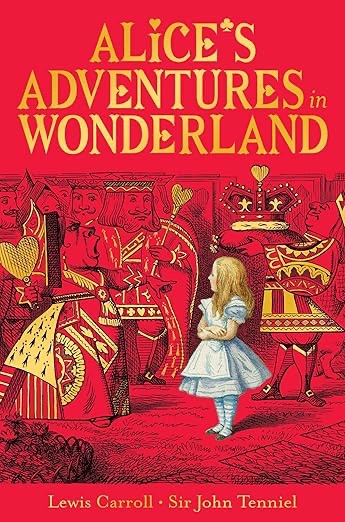
The Mad Hatter’s Tea Party – Alice in Wonderland by Lewis Carroll
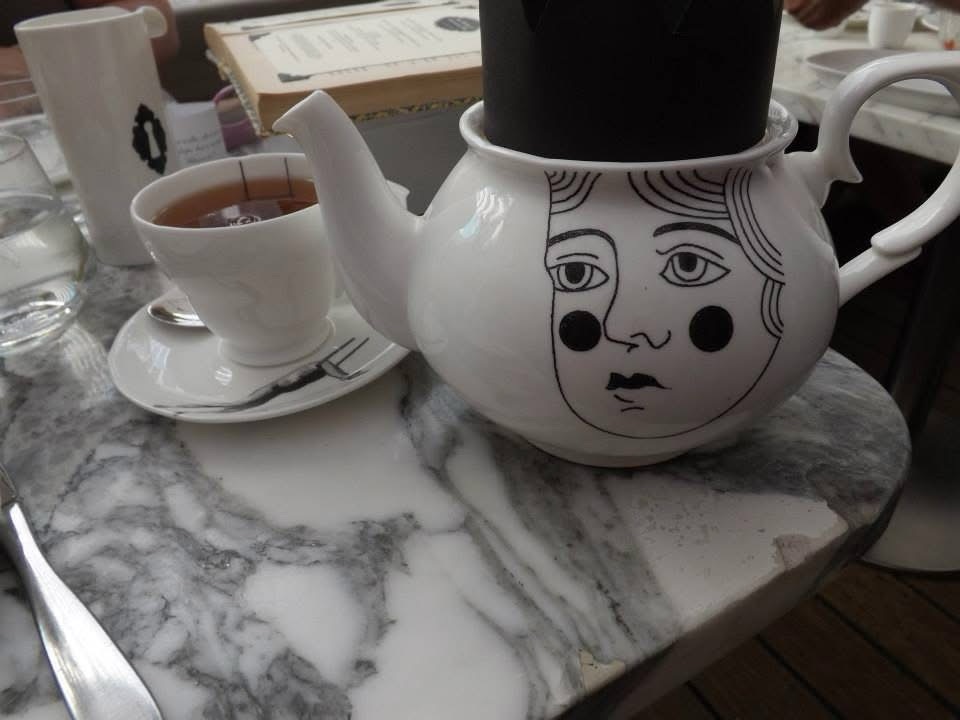
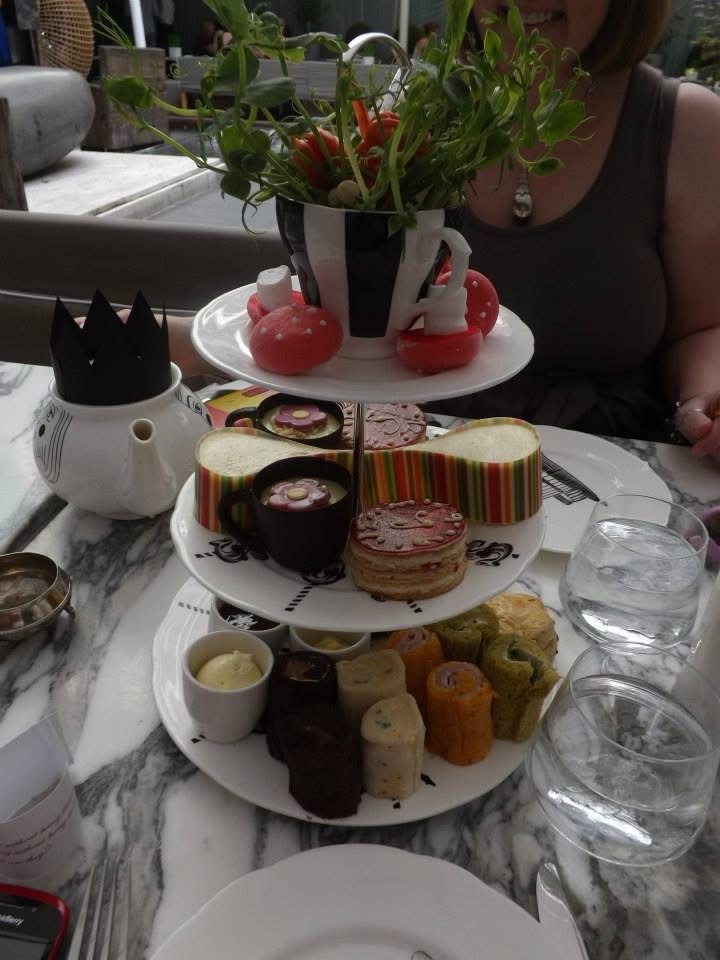
I blame Lewis Carroll for so many things – my fascination with weird looking birds, taxidermy, anthropomorphic animals and my collection of hares. I have dodos, Alice tea sets, several hares including a bespoke Mad March Hare complete with Victorian dress, top and pocket watch, and a five foot white rabbit who stands in the hall. The tea scene is definitely my favourite and it doesn’t require explanation. Just to say, the pictures underneath are from an Alice themed afternoon tea at The Sanderson hotel in London. Utterly brilliant afternoon and less grumpy than this one:
“There was a table set out under a tree in front of the house, and the March Hare and the Hatter were having tea at it: a Dormouse was sitting between them, fast asleep, and the other two were using it as a cushion, resting their elbows on it, and talking over its head. “Very uncomfortable for the Dormouse,” thought Alice; “only, as it’s asleep, I suppose it doesn’t mind.”
The table was a large one, but the three were all crowded together at one corner of it: “No room! No room!” they cried out when they saw Alice coming. “There’s plenty of room!” said Alice indignantly, and she sat down in a large arm-chair at one end of the table.
“Have some wine,” the March Hare said in an encouraging tone.
Alice looked all round the table, but there was nothing on it but tea. “I don’t see any wine,” she remarked.
“There isn’t any,” said the March Hare.
“Then it wasn’t very civil of you to offer it,” said Alice angrily.
“It wasn’t very civil of you to sit down without being invited,” said the March Hare”.
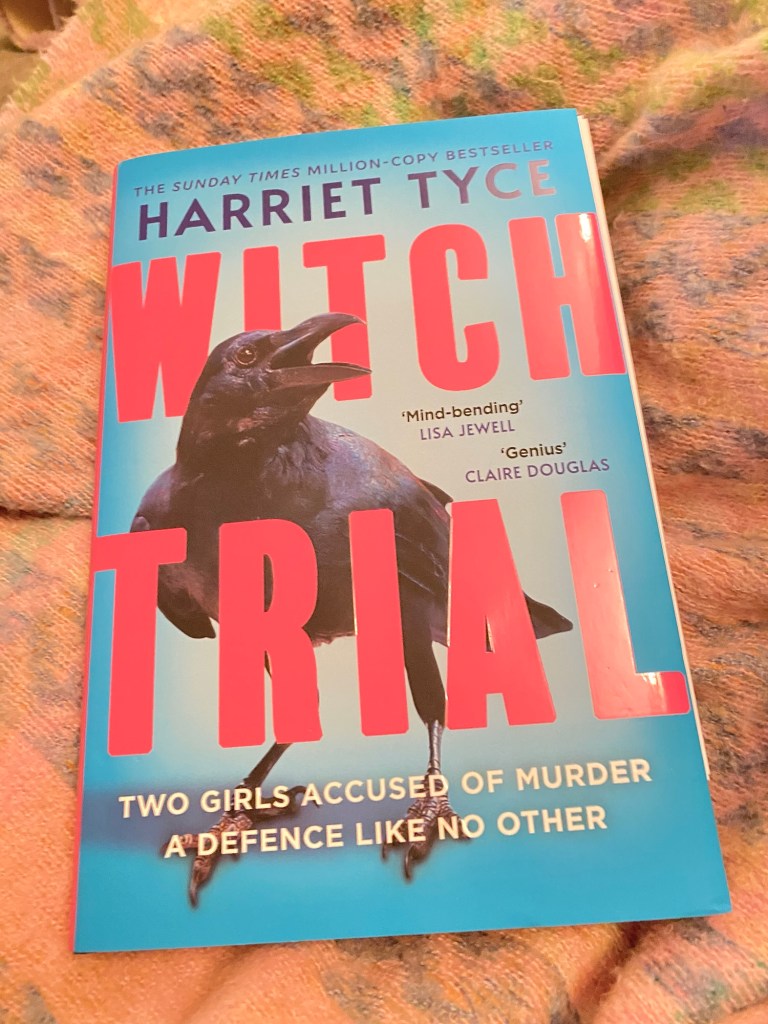
When 18-year-old Christian Shaw is found dead in an Edinburgh park, the city reels – and the shock only deepens when police charge her best friends, Eliza Lawson and Isobel Smyth, with her murder.
As social media explodes and headlines scream for justice, rumours of bullying spiral into something darker: whispers of rituals, obsession, and a teenage pact gone wrong.
Matthew Phillips, a respected heart surgeon, is called for jury duty on the case. But as the trial unfolds – and the girls reveal a chilling defence no one saw coming – he begins to question everything: the motives, the evidence, even his own judgement.
Who’s telling the truth? Who can be trusted?
And what really happened to Christian Shaw?
Let the Witch Trial begin . . .
I finished this book and had to give my head a little shake wondering what I’d just read. Harriet’s one of those writers where I end up devouring the book in a couple of sittings and then wish I’d taken my time because it’s come to an end! This grabs you from the very start as we follow Matthew, an esteemed heart surgeon, for jury duty. He is without question the perfect juror – intelligent, used to making life and death decisions and level headed. However, due to his job he could have easily been excused from jury duty so why does he stay? His colleagues seem incredibly annoyed that he has disappeared and is uncontactable for the foreseeable, because it turns out this is a complex murder case. Although Matthew seems an upstanding character he does seem remarkably keen on having a murder case and with this one he’s truly found the most intriguing. This is one of the most complicated and unlikely cases threaded with fanciful notions of devil worship and witchery. Matthew is our eyes so we view the case at the same time he does, as each witness takes the stand for cross examination. What they must prove is this point of Scottish law:
“Murder is constituted by any wilful act causing the destruction of life, whether wickedly intended to kill, or displaying such wicked recklessness as to imply a disposition depraved enough to be regardless of consequences.”
Put simply, the prosecution must prove that the defendants Isobel and Eliza knew that their friend Christian had a heart condition but were reckless enough to bully and fill her with such fear it killed her. Because of the immediacy of the narrative, the reader drinks in each gasp from the gallery and every revelation from the witness box, so much so that it was halfway through the book before I stopped to wonder how such a case could have made it’s way to court? Can someone deliberately frighten someone to death?
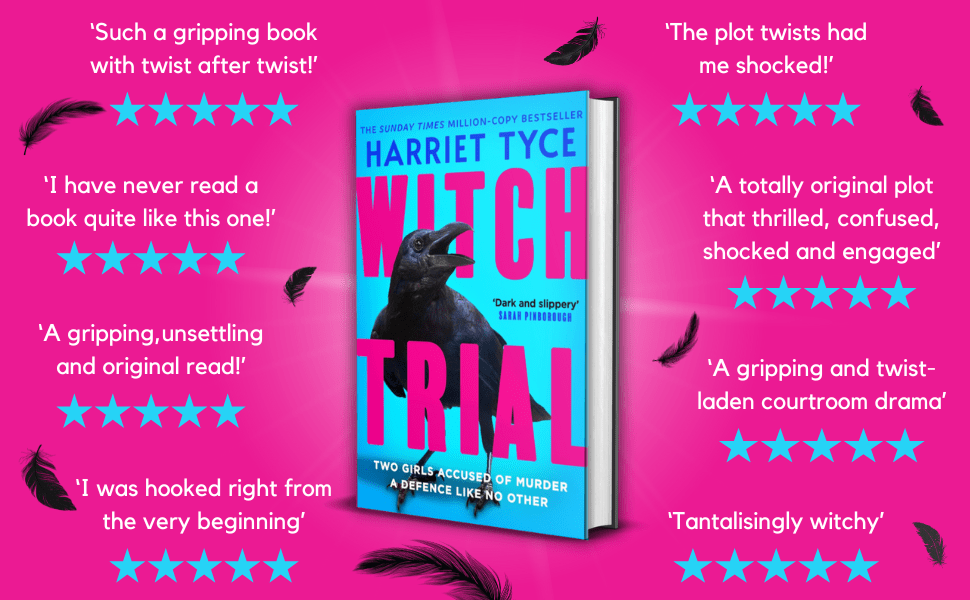
Matthew is observant, he has weighed up his fellow jurors and which ones might be trouble. He has checked out the defendants and wonders whether their appearance might prejudice the witnesses and jurors. Eliza is dressed well, whereas Isobel’s demeanour is surly and uncooperative. She looks down at the floor mostly and has a gothic appearance. She is being painted as the ringleader, but is she or are people being swayed by how she looks? The author adds small details that you barely notice at first such as Matthew’s own appearance. Fully suited and booted on his first few days, he is soon without a tie and then in jeans. His hygiene slips too and a rash starts to affect his hands, itching so badly during the evidence he struggles not to move. He drinks more and avoids his family, staying in his small apartment in the city. There’s also the strange journalist who catches his eye, then seems to disappear. One night she appears at his flat with a bottle and an ouija board, wishing to discuss the more gothic aspects of the case. The suggestion that the girls are practising witches is salacious enough to gain the headlines, but Matthew knows he shouldn’t be talking about the case at all. However, we as the reader are compelled to enjoy the suggestions of animal sacrifice, tarot cards and trying to summon the devil. It’s easy to forget that at the heart of this case are two young girls, who may have been unpleasant and even wicked but surely not criminal? We believe our narrator still, but should we? There are multiple layers to the books final chapters, something that this writer excels at. The occult elements are truly vivid and I found myself engrossed and even believing them in part. This is one of those books, where, like The Sixth Sense, you’ll be going back to see how you missed certain things. The final twists left me awe struck. This is a belting thriller, utterly addictive and compelling to the final page.
Out now from Wildfire Books
Meet the Author
Harriet Tyce was born and grew up in Edinburgh. She graduated from Oxford in 1994 with a degree in English Literature before gaining legal qualifications. She worked as a criminal barrister for ten years, leaving after having children. She completed an MA in Creative Writing – Crime Fiction at UEA where she wrote Blood Orange, the Sunday Times bestselling novel, winner of a gold Nielsen Bestseller Award in 2021. It was followed by The Lies You Told and It Ends At Midnight, both also Sunday Times bestsellers. A Lesson in Cruelty was published in 2022 and met with great critical acclaim and her fifth novel Witch Trial will be published on 26 February 2026. She is a contestant on series 4 of The Traitors. Follow Harriet on Instagram @harriet_tyce and find her Facebook page @harriettyceauthor.



 The Lotus Readers