Calvin owns Therapy, the bakery of his dreams in an idyllic village in the Lake District, but business is a little quiet. He’s reluctant when wife Vicky suggests social media but it’s not long before assistant Tara has filmed and posted a reel of him making brownies. Suddenly he’s a local celebrity. It seems everyone wants a piece of Chef Calvin and creepy little DMs start to arrive, including some from a stranger claiming to be his biggest fan. At the same time a local recluse has been found dead on a nearby beach, buried up to the neck in sand and left for the tide to come in. Detective Imogen Edwards is under pressure to solve the case, but who would plan such a long, drawn out murder and did they stay to watch the man’s fate? Calvin’s admirer turns up at Therapy, just as Tara is injured and unable to work. Much to his wife Vicky’s horror, new girl Mel ends up standing in and Calvin offers her a job. At least until Tara returns. Then events seem to start spiralling out of control and Calvin doesn’t know who to trust or what to do. Perhaps these wheels were put in motion a long time before, putting those Calvin loves in terrible danger.
This is such a page turning thriller that I swept through it in an afternoon and evening. Seemingly unrelated events start to make potentially intriguing patterns. Mark Edwards has a way of sending your mind down a dozen different paths before getting to the truth. He also has the skill of leaving horrifying images in your head. This time it was the sight of Leo James’s head sticking out of the sand as the tide went out. I have a fascination with Anthony Gormley’s Another Place also known as the Iron Men of Crosby Beach in Liverpool. There is something slightly macabre and even profound about watching the tide come in, slowly submerging some figures underwater completely. This was a terrible human version and I couldn’t help musing on how it must have felt to be left waiting for the tide and what sort of man could watch it unfold. I enjoyed the internet element of the story and how reluctant Calvin is to put himself and his bakery out there – something which makes more sense later in the novel. I could understand his reticence. While Book Twitter was once a benign space, there are now arguments and attempts to police what other people are reading. It seems it’s no longer acceptable to separate art and the artist and I definitely spend less time there. When Tara creates her video, the baker starts to gain customers very quickly and this is definitely welcome. However, it comes with a side order of relative fame and that means teenagers want to take a look as well as a certain amount of women. Mel is one of these and the timing of her arrival in the bakery seems very suspect. Both Tara and Vicky are suspicious and my radar for emotionally damaged women was definitely going off. She seems to establish herself as someone who needs to be rescued, something that is Calvin’s kryptonite. She drops hints about a group of teenagers making a nuisance of themselves on the beach near her cottage and trying to intimidate or frighten her.
It soon becomes clear that Calvin is a rescuer. He has lived in the Lakes all his life and has an experience when he was a teenager that makes him susceptible to women needing him to be the hero. His teenage sister died in a car accident and in flashbacks we go back to that summer and the lead up to this awful event, it’s clear that Calvin carries a lot of guilt around her death but this is only half the story. Our other narrative is that of the murder and the police investigation. Imogen’s first port of call is the dead man’s home which isn’t easy to find, tucked away in the woods and completely off grid. Inside they find the most hideous paintings, possibly created by Leo himself. They show visions of torment and retribution in hell and seem to be inspired by Heironymus Bosch. The house is spartan and gloomy, suggesting that Leo leads a lonely and possibly depressed lifestyle. The paintings point towards his state of mind, but does he believe someone else should receive this punishments or himself? If himself, it seems like at least one other person agreed with him. When Imogen finds a young local girl called Billie lurking nearby she’s determined to find her link to this unusual man. In fact Imogen and Calvin’s wife Vicky seem the most level-headed of the characters. Imogen is a good police officer, methodical and not easily swayed by one thread of the investigation. She lets it reveal itself, but is still only minutes behind the culprit at times. Everything is linked and she just has to find that one person who holds the key. She does come under pressure from above but stays focused.
Vicky is perceptive and there were times I was mentally screaming at Calvin to listen to his wife. She senses someone has been in their house early on and is adamant she didn’t close their bedroom door and shut their cat Jarvis inside. She also wants rid of Mel, not specifically because she has feelings for Calvin, but because she simply doesn’t trust her. Where has she sprung from and why does she seem so keen to please? She thinks the story about teenagers is a deliberate ploy. The tension in each of the narratives is heightened and when Vicky disappears, Imogen has to work out whether this a choice to take time for herself after a row, or something more serious. Although when she speaks to Calvin and finds out that Vicky owns an animal rescue centre, it does seem unlikely for her to leave without warning leaving everything to her assistant Louise. As Imogen starts to join the dots I was praying she wouldn’t be too late for Vicky. How would Calvin cope if he lost Vicky after losing his sister, especially if Mel is involved? As Mel lures him into accompanying her home I was on tenterhooks over whether she would proposition him or whether something more disturbing was going on? The author takes us through some serious twists and turns, just when I thought my suspicions about a character were mistaken they were back on the hook again. I didn’t get to the truth before Imogen though and I managed to do that really annoying thing of rushing through to the end, then wishing I’d taken it slower. This is a first class thriller and has whetted my appetite beautifully for his latest book, The Wasp Trap.
Meet the Author
I write books in which scary things happen to ordinary people, the best known of which are Follow You Home, The Magpies, and Here To Stay. My novels have sold over 5 million copies and topped the bestseller lists numerous times. I pride myself on writing fast-paced page-turners with lots of twists and turns, relatable characters and dark humour. My next novel is The Wasp Trap, which will be published in July in the UK/Australia and September in the US/Canada.
I live in the West Midlands, England, with my wife, our three children, two cats and a golden retriever.
As part of the Squad Pod, I’ve been re-reading this novel in its new edition and I’ve really enjoyed my reintroduction to these interesting characters and the incredible atmosphere the author creates around the Blackhurst Estate in Cornwall. Our story begins in 1913, when a little girl sits forlorn on the harbour side, using her white suitcase as a seat. The authoress told her she was going on an adventure and she’d stayed hidden for such a long time, but now she doesn’t know when the authoress is coming. The harbour master notices her and resolves that if she’s still there when he finishes work, he will have to take her home to his wife. Surely someone will come for her in a day or two? The mystery of the authoress and the little girl took me from 1900 to 2005, in the company of three women who have a link to that little girl in 1913. Eliza lives in London digs with her mother and twin brother at the turn of the Twentieth Century but finds life changes suddenly after her brother is killed in an accident with a coach and horses. She is taken to the Blackhurst Estate in Cornwall to be the companion of Rose, the daughter of the family, who is an invalid and rarely leaves her bedroom. Then in 2005 there is Cassandra, living in Australia and also facing upheaval after the death of her beloved grandmother Nell. Cassandra has lived with her gran since her mother left her there when she was a little girl. She promised to return and never did, leaving her mother Nell to raise her daughter. Together they run an antiques business and after Nell’s death, Cassandra is stunned to find a series of sketches by American artist Nathaniel Walker in her grandmother’s belongings. There’s also a small white case and inside there is a book of strange fairy tales also illustrated by the artist, but the writer is unfamiliar. Eliza Makepeace doesn’t seem to be well known but Cassandra is happy to do some digging and understand what link exists between this famous painter, an obscure writer and her grandmother. After the funeral, Cassandra’s great aunties explain that Nell was the baby in the family, arriving some time after them since their father found her on the Maryborough harbour alone. He decided that Nell needed to know about her true origins before he died, but her sisters wonder if that was the right thing to do. It left her a little distanced from them, as if she didn’t know where she belonged anymore.
Interspersed between Cassandra and Eliza’s narratives is that of Nell, who did her own detective work on who she was decades before. In fact she had plans to make a big change before her daughter turned up with Cassandra and asked her if she would look after her for a short while. Nell knew that once her daughter was gone, neither of them would ever see her again. This put her own plans to one side but Nell never regretted bringing up Cassandra. Cassandra takes her book of fairy tales to a book dealer who explains that Eliza Makepeace was linked to the Blackhurst Estate in Cornwall. In fact Nathanial Walker was married to Rose, the daughter of the family. When Nell’s lawyer confirms that Cassandra has been left a small cottage on the Cornish coast she is intrigued and before long is on a flight to the UK. From there we are catapulted into the past where Eliza is adjusting and trying to make friends with Rose who has been ill for most of her childhood. Her regime is overseen by her rather formidable mother while her father seems largely absent, secretly longing for the return of sister Georgina who ran away to London with a menial worker from the estate. All of these separate story lines are linked beautifully by the author over the course of the novel, telling the story of a family beset by tragedy, but also shaped by rigid control, manipulation and jealousy. All of this is set within the beautiful backdrop of Cornwall and its history of fishing and smuggling as well as its stunning scenery. Cassandra’s cottage sits above the cliffs looking down to the sea, but has a stone wall around it. She wonders why someone would block off that incredible view, but also whether they were blocking people from seeing out or in? It must have been a gloomy existence. When Cassandra hires a local gardener to remove the tree that’s partially growing inside the cottage they discover a crawl space under the back wall and inside an overgrown but entirely enclosed garden. The walls that cradle the garden create a deep sense of belonging, as if the birds sing just for her. It’s a peaceful space, almost frozen in time.
Cassandra is also interested to know how Nell ended up buying the property and why she never came back. Speaking to the village’s estate agent Robin gives her a lot of insight and the date Nell bought the cottage starts to make sense to her. Through Robin’s father, a retired fisherman, she hears some of the cottage’s history from a smuggling lookout to the home of the Authoress, a beautiful red- headed lady who used to live at Blackhurst. The actual manor has slowly become a hotel and Cassandra learns more by talking to the owner, who has refurbished the house and made some fascinating finds. She shares some scrapbooks with Cassandra, made by Rose who later became the wife of Nathaniel Walker. Rose was an invalid and her scrapbooks show a young girl’s imaginings from fairies to beautiful dresses and what she imagined her wedding to be like. Not that anyone expected she would meet anyone to marry. Her cousin Eliza tells her strangely dark fairytales and encourages her to aim for some of her dreams, to travel and perhaps get married someday. When she is married, her longings become focused on having a child, but will that be possible for her and if not, how can she find another way to become a mother? Kate Morton gives us little revelations as we go along, taking us back into the past to show us exactly what transpired and another jigsaw piece of this mystery slots into place.
I loved how vividly Morton describes the squalor of turn of the century London and the harsh way of life for those just trying to keep a roof over their head. Blackhurst is the perfect name for the estate in Cornwall, named after an outcrop of black rock that juts out into the sea and provides an incredible lookout for the brave who enjoy the crashing waves and the seaspray. The estate feels like a mausoleum in contrast to Cornwall’s natural beauty. It is somewhere where people are shut away and miserable, with Rose in bed and her father shut away in his study and harbouring his secret obsessions. The cottage is accessed through the maze and it feels like a walkway to another world as it opens out in Eliza’s garden. What could possibly have caused two cousins to be entirely separate, with the maze as the barrier between their properties? I loved the theme of motherhood throughout, especially the loss of mothers for Eliza, Nell and Cassandra. One of the saddest parts for me was when Nell finds out that she isn’t a blood member of her Australian family and it changes her outlook, leading to her own trip to Cornwall. There’s even a touch of romance for one character who’s suffered a terrible loss. Reading this again has made me realise how rich Morton’s writing is and how reading her books probably led me to me enjoying this genre so much and current writers like Amanda Geard and Kate Lumsden. This is a sweeping epic of a mystery, with great characters and dark gothic undertones which I’ve thoroughly enjoyed rediscovering.
Meet the Author
KATE MORTON is an award-winning, Sunday Times and New York Times bestselling author. Her novels – The House at Riverton, The Forgotten Garden, The Distant Hours, The Secret Keeper, The Lake House, The Clockmaker’s Daughter and Homecoming – are published in over 45 countries, in 38 languages, and have all been number one bestsellers around the world.
Kate Morton grew up in the mountains of southeast Queensland and now lives with her family in London and Australia. She has degrees in dramatic art and English literature, and harboured dreams of joining the Royal Shakespeare Company until she realised that it was words she loved more than performing. Kate still feels a pang of longing each time she goes to the theatre and the house lights dim.
“I fell deeply in love with books as a child and believe that reading is freedom; that to read is to live a thousand lives in one; that fiction is a magical conversation between two people – you and me – in which our minds meet across time and space. I love books that conjure a world around me, bringing their characters and settings to life, so that the real world disappears and all that matters, from beginning to end, is turning one more page.”
I’ve never been to Vienna but it’s very firmly on my list of places I’d like to visit. Firstly I love Klimt with a passion and have been to any and every exhibition of his work, but never in his homeland. I’m also interested in Freud, for obvious reasons. I’d like to eat a piece of Sachertorte there too. For now I’ll have to keep reading books set in the city.
Set in 1938 in London and Vienna, this is a tense and atmospheric thriller told from within a climate of uncertainty and fear as World War Two threatens. As war looms over Britain and there is talk of gas masks and blackout, people are understandably jumpy and anxious. Stella Fry, has been working in Vienna for a Jewish family and returns home with no job and a broken heart. She answers an advertisement from a famous mystery writer, Hubert Newman, who needs a manuscript typed. She takes on the job and is shocked the next day to learn of the writer’s sudden, unexplained death. She is even more surprised when, twenty-four hours later, she receives Newman’s manuscript and reads the Dedication: To Stella, spotter of mistakes. Harry Fox, formerly of Special Branch and brilliant at surveillance, has been suspended for some undisclosed misdemeanor. He has his own reasons for being interested in Hubert Newman. He approaches Stella Fry to share his belief that the writer’s death was no accident. What’s more, since she was the last person to see Newman, she could be in danger herself.
It is 1966, and Robert Simon has just fulfilled his dream by taking over a café on the corner of a bustling Vienna market. He recruits a barmaid, Mila, and soon the customers flock in. Factory workers, market traders, elderly ladies, a wrestler, a painter, an unemployed seamstress in search of a job, each bring their stories and their plans for the future. As Robert listens and Mila refills their glasses, romances bloom, friendships are made and fortunes change. And change is coming to the city around them, to the little café, and to Robert’s dream.
A story of the hopes, kindnesses and everyday heroism of one community, The Café with No Name has charmed millions of European readers. It is an unforgettable novel about how we carry each other through good and bad times, and how even the most ordinary life is, in its own way, quite extraordinary.
Hedy Lamarr possessed a stunning beauty. She also possessed a stunning mind. Could the world handle both?
Her beauty almost certainly saved her from the rising Nazi party and led to marriage with an Austrian arms dealer. Underestimated in everything else, she overheard the Third Reich’s plans while at her husband’s side, understanding more than anyone would guess. She devised a plan to flee in disguise from their castle, and the whirlwind escape landed her in Hollywood. She became Hedy Lamarr, screen star.
But she kept a secret more shocking than her heritage or her marriage: she was a scientist. And she knew a few secrets about the enemy. She had an idea that might help the country fight the Nazis…if anyone would listen to her.
A powerful novel based on the incredible true story of the glamour icon and scientist whose groundbreaking invention revolutionised modern communication, The Only Woman in the Room is a masterpiece.
The year is 1853, and the Habsburgs are Europe’s most powerful ruling family. With his empire stretching from Austria to Russia, from Germany to Italy, Emperor Franz Joseph is young, rich, and ready to marry.
Fifteen-year-old Elisabeth, “Sisi,” Duchess of Bavaria, travels to the Habsburg Court with her older sister, who is betrothed to the young emperor. But shortly after her arrival at court, Sisi finds herself in an unexpected dilemma: she has inadvertently fallen for and won the heart of her sister’s groom. Franz Joseph reneges on his earlier proposal and declares his intention to marry Sisi instead.
Thrust onto the throne of Europe’s most treacherous imperial court, Sisi upsets political and familial loyalties in her quest to win, and keep, the love of her emperor, her people, and of the world.
With Pataki’s rich period detail and cast of complex, bewitching characters, The Accidental Empress offers a glimpse into one of history’s most intriguing royal families, shedding new light on the glittering Hapsburg Empire and its most mesmerizing, most beloved “Fairy Queen.”
Erika Kohut teaches piano at the Vienna Conservatory by day. By night she trawls the city’s porn shows while her mother, whom she loves and hates in equal measure, waits up for her. Into this emotional pressure-cooker bounds music student and ladies’ man Walter Klemmer.
With Walter as her student, Erika spirals out of control, consumed by the ecstasy of self-destruction. A haunting tale of morbid voyeurism and masochism, The Piano Teacher, first published in 1983, is Elfreide Jelinek’s Masterpiece.
Jelinek was awarded the Nobel Prize For Literature in 2004 for her ‘musical flow of voices and counter-voices in novels and plays that, with extraordinary linguistic zeal, reveal the absurdity of society’s clichés and their subjugating power.
The Piano Teacher was adapted into an internationally successful film by Michael Haneke, which won three major prizes at Cannes, including the Grand Prize and Best Actress for Isabelle Huppert.
Vienna at the dawn of the 20th century. An opulent, extravagant city teeming with art, music and radical ideas. A place where the social elite attend glamorous balls in the city’s palaces whilst young intellectuals decry the empire across the tables of crowded cafes. It is a city where anything seems possible – if you are a man.
Edith and Adele are sisters, the daughters of a wealthy bourgeois industrialist. They are expected to follow the rules, to marry well, and produce children. Gertrude is in thrall to her flamboyant older brother. Marked by a traumatic childhood, she envies the freedom he so readily commands. Vally was born into poverty but is making her way in the world as a model for the eminent artist Gustav Klimt.
None of these women is quite what they seem. Fierce, passionate and determined, they want to defy convention and forge their own path. But their lives are set on a collision course when they become entangled with the controversial young artist Egon Schiele whose work – and private life – are sending shockwaves through Vienna’s elite. All it will take is a single act of betrayal to change everything for them all. Because just as a flame has the power to mesmerize, it can also destroy everything in its path…
It’s Ball Season in Vienna, and Maria Wallner only wants one thing: to restore her family’s hotel, the Hotel Wallner, to its former glory. She’s not going to let anything get in her way – not her parents’ three-decade-long affair; not seemingly-random attacks by masked assassins; and especially not the broad-shouldered American foreign agent who’s saved her life two times already. No matter how luscious his mouth is. Eli Whittaker also only wants one thing: to find out who is selling American secret codes across Europe, arrest them, and go home to his sensible life in Washington, DC. He has one lead – a letter the culprit sent from a Viennese hotel. But when he arrives in Vienna, he is immediately swept up into a chaotic whirlwind of balls, spies, waltzes, and beautiful hotelkeepers who seem to constantly find themselves in danger. He disapproves of all of it! But his disapproval is tested as he slowly falls deeper into the chaos – and as his attraction to said hotelkeeper grows. Diana Biller’s The Hotel of Secrets is chock full of banter-filled shenanigans, must-have-you kisses, and romance certain to light a fire in the hearts of readers everywhere.
Vienna, 1913. It is a fine day in August when Lysander Rief, a young English actor, walks through the city to his first appointment with the eminent psychiatrist Dr Bensimon. Sitting in the waiting room he is anxiously pondering the particularly intimate nature of his neurosis when a young woman enters. She is clearly in distress, but Lysander is immediately drawn to her strange, hazel eyes and her unusual, intense beauty. Her name is Hettie Bull. They begin a passionate love affair and life in Vienna becomes tinged with a powerful frisson of excitement for Lysander. He meets Sigmund Freud in a café, begins to write a journal, enjoys secret trysts with Hettie and appears – miraculously – to have been cured. Back in London, 1914. War is imminent, and events in Vienna have caught up with Lysander in the most damaging way. Unable to live an ordinary life, he is plunged into the dangerous theatre of wartime intelligence – a world of sex, scandal and spies, where lines of truth and deception blur with every waking day. Lysander must now discover the key to a secret code which is threatening Britain’s safety, and use all his skills to keep the murky world of suspicion and betrayal from invading every corner of his life. Moving from Vienna to London’s West End, from the battlefields of France to hotel rooms in Geneva, Waiting for Sunrise is a feverish and mesmerising journey into the human psyche, a beautifully observed portrait of wartime Europe, a plot-twisting thriller and a literary tour de force from the bestselling author of Any Human Heart, Restless and Ordinary Thunderstorms.
The artistic stagnation of Vienna at the end of the nineteenth century was rudely shaken by the artists of the Secession. Their works at first shocked a conservative public, but their successive exhibitions, their magazine Ver Sacrum and their dedication to the applied arts and architecture soon brought them an enthusiastic following and wealthy patronage. With 60 new colour illustrations, this classic book, now in its third edition, brilliantly traces the course of this development, of the Wiener Werkstätte that followed, and the individual works of the artists concerned. The result is a fascinating documentary study of the successes and failures, hopes and fears of the members of an artistic movement that is so much admired today.
This is the true story that inspired the movie “Woman in Gold” starring Helen Mirren and Ryan Reynolds. Anne-Marie O Connor brilliantly regales us with the galvanizing story of Gustav Klimt’s 1907 masterpiece, the breathtaking portrait of a Viennese Jewish socialite, Adele Bloch-Bauer. The celebrated painting, stolen by Nazis during World War II, subsequently became the subject of a decade-long dispute between her heirs and the Austrian government.When the U.S. Supreme Court became involved in the case, its decision had profound ramifications in the art world. Expertly researched, masterfully told, “The Lady in Gold” is at once a stunning depiction of fin-de siecle Vienna, a riveting tale of Nazi war crimes, and a fascinating glimpse into the high-stakes workings of the contemporary art world.
Seventeen-year-old Franz Huchel journeys to Vienna to apprentice at a tobacco shop. There he meets Sigmund Freud, a regular customer, and over time the two very different men form a singular friendship. When Franz falls desperately in love with the music hall dancer Anezka, he seeks advice from the renowned psychoanalyst, who admits that the female sex is as big a mystery to him as it is to Franz.
As political and social conditions in Austria dramatically worsen with the Nazis’ arrival in Vienna, Franz, Freud, and Anezka are swept into the maelstrom of events. Each has a big decision to make: to stay or to flee?
Dear Edie, I wanted you to know so many things. I wanted to tell you them in person, as you grew. But it wasn’t to be.
This wonderful book left me uplifted and sad all at the same time. This is the bittersweet story of Jessica, a young single mum who finds out she has cancer. As the novel opens, Jess and her baby daughter Edie, have recently moved back home with her Mum. Jess had left home for university, but circumstances have forced her back to her home town. This main narrative, set in Jess’s present, is interspersed with letters written by Jess to her baby. Each letter starts with ‘ I wanted you to know’ and through them we learn about the life she had at university, her relationship with Jake and the unexpected pregnancy that changes everything. The timing of this baby is all wrong, falling just as Jess’s boyfriend Jake is offered a tour with his band. Determined that Jake should follow his dream, the couple had decided to separate, but Jess’s own father left when she was young and she doesn’t want the same for her daughter. So she continues to keep him up to date with baby news until Jake’s contact with slowly fizzles out and Jess comes to the conclusion he is not interested in the pregnancy or having a relationship with daughter Edie. By the time Edie is born, the couple are no longer in regular contact and Jess has to face up to the fact she will be a single mother. Jess approaches her post-natal check up feeling daunted and then receives the news that changes everything. Jess has breast cancer. Now, a new beginning that’s daunting but joyous and filled with hope for the future, is overshadowed by weighty decisions, difficult conversations and the horrible fear that she may have to leave Edie facing life without her.
The narrative gave me a very real sense that the time Jess has left is ebbing away like the sands of an hourglass. As treatment options fail, Jess has so much left undone. Jess’s devastation that she won’t be able to be go through all the milestones that mothers and daughter enjoy together is palpable. So in order to be sure she’s there for these moments Jess begins the letters that will let her daughter know where she comes from and how much her mum loved her. This is even more vital when we realise that Jess’s past relationship with her own mum is far from perfect. However, despite some rough patches, her mum is stepping up and we never doubt that she loves her daughter and wants to help. Even if she does make some terrible mistakes in the way she handles things and on one occasion does one of the worst things you can do to someone with a terminal or life-limiting illness; she takes Jess’s power away. I was genuinely worried whether Jess would be strong enough to take it back.
The way Jess copes with Jake made me long for her to find her voice, even if just for her baby’s sake. She is so worried about ruining Jake’s tour that she doesn’t keep him informed. His contact with her simply dries up and although she is hurt and shouldering her fears about becoming a mum by herself, she doesn’t contact him. Then as the shock of the cancer diagnosis hits she is even more paralysed. If she does let him know, and he cuts his dream short, will he always resent her and his daughter. She doesn’t even know how he feels any more, but knows she wouldn’t want him to return to her because of the cancer. Realistically though, she needs to let him meet his daughter. They have to forge a relationship, especially if she does not respond to treatment. The most compelling relationship for me was the friendship between Jess and Gemma. This novel is a love letter to female friendship and I liked that this relationship felt the most ‘fleshed out’ in the whole story. Right from the start Gemma is backing Jess up while juggling a job and babysitting Edie when she’s not working. Where the other relationships throw up complications, Gemma seems to know what Jess needs before anyone else. She counteracts Jess’s mum’s tendency to judge and make decisions that don’t include her. Instead she is quietly there all the time, and has an ability to sink into the background when Jess needs time alone or with Edie. Most importantly she encourages Jess but doesn’t take her choices away. She makes it clear that Jess needs to speak to Jake, but stays out of their relationship. When Jess’s mum oversteps the mark, Gemma gives her friend encouragement to speak and permission to be angry. Their relationship shows that our friends are often more supportive than family. It teaches us that our female friendships are often the long term relationships in our lives and that the best friends sustain each other, even in the most difficult situations.
I like that the last words In the book are Jess’s own in the form of her final letter to her daughter. I did have a lump in my throat reading some parts of this and at different points I thought how authentic the voice was, especially in Jess’s letters because they are unfiltered. Often, when reading or watching fictional accounts of illness I become frustrated by inaccuracies or events that are totally impossible. This comes from the life experiences I bring when reading a book. When reading this I felt it was well researched or that someone had used their own experiences to tell Jess’s story. I wasn’t surprised to read that Laura Pearson had a similar diagnosis of breast cancer because her experience shone through. The bewilderment and fear of those closest to Jess felt true to my experience; I lost my husband to the complications of multiple sclerosis when he was only 42 and I was 35. I remember two strong and very contrary feelings. On one hand I was constantly busy and overwhelmed with the paraphernalia of caring for someone who’s dying. I was panicked that time was slipping away from us and I resented it being spent dealing with feeding tubes, chest physiotherapy and the constant fear of infection. While other days felt like a nightmare, living a parallel life where the same routine was replayed over and over while everyone else was getting on with the real business of life. We became a small, committed unit with only one focus and as I read the novel I could see Jess’s loved ones doing the same. They drop out of normal everyday life to focus on their loved one and as I was reading I was aware of the devastation they would feel if they lost Jess anyway. When the person you love becomes terminally ill, and you become their carer, the sense of loss after their death seems compounded by suddenly having no purpose. I went from caring for my husband 70+ hours a week to waking up with nothing to do all day. It complicates the grief. The loss becomes multiple; the person you love, your role as spouse, your job and purpose, structure and status are all gone. The final chapters of Laura’s novel brought this back to me.
I was also heavily invested in Jess’s emotions, she becomes a young, single Mum knowing this new life may be cut brutally short. Jess barely has time to enjoy Edie, before she has to worry about leaving her. She has come to terms with her choice to postpone university and encourage Jake to follow his dream because she assumes, like we all do, that she has all the time in the world. She might not have time to pick up these parts of her life and she may not have time to settle into being a Mum. Questions constantly flash through her mind. If Jake returns, does he love her or is he only there because she’s so ill? How will he cope becoming a single Dad and who might he form relationships with in the future? Most heartbreaking of all; what if Edie doesn’t remember her? This is what prompts her to start writing. She wants to write down everything she thought or felt about her new baby and also pass on those bits of motherly wisdom that would be otherwise lost. Even if Edie does lose her Mum, she will have a constant sense of her through those letters and the pieces of advice she gives. Most importantly, she will know that at this crucial moment of her Mum’s life, she was so glad of her decision to have Edie and that Edie’s loss is uppermost in her mind.
The author delivers weighty subject matter with a real lightness of touch. At times I was reading with a lump in my throat, but I always looked forward to picking up Jess’s story and spending time in her world. The reader always brings something to the book and in this case, my reading experience was more poignant because of my own loss and possibly because of the limitations due to my own long term health problems. I think the author has been so clever to write about a life-changing experience, but never let it become too heavy to read. Despite the heartbreak, there are moments of every day humour and I felt genuinely uplifted by the depiction of female friendship. In difficult times I have found that even whether I’ve had a committed partner or not, it is my female friends who are always constant and hold me up when I can’t do it for myself. Jess and Gemma embody this and I found myself hoping that the author had a Gemma during her own illness. Mostly, I am very grateful that Laura Pearson had the bravery to write about something so close to her own experience, and to write about it with humour, honesty and raw emotion.
Meet the Author
Thanks so much for taking a look at my books. I write what some people call emotional women’s fiction and others call book club fiction. It doesn’t really matter what it’s called – I mostly write about women living ordinary lives and the extraordinary things that sometimes happen to them. I set my novels in places I’ve lived – London, Leicestershire, Cheshire, Southampton – and I people them (mostly) with the kind of women I’d like to meet.
Some themes I find myself returning to again and again are sibling relationships, enduring friendships, women supporting women, and the tiny decisions that can alter the course of a life. I hope you find something here you’d like to read.
When I’m not writing or reading, I’m usually hanging out on Twitter (@laurapauthor), so I might see you there, too.
In simple terms, this fascinating book is a love story. Two people meet in unlikely circumstances and fall in love. However, it’s so much more than that, but that’s what happens when something as simple as love is an act of subversion or rebellion. When I last read a novel like this I was on my 18th Century literature module at university and I had the luck to be taught and supervised for my dissertation by Dr. Ian McCormick who was an 18th Century literature specialist and also taught our Gothic, Grotesque and Monstrous module. He wrote a book called Secret Sexualities, a collection of 17th and 18th Century writing that covered cultural constructions of eunuchs, hermaphrodites, cross dressing, mannish women, female husbands, trials for sodomy and other legal injustices. I was absolutely fascinated because it was an utterly different picture from the 18th Century literature I’d read before. To be honest that was mainly Jane Austen and from her writing you might think that a fellow’s main preoccupation was finding a suitable wife and all women were waiting for Mr Darcy to come along – although I’m a Captain Wentworth girl, all day long. What my tutor’s book did for me was the academic equivalent of Sarah Water’s transgressive novelisation of the 19th Century. Variations in sexual preference is nothing new and taking a marginalised group and placing them firmly within their historical context is what is going in with A.J. West’s novel. Thomas True is well-researched, beautifully characterised and fits perfectly into its time period rather like an 18th Century version of Tipping the Velvet.
The book that came most to mind, because of its bawdy humour and characterisation of a young innocent seduced into licentiousness on their adventures into the big city, was Moll Flanders by Daniel Defoe. However, I also had Tom Jones in mind by Henry Fielding, a picaresque novel where our hero embarks on a journey and is lured into bawdy and roguish adventures. A picaresque novel is also critical of the society it represents, using satire to make its point usually in the favour of the lower classes. Here our hero is drawn into the ‘Molly’ culture, practiced at Mother Clap’s house and while considered corrupt by some, it turns out to be less judgemental and violent than both the religious and legal communities, both seemingly riddled with cruelty and corruption. In this case they employ a spy known by the mollies as the ‘Rat’, his purpose is to give up individual mollies to the justices who would have them hung. The hangings are a horribly public spectacle with the crowd baying for blood and the selling of candles or other mementoes by shop keepers. This is where the novel sits for me, yes it’s crime fiction, historical fiction and also a love story, but it’s the picaresque novel’s bawdy, episodic and satirical mix that grounds Thomas firmly in the tradition of 18th Century literature.
Thomas sets off for London to escape a miserable family life, where he’s clearly not the man his father would like him to be. On his journey he is accidentally parted from his coach and luggage, deciding to trust a huge bear of a man who offers him help. What he doesn’t know is that Gabriel is a Molly, one of a group of men who enjoy dressing in women’s clothes and have names for their alter egos. They also prefer the love of another man, something taboo and unnatural in contemporary society. The law would punish them by death. Thomas can’t possibly know how important this moment will be in his life, but it’s pivotal to his journey, his future and his heart. Far from the genteel worlds of Bridgerton and Jane Austen, the author creates a richly imaginative setting that brought all my senses to life – but not in a good way. London is grim, overcrowded and disgusting. One scene where a body needs to be extracted from a ditch full of sewage is revolting. The two rescuers slipping and sliding into faeces and almost losing the body to the depths. Even Mother Clap’s has a grotesque feel. These are not the preened and powdered men you might expect. Gabriel is huge, hairy and spends all day doing a heavy building job. The atmosphere is also dark and threatening, if the mollies are the light then their nemesis belongs in the shadows as do the curious urchins who are so ignored and forgotten they’ve literally become the darkness they inhabit in the menacing surroundings of Alsatia. The ever present fear of not knowing who the Rat is, make even the lighter scenes hum with tension. While the mollies are dancing, wearing their finery or even sneaking off to be ‘married’ – their euphemism for sex – no one knows if the Rat is among them, watching and biding his time.
How far would the Rat go to gain information or incriminate the mollies? I was intrigued as to what their motive was? Religion, fear, money or more personal motives? Whatever the Rat, or the justice’s motives they mete out terrible violence. As if the public hangings were not enough, the Rat is handy with a knife too. One molly has his tongue cut out and another is stabbed and left in sewage. Being pilloried turned out to be way more violent than being popped in the stocks for the afternoon and being pelted with rotten vegetables. This is all told in the same detail the author describes the London streets running with urine and smelling so bad it takes a few days to become immune to it. It brings a reality into sharp focus, this isn’t just our current climate of punching down against the poorest and most vulnerable or venting hate on social media. This is wanting someone dead for the perceived crime of who they love. Thomas is naive, clumsy, endearing and ripe for the picking. He guides us through most of this in wide eyed wonder at first, but we also have Gabriel’s take on events and he really is the opposite of Tom. He is older, has known who he is for a long time and battles with regret, grief and shame. Gabriel is haunted, emotionally and literally. His profession means he’s in an intensely masculine environment, working on completing St. Paul’s and the chandlers where Tom is learning a trade. He’s drawn to Tom’s naivety and excitement at the new life he’s found and his molly name – Verity True Tongue. They’re so different but have that chemistry. It’s undeniable, but only Gabriel who fully understands the price they may pay for choosing each other.
I was bowled over by the incredible detail in the setting but also the characters they meet. Every one of the mollies is different are so different from each other. Some are welcoming and nurturing, while others are cynical and suspicious. I have a hatred for people who want to control other’s behaviour through a moral or religious code. Thomas’s family believe they’re doing the right things to save their souls and to lie with a man is a sin against God. The justices are no better than- using the legal code to outlaw sodomy, but then resorting to punishments of horrific violence without irony. It’s inevitable that with such blood lust and religious fervour, we might have to say goodbye to some of the wonderful characters yet it is still devastating when it happens. This group of men, when in their safe environment, are full of joy, fun and laughter. When they are free to be themselves they create an incredible atmosphere. It’s a party I’d love to go to and I honestly can’t wait for it to become a film. The eventual ending might leave you needing a box of tissues, but the journey Thomas and A.J. West takes us on is glorious.
Meet the Author
A.J. West’s bestselling debut novel The Spirit Engineer won the Historical Writers’ Association Debut Crown Award, gaining international praise for its telling of a long-forgotten true story. His second novel, The Betrayal of Thomas True, is published July 2024.
An award winning BBC newsreader and reporter, he has written for national newspapers and regularly appears on network television discussing his writing and the historical context of contemporary events.
A passionate historical researcher, he writes at The London Library and museum archives around the world.
Havoc is one of the Squad POD Collective’s featured books this month and is a brilliant combination of school drama, mystery and dark comedy featuring a wonderful character called Ida. Ida and her family live on a remote Scottish island after fleeing from her mother’s controlling boyfriend Peter. What started as a lonely but safe place to live, has become impossible since her mother did something unforgivable and the island’s inhabitants turn against them. Deciding she wants to leave, Ida looks for private boarding schools who provide scholarship places. She finds a school as far away from Scotland as she can find. St Anne’s sits on the south coast of England, so remote that the only diversion is a bus ride to a small town with a choice of two tea rooms. The school are terribly surprised when their scholarship student turns up, no one ever has before, so they don’t have anywhere suitable to put her. The school is ramshackle and in danger of falling off the cliffs and the food is questionable and often tastes of fish, even when it isn’t. Ida is placed in a double room with school miscreant Louise and starts to settle in. However, things take a very strange turn when Head Girl Diane becomes unwell, starting with strange jerks of the arms and soon descending into a full blown seizures. Soon after, Diane’s friend April is sick and then starts the familiar pattern of jerks. By the time a third girl has the same symptoms outside agencies such as environmental health, doctors and the police start to descend on the school. Is this illness a virus, or is it environmental? Or could it be something more sinister like poison?
Not only is this a fascinating mystery, the characters are so endearing and I loved the deliciously dark sense of humour. We follow Ida’s story but also that of geography teacher Eleanor. Both are characters are quiet and unassuming but with hidden depths. Eleanor is coping with a change of living arrangements rather like Ida. She was all set to marry boyfriend Anthony, but it was suddenly called off. She’s been used to living in a solo room at the school, but a space in one of the sought after flats has come available. The problem is it means sharing with fellow teacher Vera and they’re not exactly friends, but she’ll gain a sitting room and a kitchen and surely they can get on? Then the first ever male teacher arrives and it’s clear that he’s quiet and ill equipped to deal with the dreamy and rather nosy English teachers. He and Eleanor get along well though, often lunching together at school and sharing the bus into town on their rare day off. However, he does seem to lack a back story and after what happened with Anthony, she’s very wary.
Despite some serious subject matter and St Anne’s having a rather 1980’s morbid fascination with the nuclear holocaust, there is a lot of humour and witty exchanges, even if they are rather black (my favourite kind of comedy). Both Eleanor and Ida have to accommodate their rather forthright and eccentric roommates. Louise comes with many warnings from the school mistress, but their meeting is hilariously slapstick after a mishap with a trapdoor. Louise seems to sense Ida’s intriguing hidden depths and they definitely share an affinity for causing mayhem. As their friendship developed I did worry for the rest of the school’s pupils. Eleanor’s roommate Vera is a comic delight and I imagined her as a young Miriam Margoyles – abrupt to the point of rudeness and very definite in her opinions. On a visit to the tearoom in town she berates the poor waitress for not having Battenberg cake. When she suggests their Victoria Sponge, Vera exclaims loudly that it’s usually dry. Then as she eats it, loudly confirms to the other patrons that is just as dry as she expected. She has no filter, volume control or embarrassment. In between the main narrative, are faxes from the neurologist treating the girls and his previous colleague and even these take a turn you won’t expect. He writes of his concern about Diane, the first girl who fell ill and his confusion at the symptoms displayed by the others. He is the first to notice strange anomalies in the seizures but has a hard time convincing his colleagues, the police and the environmental health of his eventual diagnosis.
I enjoyed the medical mystery at the heart of this novel, just as interesting as a crime novel with plenty of twists and turns along the way. Having had a rather unusual neurological condition myself this was an accurate representation of how our bodies can surprise and betray us. Of course this has the added intrigue of multiple patients at once and the cause being very difficult pin down — is it poison, environmental or the rather unusual and fishy meals from the school kitchens? There are other mini mysteries too such as why Eleanor didn’t get married and what made new teacher Matthew move to an isolated all girls school? Once the press are on the trail of the mystery illness many more secrets could come to light, including why Ida arrived in the first place. Ida is such an interesting teenager and her growing friendship with roommate Louise is both touching and unexpected. The author has captured the inner world of Ida so authentically that you feel connected to her and the interactions between the students is a familiar combination of funny, bitchy and a little bit guarded. So when the guard drops and real emotions spill out it is all the more surprising and touching. This was an absolute treat to read and I have no hesitation in recommending it.
Meet the Author
Rebecca Wait is the author of four novels, the most recent of which, I’m Sorry You Feel That Way, was a book of the year for The Times, Guardian, Express, Good Housekeeping and BBC Culture, and was shortlisted for the Nota Bene Prize.
Her previous novel, Our Fathers, received widespread acclaim and was a Guardian book of the year and a thriller of the month for Waterstones.
A weekend trip to the City of Lights is usually on everyone’s bucket list but if you can’t travel these books will give you a flavour of Paris. Whether it’s an escapist romance or a travelogue each will give you an insight into life in Paris, from the fin de siecle through two World Wars and all the way through to the COVID pandemic and it’s aftermath, these choices take in the Twentieth Century and beyond. Hope you find something you enjoy.
Not the best known of Jojo Moyes’s books, but a series of short stories all with the backdrop of Paris.
In Paris for One, Nell is deserted by her boyfriend minutes before setting off on what was supposed to be a fantastic romantic weekend away to Paris. Can she forget him and find herself? Honeymoon in Paris is a tale of the early days of two marriages in both 1912 and 2012, featuring Liv and Sophie from Jojo Moyes’ bestselling romance The Girl You Left Behind.
Beth is faced with a difficult decision in Bird in the Hand when she bumps into an old flame at a party, with her husband . . .
This is classic Jojo Moyes fiction – easy to read and within a few lines you’re pulled into the story. The characters are absorbing and soon have you on side, rooting for their romantic dreams to come true.
Historical Fiction
This book is utterly charming from start to finish, while seemingly sprinkled with fairy dust our heroine has some very painful and difficult setbacks. Mrs Harris is a salt-of-the-earth cleaner living in London, struggling financially with her husband never returning from WWII. She cheerfully cleans the houses of the rich and one day, when tidying Lady Dant’s wardrobe, she sees the most beautiful thing she has ever seen in her life – a Dior dress. In her fairly drab and working class existence, she’s never seen anything as magical as this dress. It seems to be alive, like living and wearable work of art. She’s never wanted a material thing so much in her life. Mrs Harris scrimps, saves and slaves away, often finding that the very rich avoid their bills and has to assert herself. Then one day, after three long years, she finally has enough money to go to Paris. However, when she arrives at the House of Dior, she could never have imagined how her life is going to be transformed and how many other lives she will touch in return. Always kind, always cheery, she finds time to charm the ladies who create Dior’s designs in the atelier and organise the love lives of other key staff. Mrs Harris really does takes Paris by storm and learns one of life’s greatest lessons along the way. This treasure is from the 1950s introduces the irrepressible Mrs Harris, part charlady, part fairy-godmother, whose adventures take her from her humble London roots to the heights of glamour in Paris until eventually she has the dress of her dreams. It only highlights those lovely qualities that we know have been there all along. I am absolutely in love with this character.
Rene is the concierge of a grand Parisian apartment building. With the residents she keeps up a professional facade and to them she’s what they expect, a helpful and reliable concierge but not as sophisticated or cultured as they are. Underneath is this the real Rene – a woman who’s incredibly passionate about culture and probably knows more than her rather snobbish residents. Her loves are Japanese Arthouse Cinema and her cat, Leo Tolstoy. Meanwhile, several floors above, is twelve-year-old Paloma Josse, another person keeping their knowledge to themselves. She doesn’t want the empty future her parents have laid out for her and decides she will end her life on her thirteenth birthday. Unknown to both Rene and Paloma, the sudden death of one of their privileged neighbours alter everything for them. The simplicity of the story is what makes this book magical. It shares deep truths about the choices we make in life and the way they change everything. It’s quirky and has an intelligent humour, but is also elegantly written. The charm of it seems quintessentially Parisian.
Doria is in a difficult place. That place is the Paradise Estate, dreadfully misnamed and situated on the outskirts of Paris showing a different side to the city. In Doria’s unforgettable voice, we learn that her father has returned to Morocco. He’s looking for a new wife, who can produce a boy. So her mother is trying to get by a single mother, but she can’t speak French and is illiterate. The only work she can find is cleaning. It could be worse, Samra who lives above them has a father who won’t let her out. Another young resident, Youssef, has been put in prison for stealing cars and supplying drugs. One good thing is her weekly appointment with a psychologist, who listens even if she doesn’t have answers. The author has created a memorable character in Doria who is knowing beyond her years but also heart-breakingly naive. This book gives us a beautifully drawn alternative to the romantic tourist impression of Paris.
A woman called Mado is determined to make her mark and begins a journey that will change everything. Set on a train to Paris in 1895, and based on a real incident when a train crashed into the platform at Montparnasse, a young woman boards the Granville Express with a deadly plan. The author sets us firmly in the fin de siecle, not just with the clothing but with the attitudes. We can see a shift from the Victorian ideals of the previous seventy years. We have Alice who is travelling for work and taking the opportunity to talk her boss into a new investment. Marcelle is a pioneering scientific researcher inspired by Marie Curie. Mado’s androgynous clothing and short hair make her stand out as someone unconventional and modern. She’s definitely a feminist, but is also an anarchist and I could feel the tension in her body as I read, how far is she willing to go to make her political point? The prose speeds up as the train edges closer and closer to Paris and more passengers climb aboard until the reader is almost breathless. .
Another wonderful historical novel here, this time set in Paris during WWII. It’s 1944 and Jean Luc is working on the railway under the Nazi occupation when a train bound for Auschwitz is passing through. In an act of desperation a mother makes the ultimate sacrifice and gives the thing she loves most to a stranger. Now she can face her own future with the hope that she’s done the right thing.
Ten years later in Santa Cruz and Jean Luc is happy to have left the memories of the occupation behind. The scar on his face is the daily reminder of the horrors of life under the Nazis. His new life has given him the family he’s always wanted and he doesn’t expect the past to come knocking. That one night on the train platform has shaped all of the futures in a way none of them imagined.
This is such an emotional story, beautifully researched and gives us some insight into life in Paris under the occupation and the terrible choices people had to make to save the ones they love.
Could one split second change her life forever?
Hannah and Si are in love and on the same track – that is, until their train divides on the way to a wedding. The next morning, Hannah wakes up in Paris and realises that her boyfriend (and her ticket) are 300 miles away in Amsterdam!
But then Hannah meets Léo on the station platform, and he’s everything Si isn’t. Spending the day with him in Paris forces Hannah to question how well she really knows herself – and whether, sometimes, you need to go in the wrong direction to find everything you’ve been looking for…
PARIS, 1920. On the bohemian Left Bank, Sylvia runs a little bookshop called Shakespeare and Company. Here she welcomes the greatest writers of the day – and from the moment James Joyce finally walks through her door, the two become friends.
When Joyce’s controversial novel Ulysses is banned, Sylvia is determined to publish it herself.
But championing the most scandalous book of the century will come at a cost – and Sylvia finds herself risking ruin, her reputation and her heart, all in the name of the life-changing power of books.
Set in post-war Paris, The Paris Bookseller is a sweeping story of love, courage and betrayal – and a breathtakingly beautiful love letter to books.
Sixteen-year-old Alice is spending the summer in Paris, but she isn’t there for pastries and walks along the Seine. When her grandmother passed away two months ago, she left Alice an apartment in France that no one knew existed. An apartment that has been locked for more than seventy years.
Alice’s grandmother never mentioned the family she left behind when she moved to America after World War II. With the help of Paul, a charming Parisian student, she sets out to uncover the truth. However, the more time she spends digging through the mysteries of the past, the more she realizes there are secrets in the present that her family is still refusing to talk about.
THEN:
Sixteen-year-old Adalyn doesn’t recognize Paris anymore. Everywhere she looks, there are Nazis, and every day brings a new horror of life under the Occupation. When she meets Luc, the dashing and enigmatic leader of a resistance group, Adalyn feels she finally has a chance to fight back.
But keeping up the appearance of being a much-admired socialite while working to undermine the Nazis is more complicated than she could have imagined. As the war goes on, Adalyn finds herself having to make more and more compromises—to her safety, to her reputation, and to her relationships with the people she loves the most.
Because Paris is always a good idea…
Years ago, Juliet left a little piece of her heart in Paris – and now, separated from her husband and with her children flying the nest, it’s time to get it back!
So she puts on her best red lipstick, books a cosy attic apartment near Notre-Dame and takes the next train out of London.
Arriving at the Gare du Nord, the memories come flooding back: bustling street cafés, cheap wine in candlelit bars and a handsome boy with glittering eyes.
But Juliet has also been keeping a secret for over two decades – and she begins to realise it’s impossible to move forwards without first looking back.
Something tells her that the next thirty days might just change everything…
In the depths of the archive, Hannah dances with the ghosts of Vichy France, lost in testimony and a desire to hear the voices of the past. Back in her apartment, Moroccan teenager Tariq crashes on her sofa, consumed by his search for the mother he barely knew. Their excavations will unearth rich histories that will teach them both just how much the future is worth fighting for.
She is there to study the wartime experiences of women living there under German Occupation, while still licking the wounds of a painful, decade-old romance.Paris Echo knocks on big subjects such as the legacy of empire and identity, but mostly it’s a heart-warming masterclass in storytelling that weaves and winds and brims with a deep affection for Paris: its otherworldliness, and the ghosts of history that lurk around every beautiful, tree-lined avenue.
Paris Echo is a propulsive and haunting novel of empire and identity, told with biting wit and tenderness, which exposes the shadows of the city of lights.
PARIS, 1939 Odile Souchet is obsessed with books, and her new job at the American Library in Paris – with its thriving community of students, writers and book lovers – is a dream come true. When war is declared, the Library is determined to remain open. But then the Nazis invade Paris, and everything changes. In Occupied Paris, choices as black and white as the words on a page become a murky shade of grey – choices that will put many on the wrong side of history, and the consequences of which will echo for decades to come.
MONTANA, 1983 Lily is a lonely teenager desperate to escape small-town Montana. She grows close to her neighbour Odile, discovering they share the same love of language, the same longings. But as Lily uncovers more about Odile’s mysterious past, she discovers a dark secret, closely guarded and long hidden.
When you’re a woman of a certain age, you are only promised that everything will get worse. But what if everything you’ve been told is a lie?Come to Paris, August 2021, when the City of Lights was still empty of tourists and a thirst for long-overdue pleasure gripped those who wandered its streets.
After New York City emptied out in March 2020, Glynnis MacNicol, spent sixteen months alone in her tiny Manhattan apartment. She was 46, unmarried and the isolation was punishing. A whole year without touch. Women are warned of invisibility as they age, but this was an extreme loneliness, so when the opportunity to sublet a friend’s apartment in Paris arose, MacNicol jumped on it. Leaving felt less like a risk than a necessity.What follows is a decadent, joyful, unexpected journey into one woman’s pursuit of radical enjoyment.
The weeks in Paris are filled with friendship and food and sex. There is dancing on the Seine; a plethora of gooey cheese; midnight bike rides through empty Paris; handsome men; afternoons wandering through the empty Louvre; nighttime swimming in the ocean off a French island. And yes, plenty of nudity. I’m Mostly Here to Enjoy Myself is an intimate, insightful, powerful, and endlessly pleasurable memoir of an intensely lived experience whose meaning and insight expand far beyond the personal narrative. MacNicol is determined to document the beauty, excess, and triumph of a life that does not require permission.The pursuit of enjoyment is a political act, both a right and a responsibility. Enjoying yourself—as you are—is not something the world tells you is possible, but it is.
When Paris Sizzled vividly portrays the City of Light during the fabulous 1920s, when Parisians emerged from the horrors of WWI to find that a new world greeted them. This world reverberated with the hard metallic clang of the assembly line, the roar of automobiles, and the beat of jazz. Mary McAuliffe traces a decade that saw seismic change on almost every front, from art and architecture to music, literature, fashion, entertainment, transportation, and, most notably, behavior. The epicenter of all this creativity, as well as of the era’s good times, was Montparnasse, where impoverished artists and writers found colleagues and cafés, and tourists discovered the Paris of their dreams. Major figures on the Paris scene―such as Gertrude Stein, Jean Cocteau, Picasso, Stravinsky, Diaghilev, and Proust―continued to hold sway, while others now came to prominence―including Ernest Hemingway, Coco Chanel, Cole Porter, and Josephine Baker, as well as André Citroën, Le Corbusier, Man Ray, Sylvia Beach, James Joyce, and the irrepressible Kiki of Montparnasse. Paris of the 1920s unquestionably sizzled. Yet rather than being a decade of unmitigated bliss, les Années folles also saw an undercurrent of despair as well as the rise of ruthless organizations of the extreme right, aimed at annihilating whatever threatened tradition and order―a struggle that would escalate in the years ahead. There are rich illustrations and an evocative narrative, through which Mary McAuliffe brings this vibrant era to life.
This is one of those books that’s been on the periphery of my wishlist for ages, but I’ve never had time to pick it up. I always set aside a bit of money for visiting a book shop when we go on holiday so when we visited the Lake District this was the first book I saw when I walked into a bookshop in Pooley Bridge. Afterwards, as I looked through the purchases in the pub I read the first few lines, then read the whole chapter and I told my other half it was something special. In 1987 Cora is going to register the birth of her baby boy. His name has been settled on for some time. Cora’s husband has chosen his own name for his son, Gordon. But it wouldn’t be Cora’s choice. Cora’s choice would be something that doesn’t tie him so obviously to his father. She thinks Julian would suit him. Little sister Maia looks in the pram at her brother and decides he looks like a he should be called Bear. All of these options swirl around in Cora’s head. In this moment, Cora has the power to make a choice and it’s done. It can’t be changed. What would happen if she went with Julian or even Bear? In the short term Gordon would be furious. How bad would it be this time? Long term, would it change her baby’s character or path in life? That’s exactly what Florence Knapp does. The book splits into three narratives and we discover what happens to this whole family, depending on Cora’s baby boy’s name.
We then move on seven years and meet Bear, a name that proves to be a catalyst for change. Or we meet Cora’s choice, Julian – the choice she hoped would break him free from domineering generations of Gordons. Although, what if he is called Gordon? Brought up by a cruel father to continue in the same mould perhaps? Or he might just break free from the shackles of his name. Each life is sparked by this one decision and it isn’t just Cora’s son’s story. This is the life of the whole family with all its ups and downs. It’s about how trauma shapes lives and whether love brings healing and hope to every version of who we are. Even her minor characters absolutely shine. Grandmother Silbhe and her friend Cian are so wonderful, modelling healthy male/female relationships for Julian and Maia. Cian is also Julian’s mentor at work, bringing out a creative side that needs nurturing. Julian needs to work with his hands and meeting fellow creatives helps him find his tribe. Lily is lovely character and we get to know her most during bear’s narrative. I loved how she has to find a balance between giving Bear the freedom he needs without breaking her own boundaries in the relationship. It’s an utterly compelling debut and zooms straight into the list of best books I’ve read so far this year. The author brings incredible psychological insight to a story about how our names shape our identity, our relationships and our life choices. Something we didn’t even choose. Can it influence us to a huge extent, or do we become the same person no matter what the choice?
One of our family narratives is that mum wanted to call me Little Green after the Joni Mitchell song. Mum is definitely a hippy and Dad is definitely not. My whole life I’ve said ‘thank goodness for Dad’, as I ended up with Hayley Marsha Ann which felt unusual enough. However, when I read the lyrics of the Joni Mitchell song, it was just so beautiful. Written for a child she had when she was very young. She felt she was too young to be a mum and gave her up for adoption. The song is so full of the hopes a mother would have for their daughter:
“Just a little Green
Like thе color when the spring is born
There’ll be crocuses to bring to school tomorrow
Just a little Green
Like the nights when the Northern lights perform
There’ll be icicles and birthday clothes
And sometimes there’ll be sorrow.”
The book made me wonder whether I’d be a different person now had I been Little Green. Would I have been more confident? Perhaps I’d have been more comfortable in my creativity. Might I have written my book by now? How could I have failed with a name imbued with such hope? I liked that the author included the meaning of all the character’s names at the back of the book. It’s fascinating to look at them after reading knowing they were so carefully chosen.
Each of three arcs has its share of joy and heartache as Cora’s children cope with the aftermath of that day in 1987. For Gordon the legacy of his father is perhaps the most damaging as Cora feared. Growing up in his father’s presence means he could pass on the misogyny passed down through all the Gordons in his ancestry. It damages his relationship with his mother as he can be used as a tool for his father to oppress Cora further or to spy on her behaviour. It will also affect his own relationships with women, both his sister and potential partners – his teenage crush on Lily becomes something that’s very hard to read, but it’s right to include it. The author depicts inter-generational trauma and how it can damage the next generation in different ways. Abusers can’t always break patterns and sometimes I was compelled to read on in sheer hope.
Each narrative has its moments of emotion where you have to look up from the book and breathe for a moment. Just to take it in. However, one narrative broke me. I was reading quietly in the same room as my husband and I actually responded out loud. He had to give me a cuddle because I did have tears coming and I’m astonished by the writer’s ability to absorb to that degree. To make words into a flesh and blood person I can shed tears over and another who has the potential to become a monster. Gordon Sr really is terrifying in his reach and I felt Cora’s constant fear and the way she made herself small, not taking up space or making him notice her. The author doesn’t forget Maia either and the effect this monster has had on her life, emphasised in a single moment of panic and horror. Yet would she have become a doctor without witnessing his competence as a doctor or his patient’s respect for his skills. Throughout her love for her brother shines through. This is an absolutely incredible debut with a brilliant grasp of domestic abuse and how it affects every member of a family, their friends and even neighbours. She depicts how the children and grandchildren in this chain have to consciously break the chain. As a daughter and a wife of two men who’ve survived violence in the home I know the struggle to change things and I felt the truth of Knapp’s depiction. It’s easily one of my best reads so far his year (what a year we’re having) and I have no doubt it will still be up there in December.
Meet the Author
You can find out more about my writing, or what I’ve been reading lately, on the other pages. But for now, a few things about me.
I live just outside London with my husband, our dog, and sometimes one (or two) of our now-adult children. Some of my favourite things are: words, photo booths, old tiles, rain, long phone calls, clothing with pockets, book covers, dimples (I don’t have any of my own, but I covet the cheeks of those who do), houses lit up at night, the word eiderdown, notebooks, kaleidoscopes, homemade soup, Italy, taking photos, book chat, hummus, barre, house plants, a thick duvet with wool blankets piled on top, hand-stitching, making lists.
I’m less keen on condiment bottles, driving on motorways, and socks where the heel slips down.
Rebecca is probably the reason I first visited Cornwall, but it’s also one of those books that I’ve changed my mind about when I reread it. I read the book as a teenager from mum’s bookshelf and I also watched the Hitchcock film at a similar age and both book and film are still favourites. I think I read it as a romance at first, rooting for the rather young and mousy heroine as she falls in love with brooding stranger Maxim de Winter as they meet in Monte Carlo. Now I read it as an altogether different story, probably emphasised by the above new Virago edition that’s billed as one of her ‘dark romance’ books. Maxim is dazzlingly and tragically romantic to our young heroine, mourning the wife who was known as a great beauty and unable to be in their Cornish stately home Manderlay. Perched on the cliffs near Fowey and based on de Maurier’s home Menabilly, this is one of the most beautiful and gothic settings. It’s impossible to see from the road, only from the sea and its private beach only accessible by boat or on treacherous steps from the grounds of the house. The heroine does seem to win it all – the man, the house, the money and love – but does she really? Immediately invisible next to the dark and sexy Rebecca of the title, the new Mrs de Winter doesn’t even warrant her own name. She’s scared of running the house having never done it, she’s not even the same class. She’s also scared of the servants, especially the creepy maid of his first wife, Mrs Danvers. At one point she breaks a statue in the morning room and hides the evidence. Maxim is no help. Instead of appointing a servant to help with decisions in the house, or at least to bring her up to speed, he just goes out first thing and leaves her to the brooding and obsessive Mrs Danvers, now the housekeeper. Max has no idea how privileged he is and can’t comprehend her hesitancy and fear of getting it wrong and when she does he flies into a temper or scolds her like a child. He gaslights, lies and yells at her. She may as well have been poured into a pit of vipers. This has never been a love story, it’s more a gothic retelling of Jane Eyre and origin of the domestic noir genre. This is an absolute Cornish classic from one of their most famous writers.
The Poldark novels had a resurgence and series of new editions thanks to the new BBC series which dominated Sunday nights and starred Aiden Turner as Ross Poldark and Eleanor Tomlinson as his wife Demelza. They begin in the late eighteenth century as Poldark returns from the American Revolutionary War to his home county of Cornwall and the Poldark house and land. Things have changed since he left. His father is dead and the copper mine is failing. His sweetheart Elizabeth has become engaged to Ross’s cousin George and they will be living at Trenwith with Ross’s grandmother. There are differences between the books and the TV series. Demelza is actually a child when Ross first meets her and he takes her to be one of the staff at the smaller farm estate of Nampara. There are ten years in age between them and it’s only when she’s an older teenager that their relationship changes – in the series he brings her as an adult and marries her very quickly, much to the disgust of his parish. I think the books are grittier than the tv series, with the main characters having more complexity and actually doing things we might not like. Ross particularly has more ambiguity, a good man when it comes to his workers and his politics but not such a great husband. The abuse and rape suffered by Morwenna in the marriage forced by Warleggan hits harder. The series really deviates after book three with no exploration of the children as they grow up and the terrible grief they go through as parents. I think the series wanted to paint Ross and Demelza as a love story with a happy ending after a tough period following infidelity, but in the books life goes and Ross’s rivalry with George Warleggan still continues, even when they’re older men. I think the books give more of that historical background, particularly with the backdrop of war and later the Industrial Revolution. It’s almost as if the series is the tourist’s view and the books place the characters more firmly in their time period.
For those of you missing Aiden Turner as Ross.
Mysteries and Thrillers
When I read a more recent Ruth Ware thriller I went back to some of her earlier books and I inhaled this in two sittings. We follow Harriet Westaway as she receives an unexpected letter telling her she’s inherited a substantial bequest from her Cornish grandmother. Could this be the answer to her prayers?
There’s just one problem – Hal’s real grandparents died more than twenty years ago. Hal considers her options, she desperately needs the cash and makes a choice that will change her life for ever. She knows that her skills as a seaside fortune teller could help her con her way to getting the money and once Hal embarks on her deception, there is no going back. This keeps you on tenterhooks from the minute Hal arrives at Trespassen House in Cornwall and there is that hint of Daphne du Maurier in the family estate and the mystery that plays out. Hal is also placing herself in a wholly different family and social class. Her upbringing may have been short on money, but it was never short on love. The tragic death of her mother Maggie was only three years ago and it catapulted Hal into adulthood but the Westaway family don’t hold the same values. They do have secrets though, ready to drop out of every closet. She is the outsider here, totally out of her depth and the wild coastline, storm porch and St Piran’s Church place this firmly in Cornwall. This family may have money and privilege but they don’t have the love or care for each other that Hal is used to, she will have to use her skills of perception and discernment honed by years of tarot reading. The remoteness of Trespassen and lack of internet signal add to the Gothic feel of this novel and there is even a Mrs Danvers mentioned. This is a great thriller with plenty of clues but a lot of red herrings, so you must be prepared for surprises.
Tamsyn is as local as it getsin their Cornish village. Her grandfather worked the tin mines, her father was a lifeboat volunteer alongside his work, but her brother is struggling to find work that’s not seasonal. Tamsyn’s attachment to The Cliff House to a beautiful coastal property just outside her village comes to a head in the summer of 1986. To her, the house represents an escape, a lifestyle that’s completely out of range for her and represents the perfect life. It’s also her last link to her father, who brought her here to swim in the pool when he knew the owners were away. Her father felt rules were made to be broken and they both considered it madness to own such a slice of perfection overlooking the sea yet rarely visit except for a few weeks in the summer. Now he’s gone, Tamsyn watches the Cliff House alone and views it’s owners, the Davenports, as the height of sophistication. Their life is a world away from her cramped cottage, her Granfer’s coughing into red spattered handkerchiefs and their constant struggle for money.
Tamsyn’s family are firmly have nots. Her hero father died rescuing a drowning child and now she has to watch her mother’s burgeoning friendship with the man who owns the chip shop. Her brother is unable to find steady work, but finds odd jobs and shifts where he can, to put his contribution under the kettle in the kitchen. Mum works at the chip shop, but is also the Davenport’s cleaner. She keeps their key in the kitchen drawer, but every so often Tamsyn steals it and let’s herself in to admire Eleanor Davenport’s clothing and face creams and Max’s study with a view of the sea. Yet, the family’s real lives are only a figment of her imagination until she meets Edie. When Tamsyn finally becomes involved with the Davenports she gets to see the reality of a family bathed in privilege. As we try and work out Tamsyn’s motivations, she seems blind to the problems and ticking time bomb at the centre of the family. Or is she more perceptive than we think? This is a great thriller with disturbing family dynamics and an interesting tension between second homers and those who live in Cornwall all year round and struggle to own a home. The rugged cliffs and raging sea are a beautiful, dangerous and fitting backdrop to this tension.
Another book highlighting the dangerous beauty of the Cornish coast is Jane Jesmond’s first thriller On The Edge. I was thoroughly gripped by this tense thriller set in Cornwall concerning Jenifry Shaw – an experienced free climber who is in rehabilitation at the start of the novel. She hasn’t finished her voluntary fortnight stay but is itching for an excuse to get away when her brother Kit calls and asks her to go home. Sure that she has the addiction under control, she drives her Aston down to her home village and since she isn’t expected, chooses to stay at the hotel rather than go straight to the family home. Feeling restless, she decides to try one of her distraction activities and goes for a bracing walk along the cliffs. Much later she wakes to darkness. She’s being lashed by wind and rain, seemingly hanging from somewhere on the cliff by a very fragile rope. Every gust of wind buffets her against the surface causing cuts and grazes. She gets her bearings and realises she’s hanging from the viewing platform of the lighthouse. Normally she could climb herself out of this, most natural surfaces have small imperfections and places to grab onto, but this man made structure is completely smooth. Her only chance is to use the rapidly fraying rope to climb back to the platform and pull herself over. She’s only got one go at this though, one jerk and her weight will probably snap the rope – the only thing keeping her from a certain death dashed on the rocks below. She has no choice. She has to try.
My heart was racing during the opening of this novel and I was so hooked I read it in one sitting. The sense of place was incredible. The author conjured up Cornwall immediately with her descriptions of the tin mine, the crashing sea on the cliffs and fog on the moors. I recognised the sea mist that seems to coat your car and your windows. The weather was hugely important, with storms amping up the tension in the opening chapters and the fog of the final chapters adding to the mystery. Will we find out who is behind the strange and dangerous events Jen has uncovered or will it remain obscured? Cornwall is the perfect place to hide criminal activity, hence the history of smuggling and piracy, so why would it be any different today? Has the cargo changed? I loved that the author wove modern events and concerns into the story, because it helped the story feel current and real. The concerns around development and tourism are all too real for a county, dependent on the money tourism brings, but trying to find a balance where it doesn’t erode the Cornish culture. Local young people are priced out of the property market completely. This is a great combination of setting and edge of your seat thriller, with a character as wild as the coastline.
Family Sagas
This book makes me nostalgic for the times I’ve spent in Cornwall. It also makes me want to go on RightMove and look for a little shop I can turn into a bookshop and writing therapy centre. Enough of my daydreams. I think this is one of those books that modern readers avoid because the covers have been too feminine and floral, marking it out as a romance when really it’s a family drama ( i want to use the word sweeping when I think about). Penelope is elderly and while she is recovering from a heart attack she thinks about the years she spent in Cornwall. What follows is the story of a family—mothers and daughters, husbands and lovers—and the many loves and heartbreaks that have held them together for three generations. It’s a magical novel, giving the kind of reading experience you can get swept away in for hours. Penelope prized possession is The Shell Seekers, painted by her father. It seems to symbolise her unconventional life, from her bohemian childhood to WWII romance. When her grown children learn their grandfather’s work is now worth a fortune, each has an idea as to what Penelope should do. But as she recalls the passions, tragedies, and secrets of her life, she knows there is only one answer…and it lies in her heart.
One of my favourite places in the world is Watergate Bay and I feel energised just by standing on that beach and feeling the sea spray hit my face. This book gave me the same feeling because you can feel Pilcher’s love for Cornwall throughout. It also made me grateful for a family who don’t care about money, just about love. This is a fabulous holiday read so don’t be put off by the cover.
In Kate Morton’s second novel she takes us through a family’s history with Gothic undertones, contrasting the beautiful setting of Cornwall with 19th Century London. It covers three timelines over three generations of women, all caught up in one compelling mystery.
Once, a little girl was found abandoned after a gruelling sea voyage from England to Australia. She carried nothing with her but a small suitcase of clothes, an exquisite volume of fairy tales and the memory of a mysterious woman called the Authoress, who promised to look after her but then vanished. Years later, Nell returns to England to uncover the truth about her identity. Her quest leads her to the strange and beautiful Blackhurst Manor on the Cornish coast, but its long-forgotten gardens hide secrets of their own. Now, upon Nell’s death, her granddaughter, Cassandra, comes into a surprise inheritance: an old book of dark fairy tales and a ramshackle cottage in Cornwall. It is here that she must finally solve the puzzle that has haunted her family for a century, embarking on a journey that blends past and present, myth and mystery, fact and fable. I am lucky enough to have a new edition of this book to read with my Squad POD next month so look out for my review.
Historical Fiction
My mum was a huge fan of D.H.Lawrence’s books so this book jumped out at me in a second hand bookshop. It’s Helen Dunmore’s first novel published in 1993. Set in the coastal village of Zennor, this covers the time that D.H.Lawrence and his German wife, Freida, laid low during the First World War. In the spring of 1917, at a time when ships were being sunk be U-boats, coastal villages were full of superstition. The Lawrence’s were hoping to escape the war fever in London and chose Cornwall. There, they befriend Clare Coyne, a young artist struggling to console her beloved cousin, John William, who is on leave from the trenches and suffering from shell-shock.
Yet the dark tide of gossip and innuendo is also present in Cornwall, meaning Zennor neither a place of recovery nor of escape. Freida and Lawrence are minor characters, with the main story focused on Clare and suspicions about her relationship with her cousin. Helen is adept at bringing people from history back to life, filling them with emotions and preoccupations that are familiar to us. The Cornish coast is vividly described with its fishing industry, craggy inlets and secret beaches providing a wonderful backdrop to the atmosphere of suspicion especially with the their smuggling history. She captures the claustrophobic feel of a small village where everyone knows each other and incomers are kept at a distance. She also captures how lonely it can be to move into such a close knit community and how lives can be ruined by assumptions.
Caroline Scott’s book is set in the aftermath of WWI in the summer of 1923. Esme Nicholls is drawn into spending the summer in Cornwall, close to Penzance which was the birthplace of her husband. Alec died fighting in the war and she’s hoping to spend some time learning more about the man she fell in love with and lost too soon. She’s been invited to stay in the home of her friend Gilbert, as a potential retreat for the lady she works for, Mrs Pickering. He inherited the rambling seaside house and has turned it into a recovery centre of sorts. All residents are former soldiers, expressing themselves through art or writing. She is nervous to be the only woman, but soon gets to know the men and their stories. They give her insight into what Alec may have experienced and that’s exactly what she needs.
However, this summer retreat is about to change as a new arrival brings with him the ability to turn Esme’s world upside down. She will soon be questioning everything about her life and the people in it. Cornwall is an idyllic backdrop to the story and a huge factor in the recovery and the creative work of these men. Esme’s growing friendships are beautifully drawn and as always I was emotionally invested in her characters. I loved how her relationship with Mrs Pickering softened from being a professional companion to friendship. I also enjoyed her growing closeness to Rory and Hal. They all help with her grief and the shock of this new guest. But as always, holidays come to an end, leaving Esme with huge choices to make.
My Favourite
I first read this wonderful novel when I was a teenager, captured by the romance at the centre of the novel. Then the backdrop really started to sing out to me, especially when I started to regularly visit Cornwall around twenty years ago. Lastly it was the history aspects to the latter parts of the story with our characters caught up in English Civil War and Cornwall’s unique role, both geographically and as staunch Royalists. It’s fair to say that the book wasn’t well received at first, especially after the instant success of Rebecca and My Cousin Rachel. This takes a similar romantic narrative but weaves in the history of a Cornish house that would eventually become her home, Menabilly on the Gribben peninsula near Fowey. At the time of starting her new book it had been owned by the Rashleigh family for over 400 years. Daphne would visit and talk to them about using the house and they told her a story about building work they were having done when builders found a bricked up room housing the skeleton of a Cavalier. She decided to write this real life mystery into the novel wanted to write, when she finally and inevitably overcame their objections.
Her decision to record historical facts truthfully could have been the book’s undoing. The history of the Royalist cause in Cornwall is convoluted and confusing and there’s a large background cast of related Cornish families. I think she wanted to remain faithful to the Cornish cause and be seen to include real Cornish people, but the reader could be forgiven for struggling with them, many names are similar and the intricacies of intermarriage sometimes make the plot hard to follow. Cornwall did declare for the King and our hero Richard Grenvile is the grandson of Sir Richard Grenville who fought the Spaniards in the Azores. He is depicted as flamboyant, with an incredibly fiery temper, but he can be very charming and as time and experience show, he is incredibly loyal. Our heroine Honor Harris is the character I fell in love with possibly because of the fact she’s always reading and is a bit wild. She is absolutely swept off her feet by the man she meets in the family orchard, while sitting in her reading place up in an apple tree. Luckily her hiding place is just big enough for two. Richard is older, a seasoned soldier with wars on the Continent and Ireland under his belt. He is known as ruthless with a terrible reputation. However, he and Honor fall in love. Only a day before their wedding, Honor goes hunting with Richard and his sister. He calls back to warn her about a ravine but his call is lost on the wind and she falls down the precipice. She is then paralysed from the waist down. I think this is possibly why I fell in love with the book, having had my own accident when I was eleven. I had two fractures and a crushed disc, but luckily my spinal cord wasn’t affected. I didn’t finish primary school but returned to start secondary school in the autumn. It has given me problems ever since. It was wonderful to read a character who had a disability but whose fiancé still loved and wanted to marry her, at a time when I was starting to look at boys a little differently.
Despite Richard’s promises, Honor knows she can’t fulfil the role of an army officer’s wife. She decides to let Richard go and gives him her blessing to find someone else. She still follows Richard’s exploits as he moves through Cornwall trying to turn the Royalist sympathisers into an effective fighting force. The Cornish aristocracy have the hereditary right to become fellow commanders, although he finds them incompetent and at times cowardly. Honor has a wheelchair made by her brother, which allows her some movement and at times she manages to support and actually assist Richard. Their love for each other never seems to fade and I enjoyed the romantic aspects of the novel. Their relationship is the spark that lights up this novel, even more so now that I am a wheelchair user at times. I was impressed by how intrepid and determined Honor is and that Daphne wrote a disabled heroine in the 1940s. A couple of years ago, on my honeymoon, I went to Fowey and the Daphne du Maurier bookshop and bought a first edition of the novel for my collection. My old copy was falling apart from re-reading, but I also wanted to own such an important copy of my favourite Cornish novel.
This book opens with a heart-stopping scene that sets the pace for the rest of the story. Helen is relaxing after meeting her lover in a luxury hotel. While he has a shower, she is in her nightgown and robe enjoying the night time view over downtown Southampton. Movement suddenly catches her eye and she’s drawn to a woman who’s running down a darkened street towards a precinct of shops, pursued by two men. As they catch up, one of them pulls out a bicycle chain and starts to beat the woman. Helen doesn’t wait or think, tearing out of the hotel room and down several flights of stairs as she’s too impatient to wait for the lift. She runs down the dark street hoping that the only shop she saw with a light on has a customer or staff who’ve called the police. Helen flies at one of the attackers, who is taken completely by surprise and she soon disables the second, turning to the woman who has been badly beaten. She looks like she’s from the Middle East perhaps, with two very distinctive tattoos placed on her forehead and chin. Unfortunately, Helen has committed the cardinal sin of combat and has turned her back on her attackers. The next thing she feels is a huge bang to her head and then everything goes dark. This opening scene tells me this will be a gritty, modern thriller with a kick-ass heroine.
This is the thirteenth novel in the DI Helen Grace series and I’m seriously out of touch with the character, having only read the first couple of novels after picking them up in a book swap. I’m sorry I didn’t read the rest. Helen is working on her own initiative in this novel. She handed in her notice at the end of the last, with her protege Charlie being promoted in her place. Helen doesn’t know what the next step is, but she’s been enjoying the break. The only thing she misses is the camaraderie of a team and although she has enough money to really think about what’s next, she is anxious about it. Although life will bring it’s own answer soon enough and it might be the last thing she’s expecting. She starts to investigate alone, feeding into Charlie who is trying to target traffickers and their victims coming through the port in lorries and containers. The story is told mainly through Helen’s eyes, but also through the narratives of two other women. Viyan is another trafficked Kurdish Syrian woman and Emilia is a journalist whose father is dying in prison. At first we’re not sure how all of these narratives fit together but slowly they form a cohesive picture. Viyan’s narrative is grim and brutal. I wanted everyone who moans about asylum seekers to read this novel and understand the desperation and the lies of the traffickers that drive them here.
This operation involves a Dutch trafficker and then a gang master who provides their labour for specific contracts, this one in the NHS. I was furious with the NHS procurement manager who has simply turned a blind eye when accepting an obviously low quote for services, knowing that somewhere along the line someone is being exploited. I think many people might be surprised if all migrants were removed from the labour market, because I think the care sector and the NHS would collapse. Here the migrants are working an NHS contract disposing of clinical waste. Not only are corners being cut where safety is concerned, but if she saw the conditions, the state of the workers and the brutality meted out the procurement manager would be ashamed. The beatings and whippings with chains are only the first in a series of punishments, leading up to the ultimate solution – the incinerator. In fact after hearing the horrific death of her friend, Viyan sees a chance to escape and takes it. Will she be able to escape the minders this time and if they catch up with her can she survive?
Emilia is a journalist on the crime beat but we meet her as she visits her elderly father in hospital. He tells her he’s dying but wants her to know he has hidden some of his ill gotten gains at the home of his most recent partner. He wants Emilia to talk her way into the woman’s home, find his hiding place and bring out whatever’s inside the hold-all. Emilia knows there’s more to this than he’s saying, but sets out to try. This mission puts her in the path of Helen and the villains linked to her trafficking case. Having such strong women as our main characters was great and Viyan had all my empathy and admiration. I was so desperate for her to make it back to her family. Helen is formidable! Despite having horrendous violence dished out to her, she keeps going and can definitely hold her own when she’s not outnumbered. What I loved most about her, was her inability to turn away from injustice and suffering. She sees a terrible crime occurring and although she’s no longer in the force, she doesn’t walk away and hope someone else might deal with it. Where in the world could she use these natural skills that isn’t in the force? She’s also great at supporting and boosting other women, like her replacement Charlie, making sure she knows everyone has imposter syndrome and she does have what it takes. You will hold your breath for the final showdown and all the women involved. The short punchy chapters are action packed and keep you reading ‘just the next chapter’ until it’s 2am. I now need to set aside time and read the ten novels between this and the last one I read. I’ll probably load up the kindle with them before I go on holiday so I can carry one without interruption. This was a belting, action-packed, female led, crime thriller and I recommend it highly.
Out 3rd July from Orion Books
Meet the Author
M.J. Arlidge is a novelist, screenwriter and producer. He is the author of the bestselling DI Helen Grace thrillers including: Eeny Meeny, Pop Goes the Weasel, The Doll’s House, Liar Liar, Little Boy Blue, Hide and Seek, Love Me Not, Down to the Woods, All Fall Down and Truth or Dare.
M.J. Arlidge has also worked in television for many years, specialising in high end drama production. In the last five years he has produced a number of prime-time crime serials for ITV, including Torn, The Little House and Undeniable. He has written for Silent Witness and also pilots original crime series for both UK and US networks.
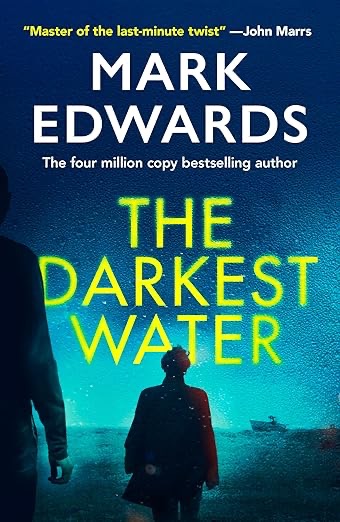

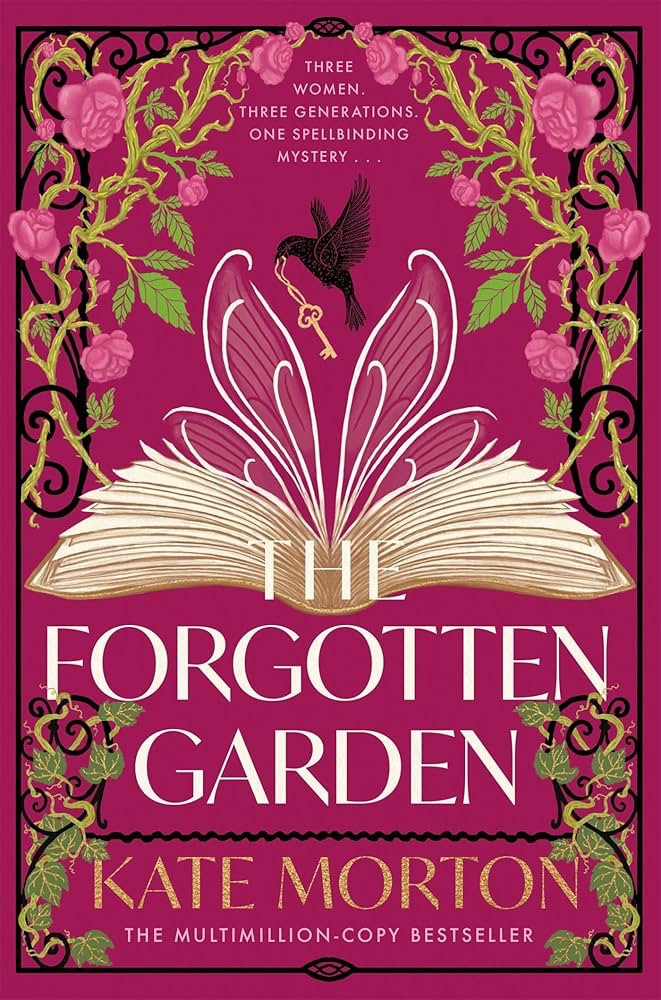
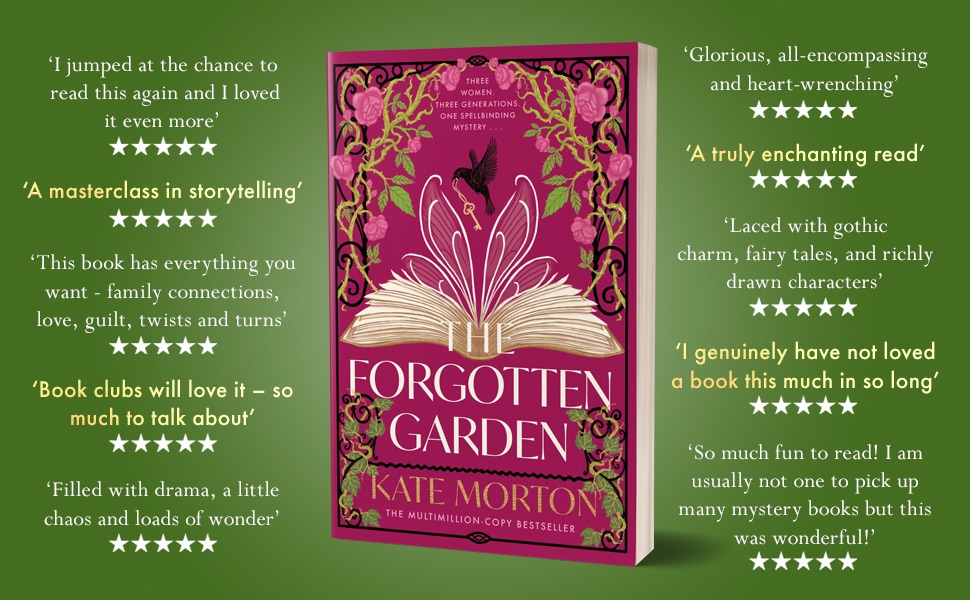

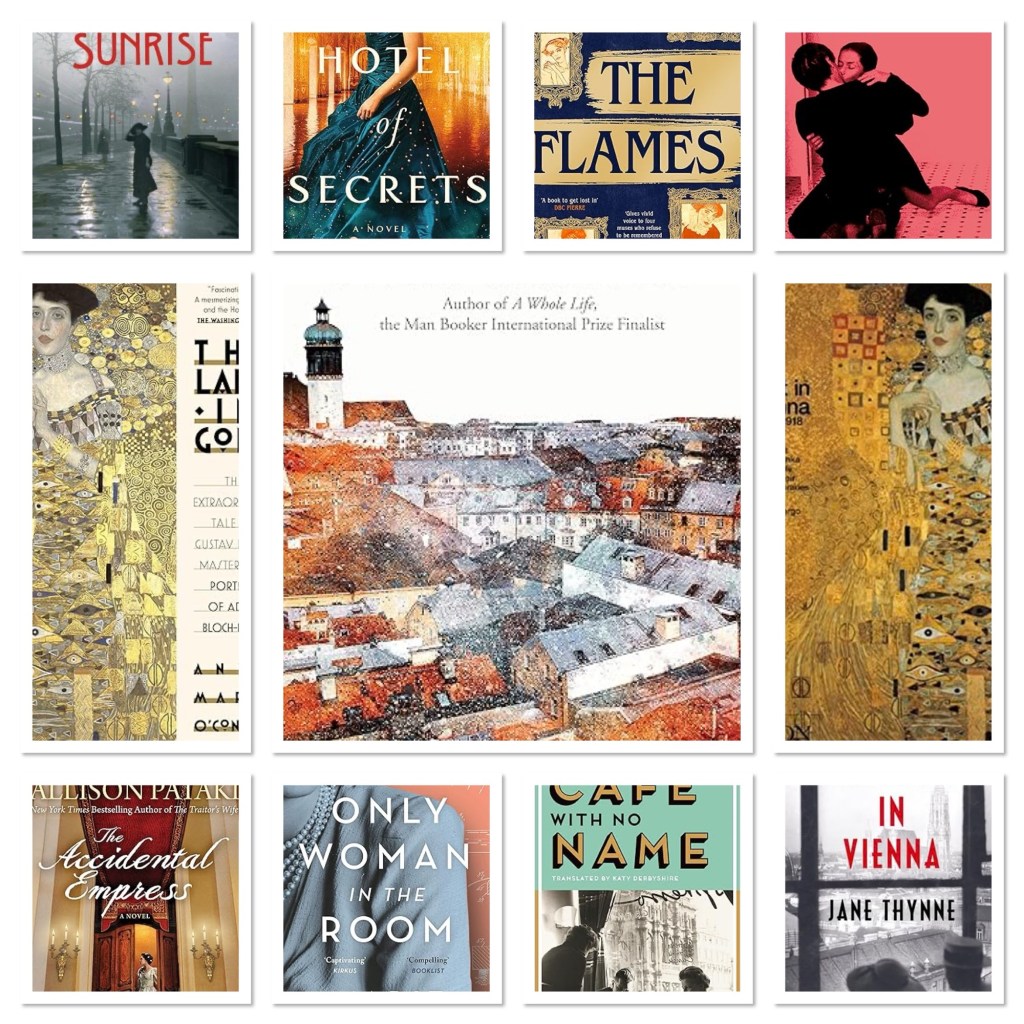
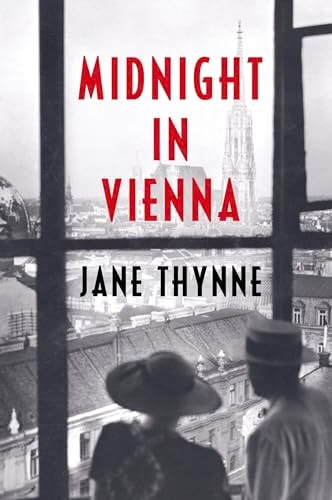
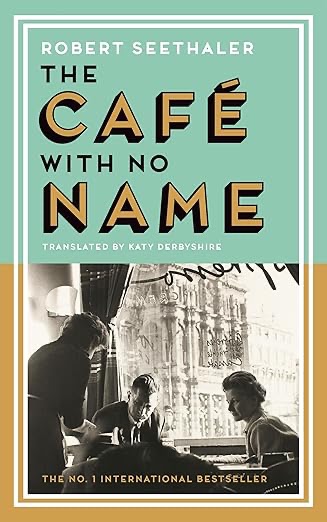
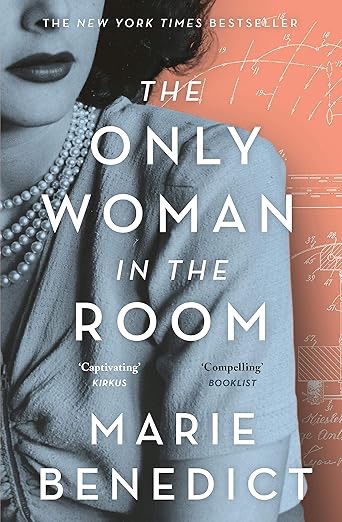
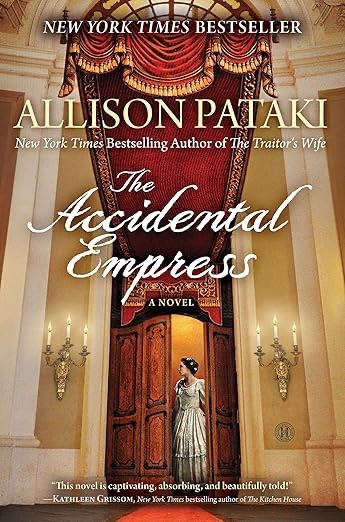
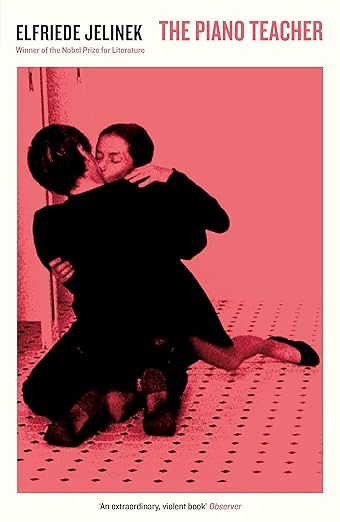
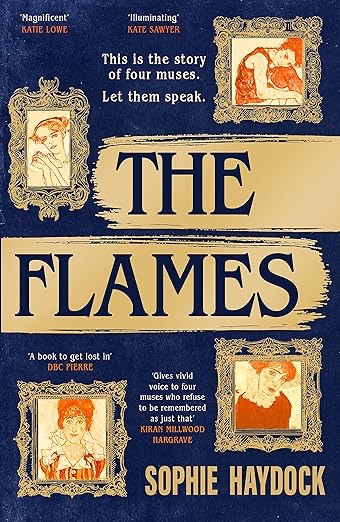
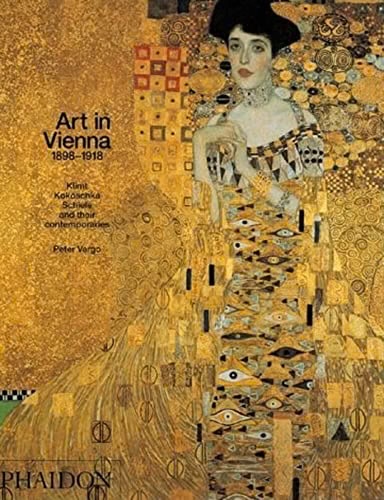
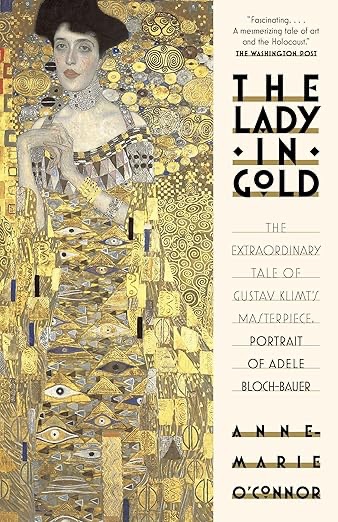

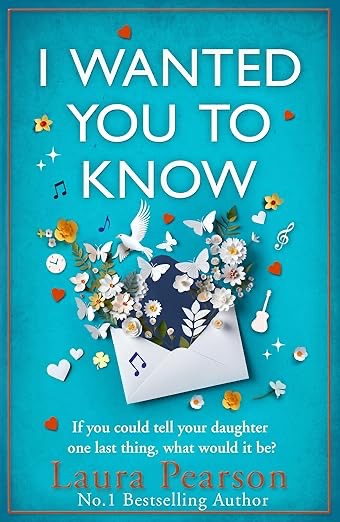

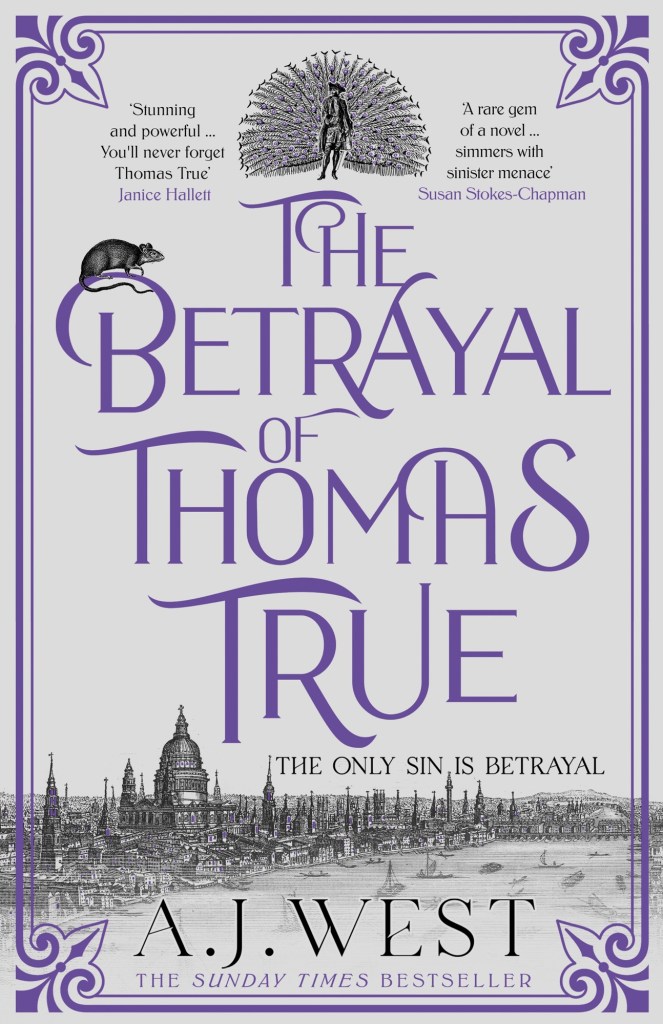
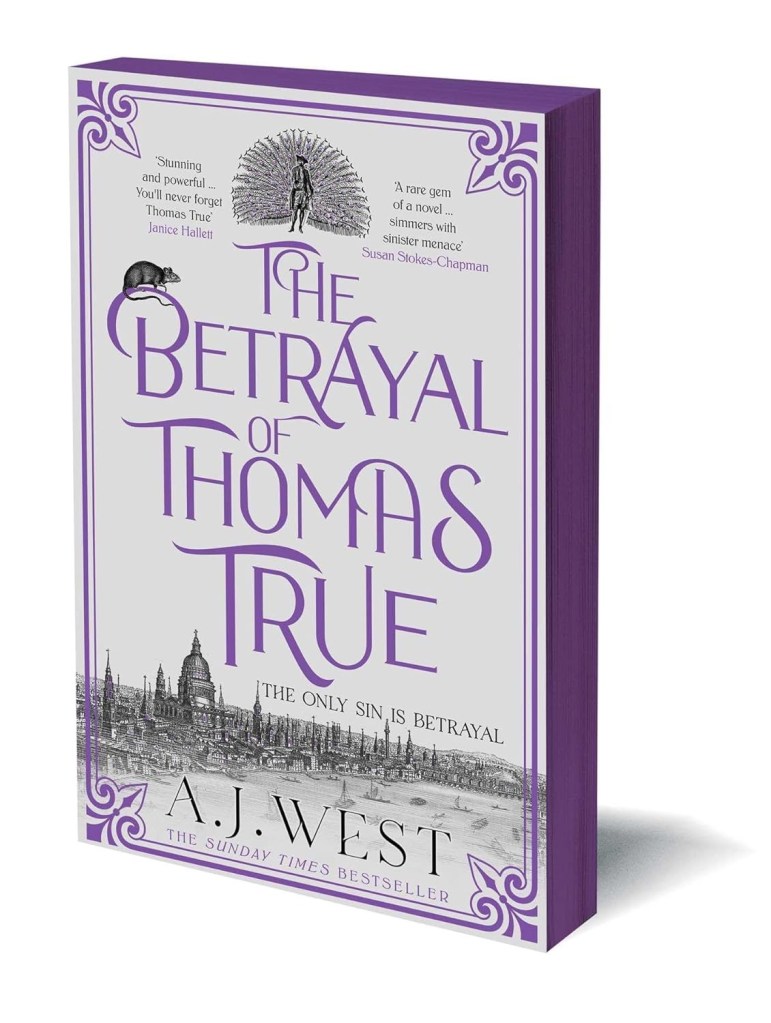

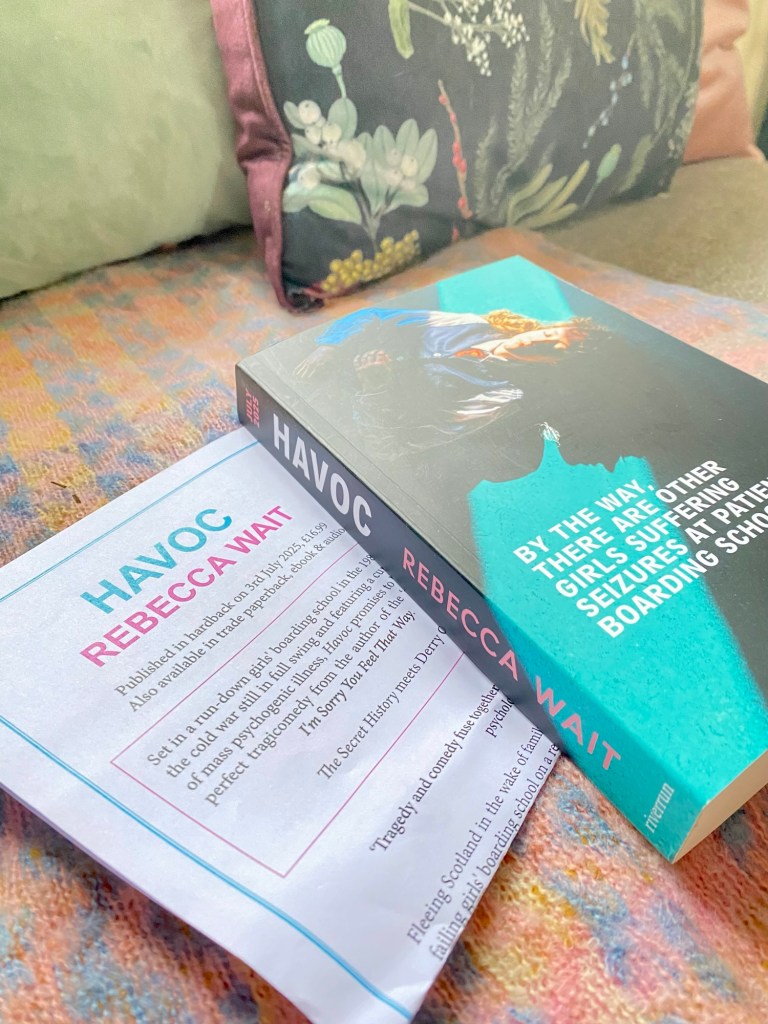

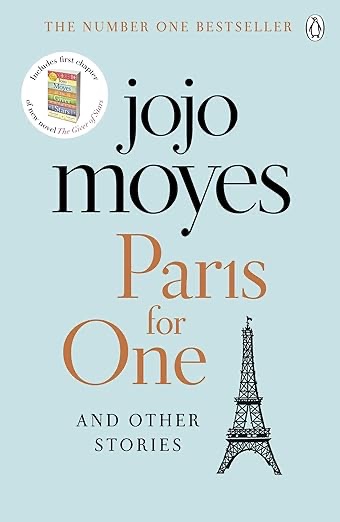
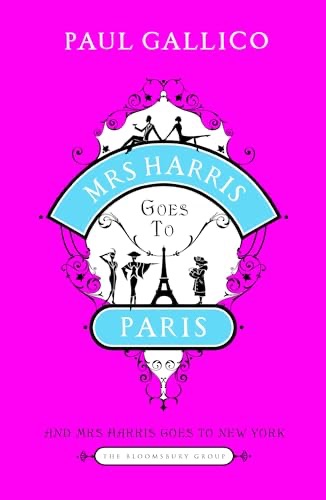


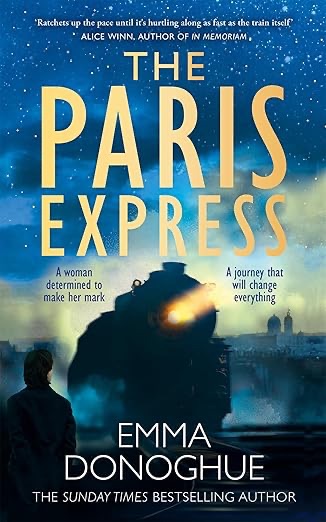
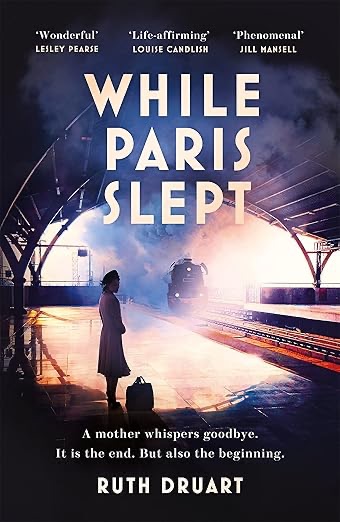
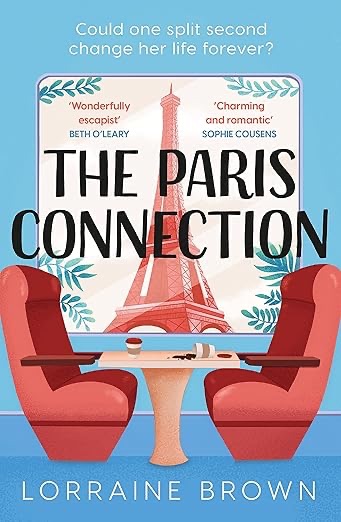
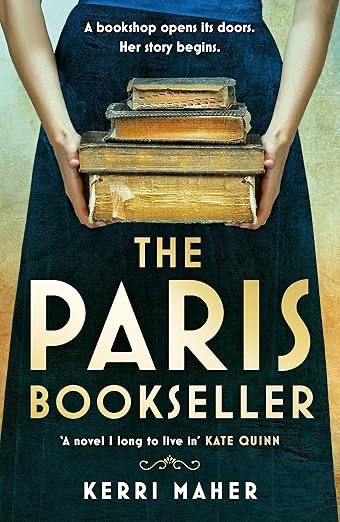
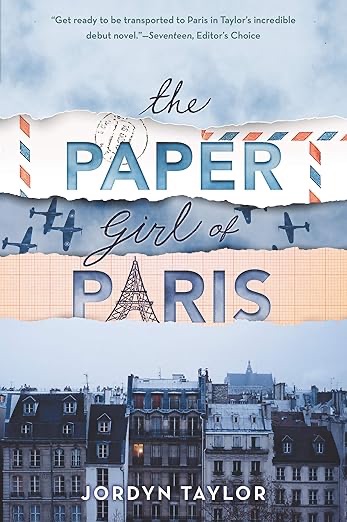
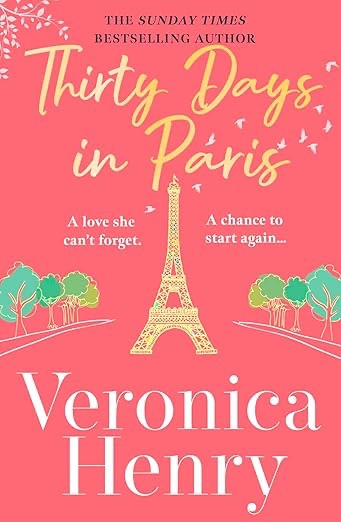
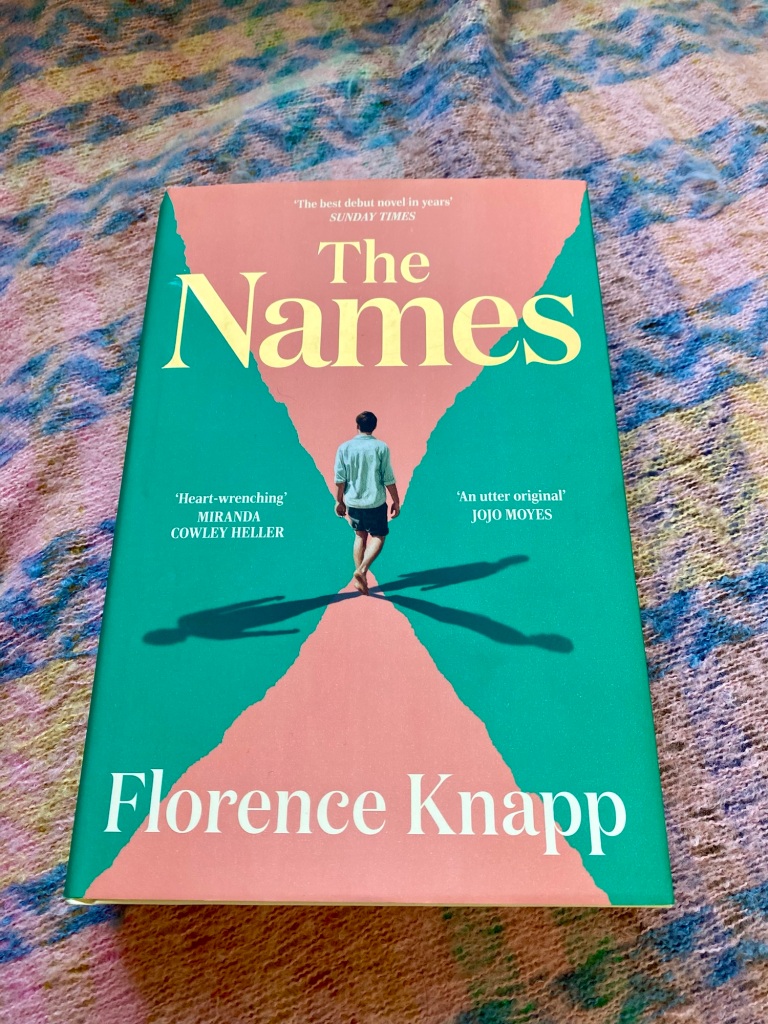


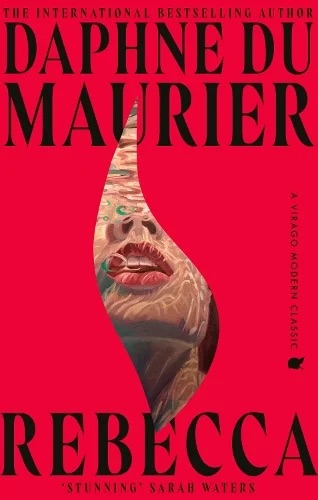
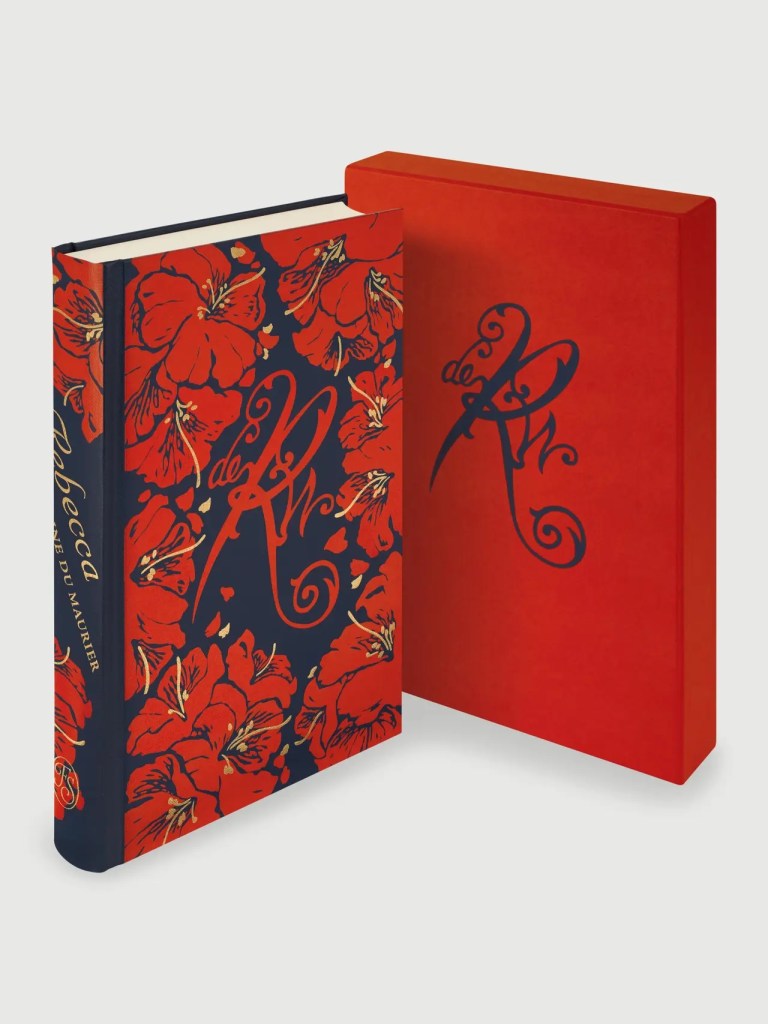
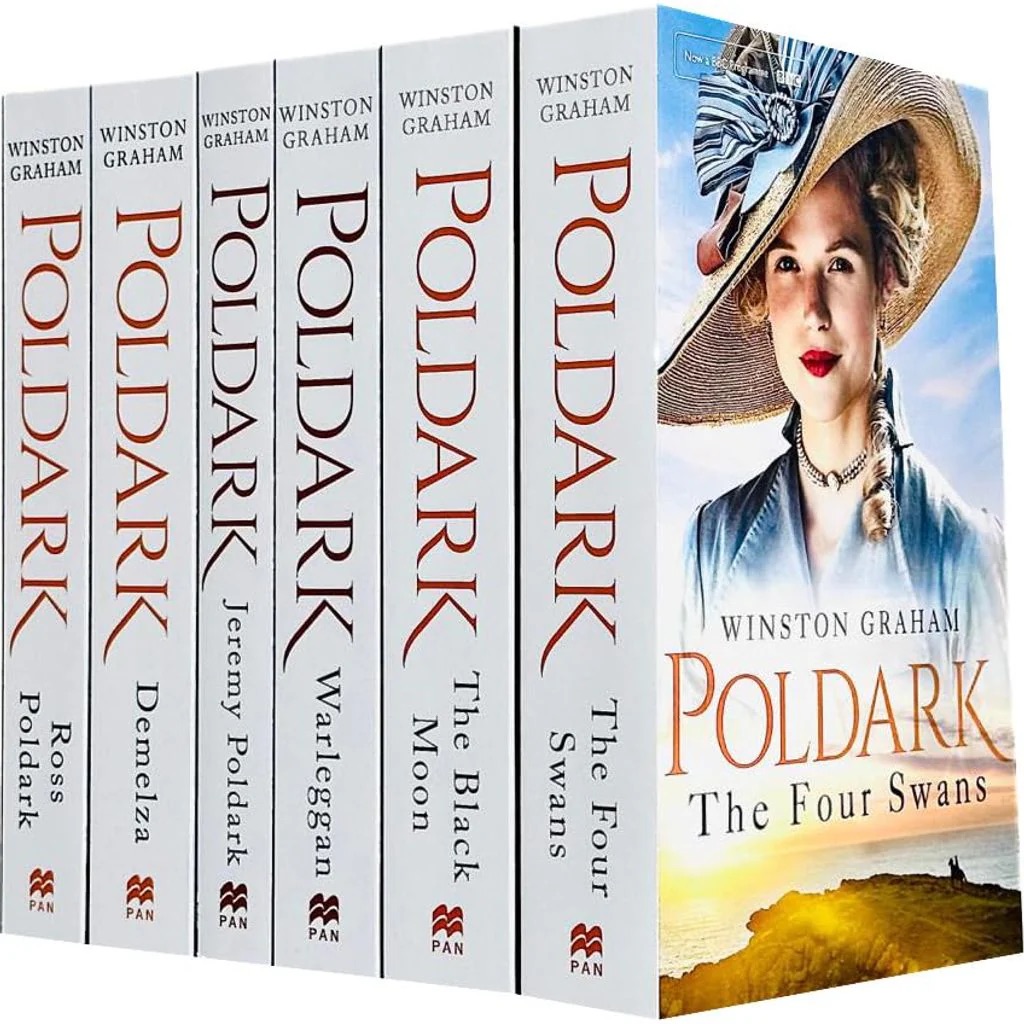
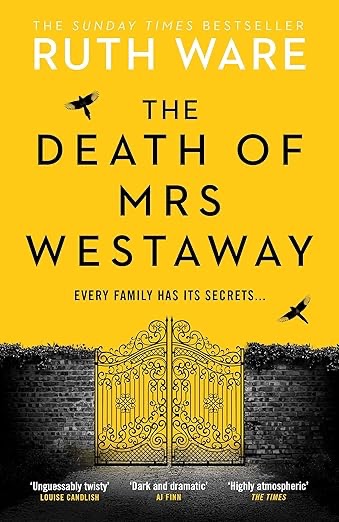
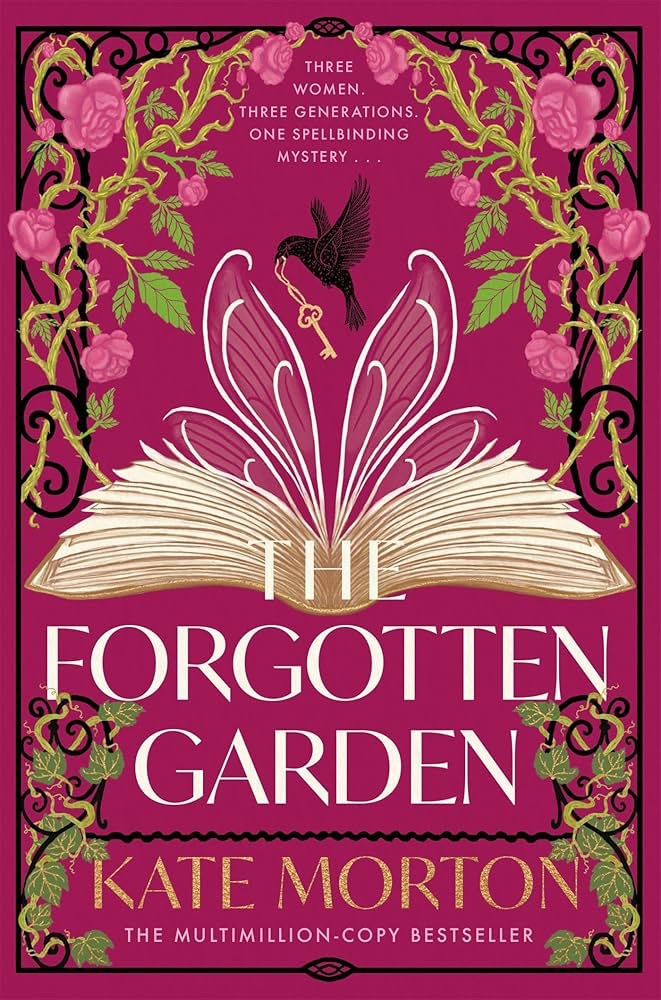


 The Lotus Readers