For her debut novel Clemmie Bennet has chosen to write something so complex I have to take my hat off to her. Ella has recently lost her beloved grandmother, Lolly. They used to spend a lot of time together, exploring stately homes and royal residences, particularly those from the Tudor period. Lolly left her granddaughter a beautiful gold and sapphire ring, one that’s very precious to Ella as she remembers her grandmother wearing it every day on a chain around her neck. However, it’s when Ella puts the ring on her finger that something very strange happens. Ella feels dizzy and passes out, waking up in a field next to what looks like Eltham Palace. As a man walks towards her, Ella thinks she’s fainted in the middle of an historical reenactment. He’s dressed in the rich robes of a member of the Tudor court and his manners are impeccable, offering to let Ella rest in the palace until her memory returns. Her rescuer is Henry VIII. As Ella finds herself in the court, becoming one of Katherine of Aragons ladies, she is a fly on the wall for some of the most dramatic events in royal and religious history. Is it possible to remain an observer, or will Ella find herself tempted to intervene and perhaps change the course of history?
I’ve been fascinated by Tudor history, ever since I saw one of the Hans Holbein portraits of Henry VIIII in the Chatsworth library when I was a child. Henry seemed like a curiosity in our royal history with so many wives and scandals to his name. Once I’d read the David Starkey books and Phillipa Gregory’s novels from The Other Boleyn Girl onwards. I was also drawn to the glamour and dubious historical content of the Showtime series The Tudors, with Jonathon Rhys Meyers Henry and his best friend the Duke of Suffolk, as portrayed by the rather delicious Henry Cavill. What all these sources brought home to me was how uneven his marriages were – he was married to Katherine of Aragon for as long as he was to every other wife combined. That’s without noting his devotion to her from the moment she reached England for her marriage to Henry’s elder brother Arthur, a devotion that survived his teenage years, her first marriage and his brother’s death. They were in love, he wasn’t faithful but Kings were not expected to be faithful. The idea of a character time travelling to that period threw up all sorts of questions and I was so impressed by the bravery of the writer. Writing historical fiction means researching your period throughly, so to do that and put your character in the middle of such a well- known series of events is such a risk.
I also applaud the author’s bravery in ripping up the rule book on time travel – we all know that it is important not to change anything in the past, but Ella ignores that rule. It’s a great choice because it gives her character more freedom, but I also think it makes an historical point too. I have always said that had I been in the Tudor court, I would do a Mary Boleyn and marry someone of little importance and get the hell out of there. I have always wondered while reading about the wives and friends of Henry why you would involve yourself in the political and religious machinations of the time. Wouldn’t a life in the country as a nobody be preferable? I think that the author allows Ella to get involved because she’s making the point that it would be impossible to live in that court and not become involved. It’s a game of survival and women are both marginalised and limited in their choices. They have a choice, to withdraw for a quiet life like Mary Boleyn or fight for their place and power like her sister Anne. Ella’s choices certainly raise the tension level! She’s playing a living game of chess, trying to keep within the rules but think three steps ahead of her opponent. Of course she has the benefit of hindsight and all the Tudor history her grandmother Lolly taught her, so she might be able to win.
I thought the book really brought to life the difficulties of the time period and being a subject of Henry VIII, particularly for women. We know there are ladies in waiting, but they’re often portrayed as companions the Queen and possible lovers of the King, but here we see more of their day to day activities and their emotional lives. Ella is a 21st Century woman and because of that we can see these women as being just like us. I loved the way she formed friendships and how the women supported each other. They are portrayed as emotionally open about their marriages and the dangers they face, whether from men or from their own bodies. Fertility plays a major part in the huge decisions of this court, in fact it still does today if we think of Prince Harry’s book Spare and the importance placed upon his father to marry and have both heir and spare. It’s always a huge part of the ‘King’s Great Matter’ that Katherine had not produced a male heir, but here the author explores what these struggles were like for the ordinary women at court. There’s a moment where Ella has to cope with getting her period in a time where underwear isn’t worn and she’s having all the same worries I remember having when starting my periods, all over again. It made me realise how vulnerable women were to sexual assault as well. It broke my heart to see how terrified women were of becoming pregnant, then dreading childbirth or losing their child. Having Ella there as a 21st Century comparison really heightened how different a woman’s lot really was and how the aristocratic practice of handing your child to someone else to look after caused such pain and grief.
I came away from this book with a different understanding of both the time and the court, even Henry himself. This Henry was intelligent, tender and seductive. Despite his shortcomings, there’s a compassion in Henry that seems missing from his actions in later years. It’s interesting to see how different the course of history might have been with just a few small changes. As Ella builds a friendship with Henry, I wondered how far her influence might reach and what might happen if she ever returned to her own time. This kept me reading and there was also a huge twist I didn’t expect! This was such an interesting premise and kept me intrigued enough to read to the end. I recommend this to anyone who knows a bit about the time period and maybe thinks they know all there is to know about Henry’s court. I would be interested to know what the author would change if she went back to Henry’s court, or whether she would choose to lie low? This is such an interesting debut and I hope to see Clemmie flourish as a writer of historical fiction.
Meet the Author
Clemmie Bennett is a writer, author of the historical fantasy “The Apple and the Tree.” A professional London-based French nanny, Clemmie has been working on her debut novel for over three years, but writing a book has been on her bucket list for as long as she can remember. When she is not writing or reading, she can be found wandering about ancient royal palaces or abbey ruins, most likely despairing that time travel is not a reality – like it is for her main character.
1938: Lady Vita Goldsborough lives in the menacing shadow of her controlling older brother, Aubrey. But when she meets local artist Dodie Blakeney, the two women form a close bond, and Vita finally glimpses a chance to be free.
1997: Following the death of her mother, Eve Blakeney returns to the coast where she spent childhood summers with her beloved grandmother, Dodie. Eve hopes that the visit will help make sense of her grief. The last thing she expects to find is a bundle of letters that hint at the heart-breaking story of Dodie’s relationship with a woman named Vita, and a shattering secret that echoes through the decades.
What she discovers will overturn everything she thought she knew about her family – and change her life forever.
I’ve looked forward to the new Polly Crosby novel for a while, it was one of my most anticipated books of 2023. I love her writing so I gave myself a lovely sunny weekend to completely wallow in the story. It seemed fitting that I was outside, since nature plays a strong part in the novel both metaphorically and as an extra character that’s often more vivid than the inner spaces. Eve has felt adrift since her mum Angela died so her four brothers think it might be good for her to take a trip to the coast and clear out their grandmother’s studio. Grandmother Dodie was a painter and lived a fairly basic life in a small ramshackle studio just off the beach. Eve has fond memories of childhood holidays there, when her brothers would snuggle up with her like sleepy puppies on the studio floor at night. Close by is the strangely alluring Cathedral of the Marshes, a glass building so imposing it has the presence of such a holy building. Once, when she was a teenager, Eve had taken a dare to go into the cathedral with Elliot, one of the local boys. She remembers being terrified, but doesn’t remember much else about that night apart from seeing a painting standing on an easel. Strangely, it was a portrait of her and she ran out into the night, never to return. How will it feel to be back in a place that she has feared, but that still holds some of her best childhood memories? When she finds Dodie’s letters and reads of her relationship with Vita, she is plunged into a completely hidden part of her grandmother’s life.
This is a dual timeline novel, so through the letters we go back to the outbreak of WW2 and Dodie’s early years at the studio. She met one of her more notorious neighbours, Vita Goldsborough, resident of Goldsborough Hall and an owner of the glass cathedral. Vita and her brother Aubrey are the subject of gossip in the village. The stories are varied: Vita went mad and was put in a psychiatric hospital; Vita and Aubrey committed incest; they were to blame for ‘the vanishings’. They didn’t mix in the village and the stories around the siblings seemed to multiply and when a local girl vanished they were the first to be blamed by villagers. Strangely, as Eve arrives, a boy goes missing. It seems like an echo of the past, a foreshadowing, as if this is a thin place where memories and historical events seem close enough to touch. The physical sorting of her grandmother’s belongings is a simple enough task, she will just hire a skip, but when it comes to finding things that evoke memories and emotions they’re not so easily thrown away. Now Eve finds herself questioning the past and discovering things about this place and her beloved grandmother that she’d never imagined.
I thought this was a fascinating story highlighting women’s history and showing how much Victorian attitudes still prevailed in aristocratic society. The way Aubrey Goldsborough thinks feels around forty years out of date and the power he has over his sister we would now label as coercive control. Vita tries to explain to Dodie that his hold over her is so powerful he doesn’t have to force her, he simply has to tell her what to do and she obeys. He wants Vita to be respectable and only spend time with the right sort of people. Becoming friends with a bohemian artist like Dodie was definitely unexpected and she is the epitome of the wrong sort of company. Vita decides that Dodie must paint her portrait, something that her brother can’t really object to. Aubrey would like her to make a good marriage, but Vita’s interactions with men are fast and short-lived. Vita’s rebellions had to be passive aggressive – she gathers her jewels and keeps them in a box chained to the bottom of a pond in the glass cathedral. Hopefully, she can sell them without Aubrey knowing and have some financial freedom. She and Dodie hide in plain sight after Aubrey goes to war. They set up home in the cathedral, able to see everything around them, but thanks to the reed beds outside they are very unlikely to be seen. In another echo of her grandmother’s past, Eve meets an elderly lady in the village who asks to have her portrait painted. Eve isn’t usually a portrait painter, but can’t turn down the generous money offered for the work. She has the key to the cathedral and suggests they use it for their sitting, so Eve stands where her grandmother did many years before. What might this lady know about that time and her grandmother’s life?
The outside spaces seem to have an effect on Eve and I noticed a more natural, authentic part of her shine through. When she’s wild swimming or having a campfire on the beach with her brothers it feels like she belongs here. I was fascinated with how Polly plays with interior and exterior spaces, mirroring the parts of themselves her characters are revealing and concealing. Dodie’s studio has one glass side, leaving the whole living space open to view and her only concession to privacy is a screen where her models can undress. This is so in keeping with Dodie’s character, she is who she is and nothing is usually concealed. A beautiful detail comes when Eve is aware that putting the light on opens the space up to the outside like a stage set, but switching it off opens up the landscape outside. The cathedral is something of a paradox because I thought at first the glass would be very exposing, but Aubrey had designed it with living spaces that were kept private. I was imagining it like a Victorian glasshouse or orangery, very ornate with an almost tropical climate inside. The central ‘Turkish Room’ where Vita sits for her portrait has an otherworldly feel, with a smell of vegetation and rotting fruit. A large pool sits at the centre and church pews are placed around it upholstered with Turkish throws and pillows. There’s a sensuality to this space, the heavy warmth and the softness of pillows contrasts sharply with the glass. The room is hidden by the marsh reeds and it feels like a world apart, a feeling echoed by the ornamental bird cage engraved just for them. It holds Vita’s canaries, until one day they escape out through a hole in the roof. Yet they come back and visit Vita, eating out of her hand and filling the room with beautiful bird song. The name Eve finds scratched on the cage alongside that of Vita and Dodie should be no surprise. It’s a hope that person will return and bring a new generation back to the cathedral, represented by the flock of yellow and brown canaries Eve sees fly into the cathedral – the ancestors of those first two birds returning to their home.
As with previous novels, Polly really knows how to pile on the layers of mystery and create an undercurrent that’s quite unnerving: the painting that looks like Eve; the birdcage and the names engraved on it; the earrings Eve finds under the sink in the studio that she’s never seen her grandmother wear. Eve’s mind plays tricks on her, confused by the likeness between Vita and her grandmother, but also with herself. She’s still confused about that night when she was a teenager, when she went into the cathedral on a dare. Did she really hear a woman’s voice? Was she holding something when she ran away? Was it a shard of glass? As we move towards finding out what happened in the cathedral all those years ago the tension builds and I worried whether the two women would be safe from someone like Aubrey. Eve knows that he was found dead in the cathedral cut by a shard of glass, but was it suicide or murder? Whatever happened to Vita, someone her grandmother never talked about? There’s also the question of Eve’s mum Angela, born around the same time period but brought up by Dodie alone and has never known her father. As Goldsborough Hall was obliterated by a bomb during the war, only the cathedral remains and I wondered who owned it now? I was totally engrossed by this point and dishes went unwashed, the dog went unwalked and my other half, who knows when I’m lost in a story, kept me amply supplied with tea and toast. I do this strange thing when I’ve really enjoyed a book, I seem to hug it to my heart as if it can reach the characters inside. This was one of those books. It’s a beautiful hidden love story and an intriguing mystery as well, told with compassion and empathy.
Meet the Author
Polly Crosby grew up on the Suffolk coast, and now lives with her husband and son in the heart of Norfolk.
Polly’s third novel, Vita & the Birds, came out in May this year. Her first novel for young adults, This Tale is Forbidden – a dystopian fractured fairytale with hints of the Brother’s Grimm and The Handmaid’s Tale – is out in January next year with Scholastic.
In 2018, Polly won Curtis Brown Creative’s Yesterday Scholarship, which enabled her to finish her debut novel, The Illustrated Child. Later the same year, she was awarded runner-up in the Bridport Prize’s Peggy Chapman Andrews Award for a First Novel. Polly received the Annabel Abbs Creative Writing Scholarship at the University of East Anglia.
Polly can be found on Twitter, Instagram & Tiktok as @WriterPolly
1939 – Grace Grey lives in Grosvenor Place in London, with her mother Edeline who is a friend of the notorious Mosleys and wears the uniform of the Blackshirts. As war comes ever closer, Edeline makes the decision to send Grace and the housekeeper’s daughter Rose Munro to stay with her brother Marcus and his wife Olive in the north west coast of Tasmania. After an eight week voyage the girls are welcomed to Towerhurst, an unusual house with a whole tower where Uncle Marcus writes his poetry. Olive immediately takes to the beautiful Rose, but Marcus forms a bond with Grace over the poems of Banjo Patterson, an Australian ballad poet. Grace is reserved and shy, but is slowly coaxed out of her shell by Daniel McGillycuddy an Irish lad working at his aunt and uncle’s sawmill for Huron Pine. As war creeps ever nearer to their part of the Pacific there are dangerous emotional games at play between these young people with fall out that will extend over the rest of the century.
1975 – out of the blue Willow and Ben have been summoned to the north west of Tasmania because of a mysterious legacy. Willow has been left a house called Towerhurst, by an anonymous benefactor who placed it in trust. They decide it’s a great place for Ben to write and Willow to paint, but on their first visit Ben goes missing in the rainforest having fallen down an old mine shaft. What he finds there sends him on a quest that ends in London chasing a story about two young girls who lived at Towerhurst during WW2.
2004 – Libby has flown from Tasmania to London, wanting to claim the belongings of her father who died in the Moorgate Tube Station accident before she was born. Staying with her eccentric aunts in Grosvenor Square, she starts to follow the clues she finds in her father’s satchel: a publisher’s address, a book of ballads by poet D. McGillycuddy and the name Molly Munroe. Her quest will take her to a gentleman’s club, a narrow boat and eventually out to Ireland to solve a mystery that’s been laid buried for half a century.
I enjoyed Amanda Gerard’s first novel last year, so looked forward to reading her new one for a while. I was interested to see how her writing had developed over the last couple of years. To undertake a novel that takes in most of the 20th Century, three timelines and three different settings takes enormous confidence and she has definitely grown in confidence. This is a more complex novel, combining historical fiction with mystery and some romance too, but she pulls it off beautifully and I’ve absolutely loved it. From the historical perspective I learned a lot about living through WW2 in the Pacific Ocean, a completely different experience compared to Europe and the U.K. particularly. I thought Amanda beautifully captured how transient lives were at that time. This wasn’t just about the two English girls, Grace and Rose, uprooted from everything they knew and sent to the other side of the world. It was about the chaos of war, never knowing where your loved ones were, particularly if they were away fighting and whether they would ever come home again. For women that was especially difficult, left at home to wait but also left outside the experiences their men were having. Many women did their own war work, both to do their bit but also to feel a little closer to their men and as if they’re helping them to fight. War displaces people and there were huge shifts across the years of WW2 and afterwards as prisoners of war were slowly released and women who’d married a G.I. or perhaps a Polish airman travelled back to their native countries to start a new married life. It was a good time for people to disappear or slip away under the radar. I already knew a lot about the Blackshirts and their admiration of Hitler’s Nazi Party, but here I learned more about the women recruits and their activities. There was a breadth of research here, underpinning and enhancing the story across three different generations.
The main love story is so touching as the slightly awkward Grace is lured down to the beach by neighbour Daniel where he tries to kiss her. Sadly though it’s for a five shilling bet and as his mates turn up in a boat to witness her humiliation she runs away into the sea. It’s his friend Puds who has to rescue her, as she can’t swim and finds herself caught in an undertow. Daniel regrets his actions deeply, apologising the very next day and asking if Grace would perhaps share the book of ballads she’d been telling him about. They pass through the Moon Gate, a perfectly round doorway made of Atlantisite that leads to the waterfall and a small freshwater pool. Uncle Marcus claims that to pass through the gate is to become a new person and that certainly seems the case with Grace who not only forgives Daniel, but shares the ballad poems and agrees that he can teach her to swim. It’s so beautiful to watch them become close friends, but Grace knows that it’s Rose that Daniel finds attractive as everyone does at first. I felt for Grace deeply and I think a lot of other bookworms will too because she’s so uncomfortable in company, prefers solitude and loves words so much. My therapist side wanted to help her, because how does she learn to be herself and be confident in that, when even her own mother preferred Rose? When we’re not shown love from our parents, a child can’t understand that it’s a fault of the parent, so they learn there is something wrong with themselves. Grace is shocked by the help and affection she gets from Uncle Marcus, because her own mother is so austere and critical.
It was Rose who spent time with Edeline and became a member of the Blackshirts alongside her. Whereas Rose’s mother, the housekeeper Molly, can see something wonderful in Grace and so can her Uncle Marcus, it just needed to be coaxed out and nurtured. I was so invested in her feelings for Daniel and desperate for him to be clear about whether he had feelings for her. Rose is doing her bit in undermining and leading Grace to believe that Daniel only has eyes for her. She makes sure Grace knows when he writes from wherever he is in the world and if Grace shares news of her friend, Rose makes it clear she knew first. I’ve never wanted to slap a book character more! I wasn’t even sure that she genuinely loved Daniel, she’s just so used to getting one over on Grace that she hasn’t stopped to think it through. There are rumours in town about Rose and Uncle Marcus, she even winds Puds round her little finger but I wasn’t sure to what end? She certainly keeps her cards close to her chest, but when Rose takes up war work and isn’t around as much Grace can actually breathe. As I read I wasn’t sure what Rose was up to but I was certain there was something behind her manipulations and out of character support for the war effort. It’s a shock when her name comes up again in Libby’s investigations, was her father Ben simply interested in her fascist connections or is it something more personal?
There are definite echoes through the different time periods and motherhood is one of those themes that recurs. It’s an inter-generational trauma that starts with Edeline’s treatment of her daughter. Grace knows she isn’t her mother’s favourite, but is confused when this animosity seems to recur with her Aunt Olive. She asks a devastating question of her Uncle Marcus – ‘am I unloveable?’ because if her own mother can’t love her, why would anyone else? Willow has never known her birth parents, instead brought up with her two sisters who are twins. She never asked the question, even though she can see how different she is physically from her sisters. So when Towerhurst comes along, she starts to be intrigued by who created the trust and whether it could be one of her real parents. She finds out she’s pregnant alone, while Ben is over in London, but manages to tell him on the phone just before he is killed and they are both so happy in that moment. To then become a single parent, in such tragic circumstances must have been so difficult to come to terms with. Willow has never tried to collect Ben’s belongings despite knowing they were found and Libby clearly thinks her mother will disapprove of her choice to follow in his footsteps. Willow hasn’t been a terrible mother, just rather aloof and deeply engrossed in her work as a painter, where she demonstrates her terrible grief by only painting in black and white. She hasn’t grieved fully and I could see that Libby’s findings might bring those feelings to the surface. Luckily, Libby has had her eccentric aunts for support and it’s clear they adore her, but I hoped that Libby and Willow would have chance to talk and heal together.
As the mystery begins to unravel, there are revelations about these three generations that keep coming and a twist I truly didn’t expect. There are small disclosures, like the local police sergeant who helps the search for Ben is actually Puds, Daniel’s best friend who suffered a serious injury in the war and had to return home. How will he go about investigating what Ben finds in the mine shaft, when it might be better if they’d stayed buried? I was desperate to find the whereabouts of Rose, because all the hints are pointing to an answer I simply couldn’t bear! It seems possible that Grace never returned to England, but when Rose’s mother tells Ben she definitely saw Grace after the war he starts his search afresh. Could she have disappeared on this side of the world? I was constantly holding out a little bit of hope for the ending I wanted, so I had to keep reading – up till 2am again! There are so many layers to this story and often with dual timelines there’s a weaker section, but every timeline is intriguing, evocative and emotional. Tasmania sounds wild, dangerous, magical and atmospheric all at once. I loved the reference to the creature that lurks around the pool beyond the moon gate, could it be a shy Tasmanian devil? There’s such a massive difference between Tasmania and London, which feels more domestic than wild with very curated spaces like the old fashioned gentleman’s club and the minimalist narrow boat where Libby meets Sam. Then there’s Ireland, waiting like a promised land with all the answers and the beauty that Daniel shares with Grace right back at the beginning. We are left with an incredible tapestry of places and people full of colour, emotion and a yearning for home whether home is a place or a person.
Meet the Author
I have always loved dual-timeline novels, where stories from the past weave with those of the present day. I want to write books that transport you to another time and place, where secrets lie just beneath the surface if only the characters know where to look.
My new novel, The Moon Gate, is set across three locations I ADORE: Tasmania (my home state), London (where I rented a houseboat for many years) and County Kerry, Ireland (where I now live with my family). Each of these places is special to me and I hope you’ll feel you’re entering the temperate rainforest with Grace, opening the door to Towerhurst with Willow, walking through London’s layered history with Libby and stepping out to the heather-clad hills of County Kerry with … well, with several characters, the names of who I won’t reveal here!
The inspiration for my first novel, The Midnight House, appeared in the rafters of our Irish home, a two-hundred-year-old stone building perched on the edge of the Atlantic. Hidden there was a message, scratched into wood: ‘When this comes down, pray for me. Tim O’Shea 1911’. As I held that piece of timber in my hands, dust clinging to my paint-stained clothes, I was humbled that a person’s fingerprint could, in a thousand ways, transcend time, and I wanted nothing more than to capture that feeling of discovery on the page.
I’m also a geologist who loves to explore the world’s remote places. Luckily for me, writing novels provides a similar sense of wonder and discovery; but the warm office, fresh food and a shower in the evening make the conditions rather more comfortable! It’s also the perfect excuse to regularly curl up by a fire with a great book (often by the wonderful authors who write in my genre). I treasure my reading time, and I know you do too, so thank you for taking a chance on my books.
Come over to Instagram and Twitter (@amandageard) where I share plenty of photos of the wild settings in The Midnight House. You can also find me on Facebook (@amandageardauthor).
I love hearing from readers, so please get in touch!
I was new to A.J. Pearce’s world and her character Emmy Lake, so before reading Mrs Porter Calling, I decided to read the previous two novels; Dear Mrs Bird and Yours Cheerfully. Set in WW2, the books follow Emmy as she moves to London to start a career in journalism and soon finds herself in the middle of the Blitz, working for the fire brigade by night and living in her friend Bunty’s grandmother’s house. In Dear Mrs Bird, Emmy has taken up a job offer from Woman’s Friend magazine, working on the problem page. The formidable Mrs Bird is the agony aunt and Emmy must sort through the letters and weed out those that are deemed unsuitable – no funny business at all, not even a hint! Through the novel she moves from being engaged to single status, takes big risks in her job and works hard for the fire service at night dealing with the aftermath of the German bombing. I fell in love with this brave young woman who wants to move with the times and use her writing to help an extraordinary generation of women cope with the difficult situations they find themselves in. Over this and the next book, Yours Cheerfully, Emmy faces some serious challenges: being in love with someone far away and in danger; dealing with terrible loss; helping other young women who have been widowed or find themselves without a home. Yet this isn’t a tale of misery and hardship, there’s an almost relentless positivity to Emmy Lake that I absolutely loved. She’s perky, but not brittle. Her optimism and resilience seem to come completely naturally.
Yet in this latest book, Mrs Porter Calling, she will be facing some of her biggest challenges yet. Emmy has settled into being the lead on the magazine’s problem page and is continuing her series of articles on women who have taken on war work. Everything changes when the owner gifts Women’s Friend to his niece Mrs Porter in lieu of her inheritance. At first the team are optimistic about having a woman at the helm, but it soon becomes clear that Mrs Porter doesn’t want the magazine because of what it is. She wants to turn the magazine into her own scrapbook with society weddings and events alongside beauty and fashion articles that are a distraction from the war. Telling women what they should be rather than being a support. For a team who are used to teaching their readers to reuse and repurpose, this jump to expensive fashions and aspirational articles feels all wrong and Emmy thinks Mrs Porter has missed the whole point of the magazine. Women’s Friend is not aspirational, they don’t want to be dangling fripperies in front of their readers who can’t afford them. Emmy knows that if they change this much they will lose their readership. Even worse, Mrs Porter doesn’t want any more ‘dreary’ war work articles either. It seems that the realities of war haven’t reached her, the nightly bombs Emmy deals with must be muffled by all that jewellery and designer clothing. The team make a pact, to try and keep their beloved magazine as normal as possible while also introducing Mrs Porter’s ideas. In the meantime they will try everything to dishearten their new owner. Hopefully, if things become boring or difficult, she might drop her new hobby and move on. They just have to hope they have enough of a readership left when she does.
Away from the magazine, Bunty is still grieving for her fiancé and continuing her rehabilitation following the bomb blast they were caught in. However, there are signs that she is stating a tentative friendship with another fireman and Emmy has her fingers crossed that things may develop. Emmy and her husband Charles only had a two night honeymoon before he had to return to his posting, now he is moving into North Africa and Emmy depends on his letters. Both girls are forging new friendships with the women who work in a munitions factory and finding out it isn’t always easy to do your bit. I loved this aspect of the novel, because it taught me a lot about what WW2 was really like for women. Despite advocating that all women should find war work, to support their men overseas or help out on the home front, there were difficulties with this that the government seem to have overlooked. The author shows this through the factory women who have issues with childcare and finances. I was shocked to learn that when a Navy husband went missing his salary stopped immediately, but because he was missing and not dead, his wife couldn’t receive a widow’s pension. This loophole left women with no income and potentially homeless. If the factory women had children and worked awkward hours, they often couldn’t get childcare. Some women sneak their children into the factory and hide them so they can still work their shift and get paid, but if found they would be dismissed immediately. Emmy becomes involved in campaigning for factories to apply for the government grants available to set up a nursery for worker’s children. These are the women she wants to celebrate and help in her own time, but also in the magazine. These factory women don’t care about the lavish wedding of some honourable or other, they care about doing their bit, being able to keep a roof over their head and their man coming home.
Emmy has become a team player. Long gone are the early days of her career where she ran away with an idea without thinking of what it meant for those around her. What struck me so strongly was this sense of camaraderie and the sharing of everything – not just the hard stuff that the fire service go through together, but the food, celebrations, home, shelter and even families. I could see that Emmy was in exactly the right place to help when an unexpected loss devastates the factory women and Emmy herself. This tragedy could bring her the biggest challenge she’ll ever have, but I had no doubt she would rise to the occasion. I asked my partner whether he thought our current generation would pull together as well as this generation did and we weren’t sure, although we hoped so. Watching Emmy, exhausted from a day working, change into her uniform and put in a night shift on the fire service switchboard, then go home and reassure children whose house has been bombed out, made me wonder if I could do the same. The perky, excitable girl has become a woman, a woman with a core of steel. If you love historical fiction or just want an uplifting read about women dealing with daily adversity then this is the perfect book for you. I loved all three novels and have happily added them to my forever bookshelves.
Weekend breakfast and a great book. Bliss!
Meet The Author
Pearce
AJ Pearce is the author of the Sunday Times Top 10 bestseller DEAR MRS BIRD, which was a Richard and Judy Book Club pick and shortlisted for Debut of the Year at the 2019 British Book Awards. It has been translated into fifteen languages and optioned for development for TV.Born in Hampshire, her favourite subjects at school were English and History, which now (finally!) seems to be making some sense. Her novel, Yours Cheerfully is the sequel to Dear Mrs Bird and is now available in paperback. AJ has just released the third novel in the Emmy Lake Chronicles series, Mrs Porter Calling. Follow AJ on Twitter, Instagram and Facebook: @ajpearcewrites
One night in a remote hunting lodge with a Hollywood director causes an international scandal that wrecks Astrid’s glittering stage career, and her marriage. Her ex-husband, the charismatic Scottish actor Magnus Fellowes, goes on to find global fame, while Astrid retreats to a disintegrating Sussex windmill.
Now 82, she lives there still, with a troupe of dachshunds and her long-suffering friend, Mrs Baker, who came to clean twenty years ago and never left. But the past is catching up with them. There has been an ‘Awful Incident’ at the windmill; the women are in shock. Then Astrid hears that Magnus, now on his death bed, is writing a tell-all memoir. Outraged, she sets off for Scotland, determined to stop him.
Windmill Hill is the story of two very different women, both with painful pasts, and their eccentric friendship – deep, enduring, and loyal to the last.
I’m a big fan of Lucy Atkins and I love the multi-faceted female characters she creates and Windmill Hill is no exception. Astrid is in her eighties and shares her rather unique home with her friend Mrs Baker and several dachshund’s named after brands of gin. They live in a cottage attached to a windmill which has a quite a history but is now derelict and badly in need of renovation. We find the women in the aftermath of a terrible incident, something that is referred to but not explicit. A young writer is on her way to talk to Astrid about her ex-husband’s memoir. Nina has been hired by Magnus’s son Dessie and it’s Dessie who is shaping his father’s story and perhaps censoring the less palatable aspects of his life. Nina’s visit is about a party that took place in an old Tudor Lodge, where one thing happened between Magnus, the director Rohls and an aspiring young actress called Sally. Astrid was present and was blamed by the tabloids for the whole thing, it ruined her reputation, her career and her marriage. Dessie wants Nina to stick to the ‘official’ story, but Nina knows it’s not the truth and would like to hear it from Astrid. There’s also the fact that Magnus is dying and he would like to see Astrid one final time. Will she travel all the way to Scotland to confront him?
The more recent ‘incident’ that took place only a few months ago is only hinted at and involves Mrs Baker. She has always been mysterious, coming to the cottage as a cleaner, with no family or friends to speak of, then staying. I was immediately intrigued by her past, what was she escaping from? There are hints of a man called Alan, possibly a violent ex and I wondered whether her past had finally caught up with her. We’re seeing this through Astrid’s eyes and having it all replayed through Astrid’s memory. It didn’t take long for me to wonder whether Astrid’s memory was reliable. There’s an opacity to her recollection and the information comes in fits and starts. At one point I wondered if we were delving into magic realism, because she almost seems to slip back into the past like a time traveller. I think it was the intensity of the memories that drew her back. Some of these memories she avoided for a long time, popping them in a lockable box and tucking them to the back of her mind. So, once she did open the box it was like reliving the memory all over again. By dropping these little nuggets of information, the author kept me reading and wanting to know more too. However, Astrid also learns what can happen when these locked memories are addressed and let into the open. Lucy has a brilliant grasp of psychology and complicated relationship dynamics. We often see our ‘self’ as the constant, never changing core of us, but Lucy has been so clever here by showing us how fragmented, fleeting and changeable the self can be. There are maybe some core traits, but our sense as self can be eroded, altered by experience and through these women she shows that life has seasons.
The women’s relationship is the real strength of this novel and I loved that these two women lived together and are each other’s significant person. They’re not in a sexual relationship, but they are each other’s support, strength and companionship. These qualities are seriously underrated and when I look back in my own life it’s women who have kept me standing and helped me survive some of life’s hardest experiences. Some of the happiest times in my life have also been with my women friends. There’s also the fact that both women are survivors and that has created a strong bond between them. What better way to live your later years than with your best friend? Soul mates don’t have to be lovers. Men don’t come across well in this novel, although age and perspective have mellowed some of them and allowed them to be vulnerable and honest. Nina is a lovely character who I really warmed to soon after her arrival. The fact that she’s giving Astrid a right to reply speaks well of her, because she could have taken the money and written the book Dessie wanted. She’s more honest than that and is risking her contract by travelling to the windmill and asking awkward questions. She’s also open to friendship with these eccentric older women and their various dogs in wooly jumpers. A lot of people overlook friendship with people older than them, but they can be the richest relationships and I’ve learned so much from friendships with older men and women. Nina also wants to help the women with the windmill, a character in it’s own right. Through letters that Astrid finds in the windmill she’s let into the world of Lady Constance Battiscombe who owned the windmill in the 1920’s. I loved her antics and how they scandalised the village. It felt like the windmill also had a life of many seasons from the terrible story of the little girl killed by one of the sails, to Lady Constance’s bohemian scandals. Now, with the help of Nina, the windmill will shelter Mrs Baker, Astrid, the dogs and Tony Blair the taxidermy stoat, but will last beyond them too into another season. Full of wit, warmth and fabulous characters this is a great addition to Lucy’s body of work.
Meet the Author
Lucy Atkins is an award-winning British author and journalist. Her latest novel, MAGPIE LANE, was picked as a ‘best book of 2020’ by BBC Radio 4’s Open Book, the GUARDIAN, the TELEGRAPH and GOOD HOUSEKEEPING MAGAZINE. Her other novels are: THE NIGHT VISITOR (which has been optioned for TV), THE MISSING ONE and THE OTHER CHILD. Lucy is book critic for The Sunday Times and has written for publications including the Guardian, the Telegraph, the Times, and many magazines. She teaches on the creative writing Masters degree at the University of Oxford.
She has written several non-fiction books including the Amazon #1 parenting guide, FIRST TIME PARENT (Collins).
Author of the bestselling #NoHonour @AwaisKhanAuthor returns with an exquisite, heart-wrenching, eye-opening new novel #SomeoneLikeHer
And LOOK at this jacket!
The blurb:
A young Pakistani woman is the victim of an unthinkable act of vengeance, when she defies tradition … facing seemingly insurmountable challenges and danger when she attempts to rebuild her life.
Multan, Pakistan. A conservative city where an unmarried woman over the age of twenty-five is considered a curse by her family.
Ayesha is twenty-seven. Independent and happily single, she has evaded
an arranged marriage because of her family’s reduced circumstances. When she catches the eye of powerful, wealthy Raza, it seems like the answer to her parents’ prayers. But Ayesha is in love with someone else, and when she refuses to give up on him, Raza resorts to unthinkable revenge…
Ayesha travels to London to rebuild her life and there she meets Kamil,
an emotionally damaged man who has demons of his own. They embark on a friendship that could mean salvation for both of them, but danger stalks Ayesha in London, too. With her life thrown into turmoil, she is forced to make a decision that could change her and everyone she loves forever.
Exquisitely written, populated by unforgettable characters and rich with
poignant, powerful themes, Someone Like Her is a story of love and family, of corruption and calamity, of courage and hope … and one woman’s determination to thwart convention and find peace, at whatever cost…
Awais Khan is a graduate of the University of Western Ontario and Durham University. He has studied creative writing with Faber Academy. His debut novel, In the Company of Strangers, was published to much critical acclaim and he regularly appears on TV and Radio. The critically acclaimed No Honour was published in 2021. Awais also teaches a popular online creative writing course to aspiring writers around the world. He is currently working on his third book. When not working, he has his nose buried in a book. He lives in Lahore.
There couldn’t have been a better choice for a squad of female bookworms than this gothic mystery, full of spooky incidents, forbidden love, an orphan governess and within a house that holds many secrets. There was such a Jane Eyre feel about the book and also an hint of the Daphne Du Maurier opening as our narrator looks back to the hall’s approach.
‘when i think of Hartwood Hall, there are moments that come back to me again and again, moments that stain me, that cling like ink to my skin. My first view of the house: a glimpse of stone, of turrets and gables, tall windows and long grass’.
Our heroine is Margaret Lennox, recently widowed and forced to find paid work when her husband leaves his estate to his mother. She is offered a post by the mysterious Mrs Eversham, to educate her son Louis. This should be a moment of freedom for Margaret, but she notes the strange mood of the coach driver as soon as they enter the boundaries of the hall. Local people do not come near here. There is also a very clear rule: do not enter the East Wing of the house, because it is no longer used. As Margaret starts to find her way in Hartwood Hall and enjoys her time with Louis, she does notice a few strange things. She seems under suspicion from one of the existing staff, Susan. She has noticed Margaret’s response to a letter she receives at the breakfast table and is keen to find out more. Stranger than that, she has seen a distance figure in white out in the gardens and followed a figure with a candle down the stairs and towards the East Wing. Maybe the house is haunted, but there are other mysteries too such as what happened to Mr Eversham and why do people in the village treat this woman and her boy with such suspicion and fear?
I was hooked by this story straight away. Just like the author, Jane Eyre was the first grown up book I ever read and I was enthralled with it as a gothic story, years before I started to deconstruct it’s complexity at university. I was also hooked by the Sunday teatime BBC series starring Timothy Dalton as Mr Rochester. It’s the perfect mix of ghostly mystery, intrigue and romance. This book was inspired by the classic but breaks new ground of it’s own in terms of forbidden relationships, marital abuse, and freedom. The freedom of women making their own choices, having freedom of sexual expression and to earn their own living. The governess has always been a liminal figure in literature because they are educated more than other servants and even the woman of the house. They are usually single so have more freedom in their lifestyle and finances. Here Margaret is a widow, she chooses her own destiny and can shape her life as far as choosing where she works and for whom. She also has the choice of what to do with her spare time, no household chores or husband and family to consider. We learn that Margaret’s marriage was not a happy one and she has never felt the love that’s spoken of in literature and poetry. In fact she is surprised to learn it exists and it is joyous to watch her explore that chemistry, even if I did fear for her recklessness. She also becomes the face of Hartwood Hall in the village, choosing to take Louis to church and sit in the hall’s pew, whereas the hall’s gardener sits with his family. She even makes friends with the minister’s wife, although the rest of the village seem to avoid and ostracise them.
As always in these mysteries Margaret is drawn towards the very part of the house she is told not to enter, in fact it is a perfect way into the house after the main doors are locked at night. She is sure she’s seen a candle moving around the East Wing’s rooms when walking in the gardens one evening. There are also noises in the dead of night that can’t be accounted for, but for me the tension really arises at the less mysterious points in the novel. The sly, unpleasant Susan really made my pulse race at points and her blackmail of Margaret feels grubby. She really enjoys the power of knowing something that gives her power over the other person and she seems to enjoy taking something valuable or precious from her victim. The way she commits little acts of dissent when only Margaret is looking, such as stuffing bacon in her mouth in the breakfast room shows resentment about her position. As I could see Margaret settling and enjoying her new pupil I desperately didn’t want Susan to ruin it. The period where both Louis and Susan are ill was truly tense as the whole house waits for the fever of the measles virus to pass. The isolation of Mrs Eversham and her boy is brought into stark relief when they can’t secure a nurse from the village to care for the patients. Mrs Eversham is in despair:
‘So these people will let a child and a young woman die because they suspect me, because they distrust this house? […] Because they believe in ghosts and spirits and curses? Or because they think I am a woman of low character, that I have never had a husband?’
This speech reveals another possibility about their isolation, that Mrs Eversham’s widowhood is not what it seems. It also shows me that Mrs Eversham has a different set of morals to the Victorian norm, she is wiling to set aside ideas about decency and propriety when it comes to saving a life. Margaret is so relieved when Miss Davis appears from nowhere claiming she’s come from the further village of Medley because she heard there was a child who needed a nurse. Yet the other servants seem uncomfortable and even Mrs Eversham seems on edge. Margaret wonders whether Mrs Pulley knows something troubling about this young woman. This brings another yet another layer of mystery to the house: why isn’t Miss Davis as prejudiced against the hall as the locals? Where did she spring from so quickly? By this time I was fascinated and couldn’t stop myself from picking the book up at every opportunity to resolve all my suspicions. Needless to say that when the truth comes out, it was nothing I expected and I loved it! I loved that these strong, determined female characters were living according to their authentic selves. There’s a lot of discussion around the ending of Jane Eyre, I’ve even had an argument about it at a literature talk. A woman said that she felt let down by the ending and Jane’s choice to return to Rochester, because it betrayed her feminism. I argued that she goes back a different woman, with her own money and able to make her own choices. Rochester is her choice and their relationship is on her terms. The ending of Hartwood Hall definitely goes further. It was really heart-stopping, but also satisfying. Both Mrs Eversham and Margaret make their independent choices and decide to live life on their own terms. I throughly enjoyed this atmospheric gothic mystery and it’s strong, forward-thinking, female characters.
Meet the Author.
Katie Lumsden read Jane Eyre at the age of thirteen and never looked back. She spent her teenage years devouring Victorian literature. She has a degree in English Literature and History from the University of Durham and an MA in Creative Writing from Bath Spa University. Her short stories have been shortlisted for the London Short Story Prize and the Bridport Prize, and have been published in various literary magazines. Kate’s YouTube channel Book and Things has more than 20,000 subscribers and was long listed for the Book Vlogger of the Year Award at the London Book Fair Awards 2020. She lives in London and works in publishing.
The experience of motherhood is such a rich seam of material that writers are always mining it in new and creative ways. Every relationship between mother and child is different and it is one of my favourite subjects in fiction, because of that variety but also because of the emotional complexity. Without my mum I wouldn’t have my love of literature. It was mum who taught me to read. She always had books around the house and took us to the local library to borrow books and explore whatever we wanted to read. I’m so proud of my mum, that despite being unable to finish her secondary education, she has always loved literature and writes beautiful poetry. She introduced me to classics through her book collection and through film adaptations that she enjoyed. I watched D.H.Lawrence adaptations Women in Love and The Virgin and the Gypsy, the Thomas Hardy adaptations of Tess and Far From the Madding Crowd with Alan Bates, and the beautiful 1970s adaptation of L.P. Hartley’s The Go Between starring Julie Christie, which I still love to this day. Thanks to her I was introduced to Du Maurier, Mary Webb and the beauty (rather than the sensationalism) of Lady Chatterley’s Lover. These days she is the first person I would take to see a literary film and the first member of my book club. She is endlessly understanding, encouraging and doesn’t judge me whatever I do. My own experience with motherhood has been a difficult one, so when choosing the mothers for this post I wanted to include the tougher parts of being and becoming a mum. Happy Mother’s Day to all of you mums, step mums, adoptive mums, fosterers and those whose babies have angel wings. I hope you all have a wonderful day celebrating the love you all have for your children and the love they have for you.
The Ideal Mum. Marmee from Little Women.
“Money is a needful and precious thing,—and, when well used, a noble thing,—but I never want you to think it is the first or only prize to strive for. I’d rather see you poor men’s wives, if you were happy, beloved, contented, than queens on thrones, without self- respect and peace.”
Laura Dean, Susan Sarandon and Mary Astor as Marmee
Marmee is the sort of literary mum who gives the reader a great big hug from within the pages. Yes her Christian values are a little out of step with today’s society, but if you listen to her wisdom such as the quote above there’s still so much to take away from it. She’s teaching her girls that however much you have, you’ll be richer by sharing it with someone else. I love that she allows her girls the freedom to explore who they are, especially Jo who doesn’t dress like other girls, uses slang and is always running, leaping over gates and climbing down the drainpipe. She even allows her a relationship with Laurie from next door that’s very close and ignores the society gossips who think she’s hoping to make a rich match for her daughter. Marmee knows that Laurie respects her and her daughters. She teaches the girls to be charitable, and not just with material things but with time and commitment. She’s incredible with her advice, her time and her love. Most of all though, she influences them by example; one of my favourites is when she tells Jo about her own terrible temper and her attempts to master it. Her relationship with Jo evolves into a friendship as Jo becomes older and has returned home to nurse her sister Beth. They have a frank discussion about Laurie, now in Europe on his Grand Tour, and Jo doesn’t hold back. She admits that were Laurie to return and ask her to marry him a second time she might say yes, not because her feelings for him have changed but because she cares more about being loved these days. Loss and loneliness have made Jo appreciate what he was offering, and I love that the only person she shares this with is her mum.
The Feminist Mum. Pauline Mole from Adrian Mole’s Diaries.
Julie Walters as Pauline Mole with Gian Sammarco as Adrian
“All under-fives are mad Adrian, you used to talk to the moon. You invited it to your birthday party and cried when it didn’t turn up.” George: “When it went dark and the moon came up, you ran outside and threw a sausage roll at it!”
I don’t think we can call Pauline Mole an ideal mum, but she is more realistic and probably one of the funniest mums in literature. Adrian despairs of his parents, in fact at one point he’s so disillusioned that he observes he wouldn’t be surprised if his father turned out to be a Russian agent and his mother ran off with a circus knife thrower. I always remember when Adrian’s father George gives him some sage advice about matters of the heart. He suggests that before he even thinks about marrying a woman, he should live with her and if she leaves her knickers on the floor for more than three days not to bother. There are the romantic entanglements, first with Mr (Ratfink) Lucas and then with Ivan Braithwaite father of Pandora. However, she does end up in a cottage caring for George after he’s had a stroke. She has a feminist awakening in the 1980’s when she organises a trip for ladies in the close to Greenham Common. They come back awakened and are keeping Adrian awake singing ‘We Shall Overcome’ till the wee small hours. She even names Adrian’s baby sister Rosie Germaine Mole after reading The Female Eunuch. Despite having an ideal son called Brett Mole in her head she does love her son and is there whenever something goes badly wrong. She collects him when everything goes wrong after his brief stint as a celebrity chef. When Adrian is ill in the final diary of the series, she is the one who drives him to hospital every day and nurses him at home too after his wife leaves. Despite making mistakes with each other, mother and son do stick together.
The Unexpected Mum. Marilla Cuthbert from Anne of Green Gables.
I loved Anne of Green Gables when I was younger and even now, if this particular adaptation of the books is on I do watch, because I love this depiction of the rather severe Marilla, a woman who never expected to be a mum. Marilla and Matthew Cuthbert are brother and sister, running a farm together on Prince Edward Island in Canada. They decide to apply for an orphan, a boy who will be able to help them with the farm work as Matthew gets older. Yet, when Matthew goes to the train station to collect their new charge he finds a freckle faced, red headed girl with two pigtails and a hot temper. Being soft hearted and not knowing what to do, he takes her home to Marilla. I love how Marilla has no idea what to do with Anne Shirley, in fact at first she wants Matthew to return her, but she slowly thaws towards this unexpected girl who tries her patience terribly. Marilla is an old maid so has never expected to be a mum, especially not to the dreamy and clumsy Anne. Marilla can seem harsh and has just as hot a temper as Anne does, but slowly she learns to love the girl she wanted to send back and watching Anne love Marilla, knocking off her harsh edges, is so heart-warming. As an unexpected step mum myself I do have a soft spot for this particular woman, who it turns out had missed her one chance of love and a family many years before.
The Mum Who Will Do Anything. Veronica Murphy from This Is How We Are Human.
Louise Beech’s novel was one of my favourite books of last year and the story has stayed with me, because its hard not to fall in love with Sebastian Murphy and the lengths Veronica will go to for her child are incredible. As mum to a son with autism, Veronica is used to having an unconventional relationship. She knows everything about her son: his schedule, favourite music, the way he likes his eggs. She expected questions about relationships as he got older, but is a bit shocked when he tells her he’d like to have sex. She’s helped him negotiate everything else in his world. Should she help with this and how would she go about it? This is a mum who has tried to insulate her son from all the difficulties he might face in the world. He loves swimming and he still goes to the same swimming group he did when he was eight. He doesn’t like change so Veronica fixed it for him, so how is she going to cope now he’s entering into an area of life there’s no control over? Her solution might shock some people, she decides to meet with a sex worker with the name of Violetta. Violetta is working to pay for student loans and for her father’s care. He is affected by a stroke and wanted to rehabilitate at home rather than a nursing home. Veronica makes an agreement: a set time every week for Sebastian to spend time with Violetta. However, Veronica is worried about him becoming too attached, what if his emotions bleed into the arrangement? These three people will affect each other in unexpected ways and its just possible that Veronica has underestimated her son. A beautiful, moving story about the things we do for people in the name of love, and a depiction of a mother who’s far from conventional, but is determined that her child will be happy.
Mums in Waiting. Zoe Baxter from Sing You Home.
Zoe and Max Baxter are having problems in their marriage, after a ten years struggle with infertility. They have frozen embryos stored at a medical facility, but since every attempt has so far failed they are left heartbroken. They are struggling to grieve together and with heavy hearts agree to separate. Max finds consolation in God and joins an evangelical church, soon making friends and finding support. Zoe’s life starts to change unexpectedly when a new colleague starts at the school. Zoe works with the students using music therapy, so she works in close contact with the new school counsellor Vanessa. They form a friendship, but much to Zoe’s surprise their feelings start to deepen. Zoe finds herself falling in love and coming into conflict with her ex-husband’s new born-again Christian views. So, when Vanessa and Zoe discuss starting a family, and she approaches Max about their remaining embryos, it’s no surprise to find he’s resistant to the idea. Those three embryos are Zoe’s final chance to have her own biological children and her desperation is understandable. However, doesn’t Max have a right not to become a father, especially in circumstances he doesn’t agree with? As the two become embroiled in a court battle for rights to the embryos, Max makes it clear he believes Zoe and Vanessa’s relationship to be an aberration. Zoe is not going to give up her right to be a mother without a fight. As a woman who has Hughes Syndrome, I know the heartbreak of being unable to have your own children. The treatment for Hughes meant given up a lot of the medication for my Multiple Sclerosis and then medicating to thin my blood for three months before any attempt to conceive. I decided with a heavy heart that perhaps motherhood was something I wouldn’t experience. Twenty years later I’m an unexpected step mum and love the challenge of helping to raise two teenage girls. I believe motherhood is a gift and not a right, and although I don’t agree with Max’s views on same sex relationships, I can understand his reticence to become a father with Zoe after their split. It’s a tough, complicated court case and I seemed to changed my mind with every chapter.
Complicated Mums. Eva from We Need To Talk About Kevin, Sethe from Beloved, and Leda from The Lost Daughter.
Clockwise from top left: Olivia Coleman as Leda in The Lost Daughter, Tilda Swinton as Eva in We Need To Talk About Kevin and Oprah Winfrey as Sethe in Beloved.
Of course all mother-child relationships are complicated, but these are a little more complicated than most. In The Lost Daughter we are on holiday with Leda, who is taking a break alone in Italy. As she lies on the beach reading each day she notices the mother-daughter relationship between young mum Nina and her daughter Elena. Slow and unsettling, her observance of this relationship opens up her relationship with her own daughters. In watching Nina’s motherhood she is taken back to when her own daughters were young. She sees the ideal of motherhood as a performance, a performance she didn’t want to undertake. There are echoes of problematic motherhood throughout this novella. Leda’s own mother threatens to leave her, but is that any better than leaving without warning, like Leda did? When Elena loses her doll, Leda finds it and does perform those simple tasks of caring for it, the washing and drying are soothing when the recipient is silent and lifeless. Leda explores that pull between career and motherhood dragging her in two different directions, but also that feeling of giving herself so wholly to the care of others that she loses who she is. The whole book is claustrophobic, Nina’s family feel threatening but for no specific reason and Leda’s anxious introspection adds to the tension. This is a dark and brutally realistic look at motherhood with an intelligent grasp of intergenerational trauma.
In Beloved we are introduced to Sethe, a freed slave who escaped the plantation named Sweet Home and found a home with her mother-in-law Baby Suggs. Sethe lives with an ailing Baby Suggs, her daughter Denver, the dog and the angry ghost who has been haunting their home for most of that time. Toni Morrison explores so many complex mother-child relationships through Sethe. How do you feel about those children who were taken from you? How do you mother the children forced on you? How do you mother the ghost child whose so angry with you they won’t let you live in peace? Sethe has learned to live alongside the baby ghost and the guilt of killing her with the handsaw from the shed, rather than see her suffer the slavery Sethe escaped. The baby’s headstone simply reads Beloved, but that mother’s love is tested when a young woman turns up at the door claiming that she is Sethe’s lost daughter. This young woman is the embodiment of all Beloved’s fury and she slowly encircles Sethe, demanding her attention and love while excluding her daughter Denver. Beloved ruins Sethe’s fledgling relationship with another escapee of Sweet Home. She is a parasite who won’t be satisfied until she has consumed her mother. This is a genuinely scary ghost story, but the real horror lies in the history of slavery and Sethe’s experiences before her escape. We are never sure whether the young woman is Beloved, a demon or a manifestation of Sethe’s own guilt.
One of the most complicated mother and child relationships I’ve ever read is that between Eva and her son in Lionel Shriver’s We Need To Take About Kevin. The most brilliant thing about this story is how ambiguous it is; is Eva a terrible mother who creates a monster or is Eva correct in her belief that Kevin is born a monster. Shriver brilliantly portrays their relationship from Kevin’s birth onwards, but always in Eva’s voice. As she portrays events from his early years the reader is left to make their own judgement of his actions. Persistent crying is something most parents experience, but in Eva’s eyes this is a battle of wills and Kevin wants to break her. I veer between feeling suspicious of Eva and terribly sorry for her. Even if Kevin is just the average baby, Eva is clearly exhausted and not coping but her husband just doesn’t see it. He believes Kevin is just a normal, exhausting, baby and Eva is overreacting, but never seems to think Kevin might come to harm despite his wife’s feelings about their son. Interspersed with these difficult early years is Eva’s present day situation dealing with the aftermath of an horrific mass murder. Cleverly, Shriver keeps the tension going, in fact it seems to be heightened as Eva takes us back to situations from Kevin’s earlier life that seem to foreshadow his murderous tendencies – there’s a scene with eyes and lychees that completely turns my stomach. Despite being completely unnerved by her son, Eva is constant. Her husband convinces her to have a second child, a daughter who she’s sure will be Kevin’s victim. Yet despite Kevin’s actions she never walks away. I guess its up to the reader as to whether that’s a good thing or not.
Mums That Make Me Cry. Rachel in Everything Happens For A Reason and Jess in I Wanted You To Know.
In her debut novel Everything Happens For A Reason Kate serves up raw emotional honesty in her character Rachel, whose son Luke was stillborn. When a well-meaning but thoughtless woman tells her ‘everything happens for a reason’ Rachel becomes obsessed with finding that reason. She is deranged by grief and feels that Luke’s death must be her fault, so she fixates on an incident from earlier in her pregnancy, when she stopped a man from jumping in front of a train. What if stopping that man from killing himself meant that her child died? She becomes determined to find him, enlisting the help of an underground worker Lola and her daughter, Josephine. I lost several pregnancies in my late twenties, so this was a tough read in parts, particularly the insensitivity of well meaning family and friends. I remember some of the most painful things said to me, were from people who meant well. I also recognised the endless questions that Rachel subjects herself to and the endless turmoil – marking milestones, imagining her child’s lost future, the complete emptiness and inability to feel or reach him after nine months of him being part of her. There were times when standing a room of people when I wanted to scream out loud. To communicate some of how it felt inside. I was so glad Kate wrote this novel because it made me feel like a mother. Everyone has always thought of me as childless, whether by choice or not, whereas I felt like a mum. A mum who had lost her children.
In her third novel I Wanted You To Know Laura Pearson tells her story in a series of letters, letters written by Jess to her daughter Edie. Jess didn’t expect to be negotiating life as a single mother. She certainly didn’t expect to be juggling a newborn and cancer treatment. This part of life is meant to be a beginning, not an ending. Not knowing how much time she has left and full of all the wisdom she wanted to give her daughter at different times in her life, Jess starts to write letters for Edie. Dear Edie, I wanted you to know so many things. I wanted to tell you them in person, as you grew. But it wasn’t to be. This novel is a real heartbreaker as Jess has to decide who she wants to be there for her daughter and what she would want her to know about school, leaving home, getting her first boyfriend and becoming a mum. Yet, it never feels maudlin, just real, raw and honest. I can’t imagine how terrifying it must be to become aware that the most precious thing in your life will have to grow up without you. What I love most about the book is the way the author avoids making Jess a saintly figure. When I think about the book I’m blown away by this woman’s practicality and courage, but it’s done in such an understated way.
It is 1923 and a country is in mourning. Thousands of husbands, fathers, sons and sweethearts were lost in the war, millions more returned home wounded and forever changed.
Beatrice Cade is an orphan, unmarried and childless. London is full of invisible women who struggle to find somewhere to work through their grief. But Bea is determined to make a new life for herself. She takes a room in a Bloomsbury ladies’ club and a job in the City. Just when her new world is taking shape, a fleeting encounter threatens to ruin everything.
Kate Ryan is an ordinary wife and mother. Following the end of the war, she has managed to build an enviable life with her husband and young daughter. To anyone looking in from the outside, they seem like a normal, happy family. But when two policemen knock on her door one morning and threaten to destroy the facade Kate has created, she knows what she has to do to protect the people she loves. And suddenly, two women who never should have met are connected for ever . . .
I can’t say enough great things about this incredible novel, but I’m going to try and do it justice. It’s a historical mystery, extraordinarily clever psychologically and made me think about feminism, sisterhood and the difference between what society expects women’s lives to look like and the life decisions we make for ourselves. Flint has told her story through the eyes of the Kate and Bea, two women who are strangers, but connected by one man. Bea was an orphan and is now an unmarried woman in her late thirties. She’s the book-keeper for a firm in London who has pretty much resigned herself to being a career girl and living in a woman’s hostel. All this changes when she meets the handsome and charming Tom Ryan, a salesman at her firm. Bea struggles to believe that this man, with his movie star looks, would be interested in a woman like her. She expects him to chat up the young women, who have noticed him and are giggling, but he makes a point of stopping at her desk. He comments on her name, telling her that Beatrice was the great love of a poet. Bea is smitten and agrees to meet him, despite the fact that he is married. She is mentally aware of his wife’s presence, the third person always standing between them. Despite this, will Bea allow herself to succumb to Tom’s advances and can it end any other way but heartbreak or disaster?
Flint’s setting is vitally important to this story. We can draw parallels between contemporary women and these two characters, but they are also very much products of their time. This is a post-war Britain and everything has been changed by a war so terrible it is known as the Great War. Men have come home destroyed by what they’ve experienced physically and mentally.
‘There were empty sleeves and eye patches that one must not stare at or draw attention to; there were crutches and bandages and dreadful ridges of thick pink skin; and sometimes there was simply an absence in a face where a man had left a part of himself – the brightest and most vital part – in a muddy foreign field.’
Whereas women could be said to have flourished. Yes, there’s the ever present weight of grief and loss, but some of the changes in women’s lives had been positive. Both Kate and Bea are working women, and represent the many women who became wage earners during the Great War, plugging the gap in the employment market as more men joined up to fight. This was liberating for many women, who were then reluctant to move back to the domestic sphere after the war. There were also a shortage of men in the marriage market, some women had lost their fiancé or husband but there were others who came of age just after WW1 for whom eligible men were scarce. Having the option of throwing themselves into an absorbing career instead proved very fulfilling for some, like Morley’s office manager who clearly expected Bea to be left on the shelf and had marked her out as a potential replacement. Women being outside the domestic sphere meant that the pre-war rigid barriers of social class started to be breached. Different classes of people mingled in work places and matches that would have been impossible a few years before became more common. Bea still longs for love, but as her personal life becomes complicated and painful she does muse on what she has lost. As a single working woman she had women friends and lived in a vibrant city where she could take herself to the theatre, to a museum or for tea with friends. Now that she can see the reality of a relationship, she wonders was she better off before?
Bea knows there is a difference between herself and the girls who have young men to wait for. These are carefree girls, full of life, ‘neat and slender – sleek hair, dainty ankles, flickering glances and quicksilver laughter.’ She’s of a different sort, in looks and class. Where her married sister Jane looks on career girls as modern, smart and fashionable Bea looks a little closer and sees
‘frizzed modern hairstyles that they’d seen in advertisements and that didn’t suit them; women with lines around their eyes that no amount of cream or powder would cover. And women who, despite the well-cut clothes, had red rough hands and nails cut to the quick.’
Bea is well aware she is plain and there are references to Jane Eyre in the way she sees herself. After talking to Tom, she sees herself in the bathroom mirror and is shocked at the difference between her tumultuous, rich inner life and this pale, plain outside. She feels such overwhelming emotions that she disassociates from her rather normal body; ‘how can all these feelings come out of this plain face and body?’ It immediately took me to the conversation between Jane and Rochester when she challenges him for underestimating her:
‘Do you think, because I am poor, obscure, plain, and little, I am soulless and heartless? You think wrong! I have as much soul as you, and full as much heart!…’
In fact Tom uses the comparison to flatter her, praising her strength and courage in living such a lonely life. Patronised by her sister too, she is full of anger inside and expresses the creeping fear that not only is she without a husband, she’s noticed younger, smarter girls starting to come into the workplace. Bright, young things who might be better at her job and quicker. She admits to being afraid of the day when the axe falls, her clothes become shabbier and she gets more desperate. Yet is it any better to be at the mercy of a man? As Kate’s story unfolds we can see that the state of being a wife, is just as unstable and scary, because where Bea has all the responsibility and makes decisions for herself Kate is powerless, entirely dependent on the whims of her husband. A husband who is capable of terrible things. The more Kate starts to learn about her husband, tiny jigsaw pieces start to slot together in her head. She has to admit to herself that she has always known there was something hidden underneath:
‘Hadn’t I known – hadn’t I always known – that he had something terrible inside him, something that lay rotting under the smooth surface of our normal life? I saw glimpses of it sometimes. I thought of his face as he persuaded me, sweet-talked me, into doing things I did not want to do. I thought of how dirty, how shamed, I felt afterwards.’
Set in the 1920’s, this story is based on the true case of Emily Kaye and her married lover Herbert Mahon. The novel’s aim was to give voice to Mahon’s wife and so Kate’s voice came to life, creating a brilliant interplay between her narration and Bea’s. I loved how well the pace was controlled, from relatively slow at the beginning to a breakneck pace towards the end as Kate makes sense of what has happened and holds the key to solve the mystery. I loved how the author showed us the truth of contemporary attitudes to women, that a man can do something terrible, but it will always be the woman’s fault. How Bea is simply disregarded as shameless, getting old and desperate, brazen and responsible for enticing Tom, despite him being married. It’s quite shocking, but then when I thought about our tabloid’s attitudes to women, I realised that women are judged every day for their appearance, their sexuality, their life choices and if ever there is a marital affair in the papers the ‘other woman’ is always blamed. It’s scary to think how little some people’s attitudes have changed, but thank goodness we can earn for ourselves, own property and have bank accounts. I loved the sense of sisterhood the author brings into the story and it made me think about how it’s the women in my life who have held me up when I couldn’t manage alone. I was on tenterhooks wondering whether Kate would realise that to choose the sisterhood is to change things for her own daughter. To make a decision towards a better world for women. This book was a brilliant piece of historical fiction, an addictive mystery that stirred up the emotions and had me completely hooked. As soon as I’d finished, I wanted to read it again.
Published by Picador 23rd February 2023
Meet The Author
Emma Flint was born and grew up in Newcastle upon Tyne. She graduated from the University of St Andrews with an MA in English Language and Literature, and later completed a novel-writing course at the Faber Academy. She lives and works in London.
Since childhood, she has been drawn to true-crime stories, developing an encyclopaedic knowledge of real-life murder cases from the early 20th century. Her first novel, Little Deaths, was longlisted for the Women’s Prize for Fiction, for the Desmond Elliott Prize, for the Crime Writers’ Association Gold Dagger Award, and for The Guardian’s Not the Booker Prize.
The drinks glass and flashes of almost neon colour on this book’s cover were striking on NetGalley. To me they signified city living, the bar scene and potential for glitz and glamour – I’ve probably watched too much Sex and the City. However, the women depicted here were a long way from flashy, fashionista, New York City Girls. In fact there are only a couple of nights out in the whole book. This is a different NYC, where real people live and work day to day, just trying to get by in a city that’s exciting, but expensive and tough. In a split narrative, set partly in 1955 and partly in 1975, this is a novel that writes back to women’s history. It opened my eyes to a time when women were persecuted for the way they choose to live their lives. In 1955 Dovie Carmichael and her friend Gillian work together as teachers and share an apartment. The friends have a lot in common: they love jazz, a glass of whiskey at night and lazy Sundays at home. The pair guard their private time very carefully, until one day when the wrong person gets a glimpse into their lives, changing everything. Twenty years later teenager Ava Winter lives in the same apartment with her Mum and her Dad, when he’s around and not with his mistress. Ava’s mum is not well mentally and Ava is struggling to live a normal teenage life, preferring to stay home to keep an eye on her. She becomes fascinated with a mysterious box and letter sent to their address from France. Inside are letters, a butterfly necklace and a photograph with LIAR scrawled across a woman’s face. Ava wants to know the story behind the box. Who was this woman, that lived in her home and what do the letters say?
The theme that stood out to me more than anything was loneliness. I felt a contrast between the huge open city and the small private spaces where secrets are kept. The characters I felt most connection with were Ava and Dovie, both struggling to keep secrets about their living situation. The mistake Dovie and Gillian make allows a very manipulative woman to take advantage of them. Judith works at the same school and does come across as a lonely woman, but has allowed her situation to develop bitterness and envy in her character. In the guise of struggling to find an affordable apartment, she inveigles her way into Dovie and Gillian’s home and relationship. It’s clear she wants friends, but seemingly can’t stand to see two people who are happy in each other’s company and if she can’t have it for herself she might just set out to destroy it. Ava is also lonely and I think she senses a similar feeling in the box of keepsakes she discovers, it’s that connection with the sender’s loneliness that makes her so determined to find the person this box was meant for. It’s also a distraction from how miserable her own life is. With her mum and dad estranged she is often solely looking after her mother who seems severely depressed and liable to harm herself. It’s almost a role reversal, with Ava looking after her welfare instead of the other way round. I felt deeply for this young girl going through the usual teenage phases of a crush on a boy in the neighbourhood, a worry about how she looks and fitting in, and both the anticipation and fear of what comes next in life. On top of this her father uses his precious time with Ava to chat up the waitress in their favourite diner. Her mother is deteriorating, screaming and muttering through the night and Ava is so worried about the neighbours hearing her or her friend finding out what home is really like since her dad left. The scenes of her alone in their cold apartment, willing her mum to settle for the night and wishing her dad was there, were vivid and moving.
Whether in New York or Paris the settings are beautifully evoked and I could feel the change in time period from just a few well written sentences. Even the usually romantic Paris has it’s downsides because this is the reality of living there, rather than the dream. I felt the author really got under the surface of these cities and showed me what it was like to be a New Yorker. I found the LGBTQ+ scene so interesting and the contrast between women who kept their relationships secret, with more openly gay women in NYC or Paris, was beautifully portrayed. Dovie has never ventured into meeting other women and the scene where she visits a club stayed with me. There’s an innocence about Dovie that contrasts sharply with the sophisticated women she sees there, some of whom are scathing of Dovie’s lack of knowledge about being openly lesbian in 1955. I don’t think she really understood the danger she faced which could be anything from losing her job to being arrested or put into an asylum. I was just as shocked to realise that women who were open about their sexuality, or discovered, were subject to arrest and even ECT treatment to curb their ‘unnatural’ activities or desires. The nightclub raid where Dovie is helped to escape through a bathroom window is unbelievably tense and so poignant when we realise it’s link to 1975. The way police manhandle and sexually assault the women reminded me of how the suffragettes were treated so many decades earlier. The idea was to break the women’s resolve and remind them what they were really for – the amusement, desires and dominance of men. Reading these women’s experiences made me so angry, but also opened a door into a world I am ashamed to say I knew little about. At heart this is a love story and all the way through I wanted to know what had happened in that apartment in 1955 and I also hoped that Ava would find the intended recipient of the box from Paris. For me this book had a similar impact to the television series It’s A Sin. This was an emotionally captivating story that’s sure to stay with me and has inspired me to read more about the history of sexuality and the fight LGBTQ+ people still have for equal rights across the globe. It left me with a lump in my throat, thinking about how love can last a lifetime, even beyond separations and loss. I really look forward to reading more from this talented author in the future.
Meet The Author
Julie Owen Moylan is a writer whose short stories and articles have appeared in New Welsh Review, Horizon Literary Review, and The Voice of Women in Wales Anthology
She has also written and directed several short films as part of her MA in Film. Her graduation short film called ‘BabyCakes’ scooped Best Film awards at the Swansea Film Festival, Ffresh, and the Celtic Media Awards. She also has an MA in Creative Writing, and is an alumna of the Faber Academy’s Writing a Novel course.
Her debut novel THAT GREEN EYED GIRL was published by Penguin Michael Joseph on May 12 2022.
She is currently working on her second novel SPANGLELAND


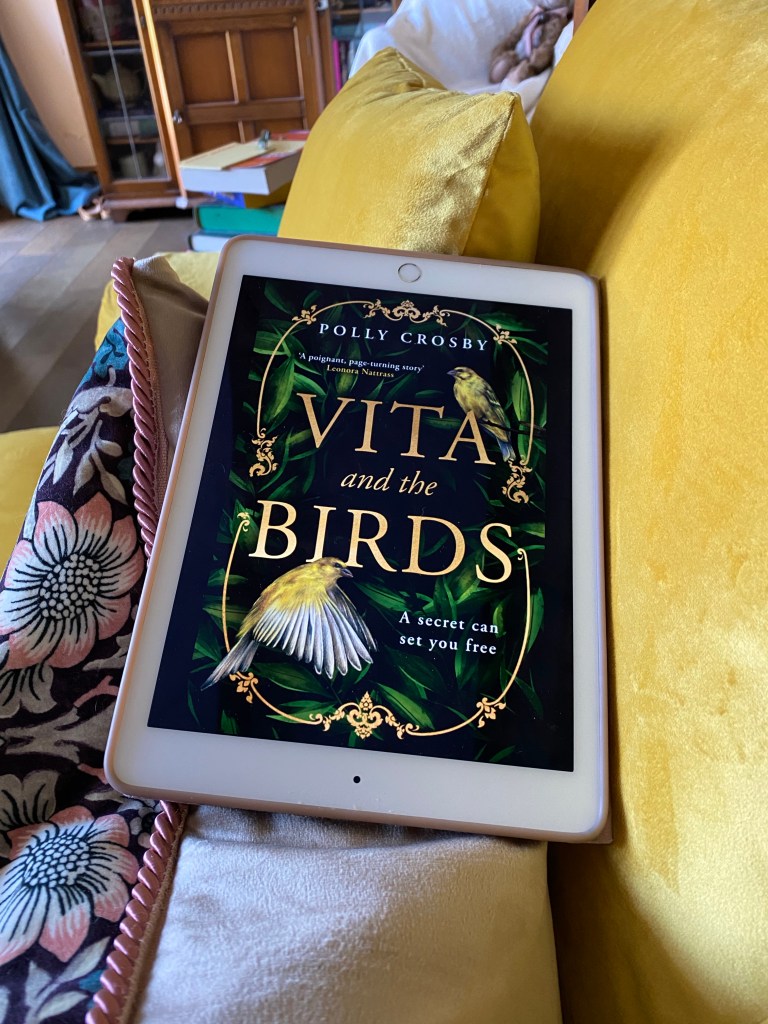

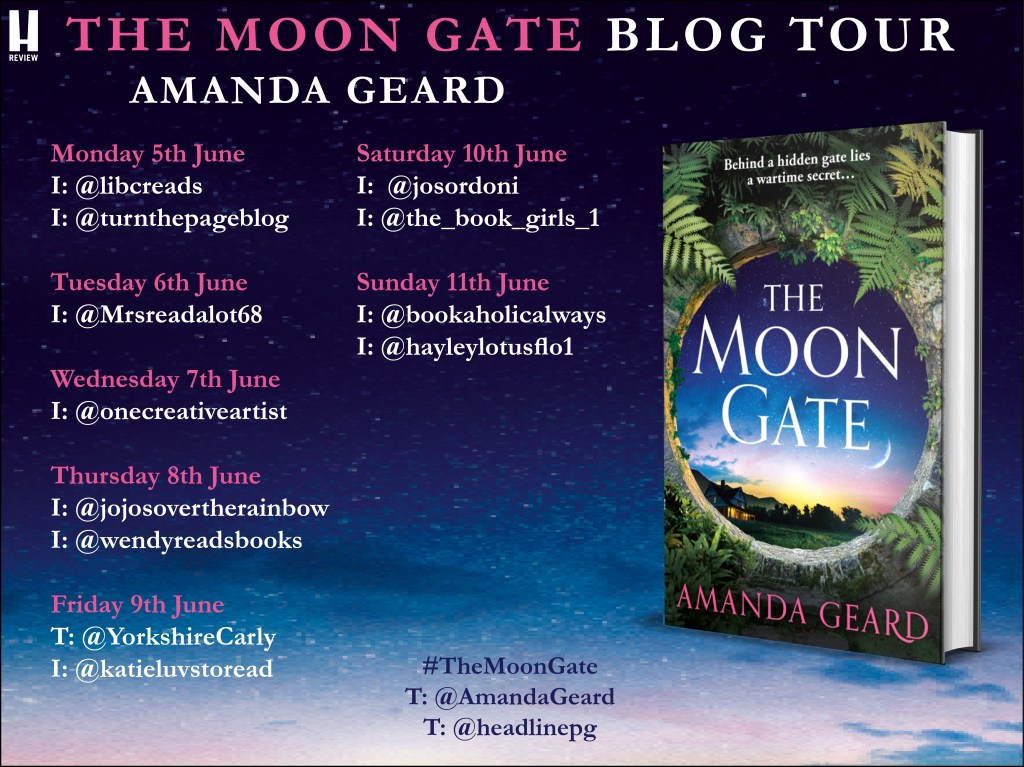
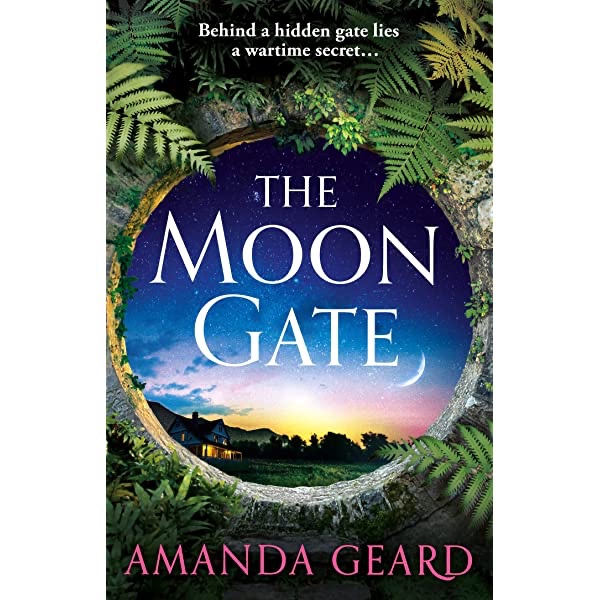
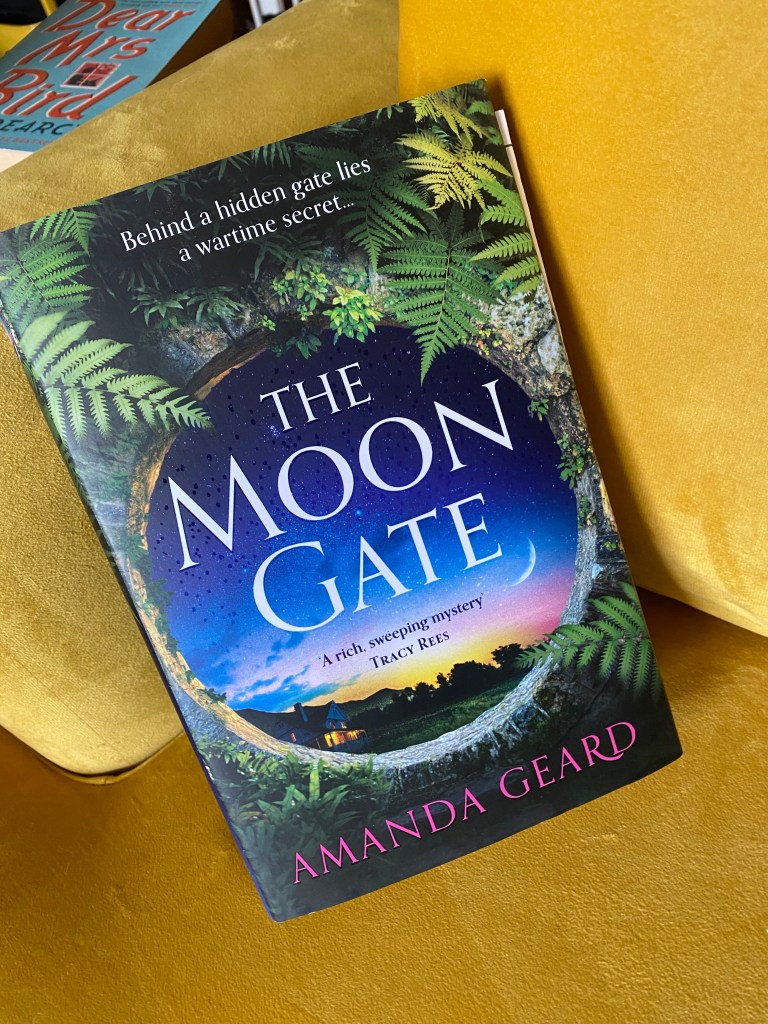
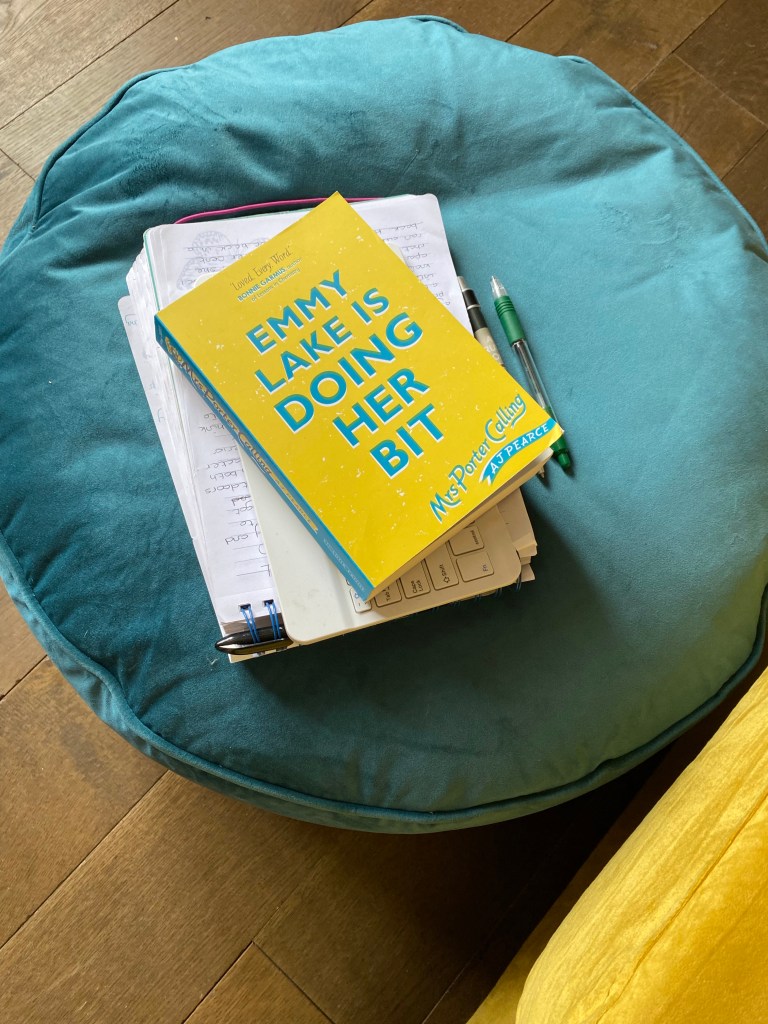
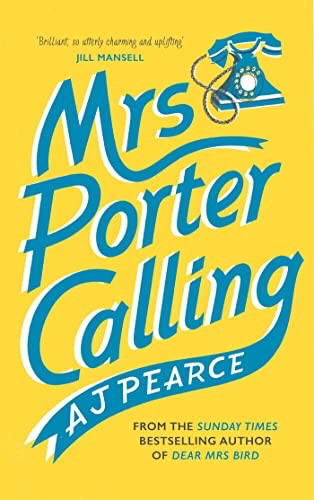
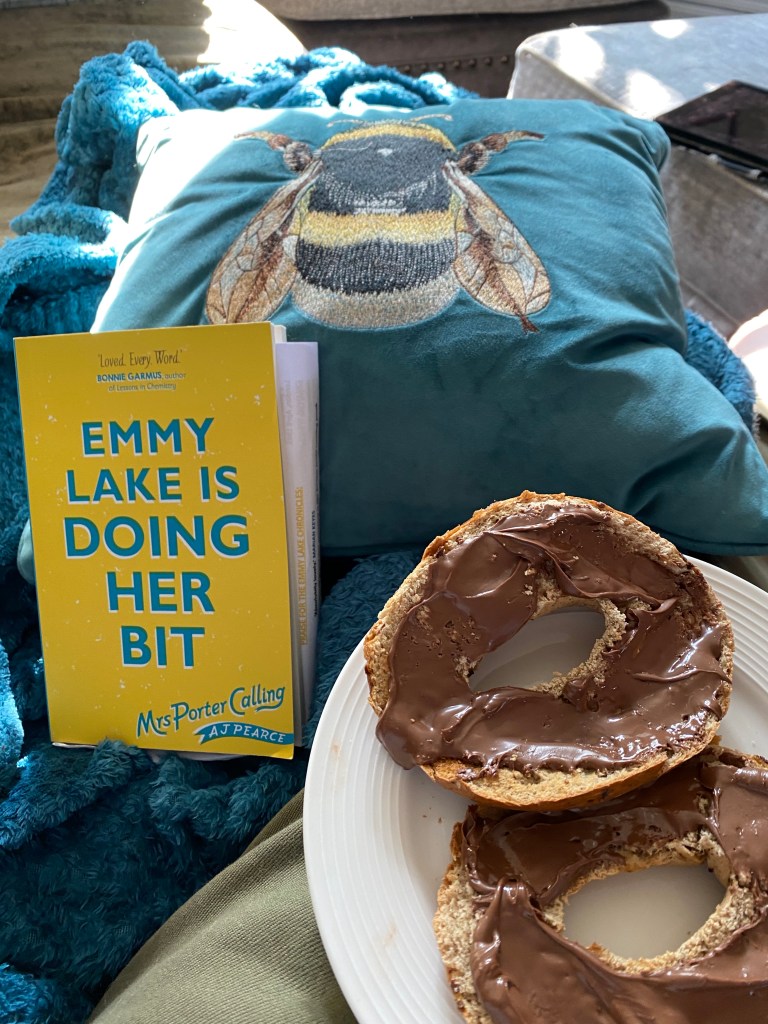

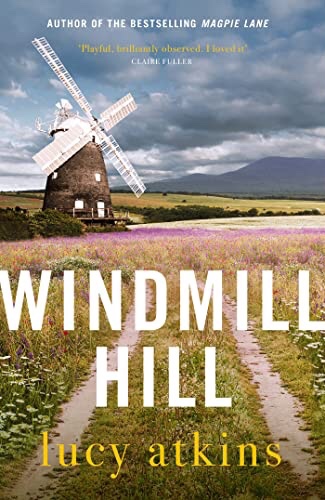


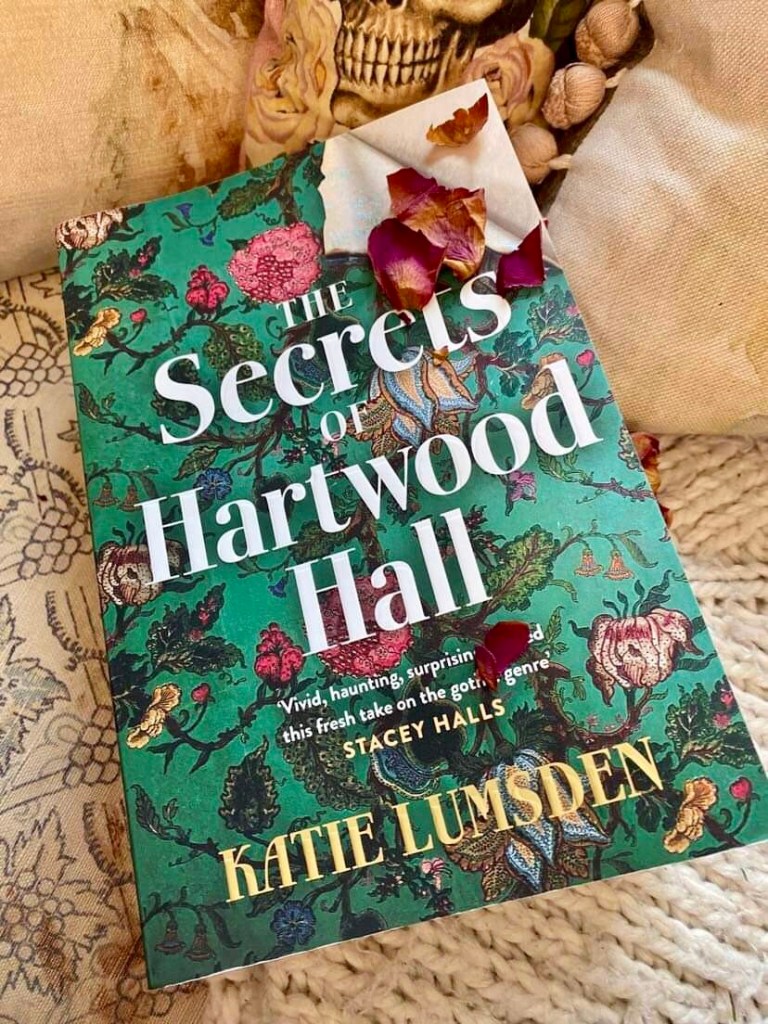


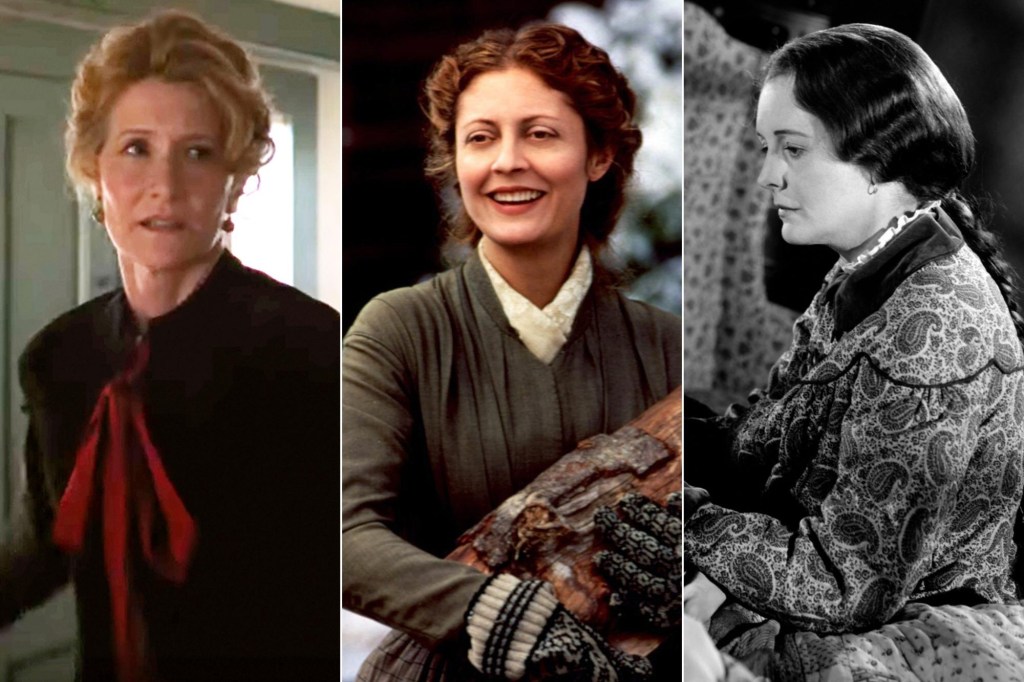
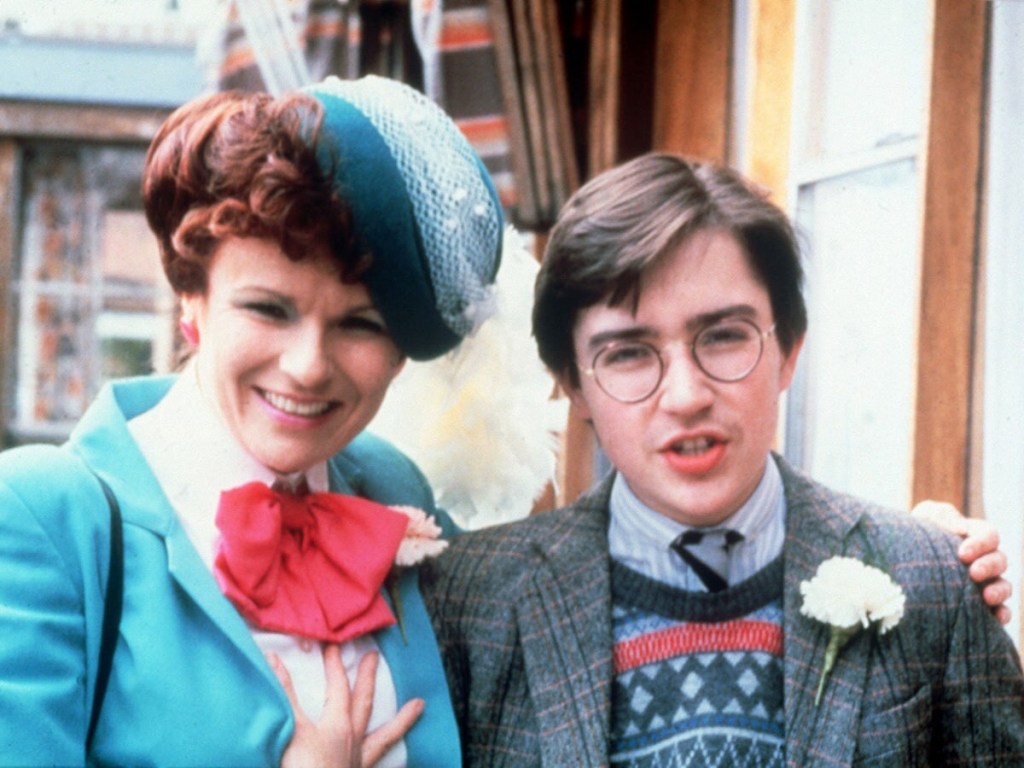
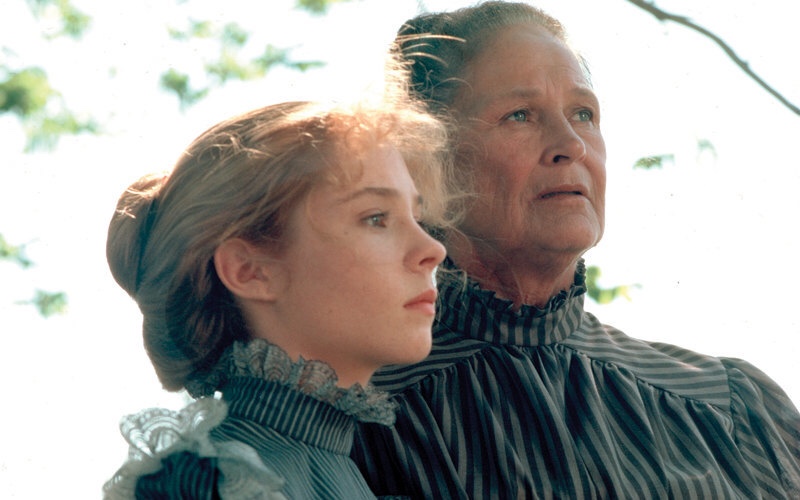
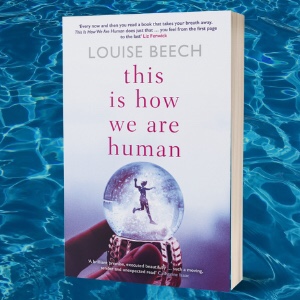
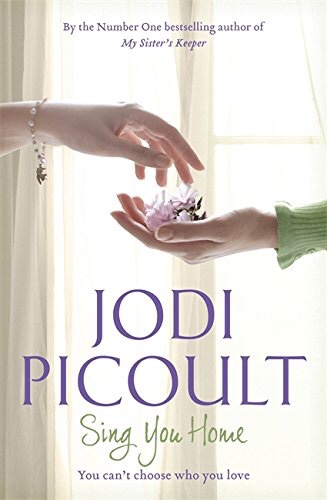
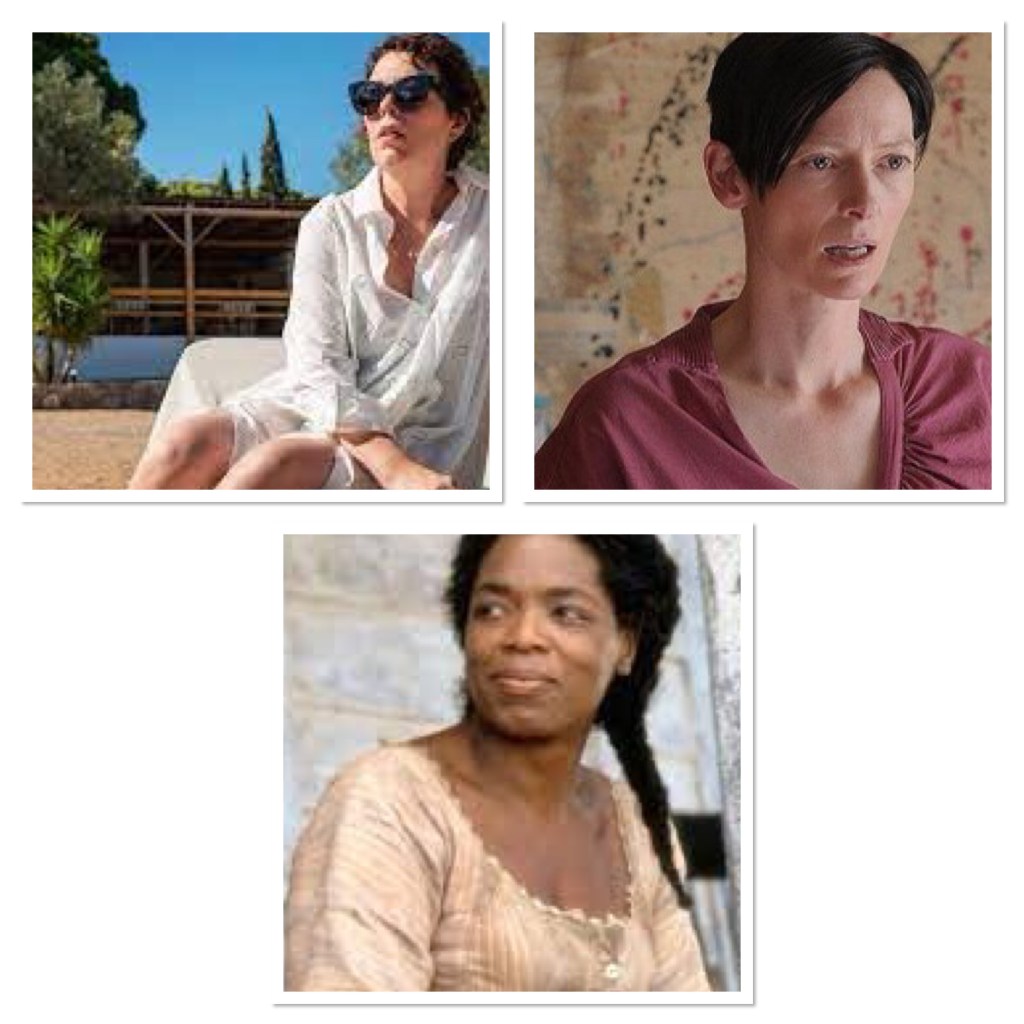







 The Lotus Readers