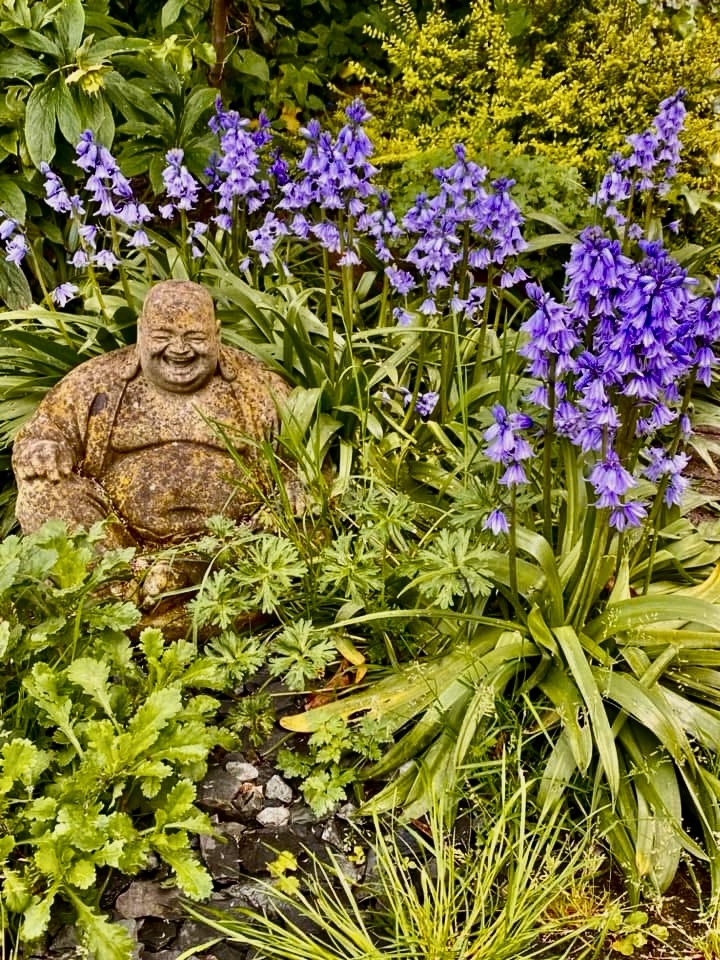
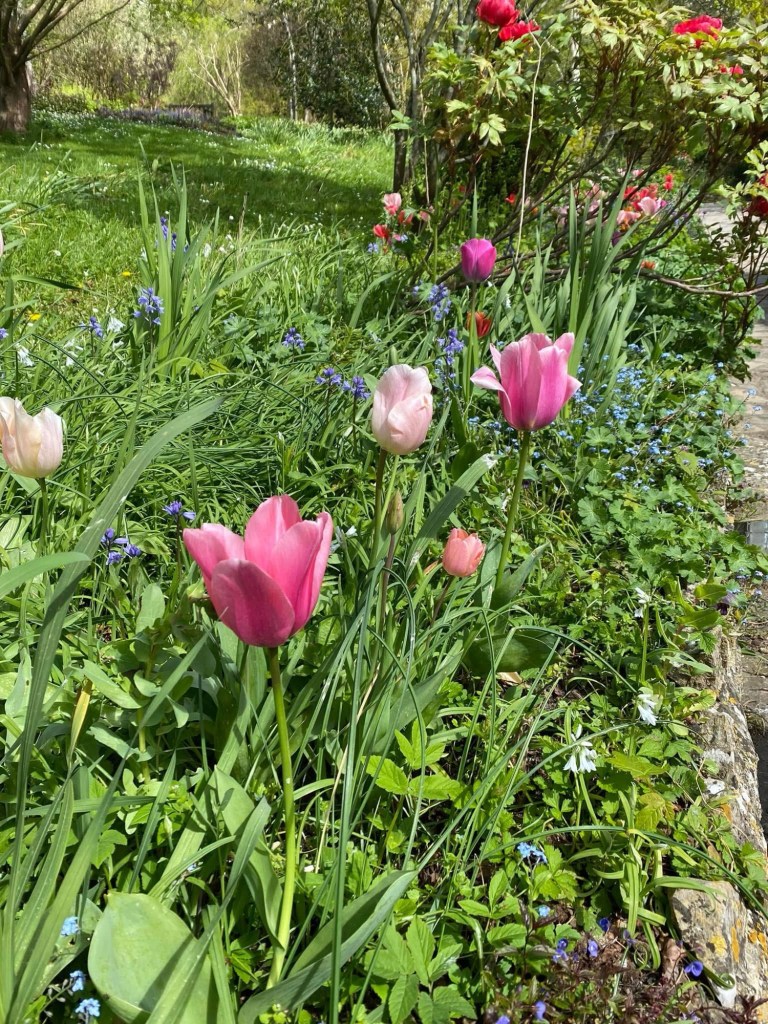
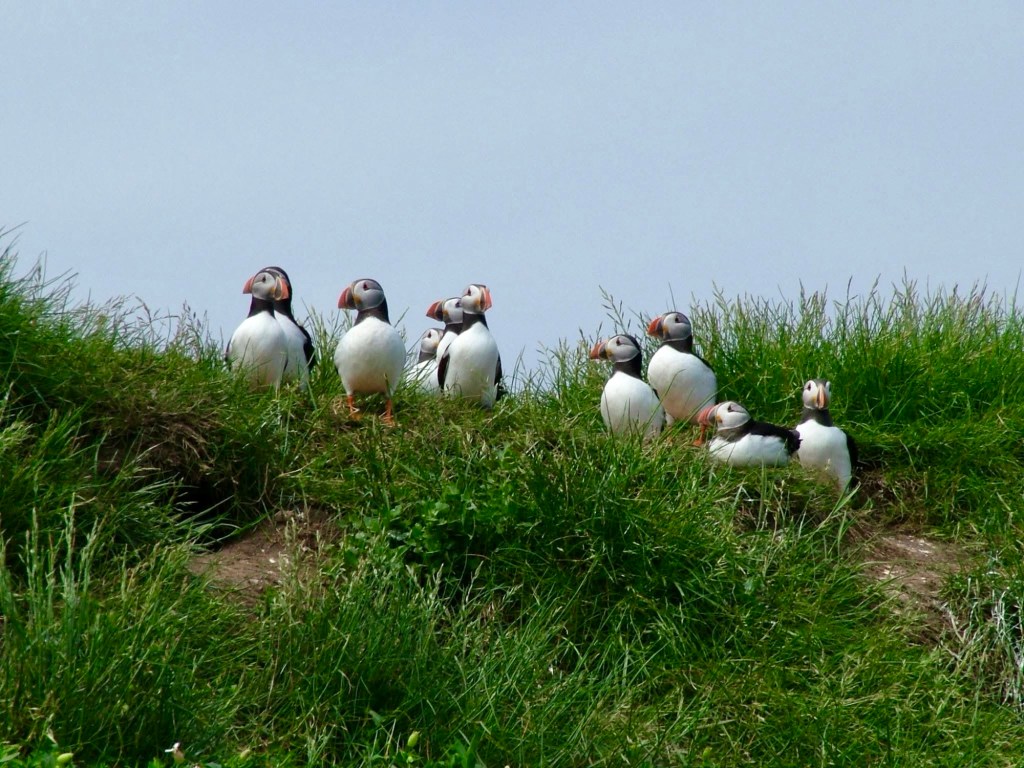
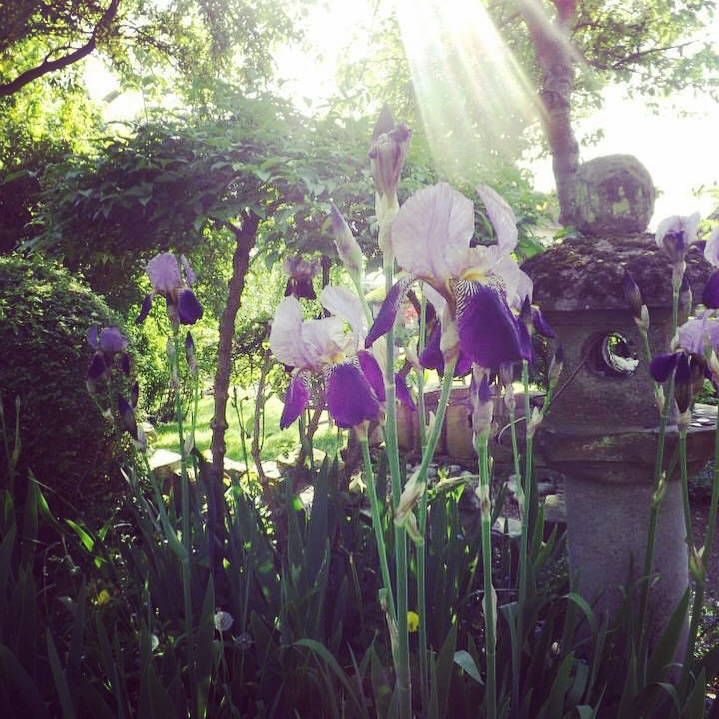
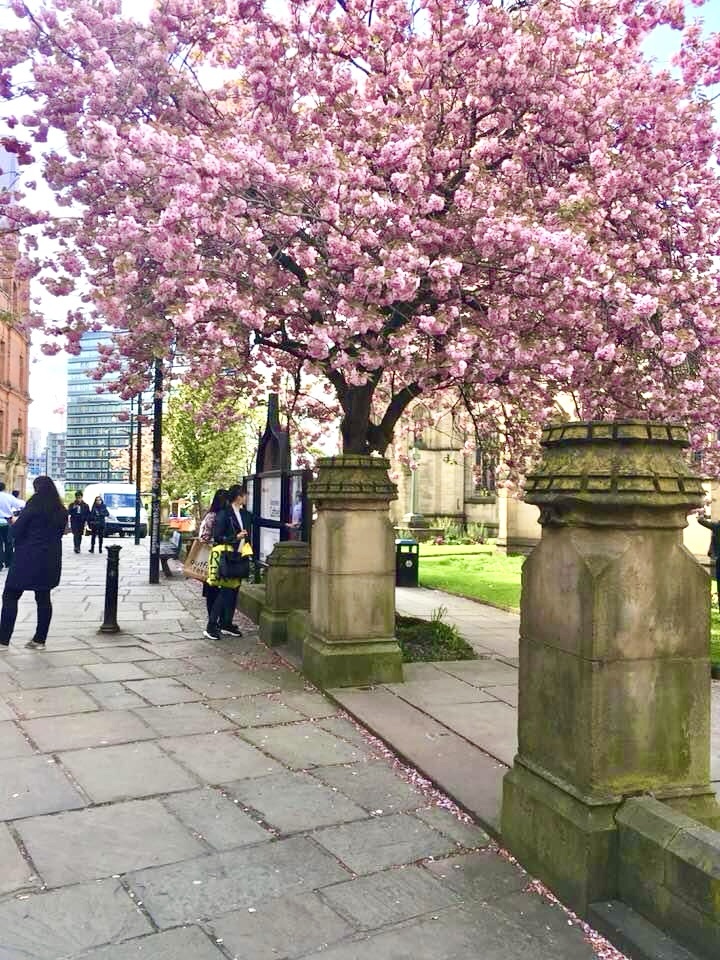
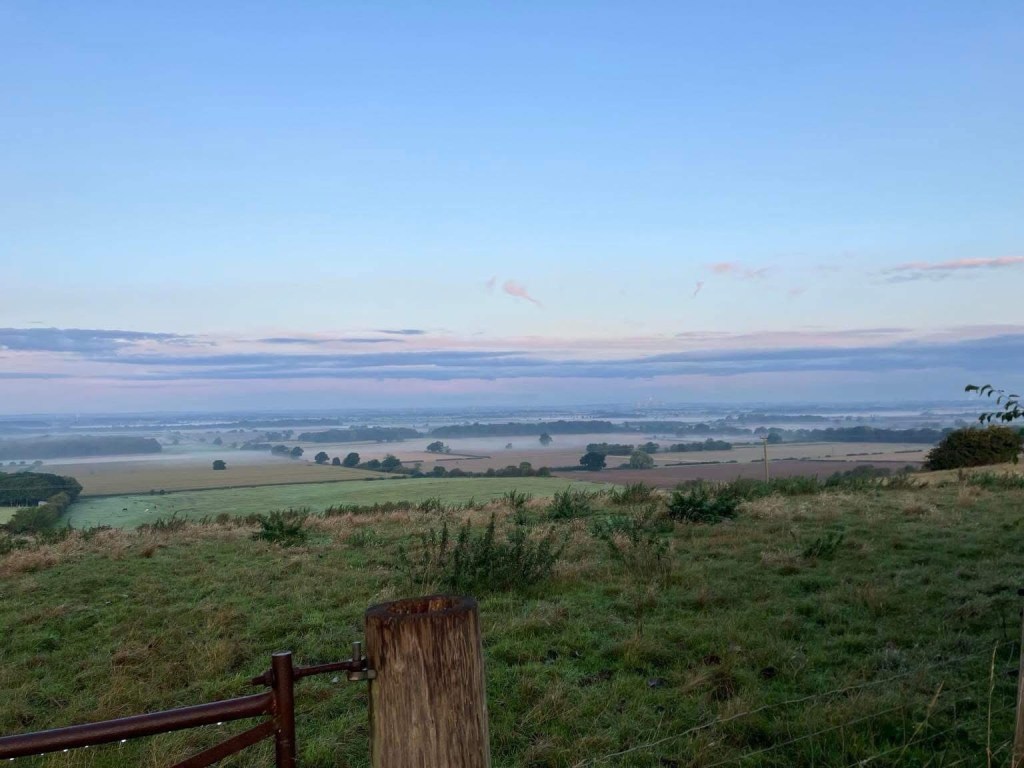
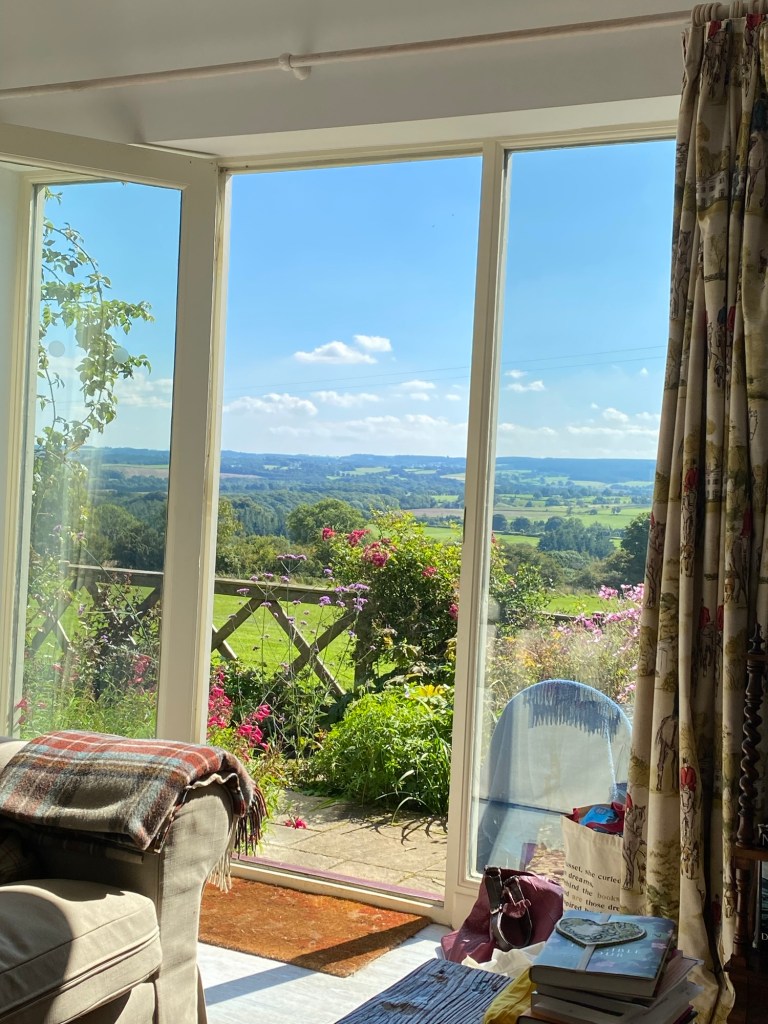
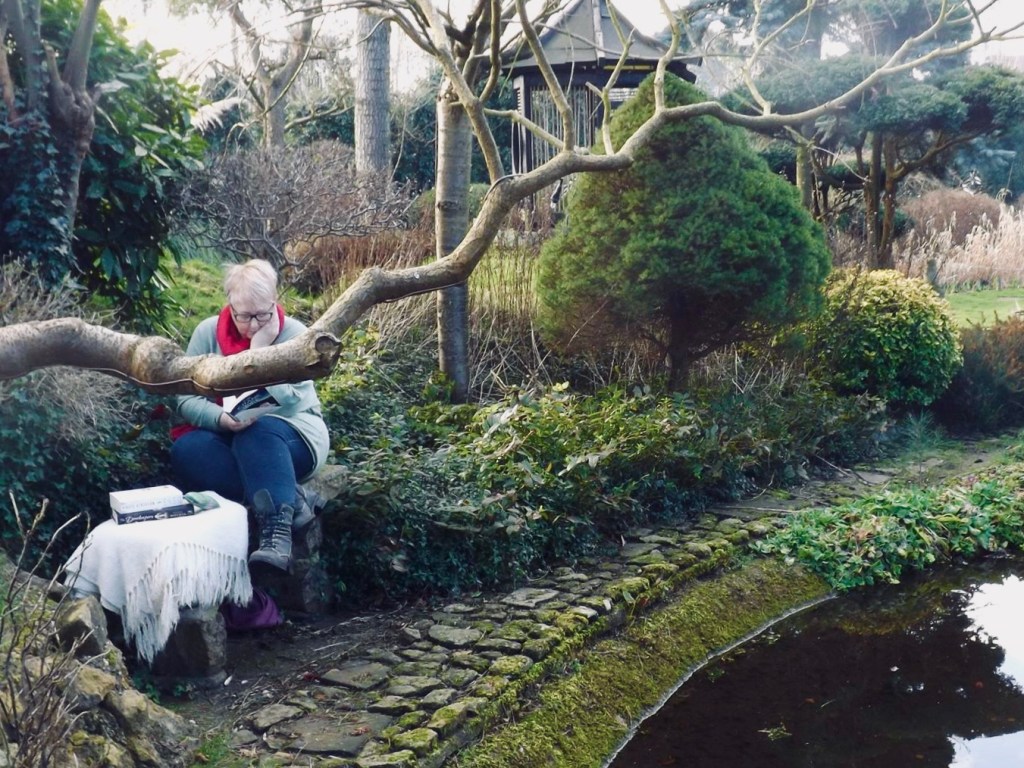
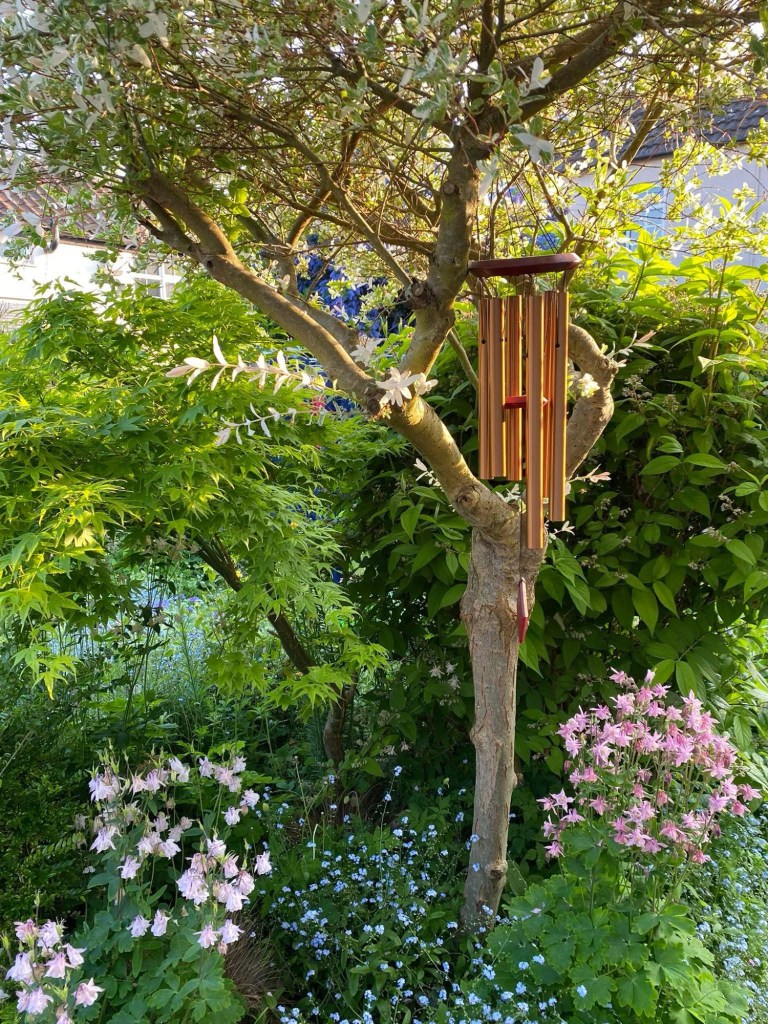
I know I’m not the only person struggling with what’s happening in the wider world at the moment and locally to be honest, as strategic parts of our city are being covered in flags in order to intimidate. There’s some sort of march most weeks and I’m constantly waiting to be annihilated by whichever geriatric white man loses his mind first! So sometimes the only thing to do is concentrate on your own little bubble, do the things you love that bring you peace, switch off the TV and shut it out for a while. I was thinking about this post and the things that make me happy, inspire me and keep me going. Of course first and foremost that’s literature, but I also love taking photographs of my surroundings. So, bearing in mind we had the spring equinox at the weekend, I thought I’d share with you some of my favourite hopeful literary quotes and photographs that make me happy. Hope you find them inspiring too.
“Water does not resist. Water flows. When you plunge your hand into it, all you feel is a caress. Water is not a solid wall, it will not stop you. But water always goes where it wants to go, and nothing in the end can stand against it. Water is patient. Dripping water wears away a stone. Remember that, my child. Remember you are half water. If you can’t go through an obstacle, go around it. Water does.”
From The Penelopiad by Margaret Atwood
“Rays from the sunrise drew forth the buds and stretched them into long stalks, lifted up sap in noiseless streams, opened petals, and sucked out scents in invisible jets and breathings.”
From Tess of the D’Urbervilles by Thomas Hardy
“Hope is the thing with feathers
That perches in the soul
That sings the tune without the words
And never stops at all”
From The Complete Poems of Emily Dickinson
‘I am no bird and no net ensnares me: I’m a free human being with an independent will.”
Jane Eyre by Charlotte Brontë
“Those who contemplate the beauty of the earth find reserves of strength that will endure as long as life lasts. There is something infinitely healing in the repeated refrains of nature—the assurance that dawn comes after night, and spring after winter.”
From Silent Spring by Rachel Carson
“No man knows till he has suffered from the night how sweet and dear to his heart and eye the morning can be.”
From Dracula by Bram Stoker
“I’m choosing happiness over suffering, I know I am. I’m making space for the unknown future to fill up my life with yet-to-come surprises.”
From Eat Pray Love by Elizabeth Gilbert
“Most maidens are perfectly capable of rescuing themselves in my experience, at least the ones worth something, in any case.”
From The Night Circus by Erin Morgenstern
“Your sorrow will become smaller, like a star in the daylight that you can’t even see. It’s there, shining, but there is also a vast expanse of blue sky.”
From Survival Lessons by Alice Hoffman
“What a happy woman I am living in a garden, with books, babies, birds, and flowers, and plenty of leisure to enjoy them! Yet my town acquaintances look upon it as imprisonment, and I don’t know what besides, and would rend the air with their shrieks if condemned to such a life. Sometimes I feel as if I were blest above all my fellows in being able to find my happiness so easily. I believe I should always be good if the sun always shone, and could enjoy myself very well in Siberia on a fine day. And what can life in town offer in the way of pleasure to equal the delight of any one of the calm evenings I have had this month sitting alone at the foot of the verandah steps, with the perfume of young larches all about, and the May moon hanging low over the beeches, and the beautiful silence made only more profound in its peace by the croaking of distant frogs and hooting of owls?”
From Elizabeth and her German Garden by Elizabeth Von Armin
As many readers know, I’m very partial to historical fiction, especially if it’s telling me a story I didn’t know or following characters who are largely erased from our impressions of the time period: Sarah Waters brings us lesbian characters in the Victorian period; Patrick Gale narrates the journey of an Edwardian husband and father who is gay in A Place Called Winter; Michael Faber brings to life a Victorian prostitute with a skin disease in The Crimson Petal and the White. I’ve enjoyed some incredible stories of the world wars and Holocaust, slavery, and migration. These are some of the most harrowing historical events to choose and it’s no wonder they win awards. They totally engage the emotions and carry you along with them. However, sometimes you want to scratch your historic fiction itch, but want something fun, to feel uplifted. So where do you go? Here are a few ideas you might enjoy.
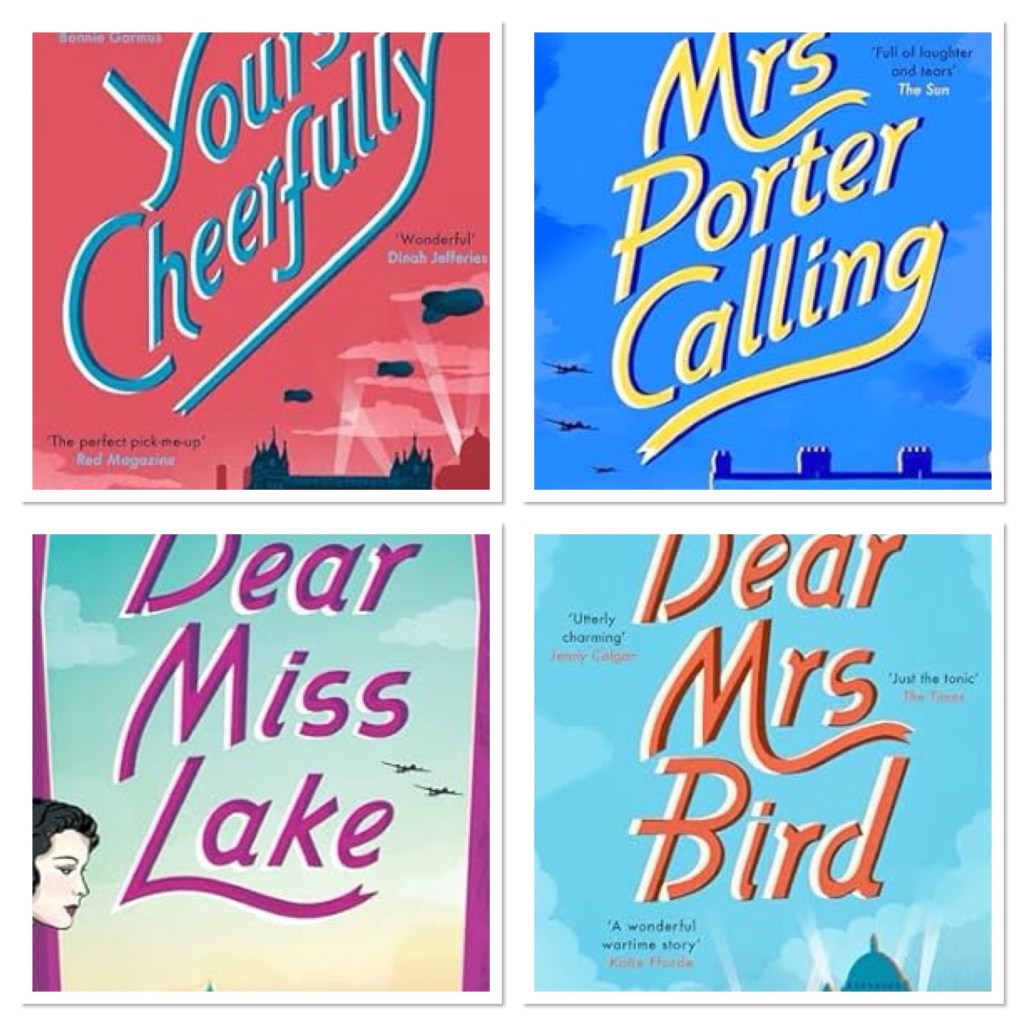
This wonderfully enjoyable series from A.J.Pearce starts during London’s blitz and is filled with warmth, wit and heartbreak. The first is Dear Mrs Bird, a wartime story about the power of friendship, the kindness of strangers and the courage of ordinary people.
London, 1941. Amid the falling bombs Emmeline Lake dreams of becoming a fearless Lady War Correspondent. Unfortunately, Emmy instead finds herself employed as a typist for the terrifying Henrietta Bird, the renowned agony aunt at Woman’s Friend magazine. Mrs Bird refuses to read, let alone answer, letters containing any form of ‘Unpleasantness’, and definitely not letters from the women the war has left lovelorn, grief-stricken or conflicted. But the thought of these desperate women waiting for an answer becomes impossible for Emmy to ignore. She decides she simply must help and secretly starts to write back – after all, what harm could that possibly do?
Her story is then continued over two more novels, based at the same magazine. Emmeline always has an obstacle to overcome, but she’s plucky and optimistic despite everything that’s happening around her. This doesn’t mean that the war is ignored. Emmeline is always caught between the magazine’s aesthetic and what’s happening in the real world. Some of the magazine owner’s want to keep the pre-war feel of a magazine for upper class ladies. Emmeline knows the world has changed, women’s lives are very different and there’s so much more to write about than hunt balls and the latest fashions. So with Emmeline taking letters from their readers we see more of the real picture for women; parenting alone or sending your child to the countryside as an evacuee; trying to juggle war work and child care; bereavement and loss. These are big issues, so they are discussed and experienced by the women Emmeline knows. Yet the author still manages to make them cheery and the uplifting feeling we get is from real women supporting each other and pushing for social change.
In July 2025, a fourth in the series will be published by Picador. It’s July 1944 and Emmy Lake’s career is soaring: Woman’s Friend magazine is a huge success, and she is finally realizing her dream of becoming a female war correspondent. On the personal front, Emmy’s husband Charles has been posted closer to home, and they and their friends Bunty and Harold have escaped to the countryside for a few precious summer days. They all know how lucky they are. But after nearly five years of war, the nation is struggling. The “Yours Cheerfully” advice column receives more letters than ever, and even though it looks like the war might finally be over by Christmas, the situation is far from resolved. For Emmy and her team, it’s all about pulling together and pushing on. But then disaster strikes. Soon Emmy finds herself facing her greatest battle yet. Now she needs her friends more than ever . . .
Endearing, engaging, and full of heart, Dear Miss Lake is a testament to the power of friendship in the hardest of times.
I must admit to being astonished that the 1960’s/70’s are now classed as historical fiction, but here we are. I have to be reminded that it’s 60 years ago and as someone who’s now over 50 this was my childhood. Anyway I fell absolutely in love with these wonderful books about Evie Epworth and I know I’ll be re-reading them when I need a boost. Evie is an absolute delight and we first meet her in the summer after her exams and her plans are no more structured than helping her dad deliver their cow’s milk and reading. This is rural Yorkshire in 1962 and life so far has been filled with schoolwork, Girl Guides, milking, lacrosse, village fetes and baking with her elderly neighbour. She did also lose her mother and misses her every day. She wants to be left to her dreams of becoming like her idols – Charlotte Brontë, Shirley MacLaine and the Queen – and to live a glamorous life in London, or Leeds would do. She wasn’t banking on her Dad’s girlfriend Christine. A money-grabbing, manipulative and tasteless schemer who starts to move in and make changes. She wants to upgrade the farmhouse kitchen to Formica and put Evie to work in the village salon, surrounded by shampoos, sets and blue rinses. How can Evie rescue her future from Christine’s over-perfumed clutches? Luckily people come into her life who might be able to help and with a dollop of Yorkshire magic she might succeed.
In the second novel. All About Evie, takes us forward to 1972. Evie is settled in London working for the BBC. She has everything she’s ever dreamed of (a career, a leatherette briefcase, an Ossie Clark poncho) but, following an unfortunate incident involving Princess Anne and a Hornsea Pottery mug, she finds herself having to rethink her life and piece together work, love, grief and multiple pairs of cork-soled platform sandals. This is a brilliant follow up where Evie has to sail the choppy waters of her twenties, following her dreams and finding they’re not as easy as they seemed. She’s soon trying different occupations, all in her inimitable Evie way, with a wonderful side order of romance and a trip back to Yorkshire of course. These novels are so tender and genuinely moving, but are also witty, inventive and incredibly funny. I don’t know how Matson inhabits the soul of this teenage girl, but he does it beautifully. She’s brimming with life force and sound Northern reason. I think you’ll absolutely love her.
Celebrating the publication of Evie Epworth with Cow Cakes.
Other Uplifting Historical Fiction
I loved this story set in New York, 1979. It is Thanksgiving and Evelina has her close family and beloved friends gathered around, her heart weighted with gratitude for what she has and regret for what she has given up. She has lived in America for over thirty years, but she is still Italian in her soul.
Northern Italy, 1934. Evelina leads a sheltered life with her parents and siblings in a villa of fading grandeur. When her elder sister Benedetta marries a banker, to suit her father’s wishes rather than her own, Evelina swears that she will never marry out of duty. She knows nothing of romantic love, but when she meets Ezra, son of the local dressmaker, her heart recognises it like an old friend.
Evelina wants these carefree days to last forever. She wants to bask in sunshine, beauty and love and pay no heed to the grey clouds gathering on the horizon. But nothing lasts forever. The shadows of war are darkening over Europe and precious lives are under threat. This is a beautifully moving story, but it feels like a hug in book form. I could literally disappear into it and escape into Evelina’s life that tells you all you need to know about love.
It is England, 1932, and the country is in the grip of the Great Depression. To lift the spirits of the nation, Stella Douglas is tasked with writing a history of food in England. It’s to be quintessentially English and will remind English housewives of the old ways, and English men of the glory of their country. The only problem is –much of English food is really from, well, elsewhere . . .
Good taste is in the eye of the beholder…
So, Stella sets about unearthing recipes from all corners of the country, in the hope of finding a hidden culinary gem. But what she discovers is rissoles, gravy, stewed prunes and lots of oatcakes. Longing for something more thrilling, she heads off to speak to the nation’s housewives. But when her car breaks down and the dashing and charismatic Freddie springs to her rescue, she is led in a very different direction. Full of wit and vim, Good Taste is a story of discovery, of English nostalgia, change and challenge, and one woman’s desire to make her own way as a modern woman. This was a lovely nostalgic read and I’m so looking forward to new novel The Best of Intentions coming in summer this year.
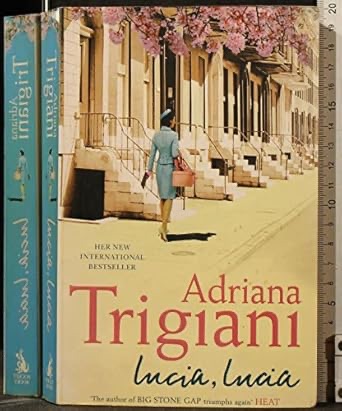
This is a twenty year old novel from Adriana Trigiani based around Lucia Sartori, the beautiful twenty-five-year-old daughter of a fine Italian immigrant family in Greenwich Village, New York. Set in 1950, Lucia becomes an apprentice for a made-to-wear clothing designer at a chic department store on Fifth Avenue. Though she is sought after as a potential wife by the best Italian families, Lucia stays her course and works hard, determined to have a career. She juggles the roles of dutiful daughter and ambitious working girl perfectly. When a handsome stranger comes to the story and catches her eye, it is love at first sight for both of them. In order to win Lucia’s hand, he must first win over her traditional family and make the proper offer of marriage. Their love affair takes an unexpected turn as secrets are revealed, Lucia’s family honour is tested, and her own reputation becomes the centre of a sizzling scandal. Set in a time of possibility and change for women in America, in a city that celebrates its energy with style and elegance, LUCIA, LUCIA is the story of a girl who risks everything for the belief that a woman could – and should – be able to have it all. There’s definitely a melancholic feeling here, falling into nostalgia over choices that she could have made and we see the result of those choices in her older years. However, I find it life-affirming and comforting.
I don’t know how many of you are Strictly Come Dancing fans, but I hope there are a few of you out there. Last weekend we watched the third episode of this series and the professional dancers did one of their group numbers at the top of the show. Johannes was a handsome Prince and a ball was being held in his honour. As he entered the ballroom he saw the couples dancing on the floor, but seemed isolated and alone. Until a male dancer, Kai, stepped forward and asked him to dance. As they started to move round the floor his face lit up and so did mine. The other couples on the floor reformed until the ballroom was full of same sex couples. It was a joyous dance about acceptance for who we are and the ability to be open about our sexuality. It really brought tears to my eyes to see how happy Johannes was to do this dance. So, for me this was exactly the right week to read a book I’ve seen doing the rounds of BookTwitter for since January. I know I’m seriously behind most people in reading this little gem from Matt Cain, but I couldn’t miss a chance to talk about it- just in case there are other people living under a rock like me who haven’t encountered Albert Entwhistle yet.
The books sits perfectly next to the Strictly dance I mentioned, not just because of the subject matter, but because both are simply little parcels of joy! I felt uplifted every time I sat to read a few pages of this wonderful story. There’s a further little link to Strictly too, as Albert reminisces about a trip to Blackpool with his friend George. They were both young men at the time and they visit the iconic tower ballroom, where George is taken with the dancers whirling round the floor. He asks Albert to think of a world where they could take a turn round the floor like every other couple there. George exclaims how romantic it is and Albert agrees. It would be romantic, but it’s inconceivable for two men to partner up and take to the floor. In fact it seems so taboo that Arthur imagines there’s a written rule against it. Years later, when he’s 64, he revisits the ballroom to show his friend Nicole and sees a couple of men his own age, waltzing round the floor with no one batting an eyelid. A realisation follows; how can anything change while gay men remain hidden? It takes trailblazers, people willing to be uncomfortable and face public displeasure, to make things change. This gives him the courage he needs to face his fears and perhaps even alter the lonely future he imagines. Maybe he could find his friend George and talk again? He doesn’t dare to hope that the feelings could still be there, but there is a small nugget of longing for that dream. Why not? After all, he still feels the same way about George.
Until now Albert has lived very closed off from the rest of society. He’s a postman, and has a routine of arriving at the sorting office at the same time each morning, organising and sorting his load for that day. He doesn’t really interact much with his colleagues, beyond normal pleasantries. We see his lonely life at home, with rare moments of joy when he puts on a show tune and dances with his cat Gracie. So, I loved how Albert’s search for George opened him up to other experiences, particularly his friendship with single mother Nicole. He’s never been to a soft play centre before or even been this close to children. Yet she doesn’t let him hesitate or worry, and just places her daughter on Albert’s knee before he can argue. He’s never been to a pub quiz before either, but once he takes the plunge, he’s surprised how much he enjoys these new experiences. It also makes him more aware of other people’s loneliness and he starts to make little changes to try and make their lives better. His dread about revealing his sexuality to people seems disproportionate, because we live in more tolerant times. Yet, when we think back to Albert’s teenage years, homosexuality was still a crime. It’s amazing to think it was as recent as Sam Gyhima’s stint as justice minister in 2017 for a government pardon to be made to everyone jailed for their sexuality. This followed a royal posthumous pardon in 2013, for the mathematician Alan Turing. The writer’s trips back into Albert’s past, remind the reader that there are years of prejudice behind these uplifting stories. Strictly’s same sex dance routine elicited tears of emotion, because what’s now accepted enough to be on family television at prime time on Saturday night, used to elicit abuse, rejection and even criminal charges. So I found this book moving and I really did fall utterly in love with Albert. The story was heartfelt and uplifting. I would really recommend it to anyone looking for beautiful characters to engage with and story full of human emotion.
Published 27th May 2021 by Headline Review
Meet The Author
Matt Cain is an author, a leading commentator on LGBT+ issues, and a former journalist. He was Channel 4’s first Culture Editor, Editor-In-Chief of Attitude magazine, and has judged the Costa Prize, the Polari Prize and the South Bank Sky Arts Awards. He won Diversity in Media’s Journalist Of the Year award in 2017 and is an ambassador for Manchester Pride and the Albert Kennedy Trust, plus a patron of LGBT+ History Month. Born in Bury and brought up in Bolton, he now lives in London.







 The Lotus Readers