Posted in Random Things Tours

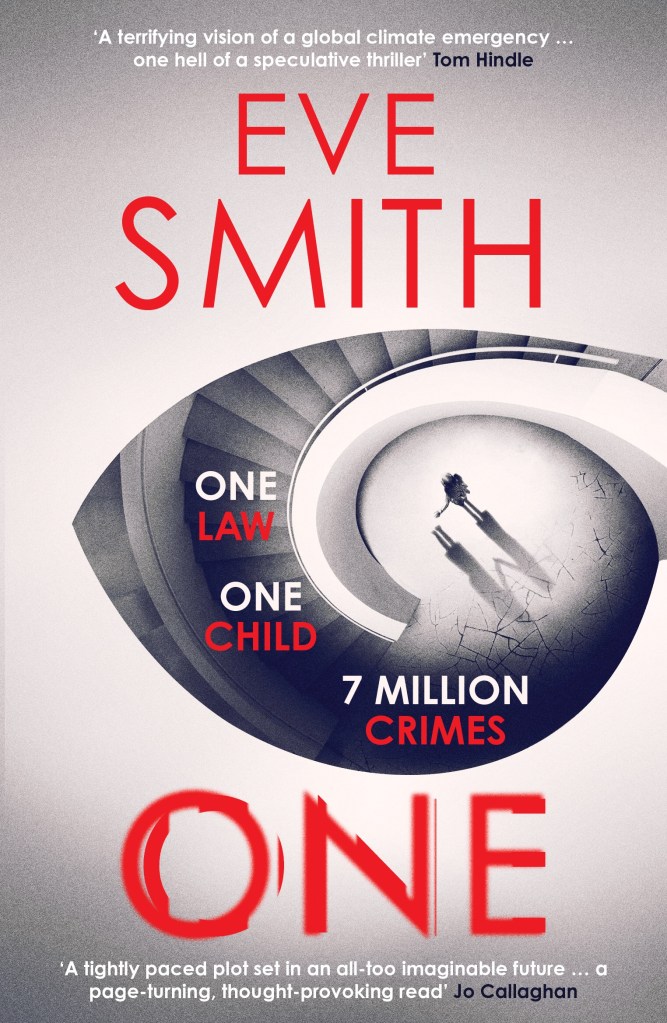
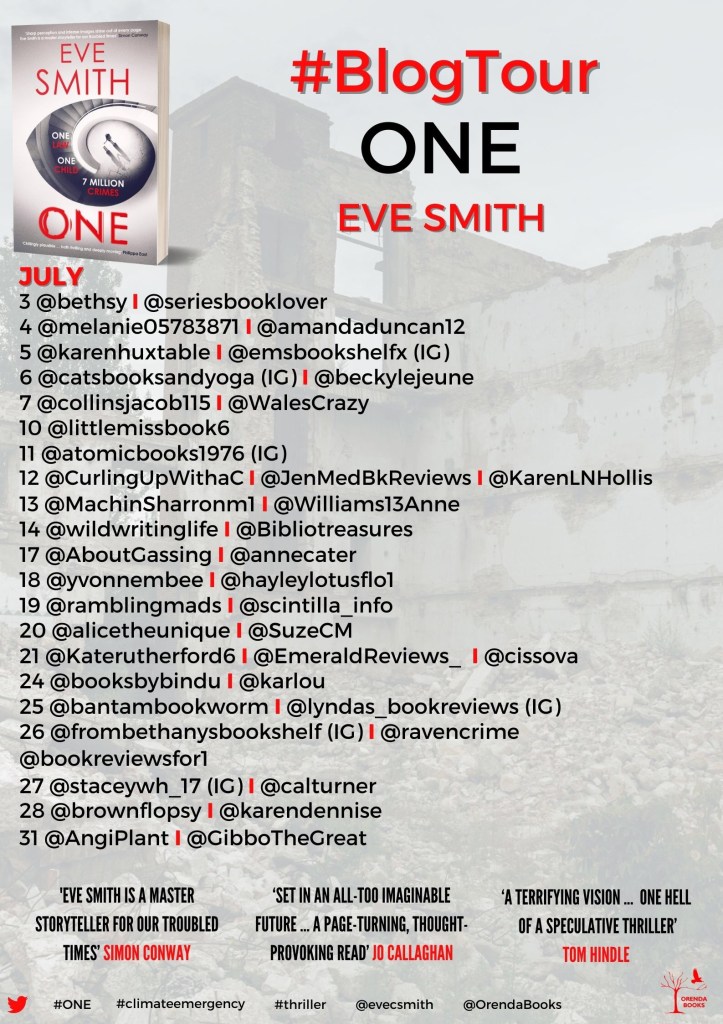
One by Eve Smith.

A catastrophic climate emergency has spawned a one-child policy in the UK, ruthlessly enforced by a totalitarian regime. Compulsory abortion of ‘excess’ pregnancies and mandatory contraceptive implants are now the norm, and families must adhere to strict consumption quotas as the world descends into chaos.

Kai is a 25-year-old ‘baby reaper’, working for the Ministry of Population and Family Planning. If any of her assigned families attempts to exceed their child quota, she ensures they pay the price.

Until, one morning, she discovers that an illegal sibling on her Ministry hit- list is hers. And to protect her parents from severe penalties, she must secretly investigate before anyone else finds out.

Kai’s hunt for her forbidden sister unearths much more than a dark family secret. As she stumbles across a series of heinous crimes perpetrated by the people she trusted most, she makes a devastating discovery that could bring down the government … and tear her family apart.

I LOVE the way Eve Smith doesn’t baby her readers. If there are hover cars that’s what she gives us. A two word description. No long flowery explanations of how they came to be, she just tells us what IS. She expects our own imaginations to keep up. The immediacy of her writing brings us slap bang in the middle of this alien world and it’s exhilarating.

Our narrator Kai is a perfect ministry operative. She’s brainwashed from birth into accepting the world as the ministry present it. The political party One came to power with an unusual mix of ecological and anti-immigration policies. We might expect that ecological parties are more left-wing and we expect our totalitarianism to come in a right wing package. The lack of resources has left the country without options (although other countries have less draconian regimes) and any political movement can become a totalitarian one. Due to the climate emergency there are now places it is impossible to live so immigration is rising. The government used predictions of climate disaster to ease the population in to accepting extreme policies to reduce consumption and the population. Each family has a consumption quota to cover things like food, travel and water usage. I loved little touches like Kai’s grandparents always being the ones to overuse their quota, still used to the old days. The one child policy is the most extreme and the administration and enforcement of the policy is down to officers like Kai. The reality of her job is devastating. Women’s fertility is controlled by the Destine implant, a contraceptive with a chip that means it can be switched off when a woman wants to start a family, it is then switched back on after her only pregnancy. All women of child-bearing age have their HCA levels monitored by the government and as soon as any change is detected Kai’s department would know. In the case of a second child they must schedule a termination, but if they don’t that’s where Kai’s job begins. She must visit the woman and ensure that a second appointment is kept. Termination even applies in cases of twins. Prison awaits anyone who conceals a second pregnancy.

The reality of their policies as they affect real people is hard to read and Kai seems as obedient and capable of free thought as her robotic pet dog. I have found the author terrifyingly prescient in the past and I hope that’s not the case here. This isn’t necessarily our future but it could be. Every terrible policy here has it’s roots in our current world and that’s what’s so scary. The effects of climate change can seem a long way away so it was very disconcerting to find out that in this world Horncastle was on the coast! My stepdaughter’s other home is there and it’s only a half hour journey up the road from me. My home county is essentially a wetland. Despite this, I loved the inventiveness of the resistance movement Free, from their houses on rafts and living walls to the ability to morph their features. Again the author gives us just enough information to see it, because everything we see comes through Kai and to Kai this is normal. She has no memories of a world we would recognise, because she hasn’t lived in it. A bit like the way my stepdaughters gasp when I tell them there was no internet when I went to university and I had to do all my dissertation research from books. The immigration policies are an obvious extension of comments like ‘we can’t take any more people we’re all full up’. There’s an immigration centre coming three miles from us on an old RAF base and although we object to the plan on humane grounds – the government plan to keep people on the runway in storage containers – we were shocked to find how racist a lot of the opposition was. On our return from holiday recently we found a large St George’s Cross with crusader had been placed at the gates and we’ve vowed to go back in the dead of night and take it down. I often wonder if our government’s alarmist immigration rhetoric is simply a precursor to warring over the world’s remaining resources. Kai’s world played on some of my worst nightmares.

Despite Kai’s blinkered perspective, I did find myself respecting her as the story developed. She fears the ministry and her rather formidable boss Minister Gauteng. Yet, Kai doesn’t report the sibling she has found at first, showing a loyalty to her parents above that she gives her workplace. She undertakes her own investigation and puts herself in some very risky situations. She faces up to her own parents and the choices they made and is willing to sacrifice herself for a family member. This shows incredible bravery and her fortitude in the face of the new version of the world her sister Senka is describing to her is incredible. As she learns she shows remorse for the women she’s forced into terminations. One member of Free tells Kai that opening your eyes to a new reality of the world is like going cold turkey. She copes with this admirably. The reality of Senka’s life is also horrific. Tales of reallocation, trafficking, abuse in the care system all have their root in the here and now. It’s an age old story of vulnerable children being failed and preyed upon. There was one scene that genuinely brought a lump to my throat, a future version of some of the horrors of the old Magdalene Laundries. If we don’t know the past, we can’t stop ourselves from repeating patterns. We like to think that we wouldn’t follow a government like this, but terrible times make people do terrible things.

Whether it’s a termination, finding out your husband has a baby with another woman so you can’t have one, or having to give your baby to be reallocated it is the women who most bear the grief of this life. As Kai works to uncover a further atrocity committed by her employers, we realise it’s a grief that will be repeated down the generations. As we hurtled towards an ending, full of action, I wanted One to be ousted and held to account. I think some of my anger at the regime was rooted in my real-life anger at where we are in the world. As the author says in her afterword the control of women’s bodies is becoming an issue again. As regimes become more controlling it is always women who are targeted – just like the recent clampdown on a woman’s right to choose in some states of the USA. There are states where certain books are banned, immigration is being reduced and I genuinely wondered how far are we from this future? This is an incredibly intelligent dystopian thriller. It’s a fantastic read and although it scared me I wouldn’t have put it down. Now I need to go put my house on the market and look for something further inland, on a big hill.

Meet the Author

Eve Smith writes speculative thrillers, mainly about the things that scare her (and me). Longlisted for the Not the Booker Prize and described by Waterstones as ‘an exciting new voice in crime fiction’, Eve’s debut novel, The Waiting Rooms, set in the aftermath of an antibiotic resistance crisis, was shortlisted for the Bridport Prize First Novel Award and was a Book of the Month in the Guardian, who compared her writing to Michael Crichton’s. It was followed by Off-Target, about a world where genetic engineering of children is routine. Eve’s previous job at an environmental charity took her to research projects across Asia, Africa and the Americas, and she has an ongoing passion for wild creatures, wild science and far-flung places. She lives in Oxfordshire with her family.

Posted in Personal Purchase

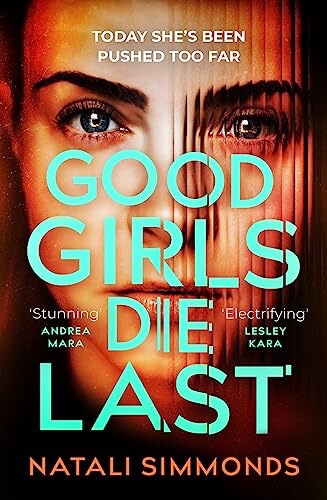
Good Girls Die Last by Natali Simmonds

Wow! This is a searingly raw story, simmering with righteous anger and injustice. Set on a boiling hot summer’s day, you can almost smell the tarmac and diesel fumes. You can hear the traffic noise and feel the agitation and impatience of people trying to get to work without exchanging a word with anyone else. It’s too hot to breathe let alone exchange a friendly word. I had the unnerving experience of reading our heroine’s thoughts and hearing my own words. During the day from hell that Em was experiencing, it felt like some of my own thoughts and frustrations were running round her head. They just need awakening. I have to be honest and say that my age is more in line with another heroine from earlier this year – Amazing Grace Adams – who had her own walk of rage, fuelled by love. However, Em’s voice is a millennial war cry that becomes a national phenomenon in the space of a day. As she leaves her landlord’s bed that morning she expects to look smart for work, especially since she has a HR meeting and expects to be offered a permanent role after completing three months maternity cover with great results. Finally she’s catching an evening flight back home to Spain for her little sister wedding. Her actual day is a complete clusterfuck!

It was her very first thoughts and actions as she woke in the morning that started to build that inner fury in me. First of all her name isn’t Em, or Emily and not even Emma. It’s Emygdia. Everyone shortens it for her. To something that’s more manageable for them. This is an indication of what’s to come and references all those things about women that people find ‘too much.’ Em gets up quietly, so as not to disturb her landlord Matt – son of a Tory MP and an absolute dick. She wouldn’t want to wake him up. She gathers her clothes quietly and scurries away as if she has done something wrong. It’s Matt who’s in the position of power. It’s Matt who has a long-term girlfriend. It’s Matt who started this little fling. Yet it’s Em who has to leave the flat to accommodate his weekend with the saintly Rebecca. It’s Em who shouldn’t be so sexy and irresistible. It’s Em who buys into this bullshit and scurries quietly to her own room as if nothing has happened. As if she doesn’t exist. It made me wonder, what is it she’s so scared of? In fact, what are women so afraid of?

‘you warm-blooded Mediterranean types’, he says ‘all that passion eh? You can’t control yourselves.’ Ah yes the Spanish thing. He talks about that a lot. My long thick hair, the way I use my hands when I talk, my olive skin, how red my lips are, how dark my eyes are, how round my breasts are. What do English girls look like in bed then? Maybe they just lie there silent, pale and still. I doubt it. Maybe that’s just Rebecca.’

This sets up a central idea in the book and it’s title. It’s classic Madonna-Whore complex, the misogynistic idea that there are women you sleep with and women you marry. ‘Emmy’ as Matt calls her, is definitely the former. Like obliging little opposites of a dichotomy Rebecca and Em have never met, but Em has Facebook stalked her. Rebecca, who hates being called Becca, isn’t a large breasted, wild haired, sexy inconvenience. She’s a pale, pretty girl who wears her hair in plaits at the weekend and has a rabbit called Sniffles. She dislikes spicy food and even her favourite colour is mild – who likes mint? She wears loose sundresses and flat sandals. Her figure can’t be seen. She even has freckles. Could anyone be less threatening? This is the type of woman men like Matt idealise, they are the wives and mothers, not to be sullied or degraded in any way. This type of thinking also applies to serial killers. As the character of Rose explains, while men are killing women who deserve it they’re notorious, they’re given sexy nicknames and people make documentaries about them. It’s ok to kill the ‘Ems’ of this world: immigrant girls, homeless girls, nagging wives, pushy girlfriends, women who sell themselves, who wear slutty clothes, who walk home late at night. It’s only when they kill the ‘Rebecca’ types that people sit up and take notice. Girls who are nice, who don’t take risks, who don’t deserve it, who are innocent little angels. This attitude is prevalent in real life, I remember it from both the police and the media during the Yorkshire Ripper investigation. It starts small. Men shout ‘cheer up’ or ‘give us a smile’ as if we owe them a nice expression! As if we owe them pretty. Then there’s the man who wants to buy you a drink, to put their arm round you or touch your waist. It’s a continuum that, at it’s most extreme, encompasses those who use, abuse and even kill. Em has encountered all of these types before – the sexual harassment that costs her a job, the violent father, the user landlord and those she meets throughout the day right up to the London Strangler.

I loved how the author wrote about the body and how ‘other’ women’s natural bodily functions seem to be. There’s a disgust conveyed by men that women buy into and internalise. The shame of being caught out by a period in a public place must be a lot of women’s worst nightmare. When I read it I physically cringed on Em’s behalf. It was interesting that this was the point she meets Rose, who simply accepts this woman she’s just seen cleaning herself up and having to pee outdoors. It doesn’t make her look away or form a value judgement. This isn’t the only bodily function that Em is trying to avoid – sweat, sore armpits where her blouse was too tight, foot blisters – they’re all unladylike and shouldn’t be seen. I go loopy when I see Naked Attraction where women’s vulvas are often praised as ‘all neat and tucked in’ and ‘hygienic’ for having no pubic hair. Apparently we should also have a thigh gap and be in proportion. Sometimes they seem keen to erase so much of us, it’s a wonder we don’t just disappear. Rose is the furious feminist voice in the novel and she’s almost like a mentor to Em, listening and giving frank advice where needed plus the odd political rant here and there. She is her own woman and lives life on her terms. Could Em ever be like that? Could she acknowledge with her friends and her religious family that the love of her life is Nikki, a woman? Could she live a happier life focused on what she loves? Em seems to realise that her destiny is to be an example. Only she can discover which direction to go and the best way to achieve it.

Out now from Headline and currently 99p on Kindle

Meet The Author

Natali Simmonds began her career in glossy magazines, then went on to manage marketing campaigns for big brands. She’s now a creative brand consultant, freelance writer, and fiction author, writing gritty and unflinching stories full of complex women and page-turning suspense (and sometimes a little magic).

Simmonds’ dark, feminist thriller debut, Good Girls Die Last, has been optioned for a television series by STV. As N J Simmonds, Natali penned the fantasy trilogy The Path Keeper and Son of Secrets, and in 2022 was shortlisted for the RNA Fantasy Award for the last book in the series, Children of Shadows. She’s one half of paranormal romance author duo, Caedis Knight, and has also written for manga. 

When she’s not writing or consulting, she’s a columnist for Kings College London’s ‘Inspire The Mind’ magazine, and lectures for Raindance Film School. Originally from London, Natali now divides her time between Spain, the UK, and the Netherlands where she can be found drawing, reading in her hammock, or complaining about cycling in the rain.

Posted in Random Things Tours

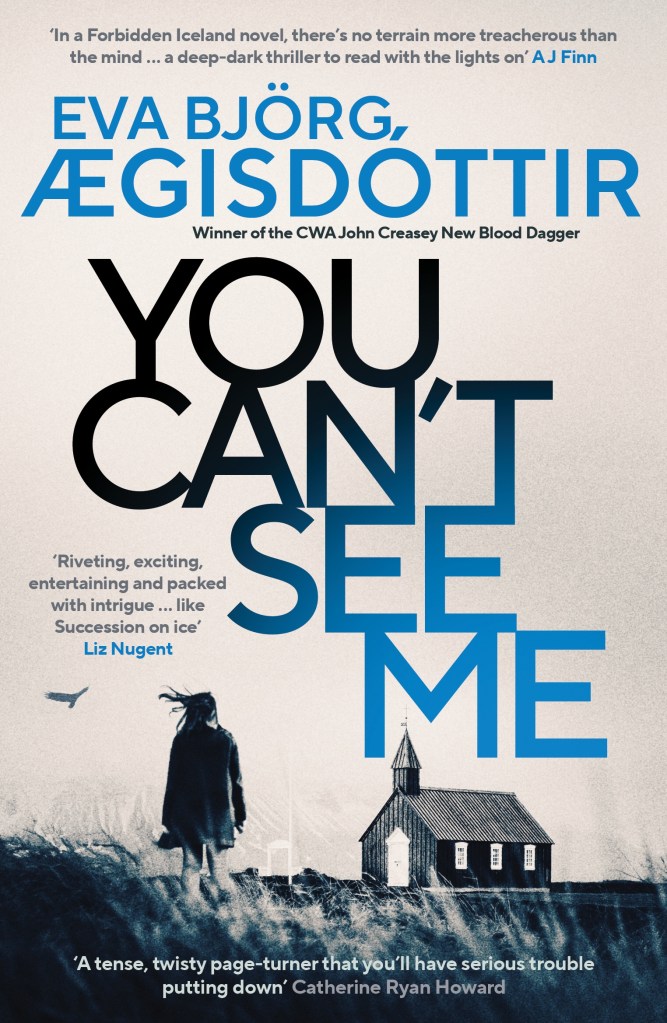
You Can’t See Me by Eva Björg Ægisdottir

Translation by Victoria Cribb.

Evil creatures here abound. We must speak in voices low. All night long I’ve heard the sound. Of breath upon the window.

Sixteenth-century verse by Þórður Magnússon á Strjúgi

The wealthy, powerful Snæberg clan has gathered for a family reunion at a futuristic hotel set amongst the dark lava flows of Iceland’s remote Snæfellsnes peninsula.

Petra Snæberg, a successful interior designer, is anxious about the event, and her troubled teenage daughter, Lea, whose social- media presence has attracted the wrong kind of followers. Ageing carpenter Tryggvi is an outsider, only tolerated because he’s the boyfriend of Petra’s aunt, but he’s struggling to avoid alcohol because he knows what happens when he drinks … Humble hotel employee, Irma, is excited to meet this rich and famous family and observe them at close quarters … perhaps too close…
As the weather deteriorates and the alcohol flows, one of the guests disappears, and it becomes clear that there is a prowler lurking in the dark.
But is the real danger inside … within the family itself?

I LOVED the first two books in the Forbidden Iceland series, featuring detective Elma, recently returned to her home town of Akranes after several years working in Reykjavik. This story is a prequel and we meet her eventual partner Sæver as he looks into some very strange events surrounding a family reunion. This is not your average family though and I don’t think I’ve ever wanted to be at a party less! My sympathies were largely with hotel employee Irma who views the Snæberg family as if they are a totally different species. In a way they are, set apart by their successes and their wealth from the everyday hotel employee. So wealthy in fact that they’ve hired this entire luxury hotel for the weekend, with a full itinerary of activities and boozy dinners at night. It isn’t long before tensions and differences come to light: judgements and opinions on each other’s partners; family members who’ve lost touch and resent each other; teenagers who’d rather be elsewhere; parents who can’t connect with their children. All cooped up together for a whole weekend. As the author moved our point of view from one character to another we realise this family has so many secrets.

The setting is isolated and bleak. No amount of candlelight could ever convince me that concrete looks anything but brutally uncomfortable. However, thanks particularly to interior designer Petra Snæberg who can’t stop snapping for her Insta followers, the hotel’s phone is ringing and bookings are going through the roof. Set on a remote peninsula there is nowhere to go, except the equally bleak outdoors and with a set itinerary in place there’s no escape from each other. The atmosphere the author creates is incredible and had me veering from suspicious to unsettled to really creeped out. The uncovered windows leave guests feeling exposed, realising that if a light goes on they are lit up like a theatre stage. Not helped by the fact that an app controls heating and lighting, so easy to plunge another guest into darkness or into light by accident or just when they least expect it. We realise that certain people are watching others, but we’re not exactly sure why, whose stare is benign and whose stare means danger is lurking? Some narrators send icy cold shivers down the spine. Petra’s daughter Lea receives a message from an unknown number:

The video is dark, taken outside at night. Instinctively I bring the phone closer to my face, to see better. I turn up the volume. The sound crackles with the wind, then I hear a crunching of gravel. Footsteps. Someone is walking outside, along a gravel path. The video ends with the sound of a throat being cleared and a cough. I turn to the window, feeling the sweat break out all over my body. Isn’t there a gravel path leading to the hotel? Again I hear a rustling sound outside the door, then more knocking. Two taps, like before. Tap, tap.

Some of the scariest moments happen to Petra too. There’s a tension between her and her cousin Stefania who grew apart years ago when they were teenagers. An awkward drink with the two women and Stefania’s brother Viktor starts to open up old wounds. Petra is haunted by a misunderstanding that had tragic consequences, but does she even know the full story? Why does she find her hotel room door open when she’s been inside, showering and sleeping? Then there’s the creepy notes under the door. It’s enough to make the hair stand up on the back of your neck.

Then there’s Irma, who seems intrigued by this glamorous family who are so ‘together’. They’re Insta-perfect and seem so far outside her experience. She mocks Petra’s overuse of the word ‘sanctuary’ which is what your home is supposed to be, a place that reflects who you are. When Irma thinks of her flat it’s merely a box and her shelves are merely a place to keep stuff. It’s boring, functional and sparse – does that reflect who she is?

Mum always said I had an overactive imagination. As a child I lived in a world that no one else could see. One that was much brighter and better than the real one, like a fairy tale or story, because as I turned the pages of books I became the characters. […] But the older I got, the more difficult it became. I started comparing myself to other people. I realised that the flat Mum and I lived in probably wasn’t that tasteful, and the life we lived wasn’t actually that exciting. Perhaps it wasn’t so desirable after all to be constantly moving from place to place, constantly changing schools and spending most of my evenings alone at home.“

She imagines living like the family do, envious of the freedom to walk around the supermarket and pick up whatever they want, with no fear of their bank card being rejected. Irma’s not completely taken in by appearances though, while she scrolls she reminds herself of the gap between the selves we are on social media and the reality. She looks forward to people watching, spotting where the cracks are. Those tiny resentments. The things they keep from each other. After all, no family is perfect.

However it’s Lea who I’m most scared for because she’s just so vulnerable. Lea is a confused teenager and she is never without her phone. A lack of friends and support at home has left her so open to exploitation. She has a friend called Birger who might be staying nearby, maybe they might finally meet? Lea seems to get validation from his messages on her photos. In fact it’s that very validation and a need to be seen that convince her to do something dangerous. She realises how exposed she is too late and the signs that she’s struggling are being missed, until she walks out into the sea in all her clothes. All the ‘what ifs’ begin to race through her mind, but not once does she wonder whether Birger might not be who he claims to be. Then there’s Gulli, an older man who’s very appreciative of her posts and so easy to talk to, but the unease sets in when he too turns out to be nearby. There’s the old man she saw wandering the corridors, even though her family are the only guests. Is it her aunt Oddny’s unusual boyfriend Tryggvi, an outsider thanks to his job as a joiner and his unique dress sense? Could he be watching? Lea begins With her mum embroiled in secrets and lies of her own, will anybody notice that Lea is standing on a knife edge. Lea is being watched of course, but is that enemy looking in through the windows or are they closer? Inside the building?

The suspense builds beautifully and reaches fever pitch on the last night. Tryggvi falls drastically off the wagon on an important anniversary. Petra has made a bloodstained find in one of the bedrooms. Victor’s much younger, pregnant girlfriend has left the hotel in the night despite being unable to drive. Lea is also drinking heavily, scared about who is stalking her. While Petra has a long overdue conversation about the past, but can she trust her version of events? As a storm begins to roll in, cutting the hotel off from civilisation, horrifying truths bubble to the surface. Someone who has been waiting a long time for their moment makes their move in this complicated chess game. We don’t always see those who hide in plain sight and those we think we know could be monsters in disguise. I love this author’s ability to get inside the heads of her characters and pull the reader along with her. Here she builds a labyrinth of clues, red herrings and suspicious characters that I found absolutely impossible to resist. That’s why I was awake at 3am, with my attention split between the page in front of me and my ears attuned to even the slightest creak downstairs. After all you never know who might be watching.

Published by Orenda Books Thursday July 6th.

Meet the Author

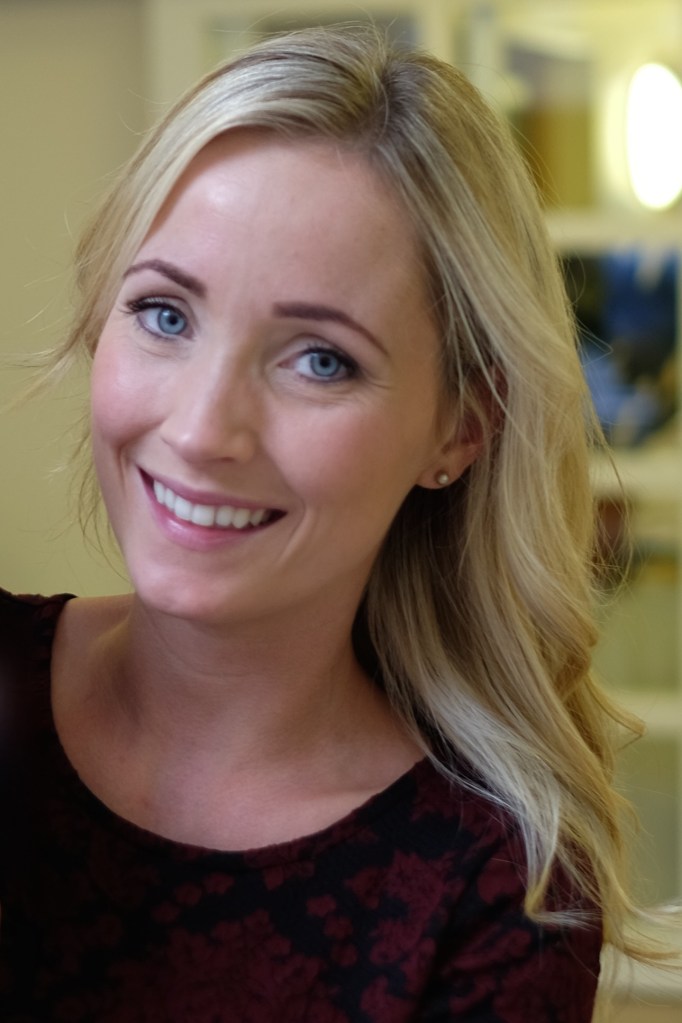
Born in Akranes in 1988, Eva Björg Ægisdóttir studied for an MSc in globalisation in Norway before no one can be trusted, as the dark secrets
returning to Iceland to write her first novel. Combining writing with work as a stewardess and caring for her children, Eva finished her debut thriller The SCnreæakboenrgthfeaSmtaiilrys,awrheicuhnwcaosvpeurbelidsh…edaind the 2018. It became a bestseller in Iceland, going on to win the Blackbird Award. Published in English by Orenda Books in 2020, it became a digital number-one betseller in three countries, was shortlisted for the Capital Crime/Amazon Publishing Awards in two categories and won the CWA John Creasey Dagger in 2021. Girls Who Lie, the second book in the Forbidden Iceland series was shortlisted for the Petrona Award and the CWA Crime in Translation Dagger, and Night Shadows followed suit. With over 200,000 copies sold in English alone, Eva has become one of Iceland’s – and crime- fiction’s – most highly regarded authors. She lives in Reyjavik with her husband and three children.

Thanks to Anne Cater at Random Things Tours and Orenda Books for having me on the blog tour, to see more reviews and giveaways follow the rest of the tour.

Posted in Random Things Tours

Our American Friend by Anna Pitoniak

A mysterious First Lady. The intrepid journalist writing her biography. And the secret that could destroy them both. Tired of covering the grating dysfunction of Washington and the increasingly outrageous antics of President Henry Caine, White House correspondent Sofie Morse quits her job and plans to leave politics behind. But when she gets a call from the office of First Lady Lara Caine, inviting her to come in for a private meeting with Lara, Sofie’s curiosity is piqued. Sofie, like the rest of the world, knows little about Lara – only that she was born in Soviet Russia, raised in Paris, and worked as a model before moving to America and marrying the notoriously brash future president. When Lara asks Sofie to write her official biography, and to finally fill in the gaps of her history, Sofie’s curiosity gets the better of her. She begins to spend more and more time in the White House, slowly developing a bond with Lara. As Lara’s story unfolds, Sofie can’t help but wonder why Lara is rehashing such sensitive information.Why tell Sofie? And why now? Suddenly, Sofie is in the middle of a game of cat and mouse that could have explosive ramifications.

I read a very odd tagline to a review for this book that likened it to Emily in Paris and the TV series Scandal – the comparison to either is inaccurate, because while this has the addictive quality of a thriller it goes much deeper and is clearly well-researched. The blurb immediately took me to Donald Trump and his rather enigmatic First Lady, Melania. A very different First Lady from her predecessor Michelle Obama, she certainly didn’t fit the usual mould and curiosity about their relationship and her past is certainly perfect material for a good thriller. I’m not the first to wonder whether they met at the notorious parties in NYC where very young models were supplied to meet wealthy and powerful men. The potted biography of our character Lara Caine certainly seemed to echo Melania’s journey towards becoming the President’s wife, so this hooked me straight away.

The author sets her characters within the current political climate, the era of fake news, conspiracy and what seems like a complete lack of accountability. I’m not alone in wondering who to believe any more and constantly searching for the truth beneath the headlines. The author certainly conjures up this complicated present and what it’s like to be a journalist within this maze of misinformation, but she also weaves in the fascinating Cold War era, a time absolutely ripe with complicated plots and conspiracies. It’s a clever combination, because when we think back to America and the Cold War we think of the containment of Russia, the Berlin Wall, the arms and space race between the US and USSR, and the Cuban Missile Crisis. At this time even a hint of collaboration between East and West rising to the surface, was investigated robustly and punishments were harsh. McCarthyism was the epitome of the type of paranoia on display as actors and other people working in Hollywood were interrogated and their movements restricted if any socialist or communist sympathies were found. In this country the Profumo affair brought to light a sexual scandal where our Secretary of State for war was having an extra-marital affair with 19 year old model Christine Keeler, who was also sleeping with a Russian naval attaché. Again the root of the problem was secret parties held by osteopath Stephen Ward, where he introduced young models that he knew to powerful men in politics and possibly in the Royal Family too, as portrayed in the series The Crown. This book contrasts these two moments in history as we travel back and forth in time to uncover Lara’s story. It seems that where there were once barriers, there are now complex financial and political relationships between old enemies. Russian financing seems to be behind many Western political campaigns including our own Brexit referendum. Is this simply business or have our old enemies found a more creative way to destabilise the West? I find these complicated collaborations fascinating, so this was fertile ground for a very enjoyable novel as we moved through Paris, Moscow, Washington and New York.

Anna Pitoniak uses the character and background of Lara to explore these contrasting time periods in politics. She could have been a cipher, but she’s more than that and is definitely intriguing from the start. Why would the First Lady approach a journalist who is retiring from politics and whose own political leanings are at odds with the President? Why is she choosing to share her life now, especially when there are so many secrets and who is her reader? Is she perhaps getting ahead of a narrative she knows will come out anyway, creating a chance to influence the story and perhaps gain sympathy from the reader. Sofie has to wonder whether she’s been chosen because the First Lady has had a change in outlook or because her choice of a liberal journalist will influence readers into thinking the book is a fair account, more balanced than if she’d chosen a right wing author. All of these questions were running through my head while reading, as if there aren’t enough on the page. I was full of suspicion, but Lara seems open and welcoming, giving Sofie access to her life. Slowly a relationship builds between these two very different women, potentially a friendship. There is trust but does it really work both ways? Lara gives Sofie previously hidden stories from her childhood and adolescence with access to close family members as a back up. Yet I understand Sofie’s confusion, as she starts to like this woman but remains opposed to everything about Lara’s husband – his politics, morality and the way he’s conducted himself in office. So when Lara discloses a huge secret, something serious enough to upset not just her family but global politics too, she may as well have handed Sofie a ticking time bomb. It’s a journalist’s dream to have such a scoop, but there’s a certain amount of trepidation too. This is a slow burn of a novel, but it is engaging and once you’re hooked you’ll want to see what happens. There are some twist and turns to keep the reader entertained, but the author always keeps it intelligent and historically factual underneath, especially in the Cold War sections. While I didn’t form an attachment to either character I did enjoy the story, showing how the things most important to us like love and family become threatened when pulled into the world of espionage. There are also themes of complicity and the lack of integrity rife in modern-day politics, so current as we go through scandals such as Partygate and see the daily revelations from the COVID Enquiry. I also enjoyed reading a political thriller with two women as the focus, something often lacking in this genre. This is my first novel by this author and I look forward to reading others.

Released by No Exit Press in the UK on 29 June 2023.

Meet the Author

Anna Pitoniak is the author of The Futures, Necessary People, Our American Friend, and the forthcoming The Helsinki Affair. She graduated from Yale, where she majored in English and was an editor at the Yale Daily News. She worked for many years in book publishing, most recently as a Senior Editor at Random House. Anna grew up in Whistler, British Columbia, and now lives in East Hampton and New York City.

Posted in Random Things Tours

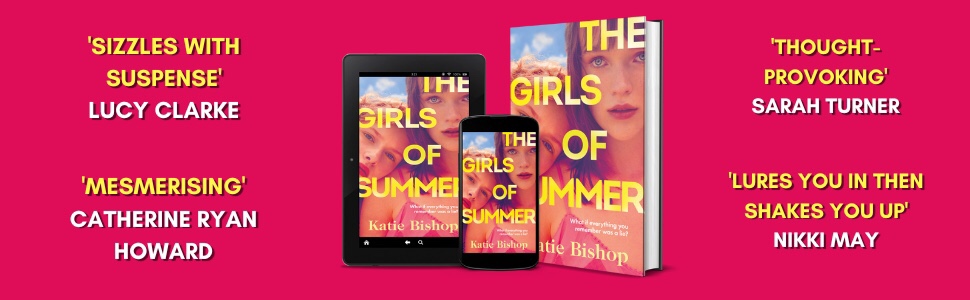
The Girls of Summer by Katie Bishop

Rachel has loved Alistair since she was seventeen.

Even though she hasn’t seen him for sixteen years and she’s now married to someone else.

Even though she was a teenager when they met.

Even though he is almost twenty years older than her.

Now in her thirties, Rachel has never been able to forget their golden summer together on a remote, sun-trapped Greek island. But as dark and deeply suppressed memories rise to the surface, Rachel begins to understand that Alistair – and the enigmatic, wealthy man he worked for – controlled much more than she ever realized.

Rachel has never once considered herself a victim – until now.

I devote a lot of my time to reading, but there are times when a book makes me drop everything. I carry it in my bag to read while waiting for appointments. It takes precedence over Netflix and all the other streaming channels that lure us into watching the screen every evening. I spent my whole morning in pyjamas reading, because I needed to finish this novel in one greedy gulp. I was completely transfixed by this story of a young girl taking a holiday to Greece that completely changes her life. Rachel is a naïve seventeen years old when she sets out to the island for a holiday with her friend Caroline. She sells it to her worried parents as being no different to a gap year, just a year earlier than normal. Once on the island they meet a group of girls who work in a local bar, belonging to entrepreneur Harry Taylor. When Rachel meets his right hand man Alistair she feels an immediate attraction but does he feel the same way? Surely she isn’t going to capture the attention of a handsome and sophisticated older man. She does notice him looking at her and it sends a shiver through her. Rachel has never thought of herself as beautiful, especially next to the other girls here, but as Alistair singles her out for attention she feels special. They have a connection, so strong that she makes a huge decision. She isn’t going to return to England with Caroline at the end of the holiday. She is going to work in the bar alongside the girls she’s made friends with and share their rather chaotic house nearby. Why would she return to her parent’s suffocatingly ordinary semi and her A’Levels when she can be on this golden island with Alistair and frequent the glamorous parties held by his mysterious boss at his enormous villa in the hills?

The structure of the book is interesting, because usually in time slip novels we have a protagonist in the here and now trying to solve a mystery interspersed with glimpses into the past that make sense of the present. Here the author turns that on it’s head. Rachel, now in her thirties and married to Tom, knows what happened in the past. She holds her relationship with Alistair up on a pedestal, their love was special and those months with him on a beautiful Greek island have been her benchmark of how love should be. It’s a revisit to the island with Tom and bumping into Helena that starts to unravel the rather idealised past she’s been narrating to us. The present actually deconstructs her past. As each new revelation washes over Rachel in the present it takes us into a past that’s changed a little, becoming murkier and more sinister. Rachel is still friends with Jules, a friend she made on the island who was separate to the bar. In fact it’s Jules who gives seventeen year old Rachel a warning, the locals think there’s something ‘off’ about the bar and perhaps it would be best to stay away. In the present Jules and her husband have Rachel and Tom over for dinner. They’re chatting about having a family, but Rachel and Tom have been trying for around a year without success. Tom mentions that they’ve talked about seeing a doctor to have a few things checked out when Rachel responds angrily that he wants to see a doctor, she hasn’t agreed to anything. Her harsh responses change the night and seem out of character. She’s told us about how easy it was to fall in love with Tom and how they’d taken steps to move in together almost without realising it, when she’d stayed for a few days while some work was being done on her flat. Of course by now we know that Rachel has Alistair’s number and has made plans to see him again. Could that have made her less invested in her future with Tom? Later we see that she’s stashed her contraceptive pills in a box of sanitary towels under the bathroom sink, she’s still been taking one regularly every day.

IT’S TOO HOT to be outside for long. Sweat is starting to dampen my scalp, thickening in the roots of my hair and pooling in the crevices of my collar bone. My t-shirt sticks to my spine and my arms are tinged pink, an ungainly line of skin beginning to blister along the top of my thigh in the almost unseasonable blaze of sun. I curl my toes into the damp sand and feel the sharpness of a small shell against the sole of my foot.

Our setting so powerful, that beautiful sun soaked island with the sound of boats rocking rhythmically in the harbour and that incredible opening line that took me straight back to standing in the sea and feeling that sharp edge of a sea shell. She captures that push and pull between the tourists and the locals who, even thought they’re in exactly the same place, see it completely differently – rather like Rachel and the other girls. I could see the slightly scruffy house they all share and the chaos and fun of getting ready together, sharing clothes and cheap bottles of wine. Harry’s house in the hills is another contrast, sleek and modernist with contemporary art on the walls. Even the sea looks different from high in the hills, appearing flat and smooth like a lake on the surface, but with dangerous riptides underneath. The present sections mainly take place in London and the author shows us the city as visitors probably don’t see it. She describes a rather special Sunday evening feel to the tube when it’s almost empty and strangely quiet, as if having a rest before the Monday morning commuter rush. She describes sudden rain showers and people having to improvise and use their handbag to shield their hair from the downpour. Rachel loves living in the capital, compared to her parent’s suburban family home. There’s an energy and unpredictability to it’s rhythms, a sense that there are so many options, anything could happen. Whereas home has a particular tameness and routine that Rachel finds stifling. Could Rachel’s decision to stay on the island and even her attraction to Alistair have something to do with the way she views her mum and dad’s life? We see Rachel fighting something similar in her marriage, the ordinariness igniting that constant yearning for something more, something others can’t see:

She was ‘hoping this trip would reignite some of the heat that has been missing from my marriage. Instead, I look across at my husband and feel faintly repulsed. His underarms are damp and staining the shirt he put on especially for our last night here. He’s staring out at the sea, but I know he isn’t seeing it the way I do. To him it could be anything. Any view, anywhere. To me the swell of the tide speaks of secrets, the salty air smelling irrevocably of promise.’

It’s very easy to understand the teenage Rachel. I fell in love at seventeen and had my heart broken. For years I idealised that relationship, using it as a benchmark for subsequent relationships that in hindsight had much more potential. She is so naïve that she can’t see what’s happening and how much she is being controlled. It’s almost apt that the book should come out in the light of the Phillip Schofield scandal, because it struck me how the responses to what happened are very different to the responses we might have had when I was seventeen in the early 1990s. Our gradual understanding of coercive control, grooming and power imbalances in relationships have coloured the way we view all relationships completely. An affair with a much older man probably wouldn’t have raised much of an eyebrow then, it’s only with hindsight that it becomes worrying. It’s only once the affair is viewed through the prism of our later experiences, such as having our own daughters, that our perspective changes. The #MeToo movement has changed how we see things. When I watched the film Bombshell I talked with friends I’ve had since I was a teenager and as the author writes in her afterword, we’ve all had experiences: of being groped without consent while waitressing or working behind a bar; having a boss who was a bit ‘handsy’ or made inappropriate comments; being touched an a crowded dance floor at a club. One of the most disturbing stories I have ever heard was from a woman who had known ‘wrestling’ between boys and girls in the school playground turn into sexual assault. I love that my stepdaughters are so much better informed than I was and are very conscientious about keeping each other safe when out with friends, although it frustrates me that they have to be so vigilant just to go out on a Friday night.

The Girls of Summer was born out of this strange and sometimes conflicting intersection between nostalgia and trauma, memories and the truth, power and sexuality. It explores the grey areas of consent, deepening a debate that has shifted and broadened since the #MeToo hashtag first took social media by storm. It interrogates what it means when we are forced to reframe a narrative that is so central to who we are that we aren’t sure who to be when that narrative turns out to be false. Is it better to face up to this truth, and all of the pain that comes with it, or to keep it hidden in the dark?

The Girls of Summer, Afterword

Watching the teenage Rachel walk into danger is upsetting because this reader was ahead of the narrative and knew something was very wrong with the island set-up, particularly the extravagant parties. There was no explanation for all the male party guests and the mysterious Harry rarely appeared. On her way to a party, Rachel is excited and hopes Alistair loves her dress, she’s grateful that the girls have been invited never realising that they are the reason for the party. The gaslighting afterwards was painful to read – ‘you had fun didn’t you?’ Or ‘don’t feel bad about what happened, it’s okay, you enjoyed it.’ When they’re in the middle of that level of pressure, manipulation and controlling the narrative how would they be able to see through it and understand what’s truly going on? Even for an adult Rachel it’s hard. Her relationship with Alistair and it’s veracity is part of who she is, how she views men and relationships and determines her friendships with the very women who might understand her most. When the truth of everything is revealed, the horror of the Full Moon party and further painful revelations, it’s so hard for her to absorb and accept it. I found it deeply sad that even towards the end of the book, Rachel has still held a tiny shred of hope that her version of the relationship with Alistair will prove to be the love story she wanted.

When the truth is so deeply painful and damaging, isn’t it understandable that she would want to sugar coat things a little? To push away the truth and not have to confront what happened to you. To not feel like a victim. I could truly understand the women coming together to confront the past and I found myself thinking about how powerful men frame the narrative. They talk about a cabal or coven of women coming together to destroy them. Women who have been taking drink or drugs and having an encounter they bitterly regret in the morning. I can only imagine what effect it must have on the individual, to hear comments like Prince Andrew’s ‘I have absolutely no memory of ever meeting that woman’. For Rachel, who lost absolutely everything that summer, the denial of her experience actually brings the first chink of light into her situation. I felt hopeful that with the help of this group of women, friends like Jules and an acceptance of the truth she could start to rebuild. The fact that I’m talking about Rachel like this, as a real person, is testament to the brilliant writing of Katie Bishop. She has created a real, flesh and blood woman in Rachel and I found myself almost wishing I could see her as a client, I so wanted a recovery for her. This is a powerful story, that may trigger some people who’ve had similar experiences, but it’s important for stories like this to be told. I could really see this as a television series, with some reviewers seeing a similarity with The White Lotus – a beautiful setting, a luxury resort and the dark truths lurking underneath all that perfection. I loved the ending though, a return to that beautiful place but with the ability to see the reality instead of a fantasy. I wanted her visit to the island to be different to the one she had with Tom at the beginning of the book. To accept that she will never feel the excitement and promise she felt all those years ago, but that she will experience new feelings that are every bit as worthwhile.

I had thought I could recapture something of how I felt all those years ago by coming back here, but it has only served to remind me how slippery and impossible it is to summon the past. Perhaps this is simply the nature of growing up. Of growing older. Perhaps I will never feel the same again.

Meet The Author

Katie Bishop is a writer and journalist based in the UK. She grew up in the Midlands before moving to Oxford to work in publishing in her early twenties. Whilst working as an assistant editor she started writing articles in her spare time, going on to be published in the New York Times, Guardian, Independent and Vogue.

Katie started writing The Girls of Summer during the first UK COVID lockdown, after becoming increasingly interested in stories emerging from the #MeToo movement. The novel is inspired by her own experiences of backpacking, and by her interest in how our personal narratives can be reshaped and understood in light of cultural and social changes.

In 2020, Katie moved back to the Midlands, and now lives in Birmingham with her partner. She is a full-time writer.

Posted in Netgalley

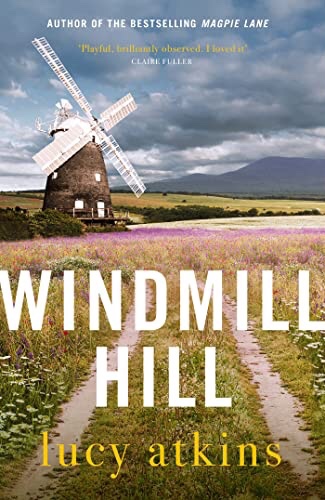
Windmill Hill by Lucy Atkins

One night in a remote hunting lodge with a Hollywood director causes an international scandal that wrecks Astrid’s glittering stage career, and her marriage. Her ex-husband, the charismatic Scottish actor Magnus Fellowes, goes on to find global fame, while Astrid retreats to a disintegrating Sussex windmill.

Now 82, she lives there still, with a troupe of dachshunds and her long-suffering friend, Mrs Baker, who came to clean twenty years ago and never left. But the past is catching up with them. There has been an ‘Awful Incident’ at the windmill; the women are in shock. Then Astrid hears that Magnus, now on his death bed, is writing a tell-all memoir. Outraged, she sets off for Scotland, determined to stop him.

Windmill Hill is the story of two very different women, both with painful pasts, and their eccentric friendship – deep, enduring, and loyal to the last.

I’m a big fan of Lucy Atkins and I love the multi-faceted female characters she creates and Windmill Hill is no exception. Astrid is in her eighties and shares her rather unique home with her friend Mrs Baker and several dachshund’s named after brands of gin. They live in a cottage attached to a windmill which has a quite a history but is now derelict and badly in need of renovation. We find the women in the aftermath of a terrible incident, something that is referred to but not explicit. A young writer is on her way to talk to Astrid about her ex-husband’s memoir. Nina has been hired by Magnus’s son Dessie and it’s Dessie who is shaping his father’s story and perhaps censoring the less palatable aspects of his life. Nina’s visit is about a party that took place in an old Tudor Lodge, where one thing happened between Magnus, the director Rohls and an aspiring young actress called Sally. Astrid was present and was blamed by the tabloids for the whole thing, it ruined her reputation, her career and her marriage. Dessie wants Nina to stick to the ‘official’ story, but Nina knows it’s not the truth and would like to hear it from Astrid. There’s also the fact that Magnus is dying and he would like to see Astrid one final time. Will she travel all the way to Scotland to confront him?

The more recent ‘incident’ that took place only a few months ago is only hinted at and involves Mrs Baker. She has always been mysterious, coming to the cottage as a cleaner, with no family or friends to speak of, then staying. I was immediately intrigued by her past, what was she escaping from? There are hints of a man called Alan, possibly a violent ex and I wondered whether her past had finally caught up with her. We’re seeing this through Astrid’s eyes and having it all replayed through Astrid’s memory. It didn’t take long for me to wonder whether Astrid’s memory was reliable. There’s an opacity to her recollection and the information comes in fits and starts. At one point I wondered if we were delving into magic realism, because she almost seems to slip back into the past like a time traveller. I think it was the intensity of the memories that drew her back. Some of these memories she avoided for a long time, popping them in a lockable box and tucking them to the back of her mind. So, once she did open the box it was like reliving the memory all over again. By dropping these little nuggets of information, the author kept me reading and wanting to know more too. However, Astrid also learns what can happen when these locked memories are addressed and let into the open. Lucy has a brilliant grasp of psychology and complicated relationship dynamics. We often see our ‘self’ as the constant, never changing core of us, but Lucy has been so clever here by showing us how fragmented, fleeting and changeable the self can be. There are maybe some core traits, but our sense as self can be eroded, altered by experience and through these women she shows that life has seasons.

The women’s relationship is the real strength of this novel and I loved that these two women lived together and are each other’s significant person. They’re not in a sexual relationship, but they are each other’s support, strength and companionship. These qualities are seriously underrated and when I look back in my own life it’s women who have kept me standing and helped me survive some of life’s hardest experiences. Some of the happiest times in my life have also been with my women friends. There’s also the fact that both women are survivors and that has created a strong bond between them. What better way to live your later years than with your best friend? Soul mates don’t have to be lovers. Men don’t come across well in this novel, although age and perspective have mellowed some of them and allowed them to be vulnerable and honest. Nina is a lovely character who I really warmed to soon after her arrival. The fact that she’s giving Astrid a right to reply speaks well of her, because she could have taken the money and written the book Dessie wanted. She’s more honest than that and is risking her contract by travelling to the windmill and asking awkward questions. She’s also open to friendship with these eccentric older women and their various dogs in wooly jumpers. A lot of people overlook friendship with people older than them, but they can be the richest relationships and I’ve learned so much from friendships with older men and women. Nina also wants to help the women with the windmill, a character in it’s own right. Through letters that Astrid finds in the windmill she’s let into the world of Lady Constance Battiscombe who owned the windmill in the 1920’s. I loved her antics and how they scandalised the village. It felt like the windmill also had a life of many seasons from the terrible story of the little girl killed by one of the sails, to Lady Constance’s bohemian scandals. Now, with the help of Nina, the windmill will shelter Mrs Baker, Astrid, the dogs and Tony Blair the taxidermy stoat, but will last beyond them too into another season. Full of wit, warmth and fabulous characters this is a great addition to Lucy’s body of work.

Meet the Author

Lucy Atkins is an award-winning British author and journalist. Her latest novel, MAGPIE LANE, was picked as a ‘best book of 2020’ by BBC Radio 4’s Open Book, the GUARDIAN, the TELEGRAPH and GOOD HOUSEKEEPING MAGAZINE. Her other novels are: THE NIGHT VISITOR (which has been optioned for TV), THE MISSING ONE and THE OTHER CHILD. Lucy is book critic for The Sunday Times and has written for publications including the Guardian, the Telegraph, the Times, and many magazines. She teaches on the creative writing Masters degree at the University of Oxford. 

She has written several non-fiction books including the Amazon #1 parenting guide, FIRST TIME PARENT (Collins). 

For news, events and offers see http://www.lucyatkins.com

Follow Lucy on Twitter @lucyatkins Instagram @lucyatkinswriter

Posted in Orenda, Random Things Tours

Thirty Days of Darkness by Jenny Lund Madsen

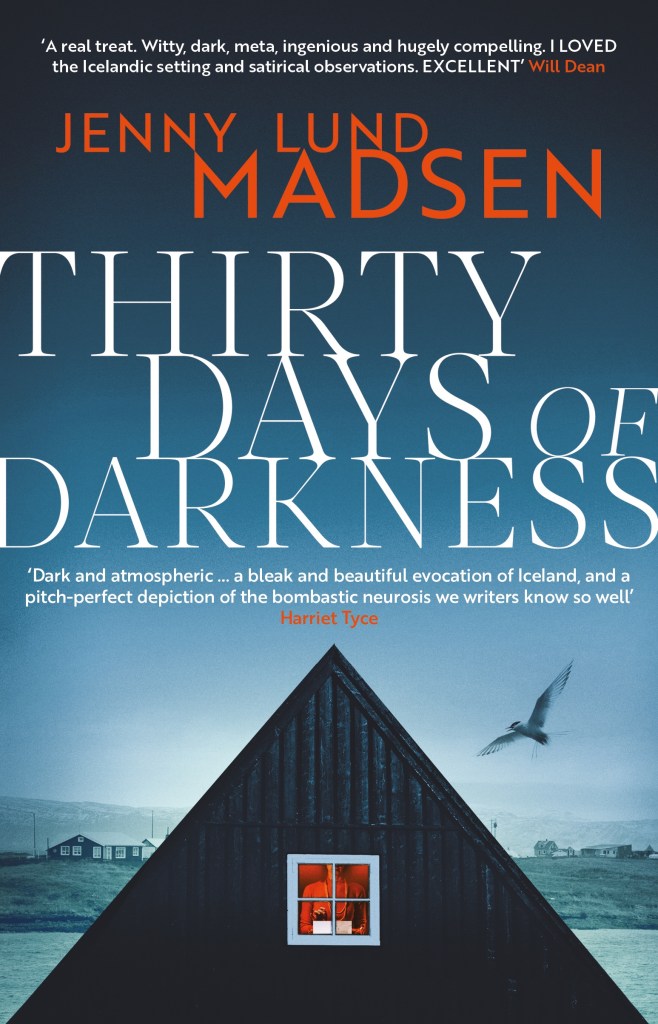
The first thing I loved about this book was that stunning cover. I hadn’t fully taken it in when I received the book, but once I’d found my reading glasses I couldn’t stop looking at it. That tiny lit up window, a little orange glow of creativity in the darkness really fired up my imagination. I’d love Orenda to create some book posters to accompany their author’s work. The blurb drew me in with it’s conflict between genre authors and their supposedly high brow literary fiction colleagues. Hannah writes literary fiction and is dismayed at a book festival to see the crowds attending a Q and A with Jørn Jenson, the darling of Scandi Noir, who churns out a formulaic book every year. Yet he’s filling a tent with fans and she’s in a lonely booth waiting for someone to drop by. I loved that she launched a book at his head! In the ensuing row, Jensen goads Hannah into saying she could write a crime novel in a month. Her agent uses the incident as a great marketing strategy and pours fuel on the fire, talking to the press about the wager and even putting Hannah on a plane to Iceland as a writing retreat. There she will live with a lady called Ella and hopefully, within thirty days, complete a commercial success. Yet within days of Hannah’s arrival there’s a real life crime, as Ella’s nephew Thor is found drowned in the waters of the harbour. Can Hannah use the case to write her crime masterpiece? As she starts to ask questions about this small town community will she find inspiration, or will she be in more danger than she ever imagined?

Hannah is an interesting heroine in that she isn’t all that likeable at first. She’s prickly, arrogant and a definite book snob.

“Hannah Krause-Bendix has never received a bad review. Not once has anyone had a negative thing to say in any of the reviews of her four novels. A literary superstar, twice nominated for the Nordic Council Literature Prize. Didn’t win, but that doesn’t matter; anyway, she doesn’t believe the mark of good literature is how many awards it’s won. She’s actually refused the numerous other prizes she’s won over the years. No – Hannah sees herself as a forty-five year old living embodiment of integrity and will always maintain that it is beneath her to seek commercial success.”

I was starting to feel sorry for her editor and publisher. Her disgust for the current literary scene is obvious. She hates festivals and signings, prizes, social media and is dismissive of bloggers (how dare she – *swoon*). As she picks up Jensen’s latest book as if it is ‘a pair of homeless man’s lost pants’ she notes that most of the reviews are from obscure bloggers she’s never heard of. She’s no better as she arrives in Iceland, annoyed that her new landlady is late, that her jeep looks and sounds like it’s five miles off it’s new home at the scrap yard, plus she drives with her steamed up glasses so close to the windscreen that Hannah wonders whether she can drive, or even see. Then she makes the terrible faux pas of calling her friend and publisher Bastian to get her a flight back to Copenhagen, assuming Ella can’t understand her. Of course she can. I was cringing about her behaviour. Yet I didn’t dislike her. Despite these failings, plus the alcoholism, infidelity, snooping and complete conviction she’s in the right, there’s something rather freeing about her impulsiveness. We all have those thoughts, those imps of the perverse, that pop into our mind and encourage us to poke that person who’s bending over to reach a low shelf in the supermarket. We don’t do it of course, but Hannah does. In the course of the novel she randomly feels a homeless man’s head, buys the town teenagers alcohol, starts an affair with someone she’s barely met and as we know, tries to hit a man in the head with a book. She seems disconnected from others in the sense that we don’t know her family, she has few obligations and she thinks nothing of asking very personal questions in entirely inappropriate circumstances. I sort of loved that.

There is definitely a blackly comic element to this story and a satirical eye for both the book world and crime fiction in general. There’s a meta element to the story too, as Hannah makes observations and discoveries about crime fiction that then seem to bleed into the actual case. She observes that her investigations are suggesting the case is actually quite simple to solve, Jørn, who has followed her to Iceland, advises that in crime fiction the killer is never the most obvious suspect. Subsequently, her enquiries move from the her current suspect and start to take a darker turn, towards the last people she’s suspected. Jørn tells her:

“ a good crime novel has three crucial components. One: a spectacular and violent opening, preferably a murder. Two: false leads and false suspects. […] Point three is surprises.’

He also rather amusingly points out that the protagonist shouldn’t be likeable, because no one enjoys a likeable protagonist in crime. In fact during a violent clash with her first, rather boringly obvious suspect, she even doubts her own credentials as a protagonist. As she fights for her life, she berates herself for her stupid plan of luring him to a window, because she’s now in front of an open window with a possible murderer.

Of course, he isn’t the murderer after all. In the end the crime is complex and rather like the book of Icelandic sagas that Ella gives her to read. The roots of this murder lie way in the past with the last people Hannah suspected. In fact in the echo of the saga, someone takes something that is highly prized and didn’t belong to them, setting in motion years of secrets, lies and denial. Yes, there’s a lot of the clever stuff going on that us ‘weirdo’ readers like, as one teenager describes Hannah’s fan base, but there’s also a solid thriller as well. It’s a bleak and claustrophobic atmosphere as soon as Hannah reaches the island where she knows no one and feels alien. The remoteness of the town and it’s isolation when the bad weather comes just add to that sense of being completely alone. This is not a place to be injured or to be a victim of crime; there is only one police officer in town, with back up over an hour away on a good day. Jørn may preen and prance around like the archetypal action hero, but he is surprisingly very useful to have around in a sticky situation and despite his woeful writing, is possibly a good friend to have, especially where he’s the only familiar and friendly face. Alongside Hannah I suspected three or four different people and the author kept me guessing, just leaving tiny clues along the way. At first there was a little bit of scepticism -I remember watching Murder She Wrote with my parents when I was younger and my dad wondering why nobody told Jessica Fletcher to ‘bugger off and mind her own business’. However, once the action started to heat up I forgot that Hannah had no business interrogating suspects and just kept reading. She’s no Jessica and this is definitely not cozy crime. It’s dark, disorientating and scary as hell, but you’ll not be able to put it down. This is an incredible debut and I’d love to see where Hannah ends up next. Now back to that cover – I think it would make a lovely tote bag ……

Meet The Author

Jenny Lund Madsen is one of Denmark’s most acclaimed scriptwriters (including the international hits Rita and Follow the Money) and is known as an advocate for better representation for sexual and ethnic minorities in Danish TV and film. She recently made her debut as a playwright with the critically acclaimed Audition (Aarhus Teater) and her debut literary thriller, Thirty Days of Darkness, first in an addictive new series, won the Harald Mogensen Prize for Best Danish Crime Novel of the year and was shortlisted for the coveted Glass Key Award. She lives in Denmark with her young family.

Posted in Netgalley

Death of a Bookseller by Alice Slater

From listening to blogger’s conversations over the last couple of weeks I’ve learned a lot about reactions to this book and it seems to have completely divided readers. Maybe all bookworms can be divided into Lauras and Roaches – I certainly found a few clues about which on I was, so that made me smile at my own ridiculousness!

“I knew she was a bookseller as soon as I saw her. She wore a green beret, the colour of fresh pine needles, and a camel raincoat like a private detective in a film noir. Over one shoulder, the grubby straps of a shabby tote bag. It was decorated with a quote in a typewriter font, and although I couldn’t quite read it, I knew what it would say: Though she be but little, she is fierce, or Curiouser and curiouser, or Beware for I am fearless and therefore powerful.”

Brogan Roach works at a small London branch of Spines – the ubiquitous high street bookshop. She pretty much runs her own workday, keeping a close eye on her precious true crime section and sneakily reserving books, but secreting them in the staff room to read later. Things are about to change though, when a new team move in to pick up sales and improve the store. They’re like bookshop troubleshooters. Sharona is the manager and her team Laura and Eli are very experienced booksellers, eager to help the public and make sure the pyramid displays are perfect. Laura Bunting is just one of those people born to work with the public. She has an easy manner, quick to smile and engage customers in conversation, magically able to sell the book of the month. People warm to her immediately, but she hasn’t warmed to Roach.

“Laura Bunting. Her name was garden parties, and Wimbledon, and royal weddings. It was chintzy tea rooms, Blitz spirit, and bric-a-brac for sale in bright church halls. It was coconut shies and bake sales and guess-the-weight-of-the-fucking-cake.”

Laura and Roach are incredibly different characters anyway, but the rot sets in on a poetry evening. All the staff go, but Laura is performing. Her poetry takes the killer out of the murder narrative. She performs found poetry created from serial killer narratives, but telling the story of the women instead. Roach seems to miss the point though and as Laura comes off stage she greets her with excitement as if she’s a fellow true crime enthusiast. She wants to engage Laura in a debate over whether adding the violence she’s omitted might make the poems more exciting, or appeal to a larger audience. This would be fine if they were both enthusiasts, but they’re really not. For Laura, this is personal. Years before, Laura’s mother was the victim of Leo Steele, a prolific strangler. Laura hates true crime because it always tells the killer’s story. The whole point of her poetry is to right that wrong so she becomes furious when Roach misses the point. Other than that the pair just don’t click, not everyone does. Laura is the type of bookworm I know and love – she has the tote bag with the literary quote and all the book paraphernalia that signals to others she’s a bookworm. Roach sneers at this, she loves her genre but she seems to be reading exactly the same book throughout. It’s unforgivable when Roach re-inserts the violence and torture into Laura’s poetry, especially when it ends up published online. She has no concept of how much pain this will cause Laura, both personally and professionally. Laura’s full of memories of her mum that have nothing to do with her death or her killer and she thinks of her every time she walks to work.

“I think about the rhythm of my feet on the cracked path and about Patti Smith in New York, and of Joan Didion in Sacramento, and how each footstep is another connection between me and my neighbourhood, the streets on which I learned to ride a bike, where I walked hand in hand with my mother, and that despite all the pain, and the loss, and the grief, I’m tethered to Walthamstow because she still exists in the fabric of it, a ghost imprinted on every familiar sight. She knew these streets, these trees, these bricks, these bollards. These paving stones remember the bounce of her running shoes. I still can’t quite bring myself to walk past her old shop, even though it’s changed.”

Laura takes opportunities to dig at Roach and the genre she holds dear, but on Roach’s end there are sinister acts of sabotage. I found them disturbing, targeting Laura’s very sense of self. Both women are vulnerable in their own way with binge drinking and destructive sexual encounters shown as symptoms of low self-esteem. Laura’s encounters with Eli are particularly painful and indicative of relationships we settle for when we’re young and unsure of ourselves. Roach seems to have the confidence to embrace who she is, but is constructing her entire identity around her true crime fandom. There’s clearly either a jealousy or deep obsession where Laura is concerned. Is it Laura’s charm, her easy way with customers, her talent? Or is this much darker, an obsession with Laura’s proximity to a real life true crime story? Instead of seeing Laura’s work as an inspiration and a starting point for her own creative path, she decides to steal it. She even reasons that it isn’t theft, because many writers use other works in their own process. I was gripped, waiting to see if this would go further. I was unsure whether Roach even had her own identity, an idea of her authentic self, or whether this was another aspect of Laura she was willing to steal.

The book is fast paced and so addictive I read it in two short bursts over a Friday night and into Saturday morning. I was bleary eyed, but had to know. The title alludes to a death and I needed to know who would die and whether it was murder. Ironically, I found myself intrigued by the potential killers, just like any true crime fan. I loved the author’s sarcastic jibes about the book world and couldn’t help but laugh, even when I recognised myself. I thought she captured the loneliness of living and working in London as a young woman, especially in a relatively low paid job and the poor housing they find affordable. Locked in a solitary, damp flat with only books for company is a breeding ground for mental health issues, with heavy drinking used to self-medicate. It was tense towards an ending that could only be devastating for someone, but who? This was a brilliant debut thriller, that kept me rapt throughout.

Posted in Netgalley

The Company by J.M. Varese

I once began a masters in Victorian Studies and did a lot of work around literature, art and visual culture. Through it I developed a lifelong love of the Pre-Raphaelites and the design of the Arts and Crafts period, so the scandal of Victorian wallpaper poisonings was something I’d researched and written about before. I was very keen to see how the author had used this moment in history to inspire a Gothic story and I was utterly seduced by that divine green cover. As the 19th century progressed, more intricate and vibrant wallpapers were the fashion, in much the shame way that they’re having a moment now. In the early part of the century a rich, vibrant green named Scheele’s Green had pemerged. The colour was so incredibly popular that by the 1850’s it was being used in the production of household items from wallpapers, paints, and candles, to clothes and children’s toys. A vibrant green called Schiele’s Green emerged in the 1850’s, but was manufactured using large amounts of copper arsenite. Arsenic had a completely unique property that enhanced colour pigments and stopped them from fading, perfect for items like wallpaper that would be affected by sunlight over time. Manufacturers knew that arsenic was toxic, but chose to promote the line that it was only harmful if ingested – a dangerous lie that lasted decades. As wallpaper became ever more popular, reports began of people suffering slow and agonising deaths. Damp homes amplified the problem because of toxic fumes released by moisture on the walls. Rooms with large fires created the same problem meaning that many Victorian homes were veritable death traps. Alison Matthews David, who wrote about the problem in ‘Fashion Victims: The Dangers Of Dress Past And Present’, explains that “arsenic didn’t fade and looked bright under lights. It was stunning and became hugely popular in clothes. A ball gown would contain enough arsenic to kill 200 people and a hair wreath 50. The amounts used were lethal.’ This background knowledge had me champing at the bit for some horrifying deaths and characters terrified by intricate, poisonous wallpaper.

Examples of Victorian wallpaper patterns using Scheile’s Green

Braithwaite and Company are a Victorian wallpaper company caught up in the arsenic scandal and murky work practices at their copper mines in Devon, where the family are from. When our heroine Lucy Braithwaite, along with her brothers Tom and John were young and living at the family’s country home there was an accident in the copper mine. There were small children from the village sent into the most remote and claustrophobic points of the mine, because only they could fit. They were all killed. Mr Braithwaite died soon after and the family chose to move to their London home, nearer to the company’s offices. The company ran under the management of long running manager Mr Luckhurst, who had worked closely with Mr Braithwaite for many years. Mrs Braithwaite concentrated on the home front, filling their home with the latest wallpaper patterns from the company. Apart from Being I love oLucy who chose to have her room painted in the palest blush pink to be a calm and quiet space in contrast to the rest of the house. Yet the family’s luck was still on a downward turn after the death of Tom, who seemingly declined while being tortured by terrible hallucinations. Were these visions from within or without?

Their luck seems set to change completely when Lucy is a young woman and a new, young and dynamic manager takes over after the death of old retainer Mr Luckhurst. Mr Rivers is young, handsome, gallant and personable, immediately charming Lucy’s mother and brother John. John is the obvious successor to the company, but he has become frail since moving to London. Lucy decided to move his bedroom down to their father’s old study so he doesn’t have to contend with stairs. His room is a combination of workplace and bedroom, the desk enabling to go through company papers and keep abreast of matters. He and Mr Rivers hit it off immediately and it’s soon common for them to retire to John’s bedroom after dinner and talk about the company. Lucy finds it strange that despite coming from Devon and apparently working under Mr Luckhurst for years, she has never met Rivers before. However, his knowledge of the company and it’s history is entirely accurate. I found Rivers suspicious straight away and I loved how the author creates this uneasiness in the description of his expressions, his speech and the sense that he’s saying all the right things, but is he just saying what the family want to hear? His name in a Victorian novel seemed significant, because my brain went immediately to Jane Eyre and St.John Rivers. The author’s description of Rivers and his gleaming eyes reminded me of the Jane Eyre character whose own eyes betrayed his fanaticism, of a religious kind in his case. Jane didn’t accept his proposal because there was no love there, but also due to this steeliness and determination, which meant he would pursue his aims to the end. I sensed this same determination in Rivers here but his aim seemed more dangerous and liable to bring harm to the family.

I loved the tension the author heightened towards the end and as I was reading on NetGalley I didn’t expect it to stop where it did. It felt rather sudden. Rivers assures Lucy and her mother that the recipe for the wallpaper colours is not being altered and isn’t causing any harm. However, his endless industrious meetings with brother John would suggest some sort of changes were being made. Also, John’s health is in serious decline. Lucy is called to his room in the night by screams of terror, apparently he sees phantoms but are they caused by his green wallpaper and it’s writhing botanical pattern? He insists on how much Rivers means to him and I started to wonder if there was more than a working connection. Was the attachment one that was considered unnatural? I felt like Rivers was trying to romance every member of the Braithwaite family, using whatever weakness he could find. I found Lucy intelligent, perceptive and able to think differently from her mother. Mrs Braithwaite really did want someone to sweep in and look after everything for her, whereas Lucy has been actively looking for evidence, befriending the boy Rivers uses as a lookout and appealing to those in their circle that they can still trust. Is there a chink in her armour? It’s perhaps likely that Rivers expects the archetypal Victorian heroine who might swoon at a mention of romance, but I was desperately hoping he was wrong. As the reckoning approaches would she be able to remain clear headed and courageous enough to form a plan? I found the final part of the book perplexing. It was exciting and nail-biting, but still with a shroud of mystery over certain details. I came away wondering and I still find myself thinking about it three or four days later. I know sooner or later I will have to pick it up and read it again. Another novel that left me with this feeling was The Turn of the Screw by Henry James; it’s scary and unsettling but difficult to pinpoint exactly what happens. I think this author wanted to wrap the reader in those toxic fumes till we were unsure which parts are real and where the supernatural creeps in, rather like Charlotte Perkins Gilman’s The Yellow Wallpaper. It doesn’t ruin the book, in fact it enhances that sense of the uncanny that always terrifies. Mysterious, gothic and brimming with historical detail I definitely recommend it, but don’t expect a mystery where every loose end is neatly tied.

Published by Baskerville 16th March 2023

Meet the Author

Jon Michael Varese (J.M. Varese) is an American novelist and literary historian whose first novel, The Spirit Photographer (2018), was published to critical acclaim. He has also written widely on Victorian literature and culture, and has served in various capacities, most recently as Director of Outreach, for The Dickens Project at the University of California for over two decades.

Posted in Netgalley, Publisher Proof

Every Happy Family by Sarah Stovell

‘All happy families are alike; each unhappy family is unhappy in it’s own way’. Anna Karenina Leo Tolstoy

I’ve been wanting to try a Sarah Stovell novel for the last couple of years, because it’s a name that’s come up with other bloggers as someone I would enjoy. This story had me gripped to the very last page. This is the history of a family, but told like a thriller. We know that one central incident is the lynchpin of the whole story, explaining the family’s geography, personalities and dynamics with each other. Yet the incident isn’t laid bare for the reader. We must go back and forth in time, with the truth only revealed in short bursts and from different family member’s perspectives. Minnie is an academic, a professor of sociology and women’s studies and is married to Bert, another academic. Minnie is also the matriarch of the Plenderleith family: Owen, his wife Sophie and daughter Layla; Lizzie who lives in a platonic partnership with Tamsin and has a daughter, Ruby; then there’s baby Jessie and her wife Anna who have had two babies in quick succession. For the first time, Minnie will have her entire family under one roof for Christmas. This is a rare occasion because Owen lives in Australia and everyone leads very busy lives. Plus there is a tension at the centre of this family, something they never talk about, which has led to misunderstanding, distance and fear. Fear that if the incident is brought into the open and talked about, the family might implode. However, Owen hasn’t brought his wife to England and his teenage girlfriend Nora is in the village, sorting out her father’s house after his death. Could Nora be the catalyst that for an explosive Christmas?

The depth of characterisation in these family members is brilliant. I found myself understanding each family member as I read their section of the narrative. Even where their point of view clashed completely with someone else, or where they’re acting from a complete misunderstanding, I could empathise with their position. I fell in love with Lizzie, probably because I am overweight, nearing middle age and have an abusive relationship behind me. There was an instant understanding of her emotional need for calm, quiet and meditation. I also understood her medication, whether it was food or a prescription from the GP. Lizzie left a physically abusive relationship when her daughter Ruby was 16, with her self-esteem and sense of self eroded almost beyond repair. Lizzie is the jolly, overweight sister who jokes about her love of cake and seems outwardly confident, someone who owns her choices. Underneath though, is a animal that stays curled into a ball waiting for the next kick. Perhaps unable to trust men, or even trust her own judgement, she has found solace in a platonic family unit with friend Tamsin and although they perhaps don’t fully understand it, the family accepts it as a life choice and Tamsin is very much part of the family. Twenty years earlier, when Owen started dating Nora, Lizzie made friends with this unusual girl. Nora is the opposite of Lizzie, she looks like a fragile waif that you would want to feed and look after. Having lost her mother at a young age, Nora only had her father and it wasn’t an ideal relationship, so when Owen started bringing her home, his family became Nora’s family too. Minnie is impressed with her son’s choice, because she’s not into fashion or anything superficial, she’s bright, idealistic and wants to change the world. She’s going to spend summers working on conservation projects in different parts of the world and she follows through on her dreams. She might seem frail, but she’s determined and not scared of stepping out into the world alone. She’s so different to Owen but they have a connection that’s natural, deep and all encompassing.

I really did understand Minnie, a woman with so much education, intelligence and personal experience. She is the centre of the incident and takes so much of the blame for what happened, even though her point of view isn’t unreasonable. Minnie is on her second marriage, her first was to Owen and Lizzie’s father who was a drunk. Minnie was trying to hold down an academic position, run a household and two children, but always on tenterhooks for the next crisis to hit. Would she come home from work and find their father had hurt himself, given away the family car or worse? When he died, it was more of a relief than anything but Minnie was burned out. I could see immediately that Minnie was one of life’s ‘copers’. She’s used to picking up the pieces of whatever disaster her family members bring home, always without complaint and assuring them it will be ok. Holding the anxiety and responsibility for everyone creates burn out and resentment. When is it someone else’s turn to hold it together? She just wants one opportunity to fall apart. So when the big incident happened Minnie decided this was one mess she would not be clearing up. The fall out from this decision will last twenty years, compounded by miscommunication, layers of regret and grief, and the blame never apportioned out loud.

When trauma isn’t processed and discussed it grows and can come out in the most unexpected ways. Like on Christmas Day, when at least three generations of the family bring the trauma into the present. I loved how the author brought all those strands together to create this tension filled and momentous day. There’s all the usual stuff; prepping the veg, opening the presents and playing games. Between the celebrations, we’re told parts of the story by those who were there and those who are living in the aftermath. Even the grandchildren are affected, because things that are never spoken about can be misunderstood and blown out of proportion. The sections become shorter and faster towards the end, driving then tension and compelling you to keep reading. This is a brilliant, emotional and addictive read that’s a must read for this spring and would make a great TV thriller.

Published by HQ 30th March 2023

Meet the Author


Sarah lives in Northumberland, England, with her family. She teaches creative writing at Lincoln University. During the Covid pandemic, she was unable to write because her children kept interrupting her, so she started baking instead. She now spends her time writing, teaching, hanging out with her kids, baking fine patisserie and trying to believe her luck.