As autumn deepens into darkness in Lidingö, on the Stockholm archipelago, the island is plunged into chaos: in the space of a week, two teenagers, the son of the island’s mayor and that of a powerful businessman, are brutally murdered. Their bodies are left deep in the forest, dressed in white tunics with crowns of candles atop their heads, like offerings to Saint Lucia. Maïa Rehn has fled Paris for Lidingö, where her husband grew up, trying to come to terms with the death of their only child in a car accident. But when the murders shake the island community, the former police commissioner is drawn into the heart of the investigation, joining Commissioner Aleksander Storm to unravel a mystery as chilling as the Nordic winter. As they dig deeper, it becomes clear that a wind of vengeance is blowing through the archipelago, unearthing secrets that are as scandalous as they are inhuman. But what if the victims weren’t who they seemed? What if those long silenced had finally found a way to strike back? How far would they go to make their tormentors pay? And you – how far would you go?
I loved the timing of this novel from Johanna Gustawsson, her second set on the island of Lidingö in the cold, dark run up to Christmas. Here she bases her murder mystery around the feast of St Lucia and it begins when a body is found in the traditional dress of the festival. The victim is wearing a white tunic that’s been slit up the back, with a red sash and a crown of candles representing the festival of light. It reminded me of the locally held Christingle services, where small children in white hold a symbolic orange with a lighted candle in it and a red ribbon meant to symbolise Christ’s blood and his role as the Light of the World. It was something I’d never encountered before, being Catholic it wasn’t part of our tradition, but it fits into the many festivals that bring light to the winter months such as Hanukkah and Diwali. The festival and the victim’s clothing make the scene of the crime even more dramatic and hard to forget. It also throws up immediate questions about whether the date or the costume is a message from the killer. Visiting French detective Maia Rehn offers her help to local commissioner Aleksander Storm and they begin to investigate together. It soon becomes clear that the killer isn’t finished with the island community and the pair must work very fast, prizing secrets from people who are reluctant to talk and digging up long buried events that will devastate and destroy lives.
One of the things I love most about this series is the atmosphere that the author builds. This is not the average crime novel, it definitely has a more Gothic feel that I would normally associate with folk horror.
“It was hardly an ocean this mere strip of sea. A moat more like – cutting Lidingo off from the life of the Stockholm mainland. A ghost infested moat, surrounding a poisoned island”.
This killing takes the community back several years to the murder and rape of a young woman dressed in her St Lucia costume. The victim is Jennifer, a well known and liked teenager in the community whose white dress and crown gives the impression of a angel in the snow. Jennifer was the daughter of Sophie Ackerman who bonds with Maia at a party, when they realise that both of them have lost a child. The pain and confusion of these unexpected and sudden losses have no descriptive word in the Swedish language, only the Sanskrit word ‘vilomah’ comes close, meaning ‘against the natural order.’ Motherhood and who we become when we lose a child is a theme of the novel and drives home that violent deaths affect a whole community. In fact, following the death of Jennifer Ackerman suspicions fell on her friend Gustav who found her body. The way the community treated Gustav, as well as the grief, caused him to commit suicide. It’s such an important theme that the novel’s opening takes us to a classroom on the island where Gustav’s mother holds everyone at gunpoint, blaming them for the death of her grief stricken son. These events and the darkening winter days hang heavy over the tiny island. Maia describes the loss of her son with such beautiful and haunting words that let us know he is still so present in her thoughts she almost expects him to materialise:
‘He’s everywhere around me, so I’m always waiting for […] a word, a sound, the slightest caress from him. I find myself sniffing the air for the scent of him’.
Sophie talks about her daughter Jennifer in the words of Cyrano de Bergerac, showing that she is still ever present for her too. It’s such a beautiful way of describing grief that comes in waves, some days it seems far away and other days it feels as if the loss was yesterday. I identified with this so much, knowing that even ten or twenty years on there are days when the grief feels painfully fresh. How much worse it must be with violent deaths where there are feelings of anger, guilt, resentment and so many questions left unanswered.
‘Her name is in my heart like a bell. Every time I think of her it’s like I can hear that bell ringing and ringing and the memories and feelings resurface every time’.
As the investigation unfolds it is clear that Maĩan and Aleks work quite differently, but complement each other. He is more of a facts person, whereas she picks up on emotion and her own feelings, heightened by tragedy, seem to have honed this skill. As an outsider she also seems more effective at getting people to talk, something that can be a struggle when a detective lives in the community they’re investigating. Their discoveries are both haunting and horrifying – especially a ‘trophy’ find that absolutely turned my stomach. Some of the themes were very timely, aside from the normal teenage themes of peer pressure, relationship angst and experimentation, there are also more up to date themes of incels, grooming and consent. I found it fascinating that Swedish law reform in 2018 placed the emphasis on positive consent so that rape was no longer defined by saying no, but the absence of actively saying yes. It recognises that when backed into a corner, freezing and becoming unresponsive are normal survival instincts and not consent, so threat and physical force don’t have to be present for an incident to be defined as rape. When we are finally taken to the night Jennifer Ackerman died it is hard to read, but that’s how it should be. This first incident is like a veil of darkness triumphing over light. It’s as if the island loses its innocence. I loved that the answers don’t come easily and the tendrils of the aftermath are everywhere. This is a vivid, symbolic and haunting crime story and the truth is devastating – a gradually revealed horror that has echoed down the generations of this isolated community.
Out now from Orenda Books
Meet the Author
Born in Marseille, France, and with a degree in Political Science, Johana Gustawssonhas worked as a journalist for the French and Spanish press and Her critically acclaimed Roy & Castells series, including Block 46, Keeper and Blood Song, has won the Plume d’Argent, Balai de la découverte, Balai d’Or and Prix Marseillais du Polar awards, and is now published in nineteen countries. A TV adaptation is currently under way in a French, Swedish and UK co-production. The Bleeding was a number-one bestseller in France and is the first in a new series. Johana lives in Sweden with her Swedish husband and their three sons.
The haunting final chapter to an award-winning series…
And a final reckoning…
With the fate of her missing sister, Ísafold, finally uncovered, Áróra feels a fragile relief as the search that consumed her life draws to a close. But when Ísafold’s boyfriend – the prime suspect in her disappearance – is found dead at the same site where Ísafold’s body was discovered, Áróra’s grip on reality starts to unravel … and the mystery remains far from solved. To distract herself, she dives headfirst into a money-laundering case that her friend Daníel is investigating. But she soon finds that there is more than meets the eye and, once again, all leads point towards Engihjalli, the street where Ísafold lived and died, and a series of shocking secrets that could both explain and endanger everything…
I’ve been hooked on the story of Áróra and the case of her missing sister Ísafold for a few years now and the tension has slowly gripped me ever tighter as each novel has brought its revelations. With her disappearance being the reason Àrora is in Iceland, it’s always been the over-arching narrative, with other cases running alongside. The combination of Áróra’s skills as a financial investigator plus the skills and powers of Daniel and Helena who are detectives, means complex cases are profiled and attacked from different directions, making them a formidable team. We’re back with everyone after the discovery of Ísafold’s body in a suitcase deep within a fissure in a lava field. They were directed to it by an unusual little girl who claimed to be the reincarnation of Ísafold, something that was difficult for Daniel to accept. As Áróra’s boyfriend, his hackles were raised particularly with her parents who he suspected of feeding ideas and information to their daughter with the aim of deceiving them. But what possible motive could they have? As we meet our characters again, Áróra occasionally has the urge to go back and visit the family, but there’s been nothing new from her reincarnated sister for some time as if the thread that bound them has broken or the little girl’s age means the channel that was open between this life and the next has now closed. With Bjorn found in the same fissure as Ísafold many new questions are thrown up. Not least the one aspect of Ísafold’s death has remained a secret up till now. Daniel doesn’t know how to tell Áróra that her sister’s body was found without a heart.
There’s so much to understand here and we get the narrative through different viewpoints, not just from Áróra, Daniel and his colleague Helena. One narrator named Felix has fallen into working for a local dealer and we see his fear as the bag he was sent to collect disappears from the car while he’s getting some food. This theft draws his ties to this man ever closer, with no real chance of escape. There are also flashbacks to the last few months Ìsafold was alive and we finally hear the story in her own voice, which I loved. There’s a lot of crossover between these two narratives in terms of control and manipulation. The means used to tie Felix to the drugs gang are diabolical, making sure he ‘owes’ the boss and keeping him firmly onside. On one hand the boss demands total loyalty from its operatives but on the other he uses treachery to keep everyone in their place. Bjorn’s treatment of Ísafold feels even worse, because this is someone is supposed to love her. We have always known that Ísafold’s partner was violent, in fact Áróra’s guilt about her sister is based around their last phone call when for the first time Áróra decided not to run to her sister’s aid. The downstairs neighbour Grimur had also testified to the violence his neighbour suffered, but hearing it from the victim adds another layer to the narrative. We can feel how vulnerable Ísafold is and the tenderness Bjorn treats her with from time to time, that glimmer of a meaningful connection he drip feeds to her guarantees her forgiveness again and again. Almost more than the violence I hated that he took away her only bit of independence by making her leave the job she loved, to work with elderly people. At first it’s a suggestion, then he flatters her by saying how good she would be in a caring role, but the truth is he wants to coerce her into stealing their drugs. There’s a realisation that Bjorn is a low level dealer, just doing enough to get by but slowly coming to the attention of the bigger players who feel their territory has been encroached upon. Could this be the beginning of the end for the couple?
The tense and twisty parts narrative also follows Daniel’s investigation into a local coffee chain, where every barista seems to tell customers that their other sites are busier. What he finds is a company with a large turnover but no real evidence of where that money is coming from. None of their shops are in tourist areas and they seem to take a large amount in cash, an unusual thing these days. He also finds a couple of complaints from the director’s home of criminal damage, that they later chose not to pursue. This seems like a case where Áróra’s financial skills could be utilised and she throws herself into it, with dangerous consequences. This is where the couple work so well together, although there’s a recklessness to Áróra that Daniel finds difficult. He would never get in her way, she’s tough and quite capable of looking after herself physically but it’s in his nature to worry about those he cares for. He knows that her weight training and work are her ways of sublimating her frustration that she still doesn’t have all the answers about her sister. With Helena currently working the case he has a choice to make, if answers come does he let Helena break the truth to her, or does he choose to do that himself? Although he could have the chance to comfort and support her as he’s wanted, will she let him? Or will he always be the man who told her the harshest and most painful truth she will ever hear?
We’ve always had suspicions but have never known who killed Ísafold. The novel is gripping and of course we want this mystery resolved, but I didn’t feel any of that racing tension or triumph that I often get from thrillers when the killer’s revealed. This was just so desperately sad. I found myself taking a moment for this under confident woman who was so far out of her depth. A woman whose emotions dictated her life decisions. I was horrified and had that strange empty feeling of loss. A loss I knew Áróra would feel. The question is, if she does get all the answers she needs, what will Áróra do next? Unlike her sister Áróra has a clear sense of what she wants and needs in order to be happy and fulfilled. She makes decisions based on self-knowledge and it remains to be seen whether Daniel is a part of that eventual happiness. This has been an incredible series from the author, combining a good mystery with real intelligence and depth of emotion played out on a bleak and forbidding landscape.
Out now from Orenda Books
Meet the Author
Icelandic crime writer Lilja Sigurðardóttir was born in the town of Akranes in 1972 and raised in Mexico, Sweden, Spain and Iceland. An award-winning playwright, Lilja has written eleven crime novels, including Snare, Trap and Cage, making up the Reykjavík Noir trilogy, and her standalone thriller Betrayal, all of which have hit bestseller lists worldwide. Snare was longlisted for the CWA International Dagger, Cage won Best Icelandic Crime Novel of the Year and was a Guardian Book of the Year, and Betrayal was shortlisted for the prestigious Glass Key Award and won Icelandic Crime Novel of the Year. The film rights for the Reykjavík Noir trilogy have been bought by Glassriver. Cold as Hell, the first book in the An Áróra Investigation series, was published in the UK in 2021 and was followed by Red as Blood, White as Snow and Dark as Night. TV rights to theseries have been bought by Studio Zentral in Germany. Lilja lives in Reykjavík with her partner and a brood of chickens.
Spring is here!! Finally. Today is warm -ish, but sunny with daffodils and jasmine brightening up the garden. My other half is cutting the lawn and washing is going on the line for the first day this year. I’ve had a lot of chances to read this month as I still can’t move far, so I’ve taken on some new and some older reads too. My favourites of the new books I’ve read this month are a balanced mix of historical fiction and crime novels. Our historical offerings take us to the South of France and the home of Henri Matisse, to Paris on a train that might be lucky to arrive and a Scottish island that’s closer to Norway. The crime novels are set in two of my favourite places, Snowdonia and Northumberland, while the final one is a Scandinavian setting, written by two talented authors it’s an unforgettable novel.
Hope you’re all enjoying this beautiful weekend.
When in Northumberland I visit a couple of bookshops, Barter Books in Alnwick for second hand finds and Cogito Books in Hexham for their non-fiction and new releases. Last time I had some book vouchers so I went to Hexham and was recommended Mari Hannah’s Stone and Oliver series. I bought the first one then found more of the series in charity shops, but hadn’t got round to reading them yet. So when a publisher offered this I wondered whether I should, but I can’t resist and now Im setting aside time to read the rest of this series.
Frankie Oliver and David Stone have been working together in the same MIT for the a few years, but this book starts in a much darker place when another detective was called to a body found on some waste ground. Horrified, he drops to the floor unable to contain his devastation. The body on the ground is his daughter. It’s such a powerful and emotive opening, leaving us in no doubt that this is a defining event for the loved ones of this girl. An absence that the Oliver family feel every day. It’s arguable that this case is the very reason that Frankie Oliver became a detective. She and David Stone are an incredible team at work and have the potential to take their relationship further. It’s clear there’s been some ‘will they won’t they’ over the course of the previous novels. Now Frankie is taking a break from the team in Newcastle, a promotion to DI means she must fill a post back in uniform based out of the most northerly police station in the county, Berwick-Upon-Tweed. Frankie accepts and the team organise a leaving ‘do’. It’s there that Dave overhears an argument that immediately propels him back to the murder of Joanna, Frankie’s sister. What’s said between the two men outside the venue sparks an idea in Dave’s mind. He has had an idea of how to investigate the cold case, but knows that he doesn’t want to bring more pain to the family. Hopefully Frankie’s secondment to Berwick means they won’t have to.
Meanwhile Frankie’s first job is an RTC on the A1 and in the total chaos she finds a little boy handcuffed in the back of a van. The driver and passenger are dead and the van is a write off so Frankie can’t believe this little boy has survived. As she rescues him, an onlooker tells her that a man escaped out of the back doors straight after the crash. This opens up a trafficking case that might take her straight back out of uniform again. The boy, Amir, takes to Frankie. Possibly the first person in a long time who has made him feel safe. As for the relationship between Frankie and Dave, I was very much invested despite not knowing everything that’s gone before. The setting is beautifully captured in it’s contradictions: the modernity and buzz of Newcastle with the contrast of the wild countryside and beautifully rugged coastline. This really is a nail-biting story, written in very short chapters that are easy to devour very quickly. So many have a brilliant cliff-hanger ending too. I can’t wait to read more.
The blurb on the back of this novel promises an electrifying blockbuster that will be the start of a ‘nerve shattering’ new series. So there’s a lot to live up to, but Son definitely delivers. To use a rather inelegant phrase, this novel is a therapist’s wet dream of a novel – hidden characters, unexplained black outs, grief, trauma and an investigator who is dubbed The Human Lie Detector. I was definitely in my element here. Kari Voss is the centre of this tangled web, a psychologist who specialises in memory and body language and acts as a consultant to Oslo’s police force. When two girls are brutally killed in a summer house in the village of Son, it’s a crime that’s closer to home than she would want. The girls, Eva and Hedda, were best friends with Kari’s son Vetle when they were younger. In fact it was while on a holiday seven years ago that Vetle disappeared in nearby woods and was never found. The girls are now teenagers and were planning a Halloween party for their friends, but were found tied to dining chairs with their throats cut. They were found by a third friend, Samuel Gregson, when he turned up to start the festivites and it is also an old friend of Vetle’s that police chief Ramona Norum arrests and starts to question. When Kari is asked to consult she knows this will be difficult, not only is she friends with the girl’s families, their lives are inextricably linked to her missing son. How will she negotiate all the emotions this case will unleash and find the girl’s killer?
No one is what they appear here. As Kari starts to ask questions about Eva and Hedda, it turns out that they aren’t always the polite children or young teenagers they appear to be. The authors are very clever about the amount of introspection they use, creating a hidden layer to the crimes and a breathing space between the character driven chapters and the ones filled with nail-bitingly intense action. There’s even subterfuge in the title, Son is a place slightly north of Oslo, steeped in Nordic history and full of that unsettling atmosphere that I find Nordic Noir is so good at. Yet it’s also a person, so missed by those who love him and inextricably linked to this landscape, that has potentially become his final resting place. I was compelled to read this to the end, taking it everywhere with me on holiday so I could grab a chapter in a coffee shop or even in the car. This is an engrossing and addictive start to a promised new series and I’m already craving the next instalment.
This is the story of three women – one an orphan and refugee who finds a place in the studio of a famous French artist, the other a wife and mother who has stood by her husband for nearly forty years. The third is his daughter, caught in the crossfire between her mother and a father she adores. Amelie is first drawn to Henri Matisse as a way of escaping the conventional life expected of her. A free spirit, she sees in this budding young artist a glorious future for them both. Lydia Delectorskaya is a young Russian emigree, who fled her homeland following the death of her mother. After a fractured childhood, she is trying to make a place for herself on France’s golden Riviera, amid the artists, film stars and dazzling elite. Eventually she finds employment with the Matisse family. From this point on, their lives are set on a collision course. Marguerite is Matisse’s eldest daughter. When the life of her family implodes, she must find her own way to make her mark and to navigate divided loyalties.
Based on a true story, Madame Matisse is a stunning novel about drama and betrayal; emotion and sex; glamour and tragedy, all set in the hotbed of the 1930s art movement in France. In art, as in life, this a time when the rules were made to be broken. I loved reading about these fascinating women, all of which step outside the traditional role of most women of the time. Sophie beautifully situates Matisse within his peer group, especially his great rival Picasso. Then situates each woman perfectly within their history, the most in depth being Lydia’s Russian background and Marguerite’s incredible bravery in WW2. I thoroughly enjoyed looking up the paintings mentioned and seeing Matisse’s representation of the three women who were closest to him and I found myself reading articles about him and Picasso. It left me with a sense of anger and empathy for how much women sacrifice so that men can excel at what they do, realising their ambitions while their wive’s ambitions are forgotten or buried under a suffocating mental load – still the thing women in my group talk about most. These women never take the limelight away from Matisse, even while stripped bare for people to view. The focus is always on the painter, their brush strokes, choice of colour and artistic decisions. I love that in this novel they are more than body parts, they’re shown as the vital, brave, complex and generous women they clearly were.
Set in 1895 when a train did crash onto the platform at Montparnasse, Donoghue places us very definitely in the fin de siecle, with every little detail. It isn’t just her description of the train, which I could picture very clearly, it’s the character’s clothing and their attitudes. There’s certainly evidence of a shift in the Victorian ideals that held firm throughout the 19th Century. In one journey we can see women being more outspoken, having a definite sense of purpose, and a need to determine their own destiny. Women are travelling alone or for work, in the case of Alice she is travelling with her boss as the secretary for his photographic business. She takes the opportunity to talk to him about moving pictures, she has researched the subject and thinks it could be a new market for the firm. Marcelle is researching in the field of science and huge fan of Marie Curie who is so work focused that she went to get married in an everyday blue dress and returned to the lab.I was absolutely fascinated with Mado. She stands out more than she realises, with her androgynous clothing and short hair, not to mention the lunch bucket she’s clutching as if her life depends on it. She’s a feminist, an anarchist and seems to have an interest in reading other people. Her own internal struggle is so vivid that I could feel the tension in her body as I read. She seems contemptuous of many of her fellow passengers, particularly the men, knowing that the Victorian feminine ideal is simply a role women are forced to play. To step outside of the norm is brave and a deliberate outward show of her inner strength and determination to change women’s place in the world. How far might she go to show her resolve?
Gradually I was compelled to keep reading because the tension was rising with every new passenger and because as the reader I was omniscient: Donoghue gives her reader the full story and we know the potential fate of every character on this train. Brilliant as always!
1843. On a remote Scottish island, Ivar, the sole occupant, leads a life of quiet isolation until the day he finds a man unconscious on the beach below the cliffs. The newcomer is John Ferguson, an impoverished church minister sent to evict Ivar and turn the island into grazing land for sheep. Unaware of the stranger’s intentions, Ivar takes him into his home, and in spite of the two men having no common language, a fragile bond begins to form between them. Meanwhile, on the mainland, John’s wife, Mary, anxiously awaits news of his mission. Against the rugged backdrop of this faraway spot beyond Shetland, Carys Davies’s intimate drama unfolds with tension and tenderness: a touching and crystalline study of ordinary people buffeted by history and a powerful exploration of the distances and connections between us.
Clear is so beautifully set within some very significant events. In the 19th Century evangelical worshippers moved away from the Church of Scotland to form the Free Church of Scotland. Also, there was a second wave of Scottish landowners driving their tenants from the land, choosing to make a better profit grazing sheep. This was just one part the Highland Clearances. Our characters are deeply involved with these events. This is such a gentle story that contains so much. Instead of pushing an agenda or viewpoint, the author just lets it play out naturally. Ivar is part of this island, a bear of a man with only his animals for company. There’s a purity to his life that’s almost spiritual, an interesting contrast to John’s organised religion. There’s so much under the surface of the story, told in the tiny details of everyday life: their gestures, the intimacies they share and how those connections change as a language is formed between them. It’s interesting to see the established dynamic of John and Ivar affecting how Mary settles into the cottage. The men’s connection brings the three of them into a unit, so that they don’t feel like a married couple and a lone man any more. Each of them forms a strong connection with each other and the landscape. I found reading this an almost meditative experience, because it’s so slow and calm, until the sudden end.
Living and working in Snowdonia was always retired detective Frank Marshal’s dream. Until a phone call asking for his help turns it into his worst nightmare. Retired detective Frank Marshal lives in a remote part of Snowdonia with his wife Rachel who is suffering from dementia. Working as a park ranger, Frank gets a phone call from close friend Annie, a retired judge. Her sister Meg has gone missing from a local caravan park and she needs his help to find her.
As Frank and Annie start to unravel the dark secrets of Meg’s life, it seems at first that her disappearance might be linked to her nephew and a drug deal gone wrong. In a shocking twist, their investigation leads them to a series of murders in North Wales from the 1990s and a possible miscarriage of justice. Can Frank and Annie uncover the sinister truth so they find her sister in time to save her? Or will a brutal serial killer add Meg to his list of victims?
I’m always complaining about thrillers and crime novels that rely on their twists and turns without any depth to the characters or the story. I couldn’t complain at all here. There are twists, including one I only started to suspect few pages before it was revealed. This book was full of emotion: Frank and his wife sitting in bed and looking at old photos was so poignant since both know her dementia is progressing and she is slowly forgetting it all; the beautiful relationship between Frank and his grandson; Annie’s grief over her sister’s disappearance and her nephew’s accident. All felt like fully realised people, even those only in the novel a short time. I could see Frank locking horns with police chief Dewi in the future or the scouse drug dealers. I loved the setting too, the author has managed to capture it’s beauty and it’s bleakness. This was a cracking mystery that crept up on you slowly then didn’t let you put it down. I’m looking forward to many more adventures with Frank Marshal.
So that’s all for March, but next month’s reading is busy as always. Here are a few books still lurking on my TBR for April. It’s going to be a great month.
I’m convinced that I’m fated to never meet Will Dean. Despite booking to meet him twice this year both COVID and MS relapses have had ridiculously accurate timing and I didn’t manage either event. It’s so frustrating because I really am such a Tuva fangirl. I really enjoyed this trip back into her world, even if at times it was tense, threatening and claustrophobic. Will’s intrepid reporter is enticed to a town further north than Gavrik because her instinct is telling her there’s a story. Dubbed ‘Ice Town’ it’s a minor ski resort with only one upscale and very empty hotel. Stuck in its mid-century heyday it is now losing out to the bigger resorts and the hotel must be on its knees. Tuva can only access the town via a tunnel through a mountain. Traffic queues at the tunnel mouth as drivers are alternately let through. It then closes at night leaving residents cut off from the outside world. Tuva has been drawn by a missing person’s report, a teenager called Peter has disappeared. Nothing unusual in that, but Peter is deaf and Tuva is imagining how isolated he must feel. She worries that his hearing aid batteries have run out of battery life. She imagines him stuck somewhere in the dark, in freezing temperatures and not even able to hear the search teams shouting his name. Tuva packs up her Hilux and heads north hoping to find out more about Peter and maybe help the search. She’s heading for the only B & B in town, but when she gets there it’s clear they should have dropped the second B – something Tuva points out with her usual tact! It’s actuality two bedrooms in the back of the a sunbed shop with very thin walls, but Tuva does not need luxury and expenses are scrutinised carefully by her boss Lena. As she starts to acclimatise she starts to realise that, if possible, this is a quirkier town than Gavrik. She’s also without the long-standing relationship she usually has with the police. Can she find Peter without their help? Without her usual support system to call on, might she find herself in danger?
She rounds out that Peter lived with his grandmother and seems quite isolated in then community. Kids at school thought he was weird and girls mention that he made them uneasy, always staring at their mouths. Tuva is quick to point out that this isn’t sexual, he’s just trying to lip read. The church seems to be the gathering point for the community, with the Deacon organising the search parties. Instead of the police, once the tunnel is closed at night, the residents are protected by the Wolverines, a local biker gang. Tuva meets one of them at the only watering hole in town and finds out he’s actually a poet, an unexpected hobby for a huge mountain of a man dressed in leather. Tuva has managed to shack up next to the only other outside journalist, a girl called Astrid who has the other room beyond the sun beds. Tuva feels an urge to find Peter quickly and when a body is found near the tunnel she fears the worst. When news comes through that the body isn’t Peter, the search is based on two possibilities: either Peter and another resident have gone missing at around the same time and died from exposure, or Peter is in hiding, because he is the killer. This change from victim to possible perpetrator worries Tuva, she knows how disorientating it is to have no hearing out in the wilderness. She also worries that if the police do catch sight of him he won’t be able to hear their commands and they’ll shoot him. She asks the police chief to remind her officers that Peter can’t hear them.
It’s not long before Tuva is plunged into disorientating situations herself, in one scene when she’s staying at the resort hotel her isolated lobby falls into darkness and she can’t find the right bedroom door. For a moment she’s terrified and knocks a picture off the wall in her panic. It made me very jumpy because it seemed targeted because she’d been placed in such a remote part of the building. When waking up one night after a dream she feels around the bedside table and can’t find her hearing aids or her phone. As she feels her way around the unfamiliar room, I had the uncanny sense that she might be being watched. Anyone could be lurking in the dark. Who has moved her stuff and is someone in the dark watching her panic? That definitely had my heart racing. Then she finds them on the desk, remembering she’d had one too many at the pub and must have left them in the wrong place. Another scene that kept me glued to the book was when she took the ski lift down to the town and for some reason the power goes out. She hears what she thinks is a shot and the overhead light goes out. Now she’s just swinging silently in the dark and in the cold. She knows it doesn’t take long for frostbite to set in and she tries to protect her face. She is so vulnerable at this moment and I was scared for her. I felt like someone was playing with her, like a cat does with a mouse. I had to finish this scene before I could get up and do anything else.
Will writes the quirkiest characters and here there are a few. There’s Ingvar who comes across like a college professor and lives halfway down the slope with his dogs. Could he have tampered with the ski lift, after all he might seem respectable now but he has served a sentence for murder. The poet bouncer is another surprise, especially when Tuva unexpectedly wakes up in his house. There’s a pod-caster who is becoming quite well known, but his listeners don’t know that he keeps the slopes smooth by day and keeps large numbers rabbits in his basement for food. Once it becomes clear that they have a spree killer on their hands, the odds are a lot more serious. Could Tuva end up being a target due to her snooping around the town and asking too many questions? Maybe Peter’s position as an outsider has created resentment and a desire for revenge? For some reason Tuva doesn’t think he’s the killer, although he still hasn’t been found and bodies are starting to pile up. The claustrophobic feeling of the town isn’t helped when the killer’s methods become known. They disarm people with bear spray, several times more powerful than ordinary pepper spray which is banned in Sweden. Other items they use are military grade so could this be someone who served in the army? The victims are asphyxiated with a tourniquet used on the battle field that has a clever gadget attached. It can be turned to create the necessary pressure, even if you can only use one hand? It’s an unusual piece of kit and Tuva wonders whether the killer is a medic or has used one on the battlefield. Or is it the ability to adjust the pressure that’s key? To allow a few breaths then cut the victim off again, playing God.
I enjoyed the realisations Tuva has about her own life. She recognises that Lena and Tammy have kept her on track since her partner Noora died. To the extent of making sure she’s eating and getting some sleep. Despite losing her mum she certainly has some substitutes. I loved how Will lets thoughts of Noora just wander across her mind from time to time, sometimes happy memories and sometimes deeply sad ones. I’m glad that she gets to hear Nora’s heart beat from time to time. There is a strange coincidence that may have a huge impact on her personal life going forward. The tense few chapters that bring us to the finale are so confusing! My suspicion was running back and forth constantly and the clues come thick and fast here. I really didn’t know who to believe. We’re on tenterhooks and I remember thinking why does Tuva put herself and us through this? The ending coming in time for the Santa Lucia festival was beautifully done and those of us who’ve been reading since the beginning and love the weirder members of the Gavrik community will love a little cameo towards the end. When will someone pick this up for TV or a film series? It’s a fabulous franchise and it just gets stronger all the time.
Out on 7th November from Point Blank.
Meet the Author
Will Dean grew up in the East Midlands, living in nine different villages before the age of eighteen. After studying law at the LSE, and working many varied jobs in London, he settled in rural Sweden with his wife. He built a wooden house in a boggy forest clearing and it’s from this base that he compulsively reads and writes.
A Missing person … a headless corpse … Jensen is on the case.
June, and as Copenhagen swelters under record temperatures, a headless corpse surfaces in the murky harbour, landing a new case on the desk of DI Henrik Jungersen, just as his holiday is about to start.
Elsewhere in the city, Syrian refugee Aziz Almasi, driver to Esben Nørregaard MP has vanished. Fearing a link to shady contacts from his past, Nørregaard appeals to crime reporter Jensen to investigate.
Could the body in the harbour be Aziz? Jensen turns to former lover Henrik for help. As events spiral dangerously out of control, they are thrown together once more in a pursuit of evil, more dangerous than they either could have imagined.
It seems a long time since I last accompanied Jensen on her investigative adventures, so I was very pleased to receive a proof for this third instalment. As usual this was a complex plot involving politics, organised crime, hackers and headless bodies being fished out of the water. Jensen fears that one of the bodies might belong to a Syrian refugee named Aziz who was working as security for MP Esben Nørregaard, a friend of Jensen. Esben asks Jensen and her assistant Gustav to look into it for him as he doesn’t yet want to involve the police. Meanwhile, detective Henrik Jungersen and his team try to find out who the bodies belong to and where their heads have gone. This complicated investigation means that Jensen and Henrik are going to cross paths. Jensen is in a good place, after a round of redundancies at her newspaper Dagbladet she has become chief crime reporter. Also, she has just moved in with her tech billionaire boyfriend Kristoffer Bro. Henrik can’t believe that Jensen has left him behind for good. He’s still married, just barely, and is due to go on holiday to Italy with his family when the first body is found. Guiltily he can’t imagine anything worse than the holiday, but if he doesn’t go he knows it’s probably the last straw for his long suffering wife. That’s before she knows Jensen is involved in his case.
The story is told from both of their perspectives alternately, giving us all the case action but also their private lives too. Inevitably, their paths will cross although Henrik doesn’t know about Aziz’s disappearance at first. When the second body turns up in the harbour it’s clear that this is much more complex than either of them expected. I always find myself very unsure about Henrik. He’s a competent detective even where he doesn’t always play by the rules. Once he knows Jensen is investigating, he can’t get her out of his head. I find their relationship very like those old Rock Hudson – Doris Day movies where they seem to hate each other, but not really. Even though this is a crime novel, there are witty exchanges and Jensen aggravates him to a comical level. This is especially obvious at press conferences where Henrik can be a liability and Jensen can really press his buttons. He’s also furious that she hasn’t told him about the disappearance of Aziz, because he’s a Syrian refugee there are national security implications. The story moves fast and I loved how much Gustav has come on with his investigative skills. He seems to intuitively know what Jensen needs him to do now, but his aunt (and Jensen’s boss) wants him to return to school in the autumn. I think I would miss him if this comes to pass.
I’ve been suspicious of Kristoffer Bro from the start, based on the premise that if something looks too good to be true it usually is. His flat just isn’t Jensen. In fact she’s kept her small flat that she was renting from him and a lot of her stuff is still there. Their shared home is pristine, with clean lines and absolutely zero clutter. Like Jensen I tend to collect piles of books, magazines and other stuff so I certainly couldn’t live in such an austere place. If I go into a home and there are no belongings, nothing to tell me who this person is, it makes me really uncomfortable. When Jensen starts to look for something of Kristoffer’s that’s personal I could understand why, even if it is an invasion of his privacy. How do people get through life without things? However, Jensen’s investigative urge could come between them and up until now this is the healthiest relationship she’s ever had. Henrik has never made himself available, but that attraction is still there. The story is compelling, well-structured and there were revelations I wasn’t fully expecting. What’s fascinating about Jensen is that by instinct she’s a lone wolf, suspicious of everyone and very headstrong. Yet she seems to be slowly collecting people in her work and private life. I think these ties make her feel vulnerable, but she’s starting to realise that without them she’d be in a much worse place. The ending was tooth-clenchingly tense and I’m already looking forward to their next adventure. I want to end with a plea to Muswell Press to release the covers of these books as prints, I need them on my wall at home.
Out now from Muswell Press
Meet the Author
Heidi Amsinck won the Danish Criminal Academy’s Debut Award for My Name is Jensen (2021), the first book in a new series featuring Copenhagen reporter sleuth Jensen and her motley crew of helpers. She published her second Jensen novel, The Girl in Photo, in July 2022, and the third in April 2024. A journalist by background, Heidi spent many years covering Britain for the Danish press, including a spell as London Correspondent for the broadsheet daily Jyllands-Posten. She has written numerous short stories for BBC Radio 4, such as the three-story sets Danish Noir, Copenhagen Confidential and Copenhagen Curios, all produced by Sweet Talk and featuring in her collection Last Train to Helsingør (2018). Heidi’s work has been translated from the original English into Danish, German and Czech.
As a heavy mist rolls into the Swedish coastal town of Fjällbacka, shocking violence shakes the small community to its core. Rolf Stenklo, a famous photographer, is found murdered in his gallery. Two days later, a brutal tragedy on a private island leaves the prestigious Bauer family devastated.
A town full of secrets
With his boss acting strangely, Detective Patrik Hedström is left to lead the investigation. Tensions rise threatening cracks in the team of officers at Tanumshede police station and pressure mounts as the press demand answers.
A reckoning in blood
In pursuit of inspiration for her next true-crime book, Patrik’s wife Erica Falck leaves behind their three children and travels to Stockholm to research the unsolved decades-old murder of a figure from Rolf’s past. As Erica searches for the truth, she realizes that her mystery is connected to Patrik’s case. These threads from the past are woven into the present and old sins leave behind long shadows.
This was my first Camilla Lackberg novel and I thoroughly enjoyed my introduction into the world of Detective Patrik Hedström and his wife Erica. At first it didn’t grab me. I couldn’t remember all of the characters and how they all related to each other at the party. Henning and Elizabeth Bauer are celebrating their wedding anniversary with family and friends, but sprinkled amongst the celebrations the author places little hints of menace or disquiet. As Henning’s son Rikard stands to make a speech we realise all is not well in their relationship. Even worse the couple’s oldest friend Rolf has declined to come, but is over in the gallery organising the photos for his exhibition with an ominous final pair entitled ‘innocence’ and ‘guilt’. Old secrets are stirring and when Rolf is found dead, killed by a nail gun, Patrik has to look at who had something against him. His wife Vivian is shocked and devastated, especially since she was partying the night away. Could there be a link to his exhibition? Or was there something to uncover at Blanche, the club that the friends owned together? Then the next day, when a terrible discovery is made on the Bauer’s private island the pressure mounts on Patrik to find out who could have committed such a sickening crime. Meanwhile his wife Erica has a link to the crime through Louise, Henning’s daughter-in- law. Erica finds herself drawn to a certain aspect of the crimes, through Rolf’s photographs which appear to have featured women in the transgender community. It seems that many years ago the group were linked to another terrible murder.
The author has placed Lola’s narrative in sections throughout the main story. At first I was completely confused as I read about a little girl called P’tite and her daddy Lola. I honestly did look twice to see if it was a mistake, Lola is a woman but her daughter calls her daddy. P’tite isn’t confused or concerned as people might expect, she’s simply accepting of the fact that her daddy is a transgender woman. Lola works in a club at night and there she met Rolf, with whom she built up a friendship. Nights out often ended up at Lola’s flat, with P’tite asleep in bed and the group playing music in the kitchen. Through her narration we know that Lola’s little girl is her absolute world. The only other thing that’s precious to her are her notebooks, that she carries with her and is always writing in any spare moments she gets. I was really interested in Lola’s story, much like Erica, I sensed there was a lot more to her story that would reveal itself. However, we do know that Lola was killed in a fire along with her daughter who was found locked in a trunk. Erica starts to do some research, knowing that she must be careful to stay away from Patrick’s investigation but determined to find out why Lola met such a terrible death. As she starts to ask questions, strange anomalies come to light. The post-mortem shows that Lola had no smoke in her lungs, meaning something or someone killed her before the fire started. Sadly, the child found in the trunk did die of smoke inhalation. However, Erica does uncover something that changes absolutely everything, from the historic crime to Patrik’s investigation. Even worse it might place her in terrible danger.
I thought the author was brilliant in the way she slowly pulled apart this previously solid group of friends and family. There were professional jealousies with Henning about to be announced as the winner of the Nobel Prize for Literature. His sons Peter and Rikard couldn’t be less alike. We hear Rikard discussing with his partner that they’ll be able to get money out of Elizabeth still, despite his father cutting him off. His contempt for his parents is uncomfortable to listen to and it would be easy to imagine him committing the crimes. Peter is more traditional and stands on his own two feet. It hasn’t been easy to be a committed father since the death of his first wife Cecily. Thankfully Louise came along and carefully supported him and the boys. In fact she made herself so indispensable they are now married. The team come across rumours of one of their group, Ole, touching young women inappropriately at Blanche and pay offs having to be made. All the group are well known in their field and one of them sits on the Nobel committee, so one sniff of scandal could completely change their status. With the Bauers wealthy enough for a home on a private island it isn’t just saving their status as artists and writers, it’s preserving their wealth too.
There are very difficult subjects in the novel, dealt with sensitively and with depth. Lola’s experience of transphobia is awful. Her family only see her as Lars and won’t accept Lola at all. In fact her sister visits and makes her position clear, but making the threat that she could let child services know that P’tite lives in such an unconventional situation. This is a rather self-serving threat as she wants the little girl for herself. While Lola is accepted in her group of friends, not everyone feels the same way and the incident with a group of teenage boys outside the club is sickening and terrifying. I wasn’t sure whether she’d been killed in a similar situation or whether her killer was someone closer to home. I felt that Lola had more talent, generosity and integrity than all of her friends put together. Her sections of the book drew me in more than anything else, so I kept reading because I had to find out what happened to her. In this way I felt a kinship with Erica, who’s also compelled to follow Lola’s trail. Probably because I’m an aspiring writer, I was fascinated by her process even though I was scared for her as she started to unravel events. For light relief I loved the sections where Erika’s in-laws decide to redecorate her house while she’s away researching and Patrik is caught up in the investigation. I was inwardly cringing at the archway and the salmon pink kitchen. This is an engaging novel that compels you to keep reading, with a maze of connections and some delicious twists towards the end.
Out on 23rd May from Hemlock Press
Meet the Author
Born in 1974, Camilla Läckberg graduated from Gothenburg University of Economics, before moving to Stockholm where she worked for a few years as an economist. However, a course in creative writing triggered a drastic change of career. Her ten novels all became Swedish No. 1 bestsellers. She lives with her family in Stockholm.
After a couple of years of book blogging, I’m coming to the conclusion that Orenda Books are infallible when it comes to choosing what to publish; I’ve not come across a bad book yet. Of course there are some I like more than others, but that’s just personal taste. I read the first in this series based around financial investigator Āróra and it set the scene well. Āróra has returned to Iceland in order to look for her sister, who went missing while living in a volatile relationship. It was an enjoyable beginning, but this book was absolutely, unputdownably, brilliant. It had me reading at 3am, chewing my fingernails with tension and unable to get up the next morning until I’d read the final page.
Our heroine is still in Iceland and even has a new home, but hasn’t yet broken it to her mother that she’s staying put. The truth is she can’t leave, not until she’s found her sister Īsafold or at least her body. She’s bought a drone and when she has time, can be found driving the endless tracks formed between lava floes with her drone covering the ground either side of the car. She’s also still working and has picked up an interesting case from businessman Flosi, whose wife Guaron has been abducted from their home while cooking their evening meal. She was halfway through cooking langoustines with lemon and garlic butter and in the kitchen theres an overturned chair and bread burning in the oven. All that’s been left is a printed letter on standard paper warning that Flosi shouldn’t involve the police and they will be in touch with a ransom demand. Āróra isn’t the police, so Flosi is hoping that she can help him find the money for the ransom and manage the situation, but Āróra is thinking of the best way to bring the police into the situation without the kidnappers knowing. Daniel is the best police officer for this kind of complex situation. The team move in slowly, disguising themselves as family members and friends supporting Flosi, but in the meantime looking into all the circumstances surrounding Guaron’s disappearance. What Flosi doesn’t seem to realise is that, by it’s nature, an investigation like this looks closely at everybody, including those closest to home.
I’m interested in Āróra as a character. She’s driven, both at work and in her quest to find her sister. I love her inner world, particularly the pull she has between the UK and Iceland. Her drive and resilience seem largely nurtured by her father who was a professional strongman and believed in training his daughters in the same way he would a son. It is his voice she hears when she’s finding things difficult or when she’s in a really tight spot and fighting off those who might harm her. It’s as if he’s the voice of the logical side of the brain, the side that she tries to kick into at times of stress. She’s also very logical and methodical with her work, able to find subtle clues and complex patterns within financial information that others might miss. She soon realises that Flosi isn’t necessarily the mild mannered local businessman he appears to be. This makes her wonder, if he’s willing to withhold information on his business dealings what else is he omitting from his testimony? However, where personal feelings for others are concerned, Āróra’s calm and methodical nature does become overwhelmed. Many people have gently reminded her that she might never find Īsafold, but she can’t let the search go because she’s consumed by guilt that this last time her sister called her for help, she didn’t come. Daniel also overwhelms her sensible side and we see that more here as the pair are drawn to each other, but will she allow herself to explore those feelings?
We are also allowed into the lives of Daniel and his team, showing the toll that their job takes on their personal lives. Helena is a brilliant investigator, but doesn’t allow herself to get too close to people. She has a system for her personal life, a small number of women whose company she enjoys who are also comfortable with a no-strings arrangement. When she wants company she calls them in order of preference to see who is free for the evening. Yet she never lets herself share a meal, a movie or anything about how she feels with them. Daniel finds his job a huge hindrance to a personal life, especially like this case where he has to drop everything at a moment’s notice and disappear for a few days or weeks with no explanation or contact. He is consumed by his job too, but there are hints of a softer side to him,not just in the way he feels about Āróra, but in the way cares for Lady G a trans woman who lives in his garden office.
The case is fascinating, with hints of dodgy money dealings and possible involvement with the Russian mafia. Flosi has a more complex life than at first appears. He has a daughter called Sarah who works with him, but doesn’t like to live with him due to tensions with Guaron. Guaron is his second wife and it’s as if Flosi hasn’t grown up and realised that long term relationships are not as exciting as those first thrilling months when we fall in love. It is all sharing meals, watching tv at night, and the gentle domestic routine. He already rejected this way of life when he left his first wife, but at the first sign of trouble she is still willing to come over with Sarah and cook for the team and offer Flosi support. There are signs his relationship with Guaron has reached that comfortable stage, but he isn’t forthcoming with the team about his doubts or his solutions to the boredom he’s felt in his marriage. Every little piece of information has to be dragged out of him, but is he being deliberately obstructive? Sometimes he seems genuinely clueless about the importance of being honest in finding his wife. I wasn’t sure he even wanted her found, and with a resentful daughter, over-involved ex-wife and other distractions my suspicions were pulled in one direction then another. The author paced these revelations beautifully, raising the tension and sending me racing through the pages. This really is an intelligent thriller that will not only keep your attention but will keep you guessing all the way to the end.
Meet the Author
Icelandic crime-writer Lilja Sigurdardóttir was born in the town of Akranes in 1972 and raised in Mexico, Sweden, Spain and Iceland. An award- winning playwright, Lilja has written four crime novels, with Snare, the first in a new series and Lilja’s English debut shortlisting for the CWA International Dagger and hitting bestseller lists worldwide. Trap soon followed suit, with the third in the trilogy Cage winning the Best Icelandic Crime Novel of the Year, and was a Guardian Book of the Year. Lilja’s standalone Betrayal, was shortlisted for the Glass Key Award for Best Nordic Crime Novel. In 2021, Cold as Hell, the first in the An Áróra Investigation series was published, with Red as Blood to follow in 2022. The film rights have been bought by Palomar Pictures in California. Lilja is also an award-winning screenwriter in her native Iceland. She lives in Reykjavík with her partner.
Yay! Tuva is back!! My current favourite literary heroine is back investigating another story in the remote and slightly quirky surroundings of the town of Gavrik, in Northern Sweden. We left Tuva at the end of Bad Apples on a cliffhanger, but Will Dean throws us straight into the action and the frozen forest. As Tuva is driving she finds a hunting dog at the side of the road, armoured but still injured. It’s owner isn’t far away and he blames wolves. As she rushes the dog and his owner to the vet, Tuva wonders if there are such wolf packs roaming the land close to Gavrik? She doesn’t know it yet, but there’s more than one type of wolf close by.
And when there’s a pack on the hunt no one’s safe….
Rose Farm is a closed community, home to a group of survivalists and completely cut off from the outside world. Until now. When a young woman goes missing within the perimeter of the farm compound Tuva must try to talk her way inside the tight-knit group to find her story.
In a frantic search, Tuva attempts to unmask the culprit and gains unique access to the residents. But soon she finds herself in danger of the pack turning against her – will she make her way back to safety so she can expose the truth?
At first, Tuva seems somewhat settled into everyday life, but sadly we soon find all is not well in her world. Her lover Noora, a Gavrik police officer, was shot in the last novel. She didn’t die, but nor did she recover. Noora now lies in a persistent vegetative state, uncommunicative and requiring round the clock care. Tuva’s emotions are complicated, she’s grieving for someone who is not here, but who hasn’t left either. It is Noora’s mother who has stepped in to care for her daughter. With incredible care and compassion, she has suggested that Tuva return to her work and life in Gavrik, while still accepting her as a vitally important part of Noora’s life.
The story of the missing girl is an intriguing one and perhaps less fast paced than the last novel. Elsa Nyberg was reported missing by her father and was last seen around the Rose Farm complex. Tuva takes a look at the heavily guarded compound, surrounded by high perimeter fencing, ditches, barbed wire and a military trained security man, always seen with a large dog by his side. It’s a bit of a contradiction, as two businesses run from the farm and are open to the public; a shop and café, plus a spa. There are definitely public and private faces in this community. On the quiet this community is nicknamed the ‘Wolf Pack’, a group trained to military standards, armed to the teeth and ready for the apocalypse. Or maybe they’re simply a benign group of ‘preppers’ with an underground bunker and a pantry full of tinned food? The central figure is a slightly reclusive figure called Abraham, a painter and philosopher who is ready for the end times. Tuva senses a story, especially when she finds out that a few decades before the resident farmer went berserk and almost killed his whole family before killing himself. The only survivor was a baby, just a few months old. Tuva wonders if history is repeating itself.
I am always amazed with Tuva’s tenacity, but also her audacity when investigating her stories. She is always brave, often to the point of recklessness. She certainly puts herself at the centre of things, driving onto the public part of the compound and engaging with those community members who work in the cafe and spa. At some points she even finds her way onto the private areas of the estate, even inside the main house where she finds some disturbing evidence of Elsa’s presence. I wasn’t as terrified for her life as I was in Bad Apples, but there was one section where security guard Andreas invites her to try the Wolf Pack’s underground obstacle test – if a potential member doesn’t complete the course they are not tough enough to join. The narrow underground chamber and tunnel fill with water, so that the tunneller must hold their breath and dive through and under small submerged areas. I couldn’t believe it when Tuva took up the challenge and disappeared underground, the tension ratcheting up by the second. This scene really tapped into my claustrophobia and left me a bit breathless! It reminded me how badass Tuva really is.
The murder is gripping and I was interested to know if any of the residents at Rose Farm were involved in it’s past tragedy. I was interested in how Tuva infiltrated online survivalist forums to get the low down on community members and to gauge what their beliefs and aims might be. Although any group has it’s weaker links and I started to wonder whether Abraham was who he seemed or was it an alias for someone else? In a complete contrast to the last book, this time people are not covering who they are with masks. Here we have wolves masquerading as everyday people. When Elsa’s body is found there is an ancient symbol tattooed in white ink on the back of her neck. It’s not anything that Tuva’s seen before, but does suggest an element of the occult or perhaps another part of the group’s initiation ritual. We’re used to quirks in Tuva’s investigations and all of the quirks from previous books are still here, such as the Troll sisters and the comically awful toppings offered at the pizza restaurant. There’s always a question of whether the remoteness breeds eccentricity, or whether eccentric people choose to pursue their way of life in an out of the way place. There are certainly more than the average share of murderers and Tuva is determined to find the truth, even if it places her in danger.
However, I do think this was a more subdued, thoughtful Tuva than in previous books. She’s valuing the people around her more, such as Lena and Tammy. She makes time to eat with Tammy out at the food truck and at home and even pursues the bond she’s made with the boy next door. I found it very touching that after a tough day she went to her neighbour and ask if she could read him a bedtime story, gaining comfort from the ritual. It’s a habit she’s started with Noora too, reading to her over FaceTime in the evening. She muses on her apartment, more as a home rather than just a place to crash when she’s exhausted. She wonders whether her memories of Noora in the apartment are too traumatic, but decides that she gains comfort from knowing they spent time together there. I was incredibly moved by the time she spends with Noora and the powerful feeling of belonging she gets simply by lying next to her. They don’t have to speak or hear in order to communicate. In fact, Tuva doesn’t have to struggle to communicate, which she often does, especially if her hearing aids are damaged or lost. With Noora she can take her hearing aids out and just ‘be’ and there is peace in that.
Published by Point Blank 8th September 2022
Meet The Author
Will Dean grew up in the East Midlands, living in nine different villages before the age of eighteen. After studying law at the LSE, and working many varied jobs in London, he settled in rural Sweden with his wife. He built a wooden house in a boggy forest clearing and it’s from this base that he compulsively reads and writes.
As many of you know, I’m a big fan of Scandi and Nordic Noir whether it’s on television or in book form. I was also drawn in by the beautiful covers of these books, in fact I’d like a pair to frame and put on the wall. Sometimes books don’t live up to their covers, but I throughly enjoyed the first book following the investigative reporter known only as Jensen. My Name is Jensen set up the main characters beautifully so it was good to be back in the company of both Jensen and her ex-lover, DI Henrik Jungerson. In this second novel both our main characters are in a state of transition. Jensen is no longer working for newspaper Dagbladet and is working freelance, in a style that becomes a mix of private investigator and reporter. She has the help of a young man called Gustav, the nephew of her editor at the newspaper. Jensen knows he has been in trouble at his school, but not the extent of his problems. As they try and get used to each other’s style of working, Jensen is also adjusting to a new apartment with a difficult landlord. The first crime seems to be a burglary gone wrong, with an elderly woman brutally murdered and an incredibly expensive diamond necklace missing. Henrik is the officer on the case, but Jensen is hired by the woman’s rather unpleasant daughter to find the necklace. More murders follow, but what Henrik notices at each crime scene is a photo of the same young girl. They’re not obvious, just placed somewhere in the room, but Henrik doesn’t like coincidences and wants to connect the investigations. His superiors are unconvinced, especially as Henrik’s issues at home and with drink are starting to get out of control. Working the same case means he will cross paths with the one woman in Copenhagen he wants to avoid, Jensen.
This was an interesting case, told by Jensen and Henrik in turn, from their own perspective and with their individual ideas on what the victims have in common. They are remarkably alike in the way they think and are drawn together both by the threads of the case and what feels like a gravitational force. Nobody thinks like Jensen, except for Henrik. She knows he is only a step behind her. Nobody on the force thinks like Henrik and he almost craves her presence, not necessarily in an emotional way, more than that he wants someone to keep up with him and to bounce ideas off. Jensen has the freedom of being freelance, to work when she wants and makes choices on how she investigates that a police officer couldn’t. Breaking into a client’s summer cabin is risky, but it gets her further forward in the case. Henrik couldn’t do this, because he’s hemmed in by police rules and regulations. Yet there are perks to being an officer, such as the ability to look at official records, that Jensen wishes she had. He can also command respect and get families to cooperate in a way she can’t and this can really hamper her investigation. Despite these differences, no one else has worked out the significance of the photograph, in fact he’s pretty much been told that this is a simple case and he should stop complicating matters. Yet he can’t leave it alone. He knows it’s the key. Really they’re a perfect team, pushing each other on and keeping up with each other intellectually.
I enjoyed Jensen’s working relationship with Gustav. She soon realises he’s a bit of a maverick and that he’s been expelled from school for something much more significant than Margarethe is letting on. The mystery itself is an interesting one, not as clear cut as it first appears and with some deeply unpleasant characters too. The pacing is excellent too. Each character coming at the mystery from their own starting point and working towards each other. The author adds to the information we have in every chapter, just enough to keep the reader engaged, but tantalised and eager to read the next section. As for their personal relationship I found it hard to empathise with Henrik’s perspective. He seems to see her as a temptation that he’s unable to shake off; once in her orbit, he’s inexorably pulled towards her. If he piles all the guilt onto Jensen and avoids seeing her, he avoids facing the fact that he made a choice to cheat on his wife. Then, when he realises that Jensen’s landlord is interested in her, he becomes the jealous spurned lover. As if he didn’t choose to stay with his wife. The author manages to convey these complicated psychological aspects of her characters, so even though we might not agree with their perspective, we can understand their emotions. I was left feeling that we’ve only just scratched the surface when it comes to these two characters and I’m interested to see where we go next.
Meet The Author
Heidi Amsinck is a writer and journalist who was born in Copenhagen and now lives in London. She was London Correspondent for the Danish daily Jyllands-Posten. She has written many stories of BBC Radio 4, all read by Tim McInnerny. She was previously shortlisted for the VS Pritchett Memorial Prize. My Name is Jensen, her first thriller, was published to critical acclaim in 2021 and has also been translated into Danish and German.
There are just so many books coming out next year that I’m really looking forward to reading, with some really gorgeous cover designs too. I. Lucky enough to have early access to all of these bar two, so I’ll be reading and reviewing in the coming weeks. Keep your eyes peeled and get some of these crackers on your TBR list.
House of Fortune by Jessie Burton.
I fell in love with Burton’s debut novel The Miniaturist at first page and I am in awe of her imagination and skill. As other readers of the novel will know, many questions remained unanswered at the end of the story, and while I don’t mind books having loose ends, when I heard a sequel was coming I let out a little squeal. We are still in the golden city of Amsterdam, but now it is 1705. Thea Brandt is turning eighteen, and she is ready to welcome adulthood with open arms. At the city’s theatre, Walter, the love of her life, awaits her, but at home in the house on the Herengracht, all is not well – her father Otto and Aunt Nella argue endlessly, and the Brandt family are selling their furniture in order to eat. On Thea’s birthday, also the day that her mother Marin died, the secrets from the past begin to overwhelm the present.
Nella is desperate to save the family and maintain appearances, to find Thea a husband who will guarantee her future, and when they receive an invitation to Amsterdam’s most exclusive ball, she is overjoyed – perhaps this will set their fortunes straight. And indeed, the ball does set things spinning: new figures enter their life, promising new futures. But their fates are still unclear, and when Nella feels a strange prickling sensation on the back of her neck, she remembers the miniaturist who entered her life and toyed with her fortunes eighteen years ago. Perhaps, now, she has returned for her . . . I can’t tell you how excited I am to find out how Nella is getting on. Maybe the mystery of who the miniaturist is, and what they want, might be solved?
Published by Picador 7th July 2022
Sundial by Catriona Ward
When writers like Alex Michaelides and Emma Stonex are giving rave reviews of a book, it’s always worth a look. Last year’s novel, The Last House on Needless Street, was incredibly unusual and original. That alone would make me want to look at Ward’s second novel.
You can’t escape the desert. You can’t escape Sundial.
Rob fears for her daughters. For Callie, who collects tiny bones and whispers to imaginary friends. For Annie, because she fears what Callie might do to her. Rob sees a darkness in Callie, one that reminds her of the family she left behind. She decides to take Callie back to her childhood home, to Sundial, deep in the Mojave Desert. And there she will have to make a terrible choice.
Callie is afraid of her mother. Rob has begun to look at her strangely. To tell her secrets about her past that both disturb and excite her. And Callie is beginning to wonder if only one of them will leave Sundial alive…
Published by Viper 10th March 2022.
Insomnia by Sarah Pinborough.
In the dead of night, madness lies…
Emma can’t sleep. CHECK THE WINDOWS. It’s been like this since her big 4-0 started getting closer. LOCK THE DOORS. Her mother stopped sleeping just before her 40th birthday too. She went mad and did the unthinkable because of it. LOOK IN ON THE CHILDREN. Is that what’s happening to Emma?
WHY CAN’T SHE SLEEP?
This is an absolutely brilliant domestic noir that keeps you on the edge of your seat to the very end.
Published by Harper Collins March 31st 2022.
Absynthe by Brendan P. BelleCourt.
The Great War has been over for years, and a brave new world forged. Technology has delivered the future promised at the turn of the century: automata provide, monorail trains flash between mega-cities, medicine is nothing short of magical.
Liam grew up poor, but now working for one of the richest families in Chicago, he reaps the benefits of his friendship with the family’s son and heir. That’s why he’s at Club Artemis. It’s a palace of art-deco delights and debauchery, filled to bursting with the rich and beautiful – and tonight they’re all drinking one thing. Absynthe. The green liquor rumoured to cause hallucinations, madness, even death.
While the gilded youth sip the viridescent liquid, their brave new world is crumbling beneath its perfect surface. Their absynthe is no mere folly. Some it kills, others it transforms. But in Liam something different has taken place. A veil has lifted and he can see the world without its illusion – and it isn’t the perfect world the government want the people to believe. As soon as I read the premise of this novel I was hooked and I’ve just been accepted on NetGalley I’m itching to get to it.
Published – Head of Zeus 9th Dec 2021
Outside by Ragnar Jónasson.
Four friends. One night. Not everyone will come out alive . . .
In the swirling snow of a deadly Icelandic storm, four friends seek shelter in a small abandoned hunting lodge. Miles from help, and knowing they will die outside in the cold, they break open the lock and make their way inside, hoping to wait out the storm until morning.
But nothing can prepare them for what they find behind the door . . .
Inside the cabin lurks a dangerous presence that chills them to their core. Outside, certain death from exposure awaits. So with no other option, they find themselves forced to spend a long, terrifying night in the cabin, watching as intently and silently as they are being watched themselves.But as the evening darkens, old secrets are beginning to find their way to the light. And as the tension escalates between the four friends, it soon becomes clear that the danger they discovered lurking in the cabin is far from the only mystery that will be uncovered tonight. Nor the only thing to be afraid of . . .
I love Nordic Noir and this author builds his literary worlds so carefully and his characters are multi-dimensional, complex and real. Once I’m a few chapters in it feels so real to me that I’m utterly immersed. This appeals to my psychologist brain. I’m dying to dissect these characters and their dynamic as they are trapped together.
Published by Michael Joseph 28th April 2022.
Miss Aldridge Regrets by Louise Hare.
I’ve been waiting to see what Louise Hare would write next after loving her novel The Lovely City. This looks like a fantastic second novel and I adore that cover too. Opening in London in 1936, Lena Aldridge is wondering if life has passed her by. The dazzling theatre career she hoped for hasn’t worked out. Instead, she’s stuck singing in a sticky-floored basement club in Soho and her married lover has just left her. She has nothing to look forward to until a stranger offers her the chance of a lifetime: a starring role on Broadway and a first-class ticket on the Queen Mary bound for New York. After a murder at the club, the timing couldn’t be better and Lena jumps at the chance to escape England. Until death follows her onto the ship and she realises that her greatest performance has already begun. Because someone is making manoeuvres behind the scenes, and there’s only one thing on their mind…Murder.
Miss Aldridge Regrets is the exquisite new novel from Louise Hare, the author of This Lovely City. A brilliant murder mystery, it also explores class, race and pre-WWII politics, and will leave readers reeling from the beauty and power of it.It’s next on my TBR so I’ll be reviewing soon.
Published by HQ 28th April 2022.
The Paris Apartment by Lucy Foley.
Welcome to No. 12 Rue des Amants. This book has been popping up all over #BookTwitter and I feel very privileged to have an early copy. I love a good thriller, it tends to be the genre I go to when I’m very busy with my MA or just have a lot on at home. For some reason, that I’m not prepared to look at too closely, I find thrillers relaxing. This one is set in a beautiful old apartment block, far from the glittering lights of the Eiffel Tower and the bustling banks of the Seine. Where nothing goes unseen. And everyone has a story to unlock. Our characters are the watchful concierge, the scorned lover, the prying journalist and the naïve student. But there’s also an unwanted guest. Something terrible happened here last night. A mystery lies behind the door of apartment three.Only you – and the killer – hold the key . . . I’m sure I’m going to be bleary eyed one morning from reading this till 2am.
Published by Harper Collins 3rd March 2022.
Saint Death’s Daughter by C.S.E Cooney
Nothing complicates life like Death. I noticed this book about two months ago and begged the publisher for a proof! Sometimes I have no shame. As soon as I read the short blurb I knew I wanted to read it and I’m excited at the thought that this is only the first in a new series. Lanie Stones, the daughter of the Royal Assassin and Chief Executioner of Liriat, has never led a normal life. Born with a gift for necromancy and a literal allergy to violence, she was raised in isolation in the family’s crumbling mansion by her oldest friend, the ancient revenant Goody Graves. When her parents are murdered, it falls on Lanie and her cheerfully psychotic sister Nita to settle their extensive debts or lose their ancestral home―and Goody with it. Appeals to Liriat’s ruler to protect them fall on indifferent ears… until she, too, is murdered, throwing the nation’s future into doubt. Hunted by Liriat’s enemies, hounded by her family’s creditors and terrorised by the ghost of her great-grandfather, Lanie will need more than luck to get through the next few months―but when the goddess of Death is on your side, anything is possible. I am always surprised by the amount of fantasy I read and while I don’t consider myself an expert on the genre, out of the books I love, a good third are fantasy novels. I’m hoping this one might join them.
Published by Solaris 14th April 2022.
The Unravelling by Polly Crosby.
This one is coming very soon, in early January in fact, since the publication date was pushed back from this year. I fell completely in love with her writing when I finally read The Illustrated Child a few months ago. The only reason it didn’t make my books of the year was because I was so late reading it; it was published in 2020. My anticipation for this one has been building and I hope to get to read it over the Christmas holidays. Also when the author of The Binding gives a book a great review, I know I’m going to love it.
’Like a surreal cabinet of curiosities – haunting, eerie, evocative’ Bridget Collins, Sunday Times bestselling author of The Binding
When Tartelin Brown accepts a job with the reclusive Marianne Stourbridge, she finds herself on a wild island with a mysterious history. Tartelin is tasked with hunting butterflies for Marianne’s research. But she quickly uncovers something far more intriguing than the curious creatures that inhabit the landscape. Because the island and Marianne share a remarkable history, and what happened all those years ago has left its scars, and some terrible secrets.As Tartelin pieces together Marianne’s connection to the island, she must confront her own reasons for being there. Can the two women finally face up to the painful memories that bind them so tightly to the past?
Published by HQ 6th Jan 2022.
The Christie Affair by Nina de Gramont.
I’m currently writing a review for this interesting novel and I can honestly say it’s a cracker. I loved the mix of factual events and fictional story, as well as the way the novel veered from historical, to romance and to murder mystery. You won’t want to put it down.
In 1926, Agatha Christie disappeared for 11 days. Only I know the truth of her disappearance. I’m no Hercule Poirot. I’m her husband’s mistress.
Agatha Christie’s world is one of glamorous society parties, country house weekends, and growing literary fame. Nan O’Dea’s world is something very different. Her attempts to escape a tough London upbringing during the Great War led to a life in Ireland marred by a hidden tragedy. After fighting her way back to England, she’s set her sights on Agatha. Because Agatha Christie has something Nan wants. And it’s not just her husband. Despite their differences, the two women will become the most unlikely of allies. And during the mysterious eleven days that Agatha goes missing, they will unravel a dark secret that only Nan holds the key to . . .The Christie Affair is a stunning novel which reimagines the unexplained eleven-day disappearance of Agatha Christie in 1926 that captivated the world.
Published by Mantle, 20th Jan 2022.
Peach Blossom Spring by Melissa Fu.
I have to say that the cover of this beautiful proof sung out to me when it dropped through my letterbox. This is one of those novels where I’ve already pre-ordered the finished copy even though I have this one. It’s quite simply stunning.
With every misfortune there is a blessing and within every blessing, the seeds of misfortune, and so it goes, until the end of time.
It is 1938 in China, and the Japanese are advancing. A young mother, Meilin, is forced to flee her burning city with her four-year-old son, Renshu, and embark on an epic journey across China. For comfort, they turn to their most treasured possession – a beautifully illustrated hand scroll. Its ancient fables offer solace and wisdom as they travel through their ravaged country, seeking refuge. Years later, Renshu has settled in America as Henry Dao. His daughter is desperate to understand her heritage, but he refuses to talk about his childhood. How can he keep his family safe in this new land when the weight of his history threatens to drag them down? Spanning continents and generations, Peach Blossom Spring is a bold and moving look at the history of modern China, told through the story of one family. It’s about the power of our past, the hope for a better future, and the search for a place to call home.
Published by Wildfire 17th March 2022.
The Book of Magic by Alice Hoffman.
This is my current read and it’s not surprising that I’m enjoying it, since Hoffman is one of my favourite authors. The Owens family started their literary lives in Practical Magic as we followed orphaned sisters Sally and Gillian as they are sent to live with their eccentric aunts Jet and Franny. There are rumours about the aunts. They live in a crooked house on the edge of town, with a well-stocked herb garden and a light above the door that alerts local women to when they are available for consultation. This might be for women’s health problems, but more often for reasons of love. This is ironic since the Owens women are born in a genetic line that’s cursed in the pursuit of love. Every woman in the family has tried a way round the curse, but if ever love is found, it can just as easily be lost. In this fourth and final book in the series we move forward, after two prequel novels, to Jet and Franny’s old age. When the deathwatch beetle starts clicking in the family home, one of the Owens women knows that their time is up. As the generations gather, Sally’s daughters have to face the truth of the family curse. So a quest begins to change this generation’s luck in love, but do the girls have the power within them or will they venture into darker magic?
Published by Scribner 6th January 2022.
The Key in the Lock by Beth Underdown.
I was a little bit giddy to open my book mail a couple of days ago and find an unexpected copy of this book. I’ve been talking about it since Halloween so it’s definitely time I read it.
I still dream, every night, of Polneath on fire. Smoke unravelling from an upper window, and the terrace bathed in a hectic orange light . . . Now I see that the decision I made at Polneath was the only decision of my life. Everything marred in that one dark minute.
By day, Ivy Boscawen mourns the loss of her son Tim in the Great War. But by night she mourns another boy – one whose death decades ago haunts her still. For Ivy is sure that there is more to what happened all those years ago: the fire at the Great House, and the terrible events that came after. A truth she must uncover, if she is ever to be free. But once you open a door to the past, can you ever truly close it again?From the award-winning author of The Witchfinder’s Sister comes a captivating story of burning secrets and buried shame, and of the loyalty and love that rises from the ashes.
Published by Viking 13th January 2022.
A Lady’s Guide to Fortune Hunting by Sophie Irwin.
This novel has quite recently appeared on the radar but looks like a really enjoyable read. I’ve just had NetGalley approval and it’s taking all my willpower to read my January blog tours first! The season is about to begin and there’s not a second to lose. Kitty Talbot needs a fortune. Or rather, she needs a husband who has a fortune. This is 1818 after all, and only men have the privilege of seeking their own riches. With only twelve weeks until the bailiffs call, launching herself into London society is the only avenue open to her, and Kitty must use every ounce of cunning and ingenuity she possesses to climb the ranks. The only one to see through her plans is the worldly Lord Radcliffe and he is determined to thwart her at any cost, especially when it comes to his own brother falling for her charms. Can Kitty secure a fortune and save her sisters from poverty? There is not a day to lose and no one – not even a lord – will stand in her way…
Published by Harper Collins 12th May 2022
Memphis by Tara M. Stringfellow.
Joan can’t change her family’s past. But she can create her future.
Joan was only a child the last time she visited Memphis. She doesn’t remember the bustle of Beale Street on a summer’s night. She doesn’t know she’s as likely to hear a gunshot ring out as the sound of children playing. How the smell of honeysuckle is almost overwhelming as she climbs the porch steps to the house where her mother grew up. But when the front door opens, she does remember Derek. This house full of history is home to the women of the North family. They are no strangers to adversity; resilience runs in their blood. Fifty years ago, Hazel’s husband was lynched by his all-white police squad, yet she made a life for herself and her daughters in the majestic house he built for them. August lives there still, running a salon where the neighbourhood women gather. And now this house is the only place Joan has left. It is in sketching portraits of the women in her life, her aunt and her mother, the women who come to have their hair done, the women who come to chat and gossip, that Joan begins laughing again, begins living. Memphis is a celebration of the enduring strength of female bonds, of what we pass down, from mother to daughter. Epic in scope yet intimate in detail, it is a vivid portrait of three generations of a Southern black family, as well as an ode to the city they call home.
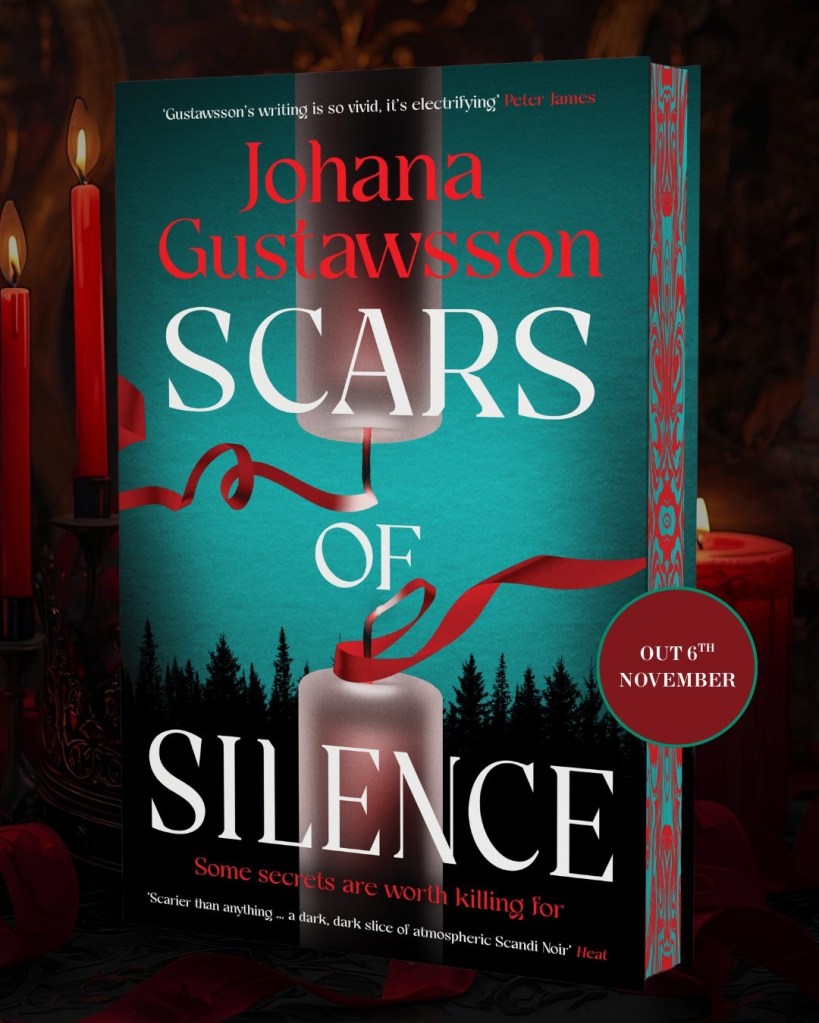

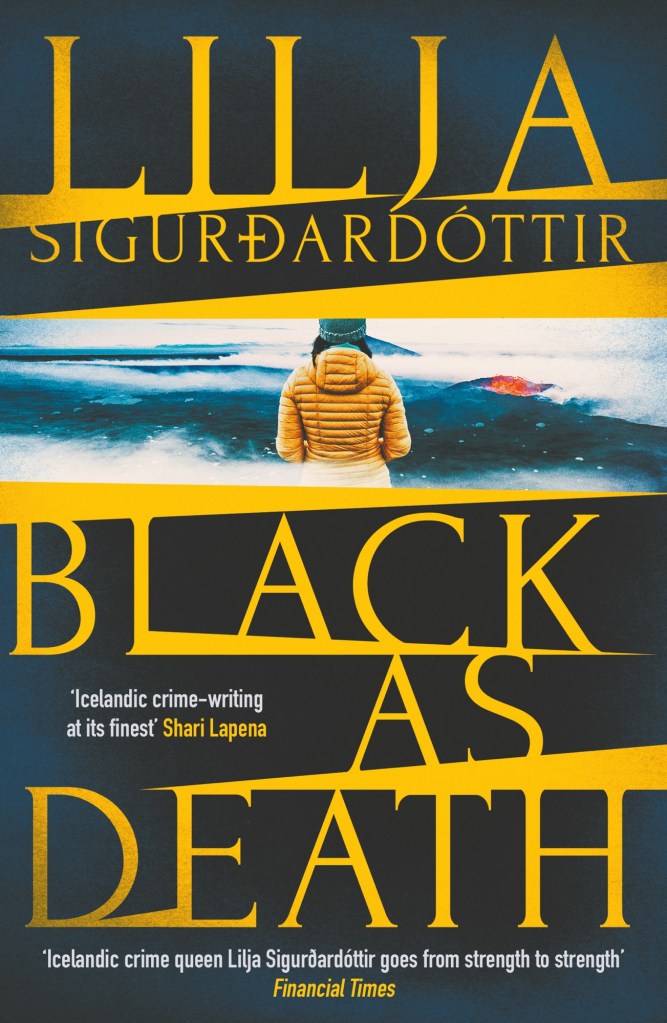



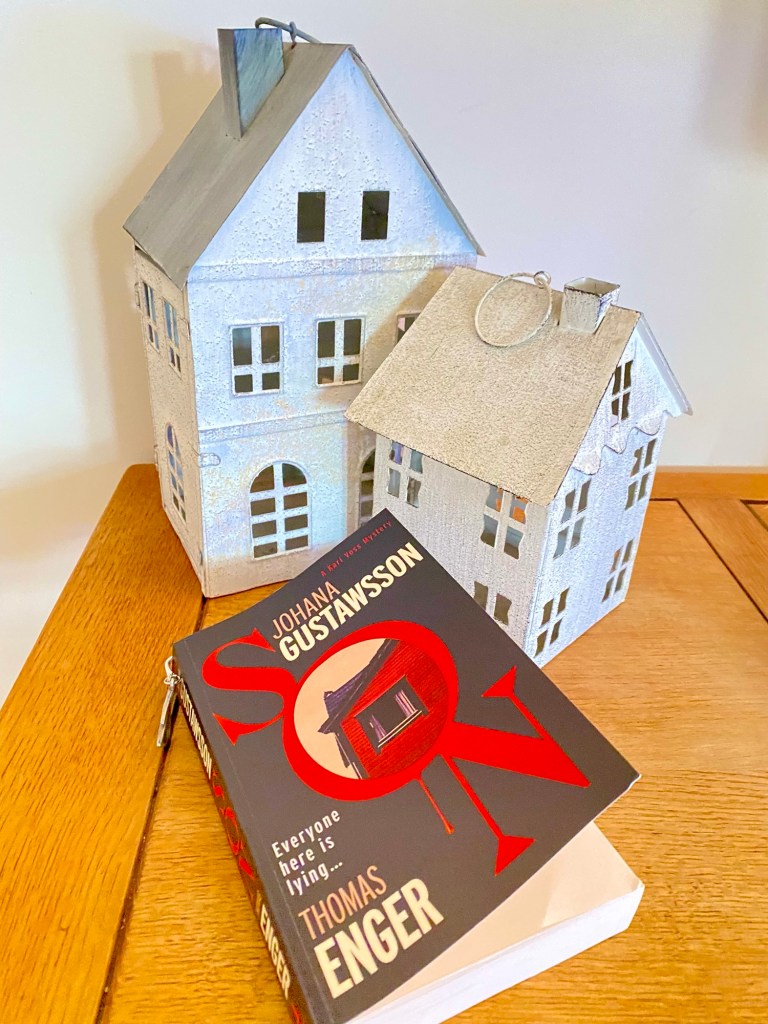
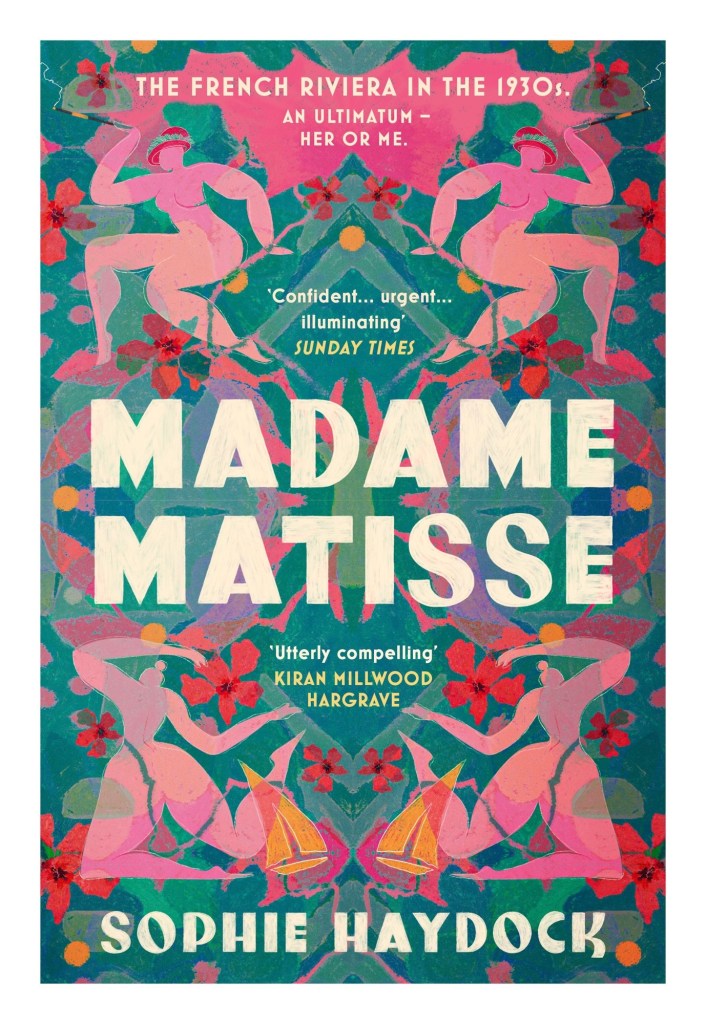

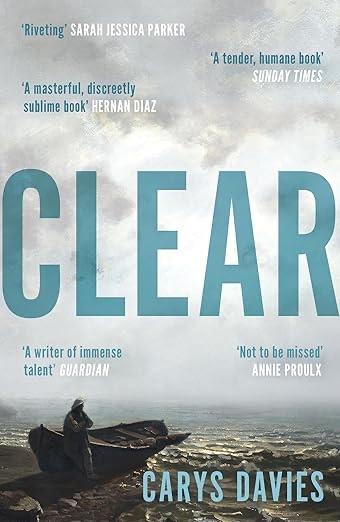
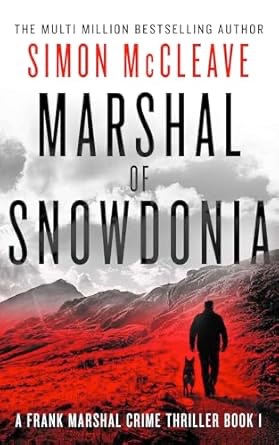

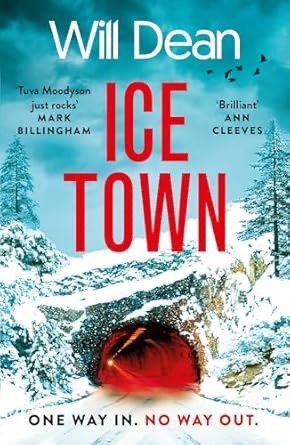





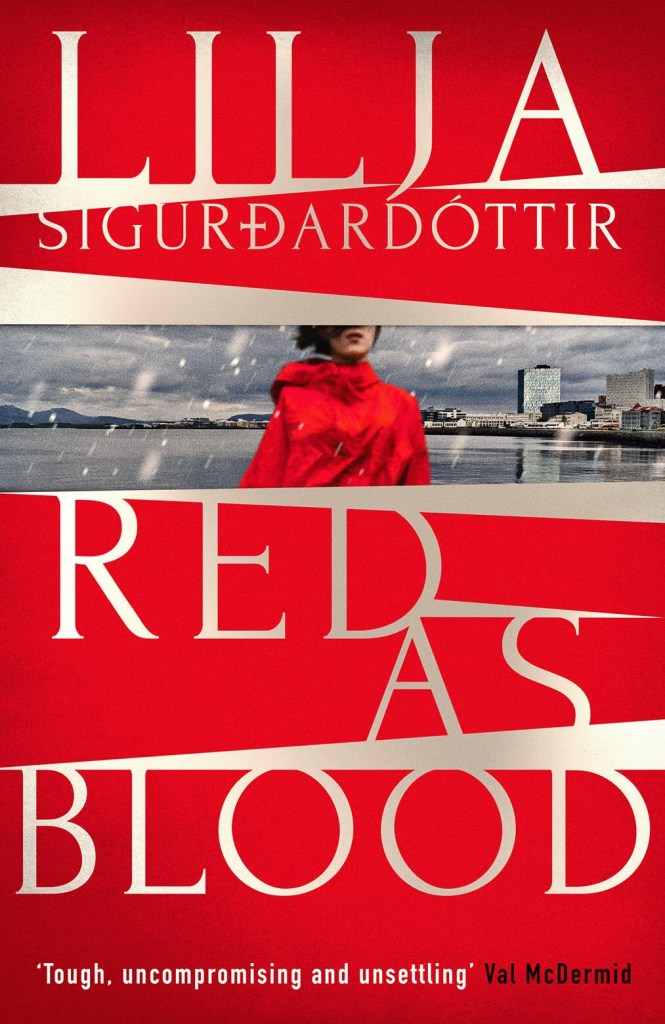



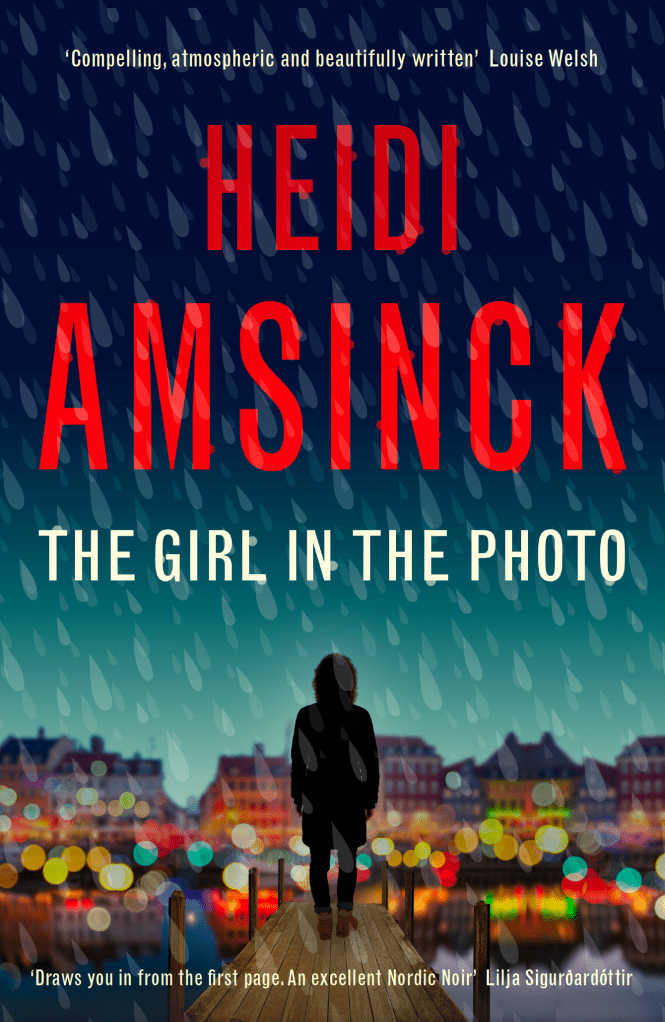


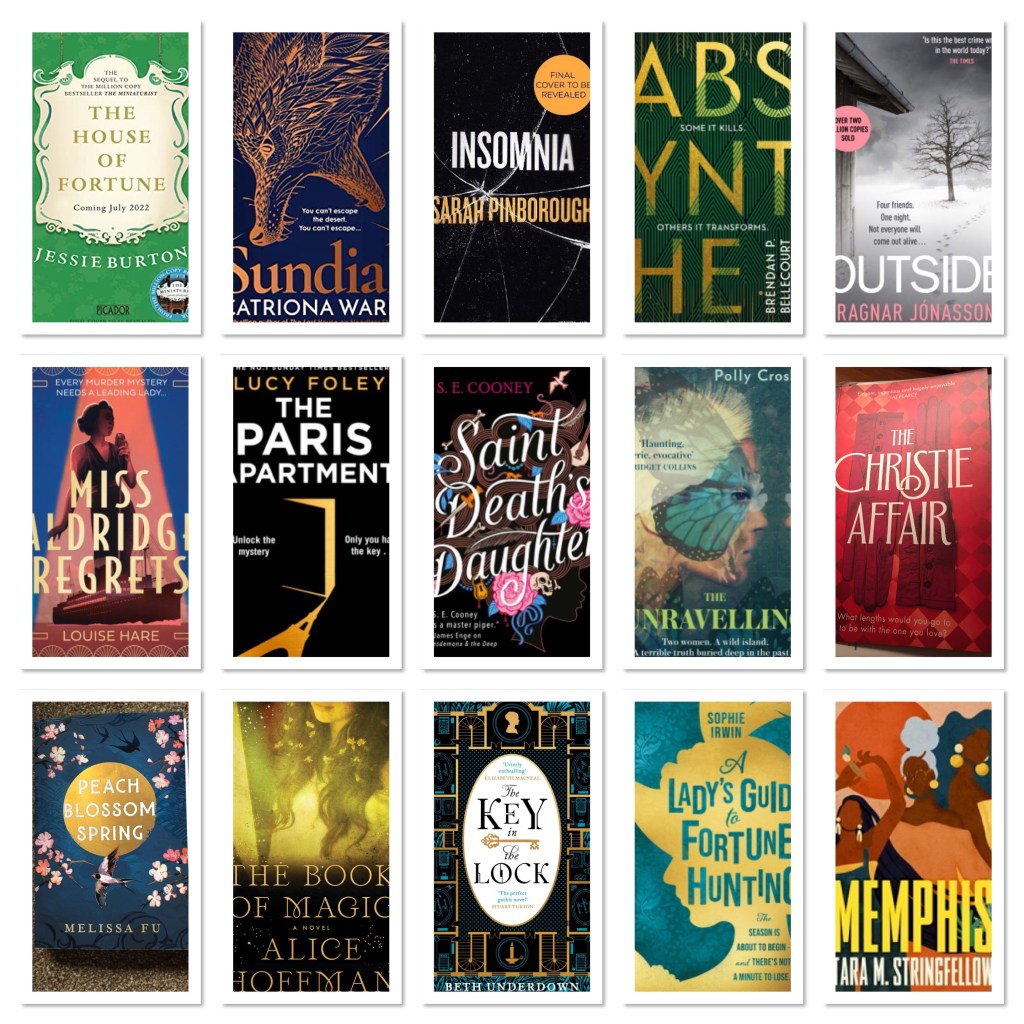
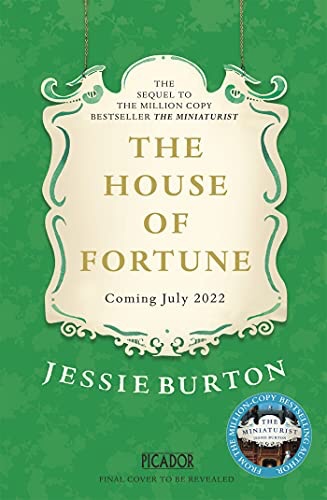
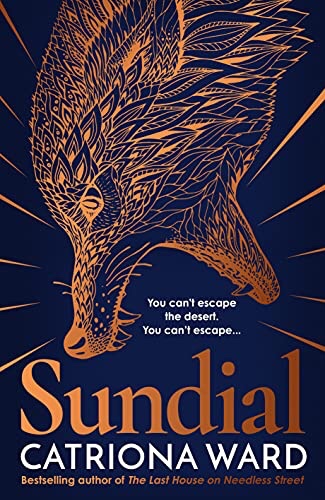
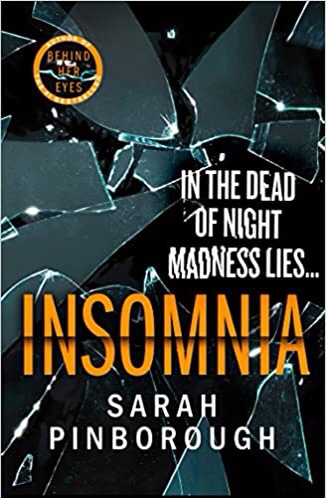
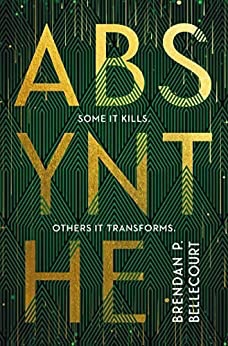
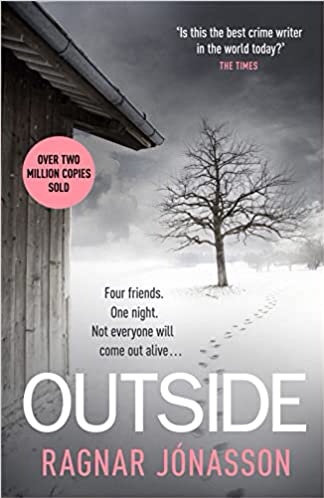
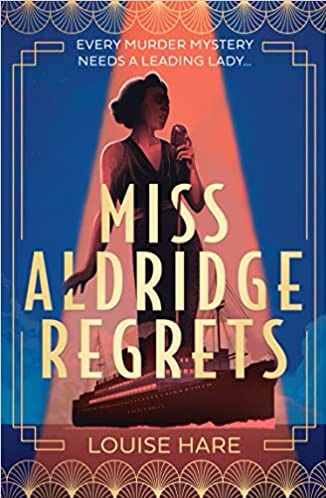
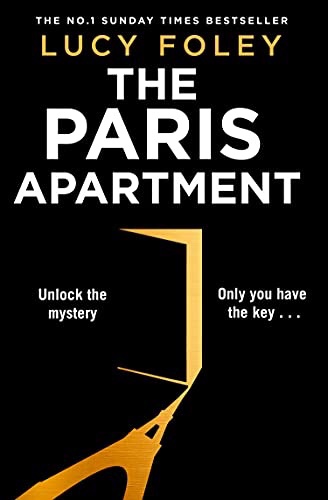
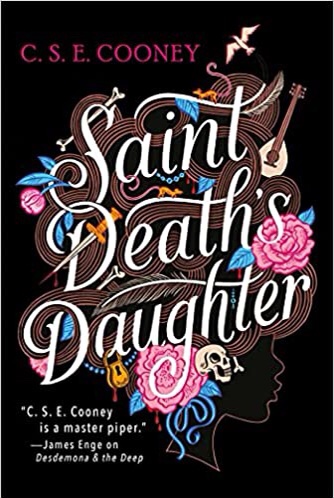
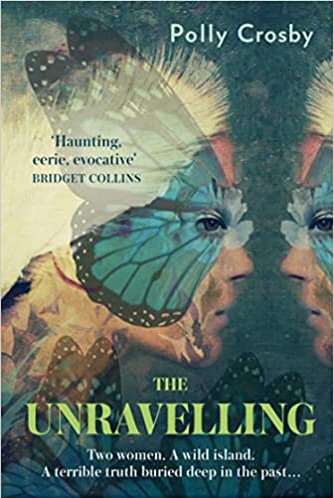
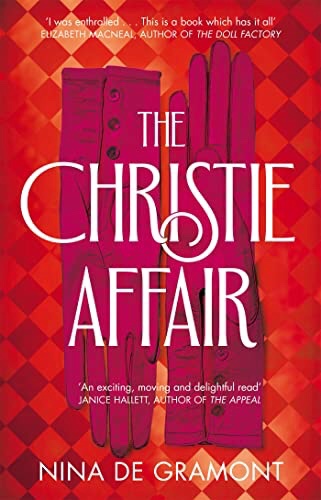
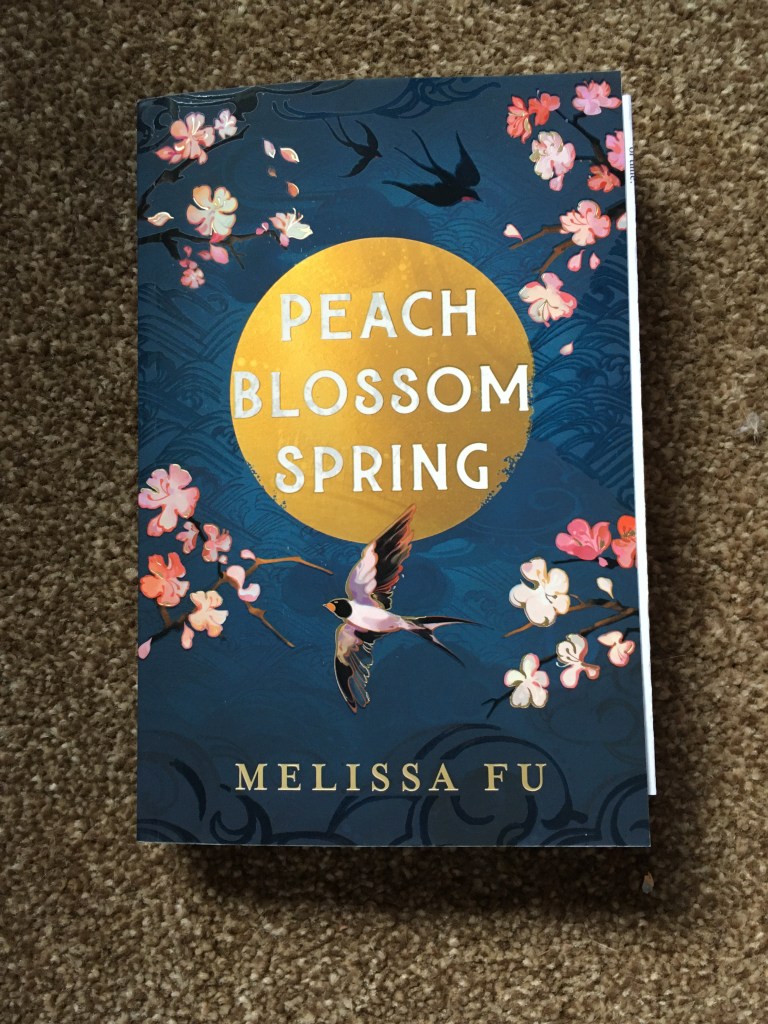
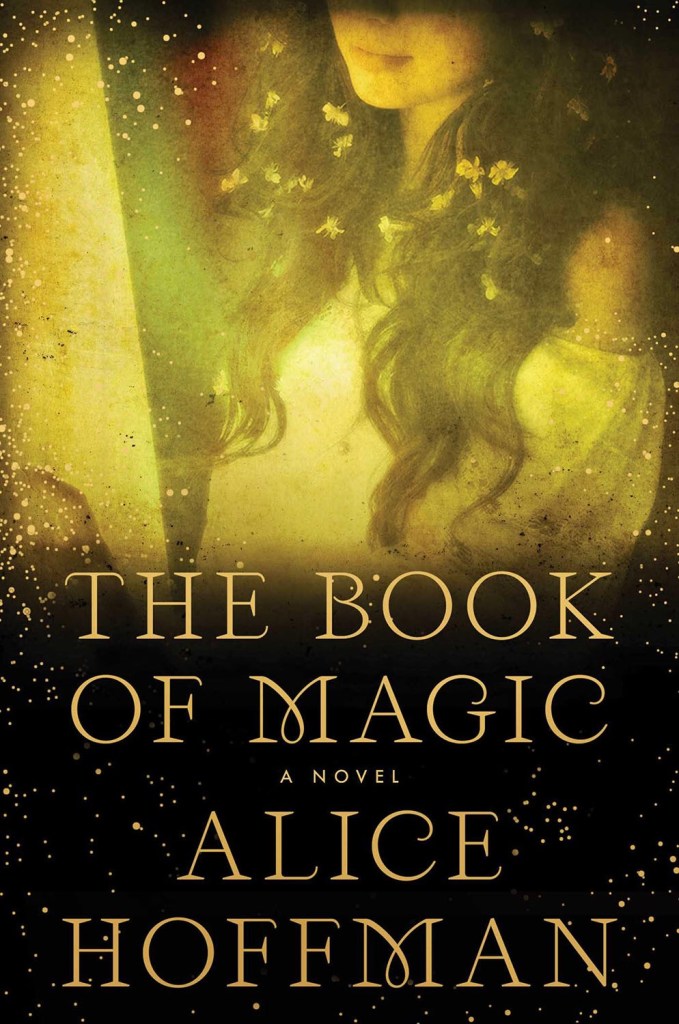
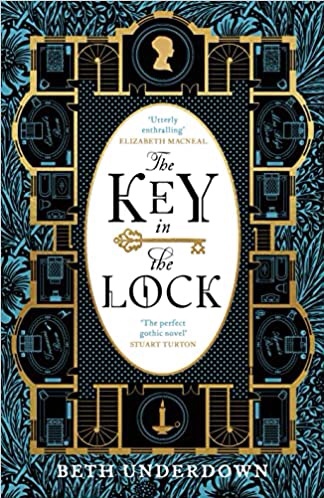
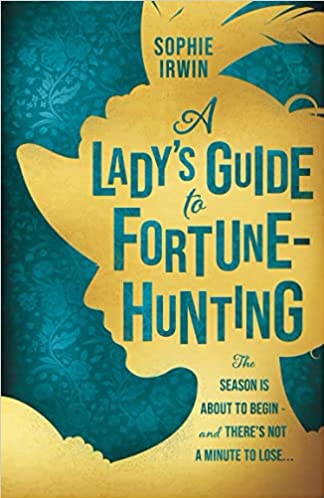

 The Lotus Readers