It was all she ever wanted. Until her dreams came true…
The moving new novel about the young Diana.
Diana believes in love. Growing up amid the fallout of her parents’ bitter divorce, she takes refuge in romantic novels. She dreams of being rescued by a handsome prince.
Prince Charles loves his freedom. He’s in no rush to wed, but his family have other ideas. Charles must marry for the future of the Crown.
The right girl needs to be found, and fast. She must be young, aristocratic and free of past liaisons.
The teenage Diana Spencer is just about the only candidate. Her desperation to be loved dovetails with royal desperation for a bride.
But the route to the altar is full of hidden obstacles and people with their own agendas.
When she steps from the golden carriage on her wedding day, has Diana’s romantic dream come true?
Or is it already over?
Princess Diana hit the headlines when I was nine years old, perfect timing for me to buy into the fairytale and fall in love with her. I had my hair cut into Diana’s short style and I had one of her jumpers, well an Asda version, covered in sheep with one little black sheep in the bottom corner. When we look back at her life in retrospect, it could be that she was trying to tell us something. This book focuses on Diana’s earlier years, from her schooldays until that fairytale of a wedding which seemed to cement her into the consciousness of everyone, across the world. It was interesting to read more about her single life before dating Charles, a period that struck me as interesting when it was dramatised in The Crown. She had a busy, fun lifestyle sharing a flat with three friends and working in a nursery. Then as soon as the engagement was announced she was taken into apartments at Buckingham Palace, totally closed off from outside, but also from other members of the royal family. It was quiet, almost like a church, with no one reachable by phone and Charles on a tour abroad. His only thought in terms of company was to introduce her to Camilla Parker Bowles.
The book did well when describing the dysfunctional way the Royals live. It’s an almost surreal existence with very specific rules to live by. When I read how much time each member spends alone I started to understand why they all have dogs. They don’t eat together daily, non-royals don’t come to the palace unless invited and each royal has their own quirks. For a 18-19 year old wandering round empty rooms and not being able to talk to friends must have been totally isolating. It was for her security of course, but it also meant she could be trained to fit the role she would play. She must have been so lonely. I’ve clearly read a lot of the same books as the author, because I knew about King Charles’s very odd boiled egg habits and the Queen Mother’s exploits in her home at Clarence House, but there were some things that were new to me.
It was clear that Diana was a young girl full of life and romantic ideas about men and marriage. Wendy Holden tells the story through the eyes of Diana, her best friend at boarding school Sandy and Stephen Barry who was the Prince of Wales’s valet. The girls read paperback romances, the type of story written by Diana’s relative Barbara Cartland. When the girls imagine love at the age of 13, they imagine it being: ‘like a particularly delicious bath, deep and warm, with lots of bubbles.’ It conjures up a sense of comfort and pampering that I do actually feel sometimes with my other half, but a man who doesn’t know what love means isn’t equipped to love like that. The only people who pampered him were his servants, how can you provide what you’ve never had? I think Holden has captured the essence of a girl in adolescence, dreaming what her life might be. She’s a lively, bubbly girl who loves music and the company of others. She has a shy charm that’s so endearing, but her parents divorce has left a mark and I wondered whether it instilled in her a determination to get it right, which left me feeling a little sad for her.
The second section of the novel definitely has a a melancholy feel, that shows us how well the author has brought the fun, young Diana to life. This is such a contrast. It also makes us realise how young she was to get married anyway, never mind becoming a future Queen of England. It is only six years since that journey with Sandy to boarding school. So, when she becomes engaged to the then Prince of Wales she was probably still expecting the comfort and care of a warm bath. She must have been disappointed at this moment. I always feel that Diana married the people on that day, rather than Charles. When she has some late doubts her sister Sarah warns her that her face is already on the tea towels. It’s too late. The pressure must have been immense. She has spent months hounded by the press and the famous moment where photographers captured her with a see through skirt is just one incidence of naivety on her part. She’s been getting thinner and her wedding dress needed taking in constantly. This isn’t the fairy tale love she’s dreamed about, more the matchmaking of two grandmothers living in the past and desperately trying to break off Charles’s adulterous relationship with Camilla.
I think the author attempted something very difficult here, to create a unique view of a story that’s a modern parable. Everyone knows a version of what happened. So, to create something that captures the voice of the most well known woman in the world, while bringing something new to her story, is near impossible. I think she partly succeeds. I didn’t learn anything new, but I did feel that I was listening to Diana in this story. It doesn’t have that compelling quality, because we already know about the divorce in 1996 and her death only a year later. I felt there was a bit of fire in this girl, despite her naivety. The rude awakening that she was simply a brood mare fuelled a fightback – the Andrew Morton book, the interview with Bashir and that last poignant summer are her pushing back against a system she felt used and abandoned by. A desperate need to be heard. I thought it was interesting to know she spent time with Princess Margaret, another young, royal woman who learned early on that her happiness came very low on the list of priorities. The royals never tried to be her family, missing that warmth and heart Diana was known for. I think this warmth, plus her fight and desire to buck the system is perhaps inherited by her son Harry. This was a well-researched book that really captured the spirit and personality of the most famous woman in the world.
When I first read The Giver of Stars I felt it was a totally different type of Jojo Moyes novel. Using the historical setting of the Great Depression, she takes us to a town in rural Kentucky., where most people work in the Van Cleeve family’s mines and levels of rural poverty are high. In Kentucky, African-Americans are still subject to segregation and middle class women are expected to stay home and know their place. Women in poorer families are working hard while trying their best to feed and look after ever-growing families. Into this setting comes Alice, the English bride of the heir to the mining fortune, Bennet Van Cleeve. Bennet is handsome and considerate, and their marriage seems to start well but once they reach the family home things change. Bennet has lived with his father, following the death of his mother and the house is still being run to her exacting standards. Alice finds she has little to do, with a house is full of her late mother-in-laws ornaments and china dolls, especially since Mr Van Cleeve doesn’t like anything to be out of it’s normal place. More worrying is the change in Bennet now they are home. Despite showing some desire at the beginning, the proximity to his father is affecting their sex life. Several months down the line their marriage is still unconsummated and Mr Van Cleeve keeps hinting about grandchildren, adding to the pressure.
When a town meeting is called to discuss President Roosevelt’s initiative to get the rural poor reading, Alice senses an outlet for her energy. Margery O’Hare will head up the initiative, a wonderfully outspoken and self-sufficient women who doesn’t listen to the opinion of anyone else, particularly men. She opens a door for Alice, out of the claustrophobic Van Cleeve household and into the wild forests of Kentucky. Alice learns to ride a mule, and along with Margery and two other local women she sets out as a librarian for the Packhorse Library. At first, rural locals are suspicious of an Englishwoman coming to the door offering them books, but soon Alice finds a way in and starts to be trusted. She also finds she likes the open air, the smells of the forest and singing of the birds. There is also the freedom to be in more casual dress and the camaraderie she is building up with her fellow librarians. She is close to Margery and when she confides about her marriage, Margery loans her a book she has been sneaking out with the novels and recipes. It is an instruction book on married love and Margery has been loaning it to poor women on her rounds who are inundated with children and need educating about sex. Alice takes the book home and a series of events are set in motion that will change not only the Van Cleeve household, but the whole town.
Mr Van Cleeve is determined to deal with Margery O’Hare once and for all, as he vows to destroy the Packhorse Library altogether. Margery is sure that a devastating flood had more behind it than high rainfall and suspects the mines. She has left herself vulnerable though, with what Van Cleeve sees as transgressive behaviour: she is exposed as having a relationship out of wedlock, she has hired an African-American woman who used to run the coloured library and she is encouraging townswomen to take control of their own lives. She seems impervious to other people’s disapproval so what lengths will he have to go to in order to stop her?
This was a beautifully written book and was on holiday when reading. I encouraged my other half to go fishing so I could stay in the holiday cottage to read it. It is so well researched, with real and authentic characters I fell in love with. Moyes manages to capture the tensions and societal changes of the Depression, depicting rural poverty, domestic abuse, and the rise of feminine power. We can see new attitudes towards race and feminism particularly where marriage and sex are concerned. Progressive attitudes come up against old money and old values in a tragic way. It was interesting to re-read it with the backdrop of Trump’s America where such traditional values are being forced on women in many states. I found myself desperate for the progressive characters and attitudes to prevail and it was this that built the tension and kept me reading till 2am! This was real, romantic and simply great storytelling. It’s an absolute must read and one of her best novels to date.
You know the world has really gone to hell when you click on a streaming service and they highlight a section as uplifting and good for your mental health. What with WW3 seemingly round every corner, every news programme hijacked by the antics of Trump and his attack dog JD Vance, Elon Musk waving a child or a chainsaw over his head and for me personally, the threat of losing my disability benefits. I’m also averaging at least one medical appointment every week as each test throws up something we never expected! Life is a wee bit stressful for all of us at the moment and I wondered whether it might be nice to spotlight some of my favourite authors who write uplifting and joyful fiction. I’m going to spotlight a few different authors on Sundays, suggesting some older novels and some that are worth keeping an eye out for through the rest of 2025. I will point out where there are tough themes in a novel, but even where there’s a lot to overcome in these novels the ending is always ultimately uplifting and inspiring.
I think it was my mum who first gave me one of Adriana Trigiani’s books to read and I think she got it from Oprah. My first taste of her work was one of her Valentina books, a series of books following an American Italian young woman as she starts to make her way in the world. Her family have been makers of custom wedding shoes since 1903. The Angelini Shoe Company trades from Greenwich Village, NYC and is one of the area’s last family run businesses. Now it’s in trouble and Valentina, working as apprentice to her grandmother Theodora, wants to bring their years of craftsman’s experience into the twenty-first century market. Valentine is juggling a lot of different commitments: her romance with chef Roman Falconi, her duty to her family and entering a design competition for a very prestigious competition for a department store. When she accompanies her grandmother to Italy they hope to find inspiration, she spends time in Tuscany and Capri. She’s overjoyed to find her artistic style but the trip changing her life in ways she never expected.
In the second book of the trilogy, Valentina’s plans have go awry. We start with a celebration as her grandmother marries the love of her life in Tuscany, but Valentina’s own romance is not going so well. It’s a second blow when her grandmother announces thar her brother Alfred is becoming her partner in the family business, not Valentine. She decides to devote herself to work and takes a trip to Buenos Aires for new connections and ideas. Emotionally though she’s caught between two loves, one who’s always nurtured her and another that promises to sustain her future. In the final book Valentine is living out her choices and continuing to modernise the firm. As she prepares to marry the man she has chosen, she is faced with painful choices and a fight for what she wants from life. Can the Angelina Shoe Company make it’s mark and will Valentine be able to savour the wonderful things she deserves. These books really are sumptuous, full of gorgeous fashion details and since I love shoes I really appreciate Valentine’s designs. We get the bustle and modernity of Manhattan, contrasted with her trips to Italy and Argentina to small artisan shoemakers. We get to be an armchair holiday maker too as we drink in the wonderful sights and food that she enjoys too. Of course there are challenges in Valentine’s life, some of the hardest life can throw at her, but ultimately we know she will triumph and get her happy ending.
Big Stone Gap is a sleepy village where kids get married and start families at eighteen, and stay for ever. So thirty-five-year old Ave Maria Mulligan is something of an oddity. A self-proclaimed spinster, as the local pharmacist she’s been keeping the townsfolk’s secrets for years. But Ave Maria is about to discover a scandal in her own family’s past that will blow the lid right off her quiet, uneventful life. Soon she’s juggling two unexpected marriage proposals and conducting a no-holds-barred family feud. The thought of spending the rest of her life in Big Stone Gap is suddenly overwhelming . .
In our second instalment, eight years have passed since town pharmacist and self-proclaimed spinster Ave Maria Mulligan married the man of her choice. Now they have a beautiful daughter, but for some reason her husband seems distant. In their comfortable stone house in the mountains there’s an empty room where their son slept. Ave and Jack haven’t found a way past their sadness and are struggling to share their feelings. In the town change is coming and is causing concern among the residents. With this backdrop, Ave must make decisions for her family and try to find a way back to her husband.
In the third part of the trilogy, Ave Maria feels time is slipping through her fingers as she watches her daughter growing up. It seems like a period of change for her friends too and her husband is desperate to reinvent himself in ways nobody could have predicted. Are they experiencing a mid-life crisis? Ave is about to have her foundations rocked and face the true test of love: letting go. I love this series because it’s so cozy and has that small town heart-warming feel. I found myself so invested in her family and seeing how they grow over time is a joy. I believe there is now a fourth novel in the series and I’m really looking forward to reading it.
More recently the author has moved to historical fiction and mid-century Italy, as well as a fascinating look at the golden age of Hollywood and a real-life scandal about Clark Gable. I’m so looking to her new novel out in July this year and perfect for summer holidays. Recently divorced, Jess Capodimonte Baratta helps her Uncle Louie with his marble business from her parents’ basement in Lake Como, New Jersey. An unexpected loss within the family unearths a long-buried secret and Jess questions where her loyalties lie. Deciding a change of scene is needed, she escapes to Italy – her ancestral home. We will be swept away to the majestic marble-capped mountains of Tuscany to the glittering streets of Milan and the enchanting shores of Lake Como, which despite a shared name could not be more different from her hometown, Jess soon feels a sense of belonging. And when she meets dreamy Angelo Strazza, a passionate artist, she know that this is where she is meant to be. But as further revelations about her family history come to light, it’s clear that Italy cannot be Jess’ hiding place forever. This sounds like the perfect comfort read to me.
Recently divorced, Jess Capodimonte Baratta helps her Uncle Louie with his marble business from her parents’ basement in Lake Como, New Jersey. But when an unexpected loss within the family unearths long-buried secrets, Jess questions where her loyalties lie. Deciding a change of scene is needed, she escapes to Italy – her ancestral home.
From the shadows of the majestic marble-capped mountains of Tuscany to the glittering streets of Milan and the enchanting shores of Lake Como, which despite a shared name could not be more different from her hometown, Jess soon feels a sense of belonging. And when she meets dreamy Angelo Strazza, a passionate artist, she know that this is where she is meant to be.
But as further revelations about her family history come to light, it’s clear that Italy cannot be Jess’ hiding place forever.
Will the dark truths of her ancestral past send her back home?
This week I celebrated an important anniversary. Not a personal one, but a writing one. I was informed on JetPack that I’d been book blogging for five years. As many of you probably know, rom coms are rarely my thing. I need a love story to have lots of different aspects to it, because I don’t want to read about dating. What I do like to read is real love: everyday married love; second time love; inconvenient love; love that triumphs over terrible odds and love that’s been lost. All of these books have something extra that made me want to shout about them. It might be something weird – husband turns into a shark. It could be something forbidden or secret – two women in love in 19th Century England. It could be first love, but interrupted by murder. It could be two middle-aged people who get very grumpy with each other walking from the Lancashire to Yorkshire coast. Maybe there’s a magical element, like a girl who receives anonymous notes that tell her when her relationships will end. I fell in love with the love story in all of these books over the last five years of my blog. Hope you enjoy them.
Leaving by Roxana Robinson
Leaving was the last book that absolutely tore my heart out. Sarah sees Warren, who she dated for a while in their college years. She had ended it, unsure whether they were a good fit. Yet they never stopped thinking about each other. Sarah is divorced now and lives alone in her country home with her dog Bella for company. Warren lives just outside Boston and is married to Janet, exactly the sort of wife he has needed: attractive, a good hostess and great mum to their daughter Kattie who is an older teenager. However, Janet is very aware of who should be in their social circle and how things should be done. They don’t talk about current affairs together, listen to an opera or read the same books. Perhaps their marriage has always been like this, but it feels empty since he saw Sarah again. Can he spend the rest of his life in this marriage as he promised or can he be with Sarah? If he leaves what price will he have to pay? Once an affair starts turning into something more, so many decisions have to be made and the sacrifices those choices will create become stark and very real. Sarah has imagined living with Warren, but she’s always thought of them at her home. This is where she rebuilt herself after her divorce. It’s a place she loves and doesn’t think she can give up. Arguably, Warren’s choices are even more difficult. He knows if he does this, his relationship and happiness with Sarah will come at the cost of someone else’s feelings. On the scales does one happiness outweigh another? Or are some costs simply too great? I simply loved this book and although it’s only January I have no doubt this will be in my best books list come the end of the year. On the strength of this novel I would happily read everything else the author’s ever written.
The Midnight Hour by Eve Chase
Maggie is an author, living in Paris and struggling with writer’s block. Something from her shared past with brother Kit keeps coming into her mind. Her mother Dee Dee died from cancer recently, but Maggie’s mind is drawn back to her late teenage years when Dee Dee was a famous model, living close to the Portobello Road. Maggie took Kit out with his skateboard and he has a fall, breaking one of the wheels. A stranger comes to their aid, introducing himself as Wolf. When his eyes lock with Maggie’s they’re the clearest blue she’s ever seen, there’s also a spark between them and for Maggie it’s instantaneous. First time and first sight love. He recognises the connection too. It’s what makes him take the skateboard back to his uncle’s antique shop and use his tools to properly fix it, just so he has an excuse to go back. I fell in love with Maggie. I was a similar age when I first fell I love and reading about her summer with Wolf brought back all those feelings. The wonderment when someone suddenly becomes your absolute world. The beautiful surprise when they feel exactly the same. The discovery of sexual chemistry, totally losing yourself in another person, being vulnerable physically and emotionally, it’s all here. In very delicate strokes Eve sketches a teenage girl who is emotional and intelligent. Little hints about her physical appearance makes us aware that she is a curvy girl, she wears glasses and is a little lacking in confidence. She’s astonished that Wolf loves these things about her and Eve captures that self-consciousness, the apprehension about revealing her body to this young man totally swept away by his obvious desire for her. She and Wolf never had a proper ending and I found myself longing for that closure to happen when she comes back to England. This was a wonderful read, deeply emotional but also a compelling mystery. I honestly think this is Eve’s best novel yet!
The Moon Gate by Amanda Geard
1939 – Grace Grey lives in Grosvenor Place in London, with her mother Edeline who is a friend of the notorious Mosleys and wears the uniform of the Blackshirts. As war comes ever closer, Edeline makes the decision to send Grace and the housekeeper’s daughter Rose Munro to stay with her brother Marcus and his wife Olive on the north west coast of Tasmania. After an eight week voyage the girls are welcomed to Towerhurst, an unusual house with a whole tower where Uncle Marcus writes his poetry. Olive immediately takes to the beautiful Rose, but Marcus forms a bond with Grace over the poems of Banjo Patterson, an Australian ballad poet. Grace is reserved and shy, but is slowly coaxed out of her shell by Daniel McGillycuddy an Irish lad working at his aunt and uncle’s sawmill. As war creeps ever nearer to their part of the Pacific there are dangerous emotional games at play between these young people with fall out that will extend over the rest of the century. The main love story is so touching as the slightly awkward Grace is lured down to the beach by neighbour Daniel where he tries to kiss her. Sadly though it’s for a five shilling bet and as his mates turn up in a boat to witness her humiliation she runs away into the sea. Daniel regrets his actions deeply, apologising the very next day and asking if Grace would perhaps share the book of ballads she’d been telling him about. They pass through the Moon Gate, a perfectly round doorway made of Atlantisite that leads to the waterfall and a small freshwater pool. Uncle Marcus claims that to pass through the gate is to become a new person and that certainly seems the case with Grace who not only forgives Daniel, but shares the ballad poems and agrees that he can teach her to swim. It’s so beautiful to watch them become close friends. As we passed through the three timelines in this book I was hoping with everything I had that eventually these two would end up together.
Spirited by Julie Cohen
Viola Worth has grown up cared for by her clergyman Father, as well as his ward, a little boy called Jonah. Viola and Jonah are the best of friends, spending their childhoods largely inseparable. As we meet them in adulthood, they are getting married, but in mourning. A lot has happened during the period of their engagement. Jonah had been out to India, staying at his family’s haveli and checking on his financial interests. For Viola, it’s been a tough time nursing, then losing, her father. He encouraged her in his own profession as a photographer and she has become accomplished in her own right. Viola’s father wanted her to marry Jonah, and they are still the best of friends, but the time apart has changed them and neither knows the full extent of the other’s transformation. Through new friends the couple meet a visiting spirit medium called Henriette, although as daughter of a clergyman, Viola would never normally enjoy this type of entertainment. Little do they know, this woman will change their lives. Jonah spends less time with Viola than before and at bedtime they still go to their separate bedrooms. Viola knows there is more between husband and wife but doesn’t really know what and has no idea who to talk to. Yet between her and Henriette, a beautiful connection is blossoming and it’s so beautifully written. It is Henriette who opens up the world for Viola and this extends to sharing a bed. Viola worries what the servants might think, but Henriette frees her thinking again. Love between women does not exist, she tells her, there are laws and conventions regarding love between a man and a woman, and even the love between men. What they are to each other is beyond the thoughts of most people, the servants will see two friends staying together and nothing more.They’re neither totally respectable, but are not shunned either. This is a novel of people, particularly women, learning to live in the spaces between; the places that promise more freedom.
You Are Here by David Nicholls
A group of friends travel from London to the Lake District to walk some of Wainwright’s routes through Cumbria towards the Pennines. Cleo has invited four single friends; Conrad is meant for copy editor Marnie and Tessa is intended to get on with geography teacher and dedicated walker Michael who is extending his trip to walk the entire coast to coast, ending in Robin Hood’s Bay. Michael is still getting over separating from his wife so finds these social occasions difficult, much preferring solitude. Marnie spends much of her time alone too, so this will be a step out of their comfort zone for both of them. When the others bail out after a day of endless rain, Marnie and Michael are left to walk together. Can they both strike up a friendship? David Nicholls has this amazing ability to articulate the minutiae of conversation and communication between the opposite sexes. He’s also brilliant with those tiny moments of shared humour, stolen glimpses and the body language of love. It may seem strange that a whole book is about two people walking across the country, but everything happens within that time spent together. After a couple of days Michael can see that Marnie is an inexperienced walker but determined, intelligent and well-read. She has been in relationships that eroded her confidence, has a keen sense of humour but tends to lose it a little when tired and hungry. Marnie is surprised by Michael. Although she knows little about geography she can appreciate how passionate he is about his subject, he wears his beard as a mask so that people keep their distance, is perfectly comfortable in his own company and is hurt very badly by the break-down of his marriage. This isn’t two young people swept up in the blind passions of love at first sight. This is a slow burn. It’s a potential romance that grows slowly and unexpectedly for both of them. It’s lovely to read a ‘real’ love story about people who are older and have been kicked about a bit by love in the past.
By the end my heart was breaking for these fledglings. I so wanted them both to be happy, even if they simply ended as friends. David Nicholls throws in one last obstacle that takes us by surprise, even while my heart was racing I could see how much it was needed for that character to have a final epiphany. He’s brilliant at creating that bittersweet feeling that comes as we’re older and have romantic baggage. At first when we lose someone the shock and pain is everything, then after time and doing a little bit of work on ourselves a day hopefully comes where we can look back and it not hurt. We can acknowledge the pain but not let it overwhelm us. In fact, eventually, we can look back and smile about the good times, the love that was shared and how glad we are that we experienced it. That we’re able to move forward and enjoy new adventures. I really understand this from my own life and I genuinely closed the book with a smile on my face, knowing that both Marnie and Michael have so much life to look forward to whether together or apart on their journey.
Shark Heart by Emily Habeck
Lewis and Wren have fallen in love. They’ve no idea that their first year of marriage will also be their last. It’s only weeks after their wedding when Lewis receives a rare and shocking diagnosis. He has an unusual mutation. Although he might retain some of his consciousness, his memories and possibly his intellect, his body will become that of a Great White Shark. Lewis is complicated, an artist at heart he has always wanted to write the great American play for his generation. How will his liberal and loving heart beat on within the body of one of the earth’s most ruthless predators? He also has to come to terms with never fulfilling his dreams, but expressing that anger with shark DNA in his system has huge repercussions. He has to come to terms with leaving Wren behind, for her own safety. Wren wants to fight on. To find a way of living and loving each other as Lewis changes. She is told that there will come a point when this will be too dangerous. Lewis will then have to live in a state run facility or free in the ocean. It’s when she sees a glimpse of his developing carnivorous nature that a memory from her past is triggered. Wren has to make a terrible, heart-wrenching decision. I felt emotionally devastated by this beautiful novel that uses a fantastical premise to unleash experiences of grief, love, loss and potentially, healing.
In a beautifully unusual way and in an almost poetic prose, this beautiful debut is about life. It’s ups and downs, the horrendous losses and the gains: the naivety of first love, becoming a mother, our love and care for an elderly parent, friendships and realising that a special little girl sees you as her dad. Life is constant adaptation, evolving and developing all the time. Every end is a beginning. This is such a special novel, an incredible debut with such a keen grasp of what being human is all about. I can see this becoming an all-time favourite for me. It quite simply took my breath away.
The Mix Tape by Jane Sanderson
Alison and Dan live in Sheffield in the late 1970s when the city was still a thriving steel manufacturer. Dan is from the more family friendly Nether Edge, while Alison is from the rougher Attercliffe area, in the shadow of a steel factory. They meet while still at school and Dan is transfixed with her dark hair, her edge and her love of music. Their relationship is based on music and Dan makes mix tapes for her to listen to when they’re not together such as ‘The Last Best Two’ – the last two tracks from a series of albums. What he doesn’t know is how much Alison needs that music. To be able to put it on as a wall of sound between her and her family. Dan never sees where she lives and doesn’t push her, he only knows she prefers his home whether she’s doing her homework at the kitchen table, getting her nails painted by his sister or sitting with his Dad in the pigeon loft. Catherine, Alison’s mum, is a drinker. Not even a functioning alcoholic, she comes home battered and dirty with no care for who she lets into their home. Alison’s brother, Pete, is her only consolation and protection at home. Both call their mum by her first name and try to avoid her whenever possible. Even worse is her on-off lover Martin Baxter, who has a threatening manner and his own key. Alison could never let Dan know how they have to live.
About three quarters of the way through the book I started to read gingerly, almost as if it was a bomb that might go off. I’ve never got over the loss of Emma in One Day and I was scared. What if these two soulmates didn’t end up together? Or worse what if one of them is killed off by the author before a happy ending is reached? I won’t ruin it by telling any more of the story. The tension and trauma of Alison’s family life is terrible and I dreaded finding out what had driven her away so dramatically. I think her shame about her mother is so sad, because the support was there for her and she wouldn’t let anyone help. She’s so fragile as a teenager and on edge. Dan’s mum had reservations, she was worried about her youngest son and whether Alison would break his heart. I love the music that goes back and forth between the pair, the meaning in the lyrics and how they choose them. This book is warm, moving and real. I loved it.
Flamingo by Rachel Elliot
In split time frames and across the characters of Eve and Daniel we hear the story of two families who live next door to each other. Eve and Daniel move in next door to Leslie and Sherry who have two daughters Rae and Pauline, and some ornamental flamingoes on their front lawn. Eve isn’t used to making friends as she and her son Daniel move around a lot, but there’s something about Sherry. So Eve goes to a specialist off-licence to find just the right bottle of Sherry to take to her new neighbour. Sherry is delighted and immediately welcomes the wandering pair into her home. That summer is the happiest summer mother and son have ever had, as they are enveloped by this wild, eccentric and loud family – Eve uses the word rambunctious. Then Eve and Daniel leave. All the colours seem to bleach out of the world. We then meet Daniel as an adult, wandering and broken. Deeply affected by some kind words and affection from a woman in the library, he decides to return to where he was happiest. He turns up at Sherry’s door and it feels like coming home, but where is Eve and what is the story underneath the one Daniel knows. It’s so hard to express how much I loved this book. This is a slow burn novel, told in fragments like half forgotten memories and with such beauty it could be a poem. The writer conveys beautifully how certain people can heal wounds and hold space for each other. In light of recent times it’s important to remember that to live fully we must connect with each other. It shows humans in their best light and at their most powerful, when showing love and accepting others for who they are. Just like the flamingo is pink through his diet, we too are shaped by what is put into us. Through Daniel, and Rae to an extent, there’s an acknowledgment of how painful life can be, but that healing and change is possible. I was enchanted by this story and it will keep a special place in my heart.
Expiration Dates by Rebecca Serle
It’s been a while since a romantic novel has made me shed tears but I reached just over half way through Rebecca Searle’s new novel and I felt a lump forming in my throat. My reaction was possibly more emotional than the average, because I felt seen. Rebecca has this habit of taking what seems like a simple romance and adding an element that immediately elevates it to something more. Daphne lives in L.A. and works as an assistant to a film maker, outside of work she is a busy bee flitting between visiting her parents, spending time with her dog Murphy and roaming flea markets for quirky household items. However, her favourite weekend mornings are those she spend with her ex-boyfriend Hugo: he wakes her early, they get to an early farmer’s market for the best choices such as the sunflowers that are always gone by ten am. Daphne is single, at a point in life where people she knows are staying together, having babies and getting married. She tends to have short term relationships, but she is starting to wonder about all these things. Are they something she’ll ever find? Her friends can’t understand it, she’s a great girl, and have started to offer to their friends and work colleagues as potential dates. What they don’t know is that Daphne keeps a box under her bed and in it are post-it notes, drinks coasters and theatre tickets all which have the name of a boyfriend and a length of time, an expiration date.These cards enter her life around the same time as a new man so she knows the finite amount of time they have together. This bit of magic from the universe is amazing in some ways, but in other ways she’s starting to think they hold her back. Are they starting to become a self fulfilling prophecy? Then her friend Kendra sets her up with Jake and Daphne waits for her expiration date to arrive. This time though, it’s just a name; no date. Does this mean Jake is the one?
Jake couldn’t be more perfect. He’s attractive and intelligent. More importantly he’s kind and considerate. At first, Daphne isn’t sure but for once they have all the time in the world for her to explore and see where the relationship and her feelings go. Jake has emotional depth and a willingness to put those emotions on the line. Jake was married once and his wife died. Daphne marvels at his ability to be vulnerable when he has lost so much. It also worries her, because she holds a secret that has the ability to shatter this fragile and tentative relationship they’ve built. She has a perfect man who wants to live together, to marry and build a future. Everyone says he’s perfect, but is he perfect for Daphne? I couldn’t help but keep thinking back to Hugo, who seems like the one who got away. He knows everything about Daphne, the secret and the expiration dates, but he’s still here. If they’d had the chance of an open ended relationship, might they have been perfect for each other? For Daphne, falling in love has never been simple and I really related to that. I think a lot of other readers will too.
Remember Me by Charity Norman
Emily is a children’s illustrator, who spent her childhood in Hawke’s Bay but now lives in London. One evening she receives a call from her father’s neighbour, Raewynn, letting her know that his Alzheimer’s has progressed and he needs a little help. Despite both her brother and sister still living in New Zealand, Raewynn thinks Emily is the one best disposed to make the right decision. Emily’s father is well known in the area and is still known as Dr. Fitzgerald despite his retirement. He still lives on the family’s homestead with his two dogs and next door Raewynn and her son Ira who rents and farms the Arapito land. Until now they’ve managed to look after Dr. Fitzgerald, but trusting Raewynn’s opinion Emily decides to travel and check on her father. When she arrives she knows all is not well, her father has become very adept at seeming okay, he’s rather like a magician, creating a Dr Fitzgerald who everyone knows and recognises, while underneath feeling confused, bewildered and frightened. As Emily spends more time in her childhood home, memories rise to the surface: the unhappiness of her mother; her father’s distraction and avoidance of his family; the disappearance of Raewynn’s daughter Leah, who was lost on their range of mountains and has never been found. Emily was the last one to see Leah alive and the loss of this vibrant and beautiful girl still haunts the whole valley including, it seems. As his memory fades and his guard slips, she begins to understand him for the first time – and to glimpse shattering truths about his past. Oh how unbelievably emotional I felt at the end of this book, not just a lump in my throat, but actual tears. Yet I also felt such a feeling of ‘rightness’ that it ended the way it should.
Happy Valentine’s Day and here’s to a few more years of loving books ❤️📚
Artists are an endless source of material for novelists and have fascinated me for most of my adult reading life. I think we afford artists the right to behave badly, because what they do feels like alchemy. To be able to take mere pen and paint and turn it into something that’s beautiful or utterly new is magical to someone like me who can only just manage to sketch something if I have lots of time and patience. I stick to colouring for my artistic endeavours. If I think about it I’ve been going to art galleries since my teenage years when the chance to see Klimt’s work at Tate Liverpool was too exciting to pass on. I loved ‘The Kiss’ but this exhibit took his work and placed it into the context of the secessionist movement, just one branch of Art Nouveau. I continued to visit exhibits on Art Nouveau, at the Kelvingrove Gallery in Glasgow to see the Glasgow School exhibits, The Met in New York a few times, as well as the Guggenheim there and in Venice. I visited London for many exhibits at the V and A and the Tate including Lucian Freud, a painter I’ve come to appreciate more recently. One of my great loves are the Pre-Raphaelites, since having the chance to study their work at university. We visit my mum’s hometown of Liverpool very frequently and I’m a regular at the Walker Gallery and Lady Lever gallery in Port Sunlight both of which have a great collection of Pre-Raphaelite work. Artists are often unconventional, have complicated love lives and some have a reputation for being hellraisers. Is it any wonder that we love to read about them? I usually jump at the chance and have quite a collection! here are a few of my favourite novels that feature painters.
Mistral’s Daughter by Judith Krantz
I have a very cracked and broken copy of this novel and I’ve read it several times. I blame it for starting my fascination with painters, I used to swipe it off mum’s bookshelves when I was a teenager. It’s romantic and sexually explicit, two things teenagers are definitely interested in! It follows the story of three generations of women from Paris to New York. We first experience Maggie Lunel’s journey to become an artist’s model. She is chosen by Julian Mistral and becomes his muse, as well as his lover until his ego and arrogance make her walk out. Years later, Maggie’s daughter Teddy is working as a fashion model. Her father Perry Kilkullen was the last man Maggie would fall in love with. Teddy has a job in France posing with artists for a fashion shoot and as soon as she poses with Mistral it is love at first sight. Mistral is married, but he leaves and sets up home with Teddy, never returning to America. Fauve Lunel is Mistral’s daughter, brought up with her grandmother Maggie she visits Mistral in the summer at his villa in the south of France. Fauve is a talented artist and begins to look into her family roots, finding out they are Jewish. When she realise Mistral might have been a collaborator during WW2 the revelation tears father and daughter apart, will they ever reconcile? This is a great story, romantic and bit racy too.
The Marriage of Oppositesby Alice Hoffman
As you all know by now, I’m a big fan of Alice Hoffman, but when I first picked up this novel on publication day I found it was very different from her usual books. We always expect to find strong women in Hoffman’s novels but there’s usually an element of magic realism to her work. Our heroine Rachel is definitely a strong woman, but magic takes a back seat for this novel that reads more like an biography. Rachel lives on the stunning island of São Tomé or St Thomas and is the mother of Camille Pissarro, one of the founders of Impressionism. Rachel is brought up with a strict Jewish faith, but she has always dreamed of getting off the island and going to Paris. Unfortunately Rachel has no choice and is married off to a widower with three children. Nevertheless she makes of the best of things until her husband dies suddenly. When his nephew Frédéric comes from Paris to settle the will and there is an instant spark between them. For once Rachel decides to make decisions for her own life and begins a passionate affair. The scandal that ensues when they marry has the whole island in uproar, but Rachel stands firm and will not be moved. This is a beautiful story, set on a lush island that’s described in gorgeous detail by Hoffman – she made me want to go there. I loved her relationship with her son and hoped that one day she would get to go to Paris as she dreamed.
Notes From An Exhibition by Patrick Gale
Set in the beautiful county of Cornwall, around Newlyn and Penzance, this is the story of a family struggling with secrets, brought back to the place they were born after a tragedy. Their mother, celebrated artist Rachael Kelly, is found dead in her Penzance studio after struggling with the creative highs and devastating lows that have coloured her life. As her family try to make sense of their mother’s life and it’s effect on them, devastating secrets come to light. As always with Patrick Gale the level of empathy in this book is incredible, he understands how different people think and respond to events. His depiction of mental illness is so authentic and heart-breaking. Rachael’s bi-polar disorder is the source of her art, but Gale also explores how it affects the rest of her working life and how it impacts on her family, especially her children. This is a favourite of mine and I’ve read it several times, but it never loses it’s power.
The Flames by Sophie Haydock
I devoured this brilliant book by Sophie Haydock, where she takes four women painted by artist Egon Schiele. Set in Vienna in 1912, on the back of the secessionist movement and artists like Gustav Klimt, Schiele paints four women and Sophie gives them a voice. Gertrude is in awe of her brilliant older brother, often posing for him but envying his freedom and agency. Then there’s Vally, a model for Klimt who’s trying to work her way out of poverty. Then sisters Edith and Adele move into the apartment building opposite Schiele’s in Vienna. The daughters of wealthy parents, they are not the type of girls who usually model for an artist and are expected to marry well. Yet both become embroiled with Schiele, professionally and privately. A portrait is always how the artists sees or wants to present you to the world, here the women step out from behind that image and tell their own story.
The Paris Muse by Louise Treger
Louise Treger’s 2024 novel concerns the life, or more accurately the love, of Dora Maar – a photographer and painter who lived in Paris for most of her life and most notably, during the German occupation in WWII. Born Henrietta Theodora Markovitch in 1907, she was known as a surrealist photographer exhibiting alongside Dali and other notable surrealists. She used her photographic art to better represent life through links with ideas, politics and philosophy rather than slavishly photographing what was naturally there. She was exhibited in the Surrealist Exposition in Paris and the International Surrealist Exhibition in London in 1936. In the same year she was exhibited at MOMA in NYC. She first encountered Picasso while taking photos at a film set in 1935, but they were not introduced until a few days later when Paul Elduard introduced them at Cafe des Deux Magots. They met in quite a dramatic way that showed her intent to catch his eye. She sat alone and using a pen knife she drove the blade between her splayed fingers and where she missed, blood stained the gloves she wore. The fact that Picasso kept these gloves and packed them away with his treasured mementoes is a metaphor for their entire relationship – he fed from her emotions. The author allows Dora to tell her own story and we are inside her mind at all times. We could say this is only her viewpoint of their relationship, but in a world where she is most known through her relationship with a man instead of her own work, Treger is simply redressing the balance. This is tough to read in parts, showing the ego of Picasso and how his call for freedom in their relationship, means his freedom. I felt sad for Dora, possibly influenced by some of my own experiences. She seemed like a smaller woman at the end with none of her original vitality and flamboyance. I’m so glad to know that her art lives on and is still exhibited as part of the surrealist canon.
The Blue Hour by Paula Hawkins
WELCOME TO ERIS – A TIDAL ISLAND WITH ONLY ONE HOUSE, ONE INHABITANT, ONE WAY OUT. . .
A place that is unreachable from the Scottish mainland for twelve hours each day. Once the hideaway of Vanessa, a famous artist whose husband disappeared twenty years ago. Now home to Grace. A solitary creature of the tides, content in her own isolation. Local GP Grace, often referred to as Vanessa’s companion or friend, might have inherited Eris. However, Vanessa’s artworks were left to an art foundation set up by her first agent. The curator of the foundation is Becker, hired for his expertise in Vanessa’s work. He is under pressure from the new owner to extract the last of Vanessa’s work from Eris. They have tried polite enquiries, legal letters and ultimatums but they are sure this has all been in vain and that Grace is deliberately holding back. Now a situation has arisen with one of Vanessa’s found object installations already on display in the gallery. A visiting doctor is convinced that the bone suspended in a glass box is human. They withdraw the box from view and contemplate having to break it open to have the bone properly tested. The unspoken thought on everyone’s mind is whether this might solve the mystery of Vanessa’s missing husband? It’s an opportunity for Becker to tell Grace face to face, but also to address the missing works that must be on Eris. He feels this is the best way forward; a last ditch attempt before legal action. However, visiting Eris is not without it’s risks. Are all of it’s secrets and lies about to be uncovered? This is a great thriller, full of questions about what an artist needs to be able to create, who owns an artwork and when does friendship become obsession?
New Reads To Look Out For …
Sophie Haydock is delving back into the art world with her novel about the women surrounding the artist Matisse.
This is the story of three women – one an orphan and refugee who finds a place in the studio of a famous French artist, the other a wife and mother who has stood by her husband for nearly forty years. The third is his daughter, caught in the crossfire between her mother and a father she adores. Amelie is first drawn to Henri Matisse as a way of escaping the conventional life expected of her. A free spirit, she sees in this budding young artist a glorious future for them both. Ambitious and driven, she gives everything for her husband’s art, ploughing her own desires, her time, her money into sustaining them both, even through years of struggle and disappointment. Lydia Delectorskaya is a young Russian emigree, who fled her homeland following the death of her mother. She is trying to make a place for herself on France’s golden Riviera, amid the artists, film stars and dazzling elite. Eventually she finds employment with the Matisse family. From this point on, their lives are set on a collision course. Marguerite is Matisse’s eldest daughter. When the life of her family implodes, she must find her own way to make her mark and to navigate divided loyalties. Based on a true story, Madame Matisse is a stunning novel about drama and betrayal; emotion and sex; glamour and tragedy, all set in the hotbed of the 1930s art movement in France. In art, as in life, this a time when the rules were made to be broken…
Out from Doubleday on 6th March 2025
PROVENCE, 1920
Ettie moves through the remote farmhouse, silently creating the conditions that make her uncle’s artistic genius possible. Joseph, an aspiring journalist, has been invited to the house. He believes he’ll make his name by interviewing the reclusive painter, the great Edouard Tartuffe. But everyone has their secrets. And, under the cover of darkness, Ettie has spent years cultivating hers. Over this sweltering summer, everyone’s true colours will be revealed.
Because Ettie is ready to be seen. Even if it means setting her world on fire. This book will transport you straight to the south of France and straight to the heart of one woman’s rage.
Lila’s life is built on shifting sands at the moment. Lila is a single mum to Celie and Violet since her husband died revealed his affair with Mayja, a yummy mummy from the school gates. His betrayal was made worse by the fact Lila was promoting her book, on how to have a successful marriage. Her mum died recently and stepdad Bill and has slowly moved himself from their bungalow a few doors away, into Lila’s house along with his piano and healthy eating regime. To add a further unexpected surprise her biological father Gene turns up looking for a bed. Gene is a hellraiser, a drinking and partying actor whose claim to fame is playing the captain of a starship in a 1960’s sci- fi series. He’s still living off that fame and Lila is unsure whether she can trust him. Bill and Gene can’t stand each other. However, she gives him the sofa bed in her office, where she’s trying to produce three chapters of a new book that her agent is chasing. Lila wanted to write something honest, but the publisher is looking for the humorous and sexy exploits of a newly divorced woman. How can she write in one dad’s bedroom, while her other dad is practising his piano and planning garden renovations. Not to mention dreading school pick-up and having to see her husband’s girlfriend wafting around like a butterfly, waiting for her son Hugo. The final nail in the coffin comes when Mayja announces she’s pregnant. The last thing Lila feels like doing is pursuing romance, but to keep her agent and publisher happy and the roof over their heads she is going to have to come up with some sexy exploits. Enter Jensen the gardener and Gabriel the architect, but can Lila carve out any time for them or herself?
Lila’s house is something quite rare in fiction, which sometimes feels full of American fridge freezers and Quooker taps. It has quirks like ancient coloured bathroom suites and a toilet that blocks regularly. Celie is 16 and clearly dealing with something at school that she won’t talk about. Violet has had to cope with a boy in her class now being her step-brother, not to mention no longer being the baby. Pressure builds for them all as Mayja becomes unwell and has to be at hospital until the birth of their baby. They are living of the last of Lila’s money from her first book, but it won’t last forever and submitting one of the most raw and honest pieces of writing she’s ever done only to see it rejected, is very hard to take. I had my hear set on Jensen from the minute he came to do the garden because there’s no barrier or mask with him, what you see is what you get. As he and Lila start to talk about Bill’s plans for the garden, often sharing a brew outdoors and chatting, there’s a clear friendship growing. He’s so easy to talk to and remarkably open. Gabriel is his polar opposite in a lot of ways, there’s an instant attraction for Lila and a lot of messaging back and forth but I could sense that he wanted to be in control of their interactions. I am very wary of men who pick you up and then put you away when they’re done, like a worn and boring plaything. There’s a lot of humour in Lila’s attempts to gather sexploits for her book, but there’s clearly potential for people to get hurt too. I also learned a few terms, most notably ‘bread crumbing’ which I’ve been subjected to a couple of times. Similarly, a previous partner described me as ‘too much’ so I had a t-shirt made with ‘too much’ on it and wore it proudly, sad for myself that I spent time on someone who wasn’t enough. This is something Lila comes to realise, maybe Dan’s affair was a symptom of their relationship going wrong? If only she’d known it was ok to take up space.
‘She thinks sometimes that she always felt she was a little too much for him, too needy, too angry, too sad, too hysterical.’
I really fell in love with this family, as unwieldy as it is somehow it does work. I admired Lila, who tries her best to be on board with the changes in her life especially around her marriage. She knows that the girls will have a sibling but can she accept Dan and Mayja as part of that family? Their relationship does hurt her, but her feelings aren’t going to stop them becoming parents and she wants her girls to have a good relationship with the baby. I thought she was incredibly brave to try and put herself back in the dating pool, something I’ve always avoided. I used to say that if someone comes into my life that’s fine, but I’m not wasting my free time on people I potentially don’t like, especially when there are good books waiting on my TBR! Luckily my husband did just that. He walked (fell) into my front door and I feel like we’ve never stopped talking since. You can see the work Lila has done on herself as she dispenses little bits of wisdom on the way:
The dynamic between Gene and Bill is funny too, it’s immediately antagonistic but their bickering made me smile. Bill is angry thanks to all the things Lila’s mother, Francesca, has told him and for his desertion of his wife and daughter. Bill sees Lila as his daughter and has never had any competition for her affections. There’s obviously a fear that Gene will pick Lila up and then drop her again, even worse there’s now Celie and Violet to consider. Bill has always shown love in the way he cooks healthy meals for the girls, picks them up from school and spends time with them. Gene wants to have fun with them, Violet is especially fond of snuggling up on the couch after school and watching her new Grandad’s old sci-fi series. Celie is more difficult to befriend, but Gene is surprisingly perceptive and works out what’s wrong, giving her good solid advice that works. Far from this being a bed for a couple of nights, Lila can actually see him fitting in with their family and that scares her. Especially when she finds out there are secrets about his relationship with her mother that surprise her and potentially hurt Bill.
I read this books so quickly because I felt I was observing a real family, with all the chaos and the rollercoaster of emotions that comes with it. I loved that in a family with so many people, there was always someone who could be there for somebody else, like Gene is there for Celie. There’s so much acceptance in this novel and it’s a great message for a New Year where we are pushed into thinking we need to detox, eat less, go the gym, run 5k and all that other rubbish. Lila learns to accept the change in her life, but will she move on when she’s ready, rather than for a book deal? She also has to accept that a person can have huge flaws, but still have a place and the ability to be a support for others. Bill has to accept Francesca is not coming back and the Gene who hurt Francesca all those years ago isn’t the Gene in front of him now. Both the girls have to accept that they now share their father, but could build a new relationship with Mayja and their new sibling that enhances their life. There are so many breakthroughs here that I can’t list them all, but I did identify hugely with a scene where Lila finally takes some time for herself and has a massage, encouraged by her friend. In the final throes of my last relationship I visited a Bowen Therapist and had a similar experience.
‘something wells in her, an emotion unlocked by the reality of another human being touching her, listening to Lila’s body, feeling its pain and its tensions and carefully remedying them. Suddenly, she feels a great swell of something overwhelming her. Grief ? Gratitude? She isn’t sure. She becomes aware that she is weeping, the tears running unchecked through the hole where her face is nestled, dropping onto the floor, her shoulders vibrating with an emotion she can no longer hold back.’
This was a beautifully written moment where someone is just there for Lila and the weight of holding everybody up can fall from her shoulders. It’s the first time she has taken for herself and all the emotions she’s kept in check can come out. I love how Jojo Moyes writes women and the mental load we carry for everyone around us. A load more exhausting than childcare, housework, career all rolled into one. Here she lets go and it’s the point at which she starts to rebuild her life. Does she pick the gardener or the sexy architect? I’ll leave that for you to find out.
Out on 11th Feb from Michael Joseph.
Meet the Author
Jojo Moyes is a novelist and journalist. Her books include the bestsellers Me Before You, After You and Still Me, The Girl You Left Behind, The One Plus One and her short story collection Paris for One and Other Stories. The Giver of Stars is her most recent bestseller and Reese Witherspoon Book Club Pick. Her novels have been translated into forty-six languages, have hit the number one spot in twelve countries and have sold over thirty-eight million copies worldwide.
Me Before You has now sold over fourteen million copies worldwide and was adapted into a major film starring Sam Claflin and Emilia Clarke. Jojo lives in Essex with her family.
Libby Page novels always touch on interesting and difficult subjects, but through a very cosy lens – a balance that’s very hard to achieve. Her focus is women’s lives and here our main characters are Kate and Phoebe, both of whom are going through big life changes. Kate has recently given birth to daughter Rosie and moved from London to a small village, nearer to her family. Kate and her husband wanted Rosie to grow up with a garden and to spend time with her wider family. While her husband sets up his photography business, Kate has found the first few months of motherhood hard and hasn’t bonded with her daughter in the way she hoped. She’s also missing her job in journalism, her best friends and the buzz of her London life. Phoebe has lived in the village for a while, in a flat above some shops with her boyfriend Max. She is a mental health nurse with flame red hair and visits her patients on a motorbike. It’s all change when Max decides he’s leaving and takes all the furniture. Phoebe doesn’t give herself time to process the break-up and keeps pushing herself to visit patients. She doesn’t realise that right now, she also needs help. Could the village’s wild swimming group be what both women need to restore them back to themselves?
I was immediately attracted to the character of Phoebe, having worked in similar roles most of my life. I thought this was a slightly sugar coated version of mental health work, that touched some of the realities without changing the feel of the book. It did show that no two days are the same and the difficult juggling act of seeing regular patients when another has a crisis and needs to seen immediately. Phoebe is very conscientious and usually ends up working longer hours and eating into her own downtime to ensure everyone is seen. I could see Phoebe was heading for burn out, always putting her own needs last and missing the people and activities that restore her soul. Ive never had a baby, but I have seen what a seismic change it is from my friend’s experiences. Their world’s shrink because they’re so overwhelmed by this small person who is so dependent on them. I didn’t always understand why friends hadn’t called or couldn’t come to events, but having stepdaughters has made me realise how all consuming parenthood is. I’ve definitely seen less of friends and sacrificed my own needs for theirs, and babies need so much more. What I noticed about both women was how difficult it was for them to admit they’re struggling. Phoebe is conditioned by her job to always put someone else first. Kate has been influenced by the Instagram yummy mummies and the perfection of her sister’s life. She feels inadequate next to them, not realising that social media is edited to show the best photos and most interesting experiences. It’s a case of comparison is the thief of joy. Could both these women change their lives by finding a moment for themselves by the river?
The story is set in an idyllic little village with cozy details like a coffee and cake van down by the river, an Italian deli under Phoebe’s flat and picturesque stone cottages. It’s clearly affluent but as Phoebe’s clients show, sorrow and illness can come into any home. It’s these cute and cozy details that make the book feel like a warm hug. I loved the camaraderie of the wild swimming group and the way they all pulled together when their swimming spot is threatened due to contaminated water. There’s a touch of romance too, in the rather gorgeous shape of Italian Luca from the deli. I enjoyed the humour too, especially the bridal boutique incident – the most disturbing boutique incident since Bridesmaids. Above everything it’s the female friendship that absolutely sings in this novel, confirming something I know to be true; it’s the women in our lives that hold us up when we fall, celebrate when we’re happy and stick with us through the seismic changes women experience in life.
Meet the Author
Libby Page is the Sunday Times bestselling author of The Lido and four other warm-hearted novels. She lives in Somerset, England with her family. Before becoming an author she worked in journalism and marketing. When not writing she can be found reading, and swimming outdoors.
A single man in possession of a large fortune must be in want of a wife – so why choose her?
Katie Lumsden’s first novel – The Secrets of Hartwood Hall – was a fantastically addictive Gothic mystery where nothing was as it seemed. This second novel has the feel of Jane Austen; light, witty and full of gossip. In this comedy of manners, where class and family reputation is everything, scandal is just around the corner. Amelia Ashpoint is comfortable with her life as it is. She and her brother Diggory live at home with their wealthy father and younger sister Ada in their newly built mansion in the county of Wickenshire. Summer 1841 and at the start of marriage season Amelia is 23 and her father has decided he wants to secure a husband for her. He has his hopes for Mr Montgomery Hurst, the most eligible bachelor in their social set and the owner of stately home Radcliffe Park. At previous dinners and dances, he has sought Amelia for his dance partner and they chat comfortably together at dinner. Their easy manner has been noted in society. However, at the next society ball there is intrigue and shock. Mr Hurst has been secretly engaged elsewhere, to an unknown widow with three children. Their friends are appalled but Amelia feels nothing but relief. She has no interest in marriage at all. It seems society has big expectations for Amelia, but her heart lies in a very different direction.
There’s so much to like in this Regency tale and Amelia is the centre of the centre of that. She’s an intelligent young woman who really knows her own mind and accepts who she is. She also knows where her heart lies but realises it can never be made public. It’s interesting to watch her slowly realise that she’s no longer a girl but is considered a grown-up and there are expectations on young women to marry. She imagined spending her days at the family home with her father, never having to marry but hasn’t realised what her father already knows. He isn’t going to be here forever. He’s becoming anxious about making sure she is settled, because the truth is all of them will have to marry. The house and estate will go to her brother and whoever he chooses to marry will become the mistress of Ashpoint Hall. Ada is still a girl but there won’t necessarily be room for Amelia. If only everyone could have as simple and happy a marriage as the new Mrs Hurst. When Amelia visits Radcliffe she is heartened by their easy manner with each other and the very natural relationship he seems to have built with his new stepchildren. Everyone around Amelia, including her best friend Clara and even her brother Diggory, appears to understand this unwritten rule – it’s time to find a mate.
The author portrays Wickenshire society beautifully, detailing how much traditional country society has changed. The differences can be seen in the village’s gentleman’s club The Lantern, where one floor is for those deemed gentlemen and downstairs is for tenants and tradespeople. People like the foreman of the Ashpoint Brewery Mr Lonsdale and military men like Major Alderton. The Ashpoints are not aristocracy themselves, in fact Ashpoint Hall is relatively new despite it’s grandeur. They may be new money, but the fact they have so much of it qualifies them as acceptable in polite society. The Earl and Countess of Wickford are the pinnacle of county society, so when they have a ball, they invite everybody, including the Major and Mr Lonsdale, but they can only get away with this behaviour because they’re aristocracy. If anyone else invited such men to a soirée it could reflect badly on the host. However, the author shows very strongly that just because someone is viewed as a gentleman it doesn’t mean they behave as one. Amelia’s brother Diggory is horrified to find that his best friend Alistair, Viscount of Salbridge and heir to the current Earl, has a guilty secret. His behaviour shows he has no regard for those reliant on him for their wages, the roof over their head, or even for a woman’s honour. This discovery leads to such a parting of the ways that Diggory starts to frequent downstairs at The Lantern. The usual downstairs clientele would be considered beneath him normally, but he’s growing up quickly and making his own life choices. Ever since he decided to propose to Lady Rose he’s started a steep learning curve, working every day in the brewery and preparing to take over from his father. He’s also keen on showing Lady Rose’s parents that his intentions are serious, realising that men are not born with integrity and honour. Money is also no guarantee of a man’s good character. Falling in love has set Diggory on the path to be a better man, also abstaining from drinking and the dangerous levels of gambling that have been the norm for him and the Viscount.
Amelia also has to grow up a lot throughout the novel. The subject of a woman’s honour and her marriageability are the strongest theme in the novel. It’s clear that societies like Wickenshire are in flux. Amelia has been insulated by her father’s money, so up until now the reality of a woman’s choices in life haven’t touched her. It is only her money that makes Mr Hurst a possible mate, otherwise he would be completely out of reach. Meanwhile, some titled families are beginning to find themselves financially unstable, meaning they are having to cast their nets wider to find suitable marriage partners. Where once only a title would do, families might need to consider new money and potential grooms may have to support the whole family or maintain a huge mansion. This could be good news for Diggory and Lady Rose, who is horrified to find her parents in dire straits and in a hurry to find her a husband. If Diggory doesn’t secure his bride, anyone reasonably respectable might do! For Amelia it’s her best friend Clara’s potential suitors that shock her the most as she’s always assumed they were of the same mind. However, Clara’s family don’t have the financial stability of the Ashpoints so she doesn’t have the luxury of turning down good offers, even if it isn’t her inclination to marry. Amelia grows up and gains a lot of perspective listening to her friend’s dilemma, realising how lucky she is to have a family who can support her for life and a fledgling writing career to fall back on should her father’s plans come to nothing. When rumours start to spread about Mrs Montgomery Hurst, Amelia realises how even a whiff of scandal can ruin a woman and how polite society shuns those who stray from the accepted conventions. Could there be a way for Amelia to use her position to still the gossiping tongues and sway polite society to accept the family? This is also a timely reminder that her own perpetual single status could be the cause of gossip.
I loved this wonderful homage to Austen. It has everything: characters of all classes; light comedy; smart social events; a dissection of Regency love and the marriage market. The author then brings in themes that we might consider more modern, such as infidelity, domestic abuse and LGBTQ+ relationships too. Just as Sarah Waters did with the Victorian novel, Katie uses the format of a Regency novel to show us that these types of relationships did exist when Austen was writing. It’s a form of writing back; she’s placing people and themes that were not included in literature of the time back into their historical context and exploring how they might fit in that time period. It gives us a richer and more varied sense of how society might have been, touching on subjects that didn’t really start to appear in literature until Queen Victoria was on the throne. It was only a few decades later that the Brontë’s wrote about more complex relationships: Jane Eyre’s love for a married man, Anne Brontë’s Tenant of Wildfell Hall escaping from an abusive and violent marriage or Emily Brontë’s slightly incestuous and abusive relationship between Cathy and Heathcliff. These are very different novels though with a darker tone.
Katie has instead taken all the lightness and wit of Austen, making her novel such a pleasure to read, but brining darker and more complex themes under the surface. The opening scene of chaos as the Ashpoint family get ready for a ball while Ada sobs at the unfairness of having to stay at home, is reminiscent of the Bennett sisters in a similar situation. For Austen, the comedy of Mrs Bennett’s nerves, the preposterous Mr Collins and Mr Elton, as well as the romance of the storylines disguised more complex themes of a woman’s place in society and their inability to inherit, not to mention the awful fate of an unhappy marriage. Upon the death of their father, girls were often left at the mercy of distant male relatives and had no say over their own fate. Our heroine Amelia simply wants to achieve the best outcome for herself, knowing she doesn’t want to marry. All she wants is to live in her childhood home, write her books and to enjoy the company of her brother’s family when he inherits. Most of all she wants to have the personal freedom that characters like Lady Rose and her friend Clara sadly can’t have. You’ll keep turning the pages, hoping she can achieve it.
Meet the Author
Katie Lumsden read Jane Eyre at the age of thirteen and never looked back. She spent her teenage years devouring nineteenth century literature, reading every Dickens, Brontë, Gaskell, Austen and Hardy novel she could find. She has a degree in English literature and history from the University of Durham and an MA in creative writing from Bath Spa University. Her short stories have been shortlisted for the London Short Story Prize and the Bridport Prize, and have been published in various literary magazines. Katie’s Youtube channel, Books and Things, has more than 25,000 subscribers. She lives in London and works as an editor.
I’ve really enjoyed Sharon’s last couple of novels, because I love their mix of strong female protagonists who are facing challenges and growing into themselves. This novel focuses on sisters Nina and Bette, set on their family’s farm in Scotland. When their father dies they have no choice but to be under the same roof for the funeral. The sisters are very different, Bette is ten years older than Nina so the age gap meant they weren’t very close anyway, but when Bette left for university she never came back to the farm. Living in London, Bette is a sought after divorce lawyer and her work is her life. She flies back to Scotland the day before the funeral and aims to leave the next day. Nina is hostile towards her sister, she has the opinion that Bette left the farm and never looked back. As their mother tries to smooth things over, Nina is shocked to discover that Bette and her father kept in regular contact by email and that Bette paid for the new roof on the barn. Both sisters are shocked at the will reading when they find out that their father left them both the farm in two equal shares. However, there are massive debts to manage and Nina has always left the finances to their father, preferring to do the farm work than sit in the office. This is the only safe place Nina and her son Barnaby have ever lived. Could they be about to lose it? When getting the farm valued, Bette and the agent walk the perimeter on the land and stumble across a secret orchard, tucked away with it’s entrance concealed off the coastal path. Could this hidden fruit be the answer to their money woes and possibly a mystery to bring both of them together?
We’re drawn in by an intriguing prologue that suggests an historic love story between two local but rival families. I was dying for Bette and Nina to do some digging on this story and unravel their orchard’s complex back story. The author leaves the crumbs of this story to tantalise us while we move through the present day and the emotional aftermath of Nina and Bette’s father’s death. It’s clear from the outset that these two sisters could be an incredible team. Nina is good at the day to day farming work, rushing between baling and milking while also being there for her son Barnaby. I was on board with Barnaby straight away because he wears his Spider-Man costume everywhere, possibly even to his grandfather’s funeral. This titbit of character and humour reminded me of a little boy who always attended our church for Saturday evening mass and would go up the aisle during communion dressed in costume. Watching his long tail wend it’s way up the aisle so the priest could give a blessing to a mini dragon absolutely made my week. His mum made him take the head off for the blessing, but it was straight back on as he skipped back to his seat. Barnaby is a delight and I enjoyed watching him build a relationship with his Aunt Bette. Bette is brilliant with the financial and legal details, something nether Nina or their father has been able to do. She sets herself the task of working methodically through their chaotic office and showing the bigger picture; they might have been working themselves to the bone, but was all this work actually generating profit?
Bette understands legal procedures and processes too. When she explains they’ll have to get the farm valued Nina immediately flares up, she doesn’t want to sell the farm. She assumes Bette is looking to cash in, but when Bette explains it’s just the first stage in any plan they make whether that’s to sell or to finance the farm better for the future. She’s calmer and more patient with the process and because Bette’s less attached to the land she can make sensible, dispassionate choices which is just as vital for the farm’s survival. Added to the main plot of saving the farm there are a couple of sub-plots. Nina is often helped out around the farm by neighbouring farmer Cam, who is very capable and good with Barney, not to mention easy on the eye. What would I take for friendship to turn into love. There’s also the mystery of why Bette left the farm so definitively all those years ago and when Ryan enters the picture her reaction left me wondering if he was involved. Cam suggests a visit from an expert he knows, to see if the orchard is viable and what would be the best way to bring some income from it. Nina has never known why her sister left, so her reaction to Ryan is puzzling for her. He has great ideas for the apple trees, some of which appear to be very old species that are rarely grown. He sets them on a programme of managing the trees, pruning and grafting them to enhance their health and yield. There isn’t an off putting amount of detail on how to turn the orchard into a cider business, but there’s enough to pique the reader’s interest and I was rooting for the sister’s success.
The sisters have such depth to their characters and their lack of communication with each other has led to so much misunderstanding between them. Nina comes across as quite bitter towards Bette and to some extent she sees her sister as someone who has everything: the job, the money and the fancy London lifestyle. Actually it’s Nina whose had everything – a wonderful relationship with her father and precious time working together. She has Barnaby and although her relationship with his father broke down, she loves her son more than anything. With her mother living abroad with her new husband, Nina has taken on the lion’s share of the work around the farm and keeping an eye of their father but Bette has never expected any financial gain from the business, assuming that it belongs to Nina. I could see how the new plans might bring about a better personal relationship between them and I was kept reading by the promise of a warmer relationship between them, the makings of a new generation of the family. There’s a lot of forgiving to do here, but once they’d discussed why Bette left in the first place I could see another life opening up, one in which she might stay. As always with this author, this was such an uplifting and heartwarming story. The potential for both sisters to have their own love stories was also joyous to read, especially if you’re a sucker for an ‘enemies to lovers’ scenario. There are setbacks of course, some of them natural disasters and others caused by deep-seated rivalry. Sharon Gosling writes this type of story beautifully, as she weaves the threads of the sister’s story and the mystery surrounding the orchard’s origin, not to mention why it had been hidden all these years. The setting is wonderful, particularly the orchard with the salt air and the sounds of waves crashing against the cliffs. It’s so romantic and I loved the detail of how the salt permeates and changes the taste of the fruit making it so unique. This was a wonderfully escapist novel, driven by the character’s of Bette, Nina and of course, Barnaby. I thoroughly enjoyed being in their world for a while and I’m sure you will too.
Out 12th September from Simon and Schuster
Meet the Author
I’ve been writing since I was a teenager, which is now a distressingly long time ago! I started out as an entertainment journalist – actually, my earliest published work was as a reviewer of science fiction and fantasy books. I went on to become a staff writer and then an editor for print magazines, before beginning to write non-fiction making-of books tied in to film and television, such as The Art and Making of Penny Dreadful and Wonder Woman: The Art and Making of the Film.
I now write both children’s and adult fiction – my first novel was called The Diamond Thief, a Victorian-set steampunk adventure book for the middle grade age group. That won the Redbridge Children’s prize in 2014, and I went on to write two more books in the series before moving on to other adventure books including The Golden Butterfly, which was nominated for the Carnegie Award in 2017, The House of Hidden Wonders, and a YA horror called FIR, which was shortlisted for the Lancashire Book of the Year Award in 2018. My last children’s book (to date) is called The Extraordinary Voyage of Katy Willacott, and was published by Little Tiger in 2023.
My debut adult novel, The House Beneath the Cliffs, was published by Simon & Schuster in August 2021. Since then I’ve written three more: The Lighthouse Bookshop, The Forgotten Garden, and The Secret Orchard, which is out in September 2024. My adult fiction tends to centre on small communities – feel-good tales about how we find where we belong in life and what it means when we do. Although I have also published full-on adult horror stories, which are less about community and more about terror and mayhem…
I was born in Kent but now live in a very small house in an equally small village in northern Cumbria with my husband, who owns a bookshop in the nearby market town of Penrith.
This fascinating debut is set in 1920’s Chicago and concerns an heiress called Penelope ‘Nelly’ Sawyer, described by the author as the ‘wealthiest Negro in America’. Her father, Ambrose Sawyer, has managed to catapult his family into the upper echelons of black society. Nelly is getting over the death of her brother Elder, who has been killed in a road accident but her mother wants her to attend a Cotillien in the city at the end of summer. This is the American equivalent of a Debutante Ball, where the most prominent young women in society are presented in high society. Suddenly, and against her wishes, Nelly becomes the season’s ‘diamond’ – to use a Bridgerton term. This honour means that Nelly is now the most eligible young woman in society, but her ambitions don’t end at a society marriage. For the past year she has been indulging her passion for journalism, researching and anonymously submitting articles to a Black-run newspaper called The Chicago Defender. Her brother Elder was her co-conspirator and sounding board for her articles. He was the go-between, taking Nelly’s articles to the editor Richard Norris. Now she faces a choice, not only is she unexpectedly involved in a love triangle, she must decide to reveal her true identity to the newspaper, or allow her journalistic ambitions to end.
I really enjoy a plucky and transgressive heroine, so I was immediately on Nelly’s side. She’s been looking into the underworld of Chicago society and the leader of an organised crime group called the Mayor of Maxwell Street. This is the prohibition era and the dark but glamorous world of the secret ‘speakeasy’. She has already met one club owner through her brother. Jay Shorey is intriguing and first caught her eye at Elder’s funeral, where they seemed to spark a mutual attraction despite the unusual surroundings. Jay is the archetypal bad boy, but does find many young people from high society visit his club. He doesn’t have their family connections but has access to so many people in Chicago through the club and his ‘god-uncle’ who is a bit of a gangster. His ability to move between the darker parts of Chicago society and her own, more elevated, circles means he’s invaluable to Nelly and her investigations, but is there more to their relationship than that? Yet he isn’t the only suitor on the horizon.
As Nelly bursts onto the socialite scene, she meets Tomás Escalante y Roche at a polo match. He is one of the polo players with an uncle who is a French marquis, and a father who “owns half of Mexico” according to the wonderfully sardonic and witty Sequoia McArthur. Tomás rides a horse that Nelly happened to raise on the Sawyer ranch and she doesn’t mind giving her sharp feedback on what he’s doing wrong! Needless to say he isn’t used to hearing such criticism, especially from a young woman but her honesty makes her memorable. Tomás is hooked and he intends to court her. As far as Nelly’s family are concerned she’d be crazy not to reciprocate his affections and should jump at the chance to come out of the Cotillion summer with a fiancé. So, it’s a bit of a love triangle but also a young woman’s choice between the the life she wants and the life her family wants for her. I was rooting for her.
She chooses to face things head on by meeting Her editor in a cafeteria, and has to convince him that yes, she did write the articles. However, she comes up against a very sharp reality. Norris tells her he can’t publish articles under her real name because of her family’s position in society. He knows that the Ambrose Sawyer would soon be knocking on his door if he did. Nelly is so disappointed that Norris makes a deal. He gives her an assignment and if she succeeds he promises she can publish under her own name. Of course it’s impossible. He tells her about the Mayor of Maxwell Street, a secretive figure in gangland who seems to have achieved the impossible and brought different organisations together across the race divide. Usually Irish, Italian, Jewish and Black gangsters are having turf wars and killing each other, but that’s stopped and he thinks this new Mayor is behind it. He tells Nelly that if she can correctly identify this man he will publish her article and take the consequences of using her real name. Of course she accepts his challenge.
This is a page turner and it’s impossible not to like Nelly and admire her guts. I over the way the author handled the attitudes and outright racism of a hundred years ago. She even highlights the experiences of diverse characters on a spectrum of issues, such as poverty, class, education and skin tone. Jay’s relatively light skin enables him to ‘pass’, yes it opens doors but then you’re participating with your own oppressor. Nelly is very disapproving of living life on those terms. Jay is mixed race and he explains to her:
“There are two candy jars, right? One marked for Negroes, and one for white folk. The Negro — under penalty of death — can only take from one jar. The white man, though, he can take from one or the other. He can take from both. Never mind that the jars have the exact same candy; the white man still gets to choose. That is all I want, Nelly. The freedom to choose. I don’t want to look like them, or act like them, or be them. But I want their options.”
These issues come organically from the characters and they’re inclusion really add some weight to the historical background of the novel. Her depiction of Chicago in the 1920’s feels authentic, rather than the stylised razzle dazzle of the musical, but they come from the same world. There’s even a nod to The Great Gatsby too. This is an entertaining novel with a plucky heroine and some gravitas behind the compelling story and a compulsive need to keep reading. I look forward to seeing what the author does next.
Out Now from Thorndike Press
Meet the Author
Avery Cunningham is a resident of Memphis, TN, and a 2016 graduate of DePaul University’s Master of Arts Writing & Publishing program. She has over a decade of editorial experience with various literary magazines, small presses, and best-selling authors. Avery grew up surrounded by exceptional African-Americans who strived to uplift their communities while also maintaining a tenuous hold on prosperity in a starkly segregated environment. The sensation of being at once within and without is something she has grappled with since childhood and explores thoroughly in her work of historical fiction. When not writing, Avery is adventuring with her Bernese Mountain Dog, Grizzly, and wading waist-deep in research for her next novel. She aspires to tell the stories of complex characters fighting for their right to exist at the fringes of history. THE MAYOR OF MAXWELL STREET is her debut novel.




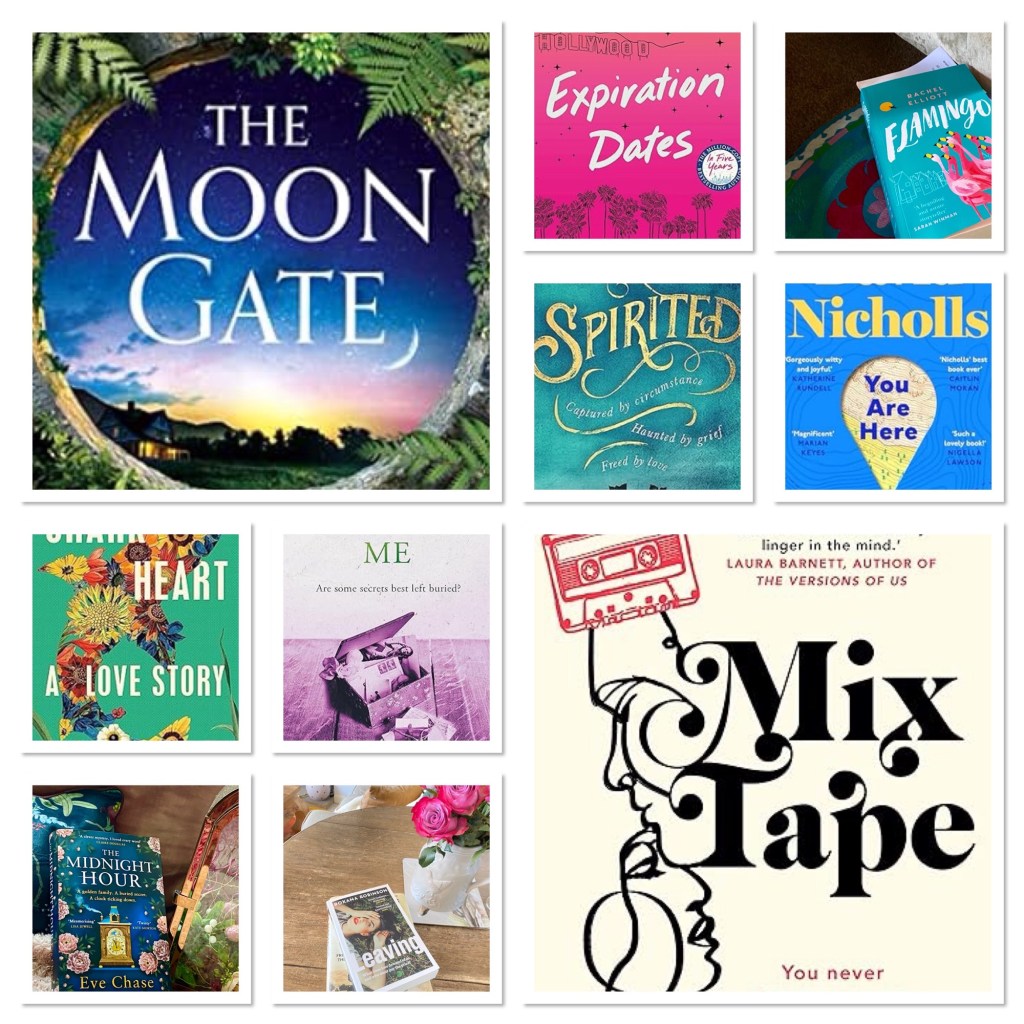
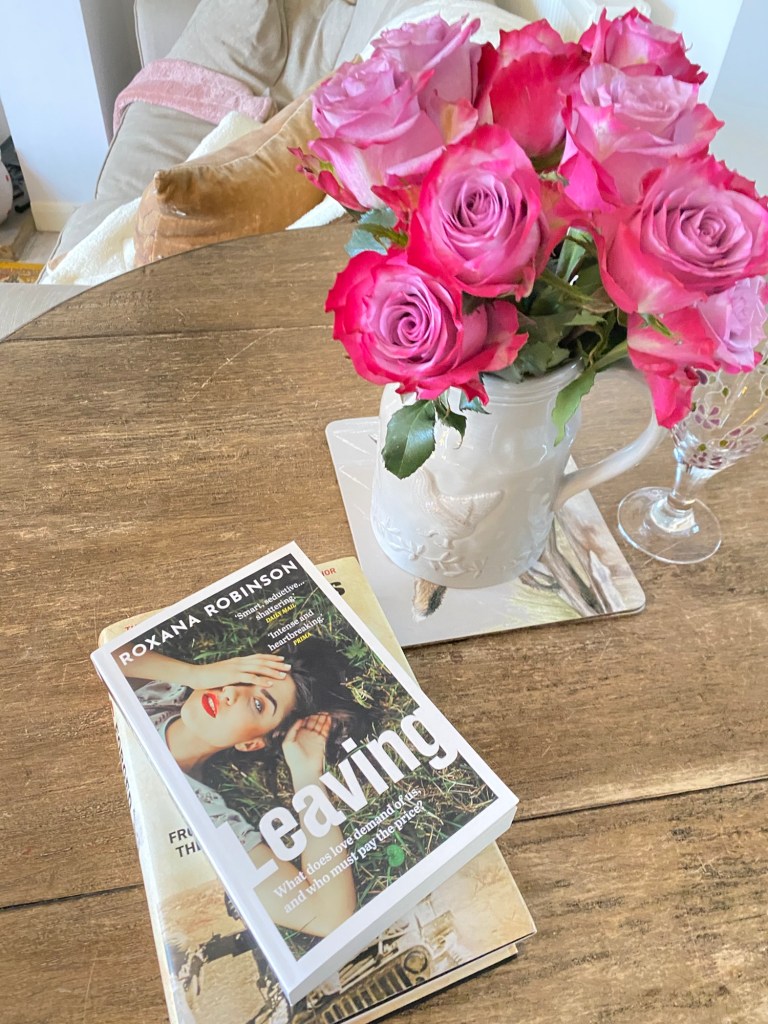
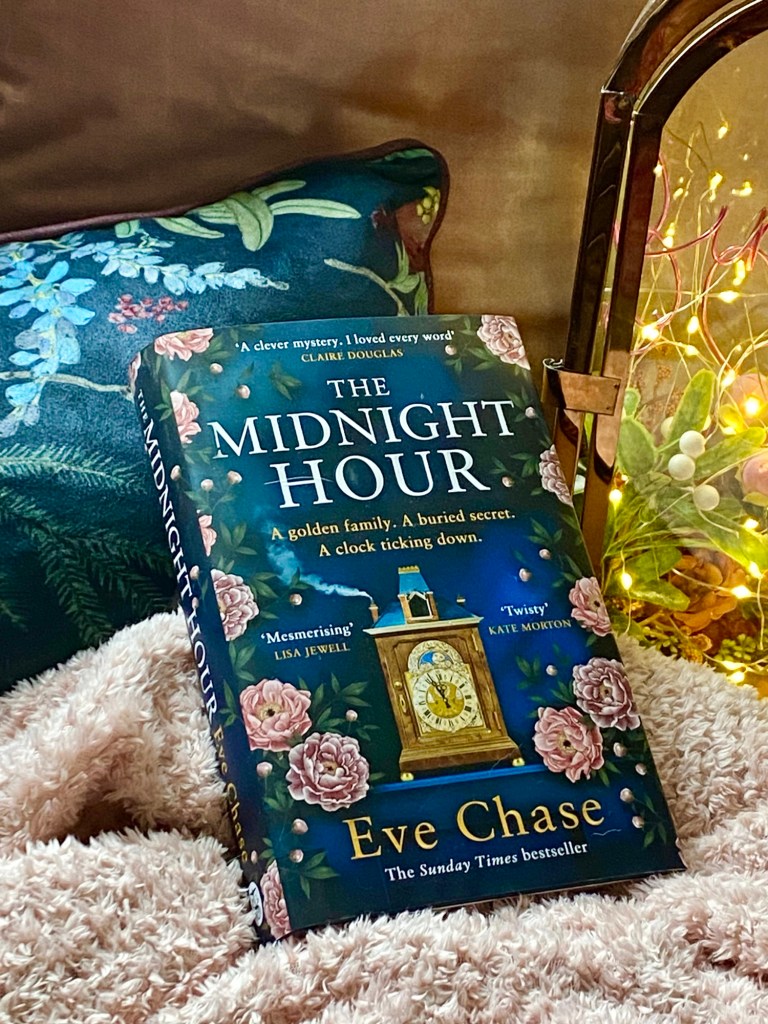
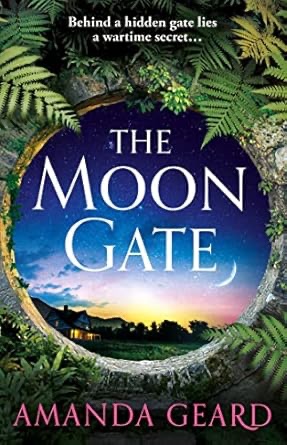
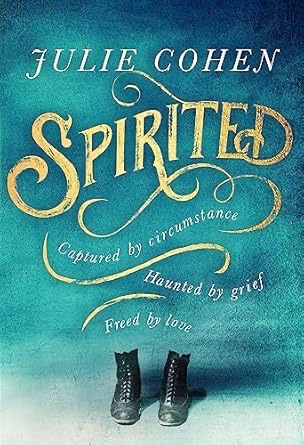
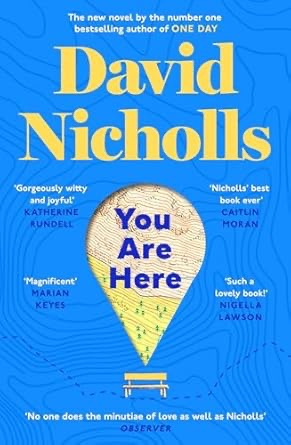
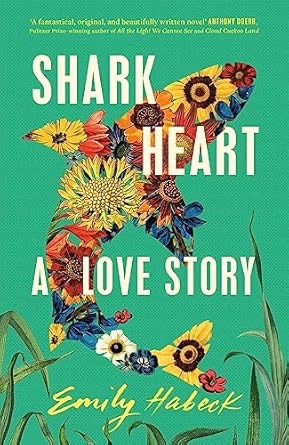
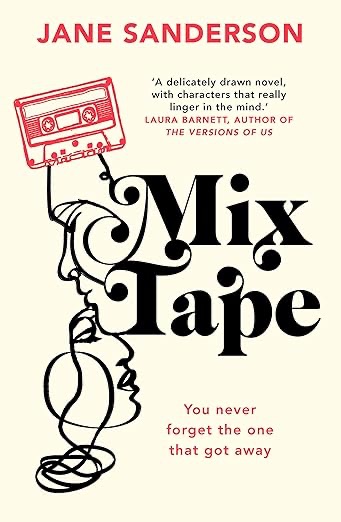
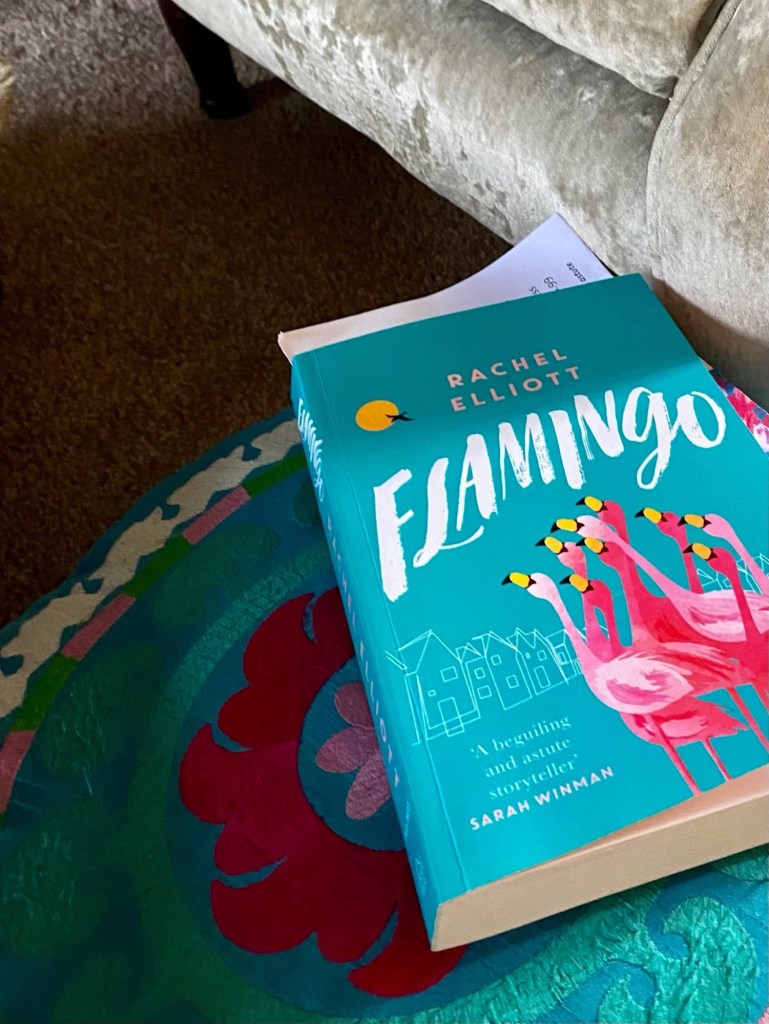
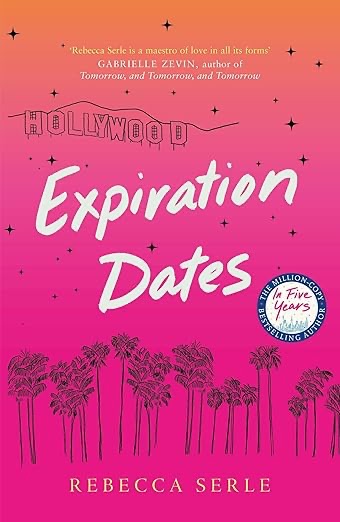
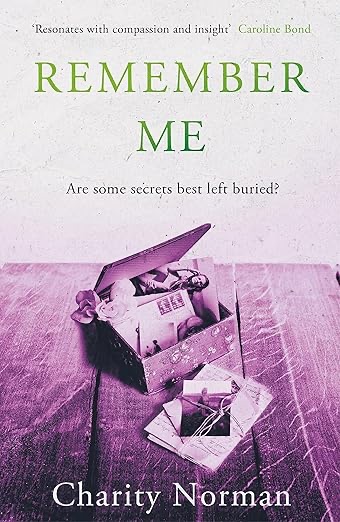


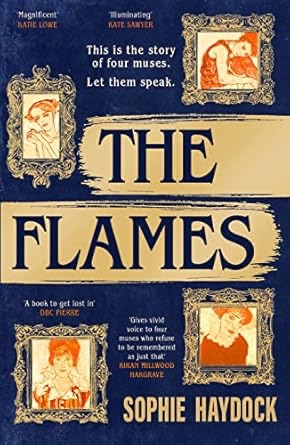
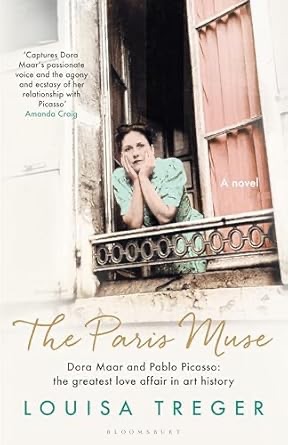
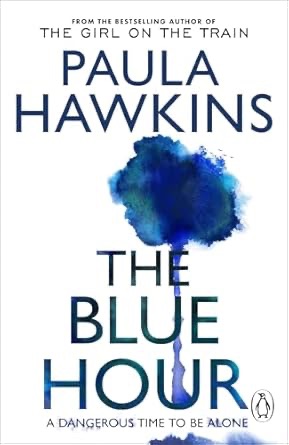
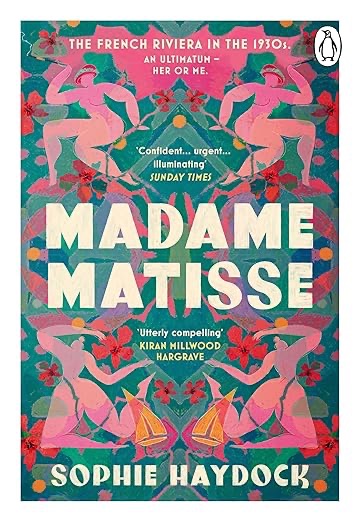

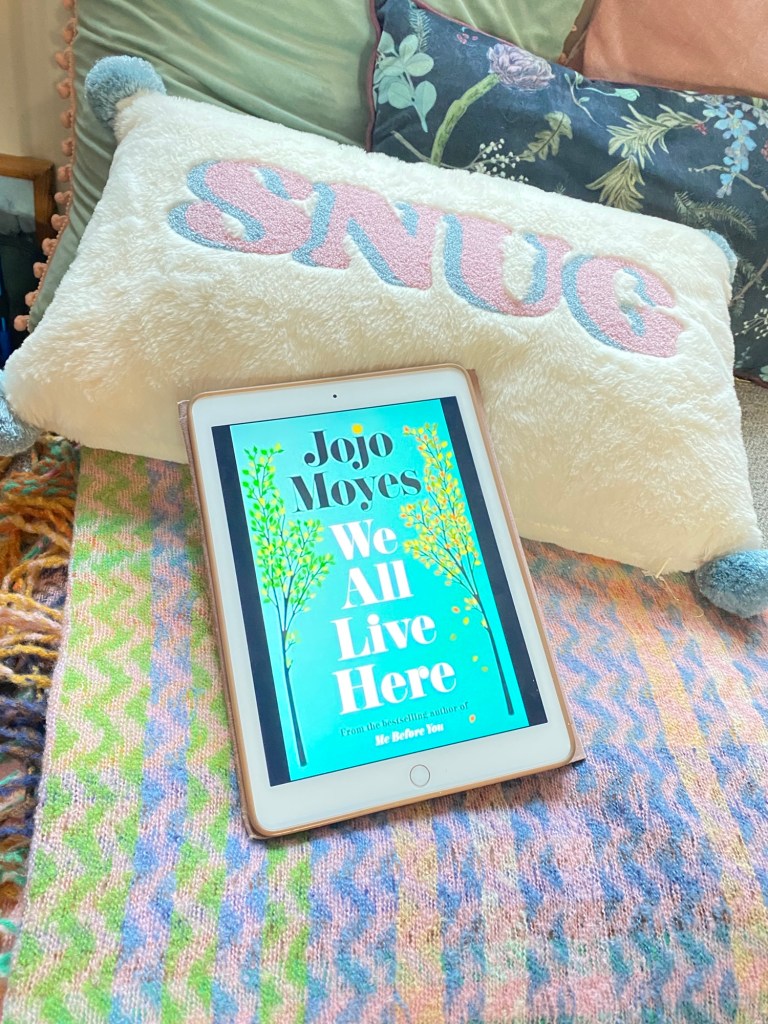
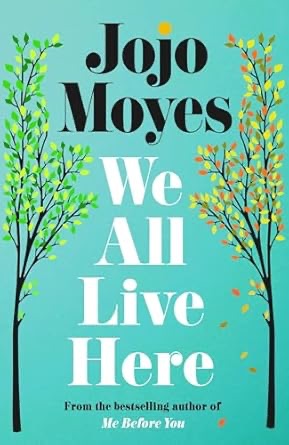


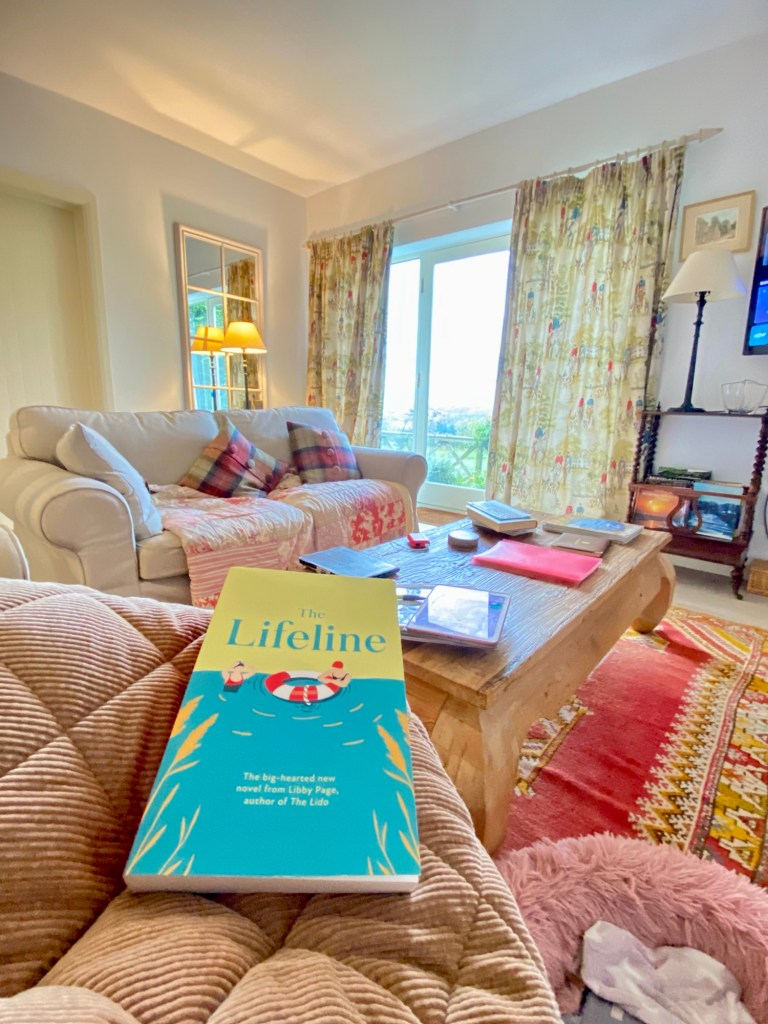
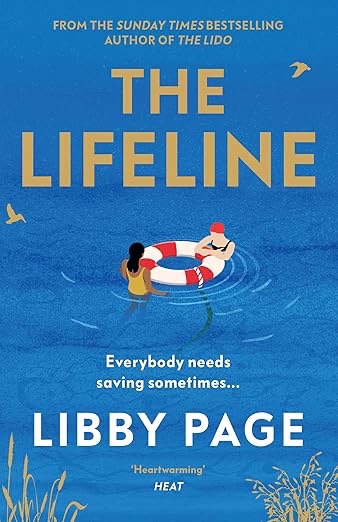

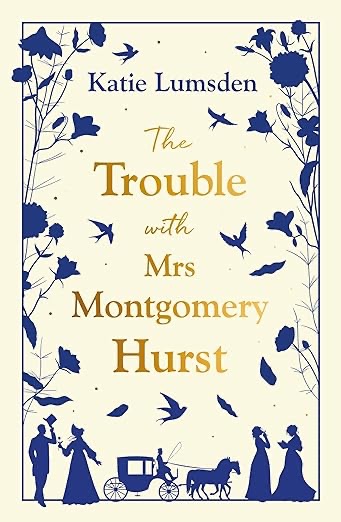


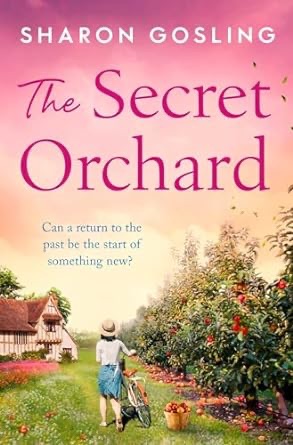


 The Lotus Readers