I was first introduced to Macbeth thanks to my crush on Sean Bean. I was living in Milton Keynes at the time and studying for my English Lit degree. We knew that Macbeth was coming in our final year and when we found out that Sean Bean would be playing the title role at our local theatre we had to see it. It was a production that had some unusual choices, but an incredibly clever banquet scene that has stayed with me. However, it was the more recent Michael Fassbender and Marion Cotillard film that I found absolutely spellbinding and moving in it’s depiction of Macbeth and his wife as two grieving parents. It gave some context to their actions in the play, particularly Lady Macbeth who is often depicted as a power hungry harpy who coerces her husband into a violent act that he’s unable to live with. I’ve always thought Lady Macbeth was done a disservice, depicted rather like Eve in the garden of Eden as a woman dissatisfied with her lot who convinces her husband to eat apples from the only tree God expressly told them not to touch. According to most dramatists she’s greedy, dissatisfied and power hungry. She was ripe for a rewrite and here it is in Lady Macbethad.
Gruoch has druid heritage and her grandmother prophesied that she would be Queen of Alba. She believes in this prophecy and will try her best to fulfil it. She was born the daughter of a King, even though her father has now been ousted. Her heart and desires are with Macbeth but she is the betrothed of Duncan, the heir elect and marriage to him should enable her to fulfil her destiny. Yet life at court comes with it’s difficulties, it’s lonely and uneasy to know every woman at court would do anything to be in her position. He coronation approaches, with the women keeping her at a distance and giving her the cold shoulder. An unexpected turn of events tears her plans apart and she’s forced to run for her life and leave her ambitions for the crown behind. Now she must fight just to survive, never mind the crown.
This was a really interesting take on the tale of Macbeth and a woman whose motivations are always unclear. There’s a feel of Eve about her, it is Macbeth who wields the knife yet in many depictions I’ve seen, the emphasis is on Lady Macbeth as the instigator of the killings. The evil temptress whispering in the blameless man’s ear. I was intrigued by a retelling of the story, based on a real woman who did marry a man called Macbethad who became the king of Scotland. The book starts as a fiction about Gruoch, but becomes an origin story for the character of Lady Macbeth. I thought these two women were brought together well, creating one character. She does have aspects of character that Shakespeare establishes in the play, becoming a scheming, power hungry woman. She’s also rather paranoid and even violent in her own right. However, whereas in the play we don’t know why she is this way, here we get her back story and have an opportunity to understand her a little better. Even if we don’t necessarily like her.
Macbethad seemed to be more balanced and measured in character. He stands out for this, which seems an irony when I expected to respond to Gruoch more sympathetically. There are other characters in the book based on real people from history, covering their family allegiances and their conflicts. I think it’s so difficult to marry historical facts with a fictional story in this way and I was impressed with the author’s attention to detail. She sets the book firmly in it’s Scottish setting by using Scottish Gaelic, as well as the stories and folklore of the area. She brought to life the conflict between the established pagan traditions and the growing practice of Christianity, something I found really interesting. Her descriptions of the place felt vibrant and alive, I could actually see it. She is equally vivid when it comes to the more brutal aspects of the story. There were parts of this book that I enjoyed immensely and I would definitely recommend it to those interesting in historical fiction and Shakespeare.
Meet the Author
Isabelle Schuler is a Swiss Hawaiian-American actress, writer and former Waterstones bookseller. She has a BA in Journalism and her screenplayQueen Hereafter was longlisted by the Thousand Films Screenwriting Competition in 2019. In 2020, Schuler adapted Queen Hereafter into her debut novel, Lady MacBethad. She lives in Hertfordshire.
“When the house was complete, in February of 1870, Eleanor Starling took up residence and stayed there until her death in 1886. There is substantial evidence that she devoted the remaining years of her life to the study of the place she later called “Underland.” She believed, according to the notes and journals found by her successors, that there was another world beneath, or maybe beside, our own—a terrible, vicious world, populated by monstrous beings. She believed that there were cracks between that world and our own, places where things might leak through, and that one of these rifts lay underneath Eden, Kentucky.”
Starling House sits on Starling land and can’t be fully seen from the roadside, except for a pair of iron gates that are so intricate and sinuous it wouldn’t be a surprise if they started to move and become a living, writhing being. Opal passes the house daily as she takes a short cut from one of her jobs to another and she’s intrigued by the house, especially the one amber lit window, high up in the attic room. There she imagines Eleanor Starling, living the solitary life of an author trying to follow up their first extraordinary book. Opal loved Eleanor’s children’s book Underland described as a much darker Alice in Wonderland where a girl called Nell is under the ground with a weird array of beasts (all of which look like a member of the animal kingdom, but at the same time not at all). Opal’s life is a gruelling slog from the motel room she shares with brother Jasper, to her cleaning jobs then back to supervise homework and share their measly evening meal. It only takes one small difference in their routine to shake everything up and bring huge change to their lives. Opal pauses her route home and stops at the iron gates of Starling House. She holds on to the iron, but immediately finds her hand is slick with blood. More disturbingly, she feels the gates give, almost as if her blood is the key. She looks up to see that a tall, thin and rather bedraggled man has appeared in front of her. He looks her in the eye and says one word. Run!
[The town] “liked the Starlings even less. They’re considered eccentrics and misanthropes, a family of dubious origin that has refused for generations to participate in the most basic elements of Eden’s civil society (church, public school, bake sales for the volunteer fire department), choosing instead to stay holed up in that grand house. […] It’s generally hoped that both they and their house will fall into a sinkhole and rot at the bottom, neither mourned nor remembered, and—perhaps—release the town from its century-long curse.”
Arthur, the bedraggled man, is the current Starling living in the house and it isn’t long before Opal is drawn back into his presence. Arthur seems to be torn. He’s drawn to Opal, but so is the house. It seems unfair to strike up a friendship with her knowing that the house wants her and what that will mean for her life. Yet he asks her if she will clean for him and offers enough money that Opal can’t refuse. He is concerned about this flame haired waif that is now in his midst and he can’t help but offer her a winter coat, then his old truck. Are these genuine gifts, or is Arthur trying to assuage his guilt for doing the house’s bidding? The house almost seems to sigh and settle as Opal cares for it, like a cat stretching with pleasure when stroked. She does wonder about the crude symbols scratched into the wooden doors, that match Arthur’s tattoos. Every conceivable symbol to ward off evil is either scratched, painted or hung around the house. How do you ward off something that strikes from within? Opal is then approached by a woman in a suit, who seems to know a lot about Opal and the Starling House. She wants Opal to take photographs and pass on information from the inside of the house. Firstly she seems like any old local official, but becomes more sinister when Opal is reluctant to help, finally making threats against Jasper. Now she has no choice, but she’s surprised by her own emotions; it’s harder to betray Arthur Starling than she expected. Is it really the house she’s drawn to, or is it Arthur?
“Eleanor Starling left no record of why she built such a vast and strange house, but the oldest and best-loved book in her collection was a copy of Ovid’s Metamorphoses. It has been suggested by subsequent Starlings that she was not building a house but a labyrinth, for much the same reason the King of Crete once did: to protect the world from the thing that lived inside it.”
Opal isn’t easily afraid and I knew, just from that opening, she wasn’t done with Starling House. More to the point, the house isn’t done with her. I admired this plucky girl who is only just getting by in life and does everything for her brother Jasper. She desperately wants him to get away from Eden, Kentucky, because he has so much talent but also because nobody with any sense stays in Eden. She is saving for the fees of a private school she has seen, somewhere that would give him prospects and he would meet the right sort of people. She’s so set on this plan, she hasn’t bothered to ask what Jasper wants. Her heart is in the right place though. She doesn’t love many things, but when she does Opal loves like she does everything else – fiercely. Her existence is all work, striving just to survive but Opal is so intelligent, in fact one of the only places in town she visits religiously is the library. The librarian Charlotte is perhaps the closest thing to a friend she has. The truth is that Opal feels enormous guilt over the terrible car accident that killed their mother and what she sees as the decision she made to survive:
“ I’m fifteen and cold water is pouring through the windshield. The glove box is open, spewing pill bottles and plastic utensils. Mom is beside me, her limbs drifting gently, her hair tangling with the tacky dream catcher she pinned to the car roof. I’m reaching for her hand and her fingers are slick and limp as minnows and I might be screaming—Mom, come on, Mom—but the words can’t make it past the river? Then it goes very quiet and very dark. I don’t remember letting go of her hand, but I must have done it. I must have crossed her name off the list in my head and swum for the surface, abandoning her to the river bottom.”
I loved the psychological aspects of the story. The house has an identity and it knows who has the right stuff to live there and keep up the fight. I wondered whether the monsters were real or a manifestation of the occupant’s mental state. The thought of the monsters in our heads being able to run free in the world is definitely a terrifying one. The author builds the two worlds within the novel with contrasting techniques: short, blunt descriptions create Eden with it’s power plant and functional buildings, whereas Starling House and it’s labyrinthine tunnels are given long, descriptive passages that bring it to life. If something in Opal or Eleanor’s world is inexplicable she allows it to be unfinished or confused. Some of the monsters are beautifully described as ‘like a cat, but not quite’ or other strange combination that leaves gaps in the image for the reader to fill with their own imagination. This is an author that knows, the things we can’t see or comprehend are the most frightening.
When we finally get to Eleanor’s life story it is disturbing and sad, showing how unresolved trauma can project outwards into something monstrous. There’s a feminist thread here too in the truth about Eleanor’s life with the Gravely men and Opal recognition that her mother was shunned by the town, not just for liking sex but for not being sorry about it. In a reversal of the usual damsel in distress story, Opal is the architect of her own life and is determined to rid Starling House of it’s monsters and save Arthur. I was biting my nails in the final chapters, desperately wanting her to succeed! I’ve never doubted Alix E. Harrow’s talent or imagination. I’ve been a fan since her first novel, but this is her best yet. I’ve been reading that it’s a reimagining of Beauty and the Beast, and I can see that. However, Underland felt like the very darkest Alice in Wonderland to me. In both cases, all the ‘Disney-fied’ prettiness has been swept away. In it’s place are monsters that defy all description and a love story that’s more swords and thorns than hearts and flowers. It’s an absolute feast for the imagination and the perfect dark fantasy read for October.
I wouldn’t have imagined back at the beginning, that we would get this many books down the line with private investigators Cormoran Strike and Robin Ellacott. In fact after the last book I thought the author had hit a wall with ideas or was trying to hard to be up to the minute with technology and new trends. I was pleased to find that this was a much better investigation. Full of tension and very dark in tone, this book delves into a church that’s really a cult, every bit as huge and secretive as Scientology. This is a tale of abuse: financial, physical, sexual and spiritual. In parts it is hard to read but compelling and fascinating to see how it’s teaching affect the people who follow it, but also our investigative duo. Sir Colin Edensor approaches Strike to try and bring his son home from the United Humanitarian Church’s compound in Norfolk. Chapman Farm claims to be self-sufficient, growing fields of vegetables and keeping animals, as well as undertaking evangelical work on the streets of Norwich. Sir Colin’s son Will has been part of the UHC for several years and would seem completely indoctrinated. He’s failed to get him out before, but desperately wants him home to see his mother who is dying of cancer. How will Strike and Robin go about their task?
The best way to discredit the church and get close to Will would be for someone to go in undercover. It would be better if that was a woman and Robin volunteers. Strike is reluctant to agree, but can’t come up with a sensible reason for that instinct, knowing his reluctance is probably down to his growing feelings for his partner. However, their other female investigator Midge is covering a famous actress who has a father and son stalker team who want to kidnap her. Robin is adamant it should be her and creates a persona called Rowena, who visits their London base for a ‘service’ with just the right clothes to suggest she has money, borrowed from Strike’s half-sister Prudence. It’s agreed that Robin will go to Chapman Farm for an induction period but they pick a place on the perimeter fence to leave a fake rock. Every Thursday Strike will leave a letter under the rock for Robin to find and she will leave a reply, if she wants to come out she can let them know and they will use blot cutters on the fence and bring her out.
As regular readers will know, Strike and Robin are one of my favourite literary couples, but I’ve been wondering during the last two novels how long she can keep them apart? There’s also a trend for putting Robin in danger to evoke feelings in her partner. Here I was genuinely worried for Robin before she even went into the farm. I could understand her wanting to assert her ability to go undercover and her authority as partner to make the choice – it shouldn’t have to be okayed by Strike. Yet as a person Robin has certain life experiences that a church like this could see as weaknesses to exploit: the rape she suffered at university, the knife attack on her first case that left her with PTSD, there’s also the fall out from her marriage to Matthew and her undisclosed feelings for Strike. These chinks in her armour will be seen by people used to exploiting others. I think there are times when asserting your authority and taking a feminist stance are admirable, but not at the expense of your own safety. ‘Rowena’ is noticed straight away by recruiters at the London temple and after a few attendances, Rowena is taken to Chapman Farm and starts at the bottom of the pile, working in the fields and mucking out the animals. In between there are services or talks about the church’s purpose, bombarding new recruits with images of everything that’s wrong in the world until their current place seems like one of safety. Then a process of breaking recruits down begins – lack of sleep, restricted food or fasting, manual labour and strange interventions and group therapy where the individual is broken down mentally. All of this starts to have a detrimental effect on Robin, but the most disturbing practices are around familial relationships. Children are taken to a dormitory and school so they are no longer a family unit but belong to everyone. Family groupings outside the UHC are rubbished as false attachments that should be broken immediately. Then there’s the spirit bonding. On the farm there are pods called ‘retreat rooms’ there expressly for the purpose of when someone approaches you and asks for sex. Emotional bonding is not the norm, sex is just another form of service, given freely with no ties. What will Robin do if approached?
There were times when I found myself a bit lost on who was who because the cult has so many members and their relationships are complex. There are also complications about the names they have for themselves. I think the author could have achieved the same effects and build up of tension within the farm with less characters and a shorter process of indoctrination. I also felt that Robin would have struggled to come out more than she did. The PTSD seemed mild considering what she’s seen and heard. The experience of looking after a disabled child who isn’t receiving the medical care he should was horrifying and was the main experience she struggled to shake off. The neglect was terrible and Robin desperate wanted him found by the police. However, she was cornered in the retreat room by a naked Will Edensor and was sexually assaulted by the church leader, but once she’s out it’s never mentioned and she doesn’t even tell Strike or Detective Murphy, her boyfriend. I wondered if this might be revisited in the future but it did seem odd to leave it hanging. I also started to be confused by the ex members that Strike was interviewing and where they’d fit into the hierarchy. There was so much detail surrounding the doctrine of the cult and it’s different prophets that I felt the other cases disappeared into the background. In fact one case seemed to be there only to serve as a distraction for Strike at a strategic point. Nevertheless, the tension built as Strike started to unravel the truth and Robin was still inside.
All that being said this was a much better novel than the last in the series. I was totally engrossed in it by half way through and barely surfaced till the end. Of course there is the question of Robin and Strike’s relationship. Ex-girlfriend Charlotte comes to the fore again, trying to lure him back in with an unforgivable lie. I was hoping he would see the manipulation, especially since he’s on his own and can’t run anything past his best friend. He’s wrestling with risking all that he’s built in terms of his business and their friendship if he tells Robin that Charlotte has been right all along, he does love her. Can he find the courage to tell her?
Meet the Author
Robert Galbraith’s Cormoran Strike series is classic contemporary crime fiction from a master story-teller, rich in plot, characterisation and detail. Galbraith’s debut into crime fiction garnered acclaim amongst critics and crime fans alike. The first three novels The Cuckoo’s Calling (2013), The Silkworm (2014) and Career of Evil (2015) all topped the national and international bestseller lists and have been adapted for television, produced by Brontë Film and Television. The fourth in the series, Lethal White (2018), is out now.
Robert Galbraith is a pseudonym of J.K. Rowling, bestselling author of the Harry Potter series and The Casual Vacancy, a novel for adults. After Harry Potter, the author chose crime fiction for her next books, a genre she has always loved as a reader. She wanted to write a contemporary whodunit, with a credible back story.
J.K. Rowling’s original intention for writing as Robert Galbraith was for the books to be judged on their own merit, and to establish Galbraith as a well-regarded name in crime in its own right.
Now Robert Galbraith’s true identity is widely known, J.K. Rowling continues to write the crime series under the Galbraith pseudonym to keep the distinction from her other writing and so people will know what to expect from a Cormoran Strike novel.
He took you and you have been his for five years. But you have been careful. Waiting for him to mess up. It has to be now.
Reading this novel was quite an experience! I didn’t want to put it down, I was reading so fast to get to the next bit that I sometimes had to go back and re-read a paragraph. I had to tell myself to read slower and take it in, because the urge to devour this story is so strong. The writer has chosen an interesting viewpoint, that of the women in a killer’s life. I loved that contrast to other serial killer novels where a male serial killer and a male detective often narrate the story. Where the only women are the dead ones. Women are not expendable here. Even the murdered ones.
This is still the story of Aiden, a serial killer, but told from the perspective of the women in his life: his daughter, the woman he has abducted and imprisoned in a shed, and the bartender who is infatuated with him. There are also small sections from the women he imprisoned before, now dead. Each woman’s narrative gives the reader a different side to this hidden monster. It’s an intimate reading experience, because I felt like I knew everything about this woman: how she thinks, how she feels and even the details of her dreams. It feels like you’re with her in that tiny space, sharing her experience. It’s a very tense existence, knowing that you’re here at the whim of a man who’s already killed so many times you mean nothing to him. As someone who gets claustrophobic it felt almost too close and I felt her fear that it might just take one wrong move for him to kill again.
Aiden’s wife has just died, so he and his daughter Cecelia need to move house and his captive moves with them. She goes from her place in the garden shed to being chained to a radiator in the house. If she puts a foot wrong he will kill her and somehow he does know everything she’s doing even while he’s out of the house. How is he watching her? Incredibly, he has a daughter in the main part of the house as well as a souvenir stash in the basement. This only adds to the tension. What is hard to understand is how he rationalises his killing of women when he’s father to a daughter.– to a place with no shed. After years of isolation, Rachel is allowed inside a house again, and meets her captor’s child. I had so many questions though. Why is she still alive? It’s been five years now and he’s always killed his victims. He also seems to be out stalking a new victim, Emily, a local restaurant owner. Is this good news for the captive, or is he looking for a replacement?
Since the book Rebecca I’ve always been intrigued by characters that we don’t see, but even more so, by characters without the right name or a name at all. We know this woman as Rachel, but the choice not to use her own name makes you think. It seems common sense that he wouldn’t use it, he’s trying to distance himself. To make her an object rather than a human being. Yet she doesn’t mention her name either. Maybe even she can’t remember it or maybe every one of his captives is ‘Rachel’. This is part of the mystery that I wondered about when I was going about my day. It has allowed the author to place emotion and the victims at the centre of this thriller, making it stand out. As others have noted there’s a hint of Emma Donoghue’s Room here, where the four walls you’re in become your whole world and you become whatever you’re called. Rachel is a complicated character, and it’s clear that she’s suffered at the hands of Aiden. There are moments where I was rooting for her escape. She has time and opportunity, but can’t take it out of fear. From reading cases of abductions and long captivity, this isn’t unrealistic. Yes, she’s a strong woman, but she’s been manipulated and terrorised by this man so has to be sure before she takes a chance.
In the local area Aiden is seen as a good husband and father, in fact there’s probably an element of hero worship. So, local restaurateur Emily is aware of him already and might even be a little into him. She’s also young and alone, so it doesn’t take long for till she’s under his spell completely. Through these three narratives, Aiden’s captive, his daughter and the new love interest, Aiden’s dark truths are unravelled. This is not about considering his motivation or perspective, all of this story is about his victims and the mess the man like this leaves in his wake. I loved how the style of the author’s writing, which is mesmerising and poetic contrasts strongly with the dark subject matter. I doesn’t rush like thrillers often do. The contrast shows us that life can be beautiful, but what Aiden does is twisted and sadistic. I was desperately hoping that Rachel would survive and we might know who she really is.
Meet the Author
Clémence Michallon was born and raised near Paris. She studied journalism at City University of London, received a master’s in Journalism from Columbia University, and has written for The Independent since 2018. Her essays and features have covered true-crime, celebrity culture, and literature. She moved to New York City in 2014 and recently became a US citizen. She now divides her time between New York City and Rhinebeck, NY.
From listening to blogger’s conversations over the last couple of weeks I’ve learned a lot about reactions to this book and it seems to have completely divided readers. Maybe all bookworms can be divided into Lauras and Roaches – I certainly found a few clues about which on I was, so that made me smile at my own ridiculousness!
“I knew she was a bookseller as soon as I saw her. She wore a green beret, the colour of fresh pine needles, and a camel raincoat like a private detective in a film noir. Over one shoulder, the grubby straps of a shabby tote bag. It was decorated with a quote in a typewriter font, and although I couldn’t quite read it, I knew what it would say: Though she be but little, she is fierce, or Curiouser and curiouser, or Beware for I am fearless and therefore powerful.”
Brogan Roach works at a small London branch of Spines – the ubiquitous high street bookshop. She pretty much runs her own workday, keeping a close eye on her precious true crime section and sneakily reserving books, but secreting them in the staff room to read later. Things are about to change though, when a new team move in to pick up sales and improve the store. They’re like bookshop troubleshooters. Sharona is the manager and her team Laura and Eli are very experienced booksellers, eager to help the public and make sure the pyramid displays are perfect. Laura Bunting is just one of those people born to work with the public. She has an easy manner, quick to smile and engage customers in conversation, magically able to sell the book of the month. People warm to her immediately, but she hasn’t warmed to Roach.
“Laura Bunting. Her name was garden parties, and Wimbledon, and royal weddings. It was chintzy tea rooms, Blitz spirit, and bric-a-brac for sale in bright church halls. It was coconut shies and bake sales and guess-the-weight-of-the-fucking-cake.”
Laura and Roach are incredibly different characters anyway, but the rot sets in on a poetry evening. All the staff go, but Laura is performing. Her poetry takes the killer out of the murder narrative. She performs found poetry created from serial killer narratives, but telling the story of the women instead. Roach seems to miss the point though and as Laura comes off stage she greets her with excitement as if she’s a fellow true crime enthusiast. She wants to engage Laura in a debate over whether adding the violence she’s omitted might make the poems more exciting, or appeal to a larger audience. This would be fine if they were both enthusiasts, but they’re really not. For Laura, this is personal. Years before, Laura’s mother was the victim of Leo Steele, a prolific strangler. Laura hates true crime because it always tells the killer’s story. The whole point of her poetry is to right that wrong so she becomes furious when Roach misses the point. Other than that the pair just don’t click, not everyone does. Laura is the type of bookworm I know and love – she has the tote bag with the literary quote and all the book paraphernalia that signals to others she’s a bookworm. Roach sneers at this, she loves her genre but she seems to be reading exactly the same book throughout. It’s unforgivable when Roach re-inserts the violence and torture into Laura’s poetry, especially when it ends up published online. She has no concept of how much pain this will cause Laura, both personally and professionally. Laura’s full of memories of her mum that have nothing to do with her death or her killer and she thinks of her every time she walks to work.
“I think about the rhythm of my feet on the cracked path and about Patti Smith in New York, and of Joan Didion in Sacramento, and how each footstep is another connection between me and my neighbourhood, the streets on which I learned to ride a bike, where I walked hand in hand with my mother, and that despite all the pain, and the loss, and the grief, I’m tethered to Walthamstow because she still exists in the fabric of it, a ghost imprinted on every familiar sight. She knew these streets, these trees, these bricks, these bollards. These paving stones remember the bounce of her running shoes. I still can’t quite bring myself to walk past her old shop, even though it’s changed.”
Laura takes opportunities to dig at Roach and the genre she holds dear, but on Roach’s end there are sinister acts of sabotage. I found them disturbing, targeting Laura’s very sense of self. Both women are vulnerable in their own way with binge drinking and destructive sexual encounters shown as symptoms of low self-esteem. Laura’s encounters with Eli are particularly painful and indicative of relationships we settle for when we’re young and unsure of ourselves. Roach seems to have the confidence to embrace who she is, but is constructing her entire identity around her true crime fandom. There’s clearly either a jealousy or deep obsession where Laura is concerned. Is it Laura’s charm, her easy way with customers, her talent? Or is this much darker, an obsession with Laura’s proximity to a real life true crime story? Instead of seeing Laura’s work as an inspiration and a starting point for her own creative path, she decides to steal it. She even reasons that it isn’t theft, because many writers use other works in their own process. I was gripped, waiting to see if this would go further. I was unsure whether Roach even had her own identity, an idea of her authentic self, or whether this was another aspect of Laura she was willing to steal.
The book is fast paced and so addictive I read it in two short bursts over a Friday night and into Saturday morning. I was bleary eyed, but had to know. The title alludes to a death and I needed to know who would die and whether it was murder. Ironically, I found myself intrigued by the potential killers, just like any true crime fan. I loved the author’s sarcastic jibes about the book world and couldn’t help but laugh, even when I recognised myself. I thought she captured the loneliness of living and working in London as a young woman, especially in a relatively low paid job and the poor housing they find affordable. Locked in a solitary, damp flat with only books for company is a breeding ground for mental health issues, with heavy drinking used to self-medicate. It was tense towards an ending that could only be devastating for someone, but who? This was a brilliant debut thriller, that kept me rapt throughout.
The first thing I have to say is ‘Wow! What an opening.’ I read the first page then went to find my other half so I could read it to him. He’s one of those people who say ‘just chuck me in a bin bag’ so I thought he’d love it too. Of course it’s horrifying, but I also found it blackly comic and with Irish ancestors myself I can honestly say it’s an Irish trait. We laugh at the story of Mother – my great-grandmother – putting her head in the oven and wondering why it was taking too long. Slowly realising it was an electric oven. Tragic, horrifying, but hilarious at the same time. I felt this all the way through the story of Sally Diamond, a young woman having to negotiate a new life after the death of her incredibly protective father. He was an academic doctor and it turns out Sally was his subject. He leaves Sally letters to read after his death to give her all the information about what to do next. However, Sally can be very literal and by carrying out his verbal wishes to be in a bin bag, it turns out she may have committed a crime. Luckily family friend and GP Angela comes to the rescue, explaining to the police that Sally is ‘different’ she’s been sheltered and her childhood before her adoption was very traumatic. In fact her father left specific instructions in his letters, but as Sally points out he should have labelled the envelope ‘open this as soon as I’ve died’. Sally learns that she was born in terrible circumstances and it’s only chance that saved her. How will Sally cope with the detailed news about her past and how will she integrate into the community and learn how to manage by herself?
I found Sally rather endearing, despite her tendency to ask personal questions and disappearing to play the piano when things get too much. Sally knows that her mother died, in fact she committed suicide after their escape. Sally was born Mary Norton, in a locked extension attached to the home of Connor Geary and his son. Sally’s mother was abducted by Geary and brought back to the specially built annex where he chained her to the radiator. Denise Norton was subjected to all forms of abuse and violence and gave birth to her daughter in captivity. They were only found when a burglar broke into the house and Denise shouted to him ‘I am Denise Norton’ over and over, in the hope he’d tell the authorities. Sally doesn’t remember anything about her earliest years, but when she’s sent a grubby, old teddy in the post she knows instinctively that he’s hers. Sally was adopted by the husband and wife psychologist team who were treating her and her mother after they left hospital. After a short space of time, it became clear that Denise would not recover well and it was decided that in order for her to develop, Mary must be removed from her mother. Tragically, as soon as this happened, Denise committed suicide. Ever since, and with the new name Sally, she has lived an isolated rural life in Ireland. Sally has her quirks: she asks deeply personal questions; she would tear out her hair if upset; she could be extremely violent. As we followed Sally’s journey it started to feel really uplifting and I was so happy for her, finding the ability to live a fuller life would be a real happy ending to the story.
Then the book changes and we’re listening to a boy called Peter from New Zealand, having emigrated from Ireland. I found Peter’s father terrifying, he is a misogynist and incredibly controlling to the extent of telling his son he has a rare disease that means he can’t touch other people. This lie will have terrible consequences, when Peter tries to make connections with others. Slowly a terrifying story emerges about their home in Ireland and the ghost who lived through the wall. Sometimes he’d hear the shrieks and moans from that room. When Peter was left to be looked after by the ghost, something terrible happened and the trauma has stayed with him for life. I felt so moved by Peter’s story, but terrified by what he could become. I felt as if the loss of his friend Rangi that was the turning point. Peter can also be extremely violent and even though he is assailed by guilt afterwards, the damage is done. I hoped and hoped for a point of redemption for him. When his father starts to build a barn and look for another victim he has no choice but to be complicit. If something happened to his father, would he able to come clean and let them victim go? Does he ever wonder about what happened to his mother’s family in Ireland?
I was hoping that these two damaged people would get to meet each other. Both of them need family and a sense of where they’re from, even when the truth is awful to comprehend. The author has such a talent for playing with the reader’s emotions, letting us feel for a character then finding out they’ve done something terrible or making us feel sorry for a character we dislike, because of something they’ve experienced. Her characters are always complicated and flawed, but this was the next level. I loved watching Sally start to thrive with the support of those around her. She uses the money she inherits to renovate a cottage closer to the village. She starts to build relationships with her dad’s sister Aunt Christine and her Uncle Mark too. The high point is a lovely party at Sally’s cottage with a bouncy castle for the kids, which she is even persuaded to try herself. Then a stranger from New Zealand turns up at her door and I was riveted to the story from then on to see how this will affect Sally. Can two damaged people console and support each other, or will they drag each other down? We are about to witness the difference of growing up on opposite sides of the wall. This was a fascinating novel, especially if you love psychological thrillers and studying how someone’s start in life contributes to the person they are. I was also fascinated with the idea that those who heal can also hurt. When your adopted child is also your subject, your academic reputation and possibly even your funding, lines become blurred. I desperately wanted a happy ending for Sally because she’d made so much progress but can so much trauma ever be left behind? The author created a character that I was so emotionally invested in, she will definitely stay with me. She’s so complex and nuanced that she felt completely real to me. The book is incredible and is up there with my top reads of this year, it’s one of those that will keep coming back to me until eventually I grab it from the shelf and read it again.
Meet the Author
Liz was born in Dublin in 1967, where she now lives. She has written successfully for soap opera, radio drama, television plays, short stories and animation for children.
Liz’s first novel Unravelling Oliver was published to critical and popular acclaim in March 2014. It quickly became a firm favourite with book clubs and reader’s groups. In November of that year, it went on to win the Ireland AM Crime Novel of the Year at the Bord Gais Energy Book Awards and was long listed for the International Dublin Literature Prize 2016. She was also the winner of the inaugural Jack Harte Bursary provided by the Irish Writers Centre and the Tyrone Guthrie Centre in Dec 2014. Her second novel, Lying in Wait, was published in July 2016 and went straight to number 1 where it remained for seven weeks. Liz won the Monaco Bursary from the Ireland Funds and was Writer in Residence at the Princess Grace Irish Library in Monaco in Sept/Oct 2016. In Nov 2016, Lying in Wait won the prestigious RTE Ryan Tubridy Listener’s Choice prize at the Irish Book Awards.
Aside from writing, Liz has led workshops in writing drama for broadcast, she has produced and managed literary salons and curated literary strands of Arts Festivals. She regularly does public interviews and panel discussions on all aspects of her writing.
The experience of motherhood is such a rich seam of material that writers are always mining it in new and creative ways. Every relationship between mother and child is different and it is one of my favourite subjects in fiction, because of that variety but also because of the emotional complexity. Without my mum I wouldn’t have my love of literature. It was mum who taught me to read. She always had books around the house and took us to the local library to borrow books and explore whatever we wanted to read. I’m so proud of my mum, that despite being unable to finish her secondary education, she has always loved literature and writes beautiful poetry. She introduced me to classics through her book collection and through film adaptations that she enjoyed. I watched D.H.Lawrence adaptations Women in Love and The Virgin and the Gypsy, the Thomas Hardy adaptations of Tess and Far From the Madding Crowd with Alan Bates, and the beautiful 1970s adaptation of L.P. Hartley’s The Go Between starring Julie Christie, which I still love to this day. Thanks to her I was introduced to Du Maurier, Mary Webb and the beauty (rather than the sensationalism) of Lady Chatterley’s Lover. These days she is the first person I would take to see a literary film and the first member of my book club. She is endlessly understanding, encouraging and doesn’t judge me whatever I do. My own experience with motherhood has been a difficult one, so when choosing the mothers for this post I wanted to include the tougher parts of being and becoming a mum. Happy Mother’s Day to all of you mums, step mums, adoptive mums, fosterers and those whose babies have angel wings. I hope you all have a wonderful day celebrating the love you all have for your children and the love they have for you.
The Ideal Mum. Marmee from Little Women.
“Money is a needful and precious thing,—and, when well used, a noble thing,—but I never want you to think it is the first or only prize to strive for. I’d rather see you poor men’s wives, if you were happy, beloved, contented, than queens on thrones, without self- respect and peace.”
Laura Dean, Susan Sarandon and Mary Astor as Marmee
Marmee is the sort of literary mum who gives the reader a great big hug from within the pages. Yes her Christian values are a little out of step with today’s society, but if you listen to her wisdom such as the quote above there’s still so much to take away from it. She’s teaching her girls that however much you have, you’ll be richer by sharing it with someone else. I love that she allows her girls the freedom to explore who they are, especially Jo who doesn’t dress like other girls, uses slang and is always running, leaping over gates and climbing down the drainpipe. She even allows her a relationship with Laurie from next door that’s very close and ignores the society gossips who think she’s hoping to make a rich match for her daughter. Marmee knows that Laurie respects her and her daughters. She teaches the girls to be charitable, and not just with material things but with time and commitment. She’s incredible with her advice, her time and her love. Most of all though, she influences them by example; one of my favourites is when she tells Jo about her own terrible temper and her attempts to master it. Her relationship with Jo evolves into a friendship as Jo becomes older and has returned home to nurse her sister Beth. They have a frank discussion about Laurie, now in Europe on his Grand Tour, and Jo doesn’t hold back. She admits that were Laurie to return and ask her to marry him a second time she might say yes, not because her feelings for him have changed but because she cares more about being loved these days. Loss and loneliness have made Jo appreciate what he was offering, and I love that the only person she shares this with is her mum.
The Feminist Mum. Pauline Mole from Adrian Mole’s Diaries.
Julie Walters as Pauline Mole with Gian Sammarco as Adrian
“All under-fives are mad Adrian, you used to talk to the moon. You invited it to your birthday party and cried when it didn’t turn up.” George: “When it went dark and the moon came up, you ran outside and threw a sausage roll at it!”
I don’t think we can call Pauline Mole an ideal mum, but she is more realistic and probably one of the funniest mums in literature. Adrian despairs of his parents, in fact at one point he’s so disillusioned that he observes he wouldn’t be surprised if his father turned out to be a Russian agent and his mother ran off with a circus knife thrower. I always remember when Adrian’s father George gives him some sage advice about matters of the heart. He suggests that before he even thinks about marrying a woman, he should live with her and if she leaves her knickers on the floor for more than three days not to bother. There are the romantic entanglements, first with Mr (Ratfink) Lucas and then with Ivan Braithwaite father of Pandora. However, she does end up in a cottage caring for George after he’s had a stroke. She has a feminist awakening in the 1980’s when she organises a trip for ladies in the close to Greenham Common. They come back awakened and are keeping Adrian awake singing ‘We Shall Overcome’ till the wee small hours. She even names Adrian’s baby sister Rosie Germaine Mole after reading The Female Eunuch. Despite having an ideal son called Brett Mole in her head she does love her son and is there whenever something goes badly wrong. She collects him when everything goes wrong after his brief stint as a celebrity chef. When Adrian is ill in the final diary of the series, she is the one who drives him to hospital every day and nurses him at home too after his wife leaves. Despite making mistakes with each other, mother and son do stick together.
The Unexpected Mum. Marilla Cuthbert from Anne of Green Gables.
I loved Anne of Green Gables when I was younger and even now, if this particular adaptation of the books is on I do watch, because I love this depiction of the rather severe Marilla, a woman who never expected to be a mum. Marilla and Matthew Cuthbert are brother and sister, running a farm together on Prince Edward Island in Canada. They decide to apply for an orphan, a boy who will be able to help them with the farm work as Matthew gets older. Yet, when Matthew goes to the train station to collect their new charge he finds a freckle faced, red headed girl with two pigtails and a hot temper. Being soft hearted and not knowing what to do, he takes her home to Marilla. I love how Marilla has no idea what to do with Anne Shirley, in fact at first she wants Matthew to return her, but she slowly thaws towards this unexpected girl who tries her patience terribly. Marilla is an old maid so has never expected to be a mum, especially not to the dreamy and clumsy Anne. Marilla can seem harsh and has just as hot a temper as Anne does, but slowly she learns to love the girl she wanted to send back and watching Anne love Marilla, knocking off her harsh edges, is so heart-warming. As an unexpected step mum myself I do have a soft spot for this particular woman, who it turns out had missed her one chance of love and a family many years before.
The Mum Who Will Do Anything. Veronica Murphy from This Is How We Are Human.
Louise Beech’s novel was one of my favourite books of last year and the story has stayed with me, because its hard not to fall in love with Sebastian Murphy and the lengths Veronica will go to for her child are incredible. As mum to a son with autism, Veronica is used to having an unconventional relationship. She knows everything about her son: his schedule, favourite music, the way he likes his eggs. She expected questions about relationships as he got older, but is a bit shocked when he tells her he’d like to have sex. She’s helped him negotiate everything else in his world. Should she help with this and how would she go about it? This is a mum who has tried to insulate her son from all the difficulties he might face in the world. He loves swimming and he still goes to the same swimming group he did when he was eight. He doesn’t like change so Veronica fixed it for him, so how is she going to cope now he’s entering into an area of life there’s no control over? Her solution might shock some people, she decides to meet with a sex worker with the name of Violetta. Violetta is working to pay for student loans and for her father’s care. He is affected by a stroke and wanted to rehabilitate at home rather than a nursing home. Veronica makes an agreement: a set time every week for Sebastian to spend time with Violetta. However, Veronica is worried about him becoming too attached, what if his emotions bleed into the arrangement? These three people will affect each other in unexpected ways and its just possible that Veronica has underestimated her son. A beautiful, moving story about the things we do for people in the name of love, and a depiction of a mother who’s far from conventional, but is determined that her child will be happy.
Mums in Waiting. Zoe Baxter from Sing You Home.
Zoe and Max Baxter are having problems in their marriage, after a ten years struggle with infertility. They have frozen embryos stored at a medical facility, but since every attempt has so far failed they are left heartbroken. They are struggling to grieve together and with heavy hearts agree to separate. Max finds consolation in God and joins an evangelical church, soon making friends and finding support. Zoe’s life starts to change unexpectedly when a new colleague starts at the school. Zoe works with the students using music therapy, so she works in close contact with the new school counsellor Vanessa. They form a friendship, but much to Zoe’s surprise their feelings start to deepen. Zoe finds herself falling in love and coming into conflict with her ex-husband’s new born-again Christian views. So, when Vanessa and Zoe discuss starting a family, and she approaches Max about their remaining embryos, it’s no surprise to find he’s resistant to the idea. Those three embryos are Zoe’s final chance to have her own biological children and her desperation is understandable. However, doesn’t Max have a right not to become a father, especially in circumstances he doesn’t agree with? As the two become embroiled in a court battle for rights to the embryos, Max makes it clear he believes Zoe and Vanessa’s relationship to be an aberration. Zoe is not going to give up her right to be a mother without a fight. As a woman who has Hughes Syndrome, I know the heartbreak of being unable to have your own children. The treatment for Hughes meant given up a lot of the medication for my Multiple Sclerosis and then medicating to thin my blood for three months before any attempt to conceive. I decided with a heavy heart that perhaps motherhood was something I wouldn’t experience. Twenty years later I’m an unexpected step mum and love the challenge of helping to raise two teenage girls. I believe motherhood is a gift and not a right, and although I don’t agree with Max’s views on same sex relationships, I can understand his reticence to become a father with Zoe after their split. It’s a tough, complicated court case and I seemed to changed my mind with every chapter.
Complicated Mums. Eva from We Need To Talk About Kevin, Sethe from Beloved, and Leda from The Lost Daughter.
Clockwise from top left: Olivia Coleman as Leda in The Lost Daughter, Tilda Swinton as Eva in We Need To Talk About Kevin and Oprah Winfrey as Sethe in Beloved.
Of course all mother-child relationships are complicated, but these are a little more complicated than most. In The Lost Daughter we are on holiday with Leda, who is taking a break alone in Italy. As she lies on the beach reading each day she notices the mother-daughter relationship between young mum Nina and her daughter Elena. Slow and unsettling, her observance of this relationship opens up her relationship with her own daughters. In watching Nina’s motherhood she is taken back to when her own daughters were young. She sees the ideal of motherhood as a performance, a performance she didn’t want to undertake. There are echoes of problematic motherhood throughout this novella. Leda’s own mother threatens to leave her, but is that any better than leaving without warning, like Leda did? When Elena loses her doll, Leda finds it and does perform those simple tasks of caring for it, the washing and drying are soothing when the recipient is silent and lifeless. Leda explores that pull between career and motherhood dragging her in two different directions, but also that feeling of giving herself so wholly to the care of others that she loses who she is. The whole book is claustrophobic, Nina’s family feel threatening but for no specific reason and Leda’s anxious introspection adds to the tension. This is a dark and brutally realistic look at motherhood with an intelligent grasp of intergenerational trauma.
In Beloved we are introduced to Sethe, a freed slave who escaped the plantation named Sweet Home and found a home with her mother-in-law Baby Suggs. Sethe lives with an ailing Baby Suggs, her daughter Denver, the dog and the angry ghost who has been haunting their home for most of that time. Toni Morrison explores so many complex mother-child relationships through Sethe. How do you feel about those children who were taken from you? How do you mother the children forced on you? How do you mother the ghost child whose so angry with you they won’t let you live in peace? Sethe has learned to live alongside the baby ghost and the guilt of killing her with the handsaw from the shed, rather than see her suffer the slavery Sethe escaped. The baby’s headstone simply reads Beloved, but that mother’s love is tested when a young woman turns up at the door claiming that she is Sethe’s lost daughter. This young woman is the embodiment of all Beloved’s fury and she slowly encircles Sethe, demanding her attention and love while excluding her daughter Denver. Beloved ruins Sethe’s fledgling relationship with another escapee of Sweet Home. She is a parasite who won’t be satisfied until she has consumed her mother. This is a genuinely scary ghost story, but the real horror lies in the history of slavery and Sethe’s experiences before her escape. We are never sure whether the young woman is Beloved, a demon or a manifestation of Sethe’s own guilt.
One of the most complicated mother and child relationships I’ve ever read is that between Eva and her son in Lionel Shriver’s We Need To Take About Kevin. The most brilliant thing about this story is how ambiguous it is; is Eva a terrible mother who creates a monster or is Eva correct in her belief that Kevin is born a monster. Shriver brilliantly portrays their relationship from Kevin’s birth onwards, but always in Eva’s voice. As she portrays events from his early years the reader is left to make their own judgement of his actions. Persistent crying is something most parents experience, but in Eva’s eyes this is a battle of wills and Kevin wants to break her. I veer between feeling suspicious of Eva and terribly sorry for her. Even if Kevin is just the average baby, Eva is clearly exhausted and not coping but her husband just doesn’t see it. He believes Kevin is just a normal, exhausting, baby and Eva is overreacting, but never seems to think Kevin might come to harm despite his wife’s feelings about their son. Interspersed with these difficult early years is Eva’s present day situation dealing with the aftermath of an horrific mass murder. Cleverly, Shriver keeps the tension going, in fact it seems to be heightened as Eva takes us back to situations from Kevin’s earlier life that seem to foreshadow his murderous tendencies – there’s a scene with eyes and lychees that completely turns my stomach. Despite being completely unnerved by her son, Eva is constant. Her husband convinces her to have a second child, a daughter who she’s sure will be Kevin’s victim. Yet despite Kevin’s actions she never walks away. I guess its up to the reader as to whether that’s a good thing or not.
Mums That Make Me Cry. Rachel in Everything Happens For A Reason and Jess in I Wanted You To Know.
In her debut novel Everything Happens For A Reason Kate serves up raw emotional honesty in her character Rachel, whose son Luke was stillborn. When a well-meaning but thoughtless woman tells her ‘everything happens for a reason’ Rachel becomes obsessed with finding that reason. She is deranged by grief and feels that Luke’s death must be her fault, so she fixates on an incident from earlier in her pregnancy, when she stopped a man from jumping in front of a train. What if stopping that man from killing himself meant that her child died? She becomes determined to find him, enlisting the help of an underground worker Lola and her daughter, Josephine. I lost several pregnancies in my late twenties, so this was a tough read in parts, particularly the insensitivity of well meaning family and friends. I remember some of the most painful things said to me, were from people who meant well. I also recognised the endless questions that Rachel subjects herself to and the endless turmoil – marking milestones, imagining her child’s lost future, the complete emptiness and inability to feel or reach him after nine months of him being part of her. There were times when standing a room of people when I wanted to scream out loud. To communicate some of how it felt inside. I was so glad Kate wrote this novel because it made me feel like a mother. Everyone has always thought of me as childless, whether by choice or not, whereas I felt like a mum. A mum who had lost her children.
In her third novel I Wanted You To Know Laura Pearson tells her story in a series of letters, letters written by Jess to her daughter Edie. Jess didn’t expect to be negotiating life as a single mother. She certainly didn’t expect to be juggling a newborn and cancer treatment. This part of life is meant to be a beginning, not an ending. Not knowing how much time she has left and full of all the wisdom she wanted to give her daughter at different times in her life, Jess starts to write letters for Edie. Dear Edie, I wanted you to know so many things. I wanted to tell you them in person, as you grew. But it wasn’t to be. This novel is a real heartbreaker as Jess has to decide who she wants to be there for her daughter and what she would want her to know about school, leaving home, getting her first boyfriend and becoming a mum. Yet, it never feels maudlin, just real, raw and honest. I can’t imagine how terrifying it must be to become aware that the most precious thing in your life will have to grow up without you. What I love most about the book is the way the author avoids making Jess a saintly figure. When I think about the book I’m blown away by this woman’s practicality and courage, but it’s done in such an understated way.
“Surely you would like to be immortalised in art, fixed forever in perfection?”
I would kill to dance like her.
Disciplined and dedicated, Olivia is the perfect ballerina. But no matter how hard she works, she can never match identical twin Clara’s charm.
I would kill to be with her.
As rehearsals intensify for the ballet Coppélia, the girls feel increasingly like they are being watched. And, as infatuation turns to obsession, everything begins to unravel.
We’re in Black Swan territory here with the company at Sadler’s Wells as they rehearse Coppélia, which couldn’t be more apt for the story of Clara and Olivia. Clara and Olivia are identical twins, shaped by their ballet mad mother to become the perfect ballerinas. The girls are so identical that in order to assert her own identity Olivia wears her hair in a higher bun than her sister, with a rose attached. There are ballerinas who must be the epitome of perfection and blend in with the chorus so the audience sees perfectly synchronised ballet; the company as one rather than individuals. Olivia has taken her mother’s lessons to heart and is that perfect ballerina, she blends perfectly into the company, but she’ll never be the prima ballerina. Clara has that something extra.
Coppelia is about a man who creates a dancing doll, the image of a perfect ballerina. It’s so beautiful that Franz, a young man from the village, falls in love with it and sets aside his real sweetheart Swanhilda. To teach him a lesson Swanhilda dresses as the doll and pretends it has come to life. While the ballet is a comic one there is a more disturbing similarity, between the doll and the ballerina when each dancer stands at the barre every morning, identical in uniform and in movement. These are the parts the audience doesn’t see, that daily dedication to the same movements over and over until they are second nature. We are also blind to the years before this, where each dancer has persevered through pain and injury or given up sleep overs with friends, teenage boyfriends and even school work to become as light as air on the stage. To move like butterflies, while their worn out and broken shoes are the equivalent of Dorian Gray’s picture in the attic. When watching a ballet it’s not hard to imagine a giant puppet master behind the scenery controlling this whole row of ballerinas so they move as one. With the echoes of Black Swan in my head I was feeling a creeping sense of unease and psychological drama, both around the sisters and whoever it is who watches them.
There are two men in the book, employed or contracted by the ballet company and they too are caught up in this theme of appearances being deceptive. Samuel is a giant. A large, ungainly man whose looks mark him out as different. People would struggle to imagine that it is he who makes their pointe shoes; something that looks so delicate should not be made by people who look like him. When he finds out that the shoes he’s making are for Olivia Marionetta he knows he must find some way to mark them out as different from all the others, just as he noticed her among the other dancers in the company. He always writes the dancer’s name across the sole in pen, but her shoes should have something more. He takes his inspiration from the white rose he has seen pinned just about her bun and engraves it into the sole then, as he leaves the shoes in her pigeon hole, he places a white rose on top. Samuel is lucky that despite his size he can travel around the theatres and dance studios largely unnoticed. His contribution is unseen and therefore, he is invisible. So he has no doubt that Olivia won’t guess who has paid her this tribute, even if he has been hanging around the rehearsal room. He noticed that despite looking identical, the girls are not the same. Olivia is obedient and keeps her eyes cast down during rehearsals, not daring to challenge the dance mistress. Whereas Clara scares him, she knows she is an excellent dancer and there’s a challenge in her moves and the way she looks directly at the dance mistress. When given direction, she turns away and rolls her eyes at the other dancers. Clara knows she outshines the others, but he hopes his shoes will make Olivia feel adored too.
Nathan is even closer to the dancers during rehearsal because he is their practice pianist. He and Clara go out with the company at night while Olivia stays home, soaks her feet and mends her shoes for the following day. Her legs will be refreshed and her bag carefully packed, whereas Clara knows her feet will ache from practice, followed by dancing through the clubs till the early hours. She also knows that when she opens her bag, her tights will be full of hair grips. Usually the girls share clothes, but Clara has been wearing a dazzling green coat that Nathan bought her. Of late she has started to find the coat a little claustrophobic, the belt too restrictive and the shoulders too heavy. Nathan too seems to get a little closer each time, his hand always at her waist and his knee pressed tightly against hers under the table. She was also a little unnerved at the line of verse he scribbled when they were playing a game – ‘A lovely apparition, sent to be a moment’s ornament’ – while she isn’t sure what it means, something about it bothers her and I thought back to the puppet ballerina Coppelia. Nathan appears to be the perfect companion for a beautiful young dancer, but the closer he gets the more she wants to pull away. She imagines his houseboat, the ideal home for a young bohemian musician, but despite it being a few moments away from her flat he never takes her there. Is the look and idea of her more alluring than the reality? In their own private rehearsal he pushes her, far beyond tiredness and hunger. In the dressing room after he apologises, she notices how he looks at the dancer’s jumble of make up, jewellery and bits of costume that haven’t been returned to wardrobe. The one thing he becomes fixed on is a tiny figurine of a ballerina, like the ones you might find in a girl’s jewellery box, permanently on point and turning endlessly without exhaustion or hunger to mar her beauty. No real woman could be so perfect.
Although I found the novel a little slow at first, but I soon realised that the inner thoughts and feelings are slowly building towards action. Once strange things start happening around the theatre the pace picks up and I became intrigued. In the well under the theatre, where the dancers like to go for pre-performance rituals, a single shoe is found floating in the water like an evil portent. Then life changes start to come tick and fast. Clara receives an offer she has never imagined, but it will mean moving away from Nathan and choosing independence from her sister. Their mother, the woman who inspired their career choice, is deteriorating in a nursing home. Her imminent passing is another sign – do they still need to be in each other’s pockets? Usually they need their combined strength but without their mothers rigid ideals to live up to could they go it alone? The author hints at these changes of identity, with one sister choosing to borrow the other one’s clothes, perhaps hoping for a little of their attitude too. She often feels like a mere echo of her sister, but I worried that this ‘doubling’ would land one or both of them in further danger. This tension is offset by Samuel’s story, of being led away from an obsession towards something more real. Living instead of watching. If the ballerinas represent perfect objects of desire, he is being offered a real relationship. But is it Samuel who watches the twins and can he see that someone to love and support you is more important than appearance? As the hidden desires and obsessions of these characters come to the surface and explode into action more than one of them will be in danger. This thriller has real atmosphere and characters with fascinating psychological issues that drive the plot.
Published 2nd Feb by Magpie Publishing.
Meet the Author
LUCY ASHE trained at the Royal Ballet School for eight years, first as a Junior Associate and then at White Lodge. She has a diploma in dance teaching with the British Ballet Organisation. She decided to go to university to read English Literature at St Hugh’s College, Oxford (MA Oxon), while continuing to dance and perform. She then took a PGCE teaching qualification and became a teacher. She currently teaches English at Harrow School, an all-boys boarding school in North London. Her poetry and short stories have been published in a number of literary journals and she was shortlisted for the 2020 Impress Prize for New Writers. She also reviews theatre, in particular ballet, writing for the website Playstosee.com.
I picked Russ Thomas’s last novel on NetGalley because I noticed it was set in Sheffield. Since I live just across the river from South Yorkshire, Sheffield is our nearest big city. It’s my ‘go to’ place for the theatre, concerts and decent shopping. In fact Meadowhall was vital when I was a teenager, because we were pre-internet and if you didn’t shop further afield you would find yourself at a club in the same Dorothy Perkins top as everyone else. So my introduction to DS Tyler was actually the second book in the series called Nighthawking and it was set around the Winter Gardens. I found myself drawn in by the case being investigated, but also by Adam himself. He’s a rather complicated character with a difficult childhood and the trauma of finding his father hanging in the family home when he came home from school. Subsequent investigations into Richard Tyler’s death concluded it was a suicide, brought about by corrupt dealings with organised crime and the fear of being discovered. As if that’s not hard enough to live down, Adam’s godmother and the woman who brought him up is now DCI Diane Jordan. Adam is either treated with suspicion for being corrupt like his father or for being the DCI’s pet. Finally, there’s his sexuality, which shouldn’t have a bearing on his work relationships, but probably does in a macho environment like the police force.
Since I had organised time to spare this December to read freely – a true Christmas gift for a book blogger – I decided to read both the first and the latest instalments of the series. In the first novel, Firewatching, Adam picks up a case that’s both cold and red hot. A body is found bricked up in the walls of a country house, a house that’s lain empty since the disappearance of the owner several years before. From the injuries to the fingers of the body, it’s clear the victim was walled in alive. DI Dogget is on board for the murder case so Adam is called in to work alongside him. However, it’s soon clear that the case does have a connection to Adam and he’s soon hopelessly compromised. Matters in his personal life also become tangled in the case, but most disturbing is that the reader knows someone close to Adam is not what they seem. They’re a blogger, but their muse is fire. How far will they go to entertain their readers? This is a fantastic start to a series, managing to establish a character and his back story, while still presenting a solid and tricky crime to solve. I loved the two elderly ladies linked to the big house, living close by in their little bungalow. They have lived together nearly all of their lives, after a friendship cemented by helping out in the horror of the Blitz where fire destroyed large swathes of London. Adam’s friend was also interesting, a woman civilian in the station who wants to get him involved in the LGBTQ+ group and improve his social life. She is dragging him out pubbing and clubbing when she can persuade him. Police officers have to tread very carefully though in their local pubs and clubs. You never know who you might meet. This is an incredible Russian doll of a case with one crime inside another needing to solved before they get to the truth of the house’s terrible history.
The third and latest novel, Cold Reckoning, is now available in paperback and starts with a very effective cold isolated country walk. Matilda Darke is escaping the claustrophobic house she shares with her mum and the caring role she has now her mum has fibromyalgia. It’s a clear, crisp morning near the lake and Matilda hears a gunshot. Making her way home she stumbles across a man coming out of a cabin. Neither expected the other to be there, but his cold hard stare sends an immediate chill through Matilda and she knows this man means her harm. So she runs and never stops to even look behind her. This opening leaves us asking so many questions. Was this where the gunshot came from? Was she right to be scared? Does the man know Matilda and her walking routine, or was she just in the wrong place at the wrong time? Adam’s life is also upside down, because DCI Diane Jordan, his godmother, has gone missing. This is so out of character he knows something is terribly wrong and with the search for her on his mind he’s called on to help DI Doggett with a very strange case. In a lakeside cabin there are signs of a struggle and blood spatter consistent with a gunshot wound, but there’s no body. Nearby though, a body is suspended in a frozen lake. The man has no wounds and has been dead a lot longer than this lake has been frozen. How do these two things fit together or are they a complete coincidence?
I thought this latest novel was clever, not just the case which again strays close to home for Adam, but the details of the characterisation. From their rather gruff and begrudging start back in the first novel Doggett and Tyler have become a team. There’s a trust that’s built between them and they are keeping a lot of information close to their chests, the knowledge of a possible conspiracy between the police, local dignitaries and organised crime. It might even have a bearing on Adam’s father’s death, but there’s still a lot to unravel. Their close conversations and sudden silences when others enter the room has been noticed. DC Rabbani has come a long way since Tyler seconded her to CID in the first novel. She has great instincts, is good with people and she’s furious that the other two members of the team have been keeping something from her. So furious that she could be persuaded to keep the acting Chief Constable in the loop about their suspicions. Rabbani wants to be part of the team, and although the two detectives only want to protect her, she sees their secrecy as a lack of trust. Tyler is a conundrum. Seeing him try to take steps towards improving his mental health is great, but he can only let some of his guard down. He’s also not learned a lesson about keeping his private life and working life separate. By this third instalment I felt like I’d really come to know these characters and care about them. Added to that, the cold cases really are complex, taking us back into the past and into situations that people have tried to leave behind. Witnesses are reluctant and when they’re being asked to remember twenty years ago their memories can be shaky. DI Tyler is a flawed hero, but he does want to find the truth and bring justice to those who have been wronged. However far back he has to dig to find the answers. Im now looking forward to our fourth instalment.
Meet the Author
RUSS THOMAS was born in Essex, raised in Berkshire and now lives in Sheffield. After a few ‘proper’ jobs (among them: pot-washer, optician’s receptionist, supermarket warehouse operative, call-centre telephonist, and storage salesman) he discovered the joys of bookselling, where he could talk to people about books all day. Firewatching is his debut novel, followed by Nighthawking and Cold Reckoning.
I’m going to start with a bold statement. This is my favourite Janice Hallett novel so far. I’ve been lucky enough to finish my blog tours very early this year, so I now have free reading time until January. That doesn’t mean I don’t have a bulging TBR though. My shelves are groaning with books I’ve purchased and physical proofs that I’m behind on. Similarly, my Netgalley shelves are embarrassing! So I still have things to read, its just I can read them in the order and at the speed I want. I’ve also had my usual autumnal multiple sclerosis relapse ( one at the spring equinox and one in the autumn like clockwork) so I’m rarely able to go out and I’m sat resting for long periods. So thanks to that combination of circumstances I was able to pick this up on Friday and I finished it within twenty-four hours. I was enthralled, addicted and so desperate to find out what actually did happen on the night when the police found a strange cult massacre in a deserted warehouse.
Open the safe deposit box. Inside you will find research material for a true crime book. You must read the documents, then make a decision. Will you destroy them? Or will you take them to the police? Everyone knows the sad story of the Alperton Angels: the cult who brainwashed a teenage girl and convinced her that her newborn baby was the anti-Christ. Believing they had a divine mission to kill the infant, they were only stopped when the girl came to her senses and called the police. The Angels committed suicide rather than stand trial, while mother and baby disappeared into the care system. Nearly two decades later, true-crime author Amanda Bailey is writing a book on the Angels. The Alperton baby has turned eighteen and can finally be interviewed; if Amanda can find them, it will be the true-crime scoop of the year, and will save her flagging career. But rival author Oliver Menzies is just as smart, better connected, and is also on the baby’s trail. As Amanda and Oliver are forced to collaborate, they realise that what everyone thinks they know about the Angels is wrong. The truth is something much darker and stranger than they’d ever imagined. And the story of the Alperton Angels is far from over.. After all, the devil is in the detail…
This author is an absolute master of this genre, adept at throwing all the pieces of a puzzle at you, in an order that will intrigue and tempt you to solve it. Eventually I always feel like I’m holding the equivalent of those giant boards used by TV detectives and CSIs to record all the facts of a case, but mine is in my head. We are then fed these snippets of information by different narrators, who we’re not always sure about and might be there to mislead us. In this case, our main narrator is writer Amanda Bailey and we are privy to all her communications: letter, emails, WhatsApp conversations and recorded conversations or interviews. Her transcripts from interviews are typed up by assistant Elly Carter – who brilliantly puts her own little asides and thoughts into the transcript. Amanda seems okay at first, but there are tiny clues placed here and there that made me doubt her. As she starts research for her book on the so-called Alperton Angels, she finds out that a fellow student from a graduate journalist’s course many years before, is working on a similar book for a different publisher. Maybe she and Oliver should collaborate, suggests the publisher, share information but present it from a different angle. Over time, through their WhatsApp communications, we realise that Oliver is far more susceptible to paranormal activity. In fact he seems to be a ‘sensitive’, often feeling unwell in certain locations or with people who have dabbled in the occult or in deeply religious beliefs.
I spent a large part of my childhood in a deeply evangelical church, a sudden switch from the Catholic upbringing I’d had so far. Even though I’d been at Catholic School, had instruction with the nuns at the local convent and went on Catholic summer camps, I never felt like an overwhelming or restrictive part of life. It felt almost more of a cultural thing than a religious thing, and no matter what I was being taught to the contrary I would always be a Catholic. Many people would dispute that evangelical Christianity is a cult, but my experience with it did flag up some of the warning signs of these damaging organisations. We were taught to avoid friendships or relationships with people not from the church, even family. Our entire social life had to be within church circles, whether that be the Sunday double services with Sunday School inbetween, or mid-week house groups, weekly prayer meetings, women’s groups and youth club on Friday nights. If you attended everything the church did, there wasn’t a lot of time for anything else. I was told what music I could listen to, the books I could read and suddenly my parents were vetting all my programs for pre-marital sex and banning them. They even burned some of their own music and books because they were deemed unsuitable or were ‘false idols’. I worked out at the age of twelve that something was very wrong with this way of life, but the hold of a group like this is insidious and it has had it’s long-term effects. Talking about angels and demons fighting for our souls and appearing on earth was quite normal for me, although it sounds insane now. So, the premise of Gabriel’s story and his hypnotic hold over his followers felt very real too. I was fascinated to see whether something divine was at work or whether Holly. Jonah and the baby were caught up in something that was less divine and more earthly, set in motion by the greed of men.
It’s hard to review something where I don’t want to let slip any signal or clue, so I won’t comment on the storyline. It’s drip fed to you in the different communications and I loved how we were presented with other people’s opinions and thoughts on the discoveries being made. Who to trust and who to ignore wasn’t always clear and the red herrings, including the involvement of the Royal Family, were incredible. I felt that Amanda had an agenda, that possibly had nothing to do with the story at hand and was more about a personal grudge. Janice Hallet’s research is impeccable and here she has to cover the early 1990’s and 2003, as well as the workings of the police, special forces and the social services – some of which is less than flattering and even corrupt. The e-copy I had from NetGalley was a little bitty in it’s format and I can’t wait to read my real copy when it arrives and see if there’s anything I’ve missed. It wouldn’t be surprising considering the detail and different versions of events the author includes. I found delving into the True Crime genre fascinating considering how popular it is these days, something I’m personally very conflicted about. This has all the aspects of a sensational True Crime investigation with a more nuanced perspective from other characters to balance things out. I was gripped to the end and the end didn’t disappoint.
Published by Viper 19th Jan 2023.
Janice Hallett is a former magazine editor, award-winning journalist and government communications writer. She wrote articles and speeches for, among others, the Cabinet Office, Home Office and Department for International Development. Her enthusiasm for travel has taken her around the world several times, from Madagascar to the Galapagos, Guatemala to Zimbabwe, Japan, Russia and South Korea. A playwright and screenwriter, she penned the feminist Shakespearean stage comedy NetherBard and co-wrote the feature film Retreat, a psychological thriller starring Cillian Murphy, Thandiwe Newton and Jamie Bell. The Appeal is her first novel, and The Twyford Code her second. The Mysterious Case of the Alperton Angels is out in January 2023.




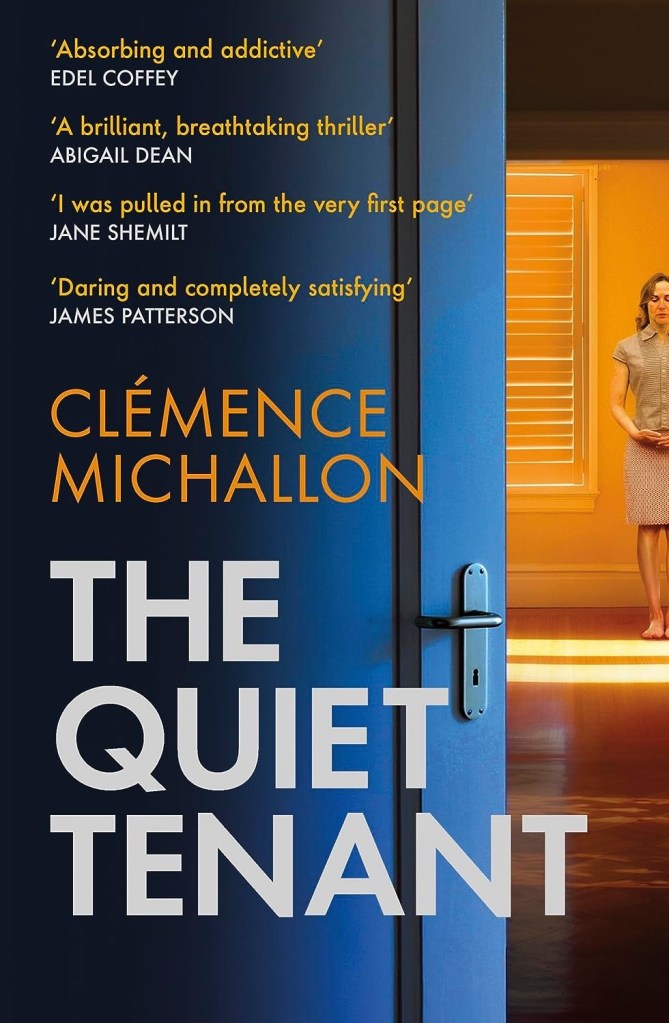

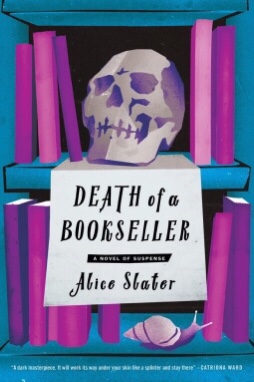
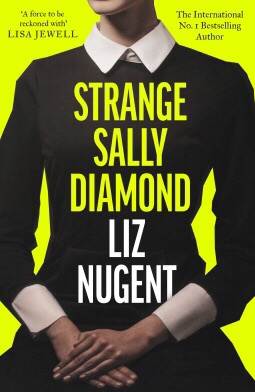


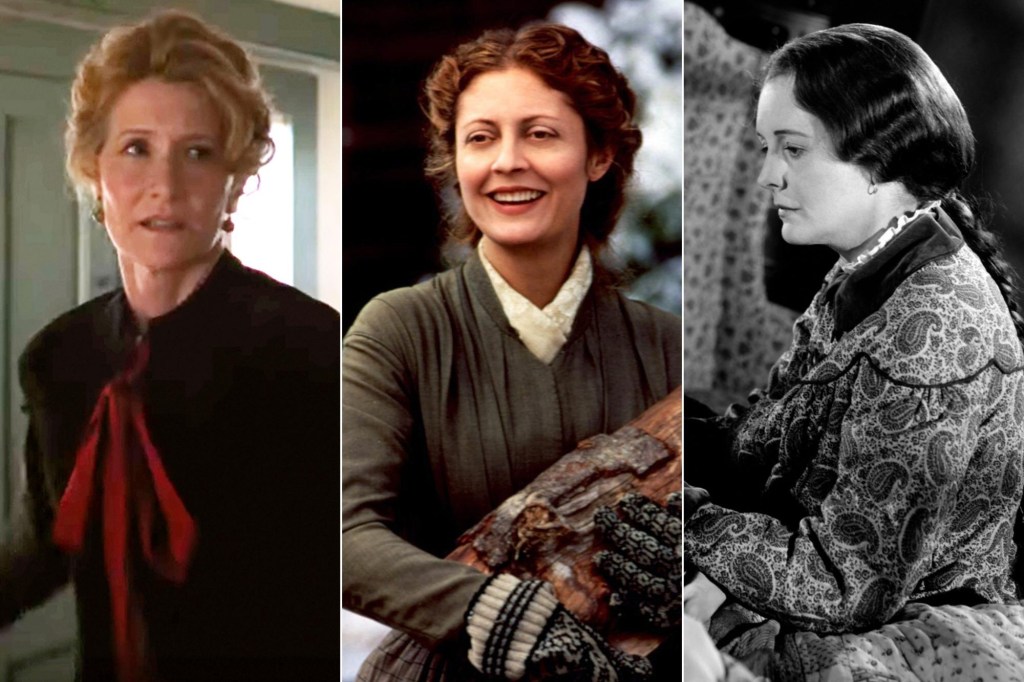
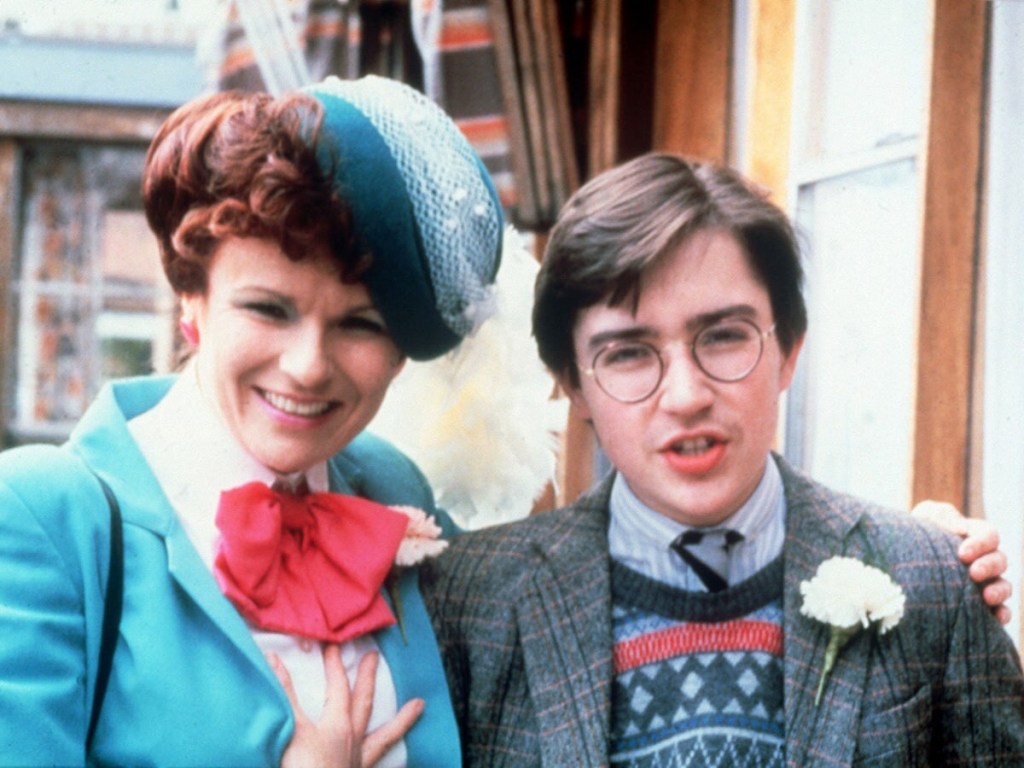
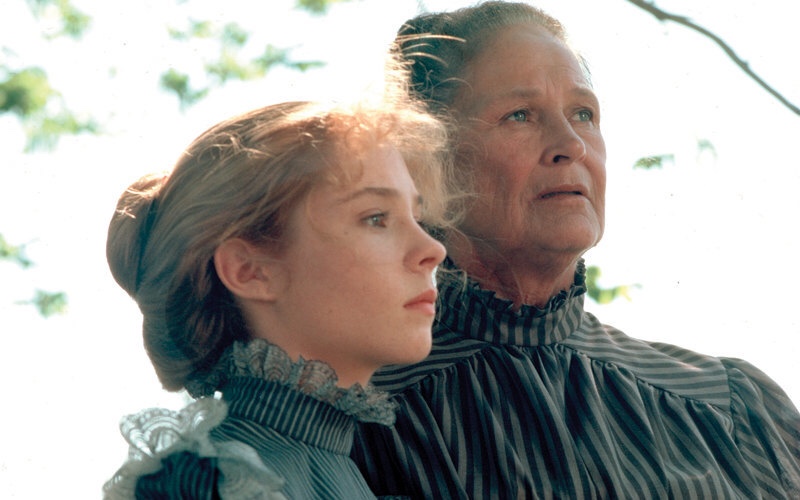
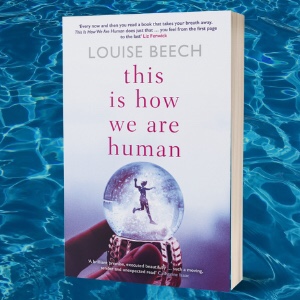
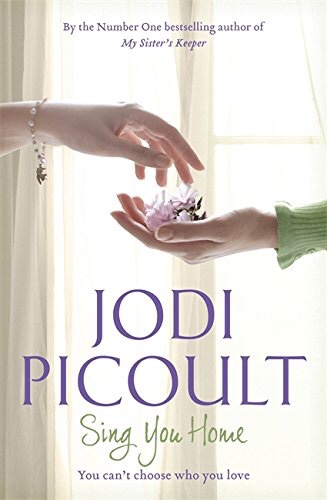
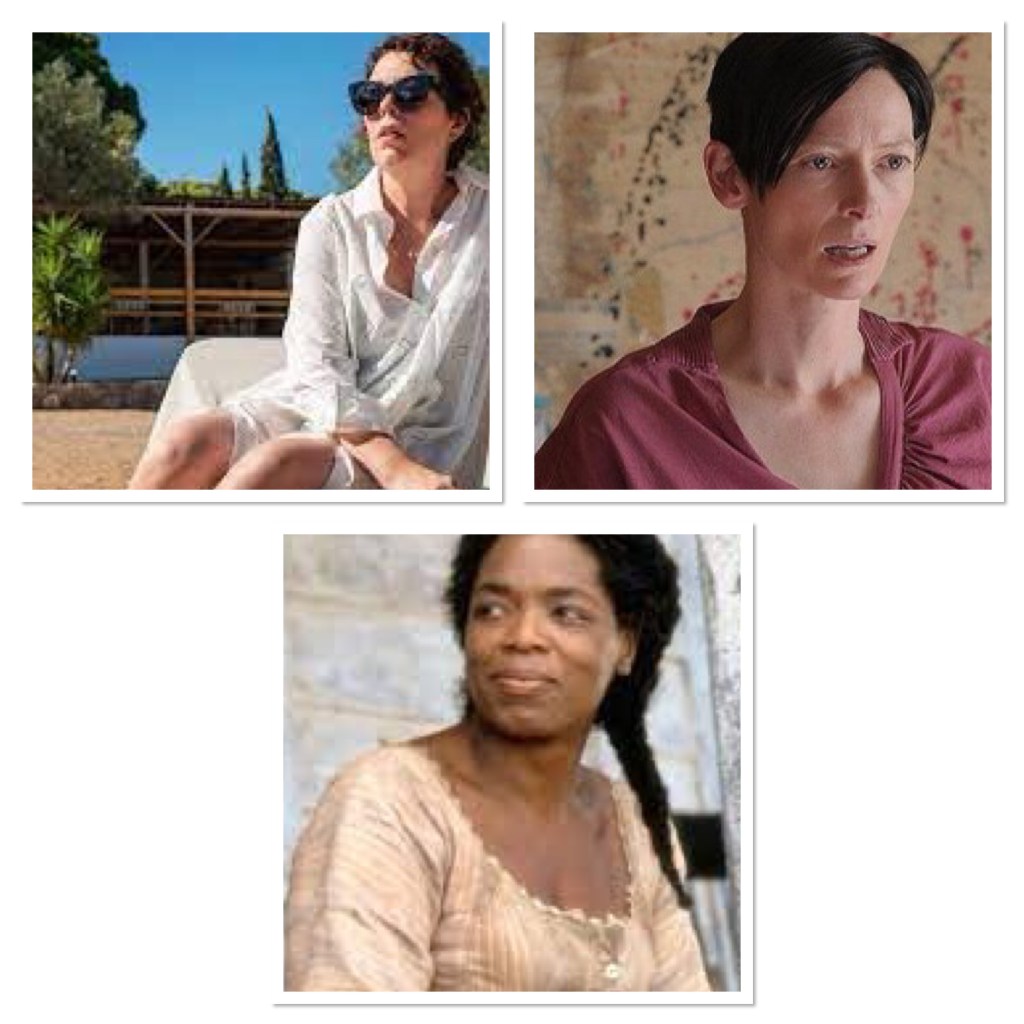

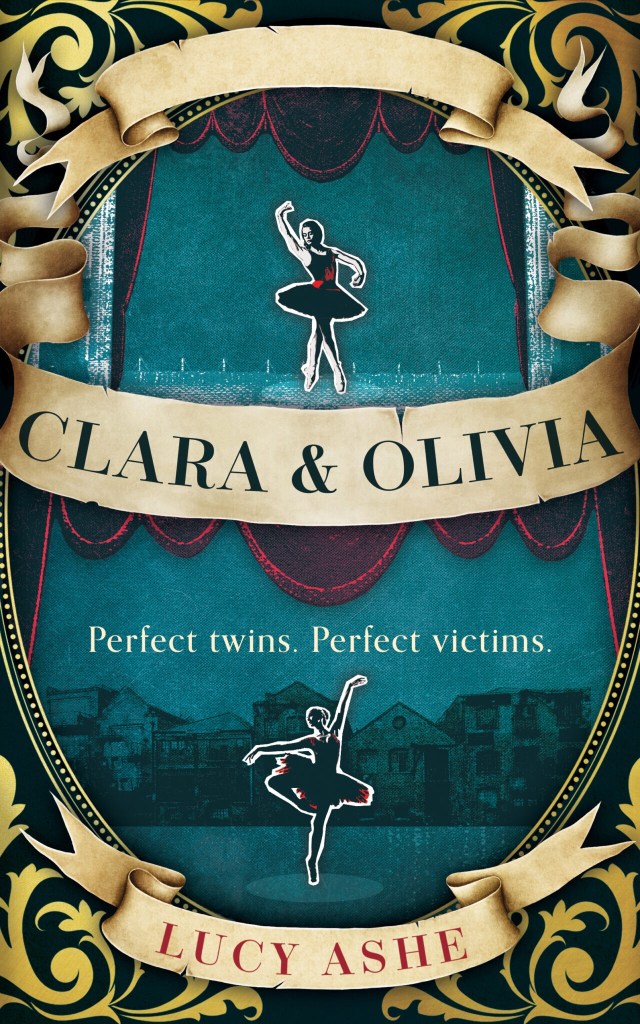




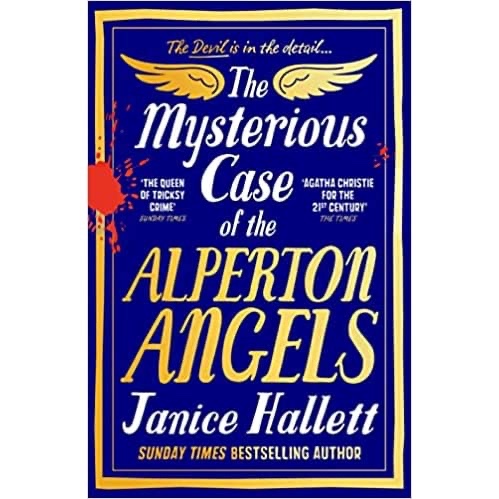





 The Lotus Readers