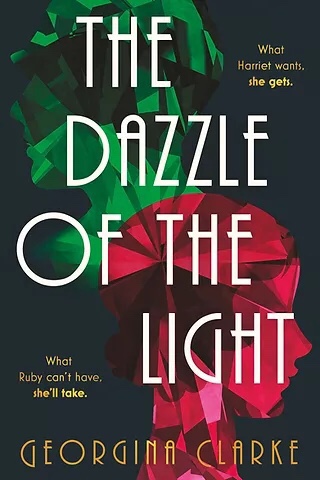
Just a couple of weeks ago I was waxing lyrical about Kate Atkinson’s novel Shrines of Gaiety and then another novel passes my way covering the same territory and the same time period. While I loved Atkinson’s novel on it’s own merits, this one feels more urgent and alive. I felt immediately in the story and fascinated by the two main female characters. Ruby is one of a female gang known as the Forty Thieves (the Forties) who commit crimes from pick-pocketing for the young members to shoplifting and even jewellery theft for those more experienced members. Ruby has been one of the Forties for years and due to her looks doesn’t always attract suspicion in the fancier stores. In fact, she’s on a joint job with her lover Billy from the Elephant Boys, when she first runs into Harriet Littlemore. Harriet is the real deal, a young woman from a very good family, engaged to an up and coming member of parliament. Harriet has ambitions beyond being an MP’s wife, she wants to be a journalist and her father permitted her to ask for a job with the evening paper. She’s been hired to write pieces for the woman at home, such as ways to wear the new style of hat, but Harriet has ambitions for so much more, thinking she might write a piece about the young thief she’s seen. However, her fascination with Ruby seems to be much more than journalistic interest.
The story follows these two women as they each pursue their ambitions. Ruby wants to do more work with the Elephant Boys. She wants to take on bigger jobs and wear beautiful clothes and jewellery. When she meets Harriet again, on a shoplifting run in a department store, she cheekily suggests she should update her style. Perhaps she should cut her hair in the new shingled way that’s the height of fashion, Ruby tells her, then she could wear the new style of hat she’s considering. Like a woman in a trance, Harriet goes to a French hairdresser and has her long hair cut short. She’s amazed by how much it suits her and hopes to see Ruby with her new fashionable look, even if it does cause a stir at home, particularly with her traditional mother. She’s furious when the story about the jewellery heist she witnessed is written by one of the male reporters at the paper. So she decides to write a piece on Ruby, the Jewel of the Borough, and gets one of the artists to draw a sketch from her description. In a way, Harriet admires Ruby. She sees Ruby’s freedom, her nerve and confidence, and contrasts it with her own restrictions. She has no idea what her article will truly mean for Ruby. We see what Harriet can’t, because we’ve met the rest of the Forties and Ruby’s other mentor Solly, who runs a jewellery business. The women of the Forties are in a hierarchy, with Annie ? At the top. Many have been thieving since they were children, looked after by the Forties in return for their tiny hands making their way into pockets. The ones that are married are struggling to feed their kids and to avoid their husband’s fists. Most have done time in Holloway and without the Forties, they and their families would be cold and hungry. From Ruby’s perspective, money is freedom and Harriet certainly has plenty of that.
I loved the way the author showed, that despite their differences in class and means, Ruby and Harriet are still second class citizens due to their gender. Although Ruby has earned some equality thanks to her sleight of hand and is chosen by leader Annie, to do jobs with the Elephant Boys, her personal life is very different. Solly is a father figure to her and always keeps a room for above the jewellers, but when it comes to her lover Billy she has no real power. She has confidence in her allure, but when she’s forced to lie low for a while Billy soon moves on to the next warm body. She often has to give up her body to seal a deal, whether it’s a little extra for the man who fences the more risky pieces of jewellery she’s stolen or romancing someone to get information out of them for Peter who runs the nightclub. This work gives her a rather glamorous roof over her head when she really needs it, but she definitely earns her money. Peter has a big job coming up with the Elephants, something that involves men of money and influence. Ruby has no clue how respectable these men are, or their standing in society. It seems to her that all men will use women, no matter how respectable they may seem. Harriet is completely powerless when it comes to the men in her life. She has a life set up for her as Ralph’s wife and her parents can’t understand why she isn’t satisfied with her lot. She has money, beautiful clothes and a handsome fiancé who is going to be a man of great influence. They can’t understand that she wants something for herself, something she has earned on her own merits. I couldn’t put the book down because I wanted both of these women to break out of the prison they are in, choose a different life and perhaps become close. I didn’t want the system to win.
The setting for this fascinating story is beautifully built by the author. We’re post-WW1, a period of huge shifts in the class system and changes for both men and women. The author shows how the class system and expectations of women have changed through Harriet’s relationship with her parents. They still have pre-war attitudes and are expecting Harriet to fall in line. Even the changes she makes to her appearance show that shift from the restrictions of Edwardian dress and the relative freedom of the 1920’s fashions with shorter skirts, no restrictive undergarments and shorter hair. These fashions suit women who are busier and don’t have hours to dress in the morning. Financial changes mean only the very wealthy can afford the help of a ladies maid every morning. Ruby can wear the latest fashions to please herself, when she can afford them. She loves the glamour of the clothes she wears to the club, where she needs to attract the more discerning gentleman.
For the men, those who were in the trenches found them democratising. Bullets and shells don’t care about the class you’re from and although there was still a hierarchy, they died in the mud together. This led to some strange allegiances back in the post-war world. It’s clear to Ruby that there’s a big job on the cards, Billy has hinted as much and her time at the club throws her close to the planning. There are men involved who would never normally give the Elephant Boys the time of day, so they must need them to do the dirty work. These are men from the highest class, who usually drink at their club or the Savoy, but don’t mind slumming it at the club if it makes them money or the company of a woman like Ruby. I desperately wanted some of them to get their come uppance, knowing that’s not always the way of the world. The real winners though are those that can move between worlds, like Peter Lazenby. Though the polish and charm of all these men hides something more brutal. Despite her misdemeanours I was as charmed by Ruby as Harriet was and I wanted her to find a middle ground where she survives comfortably. As for Harriet I wanted her to break out of her parent’s upper class restrictions. I wanted her to have a love affair with someone unsuitable and a friendship with Ruby, if not a full on passionate affair. This was a fantastic book, full of characters, historical detail and that verve and energy that seems synonymous with 1920.
Published by Verve Books 17th November 2023
Meet The Author
Georgina Clarke has always been passionate about stories and history. The Lizzie Hardwicke novels give her the opportunity to bring to life her love of the eighteenth century and her determination that a strong, intelligent and unconventional woman should get to solve the crimes – rather than be cast in the role of the side-kick. Georgina was born in Wolverhampton, has degrees from Oxford, Cambridge and London, but now lives in Worcester with her husband and son and two lively cats.
Her first two novels, Death and the Harlot and The Corpse Played Dead, are published by Canelo. She is currently cooking up plots for the next novels in the series.
If you would like to visit her website, you can find her at:
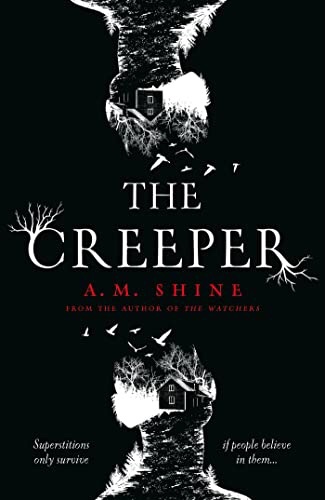
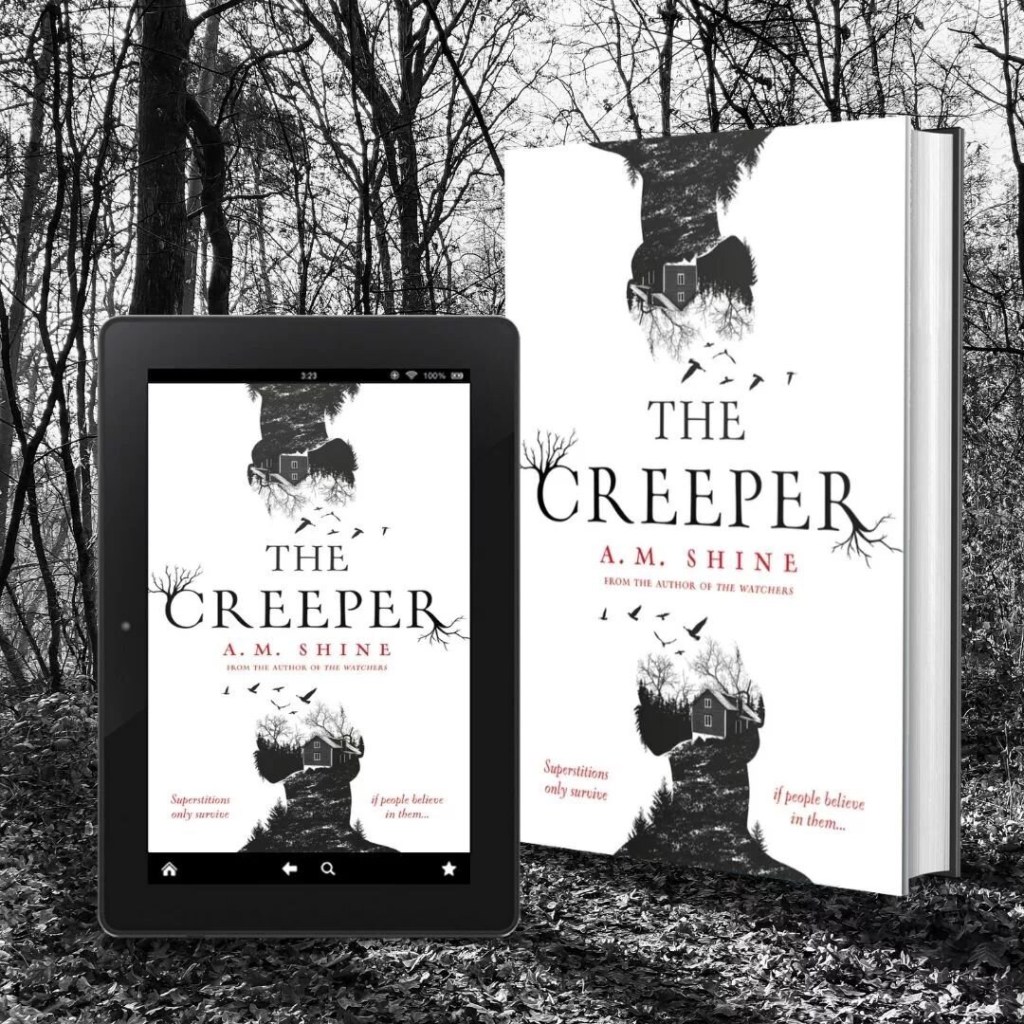
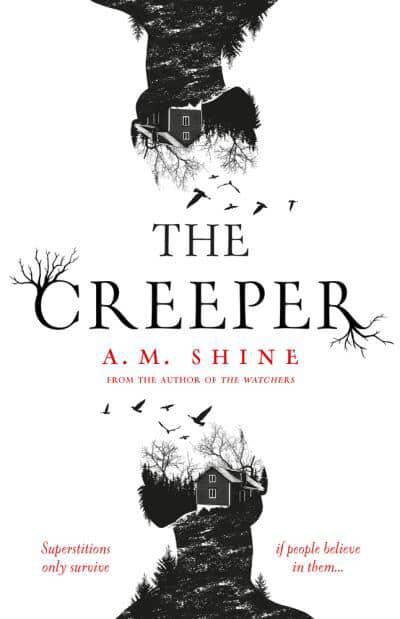
I was terrified by A.M. Shine’s first horror novel The Watchers last year and I have been looking forward to his new novel The Creeper. It has such an interesting premise. Academic Dr. Alec Sparling lives a very regimented existence in a remote Manor House in Ireland. His house is set back, covered and disguised with vegetation. There are shutters for the windows and and bolts for the doors. What is he hiding from? He has advertised for two academics to undertake field research and chooses Ben and Chloe. She is an archaeologist and he is an historical researcher with a wealth of experience in interviewing people. They must hike out to a remote Irish village and interview the residents about their life and their minimal contact with the outside world. This is a forgotten place, wary of strangers and as they stumble through a forest, tripwires attached to church bells ring out their presence, giving the villagers plenty of warning. As Chloe and Ben finally meet the people they are shocked by their physical appearance. Poverty and hardship has marked their faces, but it’s the lack of new residents that explains the deformities they observe, years of in-breeding has clearly had it’s effect. These people are not pleased to see them and like Dr Sparling, they are nervous about dusk creeping up on them. Chloe observes the shutters at their windows, less high tech than the wealthy doctor’s, but for exactly the same purpose. Are they to stop people looking out after dark, or are they to stop someone looking in?
As the pair start to interview villagers, they get the sense they’re being fed stock answers. There is something very wrong here, but no one is willing to talk about it, except for one little girl who repeats a piece of folklore:
Three times you see him. Each night he comes closer…
As darkness starts to fall and the villagers start itching to close themselves away for the night, Ben and Chloe realise they will not be able to get back to the car before nightfall. So they set up camp in the driest grass field they can find. As they organise themselves and darkness falls, Ben gets the sense they are not alone. Towards the back of the field, there’s a shape in the darkness. Could it be a person or something worse? This is The Creeper, kept alive by the villager’s superstitions and stories, he is the nameless fear in the night and tomorrow night, he’ll be even closer.
A.M. Shine is a horror genius. His clash of old Irish folklore and modern life is irresistible. I had only read Ben and Chloe’s first day at the village when I had a nightmare! I’m very suggestible. He’s brilliant at creating a sense of foreboding in the reader and here it’s heightened by never fully describing The Creeper till part way through the book. The author knows that our own imaginations are adequate enough to scare us and there’s nothing worse than not knowing or fully seeing the thing you fear. On the first night it’s so far away, covered in raggedy clothing, that we never see it’s face. The villager’s deformed appearances also feed the imagination, leaving the suggestion that the Creeper may be even more disfigured. The doctor’s preparations are also ominous, suggesting that the Creeper isn’t just restricted to the village, but can appear anywhere. We can explain away a superstition held by an isolated settlement, who still live like it’s the Dark Ages! However, if a respected academic who lives in the ‘normal’ world is scared, then we should be too. The author also drops little clues that are easy to dismiss at first, such as the unearthly cry Ben hears as they approach the village. Is it just a child crying out or something much much worse?
The whole atmosphere of this novel is dark, damp and dreary. The waterlogged fields that surround the village create mist. So it feels like everything is obscured and shrouded in mystery. The weather is constantly damp and miserable, so Ben and Chloe’s quest feels grounded and based in reality. Their discomfort as they set up camp for the night is something I remember well from my camping days, that awful feeling that you’ll never be dry again. The contrast between what is familiar and what is very, very wrong, adds to the horror of the situation. The author leaves us suspicious about everyone; I doubted the doctor’s motives in giving the academics this mission and I doubted the villagers too. I found them furtive and secretive, I wondered what they were withholding and whether they were really as downtrodden as they seemed to be. There was the hint that previous academics had come this way and if they had, where were they and where was their research? By the time something terrifying happened my nerves were as taught as bow strings. The final confrontations and the horrifying conclusion were both expected and at the same time shocking. I kept thinking about the author and asking myself ‘he’s not really going to do this is he?’ He really did. I won’t be divulging any of the final chapters, but it really was heart-stopping. This book cemented the feeling I had after reading his first novel The Watchers, Shine has become one of the best horror writers around.
Published by Head of Zeus 15th September 2022
Meet The Author
A. M. Shine is an author of Literary Horror from the west of Ireland. It was there that at a young age he discovered a passion for classic horror stories, and where he received his Masters in history, before ultimately sharpening his quill to pursue a life devoted to all things literary and macabre. His writing is inspired by the trinity of horror, history, and superstition, and he has tormented, toyed with, and tortured more characters than he will ever confess to.
Owing to a fascination with the works of Edgar Allan Poe and his ilk, A. M. Shine’s earlier writings were Gothic in their style and imagination. When his focus turned to novels he refined his craft as an author of Irish horror – stories influenced by his country’s culture, landscape, and language, but which draw their dark atmosphere and eloquence from the Gothic canon of his past.
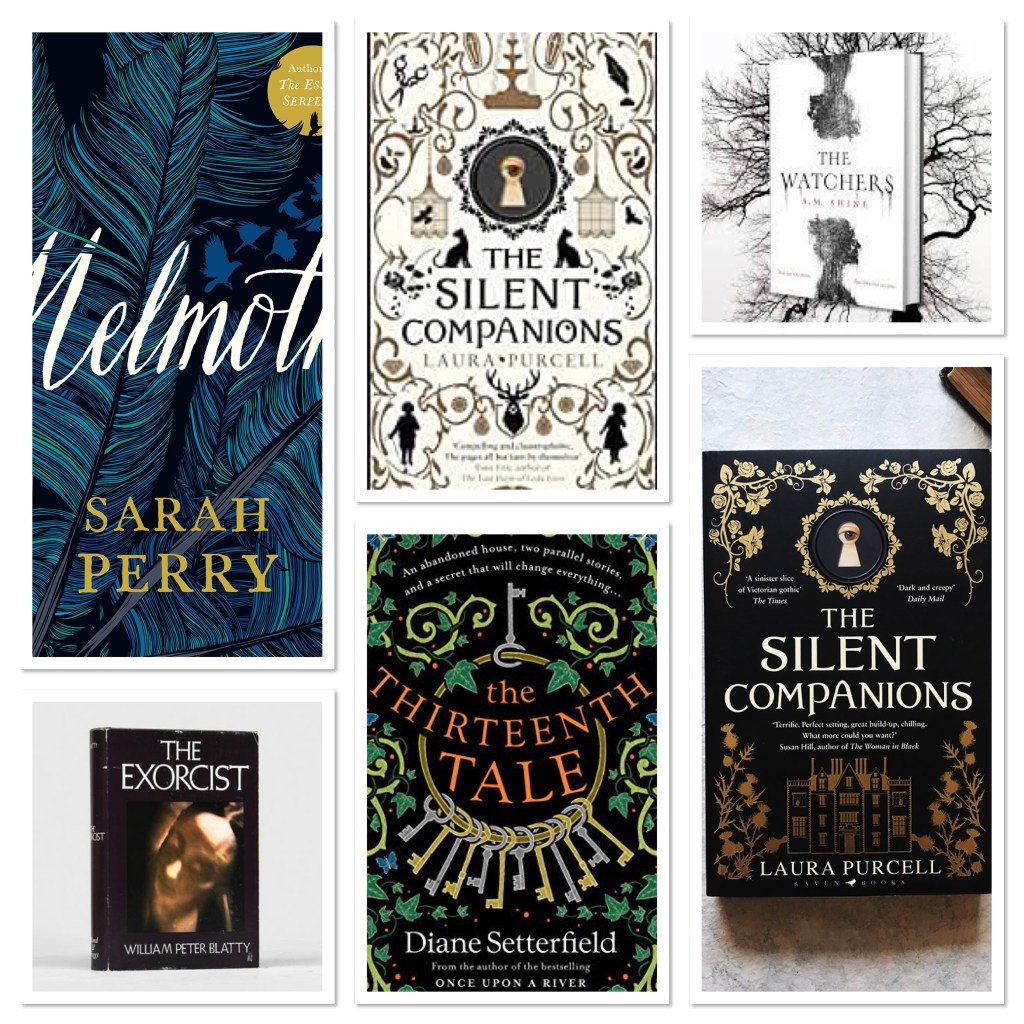
When thinking about reads for Halloween I started thinking about books that genuinely scared me. The ones I couldn’t stop thinking about and made me look over my shoulder as I popped to the loo in the middle of the night. I blame the Brontë’s for my love of the gothic, from the terrible creature who visits Jane Eyre’s room in the night and tears her wedding veil, to the icy cold hand of a child that reaches into Mr Lockwood’s bedroom window in Wuthering Heights. I even studied gothic literature at university, that’s how much I love the genre. What scares us doesn’t always mean the traditional ghosts, vampires and witches we’re used to. It can be a really tense thriller, a mystery or even novels that defy genre. Here are a few books that genuinely gave me the creeps!
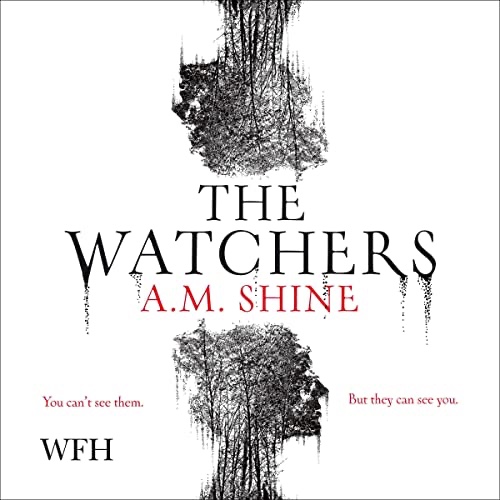
A.M.Shine was a completely new writer to me when I picked up this novel, so I had no expectations. Since reading this I’ve been so creeped out by his second novel, The Creeper, I had to stop reading it! The Watchers was an incredible read and such an unnatural situation for the characters to be in. Lost in a deep forest in rural Ireland, Mina feels unnerved, when she hears a scream that isn’t human, but isn’t like any animal she’s ever heard either. As the shadows gather she is beginning to panic, when suddenly she sees a woman beckoning her and urging her to hurry. Mina decides it’s better than staying out here to be found by whatever made that terrible noise. As the door slams shut behind them, the screams grow in intensity and volume, almost as if they were right on her heels. They’re in a concrete bunker and as Mina’s eyes adjust to the light, she finds herself in a room with a bright overhead light. One wall is made entirely of glass, but Mina can’t see beyond it and into the forest because it is now pitch dark. Yet she has the creeping sensation of being watched through the glass. A younger man and woman are huddled together, so there are now four people in this room, captive and watched by many eyes. Their keepers are the Watchers, dreadful creatures that live in burrows by day, but come out at night to hunt and to watch these captive humans. If caught out after dark, the door will be locked, and you will be the Watcher’s unlucky prey. Who are these creatures and why do they keep watching? I have to say that just when I thought my nerves were calm, this author found a way to leave me with a creeping sense of dread.
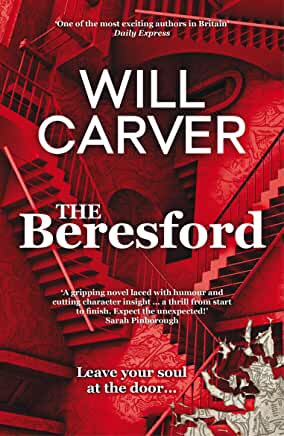
The Beresford is my favourite Will Carver novel, because it really does get under your skin without a single ghost in sight!
Abe Schwartz lives in a one-bed furnished flat. An apartment building called The Beresford. The bell rings and he’s the one opening the front door to a stranger. Before that, he’s dragging a dead body into his room, mopping up blood and asking himself, What the hell just happened?
The Beresford is an apartment building with a difference. It has a certain atmosphere and it’s not long before you dread the door bell ringing. Mrs May is the landlady, an incredibly sweet old lady who has a daily routine from her eggs and cold coffee first thing, to her rose pruning every afternoon. As anyone who has watched The Ladykillers knows, little old ladies should not be underestimated. Does she know more about what’s going on in her building than we think? Even worse, this is only one side of the building, and what’s going on next door is even more unsettling. I’ve been waiting for Carver to elaborate on the other side of the Beresford and I’m told I will only have to wait till next summer. I know one thing for sure – I’m definitely going to be reading it in the daylight.
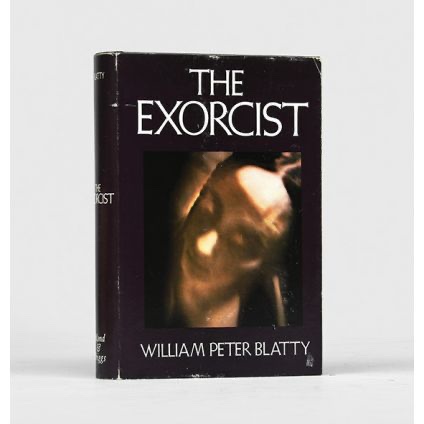
This is the copy of William Blatty’s book that I would sneak off the bookshelves when my parents went out. I would read as much as possible, then as soon as I heard the gravel crunching on the drive, I’d pop it back and wonder how I was going to sleep that night. When I was about 13, this book had the combination of being both terrifying and taboo – a teenage bibliophile’s holy grail. My parents had joined an evangelical church and became very restrictive in my teens, so the fact this book was even on our shelves felt transgressive. The book works because of atmosphere and tension the author creates. This is a child, so that innocence contrasts sharply with the creature Regan becomes. At first her mother Chris thinks Regan is ill. While Chris has been shooting a movie in Georgetown, there has been poltergeist activity in their rented house, but as time goes on Regan has been refusing to eat, unable to sleep and aggressive in her behaviour. Could it be psychological? The deterioration in Regan is horrific and the sense of horror that starts to come over Chris as she prepares to enter her daughter’s room can be felt. The icy cold, the smell and the violent expletives really hit home and when even a priest is struggling to contain the evil inside the girl, it’s power is still terrifying over fifty years later.
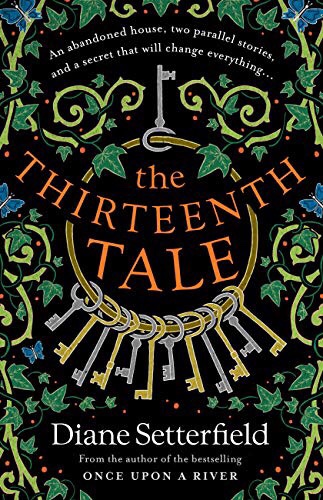
When people ask me if I believe in ghosts I always say no, not in the traditional sense of apparitions, but I do believe in energy and how a building’s past can be felt within it’s walls. Events leave an imprint behind, the emotional equivalent of muscle memory, and perhaps sensitive people can tap into those emotions. That’s the feel of this novel from Diane Setterfield and for me it conjures up dark winter afternoons and the warm fireside but outside of that cozy circle there may be something lurking and waiting to surprise you with it’s presence. Angelfield House stands abandoned and forgotten, but is full of atmosphere. It was once home to the March family: fascinating, manipulative Isabelle; brutal, dangerous Charlie; and the wild, untamed twins, Emmeline and Adeline. But the house hides a chilling secret which strikes at the very heart of each of them, tearing their lives apart…
Now Margaret Lea is investigating Angelfield’s past, and its mysterious connection to the enigmatic writer Vida Winter. Vida’s history is mesmering – a tale of ghosts, governesses, and gothic strangeness. But as Margaret succumbs to the power of her storytelling, two parallel stories begin to unfold…What has Angelfield been hiding? What is the secret that strikes at the heart of Margaret’s own, troubled life? And can both women ever confront the ghosts that haunt them…? Prepare to read this with a sense of unease, but a need to unravel the story.
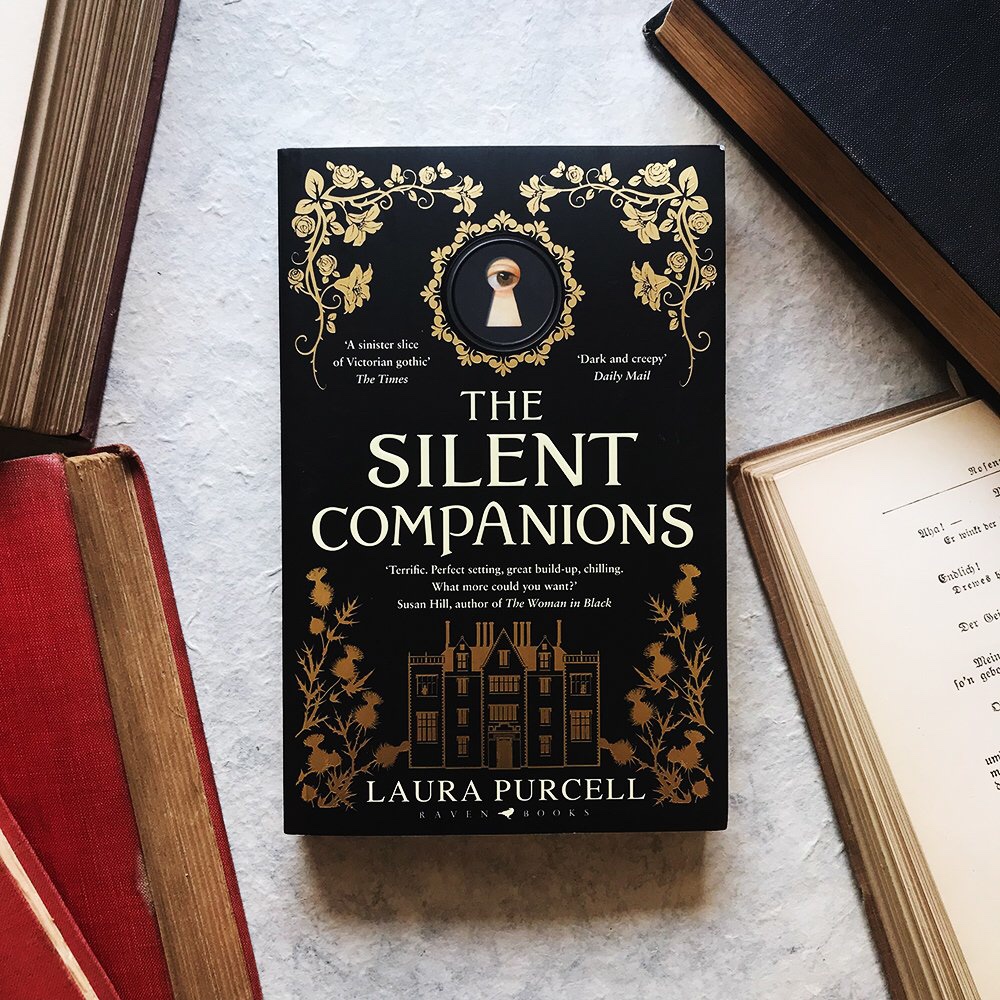
Laura Purcell’s debut was so good it made her my ‘go to’ author immediately! It taps directly into those Brontë themes of atmospheric houses with creepy nighttime visitations. It builds beautifully, from a young woman who is bereaved and pregnant to the huge ancestral home, this is one of those tales that slowly and imperceptibly creates unease in the reader. When newly married Elsie Bainbridge finds herself a widow. and pregnant she is dependent on the kindness of his family. Once she reaches her husband’s family estate, she is disappointed, because far from being awed by the house, the villagers fear it and believe the Bainbridge family are cursed. Elsie pays no mind to servants talk, but maid Sarah seems intent on scouring the creepy house. in order to learn more of her family history. Then strange sounds disturb their sleep, leading Elsie and Sarah to discover a life size wooden figure. It’s like the prop for a play, but yet it has an uncanny similarity to Elsie. They decide to move it to the Great Hall, rather than leaving it hidden in the attic. They’ve also found two notebooks which turn out to be the diaries of Anne Bainbridge beginning in 1635.
Anne has written about her hope to charm King Charles I and his Queen on a forthcoming visit and support her husband, Josiah who wants to make connections. The royal couple’s daughter Henrietta Maria was supposedly conceived using white magic. Anne writes about a shop of curiosities and the Dutch heritage of the ‘silent companions’ she purchased ahead of their visit, subsequently discovered in the attic by Sarah. The figures slowly started to resemble their real life counterparts. Elsie starts to fear she is losing her mind as more figures appear and the mystifying question of what’s going starts to consumer her. This is such an original idea and much like Jessie Burton’s The Miniaturist, anything that starts to magically resemble it’s owner is downright creepy! I love Purcell’s ability to create an eerie atmosphere and a very uneasy reader.
Melmoth the Witness is a figure from mythology, or is she? Known as one of the woman who witnessed the tomb on the morning that Christ resurrected, she is now an eternal traveller. Wandering the centuries she lures people into following her, whereupon they too become damned to an eternity of itinerant, solitary wandering. Set in the beautifully, atmospheric city of Prague we meet a woman called Helen and her friend Karel on the street. Agitated and enthralled, he tells her he has come into possession of a mysterious old manuscript, filled with personal testimonies taken from 17th-century England to wartime Czechoslovakia, the tropical streets of Manila, and 1920s Turkey. All of them tell of being followed by a tall, silent woman in black, bearing an unforgettable message. Helen reads its contents with intrigue and some scepticism, but everything in her life is about to change. We follow Helen’s story, but within it are all the other stories and lives, creating a Russian doll style tale, but where each incarnation has the same sense of menace and impending doom.
I think what scared me would have scared any ‘listener’. It’s the toll witnessing takes on a person. This book takes in the breadth of the horrors experienced in Prague throughout the 20th Century. It made me imagine being present to witness the trenches of WW1, the Holocaust, and so many other atrocities and personal tragedies. I’ve worked in mental health for twenty years and I’m taking a break at the moment to study. I know the emotional toll that listening to people’s stories can take on the listener or observer. For Melmoth, this would be so much worse because she has to sit back and witness all of humanity’s horrors. Even worse, she has no power to change anything, but is doomed merely to witness. No wonder she wants other souls to witness with her, she must feel the weight of the horrors yet to come. By the end of this novel so did I.
I’m always a real sucker for historical, gothic novels with strong female characters and this is up there with the best. The Lost Ones centres on Miss Stella Marcham and her new lady’s maid Annie Burrows. Stella is still in mourning for her fiancé Gerald who she lost in World War One. She keeps the locket he gave her close to her chest still. When she is invited to stay with her pregnant sister Madeline at her in-laws family home, Greyswick, she looks forward to a change of scenery. She sets out with Annie, who is a new addition to the household staff. Stella is unsure of Annie, but her family’s loyalty to the Burrows is long held and she resolves to get to know the unusual young woman.
Greyswick is a country estate, with formal gardens and ostentatious decor. Madeline is married to the heir of Greyswick, Hector Brightwood, who is away on business in London. At home are his mother Lady Brightwood and her companion Miss Scott, plus their staff, housekeeper Mrs Henge and ‘Cook’ whose name no one uses. However, Stella soon learns that they are not the only residents of her sister’s new home. Madeline confides that she can hear crying in the night and soon Stella finds a toy soldier in her bed. It’s not long before Stella is woken by the crying and follows the sound up the nursery stairs. On the stairs is a vivid portrait of a little boy with a hoop and in the background Stella sees a pile of toy soldiers. The portrait is of Lucien Brightwell, the original heir from Lord Brightwood’s first marriage, who died in a fall down the nursery stairs. This is only one of many secrets being kept by the Brightwood family and Stella senses a mystery to be solved. The creaks, bumps and cries in the night are her only clues.
This book sits in a long tradition and I had thought of Marian from Wilkie Collins’s The Woman in White even before Anita Frank mentions the book, as a reading recommendation from one character to another. When Hector returns home, bringing with him Mr Shears, I could sense tension between that old Victorian ideal of men who are ruled by reason and the women who use emotion, instinct and intuition even more. Frank’s book is set post-WW1 and the tensions of this changeable time are apparent. Women’s roles have evolved and Stella represents this change. She expected to be a married woman by now, but has instead chalked up experience nursing wounded soldiers and like most of the country is mourning a terrible loss. She is intelligent and restless after moving back into her ‘normal’ middle class role. She has also undergone psychiatric treatment following her bereavement, complicated by the fact that her severely wounded fiancé was brought to her hospital and care. She fears being thought of as mad or hysterical, so feels a constant pressure to be measured and rational. Other women in the novel are equally complex and class is another tension. Stella’s family are indebted to the Burrows family after Annie’s father died trying to save the younger sister, Lydia, from a house fire. Annie is acting as lady’s maid, a job beyond her experience, but is also trying to remain under the radar due to her own incredible gift that could mark her out as mad. Since the family lost their main bread winner Annie needs the job and doesn’t want to draw attention to herself, but Stella has her concerns. She has seen Annie talking to empty rooms and knows she saw something on the nursery stairs. Lady Brightwood’s companion Miss Scott lives in a very precarious position too, living with the family but being from a lower class than them. She was once a servant in the house, so how did she become so close to her mistress and does her devotion go beyond that of a companion? Also, what is her relationship with Mrs Henge and why is their contact so secretive?
Finally, the paranormal elements of the book are genuinely scary. The tension ratchets up from small events like the nighttime crying or the marble rolling across the room, both things that could possibly be explained away. Mr Shears tries to find a rational explanation for all of it and I did find myself thinking Annie’s presence was a potential cause. Then slowly, as people start to identify the poltergeist, the ante is upped and more characters experience events that seem impossible. The atmosphere is creepy and unsettling, reminiscent of Susan Hill or Laura Purcell. It also works as a female led detective story and builds to a denouement that doesn’t disappoint. Anyone who loves historical or gothic fiction will enjoy this novel. It’s a great Halloween read that sits beautifully in a genre the Victorians called sensation fiction. Perfectly pitched, beautifully written and full of interesting and complex female characters.
Meet The Author
Born in Shropshire, Anita studied English and American History at the University of East Anglia. She now lives in Berkshire with her husband and three children. Since The Lost Ones Anita has written a second novel, based during and after WW2. Her third novel The Good Liars is another work of historical fiction due out 8th June 2023.
Death came aboard with the cormorant. It arrived on the seventh day of our voyage…
This is the secret report of disgraced former Foreign Office clerk Laurence Jago, written on the mail ship Tankerville en route to Philadelphia. His mission is to aid the civil servant charged with carrying a vital treaty to Congress that will prevent the Americans from joining with the French in their war against Britain.
When the civil servant meets an unfortunate ‘accidental’ end, Laurence becomes the one person standing between Britain and disaster. It is his great chance to redeem himself at Whitehall – except that his predecessor has taken the secret of the treaty’s hiding place to his watery grave.
As the ship is searched, Laurence quickly discovers that his fellow passengers – among them fugitive French aristocrats, an American plantation owner, an Irish actress and her performing bear – all have their own motives to find the treaty for themselves. And as a second death follows the first, Laurence must turn sleuth in order to find the killer before he has an ‘accident’ of his own.
I loved that atmospheric opening. The cormorant sitting there on the bow of the ship, nonchalantly drying it’s wings in the wind and oblivious to the superstitions it’s arousing in the crew. If you ever wanted to know what it was like to take a voyage from Falmouth to Philadelphia in the 18th Century then look no further than this novel from Leonora Nattrass. It is so detailed and grabs the reader immediately, within a couple of pages the ship was as real to me as the cat sitting on my lap. Everything from the period appropriate language to the workings of the ship come together to entice you back into the 1790s. I felt like all my senses were engaged from the feel of cold sea spray to the sound of a passenger throwing up over the stern rail. The discomfort and claustrophobia of being stuck on the ship, at one point for three days near the French coast thanks to the prevailing winds, is very apparent. I loved the little details like the full ‘piss-pot’ sliding up and down the deck, the cacophony of the dog barking incessantly at the turkeys they are transporting, and the bear cub that turned out to have ‘tolerable table manners’. The author also emphasises how cramped the cabins are, with Jago almost able to reach out and touch both walls. At least its his own space though and somewhere he can relax, which he does with a drop or two of laudanum to combat the stress he’s feeling from all the subterfuge.
I hadn’t read Black Drop, the first outing with Laurence Jago, but I think this stands well alone. It’s a clever idea to take your characters and put them into a totally different situation. Laurence is a likeable fellow, a disgraced foreign office clerk, with a few downfalls in his character. Not only does he like a drop of laudanum, he’s a little bit gullible when it comes to a pretty face. He is tasked with helping a civil servant who’s carrying an important treaty to the Americans, to prevent them joining the French in their war against the British. When they come up against a French warship in the channel the treaty needs to be hidden, so when a death occurs on board not only is the treaty lost, but there might be a murderer on board. There’s such a cast of characters on board: two French aristocrats escaping the changes in the run up to the revolution; an Irish actress; a man who is possibly a freed slave; a plantation owner; and a dancing bear! Most of them have a vested interest in the treaty and all of which could be a murderer. Of course Jago can’t rule out one of the crew being involved, perhaps hiding the treaty for financial gain. As for the murder, they are investigating a locked room mystery, it’s just that this room is a cabin.
I loved how the tension built as Jago tries to find the treaty and solve the murder, especially as the stakes grow ever higher and Jago himself could become a target for the murderer. I became more attached to him as the story progressed because I felt he was a bit of an innocent, totally out of his depth and with poor judgement, such as with Lizzie. He’s perpetually confused, which isn’t surprising considering his shipmates and their antics. One of the aristocrats holds a seance, the crew mates are full of maritime stories and superstitions, including the usual giant sea creatures, plus they’re eating slop and feel exhausted. I wasn’t surprised Jago’s brain was muddled!. Aside from the subterfuge and untrustworthy passengers, there’s the constant underlying tension of being unable to get off the boat and knowing that whoever committed the murder is still there too. Once they’ve left the sight of land, these misfits are stuck together for weeks. Oh, and I forgot about the pirates. This is a fabulous adventure, a murder mystery some full on comedy here and there. I’m now looking forward to going back and reading Jago’s first adventure.
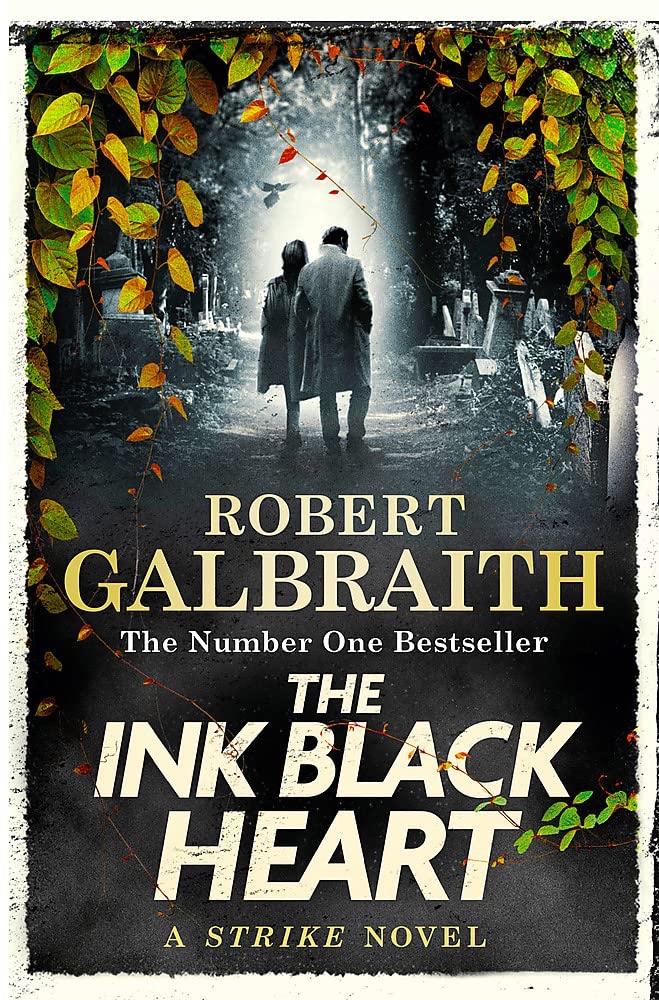
I have loved the characters of Cormoran Strike and his business partner Robin Ellacott for a long time, after seeing one of Robert Galbraith’s books in a charity shop and deciding to give it a go. I’ve bought every book in the series since and Strike has become one of my literary crushes – the troubled, wounded, war hero with a rescuer complex and rugged good looks is right up my street. Then there’s Robin, the country girl from Yorkshire who has bags of Northern common sense and is also brave, intelligent and caring. Their friendship works due to respect; he respects her intelligence and investigative abilities, whereas she respects his experience and never pushes beyond his boundaries. Their ‘will they/won’t they’ romance has had me on tenterhooks. I had heard this might be their last outing, so I was expecting their relationship to be resolved in some way. I also expected the main case to grab me immediately, just as their previous investigations did. This combination that has always kept the Strike books instantly readable, no matter if they do weigh the same as a house brick. The leading character’s issues aside, the cases have always been complex and multi-layered, with enough drama to keep me on the edge of my seat as I move towards the conclusion.
This time the agency is delving into two different worlds – the art world and the world of online gaming. Edie Ledwell and Josh Blay are artists who met while training and created a cult cartoon called The Ink Black Heart, set in Highfield Cemetery and peopled by odd little characters such as a talking human heart and a pale wispy ghost. The fans of this cartoon are real super fans, with two of them creating an online game for players to create a character and complete challenges around the graveyard. There was also a facility to meet other fans and talk on private channels during the game. However, fame is never straightforward and when Edie and Josh are found in Highfield Cemetery, attacked with a knife, rumours abound. With Edie dead at the scene and Josh paralysed in hospital, Strike and Robin are tasked to find out who had a grudge against the pair. Edie particularly, was bombarded with online abuse from misogynistic trolls, but it’s a character from the online game that Robin and Strike need to unmask. Anomie is a cloaked, faceless character, j one of the moderators and possibly even the creator of the game. The question is, how do they find someone, whose presence in the real and virtual world is a mystery?
It felt to me as if Robin really stepped up in this novel and took the primary role. Strike struggles physically this time, because years of not looking after himself have started to take their toll. His stump becomes inflamed and unable to take his prosthetic leg or bear his weight. Despite this Strike continues as long as he can, until even he has to accept medical help and enforced rest. So Robin’s detective skills come to the fore, as she infiltrates the art centre and commune, as well as the online game. I really enjoyed her undercover work on this case, firstly becoming Jessica a young woman who works in marketing and finance, but always wanted to explore her artistic side. She signs up to an art class at the centre to improve her skills and meet those who rubbed shoulders with Edie and Josh. She then visits comic-con as a journalist to interview someone they believe is very active in the game – Strike’s disguise amused me greatly here. I’ve always enjoyed Robin’s inner world and here I loved how much confidence her investigative role gives her. Her personal life has given her confidence a battering, especially now that her husband and the woman he was cheating with have a baby together. She has avoided her home town for a while, knowing they’ll be parading their offspring. Robin has worked out that it was the rape she went through at university that led to her settling with ex-husband Matthew. He was there and knew what had happened, it was infinitely easier than having to share this part of her past with someone new.Her feelings for Strike became more obvious when he turned up at her wedding and she left the celebrations to speak to him, much to husband Matthew’s disgust.
Strike is her best friend and she doesn’t want to lose that, but in this story other concerns also come to the fore. She feels inexperienced and unsophisticated in comparison to other woman she has seen with Strike, such as his ex-girlfriend Charlotte and his current girl Madeleine. Robin has no idea how beautiful she is, but Strike is very aware of the effect she has on men when she enters a room. What she doesn’t know is that Strike is currently comparing her with Madeleine, and his girlfriend is not doing well by comparison. Madeleine is well-groomed and always fully made up, plus she’s part of the same sophisticated London set as Charlotte. Strike has noticed the clean smell of Robin’s just washed hair and admires her simplicity. There are no games with Robin, she is always honest and says what she feels. Yet when Strike does weaken and try to kiss her when they go for birthday drinks, she looks so surprised that he interprets it as revulsion, but I think it’s fear. They are both frustrating, but the tension has to continue. The alternative is unthinkable, because people of my vintage remember Bruce Willis and Cybil Shepherd in Moonlighting and the disaster it became when their characters consummated years of flirting. If Strike and Robin ever did get together, I have no doubt it would have to be the end of the series.
It was within the case that I started to have some issues with the book. This is a long novel and the case concerned a wide range of people both real and virtual. Trying to remember where each character fit in the story was one thing, but when I realised they were possibly in the game with a user name too, it became much more complicated. I found it hard to follow the clues that pointed towards who Anomie was. There were also long sections written in private channels within the game. This felt awkward, although it wasn’t so bad when just two people were chatting, it became impenetrable to me when several channels were open at once with the same characters talking to different people at the same time. Although it gave an insight into how these characters communicated and talked behind each other’s backs, it was hard to keep track. The issues of misogyny and trolling felt like they’d come from the writer’s personal life and the type of trolling she’s been experiencing lately. Studies show that women who game online are exposed to misogynistic abuse and often use male avatars to avoid this type of trolling. So it was true to the story, but often felt she was trying to make a point, especially when we started skirting around subjects like trigger warnings and cancel culture. The sections that bothered me most were those around disability, particularly invisible disabilities and chronic illness. Strike is a hero, because of the war injury he sustained. He’s in that section of ‘acceptable’ disability that includes those who’ve acquired a disability in combat or try to ‘overcome’ their disability such as a Paralympian or other disability athlete. However, there are two characters in the book who have chronic illness, most notably ME or come under scrutiny from Strike and Robin as possible suspects in the case. Inigo uses a wheelchair and has an adapted home, character wise he is shown to have little patience, yelling at his children and wanting his environment just so. There’s an inference that his disability shouldn’t rule him out as the killer, as he could be playing on his symptoms. The second ME sufferer is a young girl who Strike goes to interview, but as he arrives at the house, she has fled out of the back door. This sudden movement immediately has him wondering whether she is also putting on her symptoms. However, Strike himself uses a flash of his disability to get into the family home – who would refuse a chair to a man with a prosthetic leg?
In the same breath the author does include articles about the Ink Black cartoon being ‘ableist’, showing an awareness of how problematic representations of disability can be. She also quotes the ‘spoonies’ blog, which refers to limited units of energy as spoons and exploring the difficulty of using more spoons than you have. I have always praised Galbraith’s depictions of Strike’s disability. Yes, he’s portrayed as a hero, but he’s not invincible as this novel’s physical difficulties shows. Where representation does become problematic here is that Strike is portrayed as wounded, but also a ‘hero’. He comes under the disability theory heading of a ‘supercripple’ – always able to perform beyond his abilities particularly when tasked with rescuing Robin. He’s also depicted as a sexual being, desirable to women still and clearly able to perform in the bedroom. Yet the character of Inigo, an ME patient, is not seen as sexual. In fact, again he’s under suspicion – aspersions are cast on his marriage, their sex life, and his character. I think this is possibly an attempt to show the reader how suspicious people are of those with invisible disabilities. It’s something I’ve experienced in my own life. However, there’s just something I’m uneasy about in these depictions. I was reminded of Ricky Gervais’s clever depictions of disability in The Office, where David Brent tries, in his own inimitable way, to educate his workers on how to approach a co-worker in a wheelchair. We’re supposed to be laughing at Brent, who’s so tone deaf he never asks how his colleague feels about being the subject of this impromptu lecture on disability awareness. He insults her as he tries his best not to, and that is the joke. Uneasily though, I wondered how many tone deaf people were laughing at what they complain is political correctness or at the wheelchair user who looks uncomfortable and embarrassed. This knife edge type of writing can go either way and I wondered how many people with ME would be comfortable with Galbraith’s representations of their disability. Since coming under scrutiny in the previous Strike novel for the depiction of a notorious serial killer dressing as a woman to lull the women he approached into a false sense of security. I would have thought it best to avoid controversial representations altogether. I have to take into account my own invisible disability, which may have prejudiced my feelings on the subject.
In all, this is another solid read from Galbraith, in terms of storyline and character development. It’s both entertaining and dramatic, with some complex and eccentric characters along the way. I love that we saw an even more vulnerable side to both characters, especially Strike. It was also great to see his dealings with ex-girlfriend, and trouble-maker, Charlotte taking a more realistic line. Maybe this clears the way for a different approach to matters of the heart for Strike and it’s this hope that will keep me looking out for the next instalment.
Holliday Grainger as Robin Ellacott and Tom Burke as Cormoran Strike in the BBC series.
Meet The Author.
Robert Galbraith’s Cormoran Strike series is classic contemporary crime fiction from a master story-teller, rich in plot, characterisation and detail. Galbraith’s debut into crime fiction garnered acclaim amongst critics and crime fans alike. The first three novels The Cuckoo’s Calling (2013), The Silkworm (2014) and Career of Evil (2015) all topped the national and international bestseller lists and have been adapted for television, produced by Brontë Film and Television. The fourth in the series, Lethal White (2018), is out now.
Robert Galbraith is a pseudonym of J.K. Rowling, bestselling author of the Harry Potter series and The Casual Vacancy, a novel for adults. After Harry Potter, the author chose crime fiction for her next books, a genre she has always loved as a reader. She wanted to write a contemporary whodunit, with a credible back story.
J.K. Rowling’s original intention for writing as Robert Galbraith was for the books to be judged on their own merit, and to establish Galbraith as a well-regarded name in crime in its own right.
Now Robert Galbraith’s true identity is widely known, J.K. Rowling continues to write the crime series under the Galbraith pseudonym to keep the distinction from her other writing and so people will know what to expect from a Cormoran Strike novel.
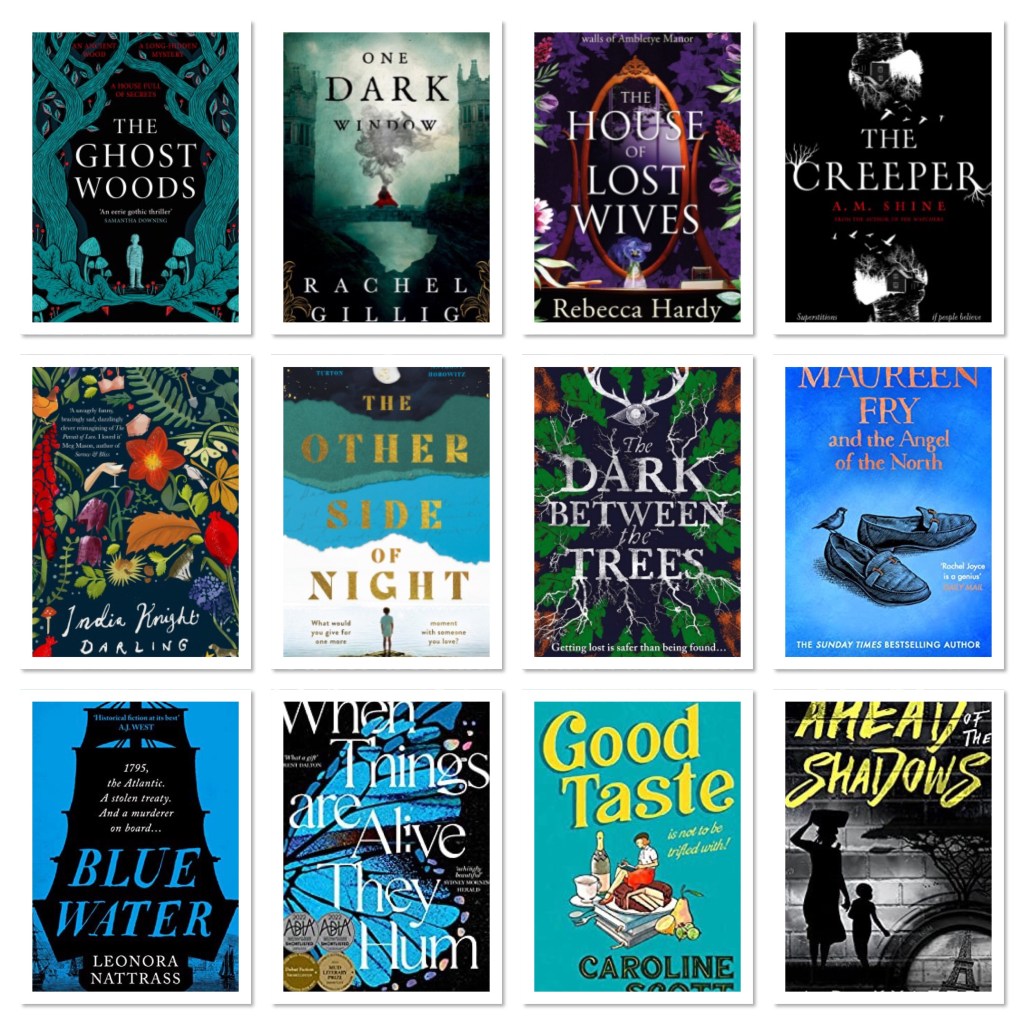
There are so many great books this autumn, but I’ve narrowed it down to those I have and I’m looking forward to reading the most. It’s all here, from spooky Halloween reads to feel-good fiction, thrillers to historical fiction and a splash of horror. Here’s a little preview of these great books.
In the midst of the woods stands a house called Lichen Hall. This place is shrouded in folklore – old stories of ghosts, of witches, of a child who is not quite a child. Now the woods are creeping closer, and something has been unleashed.
Pearl Gorham arrives in 1965, one of a string of young women sent to Lichen Hall to give birth. And she soon suspects the proprietors are hiding something. Then she meets the mysterious mother and young boy who live in the grounds – and together they begin to unpick the secrets of this place. As the truth comes to the surface and the darkness moves in, Pearl must rethink everything she knew – and risk what she holds most dear. I loved this author’s previous book The Lighthouse Witches and I can’t wait to get stuck into this one.
Published on 13th October 2022 by HarperCollins
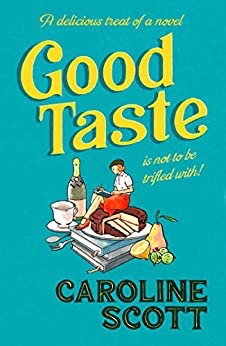
I loved Caroline’s first two novels, both set in the aftermath of WW1 and full of historical detail, characters to empathise with and that chaos that seems to thrive in war’s aftermath. Between the two World Wars the country was in a state of flux, with huge changes in class structure, gender and the finances, both public and personal. This book is set in England, 1932, when the country was in the grip of the Great Depression. To lift the spirits of the nation, Stella Douglas is tasked with writing a history of food in England. It’s to be quintessentially English and will remind English housewives of the old ways, and English men of the glory of their country. The only problem is –much of English food is really from, well, elsewhere and can one cookbook really manoeuvre people back into those pre-war roles?
Stella sets about unearthing recipes from all corners of the country, in the hope of finding a hidden culinary gem. But what she discovers is rissoles, gravy, stewed prunes and lots of oatcakes. Longing for something more thrilling, she heads off to speak to the nation’s housewives. But when her car breaks down and the dashing and charismatic Freddie springs to her rescue, she is led in a very different direction . . . Full of wit and vim, Good Taste is a story of discovery, of English nostalgia, change and challenge, and one woman’s desire to make her own way as a modern woman.
Published on 13th October 2022 by Simon and Schuster U.K.
Rachel Joyce is one of those authors I’ve had lick to meet twice, at book signings, where I’ve been one of the last people to queue with my old books under my arm and her latest in my hand. Her last book Miss Benson’s Beetle was an incredible read about extraordinary women. Now she reverts to a series of books that have celebrated very ordinary people doing extraordinary things and Mrs Fry is no exception. Ten years ago, Harold Fry set off on his epic journey on foot to save a friend. But the story doesn’t end there. Now his wife, Maureen, has her own pilgrimage to make.
Maureen Fry has settled into the quiet life she now shares with her husband Harold after his iconic walk across England. Now, ten years later, an unexpected message from the North disturbs her equilibrium again, and this time it is Maureen’s turn to make her own journey. But Maureen is not like Harold. She struggles to bond with strangers, and the landscape she crosses has changed radically. She has little sense of what she’ll find at the end of the road. All she knows is that she must get there. Maureen Fry and the Angel of the North is a deeply felt, lyrical and powerful novel, full of warmth and kindness, about love, loss, and how we come to terms with the past in order to understand ourselves and our lives a little better. Short, exquisite, while it stands in its own right, it is also the moving finale to a trilogy that began with the phenomenal bestseller The Unlikely Pilgrimage of Harold Fry and continued with The Love Song of Miss Queenie Hennessy.
This is a slender book but it has all the power and weight of a classic.
Published by Doubleday 20th Oct 2022. Kindle Edition available from 5th October.
I have already started this book and had a nightmare of epic proportions the very first night. I’m suggestible and have a wild imagination, but I think the opening to this book is strangely unsettling. I felt uneasy, even though the chapters I read didn’t have any particularly terrifying events. It’s the strangeness that creeps up on you.
Superstitions only survive if people believe in them… Renowned academic Dr Sparling seeks help with his project on a remote Irish village. Historical researchers Ben and Chloe are thrilled to be chosen – until they arrive. The village is isolated and forgotten. There is no record of its history, its stories. There is no friendliness from the locals, only wary looks and whispers. The villagers lock down their homes at sundown. It seems a nameless fear stalks the streets, but nobody will talk – nobody except one little girl. Her words strike dread into the hearts of the newcomers. Three times you see him. Each night he comes closer… That night, Ben and Chloe see a sinister figure watching them. He is the Creeper. He is the nameless fear in the night. Stories keep him alive. And nothing will keep him away..
Published by Head of Zeus/ Aries 15th September 2022.
I’m a sucker for historical fiction with a gothic edge, so this really captured my imagination as soon as I read the blurb. Obviously my counsellor brain is always ready for tales of supposed madness and hysteria too.
I must pull myself together. I had to find Dr Rastrick and demand my immediate release. My stomach knotted at the prospect, but I knew I was perfectly sane and that he must see reason.
In 1886, a respectable young woman must acquire a husband. But Violet Pring does not want to marry. She longs to be a professional artist and live on her own terms. When her scheming mother secures a desirable marriage proposal from an eligible Brighton gentleman for her, Violet protests. Her family believes she is deranged and deluded, so she is locked away in Hillwood Grange Lunatic Asylum against her will.In her new cage, Violet faces an even greater challenge: she must escape the clutches of a sinister and formidable doctor and set herself free. This tantalizing Gothic novel from Noel O’Reilly tells a thrilling story of duty and desire, madness and sanity, truth and delusion from within a Victorian asylum.
Published by HQ 8th December 2022
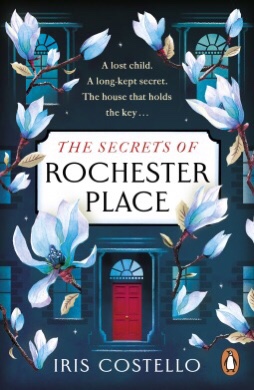
Spring 1937: Teresa is evacuated to London in the wake of the Guernica bombing. She thinks she’s found safety in the soothing arms of Mary Davidson and the lofty halls of Rochester Place, but trouble pursues her wherever she goes.
Autumn 2020: Corrine, an emergency dispatcher, receives a call from a distressed woman named Mary. But when the ambulance arrives at the address, Mary is nowhere to be found. Intrigued, Corinne investigates and, in doing so, disturbs secrets that have long-dwelt in Rochester Place’s crumbling walls. Secrets that, once revealed, will change her life for ever . . .
Who is Mary Davidson? And what happened at Rochester Place all those years ago? Set between the dusty halls of Rochester Place and the bustling streets of modern-day Tooting, this emotive, intricately layered mystery tells the spellbinding story of two people, separated by time, yet mysteriously connected through an enchanting Georgian house and the secrets within its walls.
Published by Penguin 8th Dec 2022
I always look forward to an Orenda book, because I know I’m going to great a fantastic and often thought provoking read. I’m on the blog tour for this in November and I’m looking forward to this one. James Garrett was critically injured when he was shot following his parents’ execution, and no one expected him to waken from a deep, traumatic coma. When he does, nine years later, Detective Inspector Rebecca Kent is tasked with closing the case that her now retired colleague, Theodore Tate, failed to solve all those years ago.
But between that, and hunting for Copy Joe – a murderer on a spree, who’s imitating Christchurch’s most notorious serial killer – she’s going to need Tate’s help … especially when they learn that James has lived out another life in his nine-year coma, and there are things he couldn’t possibly know, including the fact that Copy Joe isn’t the only serial killer in town…
Published by Orenda Books Nov 10th 2022
In between the serial killers, ghostly apparitions and terrifying ‘creepers’ I need some light relief. I was looking for something warm and uplifting and this could be it. Newly installed at All Souls Lutheran, Mallory “Pastor Pete” Peterson soon realizes that her church isn’t merely going through turbulent waters, but is a sinking ship. With the help of five loyal members of the Naomi Circle, the young, bold minister brainstorms fundraising ideas. They all agree that the usual recipe book won’t add much to the parish coffers, but maybe one with all the ingredients on how to heat up relationships rather than casseroles will…
Pastor Pete has her doubts about the project, but it turns out the group of postmenopausal women has a lot to say on the subject of romance. While Charlene, the youngest member at fifty-two, struggles with the assignment, baker-extraordinaire Marlys, elegantly bohemian Bunny, I’m-always-right Velda, and ebullient Edie take up their contributions enthusiastically. After all, their book is really about cooking up love in all its forms. But not everyone in the congregation is on board with this “scandalous” project. As the voices of opposition grow louder, Pastor Pete and these intrepid women will have to decide how hard they’re willing to fight for this book and the powerful stories within—stories of discovery, softened hearts, and changed lives.
Published by Lake Union 6th December 2022
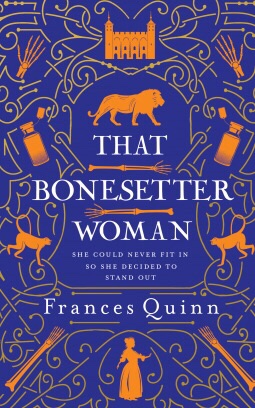
Although this book is already out I’m saving it for the autumn, because it’s one of my Squad Pod’s Book Club reads. I loved Quinn’s debut novel The Smallest Man so I’ve had my eye on this for a while. I also love unusually named heroines, ever since Mary Webb’s Precious Bane, and Endurance Proudfoot is a brilliant invention. It’s usual, they say, for a young person coming to London for the first time to arrive with a head full of dreams. Well, Endurance Proudfoot did not. When she stepped off the coach from Sussex, on a warm and sticky afternoon in the summer of 1757, it never occurred to her that the city would be the place where she’d make her fortune; she was just very annoyed to be arriving there at all.
Meet Endurance Proudfoot, the bonesetter’s daughter: clumsy as a carthorse, with a tactless tongue and a face she’s sure only a mother could love. Durie only wants one thing in life – to follow her father and grandfather into the family business of bonesetting. It’s a physically demanding job, requiring strength, nerves of steel and discretion – and not the job for a woman. But Durie isn’t like other women. She’s strong and stubborn and determined to get her own way. And she finds that she has a talent at bonesetting – her big hands and lack of grace have finally found their natural calling. So, when she is banished to London with her sister, who is pretty, delicate and exactly the opposite to Durie in every way, Durie will not let it stop her realising her dreams. And while her sister will become one of the first ever Georgian celebrities, Durie will become England’s first and most celebrated female bonesetter. But what goes up must come down, and Durie’s elevated status may well become her undoing…
Published by Simon and Schuster 21st July 2022.
There are a few formidable women in my autumn reading and this is another brilliant historical fiction novel for the list. This is billed as a ‘rich and atmospheric’ new novel from prize-winning author Sally Gardner, set in the 18th century between the two great Frost Fairs. Neva Friezland is born into a world of trickery and illusion, where fortunes can be won and lost on the turn of a card. She is also born with an extraordinary gift. She can predict the weather. In Regency England, where the proper goal for a gentlewoman is marriage and only God knows the weather, this is dangerous. It is also potentially very lucrative.
In order to debate with the men of science and move about freely, Neva adopts a sophisticated male disguise. She foretells the weather from inside an automaton created by her brilliant clockmaker father. But what will happen when the disguised Neva falls in love with a charismatic young man?
It can be very dangerous to be ahead of your time. Especially as a woman.
Published by Apollo 10th November 2022.
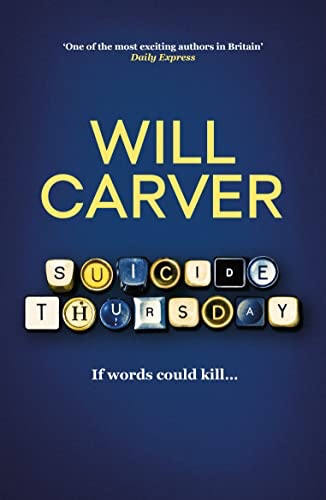
Will Carver is an incredible writer and his imagination knows no bounds. His books are always so completely original.
Eli Hagin can’t finish anything. He hates his job, but can’t seem to quit. He doesn’t want to be with his girlfriend, but doesn’t know how end things with her, either. Eli wants to write a novel, but he’s never taken a story beyond the first chapter. Eli also has trouble separating reality from fiction.
When his best friend kills himself, Eli is motivated, for the first time in his life, to finally end something himself, just as Mike did… Except sessions with his therapist suggest that Eli’s most recent ‘first chapters’ are not as fictitious as he had intended … and a series of text messages that Mike received before his death point to something much, much darker…
Published by Orenda Books 24th November 2022.
This book sounds like a very dark fairy tale and aren’t they the best ones? An ancient, mercurial spirit is trapped inside Elspeth Spindle’s head – she calls him the Nightmare. He protects her. He keeps her secrets. But nothing comes for free, especially magic.
When Elspeth meets a mysterious highwayman on the forest road, she is thrust into a world of shadow and deception. Together, they embark on a dangerous quest to cure the town of Blunder from the dark magic infecting it. As the stakes heighten and their undeniable attraction intensifies, Elspeth is forced to face her darkest secret yet: the Nightmare is slowly, darkly, taking over her mind. And she might not be able to fight it. This is a gothic fantasy romance about a maiden who must unleash the monster within to save her kingdom.
Published by Orbit 29th September
Twelve-year-old Bird Gardner lives a quiet existence with his loving but broken father, a former linguist who now shelves books in a university library. Bird knows to not ask too many questions, stand out too much, or stray too far. For a decade, their lives have been governed by laws written to preserve “American culture” in the wake of years of economic instability and violence. To keep the peace and restore prosperity, the authorities are now allowed to relocate children of dissidents, especially those of Asian origin, and libraries have been forced to remove books seen as unpatriotic—including the work of Bird’s mother, Margaret, a Chinese American poet who left the family when he was nine years old.
Bird has grown up disavowing his mother and her poems; he doesn’t know her work or what happened to her, and he knows he shouldn’t wonder. But when he receives a mysterious letter containing only a cryptic drawing, he is pulled into a quest to find her. His journey will take him back to the many folktales she poured into his head as a child, through the ranks of an underground network of librarians, into the lives of the children who have been taken, and finally to New York City, where a new act of defiance may be the beginning of much-needed change.
Our Missing Hearts is an old story made new, of the ways supposedly civilized communities can ignore the most searing injustice. It’s a story about the power—and limitations—of art to create change, the lessons and legacies we pass on to our children, and how any of us can survive a broken world with our hearts intact. This sounds absolutely epic and I’m so excited to have been granted a copy on NetGalley, so I’ll keep you all informed.
Published 4th October 2022 by Penguin Press
1643: A small group of Parliamentarian soldiers are ambushed in an isolated part of Northern England. Their only hope for survival is to flee into the nearby Moresby Wood… unwise though that may seem. For Moresby Wood is known to be an unnatural place, the realm of witchcraft and shadows, where the devil is said to go walking by moonlight. Seventeen men enter the wood. Only two are ever seen again, and the stories they tell of what happened make no sense. Stories of shifting landscapes, of trees that appear and disappear at will… and of something else. Something dark. Something hungry.
Today, five women are headed into Moresby Wood to discover, once and for all, what happened to that unfortunate group of soldiers. Led by Dr Alice Christopher, an historian who has devoted her entire academic career to uncovering the secrets of Moresby Wood. Armed with metal detectors, GPS units, mobile phones and the most recent map of the area (which is nearly 50 years old), Dr Christopher’s group enters the wood ready for anything. Or so they think. I love the mix of historical fiction and a touch of the supernatural so this one is a definite title for the TBR.
Published on 13th October by S
If someone says gothic, paranormal, romance to me, I’m there with bells on! As a lifelong fan of Wuthering Heights it’s very much my sort of thing. 1813. Lizzie’s beloved older sister Esme is sold in marriage to the aging Lord Blountford to settle their father’s debts. One year later, Esme is dead, and Lizzie is sent to take her place as Lord Blountford’s next wife.
Arriving at Ambletye Manor, Lizzie uncovers a twisted web of secrets, not least that she is to be the fifth mistress of this house. Marisa. Anne. Pansy. Esme. What happened to the four wives who came before her? In possession of a unique gift, only Lizzie can hear their stories, and try to find a way to save herself from sharing the same fate. This sounds to me like a Bluebeard type tale and perfect for a cozy autumn afternoon in front of the log burner.
Published 24th November 2022 by Penguin.
Three women Three eras One extraordinary mystery…
1899, Belle Époque Paris. Lucienne’s two daughters are believed dead when her mansion burns to the ground, but she is certain that her girls are still alive and embarks on a journey into the depths of the spiritualist community to find them.
1949, Post-War Québec. Teenager Lina’s father has died in the French Resistance, and as she struggles to fit in at school, her mother introduces her to an elderly woman at the asylum where she works, changing Lina’s life in the darkest way imaginable.
2002, Quebec. A former schoolteacher is accused of brutally stabbing her husband – a famous university professor – to death. Detective Maxine Grant, who has recently lost her own husband and is parenting a teenager and a new baby single-handedly, takes on the investigation.
Under enormous personal pressure, Maxine makes a series of macabre discoveries that link directly to historical cases involving black magic and murder, secret societies and spiritism … and women at breaking point, who will stop at nothing to protect the ones they love. I’m so excited about this one I’ve ordered a special copy from Goldsboro Books it’s simply stunning and I’m dying to read it.
Published by Orenda Book on 15th September 2022
Bleeding Heart Yard by Elly Griffiths
Another stunning cover here. From the author of the Ruth Galloway crime series this is a propulsive new thriller set in London featuring Detective Harbinder Kaur. A murderer hides in plain sight – in the police. DS Cassie Fitzherbert has a secret – but it’s one she’s deleted from her memory. In the 1990s when she was at school, she and her friends killed a fellow pupil. Thirty years later, Cassie is happily married and loves her job as a police officer.
One day her husband persuades her to go to a school reunion and another ex-pupil, Garfield Rice, is found dead, supposedly from a drug overdose. As Garfield was an eminent MP and the investigation is high profile, it’s headed by Cassie’s new boss, DI Harbinder Kaur. The trouble is, Cassie can’t shake the feeling that one of her old friends has killed again. Is Cassie right, or was Garfield murdered by one of his political cronies? It’s in Cassie’s interest to skew the investigation so that it looks like the latter and she seems to be succeeding.
Until someone else is killed…
Published on 29th September 2022 by Quercus
And I can’t believe I forgot…..
I possibly forgot this one because I’ve already read and reviewed it for NetGalley and it really is a cracker. After going in a slightly different direction with her last two novels, Jodi Picoult is back in her usual territory here. After teaming up with author Jennifer Finney Boylan, from a Twitter conversation, Picoult is back to tackling a controversial issue with a tense legal case at the centre of the drama.
Olivia fled her abusive marriage to return to her hometown and take over the family beekeeping business when her son Asher was six. Now, impossibly, her baby is six feet tall and in his last year of high school, a kind, good-looking, popular ice hockey star with a tiny sprite of a new girlfriend. Lily also knows what it feels like to start over – when she and her mother relocated to New Hampshire it was all about a fresh start. She and Asher couldn’t help falling for each other, and Lily feels happy for the first time. But can she trust him completely? Then Olivia gets a phone call – Lily is dead, and Asher is arrested on a charge of murder. As the case against him unfolds, she realises he has hidden more than he’s shared with her. And Olivia knows firsthand that the secrets we keep reflect the past we want to leave behind - and that we rarely know the people we love well as we think we do. Each author has written the story from a different character’s perspective, sometimes taking us back in time to understand their experiences. I don’t want to ruin your enjoyment so I won’t give you any more of the plot, but I will say it’s a belter of a novel that will make you question your own prejudices.
Published on 15th November 2022 by Hodder & Stoughton
What an excellent reading month it’s been and a good mix of independent publishers as well as the majors. As part of the Squad Pod Collective, this month we’ve been reading Sandstone Press novels as part of our Sandtember feature. Next month will be Orentober – a celebration of Orenda Books, two of which feature here. I’ve been a lot busier and had so much more clarity this month, possibly something to do with us moving into the cooler months of autumn which are my favourite of the year, possibly due to it being Halloween, my birthday, Bonfire Night and the run up to Christmas. Plus Strictly is back on the telly. Here we have mainly thrillers and crime fiction, but very different from each other. I think some of this month’s books may easily reach my Books of the Year list in December. Hope you all have a great October!
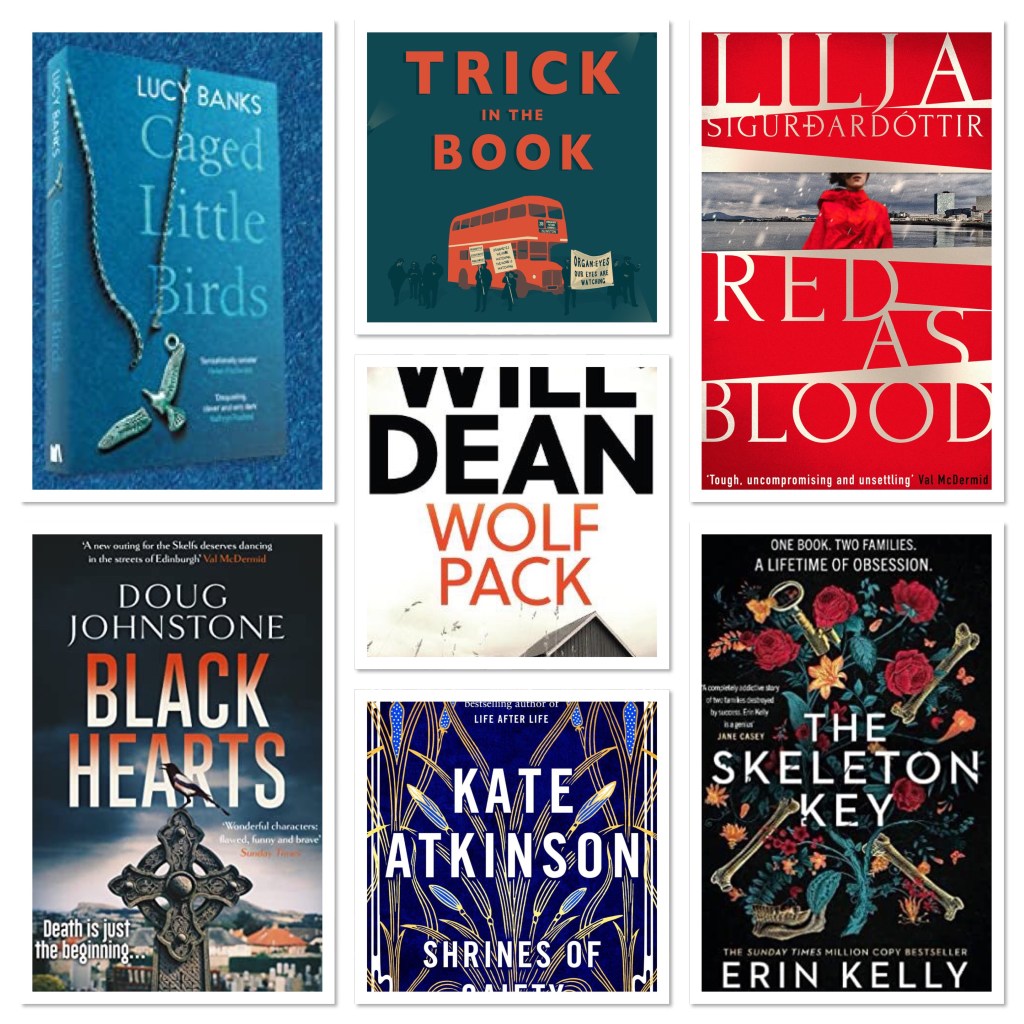
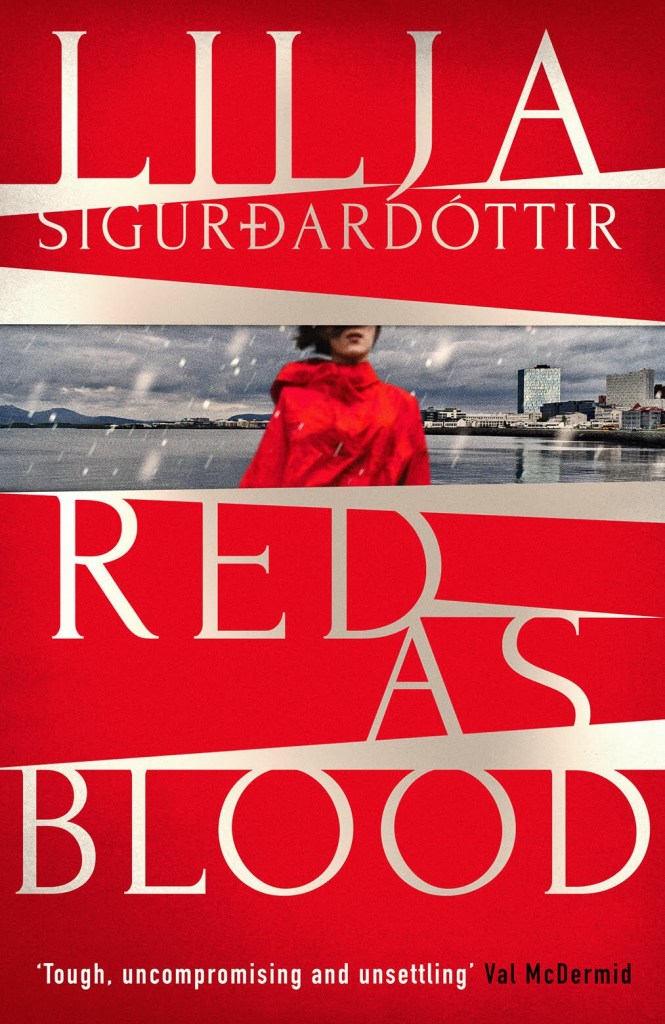
This is an October review, but I read it as soon as it was delivered to my Kindle. I loved her first in the series so I was eager to see what Āróra was up to now. I won’t tell you too much, just a quick outline of what to expect from this excellent thriller. When entrepreneur Flosi arrives home for dinner one night, he discovers that his house has been ransacked, and his wife Gudrun missing. A letter on the kitchen table confirms that she has been kidnapped. If Flosi doesn’t agree to pay an enormous ransom, Gudrun will be killed. Forbidden from contacting the police, he gets in touch with Áróra, who specialises in finding hidden assets, and she, alongside her detective friend Daniel, try to get to the bottom of the case without anyone catching on.
Meanwhile, Áróra and Daniel continue the puzzling, devastating search for Áróra’s sister Ísafold, who disappeared without trace. As fog descends, in a cold and rainy Icelandic autumn, the investigation becomes increasingly dangerous, and confusing. Chilling, twisty and unbearably tense, Red as Blood is the second instalment in the riveting, addictive An Áróra Investigation series, and everything is at stake…
Out 13th October from Orenda Books
I thoroughly enjoyed this twisty thriller from an author I read automatically these days, knowing I’m going to get a quality thriller. Here we’re brought into the arty, bohemian world of the Churcher and Lally families and their adjoining houses on the edge of the heath. Frank Churcher and his friend Lal have been friends since the 1970s when they shared drugs, alcohol, women and ideas. Frank has called everyone together to celebrate the 50th Anniversary edition of his book The Golden Bones. This could be one reunion that tears the family apart…
Nell has come home at her family’s insistence to celebrate an anniversary. Fifty years ago, her father wrote The Golden Bones. Part picture book, part treasure hunt, Sir Frank Churcher created a fairy story about Elinore, a murdered woman whose skeleton was scattered all over England. Clues and puzzles in the pages of The Golden Bones led readers to seven sites where jewels were buried – gold and precious stones, each a different part of a skeleton. One by one, the tiny golden bones were dug up until only Elinore’s pelvis remained hidden. The book was a sensation. A community of treasure hunters called the Bonehunters formed, in frenzied competition, obsessed to a dangerous degree. People sold their homes to travel to England and search for Elinore. Marriages broke down as the quest consumed people. A man died. The book made Frank a rich man. Stalked by fans who could not tell fantasy from reality, his daughter, Nell, became a recluse. But now the Churchers must be reunited. The book is being reissued along with a new treasure hunt and a documentary crew are charting everything that follows. Nell is appalled, and terrified. During the filming, Frank is set to reveal the whereabouts of the missing golden bone, but as one of his grandchildren climbs the tree for the treasure all hell is going to break loose. This was an addictive thriller, with complicated family dynamics and a brilliant final chapter.
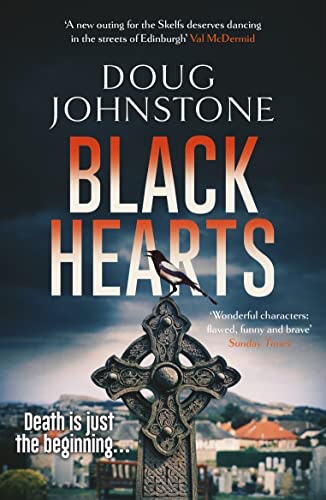
Orenda Books must get so fed up with me banging on about the genius of Doug Johnstone and his wonderful creations; the Skelf women. Set in Edinburgh, Grandmother Dorothy, daughter Jenny and granddaughter Hannah live in the shadow of death every day. Jenny and Dorothy live literally above a morgue, as the family’s funeral business is run from the ground floor. They also run a private investigation business from their kitchen table. But now their own grief interwines with that of their clients, as they are left reeling by shocking past events. As usual there’s a shocking opening, with a fist-fight by an open grave. This leads Dorothy to investigate the possibility of a faked death, while a young woman’s obsession with Hannah threatens her relationship with Indy and puts them both in mortal danger. An elderly man claims he’s being abused by the ghost of his late wife, while ghosts of another kind come back to haunt Jenny from the grave … pushing her to breaking point.
As the Skelfs struggle with increasingly unnerving cases and chilling danger lurks close to home, it becomes clear that grief, in all its forms, can be deadly… you can look for my full review of this in my Sept 2022 archive, but it really is a cracker.
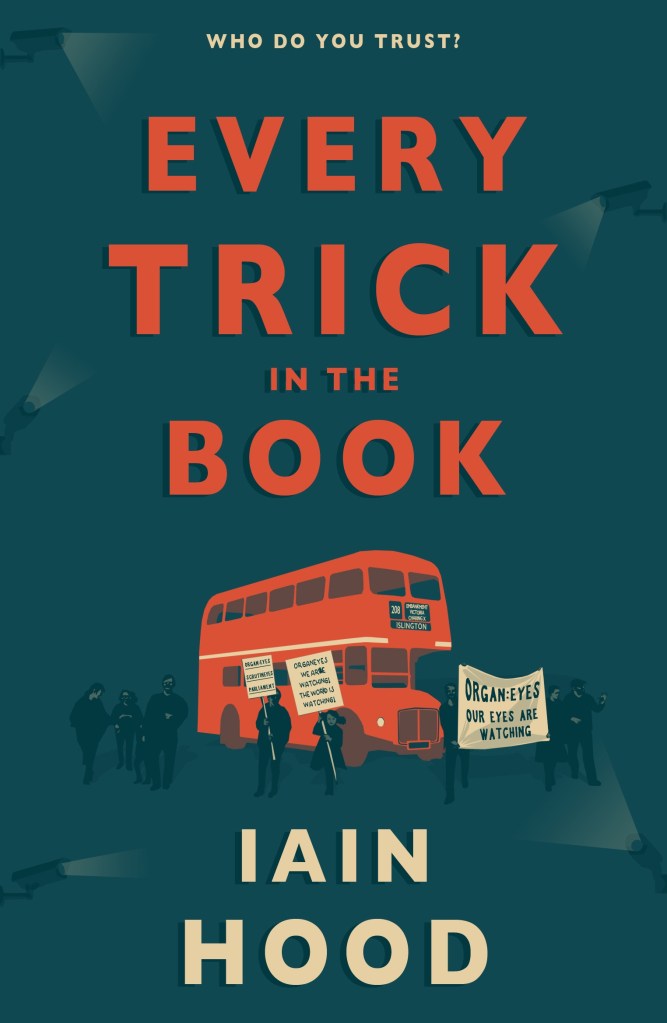
This was one of those blog tours I was asked to do and I went in blind. I knew nothing about the author or the book, but straight away I was intrigued. You are invited to cast your eye over the comfortable north London home of a family of high ideals, radical politics and compassionate feelings. Julia, Paul and their two daughters, Olivia and Sophie, look to a better society, one they can effect through ORGAN:EYES, the campaigning group they fundraise for and march with, supporting various good causes. But is it all too good to be true? When the surface has been scratched and Paul’s identity comes under the scrutiny of the press, a journey into the heart of the family begins. Who are these characters really? Are any of them the ‘real’ them at all? Every Trick in the Book is a genre-deconstructing novel that explodes the police procedural and undercover-cop story with nouveau romanish glee. Hood overturns the stone of our surveillance society to show what really lies beneath. Be prepared to never take anything at face value again.
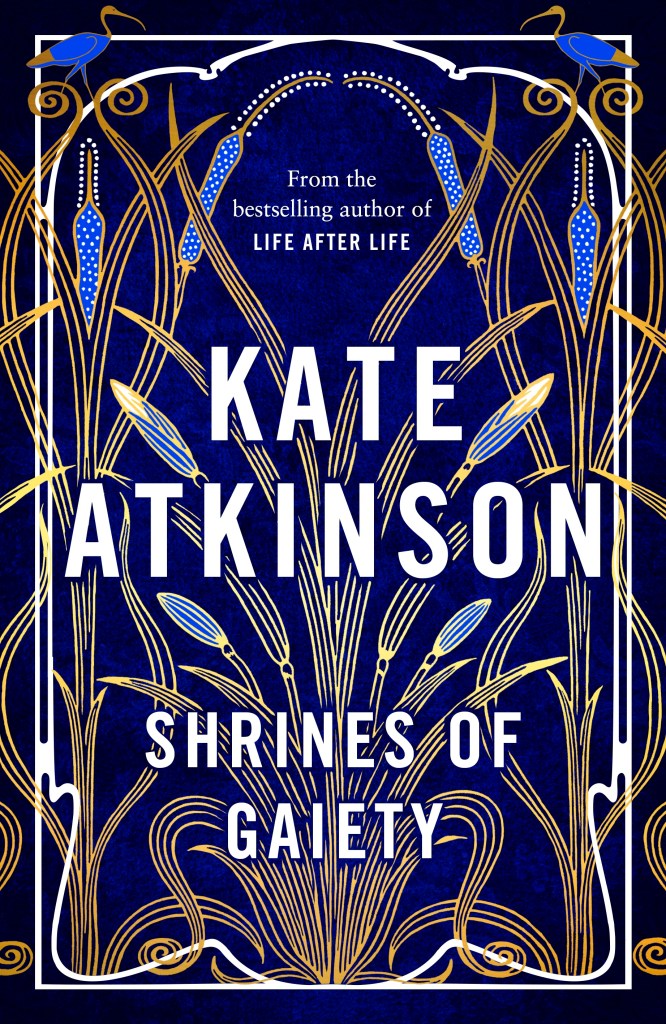
Now I’d been waiting all year for this one. It’s been up there with Jessie Burtons House of Fortune as the ones I’ve most been looking forward to this year. I wasn’t disappointed. Kate Atkinson has written a crime novel that lays bare a decade in flux, a London that’s drowning in decadence and a generation determined to leave loss and grief behind them.
1926, and in a country still recovering from the Great War, London has become the focus for a delirious new nightlife. In the clubs of Soho, peers of the realm rub shoulders with starlets, foreign dignitaries with gangsters, and girls sell dances for a shilling a time. At the heart of this glittering world is notorious Nellie Coker, ruthless but also ambitious to advance her six children, including the enigmatic eldest, Niven whose character has been forged in the crucible of the Somme. But success breeds enemies, and Nellie’s empire faces threats from without and within. For beneath the dazzle of Soho’s gaiety, there is a dark underbelly, a world in which it is all too easy to become lost.With her unique Dickensian flair, Kate Atkinson brings together a glittering cast of characters in a truly mesmeric novel that captures the uncertainty and mutability of life; of a world in which nothing is quite as it seems. I loved the historical background to this fascinating story and my only complaint was that I wanted to spend more time with some of her characters. See my September archive for the full review, but I was dazzled and drawn deeply into Atkinson’s world.
Tuva Moodyson is another character I’m always banging on about on Twitter. I think she’s an incredible woman and I love the representation of her disability too. Here Tuva is back at work after the shooting of her girlfriend, police officer Noora. Noora survived but now exists in a persistent vegetative state, in bed and cared for round the clock by her mother. In the circumstances, Noora’s parents understood that Tuva needed to go back to work. Dean takes us straight into the action, as Tuva finds an armoured hunting dog wounded by the side of the road. In the course of taking the dog to the vet, Tuva leans of a farm further down the road where a group of survivalists live. It’s not long before she hears that a girl’s gone missing from Rose Farm, and while the police will be investigating, Tuva wants to find her story. There are two businesses on the farm, a café and spa, so Tuva visits to get to know a couple of the residents up there. Andreas, who patrols the compound with his dogs, shows Tuva the security system and training they have in place for their members, including underground bunkers if necessary. Are these people simply ‘preppers’, getting ready for the end of the world, or is something more sinister going on? Who is the mysterious Abraham? What was missing girl Elsa Nyberg to do with the preppers and is she still alive? As usual, Tuva throws herself in and soon her own life is in danger.
This was an interesting and addictive book from Lucy Banks and I loved it. The public think Ava is a monster. Ava doesn’t think she’s to blame. She’s spent twenty five years in prison and now it’s time to start a new life. With a changed identity, her name is now Robin, she has a roof over her head and she hopes for the quiet life she’s always wanted. However, her idea of quiet is an uninhabited island off the coast of Scotland, just her and the seabirds. This reminds her of the places they lived when she was small, when her father was working for a bird protection charity. He would teach her to catch and tag the puffins. There’s no hope for a quiet life, as probation officer Margot pops in unexpectedly pushing her to apply for jobs because ‘the state can’t keep you forever’. There’s Bill next door, who likes a chat and flirt over the garden hedge, not to mention his daughter Amber who really isn’t sure of their new neighbour. Finally there’s her unwanted visitor; the strange person in black who lurks and watches; the person who sent the poison pen letter; the person who throws a brick through the window. We see everything through Robin’s mind and a slow unease starts to creep in here and there. Is she the murderer she’s been painted as or is she misunderstood? I went from feeling sorry for Robin, to being terrified of her. Absolutely brilliant!
So that’s this month. I’m having a week’s break from blog tours to read Robert Galbraith’s The Ink Black Heart, which has been staring at me from the TBR shelf for past fortnight. Here are some of next month’s reads.
This was a deliciously clever and fiendish tale from an author I’m starting to trust when looking for a thrilling read. This was so difficult to put down and was eerily reminiscent of one of Agatha Christie’s novels that I made a note of it, then I saw it mentioned in the finale, so I won’t ruin it by saying which one. As the tide comes in, the Darker family are congregating at the family seat for the matriarch’s birthday. Seaglass is a large house on an island with only a causeway linking it to Cornwall, so at high tide it is completely cut off from the rest of the world. The book’s action all takes place in the space of one high tide and the final Darkers are rushing across the causeway to get there on time. Gathered at Seaglass are a motley crew of Darkers across four generations from Gran down to her great-granddaughter Beatrice known as Trixie. In between are the son ?? a famous, but not wealthy conductor, his ex-wife Nancy and their three daughters Rose, Lily and Daisy. Not forgetting Popper the family dog. One latecomer is a young man called Connor, an unofficial family member who turned up on Seaglass’s beach one morning when the Darker sisters were small. Gran noticed that Connor was bruised and neglected, so from that moment she took him and his alcoholic father under her wing. One second is all it took for every Darker woman to fall in love with this lonely boy who has lost his mother.
Now Connor has arrived the games can begin and it’s soon clear that if any of the Darker family survive till low tide in the morning, they’ll be very lucky indeed. I loved how the author built the atmosphere. Seaglass is a labyrinthine house, but each downstairs room is arranged around a central hall and are linked by doors, so that when the girls were little they could open the space up and Lily would roller skate in circuits around the house. I really wanted their grandmother’s study: filled with books and art supplies that produced her beloved children’s books. Her first book was Daisy Darker and was inspired by her youngest granddaughter, who was found to have a heart defect when she was a child. I loved the family’s eccentricities and traditions, such as the clocking in machine at the front door where every family member has a card to punch in and out. There’s a blackboard wall in the kitchen, for impromptu poetry, and at the kitchen table there are individual chairs, painted for each family member – of course one is covered in daisies, just like Daisy’s converse trainers. We get a sense of the family’s longevity in their collections and special treasures, such as the bone and seaglass Scrabble set, bought by Gran’s agent and set to play a special part in the night’s proceedings.
Published by Macmillan 18th August 2022
Meet the Author
Alice Feeney is a New York Times million-copy bestselling author. Her books have been translated into over twenty-five languages, and have been optioned for major screen adaptations. Including Rock Paper Scissors, which is being made into a TV series by the producer of The Crown. Alice was a BBC journalist for fifteen years, and now lives in Devon with her family. Daisy Darker is her fifth novel.
You can follow Alice on Instagram/Twitter: @alicewriterland
A notebook full of secrets, two untimely deaths – something sinister is stirring in the perfect seaside town of Morranez…
It’s summer and holidaymakers are flocking to the idyllic Brittany coast. But when first an old traveller woman dies in suspicious circumstances, and then a campaign of hate seemingly drives another victim to take his own life, events take a very dark turn. Mila Shepherd has come to France to look after her niece, Ani, following the accident in which both Ani’s parents were lost at sea. Mila has moved into their family holiday home, as well as taken her sister Sophie’s place in an agency which specialises in tracking down missing people, until new recruit Carter Jackson starts.
It’s clear that malevolent forces are at work in Morranez, but the local police are choosing to look the other way. Only Mila and Carter can uncover the truth about what’s really going on in this beautiful, but mysterious place before anyone else suffers. But someone is desperate to protect a terrible truth, at any cost…
Louise Douglas’s latest novel has a slow start, but then drew me in as it delved into the past and the Balkan War. We are in a small seaside town in Brittany where Mila and her cousin Sophie grew up. Now Mila is back with her life turned upside down. In London she was starting to write her novel and enjoying her relationship with boyfriend Luke, in fact they have even talked about marriage. Then across the channel something terrible happens. Sophie and her husband are lost at sea, leaving their teenage daughter Ani an orphan. Mila’s aunt asks her to travel over to Brittany, to help with their business and bring some comfort to Ani. Mia and Ani have been living in the sea house for a few months now and Mila has so many mixed feelings about looking after her niece. She loves Ani, but isn’t sure she’s very good at being a parent. She finds it hard to have the tough conversations and thinks that Ani will be much better off when she flies out to the Swiss boarding school she’s enrolled at for the new term. Mila is sure they’ll be better trained to deal with a bereaved teenage girl than she is. When Ani disappears one afternoon, Mila finds her at an old camper van in a nearby field where an elderly lady appears to be living. Gosia looks like shes been living on the road for a long time and Mila is concerned about her, but first needs to get Ani home. However, the very next morning she notices smoke rising up from the field where Harriet’s camper van was parked. By the time she gets there Gosia has died.
Gosia’s death is the first in a series of disturbing events for Mila. Mila’s aunt continues to run the investigations business she set up with Sophie, and in the short term Mila has been helping out. However, for the long term her aunt has hired someone from the girl’s past and as soon as Mila hears Carter Jackson’s bike roaring into town she knows there’s unfinished business. Mila had complicated feelings for Carter, made even more painful by the fact he was so clearly in love with Sophie. Mila isn’t happy with him being back in the area, doesn’t know if she can trust him and hates those painful adolescent feelings he reawakens. Close to the sea house, there is an archaeological dig taking place at a series of dolmans or ancient dwelling places. The wife of the dig’s professor has been in to the agency to ask if they will follow her husband, because she has suspicions about him being involved with someone on the dig. Mila thinks it’s just the sort of PI work the company doesn’t get involved with, but with Carter happy to take the assignment and the money needed by the business they go ahead. When photographs turn up showing the professor meeting a young girl, local tensions start to build. Especially when someone blows up the image and fly-posts them around town with the title ‘Professor Pervert’. When the professor goes missing Mila starts to wonder if they’ve been paid to frame an innocent man. Then he turns up dead, an apparent suicide that Carter and Mila think may be staged. What does the professor know and is there a link between him and Gosia?
I found Mila a bit frustrating if I’m honest. It’s clear that all Ani needs is someone to show they love her and that they want to be with her. Mila feels constantly between things and her niece is actually very wise when she points out that Mila is constantly saying she needs to get back to her life, as if what she’s doing now isn’t living. What has happened in Morrannez to change Mila? Is it the slowed own pace of life, or that feeling of being home? Is she actually enjoying the parenthood she feels has been thrust upon her? She says she wants to be with Luke, but only ever calls him to ask for his police perspective on the case. She can write wherever she is so does she even want the life she had in the UK any more? I knew what I wanted to happen, mainly for Ani’s sake more than anything as she’s already been left by two parents. The case really gelled for me as Mila comes across clues such as Gosia’s scrapbook/ journal and the video clip she watches from the Bosnian war. This piece of film is such a moment of horror amongst the lighter tone of the book so far, that it has a huge impact. The politics and complexities of the Balkan War are well researched and it was so interesting I wished it had been introduced earlier in the novel, perhaps as a separate time strand. I felt as if I was really gripped by the mystery for the first time, but it didn’t seem long before the e-book ended. This might not seem so jarring when reading a physical copy as we get more sense of where we are in a novel when we’re turning the pages. I truly enjoyed the way the threads of the case linked back in history and I also liked the short trip back to Sophie and Mila’s teenage years to get a flavour of their friendship. The relationship between Ani and Mila tugged at my heartstrings though and kept reading in the hope that Mila would find a way of being with Ani and perhaps staying in France where I felt she belonged.
Louise Douglas is the bestselling and brilliantly reviewed author and an RNA award winner. The Secrets Between Uswas a Richard and Judy Book Club pick. She lives in the West Country.
You can find out more about Louise using the following links.