Posted in Random Things Tours

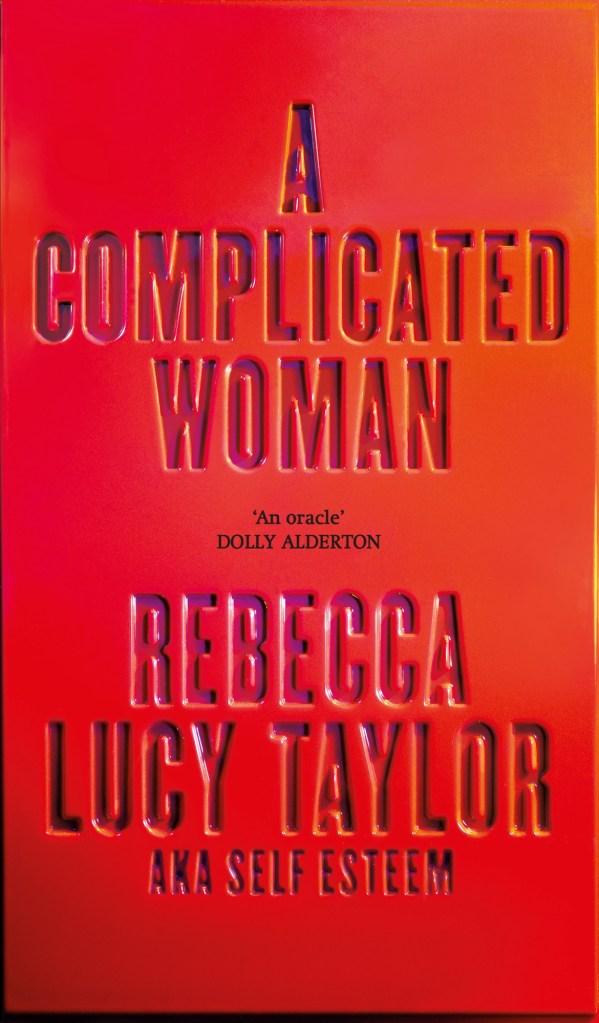
A Complicated Woman by Rebecca Lucy Taylor aka Self Esteem 

“I never could′ve told you anything I long for

While I was in the water swimming ‘gainst tides we′re taught to

Take it in our stride, laugh it off, take it on the chin just right

Don’t be too loud or too quiet, but I got all this fight

And now I see it clear with every passing of each year

I deserve to be here

And every time I fall, I crawl back like an animal

My focus is powerful.”

I knew I was going to love Self Esteem when I first caught her set at Glastonbury a few years ago, referencing 1990 Madonna with her black suit and corset. What made me stop and watch was that instead of the iconic John Paul Gaultier conical bra each breast was covered with the dome of Meadowhall Shopping Centre in Sheffield. At that point I didn’t know that Rebecca Lucy Taylor was born there but I could see she had a sense of humour, a sense of where she was from and had something very powerful to say as the above lyrics from her song Focus to Power show. In the intervening years Self Esteem has become a creative force with three solo albums, including A Complicated Woman this year. She had a Mercury Prize nomination for her album Prioritise Pleasure in 2022 and was the BBC Music Introducing act in 2021. She is not just a singer, she’s a multi-instrumentalist and has composed for theatre and became a West End lead in 2023/24 playing Sally Bowles in Cabaret. She’s been awarded an honorary doctorate in music from the University of Sheffield and a portrait of her hangs in the National Gallery. Now she has written a memoir, bringing together notes and lyrics, journal entries and observations on life as a woman in the 21st Century, referencing relationships, abuse, self-worth, creativity and living under the weight of the impossible expectations we impose on young women. The blurb refers to it as a ‘subversive anti-Bible’ and a ‘cathartic scream of a book’ and it is raw, emotional and so incredibly exposing. I will be buying it for my stepdaughters. 

The narrative is jagged and feels unfinished, a structure that underlines the theme of being the ‘finished’ article something that applies to both the professional and personal self. Creative work never feels fully done. I always imagined that when writing a book I would know when it was complete and I would feel satisfied that it was finished. A piece of writing is always open to change, but we have to let it go at some point and finishing is a collaborative process with mentors, agents, editors and might end up looking different to what you expected. Similarly as people we are never finished, the self is not one fixed thing and can be influenced by mood, something we watched, whether we slept well or not and interactions with others. I think we imagine as children that there’s a point where we become an adult and our self is a fixed thing, but the self is fluid and open to change until the last day we’re alive. The author writes that she wakes up knowing it’s going to be a day when her brain is against her. So out of all the options open she decides on the middle ground: 

‘Ultimately doing nothing garnished by a little of what I as a child imagined being an adult would be. A coffee in a cafe, walk to the cinema, watch an art house film alone, walk home.’ 

It’s almost a fake it till you make it idea. The self is just a raw block of clay but we still go out there, pretending to do what we think adults should.

Self Esteem at Glastonbury 2022

Toxic relationships are also a huge part of the book and it’s clear there was one in particular that was coercive and damaging. Tiny little snippets of information are dropped about him and I identified strongly with how she feels at these times. She addresses him remembering that: ‘ he made sure to take at least two pieces of jigsaw and hide them so it could finish it himself.’ It made me shiver with recognition. My heart broke for her in this paragraph: 

“I’ll never forget the first time it cracked and he became someone else. I spent that night trying to sleep on the floor and reaching back up to him in his single bed, sleeping soundly. Offering my hand over and over through the night. – And forever he held back. Each tendon in his fingers finally gracing me with tension. And in that moment the sickness in my stomach was gone and the addiction to his acceptance began.” 

She clearly spent years trying to please this person, to be enough but not too much. Enough in the right way that was acceptable to him. A rollercoaster of arguments followed by apologies to make things nice again, a blissful few weeks when he’s happy because she made herself smaller, then a withdrawal of affection, hurtful comments and arguments. It’s a place I’ve been and it only ended when I accepted I was enough, just as I was. I still feel sick to my stomach when something takes me back there and this really hit home. As she says, ‘tell me anyone who left when they should have.’ She also addresses the inevitable question of children, something women are always asked and I have noticed that I make a lot more sense to some friends now I have stepdaughters. The author wishes she could just have one, now, not because she wants one just because it would be done and people would stop asking. They ask as if you’ve forgotten to do it. There’s a point in the book though where change begins and it’s in a letter, because unsent letters have such power. It’s a letting go leaving the path clear to be whatever.

We get the sense of a person who has a huge and imaginative inner world, but is hampered by her own mind throwing out options, constantly questioning whether this or that is the right thing to do. There’s a very busy internal critic here and while the author may be an over-thinker and struggle with anxiety, I think this second-guessing herself is a habit many women have. It starts with parental pressures of what a girl should be, educational expectations influenced by gender, societal expectations of what an adult woman should want and how successful she should be. It’s as if feminism succeeded in giving women more choice, but also more expectations rather than equality. Yes of course we can have a career, but then you must go home and more than a fair share of housework, cooking, laundry and having the mental load of who eats what, which week a friend is coming to stay and an encyclopaedic knowledge of where every object belonging each family member might be found. On top of that are grooming standards, the endless opinions on whether women should age naturally or have surgery, when they should stop wearing short skirts and how to keep their sex lives spicy. No one asks a man when he’s going to fit in having a child or whether he should sacrifice his career for his family. This pressure is described beautifully here as it runs throughout the narrative alongside the extra pressures of being creative and a famous woman. Everyone talks about America Ferrarra’s speech in the Barbie film about what a woman is but I find the author’s words much more affecting as she writes a poem about herself as the woman she feels society wants her to be. A woman who eats the right things, who makes money but stays generous and humble, who is modern and desirable, but above all things maternal. It reads like a modern fairy tale.

‘I had one thousand friends and each and every one was happy with me, and felt I had given them enough time and attention’. 

It feels like slicing yourself into a thousand different pieces to be everything and keep everyone happy and they all think you’re amazing, but you’re still slicing yourself. It takes therapy, age and self-acceptance to throw off these expectations and doubts. In amongst this torrent of emotions there is a down to earth feel and a sense of humour that comes out a lot in lists – ‘things I should have said no to’ being one. There are also blunt truths that she clearly can’t say to the person but records in her diary – ‘I want to be fucked like that but not have to hear about your Edinburgh show.” I loved this directness, tempered with humour. It also shows how hard it can be for some women to say what they want and don’t want without judgement. 

She gives us an insight into how those judgements are magnified in the music industry, where you’re trying to get your creative work out there but are being told you’d sell better if you wrote a certain way or were a bit more attractive. If she’d compromised she’d have a record deal by now, she’s told, why is she so difficult? This is a tale we’ve heard again and again in the music industry but it has to keep being said till something changes. We’ve heard it from the incredible Raye who wrote for other people for years because her own stuff didn’t fit in a specific box, or Cat Burns who writes about how difficult it is to know how to be the human everyone expects. Paloma Faith is an incredible inspiration and I watched a clip of her speaking to students at the university graduation. She has delved into music, fashion, writing, broadcasting and art and she passed on an incredible bit of advice – she has always been brimming with ideas and would worry that she couldn’t fix on one way to get these thoughts and ideas out there. She remembered a conversation with one of the tutors who said she didn’t have to fit all of her ideas into one mould. One idea might be a brilliant book, rather than trying to condense it into a song but another might be better suited to fashion or art. She didn’t have to fit into one mould. I think Rebecca is the embodiment of that idea, brim full of ideas and happy to range across music gigs, theatre shows, dance, tv appearances and memoir writing. The point is the creativity, not the medium. 

I can think of so many women who can take something from this book and it will sit happily up on my shelf with writing from Caitlin Moran and Paloma Faith, hugely creative and intelligent women with a lot to say. It renewed something I’ve been wrestling with in my own head now I’m hitting menopause and middle age – it’s ok not to ‘grow up’ but take joy in every new incarnation of yourself and the changes it brings. It’s subversive in a world where we’re told we should be striving to stay young and relevant. to be unhappy getting older. I found so much inspiration in this memoir, both personal and creative, as well as a wonderful feeling of being seen. 

Posted in Random Things Tours

Dance of the Earth by Anna M Holmes

London, 1897. Nobody, least of all Molly, knows why she ends up taking the foundling home from her job at the Alhambra Theatre. Molly is a seamstress, creating costumes for ballerinas who perform within the music hall tradition. She loves dance but with her built up shoe and awkward gait she is as close to the stage as she can get. When a baby is discovered on the steps of the theatre everyone discusses who could be the mother, but they’re at a loss. It’s hard to hide a pregnancy in a shared dressing room and with seamstresses who note the tiniest change on a tape measure. She takes Rose home, but her upbringing is also at the theatre where everyone takes an interest in this little girl who grows up enjoying the colours, fabrics and feathers of the sewing room but reserves her love for the ballerinas. When she’s old enough she wants to learn and grows into a role in the chorus very quickly. Rose is determined to succeed and keeps pushing for that breakthrough that will give her the starring role. Molly knows Rose is pregnant before she tells her, the result of an affair with a wealthy married man, but the abortion they arrange is abandoned when Rose changes her mind. Rose’s twins are born backstage at the theatre, where life starts and then life ends as Rose’s dancing dreams die. So the boy, Walter, is sent to live with his father and stepmother and Nina stays with Molly. This decision means that Nina has the same upbringing as Rose and becomes even more determined than her mother to be the best dancer she can be. The younger generation pursue their ambitions, loves and dreams in a new world shaped by the pioneering Diaghilev and his dazzling Ballets Russes, Stravinsky’s dissonant music, and the devastating First World War.

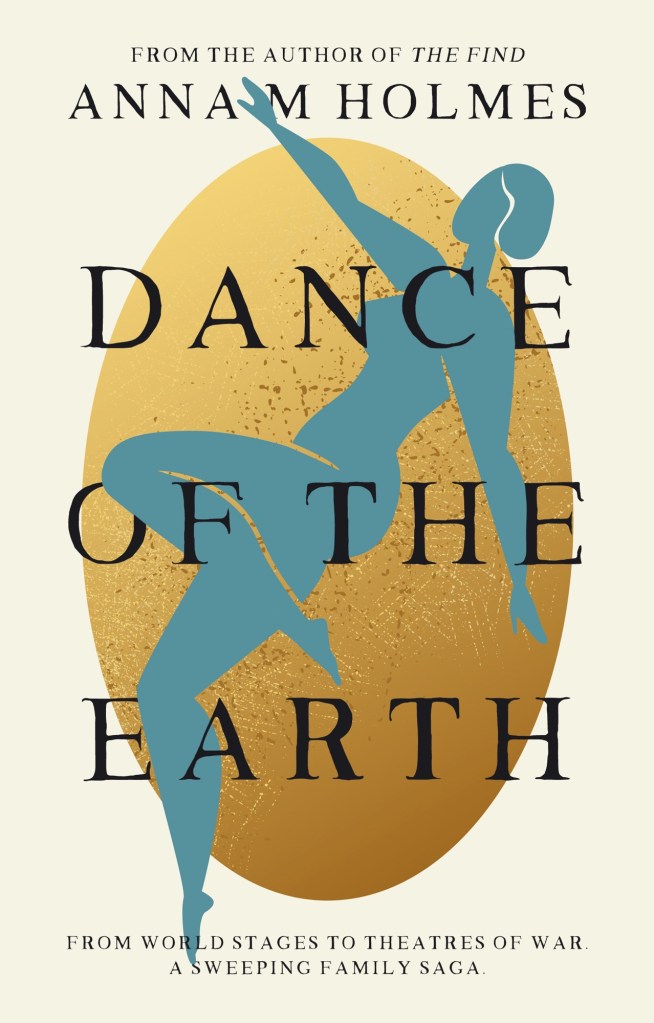
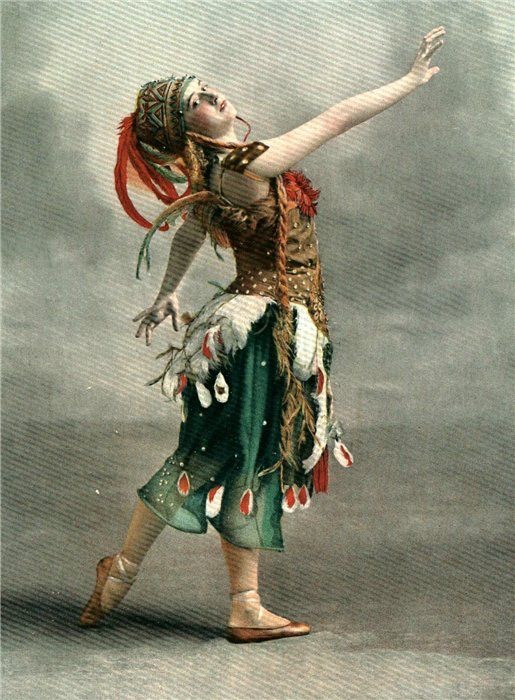
I asked to read and review this book because I enjoy ballet, particularly the more lyrical modern ballets by Mathew Bourne and the brilliant Northern Ballet based in Leeds who often do literary adaptations such as Wuthering Heights and The Great Gatsby. I’m also fascinated with this period of history, particularly when it comes to the huge impact of WW1 and the way it affected class structures and the lives of the women left behind. The author weaves her story into this time and society beautifully and with such care over every detail. Even the cover shows her themes of rebirth and regeneration with its large golden egg and a female figure as if drawn by Matisse, non-sexualised and not constricted by the corsets and crinolines of earlier generations. Her shape reminded me of the new ballets produced by Diaghilev and choreographed by Fokine that also showed more freedom in their movements and looser costumes. Rose and Nina have a very different upbringing from the average Edwardian woman, the music hall theatre wouldn’t be considered respectable by the middle and upper classes. Molly has no choice but to work so both Rose, and later her daughter Nina, fell asleep to the sound of sewing machines and have clothes that are colourful and unique, thrown together from fabric remnants. Both are dazzled by the dancers and want to be on the stage and both are successful to different extents. Nina is utterly determined and visits all the ballets she can while training, because she’s aiming beyond the music hall and into the world of modern ballet. She hears of the Ballet Russes and Diaghilev’s new approach, she identifies herself with his ‘Firebird’ – another symbol of renewal and regeneration:

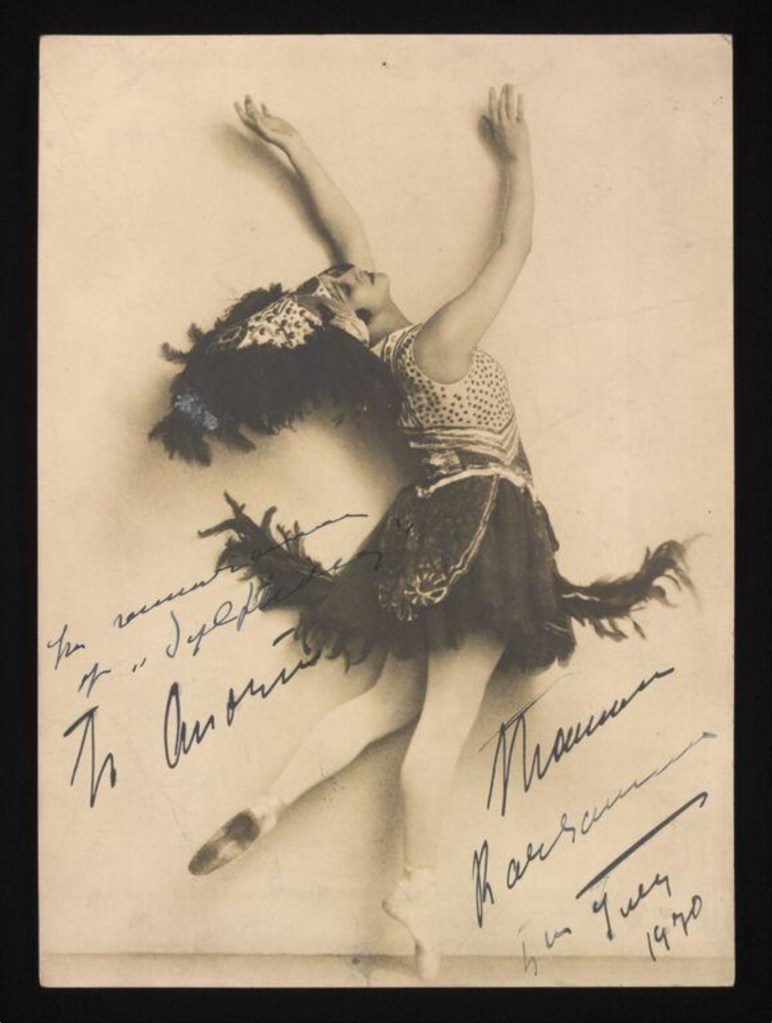
‘Tamara Karsavina wore a magnificent head dress – long flaming feathers quivering – a bodice of brilliant reds and oranges […] she adored the exotic creature”. 

The premiere of this ballet was in 1910 at the Opera de Paris and showed off the choreography of Diaghilev’s collaborator Fokine which was ground breaking. This dancer had to represent an element, with all the wildness of fire, something we think of as hard to contain and dangerous to be near. It’s definitely a force that’s in Nina and represented the changing roles of women in the early 20th Century: women who wanted to go to university, to have a career, to have the vote. Imagine how strange it must have been to see a woman on stage who’s a rebel and has power, especially with its incredible costume and free expressive dancing. 

‘This firebird was her – Nina – aflame, all sharp angles radiating determination’. 

The Firebird from V and A archive

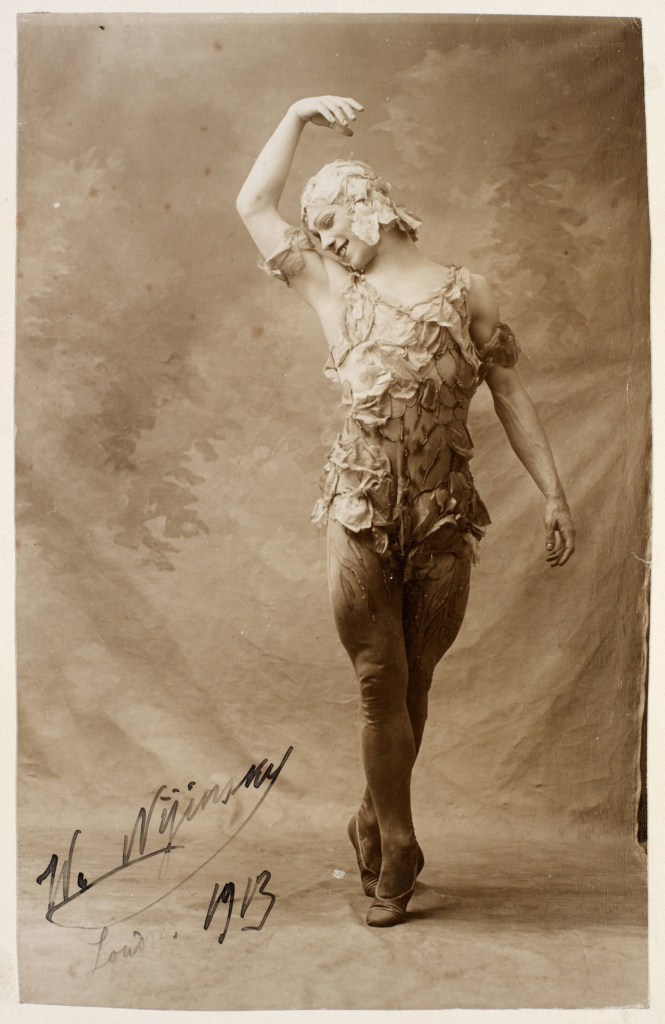
Walter is almost his sister’s opposite, a person you could easily miss in a room and caused by his upbringing. Brought up by his mother’s lover Arthur and his wife Beatrice, he is rich in every sense except the one we most need – love. Beatrice was cold, although it is hard to imagine what it felt like to meet the proof of her husband’s infidelity at the breakfast table each morning, especially when she couldn’t have children of her own. I was intrigued by the differences between the twins and what it said about the nature/nurture debate. Nina has been brought up by the entire theatre community of women from Molly’s fellow seamstresses to the dancers, which gives her so much confidence, drive and inspiration. She sees women making their own money and in a creative career, so she knows women can make it on their own in this world. All Walter seems to learn at home is to stay as small as possible and not upset anybody, something he takes to boarding school with him. His masters at school are trying to turn out traditional middle class men, who go on to university and have a profession. The assumption is they will have a career that can support a family, but Arthur’s only love is music but he doesn’t have the confidence or self-worth to make that happen. When Arthur died I thought Beatrice was particularly brutal in dismissing Walter, making it clear he will liaise with his father’s solicitor from now on. When children are rejected they don’t think something is wrong with the parent, they internalise the rejection and are left feeling something is wrong with themselves. For Walter this is compounded at boarding school where he is not athletic or competitive, he is teased, bullied and never stands up for himself. As he discovers his Grandmother and Nina he’s also having feelings that seem natural, but must be kept secret. When they all go to see the Rite of Spring he watches Nijinsky mimicking an ecstatic and sensual moment on stage and becomes aroused. He’s mortified and has to leave immediately. I kept wondering how he would cope with war on the horizon and the huge pressure on young men to enlist. I couldn’t imagine how he would survive the brutality of the experience. 

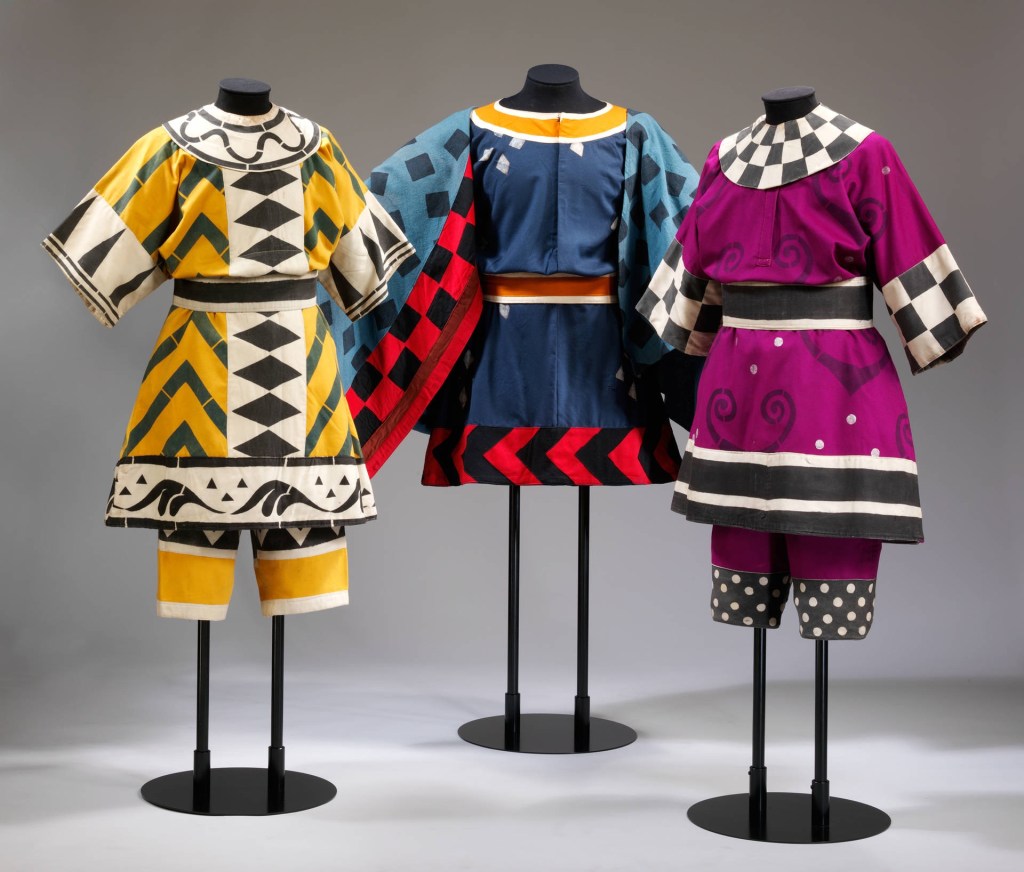
Costumes from the Ballet Russes

This fascinating family story feels absolutely real and that is down to the incredible amount of research the author has undertaken. She wholly embeds these characters into the history of the time, weaving social, cultural and political history around them, along with her incredible knowledge on dance history. I loved the vividness of the theatre, the backstage bustle and the magic that is produced for the audience especially when what they’re seeing is groundbreaking. She applies equal care to the war sections of the novel too. It feels like you are in those trenches because there’s an immediacy to them. These sections are also graphic and raw, which makes them hard to read about war when you’re invested in the characters. It had to be strong and true to life for us to understand how and why this war tore straight through the lives people had known before. Although changes were already happening at the turn of the century, WW1 was the first mechanised war and the sheer number of casualties were hard to comprehend. It wiped out a generation of men and afterwards there’s an acceleration of modernism that’s visible in the arts and everyday people’s lives. The aristocracy struggle to hold on to property and land as they are tied up with death duties, sometimes more than once. Middle class women who have always relied financially on men have to face life alone and discover ways of making money – less servants, taking in lodgers and finding jobs. If men came back, they came back changed forever due to shell shock (now PTSD) or physical injury and couldn’t work. Women didn’t want to give up jobs they’d done throughout the war and a freedom they’d never had before. Also contraception becomes more freely available and this was the earliest stages of some women not having to choose between career and relationships. As Nina joins the Ballet Russes she becomes more independent, travelling all over the world and living the life her mother had dreamed of. When we see her reach her first stop in the south of France she is utterly in her element and it’s no surprise that she enters into a controversial mixed race relationship, something more acceptable in that time within the bohemian and arty circles she inhabits. It’s almost as if the war curtailed the freedom of men, especially when conscription began, but emancipated women.  

Nijinsky

In 2010 I visited an exhibit at the Victoria and Albert Museum in London, called Diaghilev and the Ballet Russes which focused on costume and design including collaborations with artists like Picasso and the music of Stravinsky These sketches and costumes were like nothing I’d ever seen, seeming both weirdly modern but archaic at the same time. There’s nothing pretty about them and no tulle in sight, they’re loose with strong colours, geometric shapes and sharp zig-zags. I could see the point being made – by being so aggressively modern it almost forces change and expectation of what a ballet is. I could see how they matched Stravinsky’s music because there was a segment of the Rite of Spring with its themes of growth, fertility and desire. I could see why audiences found this piece so shocking because it has that same aggressive feeling with unusual rhythms and sudden loud bursts of sound. It’s harsher on the ear than the usual score for ballets and the sets were purposely sparse. The dancing had a primitive feel and the subject matter of a young woman sacrificed to the spring is like a modernist version of the contemporary horror film Midsommar. It was reported that people rioted at the premiere, which is probably an exaggeration, but I can imagine an audience finding it strange and confronting when we think of the opulence and beauty they were used to in ballet. It’s such an important piece in the history of dance and without it we wouldn’t have contemporary dance. I came away from the novel feeling I’d learned so much about dance and the early 20th Century in general. While all the characters touched me in different ways I did have a soft spot for Molly, who stands out within these themes of fertility and desire. I thought she was the most incredible mother, yet had never given birth to either of her children. She has a disability but spends her time within a world where bodies are pushed to their limit, creating beauty in their movement. Her love of dance is built into every one of the costumes she lovingly creates and the colourful outfits she makes for her daughters. She provides stability and love for Rose and Nina, plus she never judges their mistakes. She is the earth, grounding these fiery women and eventually Walter, for the rest of her life. She is the heart of this novel for me and Nina can only be what she is because of her. I could imagine her as the central character in an incredibly lush and powerful period drama with the war breaking through everything in its brutality. This is a must read for both lovers of dance and historical fiction. 

The Firebird

Meet the Author

Stories with big themes written as page-turners are Anna M Holmes’s speciality. With an extensive background in dance and theatre, Dance of the Earthis a story she has longed to write. Her novels- The Find, Wayward Voyage, and Blind Eye-are all typified by deep research. Anna worked as a radio journalist before embarking on a career in arts management. Originally from New Zealand, she now lives in South-West London.

Posted in Netgalley

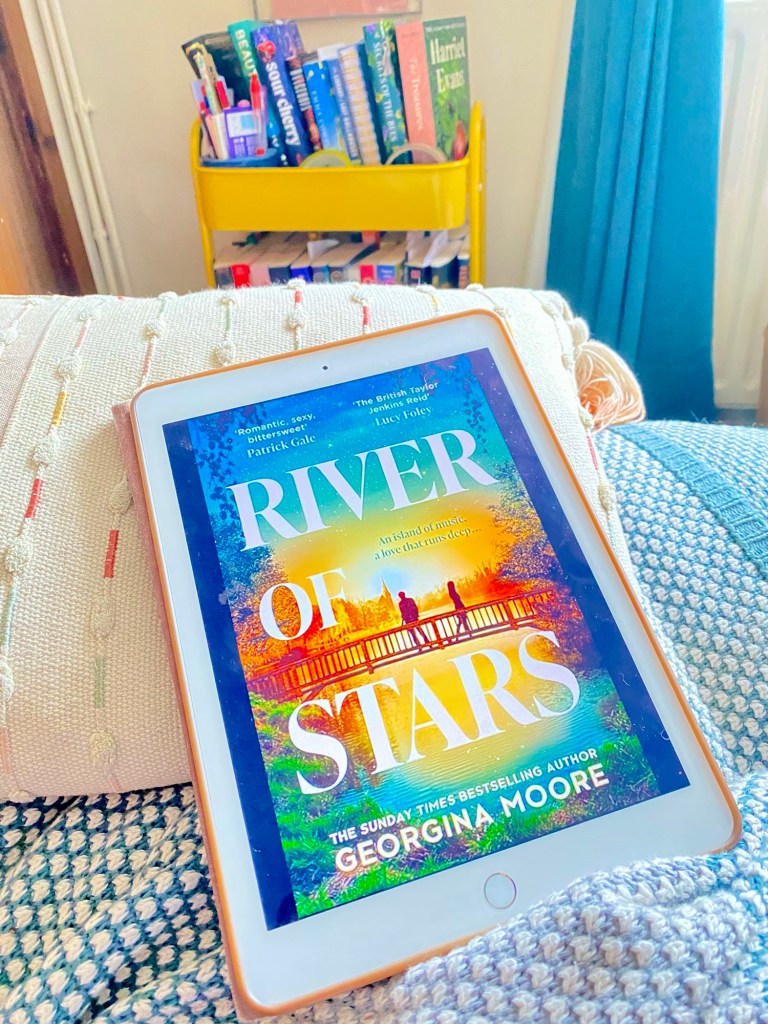
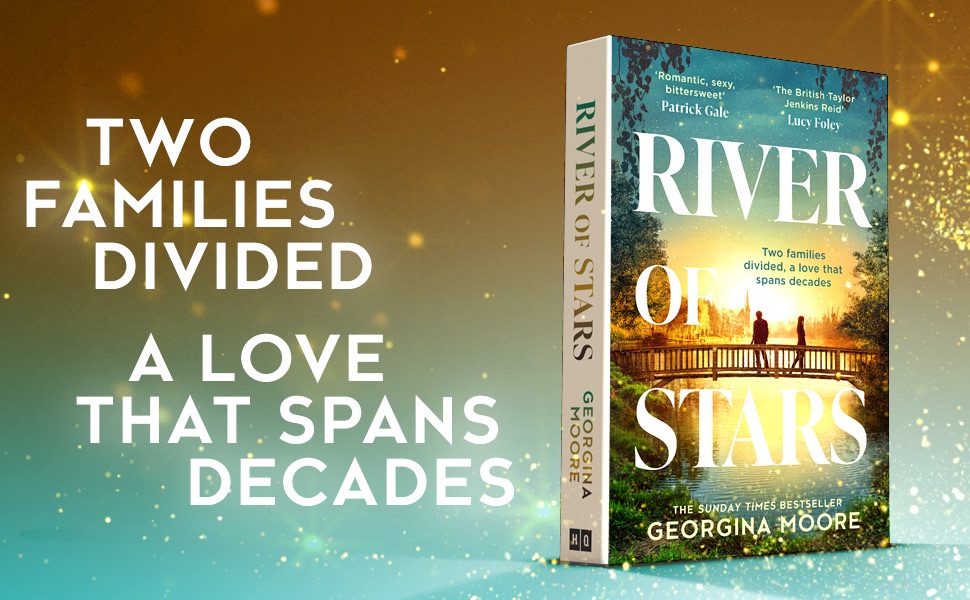
River of Stars by Georgina Moore

This book has the magical ability to captivate the reader. I found myself a fishing widow one night last week so I went to bed early and started reading. When I woke up the next morning I picked it straight back and read through to the end. I hadn’t even removed my glasses to sleep. The author has managed to make this feel like an escape, as well as heart-achingly romantic and with a bohemian setting that appealed to the creative in me. Walnut Tree Island is in a tributary of the Thames and back in the 1960s the owner, George, managed to turn a part derelict hotel into a sought after music venue. Based on Eel Pie Island, Walnut Tree is a harmonious combination of up and coming musicians, artists and picturesque riverboats and in 1965 is a weekly Mecca for young people. One of them is Mary Star, a young girl with a beautiful voice and a head full of dreams. It’s there one night when musician and up and coming front man Ossie Clark notices Mary in the crowd as she’s hoisted up on someone’s shoulders. Ossie is about to hit the big time, but he’s captivated by Mary and when he meets her he encourages her to sing with him. They are so in love and lay down in the grasses by the Wilderness – the most beautiful part of the island. When reality hits Mary knows she has to make a choice for both of them, although Ossie doesn’t reject the idea of becoming a father. He asks her to go to America with him, but the adults in her life, including George, make her realise how difficult that’s going to be. There will be compromises and although Ossie can’t see it now, what if he resents her and their baby? She’s left with her baby Ruby and a broken heart, but also a place to live on the island gifted by George. 

Years later her granddaughter Jo experiences first love on the island. Used to running wild between Mary’s cottage Willows and houseboats, she meets George’s grandson Oliver when he visits the island. He’s the island’s heir, but such things don’t matter to young people and they have a magical summer thinking their love is all they need to sustain them. Now Oliver has returned from NYC as the new owner of Walnut Tree Island which has become a thriving community of musicians and artists all supported by Mary who is the mother of the community. The whispers over what might happen to the island start fairly quickly, not least the ownership of Willows that has always been a verbal agreement with George. Jo now teaches art to children in one of the houseboats. Once an incredible artist she seems to lose her confidence in creating and her career never fully got off the ground. How will she cope with Oliver back on the island, as handsome as ever, but with a touch of New York sophistication. More to the point, how will Oliver feel seeing Jo again? It’s not long before the red-headed firebrand is at his door, fighting on behalf of Mary and the rest of the community. But does she really know what his plans are? Changes are coming to the island, but some things are as constant as the river flows. Could their love be one of them? 
As in her debut novel The Garnett Girls, Georgina has created a family of very strong women and allows them to tell their own tale. We also have the narrative of one of Jo’s closest friends, Sophie, who is another stalwart of the island community along with her husband Dave who runs the boatyard. I found Mary’s story so sad because she doesn’t get to fulfil her dreams of being a singer and loses the love of her life in Ossie. After that she has friends and protectors. Firstly there’s Oliver’s grandfather George who makes sure Mary and her baby have a roof over their head because he feels responsible for her and Ruby. Yet there’s no romance on her part and she still loves Ossie. I thought she made a huge sacrifice not going with him, but she doesn’t want to hold him back and as George points out he needs to be available to his adoring fan base. She never hears from him, until he makes the call no mother wants to receive. Then there’s Gotlibe, whose mixed-race relationship with Mary did raise eyebrows in the 1970s. She can’t remember when their relationship became more friends than lovers. Is now too late to change things? She is the undisputed Mother of the island, the first one called when something goes wrong or a resident needs advice, she’s the chair of the resident’s association and the first to volunteer for any of the island’s celebrations. I loved the island’s sense of community and their shared philosophy of finding joy in the small things and celebrating life whenever they get the opportunity. 

I thought Sophie’s husband Dave was a lovely man, happy with his lot in life and not really needing anything accept his boatyard, friends, a cold beer and Sophie. He was Oliver’s best friend that summer so it’s not long before they’re catching up. Sophie knows that her best friend Jo is struggling with his presence after all this time. She has a city job as a West End Theatres PR, a job that she loves despite it being stressful at times. She’s fascinated with Oliver, who has travelled, lived and worked in Manhattan. So when he calls and asks her for a drink in London after work she is tempted. Dave seems destined to settle even further into island life. Nearing 40 he wants to start a family but Sophie doesn’t want a baby and has secretly continued to take the pill. She’s drawn to Oliver, but is it really him or the sense of freedom he represents? However, it’s Jo you will root for throughout the novel, because despite her tendency to self-sabotage and fly off the handle she’s a truly lovely person and a loyal friend. I think I felt an affinity for her because I have a tendency to self-sabotage my writing. I start full of hope, then read it back and think ‘who would want to read this?’ Jo went to study in Florence, but ended up in a relationship with someone who derided her talent and put doubts in her mind. When they broke up she flew straight home without finishing her course and has never painted again. After Oliver’s return something clicks and she feels an urge to paint, including an abstract of her mother, Ruby. Gotlibe is hoping she’ll exhibit them when they open for the public in the summer. I loved Jo’s return to Italy because it elevated the novel beyond the romance and into the tough part of working on one’s self. Watching characters bloom is my favourite thing and Jo’s eyes are opened to her part in how her life has turned out. The realisation that other people might have had similar setbacks, but stayed and carried on is huge. She chose to believe the criticism and allowed it to affect half of her life. When she meets up with old friend Claudia it encourages her to take some risks, to settle into herself, wear some colour and own it. Is Oliver also a risk worth taking? 

Oliver and Jo originally bonded over a shared trauma, the loss of someone close. I was unsure whether the romance could or even should rekindle. The romantic in me wanted it, but he’s made choices that could derail their reunion. Jo doesn’t know if he’s still the Oliver she knows, or is he just playing at island life? He could turn round and evict them all tomorrow. I felt that Jo needed to see that Oliver knew the value of what he’d inherited, both it’s history and the unique community that now live there. If he commits to the island could they have a future? The island is magical, completely encapsulating the Japanese concept of ‘wabi-sabi’ with the beauty of it’s imperfections. The part derelict hotel was a perfect venue with it’s fairy lights and candles, giving off a nostalgic 1960’s boho that I loved and I know my mum will too. I was thinking of her throughout reading this book because in the early 1970s my mum travelled to London for a Neil Diamond concert with an invitation to meet him beforehand. My Grandad insisted on going with her, but waited outside when she went to meet him backstage. My mum said ‘if I don’t come back he’s asked me to run away with him and I’m going.’ I loved her innocence in thinking this and her guts for saying it to my rather anxious grandad. It was a time that was less cynical, where teenage girls did think dreams might come true and that love would conquer anything and it’s that spirit that this novel evokes. Of course Mum didn’t run off with Neil, affectionately called ‘Dima’ in our family because I couldn’t say his name properly, but they did correspond and she ran his UK fan club too. I hope there’s an alternate universe where my mum did get to run off with Neil. Just as I hope for one where Mary agreed to go on tour with Ossie and their daughter, living happily ever after. This is a gorgeous bitter sweet novel that will remind you of the posters you had on your bedroom wall, of those pangs of first love, of roads not taken. It also made me fall in love with the resilient and rebellious Star women and the community they called home. I’m happy to say this is the perfect summer read.  

Out Now from HQ Stories

Meet the Author

Georgina Moore grew up in London and lives on a houseboat on the River Thames with her partner, two children and Bomber, the Border Terrier.   The Garnett Girls was her debut novel and is set on the Isle of Wight, where Georgina and her family have a holiday houseboat called Sturdy. Georgina’s new novel River of Stars is published on 3rd July and is inspired by the legendary Eel Pie Island and its colourful history as a rock and roll haven in the 1960s, and by her own life on the river.

Posted in Christmas Posts

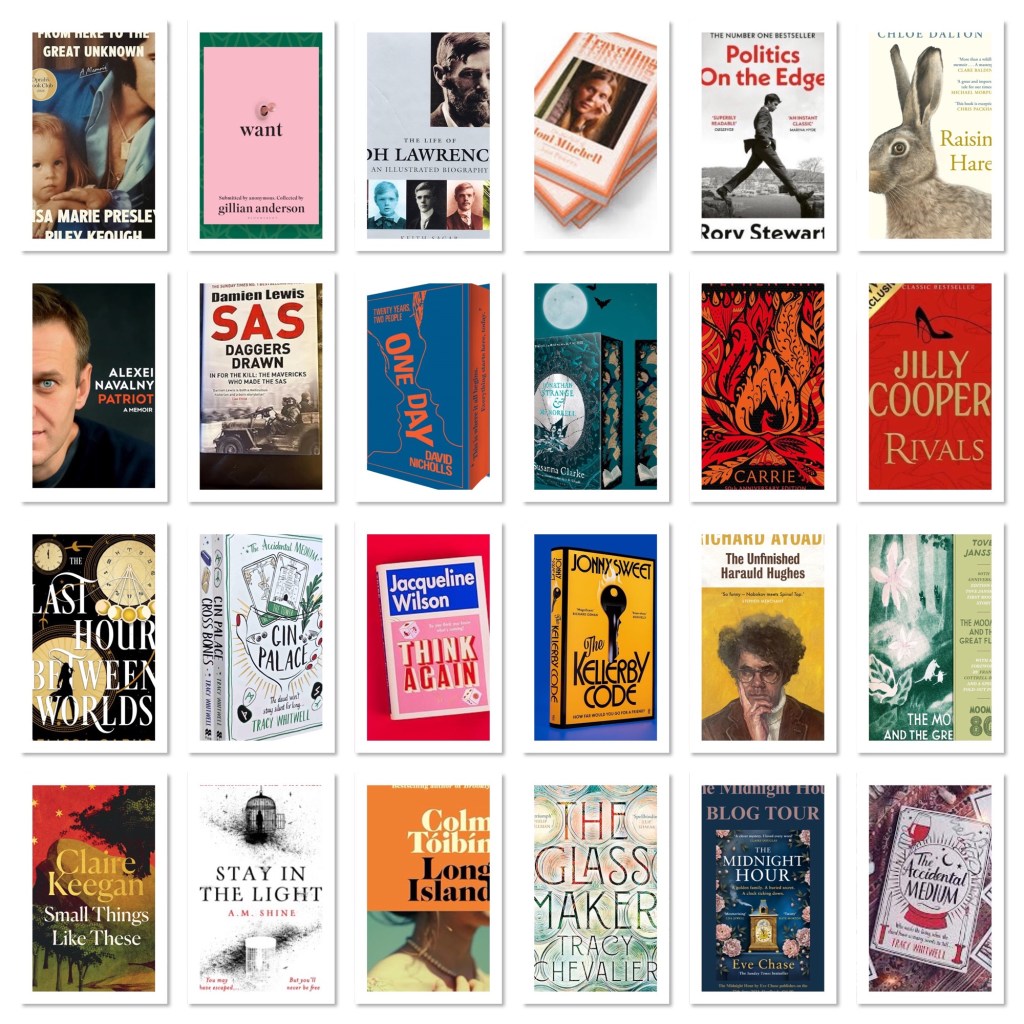
The Books I’m Buying For Others This Christmas

It’s that time of year again, when individual book reviews make way for lists that sum up our reading year and with a little bit of shopping time left I’m letting you know about books I’ll be buying this year and those I’ve popped on my own Christmas list. First we’ll take a look at nonfiction.

From Here to the Great Unknown is the story of Lisa Marie Presley’s extraordinary life. Her daughter Riley Keough was being celebrated for her role in Daisy Jones and the Six and Austin Butler had won an Oscar for playing Elvis in the extraordinary biopic by Baz Lurrhman. This was a time for celebration and Lisa Marie asked her daughter to help her with writing her story. Only a month later Lisa Marie died suddenly. In her grief, Riley listened to the many audiotapes that her mother had recorded. On were stories of growing up at Graceland, the amazing relationship she had with her father and the terrible day she had to be dragged away from his body on the floor of the bathroom. Then there are the life choices and stories that seemed incredible from the outside such as her marriage to Michael Jackson and the lifelong relationship she had with Danny Keough. There’s a story of terrible addiction, motherhood and the ever present sense of loss. Riley has brought her mother’s stories to the page and it is an intimate, raw and painful insight into an incredibly interesting life.

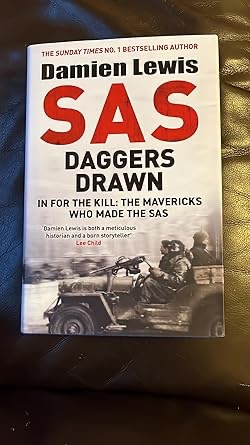
This series of books from Damien Lewis are the perfect answer to those difficult to buy for men in my life, particularly those who have been in the military like my dad and my husband. They’re very well written and usually follow a particular campaign or mission carried out by special forces. This latest book is set in the summer of 1945 and follows the SAS role in the D-Day missions, taking on the might of the Nazi Reich deep behind enemy lines. It focuses on my favourite character from the early formation of the SAS, Blair ‘Paddy’ Mayne. He is definitely the epitome of the maverick thinking and unconventional warfare needed as they faced the fearsome Panzer divisions of Hitler’s army. Known and hunted wherever he went, it’s a fight to survive with only nimble ‘willy’s jeeps’ to help topple the enemy. Lewis has drawn on unseen archive material to bring this story to life and show the incredible effort made by the SAS to bring the war to it’s close.

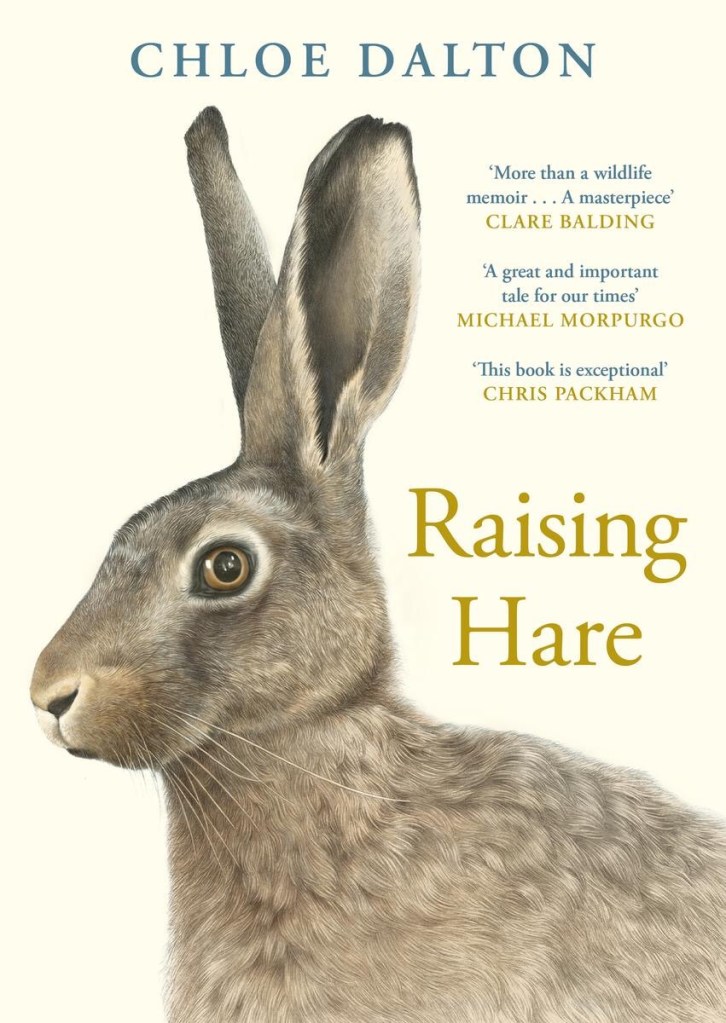
I have a memory from when I was 5 or 6 years old and we lived on a fruit farm in Leicestershire. I was in the bath when my dad came in with something to show me. I remember standing in a towel and seeing a tiny bundle of fluff in my dad’s huge hands. I touched it and it was the softest thing ever. It was a leveret – a tiny baby hare. Ive been fascinated with hares ever since and they’re everywhere in our house. This is the perfect book to give my dad for Christmas to remember that moment. Chloe Dalton left her busy city profession to return to the countryside where she grew up during lockdown. She never expected to become the custodian of a baby hare. When she finds it alone and sure to die, she makes the decision to give it a chance. So she bottle-feeds it, letting it sleep in her bedroom at night and slowly it grows, lollops around the room at night and drums on the duvet cover when it wants attention. She writes about the challenges of caring for the leveret but also preparing for it’s return to the wild. This is an extraordinary kinship between human and animal, one that endures so that she can call it and it will come. It shows how an unexpected experience can change our lives and give us a new direction, perhaps awakening a more authentic way of living.

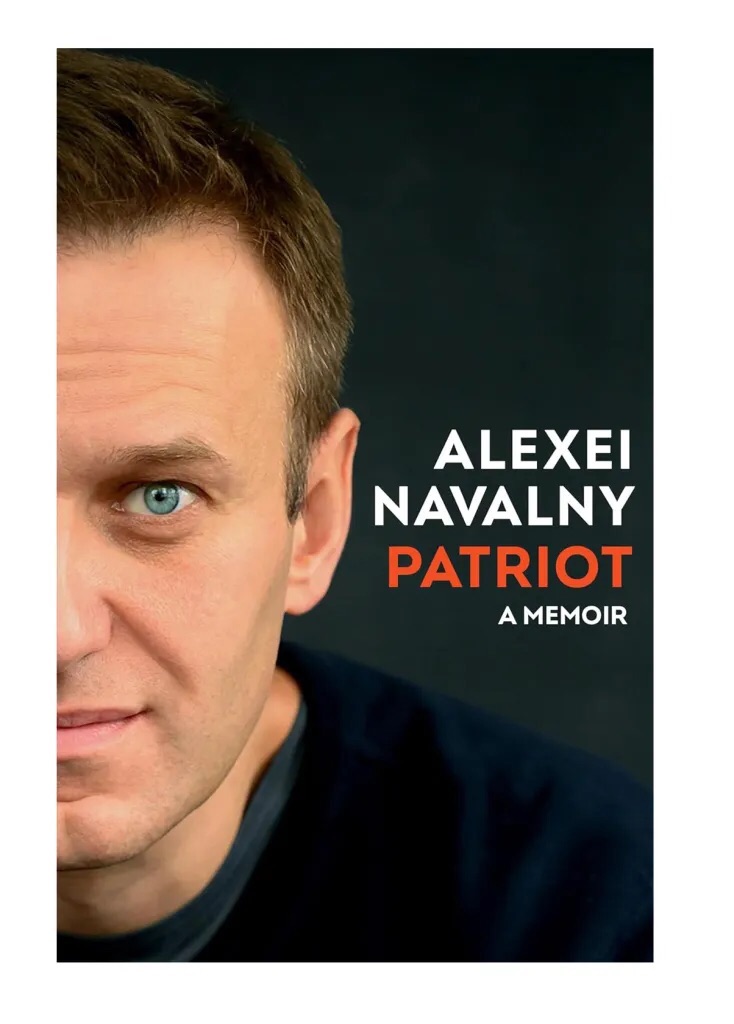
Alexei Navalny became a beacon of hope to millions as the sole political threat to Vladimir Putin. In his own word is the journey from his Soviet childhood, hispolitical awakening, his marriage and beloved family, his total commitment to taking on a corrupt regime and his enduring love of Russia and its people. His 2020 poisoning by the Russian security services was a global news event. In 2024 he died in a brutal Siberian prison. He began writing Patriot whilst recovering from his poisoning and ends with his prison diaries, seen here for the first time.

We witness the growth of his nationwide support. We see his many arrests and harassment and, in stunning detail, the attempt on his life. We understand why he felt he had to return to Russia. In prison, he shows a spirit and a sense of humour that cannot be crushed. Patriot is as dramatic as its author’s life – passionate that good and freedom will prevail. It is Alexei Navalny’s final letter to the world, a rousing call to continue his work, an unforgettably positive account of a life that will inspire every reader.

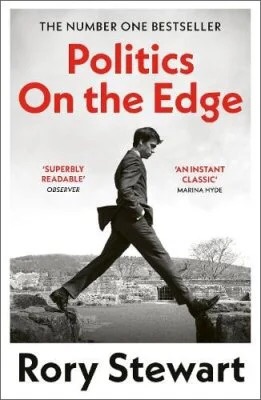
After watching Rory and Alastair Campbell on the election night coverage on C4, debating against Nadine Dorries (delusional) and Kwasi Kwarteng (largely oblivious) I decided to listen to a couple of their podcasts. Despite coming from different sides of the political divide, both are moderate, intelligent and incredibly eloquent, although Campbell has a much shorter fuse than his counterpart. Rory Stewart is a great writer too. Here he takes on the state of politics in Britain, analysing where things started to slide towards the broken state we’re in. Charting the course of a decade, Rory Stewart describes his own journey from went from political outsider to standing for prime minister – before eventually being sacked from a Conservative Party that he had come to barely recognise. Uncompromising, honest and darkly humorous, this is his story of the challenges, absurdities and realities of political life. Instantly praised as a new classic, it is an astonishing portrait of our very turbulent times.

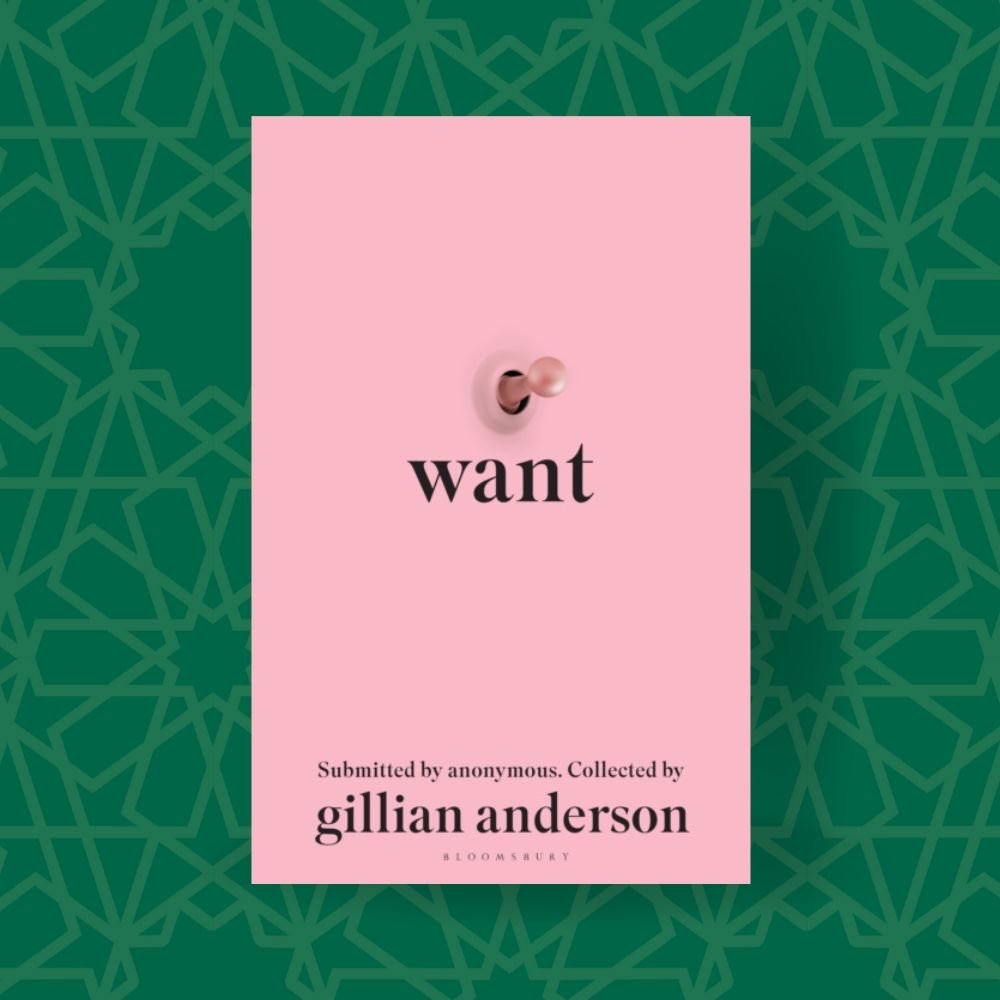
Having read Nancy Friday’s books on female sexual fantasies and desires, most notably My Secret Garden, I’m very interested in this modern collection of anonymous sexual fantasies as collated by Gillian Anderson. I’m a huge fan of Anderson’s from her Agent Scully days to her more recent character actress phase. I love the roles she chooses and her uncompromising feminist stance, both very visible in her role as Jean in Sex Education – the sex therapist mum of socially awkward student Otis. In Want she asks the questions: what do you want when no one is watching? Who do you fantasise about when the lights are off? When you think about sex, what do you really want? 

There’s so much to cover when we talk about sex: womanhood and motherhood, infidelity and exploitation, consent and respect, fairness and egalitarianism, love and hate, pleasure and pain. And yet so many of us don’t talk about it at all. Gillian Anderson collects and introduces the anonymous sexual fantasies of women from around the world (along with her own anonymous submission). They are all extraordinary: full of desire, fear, intimacy, shame, satisfaction and, ultimately, liberation. From dreaming about someone off-limits to conjuring a scene with multiple partners, from sex that is gentle and tender to passionate and playful, from women who have never had sex to women who have had more sex than they can remember, these fantasies provide a window into the most secret part of our minds. 
Want reveals how women feel about sex when they have the freedom to be totally themselves.

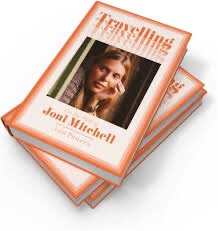
Travelling is one of Time’s must read books of 2024 and is a perfect choice for my music loving mum. Celebrated music critic Ann Powers explores the life and career of the legendary Joni Mitchell. However this is not a dry, standard account of her life. The author takes us on a long journey, through a life that changed popular music: of a homesick wanderer forging ahead on routes of her invention. I remember her music as a huge part of the soundtrack to my childhood. She is one of the most celebrated artists of her generation, Joni Mitchell has inspired countless musicians and writers, while always herself.

In this book Ann Powers seeks to understand the paradox of Mitchell – at once both elusive and inviting – through her myriad journeys. Drawing on extensive inter­views with Mitchell’s peers and deep archival research, Powers takes readers to rural Canada, charts the course of Mitchell’s musical evolution, follows the winding road of Mitchell’s collaborations with other greats and explores the loves that fed her songwriting. Kaleidoscopic in scope and intimate in detail, Travelling is a fresh and fascinating addition to the Joni Mitchell corpus – and one that questions whether an artist can ever truly be known to their fans.

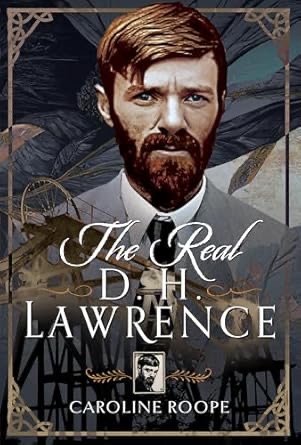
A brand new release in November this year, The Real D H Lawrence is something of a misnomer – for who can ever truly know the real Lawrence? Lawrence himself spent a lifetime roaming the depths of his imagination trying to communicate the essence of who he really was – a quest that ultimately gifted the world twelve full-length novels, eight plays, over eight-hundred poems, enough paintings to form an exhibition, travel essays, novellas and short story collections: and a vast catalogue of non-fiction ranging from topics as diverse as European history to psychoanalysis. In this expertly researched exploration of Lawrence, Caroline Roope offers a captivating re-telling of the enigmatic author’s life, from his humble beginnings in the coal mining districts of Nottinghamshire to his final struggle with censorship and his battle to stay alive. Drawing on Lawrence’s published works, as well as his vast personal correspondence, The Real D. H. Lawrence offers a fresh insight into Lawrence’s creative process; and his stubborn refusal to live anything less than a life that was right for him, in a world he believed had gone terribly wrong. This is the perfect gift for my mum, a lifelong Lawrence fan who showed me the 1970’s film adaptations of his books and shares a love of his much maligned book Lady Chatterley’s Lover.

Check out my next post for books on my own Christmas list this year.

Posted in Netgalley

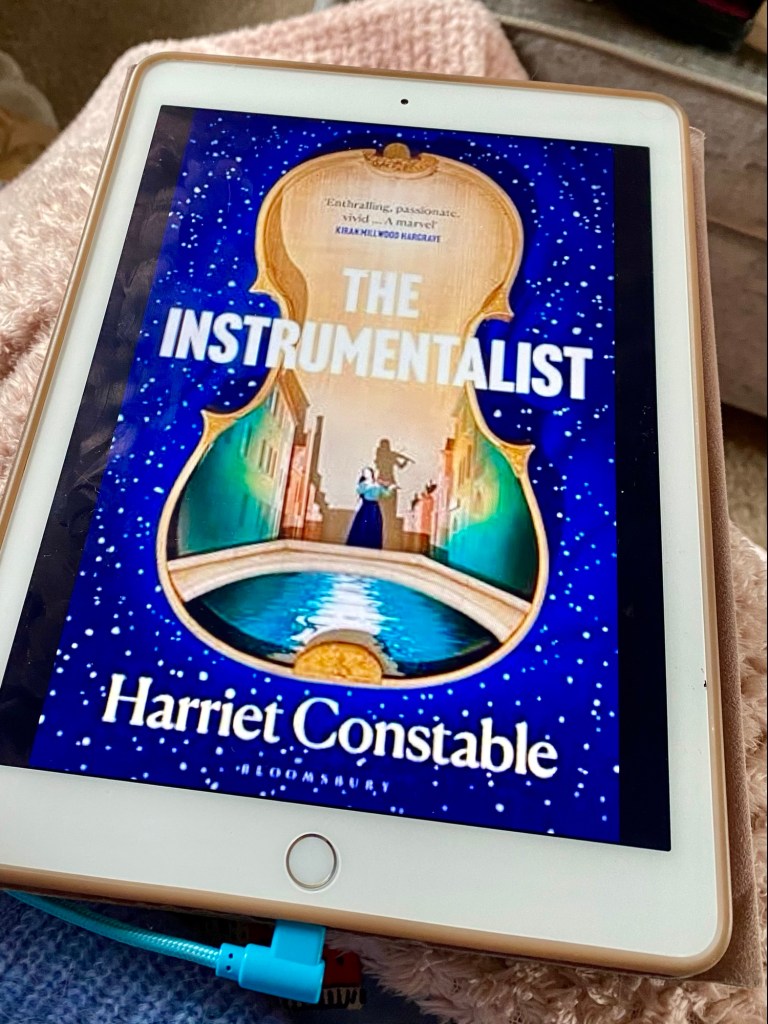
The Instrumentalist by Harriet Constable

Wow! What an incredible debut this is. I absolutely consumed this book and even found myself furtively reading in the middle of the night with a tiny torch. Anna Maria della Piétro is a fascinating heroine and while not always likeable, I found myself rooting for her. Like all the girls at the Piétro, Anna Maria is an orphan, posted through the tiny hatch in the Ospedale Della Pietá often with a note or keepsake from the unlucky girl who had leave her child behind. The author shows us the incredible splendour of Venice, a place I fell completely in love with, contrasted with it’s destitution and desperation. A state that seems more likely for women, especially those from a poorer background. The convent brings up it’s girls very strictly, according to the Catholic faith and the virtues of hard work from scrubbing the floors or working in the nursery. It is also a college of music. Each girl is taught at least one instrument with the best trying out for the orphanage’s orchestra, the figlio. Those chosen will work with the master of music and they will play in the some of the most beautiful basilicas and palazzos in all of Venice. Anna Maria’s great love is the violin and there’s no doubt she will try to become the best.

Anna Maria is a bundle of youthful exuberance, fireworks, talent and ambition. She practically leaps off the page and it seems impossible for her to fail. She starts by aiming to be noticed by the master of music and after that to be the youngest member of the figlio. No sooner is one ambition fulfilled then she’s already thinking of the next. The rewards are also intoxicating – not that Anna Maria cares much for the lace shawls from Burano, but she is partial to the small pastries with candied peel and spices that she loves to share with friends Paulina and ?? Through them we see the girl rather than the musician. They bring out a lightness of spirit, playfulness and a sense of sisterhood. The love she has for her custom made violin is absolutely infectious and when she becomes the favourite of the music master will those girlish aspects of her character remain? Constable shows us a dark underbelly, both to the Ospedale and their music programme. Although the alternatives are even worse. She also shows us huge disparity between the rich and poor in Venice. As visitors we only see the beauty and history of this incredible city, but once I did catch a glimpse of the systems that keep the city going. While waiting on a jetty to catch my water taxi one early morning I met the dustbin men of the city, having to negotiate tiny lanes and creaking jetties to clear up after all the visitors. When Anna Maria gets to play at private palazzos, the grandeur is overpowering. After her performances she is showered with lavish gifts that are at home where she plays but out of place in her bare room. She also notices that those orphans who don’t excel are easy pickings for the rich patrons of the Ospedale. Unsurprisingly, Anna Maria wants to escape the fate of becoming a wife to a much older man and putting aside her talent. As she is taken under the wing of a female patron, Elizabetta ?? She’s impressed by incredible dresses and Elizabetta’s elegant palazzo, but this patron also uses her wealth for good. She shows Anna Maria another fate for the cities’ poor women, by taking her to a brothel where the wealthy woman helps with supplies ensuring these women can make their living in safe and clean surroundings. She points out to Anna the danger in becoming a favourite – there are always people lining up to replace you. When the master is fickle or arrested by a newer, talented young girl what would happen to Anna? It makes her think about the person she replaced for the first time.

I loved the synaesthetic aspect to Anna Maria’s talent because it really added to my understanding of why she loves it so much. I have tastes that are related to colour, so if I see a garden full of beautiful yellow daffodils my mouth begins to water and I get the sensation and taste of lemon sherbet sweets. As Anna Maria plays, colours dance through her and the flurry of colour gives us a sense of how transformative it is for her to play. She is utterly lost in this moments. She’s floating within a rainbow of colour. Even when she begins to compose the written notes on the page are hastily drawn because she’s somewhere else experiencing a unique explosion of sound and colour. Even though she’s not always likeable I was still rooting for her. However some of her tougher decisions are made from within the context of survival. Only by being ruthless and getting to the position of power she craves can she feel safe. Then she can make better, more equitable decisions from a place of safety. This is an incredible story, made all the more powerful because Anna did exist. While this is a novelisation rather than an autobiography she was real and so was her music master . He is a mercurial and sometimes cruel man whose identity remains unspoken – although I did realise who he was part way through. I loved that this is written as a feminist counterpoint to his fame, highlighting a woman of equal talent who is cheated in a creative partnership and ends up with her woke stolen and uncredited. This is an abusive relationship characterised by manipulation, exploitation and a fascination with talented pre-pubescent young girls. Harriet has created a brilliant work of historical fiction that gives voice to one such young woman full of spark, talent and incredible drive to succeed. Her book is totally immersive, plunging us into a world where women were expendable, only there to parrot and enhance a man’s talent. It’s a powerful and compelling tale that I’m sure I’ll still remember when it comes to my end of year favourite books.

Out on 15th August from Bloomsbury

Meet the Author

Harriet Constable is an award-winning journalist and filmmaker living in London. Her work has been featured by the New York Times, the Economist, and the BBC, and she is a grantee of the Pulitzer Center. Raised in a musical family, The Instrumentalist is her first novel. It has been selected as one of the Top 10 Debuts of 2024 by the Guardian.

Posted in Publisher Proof

Sunday Spotlight! Whatever Happened to Evie Del Rio by Sarah Watts

Evie Del Rio was the one, as far as Ed Nash was concerned.

Their teenage love was the inspiration for his song ‘Used to Be’ and helped Ed’s indie band, The Mountaineers, to international fame.But when Evie and her family suddenly up sticks and leave their London home without a forwarding address, she leaves a heartbroken Ed behind too.

Over thirty years later, washed up rocker Ed is suddenly back in the limelight when Evie’s love song is used as the theme tune for a new TV drama. Once the song is later featured on TV documentary ‘Musical Muses: The Girl in the Song’ it’s suddenly not just Ed who’s asking…

What happened to Evie Del Rio?

As a child of the 90’s I loved how this book opened with teenager Cassie finding out her mum is the inspiration behind one of the songs of the decade. Thanks to the 90’s becoming all the rage and an inspiration for TV, ‘Mum’s Song’ as Cassie and her brother now call it, is having a resurgence. Written back when her mum and musician Ed Nash were dating in the 1980’s, it wasn’t released until his band The Mountaineers produced their debut album ten years later. Now it’s one of the most downloaded songs of 2018. Cassie thinks the song isn’t bad, but the lyrics that have graced many a wedding become a bit cringe when you realise they’re about your Mum. As a teen I dreamed of meeting Damon Albany, who of course would fall madly in love with me and I would become his muse. So there was an element of nostalgia and wish fulfilment drawing me in from the first page.

Then we see the same situation from Genie’s point of view. Genie is Cassie’s mum and was once Evie Del Rio. Now she’s Genie, mum of two and with ‘a lovely big hunk of a husband’ called Gray. I was intrigued by what had made Evie’s family leave London all those years ago. Along with the change of name, there seemed to be something more going on than avoiding embarrassment over a song and a long ago romance with a rock star. Son Will is really taking the brunt of his mum’s newfound notoriety. Even adults think Genie was some sort of sex kitten and teenage boys don’t hold back. They chant about how many pop stars his mum has shagged on the football field, well they did until he broke someone’s nose. Yet Ed keeps blithely on, talking about his relationship with Evie and the origin of the song. Genie says he’s embellishing, but something about that time clearly gets under her skin. As we travel back and forth to Genie’s teens, when she’s still Evie, we slowly see more of their story revealed and secrets emerge that have been kept for a long time.

I thought this was an interesting idea for a book and as a middle aged stepmum to teenage girls I loved the idea of them getting an insight into the past. Imagine suddenly finding out that the person they see every day was once as exciting and full of promise as they are now. The multiple perspectives kept my interest, because it showed how the situation affects different members of the family. I loved Genie’s husband Gray, a lovely, solid and reliable anchor in a difficult time for his family. There are sensitive issues, but they are handled with care and empathy. I would recommend this nostalgic read, full of endearing characters and with a central mystery that unfolds slowly and with sensitivity.

Published by Cahill Davies 8th July 2022

Meet the Author

I’ve always enjoyed the written word and I have a great passion for music so I decided to put the two together and the result is my debut novel ‘What Happened to Evie Del Rio?’

I like to think I’m enjoying my ‘middle youth’ rather than my ‘middle age’. I’m married and Mum to two sons and a black rescue cat called Hector.

I enjoy going to gigs and discovering new music. I also love reading women’s fiction but I do have a bit of a penchant for crime and psychological thrillers! If I’m not on social media, reading or listening to music then you will probably find me on a football pitch cheering on my youngest son and his team.

Posted in Random Things Tours

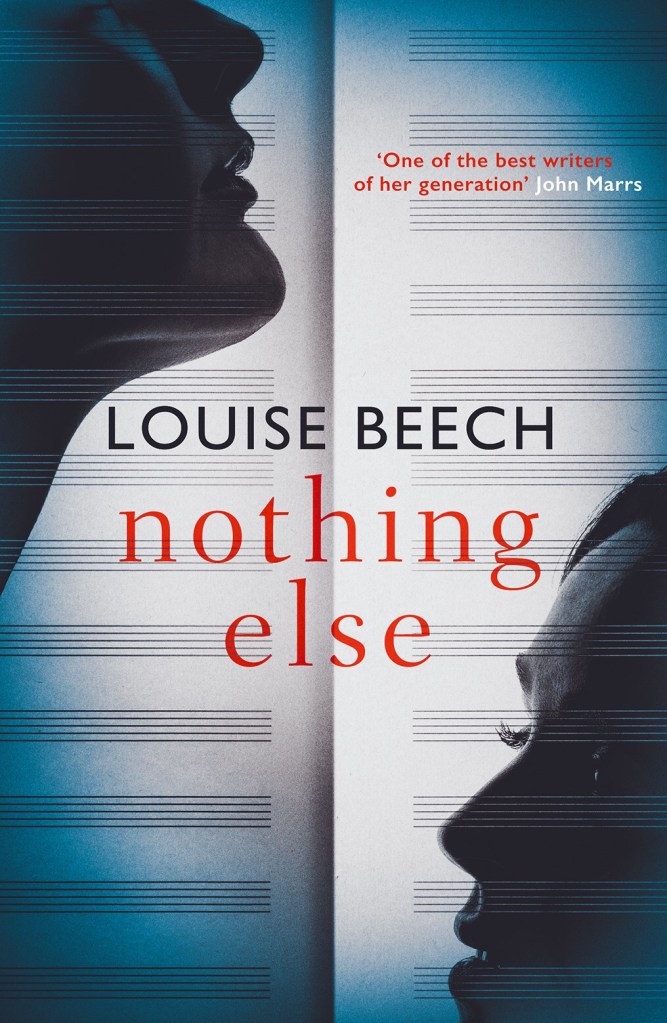
Nothing Else by Louise Beech.

Louise Beech’s new novel, pulls us into the emotional and traumatic life of Heather, a pianist who lives in Hull. She teaches and plays in local bars, then relaxes in her harbour front flat looking out to the Humber Estuary and the North Sea. Heather has a quiet life and quite a solitary one too. She has no family and relies more on her strong connections with friends. In fact it is one of them that encourages her to try out for a job on a cruise ship, something she would never have imagined doing. She would be scheduled to play in different bars on the ship through the day, but as her friend says, she can enjoy the facilities and gets to travel. This particular cruise is stopping in New York then on to the Caribbean before doing it all again in reverse. There’s something lonely and a bit melancholy about her and we learn that Heather and her sister have grown up in the care system, after their parents were killed. Music was the girl’s escape, once their mother had convinced their father it wouldn’t hurt for them to learn on the piano they were given. They both had an aptitude for music, but it was Heather’s salvation, the only place she could fully express her emotions. With their father unwilling to pay for lessons, their mother secretly sent them to piano teacher Mr Hibbard who lived a few doors away. When their parents died, both girls were taken into a children’s home together, but one morning her sister Harriet was taken to see the staff in the office and Heather never saw her again. She could only hope that a kind family had adopted Harriet, but for some reason hadn’t been able to take her too. When the girls had most needed to express themselves they would play a duet they had composed called Nothing Else. It was this piece of music that stayed with Heather all her life, instantly taking her back to the piano and her little sister.

Heather’s chapters follow her current life and the piano job she applies for on a cruise ship. Here and there the author takes us back in time to her childhood, where their father was a controlling and violent man and Heather felt responsible for keeping her little sister Harriet safe. Like all children who have traumatic home lives, Heather had become attuned to the slightest hint of tension. She knew when her father was going to explode and on those nights where the sounds downstairs were terrifying, Heather would keep Harriet out of earshot and they felt safe when they were tucked up in just one bed. She was also aware that their father preferred cute and cheeky Harriet, so knew to stay quiet and keep her head down. These sections from the past are traumatic and very moving. The author maintains the tension in these flashbacks, until we too are on edge, always waiting for something to happen. The author moves deftly between the experiences of Heather as a child in the middle of this situation, and a grown up Heather commenting on what happened with the clarity and insight of an adult. There were brilliant present day sections onboard the cruise ship where Heather befriends a writer who is also working aboard, teaching sessions in creative writing. Heather joins her morning sessions and finds them much deeper than she expected. I could recognise this from the writing therapy sessions I’ve facilitated – the prompt is always just a starting point and eventually you start writing what you need to write about. This definitely happens to Heather and is one way of processing the care records she applied for before the trip, dipping into them little by little, like a reluctant bather dipping her toe into the cold, deep water. She doesn’t want to be overwhelmed.

Harriet has her own section of the book, again split into her current life and the past she doesn’t fully understand. Now living in America, Harriet has a daughter whose left home and case of empty nest syndrome. Her flashbacks into the past remind us that Heather’s story is only part of this family’s history and Harriet may have a very different tale to tell. We learn most when their narratives overlap and we see a subtly different side of the events Heather describes, like two sides of the same coin. Again, it’s psychologically very clever and gives the perspective of the younger sibling, the one who is cared for and shown love by her big sister. I was longing to know what had happened at the children’s home. Where did Harriet go and how was she persuaded to go without her sister? Thanks to all of these questions and my curiosity over whether the sisters would ever meet again, I was totally gripped by the story and immersed into the worlds of these sisters. I enjoyed their different characters, developed by their separate upbringings, as well as their different experiences with their parents due to their ages. There are secrets that neither child was aware of, so there are some rewarding revelations to be found. I was eager to know if the sisters were somehow able to find each other. Mainly though, I was moved to read their tales of childhood trauma and wanted to understand the adults they became in light of that experience. Which of their characteristics could be explained by the past? There’s a cautiousness in Heather, because her ability to trust others is affected, leading to a quiet and lonely life. It was lovely to watch the cruise atmosphere, and proximity to others, forcing her into being sociable and to make friends. There’s a sense that she’s coming alive in these moments, which felt hopeful and uplifting. This was an addictive read that beautifully captured how childhood trauma and it’s effects can follow us into adulthood. The author showed, so beautifully, that it’s only by sharing and in this case, playing out that experience that we begin to heal.

Published by Orenda Books 23rd June 2022

Meet The Author

All six of Louise Beech’s books have been digital bestsellers. Her novels have been a Guardian Readers’ Choice, shortlisted for Not the Booker Prize, and shortlisted for the RNA Most Popular Romantic Novel Award. Her short fiction has won the Glass Woman Prize, the Eric Hoffer Award for Prose, and the Aesthetica Creative Works competition, as well as shortlisting for the Bridport Prize twice. Louise lives with her husband on the outskirts of Hull. Follow her on Twitter @louisewriter

Posted in Publisher Proof

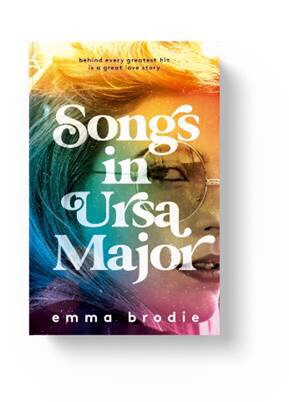
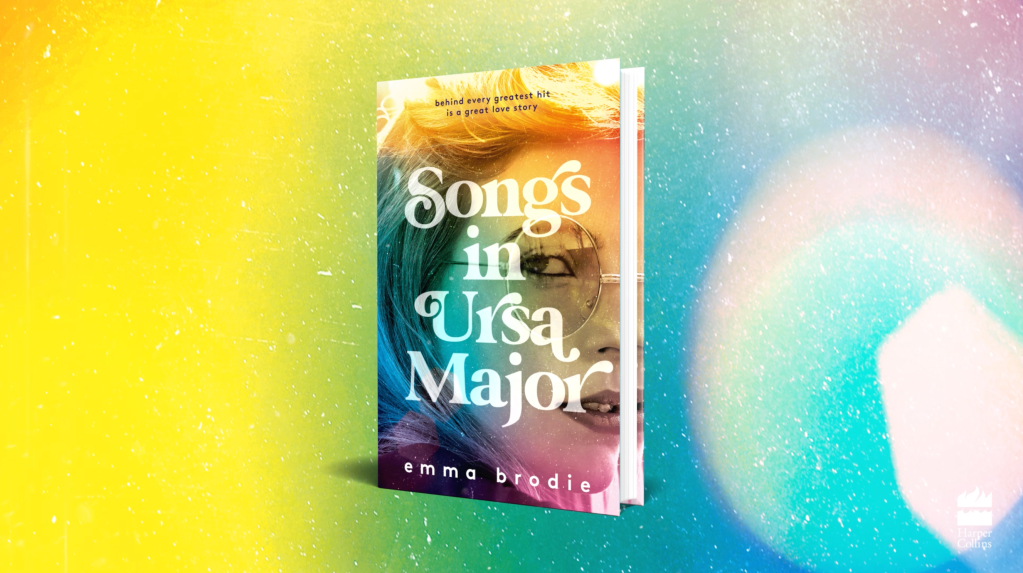
Songs in Ursa Major by Emma Brodie.

Today I’m spotlighting a wonderful book from author Emma Brodie, the perfect antidote to the Glastonbury blues. This is one of a few proofs I’ve received recently that are based in the world of music. It had me thinking about the best gigs I’ve gone to and how much I’ve missed seeing live music. My last gig before lockdown was Manic Street Preachers in Manchester. I hadn’t seen them since the nineties so it was like revisiting my teenage years and they were just as incredible. However, the gig I remember most as one of those ‘where were you when…’ moments was in 1994 at Alexandra Palace. The main act was my favourite nineties band, Blur and just around the same time as the big Blur V Oasis battle. Just as exciting, the support act was Pulp, only months before they released Common People and became huge. This really was a zeitgeist moment in Britpop and I was there.

The Blurb

THE SUMMER OF 1969

From the moment Jane Quinn steps barefoot onto the main stage at Island Folk festival, her golden hair glinting, her voice soaring into the summer dusk, a star is born – and so is a passionate love story.

Jane’s band hits the road with none other than Jesse Reid, the musician whose bright blue eyes are setting hearts alight everywhere. And as the summer streaks by in a haze of crowds, wild nights and magenta sunsets, Jane is pulled into the orbit of Jesse’s star.
 
But Jesse’s rise could mean Jane’s fall. And when she discovers a dark secret beneath his music, she picks up her guitar and writes her heartache into the album that could make or break her: Songs in Ursa Major.

Set against the heady haze of the 70s and alive with music, sex and sun-soaked hedonism, SONGS IN URSA MAJOR is an unforgettable debut and the soundtrack to a love story like no other.

I would like to thank Zaffre and Bonnier Books for my proof copy and I look forward to telling you all about it.

Posted in Random Things Tours

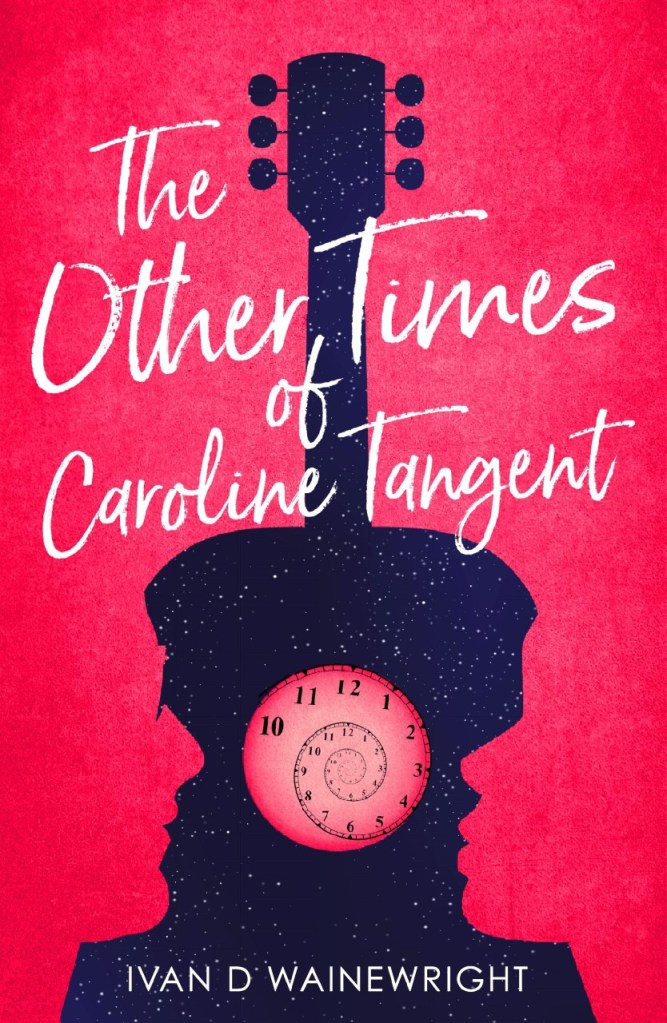
The Other Times of Caroline Tangent by Ivan D. Wainewright.

This book had a premise that was so attractive for someone like me who loves going to gigs and has missed it so much over the last eighteen months. My gig-going best friend and me often talk about which were our favourites, those breakthrough gigs that made your favourite band or those gigs that just captured the zeitgeist. The gig I went to that was a real cultural moment was at Alexandra Palace in 1994; Blur with Pulp as supporting artists. It was a real Britpop landmark and during Song 2, being pummelled and pushed about in the pit at the front I fainted and had to be carried out of the crowd. I’ve been lucky enough to see most of my favourites – Muse, Manic Street Preachers, The Killers, Depeche Mode, U2, Florence and the Machine- but if I did invent a time machine and could go back in time to any gig, it would be The Stone Roses 1989/90. They’re my band that got away. Everyone has one and sometimes we only see their importance in hindsight and simply wish we could have been there.

This is what happens to Caroline Tangent. Her music loving husband Jon, builds a time machine in his basement workshop. One surprising day he whisks her away to a controversial music performance – Kanye West at Glastonbury, 2015. She has on her gardening clothes, so luckily she’s pretty much dressed for a muddy field in Somerset. He didn’t choose the gig because they were huge fans of Kanye, but because it’s an important moment in music history, when there was an outcry over the direction Glastonbury was taking, considering it had always been dominated by more rock or indie groups than anything else. Their second trip is more complicated. Greenwich Village NYC, 1966. The preparation almost heightens their anticipation for the gig. Jon keeps the artist a secret, but they have to scour eBay for vintage clothing and work out how to get round the need for 1960s currency. Although, as Jon jokes, the exchange rate is pretty good. As they settle in a café, Caroline doesn’t recognise the musician playing, but they soon finish their set and on walks a young man with a guitar. It takes a moment because his name is different, but as soon as she realises who it is her excitement bubbles over. That’s Jimi Hendrix!

I found the way the writer created Jon and Caroline’s world really different for such a sci-fi concept. He didn’t treat it like sci-fi, but more like an exploration of long term relationships, friendship and all human life. We get to know their long term friends who they meet for dinner once a month. These people are relatable, and not perfect by any means. He creates tension between Jon and Andrew, who were producing copies of old concert tickets and posters to sell online as the real thing. They’re three dimensional and we see all their good and bad points. Caroline and Jon have managed to keep their time travel a secret so far. She wanted to tell their friends and share his incredible invention, but Jon is adamant it has to be just the two of them. He explains that the secret is just too big, look at how much trouble Caroline is having keeping it to herself? He knows their friends and one of them would be bound to tell someone outside their circle. However adamant he is, there are moments when they’re all together that he sails close to the wind.

I felt unsure about Jon early on, the fact that he’s in this seemingly fractious relationship with Andrew and has produced false memorabilia before made me question his character. I thought their reasons for continuing to visit the past might be different and I didn’t always like the way he treated Caroline. At first I just thought he was very controlled – I know my other half and if he’d developed the capability to build a time machine in his workshop he wouldn’t have been able to keep it to himself. Jon seemed to like having the secret, being superior and even where there were clashes he’d caused, holding himself above the argument. As time went on I noted he was gaslighting Caroline too, letting things go wrong and insinuating she was to blame, or that something she knew had happened, hadn’t happened at all. I was so glad she had such a strong friendship with Bree for support. I felt sad for her, because although she is an emotionally intelligent woman, her love for her husband has made her blind to who he really is.

Of course we all know that the cardinal rule of time travel is not to change anything. Jon goes into great detail about the about chaos theory – the idea that events are interlinked so intricately that it might only take a butterfly flapping its wings on one side of the world to cause a tsunami somewhere else. No matter how small the change in the past, it could have a seismic effect on their future. As much as they want it to be fun and all about the music, past traumas do start to haunt them. Their world could be about to turn upside down because one of them makes a terrible decision. I don’t want to reveal any more, just that this is a time travel novel that is more about the emotional journey of the people involved, than it is about the destinations. I did love the destinations though, and how the author made me feel I was there in 1960s NYC, or 1930s Paris. I think it would be great to create a Spotify playlist alongside the book so readers can fully immerse themselves in the music. The best way I can describe the novel is to say it’s sci-fi with a very big heart. Sometimes the most important and life changing places we travel are within ourselves.

Meet The Author

Ivan D Wainewright lives in Kent (England) with his partner, Sarah and their slightly neurotic rescue Staffie, Remi. Before moving to Kent, he lived in North London, Leeds and Singapore. When not writing, he can be found watching (and occasionally) playing football, running, listening to music from Chumbawamba to Led Zeppelin, arguing over politics and trying to cook. He has been an independent IT consultant for many years, working solely with charities and not-for-profit organisations.

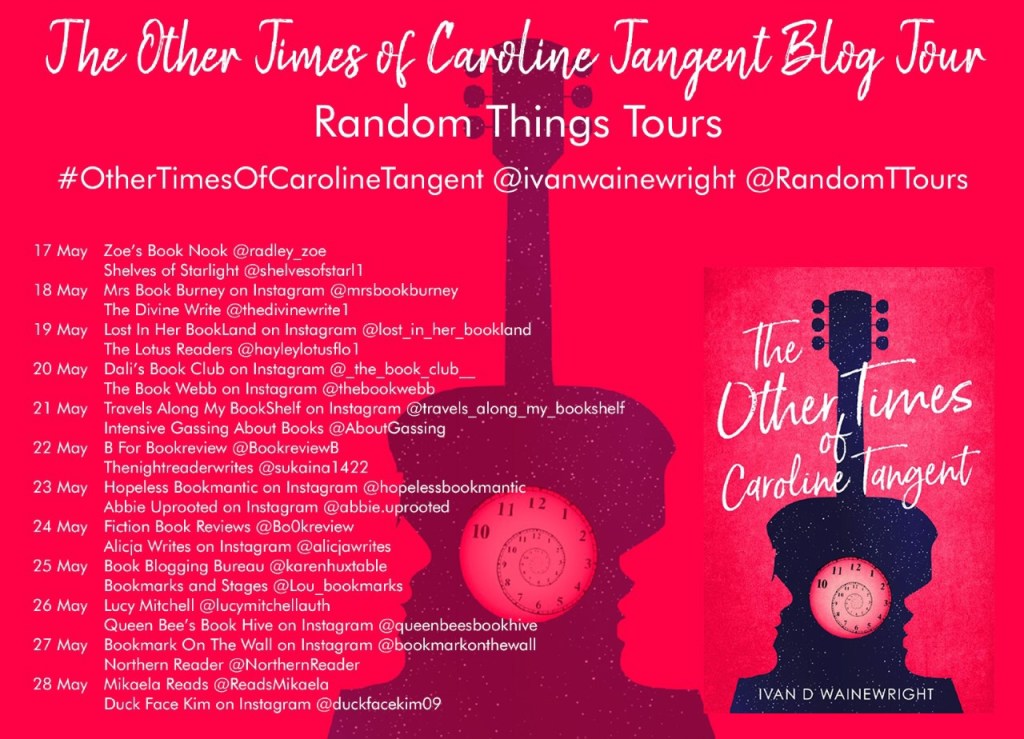
For more on this novel check out these other bloggers on the tour.