I loved this book. It drew me in immediately and two days after I finished it I can’t let go of it. I can’t start another book. It’s left me bereft. Our setting is 18th Century London and George II is on the throne. On St James’s Street is a confectioner’s shop called the Punchbowl and Pineapple and running it is the newly widowed Hannah Cole. This was her grandfather’s shop and has been handed down the family. Her father realised he needed an apprentice to pass on his skills and to work with Hannah, so he employed a young lad called Jonas Cole. Jonas and Hannah grew close and fell in love, with Hannah losing her father only a few days after they were married. So until a couple of days ago Hannah and Jonas ran the shop, with Hannah becoming quite an accomplished businesswoman. Jonas could be hard and ruthless in his business dealings and of recent years they had grown apart, with Jonas often spending evenings away from home. Then two nights ago he did not return and was found further down the Thames minus his money, his watch and several teeth. Hannah has had to borrow, especially to re-open after his death, something that caused a minor scandal so soon. She can’t afford to be closed and is waiting on their savings being released from the bank so she may pay her suppliers. Then Henry Fielding pays a call. In his role as magistrate rather than novelist, he explains that all money will remain frozen while he investigates Jonas’s death. He isn’t sure this is a simple robbery and wonders whether he should be looking into his business or personal dealings. He informs Hannah that Jonas had money in the bank, more than the £200 she knew about. Fielding explains he wants to be sure that the money was obtained legally and above board. Luckily, at Jonas’s funeral Hannah meets William Devereux. An acquaintance of Jonas, he has never met Hannah before but is very sympathetic to her plight. He promises to visit her shop and discuss how he may help her with Fielding and Jonas’s life outside the home – was he gambling, womanising or getting into shady business dealings? He also mentions a delicacy his Italian grandmother used to make called iced cream. It has all the ingredients of a custard, but flavoured with fruit or chocolate and is then frozen and eaten as a desert. Hannah resolves to let William help her and to master the art of ice cream, but are either of them being fully honest with each other about who they are and what their purpose is?
As with all Laura’s books we become fully immersed in the setting straight away and it’s the little details that stand out and make us believe in this world. I loved the descriptions of Hannah’s various confections and the way she can tell what people will choose, not to mention what it says about them.
“He paused to take a bite of his Piccadilly Puff, washing it down with a generous gulp of green walnut wine. It is a favourite choice of the sybarite: the silken sweetness of the custard, the crunching layers of puff paste, the dusky depths of the spices mingling with the sourness of lemon. I might have guessed that Mr Fielding was a man who struggled to keep his appetites in check.”
I believed in Hannah as a businesswoman and confectioner very quickly thanks to these details and as she narrates she tells us her hopes and dreams, including a joint dream of her and Jonas, to buy the empty premises next door and extend the shop so they could have more tables and chairs, especially when her iced cream starts to become popular. I think we always imagine that people from the 18th and 19th Century are very genteel and well behaved, this comes of too many Austen adaptations and strange hybrid historical settings like Bridgerton. While lovely to watch they give us little idea of what these centuries were like for those of the lower classes in society and women who worked. Real life 18th Century London was rather more colourful than Pride and Prejudice, as depicted in some of Fielding’s novels like Tom Jones and Daniel Defoe’s Moll Flanders. The author gives us the dirt and the bawdy side of London life when Hannah takes a trip to the theatre.
“The playhouse crowd gave a wide berth to the nest of alleys around the back of the Theatre Royal, home to brothels and bath houses, gin shops and squalid taverns. The residents started drinking over breakfast and then kept going. Groups of ragged men stood about on corners. One lot were fighting, skidding in vomit. Half-naked women leaned from the upper windows shouting encouragement.”
The King openly has a mistress and there are brothels and gaming rooms everywhere, operating just on the edge of the law. This is a book with every vice on display, even when if it is just cake. As Hannah points out when she’s evaluating Fielding, every man has his personal struggle. She is incredibly astute when it comes to assessing character and has Fielding’s own psychological make-up worked out through reading his novels. William Devereux appears to be equally astute, visiting Fielding’s rooms he notes the perfectly bound volumes of his own books and the wine glasses etched with the crest of Eton College, it’s students described beautifully as the “school of the most selfsatisfied fucksters in the kingdom.” I thought there were some brilliant choices in terms of the book’s structure and the way the story passed from Hannah to William was brilliant. Often when reading from NetGalley there are little mistakes or quirks to the format that can ruin the reading of the book, but here reading from NetGalley was a benefit because with no gaps or idea how far I was into the book, when the shocks came they were huge. The author has cleverly used aspects of modern thriller writing and applied them to her story, so there are twists and turns aplenty. She uses sudden unexpected confessions or statements that mean we know something no one else does. Other times a character suddenly changed their demeanour or had a different inner compared to their outer voice that made me go back a few pages in confusion. Then just as I become comfortable with my narrator, they switched back again.
This is definitely a cat and mouse game between three characters, a battle of wits where you’re never quite sure who is on the right side. Fielding appears to be pursuing this case to make his point to parliament that a national police force is needed to deal with crimes like murder. He also has a good point, Jonas’s watch had belonged to Hannah’s father and had a Russian Imperial Eagle on the case. If that had been stolen, every pawn shop and jewellers in London would have remembered someone trying to sell it. So where is it? Has the thief taken it to be sold elsewhere or is it still with a murderer rather closer to home? Devereaux seems like a gentleman, he introduces Hannah to friends who seem wealthy and of good status and they all vouch for his honesty and charity. He even seems to be thinking of making a young boy belonging to a distant relative his ward, in order to give him a better life. Hannah had a hard life at Jonas’s hands, especially when she found she was unable to have children something they both wanted. I loved the author’s detail of them both saving some urine to pour on a seedling and if the seedling grew they were believed to be fertile. Hannah’s didn’t grow and she felt her husband hardened his heart to her at that point and perhaps looked elsewhere. She has her head turned by the handsome gentleman who wants to find out where Jonas was going at night and intervening with Fielding on her behalf. He wants to help her keep her shop too and his iced cream idea is proving a huge hit, with even an impromptu visit from the King’s mistress who reassures Hannah that a hint of scandal is not necessarily a bad thing: “virtue matters rather less once you are rich.” Devereaux has some ideas in that area, that maybe rather than leave her money in the bank she might like to meet some of the people who’ve invested in a company of his called Arcadia, based in a place called Bentoo. Is he genuine or not? Does he have feelings for her, because Hannah’s starting to have stirring feelings she hasn’t had for years. Surely though Devereaux’s interest wouldn’t lie in the direction of an older widow?
I was utterly entranced in this novel from the first page to the last, especially as the tensions mounted in the final third when Fielding makes his move. However, just when you think you’ve worked everything out another twist will come along and surprise you. I was rooting for Hannah to come out on top, but was very scared for her in parts. For both her heart and her liberty! I wanted her to live out her days as the grand proprietress of the Punchbowl and Pineapple. I very much feared that Fielding had the desire to see her face the hangman’s noose. While I didn’t trust Devereaux at first I did wonder if he had feelings for Hannah or whether he was some sort of confidence trickster. There is certainly sexual chemistry by the bucketload. I was working out in my head who might play Hannah in a film or TV adaptation because it would be a brilliant period thriller with lots of raunchy scenes perfect for Netflix. I was honestly hypnotised by this story and Laura’s talent. Bravo on such a fantastic story that I’m still thinking about four days after finishing it. Go beg, steal or borrow a copy of this one, it’s a cracker.
Out now from Mantle Books
Meet the Author
Laura Shepherd-Robinson is the award-winning, Sunday Times and USA Today bestselling author of three historical novels. Her books have been featured on BBC 2’s Between the Covers and Radio 4’s Front Row and Open Book. Her fourth novel, The Art of a Lie, will be published in Summer 2025. She lives in London with her husband, Adrian.
I’ve had a lovely reading month because even the books I had for blog tours, turned out to be fantastic reads. Any of these could easily make my end of the year list and some are by authors I’ve never read before. Others were from series I’d lost touch with and one has an incredible back story of the struggle the author had to get it published. I feel very privileged, looking back and realising what an incredible month of reading I’ve had. I’m already looking forward to next month’s choices.
This was one of those unexpected joys, a book I’d heard very little about and chose to read with my Squad Pod just on a short synopsis. I had no idea whether I’d enjoy it or not, but it turned out to be fascinating and very apt, because I’d been reading about Functional Neurological Disorder. Havoc is a brilliant combination of school drama, mystery and dark comedy featuring a wonderful character called Ida who lives on a remote Scottish island with her mother and sister, after fleeing from her mother’s boyfriend Peter. What started as a lonely but safe place to live, became impossible when her mother did something unforgivable and the island’s inhabitants turned against them. Deciding she wants to leave, Ida looks for private boarding schools who provide scholarship places and discovers one, as far away from Scotland as she can find. St Anne’s sits on the south coast of England, so remote and underwhelming that the school are terribly surprised when their scholarship student actually turns up. No one ever has before, so they don’t have anywhere suitable to put her. The school is ramshackle and in danger of falling off the cliffs and the food is questionable and often tastes of fish, even when it isn’t. Ida is placed in a double room with school miscreant Louise and starts to settle in. However, things take a very strange turn when Head Girl Diane becomes unwell, starting with strange jerks of the arms and soon descending into full blown seizures. Soon after, Diane’s friend April is sick and then starts the familiar pattern of jerks. By the time a third girl has the same symptoms outside agencies such as environmental health, doctors and the police start to descend on the school. Is this illness a virus or is it environmental? Could it be something more sinister like poison? This was a fascinating and often amusing read, with an illness that shares the symptoms of FND – a syndrome where neurological symptoms are present and real, but are often somatic. Although it’s also possible some malign force is at work, especially when rat poison appears in an unexpected place. Louise and Ida are a dastardly duo and I also loved the friendship between the school’s geography teacher and her strident and rather cynical flatmate. Little surprises are everywhere and I would love to meet the characters again,
This book was the total opposite of the last in that I’ve heard nothing but praise for A.J.West’s newest novel. I’d loved The Spirit Engineer so much and I knew the struggle he’d had to get this published, but he believed in it and I’m so glad he was picked up by my favourite indie publisher Orenda Books. A match made in heaven. Having been supervised for my university dissertation by a lecturer who specialises in 18th Century Literature and secret sexualities, this was the perfect marriage of subject and style for me. I love when post-modern authors write back to a time in history to place people into their historical context. These are people who were erased from history due to their disability, sexuality or the colour of their skin. This has been done so well by authors like Sarah Waters who features 19th Century lesbians, Lila Cain whose main character were freed slaves in The Blackbirds of St Giles and Suzanne Collins, whose novel The Crimson Petal and the White is narrated by Sugar, a young prostitute with a disability.
Thomas True wears its vast amount of research lightly and definitely follows the style of the picaresque novel, where a young naive person makes their way into the big wide world with some humorous and rather risqué adventures. This young innocent travels to seek his fortune in London and is robbed on the highway, falling into the ‘wrong’ company – here this is the Molly House run by Mother Clap. A giant but gentlemanly man called Gabriel has brought him here and he is intrigued by the merriment, the wearing of women’s clothes and the safety of a place without scrutiny. This is above all a love story. Thomas can’t possibly know how important this moment will be in his life, but it’s pivotal to his journey, his future and his heart. Far from the genteel worlds of Bridgerton and Jane Austen, the author creates a richly imaginative setting that brought all my senses to life – but not always in a good way. London is grim, overcrowded and disgusting. One scene where a body needs to be extracted from a ditch full of sewage is revolting. Even Mother Clap’s has a grotesque feel. These are not the preened and powdered men you might expect. Gabriel is huge, hairy and spends all day doing a heavy building job. He and Thomas have a complicated journey, one naive and optimistic and the other haunted by his past. You’ll be transfixed, hoping for their outcome to be a happy one but knowing this is a city that punishes ‘mollies’ by hanging and when the mysterious ‘rat’ betrays the men from Mother Clap’s the danger becomes very real. You can tell I loved it by the amount I write about it! It’s a definite must read.
I knew from the first page that this novel was going to be special and it is utterly brilliant and an unbelievably good debut from Florence Knapp. It’s 1987 and Cora is going to register the birth of her baby boy. His name has been settled on because Cora’s husband has chosen his own name for his son – Gordon. But it wouldn’t be Cora’s choice. Cora’s choice would be something that doesn’t tie him so obviously to his father. She thinks Julian would suit him. Little sister Maia looks in the pram at her brother and decides he looks like he should be called Bear. All of these options swirl around in Cora’s head. In this moment, Cora has the power to make a choice and it’s done. It can’t be changed. What would happen if she went with Julian or even Bear? In the short term Gordon would be furious. How bad would it be this time? Long term, would it change her baby’s character or path in life? This is exactly what Florence Knapp does with her story. The book splits into three narratives and we discover what happens to this whole family, depending on Cora’s choice for her baby boy’s name.
We then move on seven years and meet Bear, a name that proves to be a catalyst for change. We also meet Cora’s choice, Julian – the choice she hoped would break him free from domineering generations of Gordons. Although, what if he is called Gordon? Brought up by a cruel father to continue in the same mould perhaps? Or he might just break free from the shackles of his name? Each life is sparked by this one decision but it isn’t just Cora’s son’s story. This is the life of the whole family with all its ups and downs. It’s about how trauma shapes lives and whether love brings healing and hope to every version of who we are. Even her minor characters absolutely shine. Grandmother Silbhe and her friend Cian are so wonderful, modelling healthy male/female relationships for Julian and Maia. Cian is also Julian’s mentor at work, bringing out a creative side that needs nurturing. Julian needs to work with his hands and meeting fellow creatives helps him find his tribe. Lily is lovely character and we get to know her best during Bear’s narrative. I loved how she has to find a balance between giving Bear the freedom he needs without breaking her own boundaries in the relationship. It’s an utterly compelling debut and zooms straight into the list of best books I’ve read so far this year. The author brings incredible psychological insight to a story about how our names shape our identity, our relationships and our life choices. Something we didn’t even choose. Can it influence us to a huge extent, or do we become the same person no matter what the choice?
Rachel Joyce is a must-buy author for me and she gets better and better. This brilliant novel focuses on a bohemian family; Vic the father who is an artist and his four children – Netta, Susan, Iris and Goose (short for Gustav and the only boy). They’ve been parented by Vic and a series of au pairs after the sudden death not long after Iris was born. Their father’s art came first always and the conditions he needed in order to create were paramount so the oldest girls often played the mother role for Iris and Goose, especially when Vic inevitably slept with the au pairs. Vic was not an artist celebrated by the establishment. The description of his paintings brought Jack Vettriano to mind, criticised heavily by the art world, but very popular with the public. Now grown up, his children are stunned when Vic starts losing weight and drinking green, sludgy health drinks. His diet is being looked after by his new girlfriend, 27 year old Bella-Mae. None of his children have met her and she doesn’t seem keen to try. Within weeks Vic announces they’re engaged and Netta suggests that they all stand back and give this the space it needs to fizzle out. A couple of weeks later, Vic announces their marriage with a single photograph from the family home in Orta on Isola Son Guilio with Bella-Mae in such a heavy veil they can’t make out her face. They are staying at the house, situated on an island in the middle of a lake, but only two days later Netta is stunned by a phone call from a stranger called Laszlo, claiming to be Bella’s cousin. Vic has been dragged from the lake, drowned after a morning swim went wrong as the mist descended. Why would Vic go swimming in the mist? His children come together to travel to Orta, to finally meet their new stepmother and to find out whether she has killed their father.
Bella isn’t what the siblings expect and nor is the villa, which has been changed in decor and atmosphere. She seems insubstantial and too fragile to have caused such an uproar. Especially when they’ve pictured her with an iron will, imposing her diet on their father and gaining their inheritance. She will prove to be a mirror through which each of them evaluate their lives. I love family sagas and this one is brilliant. It’s psychologically fascinating and I’m not going to ruin that for you by delving too deeply. I was absolutely transfixed! I couldn’t work out whether there was deliberate manipulation at play or if this was just a case of an outsider causing people to view everything through a different lens. Is Bella a destructive force or a helpful one? Whatever she is, the siblings will have to look at themselves, their choices and their relationship to their father. Some revelations will be explosive and take place in the open air- one particular meal is cataclysmic. Other revelations are quieter, insidious or internal but no less devastating. An utterly brilliant read for someone who loves complicated and tangled relationships. I LOVED it.
This book opened with a heart-stopping scene that set the pace for the rest of the story. Helen is relaxing after meeting her lover in a luxury hotel. While he has a shower, she is in her nightgown and robe enjoying the night time view over downtown Southampton. Movement suddenly catches her eye and she’s drawn to a woman who’s running down a darkened street towards a precinct of shops, pursued by two men. As they catch up, one of them pulls out a bicycle chain and starts to beat the woman. Helen doesn’t wait or think, tearing out of the hotel room and down several flights of stairs as she’s too impatient to wait for the lift. She tears down the dark street hoping that someone has called the police. Helen flies at one of the attackers, who is taken completely by surprise and she soon disables the second attacker before turning to the woman who has been badly beaten. She looks like she’s from the Middle East perhaps, with two very distinctive tattoos placed on her forehead and chin. Unfortunately, Helen has committed the cardinal sin of combat and has turned her back on her attackers. The next thing she feels is a huge bang to her head and then everything goes dark. This opening scene tells me this will be a gritty, modern thriller with a kick-ass heroine.
This is the thirteenth novel in the DI Helen Grace series and I’m seriously out of touch with the character, having only read the first couple of novels after picking them up in a book swap. Helen is working on her own initiative after handing in her notice at the end of the last novel, with her protege Charlie being promoted in her place. Helen doesn’t know what the next step is, but she’s been enjoying the break. The only thing she misses is the camaraderie of a team and although she has enough money to really think about what’s next, she is anxious about it. Although life will bring it’s own answer soon enough and it might be the last thing she’s expecting. She starts to investigate alone, feeding into Charlie who is trying to target traffickers and their victims coming through the port in lorries and containers. The story is told mainly through Helen’s eyes, but also through the narratives of two other women. Viyan is another trafficked Kurdish Syrian woman and Emilia is a journalist whose father is dying in prison. At first we’re not sure how all of these narratives fit together but slowly they form a cohesive picture. Helen is formidable! You will hold your breath for the final showdown and all the women involved. Each short punchy chapter is action packed and will keep you reading ‘just the next chapter’ until it’s 2am. I now need to set aside time and read the ten novels between this and the last one I read. I’ll probably load up the kindle with them before I go on holiday so I can carry on without interruption. This was a belting, action-packed, female led, crime thriller and I recommend it highly.
Prague is one of those places on the bucket list that I’ve never managed to get to, but I’m very drawn to it. There’s something about Prague that’s a touch gothic, mystical and dark. It strikes me as being like Venice, a place where you can almost touch the layers of history. A thin place, where you might take a wrong turn and end up in the 18th Century. Prague knows you are temporary, while it endures forever. That is probably just a romantic notion, but I’m looking forward to testing out my impressions. Much of the fiction I’ve read deals with the city’s history and I’m hoping some of these choices might tempt you to visit too, if only in one of these books.
An intriguing and almost hallucinogenic novel that has Kafka in its DNA. Blake is a pornographer who photographs corpses. Ten years ago, a young man becomes a fugitive when a redhead disappears on abridge in the rain. Now, at the turn of the millennium, another redhead has turned up in the morgue, and the fugitive can’t get the dead girl’s image out of his head. For Blake, it’s all a game — a funhouse where denial is the currency, deceit is the grand prize, and all doors lead to one destination: murder. In the psychological noir-scape of Kafkaville, the rain never stops, and redemption is just another betrayal away. Armand is an Australian writer who lives in Prague and is director of the Centre of Critical and Cultural Theory. This is definitely not for everyone, but just go with it as he strips bare this society and reveals it in all its decadence.
Prague Spring is a wonderfully atmospheric portrait of the city as well as a political and historical thriller with dashes of espionage. It’s the summer of 1968, the year of love and hate, of Prague Spring and Cold War winter. Two English students, Ellie and James, set off to hitch-hike across Europe with no particular aim in mind but a continent, and themselves, to discover. Somewhere in southern Germany they decide, on a whim, to visit Czechoslovakia where Alexander Dubcek’s ‘socialism with a human face’ is smiling on the world. Meanwhile Sam Wareham, a first secretary at the British embassy in Prague, is observing developments in the country with a mixture of diplomatic cynicism and a young man’s passion. In the company of Czech student Lenka Konecková, he finds a way into the world of Czechoslovak youth, its hopes and its ideas. It seems that, for the first time, nothing is off limits behind the Iron Curtain. Yet the wheels of politics are grinding in the background. The Soviet leader, Leonid Brezhnev is making demands of Dubcek and the Red Army is massed on the borders. How will the looming disaster affect those fragile lives caught up in the invasion? This is a great read about a city teetering on the edge of one of it’s most significant moments in history.
The banned books club was only the beginning; a place for the women of Prague to come together and share the tales the Germans wanted to silence. Is she brave? No, she’s just a bookshop girl doing whatever she can.
For bookshop owner, Jana, doing the right thing was never a question. So when opportunity comes to help the resistance, she offers herself – and her bookshop. Using her window displays as covert signals and hiding secret codes in book marks, she’ll do all in her power to help.
But the arrival of two people in her bookshop will change everything: a young Jewish boy with nowhere else to turn, and a fascist police captain Jana can’t read at all. In a time where secrets are currency and stories can be fatal, will she know who to trust? If you enjoy Kristin Hannah you’ll love this story from WW2.
Oh my friend, won’t you take my hand – I’ve been so lonely!
One winter night in Prague, Helen Franklin meets her friend Karel on the street. Agitated and enthralled, he tells her he has come into possession of a mysterious old manuscript, filled with personal testimonies that take them from 17th-century England to wartime Czechoslovakia, the tropical streets of Manila, and 1920s Turkey. All of them tell of being followed by a tall, silent woman in black, bearing an unforgettable message. Helen reads its contents with intrigue, but without knowing everything in her life is about to change. I love creepy little novellas like this and Sarah Perry does everything right here. I loved the almost Victorian ‘Dear Reader’ and the Dracula-like inclusion of letters and diaries. The fear comes from that very Freudian juxtaposition of repulsion and fascination or death and desire. It assumes we all have that thing we’ve done that we wish we hadn’t, buried at the back of the mind or written in a decades old diary. Melmoth is the embodiment of the thing we’ve repressed and she will come for you. Dark, mysterious, thrilling and scarier than you’d think.
Paris, today. The Museum of Broken Promises is a place of wonder and sadness, hope and loss. Every object in the museum has been donated – a cake tin, a wedding veil, a baby’s shoe. And each represent a moment of grief or terrible betrayal. The museum is a place where people come to speak to the ghosts of the past and, sometimes, to lay them to rest. Laure, the owner and curator, has also hidden artefacts from her own painful youth amongst the objects on display. A marionette from her time in Czechoslovakia as a teenager.
Prague, 1985. Recovering from the sudden death of her father, Laure flees to Prague. But life behind the Iron Curtain is a complex thing: drab and grey yet charged with danger. Laure cannot begin to comprehend the dark, political currents that run beneath the surface of this communist city. Until, that is, she meets a young dissident musician. Her love for him will have terrible and unforeseen consequences.
It is only years later, having created the museum, that Laure can finally face up to her past and celebrate the passionate love which has directed her life. It may seem strange that someone would base their whole life’s work on an experience at the age of 18, but that misunderstands the power of traumatic experiences. While the objects in the museum may seem mundane, their importance is in the wealth of emotion in those memories. It is by holding or valuing these things that we remain connected to the past and the person in it.
Errand requiring immediate attention. Come.
The note was on vellum, pierced by the talons of the almost-crow that delivered it. Karou read the message. ‘He never says please’, she sighed, but she gathered up her things.
When Brimstone called, she always came.
In general, Karou has managed to keep her two lives in balance. On the one hand, she’s a seventeen-year-old art student in Prague; on the other, errand-girl to a monstrous creature who is the closest thing she has to family. Raised half in our world, half in ‘Elsewhere’, she has never understood Brimstone’s dark work – buying teeth from hunters and murderers – nor how she came into his keeping. She is a secret even to herself, plagued by the sensation that she isn’t whole. Now the doors to Elsewhere are closing, and Karou must choose between the safety of her human life and the dangers of a war-ravaged world that may hold the answers she has always sought.
I’m not usually a fan of fantasy but this is an exception and Prague is the perfect setting for a girl with blue hair who does the bidding of a chimera who’s part human, ram and lion! Karou is my kind of heroine and I’d happily take her for a drink. I blew through the first third of the novel without thinking, just wishing I had an imagination like this.
This is probably best described as ‘faction’, while it is shelved as a novel there is so much fact in it that it reads like a true crime story, except the author keeps interrupting his own narrative. Two men have been enlisted to kill the head of the Gestapo, in a mission named Operation Anthropoid. In Prague, 1942 two Czechoslovakian parachutists are sent on a daring mission by London to assassinate Reinhard Heydrich – chief of the Nazi secret services. Known as ‘the hangman of Prague’, ‘the blond beast’ and ‘the most dangerous man in the Third Reich’. His boss is Heinrich Himmler but everyone in the SS says ‘Himmler’s brain is called Heydrich’, which in German spells HHhH.
It is an incredible story, occasionally interrupted so the author can point out something he’s made up for dramatic effect – such as, ‘I don’t really know if a tank was the first vehicle to enter Prague’. Or even re-writing a paragraph if he later finds he got it wrong. It’s strange and a little jarring but you get used to it. In fact I don’t doubt his research, you will see the acres of documents and history books in his bibliography. This is a very clever panorama of the Third Reich told through the life of one outstandingly brutal man, a story of unbearable heroism and loyalty, revenge and betrayal. It is a moving work of fiction you will not forget.
Prague 1939. When the Nazis invade, Eva knows the danger they pose to Jewish families and the only way to keep her daughter Miriam safe is to send her away – even if it means never seeing her again. Eva is taken to the concentration camp Terezin, her secret is at risk of being exposed.
In London, Pamela volunteers to help find places for the Jewish children arrived from Europe. Befriending one unclaimed little girl, Pamela brings her home. Then when her son enlists in the RAF, Pamela realises how easily her own world could come crashing down…
Moving between England and Czechoslovakia this is a heart-rending story made all the more poignant for me as my mother-in-law Hana was sent from Poland as a child to England, separated from all her family and was eventually reunited with her mother after the war. I loved the themes of motherhood and music too. This is one of those historical novels that concentrates on emotion and character rather than acres of detail, but thar makes it all the more heart-rending.
In 1934, a rabbi’s son in Prague joins a traveling circus, becomes a magician, and rises to fame under the stage name the Great Zabbatini, just as Europe descends into World War II. When Zabbatini is discovered to be a Jew, his battered trunk full of magic tricks becomes his only hope for survival.
Seventy years later in Los Angeles, ten-year-old Max finds a scratched-up LP that captured Zabbatini performing his greatest illusions. But the track in which Zabbatini performs the spell of eternal love—the spell Max believes will keep his parents from getting divorced—is damaged beyond repair. Desperate for a solution, Max seeks out the now elderly, cynical magician and begs him for help. As the two develop an unlikely friendship, Moshe discovers that Max and his family have a surprising connection to the dark, dark days the Great Zabbatini experienced during the war.
With gentle wisdom and melancholy humor, this is an inventive, deeply moving story about a young boy who needs a miracle, and a disillusioned old man who needs redemption.
As part of the Squad Pod, I’ve been re-reading this novel in its new edition and I’ve really enjoyed my reintroduction to these interesting characters and the incredible atmosphere the author creates around the Blackhurst Estate in Cornwall. Our story begins in 1913, when a little girl sits forlorn on the harbour side, using her white suitcase as a seat. The authoress told her she was going on an adventure and she’d stayed hidden for such a long time, but now she doesn’t know when the authoress is coming. The harbour master notices her and resolves that if she’s still there when he finishes work, he will have to take her home to his wife. Surely someone will come for her in a day or two? The mystery of the authoress and the little girl took me from 1900 to 2005, in the company of three women who have a link to that little girl in 1913. Eliza lives in London digs with her mother and twin brother at the turn of the Twentieth Century but finds life changes suddenly after her brother is killed in an accident with a coach and horses. She is taken to the Blackhurst Estate in Cornwall to be the companion of Rose, the daughter of the family, who is an invalid and rarely leaves her bedroom. Then in 2005 there is Cassandra, living in Australia and also facing upheaval after the death of her beloved grandmother Nell. Cassandra has lived with her gran since her mother left her there when she was a little girl. She promised to return and never did, leaving her mother Nell to raise her daughter. Together they run an antiques business and after Nell’s death, Cassandra is stunned to find a series of sketches by American artist Nathaniel Walker in her grandmother’s belongings. There’s also a small white case and inside there is a book of strange fairy tales also illustrated by the artist, but the writer is unfamiliar. Eliza Makepeace doesn’t seem to be well known but Cassandra is happy to do some digging and understand what link exists between this famous painter, an obscure writer and her grandmother. After the funeral, Cassandra’s great aunties explain that Nell was the baby in the family, arriving some time after them since their father found her on the Maryborough harbour alone. He decided that Nell needed to know about her true origins before he died, but her sisters wonder if that was the right thing to do. It left her a little distanced from them, as if she didn’t know where she belonged anymore.
Interspersed between Cassandra and Eliza’s narratives is that of Nell, who did her own detective work on who she was decades before. In fact she had plans to make a big change before her daughter turned up with Cassandra and asked her if she would look after her for a short while. Nell knew that once her daughter was gone, neither of them would ever see her again. This put her own plans to one side but Nell never regretted bringing up Cassandra. Cassandra takes her book of fairy tales to a book dealer who explains that Eliza Makepeace was linked to the Blackhurst Estate in Cornwall. In fact Nathanial Walker was married to Rose, the daughter of the family. When Nell’s lawyer confirms that Cassandra has been left a small cottage on the Cornish coast she is intrigued and before long is on a flight to the UK. From there we are catapulted into the past where Eliza is adjusting and trying to make friends with Rose who has been ill for most of her childhood. Her regime is overseen by her rather formidable mother while her father seems largely absent, secretly longing for the return of sister Georgina who ran away to London with a menial worker from the estate. All of these separate story lines are linked beautifully by the author over the course of the novel, telling the story of a family beset by tragedy, but also shaped by rigid control, manipulation and jealousy. All of this is set within the beautiful backdrop of Cornwall and its history of fishing and smuggling as well as its stunning scenery. Cassandra’s cottage sits above the cliffs looking down to the sea, but has a stone wall around it. She wonders why someone would block off that incredible view, but also whether they were blocking people from seeing out or in? It must have been a gloomy existence. When Cassandra hires a local gardener to remove the tree that’s partially growing inside the cottage they discover a crawl space under the back wall and inside an overgrown but entirely enclosed garden. The walls that cradle the garden create a deep sense of belonging, as if the birds sing just for her. It’s a peaceful space, almost frozen in time.
Cassandra is also interested to know how Nell ended up buying the property and why she never came back. Speaking to the village’s estate agent Robin gives her a lot of insight and the date Nell bought the cottage starts to make sense to her. Through Robin’s father, a retired fisherman, she hears some of the cottage’s history from a smuggling lookout to the home of the Authoress, a beautiful red- headed lady who used to live at Blackhurst. The actual manor has slowly become a hotel and Cassandra learns more by talking to the owner, who has refurbished the house and made some fascinating finds. She shares some scrapbooks with Cassandra, made by Rose who later became the wife of Nathaniel Walker. Rose was an invalid and her scrapbooks show a young girl’s imaginings from fairies to beautiful dresses and what she imagined her wedding to be like. Not that anyone expected she would meet anyone to marry. Her cousin Eliza tells her strangely dark fairytales and encourages her to aim for some of her dreams, to travel and perhaps get married someday. When she is married, her longings become focused on having a child, but will that be possible for her and if not, how can she find another way to become a mother? Kate Morton gives us little revelations as we go along, taking us back into the past to show us exactly what transpired and another jigsaw piece of this mystery slots into place.
I loved how vividly Morton describes the squalor of turn of the century London and the harsh way of life for those just trying to keep a roof over their head. Blackhurst is the perfect name for the estate in Cornwall, named after an outcrop of black rock that juts out into the sea and provides an incredible lookout for the brave who enjoy the crashing waves and the seaspray. The estate feels like a mausoleum in contrast to Cornwall’s natural beauty. It is somewhere where people are shut away and miserable, with Rose in bed and her father shut away in his study and harbouring his secret obsessions. The cottage is accessed through the maze and it feels like a walkway to another world as it opens out in Eliza’s garden. What could possibly have caused two cousins to be entirely separate, with the maze as the barrier between their properties? I loved the theme of motherhood throughout, especially the loss of mothers for Eliza, Nell and Cassandra. One of the saddest parts for me was when Nell finds out that she isn’t a blood member of her Australian family and it changes her outlook, leading to her own trip to Cornwall. There’s even a touch of romance for one character who’s suffered a terrible loss. Reading this again has made me realise how rich Morton’s writing is and how reading her books probably led me to me enjoying this genre so much and current writers like Amanda Geard and Kate Lumsden. This is a sweeping epic of a mystery, with great characters and dark gothic undertones which I’ve thoroughly enjoyed rediscovering.
Meet the Author
KATE MORTON is an award-winning, Sunday Times and New York Times bestselling author. Her novels – The House at Riverton, The Forgotten Garden, The Distant Hours, The Secret Keeper, The Lake House, The Clockmaker’s Daughter and Homecoming – are published in over 45 countries, in 38 languages, and have all been number one bestsellers around the world.
Kate Morton grew up in the mountains of southeast Queensland and now lives with her family in London and Australia. She has degrees in dramatic art and English literature, and harboured dreams of joining the Royal Shakespeare Company until she realised that it was words she loved more than performing. Kate still feels a pang of longing each time she goes to the theatre and the house lights dim.
“I fell deeply in love with books as a child and believe that reading is freedom; that to read is to live a thousand lives in one; that fiction is a magical conversation between two people – you and me – in which our minds meet across time and space. I love books that conjure a world around me, bringing their characters and settings to life, so that the real world disappears and all that matters, from beginning to end, is turning one more page.”
In simple terms, this fascinating book is a love story. Two people meet in unlikely circumstances and fall in love. However, it’s so much more than that, but that’s what happens when something as simple as love is an act of subversion or rebellion. When I last read a novel like this I was on my 18th Century literature module at university and I had the luck to be taught and supervised for my dissertation by Dr. Ian McCormick who was an 18th Century literature specialist and also taught our Gothic, Grotesque and Monstrous module. He wrote a book called Secret Sexualities, a collection of 17th and 18th Century writing that covered cultural constructions of eunuchs, hermaphrodites, cross dressing, mannish women, female husbands, trials for sodomy and other legal injustices. I was absolutely fascinated because it was an utterly different picture from the 18th Century literature I’d read before. To be honest that was mainly Jane Austen and from her writing you might think that a fellow’s main preoccupation was finding a suitable wife and all women were waiting for Mr Darcy to come along – although I’m a Captain Wentworth girl, all day long. What my tutor’s book did for me was the academic equivalent of Sarah Water’s transgressive novelisation of the 19th Century. Variations in sexual preference is nothing new and taking a marginalised group and placing them firmly within their historical context is what is going in with A.J. West’s novel. Thomas True is well-researched, beautifully characterised and fits perfectly into its time period rather like an 18th Century version of Tipping the Velvet.
The book that came most to mind, because of its bawdy humour and characterisation of a young innocent seduced into licentiousness on their adventures into the big city, was Moll Flanders by Daniel Defoe. However, I also had Tom Jones in mind by Henry Fielding, a picaresque novel where our hero embarks on a journey and is lured into bawdy and roguish adventures. A picaresque novel is also critical of the society it represents, using satire to make its point usually in the favour of the lower classes. Here our hero is drawn into the ‘Molly’ culture, practiced at Mother Clap’s house and while considered corrupt by some, it turns out to be less judgemental and violent than both the religious and legal communities, both seemingly riddled with cruelty and corruption. In this case they employ a spy known by the mollies as the ‘Rat’, his purpose is to give up individual mollies to the justices who would have them hung. The hangings are a horribly public spectacle with the crowd baying for blood and the selling of candles or other mementoes by shop keepers. This is where the novel sits for me, yes it’s crime fiction, historical fiction and also a love story, but it’s the picaresque novel’s bawdy, episodic and satirical mix that grounds Thomas firmly in the tradition of 18th Century literature.
Thomas sets off for London to escape a miserable family life, where he’s clearly not the man his father would like him to be. On his journey he is accidentally parted from his coach and luggage, deciding to trust a huge bear of a man who offers him help. What he doesn’t know is that Gabriel is a Molly, one of a group of men who enjoy dressing in women’s clothes and have names for their alter egos. They also prefer the love of another man, something taboo and unnatural in contemporary society. The law would punish them by death. Thomas can’t possibly know how important this moment will be in his life, but it’s pivotal to his journey, his future and his heart. Far from the genteel worlds of Bridgerton and Jane Austen, the author creates a richly imaginative setting that brought all my senses to life – but not in a good way. London is grim, overcrowded and disgusting. One scene where a body needs to be extracted from a ditch full of sewage is revolting. The two rescuers slipping and sliding into faeces and almost losing the body to the depths. Even Mother Clap’s has a grotesque feel. These are not the preened and powdered men you might expect. Gabriel is huge, hairy and spends all day doing a heavy building job. The atmosphere is also dark and threatening, if the mollies are the light then their nemesis belongs in the shadows as do the curious urchins who are so ignored and forgotten they’ve literally become the darkness they inhabit in the menacing surroundings of Alsatia. The ever present fear of not knowing who the Rat is, make even the lighter scenes hum with tension. While the mollies are dancing, wearing their finery or even sneaking off to be ‘married’ – their euphemism for sex – no one knows if the Rat is among them, watching and biding his time.
How far would the Rat go to gain information or incriminate the mollies? I was intrigued as to what their motive was? Religion, fear, money or more personal motives? Whatever the Rat, or the justice’s motives they mete out terrible violence. As if the public hangings were not enough, the Rat is handy with a knife too. One molly has his tongue cut out and another is stabbed and left in sewage. Being pilloried turned out to be way more violent than being popped in the stocks for the afternoon and being pelted with rotten vegetables. This is all told in the same detail the author describes the London streets running with urine and smelling so bad it takes a few days to become immune to it. It brings a reality into sharp focus, this isn’t just our current climate of punching down against the poorest and most vulnerable or venting hate on social media. This is wanting someone dead for the perceived crime of who they love. Thomas is naive, clumsy, endearing and ripe for the picking. He guides us through most of this in wide eyed wonder at first, but we also have Gabriel’s take on events and he really is the opposite of Tom. He is older, has known who he is for a long time and battles with regret, grief and shame. Gabriel is haunted, emotionally and literally. His profession means he’s in an intensely masculine environment, working on completing St. Paul’s and the chandlers where Tom is learning a trade. He’s drawn to Tom’s naivety and excitement at the new life he’s found and his molly name – Verity True Tongue. They’re so different but have that chemistry. It’s undeniable, but only Gabriel who fully understands the price they may pay for choosing each other.
I was bowled over by the incredible detail in the setting but also the characters they meet. Every one of the mollies is different are so different from each other. Some are welcoming and nurturing, while others are cynical and suspicious. I have a hatred for people who want to control other’s behaviour through a moral or religious code. Thomas’s family believe they’re doing the right things to save their souls and to lie with a man is a sin against God. The justices are no better than- using the legal code to outlaw sodomy, but then resorting to punishments of horrific violence without irony. It’s inevitable that with such blood lust and religious fervour, we might have to say goodbye to some of the wonderful characters yet it is still devastating when it happens. This group of men, when in their safe environment, are full of joy, fun and laughter. When they are free to be themselves they create an incredible atmosphere. It’s a party I’d love to go to and I honestly can’t wait for it to become a film. The eventual ending might leave you needing a box of tissues, but the journey Thomas and A.J. West takes us on is glorious.
Meet the Author
A.J. West’s bestselling debut novel The Spirit Engineer won the Historical Writers’ Association Debut Crown Award, gaining international praise for its telling of a long-forgotten true story. His second novel, The Betrayal of Thomas True, is published July 2024.
An award winning BBC newsreader and reporter, he has written for national newspapers and regularly appears on network television discussing his writing and the historical context of contemporary events.
A passionate historical researcher, he writes at The London Library and museum archives around the world.
Havoc is one of the Squad POD Collective’s featured books this month and is a brilliant combination of school drama, mystery and dark comedy featuring a wonderful character called Ida. Ida and her family live on a remote Scottish island after fleeing from her mother’s controlling boyfriend Peter. What started as a lonely but safe place to live, has become impossible since her mother did something unforgivable and the island’s inhabitants turn against them. Deciding she wants to leave, Ida looks for private boarding schools who provide scholarship places. She finds a school as far away from Scotland as she can find. St Anne’s sits on the south coast of England, so remote that the only diversion is a bus ride to a small town with a choice of two tea rooms. The school are terribly surprised when their scholarship student turns up, no one ever has before, so they don’t have anywhere suitable to put her. The school is ramshackle and in danger of falling off the cliffs and the food is questionable and often tastes of fish, even when it isn’t. Ida is placed in a double room with school miscreant Louise and starts to settle in. However, things take a very strange turn when Head Girl Diane becomes unwell, starting with strange jerks of the arms and soon descending into a full blown seizures. Soon after, Diane’s friend April is sick and then starts the familiar pattern of jerks. By the time a third girl has the same symptoms outside agencies such as environmental health, doctors and the police start to descend on the school. Is this illness a virus, or is it environmental? Or could it be something more sinister like poison?
Not only is this a fascinating mystery, the characters are so endearing and I loved the deliciously dark sense of humour. We follow Ida’s story but also that of geography teacher Eleanor. Both are characters are quiet and unassuming but with hidden depths. Eleanor is coping with a change of living arrangements rather like Ida. She was all set to marry boyfriend Anthony, but it was suddenly called off. She’s been used to living in a solo room at the school, but a space in one of the sought after flats has come available. The problem is it means sharing with fellow teacher Vera and they’re not exactly friends, but she’ll gain a sitting room and a kitchen and surely they can get on? Then the first ever male teacher arrives and it’s clear that he’s quiet and ill equipped to deal with the dreamy and rather nosy English teachers. He and Eleanor get along well though, often lunching together at school and sharing the bus into town on their rare day off. However, he does seem to lack a back story and after what happened with Anthony, she’s very wary.
Despite some serious subject matter and St Anne’s having a rather 1980’s morbid fascination with the nuclear holocaust, there is a lot of humour and witty exchanges, even if they are rather black (my favourite kind of comedy). Both Eleanor and Ida have to accommodate their rather forthright and eccentric roommates. Louise comes with many warnings from the school mistress, but their meeting is hilariously slapstick after a mishap with a trapdoor. Louise seems to sense Ida’s intriguing hidden depths and they definitely share an affinity for causing mayhem. As their friendship developed I did worry for the rest of the school’s pupils. Eleanor’s roommate Vera is a comic delight and I imagined her as a young Miriam Margoyles – abrupt to the point of rudeness and very definite in her opinions. On a visit to the tearoom in town she berates the poor waitress for not having Battenberg cake. When she suggests their Victoria Sponge, Vera exclaims loudly that it’s usually dry. Then as she eats it, loudly confirms to the other patrons that is just as dry as she expected. She has no filter, volume control or embarrassment. In between the main narrative, are faxes from the neurologist treating the girls and his previous colleague and even these take a turn you won’t expect. He writes of his concern about Diane, the first girl who fell ill and his confusion at the symptoms displayed by the others. He is the first to notice strange anomalies in the seizures but has a hard time convincing his colleagues, the police and the environmental health of his eventual diagnosis.
I enjoyed the medical mystery at the heart of this novel, just as interesting as a crime novel with plenty of twists and turns along the way. Having had a rather unusual neurological condition myself this was an accurate representation of how our bodies can surprise and betray us. Of course this has the added intrigue of multiple patients at once and the cause being very difficult pin down — is it poison, environmental or the rather unusual and fishy meals from the school kitchens? There are other mini mysteries too such as why Eleanor didn’t get married and what made new teacher Matthew move to an isolated all girls school? Once the press are on the trail of the mystery illness many more secrets could come to light, including why Ida arrived in the first place. Ida is such an interesting teenager and her growing friendship with roommate Louise is both touching and unexpected. The author has captured the inner world of Ida so authentically that you feel connected to her and the interactions between the students is a familiar combination of funny, bitchy and a little bit guarded. So when the guard drops and real emotions spill out it is all the more surprising and touching. This was an absolute treat to read and I have no hesitation in recommending it.
Meet the Author
Rebecca Wait is the author of four novels, the most recent of which, I’m Sorry You Feel That Way, was a book of the year for The Times, Guardian, Express, Good Housekeeping and BBC Culture, and was shortlisted for the Nota Bene Prize.
Her previous novel, Our Fathers, received widespread acclaim and was a Guardian book of the year and a thriller of the month for Waterstones.
This is one of those books that’s been on the periphery of my wishlist for ages, but I’ve never had time to pick it up. I always set aside a bit of money for visiting a book shop when we go on holiday so when we visited the Lake District this was the first book I saw when I walked into a bookshop in Pooley Bridge. Afterwards, as I looked through the purchases in the pub I read the first few lines, then read the whole chapter and I told my other half it was something special. In 1987 Cora is going to register the birth of her baby boy. His name has been settled on for some time. Cora’s husband has chosen his own name for his son, Gordon. But it wouldn’t be Cora’s choice. Cora’s choice would be something that doesn’t tie him so obviously to his father. She thinks Julian would suit him. Little sister Maia looks in the pram at her brother and decides he looks like a he should be called Bear. All of these options swirl around in Cora’s head. In this moment, Cora has the power to make a choice and it’s done. It can’t be changed. What would happen if she went with Julian or even Bear? In the short term Gordon would be furious. How bad would it be this time? Long term, would it change her baby’s character or path in life? That’s exactly what Florence Knapp does. The book splits into three narratives and we discover what happens to this whole family, depending on Cora’s baby boy’s name.
We then move on seven years and meet Bear, a name that proves to be a catalyst for change. Or we meet Cora’s choice, Julian – the choice she hoped would break him free from domineering generations of Gordons. Although, what if he is called Gordon? Brought up by a cruel father to continue in the same mould perhaps? Or he might just break free from the shackles of his name. Each life is sparked by this one decision and it isn’t just Cora’s son’s story. This is the life of the whole family with all its ups and downs. It’s about how trauma shapes lives and whether love brings healing and hope to every version of who we are. Even her minor characters absolutely shine. Grandmother Silbhe and her friend Cian are so wonderful, modelling healthy male/female relationships for Julian and Maia. Cian is also Julian’s mentor at work, bringing out a creative side that needs nurturing. Julian needs to work with his hands and meeting fellow creatives helps him find his tribe. Lily is lovely character and we get to know her most during bear’s narrative. I loved how she has to find a balance between giving Bear the freedom he needs without breaking her own boundaries in the relationship. It’s an utterly compelling debut and zooms straight into the list of best books I’ve read so far this year. The author brings incredible psychological insight to a story about how our names shape our identity, our relationships and our life choices. Something we didn’t even choose. Can it influence us to a huge extent, or do we become the same person no matter what the choice?
One of our family narratives is that mum wanted to call me Little Green after the Joni Mitchell song. Mum is definitely a hippy and Dad is definitely not. My whole life I’ve said ‘thank goodness for Dad’, as I ended up with Hayley Marsha Ann which felt unusual enough. However, when I read the lyrics of the Joni Mitchell song, it was just so beautiful. Written for a child she had when she was very young. She felt she was too young to be a mum and gave her up for adoption. The song is so full of the hopes a mother would have for their daughter:
“Just a little Green
Like thе color when the spring is born
There’ll be crocuses to bring to school tomorrow
Just a little Green
Like the nights when the Northern lights perform
There’ll be icicles and birthday clothes
And sometimes there’ll be sorrow.”
The book made me wonder whether I’d be a different person now had I been Little Green. Would I have been more confident? Perhaps I’d have been more comfortable in my creativity. Might I have written my book by now? How could I have failed with a name imbued with such hope? I liked that the author included the meaning of all the character’s names at the back of the book. It’s fascinating to look at them after reading knowing they were so carefully chosen.
Each of three arcs has its share of joy and heartache as Cora’s children cope with the aftermath of that day in 1987. For Gordon the legacy of his father is perhaps the most damaging as Cora feared. Growing up in his father’s presence means he could pass on the misogyny passed down through all the Gordons in his ancestry. It damages his relationship with his mother as he can be used as a tool for his father to oppress Cora further or to spy on her behaviour. It will also affect his own relationships with women, both his sister and potential partners – his teenage crush on Lily becomes something that’s very hard to read, but it’s right to include it. The author depicts inter-generational trauma and how it can damage the next generation in different ways. Abusers can’t always break patterns and sometimes I was compelled to read on in sheer hope.
Each narrative has its moments of emotion where you have to look up from the book and breathe for a moment. Just to take it in. However, one narrative broke me. I was reading quietly in the same room as my husband and I actually responded out loud. He had to give me a cuddle because I did have tears coming and I’m astonished by the writer’s ability to absorb to that degree. To make words into a flesh and blood person I can shed tears over and another who has the potential to become a monster. Gordon Sr really is terrifying in his reach and I felt Cora’s constant fear and the way she made herself small, not taking up space or making him notice her. The author doesn’t forget Maia either and the effect this monster has had on her life, emphasised in a single moment of panic and horror. Yet would she have become a doctor without witnessing his competence as a doctor or his patient’s respect for his skills. Throughout her love for her brother shines through. This is an absolutely incredible debut with a brilliant grasp of domestic abuse and how it affects every member of a family, their friends and even neighbours. She depicts how the children and grandchildren in this chain have to consciously break the chain. As a daughter and a wife of two men who’ve survived violence in the home I know the struggle to change things and I felt the truth of Knapp’s depiction. It’s easily one of my best reads so far his year (what a year we’re having) and I have no doubt it will still be up there in December.
Meet the Author
You can find out more about my writing, or what I’ve been reading lately, on the other pages. But for now, a few things about me.
I live just outside London with my husband, our dog, and sometimes one (or two) of our now-adult children. Some of my favourite things are: words, photo booths, old tiles, rain, long phone calls, clothing with pockets, book covers, dimples (I don’t have any of my own, but I covet the cheeks of those who do), houses lit up at night, the word eiderdown, notebooks, kaleidoscopes, homemade soup, Italy, taking photos, book chat, hummus, barre, house plants, a thick duvet with wool blankets piled on top, hand-stitching, making lists.
I’m less keen on condiment bottles, driving on motorways, and socks where the heel slips down.
Rebecca is probably the reason I first visited Cornwall, but it’s also one of those books that I’ve changed my mind about when I reread it. I read the book as a teenager from mum’s bookshelf and I also watched the Hitchcock film at a similar age and both book and film are still favourites. I think I read it as a romance at first, rooting for the rather young and mousy heroine as she falls in love with brooding stranger Maxim de Winter as they meet in Monte Carlo. Now I read it as an altogether different story, probably emphasised by the above new Virago edition that’s billed as one of her ‘dark romance’ books. Maxim is dazzlingly and tragically romantic to our young heroine, mourning the wife who was known as a great beauty and unable to be in their Cornish stately home Manderlay. Perched on the cliffs near Fowey and based on de Maurier’s home Menabilly, this is one of the most beautiful and gothic settings. It’s impossible to see from the road, only from the sea and its private beach only accessible by boat or on treacherous steps from the grounds of the house. The heroine does seem to win it all – the man, the house, the money and love – but does she really? Immediately invisible next to the dark and sexy Rebecca of the title, the new Mrs de Winter doesn’t even warrant her own name. She’s scared of running the house having never done it, she’s not even the same class. She’s also scared of the servants, especially the creepy maid of his first wife, Mrs Danvers. At one point she breaks a statue in the morning room and hides the evidence. Maxim is no help. Instead of appointing a servant to help with decisions in the house, or at least to bring her up to speed, he just goes out first thing and leaves her to the brooding and obsessive Mrs Danvers, now the housekeeper. Max has no idea how privileged he is and can’t comprehend her hesitancy and fear of getting it wrong and when she does he flies into a temper or scolds her like a child. He gaslights, lies and yells at her. She may as well have been poured into a pit of vipers. This has never been a love story, it’s more a gothic retelling of Jane Eyre and origin of the domestic noir genre. This is an absolute Cornish classic from one of their most famous writers.
The Poldark novels had a resurgence and series of new editions thanks to the new BBC series which dominated Sunday nights and starred Aiden Turner as Ross Poldark and Eleanor Tomlinson as his wife Demelza. They begin in the late eighteenth century as Poldark returns from the American Revolutionary War to his home county of Cornwall and the Poldark house and land. Things have changed since he left. His father is dead and the copper mine is failing. His sweetheart Elizabeth has become engaged to Ross’s cousin George and they will be living at Trenwith with Ross’s grandmother. There are differences between the books and the TV series. Demelza is actually a child when Ross first meets her and he takes her to be one of the staff at the smaller farm estate of Nampara. There are ten years in age between them and it’s only when she’s an older teenager that their relationship changes – in the series he brings her as an adult and marries her very quickly, much to the disgust of his parish. I think the books are grittier than the tv series, with the main characters having more complexity and actually doing things we might not like. Ross particularly has more ambiguity, a good man when it comes to his workers and his politics but not such a great husband. The abuse and rape suffered by Morwenna in the marriage forced by Warleggan hits harder. The series really deviates after book three with no exploration of the children as they grow up and the terrible grief they go through as parents. I think the series wanted to paint Ross and Demelza as a love story with a happy ending after a tough period following infidelity, but in the books life goes and Ross’s rivalry with George Warleggan still continues, even when they’re older men. I think the books give more of that historical background, particularly with the backdrop of war and later the Industrial Revolution. It’s almost as if the series is the tourist’s view and the books place the characters more firmly in their time period.
For those of you missing Aiden Turner as Ross.
Mysteries and Thrillers
When I read a more recent Ruth Ware thriller I went back to some of her earlier books and I inhaled this in two sittings. We follow Harriet Westaway as she receives an unexpected letter telling her she’s inherited a substantial bequest from her Cornish grandmother. Could this be the answer to her prayers?
There’s just one problem – Hal’s real grandparents died more than twenty years ago. Hal considers her options, she desperately needs the cash and makes a choice that will change her life for ever. She knows that her skills as a seaside fortune teller could help her con her way to getting the money and once Hal embarks on her deception, there is no going back. This keeps you on tenterhooks from the minute Hal arrives at Trespassen House in Cornwall and there is that hint of Daphne du Maurier in the family estate and the mystery that plays out. Hal is also placing herself in a wholly different family and social class. Her upbringing may have been short on money, but it was never short on love. The tragic death of her mother Maggie was only three years ago and it catapulted Hal into adulthood but the Westaway family don’t hold the same values. They do have secrets though, ready to drop out of every closet. She is the outsider here, totally out of her depth and the wild coastline, storm porch and St Piran’s Church place this firmly in Cornwall. This family may have money and privilege but they don’t have the love or care for each other that Hal is used to, she will have to use her skills of perception and discernment honed by years of tarot reading. The remoteness of Trespassen and lack of internet signal add to the Gothic feel of this novel and there is even a Mrs Danvers mentioned. This is a great thriller with plenty of clues but a lot of red herrings, so you must be prepared for surprises.
Tamsyn is as local as it getsin their Cornish village. Her grandfather worked the tin mines, her father was a lifeboat volunteer alongside his work, but her brother is struggling to find work that’s not seasonal. Tamsyn’s attachment to The Cliff House to a beautiful coastal property just outside her village comes to a head in the summer of 1986. To her, the house represents an escape, a lifestyle that’s completely out of range for her and represents the perfect life. It’s also her last link to her father, who brought her here to swim in the pool when he knew the owners were away. Her father felt rules were made to be broken and they both considered it madness to own such a slice of perfection overlooking the sea yet rarely visit except for a few weeks in the summer. Now he’s gone, Tamsyn watches the Cliff House alone and views it’s owners, the Davenports, as the height of sophistication. Their life is a world away from her cramped cottage, her Granfer’s coughing into red spattered handkerchiefs and their constant struggle for money.
Tamsyn’s family are firmly have nots. Her hero father died rescuing a drowning child and now she has to watch her mother’s burgeoning friendship with the man who owns the chip shop. Her brother is unable to find steady work, but finds odd jobs and shifts where he can, to put his contribution under the kettle in the kitchen. Mum works at the chip shop, but is also the Davenport’s cleaner. She keeps their key in the kitchen drawer, but every so often Tamsyn steals it and let’s herself in to admire Eleanor Davenport’s clothing and face creams and Max’s study with a view of the sea. Yet, the family’s real lives are only a figment of her imagination until she meets Edie. When Tamsyn finally becomes involved with the Davenports she gets to see the reality of a family bathed in privilege. As we try and work out Tamsyn’s motivations, she seems blind to the problems and ticking time bomb at the centre of the family. Or is she more perceptive than we think? This is a great thriller with disturbing family dynamics and an interesting tension between second homers and those who live in Cornwall all year round and struggle to own a home. The rugged cliffs and raging sea are a beautiful, dangerous and fitting backdrop to this tension.
Another book highlighting the dangerous beauty of the Cornish coast is Jane Jesmond’s first thriller On The Edge. I was thoroughly gripped by this tense thriller set in Cornwall concerning Jenifry Shaw – an experienced free climber who is in rehabilitation at the start of the novel. She hasn’t finished her voluntary fortnight stay but is itching for an excuse to get away when her brother Kit calls and asks her to go home. Sure that she has the addiction under control, she drives her Aston down to her home village and since she isn’t expected, chooses to stay at the hotel rather than go straight to the family home. Feeling restless, she decides to try one of her distraction activities and goes for a bracing walk along the cliffs. Much later she wakes to darkness. She’s being lashed by wind and rain, seemingly hanging from somewhere on the cliff by a very fragile rope. Every gust of wind buffets her against the surface causing cuts and grazes. She gets her bearings and realises she’s hanging from the viewing platform of the lighthouse. Normally she could climb herself out of this, most natural surfaces have small imperfections and places to grab onto, but this man made structure is completely smooth. Her only chance is to use the rapidly fraying rope to climb back to the platform and pull herself over. She’s only got one go at this though, one jerk and her weight will probably snap the rope – the only thing keeping her from a certain death dashed on the rocks below. She has no choice. She has to try.
My heart was racing during the opening of this novel and I was so hooked I read it in one sitting. The sense of place was incredible. The author conjured up Cornwall immediately with her descriptions of the tin mine, the crashing sea on the cliffs and fog on the moors. I recognised the sea mist that seems to coat your car and your windows. The weather was hugely important, with storms amping up the tension in the opening chapters and the fog of the final chapters adding to the mystery. Will we find out who is behind the strange and dangerous events Jen has uncovered or will it remain obscured? Cornwall is the perfect place to hide criminal activity, hence the history of smuggling and piracy, so why would it be any different today? Has the cargo changed? I loved that the author wove modern events and concerns into the story, because it helped the story feel current and real. The concerns around development and tourism are all too real for a county, dependent on the money tourism brings, but trying to find a balance where it doesn’t erode the Cornish culture. Local young people are priced out of the property market completely. This is a great combination of setting and edge of your seat thriller, with a character as wild as the coastline.
Family Sagas
This book makes me nostalgic for the times I’ve spent in Cornwall. It also makes me want to go on RightMove and look for a little shop I can turn into a bookshop and writing therapy centre. Enough of my daydreams. I think this is one of those books that modern readers avoid because the covers have been too feminine and floral, marking it out as a romance when really it’s a family drama ( i want to use the word sweeping when I think about). Penelope is elderly and while she is recovering from a heart attack she thinks about the years she spent in Cornwall. What follows is the story of a family—mothers and daughters, husbands and lovers—and the many loves and heartbreaks that have held them together for three generations. It’s a magical novel, giving the kind of reading experience you can get swept away in for hours. Penelope prized possession is The Shell Seekers, painted by her father. It seems to symbolise her unconventional life, from her bohemian childhood to WWII romance. When her grown children learn their grandfather’s work is now worth a fortune, each has an idea as to what Penelope should do. But as she recalls the passions, tragedies, and secrets of her life, she knows there is only one answer…and it lies in her heart.
One of my favourite places in the world is Watergate Bay and I feel energised just by standing on that beach and feeling the sea spray hit my face. This book gave me the same feeling because you can feel Pilcher’s love for Cornwall throughout. It also made me grateful for a family who don’t care about money, just about love. This is a fabulous holiday read so don’t be put off by the cover.
In Kate Morton’s second novel she takes us through a family’s history with Gothic undertones, contrasting the beautiful setting of Cornwall with 19th Century London. It covers three timelines over three generations of women, all caught up in one compelling mystery.
Once, a little girl was found abandoned after a gruelling sea voyage from England to Australia. She carried nothing with her but a small suitcase of clothes, an exquisite volume of fairy tales and the memory of a mysterious woman called the Authoress, who promised to look after her but then vanished. Years later, Nell returns to England to uncover the truth about her identity. Her quest leads her to the strange and beautiful Blackhurst Manor on the Cornish coast, but its long-forgotten gardens hide secrets of their own. Now, upon Nell’s death, her granddaughter, Cassandra, comes into a surprise inheritance: an old book of dark fairy tales and a ramshackle cottage in Cornwall. It is here that she must finally solve the puzzle that has haunted her family for a century, embarking on a journey that blends past and present, myth and mystery, fact and fable. I am lucky enough to have a new edition of this book to read with my Squad POD next month so look out for my review.
Historical Fiction
My mum was a huge fan of D.H.Lawrence’s books so this book jumped out at me in a second hand bookshop. It’s Helen Dunmore’s first novel published in 1993. Set in the coastal village of Zennor, this covers the time that D.H.Lawrence and his German wife, Freida, laid low during the First World War. In the spring of 1917, at a time when ships were being sunk be U-boats, coastal villages were full of superstition. The Lawrence’s were hoping to escape the war fever in London and chose Cornwall. There, they befriend Clare Coyne, a young artist struggling to console her beloved cousin, John William, who is on leave from the trenches and suffering from shell-shock.
Yet the dark tide of gossip and innuendo is also present in Cornwall, meaning Zennor neither a place of recovery nor of escape. Freida and Lawrence are minor characters, with the main story focused on Clare and suspicions about her relationship with her cousin. Helen is adept at bringing people from history back to life, filling them with emotions and preoccupations that are familiar to us. The Cornish coast is vividly described with its fishing industry, craggy inlets and secret beaches providing a wonderful backdrop to the atmosphere of suspicion especially with the their smuggling history. She captures the claustrophobic feel of a small village where everyone knows each other and incomers are kept at a distance. She also captures how lonely it can be to move into such a close knit community and how lives can be ruined by assumptions.
Caroline Scott’s book is set in the aftermath of WWI in the summer of 1923. Esme Nicholls is drawn into spending the summer in Cornwall, close to Penzance which was the birthplace of her husband. Alec died fighting in the war and she’s hoping to spend some time learning more about the man she fell in love with and lost too soon. She’s been invited to stay in the home of her friend Gilbert, as a potential retreat for the lady she works for, Mrs Pickering. He inherited the rambling seaside house and has turned it into a recovery centre of sorts. All residents are former soldiers, expressing themselves through art or writing. She is nervous to be the only woman, but soon gets to know the men and their stories. They give her insight into what Alec may have experienced and that’s exactly what she needs.
However, this summer retreat is about to change as a new arrival brings with him the ability to turn Esme’s world upside down. She will soon be questioning everything about her life and the people in it. Cornwall is an idyllic backdrop to the story and a huge factor in the recovery and the creative work of these men. Esme’s growing friendships are beautifully drawn and as always I was emotionally invested in her characters. I loved how her relationship with Mrs Pickering softened from being a professional companion to friendship. I also enjoyed her growing closeness to Rory and Hal. They all help with her grief and the shock of this new guest. But as always, holidays come to an end, leaving Esme with huge choices to make.
My Favourite
I first read this wonderful novel when I was a teenager, captured by the romance at the centre of the novel. Then the backdrop really started to sing out to me, especially when I started to regularly visit Cornwall around twenty years ago. Lastly it was the history aspects to the latter parts of the story with our characters caught up in English Civil War and Cornwall’s unique role, both geographically and as staunch Royalists. It’s fair to say that the book wasn’t well received at first, especially after the instant success of Rebecca and My Cousin Rachel. This takes a similar romantic narrative but weaves in the history of a Cornish house that would eventually become her home, Menabilly on the Gribben peninsula near Fowey. At the time of starting her new book it had been owned by the Rashleigh family for over 400 years. Daphne would visit and talk to them about using the house and they told her a story about building work they were having done when builders found a bricked up room housing the skeleton of a Cavalier. She decided to write this real life mystery into the novel wanted to write, when she finally and inevitably overcame their objections.
Her decision to record historical facts truthfully could have been the book’s undoing. The history of the Royalist cause in Cornwall is convoluted and confusing and there’s a large background cast of related Cornish families. I think she wanted to remain faithful to the Cornish cause and be seen to include real Cornish people, but the reader could be forgiven for struggling with them, many names are similar and the intricacies of intermarriage sometimes make the plot hard to follow. Cornwall did declare for the King and our hero Richard Grenvile is the grandson of Sir Richard Grenville who fought the Spaniards in the Azores. He is depicted as flamboyant, with an incredibly fiery temper, but he can be very charming and as time and experience show, he is incredibly loyal. Our heroine Honor Harris is the character I fell in love with possibly because of the fact she’s always reading and is a bit wild. She is absolutely swept off her feet by the man she meets in the family orchard, while sitting in her reading place up in an apple tree. Luckily her hiding place is just big enough for two. Richard is older, a seasoned soldier with wars on the Continent and Ireland under his belt. He is known as ruthless with a terrible reputation. However, he and Honor fall in love. Only a day before their wedding, Honor goes hunting with Richard and his sister. He calls back to warn her about a ravine but his call is lost on the wind and she falls down the precipice. She is then paralysed from the waist down. I think this is possibly why I fell in love with the book, having had my own accident when I was eleven. I had two fractures and a crushed disc, but luckily my spinal cord wasn’t affected. I didn’t finish primary school but returned to start secondary school in the autumn. It has given me problems ever since. It was wonderful to read a character who had a disability but whose fiancé still loved and wanted to marry her, at a time when I was starting to look at boys a little differently.
Despite Richard’s promises, Honor knows she can’t fulfil the role of an army officer’s wife. She decides to let Richard go and gives him her blessing to find someone else. She still follows Richard’s exploits as he moves through Cornwall trying to turn the Royalist sympathisers into an effective fighting force. The Cornish aristocracy have the hereditary right to become fellow commanders, although he finds them incompetent and at times cowardly. Honor has a wheelchair made by her brother, which allows her some movement and at times she manages to support and actually assist Richard. Their love for each other never seems to fade and I enjoyed the romantic aspects of the novel. Their relationship is the spark that lights up this novel, even more so now that I am a wheelchair user at times. I was impressed by how intrepid and determined Honor is and that Daphne wrote a disabled heroine in the 1940s. A couple of years ago, on my honeymoon, I went to Fowey and the Daphne du Maurier bookshop and bought a first edition of the novel for my collection. My old copy was falling apart from re-reading, but I also wanted to own such an important copy of my favourite Cornish novel.
This book opens with a heart-stopping scene that sets the pace for the rest of the story. Helen is relaxing after meeting her lover in a luxury hotel. While he has a shower, she is in her nightgown and robe enjoying the night time view over downtown Southampton. Movement suddenly catches her eye and she’s drawn to a woman who’s running down a darkened street towards a precinct of shops, pursued by two men. As they catch up, one of them pulls out a bicycle chain and starts to beat the woman. Helen doesn’t wait or think, tearing out of the hotel room and down several flights of stairs as she’s too impatient to wait for the lift. She runs down the dark street hoping that the only shop she saw with a light on has a customer or staff who’ve called the police. Helen flies at one of the attackers, who is taken completely by surprise and she soon disables the second, turning to the woman who has been badly beaten. She looks like she’s from the Middle East perhaps, with two very distinctive tattoos placed on her forehead and chin. Unfortunately, Helen has committed the cardinal sin of combat and has turned her back on her attackers. The next thing she feels is a huge bang to her head and then everything goes dark. This opening scene tells me this will be a gritty, modern thriller with a kick-ass heroine.
This is the thirteenth novel in the DI Helen Grace series and I’m seriously out of touch with the character, having only read the first couple of novels after picking them up in a book swap. I’m sorry I didn’t read the rest. Helen is working on her own initiative in this novel. She handed in her notice at the end of the last, with her protege Charlie being promoted in her place. Helen doesn’t know what the next step is, but she’s been enjoying the break. The only thing she misses is the camaraderie of a team and although she has enough money to really think about what’s next, she is anxious about it. Although life will bring it’s own answer soon enough and it might be the last thing she’s expecting. She starts to investigate alone, feeding into Charlie who is trying to target traffickers and their victims coming through the port in lorries and containers. The story is told mainly through Helen’s eyes, but also through the narratives of two other women. Viyan is another trafficked Kurdish Syrian woman and Emilia is a journalist whose father is dying in prison. At first we’re not sure how all of these narratives fit together but slowly they form a cohesive picture. Viyan’s narrative is grim and brutal. I wanted everyone who moans about asylum seekers to read this novel and understand the desperation and the lies of the traffickers that drive them here.
This operation involves a Dutch trafficker and then a gang master who provides their labour for specific contracts, this one in the NHS. I was furious with the NHS procurement manager who has simply turned a blind eye when accepting an obviously low quote for services, knowing that somewhere along the line someone is being exploited. I think many people might be surprised if all migrants were removed from the labour market, because I think the care sector and the NHS would collapse. Here the migrants are working an NHS contract disposing of clinical waste. Not only are corners being cut where safety is concerned, but if she saw the conditions, the state of the workers and the brutality meted out the procurement manager would be ashamed. The beatings and whippings with chains are only the first in a series of punishments, leading up to the ultimate solution – the incinerator. In fact after hearing the horrific death of her friend, Viyan sees a chance to escape and takes it. Will she be able to escape the minders this time and if they catch up with her can she survive?
Emilia is a journalist on the crime beat but we meet her as she visits her elderly father in hospital. He tells her he’s dying but wants her to know he has hidden some of his ill gotten gains at the home of his most recent partner. He wants Emilia to talk her way into the woman’s home, find his hiding place and bring out whatever’s inside the hold-all. Emilia knows there’s more to this than he’s saying, but sets out to try. This mission puts her in the path of Helen and the villains linked to her trafficking case. Having such strong women as our main characters was great and Viyan had all my empathy and admiration. I was so desperate for her to make it back to her family. Helen is formidable! Despite having horrendous violence dished out to her, she keeps going and can definitely hold her own when she’s not outnumbered. What I loved most about her, was her inability to turn away from injustice and suffering. She sees a terrible crime occurring and although she’s no longer in the force, she doesn’t walk away and hope someone else might deal with it. Where in the world could she use these natural skills that isn’t in the force? She’s also great at supporting and boosting other women, like her replacement Charlie, making sure she knows everyone has imposter syndrome and she does have what it takes. You will hold your breath for the final showdown and all the women involved. The short punchy chapters are action packed and keep you reading ‘just the next chapter’ until it’s 2am. I now need to set aside time and read the ten novels between this and the last one I read. I’ll probably load up the kindle with them before I go on holiday so I can carry one without interruption. This was a belting, action-packed, female led, crime thriller and I recommend it highly.
Out 3rd July from Orion Books
Meet the Author
M.J. Arlidge is a novelist, screenwriter and producer. He is the author of the bestselling DI Helen Grace thrillers including: Eeny Meeny, Pop Goes the Weasel, The Doll’s House, Liar Liar, Little Boy Blue, Hide and Seek, Love Me Not, Down to the Woods, All Fall Down and Truth or Dare.
M.J. Arlidge has also worked in television for many years, specialising in high end drama production. In the last five years he has produced a number of prime-time crime serials for ITV, including Torn, The Little House and Undeniable. He has written for Silent Witness and also pilots original crime series for both UK and US networks.
Mary Shelley, the author of Frankenstein, was born in 1797 to politician and writer William Godwin and his wife and fellow writer, Mary Wollstonecraft who wrote The Vindication of the Rights of Women. In her book she made, possibly the first, claim that women were not naturally inferior to men. It was a feminist manifesto centuries ahead of it’s time. Sadly Mary’s mother died only eleven days after she was born from puerperal fever, leaving Godwin to raise Mary as a single father. However, he remarried in 1801 to a widow with two children of her own, Clare being very near in age to her stepsister Mary. In 1841 Mary became connected to the poet Percy Bysshe Shelley, a well-known writer who was already married with three children. Shelley was 22 and Mary was 16. Facing nothing but criticism and social sanctions in London, the couple decided to escape to the continent along with Mary’s step-sister Clare. They then settled for a time on Lake Geneva, sharing a house with Lord Byron and his doctor Polidori. As the weather changed they become snowed in for a period of time and one of the diversions thought up by Byron was that each of them write a ghost story. Up until this point, Mary has only written in her journal but she can feel something stirring within her and in this strange place, Frankenstein’s monster is born.
Probably every English Graduate who specialised in Gothic Fiction has fantasised about a stormy night, in a house on the edge of a lake near Geneva. That night was supposedly the genesis of the first vampire story – Polidori’s The Vampyre – and Mary Shelley’s classic horror, Frankenstein. It always seemed strange to me, how two iconic horror legends were conjured up in the same place on the same night. Of course it was a longer period of time and everything these writers experienced in their young lives so far was fuel for their creativity. The setting is definitely strange and unsettling. Caroline Lea paints a picture of the lake becoming monstrous, magical but evil too and no longer a place where children paddle and dive underwater. The sky is dark, trees look like ‘funeral lace’ and ash rains down from above. Local people have noticed that at times the lake throws up strange shadows and clouds, some that look like sky cities floating in the air. When they find a man called Karl Vogel drowned in the lake with his eyes turned from brown to blue – they are shocked, but this is a place of transformation. It’s as if nature is creating the perfect circumstances for monsters to be born.
This incredible book. is a brilliant combination of historical and horror fiction, with a large side order of feminism – all of my favourite things. Every time I put the book down I would look at my husband and say ‘wow’ then try to write down everything that struck me. I ended up with ten pages of notes that I now need to build into coherent sentences and do this novel justice! Firstly the historical settings were incredible. When we first meet Mary and Clare, they are living in lowly lodgings in London. Mary’s baby is born and they are desperately trying to avoid the bailiffs that seem to follow Shelley wherever he goes. The author really captures 18th Century London with the girl’s filthy lodgings a bleak place to look after a baby. They’re also struggling to sleep, worried that any moment their flimsy door will be kicked down. This is the reality of being the mistress and illegitimate child of a well-known poet who does not pay his debts and has retreated back to his family home. I never imagined that Shelley left her in this position. I’d imagined them living on Lake Geneva complete with servants and all the excesses that Byron was famous for, then travelling around Europe, leaving their troubles behind them. Their relationship would probably be considered abusive now, not just because of their age difference but because of the way Shelley manipulates her. Something that only worsens when Byron and his peculiar brand of chaos are on the scene. When Mary tries to stick up for herself, all the qualities he supposedly loved about her – her independence, her spirit, her intelligence – are thrown back at her, in order to control, manipulate and punish her. He calls her a good mother, but also accuses her of fretting and becoming boring. It is her independent spirit that landed her in Shelley’s arms but he’d rather she didn’t have the independence to question him, refuse him or leave him. His threat is very clear:
‘Women who leave their children, will never see them again’.
Of course Shelley wouldn’t give up his carefree life to look after his child. He would probably hire a string of nursemaids to seduce then discard, until his only option is to dump his son on his long suffering wife who is pregnant again. Mary starts to realise that although he professes to love her, once she has become a mother she is always expendable. My urge to slap Mary’s step-sister Clare started early in the book and flared up very frequently. She has absolutely no girl code. She had left with Mary in the hope of rekindling a brief liason with Byron. However, it’s clear she’s happy to switch affections if he isn’t there, even onto Shelley. She flirts and simpers, touching his arm and holding his hand to guide her outside. Byron’s treatment of Clare is utterly cruel, he manages to ghost her even when they’re finally face to face. He refuses to acknowledge she exists and then only picks her up again when the weather descends and there are no other prospects. Despite this it is hard to like her, especially when she gains snippets of information from Shelley only to drop them on Mary when they’ll hurt the most. The arrogance of both poets is endless! Byron isn’t just a seducer of women, he drinks and takes laudanum at every opportunity too. He abuses his supposed friend and doctor Polidori, considering him dull and mimicking his stutter in front of the women. His own disability is never mentioned by anyone – the limping stride he’s had since childhood is overlooked or even compensated for as Mary notices some people unconsciously falling into step next to him, slowing their stride to match his. His impulsivity is like that of a toddler, moving mid-week from a hotel to the house on the lake, determined not to pay for the weeklong stay he originally booked. It will cost more for the hotelier to clean up after his bizarre animals, including two eagles, a huge dog and a monkey. He sets his sights on Mary and despite his magnetism she can see what he truly is – a boy throwing mud at windows to detract from his own badness and shortcomings.
The setting is glorious and it’s clear why frozen mountains, cavernous lakes and the arctic weather feature heavily in Frankenstein. It’s where Mary goes to have time to think, away from the chaos and hedonism indoors. The seemingly magical weather conditions are explicable, even though they feel supernatural. Lake Geneva is known for throwing up mirages called ‘Fata Morgana’. They take the form of distorted boats just above the horizon or even ‘castles in the air’, where a whole city seems projected into the clouds. Named after Morgan Le Fay the mirages are created by rays of light pass through air layers of different temperatures. The sheets of ice on a lake keep the surface air cooler than in the layers above. It’s easy to see why people might by unnerved by something that appears so otherworldly. A more psychological phenomenon that’s clearly takes hold within the house is cognitive dissonance, felt strongly by Mary in particular. The villa is starting to feel like a place she doesn’t belong because her emotions and reactions don’t seem to match anyone else’s in the group.
‘She feels like a stranger in the foreign land of this room, unable to understand their bright chatter and loud laughter […] every moment takes her further away from these awful people who carry on as if she isn’t there at all’.
Motherhood and the reality of being Shelley’s mistress has changed Mary and it’s so relatable. She wonders whether all women feel pulled in so many different directions at once. She also wonders if she ever had a true understanding with Shelley. A fire that lit up her heart and her mind is now glimpsed very rarely and she wonders if it ever truly existed. Has she fallen in love with her idea of Shelley – the one who creates the grand illusion of romance in his poems. He doesn’t love her, merely the idea of love itself. In disappointment with all men she turns to the wisdom of women, particularly her mother’s work. Mary Wollstonecraft was the first woman to write a feminist manifesto and she truly understood what needed to change for women – the problem of having to depend on a man. She realised that nurturing women’s learning was the first step:
‘Strengthen then the female mind by enlarging it and there will be an end to blind obedience’.
Women could only overcome their dependence on men if they were educated and could earn their own living. In Mary’s dark night of the soul she hears her mother’s voice encouraging and coaching her and the minute she does Mary’s able to breathe again and see a clear way to support herself – by selling her writing. Once she can do that, it no longer matters whether Shelley is inconstant or distant – she does not depend upon him for security and stability. She is ashamed that despite her intellect she has allowed this man to reduce her. Yet she has to tread a fine balance and think these things rather than say them outright. She fears that Polidori’s friendship with the two men, means they have convenient access to a doctor. If she fully expresses what she feels might Shelley think her mad and seek to have her committed? However, she is furious that she might be asked, yet again, to grant forgiveness to a man who is not sorry. She feels that both poets have taken and ruined promising young women, not caring that the consequences of their actions will rest solely on the girl’s shoulders. She wonders what it must be like to take up space in the world, to believe it is your birthright to dictate the temperature of every room they’re in. It is Byron’s arrogance that becomes her blueprint for a future self, allowing herself to be angry and consequences to be damned. She wants to be more like him, true to her emotions and principles and saying exactly what she thinks without worrying about the outcome. In fact it’s a dalliance with Byron where Mary seems to find more strength. It’s an uncomplicated exchange of desire, full of passion, but at no paint does he take anything from her. It gives her the strength to confront Shelley about returning to his wife and leaving both women at the mercy of debt collectors, out of sight and out of mind. She finds her voice and addresses Shelley as a man, rather than the great poet, making her feelings about his infidelity very clear, but also pointing out his cowardice and the times he hasn’t been there for her.
I loved how the story of Frankenstein’s monster is psychological fragments stitched together, just like the monster himself. Through writing Mary processes her own emotions and thoughts which then feed into the emotions of the abandoned monster. She remembers stories of medical students digging up bodies and stealing them for dissection. Then she gives the creature an internal monologue, ripe with the emotions she has felt, but never expressed. Frankenstein leaves his monster just as Shelley left Mary and their baby in squalor. She’s writing a criticism of men who create with no thought for the thing they’ve created. Victor Frankenstein goes to sleep expecting his creature to die and feels nothing. The creature meanwhile feels a combination of Mary’s grief and abandonment, first losing her mother and then the loss of her father, a man who brought her up to have a rebellious spirit and think for herself, but rejected her when she lives by these principles. Mary is this bewildered and angry creature and that’s perhaps why she gives her monster the equivalent of philosopher John Locke’s tabula rasa – the blank slate of a small child ready to experience nature, love and all that is beautiful. Frankenstein’s monster embodies the nature/nurture debate in that the creature isn’t born evil, it’s other people’s cruel treatment of him that makes him monstrous. Her writing has processed all these feelings and working through them makes her feel hopeful for the first time. She might return to London with her son and instead of being beholden to Shelley or her father, she could keep them both with her own writing.
Typically, blinded by his own arrogance Shelley doesn’t see himself in Victor Frankenstein at all. At first Mary thinks he’s feigning ignorance, but he genuinely can’t see his own reflection. He sees too much ambiguity in the story, thinking either the creature should make Victor look at his own shortcomings or she should make it so monstrous that no reasonable person would expect Victor to care for it. I loved the way she takes his criticism, because it shows us how much Mary has grown up. She realises that at every stage on the way to publication there will be a man who wants to shout his opinion. It doesn’t matter, because she knows they will all be mistaken. The book, like the creature at it’s centre, will be sent out into the wilderness looking for a creator. She’s fairly sure it will find one, because she knows her book is special. As for Caroline’s book, this is an absolute masterpiece and made me think about Frankenstein from so many different angles. Caroline Lea’s Mary take us through the psychological trauma and brings to life her relationship with Shelley, often told in a rather salacious or romantic way without any thought to the inequality between them. Through this experience she guides the reader through the genesis of this incredible novel. It is stitched together from so many different parts, but here we can see them all and understand the circumstances they come from. What Caroline has written is a Bildungsroman, a novel of Mary’s rebirth from girlhood to womanhood. Frankenstein is the chronicle of that birth, as messy, terrifying, horrific and momentous as it is. This birth being the genesis of Mary Shelley as a woman but also as a writer of one of the most important novels in literature.
Meet the Author
Caroline Lea grew up in Jersey and gained a First in English Literature and Creative Writing from the University of Warwick, where she has also taught on the Creative Writing degree. Her fiction and poetry have been longlisted for the BBC Short Story Prize and Sunday Times Short Story Award, and shortlisted for the Bridport Prize, the Fish Short Story Competition and various flash fiction prizes. Her novel, THE GLASS WOMAN, was published to critical acclaim and shortlisted for the HWA Debut Crown. Her next novel, THE METAL HEART, was Scottish Waterstones Book of the Month. Her most recent novel, PRIZE WOMEN was featured and acclaimed on BBC Women’s Hour. Caroline is passionate about helping other writers to grow and succeed: she teaches creative writing both privately and, currently, for Writing West Midlands and is often recruited to give talks at literary festivals and events. She currently lives in Warwick with her partner and children and is working on her next novel about Mary Shelley writing Frankenstein. Her books often feature ordinary women in extraordinary circumstances.
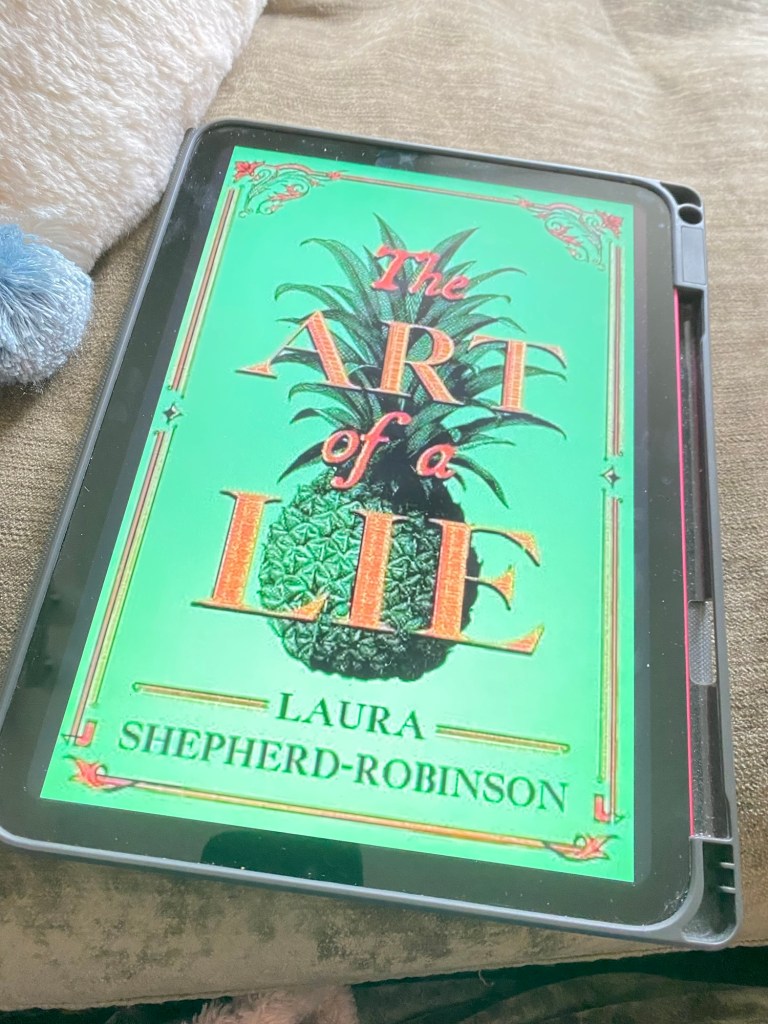

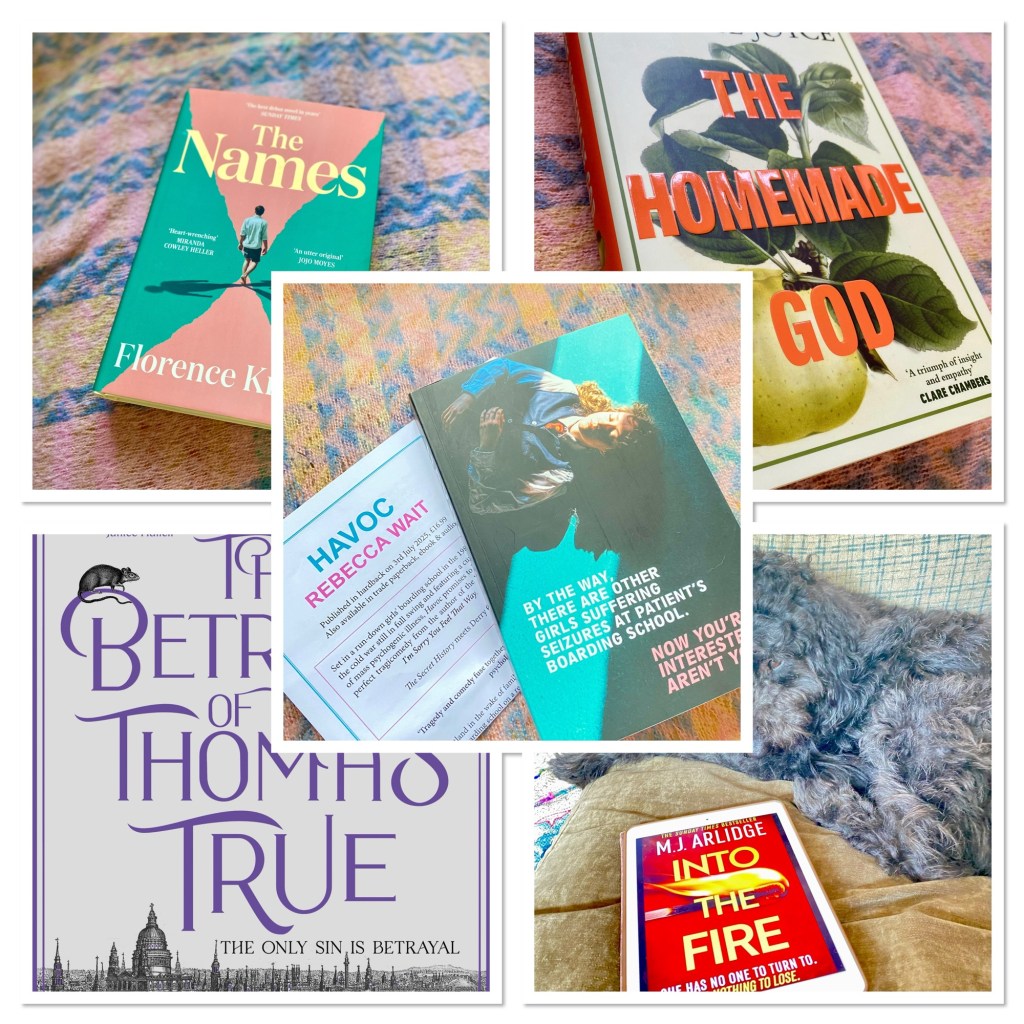
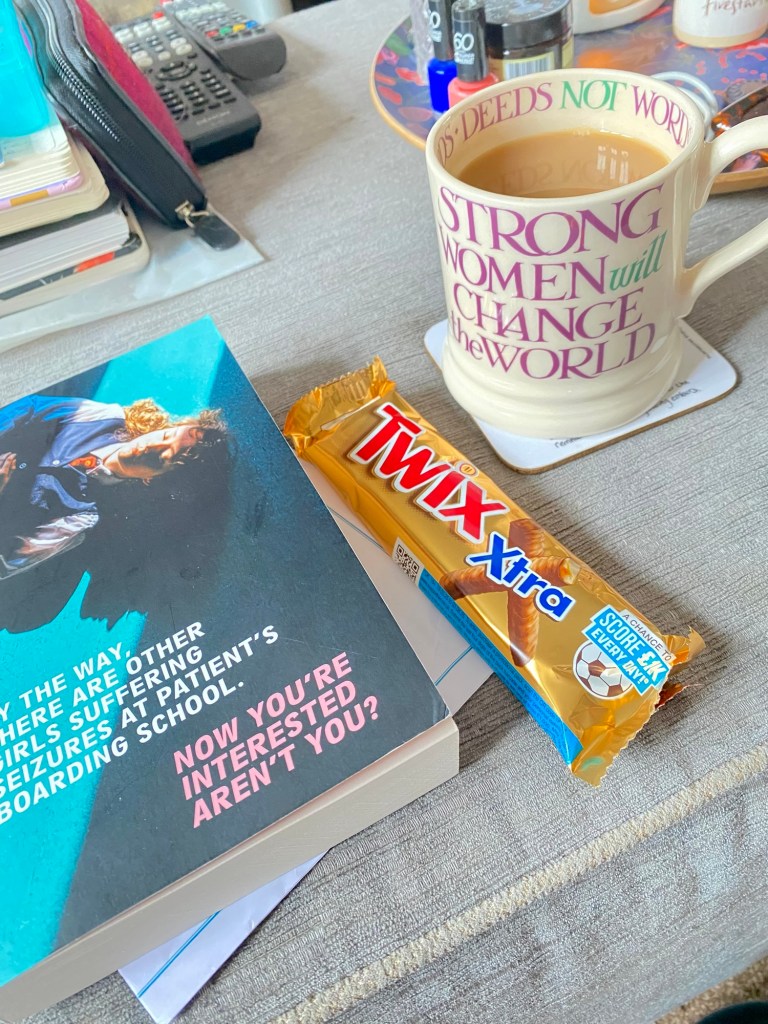
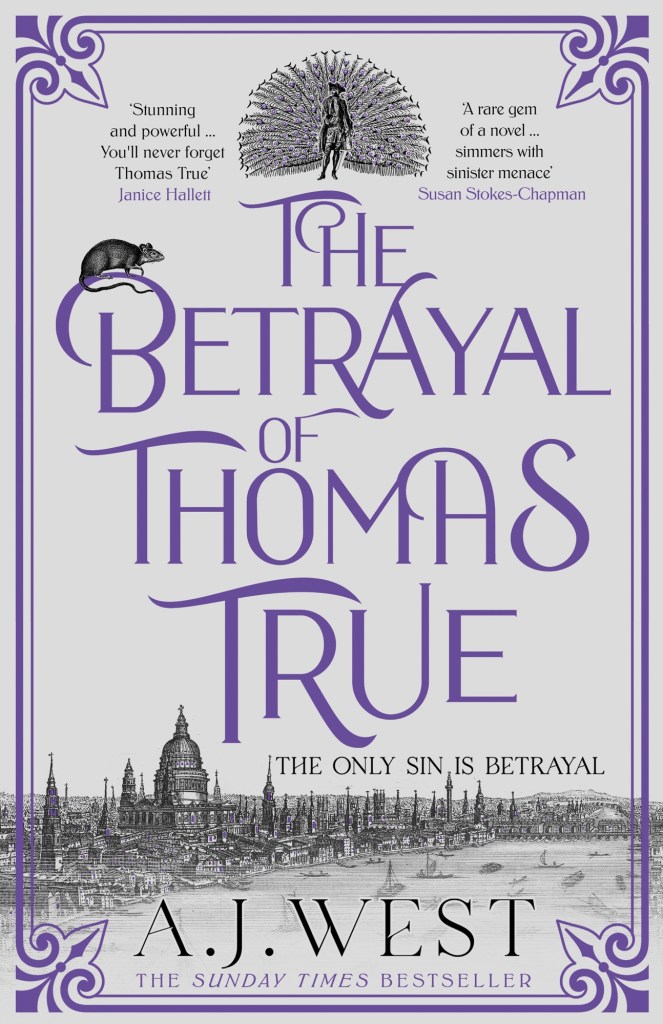
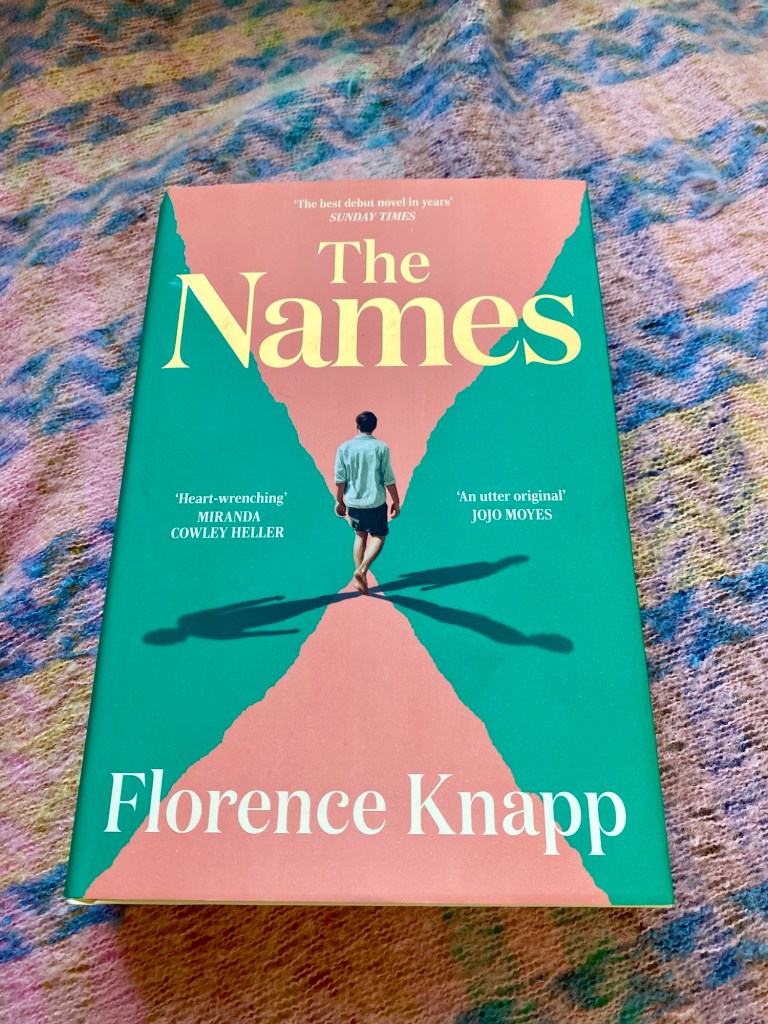
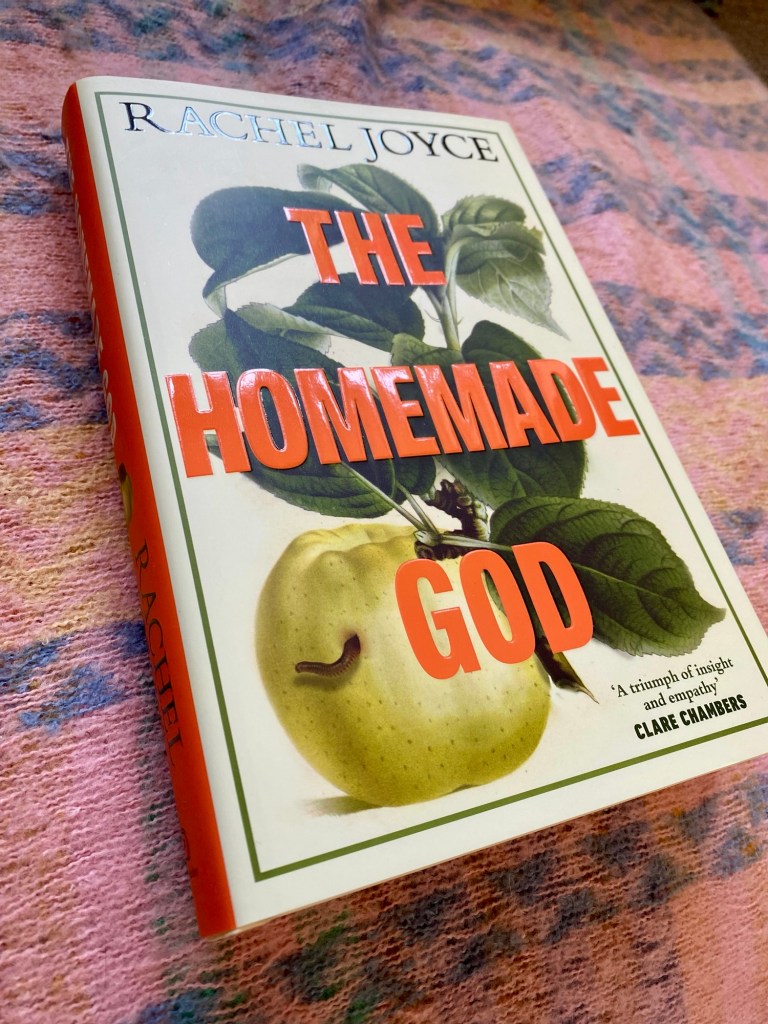
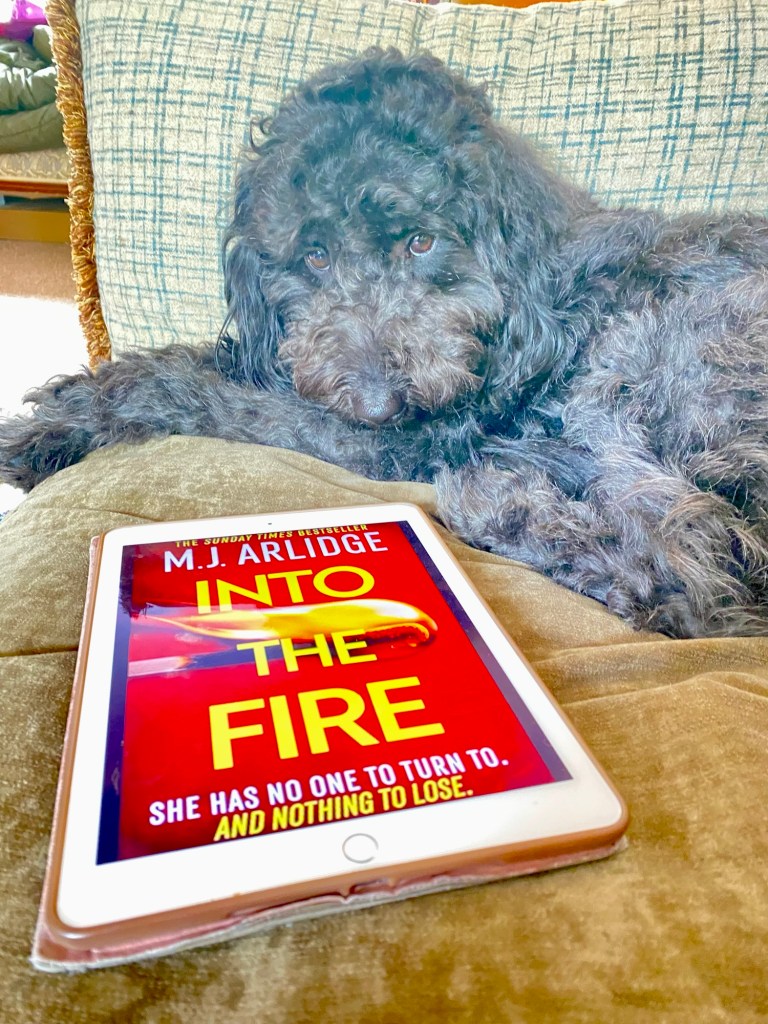
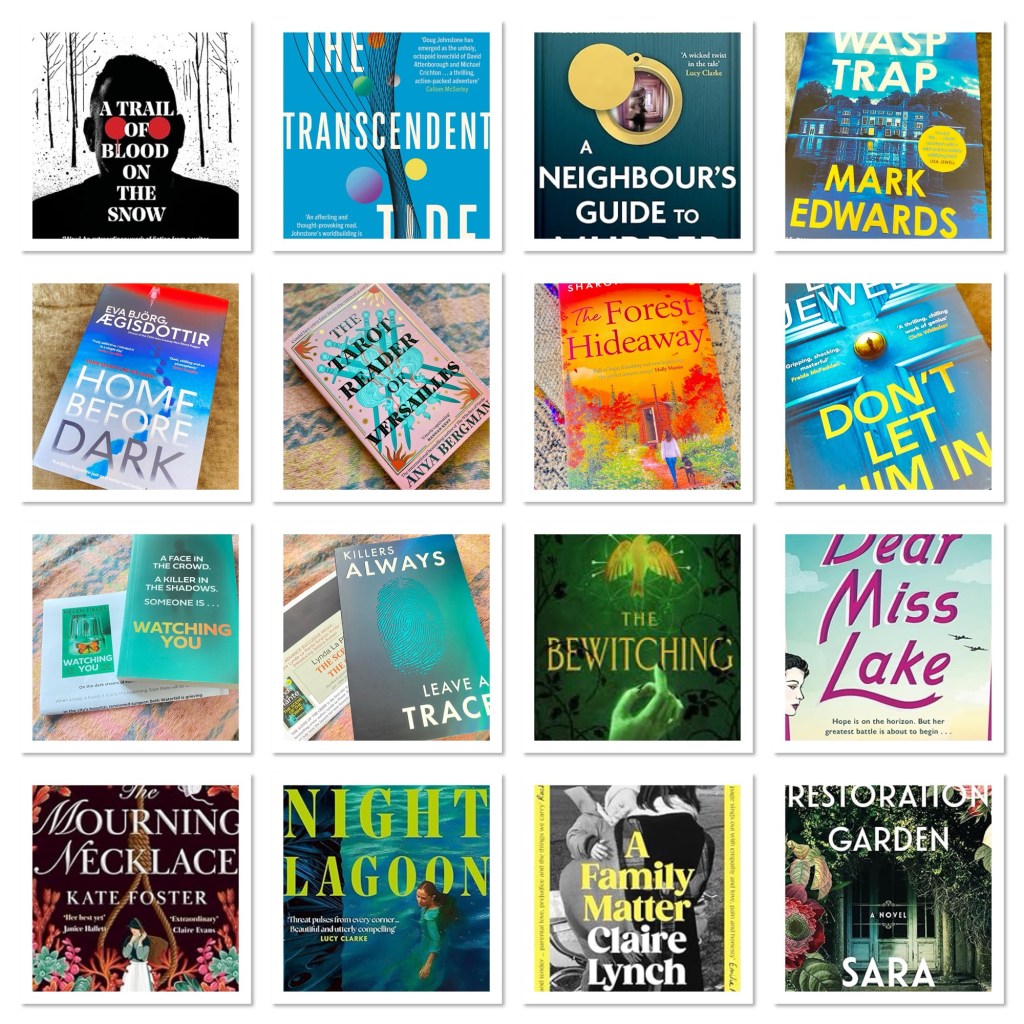
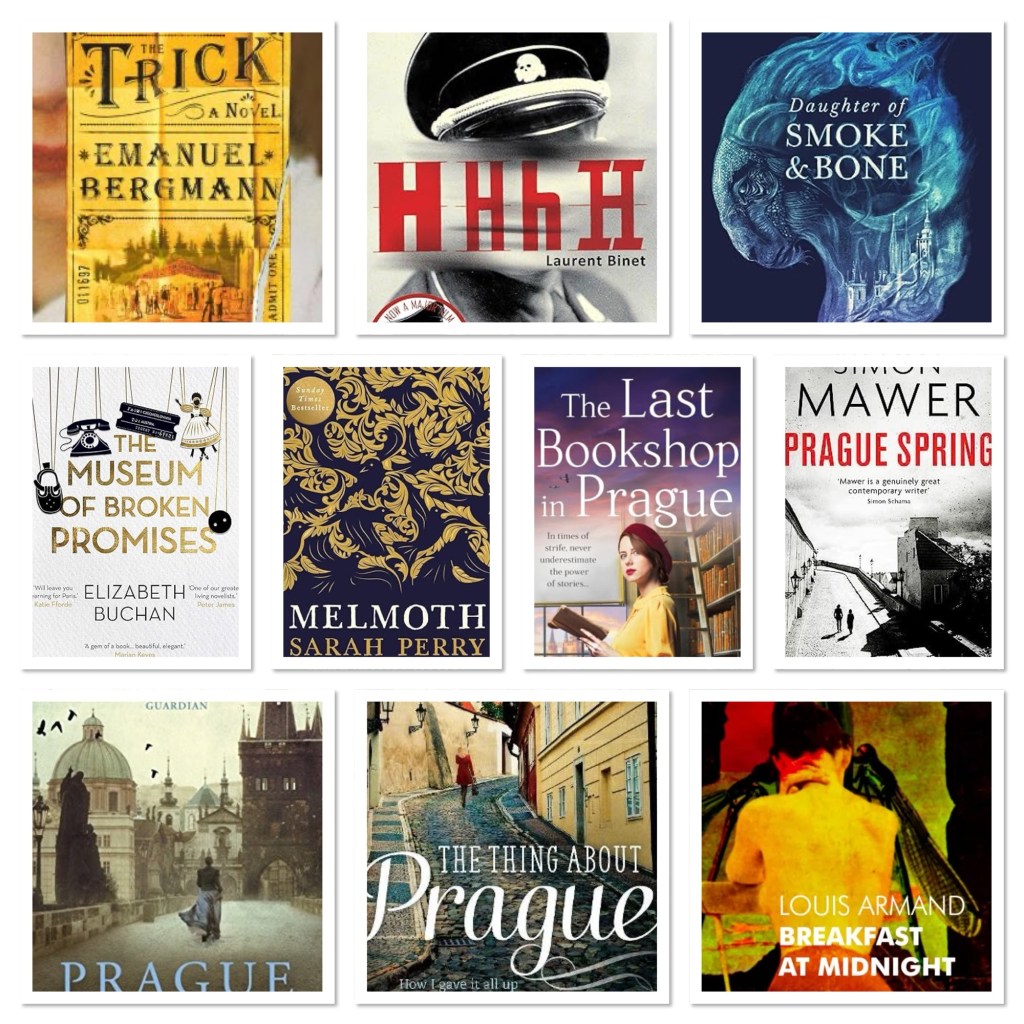
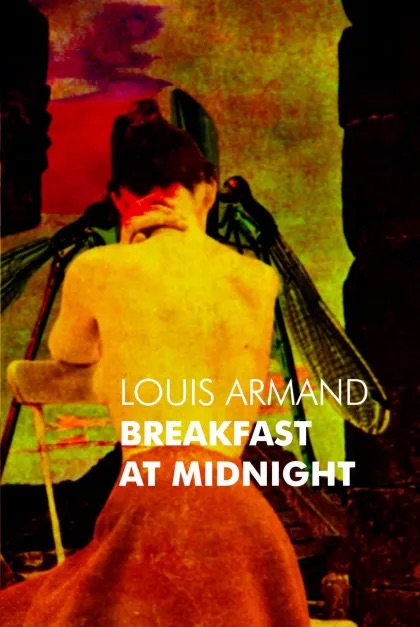
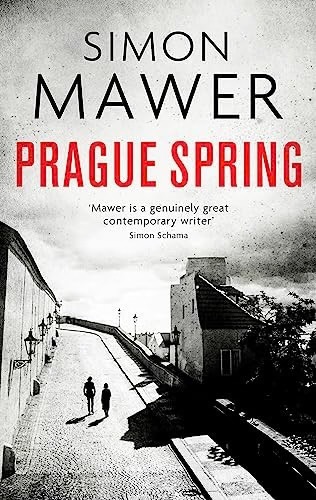
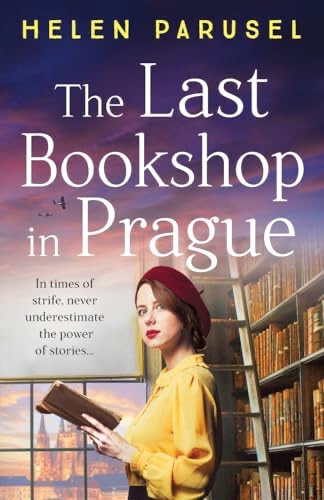
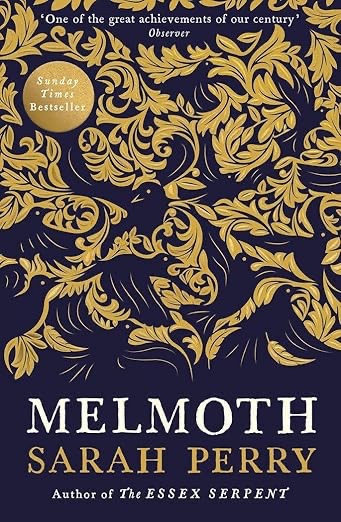
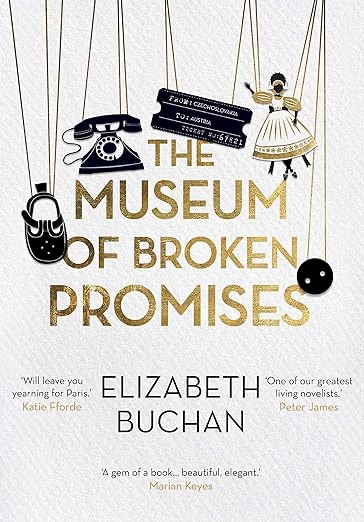
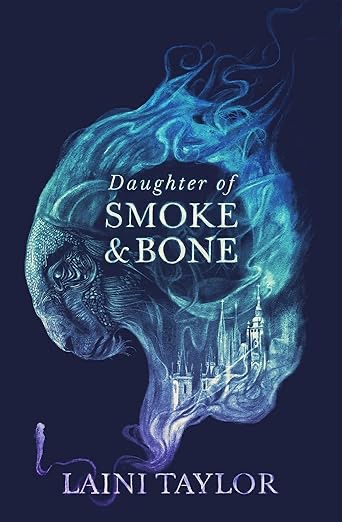
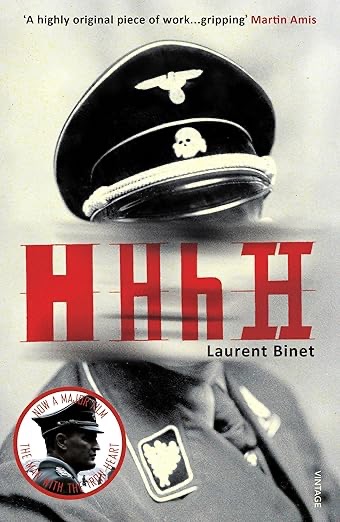
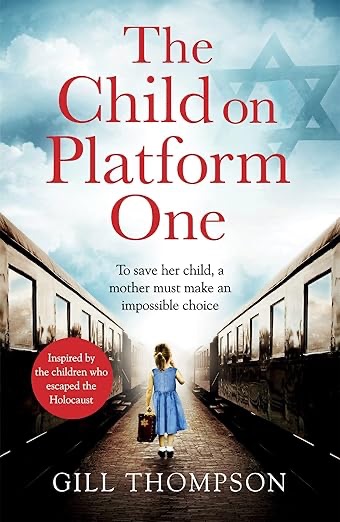
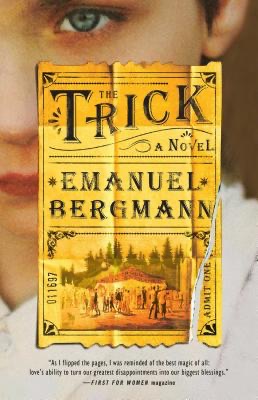
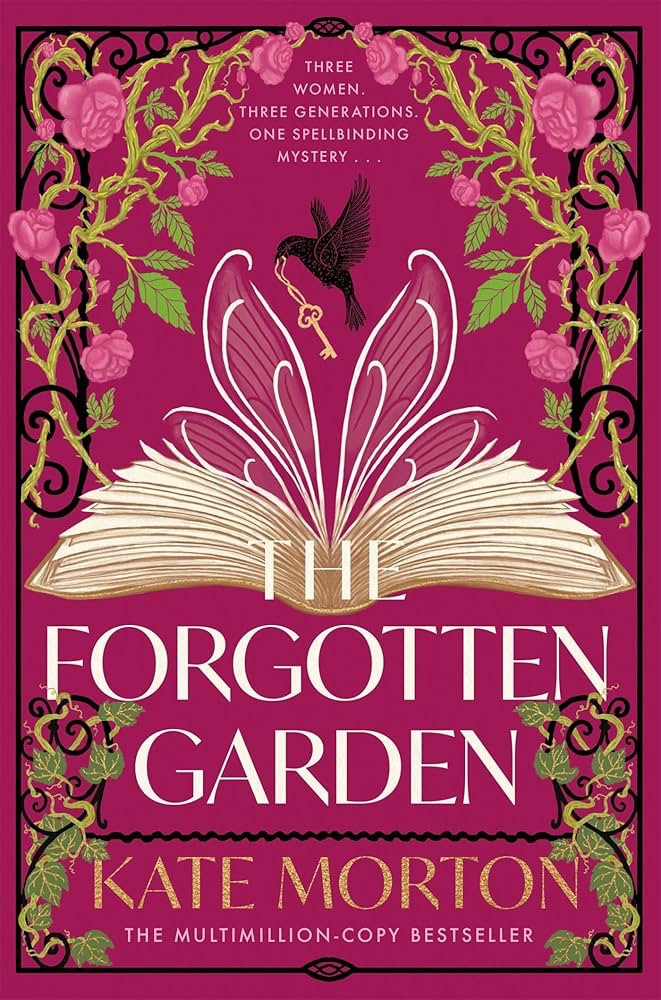

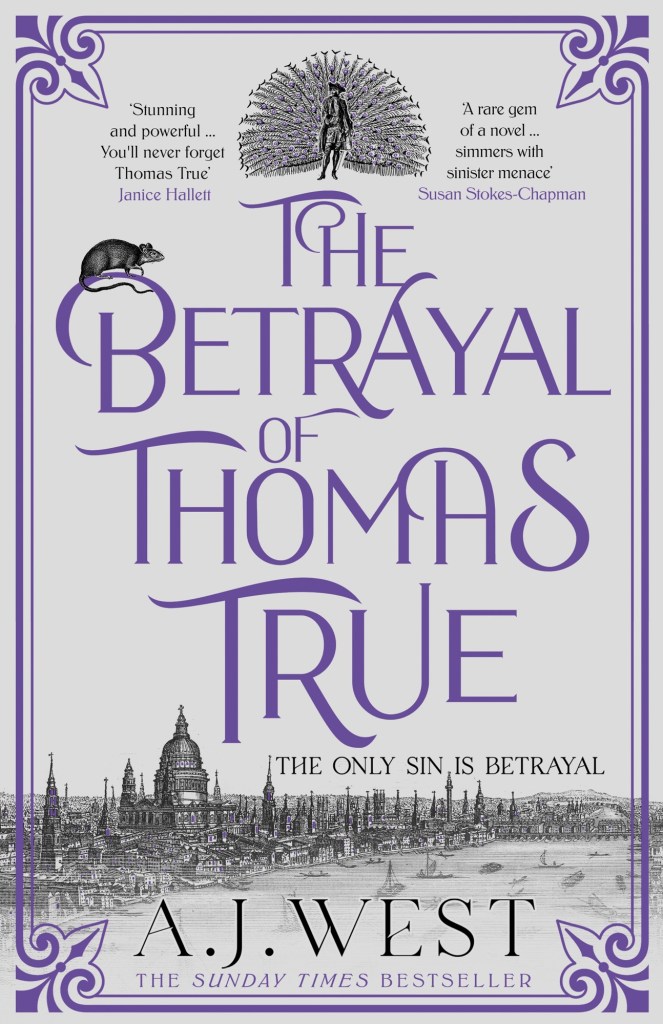

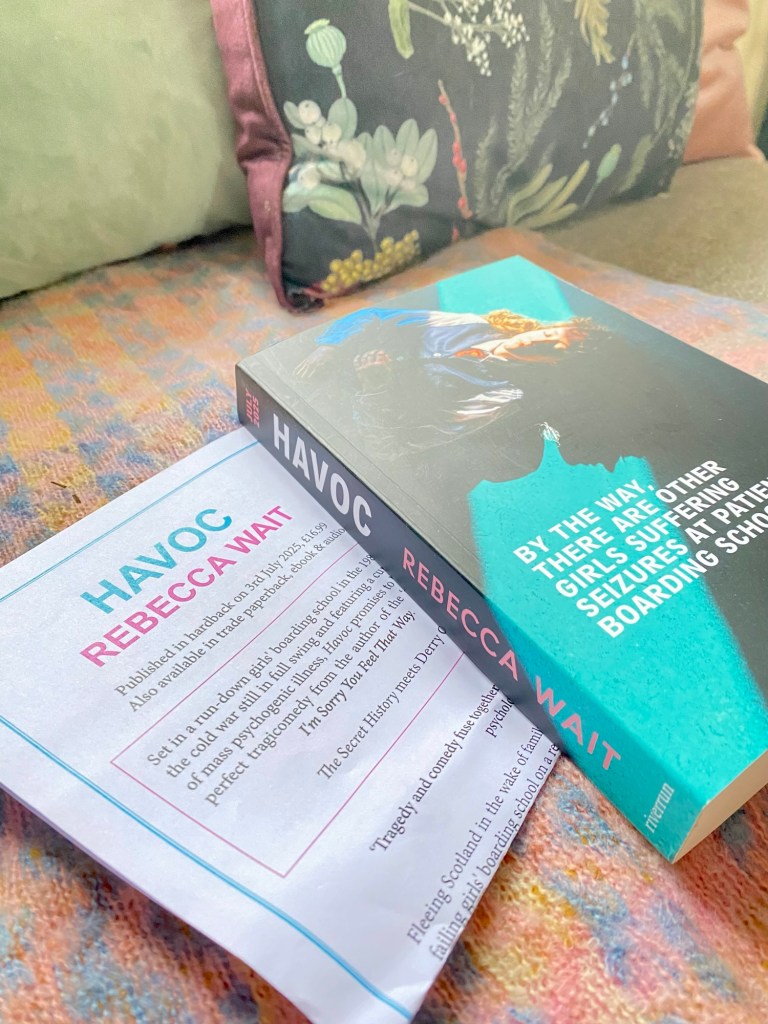
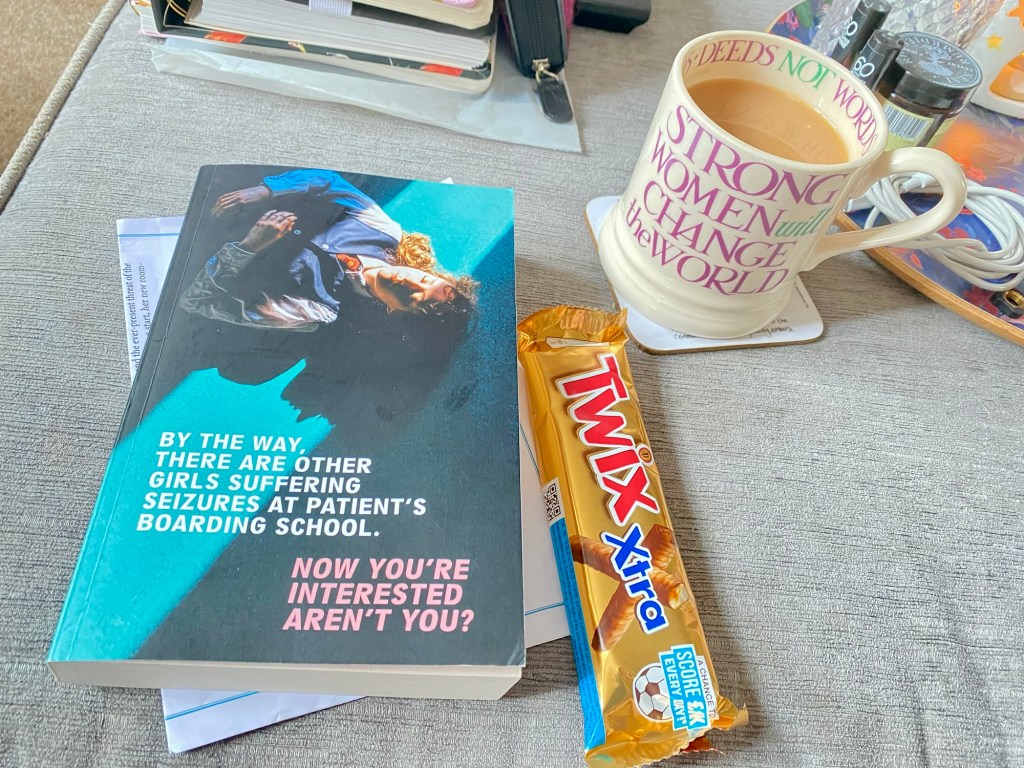

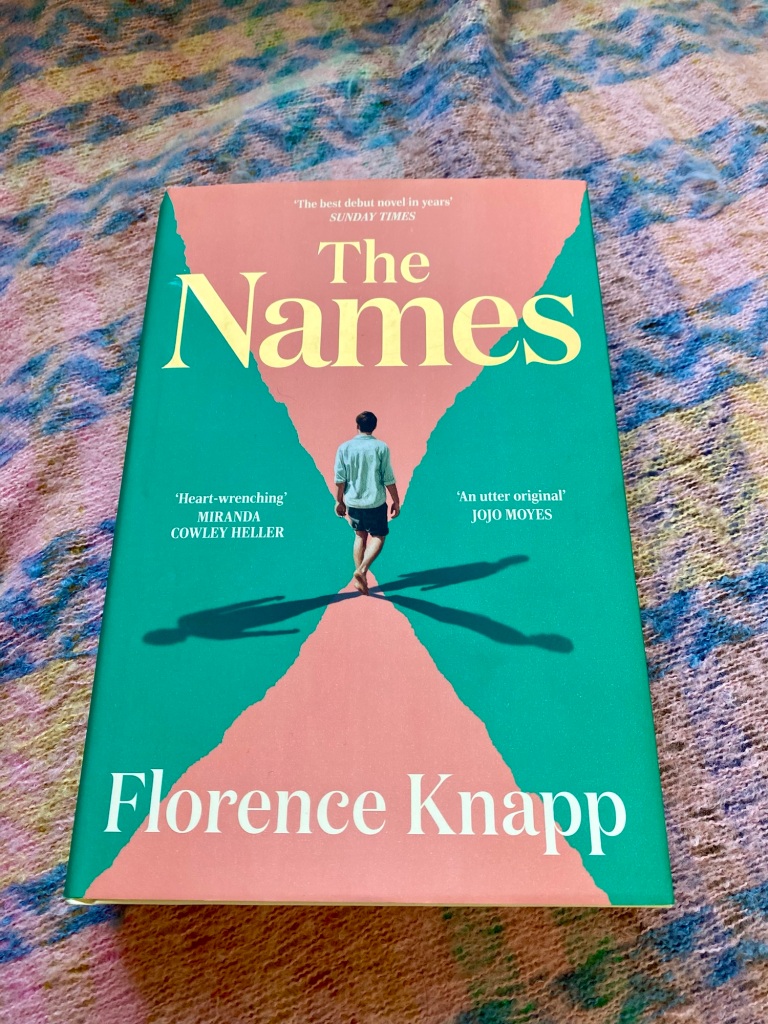
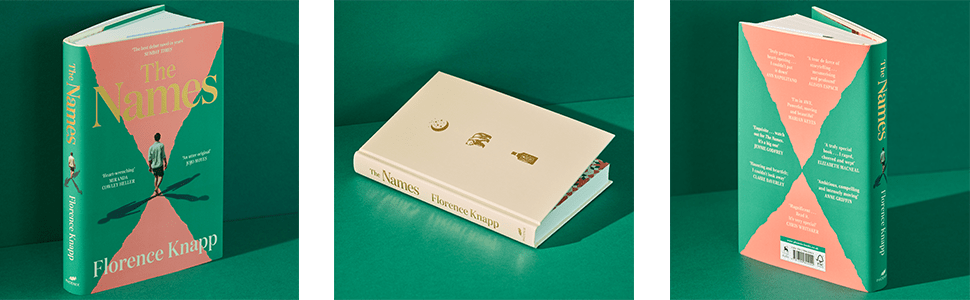

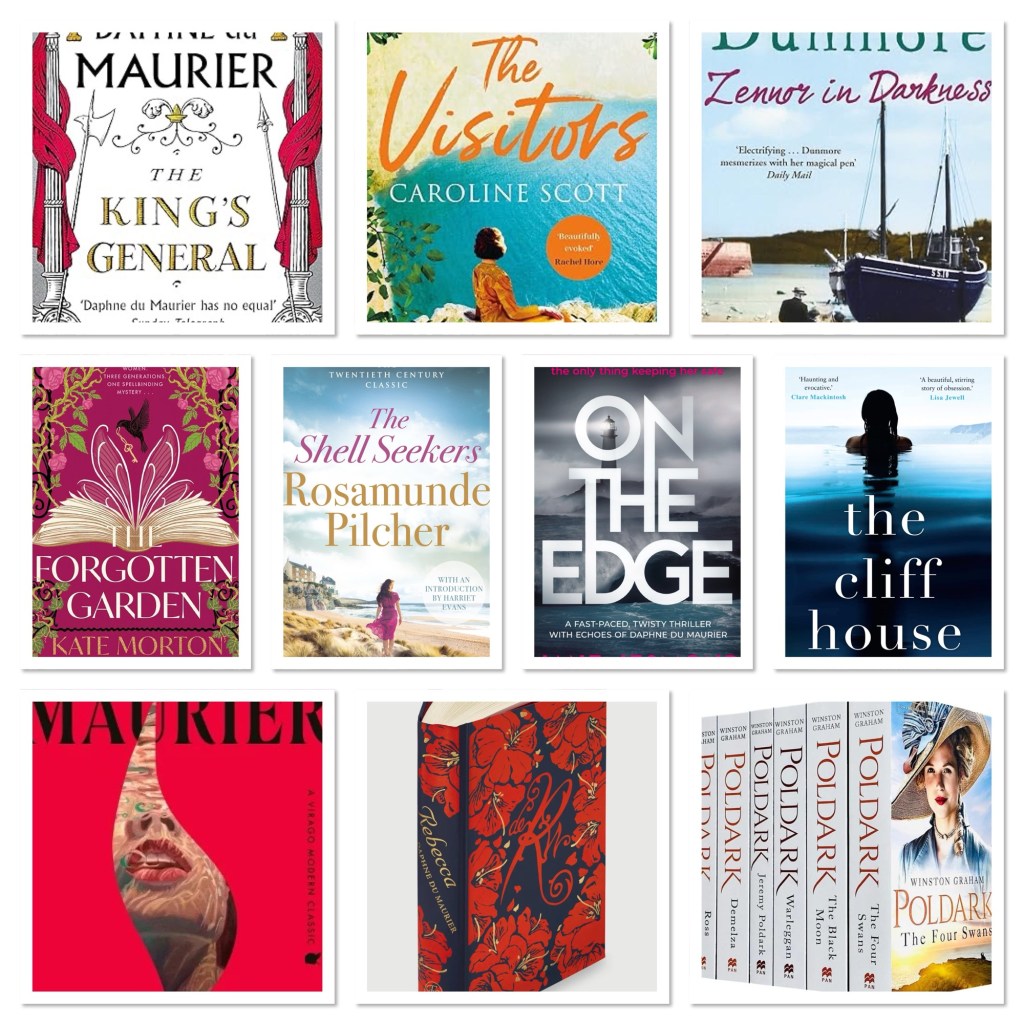
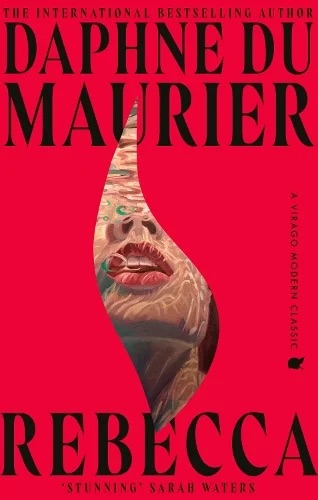
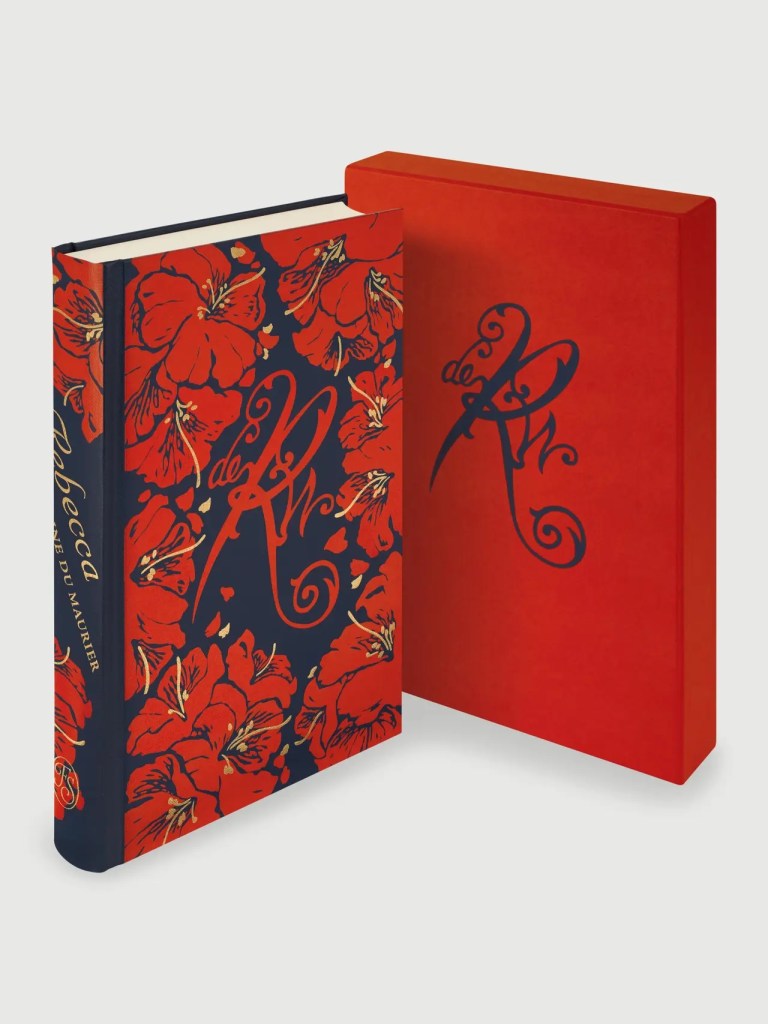
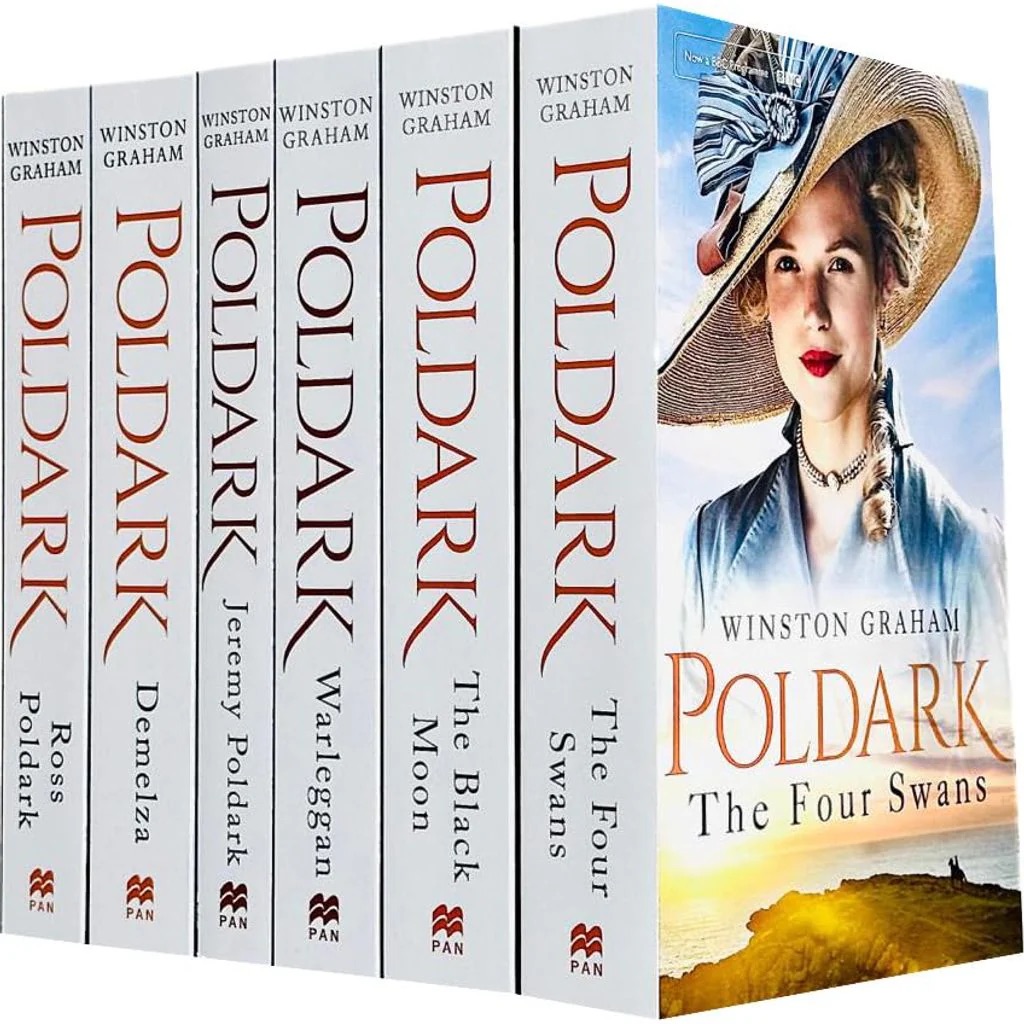
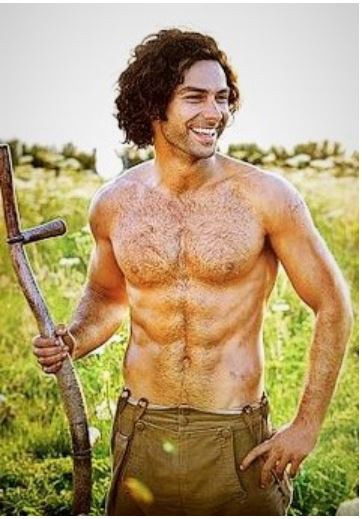
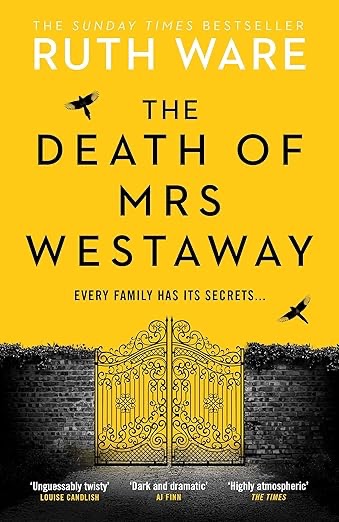
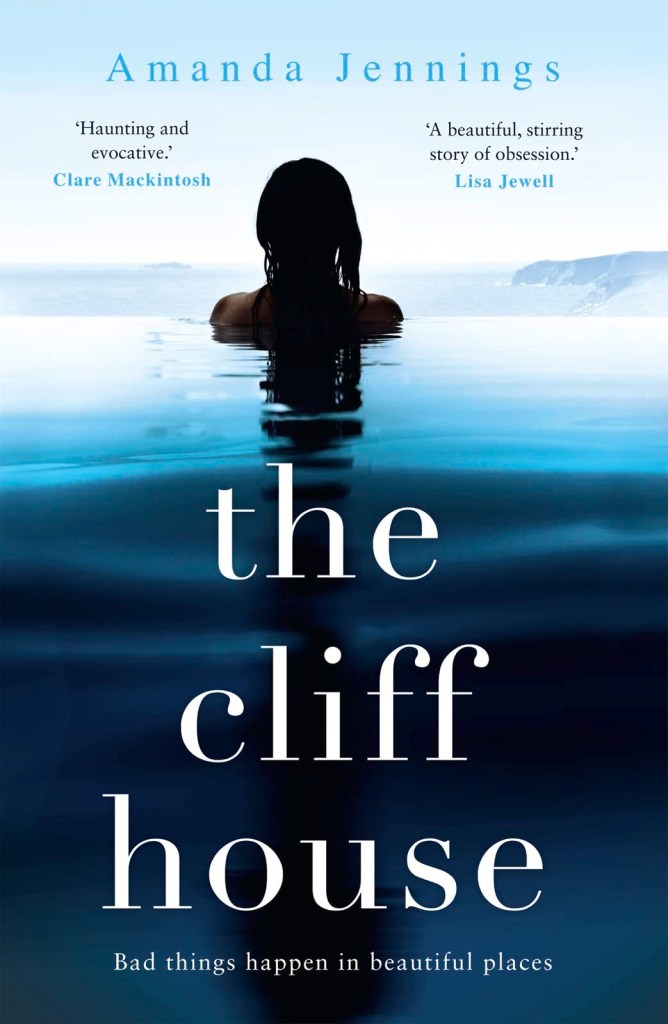
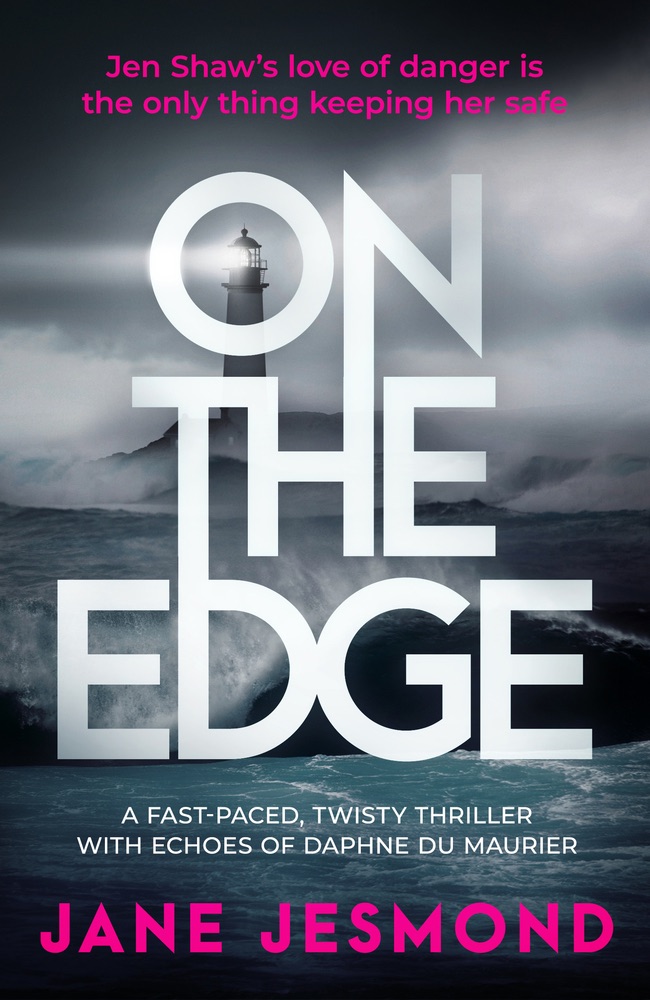
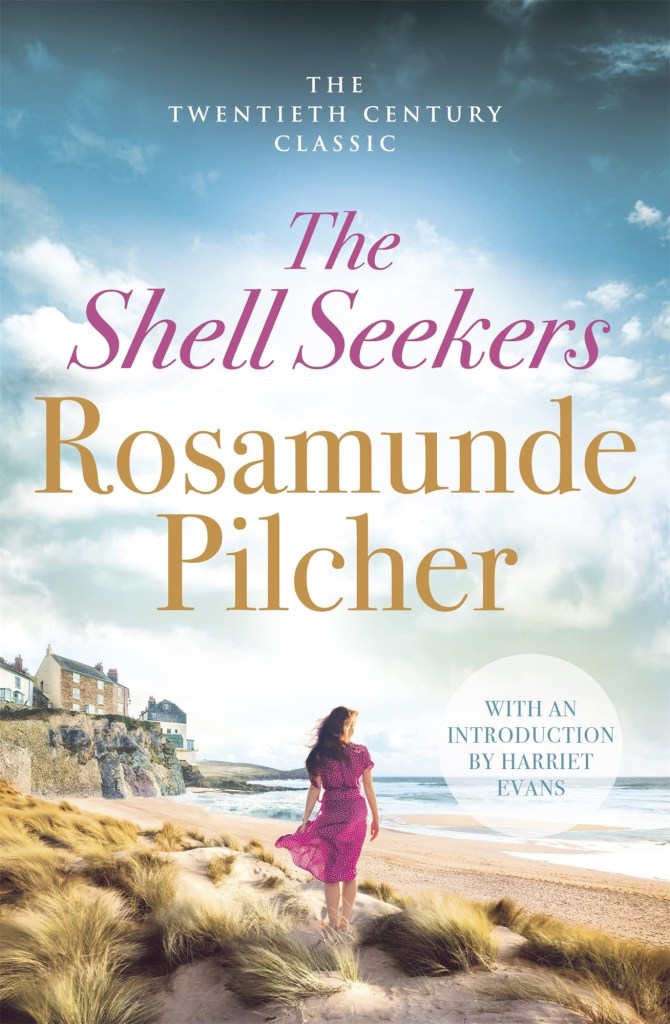
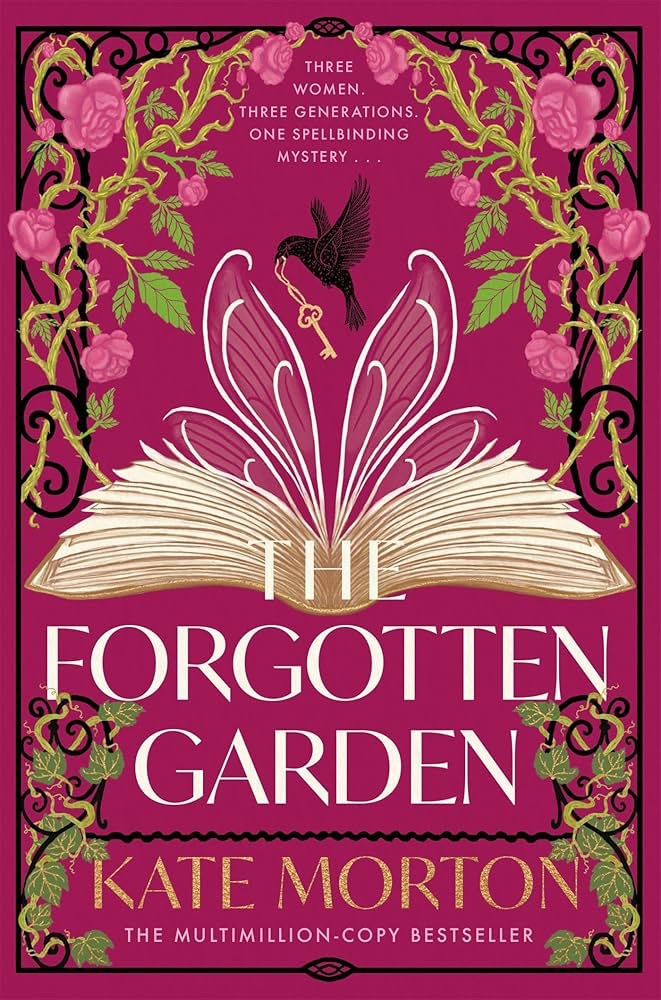



 The Lotus Readers