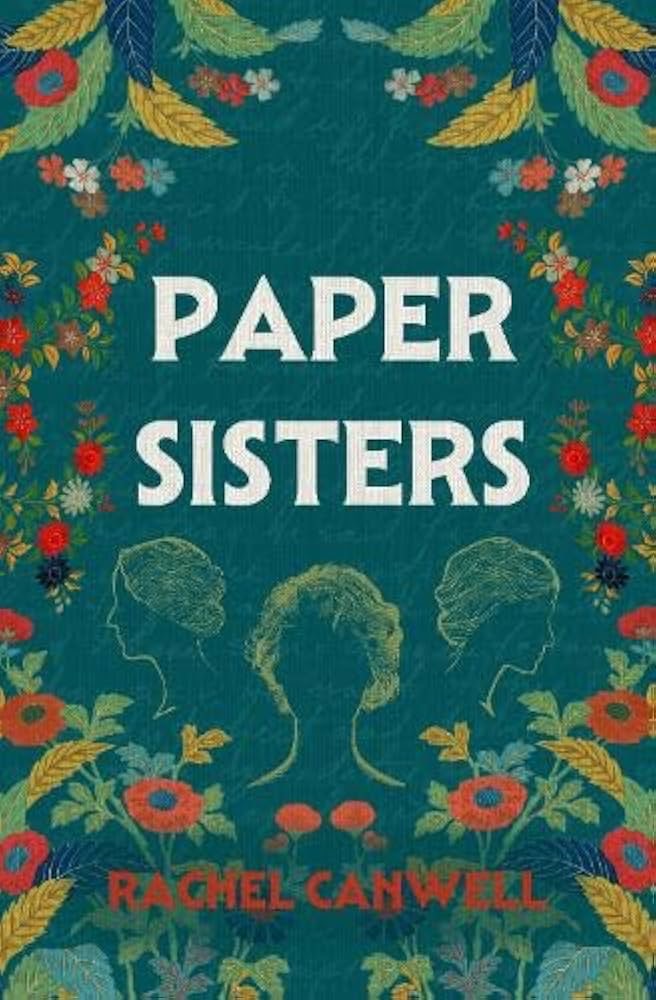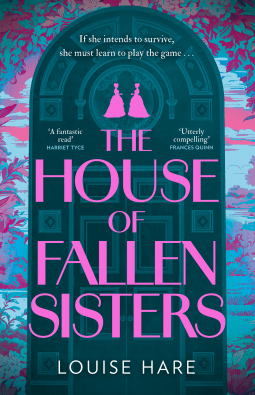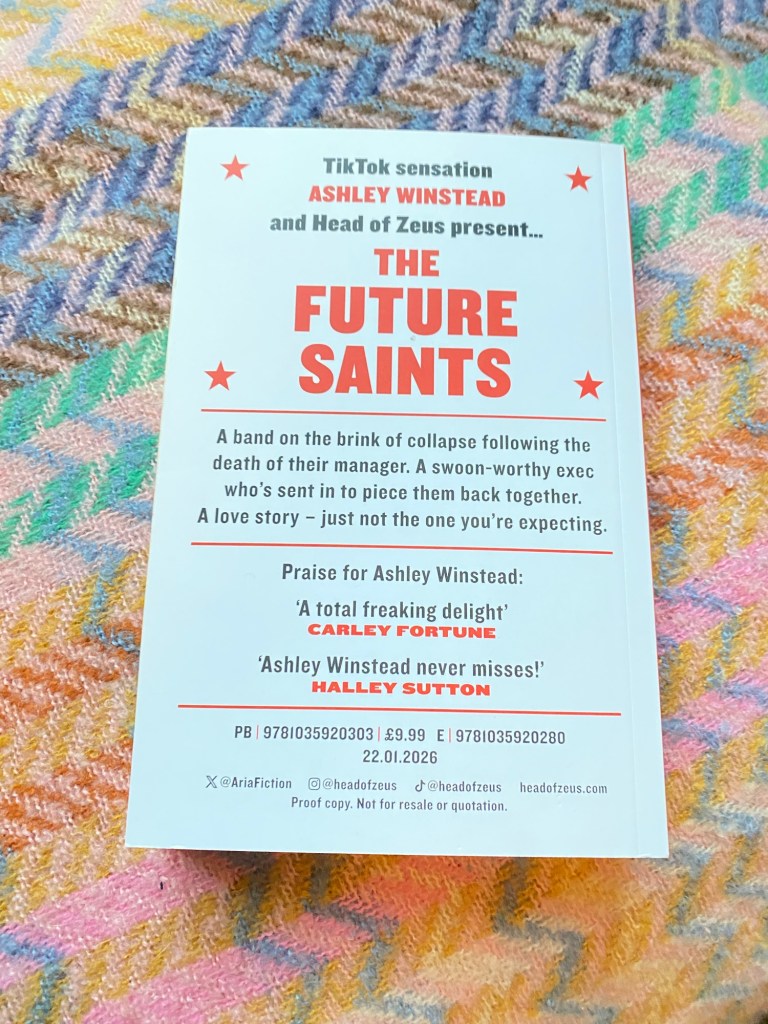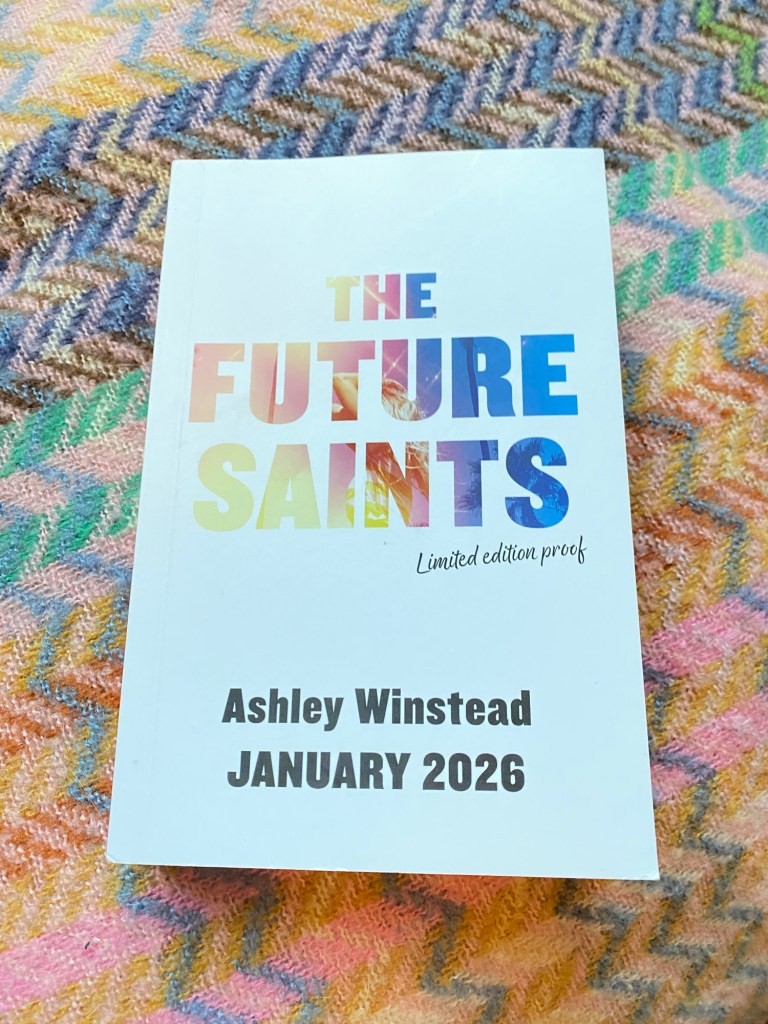
Posted in Netgalley

The House of Hidden Letters by Izzy Broom 

Be whisked away to Greece with this dual narrative novel set on the Greek Islands. Greek cottage. Price: One Euro. Skye doesn’t make impulsive decisions. But when she sees a derelict Greek cottage for sale by lottery, she enters with dreams of a fresh start. However, her heart sinks as she pushes open the tattered blue door weeks later. Can this wreck ever be her home? Then Skye finds a bundle of letters hidden in the fireplace, their faded pages drawing her in with a story of long-forgotten love, tragedy, and unbelievable bravery during WW2. But all the while, Skye’s own past is circling. No matter how far she goes, fate is never far behind…

I throughly enjoyed this novel that treads the difficult line between feeling escapist while looking back to harrowing events in the island’s history. The people who buy the one Euro houses bring an optimism and sense of renewal to the island. The current residents of the island are a joy, incredibly generous with the new arrivals and particularly Andreas who is the builder commissioned to renovate the houses. He is hospitable, showing Skye around her new home and chatting ideas, but he goes above and beyond when he realises she is staying in the empty house so brings her groceries and coffee. When some of the other residents arrive the place is full of camaraderie and new friendships. These are mainly women. Joy is an artist from Australia who clicks with Skye straightaway. There are three sisters, one of which is a builder determined to renovate in her own way much to Andreas’s disgust. As Skye wanders through her house alone, taking in the sea view from the attic room we get a sense of freedom and independence from her, possibly a feeling she hasn’t had for some time. All of this activity is exciting and hopeful, a light-heartedness that’s at odds with the reasons Skye left the UK and her new home’s sad history. Skye and Andreas find Nazi dog tags and a stash of letters in a half collapsed wall, so they know these are from the time of occupation, when Italian and German soldiers were present in the islands. It’s more troubling when remains are unearthed in the garden, some of which appear to be human. What has happened on this particular street? 

I found Katerina’s letters and the times we delve back into the island’s history so vivid and there were scenes so memorable, I don’t think I’ll forget them. It really engaged my emotions and I fell in love with Katerina when we first meet her as she’s climbing to reach her goats. Her relationship with the little three legged goat is so touching. It’s also the reason she meets Stefanos, as her goat climbs a little higher than she should considering her poor balance. Katerina tucks her skirt into her knickers and shows off her own climbing skills. It feels like love at first sight for these two, but war will get in the way of their courtship. This heroine is bold and brave and even though she faces some terrible events she never loses her determination or her love. This is a turn around for the girl who scorned her sister’s marriage and the constraints it placed on her.

“Love, such a stupid thing. She was eighteen, strong, healthy and free to roam between chores. A man would not let her behave in such a way.” 

I found the islander’s experiences at the hands of their occupiers harrowing. They take everything they can from the villager’s stores of food, requisition their animals and leave them starving slowly. Katerina can see her sister is becoming frail, but doesn’t realise what she’s enduring in order to secure the tiny amount of food they have. One particular soldier takes an interest in her and she knows he won’t take no for an answer, even though she is expecting to marry Stefanos if he comes home. As she symbolically tries on her mother’s wedding dress she feels the strength of the older generation with her. This is a strength she sees when encountering an elderly man on the beach who greets her warmly then simply walks away into the sea, unable to cope with what is happening on the island and knowing the young need to be priority when it comes to resources. It’s the young who have to fight, including Stefanos and her sister’s husband, but it’s easy to forget that occupied women are also fighting in their own way. That might be foraging for food, hiding supplies from the occupiers, or even collaborating to survive – something that women were often punished for by their community, but is understandable when there are children to feed and refusal only means they take what they want anyway. Katerina’s principles are steadfast, even when starving and pregnant, but they also lead to devastating consequences. I loved the author’s focus on women helping women, even across the barriers between them. 

Skye arrives in a timid state, but blossoms on the island. She has come through a period of grief after losing her father, but there’s something more in the way she reacts to men and in the joy she takes in making her own choices for her new home. She gains the confidence to tutor some of the children and her friendship with the bold and liberated Joy seems to be exactly what she needs. She also builds a good relationship with Andreas, they work well on the house together and he quickly learns her boundaries. If something has to be done his way because of safety or local regulations he stands his ground, but all other decisions belong to Skye. He literally gives her own power back to her by remaining respectful and passive with decision making. It’s a marker of how broken the mother daughter relationship is, that Skye’s mother turns up on the island with her husband. If I’d disappeared across the continent with no forwarding address my mum would know something was very wrong back home. The author illustrates so well how grief is life-altering, leaving us potentially vulnerable to those who seem to offer love and protection, but actually want to control. With a total break from her usual life and the new people she has around her, I hoped Skye would have enough strength to break from relationships that have become abusive. It emphasises ‘found family’ and shows that community is vitally important to our wellbeing. 

This was a fabulous read, a dual narrative storyline where both timelines held my interest and kept the pages turning. Of course Katerina’s experiences have more power because of the horrors they faced during occupation. I also particularly loved Katerina’s bond with Chrysi her little goat, a relationship that was so touching it brought me to tears. Skye is also fighting for her survival, to build a life that’s how she wants it and the freedom to make her own choices and mistakes. I loved the hint of romance that didn’t overpower or devalue the serious points being made about the strength of women and their supportive bonds with each other. The historical finds that are made really piqued my interest and it was fascinating to see Katerina’s story slowly uncovered and I have wondered since finishing what she might have done next. There is loss, domestic abuse and sexual violence which can be a tough read if you’ve been through it, but all are handled well and felt authentic. I felt Katerina’s despair when she realises she no longer ‘feared the enemy, not their guns and bombs. It was the sorrow that terrified her.’ Like Skye she realises that she must use this as a strength going forward. I was rooting for both women throughout, dealing with the oppression of men and finding their own path. 

Meet the Author

My career as an author really began when I won The Great British Write Off competition in 2014 with a short story called The Wedding Speech. It was the first time anyone in the publishing industry had looked at my writing, and their collective advice and guidance gave me the confidence to complete a proper novel. My Map Of You was the result.

I write escapist fiction because travel is in my soul. My books are about all facets of life and often feature a love story. Getting inside the hearts and minds of my characters continues to fascinate me, as does searching the globe for settings in which to set their stories. I have scaled mountains in Sri Lanka, watched fireworks over Lake Como, swam in crystal clear Croatian waters, made wishes in Prague, hunted for orange houses in Mallorca, fallen off chairs in French bistros and wept over the beauty of the stars in Zakynthos – and these experiences are just the tip of the iceberg.

Each of my novels comes with a promise: to take my readers on an adventure and leave them with hope in their hearts. I hope you enjoy reading them as much as I love writing them.

Posted in Netgalley

The Killing Stones by Anne Cleeves

I can barely contain my happiness at being back in the world of Jimmy Perez, this time in the Orkney islands where he grew up. Jimmy is living with partner Willow Reeves, who’s both his boss and heavily pregnant with his child. It’s Christmas and the couple are looking forward to the celebrations. Jimmy’s stepdaughter Cassie is spending the holidays with her father Duncan and his family on Shetland, so it just the two of them and son James. For the police, Christmas isn’t a holiday and as a huge storm passes across the islands, terrible discoveries are made. Everywhere there’s storm damage, but when a body is found at an ancient archaeological site Jimmy is devastated to find out it’s his childhood friend Archie Stout. Archie is a well known ‘larger than life’ character who’s the centre of every gathering and runs the family farm with a wife and two teenage sons. Jimmy finds that Archie has suffered a blow to the head and the murder weapon is a Neolithic stone covered in ancient runes and Viking graffiti, one of a pair taken from the heritage centre. Now Willow and Jimmy must investigate their friends and neighbours to solve the murder in the run up to Christmas, where events will traditionally bring the whole island together. The uncomfortable truth is that the murderer is likely to be someone they know and that means nobody is safe. 

Jimmy always comes across as someone who’s very still, the listener rather than the talker and the exact opposite of Archie and perhaps that’s why they became friends when they boarded at secondary school, something that all the islanders doat that age. Only the reader and perhaps Willow know the depth of feeling that runs underneath Jimmy’s calm exterior. We are privileged in knowing the depth of his grief for his previous partner Fran, the mother of his stepdaughter Cassie. I’ve always loved the way Duncan and Jimmy co-parent Cassie after Fran made it clear she wanted Jimmy to be the resident parent. He’s also dad to James and we can see the love and the anxiety he has about both his children, brought to a head when James becomes lost on Christmas Day. Part of him hates delving into the private lives of people he’s so close too, but then his knowledge and understanding of this small community is also a strength. He finds out things he didn’t know about his friend: an unexpected relationship with an island newcomer; a secret investment in the hotel and bar; financial difficulties at the farm. The killer made a point with their choice of weapon because they managed to get access to the heritage centre then lugged the stones to the murder site. But what was the point? Did they think Archie was betraying the community or the history of the islands? Is the inscription a clue? To have lured Archie out to such a remote spot in a storm means the site or the weapon must have been important to him. 

Anne Cleeves creates a beautiful atmosphere in this novel, her descriptions of this series of islands are both beautiful and savage, echoing its residents who are inextricably linked to each other and their shared ancestry. The storm really sets the scene of just how remote this community is and how they must pull together to get through difficulties, even where they don’t like each other. Each of the families are living history, something you can hear when Jimmy and Willow interview people and they have an encyclopaedic knowledge of several generations of other island families. Each generation has been at school together, worked together, attended each other’s weddings and celebrated the birth of the next generation. Archie’s father Magnus was an amateur historian and archivist, with a box of his research in the heritage centre. Even his looks hark back to a time when Vikings invaded the islands with his blonde hair and stature a stark contrast to Jimmy’s dark hair and Spanish eyes, thought to be a throwback to an Armada ship blown off course and it’s sailors who settled in Orkney. The different celebrations that lead up to Christmas show these different influences from the Christian carol service at the cathedral, to The Ba on Christmas Day and then Shetland’s Up Helly Aa in January. James’s determination to watch Archie’s sons participate in The Ba shows how the upcoming generations are inspired to take part just as their forefathers did in their predestined teams of the Uppies and Doonies. It’s best described as a game of ‘mob football’, something very like the Haxey Hood that takes place on 6th January with two teams trying to get their hands on a leather hood and take it back to one of two pubs in the village in the Isle of Axholme. My dad and his father before him participated in the Hood as young men and it’s still Christmas until Twelfth Night in our family. The author also uses this history to highlight tension between generations, those who leave and those who stay, those who participate and those who don’t, islanders and incomers. This tension also exists over development on the island and those trying to keep a balance between respecting the past, but also providing projects to employ newer generations. Incomers who use islanders to further their own agenda or make money will be made unwelcome. 

I really loved Willow and the atmosphere she creates at home, particularly around Christmas. Just as dedicated to her work as Jimmy she takes an active role in the investigation, her pregnancy not holding her back at all. She knows it’s a delicate situation, working together and being in a relationship, especially when she’s the boss. Somehow they manage to keep the personal and the work life separate and she seems to know which responsibilities she must let Jimmy bear and those she’s happy to share. As Christmas Eve approaches fast she’s not running around like a headless chicken trying to make sure they have all the right things, they have food and she points out something I say every year – the shops are only closed for one day. It’s the traditions and being together that are the most important thing. She’s a great interviewer though, brilliant at picking up what people are not saying. She reads their body language and their tone, plus knowing each islander’s history helps too. What she picks up on are the unexpected or secret alliances, such as Archie’s investment in the hotel or his in-law’s apparent friendship with a regularly visiting academic. The case is fascinating, covering potential adultery, family tensions, environmental disagreements and historical conflicts, as well as academic jealousy. As everyone gathers on Christmas Day for The Ba and someone goes missing, my nerves were like violin strings! It’s this gradually rising tension alongside the beautifully drawn relationships that make Anne Cleeves’s novels. Jimmy has always had incredible empathy for others, feeling his own loss alongside theirs and understanding behaviour that might at first glance seem inexplicable. This is a hugely welcome return for Jimmy, both in a different landscape and place in life. Hopefully it’s the first of many. 

Meet the Author

Ann Cleeves is the author of more than thirty-five critically acclaimed novels, and in 2017 was awarded the highest accolade in crime writing, the CWA Diamond Dagger. She is the creator of popular detectives Vera Stanhope, Jimmy Perez and Matthew Venn, who can be found on television in ITV’s Vera, BBC One’s Shetland and ITV’s The Long Call respectively. The TV series and the books they are based on have become international sensations, capturing the minds of millions worldwide.
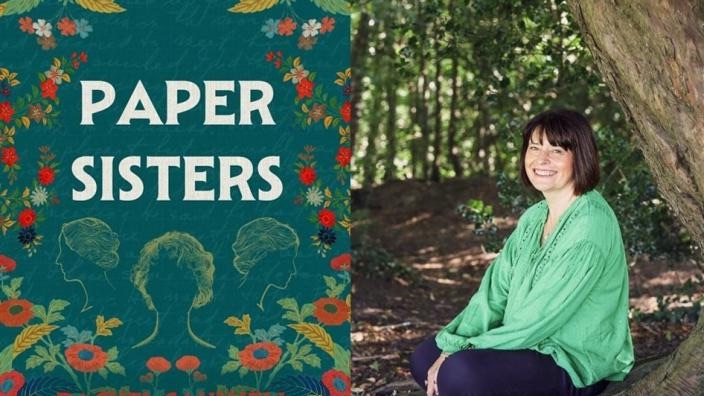
Ann worked as a probation officer, bird observatory cook and auxiliary coastguard before she started writing. She is a member of ‘Murder Squad’, working with other British northern writers to promote crime fiction. Ann also spends her time advocating for reading to improve health and wellbeing and supporting access to books. In 2021 her Reading for Wellbeing project launched with local authorities across the North East. She lives in North Tyneside where the Vera books are set.

Posted in Netgalley

The Light a Candle Society by Ruth Hogan

Ruth Hogan is one of my cozy authors. These are books I read when I need comfort and boy did I need it last week. I’m having the kitchen renovated, not just new units but ripping out the floor and ceiling, putting in new joists and laying a floor that’s been so wonky I’ve tripped over it a couple of times. We’ve taken out an island that was hogging all the space and finally new units are slowly going in. I’ve been without a kitchen sink for a fortnight and my other half has wired the oven up in the garage so everything we cook has to be oven or microwave only and I keep meeting neighbours as I’m walking past with oven gloves and a tray of chicken kievs. I’m washing up in the bath tub (not while I’m in it) so this time last week I lost my marbles and we’ve been staying in a holiday cottage nearby for some quiet. So I’ve spent a lovely week being mostly unreachable, laying back in a huge bubble bath with a view, and reading my cozy books. 

So let’s talk about the book which was a lovely oasis of calm in my personal chaos. It covered a subject close to my heart. My first job in mental health was as a support worker and since I lived in a small town I would often see clients I worked with on days off and even for years after I left. These were usually single people, living alone and only just managing to function with the basics. They were so isolated and when I stopped working I would volunteer at a local community centre twice a week to have a drop-in place for people struggling or feeling isolated. Sometimes though I would find out someone had died and if I wasn’t too late I would go to the funeral. However if someone is estranged from their family due to their mental health history and lived alone I wouldn’t always be able to find out when and where it was. I hated the idea of no one being there, so I immediately understood our main character George and where he was coming from. He has lost his wife Audrey and takes her flowers every week down at the cemetery. It’s there he meets Edwin, a local undertaker who appears to be lurking by the bins. He explains that he’s watching the new council worker responsible for the funerals of those who had died without family or funds of their own. Edwin is making sure that new recruit Niall knows what he’s doing and giving the person the reverence and dignity they can. George hates the idea of such a lonely send off with no one to witness your journey beyond this life. He muses about it and talks to his friends at the Dog and Duck pub where he goes to the quiz night. He would like to mark these funerals in some way so he invites Edwin to join his group at the pub for a chat. From a simple wish to be there for these send offs the Light a Candle Society is born. 

Like all Ruth’s books this has a wonderful cast of interesting and quirky characters, many of whom do live alone. There’s Roxy, George’s friend and colleague from the library where he works part-time. She has an alternative look, with tattoos and piercings and is probably not the person you’d expect to be so close with an older widower. Slowly we’re drawn into their circle. There’s Elena from the florist who does George’s flowers for Audrey every week and would like to make a contribution to the funerals. There’s Captain and his dog Sailor, one of the library regulars who comes in and reads most days. He talks very little about himself, only seeming to warm up when people pet his canine companion. Then there’s Briony who works for the local paper and decided to write a piece about the funerals, something she can take to her rather dismissive and sneaky boss and show him she can write more than a few words about someone’s giant vegetable. Her downstairs neighbour Allegra is an absolute riot and I would have loved to be friends with her. She has led a rather colourful life and acts like a mentor to Briony, pushing her to trust her own instincts and talent. Briony needs her combination of feminism, cocktails and a kindly kick up the behind. 

The funerals grow when Edwin tips George off about a house clearance firm, who log all the deceased belongings, sorting through them for valuables and taking them away to sell. He agrees to tip George off if he’s doing the house of someone who has no relatives or friends, allowing him to come to the house and get more of a sense of who they were. From there he can write a eulogy that matters and resonates with anyone who does come along unexpectedly. The author has created short chapters that take us back in that person’s life in between the main narrative, showing us a moment from their life and the sometimes devastating circumstances of their death. It’s a reminder that no matter who it is or how their lives have ended, we can’t judge because we haven’t lived their life or experienced the unique and sometimes traumatic circumstances they find themselves in. This resonated strongly with me having had clients with addictions and mental illnesses that have driven family away. I was so touched by one young man who had the dream and potential of become a professional footballer. I was also touched by Captain who slowly builds a relationship with Roxy for a very particular purpose. When we’re taken back into his life it explains completely why a man called Captain lived so far from the sea. I may have shed a tear or two there.

As the society grows it takes in people who would have otherwise been alone. There are younger people like Briony or Niall who have often moved to start a career they’ve longed for, but have to then make a life far away from home where they don’t know anyone. There are older people who have retired and perhaps lost their partner who have the time and the enthusiasm for the society. However the society is also a lifesaver for them, getting them out of the house and making new connections. They’ve needed to make friends and have a home from home like the Dog and Duck to meet new people and of course, come to quiz night. There are potential romances but they’re kept quite low key because they’re not the story’s focus. The focus is one friendship and how the society isn’t just honouring those who have died, it’s making sure that lonely people who might easily have become one of the statistics, are looked after. It made me think of people I’ve let go off in life. Those I’ve lost touch with when one of us has moved or has had a partner who isn’t keen on me or vice versa. It reminded me that when someone pushes you away, it might be the time when they need you the most.  

Meet the Author

My new novel – THE LIGHT A CANDLE SOCIETY – is out in NOW! It’s about a man called George McGlory – recent widower, part-time librarian, pub quiz enthusiast and lover of loud shirts – who witnesses a public health funeral and is deeply moved by the sight of the lonely coffin with no flowers and no mourners in attendance. George believes that everyone deserves a decent send-off and decides to do something about what he calls these ‘lonely funerals’ – and so THE LIGHT A CANDLE SOCIETY is formed. The book contains a number of short stories which give a glimpse into the lives of those whom George and his friends take it upon themselves to honour and remember in their own unique way. Despite it being a story about funerals, it’s full of life, love, humour, community and human connections. And, of course, there is a very special dog!

THE PHOENIX BALLROOM, MADAME BUROVA, THE KEEPER OF LOST THINGS, THE WISDOM OF SALLY RED SHOES and QUEENIE MALONE’S PARADISE HOTEL – are out now in all formats.

I was brought up in a house full of books, and grew up with an unsurprising passion for reading and writing. I also loved (and still do) dogs and ponies, seaside piers (particularly the Palace Pier in Brighton) snow globes and cemeteries. And potatoes. So of course, I was going to be a vet, show jumper, or gravedigger. Or potato farmer.

Or maybe a writer…

Posted in Random Things Tours

The Transcendent Tide by Doug Johnstone 

The Enceladons are back! We left them on the up, having destroyed the American facility that captured and tortured them with a tsunami wave. Lennox, Heather as well as Ava and her daughter Chloe were recovering from the torture they suffered and had to make a big decision, to leave for the Arctic as part of the Enceladon community or stay on land. Heather chose to leave with them. Now the remaining friends have established new lives. Lennox and his girlfriend Vonnie are studying together at university. Ava and Chloe are settled with Ava’s sister, but they all miss the group especially Heather, Sandy and Xander. It’s hard not to miss the extraordinary experiences they had, such as Lennox becoming part of Xander and flying off into space. It is Ava who brings everyone back together after Chloe appears to suffer a stroke, only to return back to normal, just as the friends did after first meeting Sandy. A follow-up MRI shows a brain tumour and Ava has a difficult decision to make: does she stay put and follow the medical route or does she try to find the Enceladons? She wonders whether the torture Chloe endured or her communications with the creatures could have caused this illness? She also remembers how Sandy cured Heather’s cancer and decides to take her daughter to Greenland. At the same time, Lennox and Vonnie are approached by an Norwegian tech billionaire who wants to meet the enceladons. Even the logo of his new company is a moon being held in giant tentacles. The couple are very unsure and inside I was screaming at them not to work with him, but when Ava contacts them about Chloe they both agree to work with him under certain conditions. Will those conditions be met and is this man as trustworthy as he seems? 

Niviaaq is our first new character, an Inuit woman who has lived in her small community on Greenland her whole life. The community still live like their ancestors with the principals of working with nature, not against it and they are feeling the effects of climate change. Glaciers are melting and species like polar bears are unable to hunt for food. Out on her boat, Niviaaq encounters another vessel, upturned and badly damaged. She also finds a man floating upside down in the water, hypothermic and barely alive. His coat has a symbol of a moon and octopus with the word ‘Sedna’, the name of an Inuit sea monster. She drags the man into her boat and takes him for medical help. The Inuit people have several legends of strange monsters  but lately the Northern Lights have been very active and people have seen strange glowing objects on the ice. Are these signals that something is going to happen? I loved this character throughout the book, mainly because she is so wholly and unselfconsciously her self. She is a strong woman, mentally and physically. She can take care of herself, taught from a young age how to use a rifle, to sail boats and fish on the ice floes. She doesn’t show off about this strength, it is simply part of her that can be used whenever it’s needed. She is used to long spells of time alone so she comes across as self-contained and very grounded. She is calm and gentle, not chatty but only speaking when necessary. I loved that she and Ava had an instant affinity and I could see how cozy and safe Ava would feel when with her, something she needs after her experiences with her violent husband. 

As always with Doug there are politics behind the actual story and setting it in Greenland, when it has been a constant topic in the media since Donald Trump came back into power had to be deliberate. It brought back to me how brash and ignorant the US Vice-President JD Vance appeared when he visited earlier this year. His first comment, that nobody had warned him how cold it was, just made me groan with embarrasment. It was no surprise that he was only welcome at the US Airforce Base. Their blatant and greedy desire for Greenland and parts of the Ukraine is all about mineral mining, taking what they need and further damaging the fragile ecosystem for its human and animal inhabitants. There are only two reasons a multi-billion dollar organisation would build a base there, either to exploit Greenland or the Enceladons. Probably both. Even though the business owner Karl Jensen initially impresses Lennox with his reaction to meeting the enceladons, while I was still very wary. He calls Sandy and Xander ‘they’ without prompting, because they don’t see themselves as individuals but as a collective. I loved this because it shows how easy it is to shift your perception and take care with other people’s feelings – it reminded me of the series of Taskmaster where I pointed out to my husband that Greg Davies had been using ‘they’ as Mae Martin’s pronoun for the whole series and he hadn’t even noticed. 

He seems to have a deep and profound experience on their first dive and when Sandy connects with him telepathically he suddenly understands everything that is wrong with the world. It’s the capitalism, the greed and simply exploiting every resource the earth has to give, without once considering whether it is ours to take. We don’t treat our fellow creatures as equals but as something we have dominion over and the right to kill for resources or for pleasure. We kill for yet more, when we already have so much. It’s an absolute tour de force of a speech and for a moment life is hopeful. However, as is pointed out by Vonnie, no one becomes a billionaire through philanthropy. Human nature intervenes suddenly and with finality, because it’s just so much easier to carry on as we are instead of making those personal and political changes. This is where Niviaaq is a brilliant contrast to mankind in general. When she and Ava have to take shelter in the hunting hut – one of several up and down the glacier, always ready for anyone to use – it made me realise how much the Inuit people have in common with the Enceladons. As she’s offered whale blubber to eat, Ava refuses it with a shudder. Niviaaq explains that the whale is suited to the environment they both live in and if they do hunt a whale, every single part of it is used. Eating two tiny chunks of it will give them the calories they need to survive the cold and the exertions of the journey ahead. To kill it, then refuse to use it for the purpose of staying alive is an insult. It made me realise that if people had stayed in their tribes and clans and used their original principles in this way – just like the Aboriginal and Māori people, and the Native Americans – we would have always lived in harmony with the earth. It’s possible certain animals wouldn’t be extinct and we might not have faced climate change. Their creation myths are so different too, not giving us dominion over the animals but being a harmonious whole. Or is human nature always determined to chase money and progress until we wipe ourselves out? 

I won’t divulge any more of the plot because that would ruin it for you. I get so excited about reading Doug’s books because reading them is a little like connecting with one of Sandy’s tentacles for a second. Ideas and light bulb moments appear in my brain and I have to write down all these weird notes and things to look up before I can review. Then I rabbit on about them to anyone who will listen for months to come! You can read these books on a surface level and they are still brilliant. The characters are full of heart and love for each other and their Enceladon friends. It’s also full of heart racing action sequences that would be amazing on screen – especially when all of the animals come along. You become so absorbed that you forget it’s all a bit weird, then you read a sentence like ‘Chloe was playing ball inside Sandy’ and it blows your mind. However, if you do delve under the surface it’s a profound comment on our times, our politics and capitalist lifestyles. Read the whole series and you’ll see how the author balances profundity, action, romance, sci-fi and humour like a magician. You’ll finish them, as I did, with a tear in your eye for these extraordinary creatures and a world with so much more variety and beauty than we’ll ever deserve. The Enceladons wake people up – yes I’m using that word ‘woke’ often thrown about as an insult these days, but why wouldn’t you want to shake an alien octopus’s tentacle and become enlightened, compassionate, open and perhaps your very best self? 

Out Now from Orenda Books

Meet the Author

Doug Johnstone is the author of 18 previous novels, most recently Living Is a Problem (2024) and The Collapsing Wave (2024). The Big Chill (2020) was longlisted for Theakston Crime Novel of the Year, and Black Hearts was shortlisted for the same award. Three of his books, A Dark Matter (2020), Breakers (2019) and The Jump (2015), have been shortlisted for the McIlvanney Prize for Scottish Crime Novel of the Year.

He’s taught creative writing and been writer in residence at various institutions over the last decade, and has been an arts journalist for over twenty years. Doug is a songwriter and musician with six albums and three EPs released, and he plays drums for the Fun Lovin’ Crime Writers. He’s also co-founder of the Scotland Writers Football Club, and has a PhD in nuclear physics. He lives in Edinburgh.

Posted in Publisher Proof

The Forest Hideaway by Sharon Gosling

Hidden away in Cumbria’s Gair Forest is the most romantic setting, a ruined castle. It’s a haven for local history lovers and a once in a lifetime project for architect Saskia Tilbury Martin. She’s finding it difficult to get a builder to take the project on so Owen is her last hope and she’s already running late to meet him. She knows that she’s overdressed for the great outdoors and she’s had to borrow her friend’s BMW sports car because her trusty Land Rover is in the garage. In a way this is Owen’s last chance too. Previously in the forces, he has been a builder for a number of years but the business is struggling and he knows he’s not pulling his weight with wife Tasha and their gorgeous little girl. They have debts and if he doesn’t take this job he’s looking at failure, but when Saskia turns up with her sports car, three inch heels and double-barrelled name he’s isn’t impressed. Especially since she’s an hour late. He dismisses her as a rich girl throwing her money around. However, when she gets the plans out he can’t help but be intrigued. Saskia assures him that she wants to preserve what’s here, to leave the ruin looking as it does now but create a number of platforms inside to house her living spaces. She even intends to leave the slightly dilapidated oak tree growing in the centre of the castle, with a glass roof that can open in good weather. She doesn’t tell him that she’s the architect because other builders have been unsure about working with an unproven architect before. Owen takes the night to think about it, but when she offers him ten grand up front to get started he knows he can’t turn her down. Saskia reflects that they don’t have to like each other, they just have to be a good professional team for the project and save this beautiful building that holds so many memories for her. 

Owen soon finds he has assumed a lot about Saskia. When he sees the cabin she tows onto the site with her Land Rover back on the road, he thinks it’s an affectation to need a whole kitted out living space for when she’s here in the day. The builders have to make do with bare sectional buildings with no comforts. When he’s there early one morning, he’s surprised to see her appear from the cabin in her old denim shirt and her hair tied back, all set to walk her dog. She’s living in the cabin when he’s assumed she had a boutique hotel booked for the duration of the build. I wouldn’t have blamed her, having half my house out of bounds for building work at the moment I’d give anything for a couple of nights in a nice hotel! The truth is Saskia doesn’t have many people or places she could say feel like home. Her inheritance is from a grandparent and she has no relationship with her mother, instead she has best friend Vivian. Owen isn’t doing any better on the family front, Tasha has put up with a lot and has decided that their relationship just isn’t working anymore and he’s bunking down with friend and fellow builder Stuart. I found Saskia interesting and loved that she had a dream she was seeing through. She seems very sure of her ability and has confidence in her design which I found inspirational because I’m not confident and I’m rubbish at finishing projects. I admired that perseverance because she isn’t just hanging around waiting for life to happen. Owen’s life path felt more passive, despite seeing different parts of the world his life hasn’t been his own, it belonged to the army. He’s also drifted in his relationship. It clearly hasn’t been right for some time and Tasha tells him that his long absences on detachment meant they never really built a life together. As soon as he left the army and was home full time, they could both see their differences. Neither of them have tried to address the decline and now it’s too late. Maybe he needs to spend some time with Saskia because her self-reliance and determination could inspire him. 

The setting is absolutely stunning. I love the Lakes, a love that was awakened again on a recent visit. I loved the idea of taking such a romantic ruin and making it into a home without taking away any of the decay that makes it so picturesque, the beauty being tied up with its imperfection. The isolation is fascinating too. I used to live in a large house in the middle of nowhere and friends would be aghast that I didn’t shut my curtains or check that all five doors were properly locked every night. Saskia isn’t afraid of the isolation either and I liked that about her. The history of the site is important too, both Saskia’s link to it but also the local history buff’s attachment to the building. So far they haven’t even given Saskia a chance, stating they want Gair preserved as it is without realising that’s exactly what she’s trying to do. I loved the idea that there are:

‘Two types of history here […] the castle ruins, the ancient oak tree. They both have worlds within them”.

This is so true because they hold the history of many people over centuries, enduring every new generation and what they bring. When we think about it like that it’s clear that making it a home again is exactly the right thing to do, reintroducing humans to the building and the nature surrounding it. I thought the added intrigue of Roman ruins under castle was fascinating and I was again impressed that Saskia had thought of this and ordered drone scans of the castle and underneath to see what the layers of soil revealed. I was hoping the local history lovers would give her a chance if she tried to her plans to them. 

There is a ‘will they, won’t they’ to this couple’s relationship and while a touch of romance is always nice it isn’t the main focus here. Owen slowly comes round to Saskia once he’s realised how much of his assessment of her was based on assumptions. She isn’t a rich girl playing at property development. Owen doesn’t know himself as well as Saskia does and part of that is because of his years in the army. It takes time after coming out, to get to know the person inside and decide what you want the rest of your life to look like. I imagined that if Tasha hadn’t been brave enough to say something that morning, Owen would have drifted along for years in an unfulfilling marriage never knowing any different. His growing inner world was very well written as he learns to read other people better and how to be a responsible co-parent with Tasha for the future. Whereas Saskia has worked on herself and needs Gair to be her home, somewhere to feel grounded. When she needs support she checks in with Vivian and I loved this idea of ‘found family’, the people you choose to support and sustain you in life when the family you’re born with can’t. They aren’t an obvious match and this is not one of those books that ends with a big fairytale wedding. We just have the sense that they’re gradually moving towards each other as the build progresses and they learn how to be a team. The oak tree felt like a metaphor for both these people, but also for life in general. It’s not the most beautiful tree, in fact part of it has been hit by lightning and someone had an abandoned attempt at pruning it once, very badly. Despite these setbacks the oak has kept growing, not in the most beautiful shape but still reaching for the sky. This is the perfect, cozy, autumnal read.

Out now from Simon & Schuster Uk

Meet the Author

I’ve been writing since I was a teenager, which is now a distressingly long time ago! I started out as an entertainment journalist – actually, my earliest published work was as a reviewer of science fiction and fantasy books. I went on to become a staff writer and then an editor for print magazines, before beginning to write non-fiction making-of books tied in to film and television, such as The Art and Making of Penny Dreadful and Wonder Woman: The Art and Making of the Film. 

I now write both children’s and adult fiction – my first novel was called The Diamond Thief, a Victorian-set steampunk adventure book for the middle grade age group. That won the Redbridge Children’s prize in 2014, and I went on to write two more books in the series before moving on to other adventure books including The Golden Butterfly, which was nominated for the Carnegie Award in 2017, The House of Hidden Wonders, and a YA horror called FIR, which was shortlisted for the Lancashire Book of the Year Award in 2018. My last children’s book (to date) is called The Extraordinary Voyage of Katy Willacott, and was published by Little Tiger in 2023. 

My debut adult novel, The House Beneath the Cliffs, was published by Simon & Schuster in August 2021. Since then I’ve written three more: The Lighthouse Bookshop, The Forgotten Garden, and The Secret Orchard, which is out in September 2024. My adult fiction tends to centre on small communities – feel-good tales about how we find where we belong in life and what it means when we do. Although I have also published full-on adult horror stories, which are less about community and more about terror and mayhem…

I was born in Kent but now live in a very small house in an equally small village in northern Cumbria with my husband, who owns a bookshop in the nearby market town of Penrith.

From Sharon’s Amazon Author Page 28th August 2023

Posted in Monthly Wrap Up

Best Reads August 2025

It’s been a month of crime/thriller reads and historical fiction, plus a couple of crime and historical combinations which I really enjoy. It’s also been a month where I found it difficult to concentrate because finally, after five years of brown tiles, lime green walls and cupboards with no handles we have been able to afford to renovate the kitchen. So for two weeks we have had no ceiling, no floor and no hob. As of Monday, we will be cooking in the garden until everything is back together again. I am not good with chaos so if you can imagine me wedged into a corner on the sofa with the contents of every kitchen cupboard taking up the study and other end of the living room. Hopefully only two weeks left to go. It can’t come soon enough. The other half is building the seating area under the pergola at the bottom of the garden. It feels like a symphony of drills and hammers at times but it will be lovely to be able to go and sit outside and read with roses growing around me. So much to look forward to in September with some fantastic reads on the list too. ❤️ 📚

Unbelievably this is the third novel from Kate Foster and firmly puts her on my ‘must-buy’ authors list. They’ve all been worthy of a place on my best reads list but I think this is her best yet. Maggie is a young girl from Fisherrow whose father is a fisherman and her mother ons of the fishwives who help bring in the catch, clean it for market and then repair nets ready for the next day’s fishing. She, her parents and sister Joan live in a one bedroom cottage but Maggie dreams of a life so different to this, where there isn’t back breaking work and she’s not at the mercy of her father’s drunken temper. So when ambitious trader Patrick turns up at the door, looking for somewhere to keep goods for making perfume she senses a chance. She knows Joan is prettier but she would make a far better wife to help him in his business. Luckily he sees this in her and after a short courtship they become married and set up home in a cottage in the village. They are happy until suddenly Maggie gets the news that a press gang has been to the hotel and Patrick was one of the men taken for the navy. Somehow Maggie finds herself travelling to London, to build her new life. At a stopover in Kelso she takes a couple of weeks to stay and earn some money. She knows now she is pregnant and conceals it, to keep on working. So how does she come to be in Edinburgh a few months later, being sent to the gallows on charges of concealing a pregnancy and killing her baby. Yet miraculously she survives the hanging, how and what she chooses to do with her second chance at life are the main contents of this brilliant novel. I loved the history, the growing up that Maggie does on her journey and how brilliant an advocate Kate Foster is for these women she finds in historical documents, often in dire situations at that time for ‘crimes’ it’s hard to comprehend today. Most of all I loved the bold, feminist take on Maggie’s life and the links that could be made with modern day politics. Brilliant.

My second historical fiction read of the month was this mesmerising and clever thriller from Laura Shepherd-Robinson that’s jumped straight onto my books of the year list. The Art of A Lie begins in a confectioner’s shop called the Punchbowl and Pineapple, run by the newly widowed Hannah Cole. This is the late 18th Century and Hannah grew up in the shop that was started by her grandfather. Her husband Jonas had been her father’s apprentice and now she must keep their shop running for it to be handed to his cousin. Jonas was found down river, washed up by the Thames with head injuries and missing anything of value including a watch given to him by Hannah that used to belong to her grandfather. Novelist and magistrate Joseph Fielding visits Hannah to say he is investigating Jonah’s murder, for he doesn’t think it’s as cut and dried a case as it might seem. Thank goodness for the lovely William Devereux, a friend of Jonas’s who introduces himself ar the funeral. He calls on Hannah at the shop, hearing of Joseph Fielding’s interference in the case and hoping to be of help. He gives her his grandmother’s recipe for iced cream, thinking it may be a hit with her customers and could tied her over until the case is closed and Jonas’s estate is released. Laura tells this tale so cleverly, drifting between narrators and shocking us with an aspect of their characters or the case. Both are fascinating and not necessarily what they appear to be at first. With each revelation I became more and more intrigued with this cat and mouse game and the psychological make up of those involved. Hannah is an astute businesswoman, good at reading people quickly and usually accurately. It’s hard to tell at times who is scamming who and I was so utterly entranced I was still thinking about it a week later. Simply brilliant in its setting, historical background and the constant simmering tension.

A modern thriller this time from one of the Queens of the genre and this really was an up to the minute tale of secrets, lies and murder. Gwen is an older widow, living in a complex of smart apartments in a nice area. She has decent neighbours, some of whom she might call friends. When her nearest neighbour Alex is looking for a new lodger she meets one of the candidates, Pixie. They start chatting and she is pleased to hear when the Britpop one hit wonder decides to offer her the room. Pixie gets a job at the bakery and cafe that Gwen frequents and they get on very well, so Gwen is disturbed to hear what sound like arguments from across the hall. She also catches a phrase that sounds like ‘you knew the deal when you moved in. When she catches up with Pixie she’s disturbed to hear that the deal involves sex in lieu of rent. She confronts Alex and takes Pixie in, writing a complaint to the building’s governing board. Her neighbour Dee tells her that she talked to her daughter Stella about it and she’s been making a documentary news item about the growing ‘sex for rent’ scandal. Would Pixie like to be interviewed? Soon the story is out of control, Alex is angry and denying everything and Gwen is public enemy number one. I loved how ‘of the moment’ this was with Gwen at a loss when it comes to freelance investigative journalism, sex for rent, trad wives and influencers. As she starts to feel out of her depth, those around her continue to manoeuvre and manipulate until life will never be the same again. This was so tense and the eventual murders most unexpected indeed.

I had the luck to read two Mark Edwards novels in August. a throwback to last year and this, his brand new thriller. The Wasp Trap was the jokey name given to a side project. While trying to form an algorithm for one of the first ever online dating apps, a group of university students have another idea. Each one specifically chosen by their professor, Sebastian, they are the best in their fields and are spending their summer at his mansion in the country. Will tells our flashback story, the creative who is meant to be coming up with a name for their site he is also hopelessly un love with Sophie but too scared to make a move. Together they come up with ‘butterfly.net’ but it’s Lily who comes up with a side project – an algorithm that could identify psychopaths. Statistically one of them could be and since they’re serving as guinea pigs for the dating apps why not for this? Now decades later they are gathered again, this time at Theo and Georgina’s mansion – the couple got together that summer and are married with two daughters. Strangely, they announce that one of their daughters is missing so it seems an odd time to have a dinner party. They also have caterers which is unusual for them, so Will isn’t shocked when it turns out to be a cover. The fake chef is Callum and he gives them an ultimatum- he’s giving them an hour to think and when he returns he wants to know the secret from that summer. If the secret isn’t divulged then someone will die. The tension rises as the hour ticks down, who has a secret? How do they know which is the right one? As Callum comes back into the room they’re left in no doubt that he means business. The rising and falling of tension is pitch perfect and in between the action we get flashbacks to that summer where more than one person is holding a secret and we start to wonder who exactly was the psychopath that Lily was searching for.

My final recommendation for last month is this last novel in the historical fiction quartet about the agony aunt of the Women’s Friend, a magazine running during WW2. It was lovely to be back with the gang and particularly Emmy Lake as they enter the final and arguably most difficult stretch of WW2. After five years of war both the team and their readers are tired. As a way of boosting morale at the magazine Emmy suggests they all decamp to Bunty and Harold’s in the countryside. As Hitler’s V1 and V2 bombs start to hit, it will certainly be safer. Emmy strongly feels they all need a boost in order to keep supporting and inspiring the women who read their magazine. If they’re tired and the magazine suffers, how will their readership keep the fight going? Emmy throws herself into rural life and is soon organising games nights, competitive knitting and planning the very important wedding of their officer administrator Hester and her fiance Clarence. She also has a phone call from the ministry to travel abroad and report from the French field hospitals and even manages to mastermind a break into husband Charles’s barracks before they’re both deployed. Emmy has no idea how much she’s going to need those around her in the coming months as her hardest test is yet to come. On their return to London she receives a telegram to say that Charles is missing, presumed captured in enemy territory and she has the agonising wait for the confirmation letter. Then Hester receives a blow when Clarence calls to say he’s being deployed in three days, two days before their planned wedding. Hester is inconsolable and after catching Emmy in a moment of frustration, she disappears. However, Emmy isn’t one to dwell on her misfortunes for long and I wondered what schemes and plans she would hatch next. 

The author doesn’t let us forget the sacrifice and loss in people’s lives, but still manages to bring in humour and a defiantly upbeat, make do and mend attitude. This is the closest I’ve seen Emmy come to breaking point and it’s hard to when you’re the one whose role it is to buoy everybody else up. As she finds out though, those who she’s helped and supported are so happy to be able to return the favour and support her. This is a set of books I always recommend, to women of all ages, because it’s so easy to relate to one of the characters and absolutely root for them. The main impression I take away from them is that sense of female solidarity. The instinct we have to come together, share the load and make each other’s lives a little easier from taking on someone’s children all the way down to being there with a meal or a shoulder to cry on. Emmy uses her writing to do the same and triumphs in being exactly what the magazine promises – the Woman’s Friend. 
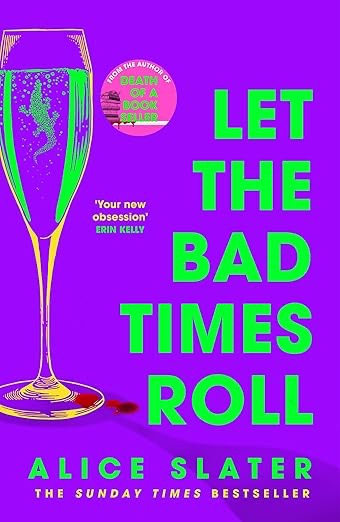
Here’s a hint of what I’ll be reading in September:

Posted in Netgalley

The Wasp Trap by Mark Edwards 

It’s been so enjoyable to read two of Mark Edwards’s novels back to back. I found myself completely engrossed and The Wasp Trap was definitely an interesting premise. Will is travelling to his friends Theo and Georgina’s house for a reunion dinner. Years ago, at their elite university in the 1990’s, Will and his group of friends were selected by their professor to spend the summer at his house in the countryside and work with him on a project he’s developed. He wants to create the first online dating site, one that truly works by using psychology. He wants the group to create an algorithm based on personality types – such as the Myers-Briggs scale, often used in business more than psychology. He recruits a mix of coders, web designers, psychology graduates and creatives like Will, who has an ambition to write a book. Here, he is tasked by finding a name for the site and Sebastian wants it to be poetic. That shouldn’t be difficult for a man who’s falling in love, with fellow student Sophie and after seeing an unusual butterfly he chooses “butterfly.net”. A little creepy when we consider what happened to those butterflies once they were caught. Lily is definitely the lynchpin intellectually, the person trying to create an algorithm that works, but even she’s distracted. Within the research are papers on using certain tests to determine whether someone is a psychopath. Since the team are being used as guinea pigs for the dating questionnaires why not use them for this? No one’s going to turn out to be a psychopath are they? This side research becomes named as “The Wasp Trap”. Decades later, as the group converge for dinner, it’s clear there’s so much to talk about, not least the disappearance of Georgina and Theo’s daughter Olivia. Why are they still holding the reunion? Who are the strange couple doing the cooking for the night? As secrets begin to unravel about that summer it’s clear this isn’t going to your average reunion. 


I have to get it out first and foremost. I didn’t like any of these people, but Theo and Georgina are one of those couples I love to hate. The perfect home, perfect careers and plenty of money to throw around, not to mention those lovely teenage daughters too. How much was this reunion about rubbing other people’s noses into their success, especially Will who gets plenty of comments about his never finished book? They don’t seem like parents whose daughter is missing, because I’d be beside myself if it was one of my stepdaughters. I certainly wouldn’t be able to concentrate on a dinner for people I hadn’t seen for years. Make no mistake, these are the people who make me avoid school reunions like the plague. There’s so much nostalgia here and that element I did enjoy. I was a sixth former in the early nineties and I loved all that Manchester scene music and played my Stone Roses album so much it drove my mum and dad crazy. I was also a massive Pulp and Blur fan and still love those films of that decade from Tarantino and Danny Boyle through to Four Weddings and a Funeral. So I do reminisce, but I kept the most important friends and still see them, I don’t need to see the others thanks very much. My ‘now’ is much more interesting than my yesterday. Professor Sebastian certainly chose his students well because there are some incredibly intelligent people here, but I’m not sure about their emotional intelligence or morality. Will seems to have the most emotional intelligence but is hampered by his fear of failure when it comes to his career and love. In the past he’s clearly in love with Sophie, but fears telling her so much that he misses his chance. Will he do so again? It’s no surprise then that it’s Will who senses a weird atmosphere with the catering couple. I was so caught up with the emotional drama between these people that it was a shock when the chef and his assistant burst into the room with guns and give an ultimatum. They have a set amount of time to tell a secret they’ve been holding since that summer. When they come back into the room time is up; they either tell the secret or someone will be killed. Even though this is what they promise to do, I’m not sure I quite believed it. So when they come back in and the shooting starts it definitely concentrates the mind a bit, but the problem is they all have secrets. How do they know which secret the couple want to know? 

As usual with Mark Edwards, the tension is almost painful. Especially those last few minutes of time before Callum returns with his gun and he’s definitely not bluffing. There’s a body in the hall to prove his intent. Of course, being the people they are, they start wondering if they can somehow outwit their captors by causing a distraction and one of them getting out of the house. Will does wonder if there’s a third conspirator hidden upstairs though. Despite the tension, there’s also that incredibly awkward sense of having to expose your darkest secrets in front of people you were at college or university with. I’ve spent most of my life embarrassed by something, so I could feel their reluctance to be shamed in this way. It’s as if the tables have been turned and the unpopular or bullied kids have decided to get their revenge but Callum certainly wasn’t at university with them so how could he know their secrets? He definitely seems to be getting a kick out of terrifying people he sees as better off in life, they certainly don’t have the upper hand now. There is one person though who knows something terrible happened that weekend and who was involved in covering it up. They’ve kept it to themselves all these years. Was it linked to the psychopath tests Lily was running on her friends without them knowing? Maybe one of them did turn out to be a psychopath and if they did, are they in the room?

I was on tenterhooks as the body count started to rise and I found myself rooting for Sophie and Will against the odds. I loved the appearances of the family’s fat cat here and there throughout the action and that he’s the only one who knows someone is definitely upstairs. There are two people from that summer who aren’t here tonight. Local girl Eve was their age, employed by the Professor to clean and cook for everyone over the summer but often around in the group’s leisure time too. There was also Sebastian’s nephew, an extra when it came to socialising and chilling out at weekends that summer, but not really one of them. He was usually running errands for his uncle but when he did join them he was a divisive figure, in fact some found him a bit creepy. Will had conversations with Sophie about how strange it was for him to still be driving the classic car that his parents had been killed in. Their outsider status shows in the fact that neither of them are there tonight, but could they be the key to a secret? I was absolutely gripped in the final chapters and couldn’t wait to find out which secret Callum wanted and what was his link to the group? I was also interested in where Theo and Georgina’s daughter was. We do know by this point who is upstairs but would they intervene or remain hidden? One thing is for sure, as the secrets come out it’s quite clear that no one is going to come out of this well. This is definitely one reunion they’ll wish they lost the invitation to. Brilliantly twisty, full of complex and unpleasant characters and so tense my teeth hurt. 

Out now from Michael Joseph

Meet the Author

I write books in which scary things happen to ordinary people, the best known of which are Follow You Home, The Magpies, and Here To Stay. My novels have sold over 5 million copies and topped the bestseller lists numerous times. I pride myself on writing fast-paced page-turners with lots of twists and turns, relatable characters and dark humour. My next novel is The Wasp Trap, which will be published in July in the UK/Australia and September in the US/Canada. 

I live in the West Midlands, England, with my wife, our three children, two cats and a golden retriever.

Posted in Netgalley

Dear Miss Lake by A.J. Pearce

It was lovely to be back with the gang at Woman’s Friend magazine and particularly with our narrator Emmy Lake as they enter the final and arguably most difficult stretch of WW2. After five years of war both the team and their readers are tired. As a way of boosting morale at the magazine Emmy suggests they all decamp to Bunty and Harold in the countryside. As Hitler’s V1 and V2 bombs start to hit, it will certainly be safer. Emmy strongly feels they all need a boost in order to keep supporting and inspiring the women who read their magazine. If they’re tired and the magazine suffers, how will their readership keep the fight going? Although they’ll still be working, the children, the animals and the beautiful countryside should have the desired effect. Plus, for Emmy, she’ll be closer to where her husband Charles is posted and she’ll be with her best friend Bunty. Emmy throws herself into rural life and is soon organising games nights, competitive knitting and planning the very important wedding of their officer administrator Hester and her fiance Clarence. She also has an important phone call from the ministry to travel abroad and report from the French field hospitals looking after the wounded. She even manages to mastermind a break into husband Charles’s barracks before they’re both deployed. Emmy has no idea how much she’s going to need those around her in the coming months as her hardest test is yet to come. On their return to London after the summer she receives a telegram to say that Charles is missing, presumed captured, in enemy territory and she has the agonising wait for the confirmation letter. Then Hester receives a blow when Clarence calls to say he’s being deployed in three days, two days before their planned wedding. Hester is inconsolable and after catching Emmy in a moment of frustration, she disappears. However, Emmy isn’t one to dwell on her misfortunes for long and I wondered what schemes and plans she would hatch next. 

This is a very fitting end to the Emmy Lake series, because it showed, no matter how Pollyanna our attitude is, it is okay to sometimes find we’ve run out of steam. It’s hard to imagine what five years of war must feel like when we take into consideration women having to work, look after children, support their husbands and face the fear of losing someone important to them or even their home if situated in London or other major cities. The nearest thing we have to such upheaval is the COVID pandemic and that meant two years of shielding for me. However, I still had tv to stream, books to read and could send myself little treats from Amazon or Betty’s tearooms. I can’t imagine how I’d have felt if I was exhausted from working, missing my husband, had the possibility of a bomb coming through the ceiling and had to find the tenth thing to do with a cabbage. Although the Lakes and friends are relatively okay financially, many were not and the author brings in these experiences through the magazine where some readers are infuriated with the magazine’s rather chirpy, optimistic tone or want to vent about the desperate situations they’re in. I loved the storylines about unexpected pregnancies as I could really understand getting carried away in the moment when someone you love is being deployed to fight, perhaps never to return. I could also imagine myself being swept off my feet by an American GI or one of the Polish airman posted only a few miles away from my village all those years ago. I could absolutely understand why some readers lost their faith in the magazine and whether it’s writers truly understood the predicaments some readers were in. I could also understand if Emmy did run out of patience, because sometimes the only answer is ‘talk to the people who love you’ no matter how angry or disappointed they might seem at first. It always gets easier.

 When news arrives that Charles’s secret mission was Arnhem and he’s been captured behind enemy lines, it takes a while for Emmy’s emotions to catch up with the news. She has all the information at her fingertips, having had years of finding out what to do for her readers. Practically she’s doing all she can, plus organising the Christmas Fair and making connections with other POW wives. She’s particularly proud of the piece she wrote for the ministry on the military hospitals so hopes for another mission. When she, the editor and publisher are pulled in for a chat the news isn’t good. It’s this that seems to bring her to a standstill. Returning to the magazine office she’s despondent and feels a deep sense of injustice, leading to a sudden and misdirected rant. Things go from bad to worse when the next morning, Hester has gone missing. Emmy knows she took her cancelled wedding plans hard, but surely that’s not the reason for her disappearance? Could it have been her own moment of anger and emotion that provoked this sudden reaction? Emmy realises how much of a lifeline they all are to each other and resolves to find her, whatever it may take. 

A.J. Pearce has written a triumph of a series in this quartet of books and in her main character too. We’ve experienced the ups and downs of different editors and publishers, the staff’s other responsibilities for their families and war jobs such as the fire service or driving ambulances, as well as terrible losses on the battlefield and in the Blitz. Through what seems on the surface to be a light-hearted and perhaps frivolous lens, I’ve learned so much about what it was like to be a young woman during WW2. It’s given me an insight into my grandparent’s generation – my Aunty Connie who was an unmarried mother and a subsequent marriage to my Uncle John who suffered from PTSD after his ship was attacked and his friend was blown up right next to him. My grandad went into the army just as war was ending and experienced the other side’s struggles – German cities destroyed by our bombardments and people living in the ruins of their homes. I don’t know if I’d have the strength and determination to contribute in the way people did, something brought into sharp focus when I had to discuss what the war in Ukraine could mean for those who’ve served in the forces but are still under reserve? Could I cope if he was called back in?

Strength is one of those things we find reserves of when the situation demands it of us and I have no doubt I could keep the ‘home fires burning” but I certainly don’t have the grit that some of the Ukrainian women are showing, having lost their husband then joining up to fight themselves. I feel the author doesn’t let us forget the sacrifice and loss in people’s lives at this time, but still manages to bring in humour and a defiantly upbeat make do and mend attitude. This is the closest I’ve seen Emmy come to breaking point and it’s hard to do when you’re the one whose role it is to buoy everybody else up. As she finds out though, those who she’s helped and supported are so happy to be able to return the favour and support her. This is a set of books I always recommend, to women of all ages, because it’s so easy to relate to one of the characters and absolutely root for them. The main impression I take away from them is that sense of female solidarity. The instinct we have to come together, share the load and make each other’s lives a little easier – from taking on someone’s children all the way down to being there with a meal or a shoulder to cry on. Emmy uses her writing to do the same and triumphs in being exactly what the magazine promises – the Woman’s Friend. 

Meet the Author

AJ Pearce was born in Hampshire, UK. Her favourite subjects at school were English and History, which now (finally!) makes sense.

Her debut novel Dear Mrs Bird was a Sunday Times Bestseller and Richard and Judy Bookclub Pick. It was shortlisted for Debut of the Year at The 2019 British Book Awards and has been published in the USA, Canada and Australia and in translation in over fifteen languages.

Dear Mrs Bird was the first in AJ’s series The Wartime Chronicles which now includes Yours Cheerfully and Mrs Porter Calling. Her books are funny, sometimes extremely sad, but always uplifting stories about a group of women standing together to face the challenges of World War II.

The fourth and final book in the series, Dear Miss Lake, will be published in the UK on 5 July 2025 (and on 3 August in the USA and Canada).

When not writing books, AJ enjoys being fairly rubbish at a variety of hobbies and has recently started to learn to paint, with so far messy although enthusiastic results.

Follow AJ on Instagram, Facebook and Threads: @ajpearcewrites.

Posted in Personal Purchase

A Neighbour’s Guide to Murder by Louise Candlish 

Gwen loves her home, finally settling into her apartment after a very difficult divorce. She loves the community feel in the building and is often part of the organisation of events as she’s now on the building’s resident association with her friend Dee. Everything changes when she meets a young girl called Pixie who is hoping to rent a room in the flat opposite Gwen’s. Gwen’s neighbour Alex is a Britpop one hit wonder and Pixie seems like one of life’s waifs and strays. As she moves in next door Gwen decides she will keep an eye on her, recommending she get a job in the local coffee shop. Slowly they are becoming friends. However, Gwen isn’t sure that all is well across the landing. She’s heard a few arguments already and she would hate to think that Alex is bullying Pixie or taking advantage. Yet Gwen isn’t always up to speed with life in the 21st Century or the modern battle of the sexes. When she fears a crime is being committed she’s soon up to her neck in both Pixie and Alex’s private life and a ‘sex for rent’ scandal. Sex for rent is a morally dubious, but not illegal practice that she soon learns is rife in London and other big cities. With social media, investigative podcasts and shifting ideas around morality, this could become the next #MeToo movement with Pixie as its poster child, but what does this all mean for Gwen?

I love Louise Candlish’s domestic thrillers and this has all her usual trademarks; a narrator we’re unsure about, push button issues that are ripe for rage baiting and on the verge of becoming the next moral panic. Shes always got her finger on the pulse of modern life. She’s also brilliant at letting the tension rise and rise, oh so slowly, until someone eventually snaps. I must admit I did have some sympathy with Gwen, probably because I’m nearer her age than the younger characters in the novel. Although I use social media all the time, I don’t always understand how best to use it or know the personalities and slang that my step-daughters take for granted. They talk about YouTubers like my age group did tv personalities. They’re more likely to watch TikTok or YouTube than tv and then use us to answer questions about the background or history behind issues, especially since we’re actively Anti-Fascist at home. Having lived in the country my whole life and only being lucky enough to own my home when I became a widow, the struggle to find a roof over your head in the bigger cities came as a shock to me about ten years ago. A friend told me she’d been living with five other people in London, all of them in their thirties and working in well paid jobs. I’d been on my own or living with a partner since I was 23.

This novel seemed to confirm something I’ve been feeling since COVID, like society as a whole is slipping backwards on Maslow’s Hierarchy of Need and in our new found instability we’ve lost compassion for each other. Forty years ago we had Live Aid and the recent showing of the concert footage on BBC2 only added to my memories of the event. We were a country united in shock and a willingness to support. Now we want to shoot refugee boats in the channel. A combination of austerity, COVID, fear of terrorism after 9/11 and access to a social media that’s like the Wild West means we’re bombarded with so many terrible images and lied too so often we’ve become apathetic. This is the world this novel comes from: where people are struggling and making choices that seemed unthinkable, just to keep roof over their heads. Where people are finding new ways to make money. Where the lines of what’s legal, ethical or even true have become so blurred. Those who don’t keep up are simply left behind to flounder.

In this story, it was fascinating to see that young women seemed to be adapting quickly, taking advantage of new marketplaces and revenue streams. Gwen’s own daughter has gone from staunch feminist to a ‘trad wife’ and an Instagram sensation. She creates content daily for her audience of thousands by dressing in a modest but cutesy way, sharing mum hacks, videos of her beautiful home and ways to keep her man happy. All the while her followers are wishing to live like her, but even she doesn’t live like her. It’s a fiction, designed to illicit envy and send followers scurrying to her affiliate links. How much of her new life and views are real? Gwen isn’t sure that her daughter knows or recognises the difference between the image and reality. There’s manipulation of another sort too – the facade of being a decent middle class family, untouched by a scandal they are instrumental in creating. Gwen’s neighbour Dee is the unspoken Queen of the apartments and is always immaculately turned out. Her daughter Stella is an investigative journalist who would love to cover Pixie’s story. Gwen has Pixie living in her flat and relations with her neighbour have gone from frosty to downright hostile, pushed any further and things might explode. Stella manages to get television coverage, no doubt paid very well for her trouble, but is then unable to control the story leading social media content creators, pod casters and news outlets to their door, harassing residents as they come in and out. It isn’t long before they have Alex’s name and start exploiting the aging pop star angle.

I met someone like Pixie once and I learned the hard way that they are best avoided and ignored. They are usually life’s survivors, have learned how to get by in the world and will happily turn on those trying to help. I attended a meditation class and got on well with the teacher, so when she moved the class to her own home I didn’t hesitate. There was talk of working together and I wrote a course on authenticity that combined meditation with art and writing therapy. It started successfully, then one weekend she disappeared with the keys to the premises we were hiring and wouldn’t divulge where she was. We carried on, but she told everyone we had pushed her out and stolen her idea. I found out she’d run a class in another town that she claimed was taken away from her by an ex-partner so she was having to start again. She didn’t mention that she’d stolen his car while drunk and crashed it, losing her licence. She hadn’t mentioned being bi-polar either, something I’d have supported her with. The last I heard she was in a relationship with a man who was buying her a hotel that she could run as a recovery centre. I realised that this was a pattern of self-sabotage and lashing out. Pixie felt like a similar character, who landed herself in difficult situations then found people who would rescue her. I worried that Gwen was going to lose out in helping this young woman. That she might easily cause Gwen harm, if it meant she could move on to the next ‘mark’. 

I was absolutely gripped by this story and definitely recognised elements of it. I could see that some people would come out of this totally untouched while others could be left confused or even culpable. I don’t want to ruin the book by giving you any more details, but it is classic Candlish. Like her last novel that tackled the problem of second homes on the coast, she’s hit the zeitgeist with this one. We’ve all seen how social media has become lawless with so many different people, including authors, caught up in a public judge and jury situation. It’s hard to know how a targeted individual copes psychologically when they’re being exposed or made out to be something they’re not. How do they keep their self-image intact when the general public have a very different idea of who they are? Everyone in this story, apart from Gwen, has a very fluid set of morals. Even her own children. There’s a lot here that’s totally unfair and raises the blood pressure a little! It’s no wonder the atmosphere in the apartments becomes a pressure cooker. I devoured this in two sittings and I’m sure you will too. 

Meet the Author

Louise’s latest release, A NEIGHBOUR’S GUIDE TO MURDER, was published in July 2025 and her latest paperback is OUR HOLIDAY, a Sunday Times bestseller, WHSmith Richard & Judy Book Club pick and Theakston Old Peculier Crime Novel of the Year 2025 nominee. It features love-to-hate characters Perry and Charlotte, second home owners in the idyllic English beach resort of Pine Ridge. It’s now in development for the screen.

Last year Louise celebrated her 20th anniversary as an author with the news of two prestigious awards for her 90s-set thriller THE ONLY SUSPECT: the Capital Crime Fingerprint Award for Thriller of the Year and the Ned Kelly Award for Best International Crime Fiction. Stay tuned for TV news on that one too.

OUR HOUSE is now a major four-part ITV drama starring Martin Compston and Tuppence Middleton (watch the full series free on ITVX). This is the novel that turned her career around, winning the 2019 British Book Awards Book of the Year – Crime & Thriller and shortlisted for the Goldsboro Books Glass Bell Award, the Capital Crime Amazon Publishing Best Crime Novel of the Year Award, and the Audible Sounds of Crime Award. It was also longlisted for the Theakston Old Peculier Crime Novel of the Year Award and the Specsavers National Book Awards. A Waterstones Thriller of the Month, it recently received a Nielsen Bestseller Silver Award for 250,000 copies sold.

Louise lives in a South London neighbourhood with her husband, daughter and a fox-red Labrador called Bertie. Books, TV and long walks are her passions and she loves Tom Wolfe, Patricia Highsmith, Barbara Vine, Agatha Christie and Evelyn Waugh. Her favourite book is Madame Bovary.

Be the first to hear about new releases and price drops ⬇️

Website: http://www.louisecandlish dot com

X/Twitter: louise_candlish

Instagram: louisecandlish

FB: LouiseCandlishAuthor

Posted in Squad Pod Collective

Death or a Little Light Maiming Do Us Part by Kathy Lette 

One dead husband. Three grieving widows.

When she hears a man has been killed by a Great White shark, Gwen races to the beach only to find that all that remains of her husband is his swimming cap and a piece of torn, blood-stained wetsuit. Her grief is soon interrupted by Tish, screaming for information about the accident. When Gwen reassures her that it’s her husband, Jason Riley, who’s perished, Tish’s response is earth-shattering for them both: Jason was her husband too.

The women’s mutual animosity is not assuaged when they learn that Jason recently sent all his – make that their – money to a mysterious ‘business partner’ in Egypt called Skye. But when they fly to Cairo to confront her, they find another grieving widow whose life-savings have gone missing…

As this double-crossed threesome cross continents in their search for truth and retribution, they start to realise they’re embarking on a journey of self-discovery, renewal and friendship too.

I’ve read Kathy Lette before so I was expecting ballsy women, lots of wit, perhaps some raunchy behaviour and definitely laughter. I wasn’t disappointed. I’ve seen this described as a revenge caper and that is the perfect description. Gwen has a happy life with her children and second husband Jason, who’s a real hottie. He is a big blonde surfer type with a sprinkling of grey, but a body honed to perfection by Iron Man training. She sometimes wonders how they got together. She sees herself as a rather ordinary widow nearing her sixties, while he’s a lot younger and so fit. However, tragedy comes along when Jason is training. Gwen hears on the radio that there’s been a shark attack in the bay and she makes her way there immediately. When she arrives, she knows by the scrap of wetsuit on the sand that the lost man is Jason. She hardly has time to breathe before a leather clad ball of fury catapults herself into the situation. Tish is there because she thinks her husband is missing too, she’s married to a tall, blonde hunk called Jason. Surely they can’t both be married to the same man? 

Gwen wants to quietly go home and cope with the double shock of Jason’s death and the news that he’s a bigamist. Tish has the grip of a small terrier and has about a million questions that Gwen is incapable of answering. She’s totally gobsmacked by Tish’s biker girl style, they couldn’t be more different so why was he attracted to both of them? It seems that when Gwen thought he was working or training, he was with Tish and vice versa. They’ve been together a similar amount of time. They make a very uncomfortable trip to Jason’s lawyer, Tish is adamant there should be a will and she wants to see it. She invested a large amount of money in a business start-up he was working on. Gwen is keeping her cards close to her chest but she too has invested some of her widow’s inheritance in his endeavours. Where has it gone? They soon find out. His lawyer tells them that Jason signed a document that transfers their joint investment to a woman in Cairo. Tish wants to be on the next plane and wants Gwen to go with her. Can they find this woman, solve the mystery of her connection to Jason and retrieve their money? 

I found the novel intriguing and funny at first. Tish is an absolute ball of energy and her power as a character did overpower everyone else slightly. I wonder if Kathy based Tish on her most extrovert side. I felt a little bit like the momentum of the story was lost in long verbal exchanges between the two women that seemed more about the jokes than developing characters or their relationships. Some are admittedly very funny, but when they come thick and fast the humour sometimes misses the mark. It’s also difficult to change the tone and I think the novel could have done with some light and shade. However, it’s a madcap caper that takes on an escapist feel as we travel all over the world with the women and try to work out if Jason faked his own death and whether they’ll be able to retrieve their money. Cairo brings even bigger surprises, leading to Tanzania, the Maldives and throughout Europe. It’s an absurd plot, but it is fun and a great escape read. I read this in one afternoon and had some laugh out loud moments. There’s also some lovely female camaraderie as these women start to come together, overcoming their differences to bond and keep chasing their love rat husband. I really enjoyed the suggestion that there’s a re-evaluation of life as women reach middle-age. A realisation that if we are going to do the things we’ve always wanted we need to start planning now. It’s the chance to throw off things that no longer suit us – not just in our wardrobes! In amongst the action and the laughs is the very profound idea that just when you learn to make the most of your life, it is almost over. 

For more information on Kathy Lette and her books visit

https://www.kathylette.com/