Ten years ago, Hope left Somerset with a fatal secret and a broken heart. She has spent a decade in the shadows, living a quiet life of penance to protect the man she once loved – the world-famous author Ambrose Glencourt.
YOUR LIFE IS NOT YOUR OWN.
Then, she opens his latest bestseller. To the world, it’s a brilliant work of fiction. To Hope, it’s a betrayal. Every private moment, every dark truth, and every ‘fatal disaster’ from that summer is laid bare on the page.
YOUR TRUTH IS A LIE.
But Ambrose has changed the ending. In his version of the story, Hope isn’t the victim. She’s the villain.
Now, Hope must step out of the shadows to reclaim her narrative. But in a world of glamorous elites and whispered secrets, who will believe the word of an unreliable woman against the word of a literary icon?
Two narrators. One truth. And a secret worth killing for.
I was blown away by Araminta Hall’s last novel, because of how bold and timely it was. I wondered whether she could write something that would capture the world as it is now, crazier and more disturbing by the week. Well it turns out she can. Hope Jenkins takes a job with author Ambrose Glencourt as his personal assistant at his home, Shadowlands. Rosie, as he likes to be called, described the shadowlands as a place of imagination. However, its other meaning gave me a sense of foreboding – a thin place, the hinterland between life and the next, place filled with ghosts and spirits. It made me wonder, was this a place where the line between the real and the imaginary is blurred? The setting is the archetypal bohemian mansion, showing a lot of wear and tear, but still beautiful with idyllic grounds. The sort of place where books and art are piled everywhere, but the dishwasher is held closed with cord and a wooden spoon. Hope is stunned by her surroundings, it’s nothing like her mum’s flat and Rosie’s wife Delia is a fragile beauty who was a model for the artist Siegel when she was younger. Again though, little things stayed in the mind. The way that they call their staff by their Christian names in front of visitors, but Mrs A and B in private seemed odd. Delia seemed very keen to downplay her own artistic ambitions, always saying it’s just a hobby when she has her own studio and Hope can see she’s very talented. Then there’s a painting – in Rosie’s study, amongst the bookshelves he has a nude painting of a very young Delia with her legs wide open. It makes Hope uncomfortable and and she wondered whether that was why he kept it so public, or whether he liked to make other men desire his wife?
I felt like Hope was dazzled by the Glencourts and the relationship seemed unequal. Whereas staff seemed to stay in the garden and kitchen, Hope and another guest at the house eat and socialise with the couple. Tom is introduced as someone who Delia has worked with when teaching pottery at an outreach for addicts. He and Hope have afternoons to spend together when Rosie has finished working for the day and it’s clear there’s chemistry. Yet I wondered why had Rosie and Delia taken Tom in and what exactly is the nature of their relationship? Is he as taken in as Hope is by this bohemian utopia? Perhaps not, as he discloses more secrets about the couple and explains:
‘I’m not sure Rosie means everything he says, I think it’s more that he entertains himself by making people feel uncomfortable.”
Little unexpected touches and comments made me uneasy about Rosie and there’s a very uncomfortable dinner scene that made me feel sick and awkward. Rosie’s dinner guests became horribly familiar, men who think their sex and status gives them licence to manipulate and bully others. We can feel the pressure of that summer building as the heat rises and I was utterly absorbed by it.
Then we’re taken ten years later and Hope wants to make a statement to the police. We meet our narrator Nat, a young detective trying to get through her day and get home to her wife and kids on time. Nat is our narrator, coming into this ten year old world in our stead and trying to work out whether Hope is just a crank or a mad fan. However, there’s something about this Hope, a strange, sad lady and her journal, from a summer ten years before that catches her attention. This is an utterly different Hope, in fact she’s a woman transformed from that dreamy girl who fell in love with a lifestyle so far from her own. Now she’s working in a school office and doesn’t appear to be looking after herself. She returned home that summer in a state of delirium and shock and it looks like her life hasn’t recovered, although underneath the exterior there’s still a nurturing instinct and an ability to identify victims of abuse. She’s alerted by news of Ambrose Glencourt’s long awaited sequel to The Ruined Girl, his most famous and celebrated novel. Hope buys the first novel and as she reads she becomes more and more angry. This is Rosie’s version of that summer’s events written down for all the world to read and the character based on Hope is definitely the villain of the piece. He has taken the truth and twisted it. The only thing Hope has is her journal and as Nat reads Hope’s journal she does start to wonder whether there’s some truth in this? She’s experienced manipulation and abuse and something about this presses that trigger. She decides to visit Shadowlands for herself and meet the Glencourts, because even if Hope is mistaken about what ended her work with Rosie, something at Shadowlands feels wrong.
The structure is so complex, playing with stories and asking questions about how they’re told and who gets to tell them. Rosie made my flesh crawl a little, with the arrogant assumption that he can feast on anything to fuel his imagination and continue the important business of making literary art – there’s no downgrading his talent, unlike Delia’s. I really felt how much easier it is to work as a writer when you have money to support you and a mansion to live in. He discards all distractions, even those he’s created himself. I didn’t like his friends either and their little games, enjoying their ability to make someone much younger uncomfortable. Hope wants to be like him, to be able to “make language work that way as if it belonged to me”. What she didn’t realise back then was that there’s no one way to write, because each unique voice is just as valid. It just that certain voices are more likely to be heard because they follow the established narrative. Hopefully, we don’t have to sound like rich, middle aged white men any more. Hope has seen through the shiny exterior of Shadowlands and knows they’ll look down on Nat with her cheap suit and London accent. But could Rosie’s assumption of superiority be his downfall? This book sits perfectly alongside the #MeToo movement and the Epstein Files in that it’s a world operating on the assumption of silence. Hope isn’t silent any longer. Incredibly tense, twisty and timely, I was utterly under its spell from the first few pages. Ambrose Glencourt claimsthat in fiction “it’s much easier to blow a body apart than put it back together again.” For Hope’s sake I read this voraciously, full of rage and with everything crossed that Araminta Hall could do what Ambrose Glencourt couldn’t.
Out March 5th from MacMillan
Meet the Author
Araminta Hall has worked as a writer, journalist and teacher. Her first novel, Everything & Nothing, was published in 2011 and became a Richard & Judy read that year. Her second, Dot, was published in 2013.
She teaches creative writing at New Writing South in Brighton, where she lives with her husband and three children.
Araminta Hall’s novel Imperfect Women has been adapted for television by AppleTV starring Elizabeth Moss and Kerry Washington
Charlotte Lucas has never been a romantic. Practical to a fault, she accepted Mr Collins’s proposal with clear eyes and a steady heart, trading passion for security. Life at Hunsford Parsonage may be quiet and predictable, but it is hers to manage – and she’s determined to make the best of it, whatever Elizabeth Bennet may think.
That is, until an unexpected guest at Rosings Park turns Charlotte’s careful world on its head. He sees her, challenges her – and a spark is lit. But true contentment is not only about who you choose to love, but who you choose to be. For the first time, she wonders: has playing by the rules kept her on the sidelines of her own life?
It is a truth, universally acknowledged that a sick woman in bad humour will be revived in the company of a witty novel…
This is the Pride and Prejudice inspired novel I’ve been waiting for and it came at the perfect time, when I’ve been feeling very unwell and was stuck in bed. I read for two days between sleeping and I swear it kept me sane. I always felt that Lizzie Bennett underestimated her friend Charlotte and I wondered what happened to her and Mr Collins in the future. It’s a great reminder that we only see a novel’s events through the gaze of our narrator and central character. The same events, viewed from a different perspective, bring a more balanced and multi-faceted view of what happened in the novel and its characters. The events of Parris’s novel take place during and after Pride and Prejudice, from the point that Lizzie rejects Mr Collins proposal. A decision that pleases her father but sends her mother into conniptions! Lizzie’s choice means that once Mr Bennett dies, Mrs Bennett and all of her daughters are at the mercy of Mr Collins, the male heir. Whoever he chooses to marry will become mistress of the Bennett’s home Longbourne. Charlotte Lucas is our focus, Lizzie’s best friend and now the recipient of Mr Collins’s attentions. The author has added inserts from the past, adding depth and insight to both Charlotte and Mr Collins’s characters as adults. We see events that we have only imagined, like the Darcy’s wedding at Pemberley and its ensuing drama. However we also see Charlotte settle into the everyday of married life, with all its strangeness and frustrations. I left Pride and Prejudice a little worried about Charlotte, even though the way she does talk about life at the parsonage with humour and optimism when Lizzie visits. So this story of her growing relationships, her new home and her dissatisfactions with her new life is so welcome. What she misses most is passion, but if it arose would she be able to resist it?
Charlotte is viewed with pity by the Bennetts, apart from Mrs Bennett who is wailing that she will be the mistress of their beloved home. I felt like Charlotte knows her prospects are few. She’s witty and fun, but she knows she doesn’t have the charm and looks of Lizzie. She is someone who people get to know slowly and hasn’t reached her full potential yet. Mr Collins was always a pragmatic choice, but here I could also see it as a mature and confident choice. The Bennetts may see Mr Collins as ridiculous and in some ways he is, but Charlotte doesn’t see her worth as solely defined by the man she chooses to marry. He may be thought of as silly, but that doesn’t mean she is. Also, as Mrs Collins she has a beautiful home and garden, a steady income and a benefactor in Lady Catherine de Bourgh. As a married woman she has status and purpose, going out to visit sick parishioners and keeping the home running smoothly. While Mr Collins is busy Charlotte spends her hours in her library continuing to educate herself, she tends her garden and she practises her piano at Rosings. Charlotte is able to be happy and content in her own company, separate from Mr Collins’s anxieties and emotions. In this light we also see Lizzie differently, perhaps even as a little spoiled. As we see in this book, Mr and Mrs Bennett are the architects of their daughter’s misfortunes and their attitudes are clear in two crucial letters they send to the parsonage. Darcy’s assessment of the family, unwisely passed on to Lizzie during his first proposal, is absolutely correct. Mr and Mrs Bennett’s leniency with their younger daughter’s behaviour allows a window for Mr Wickham to connect with the foolish Lydia. It’s their behaviour that prompts both Darcy and Caroline Bingley to warn Mr Bingley away from his attachment to Jane. In letters to both Charlotte and Mrs Collins, the Bennett parents show they are both fierce in the defence of their daughters but spiteful towards the recipients. Mr Bennett calls Lydia unwise, but at least not judgmental – a criticism that Mr Collins perhaps deserves. However, in a letter to Charlotte Mrs Bennett shows awful spite in an unnecessary postscript:
“I saw your Maria this week at church and she is become such a beauty! What a pleasant girl – always with a smile and a manner that puts one at ease. You would not think you were sisters.”
However, I did come away with some forgiveness for Mrs Bennett’s view that Lizzie might have thought of her mother and sisters when she refused Mr Collins, because now they would surely lose their home. It’s clear that Mr Bennett has little respect for his wife and for good reason on some occasions. However, he does favour Lizzie and perhaps his treatment of her has led to Lizzie thinking she has better prospects than she does. Luckily fate brings her Darcy but I did understand Charlotte for thinking that luck just seems to fall into her friend’s lap.
I felt like Charlotte blossomed in her new environment and that sometimes it is because of Mr Collins not despite him. If nothing else he shows kindness and understanding. The vignettes of his childhood show a sad history that goes some way to understanding his character better. However, it is a connection that she never expected that seems to bring out a new side to Charlotte. An unexpected visitor to Rosings Park brings her friendship and an affinity she never expected, not to mention a passionate spark. I loved the point in the novel when Mr Collins has both a revelation about his wife and is genuinely awe inspired by her. As she plays a piece on the piano for a gathering at Rosings, Mr Collins sees his wife anew:
“This poised assertive woman was a vision, undaunted by entertaining a room of high-born people in a house such as this with the talent he had no idea she possessed […] she was splendid and her splendour shook the foundation of his peace of mind. Whereas another man might have felt only pride in his wife, for Collins, this feeling was mixed with something much more disquieting. She is beyond me: what he felt was I will not be able to keep her.”
This is a worry born of never being enough for his father, who tried to change him by whatever means necessary. I felt the author didn’t excuse all of his failings, but explained what was behind them. The narrative voice is so incredibly good that this didn’t feel like a stranger telling me about these characters I knew very well. It felt like a continuation; a meeting with old friends. Of course the author does bring some of our modern thinking to the story, otherwise we wouldn’t be hearing about Mr Collins’s childhood – a psychological aspect to character we wouldn’t perhaps expect in a book pre-Freud. I won’t touch on Charlotte’s eventual fate but I will say that Mr Collins definitely has a part in it. Maybe not in the most romantic sense, but sometimes there’s a kind of love in duty and honour. I love Rachel Parris’s humour and there’s plenty of that here, with the tone and the wit feeling positively Austen-esque. I could tell by how well each character was drawn that the author loved her books and wanted to do them justice. I think she has.
Meet the Author
Rachel Parris is a BAFTA-nominated comedian, musician, actor and improvisor, best known for her viral segments on The Mash Report and Late Night Mash, which have garnered over 100 million views. Her TV appearances include Live at the Apollo, Would I Lie to You?, QI and Mock the Week, and she is a regular guest on Radio 4’s The Now Show and I’m Sorry I Haven’t a Clue. She co-hosts the popular podcast How Was It for You? with her husband Marcus Brigstocke. Rachel also wrote and presented a Jane Austen comedy programme, Austensibly Feminist, about how to view Jane Austen as modern feminists. Rachel is a founding member of the critically acclaimed improv comedy group Austentatious, in which the all-star cast invent a play based on a title suggestion from the audience. As a touring comedian she has performed her award-winning musical comedy to sell-out audiences across the UK.
This is the fifth and final installment in the hilarious Accidental Medium series featuring Tanz, who with the help of the dead, has become an unwilling crime-solver.
When Tanz returns to her hometown in Newcastle, she comes face-to-face with dark, ancestral secrets lurking in its shadows. Haunted by chilling visions of the witch-trials, a voice from the past warns her, You’re the one. Burn it, chosen one. As a sinister figure threatens to ruin everything she’s built for herself, Tanz must embrace her connection to the dead to uncover her destiny.
With everything on the line, Tanz finds herself entangled in a web of folklore, mystery and imminent danger. Elements collide as the echoes of history demand intervention and new relationships entwine in her mystical journey. Tanz must wield courage against paranormal forces and listen to old and new allies in order to prevent ominous threats from consuming her world.
Will Tanz unravel the mysteries surrounding the witch pricker and her own lineage in time, or will she fall prey to the darkness that stalks her?
I love a good witch story and the Accidental Medium books have been a brilliant series from Tracy Whitwell. So much so that I’m really sad this is the last set of adventures for our titular accidental medium Tanzy. I love the combination of magical and ghostly goings on with our down to earth and sweary Geordie witch. This time the atmosphere is slightly different as we’re delving into the history of witches in Tanz’s home town of Newcastle. After returning from her exciting and romantic exploits in Iceland, she takes a worried call from her ‘little mam’ who has had strange and unsettling dreams about hangings. As usual Tanz tries not to alarm her mam because she isn’t comfortable with the family gift, but Tanz has also had similar dreams of feeling a bag over her head and a noose around her neck. She gets straight into the car and drives home and not a moment too soon since someone has thrown a dead hare over her parent’s garden wall warning them away, but from what? Newcastle is a lovely city and I enjoyed seeing Tanz in her own environment. She soon calls her friend Sheila to join her and tries to find out as much as she can about the city’s history with witches. As a contrast to the friendliness of people and the buzz of a lively city, Tanz starts to notice an atmosphere change heralding one of her visions. She notices storm clouds suddenly gathering and rain lashing down, especially when she’s confronted with the figure of the witchfinder, Matthew Hopkins. More disturbingly, he seems to be able to see Tanzy too and tries to attack her with his ‘pricker’ – the implement he uses to test whether marks on a witch’s skin bleed or not. In one terrifying scene he makes a swipe for the window of a tearoom leaving a scratch down the glass and down Tanzy’s cheek. As they research Hopkins in the library, Tanzy finds out that he identified several witches who were all hanged together on the common. She can hear Hopkins’s hatred of women and there were definite parallels with the current political situation around the Epstein files and Andrew Tate.
“All of them are witches, these sly cows with their lies and their ‘ways’. Once they’ve bred we should hang ‘em all. More peace for us”.
Tanzy feels more powerful than ever after her trip and her meeting with the Icelandic magical folk, there’s also the matter of Thor who it’s quite clear she’s fallen in love with. Her visions are so incredibly vivid and they seem to tire her more easily. In fact she collapses on the common at one point and ends up covered in mud. Tanz feels the emotions of the witches who’ve been imprisoned for a long time, broken down by lack of food and unsanitary conditions, not to mention the way they’ve been treated by the male guards. Hopkins was being paid ‘by the witch’ so it’s in his interest to find as many as possible. Tanz and Sheila soon realise that his pricker is false, with a needle that disappears inside the shaft when he uses it, leaving no marks on the woman and branded her a witch. In her usual frank language Tanz brands him ‘ a cunt and a shithouse’ which made me laugh out loud. When she’s not incensed, Tanzy is delightfully warm and open, making friends with a couple who own a small bar near the hotel and an Amazon woman called Lydia who definitely dresses like she enjoys taking up space! She is also connected to the mass hangings and has been researching her family tree and local witches at the library for years. There is also a new ghostly friend, a hooded lady called Mags who is an absolute mischief and brings some comic relief between the most serious scenes. In the bar, Mags terrorises a cocky young man who is manipulating his shy girlfriend by moving his drink and pulling his chair away. She proves very useful and doesn’t leave Tanz’s side until the spiritual warfare is over.
I did really worry for Tanz this time, especially when Sheila is laid low by a cold and can’t accompany her. Tanz knows she needs to be on her guard, but the plight of these women have left her feeling furious constantly. There will be a final showdown and with this being our last adventure I was on tenterhooks wondering whether Tanzy would come through okay. While I love all the characters in the book she is the magic spell of this series. Her earthiness and Northern wit balance out the more ‘woowoo’ aspects of her life and I wondered if it was time for her to return home? Somehow, despite nothing being resolved between them, Tanz also seems quite settled in her feelings for Thor and the more settled she is the more powerful she seems. As she’s offered a completely unexpected opportunity I really hoped she would take it. I recommend this whole series to anyone who enjoys a touch of the supernatural with a side order of history and realism. I’m going to miss Tanzy hugely but I’m excited for what this author might do next too.
Out now from Pan MacMillan
Meet the Author
Tracy Whitwell was born, brought up and educated in the north-east of England. She wrote plays and short stories
from an early age, then moved to London where she became a busy actress on stage and screen. After having her son, she wound down the acting to concentrate on writing full time. Many projects followed until she finally found the courage to write the first in her Accidental Medium series, a work of fiction based on a whole heap of crazy truth. Apart from the series, Tracy has written novels in several other genres and also writes mini self-help books as the Sweary Witch.
Tracy is nothing like her lead character Tanz in The Accidental Medium. (This is a lie.)
While I was in the water swimming ‘gainst tides we′re taught to
Take it in our stride, laugh it off, take it on the chin just right
Don’t be too loud or too quiet, but I got all this fight
And now I see it clear with every passing of each year
I deserve to be here
And every time I fall, I crawl back like an animal
My focus is powerful.”
I knew I was going to love Self Esteem when I first caught her set at Glastonbury a few years ago, referencing 1990 Madonna with her black suit and corset. What made me stop and watch was that instead of the iconic John Paul Gaultier conical bra each breast was covered with the dome of Meadowhall Shopping Centre in Sheffield. At that point I didn’t know that Rebecca Lucy Taylor was born there but I could see she had a sense of humour, a sense of where she was from and had something very powerful to say as the above lyrics from her song Focus to Power show. In the intervening years Self Esteem has become a creative force with three solo albums, including A Complicated Woman this year. She had a Mercury Prize nomination for her album Prioritise Pleasure in 2022 and was the BBC Music Introducing act in 2021. She is not just a singer, she’s a multi-instrumentalist and has composed for theatre and became a West End lead in 2023/24 playing Sally Bowles in Cabaret. She’s been awarded an honorary doctorate in music from the University of Sheffield and a portrait of her hangs in the National Gallery. Now she has written a memoir, bringing together notes and lyrics, journal entries and observations on life as a woman in the 21st Century, referencing relationships, abuse, self-worth, creativity and living under the weight of the impossible expectations we impose on young women. The blurb refers to it as a ‘subversive anti-Bible’ and a ‘cathartic scream of a book’ and it is raw, emotional and so incredibly exposing. I will be buying it for my stepdaughters.
The narrative is jagged and feels unfinished, a structure that underlines the theme of being the ‘finished’ article something that applies to both the professional and personal self. Creative work never feels fully done. I always imagined that when writing a book I would know when it was complete and I would feel satisfied that it was finished. A piece of writing is always open to change, but we have to let it go at some point and finishing is a collaborative process with mentors, agents, editors and might end up looking different to what you expected. Similarly as people we are never finished, the self is not one fixed thing and can be influenced by mood, something we watched, whether we slept well or not and interactions with others. I think we imagine as children that there’s a point where we become an adult and our self is a fixed thing, but the self is fluid and open to change until the last day we’re alive. The author writes that she wakes up knowing it’s going to be a day when her brain is against her. So out of all the options open she decides on the middle ground:
‘Ultimately doing nothing garnished by a little of what I as a child imagined being an adult would be. A coffee in a cafe, walk to the cinema, watch an art house film alone, walk home.’
It’s almost a fake it till you make it idea. The self is just a raw block of clay but we still go out there, pretending to do what we think adults should.
Self Esteem at Glastonbury 2022
Toxic relationships are also a huge part of the book and it’s clear there was one in particular that was coercive and damaging. Tiny little snippets of information are dropped about him and I identified strongly with how she feels at these times. She addresses him remembering that: ‘ he made sure to take at least two pieces of jigsaw and hide them so it could finish it himself.’ It made me shiver with recognition. My heart broke for her in this paragraph:
“I’ll never forget the first time it cracked and he became someone else. I spent that night trying to sleep on the floor and reaching back up to him in his single bed, sleeping soundly. Offering my hand over and over through the night. – And forever he held back. Each tendon in his fingers finally gracing me with tension. And in that moment the sickness in my stomach was gone and the addiction to his acceptance began.”
She clearly spent years trying to please this person, to be enough but not too much. Enough in the right way that was acceptable to him. A rollercoaster of arguments followed by apologies to make things nice again, a blissful few weeks when he’s happy because she made herself smaller, then a withdrawal of affection, hurtful comments and arguments. It’s a place I’ve been and it only ended when I accepted I was enough, just as I was. I still feel sick to my stomach when something takes me back there and this really hit home. As she says, ‘tell me anyone who left when they should have.’ She also addresses the inevitable question of children, something women are always asked and I have noticed that I make a lot more sense to some friends now I have stepdaughters. The author wishes she could just have one, now, not because she wants one just because it would be done and people would stop asking. They ask as if you’ve forgotten to do it. There’s a point in the book though where change begins and it’s in a letter, because unsent letters have such power. It’s a letting go leaving the path clear to be whatever.
We get the sense of a person who has a huge and imaginative inner world, but is hampered by her own mind throwing out options, constantly questioning whether this or that is the right thing to do. There’s a very busy internal critic here and while the author may be an over-thinker and struggle with anxiety, I think this second-guessing herself is a habit many women have. It starts with parental pressures of what a girl should be, educational expectations influenced by gender, societal expectations of what an adult woman should want and how successful she should be. It’s as if feminism succeeded in giving women more choice, but also more expectations rather than equality. Yes of course we can have a career, but then you must go home and more than a fair share of housework, cooking, laundry and having the mental load of who eats what, which week a friend is coming to stay and an encyclopaedic knowledge of where every object belonging each family member might be found. On top of that are grooming standards, the endless opinions on whether women should age naturally or have surgery, when they should stop wearing short skirts and how to keep their sex lives spicy. No one asks a man when he’s going to fit in having a child or whether he should sacrifice his career for his family. This pressure is described beautifully here as it runs throughout the narrative alongside the extra pressures of being creative and a famous woman. Everyone talks about America Ferrarra’s speech in the Barbie film about what a woman is but I find the author’s words much more affecting as she writes a poem about herself as the woman she feels society wants her to be. A woman who eats the right things, who makes money but stays generous and humble, who is modern and desirable, but above all things maternal. It reads like a modern fairy tale.
‘I had one thousand friends and each and every one was happy with me, and felt I had given them enough time and attention’.
It feels like slicing yourself into a thousand different pieces to be everything and keep everyone happy and they all think you’re amazing, but you’re still slicing yourself. It takes therapy, age and self-acceptance to throw off these expectations and doubts. In amongst this torrent of emotions there is a down to earth feel and a sense of humour that comes out a lot in lists – ‘things I should have said no to’ being one. There are also blunt truths that she clearly can’t say to the person but records in her diary – ‘I want to be fucked like that but not have to hear about your Edinburgh show.” I loved this directness, tempered with humour. It also shows how hard it can be for some women to say what they want and don’t want without judgement.
She gives us an insight into how those judgements are magnified in the music industry, where you’re trying to get your creative work out there but are being told you’d sell better if you wrote a certain way or were a bit more attractive. If she’d compromised she’d have a record deal by now, she’s told, why is she so difficult? This is a tale we’ve heard again and again in the music industry but it has to keep being said till something changes. We’ve heard it from the incredible Raye who wrote for other people for years because her own stuff didn’t fit in a specific box, or Cat Burns who writes about how difficult it is to know how to be the human everyone expects. Paloma Faith is an incredible inspiration and I watched a clip of her speaking to students at the university graduation. She has delved into music, fashion, writing, broadcasting and art and she passed on an incredible bit of advice – she has always been brimming with ideas and would worry that she couldn’t fix on one way to get these thoughts and ideas out there. She remembered a conversation with one of the tutors who said she didn’t have to fit all of her ideas into one mould. One idea might be a brilliant book, rather than trying to condense it into a song but another might be better suited to fashion or art. She didn’t have to fit into one mould. I think Rebecca is the embodiment of that idea, brim full of ideas and happy to range across music gigs, theatre shows, dance, tv appearances and memoir writing. The point is the creativity, not the medium.
I can think of so many women who can take something from this book and it will sit happily up on my shelf with writing from Caitlin Moran and Paloma Faith, hugely creative and intelligent women with a lot to say. It renewed something I’ve been wrestling with in my own head now I’m hitting menopause and middle age – it’s ok not to ‘grow up’ but take joy in every new incarnation of yourself and the changes it brings. It’s subversive in a world where we’re told we should be striving to stay young and relevant. to be unhappy getting older. I found so much inspiration in this memoir, both personal and creative, as well as a wonderful feeling of being seen.
It’s been a month of crime/thriller reads and historical fiction, plus a couple of crime and historical combinations which I really enjoy. It’s also been a month where I found it difficult to concentrate because finally, after five years of brown tiles, lime green walls and cupboards with no handles we have been able to afford to renovate the kitchen. So for two weeks we have had no ceiling, no floor and no hob. As of Monday, we will be cooking in the garden until everything is back together again. I am not good with chaos so if you can imagine me wedged into a corner on the sofa with the contents of every kitchen cupboard taking up the study and other end of the living room. Hopefully only two weeks left to go. It can’t come soon enough. The other half is building the seating area under the pergola at the bottom of the garden. It feels like a symphony of drills and hammers at times but it will be lovely to be able to go and sit outside and read with roses growing around me. So much to look forward to in September with some fantastic reads on the list too. ❤️ 📚
Unbelievably this is the third novel from Kate Foster and firmly puts her on my ‘must-buy’ authors list. They’ve all been worthy of a place on my best reads list but I think this is her best yet. Maggie is a young girl from Fisherrow whose father is a fisherman and her mother ons of the fishwives who help bring in the catch, clean it for market and then repair nets ready for the next day’s fishing. She, her parents and sister Joan live in a one bedroom cottage but Maggie dreams of a life so different to this, where there isn’t back breaking work and she’s not at the mercy of her father’s drunken temper. So when ambitious trader Patrick turns up at the door, looking for somewhere to keep goods for making perfume she senses a chance. She knows Joan is prettier but she would make a far better wife to help him in his business. Luckily he sees this in her and after a short courtship they become married and set up home in a cottage in the village. They are happy until suddenly Maggie gets the news that a press gang has been to the hotel and Patrick was one of the men taken for the navy. Somehow Maggie finds herself travelling to London, to build her new life. At a stopover in Kelso she takes a couple of weeks to stay and earn some money. She knows now she is pregnant and conceals it, to keep on working. So how does she come to be in Edinburgh a few months later, being sent to the gallows on charges of concealing a pregnancy and killing her baby. Yet miraculously she survives the hanging, how and what she chooses to do with her second chance at life are the main contents of this brilliant novel. I loved the history, the growing up that Maggie does on her journey and how brilliant an advocate Kate Foster is for these women she finds in historical documents, often in dire situations at that time for ‘crimes’ it’s hard to comprehend today. Most of all I loved the bold, feminist take on Maggie’s life and the links that could be made with modern day politics. Brilliant.
My second historical fiction read of the month was this mesmerising and clever thriller from Laura Shepherd-Robinson that’s jumped straight onto my books of the year list. The Art of A Lie begins in a confectioner’s shop called the Punchbowl and Pineapple, run by the newly widowed Hannah Cole. This is the late 18th Century and Hannah grew up in the shop that was started by her grandfather. Her husband Jonas had been her father’s apprentice and now she must keep their shop running for it to be handed to his cousin. Jonas was found down river, washed up by the Thames with head injuries and missing anything of value including a watch given to him by Hannah that used to belong to her grandfather. Novelist and magistrate Joseph Fielding visits Hannah to say he is investigating Jonah’s murder, for he doesn’t think it’s as cut and dried a case as it might seem. Thank goodness for the lovely William Devereux, a friend of Jonas’s who introduces himself ar the funeral. He calls on Hannah at the shop, hearing of Joseph Fielding’s interference in the case and hoping to be of help. He gives her his grandmother’s recipe for iced cream, thinking it may be a hit with her customers and could tied her over until the case is closed and Jonas’s estate is released. Laura tells this tale so cleverly, drifting between narrators and shocking us with an aspect of their characters or the case. Both are fascinating and not necessarily what they appear to be at first. With each revelation I became more and more intrigued with this cat and mouse game and the psychological make up of those involved. Hannah is an astute businesswoman, good at reading people quickly and usually accurately. It’s hard to tell at times who is scamming who and I was so utterly entranced I was still thinking about it a week later. Simply brilliant in its setting, historical background and the constant simmering tension.
A modern thriller this time from one of the Queens of the genre and this really was an up to the minute tale of secrets, lies and murder. Gwen is an older widow, living in a complex of smart apartments in a nice area. She has decent neighbours, some of whom she might call friends. When her nearest neighbour Alex is looking for a new lodger she meets one of the candidates, Pixie. They start chatting and she is pleased to hear when the Britpop one hit wonder decides to offer her the room. Pixie gets a job at the bakery and cafe that Gwen frequents and they get on very well, so Gwen is disturbed to hear what sound like arguments from across the hall. She also catches a phrase that sounds like ‘you knew the deal when you moved in. When she catches up with Pixie she’s disturbed to hear that the deal involves sex in lieu of rent. She confronts Alex and takes Pixie in, writing a complaint to the building’s governing board. Her neighbour Dee tells her that she talked to her daughter Stella about it and she’s been making a documentary news item about the growing ‘sex for rent’ scandal. Would Pixie like to be interviewed? Soon the story is out of control, Alex is angry and denying everything and Gwen is public enemy number one. I loved how ‘of the moment’ this was with Gwen at a loss when it comes to freelance investigative journalism, sex for rent, trad wives and influencers. As she starts to feel out of her depth, those around her continue to manoeuvre and manipulate until life will never be the same again. This was so tense and the eventual murders most unexpected indeed.
I had the luck to read two Mark Edwards novels in August. a throwback to last year and this, his brand new thriller. The Wasp Trap was the jokey name given to a side project. While trying to form an algorithm for one of the first ever online dating apps, a group of university students have another idea. Each one specifically chosen by their professor, Sebastian, they are the best in their fields and are spending their summer at his mansion in the country. Will tells our flashback story, the creative who is meant to be coming up with a name for their site he is also hopelessly un love with Sophie but too scared to make a move. Together they come up with ‘butterfly.net’ but it’s Lily who comes up with a side project – an algorithm that could identify psychopaths. Statistically one of them could be and since they’re serving as guinea pigs for the dating apps why not for this? Now decades later they are gathered again, this time at Theo and Georgina’s mansion – the couple got together that summer and are married with two daughters. Strangely, they announce that one of their daughters is missing so it seems an odd time to have a dinner party. They also have caterers which is unusual for them, so Will isn’t shocked when it turns out to be a cover. The fake chef is Callum and he gives them an ultimatum- he’s giving them an hour to think and when he returns he wants to know the secret from that summer. If the secret isn’t divulged then someone will die. The tension rises as the hour ticks down, who has a secret? How do they know which is the right one? As Callum comes back into the room they’re left in no doubt that he means business. The rising and falling of tension is pitch perfect and in between the action we get flashbacks to that summer where more than one person is holding a secret and we start to wonder who exactly was the psychopath that Lily was searching for.
My final recommendation for last month is this last novel in the historical fiction quartet about the agony aunt of the Women’s Friend, a magazine running during WW2. It was lovely to be back with the gang and particularly Emmy Lake as they enter the final and arguably most difficult stretch of WW2. After five years of war both the team and their readers are tired. As a way of boosting morale at the magazine Emmy suggests they all decamp to Bunty and Harold’s in the countryside. As Hitler’s V1 and V2 bombs start to hit, it will certainly be safer. Emmy strongly feels they all need a boost in order to keep supporting and inspiring the women who read their magazine. If they’re tired and the magazine suffers, how will their readership keep the fight going? Emmy throws herself into rural life and is soon organising games nights, competitive knitting and planning the very important wedding of their officer administrator Hester and her fiance Clarence. She also has a phone call from the ministry to travel abroad and report from the French field hospitals and even manages to mastermind a break into husband Charles’s barracks before they’re both deployed. Emmy has no idea how much she’s going to need those around her in the coming months as her hardest test is yet to come. On their return to London she receives a telegram to say that Charles is missing, presumed captured in enemy territory and she has the agonising wait for the confirmation letter. Then Hester receives a blow when Clarence calls to say he’s being deployed in three days, two days before their planned wedding. Hester is inconsolable and after catching Emmy in a moment of frustration, she disappears. However, Emmy isn’t one to dwell on her misfortunes for long and I wondered what schemes and plans she would hatch next.
The author doesn’t let us forget the sacrifice and loss in people’s lives, but still manages to bring in humour and a defiantly upbeat, make do and mend attitude. This is the closest I’ve seen Emmy come to breaking point and it’s hard to when you’re the one whose role it is to buoy everybody else up. As she finds out though, those who she’s helped and supported are so happy to be able to return the favour and support her. This is a set of books I always recommend, to women of all ages, because it’s so easy to relate to one of the characters and absolutely root for them. The main impression I take away from them is that sense of female solidarity. The instinct we have to come together, share the load and make each other’s lives a little easier from taking on someone’s children all the way down to being there with a meal or a shoulder to cry on. Emmy uses her writing to do the same and triumphs in being exactly what the magazine promises – the Woman’s Friend.
Here’s a hint of what I’ll be reading in September:
It was lovely to be back with the gang at Woman’s Friend magazine and particularly with our narrator Emmy Lake as they enter the final and arguably most difficult stretch of WW2. After five years of war both the team and their readers are tired. As a way of boosting morale at the magazine Emmy suggests they all decamp to Bunty and Harold in the countryside. As Hitler’s V1 and V2 bombs start to hit, it will certainly be safer. Emmy strongly feels they all need a boost in order to keep supporting and inspiring the women who read their magazine. If they’re tired and the magazine suffers, how will their readership keep the fight going? Although they’ll still be working, the children, the animals and the beautiful countryside should have the desired effect. Plus, for Emmy, she’ll be closer to where her husband Charles is posted and she’ll be with her best friend Bunty. Emmy throws herself into rural life and is soon organising games nights, competitive knitting and planning the very important wedding of their officer administrator Hester and her fiance Clarence. She also has an important phone call from the ministry to travel abroad and report from the French field hospitals looking after the wounded. She even manages to mastermind a break into husband Charles’s barracks before they’re both deployed. Emmy has no idea how much she’s going to need those around her in the coming months as her hardest test is yet to come. On their return to London after the summer she receives a telegram to say that Charles is missing, presumed captured, in enemy territory and she has the agonising wait for the confirmation letter. Then Hester receives a blow when Clarence calls to say he’s being deployed in three days, two days before their planned wedding. Hester is inconsolable and after catching Emmy in a moment of frustration, she disappears. However, Emmy isn’t one to dwell on her misfortunes for long and I wondered what schemes and plans she would hatch next.
This is a very fitting end to the Emmy Lake series, because it showed, no matter how Pollyanna our attitude is, it is okay to sometimes find we’ve run out of steam. It’s hard to imagine what five years of war must feel like when we take into consideration women having to work, look after children, support their husbands and face the fear of losing someone important to them or even their home if situated in London or other major cities. The nearest thing we have to such upheaval is the COVID pandemic and that meant two years of shielding for me. However, I still had tv to stream, books to read and could send myself little treats from Amazon or Betty’s tearooms. I can’t imagine how I’d have felt if I was exhausted from working, missing my husband, had the possibility of a bomb coming through the ceiling and had to find the tenth thing to do with a cabbage. Although the Lakes and friends are relatively okay financially, many were not and the author brings in these experiences through the magazine where some readers are infuriated with the magazine’s rather chirpy, optimistic tone or want to vent about the desperate situations they’re in. I loved the storylines about unexpected pregnancies as I could really understand getting carried away in the moment when someone you love is being deployed to fight, perhaps never to return. I could also imagine myself being swept off my feet by an American GI or one of the Polish airman posted only a few miles away from my village all those years ago. I could absolutely understand why some readers lost their faith in the magazine and whether it’s writers truly understood the predicaments some readers were in. I could also understand if Emmy did run out of patience, because sometimes the only answer is ‘talk to the people who love you’ no matter how angry or disappointed they might seem at first. It always gets easier.
When news arrives that Charles’s secret mission was Arnhem and he’s been captured behind enemy lines, it takes a while for Emmy’s emotions to catch up with the news. She has all the information at her fingertips, having had years of finding out what to do for her readers. Practically she’s doing all she can, plus organising the Christmas Fair and making connections with other POW wives. She’s particularly proud of the piece she wrote for the ministry on the military hospitals so hopes for another mission. When she, the editor and publisher are pulled in for a chat the news isn’t good. It’s this that seems to bring her to a standstill. Returning to the magazine office she’s despondent and feels a deep sense of injustice, leading to a sudden and misdirected rant. Things go from bad to worse when the next morning, Hester has gone missing. Emmy knows she took her cancelled wedding plans hard, but surely that’s not the reason for her disappearance? Could it have been her own moment of anger and emotion that provoked this sudden reaction? Emmy realises how much of a lifeline they all are to each other and resolves to find her, whatever it may take.
A.J. Pearce has written a triumph of a series in this quartet of books and in her main character too. We’ve experienced the ups and downs of different editors and publishers, the staff’s other responsibilities for their families and war jobs such as the fire service or driving ambulances, as well as terrible losses on the battlefield and in the Blitz. Through what seems on the surface to be a light-hearted and perhaps frivolous lens, I’ve learned so much about what it was like to be a young woman during WW2. It’s given me an insight into my grandparent’s generation – my Aunty Connie who was an unmarried mother and a subsequent marriage to my Uncle John who suffered from PTSD after his ship was attacked and his friend was blown up right next to him. My grandad went into the army just as war was ending and experienced the other side’s struggles – German cities destroyed by our bombardments and people living in the ruins of their homes. I don’t know if I’d have the strength and determination to contribute in the way people did, something brought into sharp focus when I had to discuss what the war in Ukraine could mean for those who’ve served in the forces but are still under reserve? Could I cope if he was called back in?
Strength is one of those things we find reserves of when the situation demands it of us and I have no doubt I could keep the ‘home fires burning” but I certainly don’t have the grit that some of the Ukrainian women are showing, having lost their husband then joining up to fight themselves. I feel the author doesn’t let us forget the sacrifice and loss in people’s lives at this time, but still manages to bring in humour and a defiantly upbeat make do and mend attitude. This is the closest I’ve seen Emmy come to breaking point and it’s hard to do when you’re the one whose role it is to buoy everybody else up. As she finds out though, those who she’s helped and supported are so happy to be able to return the favour and support her. This is a set of books I always recommend, to women of all ages, because it’s so easy to relate to one of the characters and absolutely root for them. The main impression I take away from them is that sense of female solidarity. The instinct we have to come together, share the load and make each other’s lives a little easier – from taking on someone’s children all the way down to being there with a meal or a shoulder to cry on. Emmy uses her writing to do the same and triumphs in being exactly what the magazine promises – the Woman’s Friend.
Meet the Author
AJ Pearce was born in Hampshire, UK. Her favourite subjects at school were English and History, which now (finally!) makes sense.
Her debut novel Dear Mrs Bird was a Sunday Times Bestseller and Richard and Judy Bookclub Pick. It was shortlisted for Debut of the Year at The 2019 British Book Awards and has been published in the USA, Canada and Australia and in translation in over fifteen languages.
Dear Mrs Bird was the first in AJ’s series The Wartime Chronicles which now includes Yours Cheerfully and Mrs Porter Calling. Her books are funny, sometimes extremely sad, but always uplifting stories about a group of women standing together to face the challenges of World War II.
The fourth and final book in the series, Dear Miss Lake, will be published in the UK on 5 July 2025 (and on 3 August in the USA and Canada).
When not writing books, AJ enjoys being fairly rubbish at a variety of hobbies and has recently started to learn to paint, with so far messy although enthusiastic results.
Follow AJ on Instagram, Facebook and Threads: @ajpearcewrites.
I discovered Kimberley Freeman’s novels about ten years ago and read all of them in one go. It was the combination of historical fiction, with an emphasis on Australian and women’s history that drew me and the romance element is always rooted in that context. I’ve been waiting a very long time for a new novel and this is particularly interesting as it’s based on a true story. I did drop everything to read it. She takes us through a large part of the early – mid Twentieth century through the life of Zara Holt. We join her as a teenager, living with her parents and dreaming of becoming a fashion designer. She spends hours drawing elaborate evening and wedding dresses with Betty her best friend. On a night out together Zara meets Harry, a handsome and ambitious young man who is aiming to get into law or politics. They have an instant connection and Zara feels it, almost like a jigsaw puzzle clicking into place. Their love will dominate her life as she also builds her own fashion empire and travels the world. As fiery as the couple are, it’s never an easy road and Zara will have to make difficult choices about whether she follows her head or her heart.
I had to keep reminding myself that this was set in the earlier part of 20th Century. Zara feels like a woman far ahead of her time, so that when she comes up against male attitudes and societal expectations it feels like a surprise. It did take me a little while to realise she was a real woman, born in Kew Victoria in 1909 as Zara Kate Dickens. In 1929 when she was still just 19, she approached her father who was a successful businessman for a loan. She made the case that her sister had an expensive wedding and since she had no plans to get married in the near future, could she use the equivalent money to start her own business. With the money and her friend Betty in tow, she opened a dress shop called Magg. They provided a bespoke service with Zara designing for the client and Betty as the seamstress. When Betty got married and left the business, Zara tried to continue alone but was exhausted by her own success. At this point she was expecting a proposal from Harry, which wasn’t forthcoming. On her mother’s advice she liquidated the business, coming out with $1500 ($125,000 in today’s money). She used her money to travel the world, including an impromptu trip to India with Colonel James Fell who she met on her return voyage. James did propose and became her first husband, but this wasn’t the end of Harry and it wasn’t the end of Magg.
Zara Holt
I found Zara such a compelling character and admired her boundless energy for business and travel. She is endlessly creative, never losing that urge to sketch a dress or incorporate a detail she’s seen into a new collection. She was particularly inspired by her time in India and the bold colours and decorative flourishes in women’s clothing. In later years, as Harry becomes more important in government she has to try combining her business affairs with the role of a political wife, using her new contacts and always trawling markets in other countries for fabrics to ship back to India. With more age and experience she manages to keep Magg running, even expanding and hiring new seamstresses and designers. I loved her little rebellions, such as talking to a gathering of women about business rather than her life as ‘first lady’. She also changes an opera fundraiser to a fashion show, both rewarded by the enthusiasm of her audience.
In her personal life she finds it a lot harder to stick to her guns. Harry is utterly single- minded and only proposes when he’s boxed into a corner. She has suspicions about his womanising early on, but it takes decades for him to be honest with her. He never makes promises he can’t keep, aside from his vows, and while he professes to love only her he will not hear ultimatums. What I found hardest to swallow was his disregard for places and people that were special to him and Zara as a couple, he trashes Zara’s special memories of finding a natural waterfall near Bingle Bay where they stay with close friends, eventually buying their own home there. Harry ruins both by taking a mistress there and my sympathies for him were gone at that moment. I wanted Zara to leave him and use all her energy into her work and children. I felt he did not hear her or deserve her. She is left with the age old compromise, that the little bit of him she does have is better than nothing.
Zara and Harold Holt
Kimberley has Zara narrate the full story and that’s wise because she really is the main draw of the book. I was full of admiration for the way she bucked the system. When living in India she finds out that their head servant is taking such a huge cut of the other servant’s wages they can’t afford to eat. She’s told it’s best to turn a blind eye and that the British don’t meddle in servant’s affairs, but she has him fired anyway. She also builds a friendship with an Indian doctor and academic that she meets at the stables, often riding out with him in the mornings. Her husband James forbids this and is furiously jealous. She has a sense of fairness and equality in how she approaches life which is appealing and interesting when you read about some of the policies that Harry works hard for as prime minister, when he eventually gets there. She stands up for her interest in fashion and is incredibly proud of knowledge and skills she’s built. She can look at any woman and see what dress style will best suit her body and how to combine current trends with what will suit the client. She knows how confident a woman feels when she is well dressed and aims to give all her clients that feeling of looking their best. She also defends it as an art form. Her designs are her preparatory sketches and the fabrics are her paints, what is created from her imagination and these materials is no less an art than an oil painting in a gallery.
I wanted her to have the same confidence in her personal life and to trust that she will find someone who loves her and gives her the attention and fidelity she deserves. Yet her love for Harry seems to transcend his behaviour. If you know anything about the Holts it’s probably the mystery surrounding Harry’s disappearance while swimming in a bay he knew well. It is assumed he was caught in a rip tide and drowned, but his body was never found. Zara wrote her own book about their life together. Her achievements included winning ‘Gown of the Year’ in 1961 and in 1962 Miss Australia, Tania Verstak, wore a Magg gown in the Miss International contest, which she won. Zara also advised on Australian uniforms for events such as Expo ‘67 in Montreal and the Mexico Olympic Games in 1968. In 1979 she was appointed as chair of the Yves Saint Laurent board in Australia. She had a bubbly personality and could say the wrong thing, occasionally portrayed as a bit scatterbrained by the press she was actually incredibly astute with a business brain. She also claimed that her eye for fashion was inspired by her own figure, being rather short and round in shape – something I share with her. When she died in 1989 she left over $5 million dollars and several properties to her three sons. I think Kimberley Freeman does an incredible job of capturing this fascinating woman, including the odd hilarious public gaffe. I thoroughly enjoyed getting to know Zara and I’m sure many other readers will too.
Out now from Hachette Australia
Meet the Author
Kimberley was born in London and her family moved back to Australia when she was three years old. She grew up in Queensland where she currently lives.
Kimberley has written for as long as she can remember and she is proud to write in many genres. She is an award-winning writer in children’s, historical and speculative fiction under her birth name Kim Wilkins. She adopted the pen name Kimberley Freeman for her commercial women’s fiction novels to honour her maternal grandmother and to try and capture the spirit of the page-turning novels she has always loved to read. Kim has an Honours degree, a Masters degree and a PhD from The University of Queensland where she is also a senior lecturer. She lives in Brisbane with her kids and pets and lovely partner.
I’ve always been unconsciously drawn to books set in Australia and New Zealand, perhaps because I have family in both countries and want to familiarise myself with their lives. My mum lived there as a ten pound Pom in the 1960’s, leaving Liverpool behind and living in hostels meat Sydney. My grandad loved it out there and would tell us about nature, mostly horrific stories of people having spider’s nest in their ears or brains. My brother-in-law went out to New Zealand to work as a tree surgeon on a huge farm. He met the love of his life out there, Jenny, and although Jan died a few years after my husband I’m still in touch with Jenny and my two nephews. I was also hugely influenced by mum who was an enormous fan of The Thorn Birds – although hated Rachel award as Meggie in the TV mini-series. I’ve always thought that people down under are resilient, rather sweary and very straightforward. They say what they think – something I admire even where I don’t agree. I love the diversity of the cities and fascinated by Aboriginal and Māori. Some of my choices were read on my post-colonial literature course at university, a module that I found so inspiring and forced me to read writers I’d never have picked up as a casual reader. Here are just a few of the books and authors that can take you on a trip round both countries.
Classics
When her wealthy family prepares to host a lavish summer party, the young, hitherto sheltered Laura Sheridan suddenly feels a kinship with the staff and the helpers hired to set up the venue for the festivities. As she learns of the death of one of their working-class neighbours, this burgeoning sense of class consciousness is heightened by a realization of her own mortality. Published in 1922, at the height of literary modernism, ‘The Garden Party’ is now considered one of the key texts of that movement. This volume, which also includes all of Katherine Mansfield’s other published short stories, is an invaluable resource for anyone wishing to discover one of the early twentieth century’s finest writers. I first read this collection at university and I still have it today because it stands up against any short story collection from that period.
Integrating both Maori myth and New Zealand reality, The Bone People became the most successful novel in New Zealand publishing history when it appeared in 1984. Set on the South Island beaches of New Zealand, a harsh environment, the novel chronicles the complicated relationships between three emotional outcasts of mixed European and Maori heritage. Kerewin Holmes is a painter and a loner, convinced that “to care for anything is to invite disaster.” Her isolation is disrupted one day when a six-year-old mute boy, Simon, breaks into her house. The sole survivor of a mysterious shipwreck, Simon has been adopted by a widower Maori factory worker, Joe Gillayley, who is both tender and horribly brutal toward the boy. Through shifting points of view, the novel reveals each character’s thoughts and feelings as they struggle with the desire to connect and the fear of attachment.
Compared to the works of James Joyce in its use of indigenous language and portrayal of consciousness, The Bone People captures the soul of New Zealand. After twenty years, it continues to astonish and enrich readers around the world.
Mythology and contemporary Māori life are woven together seamlessly in this spectacular collection by Aotearoa’s foremost short story writer.
The titular story ‘Bird Child’ plunges you deep into Te Kore, an ancient time before time. In another, the formidable goddess Mahuika, Keeper of Fire, becomes a doting mother and friend. Later, Grace’s own childhood vividly shapes the world of the young character Mereana; and a widower’s hilariously human struggle to parent his seven daughters is told with trademark wit and crackling dialogue.
Moving artfully across decades, landscapes, time and space, with tenderness and charm, Bird Child and Other Stories shows an author as adept and stimulating as ever. This isn’t an easy read but fascinating and the comparison between Māori and other creation myths from around the world was fascinating.
Contemporary Fiction
Cassy smiled, blew them a kiss.
‘See you in September,’ she said.
It was a throwaway line. Just words uttered casually by a young woman in a hurry. And then she’d gone.
It was supposed to be a short trip – a break in New Zealand before her best friend’s wedding. But when Cassy waved goodbye to her parents, they never dreamed that it would be years before they’d see her again. Having broken up with her boyfriend, Cassy accepts an invitation to stay in an idyllic farming collective. Overcome by the peace and beauty of the valley and swept up in the charisma of Justin, the community’s leader, Cassy becomes convinced that she has to stay.
As Cassy becomes more and more entrenched in the group’s rituals and beliefs, her frantic parents fight to bring her home – before Justin’s prophesied Last Day can come to pass. I love Charity Norman’s writing because she gets to the heart of family relationships and shows how families can fracture when placed under stress. I’d recommend any of her books but this one is set in New Zealand. I highly recommend Remember Me and Home Truths.
At a suburban barbecue one afternoon, a man slaps an unruly boy.
The boy is not his son.
It is a single act of violence, but the slap reverberates through the lives of everyone who witnesses it happen.
Christos Tsiolkas presents the impact of this apparently minor domestic incident through the eyes of eight of those who witness it. It’s honestly hard to find someone to like here, but it is a fascinating look at contemporary Aussie relationships. It’s an unflinching interrogation of the life of the modern family, a deeply thought-provoking novel about boundaries and their limits…
The Lambert sisters have secrets…
When 15-year-old Cathy Lambert runs away from her Dublin home, she is scared and pregnant. Settled in New Zealand with her new son Conor she believes the secret she carries will never be revealed…
Rebecca Lambert was eighteen when her parents died and she took responsibility for her younger sisters. Years later, she is haunted by fears she hoped she’d conquered.
Freed from family duties, mother of three Julie Chambers is determined to recapture the dreams of her youth.
Married to a possessive older man, Lauren Moran embarks on a frantic love affair that threatens to destabilise her fragile world.
Anxious to make peace with her three sisters, Cathy invites them to her wedding.
But as the women journey together through New Zealand towards their reunion, they are forced to confront the past as the secret shared histories of the Lambert sisters are revealed. I couldn’t put this book down as it’s a great mix of emotions, adventure, secrets and a lot of humour.
EVERY ENDING IS A NEW BEGINNING…
Ruth is ignoring the news. Like most people, she has relationship problems, job stress, friends and family who need her. Ruth has a life.
But the news is about to catch up with Ruth, and her problems are going to be swept away…along with the rest of the world. While on a plane to New Zealand, something starts to happen to the world. Arriving, Ruth makes her way to her coastal destination but never expected to be sharing the inside of a dead whale with a stranger as a world ending event happens. It takes this to change Ruth’s outlook completely. Only when the comforts and complications of her old existence are gone, does she finally realise how she might be able to live to the fullest. This was a mesmerising debut from Kate and I still recommend it constantly. It made me think about something drastic like this happening in my lifetime, but also question why we fall in love with the people we do and how commitments to others are nurtured and lad
Romantic Fiction
Love isn’t an exact science – but no one told Don Tillman.
A thirty-nine-year-old geneticist, Don’s never had a second date. So he devises the Wife Project, a scientific test to find the perfect partner. Don has a regimented life of work
Enter Rosie – ‘the world’s most incompatible woman’ – throwing Don’s safe, ordered life into chaos.
But what is this unsettling, alien emotion he’s feeling? . . .
This is a deeply funny, but emotional and fascinating in terms of Don’s neuro-divergence. He eats the same meal on the same night every week as part of his rotation of menus. His life felt like a never-ending to-do lust and I knew that he would drive me up the wall. Rosie is a woman of great patience! However, I also knew that my lack of systems and routine would have an equally detrimental effect on his mental health. Watching how these two people try, fail and try again to communicate their needs and feelings within the relationship is a lesson for every couple. It’s also brilliantly funny. There is a trilogy now so treat yourself to all of them.
In the rugged Australian Outback, three generations of Clearys live through joy and sadness, bitter defeat and magnificent triumph, driven by their dreams, sustained by remarkable strength of character… and torn by dark passions, violence and a scandalous family legacy of forbidden love.
The Thorn Birds is a poignant love story, a powerful epic of struggle and sacrifice, a celebration of individuality and spirit. Most of all, it is the story of the Clearys’ only daughter, Meggie, who can never possess Ralph de Bricassart, the man she so desperately adores. Ralph will rise from parish priest to the inner circles of the Vatican… but his passion for Meggie will follow him all the days of his life.
What a saga this is and I have to say the book is ten times better than the series, mainly because we get more of the family dynamic and get to know Meggie as a little girl. Her story of slowly growing up with such a harsh mother really builds and we understand more her bond to the young priest who befriends her, noticing that in a family of many sons she is largely ignored. He is her knight in shining armour and the only one, after her eldest brother is gone, who will hug and comfort this lonely girl. Catholic readers will recognise how powerful the religion is for Irish families and the schooling that nuns provide. The book is an epic and covers Father Ralph’s lifetime, but it has an incredible sense of place and time and really is worth a read for that alone.
n 1929, Beattie Blaxland had dreams. Big dreams. She dreamed of a life of fashion and fabrics. One thing she never dreamed was that she would find herself pregnant to her married lover, just before her nineteenth birthday.
In 2009, Emma Blaxland-Hunter was living her dream. A prima ballerina with the London Ballet, she had everything… Until the moment she lost it all.
Separated by decades, both women must find the strength to rebuild their lives. A legacy from one to the other will lead to Wildflower Hill, a place where a woman can learn to stand alone long enough to realise what she really wants.
I’d never read this author before so it came as a complete surprise when I enjoyed it so much. It is historical fiction too, but I loved that this was a ballsy woman who was determined to succeed at Wildflower Hill and her love story with an aboriginal worker would have been so transgressive at the time. It’s an unashamedly romantic story and if you enjoy love with a side order of feminism, family secrets and a dual-timeline this is for you.
Historical Fiction
A faded photograph. An abandoned house. A wartime mystery. . .
1939: On the eve of war, young English heiress Grace Grey travels from London to the wilderness of Tasmania. Coaxed out of her shell by the attentions of her Irish neighbour, Daniel – Grace finally learns to live. But when Australian forces are called to the frontline, and Daniel with them, he leaves behind a devastating secret which will forever bind them together.
1975: Artist Willow Hawkins, and her new husband, Ben, can’t believe their luck when an anonymous benefactor leaves them a house on the remote Tasmanian coast. Confused and delighted, they set out to unmask Towerhurst’s previous owner – unwittingly altering the course of their lives.
2004: Libby Andrews has always been sheltered from the truth behind her father Ben’s death. When she travels to London and discovers a faded photograph, a long-buried memory is unlocked, and she begins to follow an investigation that Ben could never complete. But will she realise that some secrets are best left buried . . .?
This gorgeous story that spans the twentieth century was one of my books of the year last year. The mystery of how all these timelines added up, the beautiful setting of Tasmania and the historical context around WW2 drew me in. The love story is simply gorgeous and potentially heart-breaking. I know this is a story I’ll want to read again.
1896, Bannin Bay, Australia. When British pearl-boat captain Charles Brightwell goes missing out at sea, rumours of mutiny and murder swell within the bay’s dens and back alleys. Only his headstrong daughter, Eliza, refuses to believe her father is dead, and sets out on a dangerous journey to uncover the truth.
But in a town teeming with corruption, prejudice, and blackmail, Eliza soon learns that the answers she seeks might cost more than pearls. How much is she willing to sacrifice to find them?
This incredible debut is richly atmospheric from the get go, throwing us straight into the strangeness of 19th Century Western Australia as if it is an alien landscape. In fact that’s exactly what it is for the Brightwell family, particularly Eliza whose childhood eyes we see it through for the the first time. The adult Eliza has to negotiate her way through the community’s corruption, violence, blackmail and the criminal elements of the pearling business. All the while reading her father’s diary for clues and guiding us to some fascinating characters, some of which are based on historical figures. You’ll love Eliza’s early feminist stance and sense of adventure. The twists and turns her journey takes are gripping and pull you deep into the story. It’s a fantastic debut, full of life and death, just like it’s setting.
Crime Fiction
A killer targeting pregnant women.
A detective expecting her first baby…
The shocking murder of a heavily pregnant woman throws the New Zealand city of Dunedin into a tailspin, and the devastating crime feels uncomfortably close to home for Detective Sam Shephard as she counts down the days to her own maternity leave.
Confined to a desk job in the department, Sam must find the missing link between this brutal crime and a string of cases involving mothers and children in the past. As the pieces start to come together and the realisation dawns that the killer’s actions are escalating, drastic measures must be taken to prevent more tragedy.
For Sam, the case becomes personal, when it becomes increasingly clear that no one is safe, and the clock is ticking…
There’s something about Aussie and NZ crime fiction. It’s gritty and immediate. This is the fifth in Vanda’s Sam Shepherd series and I can honestly say they’re all brilliant but this one …. I was on the edge of my seat! It feels like Sam has just let her guard down and accepted what’s next in her life, when everything could be ripped away from her. Even though she’s the one who most understood the killer’s motivations, will she still be shocked by their identity? Sam’s vulnerability is terrifying and I was praying that she would be okay, as if she’s a living and breathing human being. That’s the power of Vanda Symon’s writing and how much of that magic she’s poured into this brilliant character.
Lou O’Dowd travels across the world from Australia to Edinburgh for a job with the organisation SASOL. Her new life will be living with her cousin and working shifts at a halfway house for high risk offenders including two killers, a celebrity paedophile, and a paranoid coke dealer. After orientation, Lou will be on shift alone dealing with these offenders with little more than her own instinct to guide her. What could possibly go wrong?
Lou is a controversial character, living off a sugar daddy for a while she’s had no need to work, but when the relationship ends disastrously she has no choice but to leave. On her first day in Edinburgh she meets a man at a play who has a similar attitude to risk, enjoying mainly outdoor sex. He comes from a rich family, so maybe he could be more than a fling? I loved how the mundane domesticity of the job was mixed with genuine fear and horror of what could happen if residents flare up. There’s an evening ritual of cocoa for each resident, but it has to be to perfectly timed in order to interrupt one resident’s suicide ritual. These are the extremes a job like this entails, but it’s only the beginning….
Rebecca and husband George run Evergreen House as a home for young girls and their illegitimate children, often called a house for ‘fallen women’. This has been a positive change. Previously, Rebecca’s sister Maddie was the woman of the house as the wife of Dr Everley. Maddie is recovering well after being on trial for the murder of her baby and the revelation that the Everley family had a tradition of hideous experimentation on the bodies of babies to create strange chimeras. Rebecca knows their tenure here is precarious. The Everley family still own the house, but with Dr Everley dead and his sister Grace in a prison asylum no one currently needs it. The small household are very close so all are devastated when the cook and centre of their household, Rose, is murdered. Rebecca is shocked by the death of her friend in what seems to be a random act. Rose’s death isn’t the end of the mysterious events at Evergreen. Rebecca fears the past is coming back to haunt them, the murderous and twisted legacy of the Everley family is hard to ignore. What was a sanctuary is becoming dangerous as the evil presence continues it’s work. With the charity board also tightening their grip on the house, Rebecca must draw out the murderer and discover their purpose.
This was a great companion novel to The Small Museum which told the story of Maddie’s marriage to Dr Everley. Rebecca was once one of Grace Everley’s fallen girls, but this was just a way of acquiring babies for her brother. It was great to see Maddie again especially so happy with her partner Tizzy. They are both regular visitors to Evergreen. There’s such a positive atmosphere and the residents are able to live alongside their babies, unlike the terrible Magdalen Laundries where babies were taken for adoption and their mothers were forced into heavy labour to repent their sin, repay their debt and make a profit for the church. The truth is that most of these girls have been manipulated, coerced or abused. Rebecca works on the premise that they shouldn’t be punished twice. There’s a lovely parallel with Maddie’s paintings of mythical women that she’s submitting to the Royal Academy Summer Exhibition. Helen of Troy is seen as the cause of the Trojan War, but she had no agency in the story. She’s desired by a man who abducts her by force. Medusa is raped in the temple of Athena, but the goddess chooses to punish her for desecrating the temple, giving her snakes for hair and a gaze that turns men to stone. Neither woman asked for what happened to them. Maddie has painted them on huge powerful canvasses, a monument to women mistreated by men.
The house is becoming a hive of activity in the lead up to Easter. The children are excited, painting eggs and helping their mums to weave colourful baskets. So it is a shock to them when Rose is gone. She was always helping the children to bake and had a listening ear for anyone in the household who needed it. It’s as if the heart has been taken from their home. Downstairs at Evergreen has always been a different matter. Psychologist, Dr Threlfall practises in the basement at the behest of Grace Everley. He ensured Maddie wasn’t wrongly convicted of the murder of her baby and Rebecca is grateful, but is slightly suspicious of what he’s researching. He has an interest in eugenics, measuring the girl’s heads, the placement of their features and notes any patterns. He’s trying to create a taxonomy of fallen women as if their sin might be predicted by physical characteristics. Rebecca worries he’s been inspired by old Dr Everley’s research into pain – especially when she hears one of the girl’s scream from his room. Then there’s the room next door where one of the servants is practising her taxidermy, in an unhygienic way! It’s as if the interests and hobbies of the Everley’s are ingrained in the fabric of the house.
In between Rebecca’s narrative, we have Grace Everley’s. She’s incarcerated and seems to be teetering on the brink of insanity. Used to manipulating people with her beauty, her finery is a thing of the past and her beautiful hair has been completely shaved off. She’s still incensed that Dr Threlfall testified for Maddie, sending her brother to the gallows. What she cares about most and the focus for her vengeful thoughts, is that her father’s work isn’t being continued. She takes us back to her teenage years and participating in her father’s pain research – now she is utterly stoic and she can completely separate mind from body, blocking out her pain receptors. I did feel a tiny bit of sympathy for her because she didn’t stand a chance growing up in that environment. Having been used by her father she could have been a submissive mouse, but instead she became powerful and used her feminine charms to control the men around her. Could she still have that influence?
The men in the novel are mainly concerned with controlling their environment and all the women in it. Dr Threlfall is the last link between the Everley family and Evergreen House. He may be an effective doctor but his interest in eugenics is concerning. It always leads to controlling people’s behaviour and persecuting those who don’t fit the rigid ideal. It lead to some of the biggest atrocities of the 20th Century. Looking to categorise a type of woman who ends up in trouble, lets men off the hook for what happens to them. Mr Lavell is equally discriminatory. He thinks that women who have children out of wedlock must be punished for their actions and only the Bible and physical work will remind them of the terrible choices they’ve made. He finds Rebecca’s methods too lenient and would like the children sent to the orphanage. Then he’d bring laundry in for the women, to keep them penitent and make a profit for the charity board. Only George is absolutely steadfast to his wife. When a woman turns up at the door asking for kitchen work, Rebecca goes her a chance even though her references will need chasing after the fact. Things start to deteriorate quickly once Angela is in charge in the kitchen and it’s definitely not the heart of the home any more. She could have a bedroom but chooses to bed down in the cupboard where Dr Everley kept his specimens. She doesn’t try to make connections and won’t have children baking in the kitchen. Rebecca is concerned and then incensed when she suspects her of selling one of the women’s stories to a Penny Dreadful. When one of the youngest children falls ill, Rebecca knows for sure that something evil lurks in the house. She feels assailed from all sides, evil from within and outside forces trying to force their own agenda. She has to solve the mystery before the charity board get wind of their problems and use it to close them down.
This was a tense and atmospheric read. I could feel the warmth and happiness slowly being sucked from Evergreen House. It did feel evil, like a creeping black mould slowly covering everything. This really showed the inequality in society and how the fates of these women are decided by men; especially ironic when men are complicit, if not to blame for their supposed fall. One man seeks a genetic reason for their loose morals. Another feels they haven’t atoned for their sin. While a third would take away their children and punish them with hard labour. Not a single one questions their own behaviour or even doubts their right to pass judgement. Yet there are admirable women calmly showing compassion, understanding and professionalism, while stuck in this patriarchal system. Grace Everley gives me the shivers, but she is a victim too. I was held in suspense over who was the murderer and whether Rebecca’s home could remain the loving and caring space women need. There were heart-stopping moments, especially towards the end. The scene in the garden had me holding my breath. This is the perfect gothic mystery, especially for fans of historical fiction who like a touch of feminism on the side. This is a must-buy, for the engrossing story and for the gorgeous cover too.
Out Now from Allison and Busby
Meet the Author
Jody Cooksley is an author represented by literary agent Charlotte Seymour at Johnson & Alcock.
In 2023 she won the Caledonia Novel Award with The Small Museum, a chilling Victorian thriller that was published in hardback, ebook and audio with Allison&Busby in May 2024. Paperback publication was February 2025 and the sequel, The Surgeon’s House will be published in hardback, e-book and audio in May 2025.
Previous novels include award-nominated The Glass House, a fictional account of Victorian pioneer photographer, Julia Margaret Cameron (Cinnamon Press, 2020), and How to Keep Well in Wartime (Cinnamon Press, 2022)
She is currently writing more Victorian gothic novels. She has previously published essays, short stories and flash fiction.
Jody works in communications and lives in Surrey with her husband, two sons, two forest cats and a dangerous mountain of books.
I pre-ordered this book as soon as I read the blurb. I could see myself falling in love with this story of four pioneering women who attend Oxford University as part of the first cohort to gain an actual degree. The four women arrive at Oxford in a time of great upheaval. The First World War has ended and women have just been awarded the vote. Women have experienced more freedom during war time, by working to replace enlisted men, volunteering for the war effort. Beatrice comes from a progressive family, with a suffragette mother who attended Oxford herself. Beatrice is very political, obviously a feminist and is used to being noticed, as she’s usually the tallest woman in a room. Marianne is a scholarship student, but she seems to have secrets. She returns home every other weekend and struggles financially but she is determined to get what education she can. Ottoline (Otto) comes from a wealthy family, but is haunted by volunteering for a nursing role during the war. She found it so distressing, she was redeployed as a driver giving patients transportation rather than working on the front line. She’s had symptoms of PTSD ever since, but also feelings of shame that she couldn’t do her duty. Dora also struggles with the consequences of war. She received a letter from her fiancé Charles’s regiment to inform her he’d been killed, then only two weeks later her brother George also lost his life. She still sees Charles wherever she goes and being so close to his university only serves to keep him at the forefront of her mind. These four girls are assigned to a corridor where the rooms start with the number eight, giving them their affectionate nickname. This seemingly random allocation starts strong friendships as the girls help each other negotiate their university work, their memories of the war and being taken seriously by their male counterparts.
Oxford University is the oldest English- speaking university in the world, having and I was amazed to read it was founded in the 11th Century. The first colleges for men were fully established 200 years later and the Bodleian Library opened in 1602. Women were only starting show interest in an Oxford education in the late 1800s and four women’s colleges were established, however even after years of negotiation to do the same courses as men, women had to be chaperoned to lectures. I was also amazed that despite doing exactly the same exams, women could not be awarded degrees and dons would still refuse to teach them. I couldn’t imagine doing all that work, then having nothing tangible to show for it. It must have been soul-destroying. The author’s story begins after women got the vote and it took until 1920 for women to become fully enrolled at the university as men had been, a ritual called matriculation. The author lays out this facts at the beginning of the novel, which is brilliant for setting the scene generally but also allows us into what is an exclusive world with it’s own language and culture. She separates her book into the named terms – such as Michaelmas or Hilary – and lays out the dress code and rules, different for men and women. She also lets us into what the exams are called and has a glossary at the back in case you get lost. Finally she splits her first chapter between the four girls so we get a really good sense of who they are and where they’re from.
This is a real character led novel from Joanna Miller, creating a similar feel to those novels I loved as a girl such as the Little Women series or What Katy Did At School. With both of those novels I felt like I knew the characters and they would be great fun to be friends with. I loved the secret societies, the scrapes they got into and the character building lessons learned. This has all that, but with great emotional heft and real, gritty issues from that time period. I loved how the characters developed over time and how each of the friends supported but also changed each other with their different backgrounds and perspectives on the world. I felt Marianne’s predicament strongly, in that she’s landed with three friends who are reasonably comfortable financially. I felt it when they all swapped presents for Christmas, but Marianne couldn’t afford to buy for each of them, so instead created a framed favourite poem each. Her offerings are always from the heart and she’s definitely the most thoughtful and most serious of the girls. She also has the hurdle of illness to climb over, as well as whatever takes her home on weekends. The others notice that she’s never managed her reading so what is she doing? She has the constant fear of not passing the year and losing her scholarship, so she’s mentally preparing herself for the eventuality of only spending one year studying. Ottoline is probably her opposite, in fact if it wasn’t for her love of maths she might be tearing about London with her sister and the rest of the Bright Young Things. There’s the rather imperious side to Otto, such as the way she’s always scuttling into tearooms and the nickname ‘Baroness’ that she earned in the war. However, there’s a softer side too and that terrible sense of failure she still feels. Yet she definitely comes through for Marianne when she contracts flu. Otto proves capable of dealing with bodily fluids, cooling Marianne in the bath and even washing her down with a damp cloth. She is even the first to uncover Marianne’s secret and guards it ferociously.
Beatrice is living with the weight of her mother’s success, both as a student of Oxford and a suffragette. She is a woman of ‘considerable reknown’ and this has given Beatrice an interesting childhood. She now has several hobbies – writing letters to politicians and watching debates in the commons, propagating orchids and being able to read Ancient Greek. She seems the perfect fit for Oxford but has never really lived in close proximity to other young women or lived anywhere but the family home in Bloomsbury. Two key events in the book seem to shape her future. She meets a young woman called Ursula who is outspoken, political and wears men’s clothing, which is much more comfortable than women’s. Beatrice is bowled over by her new acquaintance and is determined to wear men’s shirts and ties from then on. There is also the ceremony for her mother who will finally be awarded an Oxford degree. There’s a constant push and pull between who Beatrice is and where she has come from; does she accept and enjoy the legacy of her mother, or does she move away from it? Through her we learn about some of the most harrowing aspects of the suffragette’s fight, particularly the way the women were treated as protestors and prisoners. Dora is a delightful girl from the country, who comes to university seeming rather old-fashioned. Her longer skirts and waist length hair seem incongruous when hemlines are rising and hair is being shingled shorter than ever. Yet she’s weighed down with the early throes of bereavement and has come to Oxford in the hope of feeling closer to the memory of her fiancé who should have come to Queen’s College. She wants more from life than to pour tea, play whist and prop up her mother whose grief is inconsolable. Dora will perhaps change the most and with a terrible shock to come, she may have to make a decision between the new life she has created or her old one.
I loved every moment I spent with these young women. They are all equally interesting and important so I couldn’t pick one I gelled with most. I loved Beatrice’s awakening, her straight forward manner and her bravery. Otto made me laugh and became so much more nuanced than the spoiled rich girl she could have been. Dora’s gentle strength is admirable, especially when it is tested. Marianne is the dark horse of the group, but she’s surprising and has a strong sense of what is right for her. This is a favourite time period for me so I loved the clothing, the outings, the rising tide of women wanting more from life than a ring and motherhood. These women are the birth of who we are now and I think the author was really successful in portraying issues that are still relevant. As we see women’s rights being eroded and the misogyny on social media, the novel is also about how men treat women. It can even be seen in small ways, such as the pranks played on the women by male students. However, it’s also the control wielded by a father figure or professor, the deception and double-standards men use to manipulate women, the sexual predator or abuser who finds a chance moment or a position of power to commit violence. I believe that just the chance to pursue their education with the freedom men take for granted, is a huge step for the women in terms of status but also self-confidence. However, it is the friendship of these four women, first and foremost, that helps them grow. Their unflinching support and understanding of each other is beautifully drawn and brings to mind something I’ve always said to women on my ‘authentic self’ workshops; men may come and go, but it’s the women in your life who will hold you up’.
Out now from Fig Tree
Meet the Author
Joanna has always loved stories – even from an early age, when the Headteacher complained to her parents that she had read all the books in the school library. Joanna went on to study English at Exeter College, Oxford and later returned to the University to train as a teacher.
After ten years in education, she set up an award-winning poetry gift business. During this time, she wrote thousands of poems to order and her rhyming verse was filmed twice by the BBC.
Unable to resist the lure of the classroom, Joanna recently returned to Oxford University to study for a diploma in creative writing. THE EIGHTS is her debut novel and is inspired by her love of local history and historical fiction.
When Joanna is not writing, she is either walking her dog or working in the local bookshop. She lives with her husband and three children near the Grand Union Canal in Hertfordshire, UK.
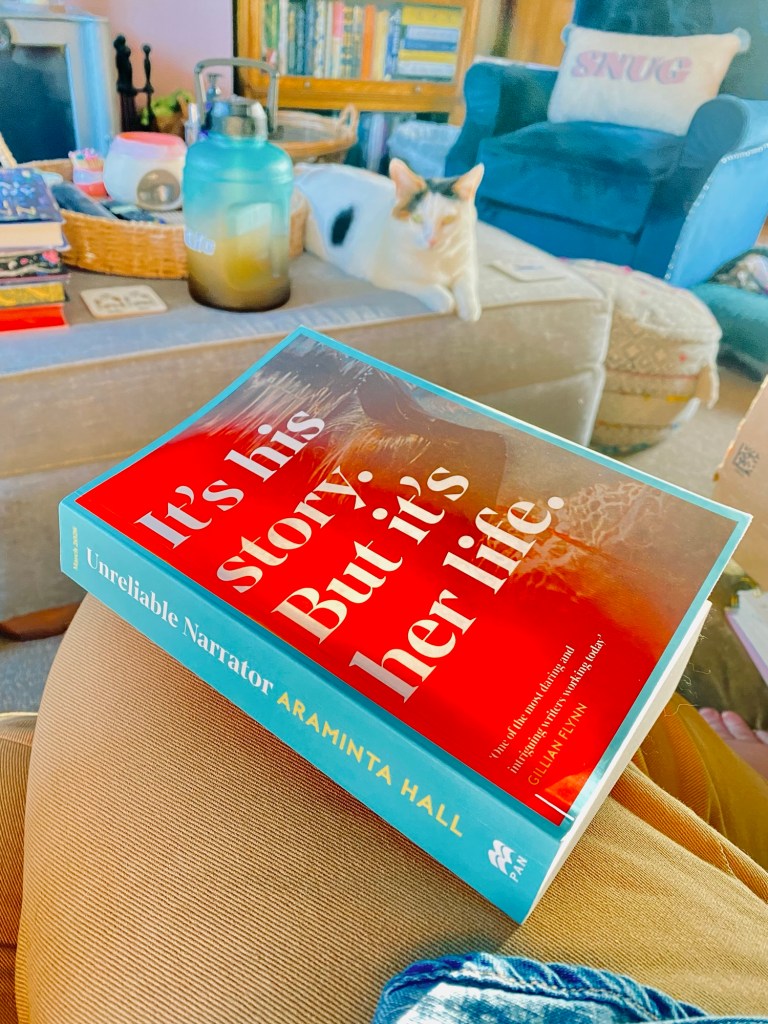


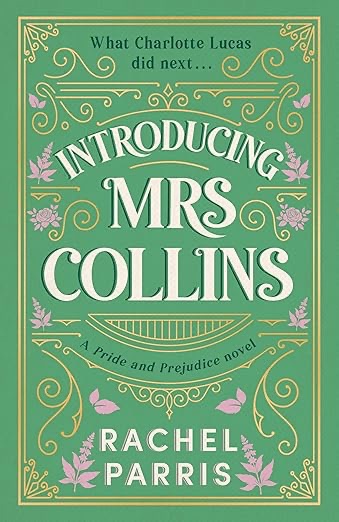
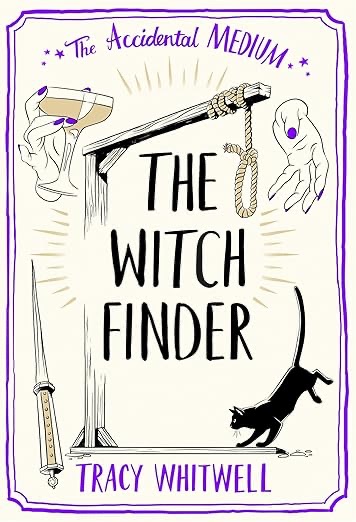

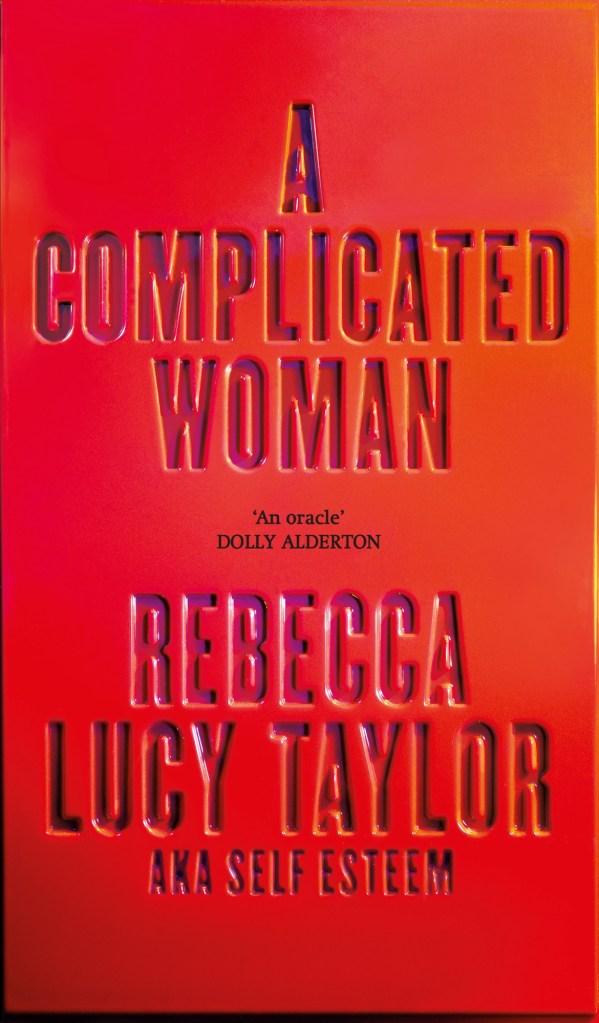

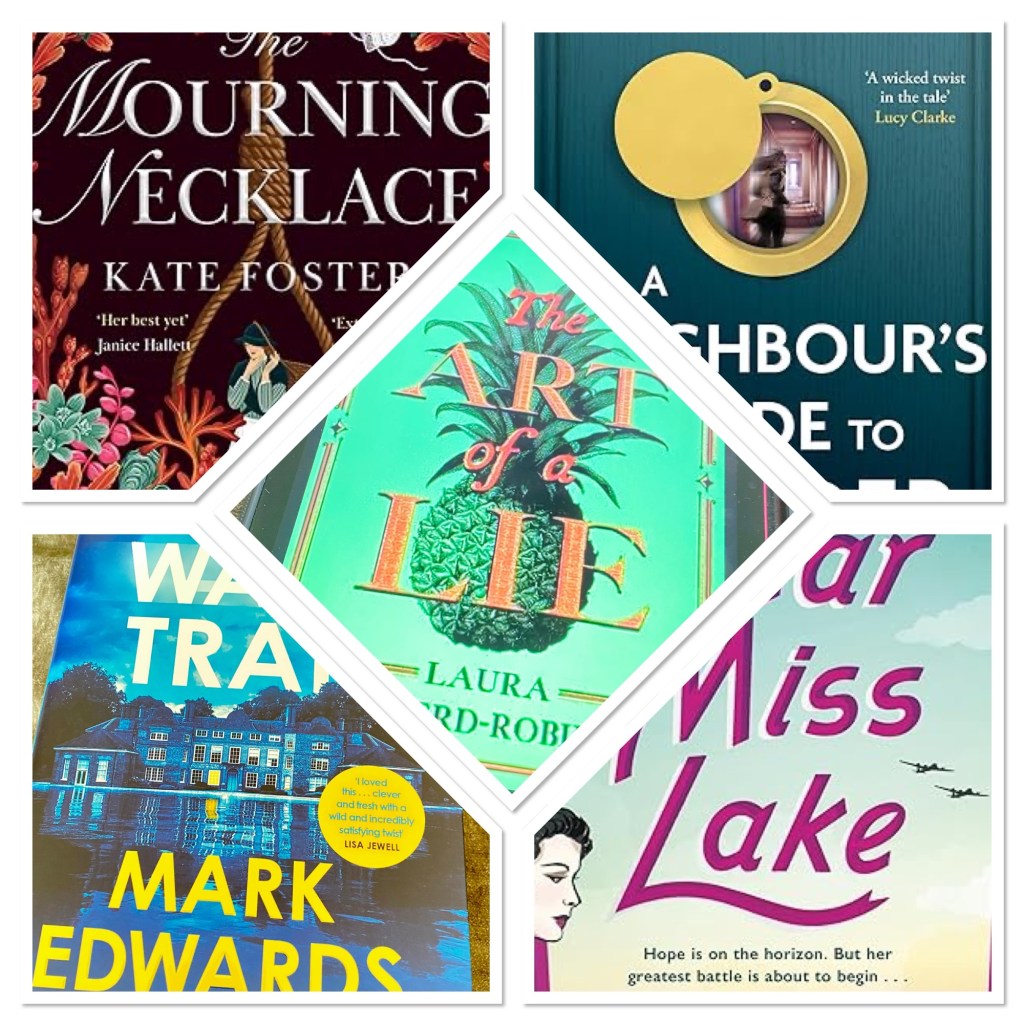
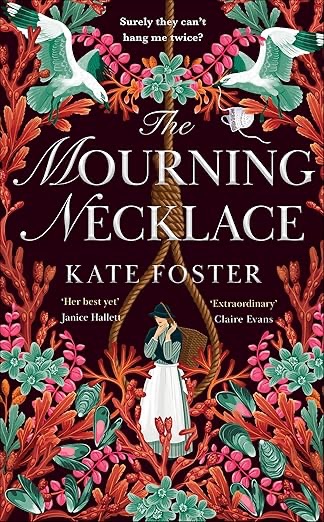
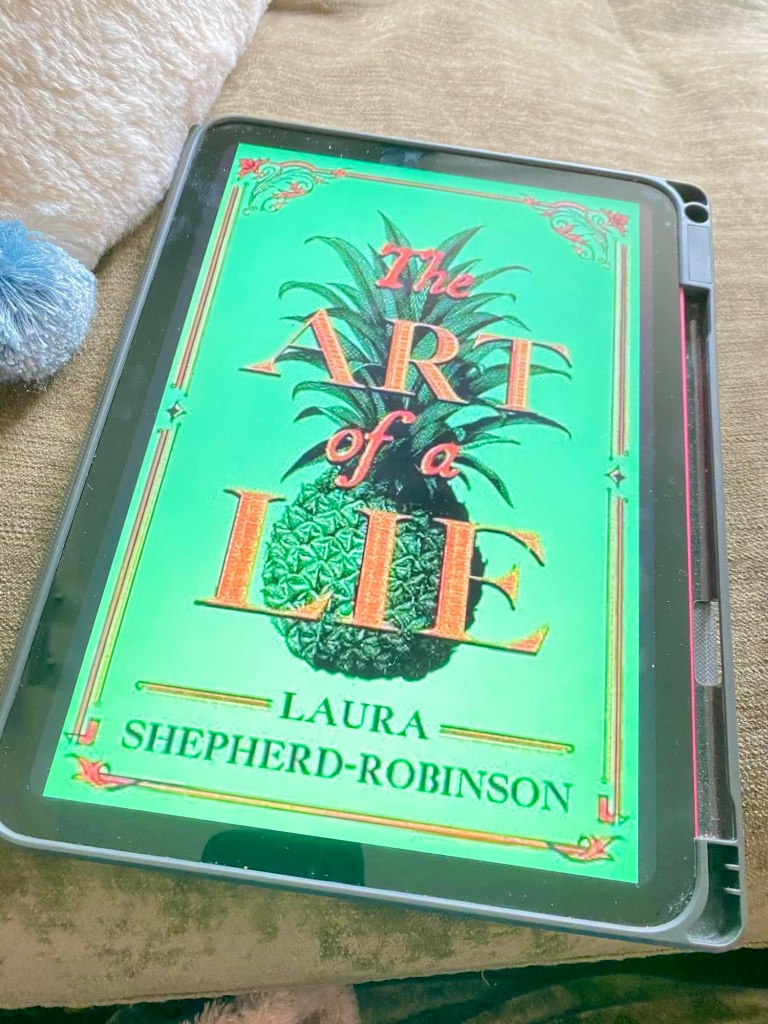
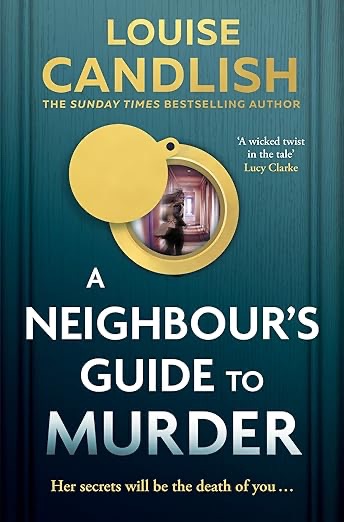
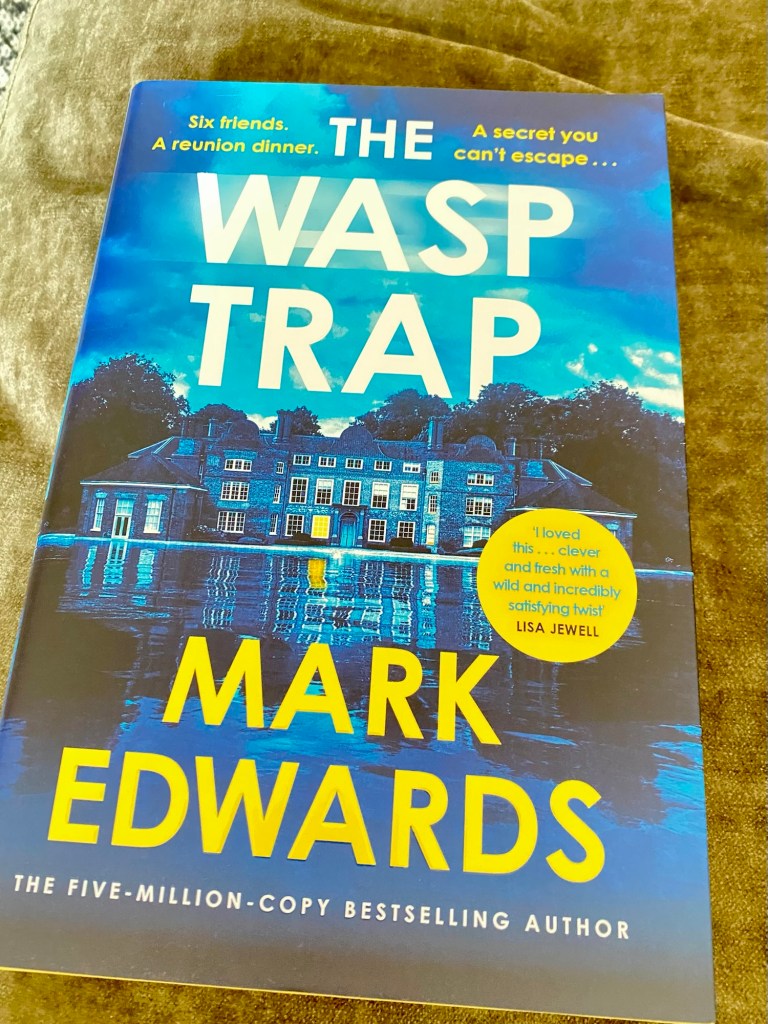
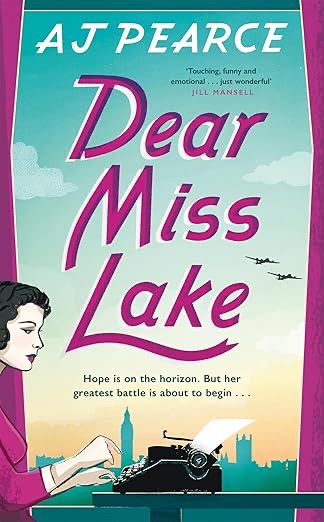
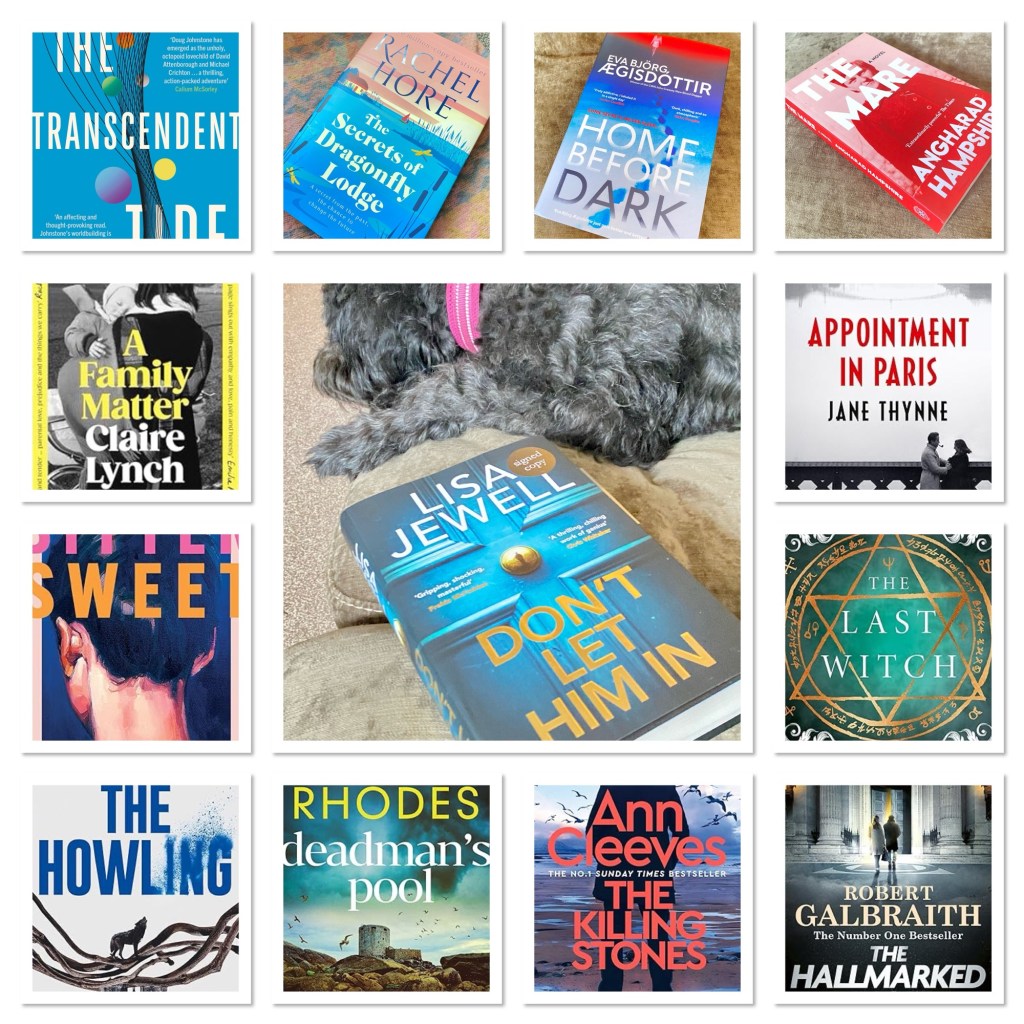

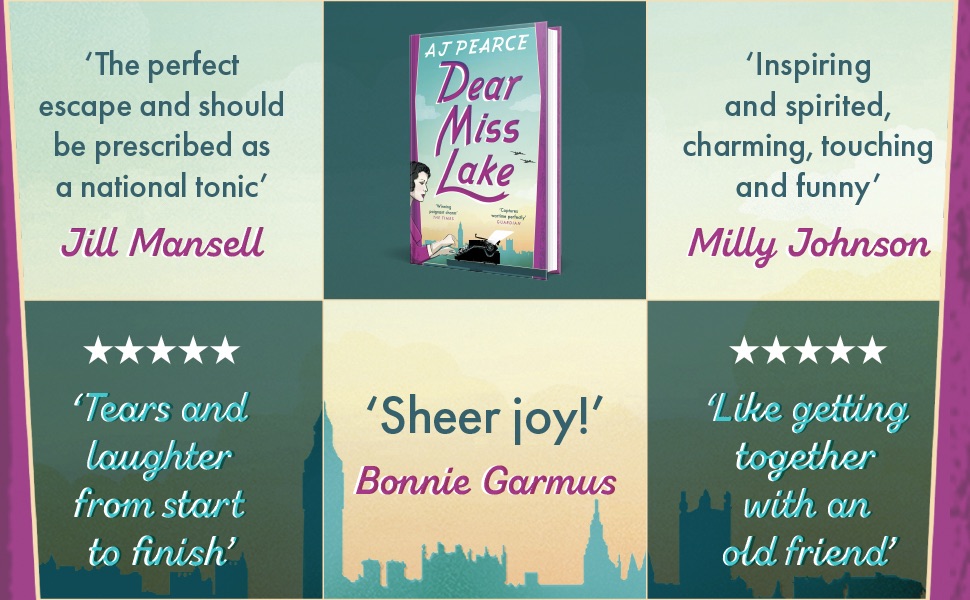

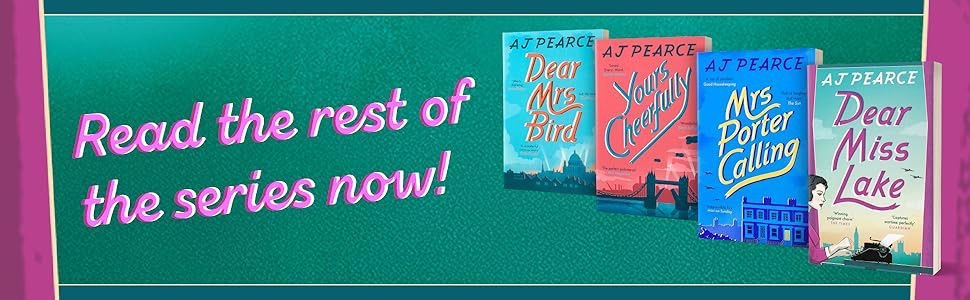
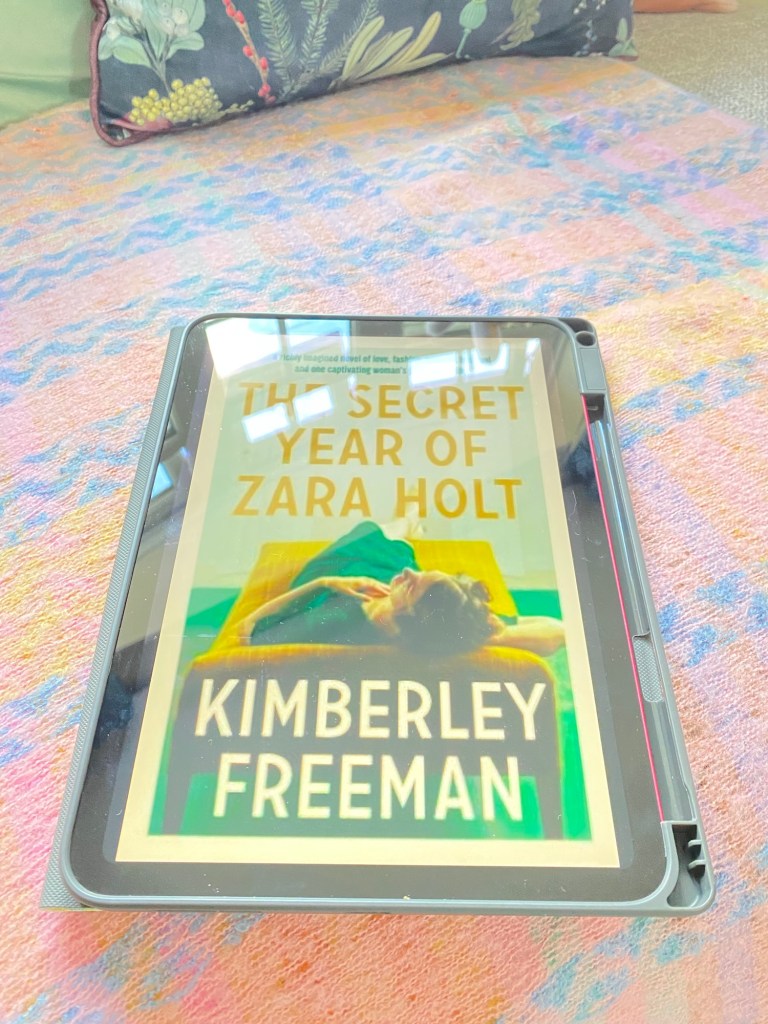


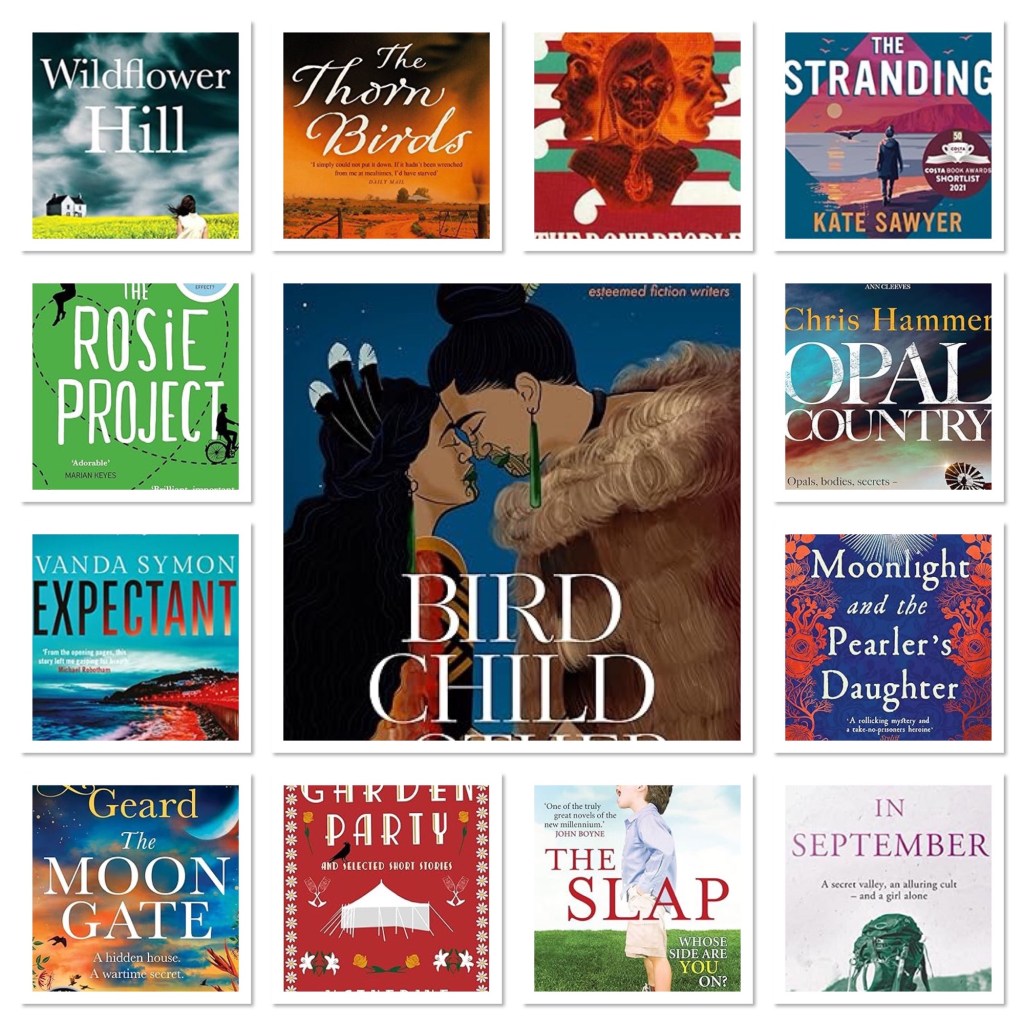
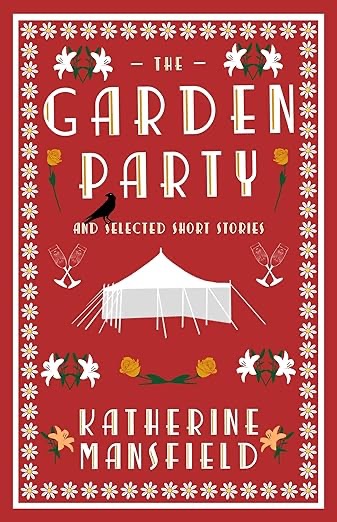

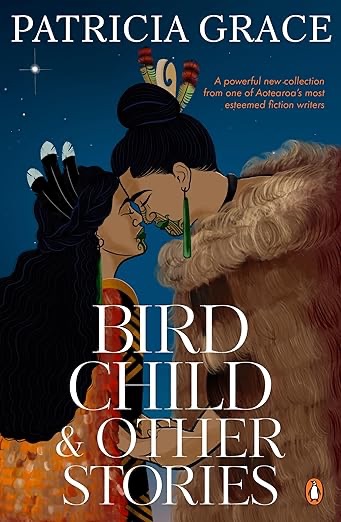
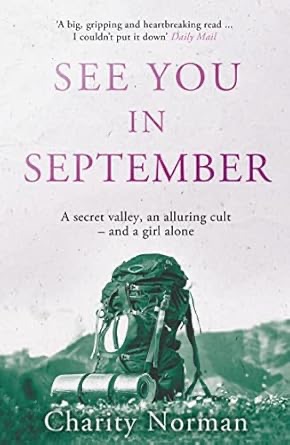
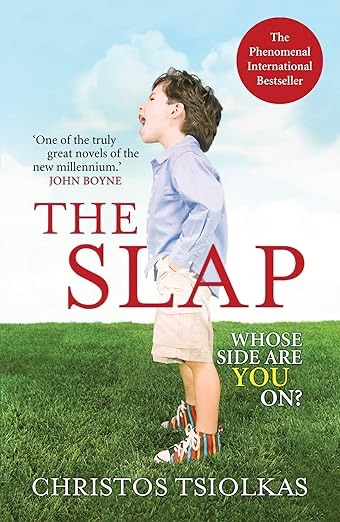
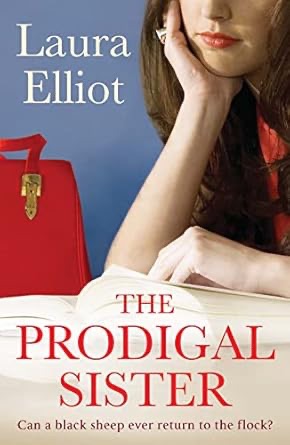
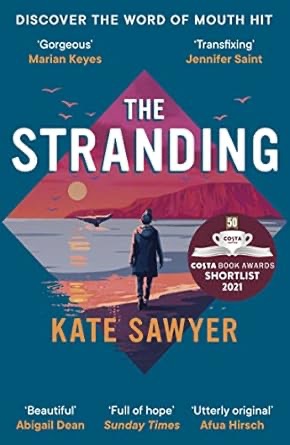
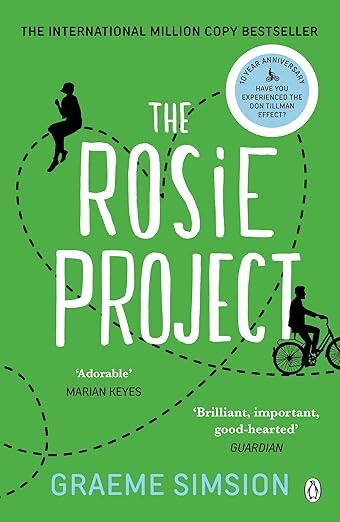
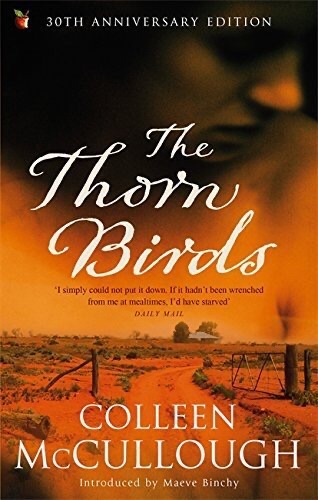
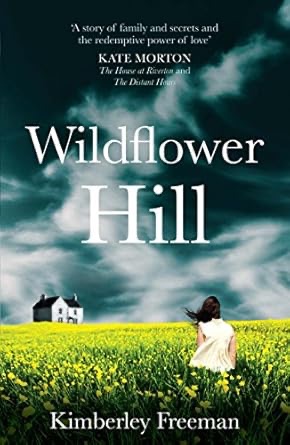
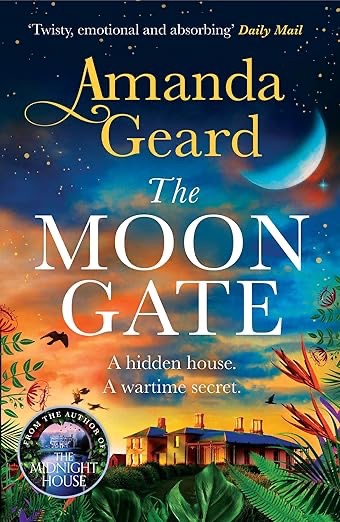
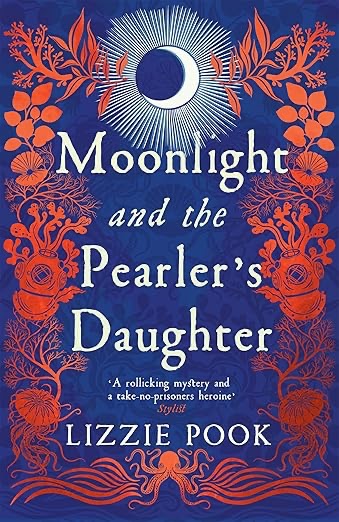
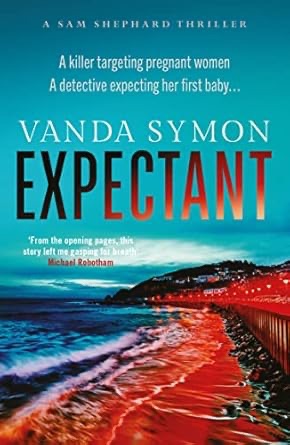
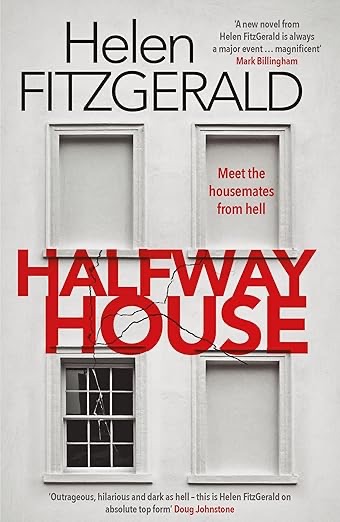
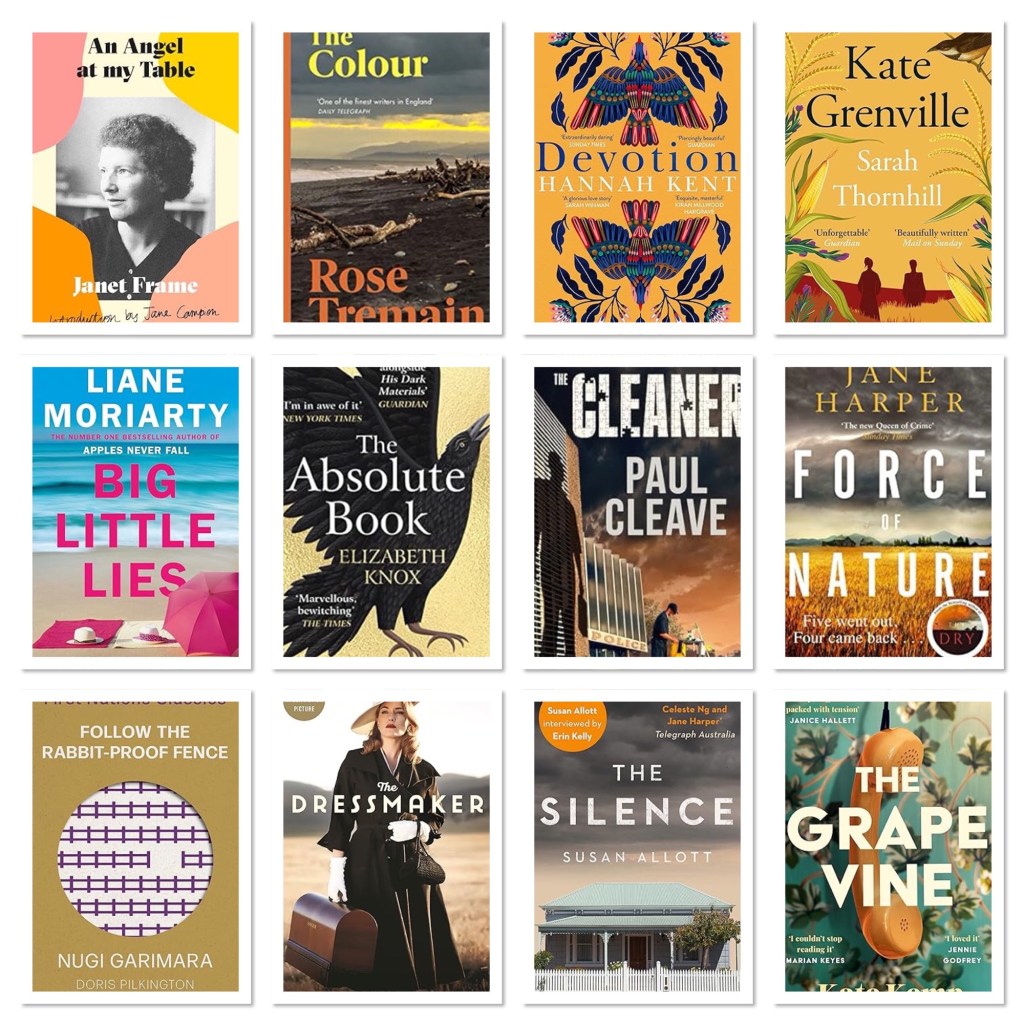
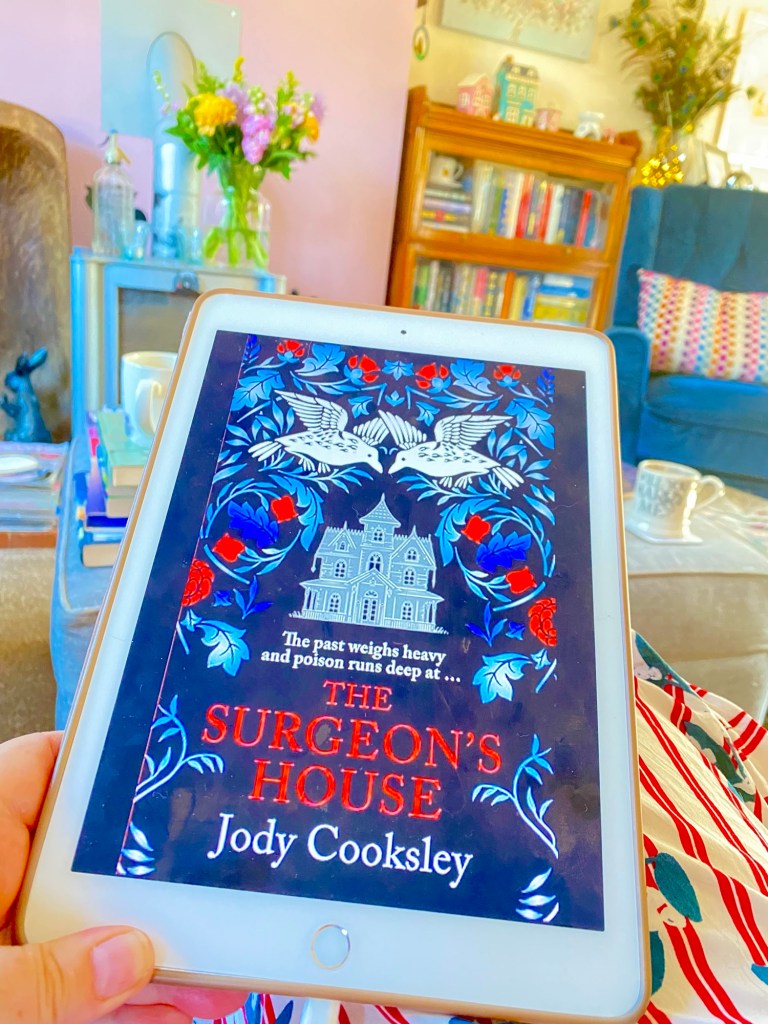

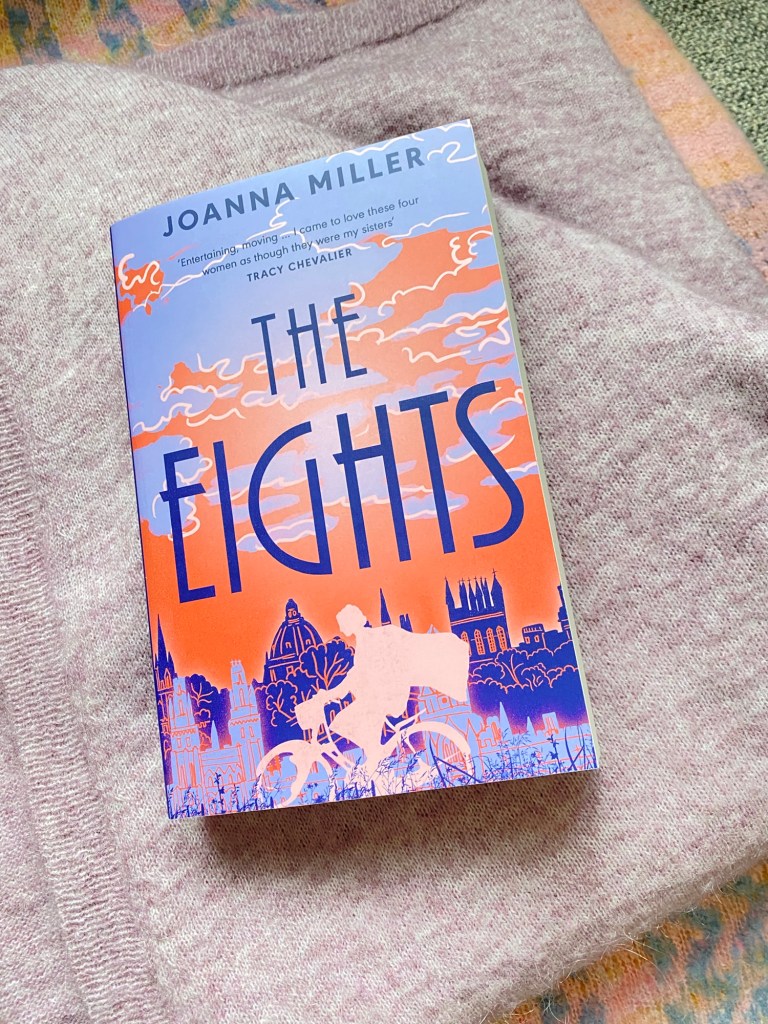

 The Lotus Readers