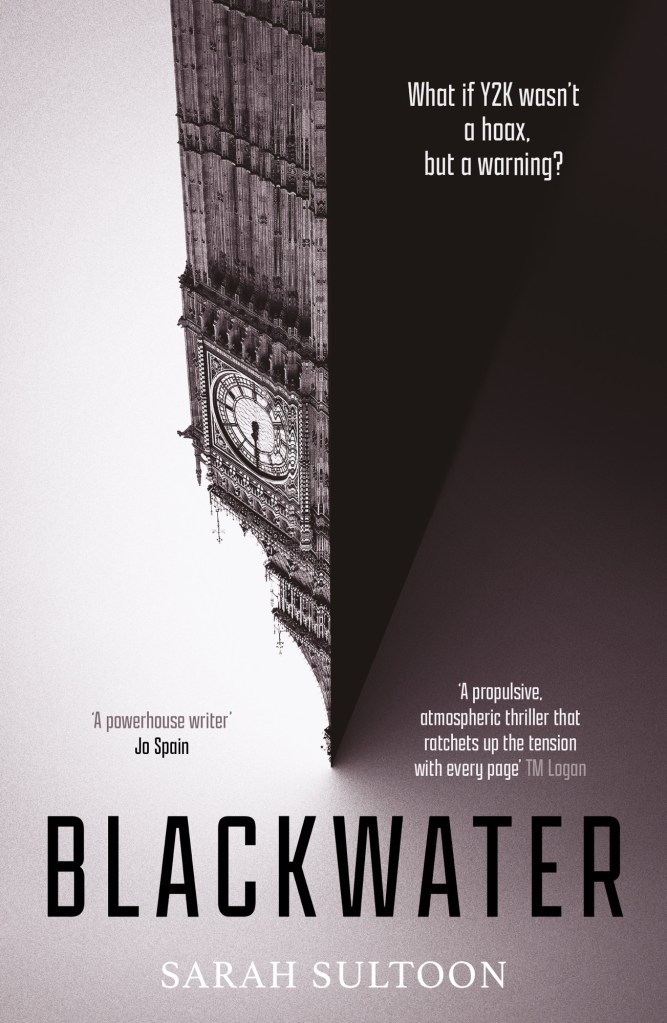
As the clock ticks towards the millennium – and the threat of a potentially new apocalyptic reality – Jonny Murphy is sent to investigate the discovery of a child’s body on a deserted swamp island, fifty miles from London. What he finds is more than just a tragedy, it’s a warning. Something big is coming … Can Jonny stop it? Should he?
London, Christmas 1999. The world is on edge. With the new millennium just days away, fears of the Millennium Bug are spiralling – warnings of computer failures, market crashes, even global catastrophe. But fifty miles east, on the frozen Blackwater Island, a different kind of mystery unfolds. A child’s body is discovered on the bracken, untouched by footprints, with no sign of how he died. And no one has come forward to claim him.
At the International Tribune, reporter Jonny Murphy senses something is off. Police are appealing for relatives, not suspects. An anonymous call led officers to the scene, but no one knows who made it. While the world fixates on a digital apocalypse, Jonny sees the real disaster unfolding closer to home. With just twenty-hour hours before the century turns, he heads to Blackwater – driven by curiosity, desperation, and the sting of rejection from his colleague Paloma.
But Blackwater has secrets buried deep in the frozen ground. More victims – some dead, others still paying for past sins. And when Paloma catches up to him, they stumble onto something far bigger than either of them imagined. Something that could change everything. The millennium is coming. The clock is ticking. Can Jonny stop it? Should he?
I went into this novel quite late, so I was incredibly pleased to find that this is definitely a gripping, read in one sitting type of thriller. This is Sarah Sultoon’s third novel featuring investigative journalist Jonny Murphy, but could very easily be read as a standalone. For people like me, old enough to be an adult at the time of the possible ‘millennium bug’, I remember the panic and the predictions that planes would fall out of the sky, banking systems would collapse and the apocalypse would begin. I remember the money spent trying to mitigate its potential effects but like the British seem to do, we gathered with friends and family anyway and set off fireworks in the freezing cold and precisely nothing happened. It feels like an innocent time now, when we think that 9/11 came only 18 months later, followed by going to war in Afghanistan and Iraq and then years of austerity followed by a pandemic. It’s certainly been turbulent ever since. My dad was convinced that the bug was a made up bogeyman, allowing technology companies and their shareholders to clean up by proposing to ‘fix’ something that didn’t exist. Maybe he was right. We don’t call him Fox Mulder for nothing.
Here Sarah Sultoon has created a fast paced thriller that plays out in the days before Millennium Eve. The timing gives us a countdown, but believe me this story creates its own tension. The setting of Blackwater Island is familiar but alien at the same time. Situated in an inlet only 50 miles from London and with a direct route by boat into the Channel and the Thames this place is hiding in plain site. Beyond the last village, the terrain feels like the eerie marshlands at the beginning of Charles Dickens’s David Copperfield. The mist is so thick someone could be standing next to you and the black, viscous mud has the feel of quicksand. It sucks all explorers into its depths and is enough to put anyone off reaching the island itself. As if that wasn’t enough, the author brings elements of folk horror to the narrative as Jonny is warned off by very unfriendly and odd locals. The only place to stay is an old inn in the village, but the landlady isn’t very welcoming. She warns him that the only resident of Blackwater is Inka who is depicted in a framed picture behind the bar and on graffiti near the island:
“it’s apparently a picture of a ghost that’s been haunting Blackwater since the Dark Ages. Our landlady told me some mad story about a mythical Icelandic warrior named Inka with a diamond-tipped spear and a mermaid’s tail.”
Jonny is canny enough to know when he’s being warned away from something and it only sets his investigative skills tingling. On the other hand, actual protection for the crime scene is very thin on the ground. He meets the only police officer in the area and she feels like she’s been dumped in the backwaters of Essex with no support or back up. The facts are that the body of a boy was found on the island with no visible cause of death, but the weirdest part is that he was dressed like an extra from Oliver! His Victorian urchin clothing is so incongruous, but could mean anything from local amateur dramatics to time travel. It’s once Jonny manages to get on the island that answers start to come and it was nothing I’d considered.
Jonny is a rather fascinating character. He’s absolutely determined to track down his story and has defensive walls a mile high where friendship and romance are concerned. Yet he does have empathy and tries to take the honourable route where possible. He clearly has feelings for photographer Paloma, but has been determined not to pursue them, not wanting to inflict himself on someone else. What does he know about himself that makes him hesitate? Will the story always come first? The scariest part of the whole story is that it’s believable and the afterword really does show that sometimes, what feels far fetched, is only the beginning. Taking in biological experimentation and weaponry, black ops, government conspiracies and the price paid by the locals caught up in it, it’s the writing and the very real atmosphere at the time that makes this a believable story. Jonny’s mission becomes unbearably tense as he has to make it to the centre of London with the city’s ’River of Fire’ fireworks display under threat. Thousands are gathered to hear Big Ben strike midnight and the start of a new century. Jonny fears they may be the target, but there’s also the press area where Paloma is hoping to catch the display on camera, no matter his reservations he’s determined to save her. Events and emotions build and I was half expecting a huge explosion, but Sarah Sultoon is more subtle than that and the fear here is insidious. It warns us not to trust those in authority, to question and investigate everything – an instinct that in real life seems to have been lost since the pandemic. Jonny is a brilliant hero because he has that instinct still and a moral compass that guides his work, something that’s a rare combination. This is incredibly tense, gripping and packed full of action with the added nostalgia of millennium memories.
Out now from Orenda Books
Meet the Author
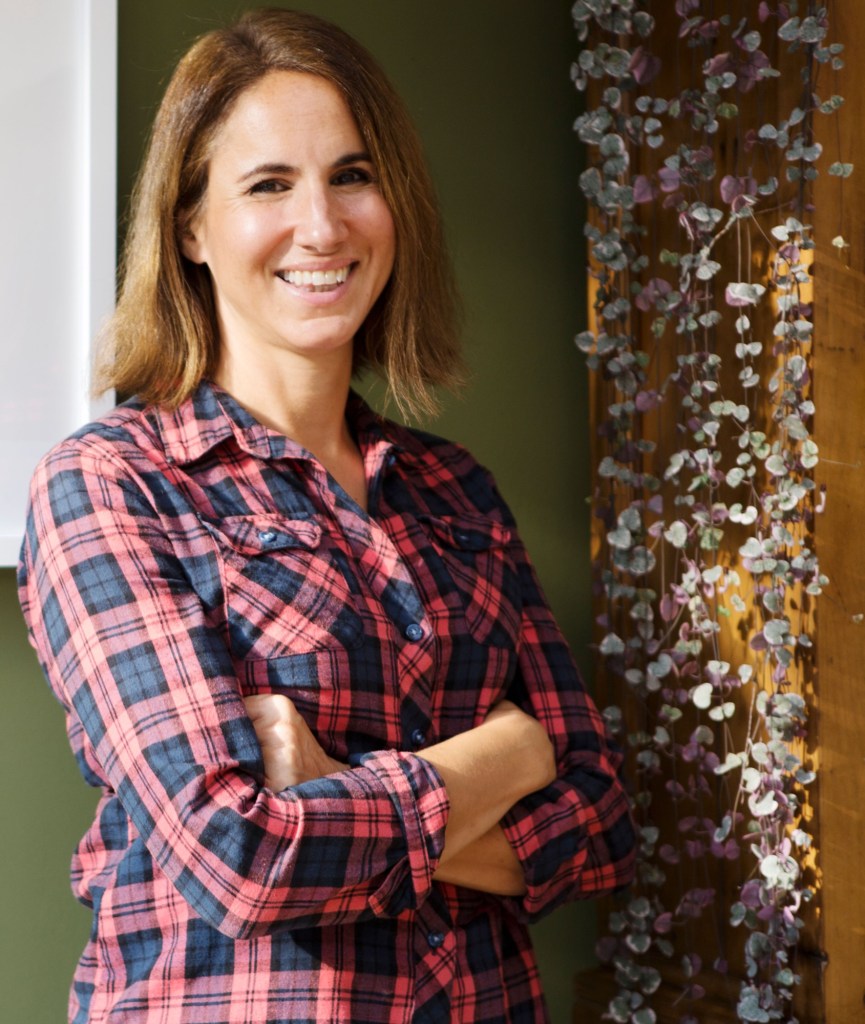
Sarah Sultoon is a novelist and journalist, whose prior work as an international news executive at CNN has taken her all over the world, from the seats of power in both Westminster and Washington to the frontlines of Iraq and Afghanistan. She has extensive experience in conflict zones, winning three Peabody awards for her work on the war in Syria, an Emmy for her contribution to the coverage of Europe’s migrant crisis in 2015, and a number of Royal Television Society gongs. As passionate about fiction as nonfiction, she recently completed a Masters of Studies in Creative Writing at the University of Cambridge, adding to an undergraduate degree in languages, chosen mainly so she could spend time itinerantly travelling the world. She likes running, Indian food, cocktails, playing sport with her children and throwing a ball for her dog, order dependent on when the cocktails are consumed.
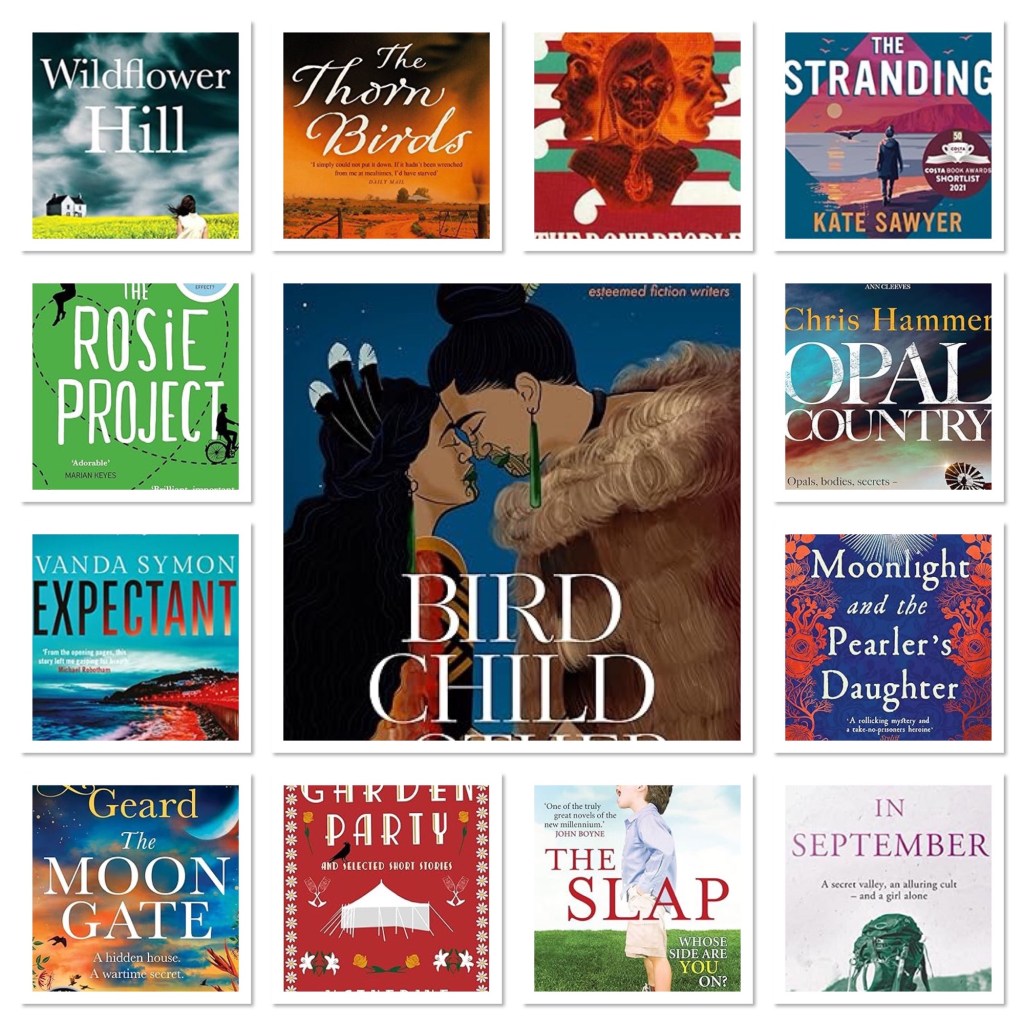
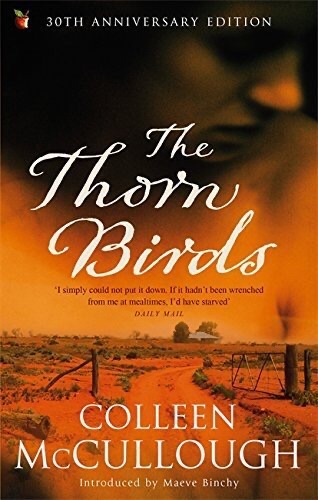
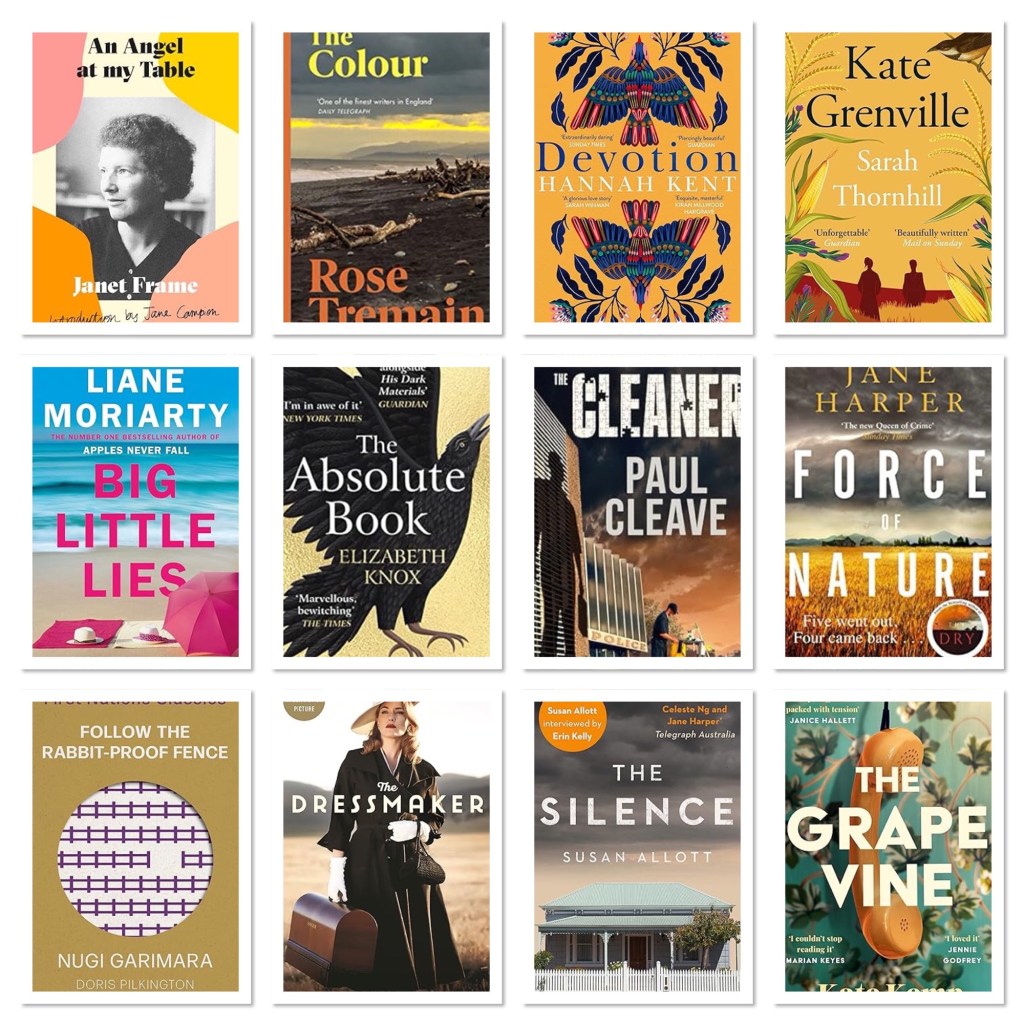
I’ve always been unconsciously drawn to books set in Australia and New Zealand, perhaps because I have family in both countries and want to familiarise myself with their lives. My mum lived there as a ten pound Pom in the 1960’s, leaving Liverpool behind and living in hostels meat Sydney. My grandad loved it out there and would tell us about nature, mostly horrific stories of people having spider’s nest in their ears or brains. My brother-in-law went out to New Zealand to work as a tree surgeon on a huge farm. He met the love of his life out there, Jenny, and although Jan died a few years after my husband I’m still in touch with Jenny and my two nephews. I was also hugely influenced by mum who was an enormous fan of The Thorn Birds – although hated Rachel award as Meggie in the TV mini-series. I’ve always thought that people down under are resilient, rather sweary and very straightforward. They say what they think – something I admire even where I don’t agree. I love the diversity of the cities and fascinated by Aboriginal and Māori. Some of my choices were read on my post-colonial literature course at university, a module that I found so inspiring and forced me to read writers I’d never have picked up as a casual reader. Here are just a few of the books and authors that can take you on a trip round both countries.
Classics
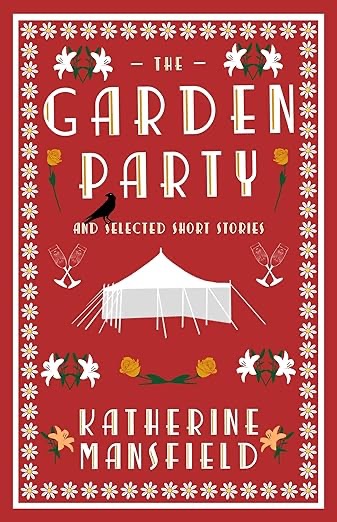
When her wealthy family prepares to host a lavish summer party, the young, hitherto sheltered Laura Sheridan suddenly feels a kinship with the staff and the helpers hired to set up the venue for the festivities. As she learns of the death of one of their working-class neighbours, this burgeoning sense of class consciousness is heightened by a realization of her own mortality. Published in 1922, at the height of literary modernism, ‘The Garden Party’ is now considered one of the key texts of that movement. This volume, which also includes all of Katherine Mansfield’s other published short stories, is an invaluable resource for anyone wishing to discover one of the early twentieth century’s finest writers. I first read this collection at university and I still have it today because it stands up against any short story collection from that period.
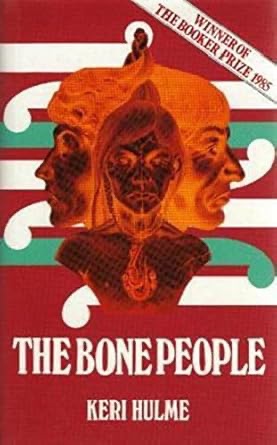
Integrating both Maori myth and New Zealand reality, The Bone People became the most successful novel in New Zealand publishing history when it appeared in 1984. Set on the South Island beaches of New Zealand, a harsh environment, the novel chronicles the complicated relationships between three emotional outcasts of mixed European and Maori heritage. Kerewin Holmes is a painter and a loner, convinced that “to care for anything is to invite disaster.” Her isolation is disrupted one day when a six-year-old mute boy, Simon, breaks into her house. The sole survivor of a mysterious shipwreck, Simon has been adopted by a widower Maori factory worker, Joe Gillayley, who is both tender and horribly brutal toward the boy. Through shifting points of view, the novel reveals each character’s thoughts and feelings as they struggle with the desire to connect and the fear of attachment.
Compared to the works of James Joyce in its use of indigenous language and portrayal of consciousness, The Bone People captures the soul of New Zealand. After twenty years, it continues to astonish and enrich readers around the world.
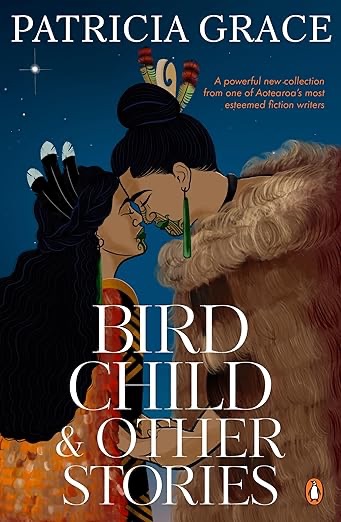
Mythology and contemporary Māori life are woven together seamlessly in this spectacular collection by Aotearoa’s foremost short story writer.
The titular story ‘Bird Child’ plunges you deep into Te Kore, an ancient time before time. In another, the formidable goddess Mahuika, Keeper of Fire, becomes a doting mother and friend. Later, Grace’s own childhood vividly shapes the world of the young character Mereana; and a widower’s hilariously human struggle to parent his seven daughters is told with trademark wit and crackling dialogue.
Moving artfully across decades, landscapes, time and space, with tenderness and charm, Bird Child and Other Stories shows an author as adept and stimulating as ever. This isn’t an easy read but fascinating and the comparison between Māori and other creation myths from around the world was fascinating.
Contemporary Fiction
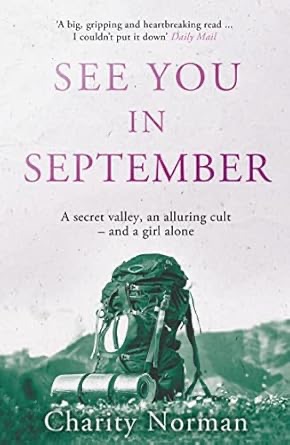
Cassy smiled, blew them a kiss.
‘See you in September,’ she said.
It was a throwaway line. Just words uttered casually by a young woman in a hurry. And then she’d gone.
It was supposed to be a short trip – a break in New Zealand before her best friend’s wedding. But when Cassy waved goodbye to her parents, they never dreamed that it would be years before they’d see her again. Having broken up with her boyfriend, Cassy accepts an invitation to stay in an idyllic farming collective. Overcome by the peace and beauty of the valley and swept up in the charisma of Justin, the community’s leader, Cassy becomes convinced that she has to stay.
As Cassy becomes more and more entrenched in the group’s rituals and beliefs, her frantic parents fight to bring her home – before Justin’s prophesied Last Day can come to pass. I love Charity Norman’s writing because she gets to the heart of family relationships and shows how families can fracture when placed under stress. I’d recommend any of her books but this one is set in New Zealand. I highly recommend Remember Me and Home Truths.
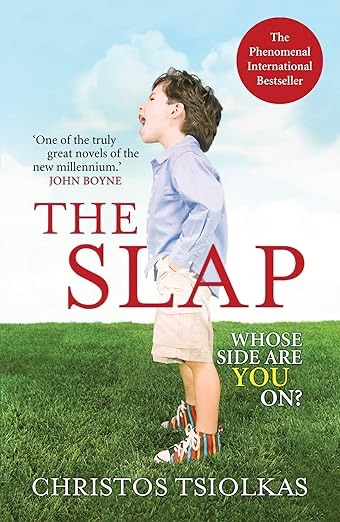
At a suburban barbecue one afternoon, a man slaps an unruly boy.
The boy is not his son.
It is a single act of violence, but the slap reverberates through the lives of everyone who witnesses it happen.
Christos Tsiolkas presents the impact of this apparently minor domestic incident through the eyes of eight of those who witness it. It’s honestly hard to find someone to like here, but it is a fascinating look at contemporary Aussie relationships. It’s an unflinching interrogation of the life of the modern family, a deeply thought-provoking novel about boundaries and their limits…
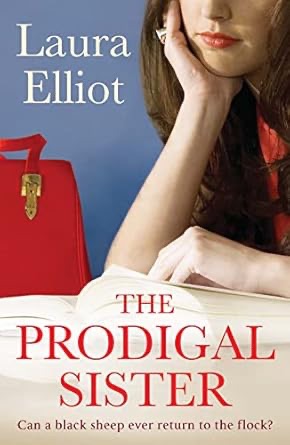
The Lambert sisters have secrets…
When 15-year-old Cathy Lambert runs away from her Dublin home, she is scared and pregnant. Settled in New Zealand with her new son Conor she believes the secret she carries will never be revealed…
Rebecca Lambert was eighteen when her parents died and she took responsibility for her younger sisters. Years later, she is haunted by fears she hoped she’d conquered.
Freed from family duties, mother of three Julie Chambers is determined to recapture the dreams of her youth.
Married to a possessive older man, Lauren Moran embarks on a frantic love affair that threatens to destabilise her fragile world.
Anxious to make peace with her three sisters, Cathy invites them to her wedding.
But as the women journey together through New Zealand towards their reunion, they are forced to confront the past as the secret shared histories of the Lambert sisters are revealed. I couldn’t put this book down as it’s a great mix of emotions, adventure, secrets and a lot of humour.
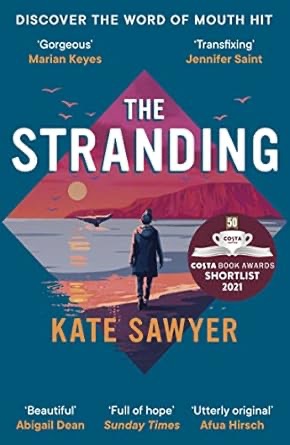
EVERY ENDING IS A NEW BEGINNING…
Ruth is ignoring the news. Like most people, she has relationship problems, job stress, friends and family who need her. Ruth has a life.
But the news is about to catch up with Ruth, and her problems are going to be swept away…along with the rest of the world. While on a plane to New Zealand, something starts to happen to the world. Arriving, Ruth makes her way to her coastal destination but never expected to be sharing the inside of a dead whale with a stranger as a world ending event happens. It takes this to change Ruth’s outlook completely. Only when the comforts and complications of her old existence are gone, does she finally realise how she might be able to live to the fullest. This was a mesmerising debut from Kate and I still recommend it constantly. It made me think about something drastic like this happening in my lifetime, but also question why we fall in love with the people we do and how commitments to others are nurtured and lad
Romantic Fiction
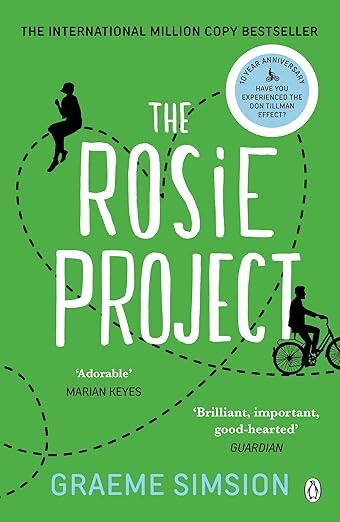
Love isn’t an exact science – but no one told Don Tillman.
A thirty-nine-year-old geneticist, Don’s never had a second date. So he devises the Wife Project, a scientific test to find the perfect partner. Don has a regimented life of work
Enter Rosie – ‘the world’s most incompatible woman’ – throwing Don’s safe, ordered life into chaos.
But what is this unsettling, alien emotion he’s feeling? . . .
This is a deeply funny, but emotional and fascinating in terms of Don’s neuro-divergence. He eats the same meal on the same night every week as part of his rotation of menus. His life felt like a never-ending to-do lust and I knew that he would drive me up the wall. Rosie is a woman of great patience! However, I also knew that my lack of systems and routine would have an equally detrimental effect on his mental health. Watching how these two people try, fail and try again to communicate their needs and feelings within the relationship is a lesson for every couple. It’s also brilliantly funny. There is a trilogy now so treat yourself to all of them.
In the rugged Australian Outback, three generations of Clearys live through joy and sadness, bitter defeat and magnificent triumph, driven by their dreams, sustained by remarkable strength of character… and torn by dark passions, violence and a scandalous family legacy of forbidden love.
The Thorn Birds is a poignant love story, a powerful epic of struggle and sacrifice, a celebration of individuality and spirit. Most of all, it is the story of the Clearys’ only daughter, Meggie, who can never possess Ralph de Bricassart, the man she so desperately adores. Ralph will rise from parish priest to the inner circles of the Vatican… but his passion for Meggie will follow him all the days of his life.
What a saga this is and I have to say the book is ten times better than the series, mainly because we get more of the family dynamic and get to know Meggie as a little girl. Her story of slowly growing up with such a harsh mother really builds and we understand more her bond to the young priest who befriends her, noticing that in a family of many sons she is largely ignored. He is her knight in shining armour and the only one, after her eldest brother is gone, who will hug and comfort this lonely girl. Catholic readers will recognise how powerful the religion is for Irish families and the schooling that nuns provide. The book is an epic and covers Father Ralph’s lifetime, but it has an incredible sense of place and time and really is worth a read for that alone.
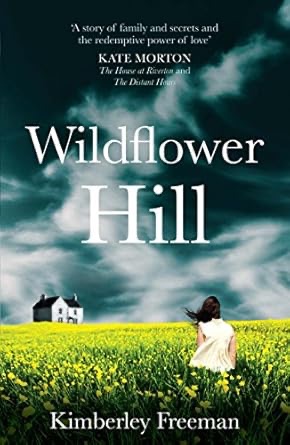
n 1929, Beattie Blaxland had dreams. Big dreams. She dreamed of a life of fashion and fabrics. One thing she never dreamed was that she would find herself pregnant to her married lover, just before her nineteenth birthday.
In 2009, Emma Blaxland-Hunter was living her dream. A prima ballerina with the London Ballet, she had everything… Until the moment she lost it all.
Separated by decades, both women must find the strength to rebuild their lives. A legacy from one to the other will lead to Wildflower Hill, a place where a woman can learn to stand alone long enough to realise what she really wants.
I’d never read this author before so it came as a complete surprise when I enjoyed it so much. It is historical fiction too, but I loved that this was a ballsy woman who was determined to succeed at Wildflower Hill and her love story with an aboriginal worker would have been so transgressive at the time. It’s an unashamedly romantic story and if you enjoy love with a side order of feminism, family secrets and a dual-timeline this is for you.
Historical Fiction
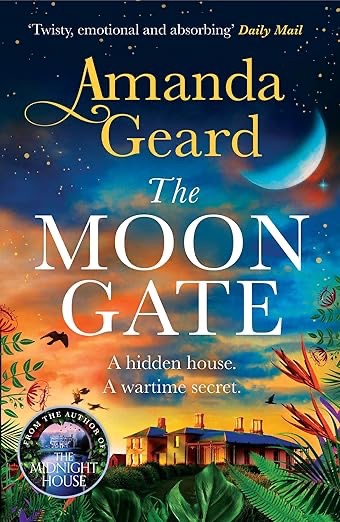
A faded photograph. An abandoned house. A wartime mystery. . .
1939: On the eve of war, young English heiress Grace Grey travels from London to the wilderness of Tasmania. Coaxed out of her shell by the attentions of her Irish neighbour, Daniel – Grace finally learns to live. But when Australian forces are called to the frontline, and Daniel with them, he leaves behind a devastating secret which will forever bind them together.
1975: Artist Willow Hawkins, and her new husband, Ben, can’t believe their luck when an anonymous benefactor leaves them a house on the remote Tasmanian coast. Confused and delighted, they set out to unmask Towerhurst’s previous owner – unwittingly altering the course of their lives.
2004: Libby Andrews has always been sheltered from the truth behind her father Ben’s death. When she travels to London and discovers a faded photograph, a long-buried memory is unlocked, and she begins to follow an investigation that Ben could never complete. But will she realise that some secrets are best left buried . . .?
This gorgeous story that spans the twentieth century was one of my books of the year last year. The mystery of how all these timelines added up, the beautiful setting of Tasmania and the historical context around WW2 drew me in. The love story is simply gorgeous and potentially heart-breaking. I know this is a story I’ll want to read again.
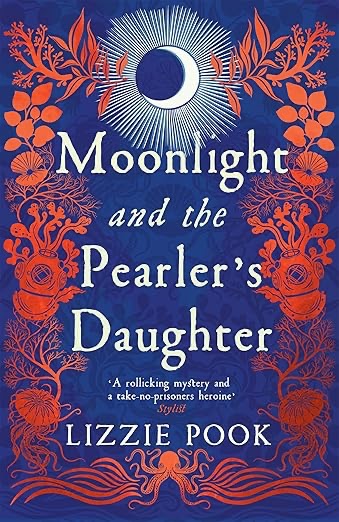
1896, Bannin Bay, Australia. When British pearl-boat captain Charles Brightwell goes missing out at sea, rumours of mutiny and murder swell within the bay’s dens and back alleys. Only his headstrong daughter, Eliza, refuses to believe her father is dead, and sets out on a dangerous journey to uncover the truth.
But in a town teeming with corruption, prejudice, and blackmail, Eliza soon learns that the answers she seeks might cost more than pearls. How much is she willing to sacrifice to find them?
This incredible debut is richly atmospheric from the get go, throwing us straight into the strangeness of 19th Century Western Australia as if it is an alien landscape. In fact that’s exactly what it is for the Brightwell family, particularly Eliza whose childhood eyes we see it through for the the first time. The adult Eliza has to negotiate her way through the community’s corruption, violence, blackmail and the criminal elements of the pearling business. All the while reading her father’s diary for clues and guiding us to some fascinating characters, some of which are based on historical figures. You’ll love Eliza’s early feminist stance and sense of adventure. The twists and turns her journey takes are gripping and pull you deep into the story. It’s a fantastic debut, full of life and death, just like it’s setting.
Crime Fiction
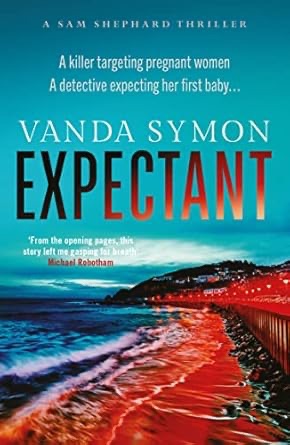
A killer targeting pregnant women.
A detective expecting her first baby…
The shocking murder of a heavily pregnant woman throws the New Zealand city of Dunedin into a tailspin, and the devastating crime feels uncomfortably close to home for Detective Sam Shephard as she counts down the days to her own maternity leave.
Confined to a desk job in the department, Sam must find the missing link between this brutal crime and a string of cases involving mothers and children in the past. As the pieces start to come together and the realisation dawns that the killer’s actions are escalating, drastic measures must be taken to prevent more tragedy.
For Sam, the case becomes personal, when it becomes increasingly clear that no one is safe, and the clock is ticking…
There’s something about Aussie and NZ crime fiction. It’s gritty and immediate. This is the fifth in Vanda’s Sam Shepherd series and I can honestly say they’re all brilliant but this one …. I was on the edge of my seat! It feels like Sam has just let her guard down and accepted what’s next in her life, when everything could be ripped away from her. Even though she’s the one who most understood the killer’s motivations, will she still be shocked by their identity? Sam’s vulnerability is terrifying and I was praying that she would be okay, as if she’s a living and breathing human being. That’s the power of Vanda Symon’s writing and how much of that magic she’s poured into this brilliant character.
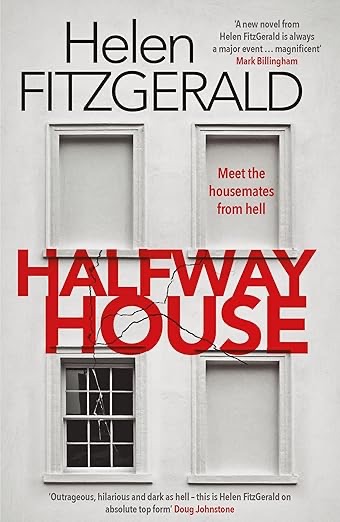
Lou O’Dowd travels across the world from Australia to Edinburgh for a job with the organisation SASOL. Her new life will be living with her cousin and working shifts at a halfway house for high risk offenders including two killers, a celebrity paedophile, and a paranoid coke dealer. After orientation, Lou will be on shift alone dealing with these offenders with little more than her own instinct to guide her. What could possibly go wrong?
Lou is a controversial character, living off a sugar daddy for a while she’s had no need to work, but when the relationship ends disastrously she has no choice but to leave. On her first day in Edinburgh she meets a man at a play who has a similar attitude to risk, enjoying mainly outdoor sex. He comes from a rich family, so maybe he could be more than a fling? I loved how the mundane domesticity of the job was mixed with genuine fear and horror of what could happen if residents flare up. There’s an evening ritual of cocoa for each resident, but it has to be to perfectly timed in order to interrupt one resident’s suicide ritual. These are the extremes a job like this entails, but it’s only the beginning….
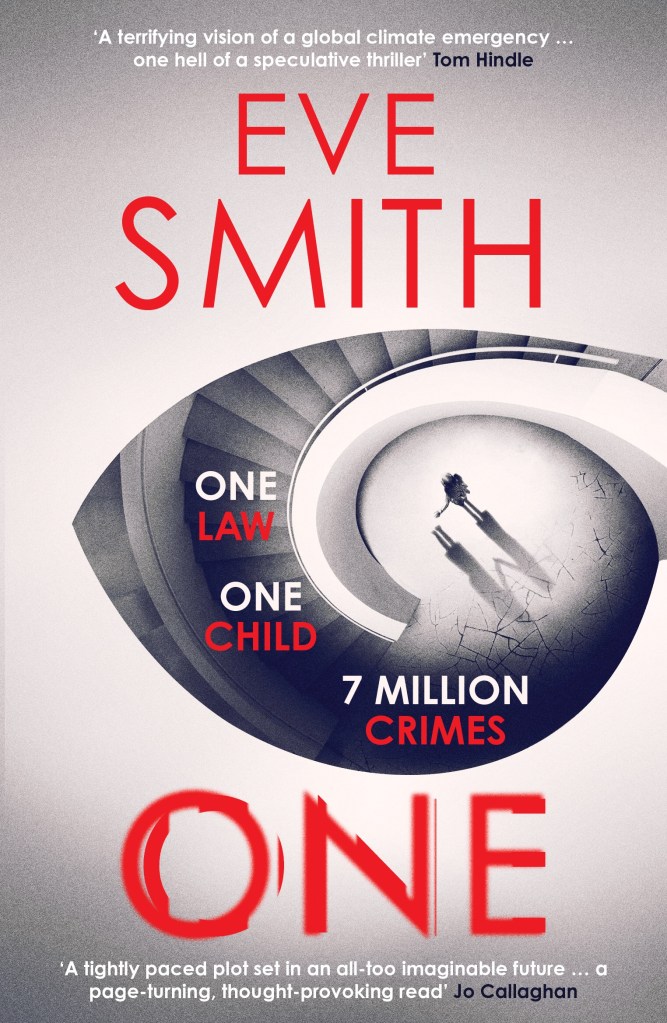
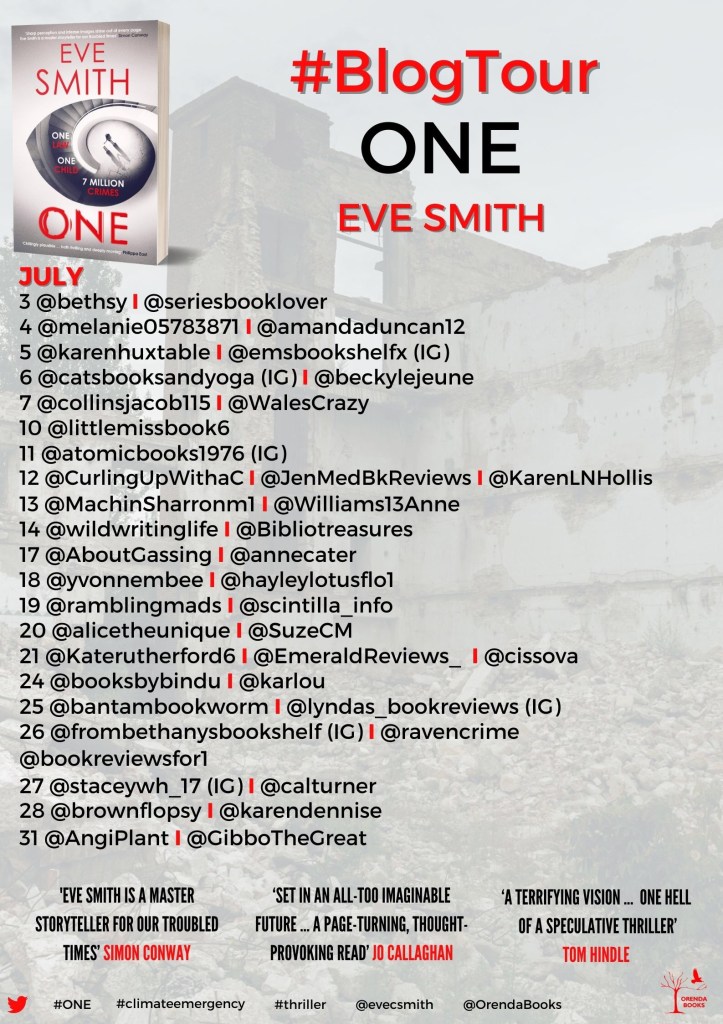
A catastrophic climate emergency has spawned a one-child policy in the UK, ruthlessly enforced by a totalitarian regime. Compulsory abortion of ‘excess’ pregnancies and mandatory contraceptive implants are now the norm, and families must adhere to strict consumption quotas as the world descends into chaos.
Kai is a 25-year-old ‘baby reaper’, working for the Ministry of Population and Family Planning. If any of her assigned families attempts to exceed their child quota, she ensures they pay the price.
Until, one morning, she discovers that an illegal sibling on her Ministry hit- list is hers. And to protect her parents from severe penalties, she must secretly investigate before anyone else finds out.
Kai’s hunt for her forbidden sister unearths much more than a dark family secret. As she stumbles across a series of heinous crimes perpetrated by the people she trusted most, she makes a devastating discovery that could bring down the government … and tear her family apart.
I LOVE the way Eve Smith doesn’t baby her readers. If there are hover cars that’s what she gives us. A two word description. No long flowery explanations of how they came to be, she just tells us what IS. She expects our own imaginations to keep up. The immediacy of her writing brings us slap bang in the middle of this alien world and it’s exhilarating.
Our narrator Kai is a perfect ministry operative. She’s brainwashed from birth into accepting the world as the ministry present it. The political party One came to power with an unusual mix of ecological and anti-immigration policies. We might expect that ecological parties are more left-wing and we expect our totalitarianism to come in a right wing package. The lack of resources has left the country without options (although other countries have less draconian regimes) and any political movement can become a totalitarian one. Due to the climate emergency there are now places it is impossible to live so immigration is rising. The government used predictions of climate disaster to ease the population in to accepting extreme policies to reduce consumption and the population. Each family has a consumption quota to cover things like food, travel and water usage. I loved little touches like Kai’s grandparents always being the ones to overuse their quota, still used to the old days. The one child policy is the most extreme and the administration and enforcement of the policy is down to officers like Kai. The reality of her job is devastating. Women’s fertility is controlled by the Destine implant, a contraceptive with a chip that means it can be switched off when a woman wants to start a family, it is then switched back on after her only pregnancy. All women of child-bearing age have their HCA levels monitored by the government and as soon as any change is detected Kai’s department would know. In the case of a second child they must schedule a termination, but if they don’t that’s where Kai’s job begins. She must visit the woman and ensure that a second appointment is kept. Termination even applies in cases of twins. Prison awaits anyone who conceals a second pregnancy.
The reality of their policies as they affect real people is hard to read and Kai seems as obedient and capable of free thought as her robotic pet dog. I have found the author terrifyingly prescient in the past and I hope that’s not the case here. This isn’t necessarily our future but it could be. Every terrible policy here has it’s roots in our current world and that’s what’s so scary. The effects of climate change can seem a long way away so it was very disconcerting to find out that in this world Horncastle was on the coast! My stepdaughter’s other home is there and it’s only a half hour journey up the road from me. My home county is essentially a wetland. Despite this, I loved the inventiveness of the resistance movement Free, from their houses on rafts and living walls to the ability to morph their features. Again the author gives us just enough information to see it, because everything we see comes through Kai and to Kai this is normal. She has no memories of a world we would recognise, because she hasn’t lived in it. A bit like the way my stepdaughters gasp when I tell them there was no internet when I went to university and I had to do all my dissertation research from books. The immigration policies are an obvious extension of comments like ‘we can’t take any more people we’re all full up’. There’s an immigration centre coming three miles from us on an old RAF base and although we object to the plan on humane grounds – the government plan to keep people on the runway in storage containers – we were shocked to find how racist a lot of the opposition was. On our return from holiday recently we found a large St George’s Cross with crusader had been placed at the gates and we’ve vowed to go back in the dead of night and take it down. I often wonder if our government’s alarmist immigration rhetoric is simply a precursor to warring over the world’s remaining resources. Kai’s world played on some of my worst nightmares.
Despite Kai’s blinkered perspective, I did find myself respecting her as the story developed. She fears the ministry and her rather formidable boss Minister Gauteng. Yet, Kai doesn’t report the sibling she has found at first, showing a loyalty to her parents above that she gives her workplace. She undertakes her own investigation and puts herself in some very risky situations. She faces up to her own parents and the choices they made and is willing to sacrifice herself for a family member. This shows incredible bravery and her fortitude in the face of the new version of the world her sister Senka is describing to her is incredible. As she learns she shows remorse for the women she’s forced into terminations. One member of Free tells Kai that opening your eyes to a new reality of the world is like going cold turkey. She copes with this admirably. The reality of Senka’s life is also horrific. Tales of reallocation, trafficking, abuse in the care system all have their root in the here and now. It’s an age old story of vulnerable children being failed and preyed upon. There was one scene that genuinely brought a lump to my throat, a future version of some of the horrors of the old Magdalene Laundries. If we don’t know the past, we can’t stop ourselves from repeating patterns. We like to think that we wouldn’t follow a government like this, but terrible times make people do terrible things.
Whether it’s a termination, finding out your husband has a baby with another woman so you can’t have one, or having to give your baby to be reallocated it is the women who most bear the grief of this life. As Kai works to uncover a further atrocity committed by her employers, we realise it’s a grief that will be repeated down the generations. As we hurtled towards an ending, full of action, I wanted One to be ousted and held to account. I think some of my anger at the regime was rooted in my real-life anger at where we are in the world. As the author says in her afterword the control of women’s bodies is becoming an issue again. As regimes become more controlling it is always women who are targeted – just like the recent clampdown on a woman’s right to choose in some states of the USA. There are states where certain books are banned, immigration is being reduced and I genuinely wondered how far are we from this future? This is an incredibly intelligent dystopian thriller. It’s a fantastic read and although it scared me I wouldn’t have put it down. Now I need to go put my house on the market and look for something further inland, on a big hill.
Meet the Author
Eve Smith writes speculative thrillers, mainly about the things that scare her (and me). Longlisted for the Not the Booker Prize and described by Waterstones as ‘an exciting new voice in crime fiction’, Eve’s debut novel, The Waiting Rooms, set in the aftermath of an antibiotic resistance crisis, was shortlisted for the Bridport Prize First Novel Award and was a Book of the Month in the Guardian, who compared her writing to Michael Crichton’s. It was followed by Off-Target, about a world where genetic engineering of children is routine. Eve’s previous job at an environmental charity took her to research projects across Asia, Africa and the Americas, and she has an ongoing passion for wild creatures, wild science and far-flung places. She lives in Oxfordshire with her family.
The memory of that day is a part of me now, tough like hardened skin. You never forget your first. You hope and pray it will be the last you ever see. You already know. Deep down. It’ll happen again and you will have to watch. The screaming, the waiting, watching her body tied down, the boat rocking and shunting, capsizing. Drowning. The point where you can see with your own eyes what it means to be a woman.
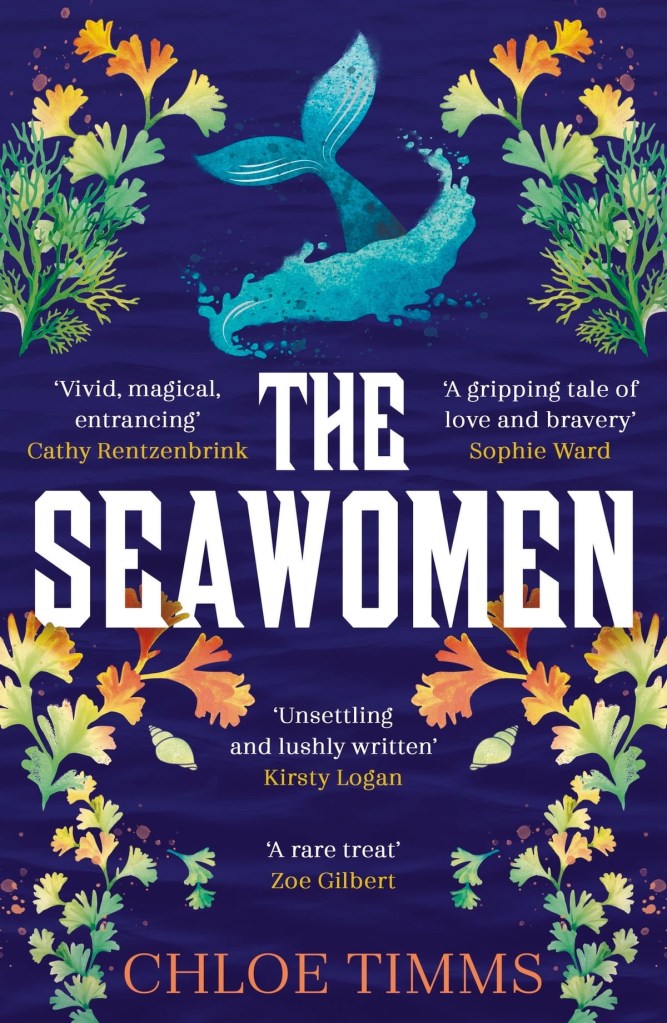
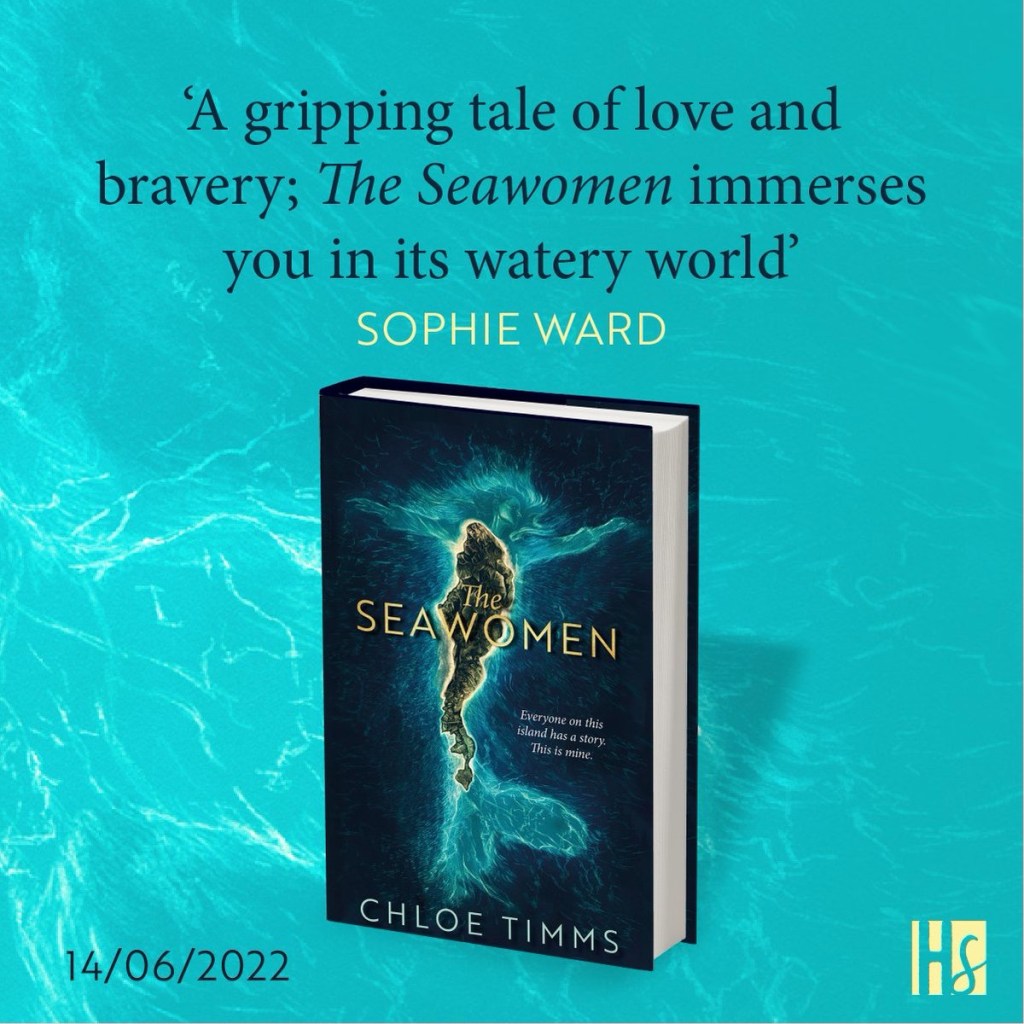
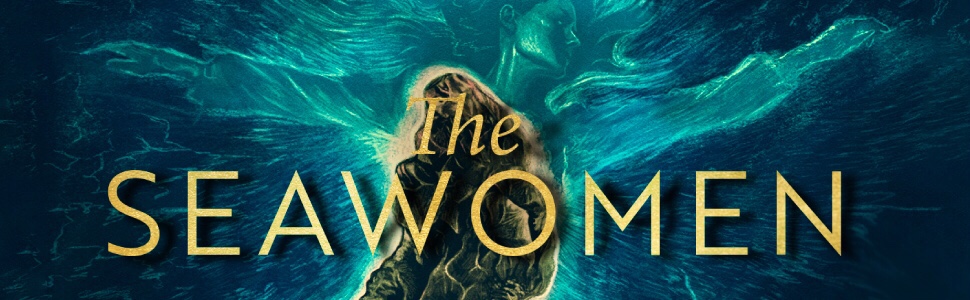
Wow! This book was so evocative, from the author’s descriptions of the island’s landscape to the way of life followed by it’s inhabitants. It felt oppressive and bleak, but also strangely mystical. On an isolated island with no access to the ‘Otherlands’ beyond, a religious community observes a strict regime policed by male ‘Keepers’ and female ‘Eldermothers’ under the guidance of their leader Father Jessop. There were shades of The Handmaid’s Tale in this community, that polices it’s borders and it’s women. Women must not go near the water, lest they be pulled into the wicked ways of the Seawomen, seemingly a species of Mermaid. The water can breed rebellion in the women and cause bad luck for the islanders. Any woman could be singled out by the Eldermothers, so they must learn to keep their heads down and stay away from the water. Any bad luck – crop failure, poor fishing quotas, storms, pregnancy loss – all can be blamed on the community’s disobedient or disloyal women, influenced by the water. Each girl will have their husband picked out for them and once married, the Eldermothers will assign her a year to become a mother. If the woman doesn’t conceive she is considered to be cursed and is put through the ordeal of ‘untethering’ – a ceremonial drowning where she is tethered to the bottom of a boat. Esta is a young girl who lives with her super religious grandmother, but often asks questions about the mum she has never known. Her grandmother insists she sees a darkness in Esta and is constantly praying and fasting so that Esta doesn’t go the same way as her mother. The sea does call to Esta and she goes to the beach with her terrified friend Mull, to feel the water. There they see something in the waves, something semi-human, not a seawoman, but a boy. Will Esta submit to what her community has planned for her or will she continue to commune with the water?
The book opens with a description of an untethering ceremony, throwing us directly into the brutality of the Keepers and the terror of the drowning woman. It’s a visceral opening and cleverly leaves the reader very aware of the fate our heroine could face. I felt this really added to the atmosphere of the book, raising the tension and our trepidation for this bold and intelligent young woman. We don’t want to see her life mapped out for her with all the restrictions it implies, but we equally don’t want to see her become the next victim of this barbaric, patriarchal society. I also felt strangely unmoored by the setting. I saw in my mind’s eye, a rugged and weather beaten Scottish isle, miles from it’s neighbours, yet I couldn’t pinpoint it’s place in history. The clothing and the attitudes are strangely old-fashioned. The religion is very puritan in tone: a personal relationship with God is encouraged, along with modesty, industry, male domination and of course obedience. Having been brought up in an evangelical church I can honestly say these attitudes and expectations, especially the pressure on young women, is still alive and well in those types of communities. So we could be in the 19th Century or it could be yesterday. Father Jessop’s preaching is that that Otherlands are toxic, their land contaminated and their ability to produce wholesome food curtailed by their inability to listen to their God. This gave me the sense of a dystopian future, where perhaps global warming has decimated most of the planet and only these remote outposts survive. Adding to this sense of disorientation are the islander’s names, more like surnames than forenames the men have names like Morley or Ingram whereas the women have names like Seren and Mull. I felt genuinely uneasy about the island and felt something evil lurked under the piety and the fatherly control, something far uglier, that a rebel like Esta might awaken.
Esta’s questing mind is what drives the story forward. There are too many secrets in her background. She knows that the burn scarring on one side of her face happened when she was a baby and the house burned down killing her mother and whoever else was inside. Only Esta survived and her grandmother’s negativity surrounding her only daughter is excessive and this doesn’t allow Esta to ask questions or hear about a different side to her mother. She knows that there’s more to her history than she’s been told. Another conundrum is her grandmother’s cousin Barrett, a fisherman who lives by the harbour, as close to the water as he could be. He lives alone after the death of his wife and is possibly the only islander to have come across a Seawoman up close and was injured in the process. However, he doesn’t talk about his wife or where he went in the sea after her death. There are too many questions for a girl who’s already unsure whether she believes in the dark myths of the Seawomen, or the darkness she is potentially harbouring at her centre. Despite her upbringing there is a part of Esta that does question, that challenges and most importantly can accept that those in authority might be wrong. It’s a self belief and confidence that will stand her in good stead for what’s to come.
I had so many suspicions and theories of my own as the story unfolded, not just about Esta’s past, but about the patriarchal society itself. The last third of the book really did pick up the pace and we see the iron will of Father Jessop and the cruelty he is prepared to inflict in order to stay in control. I was so deeply pulled in by Esta’s will and her instinct to get away, that I felt anxious. I wanted her to have something in life that most of us take for granted, another person who truly cares for her and loves her. This feeling intensified as she is promised in marriage and goes to live with her husband’s family; a family who have a very low opinion of her and a husband who loves someone else. The way the author opens up the truth of the island is by using one of the older women who has some of the answers and also shows Esta that there are others who think the way she does, they just fly under the radar so they remain safe. To Esta this is unthinkable, to know the truth but continue to live under the false tyranny imposed on them feels cowardly to her. What will happen when the Esta’s story reaches its conclusion, when she might face the very ceremony she feared so much at the beginning? Will these free thinking individuals stand up for her? Even more important to me, was whether or not Esta reaches the Otherlands and the freedom she longs for, or whether she is fated to be forever one with the sea.
Published 14th June 2022 by Hodder Studio
Meet The Author
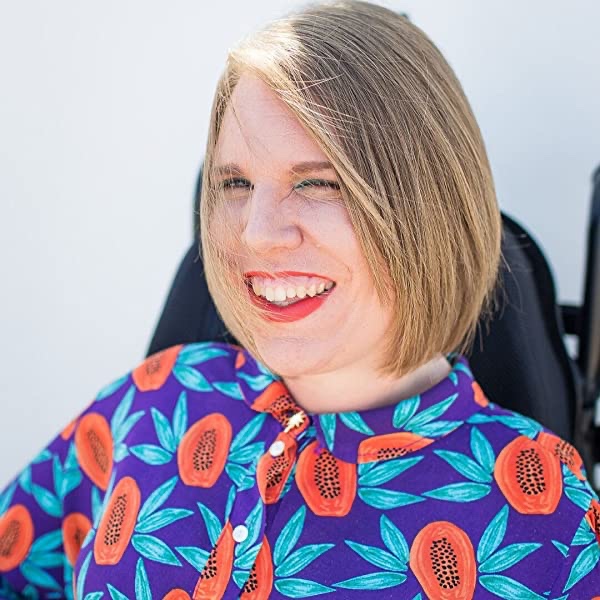
Chloe Timms is a writer from the Kent coast. After a career in teaching, Chloe studied for an MA in Creative Writing at the University of Kent and won a scholarship for the Faber Academy where she completed their six-month novel writing course. Chloe is passionate about disability rights, having been diagnosed with the condition Spinal Muscular Atrophy at 18 months old, and has campaigned on a number of crucial issues. The Seawomen is her first novel.
There are times when I think I could write a book. Why not? I have a first in English and I’ve been reading voraciously since I was 5. I have even started a memoir. Surely I could do it. They say everyone has a book in them don’t they? Then I read this. This astounding, raw, unflinching and inspirationally creative novel is proof that some of us were born to write. This book, is quite simply astonishing.
I can’t write much about the content of the book without ruining it for others and that’s the last thing I want to do, So I’ll tread carefully…
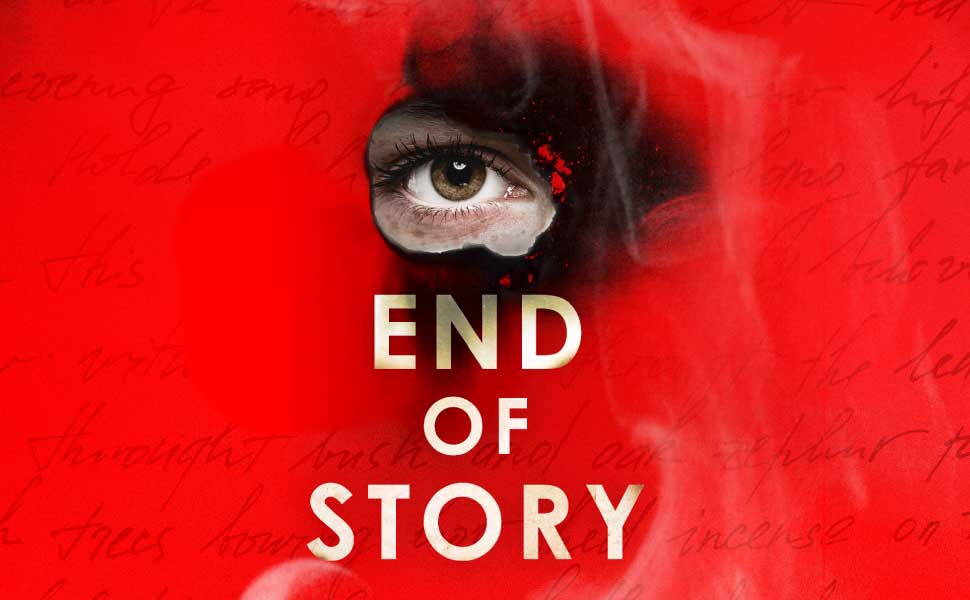
Our narrator Fern Dostoy is a writer, one of the ‘big four’ novelists of the not too distant future. This is a future where the Anti-Fiction Movement’s campaign to have all fiction banned has been successful. It was Fern’s third novel, Technological Amazingness, that was cited as a dangerous fiction likely to mislead and possibly incite dissent in it’s readers. She had created a dystopian future where two major policies were being adopted as standard practice. To avoid poor surgical outcomes, only patients who are dead can have an operation. Secondly, every so often, families would be called upon to nominate one family member for euthanasia – leading to the deaths of thousands of elderly and disabled people. All fiction authors, including Fern, are banned from writing and the only books on sale are non-fiction. The message is that fiction is bad for you, it lies to the reader giving them misleading ideas about the world and how it’s run. Facts are safe. AllBooks dominated the market for books until it became the only bookshop left, state sanctioned of course and only selling non-fiction. From time to time they hold a book amnesty where people can take their old, hidden novels to be pulped. Fern now cleans at a hospital and receives unannounced home visits from compliance officers who question her and search her house to ensure she’s not writing. Added to this dystopian nightmare are a door to door tea salesman, an underground bedtime story organisation, a mysterious appearing and disappearing blue and white trainer, re-education camps for non-compliant writers and a boy called Hunter. All the time I was reading about this terrible new world, I was taking in the details. and trying to imagine living in it.
Yet there was a little voice in the back of my mind telling me this wasn’t the real story. I’d figured that out, even though I was confused, this was one of those books where it would all come together and I would understand. I had strange feelings of anger and frustration with the narrative, not because it isn’t brilliantly and vividly brought to life, but because I could sense something else going on underneath. I couldn’t quite get to the bottom of it. As the pressure built and the compliance officers started to push Fern into telling the truth, I inexplicably felt a lump building in my throat. I’d no idea why I was feeling so choked up. I read the final third with tears streaming down my cheeks, followed by full-on sobbing. I hadn’t known my emotions were so engaged with Fern’s story until my husband came home and I couldn’t even speak to explain why I was crying. It was like I’d known this was where the story was going all along.
I want to say thank you to Louise. Thank you for this incredible book and the emotions it unleashed. I can’t even say why the book had this effect on me without ruining it. This is a real work of genius. It shows us how strong our minds can be at protecting us from things we don’t want to face. I understood Fern and her story moved me deeply. This is, without doubt, a contender for book of the year and an unparalleled look at allowing ourselves to be vulnerable and open; to be human. This is an incredibly powerful novel about storytelling, creativity, grief and fear. It also asks the question: who are we when everything that defines who we are, is taken away?
Published by Hodder and Stoughton 23rd March 2023.
Meet The Author
Louise Swanson is the pen-name of bestselling author Louise Beech, who has published seven novels with Orenda Books. Her work has previously been longlisted for the Not the Booker and Polari prizes and shortlisted for the Romantic Novel awards. She also won Best’s Book of the Year with her 2019 psychological thriller CALL ME STAR GIRL. Aside from being a novelist, she regularly writes travel pieces for the Hull Daily Mail, where she was a columnist for ten years. She also recently worked as the Front of House for the Hull Truck Theatre.
Louise Swanson’s debut End of Story arrives in March 2023. She wrote the book during the final lockdown of 2020, following a family tragedy, finding refuge in the fiction she created. The themes of the book – grief, isolation, love of the arts, the power of storytelling – came from a very real place. Swanson, a mother of two who lives in East Yorkshire with her husband, regularly blogs, talks at events, and is a huge advocate of openly discussing mental health and suicide.
Her memoir, Daffodils, was released in audiobook in 2022, and the paperback version, Eighteen Seconds, will be out April 2023.She blogs regularly on louisebeech.co.uk, and is on Twitter under the name @LouiseWriter.
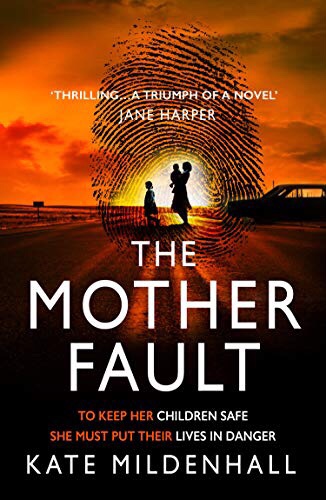
To keep her children safe, she must put their lives at risk … In suburban Australia, Mim and her two children live as quietly as they can. Around them, a near-future world is descending into chaos: government officials have taken absolute control, but not everybody wants to obey the rules. When Mim’s husband Ben mysteriously disappears, Mim realises that she and her children are in great danger. Together, they must set off on the journey of a lifetime to find Ben. The government are trying to track them down, but Mim will do anything to keep her family safe – even if it means risking all their lives. Can the world ever return to normality, and their family to what it was?
Every time I read a new dystopian novel I end up feeling a little disturbed about how close it is to the world we’re in now. Especially with the extreme weather events, potential for WW3 and the lingering pandemic all competing for our attention. Yet for some reason I’m drawn to them and when they’re done well they blow me away. There have been a few dystopian novels sitting high on my ‘Books of the Year’ list for the past two years running.
This was another novel set in the near future, where severe climate change events and continued terrorist attacks have made the government take drastic action. They now have a totalitarian government, run under the sinister title of the “Department”. Humans have been installed with the type of microchips anti-vaxxers are terrified by, allowing the government to keep tabs of every single citizen. All civil liberties and freedoms have been swept aside for the false promise of round the clock security provided by their privacy being invaded. Any dissent is dealt with quickly and without mercy, and there are purpose built compounds ready to house anyone who speaks out. Many go in, but nobody comes out again, a though that fills me with dread considering I’m writing this as Russia is dismantling any left-wing TV or radio station and announcing new laws to curb anyone even labelling their invasion of the Ukraine as a war instead of a ‘special military operation.’
So when officials from the Department tell Mim is tell Mim that her husband Ben is missing, she has to think quickly and tactically about the best plan of action for her and their children Essie and Sam. When officials arrive at her home to department to “help and advise’ she knows that she’s being trapped. Their advice warns her to stay home and they offer her some official looking forms to sign, but without giving her a chance to read them. Finally, they’re asked to surrender their Passports. This might be run of the mill stuff in a dictatorial regime, but Mim isn’t so easily controlled or fobbed off. Ben had been working in Indonesia, at a gold mine, so Mim is used to him being away from home, but he’s never been unexpectedly delayed or kept at his place of work without some notice. However, his return ‘in the next few days’ allows Mim time to think and delay telling anyone they know. The only other person who. knows the truth is Raquel – a foreign, independent journalist who had happened to ring because she had heard Ben had disappeared on the grapevine. Mim decides to run, knowing that officials will take them as security to lure Ben to them if they don’t already have him.
The story of this family on the run makes a great thriller, the pace is mostly superb and I was rooting for this family. The Department are relentless though, and Mim finds her way blocked, not just by the confiscated passports, but by frozen bank accounts and phone calls where her children are threatened if she doesn’t return home. I felt torn about Mum’s decision making. I applauded her for sticking to her principles and the belief that her children are in more danger living within this totalitarian regime than by running any. The other half of me was thinking she was crazy to risk their lives this way. An old friend of Mim’s takes the family on a treacherous sea voyage to find Ben, but I kept wondering whether she could trust her friend or if there are ulterior motives. I found some of Mim’s choices here difficult to understand and the story seemed to slow as they tried to reach Borneo. However, once there and towards the end the pace changed suddenly and my only criticism of the book would be that this huge change in pace made the final section feel like it passed too quick, giving me a bit of an anti-climactic feel. I thought the Big Brother elements of the novel were well established and the government felt truly terrifying in their scope and methods of punishment. I enjoyed the fact that it made me think, not just about the politics, but about being a mother in this oppressive situation and the decisions I would have made for my children. Was it worth putting their lives in immediate danger to avoid the potential future consequences of staying put? I found it involving, intelligent and eerily prescient, with the ability to start a few dystopian nightmares of my own.
Published in paperback by Harper Collins on 3rd March 2022.
Meet the Author
Kate Mildenhall is a writer and education project officer, who currently works at the State Library of Victoria. As a teacher, she has worked in schools, at RMIT University and has volunteered with Teachers Across Borders in Cambodia.
Skylarking was her debut novel. She discovered the story while on a camping trip and she wishes for more such fruitful adventures. She lives with her husband and two young daughters in Hurstbridge, Victoria.
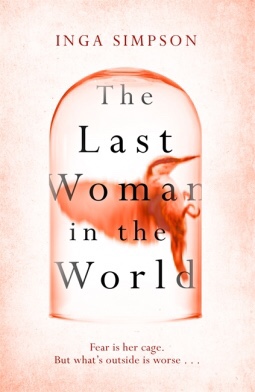
It’s night, and the walls of Rachel’s home creak in the darkness of the Australian bush. Her fear of other people has led her to a reclusive life as far from them as possible, her only occasional contact with her sister.
A hammering on the door. There stand a mother, Hannah, and her sick baby. They are running for their lives from a mysterious death sweeping the Australian countryside – so soon, too soon, after everything.
Now Rachel must face her worst fears to help Hannah, search for her sister, and discover just what terror was born of us. . . and how to survive it.
I felt slightly breathless reading this story of destruction and apocalypse. So much so, that by the end I had very mixed feelings. I was glad to have finished the book, because I’d been feeling a low level panic and despair. However, it was so prescient and close to our current existence that I felt it needed to be read, however uncomfortable. This is a book borne of a fury that we treat our world the way we do. I write this as I’m laid on my bed – I’ve been unwell this week – watching Storm Eunice attempting to tear the roofing felt from the neighbour’s shed. It was only yesterday that I watched in disbelief as a town in Brazil was completely engulfed by a massive landslide. As I think of the state of our politics, the dreaded virus and the scenes from the Australian bushfires that left me distraught I know that the world Inga Simpson is writing about isn’t something far off future Armageddon. This could happen tomorrow. It is our now, not our future.
Yet still I veer between thinking I must do better and feeling that whatever I do will never count while those who actually have power can hold a ‘landmark’ climate change summit and not decide on anything worth the paper it’s typed on. Simpson has clearly felt a need for change for a very long time and this novel is her retort to our complacency and really does hit home. She uses the medium of the thriller to make our hearts race, our fears run rampant and spells out that this is our future if we don’t change right now. Where the films and books of my childhood concentrated on possible threats from outside – nuclear war in War Games, aliens in Close Encounters of the Third Kind and Alien. Here the threat is so real, because it’s already coming true. It comes from within. We are killing our own planet.
The setting is the city of Canberra, but it’s the incredible and unique flora and fauna of the Australian bush that’s so powerful in the novel. The author’s love for her homeland is so evident in her descriptions of the bush and it’s clear that the basis of the novel comes out of those terrible bushfires and the pandemic. I felt her pain at the loss of wildlife and their habitat. There are themes that flow through all of the authors writing – solitude, the need for quiet, a dislike of large crowded spaces and a total mistrust of elements of modern culture such as social media. The way Rachel feels as one by one these aspects of modern life disappear shows exactly how dependent we’ve all become on constant information and confirmation of events, beliefs and what other’s think.
‘It was a world gone silent. Silenced. There was no help. No news. No advice. No solution.’
I know people who might implode if they were left by themselves without a constant echo chamber of validation. Who do we become when our self is not reflected back to us? Already we can all see people’s standard of living slipping, their security eroded, their sense that someone is in charge and knows what to do about this, is shattered. We have all slipped down the scale from trying to be fully self-actualised beings, to being unable to keep ourselves warm. If there is no one to tell us how to cope we become very basic versions of a human – scraping by to survive and without the tools we once had to be self sufficient or alone. These are the aspects Simpson considers between the action and the conclusion the reader draws might be confronting and upsetting for some. At the very least it will make you think about the way you treat the world and your fellow humans, especially those who have to live in the future we’ve created. I have to say I felt like a product of capitalism when I read the following section:
‘Now it was too late and Isaiah, if he survived, would never see half the things she had seen, taken for granted, gulped down.’
There’s a great thriller here that is addictive, frightening and full of heart-stopping moments. Underneath is just as powerful, but quietly so. For this reader, that made it even more profound.


 The Lotus Readers