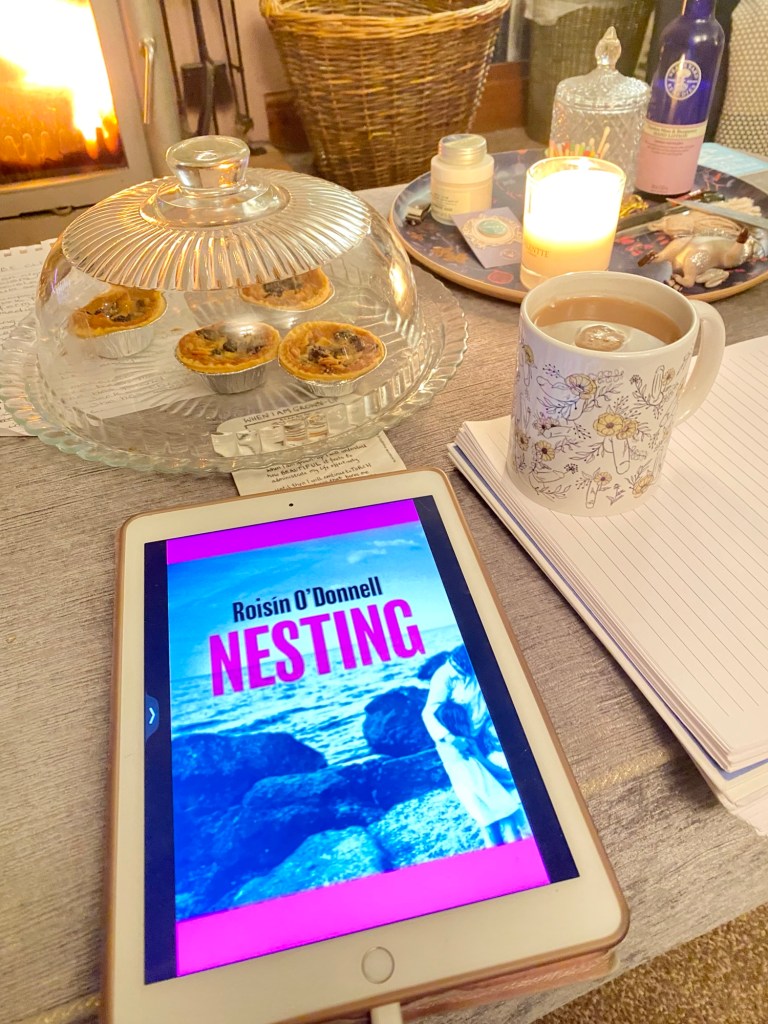
This book was so beautifully written and so deeply painful that I was out of breath towards the end. When I put it down I had to sit in silence for a while and just digest it all. It’s the story of a woman trying to leave a relationship that is tying her down and eating her alive. Everything she was before – bright, intelligent and full of life – has been worn away. Enduring her husband’s treatment, as well as having two children in four years, mean Ciara has had enough. She can see his behaviour as a pattern and despite being absolutely terrified she needs to find the strength to go. Ciara has no real support, her family is Irish but live in London and despite her yearning to see her mum sister the law states that she can’t take the children out of Ireland without the written permission of their father. Her only option is the housing office, present as homeless and hopefully get some emergency accommodation. As she meets other women in the same situation, she founds out that emergency and temporary have a very different meaning to the housing department. They offer her a temporary hotel room, but some women on the floor have lived there for a year so it’s going to be a long slog. This small double room with one bed and no view is the first place they’ve felt even remotely safe, even if they do have to go down a separate staircase so they don’t bump into tourists. Will Ciara have the strength to stay away and build a new life for herself?
Money is something else she needs to work on because she knows nothing will come from him, even when she knows she is pregnant for a third time. They can’t live on what the government provides. It’s only going to cover day to day subsistence and she needs to be able to put money aside, to rent somewhere that’s a new home for them all. She needs to find a place where they can put themselves back together. I loved the solidarity between the women living in the hotel. They work together, being there for each other’s kids when they need to interview or view houses. They make each child’s birthday special, as well as decorating the whole corridor for Halloween and Christmas. Some of the hotel staff help too, particularly the porter Diego. Ciara lands a job doing what she did before the girls, teaching English as a foreign language and having to learn Irish on the side. It’s a hard way to live, having to get about on foot and working on her Irish after she’s put the girls to bed. I was saying in my head ‘please don’t go back’ over and over.
Ciara’s husband terrified me. He follows a pattern, having love-bombed Ciara in a whirlwind romance he changes straight after she moves to Ireland and they’re married. His restrictions and rages, plus the birth of both girls have left Ciara stuck at home, friendless and a constant target. I recognised the fear she was feeling on a daily basis, quietly tip-toeing around him, desperate to avoid igniting his unpredictable rage. Trying to keep her girls shielded from the worst. I have to make an admission here so that you can understand the strength of my reaction to this novel. For four years, after I lost my husband, I was in an abusive relationship. I was incredibly vulnerable and although he didn’t touch me physically I was terrified of him. I was subjected to manipulation, rage and withdrawal of affection all because I was terrified of being left alone. I was so scared he would leave if I didn’t keep him happy and then I’d be left alone with my grief. I’d needed a happy ending so badly, I sleepwalked into a nightmare. I allowed myself to be totally disrespected and abused. I know it wasn’t my fault. He is responsible for his own actions, but I still felt so much guilt about when the relationship was failing. So for me this book was really personal and it was so well-written that I felt Ciara’s story bodily. When I finished my chest was tight and my throat was sore. I felt absolutely wrung out.
Ciara wondered what would happen when he was awarded visitation by the courts? She knows he won’t hurt the girls but he might use them against her. What if he doesn’t bring them back? This particular fear heightens after she goes into labour early. How can she hand over a completely defenceless baby? It’s clear to see his misogyny when he reacts to finally having a son and I feared that he might keep him. I felt really uncomfortable about the nestling crows he brings home to Ciara when they’re still together. They’re in their nest, barely a few days old and he wants to hand rear them. They are so bald and vulnerable and I was scared he would hurt them, but he seems to enjoy the control he has over these helpless creatures. After Ciara flees he is left with one crow, now feathered and able to leave the nest he keeps it in the house, shitting and shedding feathers everywhere. He tethers it with a long lead outside, showing it the freedom it could have but keeping it for himself. It feels unbearably cruel. It’s such a clever and chilling metaphor. This is not a comfortable read, especially if you’ve been through an ordeal like Ciara’s. What helps is when an author is brave enough to use their own experience or research to get it right for readers who’ve survived abuse. He author has written this so carefully and made Ciara’s life so real that I felt seen. I find that the more I read about other experiences of coercive control and psychological abuse the stronger I feel. Yes, I was left with tension, but I was also left with triumph. It is possible to leave men like this. It’s possible to live a full and happy life. I read on hoping with all my heart that Ciara would make it through and build a new life for her and her children. Underneath my fear I was storing up hope for her. I hoped she knew how much strength she had. She could leave. After all, I did.
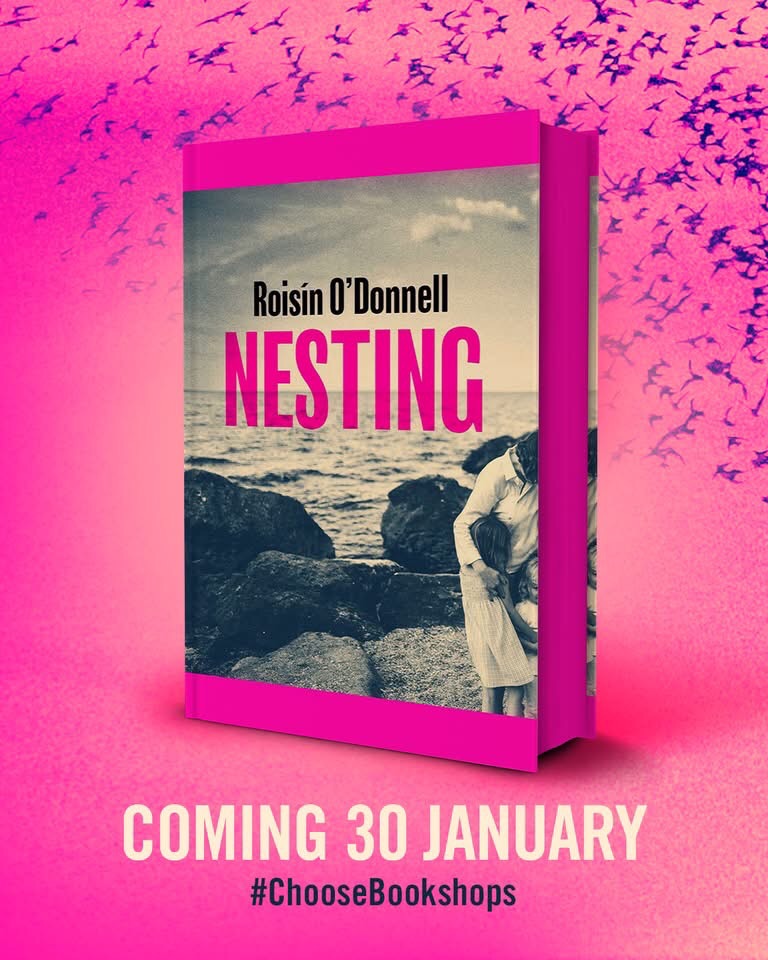
Out on 30th Jan from Simon & Schuster
Meet the Author

Roisín O’Donnell is an award-winning Irish author. She won the prize for Short Story of the Year at the An Post Irish Book Awards in 2018, and was shortlisted for the same prize in 2022. She is the author of the story collection Wild Quiet, which was longlisted for the Edge Hill Short Story Prize and shortlisted for the Kate O’Brien Award. Her short fiction has featured in The Stinging Fly, The Tangerine, the Irish Times and many other places. Other stories have been selected for major anthologies such as The Long Gaze Back, and have featured on RTÉ Radio. Nesting is her first novel. She lives near Dublin with her two children.


 The Lotus Readers