Rachel (Rocky) is seemingly living her best life as the irreverent, funny beating heart of her family. Her ageing father is his unique, adorable self; daughter Willa is prone to bouts of existential angst whilst berating the fact that her mother has zero filter; husband Nick is steady, logical, sometimes infuriating.
They are messy, they are flawed, they are completely, ridiculously normal.
And like most normal people, Rocky worries about what might happen next. So when a former classmate of her son Jamie dies in a seemingly random accident, Rocky becomes obsessed.
For if accidents can happen – and they do – is it truly safe to love anyone?
Fresh, honest, laugh out loud funny and genuinely relatable, WRECK follows Rocky and her family through one rollercoaster year as they negotiate the unpredictable and beautiful messiness of life.
I don’t know how Catherine Newman does it, but I feel so at home with Rocky as if she’s a really close friend who you can tell anything to. After Sandwich, we meet the family at home, getting over Grandma’s death and getting back into the swing of life. Rocky’s dad has been living in their outside shed since his wife died and daughter Willa is also at home. Newman lets us live alongside these characters as part of the family and I adore their humour and their warm, chaotic household – not to mention their food always sounds incredible. Rocky is a freelance writer and doesn’t have regular work coming in, so when a young man is killed in his car on the nearby railway crossing she becomes fixated on what happened. If anything Rocky is over empathetic, she can’t stop thinking about how devastated his family must be and trying to work out how it happened. Meanwhile, a strange rash appears on her shoulder and while she’s having a check on sun damage her dermatologist suggests they look into it. This turns out to be a good call as it begins to appear elsewhere on her body. A biopsy of the skin and some bloods should solve the mystery but it becomes a deep rabbit hole with many frightening possibilities.
I am not overstating when I say this book could save my life! As Rocky’s symptoms started to mount I kept reading bits out to my husband and looking up the terms, wondering if somehow the author had magical access to my medical records. I identified so strongly with this story of living while unwell because this has been the last eighteen months of my life. I had two breaks in my spine as a child causing issues with pain and the use of my right arm and shoulder. I was also diagnosed with multiple sclerosis at 21. However I have always had a collection of symptoms that didn’t fit with that diagnosis. With increasing arthritis in my lumbar and sacral spine my pain management consultant asked for a full body MRI. I couldn’t have prepared myself for the list of problems that unfolded. Not only did I have arthritis and impingement of peripheral nerves, I also had a narrowed spinal canal in places, potentially causing issues with my spinal cord. However, I also had a lesion in my spine, one in my spleen and several growths on my thyroid. All of these things are being dealt with by separate specialists, but Rocky’s story popped a little light bulb over my head. Surely I had to ask the question – what if all these issues are connected? I’ve already been told it’s likely I have Hashimoto’s disease and it’s being treated, but I’m having biopsies and I’ve asked to see an endocrinologist to flush out whether it’s one of diagnoses that Rocky is facing. I recognised the sudden feeling that your body is falling apart and is even working against you. I’ve felt that terrible fear that there’s a ticking time bomb somewhere in your body and almost becoming divorced from it. I could see that Rocky felt better when she did something physical such as going to a dance group or plunging into an icy lake, because her body works for her and becomes part of her again.
This author knows how it feels to be going through all the volatile changes of menopause, while simultaneously supporting young adult or teenage children and elderly parents. It’s a hell of a balancing act while getting used to a body that puts on weight where it never has before, thins all the things you want to be lustrous and thick and thickens all the bits that used to be slender. She captures what it’s like to feel invisible to most of the world, but the absolute beating heart of the home. The generation gap is also brilliantly portrayed when Rocky and Willa try to take grandad to a juice bar, his grumpiness giving the perfect edge this warm and nurturing family. While Rocky’s husband is like a little moon, constantly orbiting his wife and tending to those little things like cheesy nachos in bed. It’s interesting when this very liberal family have to cope with family members whose views are not like their own. Jamie and his wife Maya visit from New York for Thanksgiving and it’s clear their values are different, especially when Rocky makes a discovery about her son. He works for a company that consults for businesses, finding ways to make them more profitable and openly says to his mum that he just loves money. Even though she doesn’t agree, Rocky is never happier than when all her children are under her roof.
‘“Yayy, I say. All the kids back under my roof! When I send out my ESP stealth probe in the night to check on everybody, they’ll be in their proper beds”.
Mostly I love the emotion and atmosphere of this author’s novels. I live for a messy pile of books by the couch, usually with a pint mug of tea within reach and the dog and cats all quietly snoozing in their own places. That’s exactly what this family has, an untidy but welcoming house with cats everywhere and always gorgeous food on the go. It feels very conscious of the seasons too as summer turns to autumn and winter, with festivals like Halloween playing their part – I loved the moment when Rocky tries to do the trick or treat routine on the porch not realising the young woman is Willa’s date. Every festival is marked with excellent food, followed by a long tramp through the nearby woods and foraging for things. I always want to be part of their world and feel like I’ve lived with them for a while once the story ends. As my story continues I’m going to take a bit of Rocky’s dermatologist’s wisdom with me. When he gives his diagnosis Rocky is taken aback and he acknowledges her feelings but tempers it with some advice:
“Yikes, I said, and he said, ‘a little bit of yikes. You can visit with the fear but don’t hire a van and move there.”
Out Now from Doubleday
Meet the Author
Catherine Newman is the New York Times bestselling author of Sandwich and We All Want Impossible Things, which was also chosen for the Richard & Judy Book Club. She is also the author of the memoirs Catastrophic Happiness and Waiting for Birdy, and the bestselling children’s book How to be a Person. She is a regular contributor to the New York Times, O, The Oprah Magazine, Cup of Jo, and many other publications. She writes the Substack newsletter Crone Sandwich and lives in Amherst, Massachusetts, with her family.
Defending free expression has become a challenge. Words seem to matter more than ever and their impact. Just having an X account in the past week has been painful if you have empathy. It’s a battle for control where the desperate need to counter someone’s post, fights with common sense. By replying, even if it’s scathing, we have entered the arena and boosted that person’s profile. On the other side there are more people taking offence, on their own behalf and on the behalf of others. In this endless spiral of offence and discrimination it can be easy to become apathetic. It’s a political strategy the Kremlin has been using for years, bombard the people with so much opinion and disinformation that they become completely overwhelmed and withdraw. In this war of words, art is a form of activism, said the publisher Crystal Mahey-Morgan in an interview published online this week and as more books seemingly disappear from schools and libraries in America, we have to think carefully about the books we fight for. If we’re asserting that all books matter, then that applies equally to the books we like and those we don’t. If we’re saying books that offend others can’t be banned, we’re fighting equally for books we find distasteful or are offended by. There are books I rather not have read – there were definitely parts of American Psycho I could have done without, but I would never say they shouldn’t exist. Yet we seem to be stuck in a world where various groups in society want to ban or cancel books that don’t align with their views or misrepresent them. Even the writer’s behaviour, political views and private life can contribute to the moral panic around their work and our permission to read them. J.K. Rowling is a case in point and the controversy extends to her Robert Galbraith books which I still read. I grew up a long time before the internet and the cancel culture and I know that my ability to separate art from the artist is frowned upon. I want to talk to you about one of my favourite banned books and it’s the one people remember most – Lady Chatterley’s Lover by D.H.Lawrence.
An adaptation of Lady Chatterley’s Lover has come to Netflix, where streamed shows are probably the 21st Century’s most popular creator of water cooler moments. The fact that this banned story is there for everyone to watch in their own homes would have shocked the 1960’s general public. The story is a simple one, about a young married woman (Connie Chatterly) and her husband’s gamekeeper (Oliver Mellors), and the forbidden love between them. First published privately in 1928, it took until 1959 for a ban on the book to be lifted in the U.S., and then 1960 when an uncensored version was published in the United Kingdom. Lawrence’s novel was also banned for obscenity in Canada, Australia, India, and Japan. People were genuinely shocked by the explicit descriptions of sex, use of four-letter words, and depiction of a relationship between an upper-class woman and a working-class man. To my mind, the most outrageous part of the book was the author’s portrayal of female sexual pleasure. In fact, Sean Bean’s ‘we came off together that time m’lady’ still lives rent free in my head. Maybe that’s because I spent most of the 1990’s dreaming, like the Vicar of Dibley, that Sean would come striding in and say ‘come on lass’ beckoning me with a single nod towards the door. I believed in him and Joely Richardson as those characters in the Ken Loach adaptation, more so than many others I’ve seen. Although I do have memory of going to see a more explicit French version of the book, wedged between a group of elderly ladies who gasped every time they saw a penis and a man who had a large bag of sweets that he would rummage in, very forcefully, at certain parts of the film. I moved seats in the interval.
Once I’d read the book, in my teens, I hated the way people talked about it. In my dad’s family, any mention was met with raised eyebrows and Monty Python’s ‘a nudge is as good as a wink’ type of humour. My mum loved D.H.Lawrence and I could see it bothered her to have him relegated to the role of pornographer. My dad’s brothers didn’t have a single bookshelf back in the 1970s and still don’t. They would come to our house with its massive bookshelves and ask ‘have you read them all? It was a question I never really understood. Did they think we were bluffing? Mum let me plunder her bookshelves all the time and this is why I know it isn’t just a ‘dirty book’. If I wanted to read something dirty I’d go for her Jackie Collins, Judith Krantz or Lace by Shirley Conran. I never reached for this as a prurient read, because it isn’t about sex. It’s about love.
“Sexual intercourse began
In nineteen sixty-three
(Which was rather late for me) –
Between the end of the Chatterley ban
And the Beatles’ first LP.”
Wrote Larkin and perhaps that’s why my Uncles and Aunties raised their eyebrows, being teenagers pre-1960 and very unlikely to pick up a book by D.H. Lawrence. In fact once they’d seen the naked wrestling of the film adaptation Women in Love, they were convinced Lawrence was a pornographer. My mum happily shared these films with me as a teenager with no comment or explanation, she just let me make sense of it for myself and I knew there was something more complex at play here.
There is so much more to Lady Chatterley than the sex, although the sex is glorious and we’ll finish with that. Firstly it was fitting that when Penguin did publish in 1959 and challenged the previous year’s Obscene Publications Act, it was sold deliberately at a price that meant the working class and women could afford to buy it. Objections mainly came from the middle and upper classes, who weren’t necessarily concerned that Connie Chatterley committed adultery, but were objecting to her choice of lover. In fact it was this discrepancy between the classes that finally forced the court case, echoing the attitude of Clifford Chatterley. He was quite matter of fact about his wife taking a lover. He realised that his war injury would force Connie into a lifetime of celibacy and no chance of becoming a mother. He also wouldn’t have an heir. In one conversation he is quite open about the fact he doesn’t expect Connie’s fidelity, in fact he thought a lover might be the best thing for her. At least then they could have a child who would take on the title and estate. However, she was to choose someone from their class and he’d like to meet him. This turned Connie’s stomach for two reasons, she didn’t want to be passed from one Lord to another like a chattel and secondly she was shocked that Clifford didn’t seem to care. She’d expected there would still be some intimacy between them, even if it was confined to the care he needed. Yet, he chooses to employ a woman from the village who’s nursed during the war and there is something intimate in her care of him, something he gains some pleasure or comfort from. This leaves Connie free, but to do what. All their needs are taken care of by servants, she doesn’t need to work and while she does check in on tenants, they are isolated and she has few friends. She’s married and not married. She wants to find someone she has desire and feelings for, not just to jump in bed with someone of the right class and hope it scratches an itch. She wants true intimacy and she has that with Mellors. What we’re seeing in this affair is the breakdown of the aristocracy after WW1 and in this love story is the mixing of different social strata and the changing roles of women.
There’s also a massive shift for the working classes between the two World Wars. We see Clifford visit the colliery he owns and the workers are restless. They’ve been through terrible experiences on the battlefield and to come back and slot into their old social status, working under a man they’ve fought with in the trenches doesn’t sit right. They want better wages, better living standards and for the respect to work both ways. We can also see mechanisation creeping in. Clifford is ready to try anything new, whether it’s his new motorised bath chair or mechanising the pit. There’s an uncomfortable scene where Clifford uses his chair to walk with Connie in the grounds, but it becomes stuck in the mud. He angrily calls for Mellors to push the chair and he gamely tries to climb on the back and weigh it down enough for the wheels to grip. It’s a metaphor for the death of the aristocracy, all while Connie looks on awkwardly and Clifford becomes more and more frustrated.
Then there’s Connie and Mellors (Oliver) who are an interesting mix and their sexual tension is palpable but endearingly awkward at first. Mellors clearly desires her but doesn’t know how to treat a woman of her class. That’s not to say Mellors is stupid, because he isn’t. He’s self-taught and he reads too. Their conversations are on the same level as they get to know each other, but their dialect shows the huge difference socially and geographically. Connie has an openness that comes from being the daughter of an artist and it has always afforded her a huge amount of freedom. She and sister Hilda were expected to have lovers, to drive themselves around to parties and different stately homes. They have the opportunity to be upper class, particularly now that Connie is mistress of the Chatterley house, but are also eccentric and bohemian. They can use this to push the boundaries a little and Connie is encouraged to by her sister and her father when they visit near the beginning of the book, noticing she is pale, listless and a little depressed. They see the chasm that has opened up between husband and wife leaving them with the appearance of a marriage, but missing all the elements that make a marriage work – a shared humour, joint outlook, deep conversation and intimacy.
It’s no wonder that as Connie and Mellors think about a longer term relationship they know they’ll have to emigrate to somewhere new like the USA or Canada. These are the places where a relationship like theirs would be accepted. We see the incongruity of it in their early sex scenes where they move from intimacy to Mellors calling her m’lady because at the same time as being under him she will always be over him. There is tenderness between them, something more than sex. There’s real care and Mellors’s link to nature is important too, such as the first time they meet when he is placing pheasant chicks in their new enclosure. She sees a gentleness and a nurturing side that Clifford does not have. He would care if she was to be with another man and he wants to her to enjoy their encounters, not just him. When she does orgasm with him he comments on it and how special it is when that happens between a couple. He makes her feel safe. They have a joint childlike joy with nature, running around naked in the rain and threading wildflowers in each other’s pubic hair. He wants to be with her after the orgasm, which she hasn’t experienced before. I’m touched by this book and I’m infuriated that it was treated as pornography when it’s a comment on WW1, disability, masculinity, nature and so much more. It’s also a touching love story and you’ll root for this couple. They have an immediate connection, that goes beyond the boundaries of their class. They see each other as two equal human beings (an equality that Clifford disputes even exists) and recognise the loneliness in each other. Even if you do find the sex scenes awkward and you’ve never read this book due to its reputation, go give it a chance.
The political and religious climate in the USA has seen 16,000 book bans in public schools nationwide since 2021, a number not seen since the Red Scare McCarthy era of the 1950s. This censorship is being pushed by conservative groups of people, such as evangelical Christian and has spread to nearly every state. It targets books about race and racism or individuals of color and also books on LGBTQ+ topics as well those for older readers that have sexual references or discuss sexual violence. One of the most banned authors across America is Jodi Picoult with her novels Nineteen Minutes (school shootings), Small Great Things (Racism) and A Spark of Light (abortion). In the 2023-2024 school year, PEN America found more than 10,000 book bans affecting more than 4,000 unique titles. Here are a few of them:
The Bluest Eye by Toni Morrison and The Colour Purple by Alice Walker
Both these books are banned for themes of racism, sexual abuse and assault. Both break the silence around domestic violence and depict how tough life is for black women in the early 20th Century.
The Handmaid’s Tale by Margaret Atwood – the book that some people believe is coming to life before their eyes has themes of enslavement, sexual assault, misuse of religion and power. In a future where the elite class are unable to have children ‘handmaids’ are kept in the family home to provide the couple with children.
Call Me By Your Name by Andre Aciman – is a first love story that springs up between a teenager and an older man, cited for depictions of homosexuality
The Kite Runner by Khalid Hosseini – was put forward by a group of mums concerned about their children reading an account of ‘homosexual rape’ but Hosseini fought the ban with a letter that talked about the book’s insight into Afghan lives and inspired children to ‘desire to volunteer, learn more, be more tolerant of others, mend broken ties, muster the courage to do the right and just thing, no matter how difficult.’
Small Great Things by Jodi Picoult – begins with a black midwife assigned to a woman in early labour who is then refused by the father, a white supremacist. When the baby is ill and there is only one midwife available does she touch the baby or wait for someone else? This really does have impact and made me think about my own privilege.
Rebecca is probably the reason I first visited Cornwall, but it’s also one of those books that I’ve changed my mind about when I reread it. I read the book as a teenager from mum’s bookshelf and I also watched the Hitchcock film at a similar age and both book and film are still favourites. I think I read it as a romance at first, rooting for the rather young and mousy heroine as she falls in love with brooding stranger Maxim de Winter as they meet in Monte Carlo. Now I read it as an altogether different story, probably emphasised by the above new Virago edition that’s billed as one of her ‘dark romance’ books. Maxim is dazzlingly and tragically romantic to our young heroine, mourning the wife who was known as a great beauty and unable to be in their Cornish stately home Manderlay. Perched on the cliffs near Fowey and based on de Maurier’s home Menabilly, this is one of the most beautiful and gothic settings. It’s impossible to see from the road, only from the sea and its private beach only accessible by boat or on treacherous steps from the grounds of the house. The heroine does seem to win it all – the man, the house, the money and love – but does she really? Immediately invisible next to the dark and sexy Rebecca of the title, the new Mrs de Winter doesn’t even warrant her own name. She’s scared of running the house having never done it, she’s not even the same class. She’s also scared of the servants, especially the creepy maid of his first wife, Mrs Danvers. At one point she breaks a statue in the morning room and hides the evidence. Maxim is no help. Instead of appointing a servant to help with decisions in the house, or at least to bring her up to speed, he just goes out first thing and leaves her to the brooding and obsessive Mrs Danvers, now the housekeeper. Max has no idea how privileged he is and can’t comprehend her hesitancy and fear of getting it wrong and when she does he flies into a temper or scolds her like a child. He gaslights, lies and yells at her. She may as well have been poured into a pit of vipers. This has never been a love story, it’s more a gothic retelling of Jane Eyre and origin of the domestic noir genre. This is an absolute Cornish classic from one of their most famous writers.
The Poldark novels had a resurgence and series of new editions thanks to the new BBC series which dominated Sunday nights and starred Aiden Turner as Ross Poldark and Eleanor Tomlinson as his wife Demelza. They begin in the late eighteenth century as Poldark returns from the American Revolutionary War to his home county of Cornwall and the Poldark house and land. Things have changed since he left. His father is dead and the copper mine is failing. His sweetheart Elizabeth has become engaged to Ross’s cousin George and they will be living at Trenwith with Ross’s grandmother. There are differences between the books and the TV series. Demelza is actually a child when Ross first meets her and he takes her to be one of the staff at the smaller farm estate of Nampara. There are ten years in age between them and it’s only when she’s an older teenager that their relationship changes – in the series he brings her as an adult and marries her very quickly, much to the disgust of his parish. I think the books are grittier than the tv series, with the main characters having more complexity and actually doing things we might not like. Ross particularly has more ambiguity, a good man when it comes to his workers and his politics but not such a great husband. The abuse and rape suffered by Morwenna in the marriage forced by Warleggan hits harder. The series really deviates after book three with no exploration of the children as they grow up and the terrible grief they go through as parents. I think the series wanted to paint Ross and Demelza as a love story with a happy ending after a tough period following infidelity, but in the books life goes and Ross’s rivalry with George Warleggan still continues, even when they’re older men. I think the books give more of that historical background, particularly with the backdrop of war and later the Industrial Revolution. It’s almost as if the series is the tourist’s view and the books place the characters more firmly in their time period.
For those of you missing Aiden Turner as Ross.
Mysteries and Thrillers
When I read a more recent Ruth Ware thriller I went back to some of her earlier books and I inhaled this in two sittings. We follow Harriet Westaway as she receives an unexpected letter telling her she’s inherited a substantial bequest from her Cornish grandmother. Could this be the answer to her prayers?
There’s just one problem – Hal’s real grandparents died more than twenty years ago. Hal considers her options, she desperately needs the cash and makes a choice that will change her life for ever. She knows that her skills as a seaside fortune teller could help her con her way to getting the money and once Hal embarks on her deception, there is no going back. This keeps you on tenterhooks from the minute Hal arrives at Trespassen House in Cornwall and there is that hint of Daphne du Maurier in the family estate and the mystery that plays out. Hal is also placing herself in a wholly different family and social class. Her upbringing may have been short on money, but it was never short on love. The tragic death of her mother Maggie was only three years ago and it catapulted Hal into adulthood but the Westaway family don’t hold the same values. They do have secrets though, ready to drop out of every closet. She is the outsider here, totally out of her depth and the wild coastline, storm porch and St Piran’s Church place this firmly in Cornwall. This family may have money and privilege but they don’t have the love or care for each other that Hal is used to, she will have to use her skills of perception and discernment honed by years of tarot reading. The remoteness of Trespassen and lack of internet signal add to the Gothic feel of this novel and there is even a Mrs Danvers mentioned. This is a great thriller with plenty of clues but a lot of red herrings, so you must be prepared for surprises.
Tamsyn is as local as it getsin their Cornish village. Her grandfather worked the tin mines, her father was a lifeboat volunteer alongside his work, but her brother is struggling to find work that’s not seasonal. Tamsyn’s attachment to The Cliff House to a beautiful coastal property just outside her village comes to a head in the summer of 1986. To her, the house represents an escape, a lifestyle that’s completely out of range for her and represents the perfect life. It’s also her last link to her father, who brought her here to swim in the pool when he knew the owners were away. Her father felt rules were made to be broken and they both considered it madness to own such a slice of perfection overlooking the sea yet rarely visit except for a few weeks in the summer. Now he’s gone, Tamsyn watches the Cliff House alone and views it’s owners, the Davenports, as the height of sophistication. Their life is a world away from her cramped cottage, her Granfer’s coughing into red spattered handkerchiefs and their constant struggle for money.
Tamsyn’s family are firmly have nots. Her hero father died rescuing a drowning child and now she has to watch her mother’s burgeoning friendship with the man who owns the chip shop. Her brother is unable to find steady work, but finds odd jobs and shifts where he can, to put his contribution under the kettle in the kitchen. Mum works at the chip shop, but is also the Davenport’s cleaner. She keeps their key in the kitchen drawer, but every so often Tamsyn steals it and let’s herself in to admire Eleanor Davenport’s clothing and face creams and Max’s study with a view of the sea. Yet, the family’s real lives are only a figment of her imagination until she meets Edie. When Tamsyn finally becomes involved with the Davenports she gets to see the reality of a family bathed in privilege. As we try and work out Tamsyn’s motivations, she seems blind to the problems and ticking time bomb at the centre of the family. Or is she more perceptive than we think? This is a great thriller with disturbing family dynamics and an interesting tension between second homers and those who live in Cornwall all year round and struggle to own a home. The rugged cliffs and raging sea are a beautiful, dangerous and fitting backdrop to this tension.
Another book highlighting the dangerous beauty of the Cornish coast is Jane Jesmond’s first thriller On The Edge. I was thoroughly gripped by this tense thriller set in Cornwall concerning Jenifry Shaw – an experienced free climber who is in rehabilitation at the start of the novel. She hasn’t finished her voluntary fortnight stay but is itching for an excuse to get away when her brother Kit calls and asks her to go home. Sure that she has the addiction under control, she drives her Aston down to her home village and since she isn’t expected, chooses to stay at the hotel rather than go straight to the family home. Feeling restless, she decides to try one of her distraction activities and goes for a bracing walk along the cliffs. Much later she wakes to darkness. She’s being lashed by wind and rain, seemingly hanging from somewhere on the cliff by a very fragile rope. Every gust of wind buffets her against the surface causing cuts and grazes. She gets her bearings and realises she’s hanging from the viewing platform of the lighthouse. Normally she could climb herself out of this, most natural surfaces have small imperfections and places to grab onto, but this man made structure is completely smooth. Her only chance is to use the rapidly fraying rope to climb back to the platform and pull herself over. She’s only got one go at this though, one jerk and her weight will probably snap the rope – the only thing keeping her from a certain death dashed on the rocks below. She has no choice. She has to try.
My heart was racing during the opening of this novel and I was so hooked I read it in one sitting. The sense of place was incredible. The author conjured up Cornwall immediately with her descriptions of the tin mine, the crashing sea on the cliffs and fog on the moors. I recognised the sea mist that seems to coat your car and your windows. The weather was hugely important, with storms amping up the tension in the opening chapters and the fog of the final chapters adding to the mystery. Will we find out who is behind the strange and dangerous events Jen has uncovered or will it remain obscured? Cornwall is the perfect place to hide criminal activity, hence the history of smuggling and piracy, so why would it be any different today? Has the cargo changed? I loved that the author wove modern events and concerns into the story, because it helped the story feel current and real. The concerns around development and tourism are all too real for a county, dependent on the money tourism brings, but trying to find a balance where it doesn’t erode the Cornish culture. Local young people are priced out of the property market completely. This is a great combination of setting and edge of your seat thriller, with a character as wild as the coastline.
Family Sagas
This book makes me nostalgic for the times I’ve spent in Cornwall. It also makes me want to go on RightMove and look for a little shop I can turn into a bookshop and writing therapy centre. Enough of my daydreams. I think this is one of those books that modern readers avoid because the covers have been too feminine and floral, marking it out as a romance when really it’s a family drama ( i want to use the word sweeping when I think about). Penelope is elderly and while she is recovering from a heart attack she thinks about the years she spent in Cornwall. What follows is the story of a family—mothers and daughters, husbands and lovers—and the many loves and heartbreaks that have held them together for three generations. It’s a magical novel, giving the kind of reading experience you can get swept away in for hours. Penelope prized possession is The Shell Seekers, painted by her father. It seems to symbolise her unconventional life, from her bohemian childhood to WWII romance. When her grown children learn their grandfather’s work is now worth a fortune, each has an idea as to what Penelope should do. But as she recalls the passions, tragedies, and secrets of her life, she knows there is only one answer…and it lies in her heart.
One of my favourite places in the world is Watergate Bay and I feel energised just by standing on that beach and feeling the sea spray hit my face. This book gave me the same feeling because you can feel Pilcher’s love for Cornwall throughout. It also made me grateful for a family who don’t care about money, just about love. This is a fabulous holiday read so don’t be put off by the cover.
In Kate Morton’s second novel she takes us through a family’s history with Gothic undertones, contrasting the beautiful setting of Cornwall with 19th Century London. It covers three timelines over three generations of women, all caught up in one compelling mystery.
Once, a little girl was found abandoned after a gruelling sea voyage from England to Australia. She carried nothing with her but a small suitcase of clothes, an exquisite volume of fairy tales and the memory of a mysterious woman called the Authoress, who promised to look after her but then vanished. Years later, Nell returns to England to uncover the truth about her identity. Her quest leads her to the strange and beautiful Blackhurst Manor on the Cornish coast, but its long-forgotten gardens hide secrets of their own. Now, upon Nell’s death, her granddaughter, Cassandra, comes into a surprise inheritance: an old book of dark fairy tales and a ramshackle cottage in Cornwall. It is here that she must finally solve the puzzle that has haunted her family for a century, embarking on a journey that blends past and present, myth and mystery, fact and fable. I am lucky enough to have a new edition of this book to read with my Squad POD next month so look out for my review.
Historical Fiction
My mum was a huge fan of D.H.Lawrence’s books so this book jumped out at me in a second hand bookshop. It’s Helen Dunmore’s first novel published in 1993. Set in the coastal village of Zennor, this covers the time that D.H.Lawrence and his German wife, Freida, laid low during the First World War. In the spring of 1917, at a time when ships were being sunk be U-boats, coastal villages were full of superstition. The Lawrence’s were hoping to escape the war fever in London and chose Cornwall. There, they befriend Clare Coyne, a young artist struggling to console her beloved cousin, John William, who is on leave from the trenches and suffering from shell-shock.
Yet the dark tide of gossip and innuendo is also present in Cornwall, meaning Zennor neither a place of recovery nor of escape. Freida and Lawrence are minor characters, with the main story focused on Clare and suspicions about her relationship with her cousin. Helen is adept at bringing people from history back to life, filling them with emotions and preoccupations that are familiar to us. The Cornish coast is vividly described with its fishing industry, craggy inlets and secret beaches providing a wonderful backdrop to the atmosphere of suspicion especially with the their smuggling history. She captures the claustrophobic feel of a small village where everyone knows each other and incomers are kept at a distance. She also captures how lonely it can be to move into such a close knit community and how lives can be ruined by assumptions.
Caroline Scott’s book is set in the aftermath of WWI in the summer of 1923. Esme Nicholls is drawn into spending the summer in Cornwall, close to Penzance which was the birthplace of her husband. Alec died fighting in the war and she’s hoping to spend some time learning more about the man she fell in love with and lost too soon. She’s been invited to stay in the home of her friend Gilbert, as a potential retreat for the lady she works for, Mrs Pickering. He inherited the rambling seaside house and has turned it into a recovery centre of sorts. All residents are former soldiers, expressing themselves through art or writing. She is nervous to be the only woman, but soon gets to know the men and their stories. They give her insight into what Alec may have experienced and that’s exactly what she needs.
However, this summer retreat is about to change as a new arrival brings with him the ability to turn Esme’s world upside down. She will soon be questioning everything about her life and the people in it. Cornwall is an idyllic backdrop to the story and a huge factor in the recovery and the creative work of these men. Esme’s growing friendships are beautifully drawn and as always I was emotionally invested in her characters. I loved how her relationship with Mrs Pickering softened from being a professional companion to friendship. I also enjoyed her growing closeness to Rory and Hal. They all help with her grief and the shock of this new guest. But as always, holidays come to an end, leaving Esme with huge choices to make.
My Favourite
I first read this wonderful novel when I was a teenager, captured by the romance at the centre of the novel. Then the backdrop really started to sing out to me, especially when I started to regularly visit Cornwall around twenty years ago. Lastly it was the history aspects to the latter parts of the story with our characters caught up in English Civil War and Cornwall’s unique role, both geographically and as staunch Royalists. It’s fair to say that the book wasn’t well received at first, especially after the instant success of Rebecca and My Cousin Rachel. This takes a similar romantic narrative but weaves in the history of a Cornish house that would eventually become her home, Menabilly on the Gribben peninsula near Fowey. At the time of starting her new book it had been owned by the Rashleigh family for over 400 years. Daphne would visit and talk to them about using the house and they told her a story about building work they were having done when builders found a bricked up room housing the skeleton of a Cavalier. She decided to write this real life mystery into the novel wanted to write, when she finally and inevitably overcame their objections.
Her decision to record historical facts truthfully could have been the book’s undoing. The history of the Royalist cause in Cornwall is convoluted and confusing and there’s a large background cast of related Cornish families. I think she wanted to remain faithful to the Cornish cause and be seen to include real Cornish people, but the reader could be forgiven for struggling with them, many names are similar and the intricacies of intermarriage sometimes make the plot hard to follow. Cornwall did declare for the King and our hero Richard Grenvile is the grandson of Sir Richard Grenville who fought the Spaniards in the Azores. He is depicted as flamboyant, with an incredibly fiery temper, but he can be very charming and as time and experience show, he is incredibly loyal. Our heroine Honor Harris is the character I fell in love with possibly because of the fact she’s always reading and is a bit wild. She is absolutely swept off her feet by the man she meets in the family orchard, while sitting in her reading place up in an apple tree. Luckily her hiding place is just big enough for two. Richard is older, a seasoned soldier with wars on the Continent and Ireland under his belt. He is known as ruthless with a terrible reputation. However, he and Honor fall in love. Only a day before their wedding, Honor goes hunting with Richard and his sister. He calls back to warn her about a ravine but his call is lost on the wind and she falls down the precipice. She is then paralysed from the waist down. I think this is possibly why I fell in love with the book, having had my own accident when I was eleven. I had two fractures and a crushed disc, but luckily my spinal cord wasn’t affected. I didn’t finish primary school but returned to start secondary school in the autumn. It has given me problems ever since. It was wonderful to read a character who had a disability but whose fiancé still loved and wanted to marry her, at a time when I was starting to look at boys a little differently.
Despite Richard’s promises, Honor knows she can’t fulfil the role of an army officer’s wife. She decides to let Richard go and gives him her blessing to find someone else. She still follows Richard’s exploits as he moves through Cornwall trying to turn the Royalist sympathisers into an effective fighting force. The Cornish aristocracy have the hereditary right to become fellow commanders, although he finds them incompetent and at times cowardly. Honor has a wheelchair made by her brother, which allows her some movement and at times she manages to support and actually assist Richard. Their love for each other never seems to fade and I enjoyed the romantic aspects of the novel. Their relationship is the spark that lights up this novel, even more so now that I am a wheelchair user at times. I was impressed by how intrepid and determined Honor is and that Daphne wrote a disabled heroine in the 1940s. A couple of years ago, on my honeymoon, I went to Fowey and the Daphne du Maurier bookshop and bought a first edition of the novel for my collection. My old copy was falling apart from re-reading, but I also wanted to own such an important copy of my favourite Cornish novel.
Robin is exactly half way through his life. Like Mark Twain before him, Robin came into the world with Halley’s Comet in 1986 and fully expects to go out again when it returns in 2061. Recently he’s had a huge life change. He’s moved back to his home town of Eastgate to care for his sick father, who due to a disability has had one accident too many. Robin had a well-regimented life in London with girlfriend Gemma. He also had a boring well-paid job as an accountant. Now everything has been thrown up in the air and he’s living in a tiny bedroom surrounded by boxes he hasn’t unpacked. He’s trying to forge a relationship with a father who can’t communicate and who he never connected with as a child. There are childhood ghosts to face and a new connection with Astrid, fellow outsider and professor at a nearby university. She’s brutally straightforward and Robin has never met anyone like her. She’s also hiding something, but he’s hiding even more from her. Can Robin make friends, help his father and accept this is the next chapter of his life?
This was a great book that’s simply joyful to read, even while addressing some really difficult themes. Robin is a great character to spend time with. I found myself feeling quite protective of him, despite his rather pernickety ways. I could honestly feel his anxiety and he copes by planning for eventualities that might never happen. He ekes out money, setting a daily amount for a minimal food plan and then bulk shopping at Costco. He’s worked out how long his savings will last, trying to keep Dad’s care to a minimum so he can afford it for longer. He seems at odds with everyone; not communicating with his father, bickering with Jackie who is his father’s man carer, and not even trying to find old friends. I’ve been a carer and I felt how overwhelmed he is by everything when he climbs up on the roof for some peace. He has to connect in order to get this new chapter of life started. However, to do that he has to accept that this is his life for now. The daytime telly shows, the sorting of meds and lifting his dad off the loo is life. He doesn’t seem to realise that while he fights it, he remains standing still. If he accepts Astrid’s friendship, unpacks the boxes and breathes, life will get better.
My two favourite characters are the forthright Astrid and Jackie. Astrid is a strong character and has a lot to say, but enough quirks to humour Robin and push him just a little into enjoying life. She embraces and accepts where he is in life, happily trawling Costco for savings. His relationship with her little boy is lovely too. No one can go through life as an island though and Eastgate is a small place. It’s almost inevitable that these new relationships are uncomfortably entangled with others he’s been trying to avoid. Jackie is wise and more of an asset than Robin realises as he spends weeks trying everything to avoid her – even climbing onto the roof. She’s brilliantly written because I’ve met carers like this and they’re worth their weight in gold. Nothing phases her and she is soon onto Robin’s ways. She reminded me of an incredible carer called Barbara who worked in a pair looking after my late husband. She was wider than she was tall and smoked like a chimney between calls. She was also matter of fact, never allowing him to be embarrassed about any aspect of his care. Barbara had seen it all and her stories had him in fits of laughter. I knew he was in safe hands with her, an incredible weight off my mind when I had to go in to University. Barbara passed out one day at work and died only a few days later, from a brain tumour she didn’t know she had. She was caring for people at the end of their lives, not knowing she was close to her own.
The wonderful relationship between Robin and old friend Danny felt so genuine and the way they talked to each other felt exactly like people who’ve known each other from childhood. There’s a shorthand and we start to realise some of Robin’s quirks have been there a while. You get the sense that if they were going on a bike ride Robin would spend so long getting prepped with wet weather gear and a puncture repair kit that they’d run out of time. Danny on the other hand would set off as is and get soaking wet, then tell everyone the story for years. Danny is full of life and has a great business idea to run past Robin, but can he be tempted to take the risk? Robin is eking out an existence that goes way off into the distant future, but our futures change all the time and one day he’ll start living yet another chapter. Living is right now! It’s not when we have money, or have lost weight, or when we have better health. It’s now, when we’re skint, fat and feeling ill. Whatever life looks like right now, we absolutely must live. Many people don’t get the time to waste. Of course, when we find out why Robin is so adamant about his comet theory – while being forced to evaluate his choices by a strident Astrid – it all becomes clear. A heart-breaking tale emerges, just as Robin is faced with yet another loss. He’s forced to admit why he jumped off a cliff into the water when he was a child. He thinks he can’t die, because once he survived something and can’t make sense of it. In fact immortality is the only explanation that does make sense to him. He’s doing what humans do, we subscribe meaning to events that have none. It’s just messy, terrifying, random and heart-breaking life. Katie infuses this difficult truth with beauty, humour and hope because life is beautiful and joyous too, if you let it be.
Out 22nd May from Orenda Books
Meet the Author
Katie Allen was a journalist and columnist at Guardian and Observer, starting her career as a Reuters correspondent in Berlin and London. Her warmly funny, immensely moving literary debut novel, Everything Happens for a Reason, was based on her own devastating experience of stillbirth and was a number-one digital bestseller, with wide critical acclaim. Katie grew up in Warwickshire and now lives in South London with her family.
I loved this book about four women brought together creating an all female mini circus. Lena is the show woman of the title and as well as managing all their finances and planning, she is the ring mistress. Violet escapes another circus to become their trapeze artist. Rosie is their bareback rider, while Carmen can be a musician, acrobat and dancer whose costume is a swirling rainbow of ribbons. Set in 1910, we meet the Grand Dame of the show circuit in Scotland – Serena Linden. Serena is the show woman behind Linden’s Circus renowned throughout Scotland and the only circus to perform at Balmoral for Queen Victoria and the royal family. Serena is the old guard who has inherited her circus from her father. She is old, arthritic, bitter and quite capable of settling scores with trickery and violence. She particularly likes to thwart those who flee her employ and move to other shows or even worse,start their own.
Lena has always been at the background of the circus and fair ground scene she has lived in all her life. Her mother disappeared a long time ago and she doesn’t remember her. Now her father has died and has left just their caravan and his carousel. She is told she’d better it sell it if she wants to have a life, because her only other options are to find a husband or a factory job. That’s until Violet arrives with a proposition. Violet is known for her flame red hair and her talent on the trapeze, she is known by fairground people as the greatest trapeze artist that’s ever lived, but also for being outspoken and a bit of a loner. What if they started their own show? They’re both outcasts and have nothing to lose. When they start to look for performers they find two more women on the run. Rosie has practiced her bareback riding with her pony Tommy for years. In fact she never imagined escaping her abusive father, but couldn’t stand it any longer. Finally there’s Carmen, a beautiful Spanish girl with luscious black hair and a lot of secrets. She dances and performs acrobatics in her rainbow ribbons. With Lena as ringmaster and an old but serviceable tent can they last the season?
I loved spending time with these wonderful women. I wanted to mother Rosie who desperately needs to let the truth out about her father and the after dark fumbling in the laundry cupboard. Her relationship with Tommy the pony is so beautiful because of the trust they have in each other, so when he fell ill I was so worried. Her burgeoning feelings for Violet are so pure and totally separate from the shame she’s holding onto. Violet is brilliantly herself and never tries to be anything else. She has a preference for women and has years of experience in this world, knowing how careful she must be. She knows that leaving Linden’s was risky so when their show is sabotaged she wonders if it might be Serena’s goons. Especially when they wreak the ultimate revenge on her specifically. Violet doesn’t know how she’ll cope if she ever can’t fly. Carmen keeps her cards close to her chest but somehow finds a home with the other women. She holds a lot of shame, for the years she spent on the streets, destitute and selling the only thing she has left. It’s this past that threatens her place in the show, when a misunderstanding comes between her and Lena.
I really enjoyed Lena, who’s strong and old, perfectly capable of organising three women and travelling from place to place iin season. It’s Lena who gets up early, has a dip in the river or stream then sets up the camp fire and cooks breakfast for the others. I could imagine her in her usual ‘ringmaster’ outfit, with the combination of the masculine clothes her long hair and red lipstick bringing a sass and sexiness to her role. Love is her undoing. It’s an instant attraction between her and Violet’s brother Harry, who no longer works on the shows but has become a music hall singer. He offers advice on the show and protection when a couple of men lurk around the caravan, seeing four women as sitting ducks. When the women’s luck changes and Violet is angry and frustrated she lets slip a secret that breaks Lena’s heart. The women come apart. Can Lena find out about the sabotage and her family history by visiting Serena Linden?
Lena is determined to understand her past , uncovering a kinship between her and one of the others that has been hidden for years. She is also determined to find out who committed the act of sabotage against Violet. Was it about the show or was it more personal? She becomes the head of this family, determined to bring them all back together. A community that fully supports each other, who listen and understand the circumstances and pain that has brought them here. I was rooting for all of these women and not just the show, but their new found independence and friendships. It was those evenings where they were talking in the caravan after a show, too full of adrenaline to sleep. Or the warm and sunny days when they got chance to swim in a local lake or river, to wash their hair. Then there were the joint efforts to save Rosie’s pony. It’s these moments that are just as magical for these women as the seconds before Violet lets go and flies through the air.
Out May 1st 2025
Meet the Author
Emma Cowing is a journalist and author. She was shortlisted for the 2023 Cheshire Novel Prize, and longlisted for the 2023 Bath Novel Award and Blue Pencil First Novel Award. She lives in Glasgow with her husband Jonathan and their cat, Moses. The Show Woman is her first novel.
Eugenics is described by National Human Genome Research Institute as
“an immoral and pseudoscientific theory that claims it is possible to perfect people and groups through genetics and the scientific laws of inheritance”.
It’s a word that’s been floating around social media for some time, mainly in connection to those behind the new US administration. There are concerns that people with physical disabilities, those of different ethnic origins and those with mental ill health or learning disabilities, might be considered less desirable in society. There are people with disabilities fighting against the introduction of assisted dying, because it could be interpreted to mean disabled lives have less value. We’ve all probably asked at one time or another, how could ordinary German citizens sleep walk into the Final Solution? The answer is slowly. There is evidence that children with disabilities were being removed and institutionalised as early as 1933. We like to think the Holocaust couldn’t happen again, but there is evidence of eugenic policies affecting the lives of ordinary Americans until the 1970s. Of course the Nazis are the ultimate and extreme example of eugenic policies being enacted, but both European countries and the US were using eugenicist policies on their own citizens across the 20th Century. This is what happens when we demonise the disabled, the poor and the destitute. The rise of the far right across the world is driven by eugenicist thinking, that some people are inherently better than others. This is why eugenicist policies affected those with learning difficulties, Native Americans, African Americans and people with long term disabilities. I try not to be political on the blog, but here I’m not advocating particular political parties. All I want to do is share novels that show how eugenics affected real communities and individuals.
From the outside, Eleanor and Edward Hamilton have the perfect life, but they’re harbouring a secret that threatens to fracture their entire world.
London, 1929. Eleanor Hamilton is a dutiful mother, a caring sister and an adoring wife to a celebrated war hero. Her husband, Edward, is a pioneer in the eugenics movement. The Hamiltons are on the social rise, and it looks as though their future is bright. When Mabel, their young daughter, begins to develop debilitating seizures, they have to face an uncomfortable truth: Mabel has epilepsy – one of the ‘undesirable’ conditions that Edward campaigns against. Forced to hide their daughter away so as to not jeopardise Edward’s life’s work, the couple must confront the truth of their past – and the secrets that have been buried. Will Eleanor and Edward be able to fight for their family? Or will the truth destroy them?
Many will have read this heart-rending novel or seen the film, beautifully performed by Andrew Garfield, Carey Mulligan and Keira Knightly. This perfectly encapsulates that head in the sand mindset humans are so good at. We can ignore terrible injustices when they’re not happening to us, or people like us. We can always think it doesn’t apply to us. Until it does. Kazuo Ishiguro imagines the lives of a group of students growing up in a darkly skewed version of contemporary England. Narrated by Kathy, now thirty-one, Never Let Me Go dramatises her attempts to come to terms with her childhood at the seemingly idyllic Hailsham School and with the fate that has always awaited her and her closest friends in the wider world. A story of love, friendship and memory, Never Let Me Go is charged throughout with a sense of the fragility of life and is utterly terrifying.
From the New York Times bestselling author of The Good House, the story of two friends, raised in the same orphanage, whose loyalty is put to the ultimate test when they meet years later at a controversial institution—one as an employee; the other, an inmate.
It’s 1927 and eighteen-year-old Mary Engle is hired to work as a secretary at a remote but scenic institution for mentally disabled women called the Nettleton State Village for Feebleminded Women of Childbearing Age. She’s immediately in awe of her employer—brilliant, genteel Dr. Agnes Vogel. Dr. Vogel had been the only woman in her class in medical school. As a young psychiatrist she was an outspoken crusader for women’s suffrage. Now, at age forty, Dr. Vogel runs one of the largest and most self-sufficient public asylums for women in the country. Mary deeply admires how dedicated the doctor is to the poor and vulnerable women under her care.
Soon after she’s hired, Mary learns that a girl from her childhood orphanage is one of the inmates. Mary remembers Lillian as a beautiful free spirit with a sometimes-tempestuous side. Could she be mentally disabled? When Lillian begs Mary to help her escape, alleging the asylum is not what it seems, Mary is faced with a terrible choice. Should she trust her troubled friend with whom she shares a dark childhood secret? Mary’s decision triggers a hair-raising sequence of events with life-altering consequences for all. Inspired by a true story about the author’s grandmother, The Foundling offers a rare look at a shocking chapter of American history. This gripping page-turner will have readers on the edge of their seats right up to the stunning last page…asking themselves, “Did this really happen here?”
Since the death of his fiancée Aimee, Ross Wakeman has been unable to fill the hole she has left in his life. Seeking to end his pain, he becomes a ghost hunter, despite never having seen a ghost.
However, when his job leads him to the town of Comtosook, it becomes apparent that Ross isn’t the only one haunted by the past. When he meets the mysterious Lia, who brings him to life for the first time in years, redemption seems around the corner. But the discoveries that await him are beyond anything he could dream of – in this world or the next. Second Glance takes a look at how American eugenicist policies affected the lives of Native Americans with a programme of sterilisation. It’s not her usual court based drama, but still has her themes of injustice, identity and a lesser known part of American history.
Montgomery, Alabama. 1973. Fresh out of nursing school, Civil Townsend has big plans to make a difference in her community. She wants to help women make their own choices for their lives and bodies.
But when her first week on the job takes her down a dusty country road to a tumbledown cabin and into the heart of the Williams family, Civil learns there is more to her new role than she bargained for. Neither of the two young sisters has even kissed a boy, but they are poor and Black, and for those handling their welfare benefits, that’s reason enough to have them on birth control. When Civil discovers a terrible injustice, she must choose between carrying out instructions or following her heart and decides to risk everything to stand up for what is right.
Inspired by true events and a shocking chapter of recent history, Take My Hand is a novel that will open your eyes and break your heart. An unforgettable story about love and courage, it is also a timely and uplifting reminder that one person can change the world.
1911: Inside an asylum at the edge of the Yorkshire moors, where men and women are kept apart by high walls and barred windows, there is a ballroom vast and beautiful. For one bright evening every week they come together and dance. When John and Ella meet it is a dance that will change two lives forever.
Set over the heatwave summer of 1911, the end of the Edwardian era, THE BALLROOM tells a rivetting tale of dangerous obsession, of madness and sanity, and of who gets to decide which is which. It is a love story like no other, showing how eugenics affected those deemed mentally ill.
In a sleepy German village, Allina Strauss’s life seems idyllic: she works at her uncle’s bookshop, makes strudel with her aunt, and spends weekends with her friends and fiancé. But it’s 1939, Adolf Hitler is Chancellor, and Allina’s family hides a terrifying secret—her birth mother was Jewish, making her a Mischling.
One fateful night after losing everyone she loves, Allina is forced into service as a nurse at a state-run baby factory called Hochland Home. There, she becomes both witness and participant to the horrors of Heinrich Himmler’s ruthless eugenics program.
The Sunflower House is a meticulously-researched debut historical novel from Adriana Allegri that uncovers the notorious Lebensborn Program of Nazi Germany. Women of “pure” blood stayed in Lebensborn homes for the sole purpose of perpetuating the Aryan population, giving birth to thousands of babies who were adopted out to “good” Nazi families. Allina must keep her Jewish identity a secret in order to survive, but when she discovers the neglect occurring within the home, she’s determined not only to save herself, but also the children in her care.
A tale of one woman’s determination to resist and survive, The Sunflower House is also a love story. When Allina meets Karl, a high-ranking SS officer with secrets of his own, the two must decide how much they are willing to share with each other—and how much they can stand to risk as they join forces to save as many children as they can. The threads of this poignant and heartrending novel weave a tale of loss and love, friendship and betrayal, and the secrets we bury in order to save ourselves.
In rural 1930s Virginia, a young immigrant mother fights for her dignity and those she loves against America’s rising eugenics movement – when widespread support for policies of prejudice drove imprisonment and forced sterilizations based on class, race, disability, education, and country of origin – in this tragic and uplifting novel of social injustice, survival, and hope.
When Lena Conti—a young, unwed mother—sees immigrant families being forcibly separated on Ellis Island, she vows not to let the officers take her two-year old daughter. But the inspection process is more rigorous than she imagined, and she is separated from her mother and teenage brother, who are labeled burdens to society, denied entry, and deported back to Germany. Now, alone but determined to give her daughter a better life after years of living in poverty and near starvation, she finds herself facing a future unlike anything she had envisioned.
Silas Wolfe, a widowed family relative, reluctantly brings Lena and her daughter to his weathered cabin in Virginia’s Blue Ridge Mountains to care for his home and children. Though the hills around Wolfe Hollow remind Lena of her homeland, she struggles to adjust. Worse, she is stunned to learn the children in her care have been taught to hide when the sheriff comes around. As Lena meets their neighbors, she realizes the community is vibrant and tight knit, but also senses growing unease. The State of Virginia is scheming to paint them as ignorant, immoral, and backwards so they can evict them from their land, seize children from parents, and deal with those possessing “inferior genes.”
After a social worker from the Eugenics Office accuses Lena of promiscuity and feeblemindedness, her own worst fears come true. Sent to the Virginia State Colony for the Feebleminded and Epileptics, Lena face impossible choices in hopes of reuniting with her daughter—and protecting the people, and the land, she has grown to love.
If you want to read more background on eugenics here are a few links:
This is a very personal review, because when you have a disability it’s impossible to read a collection of stories about bodily difference and it not feel personal. I was diagnosed with Multiple Sclerosis in 1995, but originally broke my back at 11 years old and after years of pain developed Myofascial Pain Syndrome and disc degeneration. Disability and difference have been part of my life for so long but yet I never feel fully part of that world. That’s because my disabilities are usually invisible and I don’t really belong in either world. I even read this while struggling with my health and finally catching COVID. I’m typing up my review while in bed after a radio frequency denervation, where a heated needle is guided towards the compressed nerves and burns them to disrupt the pain messages that refer nerve pain to my legs and lower abdomen. All this goes on behind closed doors because I’m simply unable to get up and out. Then when I can go out, I appear to have very little wrong with me unless I’m using my stick or a crutch. I’m doing what’s called ‘passing’ – able to look like everyone else while having disabilities. So it’s hard to put across how moved I was by this collection portraying ‘otherness’ and how able-bodied people respond to it. Using mythology, fairy tales and a touch of Shakespeare, Lottie Mills has managed to put across so much about life with a disability and what happens when it brushes up against an able-bodied society that’s considered the norm. However, in her world these disabilities become abilities, sometimes magical ones.
The first story in the collection introduces us to a magical island where Cal and his daughter have a beautiful life of warm sand, sea and a night sky glittering with stars. He tells her stories about bear people and she asks him if they are bear people? Yes they are he says, although her mother wasn’t. She was from a human world that’s about to clash disastrously with theirs. In the human world, there’s so much that Cal can’t do because it isn’t set up like their island. In the human world Cal becomes disabled. We then see what happens when human agencies come up against their little family with disastrous consequences. Instead of concentrating on what he can do, they look at him through the prism of their own abilities and only the things he can’t do. How can he possibly look after his daughter properly when he’s so disadvantaged? Mills takes disability theory here and applied it to her character’s lives, which judging by the name Cal (Caliban) come from the type of magical island Shakespeare describes in The Tempest. Caliban has been more recently portrayed in productions of the play as a black man, a slave, or an asylum seeker rather than a monster. Mills makes the point that Caliban is only a monster when we make him one. The original model of disability is a medical one that assumes there is one ideal healthy body and anything that differs from that is wrong and needs to be fixed. When used in a social context it tells you that the things you can’t do in the world are down to your difference from the norm. However, the social model tells us that it is the way the world is set up that creates the disability. For example if all buildings eradicated stairs, creating ramps and lifts within the normal building model, the environment becomes accessible to all. If Cal is viewed in his own environment, he is capable of looking after his daughter. I was desperate for them to be reunited and I also felt a personal yearning to be part of Cal’s world. This fairy tale explains that while agencies like social services and the NHS might think they are doing the right thing for someone, there is often a better solution. That solution champions individuality and concentrates on what the person can do, rather than what they can’t.
In another story we meet a young disabled woman who craves the perfect pain- free body, something I could definitely identify with right now. However, when her wish is granted she finds it difficult to let go of her disabled identity. This was a fascinating exploration of how disability affects the person psychologically. If a disability is innate then it’s the only body that person has ever known. They know the world’s expectations of that body, their own perception of what they might achieve within that body and how able-bodied people perceive them. If the disability is acquired it can be a long and painful process to come to an acceptance of your new body. You must grieve the body you have lost, as well as all the things you expected to do with that body. I have heard many friends tell me that while they’d happily give up chronic pain or a particular aspect of their disability, they wouldn’t want to go through a reverse change and be able-bodied again. There is even a fear of becoming able-bodied again, with all the expectations that places on a person. This story perfectly encapsulates that fight within the self and how far our disabilities are assimilated into our idea of who we are. I loved Lottie’s use of horror and settings where disability has often found a home such as the circus or fairground. Freak shows were popular in the 19th Century, in both the UK and USA, with different bodies placed on show for entertainment and wonder. In fact Coney Island in New York was a hugely successful venue for such shows, where businessmen and entertainers like Barnum were making money from the display of people with differences and disabilities. It certainly wasn’t the wonderful musical extravaganza portrayed in The Greatest Showman. However, it was a place where someone with a disability could make their own money, live in a community where difference was appreciated and accommodated and achieve a level of fame. She lets us know that these issues are complex and look very different from person to person.
There is a beauty in this world of ‘otherness’ and it’s a world made up of an incredible mix of ingredients. Every person with a disability is different so the variety of experience is endless and hybrid bodies, unusual pairings/families and queer love thrives here. Lottie has found a way of balancing how the world sees us and how we see ourselves. She has used magic realism and alternative communities to show the strength there is in accepting disability and making a life with it, rather than constantly fighting to change yourself and remain in the able-bodied world. What was the most interesting thing to me was her understanding of how these issues affect the world of writing and how there are accepted narrative tropes around disability. I studied for a PhD, sadly never completed, where I was looking at how disability is portrayed in autobiography and memoir and whether this was driven by an author’s internalisation of society’s expectations or whether the publishing industry is biased towards narratives that are acceptable to able-bodied readers and they know will sell widely. The public like people who battle against their disability and illness, preferring words like ‘fight’, ‘overcome’ and ‘survive’. The accepted narrative trope is that of a journey from the dark days of diagnosis towards the rehabilitation and a triumphant ending of cure or a successful life, despite the disability. Often people with disabilities read these narratives and feel inadequate for struggling, for not achieving a similar level of ability and success. Mainly they don’t feel represented. Here Lottie shows us these stereotypes and gives us something different – individuality, community and love. Her narratives don’t follow the accepted tropes, instead focusing on acceptance, owning a disability and living with it in a way that works for the character rather than an able-bodied reader. Lottie’s writing manages to latch onto the reader and not let go, but for me it was her refusal to conform and instead confront people’s perceptions of disability. I’m hopeful for much more from this talented writer and that publishers are starting to see the value of individual and adventurous disability narratives that truly represent such a vibrant and varied community.
Published by Oneworld Publications May 2024.
Meet the Author
Lottie Mills was born in Hampshire and grew up in West Sussex, Hertfordshire, and Essex. She studied English at Newnham College, Cambridge, and contributed to Varsity and The Mays during her time there. In 2020, she won the BBC Young Writers’ Award for her short story ‘The Changeling’, having been previously shortlisted in 2018. Her work has been broadcast on BBC Radio 1 and BBC Radio 4, and she has appeared on programmes including Look East, Life Hacks, and Woman’s Hour to discuss her writing. Monstrum is her debut book.
“Peach. Its shape floats on Mr Bell’s mouth. The pinch of the p, followed by a rounded push of the lips, sending the last syllable hard across the tongue. My hand nearly reaches for my pocket, as if the feather from our lessons might still be found there. It’s been a long time since I thought of the feather. I would balance it on my knuckles and make it quiver with the puff of my ps. Puh-puh-puh. I stop myself just in time, folding my hands against my skirts.”
I found the opening scene of this novel incredibly moving and so skilful, placing us so close to our heroine that we understand the barriers she faced being deaf at that point in history. In it, Ellen and her fiancé receive an unexpected visit from Alexander Graham Bell. As the two men converse, Ellen is picking up body language and tone of voice which indicate a serious topic but she notices a repeated word ‘peaches’. Her attention moves to the beautiful jar of peaches preserved by her mother on the dining table. Yet she’s wrong, as she passes Mr Bell the jar and urges him to take it he tells her no, the word he was saying was ‘speeches’.
As Ellen reminisces, so did I. I was propelled back to the early years of my nephew Charlie, who was born visually impaired. Before we knew the full implications of his sight loss, we’d noticed he was behind in his development. He wasn’t moving round much, had put on weight and wasn’t speaking. It then occurred to us. In order to learn something for the first time, we tend to copy it. If you can’t see, you can’t imitate others and just as Ellen is struggling to get the full meaning of Mr Bell’s conversation, Charlie couldn’t form the words if he didn’t know how to use his mouth to make the noises. So Mum used the same technique she’d used with us when we were small. When a specific noise was needed like the ‘puh’ sound in the book, Mum would raise his hand to her mouth and make the sound against his fingers. He would then put his fingers to his own mouth a copy her. It was lovely to relive that memory and feel perhaps a tiny bit of what Ellen is feeling too.
A Sign of Her Own is narrated by Ellen Lark across two timelines and it’s an incredible feeling to be in her world, because it’s so different from the world we know. It felt similar to when actress Rose Ayling-Ellis did Strictly in 2021 and performed a ‘Couple’s Choice’ dance with Giovanni Pernice, choreographed to bring the audience into Rose’s world. At a certain point, the music stopped but the couple continued to dance and we realised that this was Rose’s world. For us the music would return, but she carried on dancing into the silence. She somehow used her trust in Giovanni and read his body to perfect her dance routines. It was moving, disorienting and a complete revelation so it was no surprise to me that they were winners of that year’s BAFTA for a memorable TV moment.
Ellen’s inner world is also a revelation and the author communicates it so beautifully. She lost her hearing as a child during a bout of scarlet fever and communicated with her mother using a language of signs they made up as they went along. It broke my heart to read how the sound of her speech was viewed by local children. Restricted to vowel sounds, because she couldn’t hear the precision of the consonants, Ellen feels shame about how she sounds. Her personal sign language seems to suit her, but it’s her grandmother who comes up with the idea of using Alexander Graham Bell’s ‘Visible Speech’. Students of his method were banned from using any sort of sign language, but were allowed to use a notebook. Family politics played their part in the decision, because the family were in debt to their grandmother. Luckily Ellen enjoyed studying and proved to be incredibly clever, even if she was unsure about Bell’s method and his motives. She has to be perceptive and learns to read people very quickly, including Bell. As we move into the present day, Ellen and her fiancé are visited by Bell who is embroiled in a fight to be recognised as the sole inventor of the telephone. He wants Ellen’s support as a character witness, but Ellen doesn’t have good memories of her time under his tutelage. She feels like he betrayed her and other deaf students for his own fame and recognition. How can she support him when she feels so conflicted?
During the later timeline Bell’s fight becomes all consuming. He is full of determination and I felt torn about his character because on one hand he appears to be paying attention to a group of people rather alienated by the rest of society so his work could be seen as altruistic. On the other hand it’s as if the people he’s helping don’t really matter to him. There’s a narcissism or selfishness in his character that means he only sees his students in terms of how they can help him potentially find fame. I felt like he didn’t appreciate their characters or individuality. I found myself disliking him intensely. By contrast, Ellen is instantly likeable and intelligent. Through her we are invited into the deaf community and the debate over sign language and visible speech is fascinating. As someone who has studied disability theory, I was very aware that some people don’t consider their deafness a disability. If they sign, they simply see themselves as speakers of a different language. I was interested in the politics and ethics of a speaking world imposing a method of communication on the deaf community, rather than the community coming to society with their own choice of language or speech method. I think there are many readers who might never have considered these issues and wondered how the book is being received in the deaf and/or disabled community. I was impressed that the author wanted to bring these issues to the fore and loved the enthusiasm she clearly has about her subject and her heroine. This is a well researched debut clearly inspired and informed by her own experiences of deafness as a child. It puts us into the centre of that experience and I came away feeling like I had a renewed awareness of sensory disability.
Thank you so much to the Squad Pod Collective and Tinder Press for my copy of A Sign of Her Own, published on Feb 1st 2024
Meet the Author
Sarah Marshwas short-listed for the Lucy Cavendish Prize in 2019 and selected for the London Library Emerging Writers Programme in 2020.A Sign of Her Ownis her first novel, inspired by her experiences of growing up deaf and her family’s history of deafness
I was introduced to Jane Jesmond’s writing by a blog tour and I thoroughly enjoyed her series, the most recent of which was Cut Adrift – a novel I reviewed earlier this year. A Quiet Contagion is an inventive stand-alone thriller that brings together dark history and medical ethics for a fast paced and well-researched mystery. Phiney’s grandfather Wilf, committed suicide after an incident at the pharmaceutical company where he worked. Using a dual timeline narrative and six different narrators we jump between 1957 and 2017 to uncover the truth around work to find a vaccine during the polio epidemic. The author combines the tension of a thriller with extensive historical research to unearth the secrets of the past and ask questions about healthcare ethics in public health emergencies, never forgetting the human cost of the choices made.
There are obviously parallels to the the COVID pandemic here, including many lessons that still haven’t been learned. In contrast to the modern parallels, the author has grounded her narrative very successfully in the historic sections, creating a great balance. Having had oxygen therapy for MS, I’m very aware of the use of hyperbaric chambers and the antiquated ‘iron lungs’ that were used to treat polio patients in the 1950s. I thought the descriptions of the epidemic were outstanding, really bringing home to the reader the terrible truth of a disease most people younger than me have ever seen. I’ve met people with post-polio syndrome and there’s no denying the life-long disabling effects of this awful disease. The author’s medical knowledge brings the realities of the epidemic to life, but also brings an authenticity to the characters whether they’re affected by this disease or treating it.
I thought the challenges created by a real medical crisis were well-presented and illuminating. There’s a range of voices to represent the medical/scientific outlook and these resonated particularly with contemporary issues around the COVID pandemic, such as the race against time to produce a vaccine and get as many vulnerable people vaccinated as soon as possible. We can see the origins of ‘big pharma’ with profit becoming the main goal, rather than public health. I don’t know if the author used the recent pandemic to inform her character’s thoughts and feelings, but the anxiety and panic felt very real and timely. The novel’s characters were well-developed and at home in their world, but I connected particularly to Phiney and her determination to unravel the mystery of happened to her beloved grandfather. I admired her. but worried that she was taking too many risks in her search for the truth and this kept me hooked. I enjoyed the moral dilemmas faced by her friends and family too. The struggles of each character added so much depth to the novel and their individual perspectives, created some thought provoking contrasts. I love it when I find myself thinking about a book days later and I this one has stayed with me. Sometimes, thrillers are full of action and tension but feel empty because they stick to one perspective or the characters just aren’t developed enough. This story still had tension, but it was also intelligent and full of emotion. This combination made the book hard to put down and equally hard to forget once it was back on the shelf.
Out 7th November 2023 from Verve Books
Meet the Author
Jane Jesmond writes psychological suspense, thrillers and mysteries
Her debut novel, On The Edge, the first in a series featuring dynamic, daredevil protagonist Jen Shaw was a Sunday Times Crime Fiction best book. The second in the series, Cut Adrift, was The Times Thriller Book of the Month and The Sunday Times Crime Book of the Month. Her latest novel, Her, a psychological thriller will be published in May 2023.
Although she loves writing (and reading) thrillers and mysteries, her real life is very quiet and unexciting. Dead bodies and danger are not a feature! She lives by the sea in the northwest tip of France with a husband and a cat and enjoys coastal walks and village life.
Stay connected to Jane and receive news about her books and giveaways by signing up for her newsletter – https://jane-jesmond.com/contact/
I always look forward to a new novel by Lisa Jewell, because I know I’m going to be engrossed in it for the weekend, oblivious to everything else that’s going on around me. This new novel was so addictive I’m not sure I looked up and luckily my other half knows when to disappear into his workshop and to deliver a hot brew on the hour. I have no idea how this writer manages to be so prolific, but thank goodness she does! She always manages to find a new angle to the thriller and this novel has a really interesting premise based around the phenomenon of podcasts. One of our protagonists, Alix, has been running a successful weekly podcast based around women’s lives and interviewed women who would inspire her listeners. However, it was time for some new ideas and so far Alix hasn’t had one. Then she meets Josie Fair. Josie is celebrating her forty-fifth birthday with her husband in a restaurant that’s a little more upmarket than they would usually book. She notices a group at a large table celebrating the birthday of a rather glamorous woman. Later in the night, the women bump into each other in the lady’s loo. Josie mentions to Alix that they share a birthday and is surprised to discover they are both 45 years old. They make a joke about being birthday twins then go back to their tables where the huge contrast between them becomes clear. Alix’s table is filled with friends, flowers and balloons whereas Josie is having a quite dinner, just her and her husband Walter. A few days later they accidentally meet again outside Alix’s children’s school. This time they chat about Alix’s work and Josie admits she’s been listening to some of Alix’s podcast since they met. Alix has made a successful series interviewing inspiring women, but admits she’s now looking for a change of direction. Josie volunteers herself as a subject, admitting that she’s about to go through some major life changes and seemingly convinced that Alix’s listeners will want to hear her story. They swap contact details and each comes away feeling positive, but Josie wasn’t exaggerating. Big changes are on the way, just not in the positive, life-affirming way Alix is used to. After interviewing Josie once Alix knows her story will appeal to listeners, because despite being very unsettled by her subject, she can’t help wanting to dig further.
The format really does work, with the interviews providing so much information to unravel and tantalise the reader. In-between we see the effect Josie’s revelations have on her own family life and on Josie’s as well. Each interview works very like a counselling session, but perhaps most like the early sessions when the client is telling you their story so far and what brings them to therapy. Alix is a fantastic listener and allows Josie to tell her story in her own way and at her pace, only asking questions to clarify or encourage her interviewee to expand on a point. I detected a subtle shift as the interviews progressed, but it’s almost imperceptible. While at first Alix is in control of the project, Josie starts to take charge both of the content and how often they meet and work together. This could simply be a woman finding her confidence or having an emotional need to offload her story quickly, while she has the courage. Josie weaves a tale of grooming and domestic abuse that’s not easy to listen to. Her husband Walter is much older and very set in his ways, they started their relationship when Josie was a teenager and Walter was in his thirties. There are little clues to the control he has over his wife, such as wearing double denim to please him and not having a job, even though their daughters are beyond school age. At this point I feared for Josie, but also for her daughters: why has one left home at 16 and why does the other one seem locked in her bedroom with a diet that consists of nothing but baby food? One tiny act of Josie’s made me go cold. Each time she visits, she starts to take small items from Alix’s home, starting with a coffee pod that she hides in her underwear drawer.
As Josie becomes more involved in Alix’s life, Alix’s Instagram lifestyle seems to erode.
“She thinks of Alix’s home: from the front, a neat, terraced house with a bay window, no different to any other London Victorian terraced house, but inside a different story. A magazine house, ink-blue walls and golden lights and a kitchen that appeared weirdly to be bigger than the whole house with stone-grey cabinets and creamy marble counters and a tap that exuded boiling water at the touch of a button. A wall at one end reserved purely for the children’s art!”
Her husband Nathan has always had issues with alcohol, but they really come to the fore. He’s always had a line he doesn’t cross, but now he starts to stretch to one more drink, staying out later with work colleagues, going out for a normal lad’s night then not coming home. Alix knows that once it reaches a certain time, it’s likely he will be on a bender, only coming home when he’s run out of funds or sobered up. Where is he when he doesn’t come home? Alix starts to doubt Nathan’s fidelity and finds herself searching for evidence. As the stress at home cranks up a notch, Alix notices that Josie is pushing the boundaries of their agreement. She turns up where Alix doesn’t expect her, stays longer than their agreed session and Alix can’t tell if she’s becoming subsumed by Josie’s world, or if Josie is starting to take over hers. There’s a claustrophobic feeling and a sense of menace starts to creep in, as Josie controls her story and will only let it unfold in the way she has planned. I sensed something was very wrong and wanted Alix to back off the story, even though it could make her name in the world of podcasts. Alix seems transfixed by Josie’s story, her life is like a car crash you can’t look away from and although part of Alix has the journalistic interest in a great story, another part is fascinated by the horror of what Josie is telling her. In much the same way as the reader is fascinated too, I genuinely couldn’t put the book down until I’d worked out what was going on. Were Josie’s revelations putting herself and Alix in danger from Walter? Will telling her story change Josie, acting as the catalyst to leave the situation and get help for her daughter? I kept wondering about the other daughter, the one who left home. I couldn’t help but think she might be the key to the truth about Josie and Walter’s marriage.
I thought the structure, using the podcast for Josie to tell her story, was really clever considering how popular true crime podcasts are these days. I thought the idea for Alix’s podcast, interviewing inspirational women was very like the Megan podcast in tone showing how up to the minute Lisa Jewell has been in the creative way she frames her story. As coercive control is now so well known, as compared to four or five years ago. Everyone understands what it means and terms like ‘gaslighting’ have become the norm, showing up in soap storylines and all over social media. I think what Lisa has tapped into here is the overuse of these terms, so much so that they’ve become diminished. It seems that daily someone is claiming their ex was a narcissist but these are huge psychological labels that shouldn’t be used lightly – in the same way people say ‘I’m a bit OCD’ the real understanding of the disorder has become lost. It isn’t all about arranging your kitchen shelves so the labels show at the front. We are all educated into believing the victim of abuse, but in a society where these terms are so misused, should we reserve a little bit of judgment? If I was Alix I might have been inclined to walk away from the story – especially as she starts to have questions and doubts – to concentrate on my own problems. Josie’s story and it’s fallout are almost too messy and she seems very adept at knowing when Alix is doubting her, on one occasion turning up on the doorstep having apparently confronted Walter, and definitely outstaying her welcome. Lisa Jewell really is a master at these dark, almost nightmarish, stories about women’s lives while weaving so many twists and turns the reader can’t stop guessing until they’ve reached the final page. While I’ve enjoyed her recent novels I was absolutely gripped by this one and think she’s outdone herself. The setting and situation are so believable, the characters are incredibly well drawn, full of enough flaws and contradictions that you’ll be questioning everything they tell you.
Published by Random House 20th July 2023
Thank you to the publisher for allowing early access to the novel in exchange for an honest review.
Meet the Author
LISA JEWELL was born in London in 1968.
Her first novel, Ralph’s Party, was the best- selling debut novel of 1999. Since then she has written another nineteen novels, most recently a number of dark psychological thrillers, including The Girls, Then She Was Gone and The Family Upstairs and The Night She Disappeared, all of which were Richard & Judy Book Club picks.
Lisa is a New York Times and Sunday Times number one bestselling author who has been published worldwide in over twenty-five languages. She lives in north London with her husband, two teenage daughters and the best dog in the world.
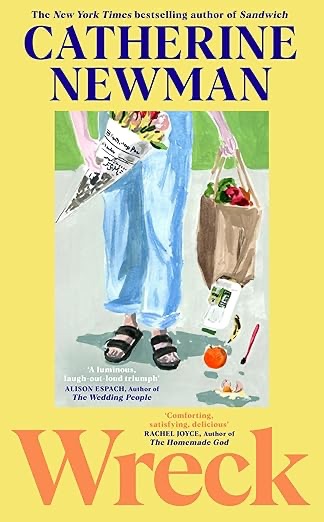

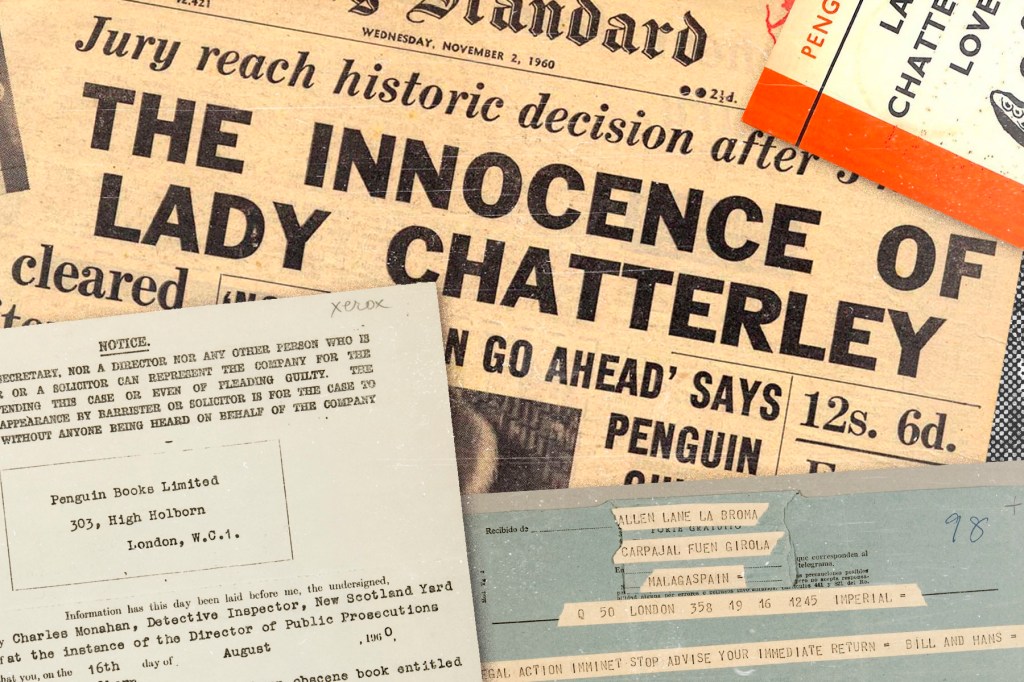
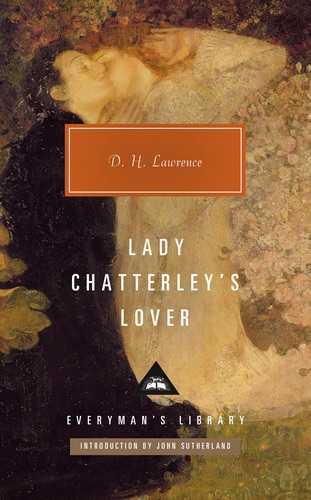
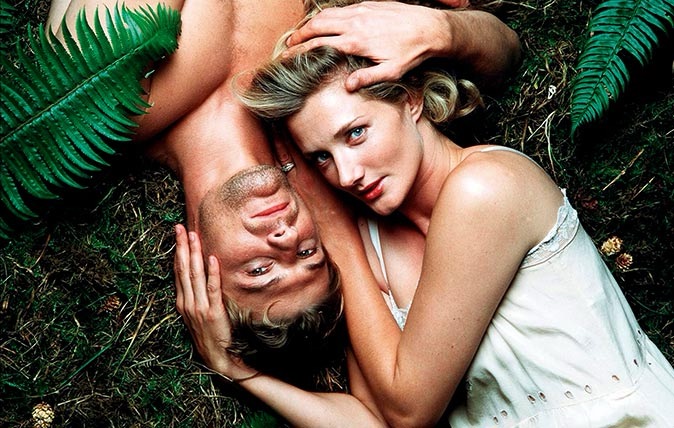
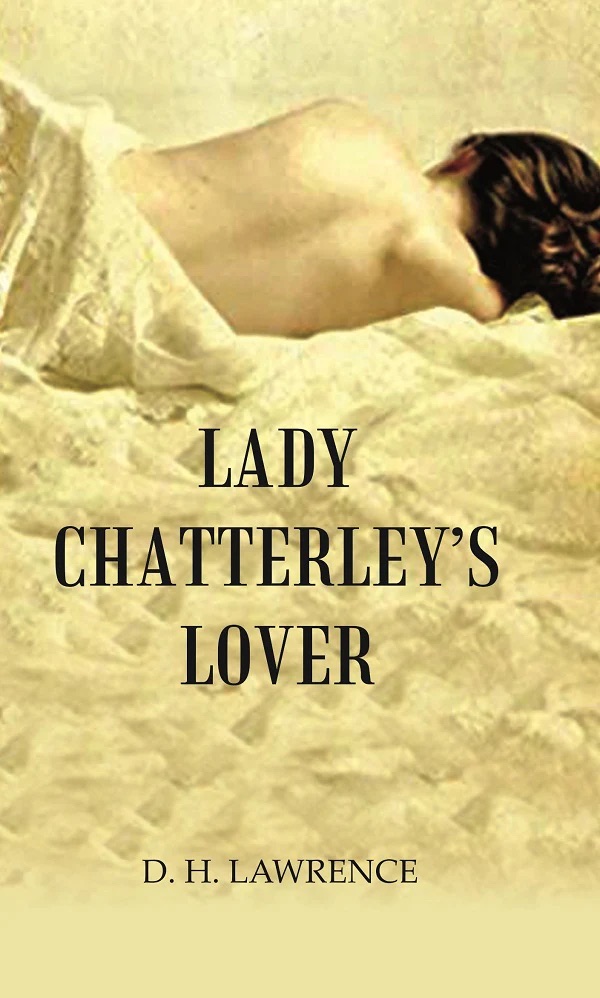
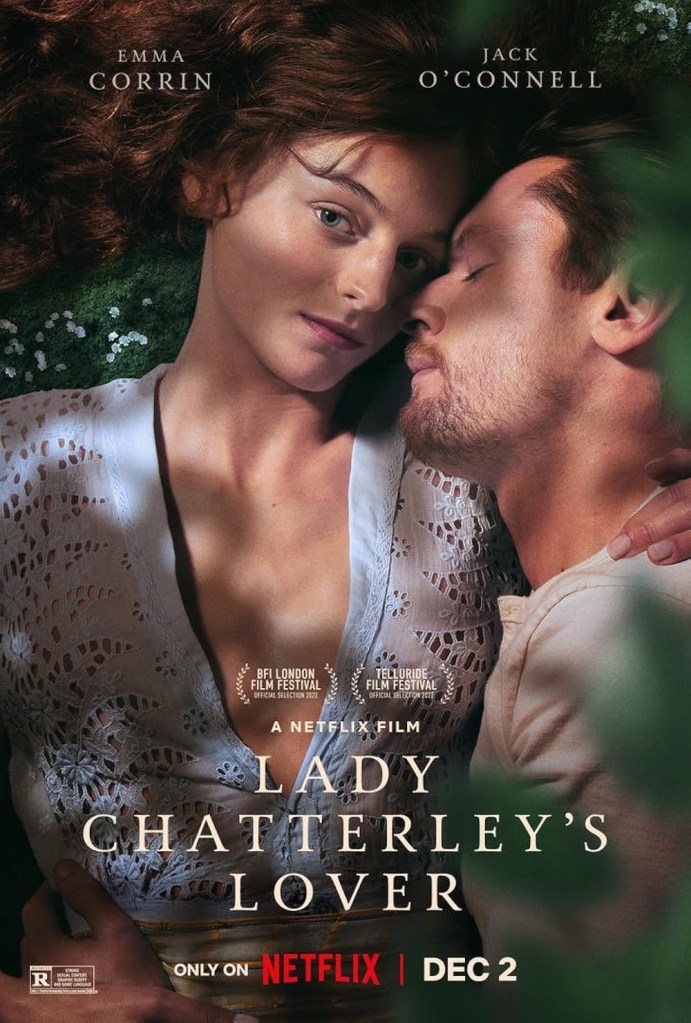
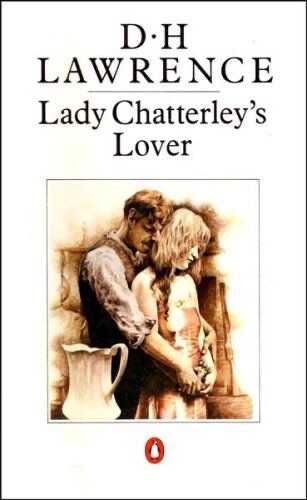
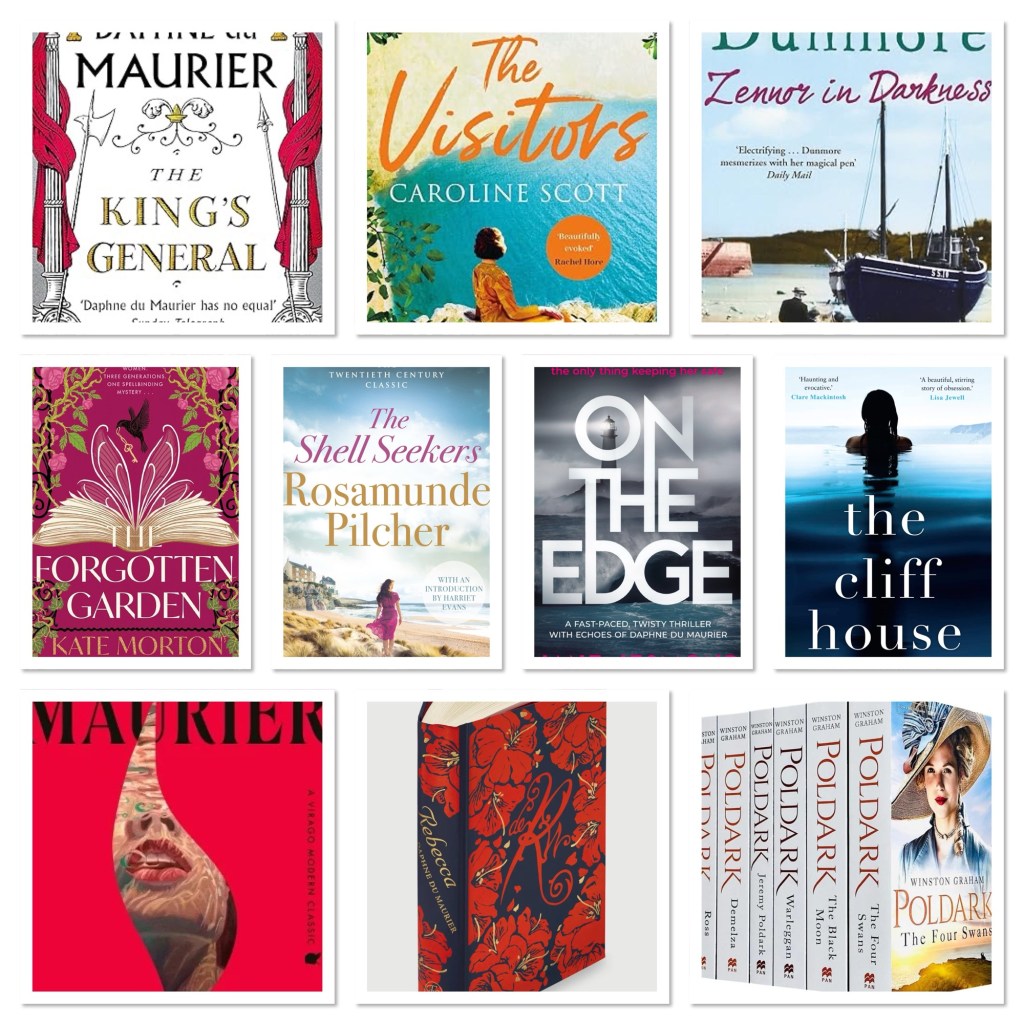
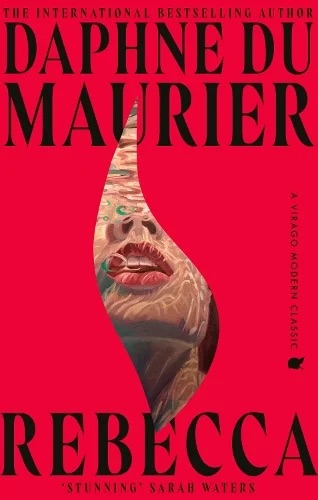
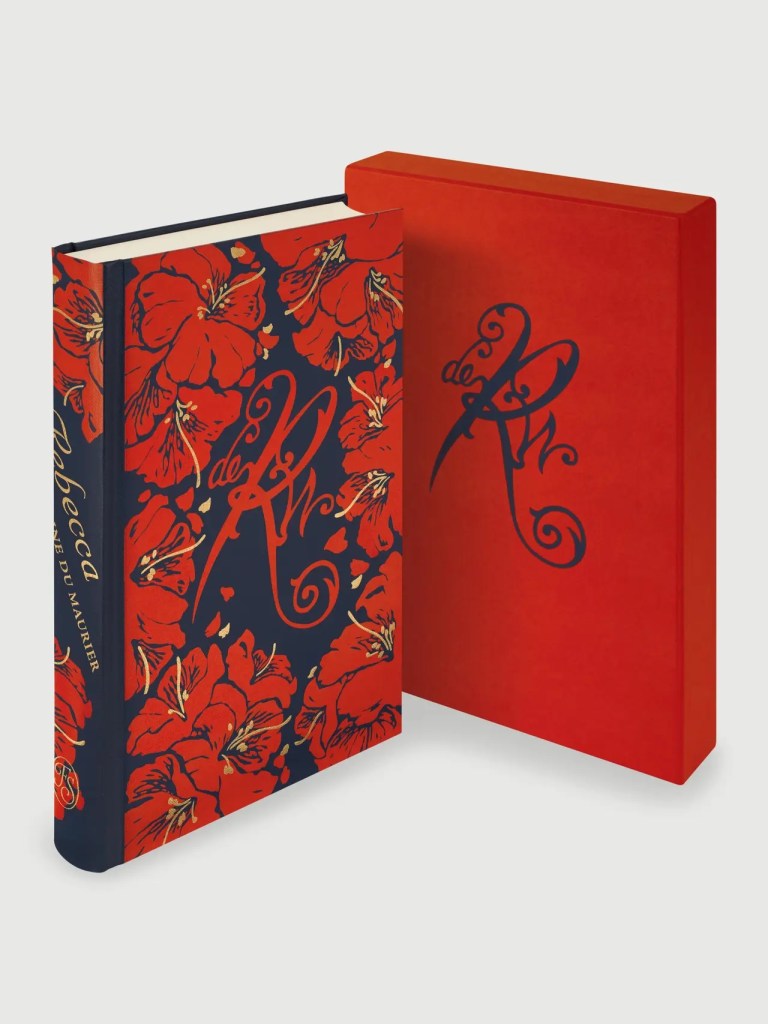
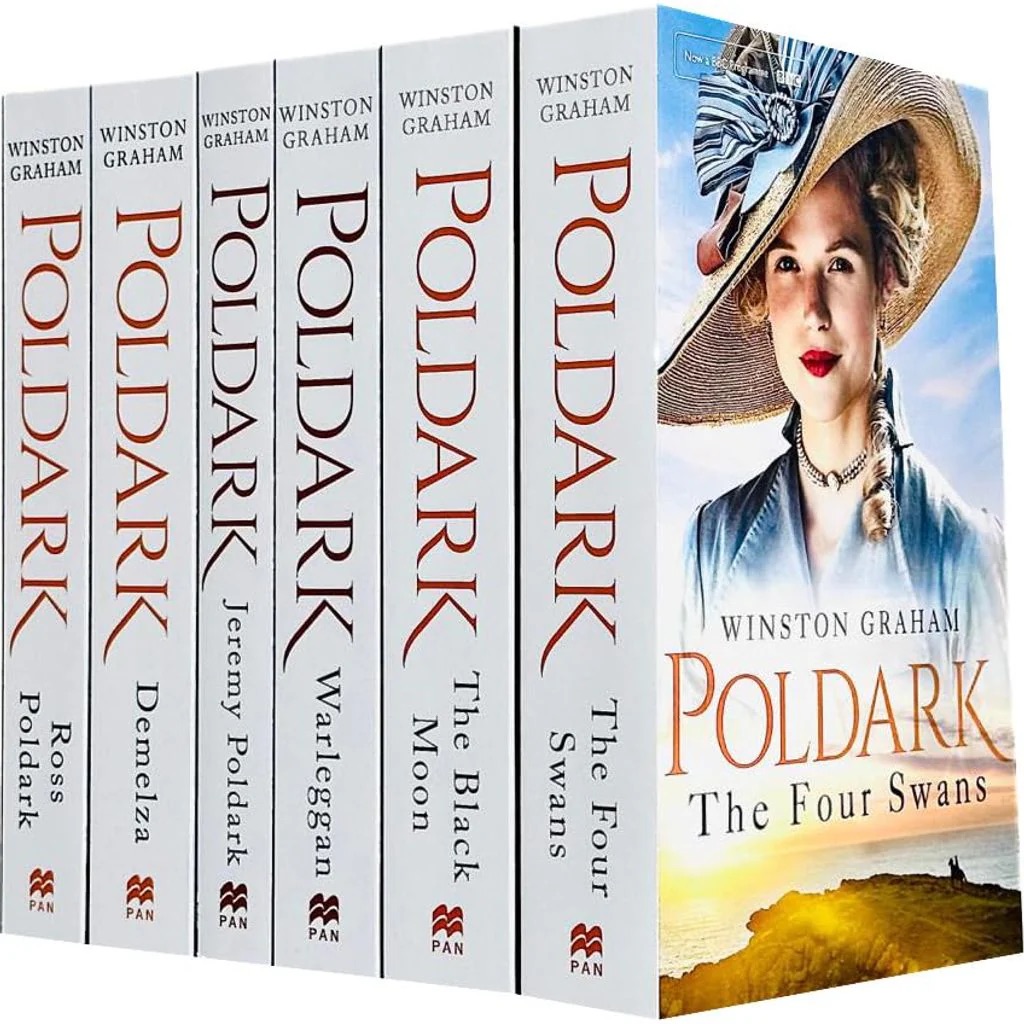
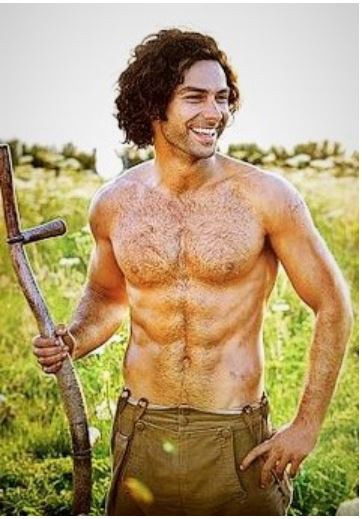
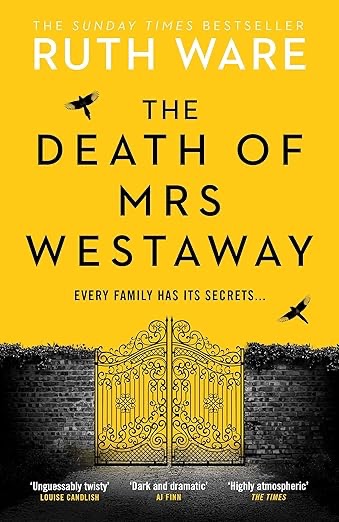
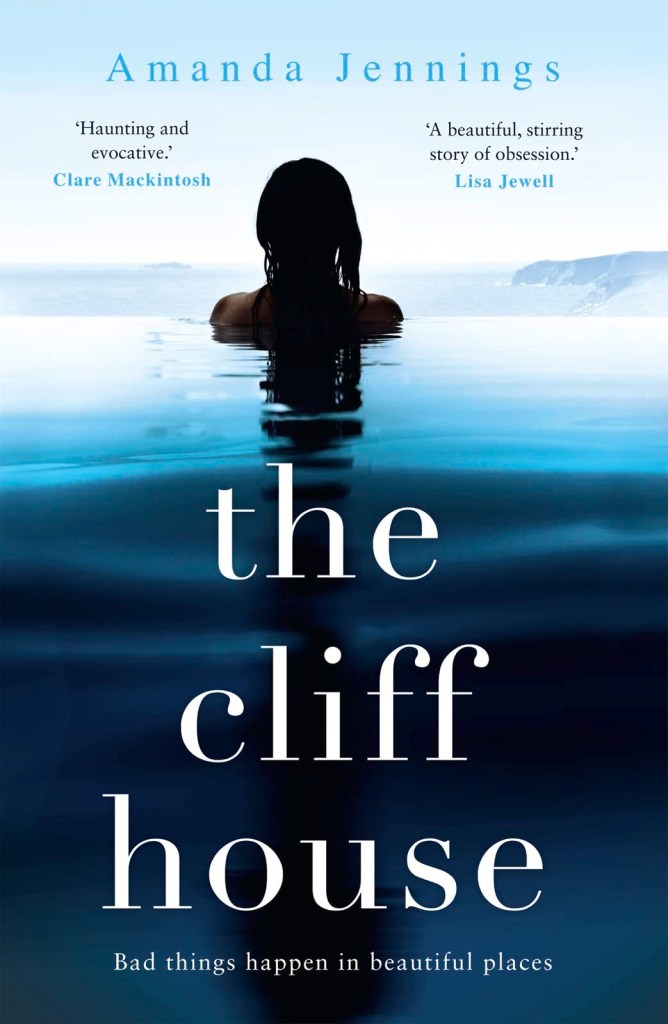
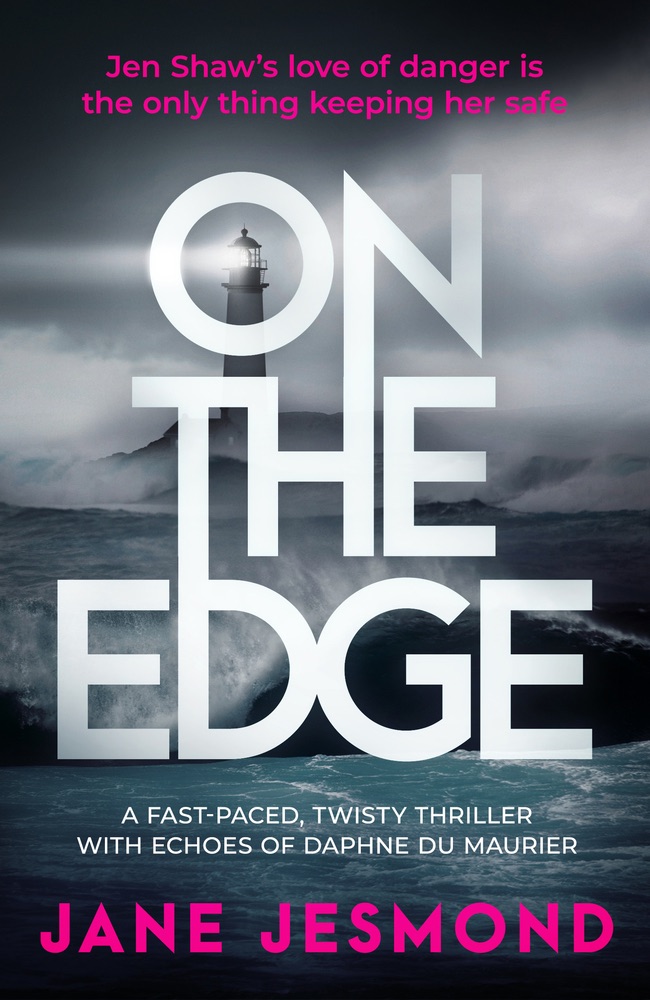
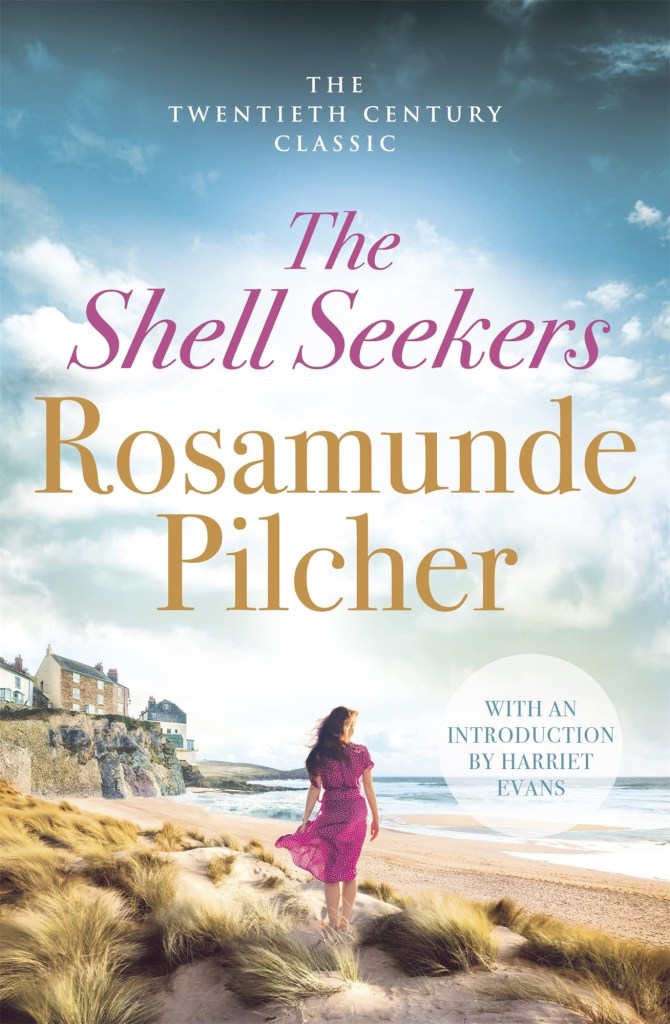
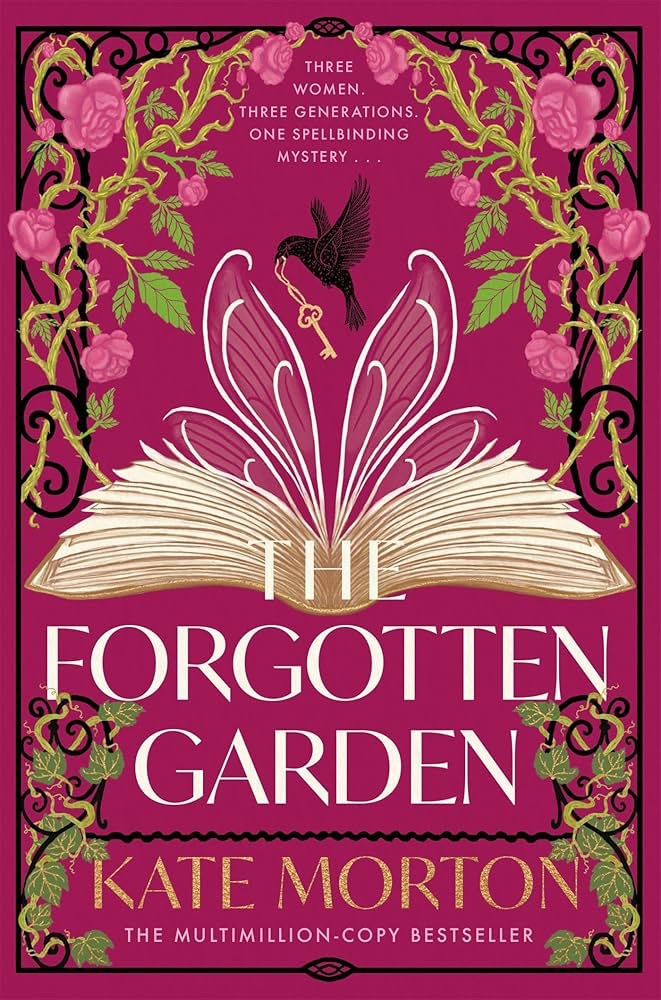
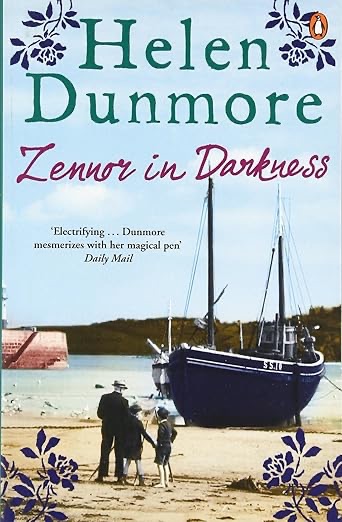
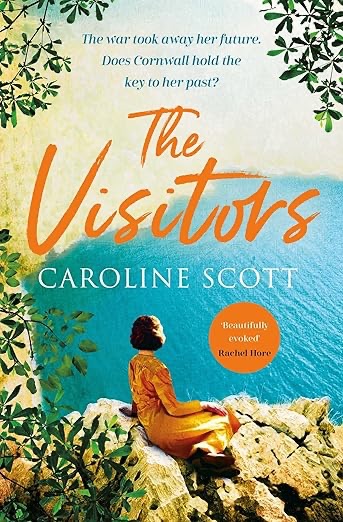
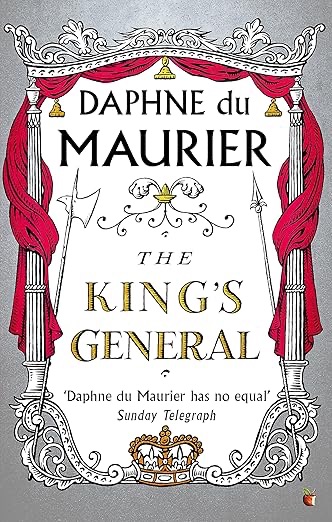
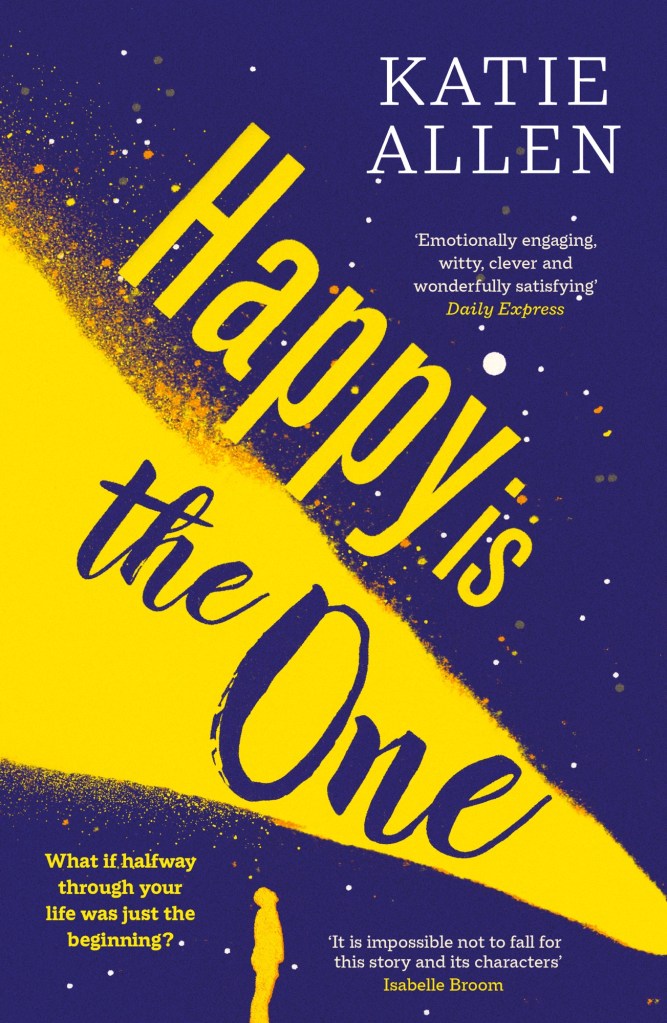
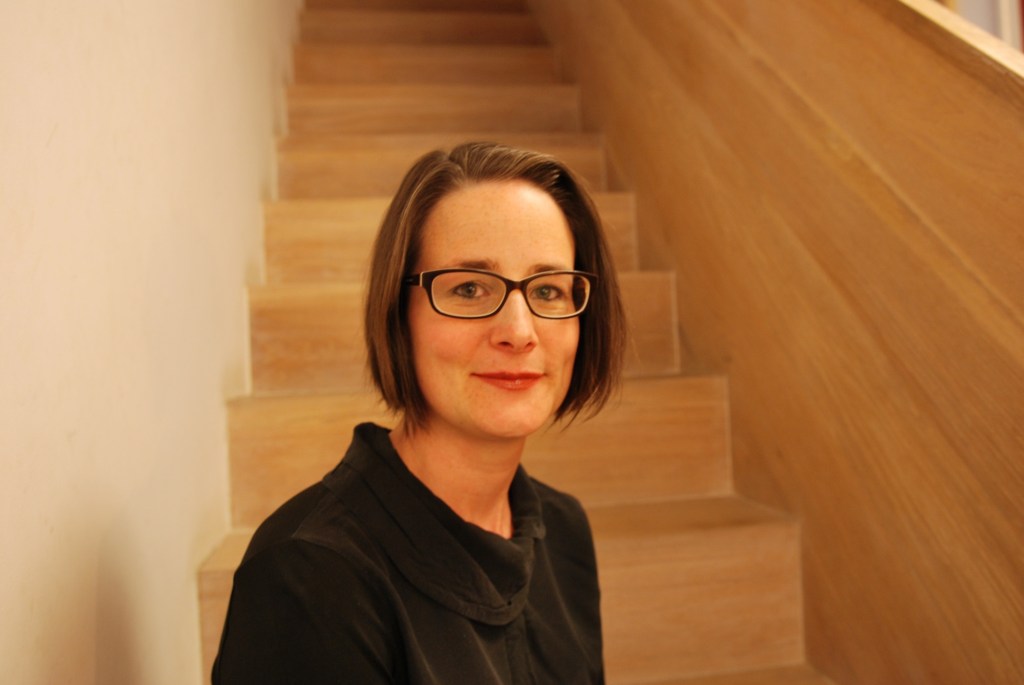
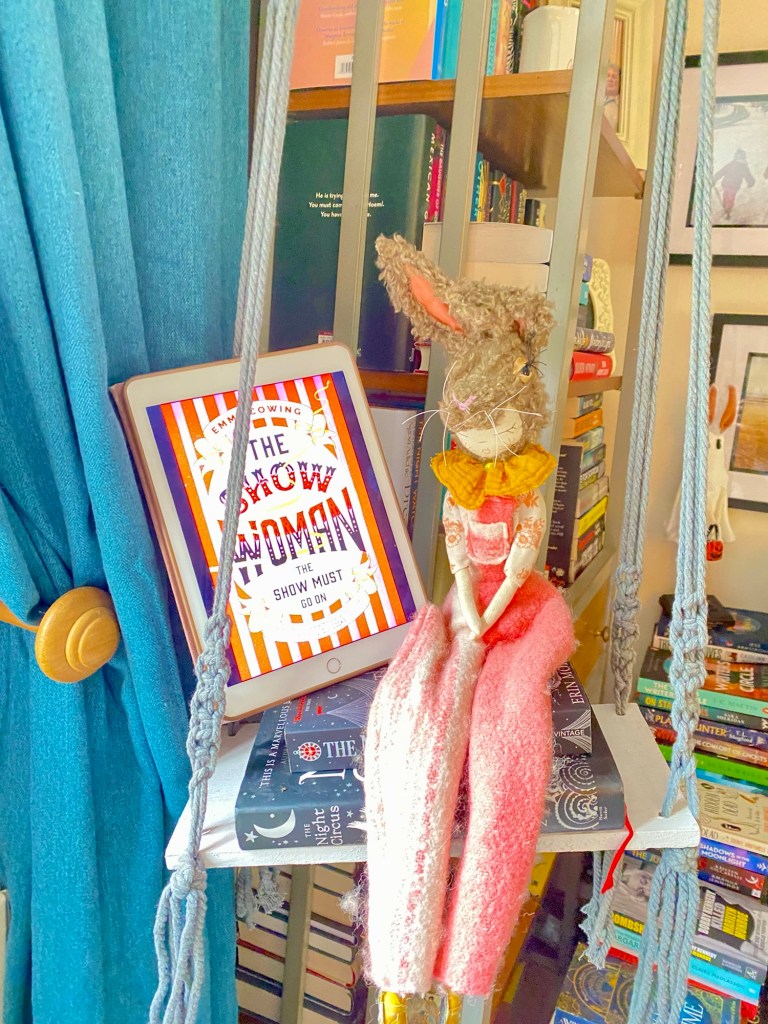
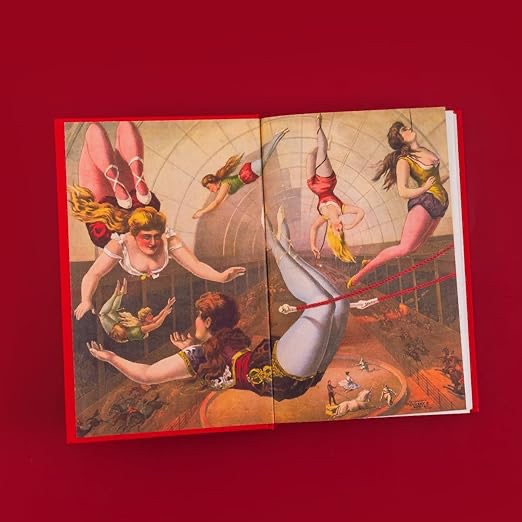
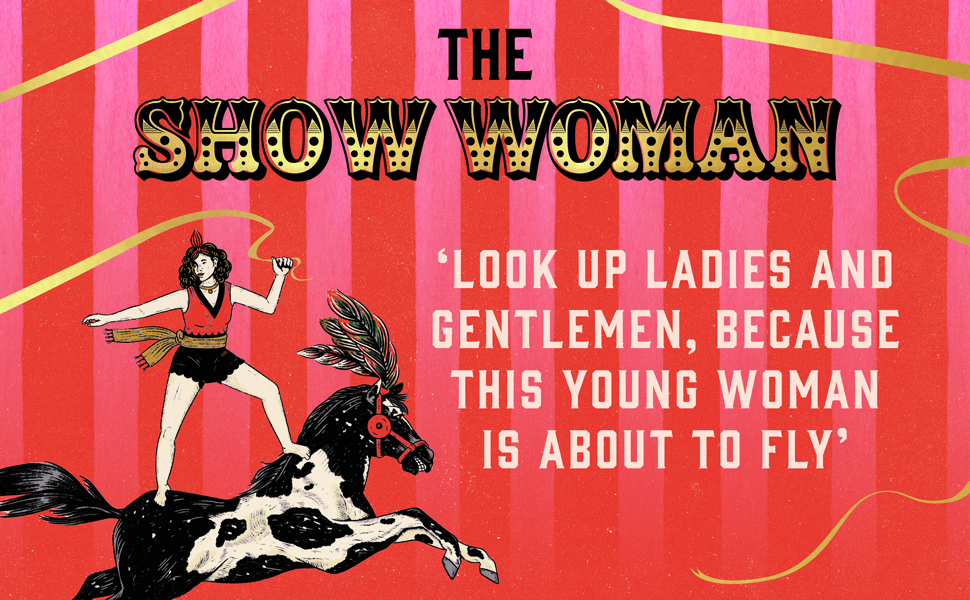
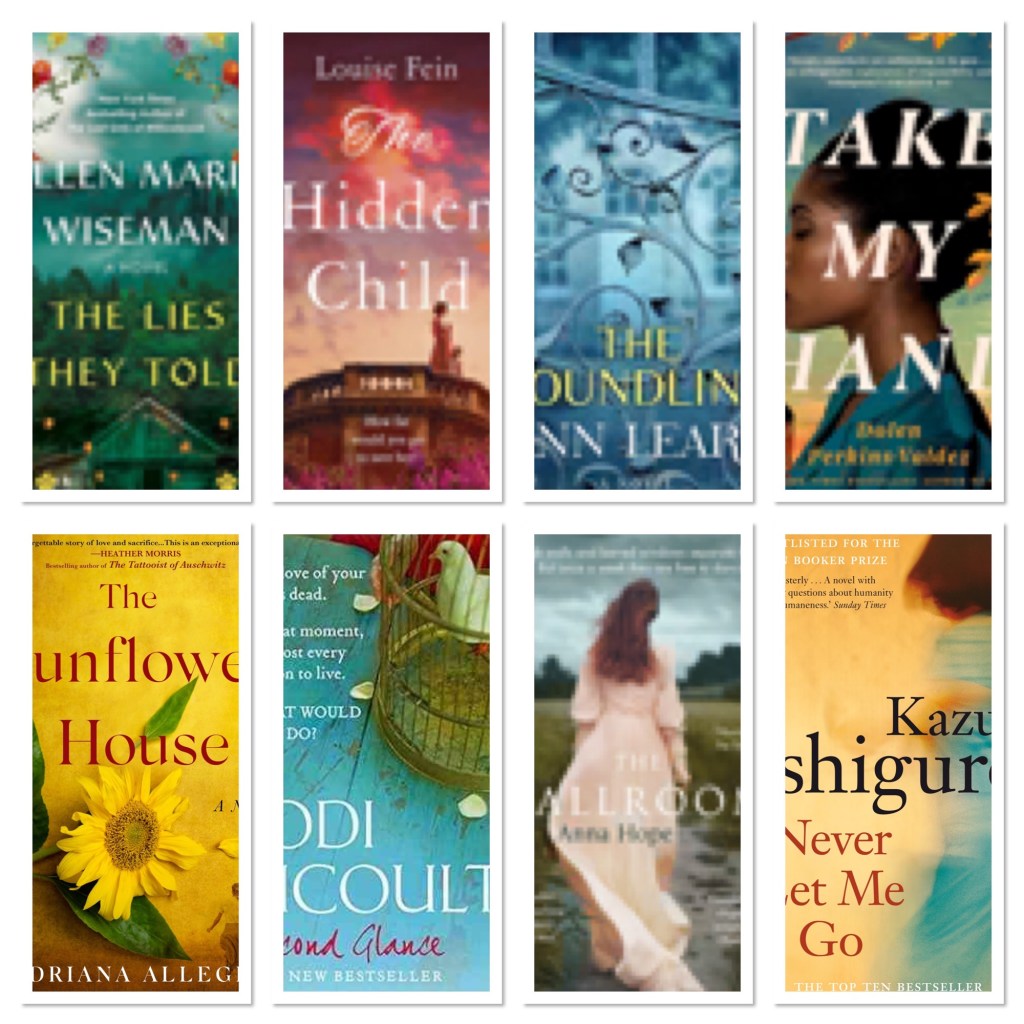
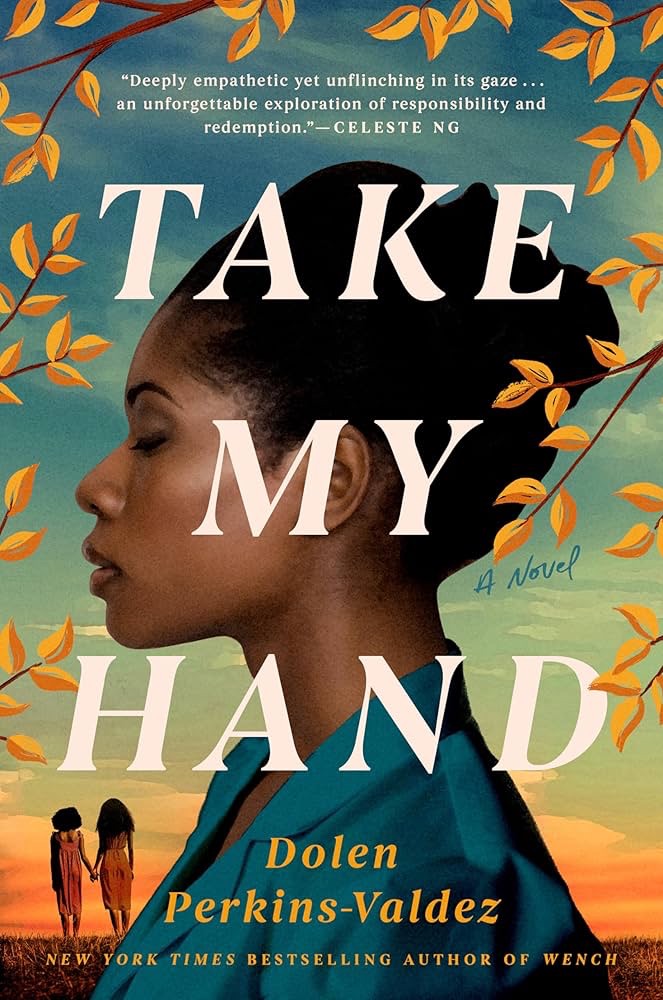
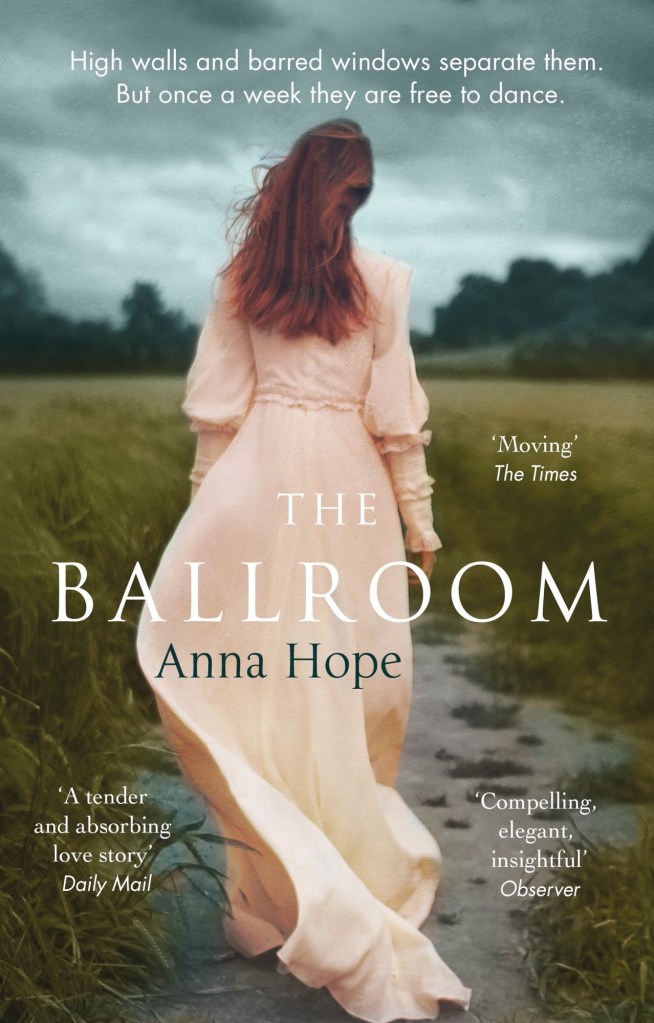
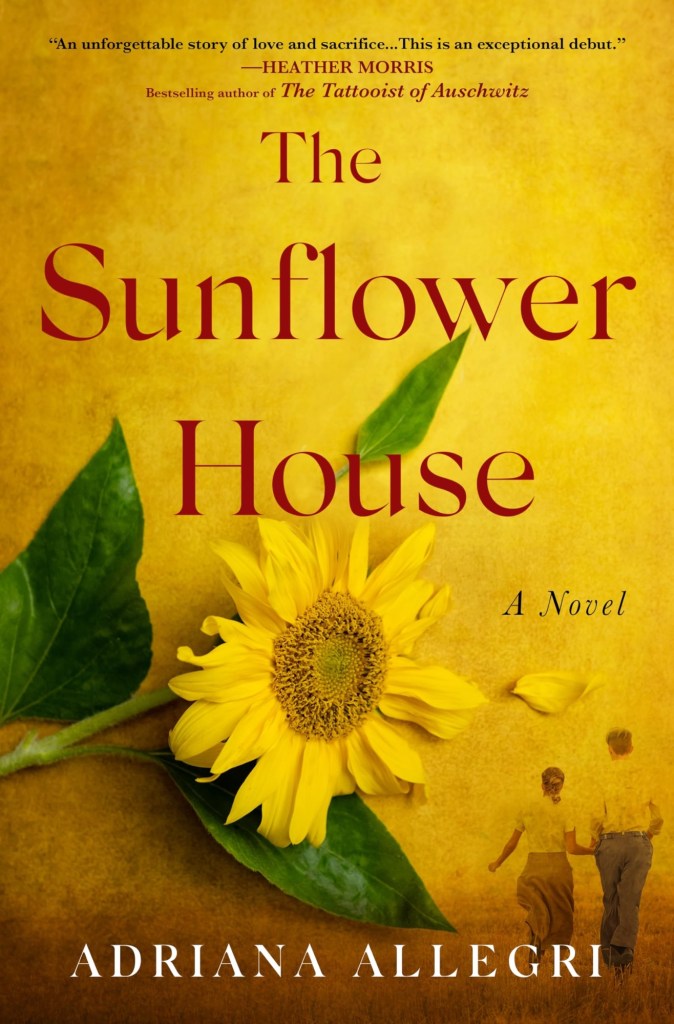
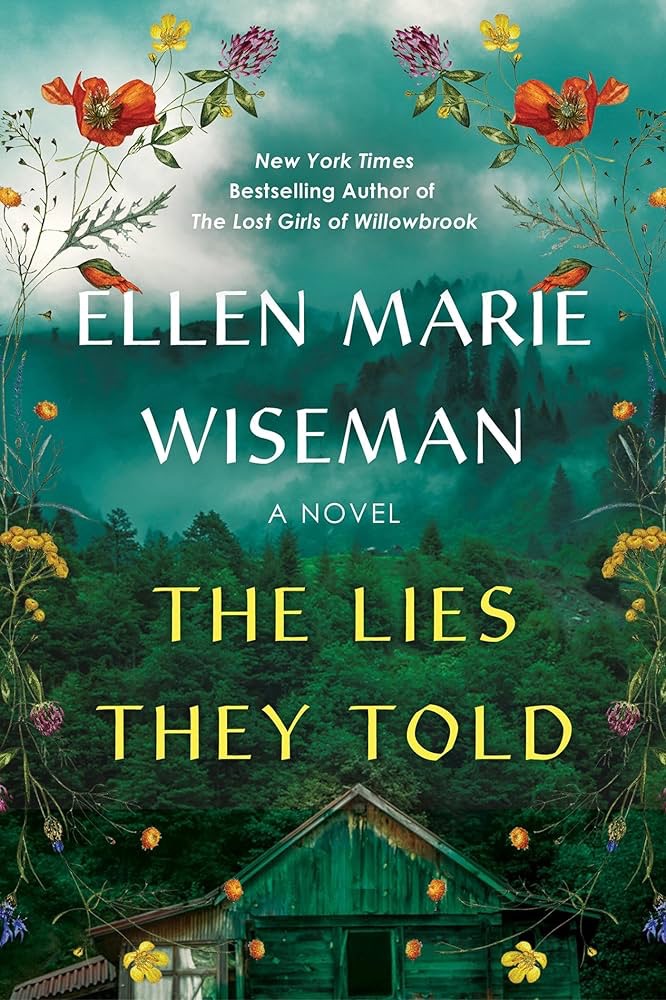
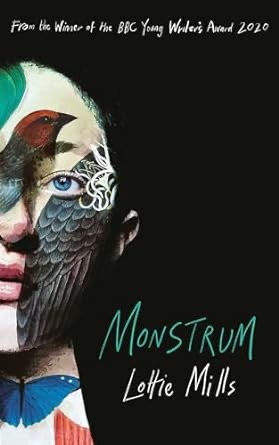


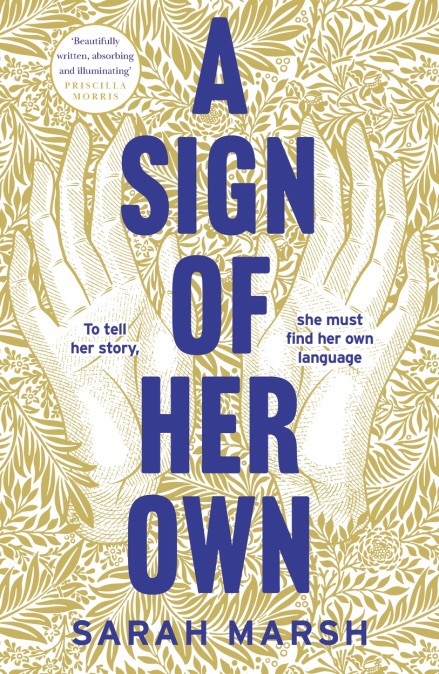



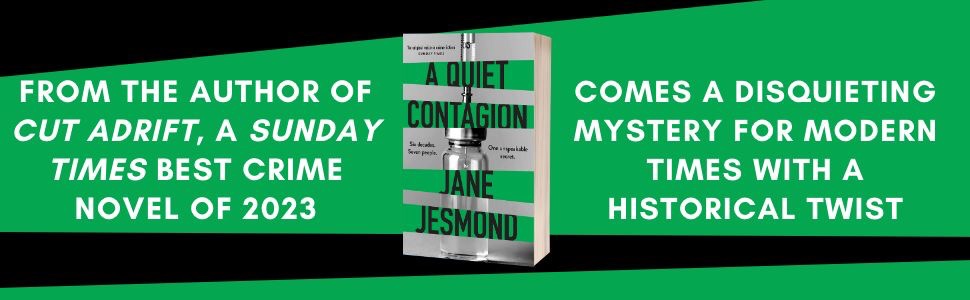

 The Lotus Readers