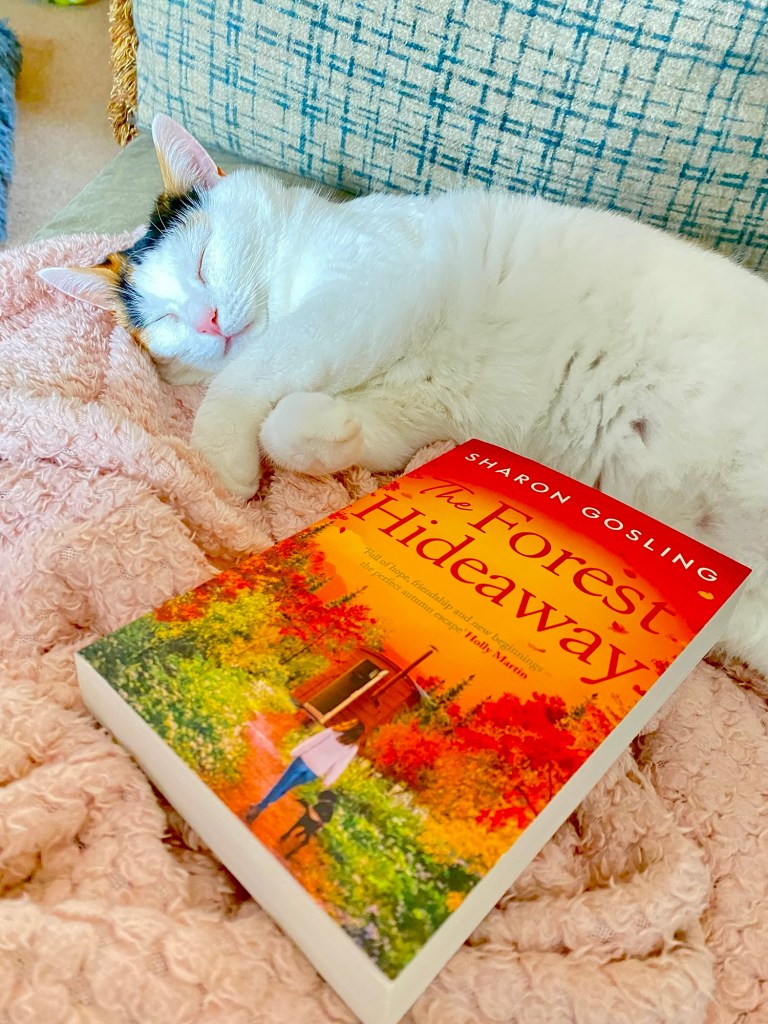
Posted in Publisher Proof

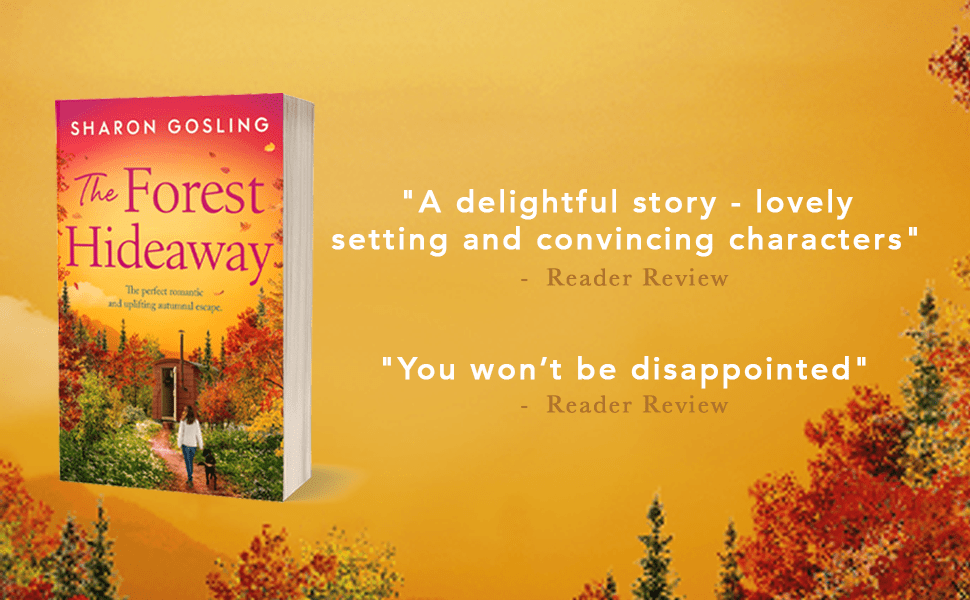
The Forest Hideaway by Sharon Gosling

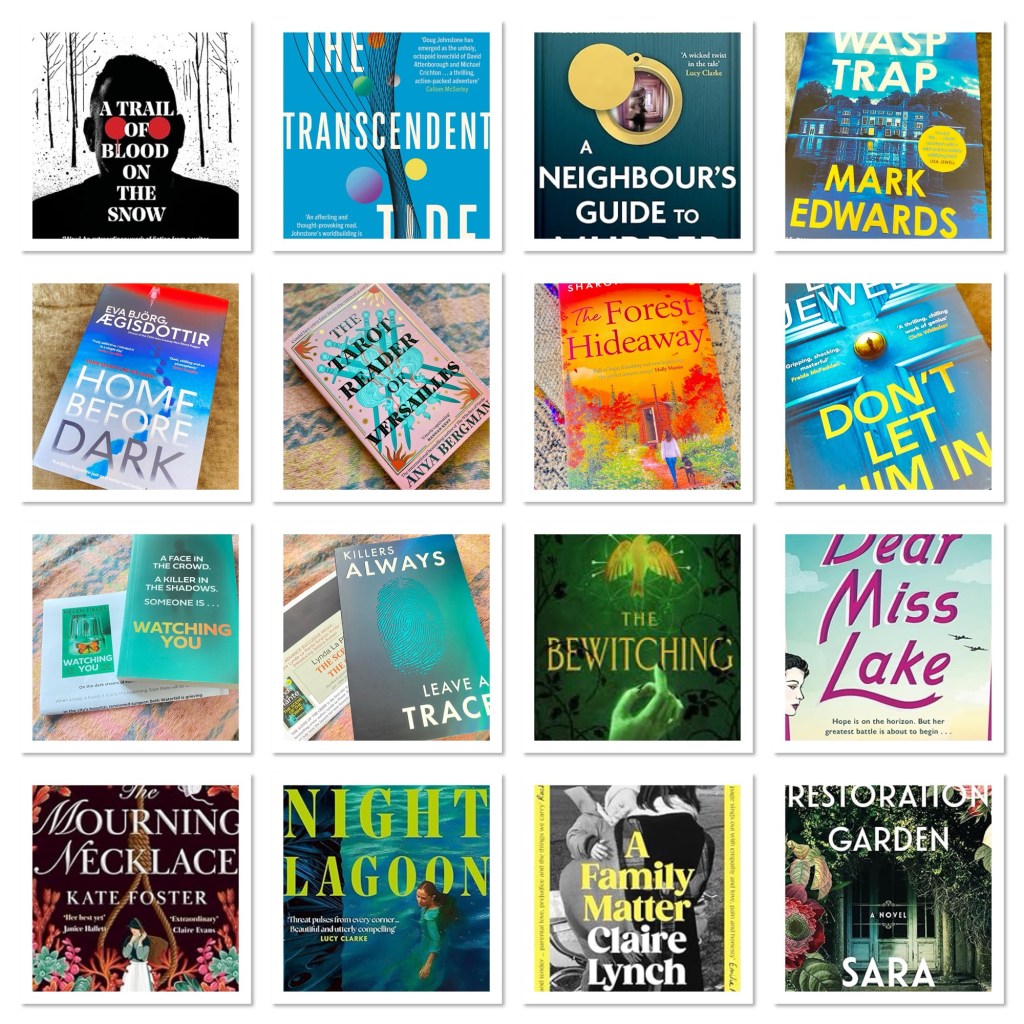
Hidden away in Cumbria’s Gair Forest is the most romantic setting, a ruined castle. It’s a haven for local history lovers and a once in a lifetime project for architect Saskia Tilbury Martin. She’s finding it difficult to get a builder to take the project on so Owen is her last hope and she’s already running late to meet him. She knows that she’s overdressed for the great outdoors and she’s had to borrow her friend’s BMW sports car because her trusty Land Rover is in the garage. In a way this is Owen’s last chance too. Previously in the forces, he has been a builder for a number of years but the business is struggling and he knows he’s not pulling his weight with wife Tasha and their gorgeous little girl. They have debts and if he doesn’t take this job he’s looking at failure, but when Saskia turns up with her sports car, three inch heels and double-barrelled name he’s isn’t impressed. Especially since she’s an hour late. He dismisses her as a rich girl throwing her money around. However, when she gets the plans out he can’t help but be intrigued. Saskia assures him that she wants to preserve what’s here, to leave the ruin looking as it does now but create a number of platforms inside to house her living spaces. She even intends to leave the slightly dilapidated oak tree growing in the centre of the castle, with a glass roof that can open in good weather. She doesn’t tell him that she’s the architect because other builders have been unsure about working with an unproven architect before. Owen takes the night to think about it, but when she offers him ten grand up front to get started he knows he can’t turn her down. Saskia reflects that they don’t have to like each other, they just have to be a good professional team for the project and save this beautiful building that holds so many memories for her. 

Owen soon finds he has assumed a lot about Saskia. When he sees the cabin she tows onto the site with her Land Rover back on the road, he thinks it’s an affectation to need a whole kitted out living space for when she’s here in the day. The builders have to make do with bare sectional buildings with no comforts. When he’s there early one morning, he’s surprised to see her appear from the cabin in her old denim shirt and her hair tied back, all set to walk her dog. She’s living in the cabin when he’s assumed she had a boutique hotel booked for the duration of the build. I wouldn’t have blamed her, having half my house out of bounds for building work at the moment I’d give anything for a couple of nights in a nice hotel! The truth is Saskia doesn’t have many people or places she could say feel like home. Her inheritance is from a grandparent and she has no relationship with her mother, instead she has best friend Vivian. Owen isn’t doing any better on the family front, Tasha has put up with a lot and has decided that their relationship just isn’t working anymore and he’s bunking down with friend and fellow builder Stuart. I found Saskia interesting and loved that she had a dream she was seeing through. She seems very sure of her ability and has confidence in her design which I found inspirational because I’m not confident and I’m rubbish at finishing projects. I admired that perseverance because she isn’t just hanging around waiting for life to happen. Owen’s life path felt more passive, despite seeing different parts of the world his life hasn’t been his own, it belonged to the army. He’s also drifted in his relationship. It clearly hasn’t been right for some time and Tasha tells him that his long absences on detachment meant they never really built a life together. As soon as he left the army and was home full time, they could both see their differences. Neither of them have tried to address the decline and now it’s too late. Maybe he needs to spend some time with Saskia because her self-reliance and determination could inspire him. 
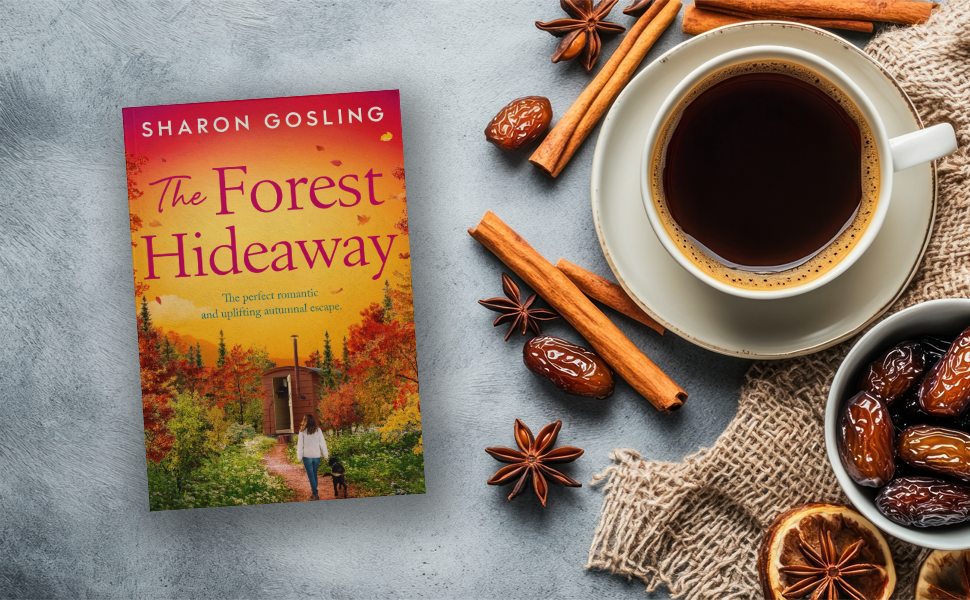
The setting is absolutely stunning. I love the Lakes, a love that was awakened again on a recent visit. I loved the idea of taking such a romantic ruin and making it into a home without taking away any of the decay that makes it so picturesque, the beauty being tied up with its imperfection. The isolation is fascinating too. I used to live in a large house in the middle of nowhere and friends would be aghast that I didn’t shut my curtains or check that all five doors were properly locked every night. Saskia isn’t afraid of the isolation either and I liked that about her. The history of the site is important too, both Saskia’s link to it but also the local history buff’s attachment to the building. So far they haven’t even given Saskia a chance, stating they want Gair preserved as it is without realising that’s exactly what she’s trying to do. I loved the idea that there are:

‘Two types of history here […] the castle ruins, the ancient oak tree. They both have worlds within them”.

This is so true because they hold the history of many people over centuries, enduring every new generation and what they bring. When we think about it like that it’s clear that making it a home again is exactly the right thing to do, reintroducing humans to the building and the nature surrounding it. I thought the added intrigue of Roman ruins under castle was fascinating and I was again impressed that Saskia had thought of this and ordered drone scans of the castle and underneath to see what the layers of soil revealed. I was hoping the local history lovers would give her a chance if she tried to her plans to them. 
There is a ‘will they, won’t they’ to this couple’s relationship and while a touch of romance is always nice it isn’t the main focus here. Owen slowly comes round to Saskia once he’s realised how much of his assessment of her was based on assumptions. She isn’t a rich girl playing at property development. Owen doesn’t know himself as well as Saskia does and part of that is because of his years in the army. It takes time after coming out, to get to know the person inside and decide what you want the rest of your life to look like. I imagined that if Tasha hadn’t been brave enough to say something that morning, Owen would have drifted along for years in an unfulfilling marriage never knowing any different. His growing inner world was very well written as he learns to read other people better and how to be a responsible co-parent with Tasha for the future. Whereas Saskia has worked on herself and needs Gair to be her home, somewhere to feel grounded. When she needs support she checks in with Vivian and I loved this idea of ‘found family’, the people you choose to support and sustain you in life when the family you’re born with can’t. They aren’t an obvious match and this is not one of those books that ends with a big fairytale wedding. We just have the sense that they’re gradually moving towards each other as the build progresses and they learn how to be a team. The oak tree felt like a metaphor for both these people, but also for life in general. It’s not the most beautiful tree, in fact part of it has been hit by lightning and someone had an abandoned attempt at pruning it once, very badly. Despite these setbacks the oak has kept growing, not in the most beautiful shape but still reaching for the sky. This is the perfect, cozy, autumnal read.

Out now from Simon & Schuster Uk

Meet the Author
I’ve been writing since I was a teenager, which is now a distressingly long time ago! I started out as an entertainment journalist – actually, my earliest published work was as a reviewer of science fiction and fantasy books. I went on to become a staff writer and then an editor for print magazines, before beginning to write non-fiction making-of books tied in to film and television, such as The Art and Making of Penny Dreadful and Wonder Woman: The Art and Making of the Film. 

I now write both children’s and adult fiction – my first novel was called The Diamond Thief, a Victorian-set steampunk adventure book for the middle grade age group. That won the Redbridge Children’s prize in 2014, and I went on to write two more books in the series before moving on to other adventure books including The Golden Butterfly, which was nominated for the Carnegie Award in 2017, The House of Hidden Wonders, and a YA horror called FIR, which was shortlisted for the Lancashire Book of the Year Award in 2018. My last children’s book (to date) is called The Extraordinary Voyage of Katy Willacott, and was published by Little Tiger in 2023. 

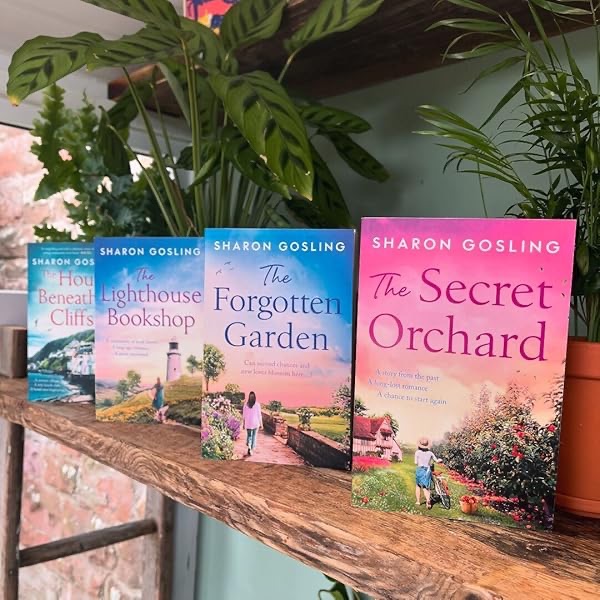
My debut adult novel, The House Beneath the Cliffs, was published by Simon & Schuster in August 2021. Since then I’ve written three more: The Lighthouse Bookshop, The Forgotten Garden, and The Secret Orchard, which is out in September 2024. My adult fiction tends to centre on small communities – feel-good tales about how we find where we belong in life and what it means when we do. Although I have also published full-on adult horror stories, which are less about community and more about terror and mayhem…

I was born in Kent but now live in a very small house in an equally small village in northern Cumbria with my husband, who owns a bookshop in the nearby market town of Penrith.

From Sharon’s Amazon Author Page 28th August 2023
Posted in Monthly Wrap Up

Best Books July 2025.

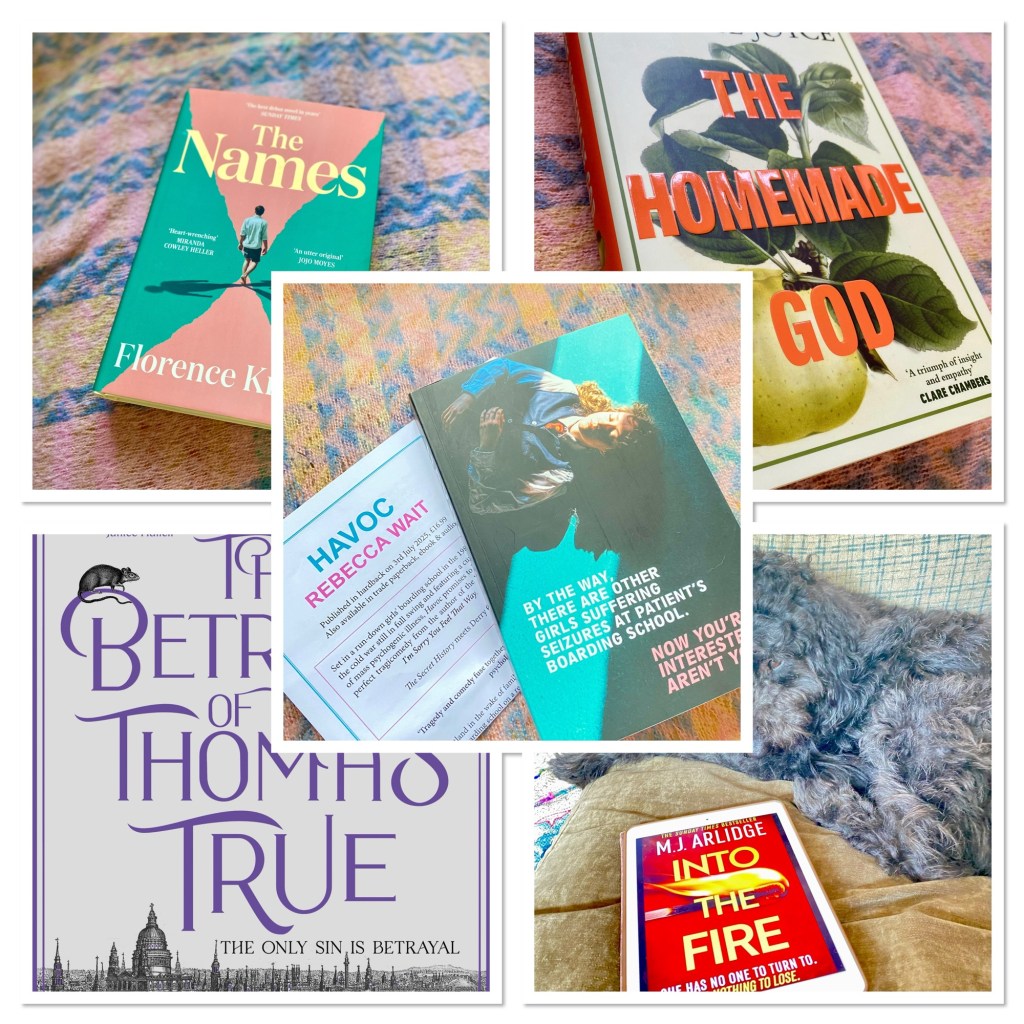
I’ve had a lovely reading month because even the books I had for blog tours, turned out to be fantastic reads. Any of these could easily make my end of the year list and some are by authors I’ve never read before. Others were from series I’d lost touch with and one has an incredible back story of the struggle the author had to get it published. I feel very privileged, looking back and realising what an incredible month of reading I’ve had. I’m already looking forward to next month’s choices.

This was one of those unexpected joys, a book I’d heard very little about and chose to read with my Squad Pod just on a short synopsis. I had no idea whether I’d enjoy it or not, but it turned out to be fascinating and very apt, because I’d been reading about Functional Neurological Disorder. Havoc is a brilliant combination of school drama, mystery and dark comedy featuring a wonderful character called Ida who lives on a remote Scottish island with her mother and sister, after fleeing from her mother’s boyfriend Peter. What started as a lonely but safe place to live, became impossible when her mother did something unforgivable and the island’s inhabitants turned against them. Deciding she wants to leave, Ida looks for private boarding schools who provide scholarship places and discovers one, as far away from Scotland as she can find. St Anne’s sits on the south coast of England, so remote and underwhelming that the school are terribly surprised when their scholarship student actually turns up. No one ever has before, so they don’t have anywhere suitable to put her. The school is ramshackle and in danger of falling off the cliffs and the food is questionable and often tastes of fish, even when it isn’t. Ida is placed in a double room with school miscreant Louise and starts to settle in. However, things take a very strange turn when Head Girl Diane becomes unwell, starting with strange jerks of the arms and soon descending into full blown seizures. Soon after, Diane’s friend April is sick and then starts the familiar pattern of jerks. By the time a third girl has the same symptoms outside agencies such as environmental health, doctors and the police start to descend on the school. Is this illness a virus or is it environmental? Could it be something more sinister like poison? This was a fascinating and often amusing read, with an illness that shares the symptoms of FND – a syndrome where neurological symptoms are present and real, but are often somatic. Although it’s also possible some malign force is at work, especially when rat poison appears in an unexpected place. Louise and Ida are a dastardly duo and I also loved the friendship between the school’s geography teacher and her strident and rather cynical flatmate. Little surprises are everywhere and I would love to meet the characters again,

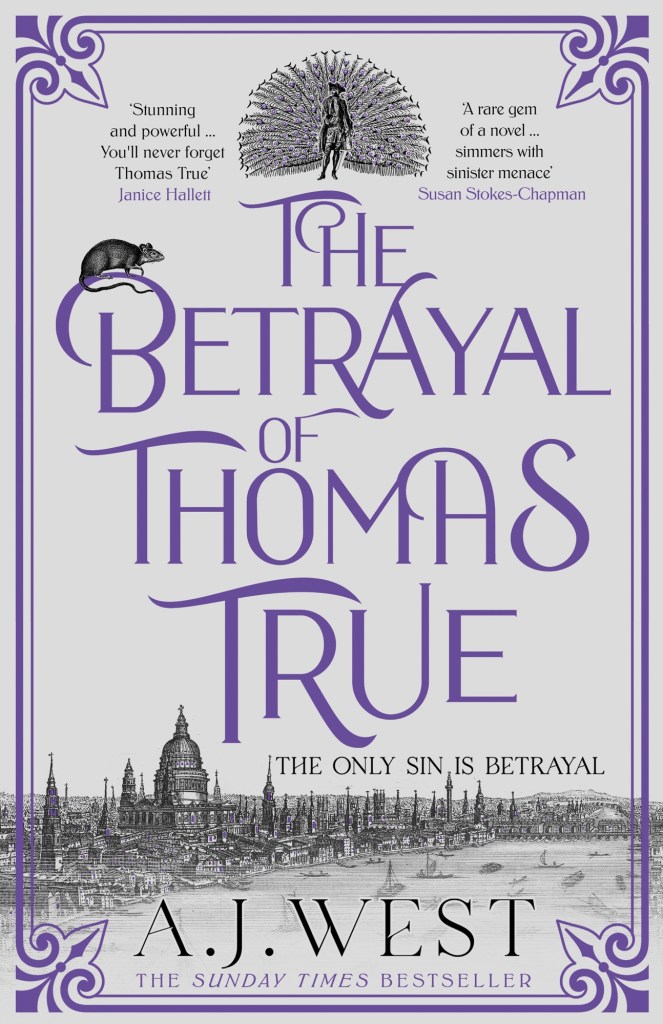
This book was the total opposite of the last in that I’ve heard nothing but praise for A.J.West’s newest novel. I’d loved The Spirit Engineer so much and I knew the struggle he’d had to get this published, but he believed in it and I’m so glad he was picked up by my favourite indie publisher Orenda Books. A match made in heaven. Having been supervised for my university dissertation by a lecturer who specialises in 18th Century Literature and secret sexualities, this was the perfect marriage of subject and style for me. I love when post-modern authors write back to a time in history to place people into their historical context. These are people who were erased from history due to their disability, sexuality or the colour of their skin. This has been done so well by authors like Sarah Waters who features 19th Century lesbians, Lila Cain whose main character were freed slaves in The Blackbirds of St Giles and Suzanne Collins, whose novel The Crimson Petal and the White is narrated by Sugar, a young prostitute with a disability.

Thomas True wears its vast amount of research lightly and definitely follows the style of the picaresque novel, where a young naive person makes their way into the big wide world with some humorous and rather risqué adventures. This young innocent travels to seek his fortune in London and is robbed on the highway, falling into the ‘wrong’ company – here this is the Molly House run by Mother Clap. A giant but gentlemanly man called Gabriel has brought him here and he is intrigued by the merriment, the wearing of women’s clothes and the safety of a place without scrutiny. This is above all a love story.  Thomas can’t possibly know how important this moment will be in his life, but it’s pivotal to his journey, his future and his heart. Far from the genteel worlds of Bridgerton and Jane Austen, the author creates a richly imaginative setting that brought all my senses to life – but not always in a good way. London is grim, overcrowded and disgusting. One scene where a body needs to be extracted from a ditch full of sewage is revolting. Even Mother Clap’s has a grotesque feel. These are not the preened and powdered men you might expect. Gabriel is huge, hairy and spends all day doing a heavy building job. He and Thomas have a complicated journey, one naive and optimistic and the other haunted by his past. You’ll be transfixed, hoping for their outcome to be a happy one but knowing this is a city that punishes ‘mollies’ by hanging and when the mysterious ‘rat’ betrays the men from Mother Clap’s the danger becomes very real. You can tell I loved it by the amount I write about it! It’s a definite must read.

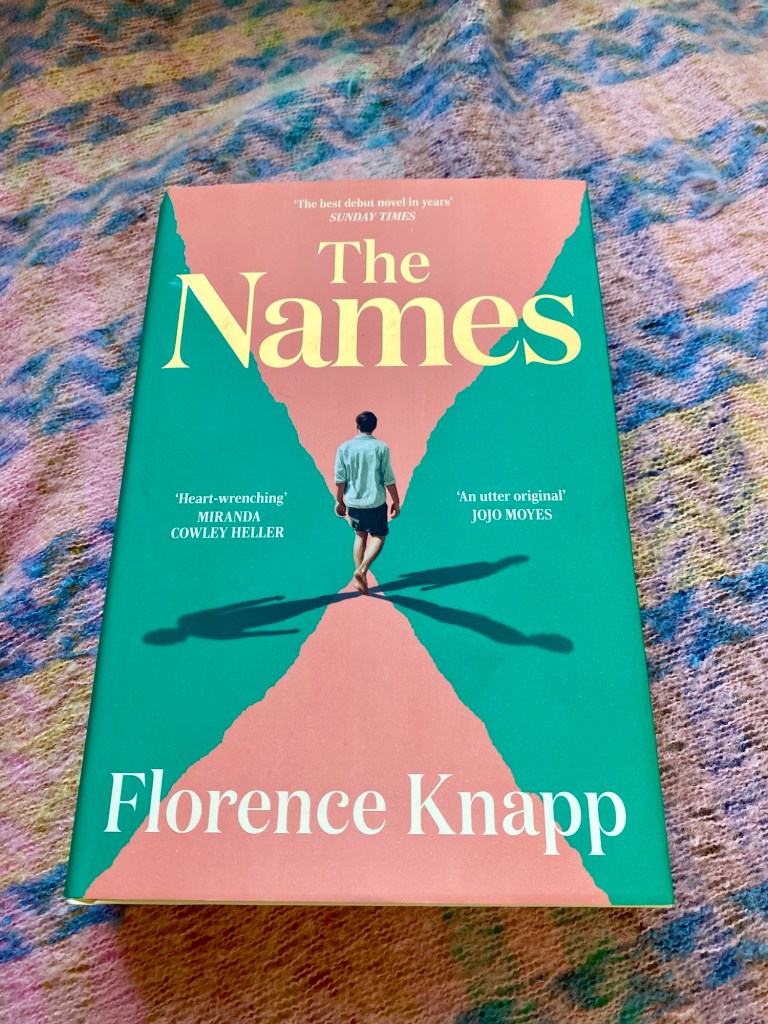
I knew from the first page that this novel was going to be special and it is utterly brilliant and an unbelievably good debut from Florence Knapp. It’s 1987 and Cora is going to register the birth of her baby boy. His name has been settled on because Cora’s husband has chosen his own name for his son – Gordon. But it wouldn’t be Cora’s choice. Cora’s choice would be something that doesn’t tie him so obviously to his father. She thinks Julian would suit him. Little sister Maia looks in the pram at her brother and decides he looks like he should be called Bear. All of these options swirl around in Cora’s head. In this moment, Cora has the power to make a choice and it’s done. It can’t be changed. What would happen if she went with Julian or even Bear? In the short term Gordon would be furious. How bad would it be this time? Long term, would it change her baby’s character or path in life? This is exactly what Florence Knapp does with her story. The book splits into three narratives and we discover what happens to this whole family, depending on Cora’s choice for her baby boy’s name. 

We then move on seven years and meet Bear, a name that proves to be a catalyst for change. We also meet Cora’s choice, Julian – the choice she hoped would break him free from domineering generations of Gordons. Although, what if he is called Gordon? Brought up by a cruel father to continue in the same mould perhaps? Or he might just break free from the shackles of his name? Each life is sparked by this one decision but it isn’t just Cora’s son’s story. This is the life of the whole family with all its ups and downs. It’s about how trauma shapes lives and whether love brings healing and hope to every version of who we are. Even her minor characters absolutely shine. Grandmother Silbhe and her friend Cian are so wonderful, modelling healthy male/female relationships for Julian and Maia. Cian is also Julian’s mentor at work, bringing out a creative side that needs nurturing. Julian needs to work with his hands and meeting fellow creatives helps him find his tribe. Lily is lovely character and we get to know her best during Bear’s narrative. I loved how she has to find a balance between giving Bear the freedom he needs without breaking her own boundaries in the relationship. It’s an utterly compelling debut and zooms straight into the list of best books I’ve read so far this year. The author brings incredible psychological insight to a story about how our names shape our identity, our relationships and our life choices. Something we didn’t even choose. Can it influence us to a huge extent, or do we become the same person no matter what the choice? 

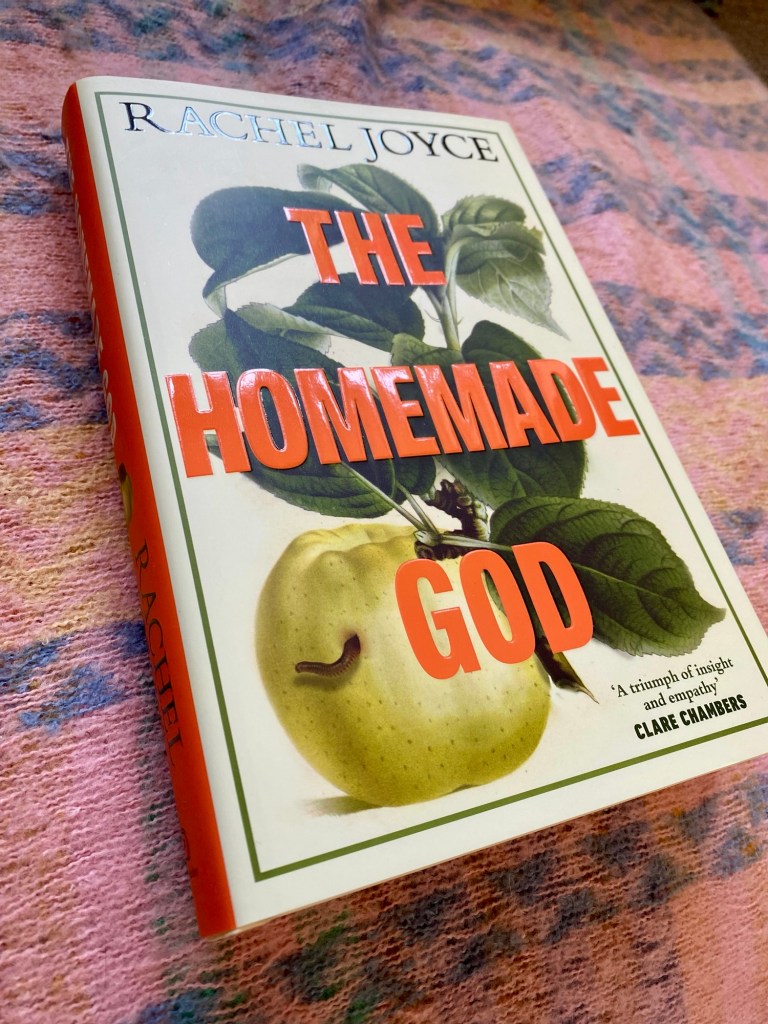
Rachel Joyce is a must-buy author for me and she gets better and better. This brilliant novel focuses on a bohemian family; Vic the father who is an artist and his four children – Netta, Susan, Iris and Goose (short for Gustav and the only boy). They’ve been parented by Vic and a series of au pairs after the sudden death not long after Iris was born. Their father’s art came first always and the conditions he needed in order to create were paramount so the oldest girls often played the mother role for Iris and Goose, especially when Vic inevitably slept with the au pairs. Vic was not an artist celebrated by the establishment. The description of his paintings brought Jack Vettriano to mind, criticised heavily by the art world, but very popular with the public. Now grown up, his children are stunned when Vic starts losing weight and drinking green, sludgy health drinks. His diet is being looked after by his new girlfriend, 27 year old Bella-Mae. None of his children have met her and she doesn’t seem keen to try. Within weeks Vic announces they’re engaged and Netta suggests that they all stand back and give this the space it needs to fizzle out. A couple of weeks later, Vic announces their marriage with a single photograph from the family home in Orta on Isola Son Guilio with Bella-Mae in such a heavy veil they can’t make out her face. They are staying at the house, situated on an island in the middle of a lake, but only two days later Netta is stunned by a phone call from a stranger called Laszlo, claiming to be Bella’s cousin. Vic has been dragged from the lake, drowned after a morning swim went wrong as the mist descended. Why would Vic go swimming in the mist? His children come together to travel to Orta, to finally meet their new stepmother and to find out whether she has killed their father. 

Bella isn’t what the siblings expect and nor is the villa, which has been changed in decor and atmosphere. She seems insubstantial and too fragile to have caused such an uproar. Especially when they’ve pictured her with an iron will, imposing her diet on their father and gaining their inheritance. She will prove to be a mirror through which each of them evaluate their lives. I love family sagas and this one is brilliant. It’s psychologically fascinating and I’m not going to ruin that for you by delving too deeply. I was absolutely transfixed! I couldn’t work out whether there was deliberate manipulation at play or if this was just a case of an outsider causing people to view everything through a different lens. Is Bella a destructive force or a helpful one? Whatever she is, the siblings will have to look at themselves, their choices and their relationship to their father. Some revelations will be explosive and take place in the open air- one particular meal is cataclysmic. Other revelations are quieter, insidious or internal but no less devastating. An utterly brilliant read for someone who loves complicated and tangled relationships. I LOVED it.

This book opened with a heart-stopping scene that set the pace for the rest of the story. Helen is relaxing after meeting her lover in a luxury hotel. While he has a shower, she is in her nightgown and robe enjoying the night time view over downtown Southampton. Movement suddenly catches her eye and she’s drawn to a woman who’s running down a darkened street towards a precinct of shops, pursued by two men. As they catch up, one of them pulls out a bicycle chain and starts to beat the woman. Helen doesn’t wait or think, tearing out of the hotel room and down several flights of stairs as she’s too impatient to wait for the lift. She tears down the dark street hoping that someone has called the police. Helen flies at one of the attackers, who is taken completely by surprise and she soon disables the second attacker before turning to the woman who has been badly beaten. She looks like she’s from the Middle East perhaps, with two very distinctive tattoos placed on her forehead and chin. Unfortunately, Helen has committed the cardinal sin of combat and has turned her back on her attackers. The next thing she feels is a huge bang to her head and then everything goes dark. This opening scene tells me this will be a gritty, modern thriller with a kick-ass heroine. 

This is the thirteenth novel in the DI Helen Grace series and I’m seriously out of touch with the character, having only read the first couple of novels after picking them up in a book swap. Helen is working on her own initiative after handing in her notice at the end of the last novel, with her protege Charlie being promoted in her place. Helen doesn’t know what the next step is, but she’s been enjoying the break. The only thing she misses is the camaraderie of a team and although she has enough money to really think about what’s next, she is anxious about it. Although life will bring it’s own answer soon enough and it might be the last thing she’s expecting. She starts to investigate alone, feeding into Charlie who is trying to target traffickers and their victims coming through the port in lorries and containers. The story is told mainly through Helen’s eyes, but also through the narratives of two other women. Viyan is another trafficked Kurdish Syrian woman and Emilia is a journalist whose father is dying in prison. At first we’re not sure how all of these narratives fit together but slowly they form a cohesive picture. Helen is formidable! You will hold your breath for the final showdown and all the women involved. Each short punchy chapter is action packed and will keep you reading ‘just the next chapter’ until it’s 2am. I now need to set aside time and read the ten novels between this and the last one I read. I’ll probably load up the kindle with them before I go on holiday so I can carry on without interruption. This was a belting, action-packed, female led, crime thriller and I recommend it highly. 

August TBR

Posted in Random Things Tours

Mary Jane by Jessica Anya Blau.

What a great coming of age novel this is as we follow Mary Jane Dillard’s summer of 1978, caught between her straight-laced and devout home, that’s all rigorous routine and tidiness, and the home where she ‘nannies’, which is untidy, chaotic, has no rules and is harbouring a famous rock star and his girlfriend as he dries out from drink and drugs! Fourteen year old Mary Jane has a complete culture shock when she takes a summer job working for the Cone family down the road. Her role is to look after the daughter, Izzy, but as she finds out roles and rules are not very clearly defined in the Cone household. Mary Jane has grown up with rules, and her favourite things up till this point are cooking with her mother and singing in the church choir. Her mother is the great organiser of their household: tea is always on the table at the same time; they go to the same weekly church activities; she shops for groceries every Friday and always knows where her daughter is. Dr Cone’s professional status is enough for Mary Jane’s mother, who imagines a serious, professional man with a wife who keeps the household running like clockwork. Nothing could be further from the truth and even Mary Jane’s dad points out they might be different – they’re Jewish he tells his family, their name would have been Cohen but they’ve changed it. Besides which, Dr Cone is a doctor of psychiatry and has his own unusual treatment methods.

If the state of your house is truly reflective of who you are (overstuffed, slightly shabby, but full of charm in my case) then the Cones are chaotic, anarchic, full of ideas and very well read. Just like all children, Mary Jane has imagined all homes are like hers and looks at this one with horror and wonder too. There are things everywhere and in Izzy’s room she can’t even see the floor. The family are not just incontinent with their belongings, but their affections too. Mary Jane’s parents don’t show their emotions and seldom show physical affection, but here Izzy’s parents are full of kisses and hugs – something that takes quite a bit of getting used to on Mary Jane’s part. I grew up in a similarly religious and strict family during my adolescence and although my parents were always very loving, I was very shocked when friend’s mums talked to them openly about sex and relationships, or allowed them to read or watch anything, go out till late and wear what they liked. I really felt Mary Jane’s bewilderment at this complete lack of rules or schedules. As it neared late afternoon she would be surprised that no one had thought about what to have for dinner, or that no one had ironed Mr Cone’s shirts. Mr Cone’s office was in the garden, but his methods are rather unorthodox and within the week the house has two new guests; the rock star called Jimmy and his movie star wife Sheba. Jimmy is drying out, which seems to involve eating a lot of very sugary sweets! Mary Jane has been asked to tell no one the couple are there and this is the first thing she has ever kept from her parents. The second thing is her cut off shorts that Sheba has cut so high they only just cover her bum cheeks – I loved the bit where Mary Jane’s mum bumps into her and Izzy in the supermarket, and she hastily throws on an apron to cover her modesty. She knows that if her mother knew even the half of what is happening over at the Cone’s residence, her summer job would be over, and now she’s grown to love both Izzy and their happy go lucky lifestyle.

Of course these two families are not simply good and bad, they’re just different and that difference is appealing when we realise that Mary Jane is getting from the Cone family, exactly what she is missing at home. Her own mother, although rigid and a little remote, is not a bad woman. Yes she has elitist, and often, judgemental views – the first thing she asks about the Cones is which country club they belong to? She also lives a very ‘Stepford Wife’ existence, with a rota of family chores to follow and the ingrained view that a woman looks after the house, children and her husband. In teaching Mary Jane how to cook and clean, she is preparing her for a similar role in life because that is her norm. They belong to a church that reinforces those same views. However, Mary Jane is well cared for and has a very stable home life, with a mother who wants to keep her safe. By contrast, Bonnie Cone is openly affectionate, praises her cooking and cleaning skills as if they’re a magic art, and encourages her to express herself both emotionally and creatively, but she does have shortcomings. She doesn’t work outside the home, but Izzy is often unfed, unwashed and without Mary Jane’s input could be neglected. As a couple, the Cones choose to bring a known addict into their home who is a total stranger, leave food to rot in the fridge and are effectively allowing a fourteen year old to run their home, cook all their meals and be a full-time nanny to their daughter.

Whilst there is so much charm in their lifestyle and love in their hearts, it doesn’t always translate to action and could be seen as dysfunctional. I can imagine many people finding their nudity troublesome – Mrs Cone is often without a bra and Mr Cone wanders naked from bedroom to bathroom, knowing Mary Jane is in the house. As I was reading I found myself drawn to the Cone’s way of life, but also a little troubled by it. While I dislike rigid, religious upbringings I had to feel a drop of sympathy for Mrs Dillard who thinks she is doing the best thing for her family and often is, in a practical sense. While Izzy seems a happy and well- adjusted little girl now, would that continue into her teenage years or might she crave some structure and safety? There’s a scene, early after Sheba and Jimmy’s arrival where the whole household sit and watch Russian and American astronauts meet in space for the first time. Mary Jane observes that as they all sit together, on or in front of the sofa, everyone has an arm round or hand on someone else. It’s a big affectionate sprawl she describes as being like a litter of puppies. This description stayed with me, and I think it is because they all seemed to be on a equal footing. There are no adults and children here – they are all children. This can also be seen in later descriptions of evenings where everyone sings together, dances to the Jimmy’s records and the adults smoke joints. She is even included in group therapy sessions where everyone is encouraged to be honest and has equal status. I couldn’t tell whether it was the whiff of 1970s nostalgia that made this communal living sound idyllic. There were times when I wondered if any five year old brought up in a similar atmosphere now, might even be flagged up at school or to social services.

However, the author’s skill is in creating that nostalgia for the past, the music, the peace, the love and the permissive family. The atmosphere is warm and welcoming and the reader is charmed into wanting to be a member of this loving and accepting household. I felt seduced by it, but then I was Izzy’s age in 1978 and it does feel like a golden time. These are the rose coloured spectacles of a child. Yet, if I asked my parents what was really going on in our lives then, I might get a completely different story. This is how I felt about Mary Jane, that naïvety she has lead to her being charmed by the Cones. She hasn’t stopped to think what would be happening to Izzy if she wasn’t hired for the summer? On one of the last weeks of summer, they all decamp to the coast, sharing a beach house for the week. I was simply waiting for these couples to clash, or something else to go wrong. One thing is definitely true, seeing an extremely different lifestyle opens Mary Jane’s eyes and gives her a more definite picture of who she wants to be and what to do with her life. This is an interesting, nostalgic and funny coming of age novel with a sympathetic heroine who I really enjoyed.

Meet The Author

Jessica Anya Blau is the author of US bestselling novel The Summer of Naked Swim Parties and three other critically acclaimed novels, most recently The Trouble With Lexie. Her novels have been recommended and featured on CNN, NPR, The Today Show and in Vanity Fair, Cosmo, O Magazine, and many other US magazines and newspapers.

Posted in Squad Pod Collective

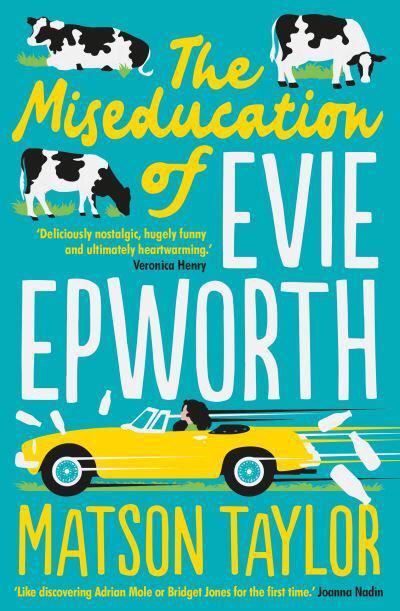
The Miseducation of Evie Epworth by Matson Taylor.

Happy Paperback Publication Day to Matson Taylor for his joyous novel The Miseducation of Evie Epworth. I’ve wanted to read it again this year I’ve loved it so much. As a reminder here’s my review from last year and don’t forget to join the #SquadPodCollective @squadpod3 on Twitter for the celebratory #cakeblast on Saturday 1st May where we are all sharing our Evie themed bakes across social media.

I was only three pages in to this book and I knew that Evie was going to be one of my favourite literary characters. Favourite as in – on my list next to Jo March, Cassandra Mortmain and Adrian Mole, characters I’ve also experienced growing up and setting out into the world. The book was off to a good start anyway, then as we followed Evie jumping into her father’s MG to do the milk round there was a scene so funny I laughed out loud at 2am waking both the dog and my other half. I devoured this book in 24 hours, knowing part of me would be sorry when it ended, but not able to slow down either. 

We meet Evie when she’s at a crossroads in life. She’s in that limbo summer between GCSE and deciding what to do next. Evie’s plan, if she gets the right results, is to do her A Levels. Till then she plans to spend the summer delivering milk from the family farm, baking with Mrs Scott-Pym next door, and reading all the books she can get her hands on. There is only one thing in her way; her Dad Arthur’s girlfriend, Christine. Chrissie has moved into the farmhouse and is setting about making changes. This is 1962 and she’s all for embracing the new. She wants to get rid of the old unhygienic wood in the kitchen, because what they need is some nice modern Formica. She’s already replaced the Range with an electric cooker, because she couldn’t work it. As Evie says, it takes quite an intellect to be outwitted by a kitchen appliance. Worst of all she’s replaced Evie’s Adam Faith clock with a chicken! It has always just been Evie and her Dad, Arthur, as far back as she can remember. Her mum died when Evie was little and she has no memories of her. Chrissie needs to be dealt with, but how? Arthur is a disappointment. Mrs Scott-Pym says he’s like all men, weak and easily confused by a pair of boobs. 

I have lived in villages and on farms for my whole life so I can honestly say that the author’s depiction of the characters and events of country life are not exaggerated – no, not even that cow scene. There are still characters like this in rural villages. The comedy comes from the brilliantly blunt Yorkshire dialogue, the gap between what we as adults understand and Evie doesn’t yet, but mainly the amazing characters created by the author. Mrs Swithenbank is a comedy gem, always at the mercy of her explosive bowels. The long suffering Vera, Chrissie’s mother, who is never far behind her daughter like a human ‘buy one-get one free’ offer. Then, Mrs Scott-Pym’s daughter Caroline, comes into the village like a whirlwind and along with Evie shows that constant dilemma young people in villages face – do they stay put or go out into the wider world, perhaps needing to try the anonymity of the city? It can be hard to develop into your true self in a village where everyone knows who you are and any attempt to change is the object of ridicule. I remember a perm I had at 15, thinking I looked like Baby from Dirty Dancing, only to hear ‘ugh what have you done to your hair’ at every house on the pools round. I loved the depiction of the petty rivalries around the village show and what a surprise it is that Chrissie, who struggles with making toast, wins the best fruit cake. On top of everything else she does, the fact that she possibly cheated at the village show is viewed as the worst crime and given the last reveal. 

Chrissie though is the best comic creation of the lot, but isn’t left to be one dimensional either. Though she is truly awful in a lot of ways, it’s clear that she’s from a poorer family in the village and her upbringing hasn’t been easy. There’s class war over the Range cooker for sure. She lets slip in an exchange with Evie that she’d done every job going, from waitressing to wiping arses. While that might excuse her yearning for an easier life, it doesn’t excuse her way of getting it. There are times when it’s all out war at the tea table and Arthur stays behind his paper hoping it will blow over. I loved her ever present ‘pinkness’ and a crimplene wardrobe that Evie observes doesn’t end in Narnia, but at a bingo hall in Scunthorpe (I love seeing my birthplace in print). Poor Vera is always struggling a few paces behind, usually sweating and doing all the fetching and carrying. Chrissie is always exhausted – I need to put my feet up, Mum put the kettle on – and always rushing towards getting another grasping finger on Arthur, preferably a finger with a ring on it. This should have been a mild flirtation or dalliance at most, everyone can see they are not suited. 

There are interludes between Evie’s chapters where we see the meeting of her parents, Arthur and Diana. They are serene, even romantic chapters where we see them meet at a dance, get married in a rush during the war and settle at the farm. We see Diana form a friendship with Mrs Scott-Pym and rush round to tell her friend when Evie is on the way. There’s so much of this interesting woman left, hidden in plain sight such as a particular teaspoon in the drawer and the recipe book Mrs Scott-Pym has kept for Evie. It’s so sad that Evie and her Dad don’t talk about her more openly and honestly. If wishes and spells aren’t going to change this, there needs to be a catalyst. When Mrs Scott-Pyle falls down the stairs and her daughter Caroline arrives we see a force of nature equal to Chrissie. She wears elegant clothes, big black sunglasses and scarves tied round her neck like the French do. Evie is very impressed with her sophistication, but also her nerve. She cooks up a great scheme to get Evie out of working in the village salon, takes her to Leeds to shop in an Italian deli and has the means by which Chrissie’s true nature can be revealed. She is also the only lesbian Evie has ever met, leading to her asking visiting friends of Caroline’s whether they are a lesbian too as a conversation starter! Evie is trying on different futures, and may be adding Caroline as an extra role model alongside The Queen, Charlotte Bronte and Shirley MacLaine. 

This novel is an absolute joy. A great read to cheer you up and honestly, make you laugh out loud. Every character is beautifully drawn and the comic timing is perfect. I couldn’t believe it was a debut, because it has all the confidence and timing of Sue Townsend and also made me think back further to the blunt Yorkshire characters of James Herriot. On a personal level I needed a lift, after being very strict with lockdown rules due to my MS, and this was just the lift I needed. Thank you Matson, for such a great set of characters and for providing exactly the book I needed at exactly the right time.

Posted in Publisher Proof

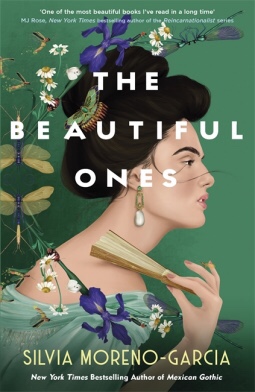
The Beautiful Ones by Silvia Moreno-Garcia.

Last year I read Silvia Moreno-Garcia’s incredible novel Mexican Gothic and I absolutely loved it. So when I was offered the chance to read one of her earlier novels, being reissued in a beautiful hard back copy this week, I was really excited to tell you all about it as part of the blog blast.

They are the Beautiful Ones, Loisail’s most notable socialites, and this spring is Nina’s chance to join their ranks, courtesy of her well-connected cousin and his calculating wife. But the Grand Season has just begun and already Nina’s debut has gone disastrously awry. She has always struggled to control her telekinesis: the haphazard manifestations of her powers have long made her the subject of gossip – malicious neighbours even call her the Witch of Oldhouse.

But Nina’s life is about to change, for there is a new arrival in town: Hector Auvray, the renowned entertainer, who has used his own telekinetic talent to perform for admiring audiences around the world. Nina is dazzled by Hector, for he sees her not as a witch, but ripe with magical potential. Under his tutelage, Nina’s talent blossoms – as does her love for the great man.

But great romances are for fairy-tales, and Hector is hiding a secret bitter truth from Nina – and himself – that threatens their courtship.

This book is different from either Mexican Gothic or Gods of Jade and Shadow. This is a romance, brim full of melodrama and heartache. Yet there are also those wonderful threads that seem to exist through her work: feminism, awakening sexual desire, an eye for women’s self-expression through clothing, and a sprinkle of the paranormal. I didn’t know where the book was set at first, because the city name Loisail and personal names have a French feel to them, but certain word usage such as fall for autumn made me think of North America. The manners and etiquette seem almost British regency in date (this could give Bridgeton a real run for its money on the small screen), but the far off place Iblevard sounds like South America. This is our world, just not as we know it.

I absolutely adored Nina from the start, because I’ve felt like the slightly awkward girl who doesn’t fit. Next to her cousin’s wife Valerie she seems a bit of an ugly duckling, but she’s chaperoning Nina through the Loisail season in hope of finding her a suitable husband. Valerie is the stereotypical blonde, blue-eyed, perfectly coiffed, graceful beauty and her marriage to Gaetens was a great match, because he was a steady, slightly older man with financially stability. His finances have kept her family afloat. Whereas Nina has none of the superficial qualities of Valerie. Her hair is raven black and there’s more of a handsomeness to her than prettiness. Worse still, she is awkward, often saying the wrong thing, but she’s physically clumsy too and there’s more to Nina’s clumsiness than meets the eye.

From a young age Nina has been able to move objects with the power of her mind. Sometimes it’s involuntary, such as when her emotions are roused in anger or sadness. Nina doesn’t know much about telekinesis, it has simply always been with her and back at the family home in the country she is known as the Witch of Oldhouse. Here in Loisail though, nobody knows about her strange ability and if she is dressed well, schooled in how to behave and tries her hardest to be ‘normal’ maybe she could make a good marriage. Nina is inexperienced and naive, but trusts Valerie implicitly. Her cousin Gaetens has always had her best interests at heart so she happily puts her future in Valerie’s hands, but there’s a bitterness and envy in Valerie that runs very deep. She knows that her husband dotes on his cousin and he wouldn’t force her to marry anyone she didn’t consent to, but she thinks that Nina is spoiled. Valerie had to make a decision, to marry a man she didn’t love to get better conditions for her family. She had to grow up, put thoughts of love and romance aside, and take the best decision rationally as if marriage is a business. If she had to do this, why shouldn’t Nina be expected to grow up and accept someone chosen for her?

Then Hector Auvray comes into the picture, gentlemanly, handsome and, because he’s a performer, just a whiff of scandal about him. He’s definitely not the sensible choice, but controlling her emotions has never been one of Nina’s strengths. I loved that the pair shared this talent, Hector as the mentor and Nina as the ingenue, just starting out. When he calls on Nina at home, they can easily spend hours talking about telekinesis and practicing control. Nina visits his show which is quite glitzy, and he has an incredible finale of dancing mirrors. For me, there wasn’t quite enough magic. It’s as if magic realism was something she was toying with, then in later novels she really had the confidence to go for those paranormal elements. I knew this was a reissue, but those who don’t could be disappointed there isn’t more made of Nina’s skills. It’s almost as if she learned to control it rather than celebrate it. I’d have loved the author to write sections where they perform together, because I know how incredible they would have been.

There was something very Jane Austen about this society, it’s manners and it’s dilemmas for women. I thought of the disappointment a lot of readers feel when Lizzie Bennett’s friend Charlotte Lucas accepts the proposal of the ludicrous vicar Mr Collins in Pride and Prejudice. Lizzie has rejected him and by doing so, placed her family in financial uncertainty, but Charlotte is more pragmatic. She knows he’s ridiculous, but she also knows he has a living, the patronage of a fine Lady, and a large enough house to lose him in. This is the decision that Valerie has made, but is very angry about. Her anger is at her family, but is also directed inward. She doesn’t like to face the truth; that she was the one who made this choice.

“She wanted to cry and could not. She wanted to weep for that proud girl who had broken her own heart and tossed it to the dogs, and she wanted to weep for the woman who had been left behind with a gaping hole in her soul. But if she could do it again, she knew she’d still retrace her steps. She was not Antonina Beaulieu, who offered herself like a sacrificial lamb, who gave everything of herself to the world for the world to devour. She was Valérie Véries. She hated herself sometimes for it, but she was Valérie Véries, a Beautiful One, not some weakling nor a halfwit”.

I also got hints of The Great Gatsby, every time I saw a character allude to an elite group of ‘Beautiful Ones’ the Lana Del Ray song ‘Young and Beautiful’ kept floating through my head. I felt it in this passage when Hector talks of the love he had when he was younger, the girl he asked to wait for him. He thinks he’s still in love with this woman, but he’s really still in love with his idea of this girl and what they could have had.

“He was chained to her, to this brilliant ideal of a perfect love. Because he had always known that if he could have (her) in his arms again, all would be well. It would be as though the decade that separated them had never happened and they would return to the happy days of their youth when everything was possible. It was as if he could unwind the clock with her aid. And once this happened, there would be nothing but joy.”

The first part of the novel is quite slow and as Hector and Nina meet and form their friendship, but I enjoyed getting to know them. I felt as if I was watching them fall in love very slowly, but it’s as if only the reader knows it. Then comes a terrible betrayal, and Nina loses that innocence of youth, but grows so much as a person. She starts to have pride in who she is, because she has space to be herself. When she returns to Loisail the following season she is a different woman, confident enough to make her own choices. There’s a new found confidence and experience in her character as she steps out into city. She’s refusing to be the ugly duckling of this story and has blossomed, but from the inside. There’s a feminist soul in Nina and I loved seeing that awakening. She’s also more comfortable with her ‘talent’ even if it isn’t on display very much. Before long a very suitable young man starts to court her; it would be a great match, but not love. As Hector Auvray drifts back to the city again, and wishes to resume their friendship, what effect on Nina will he have? I enjoyed this novel because it’s unashamedly romantic, and magical. It’s a coming of age story, showing this young woman’s awakening conscience as well as her desire. Nina Beaulieu learns to live life on her own terms and makes her own choices, especially where her heart is concerned.

Meet the Author

Silvia Moreno-Garcia is the New York Times bestselling author of the novels Mexican Gothic, Gods of Jade and Shadow, Untamed Shore, and many other books. She has also edited several anthologies, including the World Fantasy Award-winning She Walks in Shadows (a.k.a. Cthulhu’s Daughters).