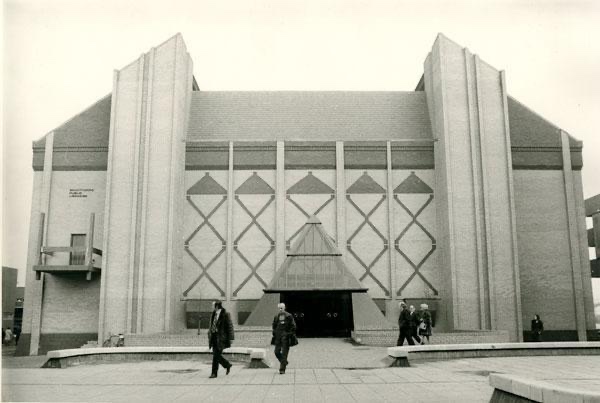
I was born in Scunthorpe in the the 1970s and our family had a fairly set weekend tradition. On Saturdays mum and dad would take us into town on Saturday mornings where we would visit the market and mum would take us to Scunthorpe Library. This was a huge brick building in a square full of pigeons and had a entrance that was a glass pyramid giving it a strange futuristic look. I was left in the children’s library to make my choices. I was always a voracious reader and started reading more grown-up novels when I was ten, my first being Jane Eyre. I loved it when all my classmates were reading the scheme in class and I was allowed to sit in the library alone and read by choice. I can still smell that library when I think about it. But it was in the Scunthorpe library that I first met the Moomins and I’ve been hooked ever since. These plump white hippo- like creatures were so cute and I loved the range of characters Tove Jansson had created. From the tiny light-up hattifatteners that brushed against your legs and felt like nettle stings to the determined and bitey Little My, I’d never read anything like it and I’m sure part of me thought there might be an unknown corner of Finland where they actually lived. Moomin House was a blue tower by a lake surrounded by snow and ice. I’ve recently found out that Finland doesn’t just have the Moominland theme park, there is a genuine Moomin House where you can spend your holiday. It’s the perfect combination for me and my other half, I can immerse myself in reading and he can fish the lake.

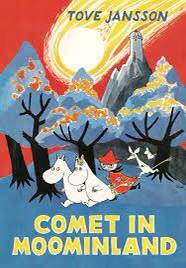
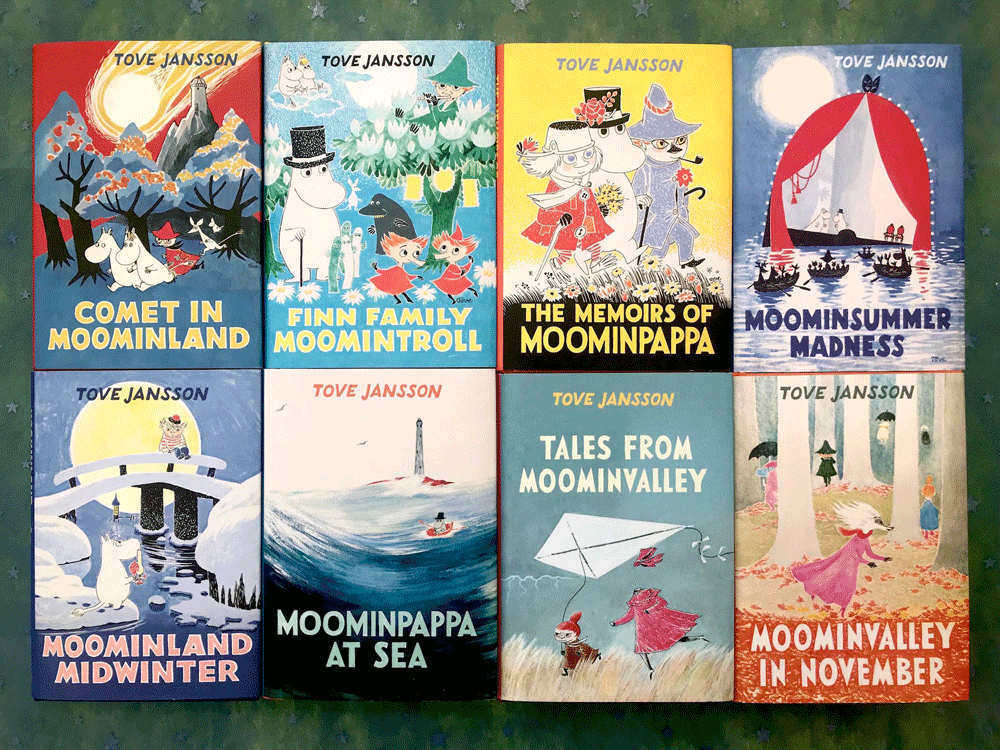
Despite having an actual theme park, the Moomin’s world created by Tove Jansson is not a sanitised pink Disney experience where everything is beautiful and everyone is safe. Yes, there are floating clouds you can ride, fantastical creatures full of character and the safe space of Moomin House, always welcoming and happy to see you. Yet, the family have ups and downs from comets, floods and an evil hobgoblin. In Comet in Moominland Moomintroll and his friend Snufkin set off on a quest to find out about a comet hurtling towards earth. In Moomin Summer Madness the Moomin are flooded out of their home and have to go on a trek to find another. In the final book Moominvalley in November, the other characters are waiting for the Moomins to arrive, but there’s no sign of them. As we wait with the others there is a palpable sense of absence and potentially loss. Our beloved friends are often in peril, suffering anxiety or are openly depressed and despairing of life. I realised when I was older just how carefully the books address worries that children and adults both have. Sometimes, it’s a worry or issue that is affecting the real world at the time Tove Jansson was writing. It’s easy to see the comet in the first book as an allegory of real world concerns about nuclear warfare. When read now we can see issues about climate change and the experience of being a refugee in Moominsummer Madness. The Snork Maiden is in love with Moomintroll and worries about her appearance, particularly her plumpness. Snufkin comes and goes from Moomin House, sometimes needing a quest with his friend and sometimes he needs quiet, only his fishing rod and flute for company. This could be read as the response to sensory overload experienced by introverts and people on the autistic spectrum. There’s the rather melancholy Hemulen, he’s a botanist who likes to wear dresses. Mymble is a single mother to Little My who’s a force to be reckoned with. All of these creatures seem to find solace and community spending time with the Moomins.

I always felt that the Moomin house was like my own. The welcoming, non-judgemental and loving Moomin Mamma and Papa are so like my mum and dad. My brother and I did have a penchant for waifs and strays, sometimes people and sometimes animals. We’d bring them home and look after them for a while. I had a friend who would ring my mum and ask if they could come for tea, then he’d wait for me outside school and go home with me on the bus. To be honest he did worry my dad a bit with his huge flared jeans and red Mohican. I was probably a square teenager, I didn’t really rebel and we were brought up in church. I did wonder sometimes what our friends got out of being with us, but at fifty years old I can see that some of our friends were drawn to the comfort and stability of my family. My mum was always home, was a great cook and accepted everyone. My dad was a bit more concerned, especially about boys, but he was a youth worker and used to relating with teenagers. My brother is Snufkin through and through, preferring solitude to being with people and enjoying nothing more than fishing with his dog. He walks off into nature for a weekend with his tent and a fishing rod on his back. My late husband was rather like the Hemulen, not that he wore dresses, but he had that professorial air and focus. I’m an absolute Snork Maiden, impossibly romantic and a little too plump.

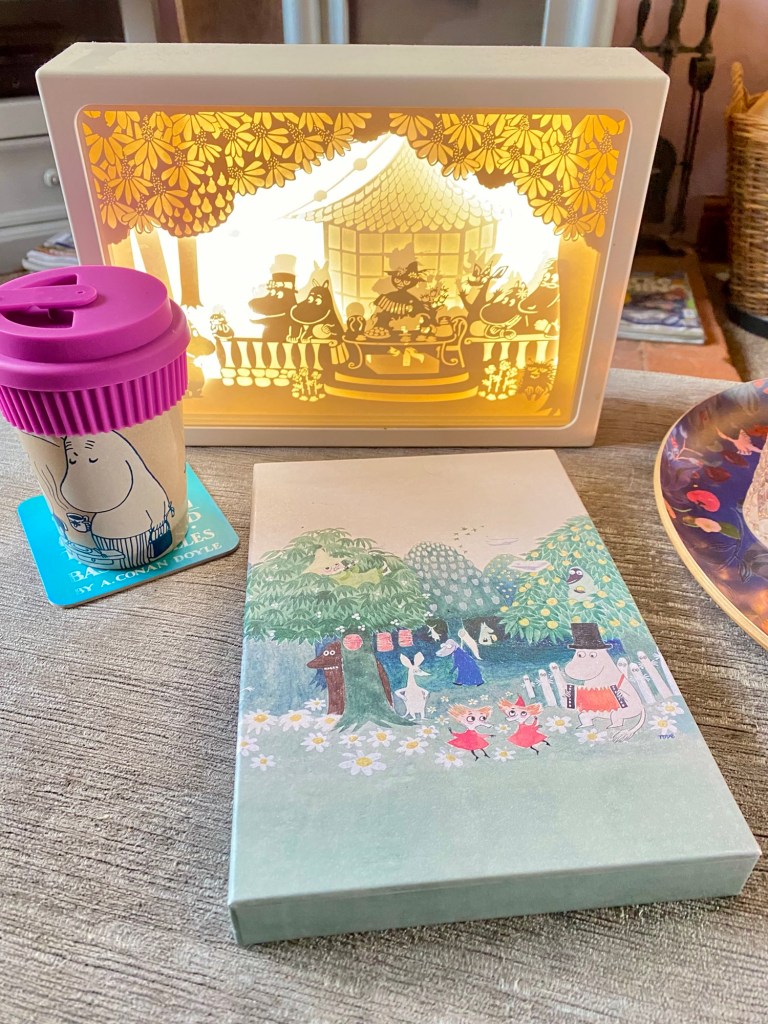
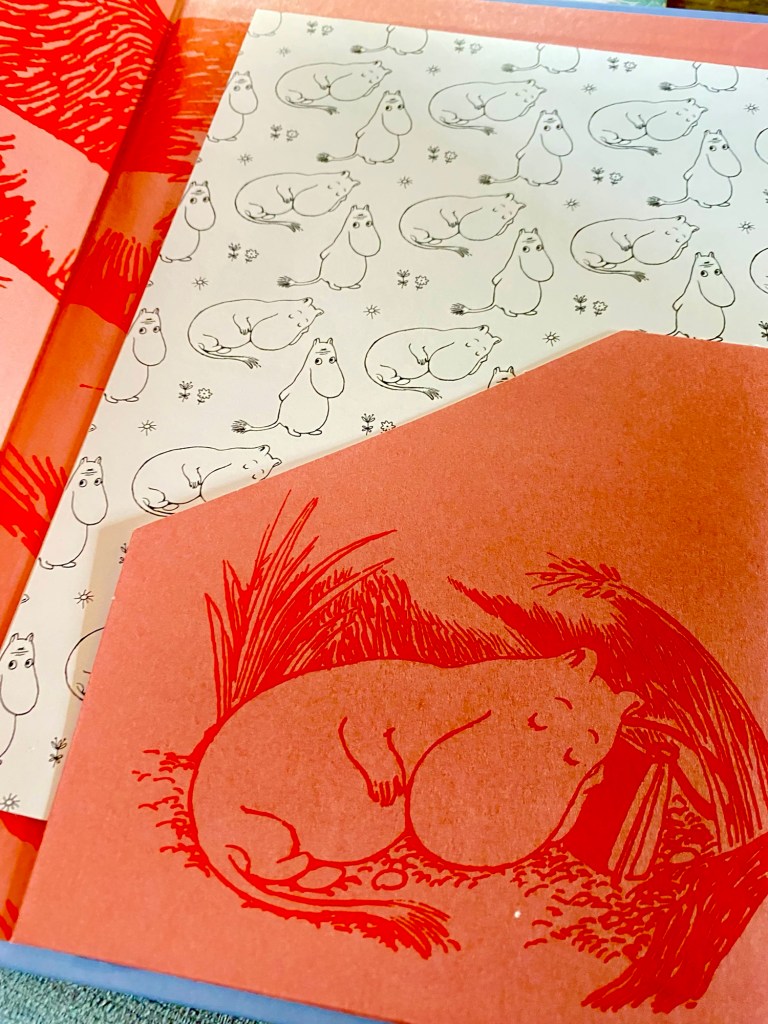
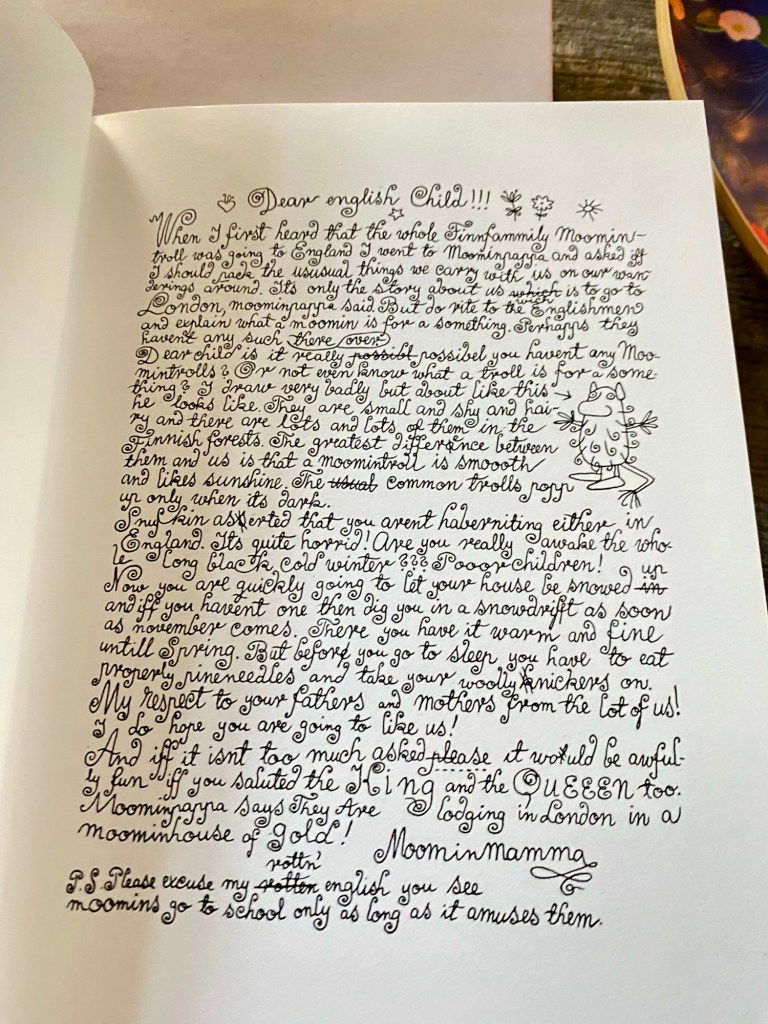
I think Tove Jansson created beautiful, endearing characters that would appeal to children, but she doesn’t hold back when it comes to plot. That’s the enduring appeal of these books and the merchandising that has exploded over the years. If friends or family go to Covent Garden they always bring me something from The Moomin Store. I have jewellery, note books, Christmas baubles (including a Moomin House), posters, mugs and glasses. I have a beautiful shadow box and various travel mugs and water bottles. So I couldn’t resist this beautiful Folio Society anniversary edition of Finn Family Moomintroll. As you can see it has beautiful illustrations and I absolutely treasure it. This year is the 80th Anniversary of the book so I’m looking forward to a year of the comfort and nostalgia I still get from these beautiful books.
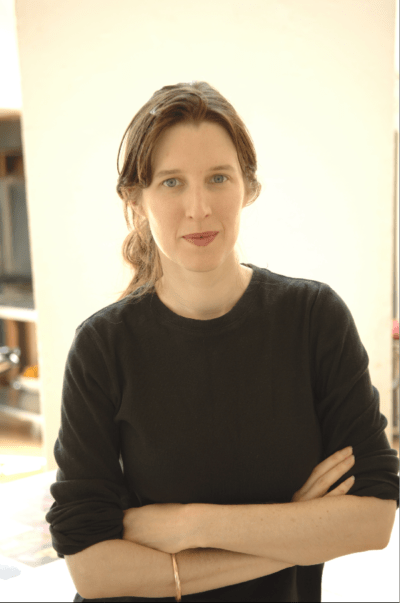
Meet the Author
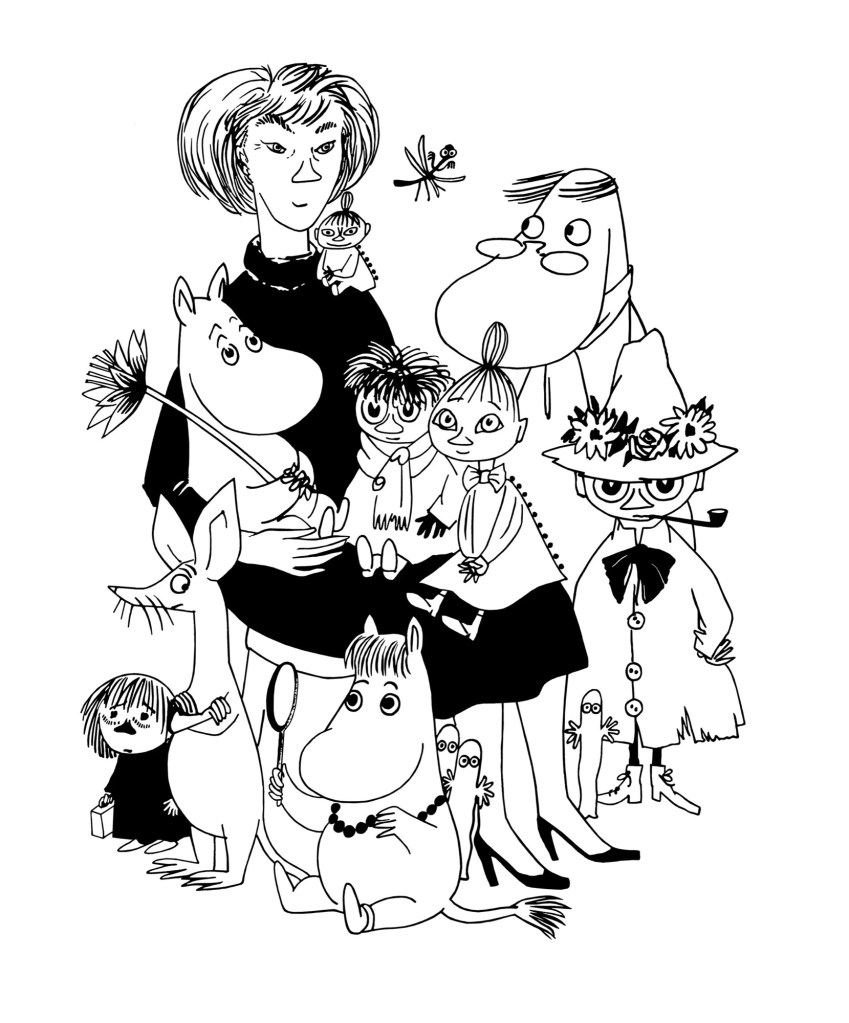
In the nineteen-fifties and sixties, one of the most famous cartoonists in the world was a lesbian artist who lived on a remote island off the coast of Finland. Tove Jansson had the status of a beloved cultural icon—adored by children, celebrated by adults. Before her death, in 2001, at the age of eighty-six, Jansson produced paintings, novels, children’s books, magazine covers, political cartoons, greeting cards, librettos, and much more. But most of Jansson’s fans arrived by way of the Moomins, a friendly species of her invention—rotund white creatures that look a little like upright hippos, and were the subject of nine best-selling books and a daily comic strip that ran for twenty years.
From the New Yorker:
https://www.newyorker.com/magazine/2020/04/06/inside-tove-janssons-private-universe






 The Lotus Readers