Posted in Squad Pod

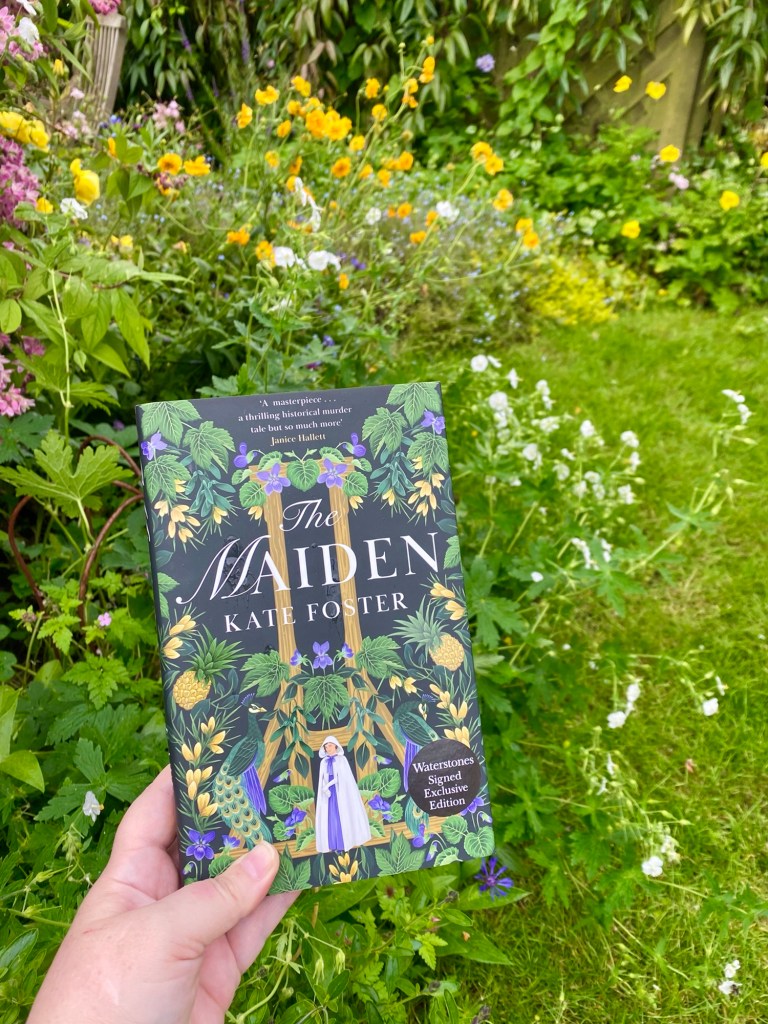
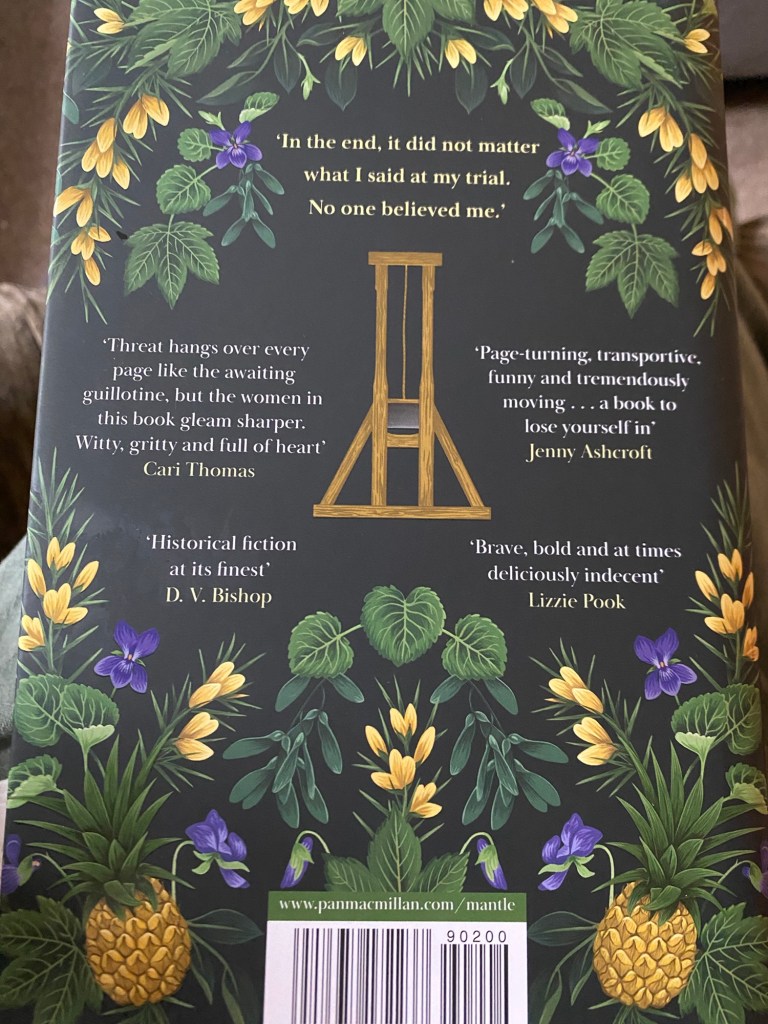
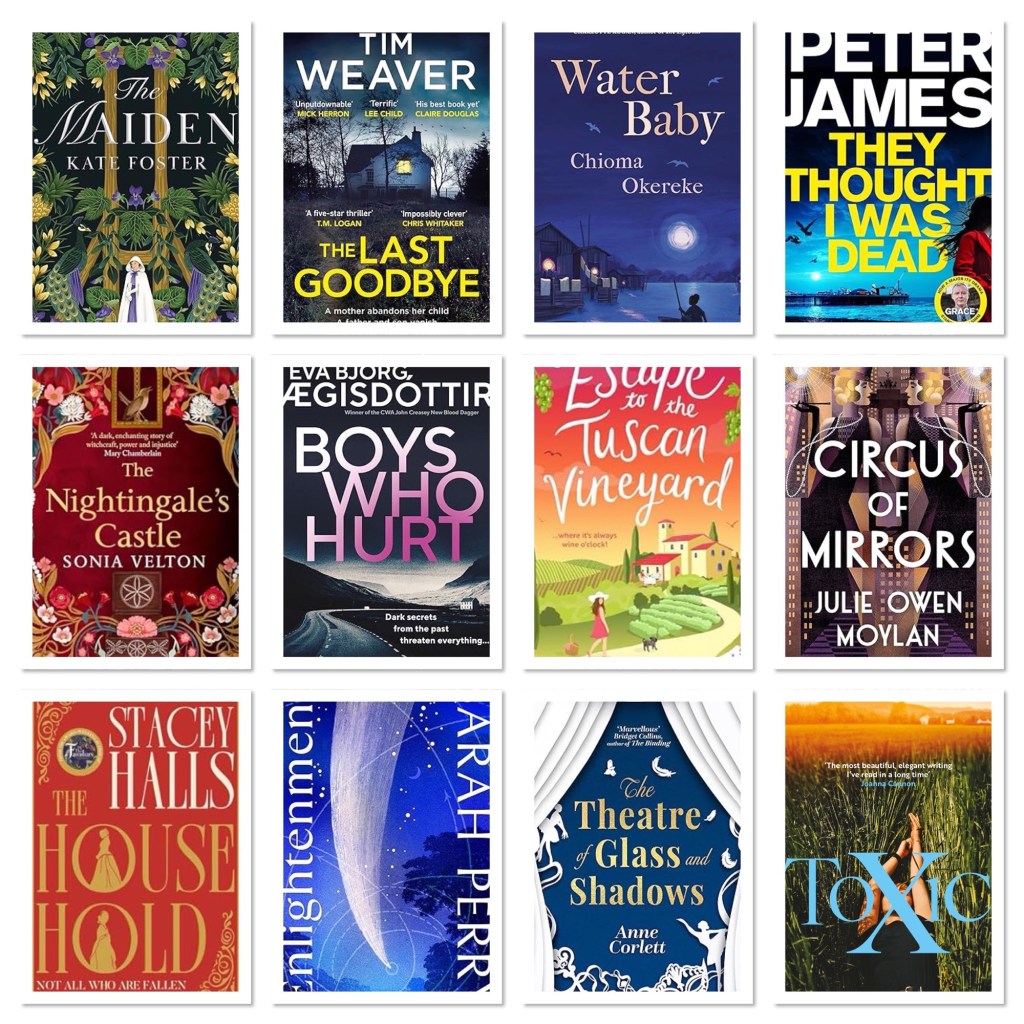
The Maiden by Kate Foster

Kate Foster has taken a real life news report and turned it into an incredible read, full of historical detail and intrigue. It’s the late 17th Century and Lady Christian Nimmo lives with her sister Johanna and her mother at their lavish home in Scotland. Although their home is becoming less lavish by the month because since their father’s death she notices pale spaces where paintings or rugs once lived. Their fortunes are at the mercy of their uncle by marriage. James Forrester is laird of the neighbouring castle where he lives with Christian’s invalid aunt Lillias. James comes for dinner and departs with a little more of their family history packed away for sale. The girls must marry well and it is Johanna with her bubbly personality and pretty face who is proposed to first. For her wedding to Robert Gregory, Christian’s uncle sends her a beautiful brooch to wear and she is pleased at his kindness and the acknowledgement that she might feel left behind that day. Not all of her uncle’s attentions are welcome though and although he keeps pressing her to visit his castle to sketch and paint with her aunt she isn’t sure. However, she does enjoy the attentions of the fabric merchant Andrew Nimmo who brings them new fabric and entertains them with tales of sailing to far off lands and the night sky at sea. Christian daydreams about sailing alongside him and seeing some of these sights. Noticing her enthusiasm he cuts her a piece of silvery fabric that is the colour of a stormy sea. Next time he brings a sample of midnight blue velvet, shot through with an ocean green and she is very charmed. Marriage to him would be interesting and adventurous, all the things that Christian yearns for when she reads novels and poetry. So when he proposes she accepts happily, sharing her sister’s new found marriage advice and looking forward to being mistress of her own house. Yet only months later she is detained for the suspected murder of her Uncle James, killed by his own sword under a sycamore tree in the grounds of his castle. How has it come to this and will Christian have to face the infamous ‘Maiden’, a guillotine where Scotland’s aristocratic condemned meet their fate?

However, this isn’t just Lady Christian’s story. The novel is split into two narrators: Christian and Violet, a prostitute from Mrs Fiddes’s brothel in Edinburgh. For both, there are two timelines; the present after the death of the laird and the events leading up to it. Until finally past and present come together. Violet is a very young girl, and has been resident at the brothel since Mrs Fiddes sold off her virginity. The scenes within the brothel are brilliant; bawdy, coarse and incredibly colourful. Mrs Fiddes knows every customer’s taste and predilection, she’s shrewd and knows that this gives her a certain amount of power. She’s keeping their secrets close until she really needs them. Violet’s friend is fellow resident Ginger, a skinny young girl with red hair who lives on the same corridor. One evening a rather distinctive man comes in to choose a girl, a man who doesn’t wear a wig which is unusual. He looks past Violet and chooses Ginger, but it’s not long before she is also occupied. It’s not long before Violet hears a terrible commotion and she rushes down the corridor, but it’s too late. The man is gone and Ginger is left like a broken doll on the floor. In the aftermath Violet longs for her luck to turn. When she’s out one morning she notices a wedding taking place and lingers to watch because sometimes men who are celebrating and have had a few drinks might look for a girl. She’s in luck when a very wealthy looking man catches her eye. Before long he’s slipped into the parlour and is so pleased with Violet that he makes an offer. He would like to take her back to his castle for the weekend. As he shows her a secret room in one of the castle’s turrets she is amused by the illuminating art work, but amazed by the lavish surroundings she will be staying in and the maid who will bring her meals and make sure she has what she needs.

Like all the servants Oriana knows the laird has his amusements and they are kept quite separate from the lady of the house whose illness usually keeps her tucked away upstairs. Violet could get used to this sort of treatment, but the power lies with the laird. She might have fallen on her feet for now, but what if he loses interest? When he starts to receive visits from a lady of quality, Violet fears it’s the end for their liaison and starts to think up a scheme to get the upper hand. Meanwhile, Lady Christian’s marriage is not what she expected, not only is Andrew often away for long periods leaving her behind, there has been no physical contact between them. She and her sister often read and giggled over the ‘marriage book’ they found in the library at home, especially when Johanna was engaged. However, Andrew has never made an advance to his wife. Christian is still untouched and although she has a wonderful home and wants for nothing, she can’t help but want to be desired. As her uncle invites her to his castle for a visit she can’t help but think about the special attention he has paid her over the years and her pulse quickens. Could she really think about having an affair with her aunt’s husband? I could understand her need to be wanted, why should she be satisfied with simply being the lady of the house. For many the huge house, the money and the security for them and their family would be enough. It’s interesting to see the interplay between the two characters; Violet would probably be happy to settle for the things Christian has, but Christian could be contemplating risking it all for the freedom to express her sexuality. I felt she was chasing just a glimmer of the adoration that her sister Johanna has enjoyed all her life thanks to the luck of being born beautiful.

The author has created two incredible characters in these very different women, both are bravely sexually transgressive but sadly live in a world where men hold all of the power. The settings are wonderfully evocative and range from lavish to squalid, a combination we see clearly in the city of Edinburgh. As Violet observes the wedding, noting the quality of the guest’s clothing she is also aware of watching her footing lest she slip in the contents of a chamber pot flung from a window into the street below. The gap between rich and poor is more of a canyon, best expressed when Violet finds an opportunity to roam the castle and finds a brooch in the shape of a sword. It’s just one of many that the residents have left languishing in a drawer, but Violet sells it she would have enough money to start a new life. The threat of sexual violence is always close by, not just for Violet and Ginger but for Christian too once she has lost the respectability her title and her husband gave her. What the author does that makes this novel sing is combining the time period and story to the structure of a modern crime thriller. Just when we think we know everything, she trips us up with a different perspective or twist we didn’t see coming. Some revelations throw a completely different light on everything that has gone before bringing that excitement and compelling you to keep reading. I genuinely didn’t know how it would be resolved until we arrived there and once we did it was obvious this was the only way for it to end. Utterly brilliant and definitely a debut worthy of it’s accolades.

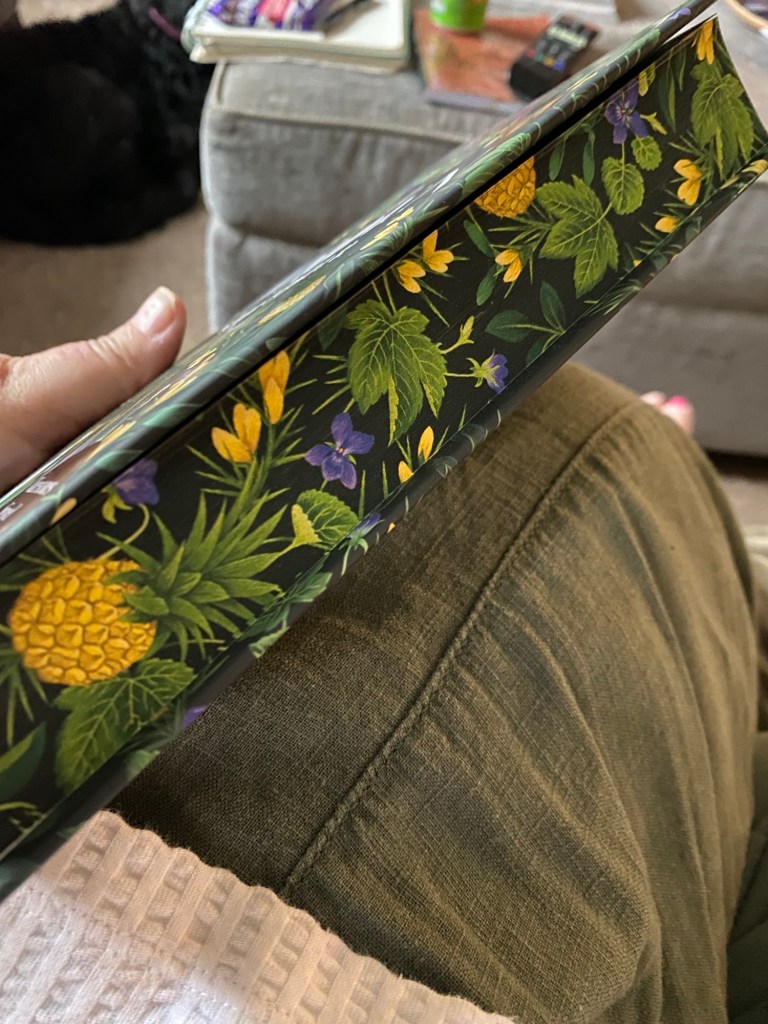
Out now in paperback. Pictured copy is the Waterstones special signed edition.

Meet the Author

Kate Foster has been a national newspaper journalist for over twenty years. Growing up in Edinburgh, she became fascinated by its history and often uses it as inspiration for her stories. The Maiden won the Bloody Scotland Pitch Perfect 2020 prize for new writers. She lives in Edinburgh with her two children.

Kate’s new novel The King’s Watch is out on 6th June and is a Squad POD Collective book club pick for next month.

Posted in Monthly Wrap Up

My Best Reads April 2024

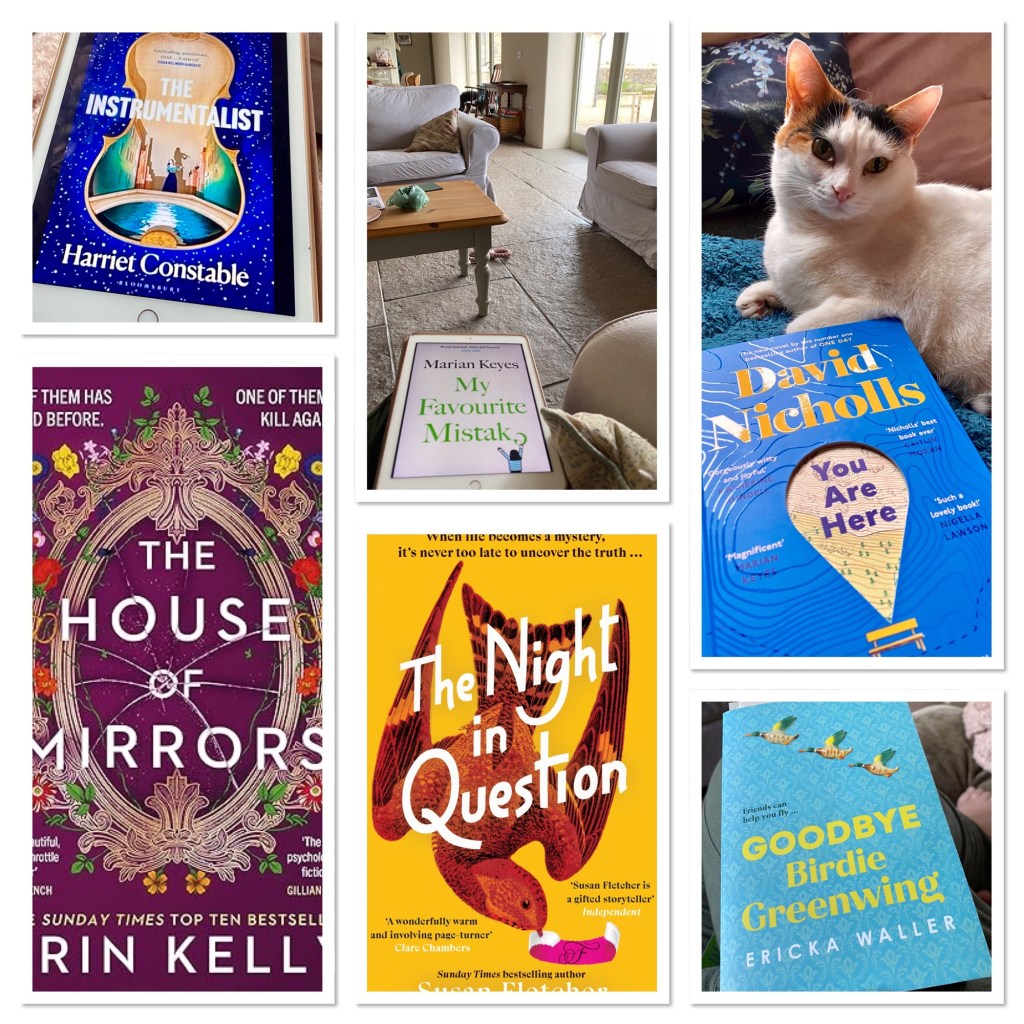
House of Mirrors by Erin Kelly

Another unusual family and a great mystery from Erin Kelly, my full review is coming this week, but the book is out now. Karen and Rex Capel seem like any normal couple nearing middle age, but there are many secrete in their past, particularly the truth about what happened ‘the night of…’ when two men were left dead, Rex’s sister Biba disappeared and Rex ended up in prison. The Capel family are rich, but Rex’s father found a younger wife and started a new family, leaving Rex adrift. Several things happen that destabilise this usually, rather quiet family. Rex and Karen’s daughter Alicia seems to be getting serious about eco warrior Gabe who she is dating and she also opens a vintage dress shop. Honestly, Erin Kelly had me as soon as I read the name of the shop – ‘Dead Girl’s Dresses.’ Roger Capel dies leaving her an inheritance including her grandmother and her aunt Biba’s wardrobe of clothes. A strange woman keeps appearing, even turning up at the shop in disguise and leaving several cryptic notes. Could Aunt Biba still be alive and might there still be secrets about ‘the night of’? An interesting and engaging mystery with a touch of Alice in Wonderland inspiration.

The Instrumentalist by Harriet Constable.

I’m not going to say too much about this novel because it’s not out until the end of the summer. It is an incredible debut though and I was utterly spellbound by it. Set in 18th Century Venice, our heroine is Anna Maria an orphan handed over to the Ospedale Della Piéta as a baby. This community of nuns have a recess in a wall where a baby can be anonymously passed into their care. The girls are brought up to work within the hospital, scrubbing floors and doing laundry, but they also have the chance to learn a musical instrument. The best musicians have a chance to be taught by the music master and be part of his elite orchestra. Anna leaps off the page, she’s lively, talented and ambitious. She’s determined that her violin playing will bring her to the attention of the famous music master, because the alternatives don’t bear thinking about. This really is a book to look out for and I loved it.

My Favourite Mistake by Marian Keyes

I loved this dive straight back into the Walsh family after Again, Rachel. Rachel has always been my favourite Walsh, but in this latest novel Anna really did steal my heart. Anna is nearing her fiftieth birthday and her high flying PR role in the beauty business is wearing a little thin. Although she’s always loved living in NYC, the pandemic left her feeling the distance from her family in Ireland. After losing her husband Aidan in a terrible car accident several years ago, her contact with his family in Boston has waned. Her subsequent relationship with Angelo – a ‘feathery stroker’ – has been conducted with respect, equality and a deep fondness, but never passionate, all consuming love. With a need to be near those she loves, she gives notice on her job, her apartment and her relationship. Back in Ireland she is offered an emergency PR role for family friend Bridie who is opening a resort on farmland she owns near the coast. Her daughter is seriously ill and their building works have been vandalised overnight. With disgruntled locals and no time for the delicate negotiations required Bridie is begging Anna to work her magic. There’s only one problem, the financial broker on the deal is Joey Armstrong. He and Anna have unfinished business, will they be able to work together without stirring up the past? This is a fantastic novel, full of Marian’s trademark wit and emotional intelligence. I absolutely devoured it.

The Night in Question by Susan Fletcher

“Florrie learned, long ago, that society forgets an old person was ever young.”

Florrie Butterfield has been in poor health lately and her mobility starts to suffer, so rather sensibly she decides to sell her house and look for a residential home. She wants assisted living, where she can keep her freedom and independence but have help on hand if needed. When she finds Babbington Hall in the Oxfordshire countryside she thinks she’s found just the place. As she settles into her self-contained flat in the grounds she starts to make friends, when unexpectedly one of them is found dead near the compost heap. Arthur’s death could have been natural causes, but Florrie’s suspicions are aroused. Then something terrible happens. The home’s manager Renata approaches Florrie as someone she’d like to talk to about matters of the heart. It’s lovely to still be seen as someone useful, someone to confide in. Florrie looks forward to their get together, but that night as she looks out of her window at the storm brewing outside, she hears a scream. Then she sees a body fall from an upstairs window, from Renata’s room. So, Florrie sets out to investigate these deaths. Is there a murderer at large and if so what have they gained from killing a defenceless old man and the lovely Renata? This was a lovely mix of mystery and a woman looking back over her life, it brought back so many memories of working in nursing homes and the rich lives many of my residents had lived.

Goodbye Birdie Greenwing by Ericka Waller

I loved this beautiful story that revolved around an elderly lady called Birdie, who receives a terrible diagnosis from her doctor. Birdie is lonely. She has lived alone ever since an event that took away her sister and husband. She hasn’t been participating in life and even now she chooses to walk away from the hospital without the help or support offered. Birdie’s doctor Ada is also isolated. Having come to Brighton from Poland she has few friends, just the elderly man and his son who run the Polish shop nearby. When a new intern comes to work with her, this isolation is challenged and she is worried about Birdie who lives in the same road. She finds herself walking past and checking the house and garden for signs Birdie isn’t coping. Birdie also has new neighbours. Jane has moved to the south coast with her daughter Frankie to escape the rather claustrophobic influence of her mother Min. However, Frankie and Min are thick as thieves and share a rather abrupt and forthright manner. It’s sure that where Frankie has gone, Min will definitely follow eventually. It is Birdie’s predicament that brings all these women together in unusual ways. Ericka writes beautifully about mothers and daughters, the subtle cultural differences that influence how we support and help each other, as well as the personal growth that occurs when we let someone in. I thought this was a beautiful story and everyone I have recommended it to has enjoyed it too.

You Are Here by David Nicholls.

It’s been such a gift to have two of my favourite romantic writers with books out this month. Marian Keyes is a writing goddess! Equally David Nicholls writes about the experience of falling in love like no one else. As anyone who’s read or watched the Netflix series One Day can attest, David writes about those misunderstandings, obstacles, miscommunications and the minutia of relationships with such truth and charm. Here we have Michael and Marnie, each invited on a walking weekend in Cumbria by a mutual friend, Cleo, but with the intention of meeting someone else. Michael is closed off, hurt in the past and not able to let anyone in. Marnie is a great character, she’s funny, patient, and willing to go with the flow. The man she’s supposed to meet has a high stress and high paid job in London. He would suit her, geographically at least, but to be blunt he’s a bit of a dick. Marnie is a reader though, a translator of fiction and full of romantic ideals. She goes into the walk as a novice, breaking in new boots and not enamoured by the unfortunate weather. However, a transformation occurs over a couple of days as Marnie starts to appreciate the head space, the incredible views and just being out in the open air. Michael’s potential date doesn’t turn up, but he is still wrapped up in thoughts of his estranged wife. He does find himself drawn by Marnie though, noting how she looks when dressed for dinner at the hotel. He finds her perhaps a little too outspoken, she doesn’t hold back when finding the going a bit tough, but does respond to her sense of humour. As the main group make preparations to leave for the working week, Michael plans to walk on to the opposite coast and Robin Hood’s Bay. Marnie has nothing immediate in London and could easily walk alongside him a bit longer. How will they get along, just the two of them? This is a beautiful novel that’s somehow heartwarming thanks to it’s lack of traditional romance. This is two older people, who’ve been hurt, negotiating a challenge together and I was transfixed by the ‘will they won’t they’ of the story.

Next month’s reading:

Posted in Monthly Wrap Up

Best Reads March 2024

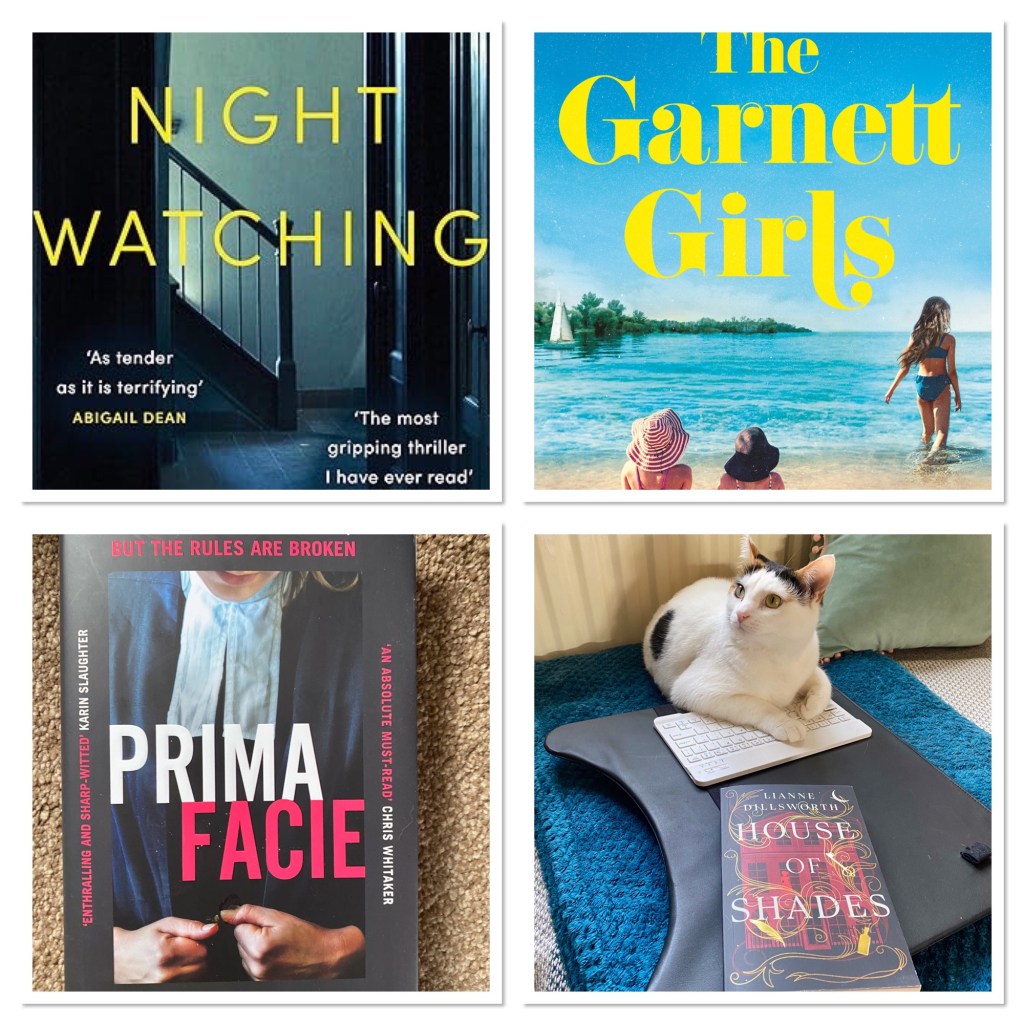
The Garnett Girls by Georgina Moore.

I was so glad to be invited to the paperback blog tour of this fantastic book, it’s been on the pile to read for a long while but other priorities kept popping up. I won’t ruin my full review because it’s out in a few days but I absolutely loved it. The Garnett girls of the title are Rachel, Imi and Sasha, all of them very close to each other and their mother Margo. All were living in London until Margo suggested that Rachel and her husband Gabriel move into the family home of Sandycove. The house is too big for one person and Margo is moving to a bungalow further into the village. Sandycove was their holiday home as children until their father Richard left and Margo moved the girls to the coast. In some ways Rachel enjoys living in the house but she still spends some time in London for work, leaving Gabriel and the girls behind. Margo is often in residence too, planning family events and cooking with Gabriel. There are times when she doesn’t feel that the house is theirs. Imi is in Venice, expecting a proposal from her perfect boyfriend William. She knows he’s going to propose because Margo and Rachel have called her every night for ‘news’. They think William is perfect for her, but is he? When Imi’s head is turned by a beautiful actress starring in her new play, it shakes the safe foundations of her life. Sasha is the rebellious daughter, her short pixie cut is a direct reaction to people in the village always telling her how much she looks like Margo. She’s married to Phil, who isn’t fond of the Garnett family and sits on the edge of family gatherings looking glum. The issues all of the girls are struggling with lie in a past they only vaguely remember. They struggle to live up to Margo and Richard’s wild and passionate romance, but was it really as wonderful as it sounds?

Night Watching by Tracy Sierra

I feel so lucky that two of the best thrillers so far this year have fallen into one reading month. This really is the most incredible, spine tingling and nerve-shredding story of a mother who is woken in the night by a heavy tread on the stairs. There’s someone in the house. Their home is isolated and she has two small children to protect. She remembers the strange hidden space next to the main chimney and quietly makes her way, gathering the children and begging them to be quiet. They make it into the crawl space, now all she has to do is keep the children quiet. As the footsteps move ever closer the tension mounts until the man is sitting in the adjoining office, talking to the children and asking them to come out of their hiding place. Thankfully he has no idea where it is. As he walks away to search other parts of the house, her little girl says she knows his voice. This is the man in the corner, the man from her nightmares who sits in her bedroom and whispers to her. My heart was in my mouth at this point. I didn’t know whether they were in a dream, whether this young mother was in the grip of madness, or if this was an intruder who’s been there before. This is a story that will keep you awake at night and is utterly brilliant.

House of Shades by Lianne Dillsworth

I awaited this novel with trepidation, having loved her first novel I really wanted this to be equally fascinating. Our heroine is Hester, a doctoress who has inherited the skills and potions of her mother and now earns a living treating the prostitutes of the King’s Cross area of London. Then she receives a job offer that could change her life and those of her husband Jos and sister Willa. Factory and plantation owner, Gervaise Cherville, offers her ten pounds to move into his mansion in Fitzrovia and treat his unknown ailments. This is life- changing money, especially for a black woman in the 19th Century. As Hester moves into Tall Trees she makes two discoveries: her sister Willa is enjoying a flirtation with Cherville’s son Rowland; Gervaise Cherville is a slave owner, not only on his plantation but here in his home. Cherville makes a request of Hester, if she can help him trace two slaves who lived at Tall Trees he will increase her payment to twenty pounds. This sum of money could take her family away from London altogether and take Willa out of the clutches of Rowland Cherville. The author portrays Hester beautifully as a woman who falls in between society’s rigid class structure. A black woman living in a Fitzrovian household, in the same accommodation as the housekeeper. She’s torn between helping her family and potentially harming another black woman, one who has fled the Cherville mansion with all the trauma of being a slave. Taking in class, race, ‘passing’ and the misogyny of men this is a deeply affecting story. My full review will be this month.

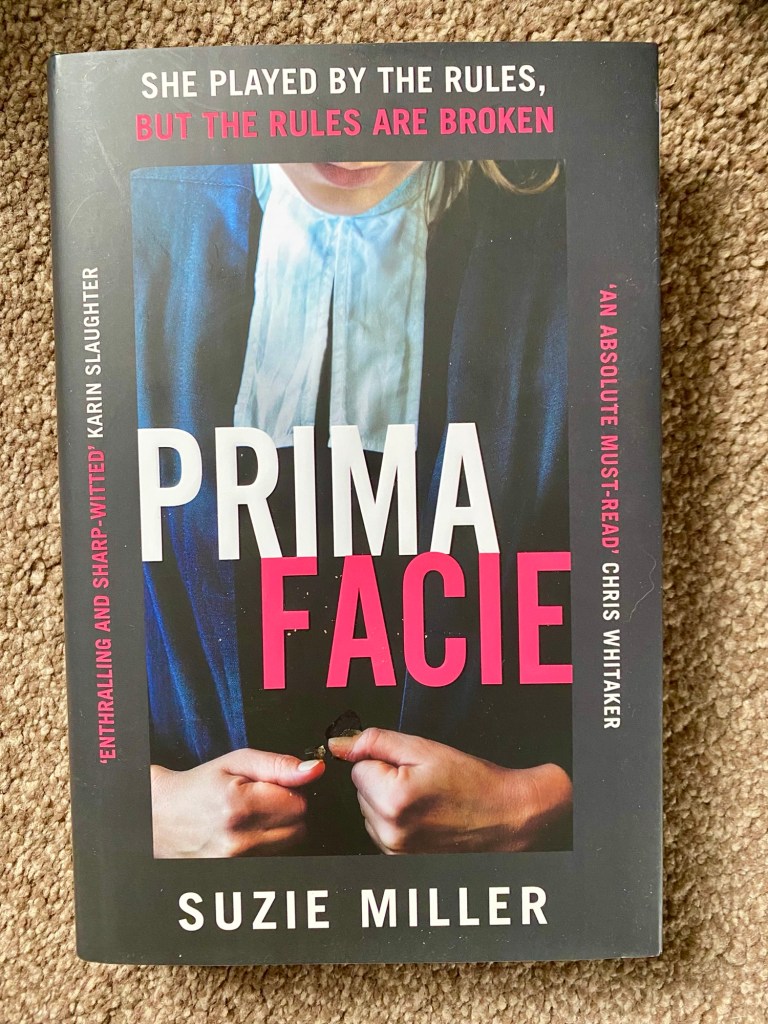
Prima Facie by Suzie Miller

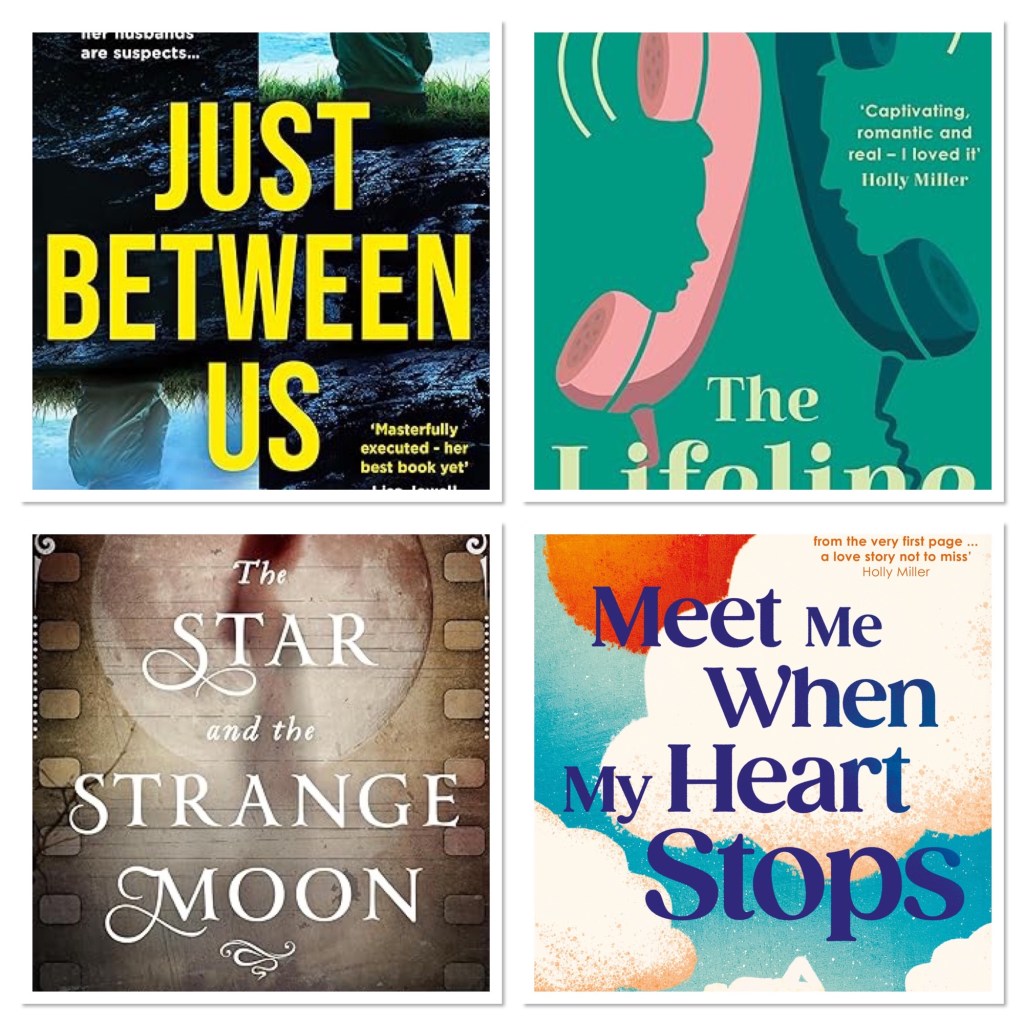
This novel is an absolute tour de force and a damning indictment of the legal system when it comes to sexual offences. Tessa has come a long way to be a barrister in one of London’s best chambers. Born in Liverpool and raised on a Luton council estate she set her sights on Cambridge and achieved her goal. Tessa doesn’t have many beliefs but she does believe in the law, as a tool that isn’t perfect, but more or less delivers justice. As a barrister she doesn’t need to know whether the client is innocent or guilty, she just needs to find the holes in the prosecution’s story, something she can exploit to create reasonable doubt. She also believes that her experience and education have made her the equal of any rich, privately educated, and well-connected colleague. However, when a date with a fellow barrister goes wrong Tessa finds herself on the other side of the bench, she is now a witness and now someone will pick apart her story looking for the gaps and the holes, the fuzzy bits she isn’t quite sure of yet. Tessa is a character that pulls you into her world from the first page. Miller pulls apart the legal system like I’ve never seen before and watching Tessa lose faith in something she’s always believed in is really hard. In parts this is a hard read with trigger warnings for sexual assault, but it’s necessary. I had a visceral reaction to it. It made me think about whether the law truly is an equaliser or does justice depend on how deep your pockets are, who you went to school with, the colour of your skin, your gender. It also made me think about incidents in the past that newer generations of women simply would not tolerate and with good reason. I wish I has seen the play of the same name starring Jodie Comer who I can see was perfect for Tessa. I’m so grateful to my Squad Pod for choosing this as one of our March reads. This is a book I will think about long after popping it back on the shelf.

Here are some other reads from March.

Posted in Random Things Tours

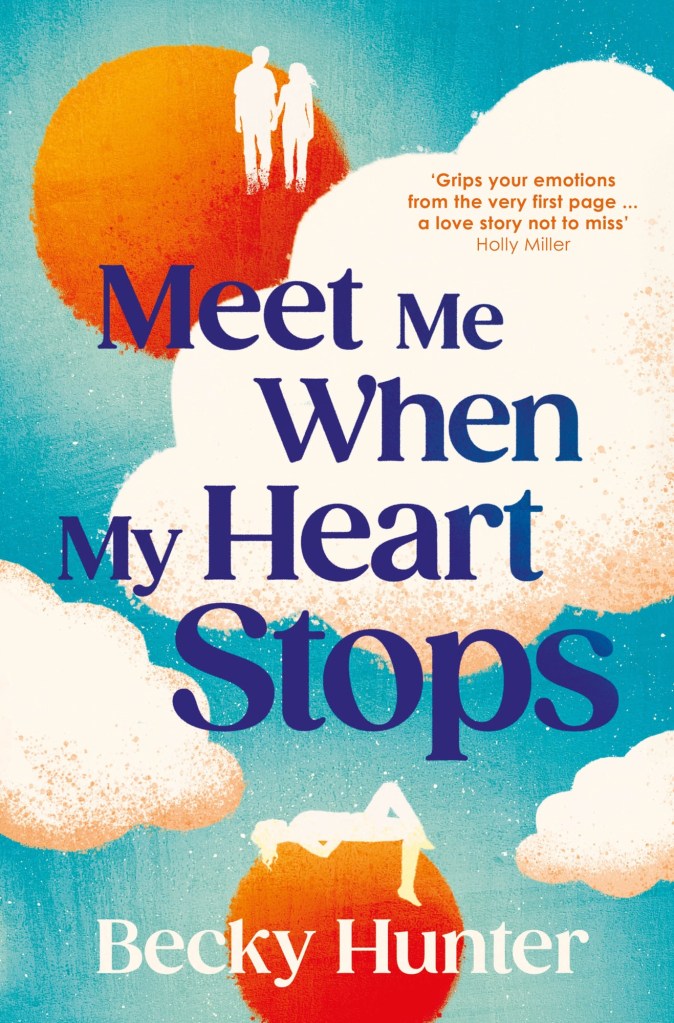
Meet Me When My Heart Stops by Becky Hunter

What if your soulmate could only ever be the love of your afterlife?

The first time Emery’s heart stops, she is only five years old…

Emery is born with a heart condition that means her heart could quite literally stop at any moment. The people around her know what to do – if they act quickly enough there will be no lasting damage, and Emery’s heart can be restarted. But when this happens, she is briefly technically dead.

Each time Emery’s heart stops, she meets Nick. His purpose is to help people adjust to the fact that they are dead, to help them say goodbye, before they move on entirely. He does not usually meet people more than once – but with Emery, he is able to make a connection, and he finds himself drawn to her.

As Emery’s life progresses, and she goes through ups and downs, she finds that a part of her is longing for those moments when her heart will stop – so that she can see Nick again.

This is the story of two fated lovers who long for each other, but are destined never to share more than a few fleeting moments – because if they were to be together, it would mean the end of Emery’s life.

I recently got married. Kev is my best friend and I can’t imagine daily life without him. Seventeen years ago I could never have imagined this scenario. Seventeen years ago my soul mate was taken away from me. Jerz and I had been together for seven years and I lost him by slow degrees over that time, as he slowly succumbed to breathing complications due to multiple sclerosis. One of the things I found so difficult about his death was just how final it was. I’ve often heard bereaved people say that they can feel their loved one’s presence, that they communicate with them or that they feel visited by them in some way. I felt nothing. I couldn’t believe that we could be so close in life, then have nothing. Somehow I thought our love could transcend death. I still love him of course, but nothing comes back. I wondered if our connection wasn’t as close as I imagined, or were those other people just kidding themselves? Unable to face the reality of death had they imagined the robin visiting their garden was a loved one? I had one night where I was so close to joining him. I couldn’t imagine carrying on. But somehow we do and I felt I would be letting him down if I didn’t fully live my life. Kev and I talk about him often and he knows that if he goes first he must find Jez and share stories of what it’s like to be married to me. So, in a way I felt I had some investment in this story. I have my very own Nick in the afterlife, but I’ve met mine before. I wasn’t sure about a love with someone completely new in the hereafter. I wasn’t even sure what Nick was – Death, the Devil, an angel? However, I was fascinated with Emery’s real life.

When someone is diagnosed with a condition that’s life limiting or ending, it doesn’t just affect the individual. The whole of that person’s family and friends have to get used to the diagnosis and what it means for them. For my late husband and me ( I also have MS) it meant a closeness with our family that possibly wouldn’t have happened without those periods of illness and uncertainty. I think it makes us appreciate each other more and make the most of being together. Yet for Emery’s parents it’s even worse. My parents felt guilty that I’d been diagnosed, relieved, scared and incredibly sad all at once, but whatever happened we knew that I’d still be around. Emery’s family have to accept that they might lose their daughter, but have no idea when it’s going to happen: it could be when she’s 6 years old on her way to school, it could be when they’ve just had a teenage row, it could be when she’s at university and no one’s there to help, it could be on her wedding day. It’s hard to live with such uncertainty. It’s hard to just carry on and live a normal life, but it’s also hard to continually treat someone as if you might lose them, every single day of your life. Sadly Emery’s parents react in different ways. While her mother is scared and grieving, she believes in carrying on as normally as possible. Whereas her father becomes anxious and hyper-vigilant. He wants to know where Emery is at all times, which risks he can eliminate, for everyone around Emery to know about her heart condition and that she only hangs out with those who know and can do CPR. This isn’t so much of an issue at a primary school age, but as Emery becomes a teenager she wants to spend time with new friends, go on school trips and maybe meet with boys. All of this is completely normal for her friends, but Emery has to ask and then listen to her parents tearing each other apart downstairs. For her dad there are no negotiations and no compromises. Until, in the end, it just becomes too much to cope with and her mum leaves. Emery lives with the guilt of feeling that it was her condition that caused her parents to split up.

I wondered throughout how much of Nick was real and how much was a subconscious invention. Something her mind created so that in those first moments after death Emery doesn’t feel alone. It’s also easier to be in love with someone who isn’t in your everyday world, especially when you have a hidden illness. As Emery learns, dating in the real world is much more complicated. When do you ‘come out’ to that new person about your invisible illness? What if you collapse on a date? Then as time goes on the bigger questions start to come up. How can you move in or marry someone and give them this terrible burden to carry? How can you live a normal life together when at any time they could lose you? Look what her illness did to her parent’s marriage? How do you tell someone that if they pick you, they’ll have to sacrifice having their own children? Isn’t it too big an ask? Nick knows everything, in fact when she’s with him she’s already dead so that removes the risk. It is the easiest relationship she has. I could see how it would be easier to be in love with him than someone in real life. Emery’s trusted friends are Bonnie and Colin who live nearby, they know everything and are trained for the worst eventuality. It’s clear that Colin has feelings for Emery, but he’s the boy next door. He’s probably the only boy that her dad would feel she was safe with and that’s a real turn off! As Emery gets more rebellious and starts to test her limits she doesn’t always understand that she’s more than just one individual – she’s the sum of the people who love and care for her too. The consequences of her risky actions are not just hers; there are consequences for her parents, her sister Amber and her niece, her friends Bonnie and Colin, who clearly has feelings for her. If she made the decision to be with Nick, it would mean all these people losing her.

I was truly fascinated by how the author portrayed Emery’s journey. It was full of emotion and beautifully written. I can testify that it really isn’t easy coping with a life-limiting condition. I was 21 when I was diagnosed and could reason things out, but I still struggled with my self-image and how other people saw me differently. I’d had my wild teenage years not knowing, but Emery has to go through all of that never knowing if this is her last day. It polarises life by making some things feel completely futile and others soul- searchingly important. There’s not much room for the everyday when every day might be your last. I’m not sure if it was the author’s intention, but I didn’t fall in love with Nick and Emery’s love story. I fell in love with Emery herself, this beautiful, bright and vibrant girl who dies for the first time age 5. I understood her and more to the point, I felt like the author truly understood Emery’s experience. I felt seen. I was also rooting for Colin. I wanted Emery to choose real life, the ups and downs and every day with all it’s messiness and complicated feelings. To share life with someone instead of the afterlife.

Published by Corvus 21st April 2024

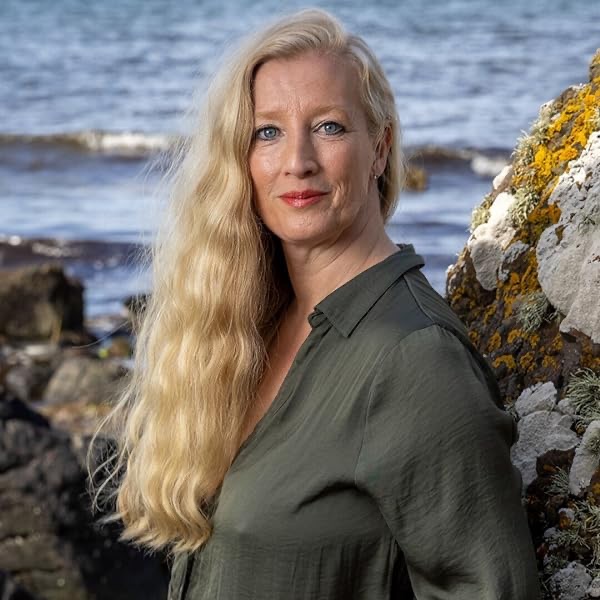
Becky grew up in Berkshire, UK, and has loved reading since before she can remember. After studying social sciences at Cambridge university, this love of reading led her to a career in publishing, where she worked as a book publicist in London for several years before taking a career break and moving to Mozambique to volunteer with horses. It was here that she decided to give writing a proper go, though it was still a few years, a few more destinations, and a couple more jobs before she had the idea that would become ONE MOMENT, her debut novel.

She currently splits her time between London, Bristol and Falmouth, and works as a freelance book publicist and editor, alongside her own writing.

Find Becky on Twitter (@Bookish_Becky) or Instagram (beckyhunterbooks) – she’d love to hear from you!

Posted in Netgalley, Publisher Proof

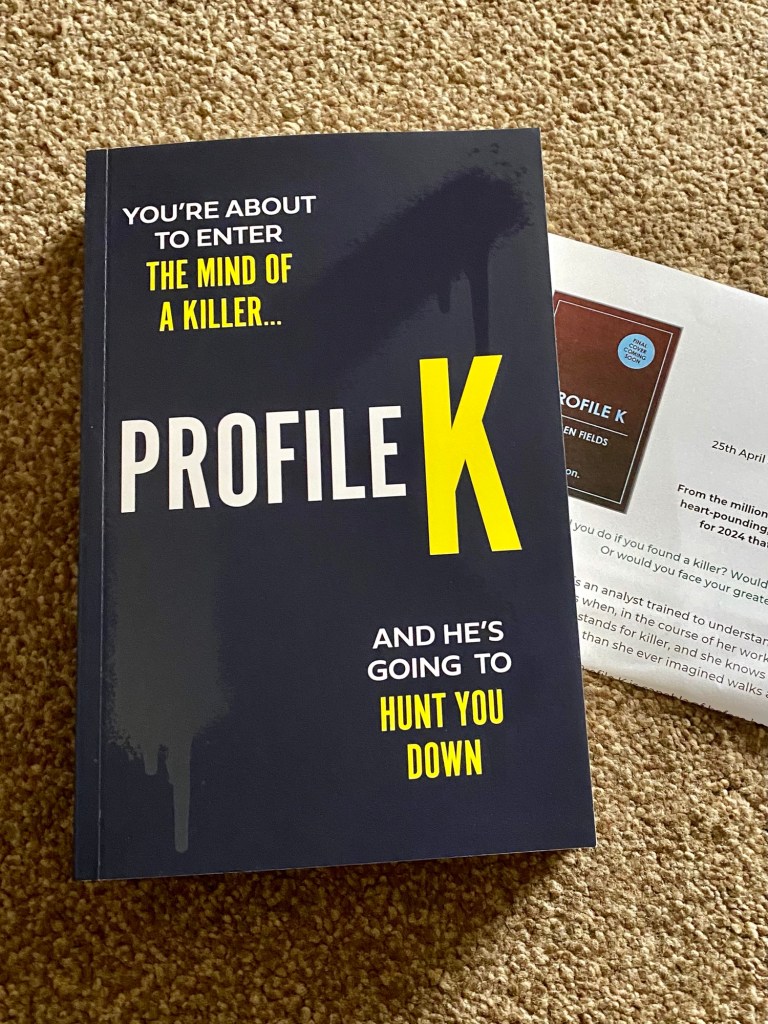
Profile K by Helen Fields 

I’m going to say up front that I’m a massive Helen Fields fan, with The Last Girl to Die being a particular favourite of mine. Her last novel introduced us to the unusual and complex psychologist and profiler Dr. Connie Woolwine at The Institution. Connie makes a cameo here, but the undoubted heroine of this tale is Midnight Jones. Midnight lives with her twin sister Dawn ( see what the parents did there) and is her main carer, since their parents chose to go travelling when Midnight finished university. Dawn was affected by lack of oxygen at birth leading to Cerebral Palsy. It’s effects are very individual to the patient, but it can cause both physical and intellectual disabilities. Dawn is profoundly affected, needing care 24/7 and that’s why Midnight is desperate to keep her job at Necto. She needs their higher than average pay packet to cover the costs of care. The company like to present themselves as an ethical firm, starting with their space age offices, filled with plants and trees that help create a better work environment. They have their fingers in many pies, but Midnight is a profiler and every day works through thousands of applications for universities, the military and other organisations, passing some applicants through to be interviewed and rejecting others based on assessment data alone.

Necto’s testing systems are so sophisticated, there’s nothing about the applicant they don’t know. In assessments, virtual reality head sets show images and the applicants every response is recorded from intelligence to levels of empathy. Then, dependent on the parameters for the particular institution they’re applying to, they are accepted or not. However, on this particular day Midnight finds a candidate who isn’t run of the mill, in fact he’s a one-off. In training, a candidate like this is jokingly dubbed a ‘Profile K’- for killer – Midnight finds a man who has recorded as showing zero empathy. When she watches the footage he was shown through her own headset, she is sickened by what she sees. This is way beyond the normal films shown to illicit empathy, it’s as if the machine couldn’t get a reading so has chosen more and more disturbing and violent images that should provoke empathy and disgust. Yet none comes. Unable to compute the response and also where such extreme footage could have come from, Midnight decides to take this further but her supervisor Richard Baxter isn’t interested. So she goes over his head, telling his boss that she’s found a Profile K. Surely they have a duty to report him, what if he’s dangerous? What if he kills? 

I’ve read three great thrillers this weekend in quick succession but this was by far the most inventive, with a hint of dystopia and a touch of social justice that was right up my street. I empathised with Midnight’s situation, determined not to let down her sister Dawn but struggling to pay for just enough care that Midnight can go to work. There is no room for a social life or romance. Their heads are just above water, but there’s no flexibility or empathy for her care role within her company, despite it’s apparent ethics. She takes a big risk taking her findings higher than Richard Baxter, because if she loses her job how will she afford the care Dawn needs? Yet she can’t ignore what she knows. Especially when the worst happens. A young woman is killed very close to where she and Dawn live and although Midnight doesn’t know this at first, the torture methods used are very close to a scene from the film shown during the Profile K’s application process. The victim was subjected to the death of a thousand cuts, which would have been both a painful and long drawn out way to die. Midnight is horrified to find that her boss would rather keep her discovery under wraps and she’s reminded of her non-disclosure agreement. What reason could they have that’s better than saving the lives of future victims? Midnight has read about the psychologist and profiler Dr Connie Woolwine and has a theory to run past someone with her expertise. Not expecting a response, she sends a message and is pleasantly surprised when the unusual doctor calls her late at night to talk it through. Midnight is scared of the consequences, but sure of her theory – could Necto have known about the Profile K? What if they showed the violent material on purpose to trigger a response? To turn someone with killer potential into a killer for real. 

I absolutely loved this belting thriller, because it was complex and intelligent but also full of human feeling. I guess this might sound strange when there’s quite graphic violence involved in some scenes, but they’re balanced by the pure depth of feeling Midnight has for her sister and later on for the elderly lady they begin a friendship with. I loved how authentic Midnight’s caring situation was, with a very clear struggle between wanting to provide the best help for someone she loves but feeling the fear of that sole responsibility. The anger she feels towards her parents is very real, because although she understands their need to follow their dreams, their freedom has curtailed her own. She can’t make any life decision without factoring Dawn in. How could she have a romantic relationship? What if she falls ill herself? Having been a carer I know how lonely and exhausting it can be. We can see the pull between home and work life, in that they both hinder and are dependent on each other. Parts of the book are genuinely terrifying. There is a scene that’s going to stay with me, like that episode of Luther where a woman gets undressed and climbs into bed followed by a ceiling shot where a man slowly slides out from underneath as if he’s been working under a car. It’s that combination of vulnerability and evil. We’ve all done that walk home where we get inside and lock the door, then take a deep breath and know we’re safe. To be attacked in that moment is heart-stoppingly scary! In the end, everything had to stop for those final chapters as I raced through to find out what happens. I was glued to these scenes, made all the more terrifying because the victim doesn’t have a clue how much danger she’s in. It’s one of those finales where I put the book down and realised every muscle in my body was tense! I needed some yoga stretches and a few episodes of Friday Night Dinner before bed to unwind. This is an absolute cracker of a read and I highly recommend it.

Published by Avon 25th April 2024

Meet the Author

A Sunday Times and million copy best-selling author, Helen is a former criminal and family law barrister. Every book in the Callanach series has claimed an Amazon #1 bestseller flag. ‘Perfect Kill’ was longlisted for the Crime Writers Association Ian Fleming Steel Dagger in 2020, and others have been longlisted for the McIlvanney Prize, Scottish crime novel of the year. Helen also writes as HS Chandler, and has released legal thriller ‘Degrees of Guilt’. In 2020 Perfect Remains was shortlisted for the Bronze Bat, Dutch debut crime novel of the year. In 2022, Helen was nominated for Best Crime Novel and Best Author in the Netherlands. Now translated into more than 20 languages, and also selling in the USA, Canada & Australasia, Helen’s books have won global recognition. She has written standalone novels, The Institution, The Last Girl To Die, These Lost & Broken Things and The Shadow Man. She regularly commutes between West Sussex, USA and Scotland. Helen can be found on X @Helen_Fields.

Posted in Squad Pod Collective

Prima Facie by Suzie Miller

I was only a few pages into this thriller, when I wished I’d seen Suzie Miller’s stage play of the same name running in the West End with an award-winning performance by Jodie Comer. I could see that Comer was the perfect choice for Tessa because I imagine she would understand this character perfectly. Tessa has brought herself from the council estates of Liverpool, via similar areas in Luton, through Cambridge University to one of the best barrister’s chambers in London. Tessa is a defence barrister, one of the best in the competitive area of criminal law. She thinks like a lawyer, her job isn’t about the truth. It isn’t about whether her client is innocent or guilty, in fact she doesn’t want to know. It’s about following the intricacies of the law. It’s about looking for the holes in the prosecution’s case and exploiting them, bringing them to the attention of the jury and creating doubt. All she has to do is create enough reasonable doubt in the minds of the jury that the law directs them to an acquittal. It’s almost a game. A very high stakes game for the defendant, but Tessa gets paid either way. For her it’s the enjoyment of winning and seeing the the system she believes in, applied correctly. However, when Tessa goes on a date with a fellow barrister from her chambers, something goes wrong. Then she realises that the law might not be in her favour after all. Perhaps justice is more equal for some than others.

I was immediately enthralled by Tessa’s narrative voice. She’s smart, a quick study of other people and how they present themselves to the world. She is a brilliant, intelligent and careful lawyer. The author presents law like a religion. Tessa believes in the British justice system, that although there are anomalies, by and large justice does get served. After making a huge jump from her estate and family to Cambridge, she’s become a quick study of class and tribes. As she arrives at her first university lecture she spies a group of staff in suits hanging around the entrance and wonders if she’s been found out – ‘maybe I fluked it and one of those suited people are going to barge in with a list and call out my name. Tessa Ensler? I’m sorry there’s been a terrible mistake’. The boy sat on her right has clearly come from public school. He has that assured way of being that comes from knowing he belongs here and that he will be among those who change the country. The dean tells them that 1 in 3 of them will fail. As she looks to her other side she sees a girl trying to look dishevelled but with clothes deliberately made that way, rather than being worn out. With her layers of necklaces and raggedy clothes she’s showing that she has the confidence to look bedraggled, whereas as Tessa looks down at her own new jumper and knows she doesn’t belong. They know she doesn’t belong. What if she is the 1 in 3?

Yet she adapts and educates herself in how to blend in and even as a fully-fledged barrister years later, she is still well-versed in the unwritten codes of both the court room and the women barrister’s robing room. She refers to her fellow barristers as thoroughbreds. It isn’t enough for her to be a barrister, she has to know how to look and seem like a barrister. She knows the uniform – grey or blue understated suit, low comfortable heels for standing in court, hair that can withstand the wig, not too much make-up. It’s acceptable to show individuality with some quirky earrings, unusual glasses or chunky heel ankle boots. These little details are the way women have learned to own their own space, to show they are serious about the law, but do it differently to the men. Some things are sacrosanct such as the right shoes – the same designer brand, low key and stylish, but very expensive for a shoe that’s so boring. Yet within her first year as a barrister Tess has the same brand on her feet. Her rebellion comes in tiny acts like wearing a collarless shirt, coloured tights or eye-catching earrings. Individual, but not so out there it would frighten the horses. She also doesn’t have a wig tin, choosing instead to keep her wig in a Tupperware box borrowed from her mum. This is deliberate, it reminds her of where she’s from and how to remain grounded. She resists anyone’s offer to buy a wig tin for her, especially when they refer to her choice as ‘slumming it’. She’s mainly played by the rules and thinks she’s become one of them.

I will mention that there are graphic depictions of sexual assault that are a hard read, but they are necessary. They show the ambiguity that can be brought into the legal arguments. Anyone who reads the account has no doubt what happened between Tessa and her colleague. Yet already I could see the ‘holes’ in her story, the things she does ‘wrong’ and how the difference she thought was invisible, being brought up to weaken her account. She can probably imagine the way a defence barrister will cross-examine her and which parts of her story he will exploit to create doubt in the jury’s mind. I found it so painful when she overhears other female barristers discussing the accused, Julian. Julian was always hoping to be a barrister, his father was before him and is now a judge. He is immediately accepted into this world without once having to work out how to be. As the women discuss going to his dinner party and how terrible this false accusation is for him it’s clear he’s one of them, they probably went to the same school and, like her pupil Phoebe, knew which shoes to buy before they even got here. One female barrister asks her outright why she would accuse Julian, when everyone knew she was into him. She must know it’s hurting her own reputation and her career, she’s alienating the ‘very people who will decide whether she gets silk’. In that moment Tessa wonders why it isn’t hurting Julian’s reputation? There are solicitors who will never instruct her again, people who will not share chambers with her and she will likely never progress with her career again. But he will. It brings home everything about her difference from that clique – the small world of London chambers – her disadvantages as a woman, as someone from the wrong school and the wrong type of estate.

I was fascinated with whether or not Tessa would realise that the law isn’t the same for everyone and that her belief in the system she has worked for is left crumbling at her feet? Added to everything else Tessa feels foolish for every time she has said that the law dispenses justice more or less, for everyone. Now she knows it doesn’t. Even before she’s in the court room she knows that it was her difference that made her a victim in the first place. This wouldn’t have happened to Alice or Phoebe because they are protected by their class:

‘I really had thought that I was now untouchable. That if I just did my job, didn’t stand out, won my cases, I’d be like everyone else in chambers. But I am not. I am disposable, I am rapeable. Just like when I was a kid on the estate. Nothing has changed, other than the class of man that can rape me.’

In being exposed to the way the world works for the right type of people, she has naively assumed that it now works that way for her too. We are so intimate with Tessa, her inner world is huge – full of contradictions and fierce intelligence with a veneer of upper middle-class lifestyle overlying strong working class roots. I was totally engrossed in her and recognised something of myself in that working class background rubbing roughly alongside years of middle class education and lifestyle. I’m conscious of a difference in the way I view the world from the rest of my family, but I’ve always wanted to keep them close. I know that if anything terrible happened they would be there for me, just as I hoped Tessa’s mum would be there for her. I’m aware of the difference in my accent honed by seven years of grammar school, a change that turned me into a vocal chameleon, picking up a trace of wherever I go, wanting to fit in. Tessa notices this with other barristers who have accents, there’s always a court voice that’s clear, concise and authoritative. There are so many points in the story where the author captures a current change in how the world has changed, particularly for women. Tessa recalls a sexual encounter in her teens which was only borderline consensual, but back then was chalked up to experience. I remember these days well: a push up against the wall followed by an unwanted kiss so hard it bruised my lip; a grab of the hips from a man as I reached over to answer a phone in a busy office; a teenage boy who thought that because my friend was snogging with his mate, I was up for it too. These seemed like minor incidents, but wouldn’t be accepted by young women today.

Tessa’s story brought up all those issues of consent that I find so interesting – does consenting to one sexual act mean you’ve consented for everything else? If we consent to sex once, does that mean we’ve consented for that whole night? Does it cover the next morning too? My husband was horrified that in law there was no such thing as marital rape until 1991. Consent was given by the woman through her marriage vows. Alarmingly there are still people who think as long as there is no violence, forced or coerced sexual intercourse within marriage does not constitute rape. The court scenes are electric, written with such tension and power. Watching the balance of that power shifting between defendants and prosecution witnesses and the barristers in their robes, posing the questions with scepticism, repeating them till you trip up and then diving in for the attack. I found myself dreading what would happen to Tessa if she didn’t get justice. Would she cope emotionally? Also, what would it mean for her professionally? Would she be trusted again? I would say ‘reading this….’ in my reviews normally, but I felt more like I was ‘experiencing this’ by Tessa’s side and sometimes in her head. She was as close as my own thoughts at times. I wondered whether it’s possible for someone to be as educated, honed and prepared for such an establishment career as the law, without becoming someone altogether different. Is there a way to separate the professional from the personal, to take on some of the female barrister’s characteristics and traditions but keep a little bit more of who you are? To take a bigger Tupperware box from home and seal even more of that professional persona inside along with the traditional wig. Her struggle between being the Tess she became at Cambridge and her chambers and the Tess who lived for a weekend house party with her friends from the estate is the struggle of every university graduate whose family earned a living in a manual job. A family who encouraged her to push herself, to reach grammar school, then be the first to go to university didn’t realise that with each step they’d lose her a little bit. A gap opens up, created by education, money, culture and lifestyle. I was strongly reminded of Tony Harrison’s poem ‘V’ that beautifully captures this dichotomy within a person, a Northerner that’s settled and makes both their name and their living in the south. Yet one line stood amongst all that anger and dislocation: ‘the ones we choose to love become our anchor’. He meant new friends but I hoped in Tessa’s case she would learn that she can be part of her family, while still being successful. To recognise them as her strength and support, rather than something you drift away from. This book is right up there, with the best I’ve read this year. Don’t miss it.

Published on 14th March by Hutchinson Heinemann. With thanks to the Squad Pod for having me in this month’s book club choice

Meet the Author

Suzie Miller is an international playwright, librettist and screenwriter. She has a background in law, and has won numerous awards, including the Australian Writers’ Guild, Kit Denton Fellowship for Writing with Courage and an Olivier Award. She lives in London and Sydney and is developing major theatre, film and television projects across the UK, USA and Australia.

Posted in Monthly Wrap Up

Best Reads February 2024

Hey there everyone and hope you’ve had a good February. This month has been an eclectic month where I’ve done very few blog tours but instead did a lot of reading by choice. I decided to pick and choose from my proof trolley and my NetGalley ARCs. What usually happens is these get neglected because I focus on so much on the most important deadlines. Then my NetGalley reviews are useless because they’re always after the fact and my percentage is appalling. I’ve actually read more books this month and I’ve enjoyed my reading more. That’s not to say I don’t enjoy a blog tour, particularly my friend Anne Cater’s tours because she’s lovely and gets great books. In fact my one blog tour choice is one of her Orenda Books titles and it’s brilliant. I thought January was good but February’s books have been even better. Some of these I have reviewed this month, others are due in a couple of months so I’m only going to give you a quick review of each. I loved every single one of these and hope you will too.

This book has been chosen by the BBC programme Between the Covers and I’m not surprised. I love Doug Johnstone, I think he’s a brilliant crime writer but this series is something completely different. This is the second in a series featuring a telepathic extraterrestrial octopus creature called Sandy and his journey with three human friends, Lennox, Heather and Ava. We left them as they reached Ullapool and reunited Sandy with his Enceladon friends. Yet, lurking on the horizon were M17 agents, Ava’s abusive husband and other authorities who want to capture the friends, but also take Sandy and study him. This novel deals with the aftermath, where Ava faces a trial for the murder of her husband and Lennox and Heather are incarcerated in a newly built American military base. The Americans, accompanied by M17 agent Oliver, are capturing partial Enceladons to study them and work out how they communicate with each other. This is a hard read in places as it puts our friends and the lovely Sandy in danger, but it’s also uplifting, life affirming and gives us some faith in humour nature. If you haven’t read part one order them both, you won’t be disappointed.

Out March 14th 2024 from Orenda Books

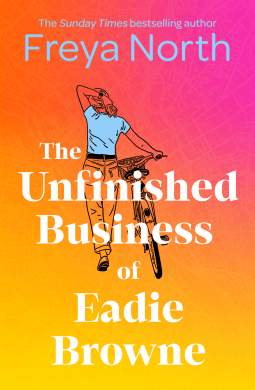
This novel is one of my most anticipated for the year and my full review will be on the blog this week. Eadie is an unusual little girl and she doesn’t have many friends. Not the live kind anyway. Her house is next to the cemetery and Eadie sits and talks to the inhabitants. There is also an elderly gentleman who tidies the cemetery and talks to the lonely little girl. At school she is bullied by Patrick Semple, but life starts to look up when she makes friends. Celeste and Josh are also bullied by Semple, although as Josh points out he seems to save his cruellest jibes for Eadie. These three kids form a close bond, then go their separate ways for university with Eadie ending up in Manchester just before the ‘Summer of Love’. Eadie and her housemates become devotees of dance music and the Hacienda. She’s happy, especially on those nights when they try Ecstasy. They haven’t realised that the club is being pulled apart by rival drug gangs. Life changes when there’s an unexpected meeting, a link to the past and events she still finds difficult to deal with. I fell in love with this character and the depiction of unprocessed trauma that follows her through life, until she can find a way to let it go. It’s about love, our formative experiences and how hard it can be moving forward when we’re dragging too much baggage.

Out now from Mountain Leopard Press

This book covers a subject that I’ve never read about before and I’ll give you a quick glimpse, because my review is coming later. The author takes the usual machismo in stories of the Vietnam war and shows us that women also served as part of the Army’s Medical Corps. When society girl Frankie is told that her brother has died in Vietnam only months after enlisting she wants to find a way to honour him. As the family gather at their home on Coronado Beach, Frankie is studying the wall in her father’s office dedicated to the McGrath men celebrated for their bravery and service. Finley’s friend Rye tells her that men aren’t the only ones who can be courageous. She’s been thinking the same thing and Rye’s words light a fire under her. The Air Force and Navy would need her to train for several years as a nurse before she could serve in combat zones. However, the Army will deploy her with just her basic nursing training, so Frankie signs up and within months she’s flown out to a field hospital in Vietnam. The author’s historical detail and sense of place is incredible. I felt like I was in the jungle with Frankie, covered with sweat and red dust and highly tuned to the distant ‘whump whump’ of approaching helicopters with casualties. I loved the combination of strong female friendships, loss, romance and the struggles of serving and returning from this particular conflict.

Out now from MacMillan Publishing

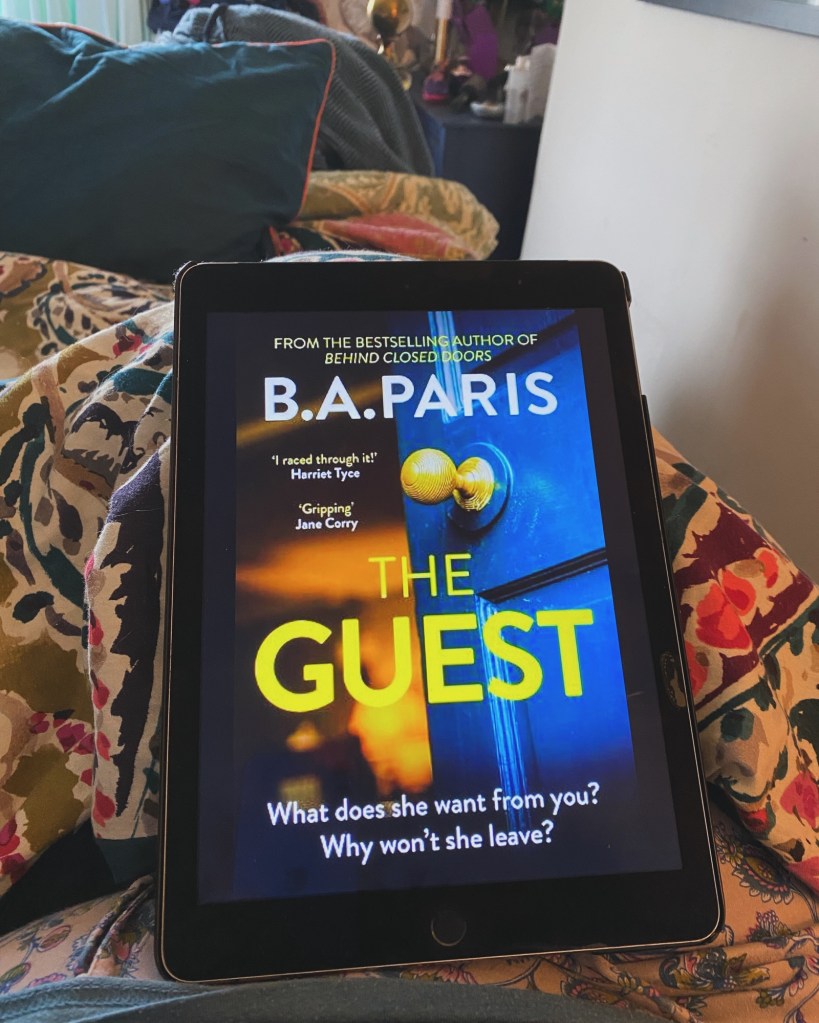
Another great thriller this month was the latest from B.A.Paris, a great domestic noir about two couples who have been friends for years. On holiday twenty years ago, Iris and Gabriel met a French couple called Laure and Pierre who were on their honeymoon. Their friendship and their marriages have lasted and the couples always meet at least once a year, either in Paris or the English countryside where Iris and Gabriel have settled with daughter Beth. The couple are surprised when Laure turns up alone and unannounced asking to stay for a few days. Pierre has just found out that he has a daughter from a brief liaison during their marriage. Laure is giving him space to think about this revelation, but she’s also very angry and suspects his best friend Clare who has a six year old daughter. Gabriel is on leave from work after a traumatic incident and he tries to get in touch with Pierre to support him, but gets no reply. In the meantime, Laure starts to settle in but her need for a listening ear seems endless, she is borrowing Iris’s favourite clothes and even rearranges their kitchen. When Pierre doesn’t show up for a meeting at their apartment in Paris, Laure comes straight back and Iris starts to wonder how long she’s going to stay. This is a great thriller which takes the discomfort of a guest overstaying their welcome and magnifies it, leading to adultery, betrayal and even murder. There are twists to this tale and you will not expect the outcome. Prepare to be reading this in one go!

Out now from Hodder and Stoughton.

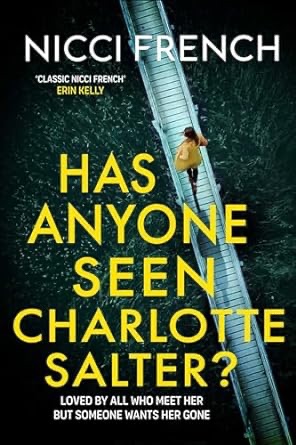
It’s Christmas and Charlotte Salter doesn’t turn up for her husband’s fiftieth birthday party leaving daughter Etty immediately alarmed. She’s sure that her mum wouldn’t choose to stay away from the event, even if her parents don’t always get along. Etty’s three brothers are less worried, thinking their parents may have had a row or she’s just gone for a walk. When Lottie still doesn’t appear the following morning, Etty insists on calling the police. It’s Christmas and the Salter family are paralysed, unable to do anything except search for their mother. Village rumours are linking Lottie with Duncan Ackerley, so when the Ackerley’s invite them for Christmas dinner only Etty turns up on time. In a strange twist, Duncan has gone for a walk and not returned for dinner. Etty sets off with one of the boys to look for him and he’s found dead, presumed drowned, next to his boat. The police find his glasses on a bridge further upstream and conclude that Duncan Ackerley killed Lottie and then committed suicide. Case closed. Twenty years later and the Salter siblings are clearing their childhood home before their father moves into nursing care. His dementia is worsening and it’s no longer safe for him to be at home. Meanwhile, Morgan Ackerley and his brother are back home recording a podcast about the death of their father and Lottie, who has never been found. What might be uncovered by this generation’s exploration into the past? This is an intelligent thriller, exploring the dynamics of families and traumatic events in childhood. I found it really hard to put down.

Out now from Simon and Schuster.

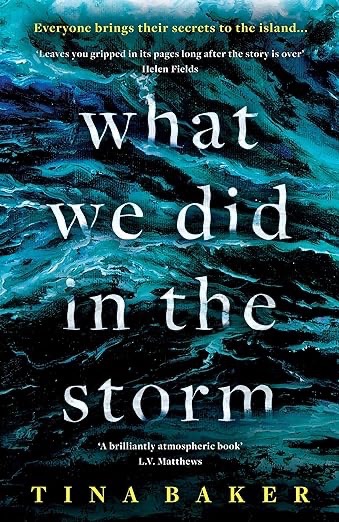
This was my first Tina Baker thriller and I loved it. Set on the island of Tresco off the Cornish coast, the author explores the tensions of this very unique place. Tresco’s community is always split because of it’s reliance on tourism and only wealthy families can afford to stay on the island, usually block booking a ‘cottage’ for several weeks at the same time each year. Residents are always seen as staff, either working directly in one of the cottages or in the shops and pubs on the island. The ‘family’ who own Tresco usually remain on their estate and have a staff of estate workers, gardeners and servants in the house. These groups usually don’t mix but rich playboy Kit and barmaid Hannah are about to break the rules. Hannah is seen by others on the island as a bit slutty, a home- wrecker and even a witch. When she and Kit spend the night together no one bats an eyelid, but when their flirtation blossoms into love problems start to arise. Kit’s widowed mother is unimpressed and constantly tries to dangle the right kind of girl in front of him. Wronged wives start to mutter about her behaviour, especially Christie, whose husband was Hannah’s last conquest. Alison just wishes Hannah would keep her jeans buttoned up and stop causing punch ups in the pub. When Hannah disappears in a storm, Kit is heartbroken and stays on the island. Hannah could have met with an accident, but so many islanders have a motive that she might have been murdered. This is a deliciously wicked romp through the lives of Tresco’s inhabitants, full of wit as well as some thrilling revelations.

Out now from Viper

I love Helen Fields and this is a fascinating thriller coming in April, so I will just whet your appetite here. Midnight Jones works as an analyst, processing application forms for universities, the military and other institutions. She’s trained to psychologically profile, but she’s paid very well to check forms against the required criteria and accept or decline on the data provided. The applicant is assessed using a virtual reality headset showing images to illicit the required response, but on this day Midnight finds an anomaly. The applicant has no score for empathy. When she views the assessment footage, Midnight is shaken to her core. Some of the images are so graphically violent she feels sick, surely they aren’t on the system? The applicant has zero empathy. She has found a Profile K – K for killer. However, when Midnight tries to report it she meets with resistance. How far can she push this, knowing that her sister depends on her salary? Midnight has a twin sister called Dawn, who suffered a lack of oxygen during birth and is now affected mentally and physically by cerebral palsy. She needs round the clock care and if Midnight loses her job they’re going to struggle, especially since there are no friends and family to help. The stakes get higher when a woman is brutally murdered, in a way that was shown on the terrible recording. Who can Midnight turn to? This was complex and intelligent with a dystopian vibe and a cameo from Dr Connie Woolwine.

Out 25th April from Avon

I had been granted access to Rebecca Serle’s upcoming novel on NetGalley and I had to read it right away! I usually get bored with rom-coms, but I do enjoy those with a historical background or those that try to do something completely different and I think this author is especially inventive. Her novel In Five Years blew me away with it’s twist in the story and I’m always keen to see what she’s done next. Here we are introduced to Daphne, a young single woman living and working in L.A. Dating is never a mystery for Daphne because as soon as she meets a man she finds a little slip of paper with an expiration date on it – 6 months, a weekend, one night – she knows how long each liaison will last. Until she meets Jake, who has everything she could want in a man. He’s considerate, doesn’t play games and is happy to talk about his feelings. Daphne waits for her slip of paper, but when it comes it only says his name. No expiration date. Does this mean Daphne has found her happy ever after? Their relationship is quiet, loving and has only one snag. Daphne has another secret, one that will break Jake’s heart if she tells him. I loved this story and felt a real connection to the conundrum Daphne finds herself in. This was heartbreakingly romantic and full of surprises.

Out 19th March 2024 from Quercus

That’s all for February, keep a look out for the full reviews coming your way and here’s to a new reading month and hopefully a touch of spring. Here is my TBR for March.

Posted in Monthly Wrap Up

Best Reads January 2024!

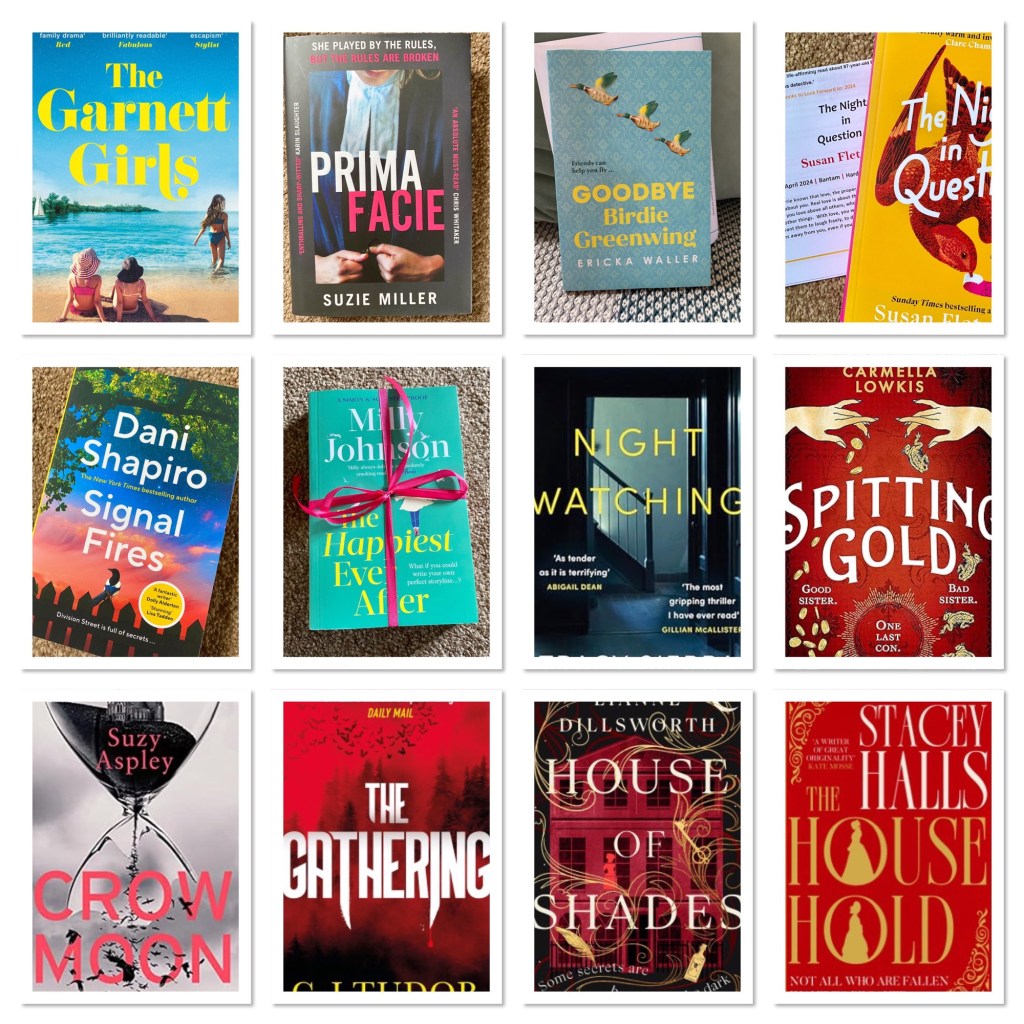
Well, what a wonderful start to my bookish New Year! January has been a busy month and I’ve read some fabulous books. Being away for a couple of weeks at the beginning of January has helped enormously. I’ve been able to keep up with blog tours and managed to get some personal choices read as well, a balance that I’d like to continue through this year. It’s been so nice to just pick something that appeals to my mood on that day! So my favourites are a great mix: three are choices from my Squad Pod book group; one is a blog tour book from Orenda Books and Random Things Tours; the final two were personal choices. These are my January favourite reads:

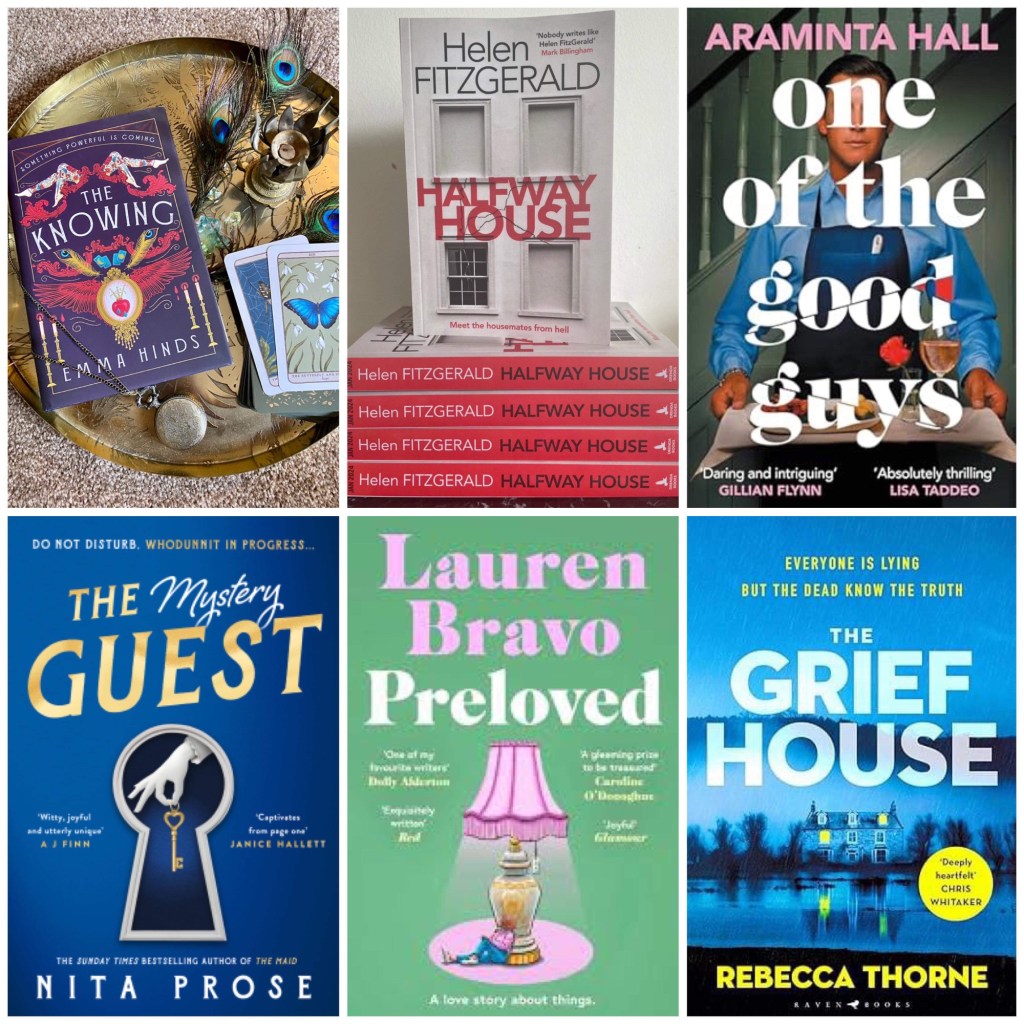
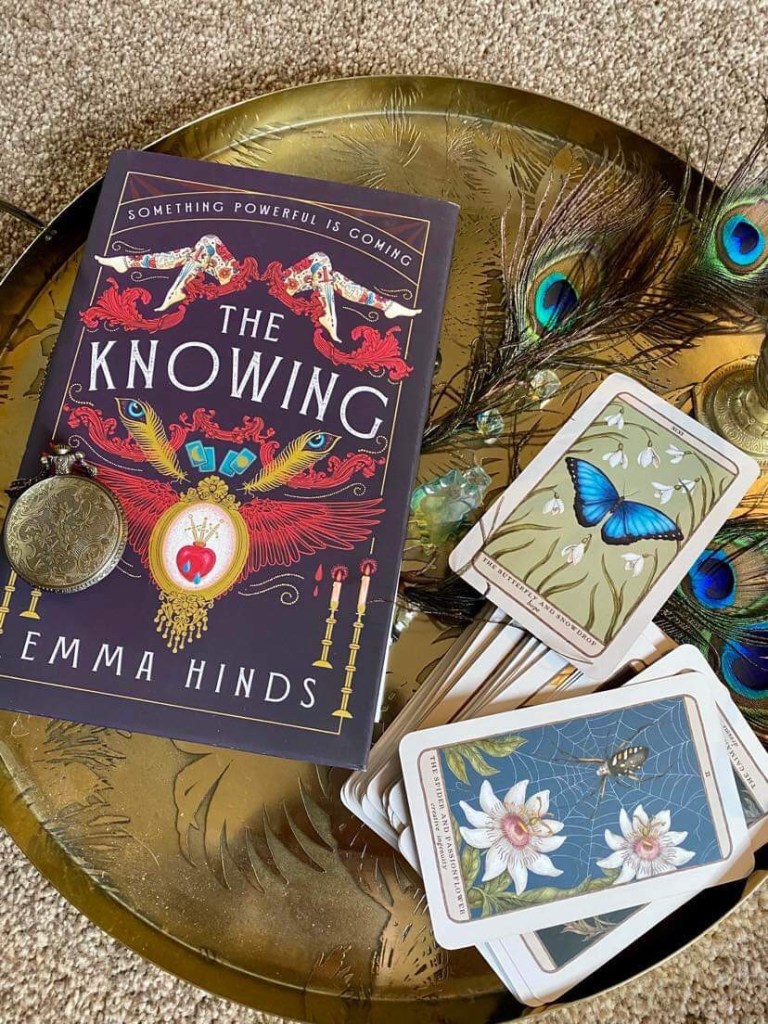
The Knowing is a fantastic debut from Emma Hinds and Bedford Square Publishers. If a book could have been written specifically for me it would have been this one. If you love The Night Circus, The Crimson Petal and the White or the books of Sarah Waters then this is for you. Flora is a mystic, tarot reader and tattoo artist living with a member of the Dead Rabbits gang in Five Points, NYC. Jordan has had Flora since she was a child and their ‘relationship’ is nothing more than a long history of physical and sexual violence. Her life changes when she meets Minnie, a young woman with dwarfism who organises freak shows and curiosities. She takes Flora in and shares her own room, within a mansion belonging to her lover Chester Merton. This isn’t just an act of altruism though, Minnie wants Flora to share her gift and become their ‘tattooed mystic’. But Flora’s ‘knowing’ is more powerful than anyone expects. This book takes us from NYC to the slums of Manchester, through Flora’s eyes, as she experiences love, obsession and betrayal.

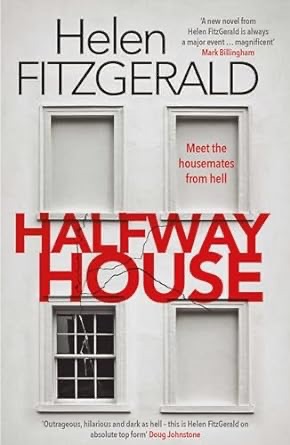
Lou has lost her sugar daddy and needs to get a job, so she decides to interview for a role in Edinburgh working in a halfway house for offenders newly realised from prison. She intends to live with her cousin Beatrice and get her life back on track. Before she’s even over the jet lag she meets a man at the matinee of Beatrice’s new play. After a few days of wild outdoor sex, she has to start her new job. One shift shadowing a current employee introduces her to the men she’ll be on night shifts with. The offenders are guilty of crimes that range from drugs and public decency, all the way up to murder. I wondered if Lou hadn’t bitten off more than she could chew! Her nighttime routine means doling out cocoa and the right biscuits, but is timed to the minute so she’ll be able to catch one resident who tries to hang himself every evening at the same time. This thriller is dark, but also very funny. I loved Lou. She is a force of nature, displaying compulsive and even dangerous behaviour. As the routines of the house start to unravel a little, I was rooting for her and hoping she’d come out alive! A brilliantly dark and comic thriller.

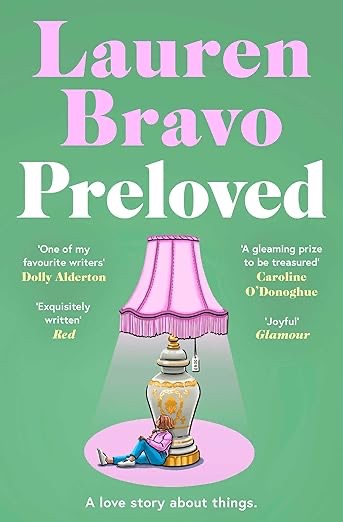
This book was a Squad Pod choice in it’s paperback form and I fell in love with it’s charm and themes of loss, letting go and moving on. There is nothing more cathartic then having a good clear out – something I tend to do at this time of year. I also love a good rummage in second hand and charity shops, especially the bookshelves of course. I’m also mainly clothed in Vinted purchases so I love to repurpose things and give homes to some unique items that seem to exist purely for me – a candleholder in the form of a monkey wearing a dress anyone? Gwen is being made redundant and decides to use the pay off she receives to have a career break and really think about what she wants to do next. For the summer she decides to volunteer at her local charity shop and it opens her up to experiences she never imagined. Gwen has been in a rut for a long time, now that she can reshape it she seems overwhelmed. She also seems detached from family and old friends. With the help of volunteer Connie, who is determined to help Gwen take the next step, or the hint of romance with young volunteer Nicholas could she find a new way of living? This is a love story, not a boy meets girl, but of finding yourself. It’s about discarded belongings getting a new lease of life and a family’s acceptance of loss. I loved it.

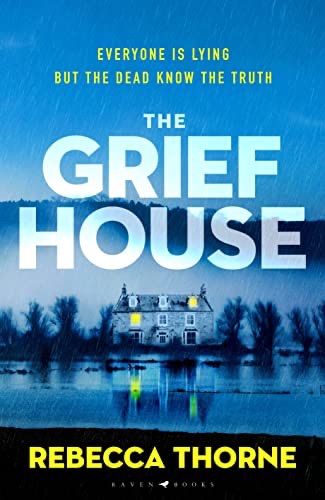
This was one of my personal reading choices for the month and I really enjoyed the premise. Blue has decided to attend a grief retreat, run in the rural home of Molly and Josh Park. Guests stay in the farmhouse and take their meals together, but also participate in therapy sessions facilitated by Molly. Blue is an unusual woman, who has grown up with the gift of mediumship. The happiest days of her childhood were with stepfather Devlin who encouraged her gift and understood what it cost her – after seeing a spirit Blue would be exhausted and affected by headaches. She lived with Devlin, her mum and two other children – a baby and young boy named Bodhi who seems to glower at her and never speaks. As soon as she reaches the farm, Blue’s headaches and vision problems start. Her neighbour Sabine’s door keeps coming open, no matter how many times it’s locked and Blue gets the sense of a little girl with long, wispy blonde hair. As a storm encroaches on the weekend and the roads start to flood, they are completely cut off. Blue is getting the sense that all is not well with their hosts. Who is the girl in the photograph, hidden in their private living room? Why does she sleep so well after Molly’s hot chocolate? Why does participant Milton keep coming to the retreat when he barely joins in? As the flood waters close in, will Blue find answers to her questions? Or are they in even more danger than they imagined?

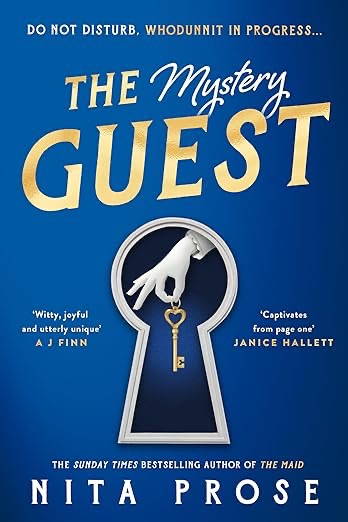
We rejoin the unforgettable Molly the Maid in this wonderful sequel that drew me back into her world immediately. Molly still lives in her grandmother’s and is still working at the Regency Grand, but now she’s living with her boyfriend and has been promoted to Head Maid. She has declined a trip to Cuba because the mystery author J.D. Grimthorpe will be launching his new book from the newly restored Art Deco tea room at the hotel. She knows the author is very precise and has high standards so getting his tea trolley ready is no easy task. Molly trusts Lily, her protégé, to make sure all his needs are met including his own honey pot to sweeten his tea. As everyone gathers to hear the author, including some avid book fans, he takes a sip of his tea and collapses to the floor, quite dead. The Regency is once again at the centre of a murder mystery and Molly’s incredible memory and powers of observation are a much needed asset. What she’s not telling them is that she knows J.D. Grimthorpe rather well. Could she have a motive for his murder? This is a brilliant return of a character I absolutely loved the first time.
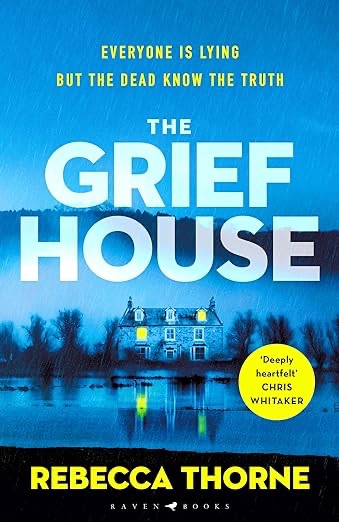
This book absolutely blew my mind! It’s like nothing else I’ve read recently and I was transfixed by it, almost reading it cover to cover in one sitting. Cole doesn’t understand modern women any more. He has taken a job in a remote coastal area that comes with its own lodgings, removing himself from London and the failure of his marriage. His wife Mel is seeking divorce, but he has always treasured her and looked out for her safety, especially when she was working too hard. They had decided to start a family through IVF and still have three viable embryos waiting for implantation. Mel is acting like he’s some sort of monster. When he meets Lenny, an artist who lives in the coastguard cottage, he is taken with her femininity and decides to call her Leonora as he thinks it suits her better. They become friends, but he is wary of wanting more even though they look at life the same way and she lets him look after her. Then he becomes embroiled in the drama around two missing girls, who were walking the coastal route over several days to highlight the amount of violence against women in society. Will Leonora stand by him if he is implicated? This is a brilliant book which captures the zeitgeist and is full of so many delicious twists and turns you won’t know who to believe.

That’s my January round up for 2024. February is looking like a bumper month for publications and with less time to read them all I’m going to be very busy!

Posted in Netgalley

The Grief House by Rebecca Thorne

‘She searches for ways to stop feeling so lonely you fear your brain will melt and your heart will stop and your skin will never be touched again. She searches for ways to make herself feel better. The online forum has been a lifeline. A lifesaver. She can chat to counsellors when she needs to or other women who struggle with similar issues. Every week she receives a piece of advice to help her on the road to recovery or, as she calls it, the road to normality. The path to living a life.’

Blue makes a decision to deal with her unresolved grief and trauma with a residential course she sees advertised when she’s at a low ebb. At Hope Marsh House participants are offered counselling, art therapy and meditation with married couple Molly and Joshua Park. Blue has been struggling for a long time, culminating in the death of her mother with whom she had an uneasy relationship. However her grief journey begins with the loss of her stepfather Devlin, a rotund man with a fondness for kaftans and a talent with tarot. His own skills are based in clever observation, carefully worded open questions and more than average perception, but in Blue he recognises something he isn’t. A lonely child with strong, natural,psychic abilities. Prior to meeting Devlin, Blue’s mother has managed a rather haphazard upbringing at best with choices for Blue that are based in her own problems and inadequacies rather than what’s best for her child. Blue has been home-schooled but any learning was provided by magazines, television and whatever books Blue could lay her hands on. As a result she had no friends and was thought of as weird by the kids nearby. Her mother is equally isolated, not helped by the fact they move constantly. What exactly are they running from? So, Devlin’s attention is welcomed by both mother and daughter. Losing him to a heart attack was devastating and Blue became parent to her heartbroken mother, taking responsibility for her mum’s worsening mental health, the family’s income and single-handedly running Devlin’s mediumship business. Maybe it will take a place like Hope Marsh House to deal with the lonely and exhausting rut Blue finds herself in? It will be kill or cure….

‘And how long have you had your … talents?’ he said. Blue didn’t know what to say. Was hitting a saucepan with a wooden spoon a talent? Was babysitting a toddler in a dry bath whilst her mother cried herself to sleep a talent? She could wash her own clothes in the steel kitchen sink, she could heat soup and tins of beans, she could sing all the words to ‘May the Circle Be Open’. Is this what the strange man meant? She was five years old. She didn’t know.’

The author tells Blue’s story using different timelines: one gives us the present and focuses in on the retreat at Marsh House, while the others are in flashbacks to Blue’s life before her trip and further back in vignettes of her childhood. The flashbacks give us the building blocks of Blue’s personality and the strange abilities she has. She is a little girl simply longing for love and care, we can see this from the way she blossoms if praised by Devlin. Even more than that, the most powerful thing Devlin does is seemingly very simple – when Blue comes off stage, Devlin simply asks ‘are you ok, lass’? These four words mean more to her than anything else because they bypass the person she is on stage and the money her gift can make them and instead asks how she is. He knows and acknowledges what this gift costs her and how arduous a whole show can be, but mainly it’s just a dad checking in on his daughter. It means a lot to Blue, who has probably never been asked if she’s ok before. No one has ever cared enough. It is his care of her that she misses so deeply. I wondered if there were elements of personality disorder. Does Blue know who she is? When Devlin lives with them she’s at her happiest, but I was confused about her relationship with the other two children who live with them – Bodhi and the baby. They seem to be there, but she rarely relates to them. In fact she actively seems to avoid them and almost looks past them if they appear in her eye line.

Other short sections of the book include a story about a loving married couple who haven’t been able to have children, but look after a little girl who lives in a nearby flat with her elder brother. Unfortunately he is a drug addict and the couple, James and Marie, provide that stable family unit for Jessica. They dread something happening to Jessica’s brother because she could then be taken away from them. I knew that this couple related to Marsh House in some way, but I wasn’t sure how. Why does Blue keep hearing the same three girls names, Jessica, Eleanor and Lauren? Who is the strange long haired girl that appears in Sabrina’s room and opens the door when they’re not there. When she appears Blue starts to feel sick and a feeling of dread comes over her, a couple of times she comes close to passing out. The apparitions also have a way of spoiling her food, making it smell like rotten eggs or rubbish bins. They want to be noticed, but what are they trying to tell her?

The retreat itself is disturbed by a storm and the nearby river bursting it’s banks, threatening the house itself. Instead of the therapy they’re supposed to be receiving Blue and the other able bodied participant Sabina, help Mr Park with unblocking debris from the bridge to help the river flow on it’s normal path. The only other resident is Milton, an older man who uses a wheelchair and seems weakened by a lung disease that causes coughing fits. He’s been to the retreat several times, but seems incredibly grumpy with Molly and her husband. He also avoids any of the activities and even rebuffs Molly’s late night cocoa ritual. Is he just one of life’s misanthropes or is there more going on? Obviously, as a therapist, it’s Molly I’m fascinated with. I’ve been through a major bereavement and have run courses like the ones Molly advocates using a combination of meditation and group therapy using creative writing and art. I found her manner with the participants overwhelming at times. Even before the flood interrupted the normal flow of things there was a boundary issue that I couldn’t put my finger on. As time went on I realised the couple had no children, so who is the little girl in the picture that’s hidden in their own private sitting room? Who is the girl that Blue can see, if no children have lived there? Molly seems to mother her guests. It’s difficult to create clear boundaries when working in your own home and especially when participants are also eating with you and staying overnight. However, there’s something about the way Molly nurtures her clients that feels off. There’s a power imbalance at play, almost as if she is the parent and they are children. It’s this element in her personality and the care she gives that Milton seems to resist or even reject outright. Blue is particularly susceptible to her methods, because she has never had a nurturing mother figure. I felt protective towards Blue (my own maternal instinct at play) and my instinct was telling me she needed to keep her wits about her. The author created a sense of impending doom and as the worst of the storm hit it felt like a warning.

I don’t want to reveal any more, because I think the the story unfolds at the right pace and the truths are revealed slowly. The revelations come in both timelines, as Blue unearths the truths about her mother Bridget by looking through archived newspapers in the library. The secrets come out as if they’ve always been there in Blue’s mind, she just needed something to unlock the door. There will be moments at Hope Marsh House where you wonder what’s going on, placing you in exactly the same position as our main characters. The reader discovers the answers when the characters do so we feel their disorientation, confusion and fear. There were one or two moments that were genuinely terrifying! I enjoyed the growing bond between the three guests at Marsh House, something that Blue has never had before and exactly what she needs. I stayed up late to get to the end and I wasn’t disappointed, although it did lead to some disturbing dreams that night. This was a really great read with a perfect balance between psychological thriller and haunting, gothic tale.

Published Jan 18th by RAVEN Books

Meet the Author

Rebecca lives in the West Country with her family and their cat. She has written two best-selling novels under the name Rebecca Tinnelly: Never Go There and Don’t Say A Word, both published with Hodder.

Posted in Sunday Spotlight

The Old Reading Room Honeymoon.

I’ve spent the last two weeks celebrating both the New Year and our recent marriage in a little cottage in Cornwall. We were married on the 22nd December and although I’ve always fancied a Christmas wedding, the reality was a little more stressful than I anticipated. So rather than wander off abroad we decided to stay in the U.K. and find somewhere special to stay with our new puppy ( I know, utter madness) down in Cornwall. I was very lucky to find this rustic and relaxing cottage several months before and had been hoping for an excuse to go, because it was a little more expensive than we usually go for. Aside from the cottage’s look, rustic and relaxing, there was a special meaning for me because of what the building was originally used for; a reading room for local miners and their children, who were often working alongside them.

Cornish mines employed children for many different roles, but usually for ‘surface’ work which might include washing down the mined stones in long troughs. In the middle of the 19th Century, the working day for a child was very long, usually between 7am and 5.30pm, with a daylight hours working arrangement in the winter. Many children also had a long walk to work of up to several miles, meaning the day didn’t end at 5.30pm. For example, a young woman called Martha Buckingham, was working at Consolidated Mines at the age of ten. In order to reach work for 7am she had to get up at 4am ready for a two mile walk. She would retire to bed at 9.30 pm, leaving little time for anything but sleeping, walking and working. Sundays were the only days that might provide leisure time. With little to no schooling many of these children would have been illiterate and while reading rooms were often set up to create an alternative to the pub for adults, some seem to have focused on encouraging reading for children. Reading Rooms were provided even in small villages and towns, funded by often the church and local landowners, mainly for the working classes and their children, reflecting contemporary attitudes to philanthropy, recreation and self-help. Of course the mines benefitted from having sober and literate workers too.

Books, magazines and newspapers became more accessible for everyone and learning to read was encouraged. It amazed me that even in such a small, isolated area this place had been providing a haven for people to read. Essentially a small cottage that had been left derelict is now a holiday home and everywhere in the cottage there was a sense of it being like an old school room. The slate floor and rustic wood finish everywhere felt authentic and even the cupboards and shelving wouldn’t have looked out of place in an old school or library. Everything was worn, a little bit battered, but serviceable. It had a really quiet feel to it and when I was reading in the garden room all I could hear was the gentle tick of the clock and the sound of the river flowing past (although it did become a bit of a roar on about day 4 and I wondered if I should have taken flippers and a snorkel).

Styled everywhere with old books, lamps and an incredibly old typewriter it was the perfect place for a bookish person to feel at home. Thankfully while there I even got my reading mojo back and managed to read the following books with reviews on the way:

Preloved by Lauren Bravo

The Collapsing Wave by Doug Johnstone

First Lie Wins by Ashley Elson

One of the Good Guys by Araminta Hall

Into the Uncanny by Danny Robins

Meet Me When My Heart Stops by Becky Hunter.

The Guests by Agnes Ravatn.

If you’d like to look at The Old Reading Room the link to the holiday site is listed below. It is expensive but I wanted my honeymoon to be special and with a nine month old goldendoodle on our hands there was no way we could go abroad. It was worth it to stay somewhere with that history and feel about it, it made me feel that rather than rushing around to see this or that attraction I could just read and take in my surroundings instead.

https://boutique-retreats.co.uk/luxury-cottages-cornwall/bodmin-moor/the-old-reading-room-270.html