Eugenics is described by National Human Genome Research Institute as
“an immoral and pseudoscientific theory that claims it is possible to perfect people and groups through genetics and the scientific laws of inheritance”.
It’s a word that’s been floating around social media for some time, mainly in connection to those behind the new US administration. There are concerns that people with physical disabilities, those of different ethnic origins and those with mental ill health or learning disabilities, might be considered less desirable in society. There are people with disabilities fighting against the introduction of assisted dying, because it could be interpreted to mean disabled lives have less value. We’ve all probably asked at one time or another, how could ordinary German citizens sleep walk into the Final Solution? The answer is slowly. There is evidence that children with disabilities were being removed and institutionalised as early as 1933. We like to think the Holocaust couldn’t happen again, but there is evidence of eugenic policies affecting the lives of ordinary Americans until the 1970s. Of course the Nazis are the ultimate and extreme example of eugenic policies being enacted, but both European countries and the US were using eugenicist policies on their own citizens across the 20th Century. This is what happens when we demonise the disabled, the poor and the destitute. The rise of the far right across the world is driven by eugenicist thinking, that some people are inherently better than others. This is why eugenicist policies affected those with learning difficulties, Native Americans, African Americans and people with long term disabilities. I try not to be political on the blog, but here I’m not advocating particular political parties. All I want to do is share novels that show how eugenics affected real communities and individuals.
From the outside, Eleanor and Edward Hamilton have the perfect life, but they’re harbouring a secret that threatens to fracture their entire world.
London, 1929. Eleanor Hamilton is a dutiful mother, a caring sister and an adoring wife to a celebrated war hero. Her husband, Edward, is a pioneer in the eugenics movement. The Hamiltons are on the social rise, and it looks as though their future is bright. When Mabel, their young daughter, begins to develop debilitating seizures, they have to face an uncomfortable truth: Mabel has epilepsy – one of the ‘undesirable’ conditions that Edward campaigns against. Forced to hide their daughter away so as to not jeopardise Edward’s life’s work, the couple must confront the truth of their past – and the secrets that have been buried. Will Eleanor and Edward be able to fight for their family? Or will the truth destroy them?
Many will have read this heart-rending novel or seen the film, beautifully performed by Andrew Garfield, Carey Mulligan and Keira Knightly. This perfectly encapsulates that head in the sand mindset humans are so good at. We can ignore terrible injustices when they’re not happening to us, or people like us. We can always think it doesn’t apply to us. Until it does. Kazuo Ishiguro imagines the lives of a group of students growing up in a darkly skewed version of contemporary England. Narrated by Kathy, now thirty-one, Never Let Me Go dramatises her attempts to come to terms with her childhood at the seemingly idyllic Hailsham School and with the fate that has always awaited her and her closest friends in the wider world. A story of love, friendship and memory, Never Let Me Go is charged throughout with a sense of the fragility of life and is utterly terrifying.
From the New York Times bestselling author of The Good House, the story of two friends, raised in the same orphanage, whose loyalty is put to the ultimate test when they meet years later at a controversial institution—one as an employee; the other, an inmate.
It’s 1927 and eighteen-year-old Mary Engle is hired to work as a secretary at a remote but scenic institution for mentally disabled women called the Nettleton State Village for Feebleminded Women of Childbearing Age. She’s immediately in awe of her employer—brilliant, genteel Dr. Agnes Vogel. Dr. Vogel had been the only woman in her class in medical school. As a young psychiatrist she was an outspoken crusader for women’s suffrage. Now, at age forty, Dr. Vogel runs one of the largest and most self-sufficient public asylums for women in the country. Mary deeply admires how dedicated the doctor is to the poor and vulnerable women under her care.
Soon after she’s hired, Mary learns that a girl from her childhood orphanage is one of the inmates. Mary remembers Lillian as a beautiful free spirit with a sometimes-tempestuous side. Could she be mentally disabled? When Lillian begs Mary to help her escape, alleging the asylum is not what it seems, Mary is faced with a terrible choice. Should she trust her troubled friend with whom she shares a dark childhood secret? Mary’s decision triggers a hair-raising sequence of events with life-altering consequences for all. Inspired by a true story about the author’s grandmother, The Foundling offers a rare look at a shocking chapter of American history. This gripping page-turner will have readers on the edge of their seats right up to the stunning last page…asking themselves, “Did this really happen here?”
Since the death of his fiancée Aimee, Ross Wakeman has been unable to fill the hole she has left in his life. Seeking to end his pain, he becomes a ghost hunter, despite never having seen a ghost.
However, when his job leads him to the town of Comtosook, it becomes apparent that Ross isn’t the only one haunted by the past. When he meets the mysterious Lia, who brings him to life for the first time in years, redemption seems around the corner. But the discoveries that await him are beyond anything he could dream of – in this world or the next. Second Glance takes a look at how American eugenicist policies affected the lives of Native Americans with a programme of sterilisation. It’s not her usual court based drama, but still has her themes of injustice, identity and a lesser known part of American history.
Montgomery, Alabama. 1973. Fresh out of nursing school, Civil Townsend has big plans to make a difference in her community. She wants to help women make their own choices for their lives and bodies.
But when her first week on the job takes her down a dusty country road to a tumbledown cabin and into the heart of the Williams family, Civil learns there is more to her new role than she bargained for. Neither of the two young sisters has even kissed a boy, but they are poor and Black, and for those handling their welfare benefits, that’s reason enough to have them on birth control. When Civil discovers a terrible injustice, she must choose between carrying out instructions or following her heart and decides to risk everything to stand up for what is right.
Inspired by true events and a shocking chapter of recent history, Take My Hand is a novel that will open your eyes and break your heart. An unforgettable story about love and courage, it is also a timely and uplifting reminder that one person can change the world.
1911: Inside an asylum at the edge of the Yorkshire moors, where men and women are kept apart by high walls and barred windows, there is a ballroom vast and beautiful. For one bright evening every week they come together and dance. When John and Ella meet it is a dance that will change two lives forever.
Set over the heatwave summer of 1911, the end of the Edwardian era, THE BALLROOM tells a rivetting tale of dangerous obsession, of madness and sanity, and of who gets to decide which is which. It is a love story like no other, showing how eugenics affected those deemed mentally ill.
In a sleepy German village, Allina Strauss’s life seems idyllic: she works at her uncle’s bookshop, makes strudel with her aunt, and spends weekends with her friends and fiancé. But it’s 1939, Adolf Hitler is Chancellor, and Allina’s family hides a terrifying secret—her birth mother was Jewish, making her a Mischling.
One fateful night after losing everyone she loves, Allina is forced into service as a nurse at a state-run baby factory called Hochland Home. There, she becomes both witness and participant to the horrors of Heinrich Himmler’s ruthless eugenics program.
The Sunflower House is a meticulously-researched debut historical novel from Adriana Allegri that uncovers the notorious Lebensborn Program of Nazi Germany. Women of “pure” blood stayed in Lebensborn homes for the sole purpose of perpetuating the Aryan population, giving birth to thousands of babies who were adopted out to “good” Nazi families. Allina must keep her Jewish identity a secret in order to survive, but when she discovers the neglect occurring within the home, she’s determined not only to save herself, but also the children in her care.
A tale of one woman’s determination to resist and survive, The Sunflower House is also a love story. When Allina meets Karl, a high-ranking SS officer with secrets of his own, the two must decide how much they are willing to share with each other—and how much they can stand to risk as they join forces to save as many children as they can. The threads of this poignant and heartrending novel weave a tale of loss and love, friendship and betrayal, and the secrets we bury in order to save ourselves.
In rural 1930s Virginia, a young immigrant mother fights for her dignity and those she loves against America’s rising eugenics movement – when widespread support for policies of prejudice drove imprisonment and forced sterilizations based on class, race, disability, education, and country of origin – in this tragic and uplifting novel of social injustice, survival, and hope.
When Lena Conti—a young, unwed mother—sees immigrant families being forcibly separated on Ellis Island, she vows not to let the officers take her two-year old daughter. But the inspection process is more rigorous than she imagined, and she is separated from her mother and teenage brother, who are labeled burdens to society, denied entry, and deported back to Germany. Now, alone but determined to give her daughter a better life after years of living in poverty and near starvation, she finds herself facing a future unlike anything she had envisioned.
Silas Wolfe, a widowed family relative, reluctantly brings Lena and her daughter to his weathered cabin in Virginia’s Blue Ridge Mountains to care for his home and children. Though the hills around Wolfe Hollow remind Lena of her homeland, she struggles to adjust. Worse, she is stunned to learn the children in her care have been taught to hide when the sheriff comes around. As Lena meets their neighbors, she realizes the community is vibrant and tight knit, but also senses growing unease. The State of Virginia is scheming to paint them as ignorant, immoral, and backwards so they can evict them from their land, seize children from parents, and deal with those possessing “inferior genes.”
After a social worker from the Eugenics Office accuses Lena of promiscuity and feeblemindedness, her own worst fears come true. Sent to the Virginia State Colony for the Feebleminded and Epileptics, Lena face impossible choices in hopes of reuniting with her daughter—and protecting the people, and the land, she has grown to love.
If you want to read more background on eugenics here are a few links:
If you’re anything like me you probably spent the last days of December looking at lists of books you should be reading in 2025. I’ve even made my own list of the ones I’m most looking forward to. It’s also the time of year where we choose how we’re going to track our reading and whether we’re going set ourselves a challenge. There’s the Goodreads annual challenge where you try to read even more books to meet your target, there’s Storygraph which I don’t know anything about. I do Goodreads mainly because there’s a record of what I’ve read so I can do my end of year posts. There are other ways to challenge ourselves, such as choosing to read more classics or the Agatha Christie challenge where you read through her works during the year. As those of you will know I’m struggling with my health at the moment so I decided to take a hiatus from blog tours and Squad POD activities to read by mood for a while and be free from obligations. I’m really enjoying it, even if I am missing the camaraderie of the squad at times, that excitement of all reading a book together and talking about it is hard to beat.
Some non-fiction favourites of mine.
I’m not big on New Years Resolutions, it’s the wrong time of year and too much pressure. So my only change for this year is to act on something I noticed from struggling so much this year. When I’m in a reading slump I noticed that I managed to get going again by reading non-fiction. It seemed to be a mix of memoir, humour, crime, history and fashion. Over the past couple of years I’ve been reading books by celebrities, often comedians and actors: Phillipa Perry, Lou Sanders, David Mitchell, Rupert Everett and Miriam Margoyles to name a few. I’ve read some brilliant memoirs on illness and death such as Patient by Ben Watt, Lucky Man by Michael J. Fox and Christopher Reeve’s memoirs. I loved reading memoirs by comedians Lou Sanders and Fern Brady who both detailed difficulties they faced being late diagnosed with autism and ADHD. I also found myself drawn to books of letters or diaries and I’ve loved reading Virginia Woolf’s diaries but also Kenneth William’s diaries which happen to be hilarious and sad at the same time. I have a thing about the Mitford sisters and dip in and out of their letters to each other regularly. So this year I’m going to read a non-fiction book every month. Ive found twelve non-fiction books I haven’t read yet and I’m going to pick one every month to read and review. I’m excited to get started on them. I wish you all a Happy New Year and I hope you enjoy all the challenges you’ve set yourself this year.
Here’s the info on my choices:
Mind-Whispering by Tara Bennett-Goleman from Ebury
Always Take Notes: Advice From The Worlds Greatest Writers. Simon Akam and Rachel Lloyd. Ithaca Press from Bonnier Publishing
What about Men? By Caitlin Moran. From Ebury. Penguin Publishing
Unwell Women by Elinor Cleghorn. Wiedenfeld & Nicolson.
Tove Jansson Work and Love by Tuula Karjalainen. Penguin Books.
The Mysterious Case of the Victorian Female Detective by Sara Lodge. From Yale University Press.
MILF by Paloma Faith from Ebury Publishing/ Penguin Random House
The Peepshow: The Murders at 10 Rillington Place. By Kate Summerscale. From Bloomsbury.
Want. Written by Anonymou. Edited by Gillian Anderson. Simon & Schuster UK.
The Dress Diary of Mrs Anne Sykes by Kate Strasden. Chatto & Windus.
The Untamed Thread by Fleur Woods. By Koa Press.
Jane Austen’s Wardrobe by Hilary Davidson. From Yale University Press.
When Ruby McTavish Callahan Woodward Miller Kenmore dies, she’s not only North Carolina’s richest woman, she’s also its most notorious…
This addictive thriller was set in the Blue Ridge Mountains and gave off distinct Saltburn vibes with it’s resident family and the outsiders who’ve come to stay. Camden was adopted by the infamous Ruby McTavish, Carolina’s richest woman and childhood victim of a kidnapping plot. Camden has been estranged from his adoptive mother for years, walking away from the family money and living an ordinary life with wife Jules. When he receives a visit from his cousin he can’t ignore his family any longer. Ruby has left Ashby House, the family home, to Camden despite the fact he doesn’t live there or speak to any of the family that do. His first instinct, on being asked to return to his childhood home is to refuse, but Jules persuades him that they should take the trip. Ashby House is famous because Ruby McTavish was kidnapped from the grounds when she was a small child, but then returned. Ruby was famous locally: for the kidnapping, for the wealth she inherits from her father Alexander McTavish who was a lumber magnate and for the amount of times she was married. Can Camden make peace with his eccentric step-family members who rely on Ashby House for a roof over their heads? Or will he sign away his inheritance and turn his back on them forever?
Ashby House is as eccentric and jumbled up as the family that remains and is set in a beautiful spot with the Blue Ridge Mountains providing it’s backdrop.
‘Built in 1904 by lumber magnate Alexander McTavish, the house is as eccentric as the family who owns it. Part Victorian, part Palladian, it features smooth gray stone and peaked roofs, marble patios and leaded windows. It should not work and yet, miraculously—almost mystically—it does. Guests of the home have commented that there’s something about Ashby House that makes you feel as if the rest of the world does not exist. As if you could stay safely tucked behind its walls forever and want for nothing else.’
Jules is charmed by the house, particularly the view from the porch up to the mountains. Up till now she has been satisfied with their life and their cosy little flat. She was used to being anonymous. Now she can’t shop in town without special treatment, everyone seems to know that she’s Camden McTavish’s wife. Even if some family members thought Cam shouldn’t inherit, not being a blood McTavish, the town seemed to accept him. As the remaining family members at Ashby start to manipulate and jostle for position, I wondered whether Jules was growing rather fond of the life that her husband had vowed to leave behind. Though it was becoming clear that being part of this particular family is a bit of a poisoned chalice. It felt all the time that a game was being played out but I had no idea who had devised it. I loved Ruby’s letters, beautifully placed between the main narrative, explaining her motivations and serving up some brutal honesty about her husbands. Strangely, although her behaviour is reprehensible, it’s hard not to like Ruby. She’s audacious, daring and has a dark humour I really enjoy. However, she’s also self-centred and devious. In fact most members of the family could be described this way. Ashby House is a viper’s nest of ego, deception, manipulation and avarice. I worried that Cam and Jules would submit to it’s deathly grip. Could that incredible porch view and the ease of a life with money win them over?
The first chapters of the book are a little slow and I was unsure about where it was going at first. After that we get Ruby’s letters, but also the family history that Cam wants no part of, as well as a build up in the tension between the family members. This starts to grab you and the pace picks up all the way to the end. I started to wonder where revelations might come from next! While everyone was under one roof it started to feel like an old-fashioned detective novel/film with an ensemble cast and a plot straight from a Knives Out or Agatha Christie film. This unusual mansion is something of a labyrinth, with each family member quietly plotting and conspiring in their own corner of the building. The slightly overgrown grounds, mountains and sheer cliffs gave plenty of opportunities for ‘accidents’. The author was brilliant at a quick reveal, then immediately hitting you with another suspicion or question. I loved the long running theme of nature or nurture. Is deception in the McTavish blood or is it simply learned by watching generations of machinations nesting in Ashby House?
Out now from Headline
Meet the Author
Rachel Hawkins (www.rachel-hawkins.com) was a high school English teacher before becoming a full-time writer. She lives with her family in Alabama, and is currently at work on the third book in the Hex Hall series. To the best of her knowledge, Rachel is not a witch, though some of her former students may disagree….
It never ceases to amaze me that I can be sat here in the days between Christmas and New Year telling you about books I want to read next summer. Despite doing this for a fourth year I can’t believe that I get to read next year’s books or that publishers would be willing to send me them but here we are! The novelty never wears off and I’m grateful for every book I receive. So some of these are read and others are just beautiful covers and a synopsis, either way here are a few books I’ll be looking out for and you might like to as well.
In the small town of Gold Springs, Calliope Petridi and her two sisters carefully guard the secret of their magic and the price they must pay to practise it: memories. Luckily, all Calliope wants to do is forget: the mother who left without a trace, the sisters from whom she feels increasingly distant, and most of all, the way the love of her life shattered her heart two years ago.
But when an ancient evil awakens, the fragile thread that holds the sisters together breaks. As their magic slowly begins to fade, Calliope accidentally binds herself to the handsome leader of a rival coven infamous for their ruthless pursuit of power. Battling the sizzling chemistry with a man she can’t trust, Calliope must confront painful memories of her past, dark family secrets, and ancient magic in order to protect the town and all she loves.
But will she have anything left of herself?
Out 27th Feb from Aria.
It is 1895. A high-speed steam train is the emblem of progress. Industry and invention are creating ever greater wealth and poverty. One autumn day an anarchist boards the Granville to Paris Express.
The train carries others from all over the globe: the railway workers who have built a life together away from their wives, a little boy travelling alone for the first time, an artist far from home, a wealthy statesman and his invalid wife, and a young woman with a secret hidden under her dress.
The Paris Express is a thrilling ride and a literary masterpiece that captures the politics, fear, and chaos of the end of the 19th century.
Out Thursday 20th March from Picador
When Nina was just five years old, her family’s whole world was torn apart when her seventeen-year-old sister Tamara was found dead in the pool of their Cote d’Azur property. Nina’s evidence led to the conviction of their housekeeper’s daughter and occasional babysitter seventeen-year-old Josie for Tamara’s murder. But when new evidence emerges to suggest that Josie was innocent, Nina is forced to question the accuracy of her memories, her role in one of the most notorious cases of the past twenty years, and what actually happened to her sister on that hot summer day.
Out Thursday 14 th August by Bantam
It is the 60s and, just out of school, Edith finds herself travelling to rural Italy. She has been sent by her mother with strict instructions: to see her sister, ballet dancer Lydia, through the final weeks of her pregnancy, help at the birth and then make a phone call which will seal this baby’s fate, and his mother’s.
Decades later, happily divorced and newly energized, Edith is living a life of contentment and comfort in Ireland. When her best friend Maebh receives a call from an American man claiming to be her brother, Maebh must decide if she will meet him, and she asks Edith for help.
Ripeness by Sarah Moss is an extraordinary novel about familial love and the communities we create, about migration and new beginnings, and about what it is to have somewhere to belong
Out Thursday 22nd May from Picador
Constance Macken, in her ninth decade, is looking back on a life filled with laughter and loss, tragedy and triumph, but knows it is time to right the wrongs from her past that have always haunted her.
Heather Banks arrives on the island to bury her mother. Already adrift with her business sold and her divorce finalised, time on the island may be the perfect opportunity to change the course of her future. Ros Stokes has managed to slip into the perfect job, the perfect cottage and friends that feel like family. However, when the stitches of her life begin to unravel, she must find a way to hold onto the things that have become most dear to her and let go of what holds her back.
In a faded art deco house by the sea these women must come together to save the house they love and each other, because they might have run from their troubles but only time will tell if they can overcome their past.
Out on Thursday 5th Jan from Aria Fiction
She thinks it was murder. But if she can’t trust herself, can anyone else?
Nancy North and her boyfriend Felix are making the move across London to Harlesden. A new flat, a new area, a new start. Because while Nancy is fine now, she wasn’t fine before. But settling into the new flat and meeting the new neighbours isn’t helped by Felix’s hovering concern. She is all right. She is sticking to her breathing exercises and doctor-prescribed help.
So, when their new neighbour Kira Mullan is found dead by suicide, Felix is understandably worried about Nancy’s frame of mind. But Nancy saw Kira the day before she died and she didn’t strike her as someone who was suicidal – she was upset and angry, yes, but was she upset and angry enough to take her own life?
Nancy is the only one convinced that there’s more to Kira’s death than has been discovered. But all the police and the neighbours see is a vulnerable woman who isn’t sure of what she saw, and might even be imagining things . . .
Is Nancy imagining things, or are there more questions that should be asked about the last days of Kira Mullan?
Thursday 16th Jan from Simon & Schuster
This is the story of three women – one an orphan and refugee who finds a place in the studio of a famous French artist, the other a wife and mother who has stood by her husband for nearly forty years. The third is his daughter, caught in the crossfire between her mother and a father she adores.
Amelie is first drawn to Henri Matisse as a way of escaping the conventional life expected of her. A free spirit, she sees in this budding young artist a glorious future for them both. Ambitious and driven, she gives everything for her husband’s art, ploughing her own desires, her time, her money into sustaining them both, even through years of struggle and disappointment.
Lydia Delectorskaya is a young Russian emigree, who fled her homeland following the death of her mother. After a fractured childhood, she is trying to make a place for herself on France’s golden Riviera, amid the artists, film stars and dazzling elite. Eventually she finds employment with the Matisse family. From this point on, their lives are set on a collision course….
Marguerite is Matisse’s eldest daughter. When the life of her family implodes, she must find her own way to make her mark and to navigate divided loyalties.
Based on a true story, Madame Matisse is a stunning novel about drama and betrayal; emotion and sex; glamour and tragedy, all set in the hotbed of the 1930s art movement in France. In art, as in life, this a time when the rules were made to be broken…
Out Thursday 6th March by Doubleday
It’s time we name our kingdom!’ he shouted over the wind. ‘I say we call this place Happy Land. If this ain’t the land of happy people, then where is it? Why not create our heaven right here on earth?’
Nikki Berry hasn’t seen her grandmother Rita in years. When she calls out of the blue asking Nikki to visit her urgently in the hills of North Carolina, Nikki hesitates only for a moment. Her mother and grandmother have long been estranged, and after years of silence in her family, Nikki is determined to learn the truth while she still can.
But instead of answers about the recent past, Mother Rita tells Nikki the incredible story of a kingdom on this very mountain, and of her great-great-great grandmother, Luella, who became its queen. It sounds like the makings of a fairy tale – royalty among a community of freed people. But the more Nikki learns about the Kingdom of the Happy Land and the lives of those who dwelled in the ruins she discovers in the woods, the more she realizes how much of her identity and her family’s secrets are contained in these hills. Because this land is their legacy, and it will be up to her to protect it before – like so much else – it is stolen away.
Inspired by true events, Happy Land is a transporting multi-generational novel about the stories that shape us and the dazzling courage it takes to dream.
Out on 10th April 2025 from Phoenix
Born of the sun and moon, shaped by fire and malady, comes a young woman whose story has never been told . . .
They call her Sycorax. Seer. Sage. Sorceress.
Outcast by society and all alone in the world, Sycorax must find a way to understand her true nature. But as her powers begin to grow, so too do the suspicions of the local townspeople. For knowledge can be dangerous, and a woman’s knowledge is the most dangerous of all . . . With a great storm brewing on the horizon, Sycorax finds herself in increasing peril – but will her powers save her, or will they spell the end for them all?
A beautifully written and deeply moving imagining of what came before Shakespeare’s The Tempest from the author of A Girl Made of Air.
Out on 27th February from Quercus
In a city built on secrets, who would kill to keep theirs hidden?
The year is 1759, and London is shrouded in a cloak of fear. With the lawmen at the mercy of robbers and highwaymen, it’s a perilous time to work the already dangerous streets of Soho. Lizzie Hardwicke is somewhat protected from the fray at Mrs Farley’s Bawdy House, a reputable brothel. But then a wealthy customer is found brutally murdered… and Lizzie was the last person to see him alive.
The magistrate’s assistant, William Davenport, has no hard evidence against Lizzie, but his presence and questions make life increasingly difficult. Desperate to be rid of him and prove her innocence, Lizzie turns amateur detective, determined to find the true killer, whatever the cost. Yet as the body count rises, Lizzie realises that, just like her, everyone has a secret they will do almost anything to keep buried…
Out on 6th March from Verve
Lexi is looking for no-strings-attached fun with a stranger. She deserves one night for herself, doesn’t she? Zeke is looking for love. But for one night with a woman like Lexi, he’ll break his rules.
Sparks fly at the pub – one passionate kiss leads to another, and they soon end up stumbling home to the marina together. But the next morning, they’re unable to part ways as planned.
The houseboat they stayed on last night has been swept out to sea. How long can Zeke and Lexi survive on a drifting houseboat? Will search and rescue find them? And who will they have become if they both make it back to dry land?
Out on 6th March from Quercus
In the summer of 1980, astrophysics professor Joan Goodwin begins training to be an astronaut at Houston’s Johnson Space Center, alongside an exceptional group of fellow candidates: Top Gun pilots Hank Redmond and John Griffin; mission specialist Lydia Danes; warm-hearted Donna Fitzgerald; and Vanessa Ford, the magnetic and mysterious aeronautical engineer. As the new astronauts prepare for their first flights, Joan finds a passion and a love she never imagined and begins to question everything she believes about her place in the observable universe.
Then, in December of 1984, on mission STS-LR9, everything changes in an instant.
Out on 3rd June 2025 from Hutchinson Heinnemann
The Brookes are gathering in their eighteenth-century ancestral home – twenty bedrooms of carved Sussex sandstone – to bury Philip, the head of the family – the blinding sun around which they have all orbited for as long as they can remember.
Frannie, inheritor of a thousand acres of English countryside, has dreams of rewilding and returning the estate to nature: a last line of defence against the coming climate catastrophe. Milo envisages a treetop haven for the super-rich where under the influence of psychedelic drugs a new ruling class will be reborn. Each believes their father has given them his blessing and are set on a collision course with the other.
Isa has long suspected that her father thought only of himself, and only hopes to seek out her childhood love, who still lives on the estate, to discover whether it is her feelings for him thatm are creating the fault lines in her marriage.
And then there is Clara, who arrives in their midst from America, shrouded in secrets and bearing a truth that will fracture all the dreams on which they’ve built their lives.
Out 1st May 2025 from Fig Tree
Alex, Nancy and Eva Fisher. Three grown-up sisters; each wonderful and imperfect in their own individual ways. And loved equally by their parents, Vivienne and Patrick.
Or so they thought.
When a near-disaster strikes during a family party, Patrick inadvertently lets slip that he has a favourite daughter. And while they try to gloss over it, this almost-accident begins the unravelling of everything the sisters thought they knew. As their past is re-examined, secrets and lies are uncovered, and, slowly, the close-knit Fisher clan starts to implode in a way they could never have dreamed possible.
Set over a single week’s holiday, The Favourite is a witty, tender, sharply observed portrait of the highs and lows that shape a family over the decades. A story about rivalries and regret and blame, about memory and identity, and above all, about love – at its messiest and most joyous.
Out on 12th June 2025 from Michael Joseph.
1963: At the stark and isolated modernist mansion of controversial political philosopher Richard Acklehurst, the glittering annual New Year party has not gone quite as planned. Considered a genius by some, and something far darker by others, by the end of the evening Acklehurst will be dead in mysterious circumstances that are never fully explained. And although the popularity of his work waxes and wanes over the coming years, a core of acolytes remains true to his vision.
1999: Richard Acklehurst’s remains are defiled in the country graveyard where they have lain undisturbed for over thirty years, forcing his daughters – Aisling and Stella, teenagers at the time of his death – to return to their childhood home where they must finally confront the complex and dark dynamic at the heart of their family.
Moving from the West of Ireland to Dublin, London, Florence and back, The Glass House is a captivating and compelling tale of two sisters and their secrets, of love, regret and vengeance.
Out on 6th Feb from Corvus.
IN PLACES OF DARKNESS, WOMEN WILL RISE . . .
Iceland, 1910. In the middle of a severe storm two sisters – Freyja and Gudrun – rescue a mysterious, charismatic man from a shipwreck near their remote farm.
Sixty-five years later, a young woman – Sigga – is spending time with her grandmother when they learn a body has been discovered on a mountainside near Reykjavik, perfectly preserved in ice.
Moving between the turn of the 20th century and the 1970s as a dark mystery is unravelled, The Swell is a spellbinding, beautifully atmospheric read, rich in Icelandic myth.
Out on 27th February from Manila Press
Chiamaka is a Nigerian travel writer living in America. Alone in the midst of the pandemic, she recalls her past lovers and grapples with her choices and regrets. Zikora, her best friend, is a lawyer who has been successful at everything until ― betrayed and brokenhearted ― she must turn to the person she thought she needed least. Omelogor, Chiamaka’s bold, outspoken cousin, is a financial powerhouse in Nigeria who begins to question how well she knows herself. And Kadiatou, Chiamaka’s housekeeper, is proudly raising her daughter in America – but faces an unthinkable hardship that threatens all she has worked to achieve.
In Dream Count, Adichie trains her fierce eye on these women in a sparkling, transcendent novel that takes up the very nature of love itself. Is true happiness ever attainable or is it just a fleeting state? And how honest must we be with ourselves in order to love, and to be loved? A trenchant reflection on the choices we make and those made for us, on daughters and mothers, on our interconnected world, Dream Count pulses with emotional urgency and poignant, unflinching observations on the human heart, in language that soars with beauty and power. It confirms Adichie’s status as one of the most exciting and dynamic writers on the literary landscape.
Out on 4th March from Fourth Estate
When fiction is fatal…
Living in exile in Venice, the disgraced Lord Byron revels in the freedoms of the city. But when he is associated with the deaths of local women, found with wounds to their throats, and then a novel called The Vampyre is published under his name, rumours begin to spread that Byron may be the murderer…
As events escalate and tensions rise – and his own life is endangered, as well as those he holds most dear – Byron is forced to play detective, to discover who is really behind these heinous crimes. Meanwhile, the scandals of his own infamous past come back to haunt him…
Rich in gothic atmosphere and drawing on real events and characters from Byron’s life, Dangerous is a riveting, dazzling historical thriller, as decadent, dark and seductive as the poet himself…
Out on 24th April 2025 from Orenda Books
Welcome to the Kennedy household:
Lila wrote a bestseller about keeping your marriage alive, before discovering her ex was playing happy families with another woman. A woman she sees everyday at school pick-up. Bill, her stepdad, moved in after Lila’s mum died. He’s kind, old-fashioned and driving her absolutely nuts. Celie, Lila’s eldest, hates school. Hates it so much she’s stopped going. Her mother’s fine with that – because she doesn’t know yet. Violet is nine and sings age-inappropriate rap songs, laughs at fart jokes and Lila dearly hopes she’ll never, ever change. And Truant the dog, who has just bitten the American actor who’s suddenly landed on the Kennedys’ doorstep.
This is Gene – Lila’s estranged father, and no one’s idea of a role model. He walked out on Lila and her mum years ago – and wherever he goes domestic discord follows. Because Gene’s presence changes things in unexpected ways. Soon the girls discover a kindred spirit in a man always chasing life’s joy. Bill even loosens up. And Lila finds herself, astonishingly, dating. Something is happening to the Kennedy household – but what is it? And will it break, or save, their family?
Out 11th Feb 2025 from Michael Joseph
Ali Dawson and her cold case team investigate crimes so old, they’re frozen – or so their inside joke goes. Most people don’t know that they travel back in time to complete their research.
The latest assignment sees Ali venture back farther than they have dared before: to 1850s London in order to clear the name of Cain Templeton, the eccentric great-grandfather of MP Isaac Templeton. Rumour has it that Cain was part of a sinister group called The Collectors; to become a member, you had to kill a woman…
Fearing for her safety in the middle of a freezing Victorian winter, Ali finds herself stuck in time, unable to make her way back to her life, her beloved colleagues, and her son, Finn, who suddenly finds himself in legal trouble in the present day.
Could the two cases be connected?
Out Feb 13th 2025 from Quercus
They knew they were changing history. They didn’t know they would change each other.
Oxford, 1920. For the first time in its 1000-year history, the world’s most famous university has admitted female students. Giddy with dreams of equality, education and emancipation, four young women move into neighbouring rooms on Corridor Eight. They have come here from all walks of life, and they are thrown into an unlikely, life-affirming friendship.
Dora was never meant to go to university, but, after losing both her brother and her fiancé on the battlefield, has arrived in their place. Beatrice, politically-minded daughter of a famous suffragette, sees Oxford as a chance to make her own way – and her own friends – for the first time. Socialite Otto fills her room with extravagant luxuries but fears they won’t be enough to distract her from her memories of the war years. And quiet, clever, Marianne, the daughter of a village vicar, arrives bearing a secret she must hide from everyone – even The Eights – if she is to succeed.
But Oxford’s dreaming spires cast a dark shadow: in 1920, misogyny is still rife, influenza is still a threat, and the ghosts of the Great War are still very real indeed. And as the group navigate this tumultuous moment in time, their friendship will become more important than ever.
Out April 2025 from Fig Tree Publishing
1910. With the disappearance of her mother and the sudden death of her father, Lena instantly loses any security she has within the circus she has known all her life. She is advised to sell the carousel her father cared for like a child and look for a husband, or a job in a factory.
Until flame-haired Violet, known to all in the fairgrounds as ‘the greatest trapeze artist that ever lived’, suggests they go it alone with their own, all-female act. With her outspoken ways and her refusal to marry, Violet is as much an outcast as Lena. What do they have to lose? Recruiting new performers including bareback horse-rider Rosie, on the run from her abusive father, and Carmen whose rainbow ribbons hide the darkness in her past, the four women form an unbreakable bond.
Thrust into a harsh and dangerous world that treats them with suspicion, disdain and even violence, they must forge their own path in search of freedom, security, and love.
Deeply rooted in the Edwardian era, THE SHOW WOMAN is brilliantly realised and expertly interlaces strong female characters, deeply-woven family secrets and heartfelt love stories.
Out on 21st May 2025 from Hodder & Stoughton
Molly the maid is no stranger to secrets…
She sees everything behind closed doors at the Regency Grand hotel: wiping away the dust and grime of guests passing through.
But one secret lies much closer to home. An old trinket – a faux Fabergé egg – is revealed to be a precious antique during an appraisal at the hotel, making Molly a rags-to-riches sensation. But no sooner has the egg shown its value than it’s stolen: vanishing without a trace.
Determined to crack the case of the missing Fabergé, Molly begins dusting for clues – uncovering a mystery that stretches deep into the past.
For in the pages of a long-forgotten diary, written by her late gran, lie the secrets that could unlock all others – and only Molly holds the key…
Out on 25th May 2025 from Harper Collins
Come children, come children from far and near. Come choose your steed, you galloping knights, to enjoy the fun of the carousel . . .
Paris, 1900
Celebrated carousel-maker Gilbert works night and day to finish his masterpiece in time for the city’s Exposition Universelle. But Gilbert is struggling in the wake of his wife and son’s tragic deaths, and as he finalises his creation, a dangerous idea forms in his mind . . .
Chicago, 1920
Maisie Marlowe has come to America in the search of a new life. When she unearths a beautiful, neglected old carousel, she seizes the opportunity to carve a thrilling new destiny for herself. But Maisie doesn’t know that beneath its glittering facade, the carousel is hiding a dark secret. Twenty years ago, it was linked to a number of people inexplicably vanishing into thin air – and now history has begun to repeat itself . . .
Out April 25th 2025 from Michael Joseph
A stunning new novel exploring the lives and secrets of a group of residents of an island in the Thames
Walnut Tree Island is home to artists, dreamers, lovers and heartbreakers. Life is different here: slow, languorous and always communal, with every evening offering a new opportunity to gather at a neighbour’s houseboat over a glass of wine.
But when a former resident reappears after nearly two decades away, the islanders are thrown into a frenzy as they wonder what plans their new landlord has in store for them.
And for Jo, an artist who long ago lost her muse, his return reopens the wounds of a love she thought was gone forever…
Out July 2025 from HQ
Here are a few more great titles to look out for …
Now on to Part 2 of my favourite reads this year and another eclectic mix of historical fiction, crime, thrillers and regency romance. First on the list is a book in quite a few Christmas stockings this week..
Wow! What an incredible debut this is. I absolutely consumed this book and even found myself furtively reading in the middle of the night with a tiny torch. Anna Maria della Piétro is a fascinating heroine and while not always likeable, I found myself rooting for her. Like all the girls at the Piétro, Anna Maria was posted through the tiny hatch in the wall of Ospedale Della Pietá. The author shows us the incredible splendour of Venice, a place I fell completely in love with, contrasted with it’s destitution and desperation – a state that seems more likely for women, especially those from a poorer background. The convent brings up it’s girls very strictly, according to the Catholic faith and the virtues of hard work from scrubbing the floors or working in the nursery. It is also a college of music. Each girl is taught at least one instrument with the best trying out for the orphanage’s orchestra, the figlio. Those chosen will work with the master of music and they will play in the some of the most beautiful basilicas and palazzos in all of Venice. Anna Maria’s great love is the violin and there’s no doubt she will try to become the best. Anna Maria is a bundle of youthful exuberance, fireworks, talent and ambition. She practically leaps off the page and it seems impossible for her to fail. She starts by aiming to be noticed by the master of music and after that to be the youngest member of the figlio. No sooner is one ambition fulfilled then she’s already thinking of the next. Although the music master isn’t named, you will eventually work it out and read with wonder at the thought a young girl might have had a hand in his music. Utterly brilliant.
Another book that explores authorship and women’s roles in the creativity of the past was Jodi Picoult’s By Any Other Name. While the title gives the clue that this is about Shakespeare, he isn’t the central figure in the story. Picoult writes about Melina Green, a modern playwright struggling to have her work recognised until her best friend decides to take a chance. To prove that there are still barriers for women writers trying to make it in NYC, he submits her play to a competition under the more ambiguous name Mel Green. The play is about Melina’s ancestor Emilia Bassano who was a published poet and also wrote for the stage in the 16th Century. As the official mistress of the man in charge of the London theatres, Emilia has access to Elizabethan playwrights and poets like Spenser, Webster and her best friend Kit Marlow. Melina is drawn in by the question of whether Shakespeare was solely responsible for his incredible number of plays? Her research leads her to believe that the ‘real’ writer might have been a woman and the evidence points to Emilia as a possible candidate. She was a Jewish woman living as a Christian, part of a family of court musicians from Italy with an incredible talent for words. She has visited all the places that Shakespeare uses in his plays, understands how to fit in at court and on the street and knows what it is to be a strong woman – could the heroines Beatrice and Viola have come from her pen? This is a gorgeous piece of historic fiction with a heroine you’ll thoroughly enjoy and a mystery that draws you into her world.
Katie Lumsden’s second novel has the feel of Jane Austen; light, witty and full of gossip. In this comedy of manners, where class and family reputation is everything, scandal is only ever around the next corner. Amelia Ashpoint is comfortable with her life as it is. She and her brother Diggory live at home with their wealthy father and younger sister Ada in their newly built mansion in the county of Wickenshire. In the summer of 1841, it’s the start of marriage season and Amelia is 23 so her father decides he must secure a husband for her. He has hopes of Mr Montgomery Hurst, the most eligible bachelor in their social set and the owner of stately home Radcliffe Park. At previous dinners and dances, he has sought Amelia for his dance partner and they chat comfortably together at dinner. However, Mr Hurst has been secretly engaged to an unknown widow with three children, much to the shock of their neighbours. Her friends are appalled but Amelia feels nothing but relief, as she has no interest in marriage at all. Society’s big expectations for Amelia fall on deaf ears because her heart lies in a very different direction. Katie has taken all the lightness and wit of Austen, making her novel such a pleasure to read, but brings darker and more complex themes under the surface. The problem is that upon the death of their father, girls were often left at the mercy of distant male relatives and had no say over their own fate. Our heroine Amelia simply wants to achieve the best outcome for herself, knowing she doesn’t want to marry. All she wants is to live in her childhood home, write her books and to enjoy the company of her brother’s family when he inherits. Most of all she wants to have the personal freedom that characters like Lady Rose and her friend Clara sadly can’t have. You’ll keep turning the pages, hoping she can achieve it.
Dark as Night is another brilliant crime thriller from Orenda Books and is No 4 in the author’s Forbidden Iceland series. It takes two long-standing mysteries from the novels and sheds new light on everything we thought we knew. The disappearance of Àrora’s sister was the only reason she came to Iceland from the UK so when she’s contacted by a woman whose young daughter has memories of being Arora’s sister Isafold she’s curious. Usually Àrora is a straightforward and rational woman. She knows that Isafold is dead but finding her has been a compulsion for so long. How can she ignore what this little girl has to say? Her partner, detective Daniel has had a lodger in his garage conversion for a long time. Lady Gugulu leads a quiet life and makes his money performing as a drag artiste. They’ve become close so Daniel’s shocked to find his tenant has left suddenly without a forwarding address. When three men turn up, Daniel has a sense that they’re investigators or secret service. Whoever they are they mean business. Daniel enlists Àrora to look into his friend’s finances in the hope of finding his whereabouts. I love that this author isn’t easy on her heroine, we see her flaws and vulnerabilities and how they drive her actions. She’s hard to like in parts, particularly in the way she treats Daniel. Although, their teamwork is incredible and their ability to lean on and trust each other speaks volumes. Thrillers can be addictive at the time, but instantly forgettable. Here the writingis tense and addictive, but the deep and intelligent characters stay with you. I didn’t want to put this book down at any point. It is simply the best so far in a series that gets better and better.
This wonderful new novel from Tracey Chevalier captures the spirit of the Venetian islands and a heroine you will take to your heart. Orsola Rosso is the daughter of a glassmaker living on the island of Murano. She has to grow up quickly when her father is killed in the glass workshop when a flying shard from a chandelier hits him in the neck and cuts into his artery. Under her elder brother, the workshop starts to suffer a decline as he tries to pursue more artistic pieces than the consistently good tableware that was the Rosso’s main source of income. Desperately wanting to help she visits their merchant, Klingenhorn, for ideas and he sends her to the only female glassmaker in Venice to learn how to make glass beads with a lamp. Very soon she is able to create beautiful beads that Klingenhorn can sell. Orsola is a heroine that gets under your skin. She’s ambitious, fiercely loyal to her family but able to see how the workshop must diversify if they’re to survive. Chevalier shows us the magical islands of Venice and Murano through her eyes as she weathers grief, the plague, business woes and falling in love. Set, with magical licence, from the time of Casanova all the way up to the COVID pandemic this is an incredible story of a strong and bold woman who knows how to survive.
Midnight Jones works at Necto as a profiler, using her psychology training to analyse applications for universities, the military and other organisations. The company like to present themselves as an ethical firm, starting with their space age offices designed specifically to be the most comfortable work environment. Every day Midnight works through thousands of applications passing some through to be interviewed and rejecting others based on assessment data alone. Necto’s testing systems are so sophisticated, there’s nothing about the applicant they don’t know. Midnight wears a virtual reality head set that shows images as well as the applicants responses, recording everything from intelligence to levels of empathy. Then, depending on the parameters for the particular institution they’re applying to, they are accepted or not. However, on this particular day Midnight finds a candidate who isn’t run of the mill, in fact he’s a one-off. In training, a candidate like this is jokingly dubbed a ‘Profile K’- for killer; Midnight finds a man analysed as showing zero empathy. As she watches the footage he was shown she is sickened by what she sees. This is way beyond the normal films shown to illicit empathy. It’s as if the machine couldn’t get a reading, showing more disturbing and violent images to provoke empathy and disgust. Yet none comes. Unable to compute the response and where such extreme footage could have come from, Midnight decides to take this further but her supervisor Richard Baxter isn’t interested. So she goes over his head, telling his boss that she’s found a Profile K. Surely they have a duty to report him, what if he’s dangerous? What if he kills someone? Everything had to stop for the final chapters as I raced through to find out what happens. I was glued to these scenes, made all the more terrifying because the victim doesn’t have a clue how much danger she’s in. This was one of those finales where I put the book down and realised every muscle in my body was tense! This is an absolute cracker of a read and I highly recommend it.
This book was an absolute joy to read, which may sound strange considering the subject matter but somehow it awakened my senses, stirred my emotions and had me reading so quickly I was finished in an evening. Funke lives in Nigeria with her mother, her father and brother Femi. Their entire world is shattered one morning on their normal run to school, when their mother’s car fails to stop and ploughs directly under a lorry. The drivers side of the car is destroyed but Funke’s side is left completely unscathed. She loses her mother and brother in a moment. In his grief, her father Babatunde is inconsolable and he takes it out on Funke. How did she get out without a scratch? Encouraged by his superstitious mother he calls Funke a witch, so her aunties decide she should be sent to her mother’s family in England. Her white family. Funke is ripped away from everything she knows and sent to the mansion where her mother and Aunty Margot grew up. There, although she isn’t being hit or accused of evil spells, she feels the resentment of Margot and her cousin Dominic. They call her Kate, after all it’s easier than pronouncing Funke isn’t it? There’s no colour, bland food and where she was accused of being white in Nigeria, here she is seen as black – with all the racist connotations that come along with it in white, upperclass Britain. The only saving grace is meeting her cousin Liv, but it’s covering for her cousins that will lead to her life being uprooted for the second time. This is a novel about being in between: families, countries, The spaces between can be painful and isolating places to be and the author depicts that with such tenderness and understanding. However, liminal spaces are also freeing. Being in-between gives us the space to choose, to take bits and pieces from each place, each family and make our own identity. I found the end chapter so uplifting and it gave me hope that we can each forge our own identity, once we’ve explored who we truly are.
When Mathilde is forced to leave her teaching job in Oslo after her relationship with eighteen-year-old Jacob is exposed, she flees to the countryside for a more authentic life. It’s a quiet cottage on the outskirts of a dairy farm run by brothers Andres and Johs, whose hobbies include playing the fiddle and telling folktales – many of them about female rebellion, disobedience, and seeking justice, whatever it takes. But beneath the surface of the apparently peaceful life on the farm, something darker and less harmonic starts to vibrate, and with Mathilde’s arrival, cracks start appearing … everywhere. Toxic may seem slight but it was the perfect read for me, because the author creates such psychologically detailed characters and a setting so real I felt like I was there. Helga never underestimates the intelligence of her readers, assuming we’ll make sense of these complex characters and their backgrounds. The story is structured using two narrative voices, that of Mathilde and Johs. Johs’s narrative establishes both his family and the setting of the farm. At first his narrative seemed completely divorced from hers; life at the farm is only just starting to undergo change after the rather stifling management of their grandfather. Mathilde is a definite city dweller who seems hellbent on pushing boundaries and pursuing freedom. That search for freedom during the COVID pandemic starts Mathilde’s hankering for a. rural life and losing her job is the catalyst. I became so drawn in by these two narratives and once Johs and Mathilde are on the same farm their differences create a creeping sense of foreboding. I felt an antipathy building towards Mathilde and just one wrong move could cause this tinder box to ignite. With her lack of boundaries, that wrong move seemed very possible. I was surprised by where the ending came, although not shocked. As I took a moment and thought back, every single second we spend with each character is building towards this moment. Utterly brilliant.
I was pleasantly shocked to win a competition for the proof of Eve Chase’s novel plus a vase of my favourite flowers, peonies. All I’d done was describe what I loved about Eve’s writing: her female characters; the secrets from the past just waiting to spill out; the gothic feel and atmosphere she creates, especially around old houses; lastly, it’s the dynamics she creates between the characters particularly the mothers and daughters. In this novel she has gathered all those aspects together beautifully with an intriguing plot and such a relatable central character in Maggie. Maggie is an author, living in Paris and struggling with writer’s blog. Something from her shared past with brother Kit keeps coming into her mind. Her mother Dee Dee died from cancer recently, but her mind is drawn back to her late teenage years. Then Dee Dee was a famous model, living close to the Portobello Road with it’s antique and collectible traders. One summer morning, Maggie wakes up to find that Dee Dee hasn’t come home. Sometimes, modelling shoots can drag on into the night so Maggie isn’t worried. She takes Kit out with his skateboard and he has a fall, breaking one of the wheels. A stranger comes to their aid, introducing himself as Wolf. When his eyes lock with Maggie’s they’re the clearest blue she’s ever seen, there’s also a spark between them and for Maggie it’s instantaneous. First time and first sight love. He recognises the connection too. It’s what makes him take the skateboard back to his uncle’s antique shop and use his tools to properly fix it, just so he has an excuse to go back. These are emotional days as Maggie navigates this new feeling, but also concern for her mother who still hasn’t come home. She calls Dee Dee’s friends and they rally round but no one knows where she is. In the present day, Maggie needs to go home and ask her Aunt Cora some questions as well as catch up with Kit. Once in London she makes her way to their old house with the pink door and bumps into a man on his way out. She’s surprised to see this is a much older Marco, Dee Dee’s hairdresser. He tells Maggie he’s digging out the basement of the house and sends her into a complete panic. Maggie knows that secrets lurk in the garden of their old home and it might not be long before they’re found. This is an engrossing story with a loveable heroine and it took me back to my own teenage years.
Fin and his wife Martha are travelling in South America towards the salt flats in Bolivia – an other worldly natural phenomenon where the horizon becomes endless and you’re standing in the sky. Lately they’ve struggled as Martha has been in the grip of an obsessive anxiety over the climate crisis. They are booked into a retreat on the salt flats, found by Martha and extortionately expensive, it promises a transcendent experience using salt to purify mind and body. So the couple find themselves crammed into a pick-up truck alongside Rick and Barb, a middle aged and out of shape American couple, and partners Hannah and Zoe. They are now in the hands of their driver (who doesn’t speak a word of English) and an elusive shaman called Oscar. They will spend the next few days meditating, relaxing in warm salt pools and participating in a series of salt ceremonies where hallucinogenic visions bring them face to face with their subconscious reality. Yet the final ceremony descends into chaos, Martha and Fin need to grapple with Martha’s anxiety and the moral implications of their trip. Although Martha’s preoccupations are with climate change, it only takes a few swipes of the iPad to see how war, terrorism and climate is changing the lives of those in other countries. Agreeing to the salt spa was Finn’s act of commitment, to show that he can give Martha a little of what she needs in the hope it will be enough. As horrors start to unfold will he blame Martha or will everything they’ve experienced bring them closer together? That’s if they both get out alive.
I suddenly realised today that I hadn’t done a monthly wrap-up since August! Since I last spoke to you all, a few things have gone wrong with my health. As you know I have multiple sclerosis, but for many years now I’ve had problems with my spine. I had a spinal injury when I was 11 years old. I’d read books like Pollyanna and What Katy Did where the heroine has an accident either falling from a tree or a swing and becomes paralysed. As soon as I landed the somersault I knew something was wrong and I stayed still, but a classmate ran over to the crash mat, grabbed my right arm and tried to pull me up. I had an excruciating pain near my shoulder blade around the level of my bra strap. It turned out I’d broken two vertebrae and crushed a disc. Years later when caring for my late husband, I tried to move him across the bed to stop him falling and had a searing pain in my lumbar area. I couldn’t move and he had to call my parents and admit ‘I broke my wife’. I had an injection in my spine and stayed in bed for two days. Thanks to these injuries I have chronic pain in my lumbar and thoracic spine where the nerves are impinged by the discs. Lately I’ve really struggled with the pain and I’ve been having a radio frequency denervation alongside strong painkillers to control it. At the end of August I had my latest procedure and it was so painful I struggled to tolerate it. I can’t be sedated for the procedure, because I have to be able to feel things so the consultant can ensure they’re burning the right nerve – not the motor nerves. Sadly this time the procedure hasn’t worked and I’ve had increased pain that’s moved from the right side of my spine into the left leg. I was struggling so much that I had an MS relapse too. So I’m taking a hiatus from blog tours and any other promotions, so that I can read slowly and pick what I want from the TBR pile. I’ve found the thought of being in this level of pain indefinitely very difficult to cope with. I’ve had a really low mood and had found it hard to read books that I either wasn’t enjoying or in the mood for because I’d made a commitment to read it by a deadline. So at least till the end of the year I’m picking what I fancy and reviewing when I can, with no pressure. Here are my favourite reads of the last couple of months.
Married couple Martha and Finn are travelling in South America on what feels like a final attempt to save their marriage. Martha has been wrestling with severe anxiety about the climate emergency and wanted to come to Bolivia, specifically to visit the other-worldly salt flats. A place where the sky is so perfectly reflected in the wet surface that it feels like you’re walking in the clouds. She has found an eco-spa based on salt, promising group therapy work, salt drink rituals and lounging in the warm salt pools. Finn is sceptical, especially about the cost, but agrees to throw himself into the experience. Only 48 hours later, as the group wake from their salt drink ritual and a night of hallucinations, someone is found dead. The guests are at the mercy of their hosts and the inhospitable environment. How will they find their way out of the salt flats and which one of them is a murderer? This is a tense and psychologically brilliant thriller, with a strange and otherworldly backdrop that heightens the sense of isolation and fear.
Set in the not too distant future, Lights Out focuses on a summer where electricity rationing has become a reality. The government shut down of power will begin at 8pm every night and every residential household is affected, only hospitals and hospices are exempt from the switch off. As the days count down Grace feels her anxiety start to build. She has had a phobia of the dark since she was a child when she remembers being locked into a pitch black space, an incident she believes happened at school. Most nights she’ll be on duty in her job at the local hospice but she’s home for the first switch off and begs her partner to be home before 8pm. He seems not to take her fear too seriously, even though he’s spent years since they moved in together sleeping in an eye mask to block out then constant light Grace needs. Then strange things start to happen. One morning Grace notices her goldfish Brad and Jennifer have a companion in their bowl. The next night some candlesticks appear in the kitchen. Who has heard of a break in where they add to your belongings instead of stealing them? No one takes her concerns seriously, but she’s unnerved by the accompanying note from ‘The Night’. This is a seriously tense thriller with an interesting premise that plays into current fears about energy usage and poses two mysteries: who is The Night and what does he want? What happened to make Grace so scared of the dark?
I thoroughly enjoyed this new thriller from Paula Hawkins and it’s isolated setting on the Scottish island of Eris, only reachable from the mainland at low tide across a causeway. This was the home of Vanessa, a celebrated painter and potter, but since her death has been owned by her friend and companion Grace. While the island was left to Grace, Vanessa’s works were unexpectedly left to her first agent who has an art foundation at a stately home where they are in the process of going on display. The story is set in motion when a visitor to the gallery makes them aware that one of Vanessa’s installations seems to contain a human bone. As the piece is pulled for forensic examination, everyone is thinking about Vanessa’s estranged husband who went missing after visiting her on Eris. He was thought to be lost from the causeway, but what if he never left the island? Becker is the curator of the gallery and an expert in Vanessa’s work. Grace will have to be informed and it could be just the opportunity to visit Eris, so that Grace is seen in person and Becker can approach her about artworks and diaries that the foundation believes she is withholding. Grace may seem to be a quiet and unassuming woman, even mousy, but once on Eris it’s twelve hours until the tide turns. The human bone came from someone who visited Vanessa’s studio, but did they ever leave? This is an atmospheric and obsessive thriller detailing the messy lives of those in the bohemian world of art.
This wonderful new novel from Tracey Chevalier captures the spirit of the Venetian islands and a heroine you will take to your heart. Orsola Rosso is the daughter of a glassmaker living on the island of Murano. She has to grow up quickly when her father is killed in the glass workshop when a flying shard from a chandelier hits him in the neck and cuts into his artery. Under her elder brother, the workshop starts to suffer a decline as he tries to pursue more artistic pieces than the consistently good tableware that was the Rosso’s main source of income. Desperately wanting to help she visits their merchant, Klingenhorn, for ideas and he sends her to the only female glassmaker in Venice to learn how to make glass beads with a lamp. Very soon she is able to create beautiful beads that Klingenhorn can sell. Orsola is a heroine that gets under your skin. She’s ambitious, fiercely loyal to her family but able to see how the workshop must diversify if they’re to survive. Chevalier shows us the magical islands of Venice and Murano through her eyes as she weathers grief, the plague, business woes and falling in love. Set, with magical licence, from the time of Casanova all the way up to the COVID pandemic this is an incredible story of a strong and bold woman who knows how to survive.
Another incredible woman heads up Jodi Picoult’s new novel, this time an Elizabethan playwright named Emilia Bassano. In a dual timeline narrative we see modern playwright Melina finding that it’s still difficult for your plays to reach the stage if you are a woman. Egged on by her best friend she starts to research and write about an ancestor, Emilia Bassano who was a published poet and also wrote for the stage. As the official mistress of the man placed in charge of the London theatres, Emilia has access to Elizabethan playwnights and poets like Spenser, Webster and Kit Marlow her best friend. Melina becomes drawn in by the conspiracy of whether Shakespeare was solely responsible for his incredible number of plays? Her research leads her to believe that the ‘real’ writer might have been a woman and the evidence points to Emilia as a possible candidate. She was a Jewish woman living as a Christian, part of a family of court musicians from Italy with an incredible talent for words. She has visited all the places that Shakespeare uses in his plays, understands how to fit in at court and on the street and knows what it is to be a strong woman – could Beatrice and Viola have come from her pen? This is a gorgeous piece of historic fiction with a heroine you’ll enjoy and a mystery that draws you in.
This incredibly emotional novel has to be Julia Owen Moylan’s best one yet. In Berlin 1926 sisters Leni and Annette have lost everything after the death of their parents and are living in a makeshift shelter in an abandoned garden. Leni finds work in a glamorously decadent nightclub as a cigarette girl. Babylon Circus is a glittering cabaret with provocative dancing girls, providing a staggering contrast between Leni’s nights and days. However, it does provide the means to find the sisters lodgings and regular food. When Leni meets Paul, the club’s pianist, a tentative love affair emerges that may challenge the fragile beginnings of a stable life for Annette. Their love plays out over forty years and changes the course of both sister’s lives forever. The author brilliantly captures the two distinct time frames of a country that’s struggling in the aftermath of two world wars and a city that’s physically and ideologically divided. For the sisters she shows how extreme circumstances, trauma and one split second decision can shape a life. The contrasts between the colour and sparkle of the cabaret at night and the shabbiness of the daylight hours are stark, echoing the poverty and grim utility of a city post war and under Communism. The sisters are so real heart-breakingly human, full of flaws and hovering between resignation and hope. This is definitely in contention for my book of the year.
That wraps up the last two months of powerful reading. I don’t have a tbr as I’m reading what I fancy on the day but here are some that are calling to me from my various to read piles, some on NetGalley plus the ones I’m physically tripping over at home.
I’ve had a lovely reading month and I might finally be finding my equilibrium, rather than the frantic scramble of blog tours, blitzes, proofs and NetGalley reads I’m usually in. I’ve tried to say no a lot more and that’s given me some space to read what I want and that NetGalley pile is a little bit lower. I’ve also edged towards crime a bit, with four crime series on the list this month and some of my favourite characters: the Skelf family; Vera Stanhope; Sam Shephard; Tuva Moodysson. There are also four novels at least partially set in Scotland. I don’t think about these links when I’m choosing, it just occurs to me after the fact, but it shows me what I gravitate towards. We’re moving into the Autumn, so less holiday reads and more ‘cosy, curl up by a real fire’ reads to come, I’m enjoying the spooky ones already..
Oh how I love the Skelfs!! I want to be one of their waifs and strays so I can live in their big Edinburgh house, help Indy with the funerals and considering the people they encounter I think they probably need an on-site counsellor. This time round there are a couple of cases but also some serious repercussions from the last case where Jenny managed to discover two police officers involved in sexual exploitation. The attack that Dorothy and her partner Thomas were subjected too has left both of them traumatised, but is still eating away at Thomas who is now retired from the police. She is struggling to find a way to help him and is concerned at his preoccupation with letting go of things – after all he is from Sweden and Dorothy is aware of Swedish Death Cleaning. Jenny is monitoring the men involved. New recruit Brodie is grieving too, but has noticed something odd about his baby son’s grave. It looks like someone has been digging at the earth and he asks Jenny to help. She sets up some cameras, but having spoken to his ex-girlfriend she’s worried. She’s told that Brodie hears voices. Should she be worried and could he be unwittingly causing this himself? Finally, Dorothy is approached at the choir she plays for because one of the Ukrainian ladies has disappeared. Everyone’s busy, but they also feel vulnerable, even Hannah who feels a bit lost now that she’s completed her PhD. This is Doug’s usual mix of crime fiction, philosophy and family. I had a sense of foreboding throughout and I did shed a tear before the end of the story.
I really enjoy Fiona Valpy because her books are always a great mix of historical fiction, female characters and uplifting story. This one travels a bit further than most because it’s set in Scotland and Nepal. In the 1920’s Violet Mackenzie-Grant has grown up on the family estate in Scotland but doesn’t want the usual marriage and kids fate of most girls she knows. She joins the Edinburgh College of Gardening for Women and starts to do botanical drawings of the specimens coming in from all over the world to the botanic gardens. There she meets Callum Gillespie who shares her passion for plants and is her solid mate in every way. However, neither set of parents thinks it’s a good idea; Violet’s parents object that he’s not from 50th social circle or class, whereas Callum’s parents think Violet will be expecting more than Callum can give her. As Callum sets off an expedition to Nepal, Violet receives some surprising news and makes the decision, she wants to be with Callum, so sets off after him to Nepal. Nearly 100 years later Violet’s great-great niece Daisy wants to follow in her doorsteps. She’s dealing with a divorce and an empty nest and is looking for the next direction in her life, She arrives as the pandemic hits and as she’s trekking into the foothills of the Himalaya the country becomes locked down. Will the people of these remote villages look after her in the same way they did Violet? This is a beautifully uplifting tale about finding the place you belong.
I absolutely loved the last novel in this Sam Shephard series and here she is on the verge of returning to work after maternity leave and the traumatic circumstances around Amelia’s birth. As is predictable, her boss DI Johns isn’t the most welcoming and gives her a cold case – the murder of Rev. Mark Freeman outside his own church. There’s one potential issue, Mark Freeman was the father of DI Johns wife Felicity. Felicity’s mother has been diagnosed with cancer and the boss would like her to go to her grave knowing who killed her husband. My first thought was that this had the potential to blow up in his face: he’d be all over her progress, creating a conflict of interest for Sam that would be exploited if a case ever went to court. He was also being his typical sensitive self by ensuring that his mother-in-law would spend her final months reliving the most terrible experience of her life. Rev. Freeman was found at the bottom of the stone stairs leading up to the church entrance. He had been stabbed in the stomach by a small knife, but that wasn’t the cause of death. His subsequent fall down the steps broke his neck, immediately cutting off his ability to breathe. He was found by his son Callum, who had ventured out because his father hadn’t returned home after the service. Yet we know at least one other person witnessed the killing, because the book begins with their anonymous account of the murder. The boss has handed Sam a poisoned chalice and she fears both outcomes. Either she won’t be able to solve the case, so will be held responsible for disappointing his wife and her mother or she will solve it, making the previous investigation seem incompetent and potentially tearing his family apart in the process. If we as readers know one thing, it’s that Sam will not rest until the case is solved. This was a belting thriller with Sam’s usual mix of curiosity, instinct and compassion getting people to open up and placing her in danger.
I’m so grateful to have been offered this brilliant crime thriller set on the Isle of Lewis. This is the fourth in a trilogy, so I’ve definitely got some catching up to do where Fin McLeod is concerned. Once a detective and now retired, Fin is drawn back to Lewis when Caitlin Black’s body is discovered on a remote beach. Only eighteen years old, Caitlin was a student at the Nicholson Institute. It emerges that she was having an illicit affair with Fionnlagh McLeod, her teacher and a married man twenty years her senior. Fionnlagh soon becomes the prime suspect and is arrested on suspicion of her rape and murder. He is also Finn’s son. Finn knows he must return to Lewis to support his daughter-in-law and granddaughter. He also knows, despite the evidence against him, that he must try to clear his son’s name. As Fin travels around the island, he is drawn into past memories and soon realises this crime has echoes back into his own teenage past on the island. A terrible accident at a salmon farm caused two deaths, just as the the farm started to expand and become a multi-million pound industry. All of it owned by Caitlin Black’s father Niall. This is such an atmospheric novel where Peter May has woven the history of Lewis, the ecological impact on the island and the damaging changes wrought by the salmon farming industry. This is a journey of family ties, secret relationships and a bleak and unforgiving landscape, where violence, revenge and relegations converge. So brilliant I’ve already bought the first three novels to binge when I take a break at Christmas.
I really enjoyed this trip back into Tuva Moodysson world, even if at times it was tense, threatening and claustrophobic. Will’s intrepid reporter is enticed to a town further north than Gavrik because her famous instinct is telling her there’s a story. Dubbed ‘Ice Town’ it’s a minor ski resort with only one upscale and very empty hotel, stuck in it’s early Twentieth Century heyday. Tuva can only access the town via a tunnel through a mountain. Traffic queues at the tunnel mouth as drivers are alternately let through. It then closes at night leaving residents cut off from the outside world. Tuva has been drawn by a missing person’s report, a teenager called Peter has disappeared. Nothing unusual in that, but Peter is deaf and Tuva is imagining how isolated he must feel. She worries that his hearing aid batteries have run out of battery life and imagines him stuck somewhere in the dark, not even able to hear the search teams shouting his name. Tuva packs up her Hilux and heads north hoping to find out more about Peter and maybe help the search. She’s heading for the only B & B in town, but when she gets there it’s clear they should have dropped the second B – something Tuva points out with her usual tact! In actuality there are two bedrooms in the back of a sunbed shop with very thin walls, but Tuva does not need luxury and expenses are scrutinised carefully by her boss Lena. As she starts to acclimatise she starts to realise that, if possible, this is a quirkier town than Gavrik. She’s also without the long-standing relationship she usually has with the police. Can she find Peter without their help? Without her usual support system to call on, might she find herself in danger? My suspicion was running back and forth constantly and the clues come thick and fast here. I really didn’t know who to believe. We’re on tenterhooks and I remember thinking why does Tuva put herself and us through this? The ending coming in time for the Santa Lucia festival was beautifully done and those of us who’ve been reading since the beginning and love the weirder members of the Gavrik community will love a little cameo towards the end. When will someone pick this up for TV or a film series? It’s a fabulous franchise and it just gets stronger all the time.
Another female detective I absolutely love! This was such an enjoyable read with an atmosphere that links back to the area’s history of witch trials. The dark wives of the title are three stones making up a circle just outside of Gilstead village, a place that seems to link strongly to the people in her case. Vera and her team have the case of a missing girl that’s linked to a murder. Chloe has been in a children’s home since her mother has been hospitalised due to her mental health. Her paternal grandparents offered to give her a home but their relationship is complex and while she gets on with her granddad her grandmother is constantly trying to change Chloe’s gothic look. Josh, the new support worker at the home, has encourage Chloe to write about her experiences and feelings in a journal, something she’s found really helpful. Now Chloe is missing and Josh is found in the park, killed by a head injury. Vera must find his killer, but even more urgently she needs to find Chloe who could be a second victim or the perpetrator. As they unravel the lives of these two young people it’s clear that there are secrets, both within the children’s home and within their lives. Vera’s search takes her to Gilstead, where Chloe’s grandparents used to own a farmhouse and still have a bothy where they’d take Chloe for picnics. Could she be hiding out in the middle of nowhere? The team are getting used to new recruit Rosie, who is what Vera thinks of as a proper Geordie girl – fake tan, false eyelashes and never goes out with a coat. She’s actually an empathic and intelligent investigator and her instinctual way of working puts Sergeant Joe’s nose out of joint. There’s a tense and thrilling conclusion set on the hills of Gilstead after dark as the villagers act out a local tradition of Hunt the Witch. It was also lovely to hear Vera’s thoughts about her own relationship with her father and his cottage where she’s lived ever since his death. Are changes afoot for this veteran detective?
I’m on the blog tour for this lovely book from Sharon Gosling who I’ve been reading for a couple of years now. I love her combination of female characters, personal growth and change, plus a little hint of romance too. Here we meet two very different sisters, Bette and Nina Crowdie who grew up on a farm in Scotland. There’s a ten year age gap between them and they’ve never been close. Nina feels that Bette left at the first opportunity she had and has rarely been back since. She’s had been distant since she left to study law at university and now works as a divorce lawyer in London. Whereas Nina and her little boy have lived at the farm for five years and she’s worked hard to help her father. Now their father has died and Bette returns for the funeral, poised to leave as soon as it’s over. However, she’s asked to stay for the will reading. Unexpectedly their father recently changed his will and has split the farm down the muddle giving both daughters an equal share. However, the farm has significant debts and they’ll need to work together if they want to save it. Nina is furious, but she finds out that Bette has not been as distant from their father as she thought. They exchanged regular emails and Bette had given him all of her savings to mend the barn roof. I kept wondering what could possibly have happened for Bette to leave everything she knew behind and start again? As she tries to make sense of their father’s office it’s clear they need to have the property valued and it’s while walking the perimeter that they find a secret orchard at the edge of the cliffs. Why is it there and who has disguised it so well that neither of the girls had found it before? They will have to look into a story from the past to understand the mystery. This is a story about family and how we can hold beliefs and judgements about each other that are completely wrong. I thoroughly enjoyed this, hoping that the sisters could open up to each other and Build a relationship. My full review will be out this month.
Finally comes Polly Crosby’s latest book, The House of Fever, a historical mystery set in a sanatorium for patients with tuberculosis. On a trip abroad with her mother, Agnes Templeton meets a handsome young doctor called Christian Fairhaven. He seems completely besotted with her and a romance soon develops, his his swift proposal can only mean one thing, it must be love. Seen another way, this could be a relationship of convenience. Dr Fairhaven needs a wife and a stepmother for his daughter Isobel, while Agnes needs an expert in tuberculosis for to look after her mother who is suffering from the disease. Christian is researching a new cure, something he’s working on at the institute he runs called Hedoné. He lives in a cottage alongside the institute, which is split into an infirmary for very unwell patients and ‘spa’ type accommodation for those TB patients who can benefit from the fresher air and rest that the institute provides. When Agnes arrives she finds that the guests are more glamorous and wealthy than she expected, with their part of the building adjoined by a swimming pool, beautiful grounds and many places for parties. Their access to alcohol and gourmet food gives the place the feel of a luxury hotel. Agnes’s mother is taken into isolation, to be monitored closely and have a period of quarantine. Agnes is allowed to visit her mother’s room as she seems to be immune to TB having nursed both her father and mother through the disease without succumbing herself. As she adjusts to the contrasts of lavish dinners and partying for some and the very authoritarian Matron and strict quarantine restrictions for others, Agnes starts to notice things. Isobel seems to flit around largely unmonitored and doesn’t live with them in the cottage. The beautiful actress Juno Harrington holds court here and seems to have unfettered access to Christian, even in his office. There’s nothing Agnes can put her finger on, but she feels uneasy. She senses there are secrets at Hedoné and perhaps in her marriage too. As the truth starts to unfold, I was desperate for Agnes to escape and not leave Isobel behind, because a definite bond was growing between them. Polly nails the historical background to her story and really emphasises the fate of women between two world wars. I wanted Agnes to be free, to explore her authentic self outside of her caring role and make the life she wants. I wasn’t sure, right up to the final chapters, what her fate would be. This is an entertaining and interesting novel from an author who understands the nuances of relationships and always creates fascinating characters within the most unusual settings.
That’s all for now. There are some great full reviews coming up this month so keep a look out. I have a great tbr for September and I’m looking forward to sharing it with you. I might not get through all of them but I’m going to try.
As all subscribers and Twitter followers must know by now, I am a huge fan of The Skelf series. I’m a Skelfaholic and it’s become a strange cycle of waiting for the next book to be published, devouring it overnight then longing for the next one. It’s even worse this time because I have it on good authority that this might be the penultimate book in the series. So one more book and no more Skelfing! I’m going to be like a weasel with a sore head when I have to go cold turkey. It has been wonderful to be back in Edinburgh with this family: part private investigators, part undertakers and all round incredible women. For those who haven’t met them yet, the Skelfs are three generations of one family. Grandmother Dorothy is in her seventies, but is still active in both the investigative and the funeral parts of the business. In her spare time she still drums like a badass and has a lover almost twenty years her junior. Daughter Jenny is back home, living above the business and struggling with memories of psychopath ex- husband Craig. She’s drowning her pain with alcohol and sex. Jenny’s daughter Hannah is now a PhD student, working in the astrophysics department, but still finding time to help out. She’s now married to Indy, feeling settled and starting to move past what happened to her father. The women are brought some unusual cases, both for funerals and PI work. A gentleman approaches Dorothy after his wife’s funeral, to ask if they can help him with a nighttime visitor. He believes his wife’s spirit is punishing him and he has the bruises to prove it. Hannah is approached by Laura, a young woman who claims to know her, but Hannah has no recollection of her. When Laura starts to turn up wherever Hannah goes, she suspects mental health problems. She stops being harmless the closer she gets to the family, especially when Hannah drops into the funeral parlour and finds Laura talking to Indy. Laura wants them to do her mother’s funeral, but Hannah thinks it’s unwise. How can she let this fragile girl down gently?
Aside from their cases Johnstone picks up those storylines that weave throughout the novels. In the main we are drawn back to Craig, Jenny’s ex-husband and Hannah’s father, who is still haunting the family. Jenny is most visibly affected by her interactions with Craig’s family, most notably his sister, who seems to have inherited his ability to manipulate and turn to violence to get what she wants. Will Craig ever leave them alone and will Jenny be able to tread the line between her own pain as his ex and Hannah’s pain as his daughter. Both tend to overlook the grief that Dorothy still feels at the loss of her own husband Jim, complicated now by her relationship with police detective Thomas. Indy’s grief is also overlooked a lot, especially since she’s just gone through disinterring her parents in order to give them the cremation in line with their faith. Hannah and Jenny bring the drama and it’s Jenny I was particularly worried about. She’s getting messy, day drinking and embarking on a highly controversial sexual relationship with the wrong person. She never wakes up feeling better, but in the moment she has to drown out the constant pictures in her head. This is PTSD and she’s in danger of drawing others into her drama, especially Archie who works for the funeral business. Can she rein in her behaviour? Even professional help seems doomed to failure at this point.
Aside from these incredible women, and the lovely Indy of course, the things I most love about these books is Doug Johnstone’s love for Edinburgh and the way he weaves incredible ideas, philosophy and physics into his novels. I’ve not been to Edinburgh since I was in my twenties, but the way he describes the city makes me want to go back. He doesn’t sugar coat the place either, there’s good and bad here, but as a whole it’s a poem to a place that’s in his soul. Dorothy muses on her home town a lot in this novel and considering she was born in America, this place is her heart’s homeland. She ponders on the people this city produces, including her husband and child, the history, the architecture almost as if she’s taking stock. She concludes that she’s a person who always looks forward to where life’s going, but grief is like the tide and there’s no telling when those waves will wash ashore again. Jenny tends to frequent the less salubrious areas of the city. She’s stuck. Her past has quite literally washed ashore and the problem with losing someone is you’re not the only one grieving and everyone grieves differently. She’s not mourning Craig as he truly was. She’s grieving the loss of all that hope; the hope they both had for the future on their wedding day and when Hannah was born. Similarly Craig’s mum and sister aren’t missing the Craig who committed all those terrible crimes. Violet misses the little boy she had and the life she wanted for him and his sister misses her baby brother. Hannah seems to be the person most resigned to the loss of her father. She always seems older than she is and with Indy alongside her she has the support she needs. There’s so much wisdom in these two young women, honed from a combination of Indy’s spirituality, years of working with grieving families and Hannah’s physics knowledge, especially where it tries to explain the universe. The supermassive black holes that are thought to be at the heart of every galaxy are mysterious. We know that they have a huge power that acts like a magnet, drawing in items from across the universe.
I loved the element of Japanese spirituality and having read Messina’s novel The Phonebox at the Edge of the World, I loved the concept of the wind phone. I’ve always thought that a good way of letting go of the past, especially when you’re struggling emotionally, is to make a physical gesture or step in the direction you want to go. That might mean taking off a wedding ring when you’re getting divorced, or moving house where it’s full of old memories. I found talking to my late husband in my head a bit strange and it only made me miss him more. So I wrote to him in my journal instead. To have a phonebox dedicated to speaking with those who have died seems a very effective way of keeping them in the present with you, but in a controlled and deliberate way. Samuel Beckett said:
“Memories are killing. So you must not think of certain things, of those that are dear to you, or rather you must think of them, for if you don’t there is the danger of finding them, in your mind, little by little.”
Each of the Skelf women have their own grief to bear, a black hole at the centre of their heart. Each must find their own way to remember a little, to prevent becoming overwhelmed by their memories. Only by reconciling this, can they live in the present moment and make plans for their altered future.
Meet the Author
Doug Johnstone is the author of fifteen novels, most recently The Space Between Us (2023). Several of his books have been bestsellers, The Big Chill (2020) was longlisted for the Theakston Crime Novel of the Year, while A Dark Matter (2020), Breakers (2019) and The Jump (2015) were all shortlisted for the McIlvanney Prize for Scottish Crime Novel of the Year. He’s taught creative writing and been writer in residence at various institutions over the last two decades including festivals, libraries, universities, schools, prisons and a funeral directors.
Doug is a Royal Literary Fund Consultant Fellow and works as a mentor and manuscript assessor for many organisations, including The Literary Consultancy, Scottish Book Trust and New Writing North. He’s been an arts journalist for over twenty years and has also written many short stories and screenplays. He is a songwriter and musician with six albums and three EPs released, and plays drums for the Fun Lovin’ Crime Writers, a band of crime writers. He’s also co-founder of the Scotland Writers Football Club.
One week in Cape Cod. The perfect family holiday. What could possibly go wrong…?
For the past two decades, Rocky has looked forward to her family’s yearly escape to Cape Cod. Their rustic beach-town rental has been the site of sweet memories, its quirky furniture and mismatched pots and pans greeted like old friends.
Now, sandwiched between her children who are adult enough to be fun but still young enough to need her, and her parents who are alive and healthy, Rocky wants to preserve this golden moment forever. This one precious week when everything is in balance; everything is in flux.
But every family has its secrets and hers is no exception.
With her body in open revolt and surprises invading her peaceful haven, the perfectly balanced seesaw of Rocky’s life is tipping towards change…
Rocky and her husband Nick have reached that middle point in life where adults seem to be at their most stretched. They’re coping with children who have left home or are living at university as well as increasingly elderly parents who need more help than they have before. This is the sandwich of the title. The emotions are conflicting, from the parental support a fledgling teenager still needs to the worry about their independence, as well as the feelings of loss that that come from empty nest syndrome. As for parents, it’s like a whole new stage in the relationship defined in the novel as ‘anticipatory grief’ because as they become increasingly frail there’s a constant reminder that the clock is ticking. This reminder of their mortality brings up feelings of loss and a sense of our own life being at their point where more is behind us than in front of us. I’m saying ‘we’ because I fall bang in the middle of this category. I have parents who have endless medical appointments, particularly Dad who seems to have surgery on a yearly basis like some sort of annuity. However, I also have one stepdaughter away at university, really stretching her wings as she ends her second year and moves in with her boyfriend. We’re only a quick call away though and we’ve gained a third child in the boyfriend. We miss her more than I can express. Then we have my other stepdaughter, one of the generation whose education has been massively affected by COVID. She has so many plans with friends that we now see her less so the loss is twofold. Then there’s the menopause, from sweating to vaginal atrophy it’s a veritable shitshow of symptoms that we’re just supposed to manage alongside everything else. To say I felt a kinship with our narrator Rocky, is an understatement. Again Catherine Newman has managed to put something on the page that’s raw, emotional and relatable. So much so that there were points in the book where I burst into tears.
Rocky is a great narrator in that I was immediately comfortable with her and believed in her world. This book was such an easy read and flowed so beautifully that I finished it in a day. A family trip to the Cape Cod holiday home they’ve rented since the children were small throws a family that’s scattered to the four winds, under one roof. Eldest child Tim is there with girlfriend Maya and student Willa has travelled from her college and meets them there. Later in the week grandma and grandad will join them for two days and of course there’s the ancient cat. They are rather piled in on tap of one another but they couldn’t come here to a different, bigger rental because so many of their memories have been made in this house. During the course of the week Rocky will learn and divulge some secrets, all of them filtered through her anxiety and what husband Nick calls a hint of narcissism. This family were so like my own that I deeply appreciated my upbringing, even though some of it wasn’t easy – we never had money, found a secret sibling then happily lost them again, mum and dad had their turbulent years. Yet I always felt loved and that’s what there’s a surfeit of in this family, everyone loves everyone else even when they disagree. Rocky is a passionate and emotionally intelligent mother, the sort of mum you might go to with a secret. She also happy to be schooled where she gets it wrong, especially where daughter Willa is concerned. She might use the wrong pronouns and need to check her privilege occasionally but largely she’s the sort of mum you want. She feels things almost too deeply and I understood that in her. She wants to breathe in her children when they’re little. She reminds me a little of something my mum and Mother, my great-grandmother, used to say when my brother and me were little: ‘ I could eat you on a butty without salt’.
I think Catherine Newman is brilliant when it comes to trauma and intergenerational family dynamics. There was a moment, as Rocky was reminiscing about a time when she miscarried that made me feel like she’d read my mind. I had recurrent miscarriages in my twenties and I’d never been desperate for children till I lost the first one. No one explained that grief can manifest in strange ways, in fact after my operation (which I’d had to consent to on a termination form) I was told when it would be physically possible to try again, but never that it might be a good idea to grieve first. To take time. As far as emotions went I was given a leaflet of phone numbers of women who’d had miscarriages – with the warning that in a lot of cases I might hear children in the background. I couldn’t bear to hear that so I didn’t call. What I do remember from that time was buying pregnancy tests in bulk and checking frequently whether I might be pregnant again, even if I’d already checked yesterday and knew I wasn’t. The author writes about Rocky staring at pregnancy tests, imagining she can see the second line in the window and trying again for the answer she really wants. I truly felt her pain in those moments and my own. I felt slightly less mad. To realise this was an understandable response to grief was so comforting. Every emotion I felt in those terrible couple of years was due to grief. I felt a failure, defective and terribly separate from people as if I was looking at life through a glass screen. Now thirty years later I’d like to thank Catherine for the way she handled this difficult story line because I finally felt less alone. I really admired the way she wrote about post-natal depression too. When my mum had my younger brother I was only four years old, but for years afterwards she had a morbid obsession that he was going to die. Every time something happened in his life she worried that this would be it. Now he would be taken away from her. I have to say that sometimes this felt very dismissive of me. Her explanation when I asked if she’d ever thought the same about me was that I could look after myself, despite me spending a long time in hospitals. This aspect of PND is something I’d never considered before and helped me to understand where she was coming from a little better.
I thought the author beautifully described how women are more aware of their bodies because we’re trained to be. In a medical world that’s often dismissive of things like period pain ( or anything that falls into the category of gynaecology and obstetrics) as a natural process, the author shows how these things truly feel physically and mentally. We have to ‘know’ as soon as we’ve got our period because the shame of being seen to bleed is fierce, especially as period shaming seems to be rife in secondary schools. Our minds and bodies are connected so we know if something is a normal pain or a pain that has a different feeling or intensity. As Rocky loses the idea of the baby she’s carrying, she’s also physically losing the baby. These moments are raw because the emotions are. There’s a desperation in physically losing a baby. The mind does gymnastics trying to find a way to keep them inside you where it’s safe. As Rocky reminisces about this time, the unresolved emotions are clear and perhaps stirred up by menopause symptoms and having her babies under one roof. I enjoyed Rocky and Nick’s marriage too. It’s not perfect and they haven’t really connected for a while, physically or mentally. When he stumbles on a long held secret it throws their dislocation into the spotlight and gives them the opportunity to talk. He still loves her, despite the fact she’s a bit of a narcissist. She recognises that throughout the holiday Nick has been cooking, organising, driving everyone and just quietly looking after everyone. They’ve been in their mum and dad roles for so long they’ve forgotten how to be Rocky and Nick. It’s something of a relief for Rocky to know that Nick still desires her, despite the expanding waistline and loss of libido. Also, as Nick points out, it’s hard to get close to someone when there’s a huge secret between them.
I connected with this novel so deeply and I raced through it in a day. I simply sat and read without music or any other distractions, that’s how engrossed I was in this family’s story. Each generation had it’s own issues to deal with. The grandparents are facing health issues and their eventual loss of each other, brought into sharp focus when grandma faints at the beach. Ricky’s son and his girlfriend are facing some huge life choices. Even great-grandparents cause a drama when Rocky’s dad lets slip that they were in a concentration camp, something Rocky’s never known. Rocky and Nick are the meat in this emotional sandwich. Catherine Newman has once again written a novel about family that is truthful, funny and life-affirming. I can easily see this being on my end of year list.
Published on 6th June by Doubleday
Meet the Author
Catherine Newman is the author of the kids’ how-to books How to Be a Person and What Can I Say?, the memoirs Catastrophic Happiness and Waiting for Birdy, the middle-grade novel One Mixed-Up Night, and the grown-up novels We All Want Impossible Things (Harper 2022) and Sandwich (Harper 2024). She edits the non-profit kids’ cooking magazine ChopChop and is a regular contributor to the New York Times, O, The Oprah Magazine, Cup of Jo, and many other publications. She lives in Amherst, Massachusetts, with her family.
Finally some sunshine! This is my reading nook in the living room, where I disappear to when I want to be in the same room with everyone but away from the TV end. I love the way the sun streaks through this window in the late afternoon until it sets. It’s been busy again this month and next month is crazy! I guess this is just what being a book blogger is like. Here are my favourites this month, lots of crime fiction and a couple of brilliant historical/crime combinations too.
The Small Museum by Jody Cooksley
A shiver thrilled my spine at the thought of what might be contained in collections to be kept away from ordinary eyes…
London, 1873. Madeleine Brewster’s marriage to Dr Lucius Everley was meant to be the solution to her family’s sullied reputation. After all, Lucius is a well-respected collector of natural curiosities. His ‘Small Museum’ of bones and specimens in jars is his pride and joy, although firmly kept under lock and key. His sister Grace’s philanthropic work with fallen women is also highly laudable.
However, Maddie soon finds herself unwelcome in what is meant to be her new home. The more she learns about both Lucius and Grace, the more she suspects that unimaginable horrors lie behind their polished reputations.
Framed for a crime that would take her to the gallows and leave the Everleys free to continue their dark schemes, Maddie’s only hope is her friend Caroline. She will do anything to prove Maddie’s innocence before the trial reaches its fatal conclusion.
This is a cracking gothic thriller where Maddie has only two choices: shut up and remain complicit in a potentially horrific scheme or try to speak up and be labelled a madwoman. All in all, this is a really well written and researched novel with all the ingredients I love in an historical novel: a fantastic sense of time and place; strong female characters that break through the Victorian ‘Angel in the House’ stereotype; those Gothic elements to bring a sense of mystery. Then added to this are the addictive twists and turns of a crime novel. What an incredible debut this is!
The Maiden by Kate Foster
Kate Foster has taken a real life news report and turned it into an incredible read, full of historical detail and intrigue. It’s the late 17th Century and Lady Christian Nimmo lives with her sister Johanna and her mother at their lavish home in Scotland. Although their home is becoming less lavish by the month because since their father’s death she notices pale spaces where paintings or rugs once lived. Their fortunes are at the mercy of their uncle by marriage. James Forrester is laird of the neighbouring castle where he lives with Christian’s invalid aunt Lillias. James comes for dinner and departs with a little more of their family history packed away for sale. The girls must marry well and it is Johanna with her bubbly personality and pretty face who is proposed to first. For her wedding to Robert Gregory, Christian’s uncle sends her a beautiful brooch to wear and she is pleased at his kindness and the acknowledgement that she might feel left behind that day. However, she does enjoy the attentions of the fabric merchant Andrew Nimmo who brings them new fabric and entertains them with tales of sailing to far off lands and the night sky at sea. Marriage to him would be interesting andadventurous, all the things that Christian yearns for when she reads novels and poetry. So when he proposes she accepts happily, sharing her sister’s new found marriage advice and looking forward to being mistress of her own house. Yet only months later she is detained for the suspected murder of her Uncle James, killed by his own sword under a sycamore tree in the grounds of his castle. How has it come to this and will Christian have to face the infamous ‘Maiden’, a guillotine where Scotland’s aristocratic condemned meet their fate?
What the author does that makes this novel sing is combining the time period and story to the structure of a modern crime thriller. Just when we think we know everything, she trips us up with a different perspective or twist we didn’t see coming. Some revelations throw a completely different light on everything that has gone before bringing that excitement and compelling you to keep reading. I genuinely didn’t know how it would be resolved until we arrived there and once we did it was obvious this was the only way for it to end. Utterly brilliant and definitely a debut worthy of it’s accolades.
The Bookshop Ladies by Faith Hogan.
One sure way to entice us bookworms is to write a book about books and this one has all the warmth, friendship and female empowerment we would expect from a Faith Hogan novel. It’s like receiving a big warming hug, but in book form. Our central character is Joy and we meet her at a hugely traumatic point in her life. Joy lives in Paris with her husband Yves Bachand, a well-known art dealer who has made the career of many a new struggling artist. Joy has a very successful career of her own in public relations. Everything is turned upside down when Yves suffers a massive heart attack and in his dying moments manages to tell Joy he has a daughter. Over the next few weeks as Joy starts to comes to terms with losing her husband, she’s also trying to get her head around his dying words. Could he possibly have been unfaithful? The whole idea adds a new level of devastation because Joy and Yves couldn’t have children of their own. Their solicitor approaches Joy about an unusual request in his will, he has bequeathed a painting he owned to a girl called Robyn. We’re back in the gorgeous coastal village of Ballycove, where our other main character Robyn lives. Robyn has a small bookshop, with largely second hand books on various subjects from rare birds to trains. Although Robyn has put the stock onto online book sites she isn’t exactly turning a profit and she wonders if she’s made a big mistake. Her grandfather Albert suggests that she hire someone or find a volunteer to do a few hours in the shop to free Robyn up for business planning and working on her vision for the shop. Into this scenario walks Joy, renting the flat above Albert’s and hoping to stay for only a couple of weeks in order to pass on the painting. She can see that it belongs with Robyn as it was painted by her mother Fern. Joy both welcomes and dreads meeting Robyn and definitely her mother. If she can do it quickly, almost like ripping off a band aid, she can get the painting handed over and be back on a plane to Paris in no time. However, she hadn’t factored Robyn into the equation. She walks past the shop twice plucking up courage and when she does finally walk in she’s so taken aback by this girl who looks so much like Yves she could only be his daughter. Stunned into silence, Robyn’s chatter takes over and she assumes that Joy is there to apply for the position she advertised in the window. In her stunned state Joy doesn’t argue and soon she is Robyn’s new book assistant.
I really enjoyed the women in this novel, especially Joy who is so resilient and generous with her time, her emotions and her heart. I felt like Ballycove worked it’s usual magic, but Joy matches it, bringing her enthusiasm and joie de vive to the bookshop. She’s using her professional skills of course, but there is just that touch of enchantment about her too. She’s like a bookish Mary Poppins. However, would Robyn’s mum Fern immediately know who Joy was and what would it do to her relationship with Robyn? I felt sad that Joy might lose everything she’s built in Ballycove and the sense of family she’s enjoyed with Robyn and her grandfather. There’s a lovely little romantic subplot and a lot of personal growth on Robyn’s part, particularly the unresolved emotions around being bullied at school. The word that always best describes Faith’s writing is charming. It’s like making new best friends and although her stories are emotional and raise serious issues, they are always uplifting too. This felt like a lovely warm hug in a book and added lots of ideas to my imaginary future bookshop.
Toxic by Helga Flatland
When Mathilde is forced to leave her teaching job in Oslo after her relationship with eighteen-year-old Jacob is exposed, she flees to the countryside for a more authentic life.
Her new home is a quiet cottage on the outskirts of a dairy farm run by Andres and Johs, whose hobbies include playing the fiddle and telling folktales – many of them about female rebellion and disobedience, and seeking justice, whatever it takes.
Toxic was a perfect read for me because the author creates such psychologically detailed characters and a setting so real I felt like I was there. Helga never underestimates the intelligence of her readers, assuming we’ll make sense of these complex characters and their backgrounds. The story is structured using two narrative voices, that of Mathilde and Johs. Johs’s narrative establishes both his family and the setting of the farm where Mathilde will make her new home. At first the narratives seemed completely divorced from each other; life at the farm is only just starting to undergo change after the rather stifling management of their grandfather Johannes, whereas Mathilde is a city dweller who seems hellbent on pushing boundaries and pursuing freedom. It is that search for freedom, during the COVID pandemic, that starts Mathilde hankering after a more rural life and losing her job is the catalyst for taking action. Quickly I became so drawn in by the two narratives that I stopped worrying about a link and once Johs and Mathilde are on the same farm their differences create a creeping sense of foreboding.
The author uses local Nordic myths and songs to give us a sense of the history of the area, but also the attitudes towards modernity and women. I found these songs harmless at first, simply a part of a community where families have remained for generations. However, the more I heard, especially with their interpretations from granddad Johannes who performs them on his Hardinger fiddle, the more the content felt controlling and misogynistic. Johs and Mathilde show how different backgrounds and life experiences rub up against each other. Two different upbringings have created opposite values and lifestyles. Yet I felt a dangerous antipathy building towards Mathilde and that one wrong move could cause this tinder box to ignite. With her lack of boundaries, that wrong move seemed very possible. I was surprised by where the ending came, although not shocked. As I took a moment and thought back, every single second we spend with each character is building towards this moment. Utterly brilliant.
Boys Who Hurt by Eva Björg Aegisdottir
We’re back with Detective Elma in the fifth of the author’s Forbidden Iceland series and she is returning to work from maternity leave when a body is found in a holiday cottage by a lakeside. The victim’s name is Thorgeir, who has grown up in Akranes and in a coincidence typical to small towns, his mother is Elma’s neighbour. The cottage belongs to the family and the evidence suggests Thorgeir was not alone – there were two wine glasses and a lacy thong is found under the bed. He is found in the bed, with stab wounds and the line of a well known hymn is written on the wall behind the bed, in blood. With Saever on paternity leave with their daughter Adda, Elma works alongside her brilliantly grumpy boss Hörour to solve the murder. Several leads come to light. Thorgeir was working with his friend Matthías on an exercise and well-being app and had secured a large sum of money as an investment, but from an unexpected source. The hymn is well known, often sung at a popular Christian camp for teenagers and refers to the washing away of sin – had Thorgeir needed such forgiveness? Matthías and his wife Hafdis mentioned a young woman that Thorgeir had been seeing recently, but there is no sign of Andrea anywhere. The friends had attended camps together as teenagers, but on one such occasion a young man called Heioar had died out on the lake in the night, in similar circumstances to Thorgeir’s father’s death a few years before. It’s soon clear that many secrets are hidden in Akranes, some of them within Elma’s own home.
It sometimes feels like every home in Akranes holds an ocean of pain and unresolved trauma. There’s so much going on just under the surface, an intergenerational trauma that seems to come partly from religion and partly from rigid expectations. One of the most complex relationships is between Thorgeir and his new girlfriend. I was fascinated with her narratives showing how attraction and repulsion can co-exist between two damaged people. Also, how one terrible deed doesn’t define a person. This was a brilliant thriller, exposing a dark underside to Akranes and keeping me guessing to the very end.
Look out for my full review on the blog tour last month.
The Cuckoo by Camilla Lackberg
A community torn apart
As a heavy mist rolls into the Swedish coastal town of Fjällbacka, shocking violence shakes the small community to its core. Rolf Stenklo, a famous photographer, is found murdered in his gallery. Two days later, a brutal tragedy on a private island leaves the prestigious Bauer family devastated.
A town full of secrets
With his boss acting strangely, Detective Patrik Hedström is left to lead the investigation. Tensions rise threatening cracks in the team of officers at Tanumshede police station and pressure mounts as the press demand answers.
A reckoning in blood
In pursuit of inspiration for her next true-crime book, Patrik’s wife Erica Falck leaves behind their three children and travels to Stockholm to research the unsolved decades-old murder of a figure from Rolf’s past. As Erica searches for the truth, she realizes that her mystery is connected to Patrik’s case. These threads from the past are woven into the present and old sins leave behind long shadows.
This was my first Camilla Lackberg novel and I thoroughly enjoyed my introduction into the world of Detective Patrik Hedström and his wife Erica. At first it didn’t grab me. I couldn’t remember all of the characters and how they all related to each other at the party. Henning and Elizabeth Bauer are celebrating their wedding anniversary with family and friends, but sprinkled amongst the celebrations the author places little hints of menace or disquiet. As Henning’s son Rikard stands to make a speech we realise all is not well in their relationship. Even worse the couple’s oldest friend Rolf has declined to come, but is over in the gallery organising the photos for his exhibition with an ominous final pair entitled ‘innocence’ and ‘guilt’. Old secrets are stirring and when Rolf is found dead, killed by a nail gun, Patrik has to look at who had something against him. His wife Vivian is shocked and devastated, especially since she was partying the night away. Could there be a link to his exhibition? Or was there something to uncover at Blanche, the club that the friends owned together? Then the next day, when a terrible discovery is made on the Bauer’s private island the pressure mounts on Patrik to find out who could have committed such a sickening crime. Meanwhile his wife Erica has a link to the crime through Louise, Henning’s daughter-in- law. Erica finds herself drawn to a certain aspect of the crimes, through Rolf’s photographs which appear to have featured women in the transgender community. It seems that many years ago the group were linked to another terrible murder. I was fascinated by the narrative told to us by this previous victim, a transgender woman called Lola. She felt to me like the most developed of the characters and through her I became hooked on finding out who had done this and untangling the fascinating relationships between this lauded group. This was a tangled web and I thoroughly enjoyed unpicking it.
The Midnight House by Eve Chase
I love Eve’s writing: her female characters; the secrets from the past just waiting to spill out; the gothic feel and atmosphere she creates, especially around old houses; lastly, it’s the dynamics she creates between the characters particularly the mothers and daughters. Here she gathers all these aspects together with an intriguing plot and such a relatable central character in Maggie. Maggie is an author, living in Paris and struggling with writer’s block. Something from her shared past with brother Kit keeps coming into her mind. Her mind keeps being drawn back to her teenage years her mother Dee Dee was a famous model, living in the Notting Hill area of London, close to the Portobello Road with it’s antique and collectible traders. One summer morning, Maggie wakes up to find that Dee Dee hasn’t come home. This isn’t too unusual, late parties and sometimes modelling shoots can drag on into the night. She loves spending time with brother Kit anyway. They go out with Kit’s skateboard and he has a fall, breaking one of the wheels. A stranger comes to their aid, dusting Kit down and trying to repair the wheel. He introduces himself as Wolf and when his eyes lock with Maggie’s it’s instantaneous, first time and first sight love. He recognises the connection too, so he takes the skateboard back to his uncle’s antique shop to properly fix Kit’s skateboard. Just so he has an excuse to go back. Maggie navigates this new feeling, but is also concerned for her mother who still hasn’t come home. Adult Maggie needs to visit home and ask her Aunt Cora some questions. Once in London she makes her way to the old house with the pink door and bumps into a man on his way out. She’s surprised to see this is Marco, Dee Dee’s hairdresser. He tells Maggie he’s digging out the basement of the house and sends her into a complete panic. Maggie knows that secrets lurk in the garden of their old home and it might not be long before they’re found… I loved the depiction of first love in this beautiful novel and the mystery unwinds slowly like a maze. Her best yet.
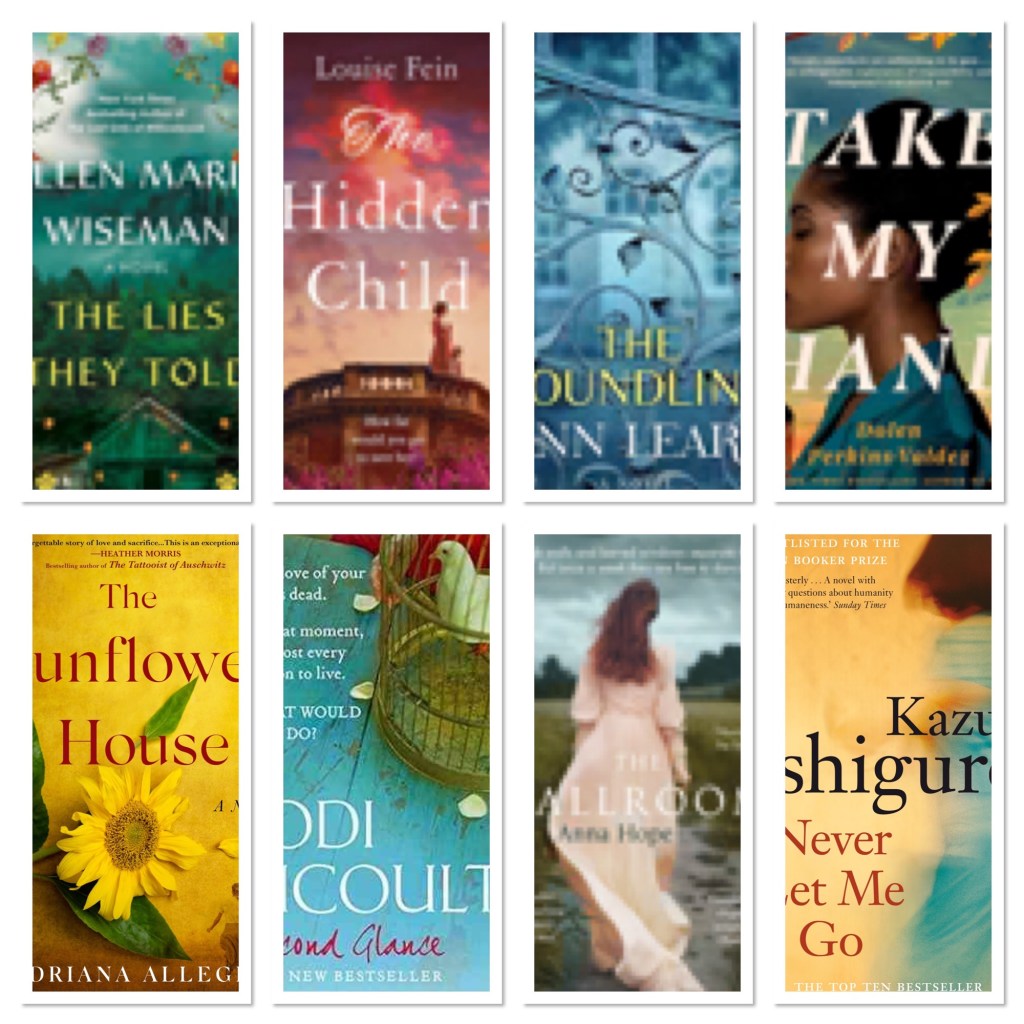
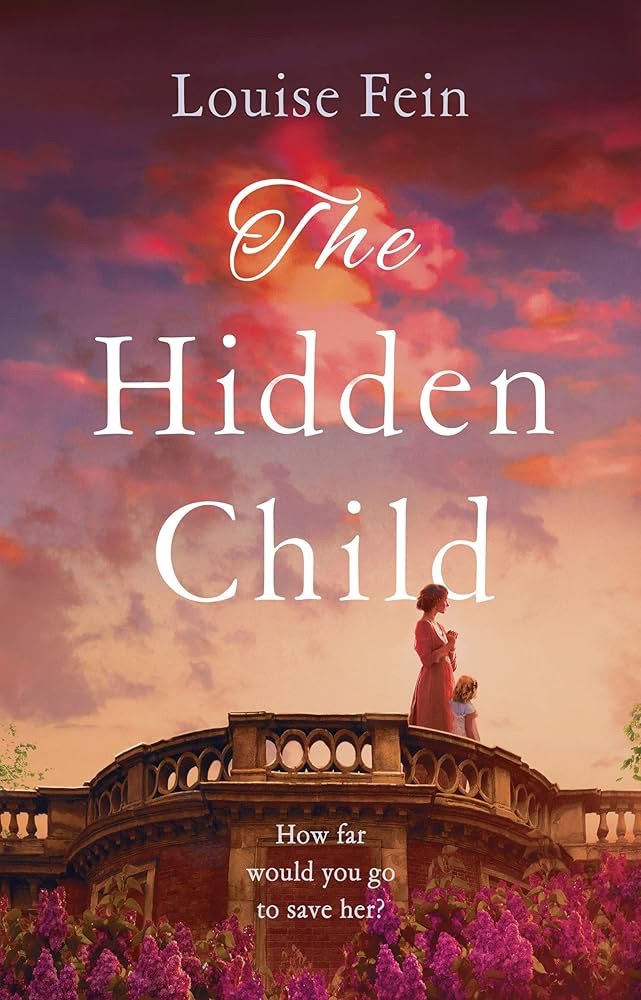
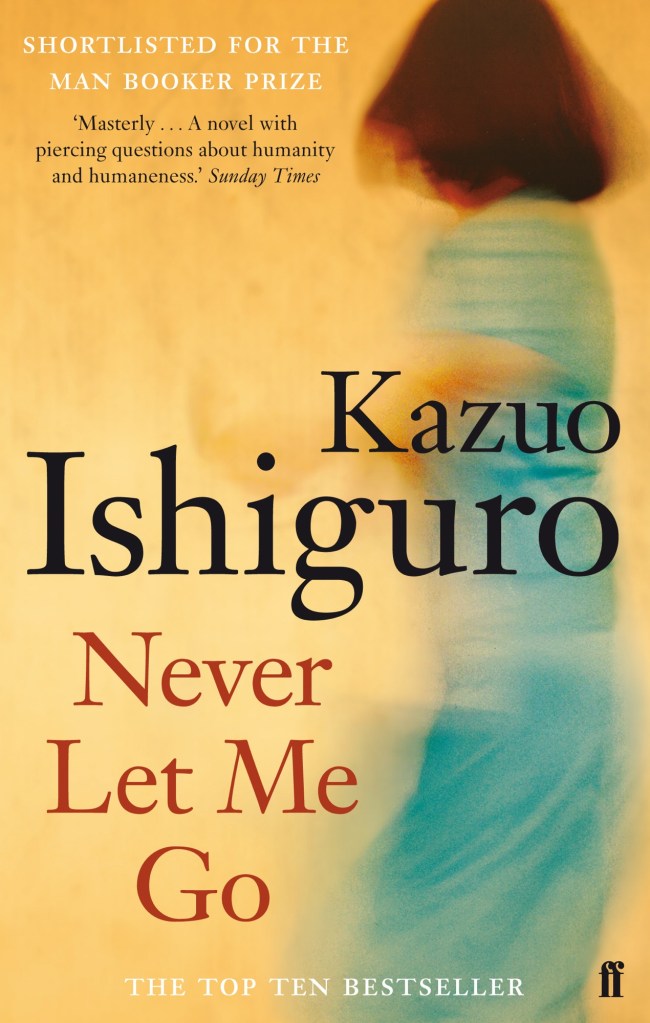
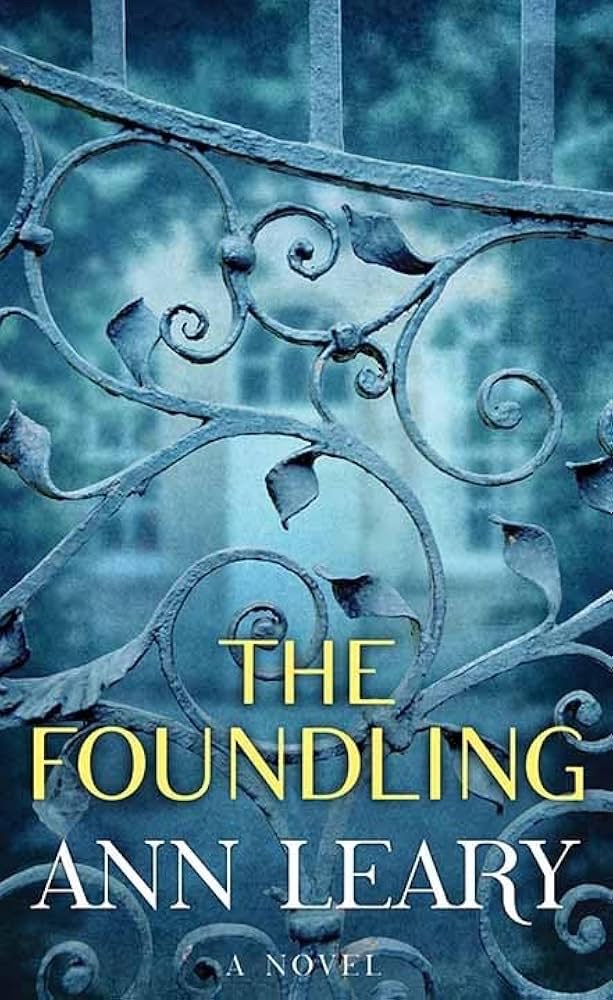
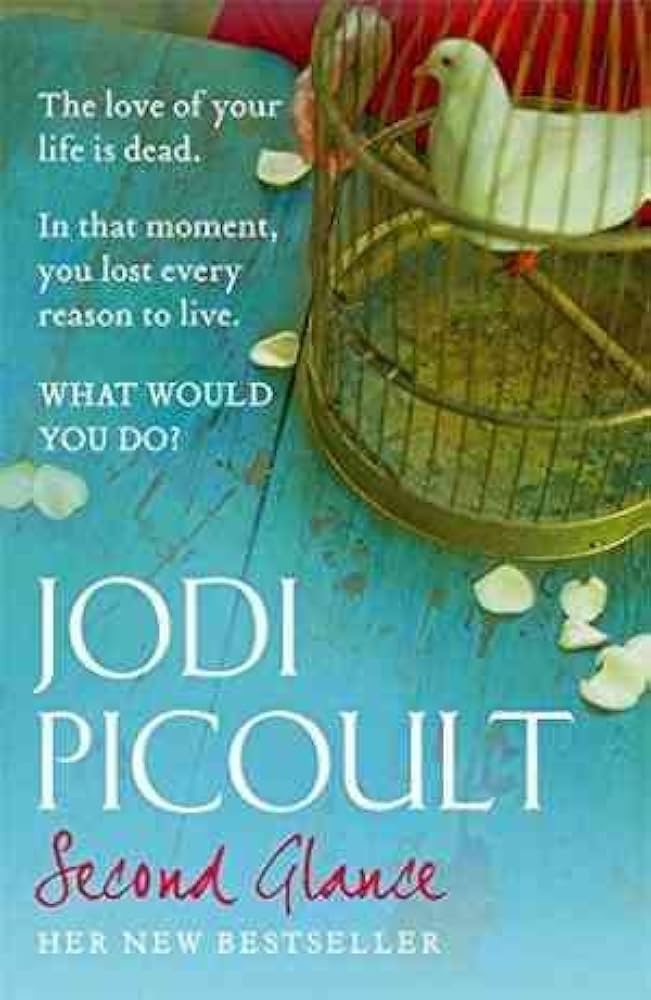
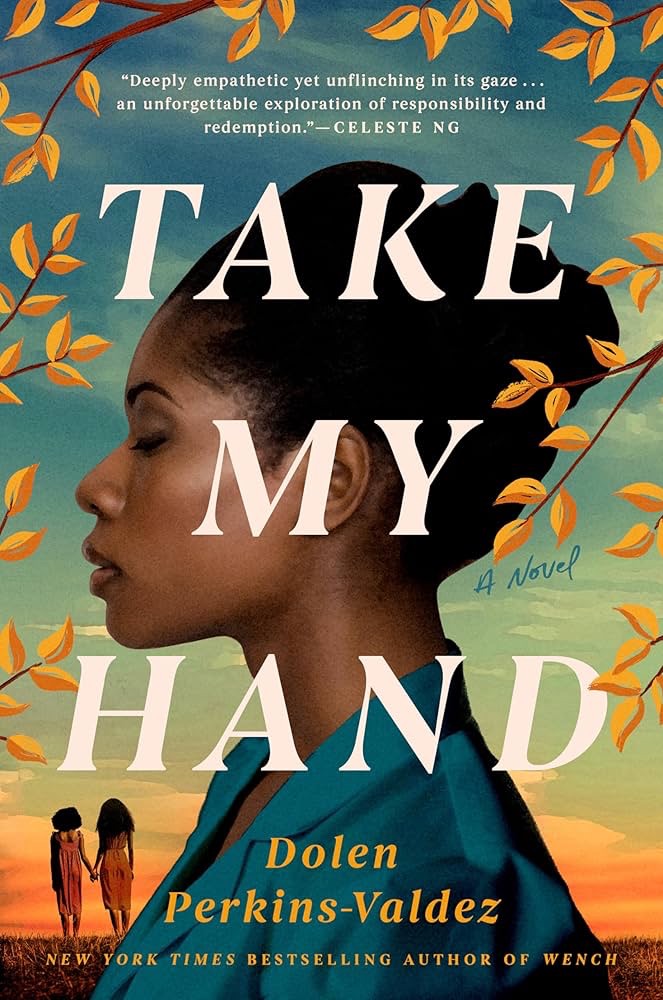
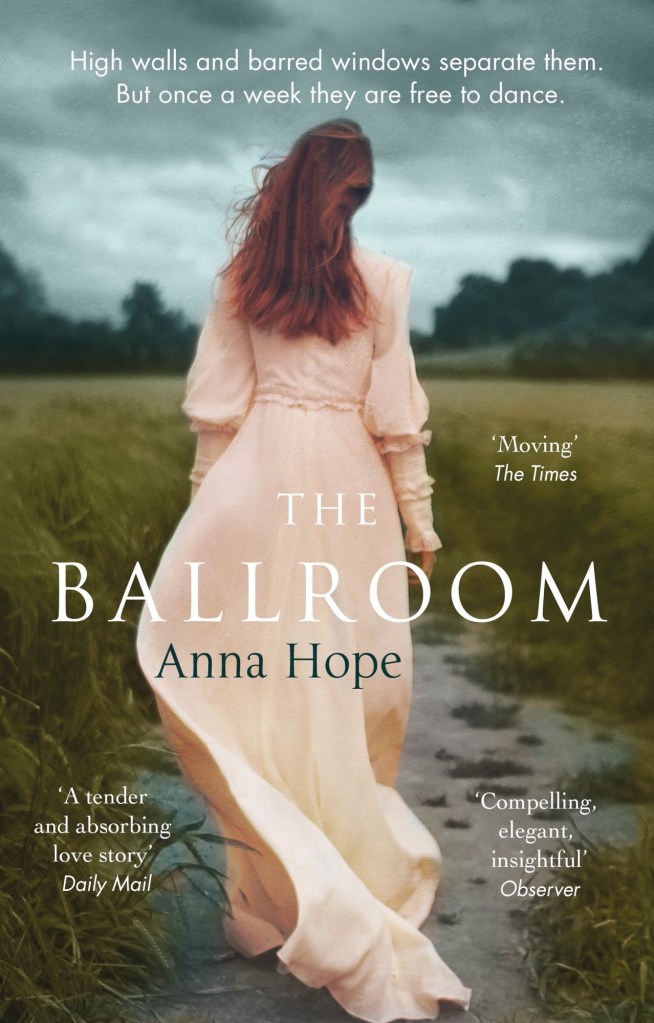
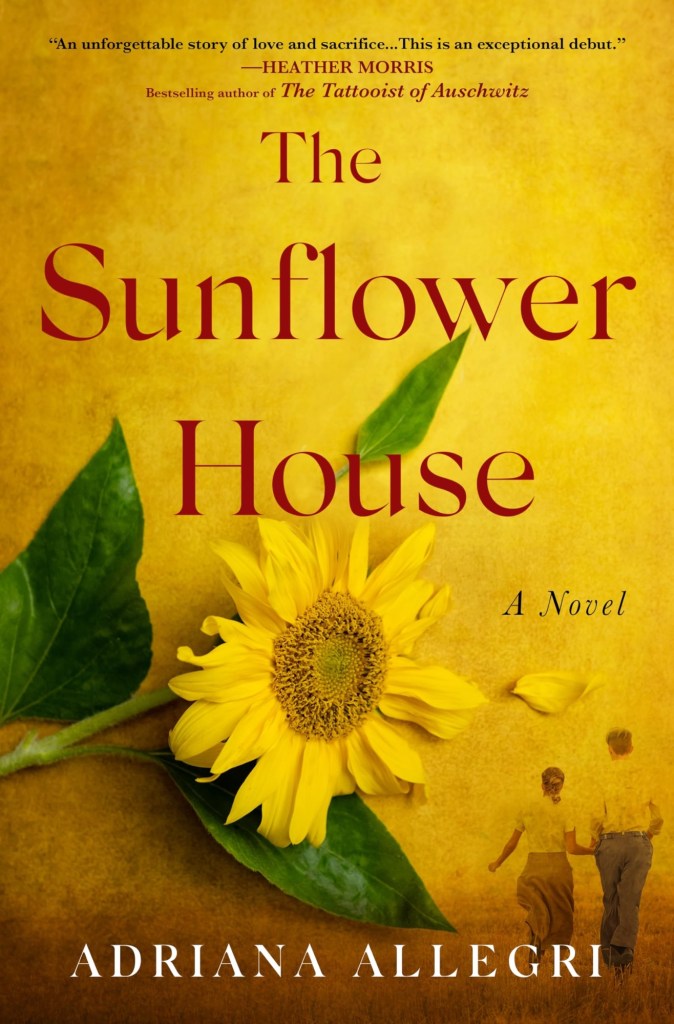
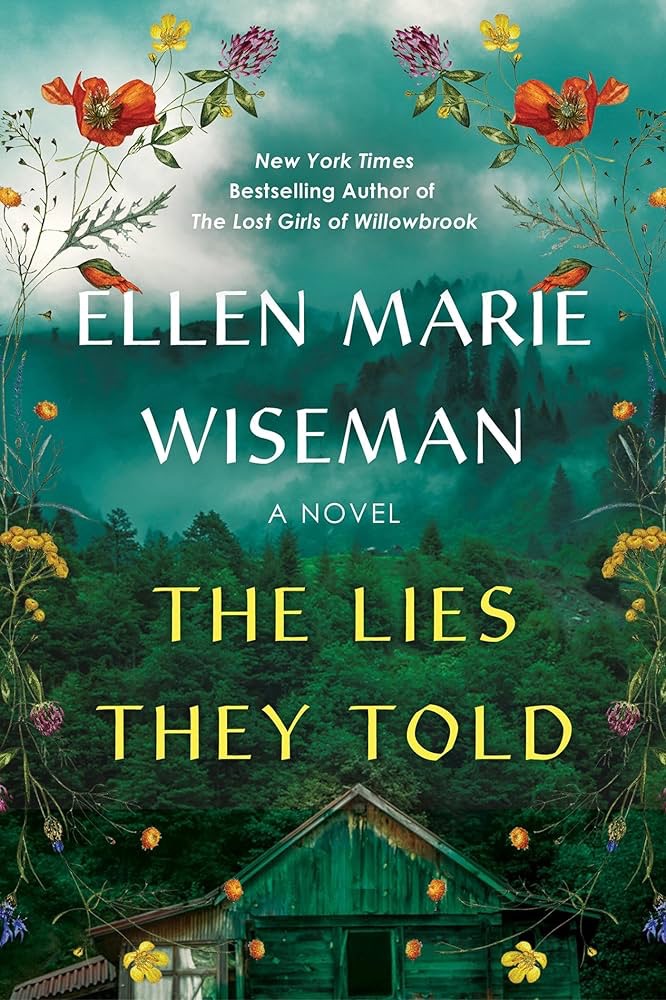
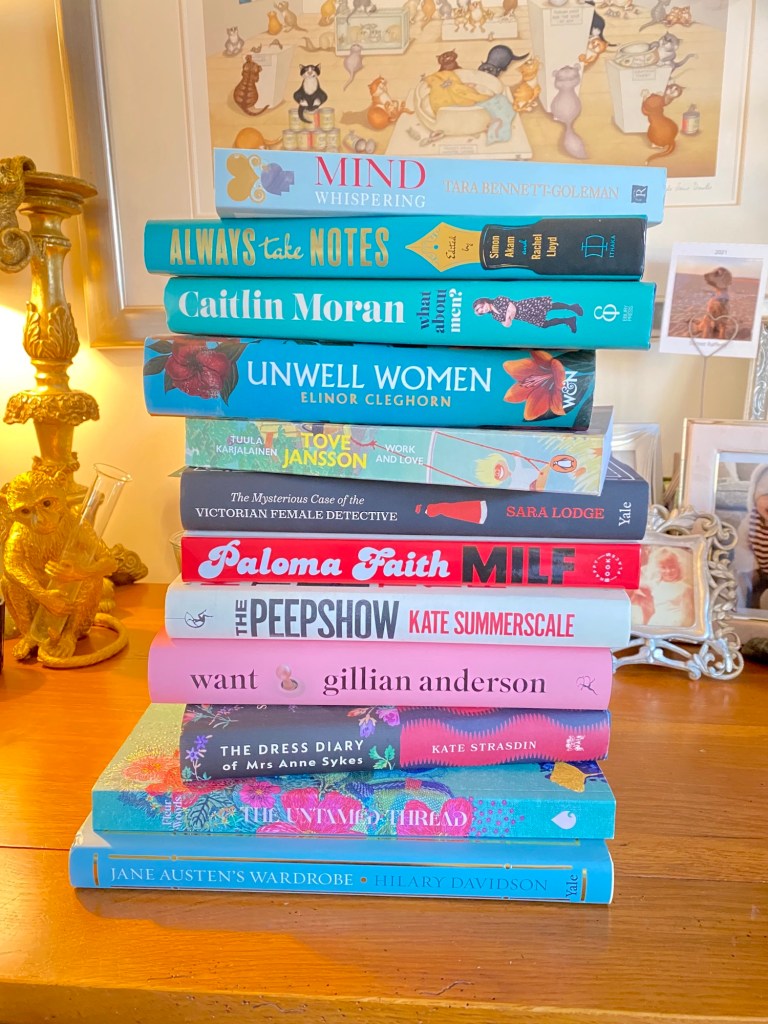
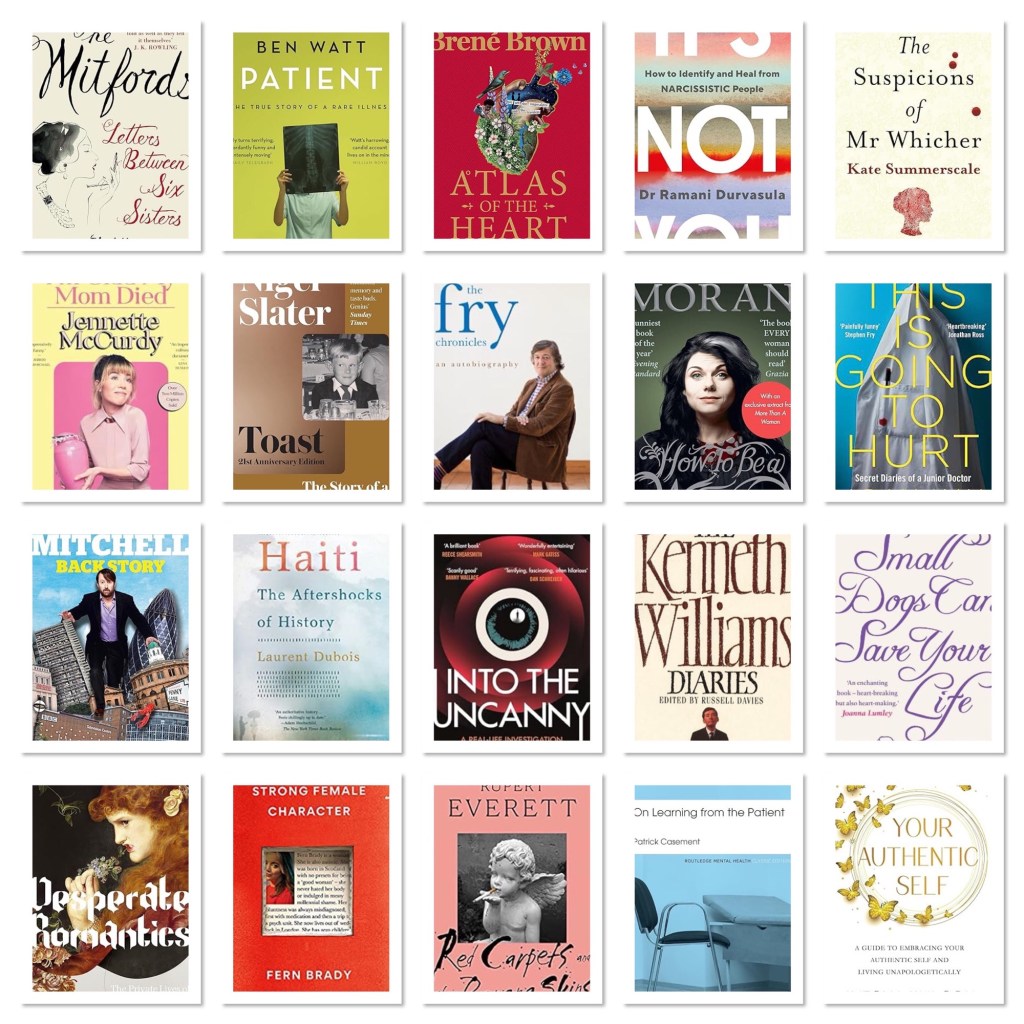











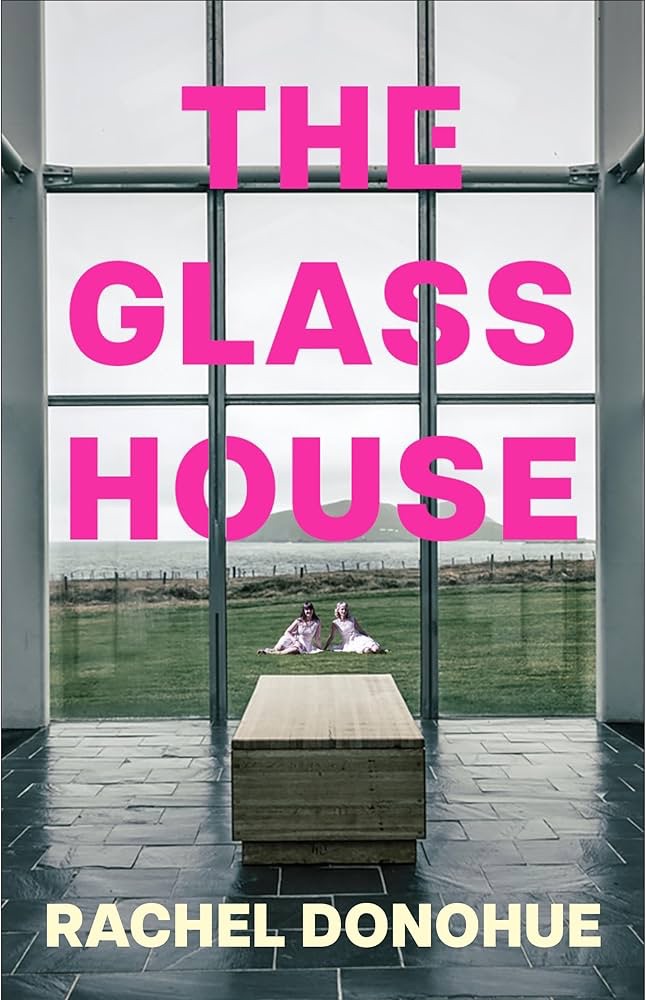
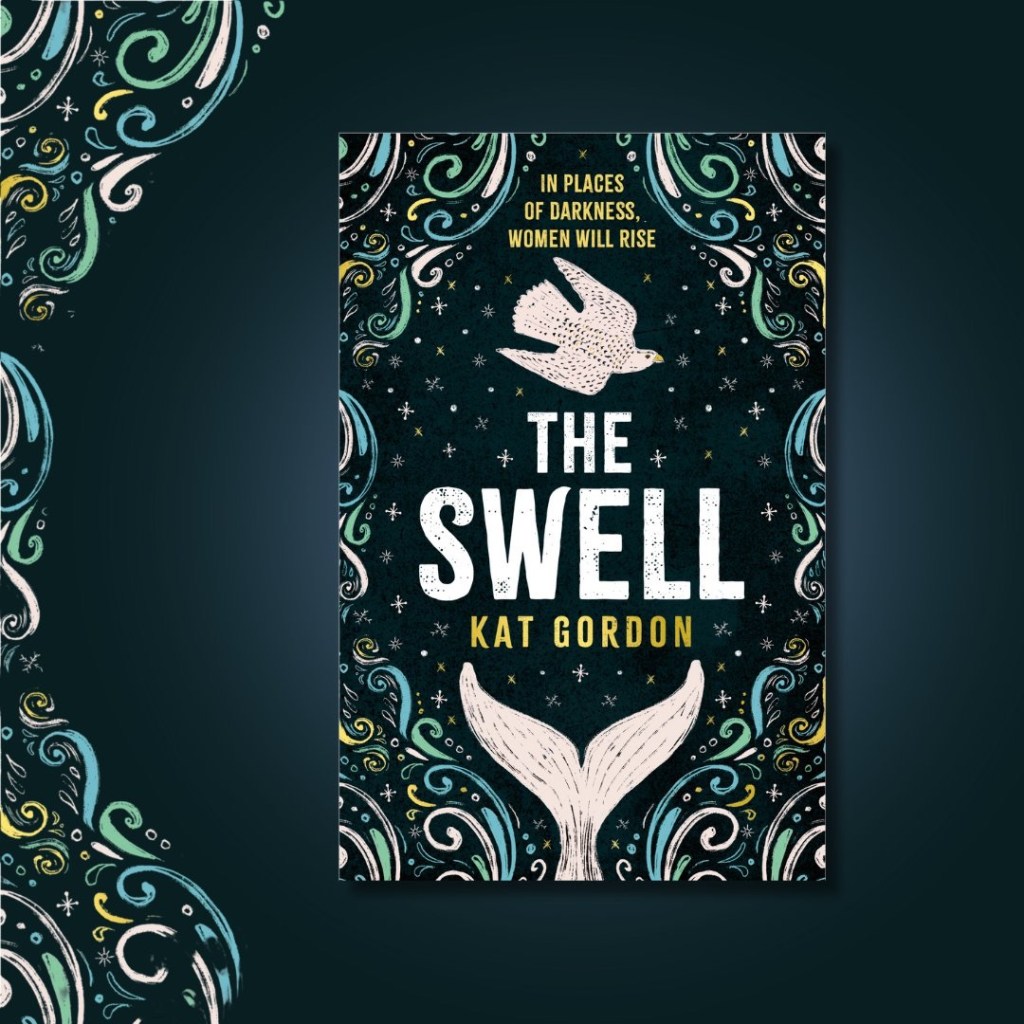
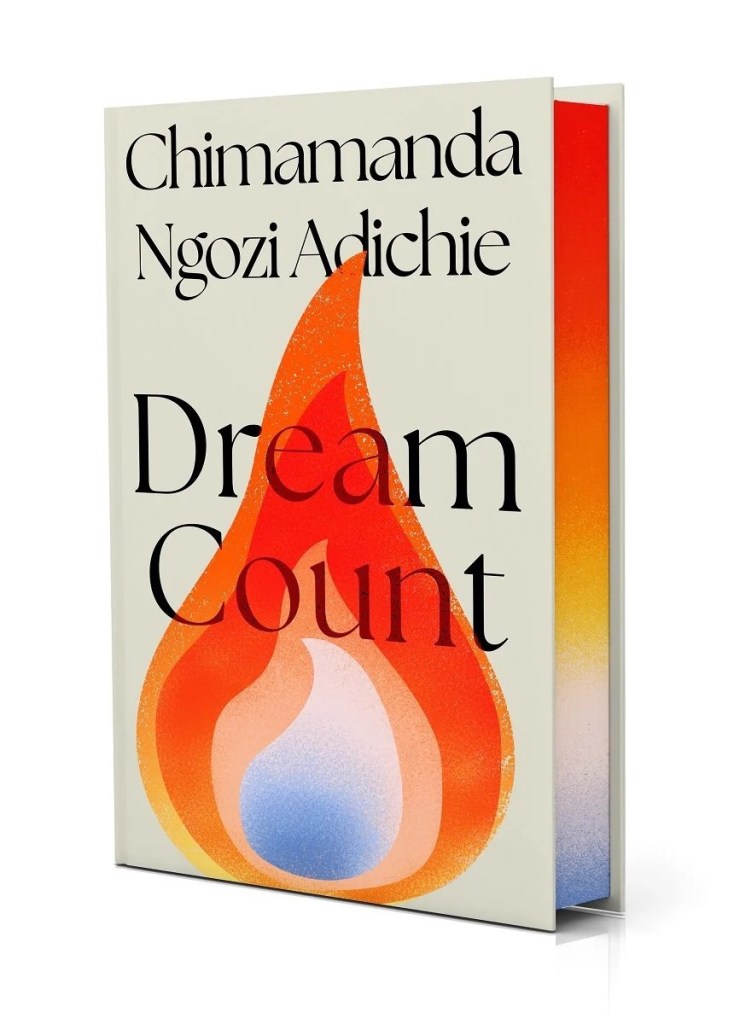



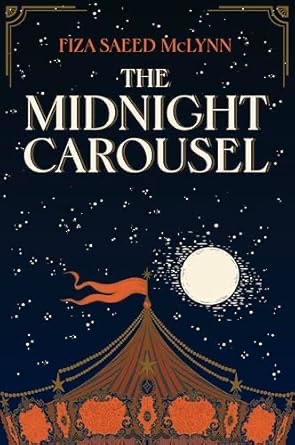



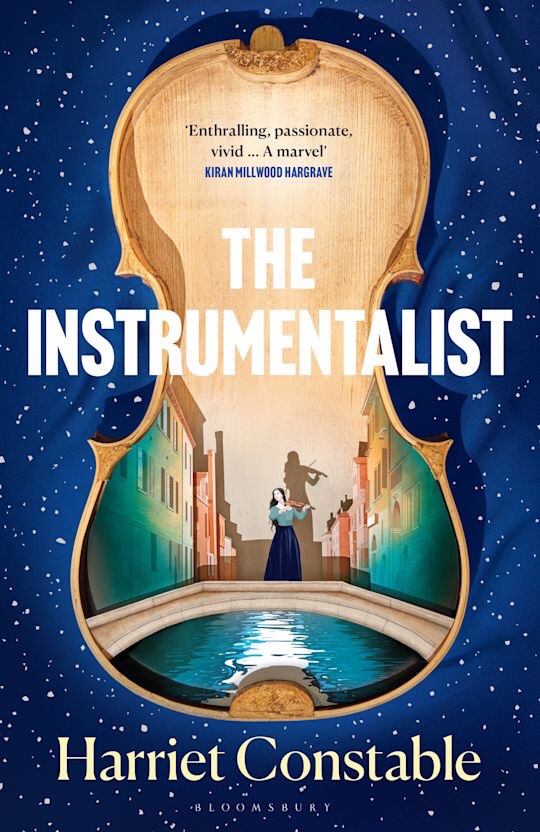
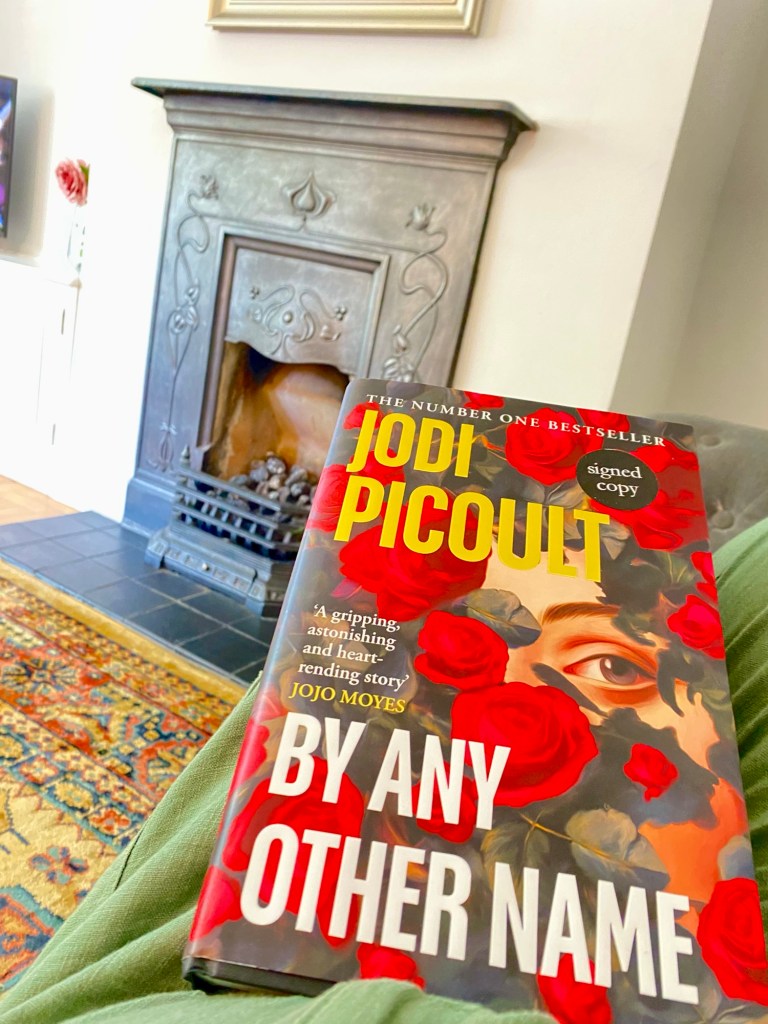
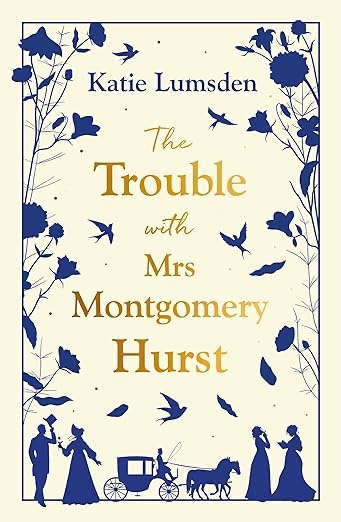
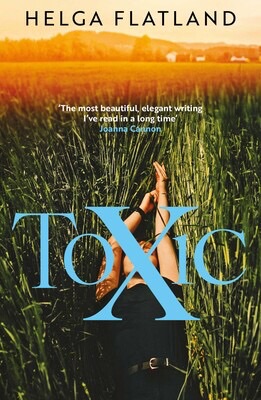


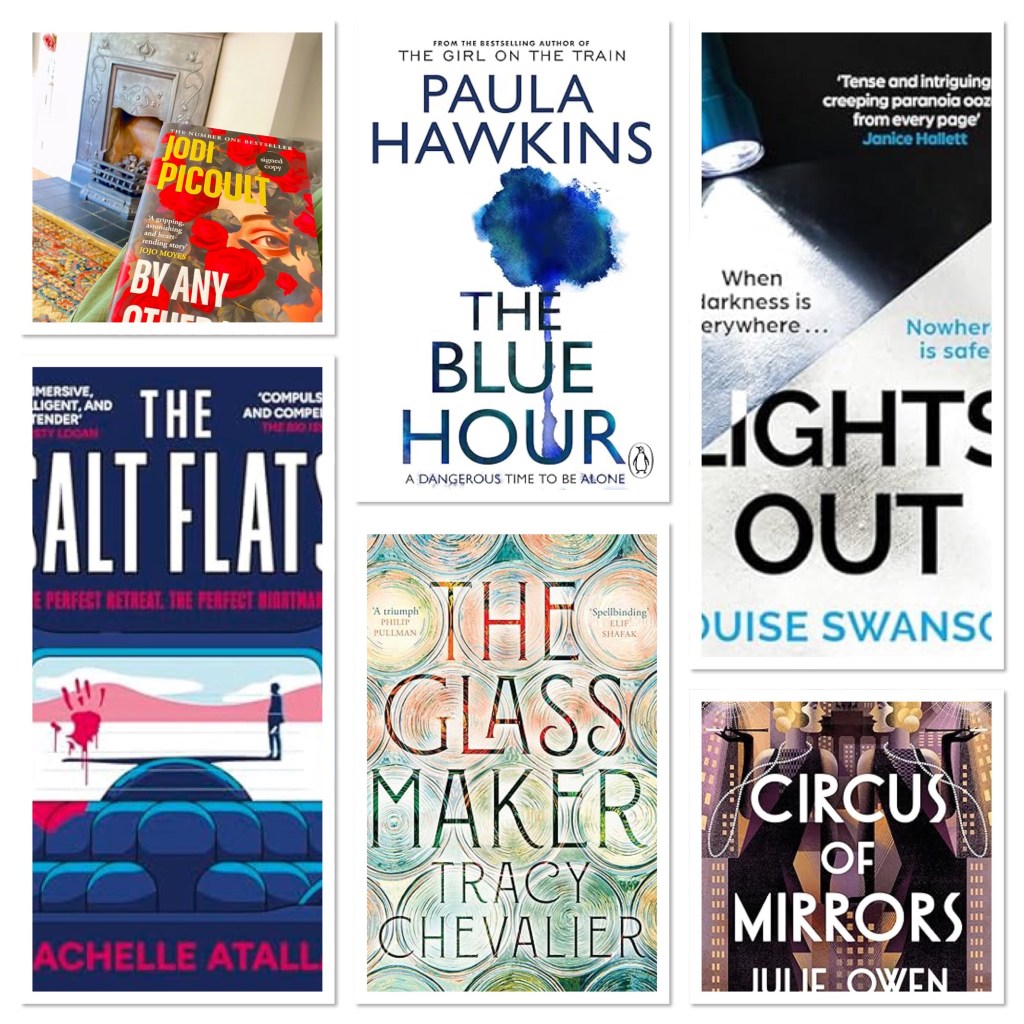


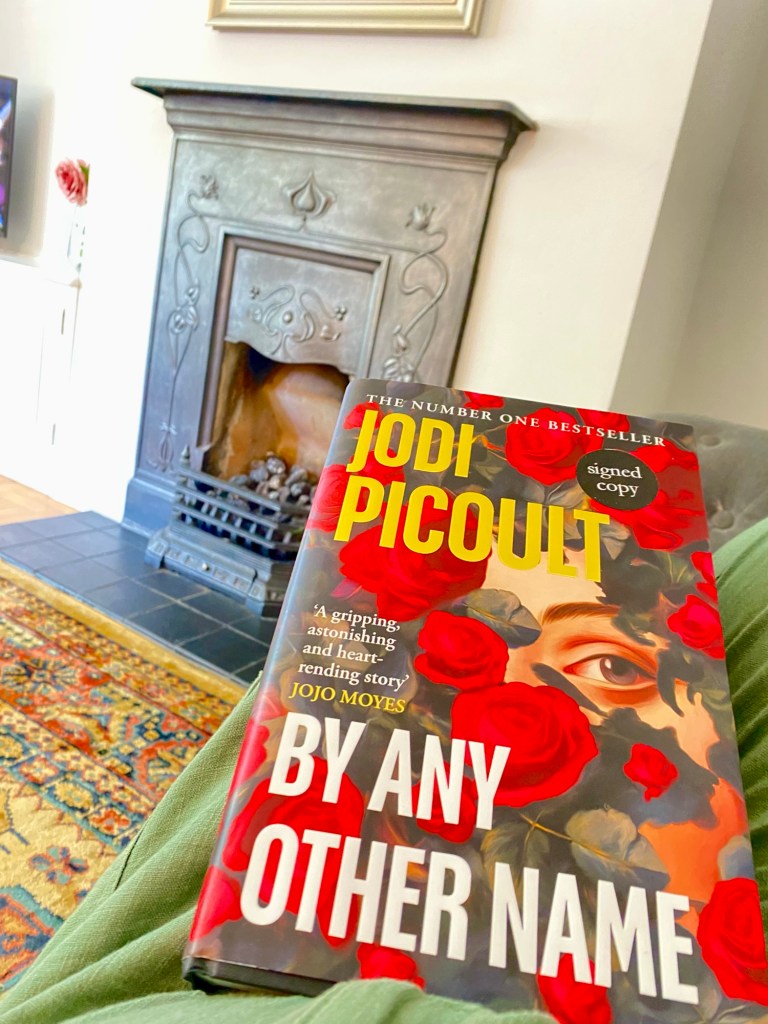
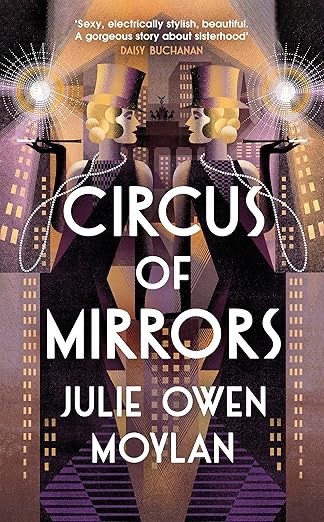
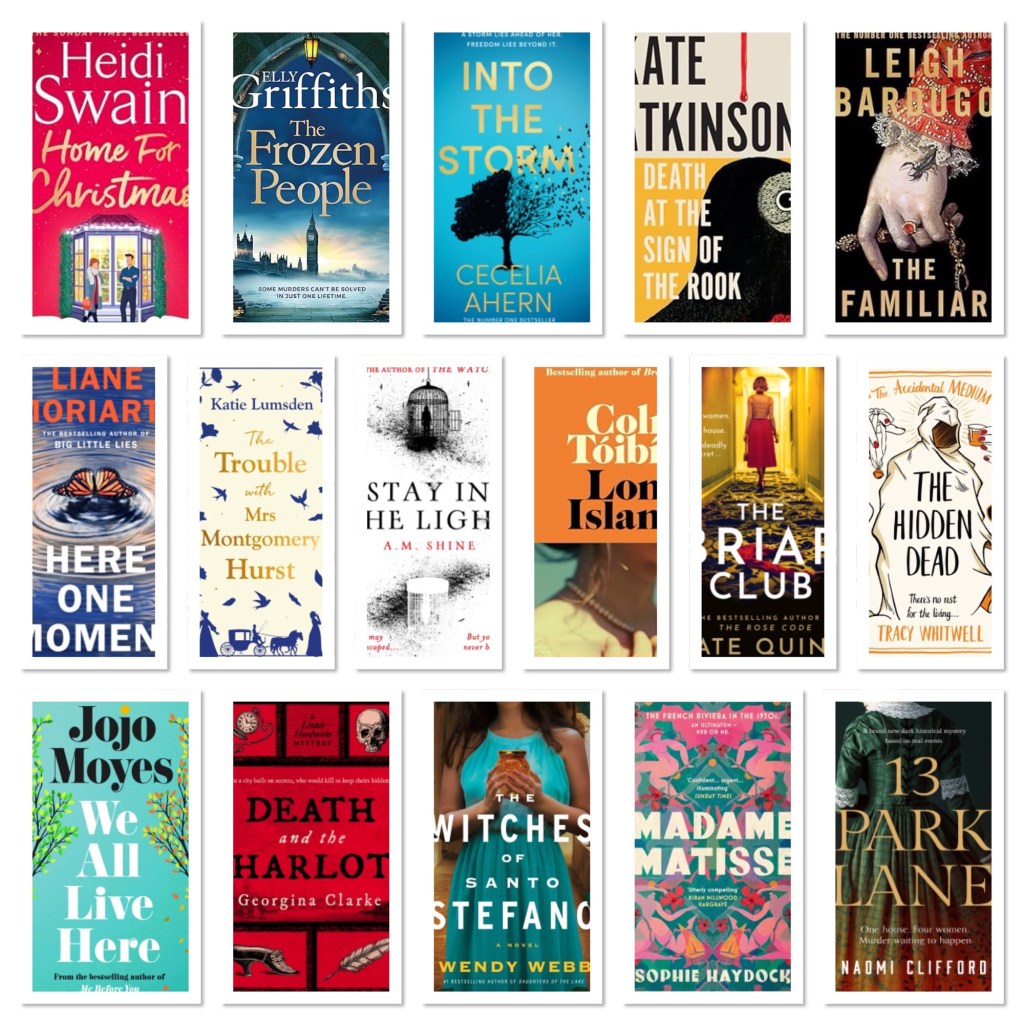

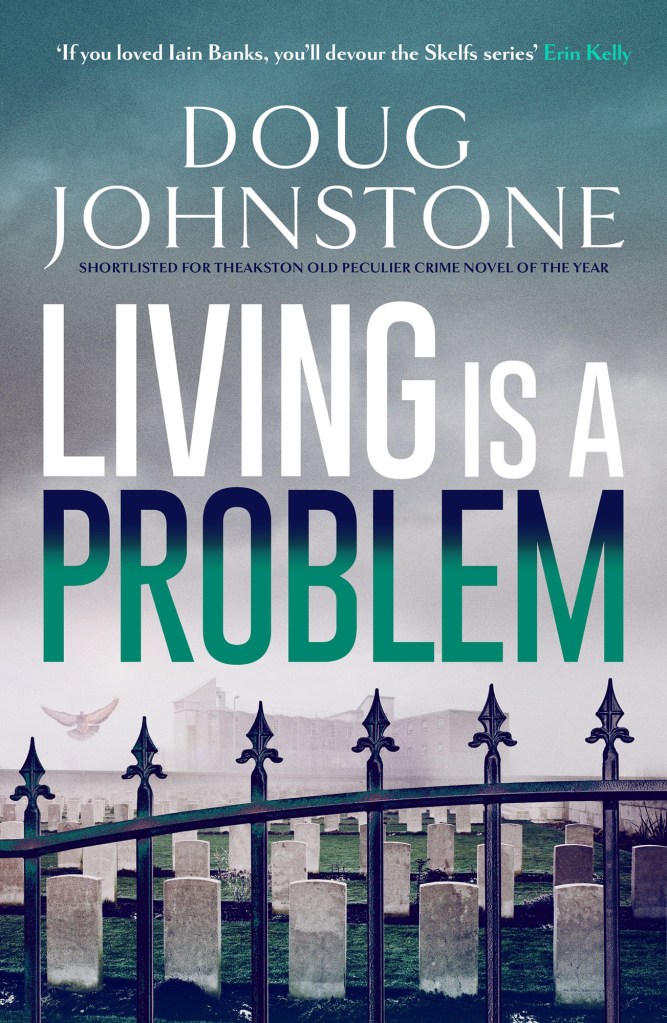
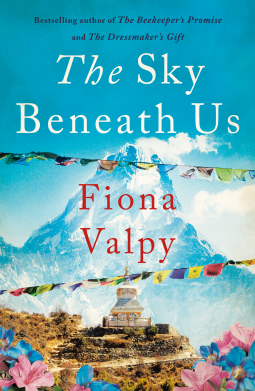
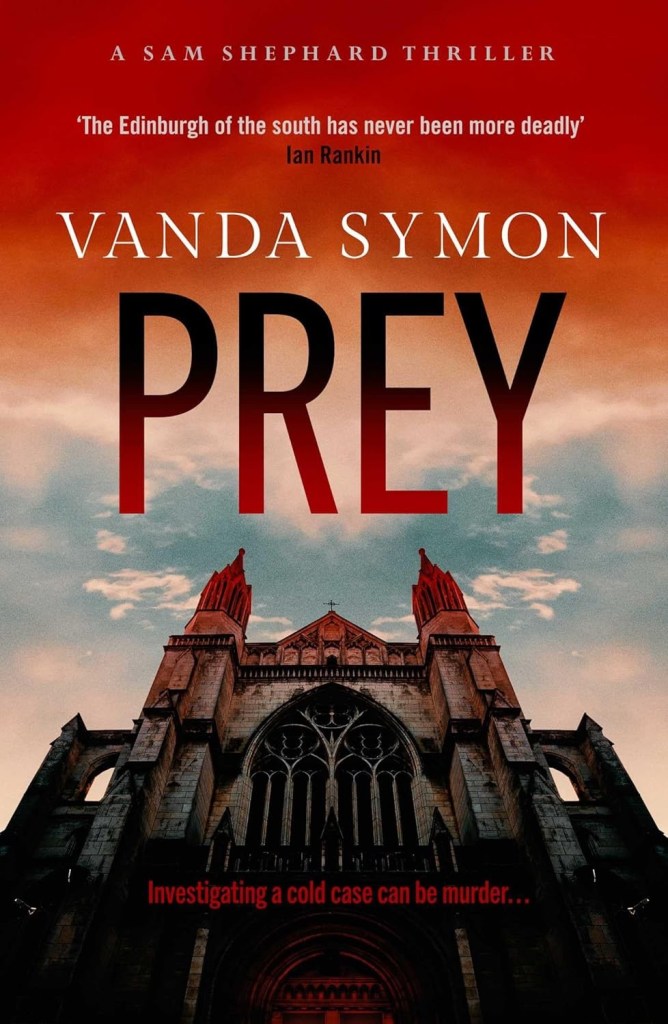
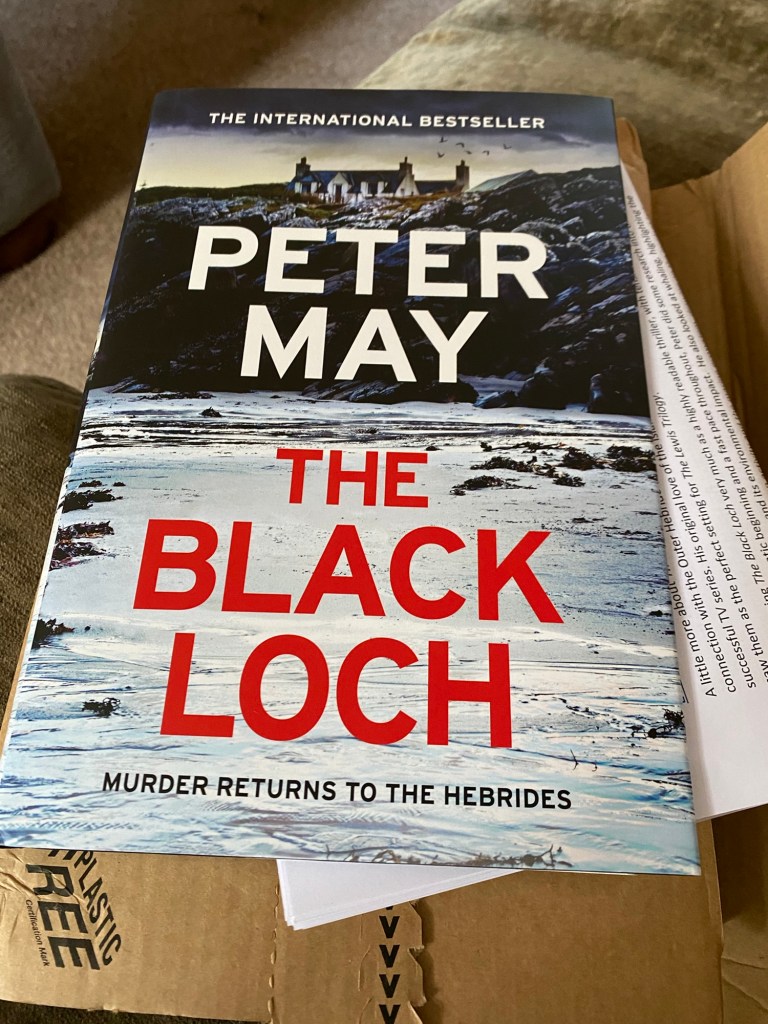
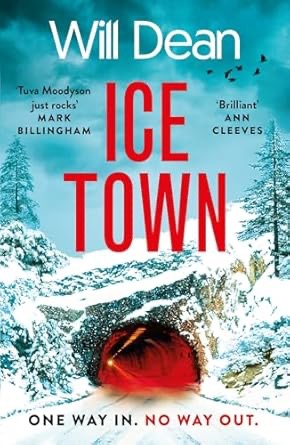
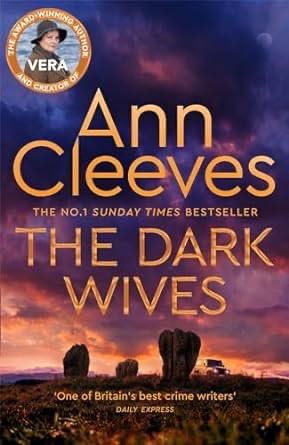
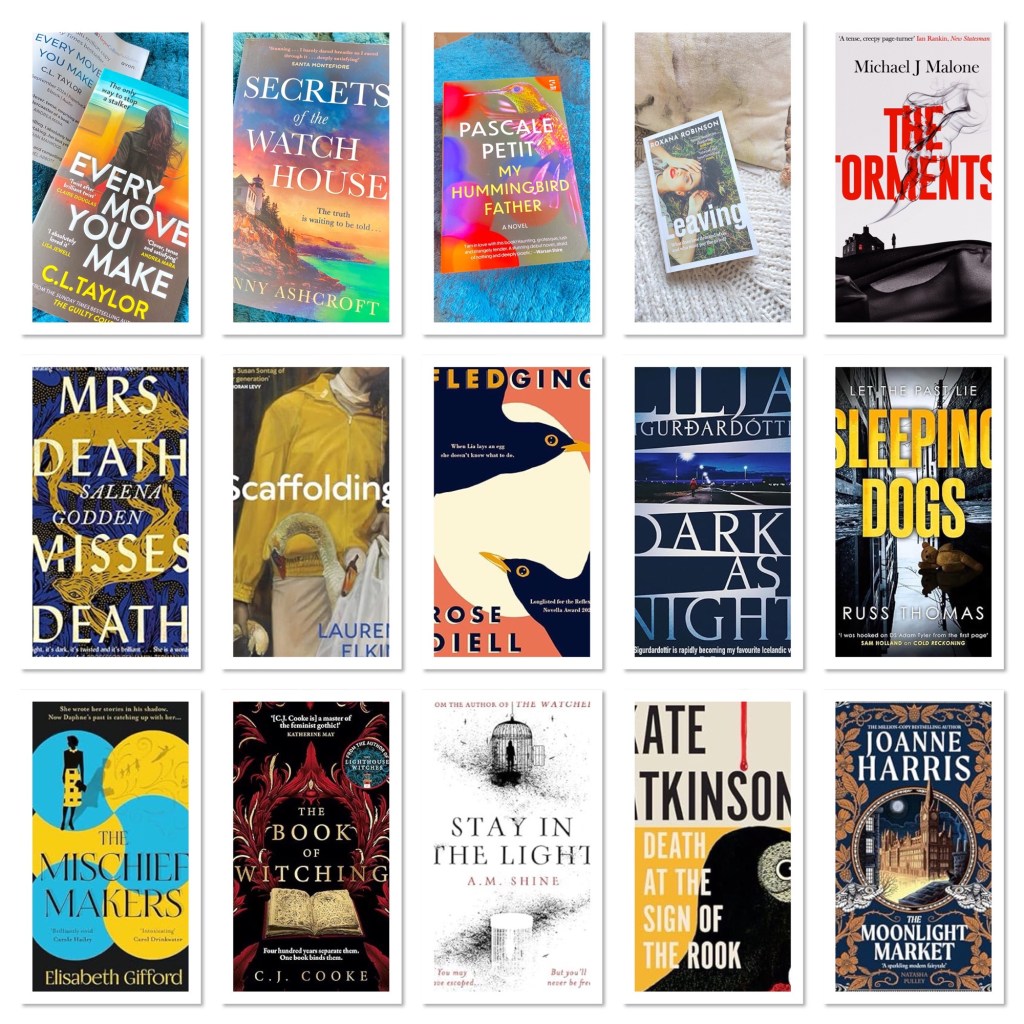
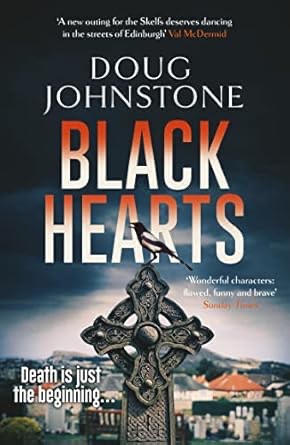







 The Lotus Readers