I love reading debuts because you’re never sure what you’re going to find and this tale of two adult siblings who lose their parents suddenly has all the family dynamics and trauma that I love to untangle in a novel. Jamie and Caz are used to their parents being top of the social scale in their area, a small village close to a market town in Yorkshire. Their family home is a hall in the centre of the village, where Jamie still lives alongside his parents having not found his career path yet. Caz has left home, but has a chequered history of teen pregnancy and alcoholism. She married husband Steve after he came to work on the hall’s electrics when her first little girl was only a baby and she had been sober for several months. Now they live in a cottage a short drive away from her childhood home and recently she’s had another baby. The catalyst to their problems is the loss of their parents. One Sunday both siblings are there for lunch when Jamie and his father clash over what he sees as his son’s fecklessness when it comes to making a life for himself. Jamie has secured a job with the local estate agents but desperately needs to sell a house this month. The best thing in his life is his recent relationship with local vet Zoe. What Jamie loves is his piano, but he doesn’t think he has the skill of a concert pianist. This Sunday he decides not to take his father’s criticism and storms out in a huff. That night the hall goes up in flames, so fast that no one could escape and the hall is burned to the ground.
For both siblings the village now looks like a set of teeth with one missing. The huge gap left in the centre is soon boarded so no one can see the wreckage, but it doesn’t allay the shock. Caz is immediately emotional, dazed even and takes refuge with Ruth, their housekeeper who lived next to the hall. Jamie seems frozen. The only thing he wants to save is his piano but it is damaged, maybe beyond repair. Insurance will take care of it and will hopefully rebuild the hall, but do they want that? They have no idea about their parent’s wishes, for the meantime Jamie has to buy some clothes and moves in with Zoe. It’s very early in their relationship but Jamie thinks they’ll get along fine. As he moves through life like an automaton, Caz starts to slide downhill. Gin was her usual tipple, but avoiding that she thinks an occasional glass of wine won’t hurt. One glass soon becomes a bottle and as she starts to hide her stash from Steve we can see that this could be a serious relapse. So can Jamie, but he’s having his own problems. The turmoil in his life is too heavy for the early stages of a relationship. Zoe had no relationship with his parents and although she can listen, she still has her own routine of riding and looking after her horse, whereas at the moment Jamie is sleepwalking through work and every time they are intimate, visions of the hall burning down come into his mind and ruin the moment. He’s not sure if he’s dealing with his grief at all. When Zoe decides they need some space from each other, he moves out to Caz and Steve’s house. Now he’s noticing that his sister isn’t coping either and his nieces are suffering. How can the siblings best help each other to cope?
I loved how the author shows grief hitting people in different ways. In some ways Jamie has never had to grow up. Living under his parent’s roof has enabled to try jobs and leave them with minimum consequences, while away hours in the village pub and not think beyond tomorrow. Caz has also depended on her parents, dropping out of university pregnant and with an alcohol problem. She moved home and had her baby there, until Steve actually walked through the door for a contracting job and they fell in love. For both of them, there’s now no safety net and the place filled with all those memories has gone too. Jamie also fears the loss of his piano, which has been lifted from the wreckage and been sent to a specialist repairer by the insurers. Music was the way that Jamie processed his emotions and without it he seems strangely neutral all the time, occasionally tapping out melodies using his fingers on whatever surface he find. Caz is more erratic, grabbing convenience foods instead of her usual home cooked meals and forgetting the girls activities or even to wash their uniforms. When the drinking starts Steve stays away from it, leaving Jamie with a full time job and two small children to feed and get out of the door in the open. He knows teachers have noticed the girls are a bit unkempt, but he doesn’t want to drop his sister in it. He just keeps smiling and nodding that everything’s okay. There’s only one person that won’t have the wool pulled over their eyes and that’s their parent’s housekeeper Ruth. Caz fears not letting the emotions out. Jamie thinks if he gives in and feels his emotions he might fall apart completely.
Through Jamie the author shows how grief can change our outlook on life completely. He becomes sentimental about an old couple looking for a house. He has a beautiful Georgian house on the books and he’s shown it to a rude and superior client with an enormous dog who didn’t seem interested. Then he has an adorable old couple who want to downsize and be closer to amenities, but he needs a studio to work in and it is in town. When he shows it to them he knows it should be theirs and when they offer he is ecstatic and shakes hands. Then the first woman comes back and offers 10k over the asking price, but Jamie says it’s already sold and turns her offer down, much to the fury of his manager. Jamie feels different, where once he might have taken the high offer now he can’t. Does he see his own parents in the old couple? Or is it that loss has given him a conscience? I really identified with this because after being seriously ill I returned to my work as an advertising rep only to struggle with selling newspaper space. It felt so trivial in the scheme of things I simply didn’t have the killer instinct. This was when I was sacked but went on to train as a counsellor and worked with the Mental Health Team in my area. It felt like I’d helped someone every day I went to work and it felt more in tune with my changing values.
I really felt for Jamie and wanted him to get his piano back and be able to express himself more. I was also so happy at his care for his nieces and his loyalty to his sister. Underneath the immaturity Zoe was concerned about, he’s a kind, perceptive and caring man. I was hoping they would find a way back to each other. Similarly I wanted Steve to reconnect with his wife and family and realise that while keeping a roof over their head was important, so was spending time together as a family. The author’s setting is perfect and having lived in villages all my life, I knew they come with beautiful countryside around them, but also residents who want to know all of your business. As my parents get older I do wonder what it might be like when they’re gone and I’m now the oldest member of the family. They’re my anchor, but so is my brother and I know our relationship will probably be stronger. I think the author makes it clear how seismic a shock it is when someone close to us dies. I loved the play on musical terms because the storyline has a tempo and Jamie is our conductor, desperately trying to keep the orchestra together towards the crescendo and beyond. This is a thoughtful and real story that had a lot of heart in it.
Out now from Flying Dog Press
Meet the Author
Joanna Howat trained as a journalist and worked as a news producer for BBC Radio 5 Live. She now lives in her native North Yorkshire with her family and two spaniels, and is a keen classical pianist. Crescendo is her first published novel.
It never ceases to amaze me that I can be sat here in the days between Christmas and New Year telling you about books I want to read next summer. Despite doing this for a fourth year I can’t believe that I get to read next year’s books or that publishers would be willing to send me them but here we are! The novelty never wears off and I’m grateful for every book I receive. So some of these are read and others are just beautiful covers and a synopsis, either way here are a few books I’ll be looking out for and you might like to as well.
In the small town of Gold Springs, Calliope Petridi and her two sisters carefully guard the secret of their magic and the price they must pay to practise it: memories. Luckily, all Calliope wants to do is forget: the mother who left without a trace, the sisters from whom she feels increasingly distant, and most of all, the way the love of her life shattered her heart two years ago.
But when an ancient evil awakens, the fragile thread that holds the sisters together breaks. As their magic slowly begins to fade, Calliope accidentally binds herself to the handsome leader of a rival coven infamous for their ruthless pursuit of power. Battling the sizzling chemistry with a man she can’t trust, Calliope must confront painful memories of her past, dark family secrets, and ancient magic in order to protect the town and all she loves.
But will she have anything left of herself?
Out 27th Feb from Aria.
It is 1895. A high-speed steam train is the emblem of progress. Industry and invention are creating ever greater wealth and poverty. One autumn day an anarchist boards the Granville to Paris Express.
The train carries others from all over the globe: the railway workers who have built a life together away from their wives, a little boy travelling alone for the first time, an artist far from home, a wealthy statesman and his invalid wife, and a young woman with a secret hidden under her dress.
The Paris Express is a thrilling ride and a literary masterpiece that captures the politics, fear, and chaos of the end of the 19th century.
Out Thursday 20th March from Picador
When Nina was just five years old, her family’s whole world was torn apart when her seventeen-year-old sister Tamara was found dead in the pool of their Cote d’Azur property. Nina’s evidence led to the conviction of their housekeeper’s daughter and occasional babysitter seventeen-year-old Josie for Tamara’s murder. But when new evidence emerges to suggest that Josie was innocent, Nina is forced to question the accuracy of her memories, her role in one of the most notorious cases of the past twenty years, and what actually happened to her sister on that hot summer day.
Out Thursday 14 th August by Bantam
It is the 60s and, just out of school, Edith finds herself travelling to rural Italy. She has been sent by her mother with strict instructions: to see her sister, ballet dancer Lydia, through the final weeks of her pregnancy, help at the birth and then make a phone call which will seal this baby’s fate, and his mother’s.
Decades later, happily divorced and newly energized, Edith is living a life of contentment and comfort in Ireland. When her best friend Maebh receives a call from an American man claiming to be her brother, Maebh must decide if she will meet him, and she asks Edith for help.
Ripeness by Sarah Moss is an extraordinary novel about familial love and the communities we create, about migration and new beginnings, and about what it is to have somewhere to belong
Out Thursday 22nd May from Picador
Constance Macken, in her ninth decade, is looking back on a life filled with laughter and loss, tragedy and triumph, but knows it is time to right the wrongs from her past that have always haunted her.
Heather Banks arrives on the island to bury her mother. Already adrift with her business sold and her divorce finalised, time on the island may be the perfect opportunity to change the course of her future. Ros Stokes has managed to slip into the perfect job, the perfect cottage and friends that feel like family. However, when the stitches of her life begin to unravel, she must find a way to hold onto the things that have become most dear to her and let go of what holds her back.
In a faded art deco house by the sea these women must come together to save the house they love and each other, because they might have run from their troubles but only time will tell if they can overcome their past.
Out on Thursday 5th Jan from Aria Fiction
She thinks it was murder. But if she can’t trust herself, can anyone else?
Nancy North and her boyfriend Felix are making the move across London to Harlesden. A new flat, a new area, a new start. Because while Nancy is fine now, she wasn’t fine before. But settling into the new flat and meeting the new neighbours isn’t helped by Felix’s hovering concern. She is all right. She is sticking to her breathing exercises and doctor-prescribed help.
So, when their new neighbour Kira Mullan is found dead by suicide, Felix is understandably worried about Nancy’s frame of mind. But Nancy saw Kira the day before she died and she didn’t strike her as someone who was suicidal – she was upset and angry, yes, but was she upset and angry enough to take her own life?
Nancy is the only one convinced that there’s more to Kira’s death than has been discovered. But all the police and the neighbours see is a vulnerable woman who isn’t sure of what she saw, and might even be imagining things . . .
Is Nancy imagining things, or are there more questions that should be asked about the last days of Kira Mullan?
Thursday 16th Jan from Simon & Schuster
This is the story of three women – one an orphan and refugee who finds a place in the studio of a famous French artist, the other a wife and mother who has stood by her husband for nearly forty years. The third is his daughter, caught in the crossfire between her mother and a father she adores.
Amelie is first drawn to Henri Matisse as a way of escaping the conventional life expected of her. A free spirit, she sees in this budding young artist a glorious future for them both. Ambitious and driven, she gives everything for her husband’s art, ploughing her own desires, her time, her money into sustaining them both, even through years of struggle and disappointment.
Lydia Delectorskaya is a young Russian emigree, who fled her homeland following the death of her mother. After a fractured childhood, she is trying to make a place for herself on France’s golden Riviera, amid the artists, film stars and dazzling elite. Eventually she finds employment with the Matisse family. From this point on, their lives are set on a collision course….
Marguerite is Matisse’s eldest daughter. When the life of her family implodes, she must find her own way to make her mark and to navigate divided loyalties.
Based on a true story, Madame Matisse is a stunning novel about drama and betrayal; emotion and sex; glamour and tragedy, all set in the hotbed of the 1930s art movement in France. In art, as in life, this a time when the rules were made to be broken…
Out Thursday 6th March by Doubleday
It’s time we name our kingdom!’ he shouted over the wind. ‘I say we call this place Happy Land. If this ain’t the land of happy people, then where is it? Why not create our heaven right here on earth?’
Nikki Berry hasn’t seen her grandmother Rita in years. When she calls out of the blue asking Nikki to visit her urgently in the hills of North Carolina, Nikki hesitates only for a moment. Her mother and grandmother have long been estranged, and after years of silence in her family, Nikki is determined to learn the truth while she still can.
But instead of answers about the recent past, Mother Rita tells Nikki the incredible story of a kingdom on this very mountain, and of her great-great-great grandmother, Luella, who became its queen. It sounds like the makings of a fairy tale – royalty among a community of freed people. But the more Nikki learns about the Kingdom of the Happy Land and the lives of those who dwelled in the ruins she discovers in the woods, the more she realizes how much of her identity and her family’s secrets are contained in these hills. Because this land is their legacy, and it will be up to her to protect it before – like so much else – it is stolen away.
Inspired by true events, Happy Land is a transporting multi-generational novel about the stories that shape us and the dazzling courage it takes to dream.
Out on 10th April 2025 from Phoenix
Born of the sun and moon, shaped by fire and malady, comes a young woman whose story has never been told . . .
They call her Sycorax. Seer. Sage. Sorceress.
Outcast by society and all alone in the world, Sycorax must find a way to understand her true nature. But as her powers begin to grow, so too do the suspicions of the local townspeople. For knowledge can be dangerous, and a woman’s knowledge is the most dangerous of all . . . With a great storm brewing on the horizon, Sycorax finds herself in increasing peril – but will her powers save her, or will they spell the end for them all?
A beautifully written and deeply moving imagining of what came before Shakespeare’s The Tempest from the author of A Girl Made of Air.
Out on 27th February from Quercus
In a city built on secrets, who would kill to keep theirs hidden?
The year is 1759, and London is shrouded in a cloak of fear. With the lawmen at the mercy of robbers and highwaymen, it’s a perilous time to work the already dangerous streets of Soho. Lizzie Hardwicke is somewhat protected from the fray at Mrs Farley’s Bawdy House, a reputable brothel. But then a wealthy customer is found brutally murdered… and Lizzie was the last person to see him alive.
The magistrate’s assistant, William Davenport, has no hard evidence against Lizzie, but his presence and questions make life increasingly difficult. Desperate to be rid of him and prove her innocence, Lizzie turns amateur detective, determined to find the true killer, whatever the cost. Yet as the body count rises, Lizzie realises that, just like her, everyone has a secret they will do almost anything to keep buried…
Out on 6th March from Verve
Lexi is looking for no-strings-attached fun with a stranger. She deserves one night for herself, doesn’t she? Zeke is looking for love. But for one night with a woman like Lexi, he’ll break his rules.
Sparks fly at the pub – one passionate kiss leads to another, and they soon end up stumbling home to the marina together. But the next morning, they’re unable to part ways as planned.
The houseboat they stayed on last night has been swept out to sea. How long can Zeke and Lexi survive on a drifting houseboat? Will search and rescue find them? And who will they have become if they both make it back to dry land?
Out on 6th March from Quercus
In the summer of 1980, astrophysics professor Joan Goodwin begins training to be an astronaut at Houston’s Johnson Space Center, alongside an exceptional group of fellow candidates: Top Gun pilots Hank Redmond and John Griffin; mission specialist Lydia Danes; warm-hearted Donna Fitzgerald; and Vanessa Ford, the magnetic and mysterious aeronautical engineer. As the new astronauts prepare for their first flights, Joan finds a passion and a love she never imagined and begins to question everything she believes about her place in the observable universe.
Then, in December of 1984, on mission STS-LR9, everything changes in an instant.
Out on 3rd June 2025 from Hutchinson Heinnemann
The Brookes are gathering in their eighteenth-century ancestral home – twenty bedrooms of carved Sussex sandstone – to bury Philip, the head of the family – the blinding sun around which they have all orbited for as long as they can remember.
Frannie, inheritor of a thousand acres of English countryside, has dreams of rewilding and returning the estate to nature: a last line of defence against the coming climate catastrophe. Milo envisages a treetop haven for the super-rich where under the influence of psychedelic drugs a new ruling class will be reborn. Each believes their father has given them his blessing and are set on a collision course with the other.
Isa has long suspected that her father thought only of himself, and only hopes to seek out her childhood love, who still lives on the estate, to discover whether it is her feelings for him thatm are creating the fault lines in her marriage.
And then there is Clara, who arrives in their midst from America, shrouded in secrets and bearing a truth that will fracture all the dreams on which they’ve built their lives.
Out 1st May 2025 from Fig Tree
Alex, Nancy and Eva Fisher. Three grown-up sisters; each wonderful and imperfect in their own individual ways. And loved equally by their parents, Vivienne and Patrick.
Or so they thought.
When a near-disaster strikes during a family party, Patrick inadvertently lets slip that he has a favourite daughter. And while they try to gloss over it, this almost-accident begins the unravelling of everything the sisters thought they knew. As their past is re-examined, secrets and lies are uncovered, and, slowly, the close-knit Fisher clan starts to implode in a way they could never have dreamed possible.
Set over a single week’s holiday, The Favourite is a witty, tender, sharply observed portrait of the highs and lows that shape a family over the decades. A story about rivalries and regret and blame, about memory and identity, and above all, about love – at its messiest and most joyous.
Out on 12th June 2025 from Michael Joseph.
1963: At the stark and isolated modernist mansion of controversial political philosopher Richard Acklehurst, the glittering annual New Year party has not gone quite as planned. Considered a genius by some, and something far darker by others, by the end of the evening Acklehurst will be dead in mysterious circumstances that are never fully explained. And although the popularity of his work waxes and wanes over the coming years, a core of acolytes remains true to his vision.
1999: Richard Acklehurst’s remains are defiled in the country graveyard where they have lain undisturbed for over thirty years, forcing his daughters – Aisling and Stella, teenagers at the time of his death – to return to their childhood home where they must finally confront the complex and dark dynamic at the heart of their family.
Moving from the West of Ireland to Dublin, London, Florence and back, The Glass House is a captivating and compelling tale of two sisters and their secrets, of love, regret and vengeance.
Out on 6th Feb from Corvus.
IN PLACES OF DARKNESS, WOMEN WILL RISE . . .
Iceland, 1910. In the middle of a severe storm two sisters – Freyja and Gudrun – rescue a mysterious, charismatic man from a shipwreck near their remote farm.
Sixty-five years later, a young woman – Sigga – is spending time with her grandmother when they learn a body has been discovered on a mountainside near Reykjavik, perfectly preserved in ice.
Moving between the turn of the 20th century and the 1970s as a dark mystery is unravelled, The Swell is a spellbinding, beautifully atmospheric read, rich in Icelandic myth.
Out on 27th February from Manila Press
Chiamaka is a Nigerian travel writer living in America. Alone in the midst of the pandemic, she recalls her past lovers and grapples with her choices and regrets. Zikora, her best friend, is a lawyer who has been successful at everything until ― betrayed and brokenhearted ― she must turn to the person she thought she needed least. Omelogor, Chiamaka’s bold, outspoken cousin, is a financial powerhouse in Nigeria who begins to question how well she knows herself. And Kadiatou, Chiamaka’s housekeeper, is proudly raising her daughter in America – but faces an unthinkable hardship that threatens all she has worked to achieve.
In Dream Count, Adichie trains her fierce eye on these women in a sparkling, transcendent novel that takes up the very nature of love itself. Is true happiness ever attainable or is it just a fleeting state? And how honest must we be with ourselves in order to love, and to be loved? A trenchant reflection on the choices we make and those made for us, on daughters and mothers, on our interconnected world, Dream Count pulses with emotional urgency and poignant, unflinching observations on the human heart, in language that soars with beauty and power. It confirms Adichie’s status as one of the most exciting and dynamic writers on the literary landscape.
Out on 4th March from Fourth Estate
When fiction is fatal…
Living in exile in Venice, the disgraced Lord Byron revels in the freedoms of the city. But when he is associated with the deaths of local women, found with wounds to their throats, and then a novel called The Vampyre is published under his name, rumours begin to spread that Byron may be the murderer…
As events escalate and tensions rise – and his own life is endangered, as well as those he holds most dear – Byron is forced to play detective, to discover who is really behind these heinous crimes. Meanwhile, the scandals of his own infamous past come back to haunt him…
Rich in gothic atmosphere and drawing on real events and characters from Byron’s life, Dangerous is a riveting, dazzling historical thriller, as decadent, dark and seductive as the poet himself…
Out on 24th April 2025 from Orenda Books
Welcome to the Kennedy household:
Lila wrote a bestseller about keeping your marriage alive, before discovering her ex was playing happy families with another woman. A woman she sees everyday at school pick-up. Bill, her stepdad, moved in after Lila’s mum died. He’s kind, old-fashioned and driving her absolutely nuts. Celie, Lila’s eldest, hates school. Hates it so much she’s stopped going. Her mother’s fine with that – because she doesn’t know yet. Violet is nine and sings age-inappropriate rap songs, laughs at fart jokes and Lila dearly hopes she’ll never, ever change. And Truant the dog, who has just bitten the American actor who’s suddenly landed on the Kennedys’ doorstep.
This is Gene – Lila’s estranged father, and no one’s idea of a role model. He walked out on Lila and her mum years ago – and wherever he goes domestic discord follows. Because Gene’s presence changes things in unexpected ways. Soon the girls discover a kindred spirit in a man always chasing life’s joy. Bill even loosens up. And Lila finds herself, astonishingly, dating. Something is happening to the Kennedy household – but what is it? And will it break, or save, their family?
Out 11th Feb 2025 from Michael Joseph
Ali Dawson and her cold case team investigate crimes so old, they’re frozen – or so their inside joke goes. Most people don’t know that they travel back in time to complete their research.
The latest assignment sees Ali venture back farther than they have dared before: to 1850s London in order to clear the name of Cain Templeton, the eccentric great-grandfather of MP Isaac Templeton. Rumour has it that Cain was part of a sinister group called The Collectors; to become a member, you had to kill a woman…
Fearing for her safety in the middle of a freezing Victorian winter, Ali finds herself stuck in time, unable to make her way back to her life, her beloved colleagues, and her son, Finn, who suddenly finds himself in legal trouble in the present day.
Could the two cases be connected?
Out Feb 13th 2025 from Quercus
They knew they were changing history. They didn’t know they would change each other.
Oxford, 1920. For the first time in its 1000-year history, the world’s most famous university has admitted female students. Giddy with dreams of equality, education and emancipation, four young women move into neighbouring rooms on Corridor Eight. They have come here from all walks of life, and they are thrown into an unlikely, life-affirming friendship.
Dora was never meant to go to university, but, after losing both her brother and her fiancé on the battlefield, has arrived in their place. Beatrice, politically-minded daughter of a famous suffragette, sees Oxford as a chance to make her own way – and her own friends – for the first time. Socialite Otto fills her room with extravagant luxuries but fears they won’t be enough to distract her from her memories of the war years. And quiet, clever, Marianne, the daughter of a village vicar, arrives bearing a secret she must hide from everyone – even The Eights – if she is to succeed.
But Oxford’s dreaming spires cast a dark shadow: in 1920, misogyny is still rife, influenza is still a threat, and the ghosts of the Great War are still very real indeed. And as the group navigate this tumultuous moment in time, their friendship will become more important than ever.
Out April 2025 from Fig Tree Publishing
1910. With the disappearance of her mother and the sudden death of her father, Lena instantly loses any security she has within the circus she has known all her life. She is advised to sell the carousel her father cared for like a child and look for a husband, or a job in a factory.
Until flame-haired Violet, known to all in the fairgrounds as ‘the greatest trapeze artist that ever lived’, suggests they go it alone with their own, all-female act. With her outspoken ways and her refusal to marry, Violet is as much an outcast as Lena. What do they have to lose? Recruiting new performers including bareback horse-rider Rosie, on the run from her abusive father, and Carmen whose rainbow ribbons hide the darkness in her past, the four women form an unbreakable bond.
Thrust into a harsh and dangerous world that treats them with suspicion, disdain and even violence, they must forge their own path in search of freedom, security, and love.
Deeply rooted in the Edwardian era, THE SHOW WOMAN is brilliantly realised and expertly interlaces strong female characters, deeply-woven family secrets and heartfelt love stories.
Out on 21st May 2025 from Hodder & Stoughton
Molly the maid is no stranger to secrets…
She sees everything behind closed doors at the Regency Grand hotel: wiping away the dust and grime of guests passing through.
But one secret lies much closer to home. An old trinket – a faux Fabergé egg – is revealed to be a precious antique during an appraisal at the hotel, making Molly a rags-to-riches sensation. But no sooner has the egg shown its value than it’s stolen: vanishing without a trace.
Determined to crack the case of the missing Fabergé, Molly begins dusting for clues – uncovering a mystery that stretches deep into the past.
For in the pages of a long-forgotten diary, written by her late gran, lie the secrets that could unlock all others – and only Molly holds the key…
Out on 25th May 2025 from Harper Collins
Come children, come children from far and near. Come choose your steed, you galloping knights, to enjoy the fun of the carousel . . .
Paris, 1900
Celebrated carousel-maker Gilbert works night and day to finish his masterpiece in time for the city’s Exposition Universelle. But Gilbert is struggling in the wake of his wife and son’s tragic deaths, and as he finalises his creation, a dangerous idea forms in his mind . . .
Chicago, 1920
Maisie Marlowe has come to America in the search of a new life. When she unearths a beautiful, neglected old carousel, she seizes the opportunity to carve a thrilling new destiny for herself. But Maisie doesn’t know that beneath its glittering facade, the carousel is hiding a dark secret. Twenty years ago, it was linked to a number of people inexplicably vanishing into thin air – and now history has begun to repeat itself . . .
Out April 25th 2025 from Michael Joseph
A stunning new novel exploring the lives and secrets of a group of residents of an island in the Thames
Walnut Tree Island is home to artists, dreamers, lovers and heartbreakers. Life is different here: slow, languorous and always communal, with every evening offering a new opportunity to gather at a neighbour’s houseboat over a glass of wine.
But when a former resident reappears after nearly two decades away, the islanders are thrown into a frenzy as they wonder what plans their new landlord has in store for them.
And for Jo, an artist who long ago lost her muse, his return reopens the wounds of a love she thought was gone forever…
Out July 2025 from HQ
Here are a few more great titles to look out for …
It may seem strange that someone with six bookshelves, two cabinets and a pair of book trolleys would ask for books for Christmas. Not to mention the piles lingering around the house – the bought and unread, the proofs I don’t want to keep, a pile for the book exchange, books set aside for friends and family. However, I do always have a ‘handful’ of books on my Christmas wishlist. I read in so many different formats over the year: PDF copies of upcoming books, NetGalley copies, physical proofs and sometimes proper physical books you can throw at a wall. So I often want a finished copy of a book for my shelves, especially if I had a very early e-copy which can arrive up to six months before publication. There are some books where I’d like a special copy such as a special edition or signed copy by a favourite author and I’m a sucker for spredges! I also save coffee table books for Christmas, having a love of fashion Illustration and design can mean I hanker after expensive books on particular designers or fashion periods. Here are the books I’m asking for this year.
Next year is the eighty year anniversary of the Moomin series by Tove Janssen, a series I absolutely adored when I was a child. I still love these stories and their illustrations. Many people talk about Winnie the Pooh for it’s personality types and psychological insight, but it’s all about the Moomins for me. They are not just cutesy little hippos and were way ahead of their time. In this first eightieth anniversary edition of The Moomins and the Great Flood, the Moomins become homeless and are essentially refugees. The characters include Mymble, who is the single mother to Little My, the Hemulen who is a crossing botanist who suffers from anxiety, the Snork Maiden loves Moomintroll but is very conscious of being short and very round (tell me about it). Snufkin, who has always reminded me of my brother, needs freedom to come and go from Moomin House but that doesn’t mean the Moomins aren’t important to him. He always returns, because they never judge his need to go. There’s something about the books we love as children, particularly from that age where you’re first choosing your own books. It may seem odd to collect them now but they have nostalgia factor and I’d love to read them again, knowing what I know. I have to choose between the 80 year anniversary edition and the Folio Society edition which is beautiful. I have my fingers crossed that someone has chosen it from the list.
It’s so pretty. Is it wrong that I want to order it now just in case??
The rest of my Christmas list.
I love books about fashion and there are always a couple floating around the house for people to flick through – a particular favourite being Dogs in Vogue. I enjoy fashion history and illustration as well as specific designers like Alexander McQueen and Vivienne Westwood. This year I’m hoping for a book on Christian Dior – the beautiful film Mrs Harris Goes to Paris really touched me and I want to look at more of his creations. I understood her need to own something beautiful to lift her out of the ordinary. So I’d love to have some photographs of his new look. Other than that I have a book of fashion illustration through history and another of Vogue photography with an art nouveau feel. These will sit happily in my study for me to browse through in quiet moments.
Another special edition I’d love is this one of Suzanne Clarke’s fantasy novel Jonathon Strange and Mr Norrell. This is one of my all-time favourite books and I have a dog-eared red paperback that I’ve read and re-read. This is a stunning copy with illustrations that I’m dying to pop in my cabinet while keeping the original for future re-reads. For those of you who haven’t come across this novel or are put off by it’s size, give it a chance. In 18th Century England, magic is no longer practiced and the renowned magician Mr Norrell is hoarding all the books about magic for his library. Only gentlemen should be allowed to study magic. However, new upstart Jonathon Strange is ripping up the rule book and gaining a name for himself very quickly. In his concern Mr Norrell breaks one of his own rules. He is asked by an important politician to perform a spell that’s beyond his capabilities. Desperate not to let him down he consults a fairy who’s able to access ancient magic, but fairies are capricious and don’t always stick to their word. This is a masterpiece of historical and fantasy fiction so it would be wonderful to add this favourite to my bookshelves in a more fitting edition.
Another special edition I’m keen on is the beautiful new hardback edition of Carrie by Stephen King. Im a lifelong fan of his novels and I’m constantly amazed by how prolific he is! I started reading his books in my teens and they have always been borrowed copies or ones I found in charity shops. Carrie is perhaps the only one of his older novels that I haven’t read yet and this copy is absolutely beautiful.
The next books on my wishlist are ones I’ve read this year on NetGalley and absolutely loved. I often buy the books I’ve had early access to because it’s great to have a finished copy and it supports the author. These are some of my NetGalley favourites from 2024 and I recommend every one of them. One Of The Good Guys was a Squad Pod pick for early 2024 and it blew me away. Cole is the perfect husband: a romantic, supportive of his wife, Mel’s career, keen to be a hands-on dad, not a big drinker. A good guy. So when Mel leaves him, he’s floored. She was lucky to be with a man like him. Craving solitude, he accepts a job on the coast and quickly settles into his new life where he meets reclusive artist Lennie. Lennie has made the same move, living in a crumbling cottage on the edge of a nearby cliff. It’s a scary location, but sometimes you have to face your fears. As their relationship develops, two young women go missing while on a walk protesting gendered violence, right by where Cole and Lennie live. Finding themselves at the heart of a police investigation and media frenzy, it soon becomes clear that they don’t know each other very well at all. This is what happens when women have had enough. This book was a breath of fresh air in the genre and very of the moment, asking the question if there are so many good guys out there, why are women so scared?
Another great NetGalley find was Kristin Hannah’s latest novel The Women, focused on women’s roles in the Vietnam War. Twenty -year-old nursing student, Frances “Frankie” McGrath, hears some unexpected words and they are a revelation. Women can be heroes too. Raised on California’s idyllic Coronado Island and sheltered by her conservative parents, she has always prided herself on doing the right thing, being a good girl. But in 1965 the world is changing, and she suddenly imagines a different path for her life. When her brother ships out to serve in Vietnam, she impulsively joins the Army Nurses Corps and follows his path. As green and inexperienced as the young men sent to Vietnam to fight, Frankie is overwhelmed by the chaos and destruction of war, as well as the unexpected trauma of coming home to a changed America. Frankie will also discover the true value of female friendship and the heartbreak that love can cause. I was engrossed by this book, both the horrors of war and the wonderful love story too. It’s a period of history I know very little about, especially women’s roles in Vietnam so it stayed with me through the year and I’d like to add it to my shelf.
My final NetGalley pick is Small Bomb at Dimperley by Lisa Evans. I have a real thing about stories set in big rambling houses – in fact shouldn’t this be a genre? Anyway, set in 1945, this is the common case of aristocratic families struggling financially in the aftermath of war. Corporal Valentine Vere-Thissett, aged 23, is on his way home to Dimperley. Built in the 1500s, the house is vast and dilapidated, up to its eaves in debt and half-full of fly-blown taxidermy and dependent relatives, the latter clinging to a way of life that has gone forever. The worst part is the death of his heroic older brother meaning Valentine is now Sir Valentine, and is responsible for the whole bloody place. To Valentine, it’s a millstone; to Zena Baxter, who has never really had a home before being evacuated there with her small daughter, it’s a place of wonder and sentiment, somewhere that she can’t bear to leave. But Zena has been living with a secret, and the end of the war means she has to face a reckoning of her own…Funny, sharp and touching, Small Bomb at Dimperley is both a love story and a bittersweet portrait of an era of profound loss, and renewal.
Finally there are the books that have risen to the top of my Amazon wishlist that I haven’t managed to read yet this year. I love Richard Ayoade and I saw him talking on BBC2’s Between the Covers about his fictional quest to rescue Harauld Hughes – the almost mythical mid-century playwright – from obscurity. He first chanced upon a copy of The Two-Hander Trilogy by Harauld Hughes in a second-hand bookshop. At first startled by his uncanny resemblance to the author’s photo, he opened the volume and was electrified. Terse, aggressive, and elliptical, what was true of Ayoade was also true of Hughes’s writing, which encompassed stage, screen, and some of the shortest poems ever published. Ayoade embarked on a documentary, The Unfinished Harauld Hughes, to understand the unfathomable collapse of Hughes’s final film O Bedlam! O Bedlam!, taking us deep inside the most furious British writer since the Boer War. This is the story of the story of that quest. I’m hoping this has all the intelligence and quirks of the man himself.
Another Between the Covers recommendation is The Kellerby Code written by Jonny Sweet, the writer responsible for the brilliant film Wicked Little Letters starring Jessie Buckley and OliviaColeman. As soon as Sarah Cox mentioned toxic friends and Saltburn I knew this one had to go to the top of my wishlist.
He’s found a life worth killing for
Edward is struggling to hold it together. Just about getting by in a world he cannot afford, scurrying after his friends, doing everything he can to prove his value. But not to worry: the attention of his beloved Stanza and the respite he finds in her ancestral home, Kellerby House, provide all the reward he needs. Until he realises that Stanza is in love with his best friend Robert, forcing Edward to re-evaluate what those closest to him are actually worth. No price is too high to stop the life he has strived for slipping from his grip. Especially when he won’t be the one paying.
Over Christmas I’m catching up on Clare Chambers’s previous novel Small Pleasures which inexplicably I haven’t got to yet. Her novel Shy Creatures is on my list and it would be great to take them both on holiday with me over the New Year. In a failed relationship there is a point that passes unnoticed, but can later be identified as the beginning of the decline. For Helen it was the weekend that the Hidden Man came to Westbury Park.
Croydon, 1964. Helen Hansford is in her thirties and an art therapist in a psychiatric hospital where she has been having a long love affair with Gil: a charismatic, married doctor. One spring afternoon they receive a call about a disturbance from a derelict house not far from Helen’s home. A thirty-seven-year-old man called William Tapping, with a beard down to his waist, has been discovered along with his elderly aunt. It is clear he has been shut up in the house for decades, but when it emerges that William is a talented artist, Helen is determined to discover his story. Shy Creatures is a life-affirming novel about all the different ways we can be confined, how ordinary lives are built of delicate layers of experience, the joy of freedom and the transformative power of kindness.
Fire by John Boyne is another story that hinges on a moment. On the face of it, Freya lives a gilded existence, dancing solely to her own tune. She has all the trappings of wealth and privilege, a responsible job as a surgeon specialising in skin grafts, a beautiful flat in a sought-after development, and a flash car. But it wasn’t always like this. Hers is a life founded on darkness. Did what happened to Freya as a child one fateful summer influence the adult she would become – or was she always destined to be that person? Was she born with cruelty in her heart or did something force it into being? In Fire, John Boyne takes the reader on a chilling, uncomfortable but utterly compelling psychological journey to the epicentre of the human condition, asking the age-old question: nurture – or nature?
In a total change of pace I’m looking forward to reading this small town story with witchy vibes. In Oak Haven, this witch is about to brew up more trouble than she bargained for…
When Scarlett Melrose receives a call from her estranged sisters, she immediately knows something is wrong. The magic at their mother’s inn – and in fact, the whole of Oak Haven – has gone awry, and they need her help to save it. As the conflicted middle-child, returning home has given Scarlett the heebie jeebies. And to make matters worse, she’s just come face-to-face with charming old flame and handyman, Nate. When her spell to fix the magic goes horribly wrong, all Scarlett wants to do is flee back to the peace and quiet of her San Francisco flat. But she can’t keep running away forever, and she’ll need all the help she can to solve this magical mess. With time slipping away, Scarlett must learn that sometimes the greatest spells really do come with the greatest responsibility – especially when love is involved…
Welcome to Rook Hall.
The stage is set. The players are ready. By night’s end, a murderer will be revealed. Kate Atkinson’s Jackson Brodie is one of my literary crushes so her new instalment is definitely on my list. Ex-detective Jackson Brodie is staving off a bad case of midlife malaise when he is called to a sleepy Yorkshire town, and the seemingly tedious matter of a stolen painting. But one theft leads to another, including the disappearance of a valuable Turner from Burton Makepeace, home to Lady Milton and her family.
Once a magnificent country house, Burton Makepeace has now partially been converted into a hotel, hosting Murder Mystery weekends. As paying guests, a vicar, an ex-army officer, impecunious aristocrats, and old friends converge, we are treated a fiendishly clever mystery; one that pays homage to the masters of the genre—from Agatha Christie to Dorothy Sayers. Brilliantly inventive, with all of Atkinson’s signature wit, wordplay and narrative brio, Death at the Sign of the Rook may be Jackson Brodie’s most outrageous and memorable case yet.
I’ve had the next book sitting on my wishlist for a while and I’ve been drawn back to it recently. In January 1986, newly engaged Marnie Driscoll is found dead in her parents’ kitchen. With no witnesses, it seems as though the circumstances of her death will remain a mystery. Six months later, high-flying Detective Inspector Andrew Joyce’s career takes an unexpected detour when he finds himself unwillingly transferred to an obscure department within Greater Manchester Police, known as the Ballroom. The Ballroom team employs unorthodox methods to crack previously unsolved cases, and Joyce, a sceptic by nature, must find a way to work with Peggy Swan, a reclusive ex-socialite with a unique talent: she can communicate with the dead. Joyce soon discovers that Marnie’s death, initially dismissed as an opportunistic act of violence, actually seems to be a carefully orchestrated murder. It will take both Joyce’s skill as an investigator and Peggy’s connection to her new ghostly charge to navigate the web of secrets surrounding the case and bring closure to Marnie’s tragic story before the killer can strike again. This seems like a book I’m going to read in a day because I can’t put it down.
My final choice is fantasy fiction, something I only dabble with here and there, but really enjoy when I do. The Last Hour Between Worlds might just fall into that category. Kembral Thorne is spending a few precious hours away from her newborn, and she’s determined to enjoy herself at the year-turning ball. But when the guests start dropping dead, Kem has no choice but to get to work. She’s a member of the Guild of Hounds, after all, and she can’t help picking up the scent of trouble. Especially when her professional and personal nemesis, notorious cat burglar Rika Nonesuch, is also on the prowl.
At the heart of the mayhem is a mysterious clock that sends the ballroom down into strange and otherworldly new layers of reality every time it chimes. As the party plunges through increasingly dangerous versions of their city, Kem will have to rely on her wits – and Rika – to unravel the mystery before catastrophe is unleashed on their world. There are some beautiful editions around so hopefully there will be spredges to admire.
I hope your reading dreams come true and may all your presents be book shaped.
Libby Page novels always touch on interesting and difficult subjects, but through a very cosy lens – a balance that’s very hard to achieve. Her focus is women’s lives and here our main characters are Kate and Phoebe, both of whom are going through big life changes. Kate has recently given birth to daughter Rosie and moved from London to a small village, nearer to her family. Kate and her husband wanted Rosie to grow up with a garden and to spend time with her wider family. While her husband sets up his photography business, Kate has found the first few months of motherhood hard and hasn’t bonded with her daughter in the way she hoped. She’s also missing her job in journalism, her best friends and the buzz of her London life. Phoebe has lived in the village for a while, in a flat above some shops with her boyfriend Max. She is a mental health nurse with flame red hair and visits her patients on a motorbike. It’s all change when Max decides he’s leaving and takes all the furniture. Phoebe doesn’t give herself time to process the break-up and keeps pushing herself to visit patients. She doesn’t realise that right now, she also needs help. Could the village’s wild swimming group be what both women need to restore them back to themselves?
I was immediately attracted to the character of Phoebe, having worked in similar roles most of my life. I thought this was a slightly sugar coated version of mental health work, that touched some of the realities without changing the feel of the book. It did show that no two days are the same and the difficult juggling act of seeing regular patients when another has a crisis and needs to seen immediately. Phoebe is very conscientious and usually ends up working longer hours and eating into her own downtime to ensure everyone is seen. I could see Phoebe was heading for burn out, always putting her own needs last and missing the people and activities that restore her soul. Ive never had a baby, but I have seen what a seismic change it is from my friend’s experiences. Their world’s shrink because they’re so overwhelmed by this small person who is so dependent on them. I didn’t always understand why friends hadn’t called or couldn’t come to events, but having stepdaughters has made me realise how all consuming parenthood is. I’ve definitely seen less of friends and sacrificed my own needs for theirs, and babies need so much more. What I noticed about both women was how difficult it was for them to admit they’re struggling. Phoebe is conditioned by her job to always put someone else first. Kate has been influenced by the Instagram yummy mummies and the perfection of her sister’s life. She feels inadequate next to them, not realising that social media is edited to show the best photos and most interesting experiences. It’s a case of comparison is the thief of joy. Could both these women change their lives by finding a moment for themselves by the river?
The story is set in an idyllic little village with cozy details like a coffee and cake van down by the river, an Italian deli under Phoebe’s flat and picturesque stone cottages. It’s clearly affluent but as Phoebe’s clients show, sorrow and illness can come into any home. It’s these cute and cozy details that make the book feel like a warm hug. I loved the camaraderie of the wild swimming group and the way they all pulled together when their swimming spot is threatened due to contaminated water. There’s a touch of romance too, in the rather gorgeous shape of Italian Luca from the deli. I enjoyed the humour too, especially the bridal boutique incident – the most disturbing boutique incident since Bridesmaids. Above everything it’s the female friendship that absolutely sings in this novel, confirming something I know to be true; it’s the women in our lives that hold us up when we fall, celebrate when we’re happy and stick with us through the seismic changes women experience in life.
Meet the Author
Libby Page is the Sunday Times bestselling author of The Lido and four other warm-hearted novels. She lives in Somerset, England with her family. Before becoming an author she worked in journalism and marketing. When not writing she can be found reading, and swimming outdoors.
A single man in possession of a large fortune must be in want of a wife – so why choose her?
Katie Lumsden’s first novel – The Secrets of Hartwood Hall – was a fantastically addictive Gothic mystery where nothing was as it seemed. This second novel has the feel of Jane Austen; light, witty and full of gossip. In this comedy of manners, where class and family reputation is everything, scandal is just around the corner. Amelia Ashpoint is comfortable with her life as it is. She and her brother Diggory live at home with their wealthy father and younger sister Ada in their newly built mansion in the county of Wickenshire. Summer 1841 and at the start of marriage season Amelia is 23 and her father has decided he wants to secure a husband for her. He has his hopes for Mr Montgomery Hurst, the most eligible bachelor in their social set and the owner of stately home Radcliffe Park. At previous dinners and dances, he has sought Amelia for his dance partner and they chat comfortably together at dinner. Their easy manner has been noted in society. However, at the next society ball there is intrigue and shock. Mr Hurst has been secretly engaged elsewhere, to an unknown widow with three children. Their friends are appalled but Amelia feels nothing but relief. She has no interest in marriage at all. It seems society has big expectations for Amelia, but her heart lies in a very different direction.
There’s so much to like in this Regency tale and Amelia is the centre of the centre of that. She’s an intelligent young woman who really knows her own mind and accepts who she is. She also knows where her heart lies but realises it can never be made public. It’s interesting to watch her slowly realise that she’s no longer a girl but is considered a grown-up and there are expectations on young women to marry. She imagined spending her days at the family home with her father, never having to marry but hasn’t realised what her father already knows. He isn’t going to be here forever. He’s becoming anxious about making sure she is settled, because the truth is all of them will have to marry. The house and estate will go to her brother and whoever he chooses to marry will become the mistress of Ashpoint Hall. Ada is still a girl but there won’t necessarily be room for Amelia. If only everyone could have as simple and happy a marriage as the new Mrs Hurst. When Amelia visits Radcliffe she is heartened by their easy manner with each other and the very natural relationship he seems to have built with his new stepchildren. Everyone around Amelia, including her best friend Clara and even her brother Diggory, appears to understand this unwritten rule – it’s time to find a mate.
The author portrays Wickenshire society beautifully, detailing how much traditional country society has changed. The differences can be seen in the village’s gentleman’s club The Lantern, where one floor is for those deemed gentlemen and downstairs is for tenants and tradespeople. People like the foreman of the Ashpoint Brewery Mr Lonsdale and military men like Major Alderton. The Ashpoints are not aristocracy themselves, in fact Ashpoint Hall is relatively new despite it’s grandeur. They may be new money, but the fact they have so much of it qualifies them as acceptable in polite society. The Earl and Countess of Wickford are the pinnacle of county society, so when they have a ball, they invite everybody, including the Major and Mr Lonsdale, but they can only get away with this behaviour because they’re aristocracy. If anyone else invited such men to a soirée it could reflect badly on the host. However, the author shows very strongly that just because someone is viewed as a gentleman it doesn’t mean they behave as one. Amelia’s brother Diggory is horrified to find that his best friend Alistair, Viscount of Salbridge and heir to the current Earl, has a guilty secret. His behaviour shows he has no regard for those reliant on him for their wages, the roof over their head, or even for a woman’s honour. This discovery leads to such a parting of the ways that Diggory starts to frequent downstairs at The Lantern. The usual downstairs clientele would be considered beneath him normally, but he’s growing up quickly and making his own life choices. Ever since he decided to propose to Lady Rose he’s started a steep learning curve, working every day in the brewery and preparing to take over from his father. He’s also keen on showing Lady Rose’s parents that his intentions are serious, realising that men are not born with integrity and honour. Money is also no guarantee of a man’s good character. Falling in love has set Diggory on the path to be a better man, also abstaining from drinking and the dangerous levels of gambling that have been the norm for him and the Viscount.
Amelia also has to grow up a lot throughout the novel. The subject of a woman’s honour and her marriageability are the strongest theme in the novel. It’s clear that societies like Wickenshire are in flux. Amelia has been insulated by her father’s money, so up until now the reality of a woman’s choices in life haven’t touched her. It is only her money that makes Mr Hurst a possible mate, otherwise he would be completely out of reach. Meanwhile, some titled families are beginning to find themselves financially unstable, meaning they are having to cast their nets wider to find suitable marriage partners. Where once only a title would do, families might need to consider new money and potential grooms may have to support the whole family or maintain a huge mansion. This could be good news for Diggory and Lady Rose, who is horrified to find her parents in dire straits and in a hurry to find her a husband. If Diggory doesn’t secure his bride, anyone reasonably respectable might do! For Amelia it’s her best friend Clara’s potential suitors that shock her the most as she’s always assumed they were of the same mind. However, Clara’s family don’t have the financial stability of the Ashpoints so she doesn’t have the luxury of turning down good offers, even if it isn’t her inclination to marry. Amelia grows up and gains a lot of perspective listening to her friend’s dilemma, realising how lucky she is to have a family who can support her for life and a fledgling writing career to fall back on should her father’s plans come to nothing. When rumours start to spread about Mrs Montgomery Hurst, Amelia realises how even a whiff of scandal can ruin a woman and how polite society shuns those who stray from the accepted conventions. Could there be a way for Amelia to use her position to still the gossiping tongues and sway polite society to accept the family? This is also a timely reminder that her own perpetual single status could be the cause of gossip.
I loved this wonderful homage to Austen. It has everything: characters of all classes; light comedy; smart social events; a dissection of Regency love and the marriage market. The author then brings in themes that we might consider more modern, such as infidelity, domestic abuse and LGBTQ+ relationships too. Just as Sarah Waters did with the Victorian novel, Katie uses the format of a Regency novel to show us that these types of relationships did exist when Austen was writing. It’s a form of writing back; she’s placing people and themes that were not included in literature of the time back into their historical context and exploring how they might fit in that time period. It gives us a richer and more varied sense of how society might have been, touching on subjects that didn’t really start to appear in literature until Queen Victoria was on the throne. It was only a few decades later that the Brontë’s wrote about more complex relationships: Jane Eyre’s love for a married man, Anne Brontë’s Tenant of Wildfell Hall escaping from an abusive and violent marriage or Emily Brontë’s slightly incestuous and abusive relationship between Cathy and Heathcliff. These are very different novels though with a darker tone.
Katie has instead taken all the lightness and wit of Austen, making her novel such a pleasure to read, but brining darker and more complex themes under the surface. The opening scene of chaos as the Ashpoint family get ready for a ball while Ada sobs at the unfairness of having to stay at home, is reminiscent of the Bennett sisters in a similar situation. For Austen, the comedy of Mrs Bennett’s nerves, the preposterous Mr Collins and Mr Elton, as well as the romance of the storylines disguised more complex themes of a woman’s place in society and their inability to inherit, not to mention the awful fate of an unhappy marriage. Upon the death of their father, girls were often left at the mercy of distant male relatives and had no say over their own fate. Our heroine Amelia simply wants to achieve the best outcome for herself, knowing she doesn’t want to marry. All she wants is to live in her childhood home, write her books and to enjoy the company of her brother’s family when he inherits. Most of all she wants to have the personal freedom that characters like Lady Rose and her friend Clara sadly can’t have. You’ll keep turning the pages, hoping she can achieve it.
Meet the Author
Katie Lumsden read Jane Eyre at the age of thirteen and never looked back. She spent her teenage years devouring nineteenth century literature, reading every Dickens, Brontë, Gaskell, Austen and Hardy novel she could find. She has a degree in English literature and history from the University of Durham and an MA in creative writing from Bath Spa University. Her short stories have been shortlisted for the London Short Story Prize and the Bridport Prize, and have been published in various literary magazines. Katie’s Youtube channel, Books and Things, has more than 25,000 subscribers. She lives in London and works as an editor.
In Manhattan, Melina Green finds out that women’s voices are worth less than a man’s. Theatre critic Jasper Tolle eviscerates a play she has entered into a competition and it knocks her confidence so badly she finds it difficult to get her theatre career off the ground. Years later, her best friend Andre encourages her to write about her ancestor, 16th Century poet Emilia Bassano. Emilia has been described as the ‘dark lady’ of Shakespeare’s sonnets. Melina is inspired, furiously researching Emilia’s life and the possibility that she might have written for the stage, despite it being banned in Elizabethan England. She then wonders if she used a pseudonym or submitted her work under another playwright. Melina starts to read about the Shakespeare conspiracy – what if the bard didn’t write all those incredible plays after all? There are many theories out there about who could have written them, but what if the playwright was Emilia? Melina is inspired, ferociously writing her play. Andre is also inspired, after they celebrate her finishing the play and Melina sleeps, he decides to enter the play into a festival taking place ‘off off Broadway’. Cleverly deleting the last few letters of her name he enters it with the more ambiguous Mel Green. Could this be her big break and her chance to prove that women writers are still sidelined, even in the 21st Century?
I’m a huge fan of Jodi Picoult and I met her when she was in the UK promoting her book Sing You Home. Her books usually follow a pattern of presenting controversial issues -abortion, racism, the Holocaust – then testing them through the legal process. The first book that really caught the UK imagination was My Sister’s Keeper where a young girl takes her parents to court for medical autonomy, after she has donated blood and bone marrow to her sister with leukaemia. She’s had no say in these medical procedures and feels like she’s spare parts for her sister. This new novel is a complete departure from this tradition and it reads like a labour of love. I collected my copy from The Rabbit Hole Bookshop in Brigg and had read several chapters while we drove to Liverpool. Picoult has a brilliant way of drawing you straight into the character’s world and this book is no exception, despite it spanning several centuries. Picoult’s best novels are the ones where she can touch on her Jewish heritage such as one of my favourites, The Storyteller. This has definitely played a part here and the passion with which she tells Emilia’s story makes everything come alive.
Emilia is the sort of character I fall in love with. She’s determined, intelligent and dreams of being much more than women are allowed to be. Life deals her a terrible hand at times, but she tries to make the best of it. Sometimes she’s desperately struggling to survive and other times she’s living in the lap of luxury. Historically we only know fragments of Emilia’s life but she is mentioned in an article written by Elizabeth Winkler entitled ‘Was Shakespeare a Woman?’ We know that Emilia was from a Jewish family who kept up a pretence of Christianity outside their home. They were court musicians under Elizabeth I which dragged Emilia into the fringes of court life. Most information on her comes from the diary of Simon Forman who was an astrologer/doctor and he describes her as a woman who is sexually progressive and has one illegitimate child. He describes her as the paramour of Lord Hunsdon until she became pregnant and was then married off to a minstrel. Hunsdon was Lord Chamberlain with responsibility for entertainment and the theatre. Foreman describes her as beautiful and intelligent, but gives her the sad news that she will become pregnant again, but will miscarry. Picoult uses these small facts and others she’s found to flesh out this fascinating woman and pose the theory that she could, at least in part, have written the plays attributed to Shakespeare. The page is the only place where Emilia has any power or agency. She was brought up by a countess away from her family, the head of the family then sells her to Hunsdon as a courtesan and then to the minstrel Alphonso who squanders all of the money Hunsdon settled on her. Could this lack of agency have possibly create female characters with the sass of Beatrice, the adventurer in Viola, the manipulative and power hungry Lady MacBeth or the shrewish Katherine?
There is so much to love here, from Emilia’s personal story with it’s twists and turns, to the fascinating possibility that Shakespeare is merely a front rather than our greatest ever playwright. I enjoyed the idea of this woman who occupies a liminal space in so many ways: Italian by descent batt living in England; living humbly but entertaining the dazzling heights of Elizabeth’s court; Jewish but masquerading as Christians; living a rich lifestyle with Hunsdon but in the precarious position of a courtesan; a woman hiding her immense talent behind a man. Every single part of her life is a masquerade, in fact there are only two men she is herself with. She lets go with her secret lover Southampton and her great friend Kit Marlow – a friendship that beautifully echoes Melina and Andre’s relationship centuries later. Picoult’s skill in setting a scene takes us directly into Elizabethan London and we see the city at it’s extremes due to Emilia’s huge changes in fortune. The house she grows up in is a far cry from the humble home of her family and Hunsdon’s home is grander still. Then what follows are terrible years of hardship and violence, where she’s little more than a servant. They have very little to eat and we really see the squalor and poverty of the capital in those moments. I enjoyed the idea of literary salons as a space where women can freely share their talent and it’s only her position as Hunsdon’s mistress that gives her access to contemporaries like Spenser, Jonson and Marlow. I felt like even if the reader doesn’t agree with Picoult’s theory on Shakespeare her evidence is compelling and you realise she loves Britain and it’s literary tradition.
The modern day narrative does pose some interesting questions about authorship, especially the opportunities for women. As someone who reads female authors the majority of the time it seems like the opportunities are there at first glance. Yet I took on board all the points made here, how in a commercial space it’s hard as a woman to secure financial backing for their creative ideas. Especially where those who hold the purse strings are men. Although I was interested in Melina’s story I didn’t feel as connected to her as a character in the same way I did with Emilia. When the historical story is so dramatic and heartfelt it can overshadow the present day narrative. Overall though I loved this book and it’s up there with my favourites of the year so far. I felt completely transported to Elizabethan London. As for the premise, it’s an interesting one and the afterword brilliantly backs up her theory with points from her background research. It certainly gave me something to think about where Shakespeare is concerned. I could see why people question his authorship, but I can also see the all the reasons why such claims are rubbished and denied. What I’m taking away though is what an incredible woman Emilia was, with or without the possibility she was a playwright. I’ll definitely enjoy exploring around the subject further and I know this is a book I’ll be re-reading in the future.
Published 10th October by Penguin
Meet the Author
Jodi Picoult is the #1 New York Times bestselling author of twenty-nine novels, including Mad Honey, Wish You Were Here, The Book of Two Ways, A Spark of Light, Small Great Things, Leaving Time, and My Sister’s Keeper, and, with daughter Samantha van Leer, two young adult novels, Between the Lines and Off the Page. Picoult lives in New Hampshire.
Follow Jodi Picoult on Instagram, TikTok, Facebook, and Twitter: @jodipicoult
I always look forward to a new book in the incredible Àrora series and this one really delivers! It takes two long-standing mysteries in the novels and sheds new light on everything we thought we knew. The disappearance of Àrora’s sister was the only reason she came to Iceland from the UK. She works as a financial investigator, usually in the area of tax. She’s built a life here, including a relationship with detective Daniel. Now she’s contacted by a woman who says her young daughter has memories of being Arora’s sister Isafold and they’d like to meet with her. Àrora is a straightforward and rational woman, but I remembered those lonely months where she trawled old lava flows with a drone, based on nothing but a feeling. She knows that Isafold is dead but finding her has been a compulsion for so long. How can she ignore what this little girl has to say? Lady Gugulu has been living in Daniel’s garage conversion for a long time. Once a science student and potential academic, he leads a quiet life and makes his money performing as a drag artiste. He and Daniel have become close so he’s shocked to find that his tenant has suddenly vacated the garage without a forwarding address. When three men turn up, Daniel has a sense that they’re investigators or secret service. Whoever they are, they’re leaving no stone unturned. A black eye and split lip later, he enlists Àrora to look into his friend’s finances in the hope of finding his whereabouts.
In turn Daniel convinces his superiors to take another look at the missing person case opened on Isafold and her violent boyfriend, nicknamed the ‘Ice Bear’. He also wants to look into the parents and background of the little girl who knows things only those closest to Àrora and her sister would know. How does she know these details and could she possibly be genuine? I loved how the author played with doubt and belief when it came to this little girl. Àrora is very shocked that she knows Bjorn’s nickname and that their father called Àrora his troll girl and Isafold his elf girl. Their father was a weight trainer and Àrora definitely took after him. She still trains and is currently trying to increase her lifting weight. She’s been having steroid injections but knows they’re having an affect on her libido and emotions. She’s been irritable and takes her moods out on Daniel at times. Now she’s transfixed by the little girl and genuinely feels like she’s back with her sister when they meet. Every time they talk I felt she left Àrora on a cliffhanger. Just when Àrora is trying to stay rational, she reveals something that only Isafold could know, even confirming that Àrora is right and her sister is lying in black lava. Daniel is sceptical and suspects the parents of coaching their daughter. He brings in a child psychologist and I was absolutely glued to their session, dying to see what would come next with so many unexpected twists!
I’d always been intrigued by Daniel’s lodger but I’d never imagined this background and I was so worried for him. Having been treated to a second visit from the men in black, Daniel knows he’s dealing with either foreign agents or interpol. The best thing is to put Àrora on the trail and as she sets off to the Canary Islands to talk to Lady Gugulu’s mother. She’s suspects he’s used several identities over the years, but what exactly is he running from? As the men in black turn over the whole garage, Daniel gets the feeling they’re not just looking for his friend, they’re looking for something. It’s great to see Daniel and Àrora going the extra mile for each other in their investigations. There’s an incredible trust built up between them, because these people are so precious to them and the outcome of the investigations could be life-changing. They’re also confronting a reality that stretches their credulity: Daniel has to suspend his disbelief around all things mystical. He sets out expecting to find a rational explanation for the little girl’s apparently supernatural knowledge, treating the family as suspects rather than witnesses. I was glued to this part of the story, truly expecting evidence that they were scamming Àrora in some way. Similarly the revelation that Lady Gugulu has been on the run from the authorities is utterly unexpected. Daniel’s always known that his friend was intelligent but as Àrora starts to uncover an academic background at Oxbridge and a very unexpected career path Daniel has to accept the possibility that his friend is not what he seemed. As he says, it’s as if he has James Bond on his trail. It was lovely to spend some time with a character who always been in the background up till now. I enjoyed learning about his academic and romantic past, moving beyond his sexuality and drag persona. He proves himself incredible resourceful and resilient on this journey and my admiration for him grew enormously.
This was an enthralling addition to the Forbidden Iceland series. I loved that the author isn’t easy on her heroine, allowing the reader to see her flaws and her vulnerabilities and how they drive her actions. She’s a proper three dimensional character and hard to like in parts, particularly in the way she treats Daniel. Although, their teamwork is incredible and their ability to lean on and trust each other speaks volumes. We all know thrillers that are addictive at the time, but instantly forgettable. Here the writing was tense and addictive, but the deep and intelligent characters stay with you. The unifying story across all these novels has been Àrora’s loss of her sister so to see her search potentially moving forward was quite emotional. While someone is missing there’s always an element of hope and this is the first breakthrough in a long search. This could tip Àrora and her mother from hope, into the depths of grief. It also opens up the question of Àrora’s prolonged stay in Iceland which might come to an end if Isafold is found. The little girl who holds all this potential knowledge is a fascinating character, beautifully written with a feeling of the uncanny and otherworldly about her. Could she genuinely hold the key to Isafold’s disappearance? A strange separate narrative that’s unattributed took me all the way back to the first book and a potential clue about what might have happened to Àrora’s sister. I didn’t want to put this book down at any point. It is simply the best so far in a series that gets better and better.
Published by Orenda Books 10th October 2024
Meet the Author
Icelandic crime-writer Lilja Sigurdardottir was born in the town of Akranes in 1972 and raised in Mexico, Sweden, Spain and Iceland. An award-winning playwright and screenwriter, Lilja has written eleven crime novels, many of which have been translated into multiple languages and hitting bestseller lists worldwide. Lilja has won The Icelandic Performing Arts Award for ‘Best Play of the Year’, The Icelandic Crime Fiction Awards twice, been longlisted for the CWA International Dagger, been shortlisted for the prestigious Glass Key Award twice and had a Guardian Book of the Year. The film rights for the Reykjavik Noir trilogy (Snare, Trap and Cage) have been bought by Palomar Pictures in California. She lives in Reykjavík, Iceland, with her partner but also spends considerable time in Scotland.
I was bowled over by the first novel in the Annie Jackson series – The Murmurs. I already knew that Michael was an incredible writer, able to bring great compassion and intelligence to his characters while delivering a page turning thriller. The added elements of the paranormal and Scottish folklore really grabbed my attention and fulfilled my craving for all things weird and gothic. Here we find Annie living in her little cottage with a view of the loch, the only place that gives her peace from ‘the murmurs’ that can strike at any time beyond the walls of her home. The murmurs are sibilant whispers letting her know that someone close by is near to death. A vision of a skull appears over the person’s face, followed by a horrible premonition of how they meet their fate. One day, while working a shift in the local coffee shop, Annie can hear the whispers and feel the rising nausea. This vision is for a young local man called Lachlan. Annie sees a terrible car accident and Lachlan’s vehicle wrapped around a tree. Torn between warning him and drawing attention to herself, or walking out and ignoring the vision, Annie chooses a middle ground. She tells him his tyres are bald and he really should change them. Even this course of action backfires as only hours later she is berated by a man who comes to tell her Lachlan is dead and she could have prevented it, but didn’t. The rumours about her powers go into overdrive as people realise Annie is the woman who found the bodies of several murdered women.
Annie can’t win. She’s either dismissed as sinister or even mad or she stays quiet and is blamed for whatever ensues. Desperately wanting to hide from the world, she hopes her little cottage will continue to protect her from the murmurs, but hadn’t banked on how angry locals would be. They break her windows and target her house with red paint. Thankfully, her twin brother Lewis arrives to stay and help just as their adoptive aunt visits, hoping that Annie’s gift might help someone in need. She wants them to look into a missing person case; a young man called Damian has disappeared and she suspects something sinister has happened to him. Damian has had a very complicated past, including ending up in prison on one occasion, but in recent months he had calmed down due to the birth of his son Bodhi. While Annie is keen to explain that she isn’t a medium and can’t find people on command, Lewis thinks they might be able to help. Why not research and interview people like a private investigator? Then during their investigation if anything comes up for Annie they can act on her ideas. What awaits them is a surprising and complex puzzle, that seems to include the dark arts and a woman with the ability to ‘glamour’ others. This time Annie could be in serious danger.
Michael moves us through different timelines and perspectives, from Annie and Lewis’s investigations to new characters called Ben and Sylvia who are pupils at a private school several years earlier. I found their tutor very disturbing, almost grooming both of them into his fascination with the occult. He’s chosen exactly the right students to draw into his web, students who are distanced or estranged from family and potentially vulnerable. His name is Phineas Dance – an awesome name for the villain of the piece! He gives them a reading list including Alastair Crowley and other proponents of the dark arts and they take to his teaching very well, particularly Sylvia who we watch become more obsessive as she matures. Their training involves ritualistic sacrifice, as well as the attainment of wealth and success – using their new powers to ensnare other followers of celebrity and influence. This leaves them both free rein to operate where they live, having local dignitaries in their pocket. Every few years they have a chance of ensnaring the Baobhan Sith, a mythical female deity who can unleash havoc. All they need is a sacrifice and who better than Annie? The author excels at creating a nail-biting game between Sylvia and Annie’s powers, with Sylvia drawing Annie towards her beautiful home and Annie’s murmurs being suppressed then surging again. Annie is confused by this strange sensation, that feels as if her brain is dialling in and out of a radio station! I was mentally begging her to resist Sylvia’s strange abilities and stay with her brother who is in a battle of his own. He’s using detective work to find out about their missing man Damien and unearthing a possible link to a terrible fatal accident that happened when he was only a teenager. Could this incident be behind Damien’s reckless and addictive behaviours? I loved his interactions with the detective working the missing person’s case, Clare is deeply suspicious of the brother and sister team at first. However, when she has an inkling that corruption might be at play she works in tandem with Lewis and they make a formidable team. I even detected a a bit of chemistry between them. This is a fast moving case, especially when Annie is targeted, meaning you won’t be able to put the book down until you know if she can be found before the ritual sacrifice begins.
When you finish this book you’ll feel like you’ve been on a fairground ride! The author has a brilliant way of engaging the reader’s emotions, drawing us into the character’s inner lives in a depth that can be rare in thrillers. It’s his ability to make us root for this brother and sister pairing that drives this novel. I feel so much for Annie, who hasn’t asked for this strange ability she has but has to live with the consequences and it’s a lonely life. She’s misunderstood and shunned by people who really don’t understand how powerless and frightened she feels. It was great to see her with the back up of her brother, who accepts her abilities without question and doesn’t judge. Their bond felt very real and setting aside the paranormal elements of their quest, they did remind of the close bond I have with my own brother. When you add these characters to a great case, full of drama and danger, it makes for a very satisfying reading experience. I absolutely raced to the conclusion, never expecting the outcome and enjoying the twists along the way. It left me hoping for more from Annie and Lewis, with a hope that Annie gets a little bit of respite from the murmurs first.
Published by Orenda Books 12th September 2024
For more reviews check out these bloggers on Septembers blog tour.
Meet the Author
Michael Malone is a prize-winning poet and author who was born and brought up in the heart of Burns’ country. He has published over 200 poems in literary magazines throughout the UK, including New Writing Scotland, Poetry Scotland and Markings. Blood Tears, his bestselling debut novel won the Pitlochry Prize from the Scottish Association of Writers. His psychological thriller, A Suitable Lie, was a number-one bestseller, and the critically acclaimed House of Spines, After He Died, In the Absence of Miracles and A Song of Isolation soon followed suit. A former Regional Sales Manager at Faber & Faber, he has also worked as an IFA and a bookseller. Michael lives in Ayr.
Orsola is the spirited teenage daughter of the Rosso family, all glassmakers from the tiny Venetian island of Murano. She’s very young when she sees her father bleed out in the workshop after he’s struck in the neck by a shard of glass while making pieces for a chandelier. Out of his two sons, the youngest is quiet, solid and dependable and would have made the perfect maestro, while his eldest Marco is loud, egotistical and very proud of his skill with glass. Now the entire family’s fortunes lie on his shoulders as the eldest always inherits the title of maestro from their father. He needs to support everyone from his widowed mother Laura and her youngest daughter Stella. His promotion leaves room for another servente to become the apprenticed glassmaker, second only to the maestro. In an unusual move Marco employs Antonio, originally a fisherman he has always wanted to work with glass. For Orsola it is love at first sight. Meanwhile, she is looking for ways to supplement the family’s income and visits their patron and merchant, a Dutchman called Klingenhorn. He suggests that she approach the only female glassmaker in the city to teach her how to make glass beads over a heated lamp. Once her beads are of the right quality, Klingenhorn agrees to place an order and she sets to work with determination. Orsola is our window on the Rosso family and she imparts both their history and the history of the island with it’s amazing glassmaking heritage. It is a history filled with love, passion, duty, tragedy and ingenuity, plus a little touch of the magic that Venice has in abundance.
It’s hard not to fall in love with Orsola because she’s so brave and independent, attacking life with a fearlessness that aligns her with the most important woman working in glass, Maria Barrovier. The family business is run by the men of the family, leaving the women powerless. Her mother has a great business brain and younger brother Giacomo would have definitely been a safer pair of hands, churning out the same simple glassware for daily use. Yet thanks to a circumstance of birth they are all at the mercy of the mercurial Marco. He is so dissatisfied with their usual output of plates and goblets that have been the Rosso’s bread and butter, he wants to make more ornate and decorative glass, but misses the fact that it still has to be functional. Orsola keeps her own business dealings with Klingenhorn a secret from her family, telling them her bead making is merely a hobby. Her budding romance with Antonio is intoxicating, but she knows immediately that he wouldn’t be her brother’s choice for a husband. They spend moonlit nights marooned on Antonio’s boat dreaming of a life where they can be together, away from the rivalry his presence has caused in the workshop. The Rosso’s business is a rollercoaster and they have to face hardship, change focus and rebuild several times. The author takes us from the 17th Century plague that hit Venice hard, all the way through to the COVID pandemic. While centuries pass in the real world, somehow everything happens within Orsola’s lifetime. When I visited Venice for the first time, particularly in the evening, I had a strange feeling I might turn a corner and be in another century. Orsola rarely leaves Murano and Venice, only once venturing to the mainland, rowed by Klingenhorn’s slave. I felt that if Orsola actually set foot on the mainland she would suddenly age by decades.
The time difference felt strange at first, but it soon felt completely normal. We get to experience the city’s heyday as a bustling port, filled with merchants and people of all races and places. We see that dwindle as time goes on and slowly native Venetians leave and tourists move in. The author explores issues that are important to the island today: the worsening of the acqua Alta; the building of flood defences in the lagoon; cruise ships dwarfing the city and disgorging hundreds of tourists into San Marco at once; the shops selling cheap Chinese versions of local crafts such as mask makers, leather workers and glass makers, undercutting local artists; the changing flora and fauna, illustrated by the dolphins reported in the lagoon during COVID when only residents were left in the city. The author explores that conundrum of the negative impact of tourism on the city, while also acknowledging the city’s absolute dependence on it’s visitors. The endless lament that Venice is sinking, only serving to heighten people’s desire to see it. There are those who feel Venice has become a theme park of of it’s original self. I utterly adore Venice and I’m going next year for what will probably be the last time as it is difficult for a disabled person to get around. The author mentions a Las Vegas hotel where a microcosm of Venice has been created, with some visitors thinking they no longer need to travel to see the city. Yet it’s picture perfect bridges and clean canals are miles away from the real Venice. Of all my memories of Venice, the most important are those that are far from perfect. It’s the churn of the mud in the Grand Canal and silty smell of the mud, the washing hanging above your head, meeting locals and their dogs walking after dinner and the sound of squeaking rubber against the dock as the vaporetto leaves it’s stop. We always laugh about the old man we met crossing a bridge into Castello who farted loudly, before laughing uproariously! I feel that spooky sensation I had walking round the back of La Fenice after dark and the smell of candles and incense as we heard mass in an unexpectedly beautiful church. It was watching everyday things that gave me an idea of living in Venice: the grocery deliveries; being rushed to hospital or having the rubbish collected by boats. It’s all these things that make Venice real and not a film set.
Of course I was longing for Orsola to reunite with her one love Antonio and I won’t ruin your enjoyment by telling all, except to say that just like the real Venice, real life is rarely a romantic novel. However, what I enjoyed most was Orsola herself because she is a pioneer and an incredible business woman. In fact she succeeds precisely because she is a woman. While Marco inherits the business, his ego and inability to change could have derailed the whole family. The women in this novel ‘manage’ the men, working around them and often slowly drip feeding ideas and solutions to the men until they adopt the idea as their own. Whereas Marco never asks for advice and rarely takes it, Orsola recognises the shortcomings of the business or when a crisis is looming. She knows who to ask, consulting with Klingenhorn and his replacement Johnas, Maria Barovier and the women of Cannaregio about threading and stacking seed beads. Even as the novel comes up to date she’s still diversifying, opening a second shop in a busy tourist Calle of Venice itself and employing someone to crate the glass balloons and trinkets that are easily packaged and stowed in a suitcase. She survives by being pragmatic, recognising when to challenge and when to do her duty, even if her temper does get the better of her at times. The depth of research that’s gone into her story and the author recommends many sources in her brilliant afterword. She creates a Venice I recognise, full of beauty and history but also a real and imperfect place, reliant on the very thing that destroys it. She captures the soul of the island and of Murano too and the people who feel themselves as Muranese first and foremost. I loved the magic of these places and how it attracts the eccentric and eclectic characters who have made it their home over the years. From Casanova, to Peggy Guggenheim and the previous owner of her home, the Marchessa and her pet Cheetahs. It is a moving, vibrant and intelligent novel that I know I will want to read again and again.
The Borough Press 12th September 2024
Meet the Author
Tracy is the author of 11 novels, including the international bestseller GIRL WITH A PEARL EARRING, which has sold over 5 million copies and been made into an Oscar-nominated film starring Scarlett Johansson and Colin Firth. American by birth, British by geography, she lives in London and Dorset. Her latest novel, THE GLASSMAKER, is set in Venice and follows a family of glass masters over the course of 5 centuries.
On a small uninhabited island off Orkney, the body of a young man is found burned alongside a girl who is barely alive. She has suffered terrible burns to her arms and hands. When Clem receives the call that her daughter Erin is in the burns hospital in Glasgow, she races to her bedside and is horrified to find her in a coma with her damaged eyes stitched shut. Erin had been on a trip to Orkney with her boyfriend Arlo and a new friend Senna, leaving her daughter Freya with Clem. Arlo has been found dead, but Senna is missing. Erin desperately looks for clues as to how this has happened and is startled by a sudden vision of a strange book, with a bark cover and black pages that appear to be blank. Searching her daughter’s room she finds a note that reads ‘Arlo’s hands will need to be bound’. Could Erin have harmed her friends? We’re taken back to 16th Century Orkney as Alison Balfour wakes up and finds both of her children missing in the middle of the night. She tracks them to a clearing where masked and robed figures are holding a ceremony, initiating her children into the Triskele, just as she once was. Her own mother steps forward with the Book of Witching, inviting her grandchildren to ‘sign’ the book with a primal scream. Only a few weeks later she is approached by a nobleman when visiting her husband, who is working as a stone mason on the cathedral. He asks if Alison could create a powerful hex that would end the life of a powerful Earl. She refuses, so it’s a huge shock when she is arrested for practising witchcraft and thrown into a dungeon. Alison knows she has only ever used herbs and charms to help people with their ailments, particularly women. However, she knows what will follow; interrogation, violation and torture unless she confesses to something she didn’t do. Then she faces burning, with her only hope that she is strangled before the fire takes hold. Alison’s story is interwoven with Clem’s story, set in present day Glasgow where she lives with her daughter Erin. Clem is devastated when out of the blue she receives a call from the city’s burns unit. Erin has been admitted to the unit with serious burns and is in an induced coma. Clem is confused because Erin was on a trip to Orkney with her boyfriend Arlo and her friend Savannah. Now Arlo is dead, Savannah is missing and Erin has terrible burns to her arms and hands. She was found on the beach of Gunn, an uninhabited island off Orkney. Why were they in such a remote place and why is Clem had a vision of a blackened, bark covered book which opens to reveal a woman burning at the stake?
C.J. Cooke combines these two stories into a narrative about Scottish heritage, the history of witchcraft and of women. She creates an eerie atmosphere where supernatural abilities abound, based within a breadth of research around the 17th Century moral panic about witches spearheaded by King James himself. These earlier sections are an unusual mix that ground us within the history of a place, but also creates a sense of unease. Alison renounced the Triskele years before and is angry with her mother for going behind her back, so when she’s arrested for witchcraft it’s a shock. The period where Alison is interrogated is incredibly accurate and hard to read in parts. She is entirely at the mercy of the powerful men who keep her in a filthy dungeon, restrict food and water, then use intimidation, violation and torture to elicit a confession. The historical background to the witch trials in Scotland has come up in a couple of novels this year and it might seem strange to the reader that such a belief in witchcraft existed. King James VI of Scotland had a marriage contract with a Danish princess, but her voyage to Scotland is threatened by fierce storms. Witch burnings had already swept across Germany and into Scandinavia and there are rumours that a witch had cursed the princess’s voyage. The North Berwick trials started a wave of panic over witches who might be accused of something as silly as causing a farmer’s cows to stop giving milk. King James voyaged across the North Sea to collect his bride, but does become obsessed with witchcraft using the Malleus Maleficarum as his witch finder’s bible. It includes the idea that witches will have a mark on their body where the devil has left his mark. One of the men interrogating Alison uses a pin to test marks on her naked body, looking for one that doesn’t produce pain when stabbed by the needle. He claims to have found the mark under Alison’s tongue, but also perceives the outline of a hare that turns into a shadowy figure. They are so sure of what they’ve seen that Alison almost thinks she’s seen it herself, but she’s starving, dehydrated, filthy and exhausted from being walked up and down all night to prevent her sleeping. Yet every time she denies their accusations, until they start hurting the people she loves.
Clem meanwhile is horrified by the state of her daughter who is on a ventilator to protect her airway. She’s so vulnerable that she’s even grateful for the presence of her ex-husband at Erin’s bedside. She’s devastated for Arlo’s parents and for those waiting to hear news of Savannah. They’d only become friends very recently and there had been no red flags. Now the police are sniffing around the ICU, waiting for Erin to wake up and give them her account of what happened. When Clem pops home she goes into Erin’s room to feel her daughter. As she looks around she finds a slip of paper and written in Erin’s hand is he instruction that ‘Arlo’s hands must be bound ‘. That is exactly how Arlo was found. Instinctively, Clem pockets the evidence before the police ask to search their home. She must protect her daughter. Yet when Erin wakes up she claims to be someone else. Someone called Nyx. Clem only has to hear her voice to know that this is not her daughter. For me Alison’s narrative is more compelling, possibly because we’re in the midst of the action and everything is so immediate as we experience it through her eyes. By contrast we come into Clem’s story after the terrible event has happened. She’s in the dark, desperately trying to work out what has happened to her daughter. This only gets more complex as Erin wakes up different and she isn’t sure whether it is a case of ICU psychosis as her nurse suggests. This is a psychiatric response to the strange environment where sleep deprivation, being dependent on others and the sensory overload from the various machines and lights being on constantly. It’s also disorientating to wake up and find part of your life is missing. Yet there’s clearly a paralysing fear that something much worse is wrong. Erin has been through something so traumatic she’ll never recover or never be Erin again. The more Clem uncovers the more she feels something paranormal is at play.
I was so impressed with the historical detail put into this novel and how real it made Alison’s experience. The punishments she and her family go through are more horrific than any of the paranormal stuff. We might fear the unexplained and the unknown but the things humans do to each other are far worse. I’ve loved this writer since her first novel and this one had me utterly gripped because she captures the fear of being labelled, noticed as different and blamed for things you haven’t done. Many witches served a purpose in their community, particularly for fellow women and I think she captured the complexity of that position. What’s the difference between giving a herbal remedy, a harmless charm or a spell and who makes that decision? Certainly not women and not those who are powerless or living in poverty. Even the most altruistic intention can be misconstrued or twisted by someone malicious. This was a dangerous time to be a wise woman. I also loved how the author based her story in a magic that was so powerful it could still wreak havoc today. This is another solid read from a fascinating author who has rapidly become a favourite of mine and a ‘must buy’ writer.
Published by Harper Collins 10th Oct 2024
Meet the Author
C J Cooke (Carolyn Jess-Cooke) lives in Glasgow with her husband and four children. C J Cooke’s works have been published in 23 languages and have won many awards. She holds a PhD in Literature from the Queen’s University of Belfast and is currently Senior Lecturer in Creative Writing at the University of Glasgow, where she researches creative writing interventions for mental health. Two of her books are currently optioned for film. Visit http://www.cjcookeauthor.com
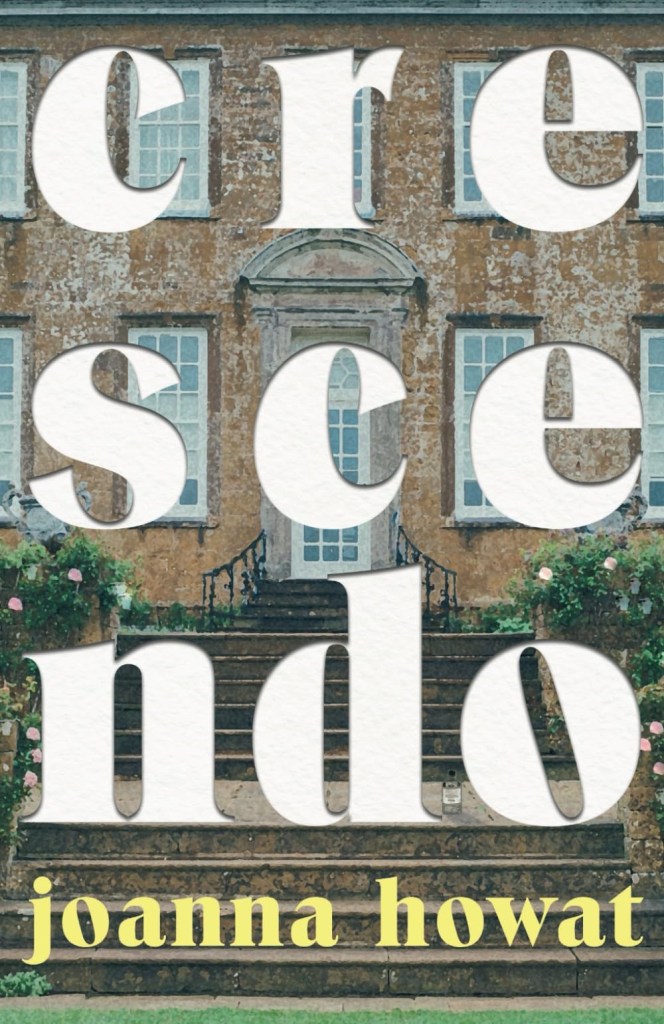
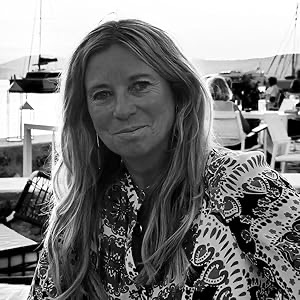
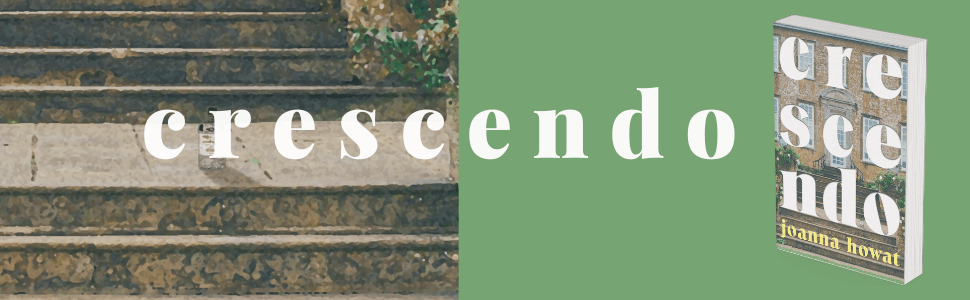


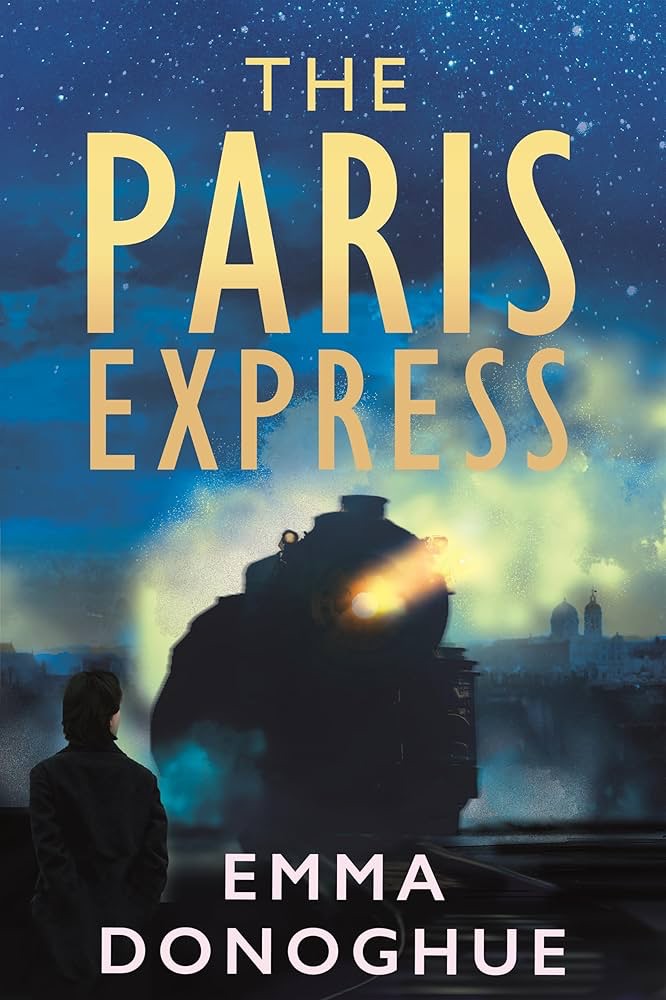






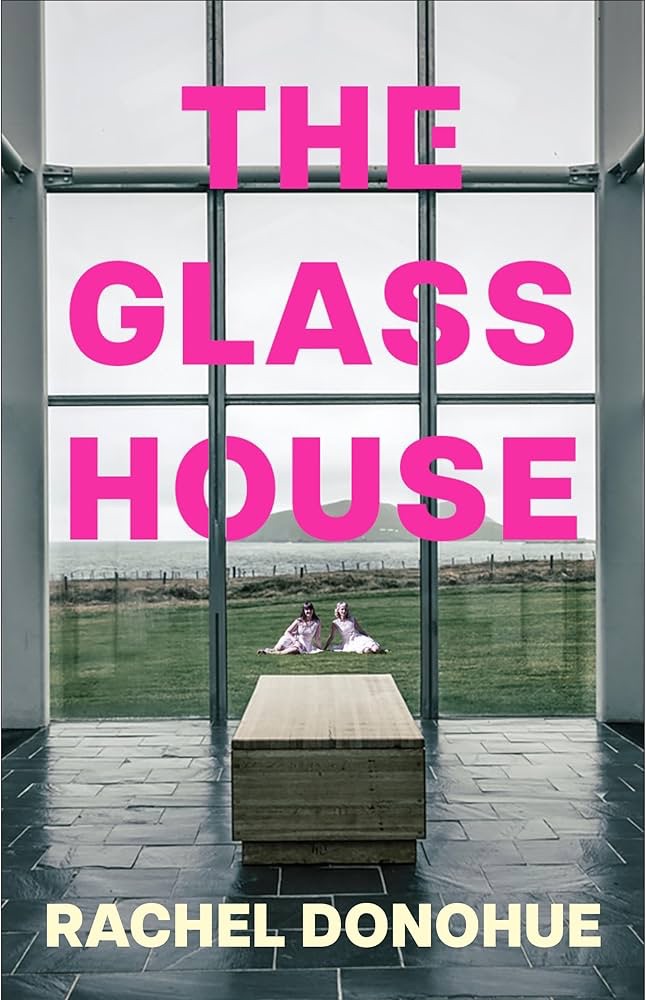
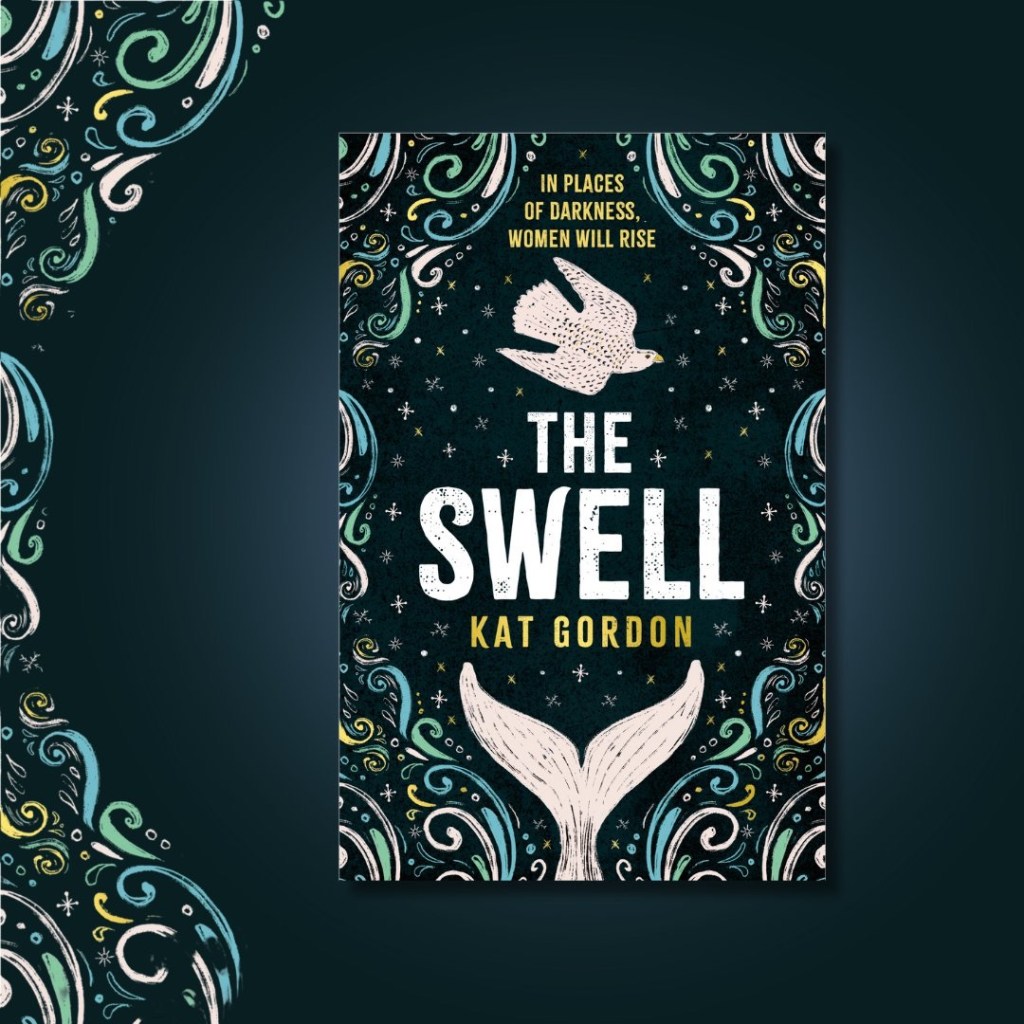
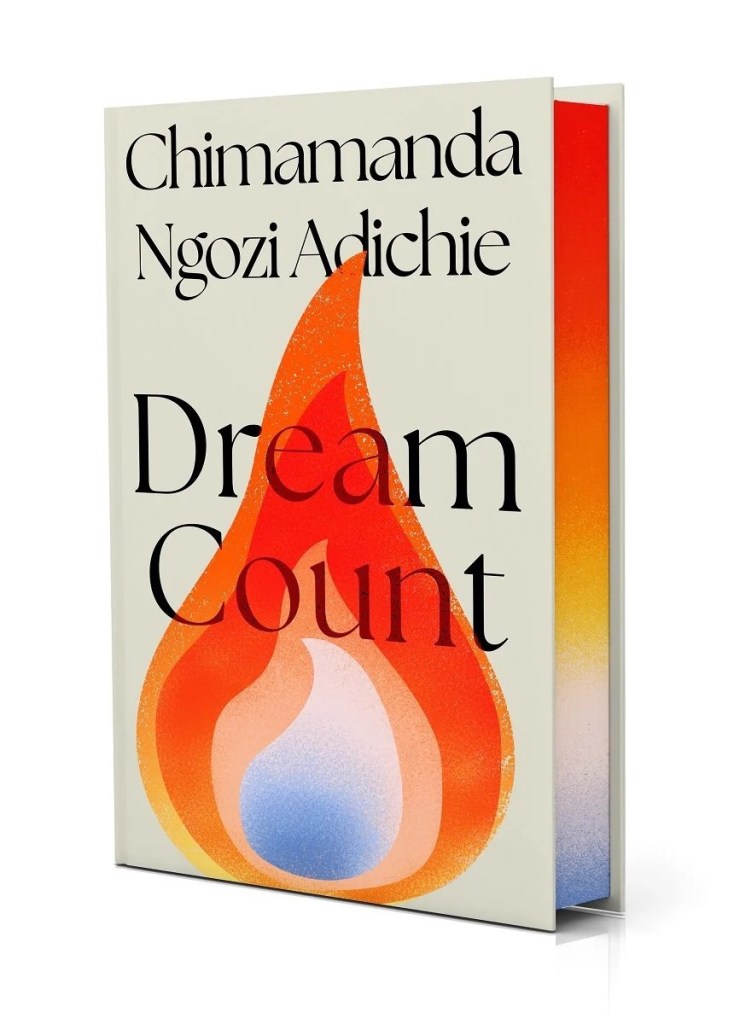



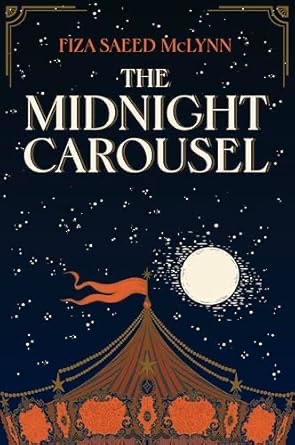
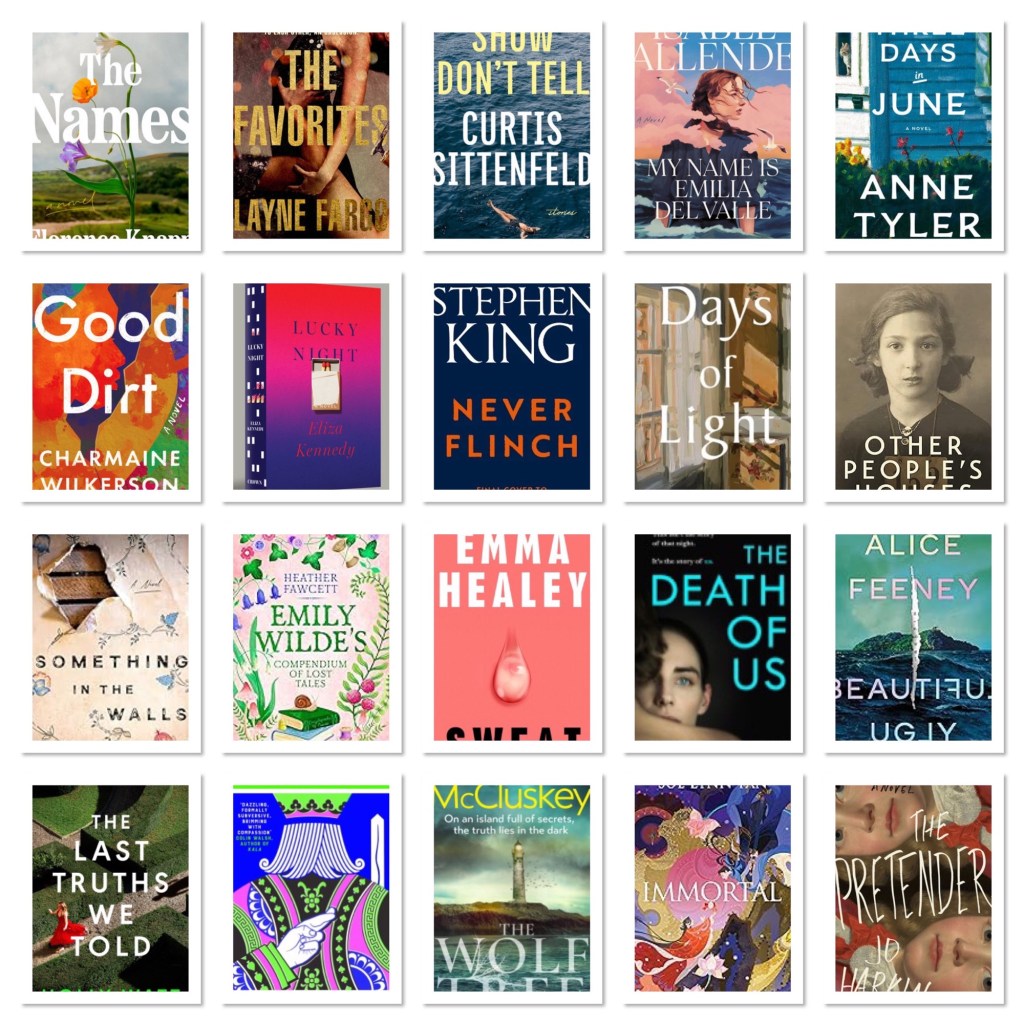
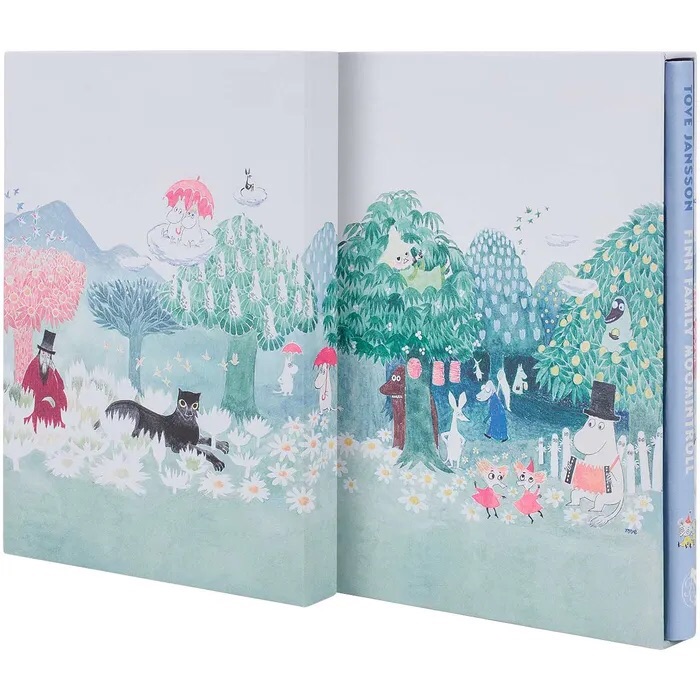
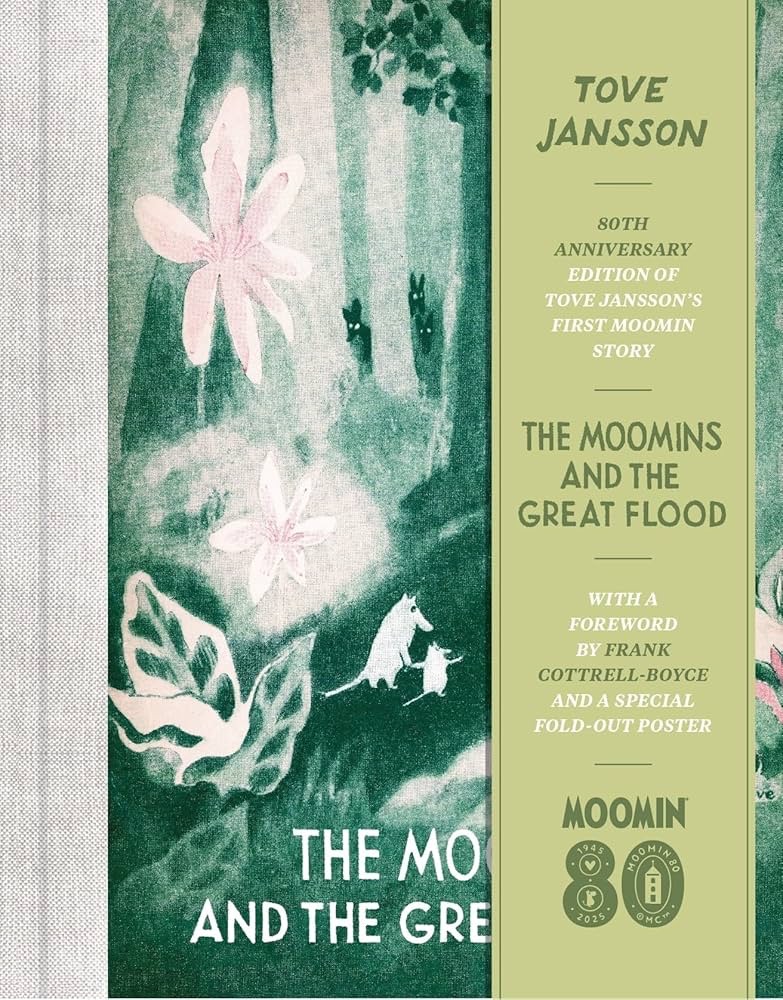
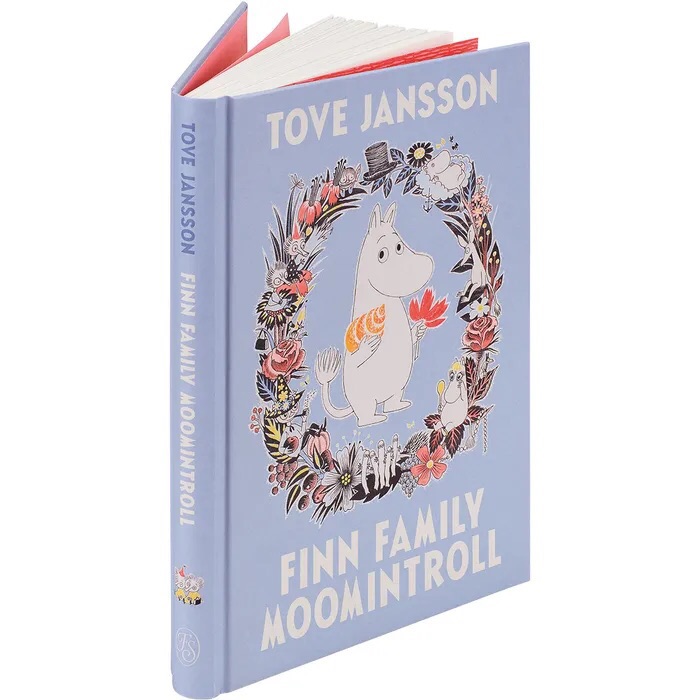
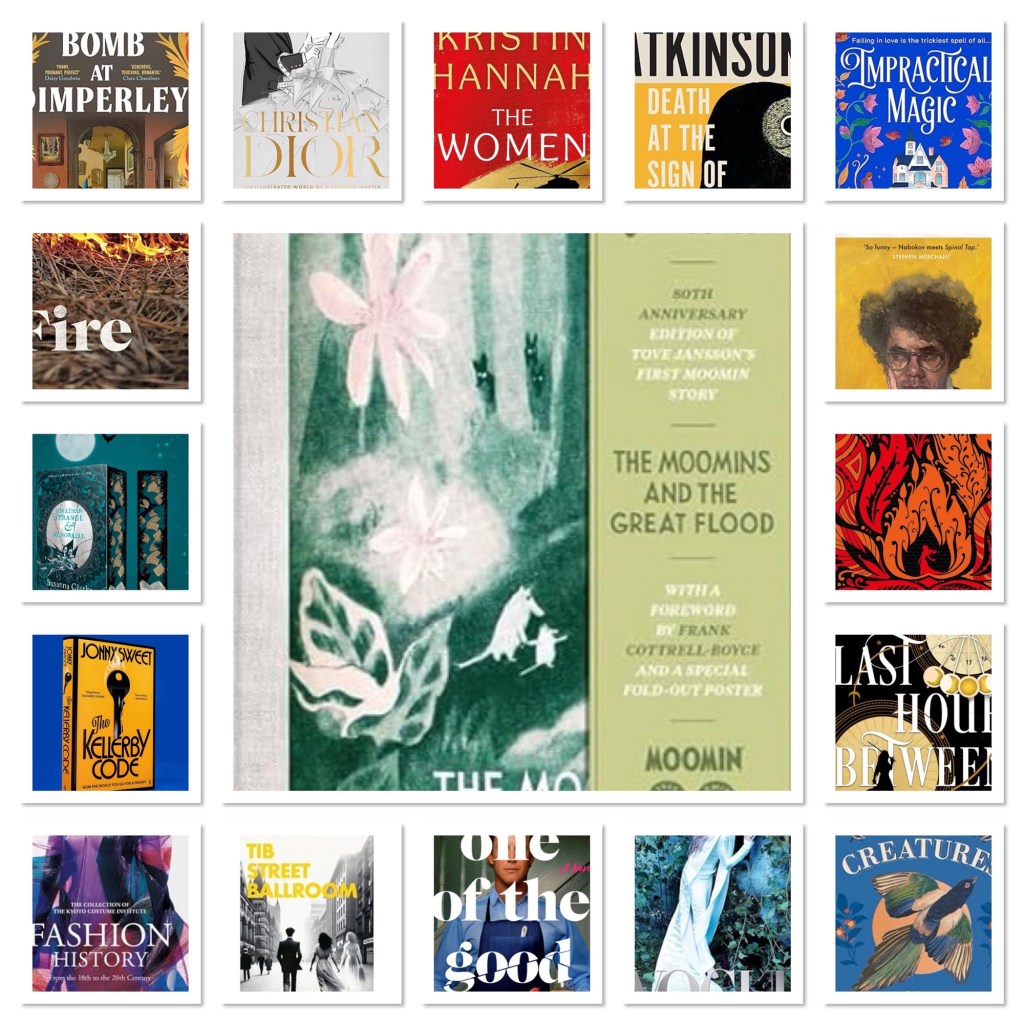

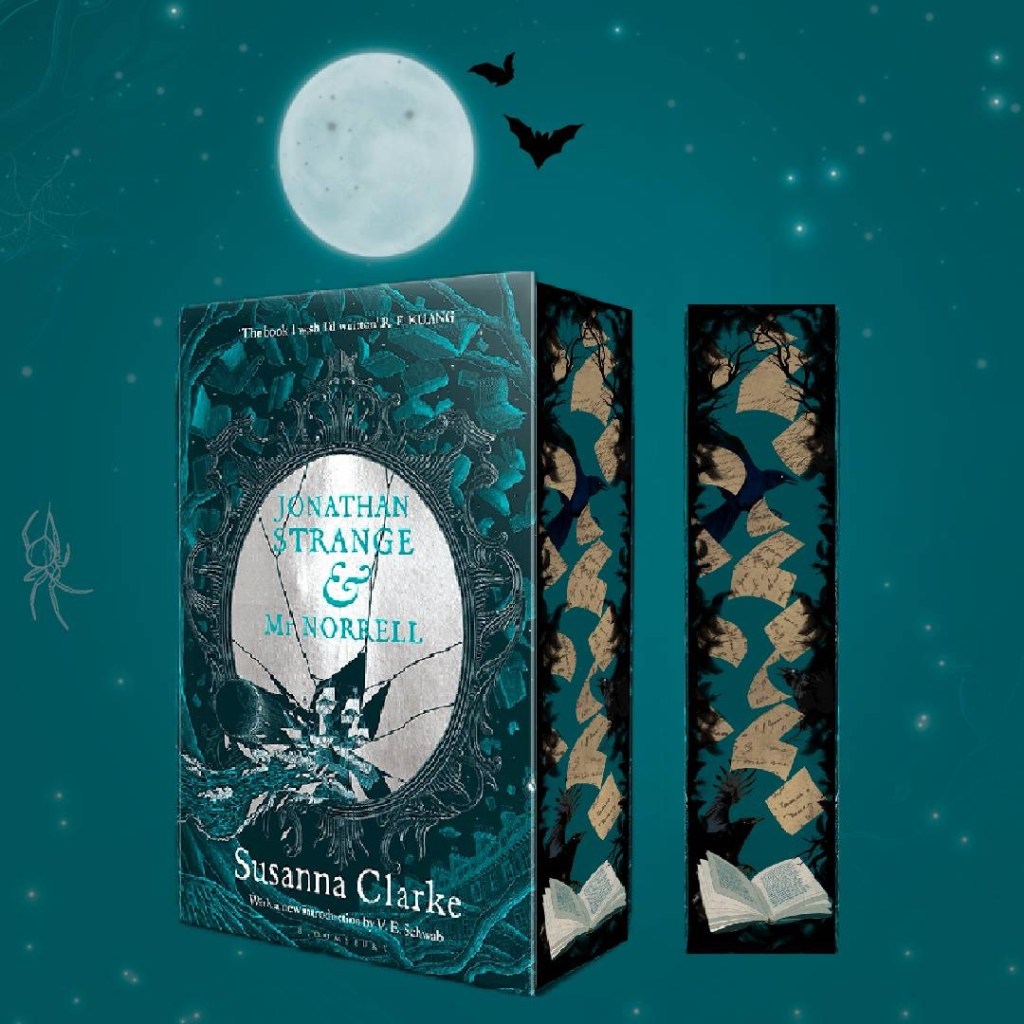
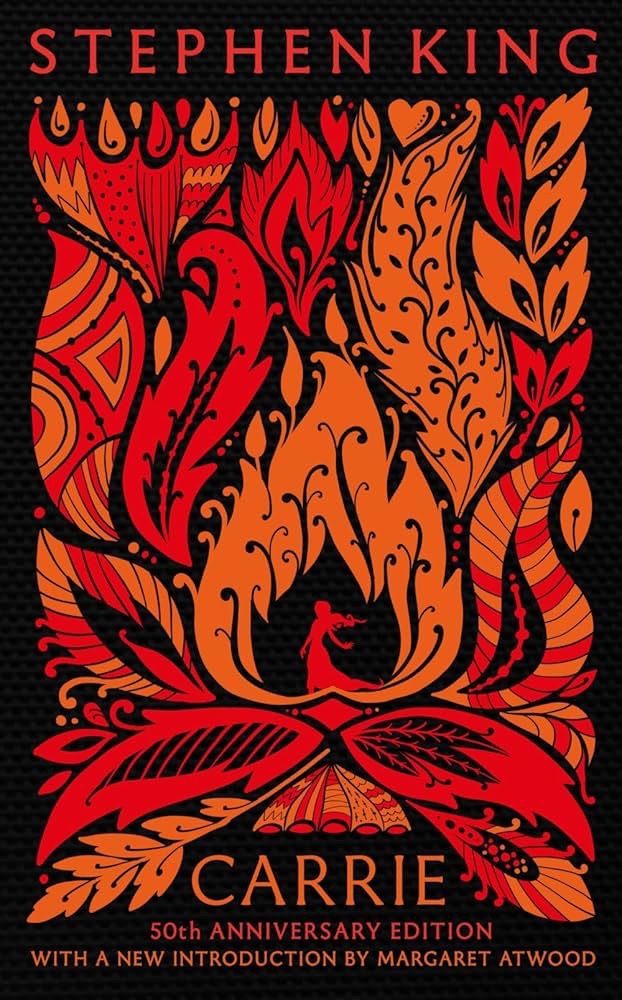
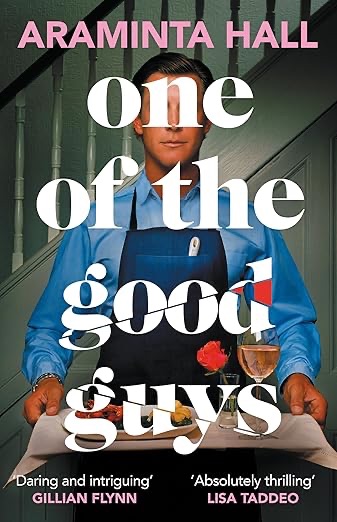
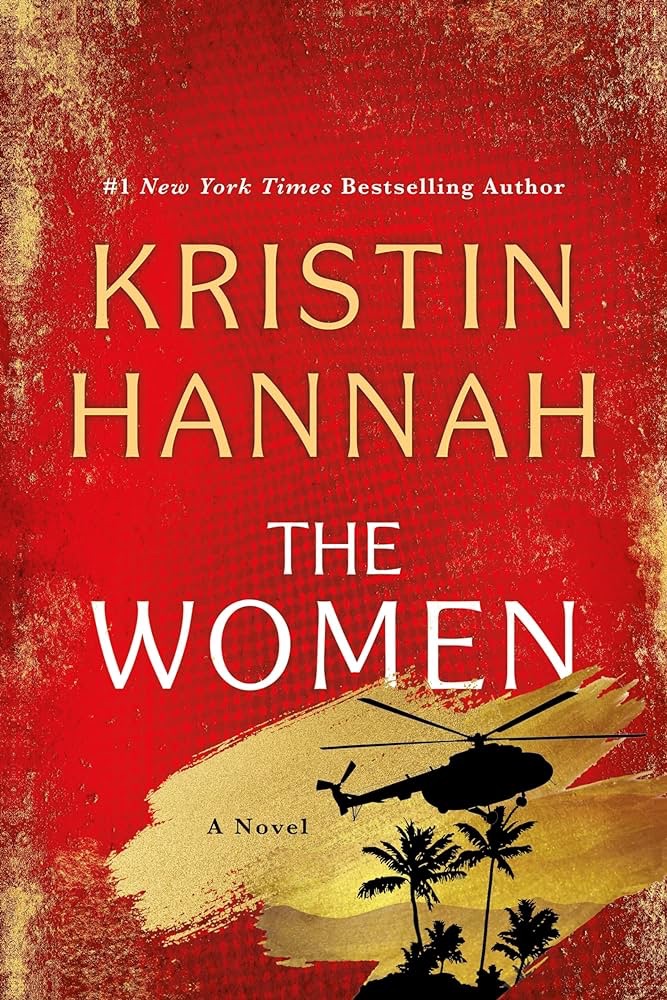
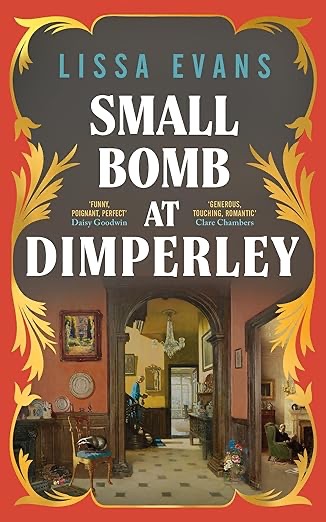


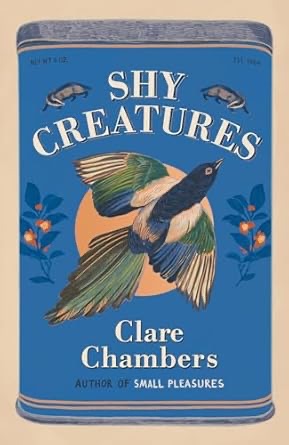

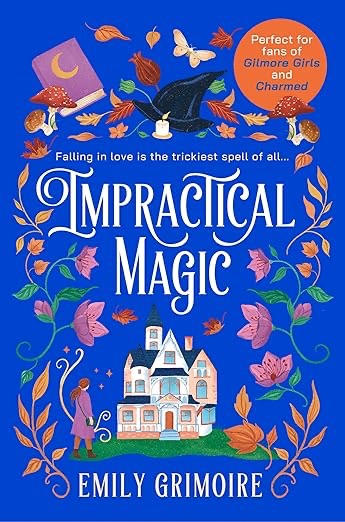
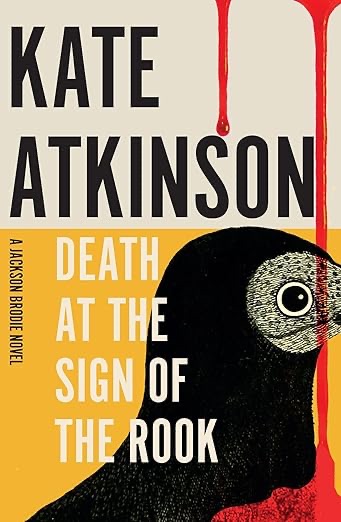

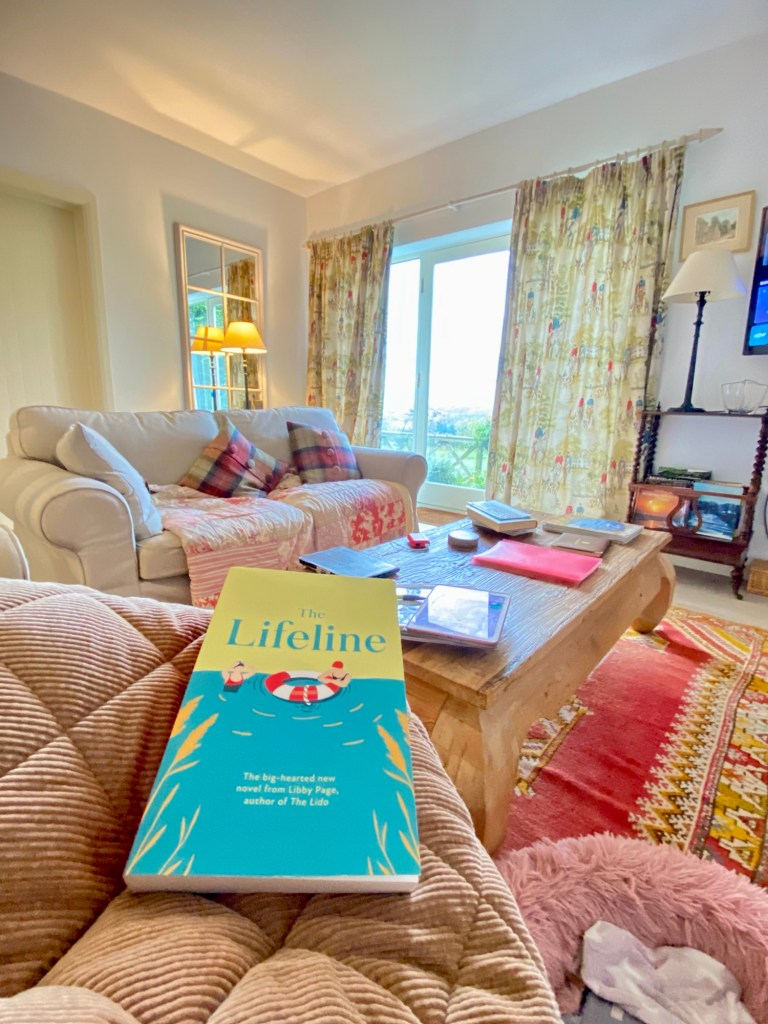
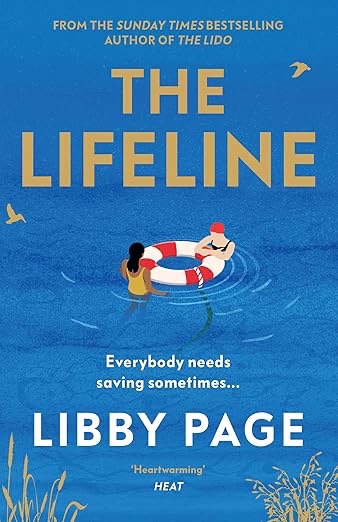

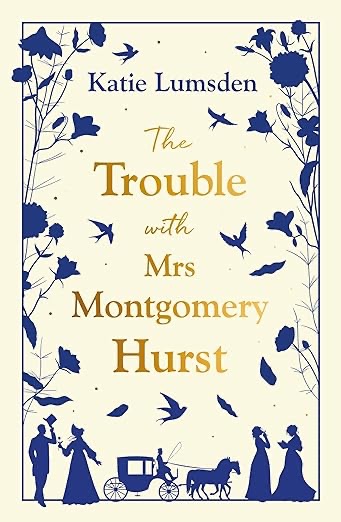


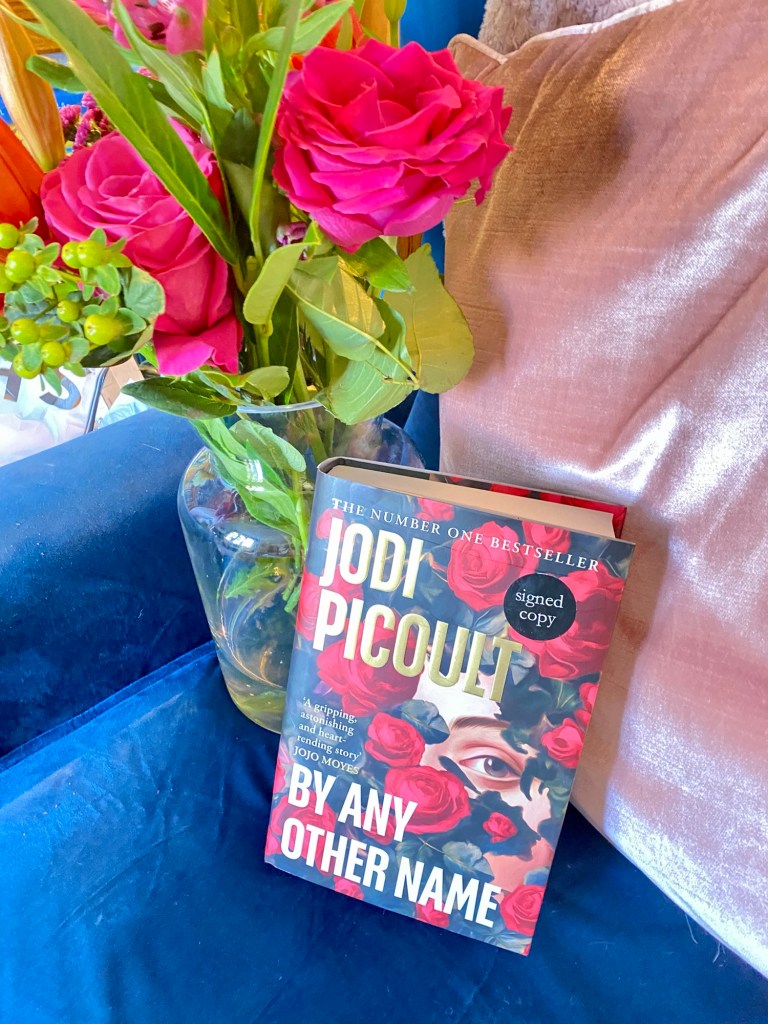


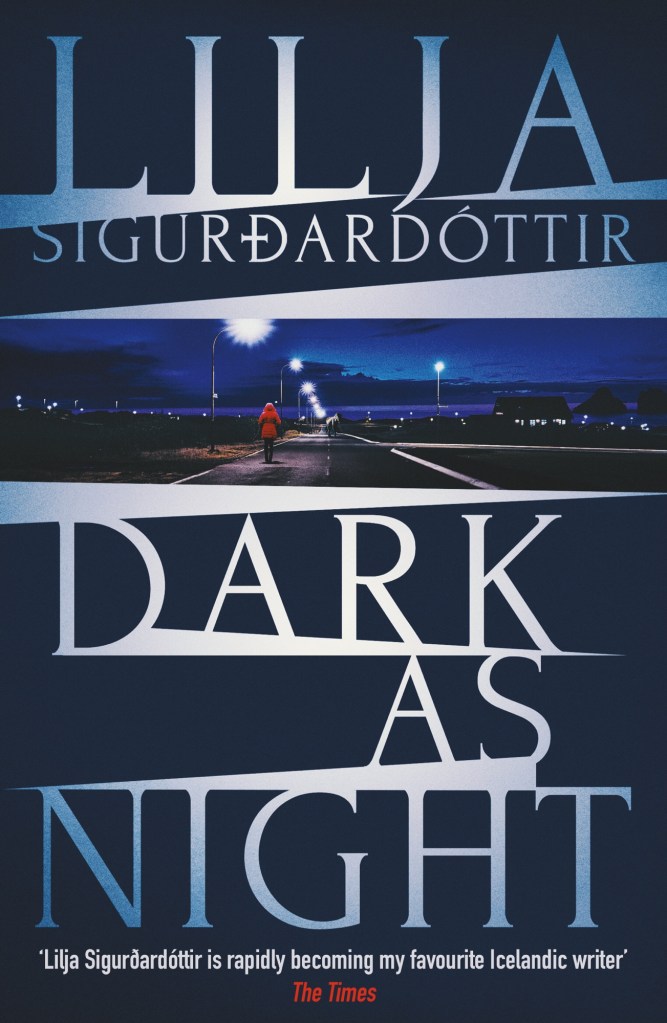


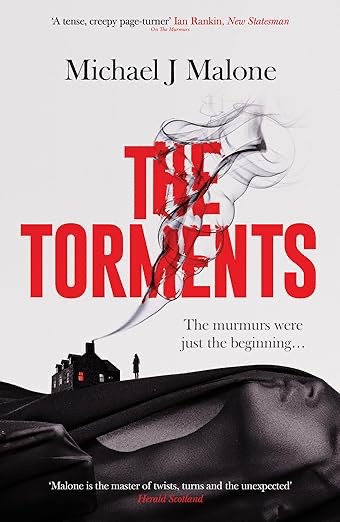


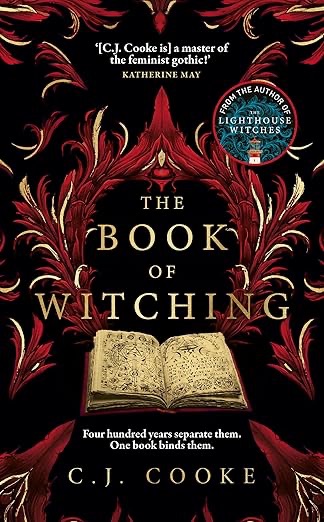

 The Lotus Readers