Posted in Writing Therapy

Ten Bookish Thoughts For A New Year

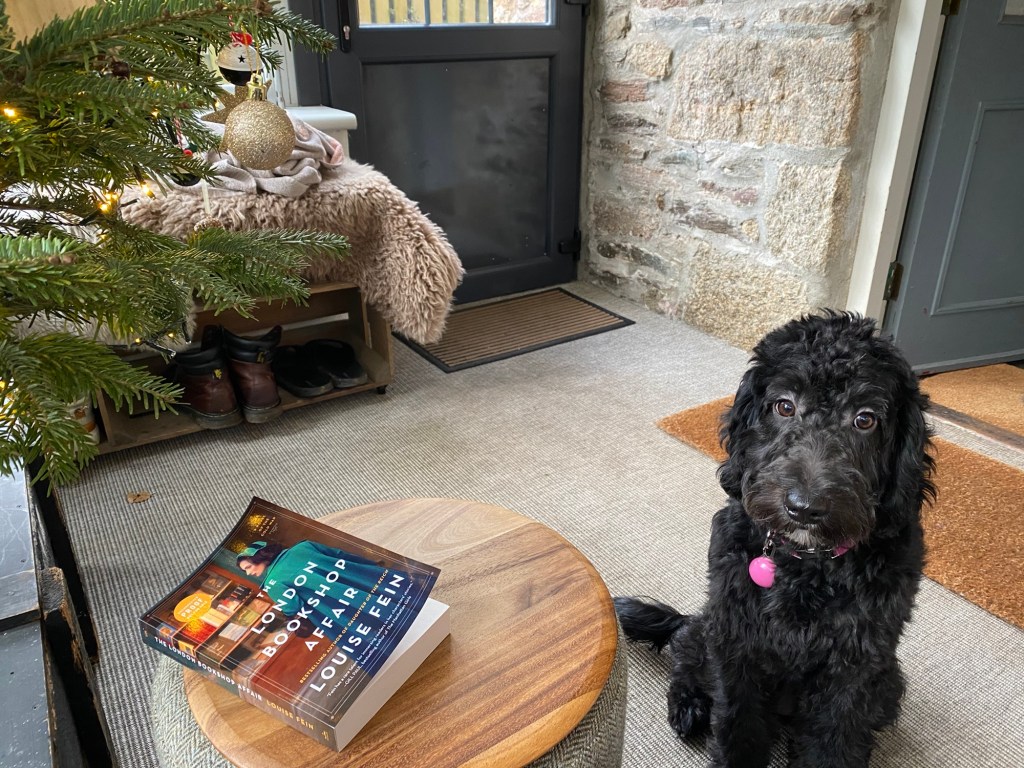
I’m lucky enough to have spent the first two weeks of the New Year on honeymoon in Cornwall. It’s been blustery, wet and very brisk ( a Lincolnshire euphemism for those mornings when it’s so cold and the rain so hard that your face feels like it’s been pebble-dashed ). I wouldn’t have it any other way though. I love the brisk cold followed by a hot brew, a roaring fire and a good book. I love winter beaches and meeting other nutters out walking their dogs on New Year’s Day while the Atlantic batters the shore. It’s wild and beautiful. If I want something more sheltered and sedate we are no further away from the opposite coastline with it’s pretty coves, creeks and Daphne Du Maurier style private shingle beaches along the Helford River. There I can pretend to be the second Mrs De Winter, walking Jasper along the beach below Manderley. I’m also staying somewhere rather special – a place I’m going to tell you all about tomorrow. I’ve brought with me an iPad full of January book releases so I can get ahead of my blog tours, but also enjoy some NetGalley picks. Inevitably New Year gets us all thinking about how we’ve been living and the changes we might want to make. As regular readers know, I don’t believe in New Year’s Resolutions but I do have some thoughts about how I want my bookish adventures to continue.

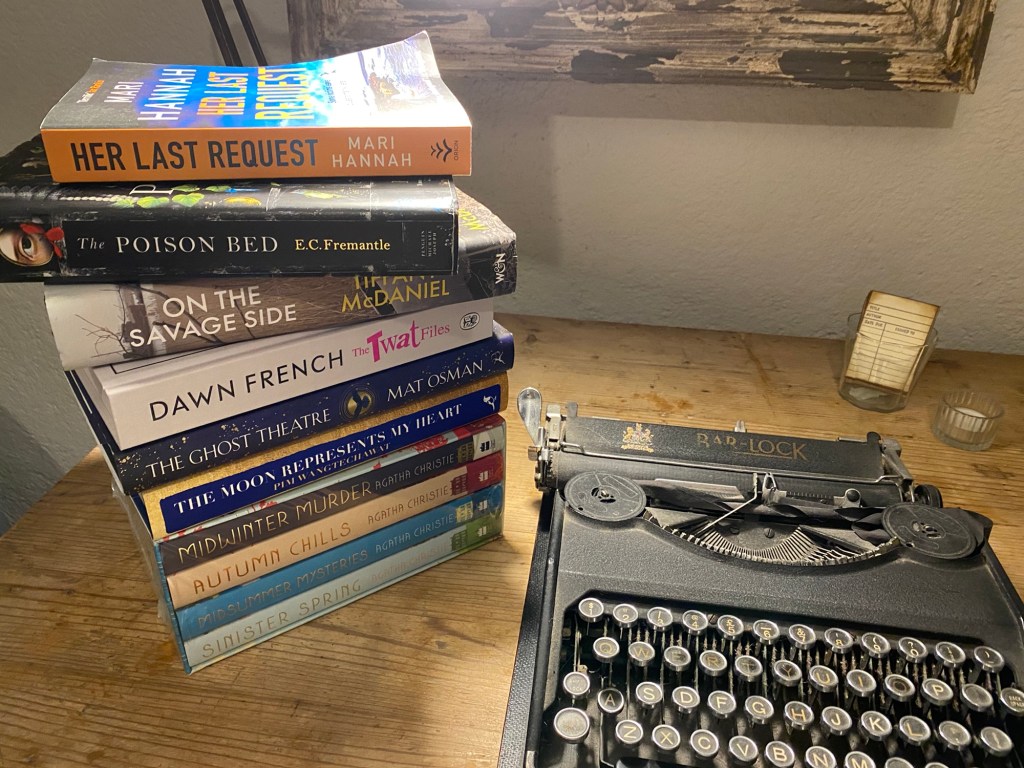
1. Making more sensible reading choices – it’s so easy to be lured by blog tours and the organisers I work with do have some incredible titles coming up. However, the more blog tours I do the more my NetGalley list comes to a standstill and older books might never get a look-in. Despite my shelves groaning with second hand books I rarely find time to read one, having been lured away by shiny new releases. So I’m going to do a maximum of two blog tours per month so I can choose every other book I read. Whether it’s from NetGalley, my second hand purchases or the physical proofs I get sent it brings some freedom back to my reading. It’s so easy to get caught up in the race to get the newest proof or next year’s must have new book. I don’t want to lose the joy I’ve always had in reading and writing about books.

2. Writing About Second-Hand Books – I love to find an absolute bargain when browsing through the second-hand books and plan holidays around browsing some of my favourite second-hand haunts. A lot of people can’t afford the latest book, or the myriad of special editions that I’m susceptible to – honestly I need an addiction clinic for this particular vice. So I’m going to be featuring more of my charity shop bargains and recommending great second hand books to pop on your buying lists when you’re trawling Oxfam or some of the fantastic second hand haunts around the country. There are so many great reads out there and they don’t have to be the latest big thing.

3. Featuring ‘Gift’ Books – Like a lot of my bookish friends I received some brilliant books for Christmas and some were what I’d call ‘gift’ books. They might be a special copy of a novel, including illustrations or be a non-fiction subject I’m interested in. My other half knows I love books around creativity, fashion, Art Nouveau and the Pre-Raphaelite movements, well-being, animals, costumes for the theatre or ballet. Or very specifically I love Liverpool, Moomins, Chatsworth House and anything to do with Liberty. This Christmas I was treated to a beautiful gift edition of The Girl of Ink and Stars, a biography of Tove Jansson and her creation of the Moomins, a stunning book about Jane Austen’s wardrobe and another about using ‘free’ embroidery as a technique for improving well-being. I often think that I should photograph and share them with followers and I’m going to resolve to do it this year, maybe even use TikTok a little more.

4. Saying No – this is a tough one for a people pleaser, but I do feel the need to say no more often. This is about saying no and protecting my time to read and write first of all. It’s easy to get sidetracked by other people or housework. There’s also that difficulty all workers from home have, that because it isn’t paid work or just because you’re at home it’s okay to drop in unannounced. I’ve got to learn to say that I have a little work to do. If someone pays me a long afternoon visit and I have blog post imminent or have been on fire with my own writing, I have to make up those hours. I need to write that blog in the evening or hope that the inspiration has lasted. I do love people feeling able to pop in though so this is going to be a tough one to break. Also this links back to numbers 1 and 2 in that I will have to say no to some books this year too.

5. Book Sluttery – twenty years ago when I first met my late husband, Jez, I was catapulted into a different world when it came to money. I’d been skint most of the time, on disability benefits but doing up to ten hours a week of permitted work meant that I had to pay rent. Usually after bills, I had approximately £20 to cover food for me and my cats, then after that any sort of socialising or personal spending. His financial advisor came to see us after we moved in and I was utterly fascinated with the way he created a budget. I know you’re a bit of a film and book person so that needs to be factored into the budget. I explained that I usually only spent on myself after everything else was paid. He taught me that if I didn’t split whatever amount left I had into portions for each hobby, I would never do anything or I would overspend. He was right. So I have given myself a monthly book budget because we know I’m going to buy them, but at least I won’t be tempted into bookish incontinence. I remain a bookslut, just hopefully a more sensible one.

6. Championing My Own Writing – one of my most read blogs from last year was about what I called ‘literary glimmers’, those beautiful shining moments in a book where an incredible landscape transports you to another place, where an incredible first kiss whisks you back to a memorable moment, or where a truth becomes so evident you can’t ignore it. This year I’d like to write more blogs like that or maybe share some poetry. I’d like people to hear my narrative voice and see what they think. I’m not going to hide the fact I have a WIP.

7. More Focus on the Squad Pod Collective – you may or may not know that I am a member of the Squad Pod Collective. This group of bookish friends became very close during COVID, keeping a chat group running on Twitter and another on WhatsApp. It was mainly personal support while we all shielded, home-schooled and were furloughed. Of course the talk often did turn to books and now the Squad has developed enormously, having a monthly book club choices, read-alongs and author interviews which is really exciting. I’m hoping to be able to give more focus to the squad this year and join in more with online chats and read-alongs.

8. The Therapeutic Aspect of Books – I have until very recently, been studying for an MA in Creative Writing and Well-being. However earlier last year I had to accept that my health was deteriorating too much to continue. It was a sad choice, but I have MS and there are days every week where I don’t even end up out of pyjamas. Reading has always been my ally when I’m struggling and I can still read or write unless I’m feeling really unwell and have to take a complete break. I love keeping my brain active and learning is a big part of my life so I’ve signed up for online courses in writing and bibliotherapy. When counselling I’ve often recommended books to clients and I’m interested finding out more. There are no set deadlines and I can do as much as I want when I can, so it’s perfect for my up and down life. Im also going to share some therapeutic books with you and share what they’ve done for my health and well-being.

9. Sharing Great Book Haunts – wherever my husband and I go on holiday or weekend breaks I have to spend one day on a bookshop visit. I have a favourite haunt everywhere we go and I’d like to spend more time this year telling you all about them.

10. Saying Yes Too New Experiences I suppose number 8 is part of this, but I think it’s unhealthy to be in a rut and never try anything new. So I’m going to say yes to things: meeting new book friends, trying some bookish events, finally learning how to use TikTok. I know health is going to dictate some of these, but I’m feeling determined!

So that’s just a few thoughts for my bookish year ahead and I’m excited about the amount of incredible books coming up. It seems that every year gets better and I have to spend a lot of December trying to wrangle a top 20 out of so many great reads. I’m looking forward to it. Let me know what you’re looking forward to this year or any changes you’re thinking of making to your blogging life.
Posted in Writing Therapy

Literary Glimmers

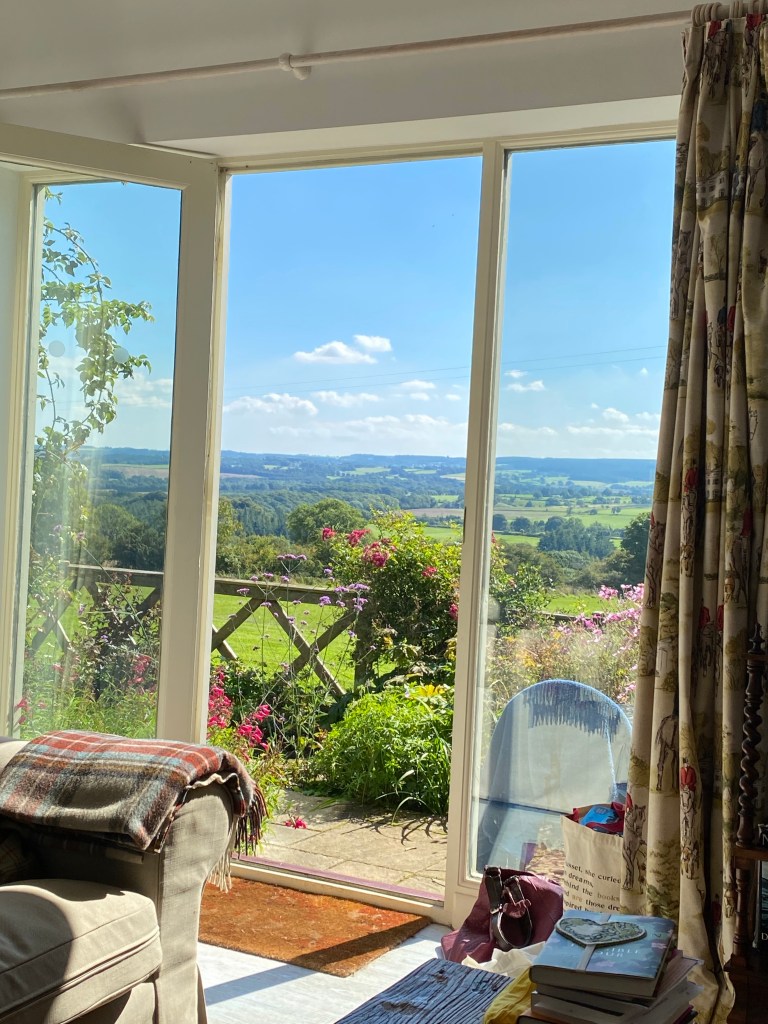
I don’t know how many of you have come across the term ‘glimmers’ but it’s one I love and notice more and more, it’s about finding joy in the everyday, but not expecting to feel cock-a-hoop all the time. Instead recognise those moments when we’re stopped in our tracks by something beautiful – a sight or a sound, but any combination of the senses is okay. In that moment we are purely happy. Glimmers are the opposite of triggers. Where triggers might send us spiralling back into negative emotions, glimmers do the opposite, a mixture of happiness, wonder, calm and contentment. The word was coined by social worker Deb Dana who suggested that in between moments of extreme joy – getting married, getting your dream job – we need to look for micro joys. They may be fleeting moments, but the more we stop and enjoy them they can have a very positive effect on our mental well-being. In an article in Stylist magazine, clinical psychologist at Headspace Dr Sophie Mort describes them as ‘safety cues’ that tell the nervous system we’re okay.

“Glimmers don’t tend to lead to euphoric moments; instead, they gently nudge us towards ease, relaxation, connection and a feeling that the world is OK. And, they can be fleeting. We will all have our own specific brand of glimmers and they can be found in a number of different places and senses.”

https://www.stylist.co.uk/health/mental-health/glimmers-how-to-spot/814102 18/09/23

Their list of possible glimmers included:

  • A phone call from your best friend
  • Watching your favourite tv show
  • Cuddling pets
  • Being in nature – from a walk in the woods to watching the stars

It made me realise that I get these moments when I read quotes or passages from one of my favourite novels. Those moments where you read a paragraph then pop the book down for a minute to soak in the words. There are some that whenever I hear them I notice myself smiling, they bring such joy into every day life! I’m going to share with you my twelve literary glimmers.

1. “And at home by the fire, whenever you look up, there I shall be — and whenever I look up, there will be you.“ Far From the Madding Crowd Thomas Hardy

2. “His heart beat faster and faster as Daisy’s white face came up to his own. He knew that when he kissed this girl, and forever wed his unutterable visions to her perishable breath, his mind would never romp again like the mind of God. So he waited, listening for a moment longer to the tuning fork that had been struck upon a star. Then he kissed her. At his lips’ touch she blossomed like a flower and the incarnation was complete.” The Great Gatsby F.Scott Fitzgerald

3. “It has always seemed to me, ever since early childhood, amid all the commonplaces of life, i was very near to a kingdom of ideal beauty. Between it and me hung only a thin veil. I could never draw it quite aside, but sometimes a wind fluttered it and I caught a glimpse of the enchanting realms beyond-only a glimpse-but those glimpses have always made life worthwhile.” Anne of Green Gables by L.M Montgomery

4. “This was the simple happiness of complete harmony with her surroundings, the happiness that asks for nothing, that just accepts, just breathes, just is’. The Enchanted April by Elizabeth Von Armin

5. “The wood was silent, still and secret in the evening drizzle of rain, full of the mystery of eggs and half-open buds, half unsheathed flowers. In the dimness of it all trees glistened naked and dark as if they had unclothed themselves, and the green things on earth seemed to hum with greenness.” Lady Chatterley’s Lover by D.H.Lawrence

6. “George had turned at the sound of her arrival. For a moment he contemplated her, as one who had fallen out of heaven. He saw radiant joy in her face, he saw the flowers beat against her dress in blue waves. The bushes above them closed. He stepped quickly forward and kissed her.” Room With A View by E. M. Forster

7. “almost met in the middle. From either hand the notes of the small birds that had not yet given up singing went winging out across the water, and so quiet it was that though they were only such thin songs as those of willow wrens and robins, you could hear them all across the mere. Even on such a burning day as this, when I pulled the honeysuckle wrathes, there was a sweet, cool air from the water, very heady and full of life. For though Sarn was an ill place to live, and in the wintry months a very mournful place, at this one time of the year it left one dreaming of sorrow and was as other fair stretches of wood and water. All around the lake stood the tall bulrushes with their stout heads of brown plush, just like a long coat Miss Dorabella had. Within the ring of rushes was another ring of lilies, and at this time of the year they were the most beautiful thing at Sarn, and the most beautiful thing I’d ever seen. The big bright leaves lay calm upon the water, and calmer yet upon the leaves lay the lilies, white and yellow. When they were buds, they were like white and gold birds sleeping, head under wing, or like summat carven out of glistering stone, or, as I said afore, they were like gouts of pale wax. But when they were come into full blow they wunna like anything but themselves, and they were so lovely you couldna choose but cry to see them. The yellow ones had more of a spread of petals, having five or six apiece, but the white ones opened their four wider and each petal was bigger. These petals are of a glistening white within, like the raiment of those men who stood with Christ upon the mountain top, and without they are stained with tender green, as if they had taken colour from the green shadows in the water. Some of the dragon-flies look like this also, for their lacy wings without other colour are sometimes touched with shifting” Precious Bane by Mary Webb

8. “If you listen, you can hear it. The city, it sings. If you stand quietly, at the foot of a garden, in the middle of the street, on the roof of a house. It’s clearest at night, when the sound cuts more sharply across the surface of things, when the song reaches out to a place inside you. It’s a wordless song, for the most, but it’s a song all the same, and nobody hearing it could doubt what it sings. And the song sings the loudest when you pick out each note.” If Nobody Speaks of Remarkable Things by Jon McGregor

9. “Every life has its kernel, its hub, its epicentre, from which everything flows out, to which everything returns. This moment is the absent mother’s: the boy, the empty house, the deserted yard, the unheard cry. Him standing here, at the back of the house, calling for the people who had fed him, swaddled him, rocked him to sleep, held his hand as he took his first steps, taught him to use a spoon, to blow on broth before he ate it, to take care crossing the street, to let sleeping dogs lie, to swill out a cup before drinking, to stay away from deep water. It will lie at her very core, for the rest of her life.”

“He feels again the sensation he has had all his life: that she is the other side to him, that they fit together, him and her, like two halves of a walnut. That without her he is incomplete, lost. He will carry an open wound, down his side, for the rest of his life, where she had been ripped from him. How can he live without her? He cannot. It is like asking the heart to live without the lungs, like tearing the moon out of the sky and asking the stars to do its work, like expecting the barley to grow without the rain.” Both from Hamnet by Maggie O’ Farrell

10. One by one, the snowflakes floated down on to his warm snout, and melted. He reached out to grab them so he could admire them for a fleeting moment. He looked towards the sky and watched them drift down towards him, more and more, soft and light as a feather. “So that’s how it works,” thought Moomintroll. “And I thought somehow that the snow grew from the ground up!” Moominland Midwinter by Tove Jansson

11. “One of the strange things about living in the world is that it is only now and then one is quite sure one is going to live forever and ever and ever. One knows it sometimes when one gets up at the tender solemn dawn-time and goes out and stands out and throws one’s head far back and looks up and up and watches the pale sky slowly changing and flushing and marvelous unknown things happening until the East almost makes one cry out and one’s heart stands still at the strange unchanging majesty of the rising of the sun–which has been happening every morning for thousands and thousands and thousands of years. One knows it then for a moment or so. And one knows it sometimes when one stands by oneself in a wood at sunset and the mysterious deep gold stillness slanting through and under the branches seems to be saying slowly again and again something one cannot quite hear, however much one tries. Then sometimes the immense quiet of the dark blue at night with the millions of stars waiting and watching makes one sure; and sometimes a sound of far-off music makes it true; and sometimes a look in someone’s eyes.” The Secret Garden by Frances Hodgson Burnett

12. The Peace of Wild Things

When despair for the world grows in me
and I wake in the night at the least sound
in fear of what my life and my children’s lives may be,
I go and lie down where the wood drake
rests in his beauty on the water, and the great heron feeds.
I come into the peace of wild things
who do not tax their lives with forethought
of grief. I come into the presence of still water.
And I feel above me the day-blind stars
waiting with their light. For a time
I rest in the grace of the world, and am free.”

Wendell Berry.

Posted in Writing Therapy

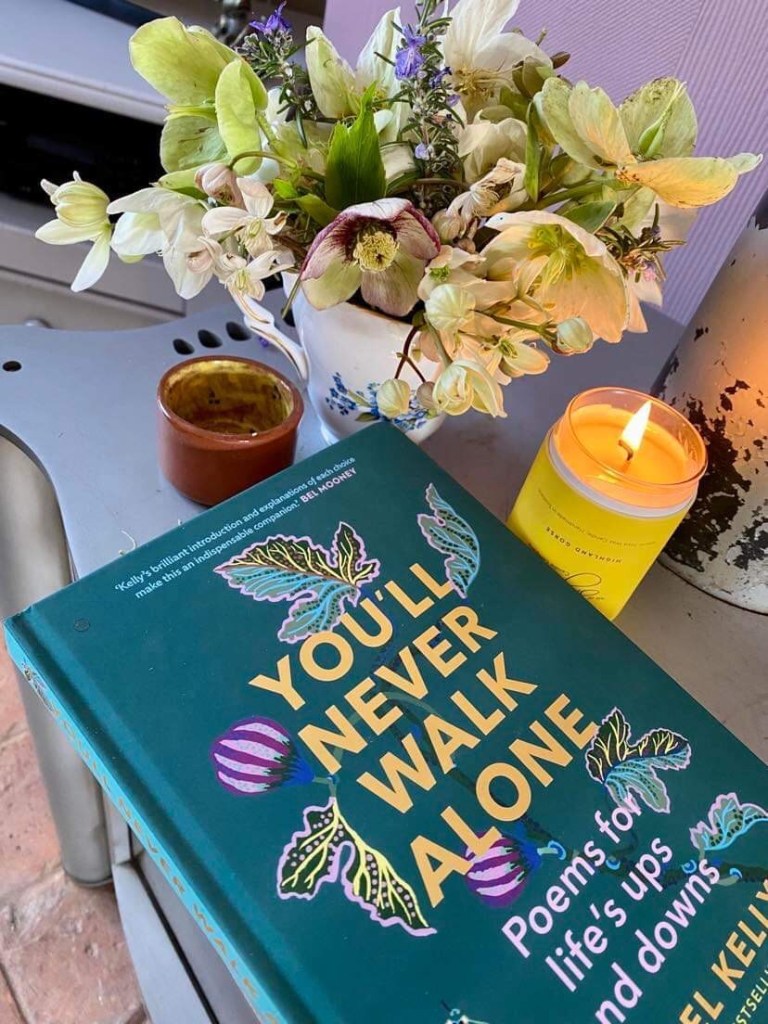
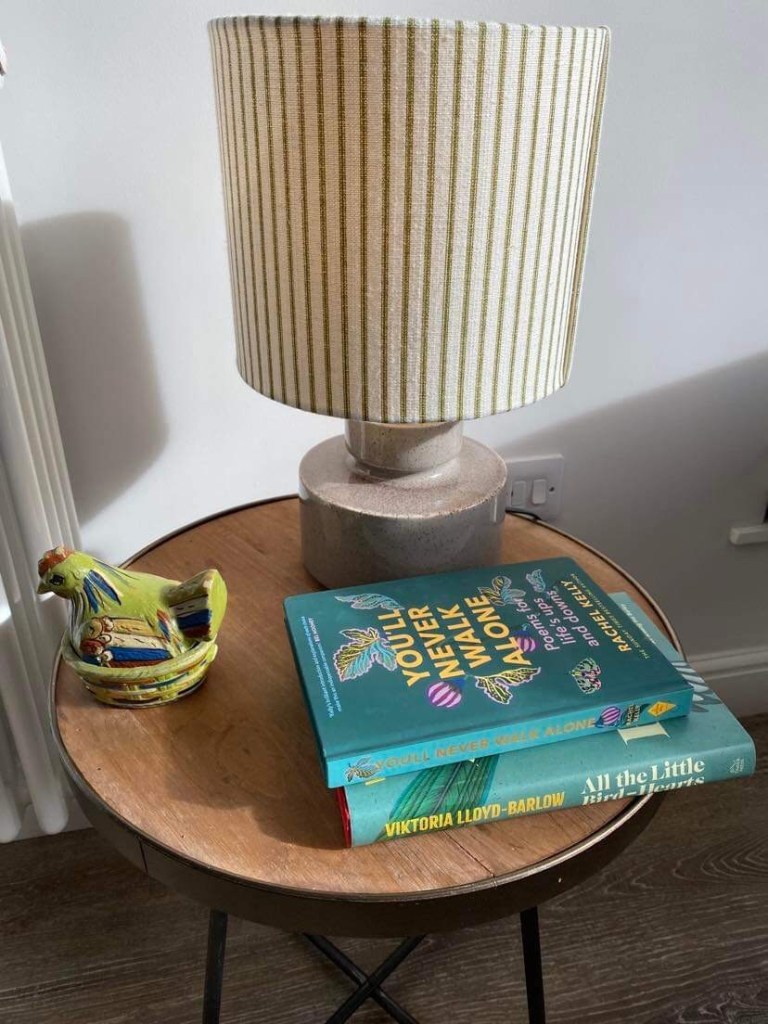
Springtime: You’ll Never Walk Alone – Poems For Life’s Ups and Downs by Rachel Kelly.

When I was offered this book of poetry to review I wanted to do more than just a basic review. This is the sort of book I would use when working with clients and the collection has been gathered with writing therapy in mind. For me spring is the perfect time to start working with clients, because it’s naturally a time of growth and change. It’s a much more natural time to make life changes or start to challenge ourselves rather than the dead of winter. Our moods tend to lift and we want to be outside enjoying the milder weather. So over the next few Sundays I’m going to use this book to show how I work with clients and some exercises you might want to try. Firstly, I’m going to write about how I felt about the collection and how it’s been framed by the editor and then look at how we respond to poetry.

Review

This is a fantastic collection of poetry, cleverly sectioned into seasons and the emotions those seasons might inspire in us. Alongside her chosen poems are illustrations and a thoughtful reflection on how each poem has come to mean so much both to the author and to years of readers. As Kelly starts off in her introduction, ‘words can be a way to make sense of our feelings’ and I would definitely back that up from the writing workshops I’ve held. Even when we can’t find our own words, reading someone else’s can light a spark of recognition in us. Not only does it help identify feelings, it shows us that someone else has felt how we do, We are not alone. This is where this book excels, it’s a companion. It would be a great bedside table book, then if we wake in the night feeling sad or anxious we can flick through and find someone who expresses exactly how we’re feeling. It’s good to keep a notebook to hand as well, to jot down your responses. The book also excels in the way it’s laid out, split into seasons of the year. There are specific emotions that we attach to the seasons and with it being early spring I noted how hopeful spring poems are. They signify beginnings, new growth, the banishing of winter and hopefulness. As growth appears in the garden, we hear the new dawn chorus or smell a hyacinth, it can’t fail to raise our spirits. So the seasons in the book can follow the emotional seasons we experience – for example, we can sink into hibernation when feeling low or depressed. The poetry chosen really does suit it’s season well. As a writing therapist I can see how I could use this book when designing short courses on identifying feelings, beginnings and endings, how to use poetry to boost your well-being and so much more. As a reader I think it’s a great collection, beautifully illustrated and a fantastic bedside book to dip in and out of from time to time when you need support.

Response To Poetry

One of the most astonishing things about working with words is that the simplest things work. I sometimes felt, early on in my practice, that I wasn’t writing nearly enough for a session. With experience I learned that just doing a couple of exercises – a check-in, warm up write, then a longer piece – is more than enough. You have to factor in feedback time and sometimes that can take longer than the writing itself. It’s vitally important, because not only does it help the participants process what they’ve written, it bonds the group together and lets that person feel safe and listened too. Putting something down on paper then sharing it aloud is a double process where we get to see it in black and white, then say it, releasing it into the world instead of keeping it hidden inside. Either or both can unleash incredible and unexpected emotions.

Responses to poetry are a simple and powerful way for a group to get to know each other and share where we are in our life journey. Spring poems are great for this opening moment because spring is a season full of the things we might identify with – beginnings, trepidation, light, promise, hope and relief. We might be putting down a heavy burden, perhaps for the first time, so we feel lighter, we’re letting sunshine in and we’re trusting things might get better. We might be skeptical, stunned by the sherbet lemon yellow in a clump of unexpected daffodils, yet reminding ourselves there might be frosts to come. It also sounds so easy doesn’t it? So we write down how we feel and miraculously feel better? The answer is yes, it’s a process of course, but I’ve never had a participant feel substantially worse.

So, the idea is to pick up an anthology of poetry like this one or search online for poems about spring, then simply flick through until something grabs your attention. Read it through a few times then make some notes. Ask yourself a few questions about the poem, here are a few ideas:

Note down any words or phrases that jump out at you. Is it the meaning of the words or their sound that grab you? What images jump out in your head? Does the poem conjure up pictures of people or particular memories and what’s their significance? Do any words lift your spirit and which ones? What meanings come to mind for the poem’s imagery or for the poem as a whole?

I did this for my favourite poem that evokes spring and is included in Rachel Kelly’s collection. Emily Dickinson’s ‘Hope is the thing with feathers’ is so meaningful to me that I had it turned into a decal for my bedroom wall. It was the first thing I saw when I woke up in the morning, alongside some carved wooden wings.

Hope is the thing with feathers/ that perches in the soul/ and sings the tune without the words/ and never stops at all.

This is so meaningful to me because when I first moved into the house I’d gone through the hardest years of my life. My husband had died from complications due to multiple sclerosis. A while later I’d met up with someone I’d known a long time before, when I was a teenager. We had a whirlwind relationship and married about two years after my husband died. What followed was two years of confusion, emotional pain, self-loathing and feeling like I was going mad. It took two different periods of counselling and re-education to realise I’d married an abuser. Someone who enjoyed dragging women down, eroding their confidence and telling them something was wrong with them. It took a terrible betrayal for me to leave, because if I’d stayed he would have succeeded in taking me away from my closest family members. I have no doubt the abuse would have worsened had I stayed. So I started a period of self- healing and it was hard, because I had a distorted sense of who I was, how I looked and my own worth. I thought that waking up to that poem every morning would help, would lift my mood and give me that grain of hope. It gave me that lift in mood, experienced when we hear the dawn chorus in spring. I also felt held safely by the promise that the bird’s song will never stop. That even when I was depleted and depressed, the bird would keep singing for me. Hope will always come, just like spring always follows winter. I have a tattoo on my back of a birdcage with an open door and the bird flying off into the distance. It represents this time too and my eventual ability to fly and sing for myself.

Meet The Author


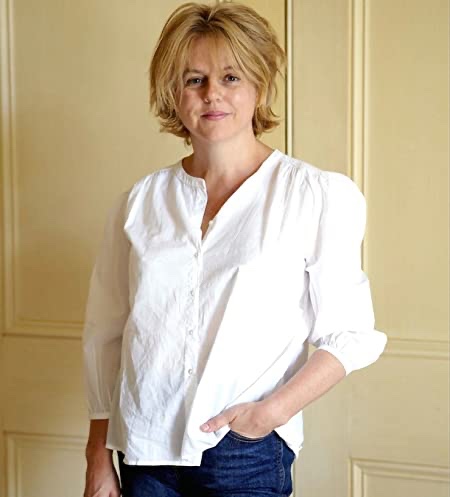
Rachel Kelly began her career as a journalist at The Times. She is the author of four books covering her experience of depression, recovery and her steps to wellbeing. Rachel writes for the press, gives interviews and public talks sharing her motivational and holistic approach to good mental health. Her memoir ‘Black Rainbow: How words healed me: my journey through depression’ (Hodder & Stoughton, 2014) on the healing power of the written word was a Sunday Times bestseller and won the Best First Book prize at the Spear’s Book Awards. All author proceeds from the book were donated to mental health charities – Rachel is an ambassador for SANE, Rethink and The Counselling Foundation and campaigns to reduce the stigma surrounding mental illness. ‘Black Rainbow’ is published in Sweden and the USA and in 2020 it will be published by Larousse in France. She has also written about the holistic approach which helped her recover – her second book, ‘Walking on Sunshine: 52 Small Steps to Happiness’ (Short Books, 2015) is an international bestseller and has been published in Canada, Croatia, Germany, Poland, Turkey, the USA, Korea and China. In 2016, Rachel co-wrote ‘The Happy Kitchen: Good Mood Food’ (Short Books, 2017) with the nutritionist Alice Mackintosh, a happiness-focused cookbook which offers over sixty recipes that promote mental wellbeing. ‘The Happy Kitchen’ has been published in the USA and Canada. Her latest publication is titled ‘Singing in the Rain: An inspirational workbook – 52 Practical Steps to Happiness’ published by Short Books in January 2019. 

Follow Rachel on Twitter @RachelKellyNet or visit http://www.rachel-kelly.net.