Sometimes as book bloggers we struggle with maintaining our blogs, for many different reasons. Illness, bereavements, family issues, working lives, caring duties, mental ill health are just a few reasons – most of which I’ve encountered over the past four years – but there are others. Most book bloggers, have at various points in their reviewing journeys, had a complete crisis and felt imposter syndrome. We might question our abilities, feel burned out or just wonder why we spend so much of our time pursuing a hobby that can be thankless. Recently I’ve struggled with the double whammy of undergoing hospital treatment, feeling unwell and experiencing a loss so some authors and publicists perhaps didn’t get everything they’d asked for. I’ve been going back over my work and trying to fill in those gaps and now that my brain’s firing again, some of these books have inspired me to spotlight a review again and take them a bit further. So this week, thanks to going back over my review of Clemmie Burton’s The Apple and the Tree, I realised I needed to publish my Q and A with this lovely author and perhaps highlight a little bit about my favourite books set in the Tudor period, one of the biggest collections of books I have. So this week on The Lotus Readers blog it’s Tudor week!
We’ll be starting with a second look at Clemmie’s first novel in what will be a series, following 21st Century Ella when a piece of jewellery seems to transport her back to the Tudor court. This is a familiar place to Ella because her grandmother Lolly had spent time walking around Hampton Court with her, talking about Henry VIII in particular and all his wives. You will see from my Q and A with Clemmie tomorrow, that her inspiration for this time period came from watching Showtime’s The Tudors. For me, my interest came very early on a family day out to Chatsworth House where a portrait of Henry VIII stands in their library. I thought it was a copy of the Hans Holbein portrait, but the artist is Hans Eworth and it’s thought to be painted around 1560. In style it’s exactly like the famous Holbein painting, the stance and richness of the clothing is so similar. It exudes power, strength and wealth. I knew from school that he had six wives, but being primary school age I didn’t know any details about that. However, being a rather macabre child I did think a lot about ghostly Tudors wandering around with their heads under their arm. Living near to Gainsborough’s Old Hall with it’s resident Grey Lady, ghostly women were definitely on my radar.
I began to read historical fiction when I was a little older and a friend decided to lend me The Wise Woman by Phillipa Gregory. This interesting and slightly disturbing novel is set in Tudor England rather than the court, but Henry VIII’s policies directly affect the events of the story. Our heroine is Alys, a wise woman expelled from her sanctuary in a nunnery by the Reformation. Without a penny to her name, Alys has to return to the old cottage where she lived before and with only her own skills to support her, she returns to the magic and healing that are her natural gifts. However, when she falls for Hugo who is a feudal Lord and already someone else’s husband. She is tempted to use her gifts in a darker way, to remove her rival and secure the object of her desire. This then took me into reading her Wideacre series and eventually The Other Boleyn Girl, thought of as the start of her Tudor novels. While I was consuming the Phillipa Gregory series, I was also reading non-fiction by authors such as David Starkey and Alison Weir, giving me the facts behind the fiction. I loved the amount of reading that Philippa Gregory did to make her novels as authentic as possible, but it was also fascinating to read about those events where even historical researchers differ on their interpretation of primary sources like Henry VIII’s own letters. When Alison Weir moved into fiction I began to read her novels too, starting with a novel about Lady Jane Grey Innocent Traitor. I found myself enjoying these novels that gave voice to the women in and around the Tudor court. These novels explored what events must have been like from their point of view, bringing the human side of these, often silent, women to life. As Philippa Gregory moved into the years before Henry, exploring events of the Cousin’s Wars, it was interesting to follow the thread of events – to surmise who and what laid the groundwork for the Tudors and how their reign had stabilised England even though many noblemen resented Henry VIII and his father.
I will be talking about my favourite historical novels set in Tudor England later in the week. However, I can’t deny that I was also fascinated by television and film that portrayed this time period and controversial monarch. Like the author Clemmie Burton I was glued to The Tudors and yes, a lot of my fascination was down to Henry Caville as Charles Brandon, Duke of Suffolk. In the late 1990s there were so many great films that fired up public interest in the reign of Henry’s daughter Elizabeth. Shakespeare in Love was something widely used at university when looking at the Tudor theatre and Shakespeare in particular. It’s essentially a romance, but it’s period detail was brilliant and it was perfect for presenting post- modern representations of Shakespeare at university. For me Cate Blanchett’s turn as Elizabeth I in two films about her life that was more Oscar worthy. Again, they were largely inaccurate, but glorious to look at and with an incredibly strong performance from Blanchett especially in The Golden Age. A similarly strong performance was Anne Marie Duff as Young Elizabeth following the years before she became Queen and her love of Robert Dudley. I was so glad I’d done the reading when it came to Renaissance Literature at university, I had so much background knowledge in my head that I was easily able to place a poem or play within it’s historical context. It was like I’d done half the work already. Later in the week I’m going to list my favourite novels set around the Tudor period and perhaps inspire you to delve into this turbulent historical period a little more.
I spent some of my recent holiday going back to the earlier books in a series I picked up half way through. I often review for Orenda books blog tours and this has meant picking up on some fabulous authors who are on the fourth or fifth book in a series. I then slowly buy the previous novels in the series and take them on holiday so I can wallow in them for a couple of days. So, it was with no idea of the subject matter, except it would be a mystery and was being revisited by a podcast called Six Stories where Scott King interviews six people connected to the case. It’s not that he expects or aims to solve the case, although that’s a possibility, it’s about hearing different voices, perhaps ones that haven’t been heard or have something to add to their original evidence. I had no idea of the geographical location in The Changeling, nor could I have predicted reading it when I did. The case begins on Christmas Eve 1988 when Sorrel Marsden is travelling along the Wentshire Forest Pass, a road between Chester and Wrexham in North Wales. He hears a knocking sound in the car and decides to pull over in a lay-by to investigate. As he gets out he glances back to check on his son Alfie who is fast asleep in his booster seat in the back. Sorrel checks under the bonnet of the car, but not seeing anything obvious he decides to continue his journey. However, as he drops the bonnet he notices the rear passenger door is open and Alfie’s booster seat is empty. He looks for his son on the edges of the forest, but with no clue where Alfie has gone he goes to the phone box and calls the police.
We holidayed on the welsh borders, with the River Wye running through the garden of the cottage. We were travelling back from Chester Zoo when I started to read The Changeling and I’d passed navigation duties to my stepdaughter so I could put my feet up in the back. So I read Sorrel Marsden’s account of his son’s disappearance as we drove from Chester into Wales! Wesolowski is skilled at creating a setting that slowly unnerves the reader and I felt this as I read about the history of the forest and the interview King does with a contractor working on the construction of a holiday park. He was working in the forest at the time of Alfie’s disappearance and tried to help with the search for the boy. Not that searching was easy, as floodlights that worked earlier that day completely malfunctioned when needed. It was also impossible to move vehicles from the area of the search, the very embodiment of a ghost in the machine or gremlins in the works. The builder claimed that strange events started happening when they tried to remove ancient trees from the woodland. With normal tools not working, they were reduced to hacking at the trunks of the trees with little success except for a few blood injuries. They were sleeping onsite in temporary buildings when the knocking started, insistent and gaining in volume despite having no visible source. Most fanciful were his stories of seeing an animal out the corner of his eye, possibly a goat or wild boar. What i found most chilling though were the voices, whispery and urgent little voices that were indecipherable but angry in tone. Sorrel Marsden has made a point of walking the pass every year on the anniversary of Alfie’s disappearance. He never claims to hear or see anything on his treks, but they do serve a purpose. They set him up as the victim, the hero of the piece, especially then compared with Alfie’s mother Sonia who has never taken part in the search or been interviewed about her son. Until now.
The character’s in the novel are open to interpretation and our impression of them might change, depending on whose account we are listening to. Part of Sorrel’s story of that night is as damning for Sonia as her absence at memorials and other events. He claims to have suggested to spend Christmas with his estranged wife and son, but as Sonia’s drinking worsened he decided to remove Alfie from his mother’s care and return with him to his own home in Wrexham. This would have given people a terrible impression of Sonia and as an uncaring and unfit mother. Yet we haven’t heard her or anyone else’s opinion, only Sorrel’s. People tend not to question or accuse the bereaved and with Sorrel being found by police curled up in the phone box in a foetal position, it’s hard to blame those in attendance for treating him with care and compassion. Yet Sonia does consent to meeting King and talks for the first time about that awful Christmas. She doesn’t deny drinking, but has some explanations for her actions. She claims that Sorrel is an unusual man, with an ability to draw people to him that goes beyond his looks or personality. She recalls being belittled and controlled. Yes she struggled as a very young and isolated mum, but no help came. Despite claiming she was a bad mother, Sorrel left her alone with Alfie and rarely visited. I loved the women who contacted Scott King to tell their story of encounters with Sorrel. Like a mini ‘Me Too’ movement these women come together to talk about coercive control, psychological abuse, strange knocking sounds keeping them awake and leaving them unnerved. These women have incredible strength and having experienced a relationship like this I had my suspicions about Sorrel Marsden.
Sorrel is controlled, especially in his work as a chef. Other kitchen workers comment on his admiration for the military way of running a kitchen, a system of rules and regulations he also expects in his kitchen at home. Women refer to an unusual feeling they’d experience, as if he had them in an enchantment. It made me think of the word ‘glamour’ in the way it’s applied to witches – folk tales tell of a witch’s ability to ‘glamour’ people, to only show those sides of themselves they wish to be seen, often appearing as a beautiful young woman when they are in fact a shrivelled old woman. If we look at it realistically, Sorrel is a master manipulator and serial abuser able to charm and convince women to trust him. He then slowly isolates them, breaks down their confidence, gaslights them and convinces them they are worthless. When his story is picked apart there are holes everywhere, including a past link to the forest. When Alfie is a toddler he suggests a family camping holiday to the forest, with a friend of his called Wendy to help with the childcare. On this trip Alfie ‘disappeared’ into the forest for the first time, found by Sorrel who walks back into the clearing with his son in his arms. Both Sonia and Wendy claim that Alfie was never the same after this trip. I could only wonder why Sorrel would have taken them to a wood with no facilities and such a haunted reputation. Did Sorrel know what was in the woods? Was Alfie some sort of sacrifice? From then on Sonia would hear strange voices and knocking when no one was there.
The section that genuinely lifted up the hairs on the back my neck seemed a bit tenuous at first. King interviews a man whose mother has recently died. She was a teacher back in the 1980’s and as part of her training she was gathering research on pupils who had behavioural issues. When she died her son found the research in the attic and was intrigued by her notes on Child A, because Child A was Alfie Marsden. Delyth recorded his behaviour on several occasions and the more she saw, the more scared she was. Alfie would turn his back on other pupils, deliberately not participating in what everyone else is doing. Alone with him, Delyth heard muttering and although he wasn’t moving, she could hear a strange knocking. There were times where she was scared to look him in the face. Yes, other teachers warned her that he might bite or lash out, but with her he was unnaturally still as if he was listening somewhere else or to something else. Did Alfie just have behavioural issues or was there something more sinister at play? Were the knockings and strange voices similar to those mentioned by the building contractors or by the women who knew Sorrel?
By the final stages of the book I was wondering exactly who is The Changeling of the story? Was Alfie’s sudden change after visiting the forest on the camping trip a sign that he was possessed or changed in some way? Or was Sorrel’s affinity with the forest a sign that he’d been there before? A Changeling is a child swapped in it’s infancy by the fairy folk, either because something wrong or because fairies want to strengthen their fairy blood. The behaviour of a Changeling is ‘unresponsiveness, resistance to physical affection, obstreperousness, inability to express emotion, and unexplained crying and physical changes such as rigidity and deformity.’ Some are unable to speak at all. I was also a little unnerved by the psychic who was brought in after Alfie’s disappearance, then stalled proceedings by saying Alfie was ‘in a Royal Court.’ It has never made sense and it never changed. As she corresponds with Scott I was unnerved by her, what does she know and how? There are a couple of utterly brilliant twists towards the end, neither of which I’d expected and one made me rethink everything I’d read up to that point, in a Sixth Sense way. I wanted to go back and reread with that knowledge, to see how I’d missed it. This was a brilliant and disturbing novel, a clever mix of psychological and supernatural elements that’s very addictive and will stay with you long after the book is finished.
Out now from Orenda Books
Meet the Author
Matt Wesolowski is an author from Newcastle-upon-Tyne in the UK. He is an English tutor for young people in care. Matt started his writing career in horror, and his short horror fiction has been published in numerous UK- and US-based anthologies, such as Midnight Movie Creature, Selfies from the End of the World, Cold Iron and many more. His novella, The Black Land, a horror set on the Northumberland coast, was published in 2013. Matt was a winner of the Pitch Perfect competition at the Bloody Scotland Crime Writing Festival in 2015. His debut thriller, Six Stories, was an Amazon bestseller in the USA, Canada, the UK and Australia, and a WHSmith Fresh Talent pick, and film rights were sold to a major Hollywood studio. A prequel, Hydra, was published in 2018 and became an international bestseller. Changeling, the third book in the series, was published in 2019 and was longlisted for the Theakston’s Old Peculier Crime Novel of the Year. His fourth book, Beast, won the Amazon Publishing Readers’ Independent Voice Book of the Year award in 2020. Matt lives in Newcastle with his partner and young son, and is currently working on the sixth book in the Six Stories series. Chat to him on Twitter @ConcreteKraken.
It has been my honour to meet this incredible writer and lovely lady on more than one occasion. The one that really stays with me is her visit to Lindum Books in Lincoln, at a time when caring responsibilities really cut into my ability to have a normal life. Having waited some time for a late carer to arrive I telephoned the book shop to enquire whether Rachel was still there. I was told she would be leaving in a few moments, so I explained what had happened and said I’d rush to get there. When I arrived, she was sat holding her coat and bag, clearly ready to leave, but she had waited for me to arrive because she didn’t want me to miss out. She signed my book and my friend’s book too, chatted about her writing and never showed impatience or a need to rush. I absolutely treasured that thirty minutes, because it showed such kindness and respect for her reader, but also because it was something I managed to do that was just about me. It was about me as a person and something I loved, nothing to do with my caring role. When meeting the NHS or social services about my husband and his care, I often felt overlooked and under appreciated by the powers that be and my personal needs didn’t matter. I often felt that I had lost myself and the things I enjoyed, so this moment mattered and showed an understanding that can be seen in her writing of this trilogy. The latest, Maureen Fry and the Angel of the North, was published late last year and it seems a perfect time to look back on these characters.
The first in the series, The Unlikely Pilgrimage of Harold Fry came out in paperback in 2013. Harold Fry is a retired gentleman living quietly with his wife Maureen. One morning he pops out to post a letter, with no idea he is about to walk the length of the country. If it had entered his head he might have left with better clothing and something more robust than canvas shoes. We know nothing about Harold when he starts his journey, an idea that pops into his brain during a conversation at a petrol station in the time it takes for the microwave to heat a burger. Rachel trusts her reader and her story, she knows the reader will want to read on, to know more about this man and what has happened in his life to create his need to walk. We begin to understand that what looks to outsiders like a ‘little life’ hides a torrent of emotion and experiences, because as Harold walks and runs he processes his life choices and the feelings that have been building up under the surface. We see his memories of meeting Maureen, set against her current, curtained off, attitude to Harold and to life. His difficult relationship with his son David. The closest friend he has ever had. All of this beautiful, painful and un-examined emotion comes out as Harold walks and his canvas shoes fray. We also get to enjoy his outer world, the people he meets and the kindnesses afforded to him on his journey. We gradually get the context of the letter Harold was replying to, a letter from that closest friend, Queenie Hennessy. Queenie was there for Harold when he most needed someone, but twenty years have passed and she is in a hospice in Berwick-Upon- Tweed in her final weeks. So, Harold’s pilgrimage is towards Queenie. He thinks that as long as he keeps walking and running, Queenie will wait for him.
Rachel is telling us to look beyond the surface for the context of things, starting with the assumption that Maureen and Harold are a settled old married couple with little more going on than their housework routine and fetching the paper every morning. Both are people, with a lifetime’s worth of events, emotions, gains and losses, just like you or me. Elderly people don’t cease to have ups and downs and their marriage, once we know what they have faced, is miraculously intact but still needs tending. I was desperately hoping that Harold’s pilgrimage and some time with Queenie might restore their connection in some way and bring Maureen from behind her barricades. That the further apart they become on the map, the closer they can become emotionally. We are taken through a changing landscape too, noticing nature and seasonal change as well as the sheer beauty of the country we live in without being twee or whimsical. Harold’s journey is a reminder that we can get up and change things, we can renew our relationships with others and ourselves and we can find meaning between the lines. Rachel Joyce reminds us that, if we choose to look, there is always something extraordinary in the every day.
For even more context, Rachel then takes us into the life of Queenie Hennessy – moving her from the sidelines as part of Harold’s story, to the centre of her own intersecting narrative. The Love Song of Miss Queenie Hennessy is my favourite in the series, because it shows how someone can seem to have such a small part in your life, while you can be at the absolute centre of theirs. I also love how Queenie’s story unfolds, as she learns that Harold is making his way up the country on foot towards her, she doesn’t know whether she can hang on for him to arrive. When she confides in one of the hospice volunteers, she comes up with a brilliant suggestion and one that makes so much sense from this writing therapist’s perspective. To alleviate her anxiety and be sure that Harold knows the whole story, the volunteer suggests she writes to him. Not like the first letter, these letters should be honest and atone for the past in a way she hasn’t done for twenty years. So, from her hospice bed, Queenie makes a journey into the past with Sister Mary Inconnue at the keyboard. She admits to her love for Harold, a love given freely and without reward for decades. She tells him of her friendship with his son David and how she tried to help him. She tells him about her cottage and the beloved garden she has created by the sea and its meaning to her and those who visit. Again, the author takes us into an experience we could see as depressing and final, but is actually a beginning that’s both vital and life affirming. Harold’s impending visit and her letter rich with memories and context that may help both Harold and Maureen, allow Queenie to live while dying and create even more meaning to her life.
The final part of this trilogy seems like such a slight novel, when it arrived from the publisher I thought I’d been sent an extract rather than the full book. However, it packs a hefty emotional punch and brought a lump to my throat as we explored Maureen Fry’s inner world and her need for healing as a mother. In Maureen Fry and the Angel of the North, it is time for Maureen to take her own pilgrimage, ten years after her husband’s famous 600 mile journey. Again it’s a letter that sparks the change, a postcard from Kate who helped Harold on his journey telling them about Queenie’s garden which has become the Garden of Relics in Embleton Bay, Northumberland. Kate said there was a monument there that Queenie had built for their son David and this niggled away at Maureen as the months passed. Lots of questions and emotions started to buzz around her head: why had Queenie built this monument? Who gave her the right to do that? Why hadn’t Harold known about the friendship between Queenie and David? When she looked up the garden on the internet, Maureen found lots of people who had visited and enjoyed it enough to comment. Why had they seen this monument to David when she hadn’t? She felt angry and displaced somehow. After a terrible nightmare, where she found David lost and alone in the earth, Harold suggests that perhaps Maureen needs to see this garden for herself? She could see Kate and visit with her. Maureen knows that Harold cares about Kate and that she was kind to him on his journey. She’s some sort of activist and Maureen can’t imagine what she would say to someone like that. They wouldn’t get along.
When Maureen resolves to drive up to Northumberland and see the garden, she prepares for her journey in complete contrast to Harold. It shows the differences in their character and as she packs her sandwiches and her thermos flask I realised that Maureen believes everything can be prepared for and organised. This is why those unexpected side swipes that life deals out from time to time have affected her so badly. She tries to work them out, questions what she could have done differently and potentially blames herself. She learns very quickly, as roadworks take her off the A38 and she’s completely lost, that you can’t prepare for everything and sometimes you have to rely on the kindness of strangers. A lesson that’s repeated until Maureen simply has to give in and be wholly dependent on someone else, perhaps the last person she expected. These experiences open her up to the world in a way she hasn’t before. I won’t reveal what Maureen finds in the garden, but I felt it could be taken two different ways. Before her journey there was a void at her centre that she believed could never be filled and she held it close as a symbol of all she had lost. My hope was that after the journey that void would be become an opening, creating room for all the people she could let in. That’s the thing with Rachel Joyce’s writing, it may seem whimsical, charming and light, but it isn’t. While it might not be dramatic, it deals with the biggest themes in life; growing old, love, identity, birth, death, friendship and personal growth. To borrow that phrase again from Shirley Valentine, these are not ordinary ‘little lives’, they are extraordinary.
Meet The Author
Rachel Joyce is the author of the Sunday Times and international bestsellers The Unlikely Pilgrimage of Harold Fry, Perfect, The Love Song of Miss Queenie Hennessy, The Music Shop, and the New York Times bestseller Miss Benson’s Beetle, as well as a collection of interlinked short stories, A Snow Garden & Other Stories. Her books have sold over 5 million copies worldwide, and been translated into thirty-six languages. Two are currently in development for film.
The Unlikely Pilgrimage of Harold Fry was shortlisted for the Commonwealth Book prize and longlisted for the Man Booker Prize. Rachel was awarded the Specsavers National Book Awards ‘New Writer of the Year’ in December 2012 and shortlisted for the ‘UK Author of the Year’ 2014.
Rachel has also written over twenty original afternoon plays and adaptations of the classics for BBC Radio 4, including all the Bronte novels. She lives with her family near Stroud.
I’ve been a fan of Fay Weldon’s writing my whole reading life, from the time I finished the reading scheme at school and started to read proper grown-up novels. My imagination was really stirred when the TV series Life and Loves of a She-Devil hit our screens in 1986. I was thirteen, the age when a program with even a hint of sexual content was the subject of school playground chatter – if we’d had phones back then the boys would have been showing us all the ‘dirty bits’. I wasn’t allowed to watch the series. Those were the years of my parents being in an evangelical church and completely losing their minds. Anything thought to be a bad influence, particularly if it had sexual content, was banned. Pre-marital sex was a huge no-no, to the point I had to pretend to be seeing something else when all my friends went to see Dirty Dancing. Yet my reading material wasn’t policed quite as strongly and I raided the library for books by the author who’d caused all this furore. I fell in love with her combination of dramatic relationships, strong and transgressive women, feminism, and a sprinkle of magic realism.
Of course my first port of call was The Life and Loves of a She-Devil and it crossed almost every boundary I’d ever been given. After her husband reveals he’s leaving her for his delicate and dainty mistress Mary Fisher, wife Ruth lots herself in the cloakroom and starts a transformation. She will leave being a vulnerable, human woman behind. She will become a she-devil. What follows is a rather visceral journey to becoming a creature without feeling, capable of wreaking the ultimate revenge. I loved her freedom, even when it meant making choices that I couldn’t believe, like sleeping with the dirty old park keeper in his cluttered shed. Her power was intoxicating and her sheer force is too much for the old man who has a seizure. Ruth takes on many guises to get to where she wants to be – joining a commune where food is minimal and hard work is a daily reality in order to lose weight. Her sexuality is completely fluid as she sleeps with women and men, a priest and the doctors who carry out her extensive cosmetic surgery. I loved that there was no judgement and no boundaries. I think the best revenge is to live well rather than follow Ruth’s path, but it’s a bold path and it’s the ultimate in evil.
At the edge of 18, while studying for my A’Levels and applying to universities, I was drawn to the book Growing Rich. The three girls at the centre of this novel – Carmen, Annie and Laura – live in a rural village called Fenedge and are at the same crossroads in life that I was. Local businessman Bernard ? Has sold his soul to the devil, in return for the fulfilment of all his desires and one of them is Carmen. Unfortunately, Carmen is not easily obtained. The girls have always dreamed of flying far away from their little village and no one has wanted to leave more than Carmen. However, it’s Annie who flies off to the glaciers and mountains of New Zealand and into the arms of the man of her dreams. Laura gets married and starts having babies. So it’s Carmen who seemingly stays still and is ripe for the picking with Sir Bernard and the Devil in pursuit. However, they underestimate Carmen’s will and self-worth. She is not giving away anything, including her virginity, until she’s good and ready but she’s not above enjoying Sir Bernard’s inducements to change her mind. This is a beguiling mix of hormones, magic, astrology and a deadly game with the ultimate adversary.
The Cloning of Joanna May asks questions about motherhood, identity and the ethics of scientific research, whilst also being an entertaining and humorous read. Joanna believes herself to be unique, but when she is unfaithful her rich husband exacts a terrible revenge. He fractures her identity by creating Jane, Julie, Gina and Alice, four sisters young enough to be her daughters and each one is a clone of Joanna May. If there are five of us, what makes us an individual? Is self innate or formed by experience? Is self even a constant thing? Weldon has the wit and creativity to explore and answer those questions, in very cunning ways. How will they withstand the shock of meeting and if they do become close, could Carl, Joanna’s former husband and the clones’ creator, take the ultimate revenge for his wife’s infidelity and destroy her five times over? This is a witty and deceptive read, that’s much deeper than it seems especially where science has now caught up with fiction.
Finally, there’s Splitting and Affliction, both of which concentrate closely on state of mind and sense of identity. Affliction is a remarkably easy read – despite it’s difficult subject matter. I don’t know whether I’d fully grasped how abusive this man was at the time I first read it, but reading it again having gone through the experience for real wasn’t comfortable. Spicer is the abusive husband in question, he’s selfish, he undermines wife Annette and has a full set of skills from victim blaming and gaslighting to being physically, emotionally and financially abusive. We’re unsure whether Spicer has always displayed such extreme behaviour, because he has started to see a therapist which seems to have been the catalyst for talking about these issues. It’s a clever and witty novel, but is probably for those who like their comedy jet black not those who are sensitive about physical violence, alternative health converts, or trendy London types. The premise is that Annette and Spicer’s marriage is doing okay, even if not entirely faithful. This is the second time around and the proof that they’re enjoying their newfound sex life is a baby on the way. Spicer becomes embroiled with two hypnotherapists after becoming jealous when Annette writes a successful novel and starts to see things differently. Annette seems to be changing too, each seems to think the other person’s perception is altered and it becomes very difficult to work out which narrative is reality. I enjoyed the depiction of unscrupulous therapists and there’s a lot of humour despite some traumatic themes and events.
Splitting covers similar ground in that a couple are at war and perceptions might not be what they seem. Lady Angelica Rice was teenage rock sensation Kinky Virgin, but she gave up her career to marry Sir Edwin Rice. Unfortunately he turned out to be lazy and completely bankrupt, so in this unhappy union Angelica’s ‘splitting’ began: a chorus of four women in her head, each with an opinion and all of them clamouring to be heard. Now, eleven years on, Edwin is suing her for divorce and her alter egos want their revenge – the usually meek Jelly, the sexually insatiable Angel, the competent and practical Angelica and Lady Rice make a formidable team. It’s a slightly chaotic novel, with many voices and the possibility of more emerging over time as she deals with a derelict house. Is this really a house or do the rooms represent parts of Angelica’s identity. How can she ever find her real self, with four women and only one body to house them all? Is she going to be able to fight for her place and does she even want it anymore? I wondered whether she would ever be able to reconcile these different identities or if the splitting would continue.
One of the most interesting of her written works was her 2002 autobiography, wittily titled Auto Da Fay, where she still played with ideas of identity and the ability to capture a person in writing. She conveyed the difficulty of writing a life that is continuing to grow, change and evade you, even while you’re trying to pin it down in words. She was born in New Zealand, the youngest of two sisters born during her mother Margaret Jepson’s short marriage to Dr Frank Birkinshaw. Her birth is interesting, because it is surrounded by themes of turbulence, change, dislocation and separation. After a large earthquake in Napier spooked Margaret, she fled to a rural sheep farm for three months, away from their normal home, their things and her husband who was being unfaithful. It was an emotional earthquake that echoed down through the women of the family, derived from Fay’s aunt who was discovered in bed with her Uncle at the age of 17. The family fall out caused psychosis in that the aunt never recovered from, possibly because she was blamed rather than the Uncle. Weldon felt her grandmother deserved blame too, because she had failed her daughter. Her mother’s upbringing was very bohemian, she was shaken by her experience in New Zealand and returned to England. There she lived with her husband’s extended family and gave birth to her daughter, who she named Franklin but became known as Fay. This could have been the basis of her interest in split identities, as she noted that she had to take library books out in the name Franklin but was always Fay when she read them. In fact she ended up studying psychology at university, started her writing career drafting pamphlets for the foreign office then became an agony aunt in a national newspaper.
Fay Weldon
For someone who’d been taught there was one correct way of living, reading about Fay’s life was inspiring and gave me permission to make mistakes. Fay’s marriage to a school teacher who was twenty-five years her senior, with an agreement that her sexual needs would be satisfied by partner’s outside the marriage. I was fascinated by how she wrote about this period of her life, distancing herself from it by referring to herself in the third person. It was during her marriage to her second husband that she wrote her first novel The Fat Woman’s Joke in 1967. It was as if her creativity was unleashed as she wrote thirty novels in quick succession, along with television plays and a version of Pride and Prejudice where she played with the marital politics of Mr and Mrs Bennett. This was to become a theme in her work, becoming more and more extreme as she found magical ways for women to transform themselves in order to negotiate a male dominated world. This could land her in hot water, particularly in her ‘she-devil’ sequel The Death of a She-Devil where a man must change gender in order to inherit, something she blamed on fourth wave feminism and a lesbian character who did not relate to men at all. Sometimes, it was as if she enjoyed controversy, such as writing a novel containing product placement for a luxury jewellery brand. At the end of her autobiography she says nothing interesting happened to her after thirty, she was just scribbling; but she was also offering controversial views on rape, porn, cosmetic surgery and transgender rights. At 91, she was still creating, supporting other authors and managing to keep herself in the public eye. For me, she dared to make women misbehave. She made them powerful, badly behaved, successful but also gave them permission to fall apart. I didn’t agree with everything she said, but I loved her ability to confound, to say the thing you didn’t expect and create these complex psychological and magical worlds to get lost in.
I picked Russ Thomas’s last novel on NetGalley because I noticed it was set in Sheffield. Since I live just across the river from South Yorkshire, Sheffield is our nearest big city. It’s my ‘go to’ place for the theatre, concerts and decent shopping. In fact Meadowhall was vital when I was a teenager, because we were pre-internet and if you didn’t shop further afield you would find yourself at a club in the same Dorothy Perkins top as everyone else. So my introduction to DS Tyler was actually the second book in the series called Nighthawking and it was set around the Winter Gardens. I found myself drawn in by the case being investigated, but also by Adam himself. He’s a rather complicated character with a difficult childhood and the trauma of finding his father hanging in the family home when he came home from school. Subsequent investigations into Richard Tyler’s death concluded it was a suicide, brought about by corrupt dealings with organised crime and the fear of being discovered. As if that’s not hard enough to live down, Adam’s godmother and the woman who brought him up is now DCI Diane Jordan. Adam is either treated with suspicion for being corrupt like his father or for being the DCI’s pet. Finally, there’s his sexuality, which shouldn’t have a bearing on his work relationships, but probably does in a macho environment like the police force.
Since I had organised time to spare this December to read freely – a true Christmas gift for a book blogger – I decided to read both the first and the latest instalments of the series. In the first novel, Firewatching, Adam picks up a case that’s both cold and red hot. A body is found bricked up in the walls of a country house, a house that’s lain empty since the disappearance of the owner several years before. From the injuries to the fingers of the body, it’s clear the victim was walled in alive. DI Dogget is on board for the murder case so Adam is called in to work alongside him. However, it’s soon clear that the case does have a connection to Adam and he’s soon hopelessly compromised. Matters in his personal life also become tangled in the case, but most disturbing is that the reader knows someone close to Adam is not what they seem. They’re a blogger, but their muse is fire. How far will they go to entertain their readers? This is a fantastic start to a series, managing to establish a character and his back story, while still presenting a solid and tricky crime to solve. I loved the two elderly ladies linked to the big house, living close by in their little bungalow. They have lived together nearly all of their lives, after a friendship cemented by helping out in the horror of the Blitz where fire destroyed large swathes of London. Adam’s friend was also interesting, a woman civilian in the station who wants to get him involved in the LGBTQ+ group and improve his social life. She is dragging him out pubbing and clubbing when she can persuade him. Police officers have to tread very carefully though in their local pubs and clubs. You never know who you might meet. This is an incredible Russian doll of a case with one crime inside another needing to solved before they get to the truth of the house’s terrible history.
The third and latest novel, Cold Reckoning, is now available in paperback and starts with a very effective cold isolated country walk. Matilda Darke is escaping the claustrophobic house she shares with her mum and the caring role she has now her mum has fibromyalgia. It’s a clear, crisp morning near the lake and Matilda hears a gunshot. Making her way home she stumbles across a man coming out of a cabin. Neither expected the other to be there, but his cold hard stare sends an immediate chill through Matilda and she knows this man means her harm. So she runs and never stops to even look behind her. This opening leaves us asking so many questions. Was this where the gunshot came from? Was she right to be scared? Does the man know Matilda and her walking routine, or was she just in the wrong place at the wrong time? Adam’s life is also upside down, because DCI Diane Jordan, his godmother, has gone missing. This is so out of character he knows something is terribly wrong and with the search for her on his mind he’s called on to help DI Doggett with a very strange case. In a lakeside cabin there are signs of a struggle and blood spatter consistent with a gunshot wound, but there’s no body. Nearby though, a body is suspended in a frozen lake. The man has no wounds and has been dead a lot longer than this lake has been frozen. How do these two things fit together or are they a complete coincidence?
I thought this latest novel was clever, not just the case which again strays close to home for Adam, but the details of the characterisation. From their rather gruff and begrudging start back in the first novel Doggett and Tyler have become a team. There’s a trust that’s built between them and they are keeping a lot of information close to their chests, the knowledge of a possible conspiracy between the police, local dignitaries and organised crime. It might even have a bearing on Adam’s father’s death, but there’s still a lot to unravel. Their close conversations and sudden silences when others enter the room has been noticed. DC Rabbani has come a long way since Tyler seconded her to CID in the first novel. She has great instincts, is good with people and she’s furious that the other two members of the team have been keeping something from her. So furious that she could be persuaded to keep the acting Chief Constable in the loop about their suspicions. Rabbani wants to be part of the team, and although the two detectives only want to protect her, she sees their secrecy as a lack of trust. Tyler is a conundrum. Seeing him try to take steps towards improving his mental health is great, but he can only let some of his guard down. He’s also not learned a lesson about keeping his private life and working life separate. By this third instalment I felt like I’d really come to know these characters and care about them. Added to that, the cold cases really are complex, taking us back into the past and into situations that people have tried to leave behind. Witnesses are reluctant and when they’re being asked to remember twenty years ago their memories can be shaky. DI Tyler is a flawed hero, but he does want to find the truth and bring justice to those who have been wronged. However far back he has to dig to find the answers. Im now looking forward to our fourth instalment.
Meet the Author
RUSS THOMAS was born in Essex, raised in Berkshire and now lives in Sheffield. After a few ‘proper’ jobs (among them: pot-washer, optician’s receptionist, supermarket warehouse operative, call-centre telephonist, and storage salesman) he discovered the joys of bookselling, where he could talk to people about books all day. Firewatching is his debut novel, followed by Nighthawking and Cold Reckoning.
It’s a tough year for all of this year and Christmas is no exception, most of us are still more worried about how to keep warm than feeling festive. As I get older, I seem to think about Christmas earlier each year, then get to this point and realise I’ve done nothing, again. Last year the Christmas cards didn’t even get posted, so I’ve got to sift through the pile just to weed out anyone who’s had another baby, got married or even worse, divorced. There’s nothing worse than sending a card with the ex-husband’s name in it! This year I’m buying less and with my side of the family we’ve decided on a meal at the local pub together, rather than struggling to buy each other more stuff. With my lot the best side of Christmas is us all together having a laugh. For those people we’re still buying for I’m always keen on buying a book and in our Squad Pod Collective we do a Secret Santa where everyone gets a book and chocolate. So I thought I’d share with you the books I’ll be buying friends and family this year. There’s nothing I love more than seeing someone reading the book I’ve bought for them and really enjoying it. Happy Christmas Reading folks. 🎄🎄
Colditz: Prisoners of the Castle by Ben Macintyre
My other half really enjoys reading when he gets a chance and he loves military stories like this one I saw him pick up in Waterstones a few weeks ago. He read the book behind the SAS Rogue Heroes series a few years ago, followed by the author’s other novels. I think he feels at home in that world, after spending 22 years in the RAF in avionics he misses the camaraderie. In fact he picked this book up because he knew that SAS founder David Stirling spent some time in Colditz, as did pilot Douglas Bader. This book is an incredible story that challenges the usual tale of daring and brave British officers plotting their daring escapes from captivity. Colditz was a forbidding Gothic castle on top of a hill in Nazi Germany. Bestselling historian Ben Macintyre, does tell a tale of the indomitable human spirit, but also one of class conflict, homosexuality, espionage, insanity and farce.
Macintyre has gone through an incredible amount of historical material to reveal a remarkable cast of characters, wider than previously seen and hitherto hidden from history, taking in prisoners and captors who were living cheek-by-jowl in a thrilling game of cat and mouse. From the elitist members of the Colditz Bullingdon Club to America’s oldest paratrooper and least successful secret agent, the soldier-prisoners of Colditz were courageous and resilient as well as vulnerable and fearful—and astonishingly imaginative in their desperate escape attempts. Deeply researched and full of incredible human stories, this is said to be the definitive book on Colditz and I can’t wait to hear about it.
Rachel’s Holiday and Again,Rachel by Marian Keyes
My eldest stepdaughter is 18 next February and she’s finishing her A’Levels. She’s been trying to improve how much she reads, in competition with her boyfriend. I thought it would be nice for her to have something that’s an easy read, but with great character and storytelling, plus lots of heart. Who better than Marian Keyes? Again, Rachel is her latest novel and a sequel to Rachel’s Holiday, first published 25 years ago. Rachel Walsh has been living in New York City, spending night’s partying in glamorous venues and spending the early hours with hot boyfriend Luke.
‘How did it end up like this? Twenty-seven, unemployed, mistaken for a drug addict, in a treatment centre in the back arse of nowhere with an empty Valium bottle in my knickers….’ Rachel’s older sister turns up and talks her into going to rehab, something Rachel only agrees to because she’s heard that rehab is wall-to-wall Jacuzzis, gymnasiums and rock stars going cold turkey – plus it’s about time she had a holiday. Saying goodbye to fun will be hard. But not as hard as losing the man who she realises, all too late, might just be the love of her life.
Back in the long ago ’90s, Rachel Walsh was a mess. But her spell in rehab transformed everything. Life became very good, very quickly. These days, Rachel has love, family, a great job as an addiction counsellor; she even gardens. Her only bad habit is a fondness for expensive trainers. But with the sudden reappearance of a man she’d once loved, her life wobbles. She’d thought she was settled. Fixed forever. Is she about to discover that no matter what our age everything can change? Is it time to think again, Rachel? I hope these are the perfect introduction to a great author.
For Agatha Christie Lovers.
I know a lot of Agatha Christie lovers and this is the perfect package for someone who’s perhaps read all of Agatha’s stories and novels. Firstly, Marple is a collection of twelve original short stories, all featuring Jane Marple and introducing the character to a whole new generation. Each author reimagines Agatha Christie’s Marple through their own unique perspective while staying true to the hallmarks of a traditional mystery. There are some great crime and mystery writers here such as Lucy Foley, Elly Griffiths and Val McDermid giving us a reminder why Marple is the most famous fictional female detective of all time. Agatha Christie is a new biography of the writer from acclaimed historian Lucy Worsley, to run alongside the BBC series. I was surprised at how modern Agatha was in her thinking – she liked fast cars, went surfing and was fascinated by the new science of psychology. I hadn’t known she suffered from mental ill health herself. Yet despite this, she seemed to project an image of being an ordinary Edwardian housewife. She was born in 1890, which really was another world compared to the modern period post WW1. Lucy Worsley shows a woman who lived through a period of huge social change and became an incredibly successful woman writer, a pioneer of crime fiction. To round everything off is a novel about a very specific period of Agatha Christie’s life; the eleven days in 1926 when she went missing and created a mystery worthy of one of her own novels. The Christie Affair is narrated by the other woman, the woman Agatha’s husband says he’s leaving her for. Nan has an unusual link to the Christie’s and her tale unfolds from a childhood in Ireland and through the Great War. Agatha has something that Nan wants, but it isn’t just her husband. This was a fascinating novel, that again shows the huge differences in life before and after the war, particularly for women. I think any of these books would be a great addition to to a Christie lover’s library.
Novels With an Italian Flavour.
I read both of these novels over the summer and absolutely craved the Italian coast, the food and the incredible people. Both these authors are brilliant storytellers and conjure up a real atmosphere of Italy, as well as the history. Santa Montefiore takes us to Brooklyn first, to the heart of the Italian neighbourhood in the late 1970’s. Evelina has her close family and friends around her for Thanksgiving and while she’s full of gratitude for what she has, she can’t help but reminisce about what she left behind thirty years ago. She thinks back to a turbulent part of Italian history, when she lived a sheltered life in the countryside in Northern Italy in 1934. Her older sister Benedetta follows her father’s choice and marries a banker, against her own wishes, but Evelina is determined to never marry out of duty. Of course she’s never been in love, that is until she meets the dressmaker’s son Ezra and her heart recognises him. They have a beautiful summer getting to know one another, but as the shadows of war gather and Italy seems certain to follow in Hitler’s wake, Ezra and his Jewish family could be in danger. This is a beautiful love story and a different look at WW2, showing how it affected ordinary Italians and tore families apart.
Adriana Trigiani tells the story of proud grandmother Matelda Cabrelli who always has something to say, but as she faces the end of her life, she worries she’s failed to tell the stories that matter. Most of all, she finds herself needing to tell the tale of her mother Domenica’s two great loves. First, she tells us about Domenica’s childhood sweetheart: a boy from her own small coastal town of Viareggio. Second, a mysterious captain: an infatuation forged in the midst of WW2, and the father Matelda never knew. Now, before her time runs out, it falls to Matelda to tell her granddaughter Domenica’s story. Together, the Cabrelli women unpick the mysteries, passions and tragedies that sent Domenica away from Italy—then brought her home again. This book introduced me to a gorgeous sounding part of Italy – the Tyrrhenian coast, but also beautifully conjured up the atmosphere of Scotland and a favourite haunt of mine, the West End of Glasgow. Both of these novels fully immerse the reader into Italy and it’s history, as well as telling a beautifully romantic love story.
An Introduction to Will Carver
I’d been wondering what to buy our 17 year old’s boyfriend when she came home and told us they were both trying to read more. I take any opportunity to recommend Orenda books and I thought what better than Will Carver, the most inventive and original novelist I’ve read in a long time. He’s impossible to review, but I’ve cherry picked these three. Good Samaritans is dark, sexy, dangerous crime fiction with the tagline – ‘One crossed wire, three dead bodies and six bottles of bleach’. Seth Beauman can’t sleep, so he stays up late, calling strangers from his phone book, hoping to make a connection, while his wife, Maeve, sleeps upstairs. A crossed wire finds a suicidal Hadley Serf on the phone to Seth, thinking she is talking to The Samaritans. This seemingly harmless late-night hobby turns into something more for Seth and for Hadley, and soon their late-night talks are turning into daytime meet-ups. And then this dysfunctional love story turns into something altogether darker when Seth brings Hadley home, and someone is watching. Nothing Important Happens Today opens as nine people arrive one night on Chelsea Bridge. They’ve never met, but all at the same time, they run and leap to their deaths. Each of them received a letter in the post that morning, a pre-written suicide note, and a page containing only four words: Nothing important happened today. That is how they knew they had been chosen to become a part of the People of Choice: a mysterious suicide cult whose members have no knowledge of one another. People of Choice are appearing around the globe: a decapitation in Germany, a public shooting at a university in Bordeaux; in Illinois, a sports team stands around the centre circle of the football pitch and pulls the trigger of the gun pressed to the temple of the person on their right. It becomes a movement. But how do you stop a cult when people do not know they are members?
Finally there’s Psychopaths Anonymous, where Maeve welcomes you to the club. Maeve has everything: a high-powered job, a beautiful home, a string of uncomplicated one-night encounters. She’s also an addict: A functioning alcoholic with a dependence on sex and an insatiable appetite for killing men. What she can’t find is a support group to share her obsession, so she creates her own and Psychopaths Anonymous is born. Now in a serious relationship, Maeve wants to keep the group a secret. But not everyone in the group adheres to the rules, and when a reckless member raises suspicions with the police, Maeve’s drinking spirals out of control. She needs to stop killing and she needs to close the group. But Maeve can’t seem to quit the things that are bad for her, including her new man. This is a scathing, violent and darkly funny book about love, connection, obsessions and sex – and the aspects of human nature we’d prefer to hide – Psychopaths Anonymous is also an electrifyingly original, unpredictable thriller that challenges virtually everything. These seem the perfect unexpected gift for an 18 year old keen to extend his reading range. I’m sure he’ll be surprised.
A Little Bit Ghostly..
I really enjoyed both of these reads and I would recommend both of them if you like historical fiction, women’s history and a very spooky edge. The Marsh House is definitely in my books of the year, it’s so atmospheric and also unearths a fascinating tale of the influence of eugenics in early 20th Century Norfolk. Zoe Somerville takes us back to 1962 and a young mum eager to create a magical Christmas for her daughter Franny. Malorie rents a remote house on the Norfolk coast, but once there, the strained silence between them feels louder than ever. As Malorie digs for decorations in the attic, she comes across the notebooks of the teenaged Rosemary, who lived in the house 30 years before. Trapped inside by a blizzard, and with long days and nights ahead of her, Malorie begins to read. Though she knows she needs to focus on the present, she finds herself inexorably drawn into the past. In the summer of 1932, Rosemary lives in the Marsh House with her austere father, surrounded by unspoken truths and rumours. So when the glamorous Lafferty family move to the village, she succumbs easily to their charm. Dazzled by the beautiful Hilda and her dashing brother, Franklin, Rosemary fails to see the danger that lurks beneath their bright façades and the same political outlook that spawns Naziism. The more Malorie reads Rosemary’s diary, the past and present begin to merge in this moving story of mothers and daughters, family obligation and deeply buried secrets. It’s stunningly atmospheric and Malorie’s evening visitations and dreams are incredibly haunting.
C.J. Cooke’s novel The Ghost Woods also has a focus on mothers and daughter, a spooky house and women’s history of the mid- 20th Century. In the midst of the woods stands a house called Lichen Hall, a place shrouded in folklore—old stories of ghosts, of witches, of a child who is not quite a child. In 1965, Pearl arrives at the hall about to give birth, something she’s chosen because the hall’s owners help young girls find adoptive families for their child. However, the supposedly philanthropic family who live in Lichen Hall, are eccentric to say the least, with the family patriarch obsessed with parasitic lichens. Mabel, who lives in a caravan in the grounds with her mysterious son, had her baby here several years ago but he wasn’t adopted, because he has a talent the family can use. There’s an incredible sense of creeping evil at Lichen Hall and a system that only works due to women’s shame and society’s judgement. The author mixes her women’s history with a supernatural story that’s genuinely scary.
Other Books I’d Love To Gift
The Maid by Nita Prose – one of my first reads of 2022 this is a great crime novel with a unique narrator that you’ll fall in love with. When a murder takes place in a smart hotel, who knows most about what goes on in the behind the locked doors?
Take My Hand by Dolen Perkins-Valdez – an incredible novel based in 1970’s America, where a young nurse starts work in a rural part of the southern states of the USA. Her attachment to two young sisters, from a poverty stricken family, leads to her uncovering a terrible injustice inflicted on African-American women.
The Flames by Sophie Haydock – if you have a family member or friend who loves art, this is the novel for them. We’re taken to early 20th century Vienna and two upper class sisters who meet artist Egon Schiele. Haydock takes four of Schiele’s paintings of women and gives each model a voice to tell their own story.
The Blackhouse by Carole Johnstone – this is a brilliant crime story, based in the Outer Hebrides, with mysterious elements of folklore. Maggie is an investigative journalist who returns to the village of Blairmore to uncover a secret. As a child Maggie claimed that someone on the island had killed a man, but do the locals want her to solve that mystery? Atmospheric, dark and very compelling.
This week my spotlight is on an author who drew me in with her incredible Victorian historical novels. I was knocked out by the depth of research, the incredible storytelling and how sexy they were compared to the rather buttoned-up novels from the period. I first became aware of her work when the BBC serialised her novel Tipping the Velvet – a beautiful, but obscure pornographic reference to performing oral sex on a woman. Of course much of the hysterical and prurient coverage in the media was about the sexual aspect of the story. Mostly, I think, due to the relationships and sex scenes being between women. This obsession with sexuality totally bypassed the novel’s picaresque structure, it’s likeness to the work of Charles Dickens and our heroine Nan’s journey of self-discovery. It completely missed what Waters was doing; the book is always described as a lesbian romp, but it is much more than that. Waters was writing back to this point in history and the period’s literature which is largely populated and preoccupied with heterosexual couples and the institute of marriage. The art and literature acceptable to the establishment was influenced by the middle class family values presented by Prince Albert and Queen Victoria. The literary canon mirrors what society presented as the norm or even the ideal. I’ve heard people say that homosexuality and bisexuality is ‘everywhere’ now and ‘you didn’t hear about lesbians in my day’. Actually, the last phrase is more accurate than we might think. No, we didn’t hear about the LGBTQ+ community, not because LGBTQ+ people didn’t exist, but because they were not open with their sexuality and certainly didn’t write about it. Waters openly admits she isn’t writing about characters that existed, lesbianism was so undercover in Victorian London that there is no record of it at all. Waters is redressing that balance. She’s creating characters to represent these minorities and the hidden subculture where they might have belonged.
I was fascinated with the research Sarah Waters must have done to create the rich and vivid worlds that she portrays. One page in and you know exactly where you are, because she engages all of your senses immediately. In Tipping the Velvet, Nan’s upbringing was in Whitstable, Kent. Her working class family own an oyster restaurant and Nan helps out, so when she first meets the performer Kitty Butler she is ashamed of how her hot hands smell. Kitty removes her gloves to shake hands and Nan is mortified by “those rank sea-scents, of liquor and oyster-flesh, crab-meat and whelks, which had flavoured my fingers and those of my family for so many years we had ceased, entirely, to notice them”. Nan is mortified that she smells like a herring, but Kitty assuages her fears, kissing her hands and telling her she smells like a mermaid. This type of description reminded me of Oscar Wilde’s prose in The Picture of Dorian Gray, especially the opening where the lush lilacs are in bloom and the scent is heavy, overpowering and intoxicating to the point of nausea. The descriptions have an element of synaesthesia and wrap themselves around the reader like a mist, taking us to that exact moment. I also loved the switching of gender, allowing characters to experience Victorian London as both sexes in one person and what a different place it could be. Men were largely the only sex who could have these picaresque adventures or ‘romps’ as they are sometimes called, but Waters opens up a whole different world to her characters in just a change of clothes. Waters uses clothes erotically with scenes of dressing and undressing and to represent the gender gap. When Nan and Kitty dress as men the clothes are simpler, they allow an ease of movement and a freedom that women don’t have. She then describes the putting on of chemises, stays, stockings and ribbons, both in the erotic sense of being tied up or bound like a gift, but also to represent the restriction of women. In the most dramatic sense the corset restricts even the woman’s ability to breath. Whereas when Kitty is performing as a ‘masher’, a male drag act, her clothing physically gives her the freedom to perform, but also gives her a pass to be comical and bawdy.
Keeley Hawkes and Rachel Stirling on the cover of the TV series tie in of Tipping the Velvet.
While I enjoyed Tipping the Velvet. I loved Affinity. It has that deliciously gothic feel alongside the same themes of feminism and sexuality. It is a much darker novel, especially if we compare it’s conclusion with the arguably happy ending and the self-actualisation she allows Nan in Tipping the Velvet. Affinity looks at power and possession, it’s very sensual rather than a ‘romp’ and could be categorised as a psychological thriller in the same vein as Daphne Du Maurier’s Rebecca. Set in late September 1874, we meet Margaret Prior, who is thirty years old and described as plain. She hasn’t been sought after on the marriage market and has to find a way to make her life meaningful, but respectable. So she becomes a ‘lady visitor’ at Millbank Women’s Prison, hoping to find purpose after suffering a period of mental breakdown and enforced rest at her parent’s home for the last two years. The pentagonal Millbank corridors seem endless and the doors with their inspection slits become symmetrical, until she opens one and hears ‘a perfect sigh, like a sigh in a story.’ This sigh belongs to the medium Selina Dawes. Margaret’s charitable role is to bring comfort to the women behind bars, but this woman is incredibly different to the poor, sad and often downtrodden women she’s seen until now. This plain woman on the verge of thirty has come to comfort those behind bars, several of whom Waters brings to instant, sad life. Margaret is instantly transfixed by the vision she sees in the ‘eye’ of the door. Selina is captured in a private moment (or is she?) with her face turned towards the sunlight stroking her own cheek with a violet. Margaret finds this pose sensual and records in her diary that ‘she put the flower to her lips, and breathed upon it, and the purple of the petals gave a quiver and seemed to glow…” Could Margaret be that violet?
Selina Dawes is not only beautiful, she’s intelligent and exciting to talk with. The conversations between the two women are thrilling and charged with sexual tension. Selina challenges Margaret’s views on spiritualism as fanciful and suggests that since such a place as Millbank exists, couldn’t anything be real? Strangely, Margaret does become confronted with evidence of the supernatural. First a locket disappears from it’s place in her room, then on another occasion, flowers magically appear. Most strange of all is how much Selina knows about her, even the things she keeps hidden, and very soon she tells Margaret she loves her. Waters weaves Margaret’s weekly diary entries with past ones that reveal a previous attachment to the woman who is now her sister-in-law, including a plan to abscond together to Italy. Clearly, this adventure never happened. We are also privy to Selina’s writing, mainly about her life before prison and how she came to be there. As the visits go on, Margaret starts to accept that Selina has some sort of supernatural power and believes that she is a victim of a miscarriage of justice. Selina asserts that she did not assault a woman at a séance, but were those séances real or fraudulent? I felt desperately sorry for Margaret who appears to have a better life, but in reality both women are in prison. Margaret’s prison is built on class and convention, a mother who doesn’t give her any space and the knowledge that her desires will never be acceptable to her family or society. I was so desperate for her escape.
Zoë Tapper and Anna Madely on the cover for the TV tie-in of Affinity
The third of her Victorian novels is Fingersmith and it really is her masterpiece in my opinion. We’re back in the Dickensian-esque back streets of London and the world of the fingersmiths or pickpockets. The first half of the book is about Sue Trinder, brought up in a nest of thieves with a female Fagin called Mrs Sucksby at the helm. Then one of Mrs Sucksby’s associates comes to her with a plan. ‘Gentleman’ has been planning a con and if it pays off they’ll be very rich; even better than that, it’s all legal. It all depends on Sue to play the part of a lady’s maid to a rich and very isolated young woman. The Gentleman has been wooing this wealthy heiress, who goes by the name of Maud. Very sheltered, with only her Uncle for company, Maud was born an orphan in the asylum where her mother gave birth. Sue’s job is to become her maid and gain the lady’s confidence, so that she can influence Maud into accepting Gentleman’s proposal of an elopement. As soon as they’re married he controls her fortune and if between them they can gaslight her into an asylum, he will make it worth Sue’s while. However, Sue likes Maud and they begin sharing confidences and become friends. Now Sue is conflicted about their plan, but it’s here that Waters has created a twist to end all twists. It’s the best twist in literature and I won’t be convinced otherwise! I can’t tell you anymore about the book without ruining it for those who haven’t read it yet and if you haven’t I’m so jealous that you get to experience it for the first time.
Sally Hawkins and Elaine Cassidy on the cover of the TV tie-in for Fingersmith
These three novels are not linked by anything except their historical period, but in each one you are immersed completely into the 19th Century and the most unsavoury locations and aspects of it. We recognise these filthy streets, this poverty and these villains thanks to Dickens and his Nancy, Bill Sykes and Fagin. When I pick up one of these novels for a re-read I feel like I’m indulging myself because they’re so rich, evocative and sumptuous in both world-building and storytelling. I enjoy her later novels too, but these three were the closest I’ve ever come to that feeling of being a child and discovering the incredible storytelling of Little Women or Jane Eyre for the first time. They always take me back to that formative experience of falling into a book and never wanting to come back out into the real world.
I’m not a usual reader of celebrity memoirs. I know there’s a certain snobbery in bookish circles for the celebrity memoir, so I thought I’d get that in there before you click away to another blog. I’m all for whatever gets people reading to be honest, but it’s a rare book that sits above the usual ghost written Christmas fare. These are memoirs that sit above the ordinary, that have touched me emotionally or made me laugh, that have surprised me with the beauty of their writing or their inventiveness, or even revealed incredible stories that kept me gripped to the final page. Some you may have heard of while others are lesser known, but just as compelling.
Patient by Ben Watt.
‘In the summer of 1992, on the eve of a trip to America, I was taken to a London hospital with bad chest pain and stomach pains. They kept me in for two and half months. I fell very ill – about as ill it is possible to be without actually dying – confronting a disease hardly anyone, not even some doctors, had heard of. People ask what was it like, and I say yes, of course it was dramatic and graphic and all that stuff, but at times it was just kind of comic and strange. It was, I suppose, my life-changing story.’
Benn Watt is half of the band Everything But The Girl and his short memoir covers a period when his bandmate Tracey Thorn was also his partner. In 1992, when I was taking my ALevels and listening to his band, Ben contracted a rare life-threatening illness that baffled doctors and required months of hospital treatment and operations. This is the story of his fight for survival and the effect it had on him and those nearest him. I recommend this book because it is beautifully written and captures the feeling of being seriously unwell perfectly. He describes coming institutionalised, so in sync with the day to day running of the ward that he could tell to the second when the newspaper lady was going to enter the ward. I love his play on ‘Patient’ as noun and verb at the same time, the patience it requires to endure the diagnostic process and to cope with what I call ‘hospital time’ – where ‘I’ll be a minute’ means half an hour. Only two years after his book is set, I was going through my own lengthy periods of hospitalisation, enduring unpleasant tests and realising there are limits to medical science. It’s an incredibly scary place to be and Ben conveys that so well, as well as the strange feeling when discharged when the patient goes from totally dependent to alone. I remember after a lengthy hospital stay, sitting in my flat thinking it was getting close to mealtime and that I was hungry, then a second later realising I had to make my own food! What he captures best is the realisation that what he expected to be a short interlude in his life, is actually becoming his life. The narrowing of his horizons from someone who toured the world to a resident of a single ward, or even to an individual bed.
Ben Watt
Red Carpets and Other Banana Skins by Rupert Everett
I became fascinated with Rupert Everett after seeing him on Graham Norton’s chat show and finding him both hilarious and painfully honest, both about himself and others. I loved his wit and comic timing in My Best Friend’s Wedding and especially in the Oscar Wilde films he starred in. I was pleased to find he was a devotee of Wilde, who wanted to make an honest film about his later life. My best friend from university always sends me a book at Christmas and I was lucky enough to receive a signed copy of his second memoir Vanished Years. I made sure I found a copy of his first memoir above so I could read them back to back. They both lived up to my expectations. I seem to remember first noticing him in conjunction with Madonna back in the 80’s and he had come across as a pretty boy in that context, but there is so much more to that rather spoiled exterior. His performance in Another Country was exceptional and his eventual film of Oscar Wilde was extraordinarily moving, but it is the drama of his private life that has attracted more attention than his talent. These memoirs show that he has always been surrounded by interesting and notorious people, becoming friends with Andy Warhol by the time he was 17. He has been friend to some of the most famous women in the world: Donatella Versace, Bianca Jagger, Sharon Stone and Faye Dunaway. This notoriety and films such as Dunstan Checks In overshadow incredible work with the RSC and I finally saw him shine on stage in the West End as Professor Higgins in Pygmalion.
I have always known, from his interview with Graham Norton, that Everett is a raconteur, but these memoirs show he can write a great story too. He has an uncanny ability to be at the centre of dramatic events: he was in Berlin when the wall came down, in Moscow at the end of Communism and in Manhattan on September 11th. The celebrity stories are deliciously gossipy and terribly honest. It seems Everett doesn’t hold anything back, whether he’s lampooning someone else or himself. His second memoir is again mischievous, but also touching with stories from childhood and early life. He takes the reader on an amazing journey around the world and from within the celebrity circus from LA to London. I loved the addition of family stories, such as a pilgrimage to Lourdes with his father that is both hilarious and moving. There’s a misguided step into reality TV that goes horribly wrong. A lot of celebrity authors are easy on themselves, writing solely from their own perspective rather than presenting life objectively. Everett is unfailingly honest, presenting his flaws and tragedies with the same scrutiny and irreverence he gives to others. Both books are incredibly enjoyable, a journey with the best and most disreputable storyteller you will ever meet.
Rupert Everett as Oscar Wilde
The Storyteller by Dave Grohl.
One of my favourite video clips recently was of the Westboro’ Baptist Church protesting outside a Foo Fighter’s gig. Then with perfect timing around the corner came a couple of majorettes, followed by a flat bed truck with a band playing The Beatle’s ‘All You Need Is Love’. On the back stood Dave Grohl with a microphone, shouting out their love for the protestors. I’ve always known that Grohl was a good guy and despite only enjoying some of the Foo Fighter’s music I’ve always thought he was an interesting and enlightened person. I’ve also wondered how he recovered following the suicide of Nirvana front man and personal friend Kurt Cobain, an event that stood out in my mind in the same way the death of John Lennon did for my parents. I loved Grohl’s humour and willingness to make an idiot of himself. My best friend and I rewatched the Tenacious D video for Tribute where Grohl is painted red and given an amazing pair of horns as Lucifer. I was bought this book last Christmas by my stepdaughters. However, it was only recently, after the death of another bandmate and friend Taylor Hawkins, that I picked it up and read a few pages every night in bed.
Grohl addresses my reservations about about celebrity memories straight away, stating that he’s even been offered a few questionable opportunities: ‘It’s a piece of cake! Just do four hours of interviews, find someone else to write it, put your face on the cover, and voila!’. Grohl writes his early experiences with fondness and an obvious nostalgia. He found the writing process much the same as writing songs, with the same eagerness to share the stories with the world. He has clearly linked back to old memories and emotions, feeling as if he was recounting ‘a primitive journal entry from a stained notebook’. He has definitely embraced the opportunity to show us what it was like to be a kid from Springfield, Virginia with all the crazy dreams of a young musician. He takes us from gigging with Scream at 18 years old, through his time in Nirvana to the Foo Fighters. What’s lovely is that same childlike enthusiasm while jamming with Iggy Pop, playing at the Academy Awards, dancing with AC/DC and the Preservation drumming for Tom Petty or meeting Sir Paul McCartney at Royal Albert Hall, hearing bedtime stories with Joan Jett or a chance meeting with Little Richard, to flying halfway around the world for one epic night with his daughters…the list goes on. We may know some of these stories, but what he promises is to help us reimagine these stories, focused through his eyes. I’ve seen reviews that claim he has glossed over or withheld some of the truth of his experiences, particularly around Kurt Cobain with Courtney Love absent from proceedings. I don’t think this is being disingenuous, I think this is what Dave Grohl is like – generous, humble and honest with regard to his own take on events. Perhaps he feels other people’s stories are their own and not his to tell. I was so impressed with how grounded he is and how aware of the most important things in his life: his family; his daughters; his friends; those who remind him of where he’s come from; and lastly, his music.
On Writing: A Memoir of the Craft by Stephen King.
Stephen King begins this memoir with the accident that he says has made the last twenty years of his life an incredible gift. With some humour he recounts being on his four mile daily walk and taking a break to relive himself in the woods. As he was returning to the road, a van driver was simultaneously trying to prevent one of his dogs rummaging in a beer cooler. This unlucky coincidence meant King was in a position to be struck as the van swerved off the road. A man who witnessed the crash watched as the impact threw King up and over the van, smashing the windscreen with his head and propelling him into a ditch 14 feet away. Local man, Donald Baker, found King ‘in a tangled-up mess, lying crooked, and had a heck of gash in his head. He kept asking what had happened.’ The van driver seemed devoid of emotion or panic, claiming he thought he’d hit a deer until he noticed King’s bloody glasses on his front seat. In a strange parody of his bestselling novel Misery King was left hospitalised with a shattered hip and pelvis, broken ribs, a punctured lung and fractured femur. The driver died only one year after the accident, from unrelated causes. It took King months to recover, with some limitations remaining to this day.
This strange hybrid book comes out of that time, from that trauma which affected him mentally as well as physically, back to his childhood, his early adult life, his marriage and the drinking that nearly cost him his relationship. If people read this hoping to read a masterclass or a shortcut to writing a bestseller, they’ll be disappointed. You don’t need a fancy masterclass to be a writer, you simply need to write. However, he does explore his own process and influences. There’s some practical advice on character building and plotting, showing how a spark of an idea was turned into Carrie. He also talks about pace, plots and presentation of a manuscript. He talks about he origins and development of certain books and uses examples of other writer’s work to illustrate what he’s advising. What he can’t do is identify that magic or spark that made him a No 1 bestseller for almost half a century. I enjoyed his stories about his early adult years when he was struggling financially, but was so persistent. The jobs he had to take to support his family, when the writing simply wasn’t paying. He was teaching by day and writing in the evenings. He also talks about the perceptions of him in the industry, perceptions I have always thought unfair, that despite incredible economic success and prolific output, he will never be considered a good writer. I loved his advice to write in a room with blinds and a closed door, if you’re not distracted by a view it is easy to disappear into a vista of your own making. He also plays loud rock music, but that wouldn’t be for me, I need silence or calm background music, no TV and no talking. It’s true that every writer needs their own best conditions for writing – although a closed door with no interruptions seems universal – you will need to find your own process. However, I do think he hits upon something important about life, like Dave Grohl, and that is the importance of family to ground us and stand by us while we create and especially when economic success does come.
There are so many great books this autumn, but I’ve narrowed it down to those I have and I’m looking forward to reading the most. It’s all here, from spooky Halloween reads to feel-good fiction, thrillers to historical fiction and a splash of horror. Here’s a little preview of these great books.
In the midst of the woods stands a house called Lichen Hall. This place is shrouded in folklore – old stories of ghosts, of witches, of a child who is not quite a child. Now the woods are creeping closer, and something has been unleashed.
Pearl Gorham arrives in 1965, one of a string of young women sent to Lichen Hall to give birth. And she soon suspects the proprietors are hiding something. Then she meets the mysterious mother and young boy who live in the grounds – and together they begin to unpick the secrets of this place. As the truth comes to the surface and the darkness moves in, Pearl must rethink everything she knew – and risk what she holds most dear. I loved this author’s previous book The Lighthouse Witches and I can’t wait to get stuck into this one.
Published on 13th October 2022 by HarperCollins
I loved Caroline’s first two novels, both set in the aftermath of WW1 and full of historical detail, characters to empathise with and that chaos that seems to thrive in war’s aftermath. Between the two World Wars the country was in a state of flux, with huge changes in class structure, gender and the finances, both public and personal. This book is set in England, 1932, when the country was in the grip of the Great Depression. To lift the spirits of the nation, Stella Douglas is tasked with writing a history of food in England. It’s to be quintessentially English and will remind English housewives of the old ways, and English men of the glory of their country. The only problem is –much of English food is really from, well, elsewhere and can one cookbook really manoeuvre people back into those pre-war roles?
Stella sets about unearthing recipes from all corners of the country, in the hope of finding a hidden culinary gem. But what she discovers is rissoles, gravy, stewed prunes and lots of oatcakes. Longing for something more thrilling, she heads off to speak to the nation’s housewives. But when her car breaks down and the dashing and charismatic Freddie springs to her rescue, she is led in a very different direction . . . Full of wit and vim, Good Taste is a story of discovery, of English nostalgia, change and challenge, and one woman’s desire to make her own way as a modern woman.
Published on 13th October 2022 by Simon and Schuster U.K.
Rachel Joyce is one of those authors I’ve had lick to meet twice, at book signings, where I’ve been one of the last people to queue with my old books under my arm and her latest in my hand. Her last book Miss Benson’s Beetle was an incredible read about extraordinary women. Now she reverts to a series of books that have celebrated very ordinary people doing extraordinary things and Mrs Fry is no exception. Ten years ago, Harold Fry set off on his epic journey on foot to save a friend. But the story doesn’t end there. Now his wife, Maureen, has her own pilgrimage to make.
Maureen Fry has settled into the quiet life she now shares with her husband Harold after his iconic walk across England. Now, ten years later, an unexpected message from the North disturbs her equilibrium again, and this time it is Maureen’s turn to make her own journey. But Maureen is not like Harold. She struggles to bond with strangers, and the landscape she crosses has changed radically. She has little sense of what she’ll find at the end of the road. All she knows is that she must get there. Maureen Fry and the Angel of the North is a deeply felt, lyrical and powerful novel, full of warmth and kindness, about love, loss, and how we come to terms with the past in order to understand ourselves and our lives a little better. Short, exquisite, while it stands in its own right, it is also the moving finale to a trilogy that began with the phenomenal bestseller The Unlikely Pilgrimage of Harold Fry and continued with The Love Song of Miss Queenie Hennessy.
This is a slender book but it has all the power and weight of a classic.
Published by Doubleday 20th Oct 2022. Kindle Edition available from 5th October.
I have already started this book and had a nightmare of epic proportions the very first night. I’m suggestible and have a wild imagination, but I think the opening to this book is strangely unsettling. I felt uneasy, even though the chapters I read didn’t have any particularly terrifying events. It’s the strangeness that creeps up on you.
Superstitions only survive if people believe in them… Renowned academic Dr Sparling seeks help with his project on a remote Irish village. Historical researchers Ben and Chloe are thrilled to be chosen – until they arrive. The village is isolated and forgotten. There is no record of its history, its stories. There is no friendliness from the locals, only wary looks and whispers. The villagers lock down their homes at sundown. It seems a nameless fear stalks the streets, but nobody will talk – nobody except one little girl. Her words strike dread into the hearts of the newcomers. Three times you see him. Each night he comes closer… That night, Ben and Chloe see a sinister figure watching them. He is the Creeper. He is the nameless fear in the night. Stories keep him alive. And nothing will keep him away..
Published by Head of Zeus/ Aries 15th September 2022.
I’m a sucker for historical fiction with a gothic edge, so this really captured my imagination as soon as I read the blurb. Obviously my counsellor brain is always ready for tales of supposed madness and hysteria too.
I must pull myself together. I had to find Dr Rastrick and demand my immediate release. My stomach knotted at the prospect, but I knew I was perfectly sane and that he must see reason.
In 1886, a respectable young woman must acquire a husband. But Violet Pring does not want to marry. She longs to be a professional artist and live on her own terms. When her scheming mother secures a desirable marriage proposal from an eligible Brighton gentleman for her, Violet protests. Her family believes she is deranged and deluded, so she is locked away in Hillwood Grange Lunatic Asylum against her will.In her new cage, Violet faces an even greater challenge: she must escape the clutches of a sinister and formidable doctor and set herself free. This tantalizing Gothic novel from Noel O’Reilly tells a thrilling story of duty and desire, madness and sanity, truth and delusion from within a Victorian asylum.
Published by HQ 8th December 2022
Spring 1937: Teresa is evacuated to London in the wake of the Guernica bombing. She thinks she’s found safety in the soothing arms of Mary Davidson and the lofty halls of Rochester Place, but trouble pursues her wherever she goes.
Autumn 2020: Corrine, an emergency dispatcher, receives a call from a distressed woman named Mary. But when the ambulance arrives at the address, Mary is nowhere to be found. Intrigued, Corinne investigates and, in doing so, disturbs secrets that have long-dwelt in Rochester Place’s crumbling walls. Secrets that, once revealed, will change her life for ever . . .
Who is Mary Davidson? And what happened at Rochester Place all those years ago? Set between the dusty halls of Rochester Place and the bustling streets of modern-day Tooting, this emotive, intricately layered mystery tells the spellbinding story of two people, separated by time, yet mysteriously connected through an enchanting Georgian house and the secrets within its walls.
Published by Penguin 8th Dec 2022
I always look forward to an Orenda book, because I know I’m going to great a fantastic and often thought provoking read. I’m on the blog tour for this in November and I’m looking forward to this one. James Garrett was critically injured when he was shot following his parents’ execution, and no one expected him to waken from a deep, traumatic coma. When he does, nine years later, Detective Inspector Rebecca Kent is tasked with closing the case that her now retired colleague, Theodore Tate, failed to solve all those years ago.
But between that, and hunting for Copy Joe – a murderer on a spree, who’s imitating Christchurch’s most notorious serial killer – she’s going to need Tate’s help … especially when they learn that James has lived out another life in his nine-year coma, and there are things he couldn’t possibly know, including the fact that Copy Joe isn’t the only serial killer in town…
Published by Orenda Books Nov 10th 2022
In between the serial killers, ghostly apparitions and terrifying ‘creepers’ I need some light relief. I was looking for something warm and uplifting and this could be it. Newly installed at All Souls Lutheran, Mallory “Pastor Pete” Peterson soon realizes that her church isn’t merely going through turbulent waters, but is a sinking ship. With the help of five loyal members of the Naomi Circle, the young, bold minister brainstorms fundraising ideas. They all agree that the usual recipe book won’t add much to the parish coffers, but maybe one with all the ingredients on how to heat up relationships rather than casseroles will…
Pastor Pete has her doubts about the project, but it turns out the group of postmenopausal women has a lot to say on the subject of romance. While Charlene, the youngest member at fifty-two, struggles with the assignment, baker-extraordinaire Marlys, elegantly bohemian Bunny, I’m-always-right Velda, and ebullient Edie take up their contributions enthusiastically. After all, their book is really about cooking up love in all its forms. But not everyone in the congregation is on board with this “scandalous” project. As the voices of opposition grow louder, Pastor Pete and these intrepid women will have to decide how hard they’re willing to fight for this book and the powerful stories within—stories of discovery, softened hearts, and changed lives.
Published by Lake Union 6th December 2022
Although this book is already out I’m saving it for the autumn, because it’s one of my Squad Pod’s Book Club reads. I loved Quinn’s debut novel The Smallest Man so I’ve had my eye on this for a while. I also love unusually named heroines, ever since Mary Webb’s Precious Bane, and Endurance Proudfoot is a brilliant invention. It’s usual, they say, for a young person coming to London for the first time to arrive with a head full of dreams. Well, Endurance Proudfoot did not. When she stepped off the coach from Sussex, on a warm and sticky afternoon in the summer of 1757, it never occurred to her that the city would be the place where she’d make her fortune; she was just very annoyed to be arriving there at all.
Meet Endurance Proudfoot, the bonesetter’s daughter: clumsy as a carthorse, with a tactless tongue and a face she’s sure only a mother could love. Durie only wants one thing in life – to follow her father and grandfather into the family business of bonesetting. It’s a physically demanding job, requiring strength, nerves of steel and discretion – and not the job for a woman. But Durie isn’t like other women. She’s strong and stubborn and determined to get her own way. And she finds that she has a talent at bonesetting – her big hands and lack of grace have finally found their natural calling. So, when she is banished to London with her sister, who is pretty, delicate and exactly the opposite to Durie in every way, Durie will not let it stop her realising her dreams. And while her sister will become one of the first ever Georgian celebrities, Durie will become England’s first and most celebrated female bonesetter. But what goes up must come down, and Durie’s elevated status may well become her undoing…
Published by Simon and Schuster 21st July 2022.
There are a few formidable women in my autumn reading and this is another brilliant historical fiction novel for the list. This is billed as a ‘rich and atmospheric’ new novel from prize-winning author Sally Gardner, set in the 18th century between the two great Frost Fairs. Neva Friezland is born into a world of trickery and illusion, where fortunes can be won and lost on the turn of a card. She is also born with an extraordinary gift. She can predict the weather. In Regency England, where the proper goal for a gentlewoman is marriage and only God knows the weather, this is dangerous. It is also potentially very lucrative.
In order to debate with the men of science and move about freely, Neva adopts a sophisticated male disguise. She foretells the weather from inside an automaton created by her brilliant clockmaker father. But what will happen when the disguised Neva falls in love with a charismatic young man?
It can be very dangerous to be ahead of your time. Especially as a woman.
Published by Apollo 10th November 2022.
Will Carver is an incredible writer and his imagination knows no bounds. His books are always so completely original.
Eli Hagin can’t finish anything. He hates his job, but can’t seem to quit. He doesn’t want to be with his girlfriend, but doesn’t know how end things with her, either. Eli wants to write a novel, but he’s never taken a story beyond the first chapter. Eli also has trouble separating reality from fiction.
When his best friend kills himself, Eli is motivated, for the first time in his life, to finally end something himself, just as Mike did… Except sessions with his therapist suggest that Eli’s most recent ‘first chapters’ are not as fictitious as he had intended … and a series of text messages that Mike received before his death point to something much, much darker…
Published by Orenda Books 24th November 2022.
This book sounds like a very dark fairy tale and aren’t they the best ones? An ancient, mercurial spirit is trapped inside Elspeth Spindle’s head – she calls him the Nightmare. He protects her. He keeps her secrets. But nothing comes for free, especially magic.
When Elspeth meets a mysterious highwayman on the forest road, she is thrust into a world of shadow and deception. Together, they embark on a dangerous quest to cure the town of Blunder from the dark magic infecting it. As the stakes heighten and their undeniable attraction intensifies, Elspeth is forced to face her darkest secret yet: the Nightmare is slowly, darkly, taking over her mind. And she might not be able to fight it. This is a gothic fantasy romance about a maiden who must unleash the monster within to save her kingdom.
Published by Orbit 29th September
Twelve-year-old Bird Gardner lives a quiet existence with his loving but broken father, a former linguist who now shelves books in a university library. Bird knows to not ask too many questions, stand out too much, or stray too far. For a decade, their lives have been governed by laws written to preserve “American culture” in the wake of years of economic instability and violence. To keep the peace and restore prosperity, the authorities are now allowed to relocate children of dissidents, especially those of Asian origin, and libraries have been forced to remove books seen as unpatriotic—including the work of Bird’s mother, Margaret, a Chinese American poet who left the family when he was nine years old.
Bird has grown up disavowing his mother and her poems; he doesn’t know her work or what happened to her, and he knows he shouldn’t wonder. But when he receives a mysterious letter containing only a cryptic drawing, he is pulled into a quest to find her. His journey will take him back to the many folktales she poured into his head as a child, through the ranks of an underground network of librarians, into the lives of the children who have been taken, and finally to New York City, where a new act of defiance may be the beginning of much-needed change.
Our Missing Hearts is an old story made new, of the ways supposedly civilized communities can ignore the most searing injustice. It’s a story about the power—and limitations—of art to create change, the lessons and legacies we pass on to our children, and how any of us can survive a broken world with our hearts intact. This sounds absolutely epic and I’m so excited to have been granted a copy on NetGalley, so I’ll keep you all informed.
Published 4th October 2022 by Penguin Press
1643: A small group of Parliamentarian soldiers are ambushed in an isolated part of Northern England. Their only hope for survival is to flee into the nearby Moresby Wood… unwise though that may seem. For Moresby Wood is known to be an unnatural place, the realm of witchcraft and shadows, where the devil is said to go walking by moonlight. Seventeen men enter the wood. Only two are ever seen again, and the stories they tell of what happened make no sense. Stories of shifting landscapes, of trees that appear and disappear at will… and of something else. Something dark. Something hungry.
Today, five women are headed into Moresby Wood to discover, once and for all, what happened to that unfortunate group of soldiers. Led by Dr Alice Christopher, an historian who has devoted her entire academic career to uncovering the secrets of Moresby Wood. Armed with metal detectors, GPS units, mobile phones and the most recent map of the area (which is nearly 50 years old), Dr Christopher’s group enters the wood ready for anything. Or so they think. I love the mix of historical fiction and a touch of the supernatural so this one is a definite title for the TBR.
Published on 13th October by S
If someone says gothic, paranormal, romance to me, I’m there with bells on! As a lifelong fan of Wuthering Heights it’s very much my sort of thing. 1813. Lizzie’s beloved older sister Esme is sold in marriage to the aging Lord Blountford to settle their father’s debts. One year later, Esme is dead, and Lizzie is sent to take her place as Lord Blountford’s next wife.
Arriving at Ambletye Manor, Lizzie uncovers a twisted web of secrets, not least that she is to be the fifth mistress of this house. Marisa. Anne. Pansy. Esme. What happened to the four wives who came before her? In possession of a unique gift, only Lizzie can hear their stories, and try to find a way to save herself from sharing the same fate. This sounds to me like a Bluebeard type tale and perfect for a cozy autumn afternoon in front of the log burner.
Published 24th November 2022 by Penguin.
Three women Three eras One extraordinary mystery…
1899, Belle Époque Paris. Lucienne’s two daughters are believed dead when her mansion burns to the ground, but she is certain that her girls are still alive and embarks on a journey into the depths of the spiritualist community to find them.
1949, Post-War Québec. Teenager Lina’s father has died in the French Resistance, and as she struggles to fit in at school, her mother introduces her to an elderly woman at the asylum where she works, changing Lina’s life in the darkest way imaginable.
2002, Quebec. A former schoolteacher is accused of brutally stabbing her husband – a famous university professor – to death. Detective Maxine Grant, who has recently lost her own husband and is parenting a teenager and a new baby single-handedly, takes on the investigation.
Under enormous personal pressure, Maxine makes a series of macabre discoveries that link directly to historical cases involving black magic and murder, secret societies and spiritism … and women at breaking point, who will stop at nothing to protect the ones they love. I’m so excited about this one I’ve ordered a special copy from Goldsboro Books it’s simply stunning and I’m dying to read it.
Published by Orenda Book on 15th September 2022
Bleeding Heart Yard by Elly Griffiths
Another stunning cover here. From the author of the Ruth Galloway crime series this is a propulsive new thriller set in London featuring Detective Harbinder Kaur. A murderer hides in plain sight – in the police. DS Cassie Fitzherbert has a secret – but it’s one she’s deleted from her memory. In the 1990s when she was at school, she and her friends killed a fellow pupil. Thirty years later, Cassie is happily married and loves her job as a police officer.
One day her husband persuades her to go to a school reunion and another ex-pupil, Garfield Rice, is found dead, supposedly from a drug overdose. As Garfield was an eminent MP and the investigation is high profile, it’s headed by Cassie’s new boss, DI Harbinder Kaur. The trouble is, Cassie can’t shake the feeling that one of her old friends has killed again. Is Cassie right, or was Garfield murdered by one of his political cronies? It’s in Cassie’s interest to skew the investigation so that it looks like the latter and she seems to be succeeding.
Until someone else is killed…
Published on 29th September 2022 by Quercus
And I can’t believe I forgot…..
I possibly forgot this one because I’ve already read and reviewed it for NetGalley and it really is a cracker. After going in a slightly different direction with her last two novels, Jodi Picoult is back in her usual territory here. After teaming up with author Jennifer Finney Boylan, from a Twitter conversation, Picoult is back to tackling a controversial issue with a tense legal case at the centre of the drama.
Olivia fled her abusive marriage to return to her hometown and take over the family beekeeping business when her son Asher was six. Now, impossibly, her baby is six feet tall and in his last year of high school, a kind, good-looking, popular ice hockey star with a tiny sprite of a new girlfriend. Lily also knows what it feels like to start over – when she and her mother relocated to New Hampshire it was all about a fresh start. She and Asher couldn’t help falling for each other, and Lily feels happy for the first time. But can she trust him completely? Then Olivia gets a phone call – Lily is dead, and Asher is arrested on a charge of murder. As the case against him unfolds, she realises he has hidden more than he’s shared with her. And Olivia knows firsthand that the secrets we keep reflect the past we want to leave behind - and that we rarely know the people we love well as we think we do. Each author has written the story from a different character’s perspective, sometimes taking us back in time to understand their experiences. I don’t want to ruin your enjoyment so I won’t give you any more of the plot, but I will say it’s a belter of a novel that will make you question your own prejudices.
Published on 15th November 2022 by Hodder & Stoughton
I’m continuing my look at the books that have had a huge effect on me personally or helped me to make a difference in my life. If I’m facing a difficulty, challenge or setback in life I usually look for something to read about it. My late husband used to say that knowledge can’t be taken away from you and that the more knowledge you have, the more options you have too. I’m looking at four books today, all of them memoirs in different forms, but each quite different in how they communicate to the reader. Each one did make me think and I can honestly say I came out of each book feeling changed a little: whether it was energised and inspired; feeling less alone in the world; learning how to face life’s obstacles or reaching an emotional catharsis.
The Year of Magical Thinking by Joan Didion.
Joan Didion’s memoir is award winning for a reason. I found it a dense read in parts, but then my intelligence is probably far below Ms Didion’s level. However, there’s no denying the power of her opening chapter as she and her husband are preparing the table for dinner. Joan and her husband John had already been given the terrible news that their daughter had been placed on life support. Quintana had been suffering with flu symptoms, that became pneumonia and eventually septic shock. In the throes of grief, they are preparing for dinner when with no warning John collapses. John died from a heart attack instantly. In the maelstrom of emotions surrounding his death, Joan writes to make sense of what she’s thinking and feeling.
I found her writing raw and painful. I read this in my own grief and I recognised so much of the past year of my life in her descriptions. The way mind and body become disconnected; one carrying out the duties and routines of everyday life while the other is in another place. I felt like the bit that’s me, my ‘self’ had hunkered down deep inside the shell of my body, unable to cope with the shock of what happened. We were now in a world without my husband, where he didn’t exist. I think my ‘self’ was still in the one where he did. With her beautiful choice of words, Didion articulated a grief I didn’t have words for yet.
Illness by Havi Carel.
I came across this lesser known book when I was researching for a PhD. I was interested in the gap between a person’s perspective of their illness and the self presented in disability memoirs. My argument being that people write about their disability using certain tropes and archetypes – such as Christopher Reeve still presenting himself as superman. There is often a narrative of redemption or triumph that doesn’t relate to someone whose illness or disability is lifelong. I didn’t know whether these tropes were so ingrained in our society, there was only one acceptable way of writing about disability experience, or whether the truth simply doesn’t sell so publishers pressure writers to frame their disability this way. My supervisor suggested I needed to read Havi Carel’s book, because not only was she a professor in philosophy, she also had a long term illness that affects her lung function. What I was floundering around trying to describe was the phenomenology of illness – the ‘lived experience’ to you and me.
In some ways this is a text book, as Carel looks into what is illness? Is it a physiological dysfunction, a social label, or a way of experiencing the world? How do the physical, social, and emotional worlds of a person change when they become ill? Can there be well-being within illness?Carel explores these questions by weaving together the personal story of her own illness with insights and reflections drawn from her work as a philosopher. Carel’s fresh approach to illness raises some uncomfortable questions about how we all – whether healthcare professionals or not – view the ill, challenging us to become more thoughtful. A scene where Carel is devastated during a test of her lung function, because the result shows a decline, is so much worse because of the cold, unfeeling, practitioner. I had tears in my eyes reading it. Illness unravels the tension between the universality of illness and its intensely private, often lonely, nature. It offers a new way of looking at a matter that affects every one of us, because every one of us can become ill or disabled in our lifetime.
Before I Say Goodbye by Ruth Picardie.
Back in 1998, way before Dame Deborah James and You,Me and the Big C, there was Ruth Picardie. Her column in The Observer was read by millions and it was the cancer experience laid bare. Searingly honest and raw about her illness one minute and the next the day to day routine of being a Mum to two small babies. I loved how Picardie debunked those myths and archetypes of illness. How people still associate being ill with the old Victorian consumptive idea of wasting away. Those who are ill should at least be thin. However, as a result of steroid treatment for a secondary brain tumour, Picardie gains weight and has the characteristic ‘moon face’ that I remember from my own steroid days. She is angry with herself for being shallow, especially when she has to dress up for a wedding and nothing fits. She expected that being faced with death, she might be able to let go of the small stuff that doesn’t matter. It does matter though and she goes to Ghost to buy one of their flowy maxi dresses to make herself feel beautiful. She documents the progress of her cancer without holding back and when she can no longer do so, around two days before she died, her husband and sister Justine conclude.and put a frame around this collection of diary events from The Observer. This is a tough one, because I know the context is needed, but losing her narrative voice and hearing her sister Justine’s still chokes me up today. Ruth died from complications following the misdiagnosis of breast cancer in September 1997, leaving a young husband and two-year-old twins.
Eat, Pray, Love by Elizabeth Gilbert
I read Gilbert’s book before all the hype and the film version. I’d been on holiday and picked it up as an easy read and I was hooked by page one. Liz Gilbert has a way of writing that makes the reader feel like it’s just you and her, two friends having a catch up after a long time apart. It’s an intimate and honest account of how she found herself again after a marriage breakdown and a long term relationship that wasn’t healthy. She decided to take a long trip and broke it into sections, each one to feed part of her: body, spirit and heart. First she went to Italy for the eating part, then India for spirituality, then Bali which sounds like an absolute paradise and the perfect place to conclude a healing journey. If you read this as a simple travelogue you won’t be disappointed. Her descriptions of the food in Rome and Naples made me want to book a plane and the warmth in the friends she made there were really heartwarming. I found the discipline and struggle of ashram inspiring, it was her time to really go inside and work things out. She needed to confront what had happened in her marriage, forgive her husband and herself, then remember the parts that were good.
Bali is a like a warm place to land after all that mental work, where the people are welcoming and Liz finds work with a holy man transcribing his prayers and wisdom to make a book. Here she learns to love again and there was something that really chimed with me, when Liz meets a man at a party and they have a connection, she’s absolutely terrified about what it might lead to. She has worked hard and found her equilibrium and now her emotions are stirred up and unpredictable. She felt safe and grounded before, so she doesn’t want to lose it. I’d spent six years on my own, after the death of my husband I’d ended up in an abusive relationship and it had taken me a long time to recover. Then I met my current partner and I remembered back to this book and the wise friend who advised Liz to think of her life as a whole, it could only be balanced if it has periods of imbalance. Sometimes we have to throw ourselves into life. I used meditation a lot to keep grounded and it has changed my life in terms of improving mood and helping me cope with life’s difficulties. However, we can’t avoid life and stay in neutral all the time. When I read this with my book club there were mixed responses, the most negative being ‘it’s okay for some, able to swan off round the old and get paid for it’. It’s a valid point, but I never felt that. I thought she was in need of something drastic to get her life back on track and I didn’t begrudge her a moment of it. You might also like to try Eat, Pray, Love Made Me Do It. A series of stories about women’s journeys inspired by the book.

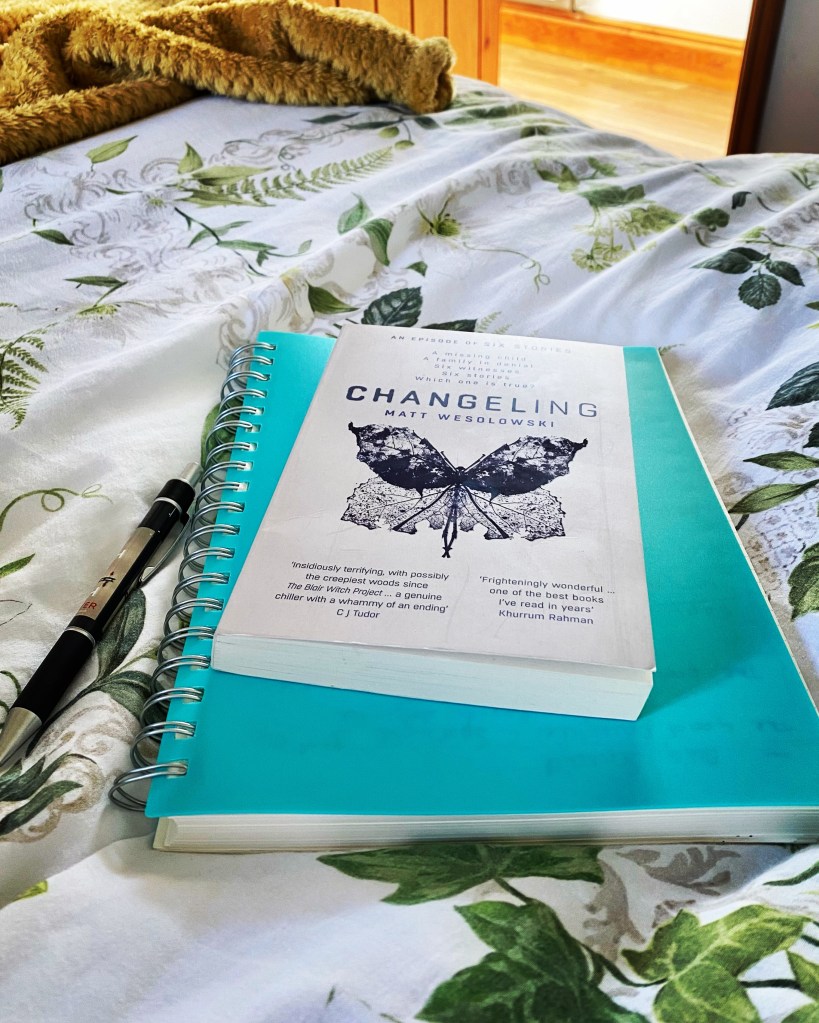
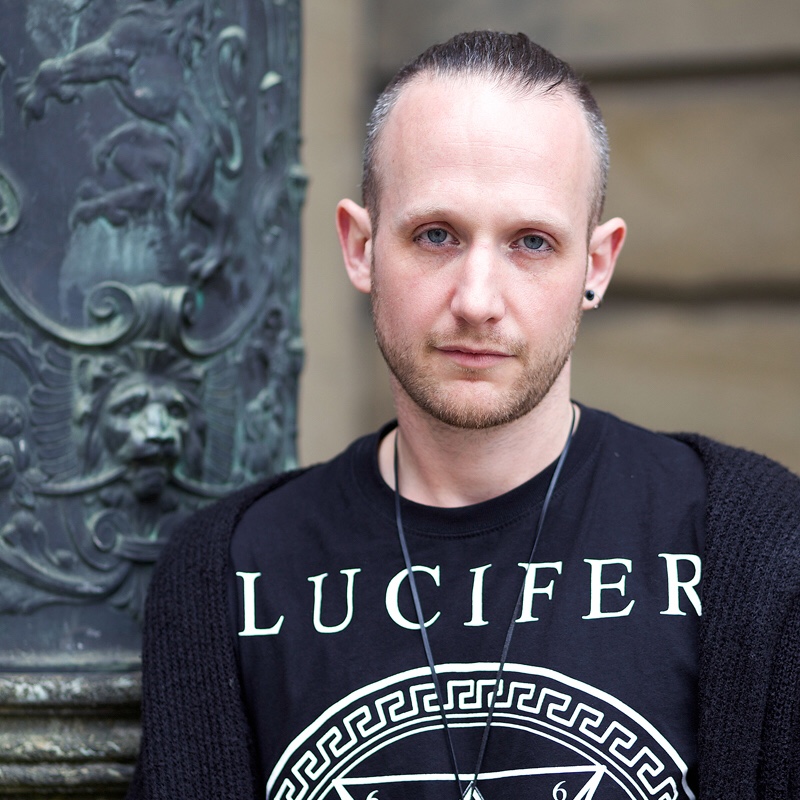
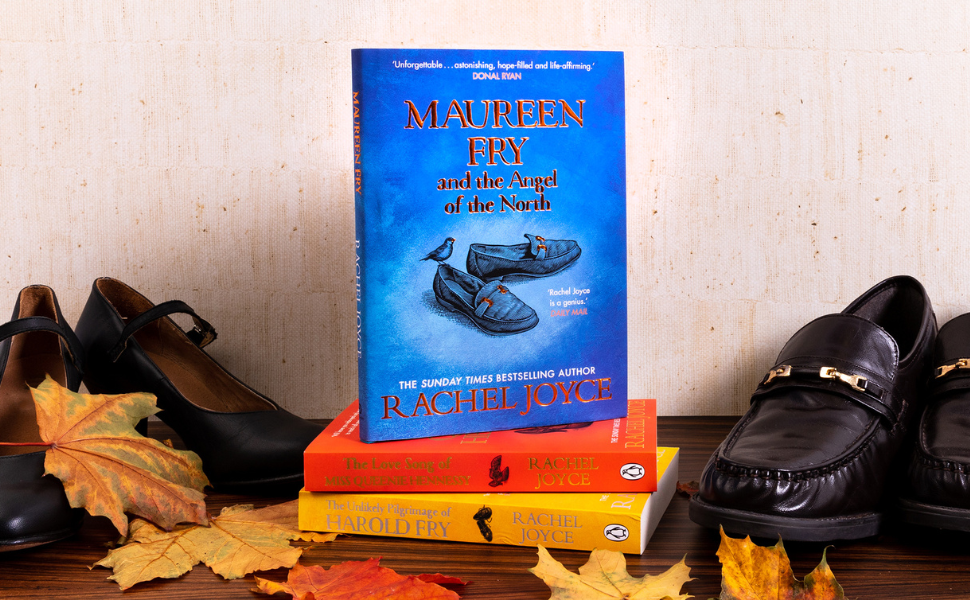

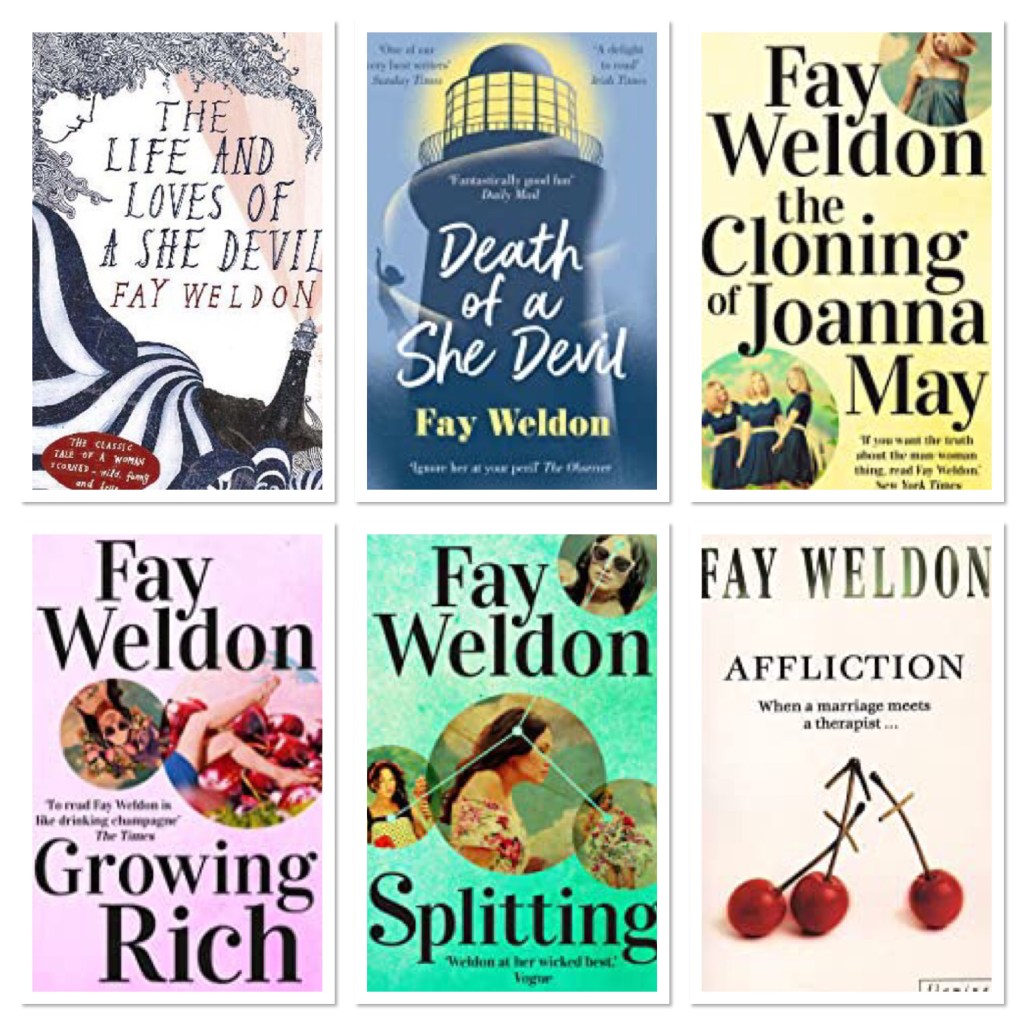
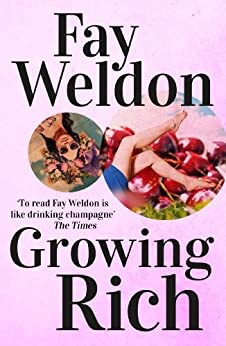
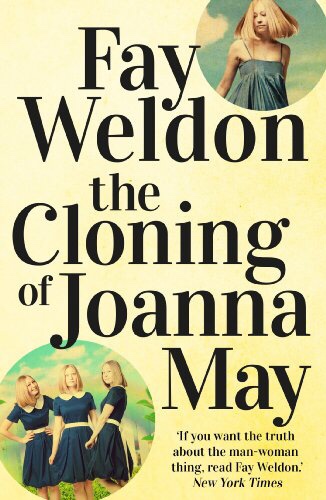
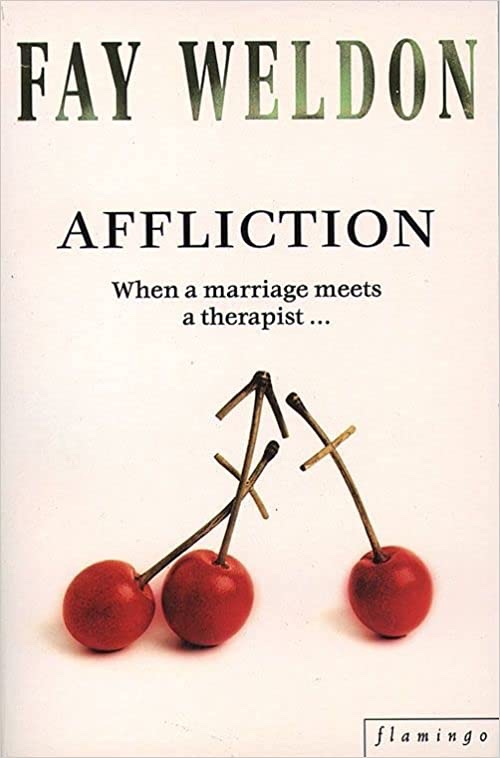
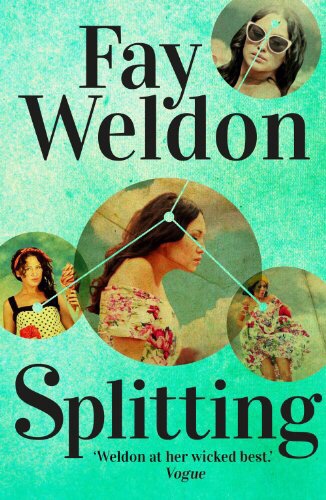
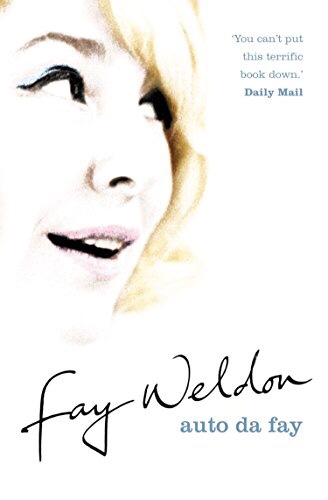

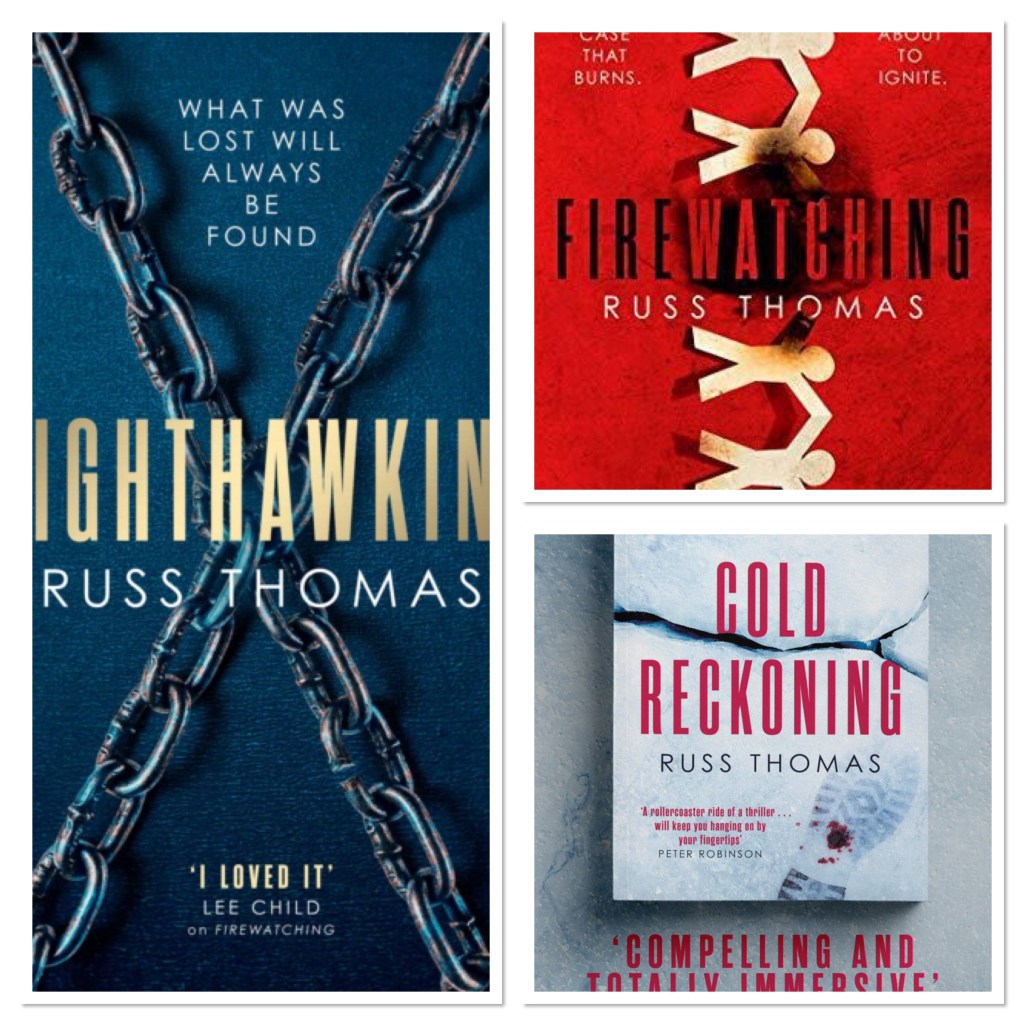

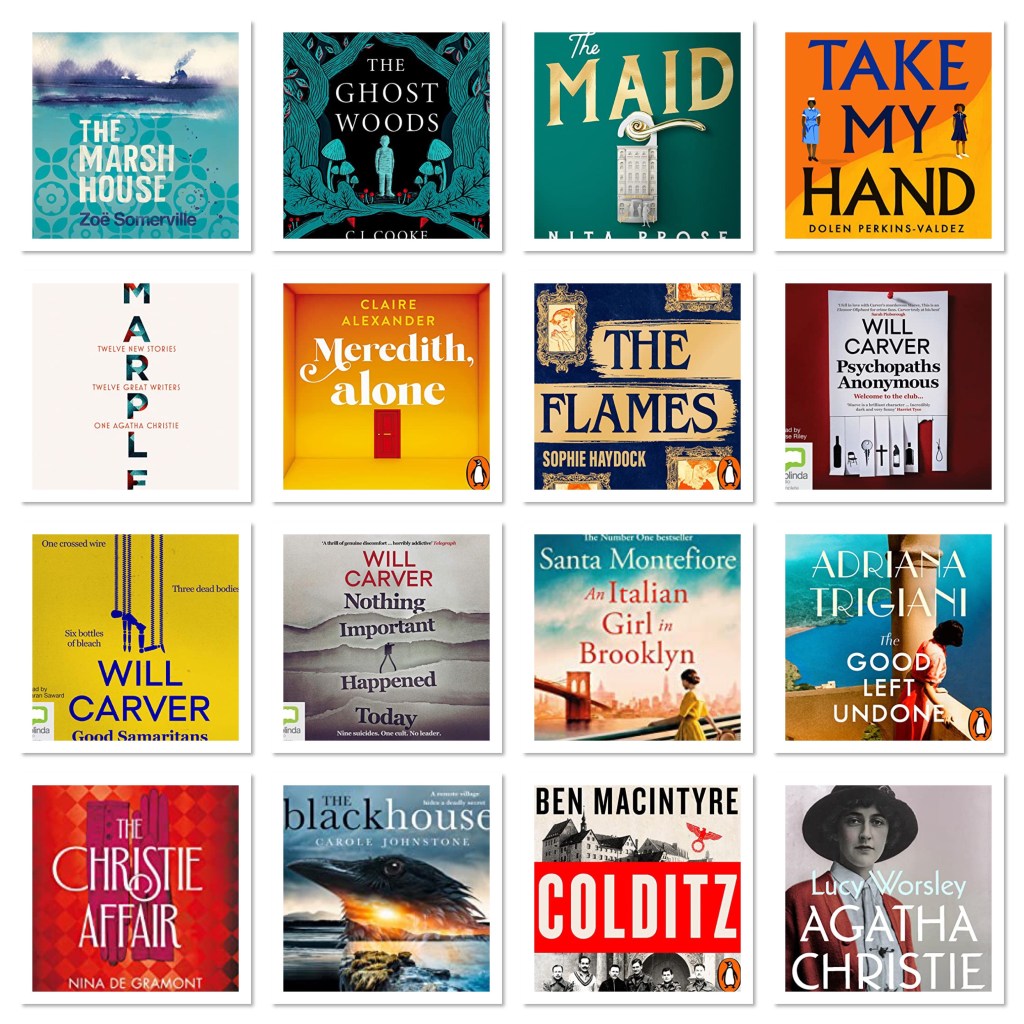


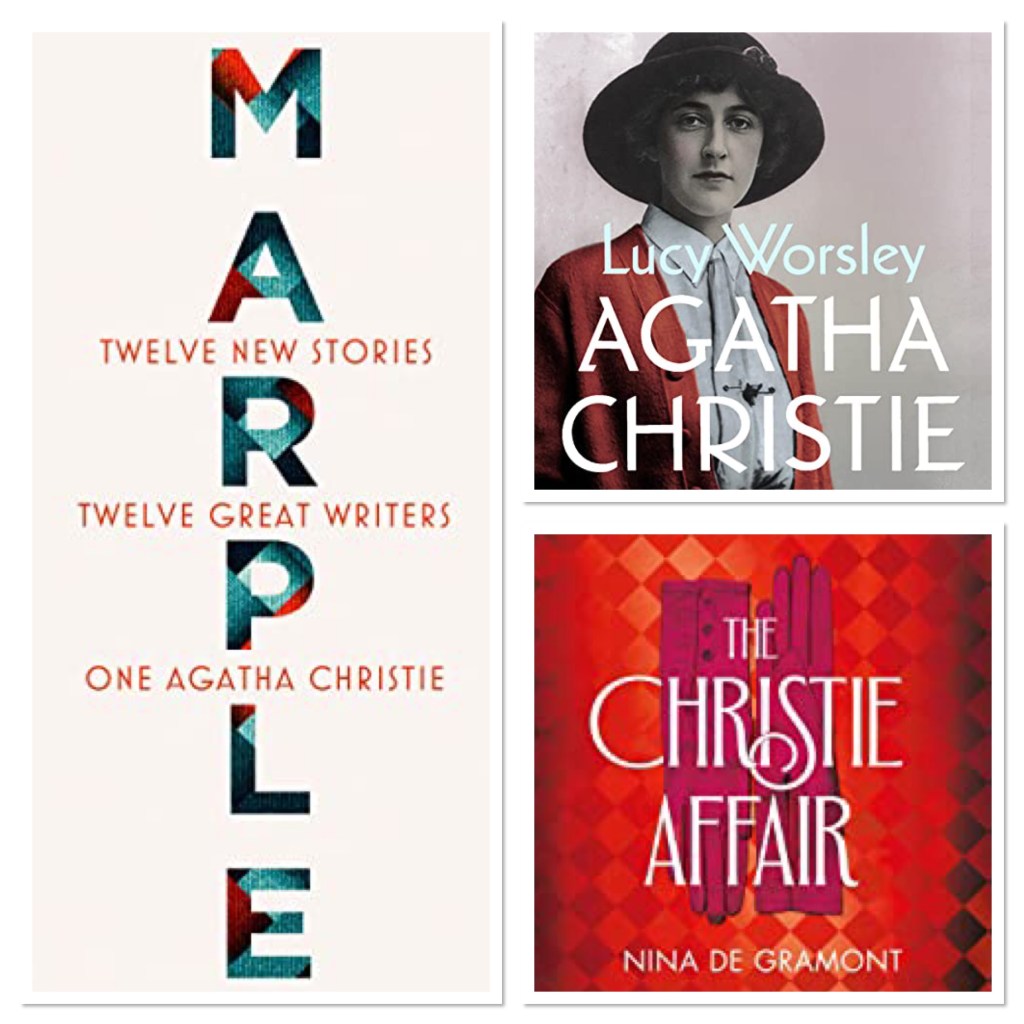
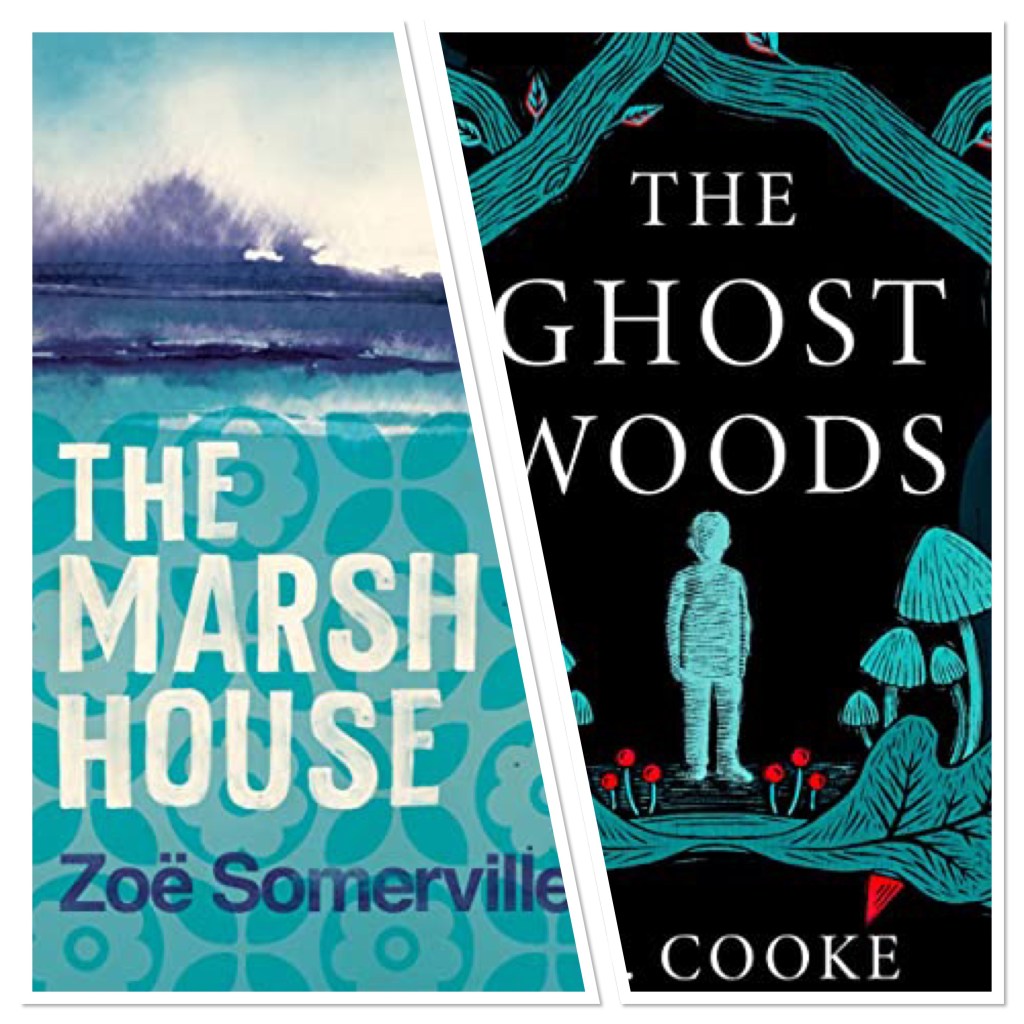
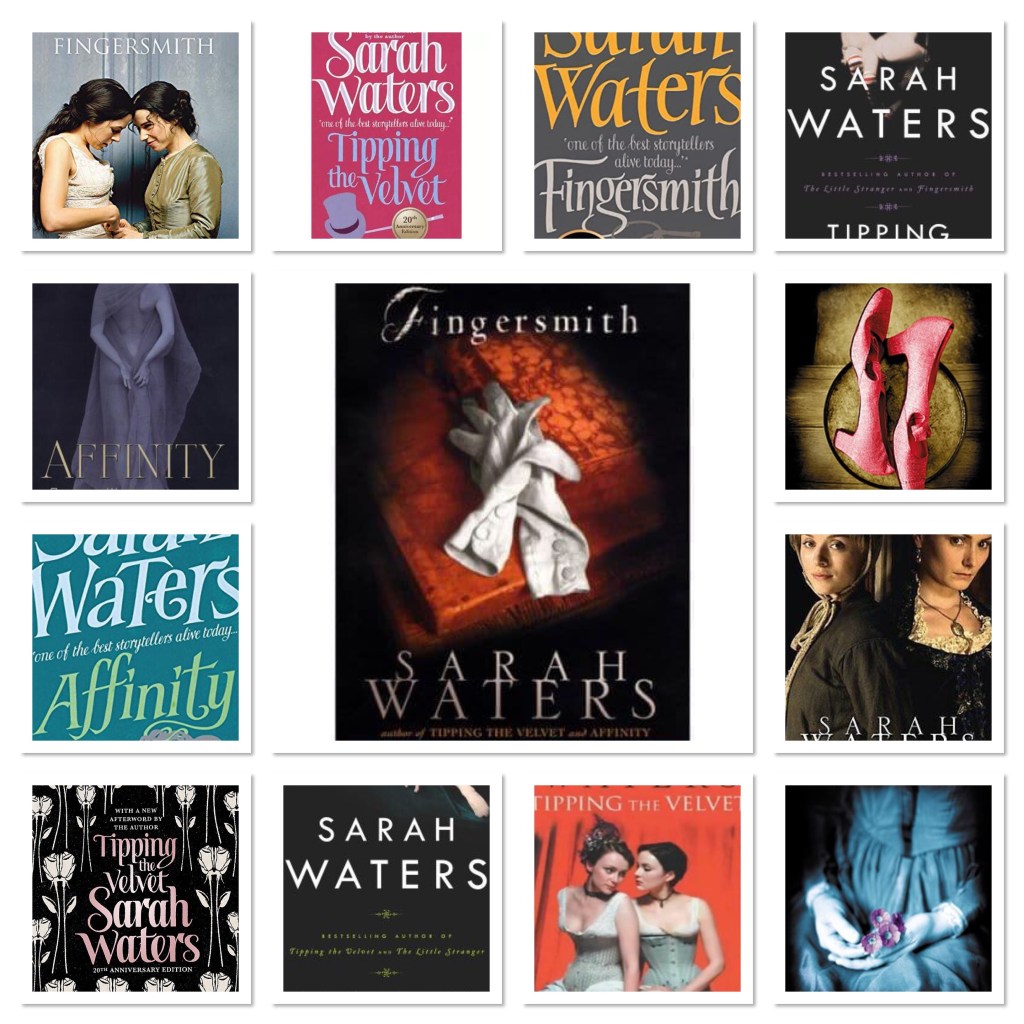
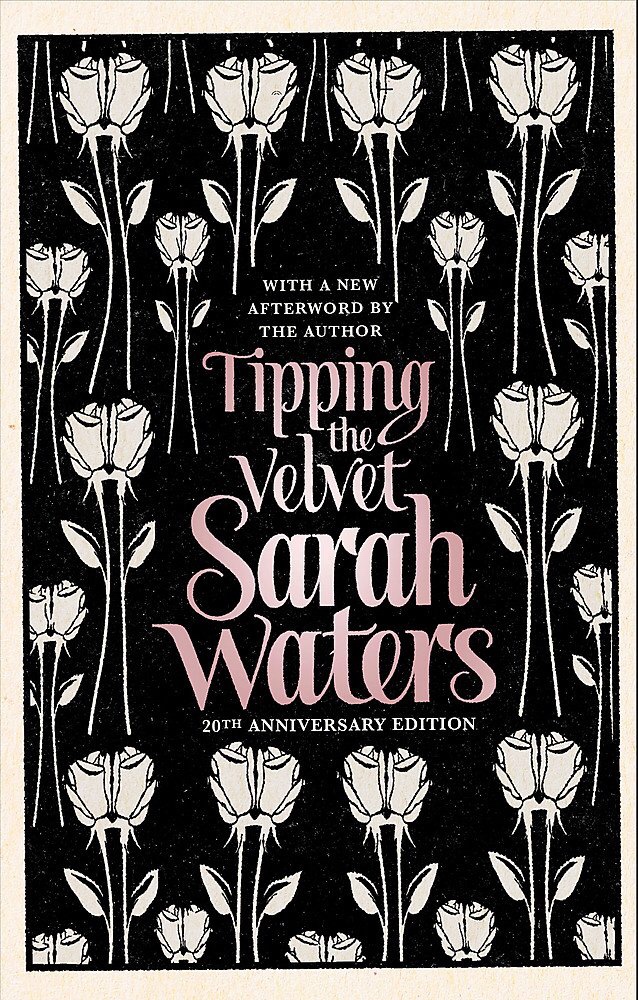
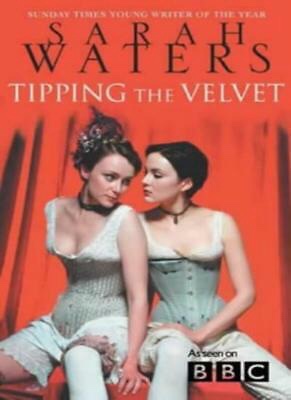
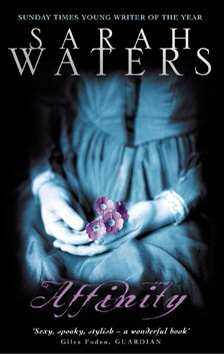
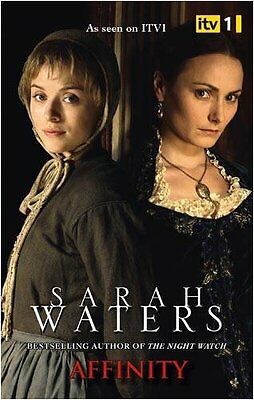
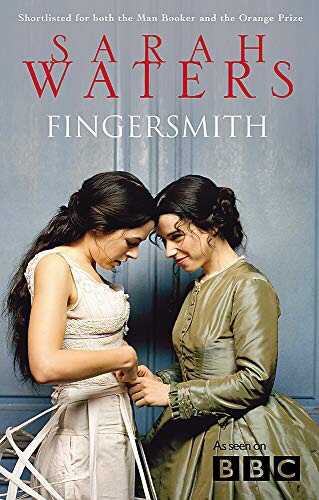

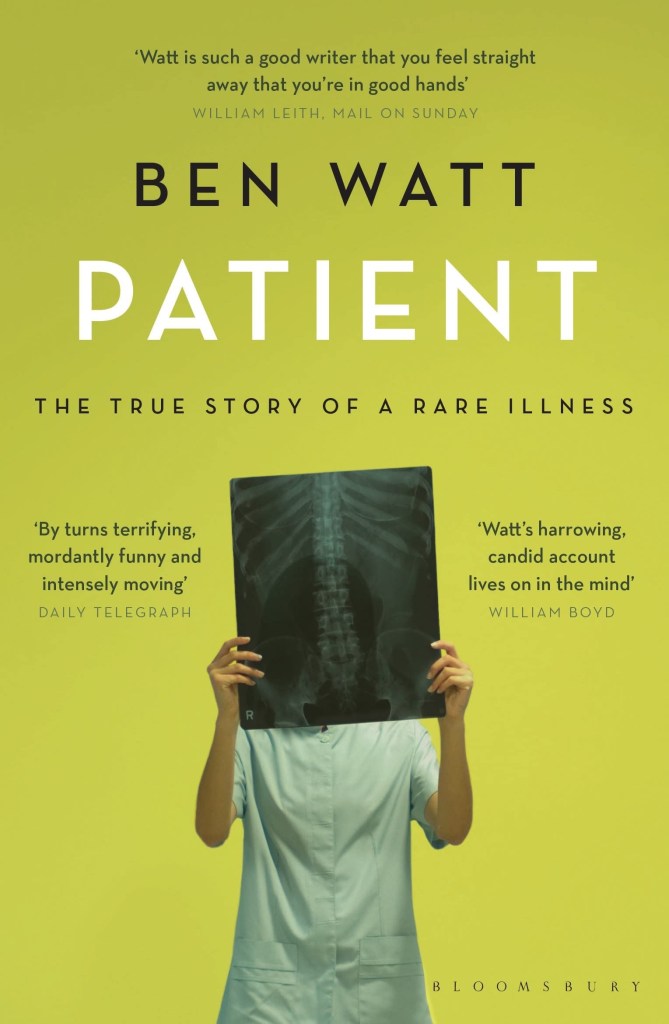




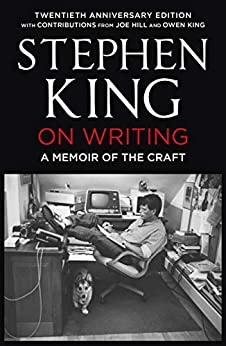









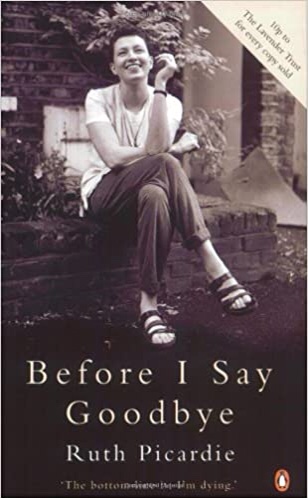
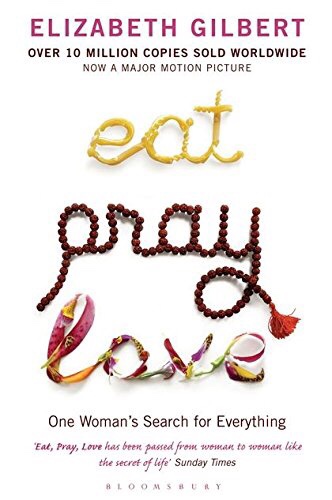
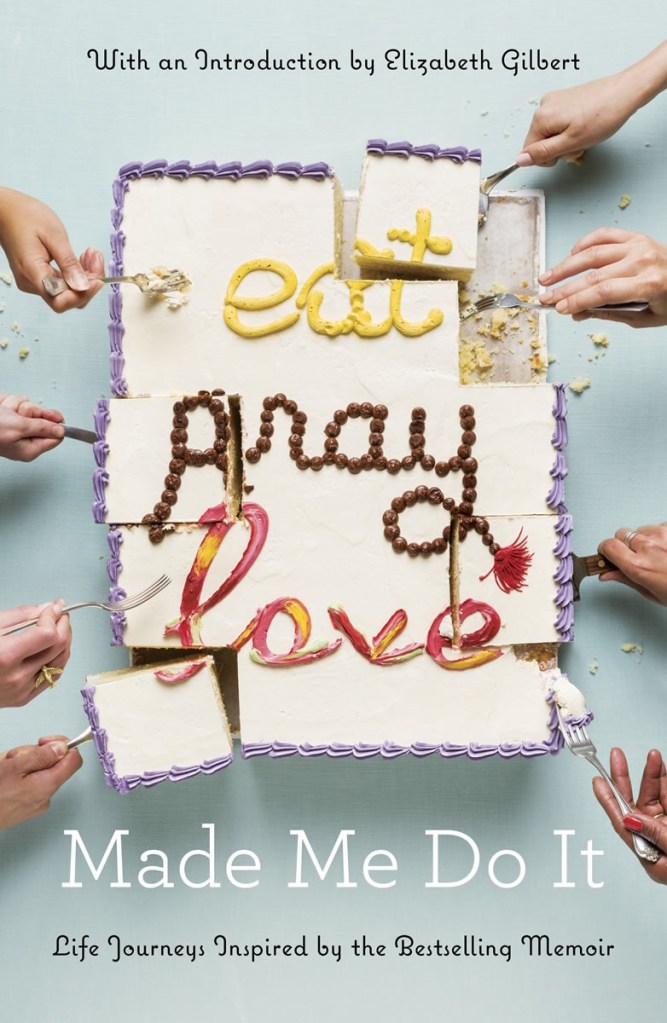
 The Lotus Readers