As many readers know, I’m very partial to historical fiction, especially if it’s telling me a story I didn’t know or following characters who are largely erased from our impressions of the time period: Sarah Waters brings us lesbian characters in the Victorian period; Patrick Gale narrates the journey of an Edwardian husband and father who is gay in A Place Called Winter; Michael Faber brings to life a Victorian prostitute with a skin disease in The Crimson Petal and the White. I’ve enjoyed some incredible stories of the world wars and Holocaust, slavery, and migration. These are some of the most harrowing historical events to choose and it’s no wonder they win awards. They totally engage the emotions and carry you along with them. However, sometimes you want to scratch your historic fiction itch, but want something fun, to feel uplifted. So where do you go? Here are a few ideas you might enjoy.
This wonderfully enjoyable series from A.J.Pearce starts during London’s blitz and is filled with warmth, wit and heartbreak. The first is Dear Mrs Bird, a wartime story about the power of friendship, the kindness of strangers and the courage of ordinary people.
London, 1941. Amid the falling bombs Emmeline Lake dreams of becoming a fearless Lady War Correspondent. Unfortunately, Emmy instead finds herself employed as a typist for the terrifying Henrietta Bird, the renowned agony aunt at Woman’s Friend magazine. Mrs Bird refuses to read, let alone answer, letters containing any form of ‘Unpleasantness’, and definitely not letters from the women the war has left lovelorn, grief-stricken or conflicted. But the thought of these desperate women waiting for an answer becomes impossible for Emmy to ignore. She decides she simply must help and secretly starts to write back – after all, what harm could that possibly do?
Her story is then continued over two more novels, based at the same magazine. Emmeline always has an obstacle to overcome, but she’s plucky and optimistic despite everything that’s happening around her. This doesn’t mean that the war is ignored. Emmeline is always caught between the magazine’s aesthetic and what’s happening in the real world. Some of the magazine owner’s want to keep the pre-war feel of a magazine for upper class ladies. Emmeline knows the world has changed, women’s lives are very different and there’s so much more to write about than hunt balls and the latest fashions. So with Emmeline taking letters from their readers we see more of the real picture for women; parenting alone or sending your child to the countryside as an evacuee; trying to juggle war work and child care; bereavement and loss. These are big issues, so they are discussed and experienced by the women Emmeline knows. Yet the author still manages to make them cheery and the uplifting feeling we get is from real women supporting each other and pushing for social change.
In July 2025, a fourth in the series will be published by Picador. It’s July 1944 and Emmy Lake’s career is soaring: Woman’s Friend magazine is a huge success, and she is finally realizing her dream of becoming a female war correspondent. On the personal front, Emmy’s husband Charles has been posted closer to home, and they and their friends Bunty and Harold have escaped to the countryside for a few precious summer days. They all know how lucky they are. But after nearly five years of war, the nation is struggling. The “Yours Cheerfully” advice column receives more letters than ever, and even though it looks like the war might finally be over by Christmas, the situation is far from resolved. For Emmy and her team, it’s all about pulling together and pushing on. But then disaster strikes. Soon Emmy finds herself facing her greatest battle yet. Now she needs her friends more than ever . . .
Endearing, engaging, and full of heart, Dear Miss Lake is a testament to the power of friendship in the hardest of times.
I must admit to being astonished that the 1960’s/70’s are now classed as historical fiction, but here we are. I have to be reminded that it’s 60 years ago and as someone who’s now over 50 this was my childhood. Anyway I fell absolutely in love with these wonderful books about Evie Epworth and I know I’ll be re-reading them when I need a boost. Evie is an absolute delight and we first meet her in the summer after her exams and her plans are no more structured than helping her dad deliver their cow’s milk and reading. This is rural Yorkshire in 1962 and life so far has been filled with schoolwork, Girl Guides, milking, lacrosse, village fetes and baking with her elderly neighbour. She did also lose her mother and misses her every day. She wants to be left to her dreams of becoming like her idols – Charlotte Brontë, Shirley MacLaine and the Queen – and to live a glamorous life in London, or Leeds would do. She wasn’t banking on her Dad’s girlfriend Christine. A money-grabbing, manipulative and tasteless schemer who starts to move in and make changes. She wants to upgrade the farmhouse kitchen to Formica and put Evie to work in the village salon, surrounded by shampoos, sets and blue rinses. How can Evie rescue her future from Christine’s over-perfumed clutches? Luckily people come into her life who might be able to help and with a dollop of Yorkshire magic she might succeed.
In the second novel. All About Evie, takes us forward to 1972. Evie is settled in London working for the BBC. She has everything she’s ever dreamed of (a career, a leatherette briefcase, an Ossie Clark poncho) but, following an unfortunate incident involving Princess Anne and a Hornsea Pottery mug, she finds herself having to rethink her life and piece together work, love, grief and multiple pairs of cork-soled platform sandals. This is a brilliant follow up where Evie has to sail the choppy waters of her twenties, following her dreams and finding they’re not as easy as they seemed. She’s soon trying different occupations, all in her inimitable Evie way, with a wonderful side order of romance and a trip back to Yorkshire of course. These novels are so tender and genuinely moving, but are also witty, inventive and incredibly funny. I don’t know how Matson inhabits the soul of this teenage girl, but he does it beautifully. She’s brimming with life force and sound Northern reason. I think you’ll absolutely love her.
Celebrating the publication of Evie Epworth with Cow Cakes.
Other Uplifting Historical Fiction
I loved this story set in New York, 1979. It is Thanksgiving and Evelina has her close family and beloved friends gathered around, her heart weighted with gratitude for what she has and regret for what she has given up. She has lived in America for over thirty years, but she is still Italian in her soul.
Northern Italy, 1934. Evelina leads a sheltered life with her parents and siblings in a villa of fading grandeur. When her elder sister Benedetta marries a banker, to suit her father’s wishes rather than her own, Evelina swears that she will never marry out of duty. She knows nothing of romantic love, but when she meets Ezra, son of the local dressmaker, her heart recognises it like an old friend.
Evelina wants these carefree days to last forever. She wants to bask in sunshine, beauty and love and pay no heed to the grey clouds gathering on the horizon. But nothing lasts forever. The shadows of war are darkening over Europe and precious lives are under threat. This is a beautifully moving story, but it feels like a hug in book form. I could literally disappear into it and escape into Evelina’s life that tells you all you need to know about love.
It is England, 1932, and the country is in the grip of the Great Depression. To lift the spirits of the nation, Stella Douglas is tasked with writing a history of food in England. It’s to be quintessentially English and will remind English housewives of the old ways, and English men of the glory of their country. The only problem is –much of English food is really from, well, elsewhere . . .
Good taste is in the eye of the beholder…
So, Stella sets about unearthing recipes from all corners of the country, in the hope of finding a hidden culinary gem. But what she discovers is rissoles, gravy, stewed prunes and lots of oatcakes. Longing for something more thrilling, she heads off to speak to the nation’s housewives. But when her car breaks down and the dashing and charismatic Freddie springs to her rescue, she is led in a very different direction. Full of wit and vim, Good Taste is a story of discovery, of English nostalgia, change and challenge, and one woman’s desire to make her own way as a modern woman. This was a lovely nostalgic read and I’m so looking forward to new novel The Best of Intentions coming in summer this year.
This is a twenty year old novel from Adriana Trigiani based around Lucia Sartori, the beautiful twenty-five-year-old daughter of a fine Italian immigrant family in Greenwich Village, New York. Set in 1950, Lucia becomes an apprentice for a made-to-wear clothing designer at a chic department store on Fifth Avenue. Though she is sought after as a potential wife by the best Italian families, Lucia stays her course and works hard, determined to have a career. She juggles the roles of dutiful daughter and ambitious working girl perfectly. When a handsome stranger comes to the story and catches her eye, it is love at first sight for both of them. In order to win Lucia’s hand, he must first win over her traditional family and make the proper offer of marriage. Their love affair takes an unexpected turn as secrets are revealed, Lucia’s family honour is tested, and her own reputation becomes the centre of a sizzling scandal. Set in a time of possibility and change for women in America, in a city that celebrates its energy with style and elegance, LUCIA, LUCIA is the story of a girl who risks everything for the belief that a woman could – and should – be able to have it all. There’s definitely a melancholic feeling here, falling into nostalgia over choices that she could have made and we see the result of those choices in her older years. However, I find it life-affirming and comforting.
You know the world has really gone to hell when you click on a streaming service and they highlight a section as uplifting and good for your mental health. What with WW3 seemingly round every corner, every news programme hijacked by the antics of Trump and his attack dog JD Vance, Elon Musk waving a child or a chainsaw over his head and for me personally, the threat of losing my disability benefits. I’m also averaging at least one medical appointment every week as each test throws up something we never expected! Life is a wee bit stressful for all of us at the moment and I wondered whether it might be nice to spotlight some of my favourite authors who write uplifting and joyful fiction. I’m going to spotlight a few different authors on Sundays, suggesting some older novels and some that are worth keeping an eye out for through the rest of 2025. I will point out where there are tough themes in a novel, but even where there’s a lot to overcome in these novels the ending is always ultimately uplifting and inspiring.
I think it was my mum who first gave me one of Adriana Trigiani’s books to read and I think she got it from Oprah. My first taste of her work was one of her Valentina books, a series of books following an American Italian young woman as she starts to make her way in the world. Her family have been makers of custom wedding shoes since 1903. The Angelini Shoe Company trades from Greenwich Village, NYC and is one of the area’s last family run businesses. Now it’s in trouble and Valentina, working as apprentice to her grandmother Theodora, wants to bring their years of craftsman’s experience into the twenty-first century market. Valentine is juggling a lot of different commitments: her romance with chef Roman Falconi, her duty to her family and entering a design competition for a very prestigious competition for a department store. When she accompanies her grandmother to Italy they hope to find inspiration, she spends time in Tuscany and Capri. She’s overjoyed to find her artistic style but the trip changing her life in ways she never expected.
In the second book of the trilogy, Valentina’s plans have go awry. We start with a celebration as her grandmother marries the love of her life in Tuscany, but Valentina’s own romance is not going so well. It’s a second blow when her grandmother announces thar her brother Alfred is becoming her partner in the family business, not Valentine. She decides to devote herself to work and takes a trip to Buenos Aires for new connections and ideas. Emotionally though she’s caught between two loves, one who’s always nurtured her and another that promises to sustain her future. In the final book Valentine is living out her choices and continuing to modernise the firm. As she prepares to marry the man she has chosen, she is faced with painful choices and a fight for what she wants from life. Can the Angelina Shoe Company make it’s mark and will Valentine be able to savour the wonderful things she deserves. These books really are sumptuous, full of gorgeous fashion details and since I love shoes I really appreciate Valentine’s designs. We get the bustle and modernity of Manhattan, contrasted with her trips to Italy and Argentina to small artisan shoemakers. We get to be an armchair holiday maker too as we drink in the wonderful sights and food that she enjoys too. Of course there are challenges in Valentine’s life, some of the hardest life can throw at her, but ultimately we know she will triumph and get her happy ending.
Big Stone Gap is a sleepy village where kids get married and start families at eighteen, and stay for ever. So thirty-five-year old Ave Maria Mulligan is something of an oddity. A self-proclaimed spinster, as the local pharmacist she’s been keeping the townsfolk’s secrets for years. But Ave Maria is about to discover a scandal in her own family’s past that will blow the lid right off her quiet, uneventful life. Soon she’s juggling two unexpected marriage proposals and conducting a no-holds-barred family feud. The thought of spending the rest of her life in Big Stone Gap is suddenly overwhelming . .
In our second instalment, eight years have passed since town pharmacist and self-proclaimed spinster Ave Maria Mulligan married the man of her choice. Now they have a beautiful daughter, but for some reason her husband seems distant. In their comfortable stone house in the mountains there’s an empty room where their son slept. Ave and Jack haven’t found a way past their sadness and are struggling to share their feelings. In the town change is coming and is causing concern among the residents. With this backdrop, Ave must make decisions for her family and try to find a way back to her husband.
In the third part of the trilogy, Ave Maria feels time is slipping through her fingers as she watches her daughter growing up. It seems like a period of change for her friends too and her husband is desperate to reinvent himself in ways nobody could have predicted. Are they experiencing a mid-life crisis? Ave is about to have her foundations rocked and face the true test of love: letting go. I love this series because it’s so cozy and has that small town heart-warming feel. I found myself so invested in her family and seeing how they grow over time is a joy. I believe there is now a fourth novel in the series and I’m really looking forward to reading it.
More recently the author has moved to historical fiction and mid-century Italy, as well as a fascinating look at the golden age of Hollywood and a real-life scandal about Clark Gable. I’m so looking to her new novel out in July this year and perfect for summer holidays. Recently divorced, Jess Capodimonte Baratta helps her Uncle Louie with his marble business from her parents’ basement in Lake Como, New Jersey. An unexpected loss within the family unearths a long-buried secret and Jess questions where her loyalties lie. Deciding a change of scene is needed, she escapes to Italy – her ancestral home. We will be swept away to the majestic marble-capped mountains of Tuscany to the glittering streets of Milan and the enchanting shores of Lake Como, which despite a shared name could not be more different from her hometown, Jess soon feels a sense of belonging. And when she meets dreamy Angelo Strazza, a passionate artist, she know that this is where she is meant to be. But as further revelations about her family history come to light, it’s clear that Italy cannot be Jess’ hiding place forever. This sounds like the perfect comfort read to me.
Recently divorced, Jess Capodimonte Baratta helps her Uncle Louie with his marble business from her parents’ basement in Lake Como, New Jersey. But when an unexpected loss within the family unearths long-buried secrets, Jess questions where her loyalties lie. Deciding a change of scene is needed, she escapes to Italy – her ancestral home.
From the shadows of the majestic marble-capped mountains of Tuscany to the glittering streets of Milan and the enchanting shores of Lake Como, which despite a shared name could not be more different from her hometown, Jess soon feels a sense of belonging. And when she meets dreamy Angelo Strazza, a passionate artist, she know that this is where she is meant to be.
But as further revelations about her family history come to light, it’s clear that Italy cannot be Jess’ hiding place forever.
Will the dark truths of her ancestral past send her back home?
Last weekend was the first this year when I’ve sensed the merest whiff of spring, south easterly winds bringing a warmer feel when I ventured outside and a few bulbs sprouting in the sunshine. There’s still a little way to go though, so I thought I’d brighten up the dregs of winter with books that have a strong nature theme. Whether it’s a beautifully conjured sense of place, an outdoor challenge, the benefits of creating a garden or a correlation between nature and character, all of these have outdoor vibes. I was also inspired by my enjoyment of Eowyn Ivey’s new novel Black Woods, Blue Sky where our main characters inhabit the Alaskan wilderness.
On a personal front, I now know I have a narrowed spinal canal as well as arthritis throughout my spine. I’m a little stir crazy waiting for the next steps, so my longing for the outdoors is probably stronger than it’s been in a while. Thanks to my dad I now have a little custom made bench thats directly outside the kitchen door where I can sit with a brew in the morning and feel the sun. But I long to smell the forest, with pines swaying in the breeze and the sharp scent of their needles as I crunch them underfoot. Or the smell of the sea air and the salty spray on my cheeks. Each test and appointment gets me closer to a solution and hopefully, a long term one rather than a quick fix. If you too are longing for some outdoorsy book inspiration, look no further.
If I’m honest the Little House on the Prairie books are probably where I started to love reading about living in wild places. I think it’s also where I got my ability to make a home wherever I ended up. When we were small we moved wherever my Dad had work, so usually on farms or land drainage pumping stations – an absolute must in the flatlands of Lincolnshire! So every house was a ‘tied’ cottage and never belonged to us, although my Mum went out of her way to make every place a home. We both love these books, although of course we understand more about pioneer families now. Slowly moving further out to wilder areas, claiming land that until then had been Native American territory. Some of the language and attitudes towards Native Americans in later novels certainly reflect the attitudes of the time. This first book always stays with me, not necessarily because of the plot but because of the lengthy description of what life and nature was like. I remember a party when families came together to harvest maple syrup and the candy the girls would make out of syrup and snow.
I loved the harvesting, possibly because it was a part of our lives too, since we lived on a fruit farm for a few years so mum was always making pies, crumbles and jams. I must admit having my own pantry was a life goal, it had me gathering and freezing as well as making chutneys and plum brandy (absolutely lethal). There’s a huge satisfaction in growing your own and filling the pantry with enough preserves and chutneys to last till next harvest. The author captures how she felt and you always know that you’re experiencing life through the eyes of a small child. There are scary moments here – such as a big cat lurking overhead in the woods or bears stumbling into their homestead, but somehow the main feeling you come away with is how cozy and safe she was made to feel by her parents. I’m sure the reality for the adults was a lot harder. What I love is how their lives change through the seasons because they’re working with nature whether it’s the sharp cold of winter or the first warm spring day.
When I was about nine years old we spent some time living in Leicestershire and one of our regular family outings was to the Rutland Water reservoir. In 1975, the villages of Nether and Middle Hambleton were flooded to provide water for growing cities in the East Midlands. All that remains of the village is an old chapel that juts out into the water. We lived nearby in the late 1970’s to the early 1980’s so the reservoir was quite new with none of the facilities it now has, including a hotel, water sports centre and a nature reserve. I used to find it so eerie when I imagined a whole village underneath the water. This book gave me some insight into the experience as well as capturing the beauty and wildness of the Lake District. Set in 1936, the Lightburn family have always lived in a remote dale in the old, northern county of Westmorland. It’s a rural community where the family have been working in the harsh hill-farming tradition – largely unchanged by modern life. When a man from Manchester arrives, as spokesman for a vast industrial project, that will devastate the landscape and the local community. Mardale will be flooded, creating a new reservoir, supplying water to the Midlands’ growing cities. The waterworks’ representative is Jack Liggett who creates more problems by having an affair with local woman, Janet Lightburn. They each represent their respective viewpoints; Jack is all growth and progress, with man making his mark on the landscape, whereas Janet is more aligned with nature and her family’s way of life, now centuries behind. She takes a final, desperate and ultimately tragic attempt to restore the valley to what it has always been.
This book gave me an insight into how my grandparent’s lived, working on the land. The author creates an authentic sense of both time and place, in area that has been out of touch with progress for decades. It’s not just a destruction of a place, it’s a destruction of a whole community and tradition. It takes us away from the modern day touristy Lake District we all know, to when it was wilder and remote. When people wrestled their living from the landscape, working alongside nature and it’s changing seasons at a slower pace. The shock is seismic for those who now have to catch up with modern thinking and ways of earning a living. This is a beautifully written elegy for a time and place that no longer exists.
“Oh, my dear, relations are like drugs, – useful sometimes, and even pleasant, if taken in small quantities and seldom, but dreadfully pernicious on the whole, and the truly wise avoid them”.
This beautiful book cover always makes me smile. Most readers probably know this author’s other novel The Enchanted April, but this is such a gentle, witty and uplifting story. In a semi-autobiographical diary Elizabeth looks for respite from her husband, a Prussian aristocrat, and their children who she refers to by the month they were born. She came from a highly-educated and slightly bohemian family in England and married at the age of 25. Sadly they were mismatched, her husband was rather somber and dedicated to his duty of farming the estate and keeping it profitable. She comes across as bright and happy by nature, as well as sensitive. This was her first novel, written after seven years of marriage and it really is a literary poem to flowers, gardens, solitude and finding something that feeds your soul. I share her enthusiasm for all things that blossom, often dragging my other half into the garden because something has flowered. She has so much enthusiasm she sweeps you up and takes you with her. This was clearly the place she could relax and be herself. It was written in the late Victorian period so expect a bit of snobbery and a lack of self-awareness. If this doesn’t make you want to pick up a trowel or visit a garden I don’t know what will.
I love Mary Webb, with her novel Precious Bane being one of my all-time favourite books. They are rural based and immerse the reader into nature and a farming way of life, but Gone to Earth’s heroine is so bound to the landscape and particularly it’s wildlife.
Hazel has a pet fox and looks after other wounded or sick wild animals. She wants no more from life than this; to be herself, living in the remote Shropshire hills with her equally unnconventional father. Unfortunately for her, she is young and beautiful. Two men fall in love with Hazel – the good and honourable young church minister and a dissolute squire. She is driven to desperation by their competing claims on her and the pressures of conventional life. Hazel is no more equipped to be a squire’s wife than she is to marry a vicar. Both have very specific roles and duties, requiring her to be social and dressed appropriately. It would take her away from everything she loves and turn her into a caged bird or snared rabbit. She feels hounded, so much so that she’s forced to find a harrowing way of escape. This was Mary Webb’s second book, written in 1917 and set in the hills of Shropshire. It is a dark and difficult story that’s very intelligent and moving. It is Hazel’s connection to nature that’s so beautiful, it’s so clear that this is her place and purpose in life. Gone to Earth became a film in 1950, starring Jennifer Jones as Hazel.
Chrissie Gillies comes from the last ever community to live on the beautiful, isolated Scottish island of St Kilda. Evacuated in 1930, she will never forget her life there, nor the man she loved and lost who visited one fateful summer a few years before. Fred Lawson has been captured, beaten and imprisoned in Nazi-controlled France. Making a desperate escape across occupied territory, one thought sustains him: find Chrissie, the woman he should never have left behind on that desolate, glorious isle. On the face of it, if you read the above blurb you might expect nothing more than a love story. However, even WW2 isn’t the main focus or even the part of the book I remember more than anything. It was the way the author wrote about the islands, these jagged and raw lumps of rock isolated in the ocean. They have no protection against the wind or the sheer power of the Atlantic. Then there are the birds that share the islands and provide the resident’s main source of food. Islanders must climb down the vertical cliff face to reach the birds and they don’t even taste good, considering their only diet is fish. It is bleak, so bleak that in real life the islanders eventually had to abandon the islands for the mainland. St Kilda is a World Heritage Site even now and is home to a tenth of Britain’s seabird population. I was totally immersed in this wild place and the people who scratched a living from it’s rocky and inhospitable outcrops.
Artist, Hassie Days, and her sister, Margot, buy a run down Jacobean house in Hope Wenlock on the Welsh Marches. While Margot continues her London life in high finance, Hassie is left alone to work the large, long-neglected garden. She is befriended by eccentric, sharp-tongued, Miss Foot, who recommends, Murat, an Albanian migrant, made to feel out of place among the locals, to help Hassie in the garden. As she works the garden in Murat’s peaceful company, Hassie ruminates on her past life: the sibling rivalry that tainted her childhood and the love affair that left her with painful, unanswered questions.
As she begins to explore the history of the house and the mysterious nearby wood, old hurts begin to fade as she experiences the healing power of nature and discovers other worlds. This is such a gentle read, it’s quiet and contemplative but ultimately joyful. This is for people who really understand how healing it is to be in the open air and being connected to the seasons.
At twenty-six, Cheryl Strayed thought she had lost everything. In the wake of her mother’s rapid death from cancer, her family disbanded and her marriage crumbled. With nothing to lose, she made the most impulsive decision of her life: to walk eleven-hundred miles of the west coast of America and to do it alone. She had no experience of long-distance hiking and the journey was nothing more than a line on a map. But it held a promise – a promise of piecing together a life that lay shattered at her feet… This read is a real journey that ultimately saves a life. It’s beautifully written, honest and raw. The author pits herself against the elements on the Pacific Coast Trail because she believes it will help her process everything that’s happened. She will be confronted with her self, every day, and forced to wrestle with her demons. She’s hoping that the walk will be a line, between her old ways of behaving and she will come out the other side with something to build from. She’s out in the open every day, whatever the weather and is reduced to her most essential self. I loved how she starts to notice the flora and fauna around her. It’s amazing to see how much the trail gets into her brain and ultimately changes her outlook.
It is summer in the Appalachian mountains and love, desire and attraction are in the air. Nature, too, it seems, is not immune. From her outpost in an isolated mountain cabin, Deanna Wolfe, a reclusive wildlife biologist, watches a den of coyotes that have recently migrated into the region. She is caught off guard by a young hunter who invades her most private spaces and interrupts her self-assured, solitary life. On a farm several miles down the mountain, Lusa Maluf Landowski, a bookish city girl turned farmer’s wife, finds herself marooned in a strange place where she must declare or lose her attachment to the land that has become her own. And a few more miles down the road, a pair of elderly feuding neighbours tend their respective farms and wrangle about God, pesticides, and the possibilities of a future neither of them expected. Over the course of one humid summer, these characters find their connections of love to one another and to the surrounding nature with which they share a place. I thought the author beautifully debates so many contentious issues around farming and nature: how much harm comes to wildlife when arable farming; the merits of vegetarianism and veganism, and whether we can be ethical meat eaters; the difficulties of cultivating crops and dealing with diseases in trees; studying animals without disturbing or changing them. It’s about how we humans interact with nature, the changing seasons and how fertile nature continues to be.
Eugenics is described by National Human Genome Research Institute as
“an immoral and pseudoscientific theory that claims it is possible to perfect people and groups through genetics and the scientific laws of inheritance”.
It’s a word that’s been floating around social media for some time, mainly in connection to those behind the new US administration. There are concerns that people with physical disabilities, those of different ethnic origins and those with mental ill health or learning disabilities, might be considered less desirable in society. There are people with disabilities fighting against the introduction of assisted dying, because it could be interpreted to mean disabled lives have less value. We’ve all probably asked at one time or another, how could ordinary German citizens sleep walk into the Final Solution? The answer is slowly. There is evidence that children with disabilities were being removed and institutionalised as early as 1933. We like to think the Holocaust couldn’t happen again, but there is evidence of eugenic policies affecting the lives of ordinary Americans until the 1970s. Of course the Nazis are the ultimate and extreme example of eugenic policies being enacted, but both European countries and the US were using eugenicist policies on their own citizens across the 20th Century. This is what happens when we demonise the disabled, the poor and the destitute. The rise of the far right across the world is driven by eugenicist thinking, that some people are inherently better than others. This is why eugenicist policies affected those with learning difficulties, Native Americans, African Americans and people with long term disabilities. I try not to be political on the blog, but here I’m not advocating particular political parties. All I want to do is share novels that show how eugenics affected real communities and individuals.
From the outside, Eleanor and Edward Hamilton have the perfect life, but they’re harbouring a secret that threatens to fracture their entire world.
London, 1929. Eleanor Hamilton is a dutiful mother, a caring sister and an adoring wife to a celebrated war hero. Her husband, Edward, is a pioneer in the eugenics movement. The Hamiltons are on the social rise, and it looks as though their future is bright. When Mabel, their young daughter, begins to develop debilitating seizures, they have to face an uncomfortable truth: Mabel has epilepsy – one of the ‘undesirable’ conditions that Edward campaigns against. Forced to hide their daughter away so as to not jeopardise Edward’s life’s work, the couple must confront the truth of their past – and the secrets that have been buried. Will Eleanor and Edward be able to fight for their family? Or will the truth destroy them?
Many will have read this heart-rending novel or seen the film, beautifully performed by Andrew Garfield, Carey Mulligan and Keira Knightly. This perfectly encapsulates that head in the sand mindset humans are so good at. We can ignore terrible injustices when they’re not happening to us, or people like us. We can always think it doesn’t apply to us. Until it does. Kazuo Ishiguro imagines the lives of a group of students growing up in a darkly skewed version of contemporary England. Narrated by Kathy, now thirty-one, Never Let Me Go dramatises her attempts to come to terms with her childhood at the seemingly idyllic Hailsham School and with the fate that has always awaited her and her closest friends in the wider world. A story of love, friendship and memory, Never Let Me Go is charged throughout with a sense of the fragility of life and is utterly terrifying.
From the New York Times bestselling author of The Good House, the story of two friends, raised in the same orphanage, whose loyalty is put to the ultimate test when they meet years later at a controversial institution—one as an employee; the other, an inmate.
It’s 1927 and eighteen-year-old Mary Engle is hired to work as a secretary at a remote but scenic institution for mentally disabled women called the Nettleton State Village for Feebleminded Women of Childbearing Age. She’s immediately in awe of her employer—brilliant, genteel Dr. Agnes Vogel. Dr. Vogel had been the only woman in her class in medical school. As a young psychiatrist she was an outspoken crusader for women’s suffrage. Now, at age forty, Dr. Vogel runs one of the largest and most self-sufficient public asylums for women in the country. Mary deeply admires how dedicated the doctor is to the poor and vulnerable women under her care.
Soon after she’s hired, Mary learns that a girl from her childhood orphanage is one of the inmates. Mary remembers Lillian as a beautiful free spirit with a sometimes-tempestuous side. Could she be mentally disabled? When Lillian begs Mary to help her escape, alleging the asylum is not what it seems, Mary is faced with a terrible choice. Should she trust her troubled friend with whom she shares a dark childhood secret? Mary’s decision triggers a hair-raising sequence of events with life-altering consequences for all. Inspired by a true story about the author’s grandmother, The Foundling offers a rare look at a shocking chapter of American history. This gripping page-turner will have readers on the edge of their seats right up to the stunning last page…asking themselves, “Did this really happen here?”
Since the death of his fiancée Aimee, Ross Wakeman has been unable to fill the hole she has left in his life. Seeking to end his pain, he becomes a ghost hunter, despite never having seen a ghost.
However, when his job leads him to the town of Comtosook, it becomes apparent that Ross isn’t the only one haunted by the past. When he meets the mysterious Lia, who brings him to life for the first time in years, redemption seems around the corner. But the discoveries that await him are beyond anything he could dream of – in this world or the next. Second Glance takes a look at how American eugenicist policies affected the lives of Native Americans with a programme of sterilisation. It’s not her usual court based drama, but still has her themes of injustice, identity and a lesser known part of American history.
Montgomery, Alabama. 1973. Fresh out of nursing school, Civil Townsend has big plans to make a difference in her community. She wants to help women make their own choices for their lives and bodies.
But when her first week on the job takes her down a dusty country road to a tumbledown cabin and into the heart of the Williams family, Civil learns there is more to her new role than she bargained for. Neither of the two young sisters has even kissed a boy, but they are poor and Black, and for those handling their welfare benefits, that’s reason enough to have them on birth control. When Civil discovers a terrible injustice, she must choose between carrying out instructions or following her heart and decides to risk everything to stand up for what is right.
Inspired by true events and a shocking chapter of recent history, Take My Hand is a novel that will open your eyes and break your heart. An unforgettable story about love and courage, it is also a timely and uplifting reminder that one person can change the world.
1911: Inside an asylum at the edge of the Yorkshire moors, where men and women are kept apart by high walls and barred windows, there is a ballroom vast and beautiful. For one bright evening every week they come together and dance. When John and Ella meet it is a dance that will change two lives forever.
Set over the heatwave summer of 1911, the end of the Edwardian era, THE BALLROOM tells a rivetting tale of dangerous obsession, of madness and sanity, and of who gets to decide which is which. It is a love story like no other, showing how eugenics affected those deemed mentally ill.
In a sleepy German village, Allina Strauss’s life seems idyllic: she works at her uncle’s bookshop, makes strudel with her aunt, and spends weekends with her friends and fiancé. But it’s 1939, Adolf Hitler is Chancellor, and Allina’s family hides a terrifying secret—her birth mother was Jewish, making her a Mischling.
One fateful night after losing everyone she loves, Allina is forced into service as a nurse at a state-run baby factory called Hochland Home. There, she becomes both witness and participant to the horrors of Heinrich Himmler’s ruthless eugenics program.
The Sunflower House is a meticulously-researched debut historical novel from Adriana Allegri that uncovers the notorious Lebensborn Program of Nazi Germany. Women of “pure” blood stayed in Lebensborn homes for the sole purpose of perpetuating the Aryan population, giving birth to thousands of babies who were adopted out to “good” Nazi families. Allina must keep her Jewish identity a secret in order to survive, but when she discovers the neglect occurring within the home, she’s determined not only to save herself, but also the children in her care.
A tale of one woman’s determination to resist and survive, The Sunflower House is also a love story. When Allina meets Karl, a high-ranking SS officer with secrets of his own, the two must decide how much they are willing to share with each other—and how much they can stand to risk as they join forces to save as many children as they can. The threads of this poignant and heartrending novel weave a tale of loss and love, friendship and betrayal, and the secrets we bury in order to save ourselves.
In rural 1930s Virginia, a young immigrant mother fights for her dignity and those she loves against America’s rising eugenics movement – when widespread support for policies of prejudice drove imprisonment and forced sterilizations based on class, race, disability, education, and country of origin – in this tragic and uplifting novel of social injustice, survival, and hope.
When Lena Conti—a young, unwed mother—sees immigrant families being forcibly separated on Ellis Island, she vows not to let the officers take her two-year old daughter. But the inspection process is more rigorous than she imagined, and she is separated from her mother and teenage brother, who are labeled burdens to society, denied entry, and deported back to Germany. Now, alone but determined to give her daughter a better life after years of living in poverty and near starvation, she finds herself facing a future unlike anything she had envisioned.
Silas Wolfe, a widowed family relative, reluctantly brings Lena and her daughter to his weathered cabin in Virginia’s Blue Ridge Mountains to care for his home and children. Though the hills around Wolfe Hollow remind Lena of her homeland, she struggles to adjust. Worse, she is stunned to learn the children in her care have been taught to hide when the sheriff comes around. As Lena meets their neighbors, she realizes the community is vibrant and tight knit, but also senses growing unease. The State of Virginia is scheming to paint them as ignorant, immoral, and backwards so they can evict them from their land, seize children from parents, and deal with those possessing “inferior genes.”
After a social worker from the Eugenics Office accuses Lena of promiscuity and feeblemindedness, her own worst fears come true. Sent to the Virginia State Colony for the Feebleminded and Epileptics, Lena face impossible choices in hopes of reuniting with her daughter—and protecting the people, and the land, she has grown to love.
If you want to read more background on eugenics here are a few links:
This week I celebrated an important anniversary. Not a personal one, but a writing one. I was informed on JetPack that I’d been book blogging for five years. As many of you probably know, rom coms are rarely my thing. I need a love story to have lots of different aspects to it, because I don’t want to read about dating. What I do like to read is real love: everyday married love; second time love; inconvenient love; love that triumphs over terrible odds and love that’s been lost. All of these books have something extra that made me want to shout about them. It might be something weird – husband turns into a shark. It could be something forbidden or secret – two women in love in 19th Century England. It could be first love, but interrupted by murder. It could be two middle-aged people who get very grumpy with each other walking from the Lancashire to Yorkshire coast. Maybe there’s a magical element, like a girl who receives anonymous notes that tell her when her relationships will end. I fell in love with the love story in all of these books over the last five years of my blog. Hope you enjoy them.
Leaving by Roxana Robinson
Leaving was the last book that absolutely tore my heart out. Sarah sees Warren, who she dated for a while in their college years. She had ended it, unsure whether they were a good fit. Yet they never stopped thinking about each other. Sarah is divorced now and lives alone in her country home with her dog Bella for company. Warren lives just outside Boston and is married to Janet, exactly the sort of wife he has needed: attractive, a good hostess and great mum to their daughter Kattie who is an older teenager. However, Janet is very aware of who should be in their social circle and how things should be done. They don’t talk about current affairs together, listen to an opera or read the same books. Perhaps their marriage has always been like this, but it feels empty since he saw Sarah again. Can he spend the rest of his life in this marriage as he promised or can he be with Sarah? If he leaves what price will he have to pay? Once an affair starts turning into something more, so many decisions have to be made and the sacrifices those choices will create become stark and very real. Sarah has imagined living with Warren, but she’s always thought of them at her home. This is where she rebuilt herself after her divorce. It’s a place she loves and doesn’t think she can give up. Arguably, Warren’s choices are even more difficult. He knows if he does this, his relationship and happiness with Sarah will come at the cost of someone else’s feelings. On the scales does one happiness outweigh another? Or are some costs simply too great? I simply loved this book and although it’s only January I have no doubt this will be in my best books list come the end of the year. On the strength of this novel I would happily read everything else the author’s ever written.
The Midnight Hour by Eve Chase
Maggie is an author, living in Paris and struggling with writer’s block. Something from her shared past with brother Kit keeps coming into her mind. Her mother Dee Dee died from cancer recently, but Maggie’s mind is drawn back to her late teenage years when Dee Dee was a famous model, living close to the Portobello Road. Maggie took Kit out with his skateboard and he has a fall, breaking one of the wheels. A stranger comes to their aid, introducing himself as Wolf. When his eyes lock with Maggie’s they’re the clearest blue she’s ever seen, there’s also a spark between them and for Maggie it’s instantaneous. First time and first sight love. He recognises the connection too. It’s what makes him take the skateboard back to his uncle’s antique shop and use his tools to properly fix it, just so he has an excuse to go back. I fell in love with Maggie. I was a similar age when I first fell I love and reading about her summer with Wolf brought back all those feelings. The wonderment when someone suddenly becomes your absolute world. The beautiful surprise when they feel exactly the same. The discovery of sexual chemistry, totally losing yourself in another person, being vulnerable physically and emotionally, it’s all here. In very delicate strokes Eve sketches a teenage girl who is emotional and intelligent. Little hints about her physical appearance makes us aware that she is a curvy girl, she wears glasses and is a little lacking in confidence. She’s astonished that Wolf loves these things about her and Eve captures that self-consciousness, the apprehension about revealing her body to this young man totally swept away by his obvious desire for her. She and Wolf never had a proper ending and I found myself longing for that closure to happen when she comes back to England. This was a wonderful read, deeply emotional but also a compelling mystery. I honestly think this is Eve’s best novel yet!
The Moon Gate by Amanda Geard
1939 – Grace Grey lives in Grosvenor Place in London, with her mother Edeline who is a friend of the notorious Mosleys and wears the uniform of the Blackshirts. As war comes ever closer, Edeline makes the decision to send Grace and the housekeeper’s daughter Rose Munro to stay with her brother Marcus and his wife Olive on the north west coast of Tasmania. After an eight week voyage the girls are welcomed to Towerhurst, an unusual house with a whole tower where Uncle Marcus writes his poetry. Olive immediately takes to the beautiful Rose, but Marcus forms a bond with Grace over the poems of Banjo Patterson, an Australian ballad poet. Grace is reserved and shy, but is slowly coaxed out of her shell by Daniel McGillycuddy an Irish lad working at his aunt and uncle’s sawmill. As war creeps ever nearer to their part of the Pacific there are dangerous emotional games at play between these young people with fall out that will extend over the rest of the century. The main love story is so touching as the slightly awkward Grace is lured down to the beach by neighbour Daniel where he tries to kiss her. Sadly though it’s for a five shilling bet and as his mates turn up in a boat to witness her humiliation she runs away into the sea. Daniel regrets his actions deeply, apologising the very next day and asking if Grace would perhaps share the book of ballads she’d been telling him about. They pass through the Moon Gate, a perfectly round doorway made of Atlantisite that leads to the waterfall and a small freshwater pool. Uncle Marcus claims that to pass through the gate is to become a new person and that certainly seems the case with Grace who not only forgives Daniel, but shares the ballad poems and agrees that he can teach her to swim. It’s so beautiful to watch them become close friends. As we passed through the three timelines in this book I was hoping with everything I had that eventually these two would end up together.
Spirited by Julie Cohen
Viola Worth has grown up cared for by her clergyman Father, as well as his ward, a little boy called Jonah. Viola and Jonah are the best of friends, spending their childhoods largely inseparable. As we meet them in adulthood, they are getting married, but in mourning. A lot has happened during the period of their engagement. Jonah had been out to India, staying at his family’s haveli and checking on his financial interests. For Viola, it’s been a tough time nursing, then losing, her father. He encouraged her in his own profession as a photographer and she has become accomplished in her own right. Viola’s father wanted her to marry Jonah, and they are still the best of friends, but the time apart has changed them and neither knows the full extent of the other’s transformation. Through new friends the couple meet a visiting spirit medium called Henriette, although as daughter of a clergyman, Viola would never normally enjoy this type of entertainment. Little do they know, this woman will change their lives. Jonah spends less time with Viola than before and at bedtime they still go to their separate bedrooms. Viola knows there is more between husband and wife but doesn’t really know what and has no idea who to talk to. Yet between her and Henriette, a beautiful connection is blossoming and it’s so beautifully written. It is Henriette who opens up the world for Viola and this extends to sharing a bed. Viola worries what the servants might think, but Henriette frees her thinking again. Love between women does not exist, she tells her, there are laws and conventions regarding love between a man and a woman, and even the love between men. What they are to each other is beyond the thoughts of most people, the servants will see two friends staying together and nothing more.They’re neither totally respectable, but are not shunned either. This is a novel of people, particularly women, learning to live in the spaces between; the places that promise more freedom.
You Are Here by David Nicholls
A group of friends travel from London to the Lake District to walk some of Wainwright’s routes through Cumbria towards the Pennines. Cleo has invited four single friends; Conrad is meant for copy editor Marnie and Tessa is intended to get on with geography teacher and dedicated walker Michael who is extending his trip to walk the entire coast to coast, ending in Robin Hood’s Bay. Michael is still getting over separating from his wife so finds these social occasions difficult, much preferring solitude. Marnie spends much of her time alone too, so this will be a step out of their comfort zone for both of them. When the others bail out after a day of endless rain, Marnie and Michael are left to walk together. Can they both strike up a friendship? David Nicholls has this amazing ability to articulate the minutiae of conversation and communication between the opposite sexes. He’s also brilliant with those tiny moments of shared humour, stolen glimpses and the body language of love. It may seem strange that a whole book is about two people walking across the country, but everything happens within that time spent together. After a couple of days Michael can see that Marnie is an inexperienced walker but determined, intelligent and well-read. She has been in relationships that eroded her confidence, has a keen sense of humour but tends to lose it a little when tired and hungry. Marnie is surprised by Michael. Although she knows little about geography she can appreciate how passionate he is about his subject, he wears his beard as a mask so that people keep their distance, is perfectly comfortable in his own company and is hurt very badly by the break-down of his marriage. This isn’t two young people swept up in the blind passions of love at first sight. This is a slow burn. It’s a potential romance that grows slowly and unexpectedly for both of them. It’s lovely to read a ‘real’ love story about people who are older and have been kicked about a bit by love in the past.
By the end my heart was breaking for these fledglings. I so wanted them both to be happy, even if they simply ended as friends. David Nicholls throws in one last obstacle that takes us by surprise, even while my heart was racing I could see how much it was needed for that character to have a final epiphany. He’s brilliant at creating that bittersweet feeling that comes as we’re older and have romantic baggage. At first when we lose someone the shock and pain is everything, then after time and doing a little bit of work on ourselves a day hopefully comes where we can look back and it not hurt. We can acknowledge the pain but not let it overwhelm us. In fact, eventually, we can look back and smile about the good times, the love that was shared and how glad we are that we experienced it. That we’re able to move forward and enjoy new adventures. I really understand this from my own life and I genuinely closed the book with a smile on my face, knowing that both Marnie and Michael have so much life to look forward to whether together or apart on their journey.
Shark Heart by Emily Habeck
Lewis and Wren have fallen in love. They’ve no idea that their first year of marriage will also be their last. It’s only weeks after their wedding when Lewis receives a rare and shocking diagnosis. He has an unusual mutation. Although he might retain some of his consciousness, his memories and possibly his intellect, his body will become that of a Great White Shark. Lewis is complicated, an artist at heart he has always wanted to write the great American play for his generation. How will his liberal and loving heart beat on within the body of one of the earth’s most ruthless predators? He also has to come to terms with never fulfilling his dreams, but expressing that anger with shark DNA in his system has huge repercussions. He has to come to terms with leaving Wren behind, for her own safety. Wren wants to fight on. To find a way of living and loving each other as Lewis changes. She is told that there will come a point when this will be too dangerous. Lewis will then have to live in a state run facility or free in the ocean. It’s when she sees a glimpse of his developing carnivorous nature that a memory from her past is triggered. Wren has to make a terrible, heart-wrenching decision. I felt emotionally devastated by this beautiful novel that uses a fantastical premise to unleash experiences of grief, love, loss and potentially, healing.
In a beautifully unusual way and in an almost poetic prose, this beautiful debut is about life. It’s ups and downs, the horrendous losses and the gains: the naivety of first love, becoming a mother, our love and care for an elderly parent, friendships and realising that a special little girl sees you as her dad. Life is constant adaptation, evolving and developing all the time. Every end is a beginning. This is such a special novel, an incredible debut with such a keen grasp of what being human is all about. I can see this becoming an all-time favourite for me. It quite simply took my breath away.
The Mix Tape by Jane Sanderson
Alison and Dan live in Sheffield in the late 1970s when the city was still a thriving steel manufacturer. Dan is from the more family friendly Nether Edge, while Alison is from the rougher Attercliffe area, in the shadow of a steel factory. They meet while still at school and Dan is transfixed with her dark hair, her edge and her love of music. Their relationship is based on music and Dan makes mix tapes for her to listen to when they’re not together such as ‘The Last Best Two’ – the last two tracks from a series of albums. What he doesn’t know is how much Alison needs that music. To be able to put it on as a wall of sound between her and her family. Dan never sees where she lives and doesn’t push her, he only knows she prefers his home whether she’s doing her homework at the kitchen table, getting her nails painted by his sister or sitting with his Dad in the pigeon loft. Catherine, Alison’s mum, is a drinker. Not even a functioning alcoholic, she comes home battered and dirty with no care for who she lets into their home. Alison’s brother, Pete, is her only consolation and protection at home. Both call their mum by her first name and try to avoid her whenever possible. Even worse is her on-off lover Martin Baxter, who has a threatening manner and his own key. Alison could never let Dan know how they have to live.
About three quarters of the way through the book I started to read gingerly, almost as if it was a bomb that might go off. I’ve never got over the loss of Emma in One Day and I was scared. What if these two soulmates didn’t end up together? Or worse what if one of them is killed off by the author before a happy ending is reached? I won’t ruin it by telling any more of the story. The tension and trauma of Alison’s family life is terrible and I dreaded finding out what had driven her away so dramatically. I think her shame about her mother is so sad, because the support was there for her and she wouldn’t let anyone help. She’s so fragile as a teenager and on edge. Dan’s mum had reservations, she was worried about her youngest son and whether Alison would break his heart. I love the music that goes back and forth between the pair, the meaning in the lyrics and how they choose them. This book is warm, moving and real. I loved it.
Flamingo by Rachel Elliot
In split time frames and across the characters of Eve and Daniel we hear the story of two families who live next door to each other. Eve and Daniel move in next door to Leslie and Sherry who have two daughters Rae and Pauline, and some ornamental flamingoes on their front lawn. Eve isn’t used to making friends as she and her son Daniel move around a lot, but there’s something about Sherry. So Eve goes to a specialist off-licence to find just the right bottle of Sherry to take to her new neighbour. Sherry is delighted and immediately welcomes the wandering pair into her home. That summer is the happiest summer mother and son have ever had, as they are enveloped by this wild, eccentric and loud family – Eve uses the word rambunctious. Then Eve and Daniel leave. All the colours seem to bleach out of the world. We then meet Daniel as an adult, wandering and broken. Deeply affected by some kind words and affection from a woman in the library, he decides to return to where he was happiest. He turns up at Sherry’s door and it feels like coming home, but where is Eve and what is the story underneath the one Daniel knows. It’s so hard to express how much I loved this book. This is a slow burn novel, told in fragments like half forgotten memories and with such beauty it could be a poem. The writer conveys beautifully how certain people can heal wounds and hold space for each other. In light of recent times it’s important to remember that to live fully we must connect with each other. It shows humans in their best light and at their most powerful, when showing love and accepting others for who they are. Just like the flamingo is pink through his diet, we too are shaped by what is put into us. Through Daniel, and Rae to an extent, there’s an acknowledgment of how painful life can be, but that healing and change is possible. I was enchanted by this story and it will keep a special place in my heart.
Expiration Dates by Rebecca Serle
It’s been a while since a romantic novel has made me shed tears but I reached just over half way through Rebecca Searle’s new novel and I felt a lump forming in my throat. My reaction was possibly more emotional than the average, because I felt seen. Rebecca has this habit of taking what seems like a simple romance and adding an element that immediately elevates it to something more. Daphne lives in L.A. and works as an assistant to a film maker, outside of work she is a busy bee flitting between visiting her parents, spending time with her dog Murphy and roaming flea markets for quirky household items. However, her favourite weekend mornings are those she spend with her ex-boyfriend Hugo: he wakes her early, they get to an early farmer’s market for the best choices such as the sunflowers that are always gone by ten am. Daphne is single, at a point in life where people she knows are staying together, having babies and getting married. She tends to have short term relationships, but she is starting to wonder about all these things. Are they something she’ll ever find? Her friends can’t understand it, she’s a great girl, and have started to offer to their friends and work colleagues as potential dates. What they don’t know is that Daphne keeps a box under her bed and in it are post-it notes, drinks coasters and theatre tickets all which have the name of a boyfriend and a length of time, an expiration date.These cards enter her life around the same time as a new man so she knows the finite amount of time they have together. This bit of magic from the universe is amazing in some ways, but in other ways she’s starting to think they hold her back. Are they starting to become a self fulfilling prophecy? Then her friend Kendra sets her up with Jake and Daphne waits for her expiration date to arrive. This time though, it’s just a name; no date. Does this mean Jake is the one?
Jake couldn’t be more perfect. He’s attractive and intelligent. More importantly he’s kind and considerate. At first, Daphne isn’t sure but for once they have all the time in the world for her to explore and see where the relationship and her feelings go. Jake has emotional depth and a willingness to put those emotions on the line. Jake was married once and his wife died. Daphne marvels at his ability to be vulnerable when he has lost so much. It also worries her, because she holds a secret that has the ability to shatter this fragile and tentative relationship they’ve built. She has a perfect man who wants to live together, to marry and build a future. Everyone says he’s perfect, but is he perfect for Daphne? I couldn’t help but keep thinking back to Hugo, who seems like the one who got away. He knows everything about Daphne, the secret and the expiration dates, but he’s still here. If they’d had the chance of an open ended relationship, might they have been perfect for each other? For Daphne, falling in love has never been simple and I really related to that. I think a lot of other readers will too.
Remember Me by Charity Norman
Emily is a children’s illustrator, who spent her childhood in Hawke’s Bay but now lives in London. One evening she receives a call from her father’s neighbour, Raewynn, letting her know that his Alzheimer’s has progressed and he needs a little help. Despite both her brother and sister still living in New Zealand, Raewynn thinks Emily is the one best disposed to make the right decision. Emily’s father is well known in the area and is still known as Dr. Fitzgerald despite his retirement. He still lives on the family’s homestead with his two dogs and next door Raewynn and her son Ira who rents and farms the Arapito land. Until now they’ve managed to look after Dr. Fitzgerald, but trusting Raewynn’s opinion Emily decides to travel and check on her father. When she arrives she knows all is not well, her father has become very adept at seeming okay, he’s rather like a magician, creating a Dr Fitzgerald who everyone knows and recognises, while underneath feeling confused, bewildered and frightened. As Emily spends more time in her childhood home, memories rise to the surface: the unhappiness of her mother; her father’s distraction and avoidance of his family; the disappearance of Raewynn’s daughter Leah, who was lost on their range of mountains and has never been found. Emily was the last one to see Leah alive and the loss of this vibrant and beautiful girl still haunts the whole valley including, it seems. As his memory fades and his guard slips, she begins to understand him for the first time – and to glimpse shattering truths about his past. Oh how unbelievably emotional I felt at the end of this book, not just a lump in my throat, but actual tears. Yet I also felt such a feeling of ‘rightness’ that it ended the way it should.
Happy Valentine’s Day and here’s to a few more years of loving books ❤️📚
Artists are an endless source of material for novelists and have fascinated me for most of my adult reading life. I think we afford artists the right to behave badly, because what they do feels like alchemy. To be able to take mere pen and paint and turn it into something that’s beautiful or utterly new is magical to someone like me who can only just manage to sketch something if I have lots of time and patience. I stick to colouring for my artistic endeavours. If I think about it I’ve been going to art galleries since my teenage years when the chance to see Klimt’s work at Tate Liverpool was too exciting to pass on. I loved ‘The Kiss’ but this exhibit took his work and placed it into the context of the secessionist movement, just one branch of Art Nouveau. I continued to visit exhibits on Art Nouveau, at the Kelvingrove Gallery in Glasgow to see the Glasgow School exhibits, The Met in New York a few times, as well as the Guggenheim there and in Venice. I visited London for many exhibits at the V and A and the Tate including Lucian Freud, a painter I’ve come to appreciate more recently. One of my great loves are the Pre-Raphaelites, since having the chance to study their work at university. We visit my mum’s hometown of Liverpool very frequently and I’m a regular at the Walker Gallery and Lady Lever gallery in Port Sunlight both of which have a great collection of Pre-Raphaelite work. Artists are often unconventional, have complicated love lives and some have a reputation for being hellraisers. Is it any wonder that we love to read about them? I usually jump at the chance and have quite a collection! here are a few of my favourite novels that feature painters.
Mistral’s Daughter by Judith Krantz
I have a very cracked and broken copy of this novel and I’ve read it several times. I blame it for starting my fascination with painters, I used to swipe it off mum’s bookshelves when I was a teenager. It’s romantic and sexually explicit, two things teenagers are definitely interested in! It follows the story of three generations of women from Paris to New York. We first experience Maggie Lunel’s journey to become an artist’s model. She is chosen by Julian Mistral and becomes his muse, as well as his lover until his ego and arrogance make her walk out. Years later, Maggie’s daughter Teddy is working as a fashion model. Her father Perry Kilkullen was the last man Maggie would fall in love with. Teddy has a job in France posing with artists for a fashion shoot and as soon as she poses with Mistral it is love at first sight. Mistral is married, but he leaves and sets up home with Teddy, never returning to America. Fauve Lunel is Mistral’s daughter, brought up with her grandmother Maggie she visits Mistral in the summer at his villa in the south of France. Fauve is a talented artist and begins to look into her family roots, finding out they are Jewish. When she realise Mistral might have been a collaborator during WW2 the revelation tears father and daughter apart, will they ever reconcile? This is a great story, romantic and bit racy too.
The Marriage of Oppositesby Alice Hoffman
As you all know by now, I’m a big fan of Alice Hoffman, but when I first picked up this novel on publication day I found it was very different from her usual books. We always expect to find strong women in Hoffman’s novels but there’s usually an element of magic realism to her work. Our heroine Rachel is definitely a strong woman, but magic takes a back seat for this novel that reads more like an biography. Rachel lives on the stunning island of São Tomé or St Thomas and is the mother of Camille Pissarro, one of the founders of Impressionism. Rachel is brought up with a strict Jewish faith, but she has always dreamed of getting off the island and going to Paris. Unfortunately Rachel has no choice and is married off to a widower with three children. Nevertheless she makes of the best of things until her husband dies suddenly. When his nephew Frédéric comes from Paris to settle the will and there is an instant spark between them. For once Rachel decides to make decisions for her own life and begins a passionate affair. The scandal that ensues when they marry has the whole island in uproar, but Rachel stands firm and will not be moved. This is a beautiful story, set on a lush island that’s described in gorgeous detail by Hoffman – she made me want to go there. I loved her relationship with her son and hoped that one day she would get to go to Paris as she dreamed.
Notes From An Exhibition by Patrick Gale
Set in the beautiful county of Cornwall, around Newlyn and Penzance, this is the story of a family struggling with secrets, brought back to the place they were born after a tragedy. Their mother, celebrated artist Rachael Kelly, is found dead in her Penzance studio after struggling with the creative highs and devastating lows that have coloured her life. As her family try to make sense of their mother’s life and it’s effect on them, devastating secrets come to light. As always with Patrick Gale the level of empathy in this book is incredible, he understands how different people think and respond to events. His depiction of mental illness is so authentic and heart-breaking. Rachael’s bi-polar disorder is the source of her art, but Gale also explores how it affects the rest of her working life and how it impacts on her family, especially her children. This is a favourite of mine and I’ve read it several times, but it never loses it’s power.
The Flames by Sophie Haydock
I devoured this brilliant book by Sophie Haydock, where she takes four women painted by artist Egon Schiele. Set in Vienna in 1912, on the back of the secessionist movement and artists like Gustav Klimt, Schiele paints four women and Sophie gives them a voice. Gertrude is in awe of her brilliant older brother, often posing for him but envying his freedom and agency. Then there’s Vally, a model for Klimt who’s trying to work her way out of poverty. Then sisters Edith and Adele move into the apartment building opposite Schiele’s in Vienna. The daughters of wealthy parents, they are not the type of girls who usually model for an artist and are expected to marry well. Yet both become embroiled with Schiele, professionally and privately. A portrait is always how the artists sees or wants to present you to the world, here the women step out from behind that image and tell their own story.
The Paris Muse by Louise Treger
Louise Treger’s 2024 novel concerns the life, or more accurately the love, of Dora Maar – a photographer and painter who lived in Paris for most of her life and most notably, during the German occupation in WWII. Born Henrietta Theodora Markovitch in 1907, she was known as a surrealist photographer exhibiting alongside Dali and other notable surrealists. She used her photographic art to better represent life through links with ideas, politics and philosophy rather than slavishly photographing what was naturally there. She was exhibited in the Surrealist Exposition in Paris and the International Surrealist Exhibition in London in 1936. In the same year she was exhibited at MOMA in NYC. She first encountered Picasso while taking photos at a film set in 1935, but they were not introduced until a few days later when Paul Elduard introduced them at Cafe des Deux Magots. They met in quite a dramatic way that showed her intent to catch his eye. She sat alone and using a pen knife she drove the blade between her splayed fingers and where she missed, blood stained the gloves she wore. The fact that Picasso kept these gloves and packed them away with his treasured mementoes is a metaphor for their entire relationship – he fed from her emotions. The author allows Dora to tell her own story and we are inside her mind at all times. We could say this is only her viewpoint of their relationship, but in a world where she is most known through her relationship with a man instead of her own work, Treger is simply redressing the balance. This is tough to read in parts, showing the ego of Picasso and how his call for freedom in their relationship, means his freedom. I felt sad for Dora, possibly influenced by some of my own experiences. She seemed like a smaller woman at the end with none of her original vitality and flamboyance. I’m so glad to know that her art lives on and is still exhibited as part of the surrealist canon.
The Blue Hour by Paula Hawkins
WELCOME TO ERIS – A TIDAL ISLAND WITH ONLY ONE HOUSE, ONE INHABITANT, ONE WAY OUT. . .
A place that is unreachable from the Scottish mainland for twelve hours each day. Once the hideaway of Vanessa, a famous artist whose husband disappeared twenty years ago. Now home to Grace. A solitary creature of the tides, content in her own isolation. Local GP Grace, often referred to as Vanessa’s companion or friend, might have inherited Eris. However, Vanessa’s artworks were left to an art foundation set up by her first agent. The curator of the foundation is Becker, hired for his expertise in Vanessa’s work. He is under pressure from the new owner to extract the last of Vanessa’s work from Eris. They have tried polite enquiries, legal letters and ultimatums but they are sure this has all been in vain and that Grace is deliberately holding back. Now a situation has arisen with one of Vanessa’s found object installations already on display in the gallery. A visiting doctor is convinced that the bone suspended in a glass box is human. They withdraw the box from view and contemplate having to break it open to have the bone properly tested. The unspoken thought on everyone’s mind is whether this might solve the mystery of Vanessa’s missing husband? It’s an opportunity for Becker to tell Grace face to face, but also to address the missing works that must be on Eris. He feels this is the best way forward; a last ditch attempt before legal action. However, visiting Eris is not without it’s risks. Are all of it’s secrets and lies about to be uncovered? This is a great thriller, full of questions about what an artist needs to be able to create, who owns an artwork and when does friendship become obsession?
New Reads To Look Out For …
Sophie Haydock is delving back into the art world with her novel about the women surrounding the artist Matisse.
This is the story of three women – one an orphan and refugee who finds a place in the studio of a famous French artist, the other a wife and mother who has stood by her husband for nearly forty years. The third is his daughter, caught in the crossfire between her mother and a father she adores. Amelie is first drawn to Henri Matisse as a way of escaping the conventional life expected of her. A free spirit, she sees in this budding young artist a glorious future for them both. Ambitious and driven, she gives everything for her husband’s art, ploughing her own desires, her time, her money into sustaining them both, even through years of struggle and disappointment. Lydia Delectorskaya is a young Russian emigree, who fled her homeland following the death of her mother. She is trying to make a place for herself on France’s golden Riviera, amid the artists, film stars and dazzling elite. Eventually she finds employment with the Matisse family. From this point on, their lives are set on a collision course. Marguerite is Matisse’s eldest daughter. When the life of her family implodes, she must find her own way to make her mark and to navigate divided loyalties. Based on a true story, Madame Matisse is a stunning novel about drama and betrayal; emotion and sex; glamour and tragedy, all set in the hotbed of the 1930s art movement in France. In art, as in life, this a time when the rules were made to be broken…
Out from Doubleday on 6th March 2025
PROVENCE, 1920
Ettie moves through the remote farmhouse, silently creating the conditions that make her uncle’s artistic genius possible. Joseph, an aspiring journalist, has been invited to the house. He believes he’ll make his name by interviewing the reclusive painter, the great Edouard Tartuffe. But everyone has their secrets. And, under the cover of darkness, Ettie has spent years cultivating hers. Over this sweltering summer, everyone’s true colours will be revealed.
Because Ettie is ready to be seen. Even if it means setting her world on fire. This book will transport you straight to the south of France and straight to the heart of one woman’s rage.
I was born in Scunthorpe in the the 1970s and our family had a fairly set weekend tradition. On Saturdays mum and dad would take us into town on Saturday mornings where we would visit the market and mum would take us to Scunthorpe Library. This was a huge brick building in a square full of pigeons and had a entrance that was a glass pyramid giving it a strange futuristic look. I was left in the children’s library to make my choices. I was always a voracious reader and started reading more grown-up novels when I was ten, my first being Jane Eyre. I loved it when all my classmates were reading the scheme in class and I was allowed to sit in the library alone and read by choice. I can still smell that library when I think about it. But it was in the Scunthorpe library that I first met the Moomins and I’ve been hooked ever since. These plump white hippo- like creatures were so cute and I loved the range of characters Tove Jansson had created. From the tiny light-up hattifatteners that brushed against your legs and felt like nettle stings to the determined and bitey Little My, I’d never read anything like it and I’m sure part of me thought there might be an unknown corner of Finland where they actually lived. Moomin House was a blue tower by a lake surrounded by snow and ice. I’ve recently found out that Finland doesn’t just have the Moominland theme park, there is a genuine Moomin House where you can spend your holiday. It’s the perfect combination for me and my other half, I can immerse myself in reading and he can fish the lake.
Despite having an actual theme park, the Moomin’s world created by Tove Jansson is not a sanitised pink Disney experience where everything is beautiful and everyone is safe. Yes, there are floating clouds you can ride, fantastical creatures full of character and the safe space of Moomin House, always welcoming and happy to see you. Yet, the family have ups and downs from comets, floods and an evil hobgoblin. In Comet in Moominland Moomintroll and his friend Snufkin set off on a quest to find out about a comet hurtling towards earth. In Moomin Summer Madness the Moomin are flooded out of their home and have to go on a trek to find another. In the final book Moominvalley in November, the other characters are waiting for the Moomins to arrive, but there’s no sign of them. As we wait with the others there is a palpable sense of absence and potentially loss. Our beloved friends are often in peril, suffering anxiety or are openly depressed and despairing of life. I realised when I was older just how carefully the books address worries that children and adults both have. Sometimes, it’s a worry or issue that is affecting the real world at the time Tove Jansson was writing. It’s easy to see the comet in the first book as an allegory of real world concerns about nuclear warfare. When read now we can see issues about climate change and the experience of being a refugee in Moominsummer Madness. The Snork Maiden is in love with Moomintroll and worries about her appearance, particularly her plumpness. Snufkin comes and goes from Moomin House, sometimes needing a quest with his friend and sometimes he needs quiet, only his fishing rod and flute for company. This could be read as the response to sensory overload experienced by introverts and people on the autistic spectrum. There’s the rather melancholy Hemulen, he’s a botanist who likes to wear dresses. Mymble is a single mother to Little My who’s a force to be reckoned with. All of these creatures seem to find solace and community spending time with the Moomins.
I always felt that the Moomin house was like my own. The welcoming, non-judgemental and loving Moomin Mamma and Papa are so like my mum and dad. My brother and I did have a penchant for waifs and strays, sometimes people and sometimes animals. We’d bring them home and look after them for a while. I had a friend who would ring my mum and ask if they could come for tea, then he’d wait for me outside school and go home with me on the bus. To be honest he did worry my dad a bit with his huge flared jeans and red Mohican. I was probably a square teenager, I didn’t really rebel and we were brought up in church. I did wonder sometimes what our friends got out of being with us, but at fifty years old I can see that some of our friends were drawn to the comfort and stability of my family. My mum was always home, was a great cook and accepted everyone. My dad was a bit more concerned, especially about boys, but he was a youth worker and used to relating with teenagers. My brother is Snufkin through and through, preferring solitude to being with people and enjoying nothing more than fishing with his dog. He walks off into nature for a weekend with his tent and a fishing rod on his back. My late husband was rather like the Hemulen, not that he wore dresses, but he had that professorial air and focus. I’m an absolute Snork Maiden, impossibly romantic and a little too plump.
I think Tove Jansson created beautiful, endearing characters that would appeal to children, but she doesn’t hold back when it comes to plot. That’s the enduring appeal of these books and the merchandising that has exploded over the years. If friends or family go to Covent Garden they always bring me something from The Moomin Store. I have jewellery, note books, Christmas baubles (including a Moomin House), posters, mugs and glasses. I have a beautiful shadow box and various travel mugs and water bottles. So I couldn’t resist this beautiful Folio Society anniversary edition of Finn Family Moomintroll. As you can see it has beautiful illustrations and I absolutely treasure it. This year is the 80th Anniversary of the book so I’m looking forward to a year of the comfort and nostalgia I still get from these beautiful books.
Meet the Author
In the nineteen-fifties and sixties, one of the most famous cartoonists in the world was a lesbian artist who lived on a remote island off the coast of Finland. Tove Jansson had the status of a beloved cultural icon—adored by children, celebrated by adults. Before her death, in 2001, at the age of eighty-six, Jansson produced paintings, novels, children’s books, magazine covers, political cartoons, greeting cards, librettos, and much more. But most of Jansson’s fans arrived by way of the Moomins, a friendly species of her invention—rotund white creatures that look a little like upright hippos, and were the subject of nine best-selling books and a daily comic strip that ran for twenty years.
I’m a little late and probably too old for the sudden popularity of Korean culture. I’m aware of BTS and Squid Game, but have never listened to or watched either of them. Despite that, I’m aware from my step-daughters, nieces and nephews that Korean music and film-making are innovative and unique, two words I’d apply to these novels. I loved the premise, that there is a department store that supplies people with dreams. Our heroine Penny gets a job at the Dallergut Dream Department Store, somewhere she’s dreamed of working. There’s something hypnotic about the world this author has created, because it’s fantastical and unlike anything I’ve read since childhood. As Penny finds her feet we start to see the way the store works: the communication between the menagerie of unusual creatures who run each department and the actual dream makers who craft their dreams to the individual. These are the upper echelon of the organisation, craftsmen who have to weave a narrative that answers life’s questions, builds hope of love in the air and solves problems. When the dreamer comes in they are served by one of the staff in the store. As soon as I realised this, my mind drifted to the hope they were wearing pyjamas. Some don’t and have to be given something to put on, which maybe explains the strange clothes I’m often wearing I’m my dreams. After a spell of flying dreams I always wear pyjamas!
I really loved the quirkiness of how the store and the system worked. Each sleeper then discusses their needs or can be given hints by those who work in the store – sort of like an Apple Genius, but with dreams. We’re also shown how their dreams pan out with in the real world and whether they help the dreamer make a decision or help them unravel a sticky situation. The dreamer does have to pay for their nighttime adventure and they pay with emotions, which are then recycled by the dream-makers into even more detailed and elaborate dreamscapes. I’m such a sucker for whimsical stories and characters that are complex and quirky. The author delivers on both fronts here.
Return to Dallergut Dream Department Store
If you wish to delve deeper into the Dallergut Dream Department Store this is the second instalment. It takes the reader back to Penny and her colleagues drafting dreams. Penny has finished her first year at the store which means she is now officially part of the dreams industry. She can now go behind the scenes to the Company District, on a special express train of course, where the raw materials for dreams are stored. She’s hoping to have some of her questions answered by this peek behind the scenes. She wants to understand more about customers, especially those that buy a dream but don’t return to the store. It would be great if she could find a way to improve repeat custom. As always though, when we delve deeper behind the scenes of any industry, we see it’s darker side. There is a complaints process for customers and they end up at the Civil Complaints Centre where Penny starts to find answers about those non-returning customers. Their concerns were very relatable and it was interesting to see how customers with disabilities were being accommodated. They are striving to be inclusive and I loved that, having had many discussion with friends who have disabilities about whether they have a disability in their dreams (sometimes I do and sometimes I don’t). Alongside the emotional and slightly darker elements was the usual whimsical and quirky world of the first book, alongside the tiniest hint of romance. Ultimately, this is a warm-hearted fantasy that’s like a hug in a book.
I’ve spent the last two weeks celebrating both the New Year and our recent marriage in a little cottage in Cornwall. We were married on the 22nd December and although I’ve always fancied a Christmas wedding, the reality was a little more stressful than I anticipated. So rather than wander off abroad we decided to stay in the U.K. and find somewhere special to stay with our new puppy ( I know, utter madness) down in Cornwall. I was very lucky to find this rustic and relaxing cottage several months before and had been hoping for an excuse to go, because it was a little more expensive than we usually go for. Aside from the cottage’s look, rustic and relaxing, there was a special meaning for me because of what the building was originally used for; a reading room for local miners and their children, who were often working alongside them.
Cornish mines employed children for many different roles, but usually for ‘surface’ work which might include washing down the mined stones in long troughs. In the middle of the 19th Century, the working day for a child was very long, usually between 7am and 5.30pm, with a daylight hours working arrangement in the winter. Many children also had a long walk to work of up to several miles, meaning the day didn’t end at 5.30pm. For example, a young woman called Martha Buckingham, was working at Consolidated Mines at the age of ten. In order to reach work for 7am she had to get up at 4am ready for a two mile walk. She would retire to bed at 9.30 pm, leaving little time for anything but sleeping, walking and working. Sundays were the only days that might provide leisure time. With little to no schooling many of these children would have been illiterate and while reading rooms were often set up to create an alternative to the pub for adults, some seem to have focused on encouraging reading for children. Reading Rooms were provided even in small villages and towns, funded by often the church and local landowners, mainly for the working classes and their children, reflecting contemporary attitudes to philanthropy, recreation and self-help. Of course the mines benefitted from having sober and literate workers too.
Books, magazines and newspapers became more accessible for everyone and learning to read was encouraged. It amazed me that even in such a small, isolated area this place had been providing a haven for people to read. Essentially a small cottage that had been left derelict is now a holiday home and everywhere in the cottage there was a sense of it being like an old school room. The slate floor and rustic wood finish everywhere felt authentic and even the cupboards and shelving wouldn’t have looked out of place in an old school or library. Everything was worn, a little bit battered, but serviceable. It had a really quiet feel to it and when I was reading in the garden room all I could hear was the gentle tick of the clock and the sound of the river flowing past (although it did become a bit of a roar on about day 4 and I wondered if I should have taken flippers and a snorkel).
Styled everywhere with old books, lamps and an incredibly old typewriter it was the perfect place for a bookish person to feel at home. Thankfully while there I even got my reading mojo back and managed to read the following books with reviews on the way:
Preloved by Lauren Bravo
The Collapsing Wave by Doug Johnstone
First Lie Wins by Ashley Elson
One of the Good Guys by Araminta Hall
Into the Uncanny by Danny Robins
Meet Me When My Heart Stops by Becky Hunter.
The Guests by Agnes Ravatn.
If you’d like to look at The Old Reading Room the link to the holiday site is listed below. It is expensive but I wanted my honeymoon to be special and with a nine month old goldendoodle on our hands there was no way we could go abroad. It was worth it to stay somewhere with that history and feel about it, it made me feel that rather than rushing around to see this or that attraction I could just read and take in my surroundings instead.
It by Stephen King. There are a lot of problems with this book, mostly the fact that his villain, Pennywise the Clown, is way more terrifying than the ‘It’ eventually encountered by the gang underground. I don’t think reading It started my clown phobia, but reading it as an impressionable teen certainly didn’t help. Now I’m terrified of anything that doesn’t show it’s real face, so masks, hoods, and make up always send a shiver up my spine. The scariest scene has to be when little Georgie Denborough, in his yellow Macintosh and hat, goes outside in the rain to play with his paper boat. The boat slips into the gutter and is washed into the storm drain. As Georgie approaches the drain he can see red tufted hair and floating balloons. They float, says Pennywise the clown. This clown has teeth and as Georgie reaches into the drain for a balloon he loses his arm. They all float down here.
The Turn of the Screw by Henry James. This is a distinctly odd book, with no real answers or clarity about what is happening at Bly. Are there real ghosts at the house with malicious intent? Is it the children, Flora and Miles, who are possessed by demons or just evil and manipulative towards their governess? Is the governess mad, hallucinating the ghosts of Bly’s former employees and terrifying the children? I definitely err on the side of the children being the problem, they are far too knowing and precocious for their years. It may be that the children have been affected by their time with previous employees Peter Quint and the last governess. Whichever it is the two children make me shiver and the final scene where Peter Quint appears at the window to the governess is doubly scary because we don’t know if they can both see him, or just the governess. As Miles falls down dead I wondered whether their aim to send the governess mad has worked and backfired spectacularly. Henry James plays with the Victorian ideal of childhood innocence and that’s what makes it so creepy, the thought that we might be in danger from those we consider vulnerable and incapable of evil is incredibly subversive.
Wuthering Heights by Emily Brontë. Wuthering Heights is a story narrated by the family servant Nelly Dean, as told to a visitor to the farm, one of Heathcliff’s new tenants called Mr Lockwood. The weather worsens dramatically during his visit and as night falls it is clear that it’s unsafe to travel on horseback and he must stay. Heathcliff begrudgingly gives Lockwood a bed for the night, an old oak bed set under a window that overlooks the Moors. He wakes in the night, disoriented and disturbed by a tapping at the window. It is merely a branch and he concludes that he has been dreaming, influenced by Nelly’s tragic story of Catherine Earnshaw. He cannot unfasten the window, then resorts to breaking the glass to grasp the branch. The moment he reaches out to grab the branch but instead grabs an ‘ice-cold hand’ never fails to lift the hairs on the back of your neck. As he sees her white little face through the window he tries to pull his hand away but she won’t let go, begging him to let her in as she has lost her way on the moor. His solution is to grind the child’s wrist across the broken glass of the window until blood runs onto the bedclothes. This scene ensured that for my whole childhood I closed the curtains of any room I was in as soon as it was dark.
The Watchers by A.M. Shine. There’s so much to love in A.M.Shine’s debut novel, but one scene stands out for me, leaving me unsettled and unable to sleep. Set in rural Ireland, our heroine Mina is stranded in the middle of nowhere after her car breaks down as she does a strange favour for a friend. As sets off on a walk towards civilisation, she takes a wrong turn and ends up in the woods. The trees seem never ending and as afternoon starts to move towards dusk she has a strange sense of being watched. An unusual screeching noise unnerves her as she reaches a clearing and sees a woman shouting, urging Mina to run to a concrete bunker. As the door slams behind her, the building is besieged by screams. Mina finds herself in a room with a wall of glass, and an electric light that activates at nightfall, when the Watchers come above ground. These creatures emerge to observe their captive humans and terrible things will happen to anyone who doesn’t reach the bunker in time. This opening scene is so tense that when she reaches safety there’s a moment of relief, but only a moment. As the light comes on we realise that the glass window is full of creatures, staring in at their prey. I think the fact we never fully see a watcher makes it scarier as our imagination fills in the blanks. There is a twist to the ending that I can’t reveal, but I assure you it’s just as terrifying.
Mexican Gothic by Silvia Moreno-Garcia. I loved this brilliant horror novel that explores colonialism, feminism and eugenics as well as being downright scary. Noemi is a guest at High Place, wanting to spend time with her friend Catalina who has married into the wealthy Doyle family. Yet all is not well in the Doyle household. Noemi finds her time with her friend is very tightly controlled because Catalina has succumbed to a mystery illness. The family patriarch spouts his vile views on race and eugenics at the dinner table and what is going on with the mushroom wallpaper? It was Noemi’s strange dreams that I found most terrifying: she wanders the house covered with spores, has deeply sexual encounters with her friend’s husband and is haunted by a woman with a golden glow for a face who tries to communicate despite not having a mouth. However, nothing is more terrifying than coming face to face with the reality of the patriarch’s existence. Just as Noemi dreamed of the house becoming a mass of sores, his body is rotting to the touch. We are faced with blood, pus, bile and many other grotesque images, but even worse for Noemi there’s a threat of sexual violence culminating in the sort of kiss she really didn’t want. This made me physically retch! Oh, and you’ll be put off mushrooms for a little while.
Rebecca by Daphne Du Maurier. I would argue that Daphne Du Maurier’s classic thriller is a ghost story, in fact in some ways both the women married to Maxim De Winter are haunting his home Manderley. Rebecca is dead, killed in a sailing accident, but her presence is still very much alive in the mansion: the west wing upstairs is off limits, still set up as her bedroom complete with her nightclothes laid out on the bed; her correspondence and address book is still out on her desk in the morning room with a huge ‘R’ on the cover; she even inhabits the cottage on the beach that her dog Jasper escapes whenever he can. The new Mrs De Winter is lost in this grand stately home and simply wanders to whichever room the servants direct her, servants who are still following the Rebecca’s routine. She doesn’t even have a name. However, the scariest part of Manderley is Rebecca’s servant Mrs Danvers installed as housekeeper after the to move to Maxim’s Cornish home. Described as wearing a long black dress, with gaunt features and deep set eyes that made her look like a skull she seems to slip between room silently, always seeing precisely the moments that the young Mrs De Winter would rather she didn’t. She encourages her new mistress to hold a costume ball like the old days and as an extra favour she suggests that she copies a costume from an ancestral painting on the stairs, not mentioning that Rebecca wore the same costume at the last ball. When Maxim first glimpses his wife on the stairs he thinks for a dreadful moment it is his dead wife and he is unnecessarily harsh. As she flees to the banned West Wing, Mrs Danvers torments her with Rebecca’s flimsy nightwear and the details of their routine. Her voice is hypnotic as she urges her new mistress to open the window to lean out for some air. The suspense as she tells her to jump, that she’s no use, she’s not loved and Maxim will always love Rebecca. A well timed shout and flare from a ship in distress are the only things that save her. This is the moment we know what this terrifyingly obsessed woman is capable of. Is Rebecca working through her, was she in love with her mistress, or was she simple unable to accept her death? Either way she is deadly dangerous and very creepy indeed.
Shining by Stephen King. We’re back to King now, the ultimate horror writer and one of my favourite novels in his back catalogue. Everything about this book is creepy, from the wasp’s nest to the twins in the corridor, but there’s one scene that puts the fear into me and that’s the woman in room 217. Jack Torrance has been slowly sinking into his alcoholism ever since his family arrived at The Overlook Hotel and his son Danny has been exploring the place, often unchecked since they’re so isolated they know there’s no one else around. The problem is that Danny has the ability to see things his parents can’t and while they’re sure no people are around, they can’t say the same about dead people. In a scene that’s written so well I can feel Danny’s terror, he makes his way into room 217 and notices the curtain drawn around the bathtub. As he pulls the curtain back, hoping his parents have left a surprise for him, he is horrified to see the grey, lifeless flesh of a woman. Except she’s not so lifeless. As Danny desperately tries to exit the room he hears the sound of her body slipping and sucking over the side of the bath. Her squelching footsteps as she chases him. Obviously King writes so much better than me, so when I first read this scene my heart was hammering in my chest so hard! I felt sick. Ever since, if I enter a bathroom and the shower curtain is pulled across my mind immediately goes back to this scene and I do feel a little unnerved.
Frankenstein by Mary Shelley ‘It was already one in the morning; the rain pattered dismally against the panes, and my candle was nearly burnt out, when, by the glimmer of the half-extinguished light, I saw the dull yellow eye of the creature open; it breathed hard, and a convulsive motion agitated its limbs.’ The various film adaptations of Frankenstein rarely do justice to the true horror of Mary Shelley’s words. I must admit that the 1990’s Kenneth Branagh version made me vomit, quite literally, into my popcorn bucket! Not a great look for a date, but there we are. That was about the way the creature slipped out of the bath of fluid he’d been kept it. It’s hard to describe but I have a horrible revulsion towards snotty egg whites and this was like a bath full of them and a naked Robert de Niro was sliding about in them like Bambi on a frozen pond. The sound was enough to induce retching and I’ve never been able to watch it without that reaction. The original words though strike fear into me, the sheer horror of what he’s created and the realisation that he’s concentrated all his efforts into achieving life, without once thinking what would happen next. The dull yellow eye feels reptilian to me and that fear of what exactly this creature is swirls around the mind.
Changeling by Matt Wesolowski. This book really did get under my skin, possibly not helped by reading it in an unfamiliar and remote house where we were on holiday, not a million miles away from the forest in question. This starts as a missing child case, when Sorrel Marsden stops his car in a lay-by on the Wentshire Forest Pass on the Welsh Borders. As he investigates under the bonnet, hoping to find the cause of a strange knocking noise he has heard in the engine, he leaves son Alfie in his car seat. Minutes later, when he closes the bonnet, he glances up to see Alfie and finds him gone. He is never found. Scott King fronts a true crime podcast, a new one explored in each book of Wesolowski’s Six Stories series. Usually, the cases that Scott explores have a supernatural element and that’s definitely he case here, with the forest seemingly a hot spot for unusual unexplained noises, glitches in machinery and possible fairy sightings. However, room is also left for a more human explanation and it was the human aspects that really chilled here. A trainee teacher and her journals and reports form part of his investigation and her research into Child A takes on a sinister significance. She records a time when she was supervising the child alone and his lack of communication is a little unnerving. Then she starts to hear noises, strange knockings that she assumes are Child A banging under the desk. However, he isn’t moving. Then she hears muttering, as if he is talking under his breath to someone or taking instructions. Yet he is utterly still, eyes completely blank as if he has tuned out or is tuned in to something else. This scene did make me shiver. I didn’t know what scared me more: a child possessed or used as a conduit for something supernatural or a child that’s rather too knowing, deliberately setting out to unnerve their teacher.
The Ghost Woods by C.J. Cooke. We’re back in the gothic territory of monstrous births in this novel from C.J. Cooke and I loved the strange mix of the horrors of nature with the supernatural. In a room where he keeps his favourite specimens, Mr Whitlock has a wasp that’s been taken over by a fungus. The life cycle starts when the creature breathes in the spores, but then they slowly grow inside the insect until it bursts out of their body. It feels like there may be parallels here, especially for resident Mabel who is expecting a ghost baby. When our heroine Pearl arrives, this mini example of a parasitic fungus is overshadowed by the incredible fungal takeover in the west wing. Despite being closed off, she finds spores growing and multiplying on the outer stairs. Will it eventually take over the whole of Lichen Hall? There is a creeping sense of dread about the girl’s pregnancies because they do seem monstrous in their movements as seeing a tiny feet stretch out the skin of their abdomens. Mabel’s boy is beautiful, but its not long before she notices the strange lights appearing from under his skin. What do they signify? Is this the legacy of the ghosts? The atmosphere feels isolated and wild, but weirdly suffocating and claustrophobic at the same time. Everything builds slowly, keeping you on edge, but for sheer heart stopping terror it’s when walking outside in the woods that a shadowy figure awaits. I realised I was holding my breath when one of the girls fell trying to escape this creature and it grabbed her leg. In the seconds before she kicked it away she felt it’s purpose very clearly, a terrible intention to get ‘inside’ her skin.
NewSpooky Recommendations
New releases to check out are Alix E. Harrow’s new novel Starling House from Tor Books out on November 1st and The Haunting in the Arctic by C.J.Cooke which is out now from Harper Collins.

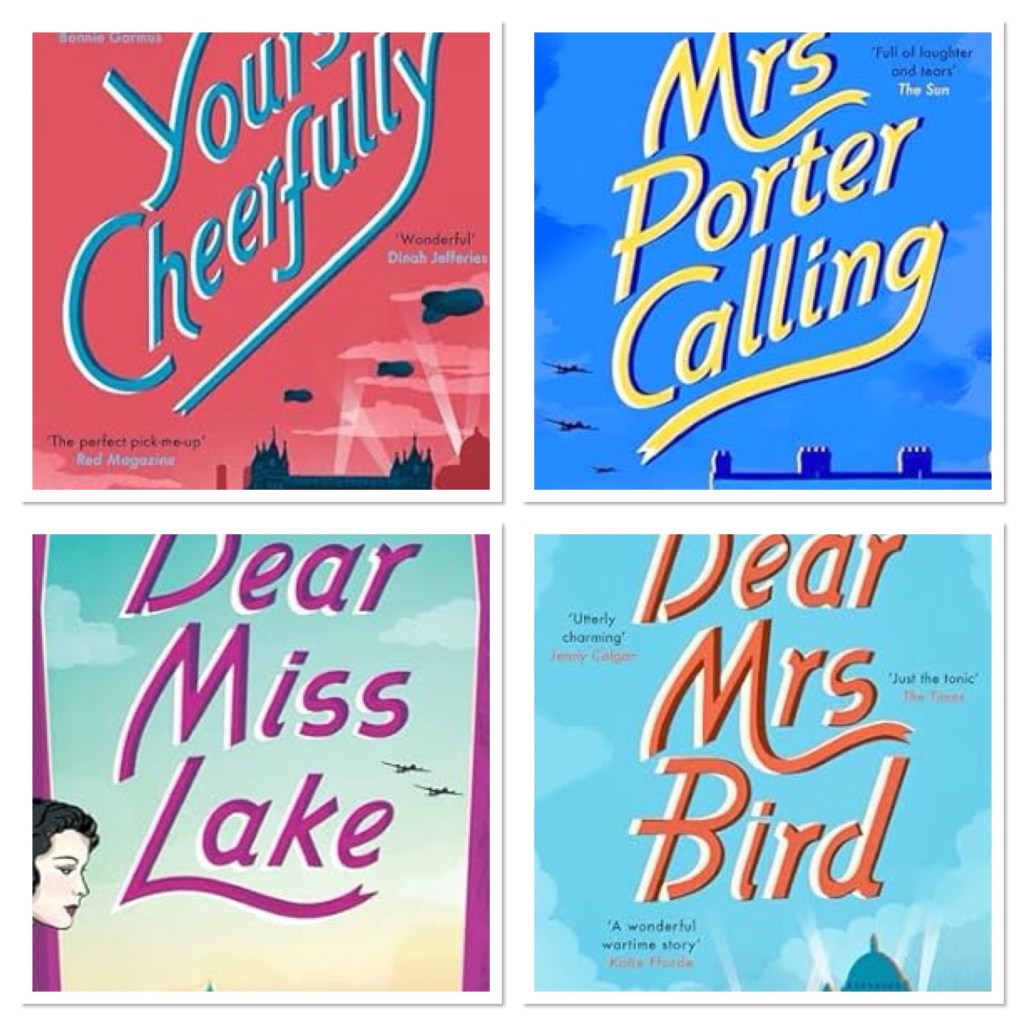


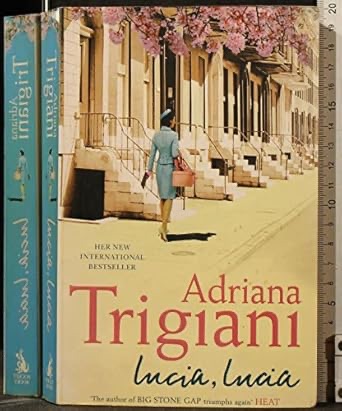


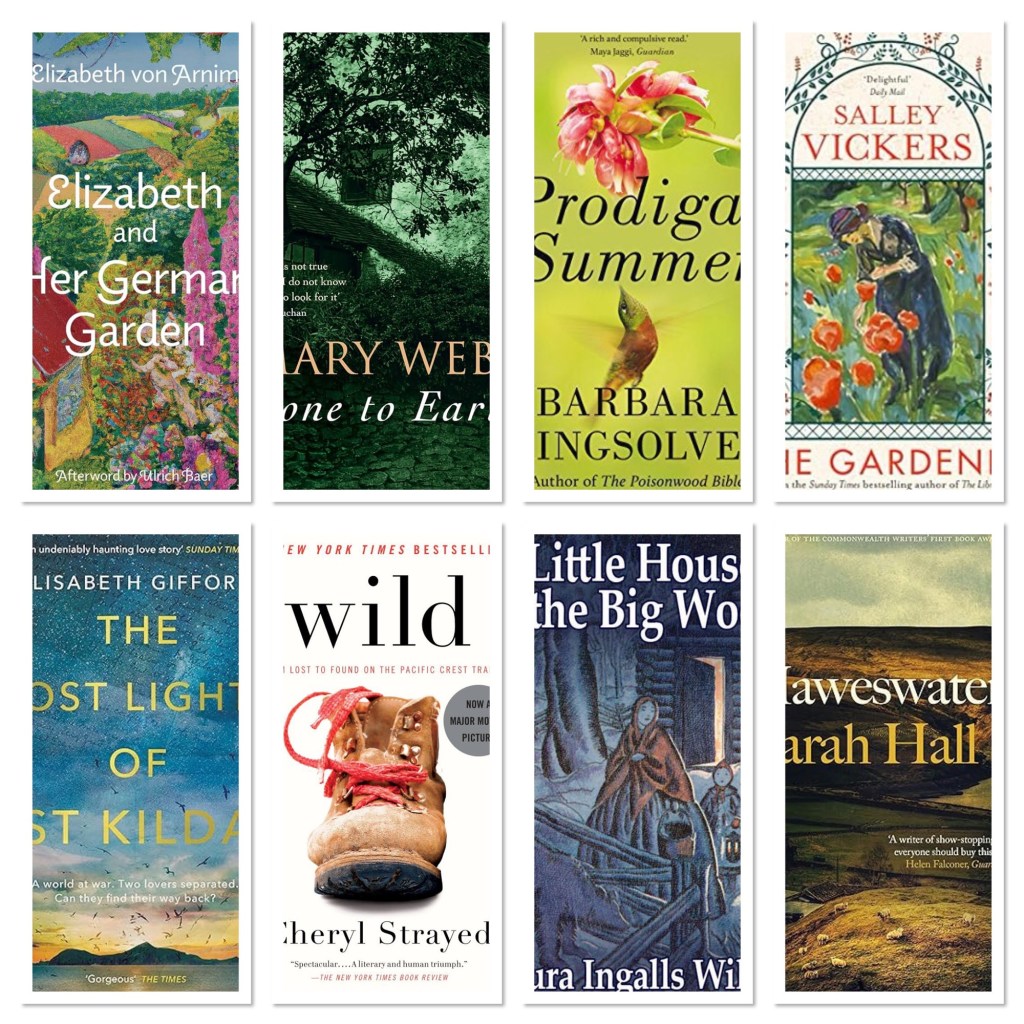
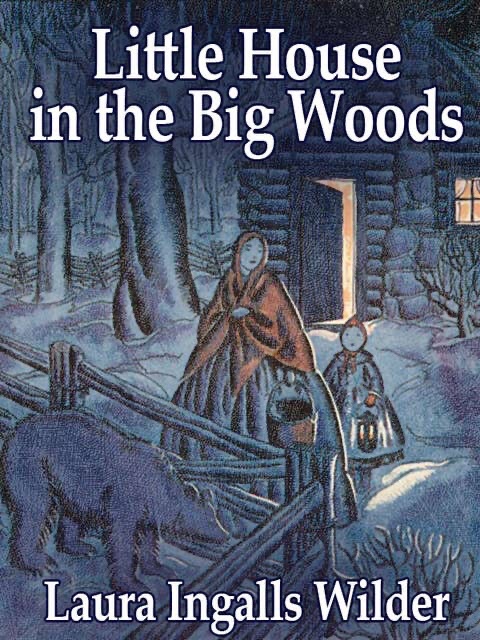


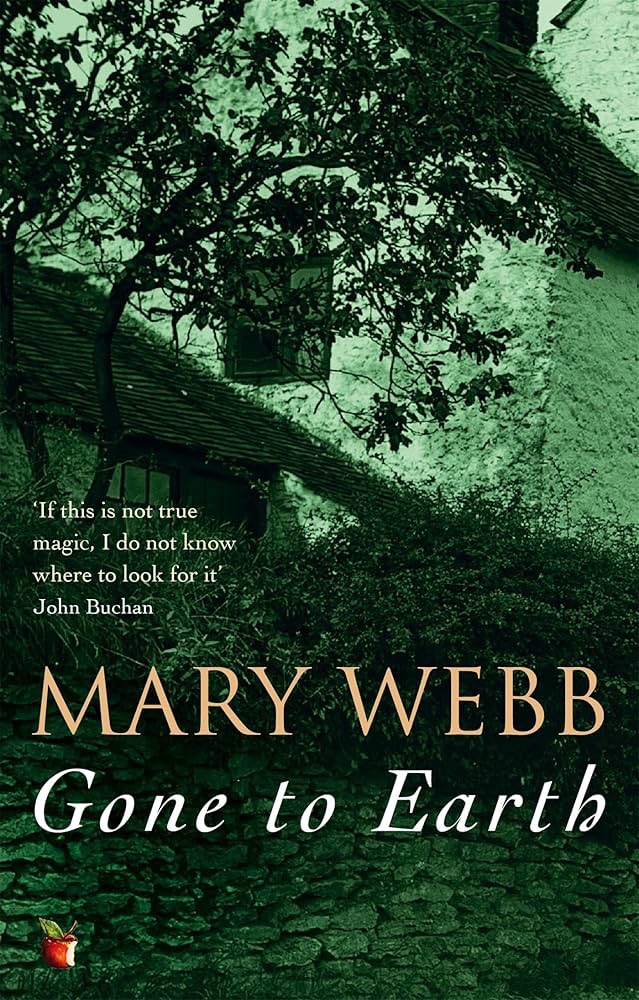
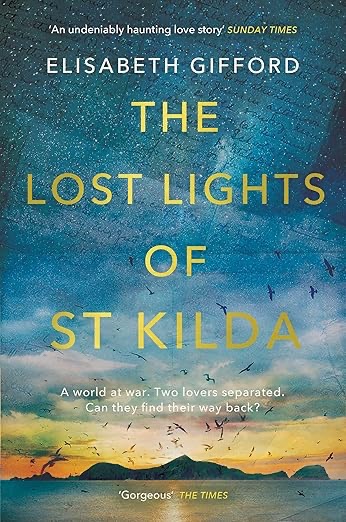


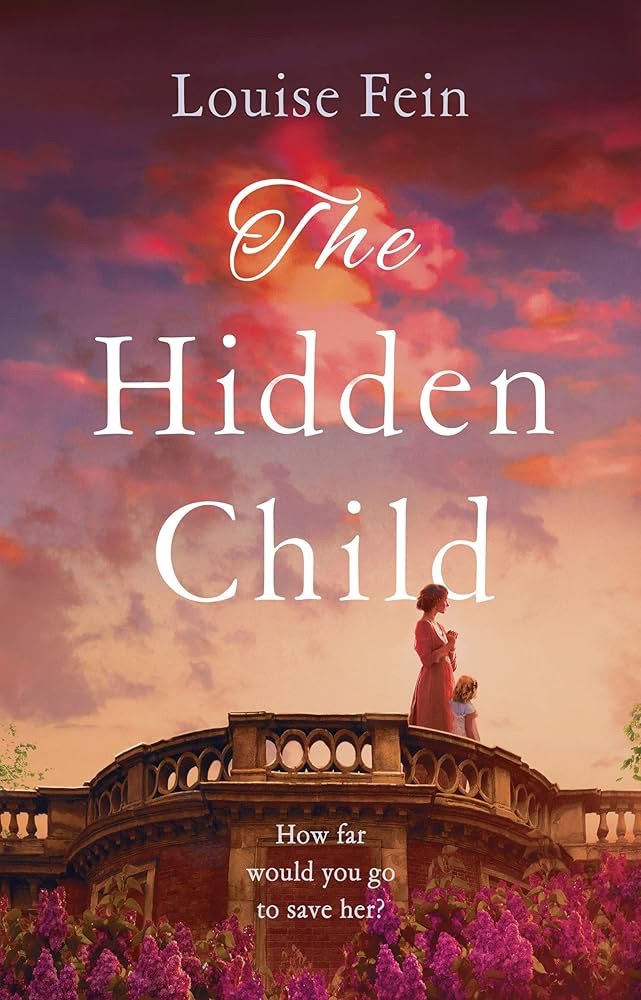
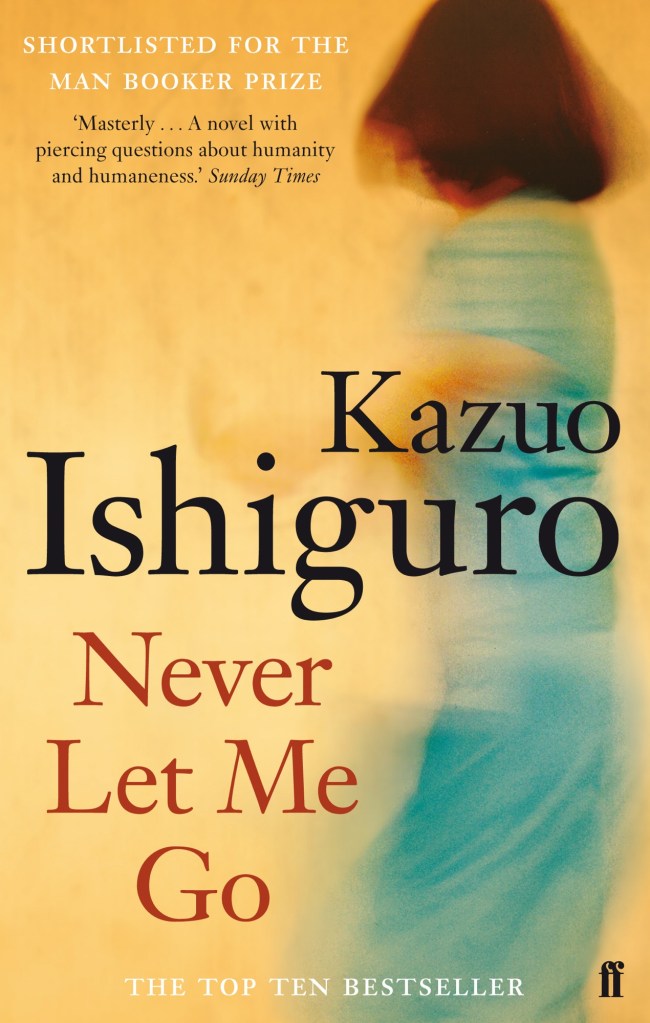
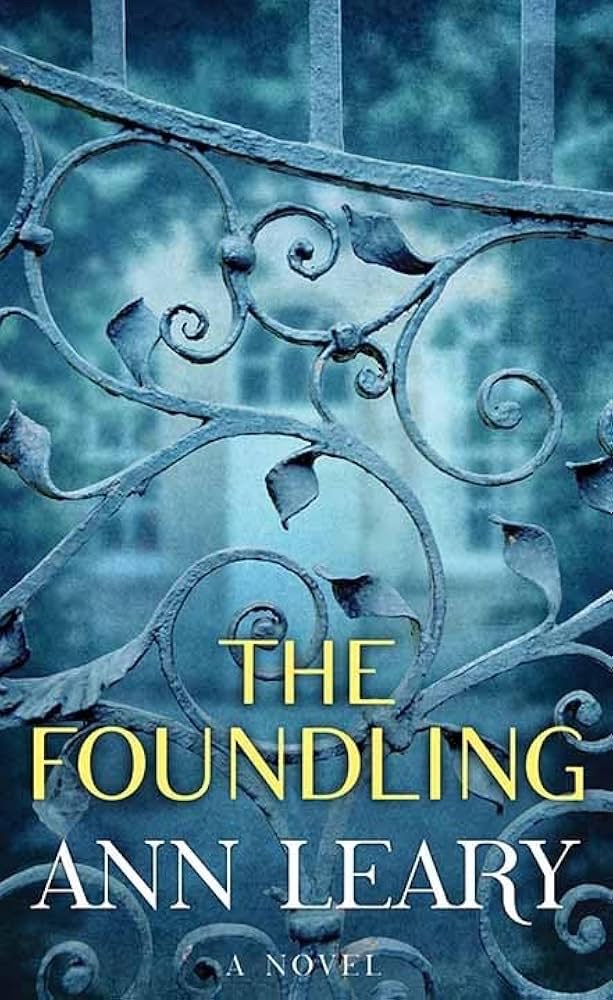
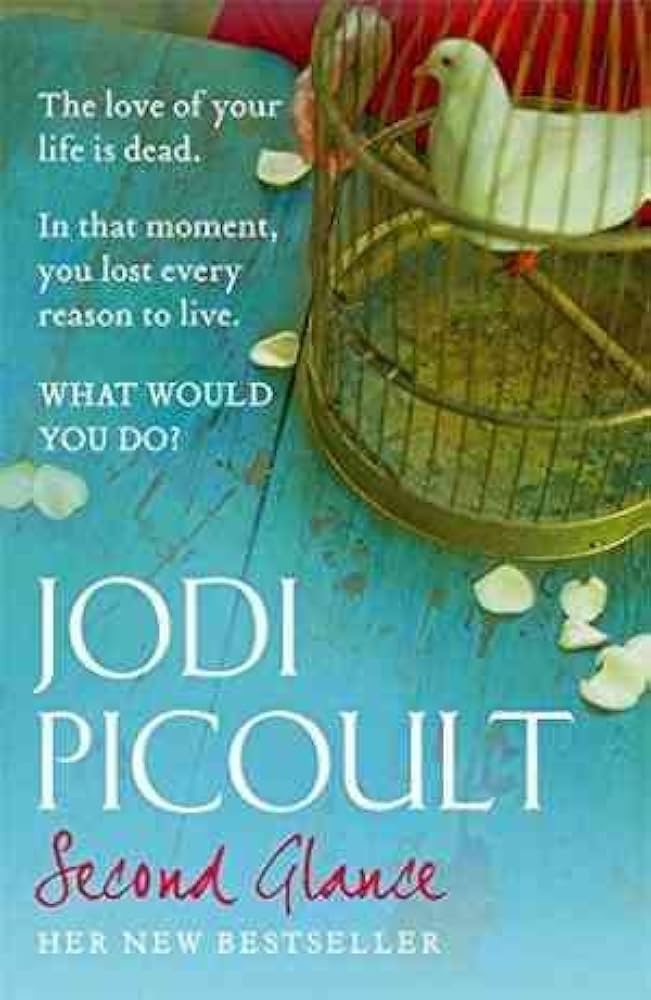
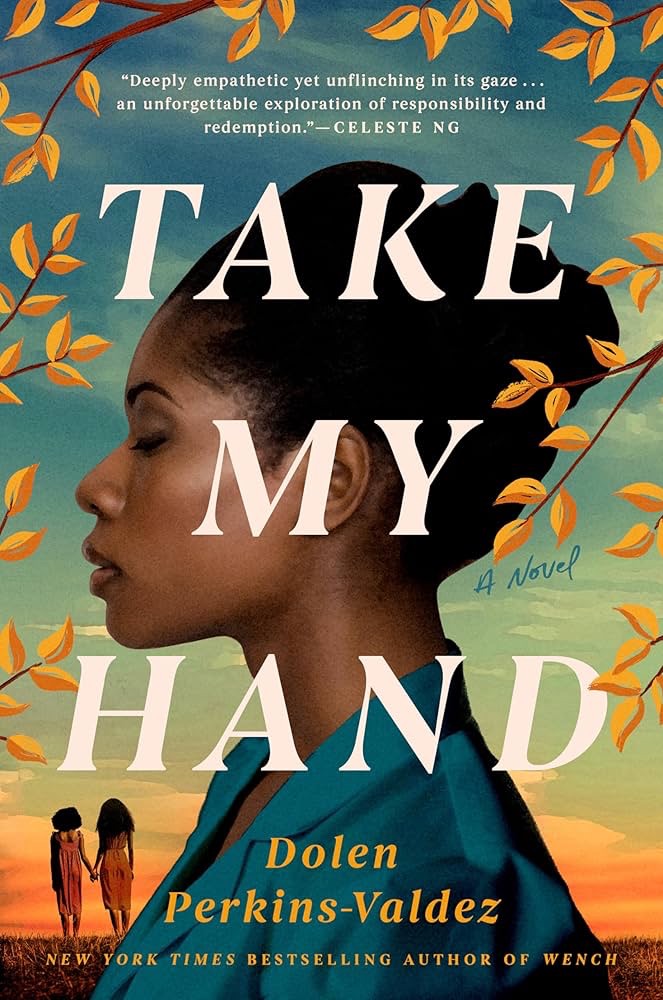
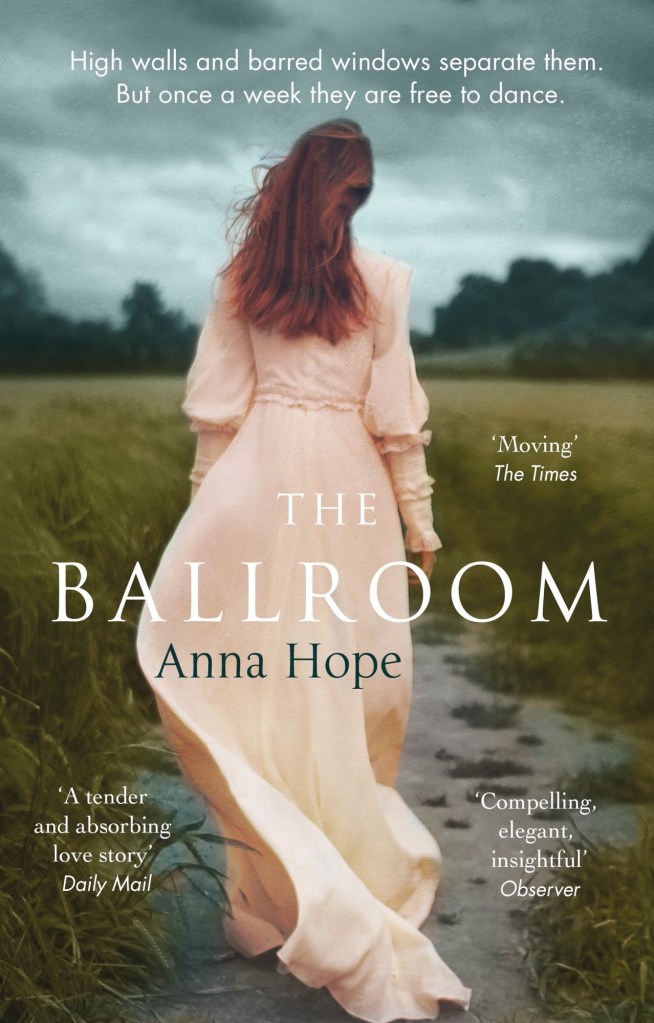
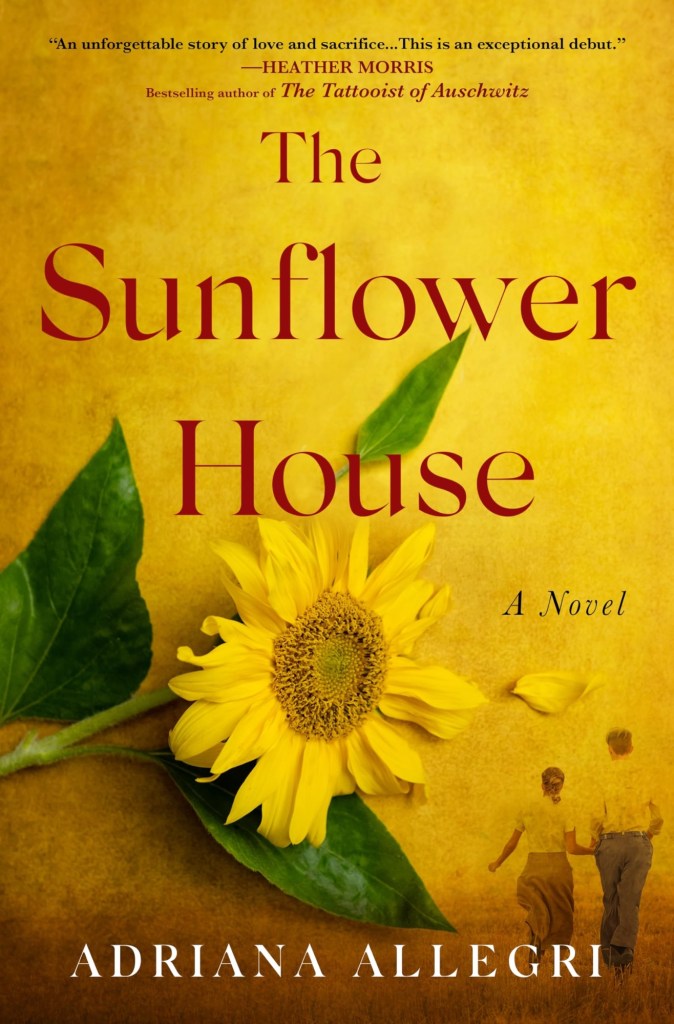
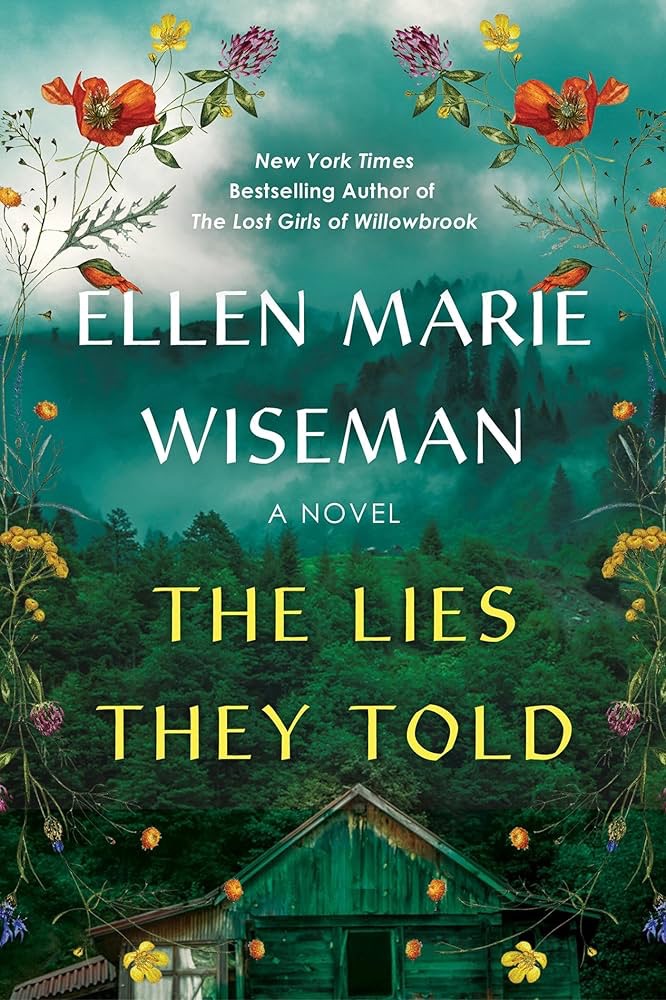
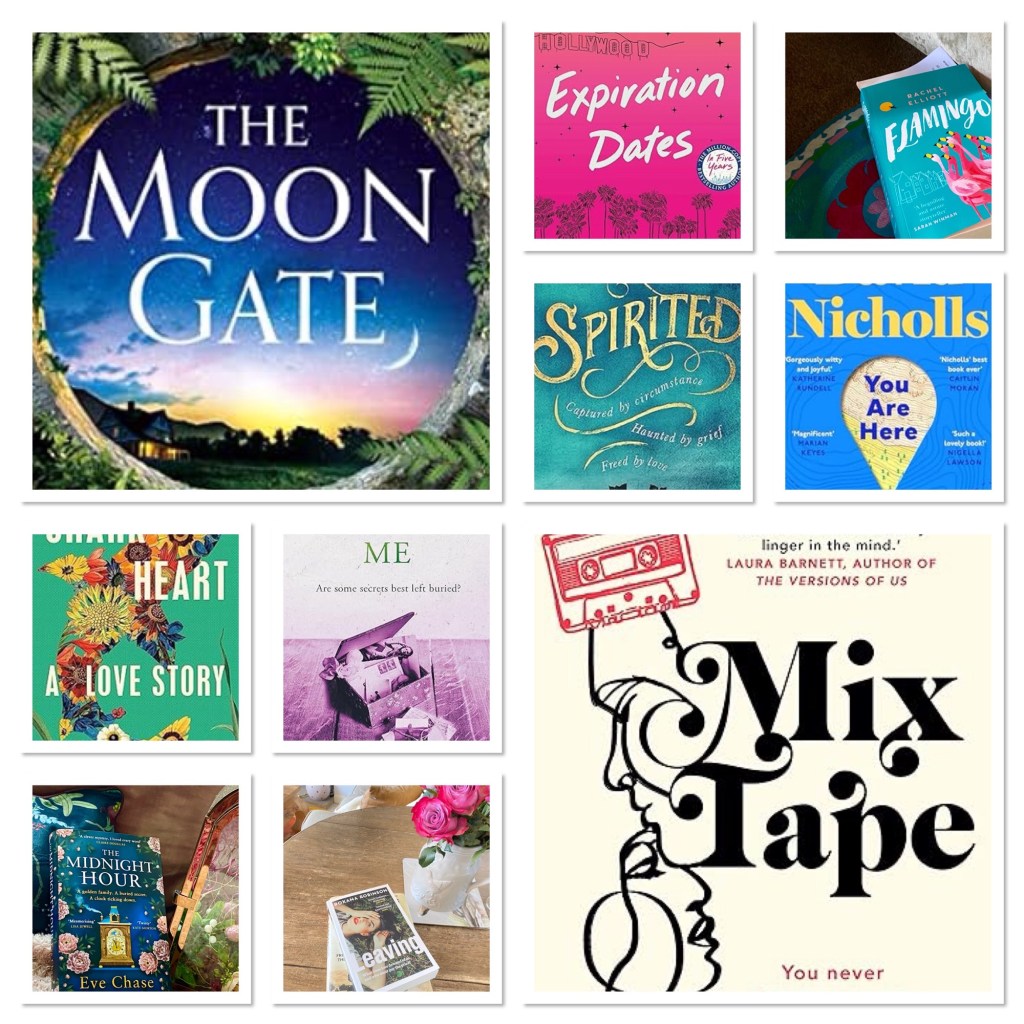
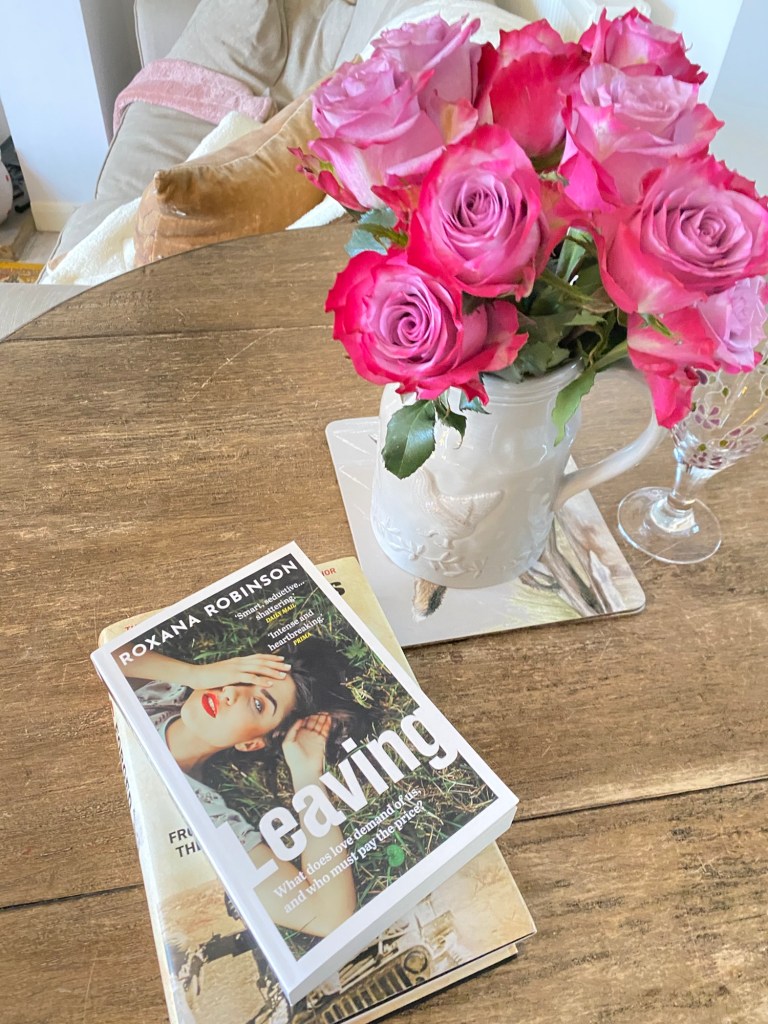
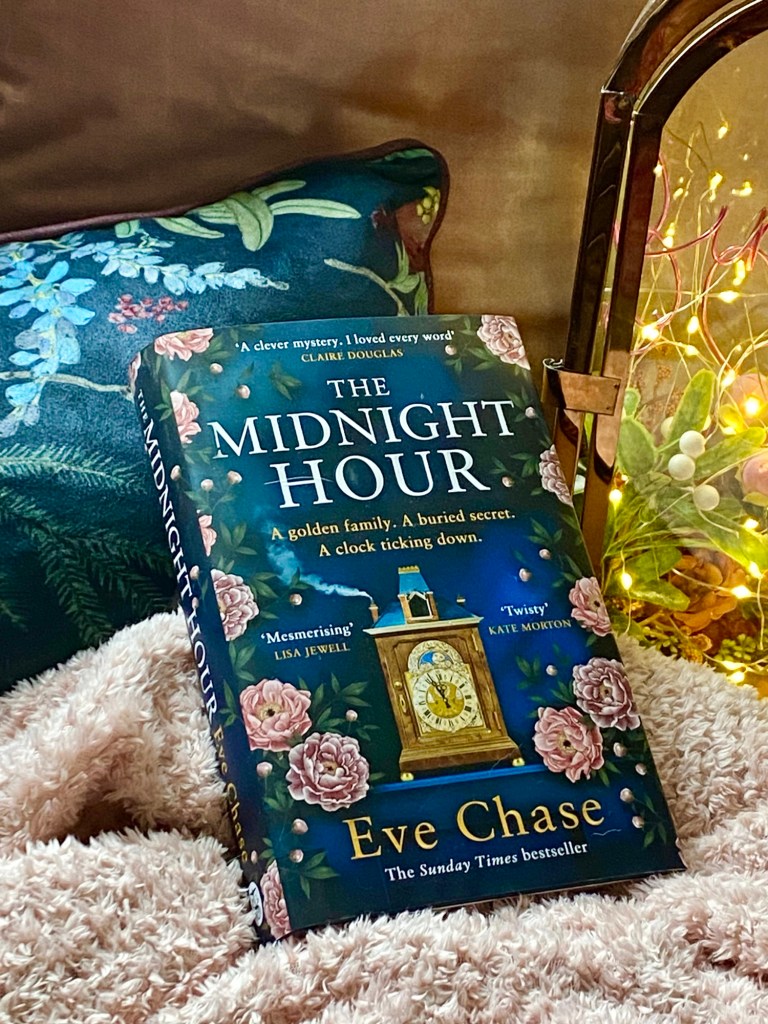
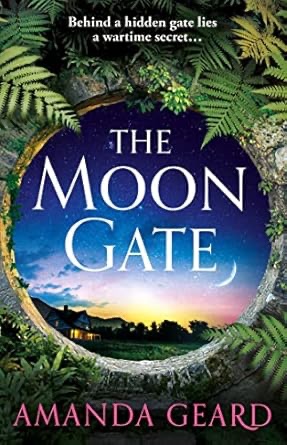
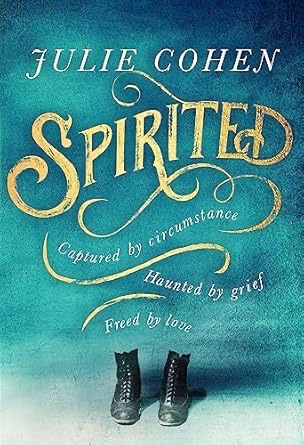
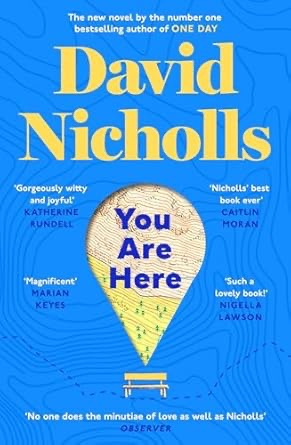
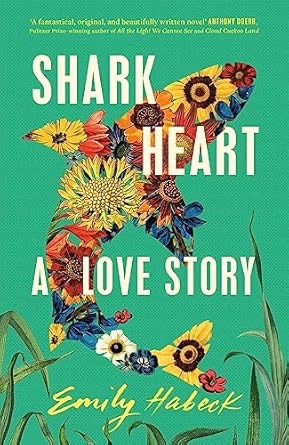
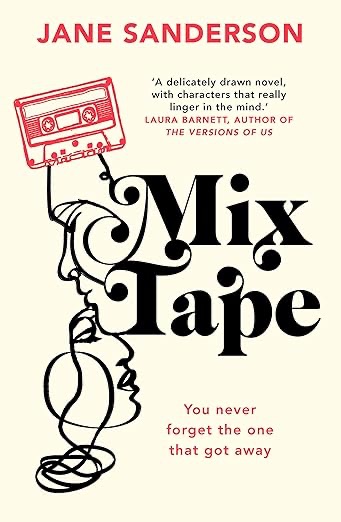
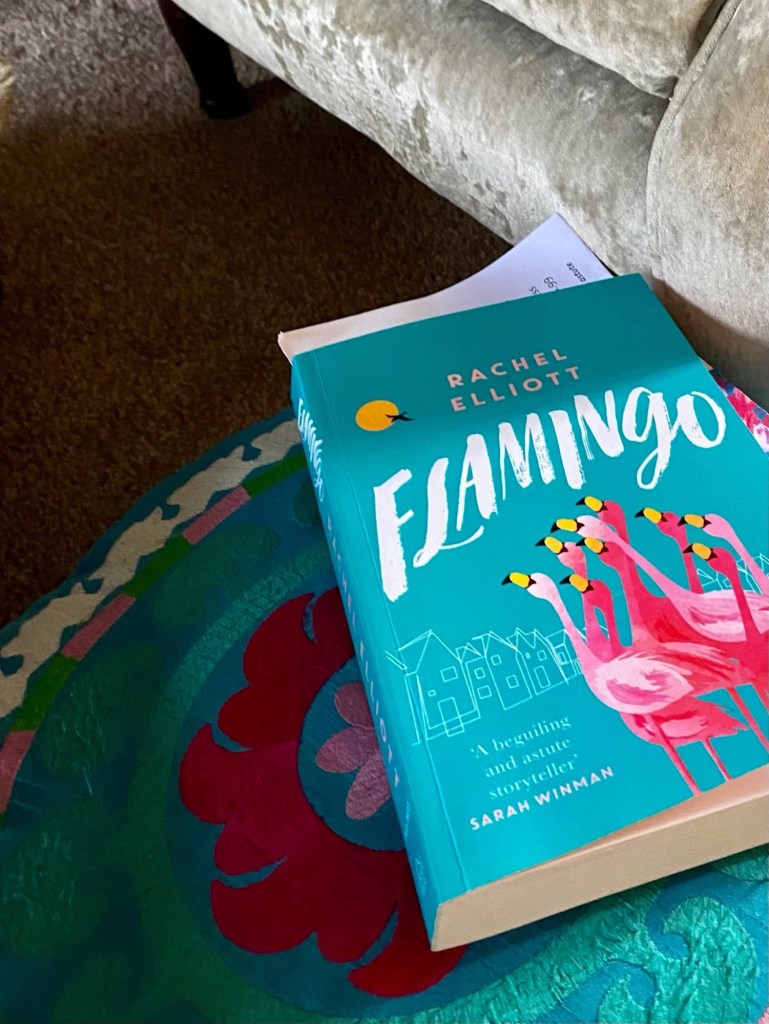
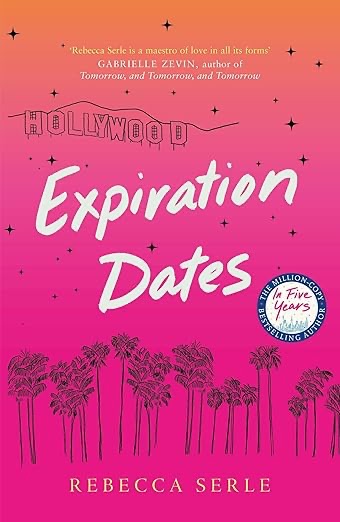
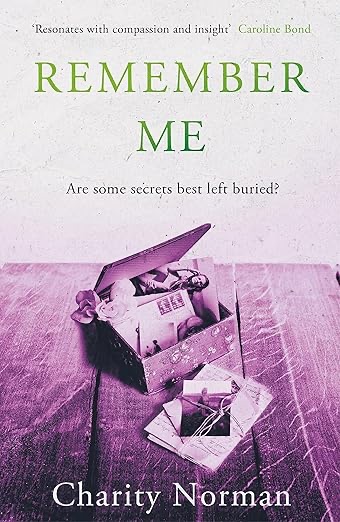


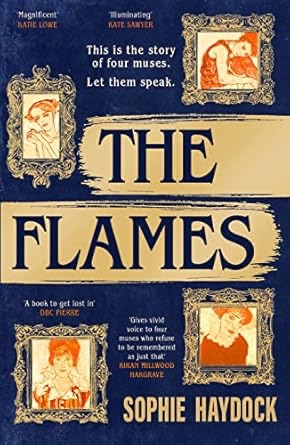
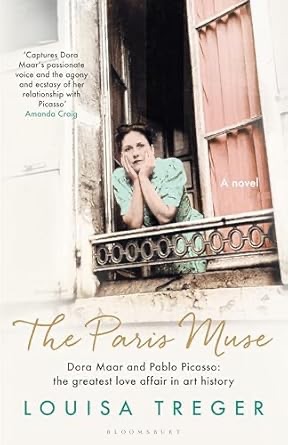
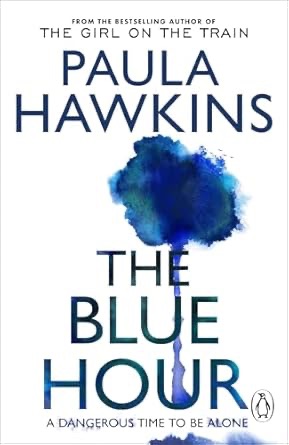
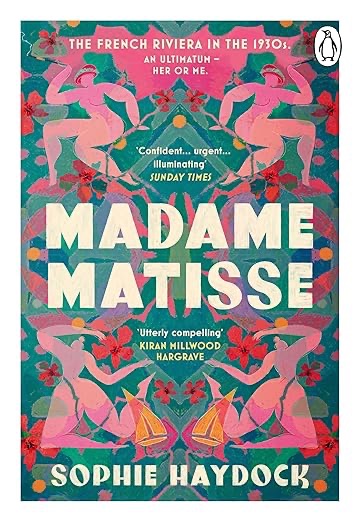



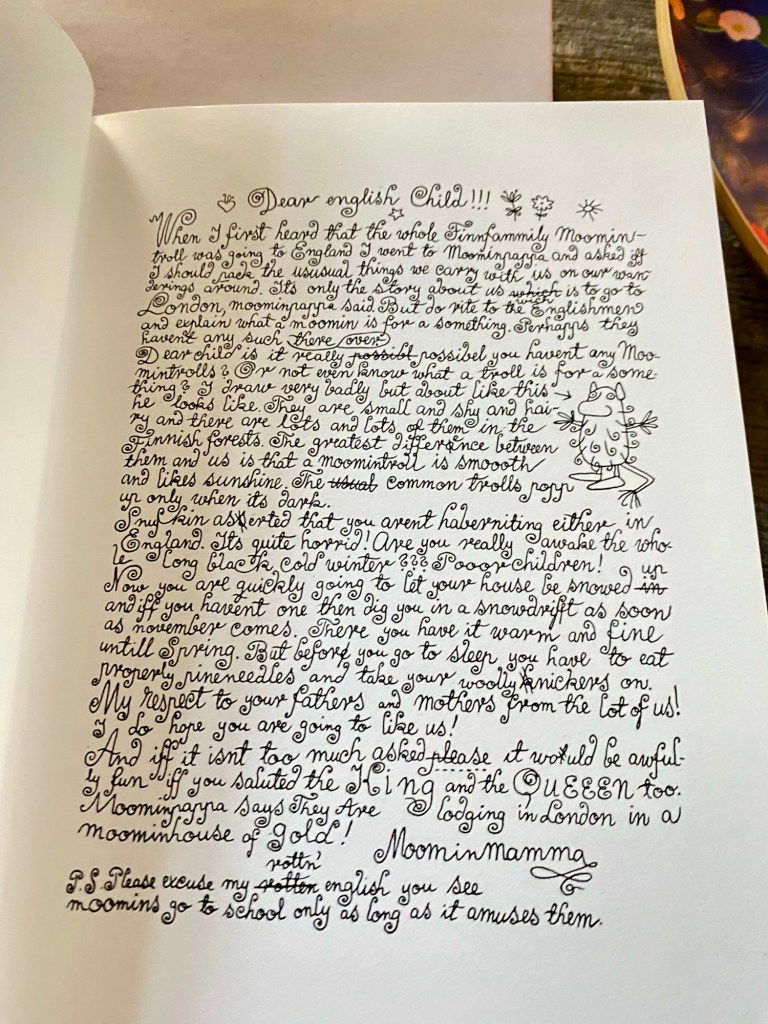




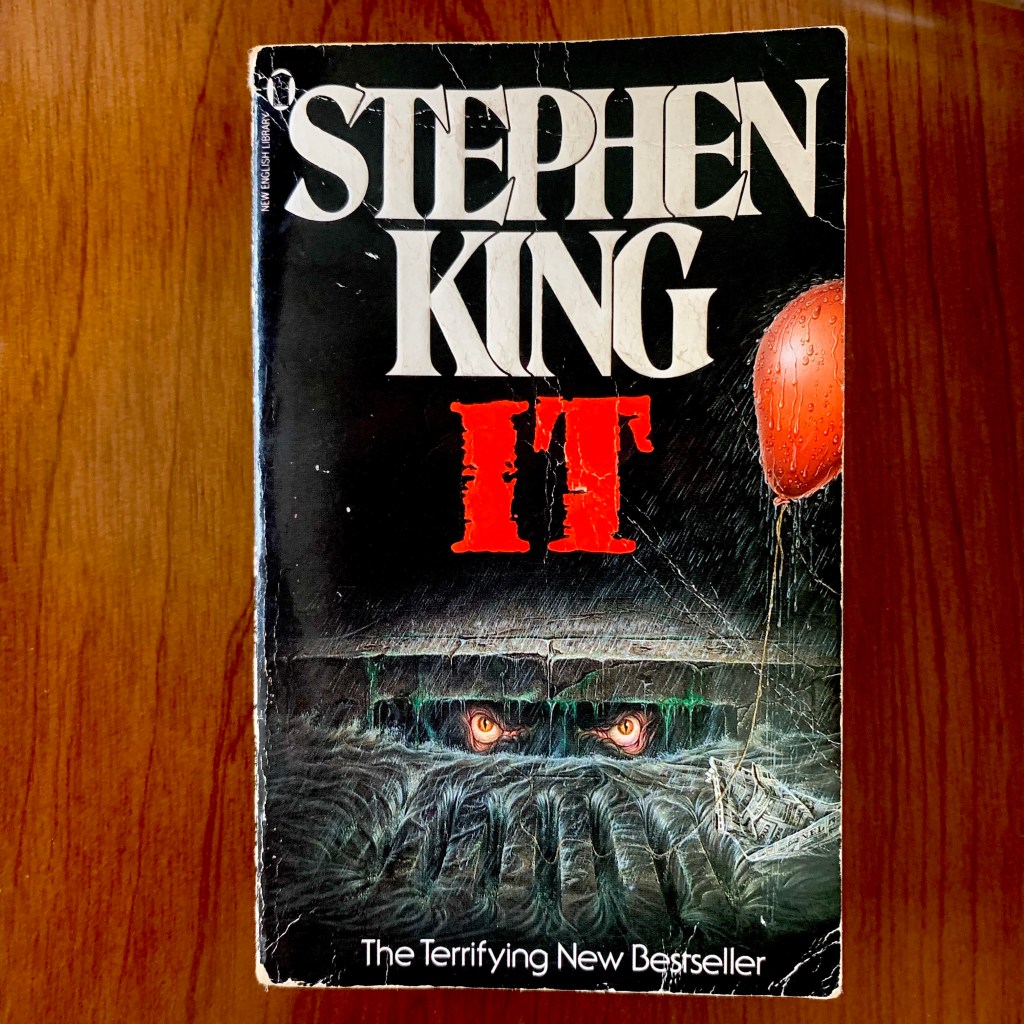
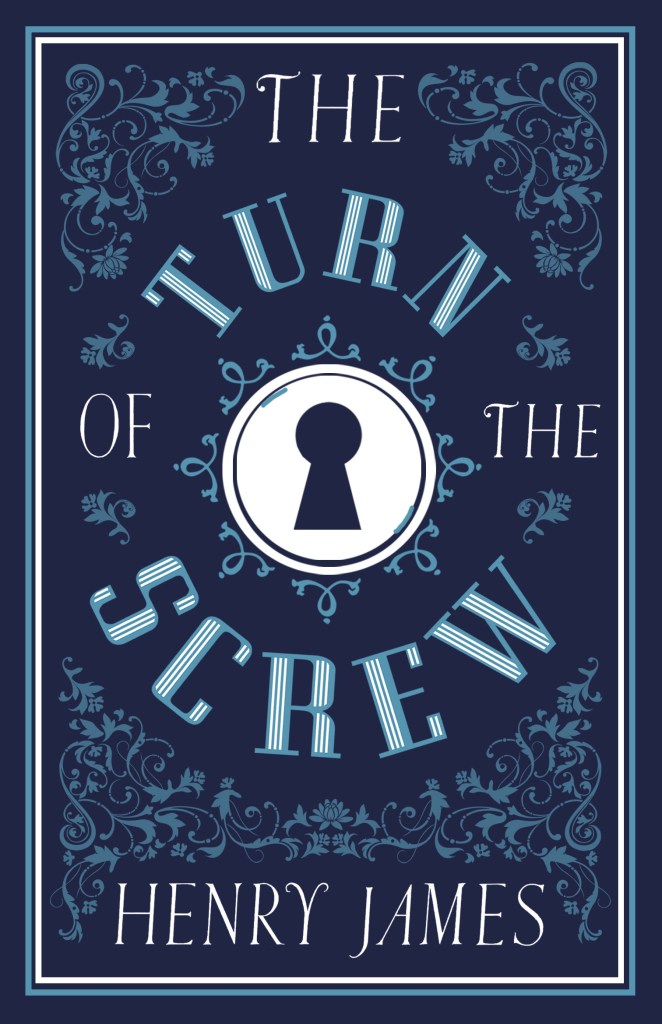
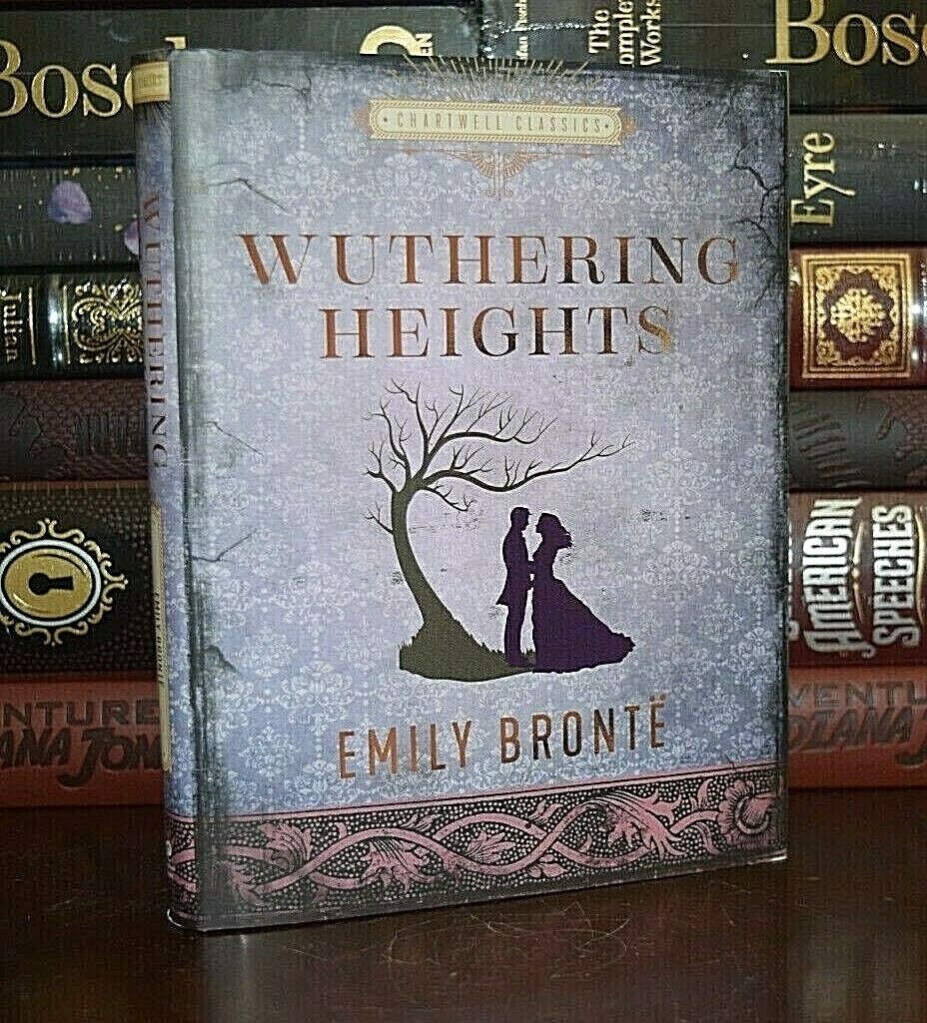
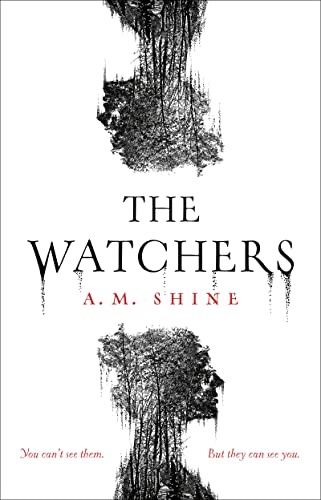
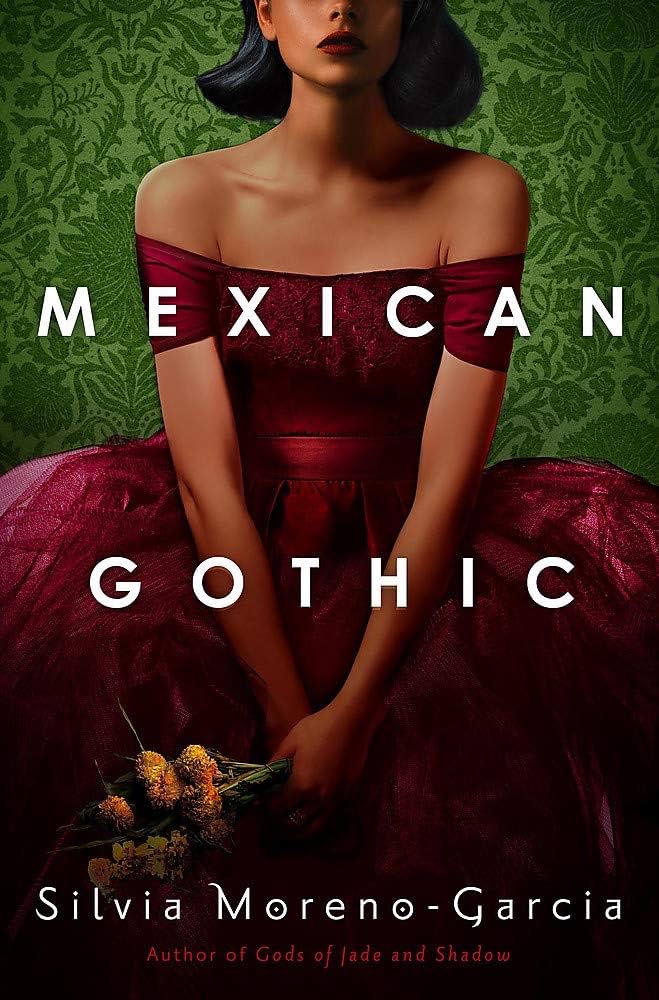
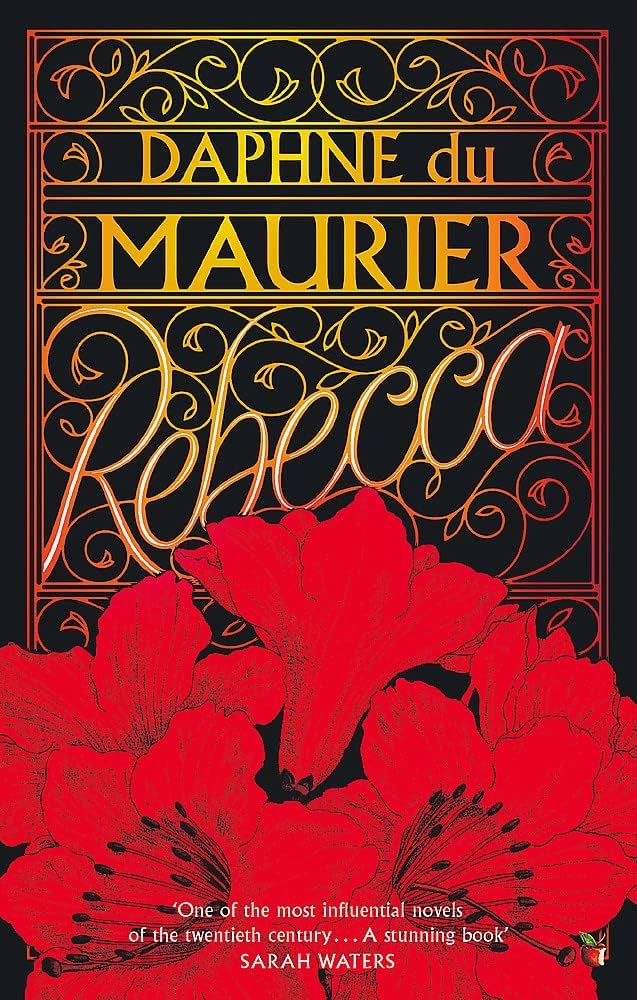
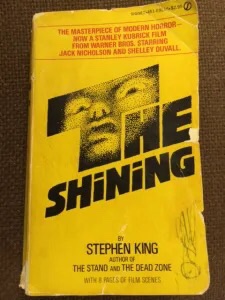

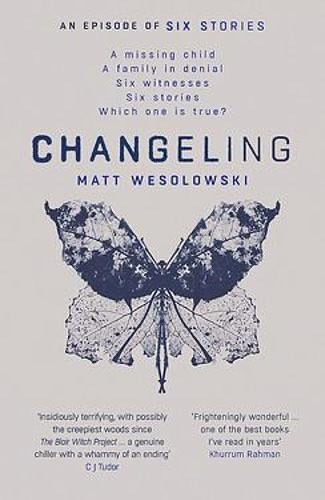

 The Lotus Readers