I’m slowly becoming a fan of ‘Outback Noir’ so I guess I picked up Aoife Clifford’s new novel with certain expectations. I was pleasantly surprised to find a few differences in this crime novel and a labyrinthine story that really pulls the reader into small town Australia with its complicated relationships. As one Merritt resident says:
“People here are a bit like trees, with roots deep in the earth, far more tangled than what’s visible on the surface.”
Criminal barrister Alex has returned to her home town to spend some time with her mother Denny and have one of those difficult conversations. Denny is struggling with dementia, but is stubborn and in denial. She had a distant relationship with her own parents and had Alex as a young Mum. Alex has bad memories of her grandparents so Merritt isn’t her favourite place, but Denny is getting worse, no matter how much she tries to cover it up and Alex must talk to her about sheltered accommodation. It’s on a beach walk trying to broach the subject that they find a dismembered leg with a distinctive black feather tattoo. It turns out that the leg belongs to art gallery owner Maxine MacFarlane and local police chief Kingsley ‘King’ Kelly dismisses it as a boating accident when the rest of her body is found further up the coast. But Alex’s barrister’s instincts tell her there might be more to this than meets the eye and she starts to snoop. King Kelly warns her off very early on and comes across as the archetypal small town cop – lazy, prejudiced and jaded, not to mention a misogynist. He holds court in his local cafe and seems well connected in the town, especially with people who matter. Alex wants to question a possible link between Maxine’s death and the disappearance of artist and activist Bella Gregg two years before. Not only did Bella exhibit at Maxine’s gallery, but as an activist she often protested wearing black feather wings that went missing at the same time she did. There’s also a strange symmetry about their autopsy results – Maxine was washed up on the sea shore but didn’t have saltwater in her lungs whereas Bella did have saltwater in her lungs but was found inland. There was also an upcoming exhibition at Maxine’s gallery, linked to Bella’s death. Could this have laid the blame for Bella’s death at a local’s door?
The plot is intriguing, full of different avenues that are never obvious. Some keep you reading ferociously but turn out to be red herrings, while truths lurk underneath like a riptide. One minute I suspected someone, then someone completely different, although that’s not surprising in a town where male suspects are plentiful. My eye was on King Kelly throughout because he’s a thoroughly unpleasant character, but there are strangers in town; a new doctor who’s just arrived, as well as a visiting investor in a potential eco-friendly extension of the town. Locally there’s the rep for the town extension who seems keen to do anything for a better future than the local fishermen he went to school with. Bella’s own stepfather is known to be dealing drugs and there’s even a link to Alex’s family, with one thread involving a GP who was the partner of her grandfather. The past definitely has a role here, both in the crime and in the questions Alex has about her childhood. I was nervous for her in a town where outspoken women seem to get silenced. Alex is just as stubborn as her mother once she has an idea in her head and she’s been without cases to distract her of late.
Aside from the crime, Alex has a lot to contend with: her husband Tom is pushing for their divorce to move a bit quicker; her career seems to have taken a nosedive since their separation; then there’s her formidable mother to contend with. I loved the snappish and often humorous dialogue between Alex and Denny. There was a lot of truth in their exchanges, but that humorous edge offered a bit of light in the shade of a terrible crime. Alex’s instincts are strong, she’s perceptive and intelligent but seems to have a blind spot when it comes to danger. She places herself in potentially life threatening situations without seeing the danger looming over her. I didn’t always understand why, but felt it might have had something to do with her childhood in Merritt. Clifford surprised me with Alex’s home town, because I didn’t get the dry outback setting I expected. Despite wanting to develop as a holiday destination, it didn’t feel very welcoming and it seems to be raining constantly. Everyone is in raincoats. This is a small seaside town and has a claustrophobic feel without the outback heat. She shows it through the people, like the local cop with a finger in every pie and suspicious residents who are reluctant to talk. She gave me an Australia I hadn’t seen before and it gave this read a unique feel. This was such a well-written book, sinister and complicated with an ending that felt just right. I’m now looking for a gap to read her earlier novels, because I’ve already ordered them.
Meet the Author
Aoife Clifford is the author of All These Perfect Strangers, which was long-listed for both the Australian Industry General Fiction Book of the Year and the Voss Literary Prize, and Second Sight, a Publishers Weekly (starred review) and PW Pick for Book of the Week. Aoife’s short stories have been published in Australia, United Kingdom and the United States, winning premier prizes such as the Scarlet Stiletto and the S.D. Harvey Ned Kelly Award.
Thanks to enjoying the blog tour for Sharon Gosling’s first novel, The House Beneath the Cliffs, she became an author I kept an eye on. I was on the look out for her next and The Lighthouse Bookshop confirmed for me that if I’m looking for an escapist read, she is one of my go-to authors. She seems to effortlessly blend a mix of sadness and heartache, secrets, warmth and potential romance into an engrossing read that’s so enjoyable. Our main character, Luisa McGregor, has allowed herself to become stuck. A life that once felt safe, secure and predictable is now starting to stifle Luisa and she needs more, a new challenge perhaps. Then into her lap falls great opportunity. Her friend Oliver presents a daunting, but tantalising proposition. Instead of carrying on as a gardening assistant to a woman she feels increasingly out of step with, she should check out an opportunity to build a whole new garden at a site near the Cumbrian coast. There’s a pot of money available to build a community garden on wasteland next to a gym and youth club. Luisa agrees to visit the site and is daunted by the amount of work needed, but also inspired by what could be achieved there. As we meet the people of this disadvantaged area of Collaton, we can see what a community garden could mean to these people. There’s teacher Cas, who is pouring all of his energy and spare time into the young people of the area. Harper is a teenager with a lot on her plate, but determined to find a way out of Collaton towards a different future. Can Luisa design a garden that brings both healing, inspiration and a stronger sense of community for the residents?
I did connect with Luisa and the position she has become stuck in. She has had to recover from the terrible trauma of losing her husband in an accident. She has dragged herself up from the darkest and most difficult days following her husband’s death, to a point where she feels she has rebuilt her life. She’s working in garden design, even if she doesn’t like her boss, she has a nice home and great support in her sister. Really though, she’s just treading water and terrified of stretching herself or reaching for something that she could lose. I loved the way the author shows Luisa coming alive again as she works on the new garden. She literally blooms alongside her plants and seems to gain something from working with others and passing on her skills. Without trying too hard, the garden draws in those who need it including a woman who’s been her husband’s carer since an accident paralysed him. He’s initially sceptical and annoyed that his wife’s attention has been captured by Luisa’s plans, but just a few hours a week gaining respite from her caring role has transformed her. It’s not long before he’s creating bespoke benches for the garden, adapting the way he uses his joinery skills to his disability. Harper is a character who really stands out, she’s a young girl brimming with potential, but struggling to escape the difficult circumstances of her life. She is the main caregiver for her younger brother, now that their mum has died and their father has escaped into the bottle. Harper has a skill for mechanics, engineering and invention. She spends her spare time either at the club with Cas or helping at the local garage where she’s doing up a battered old Mini that Cas has gifted to her. Harper’s story shows us how hard it can be for someone to escape where they live and their family circumstances. Her cousin Darren is out of prison and is back dealing drugs in the area again, Harper is devastated when he preys upon her younger brother, Max. Max is easily influenced, especially when it comes to friendships. He struggles to make friends and has been subjected to bullying, so when someone older and seemingly cool pays him attention it’s an easy conquest. Darren wants him as a drug runner or lookout, but Harper puts her foot down and offers herself up instead. I was on tenterhooks, knowing that this decision would have consequences in the future.
There are a few powerful scenes that really stand out. Max has a secret that he’s been working on in Harper’s absence, inspired by the garden and when it was unveiled I almost held my breath. I loved the idea for his garden and the description was so lush and vivid I could almost smell the vegetation and feel the warmth. I could imagine sitting there, early on a sunny morning and enjoying a coffee. I also kept thinking what an incredible wedding venue it would be. It’s clear as soon as Cas and Luisa meet that there is potential for romance, but I wondered if both of them were too hurt by their pasts to take the chance. I was sure it needed a catalyst and the author certainly gives us one. The scene where Darren’s thugs get into the garden was heartbreaking and heart-stopping. I could actually feel the fear of the volunteers and residents as Darren shows his true colours and the bad boy reputation he’s trying to create for himself in the community. However, the gang don’t expect to be challenged, with devastating results. I was rooting for Cas and Luisa, with their endeavours in the community and their potential romance too. I read to the end quickly, determined to see the garden succeed and whether Luisa would overcome her fear of love and inevitable loss. I took the book on holiday with me and it was an enjoyable and emotional read, with an ending that was truly satisfying. This is an author who understands that life has seasons and that women have an amazing capacity to accept life’s changes, as well as the resilience to reinvent themselves and start over again.
Published by Simon and Schuster UK 27th April 2023
Meet the Author
I’ve been writing since I was a teenager, which is now a distressingly long time ago! I started out as an entertainment journalist – actually, my earliest published work was as a reviewer of science fiction and fantasy books. I went on to become a staff writer and then an editor for print magazines, before beginning to write non-fiction making-of books tied in to film and television, such as The Art and Making of Penny Dreadful and Wonder Woman: The Art and Making of the Film.
I now write both children’s and adult fiction – my first novel was called The Diamond Thief, a Victorian-set steampunk adventure book for the middle grade age group. That won the Redbridge Children’s prize in 2014, and I went on to write two more books in the series before moving on to other adventure books including The Golden Butterfly, which was nominated for the Carnegie Award in 2017, The House of Hidden Wonders, and a YA horror called FIR, which was shortlisted for the Lancashire Book of the Year Award in 2018.
My debut adult novel was published by Simon & Schuster in August 2021. It was called The House Beneath the Cliffs and it was set in a very small coastal village in Scotland. The idea for it had lodged in my head years before. I have a love for unusual dwelling places and I came across a tiny house that completely captured my imagination. My adult fiction tends to centre on small communities – feel-good tales about how we find where we belong in life and what it means when we do. Although I have also published full-on adult horror stories, which are less about community and more about terror and mayhem…
I was born in Kent but now live in a very small house in an equally small village in northern Cumbria with my husband, who owns a bookshop in the nearby market town of Penrith.
It was only yesterday on the blog that I was welcoming spring by talking about a book of poetry aimed at helping people with their mental health. Nature was one of the main ways we could boost our well-being, so it seems very fitting that I was also reading this beautiful memoir by Anna Vaught where she shares her very personal mental health journey and how nature became her best coping mechanism from a very young age. The book is made up of a series of essays, each one beginning with a quote from Ralph Waldo Emerson’s Nature including the book’s title.
If the stars should appear one night in a thousand years, how would men believe and adore; and preserve for many generations the remembrance of the city of God which had been shown! But every night come out these envoys of beauty and light the universe with their admonishing smile.
Ralph Waldo Emerson. From Nature, Chapter One.
His words bring a sense of wonder to the natural world, and if kept and nurtured, that sense of almost childlike wonder is an amazing antidote to the hurried and stressful way of life we now have. In fact if we still have that ability to stop and be with the natural world around us, it becomes a time out of time. We come out of those moments and back to reality amazed at how much time has passed and how everything else in life receded and allowed us that enjoyment. As some of my bookish friends know, I have recently been struggling with my mood due to the frustration of having a multiple sclerosis relapse. While I am in pain and battling fatigue, my very busy brain is desperate to carry on writing my book. Basically my body can’t keep up with the breadth of my imagination and the desire to put it down on paper. Yesterday, we drove to our local farm shop and on the way home we passed a field that’s had a winter crop harvested and is only just growing a short covering of grass. From a distance away I suddenly saw two young hares – my favourite animal – chasing each other, weaving and winding around each other at speed then every so often stopping to stand on their hind legs and attempt to box. We pulled over and for a short while we lost ourselves watching these mystical creatures performing the rituals of their ancestors. My partner commented on how my face lit up while watching them, possibly because one of my earliest memories involves a leveret found by my dad that I was able to hold in my palm. I remember the softness of it’s fur, the cartilage of it’s ears and the way the light shone through the pink inside of the ear to show blood vessels coursing their way through.
Like Anna Vaught’s family we were rural working class, with my father either a farm labour or working in land drainage – a very important role in Lincolnshire where the 14th Century system of dykes designed by Vermuyden still keeps the county’s land drained for farming. As children, my brother and I would leave the house in the morning and not return till late afternoon. Vaught’s description of her childhood reminded me of those days where we would lie and read in trees, suck the nectar from sweet nettle flowers and watch the wildlife. I was obsessed with the Country Diary of an Edwardian Lady, so while my brother was fishing I’d do botanical sketches of foxgloves, campions and cow parsley. These countryside hours feel idyllic, but the truth was my mum struggled with untreated depression till I was a teenager. Since then my brother and I have both had our own bouts of depression, but thanks to better treatments and to my training in mental health I had the skills to know what was happening and ask for help. I have also developed my own toolbox for days when my mental health and physical health are having a battle with each other. Like the author, spending time in nature is definitely a large part of that. I truly bonded with this incredible, honest and moving book and was profoundly moved by the author’s decision to share her more painful life experiences. This is partly why my response is also very personal.
The author bases each chapter on a plan, such as Rosebay Willowherb or lichen and moss. She writes about the wonder of each living thing, but it’s also a kicking off point for her own memories and feelings at the time. She writes a deeply moving section in the first chapter where she admits that she was reciting the Latin names of plants in her head to calm herself and try to get to sleep. She told many different adults – the dinner lady, the teacher, the vicar – that she felt compelled to say them out loud ‘so as not to make the dreadful thing happen’ possibly the emergence of OCD. These little glimpses of the child Anna show how lost and unsafe she felt with her parents:
If, as a child you are surrounded by a sort of passionate morbidity, by a frightening psychiatric incident in the family – which is frightening because it is spoken of behind closed doors and euphemism – it may be that you need to latch on to things around you which provide stability and reassurance. Much of this was in the natural world for me.
P26
Vaught is open, raw and deeply moving in the sections where she writes about her childhood experience and it is worth mentioning that the book contains childhood mental illness, emotional abuse, suicide, depression and anxiety. She places her own warning for these subjects at the beginning of the book so I felt they were worth mentioning here. It is emotionally devastating to read someone crying out for help, but receiving nothing from the people expected to care for her most. She describes feeling dissociated, cut off from the world and the people in it as if she was living behind a sheet of glass. She writes quite bluntly that her parents did not talk about it or try to help her. Her mother’s view was the depressed people were indulging themselves. Teenage moods and PMS were imaginary and people who professed to be mentally I’ll had ‘failed to control themselves.’ I felt this in my core. To be so dismissed and gaslighted to this extent in your own family must be devastating to self – esteem and leaves you questioning and testing yourself permanently. She writes that she felt, not just unwanted, but a malevolent creature that might easily do someone harm, an idea that meant making friends and keeping relationships with extended family was quite difficult. It was also instilled in her that it wasn’t just her mum, that other family members and visiting friends had notice she was different too. Her father was distant, but when she was allowed to go out with him she felt chosen and would chatter away to him, probably making up for lost time, until he would snap and tell her to be quiet. On one occasion telling her that they preferred to spend their time with their ‘Number One Son because he listens and likes to be with us, and he never says a word. And you should know you are here under sufferance.’ How crushing must it have been to hear that, especially with her mother so angry with her, something she can only say now after years of therapy.
However, this is far from a misery memoir. I would say it is a story of resilience, of finding the things that boost it and removing from your life those things that crush your spirit. She provides possible mindful exercises that might calm and lists the places she finds most inspiring to visit and experience nature. She signposts the reader to other books that might give you coping mechanisms, while being mindful there is no one size fits all approach because we are all very different. One thing that caught my eye was something I have taught to my groups with chronic ill health and pain; that even in the depths of depression we must be mindful without our bodies and our emotions. We must observe how depression is making us feel both physically and emotionally. What is it about the weeks leading up to this bout of illness that you notice? Were you under stress at work? Were there financial pressures? Were you worried about someone else in your life? Then also make notes on what you did during the worst weeks that made you feel okay? Which strategies brought calm when your mind was spiralling with anxiety? Which people were the best to have around and vice versa? So in this way, a bout of depression or mental ill health has taught us something – what are the best ways to live that might help boost our resilience in the future? As with illnesses like MS, M.E. and various types of chronic pain, stress does worsen symptoms. Using these personal strategies may not totally remove the mental or physical ill health, in fact we may live our lives in seasons ( I always know I will have a short relapse in spring and another in the autumn) but we can be resilient, we can keep in mind that despite being in the depths of winter we can always come out the other side. This is one of the main lessons that the author has always taken from nature, it’s ability to heal itself and come back in the spring. We have faith that at this time of year, plants will start pushing through and now the hellebores and snowdrops of late winter are giving way to tulips, daffodils and bluebells. We plant our brown, unpromising bulbs in the late autumn into cold soil with complete faith they will push through and bring us joy, just when the winter has seemed so long.
If you can cope with the internal winter of depression then depression can be your friend’.
P 117
Not that we would wish depression on anyone, but that it can be a learning experience. It can teach us how to manage the next time it recurs and realise that even a life with limits has richness. This is something I’ve taken on board while reading and it started me off writing a short journal piece about what my bouts of MS can teach me and again it’s resilience. That just as it’s sure to happen again, I can also be sure that it will pass. I can use it to rest, to read and scribble notes, perhaps even to read solely for pleasure. My relapses are simply my body’s winter. To finish I loved her reference to Wilson A. Bentley who lived in Vermont and gave a great deal of his life to studying snowflakes, a natural phenomenon that’s so transient, simply melting away as though it never existed. Bentley felt they were a reminder of how transient earthly beauty can be, but that rather than rendering his study of them pointless, it made it more special because:
‘In the ephemeral nature of phenomena, however, he also found comfort, because while the beauty of the snow was evanescent, like the seasons or the stars he saw in the evening sky, it would fade but always come again.’
Introduction, The Envoys of Beauty.
Meet the Author.
Anna Vaught is an English teacher, mentor and author of several books, including 2020’s Saving Lucia. She has also written a short story collection, Famished. She is currently a columnist for MsLexia and has written regularly for The Bookseller. Anna’s second short fiction collection Ravished was published by Reflex Press in 2022 and 2023 will see five books including this one published across Europe. She volunteers with young people and is founder of the Curae prize for writer-carers and edits it’s journal. She works alongside chronic illness and is a passionate campaigner for mental health provision. Anna is published by Reflex Press and is currently working on another novel.
I found this historical fiction debut absolutely captivating from the beginning. It begins with Lord and Lady Rayne who live in the big house, Oakburne Hall, with just enough room to avoid each other as much as possible. In fact since he returned from the war, Stephen has slept in a small room in the servant’s quarters while Alice lays alone in their marital bed. She finds refuge in their garden, hoping that even in these dark post-war years some seeds of hope will grow.
‘Some secrets are too terrible to tell. And in 1946 Britain is a country where most keep silent. What you witnessed during the war, what you sanctioned, what you are still afraid of, is left unsaid. For those bitter years of conflict and separation you buoyed yourselves up on sentiment, crooning ‘We’ll Meet Again’. And we did meet again, thinks Alice Rayne, only to discover we have nothing to say to one another.‘
No one survives war unscathed and though bodies are healing, their psychological wounds run deep. Those who were left behind are just as scarred as those who left to fight. Stephen Rayne was once sweet and gentle and his wife Alice truly loved him. Yet he has returned a man that she doesn’t recognised. He is bitter and angry, destroyed emotionally by what he has seen and done, holding on to secrets Alice can only guess at. She is lonely and although she hates to admit it, she is increasingly afraid of the man her husband has become, Alice is struggling to put together the pieces of her marriage and save Oakbourne Hall from total collapse. After two lots of death duties, money is incredibly tight so she begins with the walled garden and, as it starts to bear fruit, she finds the seeds of a new and forbidden love being sown.
I had so much empathy for Alice and all women who longed for the man they loved to return, only to find their relief and joy cut short when a stranger came home in their place. I’ve read a lot of novels set post-WW1, but not many set after WW2, but the same social changes come up in 1946. People are struggling financially, at the big house two world wars have taken two heirs in quick succession and the family can’t afford to repair or develop the hall. The villagers are coping with grief, poverty and rationing, and still waiting for men who’ve not yet returned. Women have once again stepped into the breech and taken on men’s jobs, giving them even more freedom and an unwillingness to be pushed back into their traditional roles. In this village, it’s not only Stephen and Alice who are suffering and as they come up against other people’s trauma the results are profoundly moving. The social change is well explored through the character of the village GP, another changed man whose longing for social justice leads to arguments with his wife and children, not to mention Stephen. Clergyman George holds so much guilt, because his ill health meant he didn’t go to fight. How can he minister to these men who’ve been through so much, things he can’t even imagine? As Stephen isolates himself more from his wife, Alice finds solace restoring the walled garden and in talking to George with whom she strikes up a friendship. He is learning about gardens and she is learning about his love of classical music.
As the friendship between George and Alice deepens, she has to think about what she wants. She has loved Stephen for so long, but his angry and violent outbursts are scaring her. Can she love this new person? George listens and appreciates her opinions, in a way she hasn’t had for a long time. When she takes a break from Oakbourne and visits her sister in London, she meets with George in a pub where his beautiful singing voice is in demand at the piano. This interlude is like a time outside of reality, where all worries and cares are set aside. With the late hour and room for George to stay at her sister’s flat will emotion boil over? In all this time, George is struggling with his ministry and his feelings for Alice. When Stephen also confides in him he has a terrible choice to make, does he guide Stephen towards speaking to his wife and saving his marriage? On the other hand, he could advise him in a way that would benefit his feelings for Alice. It’s a terrible choice to have to make, even worse he knows that his lungs are deteriorating and if he doesn’t take up the GP’s offer of treatment abroad he has only months to live. Will he follow his heart or will he sacrifice his own feelings to minister to this couple as their spiritual guide?
This is such an emotional crescendo, especially since we’re also sent back into the war and Stephen’s time infiltrating the french resistance and helping them to fight against the Germans. There, he has to make a horrible choice in order to save someone from a worse fate. His choice haunts him, although in reality he is forced to act by his knowledge of the barbarity of the German soldiers. The Maquis hail him a hero and now want to give him an honour, setting off terrible flashbacks, insomnia and guilt. Even if he tells Alice everything, can their marriage recover? I was so involved with these characters, they were so incredibly real and full of complex emotions. I loved the walled garden as a symbol of hope for the future and Alice’s work there is an act of faith, planting her hope in a symbolic gesture to her marriage and the country as a whole. I think the most moving thing about the whole novel is that this is a war that my grandparents lived through. We are so used to seeing this generation as an example, even recently our actions through Covid and the current cost of living crisis are meant to resemble their grit and determination. I believe the famous David Cameron quote is ‘we’re all in it together’ evoking the stiff upper lip of this very generation. I think because of this nostalgic view on WW2 we forget that this generation had the same emotions and complicated relationships that we do now. This book stopped me from thinking of that generation as a whole and instead to think about individuals and what they went through, how it affected them and their families and the emotional turmoil wrought by couples being apart for years. It was the wartime sections of Andrea Levy’s Small Island that first made me think about these issues and this novel woke those thoughts up again, just in a more rural setting. No generation is better than any other when it comes to trauma, we are all human. This is a stunning debut from Sarah Hardy and I’d love to read her work again.
Meet the Author
Sarah Hardy has lived for the last 10 years on the Suffolk coast which is where her novel is set. Before that she lived in London, Dublin and the Hebrides. She has worked on national magazines and newspapers.
“Why, sometimes I’ve believed as many as six impossible things before breakfast.” Alice Through the Looking Glass.
Normally, I’d say this is the most unusual book I’ve read in quite a while, but in fact it’s been a brilliant month for Orenda Books as both their March releases have been quirky, original and quietly brilliant. It’s no secret that I love Doug Johnstone’s Skelf series and it’s mix of philosophy, astronomy, family and crime. This stand alone novel has some of the same attributes and a whole lot more besides. One night a strange occurrence in the Scottish night sky brings together strangers Ava, Lennox and Heather. Several people see the strange light and sparks in the air and all have severe cerebral haemorrhagic strokes. These are the most rare type of strokes and usually they’re fatal. Ava, Lennox and Heather are the only people to wake up the next day completely unscathed. Each one has their problems: Heather had been wading into the water with stones in her pockets after receiving a terminal cancer diagnosis but is saved by something in the water. Lennox is a lonely teenager, bouncing round children’s homes and is being set upon by bullies when he sees the lights in the sky and the stroke hits. Ava is pregnant and desperate to get away from husband Mike, a vile abuser obsessed with power and control. Meanwhile, on the beach lies a strange octopus or giant squid, sprawled on the sand and guarded by police. This cephalopod appeared as these unusual strokes happened and no one knows what to do with it. It’s not the usual octopus as it only has five tentacles and it has strange rippling colours under it’s surface. Police officer Nina is on the case and reporter Ewan is determined to find out the link between the creature and the three disparate people who band together to rescue the creature and have now gone on the run.
None of the three fugitives can understand why the extraterrestrial life form has chosen them. At first their link with Lennox seems most powerful. Despite his background of being let down by others, Lennox is very open to the creature and is the one to name them Sandy. He has even allowed them to form a telepathic connection by leaving a sort of organic hearing aid in his ear, turning them into ‘Lennox-Sandy-Partial’. It’s hard for Lennox to explain Sandy, he immediately uses ‘they’ as Sandy’s pronoun, not because of a dual gender but because they’re a dual person. Lennox thinks Sandy may be part of a larger whole or has a hive mind, one that can link with humans should they wish. For Lennox, being part of a larger whole must sound wonderful and grounding in a way he’s never experienced before.
‘It was weird, having spent his life in the care system, he didn’t have a fucking clue who he really was. The policy preventing you finding out about your birth parents out about your birth parents until you were eighteen was strict, and even then, the chaotic system of records meant you might never find out. Shit just got lost. So he’d drifted rudderless through his early life, with no sense of community or belonging anywhere.’
Ava is the next to connect with Sandy, mainly because she trusts him to tell her whether her unborn baby is okay. Ava is also alone in the sense that she alone knows the truth about her life with husband Michael. Ava was already running when she encountered Sandy, running from Michael and his attempts to destroy her. Michael is the archetypal abuser, who started out by separating her from friends and family then used techniques like gaslighting so she would question herself, even her own sanity. Then the physical and the sexual violence began. Even Ava’s mother has abandoned her, thinking Michael is a lovely man who simply has his wife’s best interests at heart. Ava wants to leave before her baby is born and her decision to flee with Sandy up to the north of Scotland is partly because she hopes Michael won’t find her there. These are the first people to meet Ava and accept her for who she is and they immediately believe her account about her marriage.
The last to connect with Sandy is Heather and that’s because she’s deliberately closed herself off to others. Heather has a terminal brain tumour, something she’s been keeping from everyone including her new friends. She has immediately taken on the role of Mum, looking after all of them and even preparing to deliver Ava’s baby. When they approach Heather’s ex-husband for help, the others are surprised, but Heather assures them he is one of life’s good guys. She is clearly genuinely pleased to see him. However, seeing him with a new wife and starting a family is particularly painful. A terrible tragedy forced this couple apart and seeing him brings it flooding back. Can Sandy approach her now, when she’s at her most vulnerable and what help can he offer? All three are fascinating characters and as a group they seem unbeatable. It’s their very connection that gives them strength. However, they are being pursued; by the police, the journalist called Ewan and a shadowy group of men in black who seem capable of anything if it gets them closer to Sandy.
As always Doug Johnstone is capable of taking several unusual, even improbable scenarios but writing about them in such a clever way you don’t question it. I never once stopped to think it seemed incredible. Similarly, our three main characters never pause or worry they’re doing the wrong thing. There’s one incidence where Lennox stops to question what’s happening:
‘There weren’t many Google hits for ‘telepathic octopus’. Shocker. Lennox looked up from his phone and stared at Sandy. He felt like a different person to the one who walked through the park two days ago. Now he was wanted for murder and kidnapping, sitting in a cheesy brown van with an old woman and a pregnant teacher, and getting psychic messages from a telepathic octopus.’
Usually a story like this would be set in a fantasy or dystopian future, but we’re definitely in the here and now. The settings are so ordinary. I could imagine pulling into a viewing point near Loch Ness and meeting Ava, Lennox and Heather when they’ve broken down and are waiting for a lift. Yet, within moments Lennox has been absorbed by Sandy and is diving through the water like a seal, breathing easily and feeling completely at home. These sequences are fantastical, stunningly beautiful and transcendent. He makes us want to be there experiencing it all. I think the key is that despite the strangeness of a tentacled cephalopod shivering with excitement at the thought of swimming in a loch we’re learning from Sandy. He’s showing us how to love life more, to find the wonder of things, to connect more, grow together and to experience everything:
“Suddenly his host shot upward towards one of the bigger cracks in the ice. A jet stream flowed from a volcano on the seabed, like a fountain through the sea to the opening in the ice. They joined it and shot through the ice shelf into space, surrounded by millions of particles of water and ice. He turned and looked at Saturn, huge and orange in the sky. He realised they were in one of the rings, they were the ring […] floating in space, swaying and drifting.”
As always with Doug’s writing there are literary and philosophical references throughout and I was delighted to find one of my favourite thoughts from Susan Sontag who wrote about illness and disability and their surrounding metaphors. Within the medical model of illness, particularly with cancer and other auto-immune illnesses, the metaphors of battle are commonly used as Heather points out:
“She hated the military terminology that people used around cancer: ‘She lost her brave battle with cancer.’ The cancer was part of you, you created it from nothing, so that language meant you were fighting yourself. Turning everything into a battlefield was a masculine, wrong-headed way of looking at things.”
She hates the assumption that if the cancer has spread or become terminal it’s because she is weak and hasn’t battled hard enough. Sometimes the words we choose are very important.
There are allusions to Alice Through the Looking Glass, to Virginia Woolf in Heather’s method of suicide – wading into water with stones in her pockets. There’s also a hint of Howard’s End in Sandy’s ability to connect with his fellow cephalopods and other species. It should make us rethink how we connect with one another. Howard’s End presents people of different classes who normally wouldn’t associate with each other, but people are really all the same. We should connect with all sorts of people in different age groups, abilities, religions and races. Here Lennox truly understands this:
‘It didn’t make sense to think of himself as Lennox anymore, he was a compound of a million things – bacteria in his gut, microscopic bugs in his hair, Xander’s body passing through his own, Sandy inside his neurons. It finally made physical sense, the idea that Sandy was plural. We all are. And the human idea of being singular, apart, alone, was a ridiculous and lonely way of looking at life.”
In fact what our different characters show us is how strong we can be, if we work together, especially characters with very different skills and personalities. Being part of a whole makes us stronger. Despite the danger and tension of their quest to reach Ullapool where everyone converges on the harbour, I found the ending so positive. Sandy asks us to rethink our lives, let others in and perhaps look at the world in a different way. Why do we think of our planet as ‘Earth’ when the largest proportion of our globe is ocean? We look at everything through the filter of our own class, education, experience and privilege. So, we should take time to view things through someone else’s filter. This was a fascinating, funny and uplifting literary journey that challenges us to move closer and reduce the space between us. In other words ‘only connect’.
Published 2nd March 2023 by Orenda Books
Doug Johnstone is the author of twelve novels, most recently The Great Silence, the third in the Skelfs series, which has been optioned for TV. In 2021,The Big Chill, the second in the series, was longlisted for the Theakston’s Old Peculier Crime Novel of the Year. In 2020, A Dark Matter, the first in the series, was shortlisted for the McIlvanney Prize for Scottish Crime Novel of the Year and the Capital Crime Amazon Publishing Independent Voice Book of the Year award. Black Hearts (Book four), will be published in 2022. Several of his books have been best sellers and award winners, and his work has been praised by the likes of Val McDermid, Irvine Welsh and Ian Rankin. He’s taught creative writing and been writer in residence at various institutions, and has been an arts journalist for twenty years. Doug is a songwriter and musician with five albums and three EPs released, and he plays drums for the Fun Lovin’ Crime Writers, a band of crime writers. He’s also player-manager of the Scotland Writers Football Club. He lives in Edinburgh.
I’m sure amongst those who travel a lot, saying that Venice is your favourite travel destination is a bit of a cliché. I’d first wanted to go aged around ten years old, when I first read the children’s book What Katy Did Next. This third book in the Katy series followed the eponymous heroine as she travelled Europe as companion to a woman and her little girl and is lucky enough to be in Venice for Carnival. I first travelled there with my mum as a fortieth birthday celebration and we both fell completely in love. A couple of years later I visited again, this time with my best friend and enjoyed exploring more of the city, beyond the usual tourist sites. Mainly I enjoyed wandering the labyrinthine streets, taking photographs and soaking up the atmosphere. It has a magic that’s part romance and part mystical, with an edgy gothic darkness that can easily unnerve you – especially when the fog comes down, you’ve lost your way and keep finding lonely dead ends. There’s a little maze behind Teatro La Fenice where you can spend untold hours, wondering if you’re stuck in a time loop. It is one of those places where I wouldn’t have been surprised to turn a corner and find myself back in the 18th Century. So it seemed fitting to me that Venice is a backdrop to Anita Chapman’s debut, a dual timeline story with two narrators; firstly in 2019 with Rachel, then back to the late 18th Century with Phillipa. Both women are going through a period of upheaval and change, another uncanny similarity to fit a city that seems to be a ‘thin place’: a city without the normal barriers of space and time.
In the present we meet Rachel who is helping to sort through her grandmother’s belongings while temporarily living in her cottage. She will soon have to make a decision, to share a home with her mother and her horrible new partner, or become homeless. Rachel is feeling a bit lost and displaced, so needs a project to get her teeth into. She certainly gets more than she bargained for! She discovers what appears to be a Canaletto painting in her grandmother’s loft along with a note addressed to Philippa in 1782. With help from Jake at the local art gallery, Rachel endeavours to find out if the painting is an original and uncovers a secret from the past. The painting depicts a view of St Mark’s Square towards the Basilica from one of the south corners of the piazza. It seems to have some provenance and Rachel sets out to discover who painted it and whether it’s really as old as it’s style suggests. It purports to be a Canaletto, but can it really be genuine and if so, what is it doing in her grandmother’s attic? If it is the real deal, it could be the link between Rachel and our 18th Century narrator, Philippa. Phillipa has gone through a huge change in circumstances, following the death of her father who was a preacher. He has left behind a family struggling to make ends meet and Phillipa feels weighed down by responsibility for them. So she takes the decision to become a governess, leaving her family behind in order to earn enough money to keep them. She manages to get a position at the prestigious Chipford Hall, the family seat of the Duke of Oxon, who has two little girls. Yet, it isn’t long before Phillipa is forced on the move again but this time she’s asked to accompany a family friend, Lady Cordelia, on a trip to Venice, researching her latest novel. It was Phillipa’s part of the story that really engaged me as I felt a real kinship with her. She is quite a level-headed and sensible young woman, prepared to take on her father’s responsibilities. There was common sense, but also a deep kindness in her – she’s willing to give up any dreams of her own to keep the family going.
While I enjoyed aspects of Rachel’s story, I didn’t feel she was as strong and her character didn’t quite grab me in the same way Phillipa did. Rachel’s difficulties often seemed to come from her own choices, but I did feel sorry for her. Nevertheless, her sections do hold the story together well and the history of the painting she finds is fascinating and very well researched too. The author has the skill of bringing the historical aspects of the story to life, full of vivid details and characters. For someone who loves Venice, those sections of the story were particularly enjoyable, taking me back to those tiny streets and romantic canals, triggering some incredible memories along the way. I was also interested in the way the author used the figure of the governess, which ever since Jane Eyre has provided rich material for the writer of historical fiction. Governesses are in a position within the house as neither servant nor master, she is rather unique and potentially dangerous. She has access to the centre of the home, working upstairs with the children and often living with the family, rather than in the servant’s quarters. This position allowed the author to really open up the 18th Century for us, particularly in terms of society and it’s hierarchies. The pace is slower at first, but soon speeds up as the clues start to be revealed and we each time we get a bit closer to the truth and the link with Phillipa. We also come closer to the resolution of each woman’s inner journey. Would Phillipa’s be able to construct better boundaries and gain some wisdom in discerning someone’s character before trusting them? Would Rachel learn to stand on her own feet more, despite the difficulties in her background? I loved how we could see the changes in women’s lives since the 18th Century and how we were less at the mercy of the men in our lives, some of whom seemed perfectly happy to sacrifice a woman if it brought them closer to the power they sought. Each part of the story was woven together beautifully towards a satisfying conclusion, ensuring that I’ll be be looking forward to whatever Anita Chapman writes next.
Meet The Author
Anita Chapman enjoyed writing stories from a young age, and won a local writing competition when she was nine years old. Encouraged by this, she typed up a series of stories about a mouse on her mum’s typewriter and sent them to Ladybird. She received a polite rejection letter, her first.
Many of Anita’s summers growing up were spent with her family driving to Italy, and she went on to study French and Italian at university. As part of her degree, Anita lived in Siena for several months where she studied and au paired, and she spent a lot of time travelling around Italy in her twenties.
Anita likes to read journals and diaries from the past, and one of her favourite pastimes is visiting art galleries and country houses. Her first published novel, The Venice Secret is inspired by her mother taking her to see the Canalettos at The National Gallery in London as a child.
Since 2015, Anita has worked as a social media manager, training authors on social media, and helping to promote their books. She’s run several courses in London and York, and has worked as a tutor at Richmond and Hillcroft Adult Community College.
What an intricately beautiful and nuanced novel this is! I had expected a story along the same lines as Eleanor Oliphant Is Completely Fine or Meredith Alone at first. The beautiful aesthetics of the setting and glamorous lifestyle dazzle us and everything on the surface seems benign as Sunday and her daughter Dolly start a relationship with their new neighbours. Vita is aristocratic in her manner and comes across as a likeable eccentric, perhaps a little pretentious but as my friend Nigel used to say, ‘a little bit of pretension doesn’t hurt anyone’. They love- bomb Sunday and her daughter with gifts and elaborate Friday night dinners. Vita and her husband Rollo are staying in the house next door while ‘Rols’ completes a plan to buy and convert a large institution for children in care nearby. Until this glamorous pair enter their lives, Sunday and Dolly lead a very quiet life. Divorced from Dolly’s father, they still live in a house on his family estate where Sunday works in the gardens. Sunday isn’t great with noise (especially several at once) only eats white food and struggles to read between the lines with others. She gets on best with David who works in the greenhouses with her and uses sign language to communicate. Extremes of anything, cause panic in Sunday, so the slow rhythms of nature and it’s subtle colouring are perfect for her. Sunday didn’t even know anything was missing in her life until Vita wants to become her friend. However, is Vita a genuine friend or does she have an ulterior motive? This is where the slightness of the story and the details of glamorous clothes, extravagant dinners and endless champagne started to remind me of Virginia Woolf and her clever way of hiding so much beneath a beautiful surface. Instead of being an uplifting tale about someone who struggles to make connections finding a friend and embracing their peculiarities, this promised to be something darker.
I felt a kinship with Sunday immediately and the tone is light at first as she meets new neighbour Vita and her comical little dog Beast. Vita is one of those people who never question themselves or worry about their interactions with others. She simply inserts herself into Sunday’s life, without any of the social angst over whether she’s wanted there. Vita and her husband Rollo are dazzling and disarming, from the clothes they wear to the hyperbole in their speech and the very best delicacies on the dinner table, including the most exquisitely wrapped and coloured petit fours. They are disarming in the way they present themselves, classy but bohemian and often a touch of carelessness like sitting on the front step in a silk kimono and old work boots. Is this nonchalance studied or natural? Conversely, Sunday can’t be what she isn’t and her ‘quirks’ are not affectations. She has learned to be less, to mask and try to make herself acceptable from a young age thanks to a mother who never showed her love. She constantly proclaimed Sunday was an ‘it’, a ‘what’, an unsavoury puzzle to be solved. We learn that this animosity towards her daughter worsened when a terrible family tragedy occurred. I loved how the author layered the voices in Sunday’s head: her daughter explaining that her dad and stepmum love each other so much, it’s just that Sunday is incapable of seeing it; her mother saying ‘you’re not wired right you’; her sister saying ‘I don’t know what you are Sunday’. At first, the friendship of Vita and Rollo soothes Sunday’s soul, because she feels accepted. They always make sure white rolls are available at the dinner table, in case the main course is too colourful or complex for her. They also make sure there is champagne or soda water, because Sunday will only drink cold, fizzy liquids. These attentions are simply there, neither one of the couple mention them, but they mean the world to Sunday:
‘their attention to my preferences touched me. I had not been known in this way before and found acceptable. There I was seen and approved of, even indulged’.
At first, Dolly and Sunday would often stay late next door after dinner, but subtle changes start to occur. Dolly wants to stay over with Vita on Friday nights. One night, after leaving for home, Sunday returns with her daughter’s favourite pyjamas and hears music as well as laughter next door. Yet when Rollo answers the door, he holds it closed behind him as he takes the pyjamas. He is perfectly polite, but does not step back as he once might have done to let Sunday inside. These subtleties make the reader nervous and I felt worse because I wasn’t sure whether Sunday could see what I was seeing.
‘painted subjects are easier to read than their physical counterparts […] in real life the details I am drawn to are often secondary, and these often mislead. That evening when I looked at Vita, I saw her pretty hair, her little wrists wrapped in gold chains, and her welcoming smile. I did not notice the grip of her hand on my daughter’s arm’.
I wanted to put myself between Sunday and these charming people. She recalls jealousy, but was it because she envied Dolly’s easy relationship with Vita or was she jealous of Vita’s relationship with her daughter? The subtle foreshadowing becomes more direct as Dolly relates the story of Vita simply taking a friend’s baby for a walk without telling the mother. Vita seemingly could not understand why the woman was so scared or why the police were called. Slowly, Sunday understands that her new friend is possibly not what she seems, by using a system of observation and noting patterns of behaviour. Yet I was still worried that she might underestimate the extent of Vita’s ability to create chaos. Sunday describes her way of analysing people, to look beyond their ‘fleeting expressions’ to see the repeated pattern on their heart. She looks beyond what they say and instead values and interprets them based on their repeated behaviour. Yet with Vita she declares herself too scared to look, because she isn’t sure whether the tick tock of her heart signifies a clock or a bomb.
Dolly’s changes are also subtle at first, but Sunday notices a new confidence and self-possession that she is acquiring from time spent with their neighbours. Whereas once Dolly might have been reserved with new people, Vita unlocks the young girl who is soon easily pushed to near hysteria over a shared joke. This quantity of feeling makes Sunday uneasy. Yet surely this new ease in her daughter’s manner can only make life easier for Dolly? She won’t share Sunday’s fears and awkwardness. The coming summer heralds a rollercoaster of change and emotions, first Dolly’s accent becomes more cut glass and she starts to dress differently, more like Vita. As exams loom and the renovation of the children’s home comes closer, the couple offer Dolly a job helping out with admin and interior design. She announces she’d like to do it for the holidays, but Sunday reminds her she does not need to work. Her father and grandparents get her everything her heart desires. Yet Sunday feels churlish refusing the opportunity, torn between what is best for her daughter’s future. I felt that Dolly used her mum’s inexperience against her at times, claiming that there were simply so many uses for her on site, but Sunday could never imagine them, because she’s only ever known the farm. If she refuses Dolly’s request to spend time in London with them, will it make Vita and Rollo’s offer even more attractive?
Vita isn’t above manipulation herself : ‘I’m so sorry Dolly, you know we love taking you out. And we had such fun planned in London. But…’
Sunday doesn’t know whether she can or should deny her daughter these experiences. It might help her get on in life. Should she be supporting her daughter to reach for something different? Should she be holding her back? However, some base instinct urges her to say no, to ban the trip and keep Dolly home for the summer, knowing this could backfire completely if their offer is benign, nothing more than a favour for the daughter of their friend. Sunday hasn’t had close friends before so can’t compare the situation. When Dolly receives her exam results, the dam breaks and out comes a voice Sunday has never heard before from her daughter, one filled with scorn, shame and no appreciation for her mother’s years of caring attention. Dolly sees her mother’s life as a failure and she will do anything not to be like her. The author cleverly contrasts this awful evening with the story of a fox that arrived in Sunday’s garden, a little too thin and straggly. It made it’s home under their shed for the winter and every day without fail Sunday would set milk and dog food down. In the spring the fox was sleek and flourishing because of Sunday’s steady and dutiful nature.
One of the most heartbreaking revelations for me is Sunday’s slow realisation that others have quirks and oddities, but it is still possible for people to be fond of them. To love them even. She had always thought it simply a fact of life that anyone with quirks like hers would be impossible to love, but that’s not the truth:
‘My mother could still have loved me had she chosen to’.
To befriend someone who has experienced this trauma, to make them feel loved and accepted, but then manipulate them for your own ends is evil. Yet the author keeps the reader unsure whether that’s what Vita is doing an I was constantly waiting for this ticking time bomb of a woman to explode. Yet whatever the outcome, I wasn’t sure that Vita was consciously acting this way. Her behaviour felt like a repeated pattern, possibly an enactment of her own traumas. Rollo knows though and when the truth starts to emerge he is openly affectionate to Sunday. Instead of serving up the usual air kisses, this is a hug that’s more substantial and perhaps honest. Showing a remarkable insight into his wife’s nature he tells Sunday:
‘It’s not you, darling. It’s Vee I’m afraid. She doesn’t think these things through. It might all change again by tomorrow’.
Yet he is willing to let her continue, to collude in destroying others casually and without consequence. At the very least she will offer friendship and take it away on a whim. They will simply slip into another life, with all the security their money and status gives them. Like Nick and Daisy in The Great Gatsby, Vita and Rollo are careless with other people, content to use others and leave them behind. Yet there are threads of hope in the conclusion, not least in Sunday’s ability to reflect on her own actions and feelings with more awareness. This novel is stunning, beautifully written and has such psychological complexity and insight. I loved it.
Meet the Author
Viktoria Lloyd-Barlow has a PhD in Creative Writing from the University of Kent. Like her protagonist, Sunday, in ALL THE LITTLE BIRD-HEARTS, Viktoria is autistic. She has presented her doctoral research internationally, most recently speaking at Harvard University on autism and literary narrative. Viktoria lives with her husband and children on the Kent coast.
Whenever I’ve been faced with difficulties in life, my instinct is to reach for a book that helps. It might be a self-help or nonfiction manual, it might be a novel that closely echoes my own experience, or it could be a memoir that tells a similar story from a totally different perspective. I’ve been helped by so many books over the years: Havi Carel’s Illness helped me cope with my invisible disability, several books about coercive control and psychological abuse helped me through a terrible break-up and books like Small Dogs Can Save Your Life and The Year of Magical Thinking helped me negotiate my first year of being a widow. Books have helped me understand the world in so many different ways, so I was fascinated with the concept of Chloe Hooper’s beautiful book Bedtime Story. In the same way I’d always reached for literature, Chloe Hooper had turned to children’s stories to hopefully find a way through a terrible situation.
Let me tell you a story…
When Chloe Hooper’s partner was diagnosed with a rare and aggressive illness, she had to find a way to tell their two young sons. By instinct, she turned to their bookshelves. Could the news be broken as a bedtime tale? Is there a perfect book to prepare children for loss? Hooper embarks on a quest to find what practical lessons children’s literature—with its innocent orphans and evil adults, magic, monsters and anthropomorphic animals—can teach about grief and resilience in real life.
From the Brothers Grimm to Frances Hodgson Burnett and Tolkien and Dahl—all of whom suffered childhood bereavements—she follows the breadcrumbs of the world’s favourite authors, searching for the deep wisdom in their books and lives. Both memoir and manual, Bedtime Story is stunningly illustrated by the New York Times award-winning Anna Walker. In an age of worldwide uncertainty, here is a profound and moving exploration of the dark and light of storytelling.
I was first drawn by the look of this book and felt really lucky to receive such a beautiful proof copy. However, it wasn’t long before it was the beauty of the words that seduced me. Hooper manages to convey so much in her choice of words. She talks about childhood bedtimes and how ‘you lie in the fresh anarchy of the dark’ once reading is over and it’s time for the lights to go out. I loved the use of the word ‘anarchy’ because that’s exactly how it feels when the light goes off and the ordinary shapes of furniture and well worn toys become something completely different. The darkness allows them to metamorphose into whatever horror they like. It reminded me of childhood trips to the toilet in the middle of the night, when flushing the toilet and turning off the bathroom light would leave me momentarily without sight or hearing. I would run down the hallway on my tiptoes and leap from the threshold of my bedroom onto the bed, just in case whatever lurked under there grabbed hold of my ankle.
I completely understood the author’s need to move into researching children’s stories at a time of such great loss. When I lost my husband I was writing about my experience, but found myself veering off towards the Victorian form of mourning with all it’s rules and regulations. Reading about Queen Victoria’s loss of Prince Albert in a non-fiction format felt safer than reading a novel. It was all facts and couldn’t suddenly ambush me with emotion. The author was obviously looking for answers, but I wondered if she too was looking for reassurance in the dark. Trying to find a correct or right way to do something that is unimaginable. There is something strangely comforting about reading that someone else has faced this. In fact if you think about it this wre ads a mot ptyuuere are a lot of orphans and lost children in literature. Anne of Green Gables, Pip in Great Expectations, Jane Eyre, Mary Lennox in The Secret Garden, Heathcliff in Wuthering Heights – it was a more common experience to loo your parents in the 19th Century. In fact many of the authors themselves suffered childhood bereavements so perhaps their storytelling was a way of writing out that experience from the safety of adulthood, trying out what might have happened to them in that situation, or perhaps exploring their greatest fears at the time. So maybe from these stories there are clues to the better ways of helping a child through the experience, a way in which ‘the right words are an incantation, a spell of hope for the future’.
When working as a writing therapist with people who’ve had life-changing diagnoses, one of the first exercises I do with people is to imagine their illness is a monster. They must of course think about how it looks, but also how it smells and the texture of it’s skin or fur. How does it move across the room and if it came in now what would it do? Would it sit, talk to the group or slink off to a corner and stay aloof or separate? How does it behave with them? What is it’s personality and it’s drive? This is a fascinating exercise and brings so many different responses to the surface to talk about within the group. Of course this is only how we perceive it to be. Our illness and our symptoms, don’t care about us. We are irrelevant to them. It’s what their presence does to us that’s important, how we respond to it – anxiety, fear, dread, anger. Hooper writes about monsters within narratives in interesting ways. On one hand they are amoral, unstoppable and all powerful. As Hooper writes, her husband’s cancer cells are completely indifferent to him and what kind of person he is. Similarly, the Basilisk doesn’t care that it’s Harry Potter he’s trying to eat, because in the monster’s world Harry isn’t the poor, orphaned, centre of the universe, he’s just a meal. On the other hand, the monster can be fashioned from what lurks within ourselves such as the tree monster in Patrick Ness’s A Monster Calls. This monster is seemingly fashioned from Conor’s mother’s illness, but actually he isn’t there for her. He’s there for Conor. While adults feed him platitudes and half-truths, the monster is straight with him and confronts him with a terrible truth, so awful that Conor can’t bear to face it. He’s finally able to tell the monster of his terrible feelings, that he’s so tired of his mother’s illness that he wants her ordeal to end. He is ashamed of feeling this, but in saying it he becomes free. It shows the desperate need for an outlet, away from the parents, where the child can express everything they feel, even the negative and shameful narratives they tell themselves.
If all this sounds powerful, thit is. What I love about this book and the reason I want to use it with clients, is that it doesn’t sugar coat anything. It’s not syrupy sweet, but tells iiīiiooooôoothe truth about trying to live while potentially dying. Anticipating the death of someone you love is like a slow torture and Hooper doesn’t compromise. This is about that daily struggle to be a family and continue to make sense of a world that has suddenly become scary, hostile and uncertain. The love she has for her children won’t let her lie to them, but somehow they find solace in the stories and imaginary worlds she studies. There’s a way in which it teaches them how to accept that our time here and our time together is finite. Or, to quote from The Fault in our Stars, some infinities are bigger then others. I found Hooper’s narrative utterly unique and incredibly beautiful, full of strength, a resilience within the grief. She tells us that as soon as we describe something that’s happened to us in words, we’ve placed it a step or two further away, in order to examine it and understand it better. That’s what’s happening throughout the book and we go along that personal journey with her and her family. It’s such a privilege. However, it’s also a book that treasures literature and shows us how important stories are to our culture. When we bring our children up with stories, we’re sharing something imaginative and magical but we’re also equipping them for everything life can throw at them, because without stories we have no way to make meaning of our existence and experiences.
Out now from Scribner.
Meet the Author.
Chloe Hooper’s most recent book is the bestselling The Arsonist: A Mind on Fire. The Tall Man: Death and Life on Palm Island won the Victorian, New South Wales, West Australian and Queensland Premiers’ Literary Awards, as well as the John Button Prize for Political Writing, and a Ned Kelly Award for crime writing. She is also the author of two acclaimed novels, A Child’s Book of True Crime and The Engagement. She lives in Melbourne with her partner and her two sons.
“Surely you would like to be immortalised in art, fixed forever in perfection?”
I would kill to dance like her.
Disciplined and dedicated, Olivia is the perfect ballerina. But no matter how hard she works, she can never match identical twin Clara’s charm.
I would kill to be with her.
As rehearsals intensify for the ballet Coppélia, the girls feel increasingly like they are being watched. And, as infatuation turns to obsession, everything begins to unravel.
We’re in Black Swan territory here with the company at Sadler’s Wells as they rehearse Coppélia, which couldn’t be more apt for the story of Clara and Olivia. Clara and Olivia are identical twins, shaped by their ballet mad mother to become the perfect ballerinas. The girls are so identical that in order to assert her own identity Olivia wears her hair in a higher bun than her sister, with a rose attached. There are ballerinas who must be the epitome of perfection and blend in with the chorus so the audience sees perfectly synchronised ballet; the company as one rather than individuals. Olivia has taken her mother’s lessons to heart and is that perfect ballerina, she blends perfectly into the company, but she’ll never be the prima ballerina. Clara has that something extra.
Coppelia is about a man who creates a dancing doll, the image of a perfect ballerina. It’s so beautiful that Franz, a young man from the village, falls in love with it and sets aside his real sweetheart Swanhilda. To teach him a lesson Swanhilda dresses as the doll and pretends it has come to life. While the ballet is a comic one there is a more disturbing similarity, between the doll and the ballerina when each dancer stands at the barre every morning, identical in uniform and in movement. These are the parts the audience doesn’t see, that daily dedication to the same movements over and over until they are second nature. We are also blind to the years before this, where each dancer has persevered through pain and injury or given up sleep overs with friends, teenage boyfriends and even school work to become as light as air on the stage. To move like butterflies, while their worn out and broken shoes are the equivalent of Dorian Gray’s picture in the attic. When watching a ballet it’s not hard to imagine a giant puppet master behind the scenery controlling this whole row of ballerinas so they move as one. With the echoes of Black Swan in my head I was feeling a creeping sense of unease and psychological drama, both around the sisters and whoever it is who watches them.
There are two men in the book, employed or contracted by the ballet company and they too are caught up in this theme of appearances being deceptive. Samuel is a giant. A large, ungainly man whose looks mark him out as different. People would struggle to imagine that it is he who makes their pointe shoes; something that looks so delicate should not be made by people who look like him. When he finds out that the shoes he’s making are for Olivia Marionetta he knows he must find some way to mark them out as different from all the others, just as he noticed her among the other dancers in the company. He always writes the dancer’s name across the sole in pen, but her shoes should have something more. He takes his inspiration from the white rose he has seen pinned just about her bun and engraves it into the sole then, as he leaves the shoes in her pigeon hole, he places a white rose on top. Samuel is lucky that despite his size he can travel around the theatres and dance studios largely unnoticed. His contribution is unseen and therefore, he is invisible. So he has no doubt that Olivia won’t guess who has paid her this tribute, even if he has been hanging around the rehearsal room. He noticed that despite looking identical, the girls are not the same. Olivia is obedient and keeps her eyes cast down during rehearsals, not daring to challenge the dance mistress. Whereas Clara scares him, she knows she is an excellent dancer and there’s a challenge in her moves and the way she looks directly at the dance mistress. When given direction, she turns away and rolls her eyes at the other dancers. Clara knows she outshines the others, but he hopes his shoes will make Olivia feel adored too.
Nathan is even closer to the dancers during rehearsal because he is their practice pianist. He and Clara go out with the company at night while Olivia stays home, soaks her feet and mends her shoes for the following day. Her legs will be refreshed and her bag carefully packed, whereas Clara knows her feet will ache from practice, followed by dancing through the clubs till the early hours. She also knows that when she opens her bag, her tights will be full of hair grips. Usually the girls share clothes, but Clara has been wearing a dazzling green coat that Nathan bought her. Of late she has started to find the coat a little claustrophobic, the belt too restrictive and the shoulders too heavy. Nathan too seems to get a little closer each time, his hand always at her waist and his knee pressed tightly against hers under the table. She was also a little unnerved at the line of verse he scribbled when they were playing a game – ‘A lovely apparition, sent to be a moment’s ornament’ – while she isn’t sure what it means, something about it bothers her and I thought back to the puppet ballerina Coppelia. Nathan appears to be the perfect companion for a beautiful young dancer, but the closer he gets the more she wants to pull away. She imagines his houseboat, the ideal home for a young bohemian musician, but despite it being a few moments away from her flat he never takes her there. Is the look and idea of her more alluring than the reality? In their own private rehearsal he pushes her, far beyond tiredness and hunger. In the dressing room after he apologises, she notices how he looks at the dancer’s jumble of make up, jewellery and bits of costume that haven’t been returned to wardrobe. The one thing he becomes fixed on is a tiny figurine of a ballerina, like the ones you might find in a girl’s jewellery box, permanently on point and turning endlessly without exhaustion or hunger to mar her beauty. No real woman could be so perfect.
Although I found the novel a little slow at first, but I soon realised that the inner thoughts and feelings are slowly building towards action. Once strange things start happening around the theatre the pace picks up and I became intrigued. In the well under the theatre, where the dancers like to go for pre-performance rituals, a single shoe is found floating in the water like an evil portent. Then life changes start to come tick and fast. Clara receives an offer she has never imagined, but it will mean moving away from Nathan and choosing independence from her sister. Their mother, the woman who inspired their career choice, is deteriorating in a nursing home. Her imminent passing is another sign – do they still need to be in each other’s pockets? Usually they need their combined strength but without their mothers rigid ideals to live up to could they go it alone? The author hints at these changes of identity, with one sister choosing to borrow the other one’s clothes, perhaps hoping for a little of their attitude too. She often feels like a mere echo of her sister, but I worried that this ‘doubling’ would land one or both of them in further danger. This tension is offset by Samuel’s story, of being led away from an obsession towards something more real. Living instead of watching. If the ballerinas represent perfect objects of desire, he is being offered a real relationship. But is it Samuel who watches the twins and can he see that someone to love and support you is more important than appearance? As the hidden desires and obsessions of these characters come to the surface and explode into action more than one of them will be in danger. This thriller has real atmosphere and characters with fascinating psychological issues that drive the plot.
Published 2nd Feb by Magpie Publishing.
Meet the Author
LUCY ASHE trained at the Royal Ballet School for eight years, first as a Junior Associate and then at White Lodge. She has a diploma in dance teaching with the British Ballet Organisation. She decided to go to university to read English Literature at St Hugh’s College, Oxford (MA Oxon), while continuing to dance and perform. She then took a PGCE teaching qualification and became a teacher. She currently teaches English at Harrow School, an all-boys boarding school in North London. Her poetry and short stories have been published in a number of literary journals and she was shortlisted for the 2020 Impress Prize for New Writers. She also reviews theatre, in particular ballet, writing for the website Playstosee.com.
Expectant is the fifth novel in Vanda Symon’s Detective Sam Shephard series and I finished this late last night so I can reveal it’s brilliant and full of tension as the countdown to catch a murderer coincides with the last weeks of Sam’s pregnancy. This great series, set in Dunedin New Zealand, never lets me down. Sam is a fantastic character, who I’d happily go for a drink with. She’s professional and has one of those faces that people trust immediately, meaning she can elicit new leads and confessions from the unlikeliest criminal. She’s stubborn and outspoken, very ballsy and, although she tries her best not to use it, has an incredible swearing vocabulary. She and partner Paul are expecting their first child and she’s working up to two weeks before her due date. They haven’t found time to organise their endless piles of baby kit into a nursery when a case comes in that Sam can’t help but be drawn into. A group of kids who are hoping to tag the wall down a quiet side street find a woman covered in blood and only one of them has the conscience to stay and ring an ambulance. He’s willing to face the music for the graffiti if he can save her. At first it’s thought to be a stabbing, but it soon becomes clear this is something more sinister. A pregnant woman has been subjected to a rudimentary Caesarian and left for dead, even worse there’s no sign of the baby. This must be someone with a certain amount of medical skill. For Sam, who’s at her most vulnerable, it’s scary to think this might have been someone the victim trusted and it makes her more determined to catch her killer.
I found the pace slightly slower than previous novels, but I found that fitting considering that Sam is slowing down too. The days are winding down towards her maternity leave and her due date. In fact the days are dragging as her boss is reluctant to have her start something as important as a murder case before her leave starts. He feels it would be disruptive to the family and her colleagues, so she’s on desk duty, trawling through evidence. That’s before we factor in her physical condition, she’s so big that she gets stuck in some automatic barriers; a brilliant comic moment in this dark subject matter. Luckily it’s partner Paul on hand to lift her clear. Also, with unusual sensitivity, the boss thinks that placing a pregnant woman with the family would be distressing for them. Especially until they find the baby. This isn’t just a murder case, the baby is missing and the reasons why someone would steal a newborn baby are running through the heads of every team member. However, this is where Sam’s pregnancy could be a super power, being an expectant mum means her thoughts are different to the others. Could they provide a breakthrough?
The theme of mothers and their children, particularly daughters, is front and centre in this story. Whether it is Sam’s relationship with her own mother who has concerns about her working this close to her due date. There’s also Sam’s best friend, currently still living with her but due to move away imminently. She has a unique position in Sam’s life and is always there as a shoulder to cry on, but here she provides some important psychological insight. Sam’s need to be involved with this case could be linked to the spare room full of decorating supplies and boxed nursery furniture. There are so many changes coming, might Sam be paralysed from moving forward? Of course it is Sam who makes some major breakthroughs in the case in the final moments before she clears her desk. One of which seems to be a coincidence at first. As the final chapters started to race and fill with tension my heart was pounding. Just as Sam has let her guard down and accepted what’s next in her life, everything she’s looking forward to could be ripped away from her. In fact, if you are pregnant, maybe keep this one for after the birth. I was genuinely scared for her and even though she’s the one who most understood the killer’s motivations, will she still be shocked by their identity? You’ll be holding your breath to the very end with this one. Sam’s vulnerability is terrifying and I was praying that she would be okay while reading. As if she’s a living and breathing human being. That’s the power of Vanda Symon’s writing and how much of that magic she’s poured into this brilliant character.
Published 16th Feb 2023 by Orenda.
Meet the Author
Vanda Symon lives in Dunedin, New Zealand. As well as being a crime writer, she has a PhD in science communication and is a researcher at the Centre for Pacific Health at the University of Otago. Overkill was shortlisted for the 2019 CWA John Creasey Debut Dagger Award and she is a three-time finalist for the Ngaio Marsh Award for Best Crime Novel for her critically acclaimed Sam Shephard series. Vanda produces and hosts ‘Write On’, a monthly radio show focusing on the world of books at Otago Access Radio. When she isn’t working or writing, Vanda can be found in the garden, or on the business end of a fencing foil.
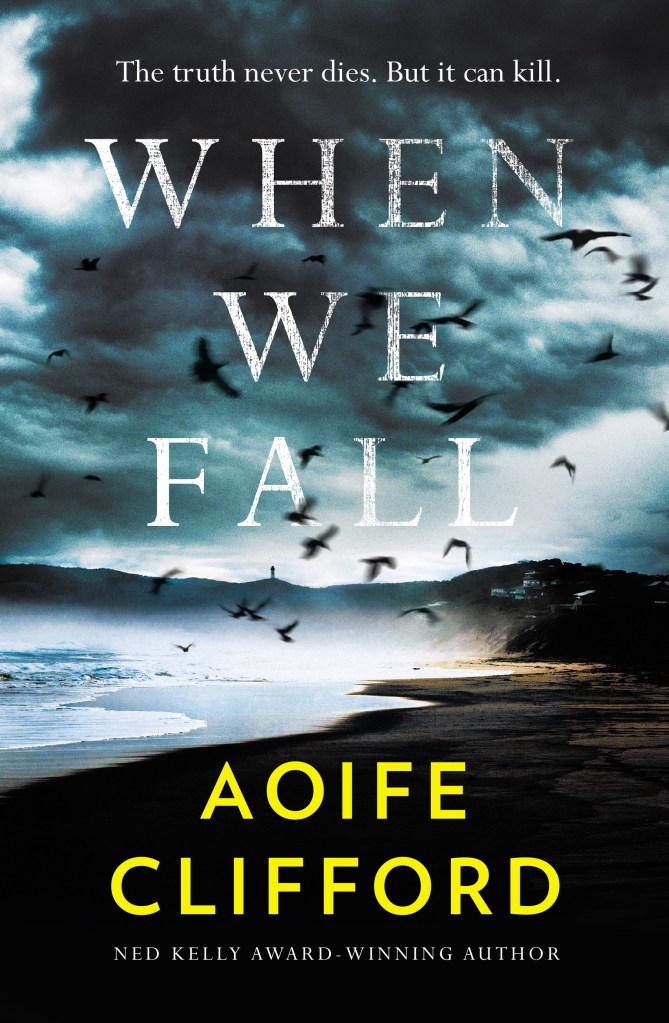

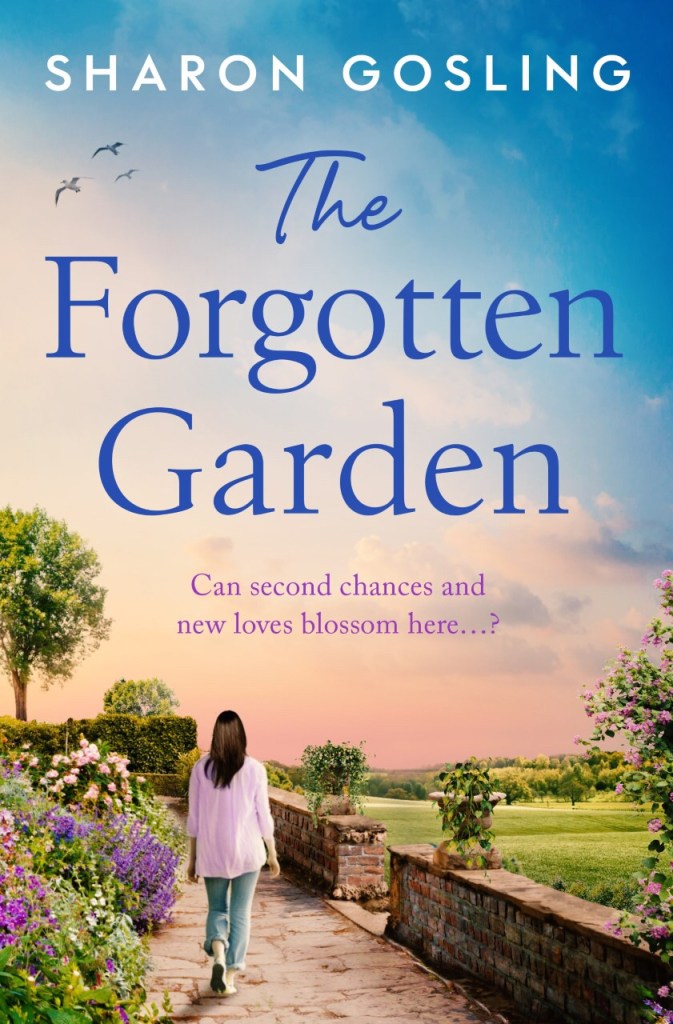


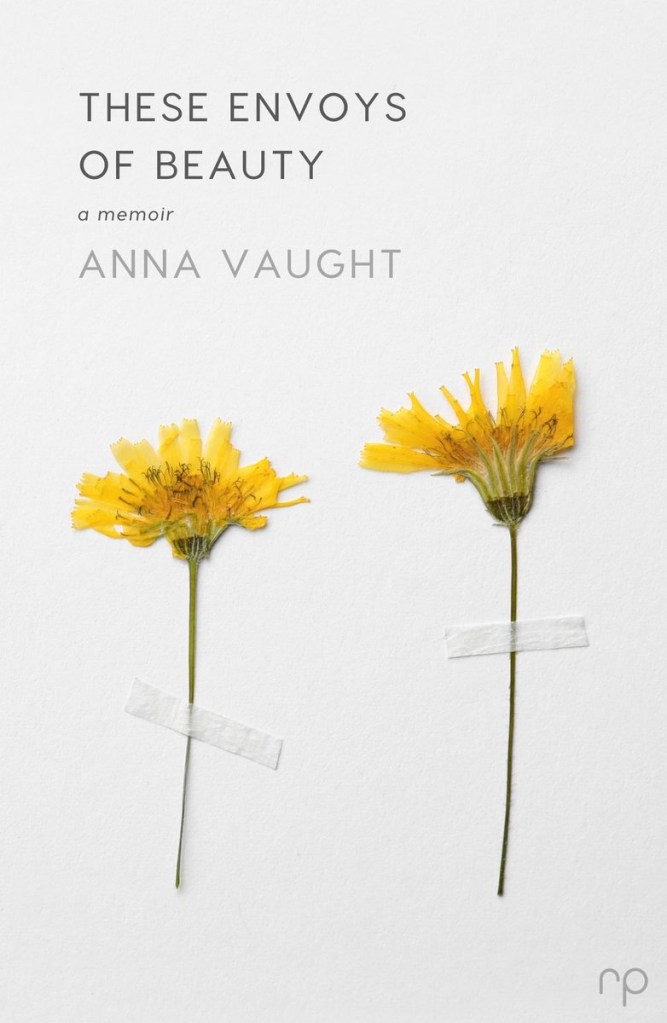



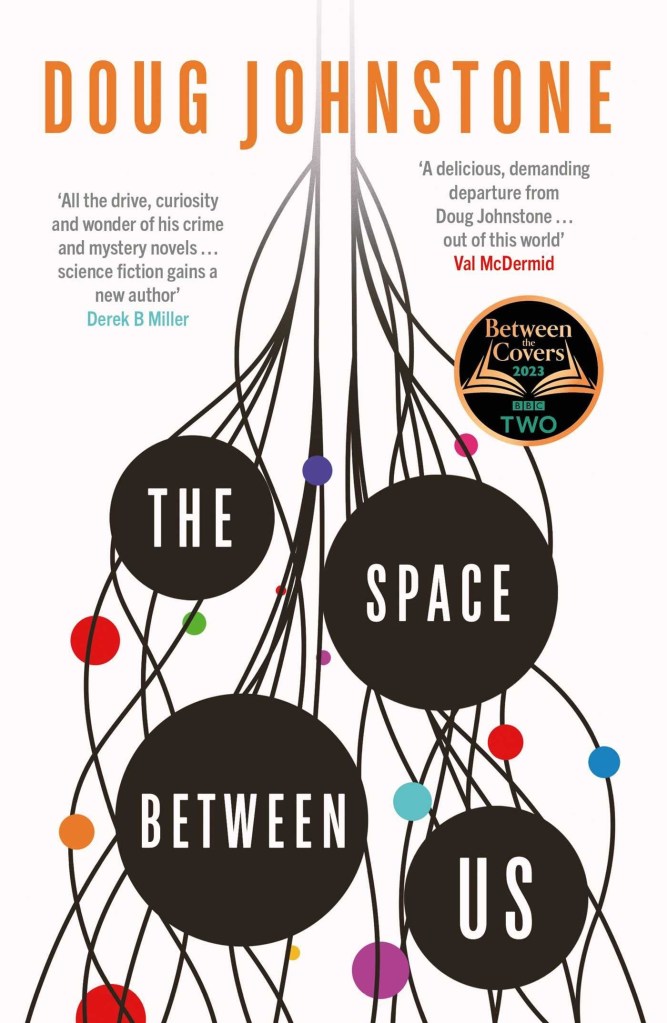

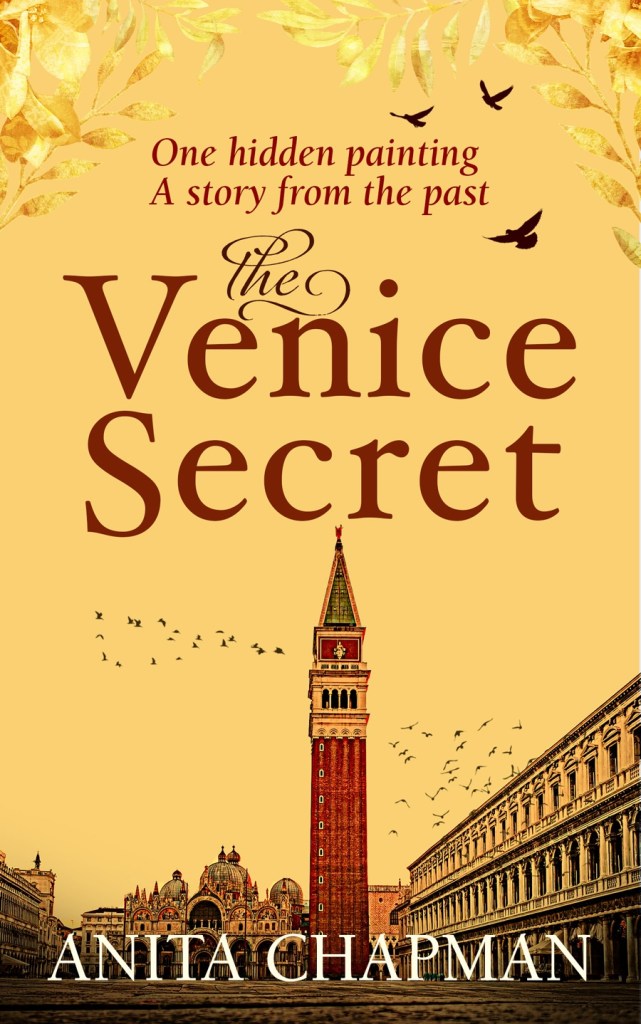
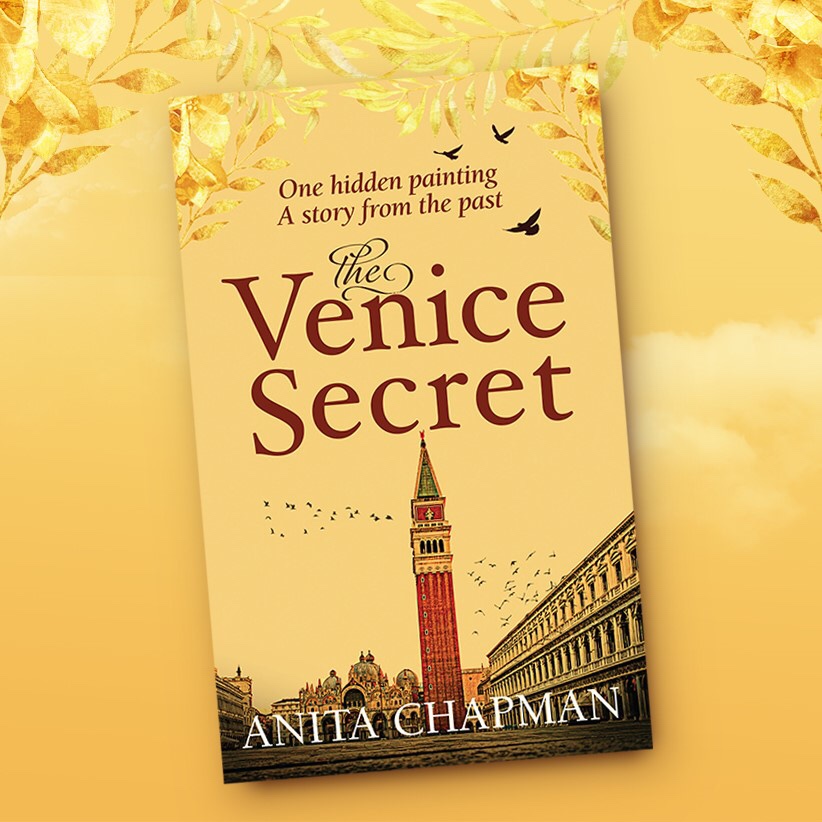


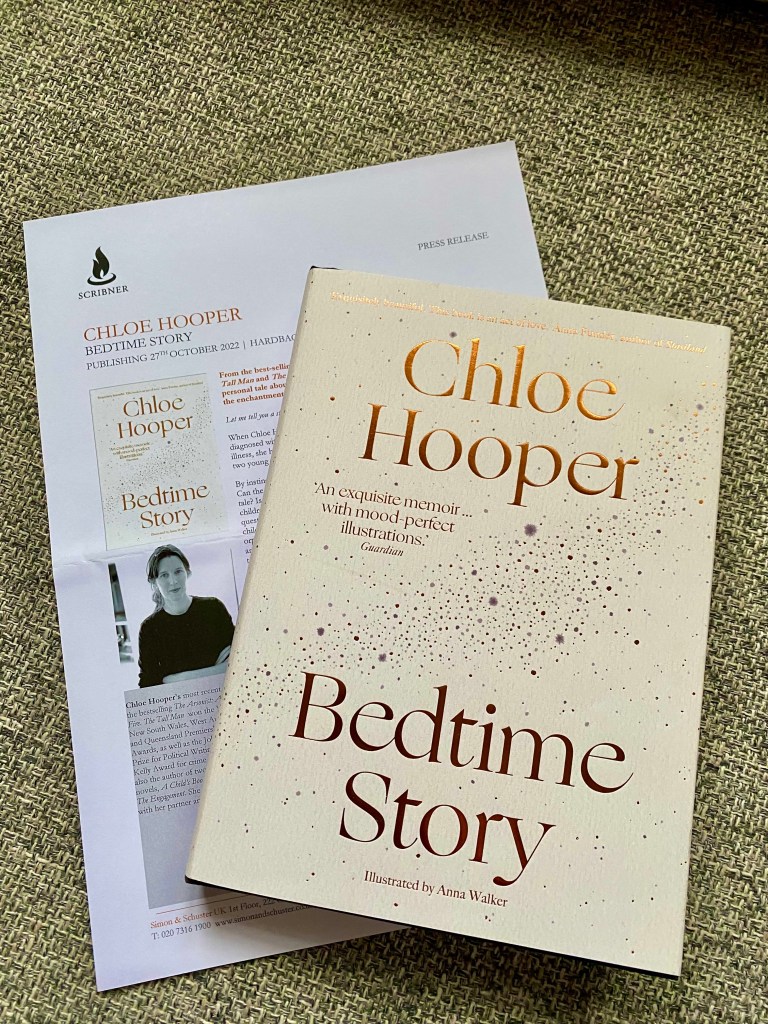
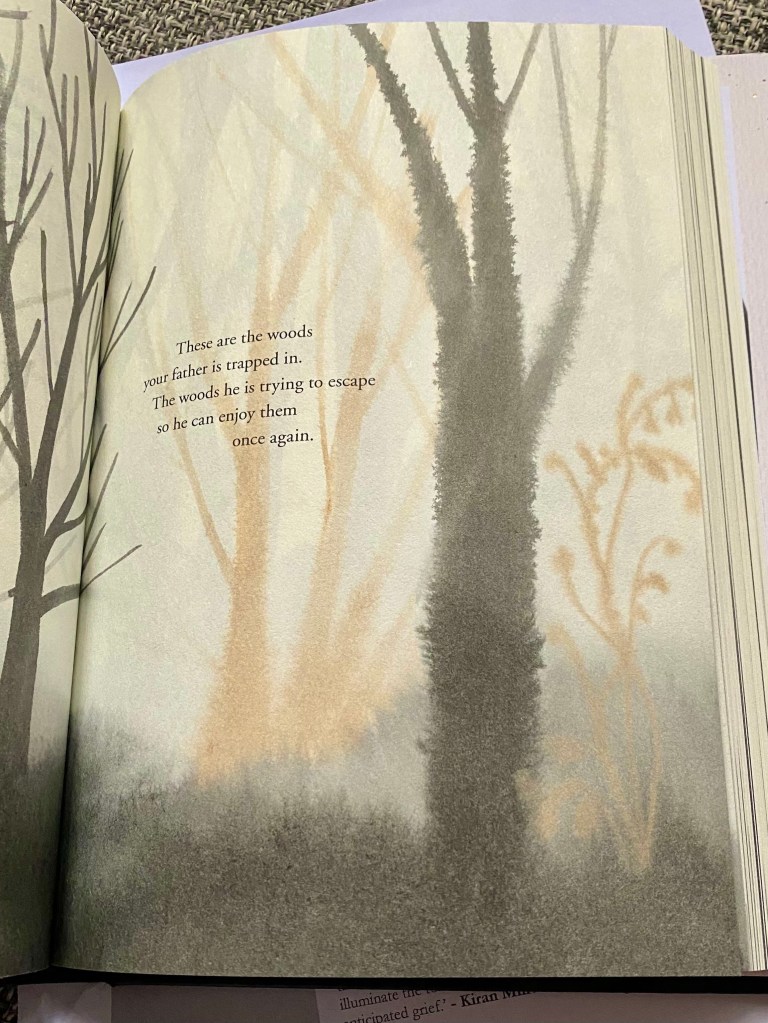
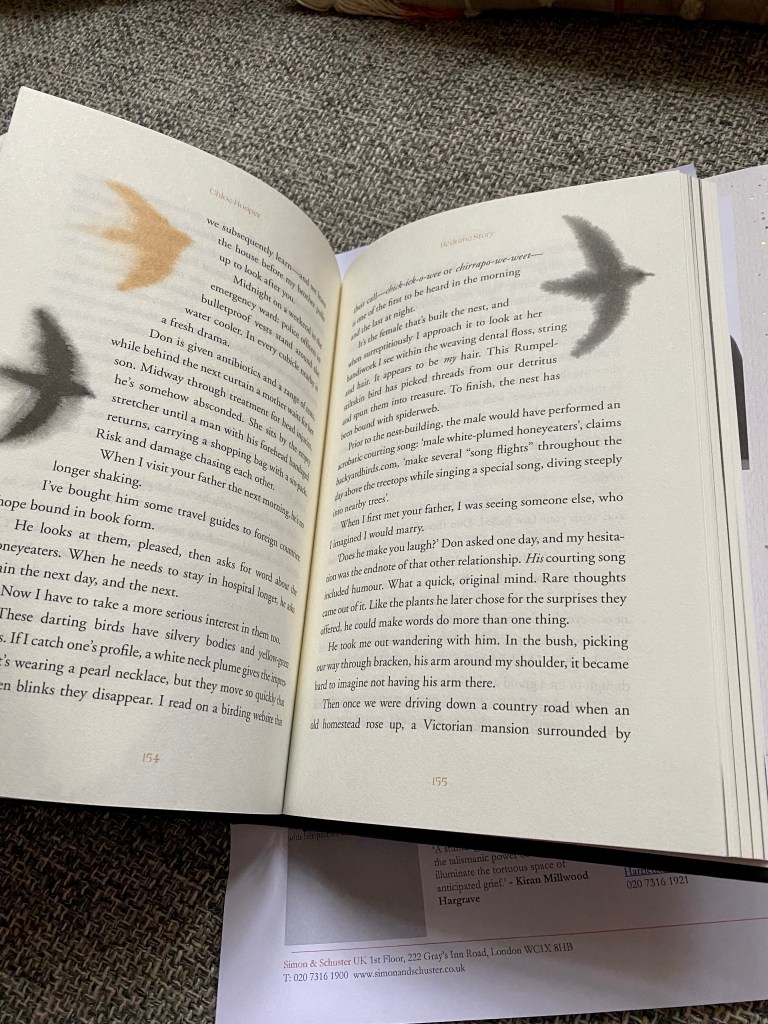
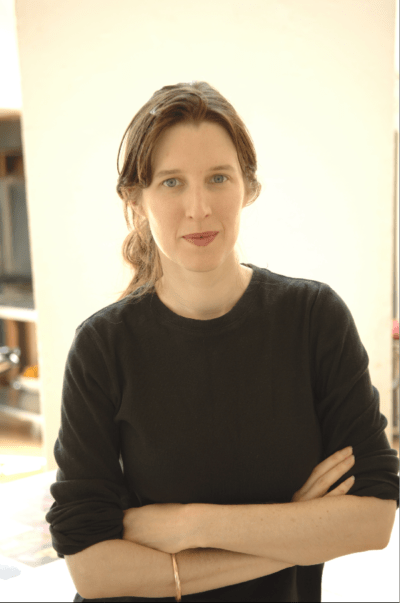
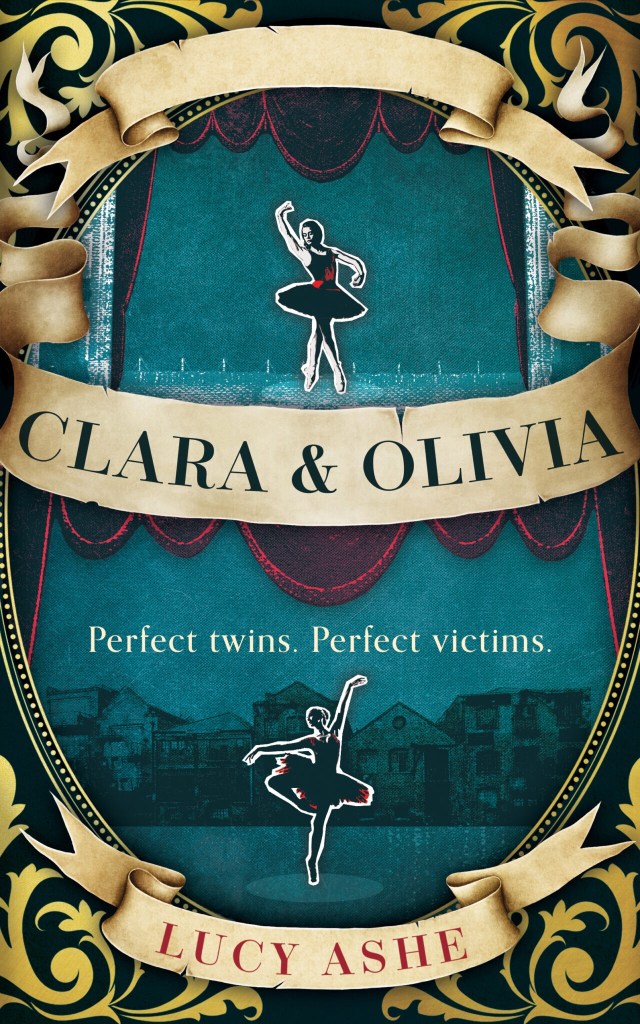


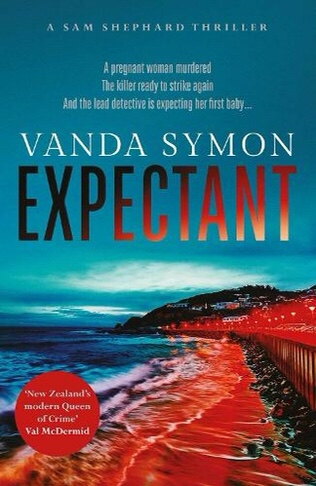

 The Lotus Readers