Blog Feed

Posted in Random Things Tours

Seven Doors by Agnes Ravatn.

#OrendaBooks. #RandomThingsTours #blogtour #SevenDoors
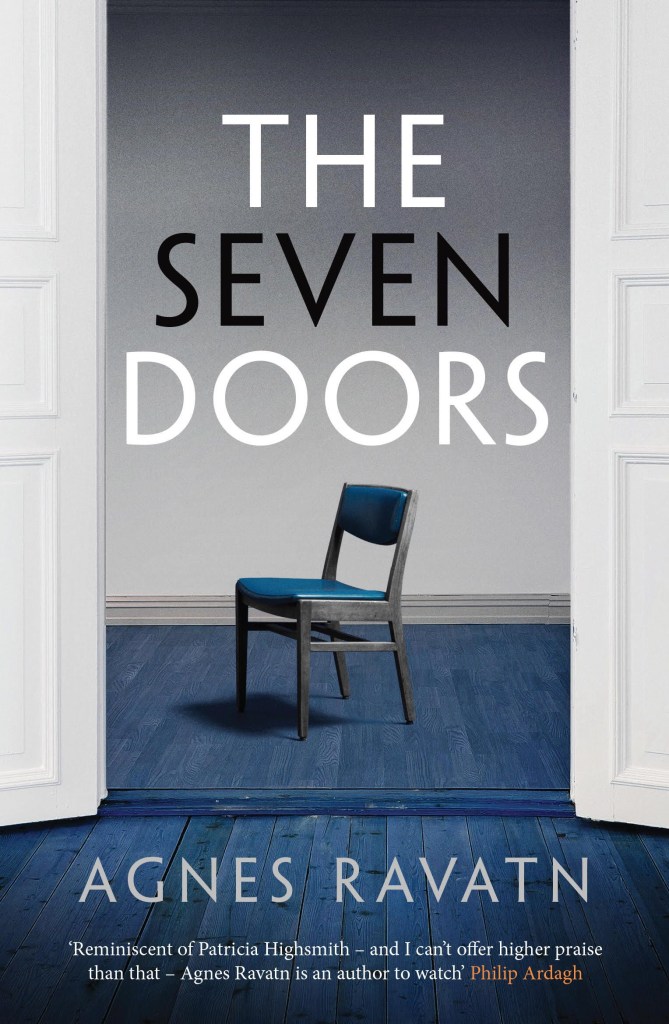
While reading this book I had one of those odd reading experiences that only happens on Kindle or other e-reader. When I’m reading a proper physical copy of a book, I’m constantly aware of how much book is left. I’m literally holding it in my hand. I read this in one sitting, only realising how quickly time had passed when I stopped to mark a page and saw 93% in the bottom corner! Time really flew because I was so absorbed into Ravatn’s world.

Set in Bergen, Oslo, this is a thriller with so many possible outcomes. Our main character Nina follows a labyrinthine trail to find the killer of a musical prodigy. Nina is a professor of literature and gives a speech at a symposium about the futility of studying literature. Lit students are following their own, selfish lines of academic enquiry she argues, but their study doesn’t help anyone or bring anything important to the world. It doesn’t make a difference, except to the student. She proposes that in order to be useful, literature students make them self available as investigators to the police force. They are trained to analyse documents, to read between the lines, to apply psychoanalytic theory to texts and understand character’s motivations. All skills that might be useful when investigating a crime. Little does she know, she will soon be using those very skills in the real world.

Nina and her husband Mads have an absolutely insufferable daughter Ingeborg. When she announces that her home has silverfish, and she is three months pregnant, she asks Nina to intercede with Mads for an advance on her inheritance. Nina idly observes they have a house in town that belonged to an aunt, but she needs to talk to Mads. They are in their own difficult living situation, as their home is being compulsory purchased to make room for a railway. This is affecting Nina much more than Mads because of the emotional attachment; it was her family home, she grew up there. They are negotiating a settlement with the council, but Nina can’t see any property she would want to purchase. She needs to live in something with soul, not a slick waterfront retirement pad. Ingeborg convinces her mum that they should go and look at the house, but Nina warns that there is a tenant that they shouldn’t disturb. Despite the tenant telling her it’s a bad time, Ingeborg goes bustling in, badgering the tenant about the end of her lease and offering her money to leave as quickly as possible. The tenant, a single mother with a little boy, is blindsided by this forceful woman. Nina feels terrible and makes her apologies, sure that the tenant looks familiar to her.

Later, she realises where she has seen the woman. Their tenant is concert violinist Mari Bull, world renowned and now dropped out of sight. Strangely, she then does the same thing again, exiting the property within a couple of days and leaving no forwarding address. Surely this can’t be solely to do with their visit? Not long after, her disappearance is reported by local then national newspapers. She went to her parents place out on one of the islands, where Nina has a holiday cabin, but left her son and went for a walk, never to return. Nina finds herself intrigued by the case and follows clues, from the opera her ex-husband plays as her requiem to a small notebook with musical terms she finds in a box at the house. Fairytales also play a role in the book and like most literature students I am familiar with the work of Bettelheim quoted by Nina. Using this and Freud’s work on transference Nina starts to construct a theory and follows each clue like the breadcrumb trail of Hansel and Gretel. I liked the play on our usual ideas about fairy tales, which tend to be very Disney-fied, and everything comes to a completed happy ending. The original tales Nina starts to tell her granddaughter Milja are far more dark and bloodthirsty. In fact, the darker they are the sooner Milja will quiet down and go to sleep. They include anxious, suicidal hares and a murderous husband who gaslights his wives then kills them when they find out the truth.

From a psychological perspective there are interesting theories around transference and counter-transference, not just in the therapeutic relationship but in any relationship with a power balance that’s heavily in one person’s favour. I was also interested in the theorising around the Oedipus and Electra complexes. Nina is discussing the theory with her students and they don’t see the point of learning about a concept that started in Ancient Greek theatre and seems to bear no relevance to the present day. Yet, there’s a definite unease in Nina’s own relationship with her daughter – Ingeborg has been more likely to confide in or ask favours from her father. For Mari too there is a complicated mother – daughter relationship in that her parents sacrificed their own relationship to make sure their daughter had opportunities with the best teachers and orchestras. Mari and her father were often away together, touring Europe, leaving her mother at home. There is resentment over this and a definite coolness between mother and daughter.

Ravatn’s writing is spare, it gets to the point quickly and without poetry. She can establish a feeling or setting in just a few words, such as how the light changes when it snows or how it must feel to give ourselves up to the water, like Virginia Woolf with the stones in her pockets. Her characters are well defined and psychologically complex, such as Ingeborg’s narcissism and inability to gauge other’s feelings. I have real worries for her daughter Milja, a future psychopath if ever I met one. As I felt the book build in pace and tension towards the end, I knew Nina was getting close to the answers, but is the answer getting closer to her? The end, when it comes, is satisfyingly unexpected and shocking. I love Nordic Noir and this was a great addition to my collection. This was a clever and psychologically literate thriller. I would love to read more of Nina in the future.
Posted in Personal Purchase

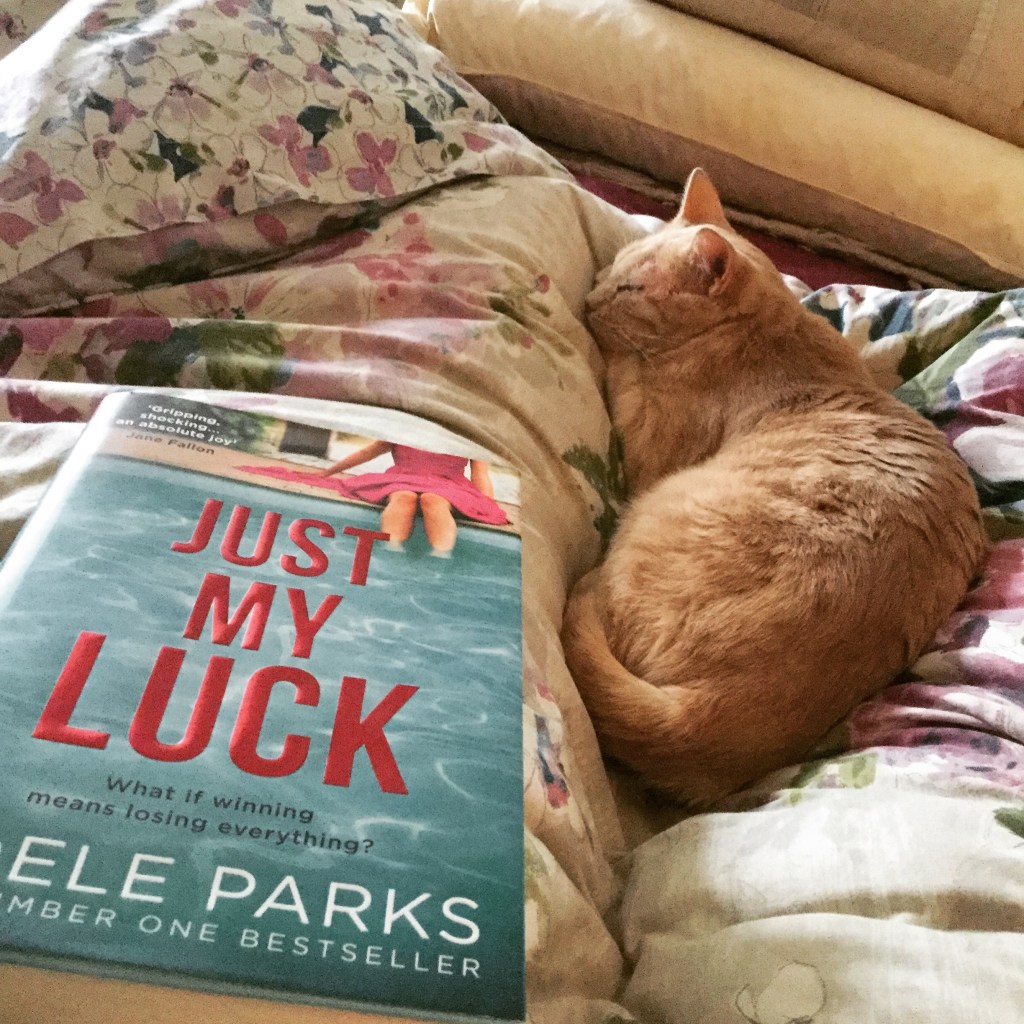
Just My Luck by Adele Parks.

#JustMyLuck #AdeleParks #BookBloggers

Lexi and Jake have been in the same friendship circle for fifteen years, with the Pearsons and the Heathcotes. They’ve been pregnant at the same time and have gone through parenting, moving house, changing jobs and sharing the highs and lows of life together. Every Saturday they try to get together for takeaway and during the evening check their syndicate’s numbers on the lottery. Every week they’ve drowned their sorrows and laughed off disappointment when they didn’t win. Then one Saturday night the unthinkable happens and Lexi feels something has changed in the friendship. Words are exchanged over the lottery tradition, someone calls it ‘common’ and tempers flare. The Pearson’s and Heathcotes pull out leaving Lexi and Jake the sole members. So, what happens when those numbers come up and Lexi and Jake possess a ticket worth 18 million?

Very rarely I come across a character I really can’t stand and that was the case with Jake in this novel. At best he’s like a well meaning, but clumsy, puppy and at worst he’s crass, wasteful, impulsive and deceitful. It was a wonder that he and Lexi had made it so far in their marriage, because they seem so totally opposed to each other. It could be that’s because we see his actions through Lexi’s eyes, but I think these differences have always been there. However, their shared struggle to bring up two children, work full time and pay the bills has forced them to work together – mainly for the good of Logan and Emily. Once the money arrives all of those problems fade away, leaving them free to act based on want rather than need. Their usual power balance, in which Jake is the naughty child and Lexi is the parent, has shifted. Money has made them equally powerful and in Jake’s case all of his usual checks and balances are gone. Lexi is still cautious and sensible, it’s just that now they have money, Jake doesn’t have to be. Even if he blows a million, there are seventeen more in the bank. They make a decision to avoid publicity, in consultation with their lottery advisor, and in theory they can carry on as normal. So Lexi gets up and goes to work in her advisor role at the Citizen’s Advice Bureau.

One morning she meets Toma Albu outside the bureau, a homeless man from Eastern Europe who is barely coping since the death of his wife and child. Lexi sends him to a day centre for a shower, clean clothes and something to eat while she looks into his story. The family were renting a property from a private landlord who has neglected to do proper boiler checks. Over the course of a day, before Christmas, his wife and son succumb to the effects of carbon monoxide and are dead when he returns home. Despite being taken to court the landlord evades the charge because he has used a letting agent to maintain the property. The agent is sentenced, leaving the landlord free to rent many other properties in his portfolio. Toma needs to find lodgings and a job, and Lexi manages to organise both, but it’s not his only request. He asks if Lexi will help him look through the agents, shell companies and offshore accounts to find out the name of the landlord. Lexi is scared, if she looks for this man what will she find and what will Toma do if she tells him?

Meanwhile, in the space of a day Jake has quit his latest job, allowed the kids to stay home and bought a bright yellow Ferrari that he’s parked on the drive. If they were trying to avoid publicity, this is the worst thing to do. He might as well have put a billboard on the lawn. Over the next few days the town is buzzing with gossip about the local lottery winner. Even worse a huge crowd turns up at the CAB to beg for money and Lexi has to take a leave of absence from work. There are paparazzi outside their home and more people demanding money from them. Lexi feels overwhelmed, she’s feeling all of the consequences but none of the excitement her family are feeling as they have an internet shopping splurge. Jake doesn’t even seem to be checking price tags, unless he’s deliberately buying the most expensive things he can find. Lexi has her own shopping list but it comprises of people whose lives she could change with their win, by relieving debt, or paying for them to receive legal help. Imagine the difference just a small proportion of this money could make to each life. I’ve worked in mental health and welfare advice posts for years and I was sometimes forced to break rules to get something done. Just as Lexi describes giving away baby clothes to people I have helped with donations, or even paid for something to be done out of my own pocket if it was the barrier in a person’s life. I think I have a similar ‘rescue’ tendency to Lexi so I understood her character and motivation, more than Jake’s reckless consumerism.

When Lexi and Jake agree to accept publicity, just to help control the story, their advisor organises a press conference. This was one of the most tense scenes in the book as the Heathcotes and Pearsons arrive to stake their claim on the winnings. As an investigation ensues everyone has a different story, with very confusing motivations. This is where the novel really gripped me and I started to become suspicious of everyone’s story – why does Jennifer suddenly claim she went to the toilet at the crucial moment so the others might have left the syndicate without her knowing? Cleverly, over the rest of the novel, Adele Parks has us always referring back to these accounts as new revelations leave the reader questioning what they believed so far. However, due to my own bias there were people whose account I never questioned. Parks though keeps us twisting and turning, even when you think everything is settled the last pages hold their own surprises. This is the dark side of winning such a life changing amount of money. It makes people behave very differently towards you and leaves you vulnerable to blackmail, begging, and desperate people who don’t mind who they hurt to get what they want. I felt so bad for Emily whose first love goes completely wrong in the aftermath; I think she loses just as much as the adults, if not more. The old adage that when something goes wrong you know who your friends are is very apt here. In fact it goes to show that it’s not just when life goes wrong. Any change, even a seemingly positive one, can cause stress and even depression; a wedding sits as high on the stress index, as being fired or suffering significant illness or injury.

As soon as Lexi starts to help Toma early in the book, I could see they had an affinity and I hoped they might become closer with time. I thought he made Lexi feel safe and able to be vulnerable; there is no need to parent him like she does with Jake. Toma has been through the worst experience Lexi can imagine, yet with a small amount of help he has started rebuilding his life. They agree on the amount of good her lottery win could do and it’s great for her to have someone thinking on her wavelength. Her need for his reassurance is so strong that she makes choices to be with him one important evening, rather than with her family. She finds she feels more at home with his friends who talk about books or films they’ve seen, and are from many different parts of the world. It surprises Lexi how much she’s changed, but I wondered how long she’d been out of touch with her own feelings.

Parks is very adept at using multiple narrative voices, in short chapters, that rush you towards a conclusion. There are twists and turns in the final chapters that I had no idea were coming. It sheds light, and even doubt, on other character’s motivations. Due to our own experience and biases there are always characters we take to or strongly dislike in a book, when an author makes me question those assumptions I really enjoy the challenge. It makes the book stay with you. It’s sparked discussion in our house over what we would do, who would be in charge of the funds and who’s life we could change. This is an excellent read, with believable characters in a position we’ve probably all imagined ourselves in at some point. However, it makes us think twice about the reality of it and whether we really would want to be a lottery millionaires.

Posted in Damp Pebbles Tour

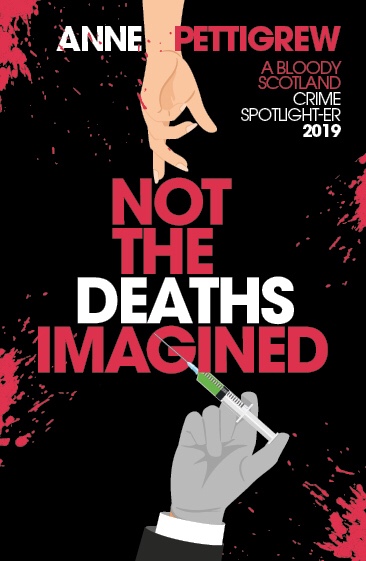
Not The Deaths Imagined by Anne Pettigrew.

#DampPebblesTours #NTDI #NotTheDeathsImagined #BlogTour

What I love most about book blogging is that I often come across books that I wouldn’t have found any other way. This novel is one of these. I’ve never read Anne Pettigrew before, but when the synopsis found its way to me for this tour I thought I would enjoy it. This is her second novel, categorised as ‘medical noir’ and although I haven’t read the previous one, it didn’t stop me enjoying this. Dr Beth Semple is a GP in a small practice in Edinburgh, as well as a wife and mother to two teenage girls. Her husband Ralph is a Professor of General Practice and they have one of the busiest households I have ever encountered in a novel! One afternoon Beth is telephoned by an associated practice and asked to visit the surgery to carry out the second section of a cremation form. Unusually, there has been a sudden death in the surgery that morning, recorded as an MI (myocardial infarction or heart attack). However, when she arrives at the other practice, she is uneasy about signing the form. She notices that the secretary and Dr Goodman’s accounts differ slightly, but also it doesn’t sound like a heart attack. On visiting the funeral director’s to view the body Beth notices what looks like injection sites and when Monty the funeral director tells her it isn’t Dr Goodman’s first sudden death during a routine appointment her mind is made up. She won’t sign the form and sets in motion the process for a post-mortem. The repercussions at work are huge because Dr Goodman pulls out of their pooled weekend rota and Beth’s senior partner is furious. Even more disturbing, over the coming weeks, are the series of dropped phone calls, poison pen letters and an attempt to poison their dog. Soon, Beth and her family, are caught up in a possible case of medical malpractice and even murder, and the consequences could be deadly.

The author created a great sense of place and time with her backdrop of 1990s Edinburgh. The little snippets of Scottish dialect brought a sense of warmth and grounded these characters within their world. Thanks to her 31 years of experience as a doctor, the author has first hand knowledge of the type of medical jargon used in Beth’s workplace, at home with husband Ralph, and with their large group of friends. There’s a great sense of camaraderie between this group and this comes from being at university together – covered in the first book. They’re likeable people, intelligent, friendly and all struggling to juggle their lives which was very relatable. Although, I would be exhausted if I adopted their work and social calendars. I kept wondering why the characters were so full of energy – every weekend was a weekend away, or with friends and family staying. They even take in a dog and cat! Their daughters are also busy, with exams, music practice and Katy’s boyfriend Neil. The surgery felt familiar with its regular patients, from the worried well, to those acutely ill. Although, Beth does observe that they’ve never had a death in the surgery so Dr Goodman’s record does seem strange. When two elderly ladies are found dead, one a friend of Beth’s, she begins her book of unusual events detailing the evidence she has so far. When her car tyres are slashed she does report her concerns to the police, only to find her own professional standards being brought into question.

Interspersed with Beth’s chapters are those written by the killer. It soon becomes clear he is a very disturbed man. In his younger years this man finds that the colour of his skin is a barrier. His father is mixed race and it’s evident that for the doctor this makes him feel impure in some way. He has read up on the latest theories in eugenics and has some abhorrent views on mixed race relationships, as well as an odd relationship with religion. He’s determined to ‘pass’ as white to the extent of bleaching his skin and straightening his hair. Slowly seeing this man’s mind deteriorate is quite chilling, more so as time goes on and we start to see him in his day job, full of charm and old-fashioned bedside manner. The contrast is startling, but there are times when I also found him comical. His crimes become more open and risky. The tension the author creates grows as Beth gets closer to his identity and the reader wonders what lengths he will go to in order to silence her. Where will he go once he has committed his final crimes? Even more concerning to me was how he was going to extricate himself from his family and if they’d ever recover from his psychological abuse and murderous intentions. The help Beth receives in the shape of a warning comes from the last place she expects.

This novel was well written and an interesting read, combining the interesting medical world with malpractice, negligence, and even murder. It’s possibly one of people’s worst fears, that the people who are meant to help and care for us are actually trying to harm instead. I liked that it didn’t talk down to the reader, but expected us to understand complex psychology and subjects like the history of eugenics. It made for an interesting mix when set alongside Beth’s family and busy social life. In fact the light relief of Beth’s normal family routine and their time with friends makes the killer’s narrative even more stark and abnormal. I felt so bad for his family, who are not allowed the freedoms enjoyed by other characters; his teenage son particularly had my sympathy. This is an intelligent thriller, full of interesting characters and with a truly unsettling villain. I enjoyed it immensely and I will be going back to read the first novel in the series.

Posted in Book Haunts

Best Book Haunts – Barter Books Alnwick

Us bibliophiles always have favourite book haunts and I have them in all my favourite places. In fact, it’s rare for me to go on holiday in the U.K. without searching out a bookshop to visit. For me it’s part of the joy of going on holiday. Last weekend, me and my other half had a short stay in the beautiful village of Warkworth, Northumberland. We only had a three night stay so I had to edit what we would do; of course book shopping had to make the cut. As my fellow book lovers know, the best place to go for second hand books in this area is Barter Books in Alnwick.

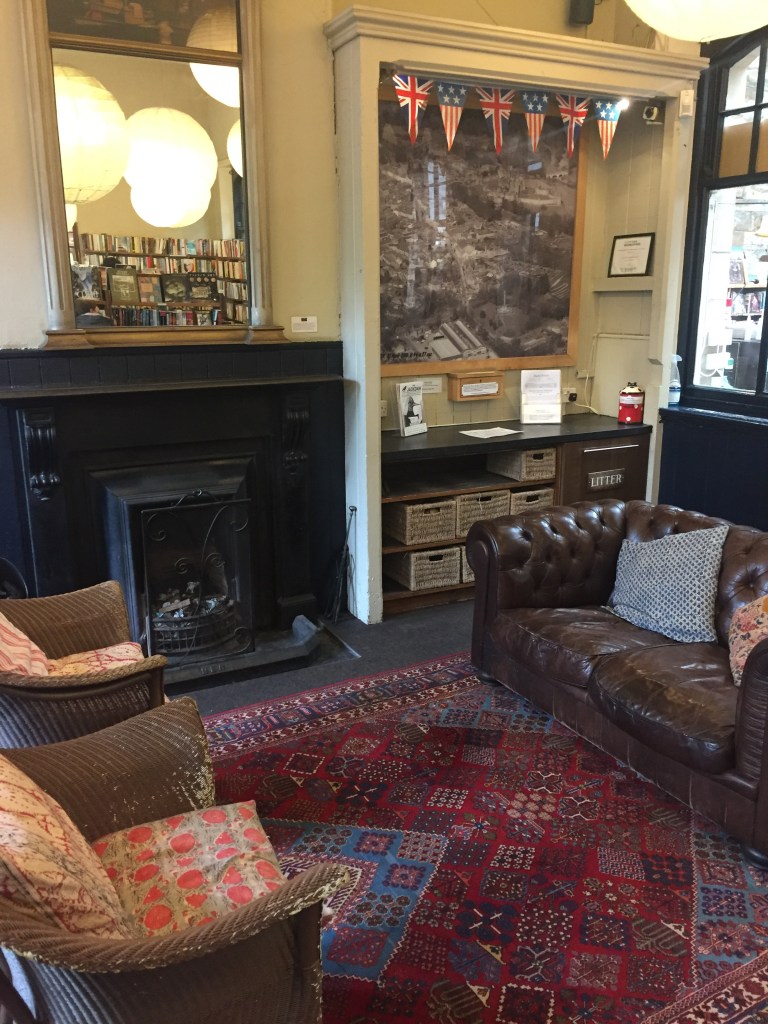
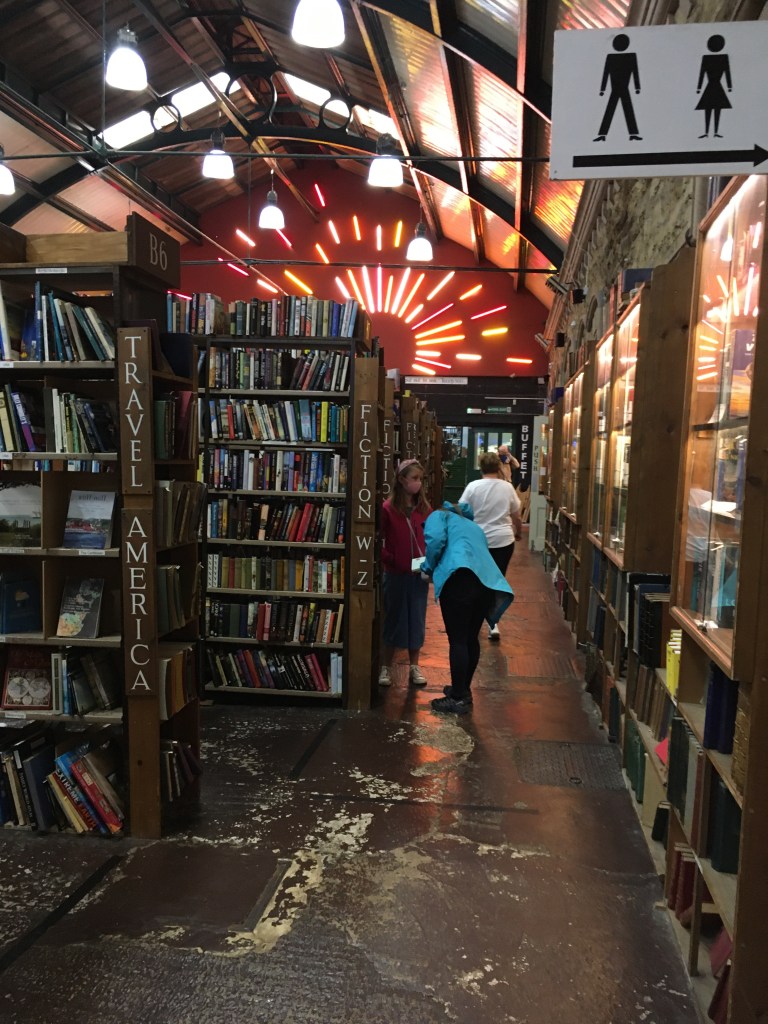
In Country Living magazine, March 2020, a feature on Barter Books claimed that just as books transport us to another time and place, so can the best bookshops. Housed in the grand Victorian building of Alnwick’s train station, this is a bookshop the size of a warehouse! When I enter a bookshop I want the sense that time has stood still. Nothing going on outside matters in the time I spend browsing for books and whoever goes with me has to accept that we’re going to lose hours. Barter Books makes that easy because it’s such a spectacle inside. From the foyer full of paperback fiction, complete with a reading area by the fire, to the till area decorated with an incredible mural and working train set that whizzes around above your head, there’s so much to look at. The large room at the back houses huge shelves packed with books on every subject from cookery to psychology, and my particular favourite A-Z hardback fiction.

Glass cabinets running the length of the building house collector’s, first editions, and signed books. Here and there, large antique tables with comfy chairs allow you to take a break from browsing and look through your books before purchase. Next door, the station cafe serves brilliant breakfasts, snacks and cakes when you need an energy boost. I have lost whole days in this brilliant bookshop. This time I picked up a mix of paper and hard books that are new to me, a couple of books from the back catalogue of newly discovered authors and hardback copies of books I’ve had as a digital ARC or mobi file, but I’ve enjoyed them so much I need a proper copy. I have to set aside money for when I’m going up to Northumberland, everything else I do in my visit tends to be as simple as walking the dog on the beach and photographing beautiful places. So I can be sure of a little cash for books, even though I have no shelf room left.

This was one of my first trips out of the house since lockdown. We realised I hadn’t been in a shop since February. I have multiple sclerosis and a few breathing problems so I’ve had to be extra careful. This trip was incredibly daunting, I was surprised how anxious it made me feel to be near so many people when we stopped at motorway services. However, this trip to Barter Books was brilliant because customers were very well looked after without it being intrusive or alarming. For now, the coffee machine has gone from the reading area. But there was a hand cleaning station, a limited number of people in the store, everyone wearing masks and keeping their distance. In such a difficult and scary time, what I found most hopeful and reassuring was the queue of people wrapped round the station building waiting to go in. The book seller observed that it was amazing to see people willing to queue to get into a bookshop and I couldn’t agree more. We do use reading to escape, but we also use stories to make sense of our world and what’s happening within it. What a treat it is to have beautiful bookshops like this to enable that vital access to stories. If you’re in Northumberland do try to pay them a visit.

Me and my book haul.

https://www.barterbooks.co.uk/index.php

https://www.pressreader.com/uk/country-living-uk/20200301/281608127399702

Posted in Damp Pebbles Tour

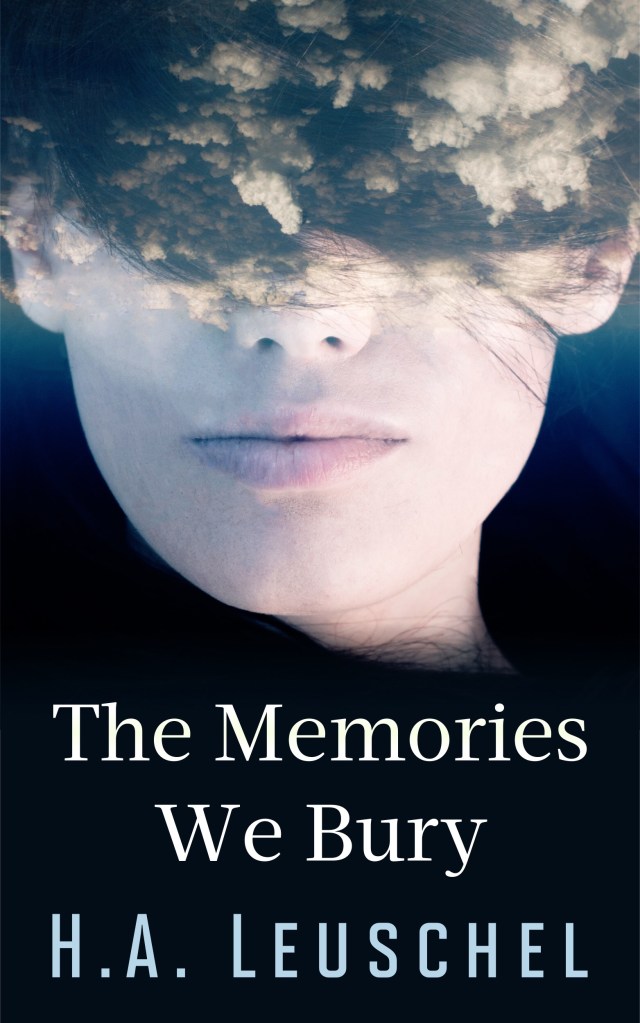
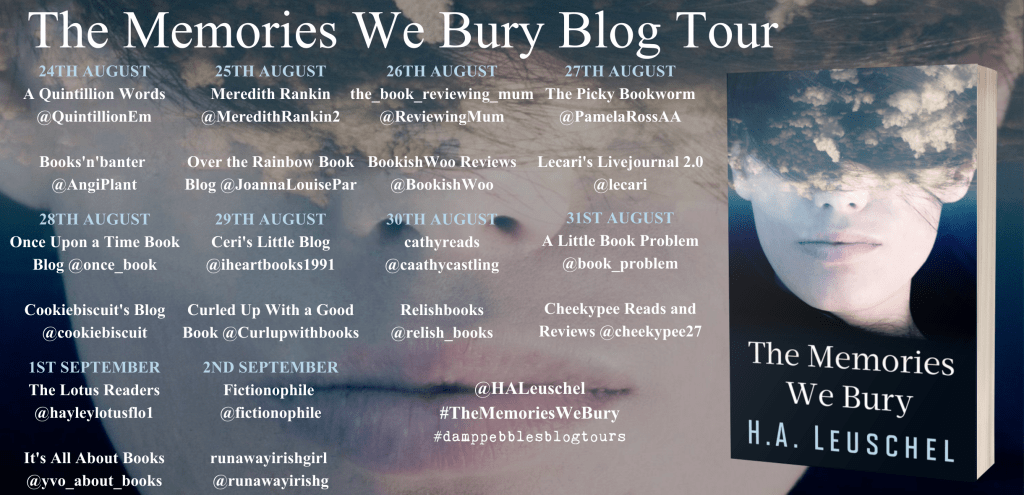
The Memories We Bury by H.A. Leuschel

#TheMemoriesWeBury #DampPebblesBlogTours

I wasn’t sure about this book at first, mainly because of the unusual cover. I’m not sure it sells the novel to potential readers, because inside is an engaging and psychologically complex story. Lizzie, a music teacher and pianist, meets the charming and gregarious businessman Markus when he’s in the hotel bar where she plays piano in the evenings. Lizzie is not a natural performer and enjoys being tucked away in the background in this way, as opposed to being a concert pianist. Yet, Markus notices her and soon sweeps her off her feet. She is attracted to him for all those qualities she doesn’t have. However, soon after their whirlwind wedding, Lizzie is pregnant. They move out to a new home in the suburbs and the life they expected to have is gone. Lizzie feels isolated, Markus has changed towards her and her friends are far away. So, when older neighbour Morag attempts to make friends with her, Lizzie reciprocates and soon they are becoming close friends.

I loved the way the author leaves the story open for a little while; as things begin to change between the couple I thought Markus might become psychologically abusive. He seems to want the life of a single man, still visiting bars and restaurants, schmoozing clients. I found myself furious when he missed the birth of his son, then was so nonchalant about it. Luckily, Morag was available, driving to the hospital then holding Lizzie’s hand through the birth. This is the culmination of weeks of planning on Morag’s part. She has wanted to be there for Lizzie and the new baby, laying the groundwork by suggesting shopping trips for baby clothes and checking in on her while Markus is working away. She seems like the ideal surrogate grandparent and that’s definitely what she wants. But why does she want it so bad? We get small hints from Morag’s friend who brings us little warnings about Morag getting too close and hints of trouble within her family.

The author is very adept at creating tension and from this point on I couldn’t put the book down. I started to really dislike Morag. When she goes to Dobbie’s Garden Centre for a meal with her friend, it is after Jamie’s birth and Morag is relating the role she has played. She plays the martyr, claiming that she had to help Lizzie and making out that Markus is totally useless. She represents the situation as if Lizzie has asked for help, rather than the truth which is that Morag has been manipulative and overbearing. She seems to think she can simply decide she will be mother and grandmother to Lizzie and Jamie, and the people concerned will just fall into place. She achieves this through clever manipulation and deception.

The only real thing we can be sure of when it comes to Morag’s previous home life is that it’s shrouded in mystery. We know that she lost Peter, her husband, but their children seem to be spread far and wide. Their son is in Australia, and her daughter Aileen seems to be close by, but estranged from Morag. All of these things arouse suspicion in the reader. However, the skill of the author means the reader has several possibilities to explore. Markus has changed so completely its hard to believe he pursued Lizzie and wanted a married life with her. It’s almost as if he was in pursuit of a prize, and once it’s been attained he becomes bored and moves on to the next challenge. Lizzie begins to wonder what she saw in this man and whether his absences really are due to work. I started to build up a picture of a conman for whom appearances are everything. At the very least he is immature and not ready to be a husband and father.

Morag seems likeable, but when that mask slips there is someone with a serious psychological problem; she is unable to relate to others normally, has no boundaries and seems to be paranoid about someone being in her house. Then there is Lizzie. It is hard to get a real sense of Lizzie because she is constantly silenced. Markus talks over her and makes choices for her. Morag does the same and plants worries and anxieties onto her when she’s at her most vulnerable. There are times when I wonder if she is suffering post-natal depression because she seems to be in a daze, paralysed and unable to take any action for herself. Is there a villain here or is it just an unfortunate set of circumstances? The tension is kept right up to the end and I did find it hard to put the book down at times. This was a pleasant surprise, because the author is totally new to me and I didn’t expect to be so gripped by it. If you enjoy twisty thrillers that really delve into the psychology of relationships then this is the book for you.

Posted in Random Things Tours

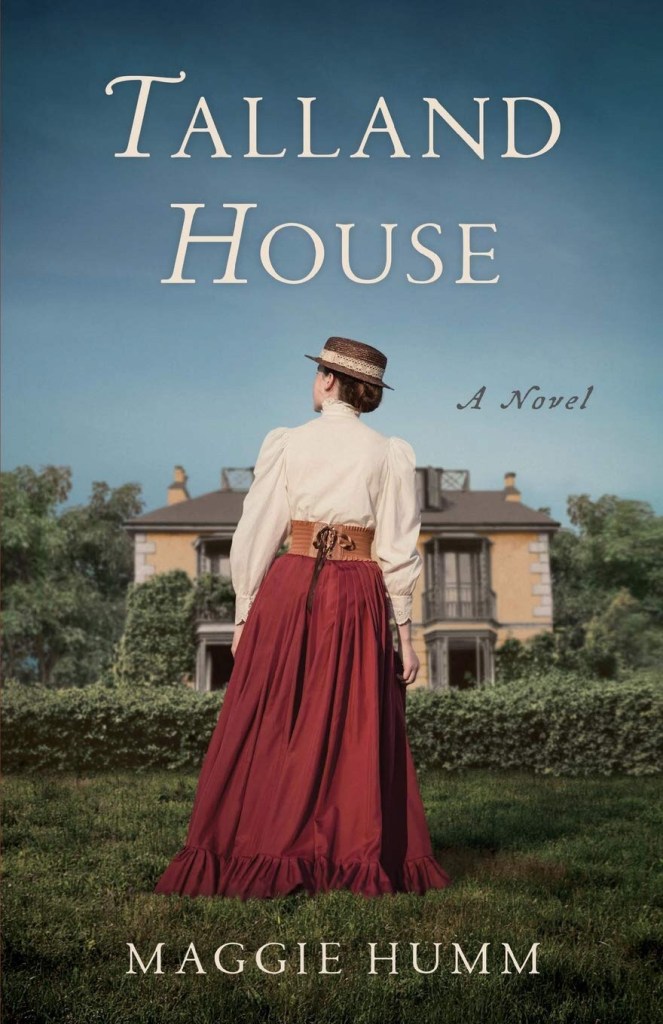
Talland House by Maggie Humm.

#TallandHouse #RandomThingsTours

In Virginia Woolf’s famous novel To The Lighthouse we visit the Ramsay family at Talland House in St Ives, Cornwall. I remember a particular dinner scene in the novel, often used as an example of how subjective the sense of self is, as we float between dinner guest’s perspectives of the dinner and each other. Maggie Humm takes one of Talland House’s guests, Lily Briscoe, and weaves a tale of love and friendships across the turbulent decades at the beginning of the 20th Century. We start at the Royal Academy in 1919, when Lily has a painting on display and runs into her one time tutor Louis Grier. This meeting takes Lily back to a time when she attended a painting school in St Ives. Now Lily is a successful artist, and in the time since her student days has been a nurse and a suffragette. She is much more self-assured than back then, when she was lacking confidence and still struggled with the loss of her mother. At a student art show, Mrs Ramsay and her husband buy one of Lily’s paintings and the two women become close. Lily attends dinner at Talland House and asks if she might paint Mrs Ramsay’s portrait. Lily has become fascinated with her hostess who has all the elegance of the model she used to be, but also the soft calming nature integral to her role as hostess, wife and mother. With Mr Ramsay’s violent outbursts, Lily suspects she needs to be patient more often than not. As they meet Louis in 1919, Lily realises two things; she is still in love with Louis, and she must explore what happened to her beloved Mrs Ramsay, who has died suddenly without Lily knowing.

From a historical perspective this novel is fascinating. Not only is this an interesting time in history, but To The Lighthouse was a turning point in the history of the novel – showing a lean towards Modernism in its various perspectives and informal structure. Historically, this is a time when women start to become independent and we see this in Lily’s student years – she studies in Paris before Cornwall and now trudges around the Cornish coastline, sketching with her friend Emily at the weekends. She chooses how she spends her time and with whom, although there are some constraints within her class and gender. With the advent of WW1 women are working in men’s roles as they join up and go to the front, working in retail and in factories to ensure the country keeps running. Lily’s wartime job as a nurse further emphasises her competence and independence. It’s a time of huge change and upheaval for everyone, but on a personal level Lily is shocked to be told about the sudden death of her former friend Mrs Ramsay. Her mind is drawn back to those sudden outbursts of her friend’s husband when she was visiting. It is Lily’s interest in this mystery as well as her potential love story that kept me reading.

The pace is slow, full of beautiful detailed descriptions of surroundings and the art being created. The colours are vivid and I can almost see a particularly colourful part of the Ramsay’s garden where delphiniums flower in a blue haze in contrast to the purple hedge. I loved the descriptions of St Ives, especially the depiction of Pilchard Day with all its activity and noise. Although these descriptions slow the story down, they are very important. Humm is creating a painting with words. The difficulties of women’s roles in society are depicted beautifully in Lily; there is tension between her status as an independent woman and a woman in love. Can both of these roles exist in conjunction with one another? She has the example of Mrs Ramsay before her, a once celebrated model, with her role now confined to mother and wife. Any artistic sensibilities she had now restricted to making Talland House the perfect place to entertain her husband’s contacts. Every skill she has is now used to create the perfect back drop, making her husband more successful in society. Instead of furthering her own independent skills and interests. Does Lily want that same role? There is also the similarity Lily sees between Mrs Ramsay and her mother, whose loss seems to haunt her in some way. Is there a way in which these two women’s fates are linked and what does this mean for Lily?

This novel is a beautiful elegy to the world Virginia Woolf created at Talland House. There is something dreamlike about those early days in St Ives, as if this lifestyle has now been lost in the wake of WW1. This feeling also extends to the love story; can Lily’s infatuation with Louis survive all that has happened since they last met? Would the reality of their relationship be those traditional roles or would Lily be free to pursue her independent career? Everything that has happened gives her room to ask these questions. This is a thoughtful, leisurely novel with bags of historical detail and painterly descriptions. It was a perfect summer story, in the same way as LP Hartley’s The Go-Between. It drifts like a summer breeze, and captures its moment perfectly.

Posted in Netgalley

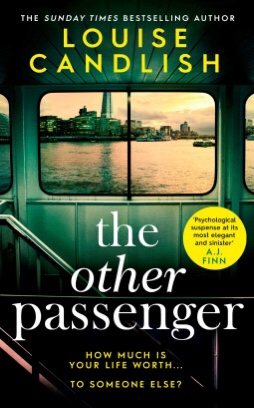
The Other Passenger by Louise Candlish

#TheOtherPassenger #NetGalley #SimonandSchuster

I’ve started to think of Louise Candlish as one of my ‘go to’ authors for classy thrillers with unexpected twists. As always she drew me in with the characters, but at first I wasn’t quite feeling it. I was curious, but I found myself waiting for something to happen. Then there was a moment – if you’ve read it you’ll know where I mean – where everything changed and I realised everything I thought I knew about a character was wrong! After that I had to keep reading, and I kept reading till I finished at 3.20am precisely.

Our narrator is Jamie Buckby, who lives with his partner Clare in a beautiful home near the River Thames. Clare is a partner in an estate agency and Jamie.. well, Jamie is between jobs at the moment. After an incident on the tube made him infamous, he is working as a barista in a small, independent coffee house. Since the tube incident, Jamie has been commuting to work on the riverboat. Open air, a beautiful view of the city and a great way to relax on your way to work. Also, passengers aren’t crammed in like sardines, sweating in the heat, stuck in a tunnel, panicking and pulling the emergency cord. Anyway, the book begins in that weird week begin Christmas and New Year when two detectives meet Jamie off the boat before work. They’re concerned about the whereabouts of one of Jamie’s fellow passengers, Kit. However, Kit isn’t simply a fellow passenger. Clare and Jamie have been together a while and felt in need of some excitement, so invited one of Clare’s new employees and her partner over for drinks. Melia and Kit are young, attractive and have that hint of danger. They drink, but also dabble in a bit of coke. Melia is stunningly beautiful and on one evening in Clare and Jamie’s kitchen, she corners Jamie and says she finds him attractive. Jamie is twice her age at 50 years old and very flattered, but has a lot to loose. Not only his long standing relationship with Clare, but everything that comes with it – her family, her financial support, and the large Georgian house with communal garden that they share, but Clare owns. Will he be tempted to risk everything?

The book’s structure brings us back and forth, to the Christmas week and Kit’s disappearance, then back into the past few months and what’s really been going on in plain sight and in secret. Then, just when I was starting to get a handle on what’s really happened, Candlish pulled the rug right out from under me! Then I had to reevaluate everything I’d read before.

I love books that surprise me. Especially when I’ve become very invested in the story and have started running up my own theories on what’s going on. I became very interested in Jamie’s partner Clare. To some degree she has led a very privileged lifestyle both in London and back in her family’s home in Edinburgh. However, she has been a great partner for James and has supported him through the tube incident, his period not earning and even further into the novel as the questioning about Kit’s disappearance becomes more focused on James. Her strength and dignity shows when she still firmly supports him, despite their relationship being on shaky ground at times. Meanwhile, Melia is a master manipulator and actress – I will never trust anyone who’s performed Cat on a Hot Tin Roof. This is not just a book about being deceived though. This book is about self-deception. About thinking you can party like twenty year olds when you’re middle-aged. About ignoring the reality of your situation, your finances, the roof over your head. About ignoring the reality of how attractive and how desirable you are. It was great to read a book where the women have all the power, whether it’s because they’re young, smart and beautiful, or whether they’re classy, wealthy and dignified. Even the seemingly quiet, unassuming, riverboat passenger Gretchen, has some tasty secrets of her own. This is a very taut, well-written thriller, that is difficult to put down and even harder to second guess.

Posted in Personal Purchase

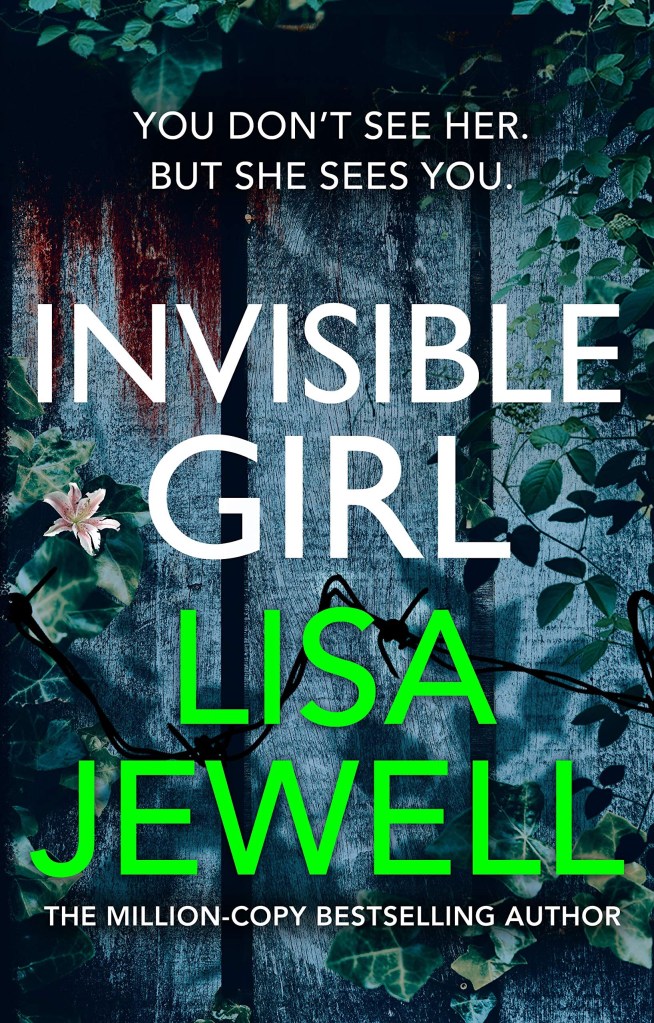
Invisible Girl by Lisa Jewell.

#InvisibleGirl #LisaJewell #bookbloggers

Lisa Jewell is another favourite thriller writer of mine. I know with her books I’m going to get that addictive, dark and ‘unputdownable’ novel I’ve been craving for solid weekend of reading. In actuality I finished this in five hours straight. I don’t know if it’s because I am a counsellor, but I love it when psychological professionals are depicted in novels – I instantly know I’m getting one of two things; a great counsellor with a messy personal life or a creepy manipulator who isn’t what they seem. In this case I got both, plus plenty of other complex characters to get my teeth into it.

The central relationship of this novel is that between child psychologist Roan Fore and his previous patient Saffyre Maddox. Saffyre has lost both parents and lives in a London tower block with her uncle Aaron. They spend three years as doctor and patient until she’s made so much progress it’s time for Roan to discharge her. Yet Saffyre doesn’t feel fixed. She has simply learned to wear masks. She’s studied the girls at school and now knows how to be an ordinary girl, she has a bunch of friends and at home seems the content family member. Once her grandfather dies, it soon becomes clear that no one knows or sees the true Saffyre. She’s become invisible.

Another narrator is physiotherapist and mother Cate. Cate probably appears to have everything. A long marriage to a fellow professional, two teenage children and an apartment in a huge mansion house until the renovations are completed on the family home in Kilburn. For now she’s getting used to her new flat, and life in Hampstead village. However, it’s not long before the novelty of life in this new neighbourhood wears off, when one of her daughter’s friends is sexually assaulted on her way home. This is not the first incident either. Could it be that the attacker is hiding on the building plot next door, which has seen very little activity apart from one JCB placed on site. The foxes are more active and can be heard screaming at night. Cate wants to keep her children safe, asking her teenage daughter Georgia to be careful coming home, especially at dusk onwards. Her son, Josh, is younger but is becoming increasingly difficult to pin down. She doesn’t always know where he’s been and who with, but can’t bring herself to imagine her kind, tender boy doing any harm. Cate’s husband is running, at all different hours and sometimes for whole afternoons. Should she be worried about where he is? That is aside from the affair she’d convinced herself was happening this time last year.

Our last narrator is Owen, a young, single man lodging with his aunt Tess down the road. Cate hates to generalise but he is the archetypal sexual predator. In his thirties, but with no relationship and seems like a bit of a loner. In fact the truth is even more worrying as we learn that Owen works at the local college and has been suspended for sexual harassment. Having turned down a course on creating a safer workplace, Owen decides to quit but now he has even more time on his hands. He finds himself drawn into the murky world of ‘incel’ websites – a group of men who are termed involuntary celibates because women won’t sleep with them. He makes contact with one charismatic leader within the movement and they meet for a drink, but Owen finds his extreme ideas frightening. He believes in enforced impregnation, to get past this conspiracy barring men like them from having a sex life or their own families. Worryingly, and without being asked, he gives Owen a bottle of rohypnol. Mortified, Owen takes them but hides them in his drawers at home. Put off by the incel extremists, Owen decides instead to join Tinder and ends up on a date with a woman on Valentine’s Day. Little does he know that the events of that evening will become very important and may impact the rest of his life.

I liked the way Lisa Jewell takes us inside these characters while also letting us know how others see them. Cate sees Owen as an odd character who seems to stare and appears awkward around women. Saffyre sees Cate as the blonde skinny wife, with a life that revolves around her husband and children. Owen notices Saffyre hanging around the building plot and watching Cate’s family. All these disparate threads come together when Saffyre is reported missing. The author makes points about our biases in the case of Owen. When questioned by the police Cate mentions him as someone who’s odd, who watches people and suggests they question him. It made me think of the case of the 2010 case of Joanna Yeates who went missing in her home town of Bristol. The police took her landlord, Christopher Jeffries, in for questioning and his face was plastered all over the nation’s press. Even when released from questioning there were those that still found Jeffries suspicious. His only crime it seemed was to look a bit odd and unkempt and be described as a loner. Jeffries won substantial libel damages. On the other hand, is someone has the air of respectability through their profession or financial position they can get away with murder under our noses.

Saffyre is an interesting character and although I didn’t fully understand the reasons for her choice to live outdoors – I like my comforts – I can see how the flat becomes claustrophobic for her. Eight storeys up and the heat from all the surrounding flats becomes stifling. I wondered if it was a type of grounding she was seeking? I understand that. I have a need to feel the earth with my bare feet, particularly one specific piece of earth have almost always lived next to since I born. I was born on a farm across the road from the River Trent, and although I’m moving further south on that river as the years go by, I still take off my shoes and stand bare foot on the river bank. It’s like a communion with the river and it’s boundaries – a way of letting it and me know I am home. For Saffyre it’s the stars, the being able to wrap up warm while feeling cold nip your face, the quiet communion with a visiting fox, the feeling that perhaps, like the fox, she is wild. Inside there are many things she has to face, like the loss that surrounds her, the self harm, and the terrible thing a boy at school did when she was much younger. Outside she’s free from these things and it is no coincidence that outside is where she first trusts someone enough to share those painful experiences. She’s incredibly perceptive for her age and is the only one to realise that Cate’s life is largely dependent on one man, and Saffyre is perfectly placed to see the potential for future pain in that choice.

Lisa Jewell is great at throwing red herrings into the plot and I didn’t recognise all of them, happy to go where the story took me rather than furiously trying to work it all out. I knew which way I wanted the plot to go and I was largely rewarded, with just one surprise for good measure. I always want to ask authors whether they know how their novels will resolve, which way each character will go and who will take the blame. I’m sure I’d get a variety of different answers. I do give my heart away to characters and I was desperately hoping Joshua wasn’t involved the sex attacks in the area, because I wanted him to be the sweet, kind boy I had built him up to be. What a story like this one tells us is that we are all a couple of decisions away from a completely different life. Georgia could walk out one night and meet the attacker. Owen could take his date rape drugs on his Valentine’s date. Cate could have left Roan years before when he cheated on her and promised to never do the same again. It made me think of the parallel lives we could have, if we just changed our minds. From a therapist’s standpoint it made me think a lot about fitness to practice and how we make the choice to see or not see a client. How we decide when to end therapy. Mainly, I wondered how we can be expected to help other people find their broken pieces if our own life is falling apart, and what impact that knowledge has on a young client like Saffyre. The novel felt timely, thoughtful and a great weekend read.

Posted in Rachels Random Resources

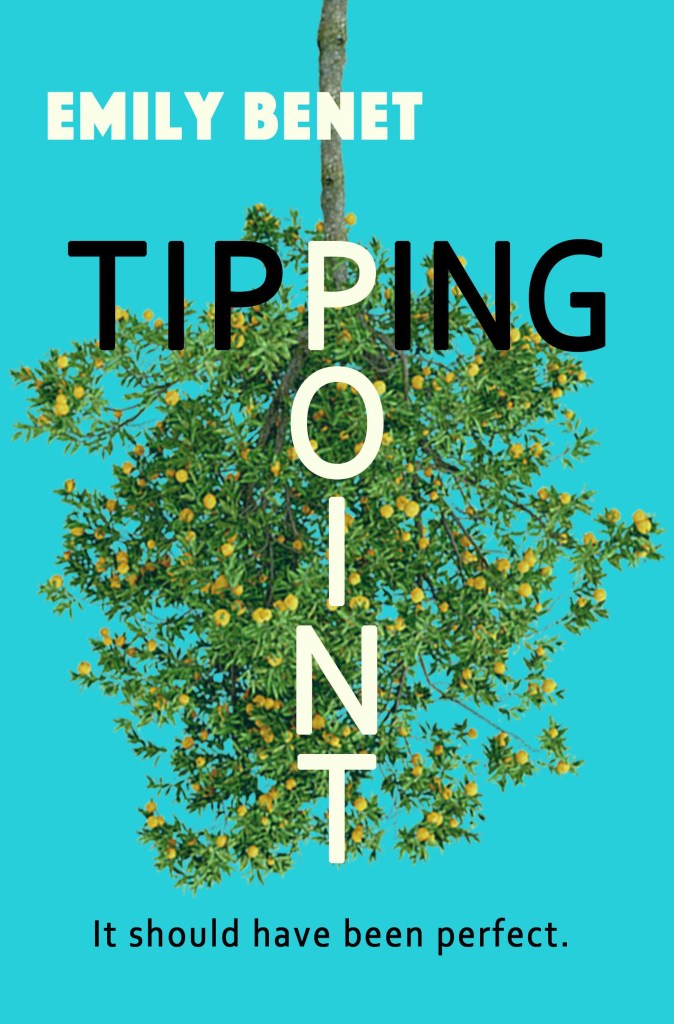
Tipping Point by Emily Benet.

#blogtour #TippingPoint #RachRandomResources #TheLotusReaders

Tipping Point centres on an apartment block in Mallorca, and it’s various inhabitants. Retired couple George and Ellen have come to Mallorca with two very different expectations of how that retirement will look. George would like a secluded farmhouse inland for some peace and quiet. Ellen is more of an extravert and hopes to meet new friends, especially if they own yachts. They’re no longer busy and their differences have become even more apparent. Salva is a private investigator, here on behalf of his family who have been the victims of a property scam. However, he is distracted by his recent heartbreak; his usual work involves investigating adultery so it came as a surprise and embarrassment when he found out his own girlfriend was cheating on him. Finally, Robyn is a motivational speaker, touring round the country with her new book on avoiding toxic relationships. Ironically, she has a boyfriend who is avoiding her. The sunshine and surroundings may be enviable, but for all of these residents Mallorca is not what it appears to be.

The book is told across chapters from each of the characters perspectives – Robyn’s chapters appear in italics because we are being let into her diary so we read her written thoughts instead of spoken ones. Although each character is experiencing their own problems, the issue of property scamming is central to the plot. Any google search on buying property in Mallorca brings up recent scams where people were sold properties off plan from a building company. They would pay their deposit, see the plans filed and approved, pay the next instalment of cash and then see the company disappear with their money. There are scams where people have booked apartments that were not for rent, and even looked around properties and left deposits only to find they were not on the market. This must be a terrible blow for those who are looking for their final home in the sun and don’t have the money to start again. Ellen and George have been looking forward to their retirement in the sun for so long and they’ve been viewing George’s dream farmhouse. However, its not really Ellen’s dream because she can’t understand why he’s brought them so far inland, when she wants to near to the sea. I found myself hoping they wouldn’t be the victim of scammers taking their life savings.

The focus for me became trying to work out who the scammer was. Salva’s family, victims of the scam, are crammed into his tiny apartment while he tries to find the identity of the criminals behind the scheme. Robyn, in the meantime, doesn’t seem to fit and I felt like she was hiding many secrets.

I didn’t get a full sense of place throughout the novel, beyond how sunny it is, the book could have been set anywhere. I wanted the characters to be more grounded in an identifiable setting. When the place is hard to picture, the reader can lose their way in the story. I wanted to know what was so wonderful about this place and why these people were willing to spend large amounts of their life savings to live there. However, I did find it a very addictive experience because I was determined to work out who was scamming who. This was a good beach or holiday read that was diverting without needing lots of concentration, perfect for the summer.

Posted in Netgalley

The Pull of the Stars by Emma Donoghue.

#Picador #NetGalley #bookbloggers

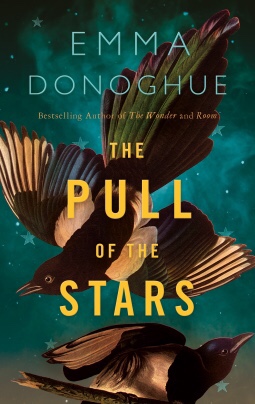
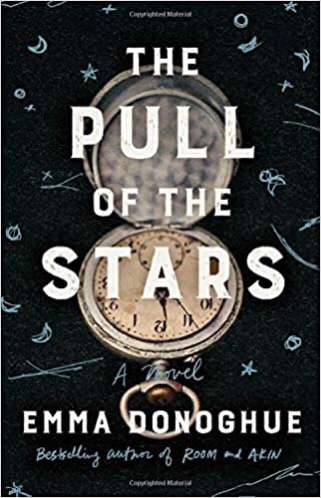
Before the novelist Emma Donoghue gained worldwide renown for her incredible novel Room, I was already a fan of her historical fiction such as Slammerkin and The Sealed Letter. Her brand new novel, The Pull of the Stars, is another well researched and immersive historical novel that concentrates on 3 days in 1918 Dublin. One cover of this novel is a beautiful depiction of an open silver pocket watch with tiny scratched drawings of the moon and stars. This watch belongs to our heroine Nurse Julia Power and those scratches have huge significance to her. Julia works as a midwife and every scratch represents a life lost on her watch; the lost mothers appear as full moons and the crescent moons are lost babies, either still births or those born too soon. The year is significant, because as wounded men return from the battlefield in France, they bring with them a new type of influenza. Named ‘Spanish Flu’, by 1918 it is a global pandemic and by its end it will have killed 6% of the world’s population. It is highly unpredictable, passing through some people with relatively few symptoms and killing others within hours. Due to a shortage of staff, Julia is left in charge of a small ward of pregnant women with flu. Some are full term and will deliver their babies, while others are mid- pregnancy, but affected by severe flu symptoms. Julia can run her ward with great efficiency, but not single handed, and into her world come two outsiders. Volunteer helper Bridie Sweeney is all mischief with bright red hair and a glint in her eye. Dr Kathleen Lynn is an intelligent and competent doctor, but is unfortunately on the run after taking part in an uprising against the King. Together, these three women must shepherd lives in and out of the world under extreme pressure and through their shared experiences lives will change in unexpected ways.

I found the novel so well grounded in time and place, with even the smallest details thought about from public information posters about the flu, to the drugs and methods used during childbirth, to the histories of each character and how their actions are so firmly based within their experiences of that period. Donoghue writes in the acknowledgements that her book is stitched together from facts and imagination. Dr Lynn was a real doctor in this time period, but also an activist and Sinn Fein politician who set up health facilities with her female lover. Barbaric practices such as the symphisiotomy and pubiotomy (unhinging or sawing through the pubic joint) were common in Ireland, even up into the 1980s. These were sometimes conducted without consent, and left women in agony with unstable pelvic joints, but capable of continuing to bear children – the usual recommended medical treatment at the time for women who had more than three Caesareans due to obstructed deliveries was a hysterectomy. This is still a cause for controversy in Ireland, where it is felt that hospitals run by the Catholic Church allowed their own ethos to come before women’s physical health and contemporary medical recommendations. The equipment on the wards, food shortages, porters with disfigurements from the battlefield, men with shellshock and political upheaval create such a rich background that the reader is pulled into era and firmly believes in this situation and these characters.

The Catholic Church looms large in the novel, especially regarding its attitude towards women. We see it in small ways through characters like night nurse Sister Luke and her harsh attitude towards some of the women, for their morals if they’re unwed and for any questioning of the church. She treats Bridie, who was brought up and still lives in a ‘home’ run by the nuns, as a slave who should feel beholden to the church for her upkeep. Decisions within the hospital are made by doctors but with adherence to church teaching and under the watchful eye of the parish priest. The controversy of the Magdalen Laundries is touched upon as one patient is back there for a second time and seen as beyond redemption by the nuns. Bridie fills Julia in on what it was like growing up in one of these institutions: being loaned out to work; physically abused; sexually assaulted by the nuns or worse ‘loaned out’ to a man for a period of time; the open pits where the dead babies were laid with no names and no markers. The belief that the mother’s sins are paid for by the child can be seen in the birth of Barnabas White. His mother was unmarried and he is born with a hare lip. When one of her patients dies and Julia readies her for burial she notices terrible marks where she has been burned and scarred all over her body in the care of the church.

Feminism is a strong theme in the novel, whether Donoghue is showing us what poverty and church are doing to women, or signalling hope for the future in certain characters. There is a feeling that this is both a national and personal turning point for women trying to shape their own future and making choices for themselves. Dr Lynn is a key figure because she is educated, political, professional and also a lesbian. Julia admires the doctor despite her status as a wanted criminal. She can see that female doctors could change obstetrics and women’s lives enormously by making the best and most compassionate medical choices, rather than moral judgements. Julia refers to the male doctor as a ‘butcher’ and the book doesn’t pull any punches when it comes to the visceral reality of childbirth in the early 20th Century. These women are ravaged by poverty and sometimes on their twelfth birth, leaving them worn out shadows who can barely stand let alone make autonomous choices. Dr Lynn also represents a different type of sexuality, something that Julia has never thought of before, until Bridie tells her about the doctor’s private life. It opens a door for Julia, where lifelong companionship doesn’t have to come with regular beatings and endless child rearing. Julia is 30, still unmarried and has never been in love, until someone walks into her world and changes how she looks at things.

Bridie is also important because she never lets the darkness of her living situation and past cloud the here and now. She is spontaneous and gives Julia permission to live in the moment. The night they spend talking on the roof, under the stars, is a brief oasis of calm and friendship in a nightmare situation. They learn so much about each other, but also for Julia, who has been quite regimented in her life. Bridie brings out a playfulness and a sense that she can change and make her own choices. Julia marvels that, despite everything that has happened to her and from people she trusted, Bridie is still open and willing to give hope to others. She even has time for the porter, who Julia finds irritatingly cheerful and often inappropriate, and learns he has lost his whole family. Her generosity of spirit prompts Julia to make a bold and life changing choice of her own. Those final tense moments when we don’t know if Julia will be granted that new future she wants, are so hard to read, My heart was in my mouth as I was willing her on.

Donoghue is a master storyteller. Her characterisations, even those of minor characters like Julia’s brother, are so detailed even down to their rich inner lives, Here in 1918, she has laid bare the horrors of a different battlefield, one that women have been fighting in since time began. I was startled by the depiction of a pandemic, whilst in a pandemic. There were so many things about the handling of the pandemic that echoed through the ages. The flimsy suggestions for home cures, jaunty government posters that in one breath downplay the severity of the flu, then in another place blame on the patient for not being strong minded or fit enough to escape infection all resonated with me today. Mainly the book left me astounded by the strength and determination of my fellow women. These women faced a backdrop of poverty, persecution, a world war and a pandemic yet were still bringing new life into the world. Reading these accounts of childbirth, it astounded me that when at their lowest ebb, they pick up their babies and immediately give more: sustenance, nurturing and love. It is also a miracle that in these circumstances, amidst so much death and loss, a moment of love can grow,