This was my read for over Christmas week and having started a couple of novels only to put them down again, I was beginning to think I’d lost my reading mojo. I was crying out for something that would draw me in quickly so I went for a tried and tested genre. A genre that maybe has a title, but I don’t know it. A preference I blame on reading Jane Eyre as a very imaginative ten year old. The formula is: huge rambling country house; time period from Victorian – 1930’s; young unsure girl/woman; aristocratic families with huge secrets. This fantastic novel from Emily Critchley fit the bill perfectly and was the only thing that drew me away from watching Black Doves all in one go! Our heroine is Gillian Larking, a rather invisible girl at boarding school who does her best to fit in but has no real friends. Gillian has lost her mother and with her dad working in Egypt feels very much alone. However, when she gets a new roommate that feeling starts to change. Violet is a bright, lively girl whose first goal is to break school rules and sneak up onto the school roof to check out the view. Despite her mischievous and seemingly confident nature, Violet is anxious and has a series of rituals to perform that help her cope:
“She had to do certain things at certain times, like twirl around on the spot before she flushed the lavatory or touch a door handle twice before she opened a door. I often caught her whispering certain words to herself three times or counting to fifty on her fingers. When I asked her why she had to do these things, she struggled to tell me. For protection, was all she would say, or so that nothing bad will happen.”
She is also prone to emotional outbursts when things become overwhelming. Gillian is seemingly more aware that as young ladies of the middle and upper classes they must manage their emotions. She herself has had moments of despair and loneliness but has kept her tears for under the covers late at night. She also aware that girls in packs tend to sniff out weakness or odd behaviour and worries whether Violet’s rituals or ‘undoings’ as she calls them, could affect both their positions at school. Yet the other girls don’t seem to bother Violet and Gillian wonders whether that’s because she’s from a wealthy family. As Christmas approaches Gillian is delighted to receive an invitation from Violet to spend the holidays with her family at Thornleigh Hall. There she is dazzled by their slightly shabby country home, being waited on by the servants and Violet’s rather beautiful older sisters. Emmeline, the oldest and definitely in charge, wafts around in old Edwardian gowns whereas Laura is a rather more modern and fragile beauty. Both girls accept Gillian as one of their own, but their new friendship is tested by an incident on Boxing Day that will reverberate through the years.
I have a soft spot for books set between the two World Wars and this had a lot of the themes pertinent to aristocratic families of the time. Thornleigh Hall is badly in need of repair but has a faded grandeur that is still impressive to Gillian. They’re a family living a way of life that ended twenty years before. They clearly don’t have the funds to maintain their estate, but Gillian notices the lavish breakfasts laid out every morning under silver dishes. Emmeline, the eldest sister, is the family’s great hope. She must find a suitor with money and secure the family’s fortunes with a sensible marriage. She has a candidate in mind, much older than her but definitely of the right class and enough money to save the hall for another generation. Gillian is enthralled by the sister’s unique style and confidence and realises that to some extent her friend Violet is the odd one out. Her nervous rituals, like her need to read Peter Pan over and over, suggest a deep insecurity in her character and even a fear of growing up. She warns Gillian that her sisters are not all they seem to be, but Gillian feels accepted for the first time in her life. There was an element of L.P. Hartley’s The Go-Between in her relationship with the sisters because she is naive and doesn’t realise when she’s being manipulated. On that fateful Boxing Day, Emmeline takes charge as always, instructing Gillian and Laura to lie or even pass blame onto a man who lives in the lodge house. Gillian feels obliged to go along with the plan because they’ve been kind to her. Again there are shades of another book here, Ian McEwan’s Atonement, where naivety and misunderstanding could lead to a terrible end for an innocent man of a lower social status. The full implications of these lies are utterly life changing for Violet, but almost no one escapes unscathed.
The novel is structured into four parts, taking us to different points in the life of Gillian and her relationship to the events of that Christmas in 1938. I’ve already mentioned L.P.Hartley’s The Go-Between and the first section has echoes of it’s opening page, from the naivety and social position of Gillian to the sense of delving into a past that’s long dead with it’s own social codes; “the past is a foreign country – they do things differently there’. We start the novel in 1999 when Gillian visits Thornleigh Hall, now under the guardianship of the National Trust. Over a slice of lemon and poppy seed cake, she ponders life from her time as a guest here to the recent death of her husband and the diary from 1938 that she’s come across while clearing out cupboards. This 1999 visit to Thornleigh is like travelling into the past as she strolls the rooms now on show and sees Lord and Lady Claybourne in the dining room complaining about their eggs and Laura in her stockinged feet reading a book on the library sofa. There is so much about this first chapter that draws us in: the suggested tragic circumstances of some members of the family; the emotional state of Gillian as a young girl who has lost her mother and is desperate for a role model; there’s also the hint of darker secrets lurking underneath the surface of this beautiful stately home. In the other three parts we’re taken to the aftermath of that fateful day in 1938 and then to London in 1942 where Gillian bumps into Laura’s husband Charlie.
Finally part four brings us to the 1990s when Gillian and the Claybourne sisters are old women, taking us full circle to the beginning of the book. In each part there shocking revelations that leave Gillian in no doubt that the secrets from all those years ago are still having their effect. She has received a letter from Henry Cadwallander who has written to Gillian at his Aunt Violet’s request. Will she meet Violet and let her know that with the wisdom of experience she now understands her warning about the older sisters? I wondered if there would be closure or whether Gillian is always fated to be a horrified observer of the Claybourne’s family dynamics? This was an enthralling and fascinating look at a tumultuous time in history and it’s effects on one aristocratic family, observed through the eyes of a naive visitor. The author has created an incredible atmosphere that drew me in so strongly I felt like I was there. This is an amazing debut from Emily Critchley and I look forward to reading more of her work.
Out now from Zaffre Books
Meet the Author
Emily Critchley has an MA in Creative Writing from Birkbeck, University of London. She currently lives in Hertfordshire in the UK.
It never ceases to amaze me that I can be sat here in the days between Christmas and New Year telling you about books I want to read next summer. Despite doing this for a fourth year I can’t believe that I get to read next year’s books or that publishers would be willing to send me them but here we are! The novelty never wears off and I’m grateful for every book I receive. So some of these are read and others are just beautiful covers and a synopsis, either way here are a few books I’ll be looking out for and you might like to as well.
In the small town of Gold Springs, Calliope Petridi and her two sisters carefully guard the secret of their magic and the price they must pay to practise it: memories. Luckily, all Calliope wants to do is forget: the mother who left without a trace, the sisters from whom she feels increasingly distant, and most of all, the way the love of her life shattered her heart two years ago.
But when an ancient evil awakens, the fragile thread that holds the sisters together breaks. As their magic slowly begins to fade, Calliope accidentally binds herself to the handsome leader of a rival coven infamous for their ruthless pursuit of power. Battling the sizzling chemistry with a man she can’t trust, Calliope must confront painful memories of her past, dark family secrets, and ancient magic in order to protect the town and all she loves.
But will she have anything left of herself?
Out 27th Feb from Aria.
It is 1895. A high-speed steam train is the emblem of progress. Industry and invention are creating ever greater wealth and poverty. One autumn day an anarchist boards the Granville to Paris Express.
The train carries others from all over the globe: the railway workers who have built a life together away from their wives, a little boy travelling alone for the first time, an artist far from home, a wealthy statesman and his invalid wife, and a young woman with a secret hidden under her dress.
The Paris Express is a thrilling ride and a literary masterpiece that captures the politics, fear, and chaos of the end of the 19th century.
Out Thursday 20th March from Picador
When Nina was just five years old, her family’s whole world was torn apart when her seventeen-year-old sister Tamara was found dead in the pool of their Cote d’Azur property. Nina’s evidence led to the conviction of their housekeeper’s daughter and occasional babysitter seventeen-year-old Josie for Tamara’s murder. But when new evidence emerges to suggest that Josie was innocent, Nina is forced to question the accuracy of her memories, her role in one of the most notorious cases of the past twenty years, and what actually happened to her sister on that hot summer day.
Out Thursday 14 th August by Bantam
It is the 60s and, just out of school, Edith finds herself travelling to rural Italy. She has been sent by her mother with strict instructions: to see her sister, ballet dancer Lydia, through the final weeks of her pregnancy, help at the birth and then make a phone call which will seal this baby’s fate, and his mother’s.
Decades later, happily divorced and newly energized, Edith is living a life of contentment and comfort in Ireland. When her best friend Maebh receives a call from an American man claiming to be her brother, Maebh must decide if she will meet him, and she asks Edith for help.
Ripeness by Sarah Moss is an extraordinary novel about familial love and the communities we create, about migration and new beginnings, and about what it is to have somewhere to belong
Out Thursday 22nd May from Picador
Constance Macken, in her ninth decade, is looking back on a life filled with laughter and loss, tragedy and triumph, but knows it is time to right the wrongs from her past that have always haunted her.
Heather Banks arrives on the island to bury her mother. Already adrift with her business sold and her divorce finalised, time on the island may be the perfect opportunity to change the course of her future. Ros Stokes has managed to slip into the perfect job, the perfect cottage and friends that feel like family. However, when the stitches of her life begin to unravel, she must find a way to hold onto the things that have become most dear to her and let go of what holds her back.
In a faded art deco house by the sea these women must come together to save the house they love and each other, because they might have run from their troubles but only time will tell if they can overcome their past.
Out on Thursday 5th Jan from Aria Fiction
She thinks it was murder. But if she can’t trust herself, can anyone else?
Nancy North and her boyfriend Felix are making the move across London to Harlesden. A new flat, a new area, a new start. Because while Nancy is fine now, she wasn’t fine before. But settling into the new flat and meeting the new neighbours isn’t helped by Felix’s hovering concern. She is all right. She is sticking to her breathing exercises and doctor-prescribed help.
So, when their new neighbour Kira Mullan is found dead by suicide, Felix is understandably worried about Nancy’s frame of mind. But Nancy saw Kira the day before she died and she didn’t strike her as someone who was suicidal – she was upset and angry, yes, but was she upset and angry enough to take her own life?
Nancy is the only one convinced that there’s more to Kira’s death than has been discovered. But all the police and the neighbours see is a vulnerable woman who isn’t sure of what she saw, and might even be imagining things . . .
Is Nancy imagining things, or are there more questions that should be asked about the last days of Kira Mullan?
Thursday 16th Jan from Simon & Schuster
This is the story of three women – one an orphan and refugee who finds a place in the studio of a famous French artist, the other a wife and mother who has stood by her husband for nearly forty years. The third is his daughter, caught in the crossfire between her mother and a father she adores.
Amelie is first drawn to Henri Matisse as a way of escaping the conventional life expected of her. A free spirit, she sees in this budding young artist a glorious future for them both. Ambitious and driven, she gives everything for her husband’s art, ploughing her own desires, her time, her money into sustaining them both, even through years of struggle and disappointment.
Lydia Delectorskaya is a young Russian emigree, who fled her homeland following the death of her mother. After a fractured childhood, she is trying to make a place for herself on France’s golden Riviera, amid the artists, film stars and dazzling elite. Eventually she finds employment with the Matisse family. From this point on, their lives are set on a collision course….
Marguerite is Matisse’s eldest daughter. When the life of her family implodes, she must find her own way to make her mark and to navigate divided loyalties.
Based on a true story, Madame Matisse is a stunning novel about drama and betrayal; emotion and sex; glamour and tragedy, all set in the hotbed of the 1930s art movement in France. In art, as in life, this a time when the rules were made to be broken…
Out Thursday 6th March by Doubleday
It’s time we name our kingdom!’ he shouted over the wind. ‘I say we call this place Happy Land. If this ain’t the land of happy people, then where is it? Why not create our heaven right here on earth?’
Nikki Berry hasn’t seen her grandmother Rita in years. When she calls out of the blue asking Nikki to visit her urgently in the hills of North Carolina, Nikki hesitates only for a moment. Her mother and grandmother have long been estranged, and after years of silence in her family, Nikki is determined to learn the truth while she still can.
But instead of answers about the recent past, Mother Rita tells Nikki the incredible story of a kingdom on this very mountain, and of her great-great-great grandmother, Luella, who became its queen. It sounds like the makings of a fairy tale – royalty among a community of freed people. But the more Nikki learns about the Kingdom of the Happy Land and the lives of those who dwelled in the ruins she discovers in the woods, the more she realizes how much of her identity and her family’s secrets are contained in these hills. Because this land is their legacy, and it will be up to her to protect it before – like so much else – it is stolen away.
Inspired by true events, Happy Land is a transporting multi-generational novel about the stories that shape us and the dazzling courage it takes to dream.
Out on 10th April 2025 from Phoenix
Born of the sun and moon, shaped by fire and malady, comes a young woman whose story has never been told . . .
They call her Sycorax. Seer. Sage. Sorceress.
Outcast by society and all alone in the world, Sycorax must find a way to understand her true nature. But as her powers begin to grow, so too do the suspicions of the local townspeople. For knowledge can be dangerous, and a woman’s knowledge is the most dangerous of all . . . With a great storm brewing on the horizon, Sycorax finds herself in increasing peril – but will her powers save her, or will they spell the end for them all?
A beautifully written and deeply moving imagining of what came before Shakespeare’s The Tempest from the author of A Girl Made of Air.
Out on 27th February from Quercus
In a city built on secrets, who would kill to keep theirs hidden?
The year is 1759, and London is shrouded in a cloak of fear. With the lawmen at the mercy of robbers and highwaymen, it’s a perilous time to work the already dangerous streets of Soho. Lizzie Hardwicke is somewhat protected from the fray at Mrs Farley’s Bawdy House, a reputable brothel. But then a wealthy customer is found brutally murdered… and Lizzie was the last person to see him alive.
The magistrate’s assistant, William Davenport, has no hard evidence against Lizzie, but his presence and questions make life increasingly difficult. Desperate to be rid of him and prove her innocence, Lizzie turns amateur detective, determined to find the true killer, whatever the cost. Yet as the body count rises, Lizzie realises that, just like her, everyone has a secret they will do almost anything to keep buried…
Out on 6th March from Verve
Lexi is looking for no-strings-attached fun with a stranger. She deserves one night for herself, doesn’t she? Zeke is looking for love. But for one night with a woman like Lexi, he’ll break his rules.
Sparks fly at the pub – one passionate kiss leads to another, and they soon end up stumbling home to the marina together. But the next morning, they’re unable to part ways as planned.
The houseboat they stayed on last night has been swept out to sea. How long can Zeke and Lexi survive on a drifting houseboat? Will search and rescue find them? And who will they have become if they both make it back to dry land?
Out on 6th March from Quercus
In the summer of 1980, astrophysics professor Joan Goodwin begins training to be an astronaut at Houston’s Johnson Space Center, alongside an exceptional group of fellow candidates: Top Gun pilots Hank Redmond and John Griffin; mission specialist Lydia Danes; warm-hearted Donna Fitzgerald; and Vanessa Ford, the magnetic and mysterious aeronautical engineer. As the new astronauts prepare for their first flights, Joan finds a passion and a love she never imagined and begins to question everything she believes about her place in the observable universe.
Then, in December of 1984, on mission STS-LR9, everything changes in an instant.
Out on 3rd June 2025 from Hutchinson Heinnemann
The Brookes are gathering in their eighteenth-century ancestral home – twenty bedrooms of carved Sussex sandstone – to bury Philip, the head of the family – the blinding sun around which they have all orbited for as long as they can remember.
Frannie, inheritor of a thousand acres of English countryside, has dreams of rewilding and returning the estate to nature: a last line of defence against the coming climate catastrophe. Milo envisages a treetop haven for the super-rich where under the influence of psychedelic drugs a new ruling class will be reborn. Each believes their father has given them his blessing and are set on a collision course with the other.
Isa has long suspected that her father thought only of himself, and only hopes to seek out her childhood love, who still lives on the estate, to discover whether it is her feelings for him thatm are creating the fault lines in her marriage.
And then there is Clara, who arrives in their midst from America, shrouded in secrets and bearing a truth that will fracture all the dreams on which they’ve built their lives.
Out 1st May 2025 from Fig Tree
Alex, Nancy and Eva Fisher. Three grown-up sisters; each wonderful and imperfect in their own individual ways. And loved equally by their parents, Vivienne and Patrick.
Or so they thought.
When a near-disaster strikes during a family party, Patrick inadvertently lets slip that he has a favourite daughter. And while they try to gloss over it, this almost-accident begins the unravelling of everything the sisters thought they knew. As their past is re-examined, secrets and lies are uncovered, and, slowly, the close-knit Fisher clan starts to implode in a way they could never have dreamed possible.
Set over a single week’s holiday, The Favourite is a witty, tender, sharply observed portrait of the highs and lows that shape a family over the decades. A story about rivalries and regret and blame, about memory and identity, and above all, about love – at its messiest and most joyous.
Out on 12th June 2025 from Michael Joseph.
1963: At the stark and isolated modernist mansion of controversial political philosopher Richard Acklehurst, the glittering annual New Year party has not gone quite as planned. Considered a genius by some, and something far darker by others, by the end of the evening Acklehurst will be dead in mysterious circumstances that are never fully explained. And although the popularity of his work waxes and wanes over the coming years, a core of acolytes remains true to his vision.
1999: Richard Acklehurst’s remains are defiled in the country graveyard where they have lain undisturbed for over thirty years, forcing his daughters – Aisling and Stella, teenagers at the time of his death – to return to their childhood home where they must finally confront the complex and dark dynamic at the heart of their family.
Moving from the West of Ireland to Dublin, London, Florence and back, The Glass House is a captivating and compelling tale of two sisters and their secrets, of love, regret and vengeance.
Out on 6th Feb from Corvus.
IN PLACES OF DARKNESS, WOMEN WILL RISE . . .
Iceland, 1910. In the middle of a severe storm two sisters – Freyja and Gudrun – rescue a mysterious, charismatic man from a shipwreck near their remote farm.
Sixty-five years later, a young woman – Sigga – is spending time with her grandmother when they learn a body has been discovered on a mountainside near Reykjavik, perfectly preserved in ice.
Moving between the turn of the 20th century and the 1970s as a dark mystery is unravelled, The Swell is a spellbinding, beautifully atmospheric read, rich in Icelandic myth.
Out on 27th February from Manila Press
Chiamaka is a Nigerian travel writer living in America. Alone in the midst of the pandemic, she recalls her past lovers and grapples with her choices and regrets. Zikora, her best friend, is a lawyer who has been successful at everything until ― betrayed and brokenhearted ― she must turn to the person she thought she needed least. Omelogor, Chiamaka’s bold, outspoken cousin, is a financial powerhouse in Nigeria who begins to question how well she knows herself. And Kadiatou, Chiamaka’s housekeeper, is proudly raising her daughter in America – but faces an unthinkable hardship that threatens all she has worked to achieve.
In Dream Count, Adichie trains her fierce eye on these women in a sparkling, transcendent novel that takes up the very nature of love itself. Is true happiness ever attainable or is it just a fleeting state? And how honest must we be with ourselves in order to love, and to be loved? A trenchant reflection on the choices we make and those made for us, on daughters and mothers, on our interconnected world, Dream Count pulses with emotional urgency and poignant, unflinching observations on the human heart, in language that soars with beauty and power. It confirms Adichie’s status as one of the most exciting and dynamic writers on the literary landscape.
Out on 4th March from Fourth Estate
When fiction is fatal…
Living in exile in Venice, the disgraced Lord Byron revels in the freedoms of the city. But when he is associated with the deaths of local women, found with wounds to their throats, and then a novel called The Vampyre is published under his name, rumours begin to spread that Byron may be the murderer…
As events escalate and tensions rise – and his own life is endangered, as well as those he holds most dear – Byron is forced to play detective, to discover who is really behind these heinous crimes. Meanwhile, the scandals of his own infamous past come back to haunt him…
Rich in gothic atmosphere and drawing on real events and characters from Byron’s life, Dangerous is a riveting, dazzling historical thriller, as decadent, dark and seductive as the poet himself…
Out on 24th April 2025 from Orenda Books
Welcome to the Kennedy household:
Lila wrote a bestseller about keeping your marriage alive, before discovering her ex was playing happy families with another woman. A woman she sees everyday at school pick-up. Bill, her stepdad, moved in after Lila’s mum died. He’s kind, old-fashioned and driving her absolutely nuts. Celie, Lila’s eldest, hates school. Hates it so much she’s stopped going. Her mother’s fine with that – because she doesn’t know yet. Violet is nine and sings age-inappropriate rap songs, laughs at fart jokes and Lila dearly hopes she’ll never, ever change. And Truant the dog, who has just bitten the American actor who’s suddenly landed on the Kennedys’ doorstep.
This is Gene – Lila’s estranged father, and no one’s idea of a role model. He walked out on Lila and her mum years ago – and wherever he goes domestic discord follows. Because Gene’s presence changes things in unexpected ways. Soon the girls discover a kindred spirit in a man always chasing life’s joy. Bill even loosens up. And Lila finds herself, astonishingly, dating. Something is happening to the Kennedy household – but what is it? And will it break, or save, their family?
Out 11th Feb 2025 from Michael Joseph
Ali Dawson and her cold case team investigate crimes so old, they’re frozen – or so their inside joke goes. Most people don’t know that they travel back in time to complete their research.
The latest assignment sees Ali venture back farther than they have dared before: to 1850s London in order to clear the name of Cain Templeton, the eccentric great-grandfather of MP Isaac Templeton. Rumour has it that Cain was part of a sinister group called The Collectors; to become a member, you had to kill a woman…
Fearing for her safety in the middle of a freezing Victorian winter, Ali finds herself stuck in time, unable to make her way back to her life, her beloved colleagues, and her son, Finn, who suddenly finds himself in legal trouble in the present day.
Could the two cases be connected?
Out Feb 13th 2025 from Quercus
They knew they were changing history. They didn’t know they would change each other.
Oxford, 1920. For the first time in its 1000-year history, the world’s most famous university has admitted female students. Giddy with dreams of equality, education and emancipation, four young women move into neighbouring rooms on Corridor Eight. They have come here from all walks of life, and they are thrown into an unlikely, life-affirming friendship.
Dora was never meant to go to university, but, after losing both her brother and her fiancé on the battlefield, has arrived in their place. Beatrice, politically-minded daughter of a famous suffragette, sees Oxford as a chance to make her own way – and her own friends – for the first time. Socialite Otto fills her room with extravagant luxuries but fears they won’t be enough to distract her from her memories of the war years. And quiet, clever, Marianne, the daughter of a village vicar, arrives bearing a secret she must hide from everyone – even The Eights – if she is to succeed.
But Oxford’s dreaming spires cast a dark shadow: in 1920, misogyny is still rife, influenza is still a threat, and the ghosts of the Great War are still very real indeed. And as the group navigate this tumultuous moment in time, their friendship will become more important than ever.
Out April 2025 from Fig Tree Publishing
1910. With the disappearance of her mother and the sudden death of her father, Lena instantly loses any security she has within the circus she has known all her life. She is advised to sell the carousel her father cared for like a child and look for a husband, or a job in a factory.
Until flame-haired Violet, known to all in the fairgrounds as ‘the greatest trapeze artist that ever lived’, suggests they go it alone with their own, all-female act. With her outspoken ways and her refusal to marry, Violet is as much an outcast as Lena. What do they have to lose? Recruiting new performers including bareback horse-rider Rosie, on the run from her abusive father, and Carmen whose rainbow ribbons hide the darkness in her past, the four women form an unbreakable bond.
Thrust into a harsh and dangerous world that treats them with suspicion, disdain and even violence, they must forge their own path in search of freedom, security, and love.
Deeply rooted in the Edwardian era, THE SHOW WOMAN is brilliantly realised and expertly interlaces strong female characters, deeply-woven family secrets and heartfelt love stories.
Out on 21st May 2025 from Hodder & Stoughton
Molly the maid is no stranger to secrets…
She sees everything behind closed doors at the Regency Grand hotel: wiping away the dust and grime of guests passing through.
But one secret lies much closer to home. An old trinket – a faux Fabergé egg – is revealed to be a precious antique during an appraisal at the hotel, making Molly a rags-to-riches sensation. But no sooner has the egg shown its value than it’s stolen: vanishing without a trace.
Determined to crack the case of the missing Fabergé, Molly begins dusting for clues – uncovering a mystery that stretches deep into the past.
For in the pages of a long-forgotten diary, written by her late gran, lie the secrets that could unlock all others – and only Molly holds the key…
Out on 25th May 2025 from Harper Collins
Come children, come children from far and near. Come choose your steed, you galloping knights, to enjoy the fun of the carousel . . .
Paris, 1900
Celebrated carousel-maker Gilbert works night and day to finish his masterpiece in time for the city’s Exposition Universelle. But Gilbert is struggling in the wake of his wife and son’s tragic deaths, and as he finalises his creation, a dangerous idea forms in his mind . . .
Chicago, 1920
Maisie Marlowe has come to America in the search of a new life. When she unearths a beautiful, neglected old carousel, she seizes the opportunity to carve a thrilling new destiny for herself. But Maisie doesn’t know that beneath its glittering facade, the carousel is hiding a dark secret. Twenty years ago, it was linked to a number of people inexplicably vanishing into thin air – and now history has begun to repeat itself . . .
Out April 25th 2025 from Michael Joseph
A stunning new novel exploring the lives and secrets of a group of residents of an island in the Thames
Walnut Tree Island is home to artists, dreamers, lovers and heartbreakers. Life is different here: slow, languorous and always communal, with every evening offering a new opportunity to gather at a neighbour’s houseboat over a glass of wine.
But when a former resident reappears after nearly two decades away, the islanders are thrown into a frenzy as they wonder what plans their new landlord has in store for them.
And for Jo, an artist who long ago lost her muse, his return reopens the wounds of a love she thought was gone forever…
Out July 2025 from HQ
Here are a few more great titles to look out for …
Now on to Part 2 of my favourite reads this year and another eclectic mix of historical fiction, crime, thrillers and regency romance. First on the list is a book in quite a few Christmas stockings this week..
Wow! What an incredible debut this is. I absolutely consumed this book and even found myself furtively reading in the middle of the night with a tiny torch. Anna Maria della Piétro is a fascinating heroine and while not always likeable, I found myself rooting for her. Like all the girls at the Piétro, Anna Maria was posted through the tiny hatch in the wall of Ospedale Della Pietá. The author shows us the incredible splendour of Venice, a place I fell completely in love with, contrasted with it’s destitution and desperation – a state that seems more likely for women, especially those from a poorer background. The convent brings up it’s girls very strictly, according to the Catholic faith and the virtues of hard work from scrubbing the floors or working in the nursery. It is also a college of music. Each girl is taught at least one instrument with the best trying out for the orphanage’s orchestra, the figlio. Those chosen will work with the master of music and they will play in the some of the most beautiful basilicas and palazzos in all of Venice. Anna Maria’s great love is the violin and there’s no doubt she will try to become the best. Anna Maria is a bundle of youthful exuberance, fireworks, talent and ambition. She practically leaps off the page and it seems impossible for her to fail. She starts by aiming to be noticed by the master of music and after that to be the youngest member of the figlio. No sooner is one ambition fulfilled then she’s already thinking of the next. Although the music master isn’t named, you will eventually work it out and read with wonder at the thought a young girl might have had a hand in his music. Utterly brilliant.
Another book that explores authorship and women’s roles in the creativity of the past was Jodi Picoult’s By Any Other Name. While the title gives the clue that this is about Shakespeare, he isn’t the central figure in the story. Picoult writes about Melina Green, a modern playwright struggling to have her work recognised until her best friend decides to take a chance. To prove that there are still barriers for women writers trying to make it in NYC, he submits her play to a competition under the more ambiguous name Mel Green. The play is about Melina’s ancestor Emilia Bassano who was a published poet and also wrote for the stage in the 16th Century. As the official mistress of the man in charge of the London theatres, Emilia has access to Elizabethan playwrights and poets like Spenser, Webster and her best friend Kit Marlow. Melina is drawn in by the question of whether Shakespeare was solely responsible for his incredible number of plays? Her research leads her to believe that the ‘real’ writer might have been a woman and the evidence points to Emilia as a possible candidate. She was a Jewish woman living as a Christian, part of a family of court musicians from Italy with an incredible talent for words. She has visited all the places that Shakespeare uses in his plays, understands how to fit in at court and on the street and knows what it is to be a strong woman – could the heroines Beatrice and Viola have come from her pen? This is a gorgeous piece of historic fiction with a heroine you’ll thoroughly enjoy and a mystery that draws you into her world.
Katie Lumsden’s second novel has the feel of Jane Austen; light, witty and full of gossip. In this comedy of manners, where class and family reputation is everything, scandal is only ever around the next corner. Amelia Ashpoint is comfortable with her life as it is. She and her brother Diggory live at home with their wealthy father and younger sister Ada in their newly built mansion in the county of Wickenshire. In the summer of 1841, it’s the start of marriage season and Amelia is 23 so her father decides he must secure a husband for her. He has hopes of Mr Montgomery Hurst, the most eligible bachelor in their social set and the owner of stately home Radcliffe Park. At previous dinners and dances, he has sought Amelia for his dance partner and they chat comfortably together at dinner. However, Mr Hurst has been secretly engaged to an unknown widow with three children, much to the shock of their neighbours. Her friends are appalled but Amelia feels nothing but relief, as she has no interest in marriage at all. Society’s big expectations for Amelia fall on deaf ears because her heart lies in a very different direction. Katie has taken all the lightness and wit of Austen, making her novel such a pleasure to read, but brings darker and more complex themes under the surface. The problem is that upon the death of their father, girls were often left at the mercy of distant male relatives and had no say over their own fate. Our heroine Amelia simply wants to achieve the best outcome for herself, knowing she doesn’t want to marry. All she wants is to live in her childhood home, write her books and to enjoy the company of her brother’s family when he inherits. Most of all she wants to have the personal freedom that characters like Lady Rose and her friend Clara sadly can’t have. You’ll keep turning the pages, hoping she can achieve it.
Dark as Night is another brilliant crime thriller from Orenda Books and is No 4 in the author’s Forbidden Iceland series. It takes two long-standing mysteries from the novels and sheds new light on everything we thought we knew. The disappearance of Àrora’s sister was the only reason she came to Iceland from the UK so when she’s contacted by a woman whose young daughter has memories of being Arora’s sister Isafold she’s curious. Usually Àrora is a straightforward and rational woman. She knows that Isafold is dead but finding her has been a compulsion for so long. How can she ignore what this little girl has to say? Her partner, detective Daniel has had a lodger in his garage conversion for a long time. Lady Gugulu leads a quiet life and makes his money performing as a drag artiste. They’ve become close so Daniel’s shocked to find his tenant has left suddenly without a forwarding address. When three men turn up, Daniel has a sense that they’re investigators or secret service. Whoever they are they mean business. Daniel enlists Àrora to look into his friend’s finances in the hope of finding his whereabouts. I love that this author isn’t easy on her heroine, we see her flaws and vulnerabilities and how they drive her actions. She’s hard to like in parts, particularly in the way she treats Daniel. Although, their teamwork is incredible and their ability to lean on and trust each other speaks volumes. Thrillers can be addictive at the time, but instantly forgettable. Here the writingis tense and addictive, but the deep and intelligent characters stay with you. I didn’t want to put this book down at any point. It is simply the best so far in a series that gets better and better.
This wonderful new novel from Tracey Chevalier captures the spirit of the Venetian islands and a heroine you will take to your heart. Orsola Rosso is the daughter of a glassmaker living on the island of Murano. She has to grow up quickly when her father is killed in the glass workshop when a flying shard from a chandelier hits him in the neck and cuts into his artery. Under her elder brother, the workshop starts to suffer a decline as he tries to pursue more artistic pieces than the consistently good tableware that was the Rosso’s main source of income. Desperately wanting to help she visits their merchant, Klingenhorn, for ideas and he sends her to the only female glassmaker in Venice to learn how to make glass beads with a lamp. Very soon she is able to create beautiful beads that Klingenhorn can sell. Orsola is a heroine that gets under your skin. She’s ambitious, fiercely loyal to her family but able to see how the workshop must diversify if they’re to survive. Chevalier shows us the magical islands of Venice and Murano through her eyes as she weathers grief, the plague, business woes and falling in love. Set, with magical licence, from the time of Casanova all the way up to the COVID pandemic this is an incredible story of a strong and bold woman who knows how to survive.
Midnight Jones works at Necto as a profiler, using her psychology training to analyse applications for universities, the military and other organisations. The company like to present themselves as an ethical firm, starting with their space age offices designed specifically to be the most comfortable work environment. Every day Midnight works through thousands of applications passing some through to be interviewed and rejecting others based on assessment data alone. Necto’s testing systems are so sophisticated, there’s nothing about the applicant they don’t know. Midnight wears a virtual reality head set that shows images as well as the applicants responses, recording everything from intelligence to levels of empathy. Then, depending on the parameters for the particular institution they’re applying to, they are accepted or not. However, on this particular day Midnight finds a candidate who isn’t run of the mill, in fact he’s a one-off. In training, a candidate like this is jokingly dubbed a ‘Profile K’- for killer; Midnight finds a man analysed as showing zero empathy. As she watches the footage he was shown she is sickened by what she sees. This is way beyond the normal films shown to illicit empathy. It’s as if the machine couldn’t get a reading, showing more disturbing and violent images to provoke empathy and disgust. Yet none comes. Unable to compute the response and where such extreme footage could have come from, Midnight decides to take this further but her supervisor Richard Baxter isn’t interested. So she goes over his head, telling his boss that she’s found a Profile K. Surely they have a duty to report him, what if he’s dangerous? What if he kills someone? Everything had to stop for the final chapters as I raced through to find out what happens. I was glued to these scenes, made all the more terrifying because the victim doesn’t have a clue how much danger she’s in. This was one of those finales where I put the book down and realised every muscle in my body was tense! This is an absolute cracker of a read and I highly recommend it.
This book was an absolute joy to read, which may sound strange considering the subject matter but somehow it awakened my senses, stirred my emotions and had me reading so quickly I was finished in an evening. Funke lives in Nigeria with her mother, her father and brother Femi. Their entire world is shattered one morning on their normal run to school, when their mother’s car fails to stop and ploughs directly under a lorry. The drivers side of the car is destroyed but Funke’s side is left completely unscathed. She loses her mother and brother in a moment. In his grief, her father Babatunde is inconsolable and he takes it out on Funke. How did she get out without a scratch? Encouraged by his superstitious mother he calls Funke a witch, so her aunties decide she should be sent to her mother’s family in England. Her white family. Funke is ripped away from everything she knows and sent to the mansion where her mother and Aunty Margot grew up. There, although she isn’t being hit or accused of evil spells, she feels the resentment of Margot and her cousin Dominic. They call her Kate, after all it’s easier than pronouncing Funke isn’t it? There’s no colour, bland food and where she was accused of being white in Nigeria, here she is seen as black – with all the racist connotations that come along with it in white, upperclass Britain. The only saving grace is meeting her cousin Liv, but it’s covering for her cousins that will lead to her life being uprooted for the second time. This is a novel about being in between: families, countries, The spaces between can be painful and isolating places to be and the author depicts that with such tenderness and understanding. However, liminal spaces are also freeing. Being in-between gives us the space to choose, to take bits and pieces from each place, each family and make our own identity. I found the end chapter so uplifting and it gave me hope that we can each forge our own identity, once we’ve explored who we truly are.
When Mathilde is forced to leave her teaching job in Oslo after her relationship with eighteen-year-old Jacob is exposed, she flees to the countryside for a more authentic life. It’s a quiet cottage on the outskirts of a dairy farm run by brothers Andres and Johs, whose hobbies include playing the fiddle and telling folktales – many of them about female rebellion, disobedience, and seeking justice, whatever it takes. But beneath the surface of the apparently peaceful life on the farm, something darker and less harmonic starts to vibrate, and with Mathilde’s arrival, cracks start appearing … everywhere. Toxic may seem slight but it was the perfect read for me, because the author creates such psychologically detailed characters and a setting so real I felt like I was there. Helga never underestimates the intelligence of her readers, assuming we’ll make sense of these complex characters and their backgrounds. The story is structured using two narrative voices, that of Mathilde and Johs. Johs’s narrative establishes both his family and the setting of the farm. At first his narrative seemed completely divorced from hers; life at the farm is only just starting to undergo change after the rather stifling management of their grandfather. Mathilde is a definite city dweller who seems hellbent on pushing boundaries and pursuing freedom. That search for freedom during the COVID pandemic starts Mathilde’s hankering for a. rural life and losing her job is the catalyst. I became so drawn in by these two narratives and once Johs and Mathilde are on the same farm their differences create a creeping sense of foreboding. I felt an antipathy building towards Mathilde and just one wrong move could cause this tinder box to ignite. With her lack of boundaries, that wrong move seemed very possible. I was surprised by where the ending came, although not shocked. As I took a moment and thought back, every single second we spend with each character is building towards this moment. Utterly brilliant.
I was pleasantly shocked to win a competition for the proof of Eve Chase’s novel plus a vase of my favourite flowers, peonies. All I’d done was describe what I loved about Eve’s writing: her female characters; the secrets from the past just waiting to spill out; the gothic feel and atmosphere she creates, especially around old houses; lastly, it’s the dynamics she creates between the characters particularly the mothers and daughters. In this novel she has gathered all those aspects together beautifully with an intriguing plot and such a relatable central character in Maggie. Maggie is an author, living in Paris and struggling with writer’s blog. Something from her shared past with brother Kit keeps coming into her mind. Her mother Dee Dee died from cancer recently, but her mind is drawn back to her late teenage years. Then Dee Dee was a famous model, living close to the Portobello Road with it’s antique and collectible traders. One summer morning, Maggie wakes up to find that Dee Dee hasn’t come home. Sometimes, modelling shoots can drag on into the night so Maggie isn’t worried. She takes Kit out with his skateboard and he has a fall, breaking one of the wheels. A stranger comes to their aid, introducing himself as Wolf. When his eyes lock with Maggie’s they’re the clearest blue she’s ever seen, there’s also a spark between them and for Maggie it’s instantaneous. First time and first sight love. He recognises the connection too. It’s what makes him take the skateboard back to his uncle’s antique shop and use his tools to properly fix it, just so he has an excuse to go back. These are emotional days as Maggie navigates this new feeling, but also concern for her mother who still hasn’t come home. She calls Dee Dee’s friends and they rally round but no one knows where she is. In the present day, Maggie needs to go home and ask her Aunt Cora some questions as well as catch up with Kit. Once in London she makes her way to their old house with the pink door and bumps into a man on his way out. She’s surprised to see this is a much older Marco, Dee Dee’s hairdresser. He tells Maggie he’s digging out the basement of the house and sends her into a complete panic. Maggie knows that secrets lurk in the garden of their old home and it might not be long before they’re found. This is an engrossing story with a loveable heroine and it took me back to my own teenage years.
Fin and his wife Martha are travelling in South America towards the salt flats in Bolivia – an other worldly natural phenomenon where the horizon becomes endless and you’re standing in the sky. Lately they’ve struggled as Martha has been in the grip of an obsessive anxiety over the climate crisis. They are booked into a retreat on the salt flats, found by Martha and extortionately expensive, it promises a transcendent experience using salt to purify mind and body. So the couple find themselves crammed into a pick-up truck alongside Rick and Barb, a middle aged and out of shape American couple, and partners Hannah and Zoe. They are now in the hands of their driver (who doesn’t speak a word of English) and an elusive shaman called Oscar. They will spend the next few days meditating, relaxing in warm salt pools and participating in a series of salt ceremonies where hallucinogenic visions bring them face to face with their subconscious reality. Yet the final ceremony descends into chaos, Martha and Fin need to grapple with Martha’s anxiety and the moral implications of their trip. Although Martha’s preoccupations are with climate change, it only takes a few swipes of the iPad to see how war, terrorism and climate is changing the lives of those in other countries. Agreeing to the salt spa was Finn’s act of commitment, to show that he can give Martha a little of what she needs in the hope it will be enough. As horrors start to unfold will he blame Martha or will everything they’ve experienced bring them closer together? That’s if they both get out alive.
For the last four years I’ve been choosing my favourite books of the according to the year – Top 23 of 2023. I realised that would have to stop, otherwise I’d be doing my top 30 in a few years and that would be ridiculous. So I’ve limited myself to 20 and it’s been so hard. I’ve had to be ruthless. I enjoyed every one of these books, despite their different genres, because of the psychological elements: anxiety about the state of the world; relationship dynamics; becoming radicalised; events from the past marring the future; what makes someone kill; growing up with loss. Also, as you’d perhaps expect considering everything we have to worry about in today’s world, there are allusions to climate change, anti -vaxxers, pandemics, war, misogyny and violence against women, the wellbeing industry and psychological problems. There’s so much to wrap your reading brain around here so I’m going to whet your appetite…
This Squad Pod read from early 2024 kept me on the edge of my seat throughout. It was like a breath of fresh air. Cole is a great husband to wife Melanie, in fact he would definitely say he’s one of the good guys. So when his marriage ends he can’t understand what he’s done wrong. In the aftermath he moves to an isolated coastal area and meets artist Lennie who lives in the cottage on the cliff. Soon they’re tentatively embarking on a relationship, but when two activists go missing during their coastal walk to publicise violence against women it disrupts everything and the police are starting to ask questions. The twists in this book are brilliantly executed and totally unexpected. It’s daringly different and left me so much to think about.
Charity Norman always leaves us with a lot to think about, but this latest novel was particularly thought provoking. Scott and Livia have two children and are always on call to help Scott’s brother, who has Down’s Syndrome. It’s Scott’s inability to help his brother one Saturday morning followed by his sudden death that starts a downward spiral. One careless comment about his brother’s care sets Scott on a search for answers, branching into medical conspiracy theories and the dark web. So when son Noah falls ill, Scott has an online community ready to feed into his distrust and his grip on reality starts to slide, dragging his family with him. As their marriage begins to fall apart, Livia can’t support or even understand her husband’s perspective. In fact he’s become a danger to his children and she must protect them, whatever it takes. This is a brilliantly drawn study of how social media can lead to obsession and allow sinister, unscrupulous people to take advantage of those who are vulnerable. It’s also a painfully accurate depiction of marriage breakdown and a perfect book club choice.
This was another book where marriage breakdown is depicted in painstaking detail. It reads like a thriller where different perspectives and revelations constantly change our perceptions of a situation. It’s like a whodunnit, except the death we’re mourning is the death of a relationship. Bea and Niklas have been together for thirty years and live a comfortable life in Stockholm with their children. Yet one night, after what feels like a trivial argument Niklas walks out and doesn’t come home. Weeks pass where Niklas takes a break and Bea is constantly pushing for answers, but when he returns to their flat he stuns Bea by asking for a divorce. For Bea this has come completely out of the, but is it as unexpected as she claims? Bea narrates the first half of this novel and halfway through the narrative returns to the beginning and Niklas tells us his version of events, which is very illuminating and may change the readers mind about their marriage. This is a simple device that works to devastating effect. I felt genuinely sad for this couple, because neither of them are bad people. It explores boundaries and the unhealthy reasons people can end up together. It’s also a response to grief, beautifully played out over decades. Utterly brilliant.
This is the fifth instalment of Will Dean’s Tuva Moodysson series and it was an absolute cracker. Tuva is investigating further north from Gavrik to an even more isolated town on the edge of the arctic circle. Essleburg is a town where everyone knows everyone else and there’s only one way in or out. A huge tunnel under a mountain provides access to the town, but closes down at night. Once you’re in, you’re in for the night and so is everyone else. From her hotel room at the sun-bed store Tuva sets out to look for a missing teenage boy, drawn by the fact that he is also deaf. But when bodies are found Tuva must face facts, the boy could be one of the victim and if not, could he be the killer? With it’s usual quirky characters and alien landscape, Tuva’s world is as isolating as it is disorienting. As usual Will Dean knows when to ratchet up the tension and when Tuva is in danger it’s absolutely heart-racing stuff.
As all of you know I’m a massive Skelf fan and this addition to the series was brilliant. Every Skelf novel begins with a funeral and they rarely go off without a hitch. This one is no exception, with a drone buzzing the ceremony and it’s guests. Could it be to do with the deceased or has someone got it in for the Skelf women? Jenny’s case follows on from the last book and the cops they investigated for sexually abusing young girls in the travelling community. Both are inexplicably out on bail and Jenny likes to know where they are at all times. Daughter Hannah’s case concerns Brodie the new recruit to the undertaking business. Brodie finds strange scrabbled marks around his baby son’s grave and Hannah sets up a camera, but when told that Brodie hears voices she wonders if he might have gone to the grave and acted subconsciously. Dorothy’s case comes from her involvement with a community choir that includes some Ukrainian war widows. One of the women, Yanna, has gone missing. Her husband Fedir was killed over a year ago and now she’s left her two small children with her mother-in-law. Could she have returned to Ukraine to fight, or has something happened to her? Each of the Skelf women feel vulnerable this time and I felt like the author was playing on my emotions a little. I could sense we were on the verge of a huge change and it left me on tenterhooks throughout.
I absolutely loved this book. From the very first line – ‘there is someone in the house’ – this book grabs you and never lets go. Our narrator is at her secluded home with her two small children in a blizzard. The sound she hears is a familiar one, a tread on the stairs to her room, but it’s unusually heavy and slow. She has a split second to make the decision – does she hide, try to run or stay and fight. Will all three of them get out alive and if they do will anyone believe her? The first thing that hit me about this book was the unique the narrator’s unique voice. We see everything through her eyes and experience everything her body goes through – the heart-stopping tension of that first night with it’s immediate threat renders everything else unimportant. I should trust what she is experiencing. It’s just so incredibly odd. This tall intruder seems to have two voices: one is harsh and angry the other is soft, wheedling – a voice you might use for children as he asks them to ‘come out little pigs, little pigs are more delicious’. Her little girl identifies him as ‘Corner Man’ from her nightmares. Often sitting in the corner of her bedroom at night whispering to her. My heart was in my throat at this point! Was he real or something supernatural? Could he possibly be real if this is true? Yet I wondered if this overwrought mother is imagining this person, but that opens up a more frightening prospect – is she hallucinating and terrorising her own children with her delusions. The author plays with the reader beautifully from start to finish.
Surprisingly this was my first Peter May novel and is a sequel to his crime novels set in the Hebrides. Once a detective and now retired, Fin is drawn back to Lewis by family, when Caitlin Black’s body is discovered on a remote beach. Only eighteen years old, Caitlin was a student at the Nicholson Institute. When it emerges that she was having an illicit affair with Fionnlagh McLeod, her teacher and a married man twenty years her senior he becomes the prime suspect and is arrested on suspicion of her rape and murder. He is also Finn’s son. He must return to Lewis to support his daughter-in-law and granddaughter. He must also, despite the evidence against him, that he must try to clear his son’s name. As Fin travels around the island, he is drawn into past memories and soon realises this crime has echoes back into his own teenage past on the island. A terrible accident at a salmon farm caused two deaths, just as they started to expand on the island and become a multi-million pound industry. This is Finn’s journey, of family ties, secret relationships and the bleak and unforgiving landscape, where violence, revenge and old loyalties converge.
Frances McGrath is your typical All American teenage girl, living with her family on Coronado Beach, California. She has memories of growing up on that beach, swimming and surfing with her brother Finley. She is from a good family and expectations are that she will have the ‘right’ marriage and become a mother. However, things change when Finley makes a huge decision; he decides to enlist for Vietnam. It’s no surprise that he might go into military service at some point. Frankie’s dad has a wall in his office called the ‘Hero’s Wall’ where every family member’s military service is celebrated with cuttings, photos and medals. All the men, anyway. Yet not many of their friends and family members have sons who’ve voluntarily enlisted for Vietnam. There are ways of avoiding the draft, depending on who you know. Yet Finley enlists of his own accord, possibly believing the American government’s assertions that they must fight communism in Vietnam, lest it become even more widespread. Within weeks there’s a knock at the door; Finley has been killed in action. In a whirlwind of grief Frankie starts looking into her options. She wants to honour her brother and become a hero worthy of her father’s wall. Both the Air Force and Navy need a nurse to complete a long period of training before they’re posted to work in the field. However, if she enlists in the US Army, they’ll post her out to Vietnam after basic nursing training. Much to her parent’s shock Frankie is soon on her way to Vietnam. This is an incredible story about the horrors of war, falling in love and giving voice to the women forgotten in military history.
There have been some incredible historical novels this year, but I really was blown away by this story set just after WW1 and progressing to the mid-twentieth century. Two German sisters, Leni and Annette, live in Berlin and when we first meet them they’re in dire straits, living in a makeshift shelter in an abandoned garden. Thanks to war and the influenza epidemic they’ve lost their family. Leni gets a chance to earn some money at a notorious and rather seedy cabaret club called Babylon Circus. The naive and rather shy Leni becomes a cigarette girl in a second hand and pinned costume that just covers her modesty, but she is at first shocked by what she sees. With shades of the musical Cabaret the author creates a club that is a mirage of clever lighting, fairground mirrors and risqué musical numbers. It’s enchanting by dark and unwelcoming by day, but it doesn’t matter because this is the type of fun that can only be had at night. Everything is overseen by owner Dieter, a man with his own disguise having left half his face on a battlefield. When pianist Paul arrives, he and Leni start to gravitate towards each other. But Paul has a plan to leave Berlin and he would like to take Leni with him. We then move forward to the Cold War and a divided Berlin, where Annette has travelled from America to visit her sister and niece. The tensions and secrets of the Babylon Circus years still hang over the sisters, can they come to terms with the choices they made back then? Can Leni find a second chance of happiness? The author depicts her characters and the time period perfectly, with so much atmosphere. It’s an absolute must read.
Another amazing story set in Berlin is Josie Ferguson’s The Silence In Between. Imagine waking up and a wall has divided your city in two. Imagine that on the other side is your child…
Lisette is in hospital with her baby boy. The doctors tell her to go home and get some rest, that he’ll be fine. When she awakes, everything has changed. Because overnight, on 13 August 1961, the border between East and West Berlin has closed, slicing the city – and her world – in two. Lisette is trapped in the east, while her newborn baby is unreachable in the west. With the streets in chaos and armed guards ordered to shoot anyone who tries to cross, her situation is desperate. Lisette’s teenage daughter, Elly, has always struggled to understand the distance between herself and her mother, but perhaps she can do something to bridge the gap between them. What begins as the flicker of an idea turns into a daring plan to escape East Berlin, find her baby brother, and bring him home. The author takes us effortlessly back and forth in time to understand this family and my heart kept breaking for them over and over for. While I struggled to read it at first, I’m so happy that I went back to it because it was breathtaking. It was as if someone had bottled both moments in time and simply poured them onto the page, raw and confronting. This is an absolute must read for historical fiction fans and a book I will definitely go back to in the future.
Thanks for reading part one. Part 2 is coming tomorrow.
It may seem strange that someone with six bookshelves, two cabinets and a pair of book trolleys would ask for books for Christmas. Not to mention the piles lingering around the house – the bought and unread, the proofs I don’t want to keep, a pile for the book exchange, books set aside for friends and family. However, I do always have a ‘handful’ of books on my Christmas wishlist. I read in so many different formats over the year: PDF copies of upcoming books, NetGalley copies, physical proofs and sometimes proper physical books you can throw at a wall. So I often want a finished copy of a book for my shelves, especially if I had a very early e-copy which can arrive up to six months before publication. There are some books where I’d like a special copy such as a special edition or signed copy by a favourite author and I’m a sucker for spredges! I also save coffee table books for Christmas, having a love of fashion Illustration and design can mean I hanker after expensive books on particular designers or fashion periods. Here are the books I’m asking for this year.
Next year is the eighty year anniversary of the Moomin series by Tove Janssen, a series I absolutely adored when I was a child. I still love these stories and their illustrations. Many people talk about Winnie the Pooh for it’s personality types and psychological insight, but it’s all about the Moomins for me. They are not just cutesy little hippos and were way ahead of their time. In this first eightieth anniversary edition of The Moomins and the Great Flood, the Moomins become homeless and are essentially refugees. The characters include Mymble, who is the single mother to Little My, the Hemulen who is a crossing botanist who suffers from anxiety, the Snork Maiden loves Moomintroll but is very conscious of being short and very round (tell me about it). Snufkin, who has always reminded me of my brother, needs freedom to come and go from Moomin House but that doesn’t mean the Moomins aren’t important to him. He always returns, because they never judge his need to go. There’s something about the books we love as children, particularly from that age where you’re first choosing your own books. It may seem odd to collect them now but they have nostalgia factor and I’d love to read them again, knowing what I know. I have to choose between the 80 year anniversary edition and the Folio Society edition which is beautiful. I have my fingers crossed that someone has chosen it from the list.
It’s so pretty. Is it wrong that I want to order it now just in case??
The rest of my Christmas list.
I love books about fashion and there are always a couple floating around the house for people to flick through – a particular favourite being Dogs in Vogue. I enjoy fashion history and illustration as well as specific designers like Alexander McQueen and Vivienne Westwood. This year I’m hoping for a book on Christian Dior – the beautiful film Mrs Harris Goes to Paris really touched me and I want to look at more of his creations. I understood her need to own something beautiful to lift her out of the ordinary. So I’d love to have some photographs of his new look. Other than that I have a book of fashion illustration through history and another of Vogue photography with an art nouveau feel. These will sit happily in my study for me to browse through in quiet moments.
Another special edition I’d love is this one of Suzanne Clarke’s fantasy novel Jonathon Strange and Mr Norrell. This is one of my all-time favourite books and I have a dog-eared red paperback that I’ve read and re-read. This is a stunning copy with illustrations that I’m dying to pop in my cabinet while keeping the original for future re-reads. For those of you who haven’t come across this novel or are put off by it’s size, give it a chance. In 18th Century England, magic is no longer practiced and the renowned magician Mr Norrell is hoarding all the books about magic for his library. Only gentlemen should be allowed to study magic. However, new upstart Jonathon Strange is ripping up the rule book and gaining a name for himself very quickly. In his concern Mr Norrell breaks one of his own rules. He is asked by an important politician to perform a spell that’s beyond his capabilities. Desperate not to let him down he consults a fairy who’s able to access ancient magic, but fairies are capricious and don’t always stick to their word. This is a masterpiece of historical and fantasy fiction so it would be wonderful to add this favourite to my bookshelves in a more fitting edition.
Another special edition I’m keen on is the beautiful new hardback edition of Carrie by Stephen King. Im a lifelong fan of his novels and I’m constantly amazed by how prolific he is! I started reading his books in my teens and they have always been borrowed copies or ones I found in charity shops. Carrie is perhaps the only one of his older novels that I haven’t read yet and this copy is absolutely beautiful.
The next books on my wishlist are ones I’ve read this year on NetGalley and absolutely loved. I often buy the books I’ve had early access to because it’s great to have a finished copy and it supports the author. These are some of my NetGalley favourites from 2024 and I recommend every one of them. One Of The Good Guys was a Squad Pod pick for early 2024 and it blew me away. Cole is the perfect husband: a romantic, supportive of his wife, Mel’s career, keen to be a hands-on dad, not a big drinker. A good guy. So when Mel leaves him, he’s floored. She was lucky to be with a man like him. Craving solitude, he accepts a job on the coast and quickly settles into his new life where he meets reclusive artist Lennie. Lennie has made the same move, living in a crumbling cottage on the edge of a nearby cliff. It’s a scary location, but sometimes you have to face your fears. As their relationship develops, two young women go missing while on a walk protesting gendered violence, right by where Cole and Lennie live. Finding themselves at the heart of a police investigation and media frenzy, it soon becomes clear that they don’t know each other very well at all. This is what happens when women have had enough. This book was a breath of fresh air in the genre and very of the moment, asking the question if there are so many good guys out there, why are women so scared?
Another great NetGalley find was Kristin Hannah’s latest novel The Women, focused on women’s roles in the Vietnam War. Twenty -year-old nursing student, Frances “Frankie” McGrath, hears some unexpected words and they are a revelation. Women can be heroes too. Raised on California’s idyllic Coronado Island and sheltered by her conservative parents, she has always prided herself on doing the right thing, being a good girl. But in 1965 the world is changing, and she suddenly imagines a different path for her life. When her brother ships out to serve in Vietnam, she impulsively joins the Army Nurses Corps and follows his path. As green and inexperienced as the young men sent to Vietnam to fight, Frankie is overwhelmed by the chaos and destruction of war, as well as the unexpected trauma of coming home to a changed America. Frankie will also discover the true value of female friendship and the heartbreak that love can cause. I was engrossed by this book, both the horrors of war and the wonderful love story too. It’s a period of history I know very little about, especially women’s roles in Vietnam so it stayed with me through the year and I’d like to add it to my shelf.
My final NetGalley pick is Small Bomb at Dimperley by Lisa Evans. I have a real thing about stories set in big rambling houses – in fact shouldn’t this be a genre? Anyway, set in 1945, this is the common case of aristocratic families struggling financially in the aftermath of war. Corporal Valentine Vere-Thissett, aged 23, is on his way home to Dimperley. Built in the 1500s, the house is vast and dilapidated, up to its eaves in debt and half-full of fly-blown taxidermy and dependent relatives, the latter clinging to a way of life that has gone forever. The worst part is the death of his heroic older brother meaning Valentine is now Sir Valentine, and is responsible for the whole bloody place. To Valentine, it’s a millstone; to Zena Baxter, who has never really had a home before being evacuated there with her small daughter, it’s a place of wonder and sentiment, somewhere that she can’t bear to leave. But Zena has been living with a secret, and the end of the war means she has to face a reckoning of her own…Funny, sharp and touching, Small Bomb at Dimperley is both a love story and a bittersweet portrait of an era of profound loss, and renewal.
Finally there are the books that have risen to the top of my Amazon wishlist that I haven’t managed to read yet this year. I love Richard Ayoade and I saw him talking on BBC2’s Between the Covers about his fictional quest to rescue Harauld Hughes – the almost mythical mid-century playwright – from obscurity. He first chanced upon a copy of The Two-Hander Trilogy by Harauld Hughes in a second-hand bookshop. At first startled by his uncanny resemblance to the author’s photo, he opened the volume and was electrified. Terse, aggressive, and elliptical, what was true of Ayoade was also true of Hughes’s writing, which encompassed stage, screen, and some of the shortest poems ever published. Ayoade embarked on a documentary, The Unfinished Harauld Hughes, to understand the unfathomable collapse of Hughes’s final film O Bedlam! O Bedlam!, taking us deep inside the most furious British writer since the Boer War. This is the story of the story of that quest. I’m hoping this has all the intelligence and quirks of the man himself.
Another Between the Covers recommendation is The Kellerby Code written by Jonny Sweet, the writer responsible for the brilliant film Wicked Little Letters starring Jessie Buckley and OliviaColeman. As soon as Sarah Cox mentioned toxic friends and Saltburn I knew this one had to go to the top of my wishlist.
He’s found a life worth killing for
Edward is struggling to hold it together. Just about getting by in a world he cannot afford, scurrying after his friends, doing everything he can to prove his value. But not to worry: the attention of his beloved Stanza and the respite he finds in her ancestral home, Kellerby House, provide all the reward he needs. Until he realises that Stanza is in love with his best friend Robert, forcing Edward to re-evaluate what those closest to him are actually worth. No price is too high to stop the life he has strived for slipping from his grip. Especially when he won’t be the one paying.
Over Christmas I’m catching up on Clare Chambers’s previous novel Small Pleasures which inexplicably I haven’t got to yet. Her novel Shy Creatures is on my list and it would be great to take them both on holiday with me over the New Year. In a failed relationship there is a point that passes unnoticed, but can later be identified as the beginning of the decline. For Helen it was the weekend that the Hidden Man came to Westbury Park.
Croydon, 1964. Helen Hansford is in her thirties and an art therapist in a psychiatric hospital where she has been having a long love affair with Gil: a charismatic, married doctor. One spring afternoon they receive a call about a disturbance from a derelict house not far from Helen’s home. A thirty-seven-year-old man called William Tapping, with a beard down to his waist, has been discovered along with his elderly aunt. It is clear he has been shut up in the house for decades, but when it emerges that William is a talented artist, Helen is determined to discover his story. Shy Creatures is a life-affirming novel about all the different ways we can be confined, how ordinary lives are built of delicate layers of experience, the joy of freedom and the transformative power of kindness.
Fire by John Boyne is another story that hinges on a moment. On the face of it, Freya lives a gilded existence, dancing solely to her own tune. She has all the trappings of wealth and privilege, a responsible job as a surgeon specialising in skin grafts, a beautiful flat in a sought-after development, and a flash car. But it wasn’t always like this. Hers is a life founded on darkness. Did what happened to Freya as a child one fateful summer influence the adult she would become – or was she always destined to be that person? Was she born with cruelty in her heart or did something force it into being? In Fire, John Boyne takes the reader on a chilling, uncomfortable but utterly compelling psychological journey to the epicentre of the human condition, asking the age-old question: nurture – or nature?
In a total change of pace I’m looking forward to reading this small town story with witchy vibes. In Oak Haven, this witch is about to brew up more trouble than she bargained for…
When Scarlett Melrose receives a call from her estranged sisters, she immediately knows something is wrong. The magic at their mother’s inn – and in fact, the whole of Oak Haven – has gone awry, and they need her help to save it. As the conflicted middle-child, returning home has given Scarlett the heebie jeebies. And to make matters worse, she’s just come face-to-face with charming old flame and handyman, Nate. When her spell to fix the magic goes horribly wrong, all Scarlett wants to do is flee back to the peace and quiet of her San Francisco flat. But she can’t keep running away forever, and she’ll need all the help she can to solve this magical mess. With time slipping away, Scarlett must learn that sometimes the greatest spells really do come with the greatest responsibility – especially when love is involved…
Welcome to Rook Hall.
The stage is set. The players are ready. By night’s end, a murderer will be revealed. Kate Atkinson’s Jackson Brodie is one of my literary crushes so her new instalment is definitely on my list. Ex-detective Jackson Brodie is staving off a bad case of midlife malaise when he is called to a sleepy Yorkshire town, and the seemingly tedious matter of a stolen painting. But one theft leads to another, including the disappearance of a valuable Turner from Burton Makepeace, home to Lady Milton and her family.
Once a magnificent country house, Burton Makepeace has now partially been converted into a hotel, hosting Murder Mystery weekends. As paying guests, a vicar, an ex-army officer, impecunious aristocrats, and old friends converge, we are treated a fiendishly clever mystery; one that pays homage to the masters of the genre—from Agatha Christie to Dorothy Sayers. Brilliantly inventive, with all of Atkinson’s signature wit, wordplay and narrative brio, Death at the Sign of the Rook may be Jackson Brodie’s most outrageous and memorable case yet.
I’ve had the next book sitting on my wishlist for a while and I’ve been drawn back to it recently. In January 1986, newly engaged Marnie Driscoll is found dead in her parents’ kitchen. With no witnesses, it seems as though the circumstances of her death will remain a mystery. Six months later, high-flying Detective Inspector Andrew Joyce’s career takes an unexpected detour when he finds himself unwillingly transferred to an obscure department within Greater Manchester Police, known as the Ballroom. The Ballroom team employs unorthodox methods to crack previously unsolved cases, and Joyce, a sceptic by nature, must find a way to work with Peggy Swan, a reclusive ex-socialite with a unique talent: she can communicate with the dead. Joyce soon discovers that Marnie’s death, initially dismissed as an opportunistic act of violence, actually seems to be a carefully orchestrated murder. It will take both Joyce’s skill as an investigator and Peggy’s connection to her new ghostly charge to navigate the web of secrets surrounding the case and bring closure to Marnie’s tragic story before the killer can strike again. This seems like a book I’m going to read in a day because I can’t put it down.
My final choice is fantasy fiction, something I only dabble with here and there, but really enjoy when I do. The Last Hour Between Worlds might just fall into that category. Kembral Thorne is spending a few precious hours away from her newborn, and she’s determined to enjoy herself at the year-turning ball. But when the guests start dropping dead, Kem has no choice but to get to work. She’s a member of the Guild of Hounds, after all, and she can’t help picking up the scent of trouble. Especially when her professional and personal nemesis, notorious cat burglar Rika Nonesuch, is also on the prowl.
At the heart of the mayhem is a mysterious clock that sends the ballroom down into strange and otherworldly new layers of reality every time it chimes. As the party plunges through increasingly dangerous versions of their city, Kem will have to rely on her wits – and Rika – to unravel the mystery before catastrophe is unleashed on their world. There are some beautiful editions around so hopefully there will be spredges to admire.
I hope your reading dreams come true and may all your presents be book shaped.
It’s that time of year again, when individual book reviews make way for lists that sum up our reading year and with a little bit of shopping time left I’m letting you know about books I’ll be buying this year and those I’ve popped on my own Christmas list. First we’ll take a look at nonfiction.
From Here to the Great Unknown is the story of Lisa Marie Presley’s extraordinary life. Her daughter Riley Keough was being celebrated for her role in Daisy Jones and the Six and Austin Butler had won an Oscar for playing Elvis in the extraordinary biopic by Baz Lurrhman. This was a time for celebration and Lisa Marie asked her daughter to help her with writing her story. Only a month later Lisa Marie died suddenly. In her grief, Riley listened to the many audiotapes that her mother had recorded. On were stories of growing up at Graceland, the amazing relationship she had with her father and the terrible day she had to be dragged away from his body on the floor of the bathroom. Then there are the life choices and stories that seemed incredible from the outside such as her marriage to Michael Jackson and the lifelong relationship she had with Danny Keough. There’s a story of terrible addiction, motherhood and the ever present sense of loss. Riley has brought her mother’s stories to the page and it is an intimate, raw and painful insight into an incredibly interesting life.
This series of books from Damien Lewis are the perfect answer to those difficult to buy for men in my life, particularly those who have been in the military like my dad and my husband. They’re very well written and usually follow a particular campaign or mission carried out by special forces. This latest book is set in the summer of 1945 and follows the SAS role in the D-Day missions, taking on the might of the Nazi Reich deep behind enemy lines. It focuses on my favourite character from the early formation of the SAS, Blair ‘Paddy’ Mayne. He is definitely the epitome of the maverick thinking and unconventional warfare needed as they faced the fearsome Panzer divisions of Hitler’s army. Known and hunted wherever he went, it’s a fight to survive with only nimble ‘willy’s jeeps’ to help topple the enemy. Lewis has drawn on unseen archive material to bring this story to life and show the incredible effort made by the SAS to bring the war to it’s close.
I have a memory from when I was 5 or 6 years old and we lived on a fruit farm in Leicestershire. I was in the bath when my dad came in with something to show me. I remember standing in a towel and seeing a tiny bundle of fluff in my dad’s huge hands. I touched it and it was the softest thing ever. It was a leveret – a tiny baby hare. Ive been fascinated with hares ever since and they’re everywhere in our house. This is the perfect book to give my dad for Christmas to remember that moment. Chloe Dalton left her busy city profession to return to the countryside where she grew up during lockdown. She never expected to become the custodian of a baby hare. When she finds it alone and sure to die, she makes the decision to give it a chance. So she bottle-feeds it, letting it sleep in her bedroom at night and slowly it grows, lollops around the room at night and drums on the duvet cover when it wants attention. She writes about the challenges of caring for the leveret but also preparing for it’s return to the wild. This is an extraordinary kinship between human and animal, one that endures so that she can call it and it will come. It shows how an unexpected experience can change our lives and give us a new direction, perhaps awakening a more authentic way of living.
Alexei Navalny became a beacon of hope to millions as the sole political threat to Vladimir Putin. In his own word is the journey from his Soviet childhood, hispolitical awakening, his marriage and beloved family, his total commitment to taking on a corrupt regime and his enduring love of Russia and its people. His 2020 poisoning by the Russian security services was a global news event. In 2024 he died in a brutal Siberian prison. He began writing Patriot whilst recovering from his poisoning and ends with his prison diaries, seen here for the first time.
We witness the growth of his nationwide support. We see his many arrests and harassment and, in stunning detail, the attempt on his life. We understand why he felt he had to return to Russia. In prison, he shows a spirit and a sense of humour that cannot be crushed. Patriot is as dramatic as its author’s life – passionate that good and freedom will prevail. It is Alexei Navalny’s final letter to the world, a rousing call to continue his work, an unforgettably positive account of a life that will inspire every reader.
After watching Rory and Alastair Campbell on the election night coverage on C4, debating against Nadine Dorries (delusional) and Kwasi Kwarteng (largely oblivious) I decided to listen to a couple of their podcasts. Despite coming from different sides of the political divide, both are moderate, intelligent and incredibly eloquent, although Campbell has a much shorter fuse than his counterpart. Rory Stewart is a great writer too. Here he takes on the state of politics in Britain, analysing where things started to slide towards the broken state we’re in. Charting the course of a decade, Rory Stewart describes his own journey from went from political outsider to standing for prime minister – before eventually being sacked from a Conservative Party that he had come to barely recognise. Uncompromising, honest and darkly humorous, this is his story of the challenges, absurdities and realities of political life. Instantly praised as a new classic, it is an astonishing portrait of our very turbulent times.
Having read Nancy Friday’s books on female sexual fantasies and desires, most notably My Secret Garden, I’m very interested in this modern collection of anonymous sexual fantasies as collated by Gillian Anderson. I’m a huge fan of Anderson’s from her Agent Scully days to her more recent character actress phase. I love the roles she chooses and her uncompromising feminist stance, both very visible in her role as Jean in Sex Education – the sex therapist mum of socially awkward student Otis. In Want she asks the questions: what do you want when no one is watching? Who do you fantasise about when the lights are off? When you think about sex, what do you really want?
There’s so much to cover when we talk about sex: womanhood and motherhood, infidelity and exploitation, consent and respect, fairness and egalitarianism, love and hate, pleasure and pain. And yet so many of us don’t talk about it at all. Gillian Anderson collects and introduces the anonymous sexual fantasies of women from around the world (along with her own anonymous submission). They are all extraordinary: full of desire, fear, intimacy, shame, satisfaction and, ultimately, liberation. From dreaming about someone off-limits to conjuring a scene with multiple partners, from sex that is gentle and tender to passionate and playful, from women who have never had sex to women who have had more sex than they can remember, these fantasies provide a window into the most secret part of our minds. Want reveals how women feel about sex when they have the freedom to be totally themselves.
Travelling is one of Time’s must read books of 2024 and is a perfect choice for my music loving mum. Celebrated music critic Ann Powers explores the life and career of the legendary Joni Mitchell. However this is not a dry, standard account of her life. The author takes us on a long journey, through a life that changed popular music: of a homesick wanderer forging ahead on routes of her invention. I remember her music as a huge part of the soundtrack to my childhood. She is one of the most celebrated artists of her generation, Joni Mitchell has inspired countless musicians and writers, while always herself.
In this book Ann Powers seeks to understand the paradox of Mitchell – at once both elusive and inviting – through her myriad journeys. Drawing on extensive interviews with Mitchell’s peers and deep archival research, Powers takes readers to rural Canada, charts the course of Mitchell’s musical evolution, follows the winding road of Mitchell’s collaborations with other greats and explores the loves that fed her songwriting. Kaleidoscopic in scope and intimate in detail, Travelling is a fresh and fascinating addition to the Joni Mitchell corpus – and one that questions whether an artist can ever truly be known to their fans.
A brand new release in November this year, The Real D H Lawrence is something of a misnomer – for who can ever truly know the real Lawrence? Lawrence himself spent a lifetime roaming the depths of his imagination trying to communicate the essence of who he really was – a quest that ultimately gifted the world twelve full-length novels, eight plays, over eight-hundred poems, enough paintings to form an exhibition, travel essays, novellas and short story collections: and a vast catalogue of non-fiction ranging from topics as diverse as European history to psychoanalysis. In this expertly researched exploration of Lawrence, Caroline Roope offers a captivating re-telling of the enigmatic author’s life, from his humble beginnings in the coal mining districts of Nottinghamshire to his final struggle with censorship and his battle to stay alive. Drawing on Lawrence’s published works, as well as his vast personal correspondence, The Real D. H. Lawrence offers a fresh insight into Lawrence’s creative process; and his stubborn refusal to live anything less than a life that was right for him, in a world he believed had gone terribly wrong. This is the perfect gift for my mum, a lifelong Lawrence fan who showed me the 1970’s film adaptations of his books and shares a love of his much maligned book Lady Chatterley’s Lover.
Check out my next post for books on my own Christmas list this year.
One wild night in the middle of December, local GP Enya is driving home from a house call in a dreadful storm and visibility is poor. She comes across a taxi parked in the middle of the road and a boy lying motionless on the wet ground. Oscar, the taxi driver, tells her he has just found the boy like this and he doesn’t know if he’s breathing. As the rain pours down Enya kneels in the road and performs CPR, desperately hoping she can save his life. After she’s questioned by the police and returns home she sits in the car for moment, soaked to the skin and thinks about her mother. Brigid, a rather eccentric and free-spirited woman, died at the age of 47 while swimming in the sea. For a while, as Enya battled to save the teenage boy’s life she felt the water running down her face and wondered if this was how her mother felt? Enya struggles in the aftermath of the incident and can’t seem to put it out of her mind. Is it because the boy was so like her son, of a similar age and wearing the same clothes? The storm propels her into huge life changes as she walks away from her loveless marriage and takes a job in the small town of Abbeydooley. There she lives in a remote spot, but with a rag tree in the garden that brings people from far and wide to tie their ribbons and fabric to it’s branches. Even though her days are filled with patients and she starts to make friends, that night in the rain just won’t leave her. As she looks out of the window at the sacred tree she is faced with the stories of all the people who’ve tied a memento there. Could it be time to face the truth of her own story as well as the memory of her mother?
We meet Enya in the middle of a crisis and the night of the storm is really the breaking point of that crisis. Enya is 46 and the day after her 47th birthday she will be older than her mother ever was. She has always had the sense that her mother was still going before her but from that day it’s only her. Alone. The grief hits her like a tsunami wave. There’s also the matter of her marriage and living situation. Xander made me feel cold. He comes across as clinical and controlling. The house they live in doesn’t feel like a home to Enya. Their home was the new build that she poured all her effort into, it’s where she had Ross and where she learned him to ride a bike in the garden. Now it’s their GP surgery and they’ve lived in Xander’s inherited family home ever since his parent’s death. There is nothing of Enya in the house and every ornament and painting is exactly where it was when Xander was a boy. If she moves the coat rack slightly or repositions an ornament it is soon quietly placed back where it should be. He even controls her relationship with Ross, having chosen his boarding school and at home telling her not to disturb him when all she wants is to spend time with her son. There’s an invisible barrier there and I could feel her sense of powerlessness. Enya has been struggling for some time: feeling overwhelmed at work; making small mistakes with forms and requests; desperately trying to find an escape, somewhere she can breathe. She has also struggled to let the injured boy go and has visited the hospital and made contact with the boy’s mum. When the offer comes to relocate to Abbeydooley she jumps at the chance.
Her introduction to Abbeydooley life isn’t a smooth one. The tree is baffling to her. It has filthy and torn rags all over it and completely obstructs her view from the window, taking all her light. She sees it as an eyesore and asks the maintenance person to come out and remove it. Margaret is a brilliant character and the women don’t get off to the best start. Margaret has assumed the tree is damaged and turns up the next morning with a chainsaw, but when she sees the tree is intact she refuses to touch it. Doesn’t Enya realise this is a rag tree, a sacred tree that’s watered by a spring from the site of the original abbey? People believe it’s a sacred site, that their prayers will be answered if they leave something to represent the person or problem they’re facing. It seems ridiculous to Enya, especially when a tour mini-bus arrives with a group of pensioners excited to see this symbol of pagan traditions. Alongside this observance of pagan religion, Enya also has to contend with the church. A visit from the parish priest makes her realise that traditionally the GP and priest have worked quite closely together, sharing information and forming a team to help parishioners and patients. Enya is reluctant, but is starting to learn that in these remote rural areas being a GP is a very different thing to the app led computerised system she and Xander used. Maybe she will have to adapt to a new way of working and living.
The whole book is a combination of a woman trying to find her way in the world and navigate emotional challenges, with a darker mystery woven in. The backdrop of Abbeydooley is almost like the light relief in the story, with it’s old-fashioned ways and humorous characters like Handyman Willy. I wondered whether it would be a redemption arc, where the town’s quirky ways would win Enya over and change her life. However it’s more complex than that. Abbeydooley becomes a space for Enya to breathe and think, but her demons have definitely followed her. We’re not sure whether she’s a narrator we can rely on. It’s not Xander’s opinion or the little slips at work that concerned me, it’s more about her rising paranoia and the small reveals that prove she isn’t telling us everything. When an agitated man turns up at the surgery to confront Enya we have no idea who he is or what bearing he might have the story. She sees another man through her window late at night, are they the same man or is someone making a late night visit to the tree? All this time Xander keeps her from her son so she’s reduced to leaving voice notes for him in the hope he’ll listen to them alone. Xander claims he’s protecting their son, but from what? I really enjoyed Margaret because she sees Enya at her worst and remains her friend. Margaret knows what it’s like to make a mistake and blow your own life apart. So she’s the best person for Enya to spend time with. What I found sad is that Enya has had support there all along. Although Xander has slowly controlled her, she has allowed her life to restrict her to the point where she felt her only choice was total escape. Yet she has her sister and brother-in-law, they are warm and welcomed her into their home when she first left. She could have made changes, been closer to her son and faced up to everything. Enya seems like a person who runs away: from grief, from her marriage, from the truth. I didn’t always understand her as a character, but her journey was fascinating. With my counsellor head on I wanted her to find a way to break free from all the restrictions she placed on herself. She would certainly make a fascinating client.
Meet the Author
Cecelia Ahern is an Irish novelist who wrote her debut novel PS, I LOVE YOU at the age of 21 years old, which was published in 2004. It became one of the biggest selling novels in recent years and was made into a hit film starring Hilary Swank, as was her second novel LOVE, ROSIE starring Lily Collins. She is published around the world in 40 countries, in over 30 languages and has sold over 25 million copies of her novels. She has published 19 novels, including a Young Adult series FLAWED and PERFECT, and the highly acclaimed collection of short stories ROAR. Her 20th novel INTO THE STORM will be published in October 2024.
She is the co-creator of TV comedy series SAMANTHA WHO? starring Christina Applegate and ROAR, the TV series, is streaming now on Apple TV+ starring Nicole Kidman.
I suddenly realised today that I hadn’t done a monthly wrap-up since August! Since I last spoke to you all, a few things have gone wrong with my health. As you know I have multiple sclerosis, but for many years now I’ve had problems with my spine. I had a spinal injury when I was 11 years old. I’d read books like Pollyanna and What Katy Did where the heroine has an accident either falling from a tree or a swing and becomes paralysed. As soon as I landed the somersault I knew something was wrong and I stayed still, but a classmate ran over to the crash mat, grabbed my right arm and tried to pull me up. I had an excruciating pain near my shoulder blade around the level of my bra strap. It turned out I’d broken two vertebrae and crushed a disc. Years later when caring for my late husband, I tried to move him across the bed to stop him falling and had a searing pain in my lumbar area. I couldn’t move and he had to call my parents and admit ‘I broke my wife’. I had an injection in my spine and stayed in bed for two days. Thanks to these injuries I have chronic pain in my lumbar and thoracic spine where the nerves are impinged by the discs. Lately I’ve really struggled with the pain and I’ve been having a radio frequency denervation alongside strong painkillers to control it. At the end of August I had my latest procedure and it was so painful I struggled to tolerate it. I can’t be sedated for the procedure, because I have to be able to feel things so the consultant can ensure they’re burning the right nerve – not the motor nerves. Sadly this time the procedure hasn’t worked and I’ve had increased pain that’s moved from the right side of my spine into the left leg. I was struggling so much that I had an MS relapse too. So I’m taking a hiatus from blog tours and any other promotions, so that I can read slowly and pick what I want from the TBR pile. I’ve found the thought of being in this level of pain indefinitely very difficult to cope with. I’ve had a really low mood and had found it hard to read books that I either wasn’t enjoying or in the mood for because I’d made a commitment to read it by a deadline. So at least till the end of the year I’m picking what I fancy and reviewing when I can, with no pressure. Here are my favourite reads of the last couple of months.
Married couple Martha and Finn are travelling in South America on what feels like a final attempt to save their marriage. Martha has been wrestling with severe anxiety about the climate emergency and wanted to come to Bolivia, specifically to visit the other-worldly salt flats. A place where the sky is so perfectly reflected in the wet surface that it feels like you’re walking in the clouds. She has found an eco-spa based on salt, promising group therapy work, salt drink rituals and lounging in the warm salt pools. Finn is sceptical, especially about the cost, but agrees to throw himself into the experience. Only 48 hours later, as the group wake from their salt drink ritual and a night of hallucinations, someone is found dead. The guests are at the mercy of their hosts and the inhospitable environment. How will they find their way out of the salt flats and which one of them is a murderer? This is a tense and psychologically brilliant thriller, with a strange and otherworldly backdrop that heightens the sense of isolation and fear.
Set in the not too distant future, Lights Out focuses on a summer where electricity rationing has become a reality. The government shut down of power will begin at 8pm every night and every residential household is affected, only hospitals and hospices are exempt from the switch off. As the days count down Grace feels her anxiety start to build. She has had a phobia of the dark since she was a child when she remembers being locked into a pitch black space, an incident she believes happened at school. Most nights she’ll be on duty in her job at the local hospice but she’s home for the first switch off and begs her partner to be home before 8pm. He seems not to take her fear too seriously, even though he’s spent years since they moved in together sleeping in an eye mask to block out then constant light Grace needs. Then strange things start to happen. One morning Grace notices her goldfish Brad and Jennifer have a companion in their bowl. The next night some candlesticks appear in the kitchen. Who has heard of a break in where they add to your belongings instead of stealing them? No one takes her concerns seriously, but she’s unnerved by the accompanying note from ‘The Night’. This is a seriously tense thriller with an interesting premise that plays into current fears about energy usage and poses two mysteries: who is The Night and what does he want? What happened to make Grace so scared of the dark?
I thoroughly enjoyed this new thriller from Paula Hawkins and it’s isolated setting on the Scottish island of Eris, only reachable from the mainland at low tide across a causeway. This was the home of Vanessa, a celebrated painter and potter, but since her death has been owned by her friend and companion Grace. While the island was left to Grace, Vanessa’s works were unexpectedly left to her first agent who has an art foundation at a stately home where they are in the process of going on display. The story is set in motion when a visitor to the gallery makes them aware that one of Vanessa’s installations seems to contain a human bone. As the piece is pulled for forensic examination, everyone is thinking about Vanessa’s estranged husband who went missing after visiting her on Eris. He was thought to be lost from the causeway, but what if he never left the island? Becker is the curator of the gallery and an expert in Vanessa’s work. Grace will have to be informed and it could be just the opportunity to visit Eris, so that Grace is seen in person and Becker can approach her about artworks and diaries that the foundation believes she is withholding. Grace may seem to be a quiet and unassuming woman, even mousy, but once on Eris it’s twelve hours until the tide turns. The human bone came from someone who visited Vanessa’s studio, but did they ever leave? This is an atmospheric and obsessive thriller detailing the messy lives of those in the bohemian world of art.
This wonderful new novel from Tracey Chevalier captures the spirit of the Venetian islands and a heroine you will take to your heart. Orsola Rosso is the daughter of a glassmaker living on the island of Murano. She has to grow up quickly when her father is killed in the glass workshop when a flying shard from a chandelier hits him in the neck and cuts into his artery. Under her elder brother, the workshop starts to suffer a decline as he tries to pursue more artistic pieces than the consistently good tableware that was the Rosso’s main source of income. Desperately wanting to help she visits their merchant, Klingenhorn, for ideas and he sends her to the only female glassmaker in Venice to learn how to make glass beads with a lamp. Very soon she is able to create beautiful beads that Klingenhorn can sell. Orsola is a heroine that gets under your skin. She’s ambitious, fiercely loyal to her family but able to see how the workshop must diversify if they’re to survive. Chevalier shows us the magical islands of Venice and Murano through her eyes as she weathers grief, the plague, business woes and falling in love. Set, with magical licence, from the time of Casanova all the way up to the COVID pandemic this is an incredible story of a strong and bold woman who knows how to survive.
Another incredible woman heads up Jodi Picoult’s new novel, this time an Elizabethan playwright named Emilia Bassano. In a dual timeline narrative we see modern playwright Melina finding that it’s still difficult for your plays to reach the stage if you are a woman. Egged on by her best friend she starts to research and write about an ancestor, Emilia Bassano who was a published poet and also wrote for the stage. As the official mistress of the man placed in charge of the London theatres, Emilia has access to Elizabethan playwnights and poets like Spenser, Webster and Kit Marlow her best friend. Melina becomes drawn in by the conspiracy of whether Shakespeare was solely responsible for his incredible number of plays? Her research leads her to believe that the ‘real’ writer might have been a woman and the evidence points to Emilia as a possible candidate. She was a Jewish woman living as a Christian, part of a family of court musicians from Italy with an incredible talent for words. She has visited all the places that Shakespeare uses in his plays, understands how to fit in at court and on the street and knows what it is to be a strong woman – could Beatrice and Viola have come from her pen? This is a gorgeous piece of historic fiction with a heroine you’ll enjoy and a mystery that draws you in.
This incredibly emotional novel has to be Julia Owen Moylan’s best one yet. In Berlin 1926 sisters Leni and Annette have lost everything after the death of their parents and are living in a makeshift shelter in an abandoned garden. Leni finds work in a glamorously decadent nightclub as a cigarette girl. Babylon Circus is a glittering cabaret with provocative dancing girls, providing a staggering contrast between Leni’s nights and days. However, it does provide the means to find the sisters lodgings and regular food. When Leni meets Paul, the club’s pianist, a tentative love affair emerges that may challenge the fragile beginnings of a stable life for Annette. Their love plays out over forty years and changes the course of both sister’s lives forever. The author brilliantly captures the two distinct time frames of a country that’s struggling in the aftermath of two world wars and a city that’s physically and ideologically divided. For the sisters she shows how extreme circumstances, trauma and one split second decision can shape a life. The contrasts between the colour and sparkle of the cabaret at night and the shabbiness of the daylight hours are stark, echoing the poverty and grim utility of a city post war and under Communism. The sisters are so real heart-breakingly human, full of flaws and hovering between resignation and hope. This is definitely in contention for my book of the year.
That wraps up the last two months of powerful reading. I don’t have a tbr as I’m reading what I fancy on the day but here are some that are calling to me from my various to read piles, some on NetGalley plus the ones I’m physically tripping over at home.
Libby Page novels always touch on interesting and difficult subjects, but through a very cosy lens – a balance that’s very hard to achieve. Her focus is women’s lives and here our main characters are Kate and Phoebe, both of whom are going through big life changes. Kate has recently given birth to daughter Rosie and moved from London to a small village, nearer to her family. Kate and her husband wanted Rosie to grow up with a garden and to spend time with her wider family. While her husband sets up his photography business, Kate has found the first few months of motherhood hard and hasn’t bonded with her daughter in the way she hoped. She’s also missing her job in journalism, her best friends and the buzz of her London life. Phoebe has lived in the village for a while, in a flat above some shops with her boyfriend Max. She is a mental health nurse with flame red hair and visits her patients on a motorbike. It’s all change when Max decides he’s leaving and takes all the furniture. Phoebe doesn’t give herself time to process the break-up and keeps pushing herself to visit patients. She doesn’t realise that right now, she also needs help. Could the village’s wild swimming group be what both women need to restore them back to themselves?
I was immediately attracted to the character of Phoebe, having worked in similar roles most of my life. I thought this was a slightly sugar coated version of mental health work, that touched some of the realities without changing the feel of the book. It did show that no two days are the same and the difficult juggling act of seeing regular patients when another has a crisis and needs to seen immediately. Phoebe is very conscientious and usually ends up working longer hours and eating into her own downtime to ensure everyone is seen. I could see Phoebe was heading for burn out, always putting her own needs last and missing the people and activities that restore her soul. Ive never had a baby, but I have seen what a seismic change it is from my friend’s experiences. Their world’s shrink because they’re so overwhelmed by this small person who is so dependent on them. I didn’t always understand why friends hadn’t called or couldn’t come to events, but having stepdaughters has made me realise how all consuming parenthood is. I’ve definitely seen less of friends and sacrificed my own needs for theirs, and babies need so much more. What I noticed about both women was how difficult it was for them to admit they’re struggling. Phoebe is conditioned by her job to always put someone else first. Kate has been influenced by the Instagram yummy mummies and the perfection of her sister’s life. She feels inadequate next to them, not realising that social media is edited to show the best photos and most interesting experiences. It’s a case of comparison is the thief of joy. Could both these women change their lives by finding a moment for themselves by the river?
The story is set in an idyllic little village with cozy details like a coffee and cake van down by the river, an Italian deli under Phoebe’s flat and picturesque stone cottages. It’s clearly affluent but as Phoebe’s clients show, sorrow and illness can come into any home. It’s these cute and cozy details that make the book feel like a warm hug. I loved the camaraderie of the wild swimming group and the way they all pulled together when their swimming spot is threatened due to contaminated water. There’s a touch of romance too, in the rather gorgeous shape of Italian Luca from the deli. I enjoyed the humour too, especially the bridal boutique incident – the most disturbing boutique incident since Bridesmaids. Above everything it’s the female friendship that absolutely sings in this novel, confirming something I know to be true; it’s the women in our lives that hold us up when we fall, celebrate when we’re happy and stick with us through the seismic changes women experience in life.
Meet the Author
Libby Page is the Sunday Times bestselling author of The Lido and four other warm-hearted novels. She lives in Somerset, England with her family. Before becoming an author she worked in journalism and marketing. When not writing she can be found reading, and swimming outdoors.
A single man in possession of a large fortune must be in want of a wife – so why choose her?
Katie Lumsden’s first novel – The Secrets of Hartwood Hall – was a fantastically addictive Gothic mystery where nothing was as it seemed. This second novel has the feel of Jane Austen; light, witty and full of gossip. In this comedy of manners, where class and family reputation is everything, scandal is just around the corner. Amelia Ashpoint is comfortable with her life as it is. She and her brother Diggory live at home with their wealthy father and younger sister Ada in their newly built mansion in the county of Wickenshire. Summer 1841 and at the start of marriage season Amelia is 23 and her father has decided he wants to secure a husband for her. He has his hopes for Mr Montgomery Hurst, the most eligible bachelor in their social set and the owner of stately home Radcliffe Park. At previous dinners and dances, he has sought Amelia for his dance partner and they chat comfortably together at dinner. Their easy manner has been noted in society. However, at the next society ball there is intrigue and shock. Mr Hurst has been secretly engaged elsewhere, to an unknown widow with three children. Their friends are appalled but Amelia feels nothing but relief. She has no interest in marriage at all. It seems society has big expectations for Amelia, but her heart lies in a very different direction.
There’s so much to like in this Regency tale and Amelia is the centre of the centre of that. She’s an intelligent young woman who really knows her own mind and accepts who she is. She also knows where her heart lies but realises it can never be made public. It’s interesting to watch her slowly realise that she’s no longer a girl but is considered a grown-up and there are expectations on young women to marry. She imagined spending her days at the family home with her father, never having to marry but hasn’t realised what her father already knows. He isn’t going to be here forever. He’s becoming anxious about making sure she is settled, because the truth is all of them will have to marry. The house and estate will go to her brother and whoever he chooses to marry will become the mistress of Ashpoint Hall. Ada is still a girl but there won’t necessarily be room for Amelia. If only everyone could have as simple and happy a marriage as the new Mrs Hurst. When Amelia visits Radcliffe she is heartened by their easy manner with each other and the very natural relationship he seems to have built with his new stepchildren. Everyone around Amelia, including her best friend Clara and even her brother Diggory, appears to understand this unwritten rule – it’s time to find a mate.
The author portrays Wickenshire society beautifully, detailing how much traditional country society has changed. The differences can be seen in the village’s gentleman’s club The Lantern, where one floor is for those deemed gentlemen and downstairs is for tenants and tradespeople. People like the foreman of the Ashpoint Brewery Mr Lonsdale and military men like Major Alderton. The Ashpoints are not aristocracy themselves, in fact Ashpoint Hall is relatively new despite it’s grandeur. They may be new money, but the fact they have so much of it qualifies them as acceptable in polite society. The Earl and Countess of Wickford are the pinnacle of county society, so when they have a ball, they invite everybody, including the Major and Mr Lonsdale, but they can only get away with this behaviour because they’re aristocracy. If anyone else invited such men to a soirée it could reflect badly on the host. However, the author shows very strongly that just because someone is viewed as a gentleman it doesn’t mean they behave as one. Amelia’s brother Diggory is horrified to find that his best friend Alistair, Viscount of Salbridge and heir to the current Earl, has a guilty secret. His behaviour shows he has no regard for those reliant on him for their wages, the roof over their head, or even for a woman’s honour. This discovery leads to such a parting of the ways that Diggory starts to frequent downstairs at The Lantern. The usual downstairs clientele would be considered beneath him normally, but he’s growing up quickly and making his own life choices. Ever since he decided to propose to Lady Rose he’s started a steep learning curve, working every day in the brewery and preparing to take over from his father. He’s also keen on showing Lady Rose’s parents that his intentions are serious, realising that men are not born with integrity and honour. Money is also no guarantee of a man’s good character. Falling in love has set Diggory on the path to be a better man, also abstaining from drinking and the dangerous levels of gambling that have been the norm for him and the Viscount.
Amelia also has to grow up a lot throughout the novel. The subject of a woman’s honour and her marriageability are the strongest theme in the novel. It’s clear that societies like Wickenshire are in flux. Amelia has been insulated by her father’s money, so up until now the reality of a woman’s choices in life haven’t touched her. It is only her money that makes Mr Hurst a possible mate, otherwise he would be completely out of reach. Meanwhile, some titled families are beginning to find themselves financially unstable, meaning they are having to cast their nets wider to find suitable marriage partners. Where once only a title would do, families might need to consider new money and potential grooms may have to support the whole family or maintain a huge mansion. This could be good news for Diggory and Lady Rose, who is horrified to find her parents in dire straits and in a hurry to find her a husband. If Diggory doesn’t secure his bride, anyone reasonably respectable might do! For Amelia it’s her best friend Clara’s potential suitors that shock her the most as she’s always assumed they were of the same mind. However, Clara’s family don’t have the financial stability of the Ashpoints so she doesn’t have the luxury of turning down good offers, even if it isn’t her inclination to marry. Amelia grows up and gains a lot of perspective listening to her friend’s dilemma, realising how lucky she is to have a family who can support her for life and a fledgling writing career to fall back on should her father’s plans come to nothing. When rumours start to spread about Mrs Montgomery Hurst, Amelia realises how even a whiff of scandal can ruin a woman and how polite society shuns those who stray from the accepted conventions. Could there be a way for Amelia to use her position to still the gossiping tongues and sway polite society to accept the family? This is also a timely reminder that her own perpetual single status could be the cause of gossip.
I loved this wonderful homage to Austen. It has everything: characters of all classes; light comedy; smart social events; a dissection of Regency love and the marriage market. The author then brings in themes that we might consider more modern, such as infidelity, domestic abuse and LGBTQ+ relationships too. Just as Sarah Waters did with the Victorian novel, Katie uses the format of a Regency novel to show us that these types of relationships did exist when Austen was writing. It’s a form of writing back; she’s placing people and themes that were not included in literature of the time back into their historical context and exploring how they might fit in that time period. It gives us a richer and more varied sense of how society might have been, touching on subjects that didn’t really start to appear in literature until Queen Victoria was on the throne. It was only a few decades later that the Brontë’s wrote about more complex relationships: Jane Eyre’s love for a married man, Anne Brontë’s Tenant of Wildfell Hall escaping from an abusive and violent marriage or Emily Brontë’s slightly incestuous and abusive relationship between Cathy and Heathcliff. These are very different novels though with a darker tone.
Katie has instead taken all the lightness and wit of Austen, making her novel such a pleasure to read, but brining darker and more complex themes under the surface. The opening scene of chaos as the Ashpoint family get ready for a ball while Ada sobs at the unfairness of having to stay at home, is reminiscent of the Bennett sisters in a similar situation. For Austen, the comedy of Mrs Bennett’s nerves, the preposterous Mr Collins and Mr Elton, as well as the romance of the storylines disguised more complex themes of a woman’s place in society and their inability to inherit, not to mention the awful fate of an unhappy marriage. Upon the death of their father, girls were often left at the mercy of distant male relatives and had no say over their own fate. Our heroine Amelia simply wants to achieve the best outcome for herself, knowing she doesn’t want to marry. All she wants is to live in her childhood home, write her books and to enjoy the company of her brother’s family when he inherits. Most of all she wants to have the personal freedom that characters like Lady Rose and her friend Clara sadly can’t have. You’ll keep turning the pages, hoping she can achieve it.
Meet the Author
Katie Lumsden read Jane Eyre at the age of thirteen and never looked back. She spent her teenage years devouring nineteenth century literature, reading every Dickens, Brontë, Gaskell, Austen and Hardy novel she could find. She has a degree in English literature and history from the University of Durham and an MA in creative writing from Bath Spa University. Her short stories have been shortlisted for the London Short Story Prize and the Bridport Prize, and have been published in various literary magazines. Katie’s Youtube channel, Books and Things, has more than 25,000 subscribers. She lives in London and works as an editor.

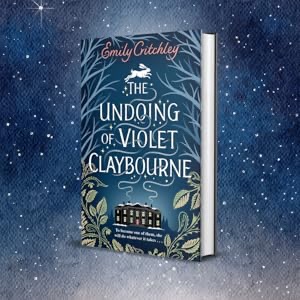



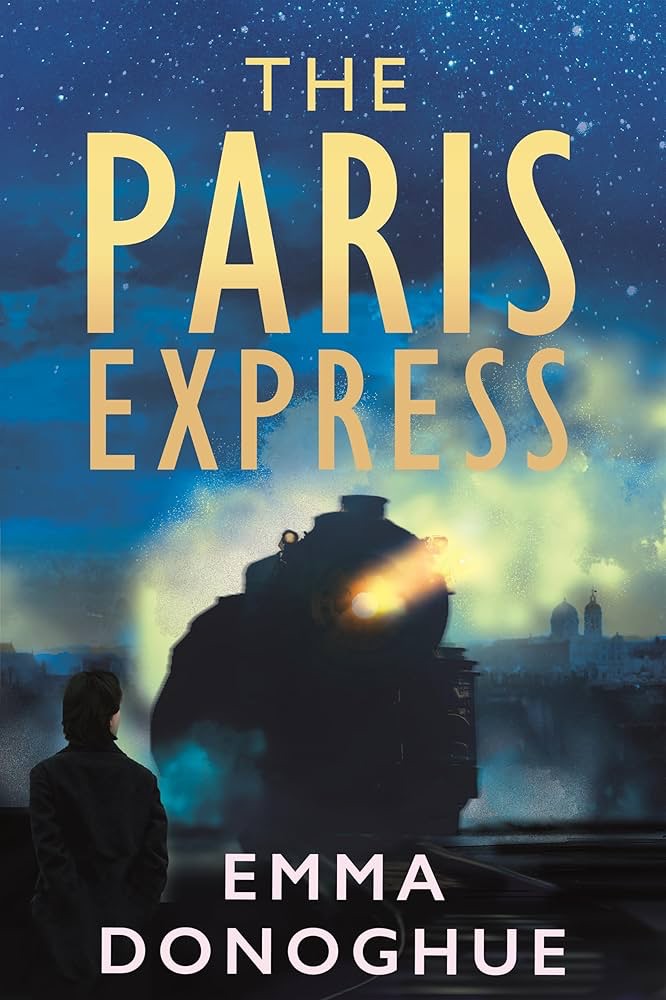





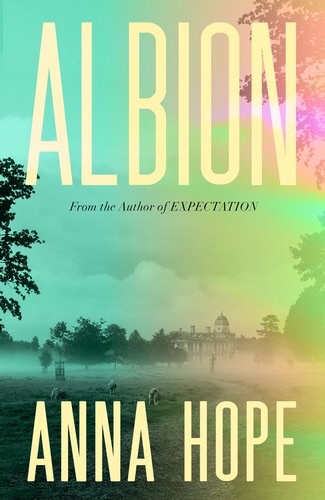

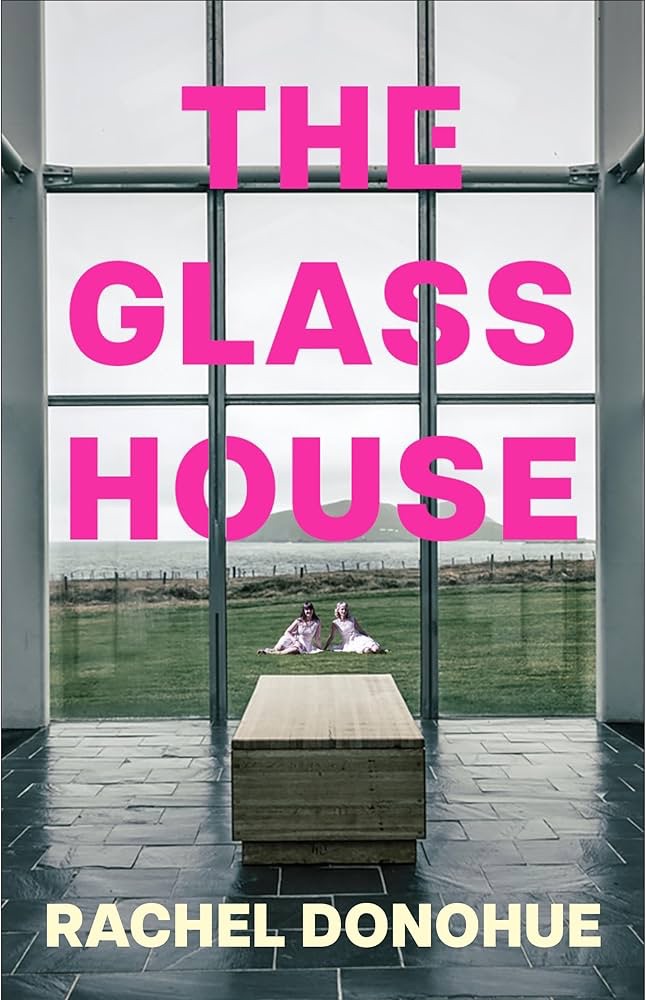
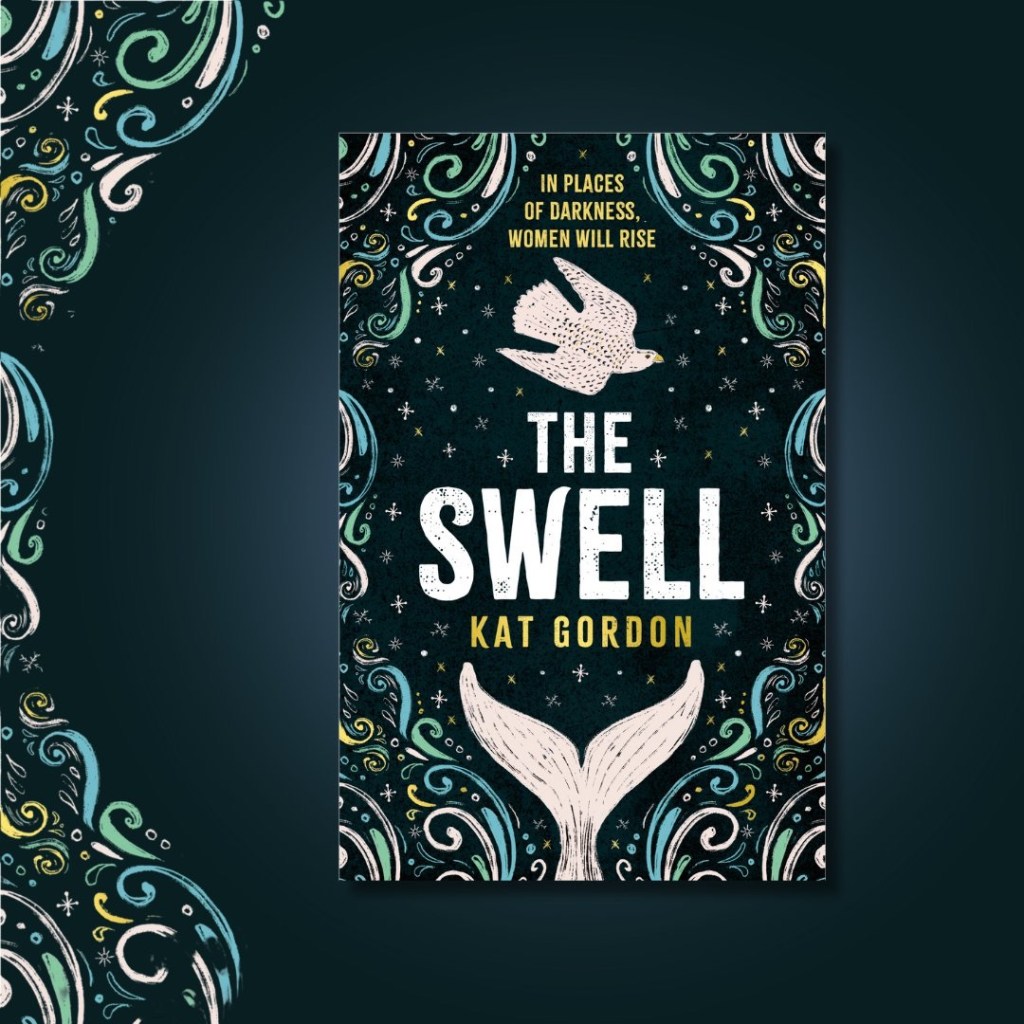
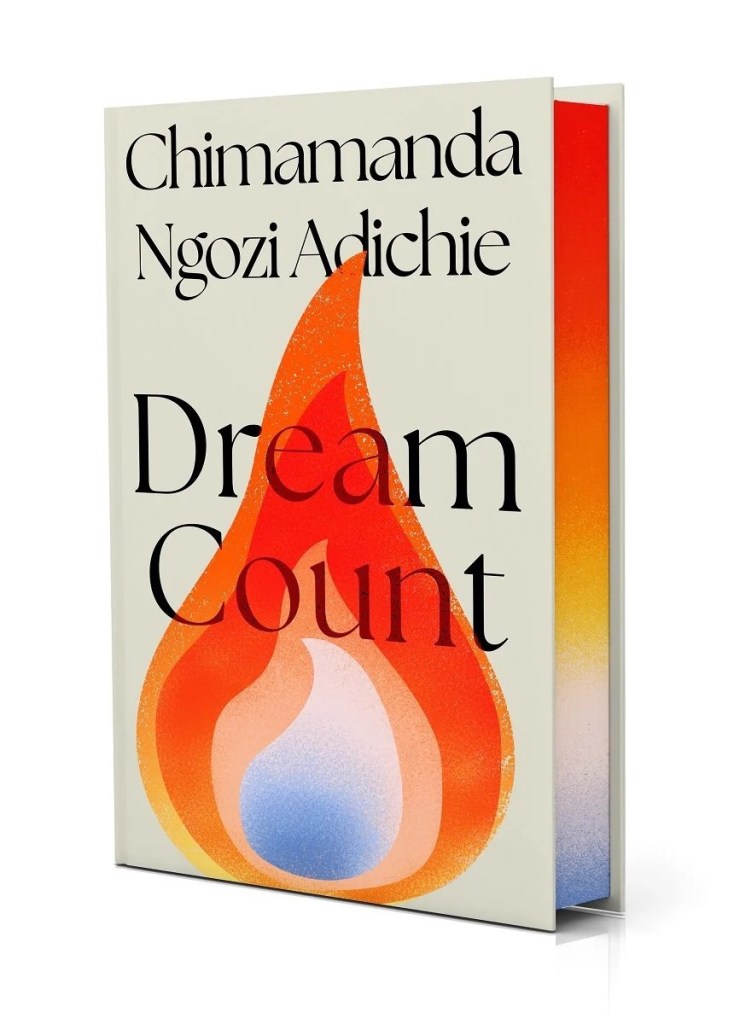



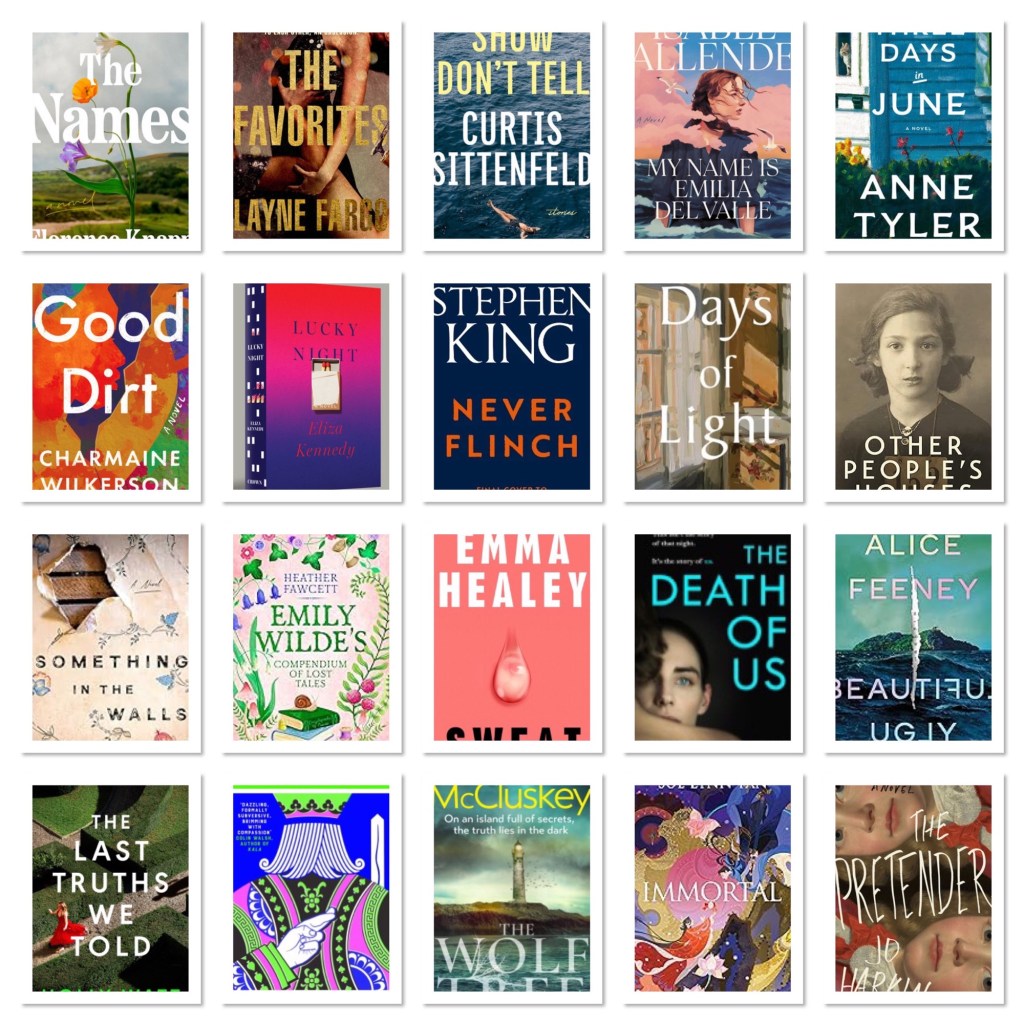

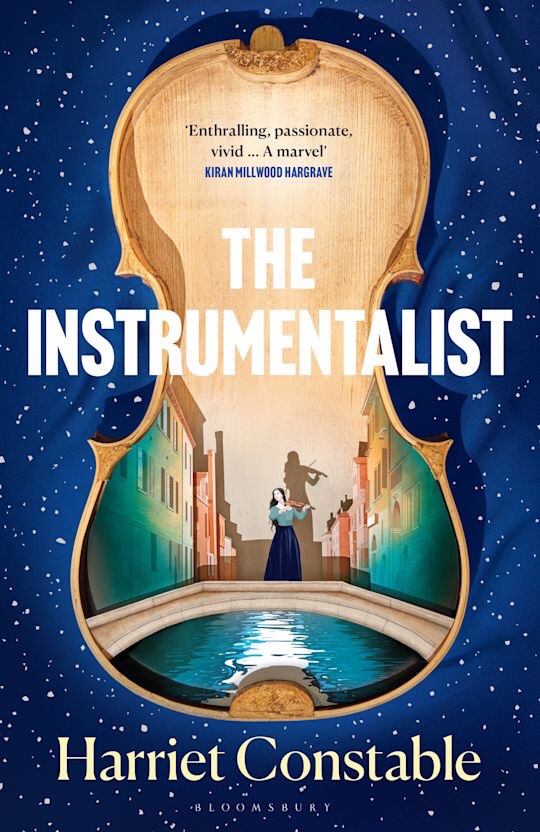
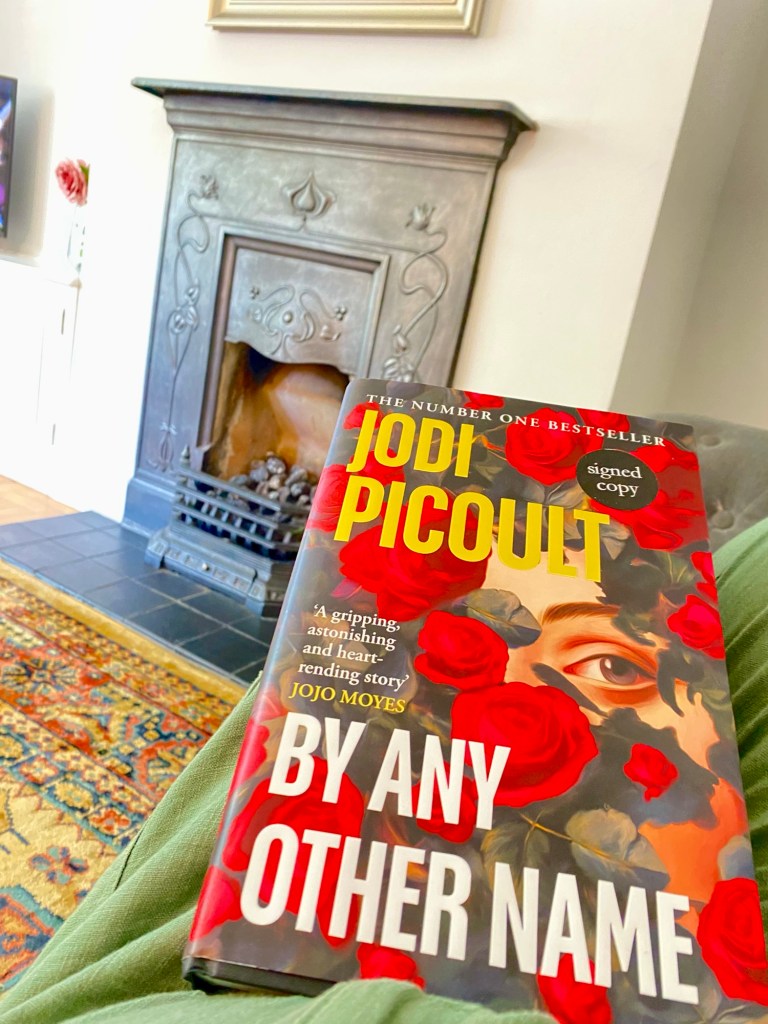
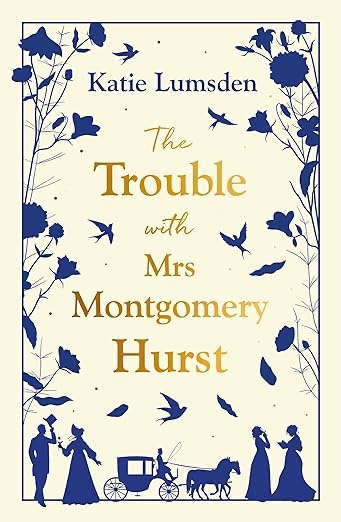
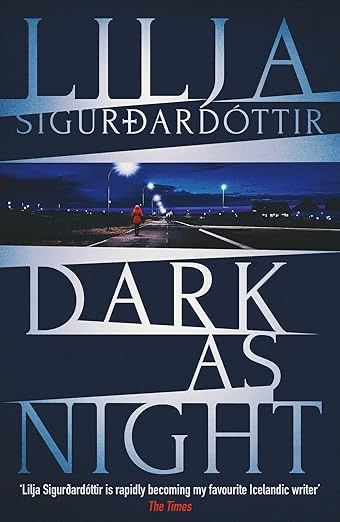
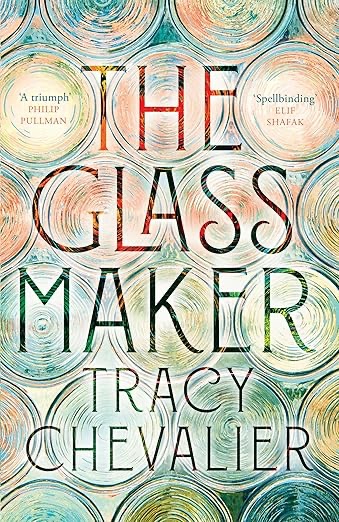
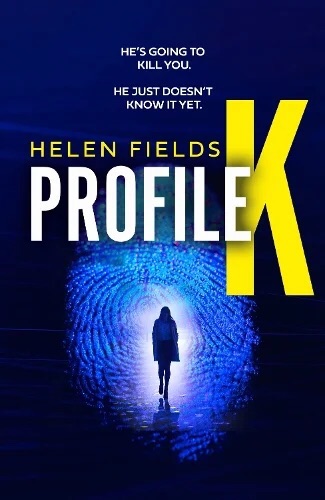
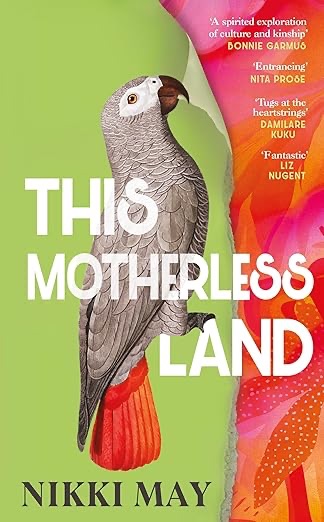
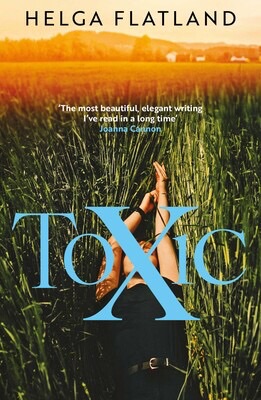


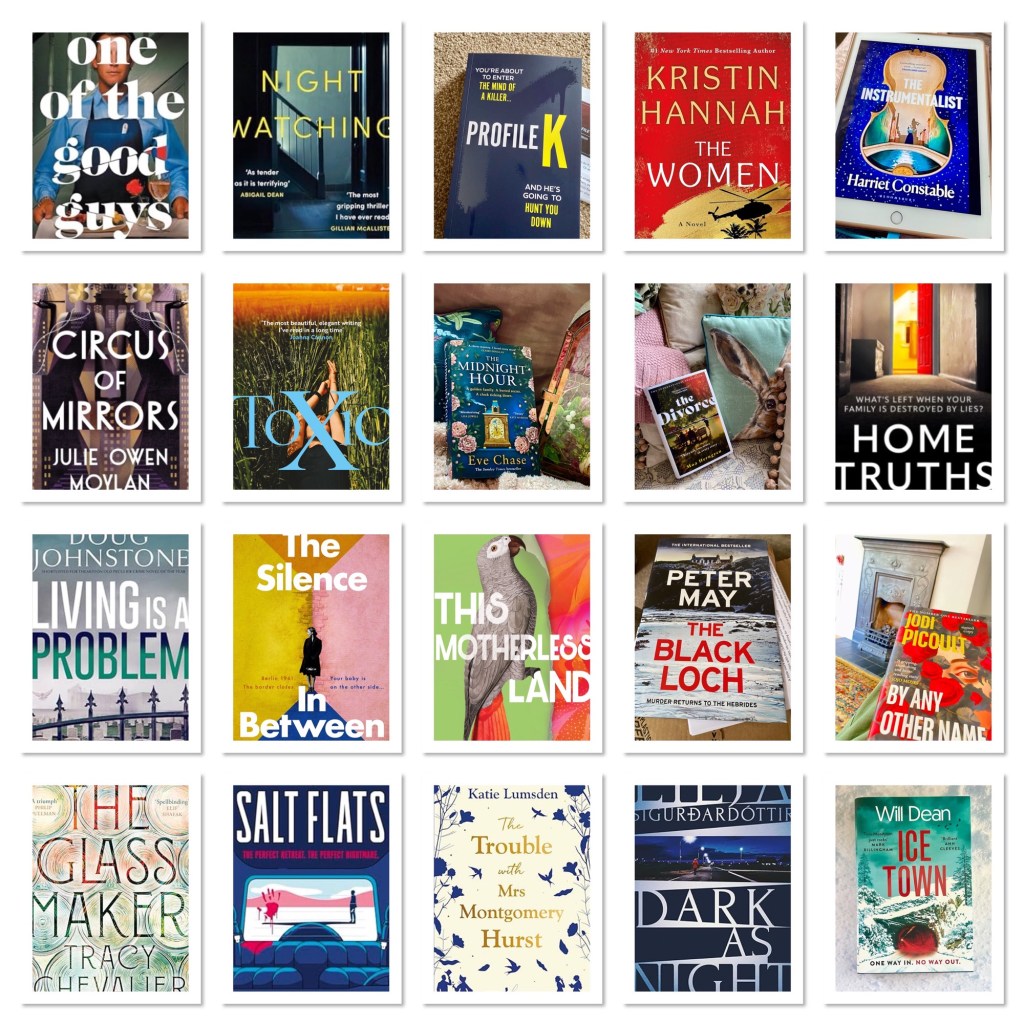

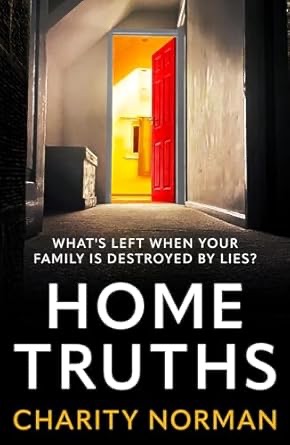

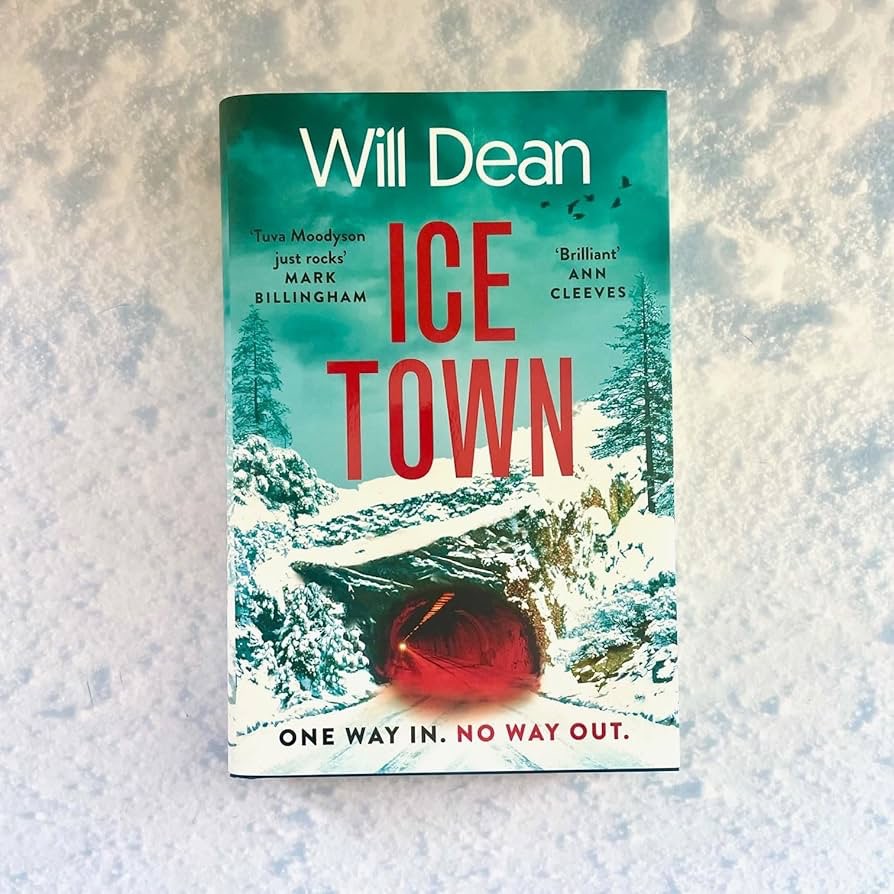

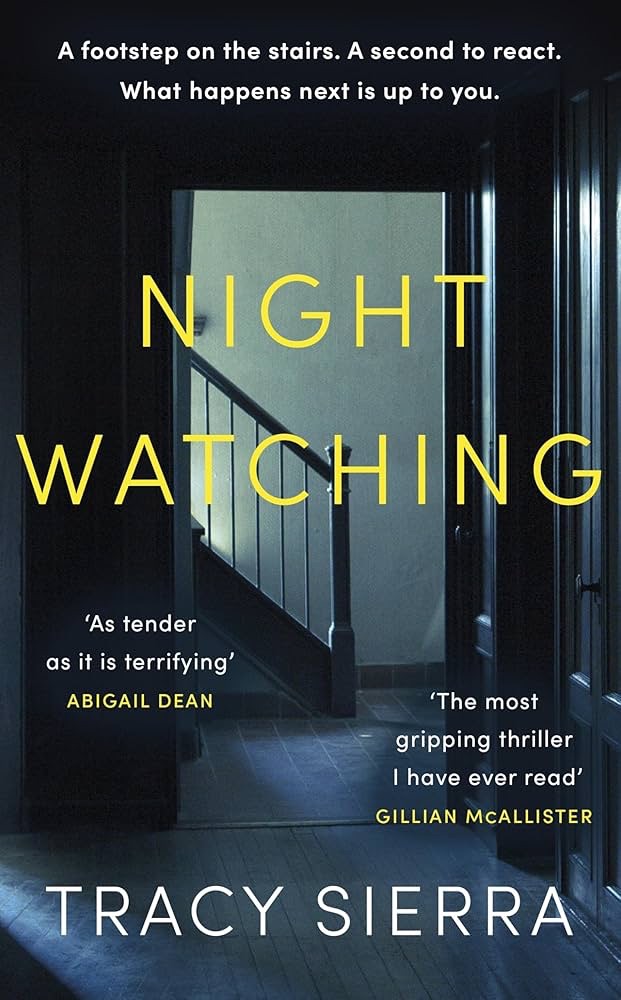
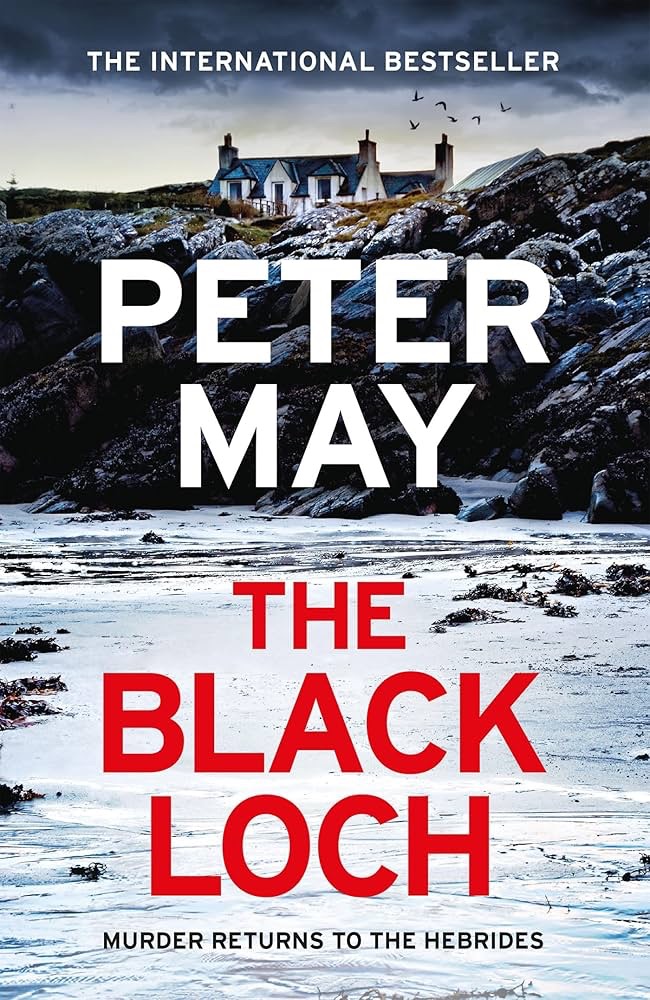

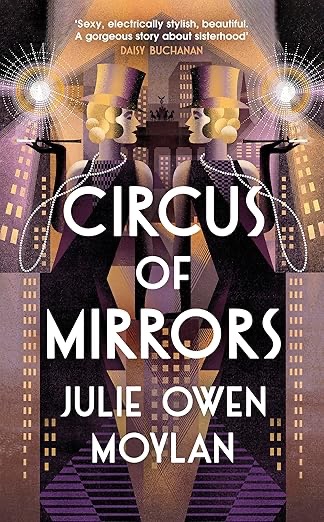

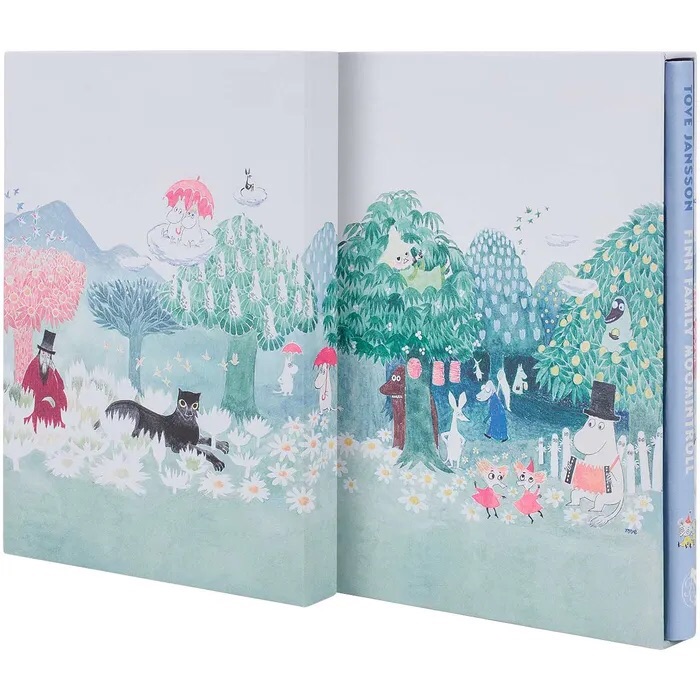
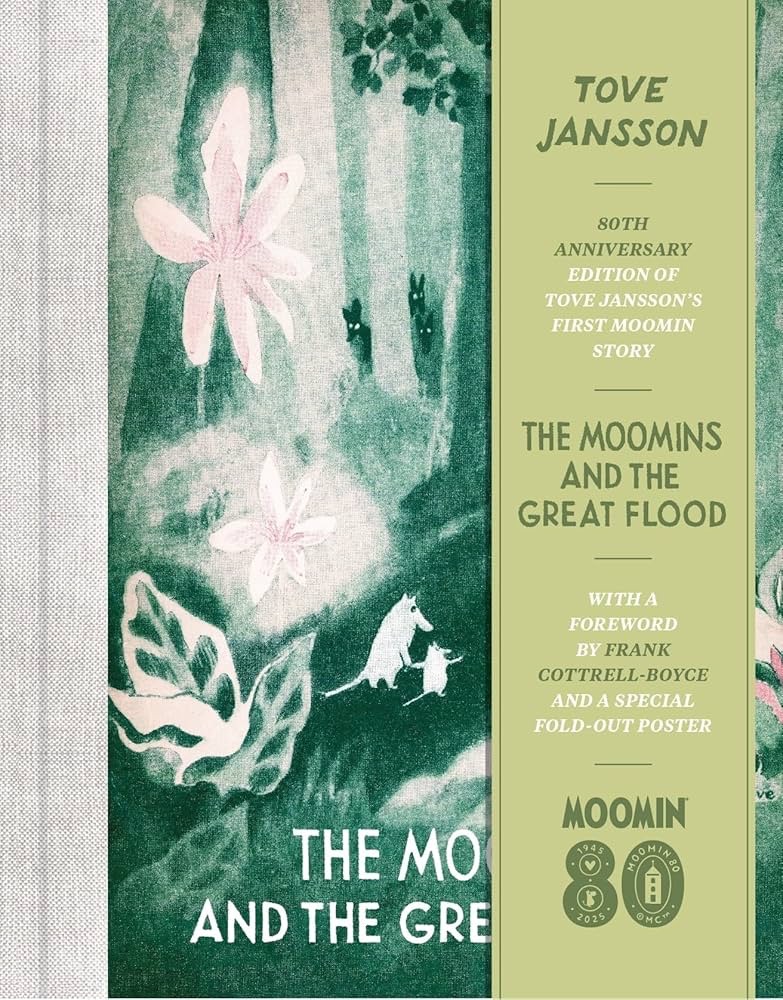
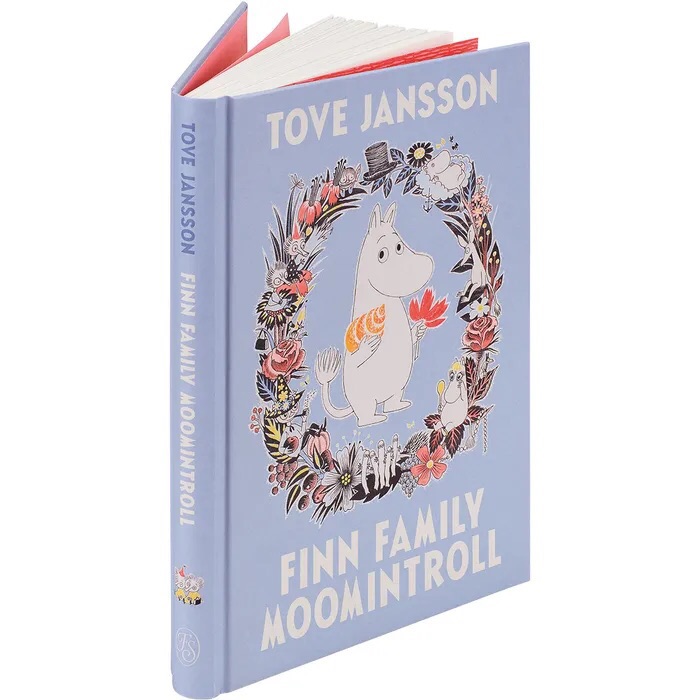
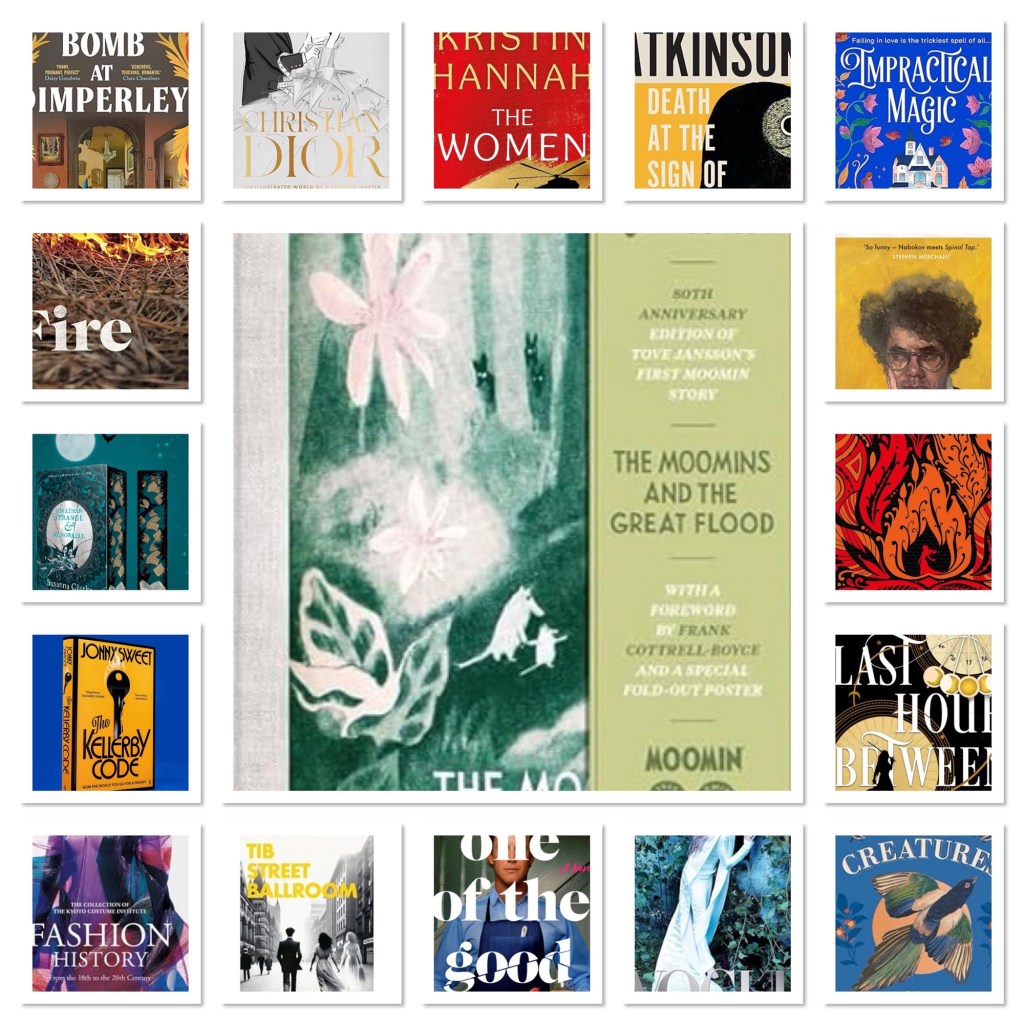

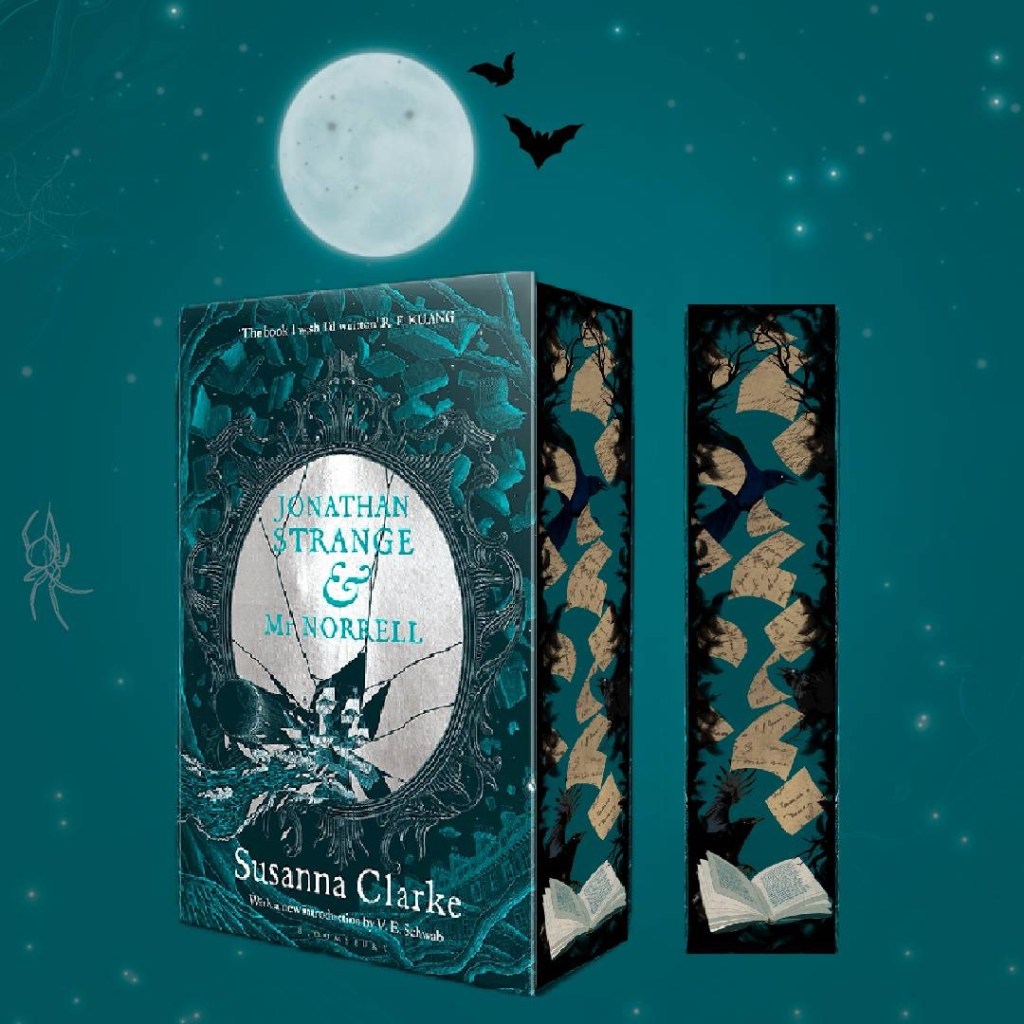
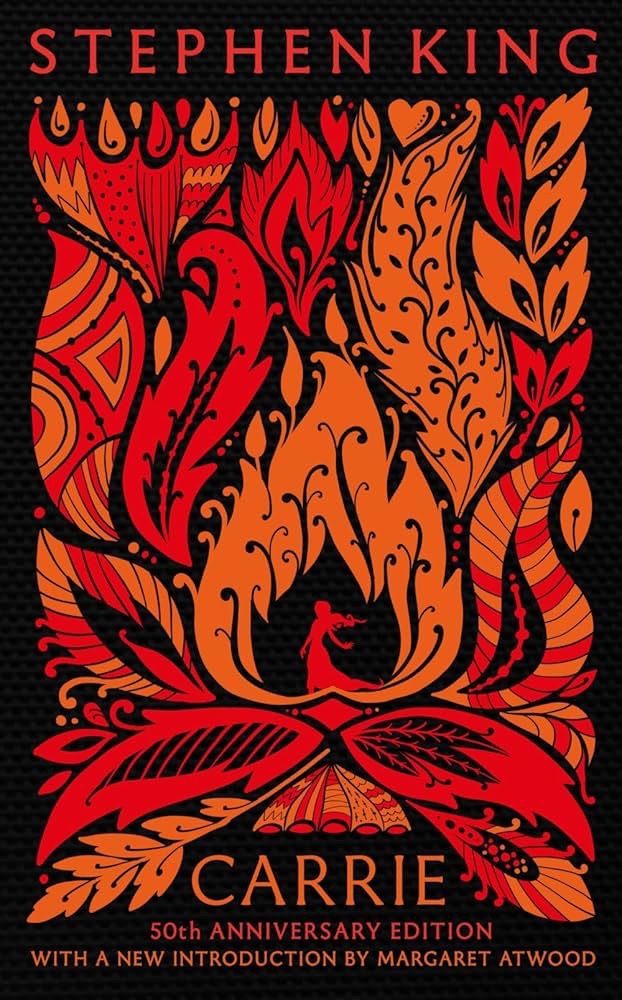
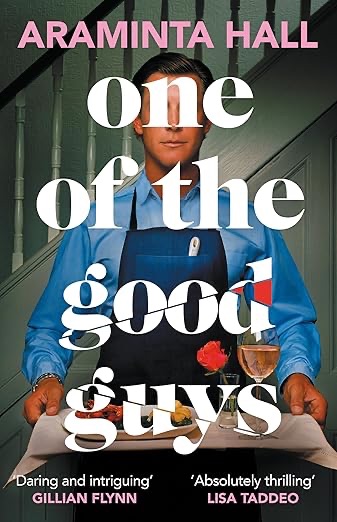
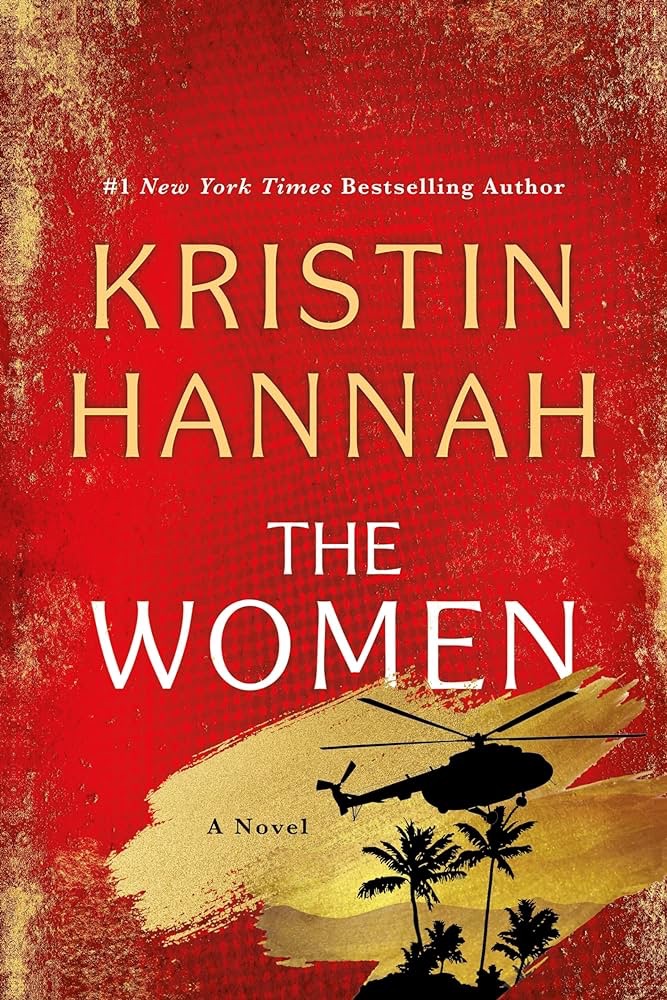
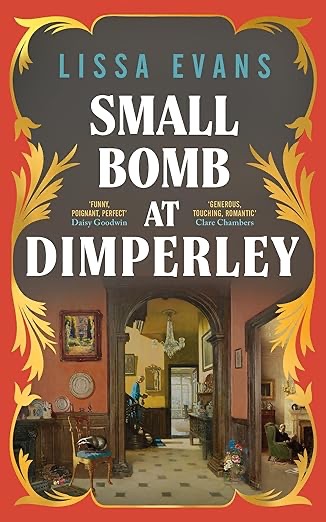


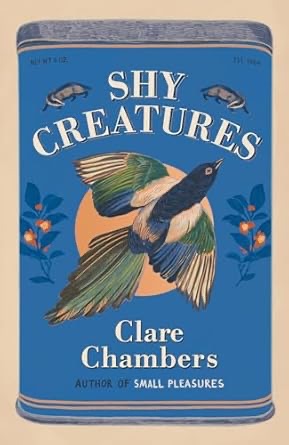

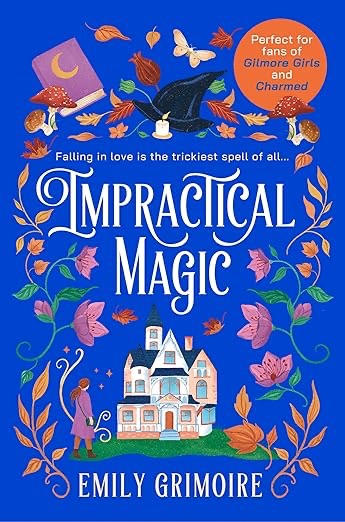
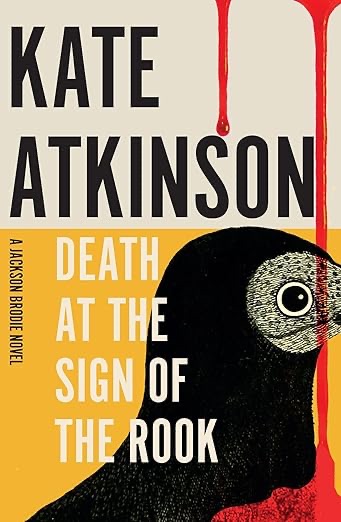




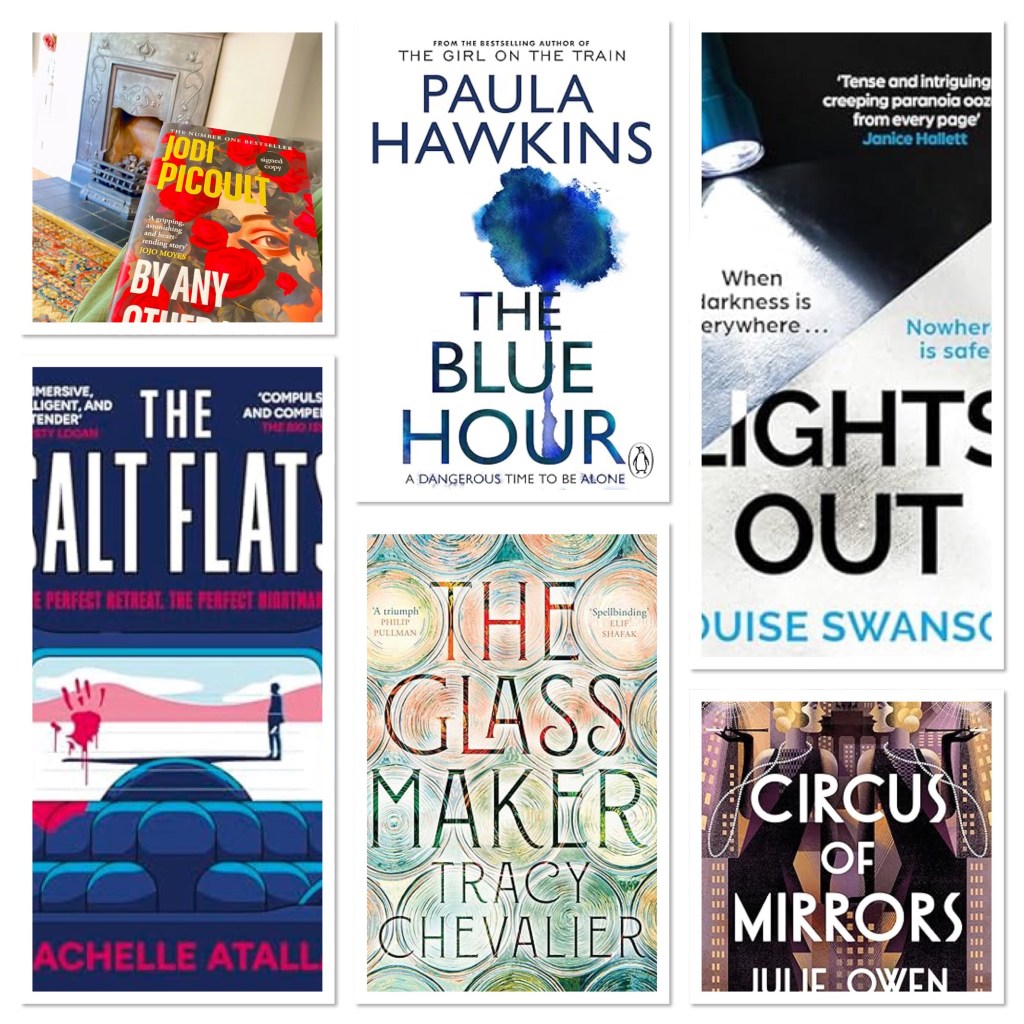
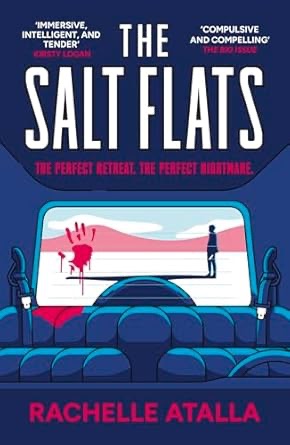
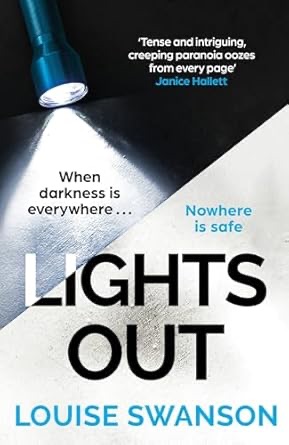

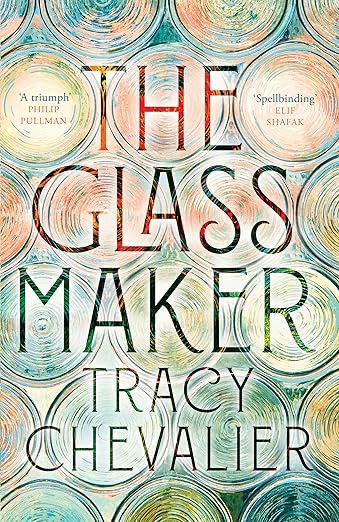
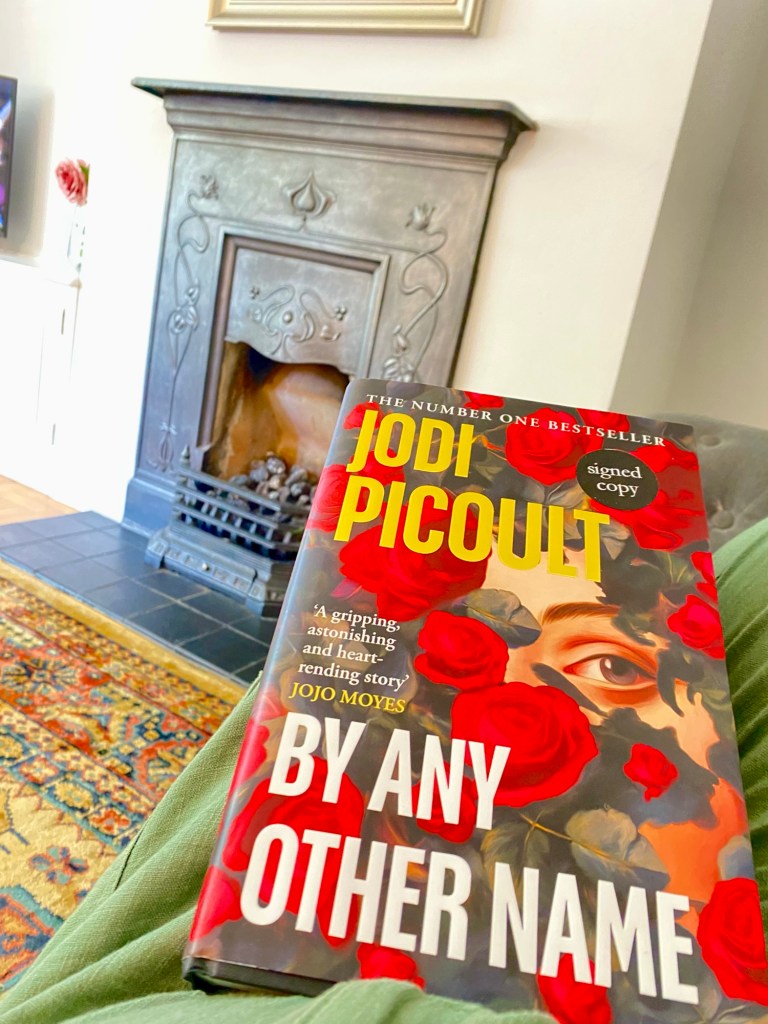
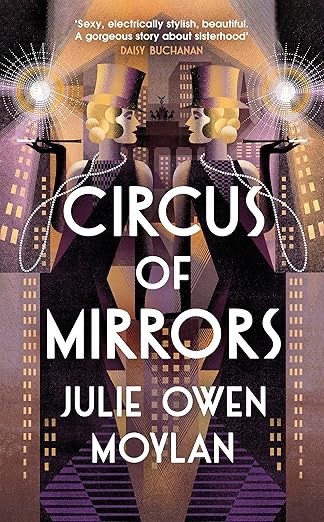
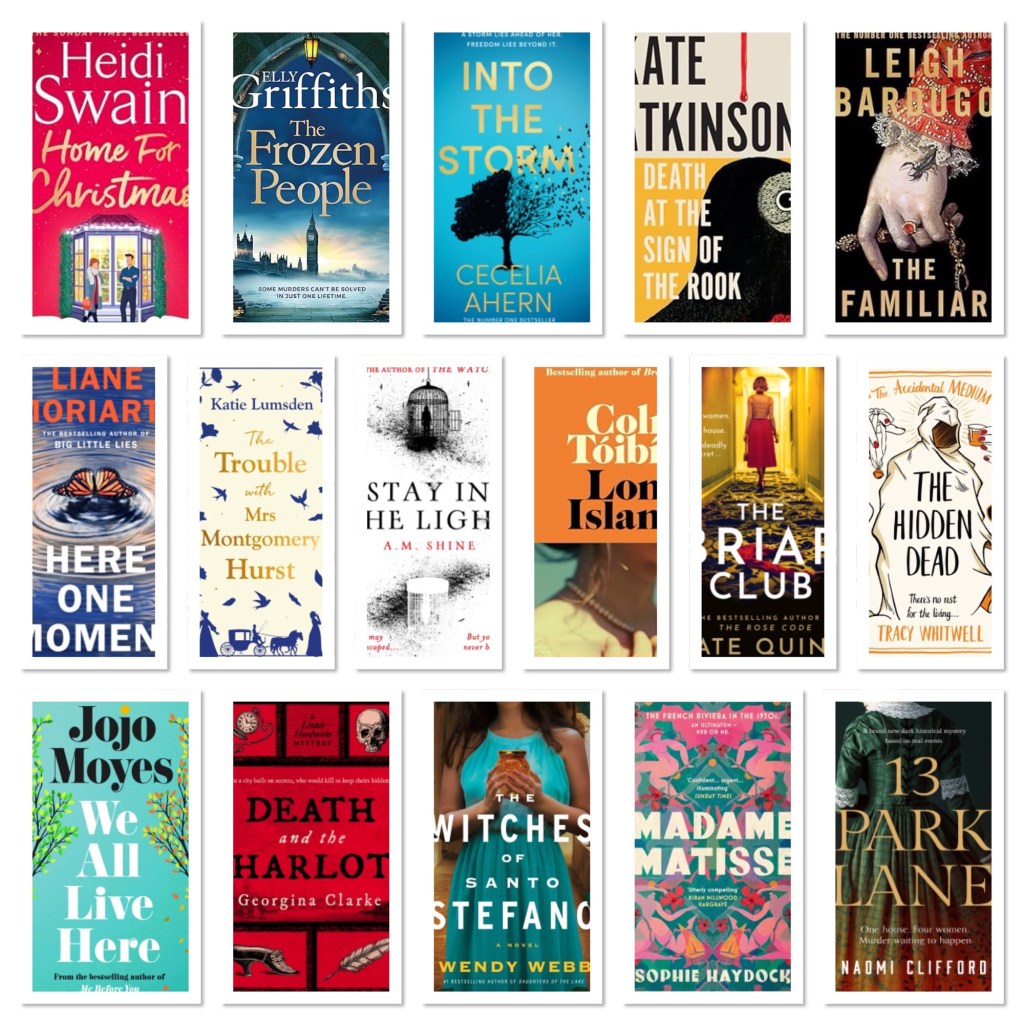
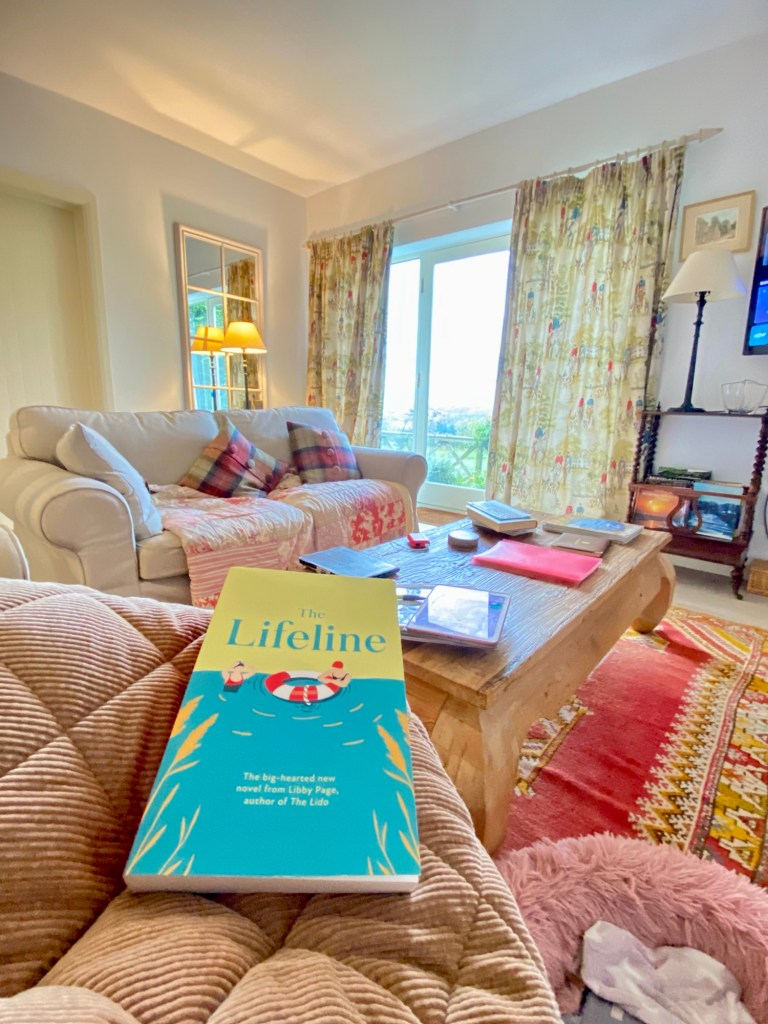
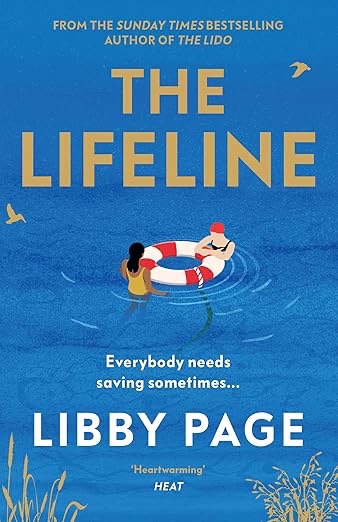

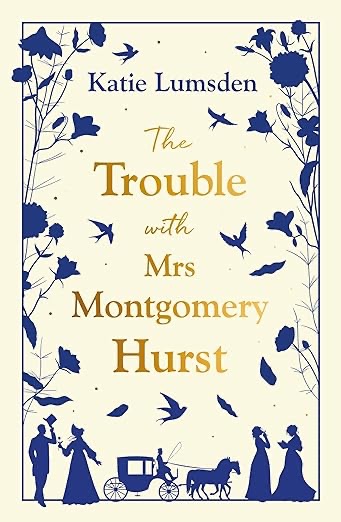


 The Lotus Readers