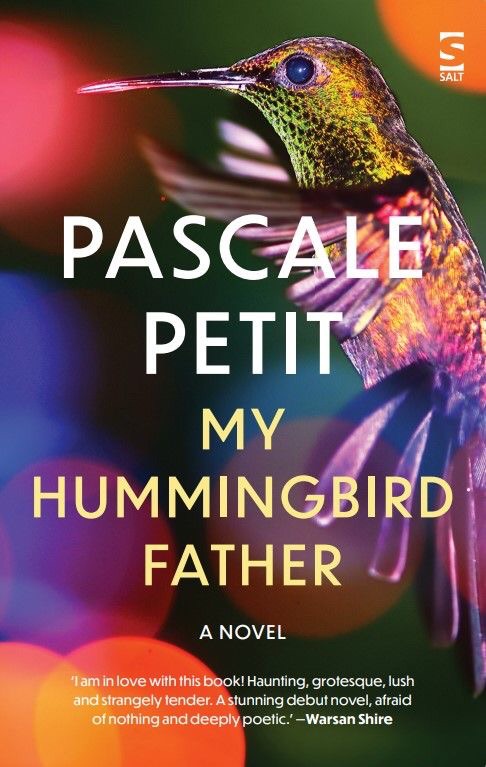
This extraordinary novel weaves a mystical and hypnotic spell around the reader, using the flora and fauna of our heroine’s home in Venezuela and slowly unravelling the truth about her childhood. Dominique is an artist who receives a vision of her father in her dream, so powerful she is able to recreate it on canvas. She hasn’t seen him since her early childhood, so it’s a surprise when he gets in touch and asks her to come to Paris. He is dying and wishes to reconcile with his daughter. Longing for paternal love Dominique travels to Paris, on a physical and spiritual journey to recover that part of her early childhood she spent in Paris with both her parents. There she uncovers repressed memories that reveal the truth of her parent’s marriage and her own birth. She also visits the Venezuelan Amazon where she meets Juan, a mystic and shaman who guides her journey. A gentle and tender love story emerges between them as Dominique tries to heal from what she has uncovered.
I would have known this writer was a poet and an artist from the very beginning because she writes lyrically and creates such striking visual imagery. At first it’s an assault on the senses, a maelstrom of imagery from the Amazonian jungle filled with colour and fantastical animals. A beautiful example of magic realism, the author’s vivid imagery tells of jaguars, birds of paradise and in one case a very disturbing anteater I expected to see in my nightmares. It’s almost hypnotic and I was so overwhelmed and beguiled by the beauty of her words that I didn’t realise the pain and devastation underneath. It’s through her artwork, which is almost shamanistic at times, that she processes her trauma. Her childhood was tainted by her father leaving, seemingly without explanation when she was six years old. She then experienced abuse and resentment from her mother. The process of recovery from trauma is a major theme in the book and we can see how Dominique’s reintroduction to her father triggers the emotions that she hasn’t resolved. In fact his presence triggers nightmares and the re-emergence of events she’s kept locked away in her subconscious. She wants answers to the mystery of her father’s disappearance, but I feared she would be re-traumatised by the truth.These are dark, harrowing memories in parts but it’s clear that the beauty of nature really does have a healing effect on her.
Her descriptions of Venezuela and the incredible Angel Falls made me want to see it for myself! Here things become more mystical as we see Dominique’s beautiful connection to this place and a man she meets from the Pemon community, indigenous to Venezuela. Juan helps her to go deeper inside herself and face whatever unresolved feelings lurk there. He is a shaman to the community and can ward off malevolent spirits, including the type of dark and disturbing emotions that can haunt people who’ve experienced abuse. This is an incredibly personal journey and her time in Venezuela, the rediscovery of her childhood home in Paris as well as reading her father’s correspondence all contribute to her recovery. I found her story deeply moving and challenging to read at times. However, I recognised the catharsis in Dominique’s artistic expression and the importance of documenting traumatic experiences. She needs others to bear witness to the truth of her childhood, because only then can she achieve acceptance and healing. This is a beautifully written novel, that’s lyrical and treads a line between poetry, visual art and prose. I was touched by it and by the deep connection Dominique has with the natural world. There she can be her true self, an imperfect human woven back together by animals who always accept us as we are.
Meet the Author
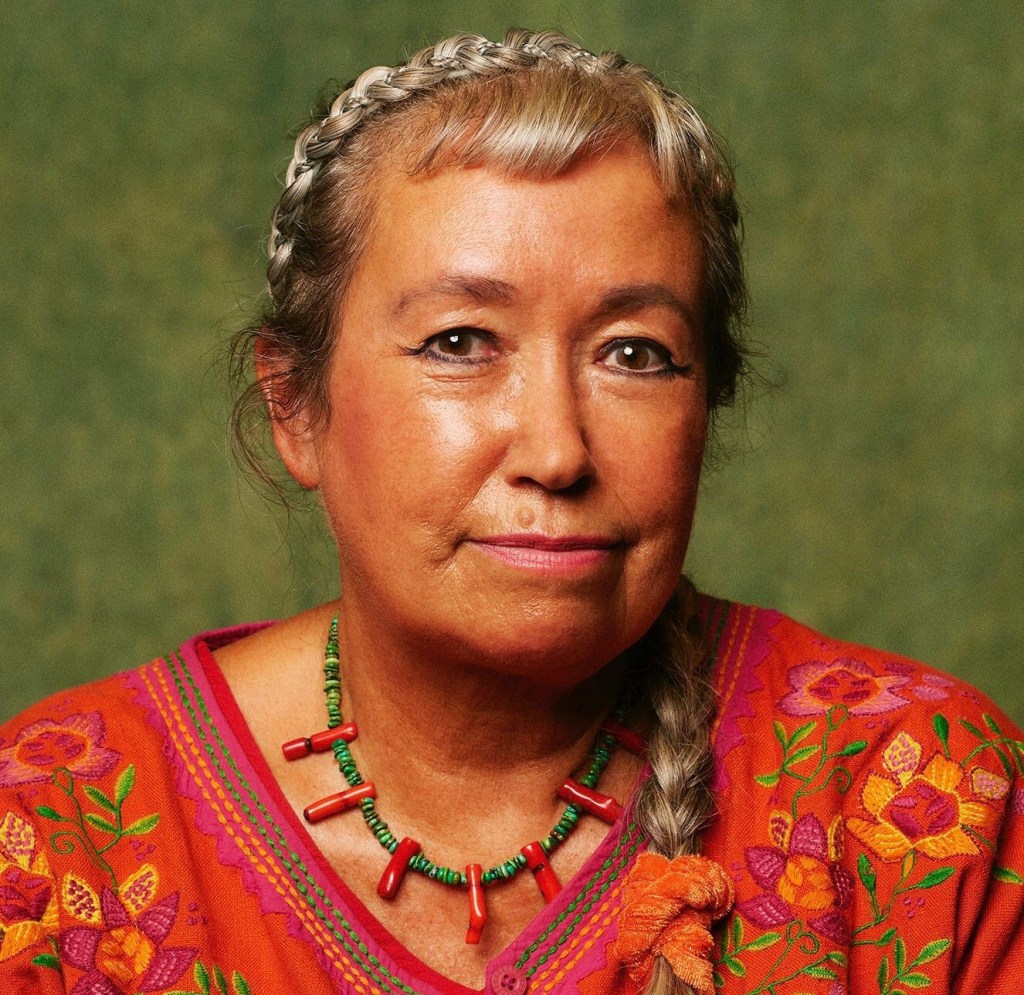
Pascale Petit’s eighth poetry collection, Tiger Girl (Bloodaxe, 2020), was shortlisted for the Forward Prize and for Wales Book of the Year. A poem from the book, ‘Indian Paradise Flycatcher’, won the 2020 Keats-Shelley Poetry Prize. Her seventh collection, Mama Amazonica (Bloodaxe, 2017) won the inaugural Laurel Prize in 2020, the 2018 Royal Society of Literature’s Ondaatje prize, was shortlisted for the Roehampton Poetry Prize and was a Poetry Book Society Choice. Her sixth collection, Fauverie, was her fourth to be shortlisted for the T. S. Eliot Prize and a portfolio of poems from it won the 2013 Manchester Poetry Prize. T. S. Eliot shortlisted What the Water Gave Me: Poems after Frida Kahlo (Seren, 2010), was also shortlisted for Wales Book of the Year. Salt published her debut novel, ‘My Hummingbird Father’, in 2024 and her ninth poetry collection, Beast, is forthcoming from Bloodaxe in 2025, and is awarded the Arthur Welton Prize.
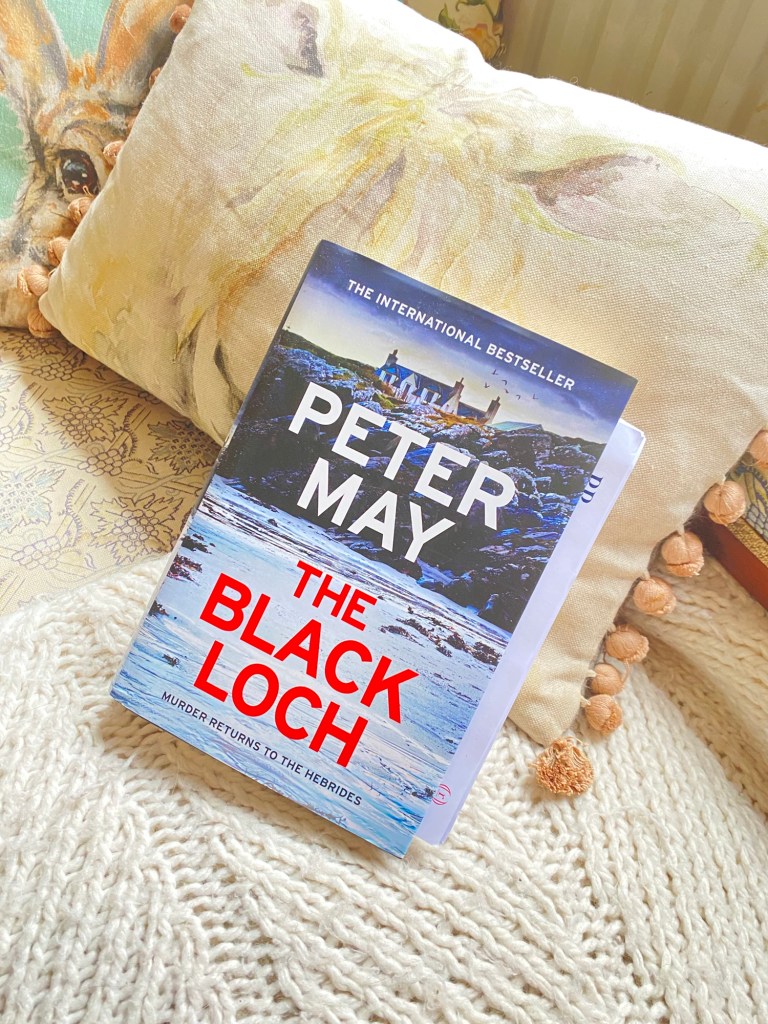
Readers probably won’t believe this but this is my first Peter May novel. I’ve had his books on my ‘authors to explore’ list for when I’m second hand book shopping, but something always gets in the way of me reading them. So, when I was offered this blog tour I jumped at the chance to finally read one. I love books set in Scotland and I am a particular fan of Tartan Noir – crime novels and mystery novels from authors like Doug Johnstone and Val McDermid. I was immediately drawn into the incredible scenery and atmosphere of the Isle of Lewis. This is the fourth in a trilogy, so I’ve definitely got some catching up to do where Fin McLeod is concerned. Once a detective and now retired, Fin is drawn back to Lewis when Caitlin Black’s body is discovered on a remote beach. Only eighteen years old, Caitlin was a student at the Nicholson Institute. It emerges that she was having an illicit affair with Fionnlagh McLeod, her teacher and a married man twenty years her senior. Fionnlagh soon becomes the prime suspect and is arrested on suspicion of her rape and murder. He is also Finn’s son. Finn knows he must return to Lewis to support his daughter-in-law and granddaughter. He also knows, despite the evidence against him, that he must try to clear his son’s name. As Fin travels around the island, he is drawn into past memories and soon realises this crime has echoes back into his own teenage past on the island. A terrible accident at a salmon farm caused two deaths, just as the industry started to expand on the island and become a multi-million pound concern. This is a journey of family ties, secret relationships and a bleak and unforgiving landscape, where violence, revenge and revelations converge.
Fin and his wife Marsaili both grew up on the island, so it holds echoes of their relationship over the years. It’s strange for them to be back on Lewis after a ten year absence and awkward to turn up on Fionnlagh’s doorstep where his wife Donna is devastated by the possibility that her husband has killed his teenage lover. Their daughter Eilidh is happy to see her grandparents and currently oblivious about her father’s fate, but it’s clear to see the damage Fionnlagh’s exploits have had on Donna. These early chapters felt like being sucked down into a whirlpool of memories. There’s such an incredible sense of place and the use of Gaelic words and names feels foreign, strange and somehow magical at the same time. There are tourists enjoying the white sandy beaches, but we’re taken down below the surface to the realities of living somewhere so remote and bleak. Then further down to the horrors underneath where salmon are eaten alive by lice in their cages, where beached whales gasp their last agonising breath on the sand and a beautiful girl with her whole life ahead of her can be thrown over a cliff like rubbish.
“He finally reached the Black Loch just before seven-thirty. He parked above the beach as sunlight fanned out towards him across cut-crystal water, revealing the secret colours that concealed themselves on the shore, among rocks and boulders and the seaweed washed up to dry along the high-tide mark. To his right, cliffs of Lewisian gneiss rose steeply out of the water and he could just see the gables and chimneys of the house that stood above them overlooking the bay. He cast his eyes down again to the water’s edge and left footprints in the wet sand as he followed the curve of the day towards the looming black of the cliffs. Somewhere here Caitlin’s body had been washed ashore.”
Peter May has portrayed the environment, whilst also showing the extent to which climate change and the eco- industry have impacted the surroundings he’s known for his whole life. The old cottages are damp and battered, some being refurbed by incomers with money either as family homes or holiday cottages. New houses are squat, one-storey dwellings built to blend with the sand and the heather with large windows giving uninterrupted views of the landscape. Younger islanders are focused on eco-activism with Caitlin Black and her friend Isobel starring in a programme about the island’s ecology. They care about fish farming practices driven by the market across the globe for salmon. Practices that prevent wild salmon from swimming up river to spawn as well as terrible conditions for the farmed salmon too. Huge cages that once held a few hundred salmon now hold a hundred thousand, with such a high mortality rate they’re having to take them from the cages and dump them into rock crevices formed from by the tide. They lay there rotting until the sea washes them away.
“The activist’s aerial shots exposing the illegal dumping of dead fish, and the zombie salmon, half eaten by sea lice, swimming listlessly around in cages where anything up to twenty-five percent of fish were already dead. She listened in horror as he conjured up an image of the stinking, maggot-ridden morts […] and the 1000-litre containers of formaldehyde that a desperate Bradan Mor was using to try to kill the sea lice.”
Fin’s narrative takes us on his investigations around the island, trying to find evidence to disprove the police’s theory that his son is a killer. A task made much more difficult when his DNA matches samples taken from Caitlin’s body. Why would he rape someone he’s been sleeping with for months? This is according to locals who’d noticed their clandestine comings and goings from a derelict cottage by the sea. Despite the urgency of the present moment, Fin is also pulled inexorably into the past, because this island has a huge hold and power. I felt centuries of history in the land it’s people and their relationships. This is sometimes positive, as Fin remembers beach parties where he first met Masaili as a teenager and they make love on the beach in the present, grasping a tiny moment of happiness and connection in the hurt and devastation. The most terrible memories involve a scheme to steal fish from the fish farm and pass them off as wild salmon, for a ghillie from the estate to sell on. Fin goes along with it despite his misgivings, but the scheme is originally suggested by Niall. A group of teenagers meet and drive to the fish farm several times, but one night there’s an awful storm and a sense of foreboding. This enterprise leads to two deaths and creates a suspicion in Fin about his friend Niall. If he is willing to steal from his own family and brush aside the death of a friend, is he capable of murder? Niall’s surname is Black and Caitlin is his daughter.
It feels as if the island has a consciousness. It sees your past and your future as clearly as the present, almost as if they’re happening simultaneously. I felt it when Finn walked across the very place he stood with Masaili when they were first meeting at six years old and she had two pigtails. She also called him Finn for the first time, christening him with a nickname he still uses. This is a thin place, unchanged for centuries. It also said something about how we experience the world. We are rarely solidly who we are in the present, with past and future forgotten. We are simultaneously all the selves we’ve ever been. In this way Fionnlagh can be a good father, a talented teacher and a suspect in a murder. There are also darker moments from Fin and Marsaili’s past that come alive here. Her narration is a rare moment in the novel but she relives a night in Glasgow from their university years, when she found Finn in bed with another girl in their student flat? It makes us realise that Finn isn’t wholly the upstanding man we think he is, he was also the cause of so much hurt, rather like his son.
There’s a sense in which this trauma is generational, not just in individual families but in the island itself. The environment has always been harsh and people have found it to survive. It’s a hunting and fishing community and other nearby islands, like St.Kilda, became uninhabitable in the early Twentieth Century due to the difficulty of growing and catching enough food for the islanders. Fin takes us back to a conversation he had with his grandfather about the whaling industry, brutal tales of harpooning these majestic creatures and turning the sea red. It links to the beached whales in the bay, possibly drawn off course by one of them being unwell and in distress. As the vet assesses these giant creatures and people desperately try to save them he talks about a tradition in the Faroe Islands where they draw whales to the shore then hack them to pieces. Fin has violent memories of being forced to join a seasonal slaughter. In his last summer before university, Fin felt like a black cloud had descended because he and his friend Artair had been chosen to join the guga hunters. This was a four hundred year old tradition where twelve men would travel to An Sgeir, an island no more than a rock in the middle of the ocean. A guga was a young gannet, once hunted in a desperate need for food, their slaughter was now a rite of passage. Hunters killed two thousand birds in a fortnight, then they would be plucked and salted. Fin felt disgusted by the idea, but it seemed unavoidable and it would be dishonourable to give up your place.
“Neither Artair nor I wanted to spend two weeks on that bleak and inhospitable rock, scrambling among the blood and shit that covered the cliffs, slaughtering defenceless birds.”
This was a tense and complex case with so many possible suspects, and Peter May also keeps us guessing about Fionnlagh. Perhaps he could be the killer, after all he does confess. In a way this created a crime novel that didn’t revolve completely on whodunnit, but on the tensions between different characters and also their environment. He also creates a compelling picture of the beautiful and intelligent victim, Caitlin Black. A girl as embedded in the island as Fin, with a deep passion for the island’s environment and it’s flora and fauna. She epitomises the gap between generations, but also between those who want to protect the island and those who are making a generous living by exploiting and polluting it. I loved how deep the island and it’s history ran in these people, something I can understand having lived right next to the River Trent for most of my life. In fact the first thing I did when moving into my last village twelve years ago was go to the river bank and take off my sandals to feel the river bank under my feet. The river and it’s daily tidal bore, the smell of fresh cut hay, the cool of the forest, the crunch of dry pine needles underfoot as well as the smell of straw bales in the sun and freshly turned earth are all in my soul. They make up part of who I am and although I moved away for study, I have returned and unknowingly into the same village where my great-great grandmother is buried. Our ancestors call to us and this is definitely what Fin and Marsaili are feeling, as well as need to be close to Fionnlagh, Donna and Eilidh. This is something he couldn’t have imagined ten years ago, but now he wonders if it’s where they belong. Perhaps this means future additions to the series and on the basis of 5is novel, I’ll be the first in the queue if it does.
“He leaned over to kiss her and remembered that little girl with the pigtails who had walked him up the road from the school to Crobost Stores giving him the nickname that had stuck for the rest of his life.”
Out on 12th September from RiverRun Books, an imprint of Quercus.
Meet the Author
Peter May was born and raised in Scotland. He won Journalist of the Year at twenty-one and was a published novelist at twenty-six. When his first book was adapted as a major drama series for the BBC, he quit journalism and became one of Scotland’s most successful television dramatists. He created three prime-time drama series, led two of the highest-rated series in Scotland as a script editor and producer and worked on more than 1,000 episodes of ratings-topping drama before deciding to leave television and return to his first love, writing novels.
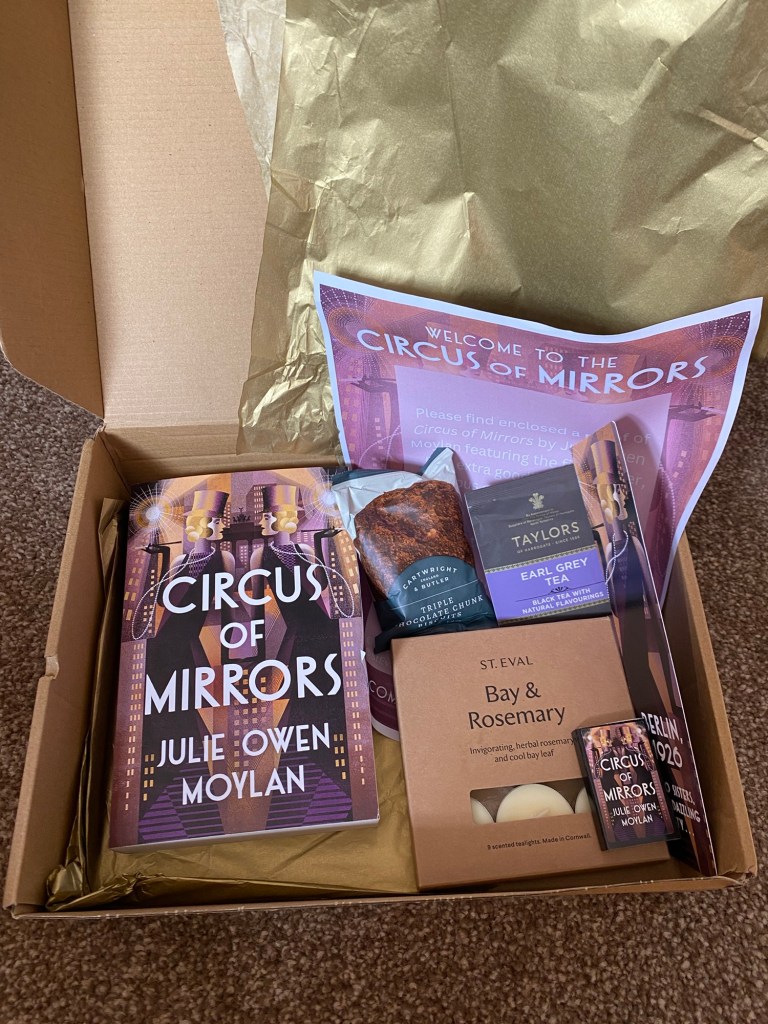
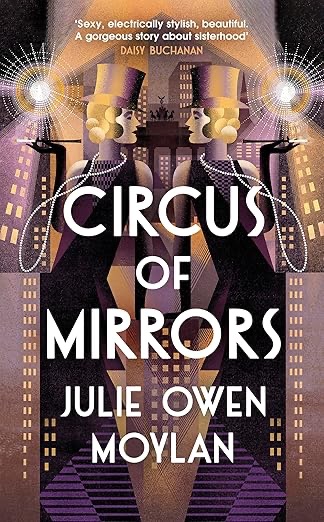
I really have been blown away by this story set just after WW1 and progressing to the mid-twentieth century. Our characters are two German sisters Leni and Annette who live in Berlin and are the last living members of their family. When we first meet them they’re in dire straits, living in a makeshift shelter in an abandoned garden. Thanks to war and the influenza epidemic they’ve lost their family, so are totally reliant on each other. Leni, the older sister, gets a chance to earn some money at a notorious and rather seedy cabaret club called Babylon Circus. There the naive and rather shy Leni becomes a cigarette girl in a second hand and pinned costume that just covers her modesty, but she is at first shocked by what she sees. With shades of the musical Cabaret the author creates a club that is a mirage of clever lighting, fairground mirrors and risqué musical numbers. It’s enchanting by dark and unwelcoming by day, but it doesn’t matter because this is the type of fun that can only be had at night. The girls are shameless on stage and nudity is everyday in the dressing room, but Leni sees something attractive in their boldness, bawdy gossip and loud raucous laughter. They have a freedom she’s never seen before in women, they’re not afraid of taking up space. The illusion extends to the girl’s costumes, covered at first glance but offering a cheeky glimpse here and there. This is what the crowd turn up for, but one girl manages to shock the audience by crouching on the table of a misbehaving customer and pissing in his face. Everything is overseen by owner Dieter, a man with his own disguise. He rarely enters the cabaret room, but sits in his office with it’s resident cat. Having left half his face on a battlefield he wears a tin mask which chafes at his wounds and leaves his expressions slightly lopsided. This gives a certain sense to the fairground mirrors, if everyone is distorted then no one stands out.
It’s Paul the pianist’s good looks that capture Leni; his talent, his smile and the lock of hair that escapes onto his forehead. When he starts to walk her home she’s evasive, how can she tell him he doesn’t have one? She invents a family, but then has to keep Annette out of her business. Paul’s also in trouble, as his brother has run up debts he can’t repay and the lenders are leaning on him to pay instead. After a warning in the form of a beating he knows he must leave, but what will he do about Leni? Leni and Annette now have rooms, with a landlady who doesn’t mind watching Annette in the evenings while Leni works. I had so many questions. Would Paul ask Leni to go with him? Does he even feel that strongly about her? Where would Annette fit into this? Even after all these questions are answered, jealousy and fate intervene changing everything.
In our second timeline we’re in the midst of the Cold War and a middle-aged Leni is living in Berlin with her teenage daughter, following the death of her husband. She’s surprised by a sudden visit from her sister Annette who now lives in the USA. She seems agitated and anxious, spending all her time in flat brooding and smoking. Leni’s daughter is in the throes of first love, using the guise of drama rehearsals to meet her boyfriend. With nowhere to go they find solace in a strange old cabaret club where there’s a fairground mirror amongst the ruins. This is the perfect place for secret assignations. Leni is concerned that with her sister here the past seems closer than it’s been for years. So many secrets are being kept between these women and when Leni sees a face from the past, it could all come tumbling down like a pack of cards.
Julie writes mid-century women like no one else. I feel like I know them. This is my grandmother’s generation and my grandad actually went to Germany after WWII to help rebuild the country. I remember being shocked by the utter devastation of German cities when they were depicted in the film The Aftermath. I was haunted by a woman getting her daughter ready for school, brushing her hair in their normal routine, but with the outer wall blown away. It was like looking into a doll’s house. The author made me feel the contrast of that wild decadence in the 1920’s with the Cold War period where everything feels grey and routine with nothing to look forward to. The bleakness of Leni’s flat really comes across as it seems to echo the desolation of Annette. Even the once rowdy and colourful club is now derelict and abandoned. I love the way the author plays with place and identity in this way, as well as how the characters see themselves. Their internalised sense of how they look forming part of their identity, but is often at odds with how we see them. Dieter and the girls at the club are almost gaudy grotesques, using appearance and performance to mask true feelings. As for Dieter, I kept thinking about his inability to express emotion in his face and how that affected his ability to connect with others. If we can’t express what we feel what effect does that have on our identity? Dieter can’t look at his new face because it doesn’t reflect the image he has of himself in his mind. It’s only once everyone else becomes distorted that he fits in, only the cat accepts him utterly as he is.
The secrets between the sisters are beautifully constructed. Annette’s adult behaviour is a faint echo of her childhood feelings. Her jealousy and fury when she discovers Leni with Paul is the fear of a child who has almost lost everything and everyone she knows. She only has Leni and what if she leaves her too? As an adult, pulling secrets or feelings from her is almost impossible. She has been holding the past inside herself so tightly and for so many years I was unsure if she would bring it’s truths to the surface without breaking. Towards the end, as another terrible event outside their control looms over Berlin, my heart was in my mouth! Not knowing whether the ending would be what I wanted had my heart racing. I couldn’t bear either sister to suffer any more heartache and this is the beauty of Julie’s writing. She makes you believe in this world and these characters so much, that you’re able to shed real tears for them. This novel is easily one of the best I’ve read this year and I’m in no doubt it will feature in my end of year list too. I’ve loved Julie’s first two novels, but this is certainly Julie’s best novel so far.
Published by Penguin on 12th September. Thanks to Julie and the Squad POD Collective for including me in this month’s book club.
Meet the Author
Her debut novel That Green Eyed Girl was a Waterstones’ Welsh Book of the Month and the official runner up for the prestigious Paul Torday Memorial Prize. It was also shortlisted for Best Debut at the Fingerprint Awards and featured at the Hay Festival as one of its TEN AT TEN debuts.
73 Dove Street was recently named as a Waterstones’ Book of the Year and Daily Mail Historical Fiction Book of the Year with the paperback still to come in April 2024.
As a filmmaker Julie won the Celtic Media Award for her graduation film “BabyCakes” before going on to win Best Short Film at the Swansea Film Festival.
Her writing and short stories have appeared in a variety of publications including Sunday Express, The Independent, New Welsh Review and Good Housekeeping.
She has a Masters in Filmmaking and an additional qualification in Creative Writing & English Literature. Julie is an alumna of the Faber Academy. Circus of Mirrors is the third novel.
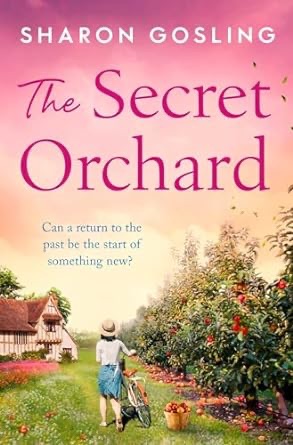
I’ve really enjoyed Sharon’s last couple of novels, because I love their mix of strong female protagonists who are facing challenges and growing into themselves. This novel focuses on sisters Nina and Bette, set on their family’s farm in Scotland. When their father dies they have no choice but to be under the same roof for the funeral. The sisters are very different, Bette is ten years older than Nina so the age gap meant they weren’t very close anyway, but when Bette left for university she never came back to the farm. Living in London, Bette is a sought after divorce lawyer and her work is her life. She flies back to Scotland the day before the funeral and aims to leave the next day. Nina is hostile towards her sister, she has the opinion that Bette left the farm and never looked back. As their mother tries to smooth things over, Nina is shocked to discover that Bette and her father kept in regular contact by email and that Bette paid for the new roof on the barn. Both sisters are shocked at the will reading when they find out that their father left them both the farm in two equal shares. However, there are massive debts to manage and Nina has always left the finances to their father, preferring to do the farm work than sit in the office. This is the only safe place Nina and her son Barnaby have ever lived. Could they be about to lose it? When getting the farm valued, Bette and the agent walk the perimeter on the land and stumble across a secret orchard, tucked away with it’s entrance concealed off the coastal path. Could this hidden fruit be the answer to their money woes and possibly a mystery to bring both of them together?
We’re drawn in by an intriguing prologue that suggests an historic love story between two local but rival families. I was dying for Bette and Nina to do some digging on this story and unravel their orchard’s complex back story. The author leaves the crumbs of this story to tantalise us while we move through the present day and the emotional aftermath of Nina and Bette’s father’s death. It’s clear from the outset that these two sisters could be an incredible team. Nina is good at the day to day farming work, rushing between baling and milking while also being there for her son Barnaby. I was on board with Barnaby straight away because he wears his Spider-Man costume everywhere, possibly even to his grandfather’s funeral. This titbit of character and humour reminded me of a little boy who always attended our church for Saturday evening mass and would go up the aisle during communion dressed in costume. Watching his long tail wend it’s way up the aisle so the priest could give a blessing to a mini dragon absolutely made my week. His mum made him take the head off for the blessing, but it was straight back on as he skipped back to his seat. Barnaby is a delight and I enjoyed watching him build a relationship with his Aunt Bette. Bette is brilliant with the financial and legal details, something nether Nina or their father has been able to do. She sets herself the task of working methodically through their chaotic office and showing the bigger picture; they might have been working themselves to the bone, but was all this work actually generating profit?
Bette understands legal procedures and processes too. When she explains they’ll have to get the farm valued Nina immediately flares up, she doesn’t want to sell the farm. She assumes Bette is looking to cash in, but when Bette explains it’s just the first stage in any plan they make whether that’s to sell or to finance the farm better for the future. She’s calmer and more patient with the process and because Bette’s less attached to the land she can make sensible, dispassionate choices which is just as vital for the farm’s survival. Added to the main plot of saving the farm there are a couple of sub-plots. Nina is often helped out around the farm by neighbouring farmer Cam, who is very capable and good with Barney, not to mention easy on the eye. What would I take for friendship to turn into love. There’s also the mystery of why Bette left the farm so definitively all those years ago and when Ryan enters the picture her reaction left me wondering if he was involved. Cam suggests a visit from an expert he knows, to see if the orchard is viable and what would be the best way to bring some income from it. Nina has never known why her sister left, so her reaction to Ryan is puzzling for her. He has great ideas for the apple trees, some of which appear to be very old species that are rarely grown. He sets them on a programme of managing the trees, pruning and grafting them to enhance their health and yield. There isn’t an off putting amount of detail on how to turn the orchard into a cider business, but there’s enough to pique the reader’s interest and I was rooting for the sister’s success.
The sisters have such depth to their characters and their lack of communication with each other has led to so much misunderstanding between them. Nina comes across as quite bitter towards Bette and to some extent she sees her sister as someone who has everything: the job, the money and the fancy London lifestyle. Actually it’s Nina whose had everything – a wonderful relationship with her father and precious time working together. She has Barnaby and although her relationship with his father broke down, she loves her son more than anything. With her mother living abroad with her new husband, Nina has taken on the lion’s share of the work around the farm and keeping an eye of their father but Bette has never expected any financial gain from the business, assuming that it belongs to Nina. I could see how the new plans might bring about a better personal relationship between them and I was kept reading by the promise of a warmer relationship between them, the makings of a new generation of the family. There’s a lot of forgiving to do here, but once they’d discussed why Bette left in the first place I could see another life opening up, one in which she might stay. As always with this author, this was such an uplifting and heartwarming story. The potential for both sisters to have their own love stories was also joyous to read, especially if you’re a sucker for an ‘enemies to lovers’ scenario. There are setbacks of course, some of them natural disasters and others caused by deep-seated rivalry. Sharon Gosling writes this type of story beautifully, as she weaves the threads of the sister’s story and the mystery surrounding the orchard’s origin, not to mention why it had been hidden all these years. The setting is wonderful, particularly the orchard with the salt air and the sounds of waves crashing against the cliffs. It’s so romantic and I loved the detail of how the salt permeates and changes the taste of the fruit making it so unique. This was a wonderfully escapist novel, driven by the character’s of Bette, Nina and of course, Barnaby. I thoroughly enjoyed being in their world for a while and I’m sure you will too.
Out 12th September from Simon and Schuster
Meet the Author
I’ve been writing since I was a teenager, which is now a distressingly long time ago! I started out as an entertainment journalist – actually, my earliest published work was as a reviewer of science fiction and fantasy books. I went on to become a staff writer and then an editor for print magazines, before beginning to write non-fiction making-of books tied in to film and television, such as The Art and Making of Penny Dreadful and Wonder Woman: The Art and Making of the Film.
I now write both children’s and adult fiction – my first novel was called The Diamond Thief, a Victorian-set steampunk adventure book for the middle grade age group. That won the Redbridge Children’s prize in 2014, and I went on to write two more books in the series before moving on to other adventure books including The Golden Butterfly, which was nominated for the Carnegie Award in 2017, The House of Hidden Wonders, and a YA horror called FIR, which was shortlisted for the Lancashire Book of the Year Award in 2018. My last children’s book (to date) is called The Extraordinary Voyage of Katy Willacott, and was published by Little Tiger in 2023.
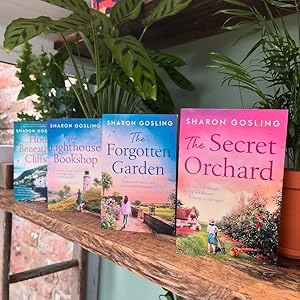
My debut adult novel, The House Beneath the Cliffs, was published by Simon & Schuster in August 2021. Since then I’ve written three more: The Lighthouse Bookshop, The Forgotten Garden, and The Secret Orchard, which is out in September 2024. My adult fiction tends to centre on small communities – feel-good tales about how we find where we belong in life and what it means when we do. Although I have also published full-on adult horror stories, which are less about community and more about terror and mayhem…
I was born in Kent but now live in a very small house in an equally small village in northern Cumbria with my husband, who owns a bookshop in the nearby market town of Penrith.
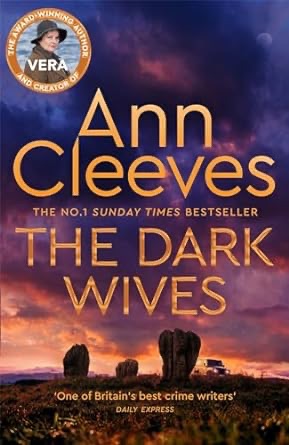
Vera is another of my favourite female detectives. She’s like a little, inquisitive bird. She’s generally a bit grumpy and sharp when the occasion demands it. She’s stubborn and lives for her job, knowing instinctively which of her team is best for which task and often expecting long days and nights. That’s definitely the case when a missing person report comes in for a young girl called Chloe living in care. Even more disturbing is the discovery of a body in the nearby park. This young man with a head injury turns out to be a new recruit to the children’s home called Josh Woodburn. Josh was a student but had recently taken a part-time post as a support worker and had worked closely with Chloe. She had come to the home after her mother was hospitalised with mental health problems. Despite the offer to stay with her paternal grandparents Chloe chose the home. She was learning to express herself, trying things on and seeing what fitted. Josh had encouraged her to write about her feelings, so she was journaling daily and dabbling with poetry. The social workers at the home had noticed she maybe had a slight crush on the new worker, so they can’t imagine her harming Josh. On the night Chloe disappeared Josh had come into work and then popped out again, everyone else was enjoying film night and pizza. Their only clue is that a dark, high end Volvo had been seen parked outside the home a few times recently. At the moment, Vera and the team don’t know if they’re looking for a vulnerable witness who is missing or the fleeing perpetrator. Either way they need to find her as soon as possible, before anyone else is harmed.
The team are getting used to new girl Rosie, as they lost one of their own on the last case. Rosie is what Vera considers a proper Geordie with the obligatory fake eyelashes, fake tan and never going out with a coat. Vera is determined she will have to get used to the breadth of their patch which takes in both cities and vast countryside. Joe is suspicious and is watching her closely, but actually she has good instincts and her empathic manner with the victim’s families yields results and they seem to trust her. Chloe’s grandparents live in Whitley Bay, after selling up their farmhouse in the country. Her granddad tells them how sorry he is that they haven’t made more effort with her. Sadly her parent’s difficult split lead to bitterness and Chloe’s father felt she blamed him for her mother’s mental health. Her grandad would message her and take her out to the hills where they used to live and an old bothy that he still owned with an incredible view. They would take a picnic and simply enjoy being in the open air together. He admits that her relationship with her grandma was more difficult. His wife owns a boutique and was always trying to get Chloe to make more of herself, disliking the Goth look that Chloe had adopted. Vera can see that Chloe doesn’t fit the stereotype of a child in care; she still has connections with family and hasn’t been drawn into drink, drugs or violence. Vera keeps asking herself – what is Chloe running away from?
Josh’s parents are obviously shocked and grief stricken, but also confused. They had no idea he’d taken a job and financially he didn’t need to work. He could have lived at home and gone into university, but he wanted the full student experience and they could afford it so why not? Josh’s big love was film so the work isn’t even linked to his course at all. His father wonders if he was still trying to impress a girl he’d been involved with called Stella. Stella’s family ran an organic farm where people with mental health issues or who were homeless could help out and gain work experience. Stella seemed almost embarrassed by Josh’s comfortable, middle-class background and put him on the spot. What was he doing to make a difference in the world? Maybe taking this job was a way of showing her he did have a social conscience. Coincidentally the farm is near the village of Gilstead, where Chloe’s granddad’s bothy is. Could Chloe be hiding out there until she can get away. When they arrived at the bothy the next day, Vera is horrified by what they find. There’s another body and the suggestion that someone has been living here. This body must have something that links it to Josh and Chloe, not just that they’re from the same care home but something they seem to be missing at the moment. Gilstead is a pretty village that tourists like to take a look at and this week is no exception. This week sees the annual witch hunt in the village, where children search for the ‘witch’ on the hills and in the dark. Outside the village are three monolithic stones, the so-called ‘Dark Wives’ of the title. Eerie posters of an all seeing eye appear in cottage windows to repel witches and let them know the villagers have their eye on them. It seems a little odd and creepy but essentially harmless.
The relationships in the team are interesting and Joe’s relationship with Vera is problematic, not least because he feels stuck between his boss and his wife. Sometimes he feels like he’s always trying to please women, whether he’s at work or home. Vera lives alone and doesn’t always understand that responsibility to another person. She seems to assume everyone is as free as she is when she suggests a pie and ping after work. Other times she’s almost motherly and affectionate towards him. It was really interesting how this case seemed to get under Vera’s skin and bring back memories of her father. She still lives in his old cottage with all his things surrounding her and never seems to make it her own. Is she just camping there? Or setting down roots? She thinks about her relationship with her father and how difficult he could be when drunk. Maybe she understands Chloe’s need for a stable and loving parent who’s there for her, instead of the other way round. Sometimes police work is a thrilling chase and other times it’s doing the boring background checks and looking at the detail. This case is a bit of both, but the finale of the Gilstead Witch Hunt is genuinely spooky. With the monolithic Dark Wives in the background and the sun setting, the village comes alive with people taking to the hills to look for the witch. It’s dark and menacing, so as Vera, Joe and Rosie set out with them there’s real tension in the air. Chloe could be out here in the dark, but so could a killer. As they stumble around in the cold, with Rosie finally wearing a coat, it was hard to know whether screams were just excited kids or something more sinister. I love Anne Cleeves’s plots because they’re like a labyrinth, looping round and back on themselves. There are always secrets to unravel within families and these ones are no exception, they’re also emotional because these families are struggling or have broken apart. Most of all I love Vera. She’s like a little terrier and leaves no stone unturned in her determination to find a killer.
Out now from Pan McMillan
Meet the Author
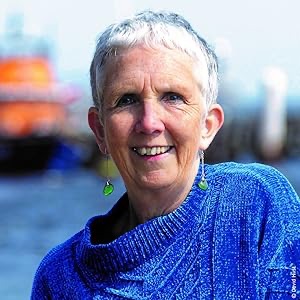
Ann is the author of the books behind ITV’s VERA, now in it’s third series, and the BBC’s SHETLAND, which will be aired in December 2012. Ann’s DI Vera Stanhope series of books is set in Northumberland and features the well loved detective along with her partner Joe Ashworth. Ann’s Shetland series bring us DI Jimmy Perez, investigating in the mysterious, dark, and beautiful Shetland Islands…
Ann grew up in the country, first in Herefordshire, then in North Devon. Her father was a village school teacher. After dropping out of university she took a number of temporary jobs – child care officer, women’s refuge leader, bird observatory cook, auxiliary coastguard – before going back to college and training to be a probation officer. In 1987 Ann moved to Northumberland and the north east provides the inspiration for many of her subsequent titles.
For the National Year of Reading, Ann was made reader-in-residence for three library authorities. It came as a revelation that it was possible to get paid for talking to readers about books! She went on to set up reading groups in prisons as part of the Inside Books project, became Cheltenham Literature Festival’s first reader-in-residence and still enjoys working with libraries.
In 2006 Ann Cleeves was the first winner of the prestigious Duncan Lawrie Dagger Award of the Crime Writers’ Association for Raven Black, the first volume of her Shetland Quartet. The Duncan Lawrie Dagger replaces the CWA’s Gold Dagger award, and the winner receives £20,000, making it the world’s largest award for crime fiction.
Ann’s books have been translated into sixteen languages. She’s a bestseller in Scandinavia and Germany. Her novels sell widely and to critical acclaim in the United States. Raven Black was shortlisted for the Martin Beck award for best translated crime novel in Sweden in 200.
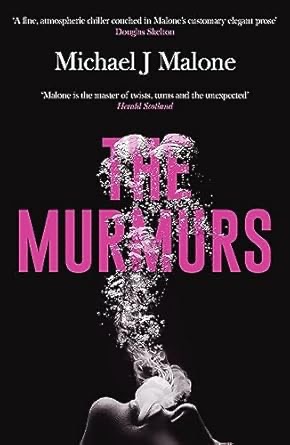
I quickly became fascinated with this mix of historical fiction, psychological suspense and the paranormal. We meet Annie Jackson as she tentatively starts her new job in a nursing home in the West End of Glasgow, hoping to get her life back on track. Annie suffers with terrible nightmares where she’s stuck in a car underwater. She also has the sensation that someone is holding her head under water until her lungs feel ready to burst. She also has debilitating headaches and she can feel one threatening as her new manager introduces her to resident Steve. Then something very odd happens, as a blinding pain in Annie’s head is followed by Steve’s face starting to shake, then reform. A whispering sound begins in her head and she sees Steve as a skull, followed by a vision of him falling in his room and suffering a debilitating stroke. She desperately wants to tell him but how can she without seeming like a lunatic? He becomes agitated and upset, as Annie starts to describe the layout of Steve’s bathroom and he asks her to stop. As she’s sent home from another job she starts to think back to her childhood and the first manifestations of her debilitating problem. Annie survived the terrible car accident that wiped her childhood memories and killed her mother. This strange supernatural phenomenon is why Annie is alone and struggles to make friends. These are ‘the murmurs’.
I felt so much compassion for Annie, as the story splits into two different timelines: we are part of Annie’s inner world as a child, but also in the present as fragments of memory slowly start to emerge. We also go back even further to the childhood of Annie’s mother Eleanor and her two sisters Bridget and Sheila. We experience their lives through other people’s stories and written correspondence, especially that of a nun who also works in a residential home. I enjoyed how this gave me lots of different perspectives and how the drip feed of information slowly made sense of what was happening in the present day. Different revelations have a huge effect on the adult Annie and because her memories have been buried for so long she experiences the shock and surprise at exactly the same time as we do. This brings an immediacy to the narrative and I felt like I was really there alongside her, in the moment. With my counselling brain I could see a psyche shattered by trauma, desperately looking for answers, she is piecing herself back together as she goes.
Teenage Annie had a similar vision about a girl called Jenny Burn, who went missing never to return. The murmurs awakened when her mum’s sister Aunt Sheila came to visit them. She tried to openly discuss an Aunt Bridget who also had a ‘gift’ but has ended up in a home. Eleanor, Annie’s mother, asks Sheila to leave, but it’s too late because Annie has already seen that her aunt is dying of cancer. Annie evades her mum and makes her way to the hotel, the only place Sheila can be staying. Unfortunately, Jenny is working on reception. Annie can see her climbing into a red car and she desperately wants to warn her, but she knows she’ll come across as a crazy person. Eleanor is desperately looking for a way to deal with her daughter, she’s a person of importance in the church and she can’t be seen to have a daughter who has visions. Pastor Mosley has Eleanor exactly where he wants her. There’s a control and fanaticism in him that scared me much more than Annie’s murmurs. When Eleanor takes Annie to the pastor, he demonstrates his control by holding her head firmly under his head as he prays for her. When she almost faints, he’s convinced there’s a demon in her. Annie is scared of him, she gets a terrible feeling about him but doesn’t know why. Religion is portrayed as sinister and controlling, with fervent followers who never question, but live in the way they’ve been instructed is Christian? story takes an interesting turn when Annie’s brother Lewis, a financial advisor, becomes involved with the church once more and it’s new pastor Christopher Jenkins, the son of their childhood neighbour. He’s revolutionised the church and through the internet he’s turning it into a global concern. He’s not just interested in saving souls though, he’s also amassing money from his internet appeals. He also seems very interested in meeting Annie.
As the book draws to a close the revelations come thick and fast as both past and future collide. The search for Aunts Bridget and Sheila seems to unearth more questions than answers. Annie finds out that Jenny wasn’t the only woman who went missing in Mossgaw all those years ago. As she starts to have suspicions about her childhood home, Chris seems very keen to draw her back there. Might he be planning a huge surprise? I was a bit confused at first with all these disparate elements, but as all the pieces started to slot together I was stunned by the truths that are unearthed. Then as Annie’s childhood memories were finally triggered I felt strangely terrified but also relieved for her all at once. I hoped that once she’d regained that past part of herself she would feel more confident and free, despite the strange gift she seemed to have inherited. Maybe by facing the past and leaning in to her relationship with her brother, she might feel more grounded and strong enough to cope with her ‘gift’. I thought the author brought that compassion he’s shown in previous novels but combined it with a spooky edge and some intriguing secrets. I really loved the way he showed mistakes of the past still bleeding into the present, as well as the elements of spiritual abuse that were most disturbing. This book lures you in and never lets go, so be prepared to be hooked.
Meet the Author
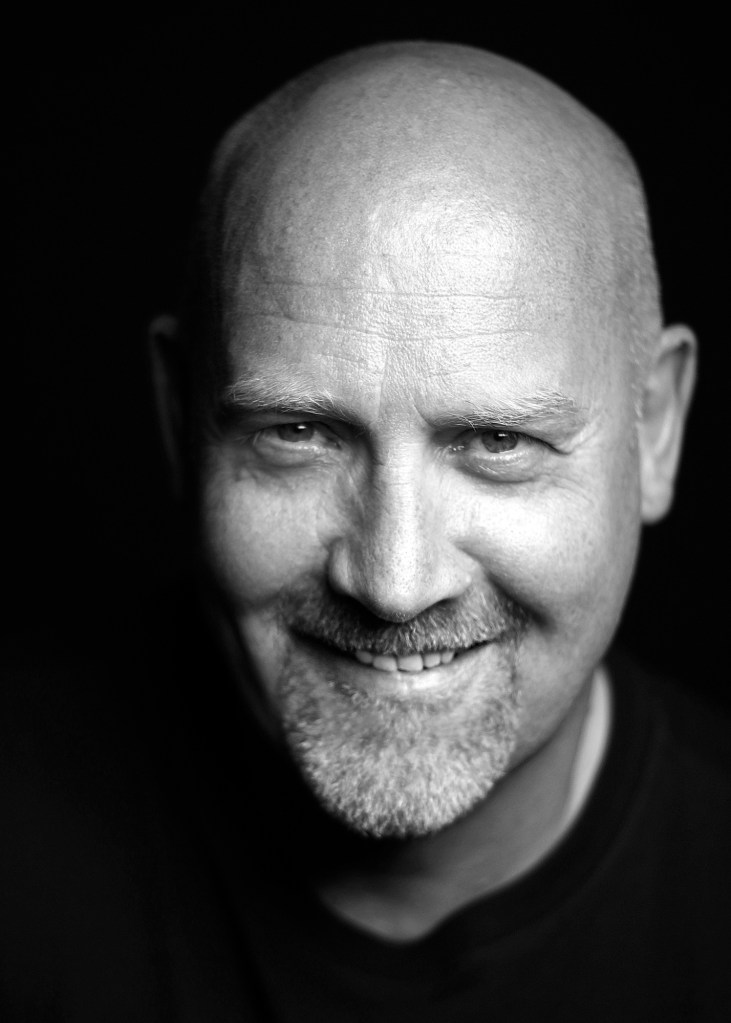
Michael J. Malone was born and brought up in the heart of Burns’ country, just a stone’s throw from the great man’s cottage in Ayr. Well, a stone thrown by a catapult, maybe.
He has published over 200 poems in literary magazines throughout the UK, including New Writing Scotland, Poetry Scotland and Markings.
BLOOD TEARS, his debut novel won the Pitlochry Prize (judge:Alex Gray) from the Scottish Association of Writers and when it was published he added a “J” to his name to differentiate it from the work of his talented U.S. namesake.
Living is a problem, because everything dies. Biffy Clyro
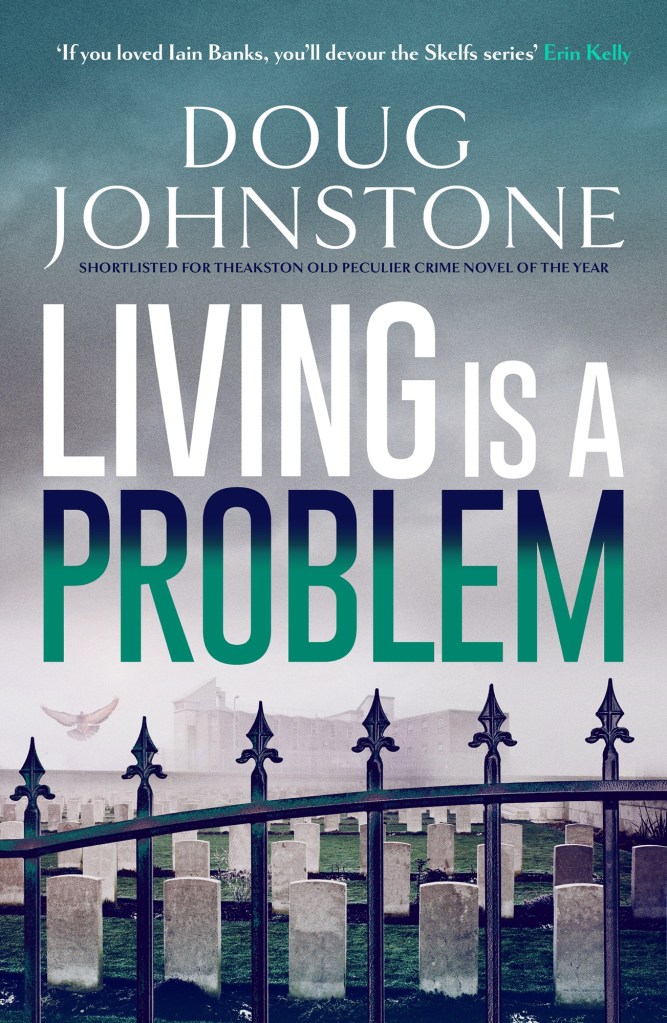
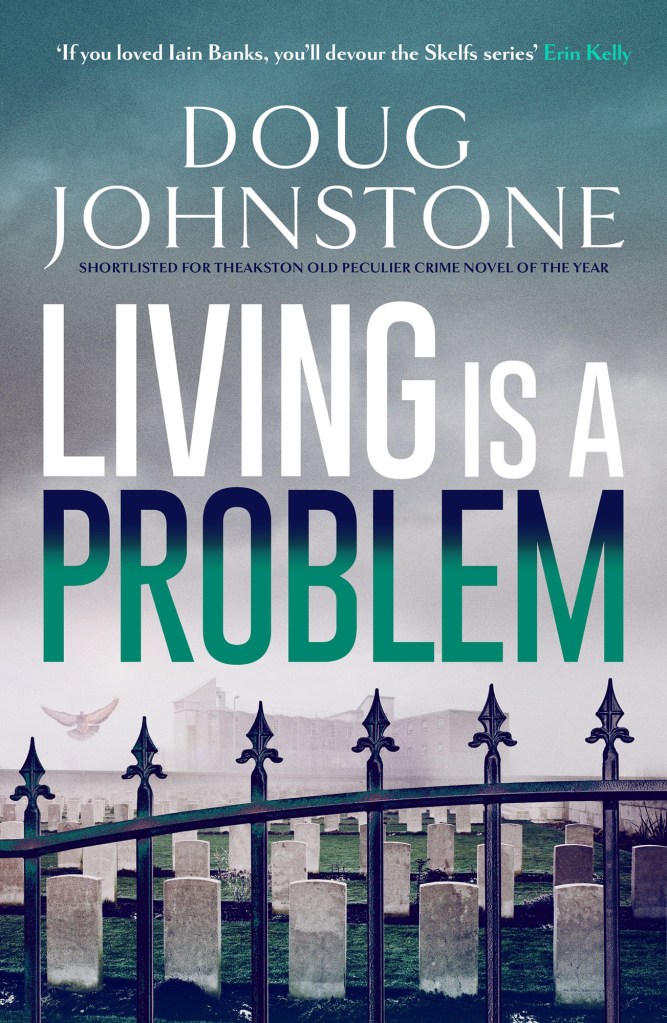
Every Skelf novel begins with a funeral, but they rarely go off without a hitch. This one is no exception, with a drone buzzing the ceremony. Could it be to do with the deceased or has someone got it in for the Skelfs? Jenny’s following the case from the last book, keeping an eye on the cops they investigating for sexually abusing young girls in the travelling community. Both are inexplicably out on bail and Jenny likes to know where they are, talking to Webster’s wife and setting up surveillance cameras. Hannah’s case also links back to the last book, concerning Brodie the new recruit to the undertaking business. Brodie had been living on the streets since the loss of his baby son broke his world apart. He has found strange scrabbled marks around his son’s grave that don’t look like they’ve been done by an animal. Hannah agrees to set up a camera, but being told that Brodie hears voices she wonders if he might have gone to the grave and acted subconsciously. Dorothy’s case comes from her involvement with a community choir that includes some Ukrainian war widows. One of the women, Yanna, has gone missing. Her husband Fedir was killed over a year ago and now she’s left her two small children with her mother-in-law. Could she have returned to Ukraine to fight, or has something happened to her? Each of the Skelf women feel vulnerable this time and I felt like the author was playing on my emotions a little. I could sense we were on the verge of a huge change and it left me on tenterhooks throughout.
Hannah’s vulnerability comes from finishing her PhD and feeling a bit lost. While there’s always work in the family businesses she doesn’t know if it’s what she wants to do forever. She’s happily married to Indy but worries about her fascination with powerful older women, such as the astronaut Helen in the last novel and now a professor, Rachel Tanaka who researches into people who hear voices. Is it simply that she’s attracted to their power and position in academia or is it a sexual attraction? I wondered whether it was their competence and their certainty in their career and outlook that she craved. Having Jenny for a mum can’t always have been easy, especially when she was drinking. Then there was her relationship with Hannah’s dad Craig, which was full of fighting and volatility. It could have been scary for her. Maybe these older women feel more stable and dependable and she’s craving what she missed as a child? Jenny felt vulnerable throughout the novel. Part of this was entering into a new relationship, a time when your feelings are on the line and you’re not sure whether it will work out or not. This relationship comes with the extra pressure of knowing him for a long time. She is aware that if it does go wrong, more than her own feelings are at stake. Also Webster and Low, the police officers Jenny is a witness against, are piling on the pressure. They’re facing accusations of sexual assault and the beating of Dorothy and Thomas, but are on bail. Jenny feels unsafe, especially when Webster pulls a knife on her in the street. She petitions the officer in charge to have them dealt with for intimidating a witness. Until they’re remanded everyone is vulnerable. Thomas is not coping and Jenny has started having the odd drink or two. Where will it end?
Dorothy feels the most vulnerable to me. She’s still working on funerals and investigating, and it’s clear how much her drumming and being part of a band is a solace for her. Usually, Dorothy and Thomas have been a united front. It’s always been a strong relationship, based on friendship, but now she can feel a shift in him. The beating they took from Webster has left them both at a low ebb, but instead of coming together to recover, she feels that their experience has separated them. Thomas seems distant and inward looking, he’s also started the process of Swedish Death Cleaning – sorting through his belongings and giving away what he no longer needs. Even though he explains that it is not just for those who are dying, Dorothy is uneasy that he appears to be putting his affairs in order. She has suggested PTSD and counselling, but he wants to deal with things in his own way. His way started to scare me. What happens when an experience changes your partner beyond recognition? I sensed impending doom and I was on high alert as Dorothy tried to find out what his plans were. I was genuinely scared for her and every time she seemed close to danger my heart skipped a beat. I realised just how fond I was of this badass grandmother. As we moved towards a potentially terrible conclusion I could barely breathe. Could I cope with losing the amazing matriarch of this family? Within her thoughts was a counsellor’s lament:
‘Sometimes she got it wrong, but she always attempted to have empathy. She tried to see things from the point of view of Yana, Oliver, Veronika and Camilla. She tried to understand Thomas, as well as Griffiths and Webster and Low, their victims Billie and Ruby’.
Sometimes we have so much empathy for others that we forget about ourselves. Our own anger and sadness gets pushed to the bottom of the pile as we try and try to understand why people do what they do. Each of the Skelf’s cases has a surprising ending and a particularly devastating one for all the women.
As usual the author included his mix of science, philosophy and spirituality. The phone box in the garden is still doing it’s bit, helping the bereaved speak to their loved ones. The funeral business is changing towards being even more sustainable, signified by the new wording on their business information. The Skelfs are now ‘natural undertakers’ rather than funeral directors. It changes the focus and places the dead person and their family at the centre of planning the funeral they want, rather than a stranger dictating what happens. Their resomation rather than cremation system is going well, they’ve stopped embalming altogether and they have mushroom suits that speed up the process of decomposition and improve the soil. They also have their own funeral site for burials and the move towards wicker and cardboard coffins is becoming accepted practice. They are still working with the council on the Communal Funeral Project, providing funerals for people who are homeless or destitute. Hannah is interested in the concept of panpsychism, the idea that everything in the universe has consciousness. Therefore every element is conscious, earth, air, water and fire. Even a rock has an essential spirit. I was also fascinated with the Hearing Voices movement, something I’ve been aware of from working in mental health, but the statistic that one in ten people hear voices or have auditory hallucinations was surprising. I have a medication that causes auditory hallucinations and I only take it at night, so as I’m going to sleep I can hear a constant murmur as if someone is having a conversation downstairs or the radio has been left on. Luckily I know what it is, but for people with direct and often damaging voices it must be so hard to ignore. I loved that there are other cultures where hearing voices is more accepted, normal even. Maybe people who hear voices are simply more in tune with the essential spirit in all things?
Sometimes, the only thing that keeps the Skelfs (and us) going is hope. There’s usually a wellspring of hope in these novels. A hope for recovery from addiction. Interesting and unusual ways of coping with grief, such as the wind phone. The people these women lift up, like Archie and now Brodie, leaves the reader with a sense that they are on the right side, a glimpse of a more compassionate and inclusive future – something that feels all too distant these days. No other workplace would have employed Archie who has Cotard’s Syndrome, the delusion that he’s dead. Brodie is a risk, he’s been homeless and is in deep grief for his little boy Jack. When his ex, Phoebe, tells Hannah that he hears voices she has to think about this carefully. Could Brodie be mentally unwell? Is this that one time when their trust and nurturing instinct is wrong? I felt there was a little less hope here. Along with the vulnerability comes doubt and there seemed to be a lot of it. Although that’s no surprise when the very people we expect to serve and protect, like Webster and Low, are capable of using that trust and abusing it. Or when the person we share our most intimate moments with can change beyond recognition. Sometimes we have to grieve for those still living. One of the most hopeful things mentioned in the novel was The Future Library Project, which is commissioning new books by writers every year for the next one hundred years. They won’t be read until 2114. This seemed like such an act of hope. The assumption that in a hundred years people will still be hungry for stories, for novels that help them make sense of the world and the people in it. Yet, I kept thinking back to the title of the novel, a quote taken from a Biffy Clyro song that is tattooed on a homeless man whose funeral they’re planning. The full quote is ‘living is a problem, because everything dies’. It felt like an acceptance that life is a series of seasons, or chapters in a book and the story must have ups and downs in order to feel complete. There are beginnings and endings, but some ending arrive before we’re ready. I’m always hoping for one more book in this incredible series and I know whenever the end comes it will be too soon and I’ll miss these incredible women so much.
Published by Orenda Books on 12th September 2024
Meet the Author
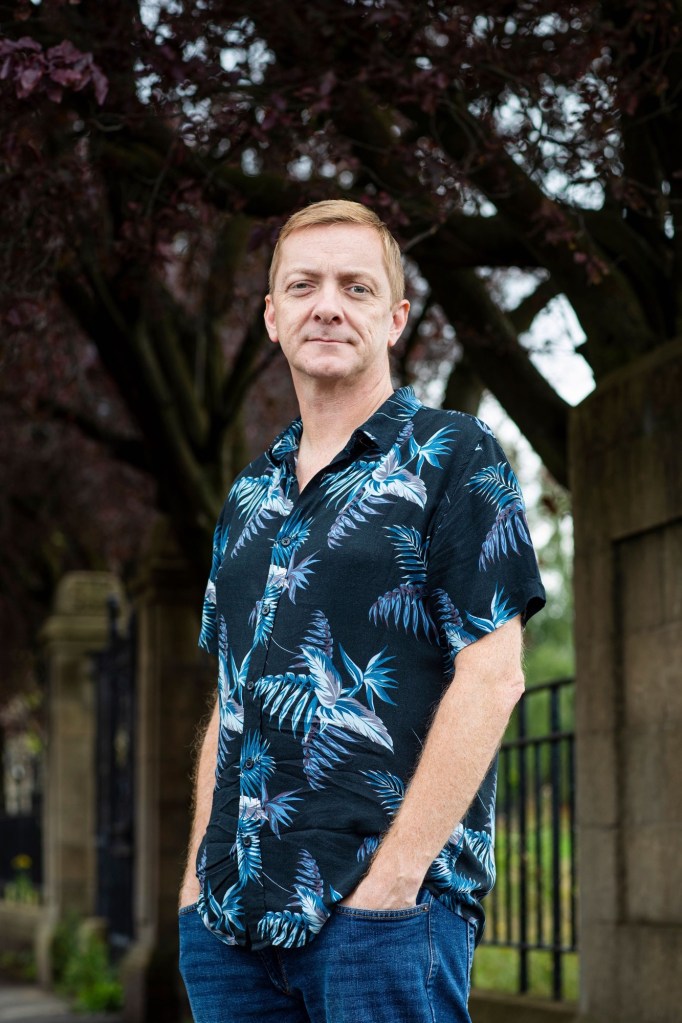
Doug Johnstone is the author of seventeen novels, many of which have been bestsellers. The Space Between Us was chosen for BBC Two’s Between the Covers, while Black Hearts was shortlisted for and The Big Chill was longlisted for Theakston Crime Novel of the Year. Three of his books – A Dark Matter, Breakers and The Jump – have been shortlisted for the McIlvanney Prize. Doug has taught creative writing or been writer in residence at universities, schools, writing retreats, festivals, prisons and a funeral home. He’s also been an arts journalist for 25 years. He is a songwriter and musician with six albums and three EPs released, and he plays drums for the Fun Lovin’ Crime Writers, a band of crime writers. He’s also co-founder of the Scotland Writers Football Club and lives in Edinburgh with his family.
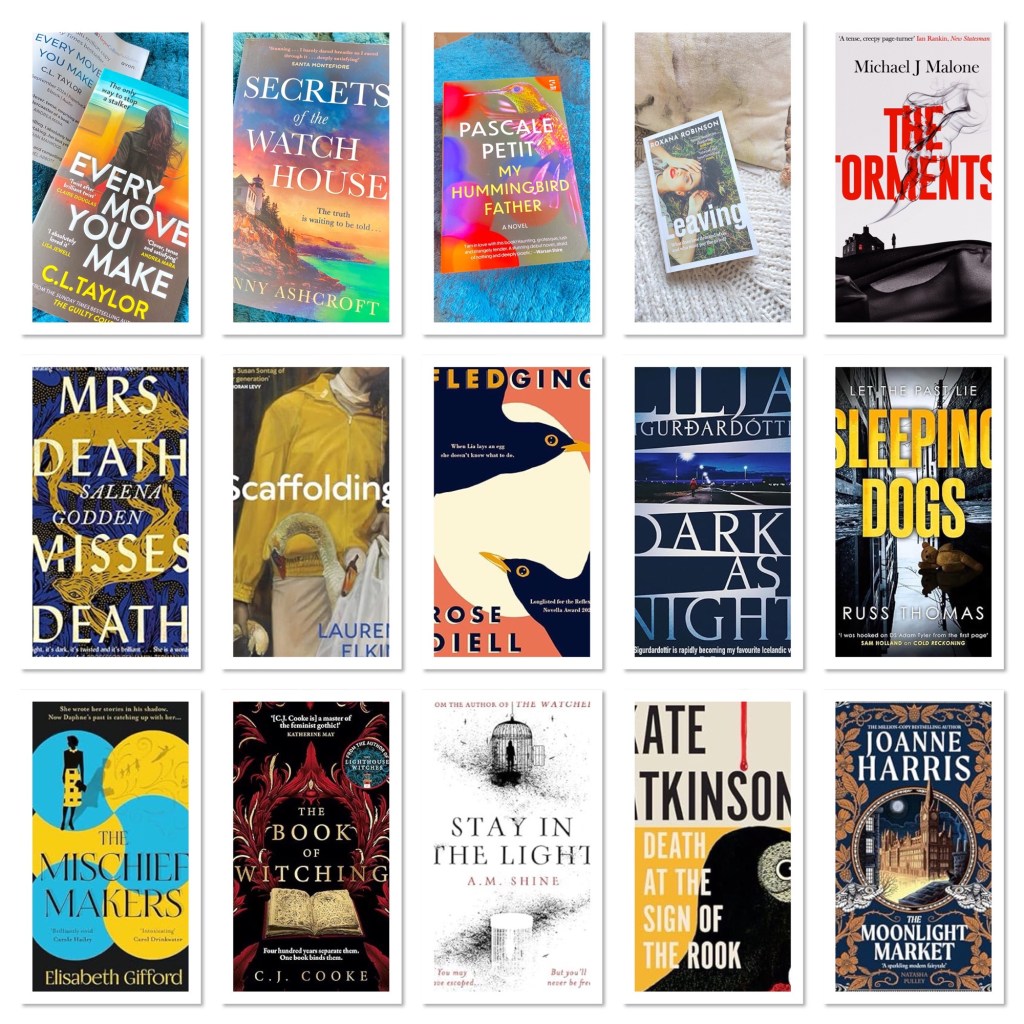
I’ve had a lovely reading month and I might finally be finding my equilibrium, rather than the frantic scramble of blog tours, blitzes, proofs and NetGalley reads I’m usually in. I’ve tried to say no a lot more and that’s given me some space to read what I want and that NetGalley pile is a little bit lower. I’ve also edged towards crime a bit, with four crime series on the list this month and some of my favourite characters: the Skelf family; Vera Stanhope; Sam Shephard; Tuva Moodysson. There are also four novels at least partially set in Scotland. I don’t think about these links when I’m choosing, it just occurs to me after the fact, but it shows me what I gravitate towards. We’re moving into the Autumn, so less holiday reads and more ‘cosy, curl up by a real fire’ reads to come, I’m enjoying the spooky ones already..
Oh how I love the Skelfs!! I want to be one of their waifs and strays so I can live in their big Edinburgh house, help Indy with the funerals and considering the people they encounter I think they probably need an on-site counsellor. This time round there are a couple of cases but also some serious repercussions from the last case where Jenny managed to discover two police officers involved in sexual exploitation. The attack that Dorothy and her partner Thomas were subjected too has left both of them traumatised, but is still eating away at Thomas who is now retired from the police. She is struggling to find a way to help him and is concerned at his preoccupation with letting go of things – after all he is from Sweden and Dorothy is aware of Swedish Death Cleaning. Jenny is monitoring the men involved. New recruit Brodie is grieving too, but has noticed something odd about his baby son’s grave. It looks like someone has been digging at the earth and he asks Jenny to help. She sets up some cameras, but having spoken to his ex-girlfriend she’s worried. She’s told that Brodie hears voices. Should she be worried and could he be unwittingly causing this himself? Finally, Dorothy is approached at the choir she plays for because one of the Ukrainian ladies has disappeared. Everyone’s busy, but they also feel vulnerable, even Hannah who feels a bit lost now that she’s completed her PhD. This is Doug’s usual mix of crime fiction, philosophy and family. I had a sense of foreboding throughout and I did shed a tear before the end of the story.
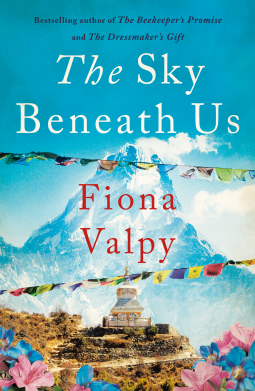
I really enjoy Fiona Valpy because her books are always a great mix of historical fiction, female characters and uplifting story. This one travels a bit further than most because it’s set in Scotland and Nepal. In the 1920’s Violet Mackenzie-Grant has grown up on the family estate in Scotland but doesn’t want the usual marriage and kids fate of most girls she knows. She joins the Edinburgh College of Gardening for Women and starts to do botanical drawings of the specimens coming in from all over the world to the botanic gardens. There she meets Callum Gillespie who shares her passion for plants and is her solid mate in every way. However, neither set of parents thinks it’s a good idea; Violet’s parents object that he’s not from 50th social circle or class, whereas Callum’s parents think Violet will be expecting more than Callum can give her. As Callum sets off an expedition to Nepal, Violet receives some surprising news and makes the decision, she wants to be with Callum, so sets off after him to Nepal. Nearly 100 years later Violet’s great-great niece Daisy wants to follow in her doorsteps. She’s dealing with a divorce and an empty nest and is looking for the next direction in her life, She arrives as the pandemic hits and as she’s trekking into the foothills of the Himalaya the country becomes locked down. Will the people of these remote villages look after her in the same way they did Violet? This is a beautifully uplifting tale about finding the place you belong.
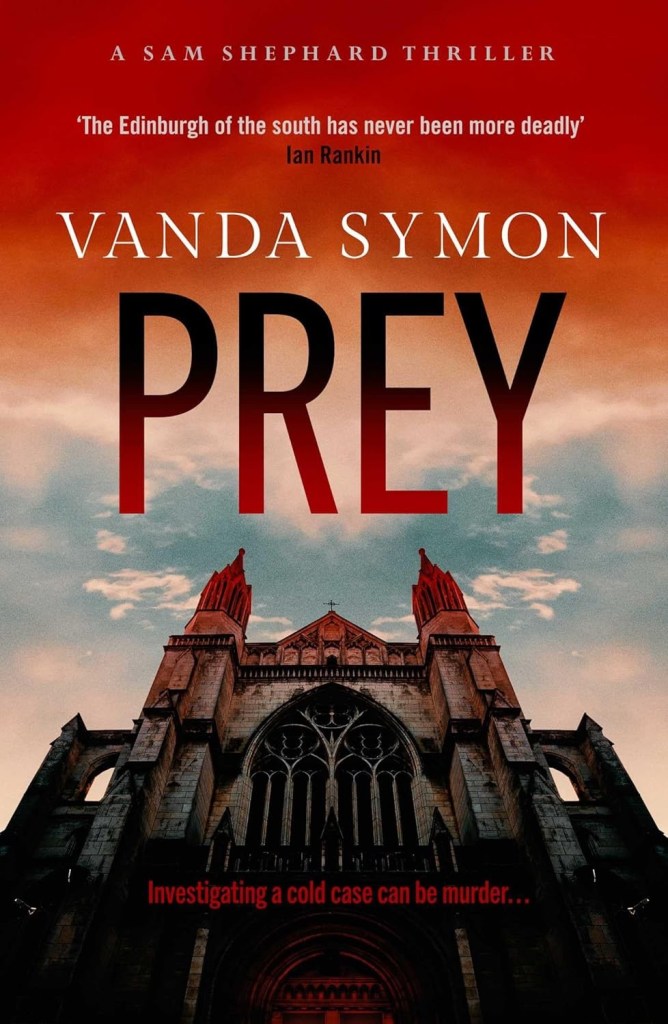
I absolutely loved the last novel in this Sam Shephard series and here she is on the verge of returning to work after maternity leave and the traumatic circumstances around Amelia’s birth. As is predictable, her boss DI Johns isn’t the most welcoming and gives her a cold case – the murder of Rev. Mark Freeman outside his own church. There’s one potential issue, Mark Freeman was the father of DI Johns wife Felicity. Felicity’s mother has been diagnosed with cancer and the boss would like her to go to her grave knowing who killed her husband. My first thought was that this had the potential to blow up in his face: he’d be all over her progress, creating a conflict of interest for Sam that would be exploited if a case ever went to court. He was also being his typical sensitive self by ensuring that his mother-in-law would spend her final months reliving the most terrible experience of her life. Rev. Freeman was found at the bottom of the stone stairs leading up to the church entrance. He had been stabbed in the stomach by a small knife, but that wasn’t the cause of death. His subsequent fall down the steps broke his neck, immediately cutting off his ability to breathe. He was found by his son Callum, who had ventured out because his father hadn’t returned home after the service. Yet we know at least one other person witnessed the killing, because the book begins with their anonymous account of the murder. The boss has handed Sam a poisoned chalice and she fears both outcomes. Either she won’t be able to solve the case, so will be held responsible for disappointing his wife and her mother or she will solve it, making the previous investigation seem incompetent and potentially tearing his family apart in the process. If we as readers know one thing, it’s that Sam will not rest until the case is solved. This was a belting thriller with Sam’s usual mix of curiosity, instinct and compassion getting people to open up and placing her in danger.
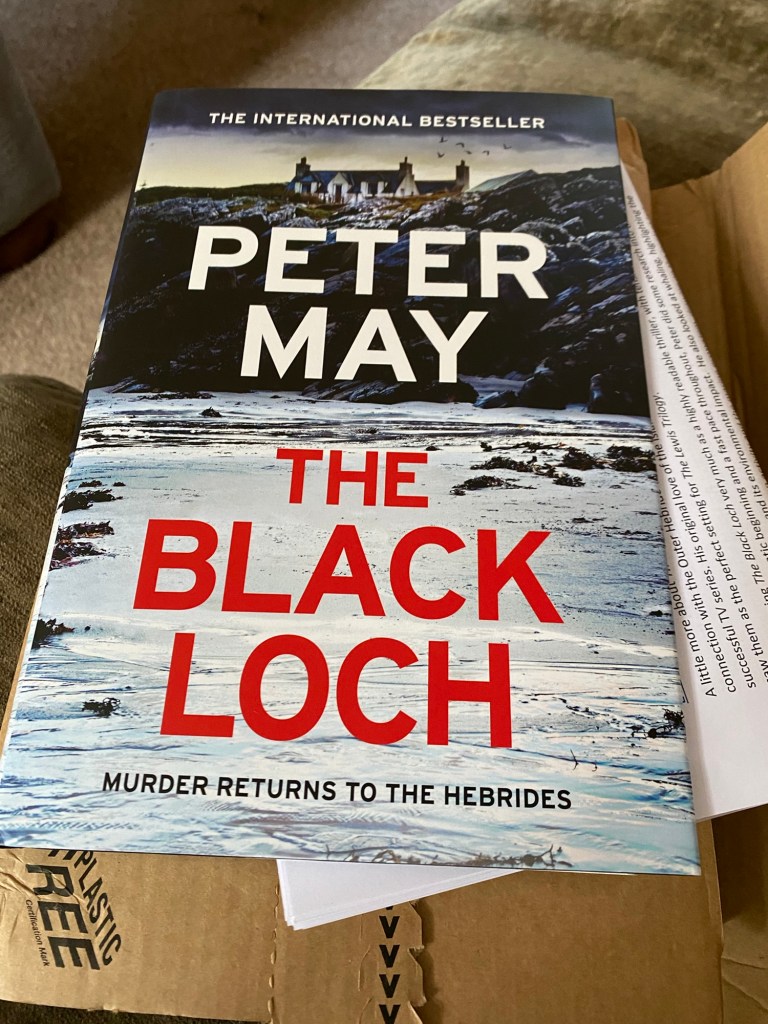
I’m so grateful to have been offered this brilliant crime thriller set on the Isle of Lewis. This is the fourth in a trilogy, so I’ve definitely got some catching up to do where Fin McLeod is concerned. Once a detective and now retired, Fin is drawn back to Lewis when Caitlin Black’s body is discovered on a remote beach. Only eighteen years old, Caitlin was a student at the Nicholson Institute. It emerges that she was having an illicit affair with Fionnlagh McLeod, her teacher and a married man twenty years her senior. Fionnlagh soon becomes the prime suspect and is arrested on suspicion of her rape and murder. He is also Finn’s son. Finn knows he must return to Lewis to support his daughter-in-law and granddaughter. He also knows, despite the evidence against him, that he must try to clear his son’s name. As Fin travels around the island, he is drawn into past memories and soon realises this crime has echoes back into his own teenage past on the island. A terrible accident at a salmon farm caused two deaths, just as the the farm started to expand and become a multi-million pound industry. All of it owned by Caitlin Black’s father Niall. This is such an atmospheric novel where Peter May has woven the history of Lewis, the ecological impact on the island and the damaging changes wrought by the salmon farming industry. This is a journey of family ties, secret relationships and a bleak and unforgiving landscape, where violence, revenge and relegations converge. So brilliant I’ve already bought the first three novels to binge when I take a break at Christmas.
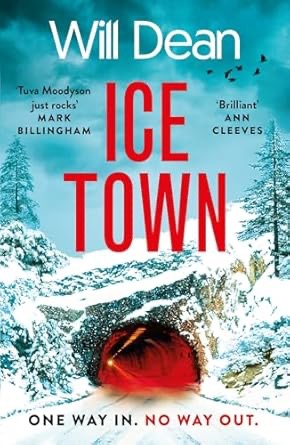
I really enjoyed this trip back into Tuva Moodysson world, even if at times it was tense, threatening and claustrophobic. Will’s intrepid reporter is enticed to a town further north than Gavrik because her famous instinct is telling her there’s a story. Dubbed ‘Ice Town’ it’s a minor ski resort with only one upscale and very empty hotel, stuck in it’s early Twentieth Century heyday. Tuva can only access the town via a tunnel through a mountain. Traffic queues at the tunnel mouth as drivers are alternately let through. It then closes at night leaving residents cut off from the outside world. Tuva has been drawn by a missing person’s report, a teenager called Peter has disappeared. Nothing unusual in that, but Peter is deaf and Tuva is imagining how isolated he must feel. She worries that his hearing aid batteries have run out of battery life and imagines him stuck somewhere in the dark, not even able to hear the search teams shouting his name. Tuva packs up her Hilux and heads north hoping to find out more about Peter and maybe help the search. She’s heading for the only B & B in town, but when she gets there it’s clear they should have dropped the second B – something Tuva points out with her usual tact! In actuality there are two bedrooms in the back of a sunbed shop with very thin walls, but Tuva does not need luxury and expenses are scrutinised carefully by her boss Lena. As she starts to acclimatise she starts to realise that, if possible, this is a quirkier town than Gavrik. She’s also without the long-standing relationship she usually has with the police. Can she find Peter without their help? Without her usual support system to call on, might she find herself in danger? My suspicion was running back and forth constantly and the clues come thick and fast here. I really didn’t know who to believe. We’re on tenterhooks and I remember thinking why does Tuva put herself and us through this? The ending coming in time for the Santa Lucia festival was beautifully done and those of us who’ve been reading since the beginning and love the weirder members of the Gavrik community will love a little cameo towards the end. When will someone pick this up for TV or a film series? It’s a fabulous franchise and it just gets stronger all the time.
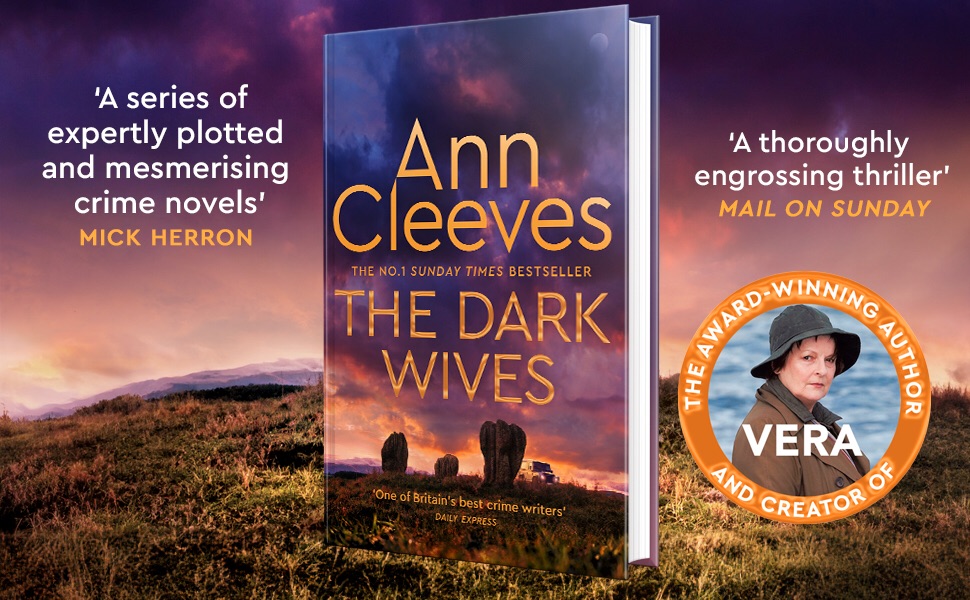
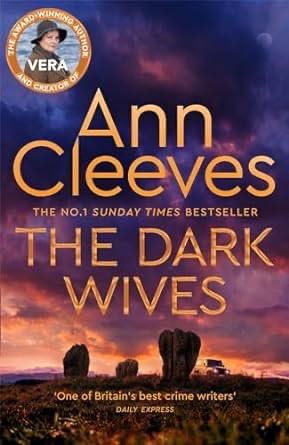
Another female detective I absolutely love! This was such an enjoyable read with an atmosphere that links back to the area’s history of witch trials. The dark wives of the title are three stones making up a circle just outside of Gilstead village, a place that seems to link strongly to the people in her case. Vera and her team have the case of a missing girl that’s linked to a murder. Chloe has been in a children’s home since her mother has been hospitalised due to her mental health. Her paternal grandparents offered to give her a home but their relationship is complex and while she gets on with her granddad her grandmother is constantly trying to change Chloe’s gothic look. Josh, the new support worker at the home, has encourage Chloe to write about her experiences and feelings in a journal, something she’s found really helpful. Now Chloe is missing and Josh is found in the park, killed by a head injury. Vera must find his killer, but even more urgently she needs to find Chloe who could be a second victim or the perpetrator. As they unravel the lives of these two young people it’s clear that there are secrets, both within the children’s home and within their lives. Vera’s search takes her to Gilstead, where Chloe’s grandparents used to own a farmhouse and still have a bothy where they’d take Chloe for picnics. Could she be hiding out in the middle of nowhere? The team are getting used to new recruit Rosie, who is what Vera thinks of as a proper Geordie girl – fake tan, false eyelashes and never goes out with a coat. She’s actually an empathic and intelligent investigator and her instinctual way of working puts Sergeant Joe’s nose out of joint. There’s a tense and thrilling conclusion set on the hills of Gilstead after dark as the villagers act out a local tradition of Hunt the Witch. It was also lovely to hear Vera’s thoughts about her own relationship with her father and his cottage where she’s lived ever since his death. Are changes afoot for this veteran detective?
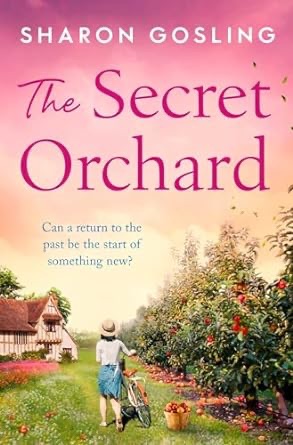
I’m on the blog tour for this lovely book from Sharon Gosling who I’ve been reading for a couple of years now. I love her combination of female characters, personal growth and change, plus a little hint of romance too. Here we meet two very different sisters, Bette and Nina Crowdie who grew up on a farm in Scotland. There’s a ten year age gap between them and they’ve never been close. Nina feels that Bette left at the first opportunity she had and has rarely been back since. She’s had been distant since she left to study law at university and now works as a divorce lawyer in London. Whereas Nina and her little boy have lived at the farm for five years and she’s worked hard to help her father. Now their father has died and Bette returns for the funeral, poised to leave as soon as it’s over. However, she’s asked to stay for the will reading. Unexpectedly their father recently changed his will and has split the farm down the muddle giving both daughters an equal share. However, the farm has significant debts and they’ll need to work together if they want to save it. Nina is furious, but she finds out that Bette has not been as distant from their father as she thought. They exchanged regular emails and Bette had given him all of her savings to mend the barn roof. I kept wondering what could possibly have happened for Bette to leave everything she knew behind and start again? As she tries to make sense of their father’s office it’s clear they need to have the property valued and it’s while walking the perimeter that they find a secret orchard at the edge of the cliffs. Why is it there and who has disguised it so well that neither of the girls had found it before? They will have to look into a story from the past to understand the mystery. This is a story about family and how we can hold beliefs and judgements about each other that are completely wrong. I thoroughly enjoyed this, hoping that the sisters could open up to each other and Build a relationship. My full review will be out this month.
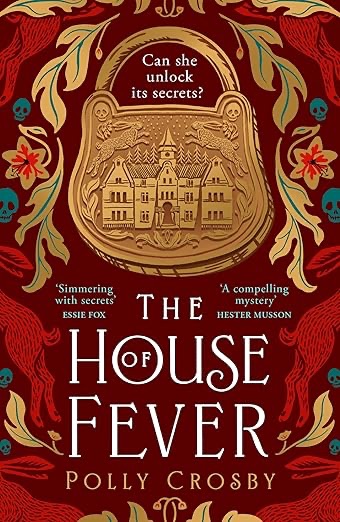
Finally comes Polly Crosby’s latest book, The House of Fever, a historical mystery set in a sanatorium for patients with tuberculosis. On a trip abroad with her mother, Agnes Templeton meets a handsome young doctor called Christian Fairhaven. He seems completely besotted with her and a romance soon develops, his his swift proposal can only mean one thing, it must be love. Seen another way, this could be a relationship of convenience. Dr Fairhaven needs a wife and a stepmother for his daughter Isobel, while Agnes needs an expert in tuberculosis for to look after her mother who is suffering from the disease. Christian is researching a new cure, something he’s working on at the institute he runs called Hedoné. He lives in a cottage alongside the institute, which is split into an infirmary for very unwell patients and ‘spa’ type accommodation for those TB patients who can benefit from the fresher air and rest that the institute provides. When Agnes arrives she finds that the guests are more glamorous and wealthy than she expected, with their part of the building adjoined by a swimming pool, beautiful grounds and many places for parties. Their access to alcohol and gourmet food gives the place the feel of a luxury hotel. Agnes’s mother is taken into isolation, to be monitored closely and have a period of quarantine. Agnes is allowed to visit her mother’s room as she seems to be immune to TB having nursed both her father and mother through the disease without succumbing herself. As she adjusts to the contrasts of lavish dinners and partying for some and the very authoritarian Matron and strict quarantine restrictions for others, Agnes starts to notice things. Isobel seems to flit around largely unmonitored and doesn’t live with them in the cottage. The beautiful actress Juno Harrington holds court here and seems to have unfettered access to Christian, even in his office. There’s nothing Agnes can put her finger on, but she feels uneasy. She senses there are secrets at Hedoné and perhaps in her marriage too. As the truth starts to unfold, I was desperate for Agnes to escape and not leave Isobel behind, because a definite bond was growing between them. Polly nails the historical background to her story and really emphasises the fate of women between two world wars. I wanted Agnes to be free, to explore her authentic self outside of her caring role and make the life she wants. I wasn’t sure, right up to the final chapters, what her fate would be. This is an entertaining and interesting novel from an author who understands the nuances of relationships and always creates fascinating characters within the most unusual settings.
That’s all for now. There are some great full reviews coming up this month so keep a look out. I have a great tbr for September and I’m looking forward to sharing it with you. I might not get through all of them but I’m going to try.





 The Lotus Readers