Posted in Monthly Wrap Up

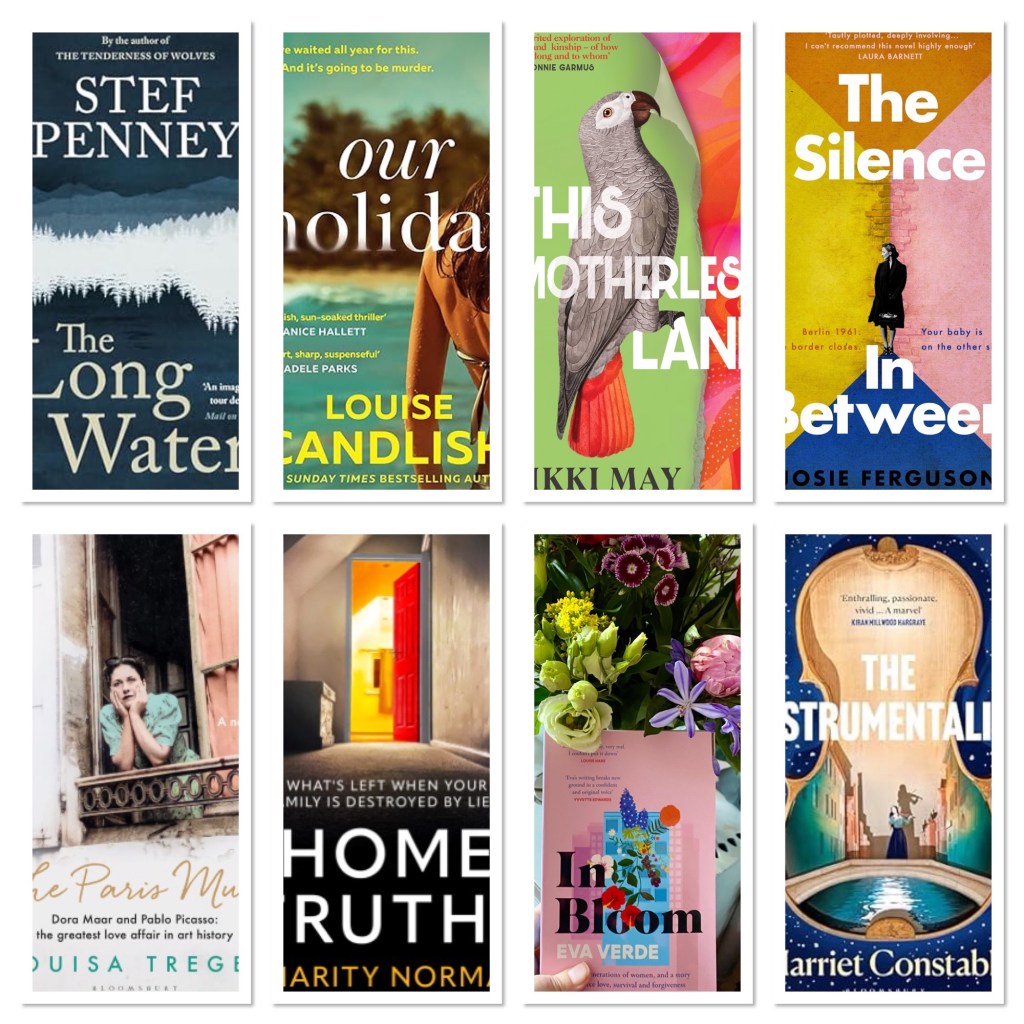
Best Books July 2024.

Every month this year seems to drift far away from my plans, for life in general and for reading! This last month my husband and I finally caught COVID as we welcomed his daughter back from university for the summer. We were both consigned to bed for a few days in his case and a whole week in mine. I’ve since had a sinus infection that’s caused nose bleeds and facial pain, plus I’m still struggling with my breathing so am on steroids, antibiotics and have an inhaler. We took a holiday to Wales and thankfully, took my carer and her children too. I spent a lot of time looking out at the view, reading and resting – what a view it was! While everyone else took turns looking after me. I did manage to get a couple of days in my favourite haunts of Beddgelert and Porthmadog, where I went to a favourite bookshop – Browsers Books. I made some great purchases from their second hand collection that I’ll show you in a few days when we’re fully unpacked. My dog Bramble had a lovely walk in the morning with my carer Louise before getting me organised and my husband managed to get some fishing done. I watched a lot of films that had been clogging up my watchlist on Netflix too. I came home on Thursday night and went straight to hospital on Friday morning for a radio frequency denervation on my back, so I’m now in bed recovering and trying to stay off my feet. I’ve managed to catch up on some Squad POD reads this month, which I was terribly behind on and I was late with blog tours. Sometimes book blogging doesn’t go according to plan, but luckily book people are some of the kindest I’ve ever met. Thanks to everyone for your patience and kindness this month ❤️❤️❤️

I loved this wonderful debut from Harriet Constable. Set in the magical city of Venice in the 18th Century, this shows a different side to the same place where Casanova was prowling the richest parties. We follow the fortunes of Anna, an orphan who was passed into the care of nuns at the Ospedale Della Pieta. The orphanage has a hatch in the wall, just big enough to accommodate a newborn baby and this is how Anna came to be at the orphanage with her friends. The girls are schooled but the specialism is music and Anna is playing the violin. She is a bright, sparky and ambitious girl absolutely bristling with energy and promise. When she catches the eye of the music master she hopes to reach the level where she can audition for the orphanages elite orchestra. Everyone knows that orchestra girls get special treatment, perform in the best venues in the city and receive gifts from patrons. She has definitely caught the eye of the master, who has organised for her to have her very own custom made violin. However, it isn’t until she’s a little older that she sees how precarious her position is. Those girls who don’t become elite musicians are introduced to eligible men, often rich but very old. For Anna this seems a fate worse than death, all she wants is to play the piano and be the best. In order to get there she will sacrifice everything… but will it be worth it? This is a fantastic debut, full of rich historical detail and brimming with tension.
In a remote region of the Norwegian arctic, a community struggles with its secrets when a young man called Daniel goes missing. This is the period called the Russ when teens who are about to leave school go through a period of partying, practical jokes and letting off steam. Svea is an elderly woman who has lived in the area for all her life. She has a simple life with her dog Aster and heads down to the cafe for her breakfast each morning. More often than not Odd Emil joins her, not that they have an arrangement. They’ve known each other all their lives and he was once in love with Svea’s beautiful younger sister Norah who disappeared many years ago, thought to be drowned. There are so many secrets here that it’s hard for the police to find Daniel. A fancy dress Russ party took place that weekend, Svea’s granddaughter Elin and her best friend Benny decide to attend in drag, with Elin surprised to find herself kissing Daniel despite her pink beard. Benny sees Daniel’s friends abandoning his car at a local hotel, so it looks like he started out on a walking trail. Can Benny tell the police what he’s seen without disclosing what he was doing there himself? When a body is found in a cave during the search, the police release that it has been there too long for it to be Daniel. But if it isn’t the missing teenager, who can it be? This was a brilliant thriller, depicting a seemingly ordinary town full of secrets and lies.

I loved this tale of Nigerian girl Funke, living a happy life on the university campus with her father and mother, plus brother Femi. Her life is turned upside down one ordinary morning on the way to school, when an accident kills both her mother and brother. Funke’s mother kept her in-laws at bay most of the time, knowing that her mother-in-law disapproved of her son’s marriage to a white woman. Now, with her father in shock, her grandmother is in charge and her ‘bush’ ways are having an influence. How could Funke have come out of the same crash without a single mark on her? Funke’s aunties can see which way the wind is blowing and make a decision that it would be best to send her to her mother’s family in England. The white side of her family. Totally out of her depth, Funke has never met her mum’s family or been to England. The Ring, her mum’s childhood home is an old mansion and not the fairy tale place she talked about to Funke and her brother. Even worse is Aunty Margot, a bitter and angry woman who blames her sister Lizzie for ruining her wedding; when Margot’s fiancé found out Lizzie had run away with a Nigerian man he broke off the engagement. If it wasn’t for her cousin Liv, Funke would have felt lost. She was determined to make Funke feel at home and wants to become her best friend. Can she succeed or is Funke’s life always going to be turbulent and changeable? This is a gorgeous book, vibrant and life affirming.
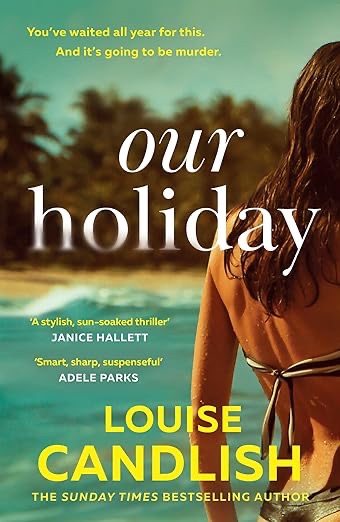
Pine Ridge is an idyllic coastal village on the south coast and it’s almost August so it’s time for the ‘Down from London’ crowd to start arriving on the ferry. This is one of those places struggling due to the amount of local property bought up as second homes and holiday lets. This August the two sides are set to clash more than ever as locals have set up a campaign group – the NJFA or Not Just For August movement. They have a series of publicity stunts set up for the coming month, starting with egging visitors cars as they come off the ferry. Amy and Linus are coming to stay in their new holiday home for the first time, sharing a week’s holiday together until work starts on their renovation. Having been introduced to Pine Ridge by friends Perry and Charlotte, Amy was determined to have a home with a sea view and a summerhouse just like theirs. Perry bought their house outright with his banker’s bonus and Charlotte created The Nook where everyone congregates for drinks in the evening. Locals Robbie and Tate live in the caravan park, only just able to afford the rent on a static home, which is boiling during the summer. They and their girlfriends have jobs that serve the incomers, but they’re not well paid and even the smallest flats have been pulled off the rental market to become AirBnB lets. The two sides will clash, but everyone seems shocked when a summerhouse is bulldozed over the cliff and on to the beach. Even more so when the police find a body inside! This a smart contemporary thriller with a perfect satirical look at the upper middle classes.
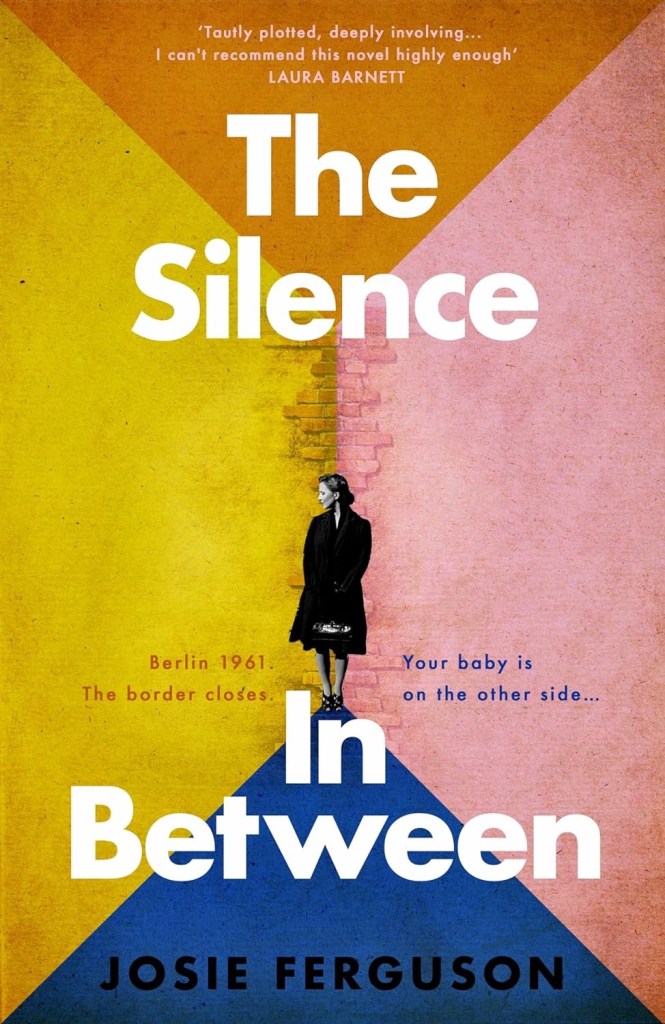
This is one of the most moving books I have ever read. Lissette’s baby son has been unwell and she’s had to take him to hospital on the west side of Berlin. When the medics try to get her to go home and sleep she’s very unsure, but they convince her to get some sleep and bring more supplies back in the morning. Lisette makes her way back to East Berlin, feeling more confident about her baby son’s recovery. When the household wakes the next morning a seismic change has happened. A barrier has been created between East and West Germany overnight. Lissette runs to where soldiers are guarding entry to the west and begs them, surely if she just explains that her baby is in a hospital just a few streets away they’ll let her through. He needs his mother. As the hours turn into days Lissette is grieving for her son and daughter Ellie wants to find a way to make things right again. She has a gift for music and hears people’s emotional state as a melody, but her mother’s music has gone. She makes a decision. She is going to find a way of getting across the new border and into the west. There she will find her brother. The historical research for this book is clearly extensive and I was actually ashamed of how little I knew about this time in history. We also go back to WW2 and Lissette’s teenage years in a city at war, giving us background on the family and how Berlin and Germany came to be separated. This is a heart-rending and emotional story showing how an historical event affected the real people living through it. Really exceptional writing.
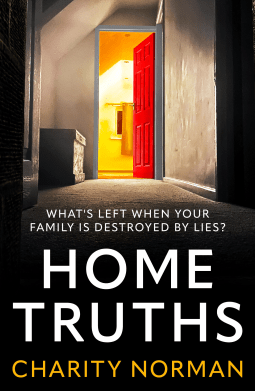
I’m a big fan of Charity Norman because she’s great at bringing the conflicting issues of society into family relationships, exploring whether they grow stronger or whether they crack. Livia Denby is a probation officer on trial for attempted murder and the jury have reached a verdict. Everything went wrong two years before, as Livia and her family are celebrating daughter Heidi’s birthday. Her gift is a new bike and she’s planned a bike ride to a local pub with her dad. Scott has promised to take her for a birthday lunch and she’s really excited to have her dad to herself. Scott has lots of responsibilities; he’s a father, an English teacher and cares for his brother who has Down’s Syndrome and diabetes. As Scott’s phone keeps ringing, Heidi can see their outing slipping away. Her uncle has already called twice because he’s confused they’re not going to Tesco as usual. Before the phone can ring again, Heidi slips it down the back of the armchair. It’s a momentary decision with terrible consequences. Livia awaits their return with terrible news. Scott’s brother accidentally locked himself out of the house and had a hypo. Despite help from passers by, the paramedics were unable to revive him. He died before he even reached the hospital. When Scott finally finds his phone there’s one plaintive, heartbreaking voice mail he can’t get over and his guilt complicates his grief. Scott starts looking for answers and fixates on one witness who said the ambulance took a long time and the paramedics were slow to act. He starts to research medical negligence, watching videos on YouTube and making links with content creators who talk about ‘Big Pharma.’ Before long he has fallen down the rabbit hole into conspiracy theories that separate him from his family. This is such a hot topic at the moment and the author has brilliantly portrayed how people can be brainwashed and radicalised by social media. I thought this was a fantastically tense and incredibly intelligent read.
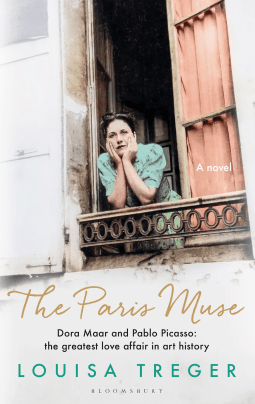
This is a fascinating story about Dora Maar, a photographer and artist who exhibited alongside some of the greatest artists in the Surrealist movement. She lived in Paris for most of her life, most notably, during the German occupation in WWII. Born Henrietta Theodora Markovitch in 1907, she used her photographic art to better represent life through links with ideas, politics and philosophy rather than slavishly photographing what was naturally there. She was exhibited in the Surrealist Exposition in Paris and the International Surrealist Exhibition in London in 1936. In the same year she was exhibited at MOMA in NYC. She first encountered Picasso while taking photos at a film set in 1935, but they were not introduced until a few days later when Paul Elduard introduced them at Cafe des Deux Magots. Dora is intent on catching his eye and sat alone, using a pen knife to stab between her splayed fingers. Where she missed, blood stained the gloves she wore and Picasso kept them with his most treasured mementoes. The gloves are a metaphor for their entire relationship – he fed off her emotions. We are inside Dora’s mind at all times giving her control of her story. In a world where Dora is known best through her relationship with a man, instead of her own work, Treger is simply redressing the balance. You’d have to be utterly blind to think there’s any other way of looking at his treatment of her and the other women he was involved with. In the nine years they were together, she was subjected to mental and psychological abuse. She was underestimated as an influence on his work, particularly Guernica and his politics. I felt that Picasso was drawn to her masochism and fed on the pain he caused her for his personal satisfaction and his art. Picasso comes across as a narcissist; constantly told he was a genius he believes everything revolves around his needs and his freedom to work. This is seen in The Weeping Woman series of paintings where she’s depicted as a woman who is constantly tortured and distressed, when she’s so much more than this. This is a brilliantly researched piece of art history told as a memoir.

This isn’t the first time I’ve read Eva Verde’s novel but I was asked to read it again for the paperback publication on 1st August. I worry about trigger warnings, they stop people reading books they might connect with emotionally and potentially prevent a healing process. If anyone should have avoided this book it was me, because I was Delphine. I lost the love of my life in my early thirties and then sleepwalked into a coercive and damaging relationship. So this was a hard read at times, but that wasn’t remotely negative. Moon, Delphine and Roche are three generations of a family. Each woman has her own issues, but they all stem from right back at the beginning. As the book opens Roche can no longer live with her mother and Itsy, the man she’s been living with for most of Roche’s life. So she decamps to her grandmother Moon’s house. Roche feels like Itsy dislikes her and wants Delphine all to himself. Of course it’s easier to control someone who’s isolated. Delphine has a ‘glazed over’ look and has done everything she can to keep Itsy happy. She’s changed how she dressed, made herself less beautiful, stayed at home and stopped going out with friends. Every day she makes herself smaller to make more space for him and Roche can’t watch it anymore. However, Delphine is changing, she has a job she enjoys at B & Q, new connections with her colleagues and today she has made a choice. Delphine is pregnant and she knows deep down in her soul that ‘the thought of more years, more life, tied to him’ is more than she can bear. She goes quietly on her own for an abortion, the quietest but most powerful act of rebellion she can make. Then comes an opportunity, Itsy receives a phone call from Jamaica. His mother is dying and he must jump straight on a flight. Delphine lets him go alone, knowing that now she has several weeks to herself. She doesn’t stop Roche from moving out and accepts this as her time to heal, time to be the parent that so often Roche has to be for her. However, this isn’t the only recovery needed in the three generations of this family thanks to the actions of men. This was such a real, emotionally engaging story that focused on relationships between mothers and their daughters especially those responses to trauma that we pass on to the next generation. This was so emotionally intelligent and uplifting.

This was a fascinating mystery, set within the art world and told from different points of view within three timelines. In 1938, Juliette Willoughby is living and painting alongside her lover Oskar in Paris. A British heiress, she left her family and their money behind for a life as an artist who is best known for her painting ‘Self-Portait as Sphinx’, thought to be lost in a studio fire where Juliette also lost her life. We meet our main characters Caroline and Patrick at Cambridge in 1991, where they are both studying art history and specialise in the Surrealists. They are sent to the same dissertation supervisor and while researching come across something sinister about Juliette’s death. Their investigations may expose terrible secrets about the Willoughby family, who are acquaintances of both students and an aristocratic family who don’t want their family history out in the open. Our final timeline is present day Dubai where Patrick is an art dealer and lives with his wife. Caroline is now an academic and expert on Surrealism, especially Juliette Willoughby so when a new ‘Self-Portrait as Sphinx’ is uncovered he asks her to fly to Dubai and authenticate the painting. A sale is on the cards and Patrick needs to know if this painting is definitely a second version by Juliette and potentially worth millions. He plans a night for collectors to view the painting and offer sealed bids, but the night ends with Patrick in a cell accused of murdering one of his closest friends – the last surviving member of the Willoughby family. There are now three suspicious deaths linked to this painting, but can Caroline unlock the mystery before Patrick is charged with a crime he didn’t commit? This book creeps up on you, a slow building tension grabs you and doesn’t let go. You will find yourself desperate to know about the painting and what happened in the Willoughby family.

Here’s my view on holiday:

Posted in Squad Pod

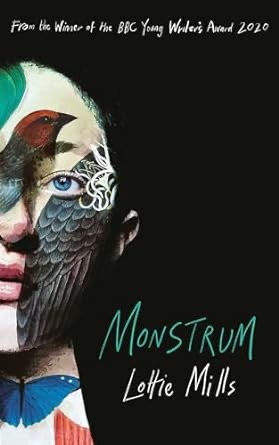
Monstrum by Lottie Mills

This is a very personal review, because when you have a disability it’s impossible to read a collection of stories about bodily difference and it not feel personal. I was diagnosed with Multiple Sclerosis in 1995, but originally broke my back at 11 years old and after years of pain developed Myofascial Pain Syndrome and disc degeneration. Disability and difference have been part of my life for so long but yet I never feel fully part of that world. That’s because my disabilities are usually invisible and I don’t really belong in either world. I even read this while struggling with my health and finally catching COVID. I’m typing up my review while in bed after a radio frequency denervation, where a heated needle is guided towards the compressed nerves and burns them to disrupt the pain messages that refer nerve pain to my legs and lower abdomen. All this goes on behind closed doors because I’m simply unable to get up and out. Then when I can go out, I appear to have very little wrong with me unless I’m using my stick or a crutch. I’m doing what’s called ‘passing’ – able to look like everyone else while having disabilities. So it’s hard to put across how moved I was by this collection portraying ‘otherness’ and how able-bodied people respond to it. Using mythology, fairy tales and a touch of Shakespeare, Lottie Mills has managed to put across so much about life with a disability and what happens when it brushes up against an able-bodied society that’s considered the norm. However, in her world these disabilities become abilities, sometimes magical ones.

The first story in the collection introduces us to a magical island where Cal and his daughter have a beautiful life of warm sand, sea and a night sky glittering with stars. He tells her stories about bear people and she asks him if they are bear people? Yes they are he says, although her mother wasn’t. She was from a human world that’s about to clash disastrously with theirs. In the human world, there’s so much that Cal can’t do because it isn’t set up like their island. In the human world Cal becomes disabled. We then see what happens when human agencies come up against their little family with disastrous consequences. Instead of concentrating on what he can do, they look at him through the prism of their own abilities and only the things he can’t do. How can he possibly look after his daughter properly when he’s so disadvantaged? Mills takes disability theory here and applied it to her character’s lives, which judging by the name Cal (Caliban) come from the type of magical island Shakespeare describes in The Tempest. Caliban has been more recently portrayed in productions of the play as a black man, a slave, or an asylum seeker rather than a monster. Mills makes the point that Caliban is only a monster when we make him one. The original model of disability is a medical one that assumes there is one ideal healthy body and anything that differs from that is wrong and needs to be fixed. When used in a social context it tells you that the things you can’t do in the world are down to your difference from the norm. However, the social model tells us that it is the way the world is set up that creates the disability. For example if all buildings eradicated stairs, creating ramps and lifts within the normal building model, the environment becomes accessible to all. If Cal is viewed in his own environment, he is capable of looking after his daughter. I was desperate for them to be reunited and I also felt a personal yearning to be part of Cal’s world. This fairy tale explains that while agencies like social services and the NHS might think they are doing the right thing for someone, there is often a better solution. That solution champions individuality and concentrates on what the person can do, rather than what they can’t.

In another story we meet a young disabled woman who craves the perfect pain- free body, something I could definitely identify with right now. However, when her wish is granted she finds it difficult to let go of her disabled identity. This was a fascinating exploration of how disability affects the person psychologically. If a disability is innate then it’s the only body that person has ever known. They know the world’s expectations of that body, their own perception of what they might achieve within that body and how able-bodied people perceive them. If the disability is acquired it can be a long and painful process to come to an acceptance of your new body. You must grieve the body you have lost, as well as all the things you expected to do with that body. I have heard many friends tell me that while they’d happily give up chronic pain or a particular aspect of their disability, they wouldn’t want to go through a reverse change and be able-bodied again. There is even a fear of becoming able-bodied again, with all the expectations that places on a person. This story perfectly encapsulates that fight within the self and how far our disabilities are assimilated into our idea of who we are. I loved Lottie’s use of horror and settings where disability has often found a home such as the circus or fairground. Freak shows were popular in the 19th Century, in both the UK and USA, with different bodies placed on show for entertainment and wonder. In fact Coney Island in New York was a hugely successful venue for such shows, where businessmen and entertainers like Barnum were making money from the display of people with differences and disabilities. It certainly wasn’t the wonderful musical extravaganza portrayed in The Greatest Showman. However, it was a place where someone with a disability could make their own money, live in a community where difference was appreciated and accommodated and achieve a level of fame. She lets us know that these issues are complex and look very different from person to person.

There is a beauty in this world of ‘otherness’ and it’s a world made up of an incredible mix of ingredients. Every person with a disability is different so the variety of experience is endless and hybrid bodies, unusual pairings/families and queer love thrives here. Lottie has found a way of balancing how the world sees us and how we see ourselves. She has used magic realism and alternative communities to show the strength there is in accepting disability and making a life with it, rather than constantly fighting to change yourself and remain in the able-bodied world. What was the most interesting thing to me was her understanding of how these issues affect the world of writing and how there are accepted narrative tropes around disability. I studied for a PhD, sadly never completed, where I was looking at how disability is portrayed in autobiography and memoir and whether this was driven by an author’s internalisation of society’s expectations or whether the publishing industry is biased towards narratives that are acceptable to able-bodied readers and they know will sell widely. The public like people who battle against their disability and illness, preferring words like ‘fight’, ‘overcome’ and ‘survive’. The accepted narrative trope is that of a journey from the dark days of diagnosis towards the rehabilitation and a triumphant ending of cure or a successful life, despite the disability. Often people with disabilities read these narratives and feel inadequate for struggling, for not achieving a similar level of ability and success. Mainly they don’t feel represented. Here Lottie shows us these stereotypes and gives us something different – individuality, community and love. Her narratives don’t follow the accepted tropes, instead focusing on acceptance, owning a disability and living with it in a way that works for the character rather than an able-bodied reader. Lottie’s writing manages to latch onto the reader and not let go, but for me it was her refusal to conform and instead confront people’s perceptions of disability. I’m hopeful for much more from this talented writer and that publishers are starting to see the value of individual and adventurous disability narratives that truly represent such a vibrant and varied community.

Published by Oneworld Publications May 2024.

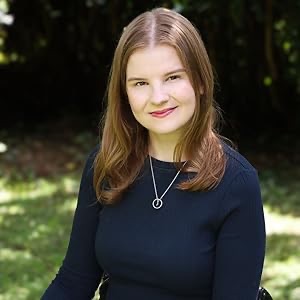
Meet the Author

Lottie Mills was born in Hampshire and grew up in West Sussex, Hertfordshire, and Essex. She studied English at Newnham College, Cambridge, and contributed to Varsity and The Mays during her time there. In 2020, she won the BBC Young Writers’ Award for her short story ‘The Changeling’, having been previously shortlisted in 2018. Her work has been broadcast on BBC Radio 1 and BBC Radio 4, and she has appeared on programmes including Look East, Life Hacks, and Woman’s Hour to discuss her writing. Monstrum is her debut book.

Posted in Squad Pod

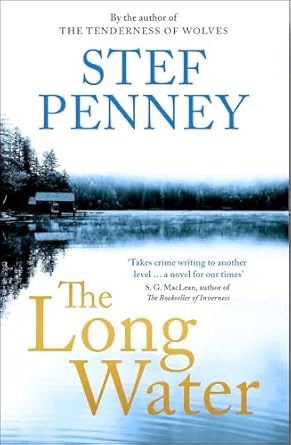
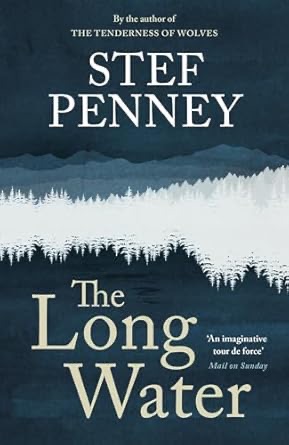
The Long Water by Stef Penney

Nordland. A region in the Norwegian Arctic; a remote valley that stretches from the sea up to the mountains and glaciers.

It is May in what was once a prosperous mining community. The snows are nearly gone and it’s a time of spring and school-leavers’ celebrations – until Daniel, a popular teenage boy, goes missing. Conflicting stories circulate among his friends, of parties and wild behaviour.

As the search for Daniel widens, the police open a disused mine in the mountains. They find human remains, but this body has been there for decades, its identity a mystery.

Everyone in this tight knit, isolated community is touched by these events: misanthropic Svea, whose long life in the area stretches back to the heyday of the mines, and beyond. She has cut all ties with her family, except for her granddaughter, Elin, an outsider like her grandmother. Elin and her friend Benny, both impacted by Daniel while he was alive, become entangled in the hunt for answers, while Svea has deep, dark secrets of her own.

After a move into historical fiction with her fabulous The Beasts of Paris, this feels like a more pared back novel set in modern day Norway. It is a crime novel, based around a missing teenage boy called Daniel. We see a lot of the action through the eyes of an elderly woman called Svea, who has lived here all her life with her two younger sisters. Her youngest sister Nordis, went missing many years ago, thought to have drowned herself in the sea. Svea lives with her puffin hound Asta and has a simple routine of walking into town with her dog for a coffee and pastry, often sharing her breakfast with Odd Emil, another elderly resident of the town who was once in love with the very beautiful Nordis. Daniel is Emil’s grandson and he’s struggling with his inability to do anything, he can’t help. Svea’s granddaughter Elin had been to a russ ball, a little like a senior prom. During russ, school leavers play pranks on each other and issue dares. It’s a time period that teachers tolerate with a roll of the eyes, but never usually goes too far. Both Elin and her friend Benny go in drag and become celebrated for the evening, the heroes of the popular kids. Elin even has a interlude with Daniel – she’s surprised to find this beautiful boy kissing her despite her pink beard! In the early hours of the next morning, Benny is having a liaison of his own when he sees Daniel’s friends parking his car behind the hotel. Then Daniel is reported missing on the trail and Benny is torn, he should mention that Daniel wasn’t in the car but what excuse can he give for being there? Benny has a secret, but he isn’t the only one and some secrets have lasted a lifetime.

I loved the sense of place the author created here. There’s a stillness and isolation about the landscape, it’s beautiful but unforgiving territory. It is like a lot of towns in the north of England, where mining was once the major industry and now they’re closed. There’s something missing in these places, a community that was once focused around the work they shared is gone. I felt this dislocation was an important part of the novel, because although it’s primarily a crime narrative it’s also a look at how much the small community has changed. As the mines closed and the outside world starts to bleed in through the internet and individual mobile phones the town has something of an identity crisis. It explores these contemporary changes in the younger characters like Elin and Benny, but by having Svea as our narrator we can see how seismic the changes have been within her lifetime. Also she breaks the fourth wall a lot which I love in a narrator. For Svea and Emil, who meet for coffee each day, their relationship is loose and undefined. They don’t even say they’ll see each other tomorrow, but usually do. It’s an understanding that’s taken a lifetime. Yet her narration, where she talks directly to us, is more conversational and intimate. Then the author lapses into text speak and emojis for the younger people’s communication. It’s instant, punchy and sometimes indecipherable by someone over forty.

“If you constantly express love as a red tiny heart – ‘bounceable’ and unbreakable – does that diminish the complexity and subtlety of your feelings?”

Svea doesn’t fully understand everything her granddaughter Elin is telling her, but there is an acceptance that shows wisdom rather than comprehension. On the evening of the ball with Benny in his dress and Elin in a suit complete with the pink beard, Elin informs her grandmother that she feels gender fluid. This is possibly an issue at home where her father is the local minister. Benny is openly gay, but his love life is extremely private. He has caught the eye of a hotel guest, a man much older than Benny. He sneaks out to the hotel to meet him, only Elin knowing where he’s going. There can’t be anything wrong with it, because the sex was enjoyable. He didn’t feel forced or taken advantage of, but it did feel strange when he left a huge sum of money for him as if it was a tip. He knows if he admits where he was when he witnessed Daniel’s friends, people will be jumping to all sorts of conclusions.

When a body is found in a cave, during the search for Daniel, people start to speculate. It’s been there for some time and it will take DNA testing to find the answers. I did wonder if it might be Svea’s sister Nordis, who didn’t succumb to the sea after all. The past is coming back to haunt them all and what a past it is. Svea explains that her own mother fell in love with a German prisoner of war, much to the disgust of villagers. Svea was known as a Nazi girl and this heritage stayed with her for life in more ways than one. We know something terrible happened because Svea’s father was the enemy, but she leads up to it very slowly, keeping us abreast of the investigation but also delving back into the past. It was this mystery as much as the unsolved crime that drew me in and kept me reading. This is a slow burn, but Svea relates the story as if we’re a friend or acquaintance. It’s as if she’s the spider at the centre of a very dark web and we’re drawn further and further in. The tension of Daniel’s disappearance starts to build as the days go by too. However, it’s not just this that’s fascinating. The interesting relationship between Elin’s father and Marylinn from the school, being conducted in secret so they don’t upset Elin who already has an inkling. Also, being let into the lives of these young people who are so vulnerable, dealing with their emotions, the pressures of school and popularity and trying to work out who they are when there are so many options. Then we’re shot back to Svea’s teenage years and the reminder of all that adolescent angst makes us realise the full implications of what she went through. This is a novel of relationships, romantic and familial as well as the deep bonds of friendship. We see both ends of the spectrum too, those trying to make sense of where they are by harking back to the past and those working themselves out for the first time. It’s also about how we love, whether in secret, in the open, with fireworks or a quiet love that doesn’t even identify itself.

Published by Quercus.

Meet the Author

Stef Penney is a screenwriter and the author of three novels: The Tenderness of Wolves (2006), The Invisible Ones (2011), and Under a Pole Star (2016). She has also written extensively for radio, including adaptations of Moby Dick, The Worst Journey in the World, and, mostly recently, a third installment of Peter O’Donnell’s Modesty Blaise series.

The Tenderness of Wolves won Costa Book of the Year, Theakston’s Crime Novel of the Year, and was translated into thirty languages. It has just been re-issued in a 10th anniversary edition.

Posted in Random Things Tours

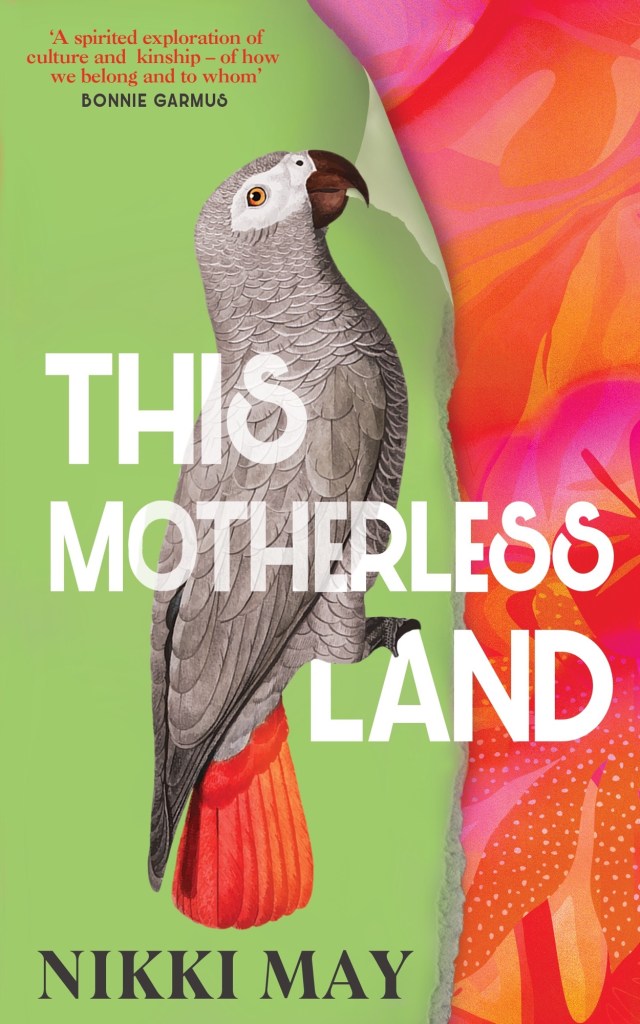
This Motherless Land by Nikki May.

This book was an absolute joy to read, which may sound strange considering the subject matter but somehow it awakened my senses, stirred my emotions and kept me reading. In fact I read it so quickly I was finished in an evening that turned into morning before I knew it. Funke lives in Nigeria with her mother, known as Misses Lissie to most people, her father and brother Femi. Mum is a teacher and Dad works at the university. Their entire world is shattered one morning as they make their normal run to school when their mother’s car fails to stop and ploughs directly under a lorry. The drivers side of the car is destroyed but Funke’s side is left completely unscathed. She loses her mother and brother in a moment. In his grief, her father Babatunde is inconsolable and he takes it out on Funke. How did she get out without a scratch? Encouraged by his superstitious mother, he calls Funke a witch and insists she must be protected by some magical being. Seeing how Funke will be treated by her grandmother, her aunties put their heads together and decide she should be sent for a while to her mother’s family in England. Her white family. Funke is ripped away from everything she knows and sent to The Ring, the mansion where her mother and Aunty Margot grew up. There, although she isn’t being hit or accused of evil spells, she feels the resentment of Aunt Margot and her cousin Dominic. They call her Kate, after all it’s easier than pronouncing Funke isn’t it? There’s no colour, bland food and where she was accused of being white in Nigeria, here she is seen as black – with all the racist connotations that come alongside it. Especially in white, upperclass Britain. England’s only saving grace is her cousin Liv. Liv scoops her up and feeds her comfort food. The problem is it’s not the food or the comfort she’s used to.

This is a book about being in between. Funke’s mother was ostracised by her family for marrying a Nigerian man. Aunt Margot sees Lizzie’s relationship with Babatunde as the reason for her own engagement being called off just before the wedding. In her eyes Lizzie was selfish, pursuing her own feelings at the expense of her family. She feels Lizzie had the looks, the charisma and the man she loved, while Margot was left heartbroken and with parents who seemed to miss Lizzie more than they enjoyed Margot’s presence. She sees Funke as her mother’s daughter and a threat to her own children. Her parents seem to love Kate, as they’ve christened her, and Margot doesn’t want her to take all the attention, the love and their eventual inheritance. She’s a bitter woman who is very hard to like. Sadly for Funke, history repeats itself and on the night of their prom a series of events mean they must drive home early. Liv is drunk and high. Yet even Funke, who is teetotal, feels unwell. Dominic throws caution to the wind and decides to drive them home, despite his own drinking, and a terrible accident occurs. Everyone survives but Liv suffers a bad break to her leg. In the aftermath Dominic asks Funke to admit to driving, which she agrees to, not knowing that covering for her cousins will lead to her life being uprooted for the second time.

Funke feels like she belongs nowhere. In Nigeria when her mother was alive they had a wonderful life, even if children would follow her singing a song about her pale skin. That’s nothing to the blatant racism she faces in England, but she faces it down and it fuels her will to succeed. Then she’s back in Nigeria and is again the odd one out. This time she’s in her dad’s new family and their lifestyle in the village is very different to the childhood she remembers on the university compound. His new wife and their children eat and live in ways her dad would have dismissed as ‘bush’ when Funke was a child. Her small brother and sister are black and fascinated with her pale, mixed race skin. Things are familiar, such as the spicy red stew and the heat, but it’s a changed land without her mother in it. At least in England she didn’t expect her mother to be there. Now she faced with the shock of her absence all over again. Will she ever find home? Meanwhile, back in Britain, when Liv finally comes round from the accident she asks for Kate. What will her mother tell her?

I thought the author brilliantly showed how different people cope with mental pain. Funke takes a bottle top from her mother’s hoard (for craft projects) and holds it in her hand so hard that it cuts into her palm. Liv is horrified that she’s hurt herself like this, but for Funke it’s the only thing that distracts her from the grief of losing her and her brother. Liv also deals with motherly absence, but externalises her feelings in a different way. She has a mother who is present, just not for her. Liv starts to drink excessively, uses marijuana and acid tabs to blank out the feelings that she isn’t loved and therefore isn’t worth anything. When we’re children and we’re rejected by a parent, we never assume it’s the parent’s fault and we don’t stop loving them. Instead we internalise their criticism and think we are the problem. Liv has a lot of casual sex because she thinks it sex is all she really has to offer. Meanwhile Funke struggles to give love and truly trust someone. She is in a relationship with a young man who is keeping his true sexuality under wraps, because it’s not accepted in his family or community. The younger people are aware he’s gay and call Funke his ‘beard’, but how far can she take this relationship? What if he suggests a more permanent arrangement and is Funke willing to give her life away so easily? The the same root cause, a loss of the mother figure they so needed, affects both girls, it just manifests in different ways. With them both on opposite continents, how will they ever find each other again? The spaces between can be painful and isolating places to be and the author depicts that with such tenderness and understanding. However, liminal spaces are also freeing. Being in-between gives us the space to choose, to take bits and pieces from each place, each family and make our own identity. I found the end chapter so uplifting and it gave me hope that we can each forge our own identity, once we’ve explored who we truly are. This is a fascinating, touching story about growing up and how we become who we are. It’s vibrant, atmospheric and an absolute must read.

Meet the Author

Born in Bristol, raised in Lagos, I’m proud to be Anglo-Nigerian. I ran a successful ad agency before turning to writing and now live in Dorset with my husband, two standard schnauzers, and way too many books.

My debut novel WAHALA was inspired by a long (and loud) lunch with friends. It was published around the world in January 2022 and is being adapted into a major BBC TV drama. This Motherless Land is my second novel.

Posted in Netgalley

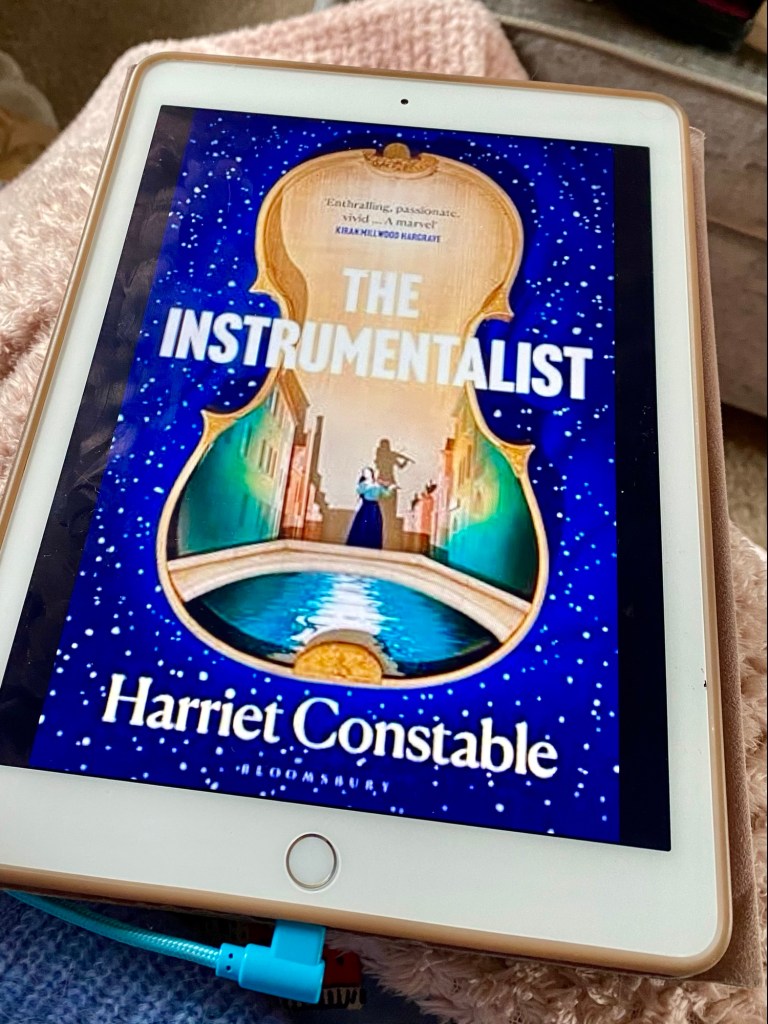
The Instrumentalist by Harriet Constable

Wow! What an incredible debut this is. I absolutely consumed this book and even found myself furtively reading in the middle of the night with a tiny torch. Anna Maria della Piétro is a fascinating heroine and while not always likeable, I found myself rooting for her. Like all the girls at the Piétro, Anna Maria is an orphan, posted through the tiny hatch in the Ospedale Della Pietá often with a note or keepsake from the unlucky girl who had leave her child behind. The author shows us the incredible splendour of Venice, a place I fell completely in love with, contrasted with it’s destitution and desperation. A state that seems more likely for women, especially those from a poorer background. The convent brings up it’s girls very strictly, according to the Catholic faith and the virtues of hard work from scrubbing the floors or working in the nursery. It is also a college of music. Each girl is taught at least one instrument with the best trying out for the orphanage’s orchestra, the figlio. Those chosen will work with the master of music and they will play in the some of the most beautiful basilicas and palazzos in all of Venice. Anna Maria’s great love is the violin and there’s no doubt she will try to become the best.

Anna Maria is a bundle of youthful exuberance, fireworks, talent and ambition. She practically leaps off the page and it seems impossible for her to fail. She starts by aiming to be noticed by the master of music and after that to be the youngest member of the figlio. No sooner is one ambition fulfilled then she’s already thinking of the next. The rewards are also intoxicating – not that Anna Maria cares much for the lace shawls from Burano, but she is partial to the small pastries with candied peel and spices that she loves to share with friends Paulina and ?? Through them we see the girl rather than the musician. They bring out a lightness of spirit, playfulness and a sense of sisterhood. The love she has for her custom made violin is absolutely infectious and when she becomes the favourite of the music master will those girlish aspects of her character remain? Constable shows us a dark underbelly, both to the Ospedale and their music programme. Although the alternatives are even worse. She also shows us huge disparity between the rich and poor in Venice. As visitors we only see the beauty and history of this incredible city, but once I did catch a glimpse of the systems that keep the city going. While waiting on a jetty to catch my water taxi one early morning I met the dustbin men of the city, having to negotiate tiny lanes and creaking jetties to clear up after all the visitors. When Anna Maria gets to play at private palazzos, the grandeur is overpowering. After her performances she is showered with lavish gifts that are at home where she plays but out of place in her bare room. She also notices that those orphans who don’t excel are easy pickings for the rich patrons of the Ospedale. Unsurprisingly, Anna Maria wants to escape the fate of becoming a wife to a much older man and putting aside her talent. As she is taken under the wing of a female patron, Elizabetta ?? She’s impressed by incredible dresses and Elizabetta’s elegant palazzo, but this patron also uses her wealth for good. She shows Anna Maria another fate for the cities’ poor women, by taking her to a brothel where the wealthy woman helps with supplies ensuring these women can make their living in safe and clean surroundings. She points out to Anna the danger in becoming a favourite – there are always people lining up to replace you. When the master is fickle or arrested by a newer, talented young girl what would happen to Anna? It makes her think about the person she replaced for the first time.

I loved the synaesthetic aspect to Anna Maria’s talent because it really added to my understanding of why she loves it so much. I have tastes that are related to colour, so if I see a garden full of beautiful yellow daffodils my mouth begins to water and I get the sensation and taste of lemon sherbet sweets. As Anna Maria plays, colours dance through her and the flurry of colour gives us a sense of how transformative it is for her to play. She is utterly lost in this moments. She’s floating within a rainbow of colour. Even when she begins to compose the written notes on the page are hastily drawn because she’s somewhere else experiencing a unique explosion of sound and colour. Even though she’s not always likeable I was still rooting for her. However some of her tougher decisions are made from within the context of survival. Only by being ruthless and getting to the position of power she craves can she feel safe. Then she can make better, more equitable decisions from a place of safety. This is an incredible story, made all the more powerful because Anna did exist. While this is a novelisation rather than an autobiography she was real and so was her music master . He is a mercurial and sometimes cruel man whose identity remains unspoken – although I did realise who he was part way through. I loved that this is written as a feminist counterpoint to his fame, highlighting a woman of equal talent who is cheated in a creative partnership and ends up with her woke stolen and uncredited. This is an abusive relationship characterised by manipulation, exploitation and a fascination with talented pre-pubescent young girls. Harriet has created a brilliant work of historical fiction that gives voice to one such young woman full of spark, talent and incredible drive to succeed. Her book is totally immersive, plunging us into a world where women were expendable, only there to parrot and enhance a man’s talent. It’s a powerful and compelling tale that I’m sure I’ll still remember when it comes to my end of year favourite books.

Out on 15th August from Bloomsbury

Meet the Author

Harriet Constable is an award-winning journalist and filmmaker living in London. Her work has been featured by the New York Times, the Economist, and the BBC, and she is a grantee of the Pulitzer Center. Raised in a musical family, The Instrumentalist is her first novel. It has been selected as one of the Top 10 Debuts of 2024 by the Guardian.